

NZ’s raw milk farmers endure constant new onslaughts on their industry, making it harder and more expensive to meet requirements. I’ve been sourcing raw milk in NZ for 20 years now. The supply gets harder to find. Check out our prior posts on topic here:
https://envirowatchnz.com/?s=raw+milk
Particularly that of a little NZ girl who was crippled with eczema, wheelchair bound at times, who was completely healed by drinking raw cow’s milk:
https://envirowatchnz.com/2015/03/28/raw-milk-gives-a-child-relief-and-healing-from-chronic-eczema/
Tag Archives: Health
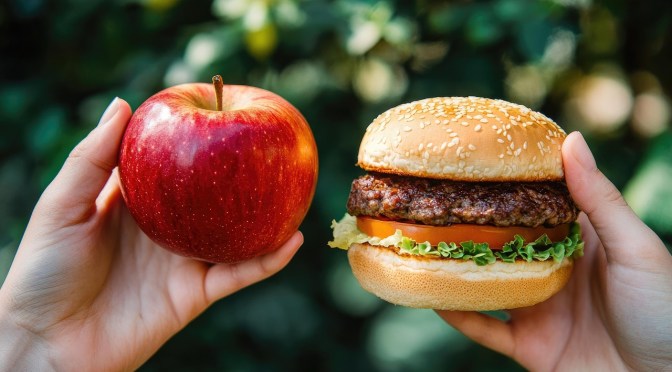
Taking Back Control of Our Health and Well Being
By Dr Guy Hatchard
The Millbank Quarterly (a multidisciplinary journal of health and health policy) published an article on 2 February 2026 entitled “From Tobacco to Ultraprocessed Food: How Industry Engineering Fuels the Epidemic of Preventable Disease“. The authors explain how ultra processed foods (UPFs) and beverages are specifically designed to heighten chemical rewards in order to develop addictive eating behaviours among consumers that bypass the constraints of our normal appetites.
Continue reading Taking Back Control of Our Health and Well Being
Goldman Sachs Analyst: Curing Patients Not a Sustainable Medical Business Model
From antimedia.com (no longer existing) 2018
via greenmedinfo.com
By Carey Wedler
One of the most reviled companies in the United States recently gave Americans yet another reason to distrust their power: A recent Goldman Sachs report reveals the company questioning whether or not curing chronic illness is compatible with a sustainable business model.
Ozempic – Like your government, Big Pharma loves you
“OZEMPIC’S DEPRAVITIES MAKE THE OTHER GENOCIDE LOOK LIKE AN AMATEURISH BUDGET OPERATION”
From Robert Yoho, MD @ substack
READER RESOURCES: THE APOCALYPSE ALMANAC: Hidden cures in our dystopian age. FULLSCRIPT SUPPLEMENTS: top quality and economical.

Yoho preface:
This interview was recorded approximately a year ago, but nearly every word remains valuable. Since then, the predictions made have proven disturbingly accurate. Ozempic has been approved for expanded use and is now widely reimbursed by insurance companies.
The pharmaceutical industry has created a system where every major institution—medical schools, research organizations, professional societies, media, and even civil rights groups—profits when Americans get sick and stay sick. These companies pay doctors directly to prescribe their products, fund the research that claims their drugs work, control the medical education that teaches doctors what to prescribe, and buy off the news media that should be investigating these practices.
The result is that 80 percent of American adults are overweight or obese, rates of diabetes and prediabetes continue to climb, and the proposed solution is a drug that costs $20,000 per year, must be taken for life, causes severe gastrointestinal problems in many patients, and doesn’t address the root cause of the problem. The fact that this drug was fast-tracked for government funding while metabolic disease continues to worsen reveals the moral bankruptcy of the system.
With grateful thanks to Tucker Carlson and Mr. Means, here is their interview. It was edited for readability.
Obesity is not an Ozempic deficiency. This simple fact exposes the fundamental corruption at the heart of the pharmaceutical industry’s latest blockbuster drug. When 80 percent of American adults are overweight or obese due to environmental factors—subsidized junk food, corrupted dietary guidelines, and a food system designed to addict—the answer is not a $20,000-per-year injectable drug that must be taken for life.
Yet that is precisely the solution the pharmaceutical industry has sold to America. Through systematic manipulation of medical research, regulatory capture, and direct payments to doctors and institutions, drug manufacturers have positioned Ozempic and similar GLP-1 drugs to become the most expensive medical intervention in U.S. history. The predictions made when this strategy began have proven disturbingly accurate. The drug received expanded approval, widespread insurance reimbursement, and government funding. Lawsuits over severe side effects have materialized. The corruption has continued. And obesity rates keep climbing—because the system profits from managing disease, not curing it.
If you clean a dirty fish tank, you clean the tank—you don’t drug the fish. In America, the tank is filthy. Fifty percent of teens and 80 percent of adults are overweight. This happened in one generation. Americans didn’t systematically become lazier over the past 40 years. Something in the environment changed.
The Medical Problems
Novo Nordisk, the Danish company that makes Ozempic, surpassed LVMH to become the most valuable company in Europe. European regulators do not allow Ozempic as a first-line treatment for obesity, so almost all of its revenue comes from exploiting the broken U.S. healthcare system, as American insurance companies now widely reimburse for it.
The drug works by paralyzing the stomach, preventing proper digestion. This mechanism causes severe gastrointestinal problems in many patients. Nearly 3,000 lawsuits have been consolidated in the Pennsylvania federal court alleging gastroparesis, intestinal blockages, and ileus. The FDA has updated Ozempic’s warning label multiple times since 2023—adding warnings for ileus in September 2023, severe gastrointestinal reactions in January 2025, and pulmonary aspiration during anesthesia in November 2024.
Even patients who receive the drug for free through insurance coverage cannot tolerate it. 30% discontinue use within 3 months despite full reimbursement. The gastrointestinal side effects are that severe. Those who stop the drug regain the weight—a fact Novo Nordisk acknowledges. The company markets Ozempic as a lifetime drug precisely because patients regain weight after stopping. This creates the perfect business model: a drug that never cures the condition it treats, ensuring permanent revenue.
Vision loss is one of the most serious complications. Multiple studies published in 2024 and 2025 link semaglutide use to non-arteritic anterior ischemic optic neuropathy (NAION), a condition causing irreversible blindness. Patients with obesity taking semaglutide for weight loss face more than seven times the risk of developing high rates of NAION compared to those not using the drug. Diabetic patients on semaglutide face four times the risk. The World Health Organization issued a warning about this in June 2025. Hundreds of patients have filed lawsuits claiming permanent vision loss from these drugs.
The European Union launched an investigation into suicidal ideation caused by Ozempic. This connection is not surprising. Ninety-five percent of serotonin, which regulates mood and contentment, is made in the gut. A drug that paralyzes gut function disrupts serotonin production. When you interfere with the gut and serotonin simultaneously, mental health problems follow. Reports of increased depression, anxiety, and suicidal thoughts from Ozempic users continue to accumulate.
Research published in January 2025 revealed additional side effects beyond gastrointestinal and vision problems: kidney stones, arthritis, fainting, and drug-induced pancreatitis. Nearly 40 percent of hypoglycemia cases and 15 percent of gastrointestinal cases required hospitalization. Studies have also linked GLP-1 drugs to reduced bone density when used without exercise, raising concerns about long-term musculoskeletal damage. An aging population taking a medication that weakens bones while simultaneously causing balance problems from blood sugar fluctuations represents a fracture epidemic waiting to happen.
Patients suffer severe side effects. Many cannot continue taking the drug. Those who stop regain the weight. The drug does not address why Americans got fat in the first place. It manages a symptom at astronomical cost while the underlying dysfunction continues.
How the Corruption Works
The pharmaceutical industry has refined a systematic approach to corrupting medicine over the course of decades. This playbook operates at multiple levels, involving doctors, researchers, medical societies, civil rights groups, and media organizations. Understanding this system is essential to understanding how Ozempic became the preferred solution to obesity despite its problems.
Pharmaceutical companies pay doctors directly to prescribe their drugs. Studies show that 94 percent of physicians have some relationship with the pharmaceutical industry. These relationships include payments for continuing medical education, speaking fees, consulting arrangements, and research grants. The payments influence prescribing behavior without making doctors feel bought. The industry frames these payments as compensation for expertise, not bribes. Research demonstrates that physicians who receive industry payments are two to three times more likely to prescribe name-brand drugs than their peers who don’t receive payments.
Beyond individual doctors, companies engage in “ghost management” of medical research. In this process, company representatives design studies, collect data, analyze results, and write research papers. They then pay prominent academic physicians to add their names as authors. Industry-sponsored research masquerades as independent academic work, borrowing the (supposed) legitimacy of medical science while serving corporate interests. When studies are funded by the company that sells the drug, the outcomes are substantially more favorable for that drug than in trials run by independent researchers. This systematic bias doesn’t come from poor methodology that traditional quality measures would catch—it comes from the funding itself.
Pharmaceutical companies fund the majority of continuing medical education for doctors, which is required to maintain medical licenses. By controlling this education, companies introduce bias toward their products while maintaining the facade of objective medical instruction. Studies of company-funded educational sessions consistently show bias toward the sponsor’s products.
Professional medical societies, which have statutory authority to set standards of care, receive substantial funding from pharmaceutical companies. The organizations that determine which drugs doctors should prescribe are funded by the companies that profit from those drugs. This obvious conflict of interest goes unaddressed because the arrangement is so pervasive that it’s considered normal.
Novo Nordisk is the largest spender on foundational obesity research, the largest funder to medical groups like the American Academy of Pediatrics, and one of the largest funders of civil rights groups. The company paid the NAACP to frame opposition to Ozempic funding as a civil rights issue, and the NAACP is now a registered lobbyist for Ozempic. It argues that not supporting government funding is racist because obesity disproportionately affects specific communities. When a pharmaceutical company can pay civil rights organizations to accuse critics of racism, the corruption has reached a new state of depravity.
The American Academy of Pediatrics recommended Ozempic as a first-line treatment for obese teens based on a 68-week study. This study led the AAP to recommend that every obese or overweight teen—50 percent of American teenagers—receive weekly injections for life. The study duration was just over one year. No long-term safety data existed, yet the medical establishment recommended universal adoption.
Pharmaceutical companies are the largest spenders on television news advertising—approximately $4.8 billion per year on direct-to-consumer advertising alone. This spending does not primarily aim to convince consumers to request drugs from their doctors; it is bribery for the networks. Media outlets that depend on pharma advertising dollars do not investigate pharmaceutical industry practices or report critically on new drugs. When 50 percent of television news funding comes from pharmaceutical companies, journalists do not ask hard questions about those companies’ products.
Dr. Fatima Stanford, head of obesity research at Harvard, has received tens of thousands of dollars in direct funding from Novo Nordisk, as well as millions in research grants. She appears regularly on major media outlets—including CBS’s 60 Minutes—advocating for Ozempic without disclosing these payments to viewers. On 60 Minutes, she stated that people should “throw willpower out the window” because obesity is a brain disease, not a food problem. She told viewers to take Ozempic and not worry about what they eat.
The NIH awarded 8,000 research grants to university professors who had direct conflicts of interest with the topics and drugs they were studying. This practice isn’t discussed because it’s so universal that it’s considered normal. These grants compromise NIH’s entire research program.
The opioid crisis is the template for this corruption. In 2012, a panel of outside experts convened to recommend guidance on opioids. The head of that panel was Dr. Philip Pizzo, dean of Stanford Medical School. At the time of his appointment, Stanford received a $3 million grant from Pfizer, a major opioid maker, for pain research. Dr. Pizzo appointed 90 percent of the panel members, who also received direct research and personal consulting fees from opioid makers. They released relaxed “non addictive” opioid standards that had a major impact on the opioid epidemic. This exact pattern—conflicted panel members making recommendations that benefit the companies paying them—is now repeating with obesity drugs.
Major pharmaceutical companies have paid billions in criminal and civil settlements for fraud, bribery, and misleading research. GlaxoSmithKline and Merck, two of the largest vaccine makers, settled some of the biggest criminal penalties in American corporate history for bribing doctors and producing false research. Yet these companies continue to operate with minimal oversight and maintain market dominance. The fines they pay represent a cost of doing business, not a deterrent.
The Food Stamp Connection
The food industry operates the same corruption model as the pharmaceutical industry. It spends 11 times as much on foundational nutrition research as the NIH. By controlling the research, food companies generate studies that support their products while appearing to be independent science. This corrupted research then influences government dietary guidelines, medical education, and public perception of nutrition.
The USDA has thoroughly corrupted the guidelines that set nutrition standards. Food companies fund 95 percent of the members of the guideline committee. These corrupted guidelines state that a two-year-old can consume 10 percent of their diet from added sugar. Agriculture subsidies in America send more money to tobacco than to vegetables. Ninety percent of subsidies go to highly processed foods that cause obesity.
Nearly 15 percent of Americans—roughly 50 million people—depend on food stamps for nutrition. Ten percent of all food stamp funding goes to soda. That’s over $10 billion per year flowing from the federal treasury to soda companies. The United States is the only country in the world that allows food assistance dollars to purchase this, and sodas are the number one item purchased with food stamps in America.
Calley Means worked as a consultant for Coca-Cola early in his career. The company paid the NAACP and other civil rights groups to frame proposals to limit soda purchases with food stamps as racist. They rigged the debate through systematic payments to these trusted institutions. The government subsidizes the products that cause obesity, then proposes a lifetime pharmaceutical solution that costs $20,000 per year. This is the business model.
The Financial Projections
Wall Street openly celebrates this corruption. As Ozempic gained momentum, food stocks dropped, and pharma stocks surged. Analysts openly project that obesity rates will continue to increase. Novo Nordisk became the most valuable company in Europe based on growth projections that assume higher obesity rates over the next decade. The financial models underpinning pharma stocks assume Americans will get fatter and sicker.
Medical centers seeking financing for new obesity treatment facilities base their loan applications on projections of increasing obesity. The largest and most expensive buildings in American cities are new pediatric obesity and cardiology centers. If these medical centers projected declining obesity rates, they couldn’t secure financing. The entire healthcare industry profits from worsening disease rather than improving health.
Medicare now covers Ozempic for diabetes and kidney disease. In November 2024, the Trump administration announced an agreement with Novo Nordisk and Eli Lilly to expand Medicare and Medicaid coverage of GLP-1 drugs. The manufacturers reduced prices to $245 per month in exchange for access to millions of new patients. This government funding boost was predicted years ago and has now materialized exactly as expected.
The numbers are staggering. Medicare spent $5.7 billion on GLP-1 diabetes drugs in 2022 alone. Total U.S. spending on GLP-1 drugs in 2023 reached $71.7 billion across all payers, including private insurance, Medicare, and Medicaid. With 80 percent of American adults overweight or obese and expanded coverage being implemented, treating tens of millions of Americans at even the reduced price of $245 per month would cost over $1 trillion per year.
That $1 trillion annual cost would manage a symptom, not address the root cause. The environmental factors causing the metabolic health crisis—subsidized processed food, food stamp programs paying for soda, corrupted dietary guidelines, and a healthcare system that profits from chronic disease management—remain entirely unaddressed. Ozempic does nothing to fix the poisoned food supply. It doesn’t reform agricultural subsidies. It doesn’t stop the government from paying people to drink soda. It manages the consequences of these policies through lifetime pharmaceutical dependency.
The COVID Comparison
The scale of this financial disaster dwarfs previous pharmaceutical interventions. Total U.S. government spending on COVID vaccines from 2020 to 2023 was approximately $30 billion for development, manufacturing, and distribution. The per-dose cost to the government was $19.50 to $39 for negotiated bulk purchases. Treatment duration was 2 to 4 doses per person. The total cost per person was $40 to $160.
Ozempic is on an entirely different scale. Total U.S. spending in 2023 alone was $71.7 billion—more than twice the entire three-year COVID vaccine program. Medicare spending on GLP-1 drugs grew from $57 million in 2018 to $5.7 billion in 2022. Projections suggest spending could exceed $13 to $26 billion annually on Medicare alone if only 10 percent of eligible beneficiaries use these drugs. If usage increases beyond that modest 10 percent, costs will multiply accordingly.
Per patient annual cost runs $11,000 to $20,000 at list price, though the negotiated government rate is $245 per month, or roughly $3,000 per year. Treatment duration is lifelong, for patients regain the weight when they stop the drug. The total cost per person over 20 years ranges from $60,000 at the negotiated rate to $400,000 at the list price. The target population is 80 percent of American adults, roughly 200 million people.
If Ozempic receives full government funding for the 80 percent of Americans who are overweight or obese, even at the reduced price of $245 per month, annual costs would exceed $600 billion. At list prices, yearly costs could reach $1 to $2 trillion. This equals 20 to 60 times the entire COVID vaccine budget every single year, forever. The COVID vaccine program cost taxpayers roughly $100 per person, including the whole series. Ozempic would cost $3,000 to $20,000 per person per year for life. A person on Ozempic for 20 years would cost taxpayers 600 to 4,000 times more than their entire COVID vaccination series, depending on the price point.
These numbers do not include the downstream medical costs from Ozempic’s side effects: treating gastroparesis, managing vision loss, addressing mental health crises, dealing with kidney stones, treating fractures from reduced bone density, and managing the metabolic chaos when millions eventually go off the drug. The true cost will be substantially higher than the drug price alone.
The Long-Term Unknowns
The visible costs and side effects represent just the beginning. The gastroparesis, vision loss, mental health issues, and astronomical financial burden are what we can document in the first few years of widespread use, but terrifying unknowns remain.
What happens to gut microbiomes after decades of paralysis? The gut microbiome manages immune function, produces vital nutrients, and impacts mental health. Decades of pharmaceutical-induced stomach paralysis will disturb these systems in ways we can’t predict. The gut-brain axis links digestive health to cognitive well-being. Disrupting this connection over a lifetime may lead to mental and neurological effects that won’t become apparent for years.
What are the long-term neurological effects of disrupted serotonin production? Serotonin not only regulates mood; it also affects memory, learning, sleep, and appetite. Decades of disrupted serotonin signaling in the gut could influence brain development in adolescents and accelerate cognitive decline in older adults. No studies of this exist.
What are the combined effects on bone density and muscle mass in aging populations? Osteoporosis and sarcopenia already affect older Americans. Introducing a drug that worsens both conditions could lead to an epidemic of fractures and disability. The healthcare costs for treating these issues could surpass the drug costs themselves.
How will Ozempic interact with the many other medications people take? The average 65-year-old American takes seven prescription drugs. These medications interact in complex ways that are poorly understood, even without adding Ozempic into the equation. As more people develop multiple chronic conditions and take multiple drugs, these interactions become exponentially more complicated and unpredictable.
Yoho comment: Drugs are never studied together.
What happens when millions stop using the drug—whether because of cost, side effects, or supply issues—and quickly gain weight along with metabolic chaos? The rebound effect after stopping Ozempic is well-documented. Weight returns swiftly. However, we don’t know what occurs physiologically when someone cycles on and off these medications over decades. The metabolic stress from repeated weight cycling is likely worse than never taking the drug at all.
Making a population of 200 million Americans depend on a single drug class gives manufacturers extraordinary power. Novo Nordisk and Eli Lilly would be destroying the metabolic health of half the American population. The pharmaceutical companies would hold more sway over American health than anything else.
The ongoing pharmaceutical dependency makes it impossible to address root causes because everyone is already on medication. Once 100 million Americans depend on weekly Ozempic injections, the political will to reform the food system disappears. Why change agricultural subsidies or restrict food stamp purchases of soda when everyone is medicated? The drug becomes the accepted fix, and the real problems are never addressed.
Every major pharmaceutical disaster follows the same pattern: initial enthusiasm, widespread use, then long-term disasters. Opioids took 15 years to show their full damage. Thalidomide caused birth defects before anyone made the connection. DES led to cancer in the daughters of women who used it. Vioxx caused heart attacks after years of use. The pattern is always the same: by the time we realize the full harm, millions are already affected.
We are conducting a mass experiment on metabolic intervention with a lifetime drug that paralyzes digestive function. The five-year data is already alarming. The 20-year data does not exist. We are asking Americans to trust pharmaceutical companies that have paid billions in criminal settlements for fraud and deception. We are asking them to ignore the corrupted research, the paid doctors, the captured regulators, and the obvious conflicts of interest. We are asking them to take a drug for life based on 68-week studies.
A Different Path
The metabolic health crisis did not exist one generation ago. Environmental factors created it rapidly, which means that environmental changes can reverse it rapidly. The president could issue executive orders tomorrow that would fundamentally change the landscape without spending a dollar.
The FDA could ban pharmaceutical advertising on television news, which no other developed country allows. This advertising does not influence consumers—it is used to bribe the news media. Eliminating this spending would remove part of the financial leverage that prevents critical reporting. Journalists could investigate pharmaceutical companies without risking their employers’ revenue. The policy would cost nothing and would immediately improve the information environment.
The NIH could stop giving research grants to investigators with conflicts of interest. This seems like common sense, but it would trigger screams of being anti-science from the corrupt establishment. 8,000 NIH grants go to conflicted researchers.
Agricultural subsidies would ideally shift from processed foods to vegetables. The government spends more on tobacco subsidies now than on vegetable subsidies, and ninety percent of agricultural subsidies go to highly processed foods. Redirecting even a small share of these subsidies to fruits and vegetables could change the economics of farming and make healthy food more affordable than junk food.
The revolving door between academia and industry has turned medical schools into research-and-development labs for pharmaceutical companies. Requiring disclosure and restricting financial ties would help restore some independence to academic medicine.
Medical groups with statutory authority to set standards of care—the American Academy of Pediatrics, the American Diabetes Association, the American Heart Association—must be prohibited from taking pharmaceutical funding. These organizations determine which drugs doctors prescribe. They should not be funded by companies that profit from those prescriptions.
Americans respond to incentives. The healthcare system could reimburse doctors for prescribing exercise and nutrition interventions instead of drugs. These interventions are proven to reverse metabolic dysfunction. Changing the reimbursement policy would immediately change behavior.
A child with prediabetes often has obesity, hypertension, and heart problems. That child becomes a lifelong customer for multiple drugs, none of which cure anything. One medication leads to another as side effects cause new conditions, requiring more prescriptions. This corruption wastes human potential and strains the federal budget. Healthcare is the largest and fastest-growing industry in America. If trends continue, it will be 40 percent of the federal budget in 15 years. As costs rise, health outcomes get worse. This is unsustainable.
The Verdict
Everything predicted about Ozempic has come true. The drug received expanded approval and government funding. Lawsuits over severe gastrointestinal injuries appeared. Cases of vision loss surfaced. Mental health problems emerged. The corruption continued exactly as expected. Stocks rose on Wall Street. Obesity rates keep climbing, and the healthcare system profits from managing disease rather than creating health.
We are watching a pharmaceutical disaster unfold in real time with full knowledge of how it will end. The pattern has been repeated many times before.
Selected References
1. Calley Means’ website: calleymeans.com
2. Novo Nordisk financial reports and investor presentations documenting U.S. revenue concentration and obesity growth projections, available at novonordisk.com/investors.
3. Multiple studies linking semaglutide to non-arteritic anterior ischemic optic neuropathy (NAION), including research published in JAMA Ophthalmology and other peer-reviewed journals in 2024-2025 showing 4-7 times increased risk.
4. FDA label updates for Ozempic documenting warnings for ileus (September 2023), severe gastrointestinal reactions (January 2025), and pulmonary aspiration during anesthesia (November 2024), available at accessdata.fda.gov.
5. Consolidated multidistrict litigation in Pennsylvania federal court (MDL No. 3:24-md-03094) documenting nearly 3,000 lawsuits alleging severe gastrointestinal injuries including gastroparesis from GLP-1 drugs.
6. Sismondo, Sergio. “Epistemic Corruption, the Pharmaceutical Industry, and the Body of Medical Science.” Frontiers in Research Metrics and Analytics, 2021, documenting ghost management of research and systematic bias in industry-funded studies.
7. Medicare spending data showing GLP-1 drug expenditures growing from $57 million (2018) to $5.7 billion (2022), with total U.S. spending reaching $71.7 billion in 2023, available through CMS and industry analyst reports.
8. USDA agricultural subsidy data and food stamp spending patterns, including documentation that 10 percent of SNAP funding ($10+ billion annually) goes to soda purchases, the highest single category.
9. European Medicines Agency regulatory decisions on GLP-1 drugs for obesity treatment and European Union investigation into suicidal ideation associated with Ozempic use, launched in 2023.
10. American Academy of Pediatrics recommendation for GLP-1 drugs as first-line treatment for obese teens based on 68-week studies, along with documentation of Novo Nordisk funding to the AAP and other medical societies.
11. Historical case studies of pharmaceutical fraud settlements, including GlaxoSmithKline’s $3 billion settlement (2012) and Merck’s $950 million settlement (2011) for bribing doctors and producing misleading research, representing some of the largest criminal penalties in U.S. corporate history.
Yoho wrapup:
As of December 2025, nearly 3,000 lawsuits have been filed and consolidated into multidistrict litigation in the Pennsylvania federal court. These lawsuits allege serious gastrointestinal injuries, including gastroparesis, intestinal blockages, and ileus. The FDA has updated Ozempic’s warning label multiple times since this interview—adding warnings for ileus in September 2023, severe gastrointestinal adverse reactions in January 2025, and pulmonary aspiration during anesthesia in November 2024.
Multiple studies published in 2024 and 2025 have linked semaglutide use to irreversible blindness caused by non-arteritic anterior ischemic optic neuropathy (NAION). The World Health Organization issued a warning about this risk in June 2025. Hundreds of patients with it have filed lawsuits.
Research published in January 2025 revealed additional concerning side effects beyond what was discussed in this interview. The study found increased risks of kidney stones, arthritis, fainting, and drug-induced pancreatitis in patients using GLP-1 drugs. Nearly 40 percent of hypoglycemia cases and 15 percent of gastrointestinal cases required hospitalization. Studies have also linked GLP-1 drugs to reduced bone density when used without exercise, raising concerns about long-term musculoskeletal health.
The prediction that this would become “the highest-funded drug from the US taxpayer in history” is also coming true. We’re conducting a mass experiment on metabolic intervention with a lifetime drug that paralyzes digestive function. The 5-year data is already alarming; the 20-year data doesn’t exist.
I know; I copied the other guy’s homework. And although I shortened it, it was too long. I got so much out of this that I felt compelled to share it. I do not know how anyone still trusts the Pharma motherf*****s with another poison shot, but I guess there is a sucker born every minute.

What began as a convenient communication tool is now damaging health across all age groups researchers warn
From naturalhealth365.com
“Smartphone ownership at age 12 is associated with higher depression risk, increased obesity risk, and a greater likelihood of insufficient sleep. The younger people acquire smartphones, the worse their health outcomes become, a pattern that continues affecting health throughout the lifespan.“
(NaturalHealth365) Walk through any public space and the scene repeats everywhere: babies in strollers staring at glowing screens, teenagers unable to look up from their devices, and adults compulsively checking phones every few minutes. What began as a convenient communication tool has become a constant companion that most people interact with for well over 4 hours daily, rarely questioning what this exposure is doing to bodies and brains at every age.
A major study published in Pediatrics, analyzing over 10,000 adolescents, has delivered results that extend far beyond childhood concerns. Smartphone ownership at age 12 is associated with higher depression risk, increased obesity risk, and a greater likelihood of insufficient sleep. The younger people acquire smartphones, the worse their health outcomes become, a pattern that continues affecting health throughout the lifespan.
Hidden health crisis emerging at every age, study data confirms
Researchers from the Adolescent Brain Cognitive Development Study followed 10,588 participants, comparing health outcomes between 12-year-olds who owned smartphones (6,739 children) and those who didn’t (3,849 children). Depression risk increased by 31%, obesity risk jumped 40%, and insufficient sleep risk climbed 62% compared to children without smartphones.
The age at which someone gets their first smartphone shows a troubling trend: for every year earlier a child receives one, their risk of obesity increases by 9% and their risk of inadequate sleep rises by 8%. Early smartphone exposure appears to set long-lasting patterns that continue into adulthood.
Among youth who didn’t own smartphones at age 12, those who acquired devices during the following year had 57% higher odds of clinical-level psychopathology and a 50% higher likelihood of insufficient sleep, even after controlling for baseline mental health and sleep patterns.
But children aren’t the only ones affected. Adults spending excessive time on smartphones show similar health deterioration: disrupted sleep architecture, increased anxiety and depression, sedentary behavior contributing to metabolic dysfunction, and postural problems causing chronic pain.
Alarming cancer connection scientists can no longer ignore
Smartphones emit radiofrequency electromagnetic fields, raising serious questions about cancer risk across the lifespan. The International Agency for Research on Cancer classified radiofrequency electromagnetic fields as “possibly carcinogenic to humans” based on increased glioma risk associated with wireless phone use.
Children’s developing brains absorb more radiation than adult brains. Research published in Environmental Research found that children’s brains absorb 2-3 times more radiation than adults’, and the young, thin skull’s bone marrow absorbs roughly 10 times higher local doses. But adults face cumulative exposure risks. Someone who started using cell phones at age 15 and continues through age 65 accumulates 50 years of daily radiation exposure.
France has banned Wi-Fi in nursery schools and limited it in elementary schools, and Belgium has outlawed marketing phones to children under age 7. Yet despite these precautions, smartphone use continues to rise across all age groups, with very little discussion of the potential long-term health effects.
Simple strategies to protect yourself from device-related damage
Protecting yourself and your family from the health impacts of heavy smartphone use takes some intentional habits, but small shifts make a big difference.
Cut back on daily exposure: Instead of being “always on,” choose specific times to check your phone. Use built-in screen-time tools to set limits and create phone-free zones, like during meals, before bed, or when you’re spending time with others.
Lower radiation exposure: Use a speakerphone or a wired headset rather than holding the phone against your head. Turn off Wi-Fi and cellular data when you don’t need them, and avoid sleeping with your phone next to you. When you can, switch your device to airplane mode.
Reduce physical strain: Give your body breaks. Step away from screens regularly to undo the stress on your posture they cause. Simple stretches can help reverse “tech neck” and tight shoulders. If you’re sitting for long periods, stand and move at least every 30 minutes.
Protect your sleep: Keep screens out of the bedroom. Try to stop scrolling at least two hours before bed, so your body can naturally produce melatonin. If nighttime screen use is unavoidable, blue-light-blocking glasses can help.
Support detox pathways: Lower your overall toxic load by eating clean, staying hydrated, and moving your body daily. You can also support liver function and cellular repair with targeted supplements if needed.
Understand the cancer prevention connection
Chronic inflammation, disrupted circadian rhythms, electromagnetic field exposure, and sedentary behavior all contribute to disease processes, including cancer. These risk factors accumulate over decades of smartphone use.
Jonathan Landsman’s Stop Cancer Docu-Class brings together 22 holistic experts, researchers, doctors, and nutritionists, revealing evidence-based approaches to cancer prevention. Learn how environmental toxins and electromagnetic field exposure affect cancer risk, which lab tests detect early cancer markers years before conventional diagnosis, natural protocols for strengthening immune surveillance against abnormal cell growth, and how reducing toxic burden and supporting detoxification pathways lowers cancer risk.
Bottom line: Smartphone use harms health at every age, damaging mental health, disrupting metabolism and sleep, and exposing users to radiation that accumulates over time. Getting smartphones younger makes everything worse, but adults who’ve used phones for decades face their own serious risks. Protect your long-term health by cutting back on usage, keeping phones away from your body, and supporting your body’s ability to detoxify and repair cellular damage.
Sources for this article include:
Publications.aap.org
Iarc.who.int
Iarc.who.int
Sciencedirect.com
Childrenshealthdefense.org

Food is Your Best Medicine – Challenging Medical Convention
By Henry G. Bieler, M.D. – 30 Q&As – Unbekoming Book Summary
In 1966, when Dr. Henry G. Bieler published “Food Is Your Best Medicine,” he wasn’t just challenging medical convention—he was declaring war on the entire foundation of modern medicine. Here was a physician with over fifty years of practice, who had delivered thousands of babies and treated tens of thousands of patients, calmly stating that Louis Pasteur’s germ theory told only part of the story. Germs, Bieler argued, were merely scavengers feeding on toxic waste already present in the body, not invaders causing disease. The real culprit was toxemia—an accumulation of poisons from improper diet that turned the body’s internal environment into a breeding ground for illness. While his colleagues were prescribing from what he called pharmaceutical directories “rivaling the Manhattan telephone directory in size,” Bieler had abandoned drugs entirely, treating everything from childhood fevers to diabetes with carefully selected foods and therapeutic fasting. This wasn’t the ranting of a fringe theorist but the measured conclusion of a physician who had tried orthodox medicine on himself when his own health collapsed, found it wanting, and discovered through personal experimentation that dietary reform could accomplish what drugs couldn’t.
The journey that led Bieler to reject pharmaceutical medicine began with his own failing health. As an overworked young physician after World War I, he developed severe asthma, kidney problems, and ballooned to 210 pounds despite following conventional treatments. Then came the revelation: a chance meeting with a doctor versed in chemical pathology who explained that disease resulted from the body’s desperate attempts to eliminate toxic wastes through any available channel. The liver, Bieler learned, was the body’s master chemist, designed to filter and neutralize poisons—but when overwhelmed by improper foods, it failed, forcing the endocrine glands to direct toxins through emergency exits: the skin (producing rashes and boils), the mucous membranes (creating colds and catarrh), or the lungs (causing asthma and bronchitis). These weren’t diseases to be suppressed but healing crises to be supported. Within five minutes of understanding this concept, Bieler knew his path. He discarded all medicines, reformed his diet, and watched his weight normalize to 155 pounds while his ailments vanished permanently. The body, he realized, possessed three magnificent lines of defense—the intestines that screened what entered the bloodstream, the liver that filtered and neutralized toxins, and the endocrine glands that created emergency elimination routes when the first two failed. Disease symptoms were simply evidence of these emergency eliminations in action.
What made Bieler’s approach revolutionary wasn’t just his rejection of drugs but his detailed understanding of how specific foods created specific diseases. Proteins that were overheated transformed from hydrophilic (water-loving) to hydrophobic (water-repelling) colloids, becoming indigestible and putrefying in the intestines to create poisons that caused everything from arthritis to cancer. Table salt—that seemingly innocent seasoning—was actually an inorganic corrosive that stimulated the adrenals while damaging the kidneys. Ice cream, he controversially claimed, underwent molecular breakdown when frozen, and upon melting in the stomach became perfect food for putrefactive bacteria, potentially contributing to polio epidemics during summer months. But Bieler didn’t just identify problems; he offered solutions. The sodium-rich squash family could rebuild exhausted livers. Potassium-rich leafy greens supported the pancreas in diabetics. Properly conducted fasting gave organs the “chemical rest” needed to discharge accumulated toxins—the bowel clearing in 24 hours, the blood in three days, the liver in five. He treated patients not with one-size-fits-all diets but by identifying their body type (adrenal, thyroid, or pituitary), determining their specific toxemia, and prescribing exact foods as medicine. A political boss with heart failure who could only digest food between 11 AM and 2 PM. A diabetic controlled without insulin through vegetable broths. Case after case of children recovering from serious illness through fasting on diluted juices while their fever burned up toxins.
The implications of Bieler’s work extend far beyond his era, challenging not just medical practice but our entire relationship with illness and healing. If disease truly originates from internal toxemia rather than external invasion—if symptoms represent the cure rather than the problem—then suppressing them with drugs drives illness deeper while adding pharmaceutical poisons to an already toxic system. Every parent reaching for fever reducers, every doctor prescribing antibiotics for colds, every routine tonsillectomy that removes the body’s defensive organs—all become suspect. Yet Bieler’s message wasn’t one of despair but of empowerment. The body, he demonstrated through thousands of cases, possesses extraordinary self-healing capabilities when given proper materials and freed from toxic burdens. Perhaps most remarkably, his work suggests that the chronic diseases plaguing modern society—the cancers, diabetes, heart disease that have increased eightfold while infectious diseases declined—stem not from mysterious causes requiring ever-more-powerful drugs, but from the accumulation of dietary mistakes that could be corrected through food. In an age where medical costs spiral beyond reach and pharmaceutical solutions create as many problems as they solve, Bieler’s half-century-old wisdom offers something radical: the possibility that our kitchens might be more powerful than our pharmacies, that fasting might accomplish what surgery cannot, and that the body’s symptoms—those inconvenient eruptions we’re taught to suppress—might actually be nature’s magnificent attempt to heal us, if only we’d stop interfering.
With thanks to Henry Bieler.
Food Is Your Best Medicine: The Pioneering Nutrition Classic: Bieler M.D., Henry G.
Deep Dive Conversation Library (Bonus for Paid Subscribers Only)
This deep dive is based on the book:
Discussion No.141:
Insights and reflections from “Food is Your Best Medicine”
Thank you for your support.
Analogy
Imagine your body as a magnificent mansion with an elaborate plumbing and waste management system. Over time, the residents keep flushing harmful substances down the drains – grease, chemicals, debris. Initially, the main sewage line (your liver) filters and processes everything efficiently. But as more toxic waste accumulates, this main line becomes clogged.
The mansion’s emergency system activates – waste begins backing up through secondary outlets: bathroom vents start leaking (skin eruptions), air ducts begin emitting foul odors (respiratory problems), and moisture appears on windows (mucous discharge). The maintenance crew (endocrine glands) works overtime, frantically redirecting waste through any available opening. Eventually, they install powerful fans (fever) to burn off the toxic fumes.
Most repair services would just spray air freshener (drugs) to mask the smell or patch the visible leaks (surgery). But the wise master plumber understands that the solution isn’t treating each backup location – it’s to stop putting harmful substances down the drains and flush the system clean with pure water (fasting). Once cleared, only appropriate materials (proper food) should enter the system. The mansion’s own sophisticated filtration system can then maintain itself perfectly, as it was designed to do, without need for constant emergency repairs.
The One-Minute Elevator Explanation
Your body is brilliantly designed with three defensive barriers against disease. First, your intestines screen what enters your bloodstream. Second, your liver filters and neutralizes toxins. Third, when overwhelmed, your glands create emergency exits through skin, lungs, and mucous membranes – producing what we call “symptoms.”
But here’s the revelation: disease isn’t an attack from outside germs – it’s your body’s attempt to expel internal poisons from wrong foods. That fever? Your body burning toxins. That rash? Poisons exiting through skin. That mucous? Toxic waste taking an emergency exit.
Modern medicine suppresses these symptoms with drugs, driving toxins deeper. But suppressing a smoke alarm doesn’t put out the fire. The real solution is breathtakingly simple: stop creating the poisons through proper food choices, and let your body clean itself through occasional fasting. Your liver is a better chemist than any pharmaceutical company – it just needs the right raw materials.
[Elevator dings]
Want to explore further? Research “toxemia theory of disease,” study the differences between organic and inorganic minerals, and investigate why traditional cultures that eat unprocessed foods have virtually no chronic disease.
12-Point Summary
1. Disease originates from internal toxemia, not external germs. Disease results from accumulation of toxic wastes in the blood and tissues due to improper diet, poor digestion, and inadequate elimination. Germs are merely scavengers that feed on these toxins and damaged cells – they’re present because of disease, not the cause of it. While Pasteur’s germ theory led to control of infectious diseases, it missed the crucial role of the body’s internal chemical environment. The dramatic rise in chronic degenerative diseases despite modern antibiotics proves that killing germs doesn’t address the root cause. True healing requires eliminating the toxic soil in which germs thrive through proper diet and fasting.
2. The body possesses three magnificent lines of defense. The first line is the digestive system, particularly the small intestine’s millions of villi that selectively absorb nutrients while rejecting toxins through vomiting or diarrhea. The second line is the liver, the master chemical laboratory that filters blood, neutralizes poisons, and manufactures bile for waste elimination. The third line consists of the endocrine glands – thyroid, adrenals, and pituitary – which become hyperactive when the liver fails, directing toxins to emergency elimination routes. Each defensive line has specific capabilities and limitations; when one fails, the next activates, but at a cost of increasing tissue damage.
3. Vicarious elimination creates the symptoms we call disease. When primary elimination organs (liver and kidneys) become overloaded, the body must use substitute channels to expel toxins or die. The lungs might substitute for kidneys, causing respiratory diseases; the skin might replace the liver, producing rashes, boils, or acne; mucous membranes might become emergency exits, creating catarrhal conditions. The specific disease depends on which organs are used and what type of toxins are being eliminated. These emergency channels become damaged by the caustic poisons passing through them, creating the pathology we recognize as specific diseases.
4. Fever is nature’s incinerator, not an enemy to suppress. Fever represents the body’s attempt to literally burn up toxic waste products poisoning the system. The liver’s internal temperature can reach 110°F while oxidizing poisons, while the mouth registers 105°F. This intense heat destroys toxic materials that would otherwise damage organs. Suppressing fever with drugs prevents this natural detoxification and drives toxins deeper into tissues, often causing serious complications like meningitis or mastoiditis. Animals instinctively fast when feverish, allowing complete focus on toxin combustion – humans should follow this wisdom rather than reaching for fever reducers.
5. Proteins must be properly prepared and consumed to nourish rather than poison. Raw or lightly cooked proteins maintain their hydrophilic (water-attracting) colloidal structure, making them easily digestible and their wastes readily eliminated. Excessive heating transforms them into hydrophobic (water-repelling) colloids that putrefy in the intestines, creating toxic wastes the liver cannot neutralize. These putrefactive poisons cause conditions from arthritis to cancer depending on where they accumulate. Excess protein, contrary to previous belief, isn’t eliminated but stored in tissues, creating chronic overacidity. The “protein mania” in modern diet creates more disease than malnutrition ever did.
6. The liver functions as the body’s master chemist and guardian. Performing over 500 functions, the liver filters all blood from the intestines before it enters general circulation, neutralizes poisons, manufactures bile, stores nutrients, and produces vital proteins. When functioning properly, it keeps blood pure by oxidizing and eliminating toxins as harmless bile salts. When overwhelmed by poor diet, alcohol, drugs, or emotional stress, it cannot filter poisons from blood, leading to systemic toxemia. Most disease conditions improve dramatically when liver function is restored through fasting and proper diet, proving its central role in health.
7. Individual body types determine disease tendencies and treatment needs. The adrenal type – stocky, strong, with great physical endurance – handles heavy proteins well but develops high blood pressure and kidney problems when toxic. The thyroid type – tall, slender, nervous, and artistic – eliminates toxins through skin and mucous membranes, developing respiratory and skin conditions. The pituitary type – well-proportioned, intelligent, creative – may develop diabetes or mental disturbances under stress. Understanding your type helps predict disease patterns and customize dietary treatment, as each type has different nutritional needs and toxic elimination patterns.
8. Childhood diseases stem from inherited and acquired toxemia, not infections. The first-born child inherits the mother’s accumulated toxins through placental blood, often taking three years to eliminate these birth poisons. Subsequent children receive cleaner maternal blood, explaining why middle children in large families often show superior health. Childhood diseases – measles, mumps, whooping cough – are attempts to eliminate specific toxemias: starch toxins cause mucous diseases; protein toxins create rheumatism or tonsillitis; fat toxins produce skin conditions. The symptoms indicate which elimination route the body is using to expel inherited and dietary poisons.
9. Common foods become poisons through improper selection and preparation. Table salt is an inorganic corrosive that stimulates adrenals while damaging kidneys, not a food. Coffee and stimulants whip exhausted glands for false energy, leading to eventual breakdown. Sugar and refined starches ferment into acids, creating mucous conditions. Pasteurized milk’s heat-damaged proteins putrefy in intestines. Ice cream’s frozen then melted structure provides ideal food for putrefactive bacteria. Most processed foods contain preservatives, additives, and altered molecules the liver cannot recognize or properly process, adding to toxic burden rather than providing nutrition.
10. Vegetables serve as specific medicines for different toxic conditions. Different vegetables provide specific minerals needed by various organs – sodium-rich squash family vegetables rebuild exhausted livers; potassium-rich leafy greens support the pancreas; calcium from stalks strengthens structure. These organic minerals neutralize acid toxemia from excessive proteins, sugars, and starches. Vegetable broths provide concentrated therapeutic minerals while resting digestive organs. Raw vegetables supply enzymes and roughage; cooked vegetables break down cellulose walls for better mineral absorption. Traditional cultures unknowingly used vegetables as medicine – Italians with zucchini, various cultures with therapeutic soups – achieving healing through food.
11. Fasting provides the chemical rest necessary for healing. Fasting stops food intake, halting digestive processes and production of new metabolic wastes, allowing organs to discharge accumulated toxins. The bowel clears in 24 hours, blood in three days, liver in five days – but only without food intake. This “chemical rest” is more important than bed rest, as the liver can focus entirely on neutralizing disease toxins rather than processing food. Short repeated fasts are safer than extended ones for gradual detoxification. The type of liquid consumed during fasting – fruit juices for starch toxins, vegetable broths for protein toxins – should match the specific toxemia.
12. Drugs add insult to injury by suppressing symptoms while increasing toxic burden. Drugs suppress the body’s elimination attempts while adding their own toxic burden to an already poisoned system. Antibiotics whip exhausted adrenals for temporary improvement while weakening future defense capacity. Fever reducers prevent natural toxin burning. Pain relievers mask warning signals. Anti-inflammatory drugs stop the body’s attempt to burn out poisons through inflammation. Each drug requires liver detoxification, further overwhelming this already overtaxed organ. The temporary relief drugs provide comes at the cost of driving disease deeper and creating drug-induced illnesses – a devil’s bargain that transforms acute conditions into chronic diseases.
The Golden Nugget
The most profound idea that the fewest people would know is that the small lymphocytes act as “messenger cells” carrying thyroid hormone containing iodine to enable all cell reproduction and multiplication in the body. Without these tiny white blood cells serving as delivery vehicles for thyroid hormone, no cell in your body could divide or reproduce – not for growth, not for repair, not for daily replacement. This explains why cancer might result from oversaturation of lymphocytes with amino acids and iodine creating abnormal localized growth, why thyroid-depressing drugs like Thalidomide caused birth defects by preventing fetal cell reproduction, and why the thymus gland in children is positioned right next to the thyroid for easy iodine impregnation during rapid growth years. This single mechanism – lymphocytes as hormone carriers enabling cell division – underlies all growth, all healing, all cancer, and all developmental defects, yet remains virtually unknown despite controlling life itself at the cellular level.
30 Questions & Answers
1. What is Dr. Bieler’s fundamental theory about the true cause of disease, and how does it differ from Pasteur’s germ theory?
Dr. Bieler believes disease is caused by toxemia – a buildup of toxic wastes in the body resulting from improper diet, poor digestion, and inadequate elimination. These toxins impair cellular function and create the conditions where germs can multiply. In contrast to Pasteur’s theory that germs from outside invade and cause disease, Bieler sees germs as scavengers that feed on toxic wastes and damaged cells already present. He emphasizes that the chemical background on which germs feed is more important than the germs themselves. Disease is actually the body’s attempt to rid itself of these morbific (toxic) matters through various elimination channels.
Bieler points out that while modern medicine has successfully suppressed infectious diseases through antibiotics and immunizations, chronic disorders like cancer, heart disease, and diabetes have increased eightfold. He argues that treating symptoms with drugs only adds more toxins to an already poisoned system, whereas proper food selection and fasting can eliminate the underlying toxemia and restore health naturally.
2. What are the body’s three lines of defense against disease, and what organs are involved in each?
The first line of defense is the digestive system, primarily the small intestine with its millions of villi. These finger-like projections can accept beneficial nutrients or reject harmful substances through vomiting or diarrhea. The intestine serves as the initial barrier, preventing toxic materials from entering the bloodstream and protecting the body from harmful foods and poisons.
The second line of defense is the liver, which acts as the body’s master chemical laboratory and detoxification center. It filters the blood, neutralizes poisons, manufactures bile to eliminate wastes, and transforms nutrients into usable forms. When functioning properly, the liver keeps the general circulation pure by preventing toxins from entering the bloodstream. The third line consists of the endocrine glands – particularly the thyroid, adrenals, and pituitary – which become hyperactive when the liver fails, attempting to direct toxins to alternative elimination routes through skin, lungs, and mucous membranes.
3. What is “vicarious elimination” and why does the body resort to it?
Vicarious elimination occurs when the body’s primary elimination organs (liver through bowels, kidneys through bladder) become congested and cannot properly eliminate toxins. The body then uses substitute or “vicarious” channels to expel these poisons to prevent death from toxic overload. For example, the lungs may take over some kidney functions, resulting in bronchitis or pneumonia from the irritation. The skin might substitute for the liver, causing various skin diseases, boils, or acne.
The specific disease that develops depends on which substitute channel is used and the chemistry of the toxins being eliminated. The mucous membranes might eliminate toxins causing catarrh, the skin might produce rashes or boils, or the lungs might develop respiratory conditions. These emergency elimination routes become damaged by the caustic toxins passing through them, creating the symptoms and pathology we recognize as specific diseases. The body resorts to this desperate measure because accumulated toxins must be eliminated or the person dies.
4. How does Dr. Bieler explain the role of toxemia in creating illness?
Toxemia is the presence of toxic wastes in the blood and tissues, resulting from poor dietary choices, improper food combinations, and the use of processed foods filled with artificial additives. These toxins come from incomplete digestion of proteins (creating putrefaction), improper breakdown of sugars and starches (creating fermentation and acids like acetic acid), and the consumption of harmful substances like excess salt, sugar, and stimulants. When the liver cannot neutralize all these poisons, they accumulate in the bloodstream.
This toxic blood must discharge its poisons somewhere, leading to inflammation and damage in whatever organs are used for emergency elimination. The specific symptoms and disease names we recognize are simply descriptions of which organs are being damaged by this toxic elimination process. Bieler emphasizes that symptoms like fever, inflammation, and discharge are actually the body’s “terrific attempt” to burn up and eliminate these waste products. Rather than suppressing these symptoms with drugs, which adds more toxins, the solution is to stop creating toxemia through proper diet and to assist elimination through fasting.
5. Why does Dr. Bieler believe the liver is so critical to health, and what happens when it becomes impaired?
The liver is the body’s master chemist, performing over 500 different functions including filtering blood, producing bile, storing nutrients, manufacturing proteins, and most crucially, neutralizing toxins. Bieler calls it the second line of defense because every drop of blood from the intestines must pass through the liver before entering general circulation. A healthy liver can oxidize, neutralize, and eliminate poisons, keeping the bloodstream pure. It produces sodium cholate bile salts that help eliminate toxic waste products.
When the liver becomes congested from overwork, poor diet, or toxic overload, it cannot properly filter poisons from the blood. These toxins then circulate throughout the body, stimulating the endocrine glands to hyperactivity as they attempt emergency elimination through other organs. This leads to various diseases depending on which organs are affected. An impaired liver also cannot properly metabolize cholesterol, proteins, and fats, leading to accumulation of these substances in harmful forms throughout the body. Bieler emphasizes that most endocrine disturbances clear up when the liver is restored to normal function through proper diet.
6. What are the main endocrine glands discussed, and how do they act as the third line of defense?
The three main endocrine glands are the adrenals (controlling oxidation and life processes), the thyroid (regulating metabolism and elimination through mucous membranes), and the pituitary (the master gland coordinating the others). Though tiny – the thyroid weighs about an ounce, the adrenals are lima bean-sized, and the pituitary is half an inch long – these glands have enormous power through their hormone secretions. They act as biochemical messengers directing body processes.
When the liver fails to filter toxins, these glands become hyperactive, attempting to direct poisons into alternative elimination channels. The thyroid directs elimination through skin and mucous membranes, potentially causing conditions from colds to skin diseases. The adrenals attempt to burn up toxins through hyperoxidation, often producing fever. The pituitary coordinates this emergency response. This hyperfunction eventually exhausts the glands, leading to chronic disease states. The specific gland that responds most strongly determines the type and location of disease symptoms.
7. How does Dr. Bieler classify people into different body types based on their dominant endocrine glands?
The adrenal type has a thick, stocky build with heavy bones, wide shoulders, and a large chest. These individuals have coarse features, thick skin that tans easily, and abundant body hair. They possess great physical strength and endurance, with powerful digestive systems able to handle heavy proteins. They’re natural leaders, aggressive and pioneering, but prone to high blood pressure, arteriosclerosis, and kidney problems when toxic. Their strong adrenals make them resistant to infections but vulnerable to degenerative diseases.
The thyroid type is tall and slender with long bones, delicate features, and fine hair. They have quick movements, rapid speech, and nervous energy. These individuals are sensitive, artistic, and emotionally expressive but lack physical stamina. When toxic, they develop respiratory problems, skin conditions, and nervous disorders because their thyroid directs elimination through mucous membranes and skin. The pituitary type has refined, well-proportioned features suggesting nobility, with excellent development of sex characteristics. They’re intelligent and creative but prone to exhaustion and may develop diabetes or mental disturbances under stress.
8. What is Dr. Bieler’s explanation for why the first-born child often has more health problems?
Nature attempts to cleanse the mother’s blood by sidetracking impurities into the developing infant’s body. The first-born receives the highest concentration of the mother’s accumulated toxins through the placental blood supply. The baby is born with a body full of toxins from the mother’s blood and intestines full of meconium (oxidized black bile). This inherited toxemia is so severe that even with optimal care, it typically takes three years to eliminate these birth poisons.
These concentrated toxins in the first-born can manifest as various diseases depending on their type and concentration. Severe protein acid toxemia might result in childhood cancers, leukemia, or rheumatic conditions. Starch toxemia leads to mucous diseases and respiratory problems. With subsequent pregnancies, the mother’s blood becomes progressively cleaner, which is why middle children in large families often show unusual physical and mental vigor. However, by the tenth or twelfth child, the mother’s glandular exhaustion creates different problems. This theory explains why first-borns are often the most difficult to feed and rear.
9. How does the digestion process work, particularly the role of the villi in the small intestine?
Digestion begins with enzymes in saliva breaking down starches, continues in the stomach where proteins are initially processed, and reaches its crucial stage in the small intestine. The 26-foot-long small intestine is lined with millions of microscopic, finger-like projections called villi that are constantly in motion, swinging back and forth. These villi create a surface area equivalent to a tennis court, maximizing absorption capacity. Each villus contains blood vessels and lymph vessels surrounded by specialized cells.
The villi act as sophisticated selection mechanisms, determining what substances enter the bloodstream. They absorb amino acids from proteins, simple sugars from carbohydrates, fatty acids from fats, and various minerals and vitamins. Importantly, the villi can reject harmful substances, triggering vomiting or diarrhea as protective responses. This selective absorption makes the intestines the body’s first line of defense. The health and vitality of the villi determine how well nutrients are absorbed and toxins are rejected, making proper food selection crucial for maintaining this defensive barrier.
10. What is the difference between hydrophilic and hydrophobic colloids, and why does this matter for protein digestion?
Hydrophilic colloids are protein molecules that attract and hold water, remaining in their natural, easily digestible state. These are found in raw or lightly cooked proteins. The primitive human liver is designed to handle these water-loving colloids, easily neutralizing their waste products with sodium from the liver’s stores and eliminating them as harmless sodium cholates in the bile. The kidneys also efficiently remove nitrogen wastes from hydrophilic proteins as urea.
Hydrophobic colloids are proteins that have been altered by excessive heat, causing them to repel water and become difficult to digest. When proteins are overcooked, their molecular structure changes irreversibly. These water-repelling proteins putrefy easily in the intestines, creating toxic waste products the liver cannot properly neutralize. This leads to disease conditions in both children and adults. The more protein is heated, the more its beneficial hydrophilic form converts to the harmful hydrophobic form, explaining why rare meats and raw milk are more healthful than their thoroughly cooked counterparts.
11. Why does Dr. Bieler consider fever beneficial rather than harmful?
Fever represents the body’s attempt to burn up and oxidize toxic waste products that are poisoning the system. In strong, healthy children with properly functioning endocrine glands, toxins are often completely consumed in the liver through this burning process. The liver’s internal temperature during fever can reach 110 degrees Fahrenheit while the mouth registers 105 degrees. This intense heat literally incinerates the poisonous materials, preventing them from damaging other organs.
Rather than being something to suppress with aspirin or other fever-reducing drugs, fever is nature’s healing mechanism. Suppressing fever with drugs prevents this natural detoxification, drives toxins deeper into the body, and can lead to serious complications like middle-ear disease, mastoiditis, or meningitis. Animals instinctively fast when feverish, allowing their bodies to focus entirely on burning up toxins. Bieler recommends supporting fever through fasting on water or diluted juices, allowing it to complete its cleansing work. The fever breaks naturally once the toxins are eliminated.
12. What is Dr. Bieler’s controversial theory about the connection between ice cream and polio?
Bieler theorizes that ice cream’s freezing process causes molecular breakdown of the cream’s structure. When this frozen mixture melts in the stomach, it releases dead cell material that becomes food for putrefactive bacteria. The resulting toxic acids from this putrefaction, when not fully eliminated by the liver and kidneys, emerge through the mucous membranes of the nose and sinuses. The polio virus specifically feeds on these putrefactive excretions.
Most children experience only mild symptoms – fever, malaise, slight neck stiffness – and recover quickly. However, in extremely toxic children with weak adrenal glands, the virus can invade the sinus membranes. Since the brain membranes are adjacent to the sinuses, the virus easily spreads to the brain and spinal cord, causing paralysis. This explains why polio epidemics peak during July and August, the height of ice cream season, and why only about 3% of infected children develop paralysis – those with the highest toxemia and weakest adrenals. Dr. Sandler’s experiment in Asheville, where eliminating sweets including ice cream reduced polio cases by 90%, supports this theory.
13. How does excessive salt consumption affect the body according to Dr. Bieler?
Salt (sodium chloride) is a corrosive inorganic substance that acts as a stimulant drug rather than a food. In small doses, the body can eliminate it through sweat and urine. In larger doses, it accumulates in tissues and blood, creating hyperchloremia – an overstimulated state. When sweating suddenly lowers blood salt levels, the resulting hypochloremia causes depression and weakness. This creates addiction-like cycles where people need salt to feel “normal” again.
Bieler notes that salt was historically used for embalming and continues to “mummify the living” through salad dressings and processed foods. It stimulates the adrenal glands, creating false energy while depleting them. Excess salt hardens the liver and kidneys, contributing to sclerosis. It irritates all tissues, particularly the sensitive kidney filters, leading to inflammation and high blood pressure. The body needs organic sodium from vegetables like squash and cucumber, not inorganic table salt. Bieler observes that hay fever sufferers almost always have histories of excessive salt consumption.
14. What is Dr. Bieler’s approach to treating diabetes without insulin?
Bieler considers insulin a toxic substance that damages blood vessels, noting that patients can tolerate insulin injections for about 25 years before arterial deterioration causes death. Instead, he treats adult diabetics through diet alone, placing them on complete bed rest while consuming only cooked non-starchy vegetables liquefied as soup – particularly celery, parsley, zucchini, and string beans. These potassium-rich vegetables support the depleted pancreas, whose chief chemical element is potassium.
The patient remains on this regime until urine tests show no sugar, usually taking one to four days. Bed rest conserves energy, allowing the liver and pancreas to work without acids from exertion. Once sugar-free, the patient gradually resumes activity on a careful diet, monitored for sugar return. When sugar reappears, the vegetable broth fast is repeated, usually requiring half the time to clear. The goal is finding an individual diet that maintains the patient sugar-free while providing adequate energy. Though diabetics remain somewhat impaired, this approach controls the condition without toxic drugs.
15. Why does Dr. Bieler oppose the routine removal of tonsils and appendix?
The tonsils are lymphatic organs strategically placed where the mucous membrane of the throat is thinnest, making them ideal emergency exits for toxic waste products, particularly those from protein putrefaction. When removed, the body loses two valuable safety valves for eliminating poisons. The apparent improvement after tonsillectomy results mainly from the enforced fasting when the throat is too sore to swallow, not from the surgery itself.
After tonsil removal, the body must find other lymphatic tissue areas for vicarious elimination, including lymph nodes in the nose, throat, sinuses, stomach, bowel, and particularly the appendix. This explains why appendicitis often follows tonsillectomy – the appendix becomes overworked trying to compensate for the lost tonsils. Removing these organs doesn’t address the underlying toxemia causing the inflammation; it merely eliminates the body’s defensive mechanisms. Bieler advocates treating the cause – dietary toxemia – rather than removing the organs attempting to protect the body through emergency elimination.
16. What role do amino acids and proteins play in building and maintaining the body?
Amino acids are the fundamental building blocks of all body tissues, obtained by breaking down dietary proteins during digestion. Like the 26 letters of the alphabet forming thousands of words, approximately two dozen amino acids combine in millions of different patterns to create the body’s proteins. These form everything from calcium proteins in bones, sodium proteins in the liver, potassium proteins in the pancreas, to phosphorus proteins in brain and nerves. Even vitamins and trace elements are protein-based.
The liver assembles useful amino acids into essential body proteins and eliminates harmful ones through bile. Each person’s unique protein configuration gives them an individual scent (recognizable to dogs) and biochemistry. Cell multiplication depends on amino acids combined with thyroid hormone iodine, carried by lymphocytes to enable growth and repair. During embryonic life and tissue repair, cells reproduce rapidly; in adults, the rate slows except when healing injuries. The body cannot grow, develop, or repair damage without adequate proper proteins, though excess proteins create toxic conditions leading to disease.
17. How does Dr. Bieler explain the evolution and function of the kidney?
The kidney evolved when ancient fish developed lungs and moved from sea to land, requiring a new mechanism to maintain their bodies’ water-salt balance. Fish maintained their internal sea through their gills; land animals needed kidneys to preserve this same mildly salty internal environment. Our blood serum still contains salts identical to seawater, keeping our cells literally bathed in the ancient ocean. This explains why we never truly left our oceanic origins.
The kidney filters 150-180 quarts of blood daily, producing only 1-2 quarts of urine by reabsorbing needed substances and eliminating waste. Its remarkable structure includes an outer zone containing tiny globes that filter water, a middle zone of tubules surrounded by veins for reabsorption, and an inner pelvis that drains to the bladder. The kidney receives the body’s cleanest arterial blood, unlike the liver which processes impure venous blood. Beyond waste removal, the kidney regulates blood pressure, maintains water balance, and enables complex thought – leading one scientist to credit it with humanity’s transformation “from fish to philosopher.”
18. What is the difference between organic and inorganic minerals in terms of body absorption?
Organic minerals are those transformed by plants from inorganic soil elements through photosynthesis and the energy of sunlight. These minerals are bound in complex colloidal molecules that the liver can recognize, process, and utilize. Vegetables absorb inorganic minerals through their roots and convert them into organic compounds the human body can assimilate – sodium from squash, potassium from leafy greens, calcium from stems and stalks. These organic forms are non-toxic and essential for health.
Inorganic minerals, like table salt (sodium chloride) or mineral supplements, cannot be properly utilized by the liver. The body treats them as foreign substances, either struggling to eliminate them or suffering from their accumulation in tissues. This is why Bieler emphasizes getting minerals from whole foods rather than supplements. The liver never evolved mechanisms to handle inorganic minerals directly from the earth – it requires the plant kingdom to pre-process these elements into bioavailable forms. Even when the same chemical formula exists, the organic version from food has entirely different effects than the inorganic version from a bottle.
19. What are Dr. Bieler’s two methods for weight reduction, and when is each appropriate?
The first method is total fasting – consuming only water while allowing the body to burn stored fat for energy. This dramatic approach can result in losing 2.5 pounds daily initially, then about one pound per day. Hunger disappears after two days as the body shifts to consuming its reserves. However, this is dangerous if the obesity is toxic bloat rather than normal fat, as the liver’s massive toxic discharge during fasting can precipitate a dangerous crisis with severe vomiting, diarrhea, and dehydration.
The second method involves special diets tailored to the individual’s specific toxemia and metabolic type. This might include vegetable broths for liver congestion, specific proteins for certain deficiencies, or careful food combinations. Bieler emphasizes gradual detoxification through repeated short fasts rather than extended ones, which don’t overstrain damaged organs. The safest approach is determining whether obesity stems from toxic bloat or true fat accumulation, then selecting the appropriate method. Both require medical supervision and understanding that obesity developed over months or years cannot be safely resolved in weeks.
20. How does improper protein digestion lead to disease conditions?
When proteins aren’t properly digested, they undergo putrefaction in the intestines instead of breaking down into useful amino acids. This creates toxic waste products including phenol, indole, skatole, and other poisons that the liver cannot fully neutralize. These putrefactive acids enter the bloodstream and seek elimination through various organs. If eliminated through joints, they cause arthritis and rheumatism; through the heart valves, rheumatic heart disease; through the skin, boils and carbuncles.
Excess proteins saturate body tissues, disturbing nitrogen metabolism and creating chronic overacidity. The body stores these excess proteins rather than eliminating them as previously believed, leading to cellular congestion. Protein toxemia is particularly dangerous for children, potentially causing conditions from tonsillitis to leukemia depending on concentration. The type of protein matters too – overheated proteins forming hydrophobic colloids putrefy more readily than raw or rare proteins. Bieler notes that meat-eating children often develop rheumatism, while those consuming excessive dairy products suffer from chronic mucous conditions.
21. What is Dr. Bieler’s treatment approach for the common cold, and why does he oppose typical remedies?
Bieler treats colds as catarrhal inflammation resulting from toxic elimination through mucous membranes, not as infections to suppress. Treatment requires complete rest – both muscular and glandular – achieved through fasting on water or diluted fruit juices and vegetable broths. This removes all strain from the overworked liver, allowing it to process accumulated toxins. The specific liquid antidote depends on the toxemia’s chemistry – fruit juices for starch/sugar toxins, vegetable broths for protein toxins.
Common cold remedies are harmful because they suppress symptoms while adding more toxins to an already overloaded liver. Antibiotics violently stimulate exhausted adrenal glands, providing temporary improvement but weakening the body’s future defense capacity. Fever-reducers prevent the body’s natural toxin-burning process. Decongestants drive toxins deeper into tissues rather than allowing elimination. Bieler follows Hippocrates’ wisdom: “If you feed a cold, you will have to starve a fever,” emphasizing that continued eating during a cold prolongs illness and invites complications. The cold is actually the cure – the body’s attempt to eliminate poisons through mucous membranes.
22. How do vegetables act as therapeutic “antidotes” to various toxic conditions?
Vegetables provide alkaline minerals that neutralize acid toxemia from excessive proteins, sugars, and starches. Different vegetables supply specific minerals needed by various organs – sodium for the liver, potassium for the pancreas and salivary glands, calcium for bones and structure. When the body becomes overburdened with acid wastes from poor diet, alkaline vegetables restore chemical balance. Their organic minerals are readily absorbed and utilized, unlike inorganic supplements.
Specific vegetables treat specific conditions: the sodium-rich squash family helps rebuild exhausted livers; potassium-rich leafy greens support the pancreas in diabetes; calcium from stalks and stems strengthens structure. Vegetable broths provide concentrated minerals while giving digestive organs rest from solid food. Raw vegetables supply enzymes and roughage for intestinal health, while cooked vegetables break down cellulose walls, making minerals more available. Bieler prescribes vegetables as medicine, using precise combinations as antidotes for particular toxic states, much like Hippocrates’ therapeutic soups.
23. What is the significance of the sodium-rich squash family (zucchini, cucumber, melon) in liver health?
The squash-cucumber-melon family contains the highest concentration of organic sodium in the vegetable kingdom. This organic sodium is essential for the liver’s detoxification processes, particularly in manufacturing sodium cholate bile salts that neutralize and eliminate toxins. When the liver becomes exhausted from overwork, its sodium reserves deplete, impairing its ability to process poisons. These vegetables provide the exact form of sodium the liver needs to rebuild its reserves and restore function.
Italians traditionally used zucchini as a cure-all, unknowingly utilizing its liver-supporting properties. Bieler frequently prescribes zucchini broth for liver congestion, finding it superior to any medication for restoring hepatic function. The organic sodium from these vegetables differs completely from toxic table salt – it’s non-irritating and immediately usable by the liver. Summer squash, crookneck squash, and zucchini are particularly valuable because they can be easily digested even by severely ill patients. This vegetable family represents nature’s specific medicine for the liver, the body’s master detoxifier.
24. Why does Dr. Bieler believe milk should be consumed raw rather than pasteurized?
Raw milk contains enzymes, vitamins, and proteins in their natural hydrophilic (water-loving) colloidal state, making them easily digestible and assimilable. The gentle body temperature of the cow ensures these delicate nutrients remain intact. Raw milk from healthy cows fed proper food provides complete nutrition – proteins, fats, carbohydrates, vitamins, and minerals in perfect balance. Babies on raw breast milk have sweet breath, odorless stools, and no digestive problems.
Pasteurization heats milk to temperatures that destroy enzymes, alter proteins into hydrophobic (water-repelling) colloids, and diminish vitamin content. These denatured proteins putrefy easily in the intestines, creating toxic waste products found in the urine. Even the “mildest” pasteurized milk causes offensive odors in infant stools, urine, and breath, indicating putrefaction. The heat-altered proteins become foreign to the body’s chemistry, leading to mucous conditions, allergies, and digestive problems. Bieler notes that calves fed pasteurized milk often die, demonstrating how this processing destroys milk’s life-supporting properties.
25. How does Dr. Bieler explain cholesterol’s role in the body, contrary to popular belief?
Cholesterol is not a villain but a vital substance serving as the mother of important hormones including sex hormones and vitamin D. It helps form brain and nerve tissue, assists in fat digestion, and acts as a protective lubricant for blood vessel walls. The body manufactures cholesterol as needed, regardless of dietary intake, because it’s essential for life. The liver produces it, and every cell can synthesize it for local needs.
The real problem isn’t cholesterol itself but the body’s impaired ability to metabolize it properly when the liver is toxic or the thyroid is underactive. Cholesterol accumulates in arteries not because people eat too much of it, but because damaged liver function prevents proper processing. Toxic blood damages arterial walls, and cholesterol deposits form as attempted repairs, like patches on worn spots. Rather than avoiding dietary cholesterol, which the body needs, the solution is improving liver function through proper diet and eliminating the toxemia that impairs cholesterol metabolism.
26. What is “chemical rest” and why is it more important than physical rest during illness?
Chemical rest means stopping all food intake, thereby halting digestive processes and the production of metabolic wastes. This allows organs to discharge accumulated toxins without new poisons being added. During illness, the liver diverts all its power to neutralizing disease toxins, as evidenced by fever. Forcing it to also digest food overwhelms its capacity, prolonging illness and inviting complications. Chemical rest through fasting gives the liver, kidneys, and other organs opportunity to cleanse themselves of toxic accumulations.
Physical rest, while helpful, doesn’t address the core problem of chemical toxicity. A person can lie in bed while continuing to poison themselves with food their body cannot properly process during illness. Animals instinctively refuse food when sick, achieving chemical rest naturally. The bowel clears toxins in 24 hours of fasting, the blood in three days, the liver in five days. This internal cleansing is impossible while food continues entering the system. Hippocrates understood this, making fasting his primary treatment, recognizing that the chemistry of disease required chemical solutions.
27. How did Dr. Bieler’s own health crisis lead to his revolutionary approach to medicine?
As an overworked young physician following World War I, Bieler developed severe asthma, kidney problems, and obesity, weighing 210 pounds. He tried all orthodox medical treatments – drugs, stimulants, various therapies – but nothing helped and he grew progressively worse. This personal crisis forced him to question everything he’d been taught about disease and treatment. Meeting a doctor versed in chemical pathology opened his eyes to how nutritional problems cannot be solved with drugs.
Within five minutes of their discussion, Bieler understood he’d been suffering from overstimulation by both improper foods and harmful medicines. He discarded all drugs and dietary errors, his weight dropped to a healthy 155 pounds, and his ailments disappeared permanently. This transformation through diet alone seemed magical to an orthodox practitioner. The experience launched his fifty-year study of food as medicine, leading him to treat thousands of patients successfully without drugs, proving that proper nutrition could accomplish what pharmaceuticals couldn’t.
28. What role do stimulants like coffee play in damaging the endocrine system over time?
Coffee and other stimulants create false energy by whipping the endocrine glands, particularly the adrenals, forcing them to produce hormones beyond their normal capacity. Initially, young people with strong kidneys can eliminate coffee’s toxic acids. But as kidneys deteriorate with age, these acids accumulate drop by drop in the system. People feel fatigued and depressed from this toxic buildup, so they drink more coffee for temporary relief, creating a vicious cycle of stimulation and exhaustion.
This pattern of whipping tired glands for false energy eventually causes their breakdown. The adrenals become exhausted, unable to maintain normal oxidation and immunity. The thyroid grows erratic, alternating between hyper and hypofunction. The overtaxed pituitary loses its coordinating ability. Bieler compares it to continuously whipping tired horses – they may run briefly but eventually collapse. The sense of wellbeing from stimulants masks the truth of progressive glandular destruction. Once these glands fail, recovery is difficult if not impossible, leading to chronic fatigue, immune dysfunction, and premature aging.
29. Why does Dr. Bieler believe most childhood diseases result from dietary mistakes rather than germs?
Children’s diseases manifest through common symptoms – fever, malaise, mucous discharge, skin rashes, vomiting – all indicating the blood is charged with poison from dietary toxemia. This toxemia comes from improper digestion of proteins (causing putrefaction), starches and sugars (causing fermentation), or fats (producing toxic fatty acids). The specific disease depends on which toxins predominate and which elimination route the body uses. Starch toxemia creates mucous diseases; protein toxemia causes conditions from tonsillitis to rheumatic fever; fat toxemia produces skin conditions.
Germs are present but only as scavengers feeding on toxic wastes and damaged cells – they cannot thrive without this poisonous environment. The child who develops disease already has the toxic soil in which germs can multiply. Those eating proper foods maintain clean internal environments where pathogenic organisms cannot flourish. Bieler notes that formula-fed babies have foul-smelling stools indicating putrefaction, while breast-fed babies have sweet-smelling elimination, demonstrating how diet creates or prevents the conditions for disease. Childhood diseases are the body’s attempts to eliminate inherited and acquired toxemia through various emergency channels.
30. What is Dr. Bieler’s explanation for how the body maintains its water balance, and what is metabolic water?
The body maintains the same mildly salty water concentration that existed in the ancient seas where life began. Water enters through drinking and eating high-water-content foods, while the kidneys regulate the concentration by filtering 150-180 quarts of blood daily but producing only 1-2 quarts of urine. They reabsorb needed water and minerals while eliminating excess. This precise regulation keeps our internal sea stable despite varying intake.
Metabolic water is produced when the body oxidizes fats, sugars, and starches, creating water as an end product along with carbon dioxide. This internally-generated water can be reabsorbed and used by the body. The bull seal demonstrates this dramatically – during months at breeding grounds, he neither eats nor drinks yet continues passing urine, surviving entirely on metabolic water from oxidizing his fat stores. Desert animals like the antelope and kangaroo rat obtain all their water from plants plus metabolic water, with some passing no urine for months during dry seasons, reabsorbing it all to maintain water balance.
I appreciate you being here.
If you’ve found the content interesting, useful and maybe even helpful, please consider supporting it through a small paid subscription. While 99% of everything here is free, your paid subscription is important as it helps in covering some of the operational costs and supports the continuation of this independent research and journalism work. It also helps keep it free for those that cannot afford to pay.
Please make full use of the Free Libraries.
Unbekoming Interview Library: Great interviews across a spectrum of important topics.
Unbekoming Book Summary Library: Concise summaries of important books.
Stories
I’m always in search of good stories, people with valuable expertise and helpful books. Please don’t hesitate to get in touch at unbekoming@outlook.com
Baseline Human Health
Watch and share this profound 21-minute video to understand and appreciate what health looks like without vaccination.
What’s in vaccines? From a leading authority in vaccinology

(Click on the image to view the video at Rumble.com)
EWNZ comment: we all saw the little clips of the vaccine info sheets with nothing on them! I know folk who requested ‘what’s in the Kool Aid before they’d consent … they couldn’t say of course because they didn’t know! We also know of those who regrettably fell for the coercion/bluff and suffered for it! Hear the truth folks on the lies you were spun. Straight from the horse’s mouth so to speak!
From Waking the World up @ Rumble
Dr. Stanley Plotkin, widely recognized as a leading authority in vaccinology, discusses some of the “healthy” ingredients in vaccines.
How many pediatricians know this?
If they know this, how can they believe this is healthy?
SV-40 – Simian Virus – found in Monkey Kidney cells. Yeah, that’s a good one. That was just found in Covid shots.
How does a Monkey Kidney Virus that has been proven to cause cancer from the Polio vaccines 70 years ago get in Covid Vaccines?
To View Vaccine Ingredients → Vaccine Ingredients – https://mrnavac.blogspot.com/2025/01/vaccine-ingredients.html
Source: John Taylor — https://www.facebook.com/reel/1848443762592822
RELATED VIDEO (full version)

If you want the full facts and have time to listen: click on the image to view at Rumble.
From Real Truth Real News @ Rumble
The 9-hour deposition of Dr. Stanley Plotkin, conducted on January 11, 2018, by attorney Aaron Siri in the Matheson v. Schmitt child custody case in Michigan, features Plotkin—author of the standard textbook Plotkin’s Vaccines and a key developer of the rubella vaccine—testifying under oath as an expert witness supporting vaccination. The questioning systematically probes Plotkin’s career, vaccine development processes, and safety data gaps. Key topics covered include: Plotkin’s historical experiments on vulnerable populations, such as orphans, children with mental disabilities, and prisoners in institutions, which he described as “common practice” at the time; the use of aborted fetal tissues in vaccine production admitting involvement with over 100 fetuses and detailing organ harvesting for research; financial conflicts of interest, including payments exceeding $30 million from pharmaceutical companies like Merck and Sanofi; and significant shortcomings in vaccine safety studies, such as the absence of saline placebo controls in trials for vaccines like MMR and hepatitis B, limited post-vaccination monitoring (often under 5 days), and no large-scale, long-term studies on cumulative effects of the childhood schedule. Plotkin repeatedly deferred to his textbook for evidence but admitted uncertainty on specific study details, later prompting him to advocate for better pro-vaccine organization and defenses against critics.
.
⚔️ Everything You Need To Know About the Deep State, UN, WEF, WHO, Great Reset, Agenda2030, Depopulation and More: www.DeepStateTruth.com

‘Cloned Meat’ to Flood Canadian Food Supply Without Safety Reviews or Labeling
EWNZ comment: this should surely wake up folk who are still oblivious to what is going on these days. One has to ask, why no labeling? And what are they hiding? There is abundant documentation on the hazards of GM foods. If they are so great then there should be no problem whatsoever about labels! This all from the same nation that is genociding its own citizens.
“The process begins by creating a genetically identical copy of a “desirable” animal. That clone is then bred normally, and its offspring enter the food chain, indistinguishable from traditional meat, except consumers are never told what they’re buying.“
“Cloned meat” is about to enter Canadian grocery stores without safety testing, disclosure, or labeling of any kind, after Health Canada quietly dismantled its 22-year policy that protected the public food supply from such products.
The Canadian government’s previous policy treated cloned products as novel foods requiring pre-market review.
The decision removes all oversight and allows cloned “meat” and “milk” products, and the offspring of cloned animals, to be sold to millions of Canadians with no indication whatsoever of their lineage.
The move immediately set off alarm bells in the United States.
The U.S. Food and Drug Administration (FDA) approved cloned meat back in 2008 and allowed it to flood the food supply without labels.
Many Americans are only now discovering that they have likely been eating cloned products for years.
Online, the reaction has been explosive, with users calling the situation unacceptable and demanding transparency.
Some say they likely purchased cloned products unknowingly, blasting regulators for failing consumers and hiding the true origins of what is being sold on store shelves.
Opposition to cloned meat spans ethical, religious, and safety concerns.
Critics warn of serious animal-welfare issues, pointing to high rates of clone miscarriages, deformities, suffering, and death.
Others warn about potential contamination from antibiotics or hormones used on sick clones, animals that would never survive long enough to enter the food chain directly, but whose offspring do.
Ethical concerns also run deep, with many uncomfortable about the technology itself or warning that its normalization could open the door to attempts at human cloning.
Cloned meat is banned entirely in Europe.
In Europe, cloning farm animals and selling products from their offspring is illegal.
However, Canada is moving in the opposite direction.
Beginning next year, cloned animals and their descendants will no longer be considered novel foods, eliminating all safety assessments and all labeling requirements.
The process begins by creating a genetically identical copy of a “desirable” animal.
That clone is then bred normally, and its offspring enter the food chain, indistinguishable from traditional meat, except consumers are never told what they’re buying.
The decision has sparked strong backlash from producers like duBreton, a major Certified Humane and organic pork supplier.
The company issued a warning to Canadians:
“People have the right to choose for themselves.
“Quietly changing the definition of a novel food takes that choice away.”
Health Canada’s justification mirrors the FDA’s longstanding position that regulators claim cloned meat and milk are “not materially different” from traditional products and therefore do not require labels.
In the U.S., regulators expect that it is mostly the offspring of clones, not the clones themselves, that end up in the food supply.
But without mandatory labeling, American consumers have no reliable way to know whether their purchases come from cloned lineage.
Consumer advocates argue that the lack of transparency is unacceptable and that regulators are pushing cloned meat into stores without giving the public any meaningful way to make informed choices.
The Center for Food Safety blasted the FDA’s stance, saying:
“FDA’s decision flies in the face of massive public opposition to animal cloning, widespread scientific concerns about the risks of eating food from clones, and troubling animal cruelty and ethical concerns associated with the cloning process.
“The FDA admitted in its own risk assessment that a vast quantity of animal clones are unhealthy and would not be suitable for the food supply.”
Meanwhile, cloning technology continues to advance rapidly.
Scientists have successfully cloned rhesus monkeys, including a healthy clone named Retro born in 2020, hailed by researchers as a breakthrough that “turned impossible to possible.”
Last year, China successfully cloned Tibetan goats using the same technique used to clone Dolly the Sheep in 1996.
Now, Canada is preparing to introduce cloned meat into grocery stores without telling the public.
For millions of consumers on both sides of the border, cloned meat is here, and regulators don’t plan to warn you.
READ MORE – Real Meat Much Healthier Than Fake Plant-Based ‘Alternatives,’ Study Finds

Biowarfare Posing as Public Health (NZDSOS)
From the NZDSOS Media Team
As the scale of what has been done to humanity continues to evolve, the mind may struggle. In becoming increasingly distressed, many people run and hide under a psychological rock of denial or willful deaf-, dumb- and blindness. This may be fine for them, briefly, even as their peers start to suffer ‘befuddling’ health collapse or even die suddenly or horribly around them.
But one solution for those of us trying to navigate the enormity of this crime against humanity, or even working to stop it, is to focus on understanding the various elements of the crime, one aspect at a time. Clearly, to us anyway, ‘public health’ has been taken over by very dark interests and is being used to advance biowarfare on a large segment of the global population.
Superficially, the military and medicine may seem to be the antithesis of each other. One sends people to kill and be killed, and the other uses doctors and nurses to save lives. But there are plenty of clues that they can be bedfellows.
The same labs, researchers, investors and grant money work on ‘dual purpose’ innovations, for instance the souped-up pathogen and its own vaccine. Public Health is often called the 4th Service, having legislated authority to invade people’s homes and bodily autonomy in some circumstances, defined (and ideally limited) by health orders. Its leaders have military titles like Director-General, even uniforms in some countries.
Quasi-militarisitic staff can quarantine and forcibly test and administer treatments against people carrying, or merely at risk of, some diseases – even at the point of a gun.
Largely we accept all this, for the ‘greater good’, based on historic infectious disease outbreaks, and a deep primal fear of contagion. But the covid era has seen gross abuses of state power, led by bureaucrats suffering a lethal combination of fear and power craziness, and medical ethics have gone down the toilet. Worse still, the public health system has been the vehicle of choice to administer biowarfare against the people who trusted it.
What is Biowarfare?
Biological warfare (BW) is defined as the intentional use of harmful biological organisms, such as bacteria, viruses, and fungi, or their products, to inflict damage on humans, animals, or plants during warfare. It is categorized as a form of Weapons of Mass Destruction (WMD) due to its potential to cause mass casualties.
A euphemism for biowarfare research, “gain-of-function research” is defined as scientific studies undertaken “to increase the pathogenicity and transmissibility of microbes“. Pathogenicity means the severity of disease that an organism can cause. Transmissibility means the capacity of an organism to transmit between individuals.
Alongside covid-19, we have written about biowarfare in relation to a number of other scenarios being marketed to the public recently, including Mpox, Bird Flu and Disease X.
Recent Biowarfare History
The Biological Weapons Convention was ratified by multiple nations in 1975, prohibiting the “development, production, acquisition, transfer, stockpiling and use of biological and toxin weapons“. The convention was immediately violated by many nations and lack of enforcement has allowed biowarfare research to proceed unhindered, renamed ‘gain-of-function’ to obscure the industry and its criminal activities from public attention.
As early as 2002 Dr Anthony Fauci, as Director of the US National Institute of Allergy and Infectious Diseases (NIAID), a division of the National Institutes of Health (NIH), admitted to his involvement in biowarfare research, including collaborations with Soviet Union defectors.
(Click on the image below for the video)

Biowarfare activities proved highly profitable for Dr Fauci and his partners at universities, health agencies, military agencies and research institutes worldwide. The business model is creation of engineered viruses which are then patented so that resulting countermeasures (diagnostics, vaccines, therapeutics) can generate profit to the patent owner. Learn more about the history and evolution of biological weapons from biowarfare experts Professor Francis Doyle (Part 1) and Dr Meryl Nass (Part 2).
NIH owns hundreds of vaccine patents and often profits from the sale of products it supposedly regulates. High level officials, including Dr. Fauci, receive yearly emoluments of up to $150,000 in royalty payments on products that they help develop and then usher through the approval process. ~ The Real Anthony Fauci, 2021, Robert F Kennedy Jr
A Rotten Pipeline
RFK Jr and other authors have followed the last decade’s biowarfare links between China and the US.
Although the modern use of pathogens as weapons goes back a while, spawned from cruel experiments on captives of Germany and Japan in World War 2, Dr David Martin explains here how for hundreds of years quarantine and the fear of conatgion have been used to control the masses and as an economic weapon.
The escalating emphasis on biological weapons by the world superpowers since the early Cold War was illuminated further by a large whistleblower release (into private hands) late last year. After successful decryption, this treasure trove of data, contracts and confidential reports was used to make a series of short documentary essays by our friends at Pure Media Australia.
They chart the path from an early Soviet program to attack the blood of the enemy using microbes all the way forward to designing the Wuhan bioweapon and it’s wicked icing on the cake, the covid-19 genetic injections. In particular, they lay out the sequence of the various open reading frames (sequences of DNA and RNA that encode for specific proteins) discovered, extracted or designed by the bioweapon researchers in the US, Communist China and the former USSR which all make their way, via SARS and MERS, into the world’s best known Coronavirus and its misnamed vaccines.
Of particular use to the Americans was the flood of Russian bioweapon workers who transferred their knowledge on the collapse of the Soviet Union beginning in 1989.
To further zoom in on some specifics, patents expert and bioweapons investigator Dr David Martin has reported on a 2011 collusion between Dr Fauci’s NIAID, the Wellcome Trust, the Gates Foundation, the Rockefeller Foundation and the Chinese Centers for Disease Control and Prevention. The group established a mandate that by 2020 the world would ‘accept a universal vaccine’.
Dr Martin quoted bioweapons researcher Peter Daszak who claimed at a 2016 workshop on Developing Medical Countermeasures (MCMs) for Coronaviruses, that:
“Until an infectious disease crisis is very real, present, and at an emergency threshold, it is often largely ignored. To sustain the funding base beyond the crisis, he said, we need to increase public understanding of the need for MCMs such as a pan-influenza or pan-coronavirus vaccine.
A key driver is the media, and the economics follow the hype. We need to use that hype to our advantage to get to the real issues. Investors will respond if they see profit at the end of process.“
Dr Martin alleges that as far back as 1966 the Wellcome Trust began funding research on Coronaviruses. It is no coincidence that Jeremy Farrar left the Wellcome Trust to take his position as Chief Science Officer at the World Health Organization (WHO) in 2023.
In a display of remarkable prophesy, the Global Preparedness Monitoring Board, a collaboration between WHO and the World Bank, warned in September 2019 that public money must be channeled towards preventing the threat of “a lethal respiratory pathogen (whether naturally emergent or accidentally or deliberately released)“.
In 2014 reports surfaced that USA regulators had been informed of over 1,100 incidents involving potential bioterror microbes between 2008 and 2012, and that the details were cloaked in secrecy. A statement from 300 eminent scientists followed, prompting the US Government to halt gain-of-function research funding.
Recent incidents involving smallpox, anthrax and bird flu in some of the top US laboratories remind us of the fallibility of even the most secure laboratories, reinforcing the urgent need for a thorough reassessment of biosafety.
Covid as a Biowarfare Weapon of Mass Destruction
Dr Fauci’s status gave him the means to circumvent this moratorium. NIAID and USAID collaborated with bioweapons researchers Dr Peter Daszak at EcoHealth Alliance and Dr Ralph Baric at University of North Carolina Chapel Hill, to transfer Dr Fauci’s coronavirus research to Dr Shi Zhengli at the Wuhan Institute of Virology.
As early as January 2020 the late Professor Francis Boyle, an international law professor and biowarfare expert, warned that the SARS-CoV-2 virus is a genetically modified biowarfare agent. Thankfully, despite appropriating many billions of taxpayer dollars, gain-of-function research remains extremely crude and the overall mortality rate of Covid-19 sits within the realm of influenza, mainly harming the already infirm and dying.
Not only was Covid treatable, but at least 50% of people had sufficient immunity from a previous common cold to prevent noticeable illness. It can also be said that Covid was not unusually lethal, since the mortality burden was only as bad as a normal flu season.

In an infamously fraudulent paper published in Science in March 2020 The Proximal Origin of SARS-CoV-2, scientists collaborating with Anthony Fauci tried to discredit the evidence for laboratory manipulation. Dr Fauci has since been accused of directing the deletion of official government records, apparently hoping to erase evidence of his leadership in gain-of-function research.
One of the earliest scientists to identify laboratory manipulation of the spike protein of SARS-CoV-2 was friend and colleague of NZDSOS, esteemed London oncologist/immunologist/vaccine developer Professor Angus Dalgleish. Medical journals refused to publish his findings in what was at that time, a bewildering act of censorship. We have since learned that censorship and propaganda are a necessary feature of the biowarfare program, without which the world cannot be convinced that naturally occurring viruses are an existential threat, and patented products the only solution.
Shortly before his untimely death in January 2025, Professor Boyle signed a legal affidavit asserting that “COVID-19 injections, also known as “COVID-19 nanoparticle injections” and “mRNA nanoparticle injections,” are “biological weapons and weapons of mass destruction“.
Many thousands of virologists, vaccinologists and other scientists are engaged in highly lucrative biowarfare research through programs funded via collaborations between military, pharmaceutical, non governmental and medical research agencies.
Although easy to detect by often bizarre and deceitful behaviours, few will admit to biowarfare involvement openly. No doubt buoyed by the impunity of their funders Dr Fauci, Jeremy Farrar and Bill Gates, two key players in the biowarfare industrial complex have made public admissions:
- Dr Ralph Baric from University of North Carolina Chapel Hill, known as the “coronavirus hunter”, published in 2016 that his gain-of-function research on SARS-like coronavirus was “poised for human emergence“. His laboratory has been implicated in multiple laboratory acquired infections (lab-leaks).
- Speaking to New York University virologist Professor Vincent Racaniello in 2020, zoologist Dr Peter Daszak of EcoHealth Alliance admitted to collecting hundreds of SARS-like viruses from bats in China, and manipulating their spike proteins to improve their ability to infect humans.
Anthony Fauci, Bill Gates, and their high profile beneficiaries such as Professor Baric and vaccine researcher Peter Hotez, also a “misinformation expert“, all predict repeatedly that another pandemic looms over us. New Zealand’s own Dr Sir Ashley Bloomfield, whose career relies on pandemic preparedness and response, is a similarly endowed pandemic oracle.
Humanity Has Been Harmed by the Biowarfare Agenda
Meanwhile, evidence is now overwhelming that this narrative supports criminal activity, aimed at driving up profit and shifting power into the hands of those responsible. Population health is collateral damage at best, or deliberately harmed at worst. A September 2025 article in the Journal of American Physicians and Surgeons summarises the evidence, including:
- Origins of SARS-CoV-2 and SARS-CoV-2 Modified mRNA Biologics/Vaccines
- Suppression of Information and Early Vaccine Development
- Defense Medical Epidemiology Database Abnormalities
- Autoimmune and Immunological Dysfunction
- Hypersensitivity and Cytokine Storms
- Cardiovascular Adverse Events
- Reproductive and Pregnancy-Related Risks
- VAERS Safety Signals and Vaccine Contamination Concerns
- Surge in Aggressive Cancers
- Aberrant Protein Production
- Biopsychosocial and Ethical Considerations
- The Future of mRNA Biologics: Promise, Risks, and Ethical Imperatives
- Violations
- In conclusion the authors state:
“The COVID-19 pandemic response violated core principles of public health, medical freedom, and bodily autonomy, amplifying the devastating effects of SARS-CoV-2 and its modified mRNA biologics/vaccines.
The overwhelming evidence of SARS-CoV-2’s gain-of-function origins, coupled with the catastrophic health impacts of modified mRNA COVID-19 biologics/vaccines and the unchecked expansion of next-generation mRNA biologics, paints a chilling picture of deliberate design and systemic harm. Engineered viral features and vaccines that devastate immunological, cardiovascular, reproductive, and neurological systems have driven staggering morbidity and mortality, with effects unlikely to be accidental.
Coordinated efforts to obscure these truths, enabled by liability shields and legislative failures, have worsened a global health disaster. The surge in autoimmune diseases, aggressive cancers, pregnancy losses, cardiovascular fatalities, societal fragmentation, and the looming risks of advanced mRNA platforms demand an immediate halt to mRNA vaccine and biologic use, comprehensive investigations into the motives behind this unprecedented violation of public trust, and robust measures to restore safe therapeutics and ethical public health practices.
Humanity deserves accountability, transparency, and a resolute commitment to preventing such engineered calamities in the future.“
On 2 September 2025, the Florida Chapter of NZDSOS partner, the World Council for Health, declared mRNA injections to be weapons of mass destruction. They endorse the mRNA Bioweapons Prohibition Act written by Dr Joseph Sansone and introduced to the Minnesota State Legislature in April 2025 recognising that mRNA products “violate existing state bioweapons and weapons of mass destruction laws“.
More recently the Alliance of Indigenous Nations International Tribunal issued a declaration that “COVID-19 injections, mRNA injections, or mRNA nanoparticle injections, are in fact biological and technological weapons of mass destruction“.
As predicted by Dr Joseph Sansone, momentum is building as the public become increasingly aware that they have been terribly harmed by the criminal activities of a small cartel posing as “experts”. Evidence is also now clear, even as the Pfizer contract remains unavailable for public scrutiny, that New Zealand authorities acted unlawfully in approving, let alone mandating, the dangerous Pfizer product for use on the population.
However, much of the above focuses only on the mad scientist-modified RNA aspect of the designer bioweapons. There is the now-obvious contamination with DNA plasmids (and probably other things) in the completely different product to the one trialed briefly on humans before the worlds’ regulators approved it en masse, and the widespread embalmers white clots, of which a thorough scientific analysis is currently in peer review.
It would seem the last thing Medsafe and its overseas equivalents were interested in was ensuring any safe product, let alone turning a seeing eye to Pfizer’s obvious bait and switch of Process 2 for Process 1. So they allowed – mandated even – a completely untested product onto the world’s population. Not a single Western public health entity called this out.
As within other elements of the military and intelligence apparatus, deception is a clear technique of the biowarfare-public health complex. With more than half the planet potentially having been genetically altered, it is up to us all not to get fooled again.
Image by Wilfried Pohnke from Pixabay.com

Safe & Effective: Compare the possible side effects listed by the NZ Govt with those listed by the FDA
This important data was heavily censored at the roll out, preventing you from making a truly informed decision. It’s not medical advice, it’s just putting out there for you, the respective and differing medical points of view that we have been served up EWNZ
Here are those supplied by the authorities in NZ:
The most common reported reactions are:
- pain or swelling at the injection site
- feeling tired or fatigued
- headache
- muscle aches
- chills
- joint pain
- fever
- redness at the injection site
- nausea.
Uncommon side effects
In the clinical trials, uncommon side effects were reported in every 1 in 100 to 1 in 1,000 people. These include:
- enlarged lymph nodes
- feeling unwell
- pain in limb
- insomnia
- itching at injection site
KNOWN POSSIBLE SIDE EFFECTS FROM THE COVID-19 EXPERIMENTAL mRNA INJECTION LISTED BY THE FDA
This is a draft list compiled by the FDA – the Food and Drug Administration in the US (link below):
Guillain-Barre syndrome, Acute disseminated encephalomyelitis, Transverse myelitis,
Encephalitis, Myelitis, Encephalomyelitis, Meningoencephalitis, Meningitis, Encephalopathy,
Convulsions, Seizures, Stroke, Narcolepsy, Cataplexy, Anaphylaxis, Acute myocardial infarction (heart attack), Myocarditis, Pericarditis, Autoimmune disease, Death, Pregnancy, Birth outcomes,
Other acute demyelinating diseases, Non anaphylactic allergy reactions, Thromocytopenia,
Disseminated intravascular coagulation, Venous thromboembolism, Arthritis, Arthralgia, Joint pain,
Kawasaki disease, Multisystem inflammatory syndrome in children, Vaccine enhanced disease.
https://www.fda.gov/media/143557/download (see page 17)
You are advised that you aren’t necessarily going to get all of those or even any of them if you have the treatment. But those are the possible side effects that the FDA has listed. They’re all unpleasant, most of them very serious and you can’t get more serious than death.
Remember only 1% on average are reporting adverse events.
Be sure also to read this article:
Pro-Vax Doctor Blows Whistle, Warns Public About ‘Major Cover Up’ of ‘Devastating Side Effects’
For related health articles go to https://truthwatchnz.is/
Also, https://nzdsos.com/
ALSO RELATED:
Safe & Effective linked to Turbo Cancer Explosion in Massive South Korea Study
Image by Free-Photos from Pixabay

Why are there high concentrations of Aluminum, Barium and Strontium in New Zealand’s rainwater?
Reposting some of the older material that is still relevant today, perhaps moreso in light of the global pollution we now have .. EWNZ
Here is a video by South Canterbury Skywatch (NZ). Rainwater analyses world wide, it’s been found, have high concentrations of Aluminium, Barium, Strontium and even Titanium. Alarmingly, these high concentrations are also being found in New Zealand’s rainwater. These three elements have also been found in the fallout from weather modification programs (aka chemtrails), so they are in the air we breathe. And, as is pointed out in this video ‘we were not designed to breathe these materials’. Their presence in our water is not a natural occurrence. Soil Biologist Frances Mangels tells us there should be no heavy metals in rainwater. Mangels has been investigating the cumulative effects of these metals on animal and plant life at Mt Shasta California. In this video you will hear Mangels speak. Do pause and consider:
“… we were not designed to breathe these materials …”
Aluminum has been scientifically linked with Alzheimer’s Disease. “Aluminum has been long known to be neurotoxic, with mounting evidence that chronic exposure is a factor in many neurological diseases, including dementia, autism, and Parkinson’s disease.” Dr Mercola
And Barium? “Ingesting large amounts of barium can cause changes in heart rhythm, paralysis and possibly death.”
Here is a list from StopSprayingCalifornia.com outlining all the other ingredients found present in chemtrails from independent testing:
Aluminum Oxide Particles, Arsenic, Bacilli and Molds, Barium Salts, Barium Titanates, Cadmium, Calcium, Chromium, Desiccated Human Red Blood Cells, Ethylene Dibromide, Enterobacter Cloacal, Enterobacteriaceae, Human white Blood Cells-A (restrictor enzyme used in research labs to snip and combine DNA), Lead, Mercury, Methyl Aluminum, Mold Spores, Mycoplasma, Nano-Aluminum-Coated Fiberglass, Nitrogen Trifluoride, Known as CHAFF), Nickel, Polymer Fibers, Pseudomonas Aeruginosa, Pseudomonas Florescens, Radioactive Cesium, Radio Active Thorium, Selenium, Serratia Marcscens, Sharp Titanium Shards, Silver, Streptomyces, Stronthium, Sub-Micron Particles, (Containing Live Biological Matter), Unidentified Bacteria, Uranium, Yellow Fungal Mycotoxins
If you think geoengineering aka chemtrails are a hoax, the practice of weather modification has in fact been in motion for more than 60 years and is very well documented (ClimateViewer.com). Just not covered or acknowledged by mainstream media, or our governments. It is covert, however on top of all the scientific evidence now of soil and water contamination, there are also many whistleblowers who have exposed the practice.
EnviroWatchNZ
Video Information from South Canterbury Sky Watch:
Published on Jan 4, 2016
“Once again another rain test showing contaminants of Aluminum, Barium and Strontium. These samples were taken in September and its a follow up on the samples i had tested in 2014.
You can find an article on
“NORTHLAND NEW ZEALAND CHEMTRAILS WATCH”
https://chemtrailsnorthnz.wordpress.com/
Also links to the other test article and many, many more can also be seen here.
To Listen to more from retired USDA Biologist, Francis Mangels you can find the 42minute video clip here:
https://youtu.be/9jf_nVLGDTo
…………………..2014………….……………..
https://chemtrailsnorthnz.wordpress.c…
………………….2015…………..……………
https://chemtrailsnorthnz.wordpress.c…
Websites mentioned in video:
http://globalskywatch.com/chemtrails/…
http://www.rense.com/general21/conf.htm
Audio:
Kevin MacLeod (incompetech.com)
Licensed under Creative Commons: By Attribution 3.0
http://creativecommons.org/licenses/b…
“Echoes Of Time”

Vaccinated Vs. Unvaccinated: The Study The CDC Refused To Do (Why Ever Would They?)— Interview with Dr. Weiler
Why ever would they refuse? It would prove to the nay sayers the needles were safe & effective. (On the SE topic check out Jon Rappoport’s latest comment, hint, it’s about the FDA). They won’t ever of course (even though some have already done smaller studies, never reported on) because well, they know who will lose hands down… (See also here, here, here & here). One of those links I had to retrieve from archives in Way Back Machine. See how this info is diligently scrubbed from everywhere? … EWNZ
Check out our sister site truthwatchnz.is for other news
Photo: pixabay.com

Unlock the Power of 10 Key Nutrients for Optimal Health
Check out our sister site truthwatchnz.is for other news
From mercola.com
Story at-a-glance
- While I do not recommend relying on supplements for your daily nutrition, depending on your state of health, there may be instances where you need one or more supplements to address a nutritional deficiency or ailment
- Ten of the most popular nutritional supplements include ashwagandha, berberine, B vitamins, including B12, collagen, creatine, omega-3, magnesium, vitamin D and NAD+ precursors such as niacinamide
- Some nutritional deficiencies are so widespread, thanks to soil depletion and reliance on processed foods, that just about everyone can benefit from supplementation. This is the case for magnesium and B vitamins in particular
While I do not recommend relying on supplements for your daily nutrition, depending on your state of health, there may be instances where you need one or more supplements to address a nutritional deficiency or ailment.
Some nutritional deficiencies are so widespread, thanks to soil depletion and reliance on processed foods, that just about everyone can benefit from supplementation. In this article, I will review 10 of the most popular nutritional supplements that may be helpful for many.
Ashwagandha
Ashwagandha is an adaptogenic herb, meaning it helps your body adapt to stress by balancing your immune system, metabolism and hormonal systems. The root contains the highest concentration of active ingredients that modulate hormones, including thyroid hormone, estrogen, progesterone and testosterone.
Naturally occurring steroids called withanolides in ashwagandha also suppress pathways responsible for several inflammation-based illnesses such as arthritis, asthma, hypertension, osteoporosis and cancer.
Ashwagandha also supports sexual and reproductive health in both men and women. In men, it helps boost testosterone levels, and has been shown to improve semen quality in infertile men.
In women, ashwagandha’s ability to rebalance hormones (including thyroid hormone, estrogen and progesterone) has been shown to improve polycystic ovary syndrome and relieve menopausal symptoms.
Ashwagandha also has natural pain reliever (analgesic) and rejuvenating properties, and can promote general health when used regularly. While some adaptogens are stimulants in disguise, this is not the case with ashwagandha. It can give your morning exercise routine a boost, and when taken prior to bed it can help you get a good night’s sleep as well.
Berberine
Berberine — a yellow-colored alkaloid compound found in several different plants, including European barberry, goldenseal, goldthread, Oregon grape and tree turmeric — has antibacterial, anti-inflammatory, antiproliferative, antidiarrheal, antineoplastic, antidiabetic and immune-enhancing1 properties.
It has a long history of use in traditional medicine, including traditional Chinese medicine, and many integrative health practitioners swear by berberine as a general health supplement due to its ability to address such a wide variety of maladies.2
For example, it’s effective against a wide range of bacteria, protozoa and fungi, and is commonly used to treat gastrointestinal issues, including traveler’s diarrhea and that from food poisoning. Having similar mechanisms of action as the drug metformin, berberine can also be used as an oral hypoglycemic for Type 2 diabetics.3 Other ailments berberine has been shown to protect against and/or treat include:4
| High blood pressure | Fatty liver disease |
| Obesity | Digestive issues |
| Neurological diseases such as Alzheimer’s and Parkinson’s | Cancer |
| Anxiety, depression and post-traumatic stress disorder (PTSD) |
Many of berberine’s health benefits5 have been linked to its ability to activate adenosine monophosphate-activated protein kinase (AMPK).6 AMPK is an enzyme inside your body’s cells. It’s sometimes referred to as a “metabolic master switch” because it plays an important role in regulating metabolism.7
Low AMPK has been linked to insulin resistance, mitochondrial dysfunction, obesity, neurodegeneration and chronic inflammation — all of which lay the groundwork for a wide variety of serious chronic diseases.
According to many studies, berberine is well-tolerated.8 However, it can interfere with some medications, including oral chemotherapy, high blood pressure medications, blood thinners, cholesterol medications, immunosuppressive drugs, and pharmaceutical diabetes treatments.
Women who are pregnant or breastfeeding should avoid berberine. Other side effects can include constipation, diarrhea, low blood sugar, nausea and vomiting.

Download this Article Before it Disappears
Vitamin B12
Vitamin B12 (cobalamin) is known as “the energy vitamin.” Your body requires it for a variety of functions, including energy production, blood formation, DNA synthesis and myelin formation.
It also plays an important role in neurological function, and deficiency can culminate in a range of mental health symptoms, from irritability and depression to dementia and even psychosis. For more details, see “Vitamin B12 to Help Combat Mental Illness.”
Low B12 also increases inflammation and oxidative stress by raising homocysteine. High homocysteine, in turn, is associated with cardiovascular disease and decreased immune response. Vitamins B6, B9 (folate) and B12 break down homocysteine.9
Recent research10 suggests B12 may also be a key player in cellular regeneration, speeding up tissue repair. More specifically, the study found that vitamin B12 is a limiting factor for tissue repair. In other words, to optimize tissue regeneration, you need sufficient amounts of B12 in your system.
The two ways you become deficient are through a lack of vitamin B12 in your diet, or through your inability to absorb it from the food you eat. Vitamin B12 is present in natural form only in animal sources of food, which is one of the reasons I advise against a no-animal-food, vegan diet.
B12-rich foods include beef and beef liver (grass-fed beef is highly preferable to the grain-fed variety), lamb, snapper, venison, salmon, shrimp, scallops, organic pastured poultry and eggs.
Warning signs of B12 deficiency include brain fog, memory lapses, mood swings, apathy, fatigue, muscle weakness and tingling in the extremities. Unfortunately, B12 deficiency may not present itself for several years, so by the time you notice symptoms, you may be quite deficient.
When it comes to supplementation, your best alternatives include injectable B12 and sublingual drops or spray. Most oral supplements tend to be ineffective, as vitamin B12 is poorly absorbed.
You also want to make sure you’re taking methylcobalamin, not cyanocobalamin (which is the most commonly found B12). When taken sublingually (either by tablet or spray), it goes straight into your bloodstream.
If you take it as an oral supplement, you have to rely on a glycoprotein produced in your stomach called intrinsic factor, which binds to the B12 and shuttles it into the intestine to the end of the small intestine where it’s absorbed. As you get older, you lose the ability to produce intrinsic factor, making you more likely to suffer from B12 deficiency.
Other B Vitamins
The other B vitamins are also important, and if you eat a lot of processed food, you’re virtually guaranteed to be deficient in several of them. Case in point: in mid-October 2023, Moms Across America (MAA) tested 10 fast food brands for B vitamins,11 and none of them contained either B9 or B12. Levels of B3 (niacin) were also abysmal.
The recommended daily allowance (RDA) of niacin is 14 mg per day for women and 16 mg for men. To meet that RDA, a woman would need to consume 333 servings of Chick-fil-A chicken sandwiches (at a serving size of 210 grams) and a man would need to eat 380 servings.
Chipotle’s carnitas bowl with everything, which had the highest amount of B3, still requires you to eat eight servings if you’re a woman and nine servings if you’re a man, to meet your RDA of niacin. Personally, I believe a B complex is a good option for most people, as you really need all the B vitamins, not just one or two.
Niacinamide
I also recommend taking 50 mg of niacinamide (aka nicotinamide, a form of niacin or vitamin B3) two to three times a day, as it plays a vital role in producing energy in your mitochondria.
Without it, your mitochondria simply cannot make energy efficiently. Niacinamide is also a precursor to NAD+, which is also tightly correlated with total ATP production. NAD+ also acts as fuel for longevity proteins called sirtuins.
Because of its effects on energy production and NAD+, niacinamide can be useful in the prevention and/or treatment of a long list of chronic conditions, including obesity,12,13 insulin resistance and diabetes,14 neurodegeneration15 and neurological conditions such as Alzheimer’s and ischemic stroke,16,17 heart failure,18,19 leaky gut,20,21 glaucoma,22,23 declining testosterone levels,24,25 cancer,26,27 kidney disease,28 alcoholic- and nonalcoholic liver disease,29,30 and even COVID-19.31
Your NAD levels dramatically decline with age. It’s also used up by DNA repair enzymes and enzymes involved in inflammation and immunity, such that chronic inflammation, or acute illness in old age, can rapidly result in depletion. For more details, see “The Crucial Role of NAD+ in Optimal Health.”
Collagen
Collagen is the most common and abundant of your body’s proteins. One of its primary purposes is to provide structural scaffolding for your various tissues to allow them to stretch while still maintaining tissue integrity.
As a compound of essential amino acids, there’s only one way to get collagen. Your body can’t produce it, so you must obtain it through your diet. Historically, traditional diets provided ample collagen in the form of broth made from boiled chicken feet or beef bones. These are by far your best alternatives.
If you decide to use a collagen supplement, make sure your collagen supplement is certified “100% Organic” by the U.S. Department of Agriculture (USDA) to minimize the risk of contaminants associated with concentrated animal feeding operations (CAFOs).
Moreover, collagen supplements can be either unhydrolyzed (undenatured) or hydrolyzed (denatured). The processing that most collagen supplements undergo to become hydrolyzed can also result in questionable byproducts that are best avoided.
My personal preference is to use a less denatured (unhydrolyzed) organic collagen supplement, as it has a more balanced amino acid profile. That said, I still believe the natural approach is best. Making homemade bone broth using bones and connective tissue from grass fed, organically raised animals isn’t very complicated and will produce the best results. Another alternative is to take glycine, as nearly one-third of the amino acids in collagen is glycine.
Glycine helps reduce inflammation and oxidative damage, as it inhibits the consumption of nicotinamide adenine dinucleotide phosphate (NADPH). NADPH is used as a reductive reservoir of electrons to recharge antioxidants once they become oxidized.
Glycine also has cell-protective, and antistress effects,32 and has been shown to extend lifespan in animal studies and mitigate chronic disease and disability, thereby increasing healthspan. You need at least 12 grams of glycine daily for optimal collagen turnover, plus another 3 grams per day to form glutathione. So, a therapeutic dose of glycine would be around 15 grams, unless you’re also getting collagen from food or a supplement.
Creatine
Creatine is commonly used by athletes to improve performance, as it’s immediately used by your body to convert ADP to ATP and supply energy muscles need for contraction.
Creatine also helps provide energy to your brain and may improve cognitive performance. It also appears to have protective effects in cases of mild traumatic brain injury. Of the roughly 20 different formulations of creatine on the market, creatine monohydrate is the one that has been studied most frequently and therefore has the strongest evidence of health benefits.
Creatine appears to work by increasing proteins that create muscle fibers33 and raising insulin-like growth factor,34 a hormone that increases muscle mass. Data also suggest that creatine may help lower blood sugar levels.
It is important to choose creatine from a reputable manufacturer. Clinical trials that have lasted up to five years have reported no adverse effects in healthy individuals.35 However, it is important to stay within the recommended dose.
Some people find that creatine makes them feel bloated.36 Some people are sensitive to using creatine and feel bloated if they don’t drink enough water with the supplement. However, most of the time it goes away in just a few hours. Factors that affect bloating include how much water you drink, the intensity of your workout and your diet.
Keep in mind that it’s not guaranteed that you will build muscle from using creatine. Consider creating specific goals for using the supplement so you are not disappointed. If you’re a vegan or a vegetarian, you might consider using creatine to help protect brain health.
Omega-3
Omega-3 fats are essential for healthy cell membrane function, and higher omega-3 levels have been consistently linked to better health and longer life spans. The omega-3 fats EPA and DHA protect health and promotes longevity by:
| Thinning your blood, which discourages inappropriate clotting that can lead to a stroke or heart attack |
| Lowering serum triglyceride levels |
| Helping to lower blood pressure, in part by improving the health of the lining of your blood vessels so that they can relax better |
| Anti-inflammatory effects — For example, provided you have enough EPA and DHA in your membranes, when an inflammatory insult occurs, metabolites of the EPA and DHA — resolvins and protectins — will be synthesized. As their names imply, these metabolites help protect against and resolve inflammation. If you do not have sufficient omega-3, the inflammatory response persists longer and can become chronic |
| Helping the mitochondrial membrane process energy — Improving the fluidity and flexibility of the mitochondrial membrane allows enzymes and the other proteins embedded in the membrane to operate more smoothly |
| Adding structural stability to mitochondrial membranes — When loaded with omega-3, the membrane allows these agents to move freely, allowing everything to work as it should |
While most use fish oil to increase their omega-3 level, this isn’t the best choice, as most are synthetic ethyl esters, which are very different from the triglyceride and phospholipid forms of omega-3 found in sea food.
Ideally, you’d want to get most of your omega-3 from cold-water fatty fish like wild-caught Alaskan salmon, sardines, herring and mackerel, for example. If you opt for a supplement, krill oil, which delivers omega-3 primarily in the phospholipid form, makes it a superior choice to fish oil.
As for dosing, research37 has shown that an omega-3 index greater than 8% is associated with the lowest risk of death from heart disease while an index below 4% places you at the highest risk of heart disease-related mortality.
I recommend taking a maximum of 1 gram of omega-3 per day. Higher amounts could be risky, in my view, because EPA and DHA are both polyunsaturated fats (PUFAs) and, like linoleic acid (LA), are susceptible to oxidation and the production of dangerous aldehyde metabolites.
Magnesium
Magnesium is the fourth most abundant element in your body38 and one of the seven essential minerals we cannot live without.39 It’s involved in hundreds of biochemical reactions in the body,40 and deficiency can contribute to significant health problems.41
It is necessary for the healthy functioning of most cells, and especially your heart and muscles.42 Low levels can impede both cellular metabolic function and mitochondrial function.
According to one scientific review43,44 that included studies dating as far back as 1937, low magnesium may actually be the greatest predictor of heart disease. Research published in 201745 shows even subclinical magnesium deficiency can compromise cardiovascular health. My favorite form of magnesium is L-threonate, as it appears to make its way into your brain the best.
Vitamin D
Last but not least, vitamin D. Ideally, you would get most of your vitamin D from sensible sun exposure. Depending on where you live, this may not be possible however, so oral supplementation may be necessary for at least part of the year.
The ideal dose for most adults of normal weight is 6,000 IUs a day; 7,000 IUs if you’re overweight; and 8,000 IUs a day if you’re obese. At those dosages, most people can reach a minimum blood level of 40 ng/mL (100 nmol/L),46 which is the lower cutoff for sufficiency. Other research suggests you may need as much as 9,122 IUs per day to reach 40 ng/mL.47
Most definitely, the conventional claim that you only need a few hundred IUs per day — which is still touted by medical professionals in media48 — is completely inaccurate and is based on a statistical error49 that for some reason has never been officially corrected.
Your best bet is to get your vitamin D level tested twice a year. Based on the evaluation of healthy populations that get plenty of natural sun exposure, the optimal range for general health appears to be somewhere between 60 and 80 ng/mL (150 to 200 nmol/L).
Taking oral vitamin D together with vitamin K2 and magnesium is also recommended, as you need 244% more oral vitamin D if you’re not also taking magnesium and vitamin K2.50 In other words, if you take all three in combination, you need far less oral vitamin D in order to achieve a healthy vitamin D level.
– Sources and References
- 1 Supplements in Review, July 18, 2017
- 2 Health. What Is Berberine?
- 3, 4 Doctormurray.com Berberine
- 5 Self Hacked, Berberine Benefits
- 6 Diabetes 2006 Aug; 55(8): 2256-2264
- 7 Am J Physiol. 1999 Jul;277(1 Pt 1):E1-10
- 8 Frontiers in Pharmacology 2021; 12: 653887
- 9 PLoS ONE 5(9): e12244
- 10 Nature Metabolism 2023; 5: 1911-1930
- 11 Moms Across America October 18, 2023
- 12 Journal of Nutritional Biochemistry September 2022; 107: 109056
- 13 Haidut.me May 31, 2023
- 14 Nutrients June 2022; 14(11): 2219
- 15 Haidut.me May 11, 2023
- 16 Cell Reports April 20, 2023; 42(5): 112372
- 17 Phys.org April 27, 2023
- 18 Nature Cardiovascular Research February 13, 2023; 2: 174-191
- 19 Haidut.me March 3, 2023
- 20 Nutrients 2023; 15(1): 174
- 21 Lifespan January 11, 2023
- 22 JAMA Ophthalmology 2022;140(1):11-18
- 23 Haidut.me December 9, 2021
- 24 Nature Aging 2022; 2: 105-114
- 25 Haidut.me March 31, 2022
- 26 Nature Metabolism 2022; 4: 711-723
- 27 Haidut.me July 14, 2022
- 28 Nat Metab March 2023; 5(3): 357-359
- 29 Exp Mol Pathol April 2016; 100(2): 303-306
- 30 NMN.com April 7, 2016
- 31 Metabolism December 2020; 295(52): 17986-17996
- 32 RayPeat.com Gelatin Stress and Longevity
- 33 Journal of Physiology, 2006;573(2): 525-534
- 34 International Journal of Sports Nutrition and Exercise Metabolism, 2008;18(4): 389-398
- 35 Journal of the International Society of Sports Nutrition, 2007;4(6) Medical Safety of Creatine Supplementation para 2, 3
- 36 Tactical Elite, Does Creatine Make You Bloated?
- 37 Preventive Medicine July 2004; 39(1):212-20
- 38 Austin Journal of Nutrition and Food Sciences, 2014;2(10)
- 39 Michigan Medicine, University of Michigan, March 28, 2018
- 40, 42 NIH.gov Magnesium Fact Sheet for Professionals
- 41 Open Heart 2018;5:e000668, Magnesium in human biology
- 43 PR Newswire, January 31, 2013
- 44 New Hope Network, January 31, 2013
- 45 Open Heart November 7, 2017
- 46 Dermato-Endocrinology 2017; 9(1) article e1300213
- 47, 49 J. Prev Med Public Health July 2017; 50(4):278-281
- 48 Healthline June 5, 2023
- 50 GrassrootsHealth Magnesium and Vitamin K2 Combined Important for Vitamin D Levels

FROM WALLY RICHARDS
As we close the door on the year 2023 and look to a new year in front of us and interesting times that lay ahead.
Let us hope that people are not so naive as they now know better; the world is not like we thought it was; from our comfort zone and it has been a bit of a rude awaking for many.
Readers that have followed my gardening articles for sometime will have seen how I encourage people to grow as much of their food, vegetables and fruit as able and to do so naturally with all the minerals and elements available and without harmful chemicals. Why? Good for your health and pocket.
By growing as much of your own healthy food as possible you are upsetting the pharmaceutical companies as well as the companies that make harmful chemicals and fertilisers.
I have also suggested that fertiliser companies, chemical companies and pharmaceutical companies appear to work hand in hand.
A food chain that has little goodness but ample chemical poisons is a money earner for the health sector and the pharmaceutical companies.
A book has recently been released which goes into detail about how this is done. Title is:
Sickening Profits: The Global Food System’s Poisoned Food and Toxic Wealth by Colin Todhunter.
Want some interesting New Year reading then go to https://www.globalresearch.ca/sickening-profits-global-food-system-poisoned-food-toxic-wealth/5844502
This new e-book begins by examining how the modern food system is being shaped by the capitalist imperative for profit, with specific focus on the situation in Ukraine, and discusses the role of the world’s most powerful investment management firm, BlackRock.
It then goes on to describe how people (not least children) are being sickened by corporations and a system that thrives on the promotion of ‘junk’ (ultra-processed) food laced with harmful chemicals and the use of toxic agrochemicals.
It’s a highly profitable situation for investment firms like BlackRock, Vanguard, State Street, Fidelity and Capital Group and the food conglomerates they invest in.
But BlackRock and others are not just heavily invested in the food industry. They also profit from illnesses and diseases resulting from the food system by having stakes in the pharmaceuticals sector as well. A win-win situation.
The book goes on to describe how lobbying by agri-food corporations and their well-placed, well-funded front groups ensures this situation prevails.
They continue to capture policy-making and regulatory space at international and national levels and promote the notion that without their products the world would starve.
Moreover, they are now pushing a fake-green, ecomodernist narrative in an attempt to roll out their new proprietary technologies in order to further entrench their grip on a global food system that produces poor food, illness, environmental degradation, the eradication of smallholder farming, the undermining of rural communities, dependency and dispossession.
The final chapter looks at the broader geopolitical aspects of food and agriculture in a post-COVID world characterised by food inflation, hardship and multi-trillion-dollar global debt. End.
My comment is ‘Forewarned is Forearmed’
Radiation the effects on all life forms which is another worry in regards to bees and other insects pollinating our plants and food crops… Here is an interesting study….
On December 19, 2023, in the journal New Phytologist, French researchers published a study on yet another aspect of the decline of life on Earth. The study link is:
See https://nph.onlinelibrary.wiley.com/doi/full/10.1111/nph.19422
The populations of bees and other pollinators have declined so much that flowering plants that required insects in order to reproduce efficiently have evolved in less than 25 years to become better self-pollinators and to not need insects to reproduce.
Field pansies from seeds collected in the late 1990s and early 2000s were grown next to pansies from seeds collected in 2021.
Self-pollination rates were 27% higher in the plants grown from the newer seeds. The flowers were smaller.
The petals were shorter. The labella — the landing platforms that attract insects — were smaller. The flowering time was shorter. Fewer flowers opened per day.
The nectar spurs were shorter, there were fewer nectar guides, and the flowers produced less nectar.
More bumblebees visited the flowers that grew from the old seeds than from the new seeds.
The authors warned of cascading effects on insect populations:
“These decreases in nectar production may then reinforce pollinator declines if nectar levels fall below those necessary to sustain wild bee populations. Environmental changes may thus present a double jeopardy to pollinator populations, as they become victims of both the changes themselves and of plant trait evolution.”
The authors listed only pollution, habitat destruction, and alien species as causes of pollinator collapse.
I (Arthur Firstenberg) have sent the authors a letter, with links to literature reviews, informing them that RF radiation is the biggest cause of insect decline.
I have invited them to join the coalition of scientists, organizations and individuals that we are forming to address the global radiation emergency.
From Arthur Firstenberg
President, Cellular Phone Task Force
Author of The Invisible Rainbow: A History of Electricity and Life
Which is a book well worth reading.
All the best for the New Year
Wally Richards
Phone 0800 466464
Garden Pages and News at www.gardenews.co.nz
Shar Pei pages at www.sharpei.co.nz
Mail Order products at www.0800466464.co.nz
New Zealand Bill of Rights Act 1990. Part II of the Act covers a broad range of Civil and Political Rights. As part of the right to life and the security of the person, the Act guarantees everyone:
1The right not to be deprived of life except in accordance with fundamental justice (Section 8)
2The right not to be subjected to torture or to cruel, degrading, or disproportionately severe treatment or punishment (Section 9)
3The right not to be subjected to medical or scientific experimentation without consent (Section 10)
4The right to refuse to undergo any medical treatment (Section 11)
Furthermore, the New Zealand Bill of Rights Act 1990 guarantees everyone: Freedom of Thought, Conscience, and Religion.
This includes the right to freedom of thought, conscience, religion, and belief,
INCLUDING THE RIGHT TO ADOPT AND HOLD OPINIONS WITHOUT INTERFERENCE (Section 1)
Image by Lubos Houska from Pixabay

Eat More Purple Foods for Cancer Prevention and a Healthier Gut and Heart
From Dr Mercola
Story at-a-glance
- Polyphenols are natural plant chemicals with powerful antioxidant properties that help combat inflammation, cardiovascular disease, cancer, dementia, osteoporosis, insulin resistance and more
- Polyphenols help protect your heart health by enhancing bioactivity of flavonoids in the lining of your blood vessels; reducing clumping of platelets in your blood; scavenging free radicals and lowering inflammation
- Animal research found purple potatoes lowered proinflammatory interleukin-6 — a protein known to promote colon cancer — nearly sixfold compared to the control diet in pigs
- A drawback of potatoes is they’re high in starch. By cooling cooked potatoes in the refrigerator, a significant portion of the starch will transform into gut-healthy digestive resistant starch
- Other research shows polyphenols help inhibit proliferation of colon cancer cells and induce cancer cell apoptosis (programmed cell death) through oxidant-mediated mechanisms
Editor’s Note: This article is a reprint. It was originally published October 9, 2017.
Polyphenols1,2 (also known as phenolics) are phytochemicals, natural plant chemicals with powerful antioxidant properties. There are over 8,000 identified polyphenols found in foods such as tea, wine, chocolates, fruits and vegetables. Antioxidants — which in addition to polyphenols include carotenoids and allyl sulfides — help protect your cells from free radical damage, thereby controlling general aging and disease potential.
If your body does not get adequate protection, free radicals can cause cellular damage and dysfunction, raising your risk for chronic diseases such as heart disease, cancer and Alzheimer’s disease, just to name a few.
Polyphenols can be broken down into four general categories — flavonoids, stilbenes, lignans and phenolic acids — with additional subgroupings3 based on the number of phenol rings they contain, and on the basis of structural elements that bind these rings to one another.
As a general rule, foods contain complex mixtures of polyphenols, with higher levels found in the outer layers of the plants, such as the skin.4 Polyphenols give fruits, berries and vegetables their vibrant colors and contribute to the bitterness, astringency, flavor, aroma and oxidative stability of the food.
The Role of Polyphenols in Human Health
In the human body, polyphenols have diverse biological functions and properties, including:5,6
| Fighting cancer cells7,8,9,10 and inhibiting angiogenesis11 (the growth of blood vessels that feed a tumor) | Protecting your skin against ultraviolet radiation |
| Fighting free radicals and reducing inflammation | Promoting brain health12 |
| Reducing the appearance of aging | Protecting against dementia and Alzheimer’s disease13,14 |
| Modulating your gut microbiome. Polyphenols have a prebiotic effect, nourishing beneficial bacteria15,16,17,18 | Improving bone metabolism, reducing your risk for osteoporosis19,20 |
| Promoting normal blood pressure and protecting your cardiovascular system, thereby lowering your risk for cardiovascular disease.21,22 Flavonoid polyphenols help to reduce the clumping of platelets in your blood and improve the function of your cells that line your arteries and veins23 | Supporting normal blood sugar levels,24 stabilizing fat metabolism and reducing insulin resistance, thereby lowering your risk for Type 2 diabetes |
As noted in a 2010 scientific review in the journal Nutrients:25
“Research in recent years strongly supports a role for polyphenols in the prevention of degenerative diseases, particularly cancers, cardiovascular diseases and neurodegenerative diseases … Recent studies have revealed that many of these diseases are related to oxidative stress from reactive oxygen and nitrogen species.
Phytochemicals, especially polyphenols, are the predominant contributor to the total antioxidant activities of fruits, rather than vitamin C.
Polyphenols have been found to be strong antioxidants that can neutralize free radicals by donating an electron or hydrogen atom … Polyphenols … complement and add to the functions of antioxidant vitamins and enzymes as a defense against oxidative stress caused by excess reactive oxygen species (ROS).
Although most of the evidence of the antioxidant activity of polyphenols is based on in vitro studies, increasing evidence indicates they may act in ways beyond the antioxidant functions in vivo. Modulation of cell signaling pathways by polyphenols may help significantly to explain the mechanisms of the actions of polyphenol-rich diets.”
How Polyphenols Protect Your Heart Health
The research supporting polyphenols in the prevention and treatment of cardiovascular disease is particularly well-documented.26 For example, higher intakes of fruit-based flavonoids (specifically anthocyanin-rich foods — fruits and berries with a blue, red or dark purple hue — and those high in flavanones, particularly citrus fruits like grapefruit, lemons and oranges) has been found to lower the risk of nonfatal myocardial infarction and ischemic stroke in men.27
Keep in mind that to reap these benefits, you need to eat the whole fruit, not fruit juice, which is simply too high in fructose for optimal health. Excessive fructose is associated with insulin resistance and associated health problems, including diabetes and heart disease. Here’s a sampling of other studies showing how polyphenols helps protect your heart health:
- A systematic review of 14 studies found intake of six classes of flavonoids: flavonols, anthocyanidins, proanthocyanidins, flavones, flavanones and flavan-3-ols, can significantly decrease your risk of heart disease28
- Researchers have long puzzled over how flavonoids help prevent heart disease, but a study29 published last year suggests it has to do with the fact that metabolism of flavonoids enhances their bioactivity in endothelial cells, which form the lining of your blood vessels
- Flavonoids also help to reduce the clumping of platelets in your blood.30 Platelet clumping is one potential precursor in heart attacks and angina
- As antioxidants, polyphenols scavenge free radicals and reduce inflammation in your body
- Polyphenols also inhibit vascular endothelial growth factor (VEGF), which causes complications with atherosclerotic plaques in the arteries, a factor in cardiovascular disease31
Download this Article Before it Disappears
Organic Foods Have Higher Polyphenol Content
How a plant is grown can influence its healing potential by altering the concentration of plant chemicals in it, including its antioxidant content. As noted in a 2004 paper,32 agricultural practices and industrial processes can reduce the health effects of the polyphenols in the food.
Previous research33 shows organically and sustainably grown foods contain statistically higher levels of polyphenols compared to conventionally grown varieties, so whenever you can, try to stick to organic.
Herbs and spices are another great source of polyphenols, so you can’t really go wrong by adding them liberally to your cooking. Berries of all sorts are also an excellent source. Foods that are naturally blue or purple in color are a tipoff that they contain higher amounts of polyphenols. Examples include blueberries, mulberries and purple potatoes, the latter of which were investigated for their ability to lower your risk of cancer and other chronic diseases.
Purple Potatoes May Lower Risk for Colon Cancer
The study34,35 in question investigated the effects of purple potatoes in pigs fed a high-calorie diet, which has been linked to an increased risk of colon cancer. Pigs were fed one of three diets for 13 weeks:
- High-calorie diet
- High-calorie diet supplemented with raw or baked purple potatoes, rich in phenolic acids and anthocyanins — antioxidant compounds shown to have anticancer properties36
- Standard control diet
Compared to the control diet, the high-calorie diet was (as expected) found to increase the level of interleukin-6 (IL-6), a proinflammatory protein known to promote cancer in the colon. The potato-supplemented diet, on the other hand, lowered IL-6 nearly sixfold compared to the control group. According to the authors:
“Anti-IL-6 therapeutics are available for treating colon cancer; however, they are expensive and induce negative side effects. Thus, whole foods could be a better way to combat low-grade chronic colonic inflammation and colon cancer. Whole plant foods have been shown to decrease chronic diseases due to the potential of anti-inflammatory dietary compounds acting synergistically.
We observed that supplementation of HCD [high-calorie diet] with anthocyanin-containing purple-fleshed potatoes, even after baking, suppressed HCD-induced IL-6 expression and … IL-6-related proteins … Our results highlight the importance of IL-6 signaling in diet-linked induction/prevention of colonic inflammation/cancer and demonstrate the potential of a food-based approach to target IL-6 signaling.”
Other research confirms the anticancer benefits of polyphenols, especially for colon cancer. A study37 published last year found polyphenols helped inhibit the proliferation of colon cancer cells and induce cancer cell apoptosis (programmed cell death) through oxidant-mediated mechanisms.
How to Boost Health Effects of Potatoes
A drawback of potatoes is they’re high in starch. By raising your blood sugar, starchy foods contribute to insulin resistance and, ultimately, Type 2 diabetes. Interestingly, by cooking a normally digestible starch such as potato and then cooling it in the refrigerator will alter its chemistry through a process called retrogradation, transforming much of the starch into digestive-resistant type starch.38
As its name implies, digestive-resistant starch refers to low-viscous dietary fibers that resist digestion in the small intestine and slowly ferment in your large intestine. In one study, refrigerating cooked potatoes for 24 hours increased resistant starch by 57%.39
Digestive-resistant starches act as prebiotics, feeding healthy bacteria and improving fat oxidation. In one study, replacing 5% of daily carbohydrates with digestive-resistant starch from whole foods like cooked and chilled potato or underripe banana raised post-meal fat burning by as much as 30%.40
Resistant starch also adds significant bulk to your stools and help you maintain regular bowel movements. And, since they’re indigestible, resistant starches do not result in blood sugar spikes. In fact, research suggests resistant starches actually help improve insulin regulation, thereby reducing your risk of insulin resistance.41,42,43,44
Health Benefits of Mulberry
Mulberries are also rich in polyphenols and other antioxidants. As far back as the Roman Empire, mulberries were used to treat diseases of the mouth, throat and lungs. Native Americans discovered them to have a laxative effect and used them to treat dysentery.45 I planted two twigs a few years back and now I have a mini forest of mulberry shrubs and harvest about 10 gallons of mulberries a year.
Nutritionally, mulberries contain an assortment of high-powered nutrients, such as vitamins A, B complex, C, E and K, each bringing their own constituents for health. They also contain iron, potassium and magnesium. One of the most beneficial resources in mulberries is resveratrol, said to “promote heart health and overall vitality.” According to the Institute for Traditional Medicine:46
“Traditionally, mulberry fruit has been used as a medicinal agent to nourish the yin and blood, benefit the kidneys and treat weakness, fatigue, anemia and premature graying of hair. It is also used to treat urinary incontinence, tinnitus, dizziness and constipation in the elderly and the anemic.”
In addition to historical uses, modern research has found mulberries can help improve your:
- Digestive health — Mulberry contains 25% soluble fiber and 75% insoluble fiber. Both of these dietary fibers can help improve overall digestive health by promoting regular bowel movement and lowering your risk of stomach diseases47
- Blood vessel health — Mulberry can help keep your blood vessels healthy thanks to its resveratrol content. This antioxidant helps increase the production of nitric oxide, which allows your vessels to relax48
- Blood sugar control — Mulberry contains a special antioxidant called DNJ (1-deoxynojirimycin) that inhibits an enzyme in your gut that breaks down carbohydrates into sugar. Since it lowers the amount of sugar going into your system, it is considered beneficial for diabetics who want to control their condition49
- Liver health — According to one study, mulberry can help prevent the buildup of fatty deposits around your liver, which can lower your risk of various hepatic diseases50
Make Polyphenol-Rich Foods Part of Your Daily Diet
It is generally recognized that polyphenols are powerful nutrients that protect your health by fighting against free radicals and preventing damage from oxidation. Free radicals are highly reactive molecules that steal electrons from important tissues like your DNA, proteins and cell membranes.
The loss of an electron, in turn, oxidizes these cells, which makes them unstable and easily breakable. As this free radical damage continues, cells can no longer perform properly; tissues begin to degrade and disease sets in.
That said, free radicals are not all bad, and you don’t want to eliminate all of them. They actually serve as important signaling molecules and play a role in your immune system, attacking foreign invaders and pathogenic bacteria. Eliminating most of them, or aiming for complete eradication, can lead to the opposite problem of actually creating more damage.
Free radicals are a natural byproduct of breathing; antioxidants mop up the excess and leave the rest to fulfill their other functions. This fine balancing act can be easily tipped to the point of either too much or too little. A diet rich in organic fruits, vegetables and nuts will typically supply you with the antioxidants needed to walk this fine line.
One reason why a varied diet of real food works better than simply taking antioxidant supplements is the fact that the isolated antioxidant may not be the exact one your body needs at that moment.
Fruits and veggies, on the other hand, contain a wide array of plant compounds, not just antioxidants such as polyphenols, creating a synergistic effect where the total benefit is far greater than the sum of its parts. Simple ways to increase the intake of antioxidants in your diet include:
- Juicing a wide variety of vegetables
- Eating fresh berries and nuts
- Liberally adding fresh herbs and spices to your cooking
Sources and References
- 1 FoodWatch, Polyphenols
- 2, 6 Global Healing Center, Polyphenols
- 3 About Health, Polyphenols
- 4, 5, 12 Oxidative Medicine and Cellular Longevity 2009 Nov-Dec; 2(5): 270–278
- 7 Pharmacological Research. 2012 Jun;65(6):565-76
- 8 Oxidative Medicine and Cellular Longevity 2015, 1-14
- 9 National Cancer Institute, Tea and Cancer Prevention
- 10 Rev Physiol Biochem Pharmacol. 2007;159:79-113
- 11, 22, 31 Molecular Nutrition and Food Research March 2015: 59(3); 401-412
- 13 Curr Pharm Biotechnol. 2014;15(4):330-42
- 14 Oxidative Medicine and Cellular Longevity 2013, 1-18
- 15 Microbiology and Immunology, 56(11), 729-739
- 16 Research in Microbiology November 2006: 157(9); 876-884
- 17 Microbial Ecology in Health and Disease July 11, 2009: 3(6); 1990
- 18 Crit Rev Food Sci Nutr. 2012;52(10):936-48
- 19 Polyphenol Antioxidants and Bone Health: A Review, ISBN: 978-953-51- 0296-0
- 20 Nutrition Research June 2009; 29(7): 437-456
- 21, 26 Bratisl Lek Listy 2012;113(8):476-80
- 23 The American Journal of Clinical Nutrition January 2005; 81(1): 292S-297S
- 24 Pacific College of Oriental Medicine August 1, 2014
- 25 Nutrients December 2010; 2(12): 1231–1246
- 27 American Journal of Clinical Nutrition August 3, 2016, doi: 10.3945/ ajcn.116.133132
- 28 The British Journal of Nutrition 2014 Jan 14;111(1):1-11
- 29 The Journal of Nutrition February 3, 2016, doi: 10.3945/ jn.115.217943
- 30 The American Journal of Clinical Nutrition, 81(1), 292S-297S
- 32 American Journal of Clinical Nutrition May 2004: 79(5); 727-747
- 33 Journal of Agricultural and Food Chemistry 2003: 51; 1237-1241 (PDF)
- 34 Journal of Nutritional Biochemistry May 2017; 43: 11-17
- 35 Medical News Today September 23, 2017
- 36 Nutrition Journal September 6, 2016; 15: 99
- 37 Journal of Nutrition and Food Sciences February 29, 2016; 6: 468
- 38 Digestive Health Institute May 10, 2013
- 39, 40 Eat This, How to Lose Weight Eating Resistant Starch
- 41 Livescience February 27, 2013
- 42 Advances in Nutrition November 2013: 4; 587-601
- 43 Time Magazine May 6, 2016
- 44 Complementary Therapies in Medicine 2015 Dec;23(6):810-5
- 45 Gardenerdy, Mulberry Facts
- 46 Institute for Traditional Medicine, Mulberry
- 47 Journal of Zhejiang University, 2010 Dec;11(12):973-80
- 48 Organic Facts, 8 Benefits of Mulberries
- 49 Journal of Agricultural and Food Chemistry 2001 Sep;49(9): 2408-13
- 50 Journal of the Science of Food and Agriculture 2011 Dec;91(15): 2740-8

The gaping scientific & logical flaws in virology & germ theory (Drs Sam & Mark Bailey interview Mike Stone)
ViroLIEgy with Mike Stone
Mike Stone is the creator of viroLIEgy.com, which scrutinizes the world of virology and germ theory and exposes their gaping scientific and logical flaws. Mike is completely self-taught and woke up to the problems of virology after a particularly saddening personal experience.
READ/LISTEN AT THE LINK
Photo: pixabay.com

Switzerland: Health insurance data shows 73% increase in people receiving cancer treatment since 2020
It won’t of course be because of ‘you know what’ …

Save the earth and better yourself: 8 reasons why growing your own food is the best decision you will ever make (Wally Richards)
Hello Readers
It has been a very busy week with the pre-sales of my new book ‘Gardening with Wally Richards’ and to date over 200 copies have been spoken for which is wonderful.
The books purchased will start being sent out on the 11th December.
Below is an article I wrote sometime ago and the information is very important for you and your family.
Save the earth and better yourself: 8 reasons why growing your own food is the best decision you will ever make.
I received an email article from Natural News.com which echoes much of what I have been encouraging people to do for many years.
The following is what they have to say:
(Natural News) Have you ever thought of growing your own fruits and vegetables? If not, now is the time to start considering it.
It may seem tedious and overwhelming, but in reality it is actually easy and simple. You can start by growing them in your backyard, or if you do not have any yard, consider container gardening in your balcony, patio, or on a windowsill.
Still not convinced? Here are eight reasons on why you should start growing your own food.
1/ Have a healthier family – Nothing can beat the freshness of fruits and vegetables that are homegrown.
Serving your family fresh fruits and vegetables is one of the most valuable things you and your family can do to be healthy.
Fruits and vegetables grown in your backyard are the best because you harvest them straight from your garden and eat them fresh.
Another proven health benefit of homegrown produce was shown in a study published in the Journal of the American Dietetic Association.
Results of the study showed that preschool children who almost always ate homegrown produce were more than two times likely to eat five servings of fruits and vegetables per day than those kids who rarely or never ate homegrown produce.
2/ Spend less on groceries – Growing your own food will help you save money and ensure you food security as you will not have to buy fruits and vegetables from the supermarket.
Most fruits and vegetables from the supermarket have already lost their nutritional value as they have been stored for a long time.
With less than a dollar, you can buy a packet of seeds and start planting your own produce.
3/ Help the environment – By growing your own produce, you are already helping the environment in different ways.
One way is growing your food without using pesticides and herbicides.
This lessens air and water pollution. You will also help reduce the use of fossil fuels.
Moreover, pollution from the transportation of fresh produce from around the world to the supermarket will also be lessened.
4/ Increase your physical activity – Since you will be doing all the planting, weeding, watering, and harvesting, you are also exercising at the same time.
Remember to warm up and stretch your muscles before and after gardening though!
Exercising also helps you relax, de-stress, refresh your mind, inhale fresh air, and get vitamin D.
5/ Indulge in more tasty food – Nothing beats the freshness of picked out fruits and vegetables straight from the backyard.
A study found that homegrown tomatoes are sweeter and richer in nutrients than those sold in the supermarket.
6/ Have a sense of accomplishment – Witnessing the seed you planted grow and become the food that you and your family can enjoy is satisfying.
Home gardening helps you thrive, nourish your family, and improve health.
There is a sense of accomplishment and self-satisfaction in growing your own food.
7/ No more worries on food safety – Because you know how your plants are grown, you don’t have to worry about food safety.
With backyard gardening, you have control over the chemicals and products used during the growing process.
8/ Reduce food waste – You are less likely to throw away food. You’ll only pick what you need.
And, you wouldn’t want your time, effort, and hard work go to waste, right? End.
During the week a lady gardener rang with a couple of questions and during the conversation she told me that a friend had given her a freshly cut broccoli out of their garden. That night she cooked the broccoli and added it to the evening meal.
Her husband wanted to know what the name of the delicious vegetable that looked like a broccoli was.
He could not remember ever eating any vegetable that tasted so good.
He was told it was their friend’s Home Grown Broccoli. He wished that they were able to buy vegetables that tasted that good.
Goodness equals Taste, you grow a few vegetables without chemicals in your garden using only natural plant foods and minerals and picked fresh the taste is amazing.
Not only is the taste amazing your body is getting the minerals and nutritional goodness that you need to be healthy.
Your savings are immense, no need to purchase sauces and condiments that you need to put into your meals to make the bland food appear tasty (they are just chemical sugars, salts and fats anyway and bad for your health).
You save on health related costs, doctors, pharmacy products, time off work or school and possible hospital costs.
Often children with behavior aspects will improve.
Besides you cannot put a cost on poor health which is the ultimate cost of eating a food chain that lacks in fundamental goodness replaced by a list of chemical poisons likely as long as your arm.
Our conventional food chain is Insidious.
If you are not familiar with the meaning of the word it is: proceeding in a gradual, subtle way, but with very harmful effects.
Conventionally grown produce not only lacks in taste and goodness it goes off far quicker than natural home grown produce.
The reason is that it is already going off before it was even harvested.
They are weak plants having grown and sustained by chemical poisons.
Example strawberries conventionally grown look great, big berries but bland to the taste so we have to slice them and sprinkle icing sugar over them to make them taste good.
Home grown and they are sweet as; picked ripe off the plant. Plus they are full of minerals and antioxidants to make your immune system strong and you healthy.
Tomatoes conventionally grown lacking in flavour and bland need salt to make them appealing.
Home grown wow taste the difference.. Now thats a real tomato.
Another important aspect is that home grown produce is very filling and you dont need to eat much before you feel satisfied.
The reason is because your body has received its requirements and is happily utilizing the bounty of nutrients to fortify your organs and immune system.
Conventional food chain you eat a big meal and afterwards you still feel hungry.
Its not long before you are munching on some chippies or something to try and satisfy your hunger feelings.
Reason is your body has not received its list of needs for being healthy and is calling out for them so you stuff some more rubbish in and the best you achieve is being over weight and sickly.
You would excise to get rid of the fat but you dont have the energy (except for the sugars you consume) and besides you feel lethargic with the poisons your body is trying to cope with.
Not feeling so good best see the doctor who can prescribe some pharmaceutical chemicals to your Pandora’s box of chemicals.
Once upon a time the medical person would have inquired on your diet and likely suggested more fruit and vegetables but that was 50 odd years ago when the commercially grown produce had a lot more goodness than today.
Wallys formula: The more goodness (nutritional values) equals greater taste.
Home grown using natural elements means very healthy you and family.
You can be healthy and happy.
Phone 0800 466464
Garden Pages and News at www.gardenews.co.nz
Shar Pei pages at www.sharpei.co.nz
Mail Order products at www.0800466464.co.nz
New Zealand Bill of Rights Act 1990. Part II of the Act covers a broad range of Civil and Political Rights. As part of the right to life and the security of the person, the Act guarantees everyone:
1The right not to be deprived of life except in accordance with fundamental justice (Section 8)
2The right not to be subjected to torture or to cruel, degrading, or disproportionately severe treatment or punishment (Section 9)
3The right not to be subjected to medical or scientific experimentation without consent (Section 10)
4The right to refuse to undergo any medical treatment (Section 11)
Furthermore, the New Zealand Bill of Rights Act 1990 guarantees everyone: Freedom of Thought, Conscience, and Religion.
This includes the right to freedom of thought, conscience, religion, and belief,
INCLUDING THE RIGHT TO ADOPT AND HOLD OPINIONS WITHOUT INTERFERENCE (Section 1)
Image by Alexander Fox | PlaNet Fox from Pixabay

Should You Get a Colonoscopy?
From mercola.com
Story at-a-glance
- For those at high risk, colonoscopies may be useful, but it’s important to weigh the potential benefits against the potential harms
- In one study, those who were invited to get colonoscopies had an 18% lower risk of colorectal cancer than the unscreened group, but there was no statistically significant reduction in the risk of death from colorectal cancer
- One analysis found a death rate of 3 per 100,000 colonoscopies, along with serious adverse events in 44 per 10,000, “with a number needed to harm of 225”
- Other risks include bleeding after removal of a precancerous polyp, perforation and anesthesia complications
- To avoid contaminated equipment, contact the clinic or hospital ahead of time to find out about sterilization procedures; you’re looking for a hospital that uses peracetic acid — not glutaraldehyde (Cidex) — to sterilize its flexible endoscopes
I’m 69 and I’ve never had a colonoscopy. I also have no plans to get one. While I believe they can be valuable in some circumstances, I feel confident that with my rigid avoidance of omega-6 linoleic acid (LA) and lifestyle it’s highly unlikely I will develop any cancer, let alone colon cancer.
For those at high risk, colonoscopies may be useful, but it’s important to weigh the potential benefits against the potential harms. Though they’re touted as the gold-standard recommendation for colorectal screening, colonoscopies are not risk-free, nor are they guaranteed to reduce your risk of colorectal cancer death.1
The U.S. Preventive Services Task Force recommends adults between the ages of 45 and 75 be screened for colorectal cancer every 10 years.2 As a result, about 15 million colonoscopies are performed every year in the U.S.3 Before scheduling your colonoscopy appointment, here’s what you should know to make an informed decision about whether or not this screening tool is right for you.
What Is a Colonoscopy?
During a colonoscopy, a doctor uses a thin, flexible, lighted tube with a camera on the end to view the inside of the rectum and the entire colon. Visual inspection is a reliable way to check for colon cancer, and if polyps, some of which may turn into cancer over time, are found in their early stages, your doctor can snip them off then and there.
So, a colonoscopy is not only a diagnostic tool; it can also serve as a surgical intervention. During the procedure, the doctor will take a picture of the polyp, clip it, capture it and send it for a biopsy. So, depending on your risk factors, it’s something to consider.
However, colonoscopy is not the only screening option for colorectal cancer. There are also less invasive stool tests, including the guaiac-based fecal occult blood test (gFOBT) and fecal immunochemical test (FIT), which check for the presence of blood or antibodies in your stool. There’s also a FIT-DNA test, sometimes called the stool DNA test, which combines FIT with a test to look for altered DNA in your stool.4
Flexible sigmoidoscopy and computed tomography (CT) colonography, also called virtual colonoscopy, are additional options. Flexible sigmoidoscopy is similar to a colonoscopy but uses a shorter and smaller scope, so it cannot see as far up into your colon.
Many doctors fail to review the benefits and risks of each screening option with their patients, however, and instead only recommend colonoscopy.5 But there are significant drawbacks worth noting.
Colonoscopies Reduce Cancer Diagnoses — But Not Cancer Deaths
A 2022 study published in The New England Journal of Medicine found the benefits of colonoscopies are not as great as they’re made out to be.6
The Northern-European Initiative on Colon Cancer (NordICC) study — a randomized trial involving 84,585 adults between 55 and 64 years of age — assigned participants in a 1-to-2 ratio to receive an invitation to undergo a colonoscopy or to receive no invitation or screening. None of the participants had gotten a colonoscopy previously.
After 10 years, those who were invited to get colonoscopies had an 18% lower risk of colorectal cancer than the unscreened group.7 However, there was no statistically significant reduction in the risk of death from colorectal cancer in the group invited to screening. The researchers intend to follow the participants for another five years to see if anything changes, but according to the study:8
“The risk of death from colorectal cancer was 0.28% in the invited group and 0.31% in the usual-care group … The number needed to invite to undergo screening to prevent one case of colorectal cancer was 455 … The risk of death from any cause was 11.03% in the invited group and 11.04% in the usual-care group.”
There were some limitations to the study, including a low uptake rate for those invited to get a colonoscopy. Only 42% of those invited to do the procedure actually did so. When the researchers analyzed the results based only on those who received colonoscopies, the procedure reduced the risk of colorectal cancer by 31% and reduced the risk of dying from colorectal cancer by 50%.9
Still, speaking with STAT News, Dr. Samir Gupta, a gastroenterologist who was not involved with the study, noted, “This is a landmark study. It’s the first randomized trial showing outcomes of exposing people to colonoscopy screening versus no colonoscopy. And I think we were all expecting colonoscopy to do better. Maybe colonoscopy isn’t as good as we always thought it is.”10 Even study author Dr. Michael Bretthauer said:
“It’s not the magic bullet we thought it was. I think we may have oversold colonoscopy. If you look at what the gastroenterology societies say, and I’m one myself so these are my people, we talked about 70, 80, or even 90% reduction in colon cancer if everyone went for colonoscopy. That’s not what these data show.”
Bretthauer suggested colonoscopy may, in practice, reduce colorectal cancer risk by 20% or 30%, which is close to reductions offered by other less expensive, and less invasive, screenings, including fecal testing.
Download this Article Before it Disappears
What Are the Risks of Colonoscopies?
Colonoscopy is a medical procedure with significant risks, including a risk of death. The risk of death from a colonoscopy from one source was 1 in 16,318 procedures evaluated.11 In the same analysis, the researchers also found 82 suffered serious complications. Another analysis found a death rate of 3 per 100,000 colonoscopies, along with serious adverse events in 44 per 10,000, “with a number needed to harm of 225.”12
Other risks include bleeding after removal of a precancerous polyp and perforation. A systematic review and meta-analysis found the risk of perforation after colonoscopy was about 6 per 10,000 while the risk of bleeding was about 24 per 10,000 procedures.13 However, the risks can vary significantly depending on where the procedure is performed and depend on the skill level of the physician doing the procedure.
The risk of perforation at Baylor University Medical Center, according to one study, was 0.57 per 1,000 procedures or 1 in 1,750 colonoscopies.14 Other complications related to anesthesia can also occur, including aspiration pneumonia, along with intraperitoneal hemorrhage.15
Across the U.S. 34.4% of those undergoing a colonoscopy used anesthesia,16 which increases the overall risk of complications. In the Northeast, use of anesthesia was associated with a 12% increased risk of complications, but this rose to 60% among colonoscopies performed in the West.17
Generally speaking, you should opt for the lightest level of sedation possible, or none at all, to reduce anesthesia-related risks. Those who have sleep apnea, obesity, high blood pressure or diabetes are at increased risk of anesthesia complications.18
Dysbiosis and other gut imbalances, caused by the process of flushing out your intestinal tract with harsh laxatives before the procedure, are another concern.19 Meanwhile, research suggests up to 25.7% of all colonoscopies are unnecessary,20 so you must carefully consider whether the risks outweigh the benefits for your individual scenario.
Contaminated Equipment Could Also Make You Sick
https://www.bitchute.com/embed/SBXVfk64Ls5a/ Download Interview Transcript | Video Link
How well the colonoscopy equipment is sterilized between patients also affects the riskiness of the procedure, as David Lewis, Ph.D., and I discuss in the short video above. One common issue is that endoscopes have expensive, sensitive equipment attached that cannot be heat sterilized. And, unfortunately, manufacturers have not been made to produce a scope that can be sterilized in this way.
As Lewis points out, “We can put a Rover on Mars, surely we can build a flexible endoscope that we can put in an autoclave.” So, during the examination, the physician may be unable to see through the scope because it’s clogged with human tissue from a past exam. In this case, the scope must be retracted and another one used in its place.
Lewis reports that up to 80% of hospitals sterilize flexible endoscopes with glutaraldehyde (Cidex), which does not dissolve tissue in the endoscope but, rather, preserves it. Then, when sharp biopsy tools are run through the tube, patient material from past testing is scraped off and potentially carried into your body.
This is why it’s important to find a clinic or hospital that uses peracetic acid, which is similar to vinegar, to thoroughly sterilize the equipment by dissolving proteins found in the flexible endoscopes. Before scheduling any endoscopic examination call to ask how the equipment is sterilized between patients. Specifically, you can ask:
- How is the endoscope cleaned between patients?
- Which cleaning agent is used?
- How many of your colonoscopy patients have had to be hospitalized due to infections?
Diet Is a Leading Cause of Colorectal Cancer
While screening for early cancer detection can be valuable in some cases, it’s wise to take steps to proactively reduce your risk of cancer development. For colorectal cancer, this means targeting your diet.
Aside from skin cancer, colorectal cancer is the third most common type of cancer in the U.S., as well as the third leading cause of cancer-related deaths.21 Lifestyle factors, including dietary choices, play a significant role in the occurrence and progression of colorectal cancer,22 with only an estimated 20% of cases caused by genetic factors and the remainder due to environmental reasons.
Up to 70% of colorectal cancer (CRC) cases are believed to be related to diet, according to researchers with the University of South Carolina School of Medicine.23 So, one powerful strategy is to focus your diet on whole foods, avoiding ultraprocessed foods as much as possible.
Processed convenience foods are linked to an increased risk of developing and dying from cancer,24 and they’re high in the omega-6 fat linoleic acid, which is found in many seed oils like soybean, cottonseed, sunflower, rapeseed (canola), corn and safflower.25 Higher intake of ultraprocessed foods (UPFs) is also linked to an increased risk of colorectal cancer (CRC) precursors, leading researchers to suggest, “UPFs might be a modifiable target for early prevention of CRC.”26
Colonoscopies Are Not One-Size-Fits-All
While colonoscopies are often described as a universal solution for colon cancer screening, several factors — including your age and risk of colorectal cancer — influence whether or not you should get one. Be sure you understand the risks and potential benefits before making a decision.
And, remember to contact the clinic or hospital ahead of time to find out about sterilization procedures. You’re looking for a hospital that uses peracetic acid — not glutaraldehyde (Cidex) — to sterilize its flexible endoscopes.
Sources and References
- 1, 6, 8 The New England Journal of Medicine October 9, 2022
- 2 U.S. CDC, What Should I Know About Screening?
- 3, 7, 9 CNN October 9, 2022
- 4 U.S. CDC, Colorectal Cancer Screening Tests
- 5 Arch Intern Med. 2012;172(7):575-582. doi: 10.1001/archinternmed.2012.332
- 10 STAT News October 9, 2022
- 11 Annals of Internal Medicine 2006 Dec 19;145(12):880
- 12, 13 CMAJ Open. 2021 Oct-Dec; 9(4): E940–E947
- 14, 15 Proc (Bayl Univ Med Cent). 2015 Jan; 28(1): 3–6
- 16, 17 Gastroenterology, 2015; doi: 10.1053/j.gastro.2015.12.018
- 18 Medical News Today, January 5, 2018
- 19 Cell, 2018;173(7):p1742
- 20 Journal of General Internal Medicine February 25, 2022
- 21 U.S. CDC, Colorectal Cancer Statistics
- 22 JAMA Network Open February 16, 2021, Intro
- 23 American Journal of Physiology, Gastrointestinal and Liver Physiology February 28, 2022, Intro
- 24 Imperial College London February 1, 2023
- 25 Int J Mol Sci. 2020 Feb; 21(3): 741
- 26 J Natl Cancer Inst. 2023 Feb 8;115(2):155-164. doi: 10.1093/jnci/djac221

A Silent Epidemic With Far-Reaching Health Consequences
From mercola.com
Story at-a-glance
- NAFLD is characterized by excess fat buildup in your liver. Without proper treatment, it can lead to serious liver problems including nonalcoholic steatohepatitis (NASH), which causes inflammation and fibrosis, or scarring of the liver. NAFLD also increases the risk of other health conditions, including cardiovascular disease
- The first documented cases of nonalcoholic fatty liver disease (NAFLD) didn’t come about until 1980. Today, NAFLD affects 32.4% of people globally, and it’s the most common cause of liver transplant in adults under the age of 50
- NAFLD also affects up to 9.6% of American children aged 2 to 19, making it as common as asthma. In 15- to 19-year-olds, prevalence is as high as 17.3%. Prevalence among children 0 to 17 has risen 168.3% since 2017, with a particularly precipitous rise starting in 2020
- The dramatic rise in NAFLD in early 2020 may in part be due to the COVID lockdowns, which had the effect of raising childhood obesity rates by 8.3% to 13.4%, depending on the age group
- Maternal obesity and high consumption of diet soda and/or junk food during pregnancy have both been linked to NAFLD in offspring, and one theory is that artificial sweeteners may be programming the metabolism of the fetus to favor fat storage over energy production
Fatty liver disease used to be a disease seen almost exclusively in the elderly, primarily heavy drinkers. The first documented cases of nonalcoholic fatty liver disease (NAFLD) didn’t come until I was in medical school in 1980.1 At the time, the researchers described it as a “hitherto unnamed liver disease of unknown cause.”
In June 2023, scientists proposed rebranding NAFLD to “metabolic dysfunction-associated steatotic liver disease,” to highlight its relation to other metabolic conditions such as diabetes. What connects all metabolic conditions is that your body is not converting food to energy in an efficient manner.
In the video above, independent health researcher Jay Feldman investigates the true causes of NAFLD. This is Part 2 of an eight-part series. It’s like a master’s course on NAFLD, as he goes over virtually everything you could possibly want or need to know about it. If you or someone you know is currently struggling with NAFLD, I strongly encourage you to view all eight episodes.
In the featured episode, he explains why fructose is NOT the main culprit as commonly thought, how your liver produces fat from both fructose and dietary fats, and how impaired energy production in your mitochondria results in NAFLD.
What Is NAFLD?
NAFLD is characterized by excess fat buildup in your liver. Without proper treatment, it can lead to serious liver problems including nonalcoholic steatohepatitis (NASH), which causes inflammation and fibrosis, or scarring of the liver.
NASH may lead to cirrhosis, which increases the risk of liver cancer, and end-stage liver disease. NAFLD also increases the risk of other health conditions, including cardiovascular disease, which is the No. 1 cause of death in people with NAFLD. NAFLD often has no symptoms, although it may cause fatigue, jaundice, swelling in the legs and abdomen, mental confusion and more.
Your liver carries out more than 500 functions that are essential for health. This includes the production of bile (which breaks down dietary fats and carries away waste), converting excess glucose into glycogen, and regulating amino acids in the blood. It’s also important for detoxification, helping to clear your blood of toxins.
The good news is that your liver, more than almost any other tissue in your body, has phenomenal regeneration capabilities. Even if 90% of it has been removed, it can regrow to its normal size. NAFLD can also be successfully reversed in its early stages via lifestyle changes, like healthy eating and exercising.
NAFLD Prevalence Has Skyrocketed
Today, NAFLD affects 32.4% of people globally,2 and it’s the most common cause of liver transplant in adults under the age of 50.3 NAFLD also affects up to 9.6% of American children aged 2 to 19,4 making it as common as asthma.5 In 15- to 19-year-olds, prevalence is as high as 17.3%.6
What’s particularly strange is that the skyrocketing prevalence in children and teens is quite new. As illustrated in the graph below from Trilliant Health,7 prevalence of NAFLD has risen 168.3% since 2017, with a particularly precipitous rise starting in 2020.
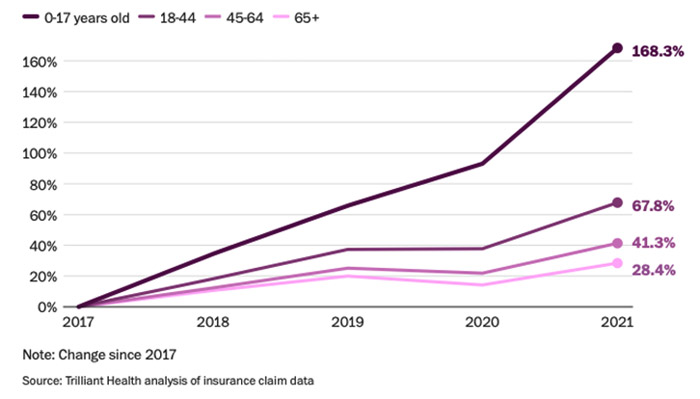
Download this Article Before it Disappears
Obesity Is a Primary Risk Factor for NAFLD
As reported in a March 2021 paper on pediatric NAFLD:8
“The largest risk factor for NAFLD is obesity. Obesity and NAFLD in children are often associated; however, they are not concomitant.
In a 2019 study in 408 children with obesity using whole liver magnetic resonance imaging–proton density fat fraction, the prevalence rate of NAFLD was 26.0%, or roughly one in every four children. In the Teen LABS study of adolescents with obesity severe enough to warrant weight loss surgery, the prevalence rate of NAFLD was higher at 59%.”
The dramatic rise in NAFLD in early 2020 may in part be due to the COVID lockdowns, which had the effect of raising childhood obesity rates by 8.3% to 13.4%, depending on the age group.9
Artificial Sweeteners May Impair Metabolism
That said, NAFLD also occurs in an estimated 8% of normal weight children.10 Inherited predisposition may be part of the problem. But the environment in utero can also influence a child’s risk of NAFLD,11 and this is a far more likely explanation for the recent explosion in prevalence among children.
Maternal obesity and high consumption of diet soda and/or junk food have both been linked to NAFLD in offspring. Artificial sweeteners may be programming the metabolism of the fetus to favor fat storage over energy production.
Maternal obesity and high consumption of diet soda and/or junk food during pregnancy have both been linked to NAFLD in offspring, and one theory is that artificial sweeteners may be programming the metabolism of the fetus to favor fat storage over energy production.12
Babies are also routinely fed unnaturally high amounts of sweeteners in infant formula and baby food. In recent years, the baby formula industry has started marketing formula made with corn syrup solids instead of lactose from cow’s milk. It’s said to be better for babies with sensitivity to lactose.
However, recent research13 suggests formula made with corn syrup solids significantly increases your child’s risk of obesity by age 4, and by extension NAFLD, and those who consume the highest amounts of formula have the highest risk.
So-called “transition formula” and “toddler milk” also contain higher amounts of sugar than regular cow’s milk. Both products are pure marketing inventions that have no nutritional basis. Meanwhile, research14 has shown that consumption of unsweetened cow’s milk is associated with a lower risk of NAFLD.
The Role of Diet
Indeed, our modern diet is probably the most important driver of this condition. As reported by The Washington Post:15
“… many doctors believe that our modern lifestyle — diet, the increase in sedentary activities related to technology and environmental exposures — is to blame. One of the liver’s jobs is to filter toxins, and when something in the body is out of balance, the organ can become damaged and fail …
A little fat in the liver is normal, but when more than 5% of its cells contain fat, the organ’s ability to do its job is impeded, and pediatric specialists say some children they treat have livers with 30 to 40% or even as high as 60% fat …
Some pediatric experts theorize there’s a mismatch between our genetics and the highly processed and sugary foods that have come to dominate childhood diets.
Nutritional surveys show that meals eaten by kids changed radically in a generation, going from very little ultra-processed foods in the early 1980s … to more than 67%16 in recent years. Such diets lead to hormonal changes and other stresses on our bodies.
‘It creates a time bomb, and it is killing our kids,’ said Barry M. Popkin, a professor of nutrition at the Gillings School of Global Public Health at the University of North Carolina at Chapel Hill.”
The Washington Post goes on to cite a January 2022 systematic review17 that found “a parallel but delayed rise” in noncommunicable diseases with rising prevalence of ultraprocessed foods.
Between 1800 and 2019, processed and ultraprocessed foods rose from less than 5% to more than 60%. This radically altered the macronutrient content of our diets. Sugar and seed oil (or “vegetable oil”) consumption rose dramatically, while saturated fat from animals dropped.
Ditch the Fast Food to Protect Your Child’s Health
Of these, I believe the transition from saturated animal fats to seed oils has played the biggest role. As detailed in “Linoleic Acid — The Most Destructive Ingredient in Your Diet,” seed oil is the primary source of linoleic acid (LA), which destroys your mitochondrial function.
I’m convinced excessive LA consumption is the biggest contributor to chronic disease in the Western world, including NAFLD. To understand how LA undermines your health, and that of your children, please read through that article and watch the video included in it. Both provide a comprehensive overview of how LA drives chronic disease of all kinds.
To avoid LA, you’ll need to avoid processed foods, fast foods and most restaurant foods, and focus on real, whole, organically grown foods instead. Processed foods are also routinely contaminated with glyphosate, which can contribute to liver problems. Disturbingly, recent testing revealed 95% of school lunch items had detectable levels of glyphosate,18 so, if at all possible, provide your child with homemade lunches.
A shocking 100% of meals also contained heavy metals at levels up to 6,293 times higher than the maximum levels allowed in drinking water. Meanwhile, most of the meals were “abysmally low” in essential nutrients.
Fast food also contains extremely low amounts of essential nutrients, especially B vitamins. In fact, zero amounts of vitamin B9 or B12 were detected in the top 10 fast foods sampled.19
That’s rather remarkable, considering B12-rich foods include beef and chicken, both of which are staples in fast food, yet fast food beef and chicken provide no B12 at all! If that doesn’t convince you that fast food meat is nowhere near the same as grass fed organic meat, I don’t know what will.
Fatty liver can also be driven by excess sugar when, in addition to seed oils, you are consuming more than 35% or so of your calories as fat. This is likely why this condition is now found even in young children.
Nutrients That Help Combat NAFLD
Upping your intake of specific nutrients can also be helpful if you have NAFLD. Examples include:
| Choline — Choline is important for normal liver function and liver health by moving fat out of your liver. It also helps maintain membrane integrity and manages cholesterol metabolism, including low density lipoproteins (LDL) and very low-density lipoproteins (VLDL). Choline deficiency has been shown to enhance abnormal fat deposits in your liver, causing NAFLD.20 In fact, some experts believe NAFLD is largely the result of shunning choline-rich foods like liver and egg yolks,21 which is then worsened by consuming too much LA. You can increase your intake by consuming more choline-rich foods, such as organic pastured egg yolks, grass fed beef liver, wild-caught Alaskan salmon and krill oil. Arugula is also an excellent source. |
| Vitamin B12 and folic acid may also be protective and have been found to decrease the progression of NASH.22 |
| Niacinamide, also known as nicotinamide (NAM) — Niacinamide is a precursor to nicotinamide adenine dinucleotide (NAD+), a vital signaling molecule that’s believed to play an important role in longevity. Supplementation has also been found to decrease oxidative stress and prevent fatty liver.23 |
| N-acetylcysteine (NAC) — NAC is a precursor needed for glutathione biosynthesis. It’s used as an antidote for acetaminophen toxicity, which causes liver damage by depleting glutathione. Research published in Hepatitis Monthly has shown NAC supplementation helps improve liver function in patients with NAFLD.24 |
| Milk thistle — This herb contains silymarin and silybin, antioxidants that are known to help protect your liver from toxins and even help regenerate liver cells.25 |
| CoQ10 — CoQ10 keeps your mitochondria healthy and plays a crucial role in the production of ATP, the cellular energy required to keep you alive. Supplementing with CoQ10, or the natural form called ubiquinol, has been shown to improve NAFLD by reducing oxidative stress and inflammation.26 |
Remember that supplements should always be used in combination with a healthy lifestyle, including eating right and exercising. If you’re overweight, losing 7% to 10% of your body weight can improve NAFLD, including lowering liver fat content, liver inflammation and fibrosis.27
– Sources and References
- 1, 5, 7, 12, 15 Washington Post October 3, 2023 (Archived)
- 2 The Lancet Gastroenterology & Hepatology September 2022; 7(9): 851-861
- 3, 4, 6, 8, 10, 11 Clinical Liver Disease March 2021; 17(3): 196–199
- 9 JAMA 2021;326(14):1434-1436
- 13 American Journal of Clinical Nutrition October 2022; 116(4): 1002–1009
- 14 Frontiers in Nutrition 2023; 10: 1119118
- 16 JAMA 2021;326(6):519-530
- 17 Frontiers of Nutrition January 13, 2022
- 18 Moms Across America September 28, 2022
- 19 Moms Across America October 18, 2023
- 20 Oregon State University Linus Pauling Institute
- 21 chrismasterjohnphd.com November 23, 2010
- 22 Journal of Hepatology, 2022; doi: 10.1016/j.hep.2022.06.033
- 23 The Journal of Nutritional Biochemistry May 21, 2022
- 24 Hepatitis Monthly, 2010; 10(1):12
- 25 Indian J Biochem Biophys. 2006 Oct;43(5):306-11
- 26 Journal of Prescribing Practice. 2020;2(4)
- 27 Curr Obes Rep. 2019 Sep; 8(3): 220–228

NZDSOS Response to Liz Gunn’s 21 October Horrific Whistleblower Claims
From nzdsos.com
Note: (the medics who placed patient care & safety above profits). For non-Kiwi readers, nzdsos are NZ Doctors Speaking Out with Science. EWNZ
“We have seen Liz Gunn’s recent video discussing information shared with her by a whistleblower.
We have not seen the information Liz Gunn discusses though we are not surprised by the allegations. For over 2.5 years we have been discussing, attempting to bring attention to, and asking for an investigation of serious adverse events and deaths potentially caused by covid vaccination.
We have struggled to have confidence that our authorities are assessing these events and deaths thoroughly as our questions have been either ignored or answered superficially. We have also seen evidence that post vaccination deaths and adverse events have not been adequately investigated by CARM/Medsafe/pathologist/Coroner. We are seeing suggestions of evasion and cover-up, especially through analysis of Official Information Act responses.
We agree with Liz Gunn that there are at least hundreds of dead and tens of thousands of injured (many seriously and likely permanently) New Zealanders due to the covid injection.
We were aware:
- that the government wrote in Feb 2021 that it was expecting 1.1 % of vaccinees to have a serious adverse event that would necessitate time off work,
- that Medsafe only expect 5% of adverse events to be reported,
- that Medsafe usually expects 3000-5000 reports per year for ALL medicines,
- that in the first year of covid vaccination there were over 58,000 reports for ONE medicine,
- that there were 3,688 SERIOUS adverse events documented in Medsafe’s final Safety Report at the end of November 2022 when they stopped reporting numbers publicly,
- that there have been over 13,000 serious adverse events reported according to an OIA response from April 2023.
We have presented a list of dead New Zealanders to authorities on more than one occasion.
We have asked the police to investigate the deaths of children and young people.
We have been met with dismissals, best summarised as deferring back to Medsafe’s assertions of safety.
We have documented the list of letters (with links to each letter) we have written. If the letters have been replied to, the reply is posted as well when it was received. We have written over 60 letters.
We suggest that you at least glance at the list of letters if not read them in full to see how hard we have tried to get action to protect New Zealanders from harms caused by the injection. This includes contacting the police and asking for an urgent investigation into potential contamination in the vaccine vials discovered in late 2021. The latest evidence of actual contamination is posted here, an urgent expert convention at the World Council for Health.
On 24 May 2022 we posted an open letter which was sent to every MP on 3 June 2022. This letter contained a list of New Zealanders whose deaths had (closely) followed covid vaccination. The names were changed but they were all real people and circumstances. (That list is now larger, more children and young people being added).
On 2 June 2022 our lawyer sent a letter directly to the Police Commissioner requesting an urgent investigation into the deaths of 150 named New Zealanders within a month of vaccination, many occurring within 1-2 days.
A dismissive response was received on 15 July 2022 stating that the Police “do not accept the views expressed by NZDSOS and do not intend to respond by way of an investigation of Medsafe or other agencies involved in the administration of the covid-19 vaccine”.
On 18 Jul 2022 our lawyer wrote a second letter to the Director for Police Legal Services, Mr Bill Peoples. We did not receive a reply.
On 10 August 2022 we contacted police again with our request for them to investigate suspicious deaths of named children. On 5th Sept we received a reply stating that they would not be investigating child deaths and would not be providing further information.
We have just sent a further updated open letter summarising the latest scientific evidence of harms. Remember, all the supposedly reassuring data is irrelevant and should be side-lined if evidence of harm emerges.
It is our opinion, consistent with that of Liz Gunn, that members of the recent New Zealand parliament knew of the potential harms and knowingly allowed this new technology to be released upon the public, in many cases insisting that it be used. All 120 members of the former parliament have been informed on multiple occasions of the harm being done to the population and the science to back up our assertions. Not one of them has acted to protect New Zealanders.
We have been urging the public to get involved and ask questions and demand answers because we, and our serious concerns, have been ignored. Following our own, and Liz Gunn’s lead, New Zealanders en masse MUST demand an investigation into the dead and injured victims of the contaminated covid injection.
If this does not occur, the harm will continue and potential solutions will not be addressed.
SOURCE: https://nzdsos.com/2023/10/23/nzdsos-response-liz-gunn/
RELATED:

Other news of late
Scalar Energy Weapons Nowhere to Hide
Scientific Study on Corona Technology
Children’s death stats in the UK
OIA reveals in 12 mnths NZ Police attended 5,032 sudden deaths
Nanotechnology to be used to realize 13 out of 17 UN Sustainable Development Goals by 2030: the science was presented in 2007!
The Anti Parasitic Drug That is Cheap, Safe & Kills Aggressive Cancers – But Has Not Been FDA Approved
Massive Miscarriage Rates Among Vaccinated Pregnant Women Found Buried In The Pfizer Documents
NZ Deaths up 14%, Natural Birth Increase Down 28%, Disability is up 37.5% and politicians remain silent
The Disturbing Truth About Oral Contraceptives
Photo: pixabay.com

What’s Ashley Bloomfield doing now? Working quietly for the WHO to strip you of your rights and freedoms, that’s what Ashley Bloomfield is doing
He is a Sir remember. A Globalist through and through … globalists ‘knight their own’ … EWNZ
From uncensored.co.nz
Jon Eisen sent me this link earlier today. PLEAE WATCH AND SHARE!
StayWell Man – What’s Ashley Bloomfield up to these days?… | Facebook
So following up, this is the WHO’s own info with Dr. Bloomfields name peppered throughout.
“COVID-19 showed us that having a good, strong set of International Health Regulations is essential, and showed where the current Regulations need to be improved,” said Dr Bloomfield, former Director-General of Health, New Zealand. “The ongoing pandemic has underscored the importance of countries working together collaboratively, and supporting WHO in its vital work, to make the world safer. The tone of the discussions and progress made during this week’s meeting clearly show that countries understand the responsibility they have to ensure this process is successful.” Governments hold first detailed discussions on proposed amendments to the International Health Regulations (2005) (who.int)
There’s that theme again; “for your safety” along with the old Globalist pipe dream of planetary harmony (presumably under tight fascist control). There is plenty of additional info to follow at the WHO site, but the video highlights the relevant points.
Of particular concern in the video presented on FB is the removal of the words “non binding” and rather alarmingly, references to dignity, human rights and freedoms being deleted from the draft.
READ AT THE LINK

Bringing the ocean to your garden (Wally Richards)
The first thing too realize is that plants will take up any minerals or elements that are in the growing medium along with any chemicals.
For instance you avoid growing vegetables next to an older house as there is a likelihood of lead in the soil from lead paints used in the past on the house.
This is even more so for any root crops such as potatoes or carrots because roots store more of the lead than the foliage.
I read also that in old gold fields that planting of big rooting plants such as hemp can be used to take up the minuet gold particles and then later extracted from the mature plant.
This morning I read the latest newsletter from Guy Hatchet in which he says:
As you know, public health is my major concern. Little is possible without robust health.
So the most important question is what alternatives are available to solve the public health crisis?
Our political leaders and the nation’s medical administrators have fallen short of explaining to the public what has gone down,
not so much during the pandemic but post pandemic what is happening now.
The long wait lists for surgery and the appalling response times for emergency treatment are not so much a reflection of a health service in disarray,
but primarily the result of a massive increase in illness among the general population.
Heart disease, cancers, strokes, reproductive health issues, neurological illness, mental health episodes,
immunological deficiencies, disability, and excess mortality have been increasing at rates never seen
before. We have repeatedly reported on these. For example the rate of hospitalization for heart disease has increased by 83% and strokes by 40%.
None of these frightening developments have been mentioned during the election campaign.
Guy goes on to suggest: According to scientific studies, what really can improve health outcomes?
Food
Improving diet is a powerful approach.
Many studies show that the benefits of fresh fruit and vegetables for health are not only significant but they are very large studies.
Research published in 2015, with 150,000 participants over 32 years found that vegetarians live longer. Even a tiny 3 per cent increase in protein from plants led to a huge 12 per cent drop in risk of death from cardiovascular-related disease.
A study published by the BMJ found:
“Participants with Covid-19 who reported following ‘plant-based diets’ and ‘plant-based diets with pescatarian elements’ had 73% and 59% lower odds of moderate-to-severe COVID-19 severity, respectively, compared with participants who did not follow these diets.”
I replied back to Guy with the following: Hi Guy
Yes you are right about diet being the key to better health outcomes but produce commercially grown found in supermarkets is not healthy food with good nutritional values; it is unhealthy, force grown and containing numerous chemicals from sprays and fertilizers.
For instance NZFSA in one of their past analysis of food found 23 different chemicals in cucumbers tested; these were from sprays used to protect from diseases and insect pests.
That was one of the worst cases but most others also had too many chemical poisons in the produce.
Commercially grown produce is also relatively tasteless when compared to naturally home grown vegetables, which are delicious to eat and brimming full of minerals and nutrients.
Organic grown is half the answer as it removes the chemical poisons but it does not necessary increase the nutritional values and taste.
The simple test is if the produce tastes really good then it has great health values and you do not need to eat much to feel satisfied.
Regards Wally Richards
I believe that most readers of my columns already know these aspects and hence do grow as much of their own food chain as possible and have better health outcomes as a result, for them and their families.
Putting the goodness into the soil so the plants take it up will not only increase the goodness of the food but the taste will be that much better as well.
We have two products which are from the ocean one of which is Wallys Ocean Solids containing all the known minerals and elements of which there are 114 there of.
Lightly applied to the soil or occasionally diluted and sprayed over the foliage of your plants it will increase the health and goodness of your vegetables.
Then there is our special fertilizer made from the fish of the sea: Bio Marinus™ which is manufactured by the enzymatic hydrolysis of fish offal, blended with humate, seaweed and biology including Bacillus subtilis, Trichoderma, mycorrhizae fungi etc, together with gibberellic acid which promotes growth.
Designed to provide a high quality, cost effective fertilizer.
Use at 30ml per litre of non chlorinated water for soil drench and feeding plants.
15ml per litre of non chlorinated water for foliage spray.
Biologically active soils have the ability to retain moisture and release nutrients ensuring greater production, faster rotation and more rapid recovery from stress.
To build a healthy biological soil we need products that can feed living organisms.
Soil health and soil fertility requires much more than NPK fertilizer.
Without the right biology, plants and animals cannot reach their full potential.
Biology is essential for the recycling of nutrients and the fixing of atmospheric nitrogen.
Bio Marinus™ is produced in Christchurch made with fish from our Southern Oceans and available in one litre containers for the home gardeners.
These we have had the privilege to promote for a few years.
The company has focused its products to the commercial growers and have given me the rights to decant and relabel the product.
Which soon will be labeled as Wallys Fish Fertiliser.
The cost savings of us doing the product has reduced the retail price down by $2.00 to $16.00 a litre.
We also can now supply garden shops with a wholesale price so they can offer their customers the best fish fertilizer in NZ brimming full of goodness and microbes for your gardens.
The product is suitable to add Magic Botanic Liquid (MBL) to the spray but as there is life microbes in the fish fertilizer you need to use it soon after adding or otherwise do not seal the cap as the microbes can grow their populations and balloon the plastic container.
You can use this to advantage by placing the fish fertilizer into a bucket of non chlorinated water and then add some molasses to the brew and grow over night your own billions of beneficial microbes to add to the soils of your garden.
Phone 0800 466464
Garden Pages and News at www.gardenews.co.nz
Shar Pei pages at www.sharpei.co.nz
Mail Order products at www.0800466464.co.nz
New Zealand Bill of Rights Act 1990. Part II of the Act covers a broad range of Civil and Political Rights. As part of the right to life and the security of the person, the Act guarantees everyone:
1The right not to be deprived of life except in accordance with fundamental justice (Section 8)
2The right not to be subjected to torture or to cruel, degrading, or disproportionately severe treatment or punishment (Section 9)
3The right not to be subjected to medical or scientific experimentation without consent (Section 10)
4The right to refuse to undergo any medical treatment (Section 11)
Furthermore, the New Zealand Bill of Rights Act 1990 guarantees everyone: Freedom of Thought, Conscience, and Religion.
This includes the right to freedom of thought, conscience, religion, and belief,
INCLUDING THE RIGHT TO ADOPT AND HOLD OPINIONS WITHOUT INTERFERENCE (Section 1)

Is Vaping Better Than Smoking? New Evidence May Surprise You
From Dr Mercola
Story at-a-glance
- Many have been misled to believe that vaping is healthier than cigarette smoking, but chemical analyses have found e-cigarette liquids, aerosols, cartridges and the heating coils within the e-cig tank can contain many toxic and carcinogenic ingredients
- Carcinogenic compounds found in e-cigs include diethylene glycol, volatile organic compounds (VOCs), nitrosamines, polycyclic aromatic hydrocarbons and radioactive polonium-210
- Polonium-210 is often found in traditional tobacco products because tobacco plants absorb it from soil and high-phosphate fertilizer. While cigarette smoke contains a wide variety of toxins, the presence of polonium appears to be one of the primary reasons why cigarette smoking causes lung cancer. Since polonium is also found in e-cigs, they too may cause lung cancer in long-term users
- E-cigs also contain toxic metals and metalloids, including lead, chromium, nickel, manganese, aluminum, antimony, arsenic, cadmium, cobalt, copper, iron, selenium, tin and zinc
- When heated, the chemicals in e-liquids also produce a variety of toxic degradation products, including aldehydes such as acrolein, formaldehyde and acetaldehyde
Many have been misled to believe that vaping is far healthier than cigarette smoking, but nothing could be further from the truth. As noted in one scientific review,1 e-cigs may be a safer option than conventional cigarettes, but they’re “not that safe.” Chemical analyses have found e-cigarette liquids, aerosols, cartridge, and the heating coils within the e-cig tank can contain many toxic ingredients, including:2,3,4
| Antifreeze chemicals such as propylene glycol and diethylene glycol, the latter of which has been linked to cancer5 |
| Volatile organic compounds (VOCs), associated with throat irritation, headaches, liver, kidney and central nervous system damage, and, potentially, cancer6 |
| 2-chlorophenol, which is classified as “harmful if inhaled”7 |
| Nitrosamines, which have been linked to cancer, Non-Hodgkin lymphoma, Alzheimer’s and Parkinson’s disease, fatty liver disease and DNA damage8 |
| Polycyclic aromatic hydrocarbons, which has been linked to cancer, cataracts and damage of the liver and kidneys9 |
| Radioactive polonium-210, a recognized carcinogen |
E-cigs also contain toxic metals and metalloids, including lead, chromium, nickel, manganese, aluminum, antimony, arsenic, cadmium, cobalt, copper, iron, selenium, tin and zinc.10,11
In one test,12 nearly half the vapor samples were found to have lead concentrations above the limits set by the U.S. Environmental Protection Agency. As noted by the researchers, the heating coils are made of nickel, chromium and several other metals, making this the most obvious source of contamination. However, the source of the lead remains a mystery. Arsenic was also detected in 10 of the 56 devices tested.
Toxic Degradation Products
When heated, the chemicals in e-liquids also produce a variety of toxic degradation products, including aldehydes such as:13
- Acrolein, used as a chemical weapon during World War I and later as an herbicide
- Formaldehyde (embalming fluid)
- Acetaldehyde, a carcinogen. It’s thought to contribute to cancer by damaging your DNA and preventing DNA repair14
A study commissioned by Japan’s Health Ministry found both acetaldehyde and formaldehyde in the vapor produced by several types of e-cig devices,15 and at least one brand had more than 10 times the level of carcinogens found in a traditional cigarette.
The Clean Air Act of 1990 defines formaldehyde and acrolein as hazardous air pollutants subject to regulation by the Environmental Protection Agency. As noted by the EPA:16
“At concentrations exceeding usual outdoor levels, aldehyde inhalation can alter breathing patterns by narrowing airway openings (airway constriction). It can also damage cells lining the airways, prompting white blood cells to enter the lungs.”
E-cigarette aerosols also contain organic byproducts such as carbonyls, carbon monoxide and free radicals, albeit at lower concentrations than tobacco smoke.17 The U.S. Food and Drug Administration has noted that second-hand smoke or vapor from e-cigs may contain at least 10 chemicals that are on California’s proposition 65 list of reproductive toxins and carcinogens.18 So, vaping does not mean you’re not exposing others to toxic second-hand smoke.
Polonium Is the Main Reason Cigarette Smoking Causes Cancer
Polonium-210 is often found in traditional tobacco products19 because tobacco plants absorb it (as well as other radioactive materials) from the soil. High-phosphate fertilizer used on tobacco crops also contains it and adds to the plants’ uptake.
While cigarette smoke contains a wide variety of toxins, the presence of polonium appears to be one of the primary reasons why cigarette smoking causes lung cancer. The fact that polonium-210 is also found in e-cigarettes raises the very definite possibility, then, that they too may cause lung cancer.
As explained in a 2022 analysis of the polonium-210 content of conventional cigarette smoke and the IQOS Heets cigarette (an electronic smoking device that uses real tobacco rather than an e-liquid):20
“Polonium-210 (210Po) and lead-210 (210Pb) are natural radionuclides of the uranium (238U) decay series, which are present within and on the surface of tobacco leaves.
A large part of the 210Po and 210Pb activity in tobacco originates from the capture of radon-222 (222Rn) progeny aerosols by the trichomes of leaves, whilst a smaller part originates from root transfer.
Owing to the significant volatility of Po and Pb in aerosol particles, both radionuclides are present in mainstream cigarette smoke, 210Po, as an energetic α-particle emitter, has readily been recognized as a potential carcinogenic component of the tobacco smoke.
As early as 1964, Radford and Hunt hypothesized that the presence of 210Po in tobacco smoke, and its preferential localization in the bronchial epithelium, would be a cause of lung cancer … 210Po in tobacco smoke commits an effective radiation dose to the lung, which could be close to the annual dose limit of 1 mSv for heavy smokers.”
Download this Article Before it Disappears
Flavor Chemicals Are Largely a Mystery
As noted in an August 10, 2023, Conversation article,21 it’s extremely difficult to assess the health risks of vaping for the fact that there are so many different devices and e-liquids on the market. Chemicals can also behave differently when heated and can have synergistic effects with other chemicals.
Contamination issues also complicate matters. For example, a 2019 study22,23 found 27% of the 75 single-use and refillable vaping cartridges tested contained microbial agents and 81% contained glucan, a substance found in the cell walls of most fungi.
Exposure to these impurities has been associated with asthma, chronic obstructive lung disease, reduced lung function and inflammation of the lungs. They also found endotoxin, and concentrations were higher in fruit-flavored products, suggesting raw materials used in production may be the source of contamination.
Flavors can contain more than 35 different chemicals,24 none of which is listed on the label, and they too may have toxic interactions with each other. Many of the health hazards associated with vaping appear to be related to flavor chemicals in particular, and “fun” flavors is what’s attracting many children and teens to take up the habit. The Conversation reports:25
“One example is benzaldehyde (an almond flavoring). When this is inhaled, it impairs the immune function of lung cells. This could potentially reduce a vaper’s ability to deal with other inhaled toxins, or respiratory infections.
Benzaldehyde is one of only eight banned e-liquid ingredients in Australia. The list is so short because we don’t have enough information on the health effects if inhaled of other flavoring chemicals, and their interactions with other e-liquid ingredients.”
Illegal Vaping Products Are Flooding the Market
In January 2020, the FDA finalized its enforcement policy on unauthorized flavored cartridge-based e-cigs that appeal to children. In a press announcement,26 the agency warned that companies must immediately cease manufacture, distribution and sale of all flavored cartridge-based e-cigarettes, with the exception of tobacco flavor and menthol.
As of August 8, 2016, all cartridge-based e-cigarette products are required to apply for and receive premarket authorization from the FDA’s tobacco authority.27 Since then, the FDA has received some 26 million applications,28 a volume the agency simply hasn’t been able to handle.
As a result, illegal products have flooded the market. Many manufacturers never even bother to apply for authorization. They simply cash in for as long as they can. What’s more, since the FDA’s policy only applies to cartridge-based vaping products, sale of disposable products, which were foolishly exempted from the flavor ban, have skyrocketed by 1,500% since early 2020 alone.29
According to the FDA, it has rejected all but 23 premarket review applications received so far, and all the approved products were for traditional tobacco flavors intended for adult smokers.30
To rein in the rise of illegal vaping products, the FDA also recently ramped up its enforcement efforts, issuing warning letters to 1,500 manufacturers and 120,000 retailers for selling illegal products or selling to customers under 21.31 It also fined a dozen e-cig manufacturers around $19,000 each,32 and ordered an import ban on three disposable brands (Elf Bar, Esco Bar and Breeze).33
In October 2022, the Justice Department also launched lawsuits against half a dozen e-cig manufacturers on the FDA’s behalf.34 Still, the three import brands banned and the six manufacturers sued are but a drop in the bucket, as there are hundreds of brands selling unauthorized/illegal products.
Tobacco- and Menthol-Flavored E-cigs Aren’t Safe Either
It’s important to recognize that just because tobacco- and menthol-flavored e-cigs are excluded from the FDA’s ban, that doesn’t mean they’re “safe.” The ban on flavored e-cigs has more to do with curbing vaping among children and teens than it has with safety.
According to a 2017 study35 published in the Environmental Health journal, which assessed the contents of aerosols from tobacco- and menthol-flavored e-cigs, these flavors contained several toxic compounds, including nicotine, fine particles, nanoparticles, carbonyls, and VOCs such as benzene and toluene.
Vaping Associated With Serious Health Risks
According to a 2021 scientific review, the harmful effects of vaping include:36
• Respiratory complications resulting from:
◦ Respiratory irritation and abnormalities in respiratory function
◦ Lung edema
◦ Airway epithelial injury and lung injury
◦ Sustained tissue hypoxia
• Cardiovascular health risks, resulting from:
| Cytotoxicity | Oxidative stress | Increased inflammatory markers |
| Impaired endothelial function | Increased platelet aggregation | Increased arterial stiffness |
One of the largest studies conducted on the health effects of vaping, presented at the 2019 American College of Cardiology’s Annual Scientific Session,37 found that adult e-cig smokers have a significantly higher chance of heart disease and mental health problems than nonsmokers, even after controlling for known risk factors such as body mass index and high blood pressure. Compared to nonsmokers, vapers were:
- 34% more likely to have a heart attack
- 25% more likely to have coronary artery disease
- 55% more likely to suffer from depression or anxiety than nonsmokers with the same risk factors
How to Make Quitting Smoking Easier
Whether you’re smoking combustible cigarettes or e-cigs, please consider quitting. I believe the “secret” to quitting smoking is to work on other aspects of your health first, which will make quitting mentally and physically easier.
Exercise, for example, is an important part of this plan. Research has shown that people who engage in regular strength training double their success rate at quitting smoking compared to those who don’t exercise.38 Healthy eating is another crucial factor to improving your health and strengthening your ability to quit. In short, if you want to quit, here are three basic tips to get started:
• Eat real food — Detailed guidance can be found in my free comprehensive nutrition plan.
• Develop a well-rounded exercise regimen — This is your ally to fighting disease and to quitting smoking. Strength training is an important part, but also remember to incorporate high-intensity interval exercises, core-strengthening exercises, stretching and regular non-exercise movement like walking, along with cutting back on sitting.
• Find a healthy emotional outlet — Many use exercise, meditation or relaxation techniques for this, and these are all great. I also recommend incorporating Emotional Freedom Techniques (EFT). This can help clear out emotional blockages from your system (some of which you might not even realize are there), thus restoring your mind and body’s balance and helping you break the addiction and avoid cravings.
Once you are regularly doing these three things, then you can begin to think about quitting smoking. At this point many are ready to try quitting “cold turkey.” And, again, if you’re a parent, talk with your children about the risks of smoking, smokeless tobacco and e-cigarettes. The easiest path to not smoking is to avoid starting in the first place.
– Sources and References
- 1, 36 Respiratory Research 2021; 22 Article number 151
- 2, 13, 21, 24, 25 The Conversation August 10, 2023
- 3, 35 Environmental Health April 27, 2017; 16 Article number 42
- 4 Chemical Research in Toxicology 2020; 33(9): 2374-2380
- 5 CNN, February 26, 2018
- 6 EPA VOCs
- 7 Pubchem 2-chlorophenol
- 8 Naturalpedia Nitrosamines
- 9 Cancer in Illinois, PAH Fact Sheet
- 10 Environmental Health Perspectives March 18, 2020; 128: 3
- 11 Environmental Health Perspectives, 2018;126(2):027010
- 12 Johns Hopkins Bloomberg School of Public Health, February 21, 2018
- 14 CDC Acetaldehyde
- 15 The Guardian, November 28, 2014
- 16 EPA Inhalation of Aldehydes and Effects on Breathing
- 17 Toxics 2022; 10(12): 714
- 18 American Nonsmokers Rights Foundation, Electronic Cigarettes and Secondhand Aerosol
- 19, 20 Scientific Reports 2022; 12: 10314
- 22 Environmental Health Perspectives, April 24, 2019; doi: 10.1289/EHP3469
- 23 EurekAlert! April 24, 2019
- 26, 27 FDA January 2, 2020
- 28, 30 FDA March 15, 2023
- 29, 33 Boston.com June 27, 2023
- 31, 32, 34 KFF Health News June 26, 2023
- 37 EurekAlert! March 7, 2019
- 38 Nicotine and Tobacco Research, 2011, 13(8), 756-760

Other news this week 6/8/23
Open Letter To Dr. Shane Reti, National Party Spokesperson on Health
Assisted dying will be no longer only for the terminally ill, and that should bother us all … a lot
Tony “war criminal” Blair is spreading his digital ID propaganda around the World
The transhumanist agenda of merging humans with machines is already in an advanced stage
Censorship is the tool used when the lie loses its power
HOT WEATHER – We ARE Being Micro Waved
Fit, Healthy, Young Rugby Players in NZ – Dying Suddenly
Photo: pixabay.com

GARDENING FOR HEALTH (Wally Richards)
I am very conscious of people that have only small sections or live in flats, retirement villages and apartments which means they have either no land or very little land to grow food in.
For people in those places they need to make the most economical use of their land available and also to grow the most highly nutritious food possible.
This is particularly so now as a draconian Government has passed the therapeutic bill which means they control what natural remedies, vitamins, minerals and supplements that you are allowed to purchase and use for your well being and health.
Traditional remedies that their parents and grandparents used to keep them healthy is now only available at the whim of some bureaucrat whom likely has a big Tax Paid salary and less knowledge about health than most of us gardeners.
So far they have yet to try and stop us from growing our own healthy food and high health products.
Recently I wrote about growing sprouts on a window sill and using Magic Botanic Liquid (MBL) in the water that you are sprouting the seed with.
Spouts are very nutritious and when you sprout the seeds with MBL they become super nutritious.
Now let me tell you a little story about what I discovered over 20 years ago that made a big difference to my health and well being.
I had learnt about MSM (Organic Sulphur) which is a white crystal powder from pine trees that you dissolve in a vitamin C fruit juice and take morning and night.
Your body needs a regular amount of sulphur daily and back 40 plus years ago you would have got your daily sulphur dose from your purchased (once upon a time) very healthy food chain.
(Not any more unless you are growing your own vegetables naturally and putting sulphur into the growing soil in the form of gypsum).
MSM I learnt about from an authority on the subject who is living in America and was sent 500 grams to try it.
I did and the first thing I noticed was that my memory improved significantly to the point that I could go into any room and know why I was there.
Reason being is sulphur helps carry oxygen to the cells and they function better.
Great relief for sore joints, arthritis and many other health issues.
Sulphur is also nature’s beauty element and often women that take MSM notice an improvement of hair, nails and complexion. It is also anti-aging. (I think mainly because of the continual detox MSM does when taking regularly).
I also learnt about that same time, after reading about Sea 90, that wheat grass and barley grass are two plants that will take up all the 114 known minerals and elements if they are present in the growing medium.
(Tomatoes want 56 different minerals and elements which they take up)
I was well aware of the fad referred to as drinking wheat grass juice for health and had even tried some once from a juice bar and found it bitter and not nice to drink.
But if the wheat grass takes up all the minerals and elements given to it when it grows then there is some great benefit in growing it and juicing.
There are four sources of mineral rich products, Ocean Solids being the minerals from the ocean along with the sodium chloride (salt which is about 95%) and the other 5% is the other 113 minerals and elements.
Minerals from powdered rocks which is called Wallys Unlocking your Soil and the MBL which contains the minerals from prehistoric times when the young planet was mineral rich.
BioPhos for the phosphate which we use as a building block for several important substances including those used for cell energy, cell membranes and DNA.
I then started growing wheat grass with all the above minerals and even if you do not have much land to grow stuff you can do this also.
I obtained some polystyrene boxes from a fish wholesaler (Also some supermarkets give them away)
I filled the boxes which are about 400mm by 28 mm wide and about 200 mm deep with Daltons Value Compost to about two thirds full; after putting some drainage holes in the sides of the box
(just up from the base. Reason being is some water will be under the mix as a reservoir to help keep mix moist.)
Over the compost I sprinkled Ocean Solids, BioPhos and Unlocking your Soil; then just covered that with a little more compost.
On top of that I spread the wheat seeds very thickly like many were touching each other then I sprayed them with the MBL mix.
I watered down with non chlorinated water and placed a sheet of glass over the box to keep mice and birds from getting in and eating the seeds. Keep the mix moist with regular watering.
When the box had a good show of germination of the grass I then did the same process to a second box to enable more grasses to be cut and used continuously.
When the grasses were well established I then removed the glass cover and once they reached a height of about 150mm it was time to harvest and juice. You can spray the grass with MBL for added benefit.
Now this is very important you need to use a manual type juicer which you turn the handle to squeeze the juice out of the grass.
Electric ones will destroy some of the goodness and antioxidants as they heat up while juicing and are hard to cleans because the green juice really stains.
With a pair of scissors you a couple of handfuls of grass off just above soil level and run them through the juicer. The liquid will be sweet as it has a high brix level which also indicates its full of goodness.
I started juicing once a day and it made a big difference to my well being.
Back then I was still a smoker and would over indulge in my favorite spirit at times.
I used to suffer from chronic indigestion if I ate ice cream in the evening and pastry foods before bed, waking up later, in a bad way.
The wheat grass fixed that completely which I figure was caused by an unbalance in my body and I have hardly ever had indigestion since.
Some people prefer barley grass to wheat grass and there is no reason not to grow both together for added benefits of the barley. You will find barley juice is a little bitter when compared to the wheat juice.
I wrote about juicing many years ago after having found great health benefits from it.
One chap told me that he took the wheat grass juice 3 times a day while under going chemo and he did not lose his hair and sailed through the treatment with little side effects.
Many people have improved their health from this easy to grow grass.
An alternative to juicing is to put the grass into a high speed blender with other things to make a super healthy smoothie.
If you prefer; you can grow in a raised garden or open garden simply follow the instructions for growing it in the boxes.
I have on our mail order web site at www.0800466464.co.nz made a new category link called Wheat and Barley Grass products.
In there you will find a kit with the wheat, barley and minerals all in a polystyrene box which you can use to grow the grass in.
I have also ordered from overseas some manual wheat grass juicers which should arrive later in August.
Beat the Government’s therapeutic bill and grow your own healthy Vitamins and Minerals.
Phone 0800 466464
Garden Pages and News at www.gardenews.co.nz
Shar Pei pages at www.sharpei.co.nz
Mail Order products at www.0800466464.co.nz
New Zealand Bill of Rights Act 1990. Part II of the Act covers a broad range of Civil and Political Rights. As part of the right to life and the security of the person, the Act guarantees everyone:
1The right not to be deprived of life except in accordance with fundamental justice (Section 8)
2The right not to be subjected to torture or to cruel, degrading, or disproportionately severe treatment or punishment (Section 9)
3The right not to be subjected to medical or scientific experimentation without consent (Section 10)
4The right to refuse to undergo any medical treatment (Section 11)
Furthermore, the New Zealand Bill of Rights Act 1990 guarantees everyone: Freedom of Thought, Conscience, and Religion.
This includes the right to freedom of thought, conscience, religion, and belief,
INCLUDING THE RIGHT TO ADOPT AND HOLD OPINIONS WITHOUT INTERFERENCE (Section 1)
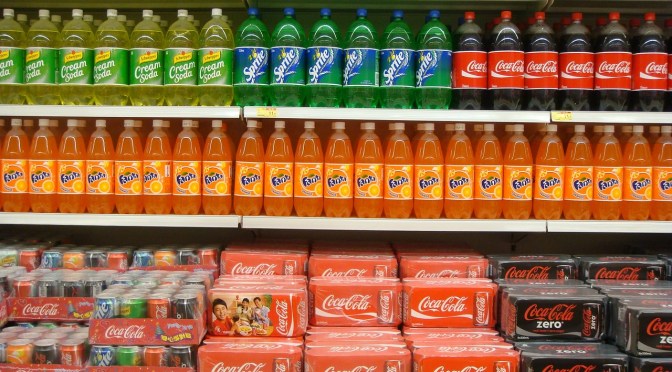
WHO admits aspartame causes cancer (read more from Corbett)
Welcome to New World Next Week – the video series from Corbett Report and Media Monarchy that covers some of the most important developments in open source intelligence news. This week:
Story #1: W.H.O. Says Aspartame Might Be Linked to Cancer, Officials Say It’s Safe
Aspartame Sweetener ‘Possibly’ Cancer-Causing, WHO Agency Reports
https://news.un.org/en/story/2023/07/1138732
READ MORE AT THE LINK:

Fresh Greens in Winter (Wally Richards)
Like to grow some fresh, highly nutritious greens this time of the year when sunlight hours are short and stuff is slow to grow?
This is also a way to be able to have emergency healthy food when things are not so good.
How you achieve this is to sprout seeds for eating, often referred to as ‘Sprouts’.
In the past sprouts were done in an Agee preserving jar with a screen sieve.
You would place a few seeds into the jar and cover with non chlorinated water and sit on window sill in kitchen.
Each day you would tip the water out using the sieve like screen to stop the seeds falling out.
Fresh water would be added and the above would be repeated daily till the seeds had sprouted and reached a nice size which you then used in sandwiches or salads.
Very nutritious and very simple to do.
Nowadays its even easier with a four tier seed sprouter from Egmont Seeds.
Called Mr Fothergills Kitchen Seed Sprouter they sell for $20.00.
You have 4 sprouting levels which means you can sprout 4 different types of seeds or mixes at any one time.
A small amount of seeds is placed in each level and water is applied to the top tier, then because of sprouter outlet caps in the base of each level
(which can be adjusted to allow a amount of water flow to next level) the water works its way down through the tiers..
Then finally the water ends up in the reservoir where you can either dispose of it or use it a second time round.
Doing this alone with the sprouter on the kitchen window sill will give you very nutritious greens to add to your winter diet.
But you can change then into super sprouts by adding a few mils of Magic Botanic Liquid (MBL)to the non-chlorinated water.
MBL is rich in humate and fulvic acid along with minerals and elements which the sprouting seeds will absorb as they germinate and grow.
Incredibly good for your health and great for those wishing to trim up a bit before summer.
One of the problems is that our traditional Super Market food chain is poor in nutritional values unless you are growing a good amount of vegetables yourself naturally.
This means when you cook up a meal from supermarket produce and have to add condiments to make it taste ok (Home grown produce tastes great and does not need condiments to fool you body into accepting it).
So you eat a full meal of supermarket produce and when you are finished you are likely to still feel a bit hungry.
Actually you are not hungry but that is the feeling you get as your body is saying, ‘Thanks for the stuff but where are the minerals and elements that I need to work properly?’
So inadvertently you pig out on potato chips or something to squash the feeling of having not eaten enough.
Now you are going to put on some extra pounds and your body still is not satisfied as he needs nutrition not food stuffing.
Sprouting seeds with MBL is a excellent way to get the goodness your body needs to be healthy, it is in the same top food tier as ‘Smoothies’ and wheat grass juice (done with minerals).
Now to get the seeds to sprout we go and have a look at Kings Seeds at https://www.kingsseeds.co.nz/results.html?q=seeds+for+sprouting
They have a good range of seeds and seed mixes most of which are certified organic.
Examples from their web site are:
Alfalfa: Our most popular sprout with a delicious nutty flavour. Excellent for gourmet salads, omelettes and sandwiches.
High in fibre, vitamins, minerals and proteins. Research has found Alfalfa fibre pushes cholesterol out of the arteries while its saponins also scrub and dissolve it.
The sprouts are many times more nutritious if exposed to the sunlight about the fifth day after germination. They can then be harvested.
Organic Energy mix: Alfalfa, Flax, Rocket, Broccoli Raab, Red Clover and Fennel.
A tasty, aromatic and invigorating blend that stimulates the body and digestive system.
As the Flax and Rocket are both mucilaginous-forming seeds when germinating, particular care needs to be shown to rinse and drain well in the first few days.
At harvest, the Fennel sprout will not be as developed as the others but both its seed husk and sprout should be used.
Organic High Health mix:A tasty nutritious mix of different brassica including Green Broccoli, Pak Choi, and Tuscan Black Kale.
High in vitamins and soluble fibre for cleansing the digestive system and building resistance to bowel and bladder disease. Seeds are easy to sprout reaching maturity using rinse and drain method in 6-10 days.
Organic Vita plus blend: Alfalfa 40% Red Clover 30% Daikon Radish 10% Radish 10% Broccoli Raab 10%
Highly nutritious blend of sprouts, rich in minerals, amino acids and antioxidants combining the mild tastes of Alfalfa and Red Clover with the spicy bite of Broccoli Raab, Radish Daikon and Radish.
Organic Stir Fry Combo: Contains Chickpea (Cicer arietinum) , Lentil (Lens culinaris), Mung (Vigna radiata).
Delicious, succulent and nutty sprout blend to stir fry in Asian dishes or to eat raw in salads and sandwiches.
Easily digested and highly nutritious with heaps of Vitamins B1 and B2, Iron, Potassium, Folic Acid and Protein.
Soluble fibre helps break down cholesterol, lower blood pressure and regulate blood sugars.
Initially soak seeds for several hours then drain. Rinse 3-4 times daily for 3-4 days. Harvest when sprouts are length of the seed (15mm) and store in fridge in a covered container.
Note; seeds which are mucilaginous-forming seeds when germinating you toss the water and MBL mix and do a fresh lot to get rid of the mucilaginous.
Otherwise be healthy this winter with tasty heath treats from sprouts.
Note Store unused seeds in a glass jar with lid in the fridge where they will keep happily for years ready to use any time.
Special for this week is 500 mils Magic Botanic Liquid (MBL) free shipping to your home saving you $8.50 courier.
Order at https://www.0800466464.co.nz/15-plant-nutrition
I will phone you when we receive the order to do payment.
Put in Remarks place THIS WEEKS SPECIAL
Special ends next Sunday
Phone 0800 466464
Garden Pages and News at www.gardenews.co.nz
Shar Pei pages at www.sharpei.co.nz
Mail Order products at www.0800466464.co.nz
New Zealand Bill of Rights Act 1990. Part II of the Act covers a broad range of Civil and Political Rights. As part of the right to life and the security of the person, the Act guarantees everyone:
1The right not to be deprived of life except in accordance with fundamental justice (Section 8)
2The right not to be subjected to torture or to cruel, degrading, or disproportionately severe treatment or punishment (Section 9)
3The right not to be subjected to medical or scientific experimentation without consent (Section 10)
4The right to refuse to undergo any medical treatment (Section 11)
Furthermore, the New Zealand Bill of Rights Act 1990 guarantees everyone: Freedom of Thought, Conscience, and Religion.
This includes the right to freedom of thought, conscience, religion, and belief,
INCLUDING THE RIGHT TO ADOPT AND HOLD OPINIONS WITHOUT INTERFERENCE (Section 1)
Image by Stefan Schweihofer from Pixabay

Other news this week
The 2005 International Health Regulations (IHR)
Five minutes to midnight (Max Igan)
WHO power grab (Dr John Campbell)
Door Opening to Mass Medical Experimentation on Humanity
Other
Crimes Against Humanity Trials Begin In New Zealand
Elon, Gates & Soros
Latest from NZ Doctors (SOS)
Latest from Dr Guy Hatchard
Britons are dying by the tens of thousands
The Battle For Your Child’s Innocence
Estimated death rate >1,000 higher than the acceptable safe limit
Photo: pixabay.com

You must be logged in to post a comment.