
Banned in Australia!
There is currently a total betrayal of the innocence of Kiwi children under this labour government.
Image by Anemone123 from Pixabay

Banned in Australia!
There is currently a total betrayal of the innocence of Kiwi children under this labour government.
Image by Anemone123 from Pixabay
SPRING SALE (See below the article) and SEED GERMINATION TIME article
There are two basic places to germinate seeds, one is where they will ultimately grow and mature the other is in suitable containers to germinate and then to transplant out into open ground or larger containers latter on.
Firstly it is always best to plant any seed in the spot where it will grow and mature.
The reason for this is because when a seed germinates it will send down a tap root and if in open ground in a friable soil that root can be very long.
If on the other hand we germinate in a container or seedling tray that root will be limited in the depth of the tray and growing medium.
It is not practical to grow every thing at the maturity site, especially when we are getting an early start or growing out of season.
There are some seed types which should only be grown in their maturity site and only planted when conditions are favorable.
I often see seedlings for sale in punnets of plants which should never be offered this way because novice gardeners, that know no better, may purchase and have poor results..
The worst example of this is root crops such as carrots and parsnips which should only be direct sown as in any other form they will not produce a normal root. An exception to this is a newer carrot that is round in shape and does not produce a long edible root.
Beetroot and onions are seedlings that will transplant but are better to direct sow. (Direct sow means planting seed where they will mature) Spring onion is an exception.
Corn, beans and peas should all be direct sown and you will get far better crops if you do so.
Larger seeds are easy to handle and can be placed where you want them to grow without having to thin out later on. Silverbeet is another one that would be best direct sown.
If you want to start off seeds early in open ground try this method.
Make a trench about 100mm deep and the same wide, mow your lawn and collect the clippings which you then pack fresh into the bottom of your trench.
(Note if the grasses are in seed in the lawn it maybe best not to use the clippings to prevent moving grass weeds to your garden)
Pack firmly to about 80mm then sprinkle a little compost over the clippings to cover.
Next sprinkle Wallys Calcium & Health and Unlocking your Soil along the trench along with foods such as chook manure, sheep manure pellets, blood & bone, Bio Boost and Neem Tree Granules.
Once again cover lightly with weed free compost (Purchased)
Next sow your seeds such as peas, beans, sweet corn etc.
Once the seeds are spaced out along the row then spray them with Magic Botanic Liquid (MBL) at 20 mls per litre. This really speeds up germination. Then cover the seeds with more compost and water down using a fine rose watering can with MBL added.
For those that have problems with either cats, birds or late frosts then make some hoops out of No8 wire and place them along the row with a clearance of about 200mm in the middle of the row.
Place crop cover over the hoops and on one side cover with soil and on the other side with lengths of old timber or similar.
That allows you to easily take off to tend to the plants as needed.
The heat from the grass clippings will warm the soil which greatly helps germination.
Once well developed then you can remove the hoops and cover and store for future use.
Now lets look at doing similar but in seedling trays or by using cell packs or punnets.
If you keep the punnets and cell packs that you have purchased in the past then these are good value to use.
Wash them out in hot water so they are nice and clean.
To fill I use only purchased compost of high quality such as from Daltons or Oderings.
I have found that seed raising mixes are a gimmick and most of the ones I have looked at are too expensive and do not work as well as a good quality compost for most seed germination projects.
Think about this; outside in Nature we find all sorts of soils types even straight gravel or sand where seeds do not appear to have much trouble germinating, without any special mixes from mankind.
One important aspect to consider when germinating in seedling trays is to have heat from a heat pad.
Some garden shops, pet supplies and brew shops have heat pads which can be used for germination.
I place a sheet of polystyrene block on a bench to direct the heat upwards then sit the seed trays on the heat pad.
If you go to wholesale fish outlets or fish departments of supermarkets you will likely find used polystyrene trays free or for a few dollars.
You can sit your heat pad in the tray and being white it will provide lots of good reflected light.
If the pad you buy is a higher temperature than you require then cover the pad with sand and keep the sand moist. Sit your seedling trays on the sand.
Fill your seedling tray or cell packs to about two thirds full with purchased compost as above.
Carefully sprinkle a few seeds over the compost keeping them apart so they each have their own space.
Spray then seeds with MBL and Mycorrcin mixed together in a trigger sprayer with non chlorinated water. Once the compost and seeds are wet then cover seeds with more compost (You can sieve it if you like) and wet down with your spray.
Now you spray the tray at least twice a day to keep the compost moist using the same trigger mix.
Once a few seeds have germinated and before they start stretching for light get them out into natural light from overhead such as on a bench in a glasshouse.
If you do not have a suitable place then place your polystyrene box outside with a sheet of glass over it.
The seedlings will need spraying still but off the heat pad a lot less. Make sure the seedlings are in good
light but not strong sun light to burn them.
If you are worried about them at night you can bring the polystyrene box inside or onto a porch.
When the seedlings are big enough to handle prick them out and pot them into small pots once again using the compost.
WELCOME TO SPRING PROMOTION
As many of you are aware this time of the year we try to offer some specials for you to use during the coming growing season.
The following specials will start today 13th August and finish on Thursday 31st August at Midnight.
Any orders must be placed on our mail order web site at www.0800466464.co.nz
ALSO MOST IMPORTANT…PLACE THE WORD SPRING in the CUSTOMER MESSAGE BOX
This allows me to sort out the various discounts and add any shipping before I phone you to organise mode of payment for the order. (Credit/Debit Card payment over phone which is the best and fastest way alternatively I email you the details for a bank transfer)
While on the phone I can also answer any questions you may have. (Its called service which is not common these days)
Here are the offerings:
25% off Neem Oil, Neem Granules and Neem Powder
20% off all other items except for BULK items
Of the above: North Island if your order comes to $100 or more after discount then free shipping. (Not including Bulk items)
South Island in your order comes to $150 or more after discount then free shipping. (Not including Bulk items)
10% off Bulk Items such as 10kilo bags BioPhos, Ocean Solids and Unlocking Your Soil. These bulk products will incur shipping at cost.
These are 10kg North Island $16.00 South Island $19.00
Up to 25 kg North Island $19.00 South Island $25.00
We do not send to PO Boxes or outer Islands such as Waiheke or Stewart Islands But will send to the Ferry depot servicing those Islands
Phone 0800 466464
Garden Pages and News at www.gardenews.co.nz
Shar Pei pages at www.sharpei.co.nz
Mail Order products at www.0800466464.co.nz
New Zealand Bill of Rights Act 1990. Part II of the Act covers a broad range of Civil and Political Rights. As part of the right to life and the security of the person, the Act guarantees everyone:
1The right not to be deprived of life except in accordance with fundamental justice (Section 8)
2The right not to be subjected to torture or to cruel, degrading, or disproportionately severe treatment or punishment (Section 9)
3The right not to be subjected to medical or scientific experimentation without consent (Section 10)
4The right to refuse to undergo any medical treatment (Section 11)
Furthermore, the New Zealand Bill of Rights Act 1990 guarantees everyone: Freedom of Thought, Conscience, and Religion.
This includes the right to freedom of thought, conscience, religion, and belief,
INCLUDING THE RIGHT TO ADOPT AND HOLD OPINIONS WITHOUT INTERFERENCE (Section 1)
Image by onehundredseventyfive from Pixabay
The Agency has been covertly “moderating” that online encyclopedia for over ten years, according to a former editor
From Mark Crispin Miller
As a mere attentive reader, I’d say the CIA has been manipulating Wikipedia for even longer (maybe from the start?), since it was some fifteen years ago that I looked up Philip Agee’s entry, and found that it was nothing but a tissue of the propaganda smears that CIA pumped out in 1975 (and ever since), in fierce (covert) response to Agee’s indispensable Behind the Company: CIA Diary. (For those interested in that attack, and Agee’s many other punishments for authoring that book, I’d skip that Wikipedia entry, and, instead, read Agee’s memoir On the Run.)
So when Wikipedia “revised” the entry on myself, sometime in 2021 (I think it was), to make it even nastier and more deceptive, I was not surprised. While it had not been flattering from the start, it was now poisonously amplified with tidbits from the slanders that my department colleagues used to tried to get me fired from NYU, and that echoed and re-echoed in the media (including the Chronicle of Higher Education).
READ AT THE LINK
“Panel discussions will cover a range of topics including The Climate Challenge, Reforming the United Nations and Countering disinformation and rebuilding trust in institutions.“
https://www.unanz.org.nz/learn/news-and-events/advancing-the-2030-agenda-national-conference/
Rebuilding trust would be a difficult sell, and countering disinfo aka truth, harder still….
Open Letter To Dr. Shane Reti, National Party Spokesperson on Health
Assisted dying will be no longer only for the terminally ill, and that should bother us all … a lot
Tony “war criminal” Blair is spreading his digital ID propaganda around the World
The transhumanist agenda of merging humans with machines is already in an advanced stage
Censorship is the tool used when the lie loses its power
HOT WEATHER – We ARE Being Micro Waved
Fit, Healthy, Young Rugby Players in NZ – Dying Suddenly
Photo: pixabay.com
I am very conscious of people that have only small sections or live in flats, retirement villages and apartments which means they have either no land or very little land to grow food in.
For people in those places they need to make the most economical use of their land available and also to grow the most highly nutritious food possible.
This is particularly so now as a draconian Government has passed the therapeutic bill which means they control what natural remedies, vitamins, minerals and supplements that you are allowed to purchase and use for your well being and health.
Traditional remedies that their parents and grandparents used to keep them healthy is now only available at the whim of some bureaucrat whom likely has a big Tax Paid salary and less knowledge about health than most of us gardeners.
So far they have yet to try and stop us from growing our own healthy food and high health products.
Recently I wrote about growing sprouts on a window sill and using Magic Botanic Liquid (MBL) in the water that you are sprouting the seed with.
Spouts are very nutritious and when you sprout the seeds with MBL they become super nutritious.
Now let me tell you a little story about what I discovered over 20 years ago that made a big difference to my health and well being.
I had learnt about MSM (Organic Sulphur) which is a white crystal powder from pine trees that you dissolve in a vitamin C fruit juice and take morning and night.
Your body needs a regular amount of sulphur daily and back 40 plus years ago you would have got your daily sulphur dose from your purchased (once upon a time) very healthy food chain.
(Not any more unless you are growing your own vegetables naturally and putting sulphur into the growing soil in the form of gypsum).
MSM I learnt about from an authority on the subject who is living in America and was sent 500 grams to try it.
I did and the first thing I noticed was that my memory improved significantly to the point that I could go into any room and know why I was there.
Reason being is sulphur helps carry oxygen to the cells and they function better.
Great relief for sore joints, arthritis and many other health issues.
Sulphur is also nature’s beauty element and often women that take MSM notice an improvement of hair, nails and complexion. It is also anti-aging. (I think mainly because of the continual detox MSM does when taking regularly).
I also learnt about that same time, after reading about Sea 90, that wheat grass and barley grass are two plants that will take up all the 114 known minerals and elements if they are present in the growing medium.
(Tomatoes want 56 different minerals and elements which they take up)
I was well aware of the fad referred to as drinking wheat grass juice for health and had even tried some once from a juice bar and found it bitter and not nice to drink.
But if the wheat grass takes up all the minerals and elements given to it when it grows then there is some great benefit in growing it and juicing.
There are four sources of mineral rich products, Ocean Solids being the minerals from the ocean along with the sodium chloride (salt which is about 95%) and the other 5% is the other 113 minerals and elements.
Minerals from powdered rocks which is called Wallys Unlocking your Soil and the MBL which contains the minerals from prehistoric times when the young planet was mineral rich.
BioPhos for the phosphate which we use as a building block for several important substances including those used for cell energy, cell membranes and DNA.
I then started growing wheat grass with all the above minerals and even if you do not have much land to grow stuff you can do this also.
I obtained some polystyrene boxes from a fish wholesaler (Also some supermarkets give them away)
I filled the boxes which are about 400mm by 28 mm wide and about 200 mm deep with Daltons Value Compost to about two thirds full; after putting some drainage holes in the sides of the box
(just up from the base. Reason being is some water will be under the mix as a reservoir to help keep mix moist.)
Over the compost I sprinkled Ocean Solids, BioPhos and Unlocking your Soil; then just covered that with a little more compost.
On top of that I spread the wheat seeds very thickly like many were touching each other then I sprayed them with the MBL mix.
I watered down with non chlorinated water and placed a sheet of glass over the box to keep mice and birds from getting in and eating the seeds. Keep the mix moist with regular watering.
When the box had a good show of germination of the grass I then did the same process to a second box to enable more grasses to be cut and used continuously.
When the grasses were well established I then removed the glass cover and once they reached a height of about 150mm it was time to harvest and juice. You can spray the grass with MBL for added benefit.
Now this is very important you need to use a manual type juicer which you turn the handle to squeeze the juice out of the grass.
Electric ones will destroy some of the goodness and antioxidants as they heat up while juicing and are hard to cleans because the green juice really stains.
With a pair of scissors you a couple of handfuls of grass off just above soil level and run them through the juicer. The liquid will be sweet as it has a high brix level which also indicates its full of goodness.
I started juicing once a day and it made a big difference to my well being.
Back then I was still a smoker and would over indulge in my favorite spirit at times.
I used to suffer from chronic indigestion if I ate ice cream in the evening and pastry foods before bed, waking up later, in a bad way.
The wheat grass fixed that completely which I figure was caused by an unbalance in my body and I have hardly ever had indigestion since.
Some people prefer barley grass to wheat grass and there is no reason not to grow both together for added benefits of the barley. You will find barley juice is a little bitter when compared to the wheat juice.
I wrote about juicing many years ago after having found great health benefits from it.
One chap told me that he took the wheat grass juice 3 times a day while under going chemo and he did not lose his hair and sailed through the treatment with little side effects.
Many people have improved their health from this easy to grow grass.
An alternative to juicing is to put the grass into a high speed blender with other things to make a super healthy smoothie.
If you prefer; you can grow in a raised garden or open garden simply follow the instructions for growing it in the boxes.
I have on our mail order web site at www.0800466464.co.nz made a new category link called Wheat and Barley Grass products.
In there you will find a kit with the wheat, barley and minerals all in a polystyrene box which you can use to grow the grass in.
I have also ordered from overseas some manual wheat grass juicers which should arrive later in August.
Beat the Government’s therapeutic bill and grow your own healthy Vitamins and Minerals.
Phone 0800 466464
Garden Pages and News at www.gardenews.co.nz
Shar Pei pages at www.sharpei.co.nz
Mail Order products at www.0800466464.co.nz
New Zealand Bill of Rights Act 1990. Part II of the Act covers a broad range of Civil and Political Rights. As part of the right to life and the security of the person, the Act guarantees everyone:
1The right not to be deprived of life except in accordance with fundamental justice (Section 8)
2The right not to be subjected to torture or to cruel, degrading, or disproportionately severe treatment or punishment (Section 9)
3The right not to be subjected to medical or scientific experimentation without consent (Section 10)
4The right to refuse to undergo any medical treatment (Section 11)
Furthermore, the New Zealand Bill of Rights Act 1990 guarantees everyone: Freedom of Thought, Conscience, and Religion.
This includes the right to freedom of thought, conscience, religion, and belief,
INCLUDING THE RIGHT TO ADOPT AND HOLD OPINIONS WITHOUT INTERFERENCE (Section 1)
Plant diseases appear when a plant is lacking in one or more elements or the plant is in stress for what ever reason.
Normally we spray a fungicide to prevent or control a plant disease which sits on the surface of the leaves and branches.
Dependent on the disease we use a copper fungicide or a sulphur fungicide alternatively the compound potassium permanganate and in some cases a combination of two or the whole three sprayed together.
It some diseases such as curly leaf on stone fruit trees (nectarine & peach) we apply a fungicide copper every 7 to 10 days; or again after rain, if we have not used Raingard in the spray.
With curly leaf in stone fruit the disease often strikes when it rains because the spores are splashed up from the soil below but if the rain has washed off the copper fungicide then there is no protection.
Curly leaf in stone fruit is a difficult disease to prevent and dependent on how bad the leaves are damaged means a loss of some or even all the crop.
In severe cases the tree may die also.
Now this is interesting and extracted from an article I received recently…
People misunderstand the use of copper as a fungicide. They drench the plant and often create excesses of this mineral in the soil.
75% of the copper response comes from within the plant, rather than on the leaf.
(Dr Don Huber)
Dr. Don Huber is a retired professor of plant pathology from Purdue University in Indiana, USA.
He has over 50 years of experience in researching plant diseases and soil-borne pathogens, as well as their relationships with microbial ecology, nutrient availability, and crop productivity.
Dr. Huber has published numerous peer-reviewed articles and book chapters on these topics and has received many awards for his contributions to the field of plant pathology.
He is also a recognized authority on the potential risks associated with genetically modified organisms (GMOs) and the use of glyphosate herbicides.
However, excessive use of copper-based fungicides can lead to copper accumulation in soil and water, which can have negative environmental impacts and they are proving to be less effective than some alternative forms of copper. As a result, there has been increasing interest in the use of copper nutrition products as an alternative approach to controlling plant diseases.
Comparative studies between Copper nutritional products and Copper Fungicide have consistently shown that the preventive and curative efficacy of the former is often significantly higher, and in the worst case, similar to that of the Copper Fungicide.
Copper Nutritional products demonstrated exceptional performance in terms of their long-lasting efficacy, compared to Copper Fungicides.
They maintained significant levels of control for up to 90 days, whereas Copper Fungicides showed a notable decline in control after just 7-14 days.
The difference in their mode of action explains this contrast; Copper Nutritional products are systemic and designed to increase the plant’s copper levels, whereas Copper Fungicides are contact-based and remain mostly on the leaf surface, making them susceptible to weather-induced degradation and physical removal.
Copper nutrition products work by providing plants with a source of copper, which is an essential micro nutrient required for plant growth and development.
Copper helps to activate enzymes involved in several physiological processes in plants, including photosynthesis and respiration. Additionally, copper has been shown to have anti-fungal properties, which makes it effective in controlling plant diseases.
Studies have shown that copper can enhance plant immune responses by regulating gene expression and enzyme activity involved in defense mechanisms.
For example, a study by R. Mehari et al. (2015) in the journal Plant Physiology and Biochemistry found that copper enhanced the activity of enzymes involved in the synthesis of lignin, which is a component of plant cell walls that plays a crucial role in plant defense against pathogens.
I am pleased to say that we now have a copper nutrient which I have called Wallys Super Copper Nutrient and is available from our mail order web site in 250 ml bottles.
Or you can ask your local garden centre to order the product in for you.
I was told of a trial that was done on a stone fruit tree to prevent curly leaf.
Only one part of the tree was treated and that part had no curly leaf and even the following season still no curly leaf where the rest of the tree suffered from the disease.
Used at the rate of 10 mils per litre for initial application and then at 5mils per litre of water for maintenance.
If you have a stone fruit tree that suffers from curly leaf then spray the tree now before spring movement at 10mils over the branches where the leaf buds are. Coverage should be as good as able all over the tree.
When there is a show of leaves later on spray again at the 5 mil rate.
If the tree is flowering only spray the foliage at the end of the day when pollination has finished for the day.
Another spray of foliage at 5 mils per litre of water can be done after fruit has set.
Trials that I have read about diseases on other plants have also being very good at controlling various disease problems.
Thus where you have problem diseases such as on roses and other plants this copper nutrient maybe the answer you them also.
Dr. Don Huber also commented that the only reason copper fungicides helped in control of various diseases is that some of the copper would get into the plant which would then help the plant as written above.
But applying Wallys Super Copper Nutrient cuts to the chase reducing or eliminating the need for copper fungicide sprays.
Order from www.0800466464.co.nz link at plant diseases
Phone 0800 466464
Garden Pages and News at www.gardenews.co.nz
Shar Pei pages at www.sharpei.co.nz
Mail Order products at www.0800466464.co.nz
New Zealand Bill of Rights Act 1990. Part II of the Act covers a broad range of Civil and Political Rights. As part of the right to life and the security of the person, the Act guarantees everyone:
1The right not to be deprived of life except in accordance with fundamental justice (Section 8)
2The right not to be subjected to torture or to cruel, degrading, or disproportionately severe treatment or punishment (Section 9)
3The right not to be subjected to medical or scientific experimentation without consent (Section 10)
4The right to refuse to undergo any medical treatment (Section 11)
Furthermore, the New Zealand Bill of Rights Act 1990 guarantees everyone: Freedom of Thought, Conscience, and Religion.
This includes the right to freedom of thought, conscience, religion, and belief,
INCLUDING THE RIGHT TO ADOPT AND HOLD OPINIONS WITHOUT INTERFERENCE (Section 1)
“…I think people—they’re already kind of merged with their phone and their laptop.” ~ Elon Musk
(The writer poses the question … “Is Musk the antichrist?” A very interesting read EWNZ)
From Karen Hunt
Mr. X, X-Files, X-Rays, X-Box, Project X, X marks the spot, “solve for x” in algebra. X represents the unknown. X is AI.
X is the unknown.
Elon Musk wants to use AI to make X knowable. Is he the antichrist? Does he want to be the god of this earth? Even if you are not a believer in Christ, you can look at the antichrist as “a person or thing regarded as supremely evil or as a fundamental enemy or opponent”.
I’m not going to philosophize about it or pretend I have the answer. I’m just putting the question out there and after reading this essay, you can decide for yourself.
READ AT THE LINK
Image by Gerd Altmann from Pixabay
Just after Cyclone Gabrielle caused mayhem and destruction in Hawkes Bay, we spoke with Leao Tildsley of Island Girl Views (https://www.facebook.com/IslandgirlVi…. Leao told Liz about an orchard owner, Russell Hope, who runs his business called Taste of Summer -make sure to support them or buy a fruit product via Facebook – (https://www.facebook.com/tasteofsumme….
Here, Leao takes Liz to show her firsthand the flood damage and to speak with Russ.
To donate/help Hawkes Bay, or to contribute:
– Bay View Community Charitable Trust Inc. – https://www.facebook.com/people/Bay-V…
– Ranui Baptist Community Care
ASB ACCOUNT NO: 12-3039-0195267-04
REF. Napier
– Email Leao at leao@careranui.org.nz
Music attribution: ‘Aurora’ by Scott Buckley – released under CC-BY 4.0. www.scottbuckley.com.au
From mypatriotsupply.com
Henry Kissinger famously said, “Who controls the food supply controls the people; who controls the energy can control whole continents; who controls money can control the world.”
History shows us this is true – especially when it comes to controlling food.
Many people would like to believe that famines are a natural phenomenon. Unfortunately, this is seldom the case.
Time and time again, famines are man-made and the result of political agendas.
Alex de Waal, author of Mass Starvation: The History and Future of Famine, says, “Famine is a very specific political product of the way in which societies are run, wars are fought, governments are managed. The single overwhelming element in causation —in three-quarters of the famines and three-quarters of the famine deaths—is political agency. Yet we still tend to be gripped by this idea that famine is a natural calamity.”
It is a difficult pill to swallow – that one’s own country would allow their people to starve, and in some cases, purposely. And yet, history doesn’t lie.
Let’s take a look back at some of the worst man-made famines in history to better prepare ourselves for this sad possibility.
READ AT THE LINK
https://www.mypatriotsupply.com/blogs/scout/control-the-food-control-the-people
RELATED: Food Supply Shutdown: Deer, fish, pigs euthanized; crops not planted
Photo: pixabay.com
Leviticus 14 has laws concerning plagues on skin and houses. The law about the houses was for the future when Israel was to live in the promised land.
The subject of plague in the house reminds me of a problem that Washington D.C. had with mould on its monuments in 2016 while Obama was in power.
US Monuments Are Getting Covered in Slime, And No One Knows How to Stop It
We are told in Ephesians 6:10-13 that we battle with principalites and powers.
Was it a sign?
D.C. is short for the district of Columbia, a feminine deity earth goddess representing the Americas and New World. Columbia was depicted as riding an alligator and had a savage, cannabalistic image to start with, although that has softened over time.
Columbia’s most prominent display today is being part of the logo of…
View original post 527 more words
Curious how frequently somebody or other happen to be training nearby during these incidents ….
Two male construction workers aged in their 40s have been confirmed as the pair killed in yesterday’s Auckland CBD shootings. Police say formally identifying the victims is today’s priority, with autopsies to be completed in the coming days.
READ AT THE LINK
Recycled TOXIC water from sewers (Feces, Urine and Pharma Drugs) coming to your neighborhood taps for drinking, bathing, watering plants, for your pets and everything else you use water for.
Sewer water will and has been blended into reservoirs from up stream locations and goes directly into our homes, businesses, schools, restaurants, swimming pools, drinking fountains and more.
This is NOT only a California Agenda
These Plans ARE Worldwide
https://www.sfgate.com/bayarea/article/Recycled-water-from-sewer-OK-d-for-California-12735732.php
Recycled water from sewers coming to California taps
Water that once coursed through the sewer may soon make its way out of your home faucet.
New regulations approved March 6 by the State Water Resources Control Board allow treated recycled water to be added to reservoirs, the source of California cities’ municipal drinking water supply.
The regulations specify the percentage of recycled water that can be added and how long it must reside there before being treated again at a surface water treatment facility and provided as drinking water,according to the Water Board.
“This is a type of indirect potable use — it’s not treated recycle water that goes directly to someone’s house,” said Miryam Barajas at the Water Board. “It’s highly treated.”
How California plans to crack down on water waste
Barajas said San Diego is leading the state in infrastructure to begin carrying out a sewer-to-reservoir operation but the rest of the state will likely follow.
California has 36 main reservoirs and Barajas said the decision could potentially affect all of them but it is unclear how long that could take.
“The regulations are now there but the infrastructure is not,” she said.
The decision was the culmination of a two-year public review process, which included an independent scientific review and guidance by an expert panel that determined the regulations adequately protect public health. It was also the latest effort to develop uniform rules allowing for more use of recycled water to supplement existing drinking water supplies.
The State Water Board is also working onregulations for “direct potable reuse,” in which treated recycled water is added directly into a drinking water system or into a raw water supply immediately upstream of a water treatment plant. These rules are expected by2023.
Water recycling is part of the California Water Action Plan and Senate bills 918 and 322 direct the Water Board to investigate to create regulations for direct and indirect potable reuse.
The Water Boardsays it funded more than $748 million worth of water recycling projects lastyear in 2018.
Investigations on the health issues of drinking sewer water are OVER.
This poison water will cause illness and degrade life.
Thisis the SDG’s – Water Action Plans adopted in your cities.
Lookup the Sustainable Development Goals in your city.
Thanks to Jo Blogz at the Red Sky in the Morning blog…
I originally came from Hawkes Bay and I know the flat land on the coastal plain between the rivers – rivers that have flooded in the past, viz these photos.

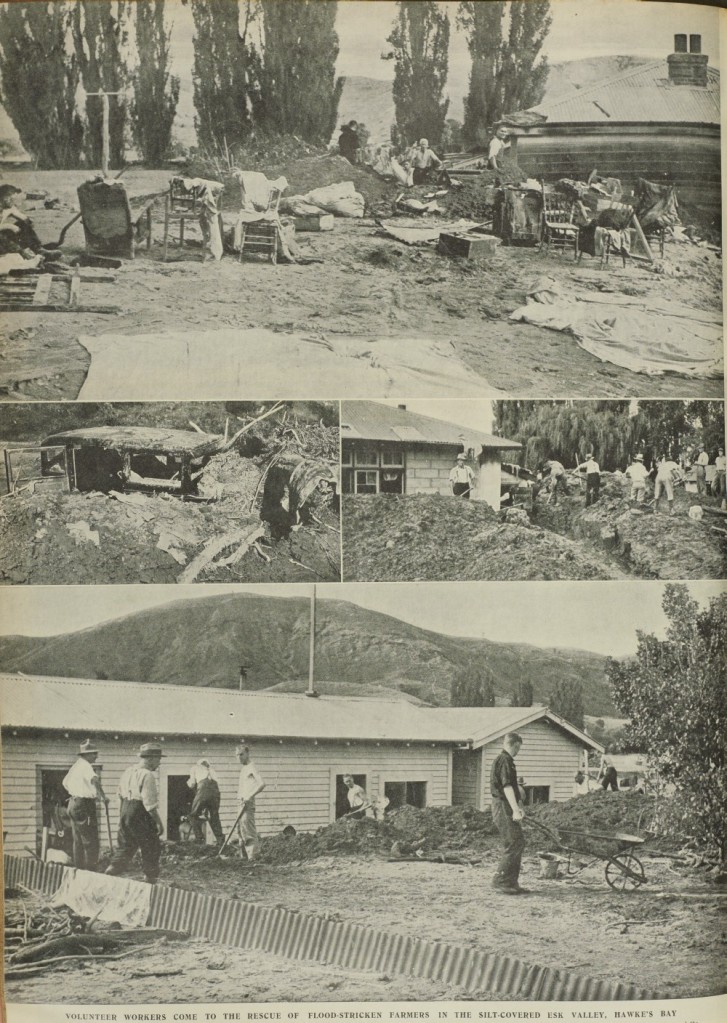

You can see it’s nothing new – except it appears the people in 1938 only had mainly mud and silt to contend with. One of our customers describes how, in the Hawkes Bay floods, a tree went into one end of a house at Eskdale and out the other.
Wood and debris stretch down Hawkes Bay beach
Where did all the wood come from that destroyed bridges and buildings? Did forestry slash from carbon offset planting cause or contribute to the flooding in the east coast provinces of Hawkes Bay and Gisborne?
Farmers question carbon sink tree planting plans, Heather Chalmers07:41, Nov 07 2018
It’s not climate change that’s ruining our communities – it’s the belief in climate change, leading…
View original post 205 more words
From Prof Mark Crispin Miller @ substack
While France burns, let’s all keep an eye on Holland; because what’s happening there WILL also happen here, unless the people stop it
READ AT THE LINK
Photo: pixabay.com
The World Health Organization and their “One Health” approach are coming for the world’s food systems, aiming to meld them with the health insurance and medical fields. The outcome will be food tokens, medically tailored meals and prescription food programs that both dictate what you eat and have the power to impose penalties if you stray too far off course.
“How do you get people to break? Control their food and money,” investigative journalist Corey Lynn explains. “What is the weapon? Controlling your identity through digital means. The smart phone, QR codes, digital identities, biometrics, AI, and chips are all weapons being used against humanity.”1 You can listen to Corey discuss this on Spotify by going to her channel Dig It! Episode #189.2
It was October 2022 when the WHO announced its One Health Joint Plan of Action, launched by the Quadripartite, which, in addition to WHO, consists of the:3
“The Quadripartite will join forces to leverage the needed resources in support of the common approach to address critical health threats and promote the health of people, animals, plants and the environment,” according to a WHO press release.4
Echoing this statement, WHO Director-General Tedros Adhanom Ghebreyesus stated that “a transformation of the world’s food systems is needed urgently, based on a One Health approach that protects and promotes the health of humans, animals and the planet.”
Part of this is a new “food is medicine” agenda, including from the White House,5 which isn’t nearly as holistic as it sounds. Instead, “food is medicine” is the phrase “being used to campaign, launch programs, change policies and financing, aggregate data, tie the health care industry in with the food supply, and ultimately screen, track and control people through food,” Lynn says.6
It’s a smokescreen, under which more people will be ushered into the Supplemental Nutrition Assistance Program (SNAP), the Women, Infants and Children Program (WIC), and similar initiatives so digital food tokens can be implemented. This allows for the tracking and control of people’s food purchases.
A number of big names have recently joined in the push to increase SNAP enrollment, including Google, which intends to make it easier to find out eligibility and apply for the program.
Other partners include Instacart, the U.S. Department of Agriculture and the Food Industry Association. Benefits Data Trust is also working to help facilitate the enrollment of college students into SNAP, Medicaid and the Affordable Connectivity Program, which provides help to obtain internet access.
Again, these seemingly altruistic plans have an ulterior motive — surveillance and control. “Food, health care and internet may seem like a wonderful free benefit, until a college student tries to get their first cheeseburger, doesn’t get the Covid jab, or puts out ‘misinformation’ on the internet,” Lynn says. “Watch how quickly it’s all taken away. It’s like making a deal with the Devil.”7
Once you’re locked into receiving food tokens, you’ve fallen into their trap. Who’s “their”? Lynn has previously described key organizations pulling strings behind the scenes, allowing them to “operate as ghosts without transparency or accountability.”8 These powerful organizations enjoy unrestricted privileges and layers of immunity, allowing them to exert control over the globe.
“These aren’t just ordinary organizations,” Lynn explains. “They happen to be the prime organizations that run the new world order globalists’ agendas against humanity, and they have hundreds of NGOs working with and through them.”9 The roll-out of “healthy eating tokens” isn’t just a possibility.
They’ve already been woven into key propaganda pieces, like this 2018 image below from the Illinois Blockchain and Distributed Ledger Task Force:10,11 “Whereas this example may be reflective of a welfare applicant,” Lynn says, “make no mistake, this is the goal all states are trying to accomplish for all people, not just those on welfare.”12
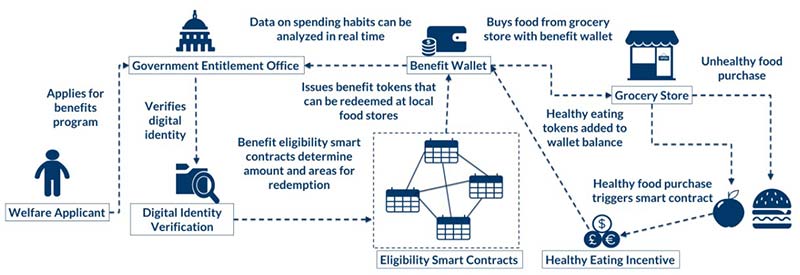
In line with WHO’s One Health, the White House laid out a Fact Sheet detailing its “transformational vision for ending hunger and reducing diet-related disease by 2030 – all while closing disparities among the communities that are impacted most.”13
The initiative intends to invest in “new businesses and new ways of screening for and integrating nutrition into health care delivery,” along with devoting at least $2.5 billion to startup companies “pioneering solutions to hunger and food insecurity.” Another $4 billion is earmarked for “philanthropy that improves access to nutritious food, promotes healthy choices and increases physical activity.”
Here again we have the smoke-and-mirrors effect, which masks the integration of food and health as a means to enact broad policies of control. As Lynn reports:14
“A helping hand is always nice, until it has ulterior motives. Sure, physical activity for all and the reduction of sugar in food items are both welcome approaches, but the rest of this agenda is not in the best interest of human beings.
The problem is, when reviewing this Fact Sheet it may seem like a good idea, just as while reviewing a single white paper from the WEF [World Economic Forum] could even sound like it has the potential to be a good thing.
However, when one takes the Fact Sheet with countless white papers, websites, funding, and other internal documents and puts it all together — it paints quite a different story. They know full well that most people won’t gather all of the pieces of the puzzle so they won’t be able to see the reality of the situation and discern the true agenda. That’s why it is so critical to do just that.”
The White House intends to work with a long list of private organizations to reach its goals. The American Heart Association, American Academy of Pediatrics, Joint Commission, National Grocers Association, Food Industry Association and the Rockefeller Foundation are among them.
The Rockefeller Foundation, the American Heart Association and Kroger have already partnered to develop and launch the Food is Medicine Research Initiative.15 It includes programs like produce prescriptions and medically tailored meals,16 which sound good in theory. But entities like the Rockefeller Foundation aren’t looking to further the reach of small farmers producing real, healthy food.
Consider the Alliance for a Green Revolution in Africa (AGRA), which was launched in 2006 with funding from the Rockefeller Foundation and the Bill & Melinda Gates Foundation. With strategies centered on promoting biotechnology and chemical fertilizers, AGRA’s influence significantly worsened the situation in the 18 African nations targeted by this “philanthropic” endeavor. Hunger under AGRA’s direction increased by 30% and rural poverty rose dramatically.17
The Green Revolution is another Rockefeller Foundation-funded conversion of natural farming to a system dependent on chemicals, fossil fuels and industry. You can expect that under this Food is Medicine initiative, genetic engineering, lab-grown meat and, eventually, insects will take center stage. Plus, it’s another tool for integrating food under health care, so you can ultimately be tracked with one digital health passport. Lynn says:18
“Of course food is medicine, but that’s not the true intention of this initiative. By integrating food under medicine just imagine how this will change the landscape of the control mechanisms being put in place under the guise of health care.
This isn’t the only avenue the Rockefeller’s are using to orchestrate this shift in food control. They are also one of the major funders of the Center for Good Food Purchasing, along with W.K. Kellogg Foundation, Panta Rhea Foundation, Michael & Susan Dell Foundation, and the 11th Hour Project — the grant-making vehicle of the Schmidt Family Foundation — former Google CEO Eric Schmidt.
The stated goal of this “Center” is to manage the Good Food Purchasing Program, which is all about getting institutions to convert over to their “supply chain transparency from farm to fork and shift towards a values-based purchasing model.”
Converting schools, hospitals, and public administrations is a strong goal, for starters. They’ve established standards, certifications, and a point system as the first of its kind and are building local and national partners as quickly as they built the website.”
Meanwhile, they’re rolling out Food is Medicine courses at hospitals and universities in order to indoctrinate health care providers into this plan. Among the training will be “screening for nutrition” and instruction on how to refer patients to their community nutrition resources, likely along with education on the “benefits” of gene-edited foods and fake meat.19
Expect that as the Food is Medicine initiative ramps up, you’ll hear more about the necessity of bioengineered food, lab-grown meat and insects for “good” human health and to protect the planet. It’s important to share knowledge with your circle about the pitfalls of these foods and why traditional whole foods are truly what your body needs.
If the powers-that-be take control of the food supply and dictate what people can and can’t eat, humanity is threatened. Envision a world in which your weekly groceries are only released if you’ve met certain requirements, and even then, those groceries are made up of what they ration for your use.
“Imagine if one refuses to eat bugs — they may not receive proper health care,” Lynn says. “Or what happens if one refuses to go on the food token program and only eat as instructed? Did they just lose their ability to receive health care? … What happens if edible vaccines hit the market and they try to make it mandatory as part of one’s diet?”20
To fight back, continue to source food from small, local sources instead of multinational corporations — and pay for your food with cash. As Lynn reports:21
“Just as with their other agendas that all tie into this one, the narrative control is being piped out by universities, medical associations, the National Association of Chain Drug Stores, and many others to bring a whole new outlook on what a nutritional diet should look like to prevent disease.
It’s as though a complete overhaul is being done on what’s ‘good’ for human beings to ingest, and gene-edited produce, insects, and cultured cells seem to be the top priority.
This may seem like a slow burn, but they are clicking multiple pieces of the structure into place simultaneously, and when that burn finally reaches inside people’s homes, in their cabinets, fridge, and wallets, it will be too late to rollback all of the policies and regulations that have locked into place.”
Sources and References
1, 6, 7, 11, 12, 14, 18, 19, 20, 21 Corey’s Digs November 22, 2022
2 Corey’s Digs #189 June 9, 2023
3, 4 WHO October 17, 2022
5, 13 The White House September 28, 2022
8, 9 Corey’s Digs, Laundering With Immunity: The Control Framework Part 2 — A Powerhouse of Ruin March 9, 2023
10 Illinois Blockchain and Distributed Ledger Task Force January 31, 2018, page 27
15 American Heart Association September 28, 2022
16 The Rockefeller Foundation, Food is Medicine
17 The Defender February 4, 2021
Photo by Shannon Potter on Unsplash
From Max Igan at The Crowhouse
In the UK, scan a QR code to enter the supermarket.
In China, scan same to start your car. Also there, skip the QR, it’s facial recognition to go shopping at the supermarket.
And what does the QR code tell them about yourself? Canada’s … holds your religion, marital status, allergies, gender ID, smoker, sex, a firearms owner? restricted FA owner? credit score, number of accounts, salary this year, last year, how much do you owe? A social credit system on steroids basically.
There is much more on this video … 15 minute cities are included (a must watch at the previous link). Well worth the watch. Remember NZ cities are all signed up to the (not) Smart agenda which includes the looming lockdowns … denied of course by those rolling it out.
From TheCrowhouse
Info & links at the link below
Thanks to Jo-Blogs at Red Sky in the Morning blog … “crushed and devoured its victims and trampled underfoot whatever was left” describes what we’re seeing in our day pretty accurately IMO …
The prophet Daniel wrote amazingly detailed prophecies, particularly about our times.
Alexander the Great was predicted in the Old Testament Book of Daniel before he was born, and when he visited Jerusalem, the high priest showed Alexander those Bible prophecies about his reign. That’s how accurate Daniel was.
Daniel was instructed by the angel who showed him these things about the end times to seal the book until the time of the end; when “many shall run to and fro, and knowledge shall increase.” Daniel 12:4
The fourth empire that Daniel foresaw was different from the earlier empires of Babylon, Medo-Persia and Greece. The fourth empire is described as “terrifying and frightening and very powerful. It had large iron teeth; it crushed and devoured its victims and trampled underfoot whatever was left. It was different from all the former beasts, and it had ten horns,” Daniel 7:7
Is this fourth…
View original post 193 more words
We’ve been poisoned for a very long time …
 A couple of years ago I came across a book in a garage sale called ‘Circle of Poison’. Published in 1981 it documents a trail of intriguing scandal regarding the export of banned pesticides from industrial countries to the third world. Products banned in the US saw the sellers simply exporting the separate ingredients to be assembled offshore for sale to unsuspecting customers oblivious to the products’ banned status. Many of these products were then duly sprayed on produce that would be returned to the country of the original banning. ‘Banning problem solved’ as it were. One of the authors David Weir describes how he came upon this scheme. Following a ban in the US of cyclamates, he discovered the ingredient in a packet of Kool-Aid he purchased whilst in Afghanistan. This began his trail of inquiries back in the 1970s which eventually led to an article in the US…
View original post 478 more words
(From NaturalHealth365)
In a world where contraception is often viewed as a fundamental aspect of women’s reproductive health, examining the impact of various birth control methods on physical and mental well-being is crucial. For example, startling statistics released by the Centers for Disease Control and Prevention (CDC) shed light on the widespread use of oral contraceptives and other implantable devices among women.
In fact, recent research has brought to the forefront a concerning revelation – a potential connection between oral contraceptives and the onset of depression. Delving into the details of this study, we uncover the important implications it holds for women’s mental health and contraceptive choices.
If you’ve been experiencing persistent sadness and restlessness, it might be worth examining an unexpected culprit: your birth control pill. Depression, a prevalent mental health condition affecting countless individuals, can manifest with debilitating symptoms that may be influenced, in part, by oral contraceptives.
Recent research involving a substantial cohort of over a quarter-million women in the United Kingdom has shed light on a potential association between oral contraceptive use and an increased risk of depression, particularly during the first few years of usage. Published in the Epidemiology and Psychiatric Sciences journal, this study reveals a startling finding: women who take oral contraceptives face over a 120% higher risk of developing depression.
The study above focused on unraveling the impact of oral contraceptives on mood alterations. Birth control pills inherently carry risks as they manipulate hormonal levels, and hormones have long been recognized as influential factors in determining one’s vulnerability to depression. The study findings revealed a notable association between the initial few years of birth control pill usage and a higher incidence of depression versus non-users.
Interestingly, even women who discontinued the use of oral contraceptives after using them during their adolescence remained at a heightened risk of depression. Notably, among adult women, the researchers did not identify an increased risk of depression a couple of years after discontinuing birth control pill use.
Delving deeper into the study’s data uncovers intriguing insights, particularly in relation to sibling pairs. Sisters who used birth control pills exhibited a higher likelihood of experiencing depression, suggesting a genuine causal relationship between birth control usage and depressive symptoms.
These findings emphasize the significance of understanding the potential impact of birth control pills on women’s mental well-being, urging further exploration and consideration of individual differences and susceptibility to depression.
For women who are currently taking the birth control pill and experiencing feelings of depression, it is important to be aware of how this medication can impact hormonal levels and potentially contribute to mood changes. If you have not yet started using birth control and are in your teenage years or early 20s, it is worth noting that beginning hormonal contraception at a young age may increase the risk of depression. On the other hand, adult women who have been using birth control for more than two years may be less likely to experience depression as they have surpassed the critical two-year mark of usage.
If you are seeking alternatives to the pill, there are various options. Switching to barrier methods, such as condoms, can provide contraception without the hormonal effects that may contribute to mood changes. Additionally, exploring natural family planning methods can be an option for those who prefer hormone-free contraception.
Natural family planning methods involve tracking and monitoring your menstrual cycle to identify fertile and non-fertile days. This can be done through methods such as tracking basal body temperature, cervical mucus observation, and calendar-based tracking. While natural family planning requires commitment, consistency, and education, it can be an effective method when followed correctly.
As always, consulting with a healthcare professional or a certified natural family planning instructor is highly recommended when considering natural family planning methods. They can provide guidance and support and help you determine the most suitable contraceptive option based on your individual needs, preferences, and circumstances.
Ultimately, the safest way to avoid an unwanted pregnancy would be to abstain from having sexual intercourse, until you are ready to start a family. No doubt, starting a family is a big decision and should not be taken lightly.
Sources for this article include:
Cambridge.org
Medicalnewstoday.com
SOURCE
Photo by Reproductive Health Supplies Coalition on Unsplash
About this time each year; fruit tree nurseries lift the new season Delicious fruit trees out of the ground and either wrap the roots or bag them into planter bags, secured with twine as the roots have been cut.
It is very important that as soon as the tree is out of the ground the roots need to be covered and kept moist. If the bare roots are left too long they dry and the up lifted tree dies.
Every now and then I hear from a gardener that purchased a deciduous fruit tree (or ornament including roses) planted them and later in the spring the tree will leaf up and likely flower then nothing.
The reason being is the tree was already dead but had enough sap to be able leaf and flower before it ran out of steam having dead roots that cant take up moisture etc.
Like wise if you cut a branch off a flowering deciduous tree now that has flower buds on it and place the branch into a vase of water then it will flower later on when it is ready to do so.
The branch is clinically dead with enough sap and vigor to flower.
Gardeners often don’t realise that they had purchased a dead tree because it had appeared to come to life then faded.
Ideally you return the dead tree to the place you purchased it from with your docket as proof of purchase for a replacement or a refund.
Likewise when you are buying deciduous plants you must keep the roots covered and moist till planted and even then if the soil is dry then regular watering is needed.
Evergreen fruit trees such as citrus and feijoa are often available all year round but the best time to buy and plant is in the autumn/winter period as they have a new season of spring to establish before going into summer.
Citrus trees must have a free draining soil as they will died of root rot in heavy wet soils.
I have found the best way to overcome this problem is: you plant the young tree into 50 to 100 litre plastic drum or plastic rubbish tin.
You drill 50mm holes using a circular drill saw, four in the bottom and four in the sides at the cardinal points about 100mm up from the base.
You then bury the container about a third into the soil where you want it to grow.
Use compost to plant into the container along with blood & bone, sheep manure pellets or any manures available.
I personally dont like citrus fertiliser as it is acidic, harms the soil life and does not have sufficient potash in it.
There are varieties of fruit trees that suit most climates in NZ even some types of apricots that don’t require the chilling of winter as found in areas of the south island.
Some fruiting types require more maintenance than others having seasonal pests or diseases.
The most hassles free and great producers, from a fairly early age are Nashi pears and Feijoa and prior to the guava moth in the north of NZ were fairly pest free.
Nashi may in the middle of summer have some damage to the foliage from the pear slug pest which are easily controlled by sprays of Wallys Liquid Copper.
A tree ripened Nashi pear is so juicy and delicious when grown naturally.
Feijoa is another favorite of mine and there are a number of types readily available in NZ garden centres these days. Here are some examples:
Unique; (my favorite) An early season, prolific bearer of fruit from a young age.
This variety produces medium sized fruit with smooth, soft, and juicy flesh. A truly self-fertile variety.
Triumph; Produces medium to large sized oval fruits with firm skin, juicy and moderately soft flesh and an excellent sharp flavour.
Flesh somewhat gritty but with good seed-to-pulp ratio. Ripens late in the season. Good pollinator for Mammoth. Needs a pollinator. Which means you need two to have good crops.
Mammoth; Produces large, soft, round to oval fruit, with thick, somewhat wrinkled skin. The flesh is slightly gritty, and the quality and flavour are very good.
A strong growing tree of upright habit, it will grow up to 3 metres tall. Bears larger fruit with a pollinator (Triumph is a good option).
Anatoki; An early season variety with lush dark green leaves on a very attractive plant. It produces exceptionally sweet round fruit. Needs a pollinator.
Apollo; A vigorous and productive variety that produces a medium to large oval fruit with smooth, thin, light green skin. Ripens mid to late season. Flavour very pleasant, quality excellent. This is an upright, spreading tree that will grow up to 2.5 metres tall. Semi self-fertile.
Bambina A dwarf variety, with thin edible skin surrounding sweet aromatic pulp bursting with flavour. Bambina is a good choice when planting in a pot. Self-fertile.
Wiki Tu; Producing huge fruit on a dwarf growing (2.5m), Wiki Tu is an easily managed, slow growing tree. The sweet and meaty fruit has a firm texture and good keeping qualities.
A mid-late season fruiting variety, it is partially self fertile, though is best with another variety nearby for cross pollination.
Remember Feijoa are gross feeders so a good dose of blood and bone and animal manure should be applied under the tree in the root zone in the spring.
As they start to bud up in the spring give them a monthly dose of Wallys Fruit and Flower Power till harvest.
Now here is an interesting thing in regards to stone fruit and in particular nectarines and peach both of which suffer in spring with the curly leaf disease which can reduce or completely lose the crop.
A few years ago I spoke to an elderly lady gardener who told me that see had an orchard with both nectarine and peach trees and never any curly leaf disease.
The reason being she grew them from stones (stones or seed from inside the fruit) This meant they were not grafted and grew on their own roots.
She told me also one time she purchase one each of the super dwarf nectarine and peach and planted them in her orchard. These two had bad curly leaf disease every season but it never spread to her other stone fruit trees.
My conclusion is that it is the graft that makes the trees weaker and hence the reason for being attacked.
Maybe thats the reason with grafted roses that always have problems
Also if you do plant stones or pips (from pip fruit) where they are going to grow and mature it only takes two to three seasons before they are bearing a small crop of fruit and of course they have cost you nothing.
So choose a nice fruit and plant the stone or pip which maybe similar as the parent but not exactly the same. Mark where you plant it with a stake as it may take a while for it to germinate.
Phone 0800 466464
Garden Pages and News at www.gardenews.co.nz
Shar Pei pages at www.sharpei.co.nz
Mail Order products at www.0800466464.co.nz
New Zealand Bill of Rights Act 1990. Part II of the Act covers a broad range of Civil and Political Rights. As part of the right to life and the security of the person, the Act guarantees everyone:
1The right not to be deprived of life except in accordance with fundamental justice (Section 8)
2The right not to be subjected to torture or to cruel, degrading, or disproportionately severe treatment or punishment (Section 9)
3The right not to be subjected to medical or scientific experimentation without consent (Section 10)
4The right to refuse to undergo any medical treatment (Section 11)
Furthermore, the New Zealand Bill of Rights Act 1990 guarantees everyone: Freedom of Thought, Conscience, and Religion.
This includes the right to freedom of thought, conscience, religion, and belief,
INCLUDING THE RIGHT TO ADOPT AND HOLD OPINIONS WITHOUT INTERFERENCE (Section 1)
NO thanks! Note we weren’t asked. Foisted on us. Why ever would we eat fake ‘food’ from the fake 1%?
Lab-grown chicken can be legally sold in restaurants and stores across the US for the first time, regulators say.
The Department of Agriculture gave the green light to the sales on Wednesday after reviewing the manufacturing process and labeling for the products.
Companies behind the lab-grown meats say they have begun filling orders for high-end restaurants in San Francisco and Washington D.C., and hope to get their meats to grocery stores by 2028.
The lab-grown foods had already been given the go-ahead by the Food and Drug Administration (FDA) which found that they were manufactured in safe conditions and were suitable for human consumption.
Lab-grown meat is made by taking a small sample of cells from livestock, such as chicken or cows, and cultivating them in a lab.
They are processed inside an enormous steel vessel called a bioreactor which makes them look and taste just like a real cut of meat.
Today’s decision makes the US the second country in the world to have approved lab-grown meats for sale. The first was Singapore, which gave them the green light in 2020, although a single chicken nugget will set you back $50.
Heralding the move today, the CEO and founder of Upside Foods Uma Valeti said: ‘This approval will fundamentally change how meat makes it to our table.
‘It’s a giant step forward towards a more sustainable future — one that preserves choice and life.’
He said their first order had come from chef Dominique Crenn, who runs a restaurant called Bar Crenn in San Francisco.
Good Meat, which also manufactures lab-grown meat, said it has sold lab-grown meat to celebrity chef Jose Andres who plans to serve it at one of his restaurants in the capital Washington DC.
The companies have not said how much the lab-grown meat will cost consumers, but this is likely to be at a high-end price point.
Manufacturers hope to scale up production in order to make the meats more affordable and get them into grocery stores by 2028.
There is demand for lab-grown meats in the US, with more than two-thirds of Americans saying they were willing to try it in a survey carried out last year.
Businesses plan to pitch them as more ethical and environmentally friendly than meats from conventional livestock. They also hope to overcome any aversions to their products among shoppers.
For comparison, the meat industry has come under pressure for years over the poor quality of life and housing afforded to animals destined for dinner plates, overuse of antibiotics and for 57 percent of greenhouse gases produced by agriculture.
For example, many countries — including those in the European Union — have outlawed sow stalls, a metal cage that doesn’t allow a female pig to stand up or sit down and in which she is kept during pregnancy.
But only ten states in the US have taken a similar move, with none of these being among the top five pork producers in the US.
A big challenge for the nascent industry is growing its supply chain, with Upside saying it can currently churn out about 400,000 pounds of cultivated meat per year.
This is a drop in the ocean compared to the 106billion pounds of conventional meat and poultry produced in the US in 2021, according to lobby group the North American Meat Institute.
The companies have launched fundraising which has raised $2billion for building the supply chain. But analysts say they are going to need billions more.
Upside worked with the FDA for four years before receiving the agency’s green light in November, Valeti told Reuters.
Other companies growing meat in labs for sale include Good Meat based in California, Mosa Meat, in the Netherlands, and Believer Meats, in Israel. These are also in discussions with the FDA to get approval.
Believer Meats is currently building a new factory in North Carolina, set to begin working in early 2024, ahead of the approval.
The European Union, Israel, and other countries are working on regulatory frameworks for cultivated meat but have not yet approved a product for human consumption.
Read more at link
SOURCE
RELATED:
Image by Manfred Richter from Pixabay (text added)
The traditional time of the year in NZ to plant garlic is on the shortest day and then harvest will be about on the longest day. (Can pay to leave till later in January as it may increase size of the bulbs.)
The reason for this is that after the shortest day of sun light hours, then each day there after, will have a little more sunlight every day until the 21st of December.
Or maybe its because it is something to do in the middle of winter along with planting of roses and deciduous fruit trees.
Shallots are also planted at this time.
Garlic has a number of health benefits along with it being a great condiment with food such as steak (garlic butter) and of course my favorite Garlic Bread.
I remember some years ago reading about soaking peeled garlic cloves in raw liquid honey.
What you did was place a small amount of runny honey into a small jar and then pack peeled cloves into the jar before topping up with honey as you filled.
Storing the jar in a warm place like a hot water cupboard (so the honey would stay liquid and not crystallize.
I think after been in store about 3 months you would eat one clove first thing in the morning for health and weight control.
Mr Google confirms this with : While we all use it as a food ingredient, it is also an effective medicine that helps in burning belly fat and detoxification. Research suggests that garlic can be effective in weight loss and is an inevitable part of a balanced diet.
Also the following:
Eating 4-5 garlic cloves in the morning can help to boost your immunity, which is essential now when we have entered the winter season.
It contains compounds that help the immune system fight free radicals and disease-causing foreign pathogens.
How long do you need to take garlic extract to start experiencing its benefits? Since some of the beneficial compounds in garlic extract are fat-soluble, it may take 1-2 weeks for this substance to deliver noticeable effects.
Garlic has been shown to reduce fat accumulation and fat weight in the liver, restore antioxidant activity in the liver, and reduce MDA levels in the liver.
Garlic has a good sulphur content so hence the reason for it helping to detox your body similar to taking MSM organic sulphur crystals on a twice daily bases.
There are eight forms of garlic which are as follows: purple stripe, glazed purple stripe, marbled purple stripe, porcelain, Rocambole, Asiatic, and Creole (although recently it’s been determined that Creole garlic may be in a class by itself).
Creole garlic is considered to be the most expensive and rarest of the all the garlic varieties. Although they were formerly thought to be a sub-group of silverskin garlic, modern DNA studies show them in a separate class by themselves.
Turban is the earliest maturing garlic and popular for this reason. It is a good choice for those who want to spread out their harvest and enjoy some fresh garlic before the rest of the varieties are ready.
It is a weakly bolting garlic. Its name comes from the shape of the umbel (the flower/seed pod on the scape).
Artichoke: The most commonly grown commercial garlic. It has a couple of concentric rows of cloves and tends to be very difficult to peel. But it produces and stores well and this is what you probably buy at the grocers.
You may have seen preperations of what is named Black Garlic which is quite expensive.
Mr Google tells me that it is; Black garlic is essentially regular garlic that’s been aged in a warm environment. Yep, that’s it. It’s not some rare garlic species that’s impossible to find.
Beware: Garlic might be good for people, but dogs metabolize certain foods differently than we do.
According to the Merck Veterinary Manual, garlic and other members of the allium family, including onions, contain thiosulfate, which is toxic to dogs but not to humans.
Growing garlic tips: Best performance comes from improved soil – blend through some well-composted manure or quality compost before planting.
It will not tolerate heavy, clay soil or wet soil. Garlic will grow very well in pots. Use a premium-quality organic potting mix, or one that’s blended for edibles.
Chicken manure is a good option as a fertilizer for garlic as it is a great source of nitrogen and also contains phosphorus, potassium, plus other nutrients needed for strong and healthy plants.
Springle BioPhos over the bed and lightly work into the soil for phosphorus if you do not have chicken manure.
Soak the cloves in Magic Botanic Liquid (MBL) at 20mils per litre of water for at least eight hours or as long as 24 – but 12 to 16 hours is ideal.
Your bulbs will start to produce roots as they soak, and longer soaks increase the risk that you’ll break the roots when you plant them. That inhibits growth and reduces yields.
Garlic grows well in a warm, sunny spot in the garden or in large pots. Begin with breaking up the bulbs into small cloves with your hands.
Place the cloves into the soil with the pointed end facing upwards. Note the biggest cloves will produce the best results plant only them and use the smaller cloves in cooking etc.
Break the garlic bulbs into individual cloves and plant them in rows spaced about 8cm apart.
Planting depth is 20-25mm. You can plant them any time from mid June to mid July.
The problem in recent years is garlic rust which attacks the foliage in later spring or summer and prevents the bulbs from growing much because of the lack of energy from the sunlight, caused by the rust on the leaves.
I have not found any normal sprays such as sulphur, copper, potassium permanganate to be of much use to prevent or control the disease.
So on advise I used the cell strengthening products which we recommend for psyllid control on tomatoes, potatoes and tamarillos.
That meant a soil drench with the Silicon and Boron soil drench after the cloves have sprouted and again 2 weeks later.
Also when the foliage was up a weekly spray with the Silicon cell Strengthening spray with the Silicon Super Spreader and MBL added. For two season now I have had no rust on my garlic where the previous season I had bad rust and poor bulbs.
If you had garlic rust problems in previous seasons you may like to try those products and help to have a good crop. If you are growing garlic and not had a rust problem yet then suggest you do a weekly spray with MBL which also has a nice amount of silicon in it.
If you dont want to use the drench and just the spray then we have a 500mil concentrate of the cell strengthening liquid with the spreader added. You would also add MBL to this spray.
This would be sprayed weekly till harvest, made up in a trigger spray bottle it keeps and keep using till all gone.
Later in season if you are unfortunate to get the dreaded rust you can regularly spray the foliage with Liquid Sun shine (Table spoon of molasses to litre of hot water dissolved and sprayed when cool)
Happy Garlic Growing; I am now off to plant mine…..
Phone 0800 466464
Garden Pages and News at www.gardenews.co.nz
Shar Pei pages at www.sharpei.co.nz
Mail Order products at www.0800466464.co.nz
New Zealand Bill of Rights Act 1990. Part II of the Act covers a broad range of Civil and Political Rights. As part of the right to life and the security of the person, the Act guarantees everyone:
1The right not to be deprived of life except in accordance with fundamental justice (Section 8)
2The right not to be subjected to torture or to cruel, degrading, or disproportionately severe treatment or punishment (Section 9)
3The right not to be subjected to medical or scientific experimentation without consent (Section 10)
4The right to refuse to undergo any medical treatment (Section 11)
Furthermore, the New Zealand Bill of Rights Act 1990 guarantees everyone: Freedom of Thought, Conscience, and Religion.
This includes the right to freedom of thought, conscience, religion, and belief,
INCLUDING THE RIGHT TO ADOPT AND HOLD OPINIONS WITHOUT INTERFERENCE (Section 1)
Photo by team voyas on Unsplash
So yes, happening in Matata back in 2018. I’ve posted other info on this carry on. Gradualism is the name of their game. A little here, a little there and hopefully nobody will notice … EWNZ
This looks like Agenda 21/30. Land grabs in other places also. Search other articles in ‘categories’. See all of our Agenda pages at the main menu, also see Local Govt Watch pages also at the main menu. Similar happening in the Christchurch rebuild.
Matata landowners have been left in limbo after a proposal to strip existing use rights over safety concerns was accepted by Bay of Plenty Regional Council.
The landmark decision will see 34 houses and sections lose the right to inhabit their property as part of a voluntary retreat. It is believed to be the first time the Resource Management Act has been used in this manner.
Whakatane District Council lobbied Bay of Plenty Regional Council to consider a plan change that will prohibit residential activity in the Awatarariki Fanhead at Matatā after March 2021. The plan change was suggested after $1.2 million was spent investigating…
View original post 116 more words
More on your government’s proposed (not) smart cities (VFF)
7 Months After Sean Plunket Hung Up On A Caller Concerned About Plans for Vaccine Travel Passports
Those who rule over you have weaponised the water
The Facts Being Kept Hidden From the New Zealand Public at All Costs
Wildfires As A Weapon: US Military Exposed
A Woman Unjustly Detained In A NZ Mental Health Facility | FreeNZ
Essentially, They were discussing, those 15 minute cities back 8 years ago (& beyond) … Note in the short video “…without having to leave home” …. Inhabiting “1% of the land” … I’m reposting this so you can see how long established the plan has been and all that while those who sounded the warning were called conspiracy theorists… now fact. EWNZ
QUOTE: “You know, the fact of the matter is people have too much space in their houses … if we could just share our space with other family members we would reduce our housing needs right there…”
This I find hypocritical, ironic as well, in light of a common question asked by landlords ‘how many of you will be living here?’ followed by the predictable statement … ‘you can’t bring all your family here to live’, the stereotype being that indigenous people like living together in over crowded conditions. Further on in this video they cite Asian families doing so & suddenly now it’s a great thing because it suits the liars’ agenda. Initially it was better for consumerism that we are all separate in separate households racking up purchases & inevitably debt these days because we have abandoned the old ways … and now the Agenda 21/30 agenda is…
View original post 677 more words
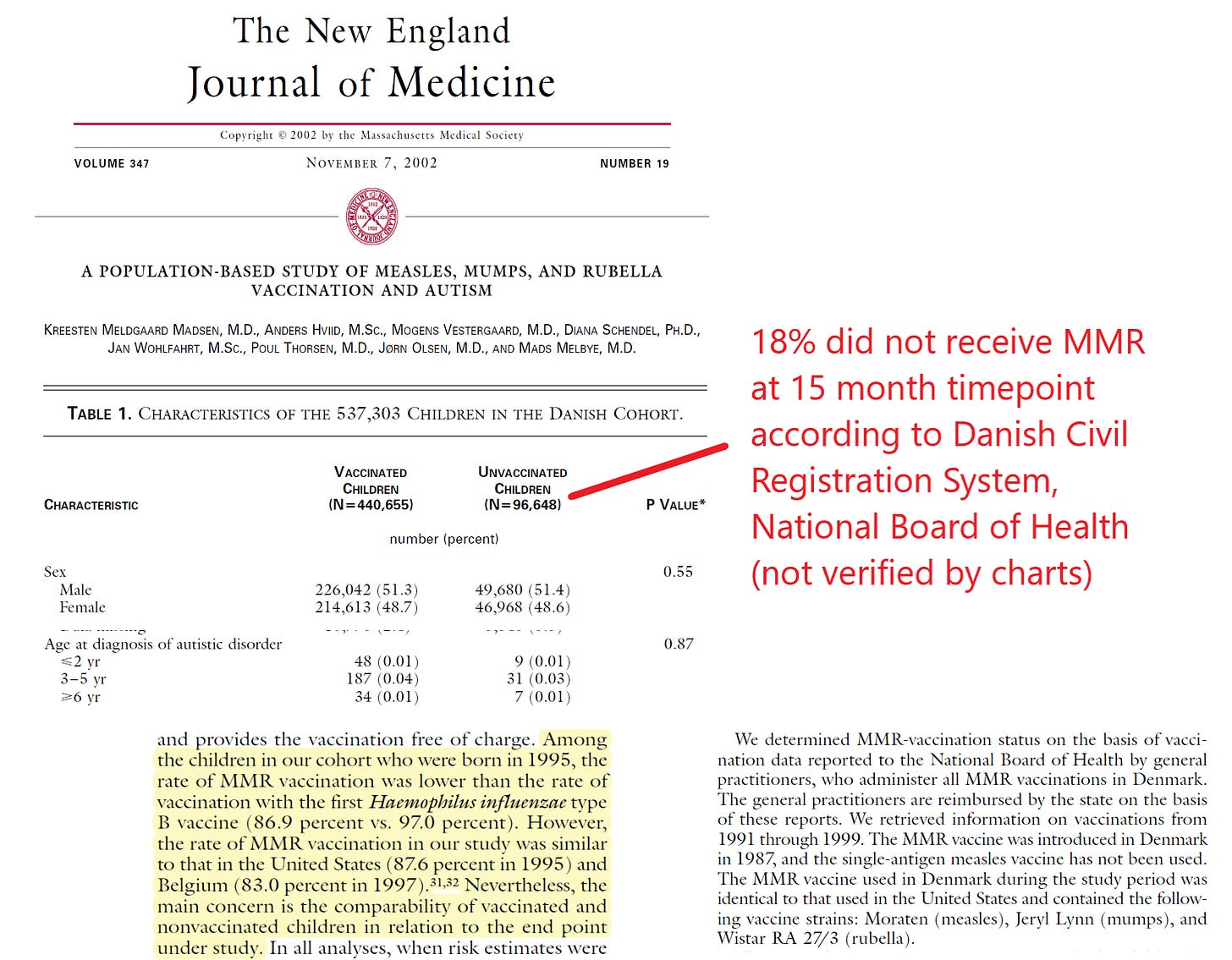
Dr Peter McCullough
As an epidemiologist, I can tell you it takes considerable training and scholarship to determine whether or not a study is valid and to determine if the conclusions are supported by the data. When it comes to childhood vaccines, the world is becoming skeptical of the vaccine industry since the CDC ACIP panel has added the EUA unsafe, ineffective mRNA COVID-19 vaccines for infants starting at 6 months of age.
With the ever expanding ACIP schedule of vaccine quantity and intensity of injections there has been a skyrocketing rate of autism. This has triggered scientists to go back and look at the studies published at the time to reassure parents that routine vaccines did not cause autism. Because so many shots are given at once, it is probably not any individual product that is the culprit, rather “hyper-vaccination” of a bundle of vaccine products that invokes a…
View original post 451 more words
New seasons strawberry plants are now available in garden centres. The nurseries that grow the plants lift them after the autumn rains have moistened the soil sufficiently, then they are distributed to garden centres.
I find that the sooner you can get your new strawberry plants into their new beds the better results you have in the first season.
Like all things planted it is root establishment that is so important.
When planting place about a teaspoon of Unlocking Your Soil in the planting hole with a pinch of BioPhos for each strawberry plant.
Gardeners with existing beds of strawberries will likely have a number of runners that have rooted in nicely, these can be used for new season plants..
If the existing strawberry bed is not congested with old and new plants and there is ample room still for all the plants to grow and produce, then you can get away with not lifting the runners or only lifting those that are too close to existing plants.
Strawberries are easy to grow and can be grown in open ground or containers.
In open ground the most practical way is to make a bed with wood surrounds 16 to 20 cm tall and have a hinged frame over the bed that has either plastic bird netting or wire netting over the lid.
The whole frame needs to only sit on the soil so it can be moved if required.
If using tanalised timber for the surround then after cutting to size; paint all the wood with a couple of coats of acrylic paint to prevent chemicals leeching into the soil.
Strawberries can be grown in troughs about 16 to 20 cm wide and similar depth then as long as required. I like to hang these off the top rail of a fence.
Special strawberry planters made from clay or plastic are not very good and your results are likely to be poor. (Thats the types where plants are placed in holes around the container as well as on top.)
Polystyrene boxes with holes in the bottom are also ideal containers for good crops if they have a rooting depth of 15cm or more.
The growing medium should be a good compost such as Daltons or Oderings to which you can add untreated sawdust and a little clean top soil or vermicast. (Worm casts from a worm farm)
A mix of about 75% compost, 20% sawdust and 5% vermicast is good value.
Mix the above in a wheelbarrow then place a layer of the mix 5 cm deep in the base of the trough or container.
Now sprinkle a layer of chicken manure, some potash, BioPhos, Unlocking Your Soil and Ocean Solids. Horse manure is also very good.
If you do not have chicken manure available use sheep manure pellets and blood & bone.
Cover with more compost mix to a depth suitable for planting your new strawberry plants.
A similar process can be applied to a open bed with a frame, though the frame height may need to be taller than previously suggested.
Ensure that the soil at the base of the frame is free of most weeds and then place a layer or two of cardboard over the soil. This will help prevent weeds from coming up in the bed, then fill as suggested.
There are a number of different varieties of strawberry plants available to the home gardener, sometimes the older varieties such as Tioga and Redgaunlet (both are hard to come by now replaced with the newer varieties such as Chandler, Pajaro and Seascape.
Different varieties will do better or worse in different climates so choose the ones most suited to your area of the country.
Strawberry types include:
Strawberry Baby Pink ™ Producing stunning beautiful pink flowers followed by small to medium red fruit with sweet traditional flavour. Large bunches of berries ripening over a long period.
Habit – Compact strong growing strawberry. Size – Give these small to medium plants close spacing.
Pollination – Self-fertile. Unknown if short day, neutral or long day type.
Strawberry Camarosa; Large to very large medium dark red fruit. Firm medium red flesh with excellent flavour. Conical shape.
High resistance to wet weather. Habit – Suitable for Northern and Central districts. Vigorous growth habit.Size – Give these vigorous plants wide spacing.
Pollination – Self-fertile. Short day type – flowers are initiated by short day lengths.
Harvest – Fruit ripen 20-35 days from flowering depending on climate, with light crops in early summer, followed by a main crop in December – January. Yield is very good.
Strawberry Chandler; Small to very large medium red fruit. Firm light red flesh with very good flavour. Conical shape. High resistance to wet weather.
Habit – Suitable for Northern and Central districts. Multi-crowned growth habit.
Size – Give these multi crowned plants medium spacing. Pollination – Self-fertile. Short day type – flowers are initiated by short day lengths.
Harvest – Fruit ripen 20-35 days from flowering depending on climate, with light crops in early summer followed by a main crop in December – January. Yield is very good.
Strawberry Sundae ™ Large red fruit with excellent flavour. Firm red flesh in an oval shape.
Habit – Suitable for Northern and Central districts. Vigorous growth habit. Size – Give these vigorous plants wide spacing.Pollination – Self-fertile. Short day type – flowers are initiated by short day lengths.
Harvest – Fruit ripen 20-35 days from flowering depending on climate, with light crops in early summer followed by a main crop in December – January. Yield is average.
Strawberry Supreme ™ Very large bright red fruit. Very firm red flesh with excellent flavour. Conical shape. Good resistance to wet weather. Habit – Suitable for Northern and Central districts.
Moderately strong growth habit. Size – Give these small to medium sized plants close spacing.
Pollination – Self-fertile. Short day type – flowers are initiated by short day lengths.
Harvest – Fruit ripen 20-35 days from flowering depending on climate, with light crops in early summer followed by a main crop in December – January. Yield is very good.
Strawberry Temptation™ Medium bright red shiny fruit with excellent flavour. Pale firm flesh.
Habit – Compact strong growing strawberry. Tough and resilient in relation to pest and diseases.
Size – Give these medium plants close spacing.
Pollination – Self-fertile. Only NZ bred Day Neutral strawberry which means they will set fruit regardless of how long or short the days are making this an ideal fruiter national wide.
Will extend the North Island season. Harvest – Consistent high yields of berries ripening over a long period from October to March.
To enhance your strawberries and increase the crop yields by 200 to 400% drench the bed with Mycorrcin after planting and repeat again in a couple of months time.
Spray the plants with Mycorrcin every two weeks till end of season. Make up in a trigger sprayer it keeps so leave by strawberry bed and spray as required. MBL can be added to the spray.
For bigger berries you may like to try Wallys Secret Strawberry Food.
Special this week till next Sunday
one 250ml Mycorrcin $19.00 and one 1kg Wallys Secret Strawberry Food $18.00 Total $37.00 with free shipping on this to your home saving you $8.50 shipping fee
Both products can be used on other flowering and fruiting plants.
Order at www.0800466464.co.nz put on WEEKLY SPECIAL in remarks box and I will phone you in regards to payment method.
Phone 0800 466464
Garden Pages and News at www.gardenews.co.nz
Shar Pei pages at www.sharpei.co.nz
Mail Order products at www.0800466464.co.nz
New Zealand Bill of Rights Act 1990. Part II of the Act covers a broad range of Civil and Political Rights. As part of the right to life and the security of the person, the Act guarantees everyone:
1The right not to be deprived of life except in accordance with fundamental justice (Section 8)
2The right not to be subjected to torture or to cruel, degrading, or disproportionately severe treatment or punishment (Section 9)
3The right not to be subjected to medical or scientific experimentation without consent (Section 10)
4The right to refuse to undergo any medical treatment (Section 11)
Furthermore, the New Zealand Bill of Rights Act 1990 guarantees everyone: Freedom of Thought, Conscience, and Religion.
This includes the right to freedom of thought, conscience, religion, and belief,
INCLUDING THE RIGHT TO ADOPT AND HOLD OPINIONS WITHOUT INTERFERENCE (Section 1)
Timely revisit of history…
June 2017: Seventeen years ago a little-known conference of constitutional experts revealed New Zealand’s dirtiest political secret: that in 1986 the NZ Parliament seized control of the country in a bloodless coup, declaring themselves sovereign above the people in a technical but highly significant move. Nearly two decades later, the position has never been rectified…
APRIL 2000: New Zealanders have fewer Constitutional rights than the citizens of Mongolia: that’s the disturbing revelation as delegates gather for a major Constitutional conference in Wellington this month. They’ll be debating whether we need a written Constitution, and whether New Zealand needs to become a Republic but, as IAN WISHART reports, it’s throwing up some embarassing information about our current Parliamentary system:
READ MORE
Photo: Investigate Magazine






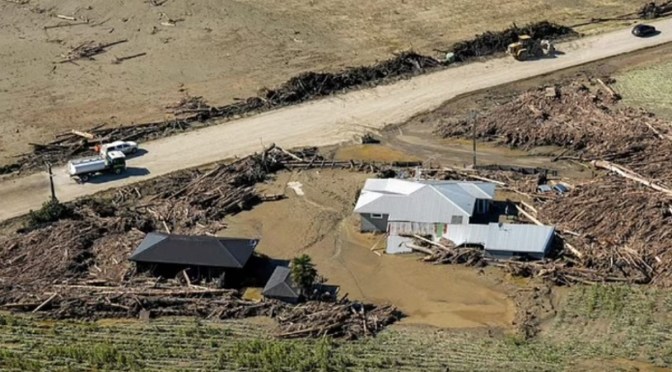















You must be logged in to post a comment.