Tag Archives: GMO

Glyphosate and Cancer: A Textbook Case of “Manufacturing Doubt”

From Sustainable Pulse
Source: Le Monde, By Stéphane Foucart

A recent study confirming the herbicide’s carcinogenic potential has been the subject of fierce criticism. However, this criticism is based on flawed scientific grounds, Le Monde has reported.

The recent publication of a study indicating an increased risk of various tumors in laboratory rats exposed to glyphosate has sparked numerous comments on social media and in the press, aimed at downplaying or denigrating this research.

These results, published on June 10 in the journal Environmental Health, only confirm the conclusions of the International Agency for Research on Cancer (IARC), which estimated in 2015 that the studies available at the time provided “sufficient evidence” of glyphosate’s carcinogenicity in animals.

The attacks on this study, led by the Ramazzini Institute in Bologna, Italy, offer an exemplary array of the sleight of hand of “doubt manufacturing,” a rhetoric aimed at undermining confidence in scientific results, often used to delay or fight regulatory decisions.

“The journal is unknown, so the study is flawed.”

Eric Billy, an immuno-oncology researcher, was among the most vocal critics of the Ramazzini Institute study (which was actually an international study with authors from all over the world not just the Ramazzini Institute), which he deemed “flawed.” In a series of messages published on June 14 on his X and Bluesky accounts, which received numerous retweets, this employee of the pharmaceutical company Novartis first accused its authors of having “chosen a more lenient journal to avoid criticism,” explaining that he would have expected to read this article in the journals “Nature, Science, or Cell,” which he believes are of higher quality.

WHY IT IS IRRELEVANT

Environmental Health, published by the SpringerNature group, is actually one of the most influential journals in its field. Its citation rate places it 32nd out of 687 indexed journals covering the fields of public health, environmental health, or occupational health, according to the 2024 ranking by scientific publisher Elsevier. Prestigious journals like Nature or Science do not generally publish tests like the one conducted by the Ramazzini Institute.

“A number of reliable and high-quality toxicity studies, like the one you share with us, are published in specialized journals,” explains Meagan Phelan, spokesperson for publications published under the Science banner. “Although these are essential elements of substance assessment, these tests are not considered conceptual advances and, as such, Science does not generally publish them.”

“Exposed animals live as long as others”

The Ramazzini study did not reveal any significant difference in mortality between rats exposed to glyphosate and unexposed control rats. This point was highlighted by Mr. Billy to put the study’s conclusions into perspective. And it hit the mark: it was later reported in Le Figaro, which saw it as the “first lesson” of this work.

WHY IT’S MORE COMPLICATED

The fact that the study did not reveal any significant differences in survival rates between the two groups was not presented by the Ramazzini researchers as a result in itself. Their protocol was, in fact, designed to detect the carcinogenic potential of a product, not its effect on the animals’ survival: all of them were sacrificed two-thirds of the way through their lives, at the age of 104 weeks. Now, it’s easy to understand that if human smokers were compared to non-smokers, the mortality differences would be small if all individuals were euthanized at the age of 50.

In reality, the absence of a mortality difference between groups of animals over the duration of the test is mainly a guarantee of the quality of the study, for statistical reasons. An animal that dies prematurely will have been exposed for a shorter time to the substance tested, and the probability of tumors developing in its group will therefore be reduced. Its statistical weight in the analysis will therefore be different. A high survival rate in each group, both treated and control, guarantees the “maintenance of statistical power” of the experiment, according to the good practice guides in toxicology (maintained by the OECD).

“The chosen rodent strain is not appropriate.”

Several commentators have also criticized the Ramazzini Institute researchers’ choice of the so-called “Sprague-Dawley” rat strain. Eric Billy argues that the use of this type of rat “has already been strongly criticized by the scientific community due to an abnormally high frequency of spontaneous tumor lesions compared to other rodent strains,” recalling that this strain was used by Gilles-Eric Séralini in his famous and controversial study on GMOs.

WHY THIS IS INCORRECT

In reality, the high rates of spontaneous tumors observed in the “Sprague-Dawley” strain only concern certain sites (tumors of the mammary gland, pituitary gland, etc., found at comparable rates in the treated and control groups). Furthermore, the researchers have at their disposal an abundant literature to take into account the specific characteristics of this strain.

Not only is the “Sprague-Dawley” strain not problematic in itself, but it is the most widely used. In 2024, researchers showed that more than 55% of the 263 carcinogenicity studies of active ingredients conducted in recent years on rats used this strain. The carcinogenicity of Ruxolitinib, a drug substance marketed by Novartis, was, for example, tested on this strain. As for Dr. Séralini’s study (published in 2012, before being retracted and then republished), the choice of strain was not, in itself, among the criticisms made. As summarized by IARC experts in 2015, it was the entire protocol implemented that was criticized.

“The doses tested are unrealistic”

Like several other critical voices, Eric Billy is surprised by the high doses of glyphosate to which rats were exposed in the Ramazzini Institute study, stating that “even the lowest dose tested far exceeds actual human [dietary] exposure” and that “the other two doses are therefore a hundred and a thousand times higher than this human exposure.” The same argument and the same figure are used in Le Figaro.

WHY IT IS IRRELEVANT

This argument is frequently raised to challenge the relevance of the results of animal studies. However, millions of humans exposed for decades cannot be compared to a hundred rats exposed for 24 months. The purpose of these tests is to characterize the carcinogenic potential of substances, not to assess the risks faced by the population at actual exposure levels (sometimes much higher than dietary exposure, for people living near farms, farm workers, etc.).

In fact, the Glyphosate has already been associated with an increased risk of certain lymphomas in farmers in four meta-analyses and one pooled study—the highest levels of evidence in epidemiology. Animal studies allow us to interpret these results, suggesting that these associations are indicative of a causal link. And even if we give credence to the “too high dose” argument, the objection remains unfounded.

The Ramazzini study indeed examined the effects of glyphosate at considerably lower doses than all previous similar studies. In the seven studies selected by European authorities during their latest assessment of the herbicide molecule, the lowest doses tested were 12 to 420 times higher than in the Ramazzini study, and the highest exposures were 10 to 33 times higher.

“The route of exposure is not adequate.”

In the Ramazzini study, the animals were exposed to glyphosate through drinking water, not food. Mr. Billy maintains that this is inadequate, arguing that humans are more likely to be exposed through food.

WHY IT IS IRRELEVANT

Among the animal studies on glyphosate submitted to health authorities or evaluated by IARC, none has been deemed inadmissible because it opted for a similar exposure route. Drinking water is, moreover, considered acceptable for assessing “food or environmental chemicals, including pesticides,” just like diet, according to OECD Good Practice Guide No. 451.

This false controversy is a classic argument. In 1953, the Sloan Kettering Institute’s first work on the carcinogenic potential of tobacco involved observing the development of tumors on the shaved skin of rodents after smearing it with cigarette tar extracts. The American Tobacco Company criticized the scientists’ use of a “high concentration of smoke extracts—entirely different from the smoke a person might inhale from a cigarette,” while stating that “all scientists agree that there is no known relationship between skin cancers in mice and lung cancers in humans.”

Like the Ramazzini researchers, those at the Sloan Kettering Institute were not seeking to exactly mimic human exposure to the agent being tested (no one smears cigarette tar on themselves), but to test its carcinogenic potential.

“The number of animals is insufficient”

In his critical thread, Eric Billy makes a calculation estimating that, to achieve greater statistical robustness, the Ramazzini researchers should have used at least three times as many rats, or 160 to 220 individuals per group.

WHY THIS IS INCORRECT

Such requirements are fanciful. No chronic toxicity or carcinogenicity study of glyphosate conducted on rats has ever enrolled so many animals. All studies similar to those of Ramazzini one have included around 50 rats per group. And for good reason: this is the threshold recommended by the OECD guidance document.

“In this case, it is completely ridiculous to require more animals per group,” asserts American biostatistician Christopher Portier, former director of the US National Toxicology Program, whose work is an authority on the subject. According to this specialist, an expert witness for plaintiffs in several ongoing trials in the United States, the Ramazzini researchers “managed to demonstrate a statistically significant trend toward an increase in certain tumors in the treated animals, even though there were only 50 per group. Why would the experiment be repeated with more animals to gain more statistical power?”

In reality, it is when a statistically significant effect is not found that it is possible to argue that the number of animals is too small, and that it may be useful to increase statistical power. “The only disadvantage of having 50 rats per group, rather than 160 or 220, is ‘missing’ an effect, certainly not seeing an effect that doesn’t exist,” concludes Mr. Portier.

This article benefited from discussions with researchers at the Ramazzini Institute and critical review by three researchers (INRAE ​​and INSERM) involved in toxicology work involving animal studies.

What is the “manufacturing of doubt”?

As science historians Naomi Oreskes (Harvard University) and Erik Conway (NASA) have shown in a landmark book (Merchants of Doubt, 2012), the “manufacturing of doubt” was developed in the 1950s by tobacco companies to deny or relativize the effects of cigarettes.

This rhetoric turns science against itself, by distorting the intellectual tools at the heart of scientists’ approaches (methodical doubt, demands for rigor, distrust of claims perceived as spectacular, etc.). It is thus very effective on members of the scientific and medical communities who do not work directly on the targeted subjects, as well as on audiences attached to rationality and the defense of scientific values, or even journalists who sometimes repeat such circulating arguments without thinking twice.

A highly effective propaganda technique, “manufacturing doubt” sometimes requires lengthy explanations to unmask, especially since it sometimes mixes legitimate criticisms with others based on untruths, misinterpretations, or simply erroneous considerations. It constitutes a toolbox constantly used for decades by a variety of industrial sectors wishing to protect their activities from any health or environmental regulation.

SOURCE LINK

What’s Driving New Zealand’s Health Crisis?

From Guy Hatchard

Our last two articles  ‘It’s not unusual‘ and ‘We need a real open national debate on healthcare and biotechnology‘ discuss the unfolding health crisis in New Zealand which is straining our health service to its limits and beyond. Accompanying this, excess death rates remain 5% above the long term pre-pandemic rate. This article examines results of multiple recently published studies which indicate that COVID-19 vaccination is increasing sickness incidence across multiple disease types and driving the health crisis.

READ AT THE LINK

Image by pixabay.com

RECKLESS GENE TECHNOLOGY BILL AN ATTACK ON LOCAL DEMOCRACY, FARMERS, AND COUNCILS (GE Free Nthland Media Release)

Protecting Our Democratic Right to Be GE-Free

GE Free Northland  (in food & environment)

12 February 2025     Media release

Whangarei, Far North, Kaipara, and Auckland communities share the concerns of many New Zealanders about the controversial Gene Technology Bill, quietly released just days before Christmas 2024.

The Bill proposes removing all ethical considerations and the Precautionary approach to outdoor GE/ GMO applications and the authors of the Bill have failed to adequately consult with the farming sector.  In addition, the Bill proposes stripping local councils of their authority and jurisdiction in regard to outdoor GE experiments, field trials, and releases.

Removal of the authority of these councils would destroy what they have worked hard to achieve – much needed additional protection for the biosecurity of particular regions and the wider environment. These were put in place to address significant risks that would be faced by farmers and other ratepayers.

The Northland and Auckland Region, along with the Hastings District, are established GE Free food producing zones that provide protection from outdoor GE field trials, and releases.

“The Northland /Auckland Councils collaborated in a fiscally responsible manner to meet the needs of farmers and other ratepayers,  after robust public consultation over a period of many years. “

“The councils wisely prohibit the release of any Genetically Modified Organisms (GMOs) and make any EPA approved outdoor GE experiments and field trials a Discretionary activity, subject to liability provisions including the posting of bonds,” said GE Free Northland spokesman Martin Robinson.

“We fully support council rules without which GM free primary producers, including conventional, IPM, and organic, would be at risk of serious financial consequences, if not the complete loss, of their valuable enterprises, in the case of GE contamination from EPA approved activities,” said Robinson.  “We urge concerned Northlanders and Aucklanders to make a submission opposing the Gene Technology Bill by the deadline of 17 January 2025.”

The proposals in the Coalition government’s plans to remove the rights of councils to prohibit GMO activities are in clauses 248 to 253 of the Bill* (1).

“This is a political fight any government would be foolhardy to pick, given the huge backing from the Northland and Auckland communities, the significant biosecurity risks, the concerns of Kiwi farmers, and the importance of our existing valuable GE free status, says GE Free Northland spokesman Martin Robinson.

Councils’ concerns about GE relate mainly to uncertainties over the economic, environmental, biosecurity, and socio-cultural risks, including risks to farmers and other primary producers.*(2)

Without a strict liability regime, unsuspecting third parties and local authorities are at risk of GE contamination. This would result in them being unable to sell their produce on the export market. The issue of liability for any adverse effects of GMOs grown in the area needs to be resolved before any outdoor experiments are permitted in Auckland/Northland Peninsula.

Instead of there being provisions in this Bill to compensate farmers for GE contamination, the opposite is proposed. Farmers and growers whose crops or stock are adversely affected must pay the clean up costs and suffer the losses of cancelled export orders. This would mean the loss of access to key markets and the current non-GMO market premiums they earn.  

There has been no economic cost-benefit analysis carried out in the Bill on the effects of GE contamination on our primary sector exports. 

“Farmers cannot afford to experiment with their income and livelihood. There’s no hardcore evidence to suggest anything is practical or feasible with this technology.  Co-existence between GE and other crops is impossible without significant contamination threshold levels, as documented in North America and other countries.”

“Agriculture in New Zealand is worth around $56 billion in exports. Why would anyone in their right mind want to gamble all of that on something that might not even work and is highly likely to cause irreversible harm,” said horticulturist Zelka Grammer, GE Free Northland chair.

Analysis of the Bill has been carried out by a team of researchers from the University of Canterbury headed by Professor Jack Heinemann. Their area of expertise includes the biosafety of GMOs and risk assessment protocols. *(3)  This analysis indicates that a robust scientific case has not been made for the proposed reforms to gene technology law and that we would be much better off sticking with the current laws under the HSNO Act (1996). 

The right of communities to decide was confirmed by a landmark Environment Court decision in 2015. This decision gave councils the power, under the RMA, to control the outdoor use of GMOs in their regions.

The National Party’s previous attempt to take away communities’ ability to ban or control GM releases in their territories was strongly opposed by farmers and all councils from South Auckland to Cape Reinga as well as Hastings District Council and its ratepayers.*(4)

GE Free Northland urges NZ First to no longer support the unscientific, unsafe, and economically risky proposals in this Bill, and to respect the right of councils to choose sustainable integrated planning. *(5)

“NZ’s reputation in the global marketplace must be protected. GE crops have failed to perform overseas, with lower yields, higher herbicide use, and the creation of herbicide resistant invasive “super weeds”.

“This combined with ongoing consumer and market aversion to GE food means that this is not the path NZ should go down. We must continue to protect our valuable “Northland, Naturally brand” and high value agricultural economy against GMO contamination,” said Grammer. 

The operative Northland “Regional Policy Statement”, Regional Plan, the Auckland Unitary Plan, and the Whangarei and Far North District Plans all have strong precautionary and prohibitive GE/GMO provisions, policies, and rules in place in keeping with the wishes of local farmers and other ratepayers. *(6)

Northland Regional Council is holding a workshop today at Whangārei council chambers in response to widespread concerns about the proposed legislative changes. *(7)

ENDS

Contact: Martin Robinson 09 409 8650

Mobile:  027 347 8048

Zelka Linda Grammer

email: linda.grammer@gmail.com

*(1)

The explanatory notes in the Gene Technology Bill state:

“Subpart 9—Amendments to Resource Management Act 1991 Clauses 246 to 254 amend the Resource Management Act 1991 (RMA). In particular, these clauses— • define genetically modified and Regulator (clause 247): • prohibit a regional council or territorial authority from performing its functions under sections 30 and 31 of the RMA in a manner that treats genetically modified organisms differently from other organisms, including in regional plans, district plans and regional rules (clauses 248 to 253).”

 All councils from south Auckland to Cape Reinga in Far North/ Te Tai Tokerau have precautionary and prohibitive GE/GMO provisions, policies, and rules- set up in keeping with the wishes of local farmers and other ratepayers, in order to protect our regions biosecurity, wider environment, economy, and existing GM free farmers/ primary producers, including conventional, IPM, regenerative,and organic.

Hastings District Council has achieved outright prohibition of all outdoor GE/GMO experiments, field trials, and releases for the duration of the District Plan.

*(2)

Whangarei District Council “Genetic Engineering Review” webpage, detailing the good work of the Northland/ Auckland INTER COUNCIL WORKING PARTY ON GMO RISK EVALUATION & MANAGEMENT OPTIONS

https://www.wdc.govt.nz/Council/Council-documents/Reports/Genetic-Engineering-Review

“Three major reports commissioned by the working party have identified a range of risks involved with the trialing and release of GMOs. They also include approaches to managing those risks. 

GMO Reports [link to documents]

Environmental risks

  • GMOs becoming invasive and affecting other species including native flora and fauna
  • the development of herbicide or pesticide resistance creating ‘super-weeds’ or ‘super-pests’
  • long term effects on ecosystem functioning.

Socio-cultural risks

  • effects on Maori cultural beliefs of whakapapa, mauri, tikanga
  • ethical concerns about mixing genes from different species including human genes
  • concerns about the long term safety of genetically engineered food. 

Economic risks

  • loss of income through contamination (or perceived contamination) of non-GMO food products
  • negative effects on marketing and branding opportunities such as ‘clean and green’ or ‘naturally Northland’
  • costs associated with environmental damage such as clean-up costs for invasive weeds or pests.

Associated with these risks are limited liability provisions under the Hazardous Substances and New Organisms (HSNO) Act 1996. “

*(3)

A comprehensive analysis of the Bill by Professor Jack Heinemann, an international expert in the biosafety of organisms created by gene technology, and his colleagues indicates that a robust scientific case has not been made for the proposed “reforms” to gene technology law.

See

Centre for Integrated Research in Biosafety submission to the Parliament Health Select Committee on the Gene Technology Bill 2024.

https://www.researchgate.net/publication/388526356_INBI_submission_to_health_select_committee_gene_tech_bill_2024

*(4)

Hastings District Council

1 August 2018 Media Release

“Council and Iwi welcome GMO decision”

https://www.hastingsdc.govt.nz/our-council/news/archive/article/1038/council-and-iwi-welcome-gmo-decision

*(5) NZ First

Despite their reservations about a number of extreme proposals, NZ First supported the first reading of the Bill. Their support of the Bill is at odds with what they signed up to in the Coalition agreement, that is to “Liberalise genetic engineering laws, while ensuring strong protections for human health and the environment”.* 

https://assets.nationbuilder.com/nationalparty/pages/18466/attachments/original/1700778597/NZFirst_Agreement_2.pdf?1700778597

“Coalition Agreement between the National Party and the New Zealand First Party”

Primary Sector

• Liberalise genetic engineering laws while ensuring strong protections for human health and the
environment

The Gene Technology Bill in its current form removes strong protections for human health and the environment, as well as undermining our biosecurity and proposing the removal of ethical considerations and the Precautionary approach.  NZ First has previously had a strong precautionary GE/GMO policy.

*(6)

  1. Northland operative Regional Plan and RPS provisions

Regional Policy Statement

  • 6.1.2 Policy – Precautionary approach -p112
  • 2.6 Issues of significance to tangata whenua – natural and physical resources -p26

Proposed Regional Plan

  • Rule C.1.9.1 Genetically modified organisms in the coastal marine area – permitted activities – p 107
  • Rule C.1.9.2 Genetically modified organism field trials – discretionary activity– p 107
  • Rule C.1.9.3 Viable genetically modified veterinary vaccines – discretionary activity – p 107
  • Rule C.1.9.4 Genetically modified organism releases – prohibited activity– p 108
  • Policy D.1.1 When an analysis of effects on tāngata whenua and their taonga is required – p 235
  • Policy D.5.32 Precautionary approach to assessing and managing genetically modified organisms -p 275
  • Policy D.5.33 Adaptive approach to the management of genetically modified organisms -p 275
  • Policy D.5.34 Avoiding adverse effects of genetically modified organism field trials -p 275
  • Policy D.5.35 Liability for adverse effects from genetically modified organism activities -p 275
  • Policy D.5.36 Bonds for genetically modified organism activities -p 276
  • Policy D.5.37 Risk management plan for genetically modified organism field trials -p 276
  • Objective F.1.15 Use of genetic engineering and the release of genetically modified organisms – p 294

The Northland RPS includes Precautionary policy 6.1.2 and Method 6.1.5, as well as the GE/GMO issue correctly identified as an Issue of Significance to Northland tangata whenua/ issue of concern to Northland communities…and the specific concerns of Maori regarding the risks of outdoor use of GE/GMOs to indigenous biodiversity

(as directed by Judge Newhook on 12 April 2018, the wording of Policy 6.1.2 and Method 6.1.5 has the following wording

“Policy 6.1.2  – Precautionary approach

Adopt a precautionary approach towards the effects of climate change and introducing genetically modified organisms to the environment where they are scientifically uncertain, unknown or little understood, but potentially significantly adverse.

This is confirmed by method 6.1.5 in the Northland RPS which states that: 

“6.1.5 Method- Statutory Plans and Strategies

The regional and district councils should apply 6.1.2 when reviewing their plans or considering options for plan changes and assessing resource consent applications.

Explanation:

Method 6.1.5 implements Policy 6.1.2″

(ENDS excerpt from Judge Newhook’s 12 April 2018 decision)

see also

Policy D.1.1 of the Proposed Regional Plan includes a reference to genetic engineering. The policy requires effects on tāngata whenua to be addressed in resource consent applications where specified effects or activities are likely, including release of GMO’s to the environment.

*(7)

Northland Regional Council Workshop  Wednesday, 12 February 2025   Council Chambers, Rust Avenue,

“12.45 – 1.45pm 3.0 Recent Central Government Legislative Changes

Reporting Officers: GM Environmental Services, Ruben Wylie, and Policy
and Planning Manager, Tami Woods”

Further information:

According to an independent study by  the New Zealand Institute of Economic Research (NZIER), New Zealand’s primary sector exports could be reduced by $10 – $20 billion annually, if GMOs were to be released into the environment.  The report was commissioned by Organics Aotearoa New Zealand (OANZ) to evaluate the cost of proposed regulatory changes governing gene technology.  OANZ says that the costs, as well as supposed benefits of deregulating gene technology, need to be carefully considered.

The NZIER study authors note that the proposed changes to the regulations as outlined by Wellington bureaucrats at the Ministry of Business, Innovation & Employment (MBIE), do not include a Regulatory Impact Statement, economic assessment, cost-benefit analysis or address the practicality of “co-existence” of GE and non GE crops..given the known vectors for GMO contamination (seeds, pollen, vegetative material, soils, waterways, machinery, animals, insects, extreme weather events).

The report was commissioned by Organics Aotearoa New Zealand (OANZ) to evaluate the cost of proposed regulatory changes governing gene technology.  OANZ says that the costs, as well as supposed benefits of deregulating gene technology, need to be carefully considered.

26 November 2024 OANZ media release

Media Statement: “NZ exports risk multi-billion dollar hit if GMO rules deregulated”

https://www.oanz.org/new-blog/NZ%20exports%20risk%20multi-billion%20dollar%20hit%20if%20GMO%20rules%20deregulated

“OANZ’s commissioned NZIER Economic Report that clearly highlights the economic risks to the country” (26 November 2024)
https://www.oanz.org/new-blog/NZ%20exports%20risk%20multi-billion%20dollar%20hit%20if%20GMO%20rules%20deregulated?rq=nzier

26 November 2024 NZ Farmers Weekly

“Gene shift could cost exporters billions: report “

“Researchers flag lack of research from MBIE on financial impact of opening doors to gene editing.”

29 August 2024

“Let’s cut the crap on gene technology”

by Professor Jack Heinemann

https://www.concernedfarmersnz.org/news/get-out-there-n9t2h-2c3pz-4tsby-ek7wx-e3res-nnleb

Summary recommendations for the Gene Technology Bill- by Physicians & Scientists for Global Responsibility (NZ) .

https://psgr.org.nz/component/jdownloads/send/1-root/166-gtbill-3pager

11 Feb 2025 • Ashburton Guardian

Gene tech bill “a slap in the face to farmers, experts”

https://www.guardianonline.co.nz/news/gene-tech-bill-a-slap-in-the-face-to-farmers-experts/

Concerned Farmers NZ

www.concernedfarmersnz.org

30 January 2025

The Risks of GMO Deregulation to NZ Farmers”

https://www.concernedfarmersnz.org/news/nzier-report-on-potential-cost-of-regulatory-change-54pya-ngzgb

“There is no ban on gene technology in NZ. This misleading hyperbole is used to obscure a failure to engineer products that will have a market or social value that exceeds the cost of compliance with reasonable regulations.”  

– Professor Jack Heinemann, Genetics/ Molecular Biology, Canterbury University, and director- Centre for Integrated Research in Biosafety

National Party previous attempts to strip local councils of their authority and jurisdiction, falsely claiming that council plans (Northland, Auckland, Hawke’s Bay, etc) prohibited ethical and humane medical research in the laboratory

Radio NZ     2 September 2016

“Environment Minister accused of GMO beat-up”

https://www.rnz.co.nz/news/political/312414/environment-minister-accused-of-gmo-beat-up

“Minister eyes law change to end councils’ control over GMOs”

Northern Advocate

5 September 2016

https://www.nzherald.co.nz/northern-advocate/news/minister-eyes-law-change-to-end-councils-control-over-

The Big Debate: How Many New Doctors Will NZ Need if the Gene Technology Bill is Passed?

Thanks to Zara for the link. Note, many more historical articles at the source to bring you up to speed EWNZ

From Guy Hatchard

Currently, there are 19,350 doctors in New Zealand; that’s one for every 264 people. According to Hon. Judith Collins, our Minister for Business Innovation and Enterprise (MBIE), we are all going to live longer and enjoy better health as a result of the massive deregulation contained in the Gene Technology Bill.

In this article, we are going to examine this claim very carefully. If passed, the Bill will change New Zealand irrevocably, we need a deep dive and a proper debate.

This article is also available as a PDF to download, print, and share.

Gene technology in our healthcare system is going to require some extra highly skilled doctors, but how many and how much will it cost us? High profile billionaire biohacker Bryan Johnson, 47, boasts that he only ages 8 months every year. So that is something we could all aim for. Bryan spends just $2 million a year on his health, he has 30 doctors and recently increased his pill intake to 91 pills a day. So the aspirational ratio is about 30 doctors for every person. We could probably accept a few less than that, but we might not live quite as long as Bryan. Probably best to go trial and error. Start with a modest 10 doctors per person and see how long we can all live. A lot of farmers will need to retrain and we might need to import more food. Most people would be doctors.

Joking apart, gene technology is insatiable when it comes to doctors and costs. The astronomical salaries of experts, expensive equipment, CRISPR patent fees and the constant need for testing associated with personalised genetic therapies all add up. If you think that the $10,000 estimate your builder gave you for a veranda renovation is too high, you might baulk at the multi-million dollar costs for your individual gene renovation. But don’t worry, the government is determined to foot the bill on our behalf. A clause in the bill REQUIRES that New Zealand automatically adopt any old gene technology as long as any other two countries have approved it. If it all works out, it is going to be like new dance moves in the 80s, everyone will be doing it. However published science shows this might just be a ridiculous dream, it is time to wake up.

Now let’s get serious.

We need an open public debate with published evidence not just misleading PR hype of the type the government is currently pumping out without supporting evidence. For example let’s look at an article in the prestigious journal Nature entitled “Four Success Stories in Gene Therapy“. Nature is absolutely in favour of genetic experimentation, so this recent article should contain the very highest level of evidence that Collins should be presenting to the public for debate.

Collins is very excited about using CAR T cell therapy to treat cancer in New Zealand. According to Nature, CAR T cell therapy costs about NZ$820,000 per shot. 85% of patients go into initial remission but only just over half of them are still in remission at the end of the first year. CAR T cell therapy is not without risk. It can cause severe side effects, including cytokine release syndrome (CRS), a dangerous inflammatory response that ranges from mild flu-like symptoms in less severe cases to multi-organ failure and even death. The article reports that with a combination of newer powerful adjunct drug regimes and vigilance, a TEAM of attending doctors can try to work out how far to push treatment without triggering CRS.

Currently there are about 30,000 new cases of cancer diagnosed in New Zealand each year. From the glowing publicity being pushed out, I suppose Collins wants us to believe that all of them will benefit from CAR T cell therapy. In which case the cost would be $25 billion, a figure that exceeds the current total cost of all healthcare in New Zealand.

So let’s for a minute remember the goal here—HEALTH and specifically less cancer. A report published in the UK Daily Mail based on official cancer statistics is entitled “Under-50s bowel cancer epidemic exposed: Shock figures reveal the exact age group for whom rates are growing quickest“. Bowel cancer rates have been on the increase for some time, but the latest UK figures published for 2022 show that the incidence of bowel cancer among men in their early 40s increased by a staggering 57% between 2019 and 2022. Women in the same 40-44 age bracket saw an increase of 50%. According to the article doctors are completely baffled and seemingly unable to identify a cause.

I know what you are going to say, but forget it. Despite the obvious temporal coincidence between the sudden dramatic rise in cancer and the pandemic, doctors have been quick to reassure us. Professor Pat Price, oncologist and chair of Radiotherapy UK, admitted the unprecedented rapid growth in bowel cancer rates among young people presented “a serious public health challenge,” but she added: “It’s also critical to dispel misinformation. Covid vaccines aren’t causing cancer” (no evidence offered). Phew, I was worried there for a minute. Instead the article offers this theory: “Experts believe poor diets packed with more ultra-processed foods, obesity and a lack of exercise could be responsible for the alarming cancer trend.” Let’s assume this is correct.

The article also reports that New Zealand has the second fastest growth rate of bowel cancer in the world, just behind Iceland.

If that is the case, shouldn’t our government be prioritising an education programme on lifestyle, exercise, healthy diets, fresh foods, etc.? Why would we want to pass a Gene Technology Bill, which allows even more tinkering with traditional foods without any labelling, traceability, safety testing, or liability for inevitable mistakes? It’s a real puzzle.

Studies show education about lifestyle changes would be a very cost effective approach whose effect sizes simply dwarf the meager and inconsistent results of biotechnology reported so far. Multiple studies show lifestyle changes including diet and exercise have a beneficial effect of reduced cancer incidence. Cancer is the number two cause of death after heart disease. A meta-analysis of nine studies entitled Association of Vegetarian and Vegan Diets with Cardiovascular Health: An Umbrella Review of Meta-Analysis of Observational Studies and Randomized Trials found very large effect sizes including a 29% risk reduction for cardiovascular disease (CVD). It reported a 14% reduction in CVD mortality and a 32% reduction in Ischaemic heart disease (IHD) mortality. One of the studies evaluated showed a significant 39% risk reduction for stroke incidence. It doesn’t stop there, we have reported extensively on the effects of meditation not just on cancer (one insurance study showed a 55% reduction in cancer incidence among practitioners of Transcendental Meditation), but also across the board of disease categories. None of this will require more doctors and very little expense. It could put our national health back on track. It should be a no brainer, instead we have the Gene Technology Bill.

So what else is the Gene Technology Bill promising us?

The Bill commits New Zealand to use all of the gene therapies of the future. CRISPR gene editing is another of Collins’ favourites that she is promising will revolutionise public health. There are ten thousand single gene mutation heritable illnesses so far identified by science. The so-called promise of CRISPR theory is that all of these should eventually be reversible via a single gene deletion or replacement. So what does the Nature article say about the best and most exciting results from the use of CRISPR so far?

Two of these diseases are sickle cell disease and beta thalassemia. At a recent conference, Vertex Pharmaceuticals and CRISPR Therapeutics announced the results of a clinical trial of beta thalassemia and sickle cell patients treated with CTX001, a CRISPR-Cas9-based therapy. In all, 22 patients have received the treatment over a number of years at a cost of NZ$5 million per patient all of whom initially experienced increased levels of haemoglobin and reduced pain. After one year, only five of the patients had any residual beneficial effects. Vertex paid an additional NZ$85 million in patent fees for the licence to use CRISPR gene editing techniques involved in the treatments.

In summary: improvements are patchy at best, the costs are astronomical, the side effects are very serious and any benefits mostly don’t last very long.

Clearly these results are not going to bring about a revolution in New Zealand healthcare outcomes nor are they conceivably affordable for any but the mega-rich or a small number of beneficiaries of multi-million dollar New Zealand government grants presumably selected through a bruising lottery process. They are more likely to bankrupt our healthcare system and distract from viable proven paths that really could improve public health outcomes.

So what is the extent of the problems with CRISPR gene editing?

Is gene technology a healthcare revolution that has become affordable and actually works as Collins hypes? Or is it permanently just around the corner out of reach as it has been for the last 70 years? Or just perhaps, has something else gone terribly wrong as we know happened with biotech during the pandemic to everyone’s cost?

Well first of all, CRISPR gene editing is not as precise as Collins’ and MBIE PR claim. A paper in Nature published in October 2024 is entitled “Gene editing of NCF1 loci is associated with homologous recombination and chromosomal rearrangements” The paper describes attempts by scientists using CRISPR gene therapy to treat deficient chronic granulomatous disease, which is a rare inherited genetic disorder that prevents white blood cells from killing fungi and bacteria. It causes a primary immune deficiency associated with functional defects in neutrophils and macrophages. Mutations in any one of five different genes can cause this condition.

The study’s results reveal a central problem with CRISPR techniques. Most of us imagine that genes are somehow as solid and understandable as the world around us, made up of specific distinct identifiable objects which can be swapped if one becomes defective. Rather like changing a tyre when you have a puncture. Many genetic models or theories, and certainly all popular explanations pretend this is the case. In fact as you reach the very very small time and distance scales of DNA, you have reached an area completely foreign to the waking world of experience. The study revealed that many genes appear almost indistinguishable from one another or homologous. We can imagine that the situation is similar to repeated use of identical sub routines in a complex computer programme, but scaled up by a factor of one trillion. As a result, the CRISPR gene scissors begin to cut up, rearrange or delete other genetic chromosomal structures which were not the intended target, causing unintended consequences and health problems.

This is not because CRISPR has been incorrectly or inaccurately programmed or targeted, but rather the inevitable result of a fundamental property of matter at small time and distance scales—increased similarity in structure and function. The law of least action is in play. At this scale of matter, universal fields, quantum properties and unification play a greater role. Everything begins to look and behave in a confusingly similar fashion. CRISPR gene editing tools are based on the destructive properties of bacteria and when faced with an array of similar targets the derived CRISPR tools revert to type and embark on some random destructive cutting and pasting.

Because genes control all the functions of our physiology from the most fundamental level, the capacity for serious adverse effects is enhanced. This is one important reason for the mind boggling costs and high doctor to patient ratios of gene technology. A lot can go wrong and often does.

As we have reported extensively at GLOBE, in the microscopic physical world, consciousness plays a vital role. The observer enters into physical theory in multiple ways. In fact it plays an essential and leading role in triggering the outcomes of events at the atomic scale. DNA has holistic functions which are closely connected to its ability to support awareness or consciousness, including, in humans, self-reflective states of mind. No one in biotechnology understands how this delicate miracle of life happens, but like a bull in a china shop they are apparently determined to wreak havoc and see what eventuates.

The self-belief in the biotech community and the capacity for exotic experimentation are only matched by the determination to avoid any kind reasonable requirement for labelling, safety testing, containment or difficult ethical questions. Another requirement of the nascent biotech industry is freedom from any sort of liability and the permission to patent genes and genetic processes.

Judith Collins’ Gene Technology Bill concedes all of this to the bioscientists clamouring for the freedom to experiment on us.

According to Collins, New Zealand will become a world leader in biotechnology experimentation. Certainly we will end up to our detriment as guinea pigs subject to the most permissive regulatory regime in the world, where a government appointee will decide everything for us from what goes into our breakfast cereal to what goes into our pills, without any requirement to inform us on the labels, not even in the small print. Collins is repeating safe and effective and wants to push the Bill through with little or no public debate, but where is her evidence? According to current scientific assessments it is not safe or effective. Biotechnologies are dogged by poor results, serious risks and unaffordable massive costs. So is it Hey Ho and off we go with the Coalition into the brave new world of unrestrained gene editing, or do we, as we do in our personal lives, exercise some common sense. We just have one parting question for Minister Collins. Did she do her homework or did the dog eat it?

In this article we have covered just a few points. There are a lot of concerning provisions in the Bill. Find out more by viewing our YouTube video The Gene Technology Bill. What Kiwis Need To Know and then make a submission to the Health Select Committee by February 17th.

There are many reasons to reject the Gene Technology Bill. We have published suggestions for a submission template. Write to your MP. They need to be quizzed on this egregious Bill. They are trying to get this fast tracked during the holidays.

We do not live in a country where people are willing to let others take away their food choices, their rights, their beliefs and increase exposure to serious long term environmental and health risks.

SOURCE

Photo credit: hatchardreport.com

Biden Administration and ‘Mr. Monsanto’ Continue to Bully Mexico into Accepting GMO Corn

by Derrick Broze
From The Last American Vagabond @ substack


EWNZ comment: Of course Monsanto & its poisons never ever went away, as per corporate MO they just morph into another in this case Bayer. They continue, with impunity, to poison us via the food chain. What’s left of it ie as they busily create a famine to expunge us completely. As the saying goes they don’t grasp that we are seeds and burying us in the ground isn’t going to work. Hopefully Mexico can maintain its stance. Not hopeful unfortunately as these corporate bullies simply sue the pants off the non compliant. They are intent on destroying everything. All purity gone. All pure food sources gone. It’s fake meat, bugs and processed everything that they intend for us. If you still think glyphosate (their infamous poison) is harmless as advertised read here.


The Biden administration and Tom “Mr. Monsanto” Vilsack have emerged victorious in their effort to use the U.S.-Mexico-Canada Agreement (USMCA) to force Mexico to accept U.S. grown genetically engineered corn.

On Friday, an international trade panel ruled in favor of the United States in their ongoing dispute with Mexico over an attempted ban on imports of American genetically modified (GM) corn.

The Mexican Department for the Economy said it disagreed with the ruling but would follow it. The Mexican government has been attempting to limit the introduction of GM corn to their country because they believe it poses an unreasonable risk to the domestic corn supply, and thus the health of the country’s numerous indigenous communities and farmers who depend on corn.

“The Mexican government does not agree with the panel’s finding, given that it considers that the measures in question are aligned with the principles of protecting public health and the rights of Indigenous communities,” Mexico’s Economy Department told the Associated Press. “Nonetheless, the Mexican government will respect the ruling.”

The U.S. government celebrated the decision. Ambassador Katherine Tai said the ruling “underscores the importance of science-based trade policies”.

The decision was the latest in an ongoing legal battle between the Mexican and American governments over Mexico’s previous calls for banning imports of U.S. GM corn for human consumption. In 2020, former Mexican President Andrés Manuel López Obrador (AMLO) announced plans to ban GE corn for human consumption. This plan was later watered down, but the country did continue their fight against cross-pollination of their world-renowned corn seeds.

In February 2023, AMLO issued a decree announcing an immediate ban on the use of GM corn for dough and tortillas. The order also called on Mexican government agencies to phase out the use of GM corn for other food uses, including animal feed, which is where a majority of Mexico’s current imports of US GM corn ends up.

Mexico is currently the leading importer of GM corn from the US. This fact alone makes Mexico’s efforts to ban or reduce the presence of GM corn a huge potential financial loss for the American industry growing and exporting GM crops.

For the Mexican farmers who have been cultivating corn for an estimated 8,000 years, GM corn represents a significant threat. GM corn can spread via the birds, bees, and wind, resulting in cross-pollination between traditional crops and GM versions.

In response to Mexico’s initiatives, the US established the dispute panel in August 2023, accusing Mexico of violating the terms of the US-Mexico-Canada Agreement launched under the first Trump administration. The US brought six legal claims against Mexico, including charges that Mexico’s process for determining that GM corn poses a risk was insufficient and not scientifically sound.

The USMCA dispute panel found in favor of the US on all legal claims, stating that, “Mexico’s measures are not based on science and undermine the market access that Mexico agreed to provide in the USMCA.”

Under the USMCA, Mexico has 45 days to comply with the Panel’s findings.

Mexico’s President Claudia Sheinbaum Responds to the Ruling

One day after the trade panel ruling, Mexico’s recently elected President Claudia Sheinbaum stated that the incoming Mexican Congress will pass a ban on the planting of GM corn.

“We must protect Mexico’s biodiversity in our country. As we say: without corn, there is no country,” Sheinbaum stated.

On the 23rd, Sheinbaum was again asked about the decision by the panel and how Mexico would respond.

“Transgenic corn cannot be sown here in Mexico. There are already decrees, but now we want to take it to the Constitution,” Sheinbaum stated. “And let it be very clear that in Mexico it is forbidden to sow transgenic corn.”

Sheinbaum noted that while she was Secretary of the Environment in Mexico City there was a decree that GM corn cannot be sown in the city. She noted that the Mexico City government made efforts to save native-corn in genetic banks.

Sheinbaum also noted that because of the nature of the corn it makes the farmers less dependent on biotech corporations.

“A part of the corn is saved, that seed is saved and is resown and used in the next harvest. This is very important because it does not depend on the farmer to buy the seed from a transnational company,” she stated. “So, preserving the corn in Mexico, not transgenic, is something mandatory.”

The Mexican Government’s Arguments for Banning GM Corn

The USMCA panel’s main conclusions repeatedly attack Mexico’s ability to decide which products constitute a threat to its peoples and culture. The panel refused to accept Mexico’s national sovereignty and introduction of a “zero risk” policy as legitimate reasons for apparently violating the terms of the USMCA.

Mexico’s agencies found that consumption of GM corn in Mexico could impact human health, and GM corn poses a risk to native corn of “transgenic contamination”. The nation implemented the zero risk policy precisely because “the presence of contaminants and toxins in GM corn grain, such as transgenic proteins and glyphosate, has been well documented.”

“In addition, the adverse health effects of these contaminants and toxins have been scientifically demonstrated,” the Mexican government has previously stated. The government said that it “cannot be coerced into ignoring the independent scientific evidence that indicates the harmful effects of transgenic proteins and pesticide residues in GM corn”.

America’s southern neighbor said current international standards, recommendations, and guidelines are based on industrial agriculture in the U.S. and Canada, and do not address the risks of transgenic contamination and uncontrolled spread of GM to Mexico’s native corn.

Mexico said there was concern about GM corn and Mexico’s native non-GM corn varieties growing together in the same small fields and milpas, a traditional crop growing system which is intrinsic to indigenous ways of life in Mexico.

The Mexican government argued that it was acting in defense of their vast indigenous population for which corn is a part of diet, culture, and spiritual practices. Numerous national and international treaties, as well as national and state laws, were cited by the Mexican government in an effort to show that defending indigenous people is a tightly held legal commitment.

The US government responded by stating that Mexico’s claims of legal obligations to indigenous peoples were actually “vague, highly generalized concepts” such as “protecting the cultural heritage of Indigenous peoples and communities.” The US argued that these “vague concepts” do not constitute a concrete legal obligation.

Biden and Mr. Monsanto Win… For Now

The most strongly worded statement from the Mexican government came in response to the well-known revolving door relationship between U.S. government agencies and the industries they are supposed to regulate. In this case, the incestuous relationships between U.S. regulators and those who work for pesticide companies and producers of GM seeds.

In their rejection of the U.S. governments demands about GM corn, the Mexican government said they would not place the “economic interests of U.S. biotech corporations ahead of people’s health in Mexico”.

Indeed, the decision was praised by members of the biotech industry. John Crowley, CEO of the biotech industry trade group BIO, celebrated the ruling as a “monumental victory for the future innovation of agricultural production technologies.”

The perfect example of this relationship between regulators and lobbyists for the biotech industry is the current US Agriculture Secretary Tom Vilsack, former Governor of Iowa and former president and CEO of the US Dairy Export Council. Secretary Vilsack was appointed by the Biden administration after previously serving as Secretary of Agriculture during the Obama administration.

Vilsack cheered the decision by the dispute panel, calling it a “thorough and impartial assessment” which concluded that “Mexico’s approach to biotechnology was not based on scientific principles or international standards”. Vilsack said the ruling was a victory for “countries around the world growing and using products of agricultural biotechnology to feed their growing populations and adapt to a changing planet.”

Vilsack is notable for being given the nickname “Mr. Monsanto” in reference to his work helping the biotech giant Monsanto Inc, now owned by Bayer. In 2001 the Biotechnology Innovation Organization named Vilsack “BIO Governor of the Year” for “his support of the industry’s economic growth and agricultural biotechnology research” while serving as Iowa’s Governor.

In 2016, Politico reported on Vilsack’s role in accelerating the approval of GM crops during the Obama administration:

“Progressives say they are also disappointed that during Vilsack’s seven-and-a-half-year tenure, the Agriculture Department sped up approval of controversial GMO crops, backed trade deals they say cost Americans’ jobs and cleared changes to let poultry slaughter facilities police themselves, among a slew of initiatives favoring big producers.”

The Organic Consumer Association also reported on the various GM food products approved during Vilsack’s tenure. According to the OCA, while Vilsack was USDA Secretary from 2009 to 2017 he approved more new GM crops than any Secretary before him or since. Here are just a couple examples:

  • Monsanto’s Roundup Ready sugar beets: A judge ruled that inevitable contamination would cause the “potential elimination of farmer’s choice to grow non-genetically engineered crops, or a consumer’s choice to eat non-genetically engineered food.”
    • Monsanto’s Roundup Ready alfalfa: The first genetically modified perennial crop. By the end of the Obama administration, it had gone wild, costing American alfalfa growers and exporters millions of dollars in lost revenue. Vilsack’s long-term relationships with the biotech industry should be a warning sign for the Mexican government, and a clear sign of where his allegiances remain.

Vilsack’s habit of moving between government and industry continued during his absence from government under Donald Trump. Forbes recently reported:

“In February 2017, Vilsack joined an organization that the agriculture department helps fund, called the U.S. Dairy Export Council. As its chief executive and president, Vilsack promoted dairy products overseas. He also communicated with the Department of Agriculture, reaching out to his successor, Sonny Perdue. The work paid well, as revolving-door positions often do. During the four years Vilsack led the organization, he earned an estimated $3.6 million.”

There are questions surrounding Vilsack’s ownership of a farm and conflicts of interest with farming programs he oversees at the USDA. Forbes notes that the majority of Vilsack’s $4 million net worth comes from his farm which gives him “personal insight into the ag industry—and potential conflicts of interest as the head of the USDA.”

One clear example is the Conservation Reserve Program which pays farmers to refrain from planting and harvesting on sensitive land. In the first months back in the White House under Biden, Vilsack announced an expansion of the program and raised the rates it pays to farmers. Vilsack has reportedly collected thousands of dollars of subsidies from his farm as part of the program.

The Mexican Government Continues to Oppose GM Crops

Despite the US government’s repeated claims that Mexico’s policies on GM crops are not based in science, the Mexican government has offered numerous studies and reports outlining their view.

For example, in March 2023, Mexico’s National Council for Science and Technology (CONACYT) hosted an online webinar laying out the science behind the nation’s decision to ban imports of GM corn. The webinar itself was a response to repeated claims by the U.S. government that Mexico positions to GM corn are not based on science.

CONACYT, the Mexican government’s senior science department, organized several presentations from Mexican scientists detailing the health concerns surrounding GM food and the herbicide glyphosate which is typically sprayed on GM corn produced by Bayer, formerly Monsanto.

During his presentation, Alejandro Espinoza Calderón, director of Mexico’s biosecurity agency Intersecretarial Commission for Biosafety and Genetically Modified Organisms (Cibiogem), noted that,

“Mexico has a rich store of exceptionally healthy varieties of corn. It is alarming to find that 90 percent of tortillas were shown to have traces of both glyphosate and transgenics. The biosecurity of Mexico is of utmost importance.”

National University biologist Ana Laura Wegier Briuolo, a biologist at Mexico’s National University made it clear that “without healthy corn we cannot have healthy people.”

During the webinar Dr. Omar Arellano, from the National University’s Ecology and Natural Resources Department, shared data from Mexico, Argentina, and the United States, detailing how glyphosate impacts human health. “The science is much clearer now than it was twenty years ago,” Arellano stated.

The Last American Vagabond Substack is a reader-supported publication. To receive new posts and support my work, consider becoming a free or paid subscriber.

SOURCE

In Spite of Billions of Dollars in Lawsuits EU Commission Votes to Keep Glyphosate Another 10 Years

No surprises really, in light of their blatant denial of all Prof Seralini’s work! (and many others). You cannot believe a word from lying Monsanto cum Bayer … EWNZ

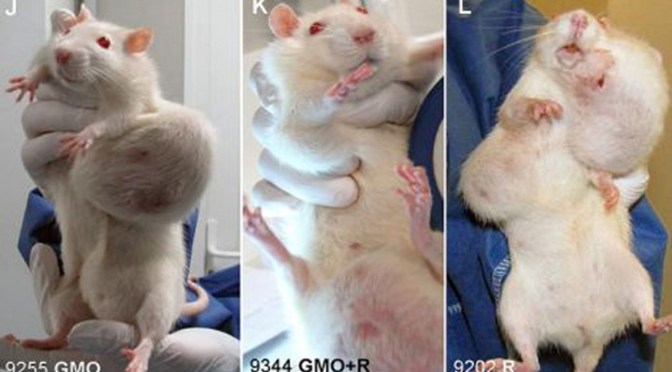
Professor Seralini's tumour infested rats
Prof Seralini’s tumour ridden rats fed daily with minute amounts of glyphosate

Article posted at mercola.com

Despite a growing block of opposition to it, the European Union has voted to give glyphosate another 10 years of life for use with crops grown with chemicals like Roundup.

Originally a Monsanto product, Bayer now owns Roundup, along with billions of dollars in lawsuits of consumers claiming the herbicide caused their cancers. “Bayer bought Monsanto for $63 billion in 2018 and … announced it would pay up to $10.9 billion to settle about 125,000 filed and unfiled claims,” Yahoo! said.

The EU’s extension of glyphosate’s approval for another 10 years could still be challenged, as Greenpeace vowed to continue pushing to get it banned. While proponents argue that there is nothing to fear with glyphosate, and “no viable alternatives,” Greenpeace insists it is carcinogenic, citing studies supporting their stance. It also is harmful to bees, Greenpeace says.

SOURCE:

Yahoo! The Canadian Press November 16, 2023

Testing Shows Substantial Glyphosate in Populations, Even Some Foods Labeled Organic

From mercola.com

Download Interview Transcript | Download my FREE Podcast | Video Link

Story at-a-glance

  • As food has become increasingly adulterated, contaminated and genetically engineered, the need for laboratory testing has grown
  • HRI Labs is often hired to test foods claiming to be non-GMO, “all natural” and/or organic. Testing often reveals such claims to be untrue. Several Ben & Jerry’s ice cream flavors were recently found to contain glyphosate
  • Grains, legumes and beans typically have the highest levels of glyphosate contamination due to the routine practice of desiccation, where glyphosate is sprayed on the crop shortly before harvest to improve yield
  • HRI Labs has created two glyphosate tests for the public — a water test and an environmental exposure test. The latter will tell you how much glyphosate you have in your system, giving you an indication of the purity of your diet
  • Seventy-six percent of people tested have glyphosate in their system. People who regularly eat nonorganic oats have double the glyphosate of those who don’t. People who regularly eat organic food have glyphosate levels 80% lower than those who rarely eat organic

Editor’s Note: This article is a reprint. It was originally published October 29, 2017.

As food has become increasingly adulterated, contaminated and genetically engineered, the need for laboratory testing has exponentially grown. John Fagan, president of Health Research Institute Labs (HRI Labs), is an expert in this area. As explained by Fagan, HRI Labs “makes the invisible, visible, giving you the ability to see what is in your food and your environment.”

Fagan studied biochemistry and molecular biology at Cornell University, where he also got his Ph.D. After doing research for eight years at the National Institutes of Health, he went into academia and conducted cancer research using genetic engineering as a research tool. This experience is ultimately what raised his concerns about genetic engineering, especially as it pertains to food.

As a result, he created the first lab for GMO testing in the U.S., followed by labs in Europe and Japan. He’s also trained laboratories in 17 other countries in GMO testing. “What this did was make GMOs visible. Before that testing was there, nobody could tell whether those soybeans, or that corn was genetically engineered or not,” Fagan says. “After GMO testing was available, people had a choice.”

HRI Labs tests both micronutrients and toxins — the good and the bad. “We feel that the kind of testing we’re doing can open a window for you in each of those areas, so you can make better choices about the food you eat, and that you share with your family,” he says.

Testing Techniques and Equipment

There are several types of tests that can be done on a GMO food. Antigens are one type of test. DNA testing is another. Since DNA is far more stable than proteins, genetically engineered foods, even when highly processed, can be easily identified with DNA testing.

A test commonly used to check DNA is the polymerase chain reaction or PCR test. Because it amplifies the DNA signal, it can detect even a single genetically engineered corn kernel in a bag containing 10,000 or more corn kernels.

The chromatograph linked to a mass spectrometer is another central piece of equipment that HRI uses. It allows you to test for a wide variety of things at very high sensitivity. Unfortunately, the cost and complexity involved prevents many labs from having this tool.

“Liquid chromatography is capable of taking a sample of food … or whatever you’re interested in, and fractionating it into hundreds of compounds, separating them out. That is then fed into a mass spectrometer; a machine that measures, ultimately, molecular weight of whatever it’s looking at.

With that you can detect — at extremely low levels and identify very specifically — almost any natural or unnatural compound … down to the parts per trillion in many cases. To give you a sense of what that means, 40 parts per trillion, which is [the limit of] detection that we have for some materials, is like if you were to take a single drop of that chemical and dilute it into 20 Olympic swimming pools full of water.

That’s the extent of dilution required to achieve 40 parts per trillion. This is extreme sensitivity. These [instruments] are like the Teslas of analytical chemistry.

[Liquid chromatography linked to a mass spectrometer] is what we use for measuring glyphosate. Because these machines are very expensive, many of the analytical labs out there don’t have access to them. Also, because it is very specialized equipment, you need somebody with a Ph.D. in analytical chemistry, or equivalent, to do this kind of testing. What we’re doing is … unique in that way.”

The Politics of Food Testing

One of the reasons we decided to collaborate with HRI Labs in testing our own supplements is because many commercial laboratories used to confirm the purity of raw materials tend to provide distorted or prejudicial information. One of the great benefits of HRI Labs, in my view, is its objectivity and ability to provide accurate data, thanks to the sensitivity of their equipment. While many labs will claim to be independent, their primary customers are big food companies.

“They don’t want to embarrass [their customers]. They don’t want to bring anything to the surface on that level, so they tend to give very superficial numbers,” Fagan says. “Typically, they work to thresholds that are established based on politics and convenience, not science and safety.

For instance, you can go to the U.S. Food and Drug Administration’s (FDA) website, or the U.S. Department of Agriculture’s website and they will say, ‘Wheat should have less than such and such amount of glyphosate in it.’

Glyphosate is … the most commonly used agrochemical, and it’s now been demonstrated to cause cancer, liver and kidney damage and birth defects. You’ll find there a number for it, but if you go to the scientific literature you discover that levels [of glyphosate] hundred or a thousand times lower … are in fact toxic to the system. For that reason, those government established thresholds are not very meaningful.”

This is a point worthy of reiteration: The use of politically-influenced safety thresholds to “prove” a food is safe is pervasive in the food industry. The only thing such safety levels accomplish is generating a false sense of security, which benefits food companies financially. HRI Labs, on the other hand, looks at the available research when establishing their threshold levels.

Glyphosate Testing

One of the toxins HRI Labs is currently focusing on is glyphosate, and the public testing being offered (see below) allows them to compile data on the pervasiveness of this chemical in the food supply.

When I participated in the environmental exposure test a while back, glyphosate was undetectable, which means levels in my system were below 40 parts per trillion, likely because I eat primarily organic and homegrown foods, and expel toxins I might come in contact with through exercise and regular sauna use.

“What we’re finding is there’s quite a range of levels of exposure, but that people who are eating organic generally have much lower levels. Women tend to have, on average, slightly lower levels than men. There are certain behaviors that tend to lead one to have higher levels.

For instance, it isn’t a super strong correlation, but it appears that if you are a golfer, you’re more likely to get exposed, because they use [glyphosate and other pesticides] on golf courses …

The reassuring thing is that if you … change your diet … and go to a diet that avoids things that might contain these chemicals, then within a week or two your levels of glyphosate will drop significantly. Glyphosate levels are a good indicator for guiding your dietary choices … Often people come back to us saying, ‘This changed my way of thinking about my diet.’ This is a good thing.”

Glyphosate Found in Popular Ice Cream Brand

HRI Labs is often hired to test foods claiming to be non-GMO, “all natural” and/or organic. Unfortunately, many times testing reveals such claims to be untrue. A recent case in point is that of Ben & Jerry’s ice cream. HRI Labs’ testing revealed their ice cream contains glyphosate. Fagan tells the story:

“Organic Consumers Association and … Regeneration Vermont were concerned about what was happening with Ben & Jerry’s. They were concerned … that the dairy producers … were not even able to get a price for their product that would cover their costs for producing the milk. There was also a concern from people in the state that the dairies were polluting the lakes, and creating problems for the Vermont tourist industry …

They wanted to look into what was going on with the quality of the milk. They sent us samples and we did some really in-depth testing using the very best methods out there.

We used triple quadrupole mass spectrometry linked to high pressure liquid chromatography to actually look at the quality of the ingredients in a product. What we found with Ben & Jerry’s ice cream was a bit shocking in that it contained substantial levels of glyphosate …

Ten of the 11 flavors we looked at contained measurable amounts of glyphosate, and at least one of them contained levels that, according to most recent research, raised questions about safety. In particular, it had been found that glyphosate at quite low levels — levels considered safe by the Environmental Protection Agency and FDA — … could actually cause problems like fatty liver disease.

As you may know, there’s an epidemic of fatty liver disease in America today, and it’s linked with things like metabolic syndrome … Organic Consumers Association has been discussing those results around the country, and discussing with Ben & Jerry’s if they could do something about that.

The obvious and most logical thing for them to do is to begin to use ingredients that are organic instead of just conventional ingredients, because organic bans the use of things like glyphosate in the production of crops …”

Substantial Amounts of Glyphosate Found in Many Foods

HRI Labs has investigated a number of other foods as well, including grains, legumes and beans. Most if not all of these types of crops need to dry in the field before being harvested, and to speed that process, the fields are doused with glyphosate a couple weeks before harvest. As a result of this practice, called desiccation, grain-based products, legumes and beans contain rather substantial amounts of glyphosate.

Quaker Oats,1 for example, were found to contain very high levels of glyphosate. People who regularly eat nonorganic oats also have elevated levels of the chemical in their urine. “These are the kinds of problems that are coming up out there,” Fagan says. “All that’s needed is for the grain producers to change their practices, so that they’re not spraying the fields with this weed killer immediately before they harvest it, and it will solve those problems.”

Wines also contain surprising amounts of glyphosate. As it turns out, weeds in vineyards are managed by spraying glyphosate, which ends up in the grapes as the roots of the grape vines pick it up through the soil.

“This testing … is making something that’s been invisible in our food system, visible to us,” Fagan says. “[A] vegetable like spinach that you buy in an American grocery store is going to contain, on average, eight different pesticides. That’s eight different pesticides, and you’re taking it home to feed your family without knowing that’s the case …

The reason you aren’t able to know that is because the chemical companies have done a really good job lobbying our government so that nobody in the supply chain has to talk about these … agrochemicals. The farmer doesn’t have to talk about them.

The brands that are selling products made from those [raw ingredients] don’t have to talk about them. The grocery stores don’t have to. They’ve been made invisible in our food system, and that’s a big concern.

We’re doing testing using rigorous methods, the very best methods out there, the most sensitive methods out there, to make these invisible things visible, so that you know more about what’s in your food system, and in the foods you’re giving to your family. This is so important, because this allows each of us to make better choices about the food they provide to their children.”

Water and Environmental Exposure Tests Now Available

HRI Labs is unique in that they’ve created two glyphosate tests for the public — a water testing kit and an environmental exposure test kit. The environmental exposure test is a urine test that will tell you how much glyphosate you have in your system. As mentioned earlier, this will give you a good idea of the purity of your diet. If your glyphosate level is high, chances are you’ve been exposed to many other agrochemicals as well.

So far, HRI Labs has analyzed more than 1,200 urine samples. The testing is being done as part of a research project, which will provide valuable information about the presence of glyphosate in the diet. It will also help answer questions about how lifestyle and location affects people’s exposure to agrochemicals. Here are some of their findings to date:

  • 76% of people tested have some level of glyphosate in their system
  • Men typically have higher levels than women
  • People who eat oats on a regular basis have twice as much glyphosate in their system as people who don’t (likely because oats are desiccated with glyphosate before harvest)
  • People who eat organic food on a regular basis have an 80% lower level of glyphosate than those who rarely eat organic. This indicates organic products are a safer choice
  • People who eat five or more servings of vegetables per day have glyphosate levels that are 50% lower than those who don’t eat fewer vegetables

According to Fagan:

“So far, we haven’t seen any connection with rural versus city dwellers, or with seasonal changes. This indicates that most of the glyphosate is coming into our [bodies] through the food we eat and not through the environment around us.

Though, we have seen some interesting things. For instance, in the Midwest, we’re seeing that rain water has quite substantial levels of glyphosate … Rain water, although you might think of that as being a healthy source of water, is a little risky that way.”

GMOs Linked to Dramatic Rise in Glyphosate Contamination

HRI Labs is also collaborating with a research group at the University of California in San Diego that has access to urine samples from epidemiological studies in which populations were tracked over 15 and 20 years. By comparing urine samples from people going back into the 1970s, up until the present, they’ve been able to show that once GMOs appeared in the marketplace, glyphosate levels rose dramatically.

“[I]t shows there’s a correlation between the use of [glyphosate] in agriculture and the level of exposure of the population,” Fagan says. “Remember, there’s growing evidence that low levels of [chemicals] interact with each other, so that you have a little glyphosate here, and maybe some atrazine from another place, and those together might have a nasty impact …

That’s where we are with things today. We’re working in a focused way to look at other aspects of our food system, and looking not just for the pesticides and the negative things, but we want to look and understand what the connections between the way food is produced … and its nutritional value are.

What we’re seeing is that healthy soil makes healthy food, makes healthy people. We’re going to go into that using these very sophisticated techniques, like high pressure liquid chromatography linked to mass spectrometry, to look at all of the nutrients at once.

With these machines, from a single sample of broccoli we can look at 500 to 1,000 different metabolites, different nutrients, and in one fell swoop get a sense of … how does regeneratively produced broccoli compare with broccoli that’s produced using chemicals, or how does a chicken produced in a confined animal feeding operation compare in nutritional value to a chicken produced in a regenerative pasture-based production system?

We don’t have the answers to that yet, but I’ll bet we’re going to find big differences in the nutrition.

The protein value may be the same, and the fats and the carbohydrates, but [in] the micronutrients we’re going to see big differences, and it’s those micronutrients that make the difference in terms of the health of your physiology, the strength of bones, and the balance in your physiology. We hope to be able to bring some really powerful new information to you in this way …”

Food Testing Is Here to Stay
The advent of GMOs drastically altered our food system in several respects, and not a single change has been beneficial. Today, factory farms have become one of the largest sources of toxic pollution that destroys soil, water and air quality, and threatens human health in more ways than one. Nutritional quality of food has declined while contamination with toxic chemicals and drug-resistant pathogens has increased.
Nutritional and chemical testing is an invaluable tool to get an understanding of the full extent of the problem. It is our hope that, with enough evidence, change will eventually be brought about, if not from a government level, then from the ground up, driven by informed consumers demanding purer food.
As mentioned by Fagan, my product development team is now using HRI Labs to evaluate the purity and quality of our own product line as well — an extra double-check, if you will, to ensure our products are maximally pure and safe, and of the highest quality and nutritional value possible. This is being added as another layer of quality control on top of our standard quality protocols.
Again, if you want to test your drinking water or environmental exposure levels for glyphosate, those tests are now available to the public. You can find both of them in my online store. They’re provided as a service to my readers at the same price you’d pay if you were to order it right from HRI Labs.

Modern industrial farming has created a food production model that is not only unhealthy, but unsustainable as well. The reliance on GMO-derived products and the toxic chemicals used alongside them are destroying the environment and the public’s health.

To combat the encroaching influence of big GMO companies, I encourage you to support farmers and businesses that practice organic, biodynamic and regenerative farming. This food production model benefits both humans and the environment because it:

Rebuilds topsoil by sequestering atmospheric carbon above ground and below groundProtects water sources, runoff, and reduces water demand by increasing moisture in the soil
Promotes nutrition and health through nutrient-dense, organic foodMinimizes the risk of foodborne illnesses and drug-resistant disease by avoiding the use of industrial chemicals
Restores damaged ecosystems through regenerative methodsHelps local farmers by giving them larger profits compared to industrial counterparts

How can you play your part? The solution is actually quite simple — buy healthy, organic food. One of the best things you can do is to purchase your food from small-business farmers. To help you in your search, I recommend visiting these websites that point you to non-GMO food producers in your area:

Regenerative Farm MapEat Well Guide (United States and Canada)
Farm Match (United States)Local Harvest (United States)
Weston A. Price Foundation (United States)The Cornucopia Institute
Demeter USAAmerican Grassfed Association

I also urge you to support and donate to organizations like the Organic Consumers Association (OCA), as they are leading the way to promoting regenerative agriculture and sustainable farming practices. By advocating the innovative campaigns of these organizations, you are contributing to the future of regenerative agriculture.

Sources and References

Image by bdyczewski from Pixabay

Biowarfare Through the Food Supply

From mercola.com

Story at-a-glance

  • Dr. Peter Lurie, president of the Center for Science in the Public Interest (CSPI), and Beth Ellikidis, vice president of agriculture and environment at the Biotechnology Innovation Organization (BIO), argue for the genetic engineering of food. Both are connected to Bill Gates and other Great Resetters that are pushing to replace all natural foods with patentable, genetically modified foods
  • BIO, the world’s largest GMO trade organization, represents more than 1,000 pesticide, pharmaceutical and biotech companies in more than 30 countries. BIO claims genetic engineering is the solution to heal, fuel and feed the world, and to that end, it lobbies 15 different policy areas, including food, agriculture, and health care policy
  • In 2004, BIO launched BIO Ventures for Global Health (BVGH), a nonprofit organization that “develops and manages programs across the for-profit and non-profit sectors to accelerate research and development for poverty-related diseases.” BVGH was launched with a $1 million start-up grant from the Bill & Melinda Gates Foundation
  • In 2018, the Bill & Melinda Gates Foundation spun off a nonprofit subsidiary to the foundation called the Bill & Melinda Gates Medical Research Institute (Gates MRI), which develops biotechnologies to address health problems in poor countries
  • BIO is partnered with the U.S. Department of Defense (DOD), and the DOD specifically funds and provides technology transfers for the diseases that Gates MRI and BVGH are focused on: malaria, tuberculosis and Ebola

In an April 17, 2023, opinion piece in STAT News,1 Dr. Peter Lurie and Beth Ellikidis argue for the genetic engineering of food, claiming “newer technologies can make highly targeted changes at the base-pair level — one specific rung on the DNA ladder — enhancing precision and reducing the likelihood of ‘off-target effects’ in which the base pairs are unintentionally added to or deleted from the genome.”

While targeted genetic engineering is indeed possible, and modern technology lowers the likelihood of unintentional additions or deletions, this precision does not guarantee there won’t be adverse effects. One of the reasons for this is because many genes are multifunctional and can have multiple downstream effects.2,3

By altering a single gene, you can inadvertently affect the expression of hundreds of others. What’s more, the multifunctionality of genes is rarely intuitive. So, while it may seem convenient to genetically engineer cows without horns to prevent injury to other cows and farmhands, as suggested by Lurie and Ellikidis, there’s no telling what that tweak might do to internal organs or biological pathways.

In turn, there’s no guarantee that cascading effects will not alter the nutrition of the meat or dairy that comes from that cow. Maybe it’ll be fine, maybe it won’t. The problem is that, oftentimes with genetically engineered foods, safety testing is minimal or absent.

Who Do Lurie and Ellikidis Answer To?

When assessing the trustworthiness of people, it can be worthwhile to look at their funding and various partnerships. In the case of Lurie and Ellikidis, both are in league with Bill Gates and other Great Resetters that are pushing to replace all natural foods with patentable, genetically modified foods.

Lurie — a former FDA associate commissioner — is the president of the Center for Science in the Public Interest (CSPI). In the summer of 2020, Lurie launched a comprehensive campaign to put Mercola.com out of business by sending the U.S. Food and Drug Administration and the Federal Trade Commission after us based on bogus charges.

CSPI is funded by the Rockefeller Foundation, the Rockefeller Family Fund, Bloomberg Philanthropies and other billionaire-owned foundations. It’s also partnered with the Cornell Alliance for Science, a “global communications initiative” whose primary funding comes from the Bill & Melinda Gates Foundation. Greg Jaffe, who heads up CSPI’s Biotechnology Project, is also the associate director of legal affairs at Alliance for Science.

Considering those ties, the CSPI’s long history of promoting industry science and propaganda is not surprising in the least. They supported artificial sweeteners, trans fats, GMOs, fake meat and the low-fat myth. They’ve also actively undermined transparency in labeling efforts.

Ellikidis, meanwhile, is the vice president of agriculture and environment at the Biotechnology Innovation Organization (BIO). She’s leading the “policy and market access strategies for BIO’s Agriculture and Environment section, which includes member companies developing and producing breakthrough technologies in food and agriculture.”4

BIO, the world’s largest GMO trade organization,5,6 represents more than 1,000 pesticide, pharmaceutical and biotech companies in more than 30 countries, as well as industry groups, academic institutions, state biotechnology centers and other related organizations.

According to BIO, genetic engineering is the solution to heal, fuel and feed the world, and to that end, it has lobbying committees dedicated to influencing 15 different policy areas, including food, agriculture, health care policy, technology transfer and finance.

According to Open Secrets,7 BIO spent $13,250,000 on “pharmaceutical and health products” lobbying in 2022. For reference, only Pfizer and the lobbying group Pharmaceutical Research and Manufacturers of America spent more.8

How Gates Sets Himself Up for Success

In 2004, BIO launched BIO Ventures for Global Health (BVGH),9 a nonprofit organization that “strategically develops and manages programs across the for-profit and non-profit sectors to accelerate research and development (R&D) for poverty-related diseases.”

BVGH was launched with a $1 million start-up grant from the Bill & Melinda Gates Foundation.10 In 2005, the BVGH received another $5.4 million to expand the biotech industry’s role in the fight against neglected diseases.11 The Rockefeller Foundation is also funding the group.

Fast-forward to 2018, and the Bill & Melinda Gates Foundation spun off a nonprofit subsidiary to the foundation called the Bill & Melinda Gates Medical Research Institute (Gates MRI).12 Gates MRI, funded with a $273 million, four-year grant from the Gates Foundation, is focused on developing biotechnologies to address health problems in poor countries.13

It’s a convenient setup to say the least. On the one hand, Gates is funding the R&D of biotech products through Gates MRI, and on the other, he’s funding the acceleration, coordination and management of private-public biotech programs through BVGH.

One key area where the BVGH is being inserted to manage private-public programs is the “Cancer Moonshot” program, launched in 2016 by then-Vice President Joe Biden. Biden “reignited” and highlighted the program in 2022.14 As reported in a White House fact sheet:15

“Working with African Access Initiative (AAI) partners, BIO Ventures for Global Health (BVGH) will implement cancer research projects that are determined and led by African oncologists and conducted in collaboration with U.S. cancer experts.

Through its African Consortium for Cancer Clinical Trials (AC3T) program, BVGH will facilitate five research projects, build capacity to conduct rigorous clinical research at 50 African sites, promote African primary investigator’s research interests on the AC3T platform, and coordinate the implementation of observational clinical studies.

In addition to building AC3T sites’ research capacity, BVGH will map the regulatory pathway in five AAI countries. All clinical studies involving cancer drugs will include development of market access pathways by BVGH.”

Gates MRI, in turn, intends to “apply new understanding of the human immune system learned from cancer research to prevent infectious disease.”16 Conveniently, he’s got the inside track to all of that through the BVGH.

Video Link

As it so happens, BIO is also partnered with the U.S. Department of Defense (DOD),17 and the DOD specifically funds and provides technology transfers for the diseases that Gates MRI and BVGH are focused on: malaria, tuberculosis and Ebola.18,19,20,21

Not surprisingly, the DOD is also seeking to develop and adopt more mRNA-based therapeutics against other emerging biological threats22 — products that can be manufactured and deployed quickly.

One of the obvious hazards of public-private partnerships becoming more and more intertwined, as we see now, is that the government becomes less and less inclined to ensure the safety of these co-developed, co-owned products.

In a June 2022 BIO webinar, Ian Watson, deputy assistant secretary of defense for chemical and biological defense, specified that the agency will “safeguard” its industrial partners from various threats, including “foreign economic aggression and inherent marketplace vulnerability that are specific to biotechnology and biopharmaceuticals.”23

Does “market vulnerability” also include legal action by people injured by biopharmaceuticals that have been brought to market at warp speed? Judging by what we’ve seen during the COVID pandemic, it sure seems the U.S. government is doing everything it can to hide and suppress evidence of harm, so why would we expect any different in the future?

Are Foods Being Turned Into Bioweapons?

Getting back to the issue of food, just as medicine is being hijacked by the biotech industry, so is our food supply. Indeed, President Biden recently signed an executive order that makes biotechnology a key focus of every federal agency, including the U.S. Department of Agriculture.24

The transhumanist agenda is clear for everyone to see, and it’s being pushed on us from every angle, through food, medicine and national security. It recently came to light that the swine industry in the U.S. and Canada has been using customizable mRNA “vaccines” on herds since 2018,25 and to this day, there’s no research to prove the meat is safe for consumption in the long term and won’t affect the genetics of those who eat it.

Based on our experiences with the mRNA COVID shots, which more and more experts are starting to refer to as bioweapons, it’s not farfetched to wonder whether the use of mRNA in livestock might be a form of biowarfare against the public as well, this time through the food supply.

As reported by Dr. Peter McCullough,26 Chinese researchers have demonstrated that food can indeed be turned into a vaccine (or a bioweapon, depending on the antigen):27

“The nation’s food supply can be manipulated by public health agencies to influence population outcomes … Now an oral route of administration is being considered specifically for COVID-19 vaccination using mRNA in cow’s milk.

Zhang and colleagues have demonstrated that a shortened mRNA code of 675 base pairs could be loaded into phospholipid packets called exosomes derived from milk and then using that same milk, be fed to mice.

The mice gastrointestinal tract absorbed the exosomes and the mRNA must have made it into the blood stream and lymphatic tissue because antibodies were produced in fed mice against SARS-CoV-2 Spike protein (receptor binding domain) …

[G]iven the damage mRNA vaccines have generated in terms of injuries, disabilities, and deaths, these data raise considerable ethical issues. The COVID States project has shown that 25% of Americans were successful in remaining unvaccinated. This group would have strong objections to mRNA in the food supply, particularly if it was done surreptitiously or with minimal labelling/warnings …

These observations lead me to conclude that mRNA technology has just entered a whole new, much darker phase of development. Expect more research on and resistance to mRNA in our food supply. The Chinese have just taken the first of what will probably be many more dangerous steps for the world.”

Say No to mRNA in Your Food

Moving forward, it’s going to be extremely important to stay on top of what’s happening to our food supply. Many of us were surprised to realize mRNA shots have been used in swine for several years already. Soon, cattle may get these customizable mRNA shots as well, which could affect both beef and dairy products.

For now, I strongly recommend avoiding pork products. In addition to the uncertainty surrounding these untested mRNA “vaccines,” pork is also very high in linoleic acid, a harmful omega-6 fat that drives chronic disease. Hopefully, cattle ranchers will realize the danger this mRNA platform poses to their bottom-line and reject it. If they don’t, finding beef and dairy that has not been “gene therapied” could become quite the challenge.

Ultimately, if we want to be free, and if we want food safety and food security, we must focus our efforts on building a decentralized system that connects communities with farmers who grow real food in sustainable ways and distribute that food locally.

Legislative efforts are also needed. Bills that would be helpful in steering us in the right direction include the following:

• The Processing Revival and Intrastate Meat Exemption (PRIME) Act28 This bill was introduced in 2017 and hasn’t moved since its introduction in the House. The PRIME Act would allow farmers to sell meat processed at smaller slaughtering facilities and allow states to set their own meat processing standards.

Because small slaughterhouses do not have an inspector on staff — a requirement that only large facilities can easily fulfill — they’re banned from selling their meat. The PRIME Act would lift this regulation without sacrificing safety, as random USDA inspections could still occur.

• The Interstate Milk Freedom Act of 202129 This bill was introduced at the end of July 2021 as an amendment to the 2018 Farm bill.

• Missouri House Bill 1169,30 which would require labeling of products, including food, that might “impact, alter or introduce genetic material or a genetic change” into the consumer.

Modern industrial farming has created a food production model that is not only unhealthy, but unsustainable as well. The reliance on GMO-derived products and the toxic chemicals used alongside them are destroying the environment and the public’s health.

To combat the encroaching influence of big GMO companies, I encourage you to support farmers and businesses that practice organic, biodynamic and regenerative farming. This food production model benefits both humans and the environment because it:

Rebuilds topsoil by sequestering atmospheric carbon above ground and below groundProtects water sources, runoff, and reduces water demand by increasing moisture in the soil
Promotes nutrition and health through nutrient-dense, organic foodMinimizes the risk of foodborne illnesses and drug-resistant disease by avoiding the use of industrial chemicals
Restores damaged ecosystems through regenerative methodsHelps local farmers by giving them larger profits compared to industrial counterparts

How can you play your part? The solution is actually quite simple — buy healthy, organic food. One of the best things you can do is to purchase your food from small-business farmers. To help you in your search, I recommend visiting these websites that point you to non-GMO food producers in your area:

Regenerative Farm MapEat Well Guide (United States and Canada)
Farm Match (United States)Local Harvest (United States)
Weston A. Price Foundation (United States)The Cornucopia Institute
Demeter USAAmerican Grassfed Association

I also urge you to support and donate to organizations like the Organic Consumers Association (OCA), as they are leading the way to promoting regenerative agriculture and sustainable farming practices. By advocating the innovative campaigns of these organizations, you are contributing to the future of regenerative agriculture.

Sources and References

Image by Photo Mix from Pixabay

The dark history of the Monsanto Corporation Part 2 (think ‘Roundup’)

Part 1 go here. I’m reviewing all the old archives I’ve saved over the past 10 years. So many now have gone from the internet, some found again after a bit of searching. Some very interesting reads along the way too, in light of what has happened over the past three years. I’ll be posting more … and in case you still think Roundup’s a great and ‘safe as’ product this one is a must read…note also Monsanto morphed of course into Bayer. Check out our Glyphosate pages in main menu. … EWR


Continuing from Part 1:
Over Monsanto’s 110-year history (1901-2013), Monsanto Co (MON.N), the world’s largest seed company, has evolved from primarily an industrial chemical concern into a pure agricultural products company. MON profited $2 billion dollars in 2009, but their record profits fell to only $1 billion in 2010 after activists exposed Monsanto for doing terribly evil acts like suing good farmers and feeding uranium to pregnant women. Below is the second half of a timeline detailing Monsanto’s dark history:

1953: Toxicity tests on the effects of 2 PCBs showed that more than 50% of the rats subjected to them DIED, and ALL of them showed damage.

1954: Monsanto partnered with German chemical giant Bayer to form Mobay and market polyurethanes in the USA.

1955: Monsanto acquired Lion Oil refinery, increasing its assets by more than 50%. Stockholders during this time numbered 43,000. Monsanto starts producing petroleum-based fertilizer.

1957: Monsanto moved to the suburban community of Creve Coeur, having finally outgrown its headquarters in downtown St. Louis, Missouri.

1957-1967: Monsanto was the creator of several attractions in Disney’s Tommorrowland. Often they revolved around the the virtues of chemicals and plastics. Their “House of the Future” was constructed entirely of plastic, but it was NOT biodegradable. “After attracting a total of 20 million visitors from 1957 to 1967, Disney finally tore the house down, but discovered it would not go down without a fight. According to Monsanto Magazine, wrecking balls literally bounced off the glass-fiber, reinforced polyester material. Torches, jackhammers, chain saws and shovels did not work. Finally, choker cables were used to squeeze off parts of the house bit by bit to be trucked away.”

1959: Monsanto sets up Monsanto Electronics Co. in Palo Alto, begins producing ultra-pure silicon for the high-tech industry, in an area which would later become a Superfund site.

1960: Edgar Queeny turned over the chair of Monsanto to Charles Thomas, one of the founders of the research and development laboratory so important to Monsanto. Charlie Sommer, who had joined Monsanto in 1929, became president. According to Monsanto historian Dan Forrestal, “Leadership during the 1960s and early 1970s came principally from … executives whose Monsanto roots ran deep.” Under their combined leadership Monsanto saw several important developments, including the establishment of the Agricultural Chemicals division with focus on herbicides, created to consolidate Monsanto’s diverse agrichemical product lines.

1961-1971: Agent Orange was a mixture of 2,4,5-T and 2,4-D and had very high concentrations of dioxin. Agent Orange was by far the most widely used of the so-called “Rainbow Herbicides” employed in the Herbicidal Warfare program as a defoliant during the Vietnam War. Monsanto became one of 10-36 producers of Agent Orange for US Military operations in Vietnam. Dow Chemical and Monsanto were the two largest producers of Agent Orange for the U.S. military. The Agent Orange produced by Monsanto had dioxin levels many times higher than that produced by Dow Chemicals, the other major supplier of Agent Orange to Vietnam. This made Monsanto the key defendant in the lawsuit brought by Vietnam War veterans in the United States, who faced an array of debilitating symptoms attributable to Agent Orange exposure. Agent Orange is later linked to various health problems, including cancer. U.S. Vietnam War veterans have suffered from a host of debilitating symptoms attributable to Agent Orange exposure. Agent Orange contaminated more than 3,000,000 civilians and servicemen. According to Vietnamese Ministry of Foreign Affairs, 4.8 million Vietnamese people were exposed to Agent Orange, resulting in 400,000 deaths and disabilities, plus 500,000 children born with birth defects, leading to calls for Monsanto to be prosecuted for war crimes. Internal Monsanto memos show that Monsanto knew of the problems of dioxin contamination of Agent Orange when it sold it to the U.S. government for use in Vietnam. Look at what the “EFFECTS” of agent orange look like… keep in mind it was used to remove leaves from the trees where AMERICAN SOLDIERS were breathing, eating, sleeping.

1962: Public concern over the environment began to escalate. Ralph Nader’s activities and Rachel Carson’s book Silent Spring had been influential in increasing the U.S. public’s awareness of activities within the chemical industry in the 1960s, and Monsanto responded in several ways to the pressure.

1962: Monsanto’s European expansion continued, with Brussels becoming the permanent overseas headquarters.

1964: Monsanto changed its name to Monsanto Company in acknowledgment of its diverse product line. The company consisted of 8 divisions, including petroleum, fibers, building materials, and packaging. Edward O’Neal became chairperson (came to Monsanto in 1935: with the acquisition of the Swann Corporation) was the first chair in Monsanto history who had not first held the post of president.

1964: Monsanto introduced “biodegradable” detergents.

1965: While working on an ulcer drug in December, James M. Schlatter, a chemist at G.D. Searle & Company, accidentally discovers aspartame, a substance that is 180x sweeter than sugar yet has no calories.

1965: AstroTurf (fake grass) was co-invented by Donald L. Elbert, James M. Faria, and Robert T. Wright, employees of Monsanto Company. It was patented in 1967 and originally sold under the name “Chemgrass”. It was renamed AstroTurf by Monsanto employee John A. Wortmann after its first well-publicized use at the Houston Astrodome stadium in 1966.

1965: The evidence of widespread contamination from PCBs and related chemicals has been accumulating and internal Monsanto papers show that Monsanto knew about the PCB dangers from early on.

1967: Monsanto entered into a joint venture with IG Farben = the German chemical firm that was the financial core of the Hitler regime, and was the main supplier of Zyklon-B gas to the German government during the extermination phase of the Holocaust; IG Farben was not dissolved until 2003.

1967: Searle began the safety tests on aspartame that were necessary for applying for FDA approval of food additives. Dr. Harold Waisman, a biochemist at the University of Wisconsin, conducts aspartame safety tests on infant monkeys on behalf of the Searle Company. Of the 7 monkeys that were being fed aspartame mixed with milk, 1 monkey DIED and 5 other monkeys had grand mal seizures.

1968: Edgar Queeny dies, leaving no heirs. Edward J. Bock (who had joined Monsanto in 1941 as an engineer) become a member of the board of directors in 1965, and became president of Monsanto in 1968.

1968: With experts at Monsanto in no doubt that Monsanto’s PCBs were responsible for contamination, Monsanto set up a committee to assess its options. In a paper distributed to only 12 people but which surfaced at the trial in 2002, Monsanto admitted “that the evidence proving the persistence of these compounds and their universal presence as residues in the environment is beyond question … the public and legal pressures to eliminate them to prevent global contamination are inevitable”. Monsanto papers seen by The Guardian newspaper reveal near panic. “The subject is snowballing. Where do we go from here? The alternatives: go out of business; sell the hell out of them as long as we can and do nothing else; try to stay in business; have alternative products”, wrote the recipient of one paper.

1968: Monsanto became the first organization to mass-produce visible LEDs, using gallium arsenide phosphide to produce red LEDs suitable for indicators. Light Emitting Diodes (LEDs) ushered in the era of solid-state lights. From 1968 to 1970, sales doubled every few months. Their products (discrete LEDs and seven-segment numeric displays) became the standards of industry. The primary markets then were electronic calculators, digital watches, and digital clocks.

1969: High overhead costs and a sluggish national economy led to a dramatic 29% decrease in earnings.

1969: Monsanto wrote a confidential Pollution Abatement Plan which admitted that “the problem involves the entire United States, Canada and sections of Europe, especially the UK and Sweden”.

1969: Monsanto produces Lasso herbicide, better known as Agent Orange, which was used as defoliant by the U.S. Government during the Vietnam War. “[Lasso’s] success turns around the struggling Agriculture Division,” Monsanto’s web page reads.

1970s: Monsanto was a pioneer of optoelectronics in the 1970s. Although Bock had a reputation for being a committed Monsanto executive, several factors contributed to his volatile term as president. Sales were up in 1970, but Bock’s implementation of the 1971 reorganization caused a significant amount of friction among members of the board and senior management. In spite of the fact that this move, in which Monsanto separated the management of raw materials from Monsanto’s subsidiaries, was widely praised by security analysts, Bock resigned from the presidency in February 1972.

1970: Cyclamate (the reigning low-calorie artificial sweetener) is pulled off the market in November after some scientists associate it with cancer. Questions are also raised about safety of saccharin, the only other artificial sweetener on the market, leaving the field wide open for aspartame.

December 18, 1970: Searle Company executives lay out a “Food and Drug Sweetener Strategy” that they feel will put the FDA into a positive frame of mind about aspartame. An internal policy memo describes psychological tactics Monsanto should use to bring the FDA into a subconscious spirit of participation” with them on aspartame and get FDA regulators into the “habit of saying Yes.”

1971: Neuroscientist Dr. John Olney (whose pioneering work with monosodium glutamate MSG was responsible for having it removed from baby foods) informs Searle that his studies show that aspartic acid (one of the ingredients of aspartame) caused holes in the brains of infant mice. One of Searle’s own researchers confirmed Dr. Olney’s findings in a similar study.

1972: The use of DDT was banned by U.S. Congress, due in large part to efforts by environmentalists, who persisted in the challenge put forth by Rachel Carson’s book Silent Spring in 1962, which sought to inform the public of the side effects associated with the insecticide, which had been much-welcomed in the fight against malaria-transmitting mosquitoes.

1973: Monsanto developed and patented the glyphosate molecule in the 1970s. Monsanto began manufacturing the herbicide Roundup, which has been marketed as a “safe”, general-purpose herbicide for widespread commercial and consumer use, even though its key ingredient, glyphosate, is a highly toxic poison for animals and humans.

1973: After spending tens of millions of dollars conducting safety tests, the G.D. Searle Company applies for FDA approval and submits over 100 studies they claim support aspartame’s safety. One of the first FDA scientists to review the aspartame safety data states that “the information provided (by Searle) is inadequate to permit an evaluation of the potential toxicity of aspartame”. She says in her report that in order to be certain that aspartame is safe, further clinical tests are needed.

1974: Attorney Jim Turner (consumer advocate who was instrumental in getting cyclamate taken off the market) meets with Searle representatives in May to discuss Dr. Olney’s 1971 study which showed that aspartic acid caused holes in the brains of infant mice.

1974: The FDA grants aspartame its first approval for restricted use in dry foods on July 26.

1974: Jim Turner and Dr. John Olney file the first objections against aspartame’s approval in August.

1975: After a 9-month search, John W. Hanley, a former executive with Procter & Gamble, was chosen as president. Hanley also took over as chairperson.

1976: The success of the herbicide Lasso had turned around Monsanto’s struggling Agriculture Division, and by the time Agent Orange was banned in the U.S. and Lasso was facing increasing criticism, Monsanto had developed the weedkiller “Roundup” (active ingredient: glyphosate) as a replacement. Launched in 1976, Roundup helped make Monsanto the world’s largest producer of herbicides. RoundUp was commercialized, and became the world’s top-selling herbicide. Within a few years of its 1976 launch, Roundup was being marketed in 115 countries.

The success of Roundup coincided with the recognition by Monsanto executives that they needed to radically transform a company increasingly under threat. According to a recent paper by Dominic Glover, “Monsanto had acquired a particularly unenviable reputation in this regard, as a major producer of both dioxins and polychlorinated biphenyls (PCBs) – both persistent environmental pollutants posing serious risks to the environment and human health. Law suits and environmental clean-up costs began to cut into Monsanto’s bottom line, but more seriously there was a real fear that a serious lapse could potentially bankrupt the company.” According to Glover, Roundup “Sales grew by 20% in 1981 and as the company increased production it was soon Monsanto’s most profitable product (Monsanto 1981, 1983)… It soon became the single most important product of Monsanto’s agriculture division, which contributed about 20% of sales and around 45% of operating income to the company’s balance sheet each year during the late 1980s and early 1990s. Today, glyphosate remains the world’s biggest herbicide by volume of sales.”

1976: Monsanto produces Cycle-Safe, the world’s first plastic soft-drink bottle. The bottle, suspected of posing a cancer risk, is banned the following year by the Food and Drug Administration.

1976: Turner & Olney’s petition on March 24 triggers an FDA investigation of the laboratory practices of aspartame’s manufacturer, G.D. Searle. The investigation finds Searle’s testing procedures shoddy, full of inaccuracies and “manipulated” test data. The investigators report they “had never seen anything as bad as Searle’s testing.”

January 10, 1977: The FDA formally requests the U.S. Attorney’s office to begin grand jury proceedings to investigate whether indictments should be filed against Searle for knowingly misrepresenting findings and “concealing material facts and making false statements” in aspartame safety tests. This is the first time in the FDA’s history that they request a criminal investigation of a manufacturer.

January 26, 1977: While the grand jury probe is underway, Sidley & Austin, the law firm representing Searle, begins job negotiations with the U.S. Attorney in charge of the investigation, Samuel Skinner.

March 8, 1977: G. D. Searle hires prominent Washington insider Donald Rumsfeld as the new CEO to try to turn the beleaguered company around. A former Member of Congress and Secretary of Defense in the Ford Administration, Rumsfeld brings in several of his Washington cronies as top management. Donald Rumsfeld followed Searle as CEO, and then as President of Searle from 1977-1985.

July 1, 1977: Samuel Skinner leaves the U.S. Attorney’s office on July 1st and takes a job with Searle’s law firm. (see Jan. 26th)

August 1, 1977: The Bressler Report, compiled by FDA investigators and headed by Jerome Bressler, is released. The report finds that 98 of the 196 animals died during one of Searle’s studies and weren’t autopsied until later dates, in some cases over one year after death. Many other errors and inconsistencies are noted. For example, a rat was reported alive, then dead, then alive, then dead again; a mass, a uterine polyp, and ovarian neoplasms were found in animals but not reported or diagnosed in Searle’s reports.

December 8, 1977: U.S. Attorney Skinner’s withdrawal and resignation stalls the Searle grand jury investigation for so long that the statue of limitations on the aspartame charges runs out. The grand jury investigation is dropped. (borderline treason)

1979: The FDA established a Public Board of Inquiry (PBOI) in June to rule on safety issues surrounding NutraSweet.

1980: September 30, FDA Board of Inquiry comprised of 3 independent scientists, confirmed that aspartame “might induce brain tumors”. The Public Board of Inquiry concludes NutraSweet should not be approved pending further investigations of brain tumors in animals. The board states it “has NOT been presented with proof of reasonable certainty that aspartame is safe for use as a food additive.” The FDA had actually banned aspartame based on this finding, only to have Searle Chairman Donald Rumsfeld (Ford’s Secretary of Defense 1975-1977, Bush’s Secretary of Defense 2001-2006) vow to “call in his markers,” to get it approved in 1981.

1980: Monsanto established the Edgar Monsanto Queeny safety award in honor of its former CEO (1928–1960), to encourage accident prevention.

January 1981: Donald Rumsfeld, CEO of Searle, states in a sales meeting that he is going to make a big push to get aspartame approved within the year. Rumsfeld says he will use his political pull in Washington, rather than scientific means, to make sure it gets approved.

May 19, 1981: 3 of 6 in-house FDA scientists who were responsible for reviewing the brain tumor issues, Dr. Robert Condon, Dr. Satya Dubey, and Dr. Douglas Park, advise against approval of NutraSweet, stating on the record that the Searle tests are unreliable and not adequate to determine the safety of aspartame.

1981: Ronald Reagan is sworn in as President of the United States. Reagan’s transition team, which includes Donald Rumsfeld, CEO of G. D. Searle, hand picks Dr. Arthur Hull Hayes Jr. to be the new FDA Commissioner. On January 21, the day after Ronald Reagan’s inauguration, GD Searle re-applied to the FDA for approval to use aspartame in food sweetener, and Reagan’s new FDA commissioner, Arthur Hayes Hull, Jr., appointed a 5-person Scientific Commission to review the board of inquiry’s decision. It soon became clear that the panel would uphold the ban by a 3-2 decision, but Hull then installed a 6th member on the commission, and the vote became deadlocked. He then personally broke the tie in aspartame’s favor. Hull later left the FDA under allegations of impropriety, served briefly as Provost at New York Medical College, and then took a position with Burston-Marsteller, the chief public relations firm for both Monsanto and GD Searle. Since that time Hull has never spoken publicly about aspartame.

July 15, 1981: In one of his first official acts, Dr. Arthur Hayes Jr., the new FDA commissioner, overrules the Public Board of Inquiry, ignores the recommendations of his own internal FDA team and approves NutraSweet for dry products. Hayes says that aspartame has been shown to be safe for its’ proposed uses and says few compounds have withstood such detailed testing and repeated close scrutiny. G.D. Searle gets FDA approval for aspartame (NutraSweet). Monsanto completes its acquisition of Searle in 1985.

1982: Monsanto GMO scientists genetically modify a plant cell for the first time!

1982: Some 2,000 people are relocated from Times Beach, Missouri, which was found to be so thoroughly contaminated with dioxin, a by-product of PCB manufacturing, that the government ordered it evacuated. Dioxins are endocrine and immune system disruptors, cause congenital birth defects, reproductive and developmental problems, and increase the incidence of cancer, heart disease and diabetes in laboratory animals. Critics say a St. Louis-area Monsanto chemical plant was a source but Monsanto denies any connection.

October 15, 1982: The FDA announces that GD Searle has filed a petition that aspartame be approved as a sweetener in carbonated beverages and other liquids.

July 1, 1983: The National Soft Drink Association (NSDA) urges the FDA to delay approval of aspartame for carbonated beverages pending further testing because aspartame is very unstable in liquid form. When liquid aspartame is stored in temperatures above 85°F degrees Fahrenheit, aspartame breaks down into known toxins Diketopiperazines (DKP), methyl (wood) alcohol, and formaldehyde.

July 8, 1983: The National Soft Drink Association drafts an objection to the final ruling which permits the use of aspartame in carbonated beverages and syrup bases and requests a hearing on the objections. The association says that Searle has not provided responsible certainty that aspartame and its’ degradation products are safe for use in soft drinks.

August 8, 1983: Consumer Attorney, Jim Turner of the Community Nutrition Institute and Dr. Woodrow Monte, Arizona State University’s Director of Food Science and Nutritional Laboratories, file suit with the FDA objecting to aspartame approval based on unresolved safety issues.

September, 1983: FDA Commissioner Hayes resigns under a cloud of controversy about his taking unauthorized rides aboard a General Foods jet. (General foods is a major customer of NutraSweet) Burson-Marsteller, Searle’s public relation firm (which also represented several of NutraSweet’s major users), immediately hires Hayes as senior scientific consultant.

Fall 1983: The first carbonated beverages containing aspartame are sold for public consumption.

1983: Diet Coke was sweetened with aspartame after the sweetener became available in the United States.

November 1984: Center for Disease Control (CDC) “Evaluation of consumer complaints related to aspartame use.” (summary by B. Mullarkey)

1985: Monsanto purchased G.D. Searle, the chemical company that held the patent to aspartame, the active ingredient in NutraSweet. Monsanto was apparently untroubled by aspartame’s clouded past, including a 1980 FDA Board of Inquiry, comprised of three independent scientists, which confirmed that it “might induce brain tumors”. The aspartame business became a separate Monsanto subsidiary, the NutraSweet Company.

1986: Monsanto found guilty of negligently exposing a worker to benzene at its Chocolate Bayou Plant in Texas. It is forced to pay $100 million to the family of Wilbur Jack Skeen, a worker who died of leukemia after repeated exposures.

1986: At a congressional hearing, medical specialists denounce a National Cancer Institute study disputing that formaldehyde causes cancer. Monsanto and DuPont scientists helped with the study, whose author provided results to the Formaldehyde Institute industry representatives nearly six months before releasing the study to the EPA, labor unions, and the public.

1986: Monsanto spends $50,000 against California’s anti-toxics initiative, Proposition 65. The initiative prohibits the discharge of chemicals known to cause cancer or birth defects into drinking water supplies.

1987: Monsanto conducted the first field tests of genetically engineered (GMO) crops.

1987: Monsanto is one of the companies named in an $180 million settlement for Vietnam War veterans exposed to Agent Orange.

1987: Monsanto consolidated its AstroTurf management, marketing, and technical activities in Dalton, Georgia, as AstroTurf Industries, Inc.

November 3, 1987: U.S. hearing, “NutraSweet: Health and Safety Concerns,” Committee on Labor and Human Resources, Senator Howard Metzenbaum, chairman.

1988: A federal jury finds Monsanto Co.’s subsidiary, G.D. Searle & Co., negligent in testing and marketing of its Copper 7 intrauterine birth control device (IUD). The verdict followed the unsealing of internal documents regarding safety concerns about the IUD, which was used by nearly 10 million women between 1974 and 1986.

1990: EPA chemists allege fraud in Monsanto’s 1979 dioxin study, which found exposure to the chemical doesn’t increase cancer risks.

1990: Monsanto spends more than $405,000 to defeat California’s pesticide regulation Proposition 128, known as the “Big Green” initiative. The initiative is aimed at phasing out the use of pesticides, including Monsanto’s product alachlor, linked to cancer and global warming.

1990: With the help of Roundup, the agriculture division of Monsanto was significantly outperforming Monsanto’s chemicals division in terms of operating income, and the gap was increasing. But as Glover notes, while “such a blockbuster product uncorks a fountain of revenue”, it “also creates an uncomfortable dependency on the commercial fortunes of a single brand. Monsanto’s management knew that the last of the patents protecting Roundup in the United States, its biggest market, would expire in the year 2000, opening the field to potential competitors. The company urgently needed a strategy to negotiate this hurdle and prolong the useful life of its ‘cash cow’.”

1991: Monsanto is fined $1.2 million for trying to conceal discharge of contaminated waste water into the Mystic River in Connecticut.

1993: By April, the Department of Veterans Affairs had only compensated 486 victims, although it had received disability **CLAIMS** from 39,419 veteran soldiers who had been exposed to monsanto’s Agent Orange while serving in Vietnam. No compensation has been paid to Vietnamese civilians and though some compensation was paid to U.S. veterans, according to William Sanjour, who led the Toxic Waste Division of the U.S. Environmental Protection Agency (EPA), “thousands of veterans were disallowed benefits” because “Monsanto studies showed that dioxin [as found in Agent Orange] was not a human carcinogen.” An EPA colleague discovered that Monsanto had apparently falsified the data in their studies. Sanjour says, “If [the studies] were done correctly, they would have reached just the opposite result.”

1994: the first of Monsanto’s biotech products to make it to market was not a GMO crop but Monsanto’s controversial GMO cattle drug, bovine growth hormone – called rBGH or rBST, Monsanto granted regulatory approval for its first biotech product, a dairy cow hormone. Monsanto developed a recombinant version of BST, brand-named Posilac bovine somatropin (rBST/rBGH), which is produced through a genetically engineered GMO E. coli bacteria. Synthetic Bovine Growth Hormone (rBGH), approved by the FDA for commercial sale in 1994, despite strong concerns about its safety. Since then, Monsanto has sued small dairy companies that advertised their products as free of the artificial hormone, including Ben & Jerry’s ice cream and most recently bringing a lawsuit against Oakhurst Dairy in Maine.

1995: Genetically engineered canola (rapeseed) which is tolerant to Monsanto’s Roundup herbicide was first introduced to Canada. Today 80% of the acres sown are genetically modified canola.

1995: Monsanto is sued after allegedly supplying radioactive material for a controversial study which involved feeding radioactive iron to 829 pregnant women.

1995: Monsanto ranked 5th among U.S. corporations in EPA’s Toxic Release Inventory, having discharged 37 million pounds of toxic chemicals into the air, land, water and underground. Monsanto was ordered to pay $41.1 million to a waste management company in Texas due to concerns over hazardous waste dumping.

1995: The Safe Shoppers Bible says that Monsanto’s Ortho Weed-B-Gon Lawn Weed Killer contains a known carcinogen, 2,4 D. Monsanto officials argue that ‘numerous studies have found no link to cancer’.

1996: Monsanto introduces its first biotech crop, Roundup Ready soybeans, which tolerate spraying of Roundup herbicide, and biotech BT cotton engineered to resist insect damage.

As Monsanto had moved into biotechnology, its executives had the opportunity to create a new narrative for Monsanto. They begun to portray genetic engineering as a ground-breaking technology that could contribute to feeding a hungry world. Monsanto executive Robb Fraley, who was head of the plant molecular biology research team, is also said to have hyped the potential of GMO crops within the company, as a once-in-a-generation opportunity for Monsanto to dominate a whole new industry, invoking the monopoly success of Microsoft as a powerful analogy. But, according to Glover, the more down-to-earth pitch to fellow executives was that “genetic engineering offered the best prospect of preserving the commercial life of Monsanto’s most important product, Roundup in the face of the challenges Monsanto would face once the patent expired.”

Monsanto eventually achieved this by introducing into crop plants genes that give resistance to glyphosate (the active ingredient in Roundup). This meant farmers could spray Roundup onto their fields as a weedkiller even during the growing season without harming the crop. This allowed Monsanto to “significantly expand the market for Roundup and, more importantly, help Monsanto to negotiate the expiry of its glyphosate patents, on which such a large slice of Monsanto’s income depended.” With glyphosate-tolerant GMO crops, Monsanto was able ìto preserve its dominant share of the glyphosate market through a marketing strategy that would couple proprietary “Roundup Ready” seeds with continued sales of Roundup.

1996-1999: Monsanto sold off its plastics business to Bayer in 1996, and its phenylalanine facilities to Great Lakes Chemical Corporation (GLC) in 1999. Much of the rest of its chemicals division was spun off in late 1997 as Solutia. This helped Monsanto distance itself to some extent not only from direct financial liability for the historical core of its business but also from its controversial production and contamination legacy.

1997: Monsanto introduces new GMO canola (rapeseed), GMO cotton and GMO corn (maize), and buys foundation seed companies.

1997: Monsanto spins off its industrial chemical and fibers business into Solutia Inc. amid complaints and legal claims about pollution from its plants. Solutia was spun off from Monsanto as a way for Monsanto to divest itself of billions of dollars in environmental cleanup costs and other liabilities for its past actions – liabilities that eventually forced Solutia to seek Chapter 11 bankruptcy. According to a spokesman for Solutia, “(Monsanto) sort of cherry-picked what they wanted and threw in all kinds of cats and dogs as part of a going-away present,” including $1 billion in debt and environmental and litigation costs. Some pre-bankruptcy Solutia equity holders allege Solutia was set up fraudulently as it was always doomed to fail under the financial weight of Monsanto’s liabilities.

1997: The New York State Attorney General took Monsanto to court and Monsanto was subsequently forced to stop claiming that Roundup is “biodegradable” and “environmentally friendly”.

1997: The Seattle Times reports that Monsanto sold 6,000 tons of contaminated waste to Idaho fertilizer companies, which contained the carcinogenic heavy metal cadmium, believed to cause cancer, kidney disease, neurological dysfunction and birth defects.

1997: Through a process of mergers and spin-offs between 1997 and 2002, Monsanto made a transition from chemical giant to biotech giant. Monsanto’s corporate strategy led them for the first time to acquire seed companies. During the 1990s Monsanto spent $10 billion globally buying up seed companies – a push that continues to this day. It has purchased, for example, Holden’s Foundations Seeds, Seminis – the largest seed company not producing corn or soybeans in the world, the Dutch seed company De Ruiter Seeds, and the big cotton seed firm Delta & Pine. As a result, Monsanto is now the world’s largest seed company, accounting for almost a quarter of the global proprietary seed market.

1998: Monsanto introduces Roundup Ready corn (maize).

1998: In the UK, Monsanto purchased the seed company Plant Breeding International (PBI) Cambridge, a major UK based cereals and potato breeder, which Monsanto then merged with its existing UK agri-chemicals and GMO research businesses to form Monsanto UK Ltd. Monsanto UK has carried out field trials of glyphosate-tolerant sugar / fodder beet, glyphosate-tolerant oilseed rape, and glyphosate-tolerant and male sterility / fertility restorer oilseed rape.

1998: “Survey of aspartame studies: correlation of outcome and funding sources,” unpublished: Ralph G. Walton found 166 separate published studies in the peer reviewed medical literature, which had relevance for questions of human safety. The 74 studies funded by industry all (100%) attested to aspartame’s safety, whereas of the 92 non-industry funded studies, 84 (91%) identified a problem. 6 of the 7 non-industry funded studies that were favorable to aspartame safety were from the FDA, which has a public record that shows a strong pro-industry bias.

1999: After international criticism, Monsanto agrees not to [PUBLICLY] commercialize “Terminator” seeds.

1999: Monsanto opens its Beautiful Sciences exhibit at Disneyland.

1999: Monsanto sells their phenylalanine facilities to Great Lakes Chemical Corporation (GLC) for $125 million. In 2000, GLC sued Monsanto because of a $71 million dollar shortfall in expected sales.

2000: 5 pesticide companies, including Monsanto, controlled over 70% of all patents on agricultural biotechnology. Monsanto had the largest share of the global GMO crops market.

2000: Since the inception of Plan Colombia, the US has spent hundreds of millions of dollars in funding aerial sprayings of Monsanto’s Roundup herbicides in Colombia. The Roundup is often applied in concentrations 26x higher than what is recommended for agricultural use. Additionally, it contains at least one surfactant, Cosmo-Flux 411f, whose ingredients are a trade secret, has never been approved for use in the US, and which quadruples the biological action of the herbicide. Not surprisingly, numerous human health impacts have been recorded in the areas affected by the sprayings, including respiratory, gastrointestinal and skin problems, and even death, especially in children. Additionally, fish and animals will show up dead in the hours and days subsequent to the herbicide sprayings.

2000-2002: Monsanto merges with Pharmacia & Upjohn, and changes its name to Pharmacia Corporation. Monsanto Company restructures in deal with Pharmacia & Upjohn Inc; separates agricultural and chemicals businesses and becomes stand-alone agricultural company. By 2000 the current Monsanto had emerged from various transactions, including a merger for a time with Pharmacia, as a legally different corporation from the Monsanto that had existed from 1901-2000. This was despite the fact that both Monsantos shared not just the same name, but the same corporate headquarters near St. Louis, Missouri, and many of the same executives and other employees, not to mention much of the responsibility for liabilities arising out of its former activities.

2001: Retired Monsanto chemist William S. Knowles was named a co-winner of the Nobel Prize in Chemistry for his research on catalytic asymmetric hydrogenation, which was carried out at Monsanto beginning in the 1960s until his 1986 retirement.

2001: Monsanto GMO crops accounted for 91% of the total area of GMO crops planted worldwide.

2002: Monsanto entered into an important agreement with DuPont. As a result of this “agreement” both companies agreed to drop a raft of outstanding patent lawsuits against one another and to share their patented GMO crops technologies. Some commentators see this ‘agreement’ as constituting a pseudo-merger by stealth of the two companies’ GMO crops monopolies which are too large to be permitted to merge.

August 13, 2002: Monsanto had sales of $4,673,000,000. Based on 2001 figures Monsanto was the second biggest seed company in the world, and the third biggest agrochemical company. The infamous agrochemical and biotechnology division, still known as Monsanto, was spun off as a nominally separate company with Pharmacia originally retaining an 85% share. Monsanto Company became completely separate and independent from Pharmacia on August 13, 2002, when Pharmacia distributed its remaining Monsanto shares to Pharmacia’s stockholders.

2002: Events in Argentina also affected the company in other ways: Monsanto’s Argentine unit lost $154 million in the 2002 fiscal year, due to the collapse of the Argentine economy and a deepening recession which forced the government to default on most of its public debt, and devalue the peso in January 2002. The government also converted what was a dollar economy into a peso economy and, as a result, Monsanto received devalued pesos for products it had sold in dollars, slashing its sales income.

2002: The Washington Post ran an article entitled, “Monsanto Hid Decades Of Pollution, PCBs Drenched Alabama Town, But No One Was Ever Told” about PCBs. Monsanto share price plummeted in the second half of 2002 following its sell off by former parent company Pharmacia and this was compounded by the departure of Monsanto’s CEO at the end of 2002.

December 2002: CEO Hendrik Verfaillie resigned after he and the board agreed that his performance had been disappointing and the company had faced extensive criticism for failing to deal more honestly and effectively with its difficulties. “This is a company that has been optimistic on the borderline of LYING,” said Sergey Vasnetsov, senior analyst with Lehman Brothers in New York. “Monsanto has been feeding us these FANTASIES for two years, and when we saw they weren’t real, its stock price fell.”

2003: Jury fines Monsanto and its former chemical subsidiary, Solutia, Inc. (now owned by Pharmacia Corp.), agreed to pay $600 million in August to settle claims brought by more than 20,000+ residents of Anniston, Alabama – over the severe contamination of ground and water by tons of PCBs dumped in the area from the 1930s until the 1970s. Court documents revealed that Monsanto was aware of the contamination decades earlier.

2003: Solutia, Inc. (now owned by Pharmacia Corp.) files Chapter 11 bankruptcy.

2004: Monsanto forms American Seeds Inc holding company for corn and soybean seed deals and begins brand acquisitions.

2004-2005: Monsanto filed lawsuits against many farmers in Canada and the U.S. on the grounds of patent infringement, specifically the farmers’ sale of seed containing Monsanto’s patented genes. In some cases, farmers claimed the seed was unknowingly sown by wind carrying the seeds from neighboring crops, a claim rejected in Monsanto Canada Inc. v. Schmeiser. These instances began in the mid to late 1990s, with one of the most significant cases being decided in Monsanto’s favor by the Canadian Supreme Court. By a 5-4 vote in late May 2004, that court ruled that “by cultivating a plant containing the patented gene and composed of the patented cells without license, the appellants (canola farmer Percy Schmeiser) deprived the respondents of the full enjoyment of the patent.” With this ruling, the Canadian courts followed the U.S. Supreme Court in its decision on patent issues involving plants and genes.

2005: Monsanto has patent claims on breeding techniques for pigs which would grant them ownership of any pigs born of such techniques and their related herds. Greenpeace claims Monsanto is trying to claim ownership on ordinary breeding techniques. Monsanto claims that the patent is a defensive measure to track animals from its system. They furthermore claim their patented method uses a specialized insemination device that requires less sperm than is typically needed.

2005: Environmental, consumer groups question safety of Roundup Ready crops, say they create “super weeds,” among other problems.

2006: In January, the South Korean Appeals Court ordered Dow Chemical and Monsanto to pay $62 million in compensation to about 6,800 people.

2006: Organic farmers, concerned about the impact of GMO alfalfa on their crops, sued Monsanto (Monsanto Company vs. Geertson Seed Farms). In response, in May 2007, the California Northern District Court issued an injunction order prohibiting farmers from planting Roundup Ready alfalfa until the US Department of Agriculture (USDA) completed a study on the genetically engineered crop’s likely environmental impact. As a result, the USDA put a hold on any further planting of Roundup Ready alfalfa.

2006: the Public Patent Foundation filed requests with the United States Patent and Trademark Office to revoke 4 patents that Monsanto has used in patent lawsuits against farmers. In the first round of reexamination, claims in all 4 patents were rejected by the Patent Office in 4 separate rulings dating from February through July 2007. Monsanto has since filed responses in the reexaminations.

2006-2007: Monsanto buys several regional seed companies and cotton seed leader Delta and Pine Land Co. – Competitors allege Monsanto gaining seed industry monopoly.

2007: Monsanto’s biotech seeds and traits (including those licensed to other companies) accounted for almost 90% of the total world area devoted toGMOseeds.

2007: California Northern District Court issued an injunction order prohibiting farmers from planting Roundup Ready alfalfa until the U.S. Department of Agriculture (USDA) completed a study on the genetically engineered crop’s likely environmental impact. As a result, the USDA put a hold on any further planting of Roundup Ready alfalfa.

2007: USDA Dairy Survey estimated rBGH use at 15.2% of operations and 17.2% of cows.

2008: Monsanto sells Posilac business to Eli Lilly (polio vaccine manufacturer) amid consumer and food industry concerns about the dairy cow hormone supplement.

2008: Acquires sugarcane breeding companies, and a Dutch hybrid seed company.

2008-2009: U.S. Department of Justice says it is looking into monopolistic power in the U.S. seed industry.

2009: Monsanto posts record net sales of $11.7 billion and net income of $2.1 billion for fiscal 2009.

2009: Monsanto announces a project to improve the living conditions of 10,000 small cotton and corn farmers in 1,100 villages in India (keep in mind that 100,000 small cotton farmers in India commit suicide by drinking Roundup AFTER massive GMO crop failures bankrupted their families); donates cotton technology to academic researchers.

2010: Monsanto introduces their new brand Genuity

2010: Farmers in South Africa report 80% of the GMO corn was SEEDLESS at harvest time!

2010: Monsanto was named company of the year by Forbes magazine in January.

2010: Demand for milk without using synthetic hormones has increased 500% in the US since Monsanto introduced their rBST product. Monsanto has responded to this trend by lobbying state governments to ban the practice of distinguishing between milk from farms pledged not to use rBST and those that do.

2011: Monsanto posts net income of $1 billion for fiscal 2010. OUCH! a 50% loss from 2009.

Today, over 80% of the worldwide area devoted to GMO crops carries at least one genetic trait for (Monsanto’s Roundup) herbicide tolerance. Herbicides account for about one-third of the global pesticide market. Monsanto’s glyphosate-resistant (Roundup Ready) seeds have reigned supreme on the biotech scene for over a decade – creating a near-monopoly for Monsanto’s Roundup herbicide – which is now off patent. Roundup is the world’s biggest selling pesticide and it has helped make Monsanto the world’s 5th largest agrochemical company.

The Future of GMO Crops: Wheat for Humans

Monsanto’s strategy is based around genetically modifying SUBSIDIZED commodity crops, and refining technologies which it already has commercialized. Monsanto is continuing to develop genetically modified traits that can be stacked in a single seed product, along with Roundup Ready tolerance to provide continuing sales for the herbicide.

The most important new product Monsanto is trying to introduce is RoundUp Ready wheat. This has caused an unexpected level of debate in the USA, generally because it is the first major GMO crop which would be used predominantly for products to be consumed by humans rather than as animal feed. Wheat is also a vital export crop for the USA, which currently holds 26-28% of the world market share. The EU was the fourth largest importer of U.S. wheat overall in 2001, and although this position may diminish due to new EU rules on imports, it would nevertheless be extremely serious for the USA to virtually lose the EU market for its wheat, which is a real possibility if GMO wheat is commercialized.

As well as wheat, Monsanto is mainly concentrating on different traits in crops which it has already worked with. The majority of its field trials in the USA during the last two years have involved corn, altered to exhibit various traits.

Monsanto is also involved in a joint venture with Cargill Renessen, which is currently developing the following GMO crops: Improved-oil soybeans for feed, Three kinds of improved-energy corn (maize) for feed Healthier oil for food uses, Improved-protein soybeans for feed, High-starch/ethanol corn (maize), Processor Preferred soybeans.

Herbicide-tolerant (RoundUp Ready) varieties continue to play a large part in Monsanto’s plans, showing that although these are extremely easy to reject due to their obvious benefits to corporations and lack of benefits to humans, Monsanto believes that there is still a large potential for their GMOs.

SOURCE

http://bestmeal.info/monsanto/company-history.shtml#timeline  (now a DEAD link)

The dark history of the Monsanto Corporation Part 1 (think ‘Roundup’)

I’m reviewing all the old archives I’ve saved over the past 10 years. So many now have gone from the internet, some found again after a bit of searching. Some very interesting reads along the way too, in light of what has happened over the past three years. I’ll be posting more … and in case you still think Roundup’s a great and ‘safe as’ product this one is a must read…note also Monsanto morphed of course into Bayer. Check out our Glyphosate pages in main menu. Part 2 tomorrow… EWR


Monsanto is the world’s leading producer of the herbicide “Roundup”, as well as producing 90% of the world’s genetically modified (GMO) seeds.

Over Monsanto’s 110-year history (1901-2013), Monsanto Co (MON.N), the world’s largest seed company, has evolved from primarily an industrial chemical concern into a pure agricultural products company. MON profited $2 billion dollars in 2009, but their record profits fell to only $1 billion in 2010 after activists exposed Monsanto for doing terribly evil acts like suing good farmers and feeding uranium to pregnant women. Below is a timeline of Monsanto’s dark history.

Monsanto, best know today for its agricultural biotechnology GMO products, has a long and dirty history of polluting this country and others with some of the most toxic compounds known to humankind. From PCBs to Agent Orange to Roundup, we have many reasons to question the motives of this evil corporation that claims to be working to reduce environmental destruction and feed the world with its genetically engineered GMO food crops. Monsanto has been repeatedly fined and ruled against for, among many things: mislabeling containers of Roundup, failing to report health data to EPA, plus chemical spills and improper chemical deposition.

The name Monsanto has since, for many around the world, come to symbolize the greed, arrogance, scandal and hardball business practices of many multinational corporations. A couple of historical factoids not generally known: Monsanto was heavily involved during WWII in the creation of the first nuclear bomb for the Manhattan Project via its facilities in Dayton Ohio and called the Dayton Project headed by Charlie Thomas, Director of Monsanto’s Central Research Department (and later Monsanto President) and it operated a nuclear facility for the federal government in Miamisburg, also in Ohio, called the Mound Project until the 80s.

Monsanto Company History Overview

Monsanto is a US based agricultural and pharmaceutical monopoly, Monsanto Company is a producer of herbicides, prescription pharmaceutical drugs, and genetically engineered (GMO) seeds. The global Monsanto corporation has operated sales offices, manufacturing plants, and research facilities in more than 100 countries. Monsanto has the largest share of the global GMO crops market. In 2001 its crops accounted for 91% of the total area of GMO crops planted worldwide. Based on 2001 figures Monsanto was the second biggest seed company in the world, and the third biggest agrochemical company.

Historically Monsanto has been involved with the production of PCBs, DDT, dioxins and the defoliant / chemical weapon ‘Agent Orange’ (sprayed on American troops and Vietnamese civilians during the Vietnam War). Originally a chemical company, Until the late 1990s Monsanto was a much larger ‘lifesciences’ company whose business covered chemicals, polymers, food additives and pharmaceuticals, as well as agricultural products.

All of these other chemical business areas have now been demerged or sold off. Monsanto sold its chemical business in 1997 to build a presence in biotechnology, developing NON-ORGANIC GMO soybeans and corn (classified as a pesticide and banned in the EU) to resist the poisonous effects of its Roundup herbicide. Monsanto’s key business areas are now agrochemicals, seeds and traits (including GMO crops), Monsanto also produced NutraSweet, a GMO sugar substitute. Monsanto recently sold it’s GMO bovine growth hormones monopoly to Eli Lilly, and sold it’s aspartame business to Pfizer.

Monsanto’s business is currently run in two parts: Agricultural Productivity, and Seeds and Genomics. The Agricultural Productivity segment includes Roundup herbicide and other agri-chemicals, and the Animal Agriculture business. The Seeds and Genomics segment consists of seed companies and related biotechnology traits, and a technology platform based on plant genomics. In reality of course these two segments are inseparable, since the agri-chemicals are becoming increasingly dependent on the seeds segment for sales.

Monsanto’s Early 20th-Century Origins

Monsanto traces its roots to John Francisco Queeny, a purchaser for a wholesale drug house at the turn of the century, who formed the Monsanto Chemical Works in St. Louis, Missouri, in order to produce the artificial sweetener saccharin for Coca-Cola.

John Francis Queeny (August 17, 1859 – March 19, 1933) started work at age 12 for a wholesale drug company, Tolman and King. He attended school for 6 years until the Great Chicago Fire forced him, at the age of 12, to look for full-time employment, which he found with Tolman and King for $2.50 per week.

In 1891, he moved to St. Louis to work for Meyer Brothers Drug Company. John was inducted into the Knights of Malta order. His first business, a sulfur refinery in East St.Louis, was destroyed by fire on its first day of operation in 1899. The process of refining beet sugar in 1900, led to Monsanto Corporation’s first artificial sweetener, the following year. Butter substitute, MSG and partially hydrogenated vegetable shortening were all soon to follow.

John Francis Queeny married Olga Mendez Monsanto with whom he had two children, one of whom was Edgar Monsanto Queeny, who would later serve as Chairman. n 1901, John then established his own chemical company to produce the sweetener, saccharin, which was only available in Germany at that time. He named the company Monsanto after his wife´s maiden name, Olga Monsanto Queeny.

Queeny was a member of the Missouri Historical Society and was a director of the Lafayette-South Side Bank and Trust Company. “He was also known for his many philanthropic endeavors.” [Final Resting Place, p. 83, The St. Louis Portrait, p. 221]

Knight of Malta John F. Queeny: Founder of Monsanto

According to the Count in Venice, John Francis Queeny (founder of The Monsanto Company) was a Knight of Malta. Irish-American ROMAN Catholic Queeny (1859-1933) founded Monsanto in 1901 within the Jesuit stronghold of St. Lewis – hosting the Black Pope’s Saint Louis University since 1818.

This is the same year J. P. Morgan, Papal Knight of the Order of Saints Maurice and Lazarus, founded U.S. Steel Corporation and in 1911 would appoint Knight of Malta John A. Farrell as its president. Interesting: Queeny, Morgan and Farrell were all wicked, pope-serving, White Gentiles – not a Jew in the mix!

Robert B. Shapiro was Monsanto’s CEO from 1995 to 2000. The devil’s Great Conspiracy for world government must always appear to be led by Jews, never by the Pope of Rome using select, Masonic “Court Jews” as his underlings!

Once the manufacturer of the now outlawed DDT and Agent Orange during Francis Cardinal Spellman’s CIA-directed Vietnam War, the company also developed and now markets bovine growth hormone, further poisoning the food chain here in America. It is most intriguing that Europe – the pope’s Revived Holy Roman Empire deceptively called “The European Union” – refuses to purchase beef produced in the United States!

Upon purchasing G. D. Searle and Company in 1985, Monsanto, via its NutraSweet Company, is the manufacturer of Aspartame, the notorious neuro-toxin sold to the public as an artificial sweetener. Aspartame is the “artificial sweetener” in the soft drink “Diet Pepsi,” Pepisico once employing JFK assassin / FBI liaison to the Warren Commission and Knight of Malta Cartha D. DeLoach.

Monsanto also has strong ties to The Walt Disney Company, with financial backing from the Order’s Bank of America founded in Jesuit-ruled San Francisco by Italian-American ROMAN Catholic Knight of Malta Amadeo Giannini in 1904. Disney owns ABC Television Network and its Director Emeritus is Roy Disney (brother of the late Walt Disney) who was inducted into the Knights of St. Gregory during the same ceremony with Fox Network owner Rupert Murdoch. ABC and Fox are both controlled by Rome through brother Knights of the Order of St. Gregory!

World War I: Petrochemicals

While prior to World War I America relied heavily on foreign supplies of chemicals, the increasing likelihood of U.S. intervention meant that the country would soon need its own domestic producer of chemicals. Looking back on the significance of the war for Monsanto, Queeny’s son Edgar remarked, “There was no choice other than to improvise, to invent and to find new ways of doing all the old things. The old dependence on Europe [Hitler’s IG Farben in Nazi Germany] was, almost overnight, a thing of the past.” Among other problems, Monsanto researchers discovered that pages describing German chemical processes had been ripped out of library books. Monsanto developed several pharmaceutical products, including phenol as an antiseptic, in addition to acetylsalicyclic acid, or aspirin.

Under Edgar Queeny’s direction Monsanto, now the Monsanto Chemical Company, began to substantially expand and enter into an era of prolonged growth. Acquisitions expanded Monsanto’s product line to include the new field of petrochemical plastics and the manufacture of phosphorus.

Postwar Expansion & New Leadership

Largely unknown by the public, Monsanto experienced difficulties in attempting to market consumer goods. However, attempts to refine a low-quality detergent led to developments in grass fertilizer, an important consumer product since the postwar housing boom had created a strong market of homeowners eager to perfect their lawns.

Under Hanley, Monsanto more than doubled its sales and earnings between 1972 and 1983. Toward the end of his tenure, Hanley put into effect a promise he had made to himself and to Monsanto when he accepted the position of president, namely, that his successor would be chosen from Monsanto’s ranks. Hanley and his staff chose approximately 20 young executives as potential company leaders and began preparing them for the head position at Monsanto. Among them was Richard J. Mahoney. When Hanley joined Monsanto, Mahoney was a young sales director in agricultural products. In 1983 Hanley turned the leadership of the company over to Mahoney. Wall Street immediately approved this decision with an increase in Monsanto’s share prices.

1976, Monsanto announced plans to phase out production of polychlorinated biphenyl (PCB).

In 1979 a lawsuit was filed against Monsanto and other manufacturers of agent orange, a defoliant used during the Vietnam War. Agent orange contained a highly-toxic chemical known as dioxin, and the suit claimed that hundreds of veterans had suffered permanent damage because of the chemical. In 1984 Monsanto and seven other manufacturers agreed to a $180 million settlement just before the trial began. With the announcement of a settlement Monsanto’s share price, depressed because of the uncertainty over the outcome of the trial, rose substantially.

Also in 1984, Monsanto lost a $10 million antitrust suit to Spray-Rite, a former distributor of Monsanto agricultural herbicides. The U.S. Supreme Court upheld the suit and award, finding that Monsanto had acted to fix retail prices with other herbicide manufacturers.

In August 1985, Monsanto purchased G. D. Searle, the “NutraSweet” firm. NutraSweet, an artificial sweetener, had generated $700 million in sales that year, and Searle could offer Monsanto an experienced marketing and a sales staff as well as real profit potential – not to mention the fact that Searle’s CEO Secretary of Defense Donald Rumsfeld was well-connected among a cabal of corrupt politicians in Washington DC. Since the late 1970s the company had sold nearly 60 low-margin businesses and, with two important agriculture product patents expiring in 1988, a major new cash source was more than welcome. What Monsanto didn’t count on, however, was the controversy surrounding Searle’s intrauterine birth control device called the Copper-7.

Soon after the acquisition, disclosures about hundreds of lawsuits over Searle’s IUD surfaced and turned Monsanto’s takeover into a public relations disaster. The disclosures, which inevitably led to comparisons with those about A. H. Robins, the Dalkan Shield manufacturer that eventually declared Chapter 11 bankruptcy, raised questions as to how carefully Monsanto management had considered the acquisition. In early 1986 Searle discontinued IUD sales in the United States. By 1988 Monsanto’s new subsidiary faced an estimated 500 lawsuits against the Copper-7 IUD. As the parent company, Monsanto was well insulated from its subsidiary’s liabilities by the legal “corporate veil”.

Toward the end of the 1980s, Monsanto faced continued challenges from a variety of sources, including government and public concern over hazardous wastes, fuel and feedstock costs, and import competition. At the end of the 99th Congress, then President Ronald Reagan signed a $8.5 billion, five-year cleanup superfund reauthorization act. Built into the financing was a surcharge on the chemical industry created through the tax reform bill. Biotechnology regulations were just being formulated, and Monsanto, which already had types of genetically engineered bacteria ready for testing, was poised to be an active participant in the GMO biotech field.

In keeping with its strategy to become a leader in the health field, Monsanto and the Washington University Medical School entered into a five-year research contract in 1984. Two-thirds of the research was to be directed into areas with obviously commercial applications, while one-third of the research was to be devoted to theoretical work. One particularly promising discovery involved the application of the bovine growth factor, MARKETED as a way to greatly increase milk production.

In the burgeoning low-calorie sweetener market, challengers to NutraSweet were putting pressure on Monsanto. Pfizer Inc., a pharmaceutical company, was preparing to market its product, called alitame, which it claimed was far sweeter than NutraSweet and better suited for baking.

In an interview with Business Week, senior vice-president for research and development Howard Schneiderman commented, “To maintain our markets – and not become another steel industry – we must spend on research and development.” Monsanto, which has committed 8% of its operating budget to research and development, far above the industry average, hoped to emerge in the 1990s as one of the leaders in the fields of biotechnology and pharmaceuticals that are only now emerging from their nascent stage.

By the end of the 1980s, Monsanto had restructured itself and become a producer of specialty chemicals, with a focus on biotechnology products. Monsanto enjoyed consecutive record years in 1988 and 1989 – sales were $8.3 billion and $8.7 billion, respectively. In 1988 the Food and Drug Administration (FDA) approved Cytotec, a drug that prevents gastric ulcers in high-risk cases. Sales of Cytotec in the United States reached $39 million in 1989.

The Monsanto Chemical Co. unit prospered with products like Saflex, a type of nylon carpet fiber. The NutraSweet Company held its own in 1989, contributing $180 million in earnings, with growth in the carbonated beverage segment (which Monsanto originated from since 1901 seed money from Coca-Cola to produce carcinogenic Saccharin). Almost 500 new products containing NutraSweet were introduced in 1989, for a total of 3,000 products.

Monsanto continued to invest heavily in research and development, with 7% of sales allotted for R&D. The investment began to pay off when the research and development department developed an all-natural fat substitute called Simplesse. The FDA declared in early 1990 that the Simplesse product was “generally recognized as safe” (GRAS) for use in frozen desserts. That year, the NutraSweet Company introduced Simple Pleasures frozen dairy dessert. Monsanto hoped to see Simplesse used eventually in salad dressings, yogurt, and mayonnaise.

Despite these successes, Monsanto remained frustrated by delays in obtaining FDA approval for bovine somatotropin (BST), a hormore chemical MARKETED to increase milk production in cows that causes mastitis (pus milk). Opponents to BST said it would upset the balance of supply and demand for milk, but Monsanto countered that BST would provide high-quality food supplies to consumers worldwide.

The final year of the 1980s also marked Monsanto’s listing for the first time on the Tokyo Stock Exchange. Monsanto officials expected the listing to improve opportunities for licensing and joint venture agreements.

Monsanto’s Early 1990s Transitional Period

Monsanto had expected to celebrate 1990 as its 5th consecutive year of increased earnings, but numerous factors – the increased price of OIL due to the Persian Gulf War, a recession in key industries in the United States, and droughts in California and Europe — prevented Monsanto from achieving this goal. Net income was $546 million, a dramatic drop from the record of $679 the previous year. Nonetheless, subsidiary Searle, which had experienced considerable public relations scandals and headaches in the 1980s, had a record financial year in 1990. The subsidiary had established itself in the global pharmaceutical market and was beginning to emerge as an industry leader. The Monsanto Chemical Co., meanwhile, was a $4 billion business that made up the largest percentage of Monsanto’s sales.

Monsanto continued to work at upholding hypocritical “The Monsanto Pledge”, a 1988 declaration to reduce emissions of toxic substances. By its own estimates, Monsanto devoted $285 million annually to environmental expenditures. Furthermore, Monsanto and the Environmental Protection Agency (EPA) agreed to a cleanup program at Monsanto’s detergent and phosphate plant in Richmond County, Georgia.

Monsanto restructured during the early 1990s to help cut losses during a difficult economic time. Net income in 1991 was only $296 million, $250 million less than the previous year. Despite this showing, 1991 was a good year for some of Monsanto’s newest products. Bovine somatotropin finally gained FDA approval and was sold in Mexico and Brazil, and Monsanto received the go-ahead to use the fat substitute, Simplesse, in a full range of food products, including yogurt, cheese and cheese spreads, and other low-fat spreads. In addition, the herbicide Dimension was approved in 1991, and scientists at Monsanto controversially tested genetically engineered (GE or GMO) plants in field trials.

Furthermore, Monsanto expanded internationally, opening an office in Shanghai and a plant in Beijing, China. Monsanto also hoped to expand in Thailand, and entered into a joint venture in Japan with Mitsubishi Chemical Co.

Monsanto’s sales in 1992 hit $7.8 million. However, as net income dropped 130% from 1991 due to several one-time aftertax charges, Monsanto prepared itself for challenging times. The patent on NutraSweet brand sweetener expired in 1992, and in preparation for increased competition, Monsanto launched new products, such as the NutraSweet Spoonful, which came in tabletop serving jars, like sugar. Monsanto also devoted ongoing research and development to Sweetener 2000, a high-intensity product.

In 1992, Monsanto denied that it planned to sell G. D. Searle and Co., pointing out that Searle was a profitable subsidiary that launched many new products. However, to decrease losses, Monsanto did sell Fisher Controls International Inc., a subsidiary that manufactures process control equipment. Profits from the sale were used to buy the Ortho lawn-and-garden business from Chevron Chemical Co.

Monsanto Reinvents Itself in the 1990s

Monsanto expected to see growth in its agricultural, chemical, and biotechnological divisions. In 1993, Monsanto and NTGargiulo joined forces to produce a (GMO) genetically altered tomato. As the decade progressed, biotechnology played an increasingly important role, eventually emerging as the focal point of Monsanto’s operations. The foray into biotechnology, begun in the mid-1980s with a $150-million investment in a genetic engineering lab in Chesterfield, Missouri, had been faithfully supported by further investments in the ensuing years. Monsanto’s efforts finally yielded tangible success in 1993, when BST was approved for commercial sale after a frustratingly slow FDA approval process. In the coming years, the development of further biotech products moved to the forefront of Monsanto’s activities, ushering in a period of profound change. Fittingly, the sweeping, strategic alterations to Monsanto’s focus were preceded by a change in leadership, making the last decade of the 20th century one of the most dynamic eras in Monsanto’s history.

Toward the end of 1994, Mahoney announced his retirement, effective the following year in March 1995. As part of the same announcement, Mahoney revealed that Robert B. Shapiro, Monsanto’s president and chief operating officer, would be elected by Monsanto’s board of directors as his successor. Shapiro, who had joined Searle in 1979 before being named executive vice-president of Monsanto in 1990, did not waver from exerting his influence over the company he now found himself presiding over. At the time of his promotion, Shapiro inherited a company that ranked as the largest domestic ACRYLIC manufacturer in the world, generating $3 billion of its $7.9 billion in total revenues from chemical-related sales. This dominant side of Monsanto’s business, representing the foundation upon which it had been built, was eliminated under Shapiro’s stewardship, replaced by a resolute commitment to biotech.

Between the mid-1980s and the mid-1990s, Monsanto had spent approximately $1 billion on developing its biotech business. Although biotech was regarded as a commercially unproven market by some industry analysts, Shapiro pressed forward with the research and development of biotech products, and by the beginning of 1996 he was ready to launch Monsanto’s first biotech product line. Monsanto began marketing herbicide-tolerant GMO soybeans, genetically engineered to resist Monsanto’s PATENTED Roundup herbicide, and insect-resistant GMO BT cotton, beginning with 2,000,000 acres of both crops. By the fall of 1996, there were early indications that the first harvests of genetically engineered crops were performing better than expected (yet WORSE results than traditional and organic crops). News of the encouraging results prompted Shapiro to make a startling announcement in October 1996, when he revealed that Monsanto was considering divesting its chemical business as part of a major reorganization into a life-sciences company.

By the end of 1996, when Shapiro announced he would spin-off the chemical operations as a separate company, Monsanto faced a future without its core business, a $3 billion contributor to Monsanto’s annual revenue volume. Without the chemical operations, Monsanto would be reduced to an approximately $5-billion company deriving half its sales from agricultural products and the rest from pharmaceuticals and food ingredients, but Shapiro did not intend to leave it as such. He foresaw an aggressive push into biotech products, a move that industry pundits generally perceived as astute. “It would be a gamble if they didn’t do it,” commented one analyst in reference to the proposed divestiture. “Monsanto is trying to transform itself into a high-growth agricultural and life sciences company. Low-growth cyclical chemical operations do not fit that bill.” Spurring Shapiro toward this sweeping reinvention of Monsanto were enticing forecasts for the market growth of plant biotech products. A $450 million business in 1995, the market for plant biotech products was expected to reach $2 billion by 2000 and $6 billion by 2005. Shapiro wanted to dominate this fast-growing market as it matured by shaping Monsanto into what he described as the main provider of “Agricultural Biotechnology”.

As preparations were underway for the spin-off of Monsanto’s chemical operations into a new, publicly owned company named Solutia Inc., Shapiro was busy filling the void created by the departure of Monsanto’s core business. A flurry of acquisitions completed between 1995-1997 greatly increased Monsanto’s presence in life sciences, quickly compensating for the revenue lost from the spin-off of Solutia. Among the largest acquisitions were Calgene, Inc., a leader in plant biotech, which was acquired in a two-part transaction in 1995 and 1997, and a 40% interest in Dekalb Genetics Corp., the second-largest seed-corn company in the United States. In 1998, Monsanto acquired the rest of DeKalb, paying $2.3 billion for the Illinois-based company.

By the end of the 1990s, Monsanto bore only partial resemblance to the Monsanto company that entered the decade. The acquisition campaign that added dozens of biotechnology companies to its portfolio had created a new, dominant force in the promising life sciences field, placing Monsanto in a position to reap massive rewards in the years ahead. For example, a rootworm-resistant strain under development had the potential to save $1 billion worth of damages to corn crops per year. Monsanto’s pharmaceutical business also faced a promising future, highlighted by the introduction of a new arthritis medication named Celebrex in 1999. During its first year, Celebrex registered a record number of prescriptions. As Monsanto entered the 21st century, however, there were two uncertainties that loomed as potentially serious obstacles blocking its future success. The acquisition campaign of the mid- and late-1990s had greatly increased Monsanto’s debt, forcing Monsanto to desperately search for cash. Secondly, there was growing opposition to genetically altered crops at the decade’s conclusion, prompting the United Kingdom to ban the yields from GMO crops for a year. A great part of Monsanto’s future success depended on the resolution of these two issues.

Monsanto’s Financial History & Corporate Instability

Monsanto had a difficult time during 2002. Its share price had been steadily falling and, in spite of an upturn in sales in the fourth quarter, total sales for 2002 were only $4,673m, compared to $5,462m for 2001. The primary causes, according to the company, were lower volumes of RoundUp sales in the U.S. due to drought, lower prices for RoundUp due to it going off-patent and facing increased competition from competitors, and lower sales of RoundUp and seeds in Latin America.

Events in Argentina also affected the company in other ways: Monsanto’s Argentine unit lost $154 million in the 2002 fiscal year, due to the collapse of the Argentine economy and a deepening recession which forced the government to default on most of its public debt, and devalue the peso in January 2002. The government also converted what was a dollar economy into a peso economy and, as a result, Monsanto received devalued pesos for products it had sold in dollars, slashing its sales income.

In December 2002, CEO Hendrik Verfaillie resigned after he and the board agreed that his performance had been disappointing and the company had faced extensive criticism for failing to deal more honestly and effectively with its difficulties. ‘This is a company that has been optimistic on the borderline of lying,’ said Sergey Vasnetsov, senior analyst with Lehman Brothers in New York. ‘Monsanto has been feeding us these fantasies for two years, and when we saw they weren’t real,’ its stock price fell.

In 2009, Monsanto profited about $2 billion. After much controversy… in 2010, Monsanto profits dove 50% to about $1 billion. GMO crops are massively failing, some even seedless at harvest time. Subsidized crops are LOSING MONEY annually. The USDA is calling it a “yield-drag” but we all know the GMOs do NOT outperform organic crops… unless you’re an accountant for Monsanto.

No matter what weaknesses Monsanto has, it is worth bearing in mind the following: Global sales of Roundup herbicide exceed those of the next 6 leading herbicides combined. Monsanto holds the #1 or #2 position in key corn and soybean markets in North America, Latin America, and Asia. Monsanto also holds a leading position in the European wheat market. Monsanto is the world leader in biotechnology crops. Seeds with Monsanto traits accounted for more than 90% of the acres planted worldwide with herbicide-tolerant or insect-resistant traits in 2001.

Timeline of Monsanto’s Dark History

1901: Monsanto was founded in St. Louis, Missouri by John Francis Queeny, a 30-year veteran of the pharmaceutical industry. Queeny funded the start-up with capital from Coca-Cola (saccharin). Founder John Francis Queeny named Monsanto Chemical Works after his wife, Olga Mendez Monsanto. Queeny’s father in law was Emmanuel Mendes de Monsanto, wealthy financier of a sugar company active in Vieques, Puerto Rico and based in St. Thomas in the Danish West Indies.

1902: Monsanto manufactures its first product, the artificial sweetener Saccharin, which Monsanto sold to the Coca-Cola Company. The U.S. government later files suit over the safety of Saccharin – but loses.

1904: Queeny persuaded family and friends to invest $15000, Monsanto has strong ties to The Walt Disney Company, it having financial backing from the Order’s Bank of America founded in Jesuit-ruled San Francisco by Italian-American Roman-Catholic Knight of Malta Amadeo Giannini.

1905: Monsanto company was also producing caffeine and vanillin and was beginning to turn a profit.

1906: The government’s monopoly on meat regulation began, when in response to public panic resulting from the publication of Upton Sinclair’s The Jungle, Teddy Roosevelt signed legislation mandating federal meat inspections. Today, Salatin claims that agricultural regulation favors multinational corporations such as ConAgra and Monsanto because the treasonous science that supports the USDA regulatory framework is paid for by these corporations, which continue to give large grants to leading schools and research facilities.

1908: John Francis Queeny leaves his part-time job as the new branch manager of another drug house the Powers-Weightman-Rosegarten Company to become Monsanto’s full-time president.

1912: Agriculture again came to the forefront with the creation of the DeKalb County Farm Bureau, one of the first organizations of its kind. In the 1930s the DeKalb AgResearch Corporation (today MONSANTO) marketed its first hybrid seed corn.

1914–1918: During WWI, cut off from imported European chemicals, Monsanto was forced to manufacture it’s own, and it’s position as a leading force in the chemical industry was assured. Unable to import foreign supplies from Europe during World War I, Queeny turned to manufacturing his own raw materials. It was then his scientists discovered that the Germans, in anticipation of the war, had ripped out vital pages from their research books which explained various chemical processes.

1915: Business expanded rapidly. Monsanto sales surpass the $1,000,000 mark for the first time.

1917: U.S. government sues Monsanto over the safety of Monsanto’s original product, saccharin. Monsanto eventually won, after several years in court.

1917: Monsanto added more and more products: vanillin, caffeine, and drugs used as sedatives and laxatives.

1917: Bayer, The German competition cut prices in an effort to drive Monsanto out of business, but failed. Soon, Monsanto diversified into phenol (a World War I -era antiseptic), and aspirin when Bayer’s German patent expired in 1917. Monsanto began making aspirin, and soon became the largest manufacturer world-wide.

1918: With the purchase of an Illinois acid company, Monsanto began to widen the scope of its factory operations.

Mar 15, 1918: More than 500 of the 750 employees of the Monsanto Chemical Works, which has big contracts for the Government, went on strike, forcing the plant to dose down.

Aug 15, 1919: Thereafter much of it was declared surplus, and a contract was entered into with the Monsanto Chemical Co., of St. Louis, Mo., by which contract the Director of Sales authorized the Monsanto Co. to sell for the United States its surplus phenol, estimated at 27521242 pounds, for a market price to be fixed from time to time by the representative of the contracting officer of the United States, but with a minimum price of 9 cents a pound.

1919: Monsanto established its presence in Europe by entering into a partnership with Graesser’s Chemical Works at Cefn Mawr near Ruabon, Wales to produce vanillin, salicylic acid, aspirin and later rubber.

1920s: In its third decade, Monsanto expanded into basic industrial chemicals like sulfuric acid and other chemicals.

Jan 5, 1920: The petitioner was authorized to sell two tracts of land in the Common Fields of Cahokia, St. Clair County, containing 2.403 acres and 3.46 acres respectively, to the Monsanto Chemical Works for the sum of $1500.

1920-1921: A postwar depression during the early 1920s affected profits, but by the time John Queeny turned over Monsanto to Edgar in 1928 the financial situation was much brighter.

1926: Environmental policy was generally governed by local governments, Monsanto Chemical Company founded and incorporated the town of Monsanto, later renamed Sauget, Illinois, to provide a more business friendly environment for one of its chemical plants. For years, the Monsanto plant in Sauget was the nation’s largest producer of polychlorinated biphenyls (PCBs). And although polychlorinated biphenyls (PCBs) were banned in the 1970s, they remain in the water along Dead Creek in Sauget.

1927: Monsanto had over 2,000 employees, with offices across the country and in England.

1927: Shortly after its initial listing on the New York Stock Exchange, Monsanto moved to acquire 2 chemical companies that specialized in rubber. Other chemicals were added in later years, including detergents.

1928: John Queeny’s son Edgar Monsanto Queeny takes over the Monsanto company. Monsanto had gone public, a move that paved the way for future expansion. At this time, Monsanto had 55 shareholders, 1,000 employees, and owned a small company in Britain.

1929: Monsanto acquires Rubber Services Laboratories. Charlie Sommer joined Monsanto, and later became president of Monsanto in 1960.

October 1929: The folks at Monsanto Co. fished through their records, but they couldn’t find out why the company’s symbol is MTC. Monsanto went public in October 1929, just a few days before the great stock market crash. Some symbols are holdovers from the 19th century, when telegraph operators used single-letter symbols for the most active stocks to conserve wire space, says the New York Stock Exchange. Mergers, acquisitions and failure have caused many single-letter symbols to change

1929: Monsanto began production of PCBs (polychlorinated biphenyls) in the United States. PCBs were considered an industrial wonder chemical – an oil that would not burn, was impervious to degradation and had almost limitless applications. Today PCBs are considered one of the gravest chemical threats on the planet. PCBs, widely used as lubricants, hydraulic fluids, cutting oils, waterproof coatings and liquid sealants, are potent carcinogens and have been implicated in reproductive, developmental and immune system disorders. The world’s center of PCB manufacturing was Monsanto’s plant on the outskirts of East St. Louis, Illinois, which has the highest rate of fetal death and immature births in the state.

Monsanto produced PCBs for over 50 years and they are now virtually omnipresent in the blood and tissues of humans and wildlife around the globe – from the polar bears at the north pole to the penguins in Antarctica. These days PCBs are banned from production and some experts say there should be no acceptable level of PCBs allowed in the environment. The U.S. Environmental Protection Agency says, “PCB has been demonstrated to cause cancer, as well as a variety of other adverse health effects on the immune system, reproductive system, nervous system and endocrine system.” But the evidence of widespread contamination from PCBs and related chemicals has been accumulating from 1965 onwards and internal company papers show that Monsanto knew about the PCB dangers from early on.

The PCB problem was particularly severe in the town of Anniston in Alabama where discharges from the local Monsanto plant meant residents developed PCB levels hundreds or thousands of times the average. As The Washington Post reported, “for nearly 40 years, while producing the now-banned industrial coolants known as PCBs at a local factory, Monsanto Co. routinely discharged toxic waste into a west Anniston creek and dumped millions of pounds of PCBs into oozing open-pit landfills. And thousands of pages of Monsanto documents : many emblazoned with warnings such as ‘CONFIDENTIAL: Read and Destroy’ : show that for decades, the corporate giant concealed what it did and what it knew.”

Ken Cook of the Environmental Working Group says that based on the Monsanto documents made public, Monsanto “knew the truth from the very beginning. They lied about it. They hid the truth from their neighbors.” One Monsanto memo explains their justification: “We can’t afford to lose one dollar of business.” Eventually Monsanto was found guilty of conduct “so outrageous in character and extreme in degree as to go beyond all possible bounds of decency so as to be regarded as atrocious and utterly intolerable in civilized society”.

1930s: DeKalb AgResearch Corporation (today MONSANTO) marketed its first **HYBRID** seed corn (maize).

1933: Incorporated as Monsanto Chemical Company

1934: “I recognized my two selves: a crusading idealist and a cold, granitic believer in the law of the jungle” – Edgar Monsanto Queeny, Monsanto chairman, 1943-63, “The Spirit of Enterprise”

1935: Edward O’Neal (who became chairperson in 1964) came to Monsanto with the acquisition of the Swann Corporation. Monsanto goes into the soap and detergents industry, starts producing phosphorus.

1938: Monsanto goes into the plastic business (the year after DuPont helped ban hemp because it was superior to their new NYLON product made from Rockefeller OIL). Monsanto became involved in plastics when it completely took over Fiberloid, one of the oldest nitrocellulose production companies, which had a 50% stake in Shawinigan Resins.

1939: Monsanto purchased Resinox, a subsidiary of Corn Products, and Commercial Solvents, which specialized in phenolic resins. Thus, just before the war, Monsanto’s plastics interests included phenol-formaldehyde thermosetting resins, cellulose and vinyl plastics.

1939-1945: Monsanto conducts research on uranium for the Manhattan Project in Dayton, Ohio. Dr. Charles Thomas, who later served as Monsanto’s chairman of the board, was present at the first test explosion of the atomic bomb. During World War II, Monsanto played a significant role in the Manhattan Project to develop the atom bomb. Monsanto operated the Dayton Project, and later Mound Laboratories in Miamisburg, Ohio, for the Manhattan Project, the development of the first nuclear weapons and, after 1947, the Atomic Energy Commission.

1940s: Monsanto had begun focusing on plastics and synthetic fabrics like polystyrene (still widely used in food packaging and other consumer products), which is ranked 5th in the EPA’s 1980s listing of chemicals whose production generates the most total hazardous waste. From the 1940s onwards Monsanto was one of the top 10 US chemical companies.

1941: By the time the United States entered World War II, the domestic chemical industry had attained far greater independence from Europe. Monsanto, strengthened by its several acquisitions, was also prepared to produce such strategic materials as phosphates and inorganic chemicals. Most important was Monsanto’s acquisition of a research and development laboratory called Thomas and Hochwalt. The well-known Dayton, Ohio, firm strengthened Monsanto at the time and provided the basis for some of its future achievements in chemical technology. One of its most important discoveries was styrene monomer, a key ingredient in synthetic rubber and a crucial product for the armed forces during the war. Edward J. Bock joined Monsanto in 1941 as an engineer – he rose through the ranks to become a member of the board of directors in 1965 and president in 1968.

1943: Massive Texas City plant starts producing synthetic rubber for the Allies in World War II.

1944: Monsanto began manufacturing DDT, along with some 15 other companies. The use of DDT in the U.S. was banned by Congress in 1972.

1945: Following WW2, Monsanto championed the use of chemical pesticides in agriculture, and began manufacturing the herbicide 2,4,5-T, which contains dioxin. Monsanto has been accused of covering up or failing to report dioxin contamination in a wide range of its products.

1949: Monsanto acquired American Viscose from England’s Courtauld family.

1950: Monsanto began to produce urethane foam – which was flexible, easy to use, and later became crucial in making automobile interiors.

SOURCE (a now dead link):

http://bestmeal.info/monsanto/company-history.shtml#timeline

RELATED DOCO (must watch): Genetically Modified Food – The World According to Monsanto

Photo: Prof Séralini – https://www.gmoseralini.org/en/

New Large Scale Biomonitoring Results Show Increasing Herbicide Exposure in Pregnant Women

From Sustainable Pulse

The average level of dicamba herbicide in the urine of pregnant women has increased more than 3-fold since 2017, the year widespread planting of dicamba-tolerant GMO crops began, Heartland Health Research Alliance (HHRA) reported on Tuesday.

Dicamba levels in urine have risen dramatically compared to levels of 2,4-D.  In 2010-2014, the average level of 2,4-D in urine (0.4 ug/L) was twice the average level of dicamba (0.2 ug/L). But by 2020-2022, the average level of dicamba (0.68 ug/L) exceeded the 2,4-D average (0.575 ug/L) by 18%, despite a 45% increase in the average level of 2,4-D in urine in 2020-2022 since 2010-2014.

Both herbicides are classified as “possible” carcinogens and are known to increase the risk of reproductive problems and adverse birth outcomes.

The percent of urine samples with detectable levels of dicamba rose 50% from 2010-2014 to 2020-2022 as a result of the widespread planting of dicamba-tolerant crops.

Of the 16 pesticide analytes that HHRA testing is able to detect, 5 were in found in 99%-100% of the samples, including 2,4-D. Since 2010, most people in the Midwest have been exposed to 7 or more of these 16 pesticide analytes on a near-daily basis.

The above new evidence of rising herbicide exposures was presented on Tuesday at the annual meeting of the American Public Health Association in Boston. The “Assessing Herbicide Impacts on Reproduction, Birth Outcomes & Children’s Development” session highlighted evidence pointing to rising risk of herbicide-driven adverse birth outcomes.

HHRA now has glyphosate and glufosinate results from the analytical lab they are working with, the Centre de Toxicologie du Québec (CTQ) in Canada for around 700 hundred samples spanning 2010 through mid-2022. HHRA also has data from CTQ for another 13 pesticide analytes from about 150 samples collected from 2010 through spring 2022. These results include the levels of 2,4-D and dicamba in the urine of pregnant women.

HHRA’s new biomonitoring data point to four preliminary findings.

  1. The average level of dicamba in the urine of pregnant women has increased 3.4-fold just since widespread planting of dicamba-tolerant seeds began in 2017.
  2. Recent increases in farmer reliance on glufosinate (Liberty-brand herbicide) is now leading to possibly significant exposures to glufosinate and its primary metabolite 3-MPPA (3-MethylPhosphonicoPropionic Acid).
  3. Some good news — the levels of 8 out of 10 synthetic pyrethroid and organophosphate insecticide analytes have fallen over the last decade or so, including about a 50% decline in the primary metabolite of the organophosphate insecticide chlorpyrifos.
  4. Based on HHRA’s data spanning 17 pesticide analytes, the average person in the Midwest over the last two decades has been exposed on most days to at least 7 pesticide analytes.

HHRA is highlighting the new data on dicamba and glufosinate because, these are the first, significant datasets collected worldwide on levels of these herbicides in human urine. Such data are essential for regulators, farmers, and the pesticide industry to accurately quantify pesticide risks and when determining whether steps are warranted to reduce exposures.

SOURCE

New Large Scale Biomonitoring Results Show Increasing Herbicide Exposure in Pregnant Women

Photo: Sustainable Pulse

Largest US Retailers Refusing to Sell FDA-Approved GMO Salmon

From healthimpactnews.com

by Sustainable Pulse

Walmart, Costco, Albertsons, Kroger, Ahold, Aldi, Trader Joe’s, Whole Foods, H-E-B, Hy-Vee, Sprouts, Giant Eagle, Meijer and Target have affirmed their commitment to not sell genetically engineered AquAdvantage® salmon ahead of AquaBounty Technologies planned first-ever harvest and commercial sales in the U.S., planned for this fall.

The news comes following the court hearing last week, in which a federal judge in California looked poised to rule in favor of environmental groups afraid of GMO salmon’s potential to blunt wild salmon populations, thus blocking the FDA’s approval of the fish.

Friends of the Earth released an updated list Tuesday of 80 grocery retailers, seafood companies, food service companies and restaurants with more than 18,000 locations nationwide that have stated that they will not sell genetically engineered salmon, demonstrating a widespread market rejection of the first commercial offerings of the first genetically engineered animal approved for human consumption in the U.S.

READ MORE

Ahttps://healthimpactnews.com/2020/largest-us-retailers-refusing-to-sell-fda-approved-gmo-salmon/

Photo: Sustainable Pulse

Bill Gates now the biggest owner of US farmland – what is the eugenecist up to now?

“Bill Gates is the biggest owner of US farmland, having amassed 240,000 acres. His influence in the world food systems is astounding. What can we expect he will do with this inconceivable amount of control over the world’s food supply? Christian takes a deep look at the investments, motivations and goals of the new #1 owner of our farms on this Ice Age Farmer broadcast.” (Ice Age Farmer)

Watch video at the link from the Ice Age Farmer:

LINK: https://www.iceagefarmer.com/2021/01/15/americas-top-owner-of-farmland-bill-gates-in-control-of-food/

And at this link, hear Youtuber, reallygraceful’s commentary:

Why is BILL GATES Buying ALL the Farmland?

It’s probably useful for the uninitiated to the wonders of Gates’ ‘Kingdom’ so to speak, to listen to this one as well:

United States v. Microsoft: Deposition by Bill Gates, part 1.

…. and this one for a reminder from James Corbett on the background we seldom if ever hear about to Gates:

Meet Bill Gates – A Corbett Report – Full 4 Parts

Manufacturers like Monsanto have entire departments devoted to discrediting journalists who expose their corrupt ways and paying off Google to censor search results

Deal with the devil: Monsanto PAID Google to CENSOR search results, discredit journalists

(Natural News) If you’ve ever wondered why there isn’t more outrage over the dangers of pesticides and herbicides, even as environmental consciousness seems to be rising, the answer is simple: Manufacturers like Monsanto have entire departments devoted to discrediting journalists who expose their corrupt ways and paying off Google to censor search results.

READ MORE

https://www.naturalnews.com/2020-10-08-monsanto-paid-google-to-censor-search-results-discredit-journalists.html

Image by Gerd Altmann from Pixabay

The Complete History of Monsanto, “The World’s Most Evil Corporation”

Now morphed into Bayer, nevertheless here is their history from naturalblaze.com

secret-history-monsanto

🔊 Listen to Article

Hanzai ELost in the Bamboo Forest

Of all the mega-corps running amok, Monsanto has consistently outperformed its rivals, earning the crown as “most evil corporation on Earth!” Not content to simply rest upon its throne of destruction, it remains focused on newer, more scientifically innovative ways to harm the planet and its people.

As true champions of evil, they won’t stop until…well, until they’re stopped! But what is Monsanto and how did they get to be so obscenely evil in the first place? I think that’s the best place to start this journey, so grab a few non-GMO snacks or beverages and let’s go for a ride into the deep, murky sewers of their dark past.

1901: The company is founded by John Francis Queeny, a member of the Knights of Malta, a thirty year pharmaceutical veteran married to Olga Mendez Monsanto, for whichtoxiclove-300x272 Monsanto Chemical Works is named. The company’s first product is chemical saccharin, sold to Coca-Cola as an artificial sweetener.
Even then, the government knew saccharin was poisonous and sued to stop its manufacture but lost in court, thus opening the Monsanto Pandora’s Box to begin poisoning the world through the soft drink.

1920s: Monsanto expands into industrial chemicals and drugs, becoming the world’s largest maker of aspirin, acetylsalicyclic acid, (toxic of course). This is also the time when things began to go horribly wrong for the planet in a hurry with the introduction of their polychlorinated biphenyls (PCBs).

PCBs were considered an industrial wonder chemical, an oil that wouldn’t burn, impervious to degradation and had almost limitless applications. Today PCBs are considered one of the gravest chemical threats on the planet. Widely used as lubricants, hydraulic fluids, cutting oils, waterproof coatings and liquid sealants, are potent carcinogens and have been implicated in reproductive, developmental and immune system disorders. The world’s center of PCB manufacturing was Monsanto’s plant on the outskirts of East St. Louis, Illinois, which has the highest rate of fetal death and immature births in the state.(1)

Even though PCBs were eventually banned after fifty years for causing such devastation, it is still present in just about all animal and human blood and tissue cells across the globe. Documents introduced in court later showed Monsanto was fully aware of the deadly effects, but criminally hid them from the public to keep the PCB gravy-train going full speed!

1930s: Created its first hybrid seed corn and expands into detergents, soaps, industrial cleaning products, synthetic rubbers and plastics. Oh yes, all toxic of course!

1940s: They begin research on uranium to be used for the Manhattan Project’s first atomic bomb, which would later be dropped on Hiroshima and Nagasaki, killing hundreds of thousands of Japanese, Korean and US Military servicemen and poisoning millions more.

The company continues its unabated killing spree by creating pesticides for agriculture containing deadly dioxin, which poisons the food and water supplies. It was later discovered Monsanto failed to disclose that dioxin was used in a wide range of their products because doing so would force them to acknowledge that it had created an environmental Hell on Earth.

1950s: Closely aligned with The Walt Disney Company, Monsanto creates several attractions at Disney’s Tomorrowland, espousing the glories of chemicals and plastics. Their “House of the Future” is constructed entirely of toxic plastic that is not biodegradable as they had asserted. What, Monsanto lied? I’m shocked!

After attracting a total of 20 million visitors from 1957 to 1967, Disney finally tore the house down, but discovered it would not go down without a fight. According to Monsanto Magazine, wrecking balls literally bounced off the glass-fiber, reinforced polyester material. Torches, jackhammers, chain saws and shovels did not work. Finally, choker cables were used to squeeze off parts of the house bit by bit to be trucked away.(2)

READ MORE:

https://www.naturalblaze.com/2015/12/the-complete-history-of-monsanto-the-worlds-most-evil-corporation.html

One-fifth of global deaths now linked to processed junk food and toxic ingredients Science now admits

Remember, it’s not just the fast food as pictured above, although these are obvious examples, but it’s the poisons and chemicals in your staples, like flour and so on. All these staples have been contaminated by unknown (to the average unaware shopper) substances and processes. Glyphosate being the biggie. That is sprayed relentlessly everywhere because Monsanto appears to have unprecedented inside control in terms of what gets into our food. Beware. EWR  (Note original video no longer there, short clip though at the link below image).

Screenshot_2021-04-05 TOXIC FOOD is killing humanity One-fifth of global deaths now linked to processed junk food and toxic[...]

https://www.naturalnews.com/2017-10-25-toxic-food-is-killing-humanity-one-fifth-of-global-deaths-now-linked-to-processed-junk-food-and-toxic-ingredients.html

(Natural News) A new study conducted at the Institute of Health Metrics and Evaluation at the University of Washington (HealthData.org) and published in The Lancet medical journal finds that a shocking 20 percent of global deaths are caused by toxic foods, junk foods, processed foods and harmful food ingredients. In essence, the study reveals that the toxic food industry is now about as dangerous as Big Tobacco.

As covered in The Guardian:

The study, based at the Institute of Health Metrics and Evaluation at the University of Washington, compiles data from every country in the world and makes informed estimates where there are gaps… Diet is the second highest risk factor for early death after smoking. The problem is often seen as the spread of western diets, taking over from traditional foods in the developing world.

In other words, all the toxic food ingredients, processed foods, junk foods and fast foods that we’ve been warning you about for years are now being recognized by the science establishment to be one of the leading killers of human beings across our planet. Many of these foods are saturated with glyphosate and pesticides, and an increasing number are also genetically engineered. The food industry, in other words, is about as dangerous to human health as the tobacco industry, yet while Big Tobacco is highly regulated, there are virtually no enforced regulations that limit heavy metals, pesticides or dangerous chemical ingredients (like aspartame) in the U.S. food supply.

READ MORE:

https://www.naturalnews.com/2017-10-25-toxic-food-is-killing-humanity-one-fifth-of-global-deaths-now-linked-to-processed-junk-food-and-toxic-ingredients.html

Weed killer Roundup contains ingredient that can kill human cells, say researchers

More on the insidious pesticide that is poisoning NZ. Kiwis love the stuff & spray it everywhere totally oblivious to any independent research that goes against the well established Monsanto mantra that tells them it’s pretty much ‘safe as houses’. See our Glyphosate pages at the main menu for more info & for links to the huge body of research that says it isn’t safe as houses. EnvirowatchRangitikei


(NaturalHealth365) Roundup has been a top-selling weed killer since its release in the 1970s. Numerous studies have connected its active ingredient, glyphosate, with a number of serious health problems – especially to the unborn child.  More recently, it’s been found that one of the so-called “inert” ingredients in Roundup could be making the effects of glyphosate much worse.

“Inert” ingredients refer to preservatives, surfactants, solvents and other substances that are added to herbicides and pesticides. About 4,000 different inert ingredients have been approved for addition to weed killer products like Roundup by the U.S. Environmental Protection Agency (EPA).

Editor’s note: The collusion between the biotech (chemical) industry and government agencies is far worse than you can imagine.  I strongly suggest you watch GMOs Revealed – a docuseries that exposes how corporate giants, like Monsanto, are knowingly poisoning our food and environment.  Educate yourself and discover a definite way to avoid being harmed.

Not all so-called “inert” ingredients in Roundup are inert

Research conducted by a French team associated with the University of Caen shows that certain inert ingredients can have the effect of amplifying the toxicity of glyphosate on human cells. One specific inert ingredient, POEA (polyethoxylated tallowamine), was particularly deadly to human placental, umbilical cord and embryonic cells.

These findings indicates that the so-called inert ingredients in Roundup weed killer are far from inert. This effect occurred even at concentrations of the herbicide that were considerably more diluted than what is typically used. Even at residual levels on lawns, gardens and crops, these chemicals could be causing major cellular damage.

READ MORE

https://www.naturalhealth365.com/weed-killer-roundup-2254.html

Geoengineering: from a neurosurgeon … nanosized aluminum being sprayed in the atmosphere, causing degenerative disease

Back in the 1960’s, quiet scientific dialogue began about global climate change and how it can be manipulated.

What might have turned into a productive discussion of responsible protection of Earth’s climate and ecosystem had eventually evolved into a mad, controlling science experiment.

By the 21st century, jumbo jets were being deployed to drop billions of dollars of nanosized aluminum and other particles into the skies. In attempts to reflect sunlight away from the Earth and cool climate temperatures, this science experiment has exploited populations of people to mass amounts of airborne metals that are literally raining down and poisoning everyone, slowly, subtly.

According to neuro-surgeon Russell L. Blaylock, the nanosized aluminum particles found in chem-trails are contributing heavily to degenerative disease today.

Like in bio-engineering, where scientists rewire the DNA of crops, creating genetically modified foods, geo-engineering is the global attempt to manipulate the sun and Earth’s climate. In both mass engineering operations, “professionals” try to play “God,” but it’s a given – nature and natural processes cannot and were never meant to be controlled. Hence, we see the unintended consequences of degenerative disease occurring today due to GMOs and geo-engineering. All the disease statistics are neglected, however, as controllers justify their means.

READ MORE

http://www.hangthebankers.com/chemtrails-nanosized-aluminum-being-sprayed-in-the-atmosphere-causing-degenerative-disease-says-neurosurgeon/


For further info & links check out our Geoengineering pages. Use categories for further articles on topic. 

EnvirowatchRangitikei

Revisiting The Séralini Experiment – For Those Who Trust in WHO’s Flip Flop


I’m reblogging this article from 2014 to remind us all of the evidence. WHO some twelve months or so ago decided that glyphosate was probably a carcinogen. That got everybody frantically spreading the word however the probably has now given them a convenient little out for later in my opinion anyway… going by what has since happened, that being the major flip flop they’ve done. So … to recap, they (IARC)  look at the myriad of independent research and decide on the probably carcinogenic scenario (yes rats fed very diluted glyphosate and GE corn for two years grew enormous tumours all over their bodies) then a year or so later do an about turn. Even if their current conclusions are correct they don’t inspire much trust in their processes to have done a major flip flop like that within a year. And remember, first up after the Séralini experiment Monsanto went into debunk mode by discrediting the Professor’s choice of rat as not being the correct type as in that particular rat is supposedly prone to tumours anyway. All the links to that info are on our Glyphosate pages (the independent research etc) and a brief google search will tell you that you can relax and start spraying everything with Roundup again because yes it’s perfectly safe. After all it is in the GM food you are eating that you don’t know about because it’s so safe they don’t need to label it for you. Please do yourself a favour and watch carefully Professor Séralini’s evidence, and/or read the transcript below.  EnvirowatchRangitikei


The Séralini Experiment

 Transcript:     Pay close attention to what you are about to see. These images will be seen around the world. These rats have been fed with transgenic corn during their entire life cycle. The tumours they suffer from are enormous. The study that revealed the effect of these GMOs on the health of these rats has just been completed. It benefited from exceptional financial & technical means. We were able to witness the study in its entirety. It lasted for two years. Following years of doubt and controversies will we finally know the truth about GMOs? Would we then be faced with a health crisis of global proportions?

Paris, December 16th, 2011, Criigen offices, Committee for Research & Independent Information for Genetic Engineering…. Presentation of the results collected by Professor Seralini during his study focused on determining the potential harmfulness of the GMO corn Nk603 for humans and animals….

This is the longest most thorough study to have been carried out on a GMO and we’ve also carried out a joint study on the most used pesticide in the world, the Roundup which is a herbicide. It belongs to the main pesticide category. We spent over a year trying to obtain transgenic corn because no GMO manufacturers were willing to provide them. This is because Monsanto requires contracts to be signed stipulating that the seeds must not be used for testing and an arrangement must be made prior to the testing. We wanted our study to be independent.

Joel Spiroux Vendomois

Doctor specialized in Environmental Health

President of the CRIIGEN

This is the first time that a two year study has been conducted on GMOs and there lies the big difference. Furthermore, we tried to evaluate a maximum of biochemical & biological parameters with repeated blood tests, weighing of the specimens and urine tests. We studied the hepatic & urinary parameters as well as the blood parameters, all the parameters that can be studied. We also studied the hormonal parameters which has never been done in previous studies. This experiment is a world premiere.

Up until now the corn NK603, the very one selected for the study had only been tested over a three month period and that in a test environment entirely controlled by Monsanto, its manufacturer. Furthermore, concerning the Roundup, also manufactured by Monsanto & which is used for growing corn, only its active agent, Glyphosate had been assessed. But one needs to understand that the manufacturers in order to enable the agent to penetrate the plant cell successfully, use additives that are sometimes more harmful than the actual Glyphosate.

Gilles-Eric Seralini

Molecular biologist

University of Caen (France)

We have two clear objectives, firstly to conduct the studies exactly according to international requirements, but making sure we are very thorough when it comes to analyzing the results. Secondly we want to determine if there are secondary effects. The only way to do this is to carry out tests on animals, and then to examine all the blood parameters whilst paying close attention to their organs.

Commentator: At this stage it might prove useful to know exactly what GMOs are used for. It is a plant that has been developed either to produce its own insecticide or to be tolerant to a herbicide, thusenabling it to be exposed to massive doses of it without dying. One can understand how GMOs can be useful to farmers, for example they would be able to spray their entire field with Roundup, killing all the weeds in the process & never harming the genetically modified plant. On the other hand it is hard to see the benefits for the consumer who will effectively be ingesting substances coming from a plant that has absorbed the pesticides. That is why it is crucial to test not only the GMO, but also the GMO with its residue & the pesticide on its own.

Professor Seralini: This type of testing had never been done before because the corporations doing the test would do them on GMOs with the Roundup which meant that we had no idea what between the GMO & the Roundup caused the pathologies. Or they did them on GMOs without specifying that this was the case. So what we decided to do was to address the question, are we dealing with the effects of the GMO or the pesticide. During the last ten years of testing the national commissions did not envisage a pesticide effect.

Commentator: Therefore Europe does not even demand chronic or toxicity tests to be systematically carried out on animals, & when they are required, it is the manufacturers who decide the protocol to be used. For example, the Amflora potato was only tested on a group

of thirty rats, ten of which were being fed the GMO. The Monsanto corn was tested on 400 rats. Eighty of them were fed the transgenic plant, but only forty of them were then subjected to blood tests. Either way, none of these studies lasted longer than 90 days.

Professor Seralini: What is represented by this figure is that certain groups of rats, male and female, have ingested GMO corn. GMO with Roundup residue and Roundup on its own. Every time we go up a level a rat dies. The limit is ten due to the number of rats that constitute a group. The dotted line represents the females in the group who die but have a completely normal diet. Only two animals die spontaneously after 550 days. On the other hand, every female that has been fed on the GMO, GMO with Roundup or Roundup diet has died more frequently than the other rats. Some will challenge

the relevance of such results but what is undeniable is in the group that has been exposed to the GMOs there is a 600% increase or six times more deaths compared to the control group. As far as medicine or biology is concerned there is no need for further testing. An important fact is that all the studies carried out on the rats are done over a three month period. It so happens that none of the effects are visible until the fourth month. This is fundamental in understanding that studies conducted over a three month period are useless. This conclusion is easily understandable. It could be said that their only use is to soothe their consciences.

Commentator: Every rat out of the 200 that were tested was dissected by Professor Seralini’s team. They did this to discover

exactly what had affected their organs. The purpose behind this was to identify the way each diet, GMO, GMO & Roundup & Roundup on its own had acted on the metabolism of each animal. Focusing on the development rate of the tumours, that, and this comes as no surprise, only start to manifest themselves after the initial three month period.

Professor Seralini: This figure represents a number of palpable tumours contracted by the animal during the experiment. Here we can see the rats subjected to GMOs compared to those with a regular diet. As you can see, very few males contracted tumours. This is due to them being more resistant to the testing process. What these figures show are the for the large tumours, each step up

represents a large tumour which can measure 17 millimeters by 17 millimeters. For a rat these measurements are colossal. It would equate to a tumour of this size if seen on a human being. It is enormous. After having studied these tumours it can be said that 94% of them take effect in the mammary glands which would equate to breast cancer in a woman. We are faced with renal tumours for the males but not only. Some males also suffer from mammary tumours. This points towards a hormonal effect that isn’t affected by the dosage. Sixty percent of breast cancer cases are caused by hormonal deficiencies.

Commentator:  Professor Seralini’s study holds one last surprise for us, and this is a major one. Up until now, one could have thought that the main cause of death for the tested rats was coming from the

pesticide added to the corn. But what the study highlighted, and this for the first time ever, is the fact that the transgenesis itself could have killed the rats. What this means is that just by interfering with the genome of the plant in order to modify it, we are faced with repercussions that no one could have anticipated. This is enough to make us reconsider all the scientific precepts that have led to the creation of GMOs.

Professor Seralini:  Roundup had never been tested separately. Whilst conducting cellular studies we saw that the cells of the liver, embryos, placenta, kidneys and the umbilical cord died much faster and so we could deduce that there was a toxic effect on the organism. What can be said is that there is an increase in deaths due to GMOs and Roundup. The biggest surprise came when we realized

that GMOs without any Roundup residue were responsible for an increase in the death rate of females and of some males. This could be the result of the GMO gene that has been badly assimilated by the plant and that has therefore resulted in a negative effect, or due to a secondary metabolical effect.

Joel Spiroux Vendomois:  What that means is that we are dealing with a GMO in particular. The modification of a cereal or GMO corn, with regard to the genes inserted into the corn, to make it a GMO corn can make it result in different effects. It’s not because a certain GMO has a particular effect that other GMOs will have an effect, but some have even more of an impact. What is alarming is that this

is the GMO that is being eaten by the Americans but, also the GMO that has been proved for importation by European agencies including the French ones and that obviously contaminates our food.

Commentator:  Nowadays, only two types of GMOs are being produced in a few European countries. One is corn and the other potato. But what about the 27 million tons of transgenic soya that are being unloaded each year in European ports. This soya is used to feed our cattle, but it also makes its way into a number of our foodstuffs.

Professor Seralini:  What we want to achieve with this study is a moratorium. The situation is serious enough, and we’re not going to eat anything and everything. We imported without knowing what was being imported. And the United States have produced crops without knowing what they were producing. There needs to be more studies of this kind, and GMO manufacturers need to conduct them before commercializing their products.

Commentator:  A moratorium on growing GMOs has been approved by most European countries. Now that we know the results of the study conducted by Professor Seralini, could it be time to extend this moratorium to all the GMO used in many of our foods. To establish an undeniable scientific truth, one needs teams, time and means. Some will say that it takes too much time and that this is too expensive. But had we taken this precaution, could we not have avoided recent sanitary scandals? Will GMOs be responsible yet again for a calamitous scenario? And while we are waiting for scientific certainties, evidently, this is a risk we cannot afford to take.

For further Info visit our Glyphosate pages  … and don’t forget to share 🙂

What’s in a Froot Loop? Harmful Chemicals, GMOs, Glyphosate & More


althealthworks.com

by

For millions of kids across the country Kellogg’s Froot Loops have been a staple part of their morning diet.

But are Kellogg’s Froot Loops really safe, and should parents strongly consider boycotting them until the company finally listens to activists and removes all the unnecessary junk?

It’s common knowledge that the sugary breakfast cereal is anything but healthy, especially in the morning when kids are still adjusting and heading out for a long day, but a new lab analysis is showing just how bad the cereal really is for kids.

Glyphosate Also Discovered

The active ingredient in Roundup, the Monsanto product sprayed liberally by famers of GMO crops, was also tested in Froot Loops and found at a level of .12 ppm, or .12 mg/kg according to GMO Free USA’s tests.

What’s in a Froot Loop? Harmful Chemicals, GMOs and More

The website and advocacy group GMO Free USA has gained popularity nationwide for taking on and refuting GMO myths through social media awareness and education, and lately they’ve begun branching out by conducting lab tests on popular foods.

The lab tests are important because GMO labeling is still a right not offered to United States consumers as it is in 60+ countries around the world.

In order to test the Froot Loops for harmful chemicals as well as GMO material, a lab sample was submitted of Froot Loops to a certified lab in 2014.

It found that a full 100% of the corn in Froot Loops was GMO, through a quantitative PCR test by DNA analysis that found sequences that are known to be present in insecticide producing Bt and Roundup Ready corn.

[See the original GMO Free USA article here]

In addition, sequences known to be present in Roundup Ready soy (which is engineered so that it can be doused in Monsanto’s herbicide of the same name) was present as well.

READ MORE

http://althealthworks.com/5037/kelloggs-fruit-loops-contain-gmos-harmful-chemicals-and-more-new-lab-analysis-finds/

Gluten-free food FRAUD exposed in new Health Ranger video: They’re loaded with MSG and GMO

(NaturalNews) Do you think gluten-free foods are always healthy and wholesome? Think again: many of them are highly processed junk foods loaded with GMOs and MSG.

I’ve just posted a new video exposing the gluten-free fraud by reviewing a few off-the-shelf gluten-free products. As the video reveals, some of the products are made with hidden forms of MSG and genetically modified ingredients. But others are truly wholesome or even labeled Non-GMO Project Verified.

The lesson here is simple: Just because some food product claims to be “gluten-free” doesn’t mean it’s good for you. In fact, many gluten-free products are no healthier than processed junk foods. You’d be far better off eating organic wheat products with gluten than consuming processed gluten-free junk food loaded with GMOs, glyphosate, pesticides and MSG.

Gluten may not even be your problem in the first place… it’s probably glyphosate

On the topic of glyphosate, by the way, it is my belief that many people who mistakenly think they’re allergic to gluten are actually being poisoned by the glyphosate pesticide that’s commonly sprayed on wheat harvests as a drying agent.

Non-organic wheat is almost universally contaminated with glyphosate, a cancer-causing weed killer chemical that permeates the wheat berries and persists in wheat flour. If you are eating non-organic breads, pastries, sandwich buns or even bagels, you’re eating glyphosate.

Learn more: http://www.naturalnews.com/054391_gluten-free_foods_GMO_hidden_MSG.html#ixzz4CCTbQ3bf


See our Food Additives (under Chemicals) and Glyphosate pages for more info & links, &/or search categories for further related articles (at left of any page).

Please like our FB page &/or follow our blog, and do spread the word on all the untruths we have been told!


EnvirowatchRangitikei


A Disturbing Prediction – By 2025 Half of All Newborns Will Have Autism

RANGITIKEI ENVIRONMENTAL HEALTH WATCH
A disturbing prediction from statistics here. If you are a thinking person, you must do the research and see what has been happening here. Surely in an era of unsurpassed technology and expertise this should not be? Clearly you have an internet connection to be reading this, so research the topic particularly in relation to vaccinations. And keep an open mind. A researcher simply looks at all the facts and makes an informed decision, and there is plenty of information out there to sift through. Don’t just be lazy and accept the status quo. Believe me that’s no longer a safe way of proceeding through life. Here in this article the finger is pointed at, among other things,  glyphosate.
EnvirowatchRangitikei


116.JPG
The finger is pointed particularly at glyphosate … here it is sprayed on the Rangitikei’s Marton Primary School walkway right by the school, and no warnings of spraying given. The Rangitikei District Council is adamant that glyphosate is perfectly harmless.

by PAUL FASSA

This gloomy prediction was made at a GMO conference in December of 2014 by MIT senior scientist Stephanie Seneff, PhD. Originally a computer and artificial intelligence researcher, Seneff has shifted over the past several years to biology, with a focus on the impact of environmental toxins on our rapidly declining health.

Aluminum toxicity has been an issue with Dr. Senef, so vaccines are part of her equation to autism. But possibly just as much is the pervasive abundance of glyphosate. She and her research partner Anthony Samsel researched the relationship of glyphosate based herbicides (GBH) such as Roundup to the epidemic of many modern diseases, including Celiac, Alzheimer’s and autism.

Glyphosate is present in unusually high quantities in the breast milk of American mothers, way beyond the allowable levels of glyphosate in water. Urine testing shows Americans have ten times the glyphosate accumulation as Europeans.

 READ MORE:

http://www.realfarmacy.com/2025-half-newborns-will-autistic/

“Our Daily Dose” of Fluoride

We’ve recently had NZ’s decision to hand over fluoridation of our water and decisions pertaining to, to local health authorities instead of district councils. Suddenly they are concerned about tooth decay in our children, whilst they care nothing about many who go hungry. They also are totally ignoring the damning evidence against, and complete lack of data confirming the usefulness of fluoride to our health. Educate yourself with independent research because neither corporations nor governments (corporations in disguise) are going to tell you the truth. Kiwis, see here a Whangarei dentist speaking out about all of the above here.
EnvirowatchRangitikei

12079437_10153628597158908_6709514012414630446_n


Our Daily Dose

Thanks to South Canterbury Sky Watch for this link:

Published on Oct 19, 2015

To purchase a full resolution download for personal/private use or for public screenings, go here:https://vimeo.com/142518452

Hailed by the Centers for Disease Control as one of the top ten public health achievements of the 20th century, water fluoridation is something most of us assume to be safe and effective. But new science has upended this assumption, revealing that fluoride is a developmental neurotoxin and an endocrine disruptor. The CDC tells us that drinking fluoride decreases tooth decay, at best, by 25%. That is one-half to one cavity per person over a lifetime. Is one less cavity worth risking a child’s long-term brain and thyroid health? It’s time to rethink this very old practice.

In OUR DAILY DOSE, filmmaker Jeremy Seifert (GMO OMG) lays out the dangers of water fluoridation informatively and creatively, highlighting the most current research and interviewing top-tier doctors, activists, and attorneys close to the issue. Through thoughtful examination of old beliefs and new science, the film alerts us to the health threat present in the water and beverages we rely on every day. This is an eye-opening look at how we have less control over our health than we may have thought.

www.ourdailydose.com

RELATED:

https://www.youtube.com/watch?v=fB3xcN_eoPo


Nestlé Denies that Water is a Fundamental Human Right – from the company with a disturbing health & ethics record on baby formula

The most basic thing you as a consumer can do to these behemoths like Nestlé, is boycott them. If all consumers failed to buy their many products they would not survive. They require your ‘consent’ in a sense to function, consent as in purchasing what they make. For more insight into this global takeover of the world’s water supplies read Maude Barlow’s ‘Blue Gold’ – also available on video. Check out our Water pages also.

EnvirowatchRangitikei


Global Research, March 22, 2015

Originally published in December 2013

The current Chairman and former CEO of Nestlé, the largest producer of food products in the world, believes that the answer to global water issues is privatization. This statement is on record from the wonderful company that has peddled junk food in the Amazon, has invested money to thwart the labeling of GMO-filled products, has a disturbing health and ethics record for its infant formula, and has deployed a cyber army to monitor Internet criticism and shape discussions in social media.

water-19659_1280

This is apparently the company we should trust to manage our water, despite the record of large bottling companies like Nestlé having a track record of creating shortages:

Large multinational beverage companies are usually given water-well privileges (and even tax breaks) over citizens because they create jobs, which is apparently more important to the local governments than water rights to other taxpaying citizens. These companies such as Coca Cola and Nestlé (which bottles suburban Michigan well-water and calls it Poland Spring) suck up millions of gallons of water, leaving the public to suffer with any shortages. (source)

But Chairman, Peter Brabeck-Letmathe, believes that “access to water is not a public right.” Nor is it a human right. So if privatization is the answer, is this the company in which the public should place its trust?

READ MORE:

http://www.globalresearch.ca/the-privatisation-of-water-nestle-denies-that-water-is-a-fundamental-human-right/5332238

For further articles on water go to categories at the left of any page

EnvirowatchRangitikei

Pediatrics Journal says to stop calling breastfeeding natural

Here we have a pediatrics journal dissuading mothers from breast feeding because it interferes with vaccine delivery and the introduction of GM foods. We need to be asking ourselves here, how can this be reasonable & normal? If natural practices like breastfeeding and home schooling among other things (as the article sets out) interfere with vaccination & GM food – there you have a warning bell. Right there. This is NOT NORMAL. We have for years been weaned onto bottles of formula being best, now your freedom of choice is being even further eroded – and not so subtly at that. And this from the a journal of pediatrics!! Our so called experts on children. How can a needle with chemicals (in ever increasing proportions and toxicity) and canned formula surpass a mother’s breast milk to promote a healthy immune system?  Very well if children’s health had improved over recent decades however the complete opposite is true.  Vaccines have been linked by certain Doctors to the growing rate of Autism among other things. Do the research for yourself (see our related pages for links) or have your normal mother instincts been taken from you as well?

EnvirowatchRangitikei


Pediatrics Journal says to stop calling breastfeeding natural

From examiner.com – a new article in the journal Pediatrics is calling on health professionals to stop saying that breastfeeding is natural, arguing that doing so gives the impression that natural parenting practices are healthier. The authors have started a public campaign to end the positive use of the word natural, claiming that it is associated with such “problematic” practices as home birth, homeschooling and the rejection of GMO foods, and that natural parenting movements are interfering with vaccination efforts.

Pediatrics Journal says to stop calling breastfeeding natural
Breast is best [Photo: examiner.com]

In the article, Unintended Consequences of Invoking the “Natural” in Breastfeeding Promotion, Jessica Martucci and Anne Barnhill, Medical Ethics and Health Policy researchers at Penn Medicine, wrote:

“Building on this critical work, we are concerned about breastfeeding promotion that praises breastfeeding as the “natural” way to feed infants. This messaging plays into a powerful perspective that “natural” approaches to health are better… Promoting breastfeeding as “natural” may be ethically problematic, and, even more troublingly, it may bolster this belief that “natural” approaches are presumptively healthier.”

The authors are especially concerned that promoting natural practices such as breastfeeding will harm vaccination rates, since many parents who follow natural parenting practices also delay or decline vaccinesfor their children. Thy also cite other examples of the “fallacy” that natural choices are intrinsically better, including the rejection of GMO foods, the preference for organic over conventionally grown foods and concerns over water fluoridation.

READ MORE

RELATED:

Paediatrics Journal link:
Unintended Consequences of Invoking the “Natural” in Breastfeeding Promotion

OTHER SUGGESTED LINKS

Study reveals almost all Germans contaminated with glyphosate – that ‘probable carcinogen’

Thanks to thecontrail.com for this link …

Glyphosate’s been dubbed the most toxic chemical we’ve ever had in our environment, by a US Tertiary level lecturer of 55 years experience in agriculture, Professor Emeritus of Plant Pathology (Dr Don Hubert). France has taken glyphosate’s creators Monsanto to Court and won on the claim they have lied about its safety, following Professor Seralini’s research that uncovered its carcinogenic properties. (‘Probably carcinogen’ are the operative words however if you see the tumours at the link on the rats Seralini used you’d probably want to refrain from using it, in the interests of safety). Nevertheless, in spite of all this evidence Kiwis (who also consume the highest amount of 1080 in the world and call themselves clean and green) still delight in slathering it far and wide on our roadsides, gardens, public parks and even schools (please sign our petition for the Rangitikei). We pride ourselves as being intelligent and forward thinking but in this department we are severely retarded, in my opinion anyway. So widely used now in fact, Glyphosate is even being found in breast milk these days, in urine and blood and more recently it was discovered in tampons. And need I remind us, cancer stats are now one in three. Potentially, one third of your family, friends, acquaintances, will be diagnosed with cancer. This is very credible. I can count nine in my own circle. Surely … is it really worth the risk of snubbing our noses at the evidence? Just because grandpa used it all his life and is still walking around. Many weren’t so lucky.

Check out the studies in Germany and what they’ve turned up…

EnvirowatchRangitikei


theecologist.org Nicole Sagener / EurActiv.de

farmer-880567_1280A new study shows that 99.6% of Germans are contaminated with the herbicide glyphosate, writes Nicole Sagener. The news comes as the EU puts off a crucial decision on whether to re-authorise the chemical, described by IARC as ‘probably carcinogenic’, until 2031.
“Meat eaters also displayed higher levels of glyphosate contamination than vegetarians or vegans. This finding may reflect the high levels of glyphosate found in the ‘Roundup-ready’ GMO soy and corn used in animal feeds.”

All but 0.4% of the German population have been contaminated by the controversial herbicide glyphosate, according to a study carried out by the Heinrich Böll Foundation.

The study analysed glyphosate residue in urine and concludes that 75% of the target group displayed levels that were five times higher than the legal limit of drinking water.

“A third of the population even showed levels that were between ten and 42 times higher than what is normally permissible.”

EU still to decide on glyphosate re-authorisation to 2031

Harald Ebner, a genetic engineering and bio-economic policy with the German Greens, warned that “now nearly every single one of us has been contaminated by plant poison, it is clear to me that no new authorisations for 2031 should be issued.”

READ MORE

The Top 15 Lies You’re Being Told About Health and Mainstream Medicine

By Marco Torres

Guest Writer for Wake Up World

Do you ever question what doctors, nutritionists, institutions and even science tells you about your health, food, environment and lifestyle? You should, because we live in an era of deception and duplicity where the most trusted and valued sources of information are hijacked by much bigger interests than you can imagine.

health-846863_1280.jpg

The reason they’re failing us is because corrupt governments, corporations and the media are constantly feeding us lies on a daily basis, which through repetition, the public eventually accepts as truth. The internet is one of the last frontiers for truth, informing and educating billions on why our systems of health, agriculture, medicine and many other areas we depend on are failing us….

LIE #1. Genetically Modified Organisms (GMOs) Can Feed the World
LIE # 2. Electromagnetic Fields and Wireless Radiation are Not Harmful to Humans
LIE # 3. Medical Screening and Treatment Prevent Death

Read the remaining 12 LIES HERE


Thanks To GMOs, We Are Consuming Highly Toxic Pesticides EVERY SINGLE DAY

SOURCE: We Are Anonymous

More than 90% of all soybean, cotton and corn acreage in the United States is used to grow genetically modified crops. Other popular and FDA approved genetically modified food crops include sugar beets, alfalfa, canola, papaya, summer squash, apples that don’t brown and bruise-free potatoes.

However, if you have been led to believe that genetically modified foods were one of the main reasons why the world was enjoying food with less pesticide residues, you are being misled – the fact is, GMOs replaced one class of harmful pesticides with something more poisonous – neonicotinoids, dicamba, 2,4-D, DDT, glyphosate and its family of products including Round Up – and therefore ended up doing more harm than good.

https://www.youtube.com/watch?v=YrzsNysRghI

READ MORE: http://anonhq.com/thanks-gmos-americans-consuming-highly-toxic-pesticides-every-single-day/

COMMENT:
Lest you are thinking Kiwis, “we’re not affected by this over here”,  as Kiwis who read the mainstream media often do, think again. Our stock is fed GE food (report the Greens) so it’s in our meat. Our pastures are also sprayed liberally with glyphosate (which our stock eats) and we had trial GE corn grow here in ’99 left to harvest with a raised threshold on GE’s acceptable levels, many thanks to Helen Clarke (all kept from the public at the time). It’s coming by increments. And it’s not labeled of course and since much of the corn and soy products found in so much packaged food now (that companies decline to declare the origins of) a very high percentage of that is GM. Search other GMO articles here under categories and check out the Glyphosate pages.

EnvirowatchRangitikei

Links between Glyphosate and a Multitude of Cancers that are “Reaching Epidemic Proportions” – plus other Monsanto/GMO/Glyphosate Updates

Links between Glyphosate and a Multitude of Cancers that are “Reaching Epidemic Proportions”

(globalresearch.com) The original sanctioning and testing of glyphosate for commercial use was seriously flawed: for example, see thisthisthis, and this which highlight the non-transparent, secretive and seriously compromised processes that smack of regulatory delinquency at best and outright fraud at worst in order to protect and benefit the interests of rich agribusiness.
Read more: http://www.globalresearch.ca/links-between-glyphosate-and-a-multitude-of-cancers-that-are-reaching-epidemic-proportions/5486711


Greenpeace: Chinese Farmers Are Illegally Growing GMO Corn

(ecowatch.com) A Greenpeace East Asia investigation into corn production in Liaoning Province, one of China’s major breadbaskets, has found that 93 percent of random field samples and 20 of 21 samples from grain markets and supermarkets in the area tested positive for illegal genetically engineered (GE) contamination.
Read More: http://ecowatch.com/2016/01/06/china-illegal-gmo-corn/?utm_source=EcoWatch+List&utm_campaign=9b3f65e5cf-Top_News_1_7_2016&utm_medium=email&utm_term=0_49c7d43dc9-9b3f65e5cf-86010973


Venezuela Bans GMO Crops, Passes One of World’s Most Progressive Seed Laws

(ecowatch.com) Venezuela approved a new law on Dec. 23, 2015, that imposes one of the world’s toughest regulations on genetically modified organisms (GMOs).

The anti-GMO and anti-patenting seed law was approved by the National Assembly of Venezuela in its final session. Today, the new opposition coalition—the Roundtable of Democratic Unity—will take over.
Read More: http://ecowatch.com/2016/01/05/venezuela-bans-gmos/?utm_source=EcoWatch+List&utm_campaign=102862baf1-Top_News_1_10_2016&utm_medium=email&utm_term=0_49c7d43dc9-102862baf1-86010973


Monsanto and Gates Foundation Pressure Kenya to Lift Ban on GMOs

(ecowatch.com) Kenya is on the verge of reversing its ban on genetically modified organisms (GMOs). The East African country—which has banned the import and planting of GMOs since 2012 due to health concerns—may soon allow the cultivation of GMO maize and cotton after being pushed for approval by pro-GMO organizations including Monsanto, the agribusiness giant and world’s largest seed company.

http://ecowatch.com/2016/01/07/kenya-gmo-ban/?utm_source=EcoWatch+List&utm_campaign=9b3f65e5cf-Top_News_1_7_2016&utm_medium=email&utm_term=0_49c7d43dc9-9b3f65e5cf-86010973


Monsanto Scraps $90 Million GM Corn Facility Plans Due to Declining Profits

(naturalsociety.com) After the recent press release from Monsanto announcing that the company will cut about 3600 jobs globally, more news of the biotech company’s failure rises to the surface.

Plans to construct a $90 million GM corn processing plant in Independence, Iowa have reportedly been scrapped due to a ‘struggling farm economy.’ [1]
Read more: http://naturalsociety.com/monsanto-scrap-90-million-gm-corn-production-facility-67305/#ixzz3yDWf2KmK


Greenpeace Finds Illegal GMO Corn Crops in China

(naturalsociety.com) Greenpeace said in a report released last Wednesday that farmers in northeast China are illegally growing genetically modified corn. [1]

The environmental group led an 8-month investigation last year into what it describes as large-scale production of GMO corn in the northeastern province of Liaoning, a major breadbasket region. GMO strains of corn were found in 93% of field tests and in 20 of 21 samples from grain markets and supermarkets.
Read more: http://naturalsociety.com/illegal-gmo-corn-crops-china-greenpeace-67328/#ixzz3yE3ZzcOr
Follow us: @naturalsociety on Twitter | NaturalSociety on Facebook


Taiwan Bans GMOs in Schools, Mandates Strict Label Laws

(ecowatch.com) Another country is taking action on genetically modified organisms (GMOs). Taiwan has banned schools across the nation from serving GMOs to students, citing health and safety concerns.

On Dec. 14, 2015, Taiwanese legislature passed amendments to the School Health Act to stamp out raw genetically modified ingredients as well as processed food containing GMOs.
Read More: http://ecowatch.com/2016/01/13/taiwan-ban-gmos-schools/?utm_source=EcoWatch+List&utm_campaign=c31898d992-Top_News_1_13_2016&utm_medium=email&utm_term=0_49c7d43dc9-c31898d992-86010973

Brazil Slaps Nestle, Pepsi, and Others for Hiding GMO Ingredients

(naturalsociety.com) Six major food manufacturers – including Nestle, PepsiCo, and Mexican baking company Grupo Bimbo – have been slapped with fines by the Brazilian Ministry of Justice, which alleges the companies failed to include labels indicating the use of genetically modified ingredients.

The fines range from $277,400 to just over $1 million, for an estimated total of $3 million.
Read more:http://naturalsociety.com/brazil-fine-nestle-pepsi-hiding-gmo-ingredients/#ixzz3yE4vylk9


Huge: Berkeley, CA Joins in Suing Monsanto for Toxic PCB Chemical Pollution

Through a unanimous vote by its City Council, the city of Berkeley, California has decided to hold Monsanto legally liable for polluting the land and water with PCBs (polychlorinated biphenyls). [1]The council’s 6-0 vote means that Berkeley is joining Oakland, San Jose, San Diego and Spokane, Washington, in filing suits against Monsanto, the agricultural biotech company based in St. Louis, Missouri.
Read more: http://naturalsociety.com/berkeley-ca-suing-monsanto-toxic-pcb-chemical-pollution-30/#ixzz3yE5YGlGw


EnvirowatchRangitikei


Monsanto in Another Huge Lawsuit for ‘Lying About Roundup-Cancer Link’

From NaturalSociety.com

“Lawsuits filed against agribusiness giant Monsanto are mounting, with the latest one being filed last week in Delaware.

That lawsuit is just one of a growing number of suits alleging a link between glyphosate exposure and cancer. Glyphosate is the main ingredient in Monsanto’s Roundup herbicide. Three law firms are representing the plaintiffs in the case, which claims that Monsanto “led a prolonged campaign of misinformation to convince government agencies, farmers and the general population that Roundup was safe,” according to Reuters. [1]

It could be the start of a “mass tort” against Monsanto.

In September, similar lawsuits were filed in New York and California…”

“… a firm is assembling cases for 50 plaintiffs…”

Read more: http://naturalsociety.com/monsanto-faces-another-huge-lawsuit-for-lying-about-roundup-cancer-link/#ixzz3pR8jmzrX
Follow us: @naturalsociety on Twitter | NaturalSociety on Facebook