All posts by Pam Vernon

I'm for justice and equity for all peoples everywhere. I am also for exposing lies and corruption, particularly the lies of the corporations that have a tight grip on humanity, all for profit and control. A grip that has been instrumental in the rape and pillage of indigenous peoples planet wide, for centuries.

US approves lab-grown CHICKEN: Stores and restaurants can now legally sell man-made poultry

NO thanks! Note we weren’t asked. Foisted on us. Why ever would we eat fake ‘food’ from the fake 1%?

Lab-grown chicken can be legally sold in restaurants and stores across the US for the first time, regulators say.

The Department of Agriculture gave the green light to the sales on Wednesday after reviewing the manufacturing process and labeling for the products. 

Companies behind the lab-grown meats say they have begun filling orders for high-end restaurants in San Francisco and Washington D.C., and hope to get their meats to grocery stores by 2028.

The lab-grown foods had already been given the go-ahead by the Food and Drug Administration (FDA) which found that they were manufactured in safe conditions and were suitable for human consumption.

Lab-grown meat is made by taking a small sample of cells from livestock, such as chicken or cows, and cultivating them in a lab.

They are processed inside an enormous steel vessel called a bioreactor which makes them look and taste just like a real cut of meat.

Today’s decision makes the US the second country in the world to have approved lab-grown meats for sale. The first was Singapore, which gave them the green light in 2020, although a single chicken nugget will set you back $50.

Heralding the move today, the CEO and founder of Upside Foods Uma Valeti said: ‘This approval will fundamentally change how meat makes it to our table.

‘It’s a giant step forward towards a more sustainable future — one that preserves choice and life.’

He said their first order had come from chef Dominique Crenn, who runs a restaurant called Bar Crenn in San Francisco.

Good Meat, which also manufactures lab-grown meat, said it has sold lab-grown meat to celebrity chef Jose Andres who plans to serve it at one of his restaurants in the capital Washington DC.

The companies have not said how much the lab-grown meat will cost consumers, but this is likely to be at a high-end price point.

Manufacturers hope to scale up production in order to make the meats more affordable and get them into grocery stores by 2028.

There is demand for lab-grown meats in the US, with more than two-thirds of Americans saying they were willing to try it in a survey carried out last year.

Businesses plan to pitch them as more ethical and environmentally friendly than meats from conventional livestock. They also hope to overcome any aversions to their products among shoppers.

For comparison, the meat industry has come under pressure for years over the poor quality of life and housing afforded to animals destined for dinner plates, overuse of antibiotics and for 57 percent of greenhouse gases produced by agriculture.

For example, many countries — including those in the European Union — have outlawed sow stalls, a metal cage that doesn’t allow a female pig to stand up or sit down and in which she is kept during pregnancy.

But only ten states in the US have taken a similar move, with none of these being among the top five pork producers in the US.

A big challenge for the nascent industry is growing its supply chain, with Upside saying it can currently churn out about 400,000 pounds of cultivated meat per year.

This is a drop in the ocean compared to the 106billion pounds of conventional meat and poultry produced in the US in 2021, according to lobby group the North American Meat Institute.

The companies have launched fundraising which has raised $2billion for building the supply chain. But analysts say they are going to need billions more.

Upside worked with the FDA for four years before receiving the agency’s green light in November, Valeti told Reuters.

Other companies growing meat in labs for sale include Good Meat based in California, Mosa Meat, in the Netherlands, and Believer Meats, in Israel. These are also in discussions with the FDA to get approval.

Believer Meats is currently building a new factory in North Carolina, set to begin working in early 2024, ahead of the approval.

The European Union, Israel, and other countries are working on regulatory frameworks for cultivated meat but have not yet approved a product for human consumption.

Read more at link

SOURCE

https://www.dailymail.co.uk/health/article-12219891/US-regulator-approves-lab-grown-chicken-sale-spokesperson.html

RELATED:

By 2030 you will not eat meat and you will be allowed only three items of new clothing a year, report says

Image by Manfred Richter from Pixabay (text added)

How Many Forever Chemicals Are in Your Contact Lenses?

Story at-a-glance

  • Mamavation, in partnership with Environmental Health News, had 18 different brands of contact lenses tested for organic fluorine, a marker for PFAS
  • All the contact lenses tested positive for fluorine, at levels ranging from 105 to 20,700 parts per million (ppm)
  • While 44% of the contact lenses tested contained fluorine at a level over 4,000 ppm, 22% contained more than 18,000 ppm
  • A large population-based study conducted in China found exposure to PFAS increased the risk of visual impairment
  • PFAS is likely used in contact lenses to make them soft and allow oxygen to flow through, but the chemicals are linked to reproductive and developmental problems, cancer, liver disease and more

Toxic polyfluoroalkyl or perfluoroalkyl chemicals, collectively known as PFAS, may be lurking in your contact lenses. The compounds, which have been dubbed “forever chemicals” because they break down so slowly, have been linked to reproductive and developmental problems,1 cancer, obesity,2 nonalcoholic fatty liver disease (NAFLD)3 and more.

PFAS is known for making surfaces slippery, hence their widespread use in nonstick cookware. They’re also found in many other consumer products, however, including food takeout containers, food packaging, stain- and grease-resistant products, furniture and personal care products. Many people are unaware these chemicals are in products they use daily, including contact lenses, which may spend up to 16 hours next to your eye each day.

Contact Lenses ‘Almost Pure PFAS’

Mamavation, in partnership with Environmental Health News, has been investigating PFAS in everyday products such as clothes, food and makeup.4 Many social media users had asked the wellness blog if soft contact lenses contain PFAS, so they sent 18 different brands to a laboratory certified by the U.S. Environmental Protection Agency to test for organic fluorine, a marker for PFAS.

All the contact lenses tested positive for fluorine, at levels ranging from 105 to 20,700 parts per million (ppm). While 44% of the contact lenses tested contained fluorine at a level over 4,000 ppm, 22% contained more than 18,000 ppm.5 The contact lenses with the highest organic fluorine levels were:6

  • Alcon Air Optix Colors with Smartshield Technology (20,700 ppm)
  • Alcon Total30 Contact Lenses for Daily Wear (20,400 ppm)
  • Alcon Air Optix (No Hydraglide) for Astigmatism (20,000 ppm)

What does this mean in terms of your health? Pete Myers, chief scientist for Environmental Health Sciences, said:7

“The presumption that these organic fluorine levels measured in contact lenses are safe is laughable. Last summer the EPA issued health advisories in drinking for four common PFAS, ranging from 0.004 parts per trillion (ppt) to 2000 ppt. EPA considers exposure beneath these thresholds to be safe for drinking water.

While comparing drinking levels in water to concentrations in contact lenses is like comparing apples to oranges, it’s worth noting that all of the contact lenses tested exceeded 100 ppm, which is equivalent to 100,000,000 ppt, or 50,000 times higher than the highest level deemed safe in drinking water by the EPA.

Manufacturers don’t have to disclose when PFAS are used in their products. It’s legal to claim the contents are a “trade secret.”8 But according to Scott Belcher, a North Carolina State University researcher and scientific adviser on the testing, fluoropolymers are likely.

He told The Guardian fluoropolymer PFAS “have the properties that your eyes want … It wants to get oxygen and doesn’t want bacteria to grow like crazy, and it wants lenses to be smooth and comfortable.”9 Fluoropolymers likely make contact lenses soft and allow oxygen to flow through them,10 but the convenience of having smooth contact lenses comes at a price.

A 2020 review into the chemicals found “their production and uses should be curtailed except in cases of essential uses,” given their extreme persistence in the environment, toxic emissions associated with their production and use, and a high likelihood that they contribute to human exposure to PFAS.11

PFAS Exposure May Harm Your Vision

Little is known about how the eyes may absorb PFAS, but the chemicals are known to be absorbed via the skin, leading to immunotoxicity.12 Further, The Guardian reported, “PFAS also break down into different types of PFAS once in the environment, so it is possible that the polymers turn into dangerous forms of the chemicals once in the eye or contact packaging, but no studies have been done.”13

Linda Birnbaum, scientist emeritus and former director of the National Institute of Environmental Health Sciences and National Toxicology Program, further told Mamavation:14

“Your eyes are one of the most sensitive parts of your body. Therefore, it’s concerning to see the presence of organic fluorine, which is likely a type of PFAS, found in all soft contact lens products tested. What about the idea of doing no harm? Do we have proof these products are safe? A lack of safety studies does not qualify as ‘safety,’ which is what is happening here.”

Research that has been done on PFAS and vision is cause for concern. A large population-based study conducted in China found exposure to PFAS increased the risk of visual impairment.15 The researchers suggested PFAS may induce oxidative stress, with a detrimental effect on the eyes.

“PFASs are proven pro-oxidants and exposure to these emerging pollutants elicits DNA damage, lipid peroxidation, generation of reactive of species (ROS), and inhibition of anti-oxidant enzymes, as well as triggers signaling cascades like apoptosis,” they explained.16 Military members who were exposed to PFAS on military bases have also suffered from a number of eye conditions, including myopia, hyperopia, astigmatism and presbyopia.17

Download this Article Before it Disappears

Download PDF

Using PFAS Contacts May Leave You ‘Permanently Contaminated’

More than 98% of Americans have PFAS in their blood.18 But using contacts made from the material daily could leave you permanently contaminated. According to Terrence Collins, director of the Institute for Green Sciences at Carnegie Mellon University:19

“Fluoropolymers improve the technical performance of contact lenses at attractive price performances and customers are naturally attracted. But the other key performances for safe and sustainable chemical products, the health, environmental and fairness performances, are not given adequate attention by manufacturers, legislators, or regulators.

If you use fluoropolymer-containing contact lenses, you are likely to become permanently contaminated. No one today can tell you that fluoropolymer exposures are safe because no jurisdiction has been demanding the development and scrutiny of appropriate safety testing.

Your body cannot process fluoropolymers to safe products to protect you and nature is just as helpless when you throw the lenses away. But we know enough about PFAS chemicals to guess and fear that fluoropolymers in human cells or in the environment are anything but a pretty safety picture. I advise that such contact lenses be rigorously avoided.”

The environmental ramifications are also cause for alarm, considering more than 45 million Americans wear contact lenses — and up to 46% of them wear disposable varieties that are trashed daily. Every year, 2.5 billion contact lenses — about 44,000 pounds’ worth — are thrown away or end up in wastewater treatment plants after they’re flushed down a toilet or sink.20

In the environment, PFAS have devastating effects, to the extent that consuming a single serving of freshwater fish annually equates to a month of drinking water contaminated with PFOS — one type of PFAS — at a concentration of 48 parts per trillion.21

PFAS does not break down in water or soil and can be carried over great distances by wind or rain, according to the U.S. Department of Health and Human Services’ Agency for Toxic Substances and Disease Registry (ATSDR).22

PFAS Exposure Linked to Significant Health Risks

If your contact lenses contain PFAS, you may want to reconsider using them. Exposure to high levels of PFAS is also known to affect the immune system, and evidence from both human and animal studies shows that such exposure may reduce your resistance to infectious disease.23 The EPA also acknowledges that PFAS exposure is harmful and states that peer-reviewed scientific studies have shown exposure to PFAS may cause:24

Reproductive effects such as decreased fertility or increased high blood pressure in pregnant womenDevelopmental effects or delays in children, including low birth weight, accelerated puberty, bone variations or behavioral changes
Increased risk of some cancers, including prostate, kidney and testicular cancersReduced ability of the body’s immune system to fight infections, including reduced vaccine response
Interference with the body’s natural hormonesIncreased cholesterol levels and/or risk of obesity

Liver disease is another known risk. PFAS are endocrine-disrupting chemicals that accumulate in body tissues, such as the liver, and are known to accelerate metabolic changes that lead to fatty liver.

“This bioaccumulation,” researchers wrote in Environmental Health Perspectives, “coupled with the long half-lives of many PFAS, leads to concern about the potential for PFAS to disrupt liver homeostasis should they continue to accumulate in human tissue even if industrial use is abated.”25

How Else Can You Be Exposed to PFAS?

In addition to contact lenses, PFAS can be found in water, soil, air and food. It’s in your home, including in household products like stain- and water-repellant fabrics, cleaning products, nonstick cookware and paint — and likely in your drinking water.26

Fast food containers and wrappers, microwave popcorn bags, pizza boxes and candy wrappers27 are also common PFAS sources. One study released by consumer watchdog groups Safer Chemicals, Healthy Families and Toxic-Free Future even revealed high levels of fluorine in five of 17 paper products that come in contact with food at Whole Foods Market — four of which were containers in the salad and hot food bar.28

Testing by Mamavation has also found evidence of PFAS in pasta and tomato sauces, sports bras, tampons and dental floss.29 Since the chemicals migrate into food and contaminate compost piles and landfills after disposal, the use of PFAS leads to unnecessary long-term exposure to harmful chemicals for humans, wildlife and the environment, especially since PFAS-free packaging options are widely available.

Tips for Avoiding PFAS

PFAS has no taste or smell but is widespread in the environment and in consumer products. You’ll want to filter your drinking water to avoid this common route of exposure. Also avoid products that are stain-resistant, waterproof or nonstick, as most contain PFAS.

Regarding contact lenses, you can avoid PFAS exposure by using glasses instead. To further reduce your exposure, the Environmental Working Group recommends avoiding:30

Items that have been pretreated with stain repellants and opt out of such treatments when buying new furniture and carpets.
Water- and/or stain-repellant clothing. One tipoff is when an item made with artificial fibers is described as “breathable.” These are typically treated with PTFE.
Items treated with flame retardant chemicals, which includes a wide variety of baby items, padded furniture, mattresses and pillows. Instead, opt for naturally less flammable materials such as leather, wool and cotton.
Fast food and carry out foods, as the wrappers are typically treated with PFAS.
Microwave popcorn. PFAS may not only be present in the inner coating of the bag, it also may migrate to the oil from the packaging during heating. Instead, use “old-fashioned” stovetop popcorn.
Nonstick cookware and other treated kitchen utensils. Healthier options include ceramic and enameled cast iron cookware, both of which are durable, easy to clean and completely inert, which means they won’t release any harmful chemicals into your home. A newer type of nonstick cookware called Duralon uses a nonfluoridated nylon polymer for its nonstick coating. While this appears to be safe, your safest bet is still ceramic and enameled cast iron.
Oral-B Glide floss and any other personal care products containing PTFE or “fluoro” or “perfluoro” ingredients.

https://articles.mercola.com/sites/mercola/special-content/dynamic-ending-advertisement.aspx?cid_medium=email

Sources and References

Image by Martin Slavoljubovski from Pixabay

It’s time to plant garlic (Wally Richards)

The traditional time of the year in NZ to plant garlic is on the shortest day and then harvest will be about on the longest day. (Can pay to leave till later in January as it may increase size of the bulbs.)

The reason for this is that after the shortest day of sun light hours, then each day there after, will have a little more sunlight every day until the 21st of December.

Or maybe its because it is something to do in the middle of winter along with planting of roses and deciduous fruit trees.

Shallots are also planted at this time.

Garlic has a number of health benefits along with it being a great condiment with food such as steak (garlic butter) and of course my favorite Garlic Bread.

I remember some years ago reading about soaking peeled garlic cloves in raw liquid honey.

What you did was place a small amount of runny honey into a small jar and then pack peeled cloves into the jar before topping up with honey as you filled.

Storing the jar in a warm place like a hot water cupboard (so the honey would stay liquid and not crystallize.

I think after been in store about 3 months you would eat one clove first thing in the morning for health and weight control.

Mr Google confirms this with : While we all use it as a food ingredient, it is also an effective medicine that helps in burning belly fat and detoxification. Research suggests that garlic can be effective in weight loss and is an inevitable part of a balanced diet.

Also the following:

Eating 4-5 garlic cloves in the morning can help to boost your immunity, which is essential now when we have entered the winter season.

It contains compounds that help the immune system fight free radicals and disease-causing foreign pathogens.

How long do you need to take garlic extract to start experiencing its benefits? Since some of the beneficial compounds in garlic extract are fat-soluble, it may take 1-2 weeks for this substance to deliver noticeable effects.

Garlic has been shown to reduce fat accumulation and fat weight in the liver, restore antioxidant activity in the liver, and reduce MDA levels in the liver.

Garlic has a good sulphur content so hence the reason for it helping to detox your body similar to taking MSM organic sulphur crystals on a twice daily bases.

There are eight forms of garlic which are as follows: purple stripe, glazed purple stripe, marbled purple stripe, porcelain, Rocambole, Asiatic, and Creole (although recently it’s been determined that Creole garlic may be in a class by itself).

Creole garlic is considered to be the most expensive and rarest of the all the garlic varieties. Although they were formerly thought to be a sub-group of silverskin garlic, modern DNA studies show them in a separate class by themselves.

Turban is the earliest maturing garlic and popular for this reason. It is a good choice for those who want to spread out their harvest and enjoy some fresh garlic before the rest of the varieties are ready.

It is a weakly bolting garlic. Its name comes from the shape of the umbel (the flower/seed pod on the scape).

Artichoke: The most commonly grown commercial garlic. It has a couple of concentric rows of cloves and tends to be very difficult to peel. But it produces and stores well and this is what you probably buy at the grocers.

You may have seen preperations of what is named Black Garlic which is quite expensive.

Mr Google tells me that it is; Black garlic is essentially regular garlic that’s been aged in a warm environment. Yep, that’s it. It’s not some rare garlic species that’s impossible to find.

Beware: Garlic might be good for people, but dogs metabolize certain foods differently than we do.

According to the Merck Veterinary Manual, garlic and other members of the allium family, including onions, contain thiosulfate, which is toxic to dogs but not to humans.

Growing garlic tips: Best performance comes from improved soil – blend through some well-composted manure or quality compost before planting.

It will not tolerate heavy, clay soil or wet soil. Garlic will grow very well in pots. Use a premium-quality organic potting mix, or one that’s blended for edibles.

Chicken manure is a good option as a fertilizer for garlic as it is a great source of nitrogen and also contains phosphorus, potassium, plus other nutrients needed for strong and healthy plants.

Springle BioPhos over the bed and lightly work into the soil for phosphorus if you do not have chicken manure.

Soak the cloves in Magic Botanic Liquid (MBL) at 20mils per litre of water for at least eight hours or as long as 24 – but 12 to 16 hours is ideal.

Your bulbs will start to produce roots as they soak, and longer soaks increase the risk that you’ll break the roots when you plant them. That inhibits growth and reduces yields.

Garlic grows well in a warm, sunny spot in the garden or in large pots. Begin with breaking up the bulbs into small cloves with your hands.

Place the cloves into the soil with the pointed end facing upwards. Note the biggest cloves will produce the best results plant only them and use the smaller cloves in cooking etc.

Break the garlic bulbs into individual cloves and plant them in rows spaced about 8cm apart.

Planting depth is 20-25mm. You can plant them any time from mid June to mid July.

The problem in recent years is garlic rust which attacks the foliage in later spring or summer and prevents the bulbs from growing much because of the lack of energy from the sunlight, caused by the rust on the leaves.

I have not found any normal sprays such as sulphur, copper, potassium permanganate to be of much use to prevent or control the disease.

So on advise I used the cell strengthening products which we recommend for psyllid control on tomatoes, potatoes and tamarillos.

That meant a soil drench with the Silicon and Boron soil drench after the cloves have sprouted and again 2 weeks later.

Also when the foliage was up a weekly spray with the Silicon cell Strengthening spray with the Silicon Super Spreader and MBL added. For two season now I have had no rust on my garlic where the previous season I had bad rust and poor bulbs.

If you had garlic rust problems in previous seasons you may like to try those products and help to have a good crop. If you are growing garlic and not had a rust problem yet then suggest you do a weekly spray with MBL which also has a nice amount of silicon in it.

If you dont want to use the drench and just the spray then we have a 500mil concentrate of the cell strengthening liquid with the spreader added. You would also add MBL to this spray.

This would be sprayed weekly till harvest, made up in a trigger spray bottle it keeps and keep using till all gone.

Later in season if you are unfortunate to get the dreaded rust you can regularly spray the foliage with Liquid Sun shine (Table spoon of molasses to litre of hot water dissolved and sprayed when cool)

Happy Garlic Growing; I am now off to plant mine…..

Phone 0800 466464
Garden Pages and News at www.gardenews.co.nz
Shar Pei pages at  www.sharpei.co.nz
Mail Order products at www.0800466464.co.nz


New Zealand Bill of Rights Act 1990. Part II of the Act covers a broad range of Civil and Political Rights. As part of the right to life and the security of the person, the Act guarantees everyone:

1The right not to be deprived of life except in accordance with fundamental justice (Section 8)

2The right not to be subjected to torture or to cruel, degrading, or disproportionately severe treatment or punishment (Section 9)

3The right not to be subjected to medical or scientific experimentation without consent (Section 10)

4The right to refuse to undergo any medical treatment (Section 11)

 Furthermore, the New Zealand Bill of Rights Act 1990 guarantees everyone: Freedom of Thought, Conscience, and Religion.
This includes the right to freedom of thought, conscience, religion, and belief,
INCLUDING THE RIGHT TO ADOPT AND HOLD OPINIONS WITHOUT INTERFERENCE (Section 1)

Photo by team voyas on Unsplash

Matata existing use rights cull one step closer after Bay of Plenty Regional Council decision – another Agenda 21/30 land grab?

So yes, happening in Matata back in 2018. I’ve posted other info on this carry on. Gradualism is the name of their game. A little here, a little there and hopefully nobody will notice … EWNZ

Pam Vernon's avatarEnvironmental Health Watch NZ

This looks like Agenda 21/30. Land grabs in other places also. Search other articles in ‘categories’. See all of our Agenda pages at the main menu, also see Local Govt Watch pages also at the main menu. Similar happening in the Christchurch rebuild.

from Stuff.co.nz

Matata landowners have been left in limbo after a proposal to strip existing use rights over safety concerns was accepted by Bay of Plenty Regional Council.

The landmark decision will see 34 houses and sections lose the right to inhabit their property as part of a voluntary retreat. It is believed to be the first time the Resource Management Act has been used in this manner.

Whakatane District Council lobbied Bay of Plenty Regional Council to consider a plan change that will prohibit residential activity in the Awatarariki Fanhead at Matatā after March 2021. The plan change was suggested after $1.2 million was spent investigating…

View original post 116 more words

Other news this week 17/6/23

More on your government’s proposed (not) smart cities (VFF)

7 Months After Sean Plunket Hung Up On A Caller Concerned About Plans for Vaccine Travel Passports

Those who rule over you have weaponised the water

The Facts Being Kept Hidden From the New Zealand Public at All Costs

Wildfires As A Weapon: US Military Exposed

Jab No 17

A Woman Unjustly Detained In A NZ Mental Health Facility | FreeNZ

What’s in the prick?

A Warning for all Parents

The Dept of Internal Affairs releases consultation document with proposed changes to censorship procedures

How Many Adverse Events in New Zealand Are There Really?

DYSTOPIAN NIGHTMARE: 10 unbelievable things that will happen soon if we don’t stop the march of tyranny and the enslavement of humanity

WARNING: THIS WILL UPSET YOU… AGENDA 21 PLANNERS DISCUSS YOUR FUTURE

Essentially, They were discussing, those 15 minute cities back 8 years ago (& beyond) … Note in the short video “…without having to leave home” …. Inhabiting “1% of the land” … I’m reposting this so you can see how long established the plan has been and all that while those who sounded the warning were called conspiracy theorists… now fact. EWNZ

Pam Vernon's avatarEnvironmental Health Watch NZ

QUOTE: “You know, the fact of the matter is people have too much space in their houses … if we could just share our space with other family members we would reduce our housing needs right there…” 

This I find hypocritical, ironic as well, in light of a common question asked by landlords ‘how many of you will be living here?’ followed by the predictable statement … ‘you can’t bring all your family here to live’, the stereotype being that indigenous people like living together in over crowded conditions. Further on in this video they cite Asian families doing so & suddenly now it’s a great thing because it suits the liars’ agenda. Initially it was better for consumerism that we are all separate in separate households racking up purchases & inevitably debt these days because we have abandoned the old ways … and now the Agenda 21/30 agenda is…

View original post 677 more words

Decades of Parkinson’s Data Buried, Deadly Chemical Exposed

From Dr Mercola @ mercola.com

Note: Due to heavy censorship Dr Mercola’s articles are archived to paid sub within 48 hours so the link below may no longer lead to the actual article

Story at-a-glance

  • Paraquat is an herbicide and registered desiccant that has been used on American farms since 1964. A desiccant is a chemical that speeds up the ripening of the crop and dries it out, which facilitates harvesting and allows it to be harvested sooner than were the crop left to dry naturally
  • Fifty countries have banned paraquat due to its extreme toxicity and adverse effects on health. A single sip is lethal to a human. A considerable body of evidence also links paraquat to Parkinson’s disease
  • As of mid-March 2023, 2,998 lawsuits filed by farmers with Parkinson’s disease had been consolidated in Illinois federal court. The first bellwether trial is scheduled to begin in October 2023. Class actions have also been filed with state courts in California, Florida, Pennsylvania and Washington. The first state court trial is scheduled to begin in September 2023 in California
  • The discovery process has unearthed a trove of documents showing Syngenta knew as early as the 1960s that paraquat posed neurological risks and kept the evidence from regulators
  • Research shows paraquat becomes exponentially more hazardous in combination with plant lectins, as the lectins help shuttle paraquat into your brain, where it induces the neuronal degeneration seen in Parkinson’s disease. Many of the foods treated with paraquat are high-lectin foods, such as peas, beans and potatoes, so strive to buy organic whenever possible

Paraquat is an herbicide and registered desiccant that has been used on American farms since 1964. A desiccant is a chemical that speeds up the ripening of the crop and dries it out, which facilitates harvesting and allows it to be harvested sooner than were the crop left to dry naturally.

Desiccation is also used to improve profits, as farmers are penalized when the grain contains moisture. The greater the moisture content of the grain at sale, the lower the price they get.

While 50 countries have banned paraquat due to its extreme toxicity and adverse effects on health (a single sip is lethal to a human1), the chemical remains legal in the U.S., provided farmers receive training on its application. Proper application doesn’t ensure its safety, however, as recent lawsuits by thousands of farmers make clear.

Paraquat Linked to Parkinson’s Disease

A considerable body of evidence2 links paraquat to Parkinson’s disease and, as of mid-March 2023, 2,998 lawsuits filed by farmers with Parkinson’s disease had been consolidated in Illinois federal court. The first bellwether trial is scheduled to begin in October 2023.3

The farmers are suing Syngenta, the lead manufacturer, and Chevron, a key distributor, arguing the herbicide caused their disease, and that the manufacturer was aware of this risk and concealed it from the public.

The discovery process has unearthed a trove of documents4 showing Syngenta has indeed known that paraquat poses neurological risks and feared the possibility of lawsuits for decades.

Most of the paraquat lawsuits are taking place in Illinois federal court, but class actions have also been filed with state courts in California, Florida, Pennsylvania, and Washington. The first state court trial is scheduled to begin in September 2023 in California.5 As reported by the Miller & Zois law firm, which is handling paraquat cases in all 50 U.S. states:6

“Parkinson’s disease is a progressive neurodegenerative disorder of the brain that affects primarily the motor system, the part of the central nervous system that controls movement.

The characteristic symptoms of Parkinson’s disease are its ‘primary’ motor symptoms: resting tremor; bradykinesia (slowness in voluntary movement and reflexes); rigidity; and postural instability. There is currently no cure for Parkinson’s disease.

Existing treatments do not slow or stop their progression; such treatments are capable only of temporarily and partially relieving motor symptoms. These treatments also have unwelcome side effects the longer they are used.

Paraquat is a toxic chemical that is a highly effective plant killer. Unfortunately, the same properties that make paraquat toxic to plant cells also make it highly damaging to human nerve cells and create a substantial risk to anyone who uses it.

Oxidative stress is a major factor in — if not the precipitating cause of — the degeneration and death of dopaminergic neurons which is the primary pathophysiological cause of Parkinson’s disease.

Paraquat is designed to injure and kill plants by creating oxidative stress, which causes or contributes to causing the degeneration and death of plant cells. Similarly, Paraquat injures and kills animals by creating oxidative stress, which causes the degeneration and death of animal cells.

The causal link between Paraquat and Parkinson’s disease is well established. Hundreds of animal studies involving various routes of exposure have found that paraquat creates oxidative stress that results in pathophysiology consistent with that seen in human Parkinson’s disease.

Many epidemiological studies have also found an association between Paraquat exposure and Parkinson’s disease, including multiple studies finding a two- to five-fold or greater increase in the risk of Parkinson’s disease in populations with occupational exposure to paraquat compared to populations without such exposure.”

Attorneys working on these cases have also highlighted recent research7 linking paraquat exposure to end stage renal disease,8 so it’s possible that the litigation effort against Syngenta might expand even further.

Syngenta Obfuscated the Evidence

In a June 2, 2023, article9 in The Guardian, journalist and author Carey Gillam reviews evidence from the paraquat lawsuits showing Syngenta has known about the chemical’s risk to human health for decades, and went out of its way to bury that evidence.

Some of the research10 out there suggests lifetime exposure to paraquat raises your risk of Parkinson’s by as much as 250% (odds ratio 2.5), primarily through oxidative stress. In the 2020 book, “Ending Parkinson’s Disease: A Prescription for Action,” four leading neurologists also cite paraquat as a causative factor for the condition.11

Not surprisingly, Syngenta relied on the same strategies developed and perfected by the tobacco industry in years past. While independent researchers kept linking paraquat to Parkinson’s disease, Syngenta sowed doubt by maintaining the evidence was “fragmentary” and “inconclusive,” even though it wasn’t.

Indeed, internal documents obtained during the discovery process reveals Syngenta knew that paraquat accumulated in the human brain and could permanently impair the central nervous system.12,13,14 As reported by Gillam:15

“Though it worked to publicize research that supported paraquat safety, Syngenta kept quiet about a series of in-house animal experiments that analyzed paraquat impacts in the brains of mice, according to company records and deposition testimony.

Scientists who study Parkinson’s disease have established that symptoms develop when dopamine-producing neurons in a specific area of the brain called the substantia nigra pars compacta (SNpc) are lost or otherwise degenerate. Without sufficient dopamine production, the brain is not capable of transmitting signals between cells to control movement and balance.

The Syngenta scientist Louise Marks did a series of mouse studies between 2003 and 2007 that confirmed the same type of brain impacts from paraquat exposure that outside researchers had found. She concluded that paraquat injections in the laboratory mice resulted in a ‘statistically significant’ loss of dopamine levels in the substantia nigra pars compacta.”

Download this Article Before it Disappears

Download PDF

Jeopardizing Human Health for Profit

The company withheld these and other internal research results from regulators and denounced the validity of independent science showing neurological effects.

Worse, when Syngenta met with U.S. Environmental Protection Agency (EPA) officials in 2013 to update the agency on its internal research, the company claimed studies showed paraquat, even at high doses, did NOT reduce dopamine-producing neurons, directly contradicting Marks’ findings.16

Similarly, in a follow-up presentation to the EPA in 2017,17 Syngenta claimed that paraquat had “no effect” in the brain and that a “causal relationship between paraquat and Parkinson’s was not supported.”

During a recent deposition, Dana Dixon, lead for product safety operations at Syngenta, was asked point blank if the information presented to the EPA was a lie. Dixon claimed they were “not hiding” Marks’ results, but rather chose to “focus on other studies” that refuted it.18

Syngenta ‘Swat Team’ Beat Down Negative Reports

At one point, Syngenta also worked behind the scenes to keep a highly regarded scientist involved in the study of Parkinson’s off the EPA’s advisory panel, and internal documents show company officials wanted to make sure the effort could not be traced back to them.19

As reported by Gillam, Syngenta also had a special “swat team” tasked with the immediate rebuttal of any new reports of adverse effects:20

“… files reveal an array of tactics, including enlisting a prominent UK scientist and other outside researchers who authored scientific literature that did not disclose any involvement with Syngenta …

[M]isleading regulators about the existence of unfavorable research conducted by its own scientists; and engaging lawyers to review and suggest edits for scientific reports in ways that downplayed worrisome findings.

The files also show that Syngenta created what officials called a ‘Swat team’ to be ready to respond to new independent scientific reports that could interfere with Syngenta’s ‘freedom to sell’ paraquat.

The group, also referred to as ‘Paraquat Communications Management Team,’ was to convene ‘immediately on notification’ of the publication of a new study, ‘triage the situation’ and plan a response, including commissioning a ‘scientific critique.’

A key goal was to ‘create an international scientific consensus against the hypothesis that paraquat is a risk factor for Parkinson’s disease,’ the documents state.”

In internal company documents from 2003, Syngenta officials discussed the need for a “coherent strategy across all disciplines focusing on external influencing, that proactively diffuses the potential threats that we face,” including influencing the future work by external researchers.

They also hired external scientists to write papers in support of paraquat without disclosing their relationship with the company. Ghostwriting scientific studies was also a tactic employed by Monsanto, to hide known dangers associated with its Roundup herbicide.

Lawyers Played Central Role in Obfuscation of Evidence

As detailed by Gillam, corporate defense lawyer Jeffrey Wolff also appears to have played a central role in the obfuscation of evidence. He instructed Syngenta scientists on how to take notes and manage communications to ensure the company would be able to claim attorney-client privilege in the case of litigation.

For example, action notes taken were to be labeled “Work Product Doctrine Material Confidential” and carry an attorney-client privilege statement.21 Wolff also had an active role in editing various scientific statements, reports and presentations to hide or downplay negative internal findings.

For example, a 2009 internal presentation by a company scientist on paraquat and Parkinson’s disease was reviewed by Wolff, who objected to a statement that said a majority of cases were related to environmental causes. Instead, Wolff suggested the presentation state that the “great majority of PD cases are idiopathic or of unknown cause.”

In another case, Wolff recommended removing the written admission that paraquat caused loss of neurons in the substantia nigra pars compacta from a scientific slide show, and instead only mention it verbally during the presentation. As reported by Gillam, the heavy involvement of lawyers is also straight out of the tobacco industry’s dirty playbook:22

“The involvement of lawyers with the scientists at Syngenta appears similar to highly criticized practices by the tobacco industry in the 1970s and ’80s that downplayed the dangers of smoking, said Thomas McGarity, former EPA legal adviser and co-author of the 2008 book titled ‘Bending Science: How Special Interests Corrupt Public Health Research.’

‘It looks like the paraquat maker has adopted nearly every strategy we outlined in our book about bending science,’ McGarity said. ‘Science matters. We have to be able to depend on science,’ he said.

‘When it is perverted, when it is manipulated, then we get bad results. And one result is that pesticides that cause terrible things like Parkinson’s remain on the market.’”

Lectins in Food Shuttle Paraquat Into the Brain

Disturbingly, animal research shows paraquat becomes exponentially more hazardous in combination with plant lectins. The cruel irony here is that paraquat is widely used as an herbicide and desiccant on lectin-rich crops in particular, including wheat, soybeans, potatoes, cereal grains and beans.

Plant lectins help shuttle paraquat into your brain, where it induces the neuronal degeneration seen in Parkinson’s disease.

According to the study23 in question, published in the journal NPJ Parkinson’s Disease in 2018, plant lectins help shuttle paraquat into your brain, where it does the most damage. As reported by the authors:

“Increasing evidence suggests that environmental neurotoxicants or misfolded α-synuclein generated by such neurotoxicants are transported from the gastrointestinal tract to the central nervous system via the vagus nerve, triggering degeneration of dopaminergic neurons in the substantia nigra pars compacta (SNpc) and causing Parkinson’s disease (PD).

We tested the hypothesis that gastric co-administration of subthreshold doses of lectins and paraquat can recreate the pathology and behavioral manifestations of PD in rats …

These data demonstrate that co-administration of subthreshold doses of paraquat and lectin induces progressive, L-dopa-responsive parkinsonism that is preceded by gastric dysmotility. This novel preclinical model of environmentally triggered PD provides functional support for Braak’s staging hypothesis of idiopathic PD.”

Here again, we see the central role of the substantia nigra pars compacta, the very area of the brain that Syngenta scientist Marks found to be adversely impacted by paraquat. What’s more, the combination of paraquat and lectins could well be the underlying mechanism behind “idiopathic” Parkinson’s, which Wolff wanted listed as the primary “cause.”

Paraquat in Food Supply Puts Your Health at Risk

This also means that farmers aren’t the only ones at risk. Direct exposure is only one way by which paraquat can cause harm. Ingestion through food is the other, and oftentimes, that food is also high in lectins, which multiplies the danger. Reporting on the 2018 findings, Medical News Today wrote:24

“[P]araquat, once in the stomach, causes alpha-synuclein to be misfolded and then helps it travel to the brain. Scientists believe that alpha-synuclein runs along the vagus nerve, which itself runs between the stomach and the brain.

In fact, recent studies have shown that the vagus nerve has a direct connection with the substantia nigra, making it a prime suspect in Parkinson’s disease. This direct link also helps explain why digestive problems often precede the motor symptoms of Parkinson’s by several years.

To investigate, the researchers fed rats small doses of paraquat for 7 days. They also fed them lectins … As expected, they identified Parkinson’s-related changes … As study co-author Prof. Thyagarajan Subramanian explains:

‘We were able to demonstrate that if you have oral paraquat exposure, even at very low levels, and you also consume lectins … then it could potentially trigger the formation of this protein — alpha-synuclein — in the gut. Once it’s formed, it can travel up the vagus nerve and to the part of the brain that triggers the onset of Parkinson’s disease.’

This series of experiments demonstrates how the interplay between two ingested compounds can conspire to create and then transport toxic protein structures from the gut to the brain.”

Take-Home Message

The take-home message here is that foods treated with paraquat may be just as hazardous as direct exposure on a farm. Paraquat is considered one of the “best” drying options for legumes in particular, which are also particularly high in lectins.

As a result, many foods that vegetarians and vegans rely on may pose significant health hazards — and in more ways than one, as lectins are also problematic in and of themselves. In February 2022, I posted an interview with Dr. Steven Gundry, author of “The Plant Paradox,” in which we reviewed the health hazards of lectins.

As explained by Gundry, plant lectins can wreak havoc on your health by attaching to your cell membranes, causing inflammation, damage to your nerves and cell death. Some can also interfere with gene expression and disrupt endocrine function.

So, while lectins can cause severe health problems in and of themselves, by spraying paraquat on lectin-rich crops, those crops are made exponentially more hazardous, as the lectins act as transport vehicles for the toxic herbicide.

You can reduce lectin concentration by pressure cooking, for example, but if you’re starting out with contaminated food, you’re dealing with extra-toxic kinds of lectins. To avoid or at least minimize these hazards, it’s important to buy organic beans, peas, potatoes and other high-lectin foods from a reputable source, ideally a local farmer you can trust.

The other take-home message from all this is that chemical companies are among the least trustworthy sources out there. Like Monsanto before them, Syngenta officials have spent decades hiding the dangers of paraquat, while untold numbers of people got sick, suffered and died.

As noted by Bruce Blumberg, professor of developmental and cell biology at the University of California, Irvine, in response to the revelations about Syngenta’s obfuscation of evidence:25

“It is highly unethical for a company not to reveal data they have that could indicate that their product is more toxic than had been believed. [These companies are] trying to maximize profits and they jeopardize public health, and it shouldn’t be allowed. That is the scandal.”

Sources and References

https://articles.mercola.com/sites/mercola/special-content/dynamic-ending-advertisement.aspx?cid_medium=email

Image by emersonbegnini from Pixabay

How could they be “forest fires” if the forests weren’t on fire?

From Mark Crispin Miller @ substack

Forensic arborist Robert Brame presents his photographic evidence that, in nearly all those California fires, what burned hell-hot was NOT the forests but the GROUND, the soil left forever STERILE.

What happened time and time again in California (as, no doubt, in Canada last week) certainly did not result from lightning, or excessive heat, or free-lance arson, but some kind of military program that incinerated houses, but left trees standing; that burned “water-loving” trees from the inside, leaving their needles and leaves intact; that burned hot enough to melt glass (which natural firestorms cannot do); that burned rubber tires with metal rims, but not plastics; and that were followed by the quiet replacement of underground metal pipes with others made of plastic or concrete, and by the impoundment of certain plastic items from the rubble of incinerated homes.

READ AT THE LINK

RELATED

Those wildfires (evidently) started ALL AT ONCE. (Does climate change do that?)

Wildfires As A Weapon: US Military Exposed

Samantha Edwards – Unmasking the Smart City Agenda that ALL NZ city councils are signed up to!

This is an excellent must watch doco. It is produced in NZ so is NZ relevant (although the plan is global as all countries are signed up). All NZ city Councils are signed up to the UN plan for resilient cities… however we are not being told about what these really mean. The climate argument is a thinly veiled method of sweeping you into a Smart 15 minute city from which you will not be able to venture in your own automobile without a permit … only a specified number of trips per vehicle per year basically. There’s more. It’s not a long watch but essential viewing for every Kiwi… EWNZ

From Samatha Edwards @ Rumble.com

Learn what you are not being told about Smart cities including the anything between 20 and 5 minute variety. Observe the ‘wonders’ of the Chinese plandemic response that the WEF is crowing about. That gives you a realistic glimpse of your planned future.

WATCH BELOW

THE LINK

Image by Chris from Pixabay

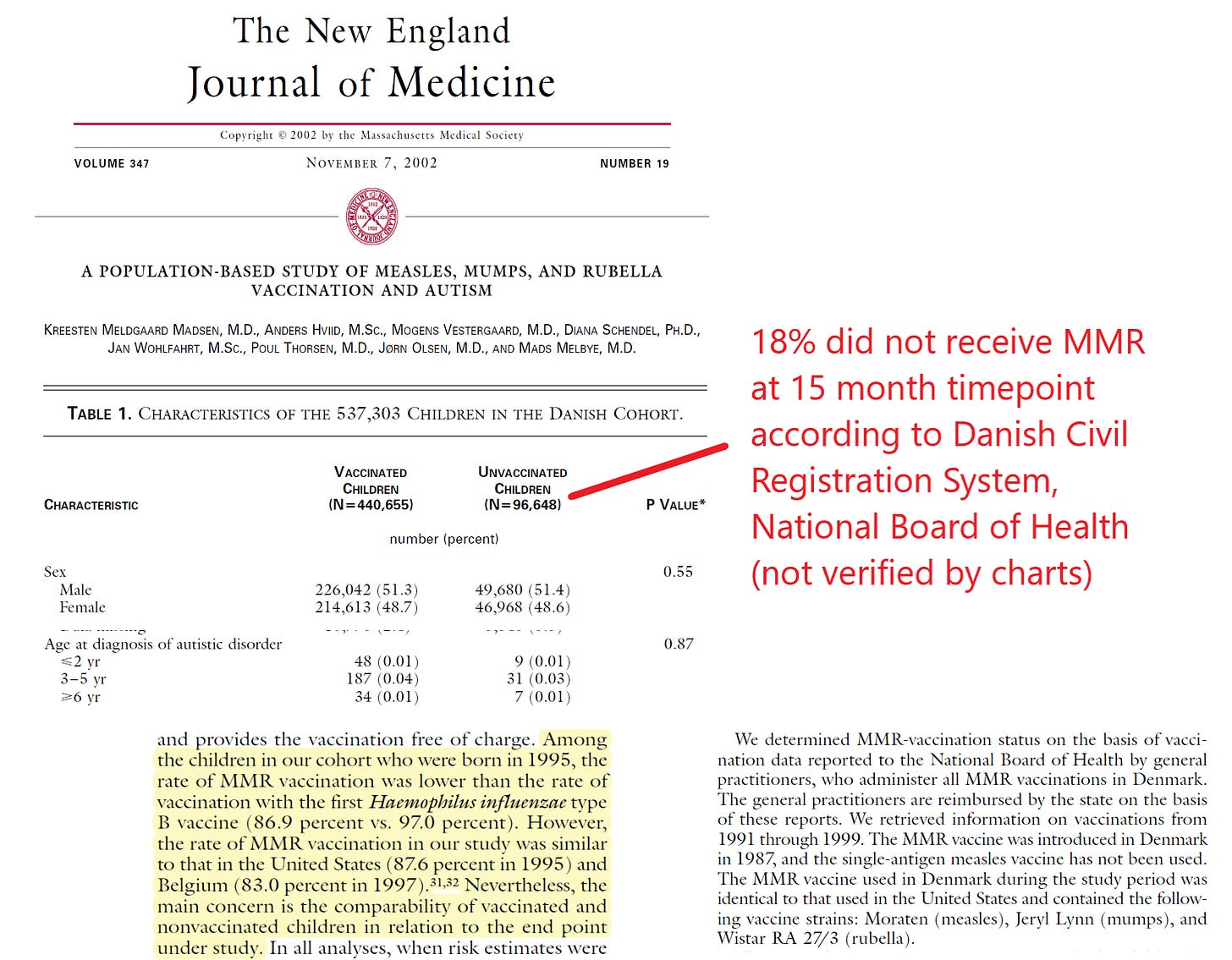
Beware of Studies Concluding Autism is Not Associated with Childhood Vaccination

stuartbramhall's avatarThe Most Revolutionary Act

Dr Peter McCullough

As an epidemiologist, I can tell you it takes considerable training and scholarship to determine whether or not a study is valid and to determine if the conclusions are supported by the data. When it comes to childhood vaccines, the world is becoming skeptical of the vaccine industry since the CDC ACIP panel has added the EUA unsafe, ineffective mRNA COVID-19 vaccines for infants starting at 6 months of age.

With the ever expanding ACIP schedule of vaccine quantity and intensity of injections there has been a skyrocketing rate of autism. This has triggered scientists to go back and look at the studies published at the time to reassure parents that routine vaccines did not cause autism. Because so many shots are given at once, it is probably not any individual product that is the culprit, rather “hyper-vaccination” of a bundle of vaccine products that invokes a…

View original post 451 more words

Time to plant new season’s strawberries (Wally Richards)

New seasons strawberry plants are now available in garden centres. The nurseries that grow the plants lift them after the autumn rains have moistened the soil sufficiently, then they are distributed to garden centres.

I find that the sooner you can get your new strawberry plants into their new beds the better results you have in the first season.

Like all things planted it is root establishment that is so important.

When planting place about a teaspoon of Unlocking Your Soil in the planting hole with a pinch of BioPhos for each strawberry plant.

Gardeners with existing beds of strawberries will likely have a number of runners that have rooted in nicely, these can be used for new season plants..

If the existing strawberry bed is not congested with old and new plants and there is ample room still for all the plants to grow and produce, then you can get away with not lifting the runners or only lifting those that are too close to existing plants.

Strawberries are easy to grow and can be grown in open ground or containers.

In open ground the most practical way is to make a bed with wood surrounds 16 to 20 cm tall and have a hinged frame over the bed that has either plastic bird netting or wire netting over the lid.

The whole frame needs to only sit on the soil so it can be moved if required.

If using tanalised timber for the surround then after cutting to size; paint all the wood with a couple of coats of acrylic paint to prevent chemicals leeching into the soil.

Strawberries can be grown in troughs about 16 to 20 cm wide and similar depth then as long as required. I like to hang these off the top rail of a fence.

Special strawberry planters made from clay or plastic are not very good and your results are likely to be poor. (Thats the types where plants are placed in holes around the container as well as on top.)

Polystyrene boxes with holes in the bottom are also ideal containers for good crops if they have a rooting depth of 15cm or more.

The growing medium should be a good compost such as Daltons or Oderings to which you can add untreated sawdust and a little clean top soil or vermicast. (Worm casts from a worm farm)

A mix of about 75% compost, 20% sawdust and 5% vermicast is good value.

Mix the above in a wheelbarrow then place a layer of the mix 5 cm deep in the base of the trough or container.

Now sprinkle a layer of chicken manure, some potash, BioPhos, Unlocking Your Soil and Ocean Solids. Horse manure is also very good.

If you do not have chicken manure available use sheep manure pellets and blood & bone.

Cover with more compost mix to a depth suitable for planting your new strawberry plants.

A similar process can be applied to a open bed with a frame, though the frame height may need to be taller than previously suggested.

Ensure that the soil at the base of the frame is free of most weeds and then place a layer or two of cardboard over the soil. This will help prevent weeds from coming up in the bed, then fill as suggested.

There are a number of different varieties of strawberry plants available to the home gardener, sometimes the older varieties such as Tioga and Redgaunlet (both are hard to come by now replaced with the newer varieties such as Chandler, Pajaro and Seascape.

Different varieties will do better or worse in different climates so choose the ones most suited to your area of the country.

Strawberry types include:

Strawberry Baby Pink ™ Producing stunning beautiful pink flowers followed by small to medium red fruit with sweet traditional flavour. Large bunches of berries ripening over a long period.

Habit – Compact strong growing strawberry. Size – Give these small to medium plants close spacing.

Pollination – Self-fertile. Unknown if short day, neutral or long day type.

Strawberry Camarosa; Large to very large medium dark red fruit. Firm medium red flesh with excellent flavour. Conical shape.

High resistance to wet weather. Habit – Suitable for Northern and Central districts. Vigorous growth habit.Size – Give these vigorous plants wide spacing.

Pollination – Self-fertile. Short day type – flowers are initiated by short day lengths.

Harvest – Fruit ripen 20-35 days from flowering depending on climate, with light crops in early summer, followed by a main crop in December – January. Yield is very good.

Strawberry Chandler; Small to very large medium red fruit. Firm light red flesh with very good flavour. Conical shape. High resistance to wet weather.

Habit – Suitable for Northern and Central districts. Multi-crowned growth habit.

Size – Give these multi crowned plants medium spacing. Pollination – Self-fertile. Short day type – flowers are initiated by short day lengths.

Harvest – Fruit ripen 20-35 days from flowering depending on climate, with light crops in early summer followed by a main crop in December – January. Yield is very good.

Strawberry Sundae ™ Large red fruit with excellent flavour. Firm red flesh in an oval shape.

Habit – Suitable for Northern and Central districts. Vigorous growth habit. Size – Give these vigorous plants wide spacing.Pollination – Self-fertile. Short day type – flowers are initiated by short day lengths.

Harvest – Fruit ripen 20-35 days from flowering depending on climate, with light crops in early summer followed by a main crop in December – January. Yield is average.

Strawberry Supreme ™ Very large bright red fruit. Very firm red flesh with excellent flavour. Conical shape. Good resistance to wet weather. Habit – Suitable for Northern and Central districts.

Moderately strong growth habit. Size – Give these small to medium sized plants close spacing.

Pollination – Self-fertile. Short day type – flowers are initiated by short day lengths.

Harvest – Fruit ripen 20-35 days from flowering depending on climate, with light crops in early summer followed by a main crop in December – January. Yield is very good.

Strawberry Temptation™ Medium bright red shiny fruit with excellent flavour. Pale firm flesh.

Habit – Compact strong growing strawberry. Tough and resilient in relation to pest and diseases.

Size – Give these medium plants close spacing.

Pollination – Self-fertile. Only NZ bred Day Neutral strawberry which means they will set fruit regardless of how long or short the days are making this an ideal fruiter national wide.

Will extend the North Island season. Harvest – Consistent high yields of berries ripening over a long period from October to March.

To enhance your strawberries and increase the crop yields by 200 to 400% drench the bed with Mycorrcin after planting and repeat again in a couple of months time.

 Spray the plants with Mycorrcin every two weeks till end of season. Make up in a trigger sprayer it keeps so leave by strawberry bed and spray as required. MBL can be added to the spray.

For bigger berries you may like to try Wallys Secret Strawberry Food.

Special this week till next Sunday

one 250ml Mycorrcin $19.00 and one 1kg Wallys Secret Strawberry Food $18.00  Total $37.00 with free shipping on this to your home saving you $8.50 shipping fee

Both products can be used on other flowering and fruiting plants.

Order at www.0800466464.co.nz  put on WEEKLY SPECIAL in remarks box and I will phone you in regards to payment method.
Phone 0800 466464
Garden Pages and News at www.gardenews.co.nz
Shar Pei pages at  www.sharpei.co.nz
Mail Order products at www.0800466464.co.nz


New Zealand Bill of Rights Act 1990. Part II of the Act covers a broad range of Civil and Political Rights. As part of the right to life and the security of the person, the Act guarantees everyone:

1The right not to be deprived of life except in accordance with fundamental justice (Section 8)

2The right not to be subjected to torture or to cruel, degrading, or disproportionately severe treatment or punishment (Section 9)

3The right not to be subjected to medical or scientific experimentation without consent (Section 10)

4The right to refuse to undergo any medical treatment (Section 11)

 Furthermore, the New Zealand Bill of Rights Act 1990 guarantees everyone: Freedom of Thought, Conscience, and Religion.
This includes the right to freedom of thought, conscience, religion, and belief,
INCLUDING THE RIGHT TO ADOPT AND HOLD OPINIONS WITHOUT INTERFERENCE (Section 1)

NZ’s dirtiest political secret: the bloodless coup of 1986

Timely revisit of history…

Pam Vernon's avatarEnvironmental Health Watch NZ

June 2017: Seventeen years ago a little-known conference of constitutional experts revealed New Zealand’s dirtiest political secret: that in 1986 the NZ Parliament seized control of the country in a bloodless coup, declaring themselves sovereign above the people in a technical but highly significant move. Nearly two decades later, the position has never been rectified…

APRIL 2000: New Zealanders have fewer Constitutional rights than the citizens of Mongolia: that’s the disturbing revelation as delegates gather for a major Constitutional conference in Wellington this month. They’ll be debating whether we need a written Constitution, and whether New Zealand needs to become a Republic but, as IAN WISHART reports, it’s throwing up some embarassing information about our current Parliamentary system:

READ MORE

https://investigatemagazine.co.nz/20804/nzs-dirtiest-political-secret-the-bloodless-coup-of-1986/?fbclid=IwAR34PZPd8SU77dFVwrgXD_OeOOpfgV21CD9DaTtRVGMDvNfZKk4wLHyHndM

Photo: Investigate Magazine

View original post

Currently on the table again, Hamilton NZ proposed 20 minute cities back in 2020

The internet is abuzz with the so-called ‘conspiracy theory’ of 15 minute cities in NZ.

Long sold out lamestream media is pumping that line again or should I say ‘still’. As I noted recently, the headline, ‘Censorship is the last bastion of those without an arguement’ … one could easily substitute ‘propaganda’ there for ‘censorship’. Both familiar words now aren’t they?

Turns out Hamilton DC was touting 20 minute cities back in 2020… interesting timing. Right when folk were locked down (for two weeks+) to flatten the curve. They looked at it back then, assisted by Waikato University (their 2021 report and video at the link). The video is all the way from the UK, host for the Oxford 15 minute city there that folk are pushing back against (check out the videos in that link, looks more like a military check point there than an eco friendly paradise… they detain a woman trying to drive to work). See here also.

Hamilton Council hosted a meeting on topic this week apparently and a large crowd turned up. Was that because it’s such a great idea or because they smell a rat? The Twitter comment from DemocracyNZ notes concern about lack of consultation (nothing new note for District Councils NZ wide):

Then there is the proposed Sunfield suburb in Auckland. (Be sure to watch the videos there). It does look so very benign, solar powered, an electric shuttle and all those lovely gardens (that they’ve been pushing on small towns anyway for years. Witness Foxton and the big 1.5 mill spend there when folk said they weren’t consulted & they only wanted clean water). Gardens are nice but all those dollars for developers and Councils now knee deep in debt? How sustainable is that? It really doesn’t all add up does it?

As Stuff asks (debunking ‘conspiracies’): Convenient street planning or open-air police state … on the surface 15 minute cities could be really great, however I don’t like the look of those checkpoints to be honest.

RELATED:

PREPARE for the Indefinite Climate Lockdown Coming!

15-minute cities in New Zealand: A visualisation

A 15 mins city (Manatu Hauora)

‘Consultation’ & the little known Delphi technique – promoting the illusion of democracy & helping you think you’ve had a say

Speak Up Now, It is Almost Too Late

From hatchardreport.com

The World Health Organisation has announced an agreement with the European Union to develop a digital health certificate. WHO has stated that they will use the “EU Digital COVID Certificate” as a model to establish a global digital health certificate otherwise known as a vaccine passport (you can follow the reaction on Twitter here).

This brings to mind the conditions imposed on daily life during pandemic lockdowns which were enforced using vaccine passports. Restrictions on movement and participation which are now known to have had an overwhelmingly damaging effect on society. An article in the authoritative UK Daily Telegraph on 4th June headlines “Painful lockdowns a global policy failure that must never be repeated“. According to new research, we will be suffering drastic effects on the economy, educational outcomes, and mental and physical health for years to come as a result.

READ AT THE LINK

Speak Up Now, It is Almost Too Late

Photo: hatchardreport.com

WHO, EU announce partnership creating ‘global system’ of digital vaccine passports

So there’s more than one way to keep folk in their 15 minute cities …

From lifesitenews.com

The digital system ‘will help facilitate global mobility and protect citizens across the world from on-going and future health threats, including pandemics,’ according to the WHO.

GENEVA (LifeSiteNews) — The World Health Organization and the European Union announced their collaboration on global digital vaccine passports at a joint press conference in Geneva on June 5. 

“In June 2023, WHO will take up the European Union (EU) system of digital COVID-19 certification to establish a global system that will help facilitate global mobility and protect citizens across the world from on-going and future health threats, including pandemics,” the WHO press release states. 

“This is the first building block of the WHO Global Digital Health Certification Network (GDHCN) that will develop a wide range of digital products to deliver better health for all.” 

‘The first building block of the global WHO system becomes operational in June 2023 and aims to be progressively developed in the coming months,’ the WHO press release states.

“The COVID-19 pandemic highlighted the value of digital health solutions in facilitating access to health services,” WHO director-general Dr. Tedros Ghebreyesus said during the press conference. “While the emergency phase of the COVID-19 pandemic is now over, investment in digital infrastructure remains an important resource for health systems and for economies and societies at large.” 

The WHO has stated that they will use the “EU Digital COVID Certificate” as a model to establish a global digital health certificate.  

“One of the key elements in the European Union’s work against the COVID-19 pandemic has been digital COVID-19 certificates. To facilitate free movement within its borders, the EU swiftly established interoperable COVID-19 certificates (entitled ‘EU Digital COVID-19 Certificate’ or ‘EU DCC’),” the WHO press release reads. 

“With this collaboration, WHO will facilitate this process globally under its own structure with the aim to allow the world to benefit from convergence of digital certificates.” 

During the height of the Covid crisis, the EU Digital COVID Certificate made it so that EU citizens could only travel to other member states if they provide proof of vaccination, recovery, or a recent negative COVID test. In some EU countries like Austria, citizens were essentially segregated from society if they refused to take to COVID injections.  

PETITION AT LINK

https://www.lifesitenews.com/news/breaking-who-eu-announce-partnership-creating-global-system-of-digital-vaccine-passports/

Image by JUNO KWON from Pixabay

A censored dream from 2009

Jo-Blogs's avatarRed Sky in the morning

Can you think of an elephant in the nation’s living room right now? They’re trying to hide the elephant but it’s getting glaringly obvious when they start censoring dreams. I can even tell you the colour of the elephant. Can you see it? I believe it’s a white elephant.

It’s a better analogy than us getting a lemon because elephants are huge.

Two years after the Covid vaccine rollout no-one’s talking about the elephant except to say they’re fed up and not getting any more booster shots. Pfizer should have been called Pfizzer or Fizzer because everyone caught Covid. It turns out Pfizer released something they didn’t know would work.

Senior Pfizer executive Janine Small admitted that the drug company did not know whether its Covid vaccine prevented transmission of the virus when it began rolling out the shots globally.

Pfizer did not know whether Covid vaccine stopped transmission…

View original post 405 more words

Chemicals Are Making Us Sterile And Dumb

From wakeupkiwi.com

Over the last seventy-five years, men have seen a sharp reduction in reproductive capacity, and evidence suggests that commonly found chemicals are to blame.

Related: A Generation Of Poisoning With Gender-Bender Chemicals Has Created A New Class Of Youth Who Fail To Recognize Gender At All

If that news isn’t stark enough for the future of humankind, these chemicals are also making us dumber. A recent piece in the New York Times drew attention to an important issue: endocrine-disrupting chemicals in everyday consumer products are killing or disabling sperm and making men sterile.

The numbers are extremely troubling. Scientists say that approximately 90% of sperm in a typical young man are misshapen, meaning they are unable to swim correctly. Additionally, sperm counts have decreased sharply over the last seventy-five years. As one researcher bluntly stated, “Not everyone who wants to reproduce will be able to.”

Our grandfathers may not have been able to understand our smart phones, but their ability to produce offspring vastly outpaced our own.

There’s a great deal of evidence to suggest endocrine-disrupting chemicals are the major cause of this problem. They’re found in plastics, pesticides, and many other products. Quite simply, these chemicals disrupt the proper functioning of hormones.

READ AT THE LINK

http://www.wakeupkiwi.com/news-articles-98.shtml#Sterile

Fresh Greens in Winter (Wally Richards)

Like to grow some fresh, highly nutritious greens this time of the year when sunlight hours are short and stuff is slow to grow?

This is also a way to be able to have emergency healthy food when things are not so good.

How you achieve this is to sprout seeds for eating, often referred to as ‘Sprouts’.

In the past sprouts were done in an Agee preserving jar with a screen sieve.

You would place a few seeds into the jar and cover with non chlorinated water and sit on window sill in kitchen.

Each day you would tip the water out using the sieve like screen to stop the seeds falling out.

Fresh water would be added and the above would be repeated daily till the seeds had sprouted and reached a nice size which you then used in sandwiches or salads.

Very nutritious and very simple to do.

Nowadays its even easier with a four tier seed sprouter from Egmont Seeds.

Called Mr Fothergills Kitchen Seed Sprouter they sell for $20.00.

On web at https://www.egmontseeds.co.nz/index.php?main_page=advanced_search_result&search_in_description=1&keyword=sprouter

 You have 4 sprouting levels which means you can sprout 4 different types of seeds or mixes at any one time.

A small amount of seeds is placed in each level and water is applied to the top tier, then because of sprouter outlet caps in the base of each level

(which can be adjusted to allow a amount of water flow to next level) the water works its way down through the tiers..

Then finally the water ends up in the reservoir where you can either dispose of it or use it a second time round.

Doing this alone with the sprouter on the kitchen window sill will give you very nutritious greens to add to your winter diet.

But you can change then into super sprouts by adding a few mils of Magic Botanic Liquid (MBL)to the non-chlorinated water.

MBL is rich in humate and fulvic acid along with minerals and elements which the sprouting seeds will absorb as they germinate and grow.

Incredibly good for your health and great for those wishing to trim up a bit before summer.

One of the problems is that our traditional Super Market food chain is poor in nutritional values unless you are growing a good amount of vegetables yourself naturally.

This means when you cook up a meal from supermarket produce and have to add condiments to make it taste ok (Home grown produce tastes great and does not need condiments to fool you body into accepting it).

So you eat a full meal of supermarket produce and when you are finished you are likely to still feel a bit hungry.

Actually you are not hungry but that is the feeling you get as your body is saying, ‘Thanks for the stuff but where are the minerals and elements that I need to work properly?’

So inadvertently you pig out on potato chips or something to squash the feeling of having not eaten enough.

Now you are going to put on some extra pounds and your body still is not satisfied as he needs nutrition not food stuffing.

Sprouting seeds with MBL is a excellent way to get the goodness your body needs to be healthy, it is in the same top food tier as ‘Smoothies’ and wheat grass juice (done with minerals).

Now to get the seeds to sprout we go and have a look at Kings Seeds at https://www.kingsseeds.co.nz/results.html?q=seeds+for+sprouting

They have a good range of seeds and seed mixes most of which are certified organic.

Examples from their web site are:

Alfalfa: Our most popular sprout with a delicious nutty flavour. Excellent for gourmet salads, omelettes and sandwiches.

High in fibre, vitamins, minerals and proteins. Research has found Alfalfa fibre pushes cholesterol out of the arteries while its saponins also scrub and dissolve it.

The sprouts are many times more nutritious if exposed to the sunlight about the fifth day after germination. They can then be harvested.

Organic Energy mix: Alfalfa, Flax, Rocket, Broccoli Raab, Red Clover and Fennel.

A tasty, aromatic and invigorating blend that stimulates the body and digestive system.

As the Flax and Rocket are both mucilaginous-forming seeds when germinating, particular care needs to be shown to rinse and drain well in the first few days.

At harvest, the Fennel sprout will not be as developed as the others but both its seed husk and sprout should be used.

Organic High Health mix:A tasty nutritious mix of different brassica including Green Broccoli, Pak Choi, and Tuscan Black Kale.

High in vitamins and soluble fibre for cleansing the digestive system and building resistance to bowel and bladder disease. Seeds are easy to sprout reaching maturity using rinse and drain method in 6-10 days.

Organic Vita plus blend: Alfalfa 40% Red Clover 30% Daikon Radish 10% Radish 10% Broccoli Raab 10%

Highly nutritious blend of sprouts, rich in minerals, amino acids and antioxidants combining the mild tastes of Alfalfa and Red Clover with the spicy bite of Broccoli Raab, Radish Daikon and Radish.

Organic Stir Fry Combo: Contains Chickpea (Cicer arietinum) , Lentil (Lens culinaris), Mung (Vigna radiata).

Delicious, succulent and nutty sprout blend to stir fry in Asian dishes or to eat raw in salads and sandwiches.

Easily digested and highly nutritious with heaps of Vitamins B1 and B2, Iron, Potassium, Folic Acid and Protein.

Soluble fibre helps break down cholesterol, lower blood pressure and regulate blood sugars.

Initially soak seeds for several hours then drain. Rinse 3-4 times daily for 3-4 days. Harvest when sprouts are length of the seed (15mm) and store in fridge in a covered container.

Note; seeds which are mucilaginous-forming seeds when germinating you toss the water and MBL mix and do a fresh lot to get rid of the mucilaginous.

Otherwise be healthy this winter with tasty heath treats from sprouts.

Note Store unused seeds in a glass jar with lid in the fridge where they will keep happily for years ready to use any time.

Special for this week is 500 mils Magic Botanic Liquid (MBL) free shipping to your home saving you $8.50 courier.

Order at https://www.0800466464.co.nz/15-plant-nutrition

I will phone you when we receive the order to do payment.

Put in Remarks place THIS WEEKS SPECIAL
Special ends next Sunday

Phone 0800 466464
Garden Pages and News at www.gardenews.co.nz
Shar Pei pages at  www.sharpei.co.nz
Mail Order products at www.0800466464.co.nz


New Zealand Bill of Rights Act 1990. Part II of the Act covers a broad range of Civil and Political Rights. As part of the right to life and the security of the person, the Act guarantees everyone:

1The right not to be deprived of life except in accordance with fundamental justice (Section 8)

2The right not to be subjected to torture or to cruel, degrading, or disproportionately severe treatment or punishment (Section 9)

3The right not to be subjected to medical or scientific experimentation without consent (Section 10)

4The right to refuse to undergo any medical treatment (Section 11)

 Furthermore, the New Zealand Bill of Rights Act 1990 guarantees everyone: Freedom of Thought, Conscience, and Religion.
This includes the right to freedom of thought, conscience, religion, and belief,
INCLUDING THE RIGHT TO ADOPT AND HOLD OPINIONS WITHOUT INTERFERENCE (Section 1)

Image by Stefan Schweihofer from Pixabay

‘You will know them by their fruits’

This time next royal holiday weekend, we may not be able to write such opinion pieces as this.

There’s certain alarm right now at the regime’s new proposals to shut folk up & stop them speaking their minds, let alone speaking uncomfortable truths. And today we hear of our ‘dearly departed Ardern’s’ new title (that apparently may or may not be accepted?).

Ardern is now in sunnier climes lecturing at Harvard on this her apparent favourite topic, censorship, her mission in NZ done and dusted she’s moved on, far from the clamour of the thousands of injured. The globalists always look after their own, witness the new title, and remember Sirs Douglas & Key also notorious for their treasonous exploits? As the good book says, you will know them by their fruits.

And so, the loyal carry on the agenda with further plans for shutting down truth, repackaged as ‘disinformation’. Watch next for the 15 minute cities. Aussie’s Coffs Harbour folk are pushing back on this one as more and more begin to wake up to the scam.

Remember the grapefruit doesn’t fall far from the tree.

Exclusive: Hundreds of diplomatic files on King Charles censored

Some light reading for King’s Birthday Weekend…

From declassifieduk.com

The Foreign Office is keeping secret a cache of documents about the former Prince of Wales that were due for declassification. An ex-government minister tells Declassified the secrecy is “outrageous”.

More than 200 files on overseas trips made by the former Prince of Wales stretching back to the 1970s have been censored from public view. 

Written by British diplomats stationed around the world, they are believed to contain extensive commentary on the new monarch’s past life as heir to the throne.

Over half of the records contain references to his first wife, the late Princess Diana.

The papers cover visits by the couple to almost every continent, including their honeymoon cruise around the Mediterranean on the royal yacht.

One file about their 1983 visit to Australia, which Netflix featured in The Crown, will remain classified until 2070. By then Charles would be 121 years old.

Under UK transparency laws, government departments must release their records to the public between 20 and 30 years after they were written. 

Civil servants can keep files closed for longer only with the approval of the Lord Chancellor, the government’s justice secretary Brandon Lewis.

Some censorship decisions are scrutinised by an advisory council, whose members have at times included an aide to King Charles.

Only the titles of the 212 sealed files are shown on a database hosted by the National Archives, which was analysed by Declassified.

View the full list of secret Foreign Office files on King Charles III

Historians say the trove could shed light on the role Charles played in British foreign policy during the end of Empire and the Cold War. 

One of the oldest documents contains a Foreign Office briefing for Charles’ visit to the Bahamas during their independence ceremony from Britain in 1973. 

Although his mother remained head of state, the Caribbean nation now plans to hold a referendum on becoming a republic.

Three files on Prince Andrew are also closed. They cover trips he made with his then wife to the US and Mauritius in the late 1980s. 

‘No reason to be kept secret’

Norman Baker, a former government minister, told Declassified: “It is outrageous that so many files from so long ago regarding Charles have been kept from public view. It is contrary to the spirit of the Freedom of Information Act and the Public Records Act.” 

Baker, who wrote the book And What Do You Do?: What The Royal Family Don’t Want You To Know, added: “I am calling for the National Archives to conduct an investigation of this matter with a view to releasing some or nearly all of these documents. 

“There’s no reason for these to be kept secret. The normal excuse given is that it’s to uphold the dignity of the crown. But the dignity of the crown is upheld by them not behaving in an undignified manner.”

Many of the secret papers relate to trips by Charles to repressive Arab monarchies in the Middle East. Diplomats appeared to notice Charles had an interest in Islamic culture and considered how to cultivate his curiosity. 

A file from 1989 is titled: “Interest in the Gulf by the Prince of Wales: potential benefits for relations between the Gulf and the UK.” Charles is known to have visited Gulf regimes like Saudi Arabia at crucial moments in negotiations on arms deals worth billions of pounds to British business.

In preparation for a visit to the Gulf in 1986, diplomats compiled “briefs on Defence Sales and Conversational topics” to guide Charles on discussing arms deals. The paper is sealed until 2049.

Diplomats even drew up a document titled “Visit by the Prince of Wales to Israel” in 1986. Its existence is curious because Charles has never travelled to the country. 

He privately expressed criticism of Israel and the “Jewish lobby” in a letter sent to a friend that year while journeying through other parts of the Middle East.

Another Foreign Office file concerns the King’s “interest in Romania” after the fall of its Communist dictatorship in 1989. 

Charles, who is distantly related to Romanian royalty, has purchased property and swathes of land in Transylvania – home of the mythical vampire Dracula.

Family secrets

Professor Philip Murphy, an historian and author of Monarchy and the End of Empire, commented: “The palace is terribly risk averse. They don’t really understand a lot of this is already in the public domain. All we’re really adding is thick archival description. 

“That’s why there’s sort of a duty to push back against them, because I don’t think officials are prepared to do that and politicians aren’t – they’re worried about getting honours. So historians and journalists have really got to do that.”

Murphy believes it was easier in the 1990s for him to access records on the royal family, as a Conservative minister William Waldegrove introduced a “gentleman’s agreement” to relax the classification of historical files.

Tony Blair’s Labour government then passed the Freedom of Information Act, which codified a right of access to certain records. Ironically, Murphy said: “The shutters came down again because the palace panicked.”

Historians face a further struggle to access the royal family’s own records, which are kept in a tower at Windsor Castle where researchers should be allowed access to papers from previous reigns. 

Baker commented: “It is very difficult to get in, even for me as a Privy Counsellor. There’s only a small room, which holds about four researchers at any one time, which is absurd given the size of Windsor Castle. 

“There’s no index to what is available. You have to ask for things and hope that by throwing a dart at a dart board with a blindfold on, you hit something.”

Murphy agreed, saying: “They make it quite tricky for historians to work with them.”

In theory, letters from Queen Elizabeth II’s own collection are now eligible to be transferred to the Royal Archives following her death last month aged 96.

Declassified asked to view letters between the late Queen and Sultan Qaboos of Oman, an Arab autocrat backed by Whitehall.

However, Royal Archives manager Bill Stockting told Declassified they have “not yet accessioned the records of Her late Majesty’s reign” and could not say when they would become available.

A Foreign Office spokesman said: “Under the terms of the Public Records Act 1958, historical records can be legitimately withheld.”

The National Archives declined to comment.

RELATED:

Charles of Arabia: How Britain’s next king bolsters autocratic Gulf regimes

Thousands of historic British government files censored after ‘independent’ watchdog approves over 99% of secrecy requests

Image by Tayeb MEZAHDIA from Pixabay

Other news this week

The 2005 International Health Regulations (IHR)
Five minutes to midnight (Max Igan)
WHO power grab (Dr John Campbell)
Door Opening to Mass Medical Experimentation on Humanity

Other
Crimes Against Humanity Trials Begin In New Zealand
Elon, Gates & Soros
Latest from NZ Doctors (SOS)
Latest from Dr Guy Hatchard
Britons are dying by the tens of thousands
The Battle For Your Child’s Innocence
Estimated death rate >1,000 higher than the acceptable safe limit

Photo: pixabay.com


The Dirty Dozen & Clean Fifteen: The Most & Least Pesticide-Contaminated Fruits and Vegetables

From foodrevolution.org

Summary

Organic fruits and vegetables cost more than conventional ones — sometimes a lot more. But if you want to avoid pesticide exposure, is it always necessary to choose organic? Or are some conventional fruits and veggies less contaminated? In this article, we go in depth into the Environmental Working Group’s US-based report on the 12 dirtiest and 15 “cleanest” items of produce, to help you make smart decisions to protect yourself and your loved ones from harmful pesticides.

The agricultural industry is addicted to pesticides, and the entire world is paying the price. The US Environmental Protection Agency (EPA) reports that global pesticide use in 2012 amounted to approximately six billion pounds. Unfortunately, they haven’t published a report since then, but the number likely hasn’t improved and may have gotten worse.

While the term “pesticide” implies that these chemicals target and kill “pests,” a better name would be “biocides” (destroyers of life) because they do a lot more than poison pests.

Pesticides poison insects and pollinators; contaminate soil, water, and air; and can cause harm to farmworkers, agricultural communities, and people who eat produce sprayed with pesticides.

[Read More: Pesticides in Food: What You Should Know and Why it Matters

How common is it for US produce to have pesticide contamination? “Nearly 75% of nonorganic fresh produce sold in the US contains residues of potentially harmful pesticides,” according to the Environmental Working Group (EWG).

In this article, we’re going to review the most and least pesticide-contaminated produce, so you can make more informed fruit and vegetable purchases.

READ AT THE LINK

How the modern corporation was invented in England – a power grab to this day

From declassifieduk.org

The joint-stock corporation is an economic instrument which, in its modern form, was established in England—and it was here, too, that the company became unleashed from the state and began a power grab which continues to this day.

During a period of rapid commercial growth in 16th century England, the Muscovy Company was granted a charter by Queen Mary Tudor in 1555, giving it a monopoly over trade routes to Russia. 

The company had recently been founded by various London merchants and its governor was Venetian explorer Sebastian Cabot. 

At the time, companies needed a charter from the Crown to operate, and this licence for operations was time-limited and subject to the caprice of the King or Queen. It was not a right to form a corporation then, it was a privilege. 

Chartered companies were organised as partnerships or guilds, which were owned by closed groups such as families or associations of businessmen. 

But the Muscovy Company popularised what would prove a revolutionary innovation: it was able to raise enough money to finance the long journey to Russia by selling tradable shares. 

“Joint-stock” companies, as they became known, was a new concept in English law.

The corporate form has existed as far back as the Roman Republic, and likely before. Despite coming to rule much of the world, the Roman Republic always had a small bureaucracy. One of the major reasons was its use of private businesses, in the form of societas publicanor

These ancient economic instruments were recognised as an entity separate from its owners and had shares representing ownership interests. 

The form developed further with the advent of modern banking with the House of Medici in Renaissance Florence, which saw the birth of what we now call a holding company

But the modern corporation, as we understand it, really began its journey in 16th century England with Muscovy’s joint-stock model. It was not a coincidence it so decisively took off then: it proved particularly well suited to the grand voyages of the so-called Age of Discovery

Age of Discovery

In 1498, Portuguese explorer Vasco da Gama had sailed around the Cape of Good Hope at the southern tip of Africa and arrived in India. 

The journey marked the beginning of a new era in European history, when navigators set out on voyages around the world seeking new and exotic riches to be sold back home. 

The joint-stock model allowed businesses to sell stock in their companies to investors, who would pay in cash up front in return for a slice of future profits down the line. 

At the time, these trading companies had high up-front costs in terms of preparing their ships and missions. The profits from their long trips, meanwhile, were far from being immediately realised. If they came at all, they may be banked possibly years down the line: many of the voyages involved going half way around the globe and back again. 

The joint-stock company ushered in a new era of global commerce. It was this model that propelled the signature corporation of the next 200 years, the East India Company, to global power. Founded on New Years Eve of 1600, it was given a charter by Queen Elizabeth I that gave just over 200 men control of a trading territory that covered a majority of the earth.

Limited Liability

But as chartered companies expanded their empires around the world, there was a constraint on the corporate form that was holding it back from realising its true potential. This was the legal concept of unlimited liability, which meant owners of companies were liable for losses incurred by the company. 

At the opening of the 19th century there was a strong push in the business community to introduce limited liability, which would restrict the losses incurred by investors only to the capital they had invested. 

Unlimited liability was proving a restriction on firms ability to raise capital. Business leaders argued that if British dominance was to be maintained it would have to introduce limited liability into law. The UK government, meanwhile, was worried about losing business to foreign countries where limited liability had been enacted.

Prominent liberals like John Stuart Mill were also arguing that limited liability would open up the world of business to the poor because it would lower their risks. 

Legislation was introduced incrementally. The Limited Liabilities Act of 1855 explicitly allowed for limited liability for British corporations for the first time. The Joint Stock Companies Act of 1856 added to this, allowing business to obtain limited liability with “a freedom amounting to a licence”.

This, slightly modified, was subsumed into the more sweeping Companies Act of 1862. Almost 25,000 limited liability companies were incorporated between 1856-62. In the three years following the 1862 Act, new issues averaged £100m a year.

Commercial laws

In the 19th century Britain’s economy was the most important in the world, and efforts to free the corporate model, which was driving much of its growth, continued apace. 

A major force behind the changes was the advent of the railway, which required huge amounts of capital upfront to design and build the new networks. The Liverpool-Manchester line was established in 1830 and was the world’s first regular passenger railway. By 1830, chartered joint-stock companies had built 2,000 miles of track.

Another restriction on the corporate form which was soon dispensed in this period was with the need to get a charter from the Crown or parliament to operate. The Joint Stock Companies Act of 1844 allowed companies to become incorporated by a routine act of registration rather than having to obtain permission from the state. This effectively unleashed the corporations from any kind of direct state control. 

The company form developed in Britain as a result of legislative reforms, responding to technological innovation and expanding corporate empires. But the changes established in 19th century Britain, and the debates surrounding it, have coloured the institution ever since. The limited liability public companies we see now are not much different to the model finalised in that period. 

By the end of the 19th century, in Britain, this new economic instrument had reached close to its final form and was basically independent of the state. It was the first autonomous institution in many centuries, creating a rival power centre to the government, which has now become arguably more powerful. 

Britain was the pioneer in setting companies free from state control. From there, they have cannibalised the state that created it in the UK, but also around the world. 

Silent Coup: How Corporations Overthrew Democracy is out this month from Bloomsbury Academic.

Read related posts at the link:

SOURCE BELOW


Image by jorono from Pixabay

Fluoride Lawsuit Against EPA: Alleged Corruption, Shocking Under Oath Federal Statements

Thanks flyingcuttlefish for this link:

From zerohedge.com

Authored by Christy Prais via The Epoch Times (emphasis ours),

In this series, we explore the contentious findings surrounding fluoridation of the U.S. public water supply and answer the question of whether water fluoridation poses a risk and what we should do about it.

Previously: A confounding factor in the fluoride debate is the arsenic that contaminates the industrial sources of fluoride added to public water systems.

A groundbreaking federal lawsuit could ban fluoride from drinking water, overturning a decades-long program aimed at preventing cavities that has been challenged by mounting evidence of harm.

The Fluoride Action Network (FAN) sued the Environmental Protection Agency (EPA) under the Toxic Substances Control Act in 2017, and it appears to be nearing its conclusion. Under the act, citizens can challenge the EPA in court when the agency rejects a petition to ban or regulate a toxic substance. The FAN’s suit is the first in the 44-year history of the act to actually get to trial.

The lawsuit has included pointed testimony from leading experts on environmental toxins and admissions from both EPA and Centers for Disease Control and Prevention (CDC) officials that fluoride could be linked to specific harms. The lawsuit has also revealed government interference in crucial scientific findings.

READ AT THE LINK

https://www.zerohedge.com/medical/fluoride-lawsuit-against-epa-alleged-corruption-shocking-under-oath-federal-statements

Photo: pixabay.com

Podcast: Dr. Rob Williams on geoengineering, the history of weather modification, and what’s really going on up there

Clare Swinney's avatarNORTHLAND NEW ZEALAND CHEMTRAILS WATCH

From TerrainTheory.net Dr Williams is an environmentalist and co-founder of OurGeoengineeringAge.org, an organization taking an evidence-based approach to exploring “our planet’s most pressing yet under-reported global environmental issue.”

In this conversation with Rob we discuss:

  • The history of geoengineering
  • How OGA came to be
  • What’s really going on up there
  • The chemistry and physics behind weather modification
  • The difference between contrails and “chemtrails”
  • What we can do about it

Learn more about Rob at OurGeoengineeringAge.org and at ThePeakFlow.com

Terrain Theory episodes are not to be taken as medical advice. You are your own primary healthcare provider.

More: https://www.terraintheory.net/blogs/podcast/episode-68-dr-rob-williams-on-geoengineering-the-history-of-weather-modification-and-whats-really-going-on-up-there

View original post

Only a few weeks until the shortest day – prepare for the new season in the garden (Wally Richards)

The year is slipping away and now there are only a few weeks till the shortest day which heralds in a new season for gardening.

While its quiet gardening wise you have ample time on those nice days to prepare for the coming season of gardening.

Lets start off by those that are fortunate to have a glasshouse or tunnel house and to get it ship shape and ready for growing in soon.

Likely there has been insect problems over the past season and that is very normal as a glass house provides ideal conditions for pests to breed.

You may have some plants still in there growing either coming to the end of their days or not too bad.

What I am going to suggest is a simple way of fumigating your glasshouse but in doing so the plants in there may or may not survive.

It is better to leave any plants that are coming to the end of their days inside to be fumigated and kill the pests on them rather than take them outside and then the pests can colonise your outside plants.

If you have the odd plant in a container that you do not want to lose then best take them out while you are fumigating the house.

Any plants taken out should be placed in a good light but sheltered place and spray them all over; later in the day near dusk, with Wallys Super Neem Tree Oil with Wallys Super Pyrethrum added.

Also in case of root mealy bugs in the mix sprinkle some of Wallys Neem Tree Powder onto the top of the growing medium.

This, with later watering, will fix any pests in the mix feeding on the plants roots.

Place 2-3 tablespoons of Wallys Sulphur Powder onto a heath shovel or spade sitting in the middle of the glass house on the ground. In a larger tunnel house or glasshouse you would need to have more than one sulhpur burning to give a good coverage from the fumes.

A metal plate could be used instead if preferred as long as it is metal and cant catch on fire.

Close all vents leaving the door open for you to leave once lite.

The sulphur powder is not easy to light and you need a very strong flame such as used for killing weeds.

Otherwise dampen a little of the pile of sulphur with some Methylated Spirits and light that.

A fire Starter may also be used. Once the sulphur gets burning it is very difficult to put out.

Once alight it is time for you to get out as the fumes will make it difficult to breathe and you dont want to die with the pests.

Close the door behind you and leave closed up for about 24 hours.

Then open door and vents and any plants you left in the house give them a light sprinkling with water from the hose. It may help save some on them.

After a few hours close down the vents and door as you dont want any stray pests finding their way back in.

Its a good ideal to build up a smell in the house to deter pests from entering by sprinkling Wallys Neem Tree Granules over the floor or soil.

Hang some fresh yellow sticky white fly traps in the house to catch any flying pests.

If you grow in soil in the glasshouse and have any concerns about diseases in the soil then apply Terracin to the soil as a drench and a couple of weeks later a drench with Mycorrcin.

Your glasshouse is now ready for the coming season and you can start germinating or planting seedlings after the 21st of June.

In the gardens outside keep the weeds down while they are slow to grow.

I prefer to use a sharp carving knife and slice below the crown of larger weeds in under the soil.

This leaves the rest of the roots to decompose in the soil and feed the soil life and plants.

Smaller weeds just scrape the blade of the knife over the soil and wipe them out.

Whitefly and pests on citrus trees are easy to control by placing Wallys Neem Tree Granules under the tree from trunk to drip line and in about 6-8 weeks all the pests feeding on the tree or on the roots will be gone.

There will be a lot of pests from last season harboring over in your gardens so later in the afternoon when the sun is off the plants spray Wallys Neem Super Tree oil with Wally Super Pyrethrum added over and under the leaves of plants where there was infestations earlier.

Good idea to add some Raingard and MBL to the spray as well.

If you have not done so yet spray all cold sensitive plants with Vaporgard, spray on frost protection.

Vacant vegetable gardens can be planted into a green crop.

Ones that can be used for different advantages are:

Blue Lupin – a quick growing, nitrogen fixing crop suited to cooler climates.

Barley – adds protein, nitrogen and organic matter to strengthen the soil structure.

Oats – used to combat soil erosion and to help break up hard clay soils.

Mixed grain – adds nitrogen and organic matter to the soil as well as helping to prevent wire worm.

Mustard – cleans up harmful soil fungi and provides good control of wireworm and nematodes, which often ruin root crops such as potatoes and carrots.

Mustard is a good weed suppressant suited to cooler climates but do not use this crop if you are planting cauliflower, broccoli and other brassica in the same area the next season.

It is not a good time of the year to re-pot house plants as going into a larger container may cause over watering and damage.

This time of the year small drinks of water just to moisten up the mix of potted plants indoors.

Warm water is nice for them also.

Keep warm and dry..

This week special is 3kilo bag Wallys Neem Tree Granules 25% off or $7.00 off the price of the bag

and 25% off  Wallys Sulphur powder 500 grams or $4.50 off the normal price.
Order on line at www.0800466464.co.nz and dont forget to put in remarks THIS WEEKS SPECIAL
offer end next Sunday.
I will phone you after receiving the order in regards to method of payment and shipping

Phone 0800 466464
Garden Pages and News at www.gardenews.co.nz
Shar Pei pages at  www.sharpei.co.nz
Mail Order products at www.0800466464.co.nz

New Zealand Bill of Rights Act 1990. Part II of the Act covers a broad range of Civil and Political Rights. As part of the right to life and the security of the person, the Act guarantees everyone:

1The right not to be deprived of life except in accordance with fundamental justice (Section 8)

2The right not to be subjected to torture or to cruel, degrading, or disproportionately severe treatment or punishment (Section 9)

3The right not to be subjected to medical or scientific experimentation without consent (Section 10)

4The right to refuse to undergo any medical treatment (Section 11)

 Furthermore, the New Zealand Bill of Rights Act 1990 guarantees everyone: Freedom of Thought, Conscience, and Religion.
This includes the right to freedom of thought, conscience, religion, and belief,
INCLUDING THE RIGHT TO ADOPT AND HOLD OPINIONS WITHOUT INTERFERENCE (Section 1)

Image by Helena from Pixabay

Learn just which of your food items contain glyphosate & how much (Free Report from Institute for Responsible Technology)

With glyphosate featuring again lately, this will be a useful tool in helping determine which are the safer products to purchase. The report is free, however you will need to register an email to enable you to download. Go to ‘Glyphosate Report’ in the main menu, top of page. EWNZ

From responsibletechnology.org

ROUNDUP®(OR OTHER GLYPHOSATE BASED HERBICIDES) ARE SPRAYED ONTO NON-GMO CROPS AS A DRYING AGENT, JUST BEFORE HARVEST…LEARN MORE FROM OUR DATABASE AND CHOOSE ORGANIC TO AVOID HIGH LEVELS OF GLYPHOSATE (AND OTHER SYNTHETIC PESTICIDES) IN YOUR FOOD.

Glyphosate is the main ingredient in Roundup®, the most popular herbicide in the world. This defoliant destroys vegetation. Do you know how much glyphosate is in the foods you and your family consume?Crops such as corn, soybeans, and cotton have been genetically engineered to resist Roundup. Why is there so much glyphosate in oats and other food grains? How much is safe? Who decides food safety, and how are the tests conducted? Does glyphosate cause cancer?

SOURCE

https://responsibletechnology.org/gmo20/

Testing Shows Substantial Glyphosate in Populations, Even Some Foods Labeled Organic

From mercola.com

Download Interview Transcript | Download my FREE Podcast | Video Link

Story at-a-glance

  • As food has become increasingly adulterated, contaminated and genetically engineered, the need for laboratory testing has grown
  • HRI Labs is often hired to test foods claiming to be non-GMO, “all natural” and/or organic. Testing often reveals such claims to be untrue. Several Ben & Jerry’s ice cream flavors were recently found to contain glyphosate
  • Grains, legumes and beans typically have the highest levels of glyphosate contamination due to the routine practice of desiccation, where glyphosate is sprayed on the crop shortly before harvest to improve yield
  • HRI Labs has created two glyphosate tests for the public — a water test and an environmental exposure test. The latter will tell you how much glyphosate you have in your system, giving you an indication of the purity of your diet
  • Seventy-six percent of people tested have glyphosate in their system. People who regularly eat nonorganic oats have double the glyphosate of those who don’t. People who regularly eat organic food have glyphosate levels 80% lower than those who rarely eat organic

Editor’s Note: This article is a reprint. It was originally published October 29, 2017.

As food has become increasingly adulterated, contaminated and genetically engineered, the need for laboratory testing has exponentially grown. John Fagan, president of Health Research Institute Labs (HRI Labs), is an expert in this area. As explained by Fagan, HRI Labs “makes the invisible, visible, giving you the ability to see what is in your food and your environment.”

Fagan studied biochemistry and molecular biology at Cornell University, where he also got his Ph.D. After doing research for eight years at the National Institutes of Health, he went into academia and conducted cancer research using genetic engineering as a research tool. This experience is ultimately what raised his concerns about genetic engineering, especially as it pertains to food.

As a result, he created the first lab for GMO testing in the U.S., followed by labs in Europe and Japan. He’s also trained laboratories in 17 other countries in GMO testing. “What this did was make GMOs visible. Before that testing was there, nobody could tell whether those soybeans, or that corn was genetically engineered or not,” Fagan says. “After GMO testing was available, people had a choice.”

HRI Labs tests both micronutrients and toxins — the good and the bad. “We feel that the kind of testing we’re doing can open a window for you in each of those areas, so you can make better choices about the food you eat, and that you share with your family,” he says.

Testing Techniques and Equipment

There are several types of tests that can be done on a GMO food. Antigens are one type of test. DNA testing is another. Since DNA is far more stable than proteins, genetically engineered foods, even when highly processed, can be easily identified with DNA testing.

A test commonly used to check DNA is the polymerase chain reaction or PCR test. Because it amplifies the DNA signal, it can detect even a single genetically engineered corn kernel in a bag containing 10,000 or more corn kernels.

The chromatograph linked to a mass spectrometer is another central piece of equipment that HRI uses. It allows you to test for a wide variety of things at very high sensitivity. Unfortunately, the cost and complexity involved prevents many labs from having this tool.

“Liquid chromatography is capable of taking a sample of food … or whatever you’re interested in, and fractionating it into hundreds of compounds, separating them out. That is then fed into a mass spectrometer; a machine that measures, ultimately, molecular weight of whatever it’s looking at.

With that you can detect — at extremely low levels and identify very specifically — almost any natural or unnatural compound … down to the parts per trillion in many cases. To give you a sense of what that means, 40 parts per trillion, which is [the limit of] detection that we have for some materials, is like if you were to take a single drop of that chemical and dilute it into 20 Olympic swimming pools full of water.

That’s the extent of dilution required to achieve 40 parts per trillion. This is extreme sensitivity. These [instruments] are like the Teslas of analytical chemistry.

[Liquid chromatography linked to a mass spectrometer] is what we use for measuring glyphosate. Because these machines are very expensive, many of the analytical labs out there don’t have access to them. Also, because it is very specialized equipment, you need somebody with a Ph.D. in analytical chemistry, or equivalent, to do this kind of testing. What we’re doing is … unique in that way.”

The Politics of Food Testing

One of the reasons we decided to collaborate with HRI Labs in testing our own supplements is because many commercial laboratories used to confirm the purity of raw materials tend to provide distorted or prejudicial information. One of the great benefits of HRI Labs, in my view, is its objectivity and ability to provide accurate data, thanks to the sensitivity of their equipment. While many labs will claim to be independent, their primary customers are big food companies.

“They don’t want to embarrass [their customers]. They don’t want to bring anything to the surface on that level, so they tend to give very superficial numbers,” Fagan says. “Typically, they work to thresholds that are established based on politics and convenience, not science and safety.

For instance, you can go to the U.S. Food and Drug Administration’s (FDA) website, or the U.S. Department of Agriculture’s website and they will say, ‘Wheat should have less than such and such amount of glyphosate in it.’

Glyphosate is … the most commonly used agrochemical, and it’s now been demonstrated to cause cancer, liver and kidney damage and birth defects. You’ll find there a number for it, but if you go to the scientific literature you discover that levels [of glyphosate] hundred or a thousand times lower … are in fact toxic to the system. For that reason, those government established thresholds are not very meaningful.”

This is a point worthy of reiteration: The use of politically-influenced safety thresholds to “prove” a food is safe is pervasive in the food industry. The only thing such safety levels accomplish is generating a false sense of security, which benefits food companies financially. HRI Labs, on the other hand, looks at the available research when establishing their threshold levels.

Glyphosate Testing

One of the toxins HRI Labs is currently focusing on is glyphosate, and the public testing being offered (see below) allows them to compile data on the pervasiveness of this chemical in the food supply.

When I participated in the environmental exposure test a while back, glyphosate was undetectable, which means levels in my system were below 40 parts per trillion, likely because I eat primarily organic and homegrown foods, and expel toxins I might come in contact with through exercise and regular sauna use.

“What we’re finding is there’s quite a range of levels of exposure, but that people who are eating organic generally have much lower levels. Women tend to have, on average, slightly lower levels than men. There are certain behaviors that tend to lead one to have higher levels.

For instance, it isn’t a super strong correlation, but it appears that if you are a golfer, you’re more likely to get exposed, because they use [glyphosate and other pesticides] on golf courses …

The reassuring thing is that if you … change your diet … and go to a diet that avoids things that might contain these chemicals, then within a week or two your levels of glyphosate will drop significantly. Glyphosate levels are a good indicator for guiding your dietary choices … Often people come back to us saying, ‘This changed my way of thinking about my diet.’ This is a good thing.”

Glyphosate Found in Popular Ice Cream Brand

HRI Labs is often hired to test foods claiming to be non-GMO, “all natural” and/or organic. Unfortunately, many times testing reveals such claims to be untrue. A recent case in point is that of Ben & Jerry’s ice cream. HRI Labs’ testing revealed their ice cream contains glyphosate. Fagan tells the story:

“Organic Consumers Association and … Regeneration Vermont were concerned about what was happening with Ben & Jerry’s. They were concerned … that the dairy producers … were not even able to get a price for their product that would cover their costs for producing the milk. There was also a concern from people in the state that the dairies were polluting the lakes, and creating problems for the Vermont tourist industry …

They wanted to look into what was going on with the quality of the milk. They sent us samples and we did some really in-depth testing using the very best methods out there.

We used triple quadrupole mass spectrometry linked to high pressure liquid chromatography to actually look at the quality of the ingredients in a product. What we found with Ben & Jerry’s ice cream was a bit shocking in that it contained substantial levels of glyphosate …

Ten of the 11 flavors we looked at contained measurable amounts of glyphosate, and at least one of them contained levels that, according to most recent research, raised questions about safety. In particular, it had been found that glyphosate at quite low levels — levels considered safe by the Environmental Protection Agency and FDA — … could actually cause problems like fatty liver disease.

As you may know, there’s an epidemic of fatty liver disease in America today, and it’s linked with things like metabolic syndrome … Organic Consumers Association has been discussing those results around the country, and discussing with Ben & Jerry’s if they could do something about that.

The obvious and most logical thing for them to do is to begin to use ingredients that are organic instead of just conventional ingredients, because organic bans the use of things like glyphosate in the production of crops …”

Substantial Amounts of Glyphosate Found in Many Foods

HRI Labs has investigated a number of other foods as well, including grains, legumes and beans. Most if not all of these types of crops need to dry in the field before being harvested, and to speed that process, the fields are doused with glyphosate a couple weeks before harvest. As a result of this practice, called desiccation, grain-based products, legumes and beans contain rather substantial amounts of glyphosate.

Quaker Oats,1 for example, were found to contain very high levels of glyphosate. People who regularly eat nonorganic oats also have elevated levels of the chemical in their urine. “These are the kinds of problems that are coming up out there,” Fagan says. “All that’s needed is for the grain producers to change their practices, so that they’re not spraying the fields with this weed killer immediately before they harvest it, and it will solve those problems.”

Wines also contain surprising amounts of glyphosate. As it turns out, weeds in vineyards are managed by spraying glyphosate, which ends up in the grapes as the roots of the grape vines pick it up through the soil.

“This testing … is making something that’s been invisible in our food system, visible to us,” Fagan says. “[A] vegetable like spinach that you buy in an American grocery store is going to contain, on average, eight different pesticides. That’s eight different pesticides, and you’re taking it home to feed your family without knowing that’s the case …

The reason you aren’t able to know that is because the chemical companies have done a really good job lobbying our government so that nobody in the supply chain has to talk about these … agrochemicals. The farmer doesn’t have to talk about them.

The brands that are selling products made from those [raw ingredients] don’t have to talk about them. The grocery stores don’t have to. They’ve been made invisible in our food system, and that’s a big concern.

We’re doing testing using rigorous methods, the very best methods out there, the most sensitive methods out there, to make these invisible things visible, so that you know more about what’s in your food system, and in the foods you’re giving to your family. This is so important, because this allows each of us to make better choices about the food they provide to their children.”

Water and Environmental Exposure Tests Now Available

HRI Labs is unique in that they’ve created two glyphosate tests for the public — a water testing kit and an environmental exposure test kit. The environmental exposure test is a urine test that will tell you how much glyphosate you have in your system. As mentioned earlier, this will give you a good idea of the purity of your diet. If your glyphosate level is high, chances are you’ve been exposed to many other agrochemicals as well.

So far, HRI Labs has analyzed more than 1,200 urine samples. The testing is being done as part of a research project, which will provide valuable information about the presence of glyphosate in the diet. It will also help answer questions about how lifestyle and location affects people’s exposure to agrochemicals. Here are some of their findings to date:

  • 76% of people tested have some level of glyphosate in their system
  • Men typically have higher levels than women
  • People who eat oats on a regular basis have twice as much glyphosate in their system as people who don’t (likely because oats are desiccated with glyphosate before harvest)
  • People who eat organic food on a regular basis have an 80% lower level of glyphosate than those who rarely eat organic. This indicates organic products are a safer choice
  • People who eat five or more servings of vegetables per day have glyphosate levels that are 50% lower than those who don’t eat fewer vegetables

According to Fagan:

“So far, we haven’t seen any connection with rural versus city dwellers, or with seasonal changes. This indicates that most of the glyphosate is coming into our [bodies] through the food we eat and not through the environment around us.

Though, we have seen some interesting things. For instance, in the Midwest, we’re seeing that rain water has quite substantial levels of glyphosate … Rain water, although you might think of that as being a healthy source of water, is a little risky that way.”

GMOs Linked to Dramatic Rise in Glyphosate Contamination

HRI Labs is also collaborating with a research group at the University of California in San Diego that has access to urine samples from epidemiological studies in which populations were tracked over 15 and 20 years. By comparing urine samples from people going back into the 1970s, up until the present, they’ve been able to show that once GMOs appeared in the marketplace, glyphosate levels rose dramatically.

“[I]t shows there’s a correlation between the use of [glyphosate] in agriculture and the level of exposure of the population,” Fagan says. “Remember, there’s growing evidence that low levels of [chemicals] interact with each other, so that you have a little glyphosate here, and maybe some atrazine from another place, and those together might have a nasty impact …

That’s where we are with things today. We’re working in a focused way to look at other aspects of our food system, and looking not just for the pesticides and the negative things, but we want to look and understand what the connections between the way food is produced … and its nutritional value are.

What we’re seeing is that healthy soil makes healthy food, makes healthy people. We’re going to go into that using these very sophisticated techniques, like high pressure liquid chromatography linked to mass spectrometry, to look at all of the nutrients at once.

With these machines, from a single sample of broccoli we can look at 500 to 1,000 different metabolites, different nutrients, and in one fell swoop get a sense of … how does regeneratively produced broccoli compare with broccoli that’s produced using chemicals, or how does a chicken produced in a confined animal feeding operation compare in nutritional value to a chicken produced in a regenerative pasture-based production system?

We don’t have the answers to that yet, but I’ll bet we’re going to find big differences in the nutrition.

The protein value may be the same, and the fats and the carbohydrates, but [in] the micronutrients we’re going to see big differences, and it’s those micronutrients that make the difference in terms of the health of your physiology, the strength of bones, and the balance in your physiology. We hope to be able to bring some really powerful new information to you in this way …”

Food Testing Is Here to Stay
The advent of GMOs drastically altered our food system in several respects, and not a single change has been beneficial. Today, factory farms have become one of the largest sources of toxic pollution that destroys soil, water and air quality, and threatens human health in more ways than one. Nutritional quality of food has declined while contamination with toxic chemicals and drug-resistant pathogens has increased.
Nutritional and chemical testing is an invaluable tool to get an understanding of the full extent of the problem. It is our hope that, with enough evidence, change will eventually be brought about, if not from a government level, then from the ground up, driven by informed consumers demanding purer food.
As mentioned by Fagan, my product development team is now using HRI Labs to evaluate the purity and quality of our own product line as well — an extra double-check, if you will, to ensure our products are maximally pure and safe, and of the highest quality and nutritional value possible. This is being added as another layer of quality control on top of our standard quality protocols.
Again, if you want to test your drinking water or environmental exposure levels for glyphosate, those tests are now available to the public. You can find both of them in my online store. They’re provided as a service to my readers at the same price you’d pay if you were to order it right from HRI Labs.

Modern industrial farming has created a food production model that is not only unhealthy, but unsustainable as well. The reliance on GMO-derived products and the toxic chemicals used alongside them are destroying the environment and the public’s health.

To combat the encroaching influence of big GMO companies, I encourage you to support farmers and businesses that practice organic, biodynamic and regenerative farming. This food production model benefits both humans and the environment because it:

Rebuilds topsoil by sequestering atmospheric carbon above ground and below groundProtects water sources, runoff, and reduces water demand by increasing moisture in the soil
Promotes nutrition and health through nutrient-dense, organic foodMinimizes the risk of foodborne illnesses and drug-resistant disease by avoiding the use of industrial chemicals
Restores damaged ecosystems through regenerative methodsHelps local farmers by giving them larger profits compared to industrial counterparts

How can you play your part? The solution is actually quite simple — buy healthy, organic food. One of the best things you can do is to purchase your food from small-business farmers. To help you in your search, I recommend visiting these websites that point you to non-GMO food producers in your area:

Regenerative Farm MapEat Well Guide (United States and Canada)
Farm Match (United States)Local Harvest (United States)
Weston A. Price Foundation (United States)The Cornucopia Institute
Demeter USAAmerican Grassfed Association

I also urge you to support and donate to organizations like the Organic Consumers Association (OCA), as they are leading the way to promoting regenerative agriculture and sustainable farming practices. By advocating the innovative campaigns of these organizations, you are contributing to the future of regenerative agriculture.

Sources and References

Image by bdyczewski from Pixabay

Nearly 13,000 chemicals used in cosmetics & only 10% tested for safety – Here are the 10 most hazardous products

“The average fragrance product tested contained 14 secret chemicals not listed on the label. Among them are chemicals associated with hormone disruption and allergic reactions, and many substances that have not been assessed for safety in personal care products.” EWG

Story at-a-glance

From mercola.com

  • An analysis of personal care and cleaning products found the top 10 most hazardous products include a children’s shampoo, JLo Glow perfume, Kaboom with OxiClean, Axe body spray and Organix Shampoo
  • Over-the-counter products are not inherently safe as there are nearly 13,000 chemicals used in cosmetics and only 10% have been tested for safety. This loophole was created by the Fair Packaging and Labeling Act, which does not force companies to disclose trade secrets
  • The Environmental Working Group found perfumes typically contain a dozen or more potentially hazardous chemicals, some of which are derived from petroleum. This chemical cocktail may be responsible for the rising number of adverse events reported after exposure to personal care products
  • Look for products without dangerous chemicals, including parabens, “fragrance,” triclosan and toluene, or consider making your own products at home from safe and natural ingredients

Editor’s Note: This article is a reprint. It was originally published October 24, 2018.

Unfortunately, just because it’s sold over-the-counter does not mean a product is safe for you. In fact, of the nearly 13,000 chemicals used in cosmetics, only 10% have been tested for safety. While the U.S. Food and Drug Administration (FDA) has the authority to regulate ingredients in cosmetics and personal care products, they often do not exercise it.1

Adding insult to injury, the FDA tasks companies manufacturing and marketing cosmetics with ensuring their safety. Not only is this an obvious conflict of interest, but “neither the law nor FDA regulations require specific test to demonstrate the safety of individual products or ingredients.”2

So, while cosmetic companies are responsible for substantiating safety, there are no required tests and the companies do not have to share safety data. In fact, the FDA isn’t even authorized to order recalls of hazardous chemicals from the market.

Cosmetic3 companies may also fall back on a loophole in the Fair Packaging and Labeling Act,4 which allows companies to withhold information relating to “trade secrets,” under which fragrances and flavor ingredients fall.5

Participating with Environmental Defense and other U.S. groups, the Breast Cancer Prevention Partners (BCPP) tested personal care products and cleaning products sold at major Canadian retailers in order to identify undisclosed fragrance ingredients.6 A lack of federal regulation in Canada and the U.S. results in an increased risk of exposure to consumers.

Your Right to Know

The Campaign for Safe Cosmetics, a project of the BCPP, is a broad-based national coalition of nonprofit organizations whose mission it is to protect the health of consumers by securing reforms necessary to eliminate dangerous chemicals linked to adverse health effects.7

The research project was triggered by scientific literature and prior product testing indicating chemicals linked to cancer, birth defects, endocrine disruption and other adverse effects were used heavily in beauty, personal care and cleaning products.

However, despite research evidence, there continues to be a lack of legislatively mandated labeling requirements, leaving consumers uninformed of the dangers in products they bring into their homes every day. For this test, BCPP and their partners purchased 140 different beauty, personal care and cleaning products for testing.

Of particular concern were products marketed to children, women of color and products marketed by celebrities as “good for the environment” or “green.” One of the more concerning results was that many of the personal care products tested contained more hazardous chemicals than the cleaning products.8

Millions of dollars and countless hours of lobbying have been poured into the industry’s fight against legislatively mandated ingredient disclosure. Fragrance is a big business as they are used in personal care products and cleaning products.

The value of the North American flavor and fragrance market is nearly $6 billion and forecast to reach $7.42 billion by 2020.9

Top 10 Most Hazardous Products Tested

The fragrance industry has nearly 4,000 fragrance chemicals at its disposal, which companies are not mandated to disclose. BCPP hired two independent third-party testing laboratories. The first assessed volatile organic compounds and the other performed two-dimensional gas chromatography on a subset of 32 products, including shampoo, deodorant, multipurpose cleaners and lotions.

There was an average of 136 chemicals in the cleaning products and an average of 146 in personal care products. The team then compared the product name against the type of chemicals triggering hormone disruption, asthma, developmental toxins and cancer.

From this data they ranked the top 10 products with the most hazardous chemicals in terms of the highest number linked to these health effects.10 The products making the top 10 dangerous products directly from the BCPP report were:11

Just for Me Shampoo — A children’s shampoo, from a hair-relaxing kit marketed to kids of color by Strength of Nature.
JLo Glow Perfume — A fine fragrance made by Coty and endorsed by music, television and film icon Jennifer Lopez.
Kaboom with OxiClean Shower Tub & Tile Cleaner — Marketed as a “great cleaner that is safe and friendly to use,” made by Church & Dwight Co.
Olay Luminous Tone Body Lotion — Made by Procter & Gamble and marketed for its antiaging qualities.
Axe Phoenix Body Spray — A body spray made by Unilever and marketed to young men using an overtly sexual ad campaign.
Marc Jacobs Daisy Perfume — Another Coty fragrance carrying the famous designer’s name and using beatific, radiant young girls in its marketing campaigns.
Taylor Swift Wonderstruck Perfume — A Revlon fine fragrance endorsed by the beloved pop country singer Taylor Swift.
Organix (OGX) Shampoo — A Johnson & Johnson product marketed as part of a “green/sustainable” line of products to young women.
Formulation 64-RP — An industrial cleaner and disinfectant used by custodians firefighters and others.
White Linen Perfume — Created by Estée Lauder in 1978, marketed as “a beautiful perfume” for women young and old.

While these were the top 10 products, it is important to remember the team conducted tests on 140 personal care and cleaning products, the lowest of which, yellow soap, had 46 chemicals. Other cleaning products such as Kaboom with OxiClean Shower, Tub and Tile Cleaner had 229. Of the 25 personal care products tested, only three had less than 100 and none had less than 75.

Perfumes Tied to Chronic Disease

Are perfumes really the scent of danger? The Environmental Working Group (EWG) found the most popular perfumes, colognes and body sprays may contain trace amounts of natural essence, but they typically contain dozen or more potentially hazardous chemicals. Some of the synthetic chemicals are derived from petroleum.

In an independent laboratory test, the Campaign for Safe Cosmetics12 found 38 secret chemicals in 17 leading fragrances including top offenders from American Eagle, Coco Chanel, Britney Spears and Giorgio Armani. Following an analysis of the data, EWG commented:13

“The average fragrance product tested contained 14 secret chemicals not listed on the label. Among them are chemicals associated with hormone disruption and allergic reactions, and many substances that have not been assessed for safety in personal care products.”

Makers of these popular perfumes often use marketing terms such as “floral,” “exotic” or “musky” without disclosing the complex cocktail of synthetic chemicals used to create the scent.

The average fragrance product tested by the Campaign for Safe Cosmetics contains 14 chemicals not listed on the label, among those associated with hormone disruption, allergic reactions and substances without safety testing.

Undisclosed ingredients also include chemicals that accumulate in the human tissue, such as diethyl phthalates, found in nearly 97% of Americans and linked to sperm damage.

Their report14 also found the FDA was similarly uninformed, as a review of government records revealed a vast majority of the chemicals used in fragrances were not assessed for safety when used in spray-on personal care products.

Phthalates Continue To Be Used in Personal Care Products

However, it isn’t only the undisclosed chemicals under the generic label “fragrance” that are cause for concern. Some chemicals listed included ultraviolet protector chemicals associated with hormone disruption and nearly 24 chemical sensitizers responsible for triggering allergic reactions.

Some manufacturing companies are moving toward restricting or eliminating certain chemicals from fragrances, such as phthalates.15 Although phthalates are only one chemical of concern in fragrances, this is a step in the right direction.

Findings from a multicenter study made a strong correlation between a mother’s exposure to phthalates during pregnancy and changes to the development in a baby boy’s genitals.

Another study at an infertility clinic demonstrated exposure was correlated to DNA damage in sperm and a third study in children aged 4 to 9 linked behavioral problems to higher maternal exposure to low molecular-weight phthalates.16

Adverse Event Reports on the Rise

While FDA regulation is weak at best, it is completely ineffective when adverse effects are not reported. The FDA has an adverse event reporting system containing information on product complaints submitted to the FDA. The database is designed to support safety surveillance programs and includes symptoms, product information and patient outcome.17

The FDA Center for Food Safety and Applied Nutrition (CFSAN) adverse event reporting system was made publicly available in 2016.18 An analysis of events dated between 2004 and 2016, including voluntary submissions by consumers and health care professionals, showed over 5,000 events reported, at an average of 396 events per year.

However, the average number hides a growing trend. For instance, in 2015 there were 706 events reported and in 2016 there were over 1,500. The three most commonly reported products were hair care, skin care and tattoos. The authors of the report suggest more surveillance is needed, saying:19

“Unlike devices, pharmaceuticals and dietary supplements, cosmetic manufacturers have no legal obligation to forward adverse events to the FDA; CFSAN reflects only a small portion of all events. The data suggests that consumers attribute a significant portion of serious health outcomes to cosmetics.”

The spike in adverse effects reported to the FDA in 2016 occurred only after the agency appealed to consumers and physicians to report events related to products manufactured by Chaz Dean Cleansing Conditioners under the brand name Wen.20

When adverse event complaints are made to a manufacturer they are not legally obligated to pass the reports to the FDA. Following an investigation, the FDA uncovered another 21,000 complaints made to Chaz Dean.21 It is highly likely adverse effects are commonly reported to the manufacturer and not to the FDA, indicating the total numbers in the CFSAN system are underreported.

Avoid These Toxic Chemicals in Your Personal Care Products

Despite over 21,000 consumer complaints to the contrary, Guthy-Renker, WEN’s marketing company, told NPR:22

“We welcome legislative and regulatory efforts to further enhance consumer safety across the cosmetic products industry. However, there is no credible evidence to support the false and misleading claim that WEN products cause hair loss.”

Until control improves over chemicals used in personal care products, safety testing and regulation protecting the consumer, it’s important you read the label on every personal care and cosmetic product you purchase. Here’s a list of some of the more hazardous chemicals found in many personal care products:23,24

Parabens — This chemical, found in deodorants, lotion, hair products and cosmetics, is a hormone disruptor mimicking the action of the female hormone estrogen, which can drive the growth of human breast tumors. A study published in 2012 found parabens from antiperspirants and other cosmetics appear to increase your risk of breast cancer.25
BHA and BHT — These chemicals are used as preservatives in makeup and moisturizers and are suspected endocrine disruptors.26
Synthetic colors — FD&C or D&C are the labels used to represent artificial colors. The letters are preceded by a color and number, such as D&C Red 27. The colors are derived from coal tar or petroleum sources and are suspected carcinogens. They are also linked to ADHD in children.
Fragrance — This is a large category of chemicals protected as proprietary information, and manufacturers do not have to release the chemical cocktails used to produce the scents in fabric sheets, perfumes, shampoos, body washes — anything having an ingredient called “fragrance.”
Formaldehyde-releasing preservatives — While adding formaldehyde is banned as it is a known carcinogen, manufacturers have found other chemicals act as preservatives and release formaldehyde. Chemicals such as quaternium-15, diazolidinyl urea, methenamine and hydantoin are used in a variety of cosmetics and slowly release formaldehyde as they age.
Sodium lauryl sulfate and sodium laureth sulfate — These are surfactants found in more than 90% of cleaning products and personal care products to make the product foam. They are known to irritate your eyes, skin and lungs and may interact with other chemicals to form nitrosamines, a known carcinogen.
Toluene — Toluene is made from petroleum or coal tar, and found in most synthetic fragrances and nail polish. Chronic exposure is linked to anemia, lowered blood cell count, liver or kidney damage, and may affect a developing fetus.
Triclosan — This antibacterial ingredient found in soaps and other products has been linked to allergies, endocrine disruption, weight gain and inflammatory responses, and may aggravate the growth of liver and kidney tumors.
Propylene glycol — This small organic alcohol is used as a skin conditioning agent and found in moisturizers, sunscreen, conditioners, shampoo and hairspray. It has also been added to medications to help your body absorb the chemicals more quickly and to electronic cigarettes. It is a skin irritant, is toxic to your liver and kidneys, and may produce neurological symptoms.27,28,29

Prevent Exposure by Making Your Own

Your skin is an excellent drug delivery system, so what goes on your body is as important as what goes in your mouth. Chemicals you ingest may be filtered through a health gut microbiome, a protection you don’t get when they are absorbed through your skin.

Consider preventing exposure by making many of your own personal care products at home and consulting the EWG Skin Deep searchable database30 to help you find personal care products free of potentially dangerous chemicals. Products bearing the “USDA 100% Organic” seal are among your safest bets if you want to avoid potentially toxic ingredients.

Seek out recipes to make your own homemade bath and handwashing products that don’t contain additional by-products and preservatives. For instance, coconut oil is a healthy skin moisturizer with natural antibacterial properties. Coconut oil may also be used as a leave in conditioner on your hair — be sure to start with very little.

Consider a 25% dilution of apple cider vinegar and water to wash your hair. Spritz your hair with the solution and leave it in for five minutes before thoroughly rinsing. You may have to tweak the dilution for your hair type as apple cider vinegar is a conditioning agent.

Sources and References

SOURCE

Photo: AVAKAphoto @ pixabay.com

Renewed concerns about NZ’s approval of Syngenta’s GE Golden Rice with no evidence of safety data required

From GE-Free New Zealand

Press Release from GE-Free NZ 20/04/2023

“The FSANZ rubber stamping of novel GE foods without any evidence of safety is highly suspect and poses a direct threat to the integrity and safety of the food chain, the environment, farmers and consumers”
Claire Bleakley – GE-Free New Zealand

There are renewed concerns about the approval by Food Standard Australia NZ (FSANZ) of GE Golden Rice, following a ruling by The Philippine Supreme Court that Syngenta must “cease and desist” any commercialisation and propagation of the GE rice.

The Philippine Supreme Court has required independent risk and impact assessments to be undertaken and for consent from the farmers and indigenous peoples before progressing. [1]

But the GE Golden Rice has already been approved by Food Standard Australia NZ (FSANZ). In 2017 Food Standards Australia New Zealand approved the entry of Genetically Engineered Golden Rice into the human food chain.

“This is an important decision and acknowledges the concerns of MASIPAG and the civil society organisations who took this case,” said Claire Bleakley, president of GE-Free NZ.

FSANZ are charged with upholding safeguards for public health and consumer protection in an effective and transparent way and should enable consumers to make informed choices, [2]

However FSANZ approved the rice without any evidence of safety or traceability and acknowledged that the rice would offer no advantage to the public. [3]

Despite calls at the time for the safety data to be provided [4] the Food Safety Minister, Hon Damien O’Connor, said FSANZ did not require safety tests only industry assurance of safety. [5]

“The FSANZ rubber stamping of novel GE foods without any evidence of safety is highly suspect and poses a direct threat to the integrity and safety of the food chain, the environment, farmers and consumers,” said Bleakley

“FSANZ must recall the GE Rice approval in light of this significant decision by the Philippine Supreme Court which signals the legal basis for safety data to be part of genuine regulation.”

References

[1] https://masipag.org/2023/04/supreme-court-issues-writ-of-kalikasan-on-golden-rice-and-bt-eggplant-masipag-continues-to-call-for-action-to-end-commercialization/

[2] https://www.legislation.gov.au/Details/C2011C00117

[3] https://press.gefree.org.nz/press/20180123.htm

[4] https://www.gefree.org.nz/assets/pdf/Provitamin-Rice-A1138-20.12.17.pdf

[5] https://www.gefree.org.nz/assets/pdf/MIN18-0163-Bleakley-GM-rice-5mar18.pdf

Claire Bleakley – President 027 3486731
Jon Carapiet – Spokesman 021 0507681

SOURCE

Image by Nabajyoti Sarmah from Pixabay