Tag Archives: roundup

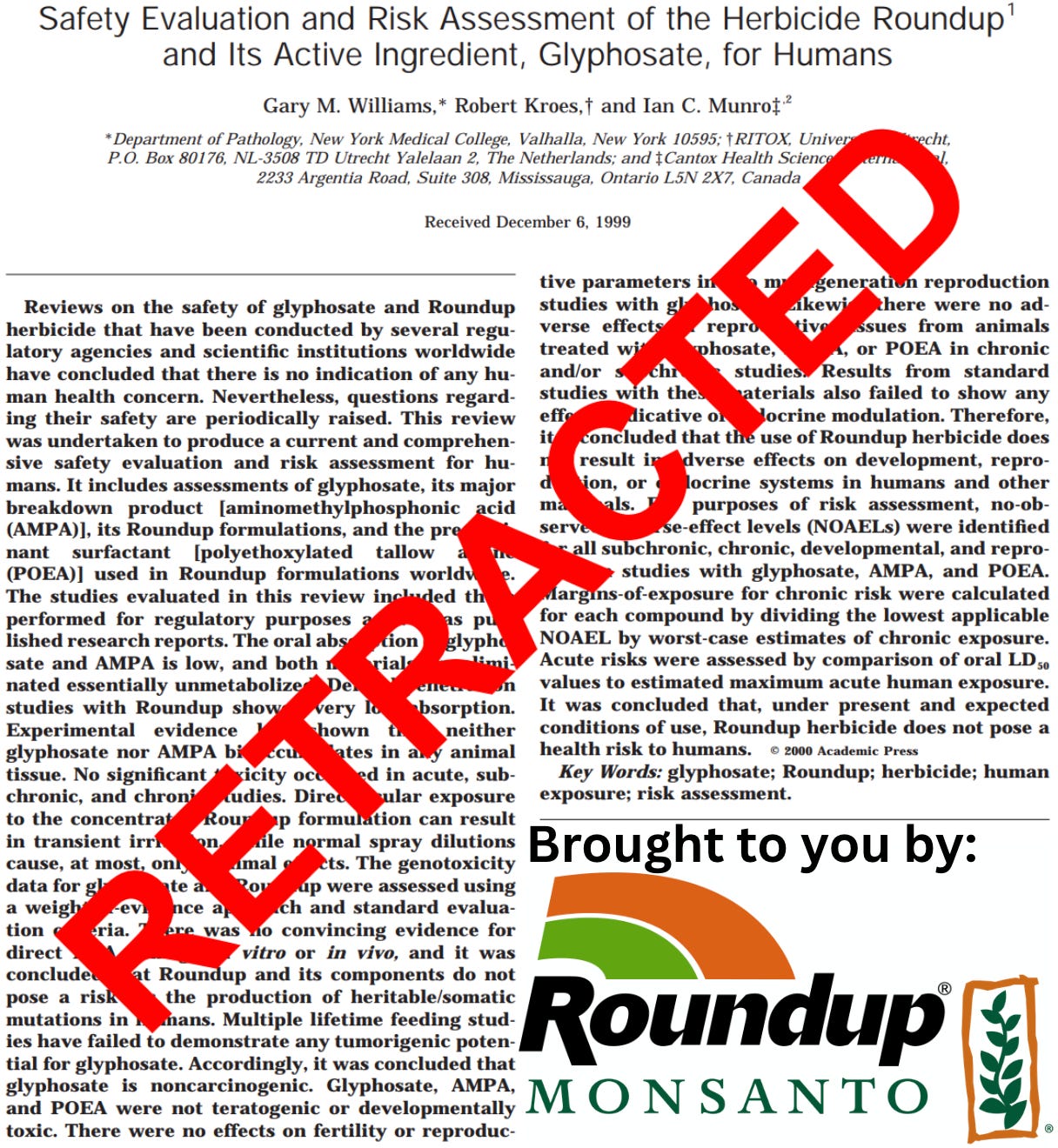
Glyphosate “Safety” Study Ghostwritten by Monsanto Retracted After 25 Years of Deception

EWNZ comment: do review our glyphosate pages at the main menu. I looked at this topic in the Rangitikei during 2013-2016, attempting to switch the council’s weed control to steam. At the end of the day, it appears that councils NZ wide prefer to use poison … surprised? Comfortably in bed with Agrichem.


Millions of pounds of glyphosate were approved, defended, and sprayed worldwide on the basis of a paper we now know was fundamentally compromised and scientifically invalid.


Nicolas Hulscher, MPH

In a long-overdue move, Regulatory Toxicology and Pharmacology has formally retracted the landmark 2000 glyphosate “safety” review by Williams, Kroes, and Munro — a paper Monsanto and global regulators have relied on for decades to assert that Roundup poses no carcinogenic risk to humans.

Crucially, the Editor-in-Chief confirms that Monsanto employees likely secretly wrote substantial portions of the paper, despite never being listed as authors or acknowledged — a revelation uncovered through U.S. litigation.

The retraction states that the article’s integrity has collapsed entirely, citing undisclosed corporate authorship, omitted carcinogenicity data, financial conflicts of interest, and a complete failure by the surviving author to respond to the journal’s investigation.


THE RETRACTION

1. Based almost entirely on Monsanto’s unpublished studies
The review’s “no cancer risk” conclusion relied solely on Monsanto-generated data. Even worse, the authors ignored multiple long-term mouse and rat carcinogenicity studies that already existed at the time — including multi-year toxicity studies showing tumor signals. None were incorporated.

2. Evidence of ghostwriting by Monsanto
Litigation records revealed that Monsanto employees secretly co-wrote portions of the paper, despite never being listed as authors or acknowledged. This alone violates the most basic principles of scientific integrity.

3. Undisclosed financial ties
The authors appear to have received direct compensation from Monsanto for producing the paper — again undisclosed, again violating journal standards.

4. Misrepresentation of authorship and contributions
By hiding Monsanto’s role, the paper created the illusion of independent scientific evaluation — even as corporate employees shaped the conclusions.

5. Regulatory capture revealed
This paper heavily influenced global risk assessments — including U.S. EPA, WHO/FAO, and Health Canada evaluations — setting the tone for “glyphosate is safe” messaging for more than two decades.


While I am strongly opposed to politically motivated retractions and scientific censorship, this retraction was unquestionably warranted. The integrity failures were not ideological — they were structural, factual, and undeniable.

And the independent evidence that has emerged since 2000 only underscores how dangerous that original “all clear” truly was.

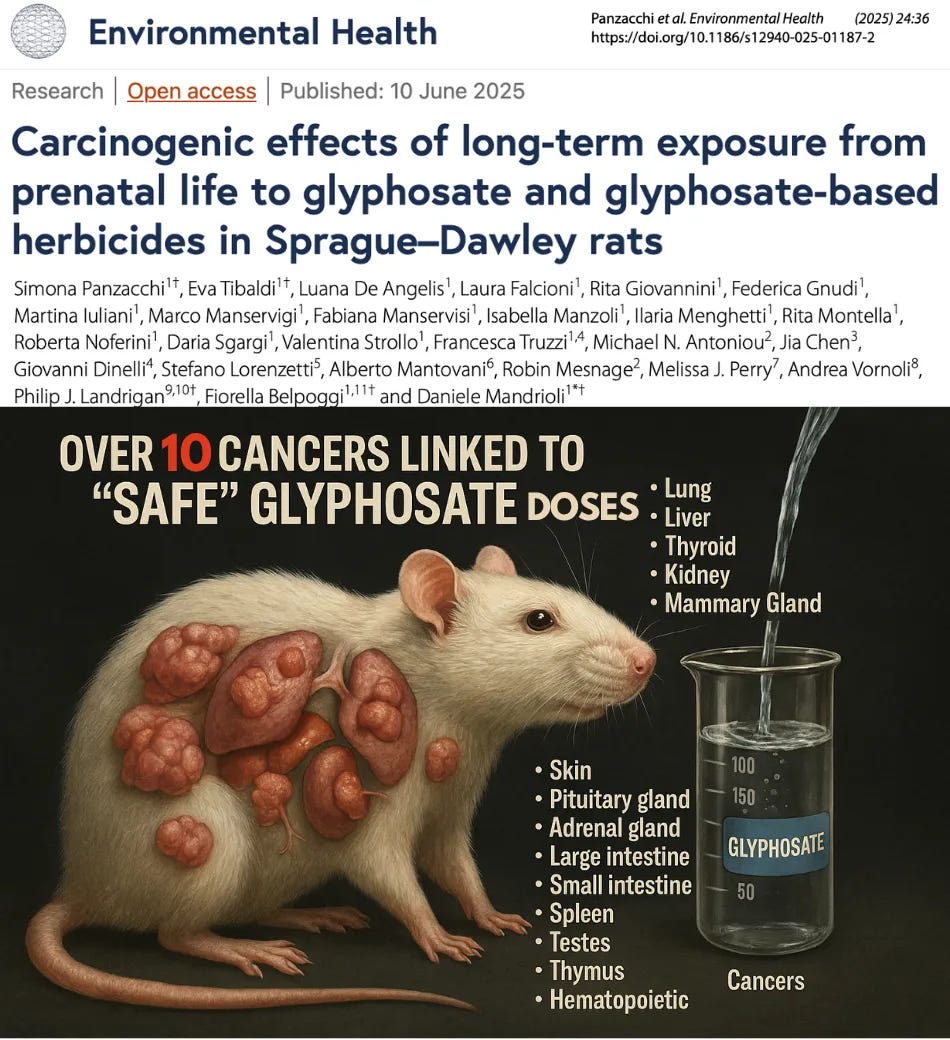
recent controlled animal study demonstrated that glyphosate and Roundup can induce rare, aggressive, and fatal cancers across multiple organs — even at doses considered “safe” by U.S. and EU regulatory thresholds. These findings directly contradict the original review’s core conclusions.

World’s Top Herbicide Linked to Over 10 Distinct Cancers at "Safe" Doses in Landmark Study

World’s Top Herbicide Linked to Over 10 Distinct Cancers at “Safe” Doses in Landmark Study

Nicolas Hulscher, MPH
Jun 17

Read full story

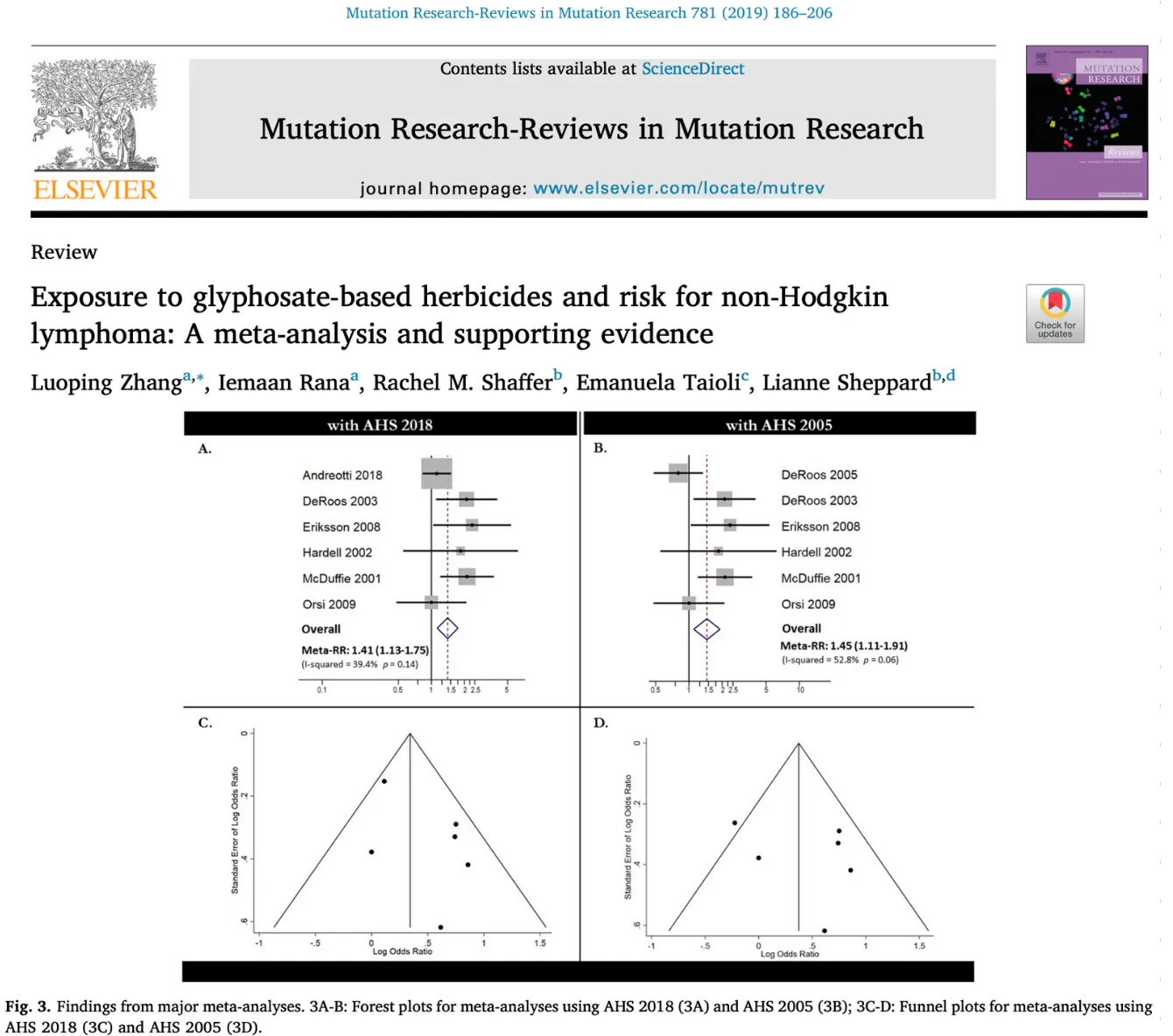
Zhang et al found a statistically significant association between glyphosate exposure and increased risk of non-Hodgkin lymphoma in humans. Their 2019 meta-analysis pooled data from over 65,000 participants across six studies—including more than 7,000 NHL cases—and reported a 41% increased risk of non-Hodgkin lymphoma among those with the highest glyphosate exposure:

In other words, independent science was pointing to serious cancer risks while Monsanto’s fraudulent ghostwritten review was actively minimizing them.

Millions of pounds of glyphosate were approved, defended, and sprayed across the world on the basis of a review that we now know was fundamentally compromised and scientifically invalid.

The collapse of this paper is not just a correction, it is an indictment of an entire regulatory era built on deception.


Nicolas Hulscher, MPH

Epidemiologist and Foundation Administrator, McCullough Foundation

Support our mission: mcculloughfnd.org

Please consider following both the McCullough Foundation and my personal account on X (formerly Twitter) for further content.

Glyphosate Found in Eggs, Chicken Sold in Grocery Stores Traced to GMO Poultry Feed

Note: some years back (at least 6) I inquired of two NZ companies that produced chickens and pork, whether they fed their produce GM feed. Both replied they couldn’t rule that out as the feed was not labeled GM. EWNZ

Posted on Sep 10 2025 – by Sustainable Pulse

A scientific review in World’s Poultry Science Journal highlights the adverse health effects on avian species from exposure to the widely used weedkiller glyphosate (Roundup) throughout the process of poultry production. The herbicide enters the poultry production system through residues in genetically engineered feed, Beyond Pesticides reported.

An earlier article in Scientific Reports concludes that glyphosate’s (GLP) “widespread application on feed crops leaves residues in the feed,” while residues are “found to be common in conventional eggs acquired from grocery stores.”

In analyzing the biochemical, toxicological and ecological impacts of glyphosate on poultry, particularly chickens, the authors find a wide body of evidence linking glyphosate and its metabolite (breakdown product) aminomethylphosphonic acid (AMPA) to debilitating hazards that extend beyond mortality.

These sublethal effects include disruption of the gut microbiome and gastrointestinal disease; decreased productivity and diminished reproductive health; hepatic and kidney toxicity; growth and developmental impacts, including teratogenicity and embryotoxicity; endocrine disruption and oxidative stress; and impaired immune functions.

The effects of glyphosate, as have long been documented in the scientific literature, range from negative impacts on biodiversity and the environment to food safety risks and human health implications.

Glyphosate Box

Glyphosate Residue Free Certification for Food Brands – Click Here

Test Your Food and Water at Home for Glyphosate – Click Here

Test Your Hair for Glyphosate and other Pesticides – Click Here to Find Our Your Long-Term Exposure

Residues of both glyphosate and AMPA “have been detected in soil, crops, animal feed, poultry, and water sources, prompting scrutiny of their long-term effects,” the authors state.

They continue:

“Studies indicate that glyphosate disrupts enzymatic pathways, particularly by inhibiting the cytochrome P450 system, leading to oxidative stress, endocrine disruption, and mitochondrial dysfunction.

“It has been linked to liver and kidney toxicity, gut microbiota alterations, reproductive harm, developmental defects, and possible carcinogenicity, though regulatory agencies remain divided on its classification as a carcinogen.”

The International Agency for Research on Cancer, a part of the World Health Organization, has classified glyphosate as having cancer-causing properties, as have independent peer-reviewed scientific studies.

The ubiquitous nature of glyphosate residues throughout the environment and within organisms is a result of the widespread application of this toxic chemical in forestry, agriculture, landscaping and gardening.

Over 750 herbicides contain glyphosate as the active ingredient, and it also plays a large role in the production of genetically modified (GM) crops, “with approximately 80% of GM crops bred specifically for GLP tolerance.”

Glyphosate-based herbicide formulations contain not only glyphosate but also other inert (undisclosed) ingredients, such as adjuvants that increase toxicity.

A common adjuvant in glyphosate-based herbicide products is polyethoxylated tallow amine (POEA), which researchers have found can kill human cells, particularly embryonic, placental and umbilical cord cells.

Effects on poultry

Glyphosate residues in animal feed, as well as in water and through other exposure routes, pose risks to both animal and human health, as these residues can bioaccumulate and biomagnify throughout the food chain.

With a high reliance on corn and soybeans in the diets of poultry, GM crops are a significant source of exposure for these animals.

“The presence of GLP residues in poultry feed raises concerns about potential health effects on birds, including disruptions in gut microbiota, oxidative stress, and overall productivity,” the authors write.

They continue:

“Globally, approximately 57% of maize grain and 85% of soybean production are directed towards animal feed. Several studies have investigated the effects of feeding glyphosate-tolerant GM crops to various livestock species.

“Research has included dairy cows, cattle, and chickens, highlighting the potential impact of glyphosate residues on poultry growth performance, immune function, and reproductive health.”

Hepatic and kidney toxicity

Studies show that the kidney and liver are among the first organs to be affected by alimentary poisoning/foodborne illness. Additional research shows glyphosate residues in food can then impact various systems in animals, including the liver, intestine, kidney, and lung, as well as alter enzyme activity.

In a study of hatched chickens exposed to glyphosate alone and in Roundup shows “histopathological alterations in the kidneys and liver, along with imbalances in serum parameters and various biochemical changes in these organs, which could potentially impair their function.”

Oxidative stress

Exposure to glyphosate can induce oxidative stress and lipid, protein, and DNA damage. Previous research shows how glyphosate and AMPA are genotoxic and linked to oxidative damage.

One study shows that glyphosate increases the generation of reactive oxygen species in the liver and small intestine of chickens. Chronic exposure to products containing glyphosate in broiler breeders (stock chickens) weakens eggshells and delays embryo organ growth, with oxidative stress as the cause.

Gastrointestinal toxicity

Glyphosate diminishes the bioavailability of cytochrome (CYP) enzymes, which are crucial for metabolism, in the organs of chickens. One study shows that glyphosate specifically inhibits CYP P450 enzymes in chickens’ livers and small intestines.

Chicks exposed to glyphosate also have compromised liver function and altered lipid metabolism, further causing oxidative stress and deposits of fat in blood and liver tissues due to heightened expression of lipogenesis-related genes, as a result of its disruptive effect on cytochrome P450 enzymes.

Additional studies show disruption of the gut microbiome in livestock and poultry, where glyphosate reduces beneficial bacteria and enhances resistance in pathogenic strains.

These impacts can lead to the onset of chronic gastrointestinal diseases. In a study of the intestinal structure of chicks, glyphosate has been shown to impair the intestines, reduce antioxidant capacity, induce inflammation and cause the downregulation of genes in the small intestine.

Impact on reproduction

Previous research shows that chronic exposure to herbicides containing glyphosate can impact the survival, growth, activity and reproduction of organisms, including chickens.

study of roosters with chronic, subtoxic exposure to glyphosate shows reduced plasma testosterone and a decline in their reproductive peak.

Another study finds “significant effect on the histopathological [diseased tissue] characteristics of the rooster testes as well as sperm motility, the key determinant of rooster sperm quality.”

Additional research shows altered sperm in roosters when fed a diet containing glyphosate that leads to “metabolic disorders in the offspring, most likely due to epigenetic effects.”

Glyphosate implications for productivity and performance

Several studies have classified glyphosate-based herbicide formulations as teratogenic, causing developmental abnormalities in a fetus or embryo, and embryotoxic, causing harm or death to embryos during development.

In a study of quails, glyphosate was found to accumulate inside the eggs, causing damage to lipids (fats) in the brains of the developing embryos. This study also reveals that residues of glyphosate in food also slow plumage development and linger in eggs, muscles and livers of the birds.

Another study of chickens shows “exposure to GLP led to a significant reduction in the expression of key productivity-related genes.”

Exposure directly in the eggs of chickens to glyphosate-based herbicides induces teratogenic effects with negative effects on embryonic growth and development, as well as embryo mortality.

Changes in blood parameters, adverse effects on digestive tract development and reduced body weight are noted in chickens exposed to glyphosate.

Reproductive and developmental impacts regarding eggshell quality and embryo development are also associated with levels of both glyphosate and AMPA within egg yolk.

Yet another study shows that a decline in hatchability is associated with higher levels of glyphosate residues in feed among broiler breeders.

Regulatory deficiencies and the organic solution

Despite mounting scientific evidence that continues to link glyphosate to adverse effects in a wide range of species, current regulations fail to protect health and the environment.

The regulatory processes, such as those utilized by the U.S. Environmental Protection Agency (EPA), also ignore factors that enhance the toxicity of these already harmful chemicals, such as synergy, mixtures and inert ingredients.

“Current safety evaluations mostly concentrate on glyphosate in isolation, overlooking the synergistic toxic effects of commercial formulations and their capacity for bioaccumulation in adipose tissues,” the authors point out.

They continue:

“Furthermore, the heightened toxicity of commercial glyphosate formulations, influenced by co-formulants such as POEA, in conjunction with glyphosate’s interference with gut microbiota, cytochrome P450 enzymes, and endocrine functions, emphasises the necessity for cumulative risk assessments and long-term studies that account for species variability, bioaccumulation, and synergistic effects.”

These inadequacies in the regulation of petrochemical pesticides and synthetic fertilizers support the urgent need for the widespread adoption of safer alternatives.

SOURCE

Image by Franz W. from Pixabay

Forest & Bird Say 1080’s as Safe to Eat as a Packet of Crisps … and DOC says it’s Deadly to Dogs?

Here is a repost from 2016 … on the topic of poisons and the general ignorance of folk concerning their hidden effects … remember the ‘safe and effective’ mantra that wasn’t? EWNZ

Kiwi farmers are still poisoning their fields with a Bayer/Monsanto product that has involved multi billion dollar settlements

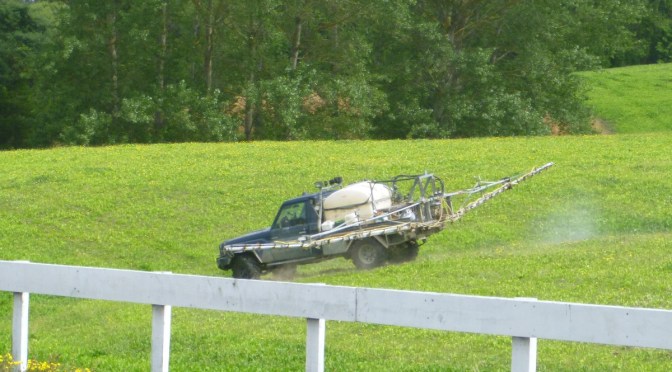
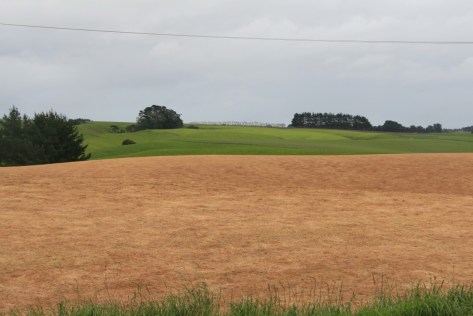
Travelling about the NZ countryside recently I noticed the familiar yellow fields I used to think were attractive. Until I discovered they’d been sprayed with Roundup, the herbicide that farmers tell me, is so harmless you could drink it.

glyphosate sprayed fields
Manawatu field sprayed with Herbicide

Sounds a bit like the ‘safe and effective’ mantra. Well it turns out Roundup is far from either of those terms. Why will farmers not read the independent research? Or follow the precautionary principle. Any doubt whatsoever about safety? wait until it is proven safe.

Roundup is manufactured by Bayer (formerly Monsanto… read their history … who have morphed into oblivion) and one of its ingredients so harmful to us all is glyphosate. There is a ton of independent research now (including law suits) that should make you avoid it at all costs. US Legal firm Wisner Baum helped negotiate over $11 billion in settlements against Bayer, securing multi-billion dollar jury verdicts for its clients. They state at their website:

Roundup is a widely used herbicide whose active ingredient is glyphosate. The International Agency for Research on Cancer (IARC) — part of the World Health Organization — classifies glyphosate as a probable human carcinogen. Thousands of people across the U.S. have alleged that long‑term exposure to glyphosate (in Roundup and similar products) caused them to develop non‑Hodgkin lymphoma (NHL) and other serious illnesses.

A NZ tertiary agricultural textbook has long instructed farmers to spray Roundup on their fields then plow it under. The text book is called Pasture Doctor and can be found on Amazon here. (Small wonder farmers still think it’s safe. Why would the University lie to them? ) There used to be a preview option of that book from which I screenshot the pages recommending spraying, however that option has now disappeared. (I lost the screenshots some time ago unfortunately). Of note, it was a University lecturer who told me in the 1980s that corporations would one day control governments. Predictive programming at its finest.

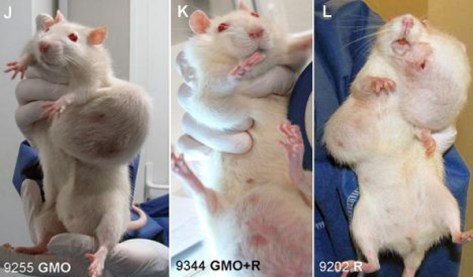
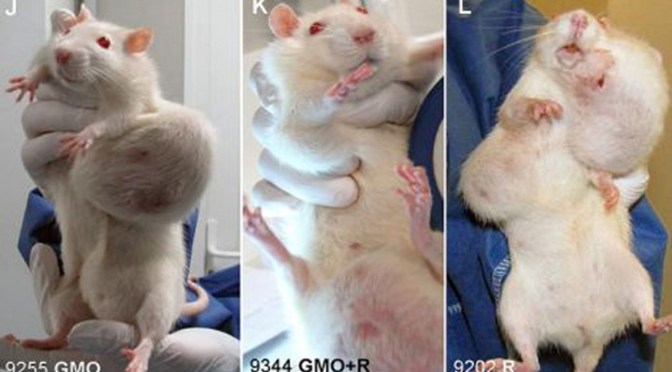
Prof Seralini's experiment with glyphosate and rats
The Seralini Rats

Professor Seralini (from France) conducted a two year experiment (2011) examining glyphosate and GMO food, his team fed transgenic corn to lab rats that produced in them multiple tumours. But of course Monsanto produced ‘evidence’ claiming the rats they used were the wrong kind, casting aspersions on the whole study. (Refuted here). Wiki predictably called it the Seralini ‘affair’. I would prefer to believe the Professor any day. You can watch the 12 minute Seralini video below. There is a transcript at the source on YouTube.

A French court ruled in 2009 that Monsanto has lied about the safety of Roundup (ie it is not biodegradable as claimed, a bit like the claims made about deadly 1080). 

US Tertiary level lecturer of 55 years experience in agriculture, Professor Emeritus of Plant Pathology (Dr Don Hubert) calls Glyphosate one of the most toxic substances on the planet.

The Physicians & Scientists for Global Responsibility (PSGR) supply a long list of research citing concerns about glyphosate here.

Hear also, NZ’s Dr Meriel Watts speaking on glyphosate.

“We don’t want to wait until we have exposed enough people to a chemical in order to prove that it’s carcinogenic. When we hit that point, we have hit a failure in the regulatory process.” – Dr. Lynn Goldman,
National Research Council Report Review Committee Member

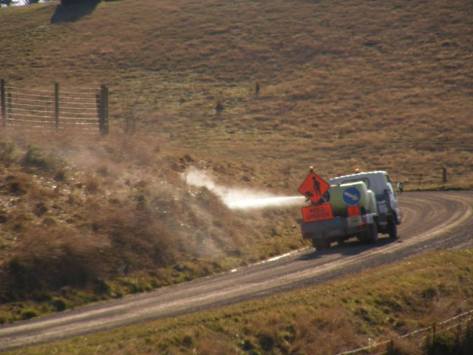
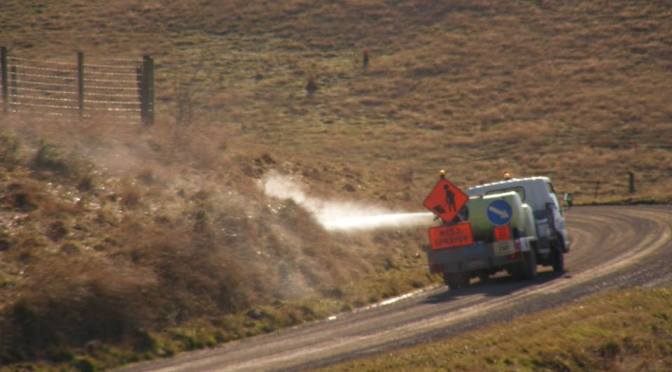
glyphosate spraying on fields in nz
Many Councils in NZ spray the roadsides with glyphosate. (Photo credit: Marian Sutherland)

For some time I and other interested folk appealed to the local Rangitikei District Council asking them to drop the use of glyphosate/Roundup on Council lands, streets, parks and so on. There were some concessions made about signage warning the public of spraying and so on but as to ceasing altogether they declined. There was evidence cited of the use of steam in Auckland to combat weeds which was only minimally dearer than Roundup. No go. I approached a person spraying for Council one time and asked why he didn’t wear protective clothing as recommended by the manufacturer. He told me he didn’t want to scare the public.

To educate yourself on the long list of studies and the experts who have spoken out against glyphosate and Roundup check out these pages (glyphosate is in other herbicides as well, check the labels, and consider organic alternatives if you must spray) :

Glyphosate

Glyphosate/GMO videos

Glyphosate Toxicity: What You Need to Know

Links between Glyphosate and a Multitude of Cancers that are “Reaching Epidemic Proportions” from GlobalResearch.ca

Search in ‘categories’ for ‘glyphosate’ (categories is found at the top left hand side of the news page). Alternatively type glyphosate into the search box (top right hand side).

In Spite of Billions of Dollars in Lawsuits EU Commission Votes to Keep Glyphosate Another 10 Years

No surprises really, in light of their blatant denial of all Prof Seralini’s work! (and many others). You cannot believe a word from lying Monsanto cum Bayer … EWNZ

Professor Seralini's tumour infested rats
Prof Seralini’s tumour ridden rats fed daily with minute amounts of glyphosate

Article posted at mercola.com

Despite a growing block of opposition to it, the European Union has voted to give glyphosate another 10 years of life for use with crops grown with chemicals like Roundup.

Originally a Monsanto product, Bayer now owns Roundup, along with billions of dollars in lawsuits of consumers claiming the herbicide caused their cancers. “Bayer bought Monsanto for $63 billion in 2018 and … announced it would pay up to $10.9 billion to settle about 125,000 filed and unfiled claims,” Yahoo! said.

The EU’s extension of glyphosate’s approval for another 10 years could still be challenged, as Greenpeace vowed to continue pushing to get it banned. While proponents argue that there is nothing to fear with glyphosate, and “no viable alternatives,” Greenpeace insists it is carcinogenic, citing studies supporting their stance. It also is harmful to bees, Greenpeace says.

SOURCE:

Yahoo! The Canadian Press November 16, 2023

Bayer Ordered to Pay $332 Million in Roundup Trial

In its ongoing saga of losses in lawsuits with people who say their cancer was caused by the herbicide Roundup, Bayer has lost another round, to the tune of $332 million.

Bayer acquired the Roundup lawsuits with its purchase of Monsanto. According to Reuters, this is the third such loss for Bayer in a month. The current loss reflects $7 million in compensatory damages and $325 million in punitive damages for Mike Dennis, who was diagnosed at age 51 with a form of non-Hodgkin lymphoma.

Bayer paid $63 billion for Monsanto in 2018; since then, it’s settled lawsuits in the amount of $10.9 billion. It still has another 40,000 Roundup cases to go.

SOURCE:

Reuters October 31, 2023

https://blogs.mercola.com/sites/vitalvotes/archive/2023/11/01/bayer-ordered-to-pay-332-million-in-roundup-trial.aspx

Childhood Exposure to Glyphosate Linked to Liver Inflammation and Metabolic Disorder

NZ has for many years sprayed glyphosate extensively over farmlands as recommended in NZ’s Ag text books. Farmers (Councils and just about everybody else) believe it is harmless. EWNZ

From sustainablepulse.com

New research from the UC Berkeley School of Public Health in the U.S. shows that childhood exposure to the world’s most widely used weed killer, glyphosate, is linked to liver inflammation and metabolic disorder in early adulthood, which could lead to liver cancer, diabetes, and cardiovascular disease later in life.

The study of 480 mother-child duos from the Salinas Valley, California—a rich agricultural region that locals call “The World’s Salad bowl”—was published in Environmental Health Perspectives, a journal of the National Institute of Environmental Health Sciences.

The researchers, led by Brenda Eskenazi, director of the UC Berkeley School of Public Health’s Center for Environmental Research and Community Health (CERCH), examined the agricultural use of glyphosate near the homes of the mothers during pregnancy and in the children up to age 5 years; and also measured glyphosate and AMPA, a degradation product of glyphosate and amino-polyphosphonates, in their urine (collected from mothers during pregnancy and from children at ages 5, 14, and 18 years). They assessed liver and metabolic health in the children when they were 18 years old.

The authors reported that higher levels of glyphosate residue and AMPA in urine in childhood and adolescence were associated with higher risk of liver inflammation and metabolic disorders in young adulthood. In addition, the investigators found that agricultural glyphosate use near participants’ homes from birth and up through age five was associated with metabolic disorders at age 18. They reported that diet was likely a major source of glyphosate and AMPA exposure among study participants, as indicated by higher urinary glyphosate or AMPA concentrations among those adolescents who ate more cereal, fruits, vegetables, bread, and in general, carbohydrates.

Glyphosate Box

Glyphosate Residue Free Certification for Food Brands – Click Here

Test Your Food and Water at Home for Glyphosate – Click Here

Test Your Hair for Glyphosate and other Pesticides – Click Here to Find Our Your Long-Term Exposure

Glyphosate is used routinely on genetically modified crops such as corn, soybeans and wheat, as well as oats, legumes and other produce. It is also present in many lawn care products for home and commercial use.

The debate over the impact of glyphosate and AMPA on human health has been contentious. In 2015, the International Agency for Research on Cancer (IARC) classified glyphosate as “probably carcinogenic to humans,” but the U.S. Environmental Protection Agency reports no evidence of human health risk. However, most previous glyphosate research has focused on glyphosate’s potential carcinogenicity. This is the first time that researchers have examined the potential connection between early life exposure to glyphosate—whose use has markedly increased over the past two decades—and metabolic and liver disease, both of which are increasing among children and young adults.

The impetus for this study came from Salinas physician Charles Limbach, who was alarmed by the growing number of local youths with liver and metabolic diseases. Dr. Limbach wondered if the increasing public exposure to glyphosate might be a factor. He teamed up with Paul J. Mills, a UC San Diego professor and author of a previous study showing an association between higher levels of glyphosate residue and AMPA in adults and non-alcoholic fatty liver disease. The two men then approached Professor Eskenazi, who is also the founder of the Center for the Health Assessment of Mothers and Children of Salinas (CHAMACOS), the longest running longitudinal birth cohort investigation on the health effects of pesticides and other environmental exposures among children in a farmworker community. The CHAMACOS researchers reached back into their “library” of frozen biological samples from mother and child dyads, along with more than 20 years of exposure data and health records.

“The study’s implications are troubling,” said Dr. Ana Maria Mora, a CERCH investigator and coauthor, “as the levels of the chemicals found in our study participants are within the range reported for the general U.S. population.”

Professor Eskenazi recommends that the use of glyphosate should be limited to essential use while further studies are conducted. “There’s no reason why anyone should be using glyphosate on their lawn,” she said. “It shouldn’t be sold over the counter in a nursery.”

The study published in Environmental Health Perspectives was funded by NIH, NIEHS, NIDA, and the EPA. Additional support came from The Solomon Dutka Fund in the New York Community Trust and The Westreich Foundation.

SOURCE

Spotlight Again on World’s Most Widely Used Weed Killer, Defended as Always by the Chemical Companies

Clean Green NZ of course loves glyphosate. A well used Ag text book called Pasture Doctor advocates spraying the fields which stock will graze on. Try and tell NZ farmers it’s a likely carcinogen (as close as the authorities will get to describing it as dangerous) … they don’t want to know. Read our Glyphosate pages and articles, particularly the work of Prof Séralini. EWNZ


From sustainablepulse.com

It’s been a little over five years since I last visited Brussels, Belgium as an invited guest of the European Parliament to testify about my 20 years of researching and reporting on the world’s most widely used herbicide – glyphosate. The chemical is best known as the active ingredient in Monsanto’s Roundup brand.

Source: UnSpun By Carey Gillam

The Parliament subsequently voted to ban glyphosate, and the European Commission only narrowly missed confirming that sentiment when Germany’s agriculture minister contradicted German leadership by casting the deciding vote that kept glyphosate on the market. (A few months later German-based Bayer bought Monsanto. Just a coincidence, right?)

But the renewal came with a caveat – the license would be reviewed again after five years, and that is where the European Union sits now, once again locked into a debate over both the safety of glyphosate and what the agricultural industry says is the necessity of glyphosate.

So here I am again – back in Brussels as a new vote looms later this year. The battle lines are drawn as they always seem to be: independent scientists, health advocates and environmentalists are advocating for a ban based on evidence the chemical can cause cancer and other health problems, while the chemical companies that profit from glyphosate sales and industry-backed farm groups are pushing for continued uninterrupted use, saying the concerns lack valid science and that glyphosate is essential to agriculture.

I was fortunate to be invited back to Brussels as part of a group associated with a new, award-winning documentary film called Into the Weeds, which presents many of the grim details laid out in my two books (Whitewash and The Monsanto Papers). The saga is one of corrupted regulators that favor corporate science over independent research; the overwhelming amount of independent scientific evidence tying glyphosate to myriad health and environmental harms; and the devastation wrought on countless human lives. (Disclosure: Filmmaker Jennifer Baichwal bought the documentary rights to the books and lists me in credits as “story consultant.”)

The film screened Wednesday evening in Brussels to a packed house; earlier our group spent time at the European Parliament, the EU’s lawmaking body.

A “crucial” time

The screening coincided with #STOPGlyphosate Week, a campaign by various environmental groups, including Pesticide Action Network Europe.

In an address opening the film, Anja Hazekamp, a Member of the European Parliament (MEP) who supports a glyphosate ban, said the next months will be “crucial.” She called on the European Commission to “finally start protecting humans, animals and the environment.”

“Despite all the evidence that glyphosate is a threat for the health of animals, humans and the environment, the European Commission keeps reauthorizing this terrible pesticide,” Hazekamp said. “At the end of this year the European Commission will finally make a long-term decision on glyphosate, and it is therefore of paramount importance that the facts presented in this documentary are finally taken on board by the European Commission and the other policy makers.”

Accompanying the film to Brussels was scientist Chris Portier, a former director of the National Center for Environmental Health at the US Centers for Disease Control and Prevention, and a former director of the Agency for Toxic Substances and Disease Registry. Prior to CDC, Portier was with the National Institute of Environmental Health Sciences where he served as director of the Environmental Toxicology Program.

Glyphosate Box

Glyphosate Residue Free Certification for Food Brands – Click Here

Test Your Food and Water at Home for Glyphosate – Click Here

Test Your Hair for Glyphosate and other Pesticides – Click Here to Find Our Your Long-Term Exposure

Portier participated as an expert during the World’s Health Organization’s cancer agency review of glyphosate in 2015 that classified glyphosate as probably carcinogenic to humans.

In Brussels he told attendees to the film screening how regulators repeatedly have bent the rules to ignore or twist scientific findings in ways that allow them to keep glyphosate on the market. He reiterated what he has said countless times – that extensive scientific evidence ties the chemical to cancer. Portier has been an expert witness for plaintiffs in multiple lawsuits against Monsanto brought by people alleging they developed cancer due to Roundup exposure.

More than a cancer concern

Also speaking in Brussels as part of the group supporting the film was scientist Daniele Mandrioli, coordinator of research on glyphosate at the Ramazzini Institute of Bologna, Italy.

Mandrioli said new research results show various harmful health effects from glyphosate exposure at levels currently considered to be safe by European standards.

Mandrioli told members of the European Parliament that the ongoing “Global Glyphosate Study” has recently confirmed in humans prior alarming findings found in animals – that glyphosate can have disruptive effects on sexual development in newborns. Among the observations were disruptions to the endocrine system, including increased testosterone levels in females exposed to glyphosate. The researchers found an “elongation of anogenital distance, which anticipates different potential problems” correlated with hormone imbalance in newborns that could impair development, Mandrioli said.

As well, glyphosate exposure at doses considered safe trigger alterations in the microbiome, impacting beneficial gut bacteria and fungi at doses considered safe.

“When disrupted, many metabolic conditions, many diseases, have been connected with these alterations,” Mandrioli said in a press conference before meetings at Parliament. The evidence is “solid,” he said.

“We are providing evidence for the all the global population,” he said.

Also in Brussels with our group was Dewayne “Lee” Johnson, the California groundskeeper who sprayed large quantities of RangerPro, a highly concentrated version of Roundup, and who became the first plaintiff to win a court case alleging the glyphosate-based products cause cancer. I chronicle Johnson’s battles – against cancer and against Monsanto – in my second book, and his story is featured in the new film.

Johnson shared his experiences with Parliament members and in a panel discussion after the film, urging action to protect people from having to endure the injustice that comes with cancers that could be prevented.

It is a miracle of modern medicine that Johnson, the father of two teenage sons, is still alive. Before the 2018 trial against Monsanto, doctors told him he would certainly be dead within 18 months. When I first met him several years ago, he was in near-constant agony as cancerous lesions covered his entire body, and even the slightest movement of clothing across his fragile skin burned like fire. He told me then that he was determined to outlive his dire diagnosis, and so far, through a combination of regular radiation and chemo treatments, Johnson has thwarted death just as he thwarted Monsanto’s efforts to beat his argument that exposure to the company’s weed killer caused his disease.

Still, he has lost too many days and nights – years – struggling through immense pain and fear, and with the knowledge that his family lives with the fact that they could lose him all too soon. His story is heart-breaking, noted by the tears shed in the audience at the screening Wednesday night.

But he is only one of too many who have suffered and continue to suffer.

In the months ahead, Europe has a chance to change that.

SOURCE

The dark history of the Monsanto Corporation Part 2 (think ‘Roundup’)

Part 1 go here. I’m reviewing all the old archives I’ve saved over the past 10 years. So many now have gone from the internet, some found again after a bit of searching. Some very interesting reads along the way too, in light of what has happened over the past three years. I’ll be posting more … and in case you still think Roundup’s a great and ‘safe as’ product this one is a must read…note also Monsanto morphed of course into Bayer. Check out our Glyphosate pages in main menu. … EWR


Continuing from Part 1:
Over Monsanto’s 110-year history (1901-2013), Monsanto Co (MON.N), the world’s largest seed company, has evolved from primarily an industrial chemical concern into a pure agricultural products company. MON profited $2 billion dollars in 2009, but their record profits fell to only $1 billion in 2010 after activists exposed Monsanto for doing terribly evil acts like suing good farmers and feeding uranium to pregnant women. Below is the second half of a timeline detailing Monsanto’s dark history:

1953: Toxicity tests on the effects of 2 PCBs showed that more than 50% of the rats subjected to them DIED, and ALL of them showed damage.

1954: Monsanto partnered with German chemical giant Bayer to form Mobay and market polyurethanes in the USA.

1955: Monsanto acquired Lion Oil refinery, increasing its assets by more than 50%. Stockholders during this time numbered 43,000. Monsanto starts producing petroleum-based fertilizer.

1957: Monsanto moved to the suburban community of Creve Coeur, having finally outgrown its headquarters in downtown St. Louis, Missouri.

1957-1967: Monsanto was the creator of several attractions in Disney’s Tommorrowland. Often they revolved around the the virtues of chemicals and plastics. Their “House of the Future” was constructed entirely of plastic, but it was NOT biodegradable. “After attracting a total of 20 million visitors from 1957 to 1967, Disney finally tore the house down, but discovered it would not go down without a fight. According to Monsanto Magazine, wrecking balls literally bounced off the glass-fiber, reinforced polyester material. Torches, jackhammers, chain saws and shovels did not work. Finally, choker cables were used to squeeze off parts of the house bit by bit to be trucked away.”

1959: Monsanto sets up Monsanto Electronics Co. in Palo Alto, begins producing ultra-pure silicon for the high-tech industry, in an area which would later become a Superfund site.

1960: Edgar Queeny turned over the chair of Monsanto to Charles Thomas, one of the founders of the research and development laboratory so important to Monsanto. Charlie Sommer, who had joined Monsanto in 1929, became president. According to Monsanto historian Dan Forrestal, “Leadership during the 1960s and early 1970s came principally from … executives whose Monsanto roots ran deep.” Under their combined leadership Monsanto saw several important developments, including the establishment of the Agricultural Chemicals division with focus on herbicides, created to consolidate Monsanto’s diverse agrichemical product lines.

1961-1971: Agent Orange was a mixture of 2,4,5-T and 2,4-D and had very high concentrations of dioxin. Agent Orange was by far the most widely used of the so-called “Rainbow Herbicides” employed in the Herbicidal Warfare program as a defoliant during the Vietnam War. Monsanto became one of 10-36 producers of Agent Orange for US Military operations in Vietnam. Dow Chemical and Monsanto were the two largest producers of Agent Orange for the U.S. military. The Agent Orange produced by Monsanto had dioxin levels many times higher than that produced by Dow Chemicals, the other major supplier of Agent Orange to Vietnam. This made Monsanto the key defendant in the lawsuit brought by Vietnam War veterans in the United States, who faced an array of debilitating symptoms attributable to Agent Orange exposure. Agent Orange is later linked to various health problems, including cancer. U.S. Vietnam War veterans have suffered from a host of debilitating symptoms attributable to Agent Orange exposure. Agent Orange contaminated more than 3,000,000 civilians and servicemen. According to Vietnamese Ministry of Foreign Affairs, 4.8 million Vietnamese people were exposed to Agent Orange, resulting in 400,000 deaths and disabilities, plus 500,000 children born with birth defects, leading to calls for Monsanto to be prosecuted for war crimes. Internal Monsanto memos show that Monsanto knew of the problems of dioxin contamination of Agent Orange when it sold it to the U.S. government for use in Vietnam. Look at what the “EFFECTS” of agent orange look like… keep in mind it was used to remove leaves from the trees where AMERICAN SOLDIERS were breathing, eating, sleeping.

1962: Public concern over the environment began to escalate. Ralph Nader’s activities and Rachel Carson’s book Silent Spring had been influential in increasing the U.S. public’s awareness of activities within the chemical industry in the 1960s, and Monsanto responded in several ways to the pressure.

1962: Monsanto’s European expansion continued, with Brussels becoming the permanent overseas headquarters.

1964: Monsanto changed its name to Monsanto Company in acknowledgment of its diverse product line. The company consisted of 8 divisions, including petroleum, fibers, building materials, and packaging. Edward O’Neal became chairperson (came to Monsanto in 1935: with the acquisition of the Swann Corporation) was the first chair in Monsanto history who had not first held the post of president.

1964: Monsanto introduced “biodegradable” detergents.

1965: While working on an ulcer drug in December, James M. Schlatter, a chemist at G.D. Searle & Company, accidentally discovers aspartame, a substance that is 180x sweeter than sugar yet has no calories.

1965: AstroTurf (fake grass) was co-invented by Donald L. Elbert, James M. Faria, and Robert T. Wright, employees of Monsanto Company. It was patented in 1967 and originally sold under the name “Chemgrass”. It was renamed AstroTurf by Monsanto employee John A. Wortmann after its first well-publicized use at the Houston Astrodome stadium in 1966.

1965: The evidence of widespread contamination from PCBs and related chemicals has been accumulating and internal Monsanto papers show that Monsanto knew about the PCB dangers from early on.

1967: Monsanto entered into a joint venture with IG Farben = the German chemical firm that was the financial core of the Hitler regime, and was the main supplier of Zyklon-B gas to the German government during the extermination phase of the Holocaust; IG Farben was not dissolved until 2003.

1967: Searle began the safety tests on aspartame that were necessary for applying for FDA approval of food additives. Dr. Harold Waisman, a biochemist at the University of Wisconsin, conducts aspartame safety tests on infant monkeys on behalf of the Searle Company. Of the 7 monkeys that were being fed aspartame mixed with milk, 1 monkey DIED and 5 other monkeys had grand mal seizures.

1968: Edgar Queeny dies, leaving no heirs. Edward J. Bock (who had joined Monsanto in 1941 as an engineer) become a member of the board of directors in 1965, and became president of Monsanto in 1968.

1968: With experts at Monsanto in no doubt that Monsanto’s PCBs were responsible for contamination, Monsanto set up a committee to assess its options. In a paper distributed to only 12 people but which surfaced at the trial in 2002, Monsanto admitted “that the evidence proving the persistence of these compounds and their universal presence as residues in the environment is beyond question … the public and legal pressures to eliminate them to prevent global contamination are inevitable”. Monsanto papers seen by The Guardian newspaper reveal near panic. “The subject is snowballing. Where do we go from here? The alternatives: go out of business; sell the hell out of them as long as we can and do nothing else; try to stay in business; have alternative products”, wrote the recipient of one paper.

1968: Monsanto became the first organization to mass-produce visible LEDs, using gallium arsenide phosphide to produce red LEDs suitable for indicators. Light Emitting Diodes (LEDs) ushered in the era of solid-state lights. From 1968 to 1970, sales doubled every few months. Their products (discrete LEDs and seven-segment numeric displays) became the standards of industry. The primary markets then were electronic calculators, digital watches, and digital clocks.

1969: High overhead costs and a sluggish national economy led to a dramatic 29% decrease in earnings.

1969: Monsanto wrote a confidential Pollution Abatement Plan which admitted that “the problem involves the entire United States, Canada and sections of Europe, especially the UK and Sweden”.

1969: Monsanto produces Lasso herbicide, better known as Agent Orange, which was used as defoliant by the U.S. Government during the Vietnam War. “[Lasso’s] success turns around the struggling Agriculture Division,” Monsanto’s web page reads.

1970s: Monsanto was a pioneer of optoelectronics in the 1970s. Although Bock had a reputation for being a committed Monsanto executive, several factors contributed to his volatile term as president. Sales were up in 1970, but Bock’s implementation of the 1971 reorganization caused a significant amount of friction among members of the board and senior management. In spite of the fact that this move, in which Monsanto separated the management of raw materials from Monsanto’s subsidiaries, was widely praised by security analysts, Bock resigned from the presidency in February 1972.

1970: Cyclamate (the reigning low-calorie artificial sweetener) is pulled off the market in November after some scientists associate it with cancer. Questions are also raised about safety of saccharin, the only other artificial sweetener on the market, leaving the field wide open for aspartame.

December 18, 1970: Searle Company executives lay out a “Food and Drug Sweetener Strategy” that they feel will put the FDA into a positive frame of mind about aspartame. An internal policy memo describes psychological tactics Monsanto should use to bring the FDA into a subconscious spirit of participation” with them on aspartame and get FDA regulators into the “habit of saying Yes.”

1971: Neuroscientist Dr. John Olney (whose pioneering work with monosodium glutamate MSG was responsible for having it removed from baby foods) informs Searle that his studies show that aspartic acid (one of the ingredients of aspartame) caused holes in the brains of infant mice. One of Searle’s own researchers confirmed Dr. Olney’s findings in a similar study.

1972: The use of DDT was banned by U.S. Congress, due in large part to efforts by environmentalists, who persisted in the challenge put forth by Rachel Carson’s book Silent Spring in 1962, which sought to inform the public of the side effects associated with the insecticide, which had been much-welcomed in the fight against malaria-transmitting mosquitoes.

1973: Monsanto developed and patented the glyphosate molecule in the 1970s. Monsanto began manufacturing the herbicide Roundup, which has been marketed as a “safe”, general-purpose herbicide for widespread commercial and consumer use, even though its key ingredient, glyphosate, is a highly toxic poison for animals and humans.

1973: After spending tens of millions of dollars conducting safety tests, the G.D. Searle Company applies for FDA approval and submits over 100 studies they claim support aspartame’s safety. One of the first FDA scientists to review the aspartame safety data states that “the information provided (by Searle) is inadequate to permit an evaluation of the potential toxicity of aspartame”. She says in her report that in order to be certain that aspartame is safe, further clinical tests are needed.

1974: Attorney Jim Turner (consumer advocate who was instrumental in getting cyclamate taken off the market) meets with Searle representatives in May to discuss Dr. Olney’s 1971 study which showed that aspartic acid caused holes in the brains of infant mice.

1974: The FDA grants aspartame its first approval for restricted use in dry foods on July 26.

1974: Jim Turner and Dr. John Olney file the first objections against aspartame’s approval in August.

1975: After a 9-month search, John W. Hanley, a former executive with Procter & Gamble, was chosen as president. Hanley also took over as chairperson.

1976: The success of the herbicide Lasso had turned around Monsanto’s struggling Agriculture Division, and by the time Agent Orange was banned in the U.S. and Lasso was facing increasing criticism, Monsanto had developed the weedkiller “Roundup” (active ingredient: glyphosate) as a replacement. Launched in 1976, Roundup helped make Monsanto the world’s largest producer of herbicides. RoundUp was commercialized, and became the world’s top-selling herbicide. Within a few years of its 1976 launch, Roundup was being marketed in 115 countries.

The success of Roundup coincided with the recognition by Monsanto executives that they needed to radically transform a company increasingly under threat. According to a recent paper by Dominic Glover, “Monsanto had acquired a particularly unenviable reputation in this regard, as a major producer of both dioxins and polychlorinated biphenyls (PCBs) – both persistent environmental pollutants posing serious risks to the environment and human health. Law suits and environmental clean-up costs began to cut into Monsanto’s bottom line, but more seriously there was a real fear that a serious lapse could potentially bankrupt the company.” According to Glover, Roundup “Sales grew by 20% in 1981 and as the company increased production it was soon Monsanto’s most profitable product (Monsanto 1981, 1983)… It soon became the single most important product of Monsanto’s agriculture division, which contributed about 20% of sales and around 45% of operating income to the company’s balance sheet each year during the late 1980s and early 1990s. Today, glyphosate remains the world’s biggest herbicide by volume of sales.”

1976: Monsanto produces Cycle-Safe, the world’s first plastic soft-drink bottle. The bottle, suspected of posing a cancer risk, is banned the following year by the Food and Drug Administration.

1976: Turner & Olney’s petition on March 24 triggers an FDA investigation of the laboratory practices of aspartame’s manufacturer, G.D. Searle. The investigation finds Searle’s testing procedures shoddy, full of inaccuracies and “manipulated” test data. The investigators report they “had never seen anything as bad as Searle’s testing.”

January 10, 1977: The FDA formally requests the U.S. Attorney’s office to begin grand jury proceedings to investigate whether indictments should be filed against Searle for knowingly misrepresenting findings and “concealing material facts and making false statements” in aspartame safety tests. This is the first time in the FDA’s history that they request a criminal investigation of a manufacturer.

January 26, 1977: While the grand jury probe is underway, Sidley & Austin, the law firm representing Searle, begins job negotiations with the U.S. Attorney in charge of the investigation, Samuel Skinner.

March 8, 1977: G. D. Searle hires prominent Washington insider Donald Rumsfeld as the new CEO to try to turn the beleaguered company around. A former Member of Congress and Secretary of Defense in the Ford Administration, Rumsfeld brings in several of his Washington cronies as top management. Donald Rumsfeld followed Searle as CEO, and then as President of Searle from 1977-1985.

July 1, 1977: Samuel Skinner leaves the U.S. Attorney’s office on July 1st and takes a job with Searle’s law firm. (see Jan. 26th)

August 1, 1977: The Bressler Report, compiled by FDA investigators and headed by Jerome Bressler, is released. The report finds that 98 of the 196 animals died during one of Searle’s studies and weren’t autopsied until later dates, in some cases over one year after death. Many other errors and inconsistencies are noted. For example, a rat was reported alive, then dead, then alive, then dead again; a mass, a uterine polyp, and ovarian neoplasms were found in animals but not reported or diagnosed in Searle’s reports.

December 8, 1977: U.S. Attorney Skinner’s withdrawal and resignation stalls the Searle grand jury investigation for so long that the statue of limitations on the aspartame charges runs out. The grand jury investigation is dropped. (borderline treason)

1979: The FDA established a Public Board of Inquiry (PBOI) in June to rule on safety issues surrounding NutraSweet.

1980: September 30, FDA Board of Inquiry comprised of 3 independent scientists, confirmed that aspartame “might induce brain tumors”. The Public Board of Inquiry concludes NutraSweet should not be approved pending further investigations of brain tumors in animals. The board states it “has NOT been presented with proof of reasonable certainty that aspartame is safe for use as a food additive.” The FDA had actually banned aspartame based on this finding, only to have Searle Chairman Donald Rumsfeld (Ford’s Secretary of Defense 1975-1977, Bush’s Secretary of Defense 2001-2006) vow to “call in his markers,” to get it approved in 1981.

1980: Monsanto established the Edgar Monsanto Queeny safety award in honor of its former CEO (1928–1960), to encourage accident prevention.

January 1981: Donald Rumsfeld, CEO of Searle, states in a sales meeting that he is going to make a big push to get aspartame approved within the year. Rumsfeld says he will use his political pull in Washington, rather than scientific means, to make sure it gets approved.

May 19, 1981: 3 of 6 in-house FDA scientists who were responsible for reviewing the brain tumor issues, Dr. Robert Condon, Dr. Satya Dubey, and Dr. Douglas Park, advise against approval of NutraSweet, stating on the record that the Searle tests are unreliable and not adequate to determine the safety of aspartame.

1981: Ronald Reagan is sworn in as President of the United States. Reagan’s transition team, which includes Donald Rumsfeld, CEO of G. D. Searle, hand picks Dr. Arthur Hull Hayes Jr. to be the new FDA Commissioner. On January 21, the day after Ronald Reagan’s inauguration, GD Searle re-applied to the FDA for approval to use aspartame in food sweetener, and Reagan’s new FDA commissioner, Arthur Hayes Hull, Jr., appointed a 5-person Scientific Commission to review the board of inquiry’s decision. It soon became clear that the panel would uphold the ban by a 3-2 decision, but Hull then installed a 6th member on the commission, and the vote became deadlocked. He then personally broke the tie in aspartame’s favor. Hull later left the FDA under allegations of impropriety, served briefly as Provost at New York Medical College, and then took a position with Burston-Marsteller, the chief public relations firm for both Monsanto and GD Searle. Since that time Hull has never spoken publicly about aspartame.

July 15, 1981: In one of his first official acts, Dr. Arthur Hayes Jr., the new FDA commissioner, overrules the Public Board of Inquiry, ignores the recommendations of his own internal FDA team and approves NutraSweet for dry products. Hayes says that aspartame has been shown to be safe for its’ proposed uses and says few compounds have withstood such detailed testing and repeated close scrutiny. G.D. Searle gets FDA approval for aspartame (NutraSweet). Monsanto completes its acquisition of Searle in 1985.

1982: Monsanto GMO scientists genetically modify a plant cell for the first time!

1982: Some 2,000 people are relocated from Times Beach, Missouri, which was found to be so thoroughly contaminated with dioxin, a by-product of PCB manufacturing, that the government ordered it evacuated. Dioxins are endocrine and immune system disruptors, cause congenital birth defects, reproductive and developmental problems, and increase the incidence of cancer, heart disease and diabetes in laboratory animals. Critics say a St. Louis-area Monsanto chemical plant was a source but Monsanto denies any connection.

October 15, 1982: The FDA announces that GD Searle has filed a petition that aspartame be approved as a sweetener in carbonated beverages and other liquids.

July 1, 1983: The National Soft Drink Association (NSDA) urges the FDA to delay approval of aspartame for carbonated beverages pending further testing because aspartame is very unstable in liquid form. When liquid aspartame is stored in temperatures above 85°F degrees Fahrenheit, aspartame breaks down into known toxins Diketopiperazines (DKP), methyl (wood) alcohol, and formaldehyde.

July 8, 1983: The National Soft Drink Association drafts an objection to the final ruling which permits the use of aspartame in carbonated beverages and syrup bases and requests a hearing on the objections. The association says that Searle has not provided responsible certainty that aspartame and its’ degradation products are safe for use in soft drinks.

August 8, 1983: Consumer Attorney, Jim Turner of the Community Nutrition Institute and Dr. Woodrow Monte, Arizona State University’s Director of Food Science and Nutritional Laboratories, file suit with the FDA objecting to aspartame approval based on unresolved safety issues.

September, 1983: FDA Commissioner Hayes resigns under a cloud of controversy about his taking unauthorized rides aboard a General Foods jet. (General foods is a major customer of NutraSweet) Burson-Marsteller, Searle’s public relation firm (which also represented several of NutraSweet’s major users), immediately hires Hayes as senior scientific consultant.

Fall 1983: The first carbonated beverages containing aspartame are sold for public consumption.

1983: Diet Coke was sweetened with aspartame after the sweetener became available in the United States.

November 1984: Center for Disease Control (CDC) “Evaluation of consumer complaints related to aspartame use.” (summary by B. Mullarkey)

1985: Monsanto purchased G.D. Searle, the chemical company that held the patent to aspartame, the active ingredient in NutraSweet. Monsanto was apparently untroubled by aspartame’s clouded past, including a 1980 FDA Board of Inquiry, comprised of three independent scientists, which confirmed that it “might induce brain tumors”. The aspartame business became a separate Monsanto subsidiary, the NutraSweet Company.

1986: Monsanto found guilty of negligently exposing a worker to benzene at its Chocolate Bayou Plant in Texas. It is forced to pay $100 million to the family of Wilbur Jack Skeen, a worker who died of leukemia after repeated exposures.

1986: At a congressional hearing, medical specialists denounce a National Cancer Institute study disputing that formaldehyde causes cancer. Monsanto and DuPont scientists helped with the study, whose author provided results to the Formaldehyde Institute industry representatives nearly six months before releasing the study to the EPA, labor unions, and the public.

1986: Monsanto spends $50,000 against California’s anti-toxics initiative, Proposition 65. The initiative prohibits the discharge of chemicals known to cause cancer or birth defects into drinking water supplies.

1987: Monsanto conducted the first field tests of genetically engineered (GMO) crops.

1987: Monsanto is one of the companies named in an $180 million settlement for Vietnam War veterans exposed to Agent Orange.

1987: Monsanto consolidated its AstroTurf management, marketing, and technical activities in Dalton, Georgia, as AstroTurf Industries, Inc.

November 3, 1987: U.S. hearing, “NutraSweet: Health and Safety Concerns,” Committee on Labor and Human Resources, Senator Howard Metzenbaum, chairman.

1988: A federal jury finds Monsanto Co.’s subsidiary, G.D. Searle & Co., negligent in testing and marketing of its Copper 7 intrauterine birth control device (IUD). The verdict followed the unsealing of internal documents regarding safety concerns about the IUD, which was used by nearly 10 million women between 1974 and 1986.

1990: EPA chemists allege fraud in Monsanto’s 1979 dioxin study, which found exposure to the chemical doesn’t increase cancer risks.

1990: Monsanto spends more than $405,000 to defeat California’s pesticide regulation Proposition 128, known as the “Big Green” initiative. The initiative is aimed at phasing out the use of pesticides, including Monsanto’s product alachlor, linked to cancer and global warming.

1990: With the help of Roundup, the agriculture division of Monsanto was significantly outperforming Monsanto’s chemicals division in terms of operating income, and the gap was increasing. But as Glover notes, while “such a blockbuster product uncorks a fountain of revenue”, it “also creates an uncomfortable dependency on the commercial fortunes of a single brand. Monsanto’s management knew that the last of the patents protecting Roundup in the United States, its biggest market, would expire in the year 2000, opening the field to potential competitors. The company urgently needed a strategy to negotiate this hurdle and prolong the useful life of its ‘cash cow’.”

1991: Monsanto is fined $1.2 million for trying to conceal discharge of contaminated waste water into the Mystic River in Connecticut.

1993: By April, the Department of Veterans Affairs had only compensated 486 victims, although it had received disability **CLAIMS** from 39,419 veteran soldiers who had been exposed to monsanto’s Agent Orange while serving in Vietnam. No compensation has been paid to Vietnamese civilians and though some compensation was paid to U.S. veterans, according to William Sanjour, who led the Toxic Waste Division of the U.S. Environmental Protection Agency (EPA), “thousands of veterans were disallowed benefits” because “Monsanto studies showed that dioxin [as found in Agent Orange] was not a human carcinogen.” An EPA colleague discovered that Monsanto had apparently falsified the data in their studies. Sanjour says, “If [the studies] were done correctly, they would have reached just the opposite result.”

1994: the first of Monsanto’s biotech products to make it to market was not a GMO crop but Monsanto’s controversial GMO cattle drug, bovine growth hormone – called rBGH or rBST, Monsanto granted regulatory approval for its first biotech product, a dairy cow hormone. Monsanto developed a recombinant version of BST, brand-named Posilac bovine somatropin (rBST/rBGH), which is produced through a genetically engineered GMO E. coli bacteria. Synthetic Bovine Growth Hormone (rBGH), approved by the FDA for commercial sale in 1994, despite strong concerns about its safety. Since then, Monsanto has sued small dairy companies that advertised their products as free of the artificial hormone, including Ben & Jerry’s ice cream and most recently bringing a lawsuit against Oakhurst Dairy in Maine.

1995: Genetically engineered canola (rapeseed) which is tolerant to Monsanto’s Roundup herbicide was first introduced to Canada. Today 80% of the acres sown are genetically modified canola.

1995: Monsanto is sued after allegedly supplying radioactive material for a controversial study which involved feeding radioactive iron to 829 pregnant women.

1995: Monsanto ranked 5th among U.S. corporations in EPA’s Toxic Release Inventory, having discharged 37 million pounds of toxic chemicals into the air, land, water and underground. Monsanto was ordered to pay $41.1 million to a waste management company in Texas due to concerns over hazardous waste dumping.

1995: The Safe Shoppers Bible says that Monsanto’s Ortho Weed-B-Gon Lawn Weed Killer contains a known carcinogen, 2,4 D. Monsanto officials argue that ‘numerous studies have found no link to cancer’.

1996: Monsanto introduces its first biotech crop, Roundup Ready soybeans, which tolerate spraying of Roundup herbicide, and biotech BT cotton engineered to resist insect damage.

As Monsanto had moved into biotechnology, its executives had the opportunity to create a new narrative for Monsanto. They begun to portray genetic engineering as a ground-breaking technology that could contribute to feeding a hungry world. Monsanto executive Robb Fraley, who was head of the plant molecular biology research team, is also said to have hyped the potential of GMO crops within the company, as a once-in-a-generation opportunity for Monsanto to dominate a whole new industry, invoking the monopoly success of Microsoft as a powerful analogy. But, according to Glover, the more down-to-earth pitch to fellow executives was that “genetic engineering offered the best prospect of preserving the commercial life of Monsanto’s most important product, Roundup in the face of the challenges Monsanto would face once the patent expired.”

Monsanto eventually achieved this by introducing into crop plants genes that give resistance to glyphosate (the active ingredient in Roundup). This meant farmers could spray Roundup onto their fields as a weedkiller even during the growing season without harming the crop. This allowed Monsanto to “significantly expand the market for Roundup and, more importantly, help Monsanto to negotiate the expiry of its glyphosate patents, on which such a large slice of Monsanto’s income depended.” With glyphosate-tolerant GMO crops, Monsanto was able ìto preserve its dominant share of the glyphosate market through a marketing strategy that would couple proprietary “Roundup Ready” seeds with continued sales of Roundup.

1996-1999: Monsanto sold off its plastics business to Bayer in 1996, and its phenylalanine facilities to Great Lakes Chemical Corporation (GLC) in 1999. Much of the rest of its chemicals division was spun off in late 1997 as Solutia. This helped Monsanto distance itself to some extent not only from direct financial liability for the historical core of its business but also from its controversial production and contamination legacy.

1997: Monsanto introduces new GMO canola (rapeseed), GMO cotton and GMO corn (maize), and buys foundation seed companies.

1997: Monsanto spins off its industrial chemical and fibers business into Solutia Inc. amid complaints and legal claims about pollution from its plants. Solutia was spun off from Monsanto as a way for Monsanto to divest itself of billions of dollars in environmental cleanup costs and other liabilities for its past actions – liabilities that eventually forced Solutia to seek Chapter 11 bankruptcy. According to a spokesman for Solutia, “(Monsanto) sort of cherry-picked what they wanted and threw in all kinds of cats and dogs as part of a going-away present,” including $1 billion in debt and environmental and litigation costs. Some pre-bankruptcy Solutia equity holders allege Solutia was set up fraudulently as it was always doomed to fail under the financial weight of Monsanto’s liabilities.

1997: The New York State Attorney General took Monsanto to court and Monsanto was subsequently forced to stop claiming that Roundup is “biodegradable” and “environmentally friendly”.

1997: The Seattle Times reports that Monsanto sold 6,000 tons of contaminated waste to Idaho fertilizer companies, which contained the carcinogenic heavy metal cadmium, believed to cause cancer, kidney disease, neurological dysfunction and birth defects.

1997: Through a process of mergers and spin-offs between 1997 and 2002, Monsanto made a transition from chemical giant to biotech giant. Monsanto’s corporate strategy led them for the first time to acquire seed companies. During the 1990s Monsanto spent $10 billion globally buying up seed companies – a push that continues to this day. It has purchased, for example, Holden’s Foundations Seeds, Seminis – the largest seed company not producing corn or soybeans in the world, the Dutch seed company De Ruiter Seeds, and the big cotton seed firm Delta & Pine. As a result, Monsanto is now the world’s largest seed company, accounting for almost a quarter of the global proprietary seed market.

1998: Monsanto introduces Roundup Ready corn (maize).

1998: In the UK, Monsanto purchased the seed company Plant Breeding International (PBI) Cambridge, a major UK based cereals and potato breeder, which Monsanto then merged with its existing UK agri-chemicals and GMO research businesses to form Monsanto UK Ltd. Monsanto UK has carried out field trials of glyphosate-tolerant sugar / fodder beet, glyphosate-tolerant oilseed rape, and glyphosate-tolerant and male sterility / fertility restorer oilseed rape.

1998: “Survey of aspartame studies: correlation of outcome and funding sources,” unpublished: Ralph G. Walton found 166 separate published studies in the peer reviewed medical literature, which had relevance for questions of human safety. The 74 studies funded by industry all (100%) attested to aspartame’s safety, whereas of the 92 non-industry funded studies, 84 (91%) identified a problem. 6 of the 7 non-industry funded studies that were favorable to aspartame safety were from the FDA, which has a public record that shows a strong pro-industry bias.

1999: After international criticism, Monsanto agrees not to [PUBLICLY] commercialize “Terminator” seeds.

1999: Monsanto opens its Beautiful Sciences exhibit at Disneyland.

1999: Monsanto sells their phenylalanine facilities to Great Lakes Chemical Corporation (GLC) for $125 million. In 2000, GLC sued Monsanto because of a $71 million dollar shortfall in expected sales.

2000: 5 pesticide companies, including Monsanto, controlled over 70% of all patents on agricultural biotechnology. Monsanto had the largest share of the global GMO crops market.

2000: Since the inception of Plan Colombia, the US has spent hundreds of millions of dollars in funding aerial sprayings of Monsanto’s Roundup herbicides in Colombia. The Roundup is often applied in concentrations 26x higher than what is recommended for agricultural use. Additionally, it contains at least one surfactant, Cosmo-Flux 411f, whose ingredients are a trade secret, has never been approved for use in the US, and which quadruples the biological action of the herbicide. Not surprisingly, numerous human health impacts have been recorded in the areas affected by the sprayings, including respiratory, gastrointestinal and skin problems, and even death, especially in children. Additionally, fish and animals will show up dead in the hours and days subsequent to the herbicide sprayings.

2000-2002: Monsanto merges with Pharmacia & Upjohn, and changes its name to Pharmacia Corporation. Monsanto Company restructures in deal with Pharmacia & Upjohn Inc; separates agricultural and chemicals businesses and becomes stand-alone agricultural company. By 2000 the current Monsanto had emerged from various transactions, including a merger for a time with Pharmacia, as a legally different corporation from the Monsanto that had existed from 1901-2000. This was despite the fact that both Monsantos shared not just the same name, but the same corporate headquarters near St. Louis, Missouri, and many of the same executives and other employees, not to mention much of the responsibility for liabilities arising out of its former activities.

2001: Retired Monsanto chemist William S. Knowles was named a co-winner of the Nobel Prize in Chemistry for his research on catalytic asymmetric hydrogenation, which was carried out at Monsanto beginning in the 1960s until his 1986 retirement.

2001: Monsanto GMO crops accounted for 91% of the total area of GMO crops planted worldwide.

2002: Monsanto entered into an important agreement with DuPont. As a result of this “agreement” both companies agreed to drop a raft of outstanding patent lawsuits against one another and to share their patented GMO crops technologies. Some commentators see this ‘agreement’ as constituting a pseudo-merger by stealth of the two companies’ GMO crops monopolies which are too large to be permitted to merge.

August 13, 2002: Monsanto had sales of $4,673,000,000. Based on 2001 figures Monsanto was the second biggest seed company in the world, and the third biggest agrochemical company. The infamous agrochemical and biotechnology division, still known as Monsanto, was spun off as a nominally separate company with Pharmacia originally retaining an 85% share. Monsanto Company became completely separate and independent from Pharmacia on August 13, 2002, when Pharmacia distributed its remaining Monsanto shares to Pharmacia’s stockholders.

2002: Events in Argentina also affected the company in other ways: Monsanto’s Argentine unit lost $154 million in the 2002 fiscal year, due to the collapse of the Argentine economy and a deepening recession which forced the government to default on most of its public debt, and devalue the peso in January 2002. The government also converted what was a dollar economy into a peso economy and, as a result, Monsanto received devalued pesos for products it had sold in dollars, slashing its sales income.

2002: The Washington Post ran an article entitled, “Monsanto Hid Decades Of Pollution, PCBs Drenched Alabama Town, But No One Was Ever Told” about PCBs. Monsanto share price plummeted in the second half of 2002 following its sell off by former parent company Pharmacia and this was compounded by the departure of Monsanto’s CEO at the end of 2002.

December 2002: CEO Hendrik Verfaillie resigned after he and the board agreed that his performance had been disappointing and the company had faced extensive criticism for failing to deal more honestly and effectively with its difficulties. “This is a company that has been optimistic on the borderline of LYING,” said Sergey Vasnetsov, senior analyst with Lehman Brothers in New York. “Monsanto has been feeding us these FANTASIES for two years, and when we saw they weren’t real, its stock price fell.”

2003: Jury fines Monsanto and its former chemical subsidiary, Solutia, Inc. (now owned by Pharmacia Corp.), agreed to pay $600 million in August to settle claims brought by more than 20,000+ residents of Anniston, Alabama – over the severe contamination of ground and water by tons of PCBs dumped in the area from the 1930s until the 1970s. Court documents revealed that Monsanto was aware of the contamination decades earlier.

2003: Solutia, Inc. (now owned by Pharmacia Corp.) files Chapter 11 bankruptcy.

2004: Monsanto forms American Seeds Inc holding company for corn and soybean seed deals and begins brand acquisitions.

2004-2005: Monsanto filed lawsuits against many farmers in Canada and the U.S. on the grounds of patent infringement, specifically the farmers’ sale of seed containing Monsanto’s patented genes. In some cases, farmers claimed the seed was unknowingly sown by wind carrying the seeds from neighboring crops, a claim rejected in Monsanto Canada Inc. v. Schmeiser. These instances began in the mid to late 1990s, with one of the most significant cases being decided in Monsanto’s favor by the Canadian Supreme Court. By a 5-4 vote in late May 2004, that court ruled that “by cultivating a plant containing the patented gene and composed of the patented cells without license, the appellants (canola farmer Percy Schmeiser) deprived the respondents of the full enjoyment of the patent.” With this ruling, the Canadian courts followed the U.S. Supreme Court in its decision on patent issues involving plants and genes.

2005: Monsanto has patent claims on breeding techniques for pigs which would grant them ownership of any pigs born of such techniques and their related herds. Greenpeace claims Monsanto is trying to claim ownership on ordinary breeding techniques. Monsanto claims that the patent is a defensive measure to track animals from its system. They furthermore claim their patented method uses a specialized insemination device that requires less sperm than is typically needed.

2005: Environmental, consumer groups question safety of Roundup Ready crops, say they create “super weeds,” among other problems.

2006: In January, the South Korean Appeals Court ordered Dow Chemical and Monsanto to pay $62 million in compensation to about 6,800 people.

2006: Organic farmers, concerned about the impact of GMO alfalfa on their crops, sued Monsanto (Monsanto Company vs. Geertson Seed Farms). In response, in May 2007, the California Northern District Court issued an injunction order prohibiting farmers from planting Roundup Ready alfalfa until the US Department of Agriculture (USDA) completed a study on the genetically engineered crop’s likely environmental impact. As a result, the USDA put a hold on any further planting of Roundup Ready alfalfa.

2006: the Public Patent Foundation filed requests with the United States Patent and Trademark Office to revoke 4 patents that Monsanto has used in patent lawsuits against farmers. In the first round of reexamination, claims in all 4 patents were rejected by the Patent Office in 4 separate rulings dating from February through July 2007. Monsanto has since filed responses in the reexaminations.

2006-2007: Monsanto buys several regional seed companies and cotton seed leader Delta and Pine Land Co. – Competitors allege Monsanto gaining seed industry monopoly.

2007: Monsanto’s biotech seeds and traits (including those licensed to other companies) accounted for almost 90% of the total world area devoted toGMOseeds.

2007: California Northern District Court issued an injunction order prohibiting farmers from planting Roundup Ready alfalfa until the U.S. Department of Agriculture (USDA) completed a study on the genetically engineered crop’s likely environmental impact. As a result, the USDA put a hold on any further planting of Roundup Ready alfalfa.

2007: USDA Dairy Survey estimated rBGH use at 15.2% of operations and 17.2% of cows.

2008: Monsanto sells Posilac business to Eli Lilly (polio vaccine manufacturer) amid consumer and food industry concerns about the dairy cow hormone supplement.

2008: Acquires sugarcane breeding companies, and a Dutch hybrid seed company.

2008-2009: U.S. Department of Justice says it is looking into monopolistic power in the U.S. seed industry.

2009: Monsanto posts record net sales of $11.7 billion and net income of $2.1 billion for fiscal 2009.

2009: Monsanto announces a project to improve the living conditions of 10,000 small cotton and corn farmers in 1,100 villages in India (keep in mind that 100,000 small cotton farmers in India commit suicide by drinking Roundup AFTER massive GMO crop failures bankrupted their families); donates cotton technology to academic researchers.

2010: Monsanto introduces their new brand Genuity

2010: Farmers in South Africa report 80% of the GMO corn was SEEDLESS at harvest time!

2010: Monsanto was named company of the year by Forbes magazine in January.

2010: Demand for milk without using synthetic hormones has increased 500% in the US since Monsanto introduced their rBST product. Monsanto has responded to this trend by lobbying state governments to ban the practice of distinguishing between milk from farms pledged not to use rBST and those that do.

2011: Monsanto posts net income of $1 billion for fiscal 2010. OUCH! a 50% loss from 2009.

Today, over 80% of the worldwide area devoted to GMO crops carries at least one genetic trait for (Monsanto’s Roundup) herbicide tolerance. Herbicides account for about one-third of the global pesticide market. Monsanto’s glyphosate-resistant (Roundup Ready) seeds have reigned supreme on the biotech scene for over a decade – creating a near-monopoly for Monsanto’s Roundup herbicide – which is now off patent. Roundup is the world’s biggest selling pesticide and it has helped make Monsanto the world’s 5th largest agrochemical company.

The Future of GMO Crops: Wheat for Humans

Monsanto’s strategy is based around genetically modifying SUBSIDIZED commodity crops, and refining technologies which it already has commercialized. Monsanto is continuing to develop genetically modified traits that can be stacked in a single seed product, along with Roundup Ready tolerance to provide continuing sales for the herbicide.

The most important new product Monsanto is trying to introduce is RoundUp Ready wheat. This has caused an unexpected level of debate in the USA, generally because it is the first major GMO crop which would be used predominantly for products to be consumed by humans rather than as animal feed. Wheat is also a vital export crop for the USA, which currently holds 26-28% of the world market share. The EU was the fourth largest importer of U.S. wheat overall in 2001, and although this position may diminish due to new EU rules on imports, it would nevertheless be extremely serious for the USA to virtually lose the EU market for its wheat, which is a real possibility if GMO wheat is commercialized.

As well as wheat, Monsanto is mainly concentrating on different traits in crops which it has already worked with. The majority of its field trials in the USA during the last two years have involved corn, altered to exhibit various traits.

Monsanto is also involved in a joint venture with Cargill Renessen, which is currently developing the following GMO crops: Improved-oil soybeans for feed, Three kinds of improved-energy corn (maize) for feed Healthier oil for food uses, Improved-protein soybeans for feed, High-starch/ethanol corn (maize), Processor Preferred soybeans.

Herbicide-tolerant (RoundUp Ready) varieties continue to play a large part in Monsanto’s plans, showing that although these are extremely easy to reject due to their obvious benefits to corporations and lack of benefits to humans, Monsanto believes that there is still a large potential for their GMOs.

SOURCE

http://bestmeal.info/monsanto/company-history.shtml#timeline  (now a DEAD link)

The dark history of the Monsanto Corporation Part 1 (think ‘Roundup’)

I’m reviewing all the old archives I’ve saved over the past 10 years. So many now have gone from the internet, some found again after a bit of searching. Some very interesting reads along the way too, in light of what has happened over the past three years. I’ll be posting more … and in case you still think Roundup’s a great and ‘safe as’ product this one is a must read…note also Monsanto morphed of course into Bayer. Check out our Glyphosate pages in main menu. Part 2 tomorrow… EWR


Monsanto is the world’s leading producer of the herbicide “Roundup”, as well as producing 90% of the world’s genetically modified (GMO) seeds.

Over Monsanto’s 110-year history (1901-2013), Monsanto Co (MON.N), the world’s largest seed company, has evolved from primarily an industrial chemical concern into a pure agricultural products company. MON profited $2 billion dollars in 2009, but their record profits fell to only $1 billion in 2010 after activists exposed Monsanto for doing terribly evil acts like suing good farmers and feeding uranium to pregnant women. Below is a timeline of Monsanto’s dark history.

Monsanto, best know today for its agricultural biotechnology GMO products, has a long and dirty history of polluting this country and others with some of the most toxic compounds known to humankind. From PCBs to Agent Orange to Roundup, we have many reasons to question the motives of this evil corporation that claims to be working to reduce environmental destruction and feed the world with its genetically engineered GMO food crops. Monsanto has been repeatedly fined and ruled against for, among many things: mislabeling containers of Roundup, failing to report health data to EPA, plus chemical spills and improper chemical deposition.

The name Monsanto has since, for many around the world, come to symbolize the greed, arrogance, scandal and hardball business practices of many multinational corporations. A couple of historical factoids not generally known: Monsanto was heavily involved during WWII in the creation of the first nuclear bomb for the Manhattan Project via its facilities in Dayton Ohio and called the Dayton Project headed by Charlie Thomas, Director of Monsanto’s Central Research Department (and later Monsanto President) and it operated a nuclear facility for the federal government in Miamisburg, also in Ohio, called the Mound Project until the 80s.

Monsanto Company History Overview

Monsanto is a US based agricultural and pharmaceutical monopoly, Monsanto Company is a producer of herbicides, prescription pharmaceutical drugs, and genetically engineered (GMO) seeds. The global Monsanto corporation has operated sales offices, manufacturing plants, and research facilities in more than 100 countries. Monsanto has the largest share of the global GMO crops market. In 2001 its crops accounted for 91% of the total area of GMO crops planted worldwide. Based on 2001 figures Monsanto was the second biggest seed company in the world, and the third biggest agrochemical company.

Historically Monsanto has been involved with the production of PCBs, DDT, dioxins and the defoliant / chemical weapon ‘Agent Orange’ (sprayed on American troops and Vietnamese civilians during the Vietnam War). Originally a chemical company, Until the late 1990s Monsanto was a much larger ‘lifesciences’ company whose business covered chemicals, polymers, food additives and pharmaceuticals, as well as agricultural products.

All of these other chemical business areas have now been demerged or sold off. Monsanto sold its chemical business in 1997 to build a presence in biotechnology, developing NON-ORGANIC GMO soybeans and corn (classified as a pesticide and banned in the EU) to resist the poisonous effects of its Roundup herbicide. Monsanto’s key business areas are now agrochemicals, seeds and traits (including GMO crops), Monsanto also produced NutraSweet, a GMO sugar substitute. Monsanto recently sold it’s GMO bovine growth hormones monopoly to Eli Lilly, and sold it’s aspartame business to Pfizer.

Monsanto’s business is currently run in two parts: Agricultural Productivity, and Seeds and Genomics. The Agricultural Productivity segment includes Roundup herbicide and other agri-chemicals, and the Animal Agriculture business. The Seeds and Genomics segment consists of seed companies and related biotechnology traits, and a technology platform based on plant genomics. In reality of course these two segments are inseparable, since the agri-chemicals are becoming increasingly dependent on the seeds segment for sales.

Monsanto’s Early 20th-Century Origins

Monsanto traces its roots to John Francisco Queeny, a purchaser for a wholesale drug house at the turn of the century, who formed the Monsanto Chemical Works in St. Louis, Missouri, in order to produce the artificial sweetener saccharin for Coca-Cola.

John Francis Queeny (August 17, 1859 – March 19, 1933) started work at age 12 for a wholesale drug company, Tolman and King. He attended school for 6 years until the Great Chicago Fire forced him, at the age of 12, to look for full-time employment, which he found with Tolman and King for $2.50 per week.

In 1891, he moved to St. Louis to work for Meyer Brothers Drug Company. John was inducted into the Knights of Malta order. His first business, a sulfur refinery in East St.Louis, was destroyed by fire on its first day of operation in 1899. The process of refining beet sugar in 1900, led to Monsanto Corporation’s first artificial sweetener, the following year. Butter substitute, MSG and partially hydrogenated vegetable shortening were all soon to follow.

John Francis Queeny married Olga Mendez Monsanto with whom he had two children, one of whom was Edgar Monsanto Queeny, who would later serve as Chairman. n 1901, John then established his own chemical company to produce the sweetener, saccharin, which was only available in Germany at that time. He named the company Monsanto after his wife´s maiden name, Olga Monsanto Queeny.

Queeny was a member of the Missouri Historical Society and was a director of the Lafayette-South Side Bank and Trust Company. “He was also known for his many philanthropic endeavors.” [Final Resting Place, p. 83, The St. Louis Portrait, p. 221]

Knight of Malta John F. Queeny: Founder of Monsanto

According to the Count in Venice, John Francis Queeny (founder of The Monsanto Company) was a Knight of Malta. Irish-American ROMAN Catholic Queeny (1859-1933) founded Monsanto in 1901 within the Jesuit stronghold of St. Lewis – hosting the Black Pope’s Saint Louis University since 1818.

This is the same year J. P. Morgan, Papal Knight of the Order of Saints Maurice and Lazarus, founded U.S. Steel Corporation and in 1911 would appoint Knight of Malta John A. Farrell as its president. Interesting: Queeny, Morgan and Farrell were all wicked, pope-serving, White Gentiles – not a Jew in the mix!

Robert B. Shapiro was Monsanto’s CEO from 1995 to 2000. The devil’s Great Conspiracy for world government must always appear to be led by Jews, never by the Pope of Rome using select, Masonic “Court Jews” as his underlings!

Once the manufacturer of the now outlawed DDT and Agent Orange during Francis Cardinal Spellman’s CIA-directed Vietnam War, the company also developed and now markets bovine growth hormone, further poisoning the food chain here in America. It is most intriguing that Europe – the pope’s Revived Holy Roman Empire deceptively called “The European Union” – refuses to purchase beef produced in the United States!

Upon purchasing G. D. Searle and Company in 1985, Monsanto, via its NutraSweet Company, is the manufacturer of Aspartame, the notorious neuro-toxin sold to the public as an artificial sweetener. Aspartame is the “artificial sweetener” in the soft drink “Diet Pepsi,” Pepisico once employing JFK assassin / FBI liaison to the Warren Commission and Knight of Malta Cartha D. DeLoach.

Monsanto also has strong ties to The Walt Disney Company, with financial backing from the Order’s Bank of America founded in Jesuit-ruled San Francisco by Italian-American ROMAN Catholic Knight of Malta Amadeo Giannini in 1904. Disney owns ABC Television Network and its Director Emeritus is Roy Disney (brother of the late Walt Disney) who was inducted into the Knights of St. Gregory during the same ceremony with Fox Network owner Rupert Murdoch. ABC and Fox are both controlled by Rome through brother Knights of the Order of St. Gregory!

World War I: Petrochemicals

While prior to World War I America relied heavily on foreign supplies of chemicals, the increasing likelihood of U.S. intervention meant that the country would soon need its own domestic producer of chemicals. Looking back on the significance of the war for Monsanto, Queeny’s son Edgar remarked, “There was no choice other than to improvise, to invent and to find new ways of doing all the old things. The old dependence on Europe [Hitler’s IG Farben in Nazi Germany] was, almost overnight, a thing of the past.” Among other problems, Monsanto researchers discovered that pages describing German chemical processes had been ripped out of library books. Monsanto developed several pharmaceutical products, including phenol as an antiseptic, in addition to acetylsalicyclic acid, or aspirin.

Under Edgar Queeny’s direction Monsanto, now the Monsanto Chemical Company, began to substantially expand and enter into an era of prolonged growth. Acquisitions expanded Monsanto’s product line to include the new field of petrochemical plastics and the manufacture of phosphorus.

Postwar Expansion & New Leadership

Largely unknown by the public, Monsanto experienced difficulties in attempting to market consumer goods. However, attempts to refine a low-quality detergent led to developments in grass fertilizer, an important consumer product since the postwar housing boom had created a strong market of homeowners eager to perfect their lawns.

Under Hanley, Monsanto more than doubled its sales and earnings between 1972 and 1983. Toward the end of his tenure, Hanley put into effect a promise he had made to himself and to Monsanto when he accepted the position of president, namely, that his successor would be chosen from Monsanto’s ranks. Hanley and his staff chose approximately 20 young executives as potential company leaders and began preparing them for the head position at Monsanto. Among them was Richard J. Mahoney. When Hanley joined Monsanto, Mahoney was a young sales director in agricultural products. In 1983 Hanley turned the leadership of the company over to Mahoney. Wall Street immediately approved this decision with an increase in Monsanto’s share prices.

1976, Monsanto announced plans to phase out production of polychlorinated biphenyl (PCB).

In 1979 a lawsuit was filed against Monsanto and other manufacturers of agent orange, a defoliant used during the Vietnam War. Agent orange contained a highly-toxic chemical known as dioxin, and the suit claimed that hundreds of veterans had suffered permanent damage because of the chemical. In 1984 Monsanto and seven other manufacturers agreed to a $180 million settlement just before the trial began. With the announcement of a settlement Monsanto’s share price, depressed because of the uncertainty over the outcome of the trial, rose substantially.

Also in 1984, Monsanto lost a $10 million antitrust suit to Spray-Rite, a former distributor of Monsanto agricultural herbicides. The U.S. Supreme Court upheld the suit and award, finding that Monsanto had acted to fix retail prices with other herbicide manufacturers.

In August 1985, Monsanto purchased G. D. Searle, the “NutraSweet” firm. NutraSweet, an artificial sweetener, had generated $700 million in sales that year, and Searle could offer Monsanto an experienced marketing and a sales staff as well as real profit potential – not to mention the fact that Searle’s CEO Secretary of Defense Donald Rumsfeld was well-connected among a cabal of corrupt politicians in Washington DC. Since the late 1970s the company had sold nearly 60 low-margin businesses and, with two important agriculture product patents expiring in 1988, a major new cash source was more than welcome. What Monsanto didn’t count on, however, was the controversy surrounding Searle’s intrauterine birth control device called the Copper-7.

Soon after the acquisition, disclosures about hundreds of lawsuits over Searle’s IUD surfaced and turned Monsanto’s takeover into a public relations disaster. The disclosures, which inevitably led to comparisons with those about A. H. Robins, the Dalkan Shield manufacturer that eventually declared Chapter 11 bankruptcy, raised questions as to how carefully Monsanto management had considered the acquisition. In early 1986 Searle discontinued IUD sales in the United States. By 1988 Monsanto’s new subsidiary faced an estimated 500 lawsuits against the Copper-7 IUD. As the parent company, Monsanto was well insulated from its subsidiary’s liabilities by the legal “corporate veil”.

Toward the end of the 1980s, Monsanto faced continued challenges from a variety of sources, including government and public concern over hazardous wastes, fuel and feedstock costs, and import competition. At the end of the 99th Congress, then President Ronald Reagan signed a $8.5 billion, five-year cleanup superfund reauthorization act. Built into the financing was a surcharge on the chemical industry created through the tax reform bill. Biotechnology regulations were just being formulated, and Monsanto, which already had types of genetically engineered bacteria ready for testing, was poised to be an active participant in the GMO biotech field.

In keeping with its strategy to become a leader in the health field, Monsanto and the Washington University Medical School entered into a five-year research contract in 1984. Two-thirds of the research was to be directed into areas with obviously commercial applications, while one-third of the research was to be devoted to theoretical work. One particularly promising discovery involved the application of the bovine growth factor, MARKETED as a way to greatly increase milk production.

In the burgeoning low-calorie sweetener market, challengers to NutraSweet were putting pressure on Monsanto. Pfizer Inc., a pharmaceutical company, was preparing to market its product, called alitame, which it claimed was far sweeter than NutraSweet and better suited for baking.

In an interview with Business Week, senior vice-president for research and development Howard Schneiderman commented, “To maintain our markets – and not become another steel industry – we must spend on research and development.” Monsanto, which has committed 8% of its operating budget to research and development, far above the industry average, hoped to emerge in the 1990s as one of the leaders in the fields of biotechnology and pharmaceuticals that are only now emerging from their nascent stage.

By the end of the 1980s, Monsanto had restructured itself and become a producer of specialty chemicals, with a focus on biotechnology products. Monsanto enjoyed consecutive record years in 1988 and 1989 – sales were $8.3 billion and $8.7 billion, respectively. In 1988 the Food and Drug Administration (FDA) approved Cytotec, a drug that prevents gastric ulcers in high-risk cases. Sales of Cytotec in the United States reached $39 million in 1989.

The Monsanto Chemical Co. unit prospered with products like Saflex, a type of nylon carpet fiber. The NutraSweet Company held its own in 1989, contributing $180 million in earnings, with growth in the carbonated beverage segment (which Monsanto originated from since 1901 seed money from Coca-Cola to produce carcinogenic Saccharin). Almost 500 new products containing NutraSweet were introduced in 1989, for a total of 3,000 products.

Monsanto continued to invest heavily in research and development, with 7% of sales allotted for R&D. The investment began to pay off when the research and development department developed an all-natural fat substitute called Simplesse. The FDA declared in early 1990 that the Simplesse product was “generally recognized as safe” (GRAS) for use in frozen desserts. That year, the NutraSweet Company introduced Simple Pleasures frozen dairy dessert. Monsanto hoped to see Simplesse used eventually in salad dressings, yogurt, and mayonnaise.

Despite these successes, Monsanto remained frustrated by delays in obtaining FDA approval for bovine somatotropin (BST), a hormore chemical MARKETED to increase milk production in cows that causes mastitis (pus milk). Opponents to BST said it would upset the balance of supply and demand for milk, but Monsanto countered that BST would provide high-quality food supplies to consumers worldwide.

The final year of the 1980s also marked Monsanto’s listing for the first time on the Tokyo Stock Exchange. Monsanto officials expected the listing to improve opportunities for licensing and joint venture agreements.

Monsanto’s Early 1990s Transitional Period

Monsanto had expected to celebrate 1990 as its 5th consecutive year of increased earnings, but numerous factors – the increased price of OIL due to the Persian Gulf War, a recession in key industries in the United States, and droughts in California and Europe — prevented Monsanto from achieving this goal. Net income was $546 million, a dramatic drop from the record of $679 the previous year. Nonetheless, subsidiary Searle, which had experienced considerable public relations scandals and headaches in the 1980s, had a record financial year in 1990. The subsidiary had established itself in the global pharmaceutical market and was beginning to emerge as an industry leader. The Monsanto Chemical Co., meanwhile, was a $4 billion business that made up the largest percentage of Monsanto’s sales.

Monsanto continued to work at upholding hypocritical “The Monsanto Pledge”, a 1988 declaration to reduce emissions of toxic substances. By its own estimates, Monsanto devoted $285 million annually to environmental expenditures. Furthermore, Monsanto and the Environmental Protection Agency (EPA) agreed to a cleanup program at Monsanto’s detergent and phosphate plant in Richmond County, Georgia.

Monsanto restructured during the early 1990s to help cut losses during a difficult economic time. Net income in 1991 was only $296 million, $250 million less than the previous year. Despite this showing, 1991 was a good year for some of Monsanto’s newest products. Bovine somatotropin finally gained FDA approval and was sold in Mexico and Brazil, and Monsanto received the go-ahead to use the fat substitute, Simplesse, in a full range of food products, including yogurt, cheese and cheese spreads, and other low-fat spreads. In addition, the herbicide Dimension was approved in 1991, and scientists at Monsanto controversially tested genetically engineered (GE or GMO) plants in field trials.

Furthermore, Monsanto expanded internationally, opening an office in Shanghai and a plant in Beijing, China. Monsanto also hoped to expand in Thailand, and entered into a joint venture in Japan with Mitsubishi Chemical Co.

Monsanto’s sales in 1992 hit $7.8 million. However, as net income dropped 130% from 1991 due to several one-time aftertax charges, Monsanto prepared itself for challenging times. The patent on NutraSweet brand sweetener expired in 1992, and in preparation for increased competition, Monsanto launched new products, such as the NutraSweet Spoonful, which came in tabletop serving jars, like sugar. Monsanto also devoted ongoing research and development to Sweetener 2000, a high-intensity product.

In 1992, Monsanto denied that it planned to sell G. D. Searle and Co., pointing out that Searle was a profitable subsidiary that launched many new products. However, to decrease losses, Monsanto did sell Fisher Controls International Inc., a subsidiary that manufactures process control equipment. Profits from the sale were used to buy the Ortho lawn-and-garden business from Chevron Chemical Co.

Monsanto Reinvents Itself in the 1990s

Monsanto expected to see growth in its agricultural, chemical, and biotechnological divisions. In 1993, Monsanto and NTGargiulo joined forces to produce a (GMO) genetically altered tomato. As the decade progressed, biotechnology played an increasingly important role, eventually emerging as the focal point of Monsanto’s operations. The foray into biotechnology, begun in the mid-1980s with a $150-million investment in a genetic engineering lab in Chesterfield, Missouri, had been faithfully supported by further investments in the ensuing years. Monsanto’s efforts finally yielded tangible success in 1993, when BST was approved for commercial sale after a frustratingly slow FDA approval process. In the coming years, the development of further biotech products moved to the forefront of Monsanto’s activities, ushering in a period of profound change. Fittingly, the sweeping, strategic alterations to Monsanto’s focus were preceded by a change in leadership, making the last decade of the 20th century one of the most dynamic eras in Monsanto’s history.

Toward the end of 1994, Mahoney announced his retirement, effective the following year in March 1995. As part of the same announcement, Mahoney revealed that Robert B. Shapiro, Monsanto’s president and chief operating officer, would be elected by Monsanto’s board of directors as his successor. Shapiro, who had joined Searle in 1979 before being named executive vice-president of Monsanto in 1990, did not waver from exerting his influence over the company he now found himself presiding over. At the time of his promotion, Shapiro inherited a company that ranked as the largest domestic ACRYLIC manufacturer in the world, generating $3 billion of its $7.9 billion in total revenues from chemical-related sales. This dominant side of Monsanto’s business, representing the foundation upon which it had been built, was eliminated under Shapiro’s stewardship, replaced by a resolute commitment to biotech.

Between the mid-1980s and the mid-1990s, Monsanto had spent approximately $1 billion on developing its biotech business. Although biotech was regarded as a commercially unproven market by some industry analysts, Shapiro pressed forward with the research and development of biotech products, and by the beginning of 1996 he was ready to launch Monsanto’s first biotech product line. Monsanto began marketing herbicide-tolerant GMO soybeans, genetically engineered to resist Monsanto’s PATENTED Roundup herbicide, and insect-resistant GMO BT cotton, beginning with 2,000,000 acres of both crops. By the fall of 1996, there were early indications that the first harvests of genetically engineered crops were performing better than expected (yet WORSE results than traditional and organic crops). News of the encouraging results prompted Shapiro to make a startling announcement in October 1996, when he revealed that Monsanto was considering divesting its chemical business as part of a major reorganization into a life-sciences company.

By the end of 1996, when Shapiro announced he would spin-off the chemical operations as a separate company, Monsanto faced a future without its core business, a $3 billion contributor to Monsanto’s annual revenue volume. Without the chemical operations, Monsanto would be reduced to an approximately $5-billion company deriving half its sales from agricultural products and the rest from pharmaceuticals and food ingredients, but Shapiro did not intend to leave it as such. He foresaw an aggressive push into biotech products, a move that industry pundits generally perceived as astute. “It would be a gamble if they didn’t do it,” commented one analyst in reference to the proposed divestiture. “Monsanto is trying to transform itself into a high-growth agricultural and life sciences company. Low-growth cyclical chemical operations do not fit that bill.” Spurring Shapiro toward this sweeping reinvention of Monsanto were enticing forecasts for the market growth of plant biotech products. A $450 million business in 1995, the market for plant biotech products was expected to reach $2 billion by 2000 and $6 billion by 2005. Shapiro wanted to dominate this fast-growing market as it matured by shaping Monsanto into what he described as the main provider of “Agricultural Biotechnology”.

As preparations were underway for the spin-off of Monsanto’s chemical operations into a new, publicly owned company named Solutia Inc., Shapiro was busy filling the void created by the departure of Monsanto’s core business. A flurry of acquisitions completed between 1995-1997 greatly increased Monsanto’s presence in life sciences, quickly compensating for the revenue lost from the spin-off of Solutia. Among the largest acquisitions were Calgene, Inc., a leader in plant biotech, which was acquired in a two-part transaction in 1995 and 1997, and a 40% interest in Dekalb Genetics Corp., the second-largest seed-corn company in the United States. In 1998, Monsanto acquired the rest of DeKalb, paying $2.3 billion for the Illinois-based company.

By the end of the 1990s, Monsanto bore only partial resemblance to the Monsanto company that entered the decade. The acquisition campaign that added dozens of biotechnology companies to its portfolio had created a new, dominant force in the promising life sciences field, placing Monsanto in a position to reap massive rewards in the years ahead. For example, a rootworm-resistant strain under development had the potential to save $1 billion worth of damages to corn crops per year. Monsanto’s pharmaceutical business also faced a promising future, highlighted by the introduction of a new arthritis medication named Celebrex in 1999. During its first year, Celebrex registered a record number of prescriptions. As Monsanto entered the 21st century, however, there were two uncertainties that loomed as potentially serious obstacles blocking its future success. The acquisition campaign of the mid- and late-1990s had greatly increased Monsanto’s debt, forcing Monsanto to desperately search for cash. Secondly, there was growing opposition to genetically altered crops at the decade’s conclusion, prompting the United Kingdom to ban the yields from GMO crops for a year. A great part of Monsanto’s future success depended on the resolution of these two issues.

Monsanto’s Financial History & Corporate Instability

Monsanto had a difficult time during 2002. Its share price had been steadily falling and, in spite of an upturn in sales in the fourth quarter, total sales for 2002 were only $4,673m, compared to $5,462m for 2001. The primary causes, according to the company, were lower volumes of RoundUp sales in the U.S. due to drought, lower prices for RoundUp due to it going off-patent and facing increased competition from competitors, and lower sales of RoundUp and seeds in Latin America.

Events in Argentina also affected the company in other ways: Monsanto’s Argentine unit lost $154 million in the 2002 fiscal year, due to the collapse of the Argentine economy and a deepening recession which forced the government to default on most of its public debt, and devalue the peso in January 2002. The government also converted what was a dollar economy into a peso economy and, as a result, Monsanto received devalued pesos for products it had sold in dollars, slashing its sales income.

In December 2002, CEO Hendrik Verfaillie resigned after he and the board agreed that his performance had been disappointing and the company had faced extensive criticism for failing to deal more honestly and effectively with its difficulties. ‘This is a company that has been optimistic on the borderline of lying,’ said Sergey Vasnetsov, senior analyst with Lehman Brothers in New York. ‘Monsanto has been feeding us these fantasies for two years, and when we saw they weren’t real,’ its stock price fell.

In 2009, Monsanto profited about $2 billion. After much controversy… in 2010, Monsanto profits dove 50% to about $1 billion. GMO crops are massively failing, some even seedless at harvest time. Subsidized crops are LOSING MONEY annually. The USDA is calling it a “yield-drag” but we all know the GMOs do NOT outperform organic crops… unless you’re an accountant for Monsanto.

No matter what weaknesses Monsanto has, it is worth bearing in mind the following: Global sales of Roundup herbicide exceed those of the next 6 leading herbicides combined. Monsanto holds the #1 or #2 position in key corn and soybean markets in North America, Latin America, and Asia. Monsanto also holds a leading position in the European wheat market. Monsanto is the world leader in biotechnology crops. Seeds with Monsanto traits accounted for more than 90% of the acres planted worldwide with herbicide-tolerant or insect-resistant traits in 2001.

Timeline of Monsanto’s Dark History

1901: Monsanto was founded in St. Louis, Missouri by John Francis Queeny, a 30-year veteran of the pharmaceutical industry. Queeny funded the start-up with capital from Coca-Cola (saccharin). Founder John Francis Queeny named Monsanto Chemical Works after his wife, Olga Mendez Monsanto. Queeny’s father in law was Emmanuel Mendes de Monsanto, wealthy financier of a sugar company active in Vieques, Puerto Rico and based in St. Thomas in the Danish West Indies.

1902: Monsanto manufactures its first product, the artificial sweetener Saccharin, which Monsanto sold to the Coca-Cola Company. The U.S. government later files suit over the safety of Saccharin – but loses.

1904: Queeny persuaded family and friends to invest $15000, Monsanto has strong ties to The Walt Disney Company, it having financial backing from the Order’s Bank of America founded in Jesuit-ruled San Francisco by Italian-American Roman-Catholic Knight of Malta Amadeo Giannini.

1905: Monsanto company was also producing caffeine and vanillin and was beginning to turn a profit.

1906: The government’s monopoly on meat regulation began, when in response to public panic resulting from the publication of Upton Sinclair’s The Jungle, Teddy Roosevelt signed legislation mandating federal meat inspections. Today, Salatin claims that agricultural regulation favors multinational corporations such as ConAgra and Monsanto because the treasonous science that supports the USDA regulatory framework is paid for by these corporations, which continue to give large grants to leading schools and research facilities.

1908: John Francis Queeny leaves his part-time job as the new branch manager of another drug house the Powers-Weightman-Rosegarten Company to become Monsanto’s full-time president.

1912: Agriculture again came to the forefront with the creation of the DeKalb County Farm Bureau, one of the first organizations of its kind. In the 1930s the DeKalb AgResearch Corporation (today MONSANTO) marketed its first hybrid seed corn.

1914–1918: During WWI, cut off from imported European chemicals, Monsanto was forced to manufacture it’s own, and it’s position as a leading force in the chemical industry was assured. Unable to import foreign supplies from Europe during World War I, Queeny turned to manufacturing his own raw materials. It was then his scientists discovered that the Germans, in anticipation of the war, had ripped out vital pages from their research books which explained various chemical processes.

1915: Business expanded rapidly. Monsanto sales surpass the $1,000,000 mark for the first time.

1917: U.S. government sues Monsanto over the safety of Monsanto’s original product, saccharin. Monsanto eventually won, after several years in court.

1917: Monsanto added more and more products: vanillin, caffeine, and drugs used as sedatives and laxatives.

1917: Bayer, The German competition cut prices in an effort to drive Monsanto out of business, but failed. Soon, Monsanto diversified into phenol (a World War I -era antiseptic), and aspirin when Bayer’s German patent expired in 1917. Monsanto began making aspirin, and soon became the largest manufacturer world-wide.

1918: With the purchase of an Illinois acid company, Monsanto began to widen the scope of its factory operations.

Mar 15, 1918: More than 500 of the 750 employees of the Monsanto Chemical Works, which has big contracts for the Government, went on strike, forcing the plant to dose down.

Aug 15, 1919: Thereafter much of it was declared surplus, and a contract was entered into with the Monsanto Chemical Co., of St. Louis, Mo., by which contract the Director of Sales authorized the Monsanto Co. to sell for the United States its surplus phenol, estimated at 27521242 pounds, for a market price to be fixed from time to time by the representative of the contracting officer of the United States, but with a minimum price of 9 cents a pound.

1919: Monsanto established its presence in Europe by entering into a partnership with Graesser’s Chemical Works at Cefn Mawr near Ruabon, Wales to produce vanillin, salicylic acid, aspirin and later rubber.

1920s: In its third decade, Monsanto expanded into basic industrial chemicals like sulfuric acid and other chemicals.

Jan 5, 1920: The petitioner was authorized to sell two tracts of land in the Common Fields of Cahokia, St. Clair County, containing 2.403 acres and 3.46 acres respectively, to the Monsanto Chemical Works for the sum of $1500.

1920-1921: A postwar depression during the early 1920s affected profits, but by the time John Queeny turned over Monsanto to Edgar in 1928 the financial situation was much brighter.

1926: Environmental policy was generally governed by local governments, Monsanto Chemical Company founded and incorporated the town of Monsanto, later renamed Sauget, Illinois, to provide a more business friendly environment for one of its chemical plants. For years, the Monsanto plant in Sauget was the nation’s largest producer of polychlorinated biphenyls (PCBs). And although polychlorinated biphenyls (PCBs) were banned in the 1970s, they remain in the water along Dead Creek in Sauget.

1927: Monsanto had over 2,000 employees, with offices across the country and in England.

1927: Shortly after its initial listing on the New York Stock Exchange, Monsanto moved to acquire 2 chemical companies that specialized in rubber. Other chemicals were added in later years, including detergents.

1928: John Queeny’s son Edgar Monsanto Queeny takes over the Monsanto company. Monsanto had gone public, a move that paved the way for future expansion. At this time, Monsanto had 55 shareholders, 1,000 employees, and owned a small company in Britain.

1929: Monsanto acquires Rubber Services Laboratories. Charlie Sommer joined Monsanto, and later became president of Monsanto in 1960.

October 1929: The folks at Monsanto Co. fished through their records, but they couldn’t find out why the company’s symbol is MTC. Monsanto went public in October 1929, just a few days before the great stock market crash. Some symbols are holdovers from the 19th century, when telegraph operators used single-letter symbols for the most active stocks to conserve wire space, says the New York Stock Exchange. Mergers, acquisitions and failure have caused many single-letter symbols to change

1929: Monsanto began production of PCBs (polychlorinated biphenyls) in the United States. PCBs were considered an industrial wonder chemical – an oil that would not burn, was impervious to degradation and had almost limitless applications. Today PCBs are considered one of the gravest chemical threats on the planet. PCBs, widely used as lubricants, hydraulic fluids, cutting oils, waterproof coatings and liquid sealants, are potent carcinogens and have been implicated in reproductive, developmental and immune system disorders. The world’s center of PCB manufacturing was Monsanto’s plant on the outskirts of East St. Louis, Illinois, which has the highest rate of fetal death and immature births in the state.

Monsanto produced PCBs for over 50 years and they are now virtually omnipresent in the blood and tissues of humans and wildlife around the globe – from the polar bears at the north pole to the penguins in Antarctica. These days PCBs are banned from production and some experts say there should be no acceptable level of PCBs allowed in the environment. The U.S. Environmental Protection Agency says, “PCB has been demonstrated to cause cancer, as well as a variety of other adverse health effects on the immune system, reproductive system, nervous system and endocrine system.” But the evidence of widespread contamination from PCBs and related chemicals has been accumulating from 1965 onwards and internal company papers show that Monsanto knew about the PCB dangers from early on.

The PCB problem was particularly severe in the town of Anniston in Alabama where discharges from the local Monsanto plant meant residents developed PCB levels hundreds or thousands of times the average. As The Washington Post reported, “for nearly 40 years, while producing the now-banned industrial coolants known as PCBs at a local factory, Monsanto Co. routinely discharged toxic waste into a west Anniston creek and dumped millions of pounds of PCBs into oozing open-pit landfills. And thousands of pages of Monsanto documents : many emblazoned with warnings such as ‘CONFIDENTIAL: Read and Destroy’ : show that for decades, the corporate giant concealed what it did and what it knew.”

Ken Cook of the Environmental Working Group says that based on the Monsanto documents made public, Monsanto “knew the truth from the very beginning. They lied about it. They hid the truth from their neighbors.” One Monsanto memo explains their justification: “We can’t afford to lose one dollar of business.” Eventually Monsanto was found guilty of conduct “so outrageous in character and extreme in degree as to go beyond all possible bounds of decency so as to be regarded as atrocious and utterly intolerable in civilized society”.

1930s: DeKalb AgResearch Corporation (today MONSANTO) marketed its first **HYBRID** seed corn (maize).

1933: Incorporated as Monsanto Chemical Company

1934: “I recognized my two selves: a crusading idealist and a cold, granitic believer in the law of the jungle” – Edgar Monsanto Queeny, Monsanto chairman, 1943-63, “The Spirit of Enterprise”

1935: Edward O’Neal (who became chairperson in 1964) came to Monsanto with the acquisition of the Swann Corporation. Monsanto goes into the soap and detergents industry, starts producing phosphorus.

1938: Monsanto goes into the plastic business (the year after DuPont helped ban hemp because it was superior to their new NYLON product made from Rockefeller OIL). Monsanto became involved in plastics when it completely took over Fiberloid, one of the oldest nitrocellulose production companies, which had a 50% stake in Shawinigan Resins.

1939: Monsanto purchased Resinox, a subsidiary of Corn Products, and Commercial Solvents, which specialized in phenolic resins. Thus, just before the war, Monsanto’s plastics interests included phenol-formaldehyde thermosetting resins, cellulose and vinyl plastics.

1939-1945: Monsanto conducts research on uranium for the Manhattan Project in Dayton, Ohio. Dr. Charles Thomas, who later served as Monsanto’s chairman of the board, was present at the first test explosion of the atomic bomb. During World War II, Monsanto played a significant role in the Manhattan Project to develop the atom bomb. Monsanto operated the Dayton Project, and later Mound Laboratories in Miamisburg, Ohio, for the Manhattan Project, the development of the first nuclear weapons and, after 1947, the Atomic Energy Commission.

1940s: Monsanto had begun focusing on plastics and synthetic fabrics like polystyrene (still widely used in food packaging and other consumer products), which is ranked 5th in the EPA’s 1980s listing of chemicals whose production generates the most total hazardous waste. From the 1940s onwards Monsanto was one of the top 10 US chemical companies.

1941: By the time the United States entered World War II, the domestic chemical industry had attained far greater independence from Europe. Monsanto, strengthened by its several acquisitions, was also prepared to produce such strategic materials as phosphates and inorganic chemicals. Most important was Monsanto’s acquisition of a research and development laboratory called Thomas and Hochwalt. The well-known Dayton, Ohio, firm strengthened Monsanto at the time and provided the basis for some of its future achievements in chemical technology. One of its most important discoveries was styrene monomer, a key ingredient in synthetic rubber and a crucial product for the armed forces during the war. Edward J. Bock joined Monsanto in 1941 as an engineer – he rose through the ranks to become a member of the board of directors in 1965 and president in 1968.

1943: Massive Texas City plant starts producing synthetic rubber for the Allies in World War II.

1944: Monsanto began manufacturing DDT, along with some 15 other companies. The use of DDT in the U.S. was banned by Congress in 1972.

1945: Following WW2, Monsanto championed the use of chemical pesticides in agriculture, and began manufacturing the herbicide 2,4,5-T, which contains dioxin. Monsanto has been accused of covering up or failing to report dioxin contamination in a wide range of its products.

1949: Monsanto acquired American Viscose from England’s Courtauld family.

1950: Monsanto began to produce urethane foam – which was flexible, easy to use, and later became crucial in making automobile interiors.

SOURCE (a now dead link):

http://bestmeal.info/monsanto/company-history.shtml#timeline

RELATED DOCO (must watch): Genetically Modified Food – The World According to Monsanto

Photo: Prof Séralini – https://www.gmoseralini.org/en/

Glyphosate and Roundup: All Roads Lead to Cancer – New Study

From GM Watch via Sustainable Pulse

(Note: article is from Feb 2022)

New findings add to other observations linking glyphosate and Roundup to cancer. Report: Claire Robinson

Glyphosate and Roundup lead to changes in gene regulatory microRNAs (miRNAs or miRs) linked with cancer, newly published data show. The analysis, of a type known as small RNA profiling, was conducted in liver tissue from rats exposed to glyphosate and Roundup MON 52276, an EU-approved formulation, over 90 days.

In the new results, Roundup MON 52276 was found to reduce the levels of miR-22 and miR-17, whereas glyphosate decreased the level of miR-30 and increased the amount of miR-10. These changes in miRNAs are important because they are known to alter the expression of crucial cell growth regulator genes, which can lead to the development of cancer.

A gene function that is central to multiple cellular processes, p53, is a particular target of these miRNAs. The miRNA changes can lead to alterations in p53 gene expression, as has been found in multiple types of cancer in humans.

The link between the changes in miRNAs and p53 gene expression is consistent with the findings within the same study showing gene expression changes in Roundup- and glyphosate-exposed rats. The gene expression changes strongly imply a p53 pathway DNA damage response. DNA damage is a major risk factor for cancer development.

Furthermore, increases in miR-10 have been found in other studies to be associated with leukemia, a blood cancer. The increase in mir-10 caused by glyphosate exposure in the experimental animals may provide one mechanism by which users of Roundup have succumbed to another blood cancer, known as non-Hodgkin lymphoma. These results could strengthen the legal cases of the cancer sufferers in the US who are suing Bayer/Monsanto because they believe that exposure to Roundup caused their disease. Three such cases have already been decided in favour of the plaintiffs.

Study lead Dr Michael Antoniou of King’s College London said, “The new data showing changes in miRNA patterns add yet more evidence to the cancer-causing potential of glyphosate and Roundup. What is more, our results show that it is not just Roundup, which is a mixture of glyphosate with various additives, that has carcinogenic potential, but also glyphosate alone.”

Previously reported findings

The new data confirm and build on previously reported findings that were published as a pre-print in April 2021, which GMWatch reported on. The study with the additional findings has now passed peer review and is published in the prestigious journal, Toxicological Sciences.

The pre-print version of the study had reported that glyphosate and glyphosate-based herbicides such as Roundup activate mechanisms involved in cancer development, including DNA damage – and these effects occur at doses assumed by regulators to have no adverse effects. The data suggest that the DNA damage was caused by oxidative stress, a destructive imbalance in the body that can cause a long list of diseases. Oxidative stress is the likely cause of the damage seen to the liver, leading to an inflammatory (immune type) response, which in turn can cause DNA damage.

Crucially, the study found that the isolated active ingredient of Roundup – glyphosate – damaged DNA. This finding, according to the EU’s pesticide law, should result in a ban on glyphosate and all its formulations.

All these findings are carried over into the peer-reviewed version of the study.

How the study was done

The study builds on the findings of a previous one by the same authors. In the previous study, the researchers had compared the effects in rats of MON 52276 with those of its “active ingredient”, glyphosate, tested alone. The findings showed that glyphosate and Roundup herbicide, given at doses that regulators say are safe, resulted in the animals suffering gut microbiome disturbances and oxidative stress, with indications that the liver was affected and possibly damaged.

In the current followup study, the researchers analysed the liver tissue from the same rats to see if damage had indeed occurred.  

The researchers carried out some of the standard tests that regulators require the pesticide industry to conduct to gain market authorisation for their products – namely blood biochemistry and kidney and liver histopathology (microscopic examination of tissue).

They also carried out in-depth tests (molecular profiling) that are not demanded by regulators or typically carried out by the industry. One type of test looked for adverse effects at a profound molecular level of biological functioning through analysis of gene expression (transcriptomics) and epigenetics (DNA methylation) in the liver and kidneys. Another type of test, using specialised genetically engineered cell lines, was intended to highlight changes in function linked with cancer formation.

In addition, the researchers carried out tests that can detect direct damage to DNA.

Roundup causes fatty liver disease – confirmed

The standard tests, histopathology and blood biochemistry analysis, found adverse effects from the Roundup treatment, namely a dose-dependent and statistically significant increase in fatty liver disease and liver cell death.

The finding of fatty liver disease from exposure to the MON 52276 formulation of Roundup confirmed the same researchers’ previous observation that an ultra-low dose of another Roundup formulation, Roundup Grand Travaux Plus, administered to the same strain of Sprague-Dawley rats over a 2-year period, caused non-alcoholic fatty liver disease.

An increase in liver and kidney lesions was also detected in animals treated with glyphosate, although this did not reach statistical significance. However, the authors commented that an experiment of longer duration using more animals may have resulted in statistical significance.

Non-standard tests most revealing

Worryingly for public health, it was the non-standard molecular profiling tests that are not required by pesticide regulators that were most revealing.

First, Roundup was found to alter the expression of 96 genes in the liver specifically linked to DNA damage and oxidative stress, as well as disruption of circadian rhythms or “body clocks”. The most affected genes in liver also had their expression similarly altered in kidneys. Crucially, a core set of genes whose expression was altered by Roundup was similarly changed in the glyphosate-treated animals. This strongly suggests that the key changes in gene function reflective of oxidative stress and DNA damage was due to glyphosate and not the additional substances (adjuvants) present in the Roundup formulation.

Second, direct DNA damage to the liver was found to increase with glyphosate exposure.

These findings potentially constitute a bombshell that could end the authorisation of glyphosate in the EU. That’s because the EU pesticide regulation (1107/2009) has what’s known as hazard-based cut-off criteria. This means that if a pesticide active ingredient is shown to cause a certain type of harm to health at whatever dose, it must be banned. One of the named types of harm is damage to DNA. The discovery that glyphosate alone damages DNA in a living animal should, if regulators follow the law, result in a ban on the chemical.

Third, both glyphosate and Roundup were found to cause epigenetic changes known as DNA methylation. Epigenetics describes layers of molecular structures associated with DNA that control the underlying function of genes. The defining feature of epigenetic changes is that they can alter how genes work but do not involve changes to the actual DNA sequence. These types of changes were found at over 5,000 genomic sites for glyphosate and over 4,000 for Roundup. This is a concern because such alterations are typically found at high frequency in cancer tissues.

All findings lead to same conclusion

The researchers performed further laboratory tests in mouse cell lines, which are designed to highlight effects that can lead to cancer formation. Glyphosate and three Roundup formulations were assessed in these tester cell lines. It was found that two formulations of Roundup herbicide, but not glyphosate, activated oxidative stress and misfolded protein responses, both clear markers of carcinogenicity.

Commenting on the totality of the data, Dr Antoniou said, “No matter what molecular measurements we undertook, they all led to the same conclusion: that is, both glyphosate and Roundup are potential carcinogens.”

Other studies, including the industry ones submitted to support regulatory approval of glyphosate, have also found that glyphosate causes cancer in experimental animals. Based on studies in animals and humans, as well as mechanistic data, in 2015 the International Agency for Research on Cancer (IARC) classified glyphosate as a probable human carcinogen.

Other implications of the new study

1. Ending animal testing is not yet feasible

Interestingly, in the new study, glyphosate was shown to damage DNA in living animals but not in the cell culture system. This shows that in vitro lab tests using isolated cells  cannot fully substitute for evaluations in a living animal because certain effects will be missed. This is because animals (including humans) are whole organisms whose complexity cannot be replicated in a flask, petri dish, or test tube. While many people (GMWatch included) would like to see an end to animal testing, as long as pesticides and other chemicals are allowed to be released into the environment, such a move would put public health at risk.

2. Roundup is more toxic than glyphosate

In summary, in general Roundup was found to be more toxic than glyphosate, confirming and building on previous observations. However, taken together, the results from the various assays conducted show that both glyphosate and Roundup herbicides activate mechanisms involved in cancer development, causing gene expression changes reflecting oxidative stress and DNA damage. Also, glyphosate alone was clearly able to induce DNA damage.

These findings directly challenge the global regulatory practice of only assessing the isolated declared active ingredient (glyphosate) and not the complete commercial formulations (Roundup) as sold and used.

The study further highlights the power of in-depth molecular profiling “omics” methods to detect changes that are missed by relying solely on conventional biochemical and histopathological measurements conducted in standardised industry tests on pesticide active ingredients. The study paves the way for future investigations by identifying gene expression changes and altered DNA methylation sites, which can serve as biomarkers and potential predictors of negative health outcomes resulting from exposure to glyphosate-based herbicides.

3. Results could allow survey of human population for glyphosate herbicide exposure

Commenting on the implications of the results for human exposure monitoring, study lead Dr Michael Antoniou said, “The biomarkers we identified (such as the miRNA and gene expression changes) can be tested for in people, but we don’t know if this particular pattern of biomarkers is unique to glyphosate-based herbicide exposure. Thus the biomarkers would need to be correlated with a history of exposure to glyphosate-based herbicides and measurements of glyphosate in urine.

“If high levels of glyphosate were found in the urine, and this correlated with the biomarkers identified in the new study and the person’s history of glyphosate herbicide exposure, this would indicate that exposure to glyphosate-based herbicides might be responsible for any health effects that are both indicated by our findings and found in the person. These findings should be tested first by investigations of herbicide applicators, as their exposure can be high and details of the particular herbicides used are often recorded, which would enable clearer results to be obtained.”

4. “Safe” and “no effect” doses were shown to be harmful

In the 90-day rat feeding study, different groups of animals were fed three different doses of glyphosate and the glyphosate-equivalent dose of Roundup MON 52276. The lowest dose was the concentration that regulators assume to be safe to ingest on a daily basis over a lifetime (the EU acceptable daily intake or ADI: 0.5 mg per kg of bodyweight per day). The middle dose was the dose that EU regulators concluded had no observable adverse effect (the “no observable adverse effect” level or NOAEL) in industry-sponsored rat feeding studies (50 mg per kg of bodyweight per day). The highest dose was 175 mg, the dose that US regulators concluded had no observable adverse effect.

Adverse effects were found from Roundup exposure at all dose levels in a dose-dependent fashion. These findings show that the glyphosate ADI for the EU – and that of the USA, which is even higher – is not safe to ingest. Likewise, it shows that the EU and US regulators were only able to conclude that glyphosate had “no observable adverse effect” at the levels mentioned above because the tests that they require industry to carry out are insufficiently sensitive.

Study supports plaintiffs in Roundup-cancer litigation

Summarising the implications of the study for the Roundup-cancer litigation in the US, Dr Antoniou said, “Our results are the first to simultaneously show glyphosate and Roundup toxicity in a whole mammalian animal model system and provide a mechanism – oxidative stress – by which DNA damage has been observed in other systems, such as mammalian tissue culture cells.

“These findings show that glyphosate and Roundup score positive in various tests of carcinogenicity – transcriptome/epigenome/miRNA changes, oxidative stress, protein misfolding, and DNA damage – in a living animal (rat) that is accepted as a surrogate for human health effects. In my view, this strengthens the argument that exposure to Roundup herbicides can lead to the type of cancer suffered by the plaintiffs in many of the court cases – non-Hodgkin lymphoma.”

SOURCE

https://www.gmwatch.org/en/106-news/latest-news/19980-glyphosate-and-roundup-all-roads-lead-to-cancer

FOR FURTHER ARTICLES ON THE LINK BETWEEN GLYPHOSATE & CANCER:

https://sustainablepulse.com/?s=cancer

Photo: GM Watch

Glyphosate & Roundup: Poison In Our Daily Bread – Why is it Showing up in Non-GMO & Organic Foods? (Podcast)

by Sustainable Pulse

It’s not surprising that glyphosate, the so-called active ingredient in Bayer-Monsanto’s Roundup weedkiller, is found in foods made with glyphosate-tolerant GMO crops like corn, soy and canola. But why is glyphosate herbicide showing up in non-GMO and organic foods too?

In the first episode of Fork the System, GMO/Toxin Free USA staffer Nomi Carmona hosts a conversation with Henry Rowlands, founder of The Detox Project and Sustainable Pulse, about the results of the most comprehensive glyphosate testing of food products ever conducted in the United States. The Detox Project’s most recent report, The Poison in Our Daily Bread, shines a light on the true levels of cancer-causing glyphosate contamination in essential foods, like whole grain and whole wheat breads, sold by some of the top grocery stores in the country, including Whole Foods Market, Amazon, Walmart, and Target.

What more can we do to avoid carcinogenic glyphosate in our food? As consumers and as activists, what can we do to help beat back the rising glyphosate contamination of our food supply? Listen to Fork the System episode 1 to find out…

CDC finds glyphosate in 80% of US urine samples—as reported by 0% of “our free press”

Headlined by The Guardian and the Irish Times, and also grimly noted by some journals here and there , this should-be-big news is apparently NOT “fit to print,” or post, or broadcast by the US press

Mark Crispin Miller

This silence, shocking though it is, should come as no surprise, from a “free press” that’s been meticulously, militantly blacking out the toll of those “vaccines”—as well as (let us not forget) the many real vaccines that have been killing/sickening/crippling us for decades; countless other toxic pharmaceuticals; the additives in most of what we eat, and those in nearly all the products that we use to clean our homes and selves, and most cosmetics.

In short: We’re being poisoned on a mammoth scale, and evidently not by accident, or through incompetence—since, if that were the case, the press would not be blacking all such information out.

Now, if this news re: glyphosate has been reported by a major corporate outlet (or a even major “alternative” outlet), please note it in the comments. My search was, necessarily, a quick one, since we’re short-handed here (and overwhelmed by each week’s news of “sudden deaths”).

(VIDEO LINK BELOW)

Glyphosate increases risk of cancer; CDC study raises alarm in US | World English News | WION

News from Underground by Mark Crispin Miller is a reader-supported publication. To receive new posts and support my work, consider becoming a free or paid subscriber.

Photo: pixabay.com

Contamination of U.S. Food Supply Worsens as 50% of Foods Tested Contained Cancer-Causing Glyphosate Herbicide

It is sprayed world wide and they don’t it appears, intend letting up. See our Glyphosate pages (main menu) for further info on glyphosate and the Roundup and other brands (check labels) that contain it. A known ‘probable carcinogen’. EWR


The Poison in Our Daily Bread

by Brian Shilhavy
Editor, Health Impact News

The Detox Project recently published their latest results from the most comprehensive glyphosate testing of food products ever conducted in the U.S., showing that the contamination of the U.S. food supply with the cancer-causing herbicide glyphosate is becoming significantly worse since their first report published 5 years ago.

In our first report nearly five years ago, we found alarming levels of glyphosate residues in 29 bestselling foods from major food companies in the continental United States, as increases in the spraying of more toxic pesticides was skyrocketing across rural America.

In this new report, we disclose the glyphosate residue testing results of 83 foods found in major Big Box, grocery and natural  food stores purchased in Des Moines, Iowa, including Walmart, Whole Foods, Target, Natural Grocers, and Hy-Vee and foods bought online through Amazon.

Incredibly, more than half the foods tested, a total of 45 foods out of 86 products, contained alarming levels of glyphosate,  ranging from 12 parts per billion (ppb) in “sprouted wholegrain bread”6 from Whole Foods to as high 889 ppb in Walmart’s brand chickpeas,7 to 1,040 ppb in Whole Food’s 365 Brand Whole Wheat Sandwich Bread, to the highest level detected of  1,150 ppb in Hy-Vee’s 100% Whole Wheat Bread.

While none of these foods are genetically engineered, they still contain ingredients that are at a high risk of glyphosate  contamination. There is no GMO wheat or chickpeas on the market in North America. For the past two decades, farmers in  the U.S. and Canada have regularly sprayed Monsanto’s (now Bayer) Roundup on wheat, oats, barley and dry bean crops as a ‘pre-harvest drying agent’ to get the harvested crop to market faster.

READ AT THE LINK

Contamination of U.S. Food Supply Worsens as 50% of Foods Tested Contained Cancer-Causing Glyphosate Herbicide

Photo: healthimpactnews.com

Roundup for Breakfast: In New Tests, Weed Killer Found in All Kids’ Cereals Sampled

Findings Released as Major Scientific Study Shows Eating Organic Lowers Cancer Risk

WASHINGTON – A second round of tests commissioned by the Environmental Working Group found the active ingredient in Monsanto’s Roundup weed killer in every sample of popular oat-based cereal and other oat-based food marketed to children. These test results fly in the face of claims by two companies, Quaker and General Mills, which have said there is no reason for concern. This is because, they say, their products meet the legal standards.

Yet almost all of the samples tested by EWG had residues of glyphosate at levels higher than what EWG scientists consider protective of children’s health with an adequate margin of safety. The EWG findings of a chemical identified as probably carcinogenic by the World Health Organization come on the heels of a major study published in JAMA Internal Medicine that found a significant reduction in cancer risk for individuals who ate a lot of organic food.

READ MORE

https://www.ewg.org/news-insights/news-release/roundup-breakfast-part-2-new-tests-weed-killer-found-all-kids-cereals

Photo: pixabay.com

Bayer Set to Rethink Selling of Glyphosate to US Gardeners after Loss of $2 Billion Future Cancer Claims Deal

A topic still of great concern that’s slipped by the wayside, overshadowed by the plandemic ….

From sustainablepulse.com

Bayer’s share price crashed over 4% on Thursday after Judge Vince Chhabria of the U.S. District Court for the Northern District of California threw out their attempted $ 2 Bilion deal to settle future cancer claims against their top selling glyphosate-based herbicide, Roundup.

Bayer reacted by stating Thursday: “While the Company will remain in the residential lawn and garden market, it will immediately engage with partners to discuss the future of glyphosate-based products in the U.S. residential market, as the overwhelming majority of claimants in the Roundup™ litigation allege that they used Roundup™ Lawn and Garden products.”

In a brief order that addresses what the judge called only “the most glaring flaws” of the deal, Chhabria turned aside the complicated agreement, the second time he’s shot it down, Bloomberg reported Thursday. The rejected settlement is part of a broader $11.6 billion agreement to resolve Roundup lawsuits in the U.S. from about 125,000 consumers and farmers.

READ MORE

https://sustainablepulse.com/2021/05/27/bayer-set-to-rethink-selling-of-glyphosate-to-us-gardeners-after-loss-of-2-billion-future-cancer-claims-deal/?utm_source=newsletter&utm_medium=email&utm_campaign=glyphosate_gmos_and_pesticides_weekly_global_news_bulletin&utm_term=2021-05-28#.YLHR2N2xUdU

Manufacturers like Monsanto have entire departments devoted to discrediting journalists who expose their corrupt ways and paying off Google to censor search results

Deal with the devil: Monsanto PAID Google to CENSOR search results, discredit journalists

(Natural News) If you’ve ever wondered why there isn’t more outrage over the dangers of pesticides and herbicides, even as environmental consciousness seems to be rising, the answer is simple: Manufacturers like Monsanto have entire departments devoted to discrediting journalists who expose their corrupt ways and paying off Google to censor search results.

READ MORE

https://www.naturalnews.com/2020-10-08-monsanto-paid-google-to-censor-search-results-discredit-journalists.html

Image by Gerd Altmann from Pixabay

The Hidden Truth About Glyphosate Exposed, According to Undeniable Scientific Evidence

According to research scientist Stephanie Seneff, PhD, autism – which she calls “the most pressing disease in the world today” – could affect 50 percent of the children born in the United States by the year 2025. And, although many in the corporately-controlled scientific community roll their eyes at such a warning, Dr. Seneff believes that glyphosate has a lot to do with the problem.

To arrive at her chilling prediction, Dr. Seneff reports that she merely extended the exponential curve that the U.S. Centers for Disease Control and Prevention (CDC) has employed in their research on rates of autism spectrum disorder over the past three decades. In 2014, the CDC released data on the prevalence of autism in the United States, reporting that the condition affects one in 68 children.

Dr. Seneff maintains that skyrocketing autism rates are linked with glyphosate, the toxic herbicide in Monsanto’s Roundup. In addition to autism, Dr. Seneff reports that glyphosate has been linked to a plethora of diseases and conditions, including ADHD, food allergies, asthma, leaky gut, IBD, Alzheimer’s disease, dementia, heart disease and cancer. Glyphosate’s effect on human health, says Dr. Seneff, is nothing short of “devastating.”

Don’t miss the next NaturalHealth365 Talk Hour, when Jonathan Landsman and Dr. Seneff expose the ugly truth about glyphosate – like you’ve never heard before and why the chemical companies desperately want to hide this truth.

Glyphosate is a “sleeper” toxin that is much more dangerous than originally believed

Glyphosate, which has been classified as a “probable carcinogen” by the World Health Organization (WHO), was originally developed as a heavy metal chelation agent, intended to clear pipes. It was then patented as an anti-microbial agent – before eventually being employed as a weed-killer.

READ MORE

https://www.globalresearch.ca/the-hidden-truth-about-glyphosate-exposed-according-to-undeniable-scientific-evidence/5631664

Photo Credit: Marian Sutherland, South Island

Shareholders of the German chemical giant Bayer staged a full-blown revolt

From politico.eu

You can’t blame the Americans at Monsanto any more. Europe’s most politically inflammatory chemical — the ubiquitous weedkiller glyphosate — is now well and truly a German problem.

Shareholders of the German chemical giant Bayer staged a full-blown revolt at a heated 13-hour meeting in Bonn on Friday, arguing that the management failed to see the company was inheriting a raft of nightmarish litigation associated with glyphosate when it bought U.S. agrichemical giant Monsanto for $66 billion last year.

The investors are furious that a blue-riband European company is now potentially exposed to billions of dollars of claims over the glyphosate-based weedkiller Roundup,

created by Monsanto. Two U.S. court verdicts over the past year found that the world’s most popular herbicide caused cancer, hauling shares in Bayer down about 40 percent since August. Bayer has appealed those decisions but is now facing an avalanche of some 13,400 claims.

Ultimately only 44.48 percent of shareholders on Friday backed the management board headed by Chief Executive Werner Baumann. While the vote has no binding power, this is a huge reversal from the 97 percent support the board won last year. Support of only 61 percent from shareholders was enough to dislodge joint chief executives at Deutsche Bank in 2015.

“It is about time Bayer came to grips with the fact that they purchased Monsanto’s misconduct and, now, need to do right by the victims. It’s time to resolve these lawsuits and give Bayer shareholders confidence again in corporate leadership,” said Brent Wisner, an attorney at Baum, Hedlund, Aristei & Goldman, which is representing plaintiffs in the lawsuits against Monsanto.

READ MORE

https://www.politico.eu/article/glyphosate-revolt-rocks-germany-inc-bayer-shareholders-vote/?fbclid=IwAR1w1jlSnMyPicwD4jYtPSibYWAUjwaZ6miINOcryx32w-zVZjq6mE2jprM

Photo: Getty Images

THE END IS NEAR FOR MONSANTO AS LAWYERS EVERYWHERE GEAR UP FOR MASSIVE CLASS ACTION

From galacticconnection.com

Alex Pietrowski, Staff Writer
Waking Times 

In August of 2018 stock prices for Bayer, the company that now owns Monsanto, took a nosedive after a California judge awarded defendant DeWayne Johnson $289 million in damages.

From 2012 to 2015 Johnson was a school groundskeeper for the Benicia unified school district in California where he regularly applied Monsanto’s herbicide Roundup (glyphosate) to the property. In 2014 he was diagnosed with non-Hodgkin lymphoma (NHL), and claimed that Monsanto knowingly hid the carcinogenic effects of the product from consumers. The defendant’s law firm noted Monsanto’s actions had amounted fraud and malice.

PC emailed me at 6:20 PM Friday, August 10th, the verdict rendered by the jury in the 8-week trial whereby the jury found unanimously that Monsanto’s glyphosate-based Roundup weed killer caused Mr. Johnson to develop NHL, and that Monsanto failed to warn of this severe health hazard. Importantly, the jury also found that Monsanto acted with malice, oppression or fraud and should be punished for its conduct.” [Source]

After the verdict, analysts estimated that Bayer was facing a potential $800 billion in settlements for thousands of other similar cases pending against Monsanto. Since then, Bayer’s stock has continued to fall significantly.

In October another California court cut the $289 million penalty to $78 million, but a precedent had already been set, and now lawyers around the country are gearing up for massive class action lawsuits against Bayer.

A google search for ‘lawsuits against Monsanto, or something similar yields rather interesting results, with the top returns being advertisements from law firms or organizations set up to capitalize on the coming tidal wave of profits to be made from suing Bayer.

In this one, the top five results are ads generating leads for law firms, pointing out just how competitive this emerging opportunity is becoming.

READ MORE

https://galacticconnection.com/the-end-is-near-for-monsanto-as-lawyers-everywhere-gear-up-for-massive-class-action/

Photo Credit: galacticconnection.com

The Monsanto Papers – an exposé of the secret tactics Monsanto used to protect its billion dollar business

Published on Oct 8, 2018

Four Corners investigates the secret tactics used by global chemical giant #Monsanto to protect its billion-dollar business and its star product — the weed killer, #Roundup. Read more here: https://ab.co/2C0kyTD For more from ABC News, click here: http://www.abc.net.au/news/ Follow us on Twitter: http://twitter.com/abcnews Like us on Facebook: http://facebook.com/abcnews.au Subscribe to us on YouTube: http://ab.co/1svxLVE Follow us on Instagram: http://instagram.com/abcnews_au


See our Glyphosate pages for more info on the product. And search ‘categories’ (left of news page) for other articles on glyphosate.

COVER-UP: Scientists who find glyphosate herbicide in common foods are silenced or reassigned

(Natural News) Do you know what’s really in the foods you eat? Sure, there’s a list of ingredients on the package, but your food could contain one very toxic substance that isn’t disclosed: glyphosate. You might not be too surprised to find this deadly herbicide ingredient in non-organic fruits and vegetables, but the truth is that it has also made its way into a surprising number of popular foods – and countless unsuspecting people are ingesting this dangerous carcinogen.

The Guardian reports that U.S. government scientists found glyphosate in foods like crackers, cornmeal, and granola cereal. Of course, this information wasn’t publicized; it was uncovered in emails that were obtained through a Freedom of Information request.

For two years, the FDA has been testing food samples for glyphosate residues, but they have yet to release the official results. Nevertheless, one email written by a chemist for the FDA, Richard Thompson, to his colleagues showed how pervasive the problem is.

“I have brought wheat crackers, granola cereal and corn meal from home and there’s a fair amount in all of them,” the Arkansas-based chemist wrote, adding that broccoli was the only food that he happened to have on hand that turned out to be free of glyphosate.

That email was dated in January of 2017. Unfortunately, because he made the discovery while validating his methods of analysis rather than as part of the official checks, the residues are unlikely to make it into any official reports. The FDA’s official findings aren’t usually released until around 2 to 2.5 years after the data is collected.

Meanwhile, FDA chemist Narong Chamkasen discovered levels of glyphosate that exceeded the acceptable levels in corn; the 6.5 parts per million found were well above the legal limit of 5.0 parts per million. Although such levels normally must be reported to the EPA, a supervisor with the FDA informed an EPA official in writing that the corn was not part of an “official sample.” It looks like Americans will never know which corn is going to give them cancer!

In 2016, Chamkasen also found glyphosate in several honey samples, along with oatmeal products. His lab was promptly “reassigned” to other tasks.

Each year, the FDA tests food samples for residues of pesticides to see if any are above the limit. However, they’ve only recently started looking out for glyphosate, despite the fact that it has been used for four decades. In 2015, the International Agency for Research on Cancer labeled the chemical a “probable human carcinogen.”

READ MORE

https://www.naturalnews.com/2018-12-23-glyphosate-found-in-common-foods.html?fbclid=IwAR38k3E5RZX0Kyh92AB92zlYJ6wpleQK0CwLG3F8HITiaver0MeocH2xq9s

PHOTO: NaturalNews.com

The Complete History of Monsanto, “The World’s Most Evil Corporation”

Now morphed into Bayer, nevertheless here is their history from naturalblaze.com

secret-history-monsanto

🔊 Listen to Article

Hanzai ELost in the Bamboo Forest

Of all the mega-corps running amok, Monsanto has consistently outperformed its rivals, earning the crown as “most evil corporation on Earth!” Not content to simply rest upon its throne of destruction, it remains focused on newer, more scientifically innovative ways to harm the planet and its people.

As true champions of evil, they won’t stop until…well, until they’re stopped! But what is Monsanto and how did they get to be so obscenely evil in the first place? I think that’s the best place to start this journey, so grab a few non-GMO snacks or beverages and let’s go for a ride into the deep, murky sewers of their dark past.

1901: The company is founded by John Francis Queeny, a member of the Knights of Malta, a thirty year pharmaceutical veteran married to Olga Mendez Monsanto, for whichtoxiclove-300x272 Monsanto Chemical Works is named. The company’s first product is chemical saccharin, sold to Coca-Cola as an artificial sweetener.
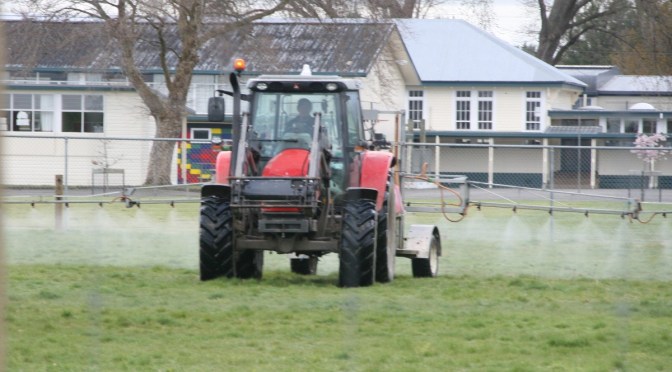
Even then, the government knew saccharin was poisonous and sued to stop its manufacture but lost in court, thus opening the Monsanto Pandora’s Box to begin poisoning the world through the soft drink.

1920s: Monsanto expands into industrial chemicals and drugs, becoming the world’s largest maker of aspirin, acetylsalicyclic acid, (toxic of course). This is also the time when things began to go horribly wrong for the planet in a hurry with the introduction of their polychlorinated biphenyls (PCBs).

PCBs were considered an industrial wonder chemical, an oil that wouldn’t burn, impervious to degradation and had almost limitless applications. Today PCBs are considered one of the gravest chemical threats on the planet. Widely used as lubricants, hydraulic fluids, cutting oils, waterproof coatings and liquid sealants, are potent carcinogens and have been implicated in reproductive, developmental and immune system disorders. The world’s center of PCB manufacturing was Monsanto’s plant on the outskirts of East St. Louis, Illinois, which has the highest rate of fetal death and immature births in the state.(1)

Even though PCBs were eventually banned after fifty years for causing such devastation, it is still present in just about all animal and human blood and tissue cells across the globe. Documents introduced in court later showed Monsanto was fully aware of the deadly effects, but criminally hid them from the public to keep the PCB gravy-train going full speed!

1930s: Created its first hybrid seed corn and expands into detergents, soaps, industrial cleaning products, synthetic rubbers and plastics. Oh yes, all toxic of course!

1940s: They begin research on uranium to be used for the Manhattan Project’s first atomic bomb, which would later be dropped on Hiroshima and Nagasaki, killing hundreds of thousands of Japanese, Korean and US Military servicemen and poisoning millions more.

The company continues its unabated killing spree by creating pesticides for agriculture containing deadly dioxin, which poisons the food and water supplies. It was later discovered Monsanto failed to disclose that dioxin was used in a wide range of their products because doing so would force them to acknowledge that it had created an environmental Hell on Earth.

1950s: Closely aligned with The Walt Disney Company, Monsanto creates several attractions at Disney’s Tomorrowland, espousing the glories of chemicals and plastics. Their “House of the Future” is constructed entirely of toxic plastic that is not biodegradable as they had asserted. What, Monsanto lied? I’m shocked!

After attracting a total of 20 million visitors from 1957 to 1967, Disney finally tore the house down, but discovered it would not go down without a fight. According to Monsanto Magazine, wrecking balls literally bounced off the glass-fiber, reinforced polyester material. Torches, jackhammers, chain saws and shovels did not work. Finally, choker cables were used to squeeze off parts of the house bit by bit to be trucked away.(2)

READ MORE:

https://www.naturalblaze.com/2015/12/the-complete-history-of-monsanto-the-worlds-most-evil-corporation.html

The links between cancer & pesticides in our environment that the industries continue to deny

In the 1970s, Dr Samuel Epstein wrote ‘The Politics of Cancer’ outlining the environmental health risks of chemicals contributing to cancer. The respective industries continue to minimize or deny those impacts.

You can listen to a series of interviews with Dr Epstein by Dr Mercola on chemicals in our environment and cancer prevention at this link.
Further you could also read our own Dr Meriel Watts’ excellent book called ‘The Poisoning of New Zealand’. She writes in Section One about pesticides and cancer citing the British Medical Assn’s report (p 41):

“While no causal link has been proven between pesticides and forms of cancer … there are serious doubts about the scientific validity of some of the studies which have been undertaken and there is no epidemiological evidence available for many pesticides. In other words we do not know whether or not many pesticides are harmful or not in day to day use.” 

Taken from Culliney et al (1992) she cites a long list of links made between pesticides & cancer:

meriel watts 2_0001

meriel watts 2_0002

I highly recommend you read her book. Libraries may hold it I would imagine.

Recently, Carol Sawyer posted information on an Otago article that gives details of a study from the University of Otago on the legacy of pesticides found in our environment. They hail a move to organic farming as being preferable. Carol details the NZ health (& other) statistics which are very damning to us as a nation.

NEW ZEALAND’S HEALTH STATISTICS

1) “Close to half the men in New Zealand and Australia are at risk of getting cancer, giving Australasia the highest regional rate in the world, latest estimates from The World Health Organisation (WHO) show.

WHO’s International Agency for Research on Cancer (IARC) estimates the risk of New Zealand men developing cancer before the age of 75 years is 46.27 percent. The agency estimates the risk for women in New Zealand at a third.” RNZ , 16 September, 2018

2) We have five times the global average of motor neurone disease, and the highest mortality rate from MND in the world.

3) We have one of the lowest male fertility rates in the world.

4) We have one of the highest rates of asthma in the world.

5) NZ is “a high risk country for multiple sclerosis”. Southland has among the highest rates of multiple sclerosis in New Zealand. Southland is the second largest region in New Zealand and, in all, over half of Southland’s land area is public conservation land, while farms occupy 85% of the remaining land.

https://www.msnz.org.nz/…/Multiple-Sclerosis-in-NZ-S.-Alla-…

6) We have the second highest rate of teenage bullying out of 51 countries.

7) We have the highest youth suicide rate in the developed world.

8) We have the worst rate of domestic violence in the world.

9) We have the third highest rate of sexual assault in the world.

“British medical journal The Lancet has published a report indicating the sexual assault rate in New Zealand is far higher than the world average. It placed the country third highest, alongside Australia.” The report looked at data from 56 countries and “placed New Zealand at the third-highest rate alongside Australia.” RNZ, 14 February 2014

*****************************************************

I don’t know about you, but I think our massive 1080 poison use, (at present, 90% of world usage, and ongoing for 64 years now, since 1954), and our enormous use of agri-chemicals on farms must have something to do with it.

Note : I haven’t put in all the references but these health/social statistics are easily found on the net.

Below is the University of Otago’s article:

Otago study shows legacy of pesticides difficult to avoid

29/7/2013

Otago research shows banned pesticides (or their toxic degradation products) remain in the sediments of farm streams many years on.

An Otago study shows that the tell-tale legacy in rural South Island areas of pesticides banned many years ago remains, regardless of the type of sheep and beef farming now taking place on the land.

The research, led by Department of Chemistry recent PhD graduate Dr Pourya Shahpoury and just published in the international journal Environmental Pollution, nevertheless shows that average pesticide levels found in sediments of streams running through the 15 South Island farms assessed as part of the study were still within recommended thresholds.

The most frequently detected pesticide (chlorpyrifos) found in the stream beds is one that is approved in New Zealand for current use against pests. However, the study also found chemicals (or their toxic degradation products) present that had been widely used many years ago before they were banned.

The team of Otago Chemistry and Zoology Department researchers compared the presence of chlorinated pesticides at streams running through five sheep and beef farm clusters located near Amberley, Akaroa, Outram, Owaka and Gore.

In each of the five areas, one property was farmed organically, a second was farmed using the integrated pest management (reduced pesticide use) farming method, and a third was farmed conventionally. The farms were carefully selected with the help of a design formulated by Otago’s Agricultural Research Group on Sustainability (ARGOS), which studies farm management strategies in New Zealand.

Sediment samples were taken from the 15 different farmland streams during the spring/early summer, the period when pests and weeds are most active, resulting in more intense application of pesticides compared to winter or autumn.

Dr Shahpoury says chlorinated pesticides, within recommended thresholds, were found throughout the study areas regardless of the farming practices that took place on the farms eight to11 years preceding the study.

“Although the chemical chlorpyrifos was the most frequently detected in stream sediments, in contrast to our expectations, its concentrations were not highest in stream sediments from conventional farms and were found at similar levels across all three different farm types. This may have been due, at least in part, to its high potential to undergo vapour drift and re-distribution,” he says.

READ MORE

https://www.otago.ac.nz/otagobulletin/research/otago051129.html?fbclid=IwAR1Uc8R5CL__zomW77DGpsHVWkgSY0ALpy-uHI_z2DoE0C7Hk1b_8n9Russ


PHOTO: envirowatchrangitikei … spraying roundup onto fields adjacent to a school in Marton, NZ.

Pesticides Compound Antibiotic Resistance

From Dr Mercola

STORY AT-A-GLANCE

  • Agrichemicals and antibiotics in combination increase the evolution of antibiotic resistance
  • Bacteria may develop antibiotic resistance up to 100,000 times faster when they’re exposed to certain herbicides in the environment, particularly widely used herbicides like glyphosate (Roundup) and dicamba (Kamba)
  • It’s believed that other chemicals in the environment may also increase resistance in microbes, much like herbicides; however, regulatory agencies don’t regulate or test them for such effects — even among the 3,000 top-volume chemicals produced annually
  • Reducing the use of antibiotics may not be enough to stop this looming public health disaster — unless the use of herbicides and other chemicals that affect antibiotic resistance is also curbed

Antibiotic resistance is often pegged as a problem caused by the overuse of antibiotics — and this is a driving factor — but research suggests it may actually be only one piece to the puzzle. Environmental factors may be accelerating the rise of antibiotic resistance as well, particularly widely used herbicides like glyphosate (Roundup) and dicamba (Kamba).

Research from University of Canterbury researchers revealed that agrichemicals and antibiotics in combination increase the evolution of antibiotic resistance. In fact, bacteria may develop antibiotic resistance up to 100,000 times faster when they’re exposed to certain herbicides in the environment.1

“The combination of chemicals to which bacteria are exposed in the modern environment should be addressed alongside antibiotic use if we are to preserve antibiotics in the long term,” study author Jack Heinemann of the University of Canterbury, said in a news release.2

‘Like Trying to Put Out a Fire of Antibiotic Resistance With Gasoline’

The study found cases when exposure to herbicides made the antibiotics more toxic while at the same time increasing the antibiotic resistance. Heinemann explained why this is an alarming finding:

“We are inclined to think that when a drug or other chemical makes antibiotics more potent, that should be a good thing. But it also makes the antibiotic more effective at promoting resistance when the antibiotic is at lower concentrations, as we more often find in the environment … Such combinations can be like trying to put out the raging fire of antibiotic resistance with gasoline.”

The results suggest that herbicides enhance the ability of antibiotics to become antibiotic resistant and that such resistance may be acquired at rates much faster than those predicted in laboratory conditions. Previously, research by Heinemann and colleagues found that commonly used herbicides promote antibiotic resistance by priming pathogens to more readily become resistant to antibiotics.3

This includes Roundup (the actual formulation of Roundup, not just its active ingredient glyphosate in isolation), which was shown to increase the antibiotic-resistant prowess of E. coli and salmonella, along with dicamba and 2,4-D. Rodale News reported:4

“The way Roundup causes this effect is likely by causing the bacteria to turn on a set of genes that are normally off, [study author] Heinemann says. ‘These genes are for ‘pumps’ or ‘porins,’ proteins that pump out toxic compounds or reduce the rate at which they get inside of the bacteria …’

Once these genes are turned on by the herbicide, then the bacteria can also resist antibiotics. If bacteria were to encounter only the antibiotic, they would instead have been killed. In a sense, the herbicide is ‘immunizing’ the bacteria to the antibiotic … This change occurs at levels commonly used on farm field crops, lawns, gardens and parks.”

READ MORE

https://articles.mercola.com/sites/articles/archive/2018/10/30/pesticides-compound-antibiotic-resistance.aspx

Blueprint of Monsanto’s “black ops” public relations machine REVEALED: See the names of fake front groups and science hacks who took part

(Natural News) It’s no secret that companies like Monsanto do everything in their power to keep the true toxicity of their products under wraps. Big Food, Big Ag, Big Pharma and the like have all been accused of similar tactics across the board. But the lengths to which Monsanto has gone to keep the world from knowing the truth about glyphosate (the star ingredient in its flagship product, Roundup) is truly disturbing.

After the World Health Organization’s International Agency for Cancer Research (IARC) labeled glyphosate a “probable human carcinogen,” Monsanto engaged in a covert operation to slam the findings from every avenue — and they recruited a number of partners to help them save face.

Recently released documents provided by US Right To Know (USRTK) show that the biotech firm enlisted over a dozen “industry partner” groups in their plan to denounce the IARC findings and keep Roundup in the public’s good graces. An internal document dated February 2015 describes a detailed plan, in which 20 Monsanto employees were given goals to “neutralize impact of decision,” engage in “regulator outreach,” “ensure MON POV ” and “lead voice in ‘who is IARC’ plus 2B outrage.”

Monsanto conspires with “industry partners”

In the five-page document, Monsanto lists four tiers of “industry partners” to be used in their “preparedness and engagement plan” for the IARC’s carcinogen rating for glyphosate. The plan, of course, was put in place nearly a month before the IARC publicly released their finding that glyphosate probably causes cancer — which raises substantial suspicions that the biotech giant knew what IARC was going to find.

READ MORE

https://www.naturalnews.com/2018-06-12-blueprint-of-monsantos-black-ops-public-relations-machine-revealed-fake-front-groups-and-science-hacks.html

“The most toxic chemical we’ve ever had in our environment” – Dr Don Huber

From greenmedinfo.com

When one of our world renowned professors uses the term “horrifying” in speaking about the widespread use of a chemical in our food supply, the prudent person would sit up and take notice.

That’s exactly the word Dr. Don Huber used. But are we listening? Calling glyphosate“the most toxic chemical we’ve ever had in our environment, he says that “future historians may well look back upon our time and write, not about how many pounds of pesticides we did or did not apply, but about how willing we were to sacrifice our children and jeopardize future generations for the massive experiment we call genetic engineering that is based on failed promises and flawed science, just to benefit the bottom line of a commercial enterprise.”

http://www.greenmedinfo.com/blog/roundup-herbicide-most-toxic-chemical-environment

Photo: EnvirowatchRangitikei ©

To all the users of Roundup, beware those ‘glyphosate’s safe’ claims – EPA’s biased assessment falls short of the most basic standards of independent research

Kiwis love this product and most I’ve found won’t hear a bar of the voluminous body of independent research. You will see them walking the streets with their backpacks, no protective gear in sight, spraying often in high winds. I’ve seen them & filmed them. They can also be alarmingly aggressive if you cross them. Councils are just as bad, many of them farmers, they refuse to hear anything bad of the manufacturers. With cancer rates now at 1 in 3 surely you would think they would want to err on the safe side and desist from using it but no, we must have our yellow berms, ditches and garden edges mustn’t we? And Monsanto wouldn’t lie to us? Would they? See our glyphosate pages. EnvirowatchRangitikei

“Migratory monarch populations have declined by 80 percent in the past two decades, and their decline has been driven in large part by the surge in glyphosate use ”  Sustainable Pulse


RESIZED IMG_4127.JPG
A NZ paddock sprayed with Glyphosate .. the ground is later plowed and stock will later feed on the new grass … right into the food chain

From sustainablepulse.com

A federal advisory panel of independent scientists unanimously found earlier this year that in assessing glyphosate the pesticides office at the EPA failed to follow its own guidelines for determining whether a chemical can cause cancer. In the final draft released today, the EPA stated that the guidelines “… are intended as a guidance only …” and do not necessarily have to be followed.

The U.S. Environmental Protection Agency released Monday a controversial analyses that rely heavily on industry studies to conclude that glyphosate poses no significant risks to humans.

The EPA review, which ignored the agency’s own guidelines for assessing cancer risks, contradicts a 2015 World Health Organization analysis of published research that determined glyphosate is a probable carcinogen.

Glyphosate is the active ingredient in Monsanto’s Roundup and most widely used pesticide in the world; 300 million pounds of it are used in the U.S. each year.

“The only way the EPA could conclude that glyphosate poses no significant risks to human health was to analyze industry studies and ignore its own guidelines when estimating cancer risk,” said Nathan Donley, a senior scientist at the Center for Biological Diversity. “The EPA’s biased assessment falls short of the most basic standards of independent research and fails to give Americans an accurate picture of the risks posed by glyphosate use.”

A federal advisory panel of independent scientists unanimously found earlier this year that in assessing glyphosate the pesticides office at the EPA failed to follow its own guidelines for determining whether a chemical can cause cancer. In the final draft released today, the EPA stated that the guidelines “… are intended as a guidance only …” and do not necessarily have to be followed.

Scientists typically use previously agreed upon guidelines to prevent biases from swaying the analysis in one direction or another.

The chair of the EPA’s Cancer Assessment Review Committee, Jess Rowland, resigned in 2015 amid controversy. Emails obtained in litigation brought against Monsanto by cancer victims and their families uncovered a disturbingly cozy relationship between the EPA and Monsanto on matters involving the glyphosate risk assessment.

READ MORE

https://sustainablepulse.com/2017/12/20/epa-relies-on-industry-studies-to-give-glyphosate-new-green-light/#.WjmsXJdSCdF

Glyphosate with your juice then? found in 5 Major US Orange Juice Brands

This is info from the US so the juices are not necessarily available here in NZ. The brand names are familiar though. I learned not so long ago from a contact that growers they knew who grew for export sprayed glyphosate (in Roundup) around their orange trees so the product goes up the roots and into the fruit of course. How could it not? That destroyed all my hope of eliminating by peeling. This product is so invasive it’s been found in breast milk and urine. Kiwis love it and slather it all over everything. Including the authorities who spray it relentlessly over the roadsides to keep it all TIDY. Why? Small wonder one in three of we humans are dying off with cancer.
EnvirowatchRangitikei

From healthfreedomidaho.org

Oranges are NON GMO. They have a thick skin and glyphosate isn’t used on the citrus trees themselves. So WHY did five major brands all test positive for glyphosate in their products. According to citrus farmers, they spray the weed killer between the rows of trees. The average person in America consumes  2.7 gallons of orange juice and 3 pounds of oranges each year. “100% Pure Orange Juice” is a common claim used by many juice brands that allow consumers to feel safe when serving it to their families on a daily basis. However, recent testing revealed that every one of the five top orange juice brands Moms Across America sent to an accredited lab tested positive for glyphosate weed killer. Its time to let the corporations know that we don’t want to drink glyphosate!

http://healthfreedomidaho.org/glyphosate-probable-cancer-causing-agent-found-in-all-5-major-orange-juice-brands

1 to 5 million cases of pesticide poisoning occur every year

“There’s no problem with the ban of DBCP [dibromochloropropane] within the United States. In fact, it was the best thing that could have happened to us. You can’t sell it here anymore but you can still sell it anywhere else. Our big market has always been exports anyway.” (Executive, AMVAC Corporation)

Copy of Copy of Dec 2014 041
Toxic herbicides are sprayed liberally around public places with no requirement to warn the public, and often little or no protective clothing worn by the operators

We are living in a world now that is awash with chemicals, found not only in sprays and pesticides, but in our food, water and air. Their use has become largely acceptable now with scant regard often for researching into their possible harmful effects. Any alarms sounded about possible risks are greeted with cries of ‘scaremongering’ or ‘over reaction’ … and yet the  independent research is usually there and often ignored. I’m constantly dismayed at this lack of regard for the evidence, especially since our recent generations consider themselves more enlightened than those of our forbears. We have

What's in your food?
What’s in your food?

the knowledge alright, but who will listen and heed it? A video which has encouraged me to keep speaking up about these environmental risks to our health has been that produced by TED talks (they’re on Youtube also) called ‘The Dangers of Willful Blindness’ (the video is on our Home page). Gayla Benefield was just doing her job — until she uncovered an awful secret about her hometown that meant its mortality rate was 80 times higher than anywhere else in the U.S. Worse, when she tried to warn people of her discovery they didn’t want to know! How often we are faced with fact but choose not to believe. We adopt what I call the ‘three monkeys’ approach where it’s assumed, if we neither see, hear nor speak we’re safe … a lot like the ostrich really. But somewhere down the track we run the high risk of it all coming back to bite us on the proverbial rear end!

imagesThe Environmental Justice Foundation on pesticide poisoning states that … Across all agricultural sectors, an estimated 1 to 5 million cases of pesticide poisoning occur every year, resulting in 20,000 reported deaths among agricultural workers and at least 1 million requiring hospitalisation….While developing countries account for less than 30% of global pesticide consumption, the bulk of pesticide poisonings occur in a developing world scenario, including an estimated 99% of pesticide-induced deaths…

Read more


RELATED:

Childhood Pesticide Poisoning (WHO)
Ghana’s Pesticide Crisis


Check our our Chemicals and Glyphosate pages … particularly note under Chemicals the 1080 page and how NZ is being bombarded with it. We consume the highest amount in the world, gradually ensuring there is a rapidly diminishing wild food supply. Another excellent source of information, a Kiwi site, is the Pesticide Action Network Aotearoa NZ (PANANZ). 

EnvirowatchRangitikei