Tag Archives: Poison

A mother & 3 children poisoned in 2016 by 1080 poison dust said the NZ hospital had no idea what to do!

So the NZ authorities have been bombarding our forests & farms with this Class 1A Ecotoxin for well nigh 60 years, and the hospitals still don’t know what to do?!!! Don’t have a plan in place at all? Doesn’t that sound well … not too intelligent?

A repost on 1080: READ AT THE LINK

Image by Usman Yousaf from Pixabay

Fluoride and IQ: The American Silence

Note: NZ is equally silent on this topic Kiwis. Up and down ‘Clean and Green’ folk are resisting the fascist installation of this so called ‘option’ into their water supplies. It really aint rocket science. If folk want fluoride they can add it themselves. Instead we are all forced to purchase expensive filters to get rid of the poison … that is if we can even find a filter that does this. (See our Fluoride pages at the main menu)… EWNZ

From Lies are unbekoming @ substack

Preface

In 2024, American researchers can sequence DNA from single cells, track neuron firing patterns in real time, and detect chemical signatures on distant exoplanets. The National Institutes of Health funds over 50,000 research grants annually, investigating everything from rare “genetic” disorders affecting dozens of people to the optimal spacing of highway rest stops. Yet in the seventy-nine years since America began adding fluoride to public water supplies, not one published study has examined whether this practice affects American children’s intelligence.

This absence becomes more peculiar when you consider the context. Researchers in Canada, just miles from our northern border, recently found that children exposed to fluoridated water during fetal development scored 4.5 IQ points lower than unexposed children. Mexican scientists documented similar deficits. Chinese researchers have published dozens of studies on fluoride and cognition. The 2024 National Toxicology Program review identified 72 human studies examining fluoride’s impact on intelligence—52 found harmful effects. None were conducted in the United States.

The silence isn’t accidental. It’s architectural.

What first caught my attention wasn’t the Canadian findings themselves but a footnote in the NTP review: “No studies evaluating IQ were conducted in the United States.” A simple statement of fact that raises profound questions. The country that pioneered water fluoridation, that exports this practice as public health gospel, has never checked whether it affects our children’s cognitive development. We’ve been running a population-wide “experiment” for nearly eight decades without measuring one of its most crucial potential outcomes.

This essay examines that structured absence and the shape of the silence itself. Why do certain questions become unaskable within scientific institutions? How does a research blind spot this large persist for this long? And what does this tell us about how public health orthodoxies protect themselves from empirical challenge?

The answer involves more than fluoride. It’s about how scientific communities develop collective blind spots, how research priorities get set by non-scientific forces, and how certain questions become professionally dangerous to ask. The absence of American IQ studies isn’t a gap in our knowledge—it’s a feature of how that knowledge gets produced.

Leave a comment

Share

Section 1: The Absent Evidence

Fifty-two studies found that fluoride exposure lowers children’s intelligence. Studies from China, India, Mexico, Canada, Iran, Egypt, and other nations have tested thousands of children, measuring their cognitive abilities against their fluoride exposure levels. The results follow a remarkably consistent pattern: higher fluoride, lower IQ.

The National Toxicology Program spent eight years reviewing this evidence. Their 2024 monograph runs 296 pages, examining studies dating back decades and including sophisticated recent research using individual-level biomarkers and prospective cohort designs. Their conclusion: “moderate confidence” that fluoride is associated with lower IQ in children. In the cautious language of systematic reviews, “moderate confidence” is significant—it means the available evidence indicates a real effect.

Here’s what makes the American absence extraordinary: we have ideal conditions for conducting such research. We have fluoridated and non-fluoridated communities side by side. We have sophisticated research infrastructure, from university laboratories to the Centers for Disease Control. We have detailed health records, standardized testing data, and the National Health and Nutrition Examination Survey that already measures fluoride levels in Americans’ bodies. Everything needed for rigorous studies exists—except the studies themselves.

The recent North American research makes “foreign studies don’t apply here” arguments untenable. The MIREC study in Canada found that a 1 mg/L increase in maternal urinary fluoride was associated with a 4.49-point decrease in boys’ IQ scores. The ELEMENT study in Mexico found nearly identical results. These weren’t ecological studies comparing different regions with potential confounding factors. They measured individual fluoride exposure using biomarkers, controlled for numerous variables including maternal education and socioeconomic status, and used standardized IQ tests administered by trained psychologists.

The Canadian study is particularly relevant because it included both fluoridated and non-fluoridated communities, used the same water fluoridation levels as the United States (0.7 mg/L), and studied a population demographically similar to Americans. When the study was published in JAMA Pediatrics in 2019, the editor took the unusual step of including an editor’s note about the extra scrutiny it received due to its potential impact on public health policy. The study withstood that scrutiny.

American health agencies haven’t ignored this research entirely. The NTP review itself represents years of work by American scientists. But they’re reviewing everyone else’s data. The systematic exclusion of American populations from fluoride-IQ research isn’t explicable by ordinary scientific priorities.

The National Institute of Environmental Health Sciences funds research on countless chemical exposures—air pollution, pesticides, heavy metals, flame retardants, phthalates. Many affect far fewer Americans than fluoridated water, which reaches over 200 million people. Major American universities conduct sophisticated studies on neurodevelopmental toxins. When they study fluoride, they analyze data from other countries. Dr. Philippe Grandjean of Harvard co-authored the influential 2012 meta-analysis of Chinese fluoride studies. American researchers are clearly capable of this research—they just don’t conduct it on American children.

Section 2: The International Findings

The evidence from outside America’s borders tells a consistent story. Of the studies the NTP reviewed, the majority found inverse associations—higher fluoride exposure, lower intelligence scores. Not a single well-conducted study found that fluoride improved cognitive function.

The Chinese studies, which comprise the largest portion of this literature, have been dismissed by some as poor quality research from rural areas with industrial pollution. This criticism held more weight before recent high-quality studies from North America confirmed the same pattern. Many Chinese studies compared populations with different naturally occurring fluoride levels in drinking water, eliminating concerns about industrial contamination. A 2003 study by Xiang and colleagues tested 512 children, controlling for lead exposure and parental education. They found a clear dose-response relationship: each 1 mg/L increase in water fluoride corresponded to a 2.5-point decrease in IQ.

The Mexican ELEMENT study brought methodological rigor that should satisfy any skeptic. Researchers followed 299 mother-child pairs, measuring fluoride in maternal urine during pregnancy and in children’s urine at age 6-12. They tested children’s cognitive abilities using multiple validated instruments, including the Wechsler Abbreviated Scale of Intelligence. The results showed that a 0.5 mg/L increase in maternal urinary fluoride predicted a 2.5-point lower IQ in children.

What makes ELEMENT particularly compelling is its location. Mexico City doesn’t fluoridate its water, but fluoride occurs naturally in the groundwater and residents consume fluoridated salt. This creates a range of exposures similar to what Americans experience through water fluoridation plus dietary sources. The mothers’ urinary fluoride levels (0.90 mg/L average) were comparable to those found in pregnant women in fluoridated U.S. communities.

The Canadian MIREC study addressed one of the last refuges of skepticism—that perhaps these findings only applied to developing countries or populations with unusual fluoride sources. The Maternal-Infant Research on Environmental Chemicals study followed 512 mother-child pairs through pregnancy and early childhood, measuring fluoride in maternal urine during pregnancy and testing children’s IQ at ages 3-4. Canada’s water fluoridation program is essentially identical to America’s. The same companies provide the same chemicals at the same concentrations to communities on both sides of the border.

MIREC’s results were striking not just for their magnitude but their sex-specific pattern. Boys appeared more vulnerable than girls to prenatal fluoride exposure. This aligns with known patterns of male vulnerability to various neurodevelopmental toxins and suggests a biological mechanism rather than confounding. The researchers measured fluoride in drinking water, maternal urine, and children’s urine, allowing them to examine different exposure windows and routes. If fluoride affects Canadian children’s intelligence, there’s no biological reason American children would be immune.

The consistency across diverse populations suggests something fundamental about fluoride’s biological activity. Whether the exposure comes from naturally high groundwater in China, fluoridated salt in Mexico, or treated municipal water in Canada, the association with reduced IQ persists. The effect sizes vary—from 2 to 7 IQ points depending on exposure levels and study design—but the direction remains constant.

The NTP review found adverse effects at water fluoride levels of 1.5 mg/L and above, with some studies suggesting effects at lower levels. The U.S. recommended level is 0.7 mg/L, but this considers only fluoride from water, not total exposure from all sources. When researchers measure total fluoride exposure using urinary biomarkers, many individuals in fluoridated communities exceed levels associated with cognitive effects in studies.

Fluoride crosses the placenta and blood-brain barrier. It accumulates in brain tissue. Animal studies document altered neurotransmitter levels, increased oxidative stress, and structural changes in brain regions crucial for learning and memory. The biological plausibility strengthens these epidemiological findings.

Section 3: The American Silence

The absence of American fluoride-IQ studies doesn’t result from oversight or incompetence. It emerges from a complex interplay of institutional, economic, and political forces that make such research professionally hazardous and practically difficult.

Start with the timeline. The U.S. Public Health Service endorsed water fluoridation in 1950, before the first controlled trials were complete. This premature endorsement created institutional momentum that became self-reinforcing. By the time questions about cognitive effects emerged, thousands of communities had fluoridated their water, dental organizations had staked their credibility on the practice, and opposition to fluoridation had been successfully branded as anti-science conspiracy thinking.

The dental establishment plays a central role in maintaining this research void. The American Dental Association, which generates significant revenue from its Seal of Acceptance program for fluoride-containing products, has long promoted fluoridation as one of the “ten great public health achievements of the 20th century.” Questioning fluoride’s safety challenges not just a policy but a professional identity built over seven decades.

Federal agencies face their own constraints. The CDC’s Oral Health Division promotes water fluoridation. The same agency that would normally investigate potential adverse effects has an institutional commitment to the intervention. This conflict of interest isn’t hidden—it’s structural. Research funding reveals clear priorities. The National Institute of Dental and Craniofacial Research had a 2023 budget of $516 million with numerous studies on fluoride’s dental mechanisms but none on cognitive effects.

Individual researchers face powerful disincentives. Dr. Phyllis Mullenix discovered this in the 1990s when her research on fluoride’s neurotoxicity in rats led to her dismissal from the Forsyth Dental Center. Those who question fluoridation risk being labeled anti-fluoridationists, grouped with conspiracy theorists, and potentially damaging their careers.

The immediate threat of litigation creates a formidable barrier. Any researcher proposing to study fluoride’s cognitive effects must consider the legal ramifications. If their study finds harm, they could be subpoenaed in lawsuits against water utilities and municipalities. Their methodology would be scrutinized by armies of lawyers. Their personal communications could become public record. The prospect deters even well-intentioned scientists from entering this minefield.

Grant reviewers and journal editors operate within this same framework. A research proposal to study fluoride’s cognitive effects in American children would face skeptical review. Why study something already deemed safe? Even if funded and conducted, publishing such research would prove challenging. Journal editors, aware of the political implications, would subject it to extraordinary scrutiny.

The precautionary principle, typically applied to environmental chemicals, inverts when it comes to fluoride. Usually, we demand proof of safety before widespread exposure. With fluoride, we demand proof of harm before questioning the exposure. This reversed burden of proof makes sense only when you understand fluoridation as public health orthodoxy rather than scientific hypothesis.

The absence becomes self-justifying. Health agencies cite the lack of American studies showing harm as evidence of safety. But they don’t fund such studies. When pressed about international findings, they emphasize differences between American and foreign populations, different fluoride sources, or methodological limitations. The solution—conducting rigorous American studies—remains unmentioned.

Section 4: The Cost of Not Knowing

Every day, approximately 200 million Americans drink fluoridated water. If international findings apply here—and there’s no biological reason they wouldn’t—we’re accepting a population-wide IQ reduction of 2 to 5 points. The implications ripple through every aspect of society.

A 5-point IQ reduction shifts the entire bell curve leftward. The number of people with intellectual disabilities (IQ below 70) increases by 57%. The number of gifted individuals (IQ above 130) decreases by 43%. These aren’t abstract statistics—they represent real children who struggle in school, adults who can’t reach their potential, innovations that don’t happen.

The economic implications are staggering. Economists estimate that a 1-point IQ increase corresponds to roughly 2% higher lifetime earnings. A 5-point decrease means 10% lower earnings across an entire population. For a median household, that’s $6,000 less per year, $240,000 over a working lifetime. Aggregated across millions of affected individuals, the economic loss reaches hundreds of billions annually.

Educational systems bear immediate costs. Children with lower IQs require more educational support, more remedial instruction, more special education services. School districts in fluoridated communities might be spending millions on special education services that could be prevented by addressing a single environmental exposure.

The competitive implications extend internationally. China, which has extensively studied fluoride’s cognitive effects, has been reducing fluoride exposure in affected regions. European countries that rejected fluoridation decades ago may have been protecting their populations’ cognitive capacity while Americans accepted gradual impairment. In a knowledge economy, even small differences in population-level cognitive ability translate to significant competitive advantages.

Environmental justice adds another dimension. Low-income families can’t afford bottled water or sophisticated filtration systems. They depend on tap water for drinking and formula preparation. If that water contains fluoride at levels that impair cognition, poverty becomes self-perpetuating through biological mechanisms.

The prenatal window of vulnerability identified in recent studies raises particular concerns. Pregnant women receive no guidance about fluoride consumption. Women conscientiously avoiding alcohol and limiting caffeine unknowingly expose their developing babies to a potential neurotoxin through ordinary tap water consumption.

The uncertainty itself carries costs. Parents who learn about international fluoride studies face an impossible choice: accept potential cognitive risks or spend thousands on bottled water and filtration. The absence of American research leaves everyone guessing.

Like fluoride, lead was once considered beneficial at low doses. Like fluoride, lead’s neurotoxicity was dismissed until evidence became overwhelming. The difference is we eventually studied lead’s effects on American children. The research led to action that prevented millions of cases of cognitive impairment. Without American studies, we’re making population-level decisions based on assumptions rather than evidence.

Section 5: Breaking the Silence

The path forward doesn’t require abandoning water fluoridation tomorrow. It requires something more radical: actually studying its effects on American children. The research design isn’t complicated. The funding, compared to other public health initiatives, would be modest. The primary obstacle is will.

A comprehensive American study would follow pregnant women and their children in fluoridated and non-fluoridated communities. Researchers would measure fluoride exposure through multiple pathways—water, dietary sources, dental products. They would assess children’s cognitive development using validated instruments at multiple ages. They would control for confounding factors like socioeconomic status, parental education, and other environmental exposures. The MIREC and ELEMENT studies provide proven templates.

The National Children’s Study, despite its cancellation, demonstrated that large-scale longitudinal research on environmental influences is feasible in the United States. Its planned methodology could be adapted for a focused fluoride investigation. For a fraction of what was spent planning that study, we could definitively answer whether fluoride affects American children’s cognitive development.

Independent funding would be essential. Neither dental organizations nor anti-fluoridation groups should control the research. A consortium of foundations concerned with children’s health and environmental justice could provide neutral support. The study design should be transparent, pre-registered, and subject to external oversight. The results, whatever they show, should be published without interference.

Congress could mandate such research through the reauthorization of environmental health programs. The NIH could designate fluoride as a priority for neurodevelopmental research. The EPA, which regulates fluoride as a contaminant, could require cognitive assessments as part of its regulatory review. Multiple pathways exist if institutional will emerges.

The research should examine not just whether fluoride affects IQ but which populations are most vulnerable. Do certain genetic variants increase susceptibility? Are there critical windows of exposure? What levels, if any, are genuinely safe for neurodevelopment? These aren’t anti-fluoridation questions—they’re basic public health inquiries that should have been answered decades ago.

Beyond individual studies, we need institutional reform. The separation between dental and public health agencies on fluoride research must end. Environmental health researchers should have the freedom to study fluoride like any other chemical exposure without political consequences. Journal editors should evaluate fluoride research based on methodology, not politics.

The broader lesson extends beyond fluoride. When public health interventions become orthodoxies, when questioning them becomes professionally dangerous, science stops functioning. The absence of American fluoride-IQ studies represents a failure of scientific culture as much as specific institutions. Recovering that culture means creating space for uncomfortable questions, even about practices we’ve long considered beneficial.

Other countries provide models. The European Food Safety Authority conducts ongoing reviews of fluoride exposure and safety. Several nations have implemented biomonitoring programs that track population-level fluoride exposure. These approaches treat fluoride as a chemical requiring continued vigilance rather than a solved problem requiring only promotion.

The cognitive stakes demand urgency. Every year without American studies means another cohort of children potentially exposed during critical developmental windows. If international findings apply here, we’re accepting preventable cognitive impairment on a massive scale. If they don’t apply, we should have evidence showing why American biology differs from Canadian or Mexican biology.

The scientific method offers a way forward: form hypotheses, test them rigorously, follow the evidence. The hypothesis that water fluoridation at current levels doesn’t affect American children’s cognitive development is eminently testable. The fact that we haven’t tested it after 79 years reveals more about our institutions than our science.

Yet even if we had the perfect study design, independent funding, and institutional support, one question remains: Why would institutions that benefit from the current arrangement ever allow such research to proceed? The answer requires examining not just the barriers to research, but who profits from maintaining them.

Section 6: The Unasked Question

The lead industry knew for decades that their product damaged children’s brains. Internal documents from the 1950s show company scientists discussing cognitive impairment while their executives funded studies designed to obscure these effects. Government agencies, dependent on industry information and reluctant to challenge a major economic sector, avoided asking obvious questions until the evidence became undeniable. By then, millions of children had been exposed.

The fluoride situation follows a disturbingly similar pattern, with one crucial difference: instead of industry adding a neurotoxin for profit, government adds it for public health. This reversal doesn’t eliminate the structural dynamics that perpetuate potentially harmful exposures. It intensifies them.

Consider what the Canadian and Mexican studies mean if their findings apply to American populations. A 4-point IQ reduction shifts millions of people from one cognitive category to another. The person who might have become an engineer becomes a technician. The potential teacher becomes a clerk. The would-be entrepreneur becomes a lifetime employee. These aren’t dramatic impairments—affected individuals still function, work, vote, consume. But multiply these subtle shifts across 200 million people and you’ve transformed a society.

Modern governance depends on extraordinary complexity that favors those who design systems over those who navigate them. Tax codes run thousands of pages. Financial regulations require advanced degrees to understand. Healthcare policies bewilder even educated consumers. A population with reduced analytical capacity struggles to challenge these structures, not through conspiracy but through cognitive load. The complexity becomes its own protection against reform.

The economic implications align troublingly well with institutional needs. Researchers have documented that lower IQ correlates with increased impulse purchasing, higher debt accumulation, and reduced savings rates. A 2019 Federal Reserve study found that a 1-point IQ decrease corresponds to roughly 2% more credit card debt. Scale that across a population and you have billions in additional consumer spending, financed through debt that generates massive profits for financial institutions.

Political scientists have observed similar patterns in civic engagement. Lower cognitive capacity correlates with decreased political participation, increased reliance on partisan cues over policy analysis, and greater susceptibility to emotional manipulation. These aren’t moral failings—they’re predictable outcomes of reduced processing power applied to complex decisions.

Every institution needs some highly capable individuals to design and manage systems, but too many critical thinkers create friction. A workforce where most people can follow procedures but fewer can evaluate them might be economically optimal from a management perspective. Nobody plans this distribution, but policies that slightly reduce population-wide cognitive capacity create it naturally.

The information ecosystem reveals another alignment of interests. Social media companies have perfected algorithms that exploit cognitive limitations—shortened attention spans, emotional reasoning, confirmation bias. These manipulations work better on people with reduced analytical capacity. Educational institutions face their own perverse incentives. Schools receive additional funding for special needs students requiring remediation but not for gifted programs that challenge high performers.

Federal agencies demonstrate through their behavior what they actually prioritize. The EPA regulates thousands of chemicals, often based on limited evidence of potential harm. Yet fluoride, added deliberately to water supplies, receives special deference. Research funding reveals priorities more honestly than policy statements. The NIH funds thousands of studies on environmental neurotoxins but none on fluoride’s cognitive effects in Americans.

Here’s where the liability dynamic becomes systemic rather than merely financial. The fear of lawsuits doesn’t just deter individual researchers—it shapes entire institutional cultures. Water utilities don’t merely avoid funding cognitive research; they develop organizational blindness to the question. Municipal lawyers don’t just defend against lawsuits; they advise against any action that might acknowledge uncertainty. Insurance companies don’t just calculate risks; they create incentive structures that reward ignorance over investigation.

This dynamic—where ignorance protects against liability—perverts normal scientific incentives. In most fields, researchers compete to make discoveries. With fluoride, institutional survival depends on not discovering. The potential damages from millions of children with documented IQ loss could reach hundreds of billions. Under these circumstances, not knowing becomes an institutional imperative, embedded in hiring practices, research priorities, and organizational culture.

None of this requires conscious conspiracy. Each actor pursues their institutional interests within a system that happens to reward cognitive impairment. The banker profits from impulsive borrowers. The bureaucrat benefits from compliant citizens. The educator receives funding for remedial programs. Nobody has to coordinate because the incentives align naturally.

The self-concealing nature of cognitive impairment makes this particularly insidious. A population with reduced analytical capacity is less able to recognize and articulate that reduction. They can’t identify patterns they can’t perceive. They can’t question complexities they can’t grasp. The system becomes self-perpetuating, not through suppression but through incapacity.

The historical parallel with lead is instructive but incomplete. With lead, once the cognitive effects became undeniable, society mobilized to remove it. With fluoride, the cognitive effects documented internationally trigger no similar response. The difference might be that lead exposure was largely corporate-driven while fluoride exposure is government-driven. Admitting error becomes exponentially harder when the error is official policy rather than corporate malfeasance.


The absence of American fluoride-IQ studies isn’t a mystery—it’s a choice. A choice made by institutions that prioritize orthodoxy over inquiry, by researchers who value careers over questions, by agencies that confuse promotion with protection. The international evidence demands American verification or refutation. The stakes demand immediate action. The silence has lasted long enough.

Seventy-nine years into this experiment, it’s time to check the results.

References

Bashash, M., Thomas, D., Hu, H., Martinez-Mier, E. A., Sanchez, B. M., Basu, N., … & Téllez-Rojo, M. M. (2017). Prenatal fluoride exposure and cognitive outcomes in children at 4 and 6–12 years of age in Mexico. Environmental Health Perspectives, 125(9), 097017.

Bassin, E. B., Wypij, D., Davis, R. B., & Mittleman, M. A. (2006). Age-specific fluoride exposure in drinking water and osteosarcoma (United States). Cancer Causes & Control, 17(4), 421-428.

Choi, A. L., Sun, G., Zhang, Y., & Grandjean, P. (2012). Developmental fluoride neurotoxicity: A systematic review and meta-analysis. Environmental Health Perspectives, 120(10), 1362-1368.

Green, R., Lanphear, B., Hornung, R., Flora, D., Martinez-Mier, E. A., Neufeld, R., … & Till, C. (2019). Association between maternal fluoride exposure during pregnancy and IQ scores in offspring in Canada. JAMA Pediatrics, 173(10), 940-948.

National Research Council. (2006). Fluoride in drinking water: A scientific review of EPA’s standards. Washington, DC: The National Academies Press.

National Toxicology Program. (2024). NTP monograph on the state of the science concerning fluoride exposure and neurodevelopment and cognition: A systematic review. Research Triangle Park, NC: National Toxicology Program. NTP Monograph 08.

Xiang, Q., Liang, Y., Chen, L., Wang, C., Chen, B., Chen, X., & Zhou, M. (2003). Effect of fluoride in drinking water on children’s intelligence. Fluoride, 36(2), 84-94.

Yu, X., Chen, J., Li, Y., Liu, H., Hou, C., Zeng, Q., … & Wang, A. (2018). Threshold effects of moderately excessive fluoride exposure on children’s health: A potential association between dental fluorosis and loss of excellent intelligence. Environment International, 118, 116-124.

SOURCE

Is there 1080 in your landfill? According to a 2019 OIA request DoC alone has buried 100 tonnes in NZ’s landfills

“It is common practice to dump excess 1080 pellets after 1080 drops have finished (Re Stewart Island dump, see article).When 1080 toxin was first discovered in ground water the source of the toxin was traced to a landfill site above. Un-spread 1080 baits had been buried in the landfill and the toxin had leached out of the baits and seeped down into the ground water where it remained as toxic as the day it was dumped. No breakdown of the poison had taken place over all that time” … these are only DoC’s figures … “OSPRI has traditionally dropped more 1080 poison than DoC. Regional Councils account for around 12% of 1080 use too.”

READ AT THE LINK

Image by Heamna Manzur from Pixabay

The real reason they are culling your animals – it’s multi layered

A repost of this important info, introducing an article from Jenese James. It makes some sense of the massive killing sprees of wildlife with poisons, particularly down under in ‘guinea pig’ NZ. Sprees that are inconsistent with the ‘sustainable’ and ‘conservation’ mantras. Read on…


Just this week the UK Telegraph has been warning us of the next possible plandemic, with their eye this time on your pet cat that might be putting us all in danger:

Experts have long regarded pigs as one of the greatest zoonotic threats to public health because their cells allow viruses to mix and mutate, creating new strains capable of causing human pandemics. This is how the 2008/09 H1N1 swine flu pandemic started and it is suspected that pigs in Haskell country, Kansas may have triggered the 1918 Spanish Flu pandemic which is estimated to have killed between 50 and 100 million people. Now a new study suggests that pet cats could be just as dangerous – and could provide the bridge that allows H5N1 bird flu to mutate and jump to humans.

We should be very afraid and be looking to getting rid of our pets, or so they’d have us believe. Meanwhile the Guardian is hyping it up by warning all pregnant women who contract bird flu will die!

They’ve actually been targeting cats in NZ and elsewhere for some time now.

NZ’s Tokoroa is hiring a shooter to cull feral cats – watch out for your cat

1080 to be used by Aussie govt to kill 2 million feral cats using aerially dropped 1080-laced sausages

We’ve also been targeting possums, deer, birds, rabbits, tahr and other animals considered by our conservation authorities to be pests. 

READ AT THE LINK

https://truthwatchnz.is/all-categories/agenda-21-30/drumming-up-bird-flu-targeting-your-pets

What DOC doesn’t want you to know about 1080 Poison (leaked report from 2014)

Another repost from 2016… EWNZ

Forest & Bird Say 1080’s as Safe to Eat as a Packet of Crisps … and DOC says it’s Deadly to Dogs?

Here is a repost from 2016 … on the topic of poisons and the general ignorance of folk concerning their hidden effects … remember the ‘safe and effective’ mantra that wasn’t? EWNZ

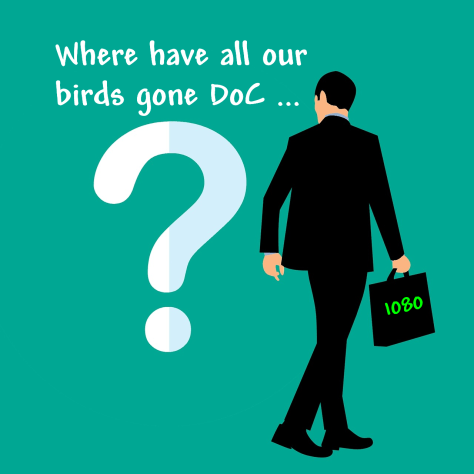
NZ’s Silent Forests – Where have all the Birds Gone? (Send us your stories)

I’m posting out our page on the disappearing bird populations. If you have noticed the same in your area do send us details via the contact page. We can raise awareness by adding them. You can retain anonymity on request. EWNZ

Here is a link to the page:

Image credit: envirowatchnz ‘Poisoning the Birds’

In 2002 in NZ a Landcare scientist estimated the likely death toll from an Otago 1080 drop to be around 10,000 birds

And DoC claims 1080 targets non native species?

Read a quote from DoC’s own website:

1080 targets predators

New Zealand is unusual, because apart from bats, there are no native land mammals. This means we can control introduced mammalian predators without negatively impacting populations of native species.

1080 targets introduced predators such as rats and possums. Stoats are also controlled through scavenging of poisoned rat carcasses. SOURCE

Doc Bird deaths

Would they have us believe that of these 10K deaths, none were natives? Other drops indicate otherwise (read at the link below).

Pfizer knew there’s an 80% miscarriage rate

From Exposing the Darkness @ substack

“There’s a section in the Pfizer documents where there’s an 80% miscarriage rate…”

“…Pfizer knew that babies in utero were being exposed to the vaccine. In their words the babies were dying through “transplacental exposure.”

“…They knew that they were poisoning breast milk, and that the lipid nanoparticles, the mRNA, and presumably the spike was getting onto the breast milk, and causing convulsions, and deaths.”

“ They knew that newborns would have (some of them) air sacs between their tiny lungs and their tiny chest walls. And this would cause respiratory distress. They knew it. It’s in the Pfizer documents.”

SHORT (or longer) VIDEO AT THE LINK

SOURCE

NZ’s Gene Technology Bill – Guy Hatchard PhD & Andrew Bridgen | FTI NYE Clip

From FreeNZ

Guy Hatchard PhD talks with Liz Gunn & Andrew Bridgen during the Freedom Train International Live broadcast about the Gene Technology Bill being introduced in New Zealand and the negative impacts it will have on our health, wellbeing and freedom.

VIDEO LINK

Guy’s article on his website: “Major Alert: New Zealand Government is Enshrining ‘Medical Mandates’ in Law” – https://hatchardreport.media/new-zealand-government-is-enshrining-medical-mandates-in-law/

Website: www.hatchardreport.com

VIDEO: The Gene Technology Bill — What Kiwis Need to Know: https://www.youtube.com/watch?v=K5b2skQADT4

Biden Administration and ‘Mr. Monsanto’ Continue to Bully Mexico into Accepting GMO Corn

by Derrick Broze
From The Last American Vagabond @ substack


EWNZ comment: Of course Monsanto & its poisons never ever went away, as per corporate MO they just morph into another in this case Bayer. They continue, with impunity, to poison us via the food chain. What’s left of it ie as they busily create a famine to expunge us completely. As the saying goes they don’t grasp that we are seeds and burying us in the ground isn’t going to work. Hopefully Mexico can maintain its stance. Not hopeful unfortunately as these corporate bullies simply sue the pants off the non compliant. They are intent on destroying everything. All purity gone. All pure food sources gone. It’s fake meat, bugs and processed everything that they intend for us. If you still think glyphosate (their infamous poison) is harmless as advertised read here.


The Biden administration and Tom “Mr. Monsanto” Vilsack have emerged victorious in their effort to use the U.S.-Mexico-Canada Agreement (USMCA) to force Mexico to accept U.S. grown genetically engineered corn.

On Friday, an international trade panel ruled in favor of the United States in their ongoing dispute with Mexico over an attempted ban on imports of American genetically modified (GM) corn.

The Mexican Department for the Economy said it disagreed with the ruling but would follow it. The Mexican government has been attempting to limit the introduction of GM corn to their country because they believe it poses an unreasonable risk to the domestic corn supply, and thus the health of the country’s numerous indigenous communities and farmers who depend on corn.

“The Mexican government does not agree with the panel’s finding, given that it considers that the measures in question are aligned with the principles of protecting public health and the rights of Indigenous communities,” Mexico’s Economy Department told the Associated Press. “Nonetheless, the Mexican government will respect the ruling.”

The U.S. government celebrated the decision. Ambassador Katherine Tai said the ruling “underscores the importance of science-based trade policies”.

The decision was the latest in an ongoing legal battle between the Mexican and American governments over Mexico’s previous calls for banning imports of U.S. GM corn for human consumption. In 2020, former Mexican President Andrés Manuel López Obrador (AMLO) announced plans to ban GE corn for human consumption. This plan was later watered down, but the country did continue their fight against cross-pollination of their world-renowned corn seeds.

In February 2023, AMLO issued a decree announcing an immediate ban on the use of GM corn for dough and tortillas. The order also called on Mexican government agencies to phase out the use of GM corn for other food uses, including animal feed, which is where a majority of Mexico’s current imports of US GM corn ends up.

Mexico is currently the leading importer of GM corn from the US. This fact alone makes Mexico’s efforts to ban or reduce the presence of GM corn a huge potential financial loss for the American industry growing and exporting GM crops.

For the Mexican farmers who have been cultivating corn for an estimated 8,000 years, GM corn represents a significant threat. GM corn can spread via the birds, bees, and wind, resulting in cross-pollination between traditional crops and GM versions.

In response to Mexico’s initiatives, the US established the dispute panel in August 2023, accusing Mexico of violating the terms of the US-Mexico-Canada Agreement launched under the first Trump administration. The US brought six legal claims against Mexico, including charges that Mexico’s process for determining that GM corn poses a risk was insufficient and not scientifically sound.

The USMCA dispute panel found in favor of the US on all legal claims, stating that, “Mexico’s measures are not based on science and undermine the market access that Mexico agreed to provide in the USMCA.”

Under the USMCA, Mexico has 45 days to comply with the Panel’s findings.

Mexico’s President Claudia Sheinbaum Responds to the Ruling

One day after the trade panel ruling, Mexico’s recently elected President Claudia Sheinbaum stated that the incoming Mexican Congress will pass a ban on the planting of GM corn.

“We must protect Mexico’s biodiversity in our country. As we say: without corn, there is no country,” Sheinbaum stated.

On the 23rd, Sheinbaum was again asked about the decision by the panel and how Mexico would respond.

“Transgenic corn cannot be sown here in Mexico. There are already decrees, but now we want to take it to the Constitution,” Sheinbaum stated. “And let it be very clear that in Mexico it is forbidden to sow transgenic corn.”

Sheinbaum noted that while she was Secretary of the Environment in Mexico City there was a decree that GM corn cannot be sown in the city. She noted that the Mexico City government made efforts to save native-corn in genetic banks.

Sheinbaum also noted that because of the nature of the corn it makes the farmers less dependent on biotech corporations.

“A part of the corn is saved, that seed is saved and is resown and used in the next harvest. This is very important because it does not depend on the farmer to buy the seed from a transnational company,” she stated. “So, preserving the corn in Mexico, not transgenic, is something mandatory.”

The Mexican Government’s Arguments for Banning GM Corn

The USMCA panel’s main conclusions repeatedly attack Mexico’s ability to decide which products constitute a threat to its peoples and culture. The panel refused to accept Mexico’s national sovereignty and introduction of a “zero risk” policy as legitimate reasons for apparently violating the terms of the USMCA.

Mexico’s agencies found that consumption of GM corn in Mexico could impact human health, and GM corn poses a risk to native corn of “transgenic contamination”. The nation implemented the zero risk policy precisely because “the presence of contaminants and toxins in GM corn grain, such as transgenic proteins and glyphosate, has been well documented.”

“In addition, the adverse health effects of these contaminants and toxins have been scientifically demonstrated,” the Mexican government has previously stated. The government said that it “cannot be coerced into ignoring the independent scientific evidence that indicates the harmful effects of transgenic proteins and pesticide residues in GM corn”.

America’s southern neighbor said current international standards, recommendations, and guidelines are based on industrial agriculture in the U.S. and Canada, and do not address the risks of transgenic contamination and uncontrolled spread of GM to Mexico’s native corn.

Mexico said there was concern about GM corn and Mexico’s native non-GM corn varieties growing together in the same small fields and milpas, a traditional crop growing system which is intrinsic to indigenous ways of life in Mexico.

The Mexican government argued that it was acting in defense of their vast indigenous population for which corn is a part of diet, culture, and spiritual practices. Numerous national and international treaties, as well as national and state laws, were cited by the Mexican government in an effort to show that defending indigenous people is a tightly held legal commitment.

The US government responded by stating that Mexico’s claims of legal obligations to indigenous peoples were actually “vague, highly generalized concepts” such as “protecting the cultural heritage of Indigenous peoples and communities.” The US argued that these “vague concepts” do not constitute a concrete legal obligation.

Biden and Mr. Monsanto Win… For Now

The most strongly worded statement from the Mexican government came in response to the well-known revolving door relationship between U.S. government agencies and the industries they are supposed to regulate. In this case, the incestuous relationships between U.S. regulators and those who work for pesticide companies and producers of GM seeds.

In their rejection of the U.S. governments demands about GM corn, the Mexican government said they would not place the “economic interests of U.S. biotech corporations ahead of people’s health in Mexico”.

Indeed, the decision was praised by members of the biotech industry. John Crowley, CEO of the biotech industry trade group BIO, celebrated the ruling as a “monumental victory for the future innovation of agricultural production technologies.”

The perfect example of this relationship between regulators and lobbyists for the biotech industry is the current US Agriculture Secretary Tom Vilsack, former Governor of Iowa and former president and CEO of the US Dairy Export Council. Secretary Vilsack was appointed by the Biden administration after previously serving as Secretary of Agriculture during the Obama administration.

Vilsack cheered the decision by the dispute panel, calling it a “thorough and impartial assessment” which concluded that “Mexico’s approach to biotechnology was not based on scientific principles or international standards”. Vilsack said the ruling was a victory for “countries around the world growing and using products of agricultural biotechnology to feed their growing populations and adapt to a changing planet.”

Vilsack is notable for being given the nickname “Mr. Monsanto” in reference to his work helping the biotech giant Monsanto Inc, now owned by Bayer. In 2001 the Biotechnology Innovation Organization named Vilsack “BIO Governor of the Year” for “his support of the industry’s economic growth and agricultural biotechnology research” while serving as Iowa’s Governor.

In 2016, Politico reported on Vilsack’s role in accelerating the approval of GM crops during the Obama administration:

“Progressives say they are also disappointed that during Vilsack’s seven-and-a-half-year tenure, the Agriculture Department sped up approval of controversial GMO crops, backed trade deals they say cost Americans’ jobs and cleared changes to let poultry slaughter facilities police themselves, among a slew of initiatives favoring big producers.”

The Organic Consumer Association also reported on the various GM food products approved during Vilsack’s tenure. According to the OCA, while Vilsack was USDA Secretary from 2009 to 2017 he approved more new GM crops than any Secretary before him or since. Here are just a couple examples:

  • Monsanto’s Roundup Ready sugar beets: A judge ruled that inevitable contamination would cause the “potential elimination of farmer’s choice to grow non-genetically engineered crops, or a consumer’s choice to eat non-genetically engineered food.”
    • Monsanto’s Roundup Ready alfalfa: The first genetically modified perennial crop. By the end of the Obama administration, it had gone wild, costing American alfalfa growers and exporters millions of dollars in lost revenue. Vilsack’s long-term relationships with the biotech industry should be a warning sign for the Mexican government, and a clear sign of where his allegiances remain.

Vilsack’s habit of moving between government and industry continued during his absence from government under Donald Trump. Forbes recently reported:

“In February 2017, Vilsack joined an organization that the agriculture department helps fund, called the U.S. Dairy Export Council. As its chief executive and president, Vilsack promoted dairy products overseas. He also communicated with the Department of Agriculture, reaching out to his successor, Sonny Perdue. The work paid well, as revolving-door positions often do. During the four years Vilsack led the organization, he earned an estimated $3.6 million.”

There are questions surrounding Vilsack’s ownership of a farm and conflicts of interest with farming programs he oversees at the USDA. Forbes notes that the majority of Vilsack’s $4 million net worth comes from his farm which gives him “personal insight into the ag industry—and potential conflicts of interest as the head of the USDA.”

One clear example is the Conservation Reserve Program which pays farmers to refrain from planting and harvesting on sensitive land. In the first months back in the White House under Biden, Vilsack announced an expansion of the program and raised the rates it pays to farmers. Vilsack has reportedly collected thousands of dollars of subsidies from his farm as part of the program.

The Mexican Government Continues to Oppose GM Crops

Despite the US government’s repeated claims that Mexico’s policies on GM crops are not based in science, the Mexican government has offered numerous studies and reports outlining their view.

For example, in March 2023, Mexico’s National Council for Science and Technology (CONACYT) hosted an online webinar laying out the science behind the nation’s decision to ban imports of GM corn. The webinar itself was a response to repeated claims by the U.S. government that Mexico positions to GM corn are not based on science.

CONACYT, the Mexican government’s senior science department, organized several presentations from Mexican scientists detailing the health concerns surrounding GM food and the herbicide glyphosate which is typically sprayed on GM corn produced by Bayer, formerly Monsanto.

During his presentation, Alejandro Espinoza Calderón, director of Mexico’s biosecurity agency Intersecretarial Commission for Biosafety and Genetically Modified Organisms (Cibiogem), noted that,

“Mexico has a rich store of exceptionally healthy varieties of corn. It is alarming to find that 90 percent of tortillas were shown to have traces of both glyphosate and transgenics. The biosecurity of Mexico is of utmost importance.”

National University biologist Ana Laura Wegier Briuolo, a biologist at Mexico’s National University made it clear that “without healthy corn we cannot have healthy people.”

During the webinar Dr. Omar Arellano, from the National University’s Ecology and Natural Resources Department, shared data from Mexico, Argentina, and the United States, detailing how glyphosate impacts human health. “The science is much clearer now than it was twenty years ago,” Arellano stated.

The Last American Vagabond Substack is a reader-supported publication. To receive new posts and support my work, consider becoming a free or paid subscriber.

SOURCE

Now Pushed Fake Meat Is All About Controlling the Food Supply

From Dr Mercola

Video Link

Story at-a-glance

  • I spoke with “Tea Time,” a program by Children’s Health Defense, about the dangers of fake meat products to help raise awareness about this latest assault on human health
  • Fake food — including lab-grown meat, animal-free dairy and plant-based meat — is the globalists’ latest attempt to control the food supply
  • The globalists are trying to replace animal husbandry with lab-grown meat, which will allow private companies to effectively control the human population
  • The idea that animals must be removed from agriculture to save the planet is flawed; animals are an integral, and necessary, part of the restorative process
  • Fake meat is an ultraprocessed mixture of chemicals, GE ingredients, pesticides and toxic linoleic acid that will promote chronic disease

Editor’s Note: This article is a reprint. It was originally published March 12, 2023.

At face value, fake meat sounds like the perfect solution to end world hunger, protect animal welfare and save the planet from environmental destruction. Even a brief look below the surface reveals a much more nefarious reality, however.

To help raise awareness about this latest assault on human health, I recently spoke with host Polly Tommey on “Tea Time,” a program by Children’s Health Defense, about the dangers of fake meat products.1

Fake Meat Is All About Controlling the Food Supply

Fake food — including lab-grown meat, animal-free dairy and plant-based meat — is the globalists’ latest attempt to control the food supply. Former U.S. Secretary of State and national security adviser Henry Kissinger once said, “Control oil and you control nations; control food and you control people.”2 Controlling people is their whole agenda.

The globalists have long held a monopoly on the grain industry with their patented genetically modified organisms (GMOs). In the early 2010s, not many people knew about GMOs. In 2011, we started to educate the public about their dangers, as they posed a major threat to public health and the environment.

In 2012, a ballot initiative was launched in California to require mandatory labeling of genetically engineered (GE) foods and food ingredients. The initiative was narrowly defeated due to massive donations from multinational corporations, but we won in the long term because awareness of GMOs in the food supply significantly increased. Now, most health-conscious people avoid GE/GMOs.

A similar trend is now occurring with fake food. The globalists are trying to replace animal husbandry with lab-grown meat, which will allow private companies to effectively control the entire food supply.

Fake Meat Is Even Worse Than CAFOs

Many people are aware of the pitfalls of concentrated animal feeding operations (CAFOs) — unnatural diets of GMO grains, crowded conditions, inhumane treatment, excessive pollution and rampant spread of disease. CAFOs are bad — but the new fake food era is going to be even worse.

With their patented fake meat products, the globalists will have unprecedented control over people’s health.3 It sounds noble to try to provide for the entire world’s population using animal-free methods, but it’s a deception.

Will Harris is a regenerative farming pioneer who runs White Oak Pastures in Bluffton, Georgia. He produces high-quality grass fed products, including beef and other animal products, in a way that’s good for consumers, the environment and the financial health of his business. While the globalists are spinning the idea that animal foods are destroying the planet, when raised regeneratively the way Harris does, this is far from the truth.

It’s the fake foods that will ultimately jeopardize the environment. “We are sequestering 3.5 pounds of carbon dioxide equivalent for every pound of grass fed beef we sell. Ironically, the same environmental engineers did an analysis on Impossible Burgers,” Harris said on “The Joe Rogan Experience.” “They’re emitting 3.5 pounds of carbon dioxide equivalent.”4

Save This Article for Later – Get the PDF Now

Download PDF

Regenerative Farming Beats Fake Foods

Impossible Foods, along with Beyond Meat, is a major player in the fake meat marketplace. It claimed to have a better carbon footprint than live animal farms and hired Quantis, a group of scientists and strategists, to prove its point. According to the executive summary, its product reduced environmental impact between 87% and 96% in the categories studied, including land occupation and water consumption.5

This, however, compares fake meat to meat from CAFOs, which are notoriously destructive to the environment and nothing like Harris’ farm. Harris commissioned the same analysis by Quantis for White Oaks and published a 33-page study showing comparisons of White Oaks Pastures’ emissions against conventional beef production.6

While the manufactured fake meat reduced its carbon footprint up to 96% in some categories, White Oaks had a net total emission in the negative numbers as compared to CAFO-produced meat.

Further, grass fed beef from White Oak Pastures had a carbon footprint that was 111% lower than a typical U.S. CAFO, and its regenerative system effectively captured soil carbon, which offset the majority of emissions related to beef production.7

“The WOP [White Oak Pastures] system effectively captures soil carbon, offsetting a majority of the emissions related to beef production,” the report stated. “In the best case, the WOP beef production may have a net positive effect on climate. The results show great potential.”8

So, the idea that animals must be removed from agriculture to save the planet is entirely flawed. In fact, animals are an integral, and necessary, part of the restorative process.

What Is Fake Meat?

Fake meat is marketed as a health food, but it’s nothing more than a highly ultraprocessed mixture of chemicals. Impossible Foods, for instance, uses genetic engineering to insert the DNA from soy plants into yeast, creating GE yeast with the gene for soy leghemoglobin.9

Impossible Foods refers to this compound as “heme,” but technically plants produce non-heme iron, and this is GE yeast-derived soy leghemoglobin.10 Heme iron only occurs in meat and seafood. Impossible Foods’ GE heme is used in their fake meat burgers as a color additive that makes the product appear to “bleed” like real meat.

The health effects of GE heme are unknown, but this didn’t stop the U.S. Food and Drug Administration from approving soy leghemoglobin in 2019. The Center for Food Safety (CFS) filed a lawsuit challenging the approval, which they called “unusually rapid”11 and risky for public health.

In their lawsuit, CFS points out that soy leghemoglobin is produced using synthetic biology, or “genetic engineering on steroids,” which does not shuffle DNA pieces between species but instead constructs new biological parts, devices and systems that do not exist in the natural world.12

The reason why Impossible Foods turned to synthetic biology to produce GE soy leghemoglobin is because it couldn’t extract enough of the substance directly from soybean roots to produce its fake meat products on an industrial, mass-produced scale. The FDA GRAS for soy leghemoglobin is 526 pages long, if that gives you any idea of the industrialized complexity of this so-called GRAS “health” food.13

Beyond Meat is similarly industrially processed. Beyond Burger patties contain 22 ingredients. Among them are expeller-pressed canola oil, pea protein isolate, cellulose from bamboo, modified food starch and methylcellulose14 — hardly “health” foods. To morph these ingredients into a patty that resembles meat require further processing.

It’s revealing, too, that while truly natural foods cannot be patented, Impossible Foods holds at least 14 patents, with about 100 more pending.15

Impossible Foods’ Fake Meat Is Loaded with Glyphosate, LA

Considering that many ingredients in fake meat products are made from GE soy,16 it’s not surprising that they’re also contaminated with the herbicide glyphosate. Consumer advocacy group Moms Across America (MAA) commissioned Health Research Institute Labs (HRI Labs), an independent laboratory that tests both micronutrients and toxins found in food, to determine how much glyphosate is in the Impossible Burger and its competitor, the Beyond Burger.

The total result of glyphosate and AMPA, the main metabolite of glyphosate, in the burgers was 11.3 parts per billion (ppb) in the Impossible Burger and 1 ppb in the Beyond Burger.17

When the concerning results were revealed, Impossible Foods engaged in a smear campaign to try and discredit MAA, labeling the group of moms “an anti-GMO, anti-vaccine, anti-science, fundamentalist group that cynically peddles a toxic brew of medical misinformation and completely unregulated, untested, potentially toxic quack ‘supplements’ …”18

The glyphosate in fake meat is one issue. The excess amounts of omega-6 fat in the form of linoleic acid (LA) are another. In my opinion, this metabolic poison is the primary contributor to rising rates of chronic disease. It’s important to realize that fake meat alternatives do not contain healthy animal fats. All the fat comes from industrial seed oils like soy and canola oil, which are top sources of LA.

Eliminating ultraprocessed foods from your diet is essential to keeping your LA intake low, and this includes fake meat.

‘Precision Fermentation’ Isn’t Natural Either

Fake food companies want you to believe their products are natural because they’re made with components of plants, even though nothing like them exists in nature. Precision fermentation is another term used by the biotech industry to piggyback off the popularity of truly health-promoting natural fermentation.

Precision fermentation, however, is nothing like its natural counterpart. What is perhaps most disturbing about the use of precision fermentation is that companies are allowed to claim that it’s natural.

Metabolic engineering is a major subset of precision fermentation, which involves methods such as next-generation sequencing, high-throughput library screening, molecular cloning and multiomics “to optimize microbial strains, metabolic pathways, product yields, and bioprocess scale-up.”19 It sounds just like something down on the farm, doesn’t it?

Whether it’s called precision fermentation, gene editing, GMO or something else, don’t fall for the hype that it’s good for you or the planet.

Where Should You Get Your Meat?

If fake meat isn’t healthy, and CAFO meat isn’t a good choice either, a reasonable question is where can you find meat that’s beneficial for your health and the planet? The answer is to get to know a farmer in your area. Visit the farm and view how the animals are being raised.

Get to know the resources available to you within your local community. The community will naturally validate the vendors who are raising food the right way. If you can’t find a local farm for ruminant animals like cows, buffalo or lamb, look for certified organic options at your local grocery store. However, it’s best to stay local and find a source of real, whole food near you.

As much as you can, plant a garden for vegetables, grow fruit trees and even raise chickens if it’s allowed in your area. For the food you can’t source on your own, lean on your community to fill in the gaps.

Just as was the case with GMOs, raising awareness about the dangers of fake meat is also important, especially in this early and aggressively expanding phase. Tell your social circle that to save the planet and support your health, it’s necessary to skip all the fake meat alternatives and opt for real food instead.

When you shop for food, know your farmer and look for regenerative, biodynamic and/or grass fed farming methods, which are what we need to support a healthy, autonomous population.

SOURCE

Image credit: Pixabay.com

Despite NZ Govt’s directive the Whangarei DC recently resolved NOT to chemically fluoridate the city’s water supply

Some good news for a change! From those medical professionals who do actually adhere to the Hippocratic Oath. Meanwhile in the US folk are still being told ‘Trust the Science’.  Unfortunately, some NZ Councils are falling in line). EWNZ

From nzdso.com

Defying the Directive: Whangarei Council Fluoride Decision

We are encouraged and heartened by a recent vote taken by the Whangarei District Council resolving NOT to chemically fluoridate the city’s water supply despite the direction given by the former Director General of Health (DGoH) Dr Ashley Bloomfield and now being continued by the current DGoH Dr Diana Sarfati.

The councillors of Whangarei who voted NO are to be commended for having listened to their constituents and having taken it upon themselves to look at the science and human rights issues rather than just trusting and obeying the words of the Ministry of Health.

No engagement

Despite many approaches from concerned individuals, groups and councils, the Ministry of Health and Dr Sarfati have refused to engage in discussion or conversation, instead referring those asking questions to out-of-date reports, ignoring the questions altogether or doubling down on their threatening behaviour.

If the science is so settled in their favour, the Ministry of Health should be able to engage in a polite public discussion, answer questions and defend their actions.  They should be able to explain why the risk of neurotoxicity to children in the US that has caused a Federal Court to rule that action must be taken, does not apply to New Zealand children.

Perhaps Dr Reti could provide the different science he believes in such that he can discount the US neurotoxicology report?

If the benefits are so large and the risks so small that it is justified to override right 11 (Right to refuse to undergo medical treatment) of the NZ Bill of Rights, it should be straightforward to provide a BORA analysis.  However, it is over a year since Dr Sarfati was ordered by the courts to produce one and it is yet to be provided.

Not once has Dr Sarfati been seen publicly justifying her actions and threats to councils.  She continues to hide behind her officials and lawyers (all funded by the taxpayer, of course).

Unanswered Questions

Despite repeated requests the MoH has not been able to point to any research that shows the combination of fluoride and chlorine in NZ water has been proven to be safe, particularly for iodine-dependent tissues such as the thyroid gland and female breast.

Despite several inquiries it is still not clear who the official provider of the medical treatment (water fluoridation) is. The MoH says it has no provider-consumer relationship with the recipients of the medication, so it is not responsible, while the local councils say they are following orders and are not medically responsible. Meanwhile, the Health and Disability Commissioner (HDC) has just answered an OIA enquiry, saying it too has no responsibility for protecting our rights against compulsory medical treatment with fluoridation chemicals. That’s strange as the law says exactly that. Another agency throwing up its hands. 

The impacts of fluoridated water discharged into the environment also appear not to have been considered and many questions remain unanswered.

Benefits, Risks, Alternatives

In ordinary times when a doctor or health practitioner is helping a person to make a medical decision, they would consider the benefits, risks and alternatives.

Current research shows the benefits of community water fluoridation in a time when fluoride is readily available (to those who want it) from other sources (such as toothpaste or a visit to the dental nurse) are minimal to non-existent.

Current research also shows that the harm from ingested fluoride on developing brains is serious, as per the US Government’s National Toxicology Program (NTP) report recently released under court order.

There are far better ways of obtaining the outcome that, presumably, we all want – healthy teeth for all New Zealanders.  These include avoiding sugary drinks, eating better, optimising levels of micronutrients and healthy bacteria, brushing teeth, and attending to dental problems early.

Moving On

We urge other councils to take a closer look at the science and human rights issues involved, listen to their communities and (take similar actions) push back against over-reach, community harm and commercial agreements.

Thank you very much to the courageous councillors of Whangarei.

SOURCE

Image Credit: pixabay.com

Chemtrails: Citizens vs Government, 2015 California (PART 2) (In case you still think it’s conspiracy)

Check out our sister site truthwatchnz.is for other news

From Agent131711 @ substack

We, the People [world wide including NZ!] have had enough of the GeoEngineering…

No matter how many PSYOPs they employ, nothing will make us believe this is normal:

Image

(2 minute video watch at the link)

Before we get into the second half of this presentation, let me say that, despite what the media tells you, many highly credentialed whistleblowers have come forward, such as Doctor Bill Deagle, a military doctor, who warned the public about this spraying program:

Maybe you think Dr. Bill is a nut; perhaps he just wanted attention and his life destroyed (and ultimately, death). How about testimony from Alfred Webre, a former United Nations representative:

If you think both of them are crazy, check out my Substack post showing military whistleblower, Kristen Meghan:

GO TO THE LINK FOR PART 2

8 Common Sources of Heavy Metals in Food

When you’re buying food for yourself and your family, you probably glance over the Nutrition Facts panel to make sure you’re making a healthy choice. You may even look at the fine print in the ingredients list, to see if there are any artificial additives or preservatives you want to avoid. What you won’t see listed on the label however, is how much toxic heavy metals you may consume per serving. Yet that is exactly what may be inside.

What we eat and drink is one of the primary points of exposure for heavy metals. These toxins make their way into the food chain thanks to decades of industrial pollutants entering the soil and water.

In the past, many experts believed this wasn’t a cause for concern. The idea was that the human body is perfectly capable of dealing with trace amounts of heavy metals via its detoxification pathways. But they were missing the big picture.

Image by 6653167 from Pixabay

11 Of The Most Faked Foods In The World | Big Business | Insider Business

Hate to break it to you, but your truffle oil wasn’t made from truffles. Your vanilla extract? Well, that’s probably just a lab-made derivative of crude oil. And your shaker of Parmesan cheese? It probably has wood pulp inside. You might feel the companies behind these food products are using deceptive packaging — but it’s legal. However, there’s a whole other level of trickery that’s completely illegal: food fraud. That’s when criminals bottle up corn syrup and call it 100% honey, or when they pass off cheap mozzarella as pure Parmigiano-Reggiano. Globally, the fraudulent food industry could be worth $40 billion. It hurts legitimate producers, funds criminal activities, and can even harm consumers. We head around the world to uncover how producers get away with food deception and how we can spot the real stuff.

0:00 Intro
1:08 Truffles
3:44 Maple Syrup
5:19 Wasabi
7:42 Parmesan Cheese
11:15 Vanilla
12:58 Caviar
14:40 Honey
17:30 Olive Oil
20:04 Wagyu Beef
22:20 Coffee
24:05 Saffron
25:58 How criminals get away with selling fakes

WHO admits aspartame causes cancer (read more from Corbett)

Welcome to New World Next Week – the video series from Corbett Report and Media Monarchy that covers some of the most important developments in open source intelligence news. This week:

Story #1: W.H.O. Says Aspartame Might Be Linked to Cancer, Officials Say It’s Safe

https://www.msn.com/en-us/health/nutrition/world-health-organization-says-aspartame-might-be-linked-to-cancer-but-officials-say-it-s-safe-for-use/ar-AA1e1Ug3

Aspartame Sweetener ‘Possibly’ Cancer-Causing, WHO Agency Reports

https://news.un.org/en/story/2023/07/1138732

READ MORE AT THE LINK:

Image by evelynlo from Pixabay

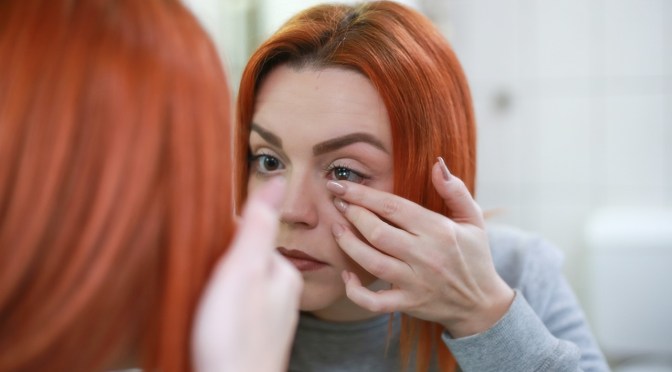
How Many Forever Chemicals Are in Your Contact Lenses?

Story at-a-glance

  • Mamavation, in partnership with Environmental Health News, had 18 different brands of contact lenses tested for organic fluorine, a marker for PFAS
  • All the contact lenses tested positive for fluorine, at levels ranging from 105 to 20,700 parts per million (ppm)
  • While 44% of the contact lenses tested contained fluorine at a level over 4,000 ppm, 22% contained more than 18,000 ppm
  • A large population-based study conducted in China found exposure to PFAS increased the risk of visual impairment
  • PFAS is likely used in contact lenses to make them soft and allow oxygen to flow through, but the chemicals are linked to reproductive and developmental problems, cancer, liver disease and more

Toxic polyfluoroalkyl or perfluoroalkyl chemicals, collectively known as PFAS, may be lurking in your contact lenses. The compounds, which have been dubbed “forever chemicals” because they break down so slowly, have been linked to reproductive and developmental problems,1 cancer, obesity,2 nonalcoholic fatty liver disease (NAFLD)3 and more.

PFAS is known for making surfaces slippery, hence their widespread use in nonstick cookware. They’re also found in many other consumer products, however, including food takeout containers, food packaging, stain- and grease-resistant products, furniture and personal care products. Many people are unaware these chemicals are in products they use daily, including contact lenses, which may spend up to 16 hours next to your eye each day.

Contact Lenses ‘Almost Pure PFAS’

Mamavation, in partnership with Environmental Health News, has been investigating PFAS in everyday products such as clothes, food and makeup.4 Many social media users had asked the wellness blog if soft contact lenses contain PFAS, so they sent 18 different brands to a laboratory certified by the U.S. Environmental Protection Agency to test for organic fluorine, a marker for PFAS.

All the contact lenses tested positive for fluorine, at levels ranging from 105 to 20,700 parts per million (ppm). While 44% of the contact lenses tested contained fluorine at a level over 4,000 ppm, 22% contained more than 18,000 ppm.5 The contact lenses with the highest organic fluorine levels were:6

  • Alcon Air Optix Colors with Smartshield Technology (20,700 ppm)
  • Alcon Total30 Contact Lenses for Daily Wear (20,400 ppm)
  • Alcon Air Optix (No Hydraglide) for Astigmatism (20,000 ppm)

What does this mean in terms of your health? Pete Myers, chief scientist for Environmental Health Sciences, said:7

“The presumption that these organic fluorine levels measured in contact lenses are safe is laughable. Last summer the EPA issued health advisories in drinking for four common PFAS, ranging from 0.004 parts per trillion (ppt) to 2000 ppt. EPA considers exposure beneath these thresholds to be safe for drinking water.

While comparing drinking levels in water to concentrations in contact lenses is like comparing apples to oranges, it’s worth noting that all of the contact lenses tested exceeded 100 ppm, which is equivalent to 100,000,000 ppt, or 50,000 times higher than the highest level deemed safe in drinking water by the EPA.

Manufacturers don’t have to disclose when PFAS are used in their products. It’s legal to claim the contents are a “trade secret.”8 But according to Scott Belcher, a North Carolina State University researcher and scientific adviser on the testing, fluoropolymers are likely.

He told The Guardian fluoropolymer PFAS “have the properties that your eyes want … It wants to get oxygen and doesn’t want bacteria to grow like crazy, and it wants lenses to be smooth and comfortable.”9 Fluoropolymers likely make contact lenses soft and allow oxygen to flow through them,10 but the convenience of having smooth contact lenses comes at a price.

A 2020 review into the chemicals found “their production and uses should be curtailed except in cases of essential uses,” given their extreme persistence in the environment, toxic emissions associated with their production and use, and a high likelihood that they contribute to human exposure to PFAS.11

PFAS Exposure May Harm Your Vision

Little is known about how the eyes may absorb PFAS, but the chemicals are known to be absorbed via the skin, leading to immunotoxicity.12 Further, The Guardian reported, “PFAS also break down into different types of PFAS once in the environment, so it is possible that the polymers turn into dangerous forms of the chemicals once in the eye or contact packaging, but no studies have been done.”13

Linda Birnbaum, scientist emeritus and former director of the National Institute of Environmental Health Sciences and National Toxicology Program, further told Mamavation:14

“Your eyes are one of the most sensitive parts of your body. Therefore, it’s concerning to see the presence of organic fluorine, which is likely a type of PFAS, found in all soft contact lens products tested. What about the idea of doing no harm? Do we have proof these products are safe? A lack of safety studies does not qualify as ‘safety,’ which is what is happening here.”

Research that has been done on PFAS and vision is cause for concern. A large population-based study conducted in China found exposure to PFAS increased the risk of visual impairment.15 The researchers suggested PFAS may induce oxidative stress, with a detrimental effect on the eyes.

“PFASs are proven pro-oxidants and exposure to these emerging pollutants elicits DNA damage, lipid peroxidation, generation of reactive of species (ROS), and inhibition of anti-oxidant enzymes, as well as triggers signaling cascades like apoptosis,” they explained.16 Military members who were exposed to PFAS on military bases have also suffered from a number of eye conditions, including myopia, hyperopia, astigmatism and presbyopia.17

Download this Article Before it Disappears

Download PDF

Using PFAS Contacts May Leave You ‘Permanently Contaminated’

More than 98% of Americans have PFAS in their blood.18 But using contacts made from the material daily could leave you permanently contaminated. According to Terrence Collins, director of the Institute for Green Sciences at Carnegie Mellon University:19

“Fluoropolymers improve the technical performance of contact lenses at attractive price performances and customers are naturally attracted. But the other key performances for safe and sustainable chemical products, the health, environmental and fairness performances, are not given adequate attention by manufacturers, legislators, or regulators.

If you use fluoropolymer-containing contact lenses, you are likely to become permanently contaminated. No one today can tell you that fluoropolymer exposures are safe because no jurisdiction has been demanding the development and scrutiny of appropriate safety testing.

Your body cannot process fluoropolymers to safe products to protect you and nature is just as helpless when you throw the lenses away. But we know enough about PFAS chemicals to guess and fear that fluoropolymers in human cells or in the environment are anything but a pretty safety picture. I advise that such contact lenses be rigorously avoided.”

The environmental ramifications are also cause for alarm, considering more than 45 million Americans wear contact lenses — and up to 46% of them wear disposable varieties that are trashed daily. Every year, 2.5 billion contact lenses — about 44,000 pounds’ worth — are thrown away or end up in wastewater treatment plants after they’re flushed down a toilet or sink.20

In the environment, PFAS have devastating effects, to the extent that consuming a single serving of freshwater fish annually equates to a month of drinking water contaminated with PFOS — one type of PFAS — at a concentration of 48 parts per trillion.21

PFAS does not break down in water or soil and can be carried over great distances by wind or rain, according to the U.S. Department of Health and Human Services’ Agency for Toxic Substances and Disease Registry (ATSDR).22

PFAS Exposure Linked to Significant Health Risks

If your contact lenses contain PFAS, you may want to reconsider using them. Exposure to high levels of PFAS is also known to affect the immune system, and evidence from both human and animal studies shows that such exposure may reduce your resistance to infectious disease.23 The EPA also acknowledges that PFAS exposure is harmful and states that peer-reviewed scientific studies have shown exposure to PFAS may cause:24

Reproductive effects such as decreased fertility or increased high blood pressure in pregnant womenDevelopmental effects or delays in children, including low birth weight, accelerated puberty, bone variations or behavioral changes
Increased risk of some cancers, including prostate, kidney and testicular cancersReduced ability of the body’s immune system to fight infections, including reduced vaccine response
Interference with the body’s natural hormonesIncreased cholesterol levels and/or risk of obesity

Liver disease is another known risk. PFAS are endocrine-disrupting chemicals that accumulate in body tissues, such as the liver, and are known to accelerate metabolic changes that lead to fatty liver.

“This bioaccumulation,” researchers wrote in Environmental Health Perspectives, “coupled with the long half-lives of many PFAS, leads to concern about the potential for PFAS to disrupt liver homeostasis should they continue to accumulate in human tissue even if industrial use is abated.”25

How Else Can You Be Exposed to PFAS?

In addition to contact lenses, PFAS can be found in water, soil, air and food. It’s in your home, including in household products like stain- and water-repellant fabrics, cleaning products, nonstick cookware and paint — and likely in your drinking water.26

Fast food containers and wrappers, microwave popcorn bags, pizza boxes and candy wrappers27 are also common PFAS sources. One study released by consumer watchdog groups Safer Chemicals, Healthy Families and Toxic-Free Future even revealed high levels of fluorine in five of 17 paper products that come in contact with food at Whole Foods Market — four of which were containers in the salad and hot food bar.28

Testing by Mamavation has also found evidence of PFAS in pasta and tomato sauces, sports bras, tampons and dental floss.29 Since the chemicals migrate into food and contaminate compost piles and landfills after disposal, the use of PFAS leads to unnecessary long-term exposure to harmful chemicals for humans, wildlife and the environment, especially since PFAS-free packaging options are widely available.

Tips for Avoiding PFAS

PFAS has no taste or smell but is widespread in the environment and in consumer products. You’ll want to filter your drinking water to avoid this common route of exposure. Also avoid products that are stain-resistant, waterproof or nonstick, as most contain PFAS.

Regarding contact lenses, you can avoid PFAS exposure by using glasses instead. To further reduce your exposure, the Environmental Working Group recommends avoiding:30

Items that have been pretreated with stain repellants and opt out of such treatments when buying new furniture and carpets.
Water- and/or stain-repellant clothing. One tipoff is when an item made with artificial fibers is described as “breathable.” These are typically treated with PTFE.
Items treated with flame retardant chemicals, which includes a wide variety of baby items, padded furniture, mattresses and pillows. Instead, opt for naturally less flammable materials such as leather, wool and cotton.
Fast food and carry out foods, as the wrappers are typically treated with PFAS.
Microwave popcorn. PFAS may not only be present in the inner coating of the bag, it also may migrate to the oil from the packaging during heating. Instead, use “old-fashioned” stovetop popcorn.
Nonstick cookware and other treated kitchen utensils. Healthier options include ceramic and enameled cast iron cookware, both of which are durable, easy to clean and completely inert, which means they won’t release any harmful chemicals into your home. A newer type of nonstick cookware called Duralon uses a nonfluoridated nylon polymer for its nonstick coating. While this appears to be safe, your safest bet is still ceramic and enameled cast iron.
Oral-B Glide floss and any other personal care products containing PTFE or “fluoro” or “perfluoro” ingredients.

https://articles.mercola.com/sites/mercola/special-content/dynamic-ending-advertisement.aspx?cid_medium=email

Sources and References

Image by Martin Slavoljubovski from Pixabay

Decades of Parkinson’s Data Buried, Deadly Chemical Exposed

From Dr Mercola @ mercola.com

Note: Due to heavy censorship Dr Mercola’s articles are archived to paid sub within 48 hours so the link below may no longer lead to the actual article

Story at-a-glance

  • Paraquat is an herbicide and registered desiccant that has been used on American farms since 1964. A desiccant is a chemical that speeds up the ripening of the crop and dries it out, which facilitates harvesting and allows it to be harvested sooner than were the crop left to dry naturally
  • Fifty countries have banned paraquat due to its extreme toxicity and adverse effects on health. A single sip is lethal to a human. A considerable body of evidence also links paraquat to Parkinson’s disease
  • As of mid-March 2023, 2,998 lawsuits filed by farmers with Parkinson’s disease had been consolidated in Illinois federal court. The first bellwether trial is scheduled to begin in October 2023. Class actions have also been filed with state courts in California, Florida, Pennsylvania and Washington. The first state court trial is scheduled to begin in September 2023 in California
  • The discovery process has unearthed a trove of documents showing Syngenta knew as early as the 1960s that paraquat posed neurological risks and kept the evidence from regulators
  • Research shows paraquat becomes exponentially more hazardous in combination with plant lectins, as the lectins help shuttle paraquat into your brain, where it induces the neuronal degeneration seen in Parkinson’s disease. Many of the foods treated with paraquat are high-lectin foods, such as peas, beans and potatoes, so strive to buy organic whenever possible

Paraquat is an herbicide and registered desiccant that has been used on American farms since 1964. A desiccant is a chemical that speeds up the ripening of the crop and dries it out, which facilitates harvesting and allows it to be harvested sooner than were the crop left to dry naturally.

Desiccation is also used to improve profits, as farmers are penalized when the grain contains moisture. The greater the moisture content of the grain at sale, the lower the price they get.

While 50 countries have banned paraquat due to its extreme toxicity and adverse effects on health (a single sip is lethal to a human1), the chemical remains legal in the U.S., provided farmers receive training on its application. Proper application doesn’t ensure its safety, however, as recent lawsuits by thousands of farmers make clear.

Paraquat Linked to Parkinson’s Disease

A considerable body of evidence2 links paraquat to Parkinson’s disease and, as of mid-March 2023, 2,998 lawsuits filed by farmers with Parkinson’s disease had been consolidated in Illinois federal court. The first bellwether trial is scheduled to begin in October 2023.3

The farmers are suing Syngenta, the lead manufacturer, and Chevron, a key distributor, arguing the herbicide caused their disease, and that the manufacturer was aware of this risk and concealed it from the public.

The discovery process has unearthed a trove of documents4 showing Syngenta has indeed known that paraquat poses neurological risks and feared the possibility of lawsuits for decades.

Most of the paraquat lawsuits are taking place in Illinois federal court, but class actions have also been filed with state courts in California, Florida, Pennsylvania, and Washington. The first state court trial is scheduled to begin in September 2023 in California.5 As reported by the Miller & Zois law firm, which is handling paraquat cases in all 50 U.S. states:6

“Parkinson’s disease is a progressive neurodegenerative disorder of the brain that affects primarily the motor system, the part of the central nervous system that controls movement.

The characteristic symptoms of Parkinson’s disease are its ‘primary’ motor symptoms: resting tremor; bradykinesia (slowness in voluntary movement and reflexes); rigidity; and postural instability. There is currently no cure for Parkinson’s disease.

Existing treatments do not slow or stop their progression; such treatments are capable only of temporarily and partially relieving motor symptoms. These treatments also have unwelcome side effects the longer they are used.

Paraquat is a toxic chemical that is a highly effective plant killer. Unfortunately, the same properties that make paraquat toxic to plant cells also make it highly damaging to human nerve cells and create a substantial risk to anyone who uses it.

Oxidative stress is a major factor in — if not the precipitating cause of — the degeneration and death of dopaminergic neurons which is the primary pathophysiological cause of Parkinson’s disease.

Paraquat is designed to injure and kill plants by creating oxidative stress, which causes or contributes to causing the degeneration and death of plant cells. Similarly, Paraquat injures and kills animals by creating oxidative stress, which causes the degeneration and death of animal cells.

The causal link between Paraquat and Parkinson’s disease is well established. Hundreds of animal studies involving various routes of exposure have found that paraquat creates oxidative stress that results in pathophysiology consistent with that seen in human Parkinson’s disease.

Many epidemiological studies have also found an association between Paraquat exposure and Parkinson’s disease, including multiple studies finding a two- to five-fold or greater increase in the risk of Parkinson’s disease in populations with occupational exposure to paraquat compared to populations without such exposure.”

Attorneys working on these cases have also highlighted recent research7 linking paraquat exposure to end stage renal disease,8 so it’s possible that the litigation effort against Syngenta might expand even further.

Syngenta Obfuscated the Evidence

In a June 2, 2023, article9 in The Guardian, journalist and author Carey Gillam reviews evidence from the paraquat lawsuits showing Syngenta has known about the chemical’s risk to human health for decades, and went out of its way to bury that evidence.

Some of the research10 out there suggests lifetime exposure to paraquat raises your risk of Parkinson’s by as much as 250% (odds ratio 2.5), primarily through oxidative stress. In the 2020 book, “Ending Parkinson’s Disease: A Prescription for Action,” four leading neurologists also cite paraquat as a causative factor for the condition.11

Not surprisingly, Syngenta relied on the same strategies developed and perfected by the tobacco industry in years past. While independent researchers kept linking paraquat to Parkinson’s disease, Syngenta sowed doubt by maintaining the evidence was “fragmentary” and “inconclusive,” even though it wasn’t.

Indeed, internal documents obtained during the discovery process reveals Syngenta knew that paraquat accumulated in the human brain and could permanently impair the central nervous system.12,13,14 As reported by Gillam:15

“Though it worked to publicize research that supported paraquat safety, Syngenta kept quiet about a series of in-house animal experiments that analyzed paraquat impacts in the brains of mice, according to company records and deposition testimony.

Scientists who study Parkinson’s disease have established that symptoms develop when dopamine-producing neurons in a specific area of the brain called the substantia nigra pars compacta (SNpc) are lost or otherwise degenerate. Without sufficient dopamine production, the brain is not capable of transmitting signals between cells to control movement and balance.

The Syngenta scientist Louise Marks did a series of mouse studies between 2003 and 2007 that confirmed the same type of brain impacts from paraquat exposure that outside researchers had found. She concluded that paraquat injections in the laboratory mice resulted in a ‘statistically significant’ loss of dopamine levels in the substantia nigra pars compacta.”

Download this Article Before it Disappears

Download PDF

Jeopardizing Human Health for Profit

The company withheld these and other internal research results from regulators and denounced the validity of independent science showing neurological effects.

Worse, when Syngenta met with U.S. Environmental Protection Agency (EPA) officials in 2013 to update the agency on its internal research, the company claimed studies showed paraquat, even at high doses, did NOT reduce dopamine-producing neurons, directly contradicting Marks’ findings.16

Similarly, in a follow-up presentation to the EPA in 2017,17 Syngenta claimed that paraquat had “no effect” in the brain and that a “causal relationship between paraquat and Parkinson’s was not supported.”

During a recent deposition, Dana Dixon, lead for product safety operations at Syngenta, was asked point blank if the information presented to the EPA was a lie. Dixon claimed they were “not hiding” Marks’ results, but rather chose to “focus on other studies” that refuted it.18

Syngenta ‘Swat Team’ Beat Down Negative Reports

At one point, Syngenta also worked behind the scenes to keep a highly regarded scientist involved in the study of Parkinson’s off the EPA’s advisory panel, and internal documents show company officials wanted to make sure the effort could not be traced back to them.19

As reported by Gillam, Syngenta also had a special “swat team” tasked with the immediate rebuttal of any new reports of adverse effects:20

“… files reveal an array of tactics, including enlisting a prominent UK scientist and other outside researchers who authored scientific literature that did not disclose any involvement with Syngenta …

[M]isleading regulators about the existence of unfavorable research conducted by its own scientists; and engaging lawyers to review and suggest edits for scientific reports in ways that downplayed worrisome findings.

The files also show that Syngenta created what officials called a ‘Swat team’ to be ready to respond to new independent scientific reports that could interfere with Syngenta’s ‘freedom to sell’ paraquat.

The group, also referred to as ‘Paraquat Communications Management Team,’ was to convene ‘immediately on notification’ of the publication of a new study, ‘triage the situation’ and plan a response, including commissioning a ‘scientific critique.’

A key goal was to ‘create an international scientific consensus against the hypothesis that paraquat is a risk factor for Parkinson’s disease,’ the documents state.”

In internal company documents from 2003, Syngenta officials discussed the need for a “coherent strategy across all disciplines focusing on external influencing, that proactively diffuses the potential threats that we face,” including influencing the future work by external researchers.

They also hired external scientists to write papers in support of paraquat without disclosing their relationship with the company. Ghostwriting scientific studies was also a tactic employed by Monsanto, to hide known dangers associated with its Roundup herbicide.

Lawyers Played Central Role in Obfuscation of Evidence

As detailed by Gillam, corporate defense lawyer Jeffrey Wolff also appears to have played a central role in the obfuscation of evidence. He instructed Syngenta scientists on how to take notes and manage communications to ensure the company would be able to claim attorney-client privilege in the case of litigation.

For example, action notes taken were to be labeled “Work Product Doctrine Material Confidential” and carry an attorney-client privilege statement.21 Wolff also had an active role in editing various scientific statements, reports and presentations to hide or downplay negative internal findings.

For example, a 2009 internal presentation by a company scientist on paraquat and Parkinson’s disease was reviewed by Wolff, who objected to a statement that said a majority of cases were related to environmental causes. Instead, Wolff suggested the presentation state that the “great majority of PD cases are idiopathic or of unknown cause.”

In another case, Wolff recommended removing the written admission that paraquat caused loss of neurons in the substantia nigra pars compacta from a scientific slide show, and instead only mention it verbally during the presentation. As reported by Gillam, the heavy involvement of lawyers is also straight out of the tobacco industry’s dirty playbook:22

“The involvement of lawyers with the scientists at Syngenta appears similar to highly criticized practices by the tobacco industry in the 1970s and ’80s that downplayed the dangers of smoking, said Thomas McGarity, former EPA legal adviser and co-author of the 2008 book titled ‘Bending Science: How Special Interests Corrupt Public Health Research.’

‘It looks like the paraquat maker has adopted nearly every strategy we outlined in our book about bending science,’ McGarity said. ‘Science matters. We have to be able to depend on science,’ he said.

‘When it is perverted, when it is manipulated, then we get bad results. And one result is that pesticides that cause terrible things like Parkinson’s remain on the market.’”

Lectins in Food Shuttle Paraquat Into the Brain

Disturbingly, animal research shows paraquat becomes exponentially more hazardous in combination with plant lectins. The cruel irony here is that paraquat is widely used as an herbicide and desiccant on lectin-rich crops in particular, including wheat, soybeans, potatoes, cereal grains and beans.

Plant lectins help shuttle paraquat into your brain, where it induces the neuronal degeneration seen in Parkinson’s disease.

According to the study23 in question, published in the journal NPJ Parkinson’s Disease in 2018, plant lectins help shuttle paraquat into your brain, where it does the most damage. As reported by the authors:

“Increasing evidence suggests that environmental neurotoxicants or misfolded α-synuclein generated by such neurotoxicants are transported from the gastrointestinal tract to the central nervous system via the vagus nerve, triggering degeneration of dopaminergic neurons in the substantia nigra pars compacta (SNpc) and causing Parkinson’s disease (PD).

We tested the hypothesis that gastric co-administration of subthreshold doses of lectins and paraquat can recreate the pathology and behavioral manifestations of PD in rats …

These data demonstrate that co-administration of subthreshold doses of paraquat and lectin induces progressive, L-dopa-responsive parkinsonism that is preceded by gastric dysmotility. This novel preclinical model of environmentally triggered PD provides functional support for Braak’s staging hypothesis of idiopathic PD.”

Here again, we see the central role of the substantia nigra pars compacta, the very area of the brain that Syngenta scientist Marks found to be adversely impacted by paraquat. What’s more, the combination of paraquat and lectins could well be the underlying mechanism behind “idiopathic” Parkinson’s, which Wolff wanted listed as the primary “cause.”

Paraquat in Food Supply Puts Your Health at Risk

This also means that farmers aren’t the only ones at risk. Direct exposure is only one way by which paraquat can cause harm. Ingestion through food is the other, and oftentimes, that food is also high in lectins, which multiplies the danger. Reporting on the 2018 findings, Medical News Today wrote:24

“[P]araquat, once in the stomach, causes alpha-synuclein to be misfolded and then helps it travel to the brain. Scientists believe that alpha-synuclein runs along the vagus nerve, which itself runs between the stomach and the brain.

In fact, recent studies have shown that the vagus nerve has a direct connection with the substantia nigra, making it a prime suspect in Parkinson’s disease. This direct link also helps explain why digestive problems often precede the motor symptoms of Parkinson’s by several years.

To investigate, the researchers fed rats small doses of paraquat for 7 days. They also fed them lectins … As expected, they identified Parkinson’s-related changes … As study co-author Prof. Thyagarajan Subramanian explains:

‘We were able to demonstrate that if you have oral paraquat exposure, even at very low levels, and you also consume lectins … then it could potentially trigger the formation of this protein — alpha-synuclein — in the gut. Once it’s formed, it can travel up the vagus nerve and to the part of the brain that triggers the onset of Parkinson’s disease.’

This series of experiments demonstrates how the interplay between two ingested compounds can conspire to create and then transport toxic protein structures from the gut to the brain.”

Take-Home Message

The take-home message here is that foods treated with paraquat may be just as hazardous as direct exposure on a farm. Paraquat is considered one of the “best” drying options for legumes in particular, which are also particularly high in lectins.

As a result, many foods that vegetarians and vegans rely on may pose significant health hazards — and in more ways than one, as lectins are also problematic in and of themselves. In February 2022, I posted an interview with Dr. Steven Gundry, author of “The Plant Paradox,” in which we reviewed the health hazards of lectins.

As explained by Gundry, plant lectins can wreak havoc on your health by attaching to your cell membranes, causing inflammation, damage to your nerves and cell death. Some can also interfere with gene expression and disrupt endocrine function.

So, while lectins can cause severe health problems in and of themselves, by spraying paraquat on lectin-rich crops, those crops are made exponentially more hazardous, as the lectins act as transport vehicles for the toxic herbicide.

You can reduce lectin concentration by pressure cooking, for example, but if you’re starting out with contaminated food, you’re dealing with extra-toxic kinds of lectins. To avoid or at least minimize these hazards, it’s important to buy organic beans, peas, potatoes and other high-lectin foods from a reputable source, ideally a local farmer you can trust.

The other take-home message from all this is that chemical companies are among the least trustworthy sources out there. Like Monsanto before them, Syngenta officials have spent decades hiding the dangers of paraquat, while untold numbers of people got sick, suffered and died.

As noted by Bruce Blumberg, professor of developmental and cell biology at the University of California, Irvine, in response to the revelations about Syngenta’s obfuscation of evidence:25

“It is highly unethical for a company not to reveal data they have that could indicate that their product is more toxic than had been believed. [These companies are] trying to maximize profits and they jeopardize public health, and it shouldn’t be allowed. That is the scandal.”

Sources and References

https://articles.mercola.com/sites/mercola/special-content/dynamic-ending-advertisement.aspx?cid_medium=email

Image by emersonbegnini from Pixabay

Nearly 13,000 chemicals used in cosmetics & only 10% tested for safety – Here are the 10 most hazardous products

“The average fragrance product tested contained 14 secret chemicals not listed on the label. Among them are chemicals associated with hormone disruption and allergic reactions, and many substances that have not been assessed for safety in personal care products.” EWG

Story at-a-glance

From mercola.com

  • An analysis of personal care and cleaning products found the top 10 most hazardous products include a children’s shampoo, JLo Glow perfume, Kaboom with OxiClean, Axe body spray and Organix Shampoo
  • Over-the-counter products are not inherently safe as there are nearly 13,000 chemicals used in cosmetics and only 10% have been tested for safety. This loophole was created by the Fair Packaging and Labeling Act, which does not force companies to disclose trade secrets
  • The Environmental Working Group found perfumes typically contain a dozen or more potentially hazardous chemicals, some of which are derived from petroleum. This chemical cocktail may be responsible for the rising number of adverse events reported after exposure to personal care products
  • Look for products without dangerous chemicals, including parabens, “fragrance,” triclosan and toluene, or consider making your own products at home from safe and natural ingredients

Editor’s Note: This article is a reprint. It was originally published October 24, 2018.

Unfortunately, just because it’s sold over-the-counter does not mean a product is safe for you. In fact, of the nearly 13,000 chemicals used in cosmetics, only 10% have been tested for safety. While the U.S. Food and Drug Administration (FDA) has the authority to regulate ingredients in cosmetics and personal care products, they often do not exercise it.1

Adding insult to injury, the FDA tasks companies manufacturing and marketing cosmetics with ensuring their safety. Not only is this an obvious conflict of interest, but “neither the law nor FDA regulations require specific test to demonstrate the safety of individual products or ingredients.”2

So, while cosmetic companies are responsible for substantiating safety, there are no required tests and the companies do not have to share safety data. In fact, the FDA isn’t even authorized to order recalls of hazardous chemicals from the market.

Cosmetic3 companies may also fall back on a loophole in the Fair Packaging and Labeling Act,4 which allows companies to withhold information relating to “trade secrets,” under which fragrances and flavor ingredients fall.5

Participating with Environmental Defense and other U.S. groups, the Breast Cancer Prevention Partners (BCPP) tested personal care products and cleaning products sold at major Canadian retailers in order to identify undisclosed fragrance ingredients.6 A lack of federal regulation in Canada and the U.S. results in an increased risk of exposure to consumers.

Your Right to Know

The Campaign for Safe Cosmetics, a project of the BCPP, is a broad-based national coalition of nonprofit organizations whose mission it is to protect the health of consumers by securing reforms necessary to eliminate dangerous chemicals linked to adverse health effects.7

The research project was triggered by scientific literature and prior product testing indicating chemicals linked to cancer, birth defects, endocrine disruption and other adverse effects were used heavily in beauty, personal care and cleaning products.

However, despite research evidence, there continues to be a lack of legislatively mandated labeling requirements, leaving consumers uninformed of the dangers in products they bring into their homes every day. For this test, BCPP and their partners purchased 140 different beauty, personal care and cleaning products for testing.

Of particular concern were products marketed to children, women of color and products marketed by celebrities as “good for the environment” or “green.” One of the more concerning results was that many of the personal care products tested contained more hazardous chemicals than the cleaning products.8

Millions of dollars and countless hours of lobbying have been poured into the industry’s fight against legislatively mandated ingredient disclosure. Fragrance is a big business as they are used in personal care products and cleaning products.

The value of the North American flavor and fragrance market is nearly $6 billion and forecast to reach $7.42 billion by 2020.9

Top 10 Most Hazardous Products Tested

The fragrance industry has nearly 4,000 fragrance chemicals at its disposal, which companies are not mandated to disclose. BCPP hired two independent third-party testing laboratories. The first assessed volatile organic compounds and the other performed two-dimensional gas chromatography on a subset of 32 products, including shampoo, deodorant, multipurpose cleaners and lotions.

There was an average of 136 chemicals in the cleaning products and an average of 146 in personal care products. The team then compared the product name against the type of chemicals triggering hormone disruption, asthma, developmental toxins and cancer.

From this data they ranked the top 10 products with the most hazardous chemicals in terms of the highest number linked to these health effects.10 The products making the top 10 dangerous products directly from the BCPP report were:11

Just for Me Shampoo — A children’s shampoo, from a hair-relaxing kit marketed to kids of color by Strength of Nature.
JLo Glow Perfume — A fine fragrance made by Coty and endorsed by music, television and film icon Jennifer Lopez.
Kaboom with OxiClean Shower Tub & Tile Cleaner — Marketed as a “great cleaner that is safe and friendly to use,” made by Church & Dwight Co.
Olay Luminous Tone Body Lotion — Made by Procter & Gamble and marketed for its antiaging qualities.
Axe Phoenix Body Spray — A body spray made by Unilever and marketed to young men using an overtly sexual ad campaign.
Marc Jacobs Daisy Perfume — Another Coty fragrance carrying the famous designer’s name and using beatific, radiant young girls in its marketing campaigns.
Taylor Swift Wonderstruck Perfume — A Revlon fine fragrance endorsed by the beloved pop country singer Taylor Swift.
Organix (OGX) Shampoo — A Johnson & Johnson product marketed as part of a “green/sustainable” line of products to young women.
Formulation 64-RP — An industrial cleaner and disinfectant used by custodians firefighters and others.
White Linen Perfume — Created by Estée Lauder in 1978, marketed as “a beautiful perfume” for women young and old.

While these were the top 10 products, it is important to remember the team conducted tests on 140 personal care and cleaning products, the lowest of which, yellow soap, had 46 chemicals. Other cleaning products such as Kaboom with OxiClean Shower, Tub and Tile Cleaner had 229. Of the 25 personal care products tested, only three had less than 100 and none had less than 75.

Perfumes Tied to Chronic Disease

Are perfumes really the scent of danger? The Environmental Working Group (EWG) found the most popular perfumes, colognes and body sprays may contain trace amounts of natural essence, but they typically contain dozen or more potentially hazardous chemicals. Some of the synthetic chemicals are derived from petroleum.

In an independent laboratory test, the Campaign for Safe Cosmetics12 found 38 secret chemicals in 17 leading fragrances including top offenders from American Eagle, Coco Chanel, Britney Spears and Giorgio Armani. Following an analysis of the data, EWG commented:13

“The average fragrance product tested contained 14 secret chemicals not listed on the label. Among them are chemicals associated with hormone disruption and allergic reactions, and many substances that have not been assessed for safety in personal care products.”

Makers of these popular perfumes often use marketing terms such as “floral,” “exotic” or “musky” without disclosing the complex cocktail of synthetic chemicals used to create the scent.

The average fragrance product tested by the Campaign for Safe Cosmetics contains 14 chemicals not listed on the label, among those associated with hormone disruption, allergic reactions and substances without safety testing.

Undisclosed ingredients also include chemicals that accumulate in the human tissue, such as diethyl phthalates, found in nearly 97% of Americans and linked to sperm damage.

Their report14 also found the FDA was similarly uninformed, as a review of government records revealed a vast majority of the chemicals used in fragrances were not assessed for safety when used in spray-on personal care products.

Phthalates Continue To Be Used in Personal Care Products

However, it isn’t only the undisclosed chemicals under the generic label “fragrance” that are cause for concern. Some chemicals listed included ultraviolet protector chemicals associated with hormone disruption and nearly 24 chemical sensitizers responsible for triggering allergic reactions.

Some manufacturing companies are moving toward restricting or eliminating certain chemicals from fragrances, such as phthalates.15 Although phthalates are only one chemical of concern in fragrances, this is a step in the right direction.

Findings from a multicenter study made a strong correlation between a mother’s exposure to phthalates during pregnancy and changes to the development in a baby boy’s genitals.

Another study at an infertility clinic demonstrated exposure was correlated to DNA damage in sperm and a third study in children aged 4 to 9 linked behavioral problems to higher maternal exposure to low molecular-weight phthalates.16

Adverse Event Reports on the Rise

While FDA regulation is weak at best, it is completely ineffective when adverse effects are not reported. The FDA has an adverse event reporting system containing information on product complaints submitted to the FDA. The database is designed to support safety surveillance programs and includes symptoms, product information and patient outcome.17

The FDA Center for Food Safety and Applied Nutrition (CFSAN) adverse event reporting system was made publicly available in 2016.18 An analysis of events dated between 2004 and 2016, including voluntary submissions by consumers and health care professionals, showed over 5,000 events reported, at an average of 396 events per year.

However, the average number hides a growing trend. For instance, in 2015 there were 706 events reported and in 2016 there were over 1,500. The three most commonly reported products were hair care, skin care and tattoos. The authors of the report suggest more surveillance is needed, saying:19

“Unlike devices, pharmaceuticals and dietary supplements, cosmetic manufacturers have no legal obligation to forward adverse events to the FDA; CFSAN reflects only a small portion of all events. The data suggests that consumers attribute a significant portion of serious health outcomes to cosmetics.”

The spike in adverse effects reported to the FDA in 2016 occurred only after the agency appealed to consumers and physicians to report events related to products manufactured by Chaz Dean Cleansing Conditioners under the brand name Wen.20

When adverse event complaints are made to a manufacturer they are not legally obligated to pass the reports to the FDA. Following an investigation, the FDA uncovered another 21,000 complaints made to Chaz Dean.21 It is highly likely adverse effects are commonly reported to the manufacturer and not to the FDA, indicating the total numbers in the CFSAN system are underreported.

Avoid These Toxic Chemicals in Your Personal Care Products

Despite over 21,000 consumer complaints to the contrary, Guthy-Renker, WEN’s marketing company, told NPR:22

“We welcome legislative and regulatory efforts to further enhance consumer safety across the cosmetic products industry. However, there is no credible evidence to support the false and misleading claim that WEN products cause hair loss.”

Until control improves over chemicals used in personal care products, safety testing and regulation protecting the consumer, it’s important you read the label on every personal care and cosmetic product you purchase. Here’s a list of some of the more hazardous chemicals found in many personal care products:23,24

Parabens — This chemical, found in deodorants, lotion, hair products and cosmetics, is a hormone disruptor mimicking the action of the female hormone estrogen, which can drive the growth of human breast tumors. A study published in 2012 found parabens from antiperspirants and other cosmetics appear to increase your risk of breast cancer.25
BHA and BHT — These chemicals are used as preservatives in makeup and moisturizers and are suspected endocrine disruptors.26
Synthetic colors — FD&C or D&C are the labels used to represent artificial colors. The letters are preceded by a color and number, such as D&C Red 27. The colors are derived from coal tar or petroleum sources and are suspected carcinogens. They are also linked to ADHD in children.
Fragrance — This is a large category of chemicals protected as proprietary information, and manufacturers do not have to release the chemical cocktails used to produce the scents in fabric sheets, perfumes, shampoos, body washes — anything having an ingredient called “fragrance.”
Formaldehyde-releasing preservatives — While adding formaldehyde is banned as it is a known carcinogen, manufacturers have found other chemicals act as preservatives and release formaldehyde. Chemicals such as quaternium-15, diazolidinyl urea, methenamine and hydantoin are used in a variety of cosmetics and slowly release formaldehyde as they age.
Sodium lauryl sulfate and sodium laureth sulfate — These are surfactants found in more than 90% of cleaning products and personal care products to make the product foam. They are known to irritate your eyes, skin and lungs and may interact with other chemicals to form nitrosamines, a known carcinogen.
Toluene — Toluene is made from petroleum or coal tar, and found in most synthetic fragrances and nail polish. Chronic exposure is linked to anemia, lowered blood cell count, liver or kidney damage, and may affect a developing fetus.
Triclosan — This antibacterial ingredient found in soaps and other products has been linked to allergies, endocrine disruption, weight gain and inflammatory responses, and may aggravate the growth of liver and kidney tumors.
Propylene glycol — This small organic alcohol is used as a skin conditioning agent and found in moisturizers, sunscreen, conditioners, shampoo and hairspray. It has also been added to medications to help your body absorb the chemicals more quickly and to electronic cigarettes. It is a skin irritant, is toxic to your liver and kidneys, and may produce neurological symptoms.27,28,29

Prevent Exposure by Making Your Own

Your skin is an excellent drug delivery system, so what goes on your body is as important as what goes in your mouth. Chemicals you ingest may be filtered through a health gut microbiome, a protection you don’t get when they are absorbed through your skin.

Consider preventing exposure by making many of your own personal care products at home and consulting the EWG Skin Deep searchable database30 to help you find personal care products free of potentially dangerous chemicals. Products bearing the “USDA 100% Organic” seal are among your safest bets if you want to avoid potentially toxic ingredients.

Seek out recipes to make your own homemade bath and handwashing products that don’t contain additional by-products and preservatives. For instance, coconut oil is a healthy skin moisturizer with natural antibacterial properties. Coconut oil may also be used as a leave in conditioner on your hair — be sure to start with very little.

Consider a 25% dilution of apple cider vinegar and water to wash your hair. Spritz your hair with the solution and leave it in for five minutes before thoroughly rinsing. You may have to tweak the dilution for your hair type as apple cider vinegar is a conditioning agent.

Sources and References

SOURCE

Photo: AVAKAphoto @ pixabay.com

There’s an Even Worse Poison than 1080 – It’s Brodifacoum

by Tony Orman

Government use of 1080 poison in New Zealand is controversial and seems to command the headlines ahead of other poisons.

But there is a much worse poison – it is called brodifacoum.

Brodifacoum is widely used by regional councils and government agencies such as the Department of Conservation. Typical of its widespread use is Ulva Island near Stewart Island where the Department of Conservation is currently undertaking rodent eradication.

I have come across brodifacoum poisoning notices in the central North Island when trout fishing, accompanied by my Labrador dog. In one case I asked a farmer why the regional council was using brodifacoum for possums. He didn’t know and added that possum numbers were very light anyhow.

Because of the extreme danger to my dog, I didn’t go fishing. Besides, trout fishing a river into whichever toxic baits will have fallen or on the banks, doesn’t make for an enjoyable day’s fishing! 

Such cavalier attitude of regional councils – and the Department of Conservation – belies the lethal nature of brodifacoum.

Comparison

How does it compare to 1080?

Both poisons have a ”withholding period” which means a time must elapse after the toxin’s use before stock can be safely grazed or game animals such as deer, taken for home consumption.

The Ministry of Primary Industries stipulates 4 months for 1080 poison. For brodifacoum it is 3 years i.e. 36 months after poisoning.

The extensive withholding time for brodifacoum is due to its known long-term persistence in the environment and animal bodies.

Brodifacoum warning notices by a King Country trout stream – photo Tony Orman

What is brodifacoum?

Brodifacoum is an anticoagulant, which causes the animal to die slowly and painfully from internal bleeding. As cruel as death over two or three days is by 1080, by brodifacoum it is far more prolonged, in the case of rats within 4 to 8 days and larger animals such as possums, up to 21 days.

1080 requires a user to have a licence to use the toxin but no licence is needed for brodifacoum, for example rat poison sold over shop counters, to anyone, young or adult with no controls whatsoever.

Secondary Poisoning

Brodifacoum and 1080 have another similarity, called “secondary poisoning”. In other words a dead poisoned animal remains toxic and any bird or other creature scavenging the dead body, takes in poison and dies.

Scientists C.T. Eason and E.B. Spurr in 1995 in a study “The Toxicity and Sub-lethal Effects of Brodifacoum said insectivorous birds (e.g. bush robins, fantails) are likely to be exposed to brodifacoum by eating invertebrates that have fed on toxic baits; i.e., they are likely to be at risk from secondary poisoning. Predatory birds (especially the Australasian harrier, New Zealand falcon, and morepork) might also be at risk from secondary poisoning by eating birds, small mammals, or invertebrates that have fed on toxic baits.

Predators are greatly at risk. Both poisons are very slow to kill, and especially so with brodifacoum. An animal be mouse, bird or insect, on taking the poison, slowly dies and in its distressed, weakening state, naturally and quickly attracts the attention of predators among them native birds such as bush falcons, hawks, moreporks, pukekos and wekas.

Bush robins are at risk from brodifacoum – photo Tony Orman

Ecological history is littered with instances following poisoning.  For example  scientists Eason and Spurr said the “entire weka population on Tawhitinui Island, Pelorus Sound, Marlborough Sounds was exterminated mainly by direct consumption of rat bait (Talon) intended for ship rat control.”

The two scientists said “indigenous New Zealand vertebrates most at risk from feeding directly on cereal-based baits containing brodifacoum are those species that are naturally inquisitive and have an omnivorous diet (birds such as weka, kaka, kea, and robins). The greatest risk of secondary poisoning is to predatory and scavenging birds (especially the Australasian harrier, New Zealand falcon, southern black-backed gull, morepork, and weka)”

The duo added “the risk from brodifacoum will be at its greatest when saturation baiting techniques, such as aerial sowing, are used in eradication programmes.” Such as Ulva Island where DoC is “aerially sowing” brodifacoum.

Seven years later in 2002, Spurr and Eason along with two other scientists produced a study “Assessment of risks of brodifacoum to non-target birds and mammals in New Zealand”.

The quartet of scientists described brodifacoum as “highly toxic to birds and mammals” and listed victims such as the Australasian harrier (Circus approximans) and morepork (Ninox novaeseelandiae), other native birds such as the pukeko (Porphyrio melanomas), weka (Gallirallus australis), southern black-backed gull (Larus dominicanus), and kiwi (Apteryx spp.) and introduced mammals, including game animals e.g. deer.

Dead Dotterels

Other studies have identified the lethal nature of brodifacoum.

Landcare Research scientist Penny Fisher said “because brodifacoum persists in the environment, other birds may suffer secondary poisoning from eating animals that have ingested poison” and cited “a high mortality of New Zealand dotterels following an aerial brodifacoum operation at Tawharanui Regional Park in North Auckland, in 2004. At least 50% of the dotterels in the area at time of operation disappeared or were found dead. Sand-hoppers-common food item of NZ dotterels —ate baits and accumulated brodifacoum and provided a potential route for transmission of the toxin to dotterels.”

Two dead eels found in a Southland waterway had brodifacoum in the gut contents of one and that “suggests the eel had recently ingested food containing brodifacoum, probably through scavenging the carcass of a poisoned possum.”

Freshwater Residues

Brodifacoum similar to 1080, leaves residues.

In 2005 a paper in the New Zealand Journal of Marine and Freshwater Research, Volume 39, told of freshwater crayfish (koura) with significant 1080 concentrations and 1080 residues in eel tissue that were on average 12 times higher than the PMAV (provisional maximum acceptable level).

The INTERNATIONAL PROGRAMME ON CHEMICAL SAFETY Health and Safety Guide No. 93 said of brodifacoum “as a technical material — is highly toxic for fish”.

Processing poisons for wild animal control/eradication is Orillion a State Owned Enterprise governed through a Board of Directors appointed by the New Zealand Government. Orillion’s safety data sheet for brodifacoum says “may cause long lasting harmful effects to aquatic life.”

Therein lies a threat to not only valued sports fishes such as trout and juvenile salmon migrating downstream to sea, but also native fish such as eels and galaxids.

Sodium fluoroacetate, also known as compound 1080, is the poison around which controversy swirls. Brodifacoum is little known but is surreptitiously used by the Department of Conservation and councils.

1080 is ecologically destructive and damaging to the ecosystem – but brodifacoum is far worse.

Footnote: Environmentalist Tony Orman has spent a lifetime in the outdoors and has had some two dozen books published among them “New Zealand the Beautiful Wilderness”

Header Photo: Wikipedia – By Squidonius – Own work, CC BY-SA 3.0, https://commons.wikimedia.org/w/index.php?curid=17253187

Spotlight Again on World’s Most Widely Used Weed Killer, Defended as Always by the Chemical Companies

Clean Green NZ of course loves glyphosate. A well used Ag text book called Pasture Doctor advocates spraying the fields which stock will graze on. Try and tell NZ farmers it’s a likely carcinogen (as close as the authorities will get to describing it as dangerous) … they don’t want to know. Read our Glyphosate pages and articles, particularly the work of Prof Séralini. EWNZ


From sustainablepulse.com

It’s been a little over five years since I last visited Brussels, Belgium as an invited guest of the European Parliament to testify about my 20 years of researching and reporting on the world’s most widely used herbicide – glyphosate. The chemical is best known as the active ingredient in Monsanto’s Roundup brand.

Source: UnSpun By Carey Gillam

The Parliament subsequently voted to ban glyphosate, and the European Commission only narrowly missed confirming that sentiment when Germany’s agriculture minister contradicted German leadership by casting the deciding vote that kept glyphosate on the market. (A few months later German-based Bayer bought Monsanto. Just a coincidence, right?)

But the renewal came with a caveat – the license would be reviewed again after five years, and that is where the European Union sits now, once again locked into a debate over both the safety of glyphosate and what the agricultural industry says is the necessity of glyphosate.

So here I am again – back in Brussels as a new vote looms later this year. The battle lines are drawn as they always seem to be: independent scientists, health advocates and environmentalists are advocating for a ban based on evidence the chemical can cause cancer and other health problems, while the chemical companies that profit from glyphosate sales and industry-backed farm groups are pushing for continued uninterrupted use, saying the concerns lack valid science and that glyphosate is essential to agriculture.

I was fortunate to be invited back to Brussels as part of a group associated with a new, award-winning documentary film called Into the Weeds, which presents many of the grim details laid out in my two books (Whitewash and The Monsanto Papers). The saga is one of corrupted regulators that favor corporate science over independent research; the overwhelming amount of independent scientific evidence tying glyphosate to myriad health and environmental harms; and the devastation wrought on countless human lives. (Disclosure: Filmmaker Jennifer Baichwal bought the documentary rights to the books and lists me in credits as “story consultant.”)

The film screened Wednesday evening in Brussels to a packed house; earlier our group spent time at the European Parliament, the EU’s lawmaking body.

A “crucial” time

The screening coincided with #STOPGlyphosate Week, a campaign by various environmental groups, including Pesticide Action Network Europe.

In an address opening the film, Anja Hazekamp, a Member of the European Parliament (MEP) who supports a glyphosate ban, said the next months will be “crucial.” She called on the European Commission to “finally start protecting humans, animals and the environment.”

“Despite all the evidence that glyphosate is a threat for the health of animals, humans and the environment, the European Commission keeps reauthorizing this terrible pesticide,” Hazekamp said. “At the end of this year the European Commission will finally make a long-term decision on glyphosate, and it is therefore of paramount importance that the facts presented in this documentary are finally taken on board by the European Commission and the other policy makers.”

Accompanying the film to Brussels was scientist Chris Portier, a former director of the National Center for Environmental Health at the US Centers for Disease Control and Prevention, and a former director of the Agency for Toxic Substances and Disease Registry. Prior to CDC, Portier was with the National Institute of Environmental Health Sciences where he served as director of the Environmental Toxicology Program.

Glyphosate Box

Glyphosate Residue Free Certification for Food Brands – Click Here

Test Your Food and Water at Home for Glyphosate – Click Here

Test Your Hair for Glyphosate and other Pesticides – Click Here to Find Our Your Long-Term Exposure

Portier participated as an expert during the World’s Health Organization’s cancer agency review of glyphosate in 2015 that classified glyphosate as probably carcinogenic to humans.

In Brussels he told attendees to the film screening how regulators repeatedly have bent the rules to ignore or twist scientific findings in ways that allow them to keep glyphosate on the market. He reiterated what he has said countless times – that extensive scientific evidence ties the chemical to cancer. Portier has been an expert witness for plaintiffs in multiple lawsuits against Monsanto brought by people alleging they developed cancer due to Roundup exposure.

More than a cancer concern

Also speaking in Brussels as part of the group supporting the film was scientist Daniele Mandrioli, coordinator of research on glyphosate at the Ramazzini Institute of Bologna, Italy.

Mandrioli said new research results show various harmful health effects from glyphosate exposure at levels currently considered to be safe by European standards.

Mandrioli told members of the European Parliament that the ongoing “Global Glyphosate Study” has recently confirmed in humans prior alarming findings found in animals – that glyphosate can have disruptive effects on sexual development in newborns. Among the observations were disruptions to the endocrine system, including increased testosterone levels in females exposed to glyphosate. The researchers found an “elongation of anogenital distance, which anticipates different potential problems” correlated with hormone imbalance in newborns that could impair development, Mandrioli said.

As well, glyphosate exposure at doses considered safe trigger alterations in the microbiome, impacting beneficial gut bacteria and fungi at doses considered safe.

“When disrupted, many metabolic conditions, many diseases, have been connected with these alterations,” Mandrioli said in a press conference before meetings at Parliament. The evidence is “solid,” he said.

“We are providing evidence for the all the global population,” he said.

Also in Brussels with our group was Dewayne “Lee” Johnson, the California groundskeeper who sprayed large quantities of RangerPro, a highly concentrated version of Roundup, and who became the first plaintiff to win a court case alleging the glyphosate-based products cause cancer. I chronicle Johnson’s battles – against cancer and against Monsanto – in my second book, and his story is featured in the new film.

Johnson shared his experiences with Parliament members and in a panel discussion after the film, urging action to protect people from having to endure the injustice that comes with cancers that could be prevented.

It is a miracle of modern medicine that Johnson, the father of two teenage sons, is still alive. Before the 2018 trial against Monsanto, doctors told him he would certainly be dead within 18 months. When I first met him several years ago, he was in near-constant agony as cancerous lesions covered his entire body, and even the slightest movement of clothing across his fragile skin burned like fire. He told me then that he was determined to outlive his dire diagnosis, and so far, through a combination of regular radiation and chemo treatments, Johnson has thwarted death just as he thwarted Monsanto’s efforts to beat his argument that exposure to the company’s weed killer caused his disease.

Still, he has lost too many days and nights – years – struggling through immense pain and fear, and with the knowledge that his family lives with the fact that they could lose him all too soon. His story is heart-breaking, noted by the tears shed in the audience at the screening Wednesday night.

But he is only one of too many who have suffered and continue to suffer.

In the months ahead, Europe has a chance to change that.

SOURCE

The consequences of those many poisons in our food

This article is by Chris Wheeler, former head of New Zealand’s foremost organic farm lobby group, the Soil & Health Association. From 2000, the article was in my own archives. I could find little to anything of this author’s material now although I note he did co author a book.

READ MORE AT THE LINK

Image by jacqueline macou from Pixabay

The dark history of the Monsanto Corporation Part 2 (think ‘Roundup’)

Part 1 go here. I’m reviewing all the old archives I’ve saved over the past 10 years. So many now have gone from the internet, some found again after a bit of searching. Some very interesting reads along the way too, in light of what has happened over the past three years. I’ll be posting more … and in case you still think Roundup’s a great and ‘safe as’ product this one is a must read…note also Monsanto morphed of course into Bayer. Check out our Glyphosate pages in main menu. … EWR


Continuing from Part 1:
Over Monsanto’s 110-year history (1901-2013), Monsanto Co (MON.N), the world’s largest seed company, has evolved from primarily an industrial chemical concern into a pure agricultural products company. MON profited $2 billion dollars in 2009, but their record profits fell to only $1 billion in 2010 after activists exposed Monsanto for doing terribly evil acts like suing good farmers and feeding uranium to pregnant women. Below is the second half of a timeline detailing Monsanto’s dark history:

1953: Toxicity tests on the effects of 2 PCBs showed that more than 50% of the rats subjected to them DIED, and ALL of them showed damage.

1954: Monsanto partnered with German chemical giant Bayer to form Mobay and market polyurethanes in the USA.

1955: Monsanto acquired Lion Oil refinery, increasing its assets by more than 50%. Stockholders during this time numbered 43,000. Monsanto starts producing petroleum-based fertilizer.

1957: Monsanto moved to the suburban community of Creve Coeur, having finally outgrown its headquarters in downtown St. Louis, Missouri.

1957-1967: Monsanto was the creator of several attractions in Disney’s Tommorrowland. Often they revolved around the the virtues of chemicals and plastics. Their “House of the Future” was constructed entirely of plastic, but it was NOT biodegradable. “After attracting a total of 20 million visitors from 1957 to 1967, Disney finally tore the house down, but discovered it would not go down without a fight. According to Monsanto Magazine, wrecking balls literally bounced off the glass-fiber, reinforced polyester material. Torches, jackhammers, chain saws and shovels did not work. Finally, choker cables were used to squeeze off parts of the house bit by bit to be trucked away.”

1959: Monsanto sets up Monsanto Electronics Co. in Palo Alto, begins producing ultra-pure silicon for the high-tech industry, in an area which would later become a Superfund site.

1960: Edgar Queeny turned over the chair of Monsanto to Charles Thomas, one of the founders of the research and development laboratory so important to Monsanto. Charlie Sommer, who had joined Monsanto in 1929, became president. According to Monsanto historian Dan Forrestal, “Leadership during the 1960s and early 1970s came principally from … executives whose Monsanto roots ran deep.” Under their combined leadership Monsanto saw several important developments, including the establishment of the Agricultural Chemicals division with focus on herbicides, created to consolidate Monsanto’s diverse agrichemical product lines.

1961-1971: Agent Orange was a mixture of 2,4,5-T and 2,4-D and had very high concentrations of dioxin. Agent Orange was by far the most widely used of the so-called “Rainbow Herbicides” employed in the Herbicidal Warfare program as a defoliant during the Vietnam War. Monsanto became one of 10-36 producers of Agent Orange for US Military operations in Vietnam. Dow Chemical and Monsanto were the two largest producers of Agent Orange for the U.S. military. The Agent Orange produced by Monsanto had dioxin levels many times higher than that produced by Dow Chemicals, the other major supplier of Agent Orange to Vietnam. This made Monsanto the key defendant in the lawsuit brought by Vietnam War veterans in the United States, who faced an array of debilitating symptoms attributable to Agent Orange exposure. Agent Orange is later linked to various health problems, including cancer. U.S. Vietnam War veterans have suffered from a host of debilitating symptoms attributable to Agent Orange exposure. Agent Orange contaminated more than 3,000,000 civilians and servicemen. According to Vietnamese Ministry of Foreign Affairs, 4.8 million Vietnamese people were exposed to Agent Orange, resulting in 400,000 deaths and disabilities, plus 500,000 children born with birth defects, leading to calls for Monsanto to be prosecuted for war crimes. Internal Monsanto memos show that Monsanto knew of the problems of dioxin contamination of Agent Orange when it sold it to the U.S. government for use in Vietnam. Look at what the “EFFECTS” of agent orange look like… keep in mind it was used to remove leaves from the trees where AMERICAN SOLDIERS were breathing, eating, sleeping.

1962: Public concern over the environment began to escalate. Ralph Nader’s activities and Rachel Carson’s book Silent Spring had been influential in increasing the U.S. public’s awareness of activities within the chemical industry in the 1960s, and Monsanto responded in several ways to the pressure.

1962: Monsanto’s European expansion continued, with Brussels becoming the permanent overseas headquarters.

1964: Monsanto changed its name to Monsanto Company in acknowledgment of its diverse product line. The company consisted of 8 divisions, including petroleum, fibers, building materials, and packaging. Edward O’Neal became chairperson (came to Monsanto in 1935: with the acquisition of the Swann Corporation) was the first chair in Monsanto history who had not first held the post of president.

1964: Monsanto introduced “biodegradable” detergents.

1965: While working on an ulcer drug in December, James M. Schlatter, a chemist at G.D. Searle & Company, accidentally discovers aspartame, a substance that is 180x sweeter than sugar yet has no calories.

1965: AstroTurf (fake grass) was co-invented by Donald L. Elbert, James M. Faria, and Robert T. Wright, employees of Monsanto Company. It was patented in 1967 and originally sold under the name “Chemgrass”. It was renamed AstroTurf by Monsanto employee John A. Wortmann after its first well-publicized use at the Houston Astrodome stadium in 1966.

1965: The evidence of widespread contamination from PCBs and related chemicals has been accumulating and internal Monsanto papers show that Monsanto knew about the PCB dangers from early on.

1967: Monsanto entered into a joint venture with IG Farben = the German chemical firm that was the financial core of the Hitler regime, and was the main supplier of Zyklon-B gas to the German government during the extermination phase of the Holocaust; IG Farben was not dissolved until 2003.

1967: Searle began the safety tests on aspartame that were necessary for applying for FDA approval of food additives. Dr. Harold Waisman, a biochemist at the University of Wisconsin, conducts aspartame safety tests on infant monkeys on behalf of the Searle Company. Of the 7 monkeys that were being fed aspartame mixed with milk, 1 monkey DIED and 5 other monkeys had grand mal seizures.

1968: Edgar Queeny dies, leaving no heirs. Edward J. Bock (who had joined Monsanto in 1941 as an engineer) become a member of the board of directors in 1965, and became president of Monsanto in 1968.

1968: With experts at Monsanto in no doubt that Monsanto’s PCBs were responsible for contamination, Monsanto set up a committee to assess its options. In a paper distributed to only 12 people but which surfaced at the trial in 2002, Monsanto admitted “that the evidence proving the persistence of these compounds and their universal presence as residues in the environment is beyond question … the public and legal pressures to eliminate them to prevent global contamination are inevitable”. Monsanto papers seen by The Guardian newspaper reveal near panic. “The subject is snowballing. Where do we go from here? The alternatives: go out of business; sell the hell out of them as long as we can and do nothing else; try to stay in business; have alternative products”, wrote the recipient of one paper.

1968: Monsanto became the first organization to mass-produce visible LEDs, using gallium arsenide phosphide to produce red LEDs suitable for indicators. Light Emitting Diodes (LEDs) ushered in the era of solid-state lights. From 1968 to 1970, sales doubled every few months. Their products (discrete LEDs and seven-segment numeric displays) became the standards of industry. The primary markets then were electronic calculators, digital watches, and digital clocks.

1969: High overhead costs and a sluggish national economy led to a dramatic 29% decrease in earnings.

1969: Monsanto wrote a confidential Pollution Abatement Plan which admitted that “the problem involves the entire United States, Canada and sections of Europe, especially the UK and Sweden”.

1969: Monsanto produces Lasso herbicide, better known as Agent Orange, which was used as defoliant by the U.S. Government during the Vietnam War. “[Lasso’s] success turns around the struggling Agriculture Division,” Monsanto’s web page reads.

1970s: Monsanto was a pioneer of optoelectronics in the 1970s. Although Bock had a reputation for being a committed Monsanto executive, several factors contributed to his volatile term as president. Sales were up in 1970, but Bock’s implementation of the 1971 reorganization caused a significant amount of friction among members of the board and senior management. In spite of the fact that this move, in which Monsanto separated the management of raw materials from Monsanto’s subsidiaries, was widely praised by security analysts, Bock resigned from the presidency in February 1972.

1970: Cyclamate (the reigning low-calorie artificial sweetener) is pulled off the market in November after some scientists associate it with cancer. Questions are also raised about safety of saccharin, the only other artificial sweetener on the market, leaving the field wide open for aspartame.

December 18, 1970: Searle Company executives lay out a “Food and Drug Sweetener Strategy” that they feel will put the FDA into a positive frame of mind about aspartame. An internal policy memo describes psychological tactics Monsanto should use to bring the FDA into a subconscious spirit of participation” with them on aspartame and get FDA regulators into the “habit of saying Yes.”

1971: Neuroscientist Dr. John Olney (whose pioneering work with monosodium glutamate MSG was responsible for having it removed from baby foods) informs Searle that his studies show that aspartic acid (one of the ingredients of aspartame) caused holes in the brains of infant mice. One of Searle’s own researchers confirmed Dr. Olney’s findings in a similar study.

1972: The use of DDT was banned by U.S. Congress, due in large part to efforts by environmentalists, who persisted in the challenge put forth by Rachel Carson’s book Silent Spring in 1962, which sought to inform the public of the side effects associated with the insecticide, which had been much-welcomed in the fight against malaria-transmitting mosquitoes.

1973: Monsanto developed and patented the glyphosate molecule in the 1970s. Monsanto began manufacturing the herbicide Roundup, which has been marketed as a “safe”, general-purpose herbicide for widespread commercial and consumer use, even though its key ingredient, glyphosate, is a highly toxic poison for animals and humans.

1973: After spending tens of millions of dollars conducting safety tests, the G.D. Searle Company applies for FDA approval and submits over 100 studies they claim support aspartame’s safety. One of the first FDA scientists to review the aspartame safety data states that “the information provided (by Searle) is inadequate to permit an evaluation of the potential toxicity of aspartame”. She says in her report that in order to be certain that aspartame is safe, further clinical tests are needed.

1974: Attorney Jim Turner (consumer advocate who was instrumental in getting cyclamate taken off the market) meets with Searle representatives in May to discuss Dr. Olney’s 1971 study which showed that aspartic acid caused holes in the brains of infant mice.

1974: The FDA grants aspartame its first approval for restricted use in dry foods on July 26.

1974: Jim Turner and Dr. John Olney file the first objections against aspartame’s approval in August.

1975: After a 9-month search, John W. Hanley, a former executive with Procter & Gamble, was chosen as president. Hanley also took over as chairperson.

1976: The success of the herbicide Lasso had turned around Monsanto’s struggling Agriculture Division, and by the time Agent Orange was banned in the U.S. and Lasso was facing increasing criticism, Monsanto had developed the weedkiller “Roundup” (active ingredient: glyphosate) as a replacement. Launched in 1976, Roundup helped make Monsanto the world’s largest producer of herbicides. RoundUp was commercialized, and became the world’s top-selling herbicide. Within a few years of its 1976 launch, Roundup was being marketed in 115 countries.

The success of Roundup coincided with the recognition by Monsanto executives that they needed to radically transform a company increasingly under threat. According to a recent paper by Dominic Glover, “Monsanto had acquired a particularly unenviable reputation in this regard, as a major producer of both dioxins and polychlorinated biphenyls (PCBs) – both persistent environmental pollutants posing serious risks to the environment and human health. Law suits and environmental clean-up costs began to cut into Monsanto’s bottom line, but more seriously there was a real fear that a serious lapse could potentially bankrupt the company.” According to Glover, Roundup “Sales grew by 20% in 1981 and as the company increased production it was soon Monsanto’s most profitable product (Monsanto 1981, 1983)… It soon became the single most important product of Monsanto’s agriculture division, which contributed about 20% of sales and around 45% of operating income to the company’s balance sheet each year during the late 1980s and early 1990s. Today, glyphosate remains the world’s biggest herbicide by volume of sales.”

1976: Monsanto produces Cycle-Safe, the world’s first plastic soft-drink bottle. The bottle, suspected of posing a cancer risk, is banned the following year by the Food and Drug Administration.

1976: Turner & Olney’s petition on March 24 triggers an FDA investigation of the laboratory practices of aspartame’s manufacturer, G.D. Searle. The investigation finds Searle’s testing procedures shoddy, full of inaccuracies and “manipulated” test data. The investigators report they “had never seen anything as bad as Searle’s testing.”

January 10, 1977: The FDA formally requests the U.S. Attorney’s office to begin grand jury proceedings to investigate whether indictments should be filed against Searle for knowingly misrepresenting findings and “concealing material facts and making false statements” in aspartame safety tests. This is the first time in the FDA’s history that they request a criminal investigation of a manufacturer.

January 26, 1977: While the grand jury probe is underway, Sidley & Austin, the law firm representing Searle, begins job negotiations with the U.S. Attorney in charge of the investigation, Samuel Skinner.

March 8, 1977: G. D. Searle hires prominent Washington insider Donald Rumsfeld as the new CEO to try to turn the beleaguered company around. A former Member of Congress and Secretary of Defense in the Ford Administration, Rumsfeld brings in several of his Washington cronies as top management. Donald Rumsfeld followed Searle as CEO, and then as President of Searle from 1977-1985.

July 1, 1977: Samuel Skinner leaves the U.S. Attorney’s office on July 1st and takes a job with Searle’s law firm. (see Jan. 26th)

August 1, 1977: The Bressler Report, compiled by FDA investigators and headed by Jerome Bressler, is released. The report finds that 98 of the 196 animals died during one of Searle’s studies and weren’t autopsied until later dates, in some cases over one year after death. Many other errors and inconsistencies are noted. For example, a rat was reported alive, then dead, then alive, then dead again; a mass, a uterine polyp, and ovarian neoplasms were found in animals but not reported or diagnosed in Searle’s reports.

December 8, 1977: U.S. Attorney Skinner’s withdrawal and resignation stalls the Searle grand jury investigation for so long that the statue of limitations on the aspartame charges runs out. The grand jury investigation is dropped. (borderline treason)

1979: The FDA established a Public Board of Inquiry (PBOI) in June to rule on safety issues surrounding NutraSweet.

1980: September 30, FDA Board of Inquiry comprised of 3 independent scientists, confirmed that aspartame “might induce brain tumors”. The Public Board of Inquiry concludes NutraSweet should not be approved pending further investigations of brain tumors in animals. The board states it “has NOT been presented with proof of reasonable certainty that aspartame is safe for use as a food additive.” The FDA had actually banned aspartame based on this finding, only to have Searle Chairman Donald Rumsfeld (Ford’s Secretary of Defense 1975-1977, Bush’s Secretary of Defense 2001-2006) vow to “call in his markers,” to get it approved in 1981.

1980: Monsanto established the Edgar Monsanto Queeny safety award in honor of its former CEO (1928–1960), to encourage accident prevention.

January 1981: Donald Rumsfeld, CEO of Searle, states in a sales meeting that he is going to make a big push to get aspartame approved within the year. Rumsfeld says he will use his political pull in Washington, rather than scientific means, to make sure it gets approved.

May 19, 1981: 3 of 6 in-house FDA scientists who were responsible for reviewing the brain tumor issues, Dr. Robert Condon, Dr. Satya Dubey, and Dr. Douglas Park, advise against approval of NutraSweet, stating on the record that the Searle tests are unreliable and not adequate to determine the safety of aspartame.

1981: Ronald Reagan is sworn in as President of the United States. Reagan’s transition team, which includes Donald Rumsfeld, CEO of G. D. Searle, hand picks Dr. Arthur Hull Hayes Jr. to be the new FDA Commissioner. On January 21, the day after Ronald Reagan’s inauguration, GD Searle re-applied to the FDA for approval to use aspartame in food sweetener, and Reagan’s new FDA commissioner, Arthur Hayes Hull, Jr., appointed a 5-person Scientific Commission to review the board of inquiry’s decision. It soon became clear that the panel would uphold the ban by a 3-2 decision, but Hull then installed a 6th member on the commission, and the vote became deadlocked. He then personally broke the tie in aspartame’s favor. Hull later left the FDA under allegations of impropriety, served briefly as Provost at New York Medical College, and then took a position with Burston-Marsteller, the chief public relations firm for both Monsanto and GD Searle. Since that time Hull has never spoken publicly about aspartame.

July 15, 1981: In one of his first official acts, Dr. Arthur Hayes Jr., the new FDA commissioner, overrules the Public Board of Inquiry, ignores the recommendations of his own internal FDA team and approves NutraSweet for dry products. Hayes says that aspartame has been shown to be safe for its’ proposed uses and says few compounds have withstood such detailed testing and repeated close scrutiny. G.D. Searle gets FDA approval for aspartame (NutraSweet). Monsanto completes its acquisition of Searle in 1985.

1982: Monsanto GMO scientists genetically modify a plant cell for the first time!

1982: Some 2,000 people are relocated from Times Beach, Missouri, which was found to be so thoroughly contaminated with dioxin, a by-product of PCB manufacturing, that the government ordered it evacuated. Dioxins are endocrine and immune system disruptors, cause congenital birth defects, reproductive and developmental problems, and increase the incidence of cancer, heart disease and diabetes in laboratory animals. Critics say a St. Louis-area Monsanto chemical plant was a source but Monsanto denies any connection.

October 15, 1982: The FDA announces that GD Searle has filed a petition that aspartame be approved as a sweetener in carbonated beverages and other liquids.

July 1, 1983: The National Soft Drink Association (NSDA) urges the FDA to delay approval of aspartame for carbonated beverages pending further testing because aspartame is very unstable in liquid form. When liquid aspartame is stored in temperatures above 85°F degrees Fahrenheit, aspartame breaks down into known toxins Diketopiperazines (DKP), methyl (wood) alcohol, and formaldehyde.

July 8, 1983: The National Soft Drink Association drafts an objection to the final ruling which permits the use of aspartame in carbonated beverages and syrup bases and requests a hearing on the objections. The association says that Searle has not provided responsible certainty that aspartame and its’ degradation products are safe for use in soft drinks.

August 8, 1983: Consumer Attorney, Jim Turner of the Community Nutrition Institute and Dr. Woodrow Monte, Arizona State University’s Director of Food Science and Nutritional Laboratories, file suit with the FDA objecting to aspartame approval based on unresolved safety issues.

September, 1983: FDA Commissioner Hayes resigns under a cloud of controversy about his taking unauthorized rides aboard a General Foods jet. (General foods is a major customer of NutraSweet) Burson-Marsteller, Searle’s public relation firm (which also represented several of NutraSweet’s major users), immediately hires Hayes as senior scientific consultant.

Fall 1983: The first carbonated beverages containing aspartame are sold for public consumption.

1983: Diet Coke was sweetened with aspartame after the sweetener became available in the United States.

November 1984: Center for Disease Control (CDC) “Evaluation of consumer complaints related to aspartame use.” (summary by B. Mullarkey)

1985: Monsanto purchased G.D. Searle, the chemical company that held the patent to aspartame, the active ingredient in NutraSweet. Monsanto was apparently untroubled by aspartame’s clouded past, including a 1980 FDA Board of Inquiry, comprised of three independent scientists, which confirmed that it “might induce brain tumors”. The aspartame business became a separate Monsanto subsidiary, the NutraSweet Company.

1986: Monsanto found guilty of negligently exposing a worker to benzene at its Chocolate Bayou Plant in Texas. It is forced to pay $100 million to the family of Wilbur Jack Skeen, a worker who died of leukemia after repeated exposures.

1986: At a congressional hearing, medical specialists denounce a National Cancer Institute study disputing that formaldehyde causes cancer. Monsanto and DuPont scientists helped with the study, whose author provided results to the Formaldehyde Institute industry representatives nearly six months before releasing the study to the EPA, labor unions, and the public.

1986: Monsanto spends $50,000 against California’s anti-toxics initiative, Proposition 65. The initiative prohibits the discharge of chemicals known to cause cancer or birth defects into drinking water supplies.

1987: Monsanto conducted the first field tests of genetically engineered (GMO) crops.

1987: Monsanto is one of the companies named in an $180 million settlement for Vietnam War veterans exposed to Agent Orange.

1987: Monsanto consolidated its AstroTurf management, marketing, and technical activities in Dalton, Georgia, as AstroTurf Industries, Inc.

November 3, 1987: U.S. hearing, “NutraSweet: Health and Safety Concerns,” Committee on Labor and Human Resources, Senator Howard Metzenbaum, chairman.

1988: A federal jury finds Monsanto Co.’s subsidiary, G.D. Searle & Co., negligent in testing and marketing of its Copper 7 intrauterine birth control device (IUD). The verdict followed the unsealing of internal documents regarding safety concerns about the IUD, which was used by nearly 10 million women between 1974 and 1986.

1990: EPA chemists allege fraud in Monsanto’s 1979 dioxin study, which found exposure to the chemical doesn’t increase cancer risks.

1990: Monsanto spends more than $405,000 to defeat California’s pesticide regulation Proposition 128, known as the “Big Green” initiative. The initiative is aimed at phasing out the use of pesticides, including Monsanto’s product alachlor, linked to cancer and global warming.

1990: With the help of Roundup, the agriculture division of Monsanto was significantly outperforming Monsanto’s chemicals division in terms of operating income, and the gap was increasing. But as Glover notes, while “such a blockbuster product uncorks a fountain of revenue”, it “also creates an uncomfortable dependency on the commercial fortunes of a single brand. Monsanto’s management knew that the last of the patents protecting Roundup in the United States, its biggest market, would expire in the year 2000, opening the field to potential competitors. The company urgently needed a strategy to negotiate this hurdle and prolong the useful life of its ‘cash cow’.”

1991: Monsanto is fined $1.2 million for trying to conceal discharge of contaminated waste water into the Mystic River in Connecticut.

1993: By April, the Department of Veterans Affairs had only compensated 486 victims, although it had received disability **CLAIMS** from 39,419 veteran soldiers who had been exposed to monsanto’s Agent Orange while serving in Vietnam. No compensation has been paid to Vietnamese civilians and though some compensation was paid to U.S. veterans, according to William Sanjour, who led the Toxic Waste Division of the U.S. Environmental Protection Agency (EPA), “thousands of veterans were disallowed benefits” because “Monsanto studies showed that dioxin [as found in Agent Orange] was not a human carcinogen.” An EPA colleague discovered that Monsanto had apparently falsified the data in their studies. Sanjour says, “If [the studies] were done correctly, they would have reached just the opposite result.”

1994: the first of Monsanto’s biotech products to make it to market was not a GMO crop but Monsanto’s controversial GMO cattle drug, bovine growth hormone – called rBGH or rBST, Monsanto granted regulatory approval for its first biotech product, a dairy cow hormone. Monsanto developed a recombinant version of BST, brand-named Posilac bovine somatropin (rBST/rBGH), which is produced through a genetically engineered GMO E. coli bacteria. Synthetic Bovine Growth Hormone (rBGH), approved by the FDA for commercial sale in 1994, despite strong concerns about its safety. Since then, Monsanto has sued small dairy companies that advertised their products as free of the artificial hormone, including Ben & Jerry’s ice cream and most recently bringing a lawsuit against Oakhurst Dairy in Maine.

1995: Genetically engineered canola (rapeseed) which is tolerant to Monsanto’s Roundup herbicide was first introduced to Canada. Today 80% of the acres sown are genetically modified canola.

1995: Monsanto is sued after allegedly supplying radioactive material for a controversial study which involved feeding radioactive iron to 829 pregnant women.

1995: Monsanto ranked 5th among U.S. corporations in EPA’s Toxic Release Inventory, having discharged 37 million pounds of toxic chemicals into the air, land, water and underground. Monsanto was ordered to pay $41.1 million to a waste management company in Texas due to concerns over hazardous waste dumping.

1995: The Safe Shoppers Bible says that Monsanto’s Ortho Weed-B-Gon Lawn Weed Killer contains a known carcinogen, 2,4 D. Monsanto officials argue that ‘numerous studies have found no link to cancer’.

1996: Monsanto introduces its first biotech crop, Roundup Ready soybeans, which tolerate spraying of Roundup herbicide, and biotech BT cotton engineered to resist insect damage.

As Monsanto had moved into biotechnology, its executives had the opportunity to create a new narrative for Monsanto. They begun to portray genetic engineering as a ground-breaking technology that could contribute to feeding a hungry world. Monsanto executive Robb Fraley, who was head of the plant molecular biology research team, is also said to have hyped the potential of GMO crops within the company, as a once-in-a-generation opportunity for Monsanto to dominate a whole new industry, invoking the monopoly success of Microsoft as a powerful analogy. But, according to Glover, the more down-to-earth pitch to fellow executives was that “genetic engineering offered the best prospect of preserving the commercial life of Monsanto’s most important product, Roundup in the face of the challenges Monsanto would face once the patent expired.”

Monsanto eventually achieved this by introducing into crop plants genes that give resistance to glyphosate (the active ingredient in Roundup). This meant farmers could spray Roundup onto their fields as a weedkiller even during the growing season without harming the crop. This allowed Monsanto to “significantly expand the market for Roundup and, more importantly, help Monsanto to negotiate the expiry of its glyphosate patents, on which such a large slice of Monsanto’s income depended.” With glyphosate-tolerant GMO crops, Monsanto was able ìto preserve its dominant share of the glyphosate market through a marketing strategy that would couple proprietary “Roundup Ready” seeds with continued sales of Roundup.

1996-1999: Monsanto sold off its plastics business to Bayer in 1996, and its phenylalanine facilities to Great Lakes Chemical Corporation (GLC) in 1999. Much of the rest of its chemicals division was spun off in late 1997 as Solutia. This helped Monsanto distance itself to some extent not only from direct financial liability for the historical core of its business but also from its controversial production and contamination legacy.

1997: Monsanto introduces new GMO canola (rapeseed), GMO cotton and GMO corn (maize), and buys foundation seed companies.

1997: Monsanto spins off its industrial chemical and fibers business into Solutia Inc. amid complaints and legal claims about pollution from its plants. Solutia was spun off from Monsanto as a way for Monsanto to divest itself of billions of dollars in environmental cleanup costs and other liabilities for its past actions – liabilities that eventually forced Solutia to seek Chapter 11 bankruptcy. According to a spokesman for Solutia, “(Monsanto) sort of cherry-picked what they wanted and threw in all kinds of cats and dogs as part of a going-away present,” including $1 billion in debt and environmental and litigation costs. Some pre-bankruptcy Solutia equity holders allege Solutia was set up fraudulently as it was always doomed to fail under the financial weight of Monsanto’s liabilities.

1997: The New York State Attorney General took Monsanto to court and Monsanto was subsequently forced to stop claiming that Roundup is “biodegradable” and “environmentally friendly”.

1997: The Seattle Times reports that Monsanto sold 6,000 tons of contaminated waste to Idaho fertilizer companies, which contained the carcinogenic heavy metal cadmium, believed to cause cancer, kidney disease, neurological dysfunction and birth defects.

1997: Through a process of mergers and spin-offs between 1997 and 2002, Monsanto made a transition from chemical giant to biotech giant. Monsanto’s corporate strategy led them for the first time to acquire seed companies. During the 1990s Monsanto spent $10 billion globally buying up seed companies – a push that continues to this day. It has purchased, for example, Holden’s Foundations Seeds, Seminis – the largest seed company not producing corn or soybeans in the world, the Dutch seed company De Ruiter Seeds, and the big cotton seed firm Delta & Pine. As a result, Monsanto is now the world’s largest seed company, accounting for almost a quarter of the global proprietary seed market.

1998: Monsanto introduces Roundup Ready corn (maize).

1998: In the UK, Monsanto purchased the seed company Plant Breeding International (PBI) Cambridge, a major UK based cereals and potato breeder, which Monsanto then merged with its existing UK agri-chemicals and GMO research businesses to form Monsanto UK Ltd. Monsanto UK has carried out field trials of glyphosate-tolerant sugar / fodder beet, glyphosate-tolerant oilseed rape, and glyphosate-tolerant and male sterility / fertility restorer oilseed rape.

1998: “Survey of aspartame studies: correlation of outcome and funding sources,” unpublished: Ralph G. Walton found 166 separate published studies in the peer reviewed medical literature, which had relevance for questions of human safety. The 74 studies funded by industry all (100%) attested to aspartame’s safety, whereas of the 92 non-industry funded studies, 84 (91%) identified a problem. 6 of the 7 non-industry funded studies that were favorable to aspartame safety were from the FDA, which has a public record that shows a strong pro-industry bias.

1999: After international criticism, Monsanto agrees not to [PUBLICLY] commercialize “Terminator” seeds.

1999: Monsanto opens its Beautiful Sciences exhibit at Disneyland.

1999: Monsanto sells their phenylalanine facilities to Great Lakes Chemical Corporation (GLC) for $125 million. In 2000, GLC sued Monsanto because of a $71 million dollar shortfall in expected sales.

2000: 5 pesticide companies, including Monsanto, controlled over 70% of all patents on agricultural biotechnology. Monsanto had the largest share of the global GMO crops market.

2000: Since the inception of Plan Colombia, the US has spent hundreds of millions of dollars in funding aerial sprayings of Monsanto’s Roundup herbicides in Colombia. The Roundup is often applied in concentrations 26x higher than what is recommended for agricultural use. Additionally, it contains at least one surfactant, Cosmo-Flux 411f, whose ingredients are a trade secret, has never been approved for use in the US, and which quadruples the biological action of the herbicide. Not surprisingly, numerous human health impacts have been recorded in the areas affected by the sprayings, including respiratory, gastrointestinal and skin problems, and even death, especially in children. Additionally, fish and animals will show up dead in the hours and days subsequent to the herbicide sprayings.

2000-2002: Monsanto merges with Pharmacia & Upjohn, and changes its name to Pharmacia Corporation. Monsanto Company restructures in deal with Pharmacia & Upjohn Inc; separates agricultural and chemicals businesses and becomes stand-alone agricultural company. By 2000 the current Monsanto had emerged from various transactions, including a merger for a time with Pharmacia, as a legally different corporation from the Monsanto that had existed from 1901-2000. This was despite the fact that both Monsantos shared not just the same name, but the same corporate headquarters near St. Louis, Missouri, and many of the same executives and other employees, not to mention much of the responsibility for liabilities arising out of its former activities.

2001: Retired Monsanto chemist William S. Knowles was named a co-winner of the Nobel Prize in Chemistry for his research on catalytic asymmetric hydrogenation, which was carried out at Monsanto beginning in the 1960s until his 1986 retirement.

2001: Monsanto GMO crops accounted for 91% of the total area of GMO crops planted worldwide.

2002: Monsanto entered into an important agreement with DuPont. As a result of this “agreement” both companies agreed to drop a raft of outstanding patent lawsuits against one another and to share their patented GMO crops technologies. Some commentators see this ‘agreement’ as constituting a pseudo-merger by stealth of the two companies’ GMO crops monopolies which are too large to be permitted to merge.

August 13, 2002: Monsanto had sales of $4,673,000,000. Based on 2001 figures Monsanto was the second biggest seed company in the world, and the third biggest agrochemical company. The infamous agrochemical and biotechnology division, still known as Monsanto, was spun off as a nominally separate company with Pharmacia originally retaining an 85% share. Monsanto Company became completely separate and independent from Pharmacia on August 13, 2002, when Pharmacia distributed its remaining Monsanto shares to Pharmacia’s stockholders.

2002: Events in Argentina also affected the company in other ways: Monsanto’s Argentine unit lost $154 million in the 2002 fiscal year, due to the collapse of the Argentine economy and a deepening recession which forced the government to default on most of its public debt, and devalue the peso in January 2002. The government also converted what was a dollar economy into a peso economy and, as a result, Monsanto received devalued pesos for products it had sold in dollars, slashing its sales income.

2002: The Washington Post ran an article entitled, “Monsanto Hid Decades Of Pollution, PCBs Drenched Alabama Town, But No One Was Ever Told” about PCBs. Monsanto share price plummeted in the second half of 2002 following its sell off by former parent company Pharmacia and this was compounded by the departure of Monsanto’s CEO at the end of 2002.

December 2002: CEO Hendrik Verfaillie resigned after he and the board agreed that his performance had been disappointing and the company had faced extensive criticism for failing to deal more honestly and effectively with its difficulties. “This is a company that has been optimistic on the borderline of LYING,” said Sergey Vasnetsov, senior analyst with Lehman Brothers in New York. “Monsanto has been feeding us these FANTASIES for two years, and when we saw they weren’t real, its stock price fell.”

2003: Jury fines Monsanto and its former chemical subsidiary, Solutia, Inc. (now owned by Pharmacia Corp.), agreed to pay $600 million in August to settle claims brought by more than 20,000+ residents of Anniston, Alabama – over the severe contamination of ground and water by tons of PCBs dumped in the area from the 1930s until the 1970s. Court documents revealed that Monsanto was aware of the contamination decades earlier.

2003: Solutia, Inc. (now owned by Pharmacia Corp.) files Chapter 11 bankruptcy.

2004: Monsanto forms American Seeds Inc holding company for corn and soybean seed deals and begins brand acquisitions.

2004-2005: Monsanto filed lawsuits against many farmers in Canada and the U.S. on the grounds of patent infringement, specifically the farmers’ sale of seed containing Monsanto’s patented genes. In some cases, farmers claimed the seed was unknowingly sown by wind carrying the seeds from neighboring crops, a claim rejected in Monsanto Canada Inc. v. Schmeiser. These instances began in the mid to late 1990s, with one of the most significant cases being decided in Monsanto’s favor by the Canadian Supreme Court. By a 5-4 vote in late May 2004, that court ruled that “by cultivating a plant containing the patented gene and composed of the patented cells without license, the appellants (canola farmer Percy Schmeiser) deprived the respondents of the full enjoyment of the patent.” With this ruling, the Canadian courts followed the U.S. Supreme Court in its decision on patent issues involving plants and genes.

2005: Monsanto has patent claims on breeding techniques for pigs which would grant them ownership of any pigs born of such techniques and their related herds. Greenpeace claims Monsanto is trying to claim ownership on ordinary breeding techniques. Monsanto claims that the patent is a defensive measure to track animals from its system. They furthermore claim their patented method uses a specialized insemination device that requires less sperm than is typically needed.

2005: Environmental, consumer groups question safety of Roundup Ready crops, say they create “super weeds,” among other problems.

2006: In January, the South Korean Appeals Court ordered Dow Chemical and Monsanto to pay $62 million in compensation to about 6,800 people.

2006: Organic farmers, concerned about the impact of GMO alfalfa on their crops, sued Monsanto (Monsanto Company vs. Geertson Seed Farms). In response, in May 2007, the California Northern District Court issued an injunction order prohibiting farmers from planting Roundup Ready alfalfa until the US Department of Agriculture (USDA) completed a study on the genetically engineered crop’s likely environmental impact. As a result, the USDA put a hold on any further planting of Roundup Ready alfalfa.

2006: the Public Patent Foundation filed requests with the United States Patent and Trademark Office to revoke 4 patents that Monsanto has used in patent lawsuits against farmers. In the first round of reexamination, claims in all 4 patents were rejected by the Patent Office in 4 separate rulings dating from February through July 2007. Monsanto has since filed responses in the reexaminations.

2006-2007: Monsanto buys several regional seed companies and cotton seed leader Delta and Pine Land Co. – Competitors allege Monsanto gaining seed industry monopoly.

2007: Monsanto’s biotech seeds and traits (including those licensed to other companies) accounted for almost 90% of the total world area devoted toGMOseeds.

2007: California Northern District Court issued an injunction order prohibiting farmers from planting Roundup Ready alfalfa until the U.S. Department of Agriculture (USDA) completed a study on the genetically engineered crop’s likely environmental impact. As a result, the USDA put a hold on any further planting of Roundup Ready alfalfa.

2007: USDA Dairy Survey estimated rBGH use at 15.2% of operations and 17.2% of cows.

2008: Monsanto sells Posilac business to Eli Lilly (polio vaccine manufacturer) amid consumer and food industry concerns about the dairy cow hormone supplement.

2008: Acquires sugarcane breeding companies, and a Dutch hybrid seed company.

2008-2009: U.S. Department of Justice says it is looking into monopolistic power in the U.S. seed industry.

2009: Monsanto posts record net sales of $11.7 billion and net income of $2.1 billion for fiscal 2009.

2009: Monsanto announces a project to improve the living conditions of 10,000 small cotton and corn farmers in 1,100 villages in India (keep in mind that 100,000 small cotton farmers in India commit suicide by drinking Roundup AFTER massive GMO crop failures bankrupted their families); donates cotton technology to academic researchers.

2010: Monsanto introduces their new brand Genuity

2010: Farmers in South Africa report 80% of the GMO corn was SEEDLESS at harvest time!

2010: Monsanto was named company of the year by Forbes magazine in January.

2010: Demand for milk without using synthetic hormones has increased 500% in the US since Monsanto introduced their rBST product. Monsanto has responded to this trend by lobbying state governments to ban the practice of distinguishing between milk from farms pledged not to use rBST and those that do.

2011: Monsanto posts net income of $1 billion for fiscal 2010. OUCH! a 50% loss from 2009.

Today, over 80% of the worldwide area devoted to GMO crops carries at least one genetic trait for (Monsanto’s Roundup) herbicide tolerance. Herbicides account for about one-third of the global pesticide market. Monsanto’s glyphosate-resistant (Roundup Ready) seeds have reigned supreme on the biotech scene for over a decade – creating a near-monopoly for Monsanto’s Roundup herbicide – which is now off patent. Roundup is the world’s biggest selling pesticide and it has helped make Monsanto the world’s 5th largest agrochemical company.

The Future of GMO Crops: Wheat for Humans

Monsanto’s strategy is based around genetically modifying SUBSIDIZED commodity crops, and refining technologies which it already has commercialized. Monsanto is continuing to develop genetically modified traits that can be stacked in a single seed product, along with Roundup Ready tolerance to provide continuing sales for the herbicide.

The most important new product Monsanto is trying to introduce is RoundUp Ready wheat. This has caused an unexpected level of debate in the USA, generally because it is the first major GMO crop which would be used predominantly for products to be consumed by humans rather than as animal feed. Wheat is also a vital export crop for the USA, which currently holds 26-28% of the world market share. The EU was the fourth largest importer of U.S. wheat overall in 2001, and although this position may diminish due to new EU rules on imports, it would nevertheless be extremely serious for the USA to virtually lose the EU market for its wheat, which is a real possibility if GMO wheat is commercialized.

As well as wheat, Monsanto is mainly concentrating on different traits in crops which it has already worked with. The majority of its field trials in the USA during the last two years have involved corn, altered to exhibit various traits.

Monsanto is also involved in a joint venture with Cargill Renessen, which is currently developing the following GMO crops: Improved-oil soybeans for feed, Three kinds of improved-energy corn (maize) for feed Healthier oil for food uses, Improved-protein soybeans for feed, High-starch/ethanol corn (maize), Processor Preferred soybeans.

Herbicide-tolerant (RoundUp Ready) varieties continue to play a large part in Monsanto’s plans, showing that although these are extremely easy to reject due to their obvious benefits to corporations and lack of benefits to humans, Monsanto believes that there is still a large potential for their GMOs.

SOURCE

http://bestmeal.info/monsanto/company-history.shtml#timeline  (now a DEAD link)

The dark history of the Monsanto Corporation Part 1 (think ‘Roundup’)

I’m reviewing all the old archives I’ve saved over the past 10 years. So many now have gone from the internet, some found again after a bit of searching. Some very interesting reads along the way too, in light of what has happened over the past three years. I’ll be posting more … and in case you still think Roundup’s a great and ‘safe as’ product this one is a must read…note also Monsanto morphed of course into Bayer. Check out our Glyphosate pages in main menu. Part 2 tomorrow… EWR


Monsanto is the world’s leading producer of the herbicide “Roundup”, as well as producing 90% of the world’s genetically modified (GMO) seeds.

Over Monsanto’s 110-year history (1901-2013), Monsanto Co (MON.N), the world’s largest seed company, has evolved from primarily an industrial chemical concern into a pure agricultural products company. MON profited $2 billion dollars in 2009, but their record profits fell to only $1 billion in 2010 after activists exposed Monsanto for doing terribly evil acts like suing good farmers and feeding uranium to pregnant women. Below is a timeline of Monsanto’s dark history.

Monsanto, best know today for its agricultural biotechnology GMO products, has a long and dirty history of polluting this country and others with some of the most toxic compounds known to humankind. From PCBs to Agent Orange to Roundup, we have many reasons to question the motives of this evil corporation that claims to be working to reduce environmental destruction and feed the world with its genetically engineered GMO food crops. Monsanto has been repeatedly fined and ruled against for, among many things: mislabeling containers of Roundup, failing to report health data to EPA, plus chemical spills and improper chemical deposition.

The name Monsanto has since, for many around the world, come to symbolize the greed, arrogance, scandal and hardball business practices of many multinational corporations. A couple of historical factoids not generally known: Monsanto was heavily involved during WWII in the creation of the first nuclear bomb for the Manhattan Project via its facilities in Dayton Ohio and called the Dayton Project headed by Charlie Thomas, Director of Monsanto’s Central Research Department (and later Monsanto President) and it operated a nuclear facility for the federal government in Miamisburg, also in Ohio, called the Mound Project until the 80s.

Monsanto Company History Overview

Monsanto is a US based agricultural and pharmaceutical monopoly, Monsanto Company is a producer of herbicides, prescription pharmaceutical drugs, and genetically engineered (GMO) seeds. The global Monsanto corporation has operated sales offices, manufacturing plants, and research facilities in more than 100 countries. Monsanto has the largest share of the global GMO crops market. In 2001 its crops accounted for 91% of the total area of GMO crops planted worldwide. Based on 2001 figures Monsanto was the second biggest seed company in the world, and the third biggest agrochemical company.

Historically Monsanto has been involved with the production of PCBs, DDT, dioxins and the defoliant / chemical weapon ‘Agent Orange’ (sprayed on American troops and Vietnamese civilians during the Vietnam War). Originally a chemical company, Until the late 1990s Monsanto was a much larger ‘lifesciences’ company whose business covered chemicals, polymers, food additives and pharmaceuticals, as well as agricultural products.

All of these other chemical business areas have now been demerged or sold off. Monsanto sold its chemical business in 1997 to build a presence in biotechnology, developing NON-ORGANIC GMO soybeans and corn (classified as a pesticide and banned in the EU) to resist the poisonous effects of its Roundup herbicide. Monsanto’s key business areas are now agrochemicals, seeds and traits (including GMO crops), Monsanto also produced NutraSweet, a GMO sugar substitute. Monsanto recently sold it’s GMO bovine growth hormones monopoly to Eli Lilly, and sold it’s aspartame business to Pfizer.

Monsanto’s business is currently run in two parts: Agricultural Productivity, and Seeds and Genomics. The Agricultural Productivity segment includes Roundup herbicide and other agri-chemicals, and the Animal Agriculture business. The Seeds and Genomics segment consists of seed companies and related biotechnology traits, and a technology platform based on plant genomics. In reality of course these two segments are inseparable, since the agri-chemicals are becoming increasingly dependent on the seeds segment for sales.

Monsanto’s Early 20th-Century Origins

Monsanto traces its roots to John Francisco Queeny, a purchaser for a wholesale drug house at the turn of the century, who formed the Monsanto Chemical Works in St. Louis, Missouri, in order to produce the artificial sweetener saccharin for Coca-Cola.

John Francis Queeny (August 17, 1859 – March 19, 1933) started work at age 12 for a wholesale drug company, Tolman and King. He attended school for 6 years until the Great Chicago Fire forced him, at the age of 12, to look for full-time employment, which he found with Tolman and King for $2.50 per week.

In 1891, he moved to St. Louis to work for Meyer Brothers Drug Company. John was inducted into the Knights of Malta order. His first business, a sulfur refinery in East St.Louis, was destroyed by fire on its first day of operation in 1899. The process of refining beet sugar in 1900, led to Monsanto Corporation’s first artificial sweetener, the following year. Butter substitute, MSG and partially hydrogenated vegetable shortening were all soon to follow.

John Francis Queeny married Olga Mendez Monsanto with whom he had two children, one of whom was Edgar Monsanto Queeny, who would later serve as Chairman. n 1901, John then established his own chemical company to produce the sweetener, saccharin, which was only available in Germany at that time. He named the company Monsanto after his wife´s maiden name, Olga Monsanto Queeny.

Queeny was a member of the Missouri Historical Society and was a director of the Lafayette-South Side Bank and Trust Company. “He was also known for his many philanthropic endeavors.” [Final Resting Place, p. 83, The St. Louis Portrait, p. 221]

Knight of Malta John F. Queeny: Founder of Monsanto

According to the Count in Venice, John Francis Queeny (founder of The Monsanto Company) was a Knight of Malta. Irish-American ROMAN Catholic Queeny (1859-1933) founded Monsanto in 1901 within the Jesuit stronghold of St. Lewis – hosting the Black Pope’s Saint Louis University since 1818.

This is the same year J. P. Morgan, Papal Knight of the Order of Saints Maurice and Lazarus, founded U.S. Steel Corporation and in 1911 would appoint Knight of Malta John A. Farrell as its president. Interesting: Queeny, Morgan and Farrell were all wicked, pope-serving, White Gentiles – not a Jew in the mix!

Robert B. Shapiro was Monsanto’s CEO from 1995 to 2000. The devil’s Great Conspiracy for world government must always appear to be led by Jews, never by the Pope of Rome using select, Masonic “Court Jews” as his underlings!

Once the manufacturer of the now outlawed DDT and Agent Orange during Francis Cardinal Spellman’s CIA-directed Vietnam War, the company also developed and now markets bovine growth hormone, further poisoning the food chain here in America. It is most intriguing that Europe – the pope’s Revived Holy Roman Empire deceptively called “The European Union” – refuses to purchase beef produced in the United States!

Upon purchasing G. D. Searle and Company in 1985, Monsanto, via its NutraSweet Company, is the manufacturer of Aspartame, the notorious neuro-toxin sold to the public as an artificial sweetener. Aspartame is the “artificial sweetener” in the soft drink “Diet Pepsi,” Pepisico once employing JFK assassin / FBI liaison to the Warren Commission and Knight of Malta Cartha D. DeLoach.

Monsanto also has strong ties to The Walt Disney Company, with financial backing from the Order’s Bank of America founded in Jesuit-ruled San Francisco by Italian-American ROMAN Catholic Knight of Malta Amadeo Giannini in 1904. Disney owns ABC Television Network and its Director Emeritus is Roy Disney (brother of the late Walt Disney) who was inducted into the Knights of St. Gregory during the same ceremony with Fox Network owner Rupert Murdoch. ABC and Fox are both controlled by Rome through brother Knights of the Order of St. Gregory!

World War I: Petrochemicals

While prior to World War I America relied heavily on foreign supplies of chemicals, the increasing likelihood of U.S. intervention meant that the country would soon need its own domestic producer of chemicals. Looking back on the significance of the war for Monsanto, Queeny’s son Edgar remarked, “There was no choice other than to improvise, to invent and to find new ways of doing all the old things. The old dependence on Europe [Hitler’s IG Farben in Nazi Germany] was, almost overnight, a thing of the past.” Among other problems, Monsanto researchers discovered that pages describing German chemical processes had been ripped out of library books. Monsanto developed several pharmaceutical products, including phenol as an antiseptic, in addition to acetylsalicyclic acid, or aspirin.

Under Edgar Queeny’s direction Monsanto, now the Monsanto Chemical Company, began to substantially expand and enter into an era of prolonged growth. Acquisitions expanded Monsanto’s product line to include the new field of petrochemical plastics and the manufacture of phosphorus.

Postwar Expansion & New Leadership

Largely unknown by the public, Monsanto experienced difficulties in attempting to market consumer goods. However, attempts to refine a low-quality detergent led to developments in grass fertilizer, an important consumer product since the postwar housing boom had created a strong market of homeowners eager to perfect their lawns.

Under Hanley, Monsanto more than doubled its sales and earnings between 1972 and 1983. Toward the end of his tenure, Hanley put into effect a promise he had made to himself and to Monsanto when he accepted the position of president, namely, that his successor would be chosen from Monsanto’s ranks. Hanley and his staff chose approximately 20 young executives as potential company leaders and began preparing them for the head position at Monsanto. Among them was Richard J. Mahoney. When Hanley joined Monsanto, Mahoney was a young sales director in agricultural products. In 1983 Hanley turned the leadership of the company over to Mahoney. Wall Street immediately approved this decision with an increase in Monsanto’s share prices.

1976, Monsanto announced plans to phase out production of polychlorinated biphenyl (PCB).

In 1979 a lawsuit was filed against Monsanto and other manufacturers of agent orange, a defoliant used during the Vietnam War. Agent orange contained a highly-toxic chemical known as dioxin, and the suit claimed that hundreds of veterans had suffered permanent damage because of the chemical. In 1984 Monsanto and seven other manufacturers agreed to a $180 million settlement just before the trial began. With the announcement of a settlement Monsanto’s share price, depressed because of the uncertainty over the outcome of the trial, rose substantially.

Also in 1984, Monsanto lost a $10 million antitrust suit to Spray-Rite, a former distributor of Monsanto agricultural herbicides. The U.S. Supreme Court upheld the suit and award, finding that Monsanto had acted to fix retail prices with other herbicide manufacturers.

In August 1985, Monsanto purchased G. D. Searle, the “NutraSweet” firm. NutraSweet, an artificial sweetener, had generated $700 million in sales that year, and Searle could offer Monsanto an experienced marketing and a sales staff as well as real profit potential – not to mention the fact that Searle’s CEO Secretary of Defense Donald Rumsfeld was well-connected among a cabal of corrupt politicians in Washington DC. Since the late 1970s the company had sold nearly 60 low-margin businesses and, with two important agriculture product patents expiring in 1988, a major new cash source was more than welcome. What Monsanto didn’t count on, however, was the controversy surrounding Searle’s intrauterine birth control device called the Copper-7.

Soon after the acquisition, disclosures about hundreds of lawsuits over Searle’s IUD surfaced and turned Monsanto’s takeover into a public relations disaster. The disclosures, which inevitably led to comparisons with those about A. H. Robins, the Dalkan Shield manufacturer that eventually declared Chapter 11 bankruptcy, raised questions as to how carefully Monsanto management had considered the acquisition. In early 1986 Searle discontinued IUD sales in the United States. By 1988 Monsanto’s new subsidiary faced an estimated 500 lawsuits against the Copper-7 IUD. As the parent company, Monsanto was well insulated from its subsidiary’s liabilities by the legal “corporate veil”.

Toward the end of the 1980s, Monsanto faced continued challenges from a variety of sources, including government and public concern over hazardous wastes, fuel and feedstock costs, and import competition. At the end of the 99th Congress, then President Ronald Reagan signed a $8.5 billion, five-year cleanup superfund reauthorization act. Built into the financing was a surcharge on the chemical industry created through the tax reform bill. Biotechnology regulations were just being formulated, and Monsanto, which already had types of genetically engineered bacteria ready for testing, was poised to be an active participant in the GMO biotech field.

In keeping with its strategy to become a leader in the health field, Monsanto and the Washington University Medical School entered into a five-year research contract in 1984. Two-thirds of the research was to be directed into areas with obviously commercial applications, while one-third of the research was to be devoted to theoretical work. One particularly promising discovery involved the application of the bovine growth factor, MARKETED as a way to greatly increase milk production.

In the burgeoning low-calorie sweetener market, challengers to NutraSweet were putting pressure on Monsanto. Pfizer Inc., a pharmaceutical company, was preparing to market its product, called alitame, which it claimed was far sweeter than NutraSweet and better suited for baking.

In an interview with Business Week, senior vice-president for research and development Howard Schneiderman commented, “To maintain our markets – and not become another steel industry – we must spend on research and development.” Monsanto, which has committed 8% of its operating budget to research and development, far above the industry average, hoped to emerge in the 1990s as one of the leaders in the fields of biotechnology and pharmaceuticals that are only now emerging from their nascent stage.

By the end of the 1980s, Monsanto had restructured itself and become a producer of specialty chemicals, with a focus on biotechnology products. Monsanto enjoyed consecutive record years in 1988 and 1989 – sales were $8.3 billion and $8.7 billion, respectively. In 1988 the Food and Drug Administration (FDA) approved Cytotec, a drug that prevents gastric ulcers in high-risk cases. Sales of Cytotec in the United States reached $39 million in 1989.

The Monsanto Chemical Co. unit prospered with products like Saflex, a type of nylon carpet fiber. The NutraSweet Company held its own in 1989, contributing $180 million in earnings, with growth in the carbonated beverage segment (which Monsanto originated from since 1901 seed money from Coca-Cola to produce carcinogenic Saccharin). Almost 500 new products containing NutraSweet were introduced in 1989, for a total of 3,000 products.

Monsanto continued to invest heavily in research and development, with 7% of sales allotted for R&D. The investment began to pay off when the research and development department developed an all-natural fat substitute called Simplesse. The FDA declared in early 1990 that the Simplesse product was “generally recognized as safe” (GRAS) for use in frozen desserts. That year, the NutraSweet Company introduced Simple Pleasures frozen dairy dessert. Monsanto hoped to see Simplesse used eventually in salad dressings, yogurt, and mayonnaise.

Despite these successes, Monsanto remained frustrated by delays in obtaining FDA approval for bovine somatotropin (BST), a hormore chemical MARKETED to increase milk production in cows that causes mastitis (pus milk). Opponents to BST said it would upset the balance of supply and demand for milk, but Monsanto countered that BST would provide high-quality food supplies to consumers worldwide.

The final year of the 1980s also marked Monsanto’s listing for the first time on the Tokyo Stock Exchange. Monsanto officials expected the listing to improve opportunities for licensing and joint venture agreements.

Monsanto’s Early 1990s Transitional Period

Monsanto had expected to celebrate 1990 as its 5th consecutive year of increased earnings, but numerous factors – the increased price of OIL due to the Persian Gulf War, a recession in key industries in the United States, and droughts in California and Europe — prevented Monsanto from achieving this goal. Net income was $546 million, a dramatic drop from the record of $679 the previous year. Nonetheless, subsidiary Searle, which had experienced considerable public relations scandals and headaches in the 1980s, had a record financial year in 1990. The subsidiary had established itself in the global pharmaceutical market and was beginning to emerge as an industry leader. The Monsanto Chemical Co., meanwhile, was a $4 billion business that made up the largest percentage of Monsanto’s sales.

Monsanto continued to work at upholding hypocritical “The Monsanto Pledge”, a 1988 declaration to reduce emissions of toxic substances. By its own estimates, Monsanto devoted $285 million annually to environmental expenditures. Furthermore, Monsanto and the Environmental Protection Agency (EPA) agreed to a cleanup program at Monsanto’s detergent and phosphate plant in Richmond County, Georgia.

Monsanto restructured during the early 1990s to help cut losses during a difficult economic time. Net income in 1991 was only $296 million, $250 million less than the previous year. Despite this showing, 1991 was a good year for some of Monsanto’s newest products. Bovine somatotropin finally gained FDA approval and was sold in Mexico and Brazil, and Monsanto received the go-ahead to use the fat substitute, Simplesse, in a full range of food products, including yogurt, cheese and cheese spreads, and other low-fat spreads. In addition, the herbicide Dimension was approved in 1991, and scientists at Monsanto controversially tested genetically engineered (GE or GMO) plants in field trials.

Furthermore, Monsanto expanded internationally, opening an office in Shanghai and a plant in Beijing, China. Monsanto also hoped to expand in Thailand, and entered into a joint venture in Japan with Mitsubishi Chemical Co.

Monsanto’s sales in 1992 hit $7.8 million. However, as net income dropped 130% from 1991 due to several one-time aftertax charges, Monsanto prepared itself for challenging times. The patent on NutraSweet brand sweetener expired in 1992, and in preparation for increased competition, Monsanto launched new products, such as the NutraSweet Spoonful, which came in tabletop serving jars, like sugar. Monsanto also devoted ongoing research and development to Sweetener 2000, a high-intensity product.

In 1992, Monsanto denied that it planned to sell G. D. Searle and Co., pointing out that Searle was a profitable subsidiary that launched many new products. However, to decrease losses, Monsanto did sell Fisher Controls International Inc., a subsidiary that manufactures process control equipment. Profits from the sale were used to buy the Ortho lawn-and-garden business from Chevron Chemical Co.

Monsanto Reinvents Itself in the 1990s

Monsanto expected to see growth in its agricultural, chemical, and biotechnological divisions. In 1993, Monsanto and NTGargiulo joined forces to produce a (GMO) genetically altered tomato. As the decade progressed, biotechnology played an increasingly important role, eventually emerging as the focal point of Monsanto’s operations. The foray into biotechnology, begun in the mid-1980s with a $150-million investment in a genetic engineering lab in Chesterfield, Missouri, had been faithfully supported by further investments in the ensuing years. Monsanto’s efforts finally yielded tangible success in 1993, when BST was approved for commercial sale after a frustratingly slow FDA approval process. In the coming years, the development of further biotech products moved to the forefront of Monsanto’s activities, ushering in a period of profound change. Fittingly, the sweeping, strategic alterations to Monsanto’s focus were preceded by a change in leadership, making the last decade of the 20th century one of the most dynamic eras in Monsanto’s history.

Toward the end of 1994, Mahoney announced his retirement, effective the following year in March 1995. As part of the same announcement, Mahoney revealed that Robert B. Shapiro, Monsanto’s president and chief operating officer, would be elected by Monsanto’s board of directors as his successor. Shapiro, who had joined Searle in 1979 before being named executive vice-president of Monsanto in 1990, did not waver from exerting his influence over the company he now found himself presiding over. At the time of his promotion, Shapiro inherited a company that ranked as the largest domestic ACRYLIC manufacturer in the world, generating $3 billion of its $7.9 billion in total revenues from chemical-related sales. This dominant side of Monsanto’s business, representing the foundation upon which it had been built, was eliminated under Shapiro’s stewardship, replaced by a resolute commitment to biotech.

Between the mid-1980s and the mid-1990s, Monsanto had spent approximately $1 billion on developing its biotech business. Although biotech was regarded as a commercially unproven market by some industry analysts, Shapiro pressed forward with the research and development of biotech products, and by the beginning of 1996 he was ready to launch Monsanto’s first biotech product line. Monsanto began marketing herbicide-tolerant GMO soybeans, genetically engineered to resist Monsanto’s PATENTED Roundup herbicide, and insect-resistant GMO BT cotton, beginning with 2,000,000 acres of both crops. By the fall of 1996, there were early indications that the first harvests of genetically engineered crops were performing better than expected (yet WORSE results than traditional and organic crops). News of the encouraging results prompted Shapiro to make a startling announcement in October 1996, when he revealed that Monsanto was considering divesting its chemical business as part of a major reorganization into a life-sciences company.

By the end of 1996, when Shapiro announced he would spin-off the chemical operations as a separate company, Monsanto faced a future without its core business, a $3 billion contributor to Monsanto’s annual revenue volume. Without the chemical operations, Monsanto would be reduced to an approximately $5-billion company deriving half its sales from agricultural products and the rest from pharmaceuticals and food ingredients, but Shapiro did not intend to leave it as such. He foresaw an aggressive push into biotech products, a move that industry pundits generally perceived as astute. “It would be a gamble if they didn’t do it,” commented one analyst in reference to the proposed divestiture. “Monsanto is trying to transform itself into a high-growth agricultural and life sciences company. Low-growth cyclical chemical operations do not fit that bill.” Spurring Shapiro toward this sweeping reinvention of Monsanto were enticing forecasts for the market growth of plant biotech products. A $450 million business in 1995, the market for plant biotech products was expected to reach $2 billion by 2000 and $6 billion by 2005. Shapiro wanted to dominate this fast-growing market as it matured by shaping Monsanto into what he described as the main provider of “Agricultural Biotechnology”.

As preparations were underway for the spin-off of Monsanto’s chemical operations into a new, publicly owned company named Solutia Inc., Shapiro was busy filling the void created by the departure of Monsanto’s core business. A flurry of acquisitions completed between 1995-1997 greatly increased Monsanto’s presence in life sciences, quickly compensating for the revenue lost from the spin-off of Solutia. Among the largest acquisitions were Calgene, Inc., a leader in plant biotech, which was acquired in a two-part transaction in 1995 and 1997, and a 40% interest in Dekalb Genetics Corp., the second-largest seed-corn company in the United States. In 1998, Monsanto acquired the rest of DeKalb, paying $2.3 billion for the Illinois-based company.

By the end of the 1990s, Monsanto bore only partial resemblance to the Monsanto company that entered the decade. The acquisition campaign that added dozens of biotechnology companies to its portfolio had created a new, dominant force in the promising life sciences field, placing Monsanto in a position to reap massive rewards in the years ahead. For example, a rootworm-resistant strain under development had the potential to save $1 billion worth of damages to corn crops per year. Monsanto’s pharmaceutical business also faced a promising future, highlighted by the introduction of a new arthritis medication named Celebrex in 1999. During its first year, Celebrex registered a record number of prescriptions. As Monsanto entered the 21st century, however, there were two uncertainties that loomed as potentially serious obstacles blocking its future success. The acquisition campaign of the mid- and late-1990s had greatly increased Monsanto’s debt, forcing Monsanto to desperately search for cash. Secondly, there was growing opposition to genetically altered crops at the decade’s conclusion, prompting the United Kingdom to ban the yields from GMO crops for a year. A great part of Monsanto’s future success depended on the resolution of these two issues.

Monsanto’s Financial History & Corporate Instability

Monsanto had a difficult time during 2002. Its share price had been steadily falling and, in spite of an upturn in sales in the fourth quarter, total sales for 2002 were only $4,673m, compared to $5,462m for 2001. The primary causes, according to the company, were lower volumes of RoundUp sales in the U.S. due to drought, lower prices for RoundUp due to it going off-patent and facing increased competition from competitors, and lower sales of RoundUp and seeds in Latin America.

Events in Argentina also affected the company in other ways: Monsanto’s Argentine unit lost $154 million in the 2002 fiscal year, due to the collapse of the Argentine economy and a deepening recession which forced the government to default on most of its public debt, and devalue the peso in January 2002. The government also converted what was a dollar economy into a peso economy and, as a result, Monsanto received devalued pesos for products it had sold in dollars, slashing its sales income.

In December 2002, CEO Hendrik Verfaillie resigned after he and the board agreed that his performance had been disappointing and the company had faced extensive criticism for failing to deal more honestly and effectively with its difficulties. ‘This is a company that has been optimistic on the borderline of lying,’ said Sergey Vasnetsov, senior analyst with Lehman Brothers in New York. ‘Monsanto has been feeding us these fantasies for two years, and when we saw they weren’t real,’ its stock price fell.

In 2009, Monsanto profited about $2 billion. After much controversy… in 2010, Monsanto profits dove 50% to about $1 billion. GMO crops are massively failing, some even seedless at harvest time. Subsidized crops are LOSING MONEY annually. The USDA is calling it a “yield-drag” but we all know the GMOs do NOT outperform organic crops… unless you’re an accountant for Monsanto.

No matter what weaknesses Monsanto has, it is worth bearing in mind the following: Global sales of Roundup herbicide exceed those of the next 6 leading herbicides combined. Monsanto holds the #1 or #2 position in key corn and soybean markets in North America, Latin America, and Asia. Monsanto also holds a leading position in the European wheat market. Monsanto is the world leader in biotechnology crops. Seeds with Monsanto traits accounted for more than 90% of the acres planted worldwide with herbicide-tolerant or insect-resistant traits in 2001.

Timeline of Monsanto’s Dark History

1901: Monsanto was founded in St. Louis, Missouri by John Francis Queeny, a 30-year veteran of the pharmaceutical industry. Queeny funded the start-up with capital from Coca-Cola (saccharin). Founder John Francis Queeny named Monsanto Chemical Works after his wife, Olga Mendez Monsanto. Queeny’s father in law was Emmanuel Mendes de Monsanto, wealthy financier of a sugar company active in Vieques, Puerto Rico and based in St. Thomas in the Danish West Indies.

1902: Monsanto manufactures its first product, the artificial sweetener Saccharin, which Monsanto sold to the Coca-Cola Company. The U.S. government later files suit over the safety of Saccharin – but loses.

1904: Queeny persuaded family and friends to invest $15000, Monsanto has strong ties to The Walt Disney Company, it having financial backing from the Order’s Bank of America founded in Jesuit-ruled San Francisco by Italian-American Roman-Catholic Knight of Malta Amadeo Giannini.

1905: Monsanto company was also producing caffeine and vanillin and was beginning to turn a profit.

1906: The government’s monopoly on meat regulation began, when in response to public panic resulting from the publication of Upton Sinclair’s The Jungle, Teddy Roosevelt signed legislation mandating federal meat inspections. Today, Salatin claims that agricultural regulation favors multinational corporations such as ConAgra and Monsanto because the treasonous science that supports the USDA regulatory framework is paid for by these corporations, which continue to give large grants to leading schools and research facilities.

1908: John Francis Queeny leaves his part-time job as the new branch manager of another drug house the Powers-Weightman-Rosegarten Company to become Monsanto’s full-time president.

1912: Agriculture again came to the forefront with the creation of the DeKalb County Farm Bureau, one of the first organizations of its kind. In the 1930s the DeKalb AgResearch Corporation (today MONSANTO) marketed its first hybrid seed corn.

1914–1918: During WWI, cut off from imported European chemicals, Monsanto was forced to manufacture it’s own, and it’s position as a leading force in the chemical industry was assured. Unable to import foreign supplies from Europe during World War I, Queeny turned to manufacturing his own raw materials. It was then his scientists discovered that the Germans, in anticipation of the war, had ripped out vital pages from their research books which explained various chemical processes.

1915: Business expanded rapidly. Monsanto sales surpass the $1,000,000 mark for the first time.

1917: U.S. government sues Monsanto over the safety of Monsanto’s original product, saccharin. Monsanto eventually won, after several years in court.

1917: Monsanto added more and more products: vanillin, caffeine, and drugs used as sedatives and laxatives.

1917: Bayer, The German competition cut prices in an effort to drive Monsanto out of business, but failed. Soon, Monsanto diversified into phenol (a World War I -era antiseptic), and aspirin when Bayer’s German patent expired in 1917. Monsanto began making aspirin, and soon became the largest manufacturer world-wide.

1918: With the purchase of an Illinois acid company, Monsanto began to widen the scope of its factory operations.

Mar 15, 1918: More than 500 of the 750 employees of the Monsanto Chemical Works, which has big contracts for the Government, went on strike, forcing the plant to dose down.

Aug 15, 1919: Thereafter much of it was declared surplus, and a contract was entered into with the Monsanto Chemical Co., of St. Louis, Mo., by which contract the Director of Sales authorized the Monsanto Co. to sell for the United States its surplus phenol, estimated at 27521242 pounds, for a market price to be fixed from time to time by the representative of the contracting officer of the United States, but with a minimum price of 9 cents a pound.

1919: Monsanto established its presence in Europe by entering into a partnership with Graesser’s Chemical Works at Cefn Mawr near Ruabon, Wales to produce vanillin, salicylic acid, aspirin and later rubber.

1920s: In its third decade, Monsanto expanded into basic industrial chemicals like sulfuric acid and other chemicals.

Jan 5, 1920: The petitioner was authorized to sell two tracts of land in the Common Fields of Cahokia, St. Clair County, containing 2.403 acres and 3.46 acres respectively, to the Monsanto Chemical Works for the sum of $1500.

1920-1921: A postwar depression during the early 1920s affected profits, but by the time John Queeny turned over Monsanto to Edgar in 1928 the financial situation was much brighter.

1926: Environmental policy was generally governed by local governments, Monsanto Chemical Company founded and incorporated the town of Monsanto, later renamed Sauget, Illinois, to provide a more business friendly environment for one of its chemical plants. For years, the Monsanto plant in Sauget was the nation’s largest producer of polychlorinated biphenyls (PCBs). And although polychlorinated biphenyls (PCBs) were banned in the 1970s, they remain in the water along Dead Creek in Sauget.

1927: Monsanto had over 2,000 employees, with offices across the country and in England.

1927: Shortly after its initial listing on the New York Stock Exchange, Monsanto moved to acquire 2 chemical companies that specialized in rubber. Other chemicals were added in later years, including detergents.

1928: John Queeny’s son Edgar Monsanto Queeny takes over the Monsanto company. Monsanto had gone public, a move that paved the way for future expansion. At this time, Monsanto had 55 shareholders, 1,000 employees, and owned a small company in Britain.

1929: Monsanto acquires Rubber Services Laboratories. Charlie Sommer joined Monsanto, and later became president of Monsanto in 1960.

October 1929: The folks at Monsanto Co. fished through their records, but they couldn’t find out why the company’s symbol is MTC. Monsanto went public in October 1929, just a few days before the great stock market crash. Some symbols are holdovers from the 19th century, when telegraph operators used single-letter symbols for the most active stocks to conserve wire space, says the New York Stock Exchange. Mergers, acquisitions and failure have caused many single-letter symbols to change

1929: Monsanto began production of PCBs (polychlorinated biphenyls) in the United States. PCBs were considered an industrial wonder chemical – an oil that would not burn, was impervious to degradation and had almost limitless applications. Today PCBs are considered one of the gravest chemical threats on the planet. PCBs, widely used as lubricants, hydraulic fluids, cutting oils, waterproof coatings and liquid sealants, are potent carcinogens and have been implicated in reproductive, developmental and immune system disorders. The world’s center of PCB manufacturing was Monsanto’s plant on the outskirts of East St. Louis, Illinois, which has the highest rate of fetal death and immature births in the state.

Monsanto produced PCBs for over 50 years and they are now virtually omnipresent in the blood and tissues of humans and wildlife around the globe – from the polar bears at the north pole to the penguins in Antarctica. These days PCBs are banned from production and some experts say there should be no acceptable level of PCBs allowed in the environment. The U.S. Environmental Protection Agency says, “PCB has been demonstrated to cause cancer, as well as a variety of other adverse health effects on the immune system, reproductive system, nervous system and endocrine system.” But the evidence of widespread contamination from PCBs and related chemicals has been accumulating from 1965 onwards and internal company papers show that Monsanto knew about the PCB dangers from early on.

The PCB problem was particularly severe in the town of Anniston in Alabama where discharges from the local Monsanto plant meant residents developed PCB levels hundreds or thousands of times the average. As The Washington Post reported, “for nearly 40 years, while producing the now-banned industrial coolants known as PCBs at a local factory, Monsanto Co. routinely discharged toxic waste into a west Anniston creek and dumped millions of pounds of PCBs into oozing open-pit landfills. And thousands of pages of Monsanto documents : many emblazoned with warnings such as ‘CONFIDENTIAL: Read and Destroy’ : show that for decades, the corporate giant concealed what it did and what it knew.”

Ken Cook of the Environmental Working Group says that based on the Monsanto documents made public, Monsanto “knew the truth from the very beginning. They lied about it. They hid the truth from their neighbors.” One Monsanto memo explains their justification: “We can’t afford to lose one dollar of business.” Eventually Monsanto was found guilty of conduct “so outrageous in character and extreme in degree as to go beyond all possible bounds of decency so as to be regarded as atrocious and utterly intolerable in civilized society”.

1930s: DeKalb AgResearch Corporation (today MONSANTO) marketed its first **HYBRID** seed corn (maize).

1933: Incorporated as Monsanto Chemical Company

1934: “I recognized my two selves: a crusading idealist and a cold, granitic believer in the law of the jungle” – Edgar Monsanto Queeny, Monsanto chairman, 1943-63, “The Spirit of Enterprise”

1935: Edward O’Neal (who became chairperson in 1964) came to Monsanto with the acquisition of the Swann Corporation. Monsanto goes into the soap and detergents industry, starts producing phosphorus.

1938: Monsanto goes into the plastic business (the year after DuPont helped ban hemp because it was superior to their new NYLON product made from Rockefeller OIL). Monsanto became involved in plastics when it completely took over Fiberloid, one of the oldest nitrocellulose production companies, which had a 50% stake in Shawinigan Resins.

1939: Monsanto purchased Resinox, a subsidiary of Corn Products, and Commercial Solvents, which specialized in phenolic resins. Thus, just before the war, Monsanto’s plastics interests included phenol-formaldehyde thermosetting resins, cellulose and vinyl plastics.

1939-1945: Monsanto conducts research on uranium for the Manhattan Project in Dayton, Ohio. Dr. Charles Thomas, who later served as Monsanto’s chairman of the board, was present at the first test explosion of the atomic bomb. During World War II, Monsanto played a significant role in the Manhattan Project to develop the atom bomb. Monsanto operated the Dayton Project, and later Mound Laboratories in Miamisburg, Ohio, for the Manhattan Project, the development of the first nuclear weapons and, after 1947, the Atomic Energy Commission.

1940s: Monsanto had begun focusing on plastics and synthetic fabrics like polystyrene (still widely used in food packaging and other consumer products), which is ranked 5th in the EPA’s 1980s listing of chemicals whose production generates the most total hazardous waste. From the 1940s onwards Monsanto was one of the top 10 US chemical companies.

1941: By the time the United States entered World War II, the domestic chemical industry had attained far greater independence from Europe. Monsanto, strengthened by its several acquisitions, was also prepared to produce such strategic materials as phosphates and inorganic chemicals. Most important was Monsanto’s acquisition of a research and development laboratory called Thomas and Hochwalt. The well-known Dayton, Ohio, firm strengthened Monsanto at the time and provided the basis for some of its future achievements in chemical technology. One of its most important discoveries was styrene monomer, a key ingredient in synthetic rubber and a crucial product for the armed forces during the war. Edward J. Bock joined Monsanto in 1941 as an engineer – he rose through the ranks to become a member of the board of directors in 1965 and president in 1968.

1943: Massive Texas City plant starts producing synthetic rubber for the Allies in World War II.

1944: Monsanto began manufacturing DDT, along with some 15 other companies. The use of DDT in the U.S. was banned by Congress in 1972.

1945: Following WW2, Monsanto championed the use of chemical pesticides in agriculture, and began manufacturing the herbicide 2,4,5-T, which contains dioxin. Monsanto has been accused of covering up or failing to report dioxin contamination in a wide range of its products.

1949: Monsanto acquired American Viscose from England’s Courtauld family.

1950: Monsanto began to produce urethane foam – which was flexible, easy to use, and later became crucial in making automobile interiors.

SOURCE (a now dead link):

http://bestmeal.info/monsanto/company-history.shtml#timeline

RELATED DOCO (must watch): Genetically Modified Food – The World According to Monsanto

Photo: Prof Séralini – https://www.gmoseralini.org/en/

Those Fluoridation Lies

Fluoridation: the End Game begins!

This post from garymoller.com is from 2019 … interesting what has transpired since then. Fourteen councils ordered by those ‘protecting’ us to fluoridate their town supplies. Better to allow those who want it to purchase it. EWR


Please take a few minutes to watch this video that appeared on TVNZ last night.

(Author disclosure: I have damaged teeth – dental fluorosis – due to excess fluoride during childhood. I guess that means I’m biased).

VIDEO AT LINK

This news item is an appalling piece of journalism. Shame on Hillary, Jeremy and their team. Let me explain why.

First of of all, here is the JAMA-published study. Please take a few minutes to read it and take note of the references and perhaps read some of them.

This is a robust study that has been published in one of the most prestigious medical journals in the world. It can not be dismissed as lightly as TVNZ’s experts have done. There are at least 50 earlier studies that support the findings of this latest study. The Bashash Study is one of these. Please read it then continue to read what I’m writing here.

READ AT THE LINK

https://www.garymoller.com/post/fluoridation-the-end-game

Photo: pixabay.com

Study reveals SHOCKING link between forever chemicals and liver cancer

From NaturalHealth365

“Forever chemicals are synthetic chemicals commonly used in consumer and industrial products. There are many types of these chemicals, known as per- and polyfluoroalkyl substances (PFAS). Perfluooctane sulfate (PFOS) is just one type of PFAS…Researchers found that study participants with high levels of PFOS in their blood were four and a half times as likely to develop liver cancer

(NaturalHealth365)  Your liver is a vital organ with hundreds of important functions.  For instance, your liver works hard to cleanse your blood of poisons and toxins.

Now, a recent study published in JHEP Reports shows a disturbing link between a synthetic “forever chemical” and deadly liver cancer.  The report suggests that the higher the exposure to forever chemicals, the higher the chance of developing liver cancer.

Man-made forever chemicals linked to deadly form of liver cancer

Forever chemicals are synthetic chemicals commonly used in consumer and industrial products.  There are many types of these chemicals, known as per- and polyfluoroalkyl substances (PFAS).  Perfluooctane sulfate (PFOS) is just one type of PFAS.

For the JHEP study, researchers analyzed human blood and tissue samples previously collected for an epidemiological study.  Researchers looked at the samples of people who did or did not develop liver cancer.

They evaluated samples taken before cancer diagnosis, comparing them to samples from those who didn’t develop cancer.  Researchers found that study participants with high levels of PFOS in their blood were four and a half times as likely to develop liver cancer.

The participants who developed cancer all had high levels of multiple types of PFAS in their blood.  But the strongest link was between PFOS and liver cancer.  Although other studies involving animals have suggested correlations between PFAS and cancer, this is the first human study to prove it.

Here is why PFAS are bad news for your health

Forever chemicals earned their nickname because they are extremely long-lasting.  They take a long time to break down, accumulating in our environment and our bodily tissues over time.  Unfortunately, the use of these dangerous chemicals is still widespread, although some manufacturers have stopped using them altogether amid growing health concerns.

PFAS are present in drinking water, food, food packaging, and even cosmetics.  This is bad news for your health.  Besides being carcinogenic, PFAS are associated with liver damage, kidney disease, neurological damage, and autoimmune problems.  And once these toxic chemicals get into your bloodstream, they’re there for the long haul.

How does PFOS lead to liver cancer?

Researchers speculate that forever chemicals impede natural liver function.  For instance, PFOS may interfere with glucose metabolism, bile acid metabolism, and amino acid metabolism.  When the liver can’t function normally because of metabolic disruption, fat buildup can occur within the liver.  This results in a condition called nonalcoholic fatty liver disease (NAFLD).

Those with NAFLD have a much higher risk of liver cancer.  Shockingly, there has been a global uptick in the number of people diagnosed with NAFLD – with scientists estimating that a whopping 30% of the global population will have NAFLD by the year 2030.

How to minimize intake of PFAS

What can you do to keep your liver healthy and reduce your PFAS exposure?  It may be hard to avoid PFAS altogether.  But you may be able to minimize exposure by minimizing packaged and processed foods.

Choose organic, whole, or locally grown foods whenever possible.  This will ensure you’re avoiding as many harmful chemicals as possible and help you feel your best.

Sources for this article include:

Medical Press
Johns Hopkins Medicine

SOURCE

https://www.naturalhealth365.com/study-reveals-shocking-link-between-forever-chemicals-and-liver-cancer.html

Image by Pixabay

CDC finds glyphosate in 80% of US urine samples—as reported by 0% of “our free press”

Headlined by The Guardian and the Irish Times, and also grimly noted by some journals here and there , this should-be-big news is apparently NOT “fit to print,” or post, or broadcast by the US press

Mark Crispin Miller

This silence, shocking though it is, should come as no surprise, from a “free press” that’s been meticulously, militantly blacking out the toll of those “vaccines”—as well as (let us not forget) the many real vaccines that have been killing/sickening/crippling us for decades; countless other toxic pharmaceuticals; the additives in most of what we eat, and those in nearly all the products that we use to clean our homes and selves, and most cosmetics.

In short: We’re being poisoned on a mammoth scale, and evidently not by accident, or through incompetence—since, if that were the case, the press would not be blacking all such information out.

Now, if this news re: glyphosate has been reported by a major corporate outlet (or a even major “alternative” outlet), please note it in the comments. My search was, necessarily, a quick one, since we’re short-handed here (and overwhelmed by each week’s news of “sudden deaths”).

(VIDEO LINK BELOW)

Glyphosate increases risk of cancer; CDC study raises alarm in US | World English News | WION

News from Underground by Mark Crispin Miller is a reader-supported publication. To receive new posts and support my work, consider becoming a free or paid subscriber.

Photo: pixabay.com

Predators Are Not Evil But are Mostly Part of Healthy Ecosystems

Opinion by Tony Orman

New Zealand has for many decades waged a war against predators. Currently there are a number of anti-predator campaigns, often using public money in big spend-ups on futile aerial poisoning exercises. In addition, in the end, the blanket operations run counter to the impassioned aim of exterminating predators (e.g. rats) and instead cause major disruption to food chains and serious damage to the ecosystem. For example there is Predator Free 2050, and Zero Invasive Predators, the latter jazzily known by the acronym of ZIP. The zealous programmes have earned international recognition.“Time” magazine which proclaimed “Rats, Possums and Stoats Beware! New Zealand Goes to War Against Invasive Pests.” But the programmes are like the 1837 Hans Christian Andersen fairy tale “The Emperor’s New Clothes”. At one stage in the fable, the wise man serving the Emperor thinks “What!” “Is it possible that I am a fool? I have never thought so myself. No one must know it now if I am so. Can it be, that I am unfit for my job?”Those questions should be asked of those who champion Predator Free 2050 and ZIP – people from Prime Ministers to central and local government politicians, local bodies, naive unquestioning media whoop as investigative journalists, extreme green groups and even unprincipled “scientists” following the money trail of funding all pursuing the dream of exterminating New Zealand’s predators. However the reality is the dreams are running against the way Nature behaves.

Predator Role
Wildlife mangers overseas are increasingly regarding predators as an important part of a healthy ecosystem. In 2014 Al S Glen of New Zealand’s Landcare Research and Christopher Dickman of Sydney University co-authored a book on “Carnivores of Australia” and in a chapter “The Importance of Predators” said “to maintain or restore functioning ecosystems, wildlife managers must consider the ecological importance of predators.” This is hardly a new idea. Charles Elton, an Oxford ecologist, first conceptualised food webs in the 1920s, speculating that wolf removal would result in over-population of deer on which wolves preyed. The notion was taken up by others such as highly respected conservationist and author Aldo Leopold. Predators tend to remove vulnerable prey, such as the old, injured, sick, or very young, leaving more food for the survival and success of healthy prey animals. Also, by controlling the size of prey populations, predators help slow down the spread of disease. Predators will catch healthy prey when they can, but catching sick or injured animals is more likely and helps in the formation of healthier prey populations because only the fittest animals survive and are able to reproduce. In addition, predators help to reduce the negative impacts that their prey may have on the ecosystem if they become too abundant or it they stayed in one area for too long. Biologists have recognised predators like cheetahs prey on grazing animals like antelope, it keeps the prey population moving around (in fear) and prevents overgrazing in any one area. As a result, more trees, shrubs, bushes, and grasses can grow, which then provides habitat for many other species.

Predator Removal Dangers
If carnivores were removed from an ecosystem, what would happen? Herds of grazing animals, such as antelope, would grow and grow and result, in large herds overgrazing their food source, and as the food disappeared, the whole herd would begin to starve. Caroline Fraser writing for the US’s Yale School of the Environment  said experts “beginning with aquatic experiments, have amassed considerable evidence of damage done to food chains by predator removal and have extended such studies to land.” Predators are simply a part of any ecosystem’s food chain. New Zealand’s native falcon prey on other native birds such as tuis and bellbirds. Blue duck (whio) prey almost entirely on aquatic invertebrates, mostly caddisfly larvae. Kiwi prey on worms. When animals of a predatory nature are introduced such as rats and stoats were to New Zealand, they go through a “boom and bust” phase before their populations settle down to a relatively static state.  Unfortunately, native prey species can become drastically reduced or even extinct as a result of the predator “boom”.  The critical aspect of managing this situation is avoiding predator “booms”.  Consequently,the fervour and haste which the Department of Conservation and local councils applies with toxins is reckless and fraught with ecological danger.

Disastrous Outcomes
Large scale poisoning with eco-toxins such as 1080 and brodifacoum may heavily reduce predator numbers initially but with a few short years, the outcome is disastrous. The science is there to show the resurgence in predator numbers and subsequent wrecking of the food chain.  Wendy Ruscoe in a study published in Landcare Research’s publication 2008 showed aerial dropping of 1080 will temporarily knock back a rat population but due to the rodent’s amazing reproductive capacity, the surviving rats recover rapidly and within 18 months, are two to three times greater than before poisoning began. A 2007 study by Landcare scientists Graham Nugent and Peter Sweetapple showed rat numbers recovered within 18 months and at the two year mark, rat abundance could be four times greater than before poisoning.

Stoat Prey
The disruption to the naive ecosystem ripples further.  A major prey for stoats is rats.  When rat numbers are reduced by 80% – 90%, the stoat deprived of its major food source, invariably switches prey to birds. But later as rat numbers surge and boom and pass original numbers, stoats enjoy a virtual banquet of rats, breeding increases and surges and then explodes.The well intentioned but ignorant predator extermination programme usually using 1080, has merely stimulated, within a few short years, major population explosions of rats and stoats. Attempting to poison-away rodent surges in beech-mast years is the ecological equivalent of farting against thunder. All this does (if anything) is delay the inevitable, as the fast-breeding ability of rodents will eventually allow population growth to match the food source. Rather than benefiting the birds and overall ecological health, there is massive ecological disruption by the man-induced mega rat and stoat plagues.

Ecological Damage
That is not counting the birds and insects and other invertebrate organisms killed by 1080 as research demonstrated, by DSIR scientist Mike Meads, in the 1980’s.  1080 was originally patented as an insecticide in 1927. Examples are many of human interference directly or indirectly into Nature’s food chains resulting in profound consequences. In a classic 1966 experiment, biologist Robert Paine removed the purple seastar, Pisaster ochraceus — a voracious mussel-feeder — from an area of coastline in Washington state. Their predator gone, mussels exploded in numbers, crowding out biodiverse kelp communities with monoculture. Less than a decade after Pisaster, marine ecologists James Estes and John Palmisano reached the astonishing and widely reported conclusion that hunting of sea otters had caused the collapse of kelp forests around the Aleutian Islands. With otters reduced to low levels, the prey (sea urchins) stripped the kelp forests. When otters eventually returned, they regulated urchins, allowing “luxuriant” regrowth of biodiverse kelp communities.

Toheroa Decline
In New Zealand, the decline of the toheroa shellfish was attributed unofficially to heavy over-fishing of snapper which preyed on paddle crabs which in turn preyed on toheroa. With the heavy decline in snapper, paddle crabs proliferated and almost obliterated toheroas. New Zealand has a long history of an obsession with attempted extermination of predators. In the 1950s acclimatisation societies managing trout fisheries blamed freshwater eels and shags for perceived declines in trout numbers. Bounties were paid out on eels. It had little effect. Ironically the best trout fishing rivers had healthy populations of both trout and eels. Eels simply removed the sick, the old or the unwary thus making for a quality trout population. The concept of being ”predator free” or “zero predators” has no ecological justification, except in limited circumstances on smaller offshore islands and “mainland islands”. Even in islands where predators may have been eliminated e.g. Secretary Island in Fiordland, the success is short-lived and temporary as animals can and do swim from the mainland to recolonise.

Playing God
It seem incomprehensible that an agency such as the Department of Conservation and the Predator Free 2050 and ZIP concepts should go unquestioned in the light of the understanding internationally of the dangers of playing God with predators..But the ‘fly in the ointment’ is human nature.  For example a scientist in DOC arguably has a vested interest by way of employment and a handsome salary. Similarly with any consulting scientist attached to Predator Free 2050 and ZIP. For others of zealous nature, as some humans are wont to be, it becomes the pursuit of “The Impossible Dream.”  For politicians it’s good P.R. to declare war on the baddies, no matter how pointless and damaging that might be. The sad outcomes are the gross misuse of public funds and more tragically the profound ecological damage that often occurs in the pursuit of that “Impossible Dream.”

DOWNLOAD THIS ARTICLE AS A PDF FILE


Footnote:

Tony Orman has spent a lifetime in the outdoors observing and reading about it and Nature. He has had some two dozen books published, mainly on fishing, deerstalking, conservation and rural life.

There Are Nearly 1,000 Chemicals in Our Food That Have Never Been Tested for Safety

Why the FDA and the EPA aren’t set up to protect us from contaminants in the food we eat.

In July 2017, The New York Times ran a story titled The Chemicals in Your Mac and Cheese. Researchers, the article explained, had found plasticizers—known as phthalates—in the popular kids’ food. Fewer than two weeks later, the Times reported that traces of the herbicide glyphosate, the main ingredient in Roundup, had been found in Ben & Jerry’s ice cream. Several people asked me: Should we be worried? My answer: Yes, we should, but not just because researchers found plasticizers (which are chemicals that make plastics more durable) in our mac and cheese or herbicide in our ice cream. We should be worried because these kinds of environmental chemical contaminants are literally everywhere, in nearly all our foods. We know they exist in these two foods because researchers specifically looked for them. Roughly 9,000 environmental chemicals on the market end up in our foods, including food additives, colorings, flavorings, pesticides, and food-packaging chemicals. Even though they are ever-present in our environment and our bodies, many are never thoroughly tested for safety—and some are never tested at all.

READ AT THE LINK

https://www.vice.com/en/article/a38gxk/there-are-nearly-1000-chemicals-in-our-food-that-have-never-been-tested-for-safety

Photo: envirowatchrangitikei