Tag Archives: Pesticides

They’re deliberately planning to starve us to death (Dr Vernon Coleman)

From Dr Vernon Coleman MB ChB DSc

Back in 2020, in a video which was censored and removed almost before it appeared I warned that the conspirators wanted to starve us and freeze us to death. The video was called `They’re going to starve us and freeze us to death’ and it was published on the 1st July 2020. (You can read the transcript in my book `Covid-19: The Greatest Hoax in History’.)

That was the plan then.

And it is still the plan. It is the reason why energy and food prices and soaring and why food supplies are becoming scarcer. Remember, nothing bad is happening by accident.

Starvation is being created quite deliberately as part of the plan to reduce the world’s population.

Encouraged by cultist-controlled politicians, vast quantities of the world’s crops of corn, soy bean and so on, are being used to make biofuels so that motorists can continue to buy cheap petrol for their motor cars. A while ago, a list of 51 things you and I can do to prevent global warming was published. Number 1 on their list was headed ‘Turn food into fuel’. This, it was claimed, would have a ‘high impact’ on the global warming problem. It was suggested that ethanol is the alternative fuel that ‘could finally wean the US from its expensive oil habit and in turn prevent the millions of tons of carbon emissions that go with it.’

This is dangerous nonsense. When more land is used to grow biofuels, so that ‘green’ motorists can drive around feeling virtuous, there is less land for growing food and an increase in the number of people starving to death.

The demand for biofuels has been soaring for years (despite the knowledge that, as a result, people are starving) and the increased use of biofuel is a major force behind the rise of food prices. If greens keep promoting biofuels then there is going to be a global shortage of food and millions more are going to die as a result.

There are other problems with our food supplies, of course.

Big American seed companies have been busy patenting the rights to many individual seeds. They have done this so that they can force farmers around the world to buy their products. One result has been that small farmers in India are no longer allowed to grow seeds from crops that their families have been planting for generations. If they do, then lawyers for American multinationals will smother them with writs and injunctions.

As a result, the incidence of suicide among small farmers in developing countries is terrifyingly high.

Finally, large modern farms are remarkably (and surprisingly) inefficient. When the fuel used to build tractors, make fertilisers and pesticides and so on is taken into account, it turns out that the energy cost of a kilogram of corn has actually risen in the last few decades. Soil erosion, the loss of pollinators (such as bees) who have been killed by chemicals, evolving chemical resistance by pests and numerous other environmental problems have also reduced farm crops.

The result of all this is that food is becoming scarce and prices are rising. This is not a cyclical change (with prices falling or rising due to changes in the weather). It is a structural change and it is, I fear, permanent.

As far as food prices are concerned, the conditions really are optimum for a ‘perfect storm’. At first glance it appears that things really couldn’t get much worse.

But, actually, they could.

Governments everywhere are preventing people growing their own food, keeping chickens or trying to look after themselves. They don’t want citizens to be independent.

Taxation systems are being used to discourage farmers and the number of farms is disappearing rapidly. In the UK, 13,000 farms have just disappeared and the average British farmer is 59 years old because young people see no future in growing food. `I don’t know what’s wrong with the Government,’ said one naïve farmer earlier this week. `It’s almost as they’re trying to get rid of farmers and close down all the farms.’

Extraordinarily, most farmers have no idea what is going on. Around the world, farmers still assume that they’re dealing with incompetence rather than a malignant conspiracy to destroy everything we hold dear. Farming, health care, energy supplies, education, transport and the economy are all being systematically and deliberately destroyed to take us through Net Zero into the terrifying Great Reset.

`You will own nothing and be happy,’ isn’t just a slogan. It’s the future they have planned for us.

Food rationing takes place more often than people realise. Supermarkets carry three to five days of stock and every slight problem leads to shortages. In 2010 there were 61 food banks in the UK – today there are 2,500 and that isn’t enough. And the UK is supposedly the sixth richest country in the world. Rickets and scurvy are coming back and there is a malnutrition crisis. Millions eat nothing but junk and there is an obesity crisis too. The National Health Service in the UK spends £6.5 billion a year on obesity. Doctors and politicians want more people to be given weight loss drugs which I consider too dangerous to be used as landfill. Naturally, no one agrees with me (though as the side effects become apparent a few people are noticing that there is a huge price to pay for a jab that helps you lose weight without the pain of dieting). Meanwhile, only the wealthiest can afford decent food.

Re-wilding schemes are used to make farming impractical or impossible. Forever chemicals are put into our food to poison us. There are hormones in beef and chlorine in chickens. Even the packaging is dangerous. Would you believe it? (You should). They’re poisoning our air, our water and our food and they’ve even poisoning the damned packaging. It would be easier for them to just shoot us all but they’d have to pay for the bullets. This way we poison ourselves.

American genetic engineers have been ‘modifying’ food for years to make it more profitable. No one knows what effect their modifications will have on the safety of food for human consumption. No one knows what other horrendous side effects there might be. The risks are unbelievably dangerous. So, for example, if every farmer in the world grows the same ‘brand’ of potato and that potato is hit by a deadly disease then there won’t be any potatoes.

For those in Europe and America all this is not yet quite critical.

But for those in many other parts of the world this is already an outright disaster. In some countries nearly half of all children are malnourished. And things are getting worse and will continue to get worse. Rising prices and falling quantities of food available for eating (as opposed to filling petrol tanks) will result in massive starvation around the world. The fake coronavirus hoax, and the consequent economic problems which will devastate economies everywhere, will exacerbate the problem. As a result, the incidence of global starvation is set to rocket.

It’s no good saying that the planet isn’t overcrowded (it isn’t) or that there is plenty of food (there is), for the inescapable fact is that as a result of policies controlled by international organisations controlled by the United States of America, at least five million infants and small children die each year – in a good year. That figure is set to rocket in India, Nigeria and the Congo and elsewhere. The number of people in extreme poverty around the world could soon double to over 200 million.

The racist and elitist policies of the climate change enthusiasts who want us to stop using oil will, if they are successful, be responsible for billions of deaths. And, of course, as I have repeatedly warned, spraying chemicals into the sky to block the sun is making things far, far worse.

The billionaires assume that they know best about everything (because they are rich) and that the end always justifies the means. Their arrogance has also helped them become ever richer. In the last two decades billions of dollars have moved from the middle classes to the billionaire classes. Real wages have been falling and the value of savings, investments and pensions has fallen steadily while the billionaires have got ever richer. It is difficult to avoid the feeling that the conspirators have for years now been on a very effective mission to destroy American and Europe from within.

The unavoidable truth is that everything needs energy and without energy everything stops. The climate change believers have pushed energy costs ever higher and if they are able to understand even the simplest scientific evidence, they must know that renewables will never replace carbon based fuels. However, it is largely thanks to the efforts of bankers and politicians that capital spending on fossil fuels has fallen dramatically and fuel production has dropped 30% since 2020.

The bottom line is that disaster is closer than most people imagine.

NOTE
The above essay is based on Vernon Coleman’s book `Their Terrifying Plan’.

http://www.vernoncoleman.com

SOURCE

RELATED:
Henry Kissinger’s 1974 Plan for
Food Control Genocide

Image by Joachim Schnürle from Pixabay

Glyphosate Found in Eggs, Chicken Sold in Grocery Stores Traced to GMO Poultry Feed

Note: some years back (at least 6) I inquired of two NZ companies that produced chickens and pork, whether they fed their produce GM feed. Both replied they couldn’t rule that out as the feed was not labeled GM. EWNZ

Posted on Sep 10 2025 – by Sustainable Pulse

A scientific review in World’s Poultry Science Journal highlights the adverse health effects on avian species from exposure to the widely used weedkiller glyphosate (Roundup) throughout the process of poultry production. The herbicide enters the poultry production system through residues in genetically engineered feed, Beyond Pesticides reported.

An earlier article in Scientific Reports concludes that glyphosate’s (GLP) “widespread application on feed crops leaves residues in the feed,” while residues are “found to be common in conventional eggs acquired from grocery stores.”

In analyzing the biochemical, toxicological and ecological impacts of glyphosate on poultry, particularly chickens, the authors find a wide body of evidence linking glyphosate and its metabolite (breakdown product) aminomethylphosphonic acid (AMPA) to debilitating hazards that extend beyond mortality.

These sublethal effects include disruption of the gut microbiome and gastrointestinal disease; decreased productivity and diminished reproductive health; hepatic and kidney toxicity; growth and developmental impacts, including teratogenicity and embryotoxicity; endocrine disruption and oxidative stress; and impaired immune functions.

The effects of glyphosate, as have long been documented in the scientific literature, range from negative impacts on biodiversity and the environment to food safety risks and human health implications.

Glyphosate Box

Glyphosate Residue Free Certification for Food Brands – Click Here

Test Your Food and Water at Home for Glyphosate – Click Here

Test Your Hair for Glyphosate and other Pesticides – Click Here to Find Our Your Long-Term Exposure

Residues of both glyphosate and AMPA “have been detected in soil, crops, animal feed, poultry, and water sources, prompting scrutiny of their long-term effects,” the authors state.

They continue:

“Studies indicate that glyphosate disrupts enzymatic pathways, particularly by inhibiting the cytochrome P450 system, leading to oxidative stress, endocrine disruption, and mitochondrial dysfunction.

“It has been linked to liver and kidney toxicity, gut microbiota alterations, reproductive harm, developmental defects, and possible carcinogenicity, though regulatory agencies remain divided on its classification as a carcinogen.”

The International Agency for Research on Cancer, a part of the World Health Organization, has classified glyphosate as having cancer-causing properties, as have independent peer-reviewed scientific studies.

The ubiquitous nature of glyphosate residues throughout the environment and within organisms is a result of the widespread application of this toxic chemical in forestry, agriculture, landscaping and gardening.

Over 750 herbicides contain glyphosate as the active ingredient, and it also plays a large role in the production of genetically modified (GM) crops, “with approximately 80% of GM crops bred specifically for GLP tolerance.”

Glyphosate-based herbicide formulations contain not only glyphosate but also other inert (undisclosed) ingredients, such as adjuvants that increase toxicity.

A common adjuvant in glyphosate-based herbicide products is polyethoxylated tallow amine (POEA), which researchers have found can kill human cells, particularly embryonic, placental and umbilical cord cells.

Effects on poultry

Glyphosate residues in animal feed, as well as in water and through other exposure routes, pose risks to both animal and human health, as these residues can bioaccumulate and biomagnify throughout the food chain.

With a high reliance on corn and soybeans in the diets of poultry, GM crops are a significant source of exposure for these animals.

“The presence of GLP residues in poultry feed raises concerns about potential health effects on birds, including disruptions in gut microbiota, oxidative stress, and overall productivity,” the authors write.

They continue:

“Globally, approximately 57% of maize grain and 85% of soybean production are directed towards animal feed. Several studies have investigated the effects of feeding glyphosate-tolerant GM crops to various livestock species.

“Research has included dairy cows, cattle, and chickens, highlighting the potential impact of glyphosate residues on poultry growth performance, immune function, and reproductive health.”

Hepatic and kidney toxicity

Studies show that the kidney and liver are among the first organs to be affected by alimentary poisoning/foodborne illness. Additional research shows glyphosate residues in food can then impact various systems in animals, including the liver, intestine, kidney, and lung, as well as alter enzyme activity.

In a study of hatched chickens exposed to glyphosate alone and in Roundup shows “histopathological alterations in the kidneys and liver, along with imbalances in serum parameters and various biochemical changes in these organs, which could potentially impair their function.”

Oxidative stress

Exposure to glyphosate can induce oxidative stress and lipid, protein, and DNA damage. Previous research shows how glyphosate and AMPA are genotoxic and linked to oxidative damage.

One study shows that glyphosate increases the generation of reactive oxygen species in the liver and small intestine of chickens. Chronic exposure to products containing glyphosate in broiler breeders (stock chickens) weakens eggshells and delays embryo organ growth, with oxidative stress as the cause.

Gastrointestinal toxicity

Glyphosate diminishes the bioavailability of cytochrome (CYP) enzymes, which are crucial for metabolism, in the organs of chickens. One study shows that glyphosate specifically inhibits CYP P450 enzymes in chickens’ livers and small intestines.

Chicks exposed to glyphosate also have compromised liver function and altered lipid metabolism, further causing oxidative stress and deposits of fat in blood and liver tissues due to heightened expression of lipogenesis-related genes, as a result of its disruptive effect on cytochrome P450 enzymes.

Additional studies show disruption of the gut microbiome in livestock and poultry, where glyphosate reduces beneficial bacteria and enhances resistance in pathogenic strains.

These impacts can lead to the onset of chronic gastrointestinal diseases. In a study of the intestinal structure of chicks, glyphosate has been shown to impair the intestines, reduce antioxidant capacity, induce inflammation and cause the downregulation of genes in the small intestine.

Impact on reproduction

Previous research shows that chronic exposure to herbicides containing glyphosate can impact the survival, growth, activity and reproduction of organisms, including chickens.

study of roosters with chronic, subtoxic exposure to glyphosate shows reduced plasma testosterone and a decline in their reproductive peak.

Another study finds “significant effect on the histopathological [diseased tissue] characteristics of the rooster testes as well as sperm motility, the key determinant of rooster sperm quality.”

Additional research shows altered sperm in roosters when fed a diet containing glyphosate that leads to “metabolic disorders in the offspring, most likely due to epigenetic effects.”

Glyphosate implications for productivity and performance

Several studies have classified glyphosate-based herbicide formulations as teratogenic, causing developmental abnormalities in a fetus or embryo, and embryotoxic, causing harm or death to embryos during development.

In a study of quails, glyphosate was found to accumulate inside the eggs, causing damage to lipids (fats) in the brains of the developing embryos. This study also reveals that residues of glyphosate in food also slow plumage development and linger in eggs, muscles and livers of the birds.

Another study of chickens shows “exposure to GLP led to a significant reduction in the expression of key productivity-related genes.”

Exposure directly in the eggs of chickens to glyphosate-based herbicides induces teratogenic effects with negative effects on embryonic growth and development, as well as embryo mortality.

Changes in blood parameters, adverse effects on digestive tract development and reduced body weight are noted in chickens exposed to glyphosate.

Reproductive and developmental impacts regarding eggshell quality and embryo development are also associated with levels of both glyphosate and AMPA within egg yolk.

Yet another study shows that a decline in hatchability is associated with higher levels of glyphosate residues in feed among broiler breeders.

Regulatory deficiencies and the organic solution

Despite mounting scientific evidence that continues to link glyphosate to adverse effects in a wide range of species, current regulations fail to protect health and the environment.

The regulatory processes, such as those utilized by the U.S. Environmental Protection Agency (EPA), also ignore factors that enhance the toxicity of these already harmful chemicals, such as synergy, mixtures and inert ingredients.

“Current safety evaluations mostly concentrate on glyphosate in isolation, overlooking the synergistic toxic effects of commercial formulations and their capacity for bioaccumulation in adipose tissues,” the authors point out.

They continue:

“Furthermore, the heightened toxicity of commercial glyphosate formulations, influenced by co-formulants such as POEA, in conjunction with glyphosate’s interference with gut microbiota, cytochrome P450 enzymes, and endocrine functions, emphasises the necessity for cumulative risk assessments and long-term studies that account for species variability, bioaccumulation, and synergistic effects.”

These inadequacies in the regulation of petrochemical pesticides and synthetic fertilizers support the urgent need for the widespread adoption of safer alternatives.

SOURCE

Image by Franz W. from Pixabay

Now Pushed Fake Meat Is All About Controlling the Food Supply

From Dr Mercola

Video Link

Story at-a-glance

  • I spoke with “Tea Time,” a program by Children’s Health Defense, about the dangers of fake meat products to help raise awareness about this latest assault on human health
  • Fake food — including lab-grown meat, animal-free dairy and plant-based meat — is the globalists’ latest attempt to control the food supply
  • The globalists are trying to replace animal husbandry with lab-grown meat, which will allow private companies to effectively control the human population
  • The idea that animals must be removed from agriculture to save the planet is flawed; animals are an integral, and necessary, part of the restorative process
  • Fake meat is an ultraprocessed mixture of chemicals, GE ingredients, pesticides and toxic linoleic acid that will promote chronic disease

Editor’s Note: This article is a reprint. It was originally published March 12, 2023.

At face value, fake meat sounds like the perfect solution to end world hunger, protect animal welfare and save the planet from environmental destruction. Even a brief look below the surface reveals a much more nefarious reality, however.

To help raise awareness about this latest assault on human health, I recently spoke with host Polly Tommey on “Tea Time,” a program by Children’s Health Defense, about the dangers of fake meat products.1

Fake Meat Is All About Controlling the Food Supply

Fake food — including lab-grown meat, animal-free dairy and plant-based meat — is the globalists’ latest attempt to control the food supply. Former U.S. Secretary of State and national security adviser Henry Kissinger once said, “Control oil and you control nations; control food and you control people.”2 Controlling people is their whole agenda.

The globalists have long held a monopoly on the grain industry with their patented genetically modified organisms (GMOs). In the early 2010s, not many people knew about GMOs. In 2011, we started to educate the public about their dangers, as they posed a major threat to public health and the environment.

In 2012, a ballot initiative was launched in California to require mandatory labeling of genetically engineered (GE) foods and food ingredients. The initiative was narrowly defeated due to massive donations from multinational corporations, but we won in the long term because awareness of GMOs in the food supply significantly increased. Now, most health-conscious people avoid GE/GMOs.

A similar trend is now occurring with fake food. The globalists are trying to replace animal husbandry with lab-grown meat, which will allow private companies to effectively control the entire food supply.

Fake Meat Is Even Worse Than CAFOs

Many people are aware of the pitfalls of concentrated animal feeding operations (CAFOs) — unnatural diets of GMO grains, crowded conditions, inhumane treatment, excessive pollution and rampant spread of disease. CAFOs are bad — but the new fake food era is going to be even worse.

With their patented fake meat products, the globalists will have unprecedented control over people’s health.3 It sounds noble to try to provide for the entire world’s population using animal-free methods, but it’s a deception.

Will Harris is a regenerative farming pioneer who runs White Oak Pastures in Bluffton, Georgia. He produces high-quality grass fed products, including beef and other animal products, in a way that’s good for consumers, the environment and the financial health of his business. While the globalists are spinning the idea that animal foods are destroying the planet, when raised regeneratively the way Harris does, this is far from the truth.

It’s the fake foods that will ultimately jeopardize the environment. “We are sequestering 3.5 pounds of carbon dioxide equivalent for every pound of grass fed beef we sell. Ironically, the same environmental engineers did an analysis on Impossible Burgers,” Harris said on “The Joe Rogan Experience.” “They’re emitting 3.5 pounds of carbon dioxide equivalent.”4

Save This Article for Later – Get the PDF Now

Download PDF

Regenerative Farming Beats Fake Foods

Impossible Foods, along with Beyond Meat, is a major player in the fake meat marketplace. It claimed to have a better carbon footprint than live animal farms and hired Quantis, a group of scientists and strategists, to prove its point. According to the executive summary, its product reduced environmental impact between 87% and 96% in the categories studied, including land occupation and water consumption.5

This, however, compares fake meat to meat from CAFOs, which are notoriously destructive to the environment and nothing like Harris’ farm. Harris commissioned the same analysis by Quantis for White Oaks and published a 33-page study showing comparisons of White Oaks Pastures’ emissions against conventional beef production.6

While the manufactured fake meat reduced its carbon footprint up to 96% in some categories, White Oaks had a net total emission in the negative numbers as compared to CAFO-produced meat.

Further, grass fed beef from White Oak Pastures had a carbon footprint that was 111% lower than a typical U.S. CAFO, and its regenerative system effectively captured soil carbon, which offset the majority of emissions related to beef production.7

“The WOP [White Oak Pastures] system effectively captures soil carbon, offsetting a majority of the emissions related to beef production,” the report stated. “In the best case, the WOP beef production may have a net positive effect on climate. The results show great potential.”8

So, the idea that animals must be removed from agriculture to save the planet is entirely flawed. In fact, animals are an integral, and necessary, part of the restorative process.

What Is Fake Meat?

Fake meat is marketed as a health food, but it’s nothing more than a highly ultraprocessed mixture of chemicals. Impossible Foods, for instance, uses genetic engineering to insert the DNA from soy plants into yeast, creating GE yeast with the gene for soy leghemoglobin.9

Impossible Foods refers to this compound as “heme,” but technically plants produce non-heme iron, and this is GE yeast-derived soy leghemoglobin.10 Heme iron only occurs in meat and seafood. Impossible Foods’ GE heme is used in their fake meat burgers as a color additive that makes the product appear to “bleed” like real meat.

The health effects of GE heme are unknown, but this didn’t stop the U.S. Food and Drug Administration from approving soy leghemoglobin in 2019. The Center for Food Safety (CFS) filed a lawsuit challenging the approval, which they called “unusually rapid”11 and risky for public health.

In their lawsuit, CFS points out that soy leghemoglobin is produced using synthetic biology, or “genetic engineering on steroids,” which does not shuffle DNA pieces between species but instead constructs new biological parts, devices and systems that do not exist in the natural world.12

The reason why Impossible Foods turned to synthetic biology to produce GE soy leghemoglobin is because it couldn’t extract enough of the substance directly from soybean roots to produce its fake meat products on an industrial, mass-produced scale. The FDA GRAS for soy leghemoglobin is 526 pages long, if that gives you any idea of the industrialized complexity of this so-called GRAS “health” food.13

Beyond Meat is similarly industrially processed. Beyond Burger patties contain 22 ingredients. Among them are expeller-pressed canola oil, pea protein isolate, cellulose from bamboo, modified food starch and methylcellulose14 — hardly “health” foods. To morph these ingredients into a patty that resembles meat require further processing.

It’s revealing, too, that while truly natural foods cannot be patented, Impossible Foods holds at least 14 patents, with about 100 more pending.15

Impossible Foods’ Fake Meat Is Loaded with Glyphosate, LA

Considering that many ingredients in fake meat products are made from GE soy,16 it’s not surprising that they’re also contaminated with the herbicide glyphosate. Consumer advocacy group Moms Across America (MAA) commissioned Health Research Institute Labs (HRI Labs), an independent laboratory that tests both micronutrients and toxins found in food, to determine how much glyphosate is in the Impossible Burger and its competitor, the Beyond Burger.

The total result of glyphosate and AMPA, the main metabolite of glyphosate, in the burgers was 11.3 parts per billion (ppb) in the Impossible Burger and 1 ppb in the Beyond Burger.17

When the concerning results were revealed, Impossible Foods engaged in a smear campaign to try and discredit MAA, labeling the group of moms “an anti-GMO, anti-vaccine, anti-science, fundamentalist group that cynically peddles a toxic brew of medical misinformation and completely unregulated, untested, potentially toxic quack ‘supplements’ …”18

The glyphosate in fake meat is one issue. The excess amounts of omega-6 fat in the form of linoleic acid (LA) are another. In my opinion, this metabolic poison is the primary contributor to rising rates of chronic disease. It’s important to realize that fake meat alternatives do not contain healthy animal fats. All the fat comes from industrial seed oils like soy and canola oil, which are top sources of LA.

Eliminating ultraprocessed foods from your diet is essential to keeping your LA intake low, and this includes fake meat.

‘Precision Fermentation’ Isn’t Natural Either

Fake food companies want you to believe their products are natural because they’re made with components of plants, even though nothing like them exists in nature. Precision fermentation is another term used by the biotech industry to piggyback off the popularity of truly health-promoting natural fermentation.

Precision fermentation, however, is nothing like its natural counterpart. What is perhaps most disturbing about the use of precision fermentation is that companies are allowed to claim that it’s natural.

Metabolic engineering is a major subset of precision fermentation, which involves methods such as next-generation sequencing, high-throughput library screening, molecular cloning and multiomics “to optimize microbial strains, metabolic pathways, product yields, and bioprocess scale-up.”19 It sounds just like something down on the farm, doesn’t it?

Whether it’s called precision fermentation, gene editing, GMO or something else, don’t fall for the hype that it’s good for you or the planet.

Where Should You Get Your Meat?

If fake meat isn’t healthy, and CAFO meat isn’t a good choice either, a reasonable question is where can you find meat that’s beneficial for your health and the planet? The answer is to get to know a farmer in your area. Visit the farm and view how the animals are being raised.

Get to know the resources available to you within your local community. The community will naturally validate the vendors who are raising food the right way. If you can’t find a local farm for ruminant animals like cows, buffalo or lamb, look for certified organic options at your local grocery store. However, it’s best to stay local and find a source of real, whole food near you.

As much as you can, plant a garden for vegetables, grow fruit trees and even raise chickens if it’s allowed in your area. For the food you can’t source on your own, lean on your community to fill in the gaps.

Just as was the case with GMOs, raising awareness about the dangers of fake meat is also important, especially in this early and aggressively expanding phase. Tell your social circle that to save the planet and support your health, it’s necessary to skip all the fake meat alternatives and opt for real food instead.

When you shop for food, know your farmer and look for regenerative, biodynamic and/or grass fed farming methods, which are what we need to support a healthy, autonomous population.

SOURCE

Image credit: Pixabay.com

FROM WALLY RICHARDS

As we close the door on the year 2023 and look to a new year in front of us and interesting times that lay ahead.

Let us hope that people are not so naive as they now know better; the world is not like we thought it was; from our comfort zone and it has been a bit of a rude awaking for many.

Readers that have followed my gardening articles for sometime will have seen how I encourage people to grow as much of their food, vegetables and fruit as able and to do so naturally with all the minerals and elements available and without harmful chemicals. Why? Good for your health and pocket.

By growing as much of your own healthy food as possible you are upsetting the pharmaceutical companies as well as the companies that make harmful chemicals and fertilisers.

I have also suggested that fertiliser companies, chemical companies and pharmaceutical companies appear to work hand in hand.

A food chain that has little goodness but ample chemical poisons is a money earner for the health sector and the pharmaceutical companies.

A book has recently been released which goes into detail about how this is done. Title is:

Sickening Profits: The Global Food System’s Poisoned Food and Toxic Wealth by Colin Todhunter.

Want some interesting New Year reading then go to https://www.globalresearch.ca/sickening-profits-global-food-system-poisoned-food-toxic-wealth/5844502

This new e-book begins by examining how the modern food system is being shaped by the capitalist imperative for profit, with specific focus on the situation in Ukraine, and discusses the role of the world’s most powerful investment management firm, BlackRock.

It then goes on to describe how people (not least children) are being sickened by corporations and a system that thrives on the promotion of ‘junk’ (ultra-processed) food laced with harmful chemicals and the use of toxic agrochemicals.

It’s a highly profitable situation for investment firms like BlackRock, Vanguard, State Street, Fidelity and Capital Group and the food conglomerates they invest in.

But BlackRock and others are not just heavily invested in the food industry. They also profit from illnesses and diseases resulting from the food system by having stakes in the pharmaceuticals sector as well. A win-win situation.

The book goes on to describe how lobbying by agri-food corporations and their well-placed, well-funded front groups ensures this situation prevails.

They continue to capture policy-making and regulatory space at international and national levels and promote the notion that without their products the world would starve.

Moreover, they are now pushing a fake-green, ecomodernist narrative in an attempt to roll out their new proprietary technologies in order to further entrench their grip on a global food system that produces poor food, illness, environmental degradation, the eradication of smallholder farming, the undermining of rural communities, dependency and dispossession.

The final chapter looks at the broader geopolitical aspects of food and agriculture in a post-COVID world characterised by food inflation, hardship and multi-trillion-dollar global debt. End.

My comment is ‘Forewarned is Forearmed’

Radiation the effects on all life forms which is another worry in regards to bees and other insects pollinating our plants and food crops… Here is an interesting study….

On December 19, 2023, in the journal New Phytologist, French researchers published a study on yet another aspect of the decline of life on Earth. The study link is:

See https://nph.onlinelibrary.wiley.com/doi/full/10.1111/nph.19422

The populations of bees and other pollinators have declined so much that flowering plants that required insects in order to reproduce efficiently have evolved in less than 25 years to become better self-pollinators and to not need insects to reproduce.

Field pansies from seeds collected in the late 1990s and early 2000s were grown next to pansies from seeds collected in 2021.

Self-pollination rates were 27% higher in the plants grown from the newer seeds. The flowers were smaller.

The petals were shorter. The labella — the landing platforms that attract insects — were smaller. The flowering time was shorter. Fewer flowers opened per day.

The nectar spurs were shorter, there were fewer nectar guides, and the flowers produced less nectar.

More bumblebees visited the flowers that grew from the old seeds than from the new seeds.

The authors warned of cascading effects on insect populations:

“These decreases in nectar production may then reinforce pollinator declines if nectar levels fall below those necessary to sustain wild bee populations. Environmental changes may thus present a double jeopardy to pollinator populations, as they become victims of both the changes themselves and of plant trait evolution.”

The authors listed only pollution, habitat destruction, and alien species as causes of pollinator collapse.

I (Arthur Firstenberg) have sent the authors a letter, with links to literature reviews, informing them that RF radiation is the biggest cause of insect decline.

I have invited them to join the coalition of scientists, organizations and individuals that we are forming to address the global radiation emergency.

From Arthur Firstenberg

President, Cellular Phone Task Force

Author of The Invisible Rainbow: A History of Electricity and Life

Which is a book well worth reading.


All the best for the New Year


Wally Richards

Phone 0800 466464
Garden Pages and News at www.gardenews.co.nz
Shar Pei pages at  www.sharpei.co.nz
Mail Order products at www.0800466464.co.nz


New Zealand Bill of Rights Act 1990. Part II of the Act covers a broad range of Civil and Political Rights. As part of the right to life and the security of the person, the Act guarantees everyone:

1The right not to be deprived of life except in accordance with fundamental justice (Section 8)

2The right not to be subjected to torture or to cruel, degrading, or disproportionately severe treatment or punishment (Section 9)

3The right not to be subjected to medical or scientific experimentation without consent (Section 10)

4The right to refuse to undergo any medical treatment (Section 11)

 Furthermore, the New Zealand Bill of Rights Act 1990 guarantees everyone: Freedom of Thought, Conscience, and Religion.
This includes the right to freedom of thought, conscience, religion, and belief,
INCLUDING THE RIGHT TO ADOPT AND HOLD OPINIONS WITHOUT INTERFERENCE (Section 1)

Image by Lubos Houska from Pixabay

The Dirty Dozen & Clean Fifteen: The Most & Least Pesticide-Contaminated Fruits and Vegetables

From foodrevolution.org

Summary

Organic fruits and vegetables cost more than conventional ones — sometimes a lot more. But if you want to avoid pesticide exposure, is it always necessary to choose organic? Or are some conventional fruits and veggies less contaminated? In this article, we go in depth into the Environmental Working Group’s US-based report on the 12 dirtiest and 15 “cleanest” items of produce, to help you make smart decisions to protect yourself and your loved ones from harmful pesticides.

The agricultural industry is addicted to pesticides, and the entire world is paying the price. The US Environmental Protection Agency (EPA) reports that global pesticide use in 2012 amounted to approximately six billion pounds. Unfortunately, they haven’t published a report since then, but the number likely hasn’t improved and may have gotten worse.

While the term “pesticide” implies that these chemicals target and kill “pests,” a better name would be “biocides” (destroyers of life) because they do a lot more than poison pests.

Pesticides poison insects and pollinators; contaminate soil, water, and air; and can cause harm to farmworkers, agricultural communities, and people who eat produce sprayed with pesticides.

[Read More: Pesticides in Food: What You Should Know and Why it Matters

How common is it for US produce to have pesticide contamination? “Nearly 75% of nonorganic fresh produce sold in the US contains residues of potentially harmful pesticides,” according to the Environmental Working Group (EWG).

In this article, we’re going to review the most and least pesticide-contaminated produce, so you can make more informed fruit and vegetable purchases.

READ AT THE LINK

FOOD AND HEALTH (Wally Richards)

The father of medicine; Hippokrát s ho Kôios; (c. 460 – c. 370 BC) apparently said the historic words;

‘Let Food be Thy Medicine and Let Medicine be Thy Food’

Fairly logical and common sense; if you eat healthy you will be healthy.

But what is healthy food and where do you get it from?

Vegetables and fruit that are grown naturally in fertile soil which is teaming in soil life (Earth worms, microbes and beneficial fungi) is a healthy base to start with for grow in.

Vegetable plants that receive adequate sunlight, chemical free water and natural nutrients and are allowed to grow at their own pace will be rich in goodness and taste great.

Vegetables that are grown in a chemical environment of man made fertilisers and with chemical controls; forced to grow quickly with applications of nitrogen’ will not have the health attributes of the above instead it will be fairly tasteless.

This produce is likely contain several chemical residues from sprays that were used to kill insect pests (Chemical insecticides) and prevent plant diseases (Chemical fungicides).

Lets look at each of these aspects; plants do best when they grow at their own speed which allows them to take up minerals and elements available in the growing medium.

They have a vital relationship with the soil life that helps provide the plants with moisture and nutrients in a form that the roots can take up.

Beneficial soil fungi attach to the plants roots sending out microscopic strands which collect moisture and nutrients and pass them to the roots in exchange for some carbohydrates.

This can increase the root catchment area of the plant by up to 800%.

The bigger the root system the bigger and healthier the plant.

Microbes in the soil break down organic matter which makes it more available to the plants and their ability to take up.

Nitrogen is vital to plant growth and when it is available naturally in the soil from actions of the soil life and from nitrogen brought down from the atmosphere with rain; the plant grows strong and steadily.

As opposed to synthetic nitrogen fertiliser?

Synthetic nitrogen fertiliser is any solid or liquid substance that is more than five per cent nitrogen by dry weight and is applied to land as a source of nitrogen nutrition for plants.

Examples include manufactured urea, diammonium phosphate, Nitrophoska and sulphate of ammonia.

These compounds force plants to grow fast and unnaturally which means they have less chance of taking up beneficial elements that are available.

They are weak through forced sappy growth and thus vulnerable to attack by insects and diseases.

They are lacking in flavour and fairly tasteless.

If a plant or fruit you eat has good flavour and tastes great that means it has excellent nutritional values.

If on the other hand you have to apply garnishes or condiments to obtain a favorable taste then the health benefits are minimal.

Growing vegetables and fruit commercially is a very expensive occupation these days and one that has a myriad of problems which include weather, cost of fertilisers, chemical sprays, labor, diesel and returns to pay for all the outgoings.

Also the more crops that can be grown in a year means more produce to sell hence the faster the vegetables are grown and ready for harvest the better they are off .

The produce has to be perfect on the supermarket shelves, no holes or blemishes thus the crop needs to be sprayed regularly with chemical sprays to control pests and diseases.

The vegetable absorb these chemical poisons through their foliage and the run off into the soil is taken up by the vegetables roots.

NZ Food Safety does annual checks to find out what chemicals are in local grown foods as well as imported foods.

See https://www.mpi.govt.nz/dmsdocument/36612-FRSP-2017-2019-Plant-based-foods-survey-interim-report

Have a look and be amazed and note the glyphosate (Roundup and other trade names) is not even tested for and yet one of the most used chemicals in horticulture?

The 2015-2016 survey did however have glyphosate in relationship to wheat see:

https://www.mpi.govt.nz/dmsdocument/19922-The-20152016-Report-on-Pesticides-in-Fresh-and-Frozen-Produce-A-survey-under-the-Food-Residues-Surveillance-Programme-FRSP-

There was in the past some discussion about people intolerance to gluten which is a health concern but it was also suggested that some of this was an intolerance to glyphosate?

My point being that in commercially grown produce that is not organically certified there is likely to be a number of chemical poisons that you are taking into your elf through your food chain.

So your fresh (not so fresh actually days old from harvest) produce at supermarkets is not as healthy as it is promoted to be. Fast grown, lacks taste and goodness and may contain a number of nasty chemicals.

A reader past me an article recently from their archives written by Chris Wheeler, former head of New Zealand’s foremost organic farm lobby group, the Soil & Health Association. Written in 2000…

See here https://truthwatchnz.is/cancer-related/cancer-the-poisons-in-our-food-nz-medicine-s-apparent-unofficial-wall-of-silence-around-the-pesticide-issue

The guts of the article is how chemicals used in horticulture food crops have a strong connection to cancers and cancer rates in NZ and else where.

Abstract from above article: ‘Who can seriously say there is really any serious interest in lowering breast cancer rates, or, for that matter, ANY cancer rates in New Zealand?

Certainly not our clapped out Ministry of Health, the Cancer Society, the breast cancer surgeons and oncologists or the farcical Australia New Zealand Food Authority who ‘police’ what contaminants are allowed into our daily diet.

They recently INCREASED for goodness sake(!) the allowable levels of the now well-established carcinogenic herbicide Roundup/glyphosate in our food just to help Monsanto’s sales figures.’

Home grown vegetables and fruit grown naturally with minerals added such as those found in Wallys Unlocking your Soil and Magic Botanic Liquid (MBL) taste great and are full of health giving nutrients for you and your family.

As it is very hard to avoid chemicals in the environment and our food chain then the answer is to get them out of your body by using any of the detox methods available.

Leaving chemical residues in cells and fat tissue can certainly lead to health issues.

Do detox regularly and grow some good healthily stuff in your garden or in containers to reap the health benefits.

  • You are what you eat.

THIS WEEKS  Special is a 10kilo bag of Unlocking your Soil normal price is $50.00 plus shipping till next Sunday we will pay the shipping to your home saving $16.00 North Island and $19.00 South Island. (No PO Boxes or outer Islands)

Order on our Mail Order Web site at http://www.0800466464.co.nz/18-bulk-goods?p=3

In Remarks please state This Weeks Special..

Unlocking your Soil is mineral rich from crushed rocks and organic materials, place a little in planting hole or sprinkle a little to side dress food plants.

The 10Kilo bag will be in a carton which can fit other products from our mail order web site but not other bulk goods.

I will phone you when we receive the order and arrange the free shipping and your preferred method of payment.

Regards

Wally Richards

Phone 0800 466464
Garden Pages and News at www.gardenews.co.nz
Shar Pei pages at  www.sharpei.co.nz
Mail Order products at www.0800466464.co.nz


New Zealand Bill of Rights Act 1990. Part II of the Act covers a broad range of Civil and Political Rights. As part of the right to life and the security of the person, the Act guarantees everyone:

1The right not to be deprived of life except in accordance with fundamental justice (Section 8)

2The right not to be subjected to torture or to cruel, degrading, or disproportionately severe treatment or punishment (Section 9)

3The right not to be subjected to medical or scientific experimentation without consent (Section 10)

4The right to refuse to undergo any medical treatment (Section 11)

 Furthermore, the New Zealand Bill of Rights Act 1990 guarantees everyone: Freedom of Thought, Conscience, and Religion.
This includes the right to freedom of thought, conscience, religion, and belief,
INCLUDING THE RIGHT TO ADOPT AND HOLD OPINIONS WITHOUT INTERFERENCE (Section 1)

RELATED: See our pages here on glyphosate

Photo: pixabay.com


Secret “Paraquat Papers” Reveal Corporate Tactics to Protect Weed Killer Linked to Parkinson’s Disease

The poisoners are still at it … corporations rule … EWR


From The New Lede
Posted at Sustainable Pulse

For decades, Swiss chemical giant Syngenta has manufactured and marketed a widely used weed killing chemical called paraquat, and for much of that time the company has been dealing with external concerns that long-term exposure to the chemical may cause the dreaded, incurable brain ailment known as Parkinson’s disease.

Syngenta has repeatedly told customers and regulators that scientific research does not prove a connection between its weed killer and the disease, insisting that the chemical does not readily cross the blood-brain barrier, and does not affect brain cells in ways that cause Parkinson’s.

But a cache of internal corporate documents dating back to the 1950s obtained by The New Lede in a reporting collaboration with the Guardian suggests that the public narrative put forward by Syngenta and the corporate entities that preceded it has at times contradicted the company’s own research and knowledge.

And though the documents reviewed do not show that Syngenta’s scientists and executives believed that paraquat can cause Parkinson’s, they do show a corporate focus on strategies to protect product sales, refute external scientific research and influence regulators.

In one defensive tactic, the documents lay out how the company worked behind the scenes to try to keep a highly regarded scientist from sitting on an advisory panel for the US Environmental Protection Agency (EPA). The agency is the chief US regulator for paraquat and other pesticides. Company officials wanted to make sure the efforts could not be traced back to Syngenta, the documents show.

And the documents show that insiders feared they could face legal liability for long-term, chronic effects of paraquat as long ago as 1975. One company scientist called the situation “a quite terrible problem,” for which “some plan could be made….”

That prediction of legal consequences has come to pass. Thousands of people who allege they developed Parkinson’s because of long-term chronic effects of paraquat exposure are now suing Syngenta. Along with Syngenta, they are also suing Chevron USA, the successor to a company that distributed paraquat in the US  from 1966 to 1986. Both companies deny any liability and continue to maintain that scientific evidence does not support a causal link between paraquat and Parkinson’s disease.

“Recent thorough reviews performed by the most advanced and science-based regulatory authorities, including the United States and Australia, continue to support the view that paraquat is safe,” Syngenta said in a statement.

Chevron issued a statement saying that the company and predecessors had no role in causing the plaintiffs’ illnesses, and it “will vigorously defend against the allegations in the lawsuits.”

As part of a court-ordered disclosure in the litigation, the companies provided plaintiffs’ lawyers with decades of internal records, including hand-written and typed memos, internal presentations, and emails to and from scientists, lawyers and company officials around the world. And though the files have not yet been made public through the court system, The New Lede and the Guardian reviewed hundreds of pages of these documents.

Among the revelations from the documents: Scientists with Syngenta predecessor Imperial Chemical Industries Ltd. (ICI) and Chevron Chemical were aware in the 1960s and 70s of mounting evidence showing paraquat could accumulate in the human brain.

Read More Here

Photo: sustainablepulse.com

How to Wash Vegetables and Fruits to Remove Pesticides

From foodrevolution.org

Get proven tips on how to wash vegetables and how to wash fruits so you can protect your health and your family.

Almost everyone should be eating more fruits and vegetables. You know that. But do you know why it’s important to wash your produce before eating it?

In our modern world, almost no food is 100% free of pesticides. Surprisingly, even organic produce may contain some pesticide residues.

Washing produce is important to prevent foodborne illness and substantially reduce your exposure to pesticides.

To reduce your pesticide exposure, the conventional advice is to choose organic food when you can, especially for the foods most likely to be contaminated with pesticides. And then, to wash your fruits and veggies before eating or cooking with them.

But, what foods are the most important to buy organic? And what is the best way to wash your produce to remove pesticides?

Science has given us answers. And we’ll share them with you. We want to help you make the best use of your time and money and to ensure the food you eat and serve is as safe as possible.

https://foodrevolution.org/blog/how-to-wash-vegetables-fruits/#wash

Photo: pixabay.com

Why Is Pesticide Used As An Ingredient In Infant Formula?

Written By: Sayer Ji, Founder

Why is cupric sulfate — a known herbicide, fungicide and pesticide — being used in infant formula? And why is it displayed proudly on product labels as a presumably nutritious ingredient?

Used to kill fungus, aquatic plants and roots of plants, parasitic infections in aquarium fish and snails, as well as algae and bacteria such as Escherichia coli, cupric sulfate hardly sounds fit for human consumption, much less for infants. 

READ MORE

https://www.greenmedinfo.com/blog/why-pesticide-used-ingredient-infant-formula

We haven’t seen a quarter of known bee species since the 1990s

(A sad reflection of the state of our world… seriously trashed EWR)

From lbfromlv.wordpress.com

Bees feed us. Many of the 20,000 species pollinate 85 percent of food crops and fruits around the world—everything from garlic and grapefruits to coffee and kale.

But, it seems, these crucial insects aren’t doing very well. A study published today in the journal One Earth reveals that in recent decades, the number of bee species reported in the wild has declined globally. The sharpest decrease occurred between 2006 and 2015, with roughly 25 percent fewer species spotted—even as sightings by citizen scientists were increasing rapidly.

Halictid bees—also called sweat bees for their attraction to our perspiration—pollinate important crops such as alfalfa, sunflowers, and cherries. Observations of these tiny metallic fliers have fallen by 17 percent since the 1990s, the study found. Bees in the rare Melittidae family, which provide us with blueberries, cranberries, and orchids, have plummeted by as much as 41 percent. (The world’s bees are divided among seven families.)

Though lesser known, such wild bees supplement the work of honeybees in managed hives.

READ MORE

https://lbfromlv.wordpress.com/2021/01/24/we-havent-seen-a-quarter-of-known-bee-species-since-the-1990s/

Image by Terri Sharp from Pixabay

Manufacturers like Monsanto have entire departments devoted to discrediting journalists who expose their corrupt ways and paying off Google to censor search results

Deal with the devil: Monsanto PAID Google to CENSOR search results, discredit journalists

(Natural News) If you’ve ever wondered why there isn’t more outrage over the dangers of pesticides and herbicides, even as environmental consciousness seems to be rising, the answer is simple: Manufacturers like Monsanto have entire departments devoted to discrediting journalists who expose their corrupt ways and paying off Google to censor search results.

READ MORE

https://www.naturalnews.com/2020-10-08-monsanto-paid-google-to-censor-search-results-discredit-journalists.html

Image by Gerd Altmann from Pixabay

Unique Hair Testing Project Reveals High Levels of Glyphosate in Members of the Japanese Parliament

A unique testing project involving 23 members of the Japanese Parliament, has shocked the country after it was revealed that the majority of the politicians had long-term exposure to a variety of pesticides, including the world’s most used herbicide, glyphosate.

The hair testing results were announced in the Japanese House of Representatives in early August and have led to a growing call for a change of approach to pesticides in the country.

Of particular alarm were the results for the world’s most used herbicide, glyphosate, and its metabolite AMPA. The Japanese testing project used a newly developed long-term exposure hair testing method that revealed much higher levels of contamination than ever detected elsewhere in the world using urine or blood testing.

READ MORE

https://sustainablepulse.com/2019/08/29/unique-hair-testing-project-reveals-high-levels-of-glyphosate-and-ampa-in-members-of-the-japanese-parliament/#.XXsr6ejVKdE

France Becomes The First Country To Ban All Five Pesticides Linked To Bee Deaths

From herbs-info.com

In May 2018 the EU banned three of the significant pesticides implicated in the collapse of bee populations. Clothianidin, imidacloprid and thiamethoxam are now prohibited for use on crops.

However France has gone a step further and set the high bar in the effort to save the bees. Given the importance of pollinators to nature and the survival of the biosphere, this could not happen too soon!

Studies have reported that the neonicotinoid pesticides attack the central nervous system of insects, leading to loss of memory and homing skills, in addition to reduced fertility. Bees that cannot find their way back to the hive quickly die. However the pesticides have also been shown to affect butterflies, birds and other pollinating insects.

There is a reason why France is ahead of the field in this regard: The “bee killing” pesticides were tested first on French fields in the 1990’s – and the French farmers witnessed first-hand the catastrophic effects that occurred in 1994; describing “a carpet of dead bees”. 400,000 bee colonies died within days – yet the story was buried under a layer of corruption and distorted science.

Since that time, activists and manufacturers have battled to control the situation. We covered this story in full in a previous post: Overwhelming Evidence Linking Neonicotinoid Insecticides To Massive Die-off Of Bees And Songbirds

The new move is certain to be celebrated by ecologists and sets an example of protection of nature that the rest of the world needs to follow.

SOURCE:

http://www.herbs-info.com/blog/france-becomes-the-first-country-to-ban-all-five-pesticides-linked-to-bee-deaths/?fbclid=IwAR1-iCNXiAAfp1GEE0sbmb8_eSYpesnz_MHcnCbv1lS1SBDZW-4sUwrTWjA

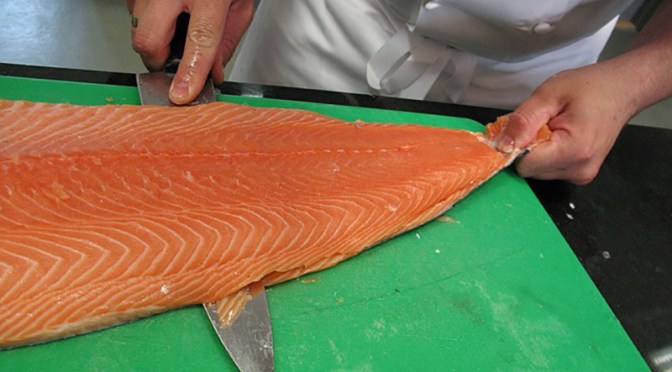
Farmed Salmon — one of the most toxic foods in the world

“Aquaculture promotes itself as a sustainable solution to overfishing. But in reality, fish farms actually cause more problems than they solve. There’s really little difference, in terms of environmental pollution, between land-based feedlots and water-based ones.”

From Dr Mercola

Nicolas Daniel’s documentary “Fillet-Oh-Fish” takes a critical look at the fish industry, featuring exclusive footage from fish farms and factories across the globe. Many still have a rather romanticized view of fishing, but when it comes to large-scale food production, the picture is actually rather grim.

Today’s fisheries are faced with a range of severe problems, from overfishing to chemical pollution and genetic mutation from toxic exposures. As noted by the producers of the film, “through intensive farming and global pollution, the flesh of the fish we eat has turned into a deadly chemical cocktail.” [1]

Despite that, the fish business is booming, in part due to efforts to keep the dirty underbelly of modern fisheries from public sight.

Aquaculture promotes itself as a sustainable solution to overfishing. But in reality, fish farms actually cause more problems than they solve. There’s really little difference, in terms of environmental pollution, between land-based feedlots and water-based ones.

Farmed Salmon — One of the Most Toxic Foods in the World?

The film starts off in Norway, looking at the chemicals used in fish farms. Kurt Oddekalv is a respected Norwegian environmental activist, and he believes salmon farming is a disaster both for the environment and for human health.

Below the salmon farms dotted across the Norwegian fjords, there’s a layer of waste some 15 meters high, teeming with bacteria, drugs, and pesticides. In short, the entire sea floor has been destroyed, and since the farms are located in open water, the pollution from these farms is in no way contained.

READ MORE & SEE VIDEO:

https://www.healthy-holistic-living.com/farmed-salmon-one-toxic-foods-world.html?utm_source=BI&utm_content=40319-4AZ8&fbclid=IwAR2vTer15F84Zm48mJk6m_HaHBnrC9_tG91x0uYPl7sCoNN_5WwISuPGo7o

RELATED:

Thanks to Lance for the link to this video on topic:

The world’s most evil chemical promoters and food POLLUTERS all exposed at one website

(Natural News) Just like in any federal prison, one can easily locate the dregs of humanity. The worst criminals, liars, thieves, and low-life scumbags always get caught, at least eventually, ruining other people’s lives in the wake of their own greed and indifference. Today, a new “cell block” has been identified, where all the shills, charlatans, hucksters, and journalistic hacks have been cataloged, along with their “mug shots,” so that hopefully their negative impact on human health and the environment can be “arrested” and brought to an end.

Unfortunately, in America, there are many more criminals still “on the loose,” but for now, the worst repeat offenders have been identified and exposed, and their “rap sheets” are available for viewing all at one website.

That’s right, the world’s worst chemical promoters and food polluters have been “jailed” at PolluterWatch.com, and you can take a tour of their “cell block” right now, so you know exactly who is insidiously spreading disease and disorder all over this country with their corporate-scripted propaganda.

Health enthusiasts now have JURISDICTION over the chemical-promoting thugs of America

How are the world’s worst “polluters” ruining so many innocent lives? These shills use all the language of the organic world to describe pesticides and GMOs in order to trick consumers and farmers into believing poisons are healthy and sustainable. They even get paid to post and regurgitate pre-scripted corporate propaganda written by Monsanto, Bayer, Syngenta, Dow Chemical, Dupont, Cargill, and all the other agri-chemical, biotechnology cartels.

READ MORE

https://www.naturalnews.com/2019-02-05-evil-chemical-promoters-and-food-polluters-exposed.html

Photo Credit: Naturalnews.com

COVER-UP: Scientists who find glyphosate herbicide in common foods are silenced or reassigned

(Natural News) Do you know what’s really in the foods you eat? Sure, there’s a list of ingredients on the package, but your food could contain one very toxic substance that isn’t disclosed: glyphosate. You might not be too surprised to find this deadly herbicide ingredient in non-organic fruits and vegetables, but the truth is that it has also made its way into a surprising number of popular foods – and countless unsuspecting people are ingesting this dangerous carcinogen.

The Guardian reports that U.S. government scientists found glyphosate in foods like crackers, cornmeal, and granola cereal. Of course, this information wasn’t publicized; it was uncovered in emails that were obtained through a Freedom of Information request.

For two years, the FDA has been testing food samples for glyphosate residues, but they have yet to release the official results. Nevertheless, one email written by a chemist for the FDA, Richard Thompson, to his colleagues showed how pervasive the problem is.

“I have brought wheat crackers, granola cereal and corn meal from home and there’s a fair amount in all of them,” the Arkansas-based chemist wrote, adding that broccoli was the only food that he happened to have on hand that turned out to be free of glyphosate.

That email was dated in January of 2017. Unfortunately, because he made the discovery while validating his methods of analysis rather than as part of the official checks, the residues are unlikely to make it into any official reports. The FDA’s official findings aren’t usually released until around 2 to 2.5 years after the data is collected.

Meanwhile, FDA chemist Narong Chamkasen discovered levels of glyphosate that exceeded the acceptable levels in corn; the 6.5 parts per million found were well above the legal limit of 5.0 parts per million. Although such levels normally must be reported to the EPA, a supervisor with the FDA informed an EPA official in writing that the corn was not part of an “official sample.” It looks like Americans will never know which corn is going to give them cancer!

In 2016, Chamkasen also found glyphosate in several honey samples, along with oatmeal products. His lab was promptly “reassigned” to other tasks.

Each year, the FDA tests food samples for residues of pesticides to see if any are above the limit. However, they’ve only recently started looking out for glyphosate, despite the fact that it has been used for four decades. In 2015, the International Agency for Research on Cancer labeled the chemical a “probable human carcinogen.”

READ MORE

https://www.naturalnews.com/2018-12-23-glyphosate-found-in-common-foods.html?fbclid=IwAR38k3E5RZX0Kyh92AB92zlYJ6wpleQK0CwLG3F8HITiaver0MeocH2xq9s

PHOTO: NaturalNews.com

The Complete History of Monsanto, “The World’s Most Evil Corporation”

Now morphed into Bayer, nevertheless here is their history from naturalblaze.com

secret-history-monsanto

🔊 Listen to Article

Hanzai ELost in the Bamboo Forest

Of all the mega-corps running amok, Monsanto has consistently outperformed its rivals, earning the crown as “most evil corporation on Earth!” Not content to simply rest upon its throne of destruction, it remains focused on newer, more scientifically innovative ways to harm the planet and its people.

As true champions of evil, they won’t stop until…well, until they’re stopped! But what is Monsanto and how did they get to be so obscenely evil in the first place? I think that’s the best place to start this journey, so grab a few non-GMO snacks or beverages and let’s go for a ride into the deep, murky sewers of their dark past.

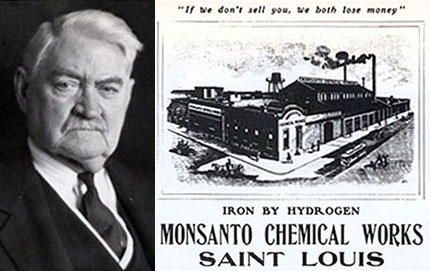
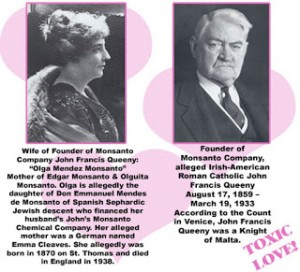
1901: The company is founded by John Francis Queeny, a member of the Knights of Malta, a thirty year pharmaceutical veteran married to Olga Mendez Monsanto, for whichtoxiclove-300x272 Monsanto Chemical Works is named. The company’s first product is chemical saccharin, sold to Coca-Cola as an artificial sweetener.

Even then, the government knew saccharin was poisonous and sued to stop its manufacture but lost in court, thus opening the Monsanto Pandora’s Box to begin poisoning the world through the soft drink.

1920s: Monsanto expands into industrial chemicals and drugs, becoming the world’s largest maker of aspirin, acetylsalicyclic acid, (toxic of course). This is also the time when things began to go horribly wrong for the planet in a hurry with the introduction of their polychlorinated biphenyls (PCBs).

PCBs were considered an industrial wonder chemical, an oil that wouldn’t burn, impervious to degradation and had almost limitless applications. Today PCBs are considered one of the gravest chemical threats on the planet. Widely used as lubricants, hydraulic fluids, cutting oils, waterproof coatings and liquid sealants, are potent carcinogens and have been implicated in reproductive, developmental and immune system disorders. The world’s center of PCB manufacturing was Monsanto’s plant on the outskirts of East St. Louis, Illinois, which has the highest rate of fetal death and immature births in the state.(1)

Even though PCBs were eventually banned after fifty years for causing such devastation, it is still present in just about all animal and human blood and tissue cells across the globe. Documents introduced in court later showed Monsanto was fully aware of the deadly effects, but criminally hid them from the public to keep the PCB gravy-train going full speed!

1930s: Created its first hybrid seed corn and expands into detergents, soaps, industrial cleaning products, synthetic rubbers and plastics. Oh yes, all toxic of course!

1940s: They begin research on uranium to be used for the Manhattan Project’s first atomic bomb, which would later be dropped on Hiroshima and Nagasaki, killing hundreds of thousands of Japanese, Korean and US Military servicemen and poisoning millions more.

The company continues its unabated killing spree by creating pesticides for agriculture containing deadly dioxin, which poisons the food and water supplies. It was later discovered Monsanto failed to disclose that dioxin was used in a wide range of their products because doing so would force them to acknowledge that it had created an environmental Hell on Earth.

1950s: Closely aligned with The Walt Disney Company, Monsanto creates several attractions at Disney’s Tomorrowland, espousing the glories of chemicals and plastics. Their “House of the Future” is constructed entirely of toxic plastic that is not biodegradable as they had asserted. What, Monsanto lied? I’m shocked!

After attracting a total of 20 million visitors from 1957 to 1967, Disney finally tore the house down, but discovered it would not go down without a fight. According to Monsanto Magazine, wrecking balls literally bounced off the glass-fiber, reinforced polyester material. Torches, jackhammers, chain saws and shovels did not work. Finally, choker cables were used to squeeze off parts of the house bit by bit to be trucked away.(2)

READ MORE:

https://www.naturalblaze.com/2015/12/the-complete-history-of-monsanto-the-worlds-most-evil-corporation.html

Study proves that people who eat organic have 25% lower risk of cancer

(Natural News) If you’ve ever doubted whether organic food is worth the higher price tag, a study that was recently published in JAMA Internal Medicine should put your concerns to rest. In the study, French researchers showed that people who consume organic food have a 25% lower risk of cancer.

The study, which was carried out under the guidance of epidemiologist Julia Baudry, looked at the diets of nearly 70,000 French adults with an average age in their mid-40s. The volunteers were divided into four categories according to how often they ate 16 organic products that included vegetables, fruit, fish, meat, prepared meals, condiments, dietary supplements, vegetable oils and other products.

After an average follow-up time of 4 ½ years, the researchers looked at how many of the participants had developed some type of cancer. After comparing the volunteers’ organic food scores with the cancer cases, they were able to determine that those who ate the most organic food were 25 percent less likely to develop cancer than those who did not eat organic food. When it came to specific types of cancer, the group who ate organic was 73 percent less likely to go on to develop non-Hodgkin’s lymphoma and 21 percent less likely to go on to develop postmenopausal breast cancer.

It might be tempting to assume that the group who ate organic food would be more health-conscious overall and likely had a healthier diet in general, and that may be responsible for the lower cancer risk. However, the researchers say that simply is not true; even those who ate a low- to medium-quality diet yet opted for organic enjoyed the reduced cancer risk.

READ MORE

https://www.naturalnews.com/2018-11-02-people-who-eat-organic-have-25-lower-risk-of-cancer.html

The Levin 1080 Fire: Part 1

From kapitiindependentnews.net.nz

By Mary Wood and Ann Hunt

A series of responses from Official Information Act (OIA) questions to Fire and Emergency NZ, Mid Central District Health Board, WorksafeNZ and Horizons Council have highlighted the shocking dangers that the public are still being subjected to – 34 years after the tragic events at a fire at an ICI chemical store at Mount Wellington, Auckland.

Public concerns about the risks from the New Zealand Government’s continued widespread use of pesticides that are banned in much of the rest of the world, are regular debates.

But what of the risks to health from poisons like 1080 even BEFORE they are spread by helicopters over our land and water?

READ MORE

http://kapitiindependentnews.net.nz/levin-1080-fire-part-1/#comment-718593

Photo: (not the actual Levin fire) Pixabay

Politicians join with conservation groups in calling on the EPA to ban bee-killing pesticides until a full scientific review is conducted

(Natural News) State politicians and conservation groups urged the United States Environmental Protection Agency(EPA) to hold off approval of bee-killing neonics in order to conduct a full scientific review of the pesticides involved, reported an EcoWatch article.

Congressmen Earl Blumenauer and Jim McGovern recently reintroduced the Saving America’s Pollinators Act, a bill that blocks new neonicotinoid insecticides while the EPA is investigating the full extent of their effects on bees, humans, other animals, and the environment.

Various conservation groups and environmental organizations have also presented a huge collection of public comments to the EPA. More than 100,000 individuals are pressing the agency to reduce the widespread use of neonicotinoid pesticides.

Neonics have been cited by numerous studies as a major driving factor in the decline of pollinator populations. The insecticides also threaten birds and aquatic invertebrates, according to research by EPA-employed scientists. (Related: EPA, Monsanto face lawsuit over pesticide drift that damaged millions of acres and threatened endangered species.)

Numerous studies say neonics are deadly

The EPA is currently investigating the preliminary ecological and human health risks posed by the neonicotinoids clothianidin, thiamethoxam, and dinotefuran. It is also performing a preliminary ecological risk assessment for the widely-used imidacloprid.

According to the agency’s initial risk assessments, neonics turned out to be lethal to birds that consumed grass, seeds, and dead insects contaminated by the insecticides.

“EPA’s recent assessment confirms what the science has already shown,” remarked Nichelle Harriott of the environmental group Beyond Pesticides. “[That] neonicotinoids are highly toxic not just to bees, but to aquatic species and birds [also]. She stressed the importance of the EPA taking actions against those chemicals to protect U.S. waterways and pollinators.

“Our nation’s beekeepers continue to suffer unacceptable mortality of 40 percent annually and higher,” said Andrew Kimbrell of the Center for Food Safety.

According to him, neonicotinoid contamination of numerous water sources endanger both wild pollinators and wetland birds. Kimbrell urged the EPA to accept the findings of numerous scientific literature and take appropriate actions to reduce the negative effects of these insecticides.

Research efforts showed that even small amounts of neonics can deprive migrating songbirds of their sense of direction when they need it most. And a United States Geological Survey study determined that the pesticide level in the Great Lakes are endangering important aquatic insects.

“By harming pollinators like bees and butterflies, and natural pest control agents like birds and beneficial insects, neonicotinoids are sabotaging the very organisms on which farmers depend,” said Cynthia Palmer of the American Bird Conservancy.

Neonics have already contaminated U.S. food supplies. A joint study by the American Bird Conservancy and the Harvard T.H. Chan School of Public Health discovered neonicotinoids in food samples taken from dining halls in the U.S. Capitol building.

As many as five different neonics were found in meals that congressmen, senators, and their staff eat every day.

EPA dragging feet on neonics crisis

Neonicotinoids are banned in Europe, while the Pest Management Regulatory Agency of Canada urges a similar ban on imidacloprid, the most widely-used neonic formula.

“The only thing that is keeping the U.S. from joining other nations in banning the use of these devastating poisons is the immense profit that fuels PR campaigns, intense lobbying efforts, and questionable studies designed to mislead us on the harm these poisons do,” accused Dr. Luke Goembel of the Central Maryland Beekeepers Association.

READ MORE

https://www.naturalnews.com/2018-03-04-conservation-groups-epa-ban-bee-killing-pesticides-scientific-review.html

Can we feed the world organically? With some changes to the system, researchers say yes

(Natural News) It’s hard to find fault with consuming organic food, but those who are against it for whatever reason – like synthetic pesticide manufacturers – often claim it is not sustainable and would require too much land to pull off. Now, new research shows just how flawed that particular argument is. Indeed, a worldwide conversion to organic farming could be remarkably sustainable as long as some changes to current food production and consumption habits are made at the same time.

There are a lot of ways that industrial agriculture has increased the availability of food, but this has come at a significant cost to our environment. For example, it has led to an oversupply of reactive nitrogen that pollutes our water and soil, losses in biodiversity, and greenhouse gas emissions. This is in addition to the effects that pesticides and herbicides have on human and animal health.

Organic agriculture, on the other hand, eschews the use of synthetic pesticides and fertilizers. With its focus on crop rotations, closed nutrient cycles, and soil fertility, it is certainly a better choice for the environment, but it tends to have lower yields, thereby requiring more land in order to produce the same amount of food.

Now, researchers from the University of Aberdeen in Scotland, Alpen-Adria University in Austria, ETH Zurich in Switzerland and the Research Institute of Organic Agriculture have written an open-access article in Nature Communications that shows just how organic agriculture could feasibly feed the world after all.

They say that accomplishing this worthwhile endeavor requires just a few complementary changes in our global food system. For example, reducing the amount of arable land that is used to grow animal feed and the drop in livestock and animal-based products that goes along with it could help quite a bit as people consume less meat – something that would also have positive effects on human health.Reducing food waste could also help make this transition a reality. According to the United Nations Food and Agriculture Organization, as much as 40 percent of the food that is produced is wasted around the planet. Taking measures to try to stem this problem could go a long way toward a more efficient use of resources.

READ MORE

https://www.naturalnews.com/2017-11-25-can-we-feed-the-world-organically-with-some-changes-to-the-system-researchers-say-yes.html

One-fifth of global deaths now linked to processed junk food and toxic ingredients Science now admits

Remember, it’s not just the fast food as pictured above, although these are obvious examples, but it’s the poisons and chemicals in your staples, like flour and so on. All these staples have been contaminated by unknown (to the average unaware shopper) substances and processes. Glyphosate being the biggie. That is sprayed relentlessly everywhere because Monsanto appears to have unprecedented inside control in terms of what gets into our food. Beware. EWR  (Note original video no longer there, short clip though at the link below image).

Screenshot_2021-04-05 TOXIC FOOD is killing humanity One-fifth of global deaths now linked to processed junk food and toxic[...]

https://www.naturalnews.com/2017-10-25-toxic-food-is-killing-humanity-one-fifth-of-global-deaths-now-linked-to-processed-junk-food-and-toxic-ingredients.html

(Natural News) A new study conducted at the Institute of Health Metrics and Evaluation at the University of Washington (HealthData.org) and published in The Lancet medical journal finds that a shocking 20 percent of global deaths are caused by toxic foods, junk foods, processed foods and harmful food ingredients. In essence, the study reveals that the toxic food industry is now about as dangerous as Big Tobacco.

As covered in The Guardian:

The study, based at the Institute of Health Metrics and Evaluation at the University of Washington, compiles data from every country in the world and makes informed estimates where there are gaps… Diet is the second highest risk factor for early death after smoking. The problem is often seen as the spread of western diets, taking over from traditional foods in the developing world.

In other words, all the toxic food ingredients, processed foods, junk foods and fast foods that we’ve been warning you about for years are now being recognized by the science establishment to be one of the leading killers of human beings across our planet. Many of these foods are saturated with glyphosate and pesticides, and an increasing number are also genetically engineered. The food industry, in other words, is about as dangerous to human health as the tobacco industry, yet while Big Tobacco is highly regulated, there are virtually no enforced regulations that limit heavy metals, pesticides or dangerous chemical ingredients (like aspartame) in the U.S. food supply.

READ MORE:

https://www.naturalnews.com/2017-10-25-toxic-food-is-killing-humanity-one-fifth-of-global-deaths-now-linked-to-processed-junk-food-and-toxic-ingredients.html

Petition: “New Zealand government: Ban highly hazardous pesticides now!”

Please share this petition far and wide. We need rid of toxic and harmful substances from our environment. The petion is from the Northland Toxin Awareness Group (based in the Whangarei district).
EnvirowatchRangitikei


Why this is important

New Zealand has one of the highest breast cancer rates in the world, and studies link pesticides to cancer. There are about 100 highly hazardous pesticides (HHPs) still in use in NZ, as defined by the United Nations Food and Agriculture Organisation (FAO) and World Health Organisation. In 2006, the FAO Council recommended that all HHPs be phased out globally. We call on the New Zealand government to respect the basic human rights to health and ban all HHPs!
4401d483ce17df157263f3a8e0989fd6.jpg
TO SIGN THE PETITION GO TO THIS LINK

So the fruit with NZ labels may not be NZ grown after all – more lies from the corporations or human error?

Food labeling debate heats up, as big NZ companies voice their opposition

A fight nearly broke out in Parliament today over mandarins.

On one side was Labour Party MP Damien O’Connor, saying that shoppers were being lied to about where their fruit came from.

On the other was powerful Food and Grocery Council head Katherine Rich, who is strongly against making it compulsory for companies to say where their food is from.

Their war of words began when a select committee was shown pictures of mandarins, capsicums, and pears on New Zealand supermarket shelves which were marketed as being from New Zealand but were actually from Chile, the United States, Italy and the Netherlands.

“How can we trust a voluntary [labelling] scheme when your members are lying?” O’Connor asked Rich.

“I think that’s very harsh and very unfair,” she shot back.

“We have got photos – that’s lying to the public,” O’Connor said.

Rich said it was probably a mistake, and that her members were not responsible for supermarket signage.

“Are we seriously thinking that the poor supermarket worker who stacked that shelf set out to mislead the consumer?”

READ MORE

http://www.nzherald.co.nz/business/news/article.cfm?c_id=3&objectid=11867641


Okay, so mis labeling of a few mandarins, OR a few pears, sure that could easily happen. But mandarins, pears AND capsicums is moving toward the ‘hard to swallow’ basket. Human error? Or deliberately misleading us (from higher up the food chain)? As always question everything & all the more reason here to buy organic. Hard to wash the pesticides off & I’ve been told the glyphosate gets sprayed INTO the ground around the orange trees here in good ole Enzed. That’s from a grower who exports. Pesticide regulation in other countries is pretty loose (read ‘Circle of Poison’) given ‘civilized’ western nations have found a handy dumping ground there for their poisons banned at home – so yes nothing’s as it seems and not a lot is 100% safe these days. We have to ask ourselves, why on earth is Katherine Rich against labeling country of origin? Simple request surely?
EnvirowatchRangitikei

“The diseases caused by impure water are numerous and fatal” says an MD … Hear what 50+ other MDs say about our need for pure distilled water

Our waterways planet wide are now highly polluted and no longer safe to drink. Consequently, the water that’s fed to us in the town supplies is replete with chlorine, fluoride and other additives to prevent us getting sick. However, there is a long term sickness cost to that. Only 40% of NZ rivers are safe to even swim in now. The Manawatu river is the MOST POLLUTED river in the southern hemisphere. Someone got trench mouth from ingesting that river water. It’s contaminated with spirochetes that cause leptospirosis & lyme disease among other things (all in the article of the last link there). They’ve been polluting our waterways for the past century basically and continue to do so. We can no longer eat what remains of the food in our waterways … the whitebait’s nearly gone, birds are declining, eels are dying. All in the name of profits for the few.

So it’s important to start the conversation on obtaining healthy water to drink. Town supplies are not healthy in the long term. This is a huge subject that’s been widely debated … best to research it & make your own informed decisions before getting sick.

For more info on water & additives the authorities deem necessary for us to consume (even to the point of forcing them upon us), search categories (left of page) or check out our Water pages. The Corporation pages are a good starting point for the origin of all the pollution. Profits before people is their mantra. Watch The Corporation movie & see why.

EnvirowatchRangitikei


DOCTORS AND EXPERTS WITH THE COURAGE TO TELL THE TRUTH ABOUT DISTILLED WATER

Distilled water is the only water which runs through all water-based life forms. Here are the writings of doctors and experts who all support the benefits of Distilled Water. Take note of the STEADY, CONSISTENT VOLUME which is recommended by them…


DR. ARTHUR R. REYNOLDS:

“It may safely be taught that THE ONLY ABSOLUTELY PURE WATER IS THAT PURIFIED BY DISTILLATION. Instruct the public how distillation can readily and cheaply be done. It furnishes a fruitful yield for the genius that will devise a small distilling apparatus for the use of every family.

It would be safe to teach that the GENEROUS USE OF PURE WATER both within and without the body has never yet done any harm; that the functional ailments that afFlict the great host of mankind, are in a great part due to the fact of the imperfect elimination of waste matter, and that GENEROUS LIBATIONS OF PURE WATER is a most potent agent TO FLUSH THEM FROM THE BODY, through the skin, the lungs, the kidneys and the bowels. The diseases caused by impure water are numerous and fatal.”

—Dr. Arthur R. Reynolds, M.D., Health Commissioner of Chicago, from “Distilled Water and Longevity” by Elmer Ellsworth Carey, Chicago, in Suggestion magazine, Volume 10, January 1, 1903

DR. GARY NULL:

“You should DRINK AT LEAST ONE GALLON of purified water a day. Most of us drink only at mealtime and when we’re noticeably thirsty. Wrong. You can develop a habit of NOT drinking water and walk around being 66 or 67 percent water, instead of 74 percent, which is what your body needs.

When you don’t have the water in you, you won’t ever have the energy you need. The very first thing I do to get people’s energy up is to increase the amount of water in their diet. Immediately, their energy goes up.

When someone has dementia, the first thing I do is give them lots of cold water all day, every day. About three weeks later, I start to see their dementia dissipate because they have rehydrated their brains. Unfortunately, your brain actually shrinks as you dehydrate. By DRINKING LOTS OF PURE WATER, you get better neuron activity and better cellular chemistry, and you’re able to detoxify the cells with water.

READ MORE

http://aquariusthewaterbearer.com/docthttp://aquariusthewaterbearer.com/doctors-and-experts/ors-and-experts/

Banned in most countries & classified by WHO as ‘Highly Hazardous’… 1080 is a broad-spectrum poison that kills ALL oxygen-breathing animals and organisms – Dr Meriel Watts

“1080 … falls within the category of Highly Hazardous Pesticides for which the Food and Agriculture Organisation of the United Nations (FAO) is seeking a global phase out”

In April 2010 Dr Meriel Watts from the Pesticide Action Network NZ (PANANZ) wrote to Environment Waikato regarding 10-20 year consents for the dispersal of 1080 poison. At the grafboysblogspot.com her letter is recorded …

“As you are no doubt aware,” she wrote … “1080 is classed by the World Health Organisation as an Extremely Hazardous pesticide (Class 1a WHO). You may not be aware that as such it falls within the category of Highly Hazardous Pesticides for which the Food and Agriculture Organisation of the United Nations (FAO) is seeking a global phase out.

That Environment Waikato is contemplating 10 or 20 year consents to use, let alone aerially disperse, 1080, when a UN agency is promoting a global phase out of all such pesticides is extraordinary. I can only assume that you officers are not aware of the situation.

To issue consents of 10 or more years duration also flies in the face of ERMA’s concern about such on-going widespread dispersal of 1080 in the environment, and their support for more research into alternatives. There will be no room for introduction of alternatives in the EW region if these consents are granted.

1080 is a broad-spectrum poison: it kills all oxygen-breathing animals and organisms. This alone is reason enough to cease dispersing it into the environment. It indiscriminately kills and contaminates everything from the insects that underpin the native fauna food chain to precious native birds, dogs and farm animals.

There are so many recorded instances that there is no need to elaborate on them here. Nor the fact that the suffering of these animals on the way to death is extremely inhumane.

That New Zealand has such a history of poisoning its indigenous species, livestock and companion animals is a shame we have to live with. But we do not need to perpetuate it. Thankfully the era of poisoning everything we don’t like is passing, and intelligent new, targeted approaches to pest management are taking its place.

It is time now for Environment Waikato to move forward with the rest of the world, and introduce alternatives. Trapping has been shown to be an effective method of controlling possums, at the same time utilising a valuable resource for the benefit of the national economy, and trapping technology is continually improving. On the other hand, years of experience of 1080 dispersal has shown that this approach is not sustainable, it has to be repeated at regular intervals, each time with its negative consequences for the environment.

Pesticide Action Network therefore urges you to reject the idea of extended resource consents for aerial dispersal of 1080, and to instead focus your resources on rapid introduction of sustainable, environmentally friendly, and socially supportive alternatives such as trapping.

Yours sincerely,

Meriel Watts, PhD,

Pesticide Action Network

SOURCE: http://thegrafboys.blogspot.co.nz/2010/05/dr-meriel-watts-phd-responds-to-20-year.html


Yet still NZ advertises itself as clean and green. How far from clean and green can a country get one would have ask? All that aside from the cruel death these animals die. It is a slow agonizing death. If you can stomach watching, see what happens to them in this clip from the Poisoning Paradise doco by the Graf Boys. Why are these authorities not charged for cruelty to animals? 

See the TheGrafBoys YT channel and website for more videos. Educate yourself on 1080 poisoning. See also http://1080science.co.nz/  

Our 1080 pages also provide info & links … search ‘categories’ for related articles. Follow our blog or if you’re on FB follow our  page and stay informed … use the share buttons to help spread the word on all the untruths we have been told – we are about exposing corruption and lies!  

Thank you!

EnvirowatchRangitikei

Why is there Borax in Certain Vaccines? Borax is Found in Cleaning Products & Pesticides & its Role in Vaccines is Vague & Not well Documented

The Puzzling Presence of Borax in Our Vaccines

http://www.thevaccinereaction.org/2016/02/the-puzzling-presence-of-borax-in-our-vaccines/#.WId9MOeosBw.twitter


Do you really want them injecting your newborn with borax? See here what else is in those vaccines.

whatsinvaccines.jpg

For more info and links to docos see our Vaccine pages (remember the sub pages). Educate yourself and make informed decisions from all the data, not just what mainstream feed you. Over 35 years ago (I learned this only recently) one of our local country GPs did not vaccinate his own children. That tells you something. 

EnvirowatchRangitikei

1 to 5 million cases of pesticide poisoning occur every year

“There’s no problem with the ban of DBCP [dibromochloropropane] within the United States. In fact, it was the best thing that could have happened to us. You can’t sell it here anymore but you can still sell it anywhere else. Our big market has always been exports anyway.” (Executive, AMVAC Corporation)

Copy of Copy of Dec 2014 041
Toxic herbicides are sprayed liberally around public places with no requirement to warn the public, and often little or no protective clothing worn by the operators

We are living in a world now that is awash with chemicals, found not only in sprays and pesticides, but in our food, water and air. Their use has become largely acceptable now with scant regard often for researching into their possible harmful effects. Any alarms sounded about possible risks are greeted with cries of ‘scaremongering’ or ‘over reaction’ … and yet the  independent research is usually there and often ignored. I’m constantly dismayed at this lack of regard for the evidence, especially since our recent generations consider themselves more enlightened than those of our forbears. We have

What's in your food?
What’s in your food?

the knowledge alright, but who will listen and heed it? A video which has encouraged me to keep speaking up about these environmental risks to our health has been that produced by TED talks (they’re on Youtube also) called ‘The Dangers of Willful Blindness’ (the video is on our Home page). Gayla Benefield was just doing her job — until she uncovered an awful secret about her hometown that meant its mortality rate was 80 times higher than anywhere else in the U.S. Worse, when she tried to warn people of her discovery they didn’t want to know! How often we are faced with fact but choose not to believe. We adopt what I call the ‘three monkeys’ approach where it’s assumed, if we neither see, hear nor speak we’re safe … a lot like the ostrich really. But somewhere down the track we run the high risk of it all coming back to bite us on the proverbial rear end!

imagesThe Environmental Justice Foundation on pesticide poisoning states that … Across all agricultural sectors, an estimated 1 to 5 million cases of pesticide poisoning occur every year, resulting in 20,000 reported deaths among agricultural workers and at least 1 million requiring hospitalisation….While developing countries account for less than 30% of global pesticide consumption, the bulk of pesticide poisonings occur in a developing world scenario, including an estimated 99% of pesticide-induced deaths…

Read more


RELATED:

Childhood Pesticide Poisoning (WHO)
Ghana’s Pesticide Crisis


Check our our Chemicals and Glyphosate pages … particularly note under Chemicals the 1080 page and how NZ is being bombarded with it. We consume the highest amount in the world, gradually ensuring there is a rapidly diminishing wild food supply. Another excellent source of information, a Kiwi site, is the Pesticide Action Network Aotearoa NZ (PANANZ). 

EnvirowatchRangitikei

NZ Baby food contains 800 times more pesticide than in Europe!

This is a good reminder why it is healthier to either grow your own or source organic produce & make your own baby food. This is disturbing … 800 times more pesticide than Europe’s baby food. From ‘clean & green’ NZ?

NZ BABY FOOD 800 TIMES MORE PESTICIDES THAN IN EUROPE

New Zealand baby food contained nearly 800 times more pesticides than baby food in Europe, according to a recent analysis. This evidence and why this is a risk to New Zealand babies will be presented tomorrow to the Primary Production Committee by Dr Meriel Watts of the Pesticide Action Network Aotearoa and Alison White of the Safe Food Campaign(*)….. read at SOURCE

Also HERE at Pesticide Action Network Aotearoa New Zealand (PANANZ)

‘Let Us Spray’ – Censored from NZ Television – See what Your Govt Allowed Kiwis

A timely reminder here as we ponder on the extensive slathering of chemicals over our once clean green land happening now. Historically it was going on as well, we were just less privy to the info being minus the internet and social media. The fact it has been censored from NZ television speaks volumes. People suffered and died from this insanity. Again, follow the money. It will pay you to research this well because the powers that be, being corporately controlled, will not be warning you any time soon of the dangers of the wares they peddle to the unsuspecting public. Check our our related pages or search articles under ‘categories’.
Above all, watch ‘The Corporation’ doco to see why the cover ups.
EnvirowatchRangitikei


Published on Apr 8, 2013

The TV 3 Expose censored from NZ TV. A must see for any member of the public, this doco covers the exposure of the Paritutu and New Zealand community at large to the chemical 2-4-5-T, manufactured at Ivan Watkins Dow in New Plymouth between 1962-1981, and the disastrous effects it had on those exposed.

For further info visit our post on this earlier in the year. It includes other articles and links that are related.