Tag Archives: glyphosate

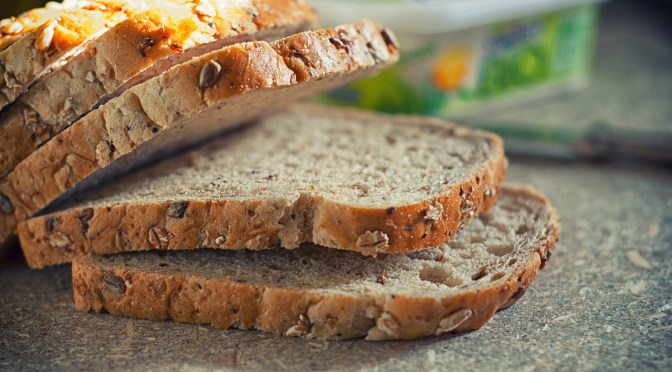
Why Medieval Bread Was A Superfood While Your Modern Bread Makes You Sick

Thanks to Steve for this video. It really makes sense now. Why the store bought bread disagrees with the gut. This goes right back to medieval days and the origins of bread ingredients. EWNZ

Medieval Way @ Youtube

There’s a significant issue with the bread we consume today. While bread was once a fundamental part of civilizations, sustaining families and armies, modern bread often causes gut issues, blood sugar spikes, and leaves us feeling unsatisfied. This food history explores how the bread industry has changed, contrasting today’s offerings with the traditional bread that nourished our ancestors. We conduct a food industry case study, examining how the history of bread, including ancient grains and sourdough, shows a stark difference from what we find on shelves now.

SOURCE

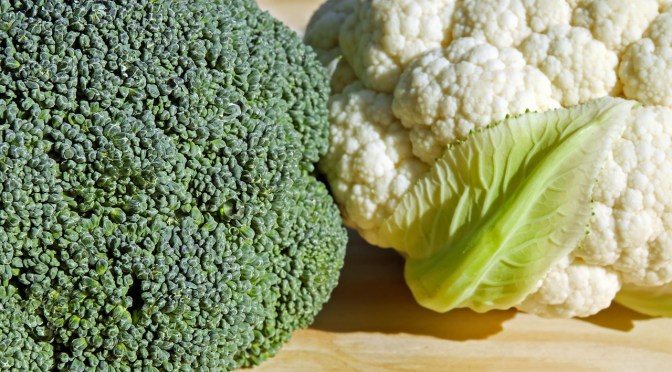
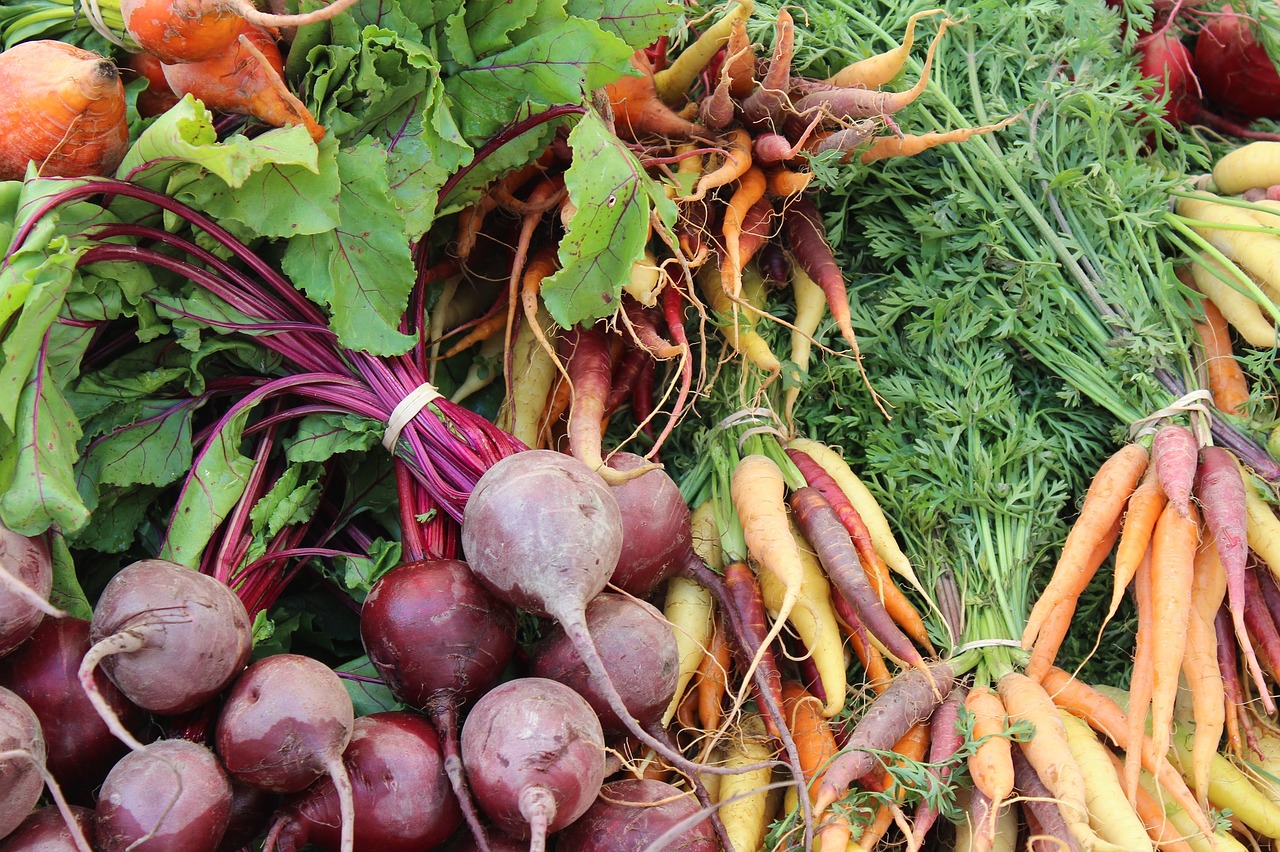
Image by Edar from Pixabay

Kiwi farmers are still poisoning their fields with a Bayer/Monsanto product that has involved multi billion dollar settlements

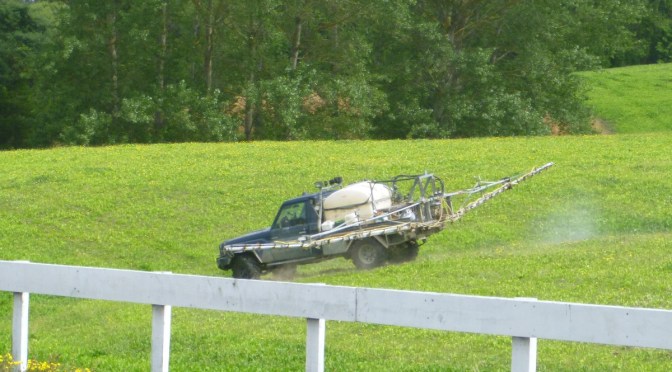
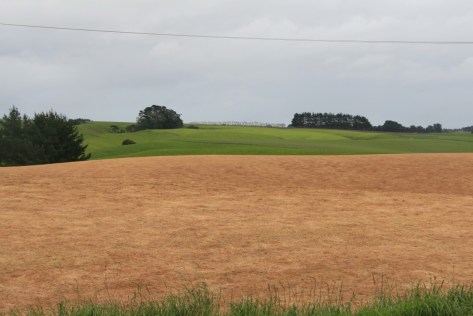
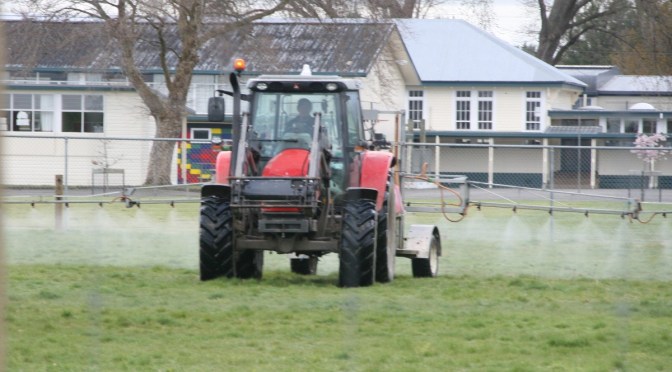
Travelling about the NZ countryside recently I noticed the familiar yellow fields I used to think were attractive. Until I discovered they’d been sprayed with Roundup, the herbicide that farmers tell me, is so harmless you could drink it.

glyphosate sprayed fields
Manawatu field sprayed with Herbicide

Sounds a bit like the ‘safe and effective’ mantra. Well it turns out Roundup is far from either of those terms. Why will farmers not read the independent research? Or follow the precautionary principle. Any doubt whatsoever about safety? wait until it is proven safe.

Roundup is manufactured by Bayer (formerly Monsanto… read their history … who have morphed into oblivion) and one of its ingredients so harmful to us all is glyphosate. There is a ton of independent research now (including law suits) that should make you avoid it at all costs. US Legal firm Wisner Baum helped negotiate over $11 billion in settlements against Bayer, securing multi-billion dollar jury verdicts for its clients. They state at their website:

Roundup is a widely used herbicide whose active ingredient is glyphosate. The International Agency for Research on Cancer (IARC) — part of the World Health Organization — classifies glyphosate as a probable human carcinogen. Thousands of people across the U.S. have alleged that long‑term exposure to glyphosate (in Roundup and similar products) caused them to develop non‑Hodgkin lymphoma (NHL) and other serious illnesses.

A NZ tertiary agricultural textbook has long instructed farmers to spray Roundup on their fields then plow it under. The text book is called Pasture Doctor and can be found on Amazon here. (Small wonder farmers still think it’s safe. Why would the University lie to them? ) There used to be a preview option of that book from which I screenshot the pages recommending spraying, however that option has now disappeared. (I lost the screenshots some time ago unfortunately). Of note, it was a University lecturer who told me in the 1980s that corporations would one day control governments. Predictive programming at its finest.

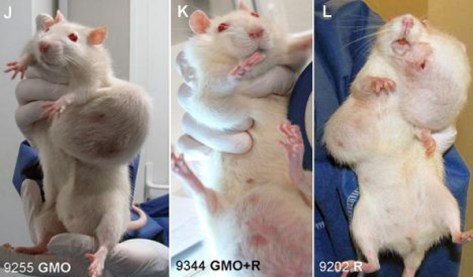
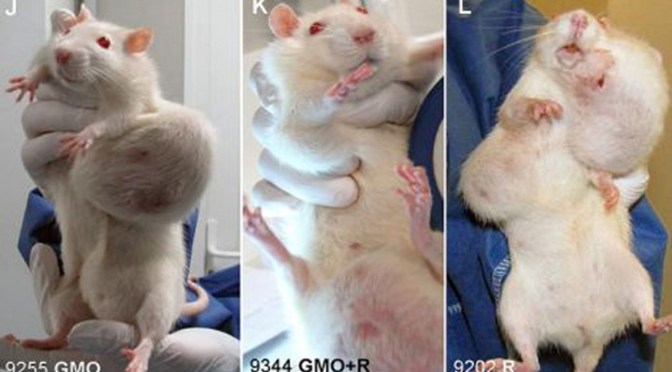
Prof Seralini's experiment with glyphosate and rats
The Seralini Rats

Professor Seralini (from France) conducted a two year experiment (2011) examining glyphosate and GMO food, his team fed transgenic corn to lab rats that produced in them multiple tumours. But of course Monsanto produced ‘evidence’ claiming the rats they used were the wrong kind, casting aspersions on the whole study. (Refuted here). Wiki predictably called it the Seralini ‘affair’. I would prefer to believe the Professor any day. You can watch the 12 minute Seralini video below. There is a transcript at the source on YouTube.

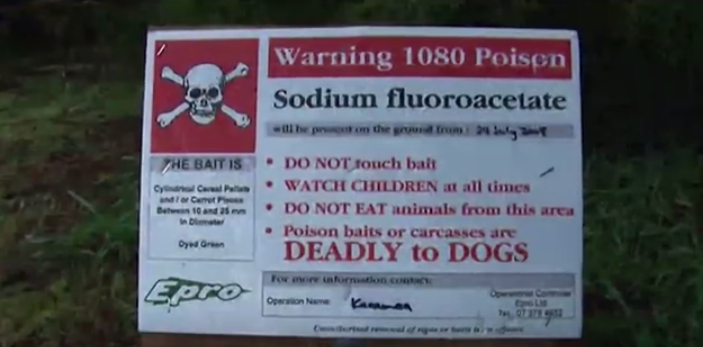
A French court ruled in 2009 that Monsanto has lied about the safety of Roundup (ie it is not biodegradable as claimed, a bit like the claims made about deadly 1080). 

US Tertiary level lecturer of 55 years experience in agriculture, Professor Emeritus of Plant Pathology (Dr Don Hubert) calls Glyphosate one of the most toxic substances on the planet.

The Physicians & Scientists for Global Responsibility (PSGR) supply a long list of research citing concerns about glyphosate here.

Hear also, NZ’s Dr Meriel Watts speaking on glyphosate.

“We don’t want to wait until we have exposed enough people to a chemical in order to prove that it’s carcinogenic. When we hit that point, we have hit a failure in the regulatory process.” – Dr. Lynn Goldman,
National Research Council Report Review Committee Member

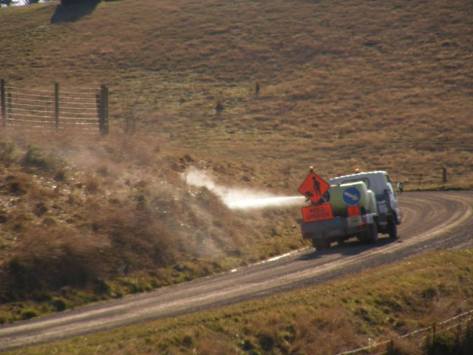
glyphosate spraying on fields in nz
Many Councils in NZ spray the roadsides with glyphosate. (Photo credit: Marian Sutherland)

For some time I and other interested folk appealed to the local Rangitikei District Council asking them to drop the use of glyphosate/Roundup on Council lands, streets, parks and so on. There were some concessions made about signage warning the public of spraying and so on but as to ceasing altogether they declined. There was evidence cited of the use of steam in Auckland to combat weeds which was only minimally dearer than Roundup. No go. I approached a person spraying for Council one time and asked why he didn’t wear protective clothing as recommended by the manufacturer. He told me he didn’t want to scare the public.

To educate yourself on the long list of studies and the experts who have spoken out against glyphosate and Roundup check out these pages (glyphosate is in other herbicides as well, check the labels, and consider organic alternatives if you must spray) :

Glyphosate

Glyphosate/GMO videos

Glyphosate Toxicity: What You Need to Know

Links between Glyphosate and a Multitude of Cancers that are “Reaching Epidemic Proportions” from GlobalResearch.ca

Search in ‘categories’ for ‘glyphosate’ (categories is found at the top left hand side of the news page). Alternatively type glyphosate into the search box (top right hand side).

“The Great Poisoning”: Catherine Austin Fitts Describes the Intentional Poisoning of the US “of Which Vaccines are a Part”.. (it’s Global)

I contest, and few awake folk will deny, that we have all been submitted to poisoning … globally … our food, air (here also), water, our entire environment in fact… for a very long time. Aside from spraying our food with pesticides, the soil’s been poisoned, consequently our food. NZ in particular has been subjected to an incredibly intense and vast 60+ years long exposure to deadly 1080 poisoning, described by our official environmental agency DoC as harmless when broken down in water.  Add to that all the poisoning Austin Fitts describes. It’s everywhere… and those ‘in charge’ ensure you cannot successfully oppose it (It’s the same here).  EWNZ

RELATED: ‘Let Us Spray’ – Censored from NZ Television – See what Your Govt Allowed Kiwis


Article from Exposing the Darkness @ substack

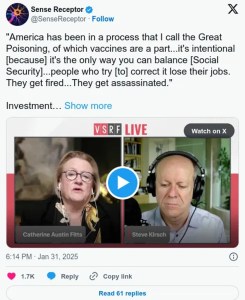
Catherine Austin Fitts: “America Has Been in a Process That I Call the Great Poisoning, of Which Vaccines Are a Part…it’s Intentional”

“America has been in a process that I call the Great Poisoning, of which vaccines are a part…it’s intentional [because] it’s the only way you can balance [Social Security]…people who try [to] correct it lose their jobs. They get fired…They get assassinated.”

Investment banker, former HUD official, and founder of the Solari Report Catherine Austin Fitts describes for Steve Kirsch on a recent episode of VSRF Live how America has been suffering through an intentional “Great Poisoning” being conducted by the Deep State. Fitts notes that this Great Poisoning is executed via means including “vaccines” and is being implemented in order to balance retirement savings and the actuarial books. The former Assistant Secretary of Housing and Urban Development notes that those who attempt to “course correct” the Great Poisoning get fired, shot, or assassinated.

“I started to talk about this in the late ’90s. America has been in a process that I call the Great Poisoning, of which vaccines are a part, but they’re only a part,” Fitts says. “And…the goal of poisoning the population is intentional. And one of the reasons it’s intentional is it’s the only way you can balance the retirement savings in the actuarial books that I know of.”

“I’ve spent a lot of time basically talking and educating people about the government’s refusal to obey the financial management laws and the fact that large amounts of money are disappearing from the federal government,” Fitts adds. “And I teamed up with Dr. Mark Skidmore in 2017 to help me document all the money that’s missing. And at one point, Mark kept saying, ‘How come you don’t give up on this? How come you keep bringing this up?’ And I said, ‘You don’t understand. If we don’t deal with the financial problem, the only way they can balance the books is to lower life expectancy. That’s the only thing that will balance Social Security and the different retirement systems.'”

Fitts goes on to say:

“And so, when the financial coup started, they started to bring down life expectancy. And it wasn’t just one thing. It was opioids. It was fentanyl. They approved OxyContin. After the budget deal in 1995 busted, literally the next month…they approved OxyContin and the pill mills started and the mortgage fraud and predatory lending. All of that targeting poor neighborhoods along with an increase in narcotics trafficking. And that was bringing the life expectancy down in the lower income groups.

“Now if you look at COVID, it just accelerated that dramatically in the middle-income groups. So, I’m sure the Great Poisoning is a plan. And the proof of the plan, and to me it’s proven, is the refusal to course correct. And that’s why I think [RFK Jr.] going in as head of HHS is gonna be very interesting because he’s gonna try and course correct…[and] I think you have a lot of people in the American population who don’t want to face the fact of what happened with the COVID injections.

“But the reason you haven’t course corrected the Great Poisoning for 20 years is because the people who try and course correct it lose their jobs. They get fired. They get shot. They get assassinated. One congressman just said the other day [that they could] commit suicide by shooting themselves in the back of the head 5 times. Do you know what I mean? So if you look at the evil and the covert operations and the financial carrots and sticks and the control files and dirty tricks that have been used to keep this Great Poisoning going, no, this is not well intended people just not facing facts…There is a significant amount of money and physical violence and control techniques used to keep it going. And it’s taken…a remarkable and very inspiring and beautiful effort, you know, grassroots bottom up, to force us to the point where [RFK Jr.] could have such a dramatic impact on the election and find himself nominated at HHS.

“That is a groundswell, and the system cannot afford to push that groundswell aside. Otherwise, they’re going to destroy the credibility of the whole system. And so they need to reaffirm their credibility. And you’ll see this in Washington, where the pendulum will swing back and forth, where, you know, they will have a sweeping reform and recalibrate because they can’t afford to lose credibility. I mean…if you look at who’s really suffering from that now, it’s the Big Media. They are literally losing their channel. And part of the reason is this.”

(for the video click on the link ‘Full Interview’ below)

Catherine Austin Fitts and Steve Kirsch video image discuss poisoning

Full Interview

SOURCE

Now Pushed Fake Meat Is All About Controlling the Food Supply

From Dr Mercola

Video Link

Story at-a-glance

  • I spoke with “Tea Time,” a program by Children’s Health Defense, about the dangers of fake meat products to help raise awareness about this latest assault on human health
  • Fake food — including lab-grown meat, animal-free dairy and plant-based meat — is the globalists’ latest attempt to control the food supply
  • The globalists are trying to replace animal husbandry with lab-grown meat, which will allow private companies to effectively control the human population
  • The idea that animals must be removed from agriculture to save the planet is flawed; animals are an integral, and necessary, part of the restorative process
  • Fake meat is an ultraprocessed mixture of chemicals, GE ingredients, pesticides and toxic linoleic acid that will promote chronic disease

Editor’s Note: This article is a reprint. It was originally published March 12, 2023.

At face value, fake meat sounds like the perfect solution to end world hunger, protect animal welfare and save the planet from environmental destruction. Even a brief look below the surface reveals a much more nefarious reality, however.

To help raise awareness about this latest assault on human health, I recently spoke with host Polly Tommey on “Tea Time,” a program by Children’s Health Defense, about the dangers of fake meat products.1

Fake Meat Is All About Controlling the Food Supply

Fake food — including lab-grown meat, animal-free dairy and plant-based meat — is the globalists’ latest attempt to control the food supply. Former U.S. Secretary of State and national security adviser Henry Kissinger once said, “Control oil and you control nations; control food and you control people.”2 Controlling people is their whole agenda.

The globalists have long held a monopoly on the grain industry with their patented genetically modified organisms (GMOs). In the early 2010s, not many people knew about GMOs. In 2011, we started to educate the public about their dangers, as they posed a major threat to public health and the environment.

In 2012, a ballot initiative was launched in California to require mandatory labeling of genetically engineered (GE) foods and food ingredients. The initiative was narrowly defeated due to massive donations from multinational corporations, but we won in the long term because awareness of GMOs in the food supply significantly increased. Now, most health-conscious people avoid GE/GMOs.

A similar trend is now occurring with fake food. The globalists are trying to replace animal husbandry with lab-grown meat, which will allow private companies to effectively control the entire food supply.

Fake Meat Is Even Worse Than CAFOs

Many people are aware of the pitfalls of concentrated animal feeding operations (CAFOs) — unnatural diets of GMO grains, crowded conditions, inhumane treatment, excessive pollution and rampant spread of disease. CAFOs are bad — but the new fake food era is going to be even worse.

With their patented fake meat products, the globalists will have unprecedented control over people’s health.3 It sounds noble to try to provide for the entire world’s population using animal-free methods, but it’s a deception.

Will Harris is a regenerative farming pioneer who runs White Oak Pastures in Bluffton, Georgia. He produces high-quality grass fed products, including beef and other animal products, in a way that’s good for consumers, the environment and the financial health of his business. While the globalists are spinning the idea that animal foods are destroying the planet, when raised regeneratively the way Harris does, this is far from the truth.

It’s the fake foods that will ultimately jeopardize the environment. “We are sequestering 3.5 pounds of carbon dioxide equivalent for every pound of grass fed beef we sell. Ironically, the same environmental engineers did an analysis on Impossible Burgers,” Harris said on “The Joe Rogan Experience.” “They’re emitting 3.5 pounds of carbon dioxide equivalent.”4

Save This Article for Later – Get the PDF Now

Download PDF

Regenerative Farming Beats Fake Foods

Impossible Foods, along with Beyond Meat, is a major player in the fake meat marketplace. It claimed to have a better carbon footprint than live animal farms and hired Quantis, a group of scientists and strategists, to prove its point. According to the executive summary, its product reduced environmental impact between 87% and 96% in the categories studied, including land occupation and water consumption.5

This, however, compares fake meat to meat from CAFOs, which are notoriously destructive to the environment and nothing like Harris’ farm. Harris commissioned the same analysis by Quantis for White Oaks and published a 33-page study showing comparisons of White Oaks Pastures’ emissions against conventional beef production.6

While the manufactured fake meat reduced its carbon footprint up to 96% in some categories, White Oaks had a net total emission in the negative numbers as compared to CAFO-produced meat.

Further, grass fed beef from White Oak Pastures had a carbon footprint that was 111% lower than a typical U.S. CAFO, and its regenerative system effectively captured soil carbon, which offset the majority of emissions related to beef production.7

“The WOP [White Oak Pastures] system effectively captures soil carbon, offsetting a majority of the emissions related to beef production,” the report stated. “In the best case, the WOP beef production may have a net positive effect on climate. The results show great potential.”8

So, the idea that animals must be removed from agriculture to save the planet is entirely flawed. In fact, animals are an integral, and necessary, part of the restorative process.

What Is Fake Meat?

Fake meat is marketed as a health food, but it’s nothing more than a highly ultraprocessed mixture of chemicals. Impossible Foods, for instance, uses genetic engineering to insert the DNA from soy plants into yeast, creating GE yeast with the gene for soy leghemoglobin.9

Impossible Foods refers to this compound as “heme,” but technically plants produce non-heme iron, and this is GE yeast-derived soy leghemoglobin.10 Heme iron only occurs in meat and seafood. Impossible Foods’ GE heme is used in their fake meat burgers as a color additive that makes the product appear to “bleed” like real meat.

The health effects of GE heme are unknown, but this didn’t stop the U.S. Food and Drug Administration from approving soy leghemoglobin in 2019. The Center for Food Safety (CFS) filed a lawsuit challenging the approval, which they called “unusually rapid”11 and risky for public health.

In their lawsuit, CFS points out that soy leghemoglobin is produced using synthetic biology, or “genetic engineering on steroids,” which does not shuffle DNA pieces between species but instead constructs new biological parts, devices and systems that do not exist in the natural world.12

The reason why Impossible Foods turned to synthetic biology to produce GE soy leghemoglobin is because it couldn’t extract enough of the substance directly from soybean roots to produce its fake meat products on an industrial, mass-produced scale. The FDA GRAS for soy leghemoglobin is 526 pages long, if that gives you any idea of the industrialized complexity of this so-called GRAS “health” food.13

Beyond Meat is similarly industrially processed. Beyond Burger patties contain 22 ingredients. Among them are expeller-pressed canola oil, pea protein isolate, cellulose from bamboo, modified food starch and methylcellulose14 — hardly “health” foods. To morph these ingredients into a patty that resembles meat require further processing.

It’s revealing, too, that while truly natural foods cannot be patented, Impossible Foods holds at least 14 patents, with about 100 more pending.15

Impossible Foods’ Fake Meat Is Loaded with Glyphosate, LA

Considering that many ingredients in fake meat products are made from GE soy,16 it’s not surprising that they’re also contaminated with the herbicide glyphosate. Consumer advocacy group Moms Across America (MAA) commissioned Health Research Institute Labs (HRI Labs), an independent laboratory that tests both micronutrients and toxins found in food, to determine how much glyphosate is in the Impossible Burger and its competitor, the Beyond Burger.

The total result of glyphosate and AMPA, the main metabolite of glyphosate, in the burgers was 11.3 parts per billion (ppb) in the Impossible Burger and 1 ppb in the Beyond Burger.17

When the concerning results were revealed, Impossible Foods engaged in a smear campaign to try and discredit MAA, labeling the group of moms “an anti-GMO, anti-vaccine, anti-science, fundamentalist group that cynically peddles a toxic brew of medical misinformation and completely unregulated, untested, potentially toxic quack ‘supplements’ …”18

The glyphosate in fake meat is one issue. The excess amounts of omega-6 fat in the form of linoleic acid (LA) are another. In my opinion, this metabolic poison is the primary contributor to rising rates of chronic disease. It’s important to realize that fake meat alternatives do not contain healthy animal fats. All the fat comes from industrial seed oils like soy and canola oil, which are top sources of LA.

Eliminating ultraprocessed foods from your diet is essential to keeping your LA intake low, and this includes fake meat.

‘Precision Fermentation’ Isn’t Natural Either

Fake food companies want you to believe their products are natural because they’re made with components of plants, even though nothing like them exists in nature. Precision fermentation is another term used by the biotech industry to piggyback off the popularity of truly health-promoting natural fermentation.

Precision fermentation, however, is nothing like its natural counterpart. What is perhaps most disturbing about the use of precision fermentation is that companies are allowed to claim that it’s natural.

Metabolic engineering is a major subset of precision fermentation, which involves methods such as next-generation sequencing, high-throughput library screening, molecular cloning and multiomics “to optimize microbial strains, metabolic pathways, product yields, and bioprocess scale-up.”19 It sounds just like something down on the farm, doesn’t it?

Whether it’s called precision fermentation, gene editing, GMO or something else, don’t fall for the hype that it’s good for you or the planet.

Where Should You Get Your Meat?

If fake meat isn’t healthy, and CAFO meat isn’t a good choice either, a reasonable question is where can you find meat that’s beneficial for your health and the planet? The answer is to get to know a farmer in your area. Visit the farm and view how the animals are being raised.

Get to know the resources available to you within your local community. The community will naturally validate the vendors who are raising food the right way. If you can’t find a local farm for ruminant animals like cows, buffalo or lamb, look for certified organic options at your local grocery store. However, it’s best to stay local and find a source of real, whole food near you.

As much as you can, plant a garden for vegetables, grow fruit trees and even raise chickens if it’s allowed in your area. For the food you can’t source on your own, lean on your community to fill in the gaps.

Just as was the case with GMOs, raising awareness about the dangers of fake meat is also important, especially in this early and aggressively expanding phase. Tell your social circle that to save the planet and support your health, it’s necessary to skip all the fake meat alternatives and opt for real food instead.

When you shop for food, know your farmer and look for regenerative, biodynamic and/or grass fed farming methods, which are what we need to support a healthy, autonomous population.

SOURCE

Image credit: Pixabay.com

10 Popular Fast Foods Tested Found Loaded With Antibiotics, Hormones, Heavy Metals & Few Nutrients

From mercola.com

VIDEO LINK

Story at-a-glance

  • Most chain restaurants rely on beef and chicken from concentrated animal feeding operations (CAFOs), where veterinary drugs are routinely used, and of 10 fast food meals sampled and tested, all but two tested positive for veterinary drugs
  • Six of the 10 fast food samples (Taco Bell, Dunkin’, Wendy’s, Domino’s, Burger King and McDonald’s) contained a veterinary antibiotic ionophore called monensin, which is not approved for human use as it can cause severe harm
  • Of 43 school lunches tested, 95% had detectable levels of glyphosate, a carcinogenic and endocrine-disrupting weed killer linked to liver inflammation, metabolic disorder, cardiovascular disease and cancer
  • 100% of the school lunches tested contained heavy metals at levels up to 6,293 times higher than the maximum levels allowed in drinking water. Cadmium and lead were found at the highest levels
  • Of 21 fast food meals tested for essential minerals, none met the recommended daily requirements of calcium, potassium, manganese, copper, zinc and iron, and none of the 10 fast food meals tested for B vitamins contained detectable levels of B9 or B12. Vitamin B3 (niacin) levels were also exceptionally low

While high amounts of linoleic acid (LA) is one of the primary reasons why processed foods and fast food are so bad for your health, contaminants like veterinary drugs, antibiotics, hormones and heavy metals — combined with inferior amounts of essential nutrients — are other highly-ranked reasons to steer clear of.

8 of 10 Fast Food Meals Contain Veterinary Drugs

In September 2023, Moms Across America (MAA) submitted food samples from 10 fast food chains to the Health Research Institute, a nonprofit laboratory that tests food for nutrient content, contaminants and toxins. Each food sample was tested for the presence of 104 of the most common veterinary drugs and hormones. You can read the certificate of analysis here.1

Fast food restaurants sampled included McDonald’s, Starbucks, Subway, Chick-fil-A, Burger King, Taco Bell, Chipotle, Dunkin’, Wendy’s and Domino’s. Of these, only Chipotle and Subway tested negative for veterinary drugs.

This isn’t all that surprising, considering most chain restaurants rely on beef and chicken from concentrated animal feeding operations (CAFOs), where veterinary drugs are routinely used. As explained by MAA:2

“Due to large, industry, confined animal feeding operation conditions, which include extremely close quarters, unsanitary spaces, and high incidence of disease, most of America’s nonorganic meat comes from livestock that is heavily treated with antibiotics, growth hormones, and an anti-parasitic which is also a known aviary contraceptive.”

6 of 10 Contain Potentially Risky Antibiotics

Six of the 10 fast food samples (Taco Bell, Dunkin’, Wendy’s, Domino’s, Burger King and McDonald’s)3 contained a veterinary antibiotic ionophore called monensin, which is not approved for human use as it can cause severe harm. The sample with the highest concentration (Taco Bell) contained 0.64 micrograms (mcg). The “acceptable” daily intake is 12.5 mcg/kg of body weight per day.

Monensin also has a number of side effects in animals, including anorexia, diarrhea, depression, ataxia, degeneration of heart and skeletal muscles, necrosis and death.

The antibiotic ionophore narasin, which has the same side effects in animals as monensin, was found in 4 of the 10 samples (Wendy’s, Dunkin’, Domino’s and Starbucks). The highest concentration, 1.53 mcg, was found in a Wendy’s cheeseburger. The three others contained only trace concentrations. The “acceptable” daily intake is 5 mcg/kg per day.

Both monensin and narasin are toxic to dogs and horses and can cause paralysis of the hind legs at extremely low levels. They can also cause acute cardiac rhabdomyocyte degeneration and necrosis in beef and dairy cattle. The reason they’re used in cattle is because they encourage weight gain. MAA commented on these findings:4

“Moms Across America is gravely concerned about our population, especially children, unknowingly eating unprescribed antibiotic ionophores livestock, even at low levels, consistently because of potential damage to the microbiome as well as the risk of antibiotic-resistant bacteria growth.

We question if the side effects of these ionophores in dogs and horses, leaving their hind legs dysfunctional, might be related to millions of Americans presenting with restless leg syndrome and neuropathy, conditions unknown to most humans just a generation or two ago … Until proven safe, we urge our regulatory agencies, such as the USDA and FDA, to disallow the use of these drugs in our livestock.”

Download this Article Before it Disappears

Download PDF

‘Fowl Contraceptive’ Detected in Chick-fil-A Sandwich

The Chick-fil-A chicken sandwich was found to contain nicarbazin,5 an antiparasitic drug and fowl contraceptive that causes infertility in certain poultry, such as pigeons and geese. In fact, it’s used to control geese and pigeon populations.

In chickens, it’s used to control certain types of infections and fatten them up. Side effects of the drug include increased sensitivity to heat stress, degenerative processes in the liver and kidneys, and death.

In 2009, the British Soil Association sought to have nicarbazin banned in the U.K., as evidence proving the drug would not cause genetic damage, mutations, birth deformities or malformations was lacking. As a result, a European review board was unable to establish a safe level of residue in chickens and eggs.6

Despite open questions, the European Commission and the UK’s Veterinary Medicines Directorate continued to allow routine use of the drug in the poultry industry by using a legal loophole. In the U.S., nicarbazin has been an approved veterinary drug for use as an anticoccidial agent in broiler chickens since 1955.7

The Chick-fil-A sandwich contained 0.36 mcg of nicarbazin and the “acceptable” level is 200 mcg/kg per day.8 The seemingly wide safety margin does not mean there’s nothing to worry about though. As noted by MAA executive director Zen Honeycutt:

“The impact of millions of Americans, especially children and young adults, consuming a known animal contraceptive daily is concerning. With infertility problems on the rise, the reproductive health of this generation is front and center for us, in light of these results.

These are veterinary drugs and hormones … so the only studies that I have found, and that you will find, will be for animals. [They’re] not authorized for humans, and yet they’re being allowed [into the food supply]. Some people are consuming this food every day, so we don’t know how much they are accumulating in their body.”

John Fagan, chief scientist at the Health Research Institute, also noted that the FDA’s acceptable levels are really only meaningful when we’re talking about acute poisoning. In the case of fast food, which some people eat three times a day, the concern is chronic poisoning from the accumulation of toxins over time.9

School Lunches Loaded With Pesticides

VIDEO LINK

In September 2022, MAA also tested 43 school lunches for the presence of not only hormones and veterinary drugs, but also pesticides, heavy metals and nutritional content.10 The results there were even more concerning.

Ninety-five percent of the school lunch items had detectable levels of glyphosate, a carcinogenic and endocrine-disrupting weed killer routinely used on GMO grains that has been linked to liver inflammation, metabolic disorder, cardiovascular disease and cancer, including liver cancer and Non-Hodgkin’s lymphoma.11,12

The highest levels of glyphosate were found in beef taco with soft wheat tortilla (286.77 nanograms per gram) and pizza (156.14 ng/g). As noted by MAA, these levels are highly concerning:13

“If consumed regularly, results with Total Effective Glyphosate above 25 ng/g could have harmful effects. These are levels that, if routinely fed to rats, cause them to show symptoms of Non-Alcoholic Fatty Liver Disease (NAFLD).

NAFLD is life-threatening and is an epidemic in the USA. These levels of glyphosate in school lunches would be expected to have similar effects on children.

Levels lower than 25 ng/g can be expected to contribute to NAFLD and other pathologies because a child will eat more than one thing during the day that contains glyphosate, and the levels of glyphosate would be cumulative.”

Other toxic pesticides found in the school meals include:

  • Thiabendazole, which has immune suppressing effects, was found in 27.9% of the samples.
  • Piperonal butoxide, present in 18 of the 43 samples (41%), is a developmental toxin that causes birth defects and neurodevelopment disruptions.
  • Pyrimethanil, detected at 595.04 ppb on an apple, has been shown to cause thyroid tumors in animals.

School Meals: Drugs, Heavy Metals, but Few Nutrients

Nine of the 43 school lunches also contained four types of veterinary drugs and hormones, and a shocking 100% of meals contained heavy metals at levels up to 6,293 times higher than the maximum levels allowed in drinking water. Levels ranged from 0.5 ppb to 94.4 mcg/kg.

The highest levels of heavy metals were cadmium and lead, found at up to 46.8 mcg/kg (cadmium) and 94.4 mcg/kg (lead). Meanwhile, most of the meals were “abysmally low” in essential nutrients. As reported by the MAA:

“An advisor has calculated the contribution that the sample food would make to a person’s nutritional requirements, assuming that they ate a 4 oz portion (standardly used in nutritional analysis) and assuming that this food contributed ¼ of their nutrition for the day.

‘The nutritional items are consistently very deficient in Copper and are also consistently deficient (but to a lesser extent) in calcium, potassium, and phosphorous. Magnesium, zinc, and manganese are deficient in many of the samples, roughly 50%. The only mineral that is consistently meeting or exceeding requirements is iron. That is good but it is not enough!’ …

Without proper nutrients, our children’s brains will not function properly, and their bodies will not be developed as needed. Often children with learning and behavioral issues are deficient in just one or two minerals or vitamins; when those nutrients are added to their diet, their mental, physical, and behavioral issues subside. Even violent behavior is discontinued. Our children must have proper nutrient-dense food.”

Fast Food Cannot Sustain You

After completing the veterinary drug analysis on 10 fast food meals, MAA went on to test 21 fast food brands for essential minerals, and the top 10 brands for B vitamins.

“The testing was conducted out of concern for America’s skyrocketing mental and physical health crisis,” Honeycutt writes in her October 18, 2023, report.14

“Eighty-five million Americans eat fast food every day. Fast food companies often supply a significant portion of the 30 million school meals served to our children each day.

The quality of the food, including the contamination of agrochemicals and lack of nutrients due to toxic chemical inputs, contributes to our mental and physical health issues. One in five Americans have a mental illness, and 54% of our children have a chronic health issue.

For many impoverished children, school meals are the only food they consume each day. Numerous studies have linked toxins in the food supply and lack of nutrition to conditions such as autism, depression, aggression, suicide, and homicides. This report will … disclose the mineral, vitamin B, and calorie levels in the top 20 fast food restaurants/ school lunch suppliers.”

Based on the micronutrient testing done on school lunches in 2022 (above), you can probably guess what this nutritional testing revealed. The mineral content of the fast food tested did not meet the recommended daily requirements of calcium, potassium, manganese, copper, zinc and iron.

For example, the recommended daily allowance (RDA) of copper is 900 mcg per day, and Chick-fil-A’s chicken nuggets contain just 1.4 mcg of copper per gram. To meet the RDA, an adult would need to consume nearly nine servings of nuggets.

Signs of copper deficiency include fatigue, poor concentration and low mood. Also, “children with autism and violent behavior often have an imbalance of copper,” Honeycutt writes.

Fast Food Nearly Devoid of B Vitamins

Even worse, zero amounts of vitamin B9 or B12 were detected in the top 10 fast food samples, and deficiencies in these B vitamins can lead to fatigue, digestive issues, heart problems, nervous system disorders and erratic behavior. Indeed, vitamin B12 (cobalamin) is known as “the energy vitamin.” Your body requires it for energy production.

It also plays an important role in neurological function, and deficiency can culminate in a range of mental health symptoms, from irritability and depression to dementia and even psychosis. You can learn more about vitamin B12’s role in mental health in this November 6, 2022 article.

Warning signs of B12 deficiency include brain fog, memory lapses, mood swings, apathy, fatigue, muscle weakness and tingling in the extremities. Unfortunately, B12 deficiency may not present itself for several years, so by the time you notice symptoms, you may be quite deficient.

The fact that NONE of the top 10 fast foods contained B12 is rather remarkable when you consider B12-rich foods include beef, seafood, chicken and eggs. Beef and chicken are staples in fast food, yet fast food beef and chicken provide no B12 at all! If that doesn’t convince you that fast food meat is nowhere near the same as grass fed organic meat, I don’t know what will.

A woman would need to consume 333 servings of Chick-fil-A chicken sandwiches and a man would need to eat 380 servings to meet the RDA for niacin.

Levels of B3 (niacin) were also abysmal. The RDA for women is 14 mg per day and for men it’s 16 mg. To meet that RDA, a woman would need to consume 333 servings of Chick-fil-A chicken sandwiches (at a serving size of 210 grams) and a man would need to eat 380 servings.

Chipotle’s carnitas bowl with everything, which had the highest amount of B3, still requires you to eat eight servings if you’re a woman and nine servings if you’re a man, to meet your RDA of niacin. As reported by MAA:15

“On average, adults would need to consume between 64-73 servings of the top 10 fast foods to get proper vitamin B3 nutrition per day. Alternatively, a portion of liver (pasture-raised, ideally) or a can of tuna (SafeCatch) would supply enough vitamin B3 or niacin for proper nutrition for a day. Clearly, cheap fast food is not as cheap as it seems when one factors in the value of the nutrients provided in the purchase.”

Sources and References

Image by Robert Owen-Wahl from Pixabay

13 Common GMO Foods to Avoid

NZ approved GM potatoes some time back. I’ve contacted two ‘healthy’ pork and chicken suppliers who said they can’t guarantee non GM because the feed is not labeled GM or not. Under Helen Clarke’s watch GM Corn was grown & harvested in NZ at around 2000/2001. We’re not GM free by any stretch of the imagination. EWNZ

From goodinside.com

GMOs, or genetically modified organisms, are an increasingly controversial topic. The food industry is all-in with GMO because it allows them to modify plants so they are resistant to pesticides, grow faster or bigger, or are disease or drought resistant.

On paper, GMO foods seem like a technological advancement. But when you take a look at the research that evaluates their safety, and the chemicals they come with, a darker side is revealed.

Why Should You Avoid GMO Food?

Despite the fact that many companies claim GMO food is perfectly safe, there’s a growing body of research that raises concerns. Animal studies have found that GMO food can cause organ damage, immune system disorders, infertility, intestinal problems, and even accelerate physical aging (1).

This is where skeptics will say, “this doesn’t mean anything because they’re not human studies.” Even so, there’s still one big glaring issue: most GMO foods are riddled with pesticides because they were specifically developed to be resistant to these toxic chemicals.

READ MORE AT THE LINK

READ OTHER ARTICLES ON GM FOOD HERE

Photo: pixabay.com

FOOD AND HEALTH (Wally Richards)

The father of medicine; Hippokrát s ho Kôios; (c. 460 – c. 370 BC) apparently said the historic words;

‘Let Food be Thy Medicine and Let Medicine be Thy Food’

Fairly logical and common sense; if you eat healthy you will be healthy.

But what is healthy food and where do you get it from?

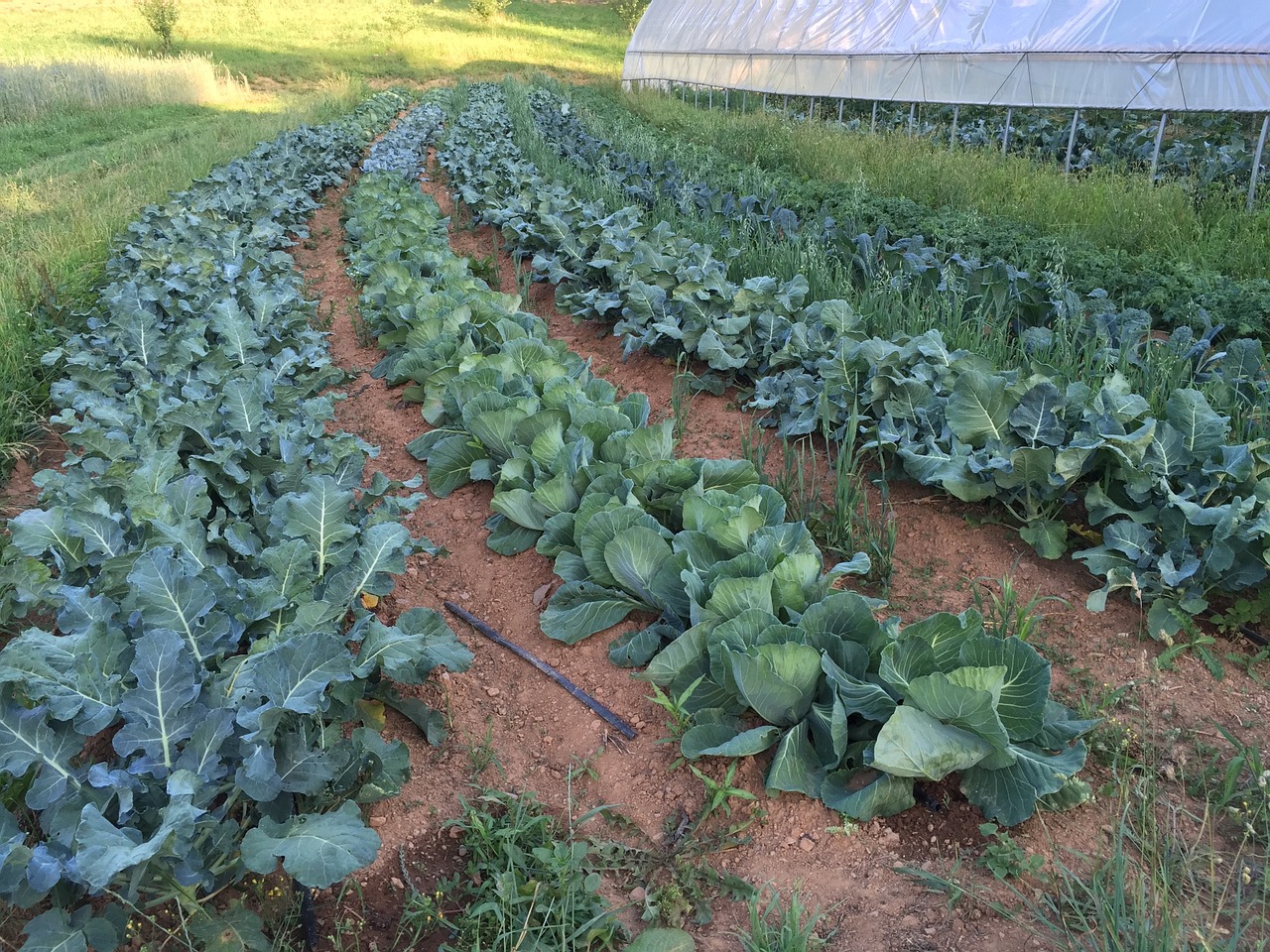
Vegetables and fruit that are grown naturally in fertile soil which is teaming in soil life (Earth worms, microbes and beneficial fungi) is a healthy base to start with for grow in.

Vegetable plants that receive adequate sunlight, chemical free water and natural nutrients and are allowed to grow at their own pace will be rich in goodness and taste great.

Vegetables that are grown in a chemical environment of man made fertilisers and with chemical controls; forced to grow quickly with applications of nitrogen’ will not have the health attributes of the above instead it will be fairly tasteless.

This produce is likely contain several chemical residues from sprays that were used to kill insect pests (Chemical insecticides) and prevent plant diseases (Chemical fungicides).

Lets look at each of these aspects; plants do best when they grow at their own speed which allows them to take up minerals and elements available in the growing medium.

They have a vital relationship with the soil life that helps provide the plants with moisture and nutrients in a form that the roots can take up.

Beneficial soil fungi attach to the plants roots sending out microscopic strands which collect moisture and nutrients and pass them to the roots in exchange for some carbohydrates.

This can increase the root catchment area of the plant by up to 800%.

The bigger the root system the bigger and healthier the plant.

Microbes in the soil break down organic matter which makes it more available to the plants and their ability to take up.

Nitrogen is vital to plant growth and when it is available naturally in the soil from actions of the soil life and from nitrogen brought down from the atmosphere with rain; the plant grows strong and steadily.

As opposed to synthetic nitrogen fertiliser?

Synthetic nitrogen fertiliser is any solid or liquid substance that is more than five per cent nitrogen by dry weight and is applied to land as a source of nitrogen nutrition for plants.

Examples include manufactured urea, diammonium phosphate, Nitrophoska and sulphate of ammonia.

These compounds force plants to grow fast and unnaturally which means they have less chance of taking up beneficial elements that are available.

They are weak through forced sappy growth and thus vulnerable to attack by insects and diseases.

They are lacking in flavour and fairly tasteless.

If a plant or fruit you eat has good flavour and tastes great that means it has excellent nutritional values.

If on the other hand you have to apply garnishes or condiments to obtain a favorable taste then the health benefits are minimal.

Growing vegetables and fruit commercially is a very expensive occupation these days and one that has a myriad of problems which include weather, cost of fertilisers, chemical sprays, labor, diesel and returns to pay for all the outgoings.

Also the more crops that can be grown in a year means more produce to sell hence the faster the vegetables are grown and ready for harvest the better they are off .

The produce has to be perfect on the supermarket shelves, no holes or blemishes thus the crop needs to be sprayed regularly with chemical sprays to control pests and diseases.

The vegetable absorb these chemical poisons through their foliage and the run off into the soil is taken up by the vegetables roots.

NZ Food Safety does annual checks to find out what chemicals are in local grown foods as well as imported foods.

See https://www.mpi.govt.nz/dmsdocument/36612-FRSP-2017-2019-Plant-based-foods-survey-interim-report

Have a look and be amazed and note the glyphosate (Roundup and other trade names) is not even tested for and yet one of the most used chemicals in horticulture?

The 2015-2016 survey did however have glyphosate in relationship to wheat see:

https://www.mpi.govt.nz/dmsdocument/19922-The-20152016-Report-on-Pesticides-in-Fresh-and-Frozen-Produce-A-survey-under-the-Food-Residues-Surveillance-Programme-FRSP-

There was in the past some discussion about people intolerance to gluten which is a health concern but it was also suggested that some of this was an intolerance to glyphosate?

My point being that in commercially grown produce that is not organically certified there is likely to be a number of chemical poisons that you are taking into your elf through your food chain.

So your fresh (not so fresh actually days old from harvest) produce at supermarkets is not as healthy as it is promoted to be. Fast grown, lacks taste and goodness and may contain a number of nasty chemicals.

A reader past me an article recently from their archives written by Chris Wheeler, former head of New Zealand’s foremost organic farm lobby group, the Soil & Health Association. Written in 2000…

See here https://truthwatchnz.is/cancer-related/cancer-the-poisons-in-our-food-nz-medicine-s-apparent-unofficial-wall-of-silence-around-the-pesticide-issue

The guts of the article is how chemicals used in horticulture food crops have a strong connection to cancers and cancer rates in NZ and else where.

Abstract from above article: ‘Who can seriously say there is really any serious interest in lowering breast cancer rates, or, for that matter, ANY cancer rates in New Zealand?

Certainly not our clapped out Ministry of Health, the Cancer Society, the breast cancer surgeons and oncologists or the farcical Australia New Zealand Food Authority who ‘police’ what contaminants are allowed into our daily diet.

They recently INCREASED for goodness sake(!) the allowable levels of the now well-established carcinogenic herbicide Roundup/glyphosate in our food just to help Monsanto’s sales figures.’

Home grown vegetables and fruit grown naturally with minerals added such as those found in Wallys Unlocking your Soil and Magic Botanic Liquid (MBL) taste great and are full of health giving nutrients for you and your family.

As it is very hard to avoid chemicals in the environment and our food chain then the answer is to get them out of your body by using any of the detox methods available.

Leaving chemical residues in cells and fat tissue can certainly lead to health issues.

Do detox regularly and grow some good healthily stuff in your garden or in containers to reap the health benefits.

  • You are what you eat.

THIS WEEKS  Special is a 10kilo bag of Unlocking your Soil normal price is $50.00 plus shipping till next Sunday we will pay the shipping to your home saving $16.00 North Island and $19.00 South Island. (No PO Boxes or outer Islands)

Order on our Mail Order Web site at http://www.0800466464.co.nz/18-bulk-goods?p=3

In Remarks please state This Weeks Special..

Unlocking your Soil is mineral rich from crushed rocks and organic materials, place a little in planting hole or sprinkle a little to side dress food plants.

The 10Kilo bag will be in a carton which can fit other products from our mail order web site but not other bulk goods.

I will phone you when we receive the order and arrange the free shipping and your preferred method of payment.

Regards

Wally Richards

Phone 0800 466464
Garden Pages and News at www.gardenews.co.nz
Shar Pei pages at  www.sharpei.co.nz
Mail Order products at www.0800466464.co.nz


New Zealand Bill of Rights Act 1990. Part II of the Act covers a broad range of Civil and Political Rights. As part of the right to life and the security of the person, the Act guarantees everyone:

1The right not to be deprived of life except in accordance with fundamental justice (Section 8)

2The right not to be subjected to torture or to cruel, degrading, or disproportionately severe treatment or punishment (Section 9)

3The right not to be subjected to medical or scientific experimentation without consent (Section 10)

4The right to refuse to undergo any medical treatment (Section 11)

 Furthermore, the New Zealand Bill of Rights Act 1990 guarantees everyone: Freedom of Thought, Conscience, and Religion.
This includes the right to freedom of thought, conscience, religion, and belief,
INCLUDING THE RIGHT TO ADOPT AND HOLD OPINIONS WITHOUT INTERFERENCE (Section 1)

RELATED: See our pages here on glyphosate

Photo: pixabay.com


The dark history of the Monsanto Corporation Part 2 (think ‘Roundup’)

Part 1 go here. I’m reviewing all the old archives I’ve saved over the past 10 years. So many now have gone from the internet, some found again after a bit of searching. Some very interesting reads along the way too, in light of what has happened over the past three years. I’ll be posting more … and in case you still think Roundup’s a great and ‘safe as’ product this one is a must read…note also Monsanto morphed of course into Bayer. Check out our Glyphosate pages in main menu. … EWR


Continuing from Part 1:
Over Monsanto’s 110-year history (1901-2013), Monsanto Co (MON.N), the world’s largest seed company, has evolved from primarily an industrial chemical concern into a pure agricultural products company. MON profited $2 billion dollars in 2009, but their record profits fell to only $1 billion in 2010 after activists exposed Monsanto for doing terribly evil acts like suing good farmers and feeding uranium to pregnant women. Below is the second half of a timeline detailing Monsanto’s dark history:

1953: Toxicity tests on the effects of 2 PCBs showed that more than 50% of the rats subjected to them DIED, and ALL of them showed damage.

1954: Monsanto partnered with German chemical giant Bayer to form Mobay and market polyurethanes in the USA.

1955: Monsanto acquired Lion Oil refinery, increasing its assets by more than 50%. Stockholders during this time numbered 43,000. Monsanto starts producing petroleum-based fertilizer.

1957: Monsanto moved to the suburban community of Creve Coeur, having finally outgrown its headquarters in downtown St. Louis, Missouri.

1957-1967: Monsanto was the creator of several attractions in Disney’s Tommorrowland. Often they revolved around the the virtues of chemicals and plastics. Their “House of the Future” was constructed entirely of plastic, but it was NOT biodegradable. “After attracting a total of 20 million visitors from 1957 to 1967, Disney finally tore the house down, but discovered it would not go down without a fight. According to Monsanto Magazine, wrecking balls literally bounced off the glass-fiber, reinforced polyester material. Torches, jackhammers, chain saws and shovels did not work. Finally, choker cables were used to squeeze off parts of the house bit by bit to be trucked away.”

1959: Monsanto sets up Monsanto Electronics Co. in Palo Alto, begins producing ultra-pure silicon for the high-tech industry, in an area which would later become a Superfund site.

1960: Edgar Queeny turned over the chair of Monsanto to Charles Thomas, one of the founders of the research and development laboratory so important to Monsanto. Charlie Sommer, who had joined Monsanto in 1929, became president. According to Monsanto historian Dan Forrestal, “Leadership during the 1960s and early 1970s came principally from … executives whose Monsanto roots ran deep.” Under their combined leadership Monsanto saw several important developments, including the establishment of the Agricultural Chemicals division with focus on herbicides, created to consolidate Monsanto’s diverse agrichemical product lines.

1961-1971: Agent Orange was a mixture of 2,4,5-T and 2,4-D and had very high concentrations of dioxin. Agent Orange was by far the most widely used of the so-called “Rainbow Herbicides” employed in the Herbicidal Warfare program as a defoliant during the Vietnam War. Monsanto became one of 10-36 producers of Agent Orange for US Military operations in Vietnam. Dow Chemical and Monsanto were the two largest producers of Agent Orange for the U.S. military. The Agent Orange produced by Monsanto had dioxin levels many times higher than that produced by Dow Chemicals, the other major supplier of Agent Orange to Vietnam. This made Monsanto the key defendant in the lawsuit brought by Vietnam War veterans in the United States, who faced an array of debilitating symptoms attributable to Agent Orange exposure. Agent Orange is later linked to various health problems, including cancer. U.S. Vietnam War veterans have suffered from a host of debilitating symptoms attributable to Agent Orange exposure. Agent Orange contaminated more than 3,000,000 civilians and servicemen. According to Vietnamese Ministry of Foreign Affairs, 4.8 million Vietnamese people were exposed to Agent Orange, resulting in 400,000 deaths and disabilities, plus 500,000 children born with birth defects, leading to calls for Monsanto to be prosecuted for war crimes. Internal Monsanto memos show that Monsanto knew of the problems of dioxin contamination of Agent Orange when it sold it to the U.S. government for use in Vietnam. Look at what the “EFFECTS” of agent orange look like… keep in mind it was used to remove leaves from the trees where AMERICAN SOLDIERS were breathing, eating, sleeping.

1962: Public concern over the environment began to escalate. Ralph Nader’s activities and Rachel Carson’s book Silent Spring had been influential in increasing the U.S. public’s awareness of activities within the chemical industry in the 1960s, and Monsanto responded in several ways to the pressure.

1962: Monsanto’s European expansion continued, with Brussels becoming the permanent overseas headquarters.

1964: Monsanto changed its name to Monsanto Company in acknowledgment of its diverse product line. The company consisted of 8 divisions, including petroleum, fibers, building materials, and packaging. Edward O’Neal became chairperson (came to Monsanto in 1935: with the acquisition of the Swann Corporation) was the first chair in Monsanto history who had not first held the post of president.

1964: Monsanto introduced “biodegradable” detergents.

1965: While working on an ulcer drug in December, James M. Schlatter, a chemist at G.D. Searle & Company, accidentally discovers aspartame, a substance that is 180x sweeter than sugar yet has no calories.

1965: AstroTurf (fake grass) was co-invented by Donald L. Elbert, James M. Faria, and Robert T. Wright, employees of Monsanto Company. It was patented in 1967 and originally sold under the name “Chemgrass”. It was renamed AstroTurf by Monsanto employee John A. Wortmann after its first well-publicized use at the Houston Astrodome stadium in 1966.

1965: The evidence of widespread contamination from PCBs and related chemicals has been accumulating and internal Monsanto papers show that Monsanto knew about the PCB dangers from early on.

1967: Monsanto entered into a joint venture with IG Farben = the German chemical firm that was the financial core of the Hitler regime, and was the main supplier of Zyklon-B gas to the German government during the extermination phase of the Holocaust; IG Farben was not dissolved until 2003.

1967: Searle began the safety tests on aspartame that were necessary for applying for FDA approval of food additives. Dr. Harold Waisman, a biochemist at the University of Wisconsin, conducts aspartame safety tests on infant monkeys on behalf of the Searle Company. Of the 7 monkeys that were being fed aspartame mixed with milk, 1 monkey DIED and 5 other monkeys had grand mal seizures.

1968: Edgar Queeny dies, leaving no heirs. Edward J. Bock (who had joined Monsanto in 1941 as an engineer) become a member of the board of directors in 1965, and became president of Monsanto in 1968.

1968: With experts at Monsanto in no doubt that Monsanto’s PCBs were responsible for contamination, Monsanto set up a committee to assess its options. In a paper distributed to only 12 people but which surfaced at the trial in 2002, Monsanto admitted “that the evidence proving the persistence of these compounds and their universal presence as residues in the environment is beyond question … the public and legal pressures to eliminate them to prevent global contamination are inevitable”. Monsanto papers seen by The Guardian newspaper reveal near panic. “The subject is snowballing. Where do we go from here? The alternatives: go out of business; sell the hell out of them as long as we can and do nothing else; try to stay in business; have alternative products”, wrote the recipient of one paper.

1968: Monsanto became the first organization to mass-produce visible LEDs, using gallium arsenide phosphide to produce red LEDs suitable for indicators. Light Emitting Diodes (LEDs) ushered in the era of solid-state lights. From 1968 to 1970, sales doubled every few months. Their products (discrete LEDs and seven-segment numeric displays) became the standards of industry. The primary markets then were electronic calculators, digital watches, and digital clocks.

1969: High overhead costs and a sluggish national economy led to a dramatic 29% decrease in earnings.

1969: Monsanto wrote a confidential Pollution Abatement Plan which admitted that “the problem involves the entire United States, Canada and sections of Europe, especially the UK and Sweden”.

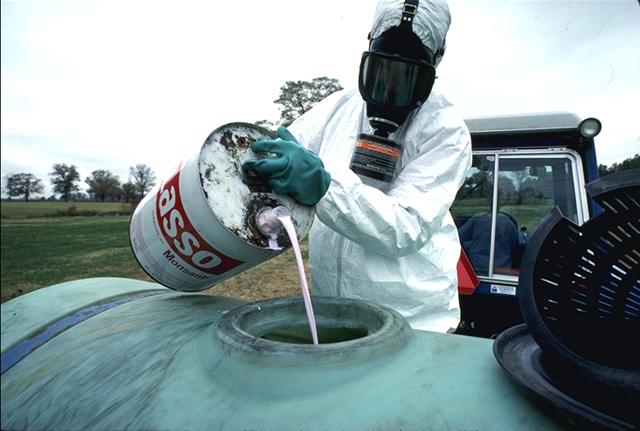
1969: Monsanto produces Lasso herbicide, better known as Agent Orange, which was used as defoliant by the U.S. Government during the Vietnam War. “[Lasso’s] success turns around the struggling Agriculture Division,” Monsanto’s web page reads.

1970s: Monsanto was a pioneer of optoelectronics in the 1970s. Although Bock had a reputation for being a committed Monsanto executive, several factors contributed to his volatile term as president. Sales were up in 1970, but Bock’s implementation of the 1971 reorganization caused a significant amount of friction among members of the board and senior management. In spite of the fact that this move, in which Monsanto separated the management of raw materials from Monsanto’s subsidiaries, was widely praised by security analysts, Bock resigned from the presidency in February 1972.

1970: Cyclamate (the reigning low-calorie artificial sweetener) is pulled off the market in November after some scientists associate it with cancer. Questions are also raised about safety of saccharin, the only other artificial sweetener on the market, leaving the field wide open for aspartame.

December 18, 1970: Searle Company executives lay out a “Food and Drug Sweetener Strategy” that they feel will put the FDA into a positive frame of mind about aspartame. An internal policy memo describes psychological tactics Monsanto should use to bring the FDA into a subconscious spirit of participation” with them on aspartame and get FDA regulators into the “habit of saying Yes.”

1971: Neuroscientist Dr. John Olney (whose pioneering work with monosodium glutamate MSG was responsible for having it removed from baby foods) informs Searle that his studies show that aspartic acid (one of the ingredients of aspartame) caused holes in the brains of infant mice. One of Searle’s own researchers confirmed Dr. Olney’s findings in a similar study.

1972: The use of DDT was banned by U.S. Congress, due in large part to efforts by environmentalists, who persisted in the challenge put forth by Rachel Carson’s book Silent Spring in 1962, which sought to inform the public of the side effects associated with the insecticide, which had been much-welcomed in the fight against malaria-transmitting mosquitoes.

1973: Monsanto developed and patented the glyphosate molecule in the 1970s. Monsanto began manufacturing the herbicide Roundup, which has been marketed as a “safe”, general-purpose herbicide for widespread commercial and consumer use, even though its key ingredient, glyphosate, is a highly toxic poison for animals and humans.

1973: After spending tens of millions of dollars conducting safety tests, the G.D. Searle Company applies for FDA approval and submits over 100 studies they claim support aspartame’s safety. One of the first FDA scientists to review the aspartame safety data states that “the information provided (by Searle) is inadequate to permit an evaluation of the potential toxicity of aspartame”. She says in her report that in order to be certain that aspartame is safe, further clinical tests are needed.

1974: Attorney Jim Turner (consumer advocate who was instrumental in getting cyclamate taken off the market) meets with Searle representatives in May to discuss Dr. Olney’s 1971 study which showed that aspartic acid caused holes in the brains of infant mice.

1974: The FDA grants aspartame its first approval for restricted use in dry foods on July 26.

1974: Jim Turner and Dr. John Olney file the first objections against aspartame’s approval in August.

1975: After a 9-month search, John W. Hanley, a former executive with Procter & Gamble, was chosen as president. Hanley also took over as chairperson.

1976: The success of the herbicide Lasso had turned around Monsanto’s struggling Agriculture Division, and by the time Agent Orange was banned in the U.S. and Lasso was facing increasing criticism, Monsanto had developed the weedkiller “Roundup” (active ingredient: glyphosate) as a replacement. Launched in 1976, Roundup helped make Monsanto the world’s largest producer of herbicides. RoundUp was commercialized, and became the world’s top-selling herbicide. Within a few years of its 1976 launch, Roundup was being marketed in 115 countries.

The success of Roundup coincided with the recognition by Monsanto executives that they needed to radically transform a company increasingly under threat. According to a recent paper by Dominic Glover, “Monsanto had acquired a particularly unenviable reputation in this regard, as a major producer of both dioxins and polychlorinated biphenyls (PCBs) – both persistent environmental pollutants posing serious risks to the environment and human health. Law suits and environmental clean-up costs began to cut into Monsanto’s bottom line, but more seriously there was a real fear that a serious lapse could potentially bankrupt the company.” According to Glover, Roundup “Sales grew by 20% in 1981 and as the company increased production it was soon Monsanto’s most profitable product (Monsanto 1981, 1983)… It soon became the single most important product of Monsanto’s agriculture division, which contributed about 20% of sales and around 45% of operating income to the company’s balance sheet each year during the late 1980s and early 1990s. Today, glyphosate remains the world’s biggest herbicide by volume of sales.”

1976: Monsanto produces Cycle-Safe, the world’s first plastic soft-drink bottle. The bottle, suspected of posing a cancer risk, is banned the following year by the Food and Drug Administration.

1976: Turner & Olney’s petition on March 24 triggers an FDA investigation of the laboratory practices of aspartame’s manufacturer, G.D. Searle. The investigation finds Searle’s testing procedures shoddy, full of inaccuracies and “manipulated” test data. The investigators report they “had never seen anything as bad as Searle’s testing.”

January 10, 1977: The FDA formally requests the U.S. Attorney’s office to begin grand jury proceedings to investigate whether indictments should be filed against Searle for knowingly misrepresenting findings and “concealing material facts and making false statements” in aspartame safety tests. This is the first time in the FDA’s history that they request a criminal investigation of a manufacturer.

January 26, 1977: While the grand jury probe is underway, Sidley & Austin, the law firm representing Searle, begins job negotiations with the U.S. Attorney in charge of the investigation, Samuel Skinner.

March 8, 1977: G. D. Searle hires prominent Washington insider Donald Rumsfeld as the new CEO to try to turn the beleaguered company around. A former Member of Congress and Secretary of Defense in the Ford Administration, Rumsfeld brings in several of his Washington cronies as top management. Donald Rumsfeld followed Searle as CEO, and then as President of Searle from 1977-1985.

July 1, 1977: Samuel Skinner leaves the U.S. Attorney’s office on July 1st and takes a job with Searle’s law firm. (see Jan. 26th)

August 1, 1977: The Bressler Report, compiled by FDA investigators and headed by Jerome Bressler, is released. The report finds that 98 of the 196 animals died during one of Searle’s studies and weren’t autopsied until later dates, in some cases over one year after death. Many other errors and inconsistencies are noted. For example, a rat was reported alive, then dead, then alive, then dead again; a mass, a uterine polyp, and ovarian neoplasms were found in animals but not reported or diagnosed in Searle’s reports.

December 8, 1977: U.S. Attorney Skinner’s withdrawal and resignation stalls the Searle grand jury investigation for so long that the statue of limitations on the aspartame charges runs out. The grand jury investigation is dropped. (borderline treason)

1979: The FDA established a Public Board of Inquiry (PBOI) in June to rule on safety issues surrounding NutraSweet.

1980: September 30, FDA Board of Inquiry comprised of 3 independent scientists, confirmed that aspartame “might induce brain tumors”. The Public Board of Inquiry concludes NutraSweet should not be approved pending further investigations of brain tumors in animals. The board states it “has NOT been presented with proof of reasonable certainty that aspartame is safe for use as a food additive.” The FDA had actually banned aspartame based on this finding, only to have Searle Chairman Donald Rumsfeld (Ford’s Secretary of Defense 1975-1977, Bush’s Secretary of Defense 2001-2006) vow to “call in his markers,” to get it approved in 1981.

1980: Monsanto established the Edgar Monsanto Queeny safety award in honor of its former CEO (1928–1960), to encourage accident prevention.

January 1981: Donald Rumsfeld, CEO of Searle, states in a sales meeting that he is going to make a big push to get aspartame approved within the year. Rumsfeld says he will use his political pull in Washington, rather than scientific means, to make sure it gets approved.

May 19, 1981: 3 of 6 in-house FDA scientists who were responsible for reviewing the brain tumor issues, Dr. Robert Condon, Dr. Satya Dubey, and Dr. Douglas Park, advise against approval of NutraSweet, stating on the record that the Searle tests are unreliable and not adequate to determine the safety of aspartame.

1981: Ronald Reagan is sworn in as President of the United States. Reagan’s transition team, which includes Donald Rumsfeld, CEO of G. D. Searle, hand picks Dr. Arthur Hull Hayes Jr. to be the new FDA Commissioner. On January 21, the day after Ronald Reagan’s inauguration, GD Searle re-applied to the FDA for approval to use aspartame in food sweetener, and Reagan’s new FDA commissioner, Arthur Hayes Hull, Jr., appointed a 5-person Scientific Commission to review the board of inquiry’s decision. It soon became clear that the panel would uphold the ban by a 3-2 decision, but Hull then installed a 6th member on the commission, and the vote became deadlocked. He then personally broke the tie in aspartame’s favor. Hull later left the FDA under allegations of impropriety, served briefly as Provost at New York Medical College, and then took a position with Burston-Marsteller, the chief public relations firm for both Monsanto and GD Searle. Since that time Hull has never spoken publicly about aspartame.

July 15, 1981: In one of his first official acts, Dr. Arthur Hayes Jr., the new FDA commissioner, overrules the Public Board of Inquiry, ignores the recommendations of his own internal FDA team and approves NutraSweet for dry products. Hayes says that aspartame has been shown to be safe for its’ proposed uses and says few compounds have withstood such detailed testing and repeated close scrutiny. G.D. Searle gets FDA approval for aspartame (NutraSweet). Monsanto completes its acquisition of Searle in 1985.

1982: Monsanto GMO scientists genetically modify a plant cell for the first time!

1982: Some 2,000 people are relocated from Times Beach, Missouri, which was found to be so thoroughly contaminated with dioxin, a by-product of PCB manufacturing, that the government ordered it evacuated. Dioxins are endocrine and immune system disruptors, cause congenital birth defects, reproductive and developmental problems, and increase the incidence of cancer, heart disease and diabetes in laboratory animals. Critics say a St. Louis-area Monsanto chemical plant was a source but Monsanto denies any connection.

October 15, 1982: The FDA announces that GD Searle has filed a petition that aspartame be approved as a sweetener in carbonated beverages and other liquids.

July 1, 1983: The National Soft Drink Association (NSDA) urges the FDA to delay approval of aspartame for carbonated beverages pending further testing because aspartame is very unstable in liquid form. When liquid aspartame is stored in temperatures above 85°F degrees Fahrenheit, aspartame breaks down into known toxins Diketopiperazines (DKP), methyl (wood) alcohol, and formaldehyde.

July 8, 1983: The National Soft Drink Association drafts an objection to the final ruling which permits the use of aspartame in carbonated beverages and syrup bases and requests a hearing on the objections. The association says that Searle has not provided responsible certainty that aspartame and its’ degradation products are safe for use in soft drinks.

August 8, 1983: Consumer Attorney, Jim Turner of the Community Nutrition Institute and Dr. Woodrow Monte, Arizona State University’s Director of Food Science and Nutritional Laboratories, file suit with the FDA objecting to aspartame approval based on unresolved safety issues.

September, 1983: FDA Commissioner Hayes resigns under a cloud of controversy about his taking unauthorized rides aboard a General Foods jet. (General foods is a major customer of NutraSweet) Burson-Marsteller, Searle’s public relation firm (which also represented several of NutraSweet’s major users), immediately hires Hayes as senior scientific consultant.

Fall 1983: The first carbonated beverages containing aspartame are sold for public consumption.

1983: Diet Coke was sweetened with aspartame after the sweetener became available in the United States.

November 1984: Center for Disease Control (CDC) “Evaluation of consumer complaints related to aspartame use.” (summary by B. Mullarkey)

1985: Monsanto purchased G.D. Searle, the chemical company that held the patent to aspartame, the active ingredient in NutraSweet. Monsanto was apparently untroubled by aspartame’s clouded past, including a 1980 FDA Board of Inquiry, comprised of three independent scientists, which confirmed that it “might induce brain tumors”. The aspartame business became a separate Monsanto subsidiary, the NutraSweet Company.

1986: Monsanto found guilty of negligently exposing a worker to benzene at its Chocolate Bayou Plant in Texas. It is forced to pay $100 million to the family of Wilbur Jack Skeen, a worker who died of leukemia after repeated exposures.

1986: At a congressional hearing, medical specialists denounce a National Cancer Institute study disputing that formaldehyde causes cancer. Monsanto and DuPont scientists helped with the study, whose author provided results to the Formaldehyde Institute industry representatives nearly six months before releasing the study to the EPA, labor unions, and the public.

1986: Monsanto spends $50,000 against California’s anti-toxics initiative, Proposition 65. The initiative prohibits the discharge of chemicals known to cause cancer or birth defects into drinking water supplies.

1987: Monsanto conducted the first field tests of genetically engineered (GMO) crops.

1987: Monsanto is one of the companies named in an $180 million settlement for Vietnam War veterans exposed to Agent Orange.

1987: Monsanto consolidated its AstroTurf management, marketing, and technical activities in Dalton, Georgia, as AstroTurf Industries, Inc.

November 3, 1987: U.S. hearing, “NutraSweet: Health and Safety Concerns,” Committee on Labor and Human Resources, Senator Howard Metzenbaum, chairman.

1988: A federal jury finds Monsanto Co.’s subsidiary, G.D. Searle & Co., negligent in testing and marketing of its Copper 7 intrauterine birth control device (IUD). The verdict followed the unsealing of internal documents regarding safety concerns about the IUD, which was used by nearly 10 million women between 1974 and 1986.

1990: EPA chemists allege fraud in Monsanto’s 1979 dioxin study, which found exposure to the chemical doesn’t increase cancer risks.

1990: Monsanto spends more than $405,000 to defeat California’s pesticide regulation Proposition 128, known as the “Big Green” initiative. The initiative is aimed at phasing out the use of pesticides, including Monsanto’s product alachlor, linked to cancer and global warming.

1990: With the help of Roundup, the agriculture division of Monsanto was significantly outperforming Monsanto’s chemicals division in terms of operating income, and the gap was increasing. But as Glover notes, while “such a blockbuster product uncorks a fountain of revenue”, it “also creates an uncomfortable dependency on the commercial fortunes of a single brand. Monsanto’s management knew that the last of the patents protecting Roundup in the United States, its biggest market, would expire in the year 2000, opening the field to potential competitors. The company urgently needed a strategy to negotiate this hurdle and prolong the useful life of its ‘cash cow’.”

1991: Monsanto is fined $1.2 million for trying to conceal discharge of contaminated waste water into the Mystic River in Connecticut.

1993: By April, the Department of Veterans Affairs had only compensated 486 victims, although it had received disability **CLAIMS** from 39,419 veteran soldiers who had been exposed to monsanto’s Agent Orange while serving in Vietnam. No compensation has been paid to Vietnamese civilians and though some compensation was paid to U.S. veterans, according to William Sanjour, who led the Toxic Waste Division of the U.S. Environmental Protection Agency (EPA), “thousands of veterans were disallowed benefits” because “Monsanto studies showed that dioxin [as found in Agent Orange] was not a human carcinogen.” An EPA colleague discovered that Monsanto had apparently falsified the data in their studies. Sanjour says, “If [the studies] were done correctly, they would have reached just the opposite result.”

1994: the first of Monsanto’s biotech products to make it to market was not a GMO crop but Monsanto’s controversial GMO cattle drug, bovine growth hormone – called rBGH or rBST, Monsanto granted regulatory approval for its first biotech product, a dairy cow hormone. Monsanto developed a recombinant version of BST, brand-named Posilac bovine somatropin (rBST/rBGH), which is produced through a genetically engineered GMO E. coli bacteria. Synthetic Bovine Growth Hormone (rBGH), approved by the FDA for commercial sale in 1994, despite strong concerns about its safety. Since then, Monsanto has sued small dairy companies that advertised their products as free of the artificial hormone, including Ben & Jerry’s ice cream and most recently bringing a lawsuit against Oakhurst Dairy in Maine.

1995: Genetically engineered canola (rapeseed) which is tolerant to Monsanto’s Roundup herbicide was first introduced to Canada. Today 80% of the acres sown are genetically modified canola.

1995: Monsanto is sued after allegedly supplying radioactive material for a controversial study which involved feeding radioactive iron to 829 pregnant women.

1995: Monsanto ranked 5th among U.S. corporations in EPA’s Toxic Release Inventory, having discharged 37 million pounds of toxic chemicals into the air, land, water and underground. Monsanto was ordered to pay $41.1 million to a waste management company in Texas due to concerns over hazardous waste dumping.

1995: The Safe Shoppers Bible says that Monsanto’s Ortho Weed-B-Gon Lawn Weed Killer contains a known carcinogen, 2,4 D. Monsanto officials argue that ‘numerous studies have found no link to cancer’.

1996: Monsanto introduces its first biotech crop, Roundup Ready soybeans, which tolerate spraying of Roundup herbicide, and biotech BT cotton engineered to resist insect damage.

As Monsanto had moved into biotechnology, its executives had the opportunity to create a new narrative for Monsanto. They begun to portray genetic engineering as a ground-breaking technology that could contribute to feeding a hungry world. Monsanto executive Robb Fraley, who was head of the plant molecular biology research team, is also said to have hyped the potential of GMO crops within the company, as a once-in-a-generation opportunity for Monsanto to dominate a whole new industry, invoking the monopoly success of Microsoft as a powerful analogy. But, according to Glover, the more down-to-earth pitch to fellow executives was that “genetic engineering offered the best prospect of preserving the commercial life of Monsanto’s most important product, Roundup in the face of the challenges Monsanto would face once the patent expired.”

Monsanto eventually achieved this by introducing into crop plants genes that give resistance to glyphosate (the active ingredient in Roundup). This meant farmers could spray Roundup onto their fields as a weedkiller even during the growing season without harming the crop. This allowed Monsanto to “significantly expand the market for Roundup and, more importantly, help Monsanto to negotiate the expiry of its glyphosate patents, on which such a large slice of Monsanto’s income depended.” With glyphosate-tolerant GMO crops, Monsanto was able ìto preserve its dominant share of the glyphosate market through a marketing strategy that would couple proprietary “Roundup Ready” seeds with continued sales of Roundup.

1996-1999: Monsanto sold off its plastics business to Bayer in 1996, and its phenylalanine facilities to Great Lakes Chemical Corporation (GLC) in 1999. Much of the rest of its chemicals division was spun off in late 1997 as Solutia. This helped Monsanto distance itself to some extent not only from direct financial liability for the historical core of its business but also from its controversial production and contamination legacy.

1997: Monsanto introduces new GMO canola (rapeseed), GMO cotton and GMO corn (maize), and buys foundation seed companies.

1997: Monsanto spins off its industrial chemical and fibers business into Solutia Inc. amid complaints and legal claims about pollution from its plants. Solutia was spun off from Monsanto as a way for Monsanto to divest itself of billions of dollars in environmental cleanup costs and other liabilities for its past actions – liabilities that eventually forced Solutia to seek Chapter 11 bankruptcy. According to a spokesman for Solutia, “(Monsanto) sort of cherry-picked what they wanted and threw in all kinds of cats and dogs as part of a going-away present,” including $1 billion in debt and environmental and litigation costs. Some pre-bankruptcy Solutia equity holders allege Solutia was set up fraudulently as it was always doomed to fail under the financial weight of Monsanto’s liabilities.

1997: The New York State Attorney General took Monsanto to court and Monsanto was subsequently forced to stop claiming that Roundup is “biodegradable” and “environmentally friendly”.

1997: The Seattle Times reports that Monsanto sold 6,000 tons of contaminated waste to Idaho fertilizer companies, which contained the carcinogenic heavy metal cadmium, believed to cause cancer, kidney disease, neurological dysfunction and birth defects.

1997: Through a process of mergers and spin-offs between 1997 and 2002, Monsanto made a transition from chemical giant to biotech giant. Monsanto’s corporate strategy led them for the first time to acquire seed companies. During the 1990s Monsanto spent $10 billion globally buying up seed companies – a push that continues to this day. It has purchased, for example, Holden’s Foundations Seeds, Seminis – the largest seed company not producing corn or soybeans in the world, the Dutch seed company De Ruiter Seeds, and the big cotton seed firm Delta & Pine. As a result, Monsanto is now the world’s largest seed company, accounting for almost a quarter of the global proprietary seed market.

1998: Monsanto introduces Roundup Ready corn (maize).

1998: In the UK, Monsanto purchased the seed company Plant Breeding International (PBI) Cambridge, a major UK based cereals and potato breeder, which Monsanto then merged with its existing UK agri-chemicals and GMO research businesses to form Monsanto UK Ltd. Monsanto UK has carried out field trials of glyphosate-tolerant sugar / fodder beet, glyphosate-tolerant oilseed rape, and glyphosate-tolerant and male sterility / fertility restorer oilseed rape.

1998: “Survey of aspartame studies: correlation of outcome and funding sources,” unpublished: Ralph G. Walton found 166 separate published studies in the peer reviewed medical literature, which had relevance for questions of human safety. The 74 studies funded by industry all (100%) attested to aspartame’s safety, whereas of the 92 non-industry funded studies, 84 (91%) identified a problem. 6 of the 7 non-industry funded studies that were favorable to aspartame safety were from the FDA, which has a public record that shows a strong pro-industry bias.

1999: After international criticism, Monsanto agrees not to [PUBLICLY] commercialize “Terminator” seeds.

1999: Monsanto opens its Beautiful Sciences exhibit at Disneyland.

1999: Monsanto sells their phenylalanine facilities to Great Lakes Chemical Corporation (GLC) for $125 million. In 2000, GLC sued Monsanto because of a $71 million dollar shortfall in expected sales.

2000: 5 pesticide companies, including Monsanto, controlled over 70% of all patents on agricultural biotechnology. Monsanto had the largest share of the global GMO crops market.

2000: Since the inception of Plan Colombia, the US has spent hundreds of millions of dollars in funding aerial sprayings of Monsanto’s Roundup herbicides in Colombia. The Roundup is often applied in concentrations 26x higher than what is recommended for agricultural use. Additionally, it contains at least one surfactant, Cosmo-Flux 411f, whose ingredients are a trade secret, has never been approved for use in the US, and which quadruples the biological action of the herbicide. Not surprisingly, numerous human health impacts have been recorded in the areas affected by the sprayings, including respiratory, gastrointestinal and skin problems, and even death, especially in children. Additionally, fish and animals will show up dead in the hours and days subsequent to the herbicide sprayings.

2000-2002: Monsanto merges with Pharmacia & Upjohn, and changes its name to Pharmacia Corporation. Monsanto Company restructures in deal with Pharmacia & Upjohn Inc; separates agricultural and chemicals businesses and becomes stand-alone agricultural company. By 2000 the current Monsanto had emerged from various transactions, including a merger for a time with Pharmacia, as a legally different corporation from the Monsanto that had existed from 1901-2000. This was despite the fact that both Monsantos shared not just the same name, but the same corporate headquarters near St. Louis, Missouri, and many of the same executives and other employees, not to mention much of the responsibility for liabilities arising out of its former activities.

2001: Retired Monsanto chemist William S. Knowles was named a co-winner of the Nobel Prize in Chemistry for his research on catalytic asymmetric hydrogenation, which was carried out at Monsanto beginning in the 1960s until his 1986 retirement.

2001: Monsanto GMO crops accounted for 91% of the total area of GMO crops planted worldwide.

2002: Monsanto entered into an important agreement with DuPont. As a result of this “agreement” both companies agreed to drop a raft of outstanding patent lawsuits against one another and to share their patented GMO crops technologies. Some commentators see this ‘agreement’ as constituting a pseudo-merger by stealth of the two companies’ GMO crops monopolies which are too large to be permitted to merge.

August 13, 2002: Monsanto had sales of $4,673,000,000. Based on 2001 figures Monsanto was the second biggest seed company in the world, and the third biggest agrochemical company. The infamous agrochemical and biotechnology division, still known as Monsanto, was spun off as a nominally separate company with Pharmacia originally retaining an 85% share. Monsanto Company became completely separate and independent from Pharmacia on August 13, 2002, when Pharmacia distributed its remaining Monsanto shares to Pharmacia’s stockholders.

2002: Events in Argentina also affected the company in other ways: Monsanto’s Argentine unit lost $154 million in the 2002 fiscal year, due to the collapse of the Argentine economy and a deepening recession which forced the government to default on most of its public debt, and devalue the peso in January 2002. The government also converted what was a dollar economy into a peso economy and, as a result, Monsanto received devalued pesos for products it had sold in dollars, slashing its sales income.

2002: The Washington Post ran an article entitled, “Monsanto Hid Decades Of Pollution, PCBs Drenched Alabama Town, But No One Was Ever Told” about PCBs. Monsanto share price plummeted in the second half of 2002 following its sell off by former parent company Pharmacia and this was compounded by the departure of Monsanto’s CEO at the end of 2002.

December 2002: CEO Hendrik Verfaillie resigned after he and the board agreed that his performance had been disappointing and the company had faced extensive criticism for failing to deal more honestly and effectively with its difficulties. “This is a company that has been optimistic on the borderline of LYING,” said Sergey Vasnetsov, senior analyst with Lehman Brothers in New York. “Monsanto has been feeding us these FANTASIES for two years, and when we saw they weren’t real, its stock price fell.”

2003: Jury fines Monsanto and its former chemical subsidiary, Solutia, Inc. (now owned by Pharmacia Corp.), agreed to pay $600 million in August to settle claims brought by more than 20,000+ residents of Anniston, Alabama – over the severe contamination of ground and water by tons of PCBs dumped in the area from the 1930s until the 1970s. Court documents revealed that Monsanto was aware of the contamination decades earlier.

2003: Solutia, Inc. (now owned by Pharmacia Corp.) files Chapter 11 bankruptcy.

2004: Monsanto forms American Seeds Inc holding company for corn and soybean seed deals and begins brand acquisitions.

2004-2005: Monsanto filed lawsuits against many farmers in Canada and the U.S. on the grounds of patent infringement, specifically the farmers’ sale of seed containing Monsanto’s patented genes. In some cases, farmers claimed the seed was unknowingly sown by wind carrying the seeds from neighboring crops, a claim rejected in Monsanto Canada Inc. v. Schmeiser. These instances began in the mid to late 1990s, with one of the most significant cases being decided in Monsanto’s favor by the Canadian Supreme Court. By a 5-4 vote in late May 2004, that court ruled that “by cultivating a plant containing the patented gene and composed of the patented cells without license, the appellants (canola farmer Percy Schmeiser) deprived the respondents of the full enjoyment of the patent.” With this ruling, the Canadian courts followed the U.S. Supreme Court in its decision on patent issues involving plants and genes.

2005: Monsanto has patent claims on breeding techniques for pigs which would grant them ownership of any pigs born of such techniques and their related herds. Greenpeace claims Monsanto is trying to claim ownership on ordinary breeding techniques. Monsanto claims that the patent is a defensive measure to track animals from its system. They furthermore claim their patented method uses a specialized insemination device that requires less sperm than is typically needed.

2005: Environmental, consumer groups question safety of Roundup Ready crops, say they create “super weeds,” among other problems.

2006: In January, the South Korean Appeals Court ordered Dow Chemical and Monsanto to pay $62 million in compensation to about 6,800 people.

2006: Organic farmers, concerned about the impact of GMO alfalfa on their crops, sued Monsanto (Monsanto Company vs. Geertson Seed Farms). In response, in May 2007, the California Northern District Court issued an injunction order prohibiting farmers from planting Roundup Ready alfalfa until the US Department of Agriculture (USDA) completed a study on the genetically engineered crop’s likely environmental impact. As a result, the USDA put a hold on any further planting of Roundup Ready alfalfa.

2006: the Public Patent Foundation filed requests with the United States Patent and Trademark Office to revoke 4 patents that Monsanto has used in patent lawsuits against farmers. In the first round of reexamination, claims in all 4 patents were rejected by the Patent Office in 4 separate rulings dating from February through July 2007. Monsanto has since filed responses in the reexaminations.

2006-2007: Monsanto buys several regional seed companies and cotton seed leader Delta and Pine Land Co. – Competitors allege Monsanto gaining seed industry monopoly.

2007: Monsanto’s biotech seeds and traits (including those licensed to other companies) accounted for almost 90% of the total world area devoted toGMOseeds.

2007: California Northern District Court issued an injunction order prohibiting farmers from planting Roundup Ready alfalfa until the U.S. Department of Agriculture (USDA) completed a study on the genetically engineered crop’s likely environmental impact. As a result, the USDA put a hold on any further planting of Roundup Ready alfalfa.

2007: USDA Dairy Survey estimated rBGH use at 15.2% of operations and 17.2% of cows.

2008: Monsanto sells Posilac business to Eli Lilly (polio vaccine manufacturer) amid consumer and food industry concerns about the dairy cow hormone supplement.

2008: Acquires sugarcane breeding companies, and a Dutch hybrid seed company.

2008-2009: U.S. Department of Justice says it is looking into monopolistic power in the U.S. seed industry.

2009: Monsanto posts record net sales of $11.7 billion and net income of $2.1 billion for fiscal 2009.

2009: Monsanto announces a project to improve the living conditions of 10,000 small cotton and corn farmers in 1,100 villages in India (keep in mind that 100,000 small cotton farmers in India commit suicide by drinking Roundup AFTER massive GMO crop failures bankrupted their families); donates cotton technology to academic researchers.

2010: Monsanto introduces their new brand Genuity

2010: Farmers in South Africa report 80% of the GMO corn was SEEDLESS at harvest time!

2010: Monsanto was named company of the year by Forbes magazine in January.

2010: Demand for milk without using synthetic hormones has increased 500% in the US since Monsanto introduced their rBST product. Monsanto has responded to this trend by lobbying state governments to ban the practice of distinguishing between milk from farms pledged not to use rBST and those that do.

2011: Monsanto posts net income of $1 billion for fiscal 2010. OUCH! a 50% loss from 2009.

Today, over 80% of the worldwide area devoted to GMO crops carries at least one genetic trait for (Monsanto’s Roundup) herbicide tolerance. Herbicides account for about one-third of the global pesticide market. Monsanto’s glyphosate-resistant (Roundup Ready) seeds have reigned supreme on the biotech scene for over a decade – creating a near-monopoly for Monsanto’s Roundup herbicide – which is now off patent. Roundup is the world’s biggest selling pesticide and it has helped make Monsanto the world’s 5th largest agrochemical company.

The Future of GMO Crops: Wheat for Humans

Monsanto’s strategy is based around genetically modifying SUBSIDIZED commodity crops, and refining technologies which it already has commercialized. Monsanto is continuing to develop genetically modified traits that can be stacked in a single seed product, along with Roundup Ready tolerance to provide continuing sales for the herbicide.

The most important new product Monsanto is trying to introduce is RoundUp Ready wheat. This has caused an unexpected level of debate in the USA, generally because it is the first major GMO crop which would be used predominantly for products to be consumed by humans rather than as animal feed. Wheat is also a vital export crop for the USA, which currently holds 26-28% of the world market share. The EU was the fourth largest importer of U.S. wheat overall in 2001, and although this position may diminish due to new EU rules on imports, it would nevertheless be extremely serious for the USA to virtually lose the EU market for its wheat, which is a real possibility if GMO wheat is commercialized.

As well as wheat, Monsanto is mainly concentrating on different traits in crops which it has already worked with. The majority of its field trials in the USA during the last two years have involved corn, altered to exhibit various traits.

Monsanto is also involved in a joint venture with Cargill Renessen, which is currently developing the following GMO crops: Improved-oil soybeans for feed, Three kinds of improved-energy corn (maize) for feed Healthier oil for food uses, Improved-protein soybeans for feed, High-starch/ethanol corn (maize), Processor Preferred soybeans.

Herbicide-tolerant (RoundUp Ready) varieties continue to play a large part in Monsanto’s plans, showing that although these are extremely easy to reject due to their obvious benefits to corporations and lack of benefits to humans, Monsanto believes that there is still a large potential for their GMOs.

SOURCE

http://bestmeal.info/monsanto/company-history.shtml#timeline  (now a DEAD link)

What are ‘They’ Intending for the Future of Food?

Note: Grow your own! ‘They’ won’t be eating GM food, bugs and so on. The fake food is just for you. Note also, Bill is planning on other additions to your food supply. EWR


by James Corbett
corbettreport.com

If “you are what you eat,” as the old adage has it, then what does that make us?

As consumers of heavily processed, chemically treated, GMO-infested gunk, we in the modern, developed world have “solved” the problem of hunger that plagued our forebears since time immemorial by handing our food sovereignty over to a handful of corporate conglomerates. The result of this handover has been the creation of a factory farming system in which genetically engineered crops are doused in glyphosate and livestock are herded into tiny pens where they live their entire lives in fetid squalor, pumped up with antibiotics and growth hormones until they are slaughtered and shipped off to the supermarkets and fast food chains.

There have been any number of documentaries and exposés produced in recent decades detailing the dangers of this industrial farming system that we find ourselves beholden to, any number of activists ringing the alarm about these problems, any number of campaigns and marches organized to raise awareness about these issues. Yet still, nation after nation gets fatter and sicker as traditional diets based on fresh produce sourced from local farmers are displaced by the fast food pink slime sourced from the industrial farms of the Big Food oligopoly.

But as bad as things may be, they’re about to get even worse. As crisis after crisis disrupts the food supply, the “solution” to these problems has already been prepared. New technologies are coming online that threaten to upend our understanding of food altogether. Technologies that could, ultimately, begin altering the human species itself.

This is an exploration of The Future of Food.

READ AT THE LINK

Image by Ryan McGuire from Pixabay

One of the Most Harmful Ingredients in Processed Foods

From Dr Mercola

Story at-a-glance

  • Two of the most harmful ingredients in processed foods are high fructose corn syrup and soybean oil, whether partially hydrogenated, organic, or made from newer soybean varieties modified in such a way as to not require hydrogenation
  • Completely unnatural man-made fats created through the partial hydrogenation process cause dysfunction and chaos in your body on a cellular level, and studies have linked trans-fats to health problems ranging from obesity and diabetes to reproductive problems and heart disease
  • Besides the health hazards related to the trans fats created by the partial hydrogenation process, soybean oil is, in and of itself, NOT a healthy oil
  • Add to that the fact that the majority of soybeans grown in the U.S. are genetically engineered, and as a result saturated with dangerous levels of the herbicide glyphosate, which may have additional health consequences as there are no long term safety studies
  • When taken together, partially hydrogenated GE soybean oil becomes one of the absolute worst types of oils you can consume
  • The genetically engineered (GE) variety planted on over 90% of U.S. soy acres is Roundup Ready engineered to survive being doused with otherwise lethal amounts of Monsanto’s Roundup herbicide (glyphosate). GE soybeans have been found to contain residue levels as high as 17 mg/kg, and malformations in frog and chicken embryos have occurred at just over 2 mg/kg

Processed food is perhaps the most damaging aspect of most people’s diets, contributing to poor health and chronic disease. One of the primary culprits is high fructose corn syrup (HFCS), the dangers of which I touch on in virtually every article I write on diets. The second culprit is partially hydrogenated soybean oil.

These two ingredients, either alone or in combination, can be found in virtually all processed foods, and one can make a compelling argument that the reliance on these two foods is a primary contributing factor for most of the degenerative diseases attacking Americans today.

Part of the problem with partially hydrogenated soybean oil is the trans fat it contains. The other part relates to the health hazards of soy itself. An added hazard factor is the fact that the majority of both corn and soybeans are genetically engineered.

As the negative health effects from trans fats have been identified and recognized, the agricultural and food industry have scrambled to come up with new alternatives. Partially hydrogenated soybean oil has been identified as the main culprit, and for good reason.

Unfortunately, saturated fats are still mistakenly considered unhealthy by many health “experts,” so, rather than embracing truly healthful tropical fats like coconut oil, which is mostly grown outside the U.S., the food industry has instead turned to domestic U.S. alternatives offered by companies like Monsanto, now Bayer (which bought out Monsanto in 2018), which has developed modified soybeans that don’t require hydrogenation.

Why Hydrogenate?

Americans consume more than 16 million metric tons of edible oils annually, and soybean oil accounts for about 11,339 metric tons of it.1 Until Monsanto genetically engineered its seeds to produce plants lower in linolenic acid, about half of it was hydrogenated, as regular soybean oil is too unstable otherwise to be used in food manufacturing.

One of the primary reasons for hydrogenating oil is to prolong its shelf life. Raw butter, for example, is likely to go rancid far quicker than margarine. The process also makes the oil more stable and raises its melting point, which allows it to be used in various types of food processing that uses high temperatures.

Hydrogenated oil2 is made by forcing hydrogen gas into the oil at high pressure. Virtually any oil can be hydrogenated. Margarine is a good example, in which nearly half of the fat content is trans fat.

The process that creates partially hydrogenated oil alters the chemical composition of essential fatty acids, such as reducing or removing linolenic acid, a highly reactive triunsaturated fatty acid, transforming it into the far less reactive linoleic acid, thereby greatly preventing oxidative rancidity when used in cooking.

In the late 1990s, researchers began realizing this chemical alteration might actually have adverse health effects. Since then, scientists have verified this to the point of no dispute.

Be aware that there’s a difference between “fully hydrogenated” and “partially hydrogenated” oils. Whereas partially hydrogenated oil contains trans fat, fully hydrogenated oil does not, as taking the hydrogenation process “all the way” continues the molecular transformation of the fatty acids from trans fat into saturated fatty acids.

Fully hydrogenated soybean oil is still not a healthy choice, however, for reasons I’ll explain below. The following slide presentation explains the technical aspects relating to the hydrogenation process.

The Health Hazards of Trans Fats

The completely unnatural man-made fats created through the partial hydrogenation process cause dysfunction and chaos in your body on a cellular level, and studies have linked trans-fats to:

Cancer, by interfering with enzymes your body uses to fight cancerChronic health problems such as obesity, asthma, auto-immune disease, cancer and bone degeneration
Diabetes, by interfering with the insulin receptors in your cell membranesHeart disease, by clogging your arteries (Among women with underlying coronary heart disease, eating trans-fats increased the risk of sudden cardiac arrest three-fold!)
Decreased immune function, by reducing your immune responseIncreased blood levels of low density lipoprotein (LDL), or “bad” cholesterol, while lowering levels of high density lipoprotein (HDL), or “good” cholesterol
Reproductive problems by interfering with enzymes needed to produce sex hormonesInterfering with your body’s use of beneficial omega-3 fats

As usual, it took many years before conventional health recommendations caught up and began warning about the use of trans fats. Not surprisingly, as soon as the FDA notified them that it planned to require food manufacturers to list trans fat content on the label — which ultimately took effect January 1, 2006 — the industry began searching for viable alternatives to appeal to consumers who increasingly began looking for the “no trans fat” designation.

It didn’t take long before Monsanto had tinkered forth a genetically engineered soybean that is low in linolenic acid, which we’ll get to in a moment.

Be aware that some food manufacturers have opted to simply fool buyers — a tactic allowed by the FDA, as any product containing up to half a gram of trans fat per serving can still legally claim to have zero trans fat.3 The trick is to reduce the serving size to bring it below this threshold. At times, this will result in unreasonably tiny serving sizes, so any time you check a label and a serving is something like 10 chips or one cookie, it probably contains trans fats.

The Health Hazards of Soybeans

Besides the health hazards related to the trans fats created by the partial hydrogenation process, soybean oil is, in and of itself, NOT a healthy oil. Add to that the fact that the majority of soy grown in the U.S. is genetically engineered, which may have additional health consequences. When taken together, partially hydrogenated GE soybean oil becomes one of the absolute worst types of oils you can consume.

Years ago, tropical oils, such as palm and coconut oil, were commonly used in American food production. However, these are obviously not grown in the U.S., as with the exception of Hawaii, our climate isn’t tropical enough. Spurred by financial incentives, the industry devised a plan to shift the market from tropical oils to something more “home grown.”

As a result, a movement was created to demonize and vilify tropical oils in order to replace them with domestically grown oils such as corn and soy.

The fat in soybean oil is primarily omega-6 fat. And while we do need some omega-6, it is rare for anyone to be deficient in it, as it is pervasive in our diet. Americans in general consume FAR too much omega-6 in relation to omega-3 fat, primarily due to the excessive amount of omega-6 found in processed foods.

Omega-6 fats are in nearly every animal food and many plants, so deficiencies are very rare. This omega-6 fat is also highly processed and therefore damaged, which compounds the problem of getting so much of it in your diet. The omega-6 found in soybean oil promotes chronic inflammation in your body, which is an underlying issue for virtually all chronic diseases.

What About Organic Soybean Oil?

Even if you were fortunate enough to find organic soybean oil, there are still several significant concerns that make it far from attractive from a health standpoint. Soy in and of itself, organically grown or not, contains a number of problematic components that can wreak havoc with your health, such as:

• Goitrogens — Goitrogens, found in all unfermented soy whether it’s organic or not, are substances that block the synthesis of thyroid hormones and interfere with iodine metabolism, thereby interfering with your thyroid function.

• Isoflavones: genistein and daidzein — Isoflavones are a type of phytoestrogen, which is a plant compound resembling human estrogen, which is why some recommend using soy therapeutically to treat symptoms of menopause. I believe the evidence is highly controversial and doubt it works.

Typically, most of us are exposed to too many estrogen compounds and have a lower testosterone level than ideal, so it really is important to limit exposure to feminizing phytoestrogens. Even more importantly, there’s evidence it may disturb endocrine function, cause infertility and promote breast cancer, which is definitely a significant concern.

• Phytic acid — Phytates (phytic acid) bind to metal ions, preventing the absorption of certain minerals, including calcium, magnesium, iron, and zinc — all of which are co-factors for optimal biochemistry in your body. This is particularly problematic for vegetarians, because eating meat reduces the mineral-blocking effects of these phytates.

Sometimes it can be beneficial, especially in postmenopausal women and in most adult men because we tend to have levels of iron that are too high, which can be a very potent oxidant and cause biological stress. However, phytic acid does not necessarily selectively inhibit just iron absorption; it inhibits all minerals. This is very important to remember, as many already suffer from mineral deficiencies from inadequate diets.

The soybean has one of the highest phytate levels of any grain or legume, and the phytates in soy are highly resistant to normal phytate-reducing techniques such as long, slow cooking. Only a long period of fermentation will significantly reduce the phytate content of soybeans.

• Natural toxins known as “anti-nutrients” — Soy also contains other anti-nutritional factors such as saponins, soyatoxin, protease inhibitors, and oxalates. Some of these factors interfere with the enzymes you need to digest protein. While a small amount of anti-nutrients would not likely cause a problem, the amount of soy that many Americans are now eating is extremely high.

• Hemagglutinin — Hemagglutinin is a clot-promoting substance that causes your red blood cells to clump together. These clumped cells are unable to properly absorb and distribute oxygen to your tissues.

Worst of All — Genetically Engineered Soybean Oil

The genetically engineered (GE) variety planted on over 90% of US soy acres is Roundup Ready — engineered to survive being doused with otherwise lethal amounts of Monsanto’s Roundup herbicide. The logic behind Roundup Ready crops such as soy is that you can decrease the cost of production by killing off everything except the actual soy plant.

However, animal studies reveal there may be significant adverse health effects from these GE soybeans, including progressively increased rates of infertility with each passing generation. By the third generation, virtually all the hamsters in one feeding study were found to be infertile. Second-generation hamsters raised on GE soy also had a fivefold higher infant mortality rate.

Are Low-Linolenic Soybeans the Answer?

We now also have other Monsanto-made soy crops to contend with. Responding to the growing demand for healthier diets, Monsanto launched Vistive low-linolenic soybeans in 2005. Most soybeans contain roughly 7% linolenic acid. The new varieties contain 1% to 3%, which reduces the need for hydrogenation.4 As explained by Monsanto:5

“Farmers are not the only beneficiaries of Monsanto’s efforts … Consumers will also benefit from the healthier crops that could result, such as soybeans that are low in linolenic acid. Linolenic acid, a precursor to trans fats, may contribute to cardiovascular disease … Low-linolenic soybeans reduce the need for hydrogenation in food processing, helping to reduce the amount of trans fats in processed foods.”

Yet another soybean variety created by Monsanto is the high stearate soybean, which also has the properties of margarine and shortening without hydrogenation. But are these soybeans any better or safer than either conventional soybeans or Roundup Ready soybeans, even though they don’t have to go through partial hydrogenation, and therefore do not contain trans fat? No one knows.

Another Hazard of GE Soybeans: Glyphosate

I keep stacking health risks upon health risks, and here’s another one: Research has shown that soybean oil from Roundup Ready soy is loaded with glyphosate, the main ingredient in Roundup — the broad-spectrum herbicide created by Monsanto.

According to a report in the journal Chemical Research in Toxicology, the highest MRL for glyphosate in food and feed products in the EU is 20 mg/kg. GE soybeans have been found to contain residue levels as high as 17 mg/kg, and malformations in frog and chicken embryos occurred at 2.03 mg/kg.6 That’s 10 times lower than the MRL.

This is an alarming finding because glyphosate is easily one of the world’s most overlooked poisons. Research published in 2010 showed that the chemical, which works by inhibiting an enzyme called EPSP synthase that is necessary for plants to grow, causes birth defects in frogs and chicken embryos at far lower levels than used in agricultural and garden applications.7 The malformations primarily affected the:

  • Skull
  • Face
  • Midline and developing brain
  • Spinal cord

When applied to crops, glyphosate becomes systemic throughout the plant, so it cannot be washed off. And, once you eat this crop, the glyphosate ends up in your gut where it can decimate your beneficial bacteria. This can wreak havoc with your health, as 80% of your immune system resides in your gut (GALT, or Gut Associated Lymph Tissue) and is dependent on a healthy ratio of good and bad bacteria. Separate research has also uncovered the following effects from glyphosate:

Endocrine disruptionDNA damage
Developmental toxicityNeurotoxicity
Reproductive toxicityCancer

To Avoid Harmful Fats, Ditch Processed Foods

If you want to avoid dangerous fats of all kinds, your best bet is to eliminate processed foods from your diet. From there, use these tips to make sure you’re eating the right fats for your health:

  • Use organic butter (preferably made from raw milk) instead of margarines and vegetable oil spreads. Butter is a healthy whole food that has received an unwarranted bad rap.

  • Use coconut oil for cooking. It is far superior to any other cooking oil and is loaded with health benefits.
  • Be sure to eat raw fats, such as those from avocados, raw dairy products, olive oil, olives, organic pastured eggs and raw nuts, especially macadamia nuts which are relatively low in protein. Also take a high-quality source of animal-based omega-3 fat, such as krill oil.

Following my comprehensive nutrition plan will automatically reduce your trans-fat intake, as it will give you a guide to focus on healthy whole foods instead of processed junk food.

Remember, virtually all processed foods will contain either HFCS (probably made from genetically engineered corn) and/or soybean oil — either in the form of partially hydrogenated soybean oil, which is likely made from GE soybeans, loaded with glyphosate, or from one of the newer soybean varieties that were created such that the y do not need to be hydrogenated. They’re ALL bad news, if you value your health.

SOURCE

Image by Євген Литвиненко from Pixabay

CDC finds glyphosate in 80% of US urine samples—as reported by 0% of “our free press”

Headlined by The Guardian and the Irish Times, and also grimly noted by some journals here and there , this should-be-big news is apparently NOT “fit to print,” or post, or broadcast by the US press

Mark Crispin Miller

This silence, shocking though it is, should come as no surprise, from a “free press” that’s been meticulously, militantly blacking out the toll of those “vaccines”—as well as (let us not forget) the many real vaccines that have been killing/sickening/crippling us for decades; countless other toxic pharmaceuticals; the additives in most of what we eat, and those in nearly all the products that we use to clean our homes and selves, and most cosmetics.

In short: We’re being poisoned on a mammoth scale, and evidently not by accident, or through incompetence—since, if that were the case, the press would not be blacking all such information out.

Now, if this news re: glyphosate has been reported by a major corporate outlet (or a even major “alternative” outlet), please note it in the comments. My search was, necessarily, a quick one, since we’re short-handed here (and overwhelmed by each week’s news of “sudden deaths”).

(VIDEO LINK BELOW)

Glyphosate increases risk of cancer; CDC study raises alarm in US | World English News | WION

News from Underground by Mark Crispin Miller is a reader-supported publication. To receive new posts and support my work, consider becoming a free or paid subscriber.

Photo: pixabay.com

Roundup for Breakfast: In New Tests, Weed Killer Found in All Kids’ Cereals Sampled

Findings Released as Major Scientific Study Shows Eating Organic Lowers Cancer Risk

WASHINGTON – A second round of tests commissioned by the Environmental Working Group found the active ingredient in Monsanto’s Roundup weed killer in every sample of popular oat-based cereal and other oat-based food marketed to children. These test results fly in the face of claims by two companies, Quaker and General Mills, which have said there is no reason for concern. This is because, they say, their products meet the legal standards.

Yet almost all of the samples tested by EWG had residues of glyphosate at levels higher than what EWG scientists consider protective of children’s health with an adequate margin of safety. The EWG findings of a chemical identified as probably carcinogenic by the World Health Organization come on the heels of a major study published in JAMA Internal Medicine that found a significant reduction in cancer risk for individuals who ate a lot of organic food.

READ MORE

https://www.ewg.org/news-insights/news-release/roundup-breakfast-part-2-new-tests-weed-killer-found-all-kids-cereals

Photo: pixabay.com

The mystery of Tekapo’s disappearing lupins: Who killed the social media star?

They’ve destroyed the iconic lupins at NZ’s Lake Tekapo! (stuff article below) And there’s a lot of passing the buck going on with it. The sprayers of environmental poisons tend to do this, hiding under the radar while spraying with impunity, saying little if anything to the public, as appears to be the case here. Apart from this they appear to have killed the tourism. Agenda 21 has made great biodiversity promises (apart from a lot of other things) and yet as I continually note, the results don’t add up.

Remember the roadside harakeke (flax) that got sprayed to death by local council? Equally as ugly as the lupin ‘cemetery’.

Roadside flax in Orepuki, Sth Is NZ, along a popular tourist route, sprayed with herbicide by local council

Very sad on both counts, in my opinion, and in the case of lupins, the destruction of such an iconic spot. The lupins destroy the waterways apparently … from the same people who can now pepper 1080 into waterways with impunity. In the flax debacle it was sprayed in wet weather allowing it into waterways, against the manufacturer’s instructions.

Post update: an observer commenting at Fb says: “Same at the Bealy Bridge at Arthurs Pass…” by DoC apparently?

On topic, see our glyphosate & 1080 pages for more info on the hidden environmental dangers of these widely used poison ‘treatments’.(see other waterways related posts here). EWR
_____________________________________________________________________

stuff.co.nz

by Brook Sabin

OPINION: It’s one of New Zealand’s most iconic shots: Lake Tekapo, the mountains and a bright glow of purple. You probably know what purple I’m talking about. Yes, the “L” word – “lupins”.

Mackenzie Country is known around the world for its lupins; before Covid-19 Lake Tekapo would often have traffic jams around lupin hotspots.

READ MORE:
* New pull-over areas part of upgrade to State highways in Mackenzie
* Should a money-shot of Tekapo lupins have won an international competition?
* Department of Conservation says lupins should be controlled, not farmed

The Department of Conservation says the weed has spread to riverbeds, where it poses a risk to native ecosystems. And DOC has spent hundreds of thousands of dollars on pest control.

On the other hand, it is cheap publicity. There are literally hundreds of thousands of pictures on Instagram that have provided, over the years, countless dollars worth of publicity. Lupin season in Tekapo (before the borders were closed) is big money.

All this brings me to my visit to Tekapo last week. My mouth literally dropped open when I passed the “purple peninsula” that juts out into Lake Tekapo. A year ago, almost to the day, I was here among hundreds, who were eagerly filling their camera rolls with purple weeds. But today, it was bare. Not a lupin or tourist in sight.

READ MORE

https://www.stuff.co.nz/travel/news/300187364/the-mystery-of-tekapos-disappearing-lupins-who-killed-the-social-media-star?fbclid=IwAR0uykJk5XvR1LQ1sHPGzzlNJc4ZxCj-3tAHISsYVR28-K-AZyYcfJchex4

Photos: stuff.co.nz

Manufacturers like Monsanto have entire departments devoted to discrediting journalists who expose their corrupt ways and paying off Google to censor search results

Deal with the devil: Monsanto PAID Google to CENSOR search results, discredit journalists

(Natural News) If you’ve ever wondered why there isn’t more outrage over the dangers of pesticides and herbicides, even as environmental consciousness seems to be rising, the answer is simple: Manufacturers like Monsanto have entire departments devoted to discrediting journalists who expose their corrupt ways and paying off Google to censor search results.

READ MORE

https://www.naturalnews.com/2020-10-08-monsanto-paid-google-to-censor-search-results-discredit-journalists.html

Image by Gerd Altmann from Pixabay

Shareholders of the German chemical giant Bayer staged a full-blown revolt

From politico.eu

You can’t blame the Americans at Monsanto any more. Europe’s most politically inflammatory chemical — the ubiquitous weedkiller glyphosate — is now well and truly a German problem.

Shareholders of the German chemical giant Bayer staged a full-blown revolt at a heated 13-hour meeting in Bonn on Friday, arguing that the management failed to see the company was inheriting a raft of nightmarish litigation associated with glyphosate when it bought U.S. agrichemical giant Monsanto for $66 billion last year.

The investors are furious that a blue-riband European company is now potentially exposed to billions of dollars of claims over the glyphosate-based weedkiller Roundup,

created by Monsanto. Two U.S. court verdicts over the past year found that the world’s most popular herbicide caused cancer, hauling shares in Bayer down about 40 percent since August. Bayer has appealed those decisions but is now facing an avalanche of some 13,400 claims.

Ultimately only 44.48 percent of shareholders on Friday backed the management board headed by Chief Executive Werner Baumann. While the vote has no binding power, this is a huge reversal from the 97 percent support the board won last year. Support of only 61 percent from shareholders was enough to dislodge joint chief executives at Deutsche Bank in 2015.

“It is about time Bayer came to grips with the fact that they purchased Monsanto’s misconduct and, now, need to do right by the victims. It’s time to resolve these lawsuits and give Bayer shareholders confidence again in corporate leadership,” said Brent Wisner, an attorney at Baum, Hedlund, Aristei & Goldman, which is representing plaintiffs in the lawsuits against Monsanto.

READ MORE

https://www.politico.eu/article/glyphosate-revolt-rocks-germany-inc-bayer-shareholders-vote/?fbclid=IwAR1w1jlSnMyPicwD4jYtPSibYWAUjwaZ6miINOcryx32w-zVZjq6mE2jprM

Photo: Getty Images

Scientists Test Three Solutions for Cleaning Pesticides Off Produce: The Winner is Clear, Chemical-Free and Surprisingly Cheap

Each year, the release of the Environmental Working Group’s ‘Clean Fifteen’ and ‘Dirty Dozen’ lists inspire countless health conscious shoppers looking for the best deals on produce as free from toxic pesticides as possible.

This year’s list followed a similar pattern, with the exception of two well known crops that contain “less than one percent detectable pesticides,” even in their non-organic iteraitons.

Despite the good news, there’s still a pesticide-related problem that shows few signs of slowing in the United States, especially with Bayer set to take over Monsanto in the coming weeks.

The bad news is that glyphosate and other chemicals are more abundant in our environment than ever before. But the good news is that organic food is making a comeback, and there are plenty of ways to mitigate your exposure to harmful pesticides.

One of them is by using the best quality homemade produce wash for your fruits and vegetables, and according to a study from the University of Massachusetts, there is one clear winner that happens to be cheap, simple and effective.


University Study Reveals: Baking Soda Better Than Chlorine for Washing Vegetables

The study, published in October 2017 in the Journal of Agricultural and Food Chemistry by a team of six researchers, looked at three main possible solutions for cleaning produce: pure water, a solution of bleach containing chlorine, and a solution made of water and baking soda.

Organic Gala apples that were coated with the fungicide thiabendazole, or phosmet, a pesticide, by the scientists for research purposes, were used for the study. They were then washed with one of the three solutions.

“We want(ed) to see whether or not the factory level (of washing) is already effective” for removing the chemicals, lead researcher Dr. Lili He said.

In the end, the winner was clear: baking soda took home the number one spot, because of its ability to make the pesticides degrade faster than the other two solutions.

https://althealthworks.com/scientists-test-three-solutions-for-cleaning-pesticides-off-produce-the-winner-is-clear-chemical-free-and-surprisingly-cheap/

THE END IS NEAR FOR MONSANTO AS LAWYERS EVERYWHERE GEAR UP FOR MASSIVE CLASS ACTION

From galacticconnection.com

Alex Pietrowski, Staff Writer
Waking Times 

In August of 2018 stock prices for Bayer, the company that now owns Monsanto, took a nosedive after a California judge awarded defendant DeWayne Johnson $289 million in damages.

From 2012 to 2015 Johnson was a school groundskeeper for the Benicia unified school district in California where he regularly applied Monsanto’s herbicide Roundup (glyphosate) to the property. In 2014 he was diagnosed with non-Hodgkin lymphoma (NHL), and claimed that Monsanto knowingly hid the carcinogenic effects of the product from consumers. The defendant’s law firm noted Monsanto’s actions had amounted fraud and malice.

PC emailed me at 6:20 PM Friday, August 10th, the verdict rendered by the jury in the 8-week trial whereby the jury found unanimously that Monsanto’s glyphosate-based Roundup weed killer caused Mr. Johnson to develop NHL, and that Monsanto failed to warn of this severe health hazard. Importantly, the jury also found that Monsanto acted with malice, oppression or fraud and should be punished for its conduct.” [Source]

After the verdict, analysts estimated that Bayer was facing a potential $800 billion in settlements for thousands of other similar cases pending against Monsanto. Since then, Bayer’s stock has continued to fall significantly.

In October another California court cut the $289 million penalty to $78 million, but a precedent had already been set, and now lawyers around the country are gearing up for massive class action lawsuits against Bayer.

A google search for ‘lawsuits against Monsanto, or something similar yields rather interesting results, with the top returns being advertisements from law firms or organizations set up to capitalize on the coming tidal wave of profits to be made from suing Bayer.

In this one, the top five results are ads generating leads for law firms, pointing out just how competitive this emerging opportunity is becoming.

READ MORE

https://galacticconnection.com/the-end-is-near-for-monsanto-as-lawyers-everywhere-gear-up-for-massive-class-action/

Photo Credit: galacticconnection.com

Cancer-Linked Monsanto Chemical Found in Five Major Orange Juice Brands

These are not NZ brands, however, bear in mind how well established in most countries the lie about the safety of glyphosate is. On that note it is also sprayed everywhere in NZ, in fact NZ has a love affair with it. Recommended in NZ ag text books to spray fields then plow under (have heard the local farmers boast about its safety). It is sprayed on roadside ditches where the water flows, in school grounds, parks and reserves, everywhere you like to look, with the usual stalwarts staunchly vouching for its safety, most I’ve found stopping their ears to any warnings or suggestions about caution as to its safety. I’ve also heard it’s sprayed into the ground around orange trees (for export) so it goes into the root system. That said, organic is best given the authorities still think it’s all safe as houses.

From althealthworks.com

As far as healthy drinks go, few are more popular in the United States than a glass of orange juice with breakfast. The average American consumes about 2.7 gallons of “OJ” per year, and about 2/3 of limited-service restaurants offer it as a beverage choice.

When properly made (especially fresh-squeezed and organic), orange juice can be extraordinarily healthy for a wide variety of reasons.

It’s rich in vitamin C, fiber, and contains antioxidants that help protect and nourish the skin among many other benefits.

But if you drink orange juice in the United States, you may be getting far more than you bargained for — a surprisingly high dose of one of the most controversial chemicals in the world, one that happens to be linked to cancer, and also serves as the main ingredient in Monsanto’s flagship herbicide.

And unfortunately for the many thousands of people who drink them every day, the most popular brands in the United States are among those most affected.

Lab Tests Reveal Glyphosate in Orange Juice Samples

The grassroots non-profit Moms Across America has made a remarkable impact in the world of food activism, helping to expose the Monsanto Company’s link to the American Pediatrics Association (they’ve since been given the boot) and keeping its members up-to-date on how to protect their families from toxic chemicals in the food supply.

Recently, the organization made waves with an announcement that caught the attention of orange juice drinkers everywhere: samples of five major U.S. brands tested positive in lab results for glyphosate.

READ MORE

https://althealthworks.com/14059/cancer-linked-monsanto-chemical-found-in-five-major-orange-juice-brands/?c=ngr&fbclid=IwAR29PqksydGMExT3jVVsEZvh0HwQOs8829n-vBAmPq6knscFBUYgQRnsmr4

The world’s most evil chemical promoters and food POLLUTERS all exposed at one website

(Natural News) Just like in any federal prison, one can easily locate the dregs of humanity. The worst criminals, liars, thieves, and low-life scumbags always get caught, at least eventually, ruining other people’s lives in the wake of their own greed and indifference. Today, a new “cell block” has been identified, where all the shills, charlatans, hucksters, and journalistic hacks have been cataloged, along with their “mug shots,” so that hopefully their negative impact on human health and the environment can be “arrested” and brought to an end.

Unfortunately, in America, there are many more criminals still “on the loose,” but for now, the worst repeat offenders have been identified and exposed, and their “rap sheets” are available for viewing all at one website.

That’s right, the world’s worst chemical promoters and food polluters have been “jailed” at PolluterWatch.com, and you can take a tour of their “cell block” right now, so you know exactly who is insidiously spreading disease and disorder all over this country with their corporate-scripted propaganda.

Health enthusiasts now have JURISDICTION over the chemical-promoting thugs of America

How are the world’s worst “polluters” ruining so many innocent lives? These shills use all the language of the organic world to describe pesticides and GMOs in order to trick consumers and farmers into believing poisons are healthy and sustainable. They even get paid to post and regurgitate pre-scripted corporate propaganda written by Monsanto, Bayer, Syngenta, Dow Chemical, Dupont, Cargill, and all the other agri-chemical, biotechnology cartels.

READ MORE

https://www.naturalnews.com/2019-02-05-evil-chemical-promoters-and-food-polluters-exposed.html

Photo Credit: Naturalnews.com

The links between cancer & pesticides in our environment that the industries continue to deny

In the 1970s, Dr Samuel Epstein wrote ‘The Politics of Cancer’ outlining the environmental health risks of chemicals contributing to cancer. The respective industries continue to minimize or deny those impacts.

You can listen to a series of interviews with Dr Epstein by Dr Mercola on chemicals in our environment and cancer prevention at this link.
Further you could also read our own Dr Meriel Watts’ excellent book called ‘The Poisoning of New Zealand’. She writes in Section One about pesticides and cancer citing the British Medical Assn’s report (p 41):

“While no causal link has been proven between pesticides and forms of cancer … there are serious doubts about the scientific validity of some of the studies which have been undertaken and there is no epidemiological evidence available for many pesticides. In other words we do not know whether or not many pesticides are harmful or not in day to day use.” 

Taken from Culliney et al (1992) she cites a long list of links made between pesticides & cancer:

meriel watts 2_0001

meriel watts 2_0002

I highly recommend you read her book. Libraries may hold it I would imagine.

Recently, Carol Sawyer posted information on an Otago article that gives details of a study from the University of Otago on the legacy of pesticides found in our environment. They hail a move to organic farming as being preferable. Carol details the NZ health (& other) statistics which are very damning to us as a nation.

NEW ZEALAND’S HEALTH STATISTICS

1) “Close to half the men in New Zealand and Australia are at risk of getting cancer, giving Australasia the highest regional rate in the world, latest estimates from The World Health Organisation (WHO) show.

WHO’s International Agency for Research on Cancer (IARC) estimates the risk of New Zealand men developing cancer before the age of 75 years is 46.27 percent. The agency estimates the risk for women in New Zealand at a third.” RNZ , 16 September, 2018

2) We have five times the global average of motor neurone disease, and the highest mortality rate from MND in the world.

3) We have one of the lowest male fertility rates in the world.

4) We have one of the highest rates of asthma in the world.

5) NZ is “a high risk country for multiple sclerosis”. Southland has among the highest rates of multiple sclerosis in New Zealand. Southland is the second largest region in New Zealand and, in all, over half of Southland’s land area is public conservation land, while farms occupy 85% of the remaining land.

https://www.msnz.org.nz/…/Multiple-Sclerosis-in-NZ-S.-Alla-…

6) We have the second highest rate of teenage bullying out of 51 countries.

7) We have the highest youth suicide rate in the developed world.

8) We have the worst rate of domestic violence in the world.

9) We have the third highest rate of sexual assault in the world.

“British medical journal The Lancet has published a report indicating the sexual assault rate in New Zealand is far higher than the world average. It placed the country third highest, alongside Australia.” The report looked at data from 56 countries and “placed New Zealand at the third-highest rate alongside Australia.” RNZ, 14 February 2014

*****************************************************

I don’t know about you, but I think our massive 1080 poison use, (at present, 90% of world usage, and ongoing for 64 years now, since 1954), and our enormous use of agri-chemicals on farms must have something to do with it.

Note : I haven’t put in all the references but these health/social statistics are easily found on the net.

Below is the University of Otago’s article:

Otago study shows legacy of pesticides difficult to avoid

29/7/2013

Otago research shows banned pesticides (or their toxic degradation products) remain in the sediments of farm streams many years on.

An Otago study shows that the tell-tale legacy in rural South Island areas of pesticides banned many years ago remains, regardless of the type of sheep and beef farming now taking place on the land.

The research, led by Department of Chemistry recent PhD graduate Dr Pourya Shahpoury and just published in the international journal Environmental Pollution, nevertheless shows that average pesticide levels found in sediments of streams running through the 15 South Island farms assessed as part of the study were still within recommended thresholds.

The most frequently detected pesticide (chlorpyrifos) found in the stream beds is one that is approved in New Zealand for current use against pests. However, the study also found chemicals (or their toxic degradation products) present that had been widely used many years ago before they were banned.

The team of Otago Chemistry and Zoology Department researchers compared the presence of chlorinated pesticides at streams running through five sheep and beef farm clusters located near Amberley, Akaroa, Outram, Owaka and Gore.

In each of the five areas, one property was farmed organically, a second was farmed using the integrated pest management (reduced pesticide use) farming method, and a third was farmed conventionally. The farms were carefully selected with the help of a design formulated by Otago’s Agricultural Research Group on Sustainability (ARGOS), which studies farm management strategies in New Zealand.

Sediment samples were taken from the 15 different farmland streams during the spring/early summer, the period when pests and weeds are most active, resulting in more intense application of pesticides compared to winter or autumn.

Dr Shahpoury says chlorinated pesticides, within recommended thresholds, were found throughout the study areas regardless of the farming practices that took place on the farms eight to11 years preceding the study.

“Although the chemical chlorpyrifos was the most frequently detected in stream sediments, in contrast to our expectations, its concentrations were not highest in stream sediments from conventional farms and were found at similar levels across all three different farm types. This may have been due, at least in part, to its high potential to undergo vapour drift and re-distribution,” he says.

READ MORE

https://www.otago.ac.nz/otagobulletin/research/otago051129.html?fbclid=IwAR1Uc8R5CL__zomW77DGpsHVWkgSY0ALpy-uHI_z2DoE0C7Hk1b_8n9Russ


PHOTO: envirowatchrangitikei … spraying roundup onto fields adjacent to a school in Marton, NZ.

Blueprint of Monsanto’s “black ops” public relations machine REVEALED: See the names of fake front groups and science hacks who took part

(Natural News) It’s no secret that companies like Monsanto do everything in their power to keep the true toxicity of their products under wraps. Big Food, Big Ag, Big Pharma and the like have all been accused of similar tactics across the board. But the lengths to which Monsanto has gone to keep the world from knowing the truth about glyphosate (the star ingredient in its flagship product, Roundup) is truly disturbing.

After the World Health Organization’s International Agency for Cancer Research (IARC) labeled glyphosate a “probable human carcinogen,” Monsanto engaged in a covert operation to slam the findings from every avenue — and they recruited a number of partners to help them save face.

Recently released documents provided by US Right To Know (USRTK) show that the biotech firm enlisted over a dozen “industry partner” groups in their plan to denounce the IARC findings and keep Roundup in the public’s good graces. An internal document dated February 2015 describes a detailed plan, in which 20 Monsanto employees were given goals to “neutralize impact of decision,” engage in “regulator outreach,” “ensure MON POV ” and “lead voice in ‘who is IARC’ plus 2B outrage.”

Monsanto conspires with “industry partners”

In the five-page document, Monsanto lists four tiers of “industry partners” to be used in their “preparedness and engagement plan” for the IARC’s carcinogen rating for glyphosate. The plan, of course, was put in place nearly a month before the IARC publicly released their finding that glyphosate probably causes cancer — which raises substantial suspicions that the biotech giant knew what IARC was going to find.

READ MORE

https://www.naturalnews.com/2018-06-12-blueprint-of-monsantos-black-ops-public-relations-machine-revealed-fake-front-groups-and-science-hacks.html

“The most toxic chemical we’ve ever had in our environment” – Dr Don Huber

From greenmedinfo.com

When one of our world renowned professors uses the term “horrifying” in speaking about the widespread use of a chemical in our food supply, the prudent person would sit up and take notice.

That’s exactly the word Dr. Don Huber used. But are we listening? Calling glyphosate“the most toxic chemical we’ve ever had in our environment, he says that “future historians may well look back upon our time and write, not about how many pounds of pesticides we did or did not apply, but about how willing we were to sacrifice our children and jeopardize future generations for the massive experiment we call genetic engineering that is based on failed promises and flawed science, just to benefit the bottom line of a commercial enterprise.”

http://www.greenmedinfo.com/blog/roundup-herbicide-most-toxic-chemical-environment

Photo: EnvirowatchRangitikei ©

Genetically Modified Organism (GMO) – Myths and Truths

https://www.youtube.com/watch?time_continue=71&v=M_ztZGbLEJ0

Published on Sep 20, 2012

The information is based on the new report “GMO Myths and Truths” by EarthOpenSource.org. You can find more information here: http://earthopensource.org/index.php/… http://articles.mercola.com/sites/art… Watch out for the Genetically Modified Organism (GMO) myths and truths which provide educational materials concerning GM foods and health risks.
SOURCE

Petition: “New Zealand government: Ban highly hazardous pesticides now!”

Please share this petition far and wide. We need rid of toxic and harmful substances from our environment. The petion is from the Northland Toxin Awareness Group (based in the Whangarei district).
EnvirowatchRangitikei


Why this is important

New Zealand has one of the highest breast cancer rates in the world, and studies link pesticides to cancer. There are about 100 highly hazardous pesticides (HHPs) still in use in NZ, as defined by the United Nations Food and Agriculture Organisation (FAO) and World Health Organisation. In 2006, the FAO Council recommended that all HHPs be phased out globally. We call on the New Zealand government to respect the basic human rights to health and ban all HHPs!
4401d483ce17df157263f3a8e0989fd6.jpg
TO SIGN THE PETITION GO TO THIS LINK

Poor Tanzanian farmers are facing heavy prison sentences if they continue their traditional seed exchange … courtesy of Monsanto

Monsanto who like to present themselves as the benevolent corporation that is set to solve the hunger problems of the world … is imprisoning people for sharing their seed?  

Their previous foray into that department with the production of Golden Rice that was genetically modified and supposed to be enriched with Vitamin A didn’t cut the mustard it seems.

aec-1793398_960_720.jpg
“No functioning Vitamin A rice has been produced in over 20 years of research” [Independent Science News]
Don’t be fooled, this company is about everything but feeding the hungry.  Corporations have no qualms about lying and their uppermost concern is profits not people. This is what will happen if they get their foot in the door of your country. Unfortunately for NZ the foot got in the door decades ago with Roundup which farmers here love & won’t have a bar of any independent research about in my experience. Hence according to directions it’s sprayed all over fields and eaten by stock so non organic meat has to be full of it. That being in addition to GE food which is in our food chain Kiwis, no small wonder tests everywhere are finding it in breast milk and urine even. To have your water tested here is in the vicinity of $550 so that is fairly cost prohibitive. They have all bases covered. Your only real out is eat organic. An expensive exercise. Or grow your own without pesticides.

beets-1584454_1280
Indigenous people have fed themselves quite adequately for centuries with heirloom seeds … not seen as a commodity to sell or patent they were passed down from generation to generation … free

So back to the topic of the seeds, currently we are allowed to keep our seed but seeds for years have been treated so as they won’t reproduce (hybridized). Which is why it’s important to get heirloom and save that seed for future years when they have hybridized and patented everything. You will have to buy their seed & saving it will be pointless or illegal or both.

And go figure on the ‘feeding the world’ claims. Watch the featured video on Monsanto and what they are really about.

Find further related articles under ‘categories’ and explore our Glyphosate pages at the main menu for the extensive independent research on glyphosate (particularly that of Professor Séralini) and further info on GMOs (Genetically modified plants have been genetically altered to tolerate the glyphosate present in Roundup so you get to ingest it, unlabeled because they consider you don’t need to know, it being safe and all). Enjoy the video! You’ll be shocked at the lengths this company go to to protect their profits. They even have their own seed police. And read what the Tanzanian people have been subjected to by the world bullies.

EnvirowatchRangitikei

READ THE ARTICLE ON TANZANIA:


Tanzanian farmers are facing heavy prison sentences if they continue their traditional seed exchange

In order to receive development assistance, Tanzania has to give Western agribusiness full freedom and give enclosed protection for patented seeds. “Eighty percent of the seeds are being shared and sold in an informal system between neighbors, friends and family. The new law criminalizes the practice in Tanzania,” says Michael Farrelly of TOAM, an organic farming movement in Tanzania.

farm-1094434_1280

‘If you buy seeds from Syngenta or Monsanto under the new legislation, they will retain the intellectual property rights. If you save seeds from your first harvest, you can use them only on your own piece of land for non-commercial purposes. You’re not allowed to share them with your neighbors or with your sister-in-law in a different village, and you cannot sell them for sure. But that’s the entire foundation of the seed system in Africa’, says Michael Farrelly.

Under the new law, Tanzanian farmers risk a prison sentence of at least 12 years or a fine of over €205,300, or both, if they sell seeds that are not certified.

‘That’s an amount that a Tanzanian farmer cannot even start to imagine. The average wage is still less than 2 US dollars a day’, says Janet Maro, head of Sustainable Agriculture Tanzania (SAT).

READ MORE

http://www.mo.be/en/analysis/tanzanian-farmers-are-facing-heavy-prison-sentences-if-they-continue-their-traditional-seed

RELATED:

Keep Your Heirloom Seeds … They’re Gold … Monsanto is Buying up the Heirloom Companies

Millions Spent, No One Served: Who is to Blame for the Failure of GMO Golden Rice?

Falling Short on Feeding the World

http://naturalsociety.com/top-6-companies-killing-natural-world-pesticides-also-biggest-seed-producers/

1 to 5 million cases of pesticide poisoning occur every year

“There’s no problem with the ban of DBCP [dibromochloropropane] within the United States. In fact, it was the best thing that could have happened to us. You can’t sell it here anymore but you can still sell it anywhere else. Our big market has always been exports anyway.” (Executive, AMVAC Corporation)

Copy of Copy of Dec 2014 041
Toxic herbicides are sprayed liberally around public places with no requirement to warn the public, and often little or no protective clothing worn by the operators

We are living in a world now that is awash with chemicals, found not only in sprays and pesticides, but in our food, water and air. Their use has become largely acceptable now with scant regard often for researching into their possible harmful effects. Any alarms sounded about possible risks are greeted with cries of ‘scaremongering’ or ‘over reaction’ … and yet the  independent research is usually there and often ignored. I’m constantly dismayed at this lack of regard for the evidence, especially since our recent generations consider themselves more enlightened than those of our forbears. We have

What's in your food?
What’s in your food?

the knowledge alright, but who will listen and heed it? A video which has encouraged me to keep speaking up about these environmental risks to our health has been that produced by TED talks (they’re on Youtube also) called ‘The Dangers of Willful Blindness’ (the video is on our Home page). Gayla Benefield was just doing her job — until she uncovered an awful secret about her hometown that meant its mortality rate was 80 times higher than anywhere else in the U.S. Worse, when she tried to warn people of her discovery they didn’t want to know! How often we are faced with fact but choose not to believe. We adopt what I call the ‘three monkeys’ approach where it’s assumed, if we neither see, hear nor speak we’re safe … a lot like the ostrich really. But somewhere down the track we run the high risk of it all coming back to bite us on the proverbial rear end!

imagesThe Environmental Justice Foundation on pesticide poisoning states that … Across all agricultural sectors, an estimated 1 to 5 million cases of pesticide poisoning occur every year, resulting in 20,000 reported deaths among agricultural workers and at least 1 million requiring hospitalisation….While developing countries account for less than 30% of global pesticide consumption, the bulk of pesticide poisonings occur in a developing world scenario, including an estimated 99% of pesticide-induced deaths…

Read more


RELATED:

Childhood Pesticide Poisoning (WHO)
Ghana’s Pesticide Crisis


Check our our Chemicals and Glyphosate pages … particularly note under Chemicals the 1080 page and how NZ is being bombarded with it. We consume the highest amount in the world, gradually ensuring there is a rapidly diminishing wild food supply. Another excellent source of information, a Kiwi site, is the Pesticide Action Network Aotearoa NZ (PANANZ). 

EnvirowatchRangitikei

Forest & Bird Say 1080’s as Safe to Eat as a Packet of Crisps … and DOC says it’s Deadly to Dogs?

It just gets sillier doesn’t it? Reminds me of the pregnant woman recently who declined the TDAP vaccination … whose Doctor had never read the insert saying it had neither been tested for the unborn nor proven safe for under 10 year olds ! The astute young mother demanded to see the insert then read it out slowly to her Doc and his nursing staff. The Doc was very shocked as indeed he should be with the fees he charges and the lives he’s trusted with protecting.

untitled9
DOC warns 1080 is DEADLY to dogs

Similar scenario here. They’re recommending you can eat 1080 while the manufacturer warns quite clearly to wear goggles and a mask while handling it … ‘may cause reproductive or developmental damage’. They don’t always though (wear protective apparatus). See the workers in the video further down. And DOC (those people entrusted with protecting our wildlife among other things) write on their signs, ‘deadly to dogs’.

monsanto-hazardous-pesticide-wiki
Monsanto Herbicide sprayed on food crops [Photo from USDA via Wikimedia Commons via Mintpressnews]

Hmmm. Same again as the glyphosate debacle, the product that we’re told is drinkable. Harmless as dishwash liquid farmers were told back in the 1970s when they first sold it to them. (Same people who made DDT and Agent Orange and told us it was safe). And have you seen the employees handling the product? Full overalls, gloves and masks (at least if you’re not in a Third World country … they’re poisoned there … by Western corporations,  with impunity). If you doubt this read ‘The Corporate Crime of the Century’.

220px-manual_sprayer
Third World workers are poisoned with impunity

They spray it on your food. You know, the GE variety that’s so safe there’s no need to label it? Just how gullible can people be? The World Health Organization (WHO) classifies 1080 as ‘Extremely Hazardous’, most countries ban it outright. DOC’s signs certainly don’t indicate it’s safe as crisps. ‘Do not touch’ let alone eat. WHO also labeled glyphosate as being a probable carcinogen … for a while at least … until corporate persuasion convinced them Prof Séralani’s rats would’ve probably got cancerous tumours anyway.

800px-Btcornafrica.jpg
Toxic Roundup (containing glyphosate) is sprayed on GE crops [Photo credit: Wikimedia]

What else would you expect? This from the same scientific/corporate club that told us smoking was good for us! Good for corporate pockets would be more to the point. If it weren’t so serious it would be laughable. Crisps with your ciggies anybody? (Do watch the video & research 1080 for yourself … check out our 1080 pages for links to what mainstream media isn’t telling you … under ‘Chemicals’ on the menu).
EnvirowatchRangitikei

smoking_01

Published on Jul 7, 2014

New Zealand Forest and Bird believe that one of the worlds worst poisons is as safe to eat as a packet of crisps.

We are allowing fools to destroy our beautiful environment. The New Zealand government dumps enough 1080 poison to kill 20 million people every year.

Help us save the environment and our native Kea Parrot.
SIGN THE PETITION TO STOP DUMPING 1080 POISON
http://www.ipetitions.com/petition/sa…


FURTHER LINKS FOR RESEARCHING 1080:

NZ WEBSITES :

http://www.stop1080poison.com/

http://1080science.co.nz/


Revisiting The Séralini Experiment – For Those Who Trust in WHO’s Flip Flop


I’m reblogging this article from 2014 to remind us all of the evidence. WHO some twelve months or so ago decided that glyphosate was probably a carcinogen. That got everybody frantically spreading the word however the probably has now given them a convenient little out for later in my opinion anyway… going by what has since happened, that being the major flip flop they’ve done. So … to recap, they (IARC)  look at the myriad of independent research and decide on the probably carcinogenic scenario (yes rats fed very diluted glyphosate and GE corn for two years grew enormous tumours all over their bodies) then a year or so later do an about turn. Even if their current conclusions are correct they don’t inspire much trust in their processes to have done a major flip flop like that within a year. And remember, first up after the Séralini experiment Monsanto went into debunk mode by discrediting the Professor’s choice of rat as not being the correct type as in that particular rat is supposedly prone to tumours anyway. All the links to that info are on our Glyphosate pages (the independent research etc) and a brief google search will tell you that you can relax and start spraying everything with Roundup again because yes it’s perfectly safe. After all it is in the GM food you are eating that you don’t know about because it’s so safe they don’t need to label it for you. Please do yourself a favour and watch carefully Professor Séralini’s evidence, and/or read the transcript below.  EnvirowatchRangitikei


The Séralini Experiment

 Transcript:     Pay close attention to what you are about to see. These images will be seen around the world. These rats have been fed with transgenic corn during their entire life cycle. The tumours they suffer from are enormous. The study that revealed the effect of these GMOs on the health of these rats has just been completed. It benefited from exceptional financial & technical means. We were able to witness the study in its entirety. It lasted for two years. Following years of doubt and controversies will we finally know the truth about GMOs? Would we then be faced with a health crisis of global proportions?

Paris, December 16th, 2011, Criigen offices, Committee for Research & Independent Information for Genetic Engineering…. Presentation of the results collected by Professor Seralini during his study focused on determining the potential harmfulness of the GMO corn Nk603 for humans and animals….

This is the longest most thorough study to have been carried out on a GMO and we’ve also carried out a joint study on the most used pesticide in the world, the Roundup which is a herbicide. It belongs to the main pesticide category. We spent over a year trying to obtain transgenic corn because no GMO manufacturers were willing to provide them. This is because Monsanto requires contracts to be signed stipulating that the seeds must not be used for testing and an arrangement must be made prior to the testing. We wanted our study to be independent.

Joel Spiroux Vendomois

Doctor specialized in Environmental Health

President of the CRIIGEN

This is the first time that a two year study has been conducted on GMOs and there lies the big difference. Furthermore, we tried to evaluate a maximum of biochemical & biological parameters with repeated blood tests, weighing of the specimens and urine tests. We studied the hepatic & urinary parameters as well as the blood parameters, all the parameters that can be studied. We also studied the hormonal parameters which has never been done in previous studies. This experiment is a world premiere.

Up until now the corn NK603, the very one selected for the study had only been tested over a three month period and that in a test environment entirely controlled by Monsanto, its manufacturer. Furthermore, concerning the Roundup, also manufactured by Monsanto & which is used for growing corn, only its active agent, Glyphosate had been assessed. But one needs to understand that the manufacturers in order to enable the agent to penetrate the plant cell successfully, use additives that are sometimes more harmful than the actual Glyphosate.

Gilles-Eric Seralini

Molecular biologist

University of Caen (France)

We have two clear objectives, firstly to conduct the studies exactly according to international requirements, but making sure we are very thorough when it comes to analyzing the results. Secondly we want to determine if there are secondary effects. The only way to do this is to carry out tests on animals, and then to examine all the blood parameters whilst paying close attention to their organs.

Commentator: At this stage it might prove useful to know exactly what GMOs are used for. It is a plant that has been developed either to produce its own insecticide or to be tolerant to a herbicide, thusenabling it to be exposed to massive doses of it without dying. One can understand how GMOs can be useful to farmers, for example they would be able to spray their entire field with Roundup, killing all the weeds in the process & never harming the genetically modified plant. On the other hand it is hard to see the benefits for the consumer who will effectively be ingesting substances coming from a plant that has absorbed the pesticides. That is why it is crucial to test not only the GMO, but also the GMO with its residue & the pesticide on its own.

Professor Seralini: This type of testing had never been done before because the corporations doing the test would do them on GMOs with the Roundup which meant that we had no idea what between the GMO & the Roundup caused the pathologies. Or they did them on GMOs without specifying that this was the case. So what we decided to do was to address the question, are we dealing with the effects of the GMO or the pesticide. During the last ten years of testing the national commissions did not envisage a pesticide effect.

Commentator: Therefore Europe does not even demand chronic or toxicity tests to be systematically carried out on animals, & when they are required, it is the manufacturers who decide the protocol to be used. For example, the Amflora potato was only tested on a group

of thirty rats, ten of which were being fed the GMO. The Monsanto corn was tested on 400 rats. Eighty of them were fed the transgenic plant, but only forty of them were then subjected to blood tests. Either way, none of these studies lasted longer than 90 days.

Professor Seralini: What is represented by this figure is that certain groups of rats, male and female, have ingested GMO corn. GMO with Roundup residue and Roundup on its own. Every time we go up a level a rat dies. The limit is ten due to the number of rats that constitute a group. The dotted line represents the females in the group who die but have a completely normal diet. Only two animals die spontaneously after 550 days. On the other hand, every female that has been fed on the GMO, GMO with Roundup or Roundup diet has died more frequently than the other rats. Some will challenge

the relevance of such results but what is undeniable is in the group that has been exposed to the GMOs there is a 600% increase or six times more deaths compared to the control group. As far as medicine or biology is concerned there is no need for further testing. An important fact is that all the studies carried out on the rats are done over a three month period. It so happens that none of the effects are visible until the fourth month. This is fundamental in understanding that studies conducted over a three month period are useless. This conclusion is easily understandable. It could be said that their only use is to soothe their consciences.

Commentator: Every rat out of the 200 that were tested was dissected by Professor Seralini’s team. They did this to discover

exactly what had affected their organs. The purpose behind this was to identify the way each diet, GMO, GMO & Roundup & Roundup on its own had acted on the metabolism of each animal. Focusing on the development rate of the tumours, that, and this comes as no surprise, only start to manifest themselves after the initial three month period.

Professor Seralini: This figure represents a number of palpable tumours contracted by the animal during the experiment. Here we can see the rats subjected to GMOs compared to those with a regular diet. As you can see, very few males contracted tumours. This is due to them being more resistant to the testing process. What these figures show are the for the large tumours, each step up

represents a large tumour which can measure 17 millimeters by 17 millimeters. For a rat these measurements are colossal. It would equate to a tumour of this size if seen on a human being. It is enormous. After having studied these tumours it can be said that 94% of them take effect in the mammary glands which would equate to breast cancer in a woman. We are faced with renal tumours for the males but not only. Some males also suffer from mammary tumours. This points towards a hormonal effect that isn’t affected by the dosage. Sixty percent of breast cancer cases are caused by hormonal deficiencies.

Commentator:  Professor Seralini’s study holds one last surprise for us, and this is a major one. Up until now, one could have thought that the main cause of death for the tested rats was coming from the

pesticide added to the corn. But what the study highlighted, and this for the first time ever, is the fact that the transgenesis itself could have killed the rats. What this means is that just by interfering with the genome of the plant in order to modify it, we are faced with repercussions that no one could have anticipated. This is enough to make us reconsider all the scientific precepts that have led to the creation of GMOs.

Professor Seralini:  Roundup had never been tested separately. Whilst conducting cellular studies we saw that the cells of the liver, embryos, placenta, kidneys and the umbilical cord died much faster and so we could deduce that there was a toxic effect on the organism. What can be said is that there is an increase in deaths due to GMOs and Roundup. The biggest surprise came when we realized

that GMOs without any Roundup residue were responsible for an increase in the death rate of females and of some males. This could be the result of the GMO gene that has been badly assimilated by the plant and that has therefore resulted in a negative effect, or due to a secondary metabolical effect.

Joel Spiroux Vendomois:  What that means is that we are dealing with a GMO in particular. The modification of a cereal or GMO corn, with regard to the genes inserted into the corn, to make it a GMO corn can make it result in different effects. It’s not because a certain GMO has a particular effect that other GMOs will have an effect, but some have even more of an impact. What is alarming is that this

is the GMO that is being eaten by the Americans but, also the GMO that has been proved for importation by European agencies including the French ones and that obviously contaminates our food.

Commentator:  Nowadays, only two types of GMOs are being produced in a few European countries. One is corn and the other potato. But what about the 27 million tons of transgenic soya that are being unloaded each year in European ports. This soya is used to feed our cattle, but it also makes its way into a number of our foodstuffs.

Professor Seralini:  What we want to achieve with this study is a moratorium. The situation is serious enough, and we’re not going to eat anything and everything. We imported without knowing what was being imported. And the United States have produced crops without knowing what they were producing. There needs to be more studies of this kind, and GMO manufacturers need to conduct them before commercializing their products.

Commentator:  A moratorium on growing GMOs has been approved by most European countries. Now that we know the results of the study conducted by Professor Seralini, could it be time to extend this moratorium to all the GMO used in many of our foods. To establish an undeniable scientific truth, one needs teams, time and means. Some will say that it takes too much time and that this is too expensive. But had we taken this precaution, could we not have avoided recent sanitary scandals? Will GMOs be responsible yet again for a calamitous scenario? And while we are waiting for scientific certainties, evidently, this is a risk we cannot afford to take.

For further Info visit our Glyphosate pages  … and don’t forget to share 🙂

Companies that use GMO Products – Boycott Them & Their Poisoned Wares!

teargardens Youtube Channel

Since the powers that be refuse to label their supposedly ‘safe’ wares, we are forced to do our own homework. (If they’re so safe then why can’t they label them?) They can’t be trusted with profits their bottom line. Please read up on GMOs. They aren’t safe!
EnvirowatchRangitikei

CARCINOGENIC GLYPHOSATE DISCOVERED IN 93% OF URINE SAMPLES | UCSF STUDY

From myeclinik.com

In 2015, the University of California – San Francisco started conducting a study about glyphosate in humans after it has been classified as carcinogenic by the United Nations.

The results, as published only last month, indicated that at least 93% of urine samples, tested in the early phase of the study, contain certain levels of carcinogenic glyphosate.

The question now is: are these field exposure levels of the chemical fall within the safe levels previously published?

Is there really a true level of safety when it comes to manmade chemicals?

The Results

Glyphosate was found in 93% of the 131 urine samples tested at an average level of 3.096 parts per billion (PPB). Children had the highest levels with an average of 3.586 PPB.

The regions with the highest levels were the West and the Midwest with an average of 3.053 PPB and 3.050 PPB respectively.

Glyphosate residues were not observed in any tap water samples during the early phase of the project, most likely due to phosphorus removal during water treatment.

READ MORE: http://myeclinik.com/glyphosate-discovered-in-93-of-urine-samples-ucsf-study/