Tag Archives: DNA

Scientists Are Developing mRNA Foods To Replace Injections (in case you plan on declining)

“Not just for food, but for high-value products as well, like pharmaceuticals.”

Note: Don’t fool yourself into thinking they’ll label it …EWNZ

From The WinePress

The following report was first published on September 17th, 2021, on winepressnews.com.

Scientists are actively creating new foods that are similar to the current Covid vaccines in use, as a way to replace traditional inoculation. Both Pfizer and Moderna Covid vaccines use messenger RNA (mRNA) technology that rewrites a person’s genetic code to fight disease. Moderna refers to this technology as an “app,” “software,” “operating system,” and more.

Currently, mRNA tech used in the Covid vaccines must be stored at cold temperatures to work, or they lose their stability.

However, researchers at the University of California-Riverside are testing ways for this mRNA tech to be functional under normal temperatures. In this case, if they are successful, they would then design plant-based mRNA food for public consumption.

For further development and functionality, the researchers received a $500,000 grant courtesy of the National Science Foundation.

The team seeks to accomplish three goals: first, attempt to successfully carry and transport DNA containing the same mRNA vaccine tech into plant cells, where they can replicate.

From there, the team wants to see if these newly cultured plants can replicate enough to generate sufficient mRNA to replace the traditional injection via syringe. Finally, the group of researchers will establish what the proper dosage will be for the masses to consume to effectively replace vaccinations.

Juan Pablo Giraldo, an associate professor in UCR’s Department of Botany and Plant Sciences, said in a university release:

“Ideally, a single plant would produce enough mRNA to vaccinate a single person.

“We are testing this approach with spinach and lettuce and have long-term goals of people growing it in their own gardens. Farmers could also eventually grow entire fields of it.”

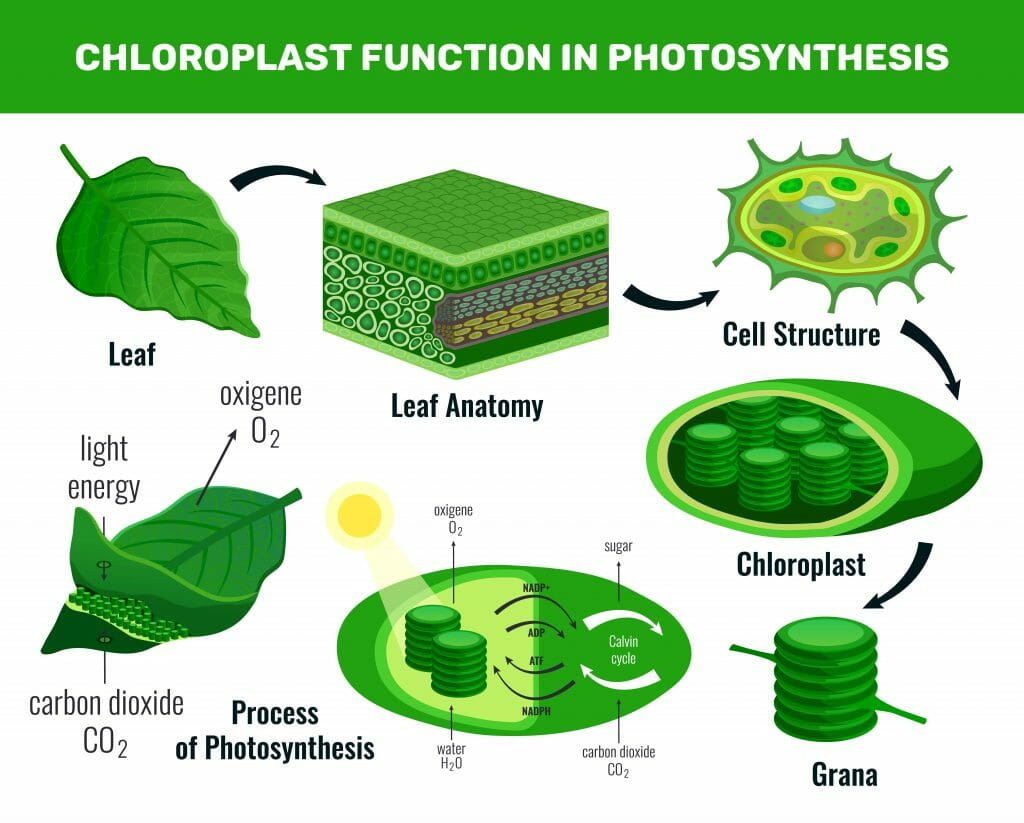
In order for this to work properly, the plant’s chloroplasts are key, says Giraldo and a team of scientists from UC-San Diego and Carnegie Mellon University. Chloroplasts are tiny organs inside plant cells that aid in the conversion of sunlight into usable energy.

“They’re tiny, solar-powered factories that produce sugar and other molecules which allow the plant to grow. They’re also an untapped source for making desirable molecules,” Giraldo added.

Previous studies have been reported to have shown gene expression, which is not a natural part of the plant. This was discovered when Giraldo and his team successfully injected genetic material into the chloroplasts.

Professor Nicole Steinmetz of UC-San Diego worked with Giraldo and the team to utilize nanotechnology to help deliver even more genetic material – identical to how the Covid vaccines work, not just the Moderna or Pfizer ones either.

“Our idea is to repurpose naturally occurring nanoparticles, namely plant viruses, for gene delivery to plants. Some engineering goes into this to make the nanoparticles go to the chloroplasts and also to render them non-infectious toward the plants,” Steinmetz explained.

Giraldo added:

“One of the reasons I started working in nanotechnology was so I could apply it to plants and create new technology solutions. Not just for food, but for high-value products as well, like pharmaceuticals.”

The WinePress News is a reader-supported publication. To receive new posts and support my work, consider becoming a free or paid subscriber.


AUTHOR COMMENTARY

In light of these new ambitions to put mRNA technology into food, it gives a whole new perspective to the saying, “You are what you eat:” If you eat GMOs, you are a GMO.

As far as I am aware of, I have not heard much on this line of development, but that is not to say mRNA foods won’t become more mainstream and commercialized at some point. Whatever the case, don’t consume them, don’t get injected with this technology.

Proverbs 4:14 Enter not into the path of the wicked, and go not in the way of evil men. [15] Avoid it, pass not by it, turn from it, and pass away.

Thanks for reading The WinePress News! This post is public so feel free to share it.

SOURCE

Photo Credit: The WinePress

Yale Scientists: Covid ‘Vaccines’ Remain in Body for Years, Integrate into Human DNA

From slaynews.com via Exposing the Darkness @ Substack

By Frank Bergman December 20, 2024

A group of eminent scientists from the prestigious Yale University is sounding the alarm after a long-term study found that Covid mRNA “vaccines” remain in the bodies of recipients and continue to cause harm for years after the last injection.

Shockingly, the researchers found that the genetic material from the “vaccines” can integrate into human DNA.

The unpublished study is led by world-renowned Yale scientist Dr. Akiko Iwasaki.

The findings have sent shockwaves through the scientific community as they conflict with the “safe and effective” dogma that has been pushed by health officials, doctors, politicians, and the corporate media.

During their study, the researchers analyzed people who had received at least one shot of a Covid mRNA “vaccine” but had never been infected with COVID-19.

This was to rule out the possibility that the virus could have caused genetic material traces in the bloodstream.

As we’ve seen before with other vaccine side effects, such as myocarditis, the virus has often been blamed.

The researchers found that uninfected patients who had received an mRNA shot still had spike protein in their bloodstream years after their last injection.

Dr. Iwasaki found evidence of the spike protein still being present 700 days after the recipient received the last shot.

Several of the other recipients had received their last injection over 450 days prior and still had “vaccine” spike protein in their bodies.

In addition, the Yale researchers also found a drop in CD4 T cells (key immune system regulators).

The drop in CD4 T cells indicates that “vaccinated” individuals are suffering long-term immunosuppression.

These findings reveal that genetic material from the Covid mRNA injections is integrating with human DNA.

According to Alex Berenson, the integration with human DNA explains the prolonged presence of spike protein in the bloodstream in vaccinated individuals.

The fact that the study was led by Dr. Iwasaki is also notable.

Iwasaki had previously advocated for the vaccine and dismissed safety concerns as “absurd.”

During the pandemic, she also publicly supported vaccine mandates.

However, these new findings may have shifted her perspective on the issue.

Yale researchers are reportedly facing pressure to suppress the findings due to their explosive implications.

The study from the highly respected team of scientists could collapse the “safe and effective” narrative propagated by the government and media.

According to Midwestern Doctor, Yale officials revealed that there is a “battle going on” to suppress the study and prevent it from being published.

“A battle is going on behind the scenes over publishing it,” the doctor revealed.

“We wanted to wait until Yale buried it to reveal what had been leaked to us (and thereby prove incriminating vaccine data was suppressed) so that we would not interfere with the normal publication process (which is often critical for these types of things to be accepted by the scientific community).

“In this case, given the people involved and the data given, this study will prove ‘long vax’ is a real condition and that the vaccine needs to be immediately pulled (which hence puts Yale in a very awkward position if they publish it).”

The Yale scientists are reportedly planning to publish their study on an unreviewed pre-print server.

Meanwhile, leading medical experts have been raising the alarm after a new study proved that vaccinated people can pass on the genetic material from the mRNA injections to people who have never received a shot.

As Slay News reported, the major new peer-reviewed study has confirmed that unvaccinated people can suffer from the harmful side effects of Covid mRNA “vaccines” by just being around people who have received the injections.

The study finally confirms the existence of “vaccine shedding” – an issue previously shot down by health officials as a “conspiracy theory.”

Alarmingly, the study found that unvaccinated people suffer vaccine harms even if they are “indirectly exposed” to those who received Covid mRNA shots.

A study titled, “Menstrual Abnormalities Strongly Associated with Proximity to COVID-19 Vaccinated Individuals,” was just published in the peer-reviewed International Journal of Vaccine Theory, Practice, and Research.

The team of top American researchers behind the study was led by Professor Jill Newman and Dr. Sue E. Peters.

One of the authors of the study wrote:

“After more than a year of censorship from the medical journals, our landmark study and manuscript have been published demonstrating significant circumstantial evidence that something is being shed from the COVID-19 vaccinated population to the unvaccinated population.

“It is far beyond time for these toxic injections to be withdrawn from the market.”

Reacting to the study’s alarming findings, esteemed physician Dr. Pierre Kory wrote on X:

“The most puzzling thing we’ve seen with the vaccine is its ability to ‘shed’ and harm those who never got it.

“A peer-reviewed study just validated the thousands of shedding reports sent to us.”

Dr. Kory also detailed the “vaccine shedding” phenomenon during an interview on American Thought Leaders.

WATCH: https://rumble.com/v5xyzot-top-doctor-raises-alarm-over-study-proving-vaccine-shedding-is-real.html

SOURCE

Photo credit: thanks to pixabay.com

All of Canada’s Shrimp and an Unspecified Amount of Swine Are Already Injected With mRNA… US & Aussie to follow

Folk may recall an issue around the time of the experimental injection rollout that many of the injected found their injection sites were magnetic. (See here also).  All quickly dismissed as ‘conspiracy theory’ the usual go-to of those who would hide the truth from you.

Anyway I also recall the magnetism noted in supermarket meat. So reading posts like this one from Exposing the Darkness @ Substack comes as no surprise at all. (What does suprise us these days?) So… Canada’s already injecting their pigs and shrimps… (note the US has been injecting pigs with DNA & RNA since 2017) … what else aren’t they telling us?

While Canada and now also NSW Australia are injecting mRNA into their livestock, Carter County Meats in Montana has taken a stand that they will not be coerced into injecting mRNA gene therapy into their livestock.

U.S. Democrats VOTED DOWN a bill that would have forced all meat products to clearly be labeled if injected mRNA vaccines. DNA and RNA have been in vaccines for pigs in the U.S. since 2017.

John Graff: All of Canada’s Shrimp and an Unspecified Amount of Swine Are Already Injected With mRNA, America Has Been Slated to Follow

I’m adding a related post (in terms of what ‘they’ are doing to the animals) from a NZ writer at substack, Ursula Edgington. Her stack is called Informed Heart. Ursula has noted the application of IOB to the animals. They are (not so) cleverly moved around the paddocks with the use of electronic ‘nudges’….

Famously, Harari wrote about the Internet of Things and how humans are now “hackable animals”. And in The Internet of Bodies is Here (2000) – a report published by (who else?) the World Economic Forum – the authors warn us that:

Recent technological advancements have ushered in a new era of the “internet of bodies” (IoB), with an unprecedented number of connected devices and sensors being affixed to or even implanted and ingested into the [human] body.

Eeeek! No thanks. But it was part of NASA’s Internet of Animals, more specifically cows, that first ‘benefitted’ from the 5G technology in the UK. In New Zealand, the dairy sector contributes $billions to the economy and is one of its most dominant goods export sectors (e.g. China). So it made sense that NZ would be early adopters of a tech that nudges, pings and shocks cows to respond in certain ways to improve output.

5G, AI & Cows: NZ’s Internet of Animals

Header Image with thanks, by StockSnap from Pixabay


A Christmas Gift to NZ’s Vaccinated – Brought to You by Pfizer and Their Deadly Contract

From nzdsos.com

Cited in the article:
“…a study of humans suffering from Long Covid analyzed their cellular DNA. The authors unexpectedly found genes uniquely specific to the Pfizer COVID vaccine in human blood cells. This finding proves that mRNA COVID vaccines permanently integrate into the DNA of some COVID-vaccinated people”.


Mathemetician Igor Chudov is the first we have seen to cover this absolute bombshell on DNA integration of the Pfizer mRNA product – something we have worried about since before the vaccine rollout. 

In Italy, Duhli et al have added to proof already existing that the vaccinated can be still expressing the spike protein 6 months following vaccination. However, their further finding of synthetic vaccine code integrated into host DNA of living cells of recipients is devastating, though unsurprising to those of us who understood the various pathways by which this could happen. 

Research had already shown the Pfizer mRNA process of reverse integration into human DNA in the lab but not so far in living humans.
Pfizer In Vitro Integration
Image captured for criticism/review and reporting current events under Fair Dealing – The Copyright Act 1994

Corrupting the human genome is a forever situation if mutant additions are passed to offspring, but chronic diseases and, especially cancer, can occur in the vaccinated in this lifetime.

Whether due to bystander viral reverse transcriptase, LINE-1 integration, oncogenic SV40 code, or bacterial plasmid contamination, genome corruption shown in this Italian paper ought to bring this fatal “gene transfer product” (Pfizer’s own words) weapon to a halt. But how many times have we heard that since the debacle began? 

Our regulators have been mostly mute so far on all the safety signals galore, including effects on fertility, stillbirths and miscarriages; the spike protein as the actual agent of harm to the body; plasmidgate; frame-shifted multiple prion products; and secret MOH data showing vaccine harms. Even when we rumbled their trick of mis-classifying vaccine status to try to hide vaccine harms and uselessness, they still ploughed on recklessly. 

So far, our massive hand-wringing has come to nought, but the explanation for that is straightforward. Pfizer’s contract forbids ANY statement or action by ANYONE that might reduce vaccine sales (as discussed in this very informative interview with investigator Nadine Connock, see our review of the interview here). This includes doctors, politicians, the press, judges, and presumably too, the NZ Police, since they have refused to investigate clear evidence of post vaccine deaths. Instead they have preferred to hide behind the government, via Medsafe and the Minister of Health. 

This deal with the devil was led by a government lawyer – now on the Medical Council, in a clear conflict of interest – and signed by the last government, behind the deception of “an unprecedented global health emergency” – as marketed by the  World Health Organisation: unelected, private, unaccountable and funded by vaccine investors. The lie of this being far deadlier than the common flu was disproven very early on by the WHO’s own statistics, and as clearly laughable as the attempts to cover-up the truth of SARS CoV-2 being a man-made bioweapon. 

Presumably the new government is to be held to the Pfizer contract signed by the Ardern administration, which means the promise of a truly effective inquiry could be a pipe dream without exposing and striking out the contract first, as Crown Law will fling it’s dead body before attempts to get a proper inquiry going.

However, there are some potential pathways to demolish this deadly deal. In law, “fraud vitiates everything”, including contracts; the bait and switch product delivered to NZ was produced very differently to the one submitted for approval to regulators; consumer protections have been breached, along with GMO legislation; there have been multiple breaches of the Medicines Act; officials have lied to push the narrative; multiple human rights have been ignored (including the most prime, the right to life) and so it is easy to see pathways to serious criminal charges.

Multiple lines of evidence show that government knew that people had died and been seriously harmed very early on – in fact, before the first jab was ever given here – and more would follow. To continue in that certain knowledge of harms to come, as they are STILL doing, cannot be tolerated.

 If our laws actually prove to allow criminal acts because a drug company says so, it is surely time for the people to ask some hard questions about the country we want. This is happening already in other nations, and this latest proof of the lies and their terrible truths must surely speed the process of retaking humanity, whatever the attacks on its genome.

Image by yuyun fan from Pixabay

Is the US government secretly stealing and storing the DNA of newborn babies?

From expose-news.com
by Leo Hohman, originally published on Substack

We know it’s been happening in at least one state and several other states have been caught trying, so this may be more widespread than we thought

Some parents are wising up and going on the offensive.

A lawsuit has been filed by the Institute for Justice over a state program in New Jersey that has been obtaining, and secretly holding onto, blood from newborn babies.

The Institute for Justice explained in a press release it is representing two sets of parents in the case.

The state claims it can use the DNA from the babies’ blood samples for any reason, without informed consent from parents.

The case charges that state law in New Jersey demands that when babies are born, blood be taken and tested for various diseases. This same demand exists in all states.

But, according to the attorneys representing the parents, what makes New Jersey different is that, “after the testing is over, New Jersey’s Department of Health keeps the leftover blood for 23 years. The state does not ask parents for their consent to keep their babies’ blood, failing to even inform parents that it will hold on to the residual blood.

READ AT THE LINK

Photo: expose-news.com

Genetic Vaccines in Animals/Food Supply

From Sasha Latypova @ substack

RNA particle swine vaccine approved by USDA in 2021

Vaccines based on synthetic nucleic acid materials (DNA/RNA) are already widely used in animals, most of them either recombinant protein or viral vector based products.

Review (Frontiers) of 6 types of animal vaccines containing nucleic acid materials. Notice that all these types start from plasmid DNA either as raw material or the only manufacturing step. This is very significant in the context of “scale up” and what it means for having all sorts of plasmids floating everywhere, and how open this process to weaponization with “stealth” components (aka “contaminants”) like we have seen with Pfizer’s SV40 fiasco.

READ AT THE LINK

Photo: pixabay.com

Moderna’s top scientist said in a 2017 lecture: ‘We are actually hacking the software of life’

Comments by Brian Shilhavy
Editor, Health Impact News

Veteran investigative reporter Leo Hohmann has discovered a 2017 Ted Talk presentation by Dr. Tal Zaks, the chief medical officer at Moderna Inc., where he clearly explains in layperson’s language just what the mRNA technology does in vaccines. (Thanks to Patrick Wood of Technocracy News for publishing this.)

https://healthimpactnews.com/2021/modernas-top-scientist-on-mrna-technology-in-covid-shots-we-are-actually-hacking-the-software-of-life/

Photo: Ted Talk Screenshot

Bill Gates is on camera saying an RNA vaccine will change your DNA forever

Food For Thought 2.43K subscribers

Image by Arek Socha from Pixabay

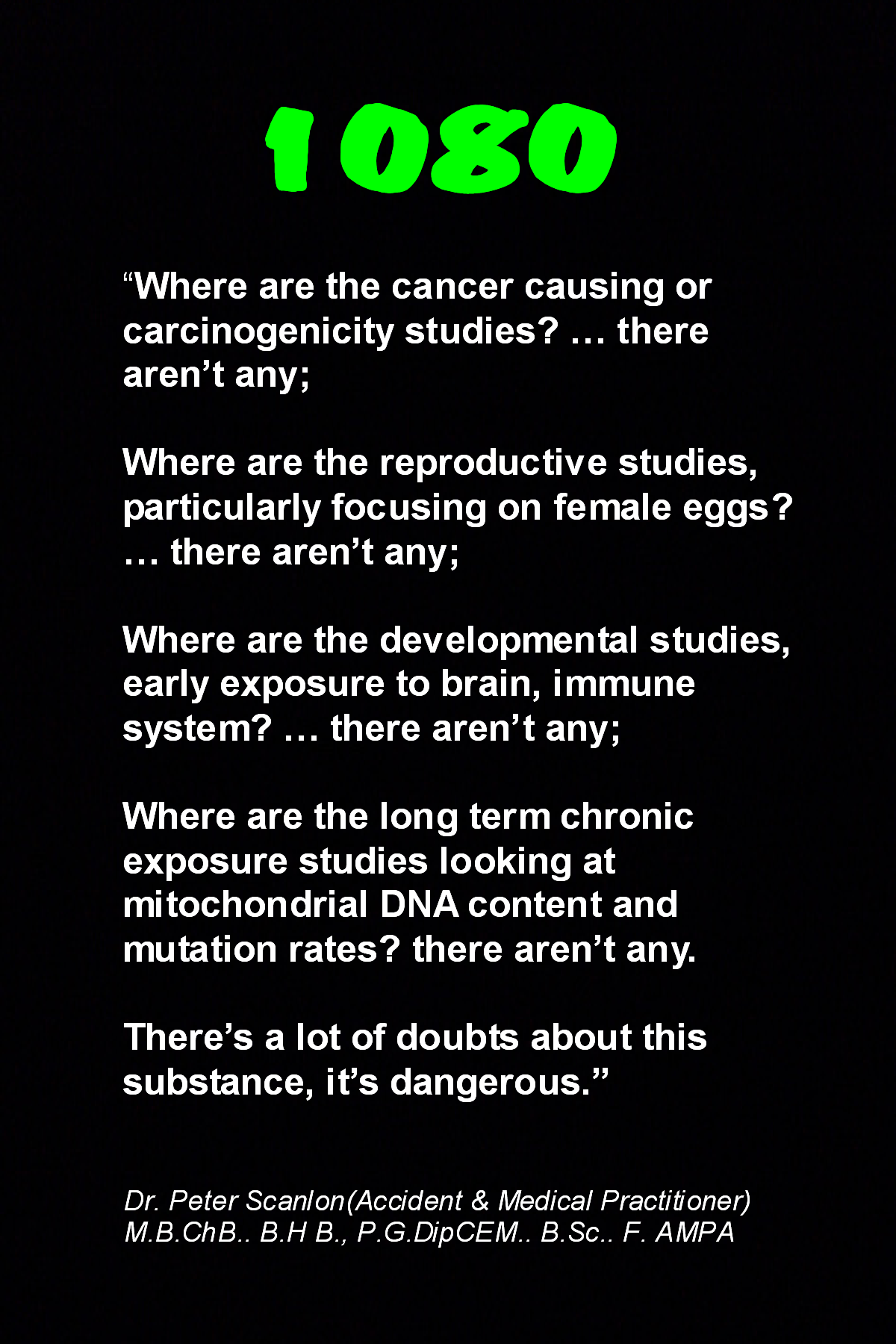
1080 – where are the cancer causing or carcinogenicity studies?

For further info and to hear the late Dr Scanlon discussing the issues highlighted below go to this article: IN 2009 TWO MIDWIVES URGED THEIR PREGNANT PATIENTS TO LEAVE TOWN BEFORE A 1080 DROP – HEAR THE LATE DR SCANLON SPEAK ON THE LACK OF RESEARCH ON THE POTENTIAL RISKS TO THE UNBORN

dr scanlon 1080 .png

Genetically Engineered Foods May Cause Rising Food Allergies (Part Two)

See Part One at the link first

Genetically Engineered Corn

The biotech industry is fond of saying that they offer genetically modified (GM) crops that resist pests. This might conjure up the image of insects staying away from GM crop fields. But “resisting pests” is just a euphemism for
contains its own built-in pesticide. When bugs take a bite of the GM plant, the toxin splits open their stomach and kills them.

The idea that we consume that same toxic pesticide in every bite is hardly appetizing. But the biotech companies and the Environmental Protection Agency—which regulates plant produced pesticides—tell us not to worry. They contend that the pesticide called Bt (Bacillus thuringiensis) is produced naturally from a soil bacterium and has a history of safe use. Organic farmers, for example, have used solutions containing the natural bacteria for years as a method of insect control. Genetic engineers simply remove the gene that produces the Bt in bacteria and then insert it into the DNA of corn and cotton plants, so that the plant does the work, not the farmer. Moreover, they say that Bt-toxin is quickly destroyed in our stomach; and even if it survived, since humans and other mammals have no receptors for the toxin, it would not interact with us in any case.

These arguments, however, are just that—unsupported assumptions. Research tells a different story.

Bt spray is dangerous to humans

When natural Bt was sprayed over areas around Vancouver and Washington State to fight gypsy moths, about 500 people reported reactions—mostly allergy or flu-like symptoms. Six people had to go to the emergency room for allergies or asthma.
[1],
[2] Workers who applied Bt sprays reported eye, nose, throat, and respiratory irritation,
[3] and some showed an antibody immune response in linked to Bt.
[4] Farmers exposed to liquid Bt formulations had reactions including infection, an ulcer on the cornea,
[5] skin irritation, burning, swelling, and redness.
[6] One woman who was accidentally sprayed with Bt also developed fever, altered consciousness, and seizures.
[7]

In fact, authorities have long acknowledged that “People with compromised immune systems or preexisting allergies may be particularly susceptible to the effects of Bt.”
[8] The Oregon Health Division advises that “individuals with . . . physician-diagnosed causes of severe immune disorders may consider leaving the area during the actual spraying.”
[9] A spray manufacturer warns, “Repeated exposure via inhalation can result in sensitization and allergic response in hypersensitive individuals.”
[10] So much for the contention that Bt does not interact with humans.

As for being thoroughly destroyed in the digestive system, mouse studies disproved this as well. Mice fed Bt-toxin showed significant immune responses—as potent as cholera toxin. In addition, the Bt caused their immune system to become sensitive to formerly harmless compounds This suggests that exposure might make a person allergic to a wide range of substances.
[11],
[12] The EPA’s own expert advisors said that the mouse and farm worker studies above “suggest that Bt proteins could act as antigenic and allergenic sources.”
[13]
The toxin in GM plants is more dangerous than natural sprays

The Bt-toxin produced in GM crops is “vastly different from the bacterial [Bt-toxins] used in organic and traditional farming and forestry.”
[14] First of all, GM plants produce about 3,000-5,000 times the amount of toxin as the sprays. And the spray form is broken down within a few days to two weeks by sunlight,
[15] high temperatures, or substances on the leaves of plants; and it can be “washed from leaves into the soil by rainfall,”
[16] or rinsed by consumers. A Bt producing GM plant, on the other hand, continuously produces the toxin in every cell where it does not dissipate by weather and cannot be washed off.

The natural toxic produced in bacteria is inactive until it gets inside the alkaline digestive tract of an insect. Once inside, a “safety catch” is removed and the Bt becomes toxic. But scientists change the sequence the Bt gene before inserting it into GM plants. The Bt toxin it produces usually comes
without the safety catch. The plant-produced Bt toxin is
always active and more likely to trigger an immune response than the natural variety.
[17]
Bt-toxin fails safety studies but is used nonetheless

Tests cannot verify that a GM protein introduced into the food supply for the first time will not cause allergies in some people. The World Health Organization (WHO) and UN Food and Agriculture Organization (FAO) offer criteria designed to reduce the likelihood that allergenic GM crops are approved.
[18]They suggest examining a protein for 1) similarity of its amino acid sequence to known allergens, 2) digestive stability and 3) heat stability. These properties aren’t
predictive of allergenicity, but their presence, according to experts, should be sufficient to reject the GM crop or at least require more testing. The Bt-toxin produced in GM corn fails all three criteria.

For example, the specific Bt-toxin found in Monsanto’s Yield Guard and Syngenta’s Bt 11 corn varieties is called Cry1AB. In 1998, an FDA researcher discovered that Cry1Ab shared a sequence of 9-12 amino acids with vitellogenin, an egg yolk allergen. The study concluded that “the similarity . . . might be sufficient to warrant additional evaluation.”
[19] No additional evaluation took place.
[20]

Cry1Ab is also very resistant to digestion and heat.
[21] It is nearly as stable as the type of Bt-toxin produced by StarLink corn. StarLink was a GM variety not approved for human consumption because experts believed that its highly stable protein might trigger allergies.
[22] Although it was grown for use in animal feed, it contaminated the US food supply in 2000. Thousands of consumers complained to food manufacturers about possible reactions and over 300 items were subject to recall. After the StarLink incident, expert advisors to the EPA had called for “surveillance and clinical assessment of exposed individuals” to “confirm the allergenicity of
Bt products.”
[23] Again, no such monitoring has taken place.

Bt cotton triggers allergic reactions

A 2005 report by medical investigators in India describes an ominous finding. Hundreds of agricultural workers are developing moderate or severe allergic reactions when exposed to Bt cotton. This includes those picking cotton, loading it, cleaning it, or even leaning against it. Some at a ginning factory must take antihistamines daily, in order to go to work. Reactions are
only triggered with the Bt varieties.
[24] Furthermore, the symptoms are virtually identical to those described by the 500 people in Vancouver and Washington who were sprayed with Bt. Only “exacerbations of asthma” were in one list and not the other (see table).

Upper respiratory Eyes Skin Overall
Bt Spray Sneezing,
runny nose,
exacerbations of asthma
Watery,
red
Itching, burning, inflammation, red, swelling Fever,
some in hospital
Bt cotton Sneezing,
runny nose
Watery,
red
Itching, burning, eruptions,
red, swelling
Fever,
some in hospital

(We are unaware of similar reports in the US, where 83% of the cotton is Bt. But in the US, cotton is harvested by machine, not by hand.)

The experience of the Indian workers begs the question, “How long does the Bt-toxin stay active in the cotton?” It there any risk using cotton diapers, tampons, or bandages? In the latter case, if the Bt-toxin interfered with healing it could be a disaster. With diabetics, for example, unhealed wounds may be cause for amputation.

Cottonseed is also used for cottonseed oil—used in many processed foods in the US. The normal methods used to extract oil likely destroy the toxin, although cold pressed oil may still retain some of it. Other parts of the cotton plant, however, are routinely used as animal feed. The next part of this series—focused on toxicity—presents evidence of disease and deaths associated with animals consuming Bt cotton plants.

Bt corn pollen may cause allergies

Bt-toxin is produced in GM corn and can be eaten intact. It is also in pollen, which can be breathed in. In 2003, during the time when an adjacent Bt cornfield was pollinating, virtually an entire Filipino village of about 100 people were stricken by a disease. The symptoms included headaches, dizziness, extreme stomach pain, vomiting, chest pains, fever and allergies, as well as respiratory, intestinal, and skin reactions. The symptoms appeared first in those living closest to the field, and then progressed to others by proximity. Blood samples from 39 individuals showed antibodies in response to
Bt-toxin; this supports, but does not prove a link to the symptoms. When the same corn was planted in four other villages the following year, however, the symptoms returned in all four areas—only during the time of pollination.

The potential dangers of breathing GM pollen had been identified in a letter to the US FDA in 1998 by the UK Joint Food Safety and Standards Group. They had even warned that genes from inhaled pollen might transfer into the DNA of bacteria in the respiratory system.
[25] Although no studies were done to verify this risk, years later UK scientists confirmed that after consuming GM soybeans, the foreign inserted genes can transfer into the DNA of gut bacteria. If this also happens with Bt genes, than years after we decide to stop eating GM corn chips, our own gut bacteria may continue to produce
Bt-toxin within our intestines.

Studies show immune responses to GM crops

Studies confirm that several GM crops engineered to produce built-in pesticides provoke immune responses in animals. A Monsanto rat study on Bt corn (Mon 863), that was made public due to a lawsuit, showed a significant increase in three types of blood cells related to the immune system: basophils, lymphocytes, and total white cell counts.
[26]

Australian scientists took an insecticide producing gene (not Bt) from a kidney bean and put it into a pea, in hopes of killing the pea weevil. The peas had
passed the tests normally used to approve GM crops and were on the way to being commercialized. But the developers decided to employ a mouse study that had never before been used on other GM food crops. When they tested the pesticide in its natural state, i.e. the version produced within kidney beans, the protein was not harmful to mice. But that “same” protein, when produced by the kidney bean gene that was inserted into pea DNA, triggered inflammatory responses in the mice, suggesting that it would cause allergies in humans. Somehow, the protein had been changed from harmless to potentially deadly, just by being created in a different plant. Scientists believe that subtle, unpredicted changes in the pattern of sugar molecules that were attached to the protein were the cause of the problem. These types of subtle changes are not routinely analyzed in GM crops on the market.

Experimental potatoes engineered with a third type of insecticide caused immune damage to rats.
[27] Blood tests showed that their immune responses were more sluggish, and organs associated with immune function also appeared to be damaged. As with the peas, the insecticide in its natural state was harmless to the rats. The cause of the health problems was therefore due to some unpredicted change brought about by the genetic engineering process. And like the peas, if the potatoes had been subjected to only the type of tests that are typically used by biotech companies to get their foods on the market, the potatoes would have been approved.

Allergic reactions are a defensive, often harmful immune system response to an external irritant. The body interprets something as foreign, different and offensive, and reacts accordingly. All GM foods, by definition, have something foreign and different. According to GM food safety expert Arpad Pusztai, “A consistent feature of all the studies done, published or unpublished, . . . indicates major problems with changes in the immune status of animals fed on various GM crops/foods.

[28]

In addition to immune responses, several studies and reports from the field provide evidence that GM foods are toxic. In the next article in this series, we look at thousands of sick, sterile and dead animals, linked to consumption of GM crops.

[1] Washington State Department of Health, “Report of health surveillance activities: Asian gypsy moth control program,” (Olympia, WA: Washington State Dept. of Health, 1993).

[2] M. Green, et al., “Public health implications of the microbial pesticide
Bacillus thuringiensis: An epidemiological study, Oregon, 1985-86,”
Amer. J. Public Health 80, no. 7(1990): 848-852.

[3] M.A. Noble, P.D. Riben, and G. J. Cook, “Microbiological and epidemiological surveillance program to monitor the health effects of Foray 48B BTK spray” (Vancouver, B.C.: Ministry of Forests, Province of British Columbi, Sep. 30, 1992).

[4] A. Edamura, MD, “Affidavit of the Federal Court of Canada, Trial Division. Dale Edwards and Citizens Against Aerial Spraying vs. Her Majesty the Queen, Represented by the Minister of Agriculture,” (May 6, 1993); as reported in Carrie Swadener, ”
Bacillus thuringiensis (B.t.),”
Journal of Pesticide Reform, 14, no, 3 (Fall 1994).

[5] J. R. Samples, and H. Buettner, “Ocular infection caused by a biological insecticide,”
J. Infectious Dis. 148, no. 3 (1983): 614; as reported in Carrie Swadener, ”
Bacillus thuringiensis (B.t.)”,
Journal of Pesticide Reform 14, no. 3 (Fall 1994)

[6]M. Green, et al., “Public health implications of the microbial pesticide
Bacilus thuringiensis: An epidemiological study, Oregon, 1985-86,”
Amer. J. Public Health, 80, no. 7 (1990): 848-852.

[7] A. Edamura, MD, “Affidavit of the Federal Court of Canada, Trial Division. Dale Edwards and Citizens Against Aerial Spraying vs. Her Majesty the Queen, Represented by the Minister of Agriculture,” (May 6, 1993); as reported in Carrie Swadener, ”
Bacillus thuringiensis (B.t.),”
Journal of Pesticide Reform, 14, no, 3 (Fall 1994).

[8] Carrie Swadener, ”
Bacillus thuringiensis (B.t.),
Journal of Pesticide Reform 14, no. 3 (Fall 1994).

[9]
Health effects of B.t.: Report of surveillance in
Oregon
, 1985-87. Precautions to minimize your exposure (Salem, OR: Oregon Departmentof Human Resources, Health Division, April 18, 1991).

[10]
Material Safety Data Sheet for Foray 48B Flowable Concentrate (Danbury, CT: Novo Nordisk, February, 1991).

[11]Vazquez et al, “Intragastric and intraperitoneal administration of Cry1Ac protoxin from
Bacillus thuringiensis induces systemic and mucosal antibody responses in mice,”
Life Sciences, 64, no. 21 (1999): 1897-1912; Vazquez et al, “Characterization of the mucosal and systemic immune response induced by Cry1Ac protein from
Bacillus thuringiensis HD 73 in mice,”
Brazilian Journal of Medical and Biological Research 33 (2000): 147-155.

[12] Vazquez et al, ”
Bacillus thuringiensis Cry1Ac protoxin is a potent systemic and mucosal adjuvant,”
Scandanavian Journal of Immunology 49 (1999): 578-584. See also Vazquez-Padron et al., 147 (2000b).

[13] EPA Scientific Advisory Panel, “Bt Plant-Pesticides Risk and Benefits Assessments,” March 12, 2001: 76. Available at:
http://www.epa.gov/scipoly/sap/2000/october/octoberfinal.pdf
[14] Terje Traavik and Jack Heinemann, “Genetic Engineering and Omitted Health Research: Still No Answers to Ageing Questions, 2006. Cited in their quote was: G. Stotzky, “Release, persistence, and biological activity in soil of insecticidal proteins from
Bacillus thuringiensis,” found in Deborah K. Letourneau and Beth E. Burrows,
Genetically Engineered Organisms. Assessing Environmental and Human Health Effects (cBoca Raton, FL: CRC Press LLC, 2002), 187-222.

[15] C. M. Ignoffo, and C. Garcial, “UV-photoinactivation of cells and spores of
Bacillus thuringiensis and effects of peroxidase on inactivation,”
Environmental Entomology 7 (1978): 270-272.

[16] BT: An Alternative to Chemical Pesticides,
Environmental Protection Division, Ministry of Environment, Government of British Columbia, Canada,
http://www.env.gov.bc.ca/epd/epdpa/ipmp/fact_sheets/BTfacts.htm
[17] See for example, A. Dutton, H. Klein, J. Romeis, and F. Bigler, “Uptake of Bt-toxin by herbivores feeding on transgenic maize and consequences for the predator
Chrysoperia carnea,”
Ecological Entomology 27 (2002): 441-7; and J. Romeis, A. Dutton, and F. Bigler, ”
Bacillus thuringiensis toxin (Cry1Ab) has no direct effect on larvae of the green lacewing
Chrysoperla carnea (Stephens) (Neuroptera: Chrysopidae),”
Journal of Insect Physiology 50, no.2-3 (2004): 175-183.

[18] FAO-WHO, “Evaluation of Allergenicity of Genetically Modified Foods. Report of a Joint FAO/WHO Expert Consultation on Allergenicity of Foods Derived from Biotechnology,” Jan. 22-25, 2001;
http://www.fao.org/es/ESN/food/pdf/allergygm.pdf
[19] Gendel, “The use of amino acid sequence alignments to assess potential allergenicity of proteins used in genetically modified foods,”
Advances in Food and Nutrition Research 42 (1998), 45-62.

[20] US EPA, “Biopesticides Registration Action Document (BRAD)—
Bacillus thuringiensis Plant-Incorporated Protectants: Product Characterization & Human Health Assessment,” EPA BRAD (2001b) (October 15, 2001): IIB4,
http://www.epa.gov/pesticides/biopesticides/pips/bt_brad2/2-id_health.pdf
[21] US EPA, “Biopesticides Registration Action Document (BRAD)—
Bacillus thuringiensis Plant-Incorporated Protectants: Product Characterization & Human Health Assessment,” EPA BRAD (2001b) (October 15, 2001): IIB4,
http://www.epa.gov/pesticides/biopesticides/pips/bt_brad2/2-id_health.pdf
[22] “Assessment of Additional Scientific Information Concerning StarLink Corn,” FIFRA Scientific Advisory Panel Report No. 2001-09, July 2001.

[23] EPA Scientific Advisory Panel, “Bt Plant-Pesticides Risk and Benefits Assessments,” March 12, 2001: 76. Available at:
http://www.epa.gov/scipoly/sap/2000/october/octoberfinal.pdf
24 Ashish Gupta et. al., “Impact of Bt Cotton on Farmers’ Health (in Barwani and Dhar District of Madhya Pradesh),”
Investigation Report, Oct-Dec 2005.

25 N. Tomlinson of UK MAFF’s Joint Food Safety and Standards Group 4, December 1998 letter to the U.S. FDA, commenting on its draft document, “Guidance for Industry: Use of Antibiotic Resistance Marker Genes in Transgenic Plants,”
http://www.food.gov.uk/multimedia/pdfs/acnfp1998.pdf; (see pages 64-68).

26 John M. Burns, “13-Week Dietary Subchronic Comparison Study with MON 863 Corn in Rats Preceded by a 1-Week Baseline Food Consumption Determination with PMI Certified Rodent Diet #5002,” December 17, 2002
http://cera-gmc.org/docs/decdocs/05-184-001.pdf, see also Stéphane Foucart, “Controversy Surrounds a GMO,”
Le Monde, 14 December 2004; and Jeffrey M. Smith, “Genetically Modified Corn Study Reveals Health Damage and Cover-up,” Spilling the Beans, June 2005, http://www.seedsofdeception.com/Public/Newsletter/June05GMCornHealthDangerExposed/index.cfm

27 A. Pusztai, et al, “Genetically Modified Foods: Potential Human Health Effects,” in: Food Safety: Contaminants and Toxins (ed. JPF D’Mello) (Wallingford Oxon, UK: CAB International), 347-372, also additional communication with Arpad Pusztai.

28 October 24, 2005 correspondence between Arpad Pusztai and Brian John

SOURCE:

https://responsibletechnology.org/genetically-engineered-foods-may-cause-rising-food-allergies-part-two/


Genetically Engineered Foods May Cause Rising Food Allergies (Part One)

“The allergy study identified irritable bowel syndrome, digestion problems,chronic fatigue, headaches, lethargy, and skin complaints, including acne and eczema, all related to soy consumption. Symptoms of glyphosate exposure include nausea, headaches, lethargy, skin rashes, and burning or itchy skin.”
May 7, 2007

despair-1235582_1280

From responsibletechnology.org

Genetically Engineered Soybeans

The huge jump in childhood food allergies in the US is in the news often[1], but most reports fail to consider a link to a recent radical change in America’s diet. Beginning in 1996, bacteria, virus and other genes have been artificially inserted to the DNA of soy, corn, cottonseed and canola plants. These unlabeled genetically modified (GM) foods carry a risk of triggering life-threatening allergic reactions, and evidence collected over the past decade now suggests that they are contributing to higher allergy rates.

Food safety tests are inadequate to protect public health

Scientists have long known that GM crops might cause allergies. But there are no tests to prove in advance that a GM crop is safe.[2] That’s because people aren’t usually allergic to a food until they have eaten it several times. “The only definitive test for allergies,” according to former FDA microbiologist Louis Pribyl, “is human consumption by affected peoples, which can have ethical considerations.”[3] And it is the ethical considerations of feeding unlabeled, high-risk GM crops to unknowing consumers that has many people up in arms.

The UK is one of the few countries that conducts a yearly evaluation of food allergies. In March 1999, researchers at the York Laboratory were alarmed to discover that reactions to soy had skyrocketed by 50% over the previous year. Genetically modified soy had recently entered the UK from US imports and the soy used in the study was largely GM. John Graham, spokesman for the York laboratory, said, “We believe this raises serious new questions about the safety of GM foods.”[4]

Critics of GM foods often say that the US population is being used as guinea pigs in an experiment. But experiments have the benefit of controls and measurement. In this case, there is neither. GM food safety experts point out that even if a someone tried to collect data about allergic reactions to GM foods, they would not likely be successful. “The potential allergen is rarely identified. The number of allergy-related medical visits is not tabulated. Even repeated visits due to well-known allergens are not counted as part of any established surveillance system.”[5] Indeed, after the Canadian government announced in 2002 that they would “keep a careful eye on the health of Canadians”[6] to see if GM foods had any adverse reactions, they abandoned their plans within a year, saying that such a study was too difficult.

Genetic engineering may provoke increased allergies to soy

The classical understanding of why a GM crop might create new allergies is that the imported genes produce a new protein, which has never before been present. The novel protein may trigger reactions. This was demonstrated in the mid 1990s when soybeans were outfitted with a gene from the Brazil nut. While the scientists had attempted to produce a healthier soybean, they ended up with a potentially deadly one. Blood tests from people who were allergic to Brazil nuts showed reactions to the beans.[7] It was fortunately never put on the market.

The GM variety that is planted in 89% of US soy acres gets its foreign gene from bacteria (with parts of virus and petunia DNA as well). We don’t know in advance if the protein produced by bacteria, which has never been part of the human food supply, will provoke a reaction. As a precaution, scientists compare this new protein with a database of proteins known to cause allergies. The database lists the proteins’ amino acid sequences that have been shown to trigger immune responses. If the new GM protein is found to contain sequences that are found in the allergen database, according to criteria recommended by the World Health Organization (WHO) and others, the GM crop should either not be commercialized or additional testing should be done. Sections of the protein produced in GM soy are identical to known allergens, but the soybean was introduced before the WHO criteria were established and the recommended additional tests were not conducted.

If this protein in GM soybeans is causing allergies, then the situation may be made much worse by something called horizontal gene transfer (HGT). That’s when genes spontaneously transfer from one species’ DNA to another. While this happens often among bacteria, it is rare in plants and mammals. But the method used to construct and insert foreign genes into GM crops eliminates many of the natural barriers that stop HGT from occurring. Indeed, the only published human feeding study on GM foods ever conducted verified that portions of the gene inserted into GM soy ended up transferring into the DNA of human gut bacteria. Furthermore, the gene was stably integrated and it appeared to be producing its potentially allergenic protein. This means that years after people stop eating GM soy, they may still be exposed to its risky protein, which is being continuously produced within their intestines.

Genetic engineering damaged soy DNA, creating new (or more) allergens

Although biotech advocates describe the process of genetic engineering as precise, in which genes—like Legos—cleanly snap into place, this is false. The process of creating a GM crop can produce massive changes in the natural functioning of the plant’s DNA. Native genes can be mutated, deleted, permanently turned on or off, and hundreds may change their levels of protein expression. This collateral damage may result in increasing the levels of an existing allergen, or even producing a completely new, unknown allergen within the crop. Both appear to have happened in GM soy.

Levels of one known soy allergen, trypsin inhibitor, were up to 27% higher in raw GM soy. In addition, although cooking soybeans normally reduces the amount of this protein, the trypsin inhibitor in GM varieties appears to be more heat resistant. Levels in cooked GM soy were nearly as high as those found in raw soy, and up to seven times higher when compared to cooked non-GM soy.[8] This suggests that this allergen in GM soy may be more likely to provoke reactions than when consumed in natural varieties.

Another study verified that GM soybeans contain a unique, unexpected protein, not found in non-GM soy controls. Moreover, scientist tested the protein and determined that it reacted with the antibody called IgE. This antibody in human blood plays a key role in a large proportion of allergic reactions, including those that involve life-threatening anaphylactic shock. The fact that the unique protein created by GM soy interacted with IgE suggests that it might also trigger allergies.

The same researchers measured the immune response of human subjects to soybeans using a skin-prick test—an evaluation used often by allergy doctors. Eight subjects showed a reaction to GM soy; but one of these did not also react to non-GM soy. Although the sample size is small, the implication that certain people react only to GM soy is huge, and might account for the increase in soy allergies in the UK.

Increased herbicides on GM crops may cause reactions

By 2004, farmers used an estimated 86% more herbicide on GM soy fields compared to non-GM.[9] The higher levels of herbicide residue in GM soy might cause health problems. In fact, many of the symptoms identified in the UK soy allergy study are among those related to glyphosate exposure. [The allergy study identified irritable bowel syndrome, digestion problems, chronic fatigue, headaches, lethargy, and skin complaints, including acne and eczema, all related to soy consumption. Symptoms of glyphosate exposure include nausea, headaches, lethargy, skin rashes, and burning or itchy skin. It is also possible that glyphosate’s breakdown product AMPA, which accumulates in GM soybeans after each spray, might contribute to allergies.]

GM soy might impede digestion, leading to allergies

If proteins survive longer in the digestive tract, they have more time to provoke an allergic reaction. Mice fed GM soy showed dramatically reduced levels of pancreatic enzymes. If protein-digesting enzymes are less available, then food proteins may last longer in the gut, allowing more time for an allergic reaction to take place. Such a reduction in protein digestion due to GM soy consumption could therefore promote allergic reactions to a wide range of proteins, not just to the soy. No human studies of protein digestion related to GM soy have been conducted.

Soy linked to peanut allergies

There is at least one protein in natural soybeans that has cross-reactivity with peanut allergies.[10] That means that for some people who are allergic to peanuts, consuming soybeans may trigger a reaction. While it is certainly possible that the unpredicted side effects from genetic engineering soybeans might increase the incidence of this cross-reactivity, it is unlikely that any research has been conducted to investigate this. GM soy was introduced into the US food supply in late 1996. We are left only to wonder whether this had an influence on the doubling of US peanut allergies from 1997 to 2002.

Eating GM foods is gambling with our health

The introduction of genetically engineered foods into our diet was done quietly and without the mandatory labeling that is required in most other industrialized countries. Without knowing that GM foods might increase the risk of allergies, and without knowing which foods contain GM ingredients, the biotech industry is gambling with our health for their profit. This risk is not lost on everyone. In fact, millions of shoppers are now seeking foods that are free from any GM ingredients. Ohio-based allergy specialist John Boyles, MD, says, “I used to test for soy allergies all the time, but now that soy is genetically engineered, it is so dangerous that I tell people never to eat it—unless it says organic.”[11]

Organic foods are not allowed to contain GM ingredients. Buying products that are certified organic or that say non-GMO are two ways to limit your family’s risk from GM foods. Another is to avoid products containing any ingredients from the seven food crops that have been genetically engineered: soy, corn, cottonseed, canola, Hawaiian papaya and a little bit of zucchini and crook neck squash. This means avoiding soy lecithin in chocolate, corn syrup in candies, and cottonseed or canola oil in snack foods.

Fortunately, the Campaign for Healthier Eating in America will soon make your shopping easier. This Consumer Non-GMO Education Campaign is orchestrating the clean out of GM ingredients from foods and the natural products industry. The campaign will circulate helpful non-GMO shopping guides to organic and natural food stores nationwide. The Campaign will provide consumers with regular GM food safety updates that explain the latest discoveries about why, Healthy Eating Means No GMOs.

Safe eating.

This article is limited to the discussion of allergic reactions from GM soybeans. The evidence that GM corn is triggering allergies is far more extensive and will be covered in part 2 of this series.

[1] See for example, Charles Sheehan, “Scientists see spike in kids’ food allergies,” Chicago Tribune, 9 June 2006, http://www.montereyherald.com/mld/montereyherald/living/health/

[2] See for example, Carl B. Johnson, Memo on the “draft statement of policy 12/12/91,” January 8, 1992. Johnson wrote: “Are we asking the crop developer to prove that food from his crop is non-allergenic? This seems like an impossible task.”

[3] Louis J. Pribyl, “Biotechnology Draft Document, 2/27/92,” March 6, 1992, www.biointegrity.org

[4] Ibid.

[5] Traavik and Heinemann, “Genetic Engineering and Omitted Health Research”

[6] “Genetically modified foods, who knows how safe they are?” CBC News and Current Affairs, September 25, 2006.

[7] J. Ordlee, et al, “Identification of a Brazil-Nut Allergen in Transgenic Soybeans,” The New England Journal of Medicine, March 14, 1996.

[8] Stephen R. Padgette et al, “The Composition of Glyphosate-Tolerant Soybean Seeds Is Equivalent to That of Conventional Soybeans,” The Journal of Nutrition 126, no. 4, (April 1996); including data in the journal archives from the same study.

[9] Charles Benbrook, “Genetically Engineered Crops and Pesticide Use in the United States: The First Nine Years”; BioTech InfoNet, Technical Paper Number 7, October 2004.

[10] See for example, Scott H. Sicherer et al., “Prevalence of peanut and tree nut allergy in the United States determined by means of a random digit dial telephone survey: A 5-year follow-up study,” Journal of allergy and clinical immunology, March 2003, vol. 112, n 6, 1203-1207); and Ricki Helm et al., “Hypoallergenic Foods—Soybeans and Peanuts,” Information Systems for Biotechnology News Report, October 1, 2002.

[11] John Boyles, MD, personal communication, 2007.
SOURCE


Genetically Engineered Foods May Cause Rising Food Allergies (Part One)

CRISPR Gene Editing Can Trigger Cancer, Two Studies Warn

Story at-a-glance

  • CRISPR-Cas9, a form of “molecular scissors,” allows for very precise DNA editing, i.e., the removal, addition or altering of sections of a DNA sequence
  • While CRISPR-Cas9 gene editing is more precise in that you can target a specific area of the genome, two recent studies warn the gene editing process can trigger cancer
  • When you cut the two double helix strands of the DNA, the injury triggers the cell to activate a gene called p53 — a “biochemical first-aid kit” that either mends the DNA break or signals the cell to self-destruct; so, either the genome edit is mended or the cell dies
  • In instances where the cell survives and accepts the edit, it does so because it has dysfunctional p53, and p53 dysfunction has been shown to significantly increase your risk of cancer
  • CRISPR stock dropped between 5 and 13 percent within days of the findings’ publication

By Dr. Mercola

The discovery of the gene editing method known as CRISPR1 eventually led to a novel gene editing tool called CRISPR-Cas9,2 a form of molecular scissors that allows for far more accurate DNA editing for the removal, addition or altering of sections of a DNA sequence. A layman’s explanation of the technology is presented in the video above.

CRISPR is the acronym for clustered regularly interspaced short palindrome repeat, and its function was initially discovered in 1993 by Spanish researcher Francisco Mojica.3 Mojica hypothesized CRISPR is an adaptive immune system, which has since been confirmed. Two decades later, in 2013, the technology known as CRISPR-Cas9 was successfully used to edit the genome in eukaryotic cells for the first time, demonstrating targeted genome cleavage could be achieved in mouse and human cells.

As reported by Nature4 in 2016, “Researchers use CRISPR-Cas9 to make precise changes to genomes that remove or edit a faulty gene. It has worked on nearly every creature on which they have tested it, including human embryos.” In the wake of these discoveries, a number of CRISPR-based companies have sprung to life with the hopes of furthering gene editing in everything from food and medicine5 to eventually producing “designer babies” that have had unwanted genetic traits edited out.

However, while CRISPR-Cas9 gene editing is more precise in that you can target a specific area of the genome, two recent studies call for a rethink, as the process of gene editing can trigger cancer.6,7 As noted by STAT News8 these findings could be “a potential game-changer for the companies developing CRISPR-based therapies.”

READ MORE

https://articles.mercola.com/sites/articles/archive/2018/06/26/crispr-gene-editing-triggers-tumor-growth.aspx

New Meta-Analysis Reveals Extensive Phenotypic Differences Between GMO and Non-GMO Cultivated Plants

Written By:

GMWatch Reporter

greenmedinfo.com

Claims of “substantial equivalence” of GM plants again shown to be false

The myth of “substantial equivalence” between GM crops and their closest non-GM relatives (called “isolines”) has taken yet another scientific hit, this time from a new peer-reviewed paper discussed in an article on the website Hygeia Analytics.

The researchers from Mexico City published their meta-analysis of genetic data on rice, canola, maize, sunflower, and pumpkin. They looked at wild, GMO, and non-GMO cultivated varieties of these five crops, analyzing phenotypic change.

The phenotype of a crop is defined by a set of characteristics expressed by the crop’s genetic code (DNA). In theory, genetically engineered plants will show phenotypic changes only linked to the traits that scientists added to the GMO in the hope that they will be expressed. For example, a corn plant engineered to express the Bt toxin should not be different from normal corn in other ways.


READ MORE

http://www.greenmedinfo.com/blog/new-meta-analysis-reveals-extensive-phenotypic-differences-between-gmo-and-non-gm

© [Article Date] GreenMedInfo LLC. This work is reproduced and distributed with the permission of GreenMedInfo LLC. Want to learn more from GreenMedInfo? Sign up for the newsletter here http://www.greenmedinfo.com/greenmed/newsletter.


Scientists, Using Software to Fight Dubious Cancer Research

WHILE TRAWLING THROUGH scientific studies on cancer research in 2015, Jennifer Byrne noticed something strange. One after another, papers were describing strikingly similar experiments involving a particular gene associated with breast cancer and childhood leukemia. Byrne, a professor of molecular oncology at The University of Sydney, recognized the gene immediately because she was part of a team that cloned it two decades earlier.

The problem, she realized upon closer inspection, was that the papers, all of them from China, referred to the wrong nucleotide sequence — a unique series of letters that describes the makeup of a given piece of DNA — being used to deactivate the gene and observe the resulting effects in cancer cells. Either the experiments weren’t examining what they claimed, or they hadn’t been done as described.

“The sequence was being described as one thing, but was sometimes used as if it were something different,” Byrne says. “It’s a bit like applying the same barcode to different items in a supermarket, so you get charged for a pair of shoes when you are actually buying a bag of lettuce.”

What’s worse, each dubious paper contained the seeds of potentially more bad research.

READ MORE

https://undark.org/article/software-byrne-cancer-research-fraud/?utm_source=facebook&utm_medium=social&utm_campaign=SocialWarfareShares

International Scientists Appeal To U.N. To Protect Humans And Wildlife From EMFs And Wireless

“Today 190 scientists from 39 nations submitted an appeal to the United Nations, UN member states and the World Health Organization (WHO) requesting they adopt more protective exposure guidelines for electromagnetic fields (EMF) and wireless technology in the face of increasing evidence of risk. These exposures are a rapidly growing form of environmental pollution worldwide…”

From Lloyd Burrell at the electricsense website … see more at: http://www.electricsense.com/9556/scientists-appeal-u-n-protect-emfs-wireless/#sthash.Jt1VevrG.dpuf

Video Statement (3 min.) by Martin Blank, PhD

https://www.youtube.com/watch?v=T3AImQ1duNU#t=12

Transcript of Dr. Blank’s presentation: “I’m here with disturbing news about our favorite gadgets: cell phones, tablets, wi-fi, etc.
Putting it bluntly, they are damaging the living cells in our bodies and killing many of us prematurely.

I’m Dr. Martin Blank, from the Department of Physiology and Cellular Biophysics at Columbia University.

It is distressing for me, and more than 160 colleagues, who today are petitioning the United Nations requesting that they address this problem.

We are scientists and engineers, and I am here to tell you – we have created something that is harming us, and it is getting out of control!iphone-545772__180

Before Edison’s lightbulb, there was very little electromagnetic radiation in our environment.
The levels today are very many times higher than natural background levels and are growing rapidly because of all the new devices that emit this radiation.

An example that a lot of us have in our pockets right now is the cell phone. One study shows that as cell phone usage has spread widely, the incidence of fatal brain cancer in younger people has more than tripled.

We are putting cellular antennas on residential buildings, and on top of hospitals, where people are trying to get well.

123Wireless utility meters, and cell towers, are blanketing our neighborhoods with radiation.

It’s particularly frightening that radiation from our telecommunication and powerline technology is damaging the DNA in our cells. It is clear to many biologists that this can account for the rising cancer rates.

Future generations – OUR CHILDREN – ARE AT RISK.

These biologists and scientists are not being heard on the committees that set safety standards. The BIOLOGICAL facts are being ignored, and as a result, the safety limits are much too high. THEY ARE NOT PROTECTIVE!

More protection will probably result from full disclosure of possible conflicts of interest between regulators and industry.

Rising exposure to electromagnetic radiation is a GLOBAL problem. The World Health Organization and
international standard setting bodies are not acting to protect the public’s health and well-being.boy-110762__180

International exposure guidelines for electromagnetic fields must be strengthened to reflect the reality of their impact on our bodies, and in particular, on our DNA.

Although we are still in the midst of a great technological transformation, the time to deal with the harmful biological and health effects is long overdue.

We are really all part of a large biological experiment, without our informed consent.

To protect our children, ourselves, and our ecosystem, we must reduce exposure by establishing more protective guidelines.

And so, today, scientists from around the world are submitting an Appeal to the United Nations, its member states and the World Health Organization, to provide leadership in dealing with this emerging public health crisis.”

– See more at: http://www.electricsense.com/9556/scientists-appeal-u-n-protect-emfs-wireless/#sthash.Jt1VevrG.dpuf