Tag Archives: Diabetes

Ozempic – Like your government, Big Pharma loves you

“OZEMPIC’S DEPRAVITIES MAKE THE OTHER GENOCIDE LOOK LIKE AN AMATEURISH BUDGET OPERATION”

From Robert Yoho, MD @ substack

READER RESOURCES: THE APOCALYPSE ALMANAC: Hidden cures in our dystopian age. FULLSCRIPT SUPPLEMENTS: top quality and economical.

Calley Means and Tucker

Yoho preface:

This interview was recorded approximately a year ago, but nearly every word remains valuable. Since then, the predictions made have proven disturbingly accurate. Ozempic has been approved for expanded use and is now widely reimbursed by insurance companies.

The pharmaceutical industry has created a system where every major institution—medical schools, research organizations, professional societies, media, and even civil rights groups—profits when Americans get sick and stay sick. These companies pay doctors directly to prescribe their products, fund the research that claims their drugs work, control the medical education that teaches doctors what to prescribe, and buy off the news media that should be investigating these practices.

The result is that 80 percent of American adults are overweight or obese, rates of diabetes and prediabetes continue to climb, and the proposed solution is a drug that costs $20,000 per year, must be taken for life, causes severe gastrointestinal problems in many patients, and doesn’t address the root cause of the problem. The fact that this drug was fast-tracked for government funding while metabolic disease continues to worsen reveals the moral bankruptcy of the system.

With grateful thanks to Tucker Carlson and Mr. Means, here is their interview. It was edited for readability.

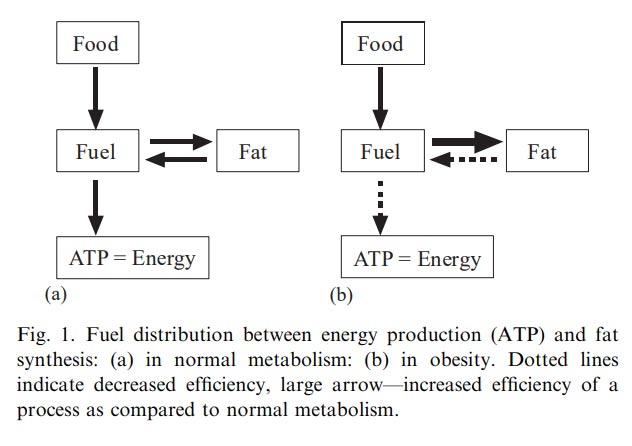
Obesity is not an Ozempic deficiency. This simple fact exposes the fundamental corruption at the heart of the pharmaceutical industry’s latest blockbuster drug. When 80 percent of American adults are overweight or obese due to environmental factors—subsidized junk food, corrupted dietary guidelines, and a food system designed to addict—the answer is not a $20,000-per-year injectable drug that must be taken for life.

Yet that is precisely the solution the pharmaceutical industry has sold to America. Through systematic manipulation of medical research, regulatory capture, and direct payments to doctors and institutions, drug manufacturers have positioned Ozempic and similar GLP-1 drugs to become the most expensive medical intervention in U.S. history. The predictions made when this strategy began have proven disturbingly accurate. The drug received expanded approval, widespread insurance reimbursement, and government funding. Lawsuits over severe side effects have materialized. The corruption has continued. And obesity rates keep climbing—because the system profits from managing disease, not curing it.

If you clean a dirty fish tank, you clean the tank—you don’t drug the fish. In America, the tank is filthy. Fifty percent of teens and 80 percent of adults are overweight. This happened in one generation. Americans didn’t systematically become lazier over the past 40 years. Something in the environment changed.

The Medical Problems

Novo Nordisk, the Danish company that makes Ozempic, surpassed LVMH to become the most valuable company in Europe. European regulators do not allow Ozempic as a first-line treatment for obesity, so almost all of its revenue comes from exploiting the broken U.S. healthcare system, as American insurance companies now widely reimburse for it.

The drug works by paralyzing the stomach, preventing proper digestion. This mechanism causes severe gastrointestinal problems in many patients. Nearly 3,000 lawsuits have been consolidated in the Pennsylvania federal court alleging gastroparesis, intestinal blockages, and ileus. The FDA has updated Ozempic’s warning label multiple times since 2023—adding warnings for ileus in September 2023, severe gastrointestinal reactions in January 2025, and pulmonary aspiration during anesthesia in November 2024.

Even patients who receive the drug for free through insurance coverage cannot tolerate it. 30% discontinue use within 3 months despite full reimbursement. The gastrointestinal side effects are that severe. Those who stop the drug regain the weight—a fact Novo Nordisk acknowledges. The company markets Ozempic as a lifetime drug precisely because patients regain weight after stopping. This creates the perfect business model: a drug that never cures the condition it treats, ensuring permanent revenue.

Vision loss is one of the most serious complications. Multiple studies published in 2024 and 2025 link semaglutide use to non-arteritic anterior ischemic optic neuropathy (NAION), a condition causing irreversible blindness. Patients with obesity taking semaglutide for weight loss face more than seven times the risk of developing high rates of NAION compared to those not using the drug. Diabetic patients on semaglutide face four times the risk. The World Health Organization issued a warning about this in June 2025. Hundreds of patients have filed lawsuits claiming permanent vision loss from these drugs.

The European Union launched an investigation into suicidal ideation caused by Ozempic. This connection is not surprising. Ninety-five percent of serotonin, which regulates mood and contentment, is made in the gut. A drug that paralyzes gut function disrupts serotonin production. When you interfere with the gut and serotonin simultaneously, mental health problems follow. Reports of increased depression, anxiety, and suicidal thoughts from Ozempic users continue to accumulate.

Research published in January 2025 revealed additional side effects beyond gastrointestinal and vision problems: kidney stones, arthritis, fainting, and drug-induced pancreatitis. Nearly 40 percent of hypoglycemia cases and 15 percent of gastrointestinal cases required hospitalization. Studies have also linked GLP-1 drugs to reduced bone density when used without exercise, raising concerns about long-term musculoskeletal damage. An aging population taking a medication that weakens bones while simultaneously causing balance problems from blood sugar fluctuations represents a fracture epidemic waiting to happen.

Patients suffer severe side effects. Many cannot continue taking the drug. Those who stop regain the weight. The drug does not address why Americans got fat in the first place. It manages a symptom at astronomical cost while the underlying dysfunction continues.

How the Corruption Works

The pharmaceutical industry has refined a systematic approach to corrupting medicine over the course of decades. This playbook operates at multiple levels, involving doctors, researchers, medical societies, civil rights groups, and media organizations. Understanding this system is essential to understanding how Ozempic became the preferred solution to obesity despite its problems.

Pharmaceutical companies pay doctors directly to prescribe their drugs. Studies show that 94 percent of physicians have some relationship with the pharmaceutical industry. These relationships include payments for continuing medical education, speaking fees, consulting arrangements, and research grants. The payments influence prescribing behavior without making doctors feel bought. The industry frames these payments as compensation for expertise, not bribes. Research demonstrates that physicians who receive industry payments are two to three times more likely to prescribe name-brand drugs than their peers who don’t receive payments.

Beyond individual doctors, companies engage in “ghost management” of medical research. In this process, company representatives design studies, collect data, analyze results, and write research papers. They then pay prominent academic physicians to add their names as authors. Industry-sponsored research masquerades as independent academic work, borrowing the (supposed) legitimacy of medical science while serving corporate interests. When studies are funded by the company that sells the drug, the outcomes are substantially more favorable for that drug than in trials run by independent researchers. This systematic bias doesn’t come from poor methodology that traditional quality measures would catch—it comes from the funding itself.

Pharmaceutical companies fund the majority of continuing medical education for doctors, which is required to maintain medical licenses. By controlling this education, companies introduce bias toward their products while maintaining the facade of objective medical instruction. Studies of company-funded educational sessions consistently show bias toward the sponsor’s products.

Professional medical societies, which have statutory authority to set standards of care, receive substantial funding from pharmaceutical companies. The organizations that determine which drugs doctors should prescribe are funded by the companies that profit from those drugs. This obvious conflict of interest goes unaddressed because the arrangement is so pervasive that it’s considered normal.

Novo Nordisk is the largest spender on foundational obesity research, the largest funder to medical groups like the American Academy of Pediatrics, and one of the largest funders of civil rights groups. The company paid the NAACP to frame opposition to Ozempic funding as a civil rights issue, and the NAACP is now a registered lobbyist for Ozempic. It argues that not supporting government funding is racist because obesity disproportionately affects specific communities. When a pharmaceutical company can pay civil rights organizations to accuse critics of racism, the corruption has reached a new state of depravity.

The American Academy of Pediatrics recommended Ozempic as a first-line treatment for obese teens based on a 68-week study. This study led the AAP to recommend that every obese or overweight teen—50 percent of American teenagers—receive weekly injections for life. The study duration was just over one year. No long-term safety data existed, yet the medical establishment recommended universal adoption.

Pharmaceutical companies are the largest spenders on television news advertising—approximately $4.8 billion per year on direct-to-consumer advertising alone. This spending does not primarily aim to convince consumers to request drugs from their doctors; it is bribery for the networks. Media outlets that depend on pharma advertising dollars do not investigate pharmaceutical industry practices or report critically on new drugs. When 50 percent of television news funding comes from pharmaceutical companies, journalists do not ask hard questions about those companies’ products.

Dr. Fatima Stanford, head of obesity research at Harvard, has received tens of thousands of dollars in direct funding from Novo Nordisk, as well as millions in research grants. She appears regularly on major media outlets—including CBS’s 60 Minutes—advocating for Ozempic without disclosing these payments to viewers. On 60 Minutes, she stated that people should “throw willpower out the window” because obesity is a brain disease, not a food problem. She told viewers to take Ozempic and not worry about what they eat.

The NIH awarded 8,000 research grants to university professors who had direct conflicts of interest with the topics and drugs they were studying. This practice isn’t discussed because it’s so universal that it’s considered normal. These grants compromise NIH’s entire research program.

The opioid crisis is the template for this corruption. In 2012, a panel of outside experts convened to recommend guidance on opioids. The head of that panel was Dr. Philip Pizzo, dean of Stanford Medical School. At the time of his appointment, Stanford received a $3 million grant from Pfizer, a major opioid maker, for pain research. Dr. Pizzo appointed 90 percent of the panel members, who also received direct research and personal consulting fees from opioid makers. They released relaxed “non addictive” opioid standards that had a major impact on the opioid epidemic. This exact pattern—conflicted panel members making recommendations that benefit the companies paying them—is now repeating with obesity drugs.

Major pharmaceutical companies have paid billions in criminal and civil settlements for fraud, bribery, and misleading research. GlaxoSmithKline and Merck, two of the largest vaccine makers, settled some of the biggest criminal penalties in American corporate history for bribing doctors and producing false research. Yet these companies continue to operate with minimal oversight and maintain market dominance. The fines they pay represent a cost of doing business, not a deterrent.

The Food Stamp Connection

The food industry operates the same corruption model as the pharmaceutical industry. It spends 11 times as much on foundational nutrition research as the NIH. By controlling the research, food companies generate studies that support their products while appearing to be independent science. This corrupted research then influences government dietary guidelines, medical education, and public perception of nutrition.

The USDA has thoroughly corrupted the guidelines that set nutrition standards. Food companies fund 95 percent of the members of the guideline committee. These corrupted guidelines state that a two-year-old can consume 10 percent of their diet from added sugar. Agriculture subsidies in America send more money to tobacco than to vegetables. Ninety percent of subsidies go to highly processed foods that cause obesity.

Nearly 15 percent of Americans—roughly 50 million people—depend on food stamps for nutrition. Ten percent of all food stamp funding goes to soda. That’s over $10 billion per year flowing from the federal treasury to soda companies. The United States is the only country in the world that allows food assistance dollars to purchase this, and sodas are the number one item purchased with food stamps in America.

Calley Means worked as a consultant for Coca-Cola early in his career. The company paid the NAACP and other civil rights groups to frame proposals to limit soda purchases with food stamps as racist. They rigged the debate through systematic payments to these trusted institutions. The government subsidizes the products that cause obesity, then proposes a lifetime pharmaceutical solution that costs $20,000 per year. This is the business model.

The Financial Projections

Wall Street openly celebrates this corruption. As Ozempic gained momentum, food stocks dropped, and pharma stocks surged. Analysts openly project that obesity rates will continue to increase. Novo Nordisk became the most valuable company in Europe based on growth projections that assume higher obesity rates over the next decade. The financial models underpinning pharma stocks assume Americans will get fatter and sicker.

Medical centers seeking financing for new obesity treatment facilities base their loan applications on projections of increasing obesity. The largest and most expensive buildings in American cities are new pediatric obesity and cardiology centers. If these medical centers projected declining obesity rates, they couldn’t secure financing. The entire healthcare industry profits from worsening disease rather than improving health.

Medicare now covers Ozempic for diabetes and kidney disease. In November 2024, the Trump administration announced an agreement with Novo Nordisk and Eli Lilly to expand Medicare and Medicaid coverage of GLP-1 drugs. The manufacturers reduced prices to $245 per month in exchange for access to millions of new patients. This government funding boost was predicted years ago and has now materialized exactly as expected.

The numbers are staggering. Medicare spent $5.7 billion on GLP-1 diabetes drugs in 2022 alone. Total U.S. spending on GLP-1 drugs in 2023 reached $71.7 billion across all payers, including private insurance, Medicare, and Medicaid. With 80 percent of American adults overweight or obese and expanded coverage being implemented, treating tens of millions of Americans at even the reduced price of $245 per month would cost over $1 trillion per year.

That $1 trillion annual cost would manage a symptom, not address the root cause. The environmental factors causing the metabolic health crisis—subsidized processed food, food stamp programs paying for soda, corrupted dietary guidelines, and a healthcare system that profits from chronic disease management—remain entirely unaddressed. Ozempic does nothing to fix the poisoned food supply. It doesn’t reform agricultural subsidies. It doesn’t stop the government from paying people to drink soda. It manages the consequences of these policies through lifetime pharmaceutical dependency.

The COVID Comparison

The scale of this financial disaster dwarfs previous pharmaceutical interventions. Total U.S. government spending on COVID vaccines from 2020 to 2023 was approximately $30 billion for development, manufacturing, and distribution. The per-dose cost to the government was $19.50 to $39 for negotiated bulk purchases. Treatment duration was 2 to 4 doses per person. The total cost per person was $40 to $160.

Ozempic is on an entirely different scale. Total U.S. spending in 2023 alone was $71.7 billion—more than twice the entire three-year COVID vaccine program. Medicare spending on GLP-1 drugs grew from $57 million in 2018 to $5.7 billion in 2022. Projections suggest spending could exceed $13 to $26 billion annually on Medicare alone if only 10 percent of eligible beneficiaries use these drugs. If usage increases beyond that modest 10 percent, costs will multiply accordingly.

Per patient annual cost runs $11,000 to $20,000 at list price, though the negotiated government rate is $245 per month, or roughly $3,000 per year. Treatment duration is lifelong, for patients regain the weight when they stop the drug. The total cost per person over 20 years ranges from $60,000 at the negotiated rate to $400,000 at the list price. The target population is 80 percent of American adults, roughly 200 million people.

If Ozempic receives full government funding for the 80 percent of Americans who are overweight or obese, even at the reduced price of $245 per month, annual costs would exceed $600 billion. At list prices, yearly costs could reach $1 to $2 trillion. This equals 20 to 60 times the entire COVID vaccine budget every single year, forever. The COVID vaccine program cost taxpayers roughly $100 per person, including the whole series. Ozempic would cost $3,000 to $20,000 per person per year for life. A person on Ozempic for 20 years would cost taxpayers 600 to 4,000 times more than their entire COVID vaccination series, depending on the price point.

These numbers do not include the downstream medical costs from Ozempic’s side effects: treating gastroparesis, managing vision loss, addressing mental health crises, dealing with kidney stones, treating fractures from reduced bone density, and managing the metabolic chaos when millions eventually go off the drug. The true cost will be substantially higher than the drug price alone.

The Long-Term Unknowns

The visible costs and side effects represent just the beginning. The gastroparesis, vision loss, mental health issues, and astronomical financial burden are what we can document in the first few years of widespread use, but terrifying unknowns remain.

What happens to gut microbiomes after decades of paralysis? The gut microbiome manages immune function, produces vital nutrients, and impacts mental health. Decades of pharmaceutical-induced stomach paralysis will disturb these systems in ways we can’t predict. The gut-brain axis links digestive health to cognitive well-being. Disrupting this connection over a lifetime may lead to mental and neurological effects that won’t become apparent for years.

What are the long-term neurological effects of disrupted serotonin production? Serotonin not only regulates mood; it also affects memory, learning, sleep, and appetite. Decades of disrupted serotonin signaling in the gut could influence brain development in adolescents and accelerate cognitive decline in older adults. No studies of this exist.

What are the combined effects on bone density and muscle mass in aging populations? Osteoporosis and sarcopenia already affect older Americans. Introducing a drug that worsens both conditions could lead to an epidemic of fractures and disability. The healthcare costs for treating these issues could surpass the drug costs themselves.

How will Ozempic interact with the many other medications people take? The average 65-year-old American takes seven prescription drugs. These medications interact in complex ways that are poorly understood, even without adding Ozempic into the equation. As more people develop multiple chronic conditions and take multiple drugs, these interactions become exponentially more complicated and unpredictable.

Yoho comment: Drugs are never studied together.

What happens when millions stop using the drug—whether because of cost, side effects, or supply issues—and quickly gain weight along with metabolic chaos? The rebound effect after stopping Ozempic is well-documented. Weight returns swiftly. However, we don’t know what occurs physiologically when someone cycles on and off these medications over decades. The metabolic stress from repeated weight cycling is likely worse than never taking the drug at all.

Making a population of 200 million Americans depend on a single drug class gives manufacturers extraordinary power. Novo Nordisk and Eli Lilly would be destroying the metabolic health of half the American population. The pharmaceutical companies would hold more sway over American health than anything else.

The ongoing pharmaceutical dependency makes it impossible to address root causes because everyone is already on medication. Once 100 million Americans depend on weekly Ozempic injections, the political will to reform the food system disappears. Why change agricultural subsidies or restrict food stamp purchases of soda when everyone is medicated? The drug becomes the accepted fix, and the real problems are never addressed.

Every major pharmaceutical disaster follows the same pattern: initial enthusiasm, widespread use, then long-term disasters. Opioids took 15 years to show their full damage. Thalidomide caused birth defects before anyone made the connection. DES led to cancer in the daughters of women who used it. Vioxx caused heart attacks after years of use. The pattern is always the same: by the time we realize the full harm, millions are already affected.

We are conducting a mass experiment on metabolic intervention with a lifetime drug that paralyzes digestive function. The five-year data is already alarming. The 20-year data does not exist. We are asking Americans to trust pharmaceutical companies that have paid billions in criminal settlements for fraud and deception. We are asking them to ignore the corrupted research, the paid doctors, the captured regulators, and the obvious conflicts of interest. We are asking them to take a drug for life based on 68-week studies.

A Different Path

The metabolic health crisis did not exist one generation ago. Environmental factors created it rapidly, which means that environmental changes can reverse it rapidly. The president could issue executive orders tomorrow that would fundamentally change the landscape without spending a dollar.

The FDA could ban pharmaceutical advertising on television news, which no other developed country allows. This advertising does not influence consumers—it is used to bribe the news media. Eliminating this spending would remove part of the financial leverage that prevents critical reporting. Journalists could investigate pharmaceutical companies without risking their employers’ revenue. The policy would cost nothing and would immediately improve the information environment.

The NIH could stop giving research grants to investigators with conflicts of interest. This seems like common sense, but it would trigger screams of being anti-science from the corrupt establishment. 8,000 NIH grants go to conflicted researchers.

Agricultural subsidies would ideally shift from processed foods to vegetables. The government spends more on tobacco subsidies now than on vegetable subsidies, and ninety percent of agricultural subsidies go to highly processed foods. Redirecting even a small share of these subsidies to fruits and vegetables could change the economics of farming and make healthy food more affordable than junk food.

The revolving door between academia and industry has turned medical schools into research-and-development labs for pharmaceutical companies. Requiring disclosure and restricting financial ties would help restore some independence to academic medicine.

Medical groups with statutory authority to set standards of care—the American Academy of Pediatrics, the American Diabetes Association, the American Heart Association—must be prohibited from taking pharmaceutical funding. These organizations determine which drugs doctors prescribe. They should not be funded by companies that profit from those prescriptions.

Americans respond to incentives. The healthcare system could reimburse doctors for prescribing exercise and nutrition interventions instead of drugs. These interventions are proven to reverse metabolic dysfunction. Changing the reimbursement policy would immediately change behavior.

A child with prediabetes often has obesity, hypertension, and heart problems. That child becomes a lifelong customer for multiple drugs, none of which cure anything. One medication leads to another as side effects cause new conditions, requiring more prescriptions. This corruption wastes human potential and strains the federal budget. Healthcare is the largest and fastest-growing industry in America. If trends continue, it will be 40 percent of the federal budget in 15 years. As costs rise, health outcomes get worse. This is unsustainable.

The Verdict

Everything predicted about Ozempic has come true. The drug received expanded approval and government funding. Lawsuits over severe gastrointestinal injuries appeared. Cases of vision loss surfaced. Mental health problems emerged. The corruption continued exactly as expected. Stocks rose on Wall Street. Obesity rates keep climbing, and the healthcare system profits from managing disease rather than creating health.

We are watching a pharmaceutical disaster unfold in real time with full knowledge of how it will end. The pattern has been repeated many times before.

Selected References

1. Calley Means’ website: calleymeans.com

2. Novo Nordisk financial reports and investor presentations documenting U.S. revenue concentration and obesity growth projections, available at novonordisk.com/investors.

3. Multiple studies linking semaglutide to non-arteritic anterior ischemic optic neuropathy (NAION), including research published in JAMA Ophthalmology and other peer-reviewed journals in 2024-2025 showing 4-7 times increased risk.

4. FDA label updates for Ozempic documenting warnings for ileus (September 2023), severe gastrointestinal reactions (January 2025), and pulmonary aspiration during anesthesia (November 2024), available at accessdata.fda.gov.

5. Consolidated multidistrict litigation in Pennsylvania federal court (MDL No. 3:24-md-03094) documenting nearly 3,000 lawsuits alleging severe gastrointestinal injuries including gastroparesis from GLP-1 drugs.

6. Sismondo, Sergio. “Epistemic Corruption, the Pharmaceutical Industry, and the Body of Medical Science.” Frontiers in Research Metrics and Analytics, 2021, documenting ghost management of research and systematic bias in industry-funded studies.

7. Medicare spending data showing GLP-1 drug expenditures growing from $57 million (2018) to $5.7 billion (2022), with total U.S. spending reaching $71.7 billion in 2023, available through CMS and industry analyst reports.

8. USDA agricultural subsidy data and food stamp spending patterns, including documentation that 10 percent of SNAP funding ($10+ billion annually) goes to soda purchases, the highest single category.

9. European Medicines Agency regulatory decisions on GLP-1 drugs for obesity treatment and European Union investigation into suicidal ideation associated with Ozempic use, launched in 2023.

10. American Academy of Pediatrics recommendation for GLP-1 drugs as first-line treatment for obese teens based on 68-week studies, along with documentation of Novo Nordisk funding to the AAP and other medical societies.

11. Historical case studies of pharmaceutical fraud settlements, including GlaxoSmithKline’s $3 billion settlement (2012) and Merck’s $950 million settlement (2011) for bribing doctors and producing misleading research, representing some of the largest criminal penalties in U.S. corporate history.

Yoho wrapup:

As of December 2025, nearly 3,000 lawsuits have been filed and consolidated into multidistrict litigation in the Pennsylvania federal court. These lawsuits allege serious gastrointestinal injuries, including gastroparesis, intestinal blockages, and ileus. The FDA has updated Ozempic’s warning label multiple times since this interview—adding warnings for ileus in September 2023, severe gastrointestinal adverse reactions in January 2025, and pulmonary aspiration during anesthesia in November 2024.

Multiple studies published in 2024 and 2025 have linked semaglutide use to irreversible blindness caused by non-arteritic anterior ischemic optic neuropathy (NAION). The World Health Organization issued a warning about this risk in June 2025. Hundreds of patients with it have filed lawsuits.

Research published in January 2025 revealed additional concerning side effects beyond what was discussed in this interview. The study found increased risks of kidney stones, arthritis, fainting, and drug-induced pancreatitis in patients using GLP-1 drugs. Nearly 40 percent of hypoglycemia cases and 15 percent of gastrointestinal cases required hospitalization. Studies have also linked GLP-1 drugs to reduced bone density when used without exercise, raising concerns about long-term musculoskeletal health.

The prediction that this would become “the highest-funded drug from the US taxpayer in history” is also coming true. We’re conducting a mass experiment on metabolic intervention with a lifetime drug that paralyzes digestive function. The 5-year data is already alarming; the 20-year data doesn’t exist.

I know; I copied the other guy’s homework. And although I shortened it, it was too long. I got so much out of this that I felt compelled to share it. I do not know how anyone still trusts the Pharma motherf*****s with another poison shot, but I guess there is a sucker born every minute.


SOURCE

Why Medieval Bread Was A Superfood While Your Modern Bread Makes You Sick

Thanks to Steve for this video. It really makes sense now. Why the store bought bread disagrees with the gut. This goes right back to medieval days and the origins of bread ingredients. EWNZ

Medieval Way @ Youtube

There’s a significant issue with the bread we consume today. While bread was once a fundamental part of civilizations, sustaining families and armies, modern bread often causes gut issues, blood sugar spikes, and leaves us feeling unsatisfied. This food history explores how the bread industry has changed, contrasting today’s offerings with the traditional bread that nourished our ancestors. We conduct a food industry case study, examining how the history of bread, including ancient grains and sourdough, shows a stark difference from what we find on shelves now.

SOURCE

Image by Edar from Pixabay

Food is Your Best Medicine – Challenging Medical Convention

By Henry G. Bieler, M.D. – 30 Q&As – Unbekoming Book Summary

In 1966, when Dr. Henry G. Bieler published “Food Is Your Best Medicine,” he wasn’t just challenging medical convention—he was declaring war on the entire foundation of modern medicine. Here was a physician with over fifty years of practice, who had delivered thousands of babies and treated tens of thousands of patients, calmly stating that Louis Pasteur’s germ theory told only part of the story. Germs, Bieler argued, were merely scavengers feeding on toxic waste already present in the body, not invaders causing disease. The real culprit was toxemia—an accumulation of poisons from improper diet that turned the body’s internal environment into a breeding ground for illness. While his colleagues were prescribing from what he called pharmaceutical directories “rivaling the Manhattan telephone directory in size,” Bieler had abandoned drugs entirely, treating everything from childhood fevers to diabetes with carefully selected foods and therapeutic fasting. This wasn’t the ranting of a fringe theorist but the measured conclusion of a physician who had tried orthodox medicine on himself when his own health collapsed, found it wanting, and discovered through personal experimentation that dietary reform could accomplish what drugs couldn’t.

The journey that led Bieler to reject pharmaceutical medicine began with his own failing health. As an overworked young physician after World War I, he developed severe asthma, kidney problems, and ballooned to 210 pounds despite following conventional treatments. Then came the revelation: a chance meeting with a doctor versed in chemical pathology who explained that disease resulted from the body’s desperate attempts to eliminate toxic wastes through any available channel. The liver, Bieler learned, was the body’s master chemist, designed to filter and neutralize poisons—but when overwhelmed by improper foods, it failed, forcing the endocrine glands to direct toxins through emergency exits: the skin (producing rashes and boils), the mucous membranes (creating colds and catarrh), or the lungs (causing asthma and bronchitis). These weren’t diseases to be suppressed but healing crises to be supported. Within five minutes of understanding this concept, Bieler knew his path. He discarded all medicines, reformed his diet, and watched his weight normalize to 155 pounds while his ailments vanished permanently. The body, he realized, possessed three magnificent lines of defense—the intestines that screened what entered the bloodstream, the liver that filtered and neutralized toxins, and the endocrine glands that created emergency elimination routes when the first two failed. Disease symptoms were simply evidence of these emergency eliminations in action.

What made Bieler’s approach revolutionary wasn’t just his rejection of drugs but his detailed understanding of how specific foods created specific diseases. Proteins that were overheated transformed from hydrophilic (water-loving) to hydrophobic (water-repelling) colloids, becoming indigestible and putrefying in the intestines to create poisons that caused everything from arthritis to cancer. Table salt—that seemingly innocent seasoning—was actually an inorganic corrosive that stimulated the adrenals while damaging the kidneys. Ice cream, he controversially claimed, underwent molecular breakdown when frozen, and upon melting in the stomach became perfect food for putrefactive bacteria, potentially contributing to polio epidemics during summer months. But Bieler didn’t just identify problems; he offered solutions. The sodium-rich squash family could rebuild exhausted livers. Potassium-rich leafy greens supported the pancreas in diabetics. Properly conducted fasting gave organs the “chemical rest” needed to discharge accumulated toxins—the bowel clearing in 24 hours, the blood in three days, the liver in five. He treated patients not with one-size-fits-all diets but by identifying their body type (adrenal, thyroid, or pituitary), determining their specific toxemia, and prescribing exact foods as medicine. A political boss with heart failure who could only digest food between 11 AM and 2 PM. A diabetic controlled without insulin through vegetable broths. Case after case of children recovering from serious illness through fasting on diluted juices while their fever burned up toxins.

The implications of Bieler’s work extend far beyond his era, challenging not just medical practice but our entire relationship with illness and healing. If disease truly originates from internal toxemia rather than external invasion—if symptoms represent the cure rather than the problem—then suppressing them with drugs drives illness deeper while adding pharmaceutical poisons to an already toxic system. Every parent reaching for fever reducers, every doctor prescribing antibiotics for colds, every routine tonsillectomy that removes the body’s defensive organs—all become suspect. Yet Bieler’s message wasn’t one of despair but of empowerment. The body, he demonstrated through thousands of cases, possesses extraordinary self-healing capabilities when given proper materials and freed from toxic burdens. Perhaps most remarkably, his work suggests that the chronic diseases plaguing modern society—the cancers, diabetes, heart disease that have increased eightfold while infectious diseases declined—stem not from mysterious causes requiring ever-more-powerful drugs, but from the accumulation of dietary mistakes that could be corrected through food. In an age where medical costs spiral beyond reach and pharmaceutical solutions create as many problems as they solve, Bieler’s half-century-old wisdom offers something radical: the possibility that our kitchens might be more powerful than our pharmacies, that fasting might accomplish what surgery cannot, and that the body’s symptoms—those inconvenient eruptions we’re taught to suppress—might actually be nature’s magnificent attempt to heal us, if only we’d stop interfering.

With thanks to Henry Bieler.

Food Is Your Best Medicine: The Pioneering Nutrition Classic: Bieler M.D., Henry G.

Leave a comment

Share

Deep Dive Conversation Library (Bonus for Paid Subscribers Only)

This deep dive is based on the book:

Discussion No.141:

Insights and reflections from “Food is Your Best Medicine”

Thank you for your support.

Analogy

Imagine your body as a magnificent mansion with an elaborate plumbing and waste management system. Over time, the residents keep flushing harmful substances down the drains – grease, chemicals, debris. Initially, the main sewage line (your liver) filters and processes everything efficiently. But as more toxic waste accumulates, this main line becomes clogged.

The mansion’s emergency system activates – waste begins backing up through secondary outlets: bathroom vents start leaking (skin eruptions), air ducts begin emitting foul odors (respiratory problems), and moisture appears on windows (mucous discharge). The maintenance crew (endocrine glands) works overtime, frantically redirecting waste through any available opening. Eventually, they install powerful fans (fever) to burn off the toxic fumes.

Most repair services would just spray air freshener (drugs) to mask the smell or patch the visible leaks (surgery). But the wise master plumber understands that the solution isn’t treating each backup location – it’s to stop putting harmful substances down the drains and flush the system clean with pure water (fasting). Once cleared, only appropriate materials (proper food) should enter the system. The mansion’s own sophisticated filtration system can then maintain itself perfectly, as it was designed to do, without need for constant emergency repairs.

The One-Minute Elevator Explanation

Your body is brilliantly designed with three defensive barriers against disease. First, your intestines screen what enters your bloodstream. Second, your liver filters and neutralizes toxins. Third, when overwhelmed, your glands create emergency exits through skin, lungs, and mucous membranes – producing what we call “symptoms.”

But here’s the revelation: disease isn’t an attack from outside germs – it’s your body’s attempt to expel internal poisons from wrong foods. That fever? Your body burning toxins. That rash? Poisons exiting through skin. That mucous? Toxic waste taking an emergency exit.

Modern medicine suppresses these symptoms with drugs, driving toxins deeper. But suppressing a smoke alarm doesn’t put out the fire. The real solution is breathtakingly simple: stop creating the poisons through proper food choices, and let your body clean itself through occasional fasting. Your liver is a better chemist than any pharmaceutical company – it just needs the right raw materials.

[Elevator dings]

Want to explore further? Research “toxemia theory of disease,” study the differences between organic and inorganic minerals, and investigate why traditional cultures that eat unprocessed foods have virtually no chronic disease.

12-Point Summary

1. Disease originates from internal toxemia, not external germs. Disease results from accumulation of toxic wastes in the blood and tissues due to improper diet, poor digestion, and inadequate elimination. Germs are merely scavengers that feed on these toxins and damaged cells – they’re present because of disease, not the cause of it. While Pasteur’s germ theory led to control of infectious diseases, it missed the crucial role of the body’s internal chemical environment. The dramatic rise in chronic degenerative diseases despite modern antibiotics proves that killing germs doesn’t address the root cause. True healing requires eliminating the toxic soil in which germs thrive through proper diet and fasting.

2. The body possesses three magnificent lines of defense. The first line is the digestive system, particularly the small intestine’s millions of villi that selectively absorb nutrients while rejecting toxins through vomiting or diarrhea. The second line is the liver, the master chemical laboratory that filters blood, neutralizes poisons, and manufactures bile for waste elimination. The third line consists of the endocrine glands – thyroid, adrenals, and pituitary – which become hyperactive when the liver fails, directing toxins to emergency elimination routes. Each defensive line has specific capabilities and limitations; when one fails, the next activates, but at a cost of increasing tissue damage.

3. Vicarious elimination creates the symptoms we call disease. When primary elimination organs (liver and kidneys) become overloaded, the body must use substitute channels to expel toxins or die. The lungs might substitute for kidneys, causing respiratory diseases; the skin might replace the liver, producing rashes, boils, or acne; mucous membranes might become emergency exits, creating catarrhal conditions. The specific disease depends on which organs are used and what type of toxins are being eliminated. These emergency channels become damaged by the caustic poisons passing through them, creating the pathology we recognize as specific diseases.

4. Fever is nature’s incinerator, not an enemy to suppress. Fever represents the body’s attempt to literally burn up toxic waste products poisoning the system. The liver’s internal temperature can reach 110°F while oxidizing poisons, while the mouth registers 105°F. This intense heat destroys toxic materials that would otherwise damage organs. Suppressing fever with drugs prevents this natural detoxification and drives toxins deeper into tissues, often causing serious complications like meningitis or mastoiditis. Animals instinctively fast when feverish, allowing complete focus on toxin combustion – humans should follow this wisdom rather than reaching for fever reducers.

5. Proteins must be properly prepared and consumed to nourish rather than poison. Raw or lightly cooked proteins maintain their hydrophilic (water-attracting) colloidal structure, making them easily digestible and their wastes readily eliminated. Excessive heating transforms them into hydrophobic (water-repelling) colloids that putrefy in the intestines, creating toxic wastes the liver cannot neutralize. These putrefactive poisons cause conditions from arthritis to cancer depending on where they accumulate. Excess protein, contrary to previous belief, isn’t eliminated but stored in tissues, creating chronic overacidity. The “protein mania” in modern diet creates more disease than malnutrition ever did.

6. The liver functions as the body’s master chemist and guardian. Performing over 500 functions, the liver filters all blood from the intestines before it enters general circulation, neutralizes poisons, manufactures bile, stores nutrients, and produces vital proteins. When functioning properly, it keeps blood pure by oxidizing and eliminating toxins as harmless bile salts. When overwhelmed by poor diet, alcohol, drugs, or emotional stress, it cannot filter poisons from blood, leading to systemic toxemia. Most disease conditions improve dramatically when liver function is restored through fasting and proper diet, proving its central role in health.

7. Individual body types determine disease tendencies and treatment needs. The adrenal type – stocky, strong, with great physical endurance – handles heavy proteins well but develops high blood pressure and kidney problems when toxic. The thyroid type – tall, slender, nervous, and artistic – eliminates toxins through skin and mucous membranes, developing respiratory and skin conditions. The pituitary type – well-proportioned, intelligent, creative – may develop diabetes or mental disturbances under stress. Understanding your type helps predict disease patterns and customize dietary treatment, as each type has different nutritional needs and toxic elimination patterns.

8. Childhood diseases stem from inherited and acquired toxemia, not infections. The first-born child inherits the mother’s accumulated toxins through placental blood, often taking three years to eliminate these birth poisons. Subsequent children receive cleaner maternal blood, explaining why middle children in large families often show superior health. Childhood diseases – measles, mumps, whooping cough – are attempts to eliminate specific toxemias: starch toxins cause mucous diseases; protein toxins create rheumatism or tonsillitis; fat toxins produce skin conditions. The symptoms indicate which elimination route the body is using to expel inherited and dietary poisons.

9. Common foods become poisons through improper selection and preparation. Table salt is an inorganic corrosive that stimulates adrenals while damaging kidneys, not a food. Coffee and stimulants whip exhausted glands for false energy, leading to eventual breakdown. Sugar and refined starches ferment into acids, creating mucous conditions. Pasteurized milk’s heat-damaged proteins putrefy in intestines. Ice cream’s frozen then melted structure provides ideal food for putrefactive bacteria. Most processed foods contain preservatives, additives, and altered molecules the liver cannot recognize or properly process, adding to toxic burden rather than providing nutrition.

10. Vegetables serve as specific medicines for different toxic conditions. Different vegetables provide specific minerals needed by various organs – sodium-rich squash family vegetables rebuild exhausted livers; potassium-rich leafy greens support the pancreas; calcium from stalks strengthens structure. These organic minerals neutralize acid toxemia from excessive proteins, sugars, and starches. Vegetable broths provide concentrated therapeutic minerals while resting digestive organs. Raw vegetables supply enzymes and roughage; cooked vegetables break down cellulose walls for better mineral absorption. Traditional cultures unknowingly used vegetables as medicine – Italians with zucchini, various cultures with therapeutic soups – achieving healing through food.

11. Fasting provides the chemical rest necessary for healing. Fasting stops food intake, halting digestive processes and production of new metabolic wastes, allowing organs to discharge accumulated toxins. The bowel clears in 24 hours, blood in three days, liver in five days – but only without food intake. This “chemical rest” is more important than bed rest, as the liver can focus entirely on neutralizing disease toxins rather than processing food. Short repeated fasts are safer than extended ones for gradual detoxification. The type of liquid consumed during fasting – fruit juices for starch toxins, vegetable broths for protein toxins – should match the specific toxemia.

12. Drugs add insult to injury by suppressing symptoms while increasing toxic burden. Drugs suppress the body’s elimination attempts while adding their own toxic burden to an already poisoned system. Antibiotics whip exhausted adrenals for temporary improvement while weakening future defense capacity. Fever reducers prevent natural toxin burning. Pain relievers mask warning signals. Anti-inflammatory drugs stop the body’s attempt to burn out poisons through inflammation. Each drug requires liver detoxification, further overwhelming this already overtaxed organ. The temporary relief drugs provide comes at the cost of driving disease deeper and creating drug-induced illnesses – a devil’s bargain that transforms acute conditions into chronic diseases.

The Golden Nugget

The most profound idea that the fewest people would know is that the small lymphocytes act as “messenger cells” carrying thyroid hormone containing iodine to enable all cell reproduction and multiplication in the body. Without these tiny white blood cells serving as delivery vehicles for thyroid hormone, no cell in your body could divide or reproduce – not for growth, not for repair, not for daily replacement. This explains why cancer might result from oversaturation of lymphocytes with amino acids and iodine creating abnormal localized growth, why thyroid-depressing drugs like Thalidomide caused birth defects by preventing fetal cell reproduction, and why the thymus gland in children is positioned right next to the thyroid for easy iodine impregnation during rapid growth years. This single mechanism – lymphocytes as hormone carriers enabling cell division – underlies all growth, all healing, all cancer, and all developmental defects, yet remains virtually unknown despite controlling life itself at the cellular level.

30 Questions & Answers

1. What is Dr. Bieler’s fundamental theory about the true cause of disease, and how does it differ from Pasteur’s germ theory?

Dr. Bieler believes disease is caused by toxemia – a buildup of toxic wastes in the body resulting from improper diet, poor digestion, and inadequate elimination. These toxins impair cellular function and create the conditions where germs can multiply. In contrast to Pasteur’s theory that germs from outside invade and cause disease, Bieler sees germs as scavengers that feed on toxic wastes and damaged cells already present. He emphasizes that the chemical background on which germs feed is more important than the germs themselves. Disease is actually the body’s attempt to rid itself of these morbific (toxic) matters through various elimination channels.

Bieler points out that while modern medicine has successfully suppressed infectious diseases through antibiotics and immunizations, chronic disorders like cancer, heart disease, and diabetes have increased eightfold. He argues that treating symptoms with drugs only adds more toxins to an already poisoned system, whereas proper food selection and fasting can eliminate the underlying toxemia and restore health naturally.

2. What are the body’s three lines of defense against disease, and what organs are involved in each?

The first line of defense is the digestive system, primarily the small intestine with its millions of villi. These finger-like projections can accept beneficial nutrients or reject harmful substances through vomiting or diarrhea. The intestine serves as the initial barrier, preventing toxic materials from entering the bloodstream and protecting the body from harmful foods and poisons.

The second line of defense is the liver, which acts as the body’s master chemical laboratory and detoxification center. It filters the blood, neutralizes poisons, manufactures bile to eliminate wastes, and transforms nutrients into usable forms. When functioning properly, the liver keeps the general circulation pure by preventing toxins from entering the bloodstream. The third line consists of the endocrine glands – particularly the thyroid, adrenals, and pituitary – which become hyperactive when the liver fails, attempting to direct toxins to alternative elimination routes through skin, lungs, and mucous membranes.

3. What is “vicarious elimination” and why does the body resort to it?

Vicarious elimination occurs when the body’s primary elimination organs (liver through bowels, kidneys through bladder) become congested and cannot properly eliminate toxins. The body then uses substitute or “vicarious” channels to expel these poisons to prevent death from toxic overload. For example, the lungs may take over some kidney functions, resulting in bronchitis or pneumonia from the irritation. The skin might substitute for the liver, causing various skin diseases, boils, or acne.

The specific disease that develops depends on which substitute channel is used and the chemistry of the toxins being eliminated. The mucous membranes might eliminate toxins causing catarrh, the skin might produce rashes or boils, or the lungs might develop respiratory conditions. These emergency elimination routes become damaged by the caustic toxins passing through them, creating the symptoms and pathology we recognize as specific diseases. The body resorts to this desperate measure because accumulated toxins must be eliminated or the person dies.

4. How does Dr. Bieler explain the role of toxemia in creating illness?

Toxemia is the presence of toxic wastes in the blood and tissues, resulting from poor dietary choices, improper food combinations, and the use of processed foods filled with artificial additives. These toxins come from incomplete digestion of proteins (creating putrefaction), improper breakdown of sugars and starches (creating fermentation and acids like acetic acid), and the consumption of harmful substances like excess salt, sugar, and stimulants. When the liver cannot neutralize all these poisons, they accumulate in the bloodstream.

This toxic blood must discharge its poisons somewhere, leading to inflammation and damage in whatever organs are used for emergency elimination. The specific symptoms and disease names we recognize are simply descriptions of which organs are being damaged by this toxic elimination process. Bieler emphasizes that symptoms like fever, inflammation, and discharge are actually the body’s “terrific attempt” to burn up and eliminate these waste products. Rather than suppressing these symptoms with drugs, which adds more toxins, the solution is to stop creating toxemia through proper diet and to assist elimination through fasting.

5. Why does Dr. Bieler believe the liver is so critical to health, and what happens when it becomes impaired?

The liver is the body’s master chemist, performing over 500 different functions including filtering blood, producing bile, storing nutrients, manufacturing proteins, and most crucially, neutralizing toxins. Bieler calls it the second line of defense because every drop of blood from the intestines must pass through the liver before entering general circulation. A healthy liver can oxidize, neutralize, and eliminate poisons, keeping the bloodstream pure. It produces sodium cholate bile salts that help eliminate toxic waste products.

When the liver becomes congested from overwork, poor diet, or toxic overload, it cannot properly filter poisons from the blood. These toxins then circulate throughout the body, stimulating the endocrine glands to hyperactivity as they attempt emergency elimination through other organs. This leads to various diseases depending on which organs are affected. An impaired liver also cannot properly metabolize cholesterol, proteins, and fats, leading to accumulation of these substances in harmful forms throughout the body. Bieler emphasizes that most endocrine disturbances clear up when the liver is restored to normal function through proper diet.

6. What are the main endocrine glands discussed, and how do they act as the third line of defense?

The three main endocrine glands are the adrenals (controlling oxidation and life processes), the thyroid (regulating metabolism and elimination through mucous membranes), and the pituitary (the master gland coordinating the others). Though tiny – the thyroid weighs about an ounce, the adrenals are lima bean-sized, and the pituitary is half an inch long – these glands have enormous power through their hormone secretions. They act as biochemical messengers directing body processes.

When the liver fails to filter toxins, these glands become hyperactive, attempting to direct poisons into alternative elimination channels. The thyroid directs elimination through skin and mucous membranes, potentially causing conditions from colds to skin diseases. The adrenals attempt to burn up toxins through hyperoxidation, often producing fever. The pituitary coordinates this emergency response. This hyperfunction eventually exhausts the glands, leading to chronic disease states. The specific gland that responds most strongly determines the type and location of disease symptoms.

7. How does Dr. Bieler classify people into different body types based on their dominant endocrine glands?

The adrenal type has a thick, stocky build with heavy bones, wide shoulders, and a large chest. These individuals have coarse features, thick skin that tans easily, and abundant body hair. They possess great physical strength and endurance, with powerful digestive systems able to handle heavy proteins. They’re natural leaders, aggressive and pioneering, but prone to high blood pressure, arteriosclerosis, and kidney problems when toxic. Their strong adrenals make them resistant to infections but vulnerable to degenerative diseases.

The thyroid type is tall and slender with long bones, delicate features, and fine hair. They have quick movements, rapid speech, and nervous energy. These individuals are sensitive, artistic, and emotionally expressive but lack physical stamina. When toxic, they develop respiratory problems, skin conditions, and nervous disorders because their thyroid directs elimination through mucous membranes and skin. The pituitary type has refined, well-proportioned features suggesting nobility, with excellent development of sex characteristics. They’re intelligent and creative but prone to exhaustion and may develop diabetes or mental disturbances under stress.

8. What is Dr. Bieler’s explanation for why the first-born child often has more health problems?

Nature attempts to cleanse the mother’s blood by sidetracking impurities into the developing infant’s body. The first-born receives the highest concentration of the mother’s accumulated toxins through the placental blood supply. The baby is born with a body full of toxins from the mother’s blood and intestines full of meconium (oxidized black bile). This inherited toxemia is so severe that even with optimal care, it typically takes three years to eliminate these birth poisons.

These concentrated toxins in the first-born can manifest as various diseases depending on their type and concentration. Severe protein acid toxemia might result in childhood cancers, leukemia, or rheumatic conditions. Starch toxemia leads to mucous diseases and respiratory problems. With subsequent pregnancies, the mother’s blood becomes progressively cleaner, which is why middle children in large families often show unusual physical and mental vigor. However, by the tenth or twelfth child, the mother’s glandular exhaustion creates different problems. This theory explains why first-borns are often the most difficult to feed and rear.

9. How does the digestion process work, particularly the role of the villi in the small intestine?

Digestion begins with enzymes in saliva breaking down starches, continues in the stomach where proteins are initially processed, and reaches its crucial stage in the small intestine. The 26-foot-long small intestine is lined with millions of microscopic, finger-like projections called villi that are constantly in motion, swinging back and forth. These villi create a surface area equivalent to a tennis court, maximizing absorption capacity. Each villus contains blood vessels and lymph vessels surrounded by specialized cells.

The villi act as sophisticated selection mechanisms, determining what substances enter the bloodstream. They absorb amino acids from proteins, simple sugars from carbohydrates, fatty acids from fats, and various minerals and vitamins. Importantly, the villi can reject harmful substances, triggering vomiting or diarrhea as protective responses. This selective absorption makes the intestines the body’s first line of defense. The health and vitality of the villi determine how well nutrients are absorbed and toxins are rejected, making proper food selection crucial for maintaining this defensive barrier.

10. What is the difference between hydrophilic and hydrophobic colloids, and why does this matter for protein digestion?

Hydrophilic colloids are protein molecules that attract and hold water, remaining in their natural, easily digestible state. These are found in raw or lightly cooked proteins. The primitive human liver is designed to handle these water-loving colloids, easily neutralizing their waste products with sodium from the liver’s stores and eliminating them as harmless sodium cholates in the bile. The kidneys also efficiently remove nitrogen wastes from hydrophilic proteins as urea.

Hydrophobic colloids are proteins that have been altered by excessive heat, causing them to repel water and become difficult to digest. When proteins are overcooked, their molecular structure changes irreversibly. These water-repelling proteins putrefy easily in the intestines, creating toxic waste products the liver cannot properly neutralize. This leads to disease conditions in both children and adults. The more protein is heated, the more its beneficial hydrophilic form converts to the harmful hydrophobic form, explaining why rare meats and raw milk are more healthful than their thoroughly cooked counterparts.

11. Why does Dr. Bieler consider fever beneficial rather than harmful?

Fever represents the body’s attempt to burn up and oxidize toxic waste products that are poisoning the system. In strong, healthy children with properly functioning endocrine glands, toxins are often completely consumed in the liver through this burning process. The liver’s internal temperature during fever can reach 110 degrees Fahrenheit while the mouth registers 105 degrees. This intense heat literally incinerates the poisonous materials, preventing them from damaging other organs.

Rather than being something to suppress with aspirin or other fever-reducing drugs, fever is nature’s healing mechanism. Suppressing fever with drugs prevents this natural detoxification, drives toxins deeper into the body, and can lead to serious complications like middle-ear disease, mastoiditis, or meningitis. Animals instinctively fast when feverish, allowing their bodies to focus entirely on burning up toxins. Bieler recommends supporting fever through fasting on water or diluted juices, allowing it to complete its cleansing work. The fever breaks naturally once the toxins are eliminated.

12. What is Dr. Bieler’s controversial theory about the connection between ice cream and polio?

Bieler theorizes that ice cream’s freezing process causes molecular breakdown of the cream’s structure. When this frozen mixture melts in the stomach, it releases dead cell material that becomes food for putrefactive bacteria. The resulting toxic acids from this putrefaction, when not fully eliminated by the liver and kidneys, emerge through the mucous membranes of the nose and sinuses. The polio virus specifically feeds on these putrefactive excretions.

Most children experience only mild symptoms – fever, malaise, slight neck stiffness – and recover quickly. However, in extremely toxic children with weak adrenal glands, the virus can invade the sinus membranes. Since the brain membranes are adjacent to the sinuses, the virus easily spreads to the brain and spinal cord, causing paralysis. This explains why polio epidemics peak during July and August, the height of ice cream season, and why only about 3% of infected children develop paralysis – those with the highest toxemia and weakest adrenals. Dr. Sandler’s experiment in Asheville, where eliminating sweets including ice cream reduced polio cases by 90%, supports this theory.

13. How does excessive salt consumption affect the body according to Dr. Bieler?

Salt (sodium chloride) is a corrosive inorganic substance that acts as a stimulant drug rather than a food. In small doses, the body can eliminate it through sweat and urine. In larger doses, it accumulates in tissues and blood, creating hyperchloremia – an overstimulated state. When sweating suddenly lowers blood salt levels, the resulting hypochloremia causes depression and weakness. This creates addiction-like cycles where people need salt to feel “normal” again.

Bieler notes that salt was historically used for embalming and continues to “mummify the living” through salad dressings and processed foods. It stimulates the adrenal glands, creating false energy while depleting them. Excess salt hardens the liver and kidneys, contributing to sclerosis. It irritates all tissues, particularly the sensitive kidney filters, leading to inflammation and high blood pressure. The body needs organic sodium from vegetables like squash and cucumber, not inorganic table salt. Bieler observes that hay fever sufferers almost always have histories of excessive salt consumption.

14. What is Dr. Bieler’s approach to treating diabetes without insulin?

Bieler considers insulin a toxic substance that damages blood vessels, noting that patients can tolerate insulin injections for about 25 years before arterial deterioration causes death. Instead, he treats adult diabetics through diet alone, placing them on complete bed rest while consuming only cooked non-starchy vegetables liquefied as soup – particularly celery, parsley, zucchini, and string beans. These potassium-rich vegetables support the depleted pancreas, whose chief chemical element is potassium.

The patient remains on this regime until urine tests show no sugar, usually taking one to four days. Bed rest conserves energy, allowing the liver and pancreas to work without acids from exertion. Once sugar-free, the patient gradually resumes activity on a careful diet, monitored for sugar return. When sugar reappears, the vegetable broth fast is repeated, usually requiring half the time to clear. The goal is finding an individual diet that maintains the patient sugar-free while providing adequate energy. Though diabetics remain somewhat impaired, this approach controls the condition without toxic drugs.

15. Why does Dr. Bieler oppose the routine removal of tonsils and appendix?

The tonsils are lymphatic organs strategically placed where the mucous membrane of the throat is thinnest, making them ideal emergency exits for toxic waste products, particularly those from protein putrefaction. When removed, the body loses two valuable safety valves for eliminating poisons. The apparent improvement after tonsillectomy results mainly from the enforced fasting when the throat is too sore to swallow, not from the surgery itself.

After tonsil removal, the body must find other lymphatic tissue areas for vicarious elimination, including lymph nodes in the nose, throat, sinuses, stomach, bowel, and particularly the appendix. This explains why appendicitis often follows tonsillectomy – the appendix becomes overworked trying to compensate for the lost tonsils. Removing these organs doesn’t address the underlying toxemia causing the inflammation; it merely eliminates the body’s defensive mechanisms. Bieler advocates treating the cause – dietary toxemia – rather than removing the organs attempting to protect the body through emergency elimination.

16. What role do amino acids and proteins play in building and maintaining the body?

Amino acids are the fundamental building blocks of all body tissues, obtained by breaking down dietary proteins during digestion. Like the 26 letters of the alphabet forming thousands of words, approximately two dozen amino acids combine in millions of different patterns to create the body’s proteins. These form everything from calcium proteins in bones, sodium proteins in the liver, potassium proteins in the pancreas, to phosphorus proteins in brain and nerves. Even vitamins and trace elements are protein-based.

The liver assembles useful amino acids into essential body proteins and eliminates harmful ones through bile. Each person’s unique protein configuration gives them an individual scent (recognizable to dogs) and biochemistry. Cell multiplication depends on amino acids combined with thyroid hormone iodine, carried by lymphocytes to enable growth and repair. During embryonic life and tissue repair, cells reproduce rapidly; in adults, the rate slows except when healing injuries. The body cannot grow, develop, or repair damage without adequate proper proteins, though excess proteins create toxic conditions leading to disease.

17. How does Dr. Bieler explain the evolution and function of the kidney?

The kidney evolved when ancient fish developed lungs and moved from sea to land, requiring a new mechanism to maintain their bodies’ water-salt balance. Fish maintained their internal sea through their gills; land animals needed kidneys to preserve this same mildly salty internal environment. Our blood serum still contains salts identical to seawater, keeping our cells literally bathed in the ancient ocean. This explains why we never truly left our oceanic origins.

The kidney filters 150-180 quarts of blood daily, producing only 1-2 quarts of urine by reabsorbing needed substances and eliminating waste. Its remarkable structure includes an outer zone containing tiny globes that filter water, a middle zone of tubules surrounded by veins for reabsorption, and an inner pelvis that drains to the bladder. The kidney receives the body’s cleanest arterial blood, unlike the liver which processes impure venous blood. Beyond waste removal, the kidney regulates blood pressure, maintains water balance, and enables complex thought – leading one scientist to credit it with humanity’s transformation “from fish to philosopher.”

18. What is the difference between organic and inorganic minerals in terms of body absorption?

Organic minerals are those transformed by plants from inorganic soil elements through photosynthesis and the energy of sunlight. These minerals are bound in complex colloidal molecules that the liver can recognize, process, and utilize. Vegetables absorb inorganic minerals through their roots and convert them into organic compounds the human body can assimilate – sodium from squash, potassium from leafy greens, calcium from stems and stalks. These organic forms are non-toxic and essential for health.

Inorganic minerals, like table salt (sodium chloride) or mineral supplements, cannot be properly utilized by the liver. The body treats them as foreign substances, either struggling to eliminate them or suffering from their accumulation in tissues. This is why Bieler emphasizes getting minerals from whole foods rather than supplements. The liver never evolved mechanisms to handle inorganic minerals directly from the earth – it requires the plant kingdom to pre-process these elements into bioavailable forms. Even when the same chemical formula exists, the organic version from food has entirely different effects than the inorganic version from a bottle.

19. What are Dr. Bieler’s two methods for weight reduction, and when is each appropriate?

The first method is total fasting – consuming only water while allowing the body to burn stored fat for energy. This dramatic approach can result in losing 2.5 pounds daily initially, then about one pound per day. Hunger disappears after two days as the body shifts to consuming its reserves. However, this is dangerous if the obesity is toxic bloat rather than normal fat, as the liver’s massive toxic discharge during fasting can precipitate a dangerous crisis with severe vomiting, diarrhea, and dehydration.

The second method involves special diets tailored to the individual’s specific toxemia and metabolic type. This might include vegetable broths for liver congestion, specific proteins for certain deficiencies, or careful food combinations. Bieler emphasizes gradual detoxification through repeated short fasts rather than extended ones, which don’t overstrain damaged organs. The safest approach is determining whether obesity stems from toxic bloat or true fat accumulation, then selecting the appropriate method. Both require medical supervision and understanding that obesity developed over months or years cannot be safely resolved in weeks.

20. How does improper protein digestion lead to disease conditions?

When proteins aren’t properly digested, they undergo putrefaction in the intestines instead of breaking down into useful amino acids. This creates toxic waste products including phenol, indole, skatole, and other poisons that the liver cannot fully neutralize. These putrefactive acids enter the bloodstream and seek elimination through various organs. If eliminated through joints, they cause arthritis and rheumatism; through the heart valves, rheumatic heart disease; through the skin, boils and carbuncles.

Excess proteins saturate body tissues, disturbing nitrogen metabolism and creating chronic overacidity. The body stores these excess proteins rather than eliminating them as previously believed, leading to cellular congestion. Protein toxemia is particularly dangerous for children, potentially causing conditions from tonsillitis to leukemia depending on concentration. The type of protein matters too – overheated proteins forming hydrophobic colloids putrefy more readily than raw or rare proteins. Bieler notes that meat-eating children often develop rheumatism, while those consuming excessive dairy products suffer from chronic mucous conditions.

21. What is Dr. Bieler’s treatment approach for the common cold, and why does he oppose typical remedies?

Bieler treats colds as catarrhal inflammation resulting from toxic elimination through mucous membranes, not as infections to suppress. Treatment requires complete rest – both muscular and glandular – achieved through fasting on water or diluted fruit juices and vegetable broths. This removes all strain from the overworked liver, allowing it to process accumulated toxins. The specific liquid antidote depends on the toxemia’s chemistry – fruit juices for starch/sugar toxins, vegetable broths for protein toxins.

Common cold remedies are harmful because they suppress symptoms while adding more toxins to an already overloaded liver. Antibiotics violently stimulate exhausted adrenal glands, providing temporary improvement but weakening the body’s future defense capacity. Fever-reducers prevent the body’s natural toxin-burning process. Decongestants drive toxins deeper into tissues rather than allowing elimination. Bieler follows Hippocrates’ wisdom: “If you feed a cold, you will have to starve a fever,” emphasizing that continued eating during a cold prolongs illness and invites complications. The cold is actually the cure – the body’s attempt to eliminate poisons through mucous membranes.

22. How do vegetables act as therapeutic “antidotes” to various toxic conditions?

Vegetables provide alkaline minerals that neutralize acid toxemia from excessive proteins, sugars, and starches. Different vegetables supply specific minerals needed by various organs – sodium for the liver, potassium for the pancreas and salivary glands, calcium for bones and structure. When the body becomes overburdened with acid wastes from poor diet, alkaline vegetables restore chemical balance. Their organic minerals are readily absorbed and utilized, unlike inorganic supplements.

Specific vegetables treat specific conditions: the sodium-rich squash family helps rebuild exhausted livers; potassium-rich leafy greens support the pancreas in diabetes; calcium from stalks and stems strengthens structure. Vegetable broths provide concentrated minerals while giving digestive organs rest from solid food. Raw vegetables supply enzymes and roughage for intestinal health, while cooked vegetables break down cellulose walls, making minerals more available. Bieler prescribes vegetables as medicine, using precise combinations as antidotes for particular toxic states, much like Hippocrates’ therapeutic soups.

23. What is the significance of the sodium-rich squash family (zucchini, cucumber, melon) in liver health?

The squash-cucumber-melon family contains the highest concentration of organic sodium in the vegetable kingdom. This organic sodium is essential for the liver’s detoxification processes, particularly in manufacturing sodium cholate bile salts that neutralize and eliminate toxins. When the liver becomes exhausted from overwork, its sodium reserves deplete, impairing its ability to process poisons. These vegetables provide the exact form of sodium the liver needs to rebuild its reserves and restore function.

Italians traditionally used zucchini as a cure-all, unknowingly utilizing its liver-supporting properties. Bieler frequently prescribes zucchini broth for liver congestion, finding it superior to any medication for restoring hepatic function. The organic sodium from these vegetables differs completely from toxic table salt – it’s non-irritating and immediately usable by the liver. Summer squash, crookneck squash, and zucchini are particularly valuable because they can be easily digested even by severely ill patients. This vegetable family represents nature’s specific medicine for the liver, the body’s master detoxifier.

24. Why does Dr. Bieler believe milk should be consumed raw rather than pasteurized?

Raw milk contains enzymes, vitamins, and proteins in their natural hydrophilic (water-loving) colloidal state, making them easily digestible and assimilable. The gentle body temperature of the cow ensures these delicate nutrients remain intact. Raw milk from healthy cows fed proper food provides complete nutrition – proteins, fats, carbohydrates, vitamins, and minerals in perfect balance. Babies on raw breast milk have sweet breath, odorless stools, and no digestive problems.

Pasteurization heats milk to temperatures that destroy enzymes, alter proteins into hydrophobic (water-repelling) colloids, and diminish vitamin content. These denatured proteins putrefy easily in the intestines, creating toxic waste products found in the urine. Even the “mildest” pasteurized milk causes offensive odors in infant stools, urine, and breath, indicating putrefaction. The heat-altered proteins become foreign to the body’s chemistry, leading to mucous conditions, allergies, and digestive problems. Bieler notes that calves fed pasteurized milk often die, demonstrating how this processing destroys milk’s life-supporting properties.

25. How does Dr. Bieler explain cholesterol’s role in the body, contrary to popular belief?

Cholesterol is not a villain but a vital substance serving as the mother of important hormones including sex hormones and vitamin D. It helps form brain and nerve tissue, assists in fat digestion, and acts as a protective lubricant for blood vessel walls. The body manufactures cholesterol as needed, regardless of dietary intake, because it’s essential for life. The liver produces it, and every cell can synthesize it for local needs.

The real problem isn’t cholesterol itself but the body’s impaired ability to metabolize it properly when the liver is toxic or the thyroid is underactive. Cholesterol accumulates in arteries not because people eat too much of it, but because damaged liver function prevents proper processing. Toxic blood damages arterial walls, and cholesterol deposits form as attempted repairs, like patches on worn spots. Rather than avoiding dietary cholesterol, which the body needs, the solution is improving liver function through proper diet and eliminating the toxemia that impairs cholesterol metabolism.

26. What is “chemical rest” and why is it more important than physical rest during illness?

Chemical rest means stopping all food intake, thereby halting digestive processes and the production of metabolic wastes. This allows organs to discharge accumulated toxins without new poisons being added. During illness, the liver diverts all its power to neutralizing disease toxins, as evidenced by fever. Forcing it to also digest food overwhelms its capacity, prolonging illness and inviting complications. Chemical rest through fasting gives the liver, kidneys, and other organs opportunity to cleanse themselves of toxic accumulations.

Physical rest, while helpful, doesn’t address the core problem of chemical toxicity. A person can lie in bed while continuing to poison themselves with food their body cannot properly process during illness. Animals instinctively refuse food when sick, achieving chemical rest naturally. The bowel clears toxins in 24 hours of fasting, the blood in three days, the liver in five days. This internal cleansing is impossible while food continues entering the system. Hippocrates understood this, making fasting his primary treatment, recognizing that the chemistry of disease required chemical solutions.

27. How did Dr. Bieler’s own health crisis lead to his revolutionary approach to medicine?

As an overworked young physician following World War I, Bieler developed severe asthma, kidney problems, and obesity, weighing 210 pounds. He tried all orthodox medical treatments – drugs, stimulants, various therapies – but nothing helped and he grew progressively worse. This personal crisis forced him to question everything he’d been taught about disease and treatment. Meeting a doctor versed in chemical pathology opened his eyes to how nutritional problems cannot be solved with drugs.

Within five minutes of their discussion, Bieler understood he’d been suffering from overstimulation by both improper foods and harmful medicines. He discarded all drugs and dietary errors, his weight dropped to a healthy 155 pounds, and his ailments disappeared permanently. This transformation through diet alone seemed magical to an orthodox practitioner. The experience launched his fifty-year study of food as medicine, leading him to treat thousands of patients successfully without drugs, proving that proper nutrition could accomplish what pharmaceuticals couldn’t.

28. What role do stimulants like coffee play in damaging the endocrine system over time?

Coffee and other stimulants create false energy by whipping the endocrine glands, particularly the adrenals, forcing them to produce hormones beyond their normal capacity. Initially, young people with strong kidneys can eliminate coffee’s toxic acids. But as kidneys deteriorate with age, these acids accumulate drop by drop in the system. People feel fatigued and depressed from this toxic buildup, so they drink more coffee for temporary relief, creating a vicious cycle of stimulation and exhaustion.

This pattern of whipping tired glands for false energy eventually causes their breakdown. The adrenals become exhausted, unable to maintain normal oxidation and immunity. The thyroid grows erratic, alternating between hyper and hypofunction. The overtaxed pituitary loses its coordinating ability. Bieler compares it to continuously whipping tired horses – they may run briefly but eventually collapse. The sense of wellbeing from stimulants masks the truth of progressive glandular destruction. Once these glands fail, recovery is difficult if not impossible, leading to chronic fatigue, immune dysfunction, and premature aging.

29. Why does Dr. Bieler believe most childhood diseases result from dietary mistakes rather than germs?

Children’s diseases manifest through common symptoms – fever, malaise, mucous discharge, skin rashes, vomiting – all indicating the blood is charged with poison from dietary toxemia. This toxemia comes from improper digestion of proteins (causing putrefaction), starches and sugars (causing fermentation), or fats (producing toxic fatty acids). The specific disease depends on which toxins predominate and which elimination route the body uses. Starch toxemia creates mucous diseases; protein toxemia causes conditions from tonsillitis to rheumatic fever; fat toxemia produces skin conditions.

Germs are present but only as scavengers feeding on toxic wastes and damaged cells – they cannot thrive without this poisonous environment. The child who develops disease already has the toxic soil in which germs can multiply. Those eating proper foods maintain clean internal environments where pathogenic organisms cannot flourish. Bieler notes that formula-fed babies have foul-smelling stools indicating putrefaction, while breast-fed babies have sweet-smelling elimination, demonstrating how diet creates or prevents the conditions for disease. Childhood diseases are the body’s attempts to eliminate inherited and acquired toxemia through various emergency channels.

30. What is Dr. Bieler’s explanation for how the body maintains its water balance, and what is metabolic water?

The body maintains the same mildly salty water concentration that existed in the ancient seas where life began. Water enters through drinking and eating high-water-content foods, while the kidneys regulate the concentration by filtering 150-180 quarts of blood daily but producing only 1-2 quarts of urine. They reabsorb needed water and minerals while eliminating excess. This precise regulation keeps our internal sea stable despite varying intake.

Metabolic water is produced when the body oxidizes fats, sugars, and starches, creating water as an end product along with carbon dioxide. This internally-generated water can be reabsorbed and used by the body. The bull seal demonstrates this dramatically – during months at breeding grounds, he neither eats nor drinks yet continues passing urine, surviving entirely on metabolic water from oxidizing his fat stores. Desert animals like the antelope and kangaroo rat obtain all their water from plants plus metabolic water, with some passing no urine for months during dry seasons, reabsorbing it all to maintain water balance.

I appreciate you being here.

If you’ve found the content interesting, useful and maybe even helpful, please consider supporting it through a small paid subscription. While 99% of everything here is free, your paid subscription is important as it helps in covering some of the operational costs and supports the continuation of this independent research and journalism work. It also helps keep it free for those that cannot afford to pay.

Please make full use of the Free Libraries.

Unbekoming Interview Library: Great interviews across a spectrum of important topics.

Unbekoming Book Summary Library: Concise summaries of important books.

Stories

I’m always in search of good stories, people with valuable expertise and helpful books. Please don’t hesitate to get in touch at unbekoming@outlook.com

Baseline Human Health

Watch and share this profound 21-minute video to understand and appreciate what health looks like without vaccination.

SOURCE

Image by Adrian from Pixabay

20 Practical Uses For Coca Cola – Proof That Coke Does Not Belong In The Human Body & 22 Ways Drinking Soda Will Shorten Your Life

From: TrueActivist / GreenMedInfo via wakeupkiwi.com

Numerous studies have shown the negative health effects of drinking soda on your waistline and your teeth.

Related: There Is Deadly Formaldehyde In Clothing, Food, Cigarettes And Vaccines – What Will You Be Wearing, Eating, Smoking And Injecting Today?

To prove Coke does not belong in the human body, here are 20 practical ways you can use Coke as a domestic cleaner:

1. Removes grease stains from clothing and fabric.

2. Removes rust; using fabric dipped in Coke, a sponge or even aluminum foil. Also loosens rusty bolts.

3. Removes blood stains from clothing and fabric.

4. Cleans oil stains from a garage floor; let the stain soak, hose off.

5. Kills slugs and snails; the acids kills them.

6. Cleans burnt pans; let the pan soak in the Coke, then rinse.

7. Descales a kettle (same method as with burnt pans).

8. Cleans car battery terminals by pouring a small amount of Coke over each one.

9. Cleans your engine; Coke distributors have been using this technique for decades.

10. Makes pennies shine; soaking old pennies in Coke will remove the tarnish.


11.
Cleans tile grout; pour onto kitchen floor, leave for a few minutes, wipe up.

12. Dissolves a tooth; Use a sealed container…takes a while but it does work.

13. Removes gum from hair; dip into a small bowl of Coke, leave a few minutes. Gum will wipe off.

14. Removes stains from vitreous china.

15. Got a dirty pool? Adding two 2-liter bottles of Coke clears up rust.

16. You can remove (or fade) dye from hair by pouring diet Coke over it.

17. Remove marker stains from carpet. Applying, scrub and then clean with soapy water to remove marker stains.

18. Cleans a toilet; pour around bowl, leave for a while, flush clean.

19. Coke and aluminum foil will bring Chrome to a high shine.

20. Strips paint off metal furniture. Soak a towel in Coke and lay it on the paint surface.


Furthermore, have you ever wondered what exactly Coca Cola is?


After 10 minutes:
 The sugar contained in a glass of Cola can cause a devastating “strike” on the body. The cause being the phosphoric acid which inhibits the action of sugar.

After 20 minutes: A leap in insulin levels in bloodstream occurs.

After 40 minutes: Ingestion of caffeine is finally completed. The eye’s pupils are expanding. Blood pressure rises because the liver disposes more sugar into the bloodstream. The adenosine receptors become blocked thereby preventing drowsiness.

After 45 minutes: The body raises production of the dopamine hormone, which stimulates the brain pleasure center. Similar to the reaction Heroin creates.

After 1 hour: Phosphoric acid binds calcium, magnesium and zinc in the gastrointestinal tract, which supercharges metabolism. The release of calcium through urine takes place.

After more than 1 hour:
 Diuretic effects of the drink enters in “the game”. The calcium, magnesium, and zinc are removed out of the body, which are a part of our bones, as well as sodium. At this time, we can become irritable or subdued. The whole quantity of water, contained in a coca cola, is removed through urination.

When having a cold bottle of Coke and enjoying its undeniable freshness are we aware of what chemical “cocktail” we are putting into our bodies?

The active ingredient in Coca-Cola is orthophosphoric acid. Due to its high acidity, cisterns used for transporting the chemical have to be equipped with special reservoirs designed for highly corrosive materials.


The Anatomy of Diet Coke / Coke Light

Let’s have a look at “the anatomy” of one of the most advertised products of “Coca-Cola Co.” – Coca-Cola Light (Diet) without caffeine.


This drink contains Aqua Carbonated, E150D, E952, E951, E338, E330, Aromas, E211.

Aqua Carbonated – this is sparkling water. It stirs gastric secretion, increases the acidity of the gastric juice and provokes flatulency. Filtered tap water is what is primarily used.

E150D – this is food coloring obtained through the processing of sugar at specified temperatures, with or without addition of chemical reagents. In the case of coca-cola, ammonium sulfate is added.

E952 – Sodium Cyclamate is a sugar substitute. Cyclamate is a synthetic chemical, has a sweet taste, which is 200 times sweeter than sugar, and is used as an artificial sweetener. In 1969 it was banned by FDA, since it, as well as saccharin and aspartame, caused cancer in rats.
E950 – Acesulfame Potassium. 200 times sweeter than sugar, containing methyl-ether. It aggravates the operation of the cardiovascular system. Likewise, it contains asparaginic acid which can also cause an excitant effect on our nervous system and in time it can lead to addiction. Acesulfame is badly dissolved and is not recommended for use by children and pregnant women.

E951 – Aspartame. A sugar substitute for diabetics and is chemically unstable at elevated temperatures it breaks down into methanol and phenylalanine. Methanol is very dangerous as only 5-10ml can cause destruction of the optic nerve and irreversible blindness. In warm soft drinks, aspartame transforms into formaldehyde which is a very strong carcinogen.


Symptoms of aspartame poisoning include: unconsciousness, headaches, fatigue, dizziness, nausea, palpitation, weight gain, irritability, anxiety, memory loss, blurry vision, fainting, joint pains, depression, infertility, hearing loss and more. Aspartame can also provoke the following diseases: brain tumors, MS (Multiple Sclerosis), epilepsy, Graves’ disease, chronic fatigue, Alzheimer’s, diabetes, mental deficiency and tuberculosis. Later, this substance was initially illegal due to its dangers but was again made legal in a suspicious manner.

E338 – Orthophosphoric Acid. This can cause irritation of the skin and eyes. It is used for production of phosphoric acid salts of ammonia, sodium, calcium, aluminum and also in organic synthesis for the production of charcoal and film tapes. It is also used in the production of refractory materials, ceramics, glass, fertilizers, synthetic detergents, medicine, metalworking, as well as in the textile and oil industries. It is known that orthophosphoric acid interferes with the absorption of calcium and iron into the body which can cause weakening of bones and osteoporosis. Other side effects are thirst and skin rashes.

E330 – Citric Acid. It is widely used in pharmaceutical and food industries. Salts of citric acid (citrates) are used in the food industry as acids, preservatives, stabilizers, and in the medical fields – for preserving blood.

Aromas – unknown aromatic additives

E211 – Sodium Benzoate. It is used in production of some food products for anti-bacterial and anti-fungal purposes. It is often found in jams, fruit juices and fruit yogurts. It’s not recommended for use by asthmatics and people who are sensitive to aspirin. A study conducted by Peter Piper at the Sheffield University in Britain, found that this compound causes significant damage to DNA. According to Peter, sodium benzoate which is an active component in preservatives, doesn’t destroy DNA, but deactivates it. This can lead to cirrhosis and degenerative diseases like Parkinson’s disease.

Coca-Cola is undeniably a very useful product. The key is to use it for purposes that do not include drinking! Here is a video about Coca-Cola:

22 Ways Drinking Soda Will Shorten Your Life

Read more at the link

RELATED: Why Are These 25 Carcinogens Still Being Sold?

Image by Emilian Robert Vicol from Pixabay

Is Your Gallbladder Causing Digestive Issues?

Story at-a-glance

  • Your gallbladder is an abdominal organ that stores and concentrates bile produced by your liver. The bile helps your body break down and absorb the fat that you eat. When you eat a fatty meal, your gallbladder will contract and squeeze more concentrated bile into the small intestine to aid in the breakdown of the fat
  • Since your gallbladder is involved in the breakdown of dietary fats, digestive problems — especially when eating fatty foods — can be indicative of a problem, even if you have no other symptoms. Digestive symptoms include frequent abdominal bloating, gas, nausea and/or diarrhea shortly after eating
  • Gallstones are one of the most common types of gallbladder problems that can occur, affecting an estimated 15% of the U.S. population. Women are twice as likely as men to develop them, especially during pregnancy or if using birth control pills or hormone replacement therapy
  • One of the reasons for this gender difference is because the extra estrogen increases cholesterol while simultaneously slowing down gallbladder emptying. Obesity, diabetes, Crohn’s disease, liver cirrhosis, sickle cell disease, intravenous feeding, a family history of gallstones, use of cholesterol-lowering drugs, high-fat/low-fiber diets and fasting are also risk factors
  • While your gallbladder performs an important function, you can live without it. Your liver still produces and sends bile into your duodenum, so you can still break down fats to a certain degree. But it’s not as efficient, so people who have had their gallbladder removed are advised to limit the amount of fat in their diets and take digestive aids such as ox bile and digestive enzymes

Your gallbladder is a 3- to 4-inch long pear-shaped sack in your abdominal cavity located beneath your liver. It stores and concentrates bile produced by your liver. The bile helps your body break down and absorb the fat you eat.

When you eat fat, your liver sends bile directly into the duodenum (small intestine). Your gallbladder will also spring into action, contracting and squeezing more concentrated bile through the common bile duct into the small intestine to aid in the breakdown of the fat. Carbs and proteins are more easily digested and don’t need this extra bile.

Bile is made up of water, cholesterol, lecithin, bile salts (which break fats into smaller droplets that are easier for digestive enzymes to process) and bile pigments. The primary bile pigment is bilirubin, made from red blood cells that are broken down in the liver. This pigment is responsible for making urine yellow and stool brown.

Your pancreas also plays an important role in the digestive process. It produces and sends enzymes into the common bile duct via the pancreatic duct. Together, the digestive juices from your liver and pancreatic enzymes break down the food you eat into liquid form so that your body can absorb the nutrients from it.

Since your gallbladder is involved in the breakdown of dietary fats, digestive problems — especially when eating fatty foods — can be indicative of a problem, even if you have no other symptoms. Digestive symptoms include frequent abdominal bloating, gas, nausea and/or diarrhea shortly after eating.

Risk Factors and Symptoms of Gallstones

Gallstones are one of the most common types of gallbladder problems that can occur, affecting an estimated 15% of the U.S. population.1 Women are twice as likely as men to develop them, especially during pregnancy or if using birth control pills or hormone replacement therapy.

One of the reasons for this gender difference is because the extra estrogen increases cholesterol while simultaneously slowing down gallbladder emptying. Obesity, diabetes, Crohn’s disease, liver cirrhosis, sickle cell disease, intravenous feeding, a family history of gallstones, use of cholesterol-lowering drugs, high-fat/low-fiber diets and fasting are also risk factors.2,3

Gallstones typically consist of crystallized bile, and if large enough to block a biliary duct, can cause varying degrees of pain. Left untreated, the blockage can lead to cholecystitis, or inflammation of the gallbladder. Common symptoms of cholecystitis include:

Sudden onset of severe pain in the center or upper right quadrant of your abdomen, under your ribcage. The pain is proportional to the pressure inside the gallbladder caused by the blockage and/or swelling due to infectionPain that radiates to your right shoulder or back, between the shoulder blades
A tender abdomenFever and chills
Nausea and/or vomitingLight or chalky colored stools

A gallbladder infection needs to be treated to avoid gallbladder rupture, which can be life-threatening, gangrene, or a gallbladder abscess. Abscesses occur when a pocket of pus forms inside the gallbladder. In severe cases of cholecystitis, the gallbladder is removed, but milder cases may be treated with anti-inflammatory drugs.

This is why you want to be really careful with your gallbladder and at the first sign of symptoms treat it as if you didn’t have a gallbladder so you can reverse the process and not have it surgically removed as so many people do. Not much you can do after a surgeon removes it for you as no way are you getting a gallbladder transplant.

Other Types of Gallbladder Disease

Cholecystitis can also develop in the absence of stones, although it’s far rarer. Only 5% of acute cholecystitis cases are so-called acalculous, meaning there are no stones present.4

Acalculous gallbladder disease is thought to be caused by bile build-up due to a lack of oxygen to the gallbladder. In these cases, the gallbladder is typically removed. Other potential gallbladder problems include:5,6

Choledocholithiasis — This is when a gallstone blocks the common bile duct, causing bile to back up into the liver. In addition to pain in the upper right quadrant of your abdomen, other symptoms include jaundice (yellowing of the skin or eyes), dark urine, clay-colored stool, nausea and/or vomiting. Treatment typically involves removing the stone with an endoscope. In severe and/or recurring cases, the gallbladder may be removed.
Polyps — Gallbladder polyps are abnormal growths on the interior wall of the gallbladder. Most people have no symptoms, and the polyps are usually only discovered during routine ultrasound or CT scans. Small asymptomatic polyps are usually left alone and monitored. Large symptomatic polyps, however, may require gallbladder removal.
Gallbladder cancer — This is a rare condition and little is known about its causes.
Porcelain gallbladder — This is another rare condition in which calcium builds up on the interior wall of the gallbladder, causing symptoms similar to those of gallstones.
Biliary dyskinesia — This is a functional disorder where your gallbladder’s ability to move bile into the bile duct is impaired. As a result, bile is backed up in your gallbladder, causing chronic inflammation.
Cholangiopathy — This term covers all diseases involving the bile ducts. Chronic inflammation of the bile ducts can scar the ducts, causing them to become narrow. This in turn can cause bile to build up either in the liver, gallbladder or both.
Liver cirrhosis — The buildup of bile in your liver can also result in liver inflammation and scarring (cirrhosis).
Pancreatitis — If the gallstone makes its way into the pancreatic duct, which intersects with the common bile duct, then inflammation of the pancreas can occur.

Download this Article Before it Disappears

Download PDF

Can You Live Without a Gallbladder?

While your gallbladder performs an important function, you can live without it. In fact, many do, as gallbladder removal is one of the most commonly performed surgeries in the U.S.7

While you can live without your gallbladder, your digestion will not be as efficient, so people who have had their gallbladder removed are advised to limit the amount of fat in their diets and take digestive aids such as ox bile and digestive enzymes.

Your liver still produces and sends bile into your duodenum, so you can still break down fats to a certain degree. But it’s not as efficient, as the bile from your liver is less concentrated. This is why people who have had their gallbladder removed are advised to limit the amount of fat in their diets and take digestive aids such as ox bile and digestive enzymes.

Fat malabsorption is also common among people with functioning gallbladders. Symptoms such as sticky stools, stools that float, frequent diarrhea, digestive upset, gas and/or soft foul-smelling stools right after meals, chronic dry skin and hair loss are common symptoms suggesting you may not be digesting fats properly.8

How to Improve Digestion of Fats

Whether you’ve had your gallbladder removed or not, you can improve your digestion of fats using:

• Bitters — Bitters help stimulate the production of bile to boost the digestive process. The first signals for bile production come from your tongue, so taking a tablespoon of bitters right before eating can get the flow of bile going.

• Betaine hydrochloride (HCI) — Betaine HCI — not to be confused with betaine or trimethylglycine (TMG) — increases the concentration of stomach acid, which is required for digestion of food. It also signals your pancreas to release digestive enzymes. If your stomach acid is too low, some of the food you will remain largely undigested.

Digestive enzymes In many people, the pancreas doesn’t produce enough digestive enzymes. In this case, taking a digestive enzyme supplement with each meal can help. There are five primary digestive enzymes, each designed to help break down different types of food:

◦ Protease breaks down protein

◦ Amylase breaks down carbohydrates, sugars and starches

◦ Lipase breaks down fats. If you have IBS, cystic fibrosis, celiac disease, no gallbladder or gallbladder dysfunction, you may benefit from higher levels of lipase

◦ Lactase breaks down milk sugar (lactose) in dairy products

◦ Sucrase breaks down sucrose sugars

Taking a blend of enzymes is usually ideal, as no single enzyme can perform all the necessary functions throughout your digestive tract. That said, if you have irritable bowel syndrome (IBS), cystic fibrosis, celiac disease, no gallbladder or gallbladder dysfunction, you may benefit from higher levels of lipase in particular.

• Ox bile — Ox bile, which is most similar to that of humans, is particularly important after you’ve had your gallbladder removed. Ideally, take one tablet along with a lipase-containing digestive enzyme shortly before meals.

As noted by biohacker Dave Asprey, you can also improve your digestion of fats by eating the right fats:9

“C8 MCTs (caprylic acid) … skips a few steps in digestion. You don’t need bile for your cells to use it. Having a little bit of caprylic acid every day will help your body replenish the fats it’s been missing out while you haven’t been digesting fats.

Eating more fats will stimulate your liver to produce more bile, which will mix with stagnant bile and thin it out. Eating high quality fats like avocados, salmon and coconut oil to get things flowing.”

How to Avoid Gallstones

While it’s still unclear why gallstones form, a number of lifestyle strategies are known to lower your risk, including the following:

  • Get regular exercise
  • Clean up your diet — Avoid processed foods and grains, keep hydrated, opt for healthy high-quality fats and eat more high-fiber foods such as fruits and vegetables
  • Lose weight gradually — Rapid weight loss may raise your risk of gallstones
  • Avoid extended fasting, not only will it help your gallbladder, but it will increase your health as fasting is not as healthy as I previously believed as it increases your stress hormones and worsens mitochondrial function

Sources and References

Image by Darko Djurin from Pixabay

Can You Be Obese and in Good Health?

From mercola.com

Story at-a-glance

  • An estimated 15% to 20% of obese individuals have none of the metabolic derangements associated with obesity, such as high blood sugar, high blood fats, high blood pressure and Type 2 diabetes. This has led to the idea that you can be obese yet in good health
  • According to recent research, “metabolically healthy obesity” (MHO) is a fallacy. Obese individuals, even without metabolic risk markers, are at increased risk of diabetes and heart disease
  • High body mass index (BMI) in combination with normal glucose and lipid levels, and the absence of high blood pressure, is not sufficient for MHO classification. Rather, it’s the behavior of the adipose tissue that matters. People with normally sized adipocytes (cells that store fat), have far fewer obesity complications compared to those who have enlarged and inflamed adipocytes
  • Where you store most of your fat also matters. Obese individuals with large visceral fat stores, meaning the fat is primarily stored around their internal organs, are far more likely to develop Type 2 diabetes than those whose fat stores are distributed more evenly around their body
  • Obesity is a state of energy deficiency due to inhibited mitochondrial respiration, which causes calories to be stored as fat instead of being burned for fuel. The solution is to optimize your mitochondrial function and raise your metabolic rate

Can you be fat and still be fit? An estimated 15% to 20% of obese individuals have none of the metabolic derangements associated with obesity, such as high blood sugar, high blood fats, high blood pressure, Type 2 diabetes and other risk factors for cardiovascular disease.1

This phenomenon has led to the idea that you can be obese yet in good health. But according to recent research,2,3,4 this popular belief — known as “metabolically healthy obesity” (MHO) — is a fallacy. As reported by studyfinds.org:5

“The myth of being ‘fat but fit’ is, again, being debunked by a new study. Researchers found that obese individuals, even if they appear healthy, have an increased risk of diabetes and … are still 50% more susceptible to coronary heart disease.”

No Such Thing as ‘Fat and Fit’
According to professor Matthias Blüher, who presented the findings at the 2023 Meeting of the European Association for the Study of Diabetes,6 high body mass index (BMI) in combination with normal glucose and lipid levels, and the absence of high blood pressure, is not sufficient for MHO classification. Rather, it’s the behavior of the adipose cells that matters.
People who have normally sized adipocytes (cells that store fat), have far fewer obesity complications compared to those who have enlarged and inflamed adipocytes.
Dysfunctional adipocytes can result in fibrosis and the release of harmful molecules that contribute to organ damage. Fat-secreted hormones, known as adipokines, can also directly affect cells in your vascular system, leading to atherosclerosis.

Where you store most of your fat may also be key. Obese individuals with large visceral fat stores, meaning the fat is primarily stored around their internal organs, are far more likely to develop Type 2 diabetes than those whose fat stores are distributed more evenly around their body, the study found. Other studies have also confirmed this.7
What this means in practical terms is that obese patients still need to focus on losing weight and may need other preventive treatments as well. In an October 3, 2023, press release, Blüher explained:8
“So there is still a residual increased risk for those people living with obesity, even with what we would call metabolically healthy obesity.
Even in the absence of other cardiometabolic risk factors, increased fat mass and adipose tissue dysfunction contribute to a higher risk of Type 2 diabetes and cardiovascular disease. Therefore, weight management and recommendations for weight loss are still important for people living with metabolically healthy obesity.”
Other Studies Concur
Other recent research has come to the same conclusion. A prospective cohort study of 381,363 British participants, published in 2021, found that:9
“Compared with people who were not obese at baseline, those with MHO had higher incident HF [heart failure] (HR [hazard ratio] 1.60 …) and respiratory disease (HR 1.20 …). The associations of MHO were generally weaker for fatal outcomes and only significant for all-cause (HR 1.12 …) and HF mortality rates (HR 1.44 …).
However, when compared with people who were metabolically healthy without obesity, participants with MHO had higher rates of incident diabetes (HR 4.32 …), ASCVD [atherosclerotic cardiovascular disease] (HR 1.18 …), HF (HR 1.76 …), respiratory diseases (HR 1.28 …) and all-cause mortality (HR 1.22 …) …
Conclusions/interpretation: Weight management should be recommended to all people with obesity, irrespective of their metabolic status, to lower risk of diabetes, ASCVD, HF and respiratory diseases. The term ‘MHO’ should be avoided as it is misleading and different strategies for risk stratification should be explored.”

Download this Article Before it Disappears

Download PDF

Excess Calorie Intake Is Not the Cause of Weight Gain

In the Energy Balance Podcast above, independent health researchers Jay Feldman and Mike Fave explain why eating too much and exercising too little is not the reason for weight gain. Jay is one of the best teachers of the Bioenergetic view of health. I would strongly encourage you to listen to his YouTube channel, but watch the oldest ones first so you can get grounded in the basics.

Obesity is a state of energy DEFICIENCY due to inhibited mitochondrial respiration, which causes calories to be stored as fat instead of being burned for fuel. The solution, therefore, is not to eat less and exercise more. Rather, it’s to optimize your mitochondrial function and raise your metabolic rate.

This inefficient burning of fuel (metabolizing of food) is why people who are obese typically also struggle with other health issues, such as low energy, fatigue, an inability to maintain focus, digestive problems and poor immune function.

The Bioenergetic View of Energy

As explained by Feldman, “energy,” in terms of the human body, primarily refers to your ATP level. So, ATP equals energy. The conventional view is that calories equal energy, but that’s a misconception, because calories come from three primary substrates (fat, glucose and protein), and they do not produce the same amount of ATP calorie for calorie.

Another major misconception is that when you’re gaining weight, you’re converting all your fuel (from food) into ATP and simply don’t need any more (typically because you’re not active enough), and so the excess energy is stored as body fat instead of being burned.

What actually happens is that you have a problem converting the fuel you consume into energy, so the fuel gets stored as body fat instead. In other words, you’re not producing enough energy and are in an energy-deficient state. So, it’s not excess ATP/energy that gets stored. It’s the fuel that is stored, and it’s stored because your body cannot efficiently metabolize it.

The end result is excess body fat AND insufficient energy, which in turn forces your body to downregulate other systems, such as your thyroid activity and reproductive hormones — anything that is not essential for survival.

You’re also cursed with perpetual hunger because the hunger signal is predominantly regulated by energy availability. This in turn leads to overeating, resulting in a vicious cycle of low energy and weight gain.

Decreased Energy Causes Obesity

A study10 was recently published in the International Journal of Molecular Sciences, attributing obesity to broken mitochondria. As noted by the authors:

“An important component of the pathogenesis of the metabolic syndrome is mitochondrial dysfunction, which is associated with tissue hypoxia, disruption of mitochondrial integrity, increased production of reactive oxygen species, and a decrease in ATP, leading to a chronic inflammatory state that affects tissues and organ systems.”

In the podcast, Feldman cites an earlier study, published in 2003 in the Journal of Theoretical Biology, titled “Decreased Energy Levels Can Cause and Sustain Obesity.” An excerpt from the abstract reads:11

“Current theories consider obesity a result of overeating and sedentary life style and most efforts to treat or prevent weight gain concentrate on exercise and food intake. This approach does not improve the situation as may be seen from the steep increase in the prevalence of obesity.

This encouraged us to reanalyze existing information and look for biochemical basis of obesity … We began with the contradictory information: in obesity, more calories are consumed than used up, suggesting that obese people should have excess energy.

On the other side, obese people experience fatigue and decreased physical endurance that indicates diminished energy supply in the body. The result of our work is a chain of metabolic events leading to obesity.

The crucial event is the inhibition of the TCA [tricarboxylic acid] cycle at the step of aconitase. It disturbs energy metabolism and results in ATP deficiency with simultaneous fat accumulation.

Further steps in obesity development are the consequences of diminished energy supply: inhibition of beta-oxidation, leptin resistance, increase in appetite and food intake and a decrease in physical activity.

Thus, our theory shows that obesity does not have to be caused by overeating and sedentary life-style but may be the result of the ‘obese’ change in metabolism which is forcing people to overeat and save energy to sustain metabolic functions of cells. This ‘obese’ change is caused by environmental factors that activate chronic low-grade inflammatory process in the body …”

The screenshot below can be helpful. On the left is what normal metabolism looks like. The food you eat is turned into fuel, some of which is burned for energy and some of which is stored as body fat. When needed, body fat is also burned as fuel and converted into energy.

On the right is the “obese” metabolism. The primary differences here are the dotted arrows. The food consumed is turned into fuel, but very little of that fuel is converted into energy. Most of it is instead shuttled into fat storage, and because the metabolism is so inefficient, the stored fat is not released and burned for energy.

atp energy

Many Normal Weight People Have Deranged Metabolism Too

As explained by Feldman, not only do obese individuals have this deranged metabolism, but many normal weight people do too. People who exercise a lot, or fast, or eat a low-carb diet may appear to have healthy metabolism because they’re not overweight, but the real reason they’re not overweight is because they’re forcing the conversion of fuel to energy through STRESS.

So, while they may not accumulate body fat, they still struggle with an energy deficiency, which can present as fatigue, brain fog, low mood, hormonal dysfunction and more.

As noted by Feldman, the bioenergetic solution to these problems is to improve the conversion of fuel to energy, “which means you have the energy available to properly function in terms of all your organ systems — your digestion, your reproductive systems, cognitive function, all of that.”

Endotoxin and PUFAs Decimate Mitochondrial Energy Production

One key strategy to optimize your mitochondrial energy production is to remove blocks in the electron transport chain so that electrons can move smoothly forward, without accumulating and backing up.

Endotoxin (lipopolysaccharide or LPS) and other bacterial toxins are among the biggest culprits when it comes to things that hinder mitochondrial energy production. These toxins can directly impair electron transport through the complexes of the electron transport chain. They can also impair certain enzymes in the Krebs cycle.

The primary solution for obesity and most other conditions is to raise your metabolic rate, and a key strategy for that is to remove blocks in the electron transport chain. Endotoxin and polyunsaturated fats (PUFAs) are two key culprits that need to be eliminated.

Poor digestion is frequently associated with negative gram bacteria in your gut that produce endotoxin, and this will inhibit your ability to convert food to energy, resulting in increased body fat. So, it’s important to reduce your endotoxin load. Aside from poor digestion, excess endotoxin is also a common culprit in degenerative conditions, metabolic syndrome, diabetes and fatty liver. To reduce your endotoxin load:

  • Rebalance your gut microbiome by reintroducing beneficial bacteria (probiotics and prebiotics). One of the best and least expensive ways to do this is to eat a serving of fermented vegetables each day.
  • Temporarily go on a low-fiber diet and avoid fiber supplements as it can feed undesirable bacteria. Avoid all vegetables temporarily and use fruit juice as your source of calories until your gut microbiome improves. Once it improves you can gradually add in whole fruits.

Once your microbiome is balanced and symptoms of poor gut function have resolved, you can slowly reintroduce starches like white rice and, if tolerated, progress to very well-cooked vegetables. Always cut back if you have signs of indigestion like belching, bloating or gas as this suggests you are not digesting those carbs yet.

Another effective blocker of mitochondrial energy production is polyunsaturated fat (PUFA). These are your processed seed oils, canola oil being among the worst of the worst. Seed oils are loaded with linoleic acid, an omega-6 PUFA, which appears to be one of the primary drivers of chronic diseases, in part due to its detrimental impact on your mitochondrial function and energy production.

So, you’ll want to severely limit your consumption of PUFAs. In addition to not cooking with them, this also means abstaining from processed foods, most of which are loaded with these harmful fats.

Rescue Remedies

While there are no magic pills to fix slow metabolism or low energy production, there are some that can help. I’ve previously written about the usefulness of niacinamide, for example. Another helpful one is methylene blue, which can both accept and donate electrons.

So, if you have blocks in the electron transport chain where most of the ATP is produced, say endotoxin or PUFAs, methylene blue can bypass those blocks, allowing your mitochondrial to produce energy anyway.

How to Gauge Your Metabolic Rate

According to the rate-of-living theory, the higher your metabolic rate — which means the quicker the electrons move from food toward oxygen, which is the final acceptor of electrons — the faster you’ll age because there’ll be higher oxidative stress.

However, deeper analysis reveals the exact opposite. The truth is, the higher your metabolic rate, the slower you age, because a high metabolism creates fewer reactive oxygen species (ROS) that can damage your tissues.

Your metabolism is high when electrons move rapidly and easily through the mitochondrial electron transport chain, which results in optimal energy production. When electrons are impeded from moving forward, they can back up, leak through the mitochondrial electron transport chain and start moving backward, where they combine with oxygen to create excessive ROS.

So, for optimal health, you want high energy production and that means a high metabolic rate. You can gauge your metabolic rate using your pulse, body temperature and calorie counting. These are not exact sciences, but can give you a general idea of where you’re at. Signs of low metabolism include:

  • A body temperature below 97.8 degrees Fahrenheit upon waking, and/or 98.6 degrees F in the afternoon. You can also check your temperature before and after a meal. If your temperature drops after breakfast (compared to what it was in the morning), this could be a sign of less than optical metabolism as well.
  • A resting pulse below mid-70 to low-80s, depending on your level of fitness. The greater your cardiovascular fitness, the lower your pulse rate will be, independent of your metabolic state, because your stroke volume is higher. The stroke volume is the amount of blood your heart pumps with each beat. When you’re very fit, your heart can push greater amounts of blood per beat.
  • Assess how many, or how few, calories you can consume without adding to your weight. If you should be burning 3,000 calories a day, but you’re maintaining your weight on 2,200 calories a day, then your metabolism is likely low. Conversely, if you can maintain your weight when you add more calories, your metabolic rate is likely high, and the extra food will oftentimes improve your sleep, relaxation, energy and recovery

Sources and References

Childhood Exposure to Glyphosate Linked to Liver Inflammation and Metabolic Disorder

NZ has for many years sprayed glyphosate extensively over farmlands as recommended in NZ’s Ag text books. Farmers (Councils and just about everybody else) believe it is harmless. EWNZ

From sustainablepulse.com

New research from the UC Berkeley School of Public Health in the U.S. shows that childhood exposure to the world’s most widely used weed killer, glyphosate, is linked to liver inflammation and metabolic disorder in early adulthood, which could lead to liver cancer, diabetes, and cardiovascular disease later in life.

The study of 480 mother-child duos from the Salinas Valley, California—a rich agricultural region that locals call “The World’s Salad bowl”—was published in Environmental Health Perspectives, a journal of the National Institute of Environmental Health Sciences.

The researchers, led by Brenda Eskenazi, director of the UC Berkeley School of Public Health’s Center for Environmental Research and Community Health (CERCH), examined the agricultural use of glyphosate near the homes of the mothers during pregnancy and in the children up to age 5 years; and also measured glyphosate and AMPA, a degradation product of glyphosate and amino-polyphosphonates, in their urine (collected from mothers during pregnancy and from children at ages 5, 14, and 18 years). They assessed liver and metabolic health in the children when they were 18 years old.

The authors reported that higher levels of glyphosate residue and AMPA in urine in childhood and adolescence were associated with higher risk of liver inflammation and metabolic disorders in young adulthood. In addition, the investigators found that agricultural glyphosate use near participants’ homes from birth and up through age five was associated with metabolic disorders at age 18. They reported that diet was likely a major source of glyphosate and AMPA exposure among study participants, as indicated by higher urinary glyphosate or AMPA concentrations among those adolescents who ate more cereal, fruits, vegetables, bread, and in general, carbohydrates.

Glyphosate Box

Glyphosate Residue Free Certification for Food Brands – Click Here

Test Your Food and Water at Home for Glyphosate – Click Here

Test Your Hair for Glyphosate and other Pesticides – Click Here to Find Our Your Long-Term Exposure

Glyphosate is used routinely on genetically modified crops such as corn, soybeans and wheat, as well as oats, legumes and other produce. It is also present in many lawn care products for home and commercial use.

The debate over the impact of glyphosate and AMPA on human health has been contentious. In 2015, the International Agency for Research on Cancer (IARC) classified glyphosate as “probably carcinogenic to humans,” but the U.S. Environmental Protection Agency reports no evidence of human health risk. However, most previous glyphosate research has focused on glyphosate’s potential carcinogenicity. This is the first time that researchers have examined the potential connection between early life exposure to glyphosate—whose use has markedly increased over the past two decades—and metabolic and liver disease, both of which are increasing among children and young adults.

The impetus for this study came from Salinas physician Charles Limbach, who was alarmed by the growing number of local youths with liver and metabolic diseases. Dr. Limbach wondered if the increasing public exposure to glyphosate might be a factor. He teamed up with Paul J. Mills, a UC San Diego professor and author of a previous study showing an association between higher levels of glyphosate residue and AMPA in adults and non-alcoholic fatty liver disease. The two men then approached Professor Eskenazi, who is also the founder of the Center for the Health Assessment of Mothers and Children of Salinas (CHAMACOS), the longest running longitudinal birth cohort investigation on the health effects of pesticides and other environmental exposures among children in a farmworker community. The CHAMACOS researchers reached back into their “library” of frozen biological samples from mother and child dyads, along with more than 20 years of exposure data and health records.

“The study’s implications are troubling,” said Dr. Ana Maria Mora, a CERCH investigator and coauthor, “as the levels of the chemicals found in our study participants are within the range reported for the general U.S. population.”

Professor Eskenazi recommends that the use of glyphosate should be limited to essential use while further studies are conducted. “There’s no reason why anyone should be using glyphosate on their lawn,” she said. “It shouldn’t be sold over the counter in a nursery.”

The study published in Environmental Health Perspectives was funded by NIH, NIEHS, NIDA, and the EPA. Additional support came from The Solomon Dutka Fund in the New York Community Trust and The Westreich Foundation.

SOURCE

High Levels Of Toxic Metals Found In Widely Consumed Drinks: Study

Unfortunately the companies are not named … a bit of research with EWG would turn up quite a bit of info I’m sure… EWNZ


From theepochtimes.com via zerohedge.com

A new study has found that some commonly consumed beverages such as fruit juice and artificial soda contain levels of toxic metals including arsenic, cadmium, and lead that exceed federal drinking water standards.

Researchers from Tulane University, Louisiana, measured 25 different toxic metals and trace elements in 60 soft beverages, including single fruit juice, mixed fruit juice, plant-based milk, artificial soda, and tea.

The drinks were purchased in New Orleans and are commercially available in supermarkets across the United States.

Researchers found that five of the 60 beverages tested contained levels of a toxic metal above federal drinking water standards.

Two mixed juices had levels of arsenic above the 10 microgram/liter standard. Meanwhile, a cranberry juice, a mixed carrot and fruit juice, and an oat milk each had levels of cadmium exceeding the three parts per billion standard.

What Are Arsenic and Cadmium?

Arsenic is a naturally occurring tasteless, colorless, and odorless, chemical element that can be found in the environment, including in food and water, according to the Centers for Disease Control and Prevention (CDC). The element persists in the environment and does not deteriorate.

The  U.S. Environmental Protection Agency (EPA) adopted a 10 parts per billion (ppb), or 10 microgram/liter standard for arsenic in public drinking water in 2001, replacing the old standard of 50 microgram/liter.

However, long-term exposure to high levels of arsenic can result in skin disorders, an increased risk for diabetes, high blood pressure, and several types of cancer, according to the CDC.

Cadmium, meanwhile, is another naturally occurring element used in products such as batteries, pigments, metal coatings, and plastics but also found in plant and animal foods, according to the CDC.

When consumed in large amounts, cadmium can cause stomach issues and when inhaled at high levels, it can lead to lung damage or death. Cadmium is considered a cancer-causing agent.

“Exposure to low levels of cadmium in air, food, water, and particularly in tobacco smoke over time may build up cadmium in the kidneys and cause kidney disease and fragile bones,” the CDC notes.

Fruit Juices, Plant-Based Milks Contain Higher Levels

In total, 7 of the 25 elements measured by researchers in their study exceeded drinking water standards in some of the drinks, including nickel, manganese, boron, cadmium, strontium, arsenic, and selenium, while lead was detected in more than 93 percent of the 60 samples, although the majority contained levels below one part per billion.

The highest level (6.3 micrograms/kg) was found in a lime sports drink, though that is still below standards for drinking water set by the EPA and the World Health Organization.

Overall, mixed fruit juices and plant-based milks, including oat and almond milk, contained higher levels of toxic metals than other drinks analyzed in the study, researchers said.

Researchers did not identify the specific brands they studied but noted that they can be purchased at local supermarkets and retail stores.

The findings of the study, titled, “Toxic metals and essential elements contents in commercially available fruit juices and other non-alcoholic beverages from the United States,” were published in the Journal of Food Composition and Analysis.

Read more here…

For more articles & with a health focus go here

Image by Igor Ovsyannykov from Pixabay

One of the Most Harmful Ingredients in Processed Foods

From Dr Mercola

Story at-a-glance

  • Two of the most harmful ingredients in processed foods are high fructose corn syrup and soybean oil, whether partially hydrogenated, organic, or made from newer soybean varieties modified in such a way as to not require hydrogenation
  • Completely unnatural man-made fats created through the partial hydrogenation process cause dysfunction and chaos in your body on a cellular level, and studies have linked trans-fats to health problems ranging from obesity and diabetes to reproductive problems and heart disease
  • Besides the health hazards related to the trans fats created by the partial hydrogenation process, soybean oil is, in and of itself, NOT a healthy oil
  • Add to that the fact that the majority of soybeans grown in the U.S. are genetically engineered, and as a result saturated with dangerous levels of the herbicide glyphosate, which may have additional health consequences as there are no long term safety studies
  • When taken together, partially hydrogenated GE soybean oil becomes one of the absolute worst types of oils you can consume
  • The genetically engineered (GE) variety planted on over 90% of U.S. soy acres is Roundup Ready engineered to survive being doused with otherwise lethal amounts of Monsanto’s Roundup herbicide (glyphosate). GE soybeans have been found to contain residue levels as high as 17 mg/kg, and malformations in frog and chicken embryos have occurred at just over 2 mg/kg

Processed food is perhaps the most damaging aspect of most people’s diets, contributing to poor health and chronic disease. One of the primary culprits is high fructose corn syrup (HFCS), the dangers of which I touch on in virtually every article I write on diets. The second culprit is partially hydrogenated soybean oil.

These two ingredients, either alone or in combination, can be found in virtually all processed foods, and one can make a compelling argument that the reliance on these two foods is a primary contributing factor for most of the degenerative diseases attacking Americans today.

Part of the problem with partially hydrogenated soybean oil is the trans fat it contains. The other part relates to the health hazards of soy itself. An added hazard factor is the fact that the majority of both corn and soybeans are genetically engineered.

As the negative health effects from trans fats have been identified and recognized, the agricultural and food industry have scrambled to come up with new alternatives. Partially hydrogenated soybean oil has been identified as the main culprit, and for good reason.

Unfortunately, saturated fats are still mistakenly considered unhealthy by many health “experts,” so, rather than embracing truly healthful tropical fats like coconut oil, which is mostly grown outside the U.S., the food industry has instead turned to domestic U.S. alternatives offered by companies like Monsanto, now Bayer (which bought out Monsanto in 2018), which has developed modified soybeans that don’t require hydrogenation.

Why Hydrogenate?

Americans consume more than 16 million metric tons of edible oils annually, and soybean oil accounts for about 11,339 metric tons of it.1 Until Monsanto genetically engineered its seeds to produce plants lower in linolenic acid, about half of it was hydrogenated, as regular soybean oil is too unstable otherwise to be used in food manufacturing.

One of the primary reasons for hydrogenating oil is to prolong its shelf life. Raw butter, for example, is likely to go rancid far quicker than margarine. The process also makes the oil more stable and raises its melting point, which allows it to be used in various types of food processing that uses high temperatures.

Hydrogenated oil2 is made by forcing hydrogen gas into the oil at high pressure. Virtually any oil can be hydrogenated. Margarine is a good example, in which nearly half of the fat content is trans fat.

The process that creates partially hydrogenated oil alters the chemical composition of essential fatty acids, such as reducing or removing linolenic acid, a highly reactive triunsaturated fatty acid, transforming it into the far less reactive linoleic acid, thereby greatly preventing oxidative rancidity when used in cooking.

In the late 1990s, researchers began realizing this chemical alteration might actually have adverse health effects. Since then, scientists have verified this to the point of no dispute.

Be aware that there’s a difference between “fully hydrogenated” and “partially hydrogenated” oils. Whereas partially hydrogenated oil contains trans fat, fully hydrogenated oil does not, as taking the hydrogenation process “all the way” continues the molecular transformation of the fatty acids from trans fat into saturated fatty acids.

Fully hydrogenated soybean oil is still not a healthy choice, however, for reasons I’ll explain below. The following slide presentation explains the technical aspects relating to the hydrogenation process.

The Health Hazards of Trans Fats

The completely unnatural man-made fats created through the partial hydrogenation process cause dysfunction and chaos in your body on a cellular level, and studies have linked trans-fats to:

Cancer, by interfering with enzymes your body uses to fight cancerChronic health problems such as obesity, asthma, auto-immune disease, cancer and bone degeneration
Diabetes, by interfering with the insulin receptors in your cell membranesHeart disease, by clogging your arteries (Among women with underlying coronary heart disease, eating trans-fats increased the risk of sudden cardiac arrest three-fold!)
Decreased immune function, by reducing your immune responseIncreased blood levels of low density lipoprotein (LDL), or “bad” cholesterol, while lowering levels of high density lipoprotein (HDL), or “good” cholesterol
Reproductive problems by interfering with enzymes needed to produce sex hormonesInterfering with your body’s use of beneficial omega-3 fats

As usual, it took many years before conventional health recommendations caught up and began warning about the use of trans fats. Not surprisingly, as soon as the FDA notified them that it planned to require food manufacturers to list trans fat content on the label — which ultimately took effect January 1, 2006 — the industry began searching for viable alternatives to appeal to consumers who increasingly began looking for the “no trans fat” designation.

It didn’t take long before Monsanto had tinkered forth a genetically engineered soybean that is low in linolenic acid, which we’ll get to in a moment.

Be aware that some food manufacturers have opted to simply fool buyers — a tactic allowed by the FDA, as any product containing up to half a gram of trans fat per serving can still legally claim to have zero trans fat.3 The trick is to reduce the serving size to bring it below this threshold. At times, this will result in unreasonably tiny serving sizes, so any time you check a label and a serving is something like 10 chips or one cookie, it probably contains trans fats.

The Health Hazards of Soybeans

Besides the health hazards related to the trans fats created by the partial hydrogenation process, soybean oil is, in and of itself, NOT a healthy oil. Add to that the fact that the majority of soy grown in the U.S. is genetically engineered, which may have additional health consequences. When taken together, partially hydrogenated GE soybean oil becomes one of the absolute worst types of oils you can consume.

Years ago, tropical oils, such as palm and coconut oil, were commonly used in American food production. However, these are obviously not grown in the U.S., as with the exception of Hawaii, our climate isn’t tropical enough. Spurred by financial incentives, the industry devised a plan to shift the market from tropical oils to something more “home grown.”

As a result, a movement was created to demonize and vilify tropical oils in order to replace them with domestically grown oils such as corn and soy.

The fat in soybean oil is primarily omega-6 fat. And while we do need some omega-6, it is rare for anyone to be deficient in it, as it is pervasive in our diet. Americans in general consume FAR too much omega-6 in relation to omega-3 fat, primarily due to the excessive amount of omega-6 found in processed foods.

Omega-6 fats are in nearly every animal food and many plants, so deficiencies are very rare. This omega-6 fat is also highly processed and therefore damaged, which compounds the problem of getting so much of it in your diet. The omega-6 found in soybean oil promotes chronic inflammation in your body, which is an underlying issue for virtually all chronic diseases.

What About Organic Soybean Oil?

Even if you were fortunate enough to find organic soybean oil, there are still several significant concerns that make it far from attractive from a health standpoint. Soy in and of itself, organically grown or not, contains a number of problematic components that can wreak havoc with your health, such as:

• Goitrogens — Goitrogens, found in all unfermented soy whether it’s organic or not, are substances that block the synthesis of thyroid hormones and interfere with iodine metabolism, thereby interfering with your thyroid function.

• Isoflavones: genistein and daidzein — Isoflavones are a type of phytoestrogen, which is a plant compound resembling human estrogen, which is why some recommend using soy therapeutically to treat symptoms of menopause. I believe the evidence is highly controversial and doubt it works.

Typically, most of us are exposed to too many estrogen compounds and have a lower testosterone level than ideal, so it really is important to limit exposure to feminizing phytoestrogens. Even more importantly, there’s evidence it may disturb endocrine function, cause infertility and promote breast cancer, which is definitely a significant concern.

• Phytic acid — Phytates (phytic acid) bind to metal ions, preventing the absorption of certain minerals, including calcium, magnesium, iron, and zinc — all of which are co-factors for optimal biochemistry in your body. This is particularly problematic for vegetarians, because eating meat reduces the mineral-blocking effects of these phytates.

Sometimes it can be beneficial, especially in postmenopausal women and in most adult men because we tend to have levels of iron that are too high, which can be a very potent oxidant and cause biological stress. However, phytic acid does not necessarily selectively inhibit just iron absorption; it inhibits all minerals. This is very important to remember, as many already suffer from mineral deficiencies from inadequate diets.

The soybean has one of the highest phytate levels of any grain or legume, and the phytates in soy are highly resistant to normal phytate-reducing techniques such as long, slow cooking. Only a long period of fermentation will significantly reduce the phytate content of soybeans.

• Natural toxins known as “anti-nutrients” — Soy also contains other anti-nutritional factors such as saponins, soyatoxin, protease inhibitors, and oxalates. Some of these factors interfere with the enzymes you need to digest protein. While a small amount of anti-nutrients would not likely cause a problem, the amount of soy that many Americans are now eating is extremely high.

• Hemagglutinin — Hemagglutinin is a clot-promoting substance that causes your red blood cells to clump together. These clumped cells are unable to properly absorb and distribute oxygen to your tissues.

Worst of All — Genetically Engineered Soybean Oil

The genetically engineered (GE) variety planted on over 90% of US soy acres is Roundup Ready — engineered to survive being doused with otherwise lethal amounts of Monsanto’s Roundup herbicide. The logic behind Roundup Ready crops such as soy is that you can decrease the cost of production by killing off everything except the actual soy plant.

However, animal studies reveal there may be significant adverse health effects from these GE soybeans, including progressively increased rates of infertility with each passing generation. By the third generation, virtually all the hamsters in one feeding study were found to be infertile. Second-generation hamsters raised on GE soy also had a fivefold higher infant mortality rate.

Are Low-Linolenic Soybeans the Answer?

We now also have other Monsanto-made soy crops to contend with. Responding to the growing demand for healthier diets, Monsanto launched Vistive low-linolenic soybeans in 2005. Most soybeans contain roughly 7% linolenic acid. The new varieties contain 1% to 3%, which reduces the need for hydrogenation.4 As explained by Monsanto:5

“Farmers are not the only beneficiaries of Monsanto’s efforts … Consumers will also benefit from the healthier crops that could result, such as soybeans that are low in linolenic acid. Linolenic acid, a precursor to trans fats, may contribute to cardiovascular disease … Low-linolenic soybeans reduce the need for hydrogenation in food processing, helping to reduce the amount of trans fats in processed foods.”

Yet another soybean variety created by Monsanto is the high stearate soybean, which also has the properties of margarine and shortening without hydrogenation. But are these soybeans any better or safer than either conventional soybeans or Roundup Ready soybeans, even though they don’t have to go through partial hydrogenation, and therefore do not contain trans fat? No one knows.

Another Hazard of GE Soybeans: Glyphosate

I keep stacking health risks upon health risks, and here’s another one: Research has shown that soybean oil from Roundup Ready soy is loaded with glyphosate, the main ingredient in Roundup — the broad-spectrum herbicide created by Monsanto.

According to a report in the journal Chemical Research in Toxicology, the highest MRL for glyphosate in food and feed products in the EU is 20 mg/kg. GE soybeans have been found to contain residue levels as high as 17 mg/kg, and malformations in frog and chicken embryos occurred at 2.03 mg/kg.6 That’s 10 times lower than the MRL.

This is an alarming finding because glyphosate is easily one of the world’s most overlooked poisons. Research published in 2010 showed that the chemical, which works by inhibiting an enzyme called EPSP synthase that is necessary for plants to grow, causes birth defects in frogs and chicken embryos at far lower levels than used in agricultural and garden applications.7 The malformations primarily affected the:

  • Skull
  • Face
  • Midline and developing brain
  • Spinal cord

When applied to crops, glyphosate becomes systemic throughout the plant, so it cannot be washed off. And, once you eat this crop, the glyphosate ends up in your gut where it can decimate your beneficial bacteria. This can wreak havoc with your health, as 80% of your immune system resides in your gut (GALT, or Gut Associated Lymph Tissue) and is dependent on a healthy ratio of good and bad bacteria. Separate research has also uncovered the following effects from glyphosate:

Endocrine disruptionDNA damage
Developmental toxicityNeurotoxicity
Reproductive toxicityCancer

To Avoid Harmful Fats, Ditch Processed Foods

If you want to avoid dangerous fats of all kinds, your best bet is to eliminate processed foods from your diet. From there, use these tips to make sure you’re eating the right fats for your health:

  • Use organic butter (preferably made from raw milk) instead of margarines and vegetable oil spreads. Butter is a healthy whole food that has received an unwarranted bad rap.
  • Use coconut oil for cooking. It is far superior to any other cooking oil and is loaded with health benefits.
  • Be sure to eat raw fats, such as those from avocados, raw dairy products, olive oil, olives, organic pastured eggs and raw nuts, especially macadamia nuts which are relatively low in protein. Also take a high-quality source of animal-based omega-3 fat, such as krill oil.

Following my comprehensive nutrition plan will automatically reduce your trans-fat intake, as it will give you a guide to focus on healthy whole foods instead of processed junk food.

Remember, virtually all processed foods will contain either HFCS (probably made from genetically engineered corn) and/or soybean oil — either in the form of partially hydrogenated soybean oil, which is likely made from GE soybeans, loaded with glyphosate, or from one of the newer soybean varieties that were created such that the y do not need to be hydrogenated. They’re ALL bad news, if you value your health.

SOURCE

Image by Євген Литвиненко from Pixabay

WARNING: Popular food additive greatly INCREASES the risk of chronic disease

The truth is: few human studies had been performed on this synthetic chemical since its approval in the 1960s

(NaturalHealth365)  Over the past 70 years, the consumption of highly processed foods has skyrocketed in the United States – and rates of chronic inflammatory disease, such as type 2 diabetes, have soared along with it.  (According to the CDC, 34. 2 million Americans, or one in every ten people, now have type 2 diabetes).  Researchers say this is no coincidence and that a common food additive, carboxymethylcellulose (CMC), may play a role.

A brand-new study published in the peer-reviewed journal Gastroenterology sheds new light on the impact of CMC on human health.  The research shows that the chemical – an emulsifier used to prolong shelf life and improve and thicken texture – can disrupt the all-important gut microbiome or community of bacteria living in the intestinal tract.  Let’s take a closer look at the study and its implications.

READ MORE

https://www.naturalhealth365.com/food-additive-may-worsen-chronic-disease-3498.html

Photo: pixabay.com

Virgin Coconut Oil Supplementation Improves Diabetic Related Kidney Dysfunction

by Crystal Lauer
Health Impact News

With Chronic Kidney Disease (CKD) on the rise, and its clear relationship to unmanaged blood sugar and blood pressure unquestioned, virgin coconut oil is proving a valuable addition to the fight with ameliorate kidney function parameters in suffers of CKD and can even be protective for those at risk for the disease.

Lowering your risk for kidney dysfunction rests largely on lifestyle changes, but for change to occur in something so entrenched as an individual’s lifestyle, there is a need for impetus, and despite the fact that over 37 million people in the US alone are estimated to have CKD, many of those are completely unaware of the slippery slope they are currently on or headed towards.

For many people with damaged kidney function, the first they’ll hear of it is during a doctor’s visit, after damage has already begun and is revealed through blood and urine tests.

This ignorance of their condition stems from the lack of concerning symptoms, which would normally alert an individual to the presence of illness or disease and signify a need for change. 

READ MORE

https://healthimpactnews.com/2019/virgin-coconut-oil-supplementation-improves-diabetic-related-kidney-dysfunction/

Photo: pixabay.com

Can this berry truly protect YOU from heart disease and type 2 diabetes?

(NaturalHealth365) With their lustrous indigo color and sweet-but-tart taste, ripe blueberries are perfect little globes of flavor and juiciness.  Not only are blueberries delicious, but they are generally acknowledged as a true “superfood” by nutritionists, natural health experts, and physicians alike.  But can the health benefits of blueberries really be confirmed?  A steadily accumulating body of scientific evidence says, “yes!”

In a March 2020 review published in Advances in Nutrition, the authors credited regular blueberry consumption with reducing the risk of a host of serious diseases – including heart disease, diabetes, obesity, and Alzheimer’s disease.  Let’s take a look at some of the ways in which these succulent berries lower the odds of developing life-threatening conditions.

Blueberries “rule the roost” in anthocyanin content

Anthocyanins – natural plant pigments responsible for the deep purples, blues, and reds in fresh fruits and vegetables – are the primary active constituent of blueberries.  These disease-fighting plant compounds have potent antioxidant and anti-inflammatory effects – and may even have anticancer and anti-aging properties as well.

READ MORE

https://www.naturalhealth365.com/benefits-of-blueberries-3798.html

Dr. Sebi: The Man Who Cures AIDS, Cancer, Diabetes and More

By Carolanne Wright

Contributing Writer for Wake Up World

“Meet Dr. Sebi, a pathologist, biochemist and herbalist. He came to the U.S. from Honduras and is on a mission to heal humanity. As it happens, he has been curing some of the most deadly diseases on the planet for almost 30 years. AIDS, cancer, diabetes, lupus and epilepsy are just a few of the ailments he has completely reversed. In fact, he is so committed to his work that he took on the Attorney General of New York in a Supreme Court trial — and won….The judge presiding over the case requested that Dr. Sebi provide one witness for each disease he claimed to have cured. When he instead furnished 70 witnesses to support his argument — showing without a doubt that he did in truth heal all the diseases listed in the ad — the judge declared the doctor not guilty on all counts…” 

READ MORE

https://envirowatchrangitikei.wordpress.com/2015/08/30/dr-sebi-the-man-who-cures-aids-cancer-diabetes-and-more/

ATTENTION diabetics: These 3 popular spices can help manage your blood sugar

(NaturalHealth365)  Did you know that there are organic spices for diabetics that can help manage your blood sugar better?  It is easy to add to any recipe and gives plenty of nutrients and specific health benefits.  Many studies suggest that merely half a teaspoon of cinnamon a day can significantly reduce excess blood sugar levels.

But before you run to the health food store to buy cinnamon, don’t forget to add fenugreek, coriander, and clove seeds.  These spices give you that extra kick of flavor while, at the same time, helping to stabilize your energy level.

READ MORE

https://www.naturalhealth365.com/spices-for-diabetics-3403.html

Photo: pixabay.com

Virgin Coconut Oil Supplementation Improves Diabetic Related Kidney Dysfunction

by Crystal Lauer
Health Impact News

With Chronic Kidney Disease (CKD) on the rise, and its clear relationship to unmanaged blood sugar and blood pressure unquestioned, virgin coconut oil is proving a valuable addition to the fight with ameliorate kidney function parameters in suffers of CKD and can even be protective for those at risk for the disease.

Lowering your risk for kidney dysfunction rests largely on lifestyle changes, but for change to occur in something so entrenched as an individual’s lifestyle, there is a need for impetus, and despite the fact that over 37 million people in the US alone are estimated to have CKD, many of those are completely unaware of the slippery slope they are currently on or headed towards.

For many people with damaged kidney function, the first they’ll hear of it is during a doctor’s visit, after damage has already begun and is revealed through blood and urine tests.

This ignorance of their condition stems from the lack of concerning symptoms, which would normally alert an individual to the presence of illness or disease and signify a need for change. 

READ MORE

https://healthimpactnews.com/2019/virgin-coconut-oil-supplementation-improves-diabetic-related-kidney-dysfunction/

Image by Couleur from Pixabay

More headlines

ATTENTION diabetics: These 3 popular spices can help manage your blood sugar

NZ DOCTORS FACING NZ MEDICAL CNCL: PLEASE SUPPORT

“Can you say to the regulator, I guarantee the V is safe for kids?”

Useful templates regarding the CV VX

Top Causes of Autoimmune Disease and 3 Natural Tips for Reversing It

Gloucester resident dies within hours of receiving Pfizer vaccine

GLOUCESTER, Va. – “She could bellow from the bottom of her soul,” said Lisa Jones.

58-year-old Gloucester resident Drene Keyes was a gifted singer, a mother and grandmother of six.

“She was such a loving and generous person,” said Jones.

Unexpectedly, Lisa lost her mother on Saturday within a couple of hours after Keyes received the Pfizer vaccine in Warsaw.

“Right before she left, I was helping her put her shoes on,” she said.

Keyes had diabetes, sleep apnea and was obese. Her job made her eligible for the first dose. So, on Saturday, Keyes got the Pfizer vaccine and spent 15 minutes in the mandatory observation period.

READ MORE

https://www.wtkr.com/news/gloucester-resident-dies-within-hours-of-receiving-pfizer-vaccine?fbclid=IwAR1b7xZ7ZXayMOFijae3Od9c94nH8v1-ClGpLuyAfqteEWuEArWhvl3SoD4

RELATED: https://envirowatchrangitikei.wordpress.com/2021/02/04/some-pertinent-feedback-for-you-from-people-who-have-taken-the-covid-vaccine-for-which-clinical-trials-dont-finish-note-until-2023/

Image by Klaus Hausmann from Pixabay

Vaccinated vs unvaccinated – official unpublished data from CDC obtained via FOIA – an absolute MUST READ!

Here is the data from CDC’s own information. The data they didn’t see fit to share with you strangely. Or should that be not so strangely?

This is very concerning information. And now you parents who are being pressured against exercising your own right of choice regarding medical procedures … you have a list of data you can produce to illustrate your decision, whatever that may be.

Please download this pdf file & read the full version for yourself. I have simply copied the headings with the information. You can see the graphs in the pdf & additional information. (Note I have highlighted some of the information fyi). EWR

LINK: https://childrenshealthdefense.org/wp-content/uploads/Vaxxed-Unvaxxed-Full-Presentation-Parts-I-VI.pdf

  • CDC’s unpublished Verstraeten study on Hep B showed dramatic increased risk of Autism(7.6X),  Sleep Disorders (5X), Speech Disorders (2.1X), and Neurodevelopmental Disorders (1.8X)
  • DTP increases mortality in girls TEN TIMES!
  • Flu shot increases rate of Non-Flu infection 4.4 times!
  • Hep B vaccines in male newborns increases odds of Autism THREE TIMES!
  • DTP & Tetanus vaccinations increase the odds of allergies (1.63x) in children
  • Vaccination of Preemies increased odds of Neurodevelopmental Disorders 6.6X!
  • Vaccination increases risk of Allergic Rhinitis (30X), Allergy (3.1X), ADHD (4.2X), Autism (4.2X), Eczema (2.9X), Learning Disability (5.2X), and Neurodevelopmental Disorders (3.7X).
  • Vaccination increases Type 1 Diabetes 3X
  • Polio Vaccination increases Type 1 Diabetes 2.5X
  • Raw CDC data shows Vaccination on time with MMR increased odds of Autism 3.64X
  • Thimerosal-containing Hepatitus B Series increases odds of Autism 3.39X
  • Human Papilloma Virus Vaccine increases the odds of Asthma 8.01X
  • Thimerosal-containing Hepatitus B Series increases odds of Premature Puberty 2.1X
  • MMR Vaccine increases risk of Crohn’s Disease 3.01X & Ulcerative Colitis 2.53X
  • Thimerosal-containing Hepatitus B Vaccines – when compared to children vaccinated without Thimerosal – increased odds of ADHD 1.98X
  • Highest levels of Thimerosal exposure increased Autism risk 11.35X
  • Two H1N1-containing Influenza Vaccines prior to and during pregnancy increases miscarriage odds by 7.7X!!
  • H1N1 Influenza vaccine increases risk of Bell’s Palsy (1.34X), Paraesthesia (1.25X), & Inflammatory Bowel Disease (1.25X) in high risk patients
  • HPV vaccination increases odds of Memory Impairment (1.23X) & Involuntary Movement (1.53X)
  • Thimerosal-containing Triple Hepatitus B series in the first six months of life increases odds of emotional disturbances 2.37X
  • HPV vaccine increases risk of Celiac Disease by 1.56X
  • The H1N1 and seasonal Influenza Vaccines both given during pregnancy increase fetal loss by 11.4X compared to the seasonal Influenza vaccine only
  • Swine Flu vaccine (Pandemrix) increases rate of Narcolepsy in Swedish children by 25X
  • Risk of Chorioamnionitis in pregnant women vaccinated with Tdap versus pregnant women not vaccinated with Tdap increases 1.19X
  • First dose of Rotavirus Vaccine (Rotarix) increases Intussusception odds by 5.8X
  • Measles vaccination versus Measles infection increases the odds of Atopy by 2.8X
  • Higher exposure to Thimerosal from infant vaccines increases the odds of Motor Tics (2.19X) & Phonic Tics 2.44X) in boys
  • Delaying the first three DPT vaccine doses reduces Asthma risk by 61%
  • Exposure to higher levels of Thimerosal in infant vaccines before 13 months of ages increases the rate of Premature Puberty by 6.45X
  • Addition of the Hepatitus B Vaccine in 1988 increased the rate of Type 1 Diabetes 1.62X in children in NZ
  • DTP Vaccination increases mortality by 2.45X in girls previously receiving the BCG (Tuberculosis) vaccine
  • Higher number of vaccine doses prior to One year of age increases Infant Mortality by 1.83X
  • One dose of the DTP vaccine increases infant mortality by 1.84X
  • Early DTP vaccination in girls increased Infant Mortality by 5.68X
  • Receipt of both the BCG and DTP vaccines increased infant mortality in girls by 2.4X
  • Receipt of the second and third dose of the DTP vaccine increases Infant Mortality by 4.36X
  • Vaccination increases the risk of Asthma (11.4X) and Hay Fever (10X) in children with no family history of those disorders
  • Vaccination with DTP simultaneously with measles vaccine or DTP after Measles vaccine increased risk of death (2.59X)
  • Hepatitus B vaccination increases the odds (3.1X) of a Multiple Sclerosis Diagnosis
    70% of SIDS deaths occur within 3 weeks of DPT vaccination

https://dagmarpalmerova.com/2019/11/09/vaxxed-unvaxxed-full-presentation/

The dangers of formaldehyde exposure linked to dementia, diabetes and depression

(NaturalHealth365) For many adults, the word “formaldehyde” may summon up memories of a long-ago biology class – and the noxious-smelling fluid used to preserve the frogs intended for dissection.

But this toxic chemical, found in a wide range of everyday products, is actually closer at hand than you might think – and can present a grave threat to our health.

For example, a new scientific review explores a potential link between formaldehyde exposure and a trio of debilitating diseases: depression, dementia and diabetes. Fortunately, the research also showcases the ability of the amino acid carnosine to reverse many of the injurious effects of formaldehyde, and protect against these serious conditions.

Alert: Formaldehyde destroys cells by cross-linking proteins

The major exposure route of formaldehyde is inhalation from indoor sources – not surprising, when you consider that formaldehyde is a common constituent of carpeting, paper products, plywood, cleaning products, glues, insecticides, cigarette smoke and even wrinkle-resistant fabrics.

Researchers are now finding that exposure to formaldehyde causes a harmful cross-linking of the body’s proteins – the same process that occurs in the presence of high blood sugar. (Also known as glycation, cross-linking from high blood sugar can damage cells, and cause portions of the body’s tissues to become non-functional).

In addition to contributing to depression, diabetes and dementia, environmental formaldehyde may accelerate aging and trigger age-related conditions – such as Alzheimer’s disease, cognitive decline, stroke and glaucoma.

Did you know?  The liver is the most important detoxifying organ in the body.  When the liver can’t effectively neutralize and dispose of toxins, they accumulate in the body.  Two essential nutrients for healthy liver function are milk thistle and glutathione.  These two ingredients – plus much more – are now available in an advanced liver support formula.  Click here to learn more.

In other words, the cross-linking from formaldehyde exposure has the same damaging effects as those seen in glycation.

Incidentally, formaldehyde is officially classified by the International Agency for Research on Cancer as a carcinogen.

And, the World Health Organization concurs. In a 2014 report, the agency reported that formaldehyde can induce squamous cell carcinoma of the nasal cavity in rats — and nasopharyngeal cancer in humans.

Clearly, this carcinogenic environmental toxin would appear to be the very last thing that one would expect to be injected (into children, no less!)

Yet, this is exactly what occurs with vaccines.

Combined formaldehyde burden from childhood vaccine schedule is cause for alarm

Formaldehyde, used to inactivate living pathogens in vaccine production, only constitutes a small (0.02 percent) portion of the entire vaccine formulation.

Yet natural health experts point out that this represents up to 100 mcg of formaldehyde per injected dose. If children receive multiple vaccines –as recommended by federal health authorities – the combined amount can be substantial.

Note: virtually all pediatric and adult flu shots, all pertussis vaccines, all injectable polio vaccines and all tetanus booster shots contain formaldehyde.

According to Dr. Sherri Tenpenny, D.O. – founder of Tenpenny Integrative Medical Center, a multi-disciplinary health center – children who receive all recommended vaccines (hepatitis A and B, DTaP, polio and influenza) are subjected to a whopping 1,795 mcg, or 1.795 mg, of formaldehyde.

Of course, the decision whether or not to vaccinate your child is a personal matter. It’s best to arm yourself with all pertinent information before making this decision – and to consult with your trusted integrative doctor.

Scientists say: Carnosine can REDUCE the risk of harmful cross-linking

In a 2017 review published in Aging and Disease, the authors noted that raised levels of formaldehyde are associated with the development of depression, dementia and diabetes.  In addition, they noted that laboratory animals with induced age acceleration displayed elevated levels of formaldehyde in their brains.

Intriguingly, the team found that formaldehyde decreases the availability of the neurotransmitter norepinephrine – which influences learning, memory and mood – thereby yielding a possible clue to formaldehyde’s role in triggering age-related memory decline.

But, the focal point of the review was the efficacy of carnosine against the dangers of formaldehyde exposure– particularly, its ability to suppress cross-linking.

The team cited animal studies showing that the amino acid protected against acute formaldehyde inhalation – as well as delaying immune senescence and age-related changes in the brains of older animals.

In addition, carnosine also seems to mimic the action of a class of pharmaceutical antidepressants known as MAO inhibitors – highlighting its potential for improving cognition and well-being.

Carnosine is anti-aging, anti-glycation, heart-healthy and immune system boosting

A potent antioxidant, carnosine has been shown in cell and animal studies to dramatically extend lifespan. Researchers are currently exploring its effects on longevity in humans.

In addition, carnosine’s anti-glycation properties help to prevent LDL cholesterol from forming arterial plaque, thereby protecting against atherosclerosis and diabetic damage.

Other carnosine-derived boons to cardiovascular health include its capacity to lower blood pressure in obese individuals, and its ability to protect against reperfusion injury – damage caused by the rebounding of oxygen-rich blood into tissues after a heart attack.

For good measure, carnosine has been shown in cell studies to delay senescence – a cellular consequence of aging that causes tissue and organ failure.

Protect against formaldehyde exposure with carnosine supplementation

Although carnosine is found in red meat, obtaining its benefits may not be as simple as eating a steak.

Scientists point out that this amino acid breaks down rapidly in the body – a problem that can be avoided through the use of proper supplementation.

In order to maintain consistent blood levels, natural health experts may recommend carnosine dosages in the area of 1,000 mg a day.

Another important note: Emerging research shows that vitamin C demonstrates potential as a formaldehyde-fighting ally that can work in conjunction with carnosine.

In a study published in Journal of Pharmacy and Biological Sciences, researchers found that vitamin C – already used by forward-thinking doctors to combat the effects of heavy metals and other toxins – helped to reverse formaldehyde-induced kidney and liver toxicity in rats.

As always, consult with a knowledgeable integrative doctor before supplementing.

It’s virtually impossible to avoid exposure to formaldehyde – no matter how vigilant you are. But the latest scientific review showcases the potential of carnosine to alleviate the harm caused by this dangerous environmental toxin.

Very likely, continuing research will reveal even more carnosine benefits – and more reasons to reap the benefits of this life-sustaining natural nutrient.

Sources for this article include:

LifeExtension.com
IOSRJournals.org
NCBI.gov
TenpennyIMC.com
LifeExtension.com

SOURCE:

https://www.naturalhealth365.com/formaldehyde-vaccines-2841.html

Turmeric and omega 3s can cure diabetes – but you’ll never hear that from your doctor

Have you ever wondered why diseases like diabetes remain so difficult to treat despite all the incredible advances seen in modern medicine? It’s a common question, but you’ve already missed the point just by asking it. That’s because the solution to diabetes is not found in modern medicine at all. Instead, nature has the answer to this and many of the other problems plaguing human health, and modern medicine is so focused on profits that your doctor is far more likely to mention Metformin than turmeric when discussing your diabetes treatment options.

With tens of billions of dollars in annual diabetes drug sales on the line, it’s not surprising that many patients are steered toward these profitable “treatments.” With the mainstream media getting a lot of funding from pharmaceutical companies, you won’t hear much about natural diabetes solutions there, either. This is why sites like Natural News are enjoying so much popularity right now. People don’t want the toxic and expensive solutions that are trying but failing to treat their illnesses, and why would they when there are alternatives that are not only effective and safe but also dirt cheap?

READ MORE

https://www.turmeric.news/2018-03-28-turmeric-and-omega-3s-can-cure-diabetes-youll-never-hear-from-your-doctor.html

Infant Formula Alters Gut Microbiome

Story at-a-glance

  • Variety and health of your gut bacteria are associated with genetic expression and interaction with your immune system; when unsupported it may lead to an increased risk of obesity, diabetes and other chronic diseases
  • Research links feeding infant formula to a change in gut bacteria with a proliferation of those more commonly found in older children and adults, increasing the infant’s risk of obesity
  • The Centers for Disease Control and Prevention released data indicating 99 percent of children between ages 1 and 2 are eating 7 teaspoons of added sugar a day, even greater than the highest level thought to be safe for adults
  • Breastfeeding has benefits for both child and mother, including supporting a child’s healthy gut microbiome, reduction in sudden infant death syndrome, improved cognitive development and, for the mother, reduced rates of breast and ovarian cancer, cardiovascular disease and postpartum depression

By Dr. Mercola

In recent years, science has come to realize your gut microbiome is a significant factor driving genetic expression and supporting your immune system. Your body has nearly 1,000 different species of bacteria living in it and on it, as well as millions of viruses. Each of these organisms perform a multitude of functions, and need to be properly balanced and cared for in order to maintain good health.1

Research has linked the variety and makeup of your gut microbiome to specific health benefits and health conditions, including the elimination of chemical toxins, mental health,2 obesity,3 Types 1 and 2 diabetes4 and brain diseases. The microbes in your gut may influence your immune response to a number of environmental pathogens as well as pharmaceutical drugs, including vaccinations.

One of the easiest ways to support or decimate your microbiome is through your diet. Research supports eating fermented foods5 and fiber6 to promote a healthy gut microbiome. Now, recent research has found an association between feeding infants formula and a change in gut microbiome that may lead to obesity.7

Food Has an Impact on Gut Bacteria

As you may have suspected, and research has confirmed, the food children eat impacts their gut microbiome and consequently their immune system and risk for obesity. A recent study published in the Journal of Pediatrics8 looked at how bacteria in an infant’s digestive system affects the burning and storage of fat, and how the infant body uses energy.

Researchers gathered data from the Canadian Health Infant Longitudinal Development (CHILD) study, focusing on the first year for more than 1,000 infants at four different sites.9 Mothers reported the amount of breastfeeding, when formula was introduced and when solid food was introduced to the infant. Confounding factors such as gender, birth weight, antibiotics, maternal smoking and more, were included. Stool samples collected from the infants at 3 to 4 months and again at 12 months were tested for a variety of gut bacteria.

READ MORE

https://articles.mercola.com/sites/articles/archive/2018/06/27/infant-formula-alters-gut-microbiome.aspx

Statin drugs increase the risk of diabetes and cause abnormal liver enzyme elevations

“BACKGROUND: Statins are the most widely prescribed drug available. Due to this reason, it is important to understand the risks involved with the drug class and individual statins.”

Read the research at the link:

http://www.greenmedinfo.com/article/statin-drugs-increase-risk-diabetes-and-cause-abnormal-liver-enzyme-elevations

The calcium lie – from an MD

First, a very short three minute clip with the essence of the message, a longer lecture in the second if you want more information. There is also a book from the speaker, Dr Robert Thomson. You will find it on the book sites. Info is within the video. Thanks to Marian Sutherland for this information. EnvirowatchRangitikei

Published on Aug 20, 2008

http://www.calciumlie.com/ – If you believe that bones are made of calcium, you have subscribed to The Calcium Lie. You’re not alone. Most consumers and, surprisingly, most doctors, believe that bones are made of calcium. Yet any basic biochemistry textbook will tell you the truth: Bones are made of at least a dozen minerals and we need all of them in perfect proportions in order to have healthy bones and healthy bodies. If you get too much calcium, through food sources or by taking supplements, you set yourself up for an array of negative health consequences, including obesity, Type 2 diabetes, Type 2 hypothyroidism, hypertension, depression, problem pregnancies and more. For more information, please visit the Calcium Lie website at: http://www.calciumlie.com/


How to Make Diseases Disappear – from an MD

From greenmedinfo.com

Can you actually make a disease disappear? Dr Rangan Chatterjee thinks you can. Often referred to as the doctor of the future, Rangan is changing the way that we look at illness and how medicine will be practiced in years to come. In his TEDX talk [at the link] and his new book “How To Make Disease Disappear” he reveals tested principles that make it possible to undo today’s vast burden of chronic disease.

I can make diseases disappear. To be more precise, I can make chronic diseases disappear. Chronic diseases are the long term conditions like type-2 diabetes, high blood pressure, depression or even dementia. And there’s 15 million people in England that have already been diagnosed with a condition. That means that looking out amongst you now, there is probably 250 people in here who have one of these long term conditions. Just one of these alone, type-2 diabetes, is costing the UK £20 billion every single year. And I’m standing here before you, saying I can make diseases disappear. I’m not a magician, I’m what the Americans call an MD – that’s not a magical doctor, that’s a Medical Doctor, or what I call a mere doctor. The reason I can make diseases disappear is that diseases are an illusion, diseases are not real, diseases do not really exist, at least not in the way that we think they do.

So 15 years ago I qualified from medical school and I was ready, full of enthusiasm, full of passion, ready to go out and help people. But I always felt there was something missing, I started off as a specialist, I moved from being a specialist to becoming a generalist or a GP. And I always got this nagging sense that I was just managing disease or simply suppressing people’s symptoms. And then, just 5 and a half years ago came the turning point for me.

READ MORE

http://www.greenmedinfo.com/blog/how-make-diseases-disappear

Aspartame Has Been Renamed And Is Now Being Marketed As A “Natural” Sweetener: Amino Sweet

The highly controversial Aspartame has been regarded by some as one of the most dangerous ingredients used in our food supply – while “official” sources continue to maintain its safety and continue not to mention the “negative” studies.

Aspartame has in fact been linked to seizures and a host of other major health issues including fatal cardiovascular events in women. Recent studies (we’ve found them!) have shown that not only does artificial sweetener intake have an association with diabetes [1], it also increases the risk for heartkidney, and brain damage[2]

But these are not the only negative studies: In 1967, Dr. Harold Waisman, a biochemist at the University of Wisconsin, conducted aspartame safety tests on infant monkeys on behalf of the Searle Company. Of the seven monkeys that were being fed aspartame mixed with milk, one dies and five others have grand mal seizures. [3]

A toxin by any other name… the dangers of Aspartame have been known for quite some time now. It is an artificial sweetener with a spectacularly bad track record but is still found in many of the foods we consume daily including “diet” beverages, chewing gum, breakfast cereals, and even preserves.

READ MORE

http://www.herbs-info.com/blog/warning-aspartame-has-been-renamed-and-is-now-being-marketed-as-a-natural-sweetener-amino-sweet/

ASPARTAME ARTICLES FROM DR MERCOLA:

https://aspartame.mercola.com

Learn the truth about food in the free online Food Revolution Summit 28 April – 6 May

“From April 28th-May 6th, John and Ocean Robbins are interviewing 24 of the world’s most trusted medical and food experts, including Joel Fuhrman, MD; Kris Carr; Michael Greger, MD; Vani Hari; Neal Barnard, MD; Dale Bredesen, MD; Mark Hyman, MD; David Perlmutter, MD; and many more.”

As you know, all of us at Revealed Films are dedicated to giving you the truth about important issues. You saw that in our presentation of Vaccines Revealed, and we thank you for your supporting our efforts towards educating others about the dangers of vaccines…

So as a courtesy, we want to make you aware of other free resources that could also help improve the health of you and your family, like this one–the Food Revolution Summit.

You see, much of our current diet can possibly lead to heart disease, dementia, obesity, type 2 diabetes, and other diseases.

But the truth is, you have a great chance to beat disease and step into great health — starting with the food on your plate!

That’s why you’ll want to join John and Ocean Robbins for this powerful free event.

Learn the truth about food in the 2018 Food Revolution Summit.

From April 28th-May 6th, John and Ocean Robbins are interviewing 24 of the world’s most trusted medical and food experts, including Joel Fuhrman, MD; Kris Carr; Michael Greger, MD; Vani Hari; Neal Barnard, MD; Dale Bredesen, MD; Mark Hyman, MD; David Perlmutter, MD; and many more.

During this week-long, online event, you’ll discover the latest insights on food and nutrition. And you’ll learn about specific foods that have the potential to enhance brain health, prevent cancer, and put you solidly on the path to lasting wellness.

If you know that food matters, and you want to do the best for your body and your planet, then I highly suggest you check out this free event.

Join the Food Revolution Summit and get the resources you need to stand up for real food.

I’ll see you there!

image

P.S. John and Ocean Robbins believe good health is a right — not a privilege, which is why the Food Revolution Summit is free. All you need to do is click the link to reserve your spot and get the truth.

Hear how a family watched diabetes & asthma disappear on a raw food diet – (then threatened by child welfare for not feeding their children properly!)

An amazing story from a presentation by Sergei Boutenko of the renowned Russian Raw Food Family. Sergei was nine when his mother switched them to raw food. When their diabetes and asthma disappeared their Medical Doctor told them it had nothing to do with the food & threatened to report them to the child welfare authorities for not feeding them properly! In this lecture you will hear how to transition to raw food. Awesome. Raw food is simply more nutritious. Heating it kills the goodness. Add to that the packaged processed material that passes as food on your supermarket shelves (think about how long it sits there without going off) … and small wonder the cancer rate’s now one in three. Only a part of the problem I know but certainly a large part. Have a watch anyway. Very inspiring.

Published on Aug 11, 2011

Greens can save your life! Learn how greens and wild edibles can transform the way you feel while simultaneously pleasing your taste buds in this green lecture and smoothie demo. Sergei Boutenko is known for overcoming juvenile diabetes through a raw food diet and vigorous exercise. His passion are the great outdoors, wild edibles and living an active and fit lifestyle. Sergei teaches classes and leads wild edibles hikes all over the world. He is an author, raw chef, salsa teacher and in recent years has developed an interest in using the medium of film to deliver health messages in a light, entertaining way. Sergei shares that living a healthy life involves a balanced diet and active lifestyle. sergeiboutenko.com. pilgrimsmarket.com Download Sergei’s Wild Edible App: At the App Store http://itunes.apple.com/us/app/wild-e… For Android phones, computers and devices http://sergeiboutenko.com/wildedibles…

Microwave ovens ‘fluke’ your heart while they ‘nuke’ your food – alarming studies reveal microwave frequency radiation can affect heart and blood

Such harmless benign looking little appliances, and so handy for our insanely sped up nowadays world. I’ve been laughed at for suggesting microwaves are harmful … that Russia banned them at one stage … thankfully the science is emerging. I first learned of the health risks from a nurse who was told in training (UK) not to heat baby formula in a microwave as it kills certain vitamins. From that I smelled a rat as the saying goes. Turns out a man who researched them by testing for vitamin content in food cooked in a microwave & food not, that definitely they do kill your nutrients. Needless to say his research was quickly debunked & hidden a long way under the proverbial carpet. Enough to put me off using one anyway. Err on the side of safety surely. I know a few folk who don’t use these anyway & I haven’t owned one myself for a few years now. As always you need to find this information out for yourself. Mainstream won’t tell you any time soon. It means fewer sales, less profits and so on. Because as you’ve possibly noted lately, for the last decade or more, that profits are more important than you or your health.
EnvirowatchRangitikei

(Natural News) Many health conscious consumers rarely, if ever, microwave their food anymore, but when they do, they probably do not realize that they’re not just destroying the nutritional value of the food, but the “nuker” is negatively impacting their hearts.

The typical microwave frequency radiation coming from “nukers” seen in the average American kitchen is more than enough to screw with your heart rate and your heart rate variability. In fact, just 2.4 GHz, the average frequency produced by microwave ovens (and WiFi routers, by the way) can cause immediate and drastic changes to the human heart.

According to Dr. Magda Havas of Trent University, people exposed to radiation for just three minutes at 2.4-GHz can experience severe reactions in heart rate changes and altered heart rate variations, indicating an alarm response to stress, also called electrohypersensitivity (EHS) or rapid aging syndrome. This has been studied for decades. The response includes heart palpitations, clumping of red blood cells and fluctuations of the parasympathetic nervous system typical of a “fight-or-flight” response.

Dr. Havas also revealed that microwave ovens can lead to blood sugar spikes connected with diabetes. This usually happens when people stand within three feet of the oven while it’s running, like when anxious eaters park themselves directly in front of the microwave oven while waiting for those last few seconds to finish “nuking” their food or beverage.

Unequivocal evidence that microwave frequency radiation affects human heart

For years, bogus research and microwave oven fanatics have claimed that microwave ovens do not produce any immediate biological effects because the ordinary household level is far below federal guidelines. Most of those studies were conducted prior to the new millennium, but now environmental radiation is coming at us from multiple sources, including electromagnetic devices, laptops, WiFi and mobile phones.

READ MORE

https://www.naturalnews.com/2016-12-22-microwave-ovens-fluke-your-heart-while-they-nuke-your-food-alarming-studies-reveal-microwave-frequency-radiation-can-affect-heart-rate-and-damage-blood.html

The Flour that Causes Tumors in the Kidneys and Thyroid

From besthealthyguide.com

Did you know that most chronic diseases and premature deaths stem from the standard American diet? Unfortunately, most of the food items we eat on a daily basis are slowly killing us, including the widely consumed white flour.

Back in 1910, the Federal District Court of Missouri proclaimed bleached white flour inadequate as human food.  However, according to H.W. Wiley, first chief of the Food and Drug Administration, the enforcement of the law was “halted through the political influence of the flour millers” and “no notice of violations has since been made by the FDA.” These days, flour is made from wheat treated with insecticides, pesticides, and fungicides.  Up to 60 chemicals have been approved to bleach flour.

5 Secrets About White Flour That will Shock You

1. Bleached Flour has no nutrients

During the manufacturing process, the wheat seed`s brain and germ containing 75 percent of the vitamins and minerals are removed.  In addition, up to 97 percent of the dietary fiber is lost.  This process removes 70 percent iron, B vitamins, and magnesium, 50 percent of calcium, and all the vitamin E.

2. Added Potassium Bromate

After removing the nutrients, the flour is bleached, preserved, and enhanced with chlorine dioxide. Then, it is whitened using ammonium carbonate, alum, and chalk in order to make it more appealing. Sorbitan mono-saturate, an anti-salting agent, is added in the ultimate stage. The worst part is that potassium bromate, a powerful oxidizer, is also added to the flour. This chemical is considered carcinogen by the International Agency for Research on Cancer (IARC) and has been banned in many countries.

READ MORE

http://besthealthyguide.com/flour-causes-tumors-kidneys-thyroid/

7 Steps To Help Reverse Type-2 Diabetes So You Never Have To Take Insulin Or Medication Again (from a MD)

Before the article, some brief stats regarding diabetes in NZ:

Prevalence of diabetes in NZ

At the end of December 2013, there were 243,125 individuals enrolled with a primary health organisation with either type 1 or 2 diabetes in New Zealand. [11]   Using district health board population estimates as at 30 June 2013, this represents approximately 5.4% of the estimated resident population. [12]

The Ministry of Health has estimated that there are approximately 100,000 people who have diabetes in New Zealand but have not yet been diagnosed. [13]
Parliament.nz

The prevalence of diabetes in New Zealand is increasing. The high frequency of prediabetes suggests diabetes is likely to become more common, particularly in high risk groups. Implementation of effective evidence-based diabetes prevention strategies are required to reduce the increasing health and economic costs of the diabetes epidemic.  NZ Medical Journal

EnvirowatchRangitikei


7 Steps To Help Reverse Type-2 Diabetes

From theheartysoul.com

What disease affects EVERY other American and one in four kids? Type 2 diabetes or pre-diabetes. Type 2 diabetes in America has tripled since the 1980s, and researchers estimate one in three Americans will have diabetes by mid-century. More than one-third of American adults are obese. [1]

And one in three Medicare dollars is spent on diabetes making it the biggest driver of our federal debt. Sadly, these numbers continue to increase. Overall, it’s not a pretty picture, and experts predict things will only become worse.

I use the term “diabesity” to describe the continuum of health problems ranging from mild insulin resistance and overweight to obesity and diabetes. Diabesity is the underlying cause of most heart disease, cancer, and premature death in the world.

READ MORE (VIDEO ALSO)

http://theheartysoul.com/steps-to-reversing-diabetes/?t=DrM