Having called—repeatedly—for the detention of Americans who wouldn’t get their “COVID” shots (deeming it “their problem” if they had no food), Chomsky is now working full-time at the Ministry of Truth
How They Plan to Take Your House: The Agenda 2030 Wealth Transfer
Story at-a-glance
The European Union’s “Energy Performance of Buildings Directive” — the legislative instrument that dictates the energy performance standards for buildings within the EU — will be used to achieve a massive wealth transfer scheme
By 2030, the EU must meet a minimum 55% reduction of greenhouse gas emissions. By 2050, they want every building — commercial, public and residential — in the EU to meet zero-emission standards. To achieve that, they will impose a slew of new renewal energy requirements on homeowners
For example, heating systems that use fossil fuels are to be completely phased out of existence by 2035. Homeowners will be required to install new “green,” presumably electric, heating systems — and pay for it out of pocket. The cost for these new energy requirements are estimated to be around 100,000 euros for a residential house
The goal is to force people out of their homes. If you cannot afford the required upgrades, you’ll be forced to sell your home. Asset management companies will then buy them and turn them into rentals
September 20, 2023, the U.N. General Assembly (UNGA) president approved a declaration on pandemic prevention, which assigns pandemic authority to the WHO, without a full assembly vote and over the objections of 11 member states. The objections should have prevented a consensus adoption the declaration, but the U.N. is skirting the rules by having the UNGA president, rather than the General Assembly, approve the declaration
In the video above, Bjorn Andreas Bull-Hansen, a best-selling Norwegian novelist, explains how the European Union’s “Energy Performance of Buildings Directive” — the legislative instrument that dictates the energy performance standards for buildings within the EU — will be used to achieve a massive wealth transfer scheme.
In March 2023, the EU Parliament voted to revise this directive as part of a “Fit for 55” package, which aims to meet a minimum 55% reduction of greenhouse gas emissions by 2030.
By 2050, the EU intends to achieve a “zero-emission and fully decarbonized building stock.”1 In short, by 2050, they want every building — commercial, public and residential — in the EU to meet zero-emission standards. To achieve that, they will impose a slew of new requirements on homeowners.
For example, heating systems that use fossil fuels are to be completely phased out of existence by 2035,2 if the European Parliament gets its way, and that means homeowners will be required to install new “green,” presumably electric, heating systems — and pay for it out of pocket. According to Bull-Hansen, the cost for these new energy requirements is estimated to be around 100,000 euros for a residential house.
The Goal Really Is for You to Own Nothing
The goal, Bull-Hansen, explains, is to force people out of their homes. If you cannot afford the required upgrades, you’ll be forced to sell your home, and asset management companies like BlackRock and Vanguard will stand at the ready to snatch these properties up.
And that’s if you’ll be allowed to sell a house that isn’t up to standards; the government might just deem it unsellable and seize it, or you may have to pay a fine of some sort.
In the U.S., BlackRock and Vanguard started bulk-buying residential homes in earnest in early 2021, which they then rent out rather than resell, thereby eroding middle class homeownership. They also artificially drove up home prices by paying above-asking price, thereby pushing homeownership further out of reach.
Of course, the price of rent has also skyrocketed, and renters will have to pay even more after these energy upgrades. So, not only is homeownership something many young people can no longer achieve, many can’t even afford to rent, and are forced to live with their parents or multiple roommates. We can eventually expect the number of homeless to skyrocket as well.
As noted by Bull-Hansen, the elimination of personal property ownership is all part of the World Economic Forum’s (WEF) Great Reset agenda, Agenda 2030 and the United Nations Sustainable Development Goals. These are just different names for the same overarching plan.
The WEF’s “8 Predictions for the World in 2030” video,3 in which they cheerfully declared that by 2030 “you will own nothing,” spelled out many of the aspects of this global plan, including the goal to eliminate personal ownership rights. “All products will become services,” the WEF explains on its website.4 That’s what “you’ll own nothing” refers to.
Gone will be the days when you buy something once and can use it indefinitely because you own it. Instead, the new system they’re pushing us into will require you to rent everything — your home, transportation, furniture, pots and pans and all the rest. You’ve probably noticed this creep already.
For example, you used to be able to buy a piece of software, which came on a disc. You could install and reinstall that program on any computer you wanted, because you had the CD.
Today, most software programs are cloud-based subscriptions, and you have to pay a monthly or annual fee for as long as you’re using it. And, while the fee may be low, once you add it up over a lifetime of use, you’ll end up paying many times more than what you did when you were able to buy it outright.
Homeownership Has Always Been a Wealth-Building Strategy
As noted by Bull-Hansen, homeownership defines the middle class. More importantly, it’s been a way to build and secure generational wealth for ages. Remove the ability for people to buy their own home, and you effectively eliminate the middle class, leaving just the very rich, and the very poor.
“It doesn’t matter if you believe this will be good for the environment or not,” Bull-Hansen says. “This is about controlling you. This is about owning you … This is a wealth transfer that we’re looking at, and we can’t accept that. Ownership is important. It’s a very, very essential concept …
If you take ownership away, what you’re left with is feudalism. Someone’s going to own the stuff that you need, and they will be the so-called ‘elites’ … So we must put our foot down and refuse to accept this.”
OK, so what do we do about it? I second Bull-Hansen’s call for peaceful disobedience. “We MUST be disobedient now,” he says. The alternative is to accept serfdom.
And again, the coming slave system is not merely about removing human rights and eliminating the freedoms we’ve enjoyed our whole lives — even simple things, such as having the freedom to travel wherever you choose, whenever you want — it’s also about stripping us of our wealth and eliminating the possibility of building wealth in the future.
They’re not just trying to take away your ability to own a home and build generational wealth that way. With a central bank digital currency (CBDC), you won’t make interest on your money, and they’ll take taxes out automatically. They’ll also have the ability to dictate where and what you can spend your money on, and put expiration dates on your funds so that you can never save up for a rainy day.
The globalist cabal behind this entire agenda intends to create a permanent slave class that has no rights, no freedoms and no way out.
If you go along with these “green” proposals — which is what they’re using to justify this particular wealth transfer scheme — then you are actively choosing poverty and slavery for yourself, your children and all descendants thereafter, because dismantling this global system of control will be unimaginably difficult once it’s in place.
How are you going to rebel when the government can seize your bank accounts at will, lock you out of grocery stores, send you to an infectious control internment camp to “protect public health” even though you’re not sick, program your electric vehicle such that it only runs within a specific designated area, and punish everyone you know in the same way, simply because they know you?
All of that, and much more, will be possible once the AI-run digital surveillance and control grid is fully implemented and linked to your digital identity, a programmable CBDC and the unified ledger system.
As noted by Bull-Hansen, there will be ramifications for disobedience and refusal to go along with the globalist “green” agenda, but if we agree to pay the price now, and refuse en masse, this globalist power grab will absolutely fail. They cannot do it without mass obedience.
Who’s Looking to Rule the World?
If this topic is new to you, you might be wondering who these “globalists” are that are trying to effect this global coup. I’m not going to name names here, although it’s getting easier by the day to identify the individuals who are part of the club by examining their public statements and stances, their business endeavors and affiliations.
The reason for this is because most are no longer even trying to hide their involvement, and the organizations erected to drive the agenda forward are becoming more and more open about their goals.
For example, June 5, 2023, the United Nations published a document spelling out its commitment to make the World Health Organization the central global governance body.
The following excerpt is from page 9 of the Zero Draft of the “Political Declaration of the United Nations General Assembly High-level Meeting on Pandemic Prevention, Preparedness and Response” document drafted in advance of the September 20, 2023, General Assembly meeting.5
The final text6 of this document was published September 1, 2023, and in that version, all of the headings have been removed, but the overall intent to make the WHO a de facto governing body for the world remains unchanged.
While the document focuses on the WHO’s authority to dictate pandemic prevention and response worldwide, as I’ve detailed in several previous articles, the WHO will not only be in charge of pandemics. That’s just the justification they use to get its foot in the door.
Next, the WHO will move into general health care by advancing the acceptance of a universal health care system. This will be promoted under the banner of enhancing pandemic prevention, preparedness and response, as detailed on page 11 under OP33 in the Zero Draft,7 and under article 22 in the final text.8
Then, through the global One Health program, which expands “public health” to include everything from agriculture and pollution to travel and climate change, the WHO — or some spinoff thereof — will take over all government functions.
The final text of the UN’s “Political Declaration” even declares that health is an indicator of “sustainable development,” thereby directly linking the WHO’s pandemic authority to the UN’s Sustainable Development Goals and Agenda 2030.
Lawlessness Reigns
Making matters all the more dire for the people of the world is the fact that governments and global organizations involved in this power grab are increasingly flouting rules, guidelines, laws and treaties that previously have ensured at least some semblance of democracy and rule of law.
One of the latest examples of this is the U.N. General Assembly (UNGA) president’s approval of the declaration on pandemic prevention (the document discussed above) without a full assembly vote and over the objections of 11 member states (Belarus, Bolivia, Cuba, the Democratic People’s Republic of Korea, Eritrea, the Islamic Republic of Iran, Nicaragua, the Russian Federation, the Syrian Arab Republic, Venezuela and Zimbabwe).
According to Francis Boyle, J.D., Ph.D., a bioweapons expert and professor of international law at the University of Illinois who drafted the Biological Weapons Anti-Terrorism Act of 1989, the objections by 11 nations should “prevent this declaration being adopted by consensus and thus arguably becoming part of customary international law, which is what those behind the declaration intend.”
“They could not get it through the UNGA as a Consensus Resolution because of the 11 objecting states,” Boyle told The Defender.9“They are trying to spin it and misrepresent it by having the UNGA president — not the UNGA — approve the declaration.”
UN Declaration Calls for Universal Vaccinations and More
The fact that the UN General Assembly president is creating loopholes where there are none is particularly disturbing in light of the fact that the declaration makes the COVID-19 power grabs permanent and calls for universal vaccination, increased surveillance, vaccine passports, social media censorship, and an “integrated One Health approach,” which I just explained is the primary way by which the WHO will end up governing all aspects of human life.
So, we can see that even when countries disagree and push back, U.N. leadership simply skirts the rules and follows the Deep State plan anyway, and that’s precisely the kind of behavior we can expect from a “One World Government.” They’ll have rules for themselves, which they’ll conveniently ignore when it suits them, and fixed rules with harsh penalties for the rest of the plebs. As reported by The Defender, September 20, 2023:10
“Critics called the declaration, which seeks to create a global pandemic authority with the power to enforce lockdowns, universal vaccination and censorship of ‘misinformation,’ ‘hypocrisy’ and ‘unhinged.’ The approval came as part of a high-level meeting on PPPR [Pandemic Prevention, Preparedness and Response] …
In a statement, WHO Director-General Tedros Adhanom Ghebreyesus said, ‘If COVID-19 taught us nothing else, it’s that when health is at risk, everything is at risk.’ He linked the PPPR to the U.N.’s Sustainable Development Goals (SDGs), saying world leaders should ‘show they have learned the painful lessons of the pandemic’ …
Writing for the Brownstone Institute, Dr. David Bell, a public health physician, biotech consultant and former director of Global Health Technologies at Intellectual Ventures Global Good Fund, said ‘the main aim’ of the declaration ‘is to back’ the ‘pandemic treaty’ and IHR amendments currently under negotiation by WHO member states.
Bell said a ‘silence procedure’ is in place, ‘meaning that States not responding will be deemed supporters of the text.’ He said the text is ‘clearly contradictory, sometimes fallacious, and often quite meaningless,’ and intended to centralize the WHO’s power.
Bell told The Defender, ‘The declaration was not written with serious intent, but is essentially empty rhetoric promoting a continued centralization of control that the U.N. and WHO are openly seeking, at the expense of democracy, human rights and equality.’
Francis Boyle … agreed … ‘This is a full-court press to have the entirety of the United Nations Organization, its specialized agencies and its affiliated organizations, back up and support their proposed globalist WHO worldwide totalitarian medical and scientific police state,’ he said.”
Why Does the Deep State Reveal Its Plans?
In recent years, the last three in particular, the Deep State global mafia has gotten more and more open about its plans. That said, even decades ago, the plan for a “New World Order,” a “One World Government,” was there for anyone to see. They discussed it in published white papers and reports, they hinted at it in movies and entertainment, they divulged it in tabletop exercises.
Why do they always reveal their plan? Wouldn’t it be more sensible to keep it a secret so that people don’t know what’s coming and therefore won’t put up a fight?
As it turns out, there’s a method to the apparent madness, and the video above, “Revealing the Method: Esoteric Symbolism as Mind Control,” explains it. In summary, the agenda for a global governance system uses mass mind control to condition people to loss of personal power by promoting and getting us used to three types of loss:
Loss of memory (amnesia)
Loss of will or initiative (abulia)
Loss of interest in that which is vital to one’s health and well-being (apathy)
These three psychological conditions are required for the global cabal to successfully implement a global government. Mind control methods used by the cabal to promote these conditions include the subversion of sacred symbolism and archetypes.
With the use of occult and esoteric symbols, they appeal to mankind’s lower instincts, animalistic appetites, compulsive urges and “inharmonious drives that conflict with an individual’s higher conscious nature.” The goal is to arrest the spiritual development of individuals and stifle the evolution of spirit within society.
Putting their “mark” on everything they do may also be an ego-driven facet of the cabal’s megalomania. It proclaims their dominance to each other and, subconsciously, to the masses, while simultaneously mocking those they view as inferior.
One particularly interesting aspect of the cabal’s use of symbolism is that the symbol typically means the exact opposite of the mainstream consensus view of its meaning. For example, the hammer and sickle symbol, found on the flag of the former Soviet Union, is commonly thought to represent the tools of the working class — industry and agriculture. The idea is that of a “working class utopia.”
The occult meaning, however, which predates the Soviet Union, is that of Saturn, a demi-urge who used a sickle to sever the unity of earth and heaven. Having separated earth from the divine, Saturn became the architect of the material world. In emulation of Saturn, the cabal is also engrossed with matters of the material world: owning it, shaping it, controlling it.
The hammer, meanwhile, represents the obliteration of matter — “The final act of chaotic destruction to usher in their new order.” It’s the instrument that shatters the last remnants of divine will within mankind “in a process in which man devolves and descends further into a post-human world.”
The hammer and sickle, then, seen from an occult perspective, denotes the tyrannical rule of an elite class intent on separating mankind from the divine and, ultimately, destroying it. Its occult meaning is that of a divided dystopia — the opposite of a unified utopia.
I recommend viewing the video, which goes into much greater detail than this short summary. If nothing else, it’s food for thought.
An OIA HNZ00023978 dated 2 August 2023 asked the following question:
“According to the legislation at the time in 2021, there were operational exemptions available for those who were not getting vaccinated against Covid 19. Your website outlines the process of applying for an operating exemption under clause 12a. How many requests were received? How many were approved by the ministry?”
Matt Hannant, Interim Director, Prevention, National Public Health Service, Te Whatu Ora replied:
“From 13 November 2021 to 26 September 2022, a total of 478 applications for Significant Service Disruption exemption (SSD) were received. 103 applications were granted, covering approximately 11,005 workers. Please note that it is not possible to provide the exact number of workers that were covered by SSDs. This is because it was possible for an organisation to submit an application to cover more than one worker.”
So exactly how many Ministry of Health staff and associated contractors benefitted from the vaccine exemptions?
I have made enquiries and found some staff prepared to leak information. One source has told me that 95 consultants in the Dunedin region alone benefitted from vaccine exemptions. Another source has pointed to a group of doctors working in Northland who arranged among themselves to remain unvaccinated. The total appears to run to hundreds and possibly more.
It seems that those granted exemptions were restrained by gag orders.
Very enlightening article. I read recently about the 200 year rule of India by the Brits, after listening to Dr Shashi Tharoor. (He’s on YT, hear the condensed version of the Oxford speech that led to his book Inglorious Empire). In Britain he explains how they used the divide & rule tactic to great effect with the Hindus & Moslems. Prior to that ‘intervention’ if you like they fought together side by side. The tactic’s still in effect today of course. All of those small and powerless political parties are a good example. They split the masses. Think about why Soros who really cares zilch about black lives, would be funding any cause of theirs. ‘They’ know full well that our greatest power lies in unity however folk don’t see this sadly. EWNZ
Throughout modern imperial history, ‘Divide and Conquer’ has been the essential ingredient in allowing relatively small and resource-poor European countries to conquer nations vastly larger in size and populations and richer in natural resources. It is said that for every British officer in India, there were fifty Sikhs, Gurkhas, Muslims and Hindus in the British Colonial Army. The European conquest of Africa and Asia was directed by white officers, fought by black, brown and yellow soldiers so that white capital could exploit colored workers and peasants. Regional, ethnic, religious, clan, tribal, community, village and other differences were politicized and exploited allowing imperial armies to conquer warring peoples. In recent decades, the US empire builders have become the grand masters of ‘divide and conquer’ strategies throughout the world. By the 1970’s, the CIA made a turn from promoting the dubious virtues of capitalism and democracy, to linking up with, financing and directing, religious, ethnic and regional elites against national regimes, independent or hostile to US world empire building.
The key to US military empire building follows two principles: direct military invasions and fomenting separatist movements, which can lead to military confrontation.
Twenty-first century empire building has seen the extended practice of both principles in Iraq, Afghanistan, Iran, Lebanon, China (Tibet), Bolivia, Ecuador, Venezuela, Somalia, Sudan, Burma and Palestine — any country in which the US cannot secure a stable client regime, it resorts to financing and promoting separatist organizations and leaders using ethnic, religious and regional pretexts.
In part 1, “Operation Overwealth”, the career trajectory of former Air New Zealand CEO Chris Luxon was examined in parallel with tectonic geo-political shifts over the course of the last half century, corresponding with Luxon’s life-span. Scholarly sources were presented to show that oligarchs can only exist in societies with great economic inequality. But also, that the super-rich use their immense wealth to steer the political trajectories of whole societies, while thriving in crises.
In this part, former Māori Television editor, Steve ‘Snoopman’ Edwards, demonstrates how New Zealand was reset in the mid-1980s to reforge the nation as a crisis-ridden society for benefit of a civil oligarchy. The archipelago was re-engineered from a centrally-planned inefficient economy controlled by Wellington bureaucrats, into a tollbooth economy centrally-planned by Big Finance, Big Agencies, and Big Think-Tanks — delivering financial impoverishment for most.
As he noted in part 1, Luxon’s participation in a business delegation to Switzerland in 2017, was sponsored by the New Zealand Initiative. In 2012, this think tank was incorporated as the result of a merger between the New Zealand Institute and the New Zealand Business Roundtable. The Business Roundtable was the most notorious of the domestic think-tanks that colluded to privatize state assets, while its members inflicted economic warfare to impoverish the population in cahoots with state managers at the Reserve Bank, which was established by statute in 1933.
This High Flyers Club exposé also proves how the Reserve Bank, in collusion with Treasury and with the domestic and international banking cartel — only let interest rates fall through thresholds once state managers had inflicted desired policies, or once such measures had the intended results and would (or had) cause(d) the inflation rate to drop toward a desired margin. On Don Brash’s watch as the Reserve Bank Governor for 13 years and 33 weeks, he oversaw this inflation targetting regime; a scheme to suppress wages and salaries to deliver big businesses big profits.
This deep dive shows why the nation is an expensive place to live. Snoopman traces the sell-off of state commercial trading entities, infrastructure and services to local and foreign corporations, to demonstrate these wealth transfers transformed Kiwis into neo-feudal peasants — eternally paying taxes, tolls, and tickets to oligarchs.
Kiwis are shown to be cast like hapless players in a New Zealand Edition of Monopoly, where the game is periodically updated by the game’s ‘owners’, to suit the wealthy players, particularly ‘the banker’. Ergo, economic impoverishment is key to undermining all rights, including freedom of speech, association and movement.
Therefore, part 2 “High Flyers Club” of this six-part series, Lux Luthor Redux, climbs far above the clouds to metaphorically cruise at 33,000 feet over the South Pacific archipelago to show Luxon has benefited from the Halcyon Days of the Heist of New Zealand Monopoly Board, when the oligarchy reforged itself and grew richer.
Coercion at its finest. Are we surprised? For many years Big Pharma’s been foisting their poison on places like Pakistan. With a lot of help from Billy boy. Remember the globalists have infiltrated most governments so they get to dictate from afar. EWNZ
This legislation pending in one province harks back to the bad old days of Pakistan’s mask mandate—enforced by the police with Taser Guns
This would seem to be a step toward dealing firmly with the “vaccine hesitancy” rife in Pakistan (although the people in that country own a lot of guns).
(For a video, from 2020, on the torturous enforcement of Pakistan’s mask mandate, scroll down.)
KARACHI, Pakistan (AP) — Authorities in one Pakistan province are turning to a controversial new tactic in the decades-long initiative to wipe out polio: prison.
Last month, the government in Sindh introduced a bill that would imprison parents for up to one month if they fail to get their children immunized against polio or eight other common diseases.
Experts at the World Health Organization and elsewhere worry the unusual strategy could further undermine trust in the polio vaccines, particularly in a country where many believe false conspiracies about them and where dozens of vaccinators have been shot and killed.
Adding to the problems faced by experts trying to persuade people of the vaccines’ safety: The oral vaccines themselves now cause most polio cases worldwide.
WHO’s polio director in the Eastern Mediterranean warned the new law could backfire.
“Coercion is counterproductive,” said Dr. Hamid Jafari.
He said health workers have typically succeeded in raising immunization rates in vaccine-hesitant areas by figuring out the reasons for people’s refusal and addressing those concerns, like bringing in a trusted political or religious leader to talk with people.
“My own sense is that Pakistan wants to have this legislation in their back pocket in case they need it,” Jafari said. “I would be surprised if there’s a willingness to actually enforce these coercive measures.”
Under COVID, Pakistan has used “coercive measures” to enforce compliance with “health measures”—as in the spring of 2020, when the cops zapped unmasked Pakistanis with electric shocks:
There are two basic theories for the origin of crude oil: biotic and abiotic.
The origin of petroleum or natural gas may seem like a strange debate to have but determining whether this fuel is a fossil fuel or not is important.
If these fuels are truly fossil fuels, then they are limited in supply and alternative energy resources would need to be created at some point.
If they are not fossil fuels and are created through some form of abiogenesis – a natural process from non-living matter – then the need to develop alternative fuels is diminished.
The biotic theory is that oil and gas drilled out of the earth come from the remains of plants and animals trapped underground millions of years ago. These “fossil fuels” took aeons to form and we are using them up far faster than they can be replenished.
The abiotic theory is an opposing view that has substantial evidence to back it up. This theory goes back centuries and includes as its prominent champions Dimitri Mendeleev, best known for inventing the periodic table.
I wrote a bit about tomato growing recently and since then I have realized there are more things worth knowing to be successful and have a great crop.
There hundreds of different tomato types available world wide, red fruit, black fruit, even green fruit that are green when fully ripe.
Sizes vary from the size of a marble up to fruit weighing over one kilo.
All tomatoes can be brought down to two growth types, Indeterminate which are a vine and they continue to grow and produce tomatoes till winter ends their lives.
Grown in a glasshouse hydroponically I have seen a plant about 10 meters long with the last meter or so flowering and fruiting.
Indeterminate tomatoes need support of stakes or wires to keep them upright otherwise they tend to end up growing along the ground.
Examples would be Early Girl, Big Beef, Grosse Lisse and Money Maker.
Determinate tomato varieties grow to a predetermined height which is about a meter tall.
They need less support and are often referred to as ‘Bush Tomatoes’ as they form a bush about a meter tall and wide.
Laterals can be removed or left. They are not as long lived as the Indeterminate in most types.
Examples would be Russian Red and Scoresby Dwarf.
If you do not have a glasshouse then choose a spot where it is very sunny most of the day and sheltered from wind.
Against a wall facing north is ideal.
If you only have less favorable spots then grow Russian Red or Scoresby Dwarf.
I some times hear people say that you should not grow tomatoes in the same spot every year in case of disease build up in the soil.
Yes and no; as I know of gardeners growing their tomato plants in the same spot for over 25 years and outside of seasonal conditions no problems.
I think a problem can occur when chemicals are used along with chlorinated water to water the plants which kills the soil life and leads to the build up of pathogens in the soil.
The normal problems that occur are the following:
Collar rot which is when a rot sets in some where on the trunk of the plant cutting off the roots from the foliage which progressively wilts as the disease takes hold.
Caused by removing laterals, leaves and even fruit when the air is humid.
The moisture in the air carries the disease to the wound, where it enters the plants and sets up shop somewhere on the trunk.
More likely to happen in a glasshouse where the air is moist for a while after watering.
Only remove laterals etc when its sunny and the air is drier. It is also good practice to have some copper spray made up in a trigger sprayer and spray the wound as soon as it is created.
Blossom end Rot is another problem that often occurs to tomatoes that are grown in containers.
It is seen as the fruit heads to maturity as a black patch on the base of the fruit.
It is caused by lack of moisture at the time the fruit are setting.
Sometimes it can also be a lack of calcium so if you give the plants a little Dolomite that will ensure the calcium is present.
Then its a matter of ensuring the growing medium has sufficient moisture.
That may mean in container plants watering three times on a hot sunny day.
In a glasshouse when the temperatures are high you can see that the top foliage of the tomatoes are drooping.
This can happen even when the growing medium has sufficient moisture.
The plants are perspiring more moisture out through the foliage than the roots can take up fast enough to make up the loss of moisture.
The foliage like us perspire to help cool us down in hot conditions.
You can spray the foliage over and under with Wallys Vaporgard to reduce moisture loss by about 30-40%.
In the area of the tomato where the foliage is drooping can be also where there are flowers wanting to set their fruit which also leads to Blossom End Rot.
Setting of fruit is not done by bees although Bumble Bees flying near tomato flowers on a sunny day can set fruit caused by the vibration of their wings.
If you had a tuning fork you could make it vibrate and hold it near the flowers on a sunny day to set the fruit.
Normally out doors there is a bit of air movement on a sunny day which allows the pollination to take place.
In a glasshouse there may not be the same air movement so best on a sunny day when the flowers are open you tap the plant or the stake to make the plant vibrate and thus set all the fruit.
Split fruit on plants is caused by uneven watering.
Papery brown patches on the fruit is caused by strong sun effectively cooking the fruit. Thus you need to provide some shade cloth if that is happening.
Blotchy ripening and also lack of flavour is caused by insufficient potash which means you have not applied Wallys Secret Tomato Food with Neem to the plants.
This brand of food has a good amount of potash and gardeners that use it remark on how great their tomatoes are.
White fly are a big problem with tomato plants both in a glasshouse and outside.
Using Wallys Secret Tomato food with Neem Granules mix will help not only good growth but the Neem smell helps to disguise the smell of the tomato plants.
Wallys Neem Granules also on the soil, adds to that smell disguise aspect.
This season in my glasshouse as well as having Neem Granules on top of the growing medium I am going to hang some little bags of naphthalene crystals (From Wallys Cat Repellent) in the glasshouse to create an even greater smell.
Wallys Yellow Sticky White Fly traps are also another means of catching the adult white fly that may approach the tomatoes to lay their eggs.
Hanging off the stake above the plant is ideal and lifted higher as the tomato plants grow upwards.
In a glasshouse some hanging near door and vents can catch a lot of pest insects.
The tomato psyllid we have written about in the past can be easily controlled by using Wallys Cell Strengthening products. For more information on that just email me..
Phone 0800 466464 Garden Pages and News at www.gardenews.co.nz Shar Pei pages at www.sharpei.co.nz Mail Order products at www.0800466464.co.nz New Zealand Bill of Rights Act 1990. Part II of the Act covers a broad range of Civil and Political Rights. As part of the right to life and the security of the person, the Act guarantees everyone:
1The right not to be deprived of life except in accordance with fundamental justice (Section 8)
2The right not to be subjected to torture or to cruel, degrading, or disproportionately severe treatment or punishment (Section 9)
3The right not to be subjected to medical or scientific experimentation without consent (Section 10)
4The right to refuse to undergo any medical treatment (Section 11)
Furthermore, the New Zealand Bill of Rights Act 1990 guarantees everyone: Freedom of Thought, Conscience, and Religion. This includes the right to freedom of thought, conscience, religion, and belief, INCLUDING THE RIGHT TO ADOPT AND HOLD OPINIONS WITHOUT INTERFERENCE (Section 1)
So following up, this is the WHO’s own info with Dr. Bloomfields name peppered throughout.
“COVID-19 showed us that having a good, strong set of International Health Regulations is essential, and showed where the current Regulations need to be improved,” said Dr Bloomfield, former Director-General of Health, New Zealand. “The ongoing pandemic has underscored the importance of countries working together collaboratively, and supporting WHO in its vital work, to make the world safer. The tone of the discussions and progress made during this week’s meeting clearly show that countries understand the responsibility they have to ensure this process is successful.”Governments hold first detailed discussions on proposed amendments to the International Health Regulations (2005) (who.int)
There’s that theme again; “for your safety” along with the old Globalist pipe dream of planetary harmony (presumably under tight fascist control). There is plenty of additional info to follow at the WHO site, but the video highlights the relevant points.
Of particular concern in the video presented on FB is the removal of the words “non binding” and rather alarmingly, references to dignity, human rights and freedoms being deleted from the draft.
A taxpayer-funded health clinic operating within Lawrence High School in Fairfield, Me., is reportedly secretly drugging its students with antidepressants without telling their parents about it – and if you say anything about it, the school might call Child Protective Services (CPS) on you.
This is what allegedly happened to Eric Sack, the father of a girl who attends Lawrence High School. The child was reportedly sent home with a secret baggy filled with prescription antidepressant drugs like Zoloft that came from the school’s Bulldog Health Center, which is a federally funded School Based Health Center (SBHC).
This was surely coming wasn’t it? Or has it already? We know our food, air & water have been poisoned for a long time …. it’s anybody’s guess in light of the past 3 years’ scenario… EWNZ
Yale University researchers have developed an airborne method for delivering mRNA right to your lungs
In a study on mice, the scientists created polymer nanoparticles to encapsulate mRNA, making it inhalable
Researchers say this “new method of delivery could ‘radically change the way people are vaccinated,’” making it easier to vaccinate people in remote areas or those who are afraid of needles
An airborne mRNA product could be used to rapidly vaccinate the masses, without their knowledge or consent
Academic endorsement exists for the use of compulsory, covert bioenhancements, including drugs and vaccines, on the public; the U.S. government also has a history of covert bioweapon experiments
Yale University researchers have developed a new airborne method for delivering mRNA right to your lungs. The team has also used the method to vaccinate mice intranasally,1 opening the door for human testing in the near future.
While scientists are hailing the creation as an easy way to vaccinate the masses, critics wonder if the development of an airborne vaccine could be used for nefarious purposes, including covert bioenhancements,2 which have already been recommended in academic literature.3
Yale Team Develops Airborne mRNA, Delivers It to Lungs
In a study on mice, Yale scientists created polymer nanoparticles to encapsulate mRNA, making it inhalable so it can reach the lungs. Courtney Malo, editor with Science Translational Medicine, which published the study, explained:4
“The ability to efficiently deliver mRNA to the lung would have applications for vaccine development, gene therapy, and more. Here, Suberi et al. showed that such mRNA delivery can be accomplished by encapsulating mRNAs of interest within optimized poly(amine-co-ester) polyplexes [nanoparticles].
Polyplex-delivered mRNAs were efficiently translated into protein in the lungs of mice with limited evidence of toxicity. This platform was successfully applied as an intranasal SARS-CoV-2 vaccine, eliciting robust immune responses that conferred protection against subsequent viral challenge. These results highlight the potential of this delivery system for vaccine applications and beyond.”
The team, led by cellular and molecular physiologist Mark Saltzman, explained that the inhalable mRNA vaccine successfully protected against SARS-CoV-2, which “opens the door to delivering other messenger RNA (mRNA) therapeutics for gene replacement therapy and other treatments in the lungs.”5
For the study, mice received two intranasal doses of nanoparticles carrying mRNA COVID-19 vaccines, which proved to be effective in the animals. In the past, lung-targeted mRNA therapies had trouble making it into the cells necessary to express the encoded protein, known as poor transfection efficiency.6
“The Saltzman group got around this hurdle in part by using a nanoparticle made from poly(amine-co-ester) polyplexes, or PACE, a biocompatible and highly customizable polymer,” a Yale University news release explained.7 In a previous study, Saltzman had tried a “prime and spike” system to deliver COVID-19 shots, which involved injecting mRNA shots into a muscle, then spraying spike proteins into the nose.8
It turned out the injection portion may be unnecessary, and Saltzman has high hopes for the airborne delivery method, beyond vaccines:9
“In the new report, there is no intramuscular injection. We just gave two doses, a prime and a boost, intranasally, and we got a highly protective immune response. But we also showed that, generally, you can deliver different kinds of mRNA. So it’s not just good for a vaccine, but potentially also good for gene replacement therapy in diseases like cystic fibrosis and gene editing.
We used a vaccine example to show that it works, but it opens the door to doing all these other kinds of interventions.”
Air Vax Could ‘Radically Change’ How People Are Vaccinated
Saltzman says this “new method of delivery could ‘radically change the way people are vaccinated,’” making it easier to vaccinate people in remote areas or those who are afraid of needles.10 But that’s not all. An airborne vaccine makes it possible to rapidly disseminate it across a population.
By releasing the vaccine in the air, there’s no need to inject each person individually — which is not only time-consuming but difficult if an individual objects to the shot. This isn’t the case with an airborne vaccine, which can be released into the air without consent or even the public’s knowledge.
A similar strategy is being used with mRNA in shrimp, which are too small and numerous to be injected individually. Instead, an oral “nanovaccine” was created to stop the spread of a virus. Shai Ufaz, chief executive officer of ViAqua, which developed the technology, stated:11
“Oral delivery is the holy grail of aquaculture health development due to both the impossibility of vaccinating individual shrimp and its ability to substantially bring down the operational costs of disease management while improving outcomes …”
While the Yale scientists are targeting an intranasal mRNA product, the outcome is the same — get as many exposed as possible with the least amount of cost and effort. According to the Yale study:12
“An inhalable platform for messenger RNA (mRNA) therapeutics would enable minimally invasive and lung-targeted delivery for a host of pulmonary diseases. Development of lung-targeted mRNA therapeutics has been limited by poor transfection efficiency and risk of vehicle-induced pathology.
Here, we report an inhalable polymer-based vehicle for delivery of therapeutic mRNAs to the lung. We optimized biodegradable poly(amine-co-ester) (PACE) polyplexes [nanoparticles] for mRNA delivery using end-group modifications and polyethylene glycol. These polyplexes achieved high transfection of mRNA throughout the lung, particularly in epithelial and antigen-presenting cells.
We applied this technology to develop a mucosal vaccine for severe acute respiratory syndrome coronavirus 2 and found that intranasal vaccination with spike protein–encoding mRNA polyplexes induced potent cellular and humoral adaptive immunity and protected susceptible mice from lethal viral challenge. Together, these results demonstrate the translational potential of PACE polyplexes for therapeutic delivery of mRNA to the lungs.”
When you put the pieces of the puzzle together, a disturbing picture emerges. As reported by The Epoch Times, we have a history of the U.S. government taking extreme measures to mandate and promote COVID-19 shots to the public. Now, researchers have developed an airborne mRNA vaccine, offering a vehicle by which to rapidly vaccinate the masses without their knowledge or consent.13
Is there proof that the government or another entity has plans to covertly release an air vax on the population? No. But there is a history of it carrying out secret bioweapon simulations on Americans. In 1950, the U.S. Navy sprayed Serratia marcescens bacteria into the air near San Francisco over a period of six days.
Dubbed “Operation Sea Spray,” the project was intended to determine how susceptible the city was to a bioweapon attack. Serratia marcescens turns whatever it touches bright red, making it easy to track. It spread throughout the city, as residents inhaled the microbes from the air. While the U.S. military initially thought Serratia marcescens wouldn’t harm humans, an outbreak occurred, with some developing urinary tract infections as a result.
At least one person died “and some have suggested that the release forever changed the area’s microbial ecology,” Smithsonian Magazine reported.14 This wasn’t an isolated incident, as the U.S. government carried out many other experiments across the U.S. over the next 20 years.15 So, while it’s disturbing to think of an air vax experiment being conducted on an unsuspecting public, it’s not unprecedented.
Bioethics Study Promotes Covert, Compulsory Bioenhancement
Adding to the story is academic endorsement of the use of compulsory, covert bioenhancements. Writing in the journal Bioethics,16 Parker Crutchfield with Western Michigan University, Homer Stryker M.D. School of Medicine, discusses moral bioenhancements, which refers to the use of biomedical means to trigger moral improvements.
Drug treatments, including vaccines, and genetic engineering are potential examples of bioenhancements.17 Further, according to Crutchfield:18
“It is necessary to morally bioenhance the population in order to prevent ultimate harm. Moral bioenhancement is the potential practice of influencing a person’s moral behavior by way of biological intervention upon their moral attitudes, motivations, or dispositions.
The technology that may permit moral bioenhancement is on the scale between nonexistent and nascent, but common examples of potential interventions include infusing water supplies with pharmaceuticals that enhance empathy or altruism or otherwise intervening on a person’s emotions or motivations, in an attempt to influence the person’s moral behavior.”
Some argue that moral bioenhancements should be compulsory for the greater good. Crutchfield believes this doesn’t go far enough. He also wants them to be covert:19
“I take this argument one step further, arguing that if moral bioenhancement ought to be compulsory, then its administration ought to be covert rather than overt. This is to say that it is morally preferable for compulsory moral bioenhancement to be administered without the recipients knowing that they are receiving the enhancement.”
He even goes so far as to suggest “a covert compulsory program promotes values such as liberty, utility, equality and autonomy better than an overt program does.”20 So here we have evidence of academic support for covertly releasing drugs and other bioenhancements onto the public. This, combined with the creation of an airborne mRNA vaccine and the government’s history of experimenting on the public, paints an unsettling picture of the future.
Problems With mRNA COVID Shots Persist
Aside from the concerns of airborne delivery, mRNA COVID-19 shots are associated with significant risks — no matter how you’re exposed. People ages 65 and older who received Pfizer’s updated (bivalent) COVID-19 booster shot may be at increased risk of stroke, according to an announcement made by the U.S. Centers for Disease Control and Prevention and the Food and Drug Administration.21
Further, a large study from Israel22 revealed that Pfizer’s COVID-19 mRNA jab is associated with a threefold increased risk of myocarditis,23 leading to the condition at a rate of 1 to 5 events per 100,000 persons.24 Other elevated risks were also identified following the COVID jab, including lymphadenopathy (swollen lymph nodes), appendicitis and herpes zoster infection.25
At least 16,183 people also say they’ve developed tinnitus after receiving a COVID-19 shot.26 The reports were filed with the CDC’s Vaccine Adverse Event Reporting System (VAERS) database. But considering only between 1%27 and 10%28 of adverse reactions are ever reported to VAERS, the actual number is likely much higher.
It’s because of risks like these that informed consent is essential for any medical procedure, including vaccinations. The development of airborne mRNA jabs, however, makes the possibility of informed consent being taken away all the more real.
Many people still haven’t woken up to the fact that we are in the fight of our lives, mainly because the aggressors are agencies that we’ve long trusted. But make no mistake, they’ve turned against us and soon life as you know it will become unrecognizable. The worst part? They won’t care if you live or die Dr Mercola
Story at-a-glance
In 1967, the CIA’s covert use of the National Student Association to spread counter messages to communism was revealed by a college dropout named Michael Wood. The revelation sent shock waves through the U.S., and as journalists started to pull at the strings, the CIA’s covert propaganda operations unraveled
Journalists discovered the CIA had set up nonprofit foundations to funnel taxpayer money into philanthropic foundations that then sent the CIA’s “donations” to organizations that had joined the CIA’s payroll to promote government-sponsored propaganda
These included youth organizations and student groups, church groups, public radio and news organizations. Sen. Wayne Morse, D-Ore., slammed the CIA’s covert propaganda activities, arguing the agency had created a “credibility chasm” within public opinion — a gap that could not and would not be bridged unless the government made clear that it would “fill the chasm with the truth”
The CIA was never reined in and is more involved in propaganda activities today than ever before
While many still have not realized it, we are at war, and the aggressors are government intelligence and security agencies that have turned their weapon of choice — information — against their own citizens
The video above features a 1967 CBS special report titled “In the Pay of the CIA: An American Dilemma,”1 hosted by Mike Wallace. It examines how the Central Intelligence Agency (CIA) was secretly paying students, labor organizations, broadcasting networks and other organizations to do their bidding.
CBS News correspondents interview several of the people who at the time had received secret CIA payments, and the implications these activities have for the American way of life.
Gloria Steinem, for example, who headed the Independent Research Service, was paid by the CIA to send American students to attend and represent American values at communist youth festivals overseas, as was Philip Sherburne, former president of the National Student Association.
In 1967, the CIA’s covert use of the National Student Association to spread countermessages to communism was revealed by a college dropout named Michael Wood.2 The revelation sent shockwaves through the U.S., and as journalists started to pull at the strings, the extent of the CIA’s propaganda operations started to unravel.
A Condensed History
The National Security Act of 1947, signed by President Truman, created the CIA, the National Security Council, the Office of Secretary of Defense and the U.S. Air Force.3 As explained by the Office of the Historian,4 the Act “was a major reorganization of the foreign policy and military establishments of the U.S. government.”
The CIA was an outgrowth of the World War II era Office of Strategic Services and several small post-war intelligence organizations, and as noted by Wallace:
“Since the beginning, the CIA has suffered a personality split, because in addition to intelligence, the Security Act of 1947 orders the CIA to ‘perform other functions and duties as directed by the President and his National Security Council.’ That phrase has become a sort of blank check, authorizing CIA excursions into everything from simple propaganda to the overthrow of unfriendly governments.”
Wallace goes on to explain how the CIA ended up with fingers in so many pies. First, it set up several nondescript nonprofit foundations, the function of which were to funnel taxpayer money from the CIA to other, real foundations involved in real-world philanthropy.
However, in return for CIA funds, these foundations “agreed to become conduits for central intelligence,” and funneled the exact dollar amounts received on to other organizations that, in the 1940s, ’50s and ’60s, joined the CIA’s payroll to promote government-sponsored propaganda.
The CIA has corrupted the stream of truth … It must be removed from all activities, except the very limited activity of what we know as intelligence activity, the field of spying and espionage. ~ Sen. Wayne Morse, 1967
These included not only youth organizations and student groups, but also church groups, public radio and news organizations. Sen. Wayne Morse slammed the CIA’s covert propaganda activities, arguing the agency had created a “credibility chasm” within public opinion — a gap that could not and would not be bridged unless the government made clear that it would “fill the chasm with the truth.”
“The CIA has corrupted the stream of truth, objectivity and academic learning,” Morse told CBS News, “and it must be removed from all activities, except the very limited activity of what we know as intelligence activity, the field of spying and espionage.”
Another senator, Eugene McCarthy, was also critical of the CIA’s use of students and church groups to manipulate public opinion. He also said he felt there was “empire building” going on within the CIA — a statement that rings all the more true today.
Sen. John Stennis, member of the CIA Watchdog Subcommittee, defended the CIAs actions, reminding the CBS audience about the climate in which the agency was founded. In 1954, the U.S. Congress passed a bill outlawing communism, and the CIA was still basically protecting American liberty and democracy.
Former CIA director Allen Dulles also defended the agency’s behavior, citing the need to manage the threat of communism. The counterargument presented by critics was that by using covert propaganda techniques, the U.S. government was using the same strategies as the enemy, thereby undermining the idea of America being a country dedicated to free speech and the diversity of ideas.
At the end of the day, the overarching message of the CBS News report was that the CIA needed to change with changing times, clean up its act and get out of the covert propaganda business, as its interventions were harming the American image of being a free and open country.
Operation Mockingbird Is Alive and Well
Unfortunately, the CIA was never reined in, and its propaganda activities have only expanded and become more sophisticated over time. The 1976 Church Investigation exposed how the CIA had corrupted the media by paying journalists to promote the agency’s narratives.
The program, called Operation Mockingbird, was officially dismantled, but while the operational name may have been retired, there’s plenty of evidence to suggest the CIA never discontinued its media influence.5
In fact, we have evidence the CIA is controlling mainstream media to this day, and it’s doing so with unprecedented efficiency, as it can now push its narratives out through the three global news agencies, which are responsible for crafting and curating most of the news disseminated worldwide.
The only thing that has changed, really, is the CIA’s narrative. Whereas in the past it was dedicated to undermining communism, today, the CIA is a disinformation fountainhead for an unelected global Deep State that is hellbent on implementing a technocratic, totalitarian One World Government, the tyranny of which makes communism pale in comparison.
The CIA is now neck-deep in a global psyop to ensure the successful implementation of The Great Reset and the Fourth Industrial Revolution — two terms that describe different aspects of the same agenda of enslavement. And the CIA is not alone in this endeavor.
The FBI is also in on the action, as are most of the world’s intelligence agencies. They’re all pushing the same Great Reset and Fourth Industrial Revolution narratives, the aim of which is the technocratic control of the global population. That’s why we’re seeing the same narratives playing all over the world, including the Orwellian argument that we must censor to protect democracy.
While many still have not realized it, we are at war. The aggressors are government intelligence and security agencies that have turned their weapon of choice — information — against their own citizens.
And, while the organizations doing the CIA’s dirty work may have changed, the basic organizational structure is the same as it was in 1967. Taxpayer money gets funneled through various federal departments and agencies into the hands of nongovernmental agencies that carry out censorship activities as directed. As recently reported by investigative journalists Alex Gutentag and Michael Shellenberger:6
“The Anti-Defamation League (ADL), the Center for Countering Digital Hate (CCDH), and the Institute for Strategic Dialogue (ISD) are nongovernmental organizations, their leaders say.
When they demand more censorship of online hate speech, as they are currently doing of X, formerly Twitter, those NGOs are doing it as free citizens and not, say, as government agents.
But the fact of the matter is that the US and other Western governments fund ISD, the UK government indirectly funds CCDH, and, for at least 40 years, ADL spied on its enemies and shared intelligence with the US, Israel and other governments.
The reason all of this matters is that ADL’s advertiser boycott against X may be an effort by governments to regain the ability to censor users on X that they had under Twitter before Musk’s takeover last November.
Internal Twitter and Facebook messages show that representatives of the US government, including the White House, FBI, Department of Homeland Security (DHS), as well as the UK government, successfully demanded Facebook and Twitter censorship of their users over the last several years.”
Censorship by Proxy
What we have now is government censorship by proxy, a deeply anti-American activity that has become standard practice, not just by intelligence and national security agencies but federal agencies of all stripes, including our public health agencies.
September 8, 2023, the Fifth Circuit Court of Appeals upheld a lower court’s injunction banning the White House, the surgeon general, the Centers for Disease Control and Prevention and the FBI from influencing social media companies to remove so-called “disinformation.”7
According to the judges’ decision,8 “CDC officials provided direct guidance to the platforms on the application of the platforms’ internal policies and moderation activities” by telling them what was, and was not, misinformation, asking for changes to platforms’ moderation policies and directing platforms to take specific actions.
“Ultimately, the CDC’s guidance informed, if not directly affected, the platforms’ moderation decisions,” the judges said, so, “although not plainly coercive, the CDC officials likely significantly encouraged the platforms’ moderation decisions, meaning they violated the First Amendment.”
Unfortunately, as mentioned earlier, the U.S. government is not acting alone. Governments around the world and international organizations like the World Health Organization are all engaged in censorship, and when it comes to medical information, most Big Tech platforms are taking their lead from the WHO. And, if the WHO’s pandemic treaty9 is enacted, then the WHO will have sole authority to dictate truth. Everything else will be censored.
YouTube to Ban All Types of Medical ‘Misinformation’
YouTube, for example, which censored medical information that went against CDC guidance during the COVID pandemic, recently announced it is committed to eliminating virtually all medical “misinformation” that contradicts the WHO:10
“While specific medical guidance can change over time as we learn more, our goal is to ensure that when it comes to areas of well-studied scientific consensus, YouTube is not a platform for distributing information that could harm people.
Moving forward, YouTube will streamline dozens of our existing medical misinformation guidelines to fall under three categories – Prevention, Treatment, and Denial.
These policies will apply to specific health conditions, treatments, and substances where content contradicts local health authorities or the World Health Organization (WHO) … Here’s what the framework will look like:
• Prevention misinformation: We will remove content that contradicts health authority guidance on the prevention and transmission of specific health conditions, and on the safety and efficacy of approved vaccines. For example, this encompasses content that promotes a harmful substance for disease prevention.
• Treatment misinformation: We will remove content that contradicts health authority guidance on treatments for specific health conditions … Examples include content that encourages unproven remedies in place of seeking medical attention for specific conditions, like promoting caesium chloride as a treatment for cancer.
• Denial misinformation: We will remove content that disputes the existence of specific health conditions. This covers content that denies people have died from COVID-19 …
In applying our updated approach, cancer treatment misinformation fits the framework — the public health risk is high as cancer is one of the leading causes of death worldwide, there is stable consensus about safe cancer treatments … and it’s a topic that’s prone to misinformation.
Starting today and ramping up in the coming weeks, we will begin removing content that promotes cancer treatments proven to be harmful or ineffective, or content that discourages viewers from seeking professional medical treatment.”
The UN’s War on Misinformation
The United Nations is also deeply engaged in fighting the “‘infodemic’ of misinformation,”11 and has enlisted a cadre of “rapid response” fact checkers to counter undesirable views, wherever they appear.
The UN his also partnered with private businesses, telecommunications companies, civil society groups, media and individual journalists to combat misinformation.
The UN secretary-general António Guterres’ has even gone on record saying “hate speech” is a “weapon of war” that must be brought under control to achieve the UN’s peacekeeping aims. In July 2022, he made the following remarks to the Security Council, clearly demonstrating that the UN views censorship as a necessity for world peace:12
“The United Nations must play a more deliberate role as an information actor in conflict environments. We must be seen as a trusted source of information by providing engaging, factual content, facilitating inclusive dialogue, demanding the removal of harmful speech, calling leaders to account and promoting the voices of peace and unity.”
Just what is “harmful speech”? Why, anything that counters the globalist narrative — “the voices of unity” — of course. In classic Orwellian doublespeak, UN leadership is calling dissent (i.e., “hate speech”) “a weapon of war,” when in reality, censorship is the weapon.
This kind of rhetoric alone tells you that we are in fact at war, and the public has been declared the enemy of the globalist cabal, the members of which have infiltrated all the key national agencies and international organizations now being used to browbeat us into compliance with a slave agenda.
In the video above, under-secretary-general for the UN’s global communications talks about how “social media is being weaponized to provoke the worst in human nature” (there’s that war lingo again), and how the UN is “pushing Big Tech” to “bring balance to our information systems.”
In other words, Big Tech is being pushed to give the technocrats a battlefield edge by eliminating the “weapons” of everyday people (who greatly outnumber them), namely their voices.
(Click on image below to go to X link)
Why Are We Being Censored?
While globalists and technocrats would have you believe that censorship is all about protecting people by making sure everything they see is accurate and truthful, the exact opposite is actually happening. The Deep State players (whether they recognize themselves as belonging to that exclusive club or not) are the ones spreading false information to lull you into compliance with an agenda that is so utterly horrifying that no sane, rational person would ever go along with it.
I’m talking about The Great Reset, the Fourth Industrial Revolution, the UN’s Sustainable Development Goals, the 2030 Agenda, the One Health agenda. These and several other terms all refer to one comprehensive, worldwide plot to create a global slave society under the rule of a centralized world government run by unelected technocrats.
Everything we’ve seen and experienced over the last three years are part of that agenda, including the global push for vaccine mandates. It’s no surprise then, to find out that 14 of the 17 Sustainable Development Goals involve compulsory vaccinations. As noted in the August 2021 issue of Globalization and Health:13
“Immunization directly impacts health (SDG3) and brings a contribution to 14 out of the 17 Sustainable Development Goals (SDGs), such as ending poverty, reducing hunger, and reducing inequalities. Therefore, immunization is recognized to play a central role in reaching the SDGs, especially in low- and middle-income countries (LMICs).”
Nothing is happening by accident. It’s all part of a movement toward a global totalitarianism centered on the control and suppression of populations. But to get there, they must control the flow of information. Truthtellers cannot be tolerated because, again, there are billions of us, and only thousands, perhaps tens of thousands, of them.
Once the technocratic system of control is fully in place, 24/7 surveillance and artificial intelligence-driven algorithms will keep people in check, but until then, the globalists need our cooperation to install and implement the prerequisite surveillance and control systems. Keeping people from understanding the big picture is the greatest weapon in their arsenal.
There’s also plenty of evidence indicating they’d prefer to have far fewer of us around, and preventing you from accessing truthful information about health and medicine will ensure you get and stay sick (which is profitable for them) and ultimately die sooner rather than later (which is the goal).
Once you understand the grand plan, you can see how it’s being implemented in pieces, and why all this censorship is needed, from their point of view. At that point you have a decision to make. Go along with their program to own you and all of your descendants, in perpetuity, or take ownership of your own life and peacefully move in the opposite direction, toward decentralized, uncensored, privacy-based systems of all kinds.
This heretical dispatch re-examines Christopher Luxon’s high-octane propulsion to the role as leader of the National Party — from brand marketer to airline CEO. It reveals a highly-networked global élite stealthily pimping planetary policies, while mass populaces, including Kiwis, are lined up like ducks for vote harvesting.
Few Kiwis know that Luxon’s former employer, Unilever, co-funded the Bilderberg Foundation — along with the CIA — a key global-policy shaping group for Western élites, the agendas of NATO and propaganda disseminated through the Economist.
Similarly, most Kiwis remain unaware that Luxon’s participation in the Microsoft CEOs Summits in the mid-2010s, as well as his invitation to a $13,000 dinner with former US President Barack Obama numbering 13 mortals, and his subsequent selection as Chairman of the inaugural Prime Minister’s 13-member Business Advisory Council — were chess plays in political grooming to become a ‘rook’.
The grand chessboard game involves inflicting ‘managed conflict’ with the application of a ‘Hegelian Dialectic’ social engineering to cause clashes between two opposing ideologically-driven forces, so that a ‘synthesis’, or a desired final solution, is created. The idea is to use the crises to forge a fusion of capitalism and communism to control populations. This hybrid system is techno-feudalism.
After Luxon moved into the political realm by standing as a National Party candidate in the 2020 election, the former Air New Zealand CEO appeared to undergo a ‘pilot test’ to see how he weathered a fleeting ‘scandal’. In February 2021, a business unit at Air NZ was found to have performed maintenance work for the Saudi Royal Navy, while Luxon was CEO. The media treated Luxon with kid gloves, while PM Jacinda Ardern named Price Waterhouse Coopers as auditor, and called a snap three-day lockdown for Auckland (city of Air NZ’s HQ), due to only three cases.
Former Māori Television editor, Steve ‘Snoopman’ Edwards locates Luxon’s recent rhetoric that “the wealthy aren’t the problem” with triangulated lenses comprised of scholarship that surveys oligarchic coalitions, who transform economic wealth into political power. By American standards, Luxon’s $4 million annual salary while captaining Air New Zealand placed him at the threshold of oligarch status.
Crucially, oligarchs can only exist in societies with extreme wealth disparities, and they thrive in crisis-ridden societies. Ergo, the super-wealthy cause crises, including poverty.Super-rich oligarchs convert their concentration of economic wealth into political power, which is why oligarchies can’t be undone by democratic procedures.
Therefore, part 1 “Operation Overwealth” of this six-part series, Lux Luthor Redux, climbs above the clouds to metaphorically cruise at 13,000 feet over the South Pacific archipelago to show the long grooming of Unilever’s former head of North American Deodorants & Grooming corporate portfolio, as a useful élite idiot.
So, you’ve watched How BlackRock Conquered the World and you’re now aware of how this financial behemoth with trillions of dollars of assets under management has taken over vast swaths of the economy. You know how BlackRock is one of the top institutional investors in seemingly every major Fortune 500 company, and you understand how Fink and the gang are leveraging this incredible wealth to wield political and social power, directing industry and ultimately steering the course of civilization.
And since you did watch that podcastumentary to the very end, you’ll also remember how I pointed out that the top institutional investor in most of these companies is not BlackRock, but The Vanguard Group.
Bill Gates is suddenly changing his tune and appears to be abandoning the “climate doom” Narrative just as more people see through the climate change façade and realize how their lives are being exploited by globalism.
“Gates, author of “How to Avoid a Climate Disaster,” spent the last decade warning audiences that the world is overpopulated and subject to impending climate doom. In order to save the planet, Bill Gates says we must achieve “zero net carbon emissions by the year 2050.
Meanwhile, Gates continues to traverse the world in his private jets, spewing more carbon emissions in one year than the average person does in their entire lifetime,” says Lance D Johnson from NewsTarget who authored the following article.
Bill Gates Suddenly Abandons Climate Doom Narrative as Populations Push Back Against Globalism
As more people see through the climate change façade and realize how their lives are being exploited by globalism, Bill Gates is suddenly changing his tune on the climate doom narrative. During a live speaking event at the Times Center in New York, Gates made a sudden U-turn on his climate doom narrative. He said, “No temperate country is going to become uninhabitable.”
Gate’s latest comments are in stark contrast to the public comments he made just two years ago when his book on climate doom was first published. In a 2021 Fox News Sunday interview with Chris Wallace, Bill Gates said, “The migration that we saw out of Syria for their civil war, which was somewhat weather dependent, we’re going to have 10 times as much migration because the equatorial areas will become unlivable.”
Now he suddenly believes the opposite is true, and it’s easy to see why he is softening his stance.
As I always recommend, watch the doco The Corporation – this was my big eye opener as to why all the corruption now. Their bottom line is profit… and lying is their acceptable norm. It is on our ‘corporations’ page. Find it on YT… they also have a website. Essential viewing IMO… EWNZ
Some critics assume that drug companies suddenly became “crooked” and “dishonest” with the production of the covid 19 “vaccines.” But that’s not true. Dr. Vernon Coleman first exposed the drug companies in a book published nearly half a century ago.
Drug company staff have been deceitful, misleading and dangerous for decades and the industry has been institutionally corrupt and devious for many, many years.
One way to subvert these hellish “exercises” is to make the world aware of them beforehand
On September 20, I wrote a post highlighting a video by one Jason Shurka, warning that a 5G signal could be broadcast worldwide on October 4 (or, failing that, October 11), with what may well be an apocalyptic purpose.
Expose-news.com is constantly under threat of closure … remember Kiwis JA is still intent on the same censorship push going forwards, shutting down truth by calling it hate speech. This is global … remember the lockstep. The ‘safety’ term is laughable. Like the ‘safe & effective’ that isn’t … EWNZ
The article: “Rumble, the free-speech video hosting website could be banned in the UK under new online safety laws. As reported here a couple of days ago, the Online Safety Bill was approved by the House of Lords on the 19th of September but still needs official approval from the King before it can become law. This has not deterred the government from trying to coax platforms such as YouTube, to ban Russell Brand due to allegations of historical abuse.
Again as we reported last week, while YouTube dutifully obeyed, Rumble stayed true to their mission and responded “Although it may be politically and socially easier to join the cancel culture mob, doing so would be a violation of our companies values and mission. and finished with “We emphatically reject the UK Parliament’s demands.”
Unfortunately, now “experts” have said that Rumble, which hosts Russell Brand, could be blocked in the UK because of the Online Safety Bill.”
EWNZ note: Since posting this this morning I see a post on topic from Prof Mark Crispin Miller (NYU) so am adding it for your perusal. He strongly recommends watching it:
The first thing too realize is that plants will take up any minerals or elements that are in the growing medium along with any chemicals.
For instance you avoid growing vegetables next to an older house as there is a likelihood of lead in the soil from lead paints used in the past on the house.
This is even more so for any root crops such as potatoes or carrots because roots store more of the lead than the foliage.
I read also that in old gold fields that planting of big rooting plants such as hemp can be used to take up the minuet gold particles and then later extracted from the mature plant.
This morning I read the latest newsletter from Guy Hatchet in which he says:
As you know, public health is my major concern. Little is possible without robust health.
So the most important question is what alternatives are available to solve the public health crisis?
Our political leaders and the nation’s medical administrators have fallen short of explaining to the public what has gone down,
not so much during the pandemic but post pandemic what is happening now.
The long wait lists for surgery and the appalling response times for emergency treatment are not so much a reflection of a health service in disarray,
but primarily the result of a massive increase in illness among the general population.
Heart disease, cancers, strokes, reproductive health issues, neurological illness, mental health episodes,
immunological deficiencies, disability, and excess mortality have been increasing at rates never seen
before. We have repeatedly reported on these. For example the rate of hospitalization for heart disease has increased by 83% and strokes by 40%.
None of these frightening developments have been mentioned during the election campaign.
Guy goes on to suggest: According to scientific studies, what really can improve health outcomes?
Food
Improving diet is a powerful approach.
Many studies show that the benefits of fresh fruit and vegetables for health are not only significant but they are very large studies.
Research published in 2015, with 150,000 participants over 32 years found that vegetarians live longer. Even a tiny 3 per cent increase in protein from plants led to a huge 12 per cent drop in risk of death from cardiovascular-related disease.
A study published by the BMJ found:
“Participants with Covid-19 who reported following ‘plant-based diets’ and ‘plant-based diets with pescatarian elements’ had 73% and 59% lower odds of moderate-to-severe COVID-19 severity, respectively, compared with participants who did not follow these diets.”
I replied back to Guy with the following: Hi Guy
Yes you are right about diet being the key to better health outcomes but produce commercially grown found in supermarkets is not healthy food with good nutritional values; it is unhealthy, force grown and containing numerous chemicals from sprays and fertilizers.
For instance NZFSA in one of their past analysis of food found 23 different chemicals in cucumbers tested; these were from sprays used to protect from diseases and insect pests.
That was one of the worst cases but most others also had too many chemical poisons in the produce.
Commercially grown produce is also relatively tasteless when compared to naturally home grown vegetables, which are delicious to eat and brimming full of minerals and nutrients.
Organic grown is half the answer as it removes the chemical poisons but it does not necessary increase the nutritional values and taste.
The simple test is if the produce tastes really good then it has great health values and you do not need to eat much to feel satisfied. Regards Wally Richards
I believe that most readers of my columns already know these aspects and hence do grow as much of their own food chain as possible and have better health outcomes as a result, for them and their families.
Putting the goodness into the soil so the plants take it up will not only increase the goodness of the food but the taste will be that much better as well.
We have two products which are from the ocean one of which is Wallys Ocean Solids containing all the known minerals and elements of which there are 114 there of.
Lightly applied to the soil or occasionally diluted and sprayed over the foliage of your plants it will increase the health and goodness of your vegetables.
Then there is our special fertilizer made from the fish of the sea: Bio Marinus™ which is manufactured by the enzymatic hydrolysis of fish offal, blended with humate, seaweed and biology including Bacillus subtilis, Trichoderma, mycorrhizae fungi etc, together with gibberellic acid which promotes growth.
Designed to provide a high quality, cost effective fertilizer.
Use at 30ml per litre of non chlorinated water for soil drench and feeding plants.
15ml per litre of non chlorinated water for foliage spray.
Biologically active soils have the ability to retain moisture and release nutrients ensuring greater production, faster rotation and more rapid recovery from stress.
To build a healthy biological soil we need products that can feed living organisms.
Soil health and soil fertility requires much more than NPK fertilizer.
Without the right biology, plants and animals cannot reach their full potential.
Biology is essential for the recycling of nutrients and the fixing of atmospheric nitrogen.
Bio Marinus™ is produced in Christchurch made with fish from our Southern Oceans and available in one litre containers for the home gardeners.
These we have had the privilege to promote for a few years.
The company has focused its products to the commercial growers and have given me the rights to decant and relabel the product.
Which soon will be labeled as Wallys Fish Fertiliser.
The cost savings of us doing the product has reduced the retail price down by $2.00 to $16.00 a litre.
We also can now supply garden shops with a wholesale price so they can offer their customers the best fish fertilizer in NZ brimming full of goodness and microbes for your gardens.
The product is suitable to add Magic Botanic Liquid (MBL) to the spray but as there is life microbes in the fish fertilizer you need to use it soon after adding or otherwise do not seal the cap as the microbes can grow their populations and balloon the plastic container.
You can use this to advantage by placing the fish fertilizer into a bucket of non chlorinated water and then add some molasses to the brew and grow over night your own billions of beneficial microbes to add to the soils of your garden.
New Zealand Bill of Rights Act 1990. Part II of the Act covers a broad range of Civil and Political Rights. As part of the right to life and the security of the person, the Act guarantees everyone:
1The right not to be deprived of life except in accordance with fundamental justice (Section 8)
2The right not to be subjected to torture or to cruel, degrading, or disproportionately severe treatment or punishment (Section 9)
3The right not to be subjected to medical or scientific experimentation without consent (Section 10)
4The right to refuse to undergo any medical treatment (Section 11)
Furthermore, the New Zealand Bill of Rights Act 1990 guarantees everyone: Freedom of Thought, Conscience, and Religion. This includes the right to freedom of thought, conscience, religion, and belief, INCLUDING THE RIGHT TO ADOPT AND HOLD OPINIONS WITHOUT INTERFERENCE (Section 1)
WEF Orders Governments To Prepare for BILLIONS of ‘Social Credit Prisoners’
The CRIME of Wrong Think Black Listed
The World Economic Forum has been quietly granted backdoor access to billions of cellphones as part of a plot to compile “blacklists” of users who hold “politically incorrect” views and commit “wrong speak”…
Note: they are NOT elite. Long before our contemporaries, NZ school teacher Barry Smith traveled for three decades from the 1970s, firstly NZ wide, then world wide, lecturing from his research into these parasitic people who want a one world dictatorship, waking people and linking to the Biblical prophecies regarding end times. Of course he was ridiculed as a conspiracy theorist… meanwhile most of what he foretold is coming completely true. The full interview from which this clip was taken can be seen on our One World Govt / New world order pages (main menu). He was interviewed in the UK. His books on topic can still be found (see his family website or search the 2nd hand book sites). You can still find his videos on YT although they seem harder to find… EWNZ
If you enjoy our posts, check out our sister site truthwatchnz.is
As predicted, the fledgling “freedom” parties are self-destructing. This was inevitable, since history tells us the time, cost, and complexity of infrastructure needed to build a political party from scratch is almost insurmountable: It takes many years and millions of dollars and, still, failure is still the most likely outcome with even the best of efforts and support.
Also, any party that cannot get past 5% of the Party Vote, or get at least one MP through the Electorate Vote, is a wasted option. In fact, as explained by Roger below, a protest vote can end up being a vote for those you most dislike!
No matter how sensible their policies may be, or how much you might like their people, if a party can’t get past these critical voter thresholds, they must step aside and actively encourage voters to support the party that best represents our interests and is the most likely to get at least several MPs into Parliament.




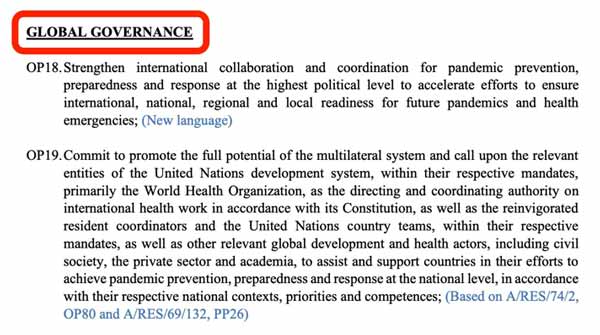
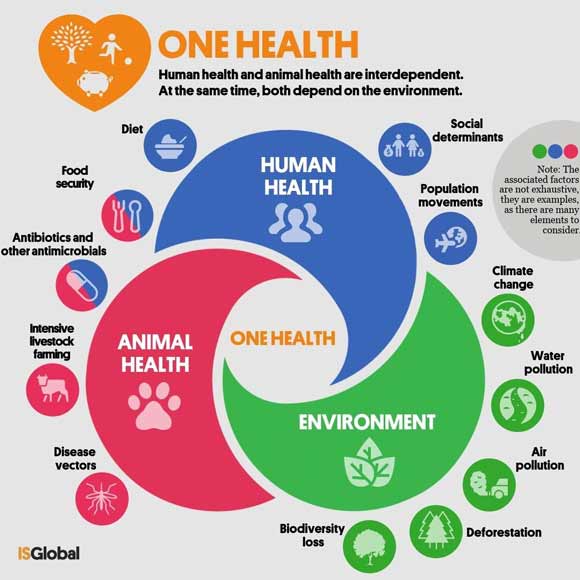







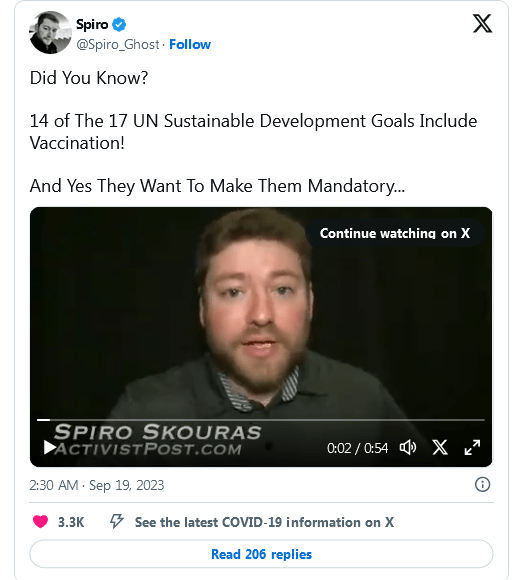
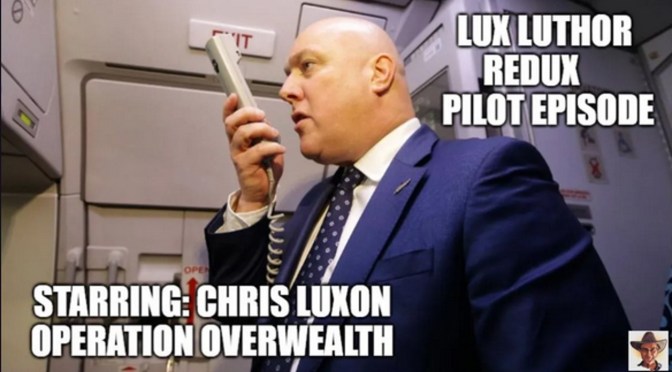










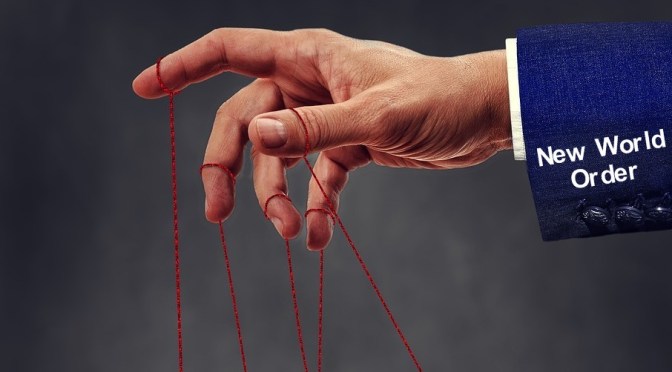


You must be logged in to post a comment.