U.S. Senator Richard Blumenthal grilled wireless industry representatives, who admitted the industry has done ZERO health & safety studies on 5G technology. Meanwhile, dozens of independent studies indicates that 5G is a risk to all biological life.
[WASHINGTON, DC]— During today’s Senate Commerce, Science, and Transportation Committee hearing on the future of 5G wireless technology and their impact on the American people and economy, U.S. Senator Richard Blumenthal (D-CT) raised concerns with the lack of any scientific research and data on the technology’s potential health risks.
Blumenthal blasted the Federal Communications Commission (FCC) and the Food and Drug Administration (FDA)—government agencies jointly-responsible for ensuring that cellphone technologies are safe to use—for failing to conduct any research into the safety of 5G technology, and instead, engaging in bureaucratic finger-pointing and deferring to industry.
(NaturalNews) Remember when margarine was the substitute for butter? Hey, I can’t believe it’s not butter! Wow. Margarine is a molecule away from being plastic, and we wonder why so many old folks in America have Alzheimer’s and Parkinson’s disease. The plastic fat is clogging their brain veins. No oxygen to the brain means expensive 24/7 nursing care, lots of pharmaceutical medications and hundreds of thousands of dollars for sick care. Do you see where this is leading?
America loves their canola! Who would really eat it if they knew that it was made with hexane vapor — a gasoline constituent? Even organic canola that’s “expeller-pressed” comes from something we’re not even supposed to eat in the first place — rapeseed. Canola is not a plant, or at least not until some mad scientists got a hold of rapeseed and altered it. Yes, I know, this is harsh…
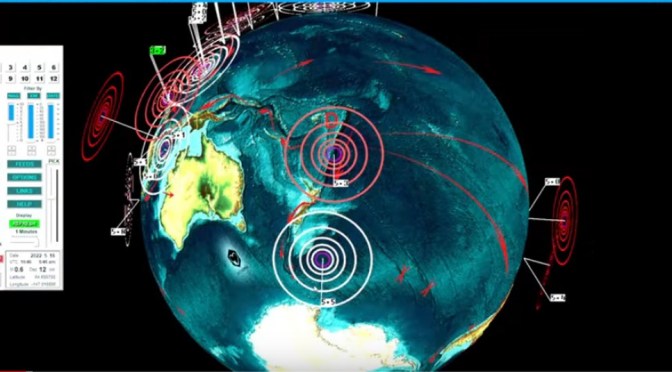
Weather forecasters and meteorological services are equally puzzled and in many ways shrug this off to ‘climate change’ and the increase of greenhouse gasses. Yet, some argue – this is an easy way out.
However, more astute researchers, albeit some amateurs among them are noticing many irregularities and are finding certain weather patterns incongruent with normal meteorological ones.
Global weather systems are definitely changing, but so is the geophysical realm as well.
In this interview Nigel informs about some of the variables that seem to stand out as being very irregular.
Devra Davis, PhD, MPH In this TEDx presentation, Devra Davis explains the research on cell phone radiation and low sperm count, Alzheimer’s, and cancer.
Dr. Devra Davis is founder and President of Environmental Health Trust. Davis was Founding Director, Center for Environmental Oncology and the University of Pittsburgh Cancer Institute and founding director of the Board on Environmental Studies and Toxicology of the U.S. National Research Council, National Academy of Sciences. Davis was Senior Advisor to the Assistant Secretary for Health in the Department of Health and Human Services and appointed to the US Chemical Safety and Hazard Investigation Board by President Clinton. She served on the Board of Scientific Counselors of the U.S. National Toxicology Program and various advisory committees to the U.S. Centers for Disease Control and Prevention. She was part of the team of Intergovernmental Panel on Climate Change scientists awarded the Nobel Peace Prize in 2007 with the Honorable Al Gore as she was lead author on research assessing climate mitigation policies.
These documentaries detail just a small part of the history of military and government testing against American citizens. This should be a wake-up call for those on the fence about chemtrails. And yes, this is legal.
Near the start of this presentation, Max Igan of The Crowhouse, presents evidence to support the claim that the extremes in weather, including the recent flooding in Sydney, Australia, are being engineered. He warns that we are heading for a massive orchestrated famine. This includes some New Zealand-related information regarding the education system creating gender confusion, also.
This presentation is based on Elana Freeland’s latest book: Geoengineered Transhumanism: How the Environment Has Been Weaponized by Chemicals, Electromagnetism & Nanotechnology for Synthetic Biology, (2021). She focuses on transhumanism and nanotechnology and dedicates this talk to chemist, Andreas Noack, PhD.
You can buy the colour version of her book from the Rudolf Steiner Book Store. The black and white version can be found at many other online stores.
This 2011 NZ article from Northland New Zealand Chemtrails Watch by Clare Swinney has been republished by Dr Coldwell. I would link to the original source however cannot find it on the Northland site. It supplies compelling evidence of the health effects of geoengineering aka chemtrails.
Among a recently-released assortment of declassified reports of sightings of Unidentified Flying Objects (UFOs) from New Zealand, dating from 1952-2009, were letters written in 1999 and 2000 by a concerned citizen, who predicted that an outbreak of illnesses would occur after an aircraft contrail, otherwise known as a chemtrail, was seen over a populated area.
Chemtrails, which are also commonly referred to as aerosols, differ from aircraft vapour trails in that they often linger in the sky for hours and can be seen in…
It’s June 12th, and most Families have planted their Gardens by now. Some may have run into issues that are causing them to to plant late. Just to let you know, everyone can grow in containers, even if you live in an apartment or condo. You can also grow vegetables and herbs in containers indoors during the Winter, and have those fresh salads you always crave.
Please Plant a Garden. If you don’t have a big yard, or any yard at all, you can still plant in containers. I feel now more than ever that we will need to grow Home Gardens, and be able to help Feed our Families. We are in a very uncertain time in our Countries history, and we need to be prepared.
There are several types of containers that can be used for growing vegetables including polyethylene plastic bags, clay pots, plastic pots, metallic pots, milk jugs, ice cream containers, bushel baskets, barrels, and planter boxes. It is important to use containers that can accommodate roots of the vegetables you want to grow as the vegetables vary in sizes and rooting depths.
The container needs to have good drainage, and should not contain chemicals that are toxic to plants and human beings. Most vegetables grown in backyard gardens can be grown in containers, although a container’s diameter and depth needs to be considered when selecting what vegetables to grow. The plant density (number of vegetable plants per container) depends on individual plant space requirements, and rooting depth.
It’s best to use one of the potting mixes in vegetable container gardening as they are light, disease-free, weed seed-free, and have good drainage. Some potting mixes have pre-mixed plant nutrients, so read the information on the label about how long the pre-mix will feed your plants before you start applying fertilizers. You can also make your own two bushels of potting mix using the following recipe: Shredded sphagnum peat moss (1 bushel), Vermiculite (1 bushel), Ground limestone (1¼ cups), Phosphate fertilizer either 0-20-0 (½ cup) or 0-45-0 (¼ cup), Slow release granular fertilizer such as 5-10-5 (1 cup).
Container-grown plants require more frequent fertilization than field-grown plants because of the limited space within the container for drawing nutrients. Fertilizers can be mixed with the soil mix before filling the container and can also be applied as a nutrient solution. Nutrient solutions can be made by dissolving soluble fertilizer such as 10-20-10, 12-24-12 or 8-16-8 in water following label directions. The nutrient solution is applied once a day when the plants are watered. How often you water may vary with vegetables, but once a day is adequate.
Leach the unused fertilizer nutrients from the potting mix once a week by applying tap water only. It is also very important to water occasionally with a nutrient solution containing micro nutrients such as copper, zinc, boron, manganese, and iron and follow label directions in order to give plants the right amounts.
Plants grown in containers need frequent watering as the containers dry fast. Watering on a daily basis is necessary to provide adequate moisture for plant growth. Apply enough water to reach the bottom of the container. Allow the excess to drain out through drainage holes. Avoid wetting the leaves when watering as this will encourage development of foliar disease. Try not to allow the containers to dry out completely between watering as this will lead to flower and fruit drop. Do not over water the plants as the container will be waterlogged and the roots will lack oxygen leading to poor growth and eventually, perhaps, the plant’s death.
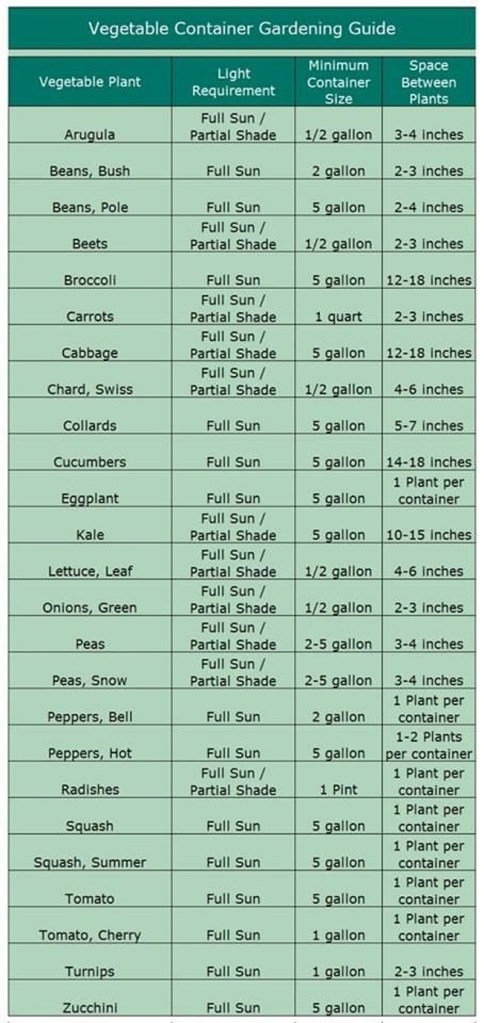
The size of the containers needed will depend a lot on the vegetable or herbs you are planting. Most Herbs can be planted in 1/2 – 1 gallon containers. Cabbages, Cucumbers, Green Beans, Leaf Lettuce, Spinach, Swiss Chard, and Cherry Tomatoes can be planted in 1 gallon containers. Beets, Carrots, Eggplants, Peppers and Radishes need 2 gallon containers. Your regular tomatoes will need 3 gallon containers. (great info from the University of Illinois Extension).
CONTAINER GARDENING GUIDE (The Seed Guy)
If you LIKE US on our Facebook page, you will be on our list for more great Gardening Articles, new Heirloom Seed Offers, and healthy Juice Recipes. https://www.facebook.com/theseedguy/ Thank you, and God Bless You and Your Family.
This 26.28 mins long video was posted by Robert Deutsch today. He points out that beams of EMFs and chemtrails (geoengineering) are being used to manipulate our weather.
Any guide to growing kale will start out by telling you it is a cold weather crop, which tastes best after it has been touched by frost.
While cold weather may be kale’s preference, you can grow it during any season and in most climates. The flavor, output and duration from seed to harvest will change depending on the temperature, weather patterns, variety and soil condition, but kale is a hardy crop that is willing to adapt to our expanding desire for it.
With that said, it can tolerate temperatures as low as 20F degrees, but will start to turn bitter and become tough in temperatures over 80F degrees.
If you plan to plant from seed, you may need up to six weeks before your seedlings are ready to plant.
“Our work is secret, but the reason for our success isn’t. It’s our people. And we’re just like you. We’re ordinary people. But together, we’re doing extraordinary things to protect New Zealand and New Zealanders.
This new position is at the centre of our dynamic, exciting and fast moving operational function, directly supporting NZSIS security and intelligence missions.
The role: Your focus in this role is to plan and coordinate surveillance deployments, ensuring resources are used effectively to maximise the delivery of priority intelligence outcomes.
You’ll achieve this by representing the Surveillance Unit across the Intelligence Community and partners – initiating, enhancing and maintaining relationships to support our purpose to achieve successful and coordinated operational results.
You will lift our operational capability by contributing to surveillance training objectives as well as undertake research and development to support the delivery of new capabilities.
We’re looking for someone with:
Experience planning and/or coordinating operationally deployed teams within an intelligence, security, law enforcement, defence or similar environment
Operational planning knowledge and an understanding of operational risk assessments
Knowledge of the domestic security environment
Excellent relationship management skills and ability to collaborate and build strong partnerships
Sound judgement, critical thinking and initiative in dynamic situations
You may also need to be available to work flexible hours at short notice
We offer our people comprehensive benefits, flexible working and great work-life balance. Join us and let us help you become Beyond Ordinary.
Applications close on 28 June 2022.
To be eligible for employment within the NZIC you must have been a NZ citizen for at least 10 years. Alternatively you must hold a current NZ Residency Class Visa and ideally have been a citizen of UK, USA, Canada or Australia for at least 10 years.
You must be able to obtain and maintain a Top Secret Special (TSS) security clearance. Ordinarily to obtain this level of clearance candidates must have a 15 year checkable background in countries where meaningful and reliable checks can be undertaken. Where requisite checks are unable to be made, the candidate application may not be able to be progressed.
Use this online tool to self-check your eligibility for a TSS security clearance. Please note that this tool is not part of the formal security clearance process: http://www.protectivesecurity.govt.nz/eligibility-tool
The NZIC treats all applications for employment in the strictest confidence and we ask that you maintain a similar level of confidentiality. You are expected to exercise discretion during the recruitment process and throughout your career.
Our Covid-19 vaccination policy requires all employees to be fully vaccinated. You will be required to provide evidence regarding your vaccinations status.”
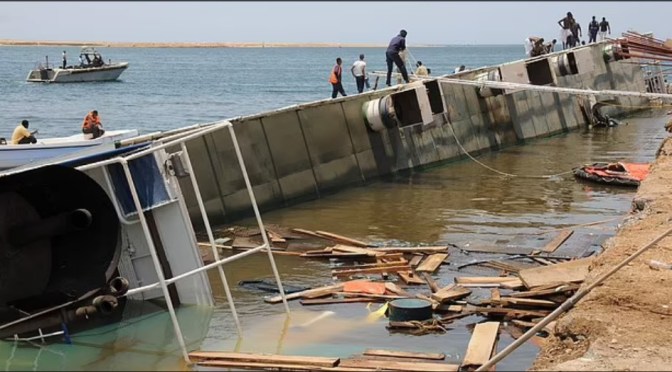
Reminiscent of the boatload of livestock shipped from NZ in 2020 that sank, 6,000 cattle lost, not that long ago. Like the recent outbreaks of fire destroying food manufacturing plants it is really hard to imagine this is all accidental. One hundred fires in the US according to Jeff Rense recently (listen to his interview at Max Igan’s video channel). NZ’s own Barry Smith (late) spoke of created food shortages with similar scenarios he personally witnessed, way back in the 70s and 80s. Been happening for a very long time. I recommend following The Ice Age Farmer on this topic (found on the alternative channels to YTube … who censored him long ago). EWR
Heat Stress Kills Estimated 10,000 Head of Kansas Feedlot Cattle
The current heat wave blazing through Kansas feedlots has killed an estimated 10,000 head of fat cattle.
Final death numbers continue to come in, but that early estimate was shared with DTN by livestock experts, who put the geographical center point for those deaths at Ulysses, Kansas.
Sean Plunket interviews Peter Williams on The Platform.
Peter was on Radio himself (FYI non-Kiwis) … he was very outspoken & asking questions about current NZ goings on … that will never last too long in Godzone with only one source of truth! They are using the 3 waters fiasco to divide us all (further). It really does appear to be their favourite go-to card in the pack. Have a listen to Peter’s take on it. (Three Waters btw is the one source’s latest tyrannical imposition on the public and involves complete control over the currently local council controlled water supplies which gives them control over what goes into it among other things. See comment here on that). EWR
A court in France has found in favour of a farmer who claimed that a 4G antenna was damaging his cows’ health, and has ordered for the antenna to be switched off for two months.
The administrative court in Clermont-Ferrand (Auvergne-Rhône-Alpes) ordered the switch-off after Frédéric Salgues, a farmer in Haute-Loire, said he suspected that it was damaging his herd’s health.
The court said that “it is appropriate to order the temporary cessation of the operation of this antenna for a period of two months, taking into account its general impact, with monitoring, by the judicial expert, of the behaviour of the herd, and of the dairy cows in particular, during this period”.
Operator Orange now has three months to act in accordance with the ruling, including stopping the antenna’s operation while ensuring phone coverage, including emergency calls, for Orange users in the area affected.
After the decision, Mr Salgues told the AFP that he hoped his cows would be able to “recover as soon as possible” and called the case ruling “a major relief and a victory”.
Mr Salgues said that since the antenna’s installation in July 2021 – 200 metres away from his farm in Mazeyrat-d’Allier (Haute-Loire) – around 40 of his normally-200-strong herd had died, and milk production had decreased by 15-20% within days of the antenna being switched on.
He said: “There are no medical elements that could [otherwise] explain this brutal drop in milk production.”
Philippe Molhérat, the mayor of Mazeyrat-d’Allier, who had previously authorised the antenna’s installation, testified in favour of the farmer.
He said that he feared “a catastrophe on a human level” and that his “concerns” were growing for the 1,500 inhabitants of his village.
Yet, lawyers for the mobile operators affected by the ruling, which as well as Orange also included Free and Bouygues Telecom, said that there was “no scientific evidence” that there is a link between animal health and electromagnetic fields surrounding mobile phone antennas.
It comes as the rollout of 5G, which promises even faster internet speeds than 4G, has prompted controversy in France. Many antennas have been vandalised, and even been blamed (in a now-debunked theory) for the spread of Covid-19.
Yet, French health and safety agency l’Agence nationale de sécurité sanitaire (Anses) has repeatedly said that current scientific studies suggest that 5G antennas “do not present any notable risks to health because they use frequencies very close to previous generations of connectivity”.
I don’t imagine NZ would be too different in terms of pollution. It’s known that we can no longer swim in many of our waterways and certainly our tap water frequently smells strongly of chlorine, a known carcinogen. Then there’s the fluoride and water testing, some have even found aluminum, barium & strontium in it. (Search categories for articles on water in NZ).EWR
For too many Americans, turning on their faucets for a glass of water is like pouring a cocktail of chemicals. Lead, arsenic, the “forever chemicals” known as PFAS and many other substances are often found in drinking water at potentially unsafe levels, particularly in low-income and underserved communities.
From the lead contamination crisis in Flint, Mich., to widespread radium pollution in Brady, Texas, the perils of unsafe water are finally prompting lawmakers and regulators to weigh how to act.
What’s needed is major new federal funding to improve drinking water quality, pay for much-needed lead line replacements, help disadvantaged areas and start to tackle the widespread PFAS problem that has made headlines across the country.
EWG’s landmark Tap Water Database shows how polluted drinking water can be, and why the efforts to fix it at the source are vital. The database collects mandatory annual test reports from 2014 to 2019, produced by almost 50,000 water utilities in all 50 states and the District of Columbia.
It reveals that when some Americans drink a glass of tap water, they’re also potentially getting a dose of industrial or agricultural contaminants linked to cancer, brain and nervous system damage, fertility problems, hormone disruption and other health harms.
And those risks likely increase in underserved communities, particularly those with higher Black or Latino populations. EWG’s research finds that people living in such areas might have a greater collective risk of cancer from the contaminants in their drinking water supplies than people in other parts of the country.
Why does this unacceptable situation persist? One reason is that there is not enough funding to help replace lead pipelines and clean up our drinking water. Another is that federal water safety standards aren’t keeping pace with the latest science on contaminants – some regulations haven’t been updated in more than 50 years, and the Environmental Protection Agency is not moving fast enough on new drinking water rules.
Ambitious efforts to safeguard the water we drink must achieve that goal for every American.
It’s easy to be pessimistic about whether that idea is realistic, given that Flint is in its seventh year of the lead catastrophe. Yet an increased focus by Congress on drinking water funding, the rising and necessary role of environmental equity, and firm commitments for improvements by those with the power to make them happen all provide reason to be hopeful.
Secret United Nations chemtrail program sprayed deadly poison over the population.
Alex Jones breaks down documents that reveal a secret United Nations chemtrail program in Spain which sprayed deadly pesticides over the population to supposedly help fight climate change and COVID-19.
Are you concerned about the quality of today’s food choices? Does the increasing cost of food leave you with no choice but to buy more processed food? Or are you concerned that the next storm is going to take down the grid for a period of time? Foraging for food is your answer!
EdibleWildFood.com offers courses, plant walks, workshops and other unique experiences tailored to the needs of your group. Learn the wonders of natural foods, the tastes of wild plants and the delights in our forests.
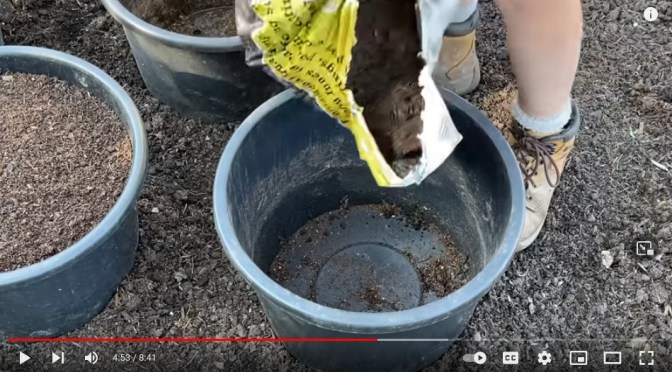
Growing mushrooms can be complicated- but it doesn’t have to be! In this video, I go over one of the simplest methods of growing mushrooms that pretty much anyone can do at home. All you need is: + A 5 Gallon Bucket + Aspen Wood Chips (even from the pet store!) + Oyster Mushroom Grain Spawn Happy growing! Check out the full article here: https://freshcap.link/bucket-tek-yt Check out our new growing blog: https://learn.freshcap.com/growing/ Learn About Functional Mushrooms: https://learn.freshcap.com/mushrooms/
A tip that I was given, which I am going to try myself this spring, is in regards to curly leaf in stone fruit such as nectarines and peaches in the spring.
You simply place a quarter a teaspoon of Condys Crystals (potassium permanganate) per litre of warm water with one mil of Raingard and spray the trees and the soil underneath in spring prior to leaf show and every 10 to 14days later for the couple of months when the disease is active..
The lady gardener that told me swears by it for control.
The potassium permanganate is a oxidizing agent that kills fungi, the Raingard prevents the rain washing it off for up to 14 days.
It is during rain that the disease attacks, lifted up onto new leaves by the splashing water.
Potassium permanganate is locked in the film of Raingard which slowly breaks down under UV.
The potassium permanganate is neutralizing the spores of the curly leaf disease as they come in contact.
You will need to spray to keep the newest leaves protected, as well as the existing ones as they grow larger, so depending on growth rate spray every 7 to 14 days.
If you try this method this year please let me know the results.
Another gardener uses the same on their roses with great results starting with a spray in winter after pruning and a 2 weekly spray during the season of the foliage and soil as required.
A lot of gardeners have glasshouses or tunnel houses to extend the growing season of tomatoes and other plants.
Some grow in the soil in the glasshouses where others will grow in containers.
Soil in a glasshouse can harbor diseases or what we call pathogens. These love a chemical/acidic environment where they can thrive.
Beneficial microbes and fungi love a alkaline, chemical free environment so the use of chlorinated tap water, chemical sprays along with herbicides are going to create problems for your tomatoes and other plants.
Chemical sterilizing the soil with Basamid is no longer an option since the chemical was banned.
I have in the past suggested potassium permanganate with salt as a soil drench but this takes out both the beneficial and the bad.
Some gardeners dig out the soil and replace it with new soil which is not only a lot of hard work but you cannot be sure the new soil will not have its own problems especially weed seeds.
A new product called Terracin is the natural way to clean up soil diseases.
Mix the Terracin at 2ml per litre of water and apply to one SqM of moist soil.
Or mix at 20ml to 10 litre to water over 10 SqM of moist soil.
Terracin uses a combination of a Bacillus amyloliquefaciens BS-1b, a beneficial soil microbe and the enzymes, bacteriocins, secondary Metabolites & signal molecules from the fermentation of Enteroccocus faecium to suppress a broad range of fungal pathogens.
During the next 3 weeks keep the soil moist (not wet) with non-chlorinated water.
After 3 weeks we need to feed and build the populations of beneficial microbes so we apply Mycorrcin to feed them.
Once you have done this its a matter of not using chemicals in the glasshouse including chlorinated water.
A Special filter can be attached to your hose to remove the chlorine which is the same as what I have been using for several years.
The next problem in a glasshouse is the sheltered environment which is very good for insect pests to breed.
During the growing season you have to keep them in control with the following: sticky yellow whitefly traps, Neem Tree Granules, Wallys Neem Tree Oil and Wallys Super Pyrethrum so they will not get completely out of hand.
Fumigating the glasshouse at the end of the season to kill all the pests that are harboring over in cracks and places means a clean start in the new season.
Wallys Sulphur Powder is available for this purpose.
This is ideal for fumigating a glasshouse in winter when there are no crops growing. (May dehydrate and kill plants so empty the house first.)
If you have plants that you are going to pull out anyway then leave them in the house when you burn the sulphur which will kill the pests on them rather than take them outside to affect your other gardens.
To use: Close all vents in the glasshouse.
Place an amount of sulphur onto a steel hearth shovel and light. It is hard to light unless you have a very strong flame.
You can aid this by putting a little mentholated spirits on part of the sulphur and light that.
Once it starts burning it is hard to stop.
Place the burning sulphur in the middle of the house and leave immediately.
Close the door and let the sulphur fumes do their job. Leave house closed for a few days.
The amount of sulphur burnt will depend on size of the glasshouse.
For a house 2.5m x 2.5 m burn about 50 grams of sulphur.
I did this last winter after cleaning all the plants out of my glass houses and once outside it was a sight to see so many whitefly and adult psyllids beating up against the glass trying to escape.
Likely burning sulphur safely in out buildings for cluster flies in winter would be a good way to control them also.
Hen houses for mites when the hens are locked outside then later air the house and dust Sulphur powder over the perches and floor.
You can make a big difference to your soil, gardens and plants by using Bio Marinus™.
Bio Marinus™ is manufactured by the enzymatic hydrolysis of fish offal, blended with humate, seaweed and biology including Bacillus subtilis, Trichoderma, mycorrhizae fungi etc.
Designed to provide a high quality, cost effective fertiliser.
At only $15.00 a one litre container that includes a range of beneficial microbes…. it is high value at low cost.
Biologically active soils have the ability to retain moisture and release nutrients ensuring greater production, faster rotation and more rapid recovery from stress. To build a healthy biological soil we need products that can feed living organisms.
Biological fertilisers increase nutrient availability and feed important soil organisms, such as earthworms and microorganisms (fungi and bacteria) – all essential for plant and soil health.
Soil health and soil fertility requires much more than NPK fertiliser.
Without the right biology, plants and animals cannot reach their full potential. Biology is essential for the recycling of nutrients and the fixing of atmospheric nitrogen.
Drench your soils now with this great product and see the difference in the health of your gardens this spring.
You can Super Charge Bio Marinus™ by adding some molasses or unrefined sugar to your soil drench mix.
This feeds the microbes and explodes their populations. Caution if adding do not store in a sealed container as the populations will balloon and even explode a plastic container.
Add the molasses dissolved in some hot non chlorinated water then add the Bio Marinus™ and use immediately.
If you have Magic Botanic Liquid (MBL) that can also be added to the brew for even greater results. END
For those that are interested there are BITS ( Items they likely don’t want you to think about)..just email me and ask for them
Our waterways planet wide are now highly polluted and no longer safe to drink. Consequently, the water that’s fed to us in the town supplies is replete with chlorine, fluoride and other additives to prevent us getting sick. However, there is a long term sickness cost to that. Only 40% of NZ rivers are safe to even swim in now. The Manawatu river is the MOST POLLUTED river in the southern hemisphere. Someone got trench mouth from ingesting that river water. It’s contaminated with spirochetes that cause leptospirosis & lyme disease among other things (all in the article of the last link there). They’ve been polluting our waterways for the past century basically and continue to do so. We can no longer eat what remains of the food in our waterways … the whitebait’s nearly gone, birds are declining, eels are dying. All in the name of profits for the few.
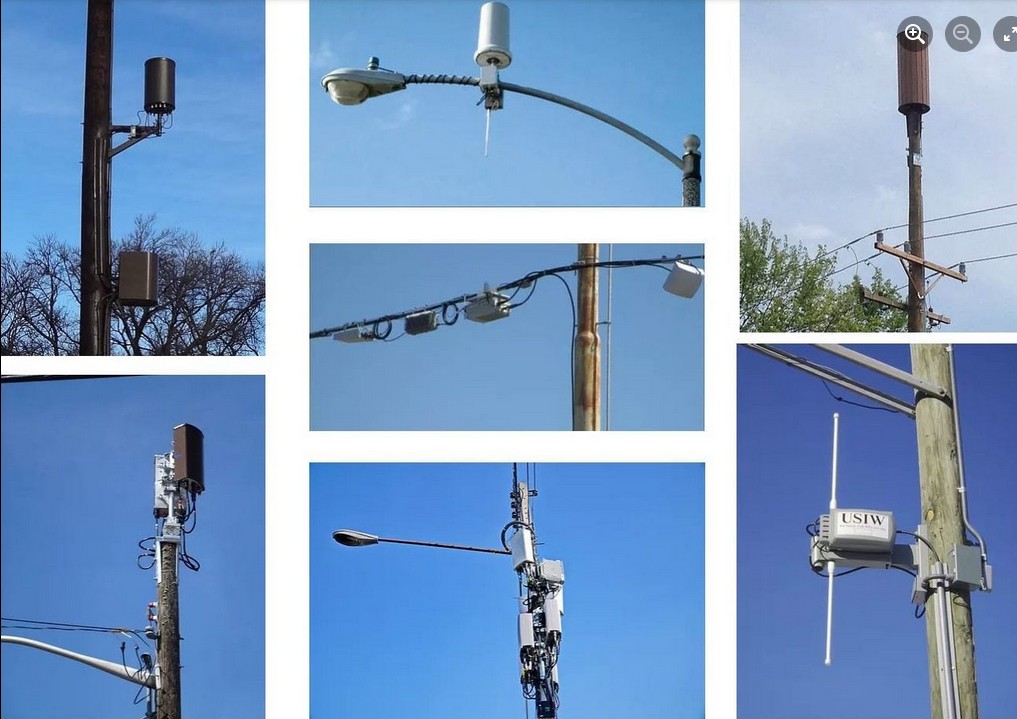
Having trouble identifying 4G/5G wireless antennas in your area? Here are some examples of what they look like (photos at link, be sure to read comments there for each photo):
“Who should decide how we integrate new technologies into our communities, especially technologies that may be hazardous?
Should it be telecoms, whose primary interest is in making a profit for shareholders?
Or should it be our local elected officials, who know our communities and whose primary interest is the health, safety, privacy, security and well-being of citizens?”
Supporters of NZ’s conservation by aerial poisoning have commonly defended their position with the statement “Look at the science.”
Most of the published science on conservation in NZ is accessed readily, appearing in the NZ Journal of Ecology (NZJE). A browse through the issues from the last couple of years reveals glimmers of hope for ecological management, plus some not so nice things. The following is a quick run through.
Freshest news from Landcare is the observation that ship rats climb up and carefully drink nectar from mountain flax flowers; their furry faces probably transferring pollen between flowers (Donald & Dhami, 2022).
Landcare is now thinking rats might compete for nectar and pollinate “on a widespread and under-appreciated scale.”
Also from Landcare is “Do mice matter?” (Watts et al., 2022). It concludes they do.
When other mammals were fenced out of a reserve, mouse numbers rose and apparently reduced numbers of wētā, caterpillars and other invertebrates, potentially having “catastrophic” effects. Then when the researchers got rid of the mice, unexpected things were noted: non-native earthworms seemed to move into the depleted ground faster than native earthworms, and an extremely high number of beetles appeared in one area.
Stoats and Rats
Studies of alpine-dwelling stoats by researchers from several organisations (McAulay et al., 2020; 2021) supported previous findings that rats are stoats’ preferred prey. Fifty-five stoats were caught in traps laid above the tree line in Fiordland, Mt Aspiring and Nelson Lakes national parks. Stomach contents and stoat tissues were analysed to find out what they had been eating.
At the Fiordland and Mt Aspiring sites the stoats were living on small mammals (e.g. rats), topped up with insects and plant material. There was no bird material in their stomachs, and it was estimated that long-term, small birds made up less than 2% of the diet. In contrast at Nelson Lakes (where there were no rats) stomachs contained small birds (estimated as 15 -26% of the long term diet) and also skinks (19-57%).
The authors warned that when and where ship rat numbers are low, stoats are more likely to eat threatened species. Also that individual stoats have their own feeding habits, so generalisations cannot be made from narrow observations.
On islands where introduced mammals have been eliminated, things have turned out badly for several bird species. Miskelly et al. (2021) (from Te Papa Museum and the Department of Conservation (DoC)) studied birds on 38 Fiordland islands, where Norway rats or stoats were removed several decades ago. Seven islands left unmanaged provided an experimental control. In the absence of rats or stoats, robins have flourished, seemingly aggressively ousting other species, including grey warbler, silvereye and tomtits.
“Robins flourished—ousting other species”
The authors warned that killing off predators to achieve “restoration” can cause declinesand disappearances of native bird species. So far then, it seems much is being learnt about ecology that challenges NZ’s Predator Free conservation goal to wipe out mustelids, rats and possums (Predator Free, 2022).
Many Questions
There are many questions: how to deal with increasing mice, once their predators have been killed off; how do our long-naturalised mammals fit into current ecology; what about the results from the Fiordland islands, where it appears that taking away the introduced predators reduced the diversity of birds?
Also challenged within these first few papers is DoC’s insistence on aerial poisoning of alpine zones, to “protect” rock wren and kea from stoats. The stoats are likely to not be eating any birds! Plus the poison is toxic to birds and a very broad range of other creatures. It is not reliable in controlling stoats which shift to eating birds if their rat prey is gone. So the alpine animals may suffer a double-whammy: poison, then hungry stoats. DoC’s idea that stoats must be killing off bird species comes from hunted down, marked and monitored nests. But the monitoring itself makes the nests prone to desertion and predation.
Contributions from DoC to the latest NZJEs include an addition to a large pile of studies on nesting and survival of rare birds wearing radio telemetry gear (Steffens et al., 2022). This gear, ironically, makes birds much less likely to nest, markedly increases energy expenditure and causes fatalities.
Something seems amiss in the animal ethics screening of DoC experiments.
Attempts to improve monitoring appeared in the University of Otago’s study on robins, whose nests were observed from a distance to avoid disturbing them (van Heezik et al., 2020), and trials by various researchers on remote monitoring of kiwi, using their calls (Jahn et al., 2022; Ellis & Marsland, 2022). The latter authors had animal welfare and other concerns about the transmitters DoC routinely uses on kiwis’ legs.
As with DoC, a lack of ethical oversight was apparent in a study from Zero Invasive Predators (ZIP). Nichols et al. (2022) killed 20 rats by feeding them 1080-poisoned food, to make bait for stoats. Since, there has been a change: now they humanely kill their rodents then make them poisonous by injecting them with 1080.
Many articles concerned aerial poisoning using 1080 (sodium monofluoroacetate).
Bomans et al. (2021) from Victoria University monitored bird calls before and after aerial poisoning operations realising however that calls did not reflect bird numbers, because survivors might call frequently, e.g. for mates. Dilks et al. (2021) (from DoC and Lincoln University) used trail cameras, baited with rabbit meat and an egg, to record animals before (spring) and after (summer) an aerial poison operation. With no experimental control they could not conclude much, except that all common small mammals were seen far less afterwards. Morriss et al. (2021) (mainly Landcare people) “gathered observations” on deer mortality rates after aerial poisoning, which were highly variable and it was concluded formal research was needed.
Rats Rebound
Two studies demonstrated the classic rat population response to aerial 1080 poisoning, with numbers rebounding within several months and reaching higher levels than before poisoning began (Bell et al., 2021 (mainly people from DoC); van Heezik et al., 2020 (mainly from Otago University)). To gain better control, Nichols et al. (2021) from ZIP aerially poisoned twice a few months apart, spreading baits at extra high density, and managed to nearly get rid of all rats, stoats and possums. Monitoring of any other creatures’ survival was only “incidental”; a grave omission since the authors propose this super-poisoning might become more common as NZ strives to become Predator Free.
Rats are especially well equipped, through their lifestyle and physiology, to withstand a 1080 poison war.
An oncoming weapon for beating nature is genetic modification, and there’s no shortage of interested parties lining up. Inwood et al. (2020) are people from Scion, Landcare, the Environmental Protection Agency and four universities wanting to work on topics such as gene editing to make rats infertile. That idea had been put to bed by a NZ Royal Society review (Dearden et al., 2017) as too dangerous, because modified rats might escape to overseas ecosystems where rats were actually important!
Habitat Importance
Encouragingly, Walker et al. (2021a; 2021b) from Landcare stressed the need to preserve habitat, stating its loss and modification “is a principal, ongoing cause of indigenous biodiversity decline.” Echoing this was Landcare’s study on kereru, for which forest seemed to be a limiting factor (Carpenter et al., 2021).
Long ago, ecologist Dr Carolyn King pointed out “conservation of species is conservation of habitats”.
How good things might have been if DoC’s head scientist Graeme Elliott had listened to Dr King and focussed his career on the observation that mohua, needing tall forest trees on valley floors, were suffering from habitat loss. Instead, stoats were blamed for the mohua’s decline, leading to rampant stoat trapping, followed by rats getting out of control and eating the mohua, then the onset of aerial poisoning to quell rats.
Perhaps the Predator Free movement might yet face up to ecology.
Unfortunately, as restated in the NZJE (McGlone et al., 2020) there is a history of dysfunction whereby conservation management in NZ has departed from science.
The science indicates a need for careful studies and saving habitat, rather than mindless interference and indiscriminate poisoning.
Footnote: A fully referenced copy of this article is available at this link.
New Zealand has for many decades waged a war against predators. Currently there are a number of anti-predator campaigns, often using public money in big spend-ups on futile aerial poisoning exercises. In addition, in the end, the blanket operations run counter to the impassioned aim of exterminating predators (e.g. rats) and instead cause major disruption to food chains and serious damage to the ecosystem. For example there is Predator Free 2050, and Zero Invasive Predators, the latter jazzily known by the acronym of ZIP. The zealous programmes have earned international recognition.“Time” magazine which proclaimed “Rats, Possums and Stoats Beware! New Zealand Goes to War Against Invasive Pests.” But the programmes are like the 1837 Hans Christian Andersen fairy tale “The Emperor’s New Clothes”. At one stage in the fable, the wise man serving the Emperor thinks “What!” “Is it possible that I am a fool? I have never thought so myself. No one must know it now if I am so. Can it be, that I am unfit for my job?”Those questions should be asked of those who champion Predator Free 2050 and ZIP – people from Prime Ministers to central and local government politicians, local bodies, naive unquestioning media whoop as investigative journalists, extreme green groups and even unprincipled “scientists” following the money trail of funding all pursuing the dream of exterminating New Zealand’s predators. However the reality is the dreams are running against the way Nature behaves.
Predator Role Wildlife mangers overseas are increasingly regarding predators as an important part of a healthy ecosystem. In 2014 Al S Glen of New Zealand’s Landcare Research and Christopher Dickman of Sydney University co-authored a book on “Carnivores of Australia” and in a chapter “The Importance of Predators” said “to maintain or restore functioning ecosystems, wildlife managers must consider the ecological importance of predators.” This is hardly a new idea. Charles Elton, an Oxford ecologist, first conceptualised food webs in the 1920s, speculating that wolf removal would result in over-population of deer on which wolves preyed. The notion was taken up by others such as highly respected conservationist and author Aldo Leopold. Predators tend to remove vulnerable prey, such as the old, injured, sick, or very young, leaving more food for the survival and success of healthy prey animals. Also, by controlling the size of prey populations, predators help slow down the spread of disease. Predators will catch healthy prey when they can, but catching sick or injured animals is more likely and helps in the formation of healthier prey populations because only the fittest animals survive and are able to reproduce. In addition, predators help to reduce the negative impacts that their prey may have on the ecosystem if they become too abundant or it they stayed in one area for too long. Biologists have recognised predators like cheetahs prey on grazing animals like antelope, it keeps the prey population moving around (in fear) and prevents overgrazing in any one area. As a result, more trees, shrubs, bushes, and grasses can grow, which then provides habitat for many other species.
Predator Removal Dangers If carnivores were removed from an ecosystem, what would happen? Herds of grazing animals, such as antelope, would grow and grow and result, in large herds overgrazing their food source, and as the food disappeared, the whole herd would begin to starve. Caroline Fraser writing for the US’s Yale School of the Environment said experts “beginning with aquatic experiments, have amassed considerable evidence of damage done to food chains by predator removal and have extended such studies to land.” Predators are simply a part of any ecosystem’s food chain. New Zealand’s native falcon prey on other native birds such as tuis and bellbirds. Blue duck (whio) prey almost entirely on aquatic invertebrates, mostly caddisfly larvae. Kiwi prey on worms. When animals of a predatory nature are introduced such as rats and stoats were to New Zealand, they go through a “boom and bust” phase before their populations settle down to a relatively static state. Unfortunately, native prey species can become drastically reduced or even extinct as a result of the predator “boom”. The critical aspect of managing this situation is avoiding predator “booms”. Consequently,the fervour and haste which the Department of Conservation and local councils applies with toxins is reckless and fraught with ecological danger.
Disastrous Outcomes Large scale poisoning with eco-toxins such as 1080 and brodifacoum may heavily reduce predator numbers initially but with a few short years, the outcome is disastrous. The science is there to show the resurgence in predator numbers and subsequent wrecking of the food chain. Wendy Ruscoe in a study published in Landcare Research’s publication 2008 showed aerial dropping of 1080 will temporarily knock back a rat population but due to the rodent’s amazing reproductive capacity, the surviving rats recover rapidly and within 18 months, are two to three times greater than before poisoning began. A 2007 study by Landcare scientists Graham Nugent and Peter Sweetapple showed rat numbers recovered within 18 months and at the two year mark, rat abundance could be four times greater than before poisoning.
Stoat Prey The disruption to the naive ecosystem ripples further. A major prey for stoats is rats. When rat numbers are reduced by 80% – 90%, the stoat deprived of its major food source, invariably switches prey to birds. But later as rat numbers surge and boom and pass original numbers, stoats enjoy a virtual banquet of rats, breeding increases and surges and then explodes.The well intentioned but ignorant predator extermination programme usually using 1080, has merely stimulated, within a few short years, major population explosions of rats and stoats. Attempting to poison-away rodent surges in beech-mast years is the ecological equivalent of farting against thunder. All this does (if anything) is delay the inevitable, as the fast-breeding ability of rodents will eventually allow population growth to match the food source. Rather than benefiting the birds and overall ecological health, there is massive ecological disruption by the man-induced mega rat and stoat plagues.
Ecological Damage That is not counting the birds and insects and other invertebrate organisms killed by 1080 as research demonstrated, by DSIR scientist Mike Meads, in the 1980’s. 1080 was originally patented as an insecticide in 1927. Examples are many of human interference directly or indirectly into Nature’s food chains resulting in profound consequences. In a classic 1966 experiment, biologist Robert Paine removed the purple seastar, Pisaster ochraceus — a voracious mussel-feeder — from an area of coastline in Washington state. Their predator gone, mussels exploded in numbers, crowding out biodiverse kelp communities with monoculture. Less than a decade after Pisaster, marine ecologists James Estes and John Palmisano reached the astonishing and widely reported conclusion that hunting of sea otters had caused the collapse of kelp forests around the Aleutian Islands. With otters reduced to low levels, the prey (sea urchins) stripped the kelp forests. When otters eventually returned, they regulated urchins, allowing “luxuriant” regrowth of biodiverse kelp communities.
Toheroa Decline In New Zealand, the decline of the toheroa shellfish was attributed unofficially to heavy over-fishing of snapper which preyed on paddle crabs which in turn preyed on toheroa. With the heavy decline in snapper, paddle crabs proliferated and almost obliterated toheroas. New Zealand has a long history of an obsession with attempted extermination of predators. In the 1950s acclimatisation societies managing trout fisheries blamed freshwater eels and shags for perceived declines in trout numbers. Bounties were paid out on eels. It had little effect. Ironically the best trout fishing rivers had healthy populations of both trout and eels. Eels simply removed the sick, the old or the unwary thus making for a quality trout population. The concept of being ”predator free” or “zero predators” has no ecological justification, except in limited circumstances on smaller offshore islands and “mainland islands”. Even in islands where predators may have been eliminated e.g. Secretary Island in Fiordland, the success is short-lived and temporary as animals can and do swim from the mainland to recolonise.
Playing God It seem incomprehensible that an agency such as the Department of Conservation and the Predator Free 2050 and ZIP concepts should go unquestioned in the light of the understanding internationally of the dangers of playing God with predators..But the ‘fly in the ointment’ is human nature. For example a scientist in DOC arguably has a vested interest by way of employment and a handsome salary. Similarly with any consulting scientist attached to Predator Free 2050 and ZIP. For others of zealous nature, as some humans are wont to be, it becomes the pursuit of “The Impossible Dream.” For politicians it’s good P.R. to declare war on the baddies, no matter how pointless and damaging that might be. The sad outcomes are the gross misuse of public funds and more tragically the profound ecological damage that often occurs in the pursuit of that “Impossible Dream.”
Tony Orman has spent a lifetime in the outdoors observing and reading about it and Nature. He has had some two dozen books published, mainly on fishing, deerstalking, conservation and rural life.
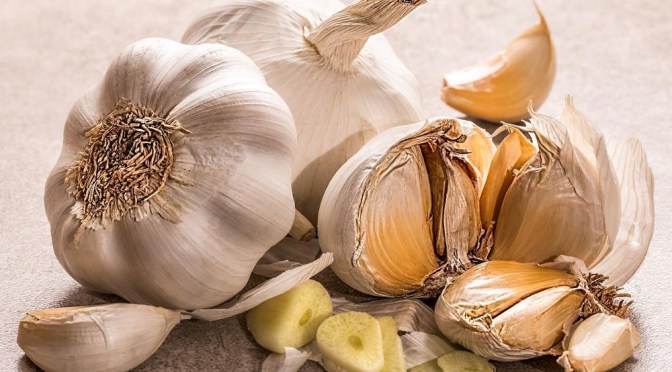
Garlic cloves are traditionally planted on the shortest day of the year (which is getting close; the 20th June) to be harvested on the longest day 21st December.
Any time from mid-May to mid-July is good for planting your garlic cloves..
There are ample good reasons to grow garlic; from its health benefits to the aromatic flavoring and taste that the gloves give to your meals.
You could not have garlic bread without garlic!
Garlic used to be an easy crop to grow before the dreaded Garlic Rust struck everyone about 3-4 years ago.
The rust has made garlic growing for commercial and home gardeners much more difficult but there is a solution that I developed and used last year called Cell Strengthening which is
achieved by getting good amounts of silica into the plants while they are growing.
More on this soon.
Planting your garlic cloves around this time and what you harvest 6 months later will depend greatly on what you do at planting time and during the growing season.
The best place to plant is in a sunny sheltered spot. Garlic loves frosts so no protection is needed.
Soil preparation: Garlic prefers a friable soil so that its roots can penetrate and the bulbs can swell easily.
I loosen up the top soil with a rake or hoe to make a fine tilth.
Then sprinkle BioPhos, gypsum, Wallys Unlocking the Soil, Blood & Bone, Sheep Manure pellets (Or chicken manure if you have it) and Wallys Ocean Solids over the area and rake it in.
I then place the cloves about 6cm apart into the soil with their points facing the sky.
Then I cover the cloves carefully with purchased compost such as Daltons or Oderings so that the cloves are covered and buried about 25mm under the compost.
I then sprinkle some Unlocking your soil over the compost.
When the first leaves from the cloves appear above the mulch then make up the Silicon and Boron Cell Strengthening Soil Drench mixed with water and give each plant a drench
over the foliage and into the root zone.
You will repeat this again about a month later.
What we are doing is getting a good amount of silicon into the soil which will be taken up by the roots of the garlic because of the boron additive.
With the foliage up you can now start a spray program by mixing the Silicon Cell Strengthening spray with the Silicon Super Spreader together into a trigger spray with water.
I like to add Magic Botanic Liquid (MBL) to this spray for its many benefits.
The spray once made up keeps well and you only need to shake it each time prior to application over the garlic foliage.
Spray regularly while the garlic is growing once or twice a week.
Now is the time you will apply a mulch over garlic.
Garlic loves mulch and mowed leaves are ideal.
There are ample leaves around at this time of the year and these can be run over with a rotary mower and the resultant shredded leaves layered over the compost.
Alternative would be either pea straw, weed free grass clippings or more good compost.
Make a mulch layer about 5cm thick.
After this keep the area between the garlic bulbs free of weeds.
When the foliage pops through the mulch you then spray regularly with the Silicon Cell Strengthening spray with the Silicon Super Spreader.
Once a week or more often it you are passing.
The Silicon and Boron Soil Drench comes in a 500 mil bottle used at 10mils per litre to cover one sqM of area. (Shake well before using)
The Silicon Cell Strengthen spray is in a 250mil bottle mixed at 5mils into one litre of water with one fifth of a mil of the Silicon Super Spreader added per litre.
(1 mil into 5 litres of water with 25 mils of Cell Strengthening spray) A 1mil pipet is supplied for measuring.
Alternative you can obtain a 500 mil bottle of Cell Strengthening Spray with the spreader already added.
Used at 5 mils per litre of water. I make up the spray in a one litre trigger sprayer and leave it where the garlic is growing and give it a shake and spray.
Using the above products last season there was no sign of any rust during the whole growing time and harvested rust free. (Products are available on our Mail Order web site)
The silicon cell strengthening products are ideal for tomatoes, potatoes and other plants affected by the psyllid. The spray can also help control curly leaf disease on stone fruit.
Traditionally harvesting of garlic is on the longest day of the year ( 21st December).
It is better to wait harvesting till after the all leaves start to go yellow, which often happens around mid-January.
Harvesting earlier might mean the bulbs aren’t as big as they could be.
Harvesting later might mean the bulbs split, or in extreme cases start to deteriorate.
To harvest, use a garden fork or something similar to loosen the soil, and just pull up the plant up gently by its base.
After lifting leave the leaves on, because during the drying process the goodness from the leaves goes in to the bulb, increasing its size and making it even more yummy and nutritious.
Clean off the dirt from the bulb and dry it for a few days lying on a dry surface in a dry area such as a carport, then store it by hanging in a dry place out of the sunlight.
Tying clumps of five or ten together by the leaves and hanging under a carport or shed roof works well.
When dry, the plant tissue is very absorbent and will even absorb moisture from damp air and turn mouldy.
Once nice and dry I prefer to store the bulbs indoors in a cardboard box in a dry room or shed where condensation is not a problem.
If you would like to find out the history of garlic there is an excellent web site at:
Black aphids are about the only pest to have a go at your garlic as these aphids prefer onions, shallots, garlic and lettuces.
As soon as noticed spray with Wallys Super Neem Tree oil with Super Pyrethrum added. END.
There are some very interesting BITS if you would like to know about what commentators are asking/saying, then email me and ask for them. Phone 0800 466464 Garden Pages and News at www.gardenews.co.nz Shar Pei pages at www.sharpei.co.nz Mail Order products at www.0800466464.co.nz
Why the FDA and the EPA aren’t set up to protect us from contaminants in the food we eat.
In July 2017, The New York Times ran a story titled The Chemicals in Your Mac and Cheese. Researchers, the article explained, had found plasticizers—known as phthalates—in the popular kids’ food. Fewer than two weeks later, the Timesreported that traces of the herbicide glyphosate, the main ingredient in Roundup, had been found in Ben & Jerry’s ice cream. Several people asked me: Should we be worried? My answer: Yes, we should, but not just because researchers found plasticizers (which are chemicals that make plastics more durable) in our mac and cheese or herbicide in our ice cream. We should be worried because these kinds of environmental chemical contaminants are literally everywhere, in nearly all our foods. We know they exist in these two foods because researchers specifically looked for them. Roughly 9,000 environmental chemicals on the market end up in our foods, including food additives, colorings, flavorings, pesticides, and food-packaging chemicals. Even though they are ever-present in our environment and our bodies, many are never thoroughly tested for safety—and some are never tested at all.













 The Platform NZ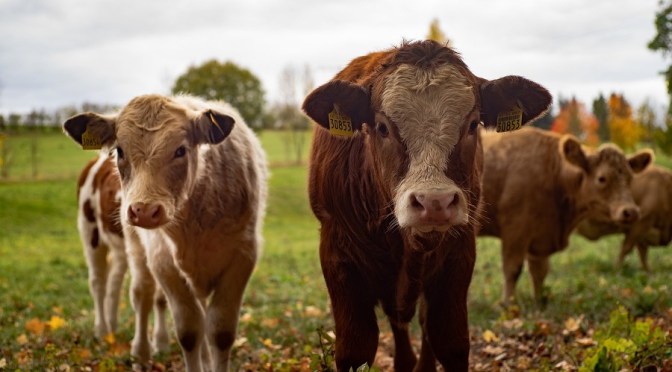


 FreshCap Mushrooms






You must be logged in to post a comment.