Remember to make a submission … sure they don’t listen anyway, however, why roll over & give them free reign? Big Pharma is coming for all that is useful, healthful and free in your life. EWR
The sweet and spicy aroma of cinnamon makes it one of the world’s top spices. It’s been valued for its flavor and powerful health properties since at least 2800 BC.
Modern research has confirmed many important health benefits of cinnamon. Studies show that it contains powerful plant compounds that have an anti-inflammatory and antidiabetic effect. Consuming cinnamon regularly can also help your heart and brain health.
Here’s more about what makes this everyday spice so powerful and the proven benefits for your health.
The Fascinating History of Cinnamon
Cinnamon comes from the bark of Cinnamomum trees. These trees are native to regions of Southeast Asia, South America, and the Caribbean. China, Sri Lanka, Indonesia, and Vietnam are the four top exporters of cinnamon today.
To make the rolled up cinnamon quills you buy in the store, the outer bark of the trees has to be stripped to reveal the inner bark. The inner bark is then shaved and allowed to dry. As it dries, it rolls up into the familiar shape of cinnamon sticks.
To say that cinnamon has been valued since ancient times would be an understatement. It’s mentioned several times in the Bible as part of a sacred anointing oil and was used in ancient Egypt for embalming.
Cinnamon also used to be extremely expensive, even to the point of being an acceptable gift to give royalty. Celyon, the island “homeland” of the most valuable type of cinnamon, passed through many different hands as several countries fought to control the trade for this in-demand spice.
Readers that have followed my weekly columns and books will be well aware of how I have combined gardening with health.
I know that naturally grown vegetables and fruit will be very beneficial to your health and well being and when you add all the 114 known minerals to the growing media then the same food plants will be super healthy and taste so good.
The minerals can be obtained from using Wallys Unlocking your soil (minerals from rocks) Wallys Ocean Solids (Minerals from the blue waters of the ocean) and Magic Botanic Liquid (MBL which is minerals from prehistoric times).
The most benefit from your produce is obtained by eating raw or only lightly cooked.
The fast way to obtain maximum goodness is by converting healthy foliage into a drink we call ‘smoothies’
This is achieved with a very high speed blender which smashes the molecules of the plant material used allowing for easy assimilation into your body when you drink the green liquid.
Take the leaves of edible plants such as lettuce, carrot tops, celery, wheat or barley grass, silverbeet etc.
There are also a number of weeds that are edible such as Puha or Rauriki, dandelion and Stinging nettles.
Every plant has some beneficial properties even ones that are not normally eaten.
For instance there are about 3 or 4 different coloured carrots you can grow and each one has their own health benefits.
I always add a banana to my smoothies as it gives a nice palatable flavour.
We know that for thousands of years people in different areas of the planet learnt about plants growing in their area which they could use for their health and medical purposes.
I read one time that there is a plant or plants some where on the planet that will cure any ills of humans; in some cases we just have not found that plant yet or have the knowledge of how to use it.
Much of the pharmaceutical medicines was originally found through the old remedies of various plants people had used for generations.
The original chemists had jars of all sorts of dried plants and minerals which they would use to make up the concoctions that added recovery from sickness.
We hear about Chinese medicines, Indian medicines and even Maori medicines most of which were derived from locally grown plants and herbs.
A problem arises as Big Pharma cannot make money out of natural remedies as they cannot be patient. So if you know your herbs and herbal lore the poor pharmaceutical companies are not able to take your money with their concoctions.
Recently we saw during the holiday break our beloved Govt once again trying to implement a bill to ban the traditional use of herbs and plants for your well being. This is their third attempt at doing so and again removing another of your rights to be able to treat yourself and look after your own heath.
The Therapeutic Products Bill replaces the Medicines Act 1981 and Dietary Supplements Regulations 1985 with a comprehensive regulatory regime that is (said to be) fit for the future.
Labour having failed twice in the past to pass legislation because of public outcry are using a different tact to make it happen..’The Bill establishes a new regulator within Manat Hauora – Ministry of Health, headed by an independent statutory officer,
with a wider remit than the medicines regulator Medsafe.’
This person can deem any plant, herb, fruit and vegetable as beneficial to your health and thus ban the use of it, the growing of it and the import of it.
The only benefit of this has to be for the pharmaceutical companies and removes our freedom of choice to take what is traditionally safe natural remedies to what are often not safe pharmaceutical medicines.
In 2017 Labour opted for a prohibited list of 300 common herbal ingredients.
More well know on these included Aloe Vera, Comfrey, Belladonna, Hibiscus, Jasmine, Snowdrop, Juniper, Mustard, Worm wood, Cinnamon, Almond, Grapeseed, Ipomoea, Neem, Eggplant, senna and Valerian.
Many of these plants, herbs and spices like Cinnamon, Mustard are currently sold in shops. So how on earth did they get onto a prohibited list?
The answer lies in attempts to gain control of our food supply.
Natural products that are beneficial to health cannot be patented, but synthetic copies can be.
To make this work, the products that grow in gardens need to be banned.
Already I see Senna which is a natural aid for constipation is not easily obtainable in NZ.
Labour and the Ministry of Health did not make this list up, the list was supplied by the International Coalition of Medicines Regulatory Authorities (ICMRA) of which Medsafe is a member.
ICMRA is largely funded by the pharmaceutical industry whose interests they serve.
If we wish to be able to continue to freely chose herbal medicines and supplements without government interference, we will need to speak up.
Write to your MP and complain that the appointment of a regulator amounts to an open ended blank cheque to control the use of products used by more than 50% of our population without fully specifying the principles he should use.
Many of us do not realise what uses there are for many plants we grow in our gardens and while researching for this article I discovered https://medicinalseedkit.com/kit/
Have a look, I was amazed the wealth of information that is there.
For instance Chicory : This is the wild plant that Native Americans used to look for more than any other.
They’d harvest and use chicory to make a natural painkilling extract for a wide range of physical discomforts, especially stiff and achy joints. And so can you!
The root is rich in chicoric acid (CA), a plant compound with potent anti-inflammatory and analgesic properties but no risk of addiction.
If our pharmacies ever run dry, having even a small patch of chicory growing in your own backyard will provide relief. There are many more such as:
Chamomile – The Natural Antibiotic
Evening Primrose – A Natural Remedy for Skin and Nerves
California Poppy – Better Than Sleeping Pills
Feverfew– Nature’s Aspirin for Fevers and Migraines
Knowledge is power over your destiny and well being and it should never be taken away from you by Government regulations not in our interest.
I have on both counts and if you would like a copy of the email I sent to most of the Labour MP’s just ask and I will send you the copy.
You can alter it to suit and use it in your words to the MP’s.
If enough people complain then you maybe we will be still able to still grow your lemon tree (good for colds).
No more broccoli (Some kids will be happy) as it is a great source of antioxidants and may enhance your health by reducing inflammation, improving blood sugar control, boosting immunity, and promoting heart health.
Why Is Broccoli a Superfood? fiber, vitamin C, vitamin K, iron, and potassium.
The list goes on.
Phone 0800 466464 Garden Pages and News at www.gardenews.co.nz Shar Pei pages at www.sharpei.co.nz Mail Order products at www.0800466464.co.nz New Zealand Bill of Rights Act 1990. Part II of the Act covers a broad range of Civil and Political Rights. As part of the right to life and the security of the person, the Act guarantees everyone:
1The right not to be deprived of life except in accordance with fundamental justice (Section 8)
2The right not to be subjected to torture or to cruel, degrading, or disproportionately severe treatment or punishment (Section 9)
3The right not to be subjected to medical or scientific experimentation without consent (Section 10)
4The right to refuse to undergo any medical treatment (Section 11)
Furthermore, the New Zealand Bill of Rights Act 1990 guarantees everyone: Freedom of Thought, Conscience, and Religion. This includes the right to freedom of thought, conscience, religion, and belief, INCLUDING THE RIGHT TO ADOPT AND HOLD OPINIONS WITHOUT INTERFERENCE (Section 1)
Really, this is what we already learned from our grandmothers who lived by ‘waste not want not’. I always smile when I see these ‘revolutionary’ ideas that are really recycled ideas our forbears practiced centuries ago. Recycled now as ‘sustainable’ which also happens to be the globalists’ catch word… a good reminder nevertheless, all that aside … to waste not and want not. Especially right now that the said globalists are paying farmers to plow under their crops. EWR
From foodrevolutionnetwork.org
Summary
There’s a new environmental trend in the food industry, with a funny name: upcycling. Basically, it means taking ingredients that would otherwise have been thrown out, and turning them into or using them in new food products. But are upcycled foods safe? Are they healthy? Can you actually make good food out of those scraps and byproducts? And can it really help save the planet?
Have you ever made bread crumbs out of stale bread, and used them for stuffing? If so, congratulations: You’re an upcycler! Ditto if you’ve turned overripe bananas into banana bread, or vegetable scraps into soup stock.
Your stuffing, banana bread, and soup may have been delicious, but did you also pat yourself on the back for being environmentally conscious and helping fight climate change? By keeping those items in your food supply, you didn’t have to buy more, and you kept them out of landfills.
While many environmental organizations focus on transportation and energy consumption as the main contributors to climate change, the US food system is actually one of the most significant drivers of greenhouse gas emissions. So anything you can do to reduce the carbon footprint of your diet (like eating less or no meat) is a win for the planet.
Upcycling can be simple if you’re doing it in your own kitchen, but it’s also happening at scale, in more and more industrial food settings. Many companies are releasing upcycled food products carrying environmental claims to address growing consumer concerns about planetary health. But upcycling is a fairly new term when applied to food, first gaining popularity in 2021, in the wake of increased concern for the planet that accompanied the COVID-19 pandemic.
So if you see an upcycled certification on a food item, does that mean you should buy it? Is upcycled food good for you or the planet, or just corporate greenwashing? And what are some ways to increase upcycling within your own home economics?
What Does Upcycled Food Mean?
Let’s start by defining the term. Upcycling basically means finding new, higher-value uses for items that would otherwise go to waste. It is distinct from recycling, which is when something is broken down into base materials and then turned into new products (like aluminum cans that are melted and go on to become new aluminum cans, or plastic bottles that become fleece fabric).
Examples of ingredients that can be upcycled include sub-grade produce (i.e., bruised apples, carrots that look like horror movie monsters, and misshapen tomatoes); scraps from food preparation (like onion skins and potato peels); and byproducts from food processing.
The first two categories are pretty straightforward. A tomato that’s too ugly to sell in a grocery store can still taste delicious in a sauce or on a frozen pizza. The Ugly Company turns misshapen fruit into “Hello, I’m Ugly” dried fruit snacks. And discarded scraps can be used as-is in formulations for soup and sauces. But what about byproducts? What do they consist of?
Think of food products that contain ingredients that come from plants — but aren’t the whole plant. For example, fruit juice comes from fruit but leaves behind fiber. Tofu is made from soybeans but consists of just curds. If you’ve ever made tofu at home, you’ve had to deal with (toss or repurpose) the remaining fiber-rich pulp, also known as okara.
So what happens to the parts of those raw ingredients that don’t make it into the product that ends up on the supermarket shelf? At worst, they become garbage in a landfill. At best, until recently, maybe they became compost for farms, ingredients for industrial processes, or feed for livestock.
But these remnants of food production can also live again as ingredients in upcycled foods. The pulp that remains when juice is pressed can add fiber to other foods. The okara left over from making tofu can be turned into veggie patties and other types of faux meat. Upcycling these byproducts can be a way to reduce food waste and help fight climate change by keeping food out of landfills.
Two of the most harmful ingredients in processed foods are high fructose corn syrup and soybean oil, whether partially hydrogenated, organic, or made from newer soybean varieties modified in such a way as to not require hydrogenation
Completely unnatural man-made fats created through the partial hydrogenation process cause dysfunction and chaos in your body on a cellular level, and studies have linked trans-fats to health problems ranging from obesity and diabetes to reproductive problems and heart disease
Besides the health hazards related to the trans fats created by the partial hydrogenation process, soybean oil is, in and of itself, NOT a healthy oil
Add to that the fact that the majority of soybeans grown in the U.S. are genetically engineered, and as a result saturated with dangerous levels of the herbicide glyphosate, which may have additional health consequences as there are no long term safety studies
When taken together, partially hydrogenated GE soybean oil becomes one of the absolute worst types of oils you can consume
The genetically engineered (GE) variety planted on over 90% of U.S. soy acres is Roundup Ready engineered to survive being doused with otherwise lethal amounts of Monsanto’s Roundup herbicide (glyphosate). GE soybeans have been found to contain residue levels as high as 17 mg/kg, and malformations in frog and chicken embryos have occurred at just over 2 mg/kg
Processed food is perhaps the most damaging aspect of most people’s diets, contributing to poor health and chronic disease. One of the primary culprits is high fructose corn syrup (HFCS), the dangers of which I touch on in virtually every article I write on diets. The second culprit is partially hydrogenated soybean oil.
These two ingredients, either alone or in combination, can be found in virtually all processed foods, and one can make a compelling argument that the reliance on these two foods is a primary contributing factor for most of the degenerative diseases attacking Americans today.
Part of the problem with partially hydrogenated soybean oil is the trans fat it contains. The other part relates to the health hazards of soy itself. An added hazard factor is the fact that the majority of both corn and soybeans are genetically engineered.
As the negative health effects from trans fats have been identified and recognized, the agricultural and food industry have scrambled to come up with new alternatives. Partially hydrogenated soybean oil has been identified as the main culprit, and for good reason.
Unfortunately, saturated fats are still mistakenly considered unhealthy by many health “experts,” so, rather than embracing truly healthful tropical fats like coconut oil, which is mostly grown outside the U.S., the food industry has instead turned to domestic U.S. alternatives offered by companies like Monsanto, now Bayer (which bought out Monsanto in 2018), which has developed modified soybeans that don’t require hydrogenation.
Why Hydrogenate?
Americans consume more than 16 million metric tons of edible oils annually, and soybean oil accounts for about 11,339 metric tons of it.1 Until Monsanto genetically engineered its seeds to produce plants lower in linolenic acid, about half of it was hydrogenated, as regular soybean oil is too unstable otherwise to be used in food manufacturing.
One of the primary reasons for hydrogenating oil is to prolong its shelf life. Raw butter, for example, is likely to go rancid far quicker than margarine. The process also makes the oil more stable and raises its melting point, which allows it to be used in various types of food processing that uses high temperatures.
Hydrogenated oil2 is made by forcing hydrogen gas into the oil at high pressure. Virtually any oil can be hydrogenated. Margarine is a good example, in which nearly half of the fat content is trans fat.
The process that creates partially hydrogenated oil alters the chemical composition of essential fatty acids, such as reducing or removing linolenic acid, a highly reactive triunsaturated fatty acid, transforming it into the far less reactive linoleic acid, thereby greatly preventing oxidative rancidity when used in cooking.
In the late 1990s, researchers began realizing this chemical alteration might actually have adverse health effects. Since then, scientists have verified this to the point of no dispute.
Be aware that there’s a difference between “fully hydrogenated” and “partially hydrogenated” oils. Whereas partially hydrogenated oil contains trans fat, fully hydrogenated oil does not, as taking the hydrogenation process “all the way” continues the molecular transformation of the fatty acids from trans fat into saturated fatty acids.
Fully hydrogenated soybean oil is still not a healthy choice, however, for reasons I’ll explain below. The following slide presentation explains the technical aspects relating to the hydrogenation process.
The Health Hazards of Trans Fats
The completely unnatural man-made fats created through the partial hydrogenation process cause dysfunction and chaos in your body on a cellular level, and studies have linked trans-fats to:
Cancer, by interfering with enzymes your body uses to fight cancer
Chronic health problems such as obesity, asthma, auto-immune disease, cancer and bone degeneration
Diabetes, by interfering with the insulin receptors in your cell membranes
Heart disease, by clogging your arteries (Among women with underlying coronary heart disease, eating trans-fats increased the risk of sudden cardiac arrest three-fold!)
Decreased immune function, by reducing your immune response
Increased blood levels of low density lipoprotein (LDL), or “bad” cholesterol, while lowering levels of high density lipoprotein (HDL), or “good” cholesterol
Reproductive problems by interfering with enzymes needed to produce sex hormones
Interfering with your body’s use of beneficial omega-3 fats
As usual, it took many years before conventional health recommendations caught up and began warning about the use of trans fats. Not surprisingly, as soon as the FDA notified them that it planned to require food manufacturers to list trans fat content on the label — which ultimately took effect January 1, 2006 — the industry began searching for viable alternatives to appeal to consumers who increasingly began looking for the “no trans fat” designation.
It didn’t take long before Monsanto had tinkered forth a genetically engineered soybean that is low in linolenic acid, which we’ll get to in a moment.
Be aware that some food manufacturers have opted to simply fool buyers — a tactic allowed by the FDA, as any product containing up to half a gram of trans fat per serving can still legally claim to have zero trans fat.3 The trick is to reduce the serving size to bring it below this threshold. At times, this will result in unreasonably tiny serving sizes, so any time you check a label and a serving is something like 10 chips or one cookie, it probably contains trans fats.
The Health Hazards of Soybeans
Besides the health hazards related to the trans fats created by the partial hydrogenation process, soybean oil is, in and of itself, NOT a healthy oil. Add to that the fact that the majority of soy grown in the U.S. is genetically engineered, which may have additional health consequences. When taken together, partially hydrogenated GE soybean oil becomes one of the absolute worst types of oils you can consume.
Years ago, tropical oils, such as palm and coconut oil, were commonly used in American food production. However, these are obviously not grown in the U.S., as with the exception of Hawaii, our climate isn’t tropical enough. Spurred by financial incentives, the industry devised a plan to shift the market from tropical oils to something more “home grown.”
As a result, a movement was created to demonize and vilify tropical oils in order to replace them with domestically grown oils such as corn and soy.
The fat in soybean oil is primarily omega-6 fat. And while we do need some omega-6, it is rare for anyone to be deficient in it, as it is pervasive in our diet. Americans in general consume FAR too much omega-6 in relation to omega-3 fat, primarily due to the excessive amount of omega-6 found in processed foods.
Omega-6 fats are in nearly every animal food and many plants, so deficiencies are very rare. This omega-6 fat is also highly processed and therefore damaged, which compounds the problem of getting so much of it in your diet. The omega-6 found in soybean oil promotes chronic inflammation in your body, which is an underlying issue for virtually all chronic diseases.
What About Organic Soybean Oil?
Even if you were fortunate enough to find organic soybean oil, there are still several significant concerns that make it far from attractive from a health standpoint. Soy in and of itself, organically grown or not, contains a number of problematic components that can wreak havoc with your health, such as:
• Goitrogens — Goitrogens, found in all unfermented soy whether it’s organic or not, are substances that block the synthesis of thyroid hormones and interfere with iodine metabolism, thereby interfering with your thyroid function.
• Isoflavones: genistein and daidzein — Isoflavones are a type of phytoestrogen, which is a plant compound resembling human estrogen, which is why some recommend using soy therapeutically to treat symptoms of menopause. I believe the evidence is highly controversial and doubt it works.
Typically, most of us are exposed to too many estrogen compounds and have a lower testosterone level than ideal, so it really is important to limit exposure to feminizing phytoestrogens. Even more importantly, there’s evidence it may disturb endocrine function, cause infertility and promote breast cancer, which is definitely a significant concern.
• Phytic acid — Phytates (phytic acid) bind to metal ions, preventing the absorption of certain minerals, including calcium, magnesium, iron, and zinc — all of which are co-factors for optimal biochemistry in your body. This is particularly problematic for vegetarians, because eating meat reduces the mineral-blocking effects of these phytates.
Sometimes it can be beneficial, especially in postmenopausal women and in most adult men because we tend to have levels of iron that are too high, which can be a very potent oxidant and cause biological stress. However, phytic acid does not necessarily selectively inhibit just iron absorption; it inhibits all minerals. This is very important to remember, as many already suffer from mineral deficiencies from inadequate diets.
The soybean has one of the highest phytate levels of any grain or legume, and the phytates in soy are highly resistant to normal phytate-reducing techniques such as long, slow cooking. Only a long period of fermentation will significantly reduce the phytate content of soybeans.
• Natural toxins known as “anti-nutrients” — Soy also contains other anti-nutritional factors such as saponins, soyatoxin, protease inhibitors, and oxalates. Some of these factors interfere with the enzymes you need to digest protein. While a small amount of anti-nutrients would not likely cause a problem, the amount of soy that many Americans are now eating is extremely high.
• Hemagglutinin — Hemagglutinin is a clot-promoting substance that causes your red blood cells to clump together. These clumped cells are unable to properly absorb and distribute oxygen to your tissues.
Worst of All — Genetically Engineered Soybean Oil
The genetically engineered (GE) variety planted on over 90% of US soy acres is Roundup Ready — engineered to survive being doused with otherwise lethal amounts of Monsanto’s Roundup herbicide. The logic behind Roundup Ready crops such as soy is that you can decrease the cost of production by killing off everything except the actual soy plant.
However, animal studies reveal there may be significant adverse health effects from these GE soybeans, including progressively increased rates of infertility with each passing generation. By the third generation, virtually all the hamsters in one feeding study were found to be infertile. Second-generation hamsters raised on GE soy also had a fivefold higher infant mortality rate.
Are Low-Linolenic Soybeans the Answer?
We now also have other Monsanto-made soy crops to contend with. Responding to the growing demand for healthier diets, Monsanto launched Vistive low-linolenic soybeans in 2005. Most soybeans contain roughly 7% linolenic acid. The new varieties contain 1% to 3%, which reduces the need for hydrogenation.4 As explained by Monsanto:5
“Farmers are not the only beneficiaries of Monsanto’s efforts … Consumers will also benefit from the healthier crops that could result, such as soybeans that are low in linolenic acid. Linolenic acid, a precursor to trans fats, may contribute to cardiovascular disease … Low-linolenic soybeans reduce the need for hydrogenation in food processing, helping to reduce the amount of trans fats in processed foods.”
Yet another soybean variety created by Monsanto is the high stearate soybean, which also has the properties of margarine and shortening without hydrogenation. But are these soybeans any better or safer than either conventional soybeans or Roundup Ready soybeans, even though they don’t have to go through partial hydrogenation, and therefore do not contain trans fat? No one knows.
Another Hazard of GE Soybeans: Glyphosate
I keep stacking health risks upon health risks, and here’s another one: Research has shown that soybean oil from Roundup Ready soy is loaded with glyphosate, the main ingredient in Roundup — the broad-spectrum herbicide created by Monsanto.
According to a report in the journal Chemical Research in Toxicology, the highest MRL for glyphosate in food and feed products in the EU is 20 mg/kg. GE soybeans have been found to contain residue levels as high as 17 mg/kg, and malformations in frog and chicken embryos occurred at 2.03 mg/kg.6 That’s 10 times lower than the MRL.
This is an alarming finding because glyphosate is easily one of the world’s most overlooked poisons. Research published in 2010 showed that the chemical, which works by inhibiting an enzyme called EPSP synthase that is necessary for plants to grow, causes birth defects in frogs and chicken embryos at far lower levels than used in agricultural and garden applications.7 The malformations primarily affected the:
Skull
Face
Midline and developing brain
Spinal cord
When applied to crops, glyphosate becomes systemic throughout the plant, so it cannot be washed off. And, once you eat this crop, the glyphosate ends up in your gut where it can decimate your beneficial bacteria. This can wreak havoc with your health, as 80% of your immune system resides in your gut (GALT, or Gut Associated Lymph Tissue) and is dependent on a healthy ratio of good and bad bacteria. Separate research has also uncovered the following effects from glyphosate:
Endocrine disruption
DNA damage
Developmental toxicity
Neurotoxicity
Reproductive toxicity
Cancer
To Avoid Harmful Fats, Ditch Processed Foods
If you want to avoid dangerous fats of all kinds, your best bet is to eliminate processed foods from your diet. From there, use these tips to make sure you’re eating the right fats for your health:
Use organic butter (preferably made from raw milk) instead of margarines and vegetable oil spreads. Butter is a healthy whole food that has received an unwarranted bad rap.
Use coconut oil for cooking. It is far superior to any other cooking oil and is loaded with health benefits.
Be sure to eat raw fats, such as those from avocados, raw dairy products, olive oil, olives, organic pastured eggs and raw nuts, especially macadamia nuts which are relatively low in protein. Also take a high-quality source of animal-based omega-3 fat, such as krill oil.
Following my comprehensive nutrition plan will automatically reduce your trans-fat intake, as it will give you a guide to focus on healthy whole foods instead of processed junk food.
Remember, virtually all processed foods will contain either HFCS (probably made from genetically engineered corn) and/or soybean oil — either in the form of partially hydrogenated soybean oil, which is likely made from GE soybeans, loaded with glyphosate, or from one of the newer soybean varieties that were created such that the y do not need to be hydrogenated. They’re ALL bad news, if you value your health.
Below is an article also on topic. If you go to this link also you will see multiple other articles to read, each digging deeper into specific health benefits … heart, memory, longevity and more. EWR
Here it is Christmas day and I am writing this short weekly article today because I was too busy yesterday mowing lawns and tidying up gardens for Christmas.
So I hope you are having a pleasant day and a chance to hopefully forget the woes of the past year.
As the Chinese say, ‘Have an Interesting Life’ which some take as a curse because an interesting life is not an easy one.
It is full of problems as well as good times which in comparison a life without the ups and downs is very boring.
As us gardeners know, problems are just challenges in the garden, things to resolve and sort out.
Having successes against the odds is wonderful and very satisfying.
I always get a thrill when seeds I have sown burst forth as young seedlings out of the growing media.
Life has been born anew.
As I wrote a week or two ago this summer so far has been dismal with too many cloudy skies and too few blue skies.
I see today in Marton we have some blue in between the clouds so that means some direct sunlight.
That will make the farmers & commercial growers happy as they are looking for growth.
I am happy to say that my first vine ripened tomatoes were picked this week and were delicious.
That’s a lot better than paying between $7.99 and $8.49 a kilo from Supermarkets.
I have been eating and giving away cucumbers both telegraph and green types which I see are selling for $2.00 to $2.90 each.
Lettuce at this time of the year should be about a dollar each but no they are closer to $4.00 each.
So hopefully if you have been following my articles over the last period of time you will also be enjoying your own salad crops. More possibly so if you have a glasshouse.
This now is my third year of growing garlic and no garlic rust thanks to the cell strengthening products.
I scoured seed/cloves from about 3-4 places for planting and the best certainly was the big fat cloves which I can feel in the soil have produced good size bulbs.
A few have started to flower so cut the flower spike off so all the goodness will go into the bulbs.
No hurry to lift them yet so will leave until the tops show signs of dying back.
Sprays weekly with Magic Botanic Liquid (MBL) with Mycorrcin added will help produce better crops on all vegetables.
I smiled the other night about the shortage of strawberries this time of the year that I saw on the News.
I have big beautiful strawberries rich in flavour available as a dessert every couple of nights of the week.
That’s thanks to regular sprays of Mycorrcin and MBL along with an occasional feed of My Secret Strawberry food.
I have to go harvest a few shortly to put on the pavlova.
When we purchased this place in Marton a few years ago I was so surprised that an old 1920 house on a quarter acre section did not have one fruit tree, not even a standard (must have) lemon tree.
Well on last count I have now 36 fruit trees and two brambles.
(Some were in 100 litre drums from Palmerston North) moved here and are still sitting happily in their drums which makes them easy to move around. In the open ground I added more varieties of fruit trees and ones in their third season are now producing nice small crops.
I will have to keep them under control in time to come; so there is not a jungle of fruit trees.
On the back by the rear fence is a giant macrocarpa, must be many years old and along the same fence line on the other side are some ornamental deciduous trees which send up suckers all over the place.
This means that no open ground vegetable gardens as they would be robbed of goodness during first season.
Instead all vegetable gardens are raised and on concrete to prevent robber roots.
My challenge this year is to have as much vegetables growing all year round to ensure food safety as much as possible, plus far better taste and healthier to eat than the chemically grown expensive vegetables from the supermarket.
Also I will once again try to establish a passion fruit vine, this time in a lean to glasshouse I have.
It has been about 50 years since I last had a successful passion fruit vine growing in a place I lived.
Not that I don’t try every so often.
Mind you 50 years ago in Palmerston North it was a different world with hot blue sky summers and frosty cold winters.
I saw on social media this week a picture of young children in the middle of the road somewhere in suburbia on trikes, bikes and on foot playing from back in 1950’s and the caption said : “We had no idea how good we had it and no clue that we were the last ones.”
Never a truer Analogy of then and now.
It is hard to believe how much things have changed and obviously to us that have lived in the best times that the now is like a different planet and people.
Where did this thing called Woke come from?
I remember back when people used to dance such as foxtrots and rock and Roll now the dancing looks like semaphore signaling?
I suppose they might have seen a clip of young people doing what was called ‘Hand Jive’ while sitting around a dance hall. I was thinking back recently to a house in Domain Street where I grew up in, it was a little cottage house on a very small section with only enough room for me to have a small vegetable garden.
But in the house there was a coal range which supplied hot water, heating with cooking top and oven.
All of that for most of the day from a shovel full of clean burning cheap coal.
The best scones ever came out of that oven and a kettle or soup would be kept hot on the steel top.
The house has long gone and along with neighboring homes for a motel complex now.
Enough reminiscing instead keep gardening and hoping that the year ahead will be an improvement on recent past.
“Where there’s life there’s hope” is attributed to J.R.R. Tolkien whose character Samwise Gamgee declared it in The Lord of the Rings. In another of Tolkien’s famous quotes, “A single dream is more powerful than a thousand realities.”
Merry Christmas and I will catch up with you before the New Year.
New Zealand Bill of Rights Act 1990. Part II of the Act covers a broad range of Civil and Political Rights. As part of the right to life and the security of the person, the Act guarantees everyone:
1The right not to be deprived of life except in accordance with fundamental justice (Section 8)
2The right not to be subjected to torture or to cruel, degrading, or disproportionately severe treatment or punishment (Section 9)
3The right not to be subjected to medical or scientific experimentation without consent (Section 10)
4The right to refuse to undergo any medical treatment (Section 11)
Furthermore, the New Zealand Bill of Rights Act 1990 guarantees everyone: Freedom of Thought, Conscience, and Religion. This includes the right to freedom of thought, conscience, religion, and belief, INCLUDING THE RIGHT TO ADOPT AND HOLD OPINIONS WITHOUT INTERFERENCE (Section 1)
Note: Due to censorship of Dr Mercola’s articles he archives them to paid sub soon after publishing. I’ve therefore published this in its entirety however you may find the source link will no longer work. EWR
From Dr Mercola
Story at-a-glance
The globalist technocrats are intent on monopolizing the entire food supply. They already have a monopoly on grains and have made headway in genetically engineered (GE) seafood. The next targets include lab-grown meats and dairy substitutes
Biomilq, made from cultured breast tissue, will be marketed as a breast milk substitute
The company Helaina is working on creating glycoproteins “identical to those found in breast milk.” Those proteins can then be added to a variety of infant formulas, seniors’ nutrition and, eventually, all sorts of foods
The justification for creating synthetic milk substitutes is, of course, preventing and reversing “climate change.” That’s the justification used to sell virtually all fake foods. In reality, however, they will perpetuate and worsen adverse effects on the environment
Lab-created foods are ultraprocessed and therefore qualify as junk food. Fake meat and dairy cannot replace the complex mix of nutrients found in grass fed beef and dairy, and it’s likely that consuming ultraprocessed meat and milk alternatives may lead to many of the same health issues that are caused by a processed food diet
The starting ingredients in fermented synthetic biology products are cheap sugars derived from GE corn and soy. All GE crops are grown in environmentally destructive monocultures, and use loads of herbicides such as glyphosate, pesticides like neonicotinoids and synthetic fertilizers. As a result, they’re loaded with chemical residues that end up in the final product
The globalist technocrats are intent on monopolizing the entire food supply. They already have a monopoly on genetically engineered (GE) grains and have made headway in GE seafood. The next targets are lab-grown meats and dairy substitutes. There’s even a lab-made breast milk alternative on the way called Biomilq, which is made from cultured breast tissue.1
Another company, Helaina, aims to create glycoproteins “identical to those found in breast milk,”2 which can then be added to a variety of infant formulas. They may also be used in seniors’ nutrition and eventually, all sorts of foods.
Many familiar globalists are invested in these faux dairy ventures. Biomilq investors, for example, include Bill Gates, Jeff Bezos, Mark Zuckerberg, Richard Branson, Masayoshi Son, Jack Ma, Michael Bloomberg and Marc Benioff.3
The first Biomilq product is expected to be ready for the market within the next three to five years.4 Other animal-free milk products are expected to hit the shelves sometime between 2023 and 2024.5,6 That includes ice cream made with lab-grown diary, which will go into Ben & Jerry’s product line.7
In the Environmental Health Symposium video above, Alan Lewis reviews what goes into the making of synthetic biology. Synthetic biology goes by many names, including “gene edited fermentation” and “precision fermentation products.”
While that sounds fairly innocuous, synthetic biology manufacturers rarely ever discuss what goes into the feed they use to grow the target organism, or what happens to the waste at the end of the fermentation process. That’s understandable, as both raise a number of serious questions.
What Are the Base Ingredients?
As explained by Lewis, the starting ingredients in fermented synthetic biology products are cheap sugars derived from GE corn and soy. All GE crops are grown in environmentally destructive monocultures with taxpayer subsidies, and use loads of herbicides such as glyphosate, pesticides like neonicotinoids and synthetic fertilizers. As a result, they’re loaded with chemical residues that end up in the final product.
In addition to a base of sugars, hundreds of other ingredients may be added to the ferment in order to produce the desired end product, such as a certain protein, color, flavor or scent.
Aside from the desired target metabolite, these gene-edited organisms may also be spitting out any number of non-target metabolites that have completely unknown environmental consequences and health effects.
As explained by Lewis, the most-often used microorganism in the fermentation process is E.coli. The E.coli is gene-edited to produce the desired compound through its digestive process. It also needs to be antibiotic-resistant, since it needs to survive the antibiotics used to kill off other undesirable organisms in the vat.
Aside from the desired target metabolite, these gene-edited organisms may also be spitting out any number of non-target metabolites that have completely unknown environmental consequences and health effects.
How Are Synthetic Biology Ferments Created?
As explained by Lewis, the various “feed” ingredients are placed in a fermentation bioreactor set at 87 to 90 degrees Fahrenheit for anywhere from 24 to hundreds of hours to grow the target microorganism. The target organisms in the ferment consume the nutrients they need, and what’s left over after those organisms are extracted is hazardous biowaste.
Importantly, while traditional fermentation processes, such as the making of beer, produces waste products that are edible by animals, compostable and pose no biohazard, the same cannot be said for these GMO synthetic biology ferments. The biowaste must first be deactivated, and then it must be securely disposed of. It cannot go into a landfill.
It’s important to realize that they are creating GMO organisms that have never existed on earth before, and these organisms and their waste are neither edible nor compostable, and there are unknown risks involved with unintentional or intentional release of these organisms into the environment.
They may also result in novel foodborne illnesses. And, since antibiotics are used to prevent the growth of undesirable organisms in the ferment, antibiotic-resistant organisms are automatically integrated into the final product. The types of foodborne illness that might be caused by gene-edited E.coli and its metabolites are anyone’s guess at this point. Nobody knows what such illness might look like.
The Fake Justification for Fake Foods
The justification for creating synthetic biology for food, including milk substitutes, is to prevent and reverse “climate change.” As reported by CNBC in June 2020:8
“Biomilq co-founder and CEO Michelle Egger … and her co-founder, CSO Leila Strickland, hope that the breast milk produced by Biomilq from culturing mammary epithelial cells will help reduce the carbon footprint from the global infant formula market …
‘Right now, by the estimations we have been able to make, at least 10% of the dairy market globally ends up in infant formula,’ Eggers said. ‘That means per-infant-fed formula in the U.S., 5,700 metric tons of CO2 are produced, and 4,300 gallons of freshwater are consumed each year to feed a child. Parents want to do what’s best for their kids but shouldn’t have to decide between feeding their children and protecting the planet.'”
While the push for synthetic biology is built on the idea that it will somehow save the environment from the ravages of factory farming, concentrated animal feeding operations (CAFOs) and monocultures, it’s incredibly misleading, because it doesn’t address the fact that there are environmentally beneficial ways to farm, and we really should switch to those instead of transitioning into factory laboratories where everything that comes out of it is a biohazard.
In February 2021, the Good Food Institute (GFI), a nonprofit group behind the alternative protein industry, released a techno-economic analysis of cultivated meat, which was prepared by consulting firm CE Delft.9 In it, they developed a model to reduce the current costs of cultured meat production down to a point that would make it economically feasible in full-scale plants by 2030, a model they said is “feasible.”
In attempting to create cultured meat on the scale that would be necessary to feed the world, logistical problems are numerous and, possibly, insurmountable. There are waste products — catabolites — to deal with, as even cultured cells excrete waste that is toxic.
Oxygen and nutrients must also be adequately distributed to all the cells, something that’s difficult in a large reactor. Stirring the cells faster or adding more oxygen may help, but this can cause fatal stress to the cells.10
The environmental “benefits” are also on shaky ground when you factor in soy production as well as the use of conventional energy sources. When this is factored in, GFI’s life-cycle analysis found that cultured meat may actually be worse for the environment than conventionally produced chicken and pork.11,12
Repeat of a Failed System
Yet, the push for the creation of synthetic biology continues. In the foreword to Navdanya International’s report “False Solutions That Endanger Our Health and Damage the Planet,” Vandana Shiva details how lab-grown foods are catastrophic for human health and the environment, as they are repeating the mistakes already made with industrial agriculture:13
“In response to the crises in our food system, we are witnessing the rise of technological solutions that aim to replace animal products and other food staples with lab-grown alternatives. Artificial food advocates are reiterating the old and failed rhetoric that industrial agriculture is essential to feed the world.
Real, nutrient-rich food is gradually disappearing, while the dominant industrial agricultural model is causing an increase in chronic diseases and exacerbating climate change.
The notion that high-tech, ‘farm free’ lab food is a viable solution to the food crisis is simply a continuation of the same mechanistic mindset which has brought us to where we are today — the idea that we are separate from and outside of nature.
Industrial food systems have reduced food to a commodity, to ‘stuff’ that can then be constituted in the lab. In the process, both the planet’s health and our health have been nearly destroyed.”
Lab-Made Foods Are Junk Foods
It’s important to realize that all lab-created “foods” are ultraprocessed, and will likely impart the same kind of ill health effects as other ultraprocessed foods. In 2018, Friends of the Earth (FOE), a grassroots environmental group, released a report that posed critical questions about the trend toward synthetic biology. In it, they stressed the highly-processed nature of these products:14
“Various ‘processing aids’ are employed to make some of these products, including organisms (like genetically engineered bacteria, yeast and algae) that produce proteins, and chemicals to extract proteins.
For example, chemicals like hexane are used to extract components of a food, like proteins (from peas, soy, corn etc.) or compounds (from genetically engineered bacteria) to make xanthan gum … disclosure of these ingredients is not required.
Other processing aids (e.g. bacteria, yeast, algae), including those that are genetically engineered to produce proteins, are also not currently required to be disclosed on package labeling. The lack of transparency makes it difficult to assess the inputs and impact of their use.”
Basically, what the globalist cabal is attempting to do is to eliminate conventional farming methods like raising cattle for beef and dairy products, and replace them with synthetic, patented reproductions. In short, they’re taking whole foods and turning them into ultraprocessed junk foods, all while trying to convince you the junk food is healthier for you.
Synthetic Biology Is Part of a Control Scheme
Aside from the potential health hazards, lab-grown foods rely on monocultured crops that destroy the soil, resulting in carbon release. So, right there, the climate change justification falls apart. Since synthetic biology relies on GMO monoculture, it creates the very things they claim to counteract: environmental degradation that results in climate change.
As noted by Lewis, synthetic biology, which is the latest addition to the patented, genetically modified organism (GMO) food system, also results in a “massive shift in ownership and concentration of wealth … and control over our food supply.”
In short, synthetic biology creates reliance on industry that can then be used to manipulate and control the population in any number of ways. In the long term, people will eventually lose the know-how of producing their own food using traditional methods, and this may well be part of the plan.
The globalist cabal intends to create a one world government, and what better control tool than having everyone completely dependent on the state for all of its food?
Protect Your Health by Avoiding Frankenfoods
The drive for plant-based alternatives to real animal food, be it meat or dairy, isn’t due to health, or even to support vegan or vegetarian diets. Those truly interested in eating a plant-based diet can do so by eating real plants, after all, and in so doing can enjoy the many health benefits that eating plant foods provides. No, it’s about creating a system of control through food. It’s also a way to control people’s health.
It’s already known that the consumption of ultraprocessed food contributes to disease,15 but manufactured fake meat and dairy may also pose additional unknown risks.16 The benefactor of ill health, of course, is Big Pharma.
The processed food industry has spent many decades driving chronic illness that is then treated with drugs rather than a better diet. Synthetic foods will likely be an even bigger driver or chronic ill health and early death.
The fact is, fake meat and dairy cannot replace the complex mix of nutrients found in grass fed beef and dairy, and it’s likely that consuming ultraprocessed meat and milk alternatives may lead to many of the same health issues that are caused by a processed food diet. So, if you want to really protect your health and the environment, skip pseudofoods that require patents and stick to those found in nature instead.
I was forwarded an email recently appealing for help for these farmers. Those who buy real milk aka by the newbies as ‘raw’ (ie non-treated to the extent all the goodness has gone) will be aware of the tough time these farmers have had in recent years as the system imposes more and more costs to stay afloat. Not difficult to see the agenda in light of the push toward fake food world wide. I’m copying their letter below (or see info at the link). If you are able to help I know that will be gratefully appreciated. EWR
The New Zealand Ministry for Primary Industry (MPI) has brought criminal charges against as many as 16 farmers for violations of that country’s Raw Milk for Sale to Consumers Regulations 2015 (the “2015 regulations”). As far as is known, none of the cases have actually gone to trial. At least five farmers have settled their cases by pleading guilty to a reduced number of charges and agreed to pay fines of as much as $50,000; in two other court actions where the farmers had plead guilty to violations of the raw milk laws, judges discharged the cases without convictions. Most of these farmers, whether or not they had to pay fines, owe tens of thousands of dollars in attorney fees. Of these seven farmers, only one remains in the business of selling raw milk for human consumption. An attorney representing one of the farmers has been unable to find evidence that any of the charged farmers made anyone ill with the milk they produced.
ACTION TO TAKE
A GiveSendGo fund has been set up to help pay legal expenses for five of the prosecuted farmers (listed on the fund page). None of these farmers became rich selling raw milk—they were dedicated to producing healthy food for their customers and community. Please be there for them and help the farmers recover some of the losses they have suffered due to the unjust government enforcement actions.
The 2015 regulations were the catalyst for the prosecution against the dairies. The farmers are being prosecuted for a violation of laws designed to put them out of business. In addition to having to register with MPI, dairy farmers under the new regulations are required to:
The 2015 regulations had little to do with science and protecting the public health. Many farmers, believing that they would not be able to afford the cost of compliance with the new rules, distributed milk through contractual arrangements such as limited partnerships and herdshare agreements—arrangements they thought would exempt them from the new rules. When MPI saw that not many farms were registering, it launched a sting operation, “Operation Caravan”, against the unregistered raw milk farmers, leading to the ongoing criminal prosecutions.
The 2015 regulations have been a big success for MPI in driving raw milk farmers out of business. Shortly before the ministry issued the new regulations, there were upwards of 200 dairies selling raw milk; today there are around 25.
Please help the Weston A. Price Foundation restore nutrient-dense foods to the human diet through education, research and activism. westonaprice.org
From gmwatch.org Dr Ray Seidler explains why caution is needed
Recently the US Department of Agriculture (USDA) approved the commercial production and sale of a new purple coloured genetically modified (GM) tomato, known as the “purple tomato”. The US Food and Drug Administration, which is responsible for food safety, has yet to approve it.[1] Here, once again, we have an unnecessary food product, genetically engineered for patent protection – a financially motivated concept – and without human safety testing.
Anthocyanins are a group of water-soluble phenolic pigments that give the tomato its purple colour. It is not a dominant group of compounds in red tomatoes. The purple tomato is genetically engineered to cause over-expression of this particular group of polyphenolic anthocyanin pigments.
There are already numerous (heritage) varieties of natural purple tomatoes, so why would we need another one that is genetically engineered? The heritage varieties have anthocyanins mostly concentrated in their skin, whereas the GM variety has them all the way through the fruit – hence the unusually high levels.
The producers of the purple tomato are quoted as saying, “The tomatoes may… mark a turning point for genetically modified foods nationwide. The engineered trait is meant to entice the shopper, not the farmer.” The inventors, Professors Cathie Martin and Jonathan Jones, have formed a private spinout company, Norfolk Plant Sciences, to sell the GM tomato seeds.
The USDA Animal and Plant Health Inspection Service (APHIS), “has determined that Norfolk Plant Sciences’ “modified tomato is unlikely to pose an increased plant pest risk relative to its [non-GM] comparator”. Increased risk of being a plant pest is the wrong issue to evaluate risk assessments of GM foods and doesn’t come close to representing the whole spectrum of risks from cultivated GM crops, but that is what the USDA regulation requires. If they are not a plant pest, the USDA thinks they must be OK for environmental release and can be grown commercially.
When consumed in moderation, anti-inflammatory compounds like anthocyanins can have health benefits. But too much of a good thing may not be good. It has been demonstrated that over-consumption of anthocyanins (e.g. when taken as pill supplements) may cause kidney, liver, and thyroid hormone health effects. Anthocyanins are part of a group of compounds called polyphenols, which may also limit or interfere with iron absorption.
The average American consumes around 12.5 milligrams of these antioxidants per day. The anthocyanin content from the GM tomato averages about 500mg/100gm of fresh fruit, some 40 times more than the daily average consumption. One hundred grams of tomato is less than half a cup. Other naturally purple coloured fruits (sweet cherries, blackberries, strawberries, red raspberries, black grapes) contain anthocyanins in the range of 3-143mg/100gm, up to 160-fold less than the GM purple tomato.
A mini-review from Harvard University and University of Melbourne scientists asserts the need for increased regulation and guidelines for polyphenol consumption and supplementation in order to ensure that consumers remain safe and informed about polyphenols (like anthocyanins). When taken in pill form it may be easily possible to exceed safe levels, potentially causing serious ailments. For example, one commercial pill formulation prepared from sour cherries recommends two pills, with a resulting daily dose of 40mg of anthocyanins. This 40mg per day might be a concern to the Harvard scientists, but it represents only 8% of the 500mg level found in 0.4 cups of the fresh GM tomato.
The US Food and Drug Administration allows health claims for antioxidant nutrients with an established Recommended Daily Intake (RDI) – for example, vitamins A and C. But polyphenols are not a vitamin and nor do they have an RDI. Polyphenols are often sold as nutritional supplements (pills), which are minimally regulated in the US, meaning a greater number of functional claims can be made. There are currently no regulatory recommendations for the quantity of consumption of polyphenols in foods.
The potential for the consumption of deleterious levels of polyphenols is especially of concern with supplements (pills) and may happen through over-indulgence in certain foods. Some manufacturers recommend pill intakes over 100-fold higher than those currently associated with a Western diet. In some cases, supplementation trials of antioxidants have been associated with adverse effects, including increased mortality or stroke. The current lack of “nutritional supplement” regulations in the US may contribute to overhyped claims, potentially resulting in over consumption of pills or overconsumption of a fad food like the new GM purple tomato at potentially harmful levels.
In the US, stickers are placed on many foods, especially fresh vegetables and fruits, indicating how they were produced. If it is labelled with 5 digits beginning with an 8, it ain’t great: It’s genetically engineered and likely contains pesticides. If it is labelled with 4 digits beginning with a 3 or 4, close the door and walk away (it’s conventionally grown and probably contains pesticides). If it is labelled with 5 digits beginning with a 9, it should be fine (it’s organic).[2] A non-GMO label means it’s been tested and found not to contain genetically engineered genes.
Lastly, we should not forget that Jackson County, Oregon, where I live, is one of eight GMO-free counties in the United States. Despite a challenge to the original 2014 ordinance that prohibits the planting of GM seeds and passed by County voters by a margin of 2:1, subsequent legal challenges failed and the ordinance stands. This means no GM purple tomato seeds can be legally planted in Jackson County, Oregon. However, we should also not forget that the purple tomato can be sold in local stores. Limited distribution in the US is expected in 2023.
I advise shoppers to treat GM purple tomatoes with caution.
GMWatch editor’s notes
1. In the FDA’s mind, it does “approve” foods for sale. However, with GM foods, the FDA doesn’t approve these foods as safe in its own estimation. It only undertakes a voluntary (voluntary to the company applicant) review of a GM food and sends a “no questions” letter to the company applying to sell the GM food if it has no further questions. In the letter, it reminds the company that it is the company’s responsibility, not that of the FDA, to only to put safe foods on the market.
2. According to US-based Jeffrey Smith of the Institute for Responsible Technology, the numbers system is “a voluntary system created by a produce marketing association to help with inventory control, in case any company wants to label products as GMOs. It hasn’t ever been used, to my knowledge. In an interview with the association, they said it was never designed for consumer identification.” CBAN also notes on their website: “There is no code for GMOs. The code number ‘8’ is NO LONGER USED FOR GMOS: The International Federation for Produce Standards set aside a number (8) for identifying GM foods but it was not being used and was changed in 2015 to identify conventionally produce (not organic) food. The code number ‘9’ denotes organic produce: This code distinguish between organic and conventionally produced fresh fruits and vegetables. Organic food is produced without the use of any genetically modified organisms. Organic produce is identified with a number that begins with ‘9’: for example, 4011 identifies a conventionally grown papaya and 94011 identifies an organically grown papaya. But organic food is already identified with the national Canada Organic standard logo.”
Dr Ray Seidler has taught and conducted research at five major US universities. He spent half his career as a professor of microbiology at Oregon State University and another 16 years as a senior research scientist at the US Environmental Protection Agency (EPA). While at the EPA he headed the US’s first genetically engineered organism risk assessment program. He has published over 150 peer reviewed articles on various aspects of environmental microbiology. He is currently retired.
Comment: Note, those that wield the weather weaponry, that also are paying farmers world wide to plow in their crops … would not want the herd to be successfully growing their own food. Saving the planet? I don’t think so …I received recently a fruit and veg update from one of the local supermarkets (who incidentally are on the pig’s back so to speak with the plandemic and lockdowns – recording ‘excess profits’). Here’s an excerpt:
Kia ora,
A couple of weeks ago, we got in touch to let you know what was happening on our growers’ farms, orchards and paddocks, and what that means for you. As we all gear up for holiday shopping, we thought we’d share another update on how we’re working directly with Kiwi growers to get the very best fresh fruit and veg into our stores.
A rainy December:
With rainy weather and limited sunshine across the country, particularly in the upper North Island, many of our local growers are facing challenges with crops ripening up, and with getting the right conditions for harvesting.
We have direct relationships with our growers, and we’re talking to them every day to help find solutions to these challenges. But you might notice supply looking a little lighter in your local Countdown. Thanks in advance for your understanding.
It goes on with other dismal statements and predictions … watch this space.
EWR
Here is Wally’s article anyway … and do keep gardening with that Kiwi can-do attitude! Same applies to anywhere on the planet of course 🙂
For most of the country it was a dismal spring and now we are into the first month of summer things have not improved much.Weather and conditions do vary across New Zealand depending on your region and even your own property if you have a micro-climate, but overall there is thread of similar.
I spoke this week to an agriculture/farm supplier representative and he said that growers and farmers were complaining about growth of plants and pasture. So lets look at the facts, we are only about 10 days away from the longest day which means we are hitting 16 plus hours of day light which should mean maximum growth of plants with blue skies.
But we are not getting nice blue skies, lots of cloudy or overcast days and a fair bit of rain as well.
Temperatures for this time of the year are not great either and not our more normal warm temperatures day and night.
So lack of direct sun light and fluctuating temperatures do not bode well for plant growth.
Wet feet and lower soil temperatures is another plant growth factor.
Plants need adequate moisture, adequate nutrition, suitable temperatures, long hours of direct sunlight and CO2 to grow.
Currently the planet’s CO2 levels are about 416 ppm.
You may not be aware of this but some commercial growers have in their glasshouses CO2 generators to increase the growth of their crops.
Most experts agree that 1,500 ppm is the maximum CO2 level for maximum plant growth, although any CO2 level between 1,000ppm and 1,500ppm will be very good. So a low amount of 416ppm is only half of what gives good growth.
Here is an interesting fact…The amount of CO2 in the atmosphere was reduced by about 90% during the last 150 million years. If this trend continues CO2 will inevitably fall to levels that threaten the survival of plants, which require a minimum of 150 ppm to survive.
Does that ring any bells?
Half of the world’s oxygen is produced via phytoplankton photosynthesis. The other half is produced via photosynthesis on land by trees, shrubs, grasses, and other plants.
You know the old saying? ‘Breath out and make a plant happy’
I am surprised at the slow growth of vegetable plants in my gardens at this time of the year.
In my glasshouses growth is better as they offer better protection from the environment so tomatoes are doing great, cucumbers and good but chili plants are slow.
Chili love hot temperatures to really grow well.
Seeds sown in raised gardens are slow to germinate or rot out because of lower soil temperatures.
Outside seedlings of lettuce, carrots and pak choy are slow and that is how it is in my part of Marton.
Home gardeners will keep on growing their plants no matter what the conditions are like and do what we can to improve the results.
I would suggest a weekly spray of molasses and Magic Botanic Liquid (MBL) to help improve vegetable growth. About a table spoon of molasses dissolved in a litre of hot water then 10mils of MBL added.
Give a small side dressing of Wallys BioPhos once a month.
If you have access to manure make up a compost tea by placing any animal manures into a plastic rubbish tin and filling two thirds full with non-chlorinated water.
Place about 50mils of Bio Magnus Fish fertiliser into the brew (This has live beneficial microbes which will increase their populations in the brew) You can further increase their population growth by adding Mycorrcin or molasses to the brew.
Stir and airate regularly, get a paddle to stir and a jug to fill and lift up high over the barrel then pour contents back into the brew. This gets oxygen into the brew.
Every so often take out some of the brew and water into the soil by where your plants are growing.
Add more manure and other components with more non-chlorinated water and you have a neat home made fertiliser for your crops.
Here is a interesting thing to do, take a plastic 2 litre cordial bottle, half fill with non chlorinated water, add to this about 10mil of Bio Magnus Fish fertiliser and a teaspoon of molasses, place cap on and give contents a shake.
Place outside some where in sun light and check often.
The populations of microbes will rapidly grow and the bottle will balloon and if left will explode when the plastic fractures.
When the bottle has expanded a bit then release pressure by removing cap.
Pour contents of bottle into your gardens for great benefit to the plants.
You as a home gardener can do things to help increase the growth of your crops which is not available for commercial growers to do.
Their answer is to apply dressings of nitrogen to the soil to force growth which is a problem for them currently as Nitrogen fertilisers are in short supply and what is available is much more expensive than normal.
So if you think $10 a cabbage is bad worry about it more when its $20 or $30.
There is currently a world shortage of food which as the months go by appears to be getting worse.
I have read calls for people overseas that have lawns to dig them up and plant vegetables.
Of course in many places and even here in NZ having a lawn is not a thing when the sections are small and the house takes most of the land you own anyway.
Woe is the loss of the good old quarter acre section which with a few chickens you could supply about 50% plus of your food chain for a small family.
Even though currently the growing conditions are not as good as normal for this time of the year at least they are better than they will be in a few months time.
For those that have room now is the time to start planting winter crops of brassicas, cabbage etc, if you like leeks they should already be in.
About every 2-3 weeks plant another small planting of the crops such as two or three of each so you have succession to harvest in winter.
If you are looking for a gift for Christmas then a copy of my Down to Earth Gardening Guide or my Glasshouse Gardening for New Zealand might be an idea.
I will autograph and place a message with the persons name/names in the book.
A gardener recently during a phone conversation told me of an old Chinese Saying:
New Zealand Bill of Rights Act 1990. Part II of the Act covers a broad range of Civil and Political Rights. As part of the right to life and the security of the person, the Act guarantees everyone:
1The right not to be deprived of life except in accordance with fundamental justice (Section 8)
2The right not to be subjected to torture or to cruel, degrading, or disproportionately severe treatment or punishment (Section 9)
3The right not to be subjected to medical or scientific experimentation without consent (Section 10)
4The right to refuse to undergo any medical treatment (Section 11)
Furthermore, the New Zealand Bill of Rights Act 1990 guarantees everyone: Freedom of Thought, Conscience, and Religion. This includes the right to freedom of thought, conscience, religion, and belief, INCLUDING THE RIGHT TO ADOPT AND HOLD OPINIONS WITHOUT INTERFERENCE (Section 1)
Quinoa is a highly valuable nutrient-rich food that is gluten-free and a rich source of protein. Its benefits include weight loss, improved heart health, detoxification of the body, and improved digestive health. It also helps in regulating diabetes and reducing gallstones.
It can be used like many common grains or ground into a powder or flour. It has a very low content of fat and can be added to diets around the world as a healthy alternative to many other similar foods.
Quinoa is an interesting form of pseudocereal that is not technically a grain or a traditional cereal. It is a crop that has been grown for thousands of years and is grown mainly for its edible seeds. Related to spinach and beetroots, it is becoming a major food in America, Europe, China, and Canada, despite the fact that it has to be imported in these parts.
It is an ancient cereal that was cultivated in the Andes for the last 7,000 years. The scientific name is Chenopodium quinoa, and it is a species of goosefoot. It generally grows to a height between 1m to 3m in length, producing grains every year that can grow in various colors such as white, yellow, pink, orange, red, brown, and black. The grains can be consumed whole as well as in the form of flour. It is primarily grown in South America, in the Andean region, including countries like Ecuador, Peru, Colombia, and Bolivia. [1]
For most of the country it has been a poor spring and slow start of the growing season.
We have the daylight hours, in fact we are now only about 7 weeks away to the longest day of the year.
It is the temperatures that are the problem, we are not getting the constant warm temperatures during the day and night.
That does not matter to hardy plants and vegetables that can be grown outdoors all year around such as cabbages. (On line shopping today New World whole cabbage $9.99 at Countdown $7.69)
Lettuce between $3.00 to $4.00 each?
Wow, I currently have so many lettuces that I give then to my chickens.
Not only that as a result of letting one lettuce (Drunken Woman my favorite) go to seed, it self seed giving hundreds of seedlings.
Some of which I have transplanted and currently have lettuce from small seedlings to mature plants going to seed.
I don’t bother growing much cabbage, broccoli or cauliflower as they take longer to mature and we seldom use them anyway in preference to Bok Choy which is much quicker to mature and takes less room.
Silverbeet is an excellent vegetable to grow as it has high nutritional value and you harvest only the outer leaves for use as it will keep producing till it goes to seed.
Whether you grow in open ground, raised gardens or in containers you can produce hardy vegetables that will not only be inexpensive compared to current cost of purchased vegetables but will also have great flavour be free of chemical poisons.
The stuff you buy from Supermarket is not only bloody expensive but are chemically grown and sprayed with chemicals thus having little goodness and a bland flavour.
If it tastes good without having to use condiments then it is good for your health.
Basically no matter how you grow you apply natural products to the soil/growing medium such as any animal or chicken manures, blood & bone, sheep manure pellets at the base.
Garden Lime such as Wallys Calcium & Health, minerals from Ocean Solids and Wallys Unlocking your soil.
Then over this a layer of Daltons Compost. (Most others I do not trust because they can contain recycled green waste which maybe full of herbicides).
Then into this you plant seeds or seedlings and spray them every week with Magic Botanic Liquid (MBL) they will grow twice as fast and twice as big and be very advantageous for your health and budget.
I expect that vegetables in the supermarket are only going to get dearer because of high cost of imported fertilisers, cost of chemical sprays to keep the plants looking perfect on the shelves and the cost of diesel.
Because of the milder temperatures heat loving plants are not fairing very well.
My tomato plants grown in a plastic house in the Auto-pot system are doing ok but plants that like much more heat such as cucumbers, capsicum and chili are sitting and sulking even with the high quality nutrient they have to grow with.
I hate to think how poorly these plants wound do in open gardens along with pumpkin and other cubits.
They would really sulk until the temperatures became better which is most unusual for weather after Labour Weekend in NZ.
If, as some predict, we are heading into a solar minimum which reduces the global temperatures to the extent of a mini-ice age or worse then that would be far worse for food growing than a global warming.
Most of you will have planted or are planting tomato plants currently, if in a glasshouse you will have better results than out doors. Outdoors you need a very sunny, sheltered spot for best results.
Treat the soil with the products mention but don’t use Calcium & Health instead buy some Dolomite.
Tomatoes and Potatoes like a slightly acidic soil pH.
Now this is important to get the best results out of a tomato plant; you make a deep hole and plant it deep, up to the bottom leaves or even deeper.
The reason is that a tomato plant will produce roots all the way up the trunk and often on a more mature plant you will see knobs near the base of the trunk which are beginnings of roots.
If that is seen then mould up growing medium so the root system is increased.
The bigger the roots to feed, the better the plant.
You can place a little of Wallys Neem Tree Powder in the planting hole and sprinkle some of Wallys Secret Tomato Food with Neem Granules on the soil.
That will assist in deterring whitefly especially in a glasshouse as well as feed the plants.
The Secret tomato food contains a good amount of potash which I have noticed lacking in other brands, likely because potash is expensive.
If your tomato, capsicum, chili do not have ample potash then your fruit will lack flavour.
Wallys Secret Tomato Food with Neem Granules was created on the request of a specialist tomato grower who wanted the very best tomatoes.
He told me many years ago that he had tried all the brands but none of them produced really great flavored fruit.
So along with fertiliser experts we created the product, Wallys Secret Tomato Food which over the last 15 plus years has been well sort after by people that love to grow the best tomatoes possible.
There are two types of tomato plants; Indeterminate and Determinate the first is tall growing and is actually a climber the later is a bush type which is short with a wide spread such as dwarf types.
In the Indeterminate type there are very large fruiting ones such as Boy o Boy which can produce fruit weighing 500 grams. Some you need only one slice to cover sliced bread!
To do that you need to not only remove the laterals but also reduce down the amount fruit per truss to get a monster tomato.
Laterals form between the trunk and the leaf branch and in Indeterminate tomato plants it is best to remove them otherwise you get a plant that requires lots of staking and support.
On a determinate plant the laterals are often left on to make the plant bushier and produce a lot more trusses and thus a lot of smaller fruit.
If you allow a lateral to grow about 8cm long you can strike it as a cutting and get free extra tomato plants.
If last season your tomatoes were affected by the tomato psyllid that we wrote about recently then you need to use Wallys Cell Strengthening Kit to protect your plants and be able to harvest tomatoes like you did in the past.
New Zealand Bill of Rights Act 1990. Part II of the Act covers a broad range of Civil and Political Rights. As part of the right to life and the security of the person, the Act guarantees everyone:
1The right not to be deprived of life except in accordance with fundamental justice (Section 8)
2The right not to be subjected to torture or to cruel, degrading, or disproportionately severe treatment or punishment (Section 9)
3The right not to be subjected to medical or scientific experimentation without consent (Section 10)
4The right to refuse to undergo any medical treatment (Section 11)
Furthermore, the New Zealand Bill of Rights Act 1990 guarantees everyone: Freedom of Thought, Conscience, and Religion. This includes the right to freedom of thought, conscience, religion, and belief, INCLUDING THE RIGHT TO ADOPT AND HOLD OPINIONS WITHOUT INTERFERENCE (Section 1)
WATCH THE LONGER VERSION AT DR SHIVA’S WEBSITE, AND READ HIS ARTICLE … LINK BELOW:
“In this discussion, Dr. SHIVA Ayyadurai, MIT PhD, through a LIVE interview with leadership of the Farmers Defense Force – leading the protests on the ground in the Netherland – educates us on the history and current events of WHY the Dutch Farmers are protesting.”
When we buy plant foods or fertilisers for our gardens we see on them the letters N:P:K followed by numbers which indicate the amounts of each of these elements. The NPK stands for Nitrogen, Phosphorus and Potassium.
Nitrogen provides growing power and helps make plant leaves and stems green.
Nitrogen is used to form basic proteins, chlorophyll, and enzymes for the plant cells. In short, a plant can’t grow without it.
Phosphorus stimulates budding and blooming. Plants need phosphorus to produce fruits, flowers, and seeds.
It also helps make your plants more resistant to disease. Phosphorus doesn’t dissolve like nitrogen. The soil will hang onto phosphorus, not releasing it into water.
Potassium promotes strong vigorous roots and resistance to disease.
Potassium is a nutrient your plants need for good internal chemistry.
Plants use potassium to produce the sugars, starches, proteins and enzymes they need to grow and thrive. Potassium also helps your plants regulate their water usage, and better withstand the cold.
I believe of the three elements its the phosphorus that is least understood by some gardeners.
In the distant past phosphorus was obtain from manures especially bird or bat droppings called guano. Phosphorus was also obtained from Reactive Rock Phosphate which is a hard phosphatic rock.
In most soils it dissolves very slowly.
To make the rock phosphate more readily available to plants it was discovered that a process using sulfuric acid, early in the 1900’s,
would breakdown the reactive rock phosphate so a new agricultural fertiliser was created called Super or Super Phosphate.
It became a boon to agriculture and farming with tons of Super been spread to cause fast growth in fields and crops.
Unfortunately like a number of discoveries such as DDT and Asbestos, there was a hidden price to pay.
Super phosphate kills soil life and with their demise leads to unhealthy plants/grasses.
Not only that, it is now known that Super laden plants and grasses can cause health problems in stock including cancers.
(Chlorine and acidic products also destroy soil life including earth worms. Overt time through continued use soil becomes inert or lifeless)
I read a very interesting book some years ago called ‘Cancer, Cause and Cure’ written by an Australian farmer, Percy Weston.
Percy observed the results of the introduction of Super on his farm and the changes that occurred.
If you are interested the book can be obtained by mail order. The book made me reconsider the use of Super phosphate in garden fertilisers.
Interestingly I have never been an advocate of Super phoshate and to the best of my knowledge have never purchased it as a stand alone fertiliser for my gardens.
Though I have on odd occasions in the past used General Garden Fertilisers.
Fortunately I have always preferred sheep manure pellets, animal manures and natural products as my general plant food.
Now days I avoid using chemical fertilisers or chemical sprays including any herbicides anywhere on my property.
But I have noticed in the past, that even though I have obtained good healthy crops and plants, there is some factor that appears to be missing and the crops are not as lush as I feel they could be.
I have often thought that I am not getting sufficient phosphorus in my composts and mulches.
This caused me to do a bit of research on the Internet and found to my delight a company in New Zealand who make a product called BioPhos.
They take the rock phosphate and break it down naturally with micro organisms making it as readily available to plants as Super phosphate is.
The company sent me a email booklet and it showed trials that proved that not only did BioPhos work as well as Super, but actually better as it did not have a ‘peak’ growth on application and gave a much longer sustained release of phosphorus to plants.
Instead of killing soil life it actually supplies new micro organisms to the soil which carry on breaking the natural phosphorus down, meaning that only one application is needed per year unless you are cropping during the winter as well.
Some rose growers and rose societies recommend using BioPhos for better, healthier roses. BioPhos contains phosphate, potassium, sulphur and calcium at the rates of P10:K8:S7:Ca28.
It is pH neutral and used at the following rates; New beds work in 100 grams per square metre, the same with lawns but water in to settle.
Side dressing plants; seedlings 8 grams (a teaspoon full) around base of the plant or in the planting hole.
Same for potatoes (which do well with phosphorus) Sowing beans peas etc sprinkle down row with seeds.
Roses and similar sized plants 18 grams or a tablespoon full around plant or in planting hole.
Established fruit trees etc, spread at the rate of 100 grams per square metre around drip line or where feeder roots are.
Apply to vegetable gardens in spring and a further application in autumn if growing winter crops. Can be applied to container plants also.
Gardeners that use Biophos for the first time around their gardens often contact me tell how much their gardens have improved within a few weeks of using the product.
Maybe because the gardens are missing phosphate and a sprinkling gives the plants what they have been wanting.
New Zealand Bill of Rights Act 1990. Part II of the Act covers a broad range of Civil and Political Rights. As part of the right to life and the security of the person, the Act guarantees everyone:
1The right not to be deprived of life except in accordance with fundamental justice (Section 8)
2The right not to be subjected to torture or to cruel, degrading, or disproportionately severe treatment or punishment (Section 9)
3The right not to be subjected to medical or scientific experimentation without consent (Section 10)
4The right to refuse to undergo any medical treatment (Section 11)
Furthermore, the New Zealand Bill of Rights Act 1990 guarantees everyone: Freedom of Thought, Conscience, and Religion. This includes the right to freedom of thought, conscience, religion, and belief, INCLUDING THE RIGHT TO ADOPT AND HOLD OPINIONS WITHOUT INTERFERENCE (Section 1)
Plants, just like ourselves, have built in protection against diseases though their immunity systems.
We build up our immunity naturally over the years by surviving disease attacks and by having a healthy nutritionally rich diet.
That is not to say that we are immune to disease attacks but under normal situations we can fend off most health problems when we have very good health.
If we get into stress then our metabolism does not have the same stamina and we catch a cold or worse.
It is said the leading cause of heart disease and cancer is stress. I think its the stress that is the straw that breaks the camels back, after unhealthy living and insufficient nutrient rich food.
The same applies to plants, place them into stress and they will more likely catch a disease.
I have written a lot in the past on how to build the health of plants by building the health of the soil; having soil that is rich in humus, minerals, earth worms and soil life.
Even when we have the best soil on earth, plants can still catch a cold when they are placed into stress and our current spring weather is very stressful to our plants and to us keen gardeners.
Chilly winds, too wet, too dry, only the occasional nice day does not make for great gardening and our plants don’t do so well either.
We can however increase the immune systems of plants by a few monthly sprays of Perkfection Supa for roses and other plants.
The active ingredient of Perkfection is ‘Phosphite ion’ or Phosphonic Acid. (Potassium ions are also present).
Perkfection is very safe to handle and spray and when used on food crops there is no withholding period other than your normal washing of produce before eating.
Perkfection is used extensively by commercial growers of produce and fruit as its safe, effective, in prevention and control while not restrictive on exports of produce.
We have suggested Perkfection Supa for Roses and Other Plants as an alternative to more toxic sprays, for the assistance in recovery from/or prevention of, the following problems:
Black spot, Downy Mildew, Phytophthora Root rot, botrytis, Canker, heart rot, damping off, crown rot, leaf blight, silver leaf, late blight, collar rot, pink rot, brown rot, Armillaria, and gummy stem rot.
Now that’s a big list of common plant diseases which means that many of your disease related problems can be overcome with applications of this product.
Besides using Perkfection over your roses for the likes of Black spot and Downy mildew you can also use it as a spray over all your fruiting plants and trees including your strawberries.
It can be used also over your potatoes, tomatoes, lettuce, beans, cubits (cucumbers etc) lawns, onions, passion fruit, Cauliflowers, cybidium orchids and ornamental plants and vines.. In fact there is no where you cannot use Perkfection to advantage.
Being ‘Synthetic Organic Phosphates’ what you are doing, is placing this valuable material, onto the foliage of your plants, where it is very readily absorbed and transferred through the whole of the plant.
This fortifies the plant’s cells, increases the plant’s immune system and makes your plants less susceptible to invading pathogens.
There is however a down side, as with any good thing, you can use too much and the recommendation is to use Perkfection at 4 ml per litre of spray once a month for about 6 times in a season.
(Note a season is the normal period of time for that crop or plant. Roses are from Spring till Autumn. Most annuals 5-6 months.)
The reason is that, you can over load your plant with organic phosphates causing a clogging of the cells and halting growth until the system clears.
If a plant has a problem spray the first month with Perkfection at 7 mls per litre.
For plants you wish to fortify use at 4ml per litre for 2 to 3 months.
Prevention is better than cure and by spraying your plants in the spring you give the greatest protection to leaves and fruit, autumn spray will give greatest protection to roots and tubers.
I have suggested that on the 1st of the month to spray your roses and other preferred plants with Perkfection, MBL (Magic Botanic Liquid) and Mycorrcin. Then 14 days later (15th) spray with Mycorrcin and MBL.
What we are doing is boosting the plant’s immune system, supplying a large range of minerals and elements, feeding the beneficial microbes to increase their populations which also work to eliminate diseases.
If insects problems occur then include Wallys Super Pyrethrum as it is a quick knock down control.
New Zealand Bill of Rights Act 1990. Part II of the Act covers a broad range of Civil and Political Rights. As part of the right to life and the security of the person, the Act guarantees everyone:
1The right not to be deprived of life except in accordance with fundamental justice (Section 8)
2The right not to be subjected to torture or to cruel, degrading, or disproportionately severe treatment or punishment (Section 9)
3The right not to be subjected to medical or scientific experimentation without consent (Section 10)
4The right to refuse to undergo any medical treatment (Section 11)
Furthermore, the New Zealand Bill of Rights Act 1990 guarantees everyone: Freedom of Thought, Conscience, and Religion. This includes the right to freedom of thought, conscience, religion, and belief, INCLUDING THE RIGHT TO ADOPT AND HOLD OPINIONS WITHOUT INTERFERENCE (Section 1)
We’ve all heard about the importance of including iron in our diets. However, it can be hard to know how to up your iron intake without eating tons of meat.
Dialing back your meat intake, even if you don’t completely cut it out, has been shown to reduce your risk of cancer and other chronic diseases. But lowering your meat intake doesn’t mean sacrificing iron. Several powerful plant foods rich in iron can help ensure you’re giving your body what it needs.
Iron maintains optimum health in MULTIPLE ways
Iron is a vital mineral that plays a role in good health. One significant function of iron is that it helps your body make hemoglobin. Hemoglobin is pivotal for transporting oxygen throughout your bloodstream.
But that’s not all. Iron is vital for the immune system and cell function. Without iron, you could be at risk of anemia, a condition where you don’t have enough red blood cells or hemoglobin to transport oxygen to your cells very well.
Pregnant women are especially at risk for anemia. While the required iron intake varies from person to person, typically, men need about 8 milligrams a day, women 18 milligrams, and growing infants need 11 milligrams.
Eat these plant foods to boost your iron intake
So the question is, how can you maximize your dietary intake of iron? Several animal foods are rich in iron, such as meat, wild game, poultry, and seafood. There are two types of iron – heme and non-heme. The difference between them is that it’s easier for your body to absorb heme iron. So if you’re not getting dietary iron from meat, it’s a good idea to get plenty of vitamin C, which helps you absorb non-heme iron.
Minimizing your toxic (factory produced) meat intake can benefit your overall health and lower your risk of certain chronic diseases. Luckily, several tasty plant-based foods provide essential iron.
Nuts and legumes are good sources of iron for plant-eaters.
Green leafy vegetables are also ideal sources of the mineral. For example, spinach contains 4 milligrams of iron in just one cup. It can be used in soups, salads, and more. You might even make it in a smoothie or use it as a pizza topping. What’s even better is that it also contains many other beneficial nutrients.
Our eyes are one of those things we all take for granted. They allow us to see the beauty in the world, read books, and carry out everyday tasks. So it’s important to step back and make an effort to take care of our precious eyes now and for the future.
Especially because vision loss is becoming an increasingly common problem. Rates of blindness and low vision in America are estimated to double, affecting more than 8 million people by 2050.
This trend is thought to be caused by the rising rates of chronic disease and an aging population. But there’s also another reason: very few of us give our eyes the nutrients they need.
In fact, the Centers for Disease Control and Prevention (CDC) reports that 87% of people don’t get the recommended amount of vegetables in their diet and 76% of people don’t meet the minimum fruit recommendations.
That’s an issue because fruits and veggies contain nutrients essential for healthy eyes. Check out these eye-healthy foods and see how you can nourish your vision.
1. Orange Veggies
While carrots are, by far, the most well-known food that can boost your eye health, several orange veggies support vision. That includes sweet potatoes, pumpkin, and orange peppers.
These foods are abundant in carotenoids, the compounds that give the veggies their orange hue. One of the most recognized is beta carotene. It’s a precursor of vitamin A which means your body converts it into vitamin A on an as-needed basis.
Vitamin A is essential for good vision. Among many other things, it helps protect the surface of the eye (cornea).
Studies have shown that beta carotene, in combination with other antioxidants, can also decrease the risk of vision loss from macular degeneration or age-related vision loss.
Most importantly, seek out beta carotene from food sources. That’s because synthetic beta carotene is linked to a higher risk of some types of cancer.
A YT channel I came upon recently … preparing for things most of us know are coming fast. I’ve watched two of these videos so far …. great advice, very practical and also healthy choices about what is added to or sprayed on your purchases. Worth a watch. Will post more of them going forwards … EWR
Today we take you to the store and show you how to prepare on a Budget Subscribe to OFF GRID with DOUG & STACY: http://bit.ly/2nrYf24
About OFF GRID with DOUG and Stacy (from their channel)
“In 2010 we decided to sell everything and build a log cabin on 11 acres. We have lived in the log cabin for a decade now with no solar power or wind power plus zero public utilities. We live like the pioneers except in the 21st century. We post videos on social media to encourage people to return to the land and make a living with your family. We teach folks: *Off grid living *Rain water catchment *Cooking with wood *Food growing *Cooking from scratch *Raised bed gardening *Food harvesting *fermenting the harvest *food preservation *Holistic Remedies like Grandma made *How to make money and live this life *storing food in a root cellar *DIY Build projects *Animal Husbandry *Raising Chickens, Guinea, Turkeys and Ducks All of our videos are made to empower you to break free and LIVE YOUR BEST LIFE! “
If you are like me, your fingers are itching to get the new seasons tomato plants under way.
The earlier you start the sooner you will have ripe tomatoes to eat.
I think most garden centres will have a few early varieties already to buy and grow on.
This last week after the cold spell the weather has been fairly warm in most areas.
This is likely because of the rain brought down from the tropics which caused so much damage also brought with it, warm air.
As I write this in Marton at 10am on Saturday the temperature outside is 18 degrees and starting to feel a bit more like some spring weather.
If you have a glasshouse or similar then no problem in getting your first tomato plants started either in the ground or in containers.
If you do not have a glasshouse there is no reason not to plant one or more tomato plants into 20cm containers to grow on for planting out into your garden later on as a well established plant.
You just need to have the containers in a sunny sheltered spot and if the weather turns to custard or looks like a frost then bring them inside (porch, carport, shed, kitchen) they will be ok then till weather improves and back to their spot outside so they get ample sun light.
Firstly lets look at planting your purchased tomato plants, whether in the ground or into a container: make a hole that will be deep enough to bury the plant up to the first leaves.
The reason for this is that the plant will produce roots all the up the trunk making a bigger root system compared planted shallow where the original roots are.
More roots, bigger plant and better results.
Place about half a teaspoon of Wallys Secret Tomato Food with Neem Powder at the base of the hole and just cover with a little of the growing medium.
Also sprinkle Wallys Secret Tomato Food onto the growing medium surface but not against the trunk of the plant.
Not only are you giving your tomato a great food but also the Neem Powder helps prevent insect problems.
In a glasshouse also sprinkle Wallys Neem Tree Granules as the smell of the granules will further disguise the smell of your tomato plants so whitefly will not know they are there.
Hang Wallys White Fly Sticky Traps in the glasshouse near the door and vets as well as above your tomato plants.
These will catch any adult insects pests that find there way into the glasshouse.
The biggest problem that many gardeners had over the last season or longer is the dreaded psyllid.
These little pests lay their eggs on to tomato plants, potatoes, Tamarrilo (these three are the worst affected) but they will also attack chili, capsicum okra and pippino.
The nymphs when they hatch out are very small and you need a magnifying glass to see them.
They are sucking the goodness out of your tomato plant and even worse injecting a toxin into the plant.
The results seen are the plants lower leaves may turn yellow prematurely, be distorted, fruit will become progressively smaller and the end result will be a fungus mold up and down the trunk before the plant dies.
Eggs hatch 3-9 days after being laid and nymphs pass through five scale-like stages in 12-21 days, depending on temperature.
In greenhouses, tomato-potato psyllid development proceeds rapidly between 15-32 C, and the lower temperature threshold for development is about 7 C.
It is the mid range temperatures that are best for the psyllids and for breeding.
Lower and very high temperatures reduce their activity and that is why very early and late in the season, while temperatures are mild they are not much of a problem in open air gardens.
Late self sown tomato plants will do well till winter knocks them out.
From personal experience I found that once you have a psyllid population in your back yard that each season it will be far worse than previous up until growing of tomatoes, potatoes and Tamarrilo is a waste of money and time.
For instance Opiki (between Palmerston North and Levin) was a great commercial potato growing area a few years ago. Now there are none grown as the chemicals needed to control had to be applied so frequently and the costs too high to be economical.
Sprays such as Neem Oil or chemical ones will help control a bit but the populations become so great that they just don’t control sufficiently to be any thing than a waste of money.
Confidor (the bee killer) would be the best to work as a chemical spray but of course now no longer available to the home gardener as it is a bee killer which we do not want that.
About two years ago the psyllid problem in my big glasshouse had got so bad that I went out looking for a safe means of control.
I found the answer in silicon which if used to treat the tomato plants from seedlings to maturity not
only prevented psyllid damage but actually got rid of them completely from my glasshouse and gardens.
So for other gardeners I bottled 3 products the first is Wallys Silicon and Boron Soil Drench which is watered into the soil where your tomato plant is to grow either before planting or after planting.
Another drench is applied 2 weeks later.
Then you mix Wallys Cell Strengthening Spray and Wallys Silicon Super Spreader together.
The Super Spreader forces the Cell Strengthening spray into the plants.
This spray can be started once your tomato plant has foliage and repeated every week as it grows.
Once it gets to flowering and about a metre tall then spray every two weeks.
Once you start harvesting fruit spray once a month.
Add Magic Botanic Liquid (MBL) to the cell strengthening spray.
I make up the spray into a one litre Trigger sprayer and leave by the plants out of direct sunlight to used again till all contents finished as it keeps ok. Just shake the bottle in case of settling.
You will not only have lots of tomatoes as it used to be but also the fruit will be bigger and tastier as the leaves of the plant will love the silicon spray and grow to about double their normal size.
The plant will get more energy from the sun having larger leaves and the plants will be the best tomatoes you have ever grown using the Wallys Secret Tomato Food and the Silicon cell strengthening products. Even if you do not think you have a psyllid problem it is worthwhile to use the cell strengthening products as you will have better tomatoes as a result.
These products also work well on preventing or reducing the damage to garlic from the garlic rust problem.
You could try the cell strengthening spray with MBL added on your favorite plants such as roses and see what happens.
Problems ring me at 0800 466464 Email wallyjr@gardenews.co.nz Web site www.gardenews.co.nz
New Zealand Bill of Rights Act 1990. Part II of the Act covers a broad range of Civil and Political Rights. As part of the right to life and the security of the person, the Act guarantees everyone:
1 The right not to be deprived of life except in accordance with fundamental justice (Section 8)
2 The right not to be subjected to torture or to cruel, degrading, or disproportionately severe treatment or punishment (Section 9)
3 The right not to be subjected to medical or scientific experimentation without consent (Section 10)
4 The right to refuse to undergo any medical treatment (Section 11)
Furthermore, the New Zealand Bill of Rights Act 1990 guarantees everyone: Freedom of Thought, Conscience, and Religion. This includes the right to freedom of thought, conscience, religion, and belief, INCLUDING THE RIGHT TO ADOPT AND HOLD OPINIONS WITHOUT INTERFERENCE (Section 1)
“Forever chemicals are synthetic chemicals commonly used in consumer and industrial products. There are many types of these chemicals, known as per- and polyfluoroalkyl substances (PFAS). Perfluooctane sulfate (PFOS) is just one type of PFAS…Researchers found that study participants with high levels of PFOS in their blood were four and a half times as likely to develop liver cancer“
(NaturalHealth365) Your liver is a vital organ with hundreds of important functions. For instance, your liver works hard to cleanse your blood of poisons and toxins.
Now, a recent study published in JHEP Reports shows a disturbing link between a synthetic “forever chemical” and deadly liver cancer. The report suggests that the higher the exposure to forever chemicals, the higher the chance of developing liver cancer.
Man-made forever chemicals linked to deadly form of liver cancer
Forever chemicals are synthetic chemicals commonly used in consumer and industrial products. There are many types of these chemicals, known as per- and polyfluoroalkyl substances (PFAS). Perfluooctane sulfate (PFOS) is just one type of PFAS.
For the JHEP study, researchers analyzed human blood and tissue samples previously collected for an epidemiological study. Researchers looked at the samples of people who did or did not develop liver cancer.
They evaluated samples taken before cancer diagnosis, comparing them to samples from those who didn’t develop cancer. Researchers found that study participants with high levels of PFOS in their blood were four and a half times as likely to develop liver cancer.
The participants who developed cancer all had high levels of multiple types of PFAS in their blood. But the strongest link was between PFOS and liver cancer. Although other studies involving animals have suggested correlations between PFAS and cancer, this is the first human study to prove it.
Here is why PFAS are bad news for your health
Forever chemicals earned their nickname because they are extremely long-lasting. They take a long time to break down, accumulating in our environment and our bodily tissues over time. Unfortunately, the use of these dangerous chemicals is still widespread, although some manufacturers have stopped using them altogether amid growing health concerns.
PFAS are present in drinking water, food, food packaging, and even cosmetics. This is bad news for your health. Besides being carcinogenic, PFAS are associated with liver damage, kidney disease, neurological damage, and autoimmune problems. And once these toxic chemicals get into your bloodstream, they’re there for the long haul.
How does PFOS lead to liver cancer?
Researchers speculate that forever chemicals impede natural liver function. For instance, PFOS may interfere with glucose metabolism, bile acid metabolism, and amino acid metabolism. When the liver can’t function normally because of metabolic disruption, fat buildup can occur within the liver. This results in a condition called nonalcoholic fatty liver disease (NAFLD).
Those with NAFLD have a much higher risk of liver cancer. Shockingly, there has been a global uptick in the number of people diagnosed with NAFLD – with scientists estimating that a whopping 30% of the global population will have NAFLD by the year 2030.
How to minimize intake of PFAS
What can you do to keep your liver healthy and reduce your PFAS exposure? It may be hard to avoid PFAS altogether. But you may be able to minimize exposure by minimizing packaged and processed foods.
Choose organic, whole, or locally grown foods whenever possible. This will ensure you’re avoiding as many harmful chemicals as possible and help you feel your best.
Recently I have been asked why some plants (and in particular citrus trees) are loosing leaves and look like dying?
The problem is root roots and any plants, shrubs or trees that can not have their roots wet for any length of time will likely die unless some remedial action is taken during wet times..
In a few cases I have been told that a citrus tree has been happy where it is for several years and now suddenly it is suffering.
The reason is likely a change in the flow of rain water which has made the root zone much wetter than in the past.
Maybe a shed was build nearby, maybe a concrete path or drive was laid which has changed the course of water and made an area wetter that in the past.
We will talk about citrus though there are a number of other plants which are not happy with wet feet.
Citrus need to be planted on very free draining soil and one way to ensure this is to make a mound of soil about 30cm tall and plant into the mound.
One of the locations I used to live at was so wet in winter that it was a lake a foot deep .
Initially I planted in the back yard some specimens that would take up the excessive water one of which was a twisted willow.
To grow my citrus trees I cut 200 litre plastic drums in half and made some large drainage holes in the base and on the sides near the base.
I then partly buried the container into the soil.
This was to help stabilize the tree in wind so they did not blow over.
Well what happened is the roots found their way out through the holes in the bottom/sides and the citrus really took off.
In winter they were sitting in a lake of water happy as Larry with a good part of their root system above the water.
This could be a method you could use if you have a very wet section.
There is another advantage to this and that is if you move house you can with a bit of effort dig the drums out of the soil cut the extended roots and take them with you to the next location.
I have citrus than have now lived in three different locations.
With the amount of rain in many locations there could be a chance your citrus are suffering so best to check.
Yellow leaves and leaf drop are a good indication it might be wet under foot.
There is an easy way to help over come the wet and allow the soil to dry out quicker.
Take a spade and just beyond the drip line and dig a trench about one and a half spades deep.
This allows the water to flow into the ditch and quickly evaporate with sun and wind.
A big problem this time of the year is mulches over gardens and around plants.
Mulches are for keeping moisture trapped in the dry times.
In wet times they are deadly.
So if you have bark gardens, weedmat or other covers over the soil for moisture retention you need to keep an eye on the plants growing there.
If they are starting to look poorly then you may be best to remove the mulch and let the soil breathe.
You can help speed up the recovery of any plants suffering from wet feet by spraying the foliage with Perkfection at the 7 mil rate.
A month later at the 5 mil rate this will help the plant generate new roots and overcome root rots.
Winter time is also a hard time for indoor plants and losses can occur if the growing medium is too wet.
House plants do not need much water at this time and if they are sitting in a saucer that is full of water you may have a problem.
There is a simple test you can use to determine how wet or dry a container plant is.
Lift the container and if it feels very light then it needs a small drink.
If heavy forget it and check a week later.
There can be a problem also where the mix has become so dry that when you water it does not wet the mix but flows out the drainage holes.
The plant gets only a little drink but not enough.
To overcome this add some dish washing liquid to a container of warm water and water the soapy mix over the growing medium.
This breaks the surface tension and allows the soapy water to penetrate.
Next time you water the water will stay there and not run out.
Another way of doing this in summer (not now) is to plunge the container into a tub of water and watch it bubble.
When it stops bubbling it is soaked thoroughly and you lift to drain.
Watering is an art which takes a lot of thought to get it right all the time.
EARLY BIRD LAST DAYS
Problems ring me at 0800 466464 Email wallyjr@gardenews.co.nz Web site www.gardenews.co.nz
Cranberries, taro, day lilies, mint, duck potato and more ….
From onegreenplanet.org
A bog, technically, is a wetland created from freshwater and an abundance of organic matter. Bogs are soft and spongy, characteristically found in cooler climates, with the largest bog being in Siberia. They can be formed in poorly draining basins, from lakes overrun with dense plant growth, or along the flattest floodplains of streams. They can take hundreds of years to form. It’s not these bogs we’ll be growing food in, though they could work.
The bog we are referring to here is that space in a suburban lawn or rural plot where the water tends to stand after rain, the patch that never seems to completely dry out. These spots might seem horrible places for putting in gardens, but with the right plants, it’s possible to make “bogs” productive, beautiful settings. Rather than filling them in, we can take advantage of the moisture and grow some special, and especially delicious, plants.
All too often I am asked questions about problems that have already occurred and its to late to prevent them. Its like the old saying, closing the gate after the horse has gone.
Unless you are onto it, you will miss the vital times when your efforts will be worthwhile and make a difference for that season.
We are now into July; the middle of winter and if patterns follow the past few seasons we are likely to see some good weather in August which will mean, (with the extending day light hours) things will start moving.
The following are situations for gardeners that have these problems from the past. Here is what I believe to be the best ways to handle them.
If you read my recent articles about making the soil healthy then apply that also to the following problems because healthy soil will make for healthy plants given time and in most cases.
Plants and trees etc that do not healthy and have a weak constitution, likely through breeding, should after a few seasons of effort be disposed of and replaced with another specimen that can be healthy.
Curly leaf is a disease on stone fruit trees which effects nectarines and peaches.
The spores from the previous season are sitting waiting for the leaves to form and the right conditions to infect. The damage from last spring will lead to even more damage this spring unless you intervene.
If the damage is severe enough, not only will you not have any crop but you can also lose the tree.
I have had a few interesting talks with gardeners that have grown stone fruit directly from stones.
These trees grow on their own root stock, fruit within a couple of years or so and do not have curly leaf disease.
This means that it is the grafted varieties of stone fruit that we have problems with and the very worst ones are those dwarf specimens for curly leaf.
So what to do:
The trees and the ground under them should be sprayed with potassium permanganate at half a teaspoon per litre of water now. Add about a level tablespoon of Ocean Solids to the spray as it increases the effectiveness.
Leave for about two weeks and spray again with potassium permanganate at ¾ a teaspoon into a litre of water with 3 tablespoons of Ocean Solids, dissolved and then added to a further 10 litres of water.
Spray the whole tree and drench the soil underneath from trunk to beyond the drip line.
What we are trying to do here is kill as many spores of the disease as possible that are on the tree and in the soil under the tree.
Some years ago I suggested scattering Ocean Solids under the trees before they start to move in the spring, the information on this came from Sea90 for those familiar with that method.
I have heard some positive feed back from gardeners that have done this and they also said that if any damage starts to appear on the foliage they spread some more Ocean Solids.
Likely the sodium chloride neutralizes the spores as well as increasing the mineral uptake of the tree.
The traditional method of control is to spray the tree, once the leaves start to appear, this is done every 7 to 10 days with Wallys Liquid Copper and Raingard.
The idea here is to keep a film of copper over the leaves as they are growing to kill the spores when they land on the leaves.
‘This spray program is repeated for about 2 months. The Raingard is very important because without it the copper would wash off in rain and that is when the disease spores strike.
I have also suggested the use of Vaporgard to be sprayed over and under the foliage once a good amount of leaves have appeared without damage.
The film is also a barrier to the spores and will assist the tree to produce more energy from sunlight helping to retain a good crop of fruit.
Growing your own fruit and vegetables naturally is the answer to better health.
Codlin moth another annoying pest that spoils apples, walnuts and sometimes pears.
At this time the codlin are in cocoons, pupating waiting for the right time to emerge to mate, lay their eggs and damage your apples.
Where they are hiding is in nooks and crannies on the tree, but mainly in the soil under the tree.
What you could do at this time if you had a few chickens is netting off the area under the tree, rake the soil and put your hens in there to gobble up any cocoons they scratch out.
Next at end of July sprinkle Wally Neem Tree Granules under the tree from trunk to drip line.
What this does is create a smell from the granules breaking down that prevents the moths when they emerge to detect the apple tree above them.
They sit there waiting for the tree to come along and hopefully will be eaten by birds.
The pests are not going to emerge till the apples have set on the tree after flowering and the weather conditions are congenial.
Once the flowering has finished you can put a can with treacle in an onion bag and hang it in the tree.
This will attract the male moths, by monitoring the trap you will know when they are on the wing.
Then you can start spraying with Wallys Neem Tree Oil and Raingard every 10 to 14 days.
You dont need to spray the tree just the apples so they have a coating of oil on them when the grubs take their first bite. Once activity stops in your trap you can stop spraying.
Another alternative I discovered last season was to use crop cover wrapped around the fruiting branches and pegged with clothes pegs.
It can be taped on at the beginning of a branch, one layer only which allows sufficient light to leaves and fruit and I found not only did it keep birds from pecking the fruit it also prevented any codlin moth damage.
Psyllids on potatoes, tomatoes, tamarillos and some other plants.
A real problem pest which ideally with potatoes you plant the seed potatoes as soon as possible, protect them from frost by mounding up over foliage then once this has become impractical then use crop cover over hoops to give frost protection.
Harvest the crop about Labour Weekend or as soon as mature.
In early and out as soon as mature is easy solution. If you want a late planting use the special Quarantine cloth over the crop to prevent the psyllids getting in.
Otherwise use the cell strengthening kit which toughens the foliage so that the nymphs cannot feed.
Tomato plants are ruined by the psyllids much to the dismay of gardeners.
The idea is; to strengthen the plant’s cells so that the weak piercing-sucking mouth parts of the psyllids have difficulties piercing the strong cells of the plant and therefore cant feed and die.
REMINDER EARLY BIRD SPRING PROMOTION COMING TO AN END
For our Early Bird Promotion till the end of July (July 31st cut off) the following applies. Neem Powder Neem Granules all sizes, 1kg, 3kg 10 kg and 20 kg 20% off the mail order web site price.
All other gardening products 15% off the marked prices but excluding bulk items such as 12.5 kilos Fruit & Flower etc.
Shipping if after discounts and excluding bulk items the order is $150 plus North Island or $200 plus South Island Free shipping for those orders.
Under those order sizes shipping at cost to you.
Often the discounts given means that you can get free shipping as the discount covers the shipping costs.
Once upon a time when the world was a much better place and people could afford to buy a quarter acre of land and build a house for their family to grow up in and enjoy the benefits of those days 50 to 100 years ago.
(You only have to think back to see how bad things have become in more recent years. )
Well the first thing that a young married man would do with the land would be to plant a crop of potatoes.
This served two purposes it would help break up the earth for future gardens and lawns plus a bounty crop of potatoes to store and use.
Nowadays because of the dread potato psyllid you need to plan and plantings of potatoes and later on tomatoes or use controls to combat the psyllid.
If you had psyllids last season and did not use the Cell Strengthening products you will have worse problems this season.
With potatoes there is a way to get a early crop in and out before the plants are attacked.
Psyllids are temperature controlled and when too hot like over 35 degrees or too cool like under 15 degrees they are slow to reproduce.
When the temperatures are ideal for them they produce in the hundreds and thousands.
When they feed on the foliage they inject a toxin into the potato plants which will prevent the baby tubers from growing bigger than a marble,
or if the tubers have reached a reasonable size then you find in the harvested potatoes dark rings and they taste bad.
Early planting is a way around the problem and the way to do this is:
Dig a trench about one and a half spade depth.
Place your sprouted potato on top of the following at the base of the trench, about a table spoon of gypsum, quarter a teaspoon of BioPhos a few sheep manure pellets and a sprinkling of Wally Neem Tree Powder.
Sprouts should facing skywards. Use a little soil to cover the sprouts.
The soil protects against any frosts and possible early emergence of psyllids.
Now this is most important you need to check frequently the crop and as soon as the new sprouts pop though the cover add a little more soil to re-cover.
You keep doing this till until your trench is filled level with the soil.
Then you start mounding up to keep the sprouts covered.Not only will this be adequate protection from late frosts but will increase the size of your crop.
The new potatoes will form all the way up the haulm of the potatoes you planted as long as you covered the sprouts as they appear.
If you don’t then once the spouts get up a few inches out of the ground you will not obtain any extra potatoes to harvest.
Growing quick maturing potatoes now should have them mature and ready to harvest before the temperatures rise and the psyllids come out to play.
When you stop mounding sprinkle Wallys Neem Tree Powder as a side dressing each side of the row.
When the crop is mature than either lift so the tubers are safe or if you leave them in the ground removed the top foliage and cover the stubble with soil so there is nothing for the psyllids to attack.
Ideally the above could have been done in the middle of winter like in May/June.
The earlier the better.
Any late crop of potatoes planted say about Labour Weekend will likely be doomed to failure once the tops are exposed and before maturity.
To overcome this possibility then you Need to use Wallys Cell Strengthening kit to make the cells of the plants so tough that the nymphs can not piece to feed.
This means about the time of planting the seed potatoes and started covering then a soil drench of Wallys Silicon and Boron soil drench.A send drench can be applied about the time you stop mounding.
Then a weekly spray of the foliage with Wallys Silicon Cell Strengthening Spray with Wallys Super Spreader added which drives the spray into the plants.
Use those products and your should be able to have later crops with no psyllid damage.The same products should be used for your tomatoes, capsicums, chili, garlic and tamarillos.
I also like to add Magic Botanic Liquid to the cell strengthening spray for greater results.
REMINDER EARLY BIRD SPRING PROMOTION
For our Early Bird Promotion till the end of July (July 31st cut off) the following applies.Neem Powder Neem Granules all sizes, 1kg, 3kg 10 kg and 20 kg 20% off the mail order web site price.
All other gardening products 15% off the marked prices but excluding bulk items such as 12.5 kilos Fruit & Flower etc.
Shipping if after discounts and excluding bulk items the order is $150 plus North Island or $200 plus South Island Free shipping for those orders.
Under those order sizes shipping at cost to you.
Often the discounts given means that you can get free shipping as the discount covers the shipping costs.
It’s June 12th, and most Families have planted their Gardens by now. Some may have run into issues that are causing them to to plant late. Just to let you know, everyone can grow in containers, even if you live in an apartment or condo. You can also grow vegetables and herbs in containers indoors during the Winter, and have those fresh salads you always crave.
Please Plant a Garden. If you don’t have a big yard, or any yard at all, you can still plant in containers. I feel now more than ever that we will need to grow Home Gardens, and be able to help Feed our Families. We are in a very uncertain time in our Countries history, and we need to be prepared.
There are several types of containers that can be used for growing vegetables including polyethylene plastic bags, clay pots, plastic pots, metallic pots, milk jugs, ice cream containers, bushel baskets, barrels, and planter boxes. It is important to use containers that can accommodate roots of the vegetables you want to grow as the vegetables vary in sizes and rooting depths.
The container needs to have good drainage, and should not contain chemicals that are toxic to plants and human beings. Most vegetables grown in backyard gardens can be grown in containers, although a container’s diameter and depth needs to be considered when selecting what vegetables to grow. The plant density (number of vegetable plants per container) depends on individual plant space requirements, and rooting depth.
It’s best to use one of the potting mixes in vegetable container gardening as they are light, disease-free, weed seed-free, and have good drainage. Some potting mixes have pre-mixed plant nutrients, so read the information on the label about how long the pre-mix will feed your plants before you start applying fertilizers. You can also make your own two bushels of potting mix using the following recipe: Shredded sphagnum peat moss (1 bushel), Vermiculite (1 bushel), Ground limestone (1¼ cups), Phosphate fertilizer either 0-20-0 (½ cup) or 0-45-0 (¼ cup), Slow release granular fertilizer such as 5-10-5 (1 cup).
Container-grown plants require more frequent fertilization than field-grown plants because of the limited space within the container for drawing nutrients. Fertilizers can be mixed with the soil mix before filling the container and can also be applied as a nutrient solution. Nutrient solutions can be made by dissolving soluble fertilizer such as 10-20-10, 12-24-12 or 8-16-8 in water following label directions. The nutrient solution is applied once a day when the plants are watered. How often you water may vary with vegetables, but once a day is adequate.
Leach the unused fertilizer nutrients from the potting mix once a week by applying tap water only. It is also very important to water occasionally with a nutrient solution containing micro nutrients such as copper, zinc, boron, manganese, and iron and follow label directions in order to give plants the right amounts.
Plants grown in containers need frequent watering as the containers dry fast. Watering on a daily basis is necessary to provide adequate moisture for plant growth. Apply enough water to reach the bottom of the container. Allow the excess to drain out through drainage holes. Avoid wetting the leaves when watering as this will encourage development of foliar disease. Try not to allow the containers to dry out completely between watering as this will lead to flower and fruit drop. Do not over water the plants as the container will be waterlogged and the roots will lack oxygen leading to poor growth and eventually, perhaps, the plant’s death.
The size of the containers needed will depend a lot on the vegetable or herbs you are planting. Most Herbs can be planted in 1/2 – 1 gallon containers. Cabbages, Cucumbers, Green Beans, Leaf Lettuce, Spinach, Swiss Chard, and Cherry Tomatoes can be planted in 1 gallon containers. Beets, Carrots, Eggplants, Peppers and Radishes need 2 gallon containers. Your regular tomatoes will need 3 gallon containers. (great info from the University of Illinois Extension).
CONTAINER GARDENING GUIDE (The Seed Guy)
If you LIKE US on our Facebook page, you will be on our list for more great Gardening Articles, new Heirloom Seed Offers, and healthy Juice Recipes. https://www.facebook.com/theseedguy/ Thank you, and God Bless You and Your Family.
Most people plant their gardens with little thought as to what plants grow well together. The secret to an amazing garden, though? Companion planting!
Companion planting not only takes nutrient uptake into consideration, but it also brings into account crop protection, pest management and positive hosting (aka. increasing the population of beneficial insects that will help manage your harmful pest population).
For this very reason I created an interactive companion planting chart that will help you plant the perfect garden (and maybe even make your neighbors a little jealous!). But before we get into that, we need to understand what companion planting is, and why it works so successfully!
(NaturalHealth365) A recent study shows resveratrol improves cognitive performance. Though resveratrol does not receive considerable attention from the mainstream media, it is becoming increasingly clear that it provides several benefits for human health.
Study shows resveratrol has anti-aging and anti-inflammatory properties
Though resveratrol is a relatively unknown compound, it is quite beneficial. Resveratrol can significantly affect several responses, both inflammatory and non-inflammatory, safeguarding the body’s tissues and organs. Resveratrol’s protective qualities result from its interactions with immune cells and activity on the protein called Sirtuin 1 or SIRT1 for short. SIRT1 is an important protein linked to metabolic and inflammatory stressors.
In terms of resveratrol’s anti-aging impact, the compound has been shown to mitigate the aging process. The mediation of anti-aging effects occurs with pathway alterations. Resveratrol binds to molecules that signal to cells, trigger transcription factors, deter protein kinases and modulate certain regulatory genes. In other words, resveratrol is essential in the quest for slowing the aging process, especially in preventing the development of diseases.
Last week our article was about Magic Botanical Liquid (MBL) and how this natural product made an incredible difference to your plants and gardens.
Then a few weeks back we used information from a reader about how he greatly improved his fruit trees with another natural product ‘Apple Cider Vinegar’.
Lets now add another Magic product that is as common as salt.
In fact it is salt, raw, unrefined salt from the blue waters of the Ocean.
The deep blue water of the ocean is rich in minerals and elements, in fact all the 114 elements known to man. These elements are also in perfect balance for living organisms, health and well being.
Back in the 60’s/70’s a Dr Maynard Murry did a incredible amount of research into ocean solids and wrote the book ‘Sea Energy Agriculture’ Nature’s Ideal Trace Element Blend for Farm, Livestock and Humans. It is currently published by Acres USA.
Maynard dissected hundreds of ocean creatures and never once found tumors or disorders in their organs.
Doing the same to fish from streams and lakes, many were found to have tumors etc.
In one case he dissected a 100 year old whale and found its organs in pristine condition as good as a newly born whale.
Maynard realised it was the ocean water, rich in minerals that allowed the creatures living in it to be so free of the ills that effected land creatures.
We know that at various times, all land masses were for periods of times, under the sea.
When a land mass arises from the sea it is mineral rich and once plant life establishes on the land it too is rich in minerals.
But over time through rain, erosion and leaching a lot of the minerals gained by the land are lost back into the sea. It is interesting to note that in isolated pockets on the planet, where because of the terrain, that leaching does not take place.
People living in these pockets more often than not live to over a 100 years of age, in excellent health.
The reason, Maynard says, is because of the mineral rich diet they have, which allows the cells of the body to replicate perfectly, slowing right down the aging process and maintaining very healthy organs.
Maynard believed that if you give a plant all the possible minerals and elements it may need to grow as it should, then that plant would not be susceptible to diseases common to it.
Trials proved this point by supplying Ocean Solids to say nectarine trees in a row. Every second tree received the solids, the others being the controls. Then curly leaf disease was sprayed over all the trees.
After three years the controls had all died and the Ocean Solid trees never showed any signs of the disease. A number of similar trials were done on various plants with the same results!
Maynard took this a stage further by growing various crops of grains and feeding them to 200 female mice (C3H) that had been bred to always develop breast cancer which causes their demise.
200 more of the same C3H mice were fed conventional foods of whom all died within the normal 9 month period that their condition dictated, during which time they produced the normal two or three litters. (all to die later)
The Ocean Solid fed group were sacrificed at 16 months and a definitive examination revealed no cancerous tissue. This group also produced ten litters and no sign of the cancer in the off spring! The Ocean Solids foods had removed the cancer.
If we take this to the next stage then people that grow their own vegetables and fruit with Ocean Solids will be able to have in their food chain all the minerals that those vegetables are capable of taking up.
Maynard found that vegetables etc were capable of taking up about 20 to 40 odd elements dependent on the type of plant.
On the other hand wheat and barley are capable of taking up all the 114 odd elements if available. This is why wheat grass juice has become a very important plant in our health/ food chain.
Two aspects of this have become very important in my concerns for plant health and people’s health.
If we use Ocean Solids in our gardens along with other natural plant foods, building up the soil life populations, including the worms,
then we will have very healthy plants that will not suffer from diseases unless they become stressed for some reason, or reach the end of their days.
If we grow our own vegetables, fruit and wheat grass with Ocean Solids our health can greatly improve, markedly reducing the possibility of many ills such as cancer.
Think of it, healthy roses, plants and gardens along with better health for you and your family.
WALLYS OCEAN SOLIDS, USE AT: New or existing gardens; 35 grams per square Metre on gardens, sprinkled on and watered in. Use at the above rate for first year and then at half the rate for years 2 to 5.
No further applications then for 5 years. Scoop supplied with product is 70 grams when filled to slightly heaped.
For traysor container plants use at a tablespoon per 4.5 litres of growing medium. (Scoop does 18 Litres Mix)
SPRAY APPLICATION: One tablespoon to 4.5 Litres of water spray over foliage to run off. The Purpose for the spray, is as a natural insecticide, fungicide and foliar feed. Use only Bi-Monthly and late in day when sun is off the plants.
PLANT FOOD: Use at 1 gram per Litre of water. (Also same for adding to Hydroponic solutions)
Wheat Grass For Juicing: A must to be added to a good animal manure based compost, at the table spoon per 4.5 litre rate. Wallys Unlocking your Soil can be added also and watered in with MBL.(Magic Botanic Liquid).
Wallys Ocean Solids are solar dried only, with no further refining, to ensure that as many of the mineral and elements possible, are present in this product.
Bear in mind that the above use rates on to gardens will over time, with other natural products, bring up the health levels of the plants.
Some plants will respond fairly quickly where others may take a season or two to see really good changes. Plants in stress because of lack of moisture etc can still have problems, even with this program.
A reader this week contacted me in regards to Wallys Ocean Solids.
I was told that he has been using the Ocean Solids for a few years now spraying the vegetables every two months and the results have been wonderful.
The same spray can be used on roses, flowers and ornamentals.
MBL can be added to the Ocean Solid Spray.
My goodness you will have gardens so good you will not need my advise anymore.
There are some important BITS if you email especially what is happening to our NZ Health System and Hospitals.
Reminiscent of the boatload of livestock shipped from NZ in 2020 that sank, 6,000 cattle lost, not that long ago. Like the recent outbreaks of fire destroying food manufacturing plants it is really hard to imagine this is all accidental. One hundred fires in the US according to Jeff Rense recently (listen to his interview at Max Igan’s video channel). NZ’s own Barry Smith (late) spoke of created food shortages with similar scenarios he personally witnessed, way back in the 70s and 80s. Been happening for a very long time. I recommend following The Ice Age Farmer on this topic (found on the alternative channels to YTube … who censored him long ago). EWR
Heat Stress Kills Estimated 10,000 Head of Kansas Feedlot Cattle
The current heat wave blazing through Kansas feedlots has killed an estimated 10,000 head of fat cattle.
Final death numbers continue to come in, but that early estimate was shared with DTN by livestock experts, who put the geographical center point for those deaths at Ulysses, Kansas.


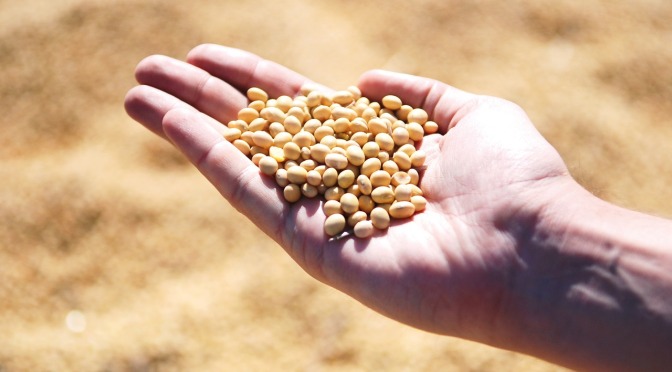


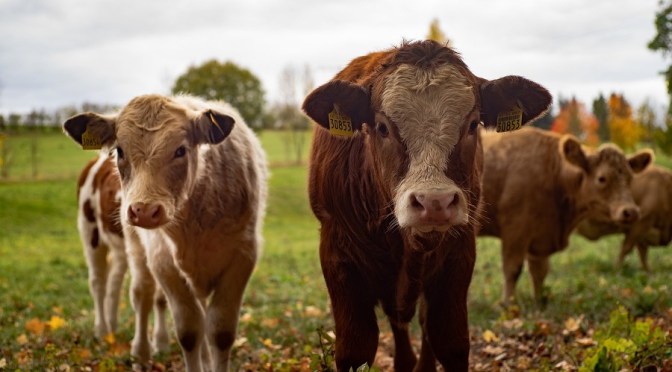
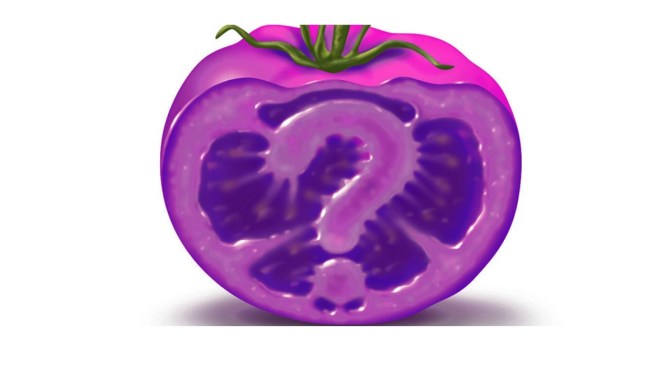

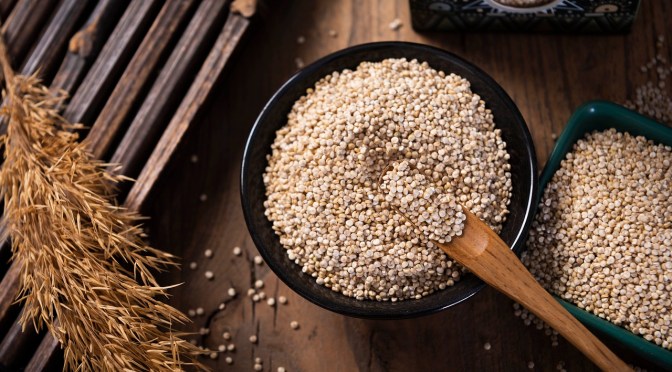
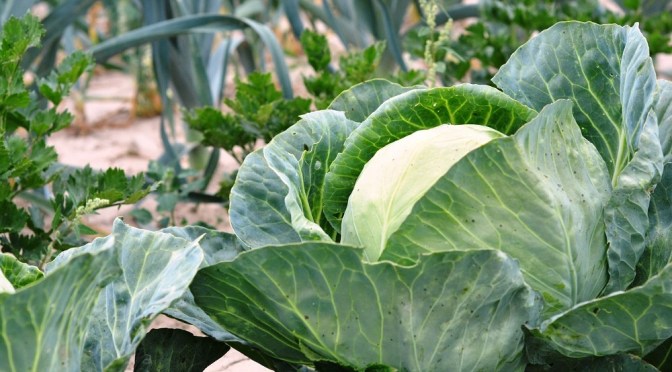


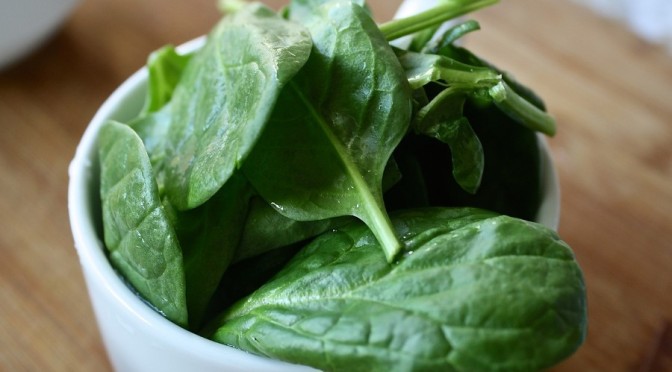
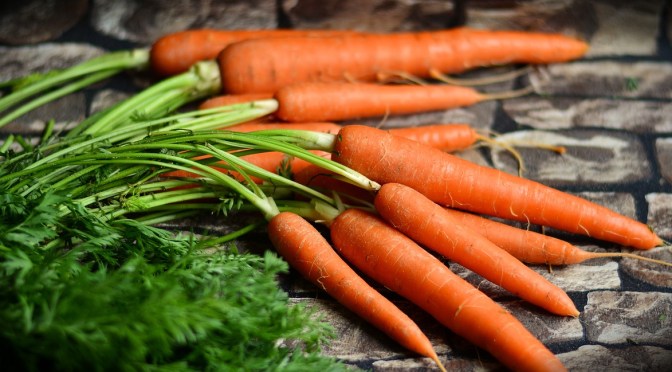

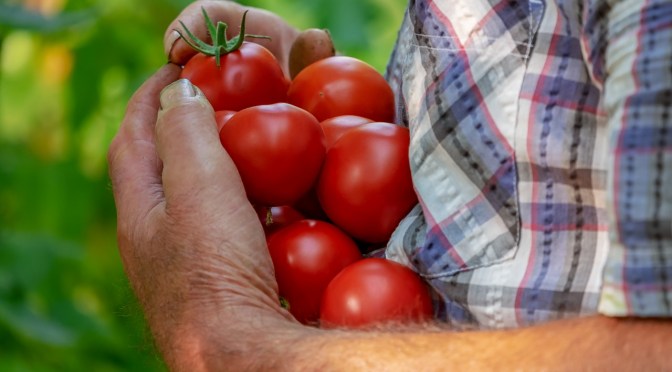


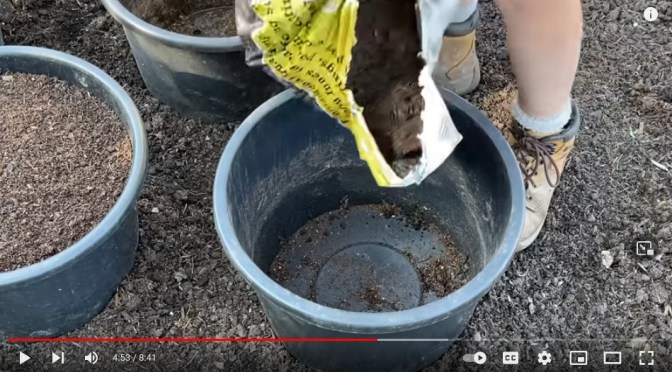
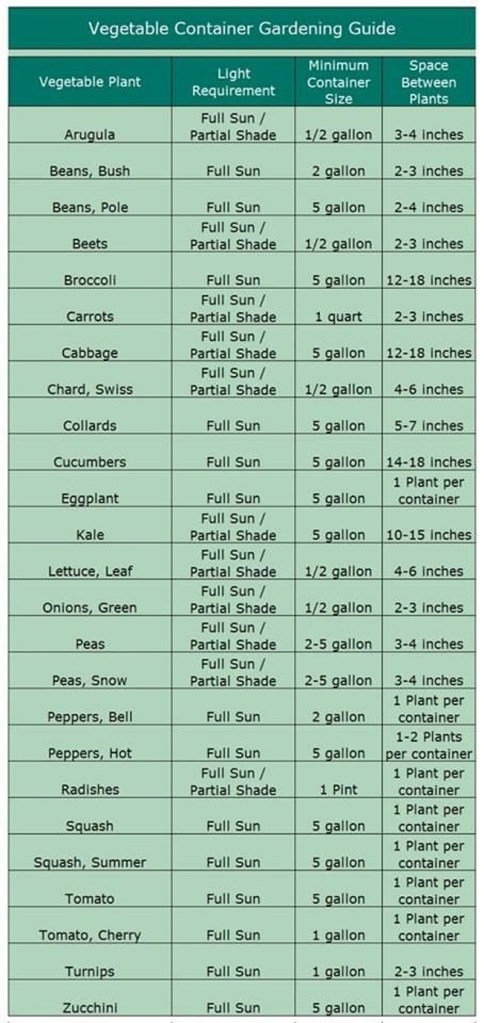

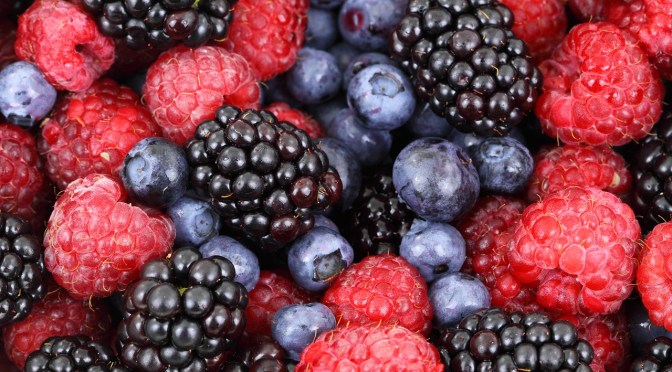



You must be logged in to post a comment.