Category Archives: Food

DEALING WITH CURLY LEAF DISEASE IN STONE FRUIT (Wally Richards)

All too often I am asked questions about problems that have already occurred and its to late to prevent them. Its like the old saying, closing the gate after the horse has gone.

Unless you are onto it, you will miss the vital times when your efforts will be worthwhile and make a difference for that season.

We are now into July; the middle of winter and if patterns follow the past few seasons we are likely to see some good weather in August which will mean, (with the extending day light hours) things will start moving.

The following are situations for gardeners that have these problems from the past. Here is what I believe to be the best ways to handle them.

If you read my recent articles about making the soil healthy then apply that also to the following problems because healthy soil will make for healthy plants given time and in most cases.

Plants and trees etc that do not healthy and have a weak constitution, likely through breeding, should after a few seasons of effort be disposed of and replaced with another specimen that can be healthy.

Curly leaf is a disease on stone fruit trees which effects nectarines and peaches.

The spores from the previous season are sitting waiting for the leaves to form and the right conditions to infect. The damage from last spring will lead to even more damage this spring unless you intervene.

If the damage is severe enough, not only will you not have any crop but you can also lose the tree.

I have had a few interesting talks with gardeners that have grown stone fruit directly from stones.

These trees grow on their own root stock, fruit within a couple of years or so and do not have curly leaf disease.

This means that it is the grafted varieties of stone fruit that we have problems with and the very worst ones are those dwarf specimens for curly leaf.

So what to do:

The trees and the ground under them should be sprayed with potassium permanganate at half a teaspoon per litre of water now. Add about a level tablespoon of Ocean Solids to the spray as it increases the effectiveness.

Leave for about two weeks and spray again with potassium permanganate at ¾ a teaspoon into a litre of water with 3 tablespoons of Ocean Solids, dissolved and then added to a further 10 litres of water.

Spray the whole tree and drench the soil underneath from trunk to beyond the drip line.

What we are trying to do here is kill as many spores of the disease as possible that are on the tree and in the soil under the tree.

Some years ago I suggested scattering Ocean Solids under the trees before they start to move in the spring, the information on this came from Sea90 for those familiar with that method.

I have heard some positive feed back from gardeners that have done this and they also said that if any damage starts to appear on the foliage they spread some more Ocean Solids.

Likely the sodium chloride neutralizes the spores as well as increasing the mineral uptake of the tree.

The traditional method of control is to spray the tree, once the leaves start to appear, this is done every 7 to 10 days with Wallys Liquid Copper and Raingard.

The idea here is to keep a film of copper over the leaves as they are growing to kill the spores when they land on the leaves.

‘This spray program is repeated for about 2 months. The Raingard is very important because without it the copper would wash off in rain and that is when the disease spores strike.

I have also suggested the use of Vaporgard to be sprayed over and under the foliage once a good amount of leaves have appeared without damage.

The film is also a barrier to the spores and will assist the tree to produce more energy from sunlight helping to retain a good crop of fruit.

Growing your own fruit and vegetables naturally is the answer to better health.

Codlin moth another annoying pest that spoils apples, walnuts and sometimes pears.

At this time the codlin are in cocoons, pupating waiting for the right time to emerge to mate, lay their eggs and damage your apples.

Where they are hiding is in nooks and crannies on the tree, but mainly in the soil under the tree.

What you could do at this time if you had a few chickens is netting off the area under the tree, rake the soil and put your hens in there to gobble up any cocoons they scratch out.

Next at end of July sprinkle Wally Neem Tree Granules under the tree from trunk to drip line.

What this does is create a smell from the granules breaking down that prevents the moths when they emerge to detect the apple tree above them.

They sit there waiting for the tree to come along and hopefully will be eaten by birds.

The pests are not going to emerge till the apples have set on the tree after flowering and the weather conditions are congenial.

Once the flowering has finished you can put a can with treacle in an onion bag and hang it in the tree.

This will attract the male moths, by monitoring the trap you will know when they are on the wing.

Then you can start spraying with Wallys Neem Tree Oil and Raingard every 10 to 14 days.

You dont need to spray the tree just the apples so they have a coating of oil on them when the grubs take their first bite. Once activity stops in your trap you can stop spraying.

Another alternative I discovered last season was to use crop cover wrapped around the fruiting branches and pegged with clothes pegs.

It can be taped on at the beginning of a branch, one layer only which allows sufficient light to leaves and fruit and I found not only did it keep birds from pecking the fruit it also prevented any codlin moth damage.

Psyllids on potatoes, tomatoes, tamarillos and some other plants.

A real problem pest which ideally with potatoes you plant the seed potatoes as soon as possible, protect them from frost by mounding up over foliage then once this has become impractical then use crop cover over hoops to give frost protection.

Harvest the crop about Labour Weekend or as soon as mature.

In early and out as soon as mature is easy solution. If you want a late planting use the special Quarantine cloth over the crop to prevent the psyllids getting in.

Otherwise use the cell strengthening kit which toughens the foliage so that the nymphs cannot feed.

Tomato plants are ruined by the psyllids much to the dismay of gardeners.

The idea is; to strengthen the plant’s cells so that the weak piercing-sucking mouth parts of the psyllids have difficulties piercing the strong cells of the plant and therefore cant feed and die.

REMINDER  EARLY BIRD SPRING PROMOTION COMING TO AN END

For our Early Bird Promotion till the end of July (July 31st cut off) the following applies. Neem Powder Neem Granules all sizes, 1kg, 3kg 10 kg and 20 kg 20% off the mail order web site price.

All other gardening products 15% off the marked prices but excluding bulk items such as 12.5 kilos Fruit & Flower etc.

Shipping if after discounts and excluding bulk items the order is $150 plus North Island or $200 plus South Island Free shipping for those orders.

Under those order sizes shipping at cost to you.

Often the discounts given means that you can get free shipping as the discount covers the shipping costs.

Orders must be placed on line at www.0800466464.co.nz

You cant pay on the web site and we phone you after receiving the order to give you your discounts.

Please put in the remarks place ‘Early Bird’ so I know to sort out the discounts before I phone you.

We can then take credit card details over the phone safely or email you details to do a bank transfer.

Regards

Wally Richards

Phone 0800 466464

Problems ring me at 0800 466464
Email wallyjr@gardenews.co.nz
Web site www.gardenews.co.nz

Phone 0800 466464
Garden Pages and News at www.gardenews.co.nz
Shar Pei pages at  www.sharpei.co.nz
Mail Order products at www.0800466464.co.nz

Photo: pixabay.com

Growing potatoes (Wally Richards)

Once upon a time when the world was a much better place and people could afford to buy a quarter acre of land and build a house for their family to grow up in and enjoy the benefits of those days 50 to 100 years ago.

(You only have to think back to see how bad things have become in more recent years. )

Well the first thing that a young married man would do with the land would be to plant a crop of potatoes.

This served two purposes it would help break up the earth for future gardens and lawns plus a bounty crop of potatoes to store and use.

Nowadays because of the dread potato psyllid you need to plan and plantings of potatoes and later on tomatoes or use controls to combat the psyllid.

If you had psyllids last season and did not use the Cell Strengthening products you will have worse problems this season.

With potatoes there is a way to get a early crop in and out before the plants are attacked.

Psyllids are temperature controlled and when too hot like over 35 degrees or too cool like under 15 degrees they are slow to reproduce.

When the temperatures are ideal for them they produce in the hundreds and thousands.

When they feed on the foliage they inject a toxin into the potato plants which will prevent the baby tubers from growing bigger than a marble,

or if the tubers have reached a reasonable size then you find in the harvested potatoes dark rings and they taste bad.

Early planting is a way around the problem and the way to do this is:

Dig a trench about one and a half spade depth.

Place your sprouted potato on top of the following at the base of the trench,  about a table spoon of gypsum, quarter a teaspoon of BioPhos a few sheep manure pellets and a sprinkling of Wally Neem Tree Powder.

Sprouts should facing skywards. Use  a little soil to cover the sprouts.

The soil protects against any frosts and possible early emergence of psyllids. 

Now this is most important you need to check frequently the crop and as soon as the new sprouts pop though the cover add a little more soil to re-cover.

You keep doing this till until your trench is filled level with the soil.

Then you start mounding up to keep the sprouts covered.Not only will this be adequate protection from late frosts but will increase the size of your crop.

The new potatoes will form all the way up the haulm of the potatoes you planted as long as you covered the sprouts as they appear.

If you don’t then once the spouts get up a few inches out of the ground you will not obtain any extra potatoes to harvest.

Growing quick maturing potatoes now should have them mature and ready to harvest before the temperatures rise and the psyllids come out to play.

When you stop mounding sprinkle Wallys Neem Tree Powder as a side dressing each side of the row.

When the crop is mature than either lift so the tubers are safe or if you leave them in the ground removed the top foliage and cover the stubble with soil so there is nothing for the psyllids to attack.

Ideally the above could have been done in the middle of winter like in May/June.

The earlier the better.

Any late crop of potatoes planted say about Labour Weekend will likely be doomed to failure once the tops are exposed and before maturity.

To overcome this possibility then you Need to use Wallys Cell Strengthening kit to make the cells of the plants so tough that the nymphs can not piece to feed.

This means about the time of planting the seed potatoes and started covering then a soil drench of Wallys Silicon and Boron soil drench.A send drench can be applied about the time you stop mounding.

Then a weekly spray of the foliage with Wallys Silicon Cell Strengthening Spray with Wallys Super Spreader added which drives the spray into the plants.

Use those products and your should be able to have later crops with no psyllid damage.The same products should be used for your tomatoes, capsicums, chili, garlic and tamarillos. 

I also like to add Magic Botanic Liquid to the cell strengthening spray for greater results.

REMINDER  EARLY BIRD SPRING PROMOTION

For our Early Bird Promotion till the end of July (July 31st cut off) the following applies.Neem Powder Neem Granules all sizes, 1kg, 3kg 10 kg and 20 kg 20% off the mail order web site price.

All other gardening products 15% off the marked prices but excluding bulk items such as 12.5 kilos Fruit & Flower etc.

Shipping if after discounts and excluding bulk items the order is $150 plus North Island or $200 plus South Island Free shipping for those orders.

Under those order sizes shipping at cost to you.

Often the discounts given means that you can get free shipping as the discount covers the shipping costs.

Orders must be placed on line at http://www.0800466464.co.nz

You cant pay on the web site and we phone you after receiving the order to give you your discounts.

Please put in the remarks place ‘Early Bird’ so I know to sort out the discounts before I phone you.

We can then take credit card details over the phone safely or email you details to do a bank transfer.

Regards

Wally Richards
Phone 0800 466464
Garden Pages and News at www.gardenews.co.nz
Shar Pei pages at  www.sharpei.co.nz
Mail Order products at www.0800466464.co.nz

Photo: pixabay.com
ALL OF US CAN GROW FOOD IN CONTAINERS

The Seed Guy

It’s June 12th, and most Families have planted their Gardens by now. Some may have run into issues that are causing them to to plant late. Just to let you know, everyone can grow in containers, even if you live in an apartment or condo. You can also grow vegetables and herbs in containers indoors during the Winter, and have those fresh salads you always crave.

Please Plant a Garden. If you don’t have a big yard, or any yard at all, you can still plant in containers. I feel now more than ever that we will need to grow Home Gardens, and be able to help Feed our Families. We are in a very uncertain time in our Countries history, and we need to be prepared.

There are several types of containers that can be used for growing vegetables including polyethylene plastic bags, clay pots, plastic pots, metallic pots, milk jugs, ice cream containers, bushel baskets, barrels, and planter boxes. It is important to use containers that can accommodate roots of the vegetables you want to grow as the vegetables vary in sizes and rooting depths.

The container needs to have good drainage, and should not contain chemicals that are toxic to plants and human beings. Most vegetables grown in backyard gardens can be grown in containers, although a container’s diameter and depth needs to be considered when selecting what vegetables to grow. The plant density (number of vegetable plants per container) depends on individual plant space requirements, and rooting depth.

It’s best to use one of the potting mixes in vegetable container gardening as they are light, disease-free, weed seed-free, and have good drainage. Some potting mixes have pre-mixed plant nutrients, so read the information on the label about how long the pre-mix will feed your plants before you start applying fertilizers. You can also make your own two bushels of potting mix using the following recipe: Shredded sphagnum peat moss (1 bushel), Vermiculite (1 bushel), Ground limestone (1¼ cups), Phosphate fertilizer either 0-20-0 (½ cup) or 0-45-0 (¼ cup), Slow release granular fertilizer such as 5-10-5 (1 cup).

Container-grown plants require more frequent fertilization than field-grown plants because of the limited space within the container for drawing nutrients. Fertilizers can be mixed with the soil mix before filling the container and can also be applied as a nutrient solution. Nutrient solutions can be made by dissolving soluble fertilizer such as 10-20-10, 12-24-12 or 8-16-8 in water following label directions. The nutrient solution is applied once a day when the plants are watered. How often you water may vary with vegetables, but once a day is adequate.

Leach the unused fertilizer nutrients from the potting mix once a week by applying tap water only. It is also very important to water occasionally with a nutrient solution containing micro nutrients such as copper, zinc, boron, manganese, and iron and follow label directions in order to give plants the right amounts.

Plants grown in containers need frequent watering as the containers dry fast. Watering on a daily basis is necessary to provide adequate moisture for plant growth. Apply enough water to reach the bottom of the container. Allow the excess to drain out through drainage holes. Avoid wetting the leaves when watering as this will encourage development of foliar disease. Try not to allow the containers to dry out completely between watering as this will lead to flower and fruit drop. Do not over water the plants as the container will be waterlogged and the roots will lack oxygen leading to poor growth and eventually, perhaps, the plant’s death.

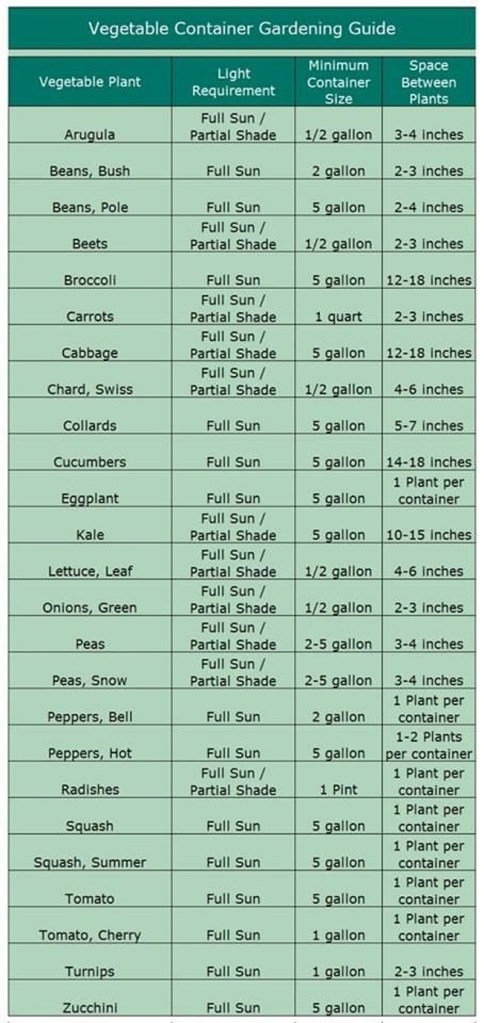
The size of the containers needed will depend a lot on the vegetable or herbs you are planting. Most Herbs can be planted in 1/2 – 1 gallon containers. Cabbages, Cucumbers, Green Beans, Leaf Lettuce, Spinach, Swiss Chard, and Cherry Tomatoes can be planted in 1 gallon containers. Beets, Carrots, Eggplants, Peppers and Radishes need 2 gallon containers. Your regular tomatoes will need 3 gallon containers. (great info from the University of Illinois Extension).

CONTAINER GARDENING GUIDE (The Seed Guy)

If you LIKE US on our Facebook page, you will be on our list for more great Gardening Articles, new Heirloom Seed Offers, and healthy Juice Recipes. https://www.facebook.com/theseedguy/ Thank you, and God Bless You and Your Family. 🙂

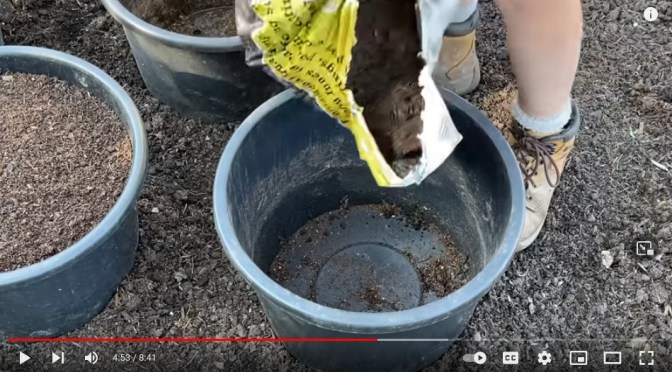
RELATED VIDEO: Homegrown.garden (How to Grow Potatoes in Pots)

Photo: Screenshot Homegrown.garden @ Youtube

Go here for other posts of interest

Use This Companion Planting Chart to Help Your Garden Thrive

From livelovefruit.com

Most people plant their gardens with little thought as to what plants grow well together. The secret to an amazing garden, though? Companion planting! 

Companion planting not only takes nutrient uptake into consideration, but it also brings into account crop protection, pest management and positive hosting (aka. increasing the population of beneficial insects that will help manage your harmful pest population). 

For this very reason I created an interactive companion planting chart that will help you plant the perfect garden (and maybe even make your neighbors a little jealous!). But before we get into that, we need to understand what companion planting is, and why it works so successfully!

Image by congerdesign from Pixabay

Age-defying compound protects brain health, study suggests

(NaturalHealth365)  A recent study shows resveratrol improves cognitive performance.  Though resveratrol does not receive considerable attention from the mainstream media, it is becoming increasingly clear that it provides several benefits for human health.

What’s behind resveratrol’s brain-protective effects?

Study shows resveratrol has anti-aging and anti-inflammatory properties

Though resveratrol is a relatively unknown compound, it is quite beneficial.  Resveratrol can significantly affect several responses, both inflammatory and non-inflammatory, safeguarding the body’s tissues and organs.  Resveratrol’s protective qualities result from its interactions with immune cells and activity on the protein called Sirtuin 1 or SIRT1 for short.  SIRT1 is an important protein linked to metabolic and inflammatory stressors.

In terms of resveratrol’s anti-aging impact, the compound has been shown to mitigate the aging process.  The mediation of anti-aging effects occurs with pathway alterations.  Resveratrol binds to molecules that signal to cells, trigger transcription factors, deter protein kinases and modulate certain regulatory genes.  In other words, resveratrol is essential in the quest for slowing the aging process, especially in preventing the development of diseases.

READ AT THE LINK

https://www.naturalhealth365.com/age-defying-compound-protects-brain-health.html

Image by PublicDomainPictures from Pixabay

More magic for your garden (Wally Richards)

Last week our article was about Magic Botanical Liquid (MBL) and how this natural product made an incredible difference to your plants and gardens.

Then a few weeks back we used information from a reader about how he greatly improved his fruit trees with another natural product ‘Apple Cider Vinegar’.

Lets now add another Magic product that is as common as salt.

In fact it is salt, raw, unrefined salt from the blue waters of the Ocean.

The deep blue water of the ocean is rich in minerals and elements, in fact all the 114 elements known to man. These elements are also in perfect balance for living organisms, health and well being.

Back in the 60’s/70’s a Dr Maynard Murry did a incredible amount of research into ocean solids and wrote the book ‘Sea Energy Agriculture’ Nature’s Ideal Trace Element Blend for Farm, Livestock and Humans. It is currently published by Acres USA.

Maynard dissected hundreds of ocean creatures and never once found tumors or disorders in their organs.

Doing the same to fish from streams and lakes, many were found to have tumors etc.

In one case he dissected a 100 year old whale and found its organs in pristine condition as good as a newly born whale.

Maynard realised it was the ocean water, rich in minerals that allowed the creatures living in it to be so free of the ills that effected land creatures.

We know that at various times, all land masses were for periods of times, under the sea.

When a land mass arises from the sea it is mineral rich and once plant life establishes on the land it too is rich in minerals.

But over time through rain, erosion and leaching a lot of the minerals gained by the land are lost back into the sea. It is interesting to note that in isolated pockets on the planet, where because of the terrain, that leaching does not take place.

People living in these pockets more often than not live to over a 100 years of age, in excellent health.

The reason, Maynard says, is because of the mineral rich diet they have, which allows the cells of the body to replicate perfectly, slowing right down the aging process and maintaining very healthy organs.

Maynard believed that if you give a plant all the possible minerals and elements it may need to grow as it should, then that plant would not be susceptible to diseases common to it.

Trials proved this point by supplying Ocean Solids to say nectarine trees in a row. Every second tree received the solids, the others being the controls. Then curly leaf disease was sprayed over all the trees.

After three years the controls had all died and the Ocean Solid trees never showed any signs of the disease. A number of similar trials were done on various plants with the same results!

Maynard took this a stage further by growing various crops of grains and feeding them to 200 female mice (C3H) that had been bred to always develop breast cancer which causes their demise.

200 more of the same C3H mice were fed conventional foods of whom all died within the normal 9 month period that their condition dictated, during which time they produced the normal two or three litters. (all to die later)

The Ocean Solid fed group were sacrificed at 16 months and a definitive examination revealed no cancerous tissue. This group also produced ten litters and no sign of the cancer in the off spring! The Ocean Solids foods had removed the cancer.

If we take this to the next stage then people that grow their own vegetables and fruit with Ocean Solids will be able to have in their food chain all the minerals that those vegetables are capable of taking up.

Maynard found that vegetables etc were capable of taking up about 20 to 40 odd elements dependent on the type of plant.

On the other hand wheat and barley are capable of taking up all the 114 odd elements if available. This is why wheat grass juice has become a very important plant in our health/ food chain.

Two aspects of this have become very important in my concerns for plant health and people’s health.

If we use Ocean Solids in our gardens along with other natural plant foods, building up the soil life populations, including the worms,

then we will have very healthy plants that will not suffer from diseases unless they become stressed for some reason, or reach the end of their days.

If we grow our own vegetables, fruit and wheat grass with Ocean Solids our health can greatly improve, markedly reducing the possibility of many ills such as cancer.

Think of it, healthy roses, plants and gardens along with better health for you and your family.

WALLYS OCEAN SOLIDS, USE AT: New or existing gardens; 35 grams per square Metre on gardens, sprinkled on and watered in. Use at the above rate for first year and then at half the rate for years 2 to 5.

No further applications then for 5 years. Scoop supplied with product is 70 grams when filled to slightly heaped.

For traysor container plants use at a tablespoon per 4.5 litres of growing medium. (Scoop does 18 Litres Mix)

SPRAY APPLICATION: One tablespoon to 4.5 Litres of water spray over foliage to run off. The Purpose for the spray, is as a natural insecticide, fungicide and foliar feed. Use only Bi-Monthly and late in day when sun is off the plants.

PLANT FOOD: Use at 1 gram per Litre of water. (Also same for adding to Hydroponic solutions)

Wheat Grass For Juicing: A must to be added to a good animal manure based compost, at the table spoon per 4.5 litre rate. Wallys Unlocking your Soil can be added also and watered in with MBL.(Magic Botanic Liquid).

Wallys Ocean Solids are solar dried only, with no further refining, to ensure that as many of the mineral and elements possible, are present in this product.

Bear in mind that the above use rates on to gardens will over time, with other natural products, bring up the health levels of the plants.

Some plants will respond fairly quickly where others may take a season or two to see really good changes. Plants in stress because of lack of moisture etc can still have problems, even with this program.

A reader this week contacted me in regards to Wallys Ocean Solids.

I was told that he has been using the Ocean Solids for a few years now spraying the vegetables every two months and the results have been wonderful.

The same spray can be used on roses, flowers and ornamentals.

MBL can be added to the Ocean Solid Spray.

My goodness you will have gardens so good you will not need my advise anymore.

There are some important BITS if you email especially what is happening to our NZ Health System and Hospitals.

Phone 0800 466464
Garden Pages and News at www.gardenews.co.nz
Shar Pei pages at  www.sharpei.co.nz
Mail Order products at www.0800466464.co.nz

Photo: envirowatchrangitikei

15,000 sheep drowned and 10,000 cattle die from heat wave … all that food … gone

Reminiscent of the boatload of livestock shipped from NZ in 2020 that sank, 6,000 cattle lost, not that long ago. Like the recent outbreaks of fire destroying food manufacturing plants it is really hard to imagine this is all accidental. One hundred fires in the US according to Jeff Rense recently (listen to his interview at Max Igan’s video channel). NZ’s own Barry Smith (late) spoke of created food shortages with similar scenarios he personally witnessed, way back in the 70s and 80s. Been happening for a very long time. I recommend following The Ice Age Farmer on this topic (found on the alternative channels to YTube … who censored him long ago). EWR


CLICK ON THE HEADLINES TO READ THE ARTICLES:

15,000 sheep drown in the Red Sea after ship crammed with livestock sinks in Sudan port

  • 15,800 sheep worth around $4million sank at Suakin port on Sunday  
  • The Badr 1 has a capacity of only 9,000 livestock and only 700 sheep survived
  • The sinking is likely to disrupt the port and cause environmental issues because of the animal corpses

Thousands of Cattle Reported Dead

Heat Stress Kills Estimated 10,000 Head of Kansas Feedlot Cattle

The current heat wave blazing through Kansas feedlots has killed an estimated 10,000 head of fat cattle.

Final death numbers continue to come in, but that early estimate was shared with DTN by livestock experts, who put the geographical center point for those deaths at Ulysses, Kansas.

RELATED:

Food Supply Shutdown: Deer, fish, pigs euthanized; crops not planted (Ice Age Farmer)

Photo: Daily Mail UK

Go here for other posts of interest

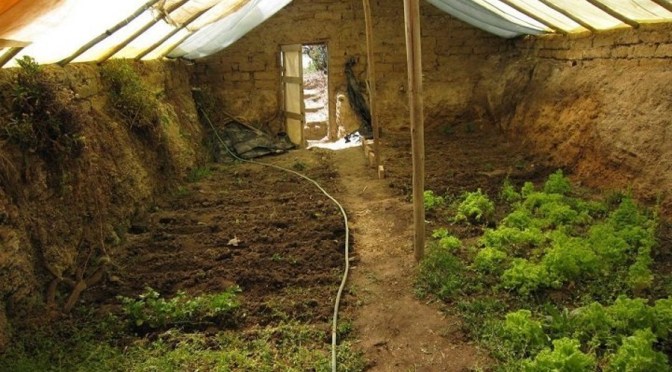
GROW YEAR ROUND WITH AN UNDERGROUND GREENHOUSE

Excellent info thanks to The Seed Guy @ Facebook. Not an idea I’ve ever seen before. Brilliant if you wish to cover your plants. Becoming a necessity now with all the overhead spraying going on. EWR


If eating Fresh Vegetables and Fruits Year Round is important to You and Your Family, you might consider building an Underground Greenhouse. It will keep the temperatures warmer in the Winter and help prevent overheating in the Summer; making it possible to grow your garden vegetables year round.

For the vast majority of the country, 4 feet below the surface will stay between 50° to 60°F even if the weather above the ground gets to 10°F or colder. This is what they call the thermal constant, and what the Underground Greenhouse is based on.

The original design for an Underground Greenhouse was invented in Bolivia, and was called a Walipini, an Aymara Indian word which means “a warm place.” A Walipini is a rectangular shaped Greenhouse that is dug down 6-8 feet deep in the ground. The longest area of the rectangle will face towards the south (in the Northern Hemisphere) to take advantage of the most sunlight.

The design of the Underground Greenhouse isn’t that complicated, as it can be as simple as a hole with plastic sheets laid on top. The roof seals in the heat and insulates the area to keep a warm, moist environment for your fruits and vegetables.

The location of your Walipini will depend on how big you want it to be. You’ll need enough space to grow your plants and have a small area to walk into your greenhouse. The bottom of the Greenhouse will need to be at least 5 feet above the water table in your area. The recommended size for an Underground Greenhouse is 8 x 12 feet.

When planning where your Greenhouse will be located, remember that your roof will need to receive light during the winter, also. This means that you will have to make sure that trees or buildings don’t block it during the winter time when the sun is in the South. In most cases, your Underground Greenhouse should be set up East to West, with the roof facing South to take advantage of the Winter Sun.

Once it’s decided where your Underground Greenhouse will be located, you can start digging. Plot out the area above ground to keep track of where you should be digging. While you’re excavating, dig at least 2 feet deeper than your desired depth. Keep your soil close by to help prop up the roof.

The walls of your Underground Greenhouse should have a minimum 6-inch slope from the roof to the floor. This will greatly reduce the amount of crumbling and caving that will occur with the soil. You can also layer the walls with a clay to prevent erosion, or use bricks to stabilize the walls of the building.

While you’re digging the hole, dig an extra 2 feet below the desired depth. You’ll fill this area with stone or gravel and then 8 inches of soil. Ideally, you’d lay larger stones and gravel on the bottom layer and the gravel would become progressively smaller until you reach the soil.

The bottom of the greenhouse should be slightly sloped from the center to the edges. Along the perimeter, you should leave a space of 2-3 feet just filled with gravel. This is designed to help the water drain more easily. Many people have also created open gravel wells in the corners of the greenhouses that allows them to collect the water. This will allow you to draw a bucket into the hole and pull out water if you find you have too much.

Once the floor is filled in with the drainage system, and the soil required for growing, the doors can be installed. Place the door frame at the base of the ramp and fill in the areas around the door as much as possible with dirt and clay. Filling in these gaps will prevent heat loss in your greenhouse.

Many times, people will use 2-inch door frames that have holes drilled into the top middle and bottom of each side. They will then use wooden stakes, dowels or rebar to secure the door frame into the soil wall.

The angle of the roof will make a big difference on the sun’s ability to heat your greenhouse. Ideally, the roof should be facing directly at the winter solstice at a 90 angle. This angle will maximize the heat during the winter solstice and minimize the heat during the summer solstice.

Now, you can use that extra soil that you have left over to create a berm. The berm is basically an extension of the north wall of the greenhouse. This allows you to control the angle of the roof by adding or taking away dirt. Build up the berm to continue the slope that you used on the wall. If you’re using bricks – continue using them on the berm.

The most economical, durable material for your roof is 4-inch PVC pipe. Using PVC elbow pieces, joiners, etc, you can create a flat roof frame that will cover your Underground Greenhouse.

After you’ve created a PVC frame, lay it in place on the top of your hole. Then lay plastic sheeting across the top of the frame and make sure that it extends past the edge of the frame by at least 1 foot. This flap will prevent run off water from the roof from running back into the greenhouse itself.

Once the plastic material is put on top of the roof frame, move inside and tack another layer of plastic wrap along the inside of the roof frame. This internal plastic sheeting will create a 4-inch barrier between the inside and outside of the roof, and will act as an insulator that will keep the heat in more effectively.

You’ll want to make sure that you leave a few inches of plastic hanging down on the lower (south) end of your roof. This will force moisture that collects on the roof to drip off above the drainage system or on top of your plants instead of at the base of the roof. If you allow the moisture to run to the base of the roof frame, it may affect the soil at that location and break down your wall, etc.

Ventilation is always crucial. You have 3 options, such as: Installing two doors, one at each end; installing a vent roughly the size of the door at the top of the back wall; or installing a chimney at the center of the back wall. Good Luck on your Greenhouse.

If you LIKE US on our Facebook page, you will be able to see more of our great Gardening Articles, New Seed Offerings and healthy Juice Recipes. Thank you and God Bless You and Your Family.

SOURCE

The Seed Guy @ Facebook (follow The Seed Guy to purchase seeds if you’re in the US plus more great info on gardening)

https://www.facebook.com/theseedguy

Photo: The Seed Guy @ Facebook

Go here for other posts

Learning about edible weeds

ediblewildfood.com

Are you concerned about the quality of today’s food choices? Does the increasing cost of food leave you with no choice but to buy more processed food? Or are you concerned that the next storm is going to take down the grid for a period of time? Foraging for food is your answer!

Welcome to EdibleWildFood.com. Here you will learn about edible weeds (including aquatic plants), mushrooms, trees and shrubs, flowers, wild food recipes, and valuable information about herbal remedies and other related information.

EdibleWildFood.com offers courses, plant walks, workshops and other unique experiences tailored to the needs of your group. Learn the wonders of natural foods, the tastes of wild plants and the delights in our forests.

READ AT THE LINK

https://www.ediblewildfood.com/

Photo: pixel2013 @ pixabay.com

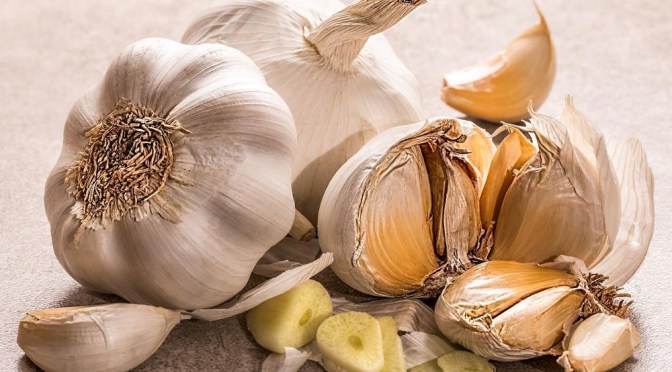
Garlic planting time (Wally Richards)

Garlic cloves are traditionally planted on the shortest day of the year (which is getting close; the 20th June) to be harvested on the longest day 21st December.

Any time from mid-May to mid-July is good for planting your garlic cloves..

There are ample good reasons to grow garlic; from its health benefits to the aromatic flavoring and taste that the gloves give to your meals.

You could not have garlic bread without garlic!

Garlic used to be an easy crop to grow before the dreaded Garlic Rust struck everyone about 3-4 years ago.

The rust has made garlic growing for commercial and home gardeners much more difficult but there is a solution that I developed and used last year called Cell Strengthening which is

achieved by getting good amounts of silica into the plants while they are growing.

More on this soon.

Planting your garlic cloves around this time and what you harvest 6 months later will depend greatly on what you do at planting time and during the growing season.

The best place to plant is in a sunny sheltered spot. Garlic loves frosts so no protection is needed.

Soil preparation: Garlic prefers a friable soil so that its roots can penetrate and the bulbs can swell easily.

I loosen up the top soil with a rake or hoe to make a fine tilth.

Then sprinkle BioPhos, gypsum, Wallys Unlocking the Soil, Blood & Bone, Sheep Manure pellets (Or chicken manure if you have it) and Wallys Ocean Solids over the area and rake it in.

I then place the cloves about 6cm apart into the soil with their points facing the sky.

Then I cover the cloves carefully with purchased compost such as Daltons or Oderings so that the cloves are covered and buried about 25mm under the compost.

I then sprinkle some Unlocking your soil over the compost.

When the first leaves from the cloves appear above the mulch then make up the Silicon and Boron Cell Strengthening Soil Drench mixed with water and give each plant a drench

over the foliage and into the root zone.

You will repeat this again about a month later.

What we are doing is getting a good amount of silicon into the soil which will be taken up by the roots of the garlic because of the boron additive.

With the foliage up you can now start a spray program by mixing the Silicon Cell Strengthening spray with the Silicon Super Spreader together into a trigger spray with water.

I like to add Magic Botanic Liquid (MBL) to this spray for its many benefits.

The spray once made up keeps well and you only need to shake it each time prior to application over the garlic foliage.

Spray regularly while the garlic is growing once or twice a week.

Now is the time you will apply a mulch over garlic.

Garlic loves mulch and mowed leaves are ideal.

There are ample leaves around at this time of the year and these can be run over with a rotary mower and the resultant shredded leaves layered over the compost.

Alternative would be either pea straw, weed free grass clippings or more good compost.

Make a mulch layer about 5cm thick.

After this keep the area between the garlic bulbs free of weeds.

When the foliage pops through the mulch you then spray regularly with the Silicon Cell Strengthening spray with the Silicon Super Spreader.

Once a week or more often it you are passing.

The Silicon and Boron Soil Drench comes in a 500 mil bottle used at 10mils per litre to cover one sqM of area. (Shake well before using)

The Silicon Cell Strengthen spray is in a 250mil bottle mixed at 5mils into one litre of water with one fifth of a mil of the Silicon Super Spreader added per litre.

(1 mil into 5 litres of water with 25 mils of Cell Strengthening spray) A 1mil pipet is supplied for measuring.

Alternative you can obtain a 500 mil bottle of Cell Strengthening Spray with the spreader already added.

Used at 5 mils per litre of water. I make up the spray in a one litre trigger sprayer and leave it where the garlic is growing and give it a shake and spray.

Using the above products last season there was no sign of any rust during the whole growing time and harvested rust free. (Products are available on our Mail Order web site)

The silicon cell strengthening products are ideal for tomatoes, potatoes and other plants affected by the psyllid. The spray can also help control curly leaf disease on stone fruit.

Traditionally harvesting of garlic is on the longest day of the year ( 21st December).

It is better to wait harvesting till after the all leaves start to go yellow, which often happens around mid-January.

Harvesting earlier might mean the bulbs aren’t as big as they could be.

Harvesting later might mean the bulbs split, or in extreme cases start to deteriorate.

To harvest, use a garden fork or something similar to loosen the soil, and just pull up the plant up gently by its base.

After lifting leave the leaves on, because during the drying process the goodness from the leaves goes in to the bulb, increasing its size and making it even more yummy and nutritious.

Clean off the dirt from the bulb and dry it for a few days lying on a dry surface in a dry area such as a carport, then store it by hanging in a dry place out of the sunlight.

Tying clumps of five or ten together by the leaves and hanging under a carport or shed roof works well.

When dry, the plant tissue is very absorbent and will even absorb moisture from damp air and turn mouldy.

Once nice and dry I prefer to store the bulbs indoors in a cardboard box in a dry room or shed where condensation is not a problem.

If you would like to find out the history of garlic there is an excellent web site at:

http://www.ncbi.nlm.nih.gov/pmc/articles/PMC3249897/

Black aphids are about the only pest to have a go at your garlic as these aphids prefer onions, shallots, garlic and lettuces.

As soon as noticed spray with Wallys Super Neem Tree oil with Super Pyrethrum added.
END.

There are some very interesting BITS if you would like to know about what commentators are asking/saying,  then email me and ask for them.
Phone 0800 466464
Garden Pages and News at www.gardenews.co.nz
Shar Pei pages at  www.sharpei.co.nz
Mail Order products at www.0800466464.co.nz

Photo: stevepb @ pixabay.com

12 Perfect Vegetables To Grow in a Shady Garden Space

When we think of vegetable gardening, we’re often convinced that FULL SUN is the only way we’ll be successful. This couldn’t be more wrong! There are plenty of shade friendly plants that will thrive in 2-5 hours of sun. On top of that, there are some plants that won’t LOVE being in shade, but will TOLERATE it, which allows you to squeeze out even more harvests from spaces you might typically ignore in your garden.

WATCH AT THE LINK

Photo: pixabay.com

Food Supply Shutdown: Deer, fish, pigs euthanized; crops not planted (Ice Age Farmer)

Ice Age Farmer 323K subscribers

An observing alien species would ask itself, “Why is humanity destroying ALL of their food sources?” In this special Ice Age Farmer broadcast, Christian has a candid conversation about the overwhelming number of attacks on our food supply. With crops unplanted and with more food facilities burning down, the media runs stories about “food fire conspiracy theories.” And it’s not just chickens — the state is also killing deer and fish in the name of stopping diseases. Start growing food now. FULL SHOW NOTES: https://www.iceagefarmer.com/2022/05/…

READ MORE & WATCH AT THE LINK

Photo: GoranH @ pixabay.com

USING NEEM TREE GRANULES AND POWDER IN THE GARDEN (Wally Richards)

In India the kernels of the Neem Tree are collected and cold pressed to extract the Neem oil which is used to control insect pests in agriculture and our home gardens.

The Neem Oil is not a poison so unlike chemical insecticides it does not poison the pests, the environment or the user.

Instead it acts as a deterrent and has the ability to prevent insect pests from feeding making it an anti-feedent and when a small amount is consumed by pest insects feeding on the plants sprayed with the oil they stop eating and starve to death..

Recently EPA came across an overseas study that suggested that the active ingredient in Neem Oil could be harmful to aquatic life.

Apparently there are other studies that show it is not but EPA has taken the precaution of having all brands of Neem Oil to be re-registered and while the applications are being scrutinised the Neem Oil brands cannot be marketed in NZ.

That is the reason the Wallys Super Neem Tree oil is currently removed from sale while our application is being approved.

Neem Granules and powder which in India are called Neem Cake does not have that problem and is used as a soil conditioner, fertiliser and pest deterrent.

The only difference between Wallys Neem Tree Granules and Wallys Neem Tree Powder is the particle sizes.

The powder is uniform size particles about 1-3mm where the granules is a mix of powder up to lumps about 30mm in size but mostly about 10-15mm.

The powder is ideal for using in the planting hole for seedlings, on the lawn and on smaller containers.

To deter carrot fly you sprinkle the power with the seeds when sowing and later when the tops are up about 4 to 5 cm you side dress the row with Wallys Neem Tree Powder.

It is fast acting, breaking down and needs to be reapplied about every 2-3 months.

The larger particles of Wallys Neem Tree Granules are slower to break down giving a much longer protection period of about 3 to 5 months.

This makes them ideal for placing in the root zone of larger plants, roses, shrubs and trees.

I have been pleased with the effects that have happened when used on the soil surface in the root zone of citrus trees.

An application sprinkled from the trunk to the drip line cleans the tree of all insect pests within a few weeks of application.

I had a Lime growing in a container that was attacked by scale insects with a lot of ants over the plant collecting the honeydew the scale was peeing out.

A handful of Wallys Neem Tree Granules onto the growing medium and within a month no ants and no scale.

A couple of months ago a lady gardener from India living now in NZ told me how she has beautiful roses free of pests and most diseases and looking very healthy.

The secret she told me was to put about a handful of Neem Granules into a bucket of water.

Stir occasionally and then take the water and pour over your roses.

A natural food and deterrent bit like the article I wrote a few weeks back about mixing Apple Cider Vinegar with water and spraying over fruit trees.

If you are going to try the Neem Granules into a bucket of water I would also suggest you make it even better by adding a little Magic Botanic Liquid (MBL).

It has taken us 6 months to get a container load of Wallys Neem Powder/Granules from India to New Zealand because of all the upsets in the supply chains and lock downs.

Normally it would have only taken 6 to 8 weeks.

I asked my India supplier because the delays are so long now to arrange a second container.

I asked for that 3 months ago and they are still trying to find a shipping line to bring it to NZ.

Why is this the case?

Which apparently applies to both New Zealand and Australia, as our Governments make them stand off shore for long periods of time before they can dock into our ports.

While waiting to dock they use up fuel and have to pay their sailors wages for doing nothing.

A few gardeners have told me that using Neem Powder or Granules in their vegetable gardens has deterred cats from fouling the gardens.

Apparently the cats do not like the smell of the Neem.

This may work for some cats and be a deterrent but I have not had sufficient feed back to say it is greatly successful on most cats.

If you find by using it in gardens that cats stop fouling please let me know.

The product Wallys Cat Repellent which is naphthalene flakes works on about 95% of cats.

We are trying to bring a shipment from India but so far not having any success so out of stock.

None of the shipping lines want to handle it so trying to air freight it here if they can find a plane to bring it to NZ.

My advice to all you readers currently is to plant up food crops into any available ground and stock up on essentials as a world wide famine has started and things are not looking good.

Have an ample stock of vegetable seed varieties that you like to grow and store the packets opened or unopened in a glass jar sealed with a lid in your fridge.

Also seeds for growing sprouts which can be grown all year round for good nutrition as not subjected to day light hours like our vegetable crops for growth.

Have on hand a supply of MBL and Ocean Solids which a small amount of both can be added to the water that you use to do your sprouts to increase their mineral content.

There is an old saying ‘Prepare for the Worst and Hope for the Best.’

If you want a ‘Bit more’ information on current happenings email me.

Phone 0800 466464
Garden Pages and News at www.gardenews.co.nz
Shar Pei pages at  www.sharpei.co.nz
Mail Order products at www.0800466464.co.nz

Photo: pixabay.com

Back To Eden Gardening Documentary Film – How to Grow a Regenerative Organic Garden (MUST WATCH!)

A timely and amazing doco that is well worth the watch if you are wanting to grow your own food. A necessity with the current, increasing (& planned) shortages. Little weeding or watering. It will revolutionize your gardening! EWR


Dana & Sarah Films 34.8K subscribers

Back to Eden Gardening Documentary Film – Learn how to grow a regenerative organic vegetable garden the best and easiest way! Grow fruits and veggies with less labor, less watering, fewer weeds, and an extremely abundant harvest! Paul Gautschi, featured in the documentary Back to Eden, has popularized the use of free wood chip mulch from tree trimmings in vegetable gardens and orchards. Discover the regenerative organic gardening movement that has made millions of people worldwide love growing their own food by watching the film, streaming online for free!

OFFICIAL WEBSITE: https://www.backtoedenfilm.com BACK TO EDEN DVD: http://www.backtoedenfilm.com/buyback…

SUBSCRIBE: https://www.youtube.com/user/danasara…

FOLLOW ON INSTAGRAM: https://www.instagram.com/backtoedeng… FOLLOW ON FACEBOOK: https://www.facebook.com/BackToEdenGa… Back to Eden shares the story of Paul Gautschi and his lifelong journey walking with God and learning how to get back to the simple, productive organic gardening methods of sustainable provision that were given to man in the garden of Eden. The food growing system that has resulted from Paul Gautschi’s incredible experiences has garnered the interest of visitors from around the world. Never, until now, have Paul’s organic gardening methods been documented and shared like this! You will walk away from Back to Eden Film with the knowledge of how to plant an organic garden and how to grow your own food. Back to Eden gardening is the best gardening technique!

much more info at the link:

WATCH AT THE LINK

It’s beginning to look a lot like famine But don’t tell “our free press,” whose job is to deny it, while doing everything they can to bring it on

Mark Crispin Miller

READ AT THE LINK

https://truthwatchnz.is/all-categories/general/it-s-beginning-to-look-a-lot-like-famine-but-don-t-tell-our-free-press-whose-job-is-to-deny-it-while-doing-everything-they-can-to-bring-it-on

RELATED:

BlackRock and Vanguard are taking over centralized food production technologies and will have near-total control over the future food supply in America

https://www.naturalnews.com/2022-05-01-blackrock-vanguard-controlling-america-centralized-food-production.html

Photo: AbsolutVision @ pixabay.com

More on the Food Bill

“The Food Bill” resurfaces again (also here) … some things are introduced ‘gradually’ a hallmark of Fabian Socialism… gradualism. So the Bill looked fairly benign to the folk who 100% trust & don’t bother to look deeper. However you need to examine it within the context of our diminishing rights and freedoms that began around the end of last century with those several notorious plane crashes into buildings. More links to info (historically) in this article … https://envirowatchrangitikei.wordpress.com/food-bill-nz/


Important to know about Codex Alimentarius. Codex Alimentarius is United Nations (UN), WHO (World Health Organization) and FAO (Food and Agriculture Organisation) way of making sure the industry get more protected and that you the consumer get food with more toxins and less nutrients. It has everything to do with international trade and nothing to do with food safety.

– Codex Alimentarius is not about consumer protection.
– Codex is designed to protect the industry (read: Pharmaceutical, Chemotherapy, Biotech, Agrobusiness, etc.) by eliminating natural health products and treatments, and by allowing insanely high residuelevels of toxins.
– Codex is unscientific because it classifies nutrients as toxins.

VIDEOS AT THE LINK

http://www.monsanto.no/index.php/en/environment/gmo/gmo-videos/159-codex-alimentarius?fbclid=IwAR1i9_VoiKb3vtuMg2LBGQVBD27jPp4kKrsOgf5Zgaq-Dowozw2OpMn-cK4

Photo: pixabay.com

NEW Controlled Food System Is Now In Place And They Will Stop At Nothing To Accelerate Their Control

From Mark Crispin Miller

“Who controls the food supply controls the people; who controls the energy can control whole continents; who controls money can control the world.” This famous quote by Henry Kissinger is ringing more and more true by the week. The globalists already control the majority of the money, are moving ever so swiftly to convert the energy system over into systems they are all invested in, and have been taking drastic measures to control the food industry while running much of it under the radar. If they control the seeds they control the food, and if they control the food they can use the digital ID to control consumer access to the food. While a rash of fires suddenly destroy food processing, meat, and fertilizer plants, during a time where farmers are hurting and supply chain issues are kicking in, an entire traceable food infrastructure system has already been built in multiple cities and is making its way across the globe.

Imagine a day where farmers markets no longer exist, you can’t drive over to your local farmer to buy produce or cuts of meat, and the only food growing outside of the globalists secured indoor vertical farming and lab grown meat facilities, is in your windowsill, garden, or greenhouse.

• The indoor vertical farming industry was valued at $5.5 billion in 2020 and is projected to reach $19.86 billion by 2026. Urban indoor farming controlled by the globalists is the future of food they have reimagined, and it’s already in thousands of grocery stores without people realizing it. Whereas the U.S. is leading in this industry, this is a global agenda with vertical farms popping up across the globe.

• For perspective, Bowery Farming’s new facility in Arlington, TX will be able to serve 16 million people in a 200-mile radius. This is only one of dozens of vertical farming companies with massive facilities across the country, backed by big investors.

• AeroFarms, who has the largest indoor vertical farming facility in the world, co-developed the first CRISPR-Cas9 gene-edited produce product, now hundreds are following, while National Geographic believes that gene editing is the next food revolution. AeroFarms also worked on an NIH sponsored trial to produce proteins for the Covid jabs.

• The University of California is developing a plant-based mRNA vaccine in the hopes that farms can grow edible vaccine heads of lettuce.

• Monsanto/Bayer is creating gene edited seeds for vertical farm companies, while Bill Gates, the Rockefeller and Ford Foundations, and the World Bank control 10% of the world’s germplasms and hold some of the world’s largest seed banks. Bayer and BASF, two of the world’s largest suppliers of seed, are both involved with the vertical farm industry.

• The USDA and FDA have already approved lab grown meat, genetically modified cattle, and are funding the globalists to research and develop cellular agriculture as well as indoor growers and genetics companies, while they slack on regulations for gene-edited produce.

• Well over a dozen major food processing and meat plants have coincidentally gone up in flames in the past several months.

• Union Pacific is mandating railroad shipping reductions by 20%, impacting CF Industries Holdings, the world’s largest fertilizer company. Vanguard, BlackRock, and State Street happen to be the top shareholders of Union Pacific, and BlackRock and Vanguard are in the top 3 shareholders of CF Industries Holdings.

• By mapping some of the biggest vertical farms (below in this report), it reveals the crops, grocery stores involved, locations, and billions pouring in by globalist investors and shareholders. It quickly becomes evident that this is the global plan to control all produce – ingredients that go into all food products.

READ AT THE LINK

https://www.coreysdigs.com/global/new-controlled-food-system-is-now-in-place-and-they-will-stop-at-nothing-to-accelerate-their-control/

Photo: coreysdigs.com

In New Zealand in some regions it is illegal to plant new ground in vegetables

Thanks to seemorerocks.is for this important info. Here is why NZ’s food shortages. It’s not ‘the war’. The grower in the interview tells us that this has been brewing for 5 years! Your ‘kind’ govt requires from them a resource consent to grow, a consent to water and a consent to wash the veg. And predictably the supermarkets pay them insufficient to meet growers’ requirements. We’re ‘all in this together’ peeps, team of 5mill. I wonder what the esteemed polis are dining on these days? Meanwhile our power has just done a hike also by doing away with low user benefits. EWR


seemorerocks.is

This is an interview on NZ television with an award-winning vegetable grower on the problems growers are facing, in terms of both cost and regulation in growing food and getting it to the market.

He says it is a problem that has been brewing for the last 5 years or so.

There were warnings back then that the changes made by government would bring the very food prices we are seeing.

He points out:

  • The cost of production has been increasing for growers to the extent that the price offered by the retailers (read the supermarkets) is BELOW THEIR COST OF PRODUCTION so it is no longer worthwhile sending produce to market.
  • He also points out that: in some regions of NZ it is ILLEGAL to plant new ground in vegetables;
  • the government requires a resource consent to grow vegetables, to irrigate and wash them; the grower, who has won environmental awards cannot get consent to plant new areas.

VIDEO LINK: In New Zealand it is illegal to plant new ground in vegetables

Finding any background on this or anything relating to the most important part of human existence in this country is like looking for a needle in the haystack.

It does not appear to be there

Fruit and vegetables drive up annual food prices

Annual food prices rose 6.8 percent in February 2022 compared with February 2021, Stats NZ said today.

This was the largest annual increase since July 2011 when prices increased 7.9 percent.

In February 2022 compared with February 2021:

  • fruit and vegetable prices increased by 17 percent
  • grocery food prices increased by 5.4 percent
  • restaurant meals and ready-to-eat food prices increased by 5.2 percent
  • meat, poultry, and fish prices increased by 7.1 percent
  • non-alcoholic beverage prices increased by 2.3 percent.

“Fruit and vegetables were the largest contributor to the annual movement, mainly influenced by tomatoes, broccoli, and iceberg lettuce,” food prices lead analyst Angus Crowe said.

Food price inflation soars again – fruit and vegetables up 18pc

Food prices were 7.6 per cent higher in March 2022 compared with March 2021, Stats NZ said today.

New Zealand’s Surging Food Prices May Fan Inflation Expectations

Zealand food prices rose the most in more than 10 years in 2021, adding to risks that the central bank will need to do more to contain inflation expectations.

All I could find on this was that people growing and selling food have to adhere to the NZ Food Act 1914

The Food Act 2014 takes a common-sense approach to food safety. If you make or sell food, your business may need to be registered. Find out more about the Food Act and what it means for you

https://www.mpi.govt.nz/food-business/food-act-2014/

SOURCE

https://seemorerocks.is/in-new-zealand-in-some-regions-it-is-illegal-to-plant-new-ground-in-vegetables/?fbclid=IwAR00Pt4ogeftwhN6vZHlyiVX_6QuGtPr2APM6balakVk635HmMiMZe20fdM

Photo: pixabay.com

How to Grow Ginger in Containers And Get a Huge Harvest

(VIDEO BELOW IN THE ARTICLE)

epicgardening.com
Ginger is a powerful, anti-inflammatory herb that has been used in the culinary world since centuries. The ginger plant forms from a rhizome that grows into a dainty, little flowering perennial. If you want to add flavor and beauty to your food garden, growing ginger is an absolute must. 

Ginger has numerous health benefits and has been used as a medicinal herb since the 16th century. The plant offers quick relief from indigestion, nausea, and can ease common cold and flu symptoms. Truly, ginger is an all-purpose, versatile herb that deserves a place in your garden. 

Read on for our in-depth guide on how to care for and maintain ginger plants!

READ MORE

Ginger Plant: Adding Spice To Your Garden

https://www.youtube.com/watch?v=-mUeNy0rweM

RELATED

GROWING GINGER in a cold climate

Photo: pixabay.com

Top 11 Leafy Greens (& Their Benefits)

From draxe.com

Diets rich in antioxidants — which help to fight against free radical damage that contributes to aging and disease — are recommended for people of all ages. One group of foods that provides some of the highest contents of antioxidants, in addition to many other essential vitamins and minerals, is leafy greens, such as popular types like kale and spinach.

Researchers have found that a diet inclusive of dark leafy greens can defend the body against experiencing cellular damage, which is associated with health problems, such as:

  • neurodegenerative diseases
  • heart disease
  • diabetes
  • certain types of cancers
  • earlier mortality

Top 11 Leafy Greens

Which are green leafy vegetables?

Leafy greens are considered to be any type of plants with leaves and/or stems that are eaten as vegetables. This category includes various types of salad greens, pot herbs, vegetable greens and microgreens.

Which are the best leafy green vegetables?

“Dark leafy greens” are among the healthiest because a rich/deep green color indicates a high level of antioxidants. While there isn’t necessarily just one type of green veggie that is the best, some of the richest in nutrients include:

  1. Watercress
  2. Kale
  3. Swiss chard
  4. Microgreens (like broccoli, kale and cabbage sprouts)

READ AT THE LINK

https://draxe.com/nutrition/leafy-greens/

How to forage, store and cook acorns

Further to a previous article on acorns, a superfood. Here is some info on how to use them. No doubt you will find further recipes by searching the net yourself. EWR

Insteading

21.5K subscribers Acorns are a super sustainable source of sustenance that you can forage from the forest to your front yard! In this video, Wren discusses the different types of acorns, how to identify a good nut, foraging tips, processing acorn meat, and how to use your acorns to make DELICIOUS food. Let us know if you have any acorn recipes below! NOTE: The labels on the oak leaves at 3:57 are swapped- the left leaf is a white oak and the right leaf is a red oak. Read more in Wren’s Insteading Article https://insteading.com/blog/how-to-ea…

0:00 Intro 0:55 Acorns as a food source 2:55 Foraging Acorns 4:15 Good and Bad Nuts 6:15 White Acorns and Red Acorns 7:00 Acorn Weevil Larvae 7:27 Cracking Nuts 8:04 Sorting and Prepping 9:20 Leaching 10:20 Acorn Flour 11:15 Acorn Recipes 13:55 Additional Resources 14:54 Conclusion

RELATED: How to make acorn coffee

Photo: pixabay.com

Growing Edible Flowers in Your Garden

From almanac.com

So many flowers are not only beautiful but also completely edible, adding color and flavor to salads, soups, pastas, drinks, and desserts. In fact, in ancient times, flowers were grown more for scent and flavor than looks alone. Here are 15 edible flowers that are also easy to grow.

For centuries, humans have foraged or cultivated flowers and flower buds for food, drink, and medicine. Think of squash blossoms in Italian food, chamomile or jasmine tea, and rose petals in Indian food. Some are spicy, and some herb-y, some are fragrant. All are colorful.

Flowers You Can Eat

We’re seeing a renewed interest in edible flowers. There are hundreds of common wild and cultivated plants with petals and buds which are edible. Not only are these flowers pretty in the garden, but they will add color, diversity, and new flavor to your meals.

READ MORE

https://www.almanac.com/growing-edible-flowers-your-garden

Photo: Couleur @ pixabay.com

Acorns: A forgotten superfood

Wouldn’t you know it? I always did wonder about acorns … then found this link a few months back, and saved it intending to post here. Food shortages (albeit man made shortages or should that read cabal made?) part of the new world order plan to shrink our self sufficiency. No way will I ever be eating the coming frankenfood. Watch as trees get removed to improve the five G reception. That’s the plan. I’ve already seen young oaks being chopped locally. Anyway … FYI, the little known usefulness of the humble acorn. Tomorrow I’ll post some acorn recipes. EWR


LISTEN AT THE LINK:

https://www.youtube.com/watch?v=3vi-1s1Bjs4

Marcie Mayer has devoted her work to harvesting, processing and researching acorns. As a superfood, acorns meet many of our food challenges in the 21st century. However, even though oak trees are abundant in so many countries, acorns have been forgotten and have even been mislabelled toxic. In her talk, Marcie Mayer demystifies the role of acorns by highlighting their nutritional, dietary and health value in our lives. She believes that harvesting acorns benefits our environment, our economy and our health.

Photo: MabelAmber @ pixabay.com

Grow a Superfood in Your Own Backyard: Turmeric

From gardenerspath.com

Curcuma longa

If you’ve ever feasted on Indian food, you’ve undoubtedly enjoyed the pungent flavor and golden color of turmeric, Curcuma longa, aka Indian saffron, an herbaceous perennial in the Zingiberaceae family of plants that is related to ginger and cardamom.

A chemical compound called curcumin found in the fleshy rhizomes of this plant is responsible for the bright hue, as well as numerous potential health benefits.

READ AT THE LINK

https://gardenerspath.com/plants/herbs/growing-turmeric/

Photo: pixabay.com

Horseradish: a vegetable that packs a nutritional wallop & has more vitamin C than most common fruit

Info on how to grow this root vegetable at the link below …
from almanac.com

Horseradish Benefits

Horseradish roots pack a nutritional wallop that few cultivated plants, and certainly no other root crop, can match. The freshly grated root contains more vitamin C than most common fruit, including oranges. The root is rich in calcium, iron, thiamine, potassium, magnesium, trace minerals, and proteins, yet desirably low in phosphorus and sodium. Horseradish is 20 times richer in calcium than the potato (with skin) and contains nearly four times the vitamin C and three times the iron.

READ MORE

https://www.almanac.com/plant/horseradish

Photo: Schnu1 @ pixabay.com

Hemp Milk: A Nutrient-Rich Dairy-Free Alternative

I’m personally not averse to dairy … organic, raw is what I buy when I do, from the farm gate. An option that narrows with the govt raids picking on small producers of healthy food. However, I do try these various options including homemade almond, flaxseed & other milks. Going to try this one. EWR


From Dr Axe @ draxe.com

More and more people are reaching for dairy-free milk options when browsing through the grocery store. Some of the best options, like almond milk and coconut milk, provide important nutrients — including essential fatty acids and calcium. Hemp milk is no different. In fact, it serves as a nutrient-rich plant-based milk with a creamy texture and nutty flavor.

With the current prevalence of cow milk allergy and lactose intolerance, plant-based milk options are becoming more popular. Although milk from hemp seeds is fairly new to the market, it may be an even more nutrient-rich option than other dairy-free options.

READ AT THE LINK

Photo: draxe.com

GROWING YOUR OWN FOOD (Wally Richards)

You may ask why is it important to grow your own food?

First and most importantly it is your Food Security. Not nice to be hungry 24/7.

Second is that the food you grow yourself; if grown naturally without man made chemicals, will be healthier compared that which is grown with chemical fertilisers and sprays.

Thirdly it will have great flavour unlike the bland produce that you buy from commercial growers/supermarkets.

Naturally grown produce; when natural minerals are used, such as Wallys Ocean Solids, Wallys Unlocking your soil rock dust and Magic Botanic Liquid (MBL)… then the plants take up all these wonderful minerals and elements and the result is great flavour and so very tasty.

There is a simple formula ‘Great Flavour/taste = Great nutitional value/health’

My Friend Jack sent me an email this week which promted me to write this current column.

Here is what Jack wrote…

This morning I was waiting to have a haircut here in Tauranga, New Zealand.

The customer in front of me getting his haircut was the owner of a big transport company in the area and was talking to the barber. This is how the conversation went:

“Barber; How are things with you young man?

Answer; Not bad, but I have a lot of drivers off with Omicron at present which is not the best.

However, my biggest concern at present is that AdBlue, an essential additive now used in most modern diesel trucks and cars worldwide, is rapidly running out AND MAY CLOSE DOWN THE ENTIRE GLOBAL DIESEL TRUCK FREIGHT INDUSTRY within a month or two creating global chaos in supply chains.

Barber; Awe, that sounds a bit extreme doesn’t it? Are you pulling my leg?

Answer; No I am deadly serious.

Barber; Well why is it getting in short supply?

Answer; AdBlue is manufactured from Synthesized Urea and is used also for fertilizer and manufacturing conventional explosives.

RUSSIA is by far the biggest manufacturer and exporter in the world with China not far behind.

As a result of the Ukraine crisis, and the sanctions against Russia, Russia in turn, in collusion with China, is turning off the global supply lines.

It actually started last year. Here in NZ and Australia, unless this supply shortage is urgently rectified.

In my own case within a month I will have to park up all my trucks and stand down all my drivers!

That is how serious it may be.”

So everyone. I have no idea if this situation will be resolved quickly or not.

However, in a very short space of time it potentially could turn very nasty!

After all, every can of baked beans doesn’t walk into the supermarket on its own – it comes in by diesel trucks! Do I have to say any more?

Jack

Ok if there are little to no trucks to move stuff the empty Super Market shelves will be more apparent than currently also mail order stuff will not only have long delays as currently with drivers isolating but maybe reduce to a trickle?

So you should stock up now with essential items as well as plant up your gardens with vegetables as the day light hours are getting shorter and growth is slowing.

There is one fresh food you can do without a garden or day light hours to worry about and that is healthy seed sprouts.

Grow your own, fresh, nutritious, tasty sprouts. Mr Fothergills Kitchen Seed Sprouter makes it simple and affordable.

You will find these multi-compartment sprouters at Egmont Seeds in their mail order on line.

https://www.egmontseeds.co.nz/accessories-c-27/seed-sprouter-mr-fothergills

From their web site they have:

Sprouts are often referred to as Natures Super Foods, and rightly so, they are packed with powerful vitamins and minerals.

A study that involved scientific analysis of the vitamin and phytochemical content of 25 types of micro-greens, found that there were higher concentrations of vitamins and carotenoids (precursors to vitamin A) than the full-grown versions of the plants!

Now you can use the sprouter and make the seeds even more nitrous by adding a very small amount of MBL and Wallys Ocean Solids dissolved in the water you sprout the seeds in.

If possible avoid using chlorinated tap water for sprouting as you dont need the sprouts to take up the chlorine poison.

To overcome this problem place a bucket of chlorinated tap water outside in a sunny spot.

Take a cup of this water lift up and pour back into the bucket when the sun is shining.

This quickly removes the chlorine from the water and after a couple of days it should be free of the poison.

Also a couple of buckets outside to collect rainwater is also great value.

You change the water in the sprouter as to the instructions and ideally the sprouter should be on a window sill where it gets some natural light to green up the sprouts as they germinate.

Kings Seeds NZ is another good source of seeds to sprout with most of them being organic see

Gifts

Then you can always pick up seeds from places like Bin Inn such as mung beans etc.

Once you obtain a collection of seeds to sprout you then need to store them inside their packets, open or unopened and placed inside a glass jar with a lid and put inside your fridge.

That will keep them fresh for years and ready for you when you need or want to sprout.

With both Russia, Ukraine and China not supplying the West with fertilisers means that a lot of commercial growers are going to come unstuck and what vegetables that are available will be too expensive for many people.

Happy Growing…….

Photo: pixabay.com

How to Wash Vegetables and Fruits to Remove Pesticides

From foodrevolution.org

Get proven tips on how to wash vegetables and how to wash fruits so you can protect your health and your family.

Almost everyone should be eating more fruits and vegetables. You know that. But do you know why it’s important to wash your produce before eating it?

In our modern world, almost no food is 100% free of pesticides. Surprisingly, even organic produce may contain some pesticide residues.

Washing produce is important to prevent foodborne illness and substantially reduce your exposure to pesticides.

To reduce your pesticide exposure, the conventional advice is to choose organic food when you can, especially for the foods most likely to be contaminated with pesticides. And then, to wash your fruits and veggies before eating or cooking with them.

But, what foods are the most important to buy organic? And what is the best way to wash your produce to remove pesticides?

Science has given us answers. And we’ll share them with you. We want to help you make the best use of your time and money and to ensure the food you eat and serve is as safe as possible.

https://foodrevolution.org/blog/how-to-wash-vegetables-fruits/#wash

Photo: pixabay.com

The Truth About Nitrates and Nitrites in Your Food & Water

From foodrevolution.org

Nitrates and nitrites are in some of the healthiest and unhealthiest foods around. So what’s the deal? Are nitrates bad? Should we avoid nitrates and nitrites whenever possible? Does the source matter? This article summarizes what you need to know to get the good out of these compounds while avoiding the bad.

READ MORE

https://foodrevolution.org/blog/what-are-nitrates-nitrites/

Photo: pixabay.com

Beat the food price hikes & grow your own food

I’ve posted many articles over the years on growing your own food. It is like printing your own money one person has quipped. We also post here NZ Gardening Guru Wally Richards’ info. Wally’s been in action for many years, a fantastic go to for advice. (Search his name in the search box).

Right now folk are talking about the food price hikes. $7.50 for a pound of butter! Same price I also heard (and dearer) for one cauli. What better time then to get gardening if you’ve been putting it off. Not only that your own home grown will be far healthier. More goodness when harvested right before eating … not weeks in transit and storage before getting to your table. Remember too you can grown veg in pots, hanging containers, small spaces in your yard, just about anywhere. There is plenty of info on Youtube on topic. See this article for inspiration. Better still watch their video.

Anyway having resolved it’s time to grow more myself I returned to my previous source of heirloom seeds so am adding a link for Kiwis. The author of the site, Carol Rathael, is currently offering a course that teaches you to save your own seed. Remember, those controlling the seed supply long ago began tampering with seed so it does not reproduce. Thereby they ensured the unaware would need to return to the store to buy more of their seed. Do you still think it’s all about your health and well being? Their specialty is to patent everything … control, control, control. They have thereby destroyed many farmers in poorer countries who swallowed their lies of greater productivity. Listen to Dr Vandana Shiva on that topic.

FYI, check out Carol’s site for her beautiful, reasonably priced, heirloom seeds. Most are organic. Here is a link:

https://www.carolraethel.com/catalog-carols-heirloom-garden

RELATED: Keep your heirloom seeds … they’re gold … Monsanto is buying up the heirloom companies