

Birth defects documented by a local midwife… NZ was the last country in the world to manufacture this dangerous substance 245T…
Continue reading Censored from NZ Television – Ivon Watkins Dow’s release of deadly 245T from 1962-81 in New PlymouthCategory Archives: Chemicals

Lamestream highlights a ‘startling new report’ they say ‘could explain mystery spike in cancers’
Nothing to do with the S&E of course… nothing at all… note they include autism & infertility as possible outcomes … folk have been raising alarms on this for years while now it’s a handy go to for letting the aforesaid ‘treatment’ off the hook…
Check out our sister site truthwatchnz.is for other news
From the Daily Mail
Startling new report finds hormone-warping chemicals in 99 PERCENT of food sold in American stores – which may raise risk of cancer, autism and infertility
Forever chemicals’ linked to cancer are found in virtually every food product sold in American stores, a shocking report suggests.
The watchdog Consumer Reports tested 85 everyday items for the presence of phthalates and bisphenols, two types of PFAS chemicals used to make plastics….
It comes amid growing fears about the massive amounts of chemicals being ingested by Americans every year – and whether it is related to a mystery spike in cancers among young people.
READ THE FULL ARTICLE HERE

Beware of Forever Chemicals Causing Cancer to Spread
Check out our sister site truthwatchnz.is for other news
From mercola.com
“PFAS is found in water, soil, air and food. It’s in your home, including in household products like stain- and water-repellant fabrics, cleaning products, nonstick cookware and paint — and likely in your drinking water…fast food containers and wrappers, microwave popcorn bags, pizza boxes and candy wrappers are common culprits. “
Story at-a-glance
- Per- and polyfluoroalkyl chemicals (PFAS) may promote cancer metastasis, according to a study by researchers at the Yale School of Public Health
- Researchers immersed two types of colorectal cancer cells in a PFAS solution for up to seven days; metabolic changes signaling cancer metastasis were observed, along with increased cell motility
- Not only was the cells’ migration ability boosted, but they had a tendency to spread and penetrate membranes
- PFAS may lead to altered gene expression and epigenetic changes that in turn cause inflammation, endocrine disruption and changes in metabolism and cell signaling that promote carcinogenesis
- Other research shows exposure to PFAS may worsen the prognosis of patients with colorectal cancer
Per- and polyfluoroalkyl chemicals (PFAS) may accelerate the progression of colorectal cancer, according to a study by researchers at the Yale School of Public Health.1 The finding could even explain why firefighters, who regularly come into contact with PFAS in firefighting foam, are also more likely to develop and die from cancer, including colorectal cancer.2
PFAS are known as “forever chemicals” because of their persistence in the environment and ability to bioaccumulate in people and wildlife. In the human body, PFAS have half-lives of two to five years.3 Due to their ability to repel oil, dirt and water, they’re widely used in consumer products including nonstick cookware, stain-resistant fabric and firefighting foams.
As endocrine-disrupting chemicals, PFAS are known to affect hormones and metabolism, interfering with fertility, growth and development.4 However, PFAS may also contribute to cancer, including promoting its spread.5
PFAS Could Promote Cancer Metastasis
Perfluorooctanoic acid (PFOA), one type of PFAS, is categorized as carcinogenic to humans by the International Agency for Research on Cancer, while perfluorooctanesulfonic acid (PFOS) is considered possibly carcinogenic to humans.6
Due to chemical exposures on the job, firefighters have higher levels of PFAS in their bodies than the general population, and they’re also more likely to develop colorectal cancer. About 80% of these cancer cases are believed to be due to environmental exposures.7
“We look at patterns that occur within an exposed group of people or a diseased group of people, then try to generate a hypothesis as to why somebody may develop a disease or have progression of disease,” study author Caroline Johnson, Ph.D., associate professor of epidemiology, said.8
For the study, researchers immersed two types of colorectal cancer cells in a PFAS solution for up to seven days. Metabolic changes signaling cancer metastasis were observed, along with increased cell motility. “It doesn’t prove it’s metastasis, but they have increased motility, which is a feature of metastasis,” Johnson said.9
Not only was the cells’ migration ability boosted, but they had a tendency to spread and penetrate membranes. According to a news release from Yale School of Public Health:10
“In another experiment, researchers grew the cells as a flat, two-dimensional layer, then drew a scratch down the middle, separating half of the cells from the other half. When they added PFAS, the cell lines grew and migrated back together again … Metabolomic analysis revealed the spheroids were producing a variety of fatty acids, amino acids, and signaling proteins in patterns previously linked to metastasis.
Small-chain fatty acids, which can protect against tumors and inflammation, were downregulated.”
The study used PFAS exposure levels similar to those in firefighters and others who have increased exposure, such as people living near military bases, landfills, airports and wastewater treatment plants. The researchers intend to conduct additional studies to see if lower levels of PFAS exposure, such as what an average person might be exposed to on a daily basis, have similar effects.
PFAS Exposure May Worsen Colorectal Cancer Prognosis
Other research shows exposure to PFAS may worsen the prognosis of patients with colorectal cancer.11 Every quantile increase in PFAS mixtures was associated with a 4.67% increase in the numbers of metastatic lymph nodes in colorectal cancer patients.
Further, the number of metastatic lymph nodes in patients with serum PFOA concentrations in the 95th percentile was 27% higher than in those with concentrations at the threshold level.12 Some evidence also suggests that PFOS exposure leads to gastrointestinal inflammation that contributes to ulcerative colitis, a precursor to colorectal cancer.13
PFAS may lead to altered gene expression and epigenetic changes that in turn cause inflammation, endocrine disruption and changes in metabolism and cell signaling that promote carcinogenesis.14 Writing in Frontiers in Toxicology, researchers explained, “Current literature suggests a link between long-term PFOS exposure, lipid metabolism dysregulation, inflammation, microbiome dysfunction and the etiology of colorectal cancer.”15

Download this Article Before it Disappears
PFAS Exposure Increases Thyroid Cancer Risk
Exposure to PFAS has previously been linked to thyroid cancer. Researchers looked into associations between plasma PFAS levels and thyroid cancer diagnosis. Using data from 88 patients with thyroid cancer and 88 matched controls without thyroid cancer, the team measured levels of eight PFAS, finding a significant association.
“There was a 56% increased rate of thyroid cancer diagnosis per doubling of linear perfluorooctanesulfonic acid (n-PFOS) intensity,” according to the study.16 Another analysis was conducted on a subgroup of 31 patients who were diagnosed with thyroid cancer a year or more after enrolling in the study.
This analysis also found an association between exposure to PFOS and thyroid cancer risk, as well as exposure to several other PFAS, including branched perfluorooctanesulfonic acid, perfluorononanoic acid, perfluorooctylphosphonic acid and linear perfluorohexanesulfonic acid.17
PFAS may contribute to cancer via multiple mechanisms, incuding causing changes in epigenetics, immunosuppression, oxidative stress and inflammation or via hormone and metabolomic pathways. An accumulation of epigenetic events induced by PFAS exposure can “synergistically amplify tumorigenicity and cancer progression,” the team explained, adding that immune system suppression and chronic inflammation also likely play a role:18
“PFOS and PFOA have been found to be immunotoxic in epidemiological and animal studies. Suppression of the immune system can affect the body’s response to foreign antigens, including those on tumor cells.
PFOS exposures are inversely associated with decreased anti-mumps and anti-rubella antibodies and reduced antibody response to tetanus and diphtheria among children, demonstrating the ability of PFOS to cause systemic immunosuppression.
Chronic inflammation, which can drive cancer development, has been linked with PFOS exposures … Finally, PFOS activates peroxisome proliferator-activated receptors, which contributed to development and regulation of thyroid cancers.”
Additional Health Risks of PFAS Exposure
Exposure to high levels of PFAS is known to cause significant health problems, including damage to the immune system, and evidence from both human and animal studies shows that such exposure may reduce your resistance to infectious disease.19 It may also harm vision health — a concerning finding since PFAS are often found in contact lenses.20
A large population-based study conducted in China found exposure to PFAS increased the risk of visual impairment,21 possibly by inducing oxidative stress. “PFASs are proven pro-oxidants and exposure to these emerging pollutants elicits DNA damage, lipid peroxidation, generation of reactive of species (ROS), and inhibition of anti-oxidant enzymes, as well as triggers signaling cascades like apoptosis,” they explained.22
Military members who were exposed to PFAS on military bases have also suffered from a number of eye conditions, including myopia, hyperopia, astigmatism and presbyopia.23 The U.S. Environmental Protection Agency also acknowledges that PFAS exposure is harmful and states that peer-reviewed scientific studies have shown exposure to PFAS may cause:24
| Reproductive effects such as decreased fertility or increased high blood pressure in pregnant women | Developmental effects or delays in children, including low birth weight, accelerated puberty, bone variations or behavioral changes |
| Increased risk of some cancers, including prostate, kidney and testicular cancers | Reduced ability of the body’s immune system to fight infections, including reduced vaccine response |
| Interference with the body’s natural hormones | Increased cholesterol levels and/or risk of obesity |
PFAS are also known to accelerate metabolic changes that lead to fatty liver. “This bioaccumulation,” researchers wrote in Environmental Health Perspectives, “coupled with the long half-lives of many PFAS, leads to concern about the potential for PFAS to disrupt liver homeostasis should they continue to accumulate in human tissue even if industrial use is abated.”25
Further, PFAS exposure may be causing inflammation and oxidative stress in youth, thus contributing to a variety of diseases such as obesity, insulin resistance, increased risk for fatty liver disease and potentially cancer.26,27
Where Are PFAS Found?
The ubiquitous nature of PFAS is part of what makes them so toxic. There are more than 9,000 PFAS,28 and exposure is so widespread that PFAS have been found in 97% of Americans.29 PFAS is found in water, soil, air and food. It’s in your home, including in household products like stain- and water-repellant fabrics, cleaning products, nonstick cookware and paint — and likely in your drinking water.30
Fast food containers and wrappers, microwave popcorn bags, pizza boxes and candy wrappers31 are common culprits. They’re also found in pasta and tomato sauces, sports bras, tampons and dental floss,32 as well as Thinx period underwear.33
PFAS on farmland is another major issue — one that’s been called a “slow-motion disaster”34 — due to the use of toxic human waste sludge as fertilizer. An estimated 20 million acres of U.S. farmland may be contaminated with PFAS as a result.35
While foods grown with PFAS-contaminated sewage sludge are not labeled as such, your best bet for avoiding them is to support sustainable agriculture movements in your area. Make it a point to only buy food from a source you know and trust, one using safe, nontoxic organic or biodynamic farming methods. Eating mostly fresh, whole foods will also help you cut down on exposure to these chemicals in food packaging.
Filtering your drinking water is also important to remove PFAS. The New Jersey Drinking Water Quality Institute recommends using granulated activated carbon “or an equally efficient technology” to remove chemicals such as PFOA and PFOS from your drinking water. Activated carbon has been shown to remove about 90% of these chemicals.36
Reverse osmosis can also remove some — but not all — PFAS.37 You can find additional helpful tips to reduce your exposure to forever chemicals in EWG’s “Guide to Avoiding PFAS.”38
| Pretreated or stain-repellent treatments — Opt out of these treatments on clothing, furniture and carpeting. Clothing advertised as “breathable” is typically treated with polytetrafluoroethylene, a synthetic fluoropolymer. |
| Products treated with flame retardant chemicals — This includes furniture, carpet, mattresses and baby items. Instead, opt for naturally less flammable materials such as leather, wool and cotton. |
| Fast food and carry-out foods — The containers are typically treated. |
| Microwave popcorn — PFAS may be present in the inner coating of the bag and may migrate to the oil from the packaging during heating. Instead, use “old-fashioned” stovetop non-GMO popcorn. |
| Nonstick cookware and other treated kitchen utensils — Healthier options include ceramic and enameled cast iron cookware, both of which are durable, easy to clean and completely inert, which means they won’t release any harmful chemicals into your home. |
| Personal care products containing PTFE, “fluoro” or “perfluoro” ingredients such as Oral B Glide floss — The EWG Skin Deep database is an excellent source to search for healthier personal care options.39 |
– Sources and References
- 1, 5 Environ. Sci. Technol. 2023, 57, 50, 21016–21028
- 2 Science Alert December 18, 2023
- 3 Science of the Total Environment June 25, 2023, Volume 879, 163081
- 4, 27 CNN March 20, 2023
- 6, 7, 8, 9, 10 Yale School of Public Health December 11, 2023
- 11, 12 Environ Res. 2024 Jan 1;240(Pt 1):117529. doi: 10.1016/j.envres.2023.117529. Epub 2023 Oct 26
- 13 Front Toxicol. 2023; 5: 1244457
- 14 Front Toxicol. 2023; 5: 1244457., Figure 1
- 15 Front Toxicol. 2023; 5: 1244457., Conclusion
- 16 eBioMedicine October 24, 2023, Findings
- 17 Newswise October 16, 2023
- 18 eBioMedicine October 24, 2023
- 19 ATSDR, What are the health effects of PFAS?
- 20 The Guardian May 9, 2023
- 21 Environment International April 2020, Volume 137
- 22 Environment International April 2020, Volume 137, discussion
- 23 Mamavation, Indications of PFAS ‘Forever Chemicals’ in Contact Lenses — Report, April 18, 2023
- 24, 31 U.S. EPA, Our Current Understanding of the Human health and Environmental Risks of PFAS
- 25 Environmental Health Perspectives April 27, 2022, Intro
- 26 Environmental Health Perspectives February 22, 2023
- 28 CDC. Per- and Polyfluoralkyl Substances September 15, 2022
- 29 NIH, National Institute of Environmental Health Sciences, PFAS
- 30 Environmental Science and Technology Letters August 9, 2016
- 32 Environmental Health Perspectives April 26, 2023
- 33 NPR January 19, 2023
- 34 The Maine Monitor March 13, 2022
- 35 The Guardian May 8, 2022
- 36 New Jersey Drinking Water Quality Institute, Recommendation on Perfluorinated Compound Treatment Options for Drinking Water, June 2015
- 37 TIME March 15, 2023
- 38 EWG’s Guide to Avoiding PFAS
- 39 Environmental Working Group Skin Deep Database

8 Common Sources of Heavy Metals in Food
When you’re buying food for yourself and your family, you probably glance over the Nutrition Facts panel to make sure you’re making a healthy choice. You may even look at the fine print in the ingredients list, to see if there are any artificial additives or preservatives you want to avoid. What you won’t see listed on the label however, is how much toxic heavy metals you may consume per serving. Yet that is exactly what may be inside.
What we eat and drink is one of the primary points of exposure for heavy metals. These toxins make their way into the food chain thanks to decades of industrial pollutants entering the soil and water.
In the past, many experts believed this wasn’t a cause for concern. The idea was that the human body is perfectly capable of dealing with trace amounts of heavy metals via its detoxification pathways. But they were missing the big picture.

Did you know that NZ’s bread contains a mandated chemical supplement that’s hard to metabolise & inhibits some metabolic pathways vital for health?
From breadpolitics.com
Does New Zealand need folic acid fortification?
On the 8th of July 2021 the New Zealand government decided to finally give into the pressure to legislate for mandatory fortification of wheat flour with folic acid. Several times before the government had been asked to do this, but given the relatively small number of people who stand to benefit from this type of mass medication, the action had always been hard to justify.
READ AT THE LINK
Image by Robert Owen-Wahl from Pixabay
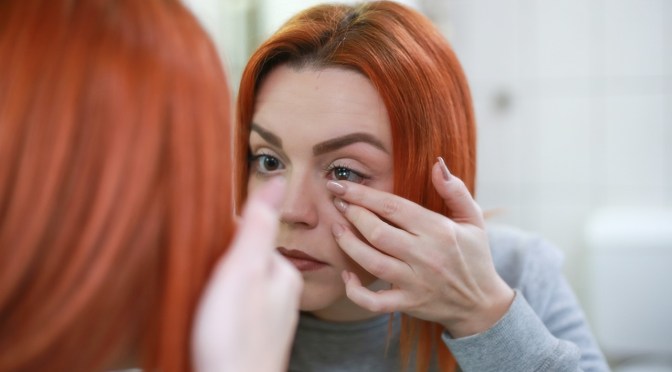
How Many Forever Chemicals Are in Your Contact Lenses?
Story at-a-glance
- Mamavation, in partnership with Environmental Health News, had 18 different brands of contact lenses tested for organic fluorine, a marker for PFAS
- All the contact lenses tested positive for fluorine, at levels ranging from 105 to 20,700 parts per million (ppm)
- While 44% of the contact lenses tested contained fluorine at a level over 4,000 ppm, 22% contained more than 18,000 ppm
- A large population-based study conducted in China found exposure to PFAS increased the risk of visual impairment
- PFAS is likely used in contact lenses to make them soft and allow oxygen to flow through, but the chemicals are linked to reproductive and developmental problems, cancer, liver disease and more
Toxic polyfluoroalkyl or perfluoroalkyl chemicals, collectively known as PFAS, may be lurking in your contact lenses. The compounds, which have been dubbed “forever chemicals” because they break down so slowly, have been linked to reproductive and developmental problems,1 cancer, obesity,2 nonalcoholic fatty liver disease (NAFLD)3 and more.
PFAS is known for making surfaces slippery, hence their widespread use in nonstick cookware. They’re also found in many other consumer products, however, including food takeout containers, food packaging, stain- and grease-resistant products, furniture and personal care products. Many people are unaware these chemicals are in products they use daily, including contact lenses, which may spend up to 16 hours next to your eye each day.
Contact Lenses ‘Almost Pure PFAS’
Mamavation, in partnership with Environmental Health News, has been investigating PFAS in everyday products such as clothes, food and makeup.4 Many social media users had asked the wellness blog if soft contact lenses contain PFAS, so they sent 18 different brands to a laboratory certified by the U.S. Environmental Protection Agency to test for organic fluorine, a marker for PFAS.
All the contact lenses tested positive for fluorine, at levels ranging from 105 to 20,700 parts per million (ppm). While 44% of the contact lenses tested contained fluorine at a level over 4,000 ppm, 22% contained more than 18,000 ppm.5 The contact lenses with the highest organic fluorine levels were:6
- Alcon Air Optix Colors with Smartshield Technology (20,700 ppm)
- Alcon Total30 Contact Lenses for Daily Wear (20,400 ppm)
- Alcon Air Optix (No Hydraglide) for Astigmatism (20,000 ppm)
What does this mean in terms of your health? Pete Myers, chief scientist for Environmental Health Sciences, said:7
“The presumption that these organic fluorine levels measured in contact lenses are safe is laughable. Last summer the EPA issued health advisories in drinking for four common PFAS, ranging from 0.004 parts per trillion (ppt) to 2000 ppt. EPA considers exposure beneath these thresholds to be safe for drinking water.
While comparing drinking levels in water to concentrations in contact lenses is like comparing apples to oranges, it’s worth noting that all of the contact lenses tested exceeded 100 ppm, which is equivalent to 100,000,000 ppt, or 50,000 times higher than the highest level deemed safe in drinking water by the EPA.”
Manufacturers don’t have to disclose when PFAS are used in their products. It’s legal to claim the contents are a “trade secret.”8 But according to Scott Belcher, a North Carolina State University researcher and scientific adviser on the testing, fluoropolymers are likely.
He told The Guardian fluoropolymer PFAS “have the properties that your eyes want … It wants to get oxygen and doesn’t want bacteria to grow like crazy, and it wants lenses to be smooth and comfortable.”9 Fluoropolymers likely make contact lenses soft and allow oxygen to flow through them,10 but the convenience of having smooth contact lenses comes at a price.
A 2020 review into the chemicals found “their production and uses should be curtailed except in cases of essential uses,” given their extreme persistence in the environment, toxic emissions associated with their production and use, and a high likelihood that they contribute to human exposure to PFAS.11
PFAS Exposure May Harm Your Vision
Little is known about how the eyes may absorb PFAS, but the chemicals are known to be absorbed via the skin, leading to immunotoxicity.12 Further, The Guardian reported, “PFAS also break down into different types of PFAS once in the environment, so it is possible that the polymers turn into dangerous forms of the chemicals once in the eye or contact packaging, but no studies have been done.”13
Linda Birnbaum, scientist emeritus and former director of the National Institute of Environmental Health Sciences and National Toxicology Program, further told Mamavation:14
“Your eyes are one of the most sensitive parts of your body. Therefore, it’s concerning to see the presence of organic fluorine, which is likely a type of PFAS, found in all soft contact lens products tested. What about the idea of doing no harm? Do we have proof these products are safe? A lack of safety studies does not qualify as ‘safety,’ which is what is happening here.”
Research that has been done on PFAS and vision is cause for concern. A large population-based study conducted in China found exposure to PFAS increased the risk of visual impairment.15 The researchers suggested PFAS may induce oxidative stress, with a detrimental effect on the eyes.
“PFASs are proven pro-oxidants and exposure to these emerging pollutants elicits DNA damage, lipid peroxidation, generation of reactive of species (ROS), and inhibition of anti-oxidant enzymes, as well as triggers signaling cascades like apoptosis,” they explained.16 Military members who were exposed to PFAS on military bases have also suffered from a number of eye conditions, including myopia, hyperopia, astigmatism and presbyopia.17
Download this Article Before it Disappears
Using PFAS Contacts May Leave You ‘Permanently Contaminated’
More than 98% of Americans have PFAS in their blood.18 But using contacts made from the material daily could leave you permanently contaminated. According to Terrence Collins, director of the Institute for Green Sciences at Carnegie Mellon University:19
“Fluoropolymers improve the technical performance of contact lenses at attractive price performances and customers are naturally attracted. But the other key performances for safe and sustainable chemical products, the health, environmental and fairness performances, are not given adequate attention by manufacturers, legislators, or regulators.
If you use fluoropolymer-containing contact lenses, you are likely to become permanently contaminated. No one today can tell you that fluoropolymer exposures are safe because no jurisdiction has been demanding the development and scrutiny of appropriate safety testing.
Your body cannot process fluoropolymers to safe products to protect you and nature is just as helpless when you throw the lenses away. But we know enough about PFAS chemicals to guess and fear that fluoropolymers in human cells or in the environment are anything but a pretty safety picture. I advise that such contact lenses be rigorously avoided.”
The environmental ramifications are also cause for alarm, considering more than 45 million Americans wear contact lenses — and up to 46% of them wear disposable varieties that are trashed daily. Every year, 2.5 billion contact lenses — about 44,000 pounds’ worth — are thrown away or end up in wastewater treatment plants after they’re flushed down a toilet or sink.20
In the environment, PFAS have devastating effects, to the extent that consuming a single serving of freshwater fish annually equates to a month of drinking water contaminated with PFOS — one type of PFAS — at a concentration of 48 parts per trillion.21
PFAS does not break down in water or soil and can be carried over great distances by wind or rain, according to the U.S. Department of Health and Human Services’ Agency for Toxic Substances and Disease Registry (ATSDR).22
PFAS Exposure Linked to Significant Health Risks
If your contact lenses contain PFAS, you may want to reconsider using them. Exposure to high levels of PFAS is also known to affect the immune system, and evidence from both human and animal studies shows that such exposure may reduce your resistance to infectious disease.23 The EPA also acknowledges that PFAS exposure is harmful and states that peer-reviewed scientific studies have shown exposure to PFAS may cause:24
| Reproductive effects such as decreased fertility or increased high blood pressure in pregnant women | Developmental effects or delays in children, including low birth weight, accelerated puberty, bone variations or behavioral changes |
| Increased risk of some cancers, including prostate, kidney and testicular cancers | Reduced ability of the body’s immune system to fight infections, including reduced vaccine response |
| Interference with the body’s natural hormones | Increased cholesterol levels and/or risk of obesity |
Liver disease is another known risk. PFAS are endocrine-disrupting chemicals that accumulate in body tissues, such as the liver, and are known to accelerate metabolic changes that lead to fatty liver.
“This bioaccumulation,” researchers wrote in Environmental Health Perspectives, “coupled with the long half-lives of many PFAS, leads to concern about the potential for PFAS to disrupt liver homeostasis should they continue to accumulate in human tissue even if industrial use is abated.”25
How Else Can You Be Exposed to PFAS?
In addition to contact lenses, PFAS can be found in water, soil, air and food. It’s in your home, including in household products like stain- and water-repellant fabrics, cleaning products, nonstick cookware and paint — and likely in your drinking water.26
Fast food containers and wrappers, microwave popcorn bags, pizza boxes and candy wrappers27 are also common PFAS sources. One study released by consumer watchdog groups Safer Chemicals, Healthy Families and Toxic-Free Future even revealed high levels of fluorine in five of 17 paper products that come in contact with food at Whole Foods Market — four of which were containers in the salad and hot food bar.28
Testing by Mamavation has also found evidence of PFAS in pasta and tomato sauces, sports bras, tampons and dental floss.29 Since the chemicals migrate into food and contaminate compost piles and landfills after disposal, the use of PFAS leads to unnecessary long-term exposure to harmful chemicals for humans, wildlife and the environment, especially since PFAS-free packaging options are widely available.
Tips for Avoiding PFAS
PFAS has no taste or smell but is widespread in the environment and in consumer products. You’ll want to filter your drinking water to avoid this common route of exposure. Also avoid products that are stain-resistant, waterproof or nonstick, as most contain PFAS.
Regarding contact lenses, you can avoid PFAS exposure by using glasses instead. To further reduce your exposure, the Environmental Working Group recommends avoiding:30
| Items that have been pretreated with stain repellants and opt out of such treatments when buying new furniture and carpets. |
| Water- and/or stain-repellant clothing. One tipoff is when an item made with artificial fibers is described as “breathable.” These are typically treated with PTFE. |
| Items treated with flame retardant chemicals, which includes a wide variety of baby items, padded furniture, mattresses and pillows. Instead, opt for naturally less flammable materials such as leather, wool and cotton. |
| Fast food and carry out foods, as the wrappers are typically treated with PFAS. |
| Microwave popcorn. PFAS may not only be present in the inner coating of the bag, it also may migrate to the oil from the packaging during heating. Instead, use “old-fashioned” stovetop popcorn. |
| Nonstick cookware and other treated kitchen utensils. Healthier options include ceramic and enameled cast iron cookware, both of which are durable, easy to clean and completely inert, which means they won’t release any harmful chemicals into your home. A newer type of nonstick cookware called Duralon uses a nonfluoridated nylon polymer for its nonstick coating. While this appears to be safe, your safest bet is still ceramic and enameled cast iron. |
| Oral-B Glide floss and any other personal care products containing PTFE or “fluoro” or “perfluoro” ingredients. |
Sources and References
- 1, 21 EWG January 17, 2023
- 2 Environ Health Perspect 123:A107–A111, Madrid Statement
- 3 Environmental Health Perspectives April 27, 2022
- 4 Environmental Health Perspectives February 14, 2022
- 5, 7, 17, 19, 20 Mamavation, Indications of PFAS ‘Forever Chemicals’ in Contact Lenses — Report, April 18, 2023
- 6, 8, 9, 13 The Guardian May 9, 2023
- 10, 14, 29 Environmental Health Perspectives April 26, 2023
- 11 Environ. Sci. Technol. 2020, 54, 20, 12820–12828
- 12 Food and Chemical Toxicology February 2020, Volume 136
- 15, 16 Environment International April 2020, Volume 137
- 18 Environ Health Perspect. 2007 Nov; 115(11): 1596–1602
- 22 Politico May 14, 2018
- 23 ATSDR, What are the health effects of PFAS?
- 24, 27 U.S. EPA, Our Current Understanding of the Human health and Environmental Risks of PFAS
- 25 Environmental Health Perspectives April 27, 2022, Intro
- 26 Environmental Science and Technology Letters August 9, 2016
- 28 Eater December 11, 2018
- 30 EWG’s Guide to Avoiding PFCS (PDF)
Image by Martin Slavoljubovski from Pixabay
Chemicals Are Making Us Sterile And Dumb
Over the last seventy-five years, men have seen a sharp reduction in reproductive capacity, and evidence suggests that commonly found chemicals are to blame.
Related: A Generation Of Poisoning With Gender-Bender Chemicals Has Created A New Class Of Youth Who Fail To Recognize Gender At All
If that news isn’t stark enough for the future of humankind, these chemicals are also making us dumber. A recent piece in the New York Times drew attention to an important issue: endocrine-disrupting chemicals in everyday consumer products are killing or disabling sperm and making men sterile.
The numbers are extremely troubling. Scientists say that approximately 90% of sperm in a typical young man are misshapen, meaning they are unable to swim correctly. Additionally, sperm counts have decreased sharply over the last seventy-five years. As one researcher bluntly stated, “Not everyone who wants to reproduce will be able to.”
Our grandfathers may not have been able to understand our smart phones, but their ability to produce offspring vastly outpaced our own.
There’s a great deal of evidence to suggest endocrine-disrupting chemicals are the major cause of this problem. They’re found in plastics, pesticides, and many other products. Quite simply, these chemicals disrupt the proper functioning of hormones.
READ AT THE LINK
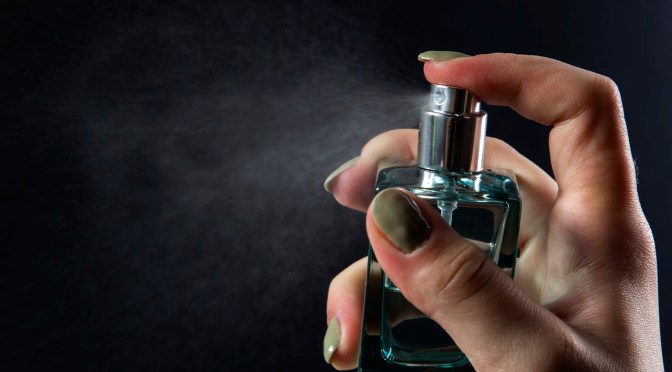
Nearly 13,000 chemicals used in cosmetics & only 10% tested for safety – Here are the 10 most hazardous products
“The average fragrance product tested contained 14 secret chemicals not listed on the label. Among them are chemicals associated with hormone disruption and allergic reactions, and many substances that have not been assessed for safety in personal care products.” EWG
Story at-a-glance
- An analysis of personal care and cleaning products found the top 10 most hazardous products include a children’s shampoo, JLo Glow perfume, Kaboom with OxiClean, Axe body spray and Organix Shampoo
- Over-the-counter products are not inherently safe as there are nearly 13,000 chemicals used in cosmetics and only 10% have been tested for safety. This loophole was created by the Fair Packaging and Labeling Act, which does not force companies to disclose trade secrets
- The Environmental Working Group found perfumes typically contain a dozen or more potentially hazardous chemicals, some of which are derived from petroleum. This chemical cocktail may be responsible for the rising number of adverse events reported after exposure to personal care products
- Look for products without dangerous chemicals, including parabens, “fragrance,” triclosan and toluene, or consider making your own products at home from safe and natural ingredients
Editor’s Note: This article is a reprint. It was originally published October 24, 2018.
Unfortunately, just because it’s sold over-the-counter does not mean a product is safe for you. In fact, of the nearly 13,000 chemicals used in cosmetics, only 10% have been tested for safety. While the U.S. Food and Drug Administration (FDA) has the authority to regulate ingredients in cosmetics and personal care products, they often do not exercise it.1
Adding insult to injury, the FDA tasks companies manufacturing and marketing cosmetics with ensuring their safety. Not only is this an obvious conflict of interest, but “neither the law nor FDA regulations require specific test to demonstrate the safety of individual products or ingredients.”2
So, while cosmetic companies are responsible for substantiating safety, there are no required tests and the companies do not have to share safety data. In fact, the FDA isn’t even authorized to order recalls of hazardous chemicals from the market.
Cosmetic3 companies may also fall back on a loophole in the Fair Packaging and Labeling Act,4 which allows companies to withhold information relating to “trade secrets,” under which fragrances and flavor ingredients fall.5
Participating with Environmental Defense and other U.S. groups, the Breast Cancer Prevention Partners (BCPP) tested personal care products and cleaning products sold at major Canadian retailers in order to identify undisclosed fragrance ingredients.6 A lack of federal regulation in Canada and the U.S. results in an increased risk of exposure to consumers.
Your Right to Know
The Campaign for Safe Cosmetics, a project of the BCPP, is a broad-based national coalition of nonprofit organizations whose mission it is to protect the health of consumers by securing reforms necessary to eliminate dangerous chemicals linked to adverse health effects.7
The research project was triggered by scientific literature and prior product testing indicating chemicals linked to cancer, birth defects, endocrine disruption and other adverse effects were used heavily in beauty, personal care and cleaning products.
However, despite research evidence, there continues to be a lack of legislatively mandated labeling requirements, leaving consumers uninformed of the dangers in products they bring into their homes every day. For this test, BCPP and their partners purchased 140 different beauty, personal care and cleaning products for testing.
Of particular concern were products marketed to children, women of color and products marketed by celebrities as “good for the environment” or “green.” One of the more concerning results was that many of the personal care products tested contained more hazardous chemicals than the cleaning products.8
Millions of dollars and countless hours of lobbying have been poured into the industry’s fight against legislatively mandated ingredient disclosure. Fragrance is a big business as they are used in personal care products and cleaning products.
The value of the North American flavor and fragrance market is nearly $6 billion and forecast to reach $7.42 billion by 2020.9
Top 10 Most Hazardous Products Tested
The fragrance industry has nearly 4,000 fragrance chemicals at its disposal, which companies are not mandated to disclose. BCPP hired two independent third-party testing laboratories. The first assessed volatile organic compounds and the other performed two-dimensional gas chromatography on a subset of 32 products, including shampoo, deodorant, multipurpose cleaners and lotions.
There was an average of 136 chemicals in the cleaning products and an average of 146 in personal care products. The team then compared the product name against the type of chemicals triggering hormone disruption, asthma, developmental toxins and cancer.
From this data they ranked the top 10 products with the most hazardous chemicals in terms of the highest number linked to these health effects.10 The products making the top 10 dangerous products directly from the BCPP report were:11
| Just for Me Shampoo — A children’s shampoo, from a hair-relaxing kit marketed to kids of color by Strength of Nature. |
| JLo Glow Perfume — A fine fragrance made by Coty and endorsed by music, television and film icon Jennifer Lopez. |
| Kaboom with OxiClean Shower Tub & Tile Cleaner — Marketed as a “great cleaner that is safe and friendly to use,” made by Church & Dwight Co. |
| Olay Luminous Tone Body Lotion — Made by Procter & Gamble and marketed for its antiaging qualities. |
| Axe Phoenix Body Spray — A body spray made by Unilever and marketed to young men using an overtly sexual ad campaign. |
| Marc Jacobs Daisy Perfume — Another Coty fragrance carrying the famous designer’s name and using beatific, radiant young girls in its marketing campaigns. |
| Taylor Swift Wonderstruck Perfume — A Revlon fine fragrance endorsed by the beloved pop country singer Taylor Swift. |
| Organix (OGX) Shampoo — A Johnson & Johnson product marketed as part of a “green/sustainable” line of products to young women. |
| Formulation 64-RP — An industrial cleaner and disinfectant used by custodians firefighters and others. |
| White Linen Perfume — Created by Estée Lauder in 1978, marketed as “a beautiful perfume” for women young and old. |
While these were the top 10 products, it is important to remember the team conducted tests on 140 personal care and cleaning products, the lowest of which, yellow soap, had 46 chemicals. Other cleaning products such as Kaboom with OxiClean Shower, Tub and Tile Cleaner had 229. Of the 25 personal care products tested, only three had less than 100 and none had less than 75.
Perfumes Tied to Chronic Disease
Are perfumes really the scent of danger? The Environmental Working Group (EWG) found the most popular perfumes, colognes and body sprays may contain trace amounts of natural essence, but they typically contain dozen or more potentially hazardous chemicals. Some of the synthetic chemicals are derived from petroleum.
In an independent laboratory test, the Campaign for Safe Cosmetics12 found 38 secret chemicals in 17 leading fragrances including top offenders from American Eagle, Coco Chanel, Britney Spears and Giorgio Armani. Following an analysis of the data, EWG commented:13
“The average fragrance product tested contained 14 secret chemicals not listed on the label. Among them are chemicals associated with hormone disruption and allergic reactions, and many substances that have not been assessed for safety in personal care products.”
Makers of these popular perfumes often use marketing terms such as “floral,” “exotic” or “musky” without disclosing the complex cocktail of synthetic chemicals used to create the scent.
The average fragrance product tested by the Campaign for Safe Cosmetics contains 14 chemicals not listed on the label, among those associated with hormone disruption, allergic reactions and substances without safety testing.
Undisclosed ingredients also include chemicals that accumulate in the human tissue, such as diethyl phthalates, found in nearly 97% of Americans and linked to sperm damage.
Their report14 also found the FDA was similarly uninformed, as a review of government records revealed a vast majority of the chemicals used in fragrances were not assessed for safety when used in spray-on personal care products.
Phthalates Continue To Be Used in Personal Care Products
However, it isn’t only the undisclosed chemicals under the generic label “fragrance” that are cause for concern. Some chemicals listed included ultraviolet protector chemicals associated with hormone disruption and nearly 24 chemical sensitizers responsible for triggering allergic reactions.
Some manufacturing companies are moving toward restricting or eliminating certain chemicals from fragrances, such as phthalates.15 Although phthalates are only one chemical of concern in fragrances, this is a step in the right direction.
Findings from a multicenter study made a strong correlation between a mother’s exposure to phthalates during pregnancy and changes to the development in a baby boy’s genitals.
Another study at an infertility clinic demonstrated exposure was correlated to DNA damage in sperm and a third study in children aged 4 to 9 linked behavioral problems to higher maternal exposure to low molecular-weight phthalates.16
Adverse Event Reports on the Rise
While FDA regulation is weak at best, it is completely ineffective when adverse effects are not reported. The FDA has an adverse event reporting system containing information on product complaints submitted to the FDA. The database is designed to support safety surveillance programs and includes symptoms, product information and patient outcome.17
The FDA Center for Food Safety and Applied Nutrition (CFSAN) adverse event reporting system was made publicly available in 2016.18 An analysis of events dated between 2004 and 2016, including voluntary submissions by consumers and health care professionals, showed over 5,000 events reported, at an average of 396 events per year.
However, the average number hides a growing trend. For instance, in 2015 there were 706 events reported and in 2016 there were over 1,500. The three most commonly reported products were hair care, skin care and tattoos. The authors of the report suggest more surveillance is needed, saying:19
“Unlike devices, pharmaceuticals and dietary supplements, cosmetic manufacturers have no legal obligation to forward adverse events to the FDA; CFSAN reflects only a small portion of all events. The data suggests that consumers attribute a significant portion of serious health outcomes to cosmetics.”
The spike in adverse effects reported to the FDA in 2016 occurred only after the agency appealed to consumers and physicians to report events related to products manufactured by Chaz Dean Cleansing Conditioners under the brand name Wen.20
When adverse event complaints are made to a manufacturer they are not legally obligated to pass the reports to the FDA. Following an investigation, the FDA uncovered another 21,000 complaints made to Chaz Dean.21 It is highly likely adverse effects are commonly reported to the manufacturer and not to the FDA, indicating the total numbers in the CFSAN system are underreported.
Avoid These Toxic Chemicals in Your Personal Care Products
Despite over 21,000 consumer complaints to the contrary, Guthy-Renker, WEN’s marketing company, told NPR:22
“We welcome legislative and regulatory efforts to further enhance consumer safety across the cosmetic products industry. However, there is no credible evidence to support the false and misleading claim that WEN products cause hair loss.”
Until control improves over chemicals used in personal care products, safety testing and regulation protecting the consumer, it’s important you read the label on every personal care and cosmetic product you purchase. Here’s a list of some of the more hazardous chemicals found in many personal care products:23,24
| Parabens — This chemical, found in deodorants, lotion, hair products and cosmetics, is a hormone disruptor mimicking the action of the female hormone estrogen, which can drive the growth of human breast tumors. A study published in 2012 found parabens from antiperspirants and other cosmetics appear to increase your risk of breast cancer.25 |
| BHA and BHT — These chemicals are used as preservatives in makeup and moisturizers and are suspected endocrine disruptors.26 |
| Synthetic colors — FD&C or D&C are the labels used to represent artificial colors. The letters are preceded by a color and number, such as D&C Red 27. The colors are derived from coal tar or petroleum sources and are suspected carcinogens. They are also linked to ADHD in children. |
| Fragrance — This is a large category of chemicals protected as proprietary information, and manufacturers do not have to release the chemical cocktails used to produce the scents in fabric sheets, perfumes, shampoos, body washes — anything having an ingredient called “fragrance.” |
| Formaldehyde-releasing preservatives — While adding formaldehyde is banned as it is a known carcinogen, manufacturers have found other chemicals act as preservatives and release formaldehyde. Chemicals such as quaternium-15, diazolidinyl urea, methenamine and hydantoin are used in a variety of cosmetics and slowly release formaldehyde as they age. |
| Sodium lauryl sulfate and sodium laureth sulfate — These are surfactants found in more than 90% of cleaning products and personal care products to make the product foam. They are known to irritate your eyes, skin and lungs and may interact with other chemicals to form nitrosamines, a known carcinogen. |
| Toluene — Toluene is made from petroleum or coal tar, and found in most synthetic fragrances and nail polish. Chronic exposure is linked to anemia, lowered blood cell count, liver or kidney damage, and may affect a developing fetus. |
| Triclosan — This antibacterial ingredient found in soaps and other products has been linked to allergies, endocrine disruption, weight gain and inflammatory responses, and may aggravate the growth of liver and kidney tumors. |
| Propylene glycol — This small organic alcohol is used as a skin conditioning agent and found in moisturizers, sunscreen, conditioners, shampoo and hairspray. It has also been added to medications to help your body absorb the chemicals more quickly and to electronic cigarettes. It is a skin irritant, is toxic to your liver and kidneys, and may produce neurological symptoms.27,28,29 |
Prevent Exposure by Making Your Own
Your skin is an excellent drug delivery system, so what goes on your body is as important as what goes in your mouth. Chemicals you ingest may be filtered through a health gut microbiome, a protection you don’t get when they are absorbed through your skin.
Consider preventing exposure by making many of your own personal care products at home and consulting the EWG Skin Deep searchable database30 to help you find personal care products free of potentially dangerous chemicals. Products bearing the “USDA 100% Organic” seal are among your safest bets if you want to avoid potentially toxic ingredients.
Seek out recipes to make your own homemade bath and handwashing products that don’t contain additional by-products and preservatives. For instance, coconut oil is a healthy skin moisturizer with natural antibacterial properties. Coconut oil may also be used as a leave in conditioner on your hair — be sure to start with very little.
Consider a 25% dilution of apple cider vinegar and water to wash your hair. Spritz your hair with the solution and leave it in for five minutes before thoroughly rinsing. You may have to tweak the dilution for your hair type as apple cider vinegar is a conditioning agent.
Sources and References
- 1, 2 U.S. Food and Drug Administration, FDA Authority Over Cosmetics
- 3 U.S. Food and Drug Administration, Fragrances in Cosmetics
- 4 Federal Trade Commission, Fair Packaging and Labeling Act
- 5 Federal Food and Drug Administration, “Trade Secret” Ingredients
- 6 Environmental Defense, September 26, 2018 Breast Cancer Prevention Partners
- 7, 8, 9, 10, 11 Breast Cancer Prevention Partners, Right to Know
- 12, 14, 15, 16 The Campaign for Safe Cosmetics, Not So Sexy
- 13 Scientific American, Scent of Danger
- 17 U.S. Food and Drug Administration, CFSAN Event Reporting System
- 18 FDA. January 3, 2017
- 19 JAMA Intern Med. 2017 Aug; 177(8): 1202–1204
- 20 U.S. Food and Drug Administration, Statement on FDA Investigation of WEN
- 21 CNN, June 26, 2017
- 22 NPR, June 26, 2017
- 23 David Suzuki Foundation, The “Dirty Dozen” Cosmetic Chemicals to Avoid
- 24 Huffington Post, November 12, 2013
- 25 Journal of Applied Toxicology, 2012;32(3)
- 26 Environmental Working Group, November 12, 2014
- 27 Skin Therapy Letters, 2011; 16(5):5
- 28 Seminars in Dialysis 2007;20(3):217
- 29 Laboratory Investigation 1990;62(1):114
- 30 Environmental Working Group, Skin Deep
Photo: AVAKAphoto @ pixabay.com
10 hazardous food additives that are banned in Europe but completely legal in the US — including suspected carcinogens and chemicals linked to low sperm counts
From dailymail.co.uk
(thanks to flying cuttlefish picayune for this link)
- The US permits certain risky additives such as food dyes that the EU does not
- Additives like potassium bromate and titanium dioxide could cause cancer
- US farmers rinse poultry in chlorinated water, a practice that is banned in the UK
Americans may be unwittingly exposed to carcinogens and harmful chemicals in their food because of lax food ingredient laws
It might surprise many Americans that food manufacturers are technically allowed to infuse products with additives that are banned in many parts of the world because they come with some significant health risks such as a higher liklihood of cancer or lower sperm counts affecting fertility.
Potassium bromate, for instance, is ubiquitous in many store-bought breads. But it can irritate the nose, throat, and lungs and cause shortness of breath and wheezing.
READ AT THE LINK
Image by WOKANDAPIX from Pixabay

Ford spent $40 million to reshape asbestos science
From publicintegrity.org
Note: this article is from 2016. One or two of the links are dead however most are still live. There are many. EWR
In 2001, toxicologist Dennis Paustenbach got a phone call from a lawyer for Ford Motor Company.
About ‘Science for Sale’
Science and opinion have become increasingly conflated, in large part because of corporate influence. As we explain in “Science for Sale,” an investigative series by the Center for Public Integrity and co-published with Vice.com, industry-backed research has exploded — often with the aim of obscuring the truth — as government-funded science dwindles. Read more.
The lawyer, Darrell Grams, explained that Ford had been losing lawsuits filed by former auto mechanics alleging asbestos in brakes had given them mesothelioma, an aggressive cancer virtually always tied to asbestos exposure. Grams asked Paustenbach, then a vice president with the consulting firm Exponent, if he had any interest in studying the disease’s possible association with brake work. A meeting cemented the deal.
Paustenbach, a prolific author of scientific papers who’d worked with Grams on Dow Corning’s defense against silicone breast-implant illness claims, had barely looked at asbestos to that point. “I really started to get serious about studying asbestos after I met Mr. Grams, that’s for sure,” Paustenbach testified in a sworn deposition in June 2015. Before that, he said, the topic “wasn’t that interesting to me.”
Thus began a relationship that, according to recent depositions, has enriched Exponent by $18.2 million and brought another $21 million to Cardno ChemRisk, a similar firm Paustenbach founded in 1985, left and restarted in 2003. All told, testimony shows, Ford has spent nearly $40 million funding journal articles and expert testimony concluding there is no evidence brake mechanics are at increased risk of developing mesothelioma. This finding, repeated countless times in courtrooms and law offices over the past 15 years, is an attempt at scientific misdirection aimed at extricating Ford from lawsuits, critics say.
“They’ve published a lot, but they’ve really produced no new science,” said John Dement, a professor in Duke University’s Division of Occupational and Environmental Medicine and an asbestos researcher for more than four decades. “Fifteen years ago, I thought the issue of asbestos risk assessment was pretty much defined. All they’ve accomplished is to try to generate doubt where, really, little doubt existed.”
The glut of corporate-financed science has yielded mixed results. Exponent had a role in jury trials won by Ford in St. Louis and Pittsburgh last year, for example, and in a trial Ford lost in Tennessee. Judges have noted the infusion of controversy into a subject that for many years was not controversial in the least. A veteran asbestos judge in Wayne County, Michigan, wrote in an opinion that he’d never encountered the argument that “the science was not there” on mesothelioma and brakes until he heard a case involving an Exponent witness.
The discord over brakes bankrolled by Ford “has, in certain cases, tipped the scales for the defendants with juries,” said plaintiffs’ lawyer Jon Ruckdeschel. “More frequently, it has been used by industry lawyers to increase the costs and burdens on the courts and sick mechanics by creating a tidal wave of pre-trial litigation regarding the ‘science.’ ”
A troubling history
Over the past decade 109 physicians, scientists and academics from 17 countries have signed legal briefs affirming that asbestos in brakes can cause mesothelioma. The World Health Organization and other research and regulatory bodies maintain that there is no safe exposure level for asbestos and that all forms of the mineral — including the most common one, chrysotile, found in brakes — can produce mesothelioma.
Worries about brakes as a source of disease go back decades. A 1971 Ford memo shows that while the company didn’t believe brake dust unleashed by mechanics contained significant amounts of asbestos, it already was exploring alternatives to asbestos brake linings. One of them, made of metal and carbon, performed well, the memo says, “but the cost penalty is severe ($1.25/car just for front-end brakes).”
A Ford spokeswoman declined to comment for this article. In its 2014 annual report, the company said, “Most of the asbestos litigation we face involves individuals who claim to have worked on the brakes of our vehicles over the years. We are prepared to defend these cases, and believe that the scientific evidence confirms our long-standing position that there is no increased risk of asbestos-related disease as a result of exposure to the type of asbestos formerly used in the brakes on our vehicles.” Ford announced recently that it earned a record pretax profit of $10.5 billion in 2015.

A written statement to the Center for Public Integrity delivered on behalf of Paustenbach by a public-relations firm says, “Dennis was viewed as one of the leading risk assessment experts in the country, and was contacted by Ford because of his experience and expertise in this field. … As Dennis and others learned more about brake dust, it was clear that while there was considerable data on the subject, the scientific information had never been synthesized and analyzed.”
His conclusion after reviewing the scientific literature, according to the statement: “There is no credible study that has shown an increased risk of disease in auto mechanics.”
An Exponent vice president declined to comment. On its website, the 49-year-old firm, originally known as Failure Analysis Associates, says, “We evaluate complex human health and environmental issues to find cost-effective solutions. … By introducing a new way of thinking about an existing situation, we assist clients to overcome seemingly insurmountable obstacles.”
A Center review of abstracts on the National Institutes of Health’s PubMed website turned up 10 articles on asbestos brakes co-authored by scientists affiliated with Exponent or Cardno ChemRisk since 2003. (The latter was known simply as ChemRisk until it was acquired by Brisbane, Australia-based Cardno in 2012). None of the articles reported an elevated risk of mesothelioma among vehicle mechanics.
Many physicians and scientists say, however, that these papers muddy the waters by drawing overly broad conclusions from earlier studies of workers who might have had no contact with asbestos brakes. “In the asbestos area the whole literature has been so warped by publications just supporting litigation,” said Dement, of Duke. “It has a real negative impact on pushing the science forward.” Dement said he has, on rare occasions, consulted for plaintiffs in the past 10 or 15 years, earmarking nearly all fees for the university.
In a 2007 article, two researchers at George Washington University — one of whom, David Michaels, now heads the U.S. Occupational Safety and Health Administration — reported finding six “litigation-generated” papers on asbestos and auto mechanics published from 1997 through 2001. In the ensuing five years, 20 such papers were published. All told, 18 of the 26 papers published from 1997 through 2006 were “written by experts primarily associated with defendants, while eight were written by experts who work primarily for plaintiffs … Sponsorship by parties involved in litigation leads to an imbalance in the literature … whoever is willing to fund more studies will have more studies published.”
Craig Biegel, a retired corporate defense lawyer in Oregon who represented plaintiffs later in his career, did an update of the Michaels paper as part of his doctoral dissertation. Biegel searched the National Library of Medicine’s PubMed website using the words “asbestos” and “brake.” He found 27 articles written from 1998 to 2015 by experts known to work for industry; all, he said, showed either no elevated risk of mesothelioma among mechanics or minimal asbestos exposures.
He found 10 articles written by plaintiffs’ experts; all showed an association between the disease and brake work. And he found 11 articles written by foreign scientists, who, as far as he knew, were not involved in litigation. All but one showed an association or documented high asbestos exposures.
“As far as I’m concerned, both sides in a lawsuit do the same thing: They both fund research to obtain evidence for trial, not to advance science,” said Biegel, who once defended asbestos property-damage claims for a Fortune 500 company he declined to identify. “The only difference is that defense counsel have almost unlimited industry money and plaintiffs’ counsel do not want to spend their own money.”
Ford’s knowledge of asbestos
There are several ways microscopic asbestos fibers can be sent airborne and enter the human body during brake work. Over time, friction wears down brake linings and pads — many of which contained asbestos prior to the mid-1990s and some of which still do — and they need to be replaced. A mechanic who opened a brake drum would find it filled with fine dust from the decayed lining. The easiest and most common way to clean it out was to use compressed air, a technique that generates grayish, fiber-bearing clouds that can trigger disease years later if the worker is not properly protected. Many weren’t.
Other opportunities for exposure: filing, grinding or sanding brakes, or cleaning up work areas.
Ford wasn’t the only U.S. automaker to use asbestos brakes. General Motors and Chrysler did as well and found themselves in court as a result. Of the so-called Big Three, however, only Ford continues to get hit with mesothelioma lawsuits; GM and Chrysler are immune by virtue of their 2009 bankruptcies. “The extent of our financial exposure to asbestos litigation remains very difficult to estimate,” Ford said in its 2014 annual report. “Annual payout and defense costs may become significant in the future.”
Documents show Ford was mindful of concerns about asbestos brakes by the late 1960s. An unpublished report by an industrial hygienist with Ford of Britain in 1968 said that while brake linings at the time contained between 40 and 60 percent asbestos, field tests indicated dust that collected in brake drums had a low asbestos content because much of the material decomposed after repeated braking. Consequently, he wrote, there was no evidence that blowing out the drums presented a “significant hazard to health.”
The hygienist added, “It would be helpful, however, for clinical examinations to be made of some repair mechanics with long experience of brake cleaning to confirm this view. It would also be desirable to include in Service manuals a general instruction that inhalation of dust during brake cleaning should be minimised.”
A 1970 Ford memo titled “Asbestos Emissions from Brake Lining Wear” included a bibliography of 40 articles on the cancer-causing effects of asbestos, dating to 1954. And the same 1971 memo bemoaning the $1.25 cost of asbestos-free brakes noted that the state of Illinois was considering banning the use of asbestos in brake linings, beginning with the 1975 model year.

In 1973, Ford began telling its own employees to use “an industrial type vacuum cleaner” to remove dust from brake drums. “Under no circumstances shall compressed air blowoff be used to clean brakes and brake drums,” the company said. It first told its dealers about what it called “a potential health hazard” in 1975.
In a court filing, Ford said it began putting “caution” labels on packages of asbestos-containing brakes and clutches in 1980; many mesothelioma victims who have sued the company say they never saw such labels. In the same document Ford said it began a “complete phase-out of asbestos-containing brake products” in the 1983 model year, starting with its Ranger pickup truck. A decade later, only Ford Mustangs and certain limousines were equipped with asbestos brakes; some asbestos-containing parts for older model-year vehicles were available until 2001through dealerships and authorized distributors.
That was the year lawyer Grams reached out to toxicologist Paustenbach to gauge his interest in studying mesothelioma in ex-mechanics. “I contacted Dr. Paustenbach because he is one of the leading professional experts in the world,” Grams, who no longer represents Ford, said in a brief phone interview. Grams said he had read none of the recent deposition testimony about the relationship between Ford and its two brake consultants, Cardno ChemRisk and Exponent.
In his curriculum vitae, Paustenbach, president of Cardno ChemRisk, says he is “a board-certified toxicologist and industrial hygienist with nearly 30 years of experience in risk assessment, environmental engineering, ecotoxicology and occupational health.” The 181-page CV shows he has worked on topics ranging from arsenic in wine to heavy metals in hip implants; authored or co-authored 271 peer-reviewed articles; and given 440 presentations at conferences. He is regularly retained as a defense expert in asbestos litigation and other toxic-tort cases.
Paustenbach offered a window into his thinking in a 2009 article written by a University of Virginia business professor.
“Without a doubt, a large percentage of environmental and occupational claims are simply bogus, intended only to extract money from those who society believes can afford to ‘share the wealth,’” Paustenbach told his interviewer. He said, “The vast majority of cases that I’ve seen were fraudulent with respect to the scientific merit and billions upon billions of dollars are redistributed annually inappropriately — at least from a scientific standpoint.
“… Nonetheless,” Paustenbach said, “I am a firm believer in the wisdom of juries and support giving generous awards to those that have been truly harmed by bad corporate behavior.”
In a 2010 letter to Dolores Nuñez Studier, a lawyer in the Ford general counsel’s office, Paustenbach claimed his firm’s papers had “changed the scientific playing field in the courtroom. You know this better than anyone as you have seen the number of plaintiff verdicts [in asbestos cases] decrease and the cost of settlement go down over time.”
In the letter, which surfaced in the discovery phase of a lawsuit, Paustenbach complained that the fee structure in place between Ford and Chemrisk was “out of date” and too low.
“Dolores, currently, you are among our largest clients,” he wrote. “And, Ford has certainly been a loyal supporter. The Big 3 [automakers] were the foundation of the firm during our formative years, and for this reason, I have tried to go the extra mile to satisfy your needs.”
Asked to explain the letter during a 2014 deposition, Paustenbach said he was merely emphasizing to Studier that “we invested in scientific research to answer questions that remained unanswered in the courtroom for many, many years …. And I was pretty proud of that.” He said he didn’t feel it was fair for his firm to lose money “when, in fact, I was so committed to getting the science straight.”
Creating doubt
The World Health Organization estimates that 107,000 people die each year from asbestos-related diseases. “Exposure to asbestos, including chrysotile, causes cancer of the lung, larynx and ovaries, and also mesothelioma (a cancer of the pleural and peritoneal linings) [and] asbestosis (fibrosis of the lungs),” the WHO says. “No threshold has been identified for the carcinogenic risk of asbestos, including chrysotile.”
OSHA says, “There is no ‘safe’ level of asbestos exposure for any type of asbestos fiber. Asbestos exposures as short in duration as a few days have caused mesothelioma in humans.”
Taking the WHO and OSHA statements at face value, the case against asbestos would seem to be closed: Even someone with very low exposure to the mineral should worry.
In papers published over the past 15 years, however, scientists with Exponent, Cardno ChemRisk and other consulting firms have questioned whether brake mechanics truly are at heightened risk of developing mesothelioma, the disease that has fueled litigation against Ford and others.
A 2004 Exponent paper funded by Ford, GM and Chrysler, for example, concluded that “employment as a motor vehicle mechanic does not increase the risk of developing mesothelioma.” An update of that paper in 2015 found the same result. Each paper was a meta-analysis — an agglomeration of the results of multiple studies that, taken individually, may be too weak to indicate an effect.
In a deposition last October, Exponent’s Mary Jane Teta, a co-author of both meta-analyses, defended her firm’s findings. “I disagree when they say there is no safe level [of asbestos],” she testified. “I know the level of chrysotile … experienced by vehicle mechanics is safe.”
In his statement to the Center, Paustenbach wrote, “It is implausible that nearly 20 epidemiology studies” – on which he bases his legal opinions – “would conclude that there is no increased risk of mesothelioma for the time period during which brakes contained chrysotile asbestos if that were not the appropriate conclusion.”
The studies Paustenbach cites, however, are fraught with limitations, such as small sample sizes, vague job classifications and lack of exposure data. And not all of them found, as he put it, “no increased risk of mesothelioma” among mechanics. In a 1989 paper, for example, a Danish researcher who studied causes of death among auto mechanics reported finding a single case of mesothelioma among her subjects, where none would have been expected in the general population. As with other cancers, she wrote, this number was “too small to state or rule out a potentially increased risk.”
A co-author of another paper, Kay Teschke of the University of British Columbia, testified in a 2012 deposition that her research was being mischaracterized.
“Vehicle mechanics do many different things in their day; some might work on engines, some might only work on wheel alignment,” Teschke testified. “And when you dilute the [asbestos] exposure in that way, you can’t find the relationship with the job … It doesn’t mean that people in that job are somehow immune to the effects of the exposure … “
Christian Hartley, a lawyer in Mount Pleasant, South Carolina, who has represented about 100 mesothelioma victims in brake cases, said the papers used in the defense of such lawsuits “push all this data together that’s totally incomparable. That’s what gets reported in the literature and is used to persuade judges and some experts. It’s very misleading to think we have any kind of real handle on what a typical mechanic has for exposure.”
Dr. David Egilman, a clinical professor of family medicine at Brown University and editor of the International Journal of Occupational and Environmental Health, argues that the papers are deceptive by design. Many reanalyze previously published studies of workers described as mechanics who may have had no contact with asbestos brakes, he said. The effect, Egilman said, is to dilute the cancer data so the overall risk appears low.
Egilman, who consults for asbestos plaintiffs, spends much of his time rebutting Paustenbach and other industry-funded researchers. “They can throw a lot of things at the wall and hope something sticks with the jury,” he said. “It forces people like me or other scientists to try to clean up each thing that was thrown at the wall, one at a time. And by the end of the day, that could be confusing to a jury or judge.”
Egilman said the body of work underwritten by Ford and other asbestos defendants is being used to try to deprive sick workers, or their families, of compensation. “Some courts have adopted it as a standard,” he said.
More broadly, the industry-funded papers can confuse the public – and even government experts.
In 2009, the National Cancer Institute published a fact sheet on its website stating there was no evidence brake work was associated with an increased risk of mesothelioma or lung cancer. The 2004 meta-analysis funded by the automakers was cited as a reference.
Dr. Arthur Frank, chair of the Department of Environmental and Occupational Health at Drexel University, was incredulous.
“What is truly ironic about such a statement is that it is incontrovertible that asbestos, including chrysotile, the type of asbestos found in brakes, does, in fact, cause lung cancer and mesothelioma,” Frank wrote in a letter to the institute’s director obtained by the Center for Public Integrity through a Freedom of Information Act request. “Since we have not banned asbestos in this country, those who might read this statement could well think asbestos brakes are safe, putting at risk both professional and ‘shade tree’ mechanics, and their family members.”
Frank said the meta-analysis cited by the institute was “unreliable and should not serve as the basis for any statement by the NCI.”
Then-NCI Director Dr. John Neiderhuber replied that he had discussed Frank’s critique with an in-house expert who agreed that the language on the website should be amended. The new statement, posted less than two weeks after Frank sent his letter, read that while studies of cancer risks among auto mechanics were limited, “the overall evidence suggests that there is no safe level for asbestos exposure.” The citation of the 2004 paper was deleted.
The brake studies have had global reach. The “chrysotile-is-safe” argument has been used to stave off asbestos bans and preserve markets in developing nations such as India and China, where building materials and other products containing asbestos are widely used.
“The real nefarious part of this research … is that a lot of people who live in those countries are continuing to be exposed under uncontrolled conditions to asbestos,” Egilman said. “That’s the real horror story here.”


A Ford loss in Tennessee
While the brake papers and the experts who write them have contributed to defense verdicts in mesothelioma cases, things occasionally go the other way.
Ronnie Stockton operated an auto repair shop 100 feet from his home in Jackson, Tennessee, for 30 years and specialized in brake jobs, often on Ford vehicles. He’d attended training classes in which instructors recommended that paper masks be worn around brake dust but never heard a “full description of what asbestos did,” he said in a recent interview. “We wasn’t warned it could kill you when you swept it up and didn’t wear the mask.”
As it turned out, Stockton’s wife, Joyce, was the one who got sick. She used to help her husband sweep out the shop. She kept the books and washed Ronnie’s dusty clothes. One night in December 2010 she lay down in bed and felt her chest tighten. “I thought I was having a heart attack,” she said. A biopsy confirmed that she had mesothelioma, to that point merely a strange word she’d heard in lawyers’ TV commercials. “I would sit in front of the television trying to learn how to pronounce it, not ever knowing I had the disease,” she said.
The Stocktons sued Ford and went to trial in August. Two Exponent scientists were among the defense experts.
In his closing argument after nearly two weeks of testimony, Ruckdeschel, the Stocktons’ lawyer, said Ford’s experts had “spun the literature” on asbestos. “They’re not taking what the studies say; they’re putting a spin on it.”
If independent research had shown no connection between brake work and mesothelioma, Ruckdeschel said, “they wouldn’t have had to go and pay Exponent to write all the papers to say, ‘Well, we’ve reanalyzed the data, and there really isn’t any evidence.’ ”
Defense lawyer Samuel Tarry urged jurors not to be swayed by the millions of dollars Ford had invested in the papers. It “shouldn’t come as any surprise that over time it costs a lot of money to defend these cases and to publish research where it can be critiqued and criticized and start discussions,” he said. Tarry recounted the testimony of Exponent’s Mark Roberts, who “told you that the majority of mesotheliomas in women are unrelated to asbestos. … He explained that all of us have a background risk, not just for mesothelioma but for any type of cancer …. They can happen naturally. They can happen with an environmental insult.”
After deliberating about two days, the jury returned a $4.65 million verdict in the Stocktons’ favor. It assigned 71 percent of the liability to Ford and 29 percent to brake manufacturer Honeywell, which had been brought into the case on Ford’s motion. Ford has asked for a new trial.
Latisha Strickland was the jury foreman. She’d wanted to assign 100 percent of the blame to Ford but agreed to the 71-29 split to avoid a hung jury.
“I felt ashamed — I had compromised what I thought it should be,” Strickland, a home-school teacher, said in a telephone interview. “You couldn’t give me the Powerball lottery to go through the amount of surgeries this woman [Joyce Stockton] has gone through.”
Strickland said she was especially put off by the 1971 memo showing Ford decided not to spend $1.25 per vehicle to replace front-end asbestos brakes.
“It proved Ford knew,” she said.
Jie Jenny Zou contributed to this story
SOURCE
Ford spent $40 million to reshape asbestos science
Photo: By Dave Parker – Own work, CC BY 3.0, https://commons.wikimedia.org/w/index.php?curid=2954149
There Are Nearly 1,000 Chemicals in Our Food That Have Never Been Tested for Safety
Why the FDA and the EPA aren’t set up to protect us from contaminants in the food we eat.
In July 2017, The New York Times ran a story titled The Chemicals in Your Mac and Cheese. Researchers, the article explained, had found plasticizers—known as phthalates—in the popular kids’ food. Fewer than two weeks later, the Times reported that traces of the herbicide glyphosate, the main ingredient in Roundup, had been found in Ben & Jerry’s ice cream. Several people asked me: Should we be worried? My answer: Yes, we should, but not just because researchers found plasticizers (which are chemicals that make plastics more durable) in our mac and cheese or herbicide in our ice cream. We should be worried because these kinds of environmental chemical contaminants are literally everywhere, in nearly all our foods. We know they exist in these two foods because researchers specifically looked for them. Roughly 9,000 environmental chemicals on the market end up in our foods, including food additives, colorings, flavorings, pesticides, and food-packaging chemicals. Even though they are ever-present in our environment and our bodies, many are never thoroughly tested for safety—and some are never tested at all.
READ AT THE LINK
Photo: envirowatchrangitikei

How to Wash Vegetables and Fruits to Remove Pesticides
From foodrevolution.org
Get proven tips on how to wash vegetables and how to wash fruits so you can protect your health and your family.
Almost everyone should be eating more fruits and vegetables. You know that. But do you know why it’s important to wash your produce before eating it?
In our modern world, almost no food is 100% free of pesticides. Surprisingly, even organic produce may contain some pesticide residues.
Washing produce is important to prevent foodborne illness and substantially reduce your exposure to pesticides.
To reduce your pesticide exposure, the conventional advice is to choose organic food when you can, especially for the foods most likely to be contaminated with pesticides. And then, to wash your fruits and veggies before eating or cooking with them.
But, what foods are the most important to buy organic? And what is the best way to wash your produce to remove pesticides?
Science has given us answers. And we’ll share them with you. We want to help you make the best use of your time and money and to ensure the food you eat and serve is as safe as possible.
https://foodrevolution.org/blog/how-to-wash-vegetables-fruits/#wash
Photo: pixabay.com

The Truth About Nitrates and Nitrites in Your Food & Water
From foodrevolution.org
Nitrates and nitrites are in some of the healthiest and unhealthiest foods around. So what’s the deal? Are nitrates bad? Should we avoid nitrates and nitrites whenever possible? Does the source matter? This article summarizes what you need to know to get the good out of these compounds while avoiding the bad.
READ MORE
https://foodrevolution.org/blog/what-are-nitrates-nitrites/
Photo: pixabay.com

Up to 800,000 New Zealanders may have increased bowel cancer risk due to nitrates in water
Clean Green NZ (not) … the only green thing about NZ these days is the 1080 pellets DoC is ‘conserving’ our environment with. We’ve had chlorine in our water for years, a known carcinogen. No noises made about that one. Now they are planning on mandatory Fluoride. No choice. … EWR
From rnz.co.nz
Between 300,000 and 800,000 New Zealanders may be exposed to potentially harmful levels of nitrates in their drinking water, which may increase their chances of developing bowel cancer.
The study, overseen by Victoria and Otago universities, used overseas research including a major Danish study that found a link with bowel cancer when levels were as low as 0.87mg/L of water.
The current safe level in New Zealand, as mandated by the World Health Organisation was 11mg/L of water.
Victoria University ecologist Mike Joy said it was a wake up call for councils which had been far too permissive in allowing high stocking rates on dairy farms.
READ MORE
Image by Karolina Grabowska from Pixabay

Monsanto’s Aluminum Resistant Gene & how it relates to chemtrails
An older post from 2007, but a good glance back at the underlying indeed generally unknown agendas of weather modification. An excellent & enlightening article that certainly dispels the ‘cloud’ myth about those trails we see daily. (Note: scroll to the article titled: “Chemtrails and Monsanto’s New Aluminum Resistance Gene – Coincidence?” EWR
_______________________________________________________________________
by Dr. Ilya Sandra Perlingieri
Global Research, May 12, 2010
-2010-05-07
Excerpt:
“For decades, we have known that heavy metals and chemicals can cause grave physical harm. Going back to Rachel Carson’s “Silent Spring,” we have known and been amply warned of the serious consequences of using or being exposed to these poisons in our daily activities. Thousands of these are well-documented carcinogens.
Building on Carson’s ground-breaking research, we also know that certain kinds of chemicals can and do disrupt human [and other animals’] entire immune system. Going back 30 years, researchers were investigating what became known as endocrine [hormone] disrupting chemicals and how they were affecting frogs [who sometimes had five legs or hermaphroditic characteristics], other aquatic animals, and mammals. These animals were the proverbial canaries in the coal mine. In another pioneering book, “Our Stolen Future,” authors Dr. Theo Colburn, Dianne Dumanoski, and John Peterson Myers clearly demonstrate that 1 + 1 hormone-disrupting chemicals did not equal 2. Rather, in a nightmare of mathematical proportions, these poisons acted synergistically; and 1+1 could equal up to 1,600 times the original dose. We are also exposed to more than 100,000 chemicals regularly. Most of them have never been tested for human safety. So, almost nothing has been done to reduce human exposure to a myriad of hazardous chemicals. In fact, over the past decade, the Bush administration dismantled many environmental laws in existence for 30 years, to let corporations off the proverbial hook. [Just look at what’s unfolding in the Gulf with the BP oil spill.]”
Further:
“The U.S. military has been spraying chemical and biological weapons in open air testing over civilian populations since the 1940’s. They are called “vulnerability tests”. This is not a controversial statement. The military has admitted to this practice on many occasions and there’s plenty of documentation from the government to corroborate it. There is also documentation of intentional, experimental releases of radiation on civilian populations. Unfortunately, this information tends to surface long after it could have saved lives, or eased the suffering of victims.(3)
Over the past decade, independent testing of Chemtrails around the country has shown a dangerous, extremely poisonous brew that includes: barium, nano aluminum-coated fiberglass [known as CHAFF], radioactive thorium, cadmium, chromium, nickel, desiccated blood, mold spores, yellow fungal mycotoxins, ethylene dibromide, and polymer fibers. Barium can be compared to the toxicity of arsenic.(4) Barium is known to adversely affect the heart. Aluminum has a history of damaging brain function. Independent researchers and labs continue to show off-the-scale levels of these poisons. A few “anonymous” officials have acknowledged this on-going aerosol spraying.(5)
Numerous tests have been done to verify that these poisons are off the scale in their toxicity. They are documented in our water, in our soil, and in our air. For more than 10 years, researcher Clifford Carnicom has been valiantly and systematically reporting on the various detrimental aspects of these aerosols –and what they are doing to our entire environment, as well as our blood.(6) Various “sky watch” groups also have been carefully documenting and diligently reporting about these daily assaults.(7)
With all these poisons surrounding our every breath, it is not surprising to see a dramatic increase in illnesses. There are numerous reports of the increase in cardiac deaths and upper respiratory illnesses (asthma, chronic bronchitis, lung cancer, and often multiple chronic illnesses). Chemtrails toxicity has already dramatically affected our deteriorating “collective health.” The significant increase in heart disease and various upper respiratory illnesses has been linked to a vast increase in “particulate matter” in our air. This can be seen by some revealing statistics…
READ MORE
http://www.stopsprayingcalifornia.com/Aluminum-Oxide-Particles.html
For further info check out the Geoengineering pages, main menu.
Photo: Marian Sutherland

The well known carcinogen chlorine found in swimming pools is also in your drinking water and some of the foods you eat
From Dr Mercola
Toxic Byproducts Created by Adding Chlorine to Water, Food
Most people know there’s chlorine in a swimming pool because you can usually smell it, but this very well-known carcinogen is also in your drinking water and some of the foods you eat.
In the U.S., chlorine is used as a method of disinfecting drinking water, but new research shows this process creates toxic byproducts, according to Futurity.
While chlorine has been used worldwide to save people’s lives from diseases such as typhoid and cholera, questions are being raised about the amount of chlorine that is being used to disinfect drinking water, according to the report.
Phenols, chemical compounds that occur naturally in the environment and are abundant in personal care products and pharmaceuticals, are commonly found in drinking water and when those phenols mix with chlorine, the process creates a large number of byproducts.
Alternative methods that can be used to disinfect drinking water include UV treatment, the use of ozone and simple filtration.
Highly toxic disinfection byproducts (DBPs) form from reactions between pool disinfectants like chlorine and organic matter, including hair, skin, sweat, dirt and … urine. Don’t wrinkle your nose in disgust too fast — 1 in 5 Americans admit they have peed in a pool and, among Olympic swimmers, one former U.S. National team member said nearly 100% of competitive swimmers pee in the pool regularly.
It’s not the urine that is the problem since urine is virtually sterile when it leaves your body, so it doesn’t pose the risk of causing illness the way fecal matter in a pool does. It’s what happens when urine mixes with pool chemicals, including chlorine, that is causing concern.
Studies show that urination in a chlorinated pool creates cyanogen chloride (CNCl), which is classified as a chemical warfare agent, and trichloramine (NCl3), which have been linked to cancer and lung damage.
Chlorine is lurking in some places you’d never suspect, including those cute little cocktail or “baby” carrots you buy at the supermarket.
READ MORE
Johnson & Johnson, ovarian cancer risks, and the law
From whenwomeninspire.com
Across America, women are taking the fight to Johnson & Johnson. The massive company behind many of the nation’s favorite products has come under fire amongst claims that their product, talcum powder, can cause ovarian cancer. If you want to take part in this class action lawsuit, make sure you seek out a professional compensation lawyer and get the Johnson & Johnson ovarian cancer risks details here.
About the lawsuit regarding Johnson & Johnson ovarian cancer risks
The claims come after the resurfacing of a study from 1982. As a result of this study, a group of researchers took their findings to Johnson & Johnson. They told them that the results of their research clearly suggested a link between talcum powder and a higher risk of developing cancer.
Twelve years later, in 1994, the Cancer Prevention Coalition also appealed to the company to ask them to recall the products and stop making talcum powder with its current ingredients.
The group spearheading the lawsuit versus the company claim that the company knowingly ignored the research and never told the public about it. They didn’t put warning labels on their products, and they even advertised that people use the potentially cancerous products on high-risk parts of their bodies.
READ MORE
https://whenwomeninspire.com/2019/11/28/johnson-johnson-ovarian/
The majority of additives in U.S. foods have undergone either inadequate or zero regulatory oversight
Ten Thousand Chemicals in Food and Food Packaging: What Are These Substances Doing to Our Children?
From greenmedinfo.com
The majority of additives in U.S. foods have undergone either inadequate or zero regulatory oversight. American Academy of Pediatrics (AAP) just issued a policy statement about the risks to children’s health of the more than 10,000 chemicals directly or indirectly added to food and “food contact materials” in the U.S. with three primary aims: (1) to review and highlight the significant health concerns associated with the chemicals in foods; (2) to formulate recommendations that pediatricians can share with families; and (3) to propose “urgently needed reforms” pertaining to regulation of food additives by the U.S. Food and Drug Administration (FDA)
Public health challenges related to the foods that American children eat are a not-infrequent topic of national conversation. With 38% of children either overweight or obese, the childhood obesity epidemic tends to top the list of concerns, along with related issues such as children’s fast food consumption and the damaging effects of junk food advertising.
According to a recent nationally representative survey, about 60% of the calories consumed by Americans come from “ultra-processed” foods and beverages–defined as products resulting from “several sequences of industrial processes” and including additives “used to imitate sensory properties of foods or to disguise unpalatable aspects of the final product.” Alarmingly, the survey showed that adolescents (10- to 19-year-olds) were among the biggest consumers of ultra-processed foods and that their intake of these foods increased from 2007 to 2012, rising to over two-thirds (68%) of total calories consumed.
Given that teens are relying on additive-filled processed foods for the bulk of their calories, it is noteworthy that the American Academy of Pediatrics (AAP) just issued a policy statement about the risks to children’s health of the more than 10,000 chemicals directly or indirectly added to food and “food contact materials” in the U.S. Published in July 2018 in Pediatrics, the AAP commentary has three primary aims: (1) to review and highlight the significant health concerns associated with the chemicals in foods; (2) to formulate recommendations that pediatricians can share with families; and (3) to propose “urgently needed reforms” pertaining to regulation of food additives by the U.S. Food and Drug Administration (FDA). The majority of additives in U.S. foods have undergone either inadequate or zero regulatory oversight.
READ MORE
Ever used Teflon cookware? … this is a ‘must see’ doco if you are concerned at all about your health, the lies of big industry & the big ‘C’
Don’t believe the lies of big industry when they tell you something is safe. Look for the proof it’s been tested. Unfortunately these behemoths are not required to test their products thoroughly in fact you are their guinea pigs. Like Monsanto (now morphed into Bayer) telling us glyphosate / Roundup are safe as dish liquid in the ’70s & in spite of all the independent research they still drag their feet & deny. DuPont in this instance after a 7 year long challenge to their fake science they were forced to withdraw the offending chemical in Teflon ware … however … not to be defeated they’ve produced another chemical, like its predecessor not fully tested & on it goes. These giants are like slippery two headed snakes, they will get you one way or another. Profits matter, you don’t. Watch also The Corporation doco. An expose of the lies we are fed. And as to the big ‘C’, MD Samuel Epstein wrote a book in the 1970s identifying the causes of cancer (The Politics of Cancer), ignored of course by big industry, and the medical industry, they prefer to have you think it’s genetic & above all mysterious ‘but they’re still working on it’ and asking for your donations to help them. It’s been a very long time & still no answers? Meanwhile the cancer industry is big business, each year (in the US) generating over $200 billion in revenue. All around it’s a win win for them, so long as you remain in the dark. EWR

Published on Feb 10, 2019

Disodium Dihydrogen Pyrophosphate common in many foods found to cause serious stomach and kidney problems in lab rats
D.D.P is an odorless chemical food additive in the form of a white crystalized powder to prevent browning of potatoes, leavening in bread, and to prevent meat from spoiling.
It is “Generally Recognized as Safe.” And is found in many of the foods we eat. You can find this in foods like Jell-O, cheese, cereal, canned sauces, pasta, packaged foods, meat products, and even in some chocolates.
It is said to be an enhancer in how it cooks, and the nutritional value.
When this first started being added into foods, it came from animal bones and Irvine specimen, now it comes from the phosphate rock. It is purified and put through chemical reactions. Yet we ingest this food in small amounts. This raises many red flags for me.
READ MORE
https://understandyourfoodnow.wordpress.com/2019/06/28/disodium-dihydrogen-pyrophosphate/
The dangers of formaldehyde exposure linked to dementia, diabetes and depression
(NaturalHealth365) For many adults, the word “formaldehyde” may summon up memories of a long-ago biology class – and the noxious-smelling fluid used to preserve the frogs intended for dissection.
But this toxic chemical, found in a wide range of everyday products, is actually closer at hand than you might think – and can present a grave threat to our health.
For example, a new scientific review explores a potential link between formaldehyde exposure and a trio of debilitating diseases: depression, dementia and diabetes. Fortunately, the research also showcases the ability of the amino acid carnosine to reverse many of the injurious effects of formaldehyde, and protect against these serious conditions.
Alert: Formaldehyde destroys cells by cross-linking proteins
The major exposure route of formaldehyde is inhalation from indoor sources – not surprising, when you consider that formaldehyde is a common constituent of carpeting, paper products, plywood, cleaning products, glues, insecticides, cigarette smoke and even wrinkle-resistant fabrics.
Researchers are now finding that exposure to formaldehyde causes a harmful cross-linking of the body’s proteins – the same process that occurs in the presence of high blood sugar. (Also known as glycation, cross-linking from high blood sugar can damage cells, and cause portions of the body’s tissues to become non-functional).
In addition to contributing to depression, diabetes and dementia, environmental formaldehyde may accelerate aging and trigger age-related conditions – such as Alzheimer’s disease, cognitive decline, stroke and glaucoma.
Did you know? The liver is the most important detoxifying organ in the body. When the liver can’t effectively neutralize and dispose of toxins, they accumulate in the body. Two essential nutrients for healthy liver function are milk thistle and glutathione. These two ingredients – plus much more – are now available in an advanced liver support formula. Click here to learn more.
In other words, the cross-linking from formaldehyde exposure has the same damaging effects as those seen in glycation.
Incidentally, formaldehyde is officially classified by the International Agency for Research on Cancer as a carcinogen.
And, the World Health Organization concurs. In a 2014 report, the agency reported that formaldehyde can induce squamous cell carcinoma of the nasal cavity in rats — and nasopharyngeal cancer in humans.
Clearly, this carcinogenic environmental toxin would appear to be the very last thing that one would expect to be injected (into children, no less!)
Yet, this is exactly what occurs with vaccines.
Combined formaldehyde burden from childhood vaccine schedule is cause for alarm
Formaldehyde, used to inactivate living pathogens in vaccine production, only constitutes a small (0.02 percent) portion of the entire vaccine formulation.
Yet natural health experts point out that this represents up to 100 mcg of formaldehyde per injected dose. If children receive multiple vaccines –as recommended by federal health authorities – the combined amount can be substantial.
Note: virtually all pediatric and adult flu shots, all pertussis vaccines, all injectable polio vaccines and all tetanus booster shots contain formaldehyde.
According to Dr. Sherri Tenpenny, D.O. – founder of Tenpenny Integrative Medical Center, a multi-disciplinary health center – children who receive all recommended vaccines (hepatitis A and B, DTaP, polio and influenza) are subjected to a whopping 1,795 mcg, or 1.795 mg, of formaldehyde.
Of course, the decision whether or not to vaccinate your child is a personal matter. It’s best to arm yourself with all pertinent information before making this decision – and to consult with your trusted integrative doctor.
Scientists say: Carnosine can REDUCE the risk of harmful cross-linking
In a 2017 review published in Aging and Disease, the authors noted that raised levels of formaldehyde are associated with the development of depression, dementia and diabetes. In addition, they noted that laboratory animals with induced age acceleration displayed elevated levels of formaldehyde in their brains.
Intriguingly, the team found that formaldehyde decreases the availability of the neurotransmitter norepinephrine – which influences learning, memory and mood – thereby yielding a possible clue to formaldehyde’s role in triggering age-related memory decline.
But, the focal point of the review was the efficacy of carnosine against the dangers of formaldehyde exposure– particularly, its ability to suppress cross-linking.
The team cited animal studies showing that the amino acid protected against acute formaldehyde inhalation – as well as delaying immune senescence and age-related changes in the brains of older animals.
In addition, carnosine also seems to mimic the action of a class of pharmaceutical antidepressants known as MAO inhibitors – highlighting its potential for improving cognition and well-being.
Carnosine is anti-aging, anti-glycation, heart-healthy and immune system boosting
A potent antioxidant, carnosine has been shown in cell and animal studies to dramatically extend lifespan. Researchers are currently exploring its effects on longevity in humans.
In addition, carnosine’s anti-glycation properties help to prevent LDL cholesterol from forming arterial plaque, thereby protecting against atherosclerosis and diabetic damage.
Other carnosine-derived boons to cardiovascular health include its capacity to lower blood pressure in obese individuals, and its ability to protect against reperfusion injury – damage caused by the rebounding of oxygen-rich blood into tissues after a heart attack.
For good measure, carnosine has been shown in cell studies to delay senescence – a cellular consequence of aging that causes tissue and organ failure.
Protect against formaldehyde exposure with carnosine supplementation
Although carnosine is found in red meat, obtaining its benefits may not be as simple as eating a steak.
Scientists point out that this amino acid breaks down rapidly in the body – a problem that can be avoided through the use of proper supplementation.
In order to maintain consistent blood levels, natural health experts may recommend carnosine dosages in the area of 1,000 mg a day.
Another important note: Emerging research shows that vitamin C demonstrates potential as a formaldehyde-fighting ally that can work in conjunction with carnosine.
In a study published in Journal of Pharmacy and Biological Sciences, researchers found that vitamin C – already used by forward-thinking doctors to combat the effects of heavy metals and other toxins – helped to reverse formaldehyde-induced kidney and liver toxicity in rats.
As always, consult with a knowledgeable integrative doctor before supplementing.
It’s virtually impossible to avoid exposure to formaldehyde – no matter how vigilant you are. But the latest scientific review showcases the potential of carnosine to alleviate the harm caused by this dangerous environmental toxin.
Very likely, continuing research will reveal even more carnosine benefits – and more reasons to reap the benefits of this life-sustaining natural nutrient.
Sources for this article include:
LifeExtension.com
IOSRJournals.org
NCBI.gov
TenpennyIMC.com
LifeExtension.com
SOURCE:
https://www.naturalhealth365.com/formaldehyde-vaccines-2841.html

France Becomes The First Country To Ban All Five Pesticides Linked To Bee Deaths
From herbs-info.com
In May 2018 the EU banned three of the significant pesticides implicated in the collapse of bee populations. Clothianidin, imidacloprid and thiamethoxam are now prohibited for use on crops.
However France has gone a step further and set the high bar in the effort to save the bees. Given the importance of pollinators to nature and the survival of the biosphere, this could not happen too soon!
Studies have reported that the neonicotinoid pesticides attack the central nervous system of insects, leading to loss of memory and homing skills, in addition to reduced fertility. Bees that cannot find their way back to the hive quickly die. However the pesticides have also been shown to affect butterflies, birds and other pollinating insects.

There is a reason why France is ahead of the field in this regard: The “bee killing” pesticides were tested first on French fields in the 1990’s – and the French farmers witnessed first-hand the catastrophic effects that occurred in 1994; describing “a carpet of dead bees”. 400,000 bee colonies died within days – yet the story was buried under a layer of corruption and distorted science.
Since that time, activists and manufacturers have battled to control the situation. We covered this story in full in a previous post: Overwhelming Evidence Linking Neonicotinoid Insecticides To Massive Die-off Of Bees And Songbirds
The new move is certain to be celebrated by ecologists and sets an example of protection of nature that the rest of the world needs to follow.
SOURCE:

Shareholders of the German chemical giant Bayer staged a full-blown revolt
From politico.eu
You can’t blame the Americans at Monsanto any more. Europe’s most politically inflammatory chemical — the ubiquitous weedkiller glyphosate — is now well and truly a German problem.
Shareholders of the German chemical giant Bayer staged a full-blown revolt at a heated 13-hour meeting in Bonn on Friday, arguing that the management failed to see the company was inheriting a raft of nightmarish litigation associated with glyphosate when it bought U.S. agrichemical giant Monsanto for $66 billion last year.
The investors are furious that a blue-riband European company is now potentially exposed to billions of dollars of claims over the glyphosate-based weedkiller Roundup,
created by Monsanto. Two U.S. court verdicts over the past year found that the world’s most popular herbicide caused cancer, hauling shares in Bayer down about 40 percent since August. Bayer has appealed those decisions but is now facing an avalanche of some 13,400 claims.
Ultimately only 44.48 percent of shareholders on Friday backed the management board headed by Chief Executive Werner Baumann. While the vote has no binding power, this is a huge reversal from the 97 percent support the board won last year. Support of only 61 percent from shareholders was enough to dislodge joint chief executives at Deutsche Bank in 2015.
“It is about time Bayer came to grips with the fact that they purchased Monsanto’s misconduct and, now, need to do right by the victims. It’s time to resolve these lawsuits and give Bayer shareholders confidence again in corporate leadership,” said Brent Wisner, an attorney at Baum, Hedlund, Aristei & Goldman, which is representing plaintiffs in the lawsuits against Monsanto.
READ MORE
Photo: Getty Images

Scientists Test Three Solutions for Cleaning Pesticides Off Produce: The Winner is Clear, Chemical-Free and Surprisingly Cheap
Each year, the release of the Environmental Working Group’s ‘Clean Fifteen’ and ‘Dirty Dozen’ lists inspire countless health conscious shoppers looking for the best deals on produce as free from toxic pesticides as possible.
This year’s list followed a similar pattern, with the exception of two well known crops that contain “less than one percent detectable pesticides,” even in their non-organic iteraitons.
Despite the good news, there’s still a pesticide-related problem that shows few signs of slowing in the United States, especially with Bayer set to take over Monsanto in the coming weeks.
The bad news is that glyphosate and other chemicals are more abundant in our environment than ever before. But the good news is that organic food is making a comeback, and there are plenty of ways to mitigate your exposure to harmful pesticides.
One of them is by using the best quality homemade produce wash for your fruits and vegetables, and according to a study from the University of Massachusetts, there is one clear winner that happens to be cheap, simple and effective.
University Study Reveals: Baking Soda Better Than Chlorine for Washing Vegetables
The study, published in October 2017 in the Journal of Agricultural and Food Chemistry by a team of six researchers, looked at three main possible solutions for cleaning produce: pure water, a solution of bleach containing chlorine, and a solution made of water and baking soda.
Organic Gala apples that were coated with the fungicide thiabendazole, or phosmet, a pesticide, by the scientists for research purposes, were used for the study. They were then washed with one of the three solutions.
“We want(ed) to see whether or not the factory level (of washing) is already effective” for removing the chemicals, lead researcher Dr. Lili He said.
In the end, the winner was clear: baking soda took home the number one spot, because of its ability to make the pesticides degrade faster than the other two solutions.

Dearth of worms blamed for dramatic decline in UK songbird population
From the independent.co.uk
Britain’s first farmland worm survey reveals nearly half of English fields lack key types of earthworm and may help explain a 50 per cent fall in song thrush numbers.
Britain’s first farmland worm survey has revealed that nearly half of English fields lack key types of earthworm and may help explain the alarming decline of one of the country’s most loved songbirds.
The citizen science project, in which farmers dug for worms in their own fields, has prompted 57 per cent of them to pledge to change their soil management practices – a move that may benefit the song thrush, for whom worms are a vital food source.
The English population of the song thrush, popular for both its voice and its habit of using stones as an “anvil” to smash the shells of its other favourite food – snails – declined by more than 50 per cent between 1970 and 1995, leading to it being listed as a species of conservation concern.
READ MORE
RELATED ARTICLE:
Major survey finds worms are rare or absent in 40% of fields
THE END IS NEAR FOR MONSANTO AS LAWYERS EVERYWHERE GEAR UP FOR MASSIVE CLASS ACTION
From galacticconnection.com
Alex Pietrowski, Staff Writer
Waking Times
In August of 2018 stock prices for Bayer, the company that now owns Monsanto, took a nosedive after a California judge awarded defendant DeWayne Johnson $289 million in damages.
From 2012 to 2015 Johnson was a school groundskeeper for the Benicia unified school district in California where he regularly applied Monsanto’s herbicide Roundup (glyphosate) to the property. In 2014 he was diagnosed with non-Hodgkin lymphoma (NHL), and claimed that Monsanto knowingly hid the carcinogenic effects of the product from consumers. The defendant’s law firm noted Monsanto’s actions had amounted fraud and malice.
PC emailed me at 6:20 PM Friday, August 10th, the verdict rendered by the jury in the 8-week trial whereby “the jury found unanimously that Monsanto’s glyphosate-based Roundup weed killer caused Mr. Johnson to develop NHL, and that Monsanto failed to warn of this severe health hazard. Importantly, the jury also found that Monsanto acted with malice, oppression or fraud and should be punished for its conduct.” [Source]
After the verdict, analysts estimated that Bayer was facing a potential $800 billion in settlements for thousands of other similar cases pending against Monsanto. Since then, Bayer’s stock has continued to fall significantly.

In October another California court cut the $289 million penalty to $78 million, but a precedent had already been set, and now lawyers around the country are gearing up for massive class action lawsuits against Bayer.
A google search for ‘lawsuits against Monsanto, or something similar yields rather interesting results, with the top returns being advertisements from law firms or organizations set up to capitalize on the coming tidal wave of profits to be made from suing Bayer.
In this one, the top five results are ads generating leads for law firms, pointing out just how competitive this emerging opportunity is becoming.
READ MORE
Photo Credit: galacticconnection.com

Cancer-Linked Monsanto Chemical Found in Five Major Orange Juice Brands
These are not NZ brands, however, bear in mind how well established in most countries the lie about the safety of glyphosate is. On that note it is also sprayed everywhere in NZ, in fact NZ has a love affair with it. Recommended in NZ ag text books to spray fields then plow under (have heard the local farmers boast about its safety). It is sprayed on roadside ditches where the water flows, in school grounds, parks and reserves, everywhere you like to look, with the usual stalwarts staunchly vouching for its safety, most I’ve found stopping their ears to any warnings or suggestions about caution as to its safety. I’ve also heard it’s sprayed into the ground around orange trees (for export) so it goes into the root system. That said, organic is best given the authorities still think it’s all safe as houses.
From althealthworks.com
As far as healthy drinks go, few are more popular in the United States than a glass of orange juice with breakfast. The average American consumes about 2.7 gallons of “OJ” per year, and about 2/3 of limited-service restaurants offer it as a beverage choice.
When properly made (especially fresh-squeezed and organic), orange juice can be extraordinarily healthy for a wide variety of reasons.
It’s rich in vitamin C, fiber, and contains antioxidants that help protect and nourish the skin among many other benefits.
But if you drink orange juice in the United States, you may be getting far more than you bargained for — a surprisingly high dose of one of the most controversial chemicals in the world, one that happens to be linked to cancer, and also serves as the main ingredient in Monsanto’s flagship herbicide.
And unfortunately for the many thousands of people who drink them every day, the most popular brands in the United States are among those most affected.
Lab Tests Reveal Glyphosate in Orange Juice Samples
The grassroots non-profit Moms Across America has made a remarkable impact in the world of food activism, helping to expose the Monsanto Company’s link to the American Pediatrics Association (they’ve since been given the boot) and keeping its members up-to-date on how to protect their families from toxic chemicals in the food supply.
Recently, the organization made waves with an announcement that caught the attention of orange juice drinkers everywhere: samples of five major U.S. brands tested positive in lab results for glyphosate.
READ MORE

Dupont has made billions exposing you to a chemical found in your cookware that causes cancer & birth defects
In 1945, Dupont began making Teflon. Today one of the chemicals used to make it is in the blood of 99.7% of all Americans.

Published on Nov 21, 2018

The world’s most evil chemical promoters and food POLLUTERS all exposed at one website
(Natural News) Just like in any federal prison, one can easily locate the dregs of humanity. The worst criminals, liars, thieves, and low-life scumbags always get caught, at least eventually, ruining other people’s lives in the wake of their own greed and indifference. Today, a new “cell block” has been identified, where all the shills, charlatans, hucksters, and journalistic hacks have been cataloged, along with their “mug shots,” so that hopefully their negative impact on human health and the environment can be “arrested” and brought to an end.
Unfortunately, in America, there are many more criminals still “on the loose,” but for now, the worst repeat offenders have been identified and exposed, and their “rap sheets” are available for viewing all at one website.
That’s right, the world’s worst chemical promoters and food polluters have been “jailed” at PolluterWatch.com, and you can take a tour of their “cell block” right now, so you know exactly who is insidiously spreading disease and disorder all over this country with their corporate-scripted propaganda.
Health enthusiasts now have JURISDICTION over the chemical-promoting thugs of America
How are the world’s worst “polluters” ruining so many innocent lives? These shills use all the language of the organic world to describe pesticides and GMOs in order to trick consumers and farmers into believing poisons are healthy and sustainable. They even get paid to post and regurgitate pre-scripted corporate propaganda written by Monsanto, Bayer, Syngenta, Dow Chemical, Dupont, Cargill, and all the other agri-chemical, biotechnology cartels.
READ MORE
https://www.naturalnews.com/2019-02-05-evil-chemical-promoters-and-food-polluters-exposed.html
Photo Credit: Naturalnews.com
10 things you’ll never buy once you know what’s inside

Published on Jun 16, 2017

You must be logged in to post a comment.