I'm for justice and equity for all peoples everywhere. I am also for exposing lies and corruption, particularly the lies of the corporations that have a tight grip on humanity, all for profit and control. A grip that has been instrumental in the rape and pillage of indigenous peoples planet wide, for centuries.
NZ has for many years sprayed glyphosateextensively over farmlands as recommended in NZ’s Ag text books. Farmers (Councils and just about everybody else) believe it is harmless. EWNZ
New research from the UC Berkeley School of Public Health in the U.S. shows that childhood exposure to the world’s most widely used weed killer, glyphosate, is linked to liver inflammation and metabolic disorder in early adulthood, which could lead to liver cancer, diabetes, and cardiovascular disease later in life.
The study of 480 mother-child duos from the Salinas Valley, California—a rich agricultural region that locals call “The World’s Salad bowl”—was published in Environmental Health Perspectives, a journal of the National Institute of Environmental Health Sciences.
The researchers, led by Brenda Eskenazi, director of the UC Berkeley School of Public Health’s Center for Environmental Research and Community Health (CERCH), examined the agricultural use of glyphosate near the homes of the mothers during pregnancy and in the children up to age 5 years; and also measured glyphosate and AMPA, a degradation product of glyphosate and amino-polyphosphonates, in their urine (collected from mothers during pregnancy and from children at ages 5, 14, and 18 years). They assessed liver and metabolic health in the children when they were 18 years old.
The authors reported that higher levels of glyphosate residue and AMPA in urine in childhood and adolescence were associated with higher risk of liver inflammation and metabolic disorders in young adulthood. In addition, the investigators found that agricultural glyphosate use near participants’ homes from birth and up through age five was associated with metabolic disorders at age 18. They reported that diet was likely a major source of glyphosate and AMPA exposure among study participants, as indicated by higher urinary glyphosate or AMPA concentrations among those adolescents who ate more cereal, fruits, vegetables, bread, and in general, carbohydrates.
Glyphosate Box
Glyphosate Residue Free Certification for Food Brands – Click Here
Test Your Food and Water at Home for Glyphosate – Click Here
Test Your Hair for Glyphosate and other Pesticides – Click Here to Find Our Your Long-Term Exposure
Glyphosate is used routinely on genetically modified crops such as corn, soybeans and wheat, as well as oats, legumes and other produce. It is also present in many lawn care products for home and commercial use.
The debate over the impact of glyphosate and AMPA on human health has been contentious. In 2015, the International Agency for Research on Cancer (IARC) classified glyphosate as “probably carcinogenic to humans,” but the U.S. Environmental Protection Agency reports no evidence of human health risk. However, most previous glyphosate research has focused on glyphosate’s potential carcinogenicity. This is the first time that researchers have examined the potential connection between early life exposure to glyphosate—whose use has markedly increased over the past two decades—and metabolic and liver disease, both of which are increasing among children and young adults.
The impetus for this study came from Salinas physician Charles Limbach, who was alarmed by the growing number of local youths with liver and metabolic diseases. Dr. Limbach wondered if the increasing public exposure to glyphosate might be a factor. He teamed up with Paul J. Mills, a UC San Diego professor and author of a previous study showing an association between higher levels of glyphosate residue and AMPA in adults and non-alcoholic fatty liver disease. The two men then approached Professor Eskenazi, who is also the founder of the Center for the Health Assessment of Mothers and Children of Salinas (CHAMACOS), the longest running longitudinal birth cohort investigation on the health effects of pesticides and other environmental exposures among children in a farmworker community. The CHAMACOS researchers reached back into their “library” of frozen biological samples from mother and child dyads, along with more than 20 years of exposure data and health records.
“The study’s implications are troubling,” said Dr. Ana Maria Mora, a CERCH investigator and coauthor, “as the levels of the chemicals found in our study participants are within the range reported for the general U.S. population.”
Professor Eskenazi recommends that the use of glyphosate should be limited to essential use while further studies are conducted. “There’s no reason why anyone should be using glyphosate on their lawn,” she said. “It shouldn’t be sold over the counter in a nursery.”
The study published in Environmental Health Perspectives was funded by NIH, NIEHS, NIDA, and the EPA. Additional support came from The Solomon Dutka Fund in the New York Community Trust and The Westreich Foundation.
A Must-Read The following press release from US-based Fluoride Action Network’s science advisor spells out the details of the National Toxicology Program’s Draft Monograph and Meta-analysis.
Lead Industry’s Denial Tactics Now Used by Dental InterestsBy: Chris Neurath, FAN Science Director
Highlights:
• Similar loss of IQ from fluoride as from lead • IQ loss seen at doses from fluoridated water • Same industry denials, personal attacks on scientists • Industry tactic: blaming the victim • Fluoride is the new lead, but worse
The National Toxicology Program (NTP) report on the neurotoxicity of fluoride confirms what experts have long been suggesting: that fluoride is the new lead in its ability to lower IQ in children. Over the past five years, experts in toxicology and epidemiology have equated the harm to developing brains from fluoride to that from lead.
With some areas experiencing a lot of rain lately it is a good time to look at how to prevent damage and losses in your gardens.
There is a range of plants we call bog plants and they just love living in wet soil and even in water which makes many of them suitable to use in aquariums for your fish to enjoy.
But even in an aquarium oxygen is needed so we place an air stone connected to an air pump to bubble away under water and aerate the water.
If we did not do this the oxygen in the water would be used up and then the fish would suffocate and likely even the plants would die as the water became stagnant.
By the way if you want to remove the chlorine from a bucket of chlorinated water simply put an air stone connected to an air pump and let it bubble away and within about 12 hours or less the water will be free of the poisonous chlorine.
Very wet soil loses the oxygen and that becomes deadly for the roots of plants.
Some plants are fairly hardy against wet feet where others soon have root rot happen and when enough roots are damaged the plant dies.
It does not matter if some of the roots are in very wet soil or water as long as there are more roots that are above the wet area.
I can give a good example of this as one place I lived in years ago would be a lake of water in the back section during wet winters.
Many attempts of growing ornamentals were hopeless so I planted a twisted willow in the corner which was the wettest area and it very quickly grew.
Then I also planted a couple of cabbage trees both of which took off and as these and the willow grew they helped greatly in taking up the surface water.
After a season I was able to plant a few other native plants that were able to survive as the area was less wet.
My citrus were a problem so I cut some 200 litre drums in half, drilled some large 4-5cm holes in the sides about 10cm above the base.
This meant in dry times there would be a nice reservoir of water to keep the citrus happy.
I then dug a hole so the bottom third of the drum would be buried in the surrounding soil.
This made them stable in windy times when the citrus gained some height.
It also allowed the roots later on to venture out of the drum and into the surrounding soil.
The result of this was that in the middle of winter when the back yard was a a lake of water the citrus were happy as Larry.
When I came to move to another place I lifted the drums (with a lot of effort) and was surprised at the large roots that had grown out of the holes on the sides.
As a good part of the root system was above water the citrus was not affected by wet feet.
The alternative to this would have been to make mounds about half a metre tall and plant citrus trees in these.
Years later after another move to where we are now in Marton the same citrus trees are happily living in the same drums sitting either on soil in the lawn or on concrete.
Of course every few years I need to take them out of the containers and root prune them.
That would not be needed if you had the roots venturing out into surrounding soil.
The very worst thing that you can have in wet winters is any type of mulch around any plants that don’t like wet feet.
Mulches are great in dry summers to conserve soil moisture but deadly in winter as the soil can not breathe and too much wetness is retained.
I remember a few years ago having a phone call from a lady who wanted to know why her very expensive ornamental trees were dying.
She planted then in the spring and in summer she had a pile of old carpet after re-carpeting the home.
So she put that on the soil under her precious ornamentals to suppress weeds and retain moisture.
Worked a treat till the wet times came and the soil became saturated and the expensive plants started to die.
I told her that she had to quickly do two things which was firstly remove the carpets and then spray the foliage with Wallys PerKfection at the high rate 9 mils per litre of water and then at 4mils per litre a month later and repeat once a month till into spring making a total of 6, once a month sprays.
Perkfection assists in recovery from/or prevention of, the following problems, Black spot, Downy Mildew, Phytophthora Root rot, Canker, heart rot, damping off, crown rot, leaf blight, silver leaf, late blight, collar rot, pink rot, brown rot, Armillaria, and gummy stem rot.
It is magic on Buxus for the dreaded Buxus disease that kills the plants.
It has brought back Buxus from near dead to their formal glory and after which I would suggest a maintenance spray bi-monthly at 5 mils per litre of water.
Perkfection is systemic so you dont need full coverage of foliage just a good amount of it.
Another way of improving drainage is like we used to do in days gone by when gardeners would in winter dig their vegetable garden over, mounding up the clods as they went leaving a ditch around the garden about one and a half spade deep.
They would then sprinkle garden lime over the clods for the frosts to take in and break the clods down.
In spring when it was time to plant, the clods would break up into a fine tilth with little effort using a rake.
Now days we dont dig but the idea of a trench around the garden or around a citrus tree just about 12 cm out from the drip line is very practical.
This allows excess water to drain into the ditch were sunlight and wind will evaporate it quickly.
An interesting thing happens sometimes where a water sensitive plant like a citrus, years old suddenly one season shows signs of wet feet.
The reason is often a result of a change of direction with surface water flows which maybe caused by some construction or even a new concrete path or driveway.
The previous flow place is changed to where the citrus is growing and the soil is much wetter than previously.
Remember to frost protect sensitive plants with spray on frost protection, Vaporgard.
I read an interesting article on the Net which you may also find interesting; whether its true or not is up to you to determine.
This weeks special is Perkfection 250ml bottle $18.00 or a 1litre container $38.00 free shipping on either size, no discount on either size. Shipping to your home no PO Boxes or outer Islands like Stewart or Waiheke
Offer ends next Sunday.
Problems ring me at 0800 466464 Email wallyjr@gardenews.co.nz Web site www.gardenews.co.nz
New Zealand Bill of Rights Act 1990. Part II of the Act covers a broad range of Civil and Political Rights. As part of the right to life and the security of the person, the Act guarantees everyone:
1The right not to be deprived of life except in accordance with fundamental justice (Section 8)
2The right not to be subjected to torture or to cruel, degrading, or disproportionately severe treatment or punishment (Section 9)
3The right not to be subjected to medical or scientific experimentation without consent (Section 10)
4The right to refuse to undergo any medical treatment (Section 11)
Furthermore, the New Zealand Bill of Rights Act 1990 guarantees everyone: Freedom of Thought, Conscience, and Religion. This includes the right to freedom of thought, conscience, religion, and belief, INCLUDING THE RIGHT TO ADOPT AND HOLD OPINIONS WITHOUT INTERFERENCE (Section 1)
Biden Deputy Secretary of Energy David Turk highlighted the absurdity of the climate grift this week during a Senate Appropriations Subcommittee hearing, when Sen. John Kennedy (R-LA) couldn’t get a straight answer out of him over the cost of going ‘carbon neutral.’
In a tense exchange, Kennedy repeatedly attempted to get Turk to give a straightforward answer to just how much American taxpayers will have to pay to achieve the Biden administration’s goal of reaching US carbon neutrality by 2050.
When Kennedy asked whether some of the “experts” Turk referred to earlier were correct in a $50 trillion estimate, Turk nodded his head, and said “It’s gonna cost trillions of dollars, there’s no doubt about it.”
“f we spend $50 trillion to become carbon neutral by 2050 in the United States of America, how much is that going to reduce world temperatures?” Kennedy replied. The conversation continued (transcription via the Daily Caller)
Turk: “So, every country around the world needs to get its act together. Our emissions are about 13% of global emissions right now…”
Kennedy: “Yeah, but if you could answer my question. If we spend $50 trillion to become carbon neutral in the U.S. by 2050, you’re the Deputy Secretary of Energy, give me your estimate of how much that is going to reduce world temperatures.”
Turk: “So, first of all, it’s a net cost. It’s what, um, benefits we’re having from getting our act together and reducing all of those costs and climate benefits…”
Kennedy: “Let me ask you. Maybe I’m not being clear. If we spend $50 trillion to become carbon neutral by 2050 in the United States of America, how much is that going to reduce world temperatures?”
Turk: “This is a global problem, so we need to reduce our emissions and we need to do everything to, uh…”
Kennedy: “How much of we do our part is it going to reduce global temperatures?”
Turk: “So, we’re 13% of global emissions…”
Kennedy: “You don’t know, do you? You don’t know, do you?”
A fully flabbergasted Turk then says “In my heart of hearts, there is no way the world gets its act together on climate change unless the U.S. leads.”
Asenergy expert David Blackmon writes in the Daily Caller;
And there we have it. Americans are being asked to accept the force-feeding of an incredibly radical set of policies with a price tag that is unprecedented in global history to achieve a “carbon neutrality” goal, whose benefits are so nebulous, negligible and wholly reliant on the cooperative actions of other countries beyond U.S. control that they cannot be measured in any reliable way.
Instead, we are being told by senior political appointees forcing those policies into being that we should simply trust them because they think it is the right thing to do in their “heart of hearts.”
This is madness. For some context, $50 trillion is an amount that exceeds the gross domestic product of the U.S., China, India, Germany and Japan, combined. It is a number that drastically exceeds total U.S. national debt. It is more than 135 times the $369 billion in green energy subsidies contained in last year’s Orwellian-named Inflation Reduction Act (IRA).
That is five new IRAs each year for the next 27 years. Madness.
As I type, NZ is warning of yet another orange rain warning for Hawke’s Bay.
The WEF recently cited Hawke’s Bay (with all that recent flooding) for ‘managed retreat’ a new fancy name for relocating you, a name that as always with the globalists, is designed to keep your eyes off their real intent. Into the (not) ‘Smart Cities’ you go. We must ‘build back better’. Yeah right.
Have you cottoned on yet? It’s sustainable development for us (electric vehicles, eating bugs and so on) … whilst they continue to fly to Davos in private jets. No bugs on their menus. Charles takes his own food, organic at that. All that talk about owning nothing is for us not them.
This all is why they have been working to shut down small rural communities for decades. I watched it first hand. It is why roads are in a state of continual disrepair. Plans for the East Coast have been percolating for quite a long time.
The aggressive use of weather modification technology continues. Be prepared. A storm front is heading for New Zealand and as Robert Deutsch shows in the first few minutes of this video, it appears to be a cyclonic system that was steered in our direction using massive beams of electromagnetic radiation and a multitude of atmospheric aerosols deployments.
In this video, Deutsch is again asking for Kiwis to use litmus paper to test their rainwater and advise him of their results. When doing this, bear in mind that while pure distilled water has a pH of 7.0, which is ‘neutral’, unpolluted rainwater…
Today, using satellite imagery of water vapour, WeatherWatchTV‘s meteorologist, Philip Duncan, pointed to the center of the low pressure system over the Tasman Sea, which is approaching New Zealand. While it clearly has an angular appearance, as the screenshot below shows, Duncan remained tight-lipped about it. This phenomenon can not be explained away as a ‘natural’ or a ‘normal’ occurrence and is probably evidence of strategic manipulation using weather modification technology.
See the report here:
Possibly related:
Former Chief Meteorologist at KTKA-TV, Scott Stevens, of the now archived website Weatherwars.Info, wrote of the appearance of clouds with straight lines in 2004:“The oddest clouds, the most altered clouds, are found under the westerlies-the steering currents that drive our weather at these latitudes.” Look at the archived Weatherwars.Info at the WaybackMachine for more examples of strange clouds in conjunction with an interpretation of what is occurring, from a…
On Tuesday, 2nd May, the Natural Health Alliance hosted a public meeting to discuss and inform the public about the Therapeutic Products Bill and what it means for consumers, health professionals, importers, and manufacturers of natural health products.
Our access to knowledge about traditional remedies and food as medicine and having health choices, including control over what we put in our bodies, are fundamental human rights. This Bill threatens rights that most people agree are fundamental freedoms, yet for some incomprehensible reason, mainstream media is trying to make people like me sound like anti-vaxxer kooks.
his issue has nothing to do with being anti or pro-vaccine: it is about being pro-health and pro-choice – nothing more and nothing less.
Dr. Peter Lurie, president of the Center for Science in the Public Interest (CSPI), and Beth Ellikidis, vice president of agriculture and environment at the Biotechnology Innovation Organization (BIO), argue for the genetic engineering of food. Both are connected to Bill Gates and other Great Resetters that are pushing to replace all natural foods with patentable, genetically modified foods
BIO, the world’s largest GMO trade organization, represents more than 1,000 pesticide, pharmaceutical and biotech companies in more than 30 countries. BIO claims genetic engineering is the solution to heal, fuel and feed the world, and to that end, it lobbies 15 different policy areas, including food, agriculture, and health care policy
In 2004, BIO launched BIO Ventures for Global Health (BVGH), a nonprofit organization that “develops and manages programs across the for-profit and non-profit sectors to accelerate research and development for poverty-related diseases.” BVGH was launched with a $1 million start-up grant from the Bill & Melinda Gates Foundation
In 2018, the Bill & Melinda Gates Foundation spun off a nonprofit subsidiary to the foundation called the Bill & Melinda Gates Medical Research Institute (Gates MRI), which develops biotechnologies to address health problems in poor countries
BIO is partnered with the U.S. Department of Defense (DOD), and the DOD specifically funds and provides technology transfers for the diseases that Gates MRI and BVGH are focused on: malaria, tuberculosis and Ebola
In an April 17, 2023, opinion piece in STAT News,1 Dr. Peter Lurie and Beth Ellikidis argue for the genetic engineering of food, claiming “newer technologies can make highly targeted changes at the base-pair level — one specific rung on the DNA ladder — enhancing precision and reducing the likelihood of ‘off-target effects’ in which the base pairs are unintentionally added to or deleted from the genome.”
While targeted genetic engineering is indeed possible, and modern technology lowers the likelihood of unintentional additions or deletions, this precision does not guarantee there won’t be adverse effects. One of the reasons for this is because many genes are multifunctional and can have multiple downstream effects.2,3
By altering a single gene, you can inadvertently affect the expression of hundreds of others. What’s more, the multifunctionality of genes is rarely intuitive. So, while it may seem convenient to genetically engineer cows without horns to prevent injury to other cows and farmhands, as suggested by Lurie and Ellikidis, there’s no telling what that tweak might do to internal organs or biological pathways.
In turn, there’s no guarantee that cascading effects will not alter the nutrition of the meat or dairy that comes from that cow. Maybe it’ll be fine, maybe it won’t. The problem is that, oftentimes with genetically engineered foods, safety testing is minimal or absent.
Who Do Lurie and Ellikidis Answer To?
When assessing the trustworthiness of people, it can be worthwhile to look at their funding and various partnerships. In the case of Lurie and Ellikidis, both are in league with Bill Gates and other Great Resetters that are pushing to replace all natural foods with patentable, genetically modified foods.
Lurie — a former FDA associate commissioner — is the president of the Center for Science in the Public Interest (CSPI). In the summer of 2020, Lurie launched a comprehensive campaign to put Mercola.com out of business by sending the U.S. Food and Drug Administration and the Federal Trade Commission after us based on bogus charges.
CSPI is funded by the Rockefeller Foundation, the Rockefeller Family Fund, Bloomberg Philanthropies and other billionaire-owned foundations. It’s also partnered with the Cornell Alliance for Science, a “global communications initiative” whose primary funding comes from the Bill & Melinda Gates Foundation. Greg Jaffe, who heads up CSPI’s Biotechnology Project, is also the associate director of legal affairs at Alliance for Science.
Considering those ties, the CSPI’s long history of promoting industry science and propaganda is not surprising in the least. They supported artificial sweeteners, trans fats, GMOs, fake meat and the low-fat myth. They’ve also actively undermined transparency in labeling efforts.
Ellikidis, meanwhile, is the vice president of agriculture and environment at the Biotechnology Innovation Organization (BIO). She’s leading the “policy and market access strategies for BIO’s Agriculture and Environment section, which includes member companies developing and producing breakthrough technologies in food and agriculture.”4
BIO, the world’s largest GMO trade organization,5,6 represents more than 1,000 pesticide, pharmaceutical and biotech companies in more than 30 countries, as well as industry groups, academic institutions, state biotechnology centers and other related organizations.
According to BIO, genetic engineering is the solution to heal, fuel and feed the world, and to that end, it has lobbying committees dedicated to influencing 15 different policy areas, including food, agriculture, health care policy, technology transfer and finance.
According to Open Secrets,7 BIO spent $13,250,000 on “pharmaceutical and health products” lobbying in 2022. For reference, only Pfizer and the lobbying group Pharmaceutical Research and Manufacturers of America spent more.8
How Gates Sets Himself Up for Success
In 2004, BIO launched BIO Ventures for Global Health (BVGH),9 a nonprofit organization that “strategically develops and manages programs across the for-profit and non-profit sectors to accelerate research and development (R&D) for poverty-related diseases.”
BVGH was launched with a $1 million start-up grant from the Bill & Melinda Gates Foundation.10 In 2005, the BVGH received another $5.4 million to expand the biotech industry’s role in the fight against neglected diseases.11 The Rockefeller Foundation is also funding the group.
Fast-forward to 2018, and the Bill & Melinda Gates Foundation spun off a nonprofit subsidiary to the foundation called the Bill & Melinda Gates Medical Research Institute (Gates MRI).12 Gates MRI, funded with a $273 million, four-year grant from the Gates Foundation, is focused on developing biotechnologies to address health problems in poor countries.13
It’s a convenient setup to say the least. On the one hand, Gates is funding the R&D of biotech products through Gates MRI, and on the other, he’s funding the acceleration, coordination and management of private-public biotech programs through BVGH.
One key area where the BVGH is being inserted to manage private-public programs is the “Cancer Moonshot” program, launched in 2016 by then-Vice President Joe Biden. Biden “reignited” and highlighted the program in 2022.14 As reported in a White House fact sheet:15
“Working with African Access Initiative (AAI) partners, BIO Ventures for Global Health (BVGH) will implement cancer research projects that are determined and led by African oncologists and conducted in collaboration with U.S. cancer experts.
Through its African Consortium for Cancer Clinical Trials (AC3T) program, BVGH will facilitate five research projects, build capacity to conduct rigorous clinical research at 50 African sites, promote African primary investigator’s research interests on the AC3T platform, and coordinate the implementation of observational clinical studies.
In addition to building AC3T sites’ research capacity, BVGH will map the regulatory pathway in five AAI countries. All clinical studies involving cancer drugs will include development of market access pathways by BVGH.”
Gates MRI, in turn, intends to “apply new understanding of the human immune system learned from cancer research to prevent infectious disease.”16 Conveniently, he’s got the inside track to all of that through the BVGH.
As it so happens, BIO is also partnered with the U.S. Department of Defense (DOD),17 and the DOD specifically funds and provides technology transfers for the diseases that Gates MRI and BVGH are focused on: malaria, tuberculosis and Ebola.18,19,20,21
Not surprisingly, the DOD is also seeking to develop and adopt more mRNA-based therapeutics against other emerging biological threats22 — products that can be manufactured and deployed quickly.
One of the obvious hazards of public-private partnerships becoming more and more intertwined, as we see now, is that the government becomes less and less inclined to ensure the safety of these co-developed, co-owned products.
In a June 2022 BIO webinar, Ian Watson, deputy assistant secretary of defense for chemical and biological defense, specified that the agency will “safeguard” its industrial partners from various threats, including “foreign economic aggression and inherent marketplace vulnerability that are specific to biotechnology and biopharmaceuticals.”23
Does “market vulnerability” also include legal action by people injured by biopharmaceuticals that have been brought to market at warp speed? Judging by what we’ve seen during the COVID pandemic, it sure seems the U.S. government is doing everything it can to hide and suppress evidence of harm, so why would we expect any different in the future?
Are Foods Being Turned Into Bioweapons?
Getting back to the issue of food, just as medicine is being hijacked by the biotech industry, so is our food supply. Indeed, President Biden recently signed an executive order that makes biotechnology a key focus of every federal agency, including the U.S. Department of Agriculture.24
The transhumanist agenda is clear for everyone to see, and it’s being pushed on us from every angle, through food, medicine and national security. It recently came to light that the swine industry in the U.S. and Canada has been using customizable mRNA “vaccines” on herds since 2018,25 and to this day, there’s no research to prove the meat is safe for consumption in the long term and won’t affect the genetics of those who eat it.
Based on our experiences with the mRNA COVID shots, which more and more experts are starting to refer to as bioweapons, it’s not farfetched to wonder whether the use of mRNA in livestock might be a form of biowarfare against the public as well, this time through the food supply.
As reported by Dr. Peter McCullough,26 Chinese researchers have demonstrated that food can indeed be turned into a vaccine (or a bioweapon, depending on the antigen):27
“The nation’s food supply can be manipulated by public health agencies to influence population outcomes … Now an oral route of administration is being considered specifically for COVID-19 vaccination using mRNA in cow’s milk.
Zhang and colleagues have demonstrated that a shortened mRNA code of 675 base pairs could be loaded into phospholipid packets called exosomes derived from milk and then using that same milk, be fed to mice.
The mice gastrointestinal tract absorbed the exosomes and the mRNA must have made it into the blood stream and lymphatic tissue because antibodies were produced in fed mice against SARS-CoV-2 Spike protein (receptor binding domain) …
[G]iven the damage mRNA vaccines have generated in terms of injuries, disabilities, and deaths, these data raise considerable ethical issues. The COVID States project has shown that 25% of Americans were successful in remaining unvaccinated. This group would have strong objections to mRNA in the food supply, particularly if it was done surreptitiously or with minimal labelling/warnings …
These observations lead me to conclude that mRNA technology has just entered a whole new, much darker phase of development. Expect more research on and resistance to mRNA in our food supply. The Chinese have just taken the first of what will probably be many more dangerous steps for the world.”
Say No to mRNA in Your Food
Moving forward, it’s going to be extremely important to stay on top of what’s happening to our food supply. Many of us were surprised to realize mRNA shots have been used in swine for several years already. Soon, cattle may get these customizable mRNA shots as well, which could affect both beef and dairy products.
For now, I strongly recommend avoiding pork products. In addition to the uncertainty surrounding these untested mRNA “vaccines,” pork is also very high in linoleic acid, a harmful omega-6 fat that drives chronic disease. Hopefully, cattle ranchers will realize the danger this mRNA platform poses to their bottom-line and reject it. If they don’t, finding beef and dairy that has not been “gene therapied” could become quite the challenge.
Ultimately, if we want to be free, and if we want food safety and food security, we must focus our efforts on building a decentralized system that connects communities with farmers who grow real food in sustainable ways and distribute that food locally.
Legislative efforts are also needed. Bills that would be helpful in steering us in the right direction include the following:
• The Processing Revival and Intrastate Meat Exemption (PRIME) Act28— This bill was introduced in 2017 and hasn’t moved since its introduction in the House. The PRIME Act would allow farmers to sell meat processed at smaller slaughtering facilities and allow states to set their own meat processing standards.
Because small slaughterhouses do not have an inspector on staff — a requirement that only large facilities can easily fulfill — they’re banned from selling their meat. The PRIME Act would lift this regulation without sacrificing safety, as random USDA inspections could still occur.
• The Interstate Milk Freedom Act of 202129— This bill was introduced at the end of July 2021 as an amendment to the 2018 Farm bill.
• Missouri House Bill 1169,30 which would require labeling of products, including food, that might “impact, alter or introduce genetic material or a genetic change” into the consumer.
Modern industrial farming has created a food production model that is not only unhealthy, but unsustainable as well. The reliance on GMO-derived products and the toxic chemicals used alongside them are destroying the environment and the public’s health.
To combat the encroaching influence of big GMO companies, I encourage you to support farmers and businesses that practice organic, biodynamic and regenerative farming. This food production model benefits both humans and the environment because it:
Rebuilds topsoil by sequestering atmospheric carbon above ground and below ground
Protects water sources, runoff, and reduces water demand by increasing moisture in the soil
Promotes nutrition and health through nutrient-dense, organic food
Minimizes the risk of foodborne illnesses and drug-resistant disease by avoiding the use of industrial chemicals
Restores damaged ecosystems through regenerative methods
Helps local farmers by giving them larger profits compared to industrial counterparts
How can you play your part? The solution is actually quite simple — buy healthy, organic food. One of the best things you can do is to purchase your food from small-business farmers. To help you in your search, I recommend visiting these websites that point you to non-GMO food producers in your area:
I also urge you to support and donate to organizations like the Organic Consumers Association (OCA), as they are leading the way to promoting regenerative agriculture and sustainable farming practices. By advocating the innovative campaigns of these organizations, you are contributing to the future of regenerative agriculture.
There is a saying which reads as… As Above So Below and with plants and trees what is above the soil level is replicated to what is below the soil level.
With a tree it is the trunk and branches we see and mirrored under the soil is the tap root and the root system about a similar size as above.
It is the root system and the medium that the roots are in that is the focus of this article.
We often refer to ‘The Soil Life’ which is a teeming mass of microbes, fungi, and soil insects including earth worms that we find in a healthy soil or the growing medium.
Virgin soil with its canopy of plants, living naturally for hundreds of years has a wealth of soil life and to have a soil like that is the goal of every keen gardener as it will, with very little effort, produce great healthy plants.
A vital part of the soil life are the fungi family called Mycorrhizae.
From the internet we see: A mycorrhizal network (also known as a common mycorrhizal network or CMN) is an underground network found in forests and other plant communities, created by the hyphae of mycorrhizalfungi joining with plant roots.
This network connects individual plants together and transfers water, carbon, nitrogen, and other nutrients and minerals between participants.
Several studies have demonstrated that mycorrhizal networks can transport carbon, phosphorus, nitrogen, water, defense compounds, and allelochemicals from plant to plant.
The flux of nutrients and water through hyphal networks has been proposed to be driven by a source-sink model where plants growing under conditions of relatively high resource availability (
such as high-light or high-nitrogen environments) transfer carbon or nutrients to plants located in less favorable conditions. (Helping their mates)
A common example is the transfer of carbon from plants with leaves located in high-light conditions in the forest canopy, to plants located in the shaded understory where light availability limits photosynthesis.
In natural ecosystems, plants may be dependent on fungal symbionts for 90% of their phosphorus requirements and 80% of their nitrogen requirements.
Mycorrhizal relationships are most commonly mutualistic, with both partners benefiting, but can be commensal or parasitic, and a single partnership may change between any of the three types of symbiosis at different times.
These networks have existed for over 400 million years, with up to 90% of all land plants participating.
The formation and nature of these networks, is context-dependent, and can be influenced by factors such as soil fertility, resource availability, host or mycosymbiont genotype, disturbance and seasonal variation.
Some plant species, such as buckhorn plantain, a common lawn and agricultural weed, benefit from mycorrhizal relationships in conditions of low soil fertility, but are harmed in higher soil fertility.
Both plants and fungi associate with multiple symbiotic partners at once, and both plants and fungi are capable of preferentially allocating resources to one partner over another. End.
Back to me: You can see from the above what a incredible resource Mycorrhizal fungi is to the well being of your plants and garden and why you should encourage it and not damage it.
The No-Dig garden that we have often talked about over the years is ideal for building and maintaining these beneficial fungi.(Instead of digging your garden you simply put fresh compost over the soil with other natural manures and plant into this new layer.
This is repeated for every crop)
Mycorrhizal fungi can increase a plant’s roots catchment area by up to 800%.
The bigger the root zone the bigger and better the plants.
We can encourage Mycorrhizal fungi to grow by drenching the soil with Wallys Mycorrcin every so often like once a month around preferred plants and crops.
What we should not do is to use chemicals that will kill the Mycorrhizal fungi and beneficial microbes in the soil. Chemical sprays and man-made chemical fertilisers that leach into the soil and the worst one is your chlorinated tap water you use to water the garden with.
Gardeners that have filtered the chlorine out of their garden watering remark on what a difference it makes to the health of their gardens and plants.
The chlorine is added to water to kill bacteria and it is caustic in nature which is not good for soil life.
We see that Mycorrhizal fungi connects plants underground through their roots and by that means can send messages to each other.
An example of this is a forest stand where the outer trees are attacked by a disease or insect pests and the trees send out a message to the fellow trees about what is happening which then allows the other trees to start building their defense systems against possible attack.
Some plants are very hard to establish and the answer to this I learnt many years ago is that you find a mature specimen of the plant you wish to cultivate and you take some of the soil from the mature specimen root zone and you place that in the planting hole of your specimen.
Plant up and then drench the soil with Wallys Mycorrcin to aid growth and that impossible plant to grow is away laughing.
Introduction of beneficial microbes to the soil is another way of improving your gardens and plants health.
Biologically active soils have the ability to retain moisture and release nutrients ensuring greater production, faster rotation and more rapid recovery from stress.
To build a healthy biological soil we need products that can feed living organisms.
Increasing public awareness of the environmental impact of using chemical-based fertiliser has created a demand for a safe, natural and environmentally friendly fertiliser.
Biological fertilisers increase nutrient availability and feed important soil organisms, such as earthworms and microorganisms (fungi and bacteria) – all essential for plant and soil health.
The product we have called Bio Marinus not only does the above but also introduces new beneficial microbes to your gardens.
Readers may recall the British comedian Kenneth Horne’s radio show “Beyond Our Ken” featured a gardener called Arthur Fallowfield, played by Kenneth Williams.
He often said “The Answer Lays in the Soil”.
THIS WEEKS Special is Mycorrcin is either 250mils, 500 mils or 1litre and till next Sunday we will pay the shipping to your home (No PO Boxes or outer Islands)
No discounts on the product sizes so 250mils is $18.00; 500 mils $30.00 and 1 litre is $50 free shipping on one or more of the same product.
After receiving your order I will phone you to sort out payment either by credit card over the phone or a bank transfer..
Phone 0800 466464 Garden Pages and News at www.gardenews.co.nz Shar Pei pages at www.sharpei.co.nz Mail Order products at www.0800466464.co.nz New Zealand Bill of Rights Act 1990. Part II of the Act covers a broad range of Civil and Political Rights. As part of the right to life and the security of the person, the Act guarantees everyone:
1The right not to be deprived of life except in accordance with fundamental justice (Section 8)
2The right not to be subjected to torture or to cruel, degrading, or disproportionately severe treatment or punishment (Section 9)
3The right not to be subjected to medical or scientific experimentation without consent (Section 10)
4The right to refuse to undergo any medical treatment (Section 11)
Furthermore, the New Zealand Bill of Rights Act 1990 guarantees everyone: Freedom of Thought, Conscience, and Religion. This includes the right to freedom of thought, conscience, religion, and belief, INCLUDING THE RIGHT TO ADOPT AND HOLD OPINIONS WITHOUT INTERFERENCE (Section 1)
Government use of 1080 poison in New Zealand is controversial and seems to command the headlines ahead of other poisons.
But there is a much worse poison – it is called brodifacoum.
Brodifacoum is widely used by regional councils and government agencies such as the Department of Conservation. Typical of its widespread use is Ulva Island near Stewart Island where the Department of Conservation is currently undertaking rodent eradication.
I have come across brodifacoum poisoning notices in the central North Island when trout fishing, accompanied by my Labrador dog. In one case I asked a farmer why the regional council was using brodifacoum for possums. He didn’t know and added that possum numbers were very light anyhow.
Because of the extreme danger to my dog, I didn’t go fishing. Besides, trout fishing a river into whichever toxic baits will have fallen or on the banks, doesn’t make for an enjoyable day’s fishing!
Such cavalier attitude of regional councils – and the Department of Conservation – belies the lethal nature of brodifacoum.
Comparison
How does it compare to 1080?
Both poisons have a ”withholding period” which means a time must elapse after the toxin’s use before stock can be safely grazed or game animals such as deer, taken for home consumption.
The Ministry of Primary Industries stipulates 4 months for 1080 poison. For brodifacoum it is 3 years i.e. 36 months after poisoning.
The extensive withholding time for brodifacoum is due to its known long-term persistence in the environment and animal bodies.
Brodifacoum warning notices by a King Country trout stream – photo Tony Orman
What is brodifacoum?
Brodifacoum is an anticoagulant, which causes the animal to die slowly and painfully from internal bleeding. As cruel as death over two or three days is by 1080, by brodifacoum it is far more prolonged, in the case of rats within 4 to 8 days and larger animals such as possums, up to 21 days.
1080 requires a user to have a licence to use the toxin but no licence is needed for brodifacoum, for example rat poison sold over shop counters, to anyone, young or adult with no controls whatsoever.
Secondary Poisoning
Brodifacoum and 1080 have another similarity, called “secondary poisoning”. In other words a dead poisoned animal remains toxic and any bird or other creature scavenging the dead body, takes in poison and dies.
Scientists C.T. Eason and E.B. Spurr in 1995 in a study “The Toxicity and Sub-lethal Effects of Brodifacoum said insectivorous birds (e.g. bush robins, fantails) are likely to be exposed to brodifacoum by eating invertebrates that have fed on toxic baits; i.e., they are likely to be at risk from secondary poisoning. Predatory birds (especially the Australasian harrier, New Zealand falcon, and morepork) might also be at risk from secondary poisoning by eating birds, small mammals, or invertebrates that have fed on toxic baits.
Predators are greatly at risk. Both poisons are very slow to kill, and especially so with brodifacoum. An animal be mouse, bird or insect, on taking the poison, slowly dies and in its distressed, weakening state, naturally and quickly attracts the attention of predators among them native birds such as bush falcons, hawks, moreporks, pukekos and wekas.
Bush robins are at risk from brodifacoum – photo Tony Orman
Ecological history is littered with instances following poisoning. For example scientists Eason and Spurr said the “entire weka population on Tawhitinui Island, Pelorus Sound, Marlborough Sounds was exterminated mainly by direct consumption of rat bait (Talon) intended for ship rat control.”
The two scientists said “indigenous New Zealand vertebrates most at risk from feeding directly on cereal-based baits containing brodifacoum are those species that are naturally inquisitive and have an omnivorous diet (birds such as weka, kaka, kea, and robins). The greatest risk of secondary poisoning is to predatory and scavenging birds (especially the Australasian harrier, New Zealand falcon, southern black-backed gull, morepork, and weka)”
The duo added “the risk from brodifacoum will be at its greatest when saturation baiting techniques, such as aerial sowing, are used in eradication programmes.” Such as Ulva Island where DoC is “aerially sowing” brodifacoum.
Seven years later in 2002, Spurr and Eason along with two other scientists produced a study “Assessment of risks of brodifacoum to non-target birds and mammals in New Zealand”.
The quartet of scientists described brodifacoum as “highly toxic to birds and mammals” and listed victims such as the Australasian harrier (Circus approximans) and morepork (Ninox novaeseelandiae), other native birds such as the pukeko (Porphyrio melanomas), weka (Gallirallus australis), southern black-backed gull (Larus dominicanus), and kiwi (Apteryx spp.) and introduced mammals, including game animals e.g. deer.
Dead Dotterels
Other studies have identified the lethal nature of brodifacoum.
Landcare Research scientist Penny Fisher said “because brodifacoum persists in the environment, other birds may suffer secondary poisoning from eating animals that have ingested poison” and cited “a high mortality of New Zealand dotterels following an aerial brodifacoum operation at Tawharanui Regional Park in North Auckland, in 2004. At least 50% of the dotterels in the area at time of operation disappeared or were found dead. Sand-hoppers-common food item of NZ dotterels —ate baits and accumulated brodifacoum and provided a potential route for transmission of the toxin to dotterels.”
Two dead eels found in a Southland waterway had brodifacoum in the gut contents of one and that “suggests the eel had recently ingested food containing brodifacoum, probably through scavenging the carcass of a poisoned possum.”
Freshwater Residues
Brodifacoum similar to 1080, leaves residues.
In 2005 a paper in the New Zealand Journal of Marine and Freshwater Research, Volume 39, told of freshwater crayfish (koura) with significant 1080 concentrations and 1080 residues in eel tissue that were on average 12 times higher than the PMAV (provisional maximum acceptable level).
The INTERNATIONAL PROGRAMME ON CHEMICAL SAFETY Health and Safety Guide No. 93 said of brodifacoum “as a technical material — is highly toxic for fish”.
Processing poisons for wild animal control/eradication is Orillion a State Owned Enterprise governed through a Board of Directors appointed by the New Zealand Government. Orillion’s safety data sheet for brodifacoum says “may cause long lasting harmful effects to aquatic life.”
Therein lies a threat to not only valued sports fishes such as trout and juvenile salmon migrating downstream to sea, but also native fish such as eels and galaxids.
Sodium fluoroacetate, also known as compound 1080, is the poison around which controversy swirls. Brodifacoum is little known but is surreptitiously used by the Department of Conservation and councils.
1080 is ecologically destructive and damaging to the ecosystem – but brodifacoum is far worse.
Footnote: Environmentalist Tony Orman has spent a lifetime in the outdoors and has had some two dozen books published among them “New Zealand the Beautiful Wilderness”
Secret Talks to Allow GE Seeds Without Regulation Threatens NZ Farmers
Canadian Agriculture Minister Marie-Claude Bibeau has approved the adoption of Gene Edited (GE) seeds without any regulation, health or safety assessments, traceability or liability and only voluntary disclosure. The deregulation of GE seeds includes the U.S., Japan, Australia, Argentina and Brazil, as cited by National Newswatch Canada. [1]
The article indicates that the New Zealand Government has been in closed door talks to “progress allowing GE seeds to be imported and sold in New Zealand, the UK and the European Union”.
“GE Free NZ has written to the Minister to clarify if this statement is correct,” said Claire Bleakley, president of GE Free NZ. “If this is true, the Government has breached its “duty of care” and opened up dangerous economic and safety issues that GE regulation protects, through these secret talks.”
The agreement threatens to destroy the important point of difference that has benefited our economy and exports from Aotearoa New Zealand to the world based on our world-leading standards for clean, safe, natural, GE Free and organic food.
Gene Editing has been around for only 10 years. The GE seeds have not undergone any long term environmental or health safety testing, even though laboratory studies have shown deleterious mutations and altered gene function called “off target effects”. [2]
This is a direct threat to New Zealand exporters who sell their products as non-GMO.
“This is killing the goose that lays the golden egg for New Zealand exports,” said Jon Carapiet, spokesman for GE Free NZ.
Consumers want certainty around food safety and the choice to avoid the unknown environmental and health effects of GE. New Zealand exporters can guarantee that all products are GE Free and and underpins our economic wellbeing.
Un regulated, Untested and unlabelled novel GE products betrays consumers at home and abroad and destroys the integrity of the food system to produce organic and GMO-free food.
This adds to concerns of excess pesticides in the environment and in foods that negatively impact people and natural ecosystems.
The Government must be called to account as to why they have led secret talks into the deregulation and release of GE without public consultation.
Clean Green NZ of course loves glyphosate. A well used Ag text book called Pasture Doctor advocates spraying the fields which stock will graze on. Try and tell NZ farmers it’s a likely carcinogen (as close as the authorities will get to describing it as dangerous) … they don’t want to know. Read our Glyphosate pages and articles, particularly the work of Prof Séralini. EWNZ
It’s been a little over five years since I last visited Brussels, Belgium as an invited guest of the European Parliament to testify about my 20 years of researching and reporting on the world’s most widely used herbicide – glyphosate. The chemical is best known as the active ingredient in Monsanto’s Roundup brand.
The Parliament subsequently voted to ban glyphosate, and the European Commission only narrowly missed confirming that sentiment when Germany’s agriculture minister contradicted German leadership by casting the deciding vote that kept glyphosate on the market. (A few months later German-based Bayer bought Monsanto. Just a coincidence, right?)
But the renewal came with a caveat – the license would be reviewed again after five years, and that is where the European Union sits now, once again locked into a debate over both the safety of glyphosate and what the agricultural industry says is the necessity of glyphosate.
So here I am again – back in Brussels as a new vote looms later this year. The battle lines are drawn as they always seem to be: independent scientists, health advocates and environmentalists are advocating for a ban based on evidence the chemical can cause cancer and other health problems, while the chemical companies that profit from glyphosate sales and industry-backed farm groups are pushing for continued uninterrupted use, saying the concerns lack valid science and that glyphosate is essential to agriculture.
I was fortunate to be invited back to Brussels as part of a group associated with a new, award-winning documentary film called Into the Weeds, which presents many of the grim details laid out in my two books (Whitewash and The Monsanto Papers). The saga is one of corrupted regulators that favor corporate science over independent research; the overwhelming amount of independent scientific evidence tying glyphosate to myriad health and environmental harms; and the devastation wrought on countless human lives. (Disclosure: Filmmaker Jennifer Baichwal bought the documentary rights to the books and lists me in credits as “story consultant.”)
The film screened Wednesday evening in Brussels to a packed house; earlier our group spent time at the European Parliament, the EU’s lawmaking body.
In an address opening the film, Anja Hazekamp, a Member of the European Parliament (MEP) who supports a glyphosate ban, said the next months will be “crucial.” She called on the European Commission to “finally start protecting humans, animals and the environment.”
“Despite all the evidence that glyphosate is a threat for the health of animals, humans and the environment, the European Commission keeps reauthorizing this terrible pesticide,” Hazekamp said. “At the end of this year the European Commission will finally make a long-term decision on glyphosate, and it is therefore of paramount importance that the facts presented in this documentary are finally taken on board by the European Commission and the other policy makers.”
Accompanying the film to Brussels was scientist Chris Portier, a former director of the National Center for Environmental Health at the US Centers for Disease Control and Prevention, and a former director of the Agency for Toxic Substances and Disease Registry. Prior to CDC, Portier was with the National Institute of Environmental Health Sciences where he served as director of the Environmental Toxicology Program.
Glyphosate Box
Glyphosate Residue Free Certification for Food Brands – Click Here
Test Your Food and Water at Home for Glyphosate – Click Here
Test Your Hair for Glyphosate and other Pesticides – Click Here to Find Our Your Long-Term Exposure
Portier participated as an expert during the World’s Health Organization’s cancer agency review of glyphosate in 2015 that classified glyphosate as probably carcinogenic to humans.
In Brussels he told attendees to the film screening how regulators repeatedly have bent the rules to ignore or twist scientific findings in ways that allow them to keep glyphosate on the market. He reiterated what he has said countless times – that extensive scientific evidence ties the chemical to cancer. Portier has been an expert witness for plaintiffs in multiple lawsuits against Monsanto brought by people alleging they developed cancer due to Roundup exposure.
More than a cancer concern
Also speaking in Brussels as part of the group supporting the film was scientist Daniele Mandrioli, coordinator of research on glyphosate at the Ramazzini Institute of Bologna, Italy.
Mandrioli said new research results show various harmful health effects from glyphosate exposure at levels currently considered to be safe by European standards.
Mandrioli told members of the European Parliament that the ongoing “Global Glyphosate Study” has recently confirmed in humans prior alarming findings found in animals – that glyphosate can have disruptive effects on sexual development in newborns. Among the observations were disruptions to the endocrine system, including increased testosterone levels in females exposed to glyphosate. The researchers found an “elongation of anogenital distance, which anticipates different potential problems” correlated with hormone imbalance in newborns that could impair development, Mandrioli said.
As well, glyphosate exposure at doses considered safe trigger alterations in the microbiome, impacting beneficial gut bacteria and fungi at doses considered safe.
“When disrupted, many metabolic conditions, many diseases, have been connected with these alterations,” Mandrioli said in a press conference before meetings at Parliament. The evidence is “solid,” he said.
“We are providing evidence for the all the global population,” he said.
Also in Brussels with our group was Dewayne “Lee” Johnson, the California groundskeeper who sprayed large quantities of RangerPro, a highly concentrated version of Roundup, and who became the first plaintiff to win a court case alleging the glyphosate-based products cause cancer. I chronicle Johnson’s battles – against cancer and against Monsanto – in my second book, and his story is featured in the new film.
Johnson shared his experiences with Parliament members and in a panel discussion after the film, urging action to protect people from having to endure the injustice that comes with cancers that could be prevented.
It is a miracle of modern medicine that Johnson, the father of two teenage sons, is still alive. Before the 2018 trial against Monsanto, doctors told him he would certainly be dead within 18 months. When I first met him several years ago, he was in near-constant agony as cancerous lesions covered his entire body, and even the slightest movement of clothing across his fragile skin burned like fire. He told me then that he was determined to outlive his dire diagnosis, and so far, through a combination of regular radiation and chemo treatments, Johnson has thwarted death just as he thwarted Monsanto’s efforts to beat his argument that exposure to the company’s weed killer caused his disease.
Still, he has lost too many days and nights – years – struggling through immense pain and fear, and with the knowledge that his family lives with the fact that they could lose him all too soon. His story is heart-breaking, noted by the tears shed in the audience at the screening Wednesday night.
But he is only one of too many who have suffered and continue to suffer.
In the months ahead, Europe has a chance to change that.
If you learn the plan you can make sense of what is happening now. This little known report from 1963 explains for instance why we have wars. Or rather, why ‘they’ must have continuing war. WW3 will be the last as wars will no longer be necessary. By then the world will all be under tight control. Sounding familiar?
WATCH BELOW OR READ THE DOCUMENT ITSELF (LINK HERE)
A look inside what is happening with digitized books and who can access them. There’s clearly more to the quiet disappearance of hard copies than meets the eye. Brilliant research as always by Truthstream Media.
A new study has found that some commonly consumed beverages such as fruit juice and artificial soda contain levels of toxic metals including arsenic, cadmium, and lead that exceed federal drinking water standards.
Researchers from Tulane University, Louisiana, measured 25 different toxic metals and trace elements in 60 soft beverages, including single fruit juice, mixed fruit juice, plant-based milk, artificial soda, and tea.
The drinks were purchased in New Orleans and are commercially available in supermarkets across the United States.
Researchers found that five of the 60 beverages tested contained levels of a toxic metal above federal drinking water standards.
Two mixed juices had levels of arsenic above the 10 microgram/liter standard. Meanwhile, a cranberry juice, a mixed carrot and fruit juice, and an oat milk each had levels of cadmium exceeding the three parts per billion standard.
What Are Arsenic and Cadmium?
Arsenic is a naturally occurring tasteless, colorless, and odorless, chemical element that can be found in the environment, including in food and water, according to the Centers for Disease Control and Prevention (CDC). The element persists in the environment and does not deteriorate.
The U.S. Environmental Protection Agency (EPA) adopted a 10 parts per billion (ppb), or 10 microgram/liter standard for arsenic in public drinking water in 2001, replacing the old standard of 50 microgram/liter.
However, long-term exposure to high levels of arsenic can result in skin disorders, an increased risk for diabetes, high blood pressure, and several types of cancer, according to the CDC.
Cadmium, meanwhile, is another naturally occurring element used in products such as batteries, pigments, metal coatings, and plastics but also found in plant and animal foods, according to the CDC.
When consumed in large amounts, cadmium can cause stomach issues and when inhaled at high levels, it can lead to lung damage or death. Cadmium is considered a cancer-causing agent.
“Exposure to low levels of cadmium in air, food, water, and particularly in tobacco smoke over time may build up cadmium in the kidneys and cause kidney disease and fragile bones,” the CDC notes.
Fruit Juices, Plant-Based Milks Contain Higher Levels
In total, 7 of the 25 elements measured by researchers in their study exceeded drinking water standards in some of the drinks, including nickel, manganese, boron, cadmium, strontium, arsenic, and selenium, while lead was detected in more than 93 percent of the 60 samples, although the majority contained levels below one part per billion.
The highest level (6.3 micrograms/kg) was found in a lime sports drink, though that is still below standards for drinking water set by the EPA and the World Health Organization.
Overall, mixed fruit juices and plant-based milks, including oat and almond milk, contained higher levels of toxic metals than other drinks analyzed in the study, researchers said.
Researchers did not identify the specific brands they studied but noted that they can be purchased at local supermarkets and retail stores.
The findings of the study, titled, “Toxic metals and essential elements contents in commercially available fruit juices and other non-alcoholic beverages from the United States,” were published in the Journal of Food Composition and Analysis.
This week we are joined by James Evans to discuss how the government is currently on a killing spree of bees under the guise of controlling Varroa Mite, destroying millions of healthy bees who do not have the mite which will cause devastating losses to Australia’s food supply.
Former Senator Rodney Culleton also joins us to discuss his newest campaign – a tour to organise the Australian people in a way that he believes will secure our freedom.
ZEROTIME was born out of a desperate need for the truth in Aussie news. For too long, the mainstream media has been lying to the Australian people. Zeee Media commits to bringing you the truth every Wednesday night at 8PM, highlighting key issues the world is facing, how it affects our country and the dangers to our democracy.
If you would like to support Zeee Media to continue getting the truth out, you can donate here.
Phosphorus stimulates budding and blooming. Plants need phosphorus to produce fruits, flowers, and seeds. It also helps make your plants more resistant to disease.
Phosphorus helps plants gain more energy from sunlight and with cloudy, hazy skies we are seeing too often; plants need all the advantages possible to gain energy from sunlight.
Phosphorus doesn’t dissolve like nitrogen. The soil will hang onto phosphorus, not releasing it into water.
Phosphate is needed by all life forms but if taken in too greater quantities it becomes harmful.
In the distant past phosphorus was obtain from manures especially bird or bat droppings called guano.
Phosphorus is also obtained from Reactive Rock Phosphate which is a hard phosphatic rock. In most soils it dissolves very slowly.
To make the rock phosphate more readily available to plants man discovered a process of using sulfuric acid early in the 1900’s, and a new agricultural fertiliser was created called Super or Super Phosphate.
It became a boon to agriculture and farming with tons of Super been spread to cause fast growth in fields and crops.
Unfortunately like a number of discoveries such as DDT and Asbestos, there was a hidden price to pay. Super phosphate kills soil life because its acidic and with their demise leads to unhealthy plants.
Not only that, it was also found that Super laden plants and grasses caused health problems in stock including cancers.
I read a very interesting book years ago called ‘Cancer, Cause and Cure’ written by an Australian farmer, Percy Weston.
Percy observed the results of the introduction of Super on his farm and the Malays that occurred.
For many years now I have not used any chemical fertilisers or chemical sprays including any herbicides anywhere on my property.
For a while I noticed, that even though I obtained good healthy crops and plants, there was some factor that appeared to be missing and the crops are not as lush as I felt they could be.
I often thought that I am not getting sufficient phosphorus in my composts and mulches.
This caused me to do a bit of research on the Internet and found to my delight a company in New Zealand called Sieber Technologies Ltd who make a product called BioPhos.
They take the reactive rock phosphate and break it down naturally with micro organisms making it as readily available to plants as Super is.
The company sent me a email booklet and it showed trials that proved that not only did BioPhos work as well as Super, but actually better as it did not have a ‘peak’ growth on application
and gave a much longer sustained release of phosphorus to plants.
Instead of killing soil life it actually supplies new micro organisms to the soil which carry on breaking the natural phosphorus down, meaning that only one application is needed per year unless you are cropping during the winter as well.
Some rose growers and rose societies recommend using BioPhos for better, healthier roses.
BioPhos contains phosphate, potassium, sulphur and calcium at the rates of P10:K8:S7:Ca28.
BioPhos is Bio Certified for organic growing.
It is pH neutral and used at the following rates; New beds work in 100 grams per square metre, the same with lawns but water in to settle.
Side dressing plants; seedlings 8 grams (a teaspoon ) around base of the plant or in the planting hole. Same for potatoes (which do well with phosphorus) Sowing beans peas etc sprinkle down row with seeds.
Roses and similar sized plants 18 grams or a tablespoon full around plant or in planting hole.
Established fruit trees etc, spread at the rate of 100 grams per square metre around drip line or where feeder roots are. Apply to vegetable gardens in spring and a further application in autumn if growing winter crops.
Can be applied to container plants also.
Apply to tomatoes when planting or side dress existing plants.
A number of gardeners over the years have obtained BioPhos and applied it around their gardens; then a few weeks later many have phoned me to say what a big difference the product has made to their gardens.
I presume one of two things has happened or maybe both of the following:
The gardens and plants were lacking in phosphate and the introduction of it gave a noticeable difference to the plants.
Or the plants were able to obtain more energy from the sun and hence creating a growth spurt.
BioPhos is a must for root and bulb crops such as potatoes, carrots and garlic.
I have now completed a third session of gardening with Rodney Hide which likely aired this coming week then available after that on replay at…..
THIS WEEKS SPECIAL: BIOPHOS two 1.3kilo pouches for $30.00 free shipping (No PO Boxes or outer Islands) Saving you $8.00 shipping costs Normal one 1.3 pouch is $15.00 plus $8.00 shipping total $23.00
or out big 10kilo bag for $38.00 and free shipping saving you $16.00 shipping North Island or $19.00 shipping South Island (No PO Boxes or outer Islands) That is into a carton for shipping and you could add a few more non bulk items into the same carton.
New Zealand Bill of Rights Act 1990. Part II of the Act covers a broad range of Civil and Political Rights. As part of the right to life and the security of the person, the Act guarantees everyone:
1The right not to be deprived of life except in accordance with fundamental justice (Section 8)
2The right not to be subjected to torture or to cruel, degrading, or disproportionately severe treatment or punishment (Section 9)
3The right not to be subjected to medical or scientific experimentation without consent (Section 10)
4The right to refuse to undergo any medical treatment (Section 11)
Furthermore, the New Zealand Bill of Rights Act 1990 guarantees everyone: Freedom of Thought, Conscience, and Religion. This includes the right to freedom of thought, conscience, religion, and belief, INCLUDING THE RIGHT TO ADOPT AND HOLD OPINIONS WITHOUT INTERFERENCE (Section 1)
I have always enjoyed growing different plants that are not commonly available.
This is one of the aspects that makes gardening more enjoyable and exciting when you have successes.
Three vegetables that I have grown in the past and am writing about are not rare but not common for many gardeners.
The first of these is called Chayote or more commonly known as Choko.
Originating from Mexico where the vines grow prolifically they have little financial value there likely because they are so prolific.
Specialist fruit and vegetable shops or flea markets are likely to have chokos for sale at this time of the year for about a dollar each.
Most people likely do not know the fruit and by pass them where people from Asia are likely to be the main buyers.
Choko are a member of the gourd family; Cucurbitaceae, along with melons, cucumbers and squash.
In Asia they are commonly diced up and used in stir fries and soups.
The fruit does not need to be peeled to be cooked or fried in slices. Most people regard it as having a very mild flavor by itself.
It is commonly served raw with seasonings (e.g. salt, butter and pepper) or in a dish with other salad vegetables and/or flavorings. It can also be boiled, stuffed, mashed, baked, fried, or pickled in escabeche sauce.
Both fruit and seed are rich in amino acids and vitamin C.
The fresh green fruit are firm and without brown spots or signs of sprouting. Smaller ones are more tender. I actually I like the fruit raw eaten like an apple they are crisp and refreshing.
The tuberous part of the root is starchy and eaten like a yam (can be fried).
The leaves and fruit have diuretic, cardiovascular and anti-inflammatory properties, and a tea made from the leaves has been used in the treatment of arteriosclerosis, hypertension, and to dissolve kidney stones. So a very versatile, interesting plant.
They are easy to grow and the older fruit will start shooting from the base then all you need to do is place the fruit sideways, half buried in compost with the shoot upwards.
Start off in a container where it will root up and then protect in a glasshouse or similar (even a window sill) till spring when it can be planted out.
It must be planted in a free draining situation, sunny and a degree of protection from frosts.
Spray the vine with Vaporgard for frost protection in winter and cover with frost cloth when there is two or more frosts in a row.
The first season from experience I found no fruit but a lot of growth and some winter damage.
The next season I once again thought all it wanted to do was grow but as the day light hours shortened small flowers and fruit started forming. The fruit grow rapidly and within a week or so a baby fruit becomes bigger than your fist.
For the health and mineral benefits we have; Nutritional value per 100 g (3.5 oz)
Energy 80 kJ (19 kcal): Carbohydrates 4.51 g : Sugars 1.66 g : Dietary fiber 1.7 g : Fat 0.13 g : Protein 0.82 g.
That is an impressive range of B vitamins making 43% of total them there is Vitamin C (9%) 7.7 mg: Vitamin E (1%) 0.12 mg: Vitamin K (4%) 4.1 g
The Trace metals are Calcium (2%) 17 mg: Iron (3%) 0.34 mg: Magnesium (3%) 12 mg: Phosphorus (3%)18 mg: Potassium (3%) 125 mg: Zinc (8%) 0.74 mg
Health wise how good is that? So easy to grow and eat raw to obtain full benefits of the vitamins and minerals.
Next we have a less common one called Jerusalem Artichokes which is a root vegetable from the Helianthus tuberosus family, also called sunroot, sunchoke, earth apple or topinambour, it is a species of sunflower native to eastern North America.
Grown from tubers it can be successfully grown any where that has reasonable drainage and sun light.
Grown in a container, waste area, vegetable garden or flower garden it will thrive.
In a container it grows about a metre or so tall in open ground from a couple of metres to 3 or 4 metres tall dependent on soil and growing conditions.
In autumn it produces smaller sunflower blooms and dies back about this time of the year when you can start harvesting the tubers.
The nobbly tubers contain about 10% protein, no oil, and a surprising lack of starch. However, it is rich in the carbohydrate inulin (76%), which is a polymer of the monosaccharide fructose.
Tubers stored for any length of time will convert their inulin into its component fructose.
Jerusalem artichokes have an underlying sweet taste because of the fructose, which is about one and a half times sweeter than sucrose.
Jerusalem artichokes have also been promoted as a healthy choice for type 2 diabetics, because fructose is better tolerated by people who are type 2 diabetic.
It has also been reported as a folk remedy for diabetes.
Temperature variances have been shown to affect the amount of inulin the Jerusalem artichoke can produce. When not in tropical regions, it has been shown to make less inulin than when it is in a warmer region.
You can find recipes for the tubers on the Internet, steamed or baked and excellent for soups. They have a nutty, earthly taste a bit like Gin seng.
Nutritional value per 100 g (3.5 oz) is Energy 304 kJ (73 kcal): Carbohydrates 17.44 g: Sugars 9.6 g: Dietary fiber 1.6 g : Fat 0.01 g: Protein 2 g.
Last and the most uncommon of all is yacon (Smallanthus sonchifolius, syn.: Polymnia edulis, P. sonchifolia) a species of perennial daisy traditionally grown in the northern and central Andes from Colombia to northern Argentina for its crisp, sweet-tasting, tuberous roots.
The peeled roots are lovely to eat raw, sweet to the taste without the side effects of sugar..
The tubers contain fructooligosaccharide, an indigestible polysaccharide made up of fructose.
Fructooligosaccharides taste sweet, but pass through the human digestive tract unmetabolised, hence have very little caloric value.
Moreover, fructooligosaccharides have a prebiotic effect, meaning they are used by beneficial bacteria that enhance colon health and aid digestion.
Easy to grow, plants grow about 1.5 metres tall large leaves with a texture like Borage harvest, roots in autumn.
If you can obtain a starter tuber of yacon its well worth growing.End….
Here is a link that I received recently that you maybe interested in especially in regards to the current select committee on the Therapeutic Products Bill.
This bill which has in the past been defeated twice before could mean that you are not allowed to grow healthy vegetables by some Govt committee if the bill is passed.
New Zealand Bill of Rights Act 1990. Part II of the Act covers a broad range of Civil and Political Rights. As part of the right to life and the security of the person, the Act guarantees everyone:
1The right not to be deprived of life except in accordance with fundamental justice (Section 8)
2The right not to be subjected to torture or to cruel, degrading, or disproportionately severe treatment or punishment (Section 9)
3The right not to be subjected to medical or scientific experimentation without consent (Section 10)
4The right to refuse to undergo any medical treatment (Section 11)
Furthermore, the New Zealand Bill of Rights Act 1990 guarantees everyone: Freedom of Thought, Conscience, and Religion. This includes the right to freedom of thought, conscience, religion, and belief, INCLUDING THE RIGHT TO ADOPT AND HOLD OPINIONS WITHOUT INTERFERENCE (Section 1)
And this is the story the Facebook censors don’t want you to see:
Quite why Facebook would want to rely on the USA Today for its source of science is a mystery. Perhaps they should have actually checked what real scientists are saying:
Abstract
The Antarctic continent has not warmed in the last seven decades, despite a monotonic increase in the atmospheric concentration of greenhouse gases.
In this paper, we investigate whether the high orography of the Antarctic ice sheet (AIS) has helped delay warming over the continent. To that end, we contrast the Antarctic climate response to CO2-doubling with present-day orography to the response with a flattened AIS. To corroborate our…
While most of the the public’s attention is falling on the obvious issues—the monarchy’s increasing irrelevance to the 21st century, the colossal waste of taxpayer resources that go towards the upkeep of the world’s richest family and their multiple palaces, the dark history of slavery and other colonial abuses for which royals of the far-distant past are responsible—few are aware of just how dark the history of the royal family is, or just how twisted Charles’ vision for the future of the United Kingdom—and, indeed the world—really is.
What a farce is the so called royal, fiasco. I’m finding it somewhat nauseating this week, listening to half of Christendom fawning at the feet of a family they consider godly leaders, but that clearly condones pedophilia and thinks nothing of profiteering from the death industry aka weaponry. To the tune of seventeen trillion pounds, as noted, in the article below, enough to end world hunger. If you weren’t aware, see what DU does to the unborn next generation. In light of those thoughts I’m posting again the info on their said investments. Granted it is from 2014 but I doubt anything has changed…do watch the latest Corbett Report on topic. EWR
From namastepublishing.co.uk
Many people are wondering what really caused Fukushima. While we can look into the geologic studies that were taken prior to the Daiichi event, outlining the active 200 meter fault line that Honshu Island rests right on top off, we are obliged as citizens to look even deeper, more so with the admission of an anonymous U.S. government nuclear official that radiation leaking from the plant just 100 meters away is “astronomical.”
Uranium can be mined for some medical purposes and to make electricity, but its main purpose was and is to fuel nuclear warfare against the world. Just six mines provide 85 percent of the world’s uranium and guess who owns the mineral rights to that land?
It may be surprising to realize it is none other than the Queen of England.
She is not alone in her fear-mongering. Our own government has helped to perpetrate warfare using this substance well before Fukushima. U.S. government officials still insist that the use of depleted uranium in missiles, shells, bullets and armor plating did not contribute to Gulf War Syndrome. And the Rand Corporation helped to promote that lie.
The truth of the matter is that the Queen is sitting on $17 trillion pounds of uranium investments—enough money to end world hunger, fuel the world’s energy needs with non-nuclear, clean sources and definitely stop the poverty in her own country. Draconian laws have been passed both in the U.K. and in the U.S. to protect nuclear energy.
Nuclear radiation expert Jay M. Gould told the world the about the extent of this combative totalitarianism in his book, “The Enemy Within: the High Cost of Living Near Nuclear Reactors” that the British royal family, especially the Queen herself. She privately owns investments in uranium through Rio Tinto Zinc., the mining company, originally named Rio Tinto Mines. Ronald Walter Rowland, the Queen’s “buccaneer,”allegedly created this entity for the British Royal family in the late 1950s.
Furthermore, without the book “Royal Fortune,” which led to royal palace scrutiny, nobody would have known about the Queen’s Civil List “surplus.” The £35 million would have followed centuries of Civil List surpluses into the royals Swiss accounts. This is where she hid her uranium investments and the spoils of her ultranationalist, perhaps anti-human agenda….
A timely revisit (remember this was right on the eve of the plandemic) so they’ve since paid farmers in various places to plow under their crops & food production plants have mysteriously burned down … still think the plague was accidental? still think the ‘treatment’s’ safe & effective?
A collapse of our food supply, note, not theirs. They are busy preparing their bolt holes and places of refuge for when the SHTF. These are the ‘sustainable’ lie people who pledged their plan would make things better on planet earth.
A video here from Ice Age Farmer on Youtube. If you listen at 4 minutes in you will see Bill Gates (current promoter of depop via his $$$vaccines) telling us about an epidemic … ‘either naturally caused or intentionally caused’ … so they play us some more. Firstly we have the NZ vaccinologist with her supposed slip of the tongue, a 27 years prior pandemic prediction by the Simpsons, a book with a prediction of the same some 39 years prior and now we have Bill with ‘intentionally caused’ pandemics. I’m not making this up. Please do watch the entire video, it contains important information.
Bill the eugenicist – plain as day isn’t it? Nothing to do with health whatsoever EWR
From childrenshealthdefense.org
Bill Gates, long recognized as one of the world’s foremost proponents of vaccines, raised some eyebrows at a recent talk in Australia when he admitted there are “problems” with current COVID-19 vaccines.
Bill Gates, long recognized as one of the world’s foremost proponents of vaccines, raised some eyebrows at a recent talk in Australia when he admitted there are “problems” with current COVID-19 vaccines.
“We also need to fix the three problems of [COVID-19] vaccines. The current vaccines are not infection-blocking. They’re not broad, so when new variants come up you lose protection, and they have very short duration, particularly in the people who matter, which are old people.”
Such statements came as a surprise to some in light of Gates’ longstanding support of — and investments in — vaccine manufacturers and organizations promoting global vaccination. However, they were the latest in a string of developments in recent weeks that have increasingly called the COVID-19 vaccines, in particular, into question.
From mercola.com. As previously noted Dr Mercola’s posts have a 48 hour limit then they are archived to subbed readers. The article is reproduced here in its entirety, with no source link. If you are interested in his articles you can sub for free and each has a link halfway down the article to download in pdf form. Finally, beware they are weaponizing your food. And have been doing so for some time. EWR
Story at-a-glance
For the last couple of years, I’ve recommended not eating pork due to its high linoleic acid (LA) content, but there’s an even bigger reason to avoid it now. Since 2018, pork producers have been using customizable mRNA-based “vaccines” on their herds
The very first RNA-based livestock vaccine, a swine influenza (H3N2) RNA shot licensed in 2012, was developed by Harrisvaccines. The company followed up with an avian influenza mRNA shot in 2015. Harrisvaccines was acquired by Merck Animal Health later that year
CureVac developed an mRNA-based rabies shot for pigs in 2016
The swine vaccine platform Sequivity, introduced in 2018, was developed by Merck in partnership with Moderna. Sequivity can produce endlessly customized “vaccines,” none of which undergo safety testing
Americans have been eating pork treated with gene therapy for nearly five years already, and even more of our meat supply is about to get the same treatment. mRNA-lipid nanoparticle shots for avian influenza are in the works, as are mRNA shots for cows. Lobbyists for the Cattlemen’s Association recently confirmed they intend to use mRNA “vaccines” in cattle, which might affect both dairy and beef
Missouri House bill 1169 would require labeling of products that can alter your genes. It would also require companies to share information about the potential transmissibility of gene-altering interventions, and asserts that fully informed consent must be given for all vaccines, gene therapies and medical interventions
For the last couple of years, I’ve recommended not eating pork due to its high linoleic acid (LA) content, but there’s an even bigger reason to avoid it now. Since 2018,1 pork producers have been using customizable mRNA-based “vaccines” on their herds, and this has slipped completely under the radar. I myself just found out about it. As described on Merck’s animal health website:2
“A revolutionary swine vaccine platform, SEQUIVITY harnesses RNA particle technology to create customized prescription vaccines against strains of influenza A virus in swine, porcine circovirus (PCV), rotavirus and beyond. It’s supported by a sophisticated dashboard filled with comprehensive data and insights …
Sequivity is a custom swine vaccine platform … Sequivity only targets swine pathogen gene sequences of interest. Doesn’t replicate or cause disease, delivering pathogen information to the immune system … There’s no need to transfer or handle live material like autogenous, killed or modified live vaccines …
Targets existing and evolving swine pathogens, including diseases not covered by conventional swine vaccines. Allows for the creation of multivalent formulations by blending RNA particles to target multiple swine pathogens in one shot.”
First RNA ‘Vaccine’ for Livestock Licensed in 2012
Merck was not alone in developing veterinary mRNA shots, however. They weren’t even first on the scene, although they later acquired the company that started it all.
The very first RNA-based livestock vaccine, a swine influenza (H3N2) RNA shot, was licensed over a decade ago in 2012, and was developed by Harrisvaccines.3,4 The company followed up with an avian influenza mRNA shot in 2015.5 Harrisvaccines was acquired by Merck Animal Health later that year.6,7
CureVac developed an mRNA-based rabies shot for pigs in 2016.8 (On a side note, they began conducting human rabies shot trials in 2020 in response to the World Health Organization’s goal to achieve “zero human rabies deaths by 2030.”9)
In 2016, Bayer also partnered with BioNTech to develop mRNA “vaccines” for both livestock and pets,10,11 but it doesn’t appear they ever launched anything. So, in retrospect, it appears Americans have been eating pork treated with gene therapy for the past five years, and even more of our meat supply is about to get contaminated with the same treatment.
In addition to the avian influenza RNA shot for chickens licensed in 2015, newer mRNA-lipid nanoparticle shots for avian influenza are also in the works.12 Iowa State University is also working on an mRNA shot for cows, and lobbyists for the Cattlemen’s Association recently confirmed they intend to use mRNA “vaccines” in cattle,13,14 which might affect both dairy and beef.
Merck and Moderna: Partners in mRNA Jab Race Since 2015
The same year Merck purchased Harrisvaccines (2015), it also entered into a partnership with Moderna to develop a number of undisclosed mRNA “vaccines.” It was slated to be a three-year collaboration, with a one-year optional extension, in which Merck would perform research and development and commercialization of five potential products using Moderna’s mRNA technology. As reported by Genetic Engineering & Biotechnology News at the time:15
“Moderna has agreed to design and synthesize the mRNA product candidates directed against selected targets through its mRNA Therapeutics™ platform.
The platform builds on the discovery that modified mRNA can direct the body’s cellular machinery to produce nearly any protein of interest — ranging from native proteins to antibodies and other entirely novel protein constructs with therapeutic activity inside and outside of cells.”
Endless Customization, Zero Safety Testing Sequivity, introduced in 2018, was one of the products that came out of that partnership. As explained by Merck (both on its website and in the video above), Sequivity is not so much a single vaccine as it is a platform that can be endlessly customized — all without additional safety analyses over and beyond the initial ridiculously inadequate testing. As noted by Zoetis, the largest producer of veterinary drugs and vaccines:16 “Sequivity has safety and efficacy studies based on the platform with a historical initial isolate, not likely the isolate that customers would be requesting in their product.” Sequivity is customized as follows:17 Pathogen is collected and sent to a diagnostic lab. The gene of interest is sequenced and sent electronically to Sequivity analysts. A synthetic version of the gene of interest is synthesized and inserted into the RNA production platform. The RNA particles released from incubated production cells are harvested and formulated into a customized “vaccine.” Using this platform, a customized “vaccine” can be created in as little as eight weeks. Now, what could go wrong by not testing every new shot for safety? In my view, there are any number of safety hazards, as every pathogen has distinct effects, and tricking the animal’s body to produce that pathogen (or a pathogenic portion of that pathogen, as done with SARS-CoV-2) can have wildly unexpected side effects. We’ve clearly seen this with the SARS-CoV-2 spike protein in humans. Pfizer’s own documentation lists 158,000 recorded side effects, and many of these diseases and conditions have never before been reported in response to a vaccine. I reviewed this evidence in “Newly Released Pfizer Documents Reveal COVID Jab Dangers” and “CDC Aware of Hundreds of Safety Signals for COVID Jab.” Yet despite the obvious risks, the U.S. Food and Drug Administration has gone ahead and authorized updated COVID shots to be released on an annual basis without additional safety testing, and apparently safety testing of mRNA shots used in animals was foregone nearly five years ago! The risk of dangerous side effects is one of the reasons why not all conventional vaccines work out. Some simply cause too many problems. Now we’re to believe that the possibility for dangerous side effects doesn’t exist just because we’re forcing the body to produce the antigen internally? If anything, the possibility for problems is higher than ever, as exposure to the antigen is continuous for a long period of time, possibly for the life of the animal. Even Organic Pork Producers Can Use mRNA Shots Unfortunately, due to search engines now only providing a short list of curated and heavily censored content, it’s been impossible to determine how many pork producers in the U.S. use Sequivity. Without that data, I recommend erring on the safe side and avoiding pork altogether, including organic pork, as organic standards do not have any rules on the use of vaccines, mRNA-based or otherwise.18 Seeing how the Sequivity platform has been around for nearly five years already, it seems reasonable to assume nearly all large-scale swine producers have made this transition. What Do the Cells in mRNA-Treated Meat Contain? The question now is, how do mRNA shots affect the meat? For now, this is speculative, as we do not know whether veterinary mRNA shots are substituting uridine with pseudouridine, as was done in the COVID shots. But if they do, then one of the obvious concerns would be that the mRNA might end up in the final meat product that you eat because this substitution makes it extremely difficult to destroy. As explained by Dr. Peter McCullough:19 “Natural RNA is made of two purines adenine and guanine and two pyrimidines cytosine and uracil. The replacement of uracil with its ribose ring (uridine) with N-1-methyl-pseudouridine, a synthetic product makes the genetic code for the Wuhan Spike protein better stabilized on lipid nanoparticles, long-lasting, and very efficient in terms of evading cellular destruction and able to undergo repeat reading by ribosomes for continued protein synthesis. Morais et al20 indicate that both Pfizer and Moderna chose development strategies replacing all uridine units with pseudouridine, making the entire strand completely ‘unnatural’ to the human body. Thus vaccine consultants, companies, and patients unfortunately gambled on how long mRNA would be active within the human body. Fertig et al21 found lipid nanoparticles with mRNA were measurable in plasma for — 15 days. Recently, Castruita et al22 demonstrated mRNA in blood out to 28 days. Röltgen et al23 have found mRNA in lymph nodes 60 days after injection. None of these studies demonstrated complete clearance of mRNA from a group of patients. This is worrisome since injections are recommended in some populations just a few months apart implying there will be stacking of long-lasting mRNA in the body without adequate opportunity for clearance and elimination. We will look back for many years and ask: how could so many people readily accept injections of heavily modified synthetic genetic code giving the body instructions to manufacture a disease promoting and lethal protein engineered in a biosecurity lab in Wuhan, China? Repeated administrations of mRNA studded with apparently indestructible pseudouridine may have changed the course of lives forever.” If mRNA shots can cause significant disease in humans, how has it affected our pork supply for the last five years? And how will it affect beef and chicken in the future? Can consuming genetically manipulated meat affect your health? These are questions that currently do not have answers and must be thoroughly and comprehensively investigated. Big Ag Didn’t Tell Us What They Were Doing One of the most frustrating aspects of this is that the industry didn’t tell us they were using novel gene therapy to spin up customized “vaccines” in weeks without any safety testing. The only reason many of us became aware of this issue in recent weeks was because attorney Tom Renz started warning about it. Missouri House bill 1169 would require labeling of products that have the ability to alter your genetics. It would also require companies to share information about the potential transmissibility of gene altering interventions. In an April 2, 2023, Substack article, he wrote:24 “I have been talking about gene therapy vaccines being introduced into the food supply without providing people informed consent on my Twitter account … as well as pushing Missouri HB1169 which is our best bet of stopping this happening. This is a nightmare scenario whereby people’s genetics are potentially altered with ‘factory foods’ without them even knowing. Let me begin by putting to rest any questions as to whether this can happen. The idea of vaccines in food has been around for a long time … Here is an article published in the NIH25 (you know — by our government) talking about foods ‘under application’ to be genetically modified to become edible vaccines — FROM 2013 … The fact that food can be altered to act as a vaccine is not disputable. Which foods and in what ways is more of a question. It is claimed that beef, pork, etc. cannot transfer vaccination from the meat to the consumer of the meat. At initial glance that would make sense (cow DNA and people DNA is quite different and an mRNA designed for cows would probably not be able to transfer directly to people), but that is NOT the whole story. You have to remember that the additives in the mRNA vaccines are by no means ‘proven safe’ and we don’t even actually know what all is in these shots … Ultimately the mRNA jabs still have not undergone long-term testing because long-term testing can take 10-20 years and they have not existed that long so any claims about the safety or efficacy of the stuff that’s in them are garbage at best. What we do know about the mRNA vaccines is that they do not stop the spread of disease26 … and really do not help in any way with anything. We also do know that these jabs were demonstrated, in vitro, to alter the genetic makeup of some cells and I would say it is incredibly likely that they do the outside the Petri dish. Given that we are now talking about a new level of genetic engineering with unknown effects and no long-term studies, do the potential genetic changes the mRNA injections facilitate pose a long-term risk to humans that ingest the altered food? Before you say no, wouldn’t you prefer it be tested rather than being the subject of the experiment?” Support Missouri House Bill 1169 As noted by Renz, Missouri House Bill 116927 would require labeling of products that can alter your genes. It also asserts that fully informed consent must be given for all vaccines, gene therapies and medical interventions, and would require companies to share information about the potential transmissibility of gene-altering interventions. The pushback by industry against this bill has been enormous, which should tell you something. It doesn’t ban anything; it only requires transparency. That, apparently, is a serious threat to industry, and the most obvious reason for that is because they’d have to admit that all sorts of foods can have gene altering effects. Not only might this destroy Big Ag, but it would also decimate any surreptitious attempts by Big Pharma to use the food supply as a tool to distribute vaccines unbeknownst to consumers. As noted by Renz, “Big pharma DOES NOT WANT people to know they are going to use food to alter their genetics.” Farmers are also being set up as the fall guys, and they need to be made aware of this. “The lobbyists opposing this bill … are pushing to shut this bill down because factory mega-farmers like Bill Gates,28 the CCP, and others want to put vaccines in your food,” Renz continues.29“These guys are supporting the big money but this will come at the expense of the family farmers. The problem is that the major factory-farmers like Gates have legal teams that can set up defense shields against the torts that may come if the food supply starts poisoning people … Meanwhile, the small farmers will be at risk of being sued if it turns out that the food they are selling is unsafe despite the fact that most of them will not necessarily know what is happening. If the corn growers, soybean, cattle, and pork associations actually cared about the farmers they would be demanding the seed companies and vaccine manufacturers indemnify the small farmers for these products rather than opposing a bill that would force them to tell the farmers what they are doing. The corruption regarding this bill is amazing. Ultimately the labeling requirement would likely serve to protect farmers from being sued because the makers of seed and vaccines would have to make sure the farmers knew if they were putting potential gene therapies into their products. The opposition from the ag lobby is not to help the farmers, it is to help their own pockets.” As noted by Renz, if this bill is passed in Missouri, it could help protect the food supply of the entire United States. In the meantime, I recommend avoiding all pork products, including organic ones, as they not only have high levels of the omega-6 fat, linoleic acid, because of the grains they are fed, but virtually all have been contaminated with the mRNA vaccines for the past five years.
Think Globally, Act Locally National vaccine policy recommendations in the U.S. are made at the federal level but vaccine laws are made at the state level. It is at the state level where your action to protect your vaccine choice rights can have the greatest impact. It is critical for EVERYONE to get involved now in standing up for the legal right to make voluntary vaccine choices in America because those choices are being seriously threatened. Not only are lobbyists representing drug companies, medical trade associations and public health officials trying to persuade legislators to strip all vaccine exemptions from public health laws, but global political operatives lobbying the United Nations and World Health Organization are determined to take away the human right to autonomy and protection of bodily integrity. We must take action to defend our constitutional republic and civil liberties, including the right to autonomy, in America. That includes reforming oppressive mandatory vaccination laws and stopping the digital health ID that will make vaccine passports a reality for us, our children and grandchildren if we don’t take action today. Signing up to use the free online Advocacy Portal sponsored by the National Vaccine Information Center at www.NVICAdvocacy.org gives you immediate, easy access to your own state and federal legislators on your smartphone or computer so you can make your voice heard. NVIC will keep you up to date on the latest bills threatening to eliminate — or expand — your legal right to make vaccine choices and give you guidance about what you can do to support or oppose those bills. So, please, as your first step, sign up for the NVIC Advocacy Portal. CLICK HERE TO JOIN! Share Your Story With Your Legislators and People You Know If you or a family member has suffered a serious vaccine reaction, injury or death, please talk about it. If we don’t share information and experiences with one another, everybody feels alone and afraid to speak up. If you want to protect your legal right to say “no” to vaccines you do not believe are safe or effective, make an appointment to personally talk with someone you have elected to office at the local, state and federal level or write a letter in your own words stating your concerns. Attend school board and city council and town hall meetings in your community that will impact your right to know and freedom to make decisions about how you or your children will live and stay healthy. If you have a different perspective on a story about vaccination that appears in your local newspaper, write a letter to the editor. I must be frank with you: You have to be brave because there is a lot of censorship of conversations that challenge “official” narratives about vaccination. You likely will be strongly criticized for daring to talk about the “other side” of the vaccine story and for defending your informed consent rights. Be prepared for it and have the courage to stand your ground. Only by sharing our perspective and what we know to be true will the public conversation about vaccination open up so people are not afraid to talk about it. While our rights are being threatened, the vaccine injured are being swept under the carpet and treated like nothing more than statistically acceptable “collateral damage” of one-size-fits-all mandatory vaccination laws. Way too many people are being put at risk for injury and death and there is nothing scientific or moral about that. We should not be treating human beings like guinea pigs.
Internet Resources Where You Can Learn More I encourage you to visit the four websites of the National Vaccine Information Center (NVIC), at www.NVIC.org, a nonprofit charity that has been educating the public about the need to prevent vaccine injuries and deaths since 1982. The information you get on their websites is fully referenced and will help you become an effective vaccine choice advocate in your community: NVIC.org — This website was established in 1995 and is the oldest and largest consumer operated website publishing information on diseases and vaccines on the internet. Learn about vaccine reactions, injuries and deaths and the history and current status of vaccine science, policy, law and ethics in the U.S. on more than 2,000 web pages. NVICAdvocacy.org — This communications and advocacy network, established in 2010, is your gateway to taking action to protect your right to make vaccine choices where you live. TheVaccineReaction.org — This weekly journal newspaper published by NVIC since 2015 is dedicated to encouraging an “enlightened conversation about vaccination, health and autonomy.” MedAlerts.org — This is a user-friendly search engine for the federal Vaccine Adverse Event Reporting System (VAERS) established under the 1986 National Childhood Vaccine Injury Act and sponsored by NVIC since 2006. Search for descriptions of vaccine injuries and deaths reported to VAERS on this popular website. Find A Doctor Who Will Listen and Care If your doctor or pediatrician refuses to provide medical care to you or your child unless you agree to get vaccines you don’t want, I strongly encourage you to have the courage to find another doctor. Harassment, coercion and refusal to provide medical care to someone declining one or more doses of government recommended vaccines is a violation of the informed consent ethic. Unfortunately, it is becoming routine among members of the medical establishment to be reluctant to share vaccine decision-making power with patients and parents of minor children, especially during the aggressive push for all Americans to get COVID shots. There are doctors out there who respect the precautionary and informed consent principles, so take the time to locate a doctor who treats you with compassion and is willing to listen and respect the health care choices you make for yourself or your child.
If you’re new to growing your own food (and even if you’re not) this info is gold. Wally shares from 50 odd years of down to earth gardening experience – easy to follow, from ‘go’ to ‘woah’ … basic and practical. You can also phone Wally on his 0800 number for practical advice.
Potassium often referred to as Potash because the ash from wood burn containers a good amount of potassium and magnesium sulphate is often referred to as Epsom Salts are two important elements in gardening.
A long time ago I realised the importance of these two and so I created a product which combined them, in a prill form, 55% potassium and 45% magnesium and called it Wallys Fruit and Flower Power which is one of the many uses of these two elements.
Plants like us, if they do not get sufficient minerals in their diet, they will be adversely affected and do poorly.
Potassium deficiency will show as soft limp plant growth, poor flowering, taste decline in fruit, and general loss of vigor.
I am often asked what is wrong with plants which, don’t seem as good as they could be, even though they are fed well and watered right.
Often the reason is insufficient Potassium.
Then there is fruit, especially citrus which are lacking in juice and flavor.
Tomatoes and cucumbers that don’t have that home grown flavor that one would hope to have.
Plants that have poor flowering or don’t flower at all. Once again the problem can be insufficient Potassium.
Magnesium is involved in chlorophyll production, which converts sunlight into sugars and is involved in activating enzymes.
Because of its role in chlorophyll, the first symptoms of magnesium deficiency show up as yellowing, usually between the veins of the older leaves. In severe deficiencies, the entire leaf will turn yellow or red and then brown, with symptoms progressing up the plant.
There are numerous plants that show this tendency, citrus, Daphne, rhododendrons, tomatoes, passion fruit and roses to name a few.
Once the yellowing starts to appear then already the plant is having problems and even when magnesium is supplied, it takes several weeks before the lovely dark green colour is restored.
During this time the plant is weakened, as the chlorophyll is not working to its full potential which makes the plant more susceptible to diseases and pests.
The amount of energy created from sun light is affected and plant growth is reduced.
During drought conditions, plants suffer and one important aspect to assist in this is Potassium.
It regulates water absorption and retention, influences the uptake of some nutrients and helps to increase disease resistance.
As the weather cools and winter approaches, plants feel the chill like we do, but plants cant put on a jersey like we can.
The plant’s protection from chills and frosts comes from having adequate Potassium in their diet.
Thus us gardening commentators always suggest to gardeners to supply potash to their plants as winter starts to approach and to avoid using nitrogen fertilisers which only increases sappy growth.
Commercial growers of plants and orchardists use the two elements to ensure their plants have sufficient Potassium and magnesium in their diet.
These two vital elements are blended together in the right balance as required for plants.
For the home gardener we supply Fruit and Flower Power in three pack sizes. 1.25 Kilos, and 2.5 kilos
and a bulk bag which is 12.5 kilos making it the best purchase if you have storage room.
The 1.25 kilos comes nicely packaged in a stand up pouch with a 50 gram (50ml) scoop.
It is used at the rate initial rate of 50 grams (one scoop, just below level full) per square metre around the base of the plant or around the drip line.
Use for any plant that is flowering, fruiting, showing lack of vigor or yellowing in foliage.
Now this next bit might surprise many; but the monthly requirement is 25 grams (half scoop) per square metre.
This should be applied while plants are flowering, fruiting, during dry times and going into winter. Outside of these times a 2-3 monthly dose should be fine.
For fruiting a dose at 50 grams should be applied prior to flowering followed by the 25 grams till harvest. For the likes of tomatoes and cucumbers, apply over fruiting period for best flavor.
I get a lot of complaints that citrus fruit are dry and lack flavor so this will fix the problem.
A number of fertilisers mixes do not contain sufficient potassium, likely because it is a more expensive element which is a pity as it should be at least ample for general gardening use.
Now is a good time to apply Fruit and Flower power around your gardens and repeat each month with a small sprinkling.
It will help to keep your leaves green and the plants will gain more energy from the sun even considering its shorter day lights hours as we head into winter.
It will firm up sappy growth from summer feeding of fertilisers and plant foods.
Also other precautions you should take going into winter include:
Protecting your vulnerable plants from frost by using the Spray on Frost Protection; Vaporgard.
Mulches used to overcome dry conditions in summer should be removed from under plants to allow the soil to breath and dry out quicker during wet periods.
This helps prevent root rots and loss of valuable plants.
A spray of Perkfection over plants that could be affected with wet soil is a good help to prevent root damage through wet feet.
Spray vegetables and preferred plants with Magic Botanic Liquid (MBL) each week. (It helps them grow healthier and faster.
Side dress vegetable plants with a sprinkling of BioPhos.
Brassicas (Cabbage etc) that have caterpillars should be sprayed with Wallys Super Neem Tree Oil with Raingard added to prevent the oil washing off with watering or rain.
Reduce the amount of water you are giving container plants indoors and tender plants in glasshouses.
They do not need so much water now and wet feet intensifies the cold and can be fatal.
Any Questions any time just phone me or email me with your contact phone number.
THIS WEEKS Special is a 12.5 kilo bag of FRUIT and FLOWER POWER normal price is $60.00 plus shipping but till next Sunday we will pay the shipping to your home saving $16.00 North Island and $19.00 South Island. (No PO Boxes or outer Islands)
The 12.5 Kilo bag will be in a carton which can fit other products from our mail order web site but not other bulk goods. You will have 10% off any other products you purchase (Not other bulk products)
I will phone you when we receive the order and arrange the free shipping and your preferred method of payment.
New Zealand Bill of Rights Act 1990. Part II of the Act covers a broad range of Civil and Political Rights. As part of the right to life and the security of the person, the Act guarantees everyone:
1The right not to be deprived of life except in accordance with fundamental justice (Section 8)
2The right not to be subjected to torture or to cruel, degrading, or disproportionately severe treatment or punishment (Section 9)
3The right not to be subjected to medical or scientific experimentation without consent (Section 10)
4The right to refuse to undergo any medical treatment (Section 11)
Furthermore, the New Zealand Bill of Rights Act 1990 guarantees everyone: Freedom of Thought, Conscience, and Religion. This includes the right to freedom of thought, conscience, religion, and belief, INCLUDING THE RIGHT TO ADOPT AND HOLD OPINIONS WITHOUT INTERFERENCE (Section 1)
You have likely heard that 97% of scientists agree on human-driven climate change. The overwhelming majority of scientists take no view on the question of whether climate change is man-made, for it is beyond our present knowledge to answer.
Only 0.3% of science papers state humans are the cause of climate change. And when surveyed, only 18% of scientists believed that a large amount – or all – of additional climate change could be averted.
There is no scientific evidence or method that can determine how much of the temperature change since 1900 was caused by humans. We know that temperature has varied greatly over the millennia. We also know that for virtually all of that time, global warming and cooling were driven entirely by natural forces.
“97% Consensus” — What Consensus?
By Gregory Wrightstone, Executive Director CO2 Coalition
You have likely heard that 97% of scientists agree on human-driven climate change. You may also have heard that those who don’t buy into the climate-apocalypse mantra are “science deniers.” The truth is that a whole lot more than 3% of scientists are sceptical of the party line on climate. A whole lot more.
The many scientists, engineers and energy experts that comprise the CO2 Coalition are often asked something along the lines of: “So you believe in climate change, then?” Our answer? “Yes, of course we do: it has been happening for hundreds of millions of years.” It is important to ask the right questions. The question is not, “Is climate change happening?” The real question of serious importance is, “Is climate change now driven primarily by human actions? That question should be followed up by “is our changing climate beneficial or harmful to ecosystems and humanity?”
Just a heads up, I won’t be posting (much) for a couple weeks. I’ve a lot of other priorities to tend to right now including maintenance of the other site. Whew.
And it’s all moving so fast at this point in time. Sometruly horrifying news coming across our radars isn’t there? (See what the Dalai Lama’s up to! Sick). And the Davos boys are very busy (trying to exterminate us with a smile). It’s difficult to know just what to post! Am tending to post on the roots of the rot that go way back. On topic, I watched this old doco last night on Hurricane Katrina by Greg Palast. It reminded me (on a smaller scale obviously) of the recent flooding here and the lies going down.
Anyway, thanks to all who read and feed back from time to time. All appreciated. I’ll be back. And do keep an ear on Reality Check Radio. They’re all sharing now on those items folk told thought a decade back were conspiracy!! That is good news! … Pam.





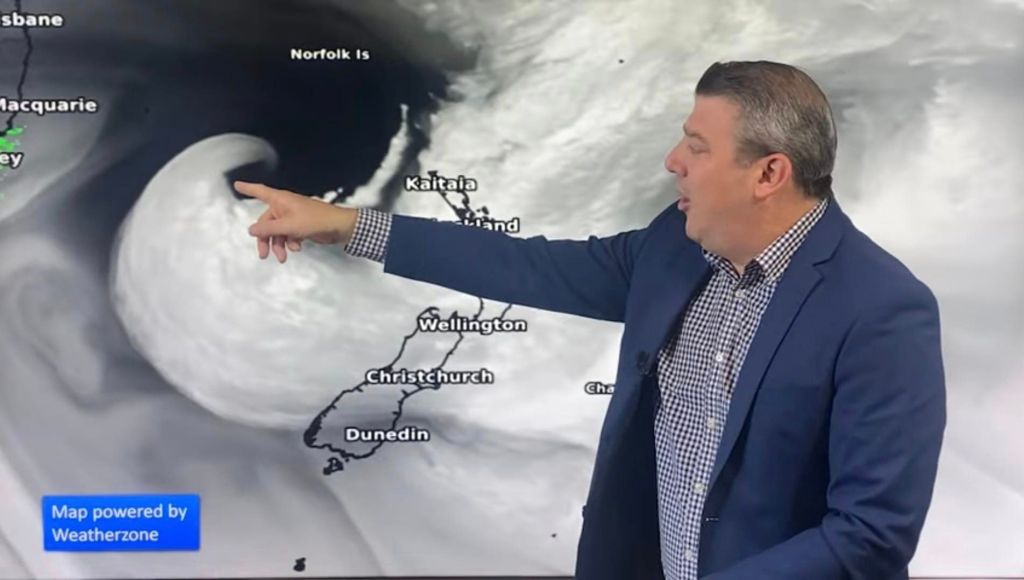


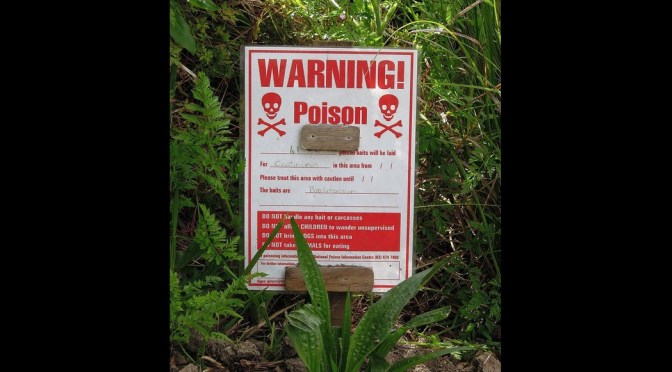
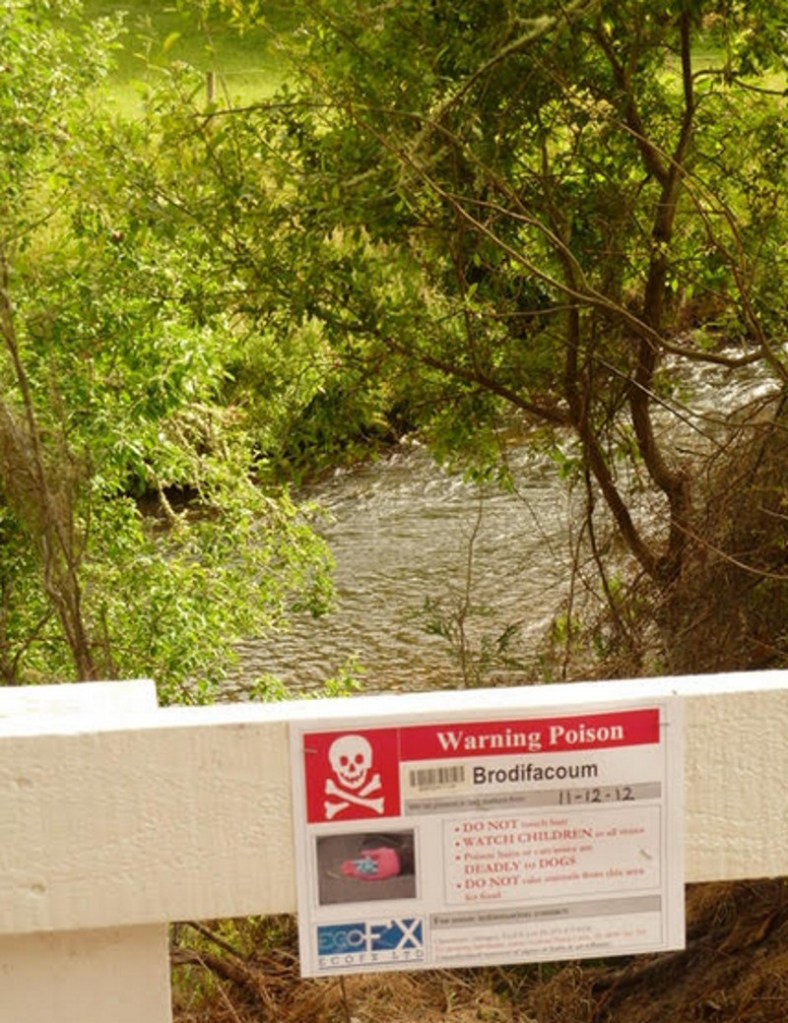
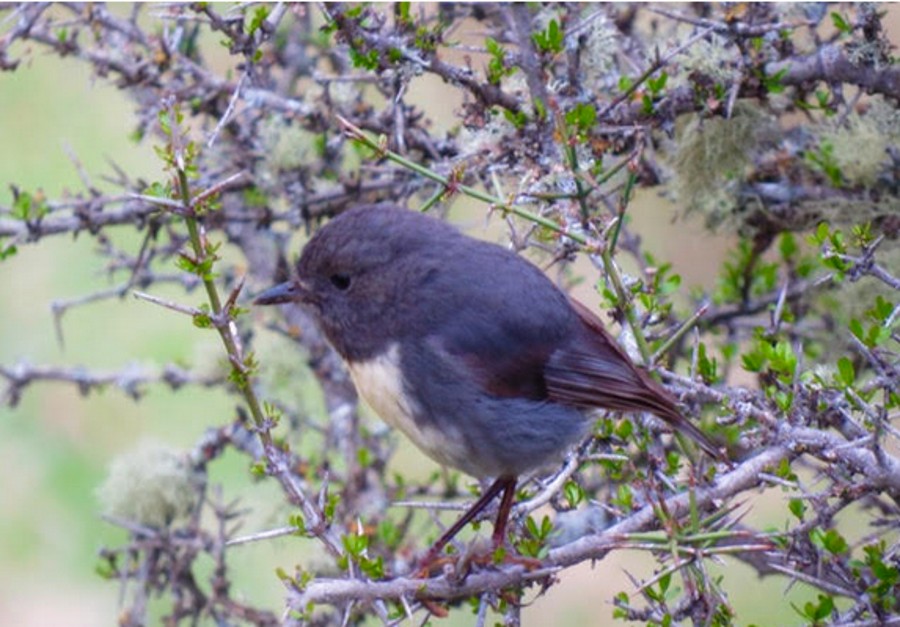





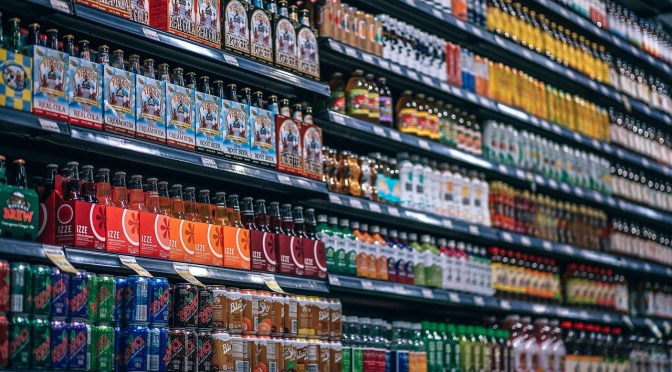
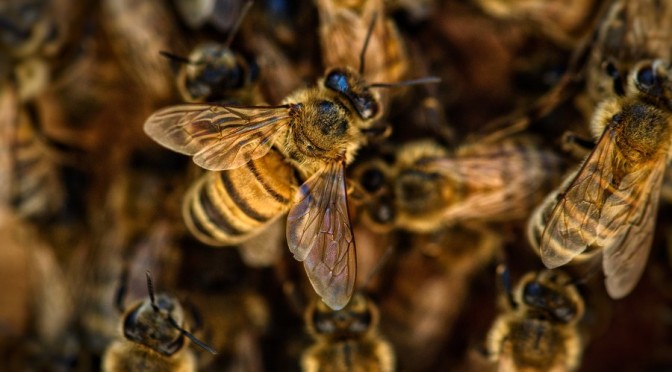




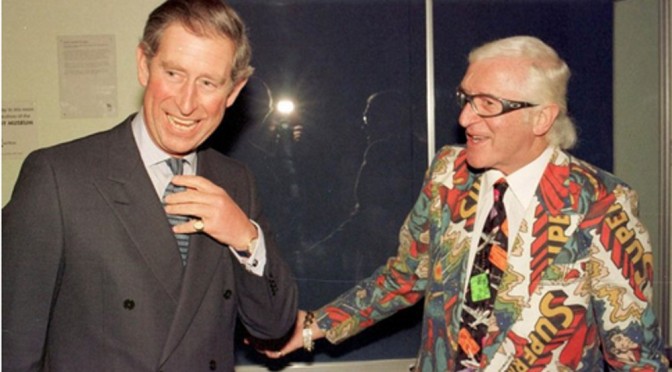










.jpg)
You must be logged in to post a comment.