Tag Archives: Obesity

Ozempic – Like your government, Big Pharma loves you

“OZEMPIC’S DEPRAVITIES MAKE THE OTHER GENOCIDE LOOK LIKE AN AMATEURISH BUDGET OPERATION”

From Robert Yoho, MD @ substack

READER RESOURCES: THE APOCALYPSE ALMANAC: Hidden cures in our dystopian age. FULLSCRIPT SUPPLEMENTS: top quality and economical.

Calley Means and Tucker

Yoho preface:

This interview was recorded approximately a year ago, but nearly every word remains valuable. Since then, the predictions made have proven disturbingly accurate. Ozempic has been approved for expanded use and is now widely reimbursed by insurance companies.

The pharmaceutical industry has created a system where every major institution—medical schools, research organizations, professional societies, media, and even civil rights groups—profits when Americans get sick and stay sick. These companies pay doctors directly to prescribe their products, fund the research that claims their drugs work, control the medical education that teaches doctors what to prescribe, and buy off the news media that should be investigating these practices.

The result is that 80 percent of American adults are overweight or obese, rates of diabetes and prediabetes continue to climb, and the proposed solution is a drug that costs $20,000 per year, must be taken for life, causes severe gastrointestinal problems in many patients, and doesn’t address the root cause of the problem. The fact that this drug was fast-tracked for government funding while metabolic disease continues to worsen reveals the moral bankruptcy of the system.

With grateful thanks to Tucker Carlson and Mr. Means, here is their interview. It was edited for readability.

Obesity is not an Ozempic deficiency. This simple fact exposes the fundamental corruption at the heart of the pharmaceutical industry’s latest blockbuster drug. When 80 percent of American adults are overweight or obese due to environmental factors—subsidized junk food, corrupted dietary guidelines, and a food system designed to addict—the answer is not a $20,000-per-year injectable drug that must be taken for life.

Yet that is precisely the solution the pharmaceutical industry has sold to America. Through systematic manipulation of medical research, regulatory capture, and direct payments to doctors and institutions, drug manufacturers have positioned Ozempic and similar GLP-1 drugs to become the most expensive medical intervention in U.S. history. The predictions made when this strategy began have proven disturbingly accurate. The drug received expanded approval, widespread insurance reimbursement, and government funding. Lawsuits over severe side effects have materialized. The corruption has continued. And obesity rates keep climbing—because the system profits from managing disease, not curing it.

If you clean a dirty fish tank, you clean the tank—you don’t drug the fish. In America, the tank is filthy. Fifty percent of teens and 80 percent of adults are overweight. This happened in one generation. Americans didn’t systematically become lazier over the past 40 years. Something in the environment changed.

The Medical Problems

Novo Nordisk, the Danish company that makes Ozempic, surpassed LVMH to become the most valuable company in Europe. European regulators do not allow Ozempic as a first-line treatment for obesity, so almost all of its revenue comes from exploiting the broken U.S. healthcare system, as American insurance companies now widely reimburse for it.

The drug works by paralyzing the stomach, preventing proper digestion. This mechanism causes severe gastrointestinal problems in many patients. Nearly 3,000 lawsuits have been consolidated in the Pennsylvania federal court alleging gastroparesis, intestinal blockages, and ileus. The FDA has updated Ozempic’s warning label multiple times since 2023—adding warnings for ileus in September 2023, severe gastrointestinal reactions in January 2025, and pulmonary aspiration during anesthesia in November 2024.

Even patients who receive the drug for free through insurance coverage cannot tolerate it. 30% discontinue use within 3 months despite full reimbursement. The gastrointestinal side effects are that severe. Those who stop the drug regain the weight—a fact Novo Nordisk acknowledges. The company markets Ozempic as a lifetime drug precisely because patients regain weight after stopping. This creates the perfect business model: a drug that never cures the condition it treats, ensuring permanent revenue.

Vision loss is one of the most serious complications. Multiple studies published in 2024 and 2025 link semaglutide use to non-arteritic anterior ischemic optic neuropathy (NAION), a condition causing irreversible blindness. Patients with obesity taking semaglutide for weight loss face more than seven times the risk of developing high rates of NAION compared to those not using the drug. Diabetic patients on semaglutide face four times the risk. The World Health Organization issued a warning about this in June 2025. Hundreds of patients have filed lawsuits claiming permanent vision loss from these drugs.

The European Union launched an investigation into suicidal ideation caused by Ozempic. This connection is not surprising. Ninety-five percent of serotonin, which regulates mood and contentment, is made in the gut. A drug that paralyzes gut function disrupts serotonin production. When you interfere with the gut and serotonin simultaneously, mental health problems follow. Reports of increased depression, anxiety, and suicidal thoughts from Ozempic users continue to accumulate.

Research published in January 2025 revealed additional side effects beyond gastrointestinal and vision problems: kidney stones, arthritis, fainting, and drug-induced pancreatitis. Nearly 40 percent of hypoglycemia cases and 15 percent of gastrointestinal cases required hospitalization. Studies have also linked GLP-1 drugs to reduced bone density when used without exercise, raising concerns about long-term musculoskeletal damage. An aging population taking a medication that weakens bones while simultaneously causing balance problems from blood sugar fluctuations represents a fracture epidemic waiting to happen.

Patients suffer severe side effects. Many cannot continue taking the drug. Those who stop regain the weight. The drug does not address why Americans got fat in the first place. It manages a symptom at astronomical cost while the underlying dysfunction continues.

How the Corruption Works

The pharmaceutical industry has refined a systematic approach to corrupting medicine over the course of decades. This playbook operates at multiple levels, involving doctors, researchers, medical societies, civil rights groups, and media organizations. Understanding this system is essential to understanding how Ozempic became the preferred solution to obesity despite its problems.

Pharmaceutical companies pay doctors directly to prescribe their drugs. Studies show that 94 percent of physicians have some relationship with the pharmaceutical industry. These relationships include payments for continuing medical education, speaking fees, consulting arrangements, and research grants. The payments influence prescribing behavior without making doctors feel bought. The industry frames these payments as compensation for expertise, not bribes. Research demonstrates that physicians who receive industry payments are two to three times more likely to prescribe name-brand drugs than their peers who don’t receive payments.

Beyond individual doctors, companies engage in “ghost management” of medical research. In this process, company representatives design studies, collect data, analyze results, and write research papers. They then pay prominent academic physicians to add their names as authors. Industry-sponsored research masquerades as independent academic work, borrowing the (supposed) legitimacy of medical science while serving corporate interests. When studies are funded by the company that sells the drug, the outcomes are substantially more favorable for that drug than in trials run by independent researchers. This systematic bias doesn’t come from poor methodology that traditional quality measures would catch—it comes from the funding itself.

Pharmaceutical companies fund the majority of continuing medical education for doctors, which is required to maintain medical licenses. By controlling this education, companies introduce bias toward their products while maintaining the facade of objective medical instruction. Studies of company-funded educational sessions consistently show bias toward the sponsor’s products.

Professional medical societies, which have statutory authority to set standards of care, receive substantial funding from pharmaceutical companies. The organizations that determine which drugs doctors should prescribe are funded by the companies that profit from those drugs. This obvious conflict of interest goes unaddressed because the arrangement is so pervasive that it’s considered normal.

Novo Nordisk is the largest spender on foundational obesity research, the largest funder to medical groups like the American Academy of Pediatrics, and one of the largest funders of civil rights groups. The company paid the NAACP to frame opposition to Ozempic funding as a civil rights issue, and the NAACP is now a registered lobbyist for Ozempic. It argues that not supporting government funding is racist because obesity disproportionately affects specific communities. When a pharmaceutical company can pay civil rights organizations to accuse critics of racism, the corruption has reached a new state of depravity.

The American Academy of Pediatrics recommended Ozempic as a first-line treatment for obese teens based on a 68-week study. This study led the AAP to recommend that every obese or overweight teen—50 percent of American teenagers—receive weekly injections for life. The study duration was just over one year. No long-term safety data existed, yet the medical establishment recommended universal adoption.

Pharmaceutical companies are the largest spenders on television news advertising—approximately $4.8 billion per year on direct-to-consumer advertising alone. This spending does not primarily aim to convince consumers to request drugs from their doctors; it is bribery for the networks. Media outlets that depend on pharma advertising dollars do not investigate pharmaceutical industry practices or report critically on new drugs. When 50 percent of television news funding comes from pharmaceutical companies, journalists do not ask hard questions about those companies’ products.

Dr. Fatima Stanford, head of obesity research at Harvard, has received tens of thousands of dollars in direct funding from Novo Nordisk, as well as millions in research grants. She appears regularly on major media outlets—including CBS’s 60 Minutes—advocating for Ozempic without disclosing these payments to viewers. On 60 Minutes, she stated that people should “throw willpower out the window” because obesity is a brain disease, not a food problem. She told viewers to take Ozempic and not worry about what they eat.

The NIH awarded 8,000 research grants to university professors who had direct conflicts of interest with the topics and drugs they were studying. This practice isn’t discussed because it’s so universal that it’s considered normal. These grants compromise NIH’s entire research program.

The opioid crisis is the template for this corruption. In 2012, a panel of outside experts convened to recommend guidance on opioids. The head of that panel was Dr. Philip Pizzo, dean of Stanford Medical School. At the time of his appointment, Stanford received a $3 million grant from Pfizer, a major opioid maker, for pain research. Dr. Pizzo appointed 90 percent of the panel members, who also received direct research and personal consulting fees from opioid makers. They released relaxed “non addictive” opioid standards that had a major impact on the opioid epidemic. This exact pattern—conflicted panel members making recommendations that benefit the companies paying them—is now repeating with obesity drugs.

Major pharmaceutical companies have paid billions in criminal and civil settlements for fraud, bribery, and misleading research. GlaxoSmithKline and Merck, two of the largest vaccine makers, settled some of the biggest criminal penalties in American corporate history for bribing doctors and producing false research. Yet these companies continue to operate with minimal oversight and maintain market dominance. The fines they pay represent a cost of doing business, not a deterrent.

The Food Stamp Connection

The food industry operates the same corruption model as the pharmaceutical industry. It spends 11 times as much on foundational nutrition research as the NIH. By controlling the research, food companies generate studies that support their products while appearing to be independent science. This corrupted research then influences government dietary guidelines, medical education, and public perception of nutrition.

The USDA has thoroughly corrupted the guidelines that set nutrition standards. Food companies fund 95 percent of the members of the guideline committee. These corrupted guidelines state that a two-year-old can consume 10 percent of their diet from added sugar. Agriculture subsidies in America send more money to tobacco than to vegetables. Ninety percent of subsidies go to highly processed foods that cause obesity.

Nearly 15 percent of Americans—roughly 50 million people—depend on food stamps for nutrition. Ten percent of all food stamp funding goes to soda. That’s over $10 billion per year flowing from the federal treasury to soda companies. The United States is the only country in the world that allows food assistance dollars to purchase this, and sodas are the number one item purchased with food stamps in America.

Calley Means worked as a consultant for Coca-Cola early in his career. The company paid the NAACP and other civil rights groups to frame proposals to limit soda purchases with food stamps as racist. They rigged the debate through systematic payments to these trusted institutions. The government subsidizes the products that cause obesity, then proposes a lifetime pharmaceutical solution that costs $20,000 per year. This is the business model.

The Financial Projections

Wall Street openly celebrates this corruption. As Ozempic gained momentum, food stocks dropped, and pharma stocks surged. Analysts openly project that obesity rates will continue to increase. Novo Nordisk became the most valuable company in Europe based on growth projections that assume higher obesity rates over the next decade. The financial models underpinning pharma stocks assume Americans will get fatter and sicker.

Medical centers seeking financing for new obesity treatment facilities base their loan applications on projections of increasing obesity. The largest and most expensive buildings in American cities are new pediatric obesity and cardiology centers. If these medical centers projected declining obesity rates, they couldn’t secure financing. The entire healthcare industry profits from worsening disease rather than improving health.

Medicare now covers Ozempic for diabetes and kidney disease. In November 2024, the Trump administration announced an agreement with Novo Nordisk and Eli Lilly to expand Medicare and Medicaid coverage of GLP-1 drugs. The manufacturers reduced prices to $245 per month in exchange for access to millions of new patients. This government funding boost was predicted years ago and has now materialized exactly as expected.

The numbers are staggering. Medicare spent $5.7 billion on GLP-1 diabetes drugs in 2022 alone. Total U.S. spending on GLP-1 drugs in 2023 reached $71.7 billion across all payers, including private insurance, Medicare, and Medicaid. With 80 percent of American adults overweight or obese and expanded coverage being implemented, treating tens of millions of Americans at even the reduced price of $245 per month would cost over $1 trillion per year.

That $1 trillion annual cost would manage a symptom, not address the root cause. The environmental factors causing the metabolic health crisis—subsidized processed food, food stamp programs paying for soda, corrupted dietary guidelines, and a healthcare system that profits from chronic disease management—remain entirely unaddressed. Ozempic does nothing to fix the poisoned food supply. It doesn’t reform agricultural subsidies. It doesn’t stop the government from paying people to drink soda. It manages the consequences of these policies through lifetime pharmaceutical dependency.

The COVID Comparison

The scale of this financial disaster dwarfs previous pharmaceutical interventions. Total U.S. government spending on COVID vaccines from 2020 to 2023 was approximately $30 billion for development, manufacturing, and distribution. The per-dose cost to the government was $19.50 to $39 for negotiated bulk purchases. Treatment duration was 2 to 4 doses per person. The total cost per person was $40 to $160.

Ozempic is on an entirely different scale. Total U.S. spending in 2023 alone was $71.7 billion—more than twice the entire three-year COVID vaccine program. Medicare spending on GLP-1 drugs grew from $57 million in 2018 to $5.7 billion in 2022. Projections suggest spending could exceed $13 to $26 billion annually on Medicare alone if only 10 percent of eligible beneficiaries use these drugs. If usage increases beyond that modest 10 percent, costs will multiply accordingly.

Per patient annual cost runs $11,000 to $20,000 at list price, though the negotiated government rate is $245 per month, or roughly $3,000 per year. Treatment duration is lifelong, for patients regain the weight when they stop the drug. The total cost per person over 20 years ranges from $60,000 at the negotiated rate to $400,000 at the list price. The target population is 80 percent of American adults, roughly 200 million people.

If Ozempic receives full government funding for the 80 percent of Americans who are overweight or obese, even at the reduced price of $245 per month, annual costs would exceed $600 billion. At list prices, yearly costs could reach $1 to $2 trillion. This equals 20 to 60 times the entire COVID vaccine budget every single year, forever. The COVID vaccine program cost taxpayers roughly $100 per person, including the whole series. Ozempic would cost $3,000 to $20,000 per person per year for life. A person on Ozempic for 20 years would cost taxpayers 600 to 4,000 times more than their entire COVID vaccination series, depending on the price point.

These numbers do not include the downstream medical costs from Ozempic’s side effects: treating gastroparesis, managing vision loss, addressing mental health crises, dealing with kidney stones, treating fractures from reduced bone density, and managing the metabolic chaos when millions eventually go off the drug. The true cost will be substantially higher than the drug price alone.

The Long-Term Unknowns

The visible costs and side effects represent just the beginning. The gastroparesis, vision loss, mental health issues, and astronomical financial burden are what we can document in the first few years of widespread use, but terrifying unknowns remain.

What happens to gut microbiomes after decades of paralysis? The gut microbiome manages immune function, produces vital nutrients, and impacts mental health. Decades of pharmaceutical-induced stomach paralysis will disturb these systems in ways we can’t predict. The gut-brain axis links digestive health to cognitive well-being. Disrupting this connection over a lifetime may lead to mental and neurological effects that won’t become apparent for years.

What are the long-term neurological effects of disrupted serotonin production? Serotonin not only regulates mood; it also affects memory, learning, sleep, and appetite. Decades of disrupted serotonin signaling in the gut could influence brain development in adolescents and accelerate cognitive decline in older adults. No studies of this exist.

What are the combined effects on bone density and muscle mass in aging populations? Osteoporosis and sarcopenia already affect older Americans. Introducing a drug that worsens both conditions could lead to an epidemic of fractures and disability. The healthcare costs for treating these issues could surpass the drug costs themselves.

How will Ozempic interact with the many other medications people take? The average 65-year-old American takes seven prescription drugs. These medications interact in complex ways that are poorly understood, even without adding Ozempic into the equation. As more people develop multiple chronic conditions and take multiple drugs, these interactions become exponentially more complicated and unpredictable.

Yoho comment: Drugs are never studied together.

What happens when millions stop using the drug—whether because of cost, side effects, or supply issues—and quickly gain weight along with metabolic chaos? The rebound effect after stopping Ozempic is well-documented. Weight returns swiftly. However, we don’t know what occurs physiologically when someone cycles on and off these medications over decades. The metabolic stress from repeated weight cycling is likely worse than never taking the drug at all.

Making a population of 200 million Americans depend on a single drug class gives manufacturers extraordinary power. Novo Nordisk and Eli Lilly would be destroying the metabolic health of half the American population. The pharmaceutical companies would hold more sway over American health than anything else.

The ongoing pharmaceutical dependency makes it impossible to address root causes because everyone is already on medication. Once 100 million Americans depend on weekly Ozempic injections, the political will to reform the food system disappears. Why change agricultural subsidies or restrict food stamp purchases of soda when everyone is medicated? The drug becomes the accepted fix, and the real problems are never addressed.

Every major pharmaceutical disaster follows the same pattern: initial enthusiasm, widespread use, then long-term disasters. Opioids took 15 years to show their full damage. Thalidomide caused birth defects before anyone made the connection. DES led to cancer in the daughters of women who used it. Vioxx caused heart attacks after years of use. The pattern is always the same: by the time we realize the full harm, millions are already affected.

We are conducting a mass experiment on metabolic intervention with a lifetime drug that paralyzes digestive function. The five-year data is already alarming. The 20-year data does not exist. We are asking Americans to trust pharmaceutical companies that have paid billions in criminal settlements for fraud and deception. We are asking them to ignore the corrupted research, the paid doctors, the captured regulators, and the obvious conflicts of interest. We are asking them to take a drug for life based on 68-week studies.

A Different Path

The metabolic health crisis did not exist one generation ago. Environmental factors created it rapidly, which means that environmental changes can reverse it rapidly. The president could issue executive orders tomorrow that would fundamentally change the landscape without spending a dollar.

The FDA could ban pharmaceutical advertising on television news, which no other developed country allows. This advertising does not influence consumers—it is used to bribe the news media. Eliminating this spending would remove part of the financial leverage that prevents critical reporting. Journalists could investigate pharmaceutical companies without risking their employers’ revenue. The policy would cost nothing and would immediately improve the information environment.

The NIH could stop giving research grants to investigators with conflicts of interest. This seems like common sense, but it would trigger screams of being anti-science from the corrupt establishment. 8,000 NIH grants go to conflicted researchers.

Agricultural subsidies would ideally shift from processed foods to vegetables. The government spends more on tobacco subsidies now than on vegetable subsidies, and ninety percent of agricultural subsidies go to highly processed foods. Redirecting even a small share of these subsidies to fruits and vegetables could change the economics of farming and make healthy food more affordable than junk food.

The revolving door between academia and industry has turned medical schools into research-and-development labs for pharmaceutical companies. Requiring disclosure and restricting financial ties would help restore some independence to academic medicine.

Medical groups with statutory authority to set standards of care—the American Academy of Pediatrics, the American Diabetes Association, the American Heart Association—must be prohibited from taking pharmaceutical funding. These organizations determine which drugs doctors prescribe. They should not be funded by companies that profit from those prescriptions.

Americans respond to incentives. The healthcare system could reimburse doctors for prescribing exercise and nutrition interventions instead of drugs. These interventions are proven to reverse metabolic dysfunction. Changing the reimbursement policy would immediately change behavior.

A child with prediabetes often has obesity, hypertension, and heart problems. That child becomes a lifelong customer for multiple drugs, none of which cure anything. One medication leads to another as side effects cause new conditions, requiring more prescriptions. This corruption wastes human potential and strains the federal budget. Healthcare is the largest and fastest-growing industry in America. If trends continue, it will be 40 percent of the federal budget in 15 years. As costs rise, health outcomes get worse. This is unsustainable.

The Verdict

Everything predicted about Ozempic has come true. The drug received expanded approval and government funding. Lawsuits over severe gastrointestinal injuries appeared. Cases of vision loss surfaced. Mental health problems emerged. The corruption continued exactly as expected. Stocks rose on Wall Street. Obesity rates keep climbing, and the healthcare system profits from managing disease rather than creating health.

We are watching a pharmaceutical disaster unfold in real time with full knowledge of how it will end. The pattern has been repeated many times before.

Selected References

1. Calley Means’ website: calleymeans.com

2. Novo Nordisk financial reports and investor presentations documenting U.S. revenue concentration and obesity growth projections, available at novonordisk.com/investors.

3. Multiple studies linking semaglutide to non-arteritic anterior ischemic optic neuropathy (NAION), including research published in JAMA Ophthalmology and other peer-reviewed journals in 2024-2025 showing 4-7 times increased risk.

4. FDA label updates for Ozempic documenting warnings for ileus (September 2023), severe gastrointestinal reactions (January 2025), and pulmonary aspiration during anesthesia (November 2024), available at accessdata.fda.gov.

5. Consolidated multidistrict litigation in Pennsylvania federal court (MDL No. 3:24-md-03094) documenting nearly 3,000 lawsuits alleging severe gastrointestinal injuries including gastroparesis from GLP-1 drugs.

6. Sismondo, Sergio. “Epistemic Corruption, the Pharmaceutical Industry, and the Body of Medical Science.” Frontiers in Research Metrics and Analytics, 2021, documenting ghost management of research and systematic bias in industry-funded studies.

7. Medicare spending data showing GLP-1 drug expenditures growing from $57 million (2018) to $5.7 billion (2022), with total U.S. spending reaching $71.7 billion in 2023, available through CMS and industry analyst reports.

8. USDA agricultural subsidy data and food stamp spending patterns, including documentation that 10 percent of SNAP funding ($10+ billion annually) goes to soda purchases, the highest single category.

9. European Medicines Agency regulatory decisions on GLP-1 drugs for obesity treatment and European Union investigation into suicidal ideation associated with Ozempic use, launched in 2023.

10. American Academy of Pediatrics recommendation for GLP-1 drugs as first-line treatment for obese teens based on 68-week studies, along with documentation of Novo Nordisk funding to the AAP and other medical societies.

11. Historical case studies of pharmaceutical fraud settlements, including GlaxoSmithKline’s $3 billion settlement (2012) and Merck’s $950 million settlement (2011) for bribing doctors and producing misleading research, representing some of the largest criminal penalties in U.S. corporate history.

Yoho wrapup:

As of December 2025, nearly 3,000 lawsuits have been filed and consolidated into multidistrict litigation in the Pennsylvania federal court. These lawsuits allege serious gastrointestinal injuries, including gastroparesis, intestinal blockages, and ileus. The FDA has updated Ozempic’s warning label multiple times since this interview—adding warnings for ileus in September 2023, severe gastrointestinal adverse reactions in January 2025, and pulmonary aspiration during anesthesia in November 2024.

Multiple studies published in 2024 and 2025 have linked semaglutide use to irreversible blindness caused by non-arteritic anterior ischemic optic neuropathy (NAION). The World Health Organization issued a warning about this risk in June 2025. Hundreds of patients with it have filed lawsuits.

Research published in January 2025 revealed additional concerning side effects beyond what was discussed in this interview. The study found increased risks of kidney stones, arthritis, fainting, and drug-induced pancreatitis in patients using GLP-1 drugs. Nearly 40 percent of hypoglycemia cases and 15 percent of gastrointestinal cases required hospitalization. Studies have also linked GLP-1 drugs to reduced bone density when used without exercise, raising concerns about long-term musculoskeletal health.

The prediction that this would become “the highest-funded drug from the US taxpayer in history” is also coming true. We’re conducting a mass experiment on metabolic intervention with a lifetime drug that paralyzes digestive function. The 5-year data is already alarming; the 20-year data doesn’t exist.

I know; I copied the other guy’s homework. And although I shortened it, it was too long. I got so much out of this that I felt compelled to share it. I do not know how anyone still trusts the Pharma motherf*****s with another poison shot, but I guess there is a sucker born every minute.


SOURCE

Why Medieval Bread Was A Superfood While Your Modern Bread Makes You Sick

Thanks to Steve for this video. It really makes sense now. Why the store bought bread disagrees with the gut. This goes right back to medieval days and the origins of bread ingredients. EWNZ

Medieval Way @ Youtube

There’s a significant issue with the bread we consume today. While bread was once a fundamental part of civilizations, sustaining families and armies, modern bread often causes gut issues, blood sugar spikes, and leaves us feeling unsatisfied. This food history explores how the bread industry has changed, contrasting today’s offerings with the traditional bread that nourished our ancestors. We conduct a food industry case study, examining how the history of bread, including ancient grains and sourdough, shows a stark difference from what we find on shelves now.

SOURCE

Image by Edar from Pixabay

The Truth About Saturated Fat (Mercola)

Heart

From Dr Joseph Mercola

Story at-a-glance

  • For several decades, saturated fat was wrongly blamed for heart disease, while vegetable oils quietly caused a surge in obesity, inflammation, and chronic metabolic disorders
  • Newly appointed FDA commissioner Dr. Marty Makary is now leading efforts to revise outdated dietary guidelines that were built on cherry-picked data from Ancel Keys’ Seven Countries Study
  • A 2016 BMJ-published reanalysis found replacing saturated fat with linoleic acid-rich vegetable oils increased cardiovascular deaths, despite lowering cholesterol
  • Investigative journalist Dr. Maryanne Demasi faced vicious backlash after exposing the flawed science behind saturated fat demonization in her documentary “Heart of the Matter”
  • Industrial seed oils like canola and soybean are now linked to mitochondrial damage, inflammation, and chronic illness — while saturated fat is finally being recognized as metabolically supportive

For decades, the dominant narrative insisted that saturated fat was deadly — even though the actual data never proved it. As a result, the health advice shifted toward seed oils and processed margarine, which quietly ushered in new health problems, from metabolic disease to obesity and inflammatory disorders — all while the original hypothesis remained unchallenged by mainstream medicine.

Now, for the first time, high-ranking officials are openly criticizing these outdated guidelines. So, if you still believe that butter, beef, and full-fat cheese clog your arteries and are damaging your health, it’s time to relearn everything you know about these fat sources.

New FDA Commissioner Aims to End the 70-Year War on Saturated Fat

On July 14, 2025, Dr. Marty Makary, the newly appointed U.S Food and Drug Administration (FDA) commissioner, along with Sec. Robert F. Kennedy, Jr. of the Department of Health and Human Services and Sec. Brooke Rollins of the Department of Agriculture, held a press conference addressing their plans to significantly overhaul the U.S. dietary guidelines.1

•One of the primary areas that they will work on is revising the guidelines on saturated fat — During the press conference, Makary highlighted how the changes to the food guidelines will be made based on scientific findings. He mentions that the demonization of saturated fat began with a flawed study — the Seven Countries Study by Ancel Keys.

•Why the Seven Countries Study was significantly flawed — The study, which started in 1958 and continued until 1983, explored the heart health of different populations in several prominent Western countries. According to Keys’ hypothesis, there is a significant link between saturated fat and heart disease. When he published his data, it showed perfect correlations between cardiovascular disease and the dietary consumption of fat.2

However, there was just one problem with the research — Keys cherry-picked the data. He selectively chose the countries that fit his hypothesis while ignoring data from 16 other countries that went against his recommendations.3 Had he chosen a different set of countries, the data would have been the opposite — that increasing the percent of calories from fat actually reduces the number of deaths from coronary heart disease.

•Despite the methodological flaws in his data, the medical community accepted Keys’ study — This led to the promulgation of “low-fat, low-cholesterol” foods as healthy. Butter, coconut oil, red meat, dairy, and eggs were all shunned, while polyunsaturated fats (PUFs) like margarine, vegetable oils, and shortening were popularized.

•The medical establishment “locked arms and walked off a cliff together” — This was how Makary described the shift from saturated fat to polyunsaturated fat — basically, the health community back then took a look and decided that Keys’s study was gospel truth — despite many experts contesting his hypothesis and many studies4,5 showing the opposite.

“The medical establishment started with a robust debate in the New England Journal of Medicine among academics of the National Academy. But that debate ended in the 1970s because there was groupthink,” Makary said.

“Well, that dogma still lives large and you see remnants of it in the food guidelines that we are now revising. So, we’re going to ensure that the new guidelines are based on science and not medical dogma.”6

To see the tide finally turning and the government health agencies taking the lead on these monumental changes is something I applaud. Over the past couple of decades, I’ve published countless articles about the flaws in Keys’ study — and why saturated fats are not to be feared, as they are actually integral to your health.

Documentary Exposed the Flaws and Received Fierce Backlash

Just like me, Maryanne Demasi, Ph.D., has been speaking out about the erroneous demonization of saturated fat for a long time. Several years ago, I wrote about a two-part documentary she produced called “Heart of the Matter,” which aired on the Australian Broadcasting Corporation’s show (ABC) Catalyst in 2014. I was extremely impressed by the film, as it did an excellent job of exposing the cholesterol/saturated fat myths and its financially links to cholesterol-lowering drugs called statins.

In her recent Substack post, Demasi detailed the severe backlash she received after she released the documentary, and her thoughts on these recent developments from the U.S. government agencies. “It was a stunning moment — not because the criticism was new, but because it was coming from someone in an official position to do something,” she said.7

•“Heart of the Matter” focused on two primary points — The first part examined the demonization of saturated fat, while the second part dwelled on the widespread use of statins.

“The medical dogma was firmly entrenched: saturated fat raised cholesterol, and cholesterol caused heart disease. But the science behind it was shaky — built on cherry-picked data and upheld more by consensus than by critical evaluation,” she said.

•The findings were supported by some of the top experts in the field of cardiovascular health — Among the interviewees featured were Dr. Michael Eades, an early advocate for low-carb, high-fat diets, cardiologists Dr. Stephen Sinatra and Dr. Ernest Curtis, nutritionist Dr. Jonny Bowden, and science journalist Gary Taubes. All of these experts voiced their concerns regarding the warnings against saturated fat. Demasi said:

“Eades, for instance, highlighted the absurdity of the prevailing narrative: ‘You very seldom see the words ‘saturated fat’ in the public press when they’re not associated with artery clogging. So it’s like it’s all one term — ‘artery clogging saturated fats.’’

And Taubes, author of Good Calories Bad Calories, known for his meticulous dismantling of diet dogma, cut to the core: ‘There’s no compelling evidence that saturated fat is involved in heart disease.’”

To present both sides equally, the documentary also featured experts who vigorously defended the warnings against saturated fat. Robert Grenfell, the director of the National Heart Foundation, and Professor David Sullivan, a cardiologist, shared their thoughts in the film.

•Still, the backlash was overwhelming — Demasi describes it as “immediate, vicious, and unrelenting.” The media not only turned against her, but they also went against the experts who challenged the saturated fat dogma. And even though no factual inaccuracies were found, ABC still pulled both episodes from its website.

Save This Article for Later – Get the PDF Now

Download PDF

Numerous Experts Have Sounded the Alarm on Keys’ Flawed Research

The fact that Ancel Keys’ hypothesis was purely observational and could not establish causation has long been raised by many health experts — even during the first years when the Seven Countries study came out. According to Demasi, John Yudkin, a British physiologist and nutritionist warned that sugar, not fat, was the real cause of heart disease. However, he was mocked and marginalized by Keys, who considered Yudkin his fiercest opponent.8

Yudkin was the first, but he wasn’t the only one — numerous researchers like Uffe Ravnskov and Malcolm Kendrick, also publicly challenged Keys’ hypothesis, co-authoring publications that exposed the flaws of this study. Many others soon followed, which Demasi outlined in her blog post.

•“Saturated fat is not the major issue” — In 2013, cardiologist Dr. Aseem Malhotra published a commentary on the BMJ, saying that the flawed advice from Keys caused people to aggressively lower cholesterol — which may have led to higher rates of heart disease.

“The mantra that saturated fat must be removed to reduce the risk of cardiovascular disease has dominated dietary advice and guidelines for almost four decades. Yet scientific evidence shows that this advice has, paradoxically, increased our cardiovascular risks,” Malhotra wrote.9

•”The Big Fat Surprise” — Nina Teicholz wrote her best-selling exposè in 2014,10 which helped bring the issue to public attention. Her deeply researched book challenged the conventional wisdom on dietary fats, especially saturated fat. “Teicholz documented how weak science, political pressure, and food industry lobbying created a false consensus that demonised fat and distorted public health policy,” Demasi remarked.11

•“Re-evaluation of the traditional diet-heart hypothesis” — In 2016, a group of researchers published a landmark re-analysis of the Minnesota Coronary Experiment in the BMJ, to evaluate the accuracy of Keys hypothesis. They found that when saturated fat was replaced with linoleic acid (LA) from vegetable oils, cholesterol levels were lowered — but paradoxically led to an increase in deaths, particularly from cardiovascular disease.

“Findings from the Minnesota Coronary Experiment add to growing evidence that incomplete publication has contributed to overestimation of the benefits of replacing saturated fat with vegetable oils rich in linoleic acid,” the researchers concluded.12

The Cholesterol Hypothesis Is a ‘Professional Litmus Test’

The plans to overhaul the U.S. dietary guidelines give hope to many researchers like Demasi, who have long raised their concerns about this flawed science — but were ostracized as a result.

“For the first time, real change may be coming — not from the margins, but from the very top of the U.S. health establishment…

It’s taken decades. The cholesterol hypothesis wasn’t just a scientific claim — it became a professional litmus test. To challenge it was to risk your funding, your career, your credibility. Many of us paid that price. Even now, entrenched interests remain,” she wrote.

•But why was the myth allowed to persist in the first place? Apparently, it’s all because of the food and drug industry. In a video podcast, Dr. Paul Saladino and Teicholz discussed how the low-fat, low-cholesterol myth rapidly led to dramatic changes in the food and drug industries — changes that have proven to be highly lucrative, financially speaking.13

•Acknowledging that saturated fat is healthy means to relinquish big industry profits — The Big Food industry is raking in millions of dollars from the low-fat and low-cholesterol (yet highly processed) foods, including industrial vegetable oils. To admit that these “healthier options” are actually decimating public health would lead to great financial losses. The healthy alternative is real food — however, there’s no big industry profits to be made from that.

•Moreover, statin sales and other Big Pharma profit areas would suffer — The whole point of prescribing statins was to lower cholesterol, but if the notion that cholesterol is bad would be overturned, then what would be the point of taking these drugs?

Personally, I believe that statins are among the most overprescribed — and unnecessary — medications on the market today. Not only do the harms far outweigh the benefits, but they’re also ineffective. In fact, in “Heart of the Matter,” the experts repeatedly say that statins only lengthen a life by a few days and, despite their hype and popularity, are shockingly ineffective for all but a few people. Learn more about these drugs in my article, “Statins Do More Harm Than Good.”

Vegetable Oils Undermine Your Health

Perhaps the worst effect of the demonization of saturated fats — including butter, tallow, lard, and coconut oil — is that it paved the way for vegetable oils like soybean, canola, and corn oil, which are loaded with linoleic acid, a polyunsaturated fat (PUF), to become a standard part of the modern diet.

Today, Americans consume LA at levels that would have been unimaginable a century ago. In the 1860s, we only consumed 2 grams of LA per day; that number has now increased to close to 30 grams per day for most people. It now makes up 15% to 25% of a typical American’s caloric intake. And the cost of this overload? Your cells become more vulnerable to oxidative stress.

•Excessive LA causes your mitochondria to break down — The mitochondria, which are the powerhouse of your cells, responsible for creating energy, are significantly damaged because of this fat. LA transforms into oxidized linoleic acid metabolites (OXLAMs), dangerous byproducts that damage DNA, disrupt energy production, and drive chronic inflammation throughout your body.

OXLAMs have been linked to not just heart disease, but nearly every chronic disease now plaguing the developed world, such as obesity, Type 2 diabetes, and even neurodegeneration.

•LA stays in your body for years — You don’t simply eliminate it; instead, it LA embeds in your body fat, where it continues to inflict damage even after you clean up your diet. I recommend reading my paper published in Nutrients to understand how this happens — and how you can reverse it. My paper also expounds on the long-term biological effects of this metabolic disruptor.

View the Full Study Here

•Unfortunately, LA is rampant in the food supply — Even if you stop using seed oils, or don’t eat fried foods and fast food, you could still end up eating large amounts of LA mainly because it’s cleverly hidden in so many packaged products where you’d least expect it.

Lowering your intake of industrial seed oils starts with knowing where they hide. I recommend downloading my Health Coach app, which will be out soon. It has a unique feature called Seed Oil Sleuth™, which will help identify every hidden source of seed oils in your meals. It also calculates your daily LA intake to the nearest tenth of a gram.

Saturated Fat Is Not the Enemy — Misinformation Is

So how do you undo the damage of 70 years of misguided health policy? The good news is there are ways to help revert the damage, and it starts by focusing on the root cause — removing industrial seed oils loaded with linoleic acid (LA). Carefully read labels, even in so-called “healthy” snacks; remember, these harmful fats are lurking everywhere.

Once you’ve cleaned up all the unhealthy fats in your diet, start rebuilding your health with saturated fats from clean animal sources, which are stable and nourishing. Choose healthy options like grass fed butter, ghee, beef tallow, and coconut oil, which support your mitochondria, don’t oxidize easily, and provide steady energy. For more healthy lifestyle strategies to eliminate LA from your diet, I recommend reading “Linoleic Acid, Mitochondria, Gut Microbiome, and Metabolic Health — A Mechanistic Review.”

These new developments in the U.S. food supply are certainly a breath of fresh air, and if Makary and others who are part of the “Make America Healthy Again” (MAHA) campaign follow through, we may finally get dietary guidelines that reflect biological truth, not industry agendas. As Demasi concludes:

“[W]e may finally be seeing the collapse of one of the most destructive public health myths in modern history … For those of us who’ve waited decades, it’s not vindication we want (although that would be nice) — it’s change.”14

Frequently Asked Questions (FAQs) About the War on Saturated Fat

Q: Why is the war on saturated fat finally ending?

A: For decades, saturated fat was wrongly blamed for heart disease due to flawed research like Ancel Keys’ Seven Countries Study. Now, top U.S. health officials, including FDA Commissioner Dr. Marty Makary, are acknowledging these mistakes and working to revise the dietary guidelines based on current science, not outdated dogma.

Q: What was wrong with the original research that demonized saturated fat?

A: Keys’ study selectively included countries that supported his hypothesis and ignored those that didn’t. This cherry-picking created a false link between fat and heart disease, leading to widespread promotion of low-fat, high-seed oil diets that have been harmful to public health.

Q: How have vegetable oils impacted health since replacing saturated fats?

A: Vegetable oils like soybean, corn, and canola are loaded with linoleic acid (LA), which damages mitochondria, promotes inflammation, and contributes to chronic diseases like obesity, diabetes, and neurodegeneration. These oils now make up 15% to 25% of caloric intake in the average American diet.

Q: What role did media and government play in spreading misinformation?

A: Mainstream media and government agencies endorsed and enforced the cholesterol hypothesis without fully examining the evidence. Whistleblowers like Maryanne Demasi, Ph.D., were attacked for speaking out, and even accurate documentaries were censored to protect the status quo.

Q: What changes are being proposed for the U.S. dietary guidelines?

A: Upcoming revisions may eliminate the cap on saturated fat and elevate full-fat foods like butter and dairy. Officials aim to base the guidelines on actual science, not outdated industry-driven dogma.

SOURCE

Is Your Gallbladder Causing Digestive Issues?

Story at-a-glance

  • Your gallbladder is an abdominal organ that stores and concentrates bile produced by your liver. The bile helps your body break down and absorb the fat that you eat. When you eat a fatty meal, your gallbladder will contract and squeeze more concentrated bile into the small intestine to aid in the breakdown of the fat
  • Since your gallbladder is involved in the breakdown of dietary fats, digestive problems — especially when eating fatty foods — can be indicative of a problem, even if you have no other symptoms. Digestive symptoms include frequent abdominal bloating, gas, nausea and/or diarrhea shortly after eating
  • Gallstones are one of the most common types of gallbladder problems that can occur, affecting an estimated 15% of the U.S. population. Women are twice as likely as men to develop them, especially during pregnancy or if using birth control pills or hormone replacement therapy
  • One of the reasons for this gender difference is because the extra estrogen increases cholesterol while simultaneously slowing down gallbladder emptying. Obesity, diabetes, Crohn’s disease, liver cirrhosis, sickle cell disease, intravenous feeding, a family history of gallstones, use of cholesterol-lowering drugs, high-fat/low-fiber diets and fasting are also risk factors
  • While your gallbladder performs an important function, you can live without it. Your liver still produces and sends bile into your duodenum, so you can still break down fats to a certain degree. But it’s not as efficient, so people who have had their gallbladder removed are advised to limit the amount of fat in their diets and take digestive aids such as ox bile and digestive enzymes

Your gallbladder is a 3- to 4-inch long pear-shaped sack in your abdominal cavity located beneath your liver. It stores and concentrates bile produced by your liver. The bile helps your body break down and absorb the fat you eat.

When you eat fat, your liver sends bile directly into the duodenum (small intestine). Your gallbladder will also spring into action, contracting and squeezing more concentrated bile through the common bile duct into the small intestine to aid in the breakdown of the fat. Carbs and proteins are more easily digested and don’t need this extra bile.

Bile is made up of water, cholesterol, lecithin, bile salts (which break fats into smaller droplets that are easier for digestive enzymes to process) and bile pigments. The primary bile pigment is bilirubin, made from red blood cells that are broken down in the liver. This pigment is responsible for making urine yellow and stool brown.

Your pancreas also plays an important role in the digestive process. It produces and sends enzymes into the common bile duct via the pancreatic duct. Together, the digestive juices from your liver and pancreatic enzymes break down the food you eat into liquid form so that your body can absorb the nutrients from it.

Since your gallbladder is involved in the breakdown of dietary fats, digestive problems — especially when eating fatty foods — can be indicative of a problem, even if you have no other symptoms. Digestive symptoms include frequent abdominal bloating, gas, nausea and/or diarrhea shortly after eating.

Risk Factors and Symptoms of Gallstones

Gallstones are one of the most common types of gallbladder problems that can occur, affecting an estimated 15% of the U.S. population.1 Women are twice as likely as men to develop them, especially during pregnancy or if using birth control pills or hormone replacement therapy.

One of the reasons for this gender difference is because the extra estrogen increases cholesterol while simultaneously slowing down gallbladder emptying. Obesity, diabetes, Crohn’s disease, liver cirrhosis, sickle cell disease, intravenous feeding, a family history of gallstones, use of cholesterol-lowering drugs, high-fat/low-fiber diets and fasting are also risk factors.2,3

Gallstones typically consist of crystallized bile, and if large enough to block a biliary duct, can cause varying degrees of pain. Left untreated, the blockage can lead to cholecystitis, or inflammation of the gallbladder. Common symptoms of cholecystitis include:

Sudden onset of severe pain in the center or upper right quadrant of your abdomen, under your ribcage. The pain is proportional to the pressure inside the gallbladder caused by the blockage and/or swelling due to infectionPain that radiates to your right shoulder or back, between the shoulder blades
A tender abdomenFever and chills
Nausea and/or vomitingLight or chalky colored stools

A gallbladder infection needs to be treated to avoid gallbladder rupture, which can be life-threatening, gangrene, or a gallbladder abscess. Abscesses occur when a pocket of pus forms inside the gallbladder. In severe cases of cholecystitis, the gallbladder is removed, but milder cases may be treated with anti-inflammatory drugs.

This is why you want to be really careful with your gallbladder and at the first sign of symptoms treat it as if you didn’t have a gallbladder so you can reverse the process and not have it surgically removed as so many people do. Not much you can do after a surgeon removes it for you as no way are you getting a gallbladder transplant.

Other Types of Gallbladder Disease

Cholecystitis can also develop in the absence of stones, although it’s far rarer. Only 5% of acute cholecystitis cases are so-called acalculous, meaning there are no stones present.4

Acalculous gallbladder disease is thought to be caused by bile build-up due to a lack of oxygen to the gallbladder. In these cases, the gallbladder is typically removed. Other potential gallbladder problems include:5,6

Choledocholithiasis — This is when a gallstone blocks the common bile duct, causing bile to back up into the liver. In addition to pain in the upper right quadrant of your abdomen, other symptoms include jaundice (yellowing of the skin or eyes), dark urine, clay-colored stool, nausea and/or vomiting. Treatment typically involves removing the stone with an endoscope. In severe and/or recurring cases, the gallbladder may be removed.
Polyps — Gallbladder polyps are abnormal growths on the interior wall of the gallbladder. Most people have no symptoms, and the polyps are usually only discovered during routine ultrasound or CT scans. Small asymptomatic polyps are usually left alone and monitored. Large symptomatic polyps, however, may require gallbladder removal.
Gallbladder cancer — This is a rare condition and little is known about its causes.
Porcelain gallbladder — This is another rare condition in which calcium builds up on the interior wall of the gallbladder, causing symptoms similar to those of gallstones.
Biliary dyskinesia — This is a functional disorder where your gallbladder’s ability to move bile into the bile duct is impaired. As a result, bile is backed up in your gallbladder, causing chronic inflammation.
Cholangiopathy — This term covers all diseases involving the bile ducts. Chronic inflammation of the bile ducts can scar the ducts, causing them to become narrow. This in turn can cause bile to build up either in the liver, gallbladder or both.
Liver cirrhosis — The buildup of bile in your liver can also result in liver inflammation and scarring (cirrhosis).
Pancreatitis — If the gallstone makes its way into the pancreatic duct, which intersects with the common bile duct, then inflammation of the pancreas can occur.

Download this Article Before it Disappears

Download PDF

Can You Live Without a Gallbladder?

While your gallbladder performs an important function, you can live without it. In fact, many do, as gallbladder removal is one of the most commonly performed surgeries in the U.S.7

While you can live without your gallbladder, your digestion will not be as efficient, so people who have had their gallbladder removed are advised to limit the amount of fat in their diets and take digestive aids such as ox bile and digestive enzymes.

Your liver still produces and sends bile into your duodenum, so you can still break down fats to a certain degree. But it’s not as efficient, as the bile from your liver is less concentrated. This is why people who have had their gallbladder removed are advised to limit the amount of fat in their diets and take digestive aids such as ox bile and digestive enzymes.

Fat malabsorption is also common among people with functioning gallbladders. Symptoms such as sticky stools, stools that float, frequent diarrhea, digestive upset, gas and/or soft foul-smelling stools right after meals, chronic dry skin and hair loss are common symptoms suggesting you may not be digesting fats properly.8

How to Improve Digestion of Fats

Whether you’ve had your gallbladder removed or not, you can improve your digestion of fats using:

• Bitters — Bitters help stimulate the production of bile to boost the digestive process. The first signals for bile production come from your tongue, so taking a tablespoon of bitters right before eating can get the flow of bile going.

• Betaine hydrochloride (HCI) — Betaine HCI — not to be confused with betaine or trimethylglycine (TMG) — increases the concentration of stomach acid, which is required for digestion of food. It also signals your pancreas to release digestive enzymes. If your stomach acid is too low, some of the food you will remain largely undigested.

Digestive enzymes In many people, the pancreas doesn’t produce enough digestive enzymes. In this case, taking a digestive enzyme supplement with each meal can help. There are five primary digestive enzymes, each designed to help break down different types of food:

◦ Protease breaks down protein

◦ Amylase breaks down carbohydrates, sugars and starches

◦ Lipase breaks down fats. If you have IBS, cystic fibrosis, celiac disease, no gallbladder or gallbladder dysfunction, you may benefit from higher levels of lipase

◦ Lactase breaks down milk sugar (lactose) in dairy products

◦ Sucrase breaks down sucrose sugars

Taking a blend of enzymes is usually ideal, as no single enzyme can perform all the necessary functions throughout your digestive tract. That said, if you have irritable bowel syndrome (IBS), cystic fibrosis, celiac disease, no gallbladder or gallbladder dysfunction, you may benefit from higher levels of lipase in particular.

• Ox bile — Ox bile, which is most similar to that of humans, is particularly important after you’ve had your gallbladder removed. Ideally, take one tablet along with a lipase-containing digestive enzyme shortly before meals.

As noted by biohacker Dave Asprey, you can also improve your digestion of fats by eating the right fats:9

“C8 MCTs (caprylic acid) … skips a few steps in digestion. You don’t need bile for your cells to use it. Having a little bit of caprylic acid every day will help your body replenish the fats it’s been missing out while you haven’t been digesting fats.

Eating more fats will stimulate your liver to produce more bile, which will mix with stagnant bile and thin it out. Eating high quality fats like avocados, salmon and coconut oil to get things flowing.”

How to Avoid Gallstones

While it’s still unclear why gallstones form, a number of lifestyle strategies are known to lower your risk, including the following:

  • Get regular exercise
  • Clean up your diet — Avoid processed foods and grains, keep hydrated, opt for healthy high-quality fats and eat more high-fiber foods such as fruits and vegetables
  • Lose weight gradually — Rapid weight loss may raise your risk of gallstones
  • Avoid extended fasting, not only will it help your gallbladder, but it will increase your health as fasting is not as healthy as I previously believed as it increases your stress hormones and worsens mitochondrial function

Sources and References

Image by Darko Djurin from Pixabay

A Silent Epidemic With Far-Reaching Health Consequences

From mercola.com

Story at-a-glance

  • NAFLD is characterized by excess fat buildup in your liver. Without proper treatment, it can lead to serious liver problems including nonalcoholic steatohepatitis (NASH), which causes inflammation and fibrosis, or scarring of the liver. NAFLD also increases the risk of other health conditions, including cardiovascular disease
  • The first documented cases of nonalcoholic fatty liver disease (NAFLD) didn’t come about until 1980. Today, NAFLD affects 32.4% of people globally, and it’s the most common cause of liver transplant in adults under the age of 50
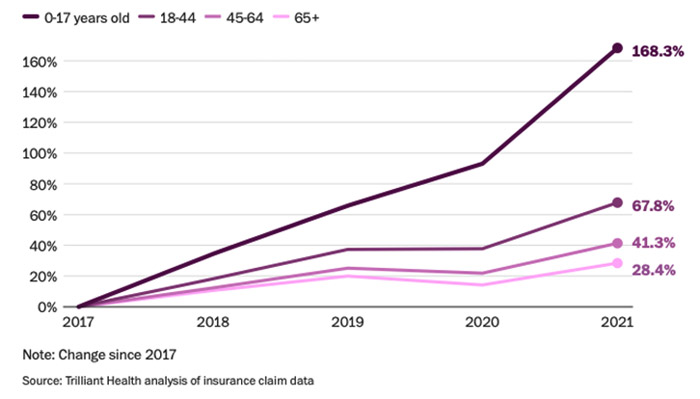
  • NAFLD also affects up to 9.6% of American children aged 2 to 19, making it as common as asthma. In 15- to 19-year-olds, prevalence is as high as 17.3%. Prevalence among children 0 to 17 has risen 168.3% since 2017, with a particularly precipitous rise starting in 2020
  • The dramatic rise in NAFLD in early 2020 may in part be due to the COVID lockdowns, which had the effect of raising childhood obesity rates by 8.3% to 13.4%, depending on the age group
  • Maternal obesity and high consumption of diet soda and/or junk food during pregnancy have both been linked to NAFLD in offspring, and one theory is that artificial sweeteners may be programming the metabolism of the fetus to favor fat storage over energy production

Fatty liver disease used to be a disease seen almost exclusively in the elderly, primarily heavy drinkers. The first documented cases of nonalcoholic fatty liver disease (NAFLD) didn’t come until I was in medical school in 1980.1 At the time, the researchers described it as a “hitherto unnamed liver disease of unknown cause.”

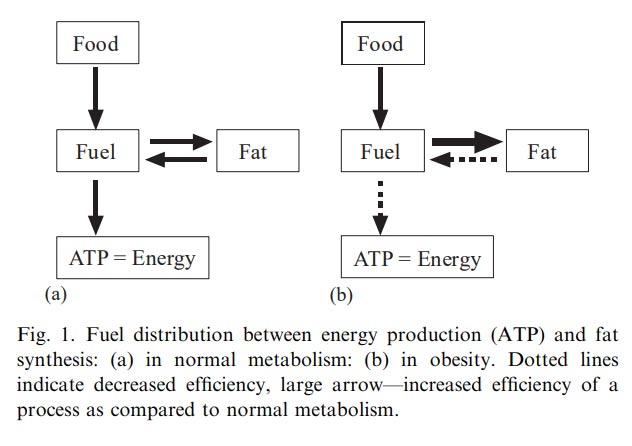
In June 2023, scientists proposed rebranding NAFLD to “metabolic dysfunction-associated steatotic liver disease,” to highlight its relation to other metabolic conditions such as diabetes. What connects all metabolic conditions is that your body is not converting food to energy in an efficient manner.

In the video above, independent health researcher Jay Feldman investigates the true causes of NAFLD. This is Part 2 of an eight-part series. It’s like a master’s course on NAFLD, as he goes over virtually everything you could possibly want or need to know about it. If you or someone you know is currently struggling with NAFLD, I strongly encourage you to view all eight episodes.

In the featured episode, he explains why fructose is NOT the main culprit as commonly thought, how your liver produces fat from both fructose and dietary fats, and how impaired energy production in your mitochondria results in NAFLD.

What Is NAFLD?

NAFLD is characterized by excess fat buildup in your liver. Without proper treatment, it can lead to serious liver problems including nonalcoholic steatohepatitis (NASH), which causes inflammation and fibrosis, or scarring of the liver.

NASH may lead to cirrhosis, which increases the risk of liver cancer, and end-stage liver disease. NAFLD also increases the risk of other health conditions, including cardiovascular disease, which is the No. 1 cause of death in people with NAFLD. NAFLD often has no symptoms, although it may cause fatigue, jaundice, swelling in the legs and abdomen, mental confusion and more.

Your liver carries out more than 500 functions that are essential for health. This includes the production of bile (which breaks down dietary fats and carries away waste), converting excess glucose into glycogen, and regulating amino acids in the blood. It’s also important for detoxification, helping to clear your blood of toxins.

The good news is that your liver, more than almost any other tissue in your body, has phenomenal regeneration capabilities. Even if 90% of it has been removed, it can regrow to its normal size. NAFLD can also be successfully reversed in its early stages via lifestyle changes, like healthy eating and exercising.

NAFLD Prevalence Has Skyrocketed

Today, NAFLD affects 32.4% of people globally,2 and it’s the most common cause of liver transplant in adults under the age of 50.3 NAFLD also affects up to 9.6% of American children aged 2 to 19,4 making it as common as asthma.5 In 15- to 19-year-olds, prevalence is as high as 17.3%.6

What’s particularly strange is that the skyrocketing prevalence in children and teens is quite new. As illustrated in the graph below from Trilliant Health,7 prevalence of NAFLD has risen 168.3% since 2017, with a particularly precipitous rise starting in 2020.

nafld graph

Download this Article Before it Disappears

Download PDF

Obesity Is a Primary Risk Factor for NAFLD

As reported in a March 2021 paper on pediatric NAFLD:8

“The largest risk factor for NAFLD is obesity. Obesity and NAFLD in children are often associated; however, they are not concomitant.

In a 2019 study in 408 children with obesity using whole liver magnetic resonance imaging–proton density fat fraction, the prevalence rate of NAFLD was 26.0%, or roughly one in every four children. In the Teen LABS study of adolescents with obesity severe enough to warrant weight loss surgery, the prevalence rate of NAFLD was higher at 59%.”

The dramatic rise in NAFLD in early 2020 may in part be due to the COVID lockdowns, which had the effect of raising childhood obesity rates by 8.3% to 13.4%, depending on the age group.9

Artificial Sweeteners May Impair Metabolism

That said, NAFLD also occurs in an estimated 8% of normal weight children.10 Inherited predisposition may be part of the problem. But the environment in utero can also influence a child’s risk of NAFLD,11 and this is a far more likely explanation for the recent explosion in prevalence among children.

Maternal obesity and high consumption of diet soda and/or junk food have both been linked to NAFLD in offspring. Artificial sweeteners may be programming the metabolism of the fetus to favor fat storage over energy production.

Maternal obesity and high consumption of diet soda and/or junk food during pregnancy have both been linked to NAFLD in offspring, and one theory is that artificial sweeteners may be programming the metabolism of the fetus to favor fat storage over energy production.12

Babies are also routinely fed unnaturally high amounts of sweeteners in infant formula and baby food. In recent years, the baby formula industry has started marketing formula made with corn syrup solids instead of lactose from cow’s milk. It’s said to be better for babies with sensitivity to lactose.

However, recent research13 suggests formula made with corn syrup solids significantly increases your child’s risk of obesity by age 4, and by extension NAFLD, and those who consume the highest amounts of formula have the highest risk.

So-called “transition formula” and “toddler milk” also contain higher amounts of sugar than regular cow’s milk. Both products are pure marketing inventions that have no nutritional basis. Meanwhile, research14 has shown that consumption of unsweetened cow’s milk is associated with a lower risk of NAFLD.

The Role of Diet

Indeed, our modern diet is probably the most important driver of this condition. As reported by The Washington Post:15

“… many doctors believe that our modern lifestyle — diet, the increase in sedentary activities related to technology and environmental exposures — is to blame. One of the liver’s jobs is to filter toxins, and when something in the body is out of balance, the organ can become damaged and fail …

A little fat in the liver is normal, but when more than 5% of its cells contain fat, the organ’s ability to do its job is impeded, and pediatric specialists say some children they treat have livers with 30 to 40% or even as high as 60% fat …

Some pediatric experts theorize there’s a mismatch between our genetics and the highly processed and sugary foods that have come to dominate childhood diets.

Nutritional surveys show that meals eaten by kids changed radically in a generation, going from very little ultra-processed foods in the early 1980s … to more than 67%16 in recent years. Such diets lead to hormonal changes and other stresses on our bodies.

‘It creates a time bomb, and it is killing our kids,’ said Barry M. Popkin, a professor of nutrition at the Gillings School of Global Public Health at the University of North Carolina at Chapel Hill.”

The Washington Post goes on to cite a January 2022 systematic review17 that found “a parallel but delayed rise” in noncommunicable diseases with rising prevalence of ultraprocessed foods.

Between 1800 and 2019, processed and ultraprocessed foods rose from less than 5% to more than 60%. This radically altered the macronutrient content of our diets. Sugar and seed oil (or “vegetable oil”) consumption rose dramatically, while saturated fat from animals dropped.

Ditch the Fast Food to Protect Your Child’s Health

Of these, I believe the transition from saturated animal fats to seed oils has played the biggest role. As detailed in “Linoleic Acid — The Most Destructive Ingredient in Your Diet,” seed oil is the primary source of linoleic acid (LA), which destroys your mitochondrial function.

I’m convinced excessive LA consumption is the biggest contributor to chronic disease in the Western world, including NAFLD. To understand how LA undermines your health, and that of your children, please read through that article and watch the video included in it. Both provide a comprehensive overview of how LA drives chronic disease of all kinds.

To avoid LA, you’ll need to avoid processed foods, fast foods and most restaurant foods, and focus on real, whole, organically grown foods instead. Processed foods are also routinely contaminated with glyphosate, which can contribute to liver problems. Disturbingly, recent testing revealed 95% of school lunch items had detectable levels of glyphosate,18 so, if at all possible, provide your child with homemade lunches.

A shocking 100% of meals also contained heavy metals at levels up to 6,293 times higher than the maximum levels allowed in drinking water. Meanwhile, most of the meals were “abysmally low” in essential nutrients.

Fast food also contains extremely low amounts of essential nutrients, especially B vitamins. In fact, zero amounts of vitamin B9 or B12 were detected in the top 10 fast foods sampled.19

That’s rather remarkable, considering B12-rich foods include beef and chicken, both of which are staples in fast food, yet fast food beef and chicken provide no B12 at all! If that doesn’t convince you that fast food meat is nowhere near the same as grass fed organic meat, I don’t know what will.

Fatty liver can also be driven by excess sugar when, in addition to seed oils, you are consuming more than 35% or so of your calories as fat. This is likely why this condition is now found even in young children.

Nutrients That Help Combat NAFLD

Upping your intake of specific nutrients can also be helpful if you have NAFLD. Examples include:

Choline — Choline is important for normal liver function and liver health by moving fat out of your liver. It also helps maintain membrane integrity and manages cholesterol metabolism, including low density lipoproteins (LDL) and very low-density lipoproteins (VLDL). Choline deficiency has been shown to enhance abnormal fat deposits in your liver, causing NAFLD.20 In fact, some experts believe NAFLD is largely the result of shunning choline-rich foods like liver and egg yolks,21 which is then worsened by consuming too much LA. You can increase your intake by consuming more choline-rich foods, such as organic pastured egg yolks, grass fed beef liver, wild-caught Alaskan salmon and krill oil. Arugula is also an excellent source.
Vitamin B12 and folic acid may also be protective and have been found to decrease the progression of NASH.22
Niacinamide, also known as nicotinamide (NAM) — Niacinamide is a precursor to nicotinamide adenine dinucleotide (NAD+), a vital signaling molecule that’s believed to play an important role in longevity. Supplementation has also been found to decrease oxidative stress and prevent fatty liver.23
N-acetylcysteine (NAC) — NAC is a precursor needed for glutathione biosynthesis. It’s used as an antidote for acetaminophen toxicity, which causes liver damage by depleting glutathione. Research published in Hepatitis Monthly has shown NAC supplementation helps improve liver function in patients with NAFLD.24
Milk thistle — This herb contains silymarin and silybin, antioxidants that are known to help protect your liver from toxins and even help regenerate liver cells.25
CoQ10 — CoQ10 keeps your mitochondria healthy and plays a crucial role in the production of ATP, the cellular energy required to keep you alive. Supplementing with CoQ10, or the natural form called ubiquinol, has been shown to improve NAFLD by reducing oxidative stress and inflammation.26

Remember that supplements should always be used in combination with a healthy lifestyle, including eating right and exercising. If you’re overweight, losing 7% to 10% of your body weight can improve NAFLD, including lowering liver fat content, liver inflammation and fibrosis.27

– Sources and References

Image by Bruno from Pixabay

Can You Be Obese and in Good Health?

From mercola.com

Story at-a-glance

  • An estimated 15% to 20% of obese individuals have none of the metabolic derangements associated with obesity, such as high blood sugar, high blood fats, high blood pressure and Type 2 diabetes. This has led to the idea that you can be obese yet in good health
  • According to recent research, “metabolically healthy obesity” (MHO) is a fallacy. Obese individuals, even without metabolic risk markers, are at increased risk of diabetes and heart disease
  • High body mass index (BMI) in combination with normal glucose and lipid levels, and the absence of high blood pressure, is not sufficient for MHO classification. Rather, it’s the behavior of the adipose tissue that matters. People with normally sized adipocytes (cells that store fat), have far fewer obesity complications compared to those who have enlarged and inflamed adipocytes
  • Where you store most of your fat also matters. Obese individuals with large visceral fat stores, meaning the fat is primarily stored around their internal organs, are far more likely to develop Type 2 diabetes than those whose fat stores are distributed more evenly around their body
  • Obesity is a state of energy deficiency due to inhibited mitochondrial respiration, which causes calories to be stored as fat instead of being burned for fuel. The solution is to optimize your mitochondrial function and raise your metabolic rate

Can you be fat and still be fit? An estimated 15% to 20% of obese individuals have none of the metabolic derangements associated with obesity, such as high blood sugar, high blood fats, high blood pressure, Type 2 diabetes and other risk factors for cardiovascular disease.1

This phenomenon has led to the idea that you can be obese yet in good health. But according to recent research,2,3,4 this popular belief — known as “metabolically healthy obesity” (MHO) — is a fallacy. As reported by studyfinds.org:5

“The myth of being ‘fat but fit’ is, again, being debunked by a new study. Researchers found that obese individuals, even if they appear healthy, have an increased risk of diabetes and … are still 50% more susceptible to coronary heart disease.”

No Such Thing as ‘Fat and Fit’
According to professor Matthias Blüher, who presented the findings at the 2023 Meeting of the European Association for the Study of Diabetes,6 high body mass index (BMI) in combination with normal glucose and lipid levels, and the absence of high blood pressure, is not sufficient for MHO classification. Rather, it’s the behavior of the adipose cells that matters.
People who have normally sized adipocytes (cells that store fat), have far fewer obesity complications compared to those who have enlarged and inflamed adipocytes.
Dysfunctional adipocytes can result in fibrosis and the release of harmful molecules that contribute to organ damage. Fat-secreted hormones, known as adipokines, can also directly affect cells in your vascular system, leading to atherosclerosis.

Where you store most of your fat may also be key. Obese individuals with large visceral fat stores, meaning the fat is primarily stored around their internal organs, are far more likely to develop Type 2 diabetes than those whose fat stores are distributed more evenly around their body, the study found. Other studies have also confirmed this.7
What this means in practical terms is that obese patients still need to focus on losing weight and may need other preventive treatments as well. In an October 3, 2023, press release, Blüher explained:8
“So there is still a residual increased risk for those people living with obesity, even with what we would call metabolically healthy obesity.
Even in the absence of other cardiometabolic risk factors, increased fat mass and adipose tissue dysfunction contribute to a higher risk of Type 2 diabetes and cardiovascular disease. Therefore, weight management and recommendations for weight loss are still important for people living with metabolically healthy obesity.”
Other Studies Concur
Other recent research has come to the same conclusion. A prospective cohort study of 381,363 British participants, published in 2021, found that:9
“Compared with people who were not obese at baseline, those with MHO had higher incident HF [heart failure] (HR [hazard ratio] 1.60 …) and respiratory disease (HR 1.20 …). The associations of MHO were generally weaker for fatal outcomes and only significant for all-cause (HR 1.12 …) and HF mortality rates (HR 1.44 …).
However, when compared with people who were metabolically healthy without obesity, participants with MHO had higher rates of incident diabetes (HR 4.32 …), ASCVD [atherosclerotic cardiovascular disease] (HR 1.18 …), HF (HR 1.76 …), respiratory diseases (HR 1.28 …) and all-cause mortality (HR 1.22 …) …
Conclusions/interpretation: Weight management should be recommended to all people with obesity, irrespective of their metabolic status, to lower risk of diabetes, ASCVD, HF and respiratory diseases. The term ‘MHO’ should be avoided as it is misleading and different strategies for risk stratification should be explored.”

Download this Article Before it Disappears

Download PDF

Excess Calorie Intake Is Not the Cause of Weight Gain

In the Energy Balance Podcast above, independent health researchers Jay Feldman and Mike Fave explain why eating too much and exercising too little is not the reason for weight gain. Jay is one of the best teachers of the Bioenergetic view of health. I would strongly encourage you to listen to his YouTube channel, but watch the oldest ones first so you can get grounded in the basics.

Obesity is a state of energy DEFICIENCY due to inhibited mitochondrial respiration, which causes calories to be stored as fat instead of being burned for fuel. The solution, therefore, is not to eat less and exercise more. Rather, it’s to optimize your mitochondrial function and raise your metabolic rate.

This inefficient burning of fuel (metabolizing of food) is why people who are obese typically also struggle with other health issues, such as low energy, fatigue, an inability to maintain focus, digestive problems and poor immune function.

The Bioenergetic View of Energy

As explained by Feldman, “energy,” in terms of the human body, primarily refers to your ATP level. So, ATP equals energy. The conventional view is that calories equal energy, but that’s a misconception, because calories come from three primary substrates (fat, glucose and protein), and they do not produce the same amount of ATP calorie for calorie.

Another major misconception is that when you’re gaining weight, you’re converting all your fuel (from food) into ATP and simply don’t need any more (typically because you’re not active enough), and so the excess energy is stored as body fat instead of being burned.

What actually happens is that you have a problem converting the fuel you consume into energy, so the fuel gets stored as body fat instead. In other words, you’re not producing enough energy and are in an energy-deficient state. So, it’s not excess ATP/energy that gets stored. It’s the fuel that is stored, and it’s stored because your body cannot efficiently metabolize it.

The end result is excess body fat AND insufficient energy, which in turn forces your body to downregulate other systems, such as your thyroid activity and reproductive hormones — anything that is not essential for survival.

You’re also cursed with perpetual hunger because the hunger signal is predominantly regulated by energy availability. This in turn leads to overeating, resulting in a vicious cycle of low energy and weight gain.

Decreased Energy Causes Obesity

A study10 was recently published in the International Journal of Molecular Sciences, attributing obesity to broken mitochondria. As noted by the authors:

“An important component of the pathogenesis of the metabolic syndrome is mitochondrial dysfunction, which is associated with tissue hypoxia, disruption of mitochondrial integrity, increased production of reactive oxygen species, and a decrease in ATP, leading to a chronic inflammatory state that affects tissues and organ systems.”

In the podcast, Feldman cites an earlier study, published in 2003 in the Journal of Theoretical Biology, titled “Decreased Energy Levels Can Cause and Sustain Obesity.” An excerpt from the abstract reads:11

“Current theories consider obesity a result of overeating and sedentary life style and most efforts to treat or prevent weight gain concentrate on exercise and food intake. This approach does not improve the situation as may be seen from the steep increase in the prevalence of obesity.

This encouraged us to reanalyze existing information and look for biochemical basis of obesity … We began with the contradictory information: in obesity, more calories are consumed than used up, suggesting that obese people should have excess energy.

On the other side, obese people experience fatigue and decreased physical endurance that indicates diminished energy supply in the body. The result of our work is a chain of metabolic events leading to obesity.

The crucial event is the inhibition of the TCA [tricarboxylic acid] cycle at the step of aconitase. It disturbs energy metabolism and results in ATP deficiency with simultaneous fat accumulation.

Further steps in obesity development are the consequences of diminished energy supply: inhibition of beta-oxidation, leptin resistance, increase in appetite and food intake and a decrease in physical activity.

Thus, our theory shows that obesity does not have to be caused by overeating and sedentary life-style but may be the result of the ‘obese’ change in metabolism which is forcing people to overeat and save energy to sustain metabolic functions of cells. This ‘obese’ change is caused by environmental factors that activate chronic low-grade inflammatory process in the body …”

The screenshot below can be helpful. On the left is what normal metabolism looks like. The food you eat is turned into fuel, some of which is burned for energy and some of which is stored as body fat. When needed, body fat is also burned as fuel and converted into energy.

On the right is the “obese” metabolism. The primary differences here are the dotted arrows. The food consumed is turned into fuel, but very little of that fuel is converted into energy. Most of it is instead shuttled into fat storage, and because the metabolism is so inefficient, the stored fat is not released and burned for energy.

atp energy

Many Normal Weight People Have Deranged Metabolism Too

As explained by Feldman, not only do obese individuals have this deranged metabolism, but many normal weight people do too. People who exercise a lot, or fast, or eat a low-carb diet may appear to have healthy metabolism because they’re not overweight, but the real reason they’re not overweight is because they’re forcing the conversion of fuel to energy through STRESS.

So, while they may not accumulate body fat, they still struggle with an energy deficiency, which can present as fatigue, brain fog, low mood, hormonal dysfunction and more.

As noted by Feldman, the bioenergetic solution to these problems is to improve the conversion of fuel to energy, “which means you have the energy available to properly function in terms of all your organ systems — your digestion, your reproductive systems, cognitive function, all of that.”

Endotoxin and PUFAs Decimate Mitochondrial Energy Production

One key strategy to optimize your mitochondrial energy production is to remove blocks in the electron transport chain so that electrons can move smoothly forward, without accumulating and backing up.

Endotoxin (lipopolysaccharide or LPS) and other bacterial toxins are among the biggest culprits when it comes to things that hinder mitochondrial energy production. These toxins can directly impair electron transport through the complexes of the electron transport chain. They can also impair certain enzymes in the Krebs cycle.

The primary solution for obesity and most other conditions is to raise your metabolic rate, and a key strategy for that is to remove blocks in the electron transport chain. Endotoxin and polyunsaturated fats (PUFAs) are two key culprits that need to be eliminated.

Poor digestion is frequently associated with negative gram bacteria in your gut that produce endotoxin, and this will inhibit your ability to convert food to energy, resulting in increased body fat. So, it’s important to reduce your endotoxin load. Aside from poor digestion, excess endotoxin is also a common culprit in degenerative conditions, metabolic syndrome, diabetes and fatty liver. To reduce your endotoxin load:

  • Rebalance your gut microbiome by reintroducing beneficial bacteria (probiotics and prebiotics). One of the best and least expensive ways to do this is to eat a serving of fermented vegetables each day.
  • Temporarily go on a low-fiber diet and avoid fiber supplements as it can feed undesirable bacteria. Avoid all vegetables temporarily and use fruit juice as your source of calories until your gut microbiome improves. Once it improves you can gradually add in whole fruits.

Once your microbiome is balanced and symptoms of poor gut function have resolved, you can slowly reintroduce starches like white rice and, if tolerated, progress to very well-cooked vegetables. Always cut back if you have signs of indigestion like belching, bloating or gas as this suggests you are not digesting those carbs yet.

Another effective blocker of mitochondrial energy production is polyunsaturated fat (PUFA). These are your processed seed oils, canola oil being among the worst of the worst. Seed oils are loaded with linoleic acid, an omega-6 PUFA, which appears to be one of the primary drivers of chronic diseases, in part due to its detrimental impact on your mitochondrial function and energy production.

So, you’ll want to severely limit your consumption of PUFAs. In addition to not cooking with them, this also means abstaining from processed foods, most of which are loaded with these harmful fats.

Rescue Remedies

While there are no magic pills to fix slow metabolism or low energy production, there are some that can help. I’ve previously written about the usefulness of niacinamide, for example. Another helpful one is methylene blue, which can both accept and donate electrons.

So, if you have blocks in the electron transport chain where most of the ATP is produced, say endotoxin or PUFAs, methylene blue can bypass those blocks, allowing your mitochondrial to produce energy anyway.

How to Gauge Your Metabolic Rate

According to the rate-of-living theory, the higher your metabolic rate — which means the quicker the electrons move from food toward oxygen, which is the final acceptor of electrons — the faster you’ll age because there’ll be higher oxidative stress.

However, deeper analysis reveals the exact opposite. The truth is, the higher your metabolic rate, the slower you age, because a high metabolism creates fewer reactive oxygen species (ROS) that can damage your tissues.

Your metabolism is high when electrons move rapidly and easily through the mitochondrial electron transport chain, which results in optimal energy production. When electrons are impeded from moving forward, they can back up, leak through the mitochondrial electron transport chain and start moving backward, where they combine with oxygen to create excessive ROS.

So, for optimal health, you want high energy production and that means a high metabolic rate. You can gauge your metabolic rate using your pulse, body temperature and calorie counting. These are not exact sciences, but can give you a general idea of where you’re at. Signs of low metabolism include:

  • A body temperature below 97.8 degrees Fahrenheit upon waking, and/or 98.6 degrees F in the afternoon. You can also check your temperature before and after a meal. If your temperature drops after breakfast (compared to what it was in the morning), this could be a sign of less than optical metabolism as well.
  • A resting pulse below mid-70 to low-80s, depending on your level of fitness. The greater your cardiovascular fitness, the lower your pulse rate will be, independent of your metabolic state, because your stroke volume is higher. The stroke volume is the amount of blood your heart pumps with each beat. When you’re very fit, your heart can push greater amounts of blood per beat.
  • Assess how many, or how few, calories you can consume without adding to your weight. If you should be burning 3,000 calories a day, but you’re maintaining your weight on 2,200 calories a day, then your metabolism is likely low. Conversely, if you can maintain your weight when you add more calories, your metabolic rate is likely high, and the extra food will oftentimes improve your sleep, relaxation, energy and recovery

Sources and References

One of the Most Harmful Ingredients in Processed Foods

From Dr Mercola

Story at-a-glance

  • Two of the most harmful ingredients in processed foods are high fructose corn syrup and soybean oil, whether partially hydrogenated, organic, or made from newer soybean varieties modified in such a way as to not require hydrogenation
  • Completely unnatural man-made fats created through the partial hydrogenation process cause dysfunction and chaos in your body on a cellular level, and studies have linked trans-fats to health problems ranging from obesity and diabetes to reproductive problems and heart disease
  • Besides the health hazards related to the trans fats created by the partial hydrogenation process, soybean oil is, in and of itself, NOT a healthy oil
  • Add to that the fact that the majority of soybeans grown in the U.S. are genetically engineered, and as a result saturated with dangerous levels of the herbicide glyphosate, which may have additional health consequences as there are no long term safety studies
  • When taken together, partially hydrogenated GE soybean oil becomes one of the absolute worst types of oils you can consume
  • The genetically engineered (GE) variety planted on over 90% of U.S. soy acres is Roundup Ready engineered to survive being doused with otherwise lethal amounts of Monsanto’s Roundup herbicide (glyphosate). GE soybeans have been found to contain residue levels as high as 17 mg/kg, and malformations in frog and chicken embryos have occurred at just over 2 mg/kg

Processed food is perhaps the most damaging aspect of most people’s diets, contributing to poor health and chronic disease. One of the primary culprits is high fructose corn syrup (HFCS), the dangers of which I touch on in virtually every article I write on diets. The second culprit is partially hydrogenated soybean oil.

These two ingredients, either alone or in combination, can be found in virtually all processed foods, and one can make a compelling argument that the reliance on these two foods is a primary contributing factor for most of the degenerative diseases attacking Americans today.

Part of the problem with partially hydrogenated soybean oil is the trans fat it contains. The other part relates to the health hazards of soy itself. An added hazard factor is the fact that the majority of both corn and soybeans are genetically engineered.

As the negative health effects from trans fats have been identified and recognized, the agricultural and food industry have scrambled to come up with new alternatives. Partially hydrogenated soybean oil has been identified as the main culprit, and for good reason.

Unfortunately, saturated fats are still mistakenly considered unhealthy by many health “experts,” so, rather than embracing truly healthful tropical fats like coconut oil, which is mostly grown outside the U.S., the food industry has instead turned to domestic U.S. alternatives offered by companies like Monsanto, now Bayer (which bought out Monsanto in 2018), which has developed modified soybeans that don’t require hydrogenation.

Why Hydrogenate?

Americans consume more than 16 million metric tons of edible oils annually, and soybean oil accounts for about 11,339 metric tons of it.1 Until Monsanto genetically engineered its seeds to produce plants lower in linolenic acid, about half of it was hydrogenated, as regular soybean oil is too unstable otherwise to be used in food manufacturing.

One of the primary reasons for hydrogenating oil is to prolong its shelf life. Raw butter, for example, is likely to go rancid far quicker than margarine. The process also makes the oil more stable and raises its melting point, which allows it to be used in various types of food processing that uses high temperatures.

Hydrogenated oil2 is made by forcing hydrogen gas into the oil at high pressure. Virtually any oil can be hydrogenated. Margarine is a good example, in which nearly half of the fat content is trans fat.

The process that creates partially hydrogenated oil alters the chemical composition of essential fatty acids, such as reducing or removing linolenic acid, a highly reactive triunsaturated fatty acid, transforming it into the far less reactive linoleic acid, thereby greatly preventing oxidative rancidity when used in cooking.

In the late 1990s, researchers began realizing this chemical alteration might actually have adverse health effects. Since then, scientists have verified this to the point of no dispute.

Be aware that there’s a difference between “fully hydrogenated” and “partially hydrogenated” oils. Whereas partially hydrogenated oil contains trans fat, fully hydrogenated oil does not, as taking the hydrogenation process “all the way” continues the molecular transformation of the fatty acids from trans fat into saturated fatty acids.

Fully hydrogenated soybean oil is still not a healthy choice, however, for reasons I’ll explain below. The following slide presentation explains the technical aspects relating to the hydrogenation process.

The Health Hazards of Trans Fats

The completely unnatural man-made fats created through the partial hydrogenation process cause dysfunction and chaos in your body on a cellular level, and studies have linked trans-fats to:

Cancer, by interfering with enzymes your body uses to fight cancerChronic health problems such as obesity, asthma, auto-immune disease, cancer and bone degeneration
Diabetes, by interfering with the insulin receptors in your cell membranesHeart disease, by clogging your arteries (Among women with underlying coronary heart disease, eating trans-fats increased the risk of sudden cardiac arrest three-fold!)
Decreased immune function, by reducing your immune responseIncreased blood levels of low density lipoprotein (LDL), or “bad” cholesterol, while lowering levels of high density lipoprotein (HDL), or “good” cholesterol
Reproductive problems by interfering with enzymes needed to produce sex hormonesInterfering with your body’s use of beneficial omega-3 fats

As usual, it took many years before conventional health recommendations caught up and began warning about the use of trans fats. Not surprisingly, as soon as the FDA notified them that it planned to require food manufacturers to list trans fat content on the label — which ultimately took effect January 1, 2006 — the industry began searching for viable alternatives to appeal to consumers who increasingly began looking for the “no trans fat” designation.

It didn’t take long before Monsanto had tinkered forth a genetically engineered soybean that is low in linolenic acid, which we’ll get to in a moment.

Be aware that some food manufacturers have opted to simply fool buyers — a tactic allowed by the FDA, as any product containing up to half a gram of trans fat per serving can still legally claim to have zero trans fat.3 The trick is to reduce the serving size to bring it below this threshold. At times, this will result in unreasonably tiny serving sizes, so any time you check a label and a serving is something like 10 chips or one cookie, it probably contains trans fats.

The Health Hazards of Soybeans

Besides the health hazards related to the trans fats created by the partial hydrogenation process, soybean oil is, in and of itself, NOT a healthy oil. Add to that the fact that the majority of soy grown in the U.S. is genetically engineered, which may have additional health consequences. When taken together, partially hydrogenated GE soybean oil becomes one of the absolute worst types of oils you can consume.

Years ago, tropical oils, such as palm and coconut oil, were commonly used in American food production. However, these are obviously not grown in the U.S., as with the exception of Hawaii, our climate isn’t tropical enough. Spurred by financial incentives, the industry devised a plan to shift the market from tropical oils to something more “home grown.”

As a result, a movement was created to demonize and vilify tropical oils in order to replace them with domestically grown oils such as corn and soy.

The fat in soybean oil is primarily omega-6 fat. And while we do need some omega-6, it is rare for anyone to be deficient in it, as it is pervasive in our diet. Americans in general consume FAR too much omega-6 in relation to omega-3 fat, primarily due to the excessive amount of omega-6 found in processed foods.

Omega-6 fats are in nearly every animal food and many plants, so deficiencies are very rare. This omega-6 fat is also highly processed and therefore damaged, which compounds the problem of getting so much of it in your diet. The omega-6 found in soybean oil promotes chronic inflammation in your body, which is an underlying issue for virtually all chronic diseases.

What About Organic Soybean Oil?

Even if you were fortunate enough to find organic soybean oil, there are still several significant concerns that make it far from attractive from a health standpoint. Soy in and of itself, organically grown or not, contains a number of problematic components that can wreak havoc with your health, such as:

• Goitrogens — Goitrogens, found in all unfermented soy whether it’s organic or not, are substances that block the synthesis of thyroid hormones and interfere with iodine metabolism, thereby interfering with your thyroid function.

• Isoflavones: genistein and daidzein — Isoflavones are a type of phytoestrogen, which is a plant compound resembling human estrogen, which is why some recommend using soy therapeutically to treat symptoms of menopause. I believe the evidence is highly controversial and doubt it works.

Typically, most of us are exposed to too many estrogen compounds and have a lower testosterone level than ideal, so it really is important to limit exposure to feminizing phytoestrogens. Even more importantly, there’s evidence it may disturb endocrine function, cause infertility and promote breast cancer, which is definitely a significant concern.

• Phytic acid — Phytates (phytic acid) bind to metal ions, preventing the absorption of certain minerals, including calcium, magnesium, iron, and zinc — all of which are co-factors for optimal biochemistry in your body. This is particularly problematic for vegetarians, because eating meat reduces the mineral-blocking effects of these phytates.

Sometimes it can be beneficial, especially in postmenopausal women and in most adult men because we tend to have levels of iron that are too high, which can be a very potent oxidant and cause biological stress. However, phytic acid does not necessarily selectively inhibit just iron absorption; it inhibits all minerals. This is very important to remember, as many already suffer from mineral deficiencies from inadequate diets.

The soybean has one of the highest phytate levels of any grain or legume, and the phytates in soy are highly resistant to normal phytate-reducing techniques such as long, slow cooking. Only a long period of fermentation will significantly reduce the phytate content of soybeans.

• Natural toxins known as “anti-nutrients” — Soy also contains other anti-nutritional factors such as saponins, soyatoxin, protease inhibitors, and oxalates. Some of these factors interfere with the enzymes you need to digest protein. While a small amount of anti-nutrients would not likely cause a problem, the amount of soy that many Americans are now eating is extremely high.

• Hemagglutinin — Hemagglutinin is a clot-promoting substance that causes your red blood cells to clump together. These clumped cells are unable to properly absorb and distribute oxygen to your tissues.

Worst of All — Genetically Engineered Soybean Oil

The genetically engineered (GE) variety planted on over 90% of US soy acres is Roundup Ready — engineered to survive being doused with otherwise lethal amounts of Monsanto’s Roundup herbicide. The logic behind Roundup Ready crops such as soy is that you can decrease the cost of production by killing off everything except the actual soy plant.

However, animal studies reveal there may be significant adverse health effects from these GE soybeans, including progressively increased rates of infertility with each passing generation. By the third generation, virtually all the hamsters in one feeding study were found to be infertile. Second-generation hamsters raised on GE soy also had a fivefold higher infant mortality rate.

Are Low-Linolenic Soybeans the Answer?

We now also have other Monsanto-made soy crops to contend with. Responding to the growing demand for healthier diets, Monsanto launched Vistive low-linolenic soybeans in 2005. Most soybeans contain roughly 7% linolenic acid. The new varieties contain 1% to 3%, which reduces the need for hydrogenation.4 As explained by Monsanto:5

“Farmers are not the only beneficiaries of Monsanto’s efforts … Consumers will also benefit from the healthier crops that could result, such as soybeans that are low in linolenic acid. Linolenic acid, a precursor to trans fats, may contribute to cardiovascular disease … Low-linolenic soybeans reduce the need for hydrogenation in food processing, helping to reduce the amount of trans fats in processed foods.”

Yet another soybean variety created by Monsanto is the high stearate soybean, which also has the properties of margarine and shortening without hydrogenation. But are these soybeans any better or safer than either conventional soybeans or Roundup Ready soybeans, even though they don’t have to go through partial hydrogenation, and therefore do not contain trans fat? No one knows.

Another Hazard of GE Soybeans: Glyphosate

I keep stacking health risks upon health risks, and here’s another one: Research has shown that soybean oil from Roundup Ready soy is loaded with glyphosate, the main ingredient in Roundup — the broad-spectrum herbicide created by Monsanto.

According to a report in the journal Chemical Research in Toxicology, the highest MRL for glyphosate in food and feed products in the EU is 20 mg/kg. GE soybeans have been found to contain residue levels as high as 17 mg/kg, and malformations in frog and chicken embryos occurred at 2.03 mg/kg.6 That’s 10 times lower than the MRL.

This is an alarming finding because glyphosate is easily one of the world’s most overlooked poisons. Research published in 2010 showed that the chemical, which works by inhibiting an enzyme called EPSP synthase that is necessary for plants to grow, causes birth defects in frogs and chicken embryos at far lower levels than used in agricultural and garden applications.7 The malformations primarily affected the:

  • Skull
  • Face
  • Midline and developing brain
  • Spinal cord

When applied to crops, glyphosate becomes systemic throughout the plant, so it cannot be washed off. And, once you eat this crop, the glyphosate ends up in your gut where it can decimate your beneficial bacteria. This can wreak havoc with your health, as 80% of your immune system resides in your gut (GALT, or Gut Associated Lymph Tissue) and is dependent on a healthy ratio of good and bad bacteria. Separate research has also uncovered the following effects from glyphosate:

Endocrine disruptionDNA damage
Developmental toxicityNeurotoxicity
Reproductive toxicityCancer

To Avoid Harmful Fats, Ditch Processed Foods

If you want to avoid dangerous fats of all kinds, your best bet is to eliminate processed foods from your diet. From there, use these tips to make sure you’re eating the right fats for your health:

  • Use organic butter (preferably made from raw milk) instead of margarines and vegetable oil spreads. Butter is a healthy whole food that has received an unwarranted bad rap.
  • Use coconut oil for cooking. It is far superior to any other cooking oil and is loaded with health benefits.
  • Be sure to eat raw fats, such as those from avocados, raw dairy products, olive oil, olives, organic pastured eggs and raw nuts, especially macadamia nuts which are relatively low in protein. Also take a high-quality source of animal-based omega-3 fat, such as krill oil.

Following my comprehensive nutrition plan will automatically reduce your trans-fat intake, as it will give you a guide to focus on healthy whole foods instead of processed junk food.

Remember, virtually all processed foods will contain either HFCS (probably made from genetically engineered corn) and/or soybean oil — either in the form of partially hydrogenated soybean oil, which is likely made from GE soybeans, loaded with glyphosate, or from one of the newer soybean varieties that were created such that the y do not need to be hydrogenated. They’re ALL bad news, if you value your health.

SOURCE

Image by Євген Литвиненко from Pixabay

Obesity and corporate greed | DW Documentary

Not to spoil your holiday season, but a good reminder of how the system actually works against you. Being corporately controlled of course it’s inevitable. So is emphasized the need to be proactive. It was by falling ill that I suddenly had time to explore the vagaries and dishonesty of the corporation that is in reality, psychopathic by nature. Don’t believe me? Watch The Corporation movie. That was my biggest eye opener. They even target your babies. A familiar theme currently. As a social sciences student in the ’80s, the University I attended told us that ‘in the future’ corporations would control governments. Predictive programming at its finest! See how well Unis are funded by the corporates. Search ‘Otago University, Bill Gates’ and see for yourself … EWR

DW Documentary

Doctors predict that by 2030, half of the world’s population will be overweight or obese. An epidemic of obesity is causing a rapid rise in diabetes, cardiovascular disease, and cancer. It’s becoming the biggest health challenge worldwide. Why has no country managed to stop this epidemic? The food industry and government authorities say it’s due to a lack of individual self-discipline. Is this true? Or is it the result of collective failure — a symptom of a liberal society that abhors obesity, yet produces people who are overweight. Is society itself to blame for this situation? Around the world, politicians, priests, doctors, and average people are standing up to multinational food corporations. They want to take back control of their nutrition and their bodies — and they’re using the law, scientific evidence, and political activism to correct the claim that people who are obese have only themselves to blame. These critics focus on sugary drinks that can be as addictive as some hard drugs; misleading advertising directed at children and low-income people; governments that turn a blind eye to junk-food companies; and lobbying that pushes the limits of legality. These people say that a “hostile takeover” of our food has been underway for four decades, and they’re demanding new legislation to put a stop to it. This documentary investigates how Chile is leading the way in this struggle. Which country will be the next to confront the big food corporations in the name of public health?

Can this berry truly protect YOU from heart disease and type 2 diabetes?

(NaturalHealth365) With their lustrous indigo color and sweet-but-tart taste, ripe blueberries are perfect little globes of flavor and juiciness.  Not only are blueberries delicious, but they are generally acknowledged as a true “superfood” by nutritionists, natural health experts, and physicians alike.  But can the health benefits of blueberries really be confirmed?  A steadily accumulating body of scientific evidence says, “yes!”

In a March 2020 review published in Advances in Nutrition, the authors credited regular blueberry consumption with reducing the risk of a host of serious diseases – including heart disease, diabetes, obesity, and Alzheimer’s disease.  Let’s take a look at some of the ways in which these succulent berries lower the odds of developing life-threatening conditions.

Blueberries “rule the roost” in anthocyanin content

Anthocyanins – natural plant pigments responsible for the deep purples, blues, and reds in fresh fruits and vegetables – are the primary active constituent of blueberries.  These disease-fighting plant compounds have potent antioxidant and anti-inflammatory effects – and may even have anticancer and anti-aging properties as well.

READ MORE

https://www.naturalhealth365.com/benefits-of-blueberries-3798.html

Gloucester resident dies within hours of receiving Pfizer vaccine

GLOUCESTER, Va. – “She could bellow from the bottom of her soul,” said Lisa Jones.

58-year-old Gloucester resident Drene Keyes was a gifted singer, a mother and grandmother of six.

“She was such a loving and generous person,” said Jones.

Unexpectedly, Lisa lost her mother on Saturday within a couple of hours after Keyes received the Pfizer vaccine in Warsaw.

“Right before she left, I was helping her put her shoes on,” she said.

Keyes had diabetes, sleep apnea and was obese. Her job made her eligible for the first dose. So, on Saturday, Keyes got the Pfizer vaccine and spent 15 minutes in the mandatory observation period.

READ MORE

https://www.wtkr.com/news/gloucester-resident-dies-within-hours-of-receiving-pfizer-vaccine?fbclid=IwAR1b7xZ7ZXayMOFijae3Od9c94nH8v1-ClGpLuyAfqteEWuEArWhvl3SoD4

RELATED: https://envirowatchrangitikei.wordpress.com/2021/02/04/some-pertinent-feedback-for-you-from-people-who-have-taken-the-covid-vaccine-for-which-clinical-trials-dont-finish-note-until-2023/

Image by Klaus Hausmann from Pixabay

The unhighlighted psychological effects of COVID on children (from an MD)

Story at-a-glance

  • COVID-19 is uncommon in children, who typically have milder symptoms and better prognoses than adults. However, the psychological trauma they experience because of the pandemic is much worse
  • Data show that children may make more suicide attempts and intentionally injure themselves; they may exhibit clinginess, irritability, inattention, nightmares and sleeping disorders
  • Social distancing, lockdowns and parental stress increase their risk of reduced physical activity, maltreatment and food insecurity, which raises their risk of heart disease and obesity as adults
  • Loneliness can worsen the effects of social isolation, which some are attempting to solve with a pill. Consider using Emotional Freedom Techniques to help reduce stress and improve your ability to support others

READ MORE

Image by Esi Grünhagen from Pixabay

Banging the climate drum again – not just low IQ, now it’s connected to ‘obesity & under-nutrition’

Good old mainstream at it again. Banging on the climate drum. They’re clutching at straws again and you can rely on the public to swallow it hook line and sinker. A couple of weeks back it was causing low IQ, now it’s all woven in with under-nutrition & obesity. And who can afford wholesome food these days? They talk of returning to indigenous values  which is a bit rich since they’ve done nothing but ignore &/or destroy those from the get go. Nevertheless ‘we somehow have to keep this climate change thing rolling’.

RELATED:

AUSTRALIAN SEN MALCOLM ROBERTS EXPOSES THE CLIMATE CHANGE SCAM

Read article at the link:

https://www.rnz.co.nz/news/national/381107/obesity-under-nutrition-and-climate-change-fuel-each-other-report?fbclid=IwAR1UY1OmYyP7wuJ54yD9s0xs_c1wOda5qMYKQd9_3Q-L5JVUIBfF301UvZY

4 Sugar Alternatives That Won’t Poison You


You may think that staying slim and eating healthfully means NO sweets, but guess what? There are natural and delicious sweeteners that won’t wreck your diet, and even have therapeutic ‘side benefits.’

No arena of health and wellness is more debatable than what we should be eating. Looking back through time, the foods that constitute a healthy diet have changed so dramatically, you can literally mark the passage of time by the coming and going of dietary fads.

  • Weight-loss clubs and diet pill popping in the 1970s
  • Cabbage soup and liquid diets in the ‘80s
  • The Zone and blood-type diets (along with lawsuits related to diet pills!) in the ‘90s
  • In the aughts, Atkins and gluten-free
  • In the 2010’s, it’s Paleo, raw, and local

Despite this obsessive focus on what to eat, Americans are fatter and in many ways, unhealthier than ever before[1]. In 2016, two-thirds of the adult population were considered overweight or obese, according to a U.S. Dept. of Health and Human Services study[2]. This health epidemic spans ethnic and cultural boundaries, and is affecting more adults and children every year.

One factor that is contributing to America’s growing problem with weight is our obsession with sugar. You probably don’t need to see the results of a clinical study to believe that the more sugary calories you consume, the greater your risks of obesity[3]. What you may not know, is that what passes for sugar these days is actually a hyper-sweetened extract of one of the cheapest, most heavily-sprayed, GMO-pervasive crops on the planet.

READ MORE

http://www.greenmedinfo.com/blog/4-sugar-alternatives-wont-poison-you?

Sugar Coated — A Doco on How the Sugar Industry Managed to Dupe the World for Decades

Story at-a-glance

  • Thousands of studies spanning many decades show excess sugar damages your health, yet the sugar industry successfully buried the evidence and misdirected the public with manipulated science
  • “Sugar Coated” investigates the sugar industry’s once secret PR campaign, showing it normalized excessive consumption by deflecting evidence implicating sugar as a cause of ill health
  • The manufactured uncertainty and lack of scientific consensus is what has allowed the sugar industry to thrive while health statistics have tanked
  • A 2016 paper examined the links between funding and study outcomes. Of the 60 studies, the 26 that found no link between sugary drinks and obesity or diabetes were all funded by the beverage industry; of the 34 that did find a relationship, only one had received industry funding
  • Seventy-four percent of packaged foods contain added sugars, which hide under 61 different names, many of which are unfamiliar

By Dr. Mercola

Thousands of studies spanning many decades show excess sugar damages your health,1 yet the sugar industry successfully buried the evidence and misdirected the public with manipulated science. According to the sugar industry, sugar is a harmless source of energy and may even be an important part of a healthy “balanced” diet.

Dr. Cristin Kearns, a dentist and fellow at the University of California, made headlines when she published a paper2 detailing the sugar industry’s historical influence on dietary recommendations. Evidence also shows how the sugar industry influenced the scientific agenda of the National Institute of Dental Research (now the National Institute of Dental and Cranial Research), which back in 1971 created a national caries program, downplaying any links between sugar consumption and dental caries.3

The documentary, “Sugar Coated” — which features Kearns, investigative journalist Gary Taubes, author of “The Case Against Sugar,” and Dr. Robert Lustig, a leading expert on sugar metabolism and obesity — investigates the sugar industry’s once secret PR campaign, showing how it normalized excessive consumption by deflecting evidence implicating sugar as a cause of ill health. As noted in the film’s summary:4

“In order to continue sweetening the world’s food supply, thus securing continued profits, the sugar industry turned to the very same deceptions and tactics lifted from the tobacco industry. Using big sugar’s own internal documents on this strategy, ‘Sugar Coated’ reveals the well-oiled tricks of the trade to confuse the public about what is really driving the global pandemic of obesity, diabetes and heart disease.”

WATCH THE DOCO AT THE LINK:


https://www.youtube.com/watch?v=3xbac4P7l84

Infant Formula Alters Gut Microbiome

Story at-a-glance

  • Variety and health of your gut bacteria are associated with genetic expression and interaction with your immune system; when unsupported it may lead to an increased risk of obesity, diabetes and other chronic diseases
  • Research links feeding infant formula to a change in gut bacteria with a proliferation of those more commonly found in older children and adults, increasing the infant’s risk of obesity
  • The Centers for Disease Control and Prevention released data indicating 99 percent of children between ages 1 and 2 are eating 7 teaspoons of added sugar a day, even greater than the highest level thought to be safe for adults
  • Breastfeeding has benefits for both child and mother, including supporting a child’s healthy gut microbiome, reduction in sudden infant death syndrome, improved cognitive development and, for the mother, reduced rates of breast and ovarian cancer, cardiovascular disease and postpartum depression

By Dr. Mercola

In recent years, science has come to realize your gut microbiome is a significant factor driving genetic expression and supporting your immune system. Your body has nearly 1,000 different species of bacteria living in it and on it, as well as millions of viruses. Each of these organisms perform a multitude of functions, and need to be properly balanced and cared for in order to maintain good health.1

Research has linked the variety and makeup of your gut microbiome to specific health benefits and health conditions, including the elimination of chemical toxins, mental health,2 obesity,3 Types 1 and 2 diabetes4 and brain diseases. The microbes in your gut may influence your immune response to a number of environmental pathogens as well as pharmaceutical drugs, including vaccinations.

One of the easiest ways to support or decimate your microbiome is through your diet. Research supports eating fermented foods5 and fiber6 to promote a healthy gut microbiome. Now, recent research has found an association between feeding infants formula and a change in gut microbiome that may lead to obesity.7

Food Has an Impact on Gut Bacteria

As you may have suspected, and research has confirmed, the food children eat impacts their gut microbiome and consequently their immune system and risk for obesity. A recent study published in the Journal of Pediatrics8 looked at how bacteria in an infant’s digestive system affects the burning and storage of fat, and how the infant body uses energy.

Researchers gathered data from the Canadian Health Infant Longitudinal Development (CHILD) study, focusing on the first year for more than 1,000 infants at four different sites.9 Mothers reported the amount of breastfeeding, when formula was introduced and when solid food was introduced to the infant. Confounding factors such as gender, birth weight, antibiotics, maternal smoking and more, were included. Stool samples collected from the infants at 3 to 4 months and again at 12 months were tested for a variety of gut bacteria.

READ MORE

https://articles.mercola.com/sites/articles/archive/2018/06/27/infant-formula-alters-gut-microbiome.aspx

Learn the truth about food in the free online Food Revolution Summit 28 April – 6 May

“From April 28th-May 6th, John and Ocean Robbins are interviewing 24 of the world’s most trusted medical and food experts, including Joel Fuhrman, MD; Kris Carr; Michael Greger, MD; Vani Hari; Neal Barnard, MD; Dale Bredesen, MD; Mark Hyman, MD; David Perlmutter, MD; and many more.”

As you know, all of us at Revealed Films are dedicated to giving you the truth about important issues. You saw that in our presentation of Vaccines Revealed, and we thank you for your supporting our efforts towards educating others about the dangers of vaccines…

So as a courtesy, we want to make you aware of other free resources that could also help improve the health of you and your family, like this one–the Food Revolution Summit.

You see, much of our current diet can possibly lead to heart disease, dementia, obesity, type 2 diabetes, and other diseases.

But the truth is, you have a great chance to beat disease and step into great health — starting with the food on your plate!

That’s why you’ll want to join John and Ocean Robbins for this powerful free event.

Learn the truth about food in the 2018 Food Revolution Summit.

From April 28th-May 6th, John and Ocean Robbins are interviewing 24 of the world’s most trusted medical and food experts, including Joel Fuhrman, MD; Kris Carr; Michael Greger, MD; Vani Hari; Neal Barnard, MD; Dale Bredesen, MD; Mark Hyman, MD; David Perlmutter, MD; and many more.

During this week-long, online event, you’ll discover the latest insights on food and nutrition. And you’ll learn about specific foods that have the potential to enhance brain health, prevent cancer, and put you solidly on the path to lasting wellness.

If you know that food matters, and you want to do the best for your body and your planet, then I highly suggest you check out this free event.

Join the Food Revolution Summit and get the resources you need to stand up for real food.

I’ll see you there!

image

P.S. John and Ocean Robbins believe good health is a right — not a privilege, which is why the Food Revolution Summit is free. All you need to do is click the link to reserve your spot and get the truth.

How to Decrease Your Risk for Dementia by 90 Percent

Story at-a-glance

  • Women with the highest cardiovascular fitness had an 88 percent lower risk of dementia than those with moderate fitness
  • Women with the lowest fitness had a 41 percent greater risk of dementia than those of average fitness
  • Cardiovascular fitness can be used as a measure of how well blood is circulating to your heart and brain
  • Cardiovascular fitness may slash dementia risk because exercise (which helps improve cardiovascular fitness) increases levels of the protein PGC-1alpha, which is responsible for improving mitochondrial biogenesis

By Dr. Mercola

Staying fit is key to warding off many chronic diseases in later life, including those that may affect your brain. Worldwide, 47 million people are living with dementia. This is expected to increase to 75 million by 2030 and more than triple by 2050, according to the World Health Organization (WHO).1 Yet, you may be able to significantly slash your risk by taking steps to improve and maintain your cardiovascular fitness.

In fact, researchers from the University of Gothenburg in Sweden revealed that women with the highest cardiovascular fitness had an 88 percent lower risk of dementia than those with moderate fitness.2 Further, even maintaining average fitness is worthwhile, as women with the lowest fitness had a 41 percent greater risk of dementia than those of average fitness. Fitness, in this case, is not the same as exercise, and the study did not measure how often the women exercised.

Instead, it focused on cardiovascular fitness, as measured by a stepwise-increased maximal ergometer cycling test. Cardiovascular fitness can be a measure of how well blood is circulating to your heart and brain. Study author and physiotherapist Helena Horder told Time, “If the small blood vessels and circulation in the heart are OK, then the brain is also affected in a positive way by good small vessel circulation.”3

READ MORE

https://articles.mercola.com/sites/articles/archive/2018/04/12/how-to-decrease-dementia-risk.aspx


Hear how a family watched diabetes & asthma disappear on a raw food diet – (then threatened by child welfare for not feeding their children properly!)

An amazing story from a presentation by Sergei Boutenko of the renowned Russian Raw Food Family. Sergei was nine when his mother switched them to raw food. When their diabetes and asthma disappeared their Medical Doctor told them it had nothing to do with the food & threatened to report them to the child welfare authorities for not feeding them properly! In this lecture you will hear how to transition to raw food. Awesome. Raw food is simply more nutritious. Heating it kills the goodness. Add to that the packaged processed material that passes as food on your supermarket shelves (think about how long it sits there without going off) … and small wonder the cancer rate’s now one in three. Only a part of the problem I know but certainly a large part. Have a watch anyway. Very inspiring.

Published on Aug 11, 2011

Greens can save your life! Learn how greens and wild edibles can transform the way you feel while simultaneously pleasing your taste buds in this green lecture and smoothie demo. Sergei Boutenko is known for overcoming juvenile diabetes through a raw food diet and vigorous exercise. His passion are the great outdoors, wild edibles and living an active and fit lifestyle. Sergei teaches classes and leads wild edibles hikes all over the world. He is an author, raw chef, salsa teacher and in recent years has developed an interest in using the medium of film to deliver health messages in a light, entertaining way. Sergei shares that living a healthy life involves a balanced diet and active lifestyle. sergeiboutenko.com. pilgrimsmarket.com Download Sergei’s Wild Edible App: At the App Store http://itunes.apple.com/us/app/wild-e… For Android phones, computers and devices http://sergeiboutenko.com/wildedibles…

Top 5 reasons the USA Medical Industrial Complex does NOT want you to understand the importance of Vitamin D!

Vitamin D makes many conventional drugs and treatments obsolete. Very few people know this or find proper organic Vitamin D levels their body wants and needs. You CAN actually increase your life span with Vitamin D.

Plenty of people who eat organic food their whole lives live well past 100 years young, and they still have their minds and bodies fully functional, not ridden with cancer or Alzheimer’s – which are both preventable diseases.

Letting the truth reach the masses is the goal here. Some people are actually afraid of supplementing because certain MDs will scare them off of nutrition as medicine. This is sickening and ridiculous, but AMA enforced for nearly 100 years now.

READ MORE (at the link, follow the arrows)

https://www.naturalnews.com/14-Top-5-Reasons-the-USA-Medical-Industrial-Complex-Importance-of-Vitamin-D.html

7 Steps To Help Reverse Type-2 Diabetes So You Never Have To Take Insulin Or Medication Again (from a MD)

Before the article, some brief stats regarding diabetes in NZ:

Prevalence of diabetes in NZ

At the end of December 2013, there were 243,125 individuals enrolled with a primary health organisation with either type 1 or 2 diabetes in New Zealand. [11]   Using district health board population estimates as at 30 June 2013, this represents approximately 5.4% of the estimated resident population. [12]

The Ministry of Health has estimated that there are approximately 100,000 people who have diabetes in New Zealand but have not yet been diagnosed. [13]
Parliament.nz

The prevalence of diabetes in New Zealand is increasing. The high frequency of prediabetes suggests diabetes is likely to become more common, particularly in high risk groups. Implementation of effective evidence-based diabetes prevention strategies are required to reduce the increasing health and economic costs of the diabetes epidemic.  NZ Medical Journal

EnvirowatchRangitikei


7 Steps To Help Reverse Type-2 Diabetes

From theheartysoul.com

What disease affects EVERY other American and one in four kids? Type 2 diabetes or pre-diabetes. Type 2 diabetes in America has tripled since the 1980s, and researchers estimate one in three Americans will have diabetes by mid-century. More than one-third of American adults are obese. [1]

And one in three Medicare dollars is spent on diabetes making it the biggest driver of our federal debt. Sadly, these numbers continue to increase. Overall, it’s not a pretty picture, and experts predict things will only become worse.

I use the term “diabesity” to describe the continuum of health problems ranging from mild insulin resistance and overweight to obesity and diabetes. Diabesity is the underlying cause of most heart disease, cancer, and premature death in the world.

READ MORE (VIDEO ALSO)

http://theheartysoul.com/steps-to-reversing-diabetes/?t=DrM

Fructose causes genetic changes in the brain that increases risk of disease

(NaturalHealth365) It is no secret that sugary drinks, sweets, and other processed foods containing high fructose corn syrup are detrimental to your health. The pervasiveness of high fructose corn syrup in the Americans diet has even been blamed for the epidemic of obesity, type 2 diabetesand related diseases. But now, scientists at the University of California, Los Angeles, have started to uncover the exact reasons why fructose is linked to so many ills.

The U.S. food manufacturing industry has found high fructose corn syrup to be one of the cheapest sweeteners available. Because of this, it is found in a vast array of foods, including not only soda and candy bars, but also baby food, breakfast cereal, yogurt, salad dressing, baked goods and even so-called nutrition bars.

Researchers there have discovered that fructose actually alters hundreds of genes in the brain. Those changes are linked to development of many diseases, including diabetes, cardiovascular disease, Alzheimer’s disease, Parkinson’s disease, depression, bipolar disorder and attention deficit hyperactivity disorder, among others. But the scientists also discovered a nutrition-based, natural solution: the omega-3 fatty acid known as DHA can reverse these harmful effects.

Read Morehttp://www.naturalhealth365.com/fructose-brain-cells-1862.html

“MSG-Treated” Lab Rats are Obese Rats

msg-truth-about-11
Photo: asheepnomore.net

The FDA has set no limits on how much of it [MSG] can be added to food. They claim it’s safe to eat in any amount. But how can they claim it’s safe when there are hundreds of scientific studies with titles like these:

”The monosodium glutamate (MSG) obese rat as a model for the study of exercise in obesity.” Gobatto CA, Mello MA, Souza CT, Ribeiro IA. Res Commun Mol Pathol Pharmacol. 2002.

”Adrenalectomy abolishes the food-induced hypothalamic serotonin release in both normal and monosodium glutamate-obese rats.” Guimaraes RB, Telles MM, Coelho VB, Mori C, Nascimento CM, Ribeiro. Brain Res Bull. 2002 Aug.

”Obesity induced by neonatal monosodium glutamate treatment in spontaneously hypertensive rats: An animal model of multiple risk factors.” Iwase M, Yamamoto M, Iino K, Apparatchik K, Maraschinos N, Seminarians Fujishima Hyper tens Res. 1998 Mar.

”Hypothalamic lesion induced by injection of monosodium glutamate in suckling period and subsequent development of obesity.” Tanaka K, Chimaera M, Nakamura K Kusunoki. Exp Neural. 1978 Oct.

I wondered if there could be an actual chemical causing the massive obesity epidemic, and so did a friend of mine, John Erb. He was a research assistant at the University of Waterloo in Ontario, Canada, and spent years working for the government. He made an amazing discovery while going through scientific journals for a book he was writing called “The Slow Poisoning of America”.

In hundreds of studies around the world, scientists were creating obese mice and rats to use in diet or diabetes test studies. No strain of rat or mice is naturally obese, so scientists have to create them. They make these creatures morbidly obese by injecting them with MSG when they are first born. The MSG triples the amount of insulin the pancreas creates, causing rats (and perhaps humans) to become obese. They even have a name for the fat rodents they create: ‘MSG-Treated Rats.’

When I heard this, I was shocked. I went into my kitchen and checked the cupboards and the refrigerator.

READ MORE

http://asheepnomore.net/2013/11/27/msg-slowly-poisoning-america/

EnvirowatchRangitikei

A heart surgeon for 25 years – speaks out on what really causes heart disease – you’ll be surprized

Reading this article from preventdisease.com, a heart surgeon with 25 years experience – has to cause you surely to ask the question – ‘what is wrong here?’ As the saying goes, something is not right in the state of Denmark. Pays to research and ask questions. We have a similar scenario going on with cancer treatment. We have professionals who also know something is wrong, who many times stand to lose their certification for going against the flow. The fact is, the medical profession changed its focus from natural healing to pharmaceuticals back in the 1920s and 30s courtesy of the Rockefeller fraternity. As a consequence instead of treating the root cause of our illnesses, we are treating the symptoms … with a pill … at great profit to the pharmaceutical industry. If you don’t believe this watch thetruthaboutcancer website’s documentaries where  all of this is confirmed in interviews by medical professionals. Be wise people and read … read the facts, seek out the answers.

EnvirowatchRangitikei


Here is the article:

surgery-688380_1280“We physicians with all our training, knowledge and authority often acquire a rather large ego that tends to make it difficult to admit we are wrong. So, here it is. I freely admit to being wrong.. As a heart surgeon with 25 years experience, having performed over 5,000 open-heart surgeries, today is my day to right the wrong with medical and scientific fact … The only accepted therapy was prescribing medications to lower cholesterol and a diet that severely restricted fat intake. The latter of course we insisted would lower cholesterol and heart disease. Deviations from these recommendations were considered heresy and could quite possibly result in malpractice…The long-established dietary recommendations have created epidemics of obesity and diabetes, the consequences of which dwarf any historical plague in terms of mortality, human suffering and dire economic consequences…
The cholesterol theory led to the no-fat, low-fat recommendations that in turn created the very foods now causing an epidemic of inflammation. Mainstream medicine made a terrible mistake when it advised people to avoid saturated fat in favor of foods high in omega-6 fats. We now have an epidemic of arterial inflammation leading to heart disease and other silent killers….

Despite the fact that 25% of the population takes expensive statin medications and despite the fact we have reduced the fat content of our diets, more Americans will die this year of heart disease than ever before …”

Read the article: http://preventdisease.com/news/12/030112_World-Renown-Heart-Surgeon-Speaks-Out-On-What-Really-Causes-Heart-Disease.shtml