It had been an unusually busy day in the hospital last weekend— far busier than expected for Fall. The kind of day that makes you think ahead to winter and wonder how intense it’s going to get!
There was nothing particularly special about the day itself. Just another long hospital day filled with patients, decisions, and the usual challenges of hospital medicine. But as always, one thing stood out above everything else: the powerful difference made by loved ones who stay at the bedside.
And I will never stop imparting this crucial advice for anyone dealing with a loved one in the hospital.
Being the best advocate you can be for your loved one is LIFESAVING.
And having a great advocate at your bedside is a true BLESSING.
I see this over and over again.
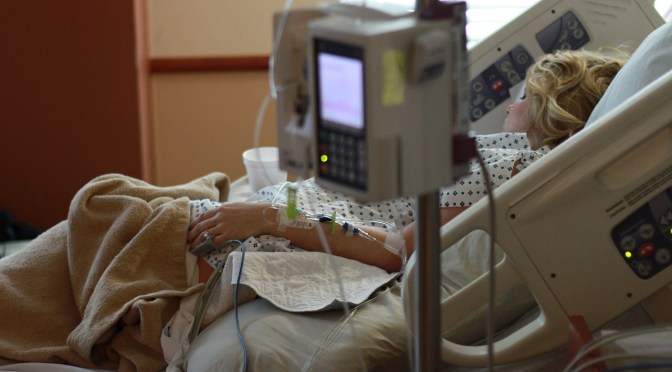
In some rooms, you can feel that energy immediately— a spouse, a daughter, or son, or other family member— cheering their loved one on and watching every detail. Family members asking questions and making sure everything is on track. In others, there was silence. A patient alone for hours, monitors beeping, no familiar faces around.
That contrast hits me every single time.
And so here’s my golden tip— something I cannot emphasize enough after years on the frontlines:
If you ever have a loved one in the hospital, be the best advocate you possibly can. Be there. Watch over them like a hawk. Ask questions. Never assume everything is being handled.
This isn’t being overbearing or difficult (which you must NEVER think). It’s being life-saving.
Dr. Suneel Dhand Newsletter is a reader-supported publication. To receive new posts and support my work, consider becoming a free or paid subscriber.
Why This Matters So Much
Hospitals may be full of some hard-working and dedicated professionals who work long hours. But they are also complex, high-stress, fast-moving environments. Even with the best systems in place, mistakes happen. It’s simply the nature of such a demanding environment.
Studies suggest that medical errors contribute to over 250,000 deaths every year in the United States, making them one of the leading causes of death. This may even be an underestimate! Countless more patients are harmed by preventable complications or breakdowns in communication.
Nobody sets out to make mistakes— but fatigue, time pressure, and human error are unavoidable realities. That’s why a vigilant, caring family member at the bedside can make all the difference in the world.
What Being an Advocate Really Means
Being an advocate doesn’t mean you need to know medicine or have a healthcare background. It means you are paying attention. Closely.
You’re the one who notices that a medication hasn’t arrived, a dose looks different, or a symptom is changing. You’re the one who asks when the next test is scheduled, whether results have come back, or what the plan is for the next step. The ill person lying in bed often cannot do these things.
You don’t need to worry about “bothering” anyone. This isn’t the time to be overly polite or worry about hurting feelings. If something doesn’t seem right, speak up— clearly and firmly.
This is not being pushy. It’s being responsible. It’s imperative. The reality is, when a patient has someone at the bedside keeping an eye on everything, they’re safer. Period.
I always make it a point (and it’s a delight to walk into a room and see loving family at the bedside)— to say thanks for coming in and how wonderful it is too see them! No doctor worth their salt should ever think differently.
The Emotional Impact
Aside from safety, there’s also the emotional side, and it’s enormous. The presence of loved ones can transform a hospital stay. Seeing a familiar face, hearing a reassuring voice, knowing someone truly cares— it changes everything. Patients feel calmer, more hopeful, and more determined to recover.
Of course not everyone is the same. Some people may not want relatives nearby or be happier alone. That’s fine, but most people realistically are not like that.
The human body responds to connection. Healing is faster when people feel supported. I see it every single week.
That’s why it’s heartbreaking when a patient lies alone for days on end. Sometimes it can’t be helped— families live far away, or life circumstances make it hard to visit. Not everyone is blessed to have loved ones nearby, especially at the extremes of age. But there’s no question: loneliness in hospital is one of the saddest things to witness.
If it were up to me, there would be no strict visiting hours at all— as long as sleep and privacy are respected. The benefits of human presence far outweigh any “inconvenience”.
How to Be the Best Advocate Possible
If someone you love is ever in hospital, here’s how to make a real difference:
- Be there as much as you can. Your presence alone improves safety and morale.
- Keep a written log. Jot down medications, test results, and what doctors say (as well as the names of doctors). You’ll be surprised how often it helps clarify things later.
- Ask questions— lots of them! Understand the plan of care. Know what’s being done and why. Don’t let a doctor turn his or her back until you’ve got your answers.
- Be firm if needed. Don’t shy away from speaking up. This is too important for hesitation.
- Stay observant. Notice every change, every symptom, every delay.
One Day, It Could (And Probably Will) Be You
One day, any of us could find ourselves in that hospital bed— sick, anxious, vulnerable, or not in our full capacities. In that moment, having someone who loves you watching over things, asking questions, and refusing to let anything slip through the cracks could literally save your life.
Medicine has advanced in many ways over the last 100 years, but the most powerful force of all is still human presence. Machines can monitor your vitals, but they can’t care for your soul. Algorithms can alert staff, but they can’t notice the small things only someone who knows you can see (feel free to share your stories with us down below!)
So if a loved one ever ends up in the hospital— don’t just visit. Be there. Stay alert. Ask questions. Protect them.
Whether you are a spouse, child, parent, sibling— or even a trusted friend.
Because sometimes, that’s the difference between recovery and tragedy.
That’s one of the most lifesaving pieces of advice I could ever give you.
Best wishes and stay healthy,
Dr. Suneel Dhand
Personal website: www.drsuneeldhand.com
Ojais Wellness USA: www.ojaiswellness.com
Ojais Wellness UK/Europe: www.ojaiswellness.co
Dr. Suneel Dhand Newsletter is a reader-supported publication. To receive new posts and support my work, consider becoming a free or paid subscriber.




 America Can We Talk?