The Detox Project and Sustainable Pulse have created and published Wednesday the first ‘Short History of Glyphosate’, which identifies some important dates during the scandalous history of the World’s most used herbicide.
A review article concluding the weed killer Roundup “does not pose a health risk to humans” has been retracted eight years after documents released in a court case revealed employees of Monsanto, the company that developed the herbicide, wrote the article but were not named as coauthors, Retraction Watch reported recently.
EWNZ comment: do review our glyphosate pages at the main menu. I looked at this topic in the Rangitikei during 2013-2016, attempting to switch the council’s weed control to steam. At the end of the day, it appears that councils NZ wide prefer to use poison … surprised?Comfortably in bed with Agrichem.
“Millions of pounds of glyphosate were approved, defended, and sprayed worldwide on the basis of a paper we now know was fundamentally compromised and scientifically invalid.“
In a long-overdue move, Regulatory Toxicology and Pharmacology has formally retracted the landmark 2000 glyphosate “safety” review by Williams, Kroes, and Munro — a paper Monsanto and global regulators have relied on for decades to assert that Roundup poses no carcinogenic risk to humans.
Crucially, the Editor-in-Chief confirms that Monsanto employees likely secretly wrote substantial portions of the paper, despite never being listed as authors or acknowledged — a revelation uncovered through U.S. litigation.
The retraction states that the article’s integrity has collapsed entirely, citing undisclosed corporate authorship, omitted carcinogenicity data, financial conflicts of interest, and a complete failure by the surviving author to respond to the journal’s investigation.
THE RETRACTION
1. Based almost entirely on Monsanto’s unpublished studies The review’s “no cancer risk” conclusion relied solely on Monsanto-generated data. Even worse, the authors ignored multiple long-term mouse and rat carcinogenicity studies that already existed at the time — including multi-year toxicity studies showing tumor signals. None were incorporated.
2. Evidence of ghostwriting by Monsanto Litigation records revealed that Monsanto employees secretly co-wrote portions of the paper, despite never being listed as authors or acknowledged. This alone violates the most basic principles of scientific integrity.
3. Undisclosed financial ties The authors appear to have received direct compensation from Monsanto for producing the paper — again undisclosed, again violating journal standards.
4. Misrepresentation of authorship and contributions By hiding Monsanto’s role, the paper created the illusion of independent scientific evaluation — even as corporate employees shaped the conclusions.
5. Regulatory capture revealed This paper heavily influenced global risk assessments — including U.S. EPA, WHO/FAO, and Health Canada evaluations — setting the tone for “glyphosate is safe” messaging for more than two decades.
While I am strongly opposed to politically motivated retractions and scientific censorship, this retraction was unquestionably warranted. The integrity failures were not ideological — they were structural, factual, and undeniable.
And the independent evidence that has emerged since 2000 only underscores how dangerous that original “all clear” truly was.
A recent controlled animal study demonstrated that glyphosate and Roundup can induce rare, aggressive, and fatal cancers across multiple organs — even at doses considered “safe” by U.S. and EU regulatory thresholds. These findings directly contradict the original review’s core conclusions.
Zhang et al found a statistically significant association between glyphosate exposure and increased risk of non-Hodgkin lymphoma in humans. Their 2019 meta-analysis pooled data from over 65,000 participants across six studies—including more than 7,000 NHL cases—and reported a 41% increased risk of non-Hodgkin lymphoma among those with the highest glyphosate exposure:
In other words, independent science was pointing to serious cancer risks while Monsanto’s fraudulent ghostwritten review was actively minimizing them.
Millions of pounds of glyphosate were approved, defended, and sprayed across the world on the basis of a review that we now know was fundamentally compromised and scientifically invalid.
The collapse of this paper is not just a correction, it is an indictment of an entire regulatory era built on deception.
Pursuing Justice on Behalf of Our Clients for Nearly 40 Years
Founded in Los Angeles, California in 1985, the law firm of Wisner Baum has earned a reputation for breaking new legal ground, holding major corporations accountable, influencing public policy, and raising public awareness about important safety issues. Our trial experience across a broad range of practice areas includes over $4 billion in verdicts and settlements.
Paraquat dichloride is a non-selective, broad-spectrum herbicide used primarily to kill weeds and grass. Austrian chemist Hugo Weidel and his student, M. Russo, discovered paraquat in the 1880s. Roughly 50 years later, scientists Michaelis and Hill discovered the chemical’s redox properties and named the compound methyl viologen. Scientists discovered the chemical’s weed-killing properties in the late 1950s.
Commercially introduced in 1962 as Gramoxone, paraquat quickly became a top-selling herbicide despite numerous studies linking the herbicide to wide-ranging health issues. The rise in paraquat use coincided with the surge in no-till farming in the U.S. and worldwide.
Common Paraquat Products
Syngenta and Chevron are two of the largest paraquat producers. Some of the most common paraquat products include:
Blanco
Bonedry
Cyclone SL 2.0
Devour
Firestorm
Gramoxone
Helmquat 3SL
Para-Shot 3.0
Paraquate Concentrate
Common Paraquat Side Effects
Research shows that paraquat exposure is dangerous, even at low levels. Paraquat side effects depend on the amount, route, and duration of exposure to the herbicide and the person’s overall health. The herbicide enters the body via:
Skin: Contact or penetration of the skin, mucous membranes, and other epithelial tissues (including the mouth, nose, trachea, and conducting airways, particularly where cuts, abrasions, rashes, sores, or other tissue damage are present).
Inhalation: Spray droplets enter the nose or mouth.
Ingestion: The liquid chemical is swallowed.
Acute Exposure – Paraquat Poisoning
According to the United States Environmental Protection Agency (EPA), “one small sip [of paraquat] can be fatal, and there is no antidote.” In general, people who accidentally or intentionally ingest paraquat may experience any of the following symptoms:
Acute kidney failure
Coma
Confusion
Heart issues
Liver failure
Lung scarring
Muscle weakness
Pulmonary edema
Respiratory failure possibly leads to death
Seizures
While these cases are rare, paraquat poisoning may also occur via skin contact or inhalation. This report out of China highlights the potential for paraquat poisoning via skin absorption, and this report highlights the potential for paraquat poisoning via inhalation.
Paraquat Parkinson’s Disease Link
The body of scientific research linking paraquat and Parkinson’s disease (often referred to simply as “PD”) has continued to grow in recent years. Several studies have concluded that exposure to paraquat increases the likelihood of developing Parkinson’s disease and that the effect is dose-dependent. The research suggests that farmworkers and pesticide applicators are more at risk of developing Parkinson’s disease. People who live near fields and other areas where paraquat is heavily used may also be more at risk for PD.
A recent study confirming the herbicide’s carcinogenic potential has been the subject of fierce criticism. However, this criticism is based on flawed scientific grounds, Le Monde has reported.
The recent publication of a study indicating an increased risk of various tumors in laboratory rats exposed to glyphosate has sparked numerous comments on social media and in the press, aimed at downplaying or denigrating this research.
These results, published on June 10 in the journal Environmental Health, only confirm the conclusions of the International Agency for Research on Cancer (IARC), which estimated in 2015 that the studies available at the time provided “sufficient evidence” of glyphosate’s carcinogenicity in animals.
The attacks on this study, led by the Ramazzini Institute in Bologna, Italy, offer an exemplary array of the sleight of hand of “doubt manufacturing,” a rhetoric aimed at undermining confidence in scientific results, often used to delay or fight regulatory decisions.
“The journal is unknown, so the study is flawed.”
Eric Billy, an immuno-oncology researcher, was among the most vocal critics of the Ramazzini Institute study (which was actually an international study with authors from all over the world not just the Ramazzini Institute), which he deemed “flawed.” In a series of messages published on June 14 on his X and Bluesky accounts, which received numerous retweets, this employee of the pharmaceutical company Novartis first accused its authors of having “chosen a more lenient journal to avoid criticism,” explaining that he would have expected to read this article in the journals “Nature, Science, or Cell,” which he believes are of higher quality.
WHY IT IS IRRELEVANT
Environmental Health, published by the SpringerNature group, is actually one of the most influential journals in its field. Its citation rate places it 32nd out of 687 indexed journals covering the fields of public health, environmental health, or occupational health, according to the 2024 ranking by scientific publisher Elsevier. Prestigious journals like Nature or Science do not generally publish tests like the one conducted by the Ramazzini Institute.
“A number of reliable and high-quality toxicity studies, like the one you share with us, are published in specialized journals,” explains Meagan Phelan, spokesperson for publications published under the Science banner. “Although these are essential elements of substance assessment, these tests are not considered conceptual advances and, as such, Science does not generally publish them.”
“Exposed animals live as long as others”
The Ramazzini study did not reveal any significant difference in mortality between rats exposed to glyphosate and unexposed control rats. This point was highlighted by Mr. Billy to put the study’s conclusions into perspective. And it hit the mark: it was later reported in Le Figaro, which saw it as the “first lesson” of this work.
WHY IT’S MORE COMPLICATED
The fact that the study did not reveal any significant differences in survival rates between the two groups was not presented by the Ramazzini researchers as a result in itself. Their protocol was, in fact, designed to detect the carcinogenic potential of a product, not its effect on the animals’ survival: all of them were sacrificed two-thirds of the way through their lives, at the age of 104 weeks. Now, it’s easy to understand that if human smokers were compared to non-smokers, the mortality differences would be small if all individuals were euthanized at the age of 50.
In reality, the absence of a mortality difference between groups of animals over the duration of the test is mainly a guarantee of the quality of the study, for statistical reasons. An animal that dies prematurely will have been exposed for a shorter time to the substance tested, and the probability of tumors developing in its group will therefore be reduced. Its statistical weight in the analysis will therefore be different. A high survival rate in each group, both treated and control, guarantees the “maintenance of statistical power” of the experiment, according to the good practice guides in toxicology (maintained by the OECD).
“The chosen rodent strain is not appropriate.”
Several commentators have also criticized the Ramazzini Institute researchers’ choice of the so-called “Sprague-Dawley” rat strain. Eric Billy argues that the use of this type of rat “has already been strongly criticized by the scientific community due to an abnormally high frequency of spontaneous tumor lesions compared to other rodent strains,” recalling that this strain was used by Gilles-Eric Séralini in his famous and controversial study on GMOs.
WHY THIS IS INCORRECT
In reality, the high rates of spontaneous tumors observed in the “Sprague-Dawley” strain only concern certain sites (tumors of the mammary gland, pituitary gland, etc., found at comparable rates in the treated and control groups). Furthermore, the researchers have at their disposal an abundant literature to take into account the specific characteristics of this strain.
Not only is the “Sprague-Dawley” strain not problematic in itself, but it is the most widely used. In 2024, researchers showed that more than 55% of the 263 carcinogenicity studies of active ingredients conducted in recent years on rats used this strain. The carcinogenicity of Ruxolitinib, a drug substance marketed by Novartis, was, for example, tested on this strain. As for Dr. Séralini’s study (published in 2012, before being retracted and then republished), the choice of strain was not, in itself, among the criticisms made. As summarized by IARC experts in 2015, it was the entire protocol implemented that was criticized.
“The doses tested are unrealistic”
Like several other critical voices, Eric Billy is surprised by the high doses of glyphosate to which rats were exposed in the Ramazzini Institute study, stating that “even the lowest dose tested far exceeds actual human [dietary] exposure” and that “the other two doses are therefore a hundred and a thousand times higher than this human exposure.” The same argument and the same figure are used in Le Figaro.
WHY IT IS IRRELEVANT
This argument is frequently raised to challenge the relevance of the results of animal studies. However, millions of humans exposed for decades cannot be compared to a hundred rats exposed for 24 months. The purpose of these tests is to characterize the carcinogenic potential of substances, not to assess the risks faced by the population at actual exposure levels (sometimes much higher than dietary exposure, for people living near farms, farm workers, etc.).
In fact, the Glyphosate has already been associated with an increased risk of certain lymphomas in farmers in four meta-analyses and one pooled study—the highest levels of evidence in epidemiology. Animal studies allow us to interpret these results, suggesting that these associations are indicative of a causal link. And even if we give credence to the “too high dose” argument, the objection remains unfounded.
The Ramazzini study indeed examined the effects of glyphosate at considerably lower doses than all previous similar studies. In the seven studies selected by European authorities during their latest assessment of the herbicide molecule, the lowest doses tested were 12 to 420 times higher than in the Ramazzini study, and the highest exposures were 10 to 33 times higher.
“The route of exposure is not adequate.”
In the Ramazzini study, the animals were exposed to glyphosate through drinking water, not food. Mr. Billy maintains that this is inadequate, arguing that humans are more likely to be exposed through food.
WHY IT IS IRRELEVANT
Among the animal studies on glyphosate submitted to health authorities or evaluated by IARC, none has been deemed inadmissible because it opted for a similar exposure route. Drinking water is, moreover, considered acceptable for assessing “food or environmental chemicals, including pesticides,” just like diet, according to OECD Good Practice Guide No. 451.
This false controversy is a classic argument. In 1953, the Sloan Kettering Institute’s first work on the carcinogenic potential of tobacco involved observing the development of tumors on the shaved skin of rodents after smearing it with cigarette tar extracts. The American Tobacco Company criticized the scientists’ use of a “high concentration of smoke extracts—entirely different from the smoke a person might inhale from a cigarette,” while stating that “all scientists agree that there is no known relationship between skin cancers in mice and lung cancers in humans.”
Like the Ramazzini researchers, those at the Sloan Kettering Institute were not seeking to exactly mimic human exposure to the agent being tested (no one smears cigarette tar on themselves), but to test its carcinogenic potential.
“The number of animals is insufficient”
In his critical thread, Eric Billy makes a calculation estimating that, to achieve greater statistical robustness, the Ramazzini researchers should have used at least three times as many rats, or 160 to 220 individuals per group.
WHY THIS IS INCORRECT
Such requirements are fanciful. No chronic toxicity or carcinogenicity study of glyphosate conducted on rats has ever enrolled so many animals. All studies similar to those of Ramazzini one have included around 50 rats per group. And for good reason: this is the threshold recommended by the OECD guidance document.
“In this case, it is completely ridiculous to require more animals per group,” asserts American biostatistician Christopher Portier, former director of the US National Toxicology Program, whose work is an authority on the subject. According to this specialist, an expert witness for plaintiffs in several ongoing trials in the United States, the Ramazzini researchers “managed to demonstrate a statistically significant trend toward an increase in certain tumors in the treated animals, even though there were only 50 per group. Why would the experiment be repeated with more animals to gain more statistical power?”
In reality, it is when a statistically significant effect is not found that it is possible to argue that the number of animals is too small, and that it may be useful to increase statistical power. “The only disadvantage of having 50 rats per group, rather than 160 or 220, is ‘missing’ an effect, certainly not seeing an effect that doesn’t exist,” concludes Mr. Portier.
This article benefited from discussions with researchers at the Ramazzini Institute and critical review by three researchers (INRAE and INSERM) involved in toxicology work involving animal studies.
What is the “manufacturing of doubt”?
As science historians Naomi Oreskes (Harvard University) and Erik Conway (NASA) have shown in a landmark book (Merchants of Doubt, 2012), the “manufacturing of doubt” was developed in the 1950s by tobacco companies to deny or relativize the effects of cigarettes.
This rhetoric turns science against itself, by distorting the intellectual tools at the heart of scientists’ approaches (methodical doubt, demands for rigor, distrust of claims perceived as spectacular, etc.). It is thus very effective on members of the scientific and medical communities who do not work directly on the targeted subjects, as well as on audiences attached to rationality and the defense of scientific values, or even journalists who sometimes repeat such circulating arguments without thinking twice.
A highly effective propaganda technique, “manufacturing doubt” sometimes requires lengthy explanations to unmask, especially since it sometimes mixes legitimate criticisms with others based on untruths, misinterpretations, or simply erroneous considerations. It constitutes a toolbox constantly used for decades by a variety of industrial sectors wishing to protect their activities from any health or environmental regulation.
Travelling about the NZ countryside recently I noticed the familiar yellow fields I used to think were attractive. Until I discovered they’d been sprayed with Roundup, the herbicide that farmers tell me, is so harmless you could drink it.
Manawatu field sprayed with Herbicide
Sounds a bit like the ‘safe and effective’ mantra. Well it turns out Roundup is far from either of those terms. Why will farmers not read the independent research? Or follow the precautionary principle. Any doubt whatsoever about safety? wait until it is proven safe.
Roundup is manufactured by Bayer (formerly Monsanto… read their history … who have morphed into oblivion) and one of its ingredients so harmful to us all is glyphosate. There is a ton of independent research now (including law suits) that should make you avoid it at all costs. US Legal firm Wisner Baum helped negotiate over $11 billion in settlements against Bayer, securing multi-billion dollar jury verdicts for its clients. They state at their website:
Roundup is a widely used herbicide whose active ingredient is glyphosate. The International Agency for Research on Cancer (IARC) — part of the World Health Organization — classifies glyphosate as a probable human carcinogen. Thousands of people across the U.S. have alleged that long‑term exposure to glyphosate (in Roundup and similar products) caused them to develop non‑Hodgkin lymphoma (NHL) and other serious illnesses.
A NZ tertiary agricultural textbook has long instructed farmers to spray Roundup on their fields then plow it under. The text book is called Pasture Doctor and can be found on Amazon here. (Small wonder farmers still think it’s safe. Why would the University lie to them? ) There used to be a preview option of that book from which I screenshot the pages recommending spraying, however that option has now disappeared. (I lost the screenshots some time ago unfortunately). Of note, it was a University lecturer who told me in the 1980s that corporations would one day control governments. Predictive programming at its finest.
The Seralini Rats
Professor Seralini (from France) conducted a two year experiment (2011) examining glyphosate and GMO food, his team fed transgenic corn to lab rats that produced in them multiple tumours. But of course Monsanto produced ‘evidence’ claiming the rats they used were the wrong kind, casting aspersions on the whole study. (Refuted here). Wiki predictably called it the Seralini ‘affair’. I would prefer to believe the Professor any day. You can watch the 12 minute Seralini video below. There is a transcript at the source on YouTube.
A French court ruled in 2009 that Monsanto has lied about the safety of Roundup (ie it is not biodegradable as claimed, a bit like the claims made about deadly 1080).
US Tertiary level lecturer of 55 years experience in agriculture, Professor Emeritus of Plant Pathology (Dr Don Hubert) calls Glyphosate one of the most toxic substances on the planet.
The Physicians & Scientists for Global Responsibility (PSGR) supply a long list of research citing concerns about glyphosate here.
“We don’t want to wait until we have exposed enough people to a chemical in order to prove that it’s carcinogenic. When we hit that point, we have hit a failure in the regulatory process.” – Dr. Lynn Goldman, National Research Council Report Review Committee Member
Many Councils in NZ spray the roadsides with glyphosate. (Photo credit: Marian Sutherland)
For some time I and other interested folk appealed to the local Rangitikei District Council asking them to drop the use of glyphosate/Roundup on Council lands, streets, parks and so on. There were some concessions made about signage warning the public of spraying and so on but as to ceasing altogether they declined. There was evidence cited of the use of steam in Auckland to combat weeds which was only minimally dearer than Roundup. No go. I approached a person spraying for Council one time and asked why he didn’t wear protective clothing as recommended by the manufacturer. He told me he didn’t want to scare the public.
To educate yourself on the long list of studies and the experts who have spoken out against glyphosate and Roundup check out these pages (glyphosate is in other herbicides as well, check the labels, and consider organic alternatives if you must spray) :
Links between Glyphosate and a Multitude of Cancers that are “Reaching Epidemic Proportions” from GlobalResearch.ca
Search in ‘categories’ for ‘glyphosate’ (categories is found at the top left hand side of the news page). Alternatively type glyphosate into the search box (top right hand side).
NZ has for many years sprayed glyphosateextensively over farmlands as recommended in NZ’s Ag text books. Farmers (Councils and just about everybody else) believe it is harmless. EWNZ
New research from the UC Berkeley School of Public Health in the U.S. shows that childhood exposure to the world’s most widely used weed killer, glyphosate, is linked to liver inflammation and metabolic disorder in early adulthood, which could lead to liver cancer, diabetes, and cardiovascular disease later in life.
The study of 480 mother-child duos from the Salinas Valley, California—a rich agricultural region that locals call “The World’s Salad bowl”—was published in Environmental Health Perspectives, a journal of the National Institute of Environmental Health Sciences.
The researchers, led by Brenda Eskenazi, director of the UC Berkeley School of Public Health’s Center for Environmental Research and Community Health (CERCH), examined the agricultural use of glyphosate near the homes of the mothers during pregnancy and in the children up to age 5 years; and also measured glyphosate and AMPA, a degradation product of glyphosate and amino-polyphosphonates, in their urine (collected from mothers during pregnancy and from children at ages 5, 14, and 18 years). They assessed liver and metabolic health in the children when they were 18 years old.
The authors reported that higher levels of glyphosate residue and AMPA in urine in childhood and adolescence were associated with higher risk of liver inflammation and metabolic disorders in young adulthood. In addition, the investigators found that agricultural glyphosate use near participants’ homes from birth and up through age five was associated with metabolic disorders at age 18. They reported that diet was likely a major source of glyphosate and AMPA exposure among study participants, as indicated by higher urinary glyphosate or AMPA concentrations among those adolescents who ate more cereal, fruits, vegetables, bread, and in general, carbohydrates.
Glyphosate Box
Glyphosate Residue Free Certification for Food Brands – Click Here
Test Your Food and Water at Home for Glyphosate – Click Here
Test Your Hair for Glyphosate and other Pesticides – Click Here to Find Our Your Long-Term Exposure
Glyphosate is used routinely on genetically modified crops such as corn, soybeans and wheat, as well as oats, legumes and other produce. It is also present in many lawn care products for home and commercial use.
The debate over the impact of glyphosate and AMPA on human health has been contentious. In 2015, the International Agency for Research on Cancer (IARC) classified glyphosate as “probably carcinogenic to humans,” but the U.S. Environmental Protection Agency reports no evidence of human health risk. However, most previous glyphosate research has focused on glyphosate’s potential carcinogenicity. This is the first time that researchers have examined the potential connection between early life exposure to glyphosate—whose use has markedly increased over the past two decades—and metabolic and liver disease, both of which are increasing among children and young adults.
The impetus for this study came from Salinas physician Charles Limbach, who was alarmed by the growing number of local youths with liver and metabolic diseases. Dr. Limbach wondered if the increasing public exposure to glyphosate might be a factor. He teamed up with Paul J. Mills, a UC San Diego professor and author of a previous study showing an association between higher levels of glyphosate residue and AMPA in adults and non-alcoholic fatty liver disease. The two men then approached Professor Eskenazi, who is also the founder of the Center for the Health Assessment of Mothers and Children of Salinas (CHAMACOS), the longest running longitudinal birth cohort investigation on the health effects of pesticides and other environmental exposures among children in a farmworker community. The CHAMACOS researchers reached back into their “library” of frozen biological samples from mother and child dyads, along with more than 20 years of exposure data and health records.
“The study’s implications are troubling,” said Dr. Ana Maria Mora, a CERCH investigator and coauthor, “as the levels of the chemicals found in our study participants are within the range reported for the general U.S. population.”
Professor Eskenazi recommends that the use of glyphosate should be limited to essential use while further studies are conducted. “There’s no reason why anyone should be using glyphosate on their lawn,” she said. “It shouldn’t be sold over the counter in a nursery.”
The study published in Environmental Health Perspectives was funded by NIH, NIEHS, NIDA, and the EPA. Additional support came from The Solomon Dutka Fund in the New York Community Trust and The Westreich Foundation.
Clean Green NZ of course loves glyphosate. A well used Ag text book called Pasture Doctor advocates spraying the fields which stock will graze on. Try and tell NZ farmers it’s a likely carcinogen (as close as the authorities will get to describing it as dangerous) … they don’t want to know. Read our Glyphosate pages and articles, particularly the work of Prof Séralini. EWNZ
It’s been a little over five years since I last visited Brussels, Belgium as an invited guest of the European Parliament to testify about my 20 years of researching and reporting on the world’s most widely used herbicide – glyphosate. The chemical is best known as the active ingredient in Monsanto’s Roundup brand.
The Parliament subsequently voted to ban glyphosate, and the European Commission only narrowly missed confirming that sentiment when Germany’s agriculture minister contradicted German leadership by casting the deciding vote that kept glyphosate on the market. (A few months later German-based Bayer bought Monsanto. Just a coincidence, right?)
But the renewal came with a caveat – the license would be reviewed again after five years, and that is where the European Union sits now, once again locked into a debate over both the safety of glyphosate and what the agricultural industry says is the necessity of glyphosate.
So here I am again – back in Brussels as a new vote looms later this year. The battle lines are drawn as they always seem to be: independent scientists, health advocates and environmentalists are advocating for a ban based on evidence the chemical can cause cancer and other health problems, while the chemical companies that profit from glyphosate sales and industry-backed farm groups are pushing for continued uninterrupted use, saying the concerns lack valid science and that glyphosate is essential to agriculture.
I was fortunate to be invited back to Brussels as part of a group associated with a new, award-winning documentary film called Into the Weeds, which presents many of the grim details laid out in my two books (Whitewash and The Monsanto Papers). The saga is one of corrupted regulators that favor corporate science over independent research; the overwhelming amount of independent scientific evidence tying glyphosate to myriad health and environmental harms; and the devastation wrought on countless human lives. (Disclosure: Filmmaker Jennifer Baichwal bought the documentary rights to the books and lists me in credits as “story consultant.”)
The film screened Wednesday evening in Brussels to a packed house; earlier our group spent time at the European Parliament, the EU’s lawmaking body.
In an address opening the film, Anja Hazekamp, a Member of the European Parliament (MEP) who supports a glyphosate ban, said the next months will be “crucial.” She called on the European Commission to “finally start protecting humans, animals and the environment.”
“Despite all the evidence that glyphosate is a threat for the health of animals, humans and the environment, the European Commission keeps reauthorizing this terrible pesticide,” Hazekamp said. “At the end of this year the European Commission will finally make a long-term decision on glyphosate, and it is therefore of paramount importance that the facts presented in this documentary are finally taken on board by the European Commission and the other policy makers.”
Accompanying the film to Brussels was scientist Chris Portier, a former director of the National Center for Environmental Health at the US Centers for Disease Control and Prevention, and a former director of the Agency for Toxic Substances and Disease Registry. Prior to CDC, Portier was with the National Institute of Environmental Health Sciences where he served as director of the Environmental Toxicology Program.
Glyphosate Box
Glyphosate Residue Free Certification for Food Brands – Click Here
Test Your Food and Water at Home for Glyphosate – Click Here
Test Your Hair for Glyphosate and other Pesticides – Click Here to Find Our Your Long-Term Exposure
Portier participated as an expert during the World’s Health Organization’s cancer agency review of glyphosate in 2015 that classified glyphosate as probably carcinogenic to humans.
In Brussels he told attendees to the film screening how regulators repeatedly have bent the rules to ignore or twist scientific findings in ways that allow them to keep glyphosate on the market. He reiterated what he has said countless times – that extensive scientific evidence ties the chemical to cancer. Portier has been an expert witness for plaintiffs in multiple lawsuits against Monsanto brought by people alleging they developed cancer due to Roundup exposure.
More than a cancer concern
Also speaking in Brussels as part of the group supporting the film was scientist Daniele Mandrioli, coordinator of research on glyphosate at the Ramazzini Institute of Bologna, Italy.
Mandrioli said new research results show various harmful health effects from glyphosate exposure at levels currently considered to be safe by European standards.
Mandrioli told members of the European Parliament that the ongoing “Global Glyphosate Study” has recently confirmed in humans prior alarming findings found in animals – that glyphosate can have disruptive effects on sexual development in newborns. Among the observations were disruptions to the endocrine system, including increased testosterone levels in females exposed to glyphosate. The researchers found an “elongation of anogenital distance, which anticipates different potential problems” correlated with hormone imbalance in newborns that could impair development, Mandrioli said.
As well, glyphosate exposure at doses considered safe trigger alterations in the microbiome, impacting beneficial gut bacteria and fungi at doses considered safe.
“When disrupted, many metabolic conditions, many diseases, have been connected with these alterations,” Mandrioli said in a press conference before meetings at Parliament. The evidence is “solid,” he said.
“We are providing evidence for the all the global population,” he said.
Also in Brussels with our group was Dewayne “Lee” Johnson, the California groundskeeper who sprayed large quantities of RangerPro, a highly concentrated version of Roundup, and who became the first plaintiff to win a court case alleging the glyphosate-based products cause cancer. I chronicle Johnson’s battles – against cancer and against Monsanto – in my second book, and his story is featured in the new film.
Johnson shared his experiences with Parliament members and in a panel discussion after the film, urging action to protect people from having to endure the injustice that comes with cancers that could be prevented.
It is a miracle of modern medicine that Johnson, the father of two teenage sons, is still alive. Before the 2018 trial against Monsanto, doctors told him he would certainly be dead within 18 months. When I first met him several years ago, he was in near-constant agony as cancerous lesions covered his entire body, and even the slightest movement of clothing across his fragile skin burned like fire. He told me then that he was determined to outlive his dire diagnosis, and so far, through a combination of regular radiation and chemo treatments, Johnson has thwarted death just as he thwarted Monsanto’s efforts to beat his argument that exposure to the company’s weed killer caused his disease.
Still, he has lost too many days and nights – years – struggling through immense pain and fear, and with the knowledge that his family lives with the fact that they could lose him all too soon. His story is heart-breaking, noted by the tears shed in the audience at the screening Wednesday night.
But he is only one of too many who have suffered and continue to suffer.
In the months ahead, Europe has a chance to change that.
A topic still of great concern that’s slipped by the wayside, overshadowed by the plandemic ….
From sustainablepulse.com
Bayer’s share price crashed over 4% on Thursday after Judge Vince Chhabria of the U.S. District Court for the Northern District of California threw out their attempted $ 2 Bilion deal to settle future cancer claims against their top selling glyphosate-based herbicide, Roundup.
Bayer reacted by stating Thursday: “While the Company will remain in the residential lawn and garden market, it will immediately engage with partners to discuss the future of glyphosate-based products in the U.S. residential market, as the overwhelming majority of claimants in the Roundup™ litigation allege that they used Roundup™ Lawn and Garden products.”
In a brief order that addresses what the judge called only “the most glaring flaws” of the deal, Chhabria turned aside the complicated agreement, the second time he’s shot it down, Bloomberg reported Thursday. The rejected settlement is part of a broader $11.6 billion agreement to resolve Roundup lawsuits in the U.S. from about 125,000 consumers and farmers.
Shoppers must start taking extra care when selecting the type of food they are eating, especially now that GE Corn with multi-pesticide resistance has been given approval by food safety regulators. The Food Standards Australia New Zealand (FSANZ) Ministerial …
Shoppers must start taking extra care when selecting the type of food they are eating, especially now that GE Corn with multi-pesticide resistance has been given approval by food safety regulators.
The Food Standards Australia New Zealand (FSANZ) Ministerial Forum has approved corn line MON87429, genetically modified to tolerate glufosinate, dicamba, 2,4-D and the aryloxyphenoxypropionate group of herbicides (known as FOPs); and a tissue-specific herbicide tolerance to glyphosate. Six transgenic (foreign) genes have been inserted into this genetically modified corn to make it resistant to twelve different herbicides. [1] This corn line will now be allowed into the food chain, unlabelled, untested, and untraceable. No mechanism is in place for detection of adverse health effects in consumers.
“Because no data was provided on the safety of the whole food, the GE Corn approval by FSANZ has deceived the public. FSANZ has failed in its responsibilities to the people of New Zealand, because the agency is unable to provide the requisite information regarding any potential allergy or health problems the GM corn might cause when eaten,” Claire Bleakley, president of GE Free NZ said.
The joint submission and others made to FSANZ on application A1092 [1] raising concerns over the lack of safety studies and significant changes to the nutritional profile and allergen profile were assiduously ignored and cavalierly dismissed. The complete absence of safety studies on the whole food raises grave concerns regarding the risks to public health. With no safety studies submitted or required, how can FSANZ know what those risks might be?
The agency’s safety assessment of MON87429 stated that no potential public health and safety concerns have been identified. With no supporting evidence whatsoever, the decision-makers at FSANZ considered food derived from MON87429 to be as safe for human consumption as food derived from conventional (non-GM) corn cultivars.
“It is extraordinary that a Government body should breach their duty of care by pretending they have seen safety studies but omitting to tell the public that there are no studies to show the food is safe to eat,” said Bleakley. “New Zealand does not grow GE foods. So, buying local and sourcing foods,especially organic, that have been grown in New Zealand will ensure that you avoid any concerns with GE organisms.”
The FSANZ Act review is further signalling that the guidelines for assessment of GE foods will be loosened, in line with supporting industry and making consumer protection less onerous for businesses.
The FSANZ agency evidently does not consider public health and safety important enough to motivate decision-makers to ensure the GE foods they allow into the food chain are safe for human consumption. It is important for everyone’s health that the new Minister of Food Safety, Hon Ayesha Verall, reconsider this GM product and require information on the safety of the whole food. The Minister must require that long term testing, including clinical trials, is conducted. References:
Kiwis still love this stuff (Roundup) and anyway it’s in other concoctions also on your supermarket shelves. As per usual they’re all either fast asleep, don’t care or in collusion with the govt/corporation that’s truly in bed with agrichem (IMO anyway). I had a convo recently with a worker at one of the big outlets that sell glyphosate ‘enriched’ creations for your garden edges etc who told me confidently ‘they’ (whoever they are) found it only affected those who worked with it all the time. All good for everybody else then by that calculation I expect. Councils here particularly love it. Try and take them on to dispense with it & you’ll get a glazed look whilst you reel off the independent science, then it’s – yawn – ‘next please’. (I tried it, you’re up against bought councils & the old boys’ club of farmers). The header image of the rats is a screen shot from Prof Seralini’s lab experiment … you can watch that at this link in case you still think glyphosate in Roundup is safe. And/or read further on our glyphosate pages. EWR
From theintercept.com
IN 2015, the World Health Organization’s cancer research arm, the International Agency for Research on Cancer, classified glyphosate, an active ingredient in the herbicide Roundup, as a “probable carcinogen,” setting off a global debate about the world’s most popular weedkiller.
Over the last four years, Republicans in Congress have excoriated and pushed to defund the IARC, casting their defense of the chemical as a quest on behalf of small American farmers. Rep. Frank Lucas, R-Okla., has written that his outrage over the cancer research is on behalf of the “farmers and food manufacturers who rely on traditional farming methods to produce the food that fuels America — and the world.”
But according to a recent trove of documents, the ongoing political assault on the IARC has been scripted in part by Monsanto, the St. Louis-based chemical and seed conglomerate that produces Roundup and Roundup-resistant crops.
Roundup has been cash cow for the company since the 1970s, fueling billions of dollars in annual profits. Its use has skyrocketed in recent decades since the company developed genetically modified corn and other crops that are resistant to it; it is now the world’s leading herbicide.
A growing number of individuals say that Monsanto failed to warn consumers of the dangers of using Roundup and had marketed the chemical spray as harmless to humans, while internally recommending that its own employees use gloves and protective gear. Critics say that the Roundup formula used in the U.S. also contains a surfactant that makes the herbicide far more toxic than the variation of the spray sold in the European market.
Monsanto, which merged with German multinational pharmaceutical company Bayer AG last year, is facing as many as 11,000 cases relating to glyphosate. Last year, Dewayne Johnson, a former groundskeeper now dying of cancer, was the first to win his jury trial in San Francisco state court against Monsanto, alleging that years of using Roundup contributed to his non-Hodgkin’s lymphoma. Johnson was awarded $289 million by a jury, though a judge later reduced the amount to $78 million. Another plaintiff, Edwin Hardeman, also alleged that he spent decades spraying the glyphosate-based weedkiller with little to no protective gear and developed the same blood cancer, won a similar case in federal court this year.
These are not NZ brands, however, bear in mind how well established in most countries the lie about the safety of glyphosate is. On that note it is also sprayed everywhere in NZ, in fact NZ has a love affair with it. Recommended in NZ ag text books to spray fields then plow under (have heard the local farmers boast about its safety). It is sprayed on roadside ditches where the water flows, in school grounds, parks and reserves, everywhere you like to look, with the usual stalwarts staunchly vouching for its safety, most I’ve found stopping their ears to any warnings or suggestions about caution as to its safety. I’ve also heard it’s sprayed into the ground around orange trees (for export) so it goes into the root system. That said, organic is best given the authorities still think it’s all safe as houses.
From althealthworks.com
As far as healthy drinks go, few are more popular in the United States than a glass of orange juice with breakfast. The average American consumes about 2.7 gallons of “OJ” per year, and about 2/3 of limited-service restaurants offer it as a beverage choice.
When properly made (especially fresh-squeezed and organic), orange juice can be extraordinarily healthy for a wide variety of reasons.
It’s rich in vitamin C, fiber, and contains antioxidants that help protect and nourish the skin among many other benefits.
But if you drink orange juice in the United States, you may be getting far more than you bargained for — a surprisingly high dose of one of the most controversial chemicals in the world, one that happens to be linked to cancer, and also serves as the main ingredient in Monsanto’s flagship herbicide.
And unfortunately for the many thousands of people who drink them every day, the most popular brands in the United States are among those most affected.
Lab Tests Reveal Glyphosate in Orange Juice Samples
The grassroots non-profit Moms Across America has made a remarkable impact in the world of food activism, helping to expose the Monsanto Company’s link to the American Pediatrics Association (they’ve since been given the boot) and keeping its members up-to-date on how to protect their families from toxic chemicals in the food supply.
Recently, the organization made waves with an announcement that caught the attention of orange juice drinkers everywhere: samples of five major U.S. brands tested positive in lab results for glyphosate.
products you won’t purchase when you find out how it’s made Subscribe to our channel: http://goo.gl/9CwQhg For copyright matters please contact us at: david.f@valnetinc.com We’re back yet again with another video detailing all sorts of products you love and the disgusting things hidden away inside. Many of these products are known to be bad for you, but ignorance is bliss. That is, if you don’t know specifically what’s in it, then it’s not ‘really’ that bad. Other products here are a bit more shocking because they are assumed to be pure and healthy but contain a rather surprising ingredient. Ahead we’ll start you off with an easy one – cigarettes. Yes, you know they are horrible for your health but do you know exactly what sorts of “ingredients” are in them? Then there’s Casu Marzu, a Mediterranean cheese that is illegal in most parts of the world because it contains maggots. Oh, you read that right. Ever noticed all that canned meat on the grocery shelves? Someone’s eating that, otherwise they wouldn’t stock it. We’ll show you what’s inside. When you head out for a burger or fries it’s often fun to order a milkshake. Unfortunately we have a pretty long list of things that are in that shake that may make you think twice. Processed Cheese is a staple of the American diet. Surprisingly it contains a lot less “cheese” than you might think. If you enjoy that natural vibrant pink color of the salmon you’re about to eat, look more closely. If it’s farm-raised that color is not natural. As kids many of us enjoyed a golden and delicious Twinkie. Sure, we know they aren’t good for you but just wait until you see what’s actually in these little snack cakes. Cereal is safe, right? Sure there’s brands with a lot of sugar or food coloring, but disturbingly many popular cereals are also testing positive for high levels of herbicides. Even orange juice isn’t without its issues. Whether Minute Maid or Tropicana, those juices fortified with vitamin D have animal products in them. Finally, we’ll end off with everyone’s favorites: Doritos and Cheetos. These orange snacks are just not good for you and what’s inside may have you questioning your grocery list the next time you head out. Our Social Media: Facebook: https://www.facebook.com/TheRichest.org Twitter: https://twitter.com/TheRichest_Com Instagram: http://instagram.com/therichest For more videos and articles visit: http://www.therichest.com/
(NaturalHealth365) Roundup is a weed killer that’s showing up in our food supply; contaminating the waterways and the air we breathe. Yet, the biotech industry – with companies like Monsanto and Dow – continue to tell us, ‘we have nothing to worry about’ – in terms of all the agricultural ingredients used today.
So, what’s the truth?
Shocking truths exposed about Roundup and our current food production techniques
Just to be clear: Roundup is the most widely used herbicide in all of human history, and while farmers and homeowners alike use it daily, this highly-toxic product carries a wide range of health hazards – which are being systematically overlooked (and ignored) by government health agencies.
Today, on the NaturalHealth365 Podcast, I’ll introduce you to an investigative journalist that will blow your mind about what the agrichemical industry is doing to human health and our environment.
The level of marketing deception and fraud is staggering!
(NaturalHealth365) Roundup is a weed killer that’s showing up in our food supply; contaminating the waterways and the air we breathe. Yet, the biotech industry – with companies like Monsanto and Dow – continue to tell us, ‘we have nothing to worry about’ – in terms of all the agricultural ingredients used today.
So, what’s the truth?
Shocking truths exposed about Roundup and our current food production techniques
Just to be clear: Roundup is the most widely used herbicide in all of human history, and while farmers and homeowners alike use it daily, this highly-toxic product carries a wide range of health hazards – which are being systematically overlooked (and ignored) by government health agencies.
READ MORE PLUS AT THE LINK LISTEN TO THE PODCAST (LINK AT TOP LEFT OF SCREEN)
The Environmental Protection Agency official who was in charge of evaluating the cancer risk of Monsanto Co.’s Roundup allegedly bragged to a company executive that he deserved a medal if he could kill another agency’s investigation into the herbicide’s key chemical.
The boast was made during an April 2015 phone conversation, according to farmers and others who say they’ve been sickened by the weed killer. After leaving his job as a manager in the EPA’s pesticide division last year, Jess Rowland has become a central figure in more than 20 lawsuits in the U.S. accusing the company of failing to warn consumers and regulators of the risk that its glyphosate-based herbicide can cause non-Hodgkin’s lymphoma.
“If I can kill this I should get a medal,” Rowland told a Monsanto regulatory affairs manager who recounted the conversation in an email to his colleagues, according to a court filing made public Tuesday. The company was seeking Rowland’s help stopping an investigation of glyphosate by a separate office, the Agency for Toxic Substances and Disease Registry, that is part of the U.S. Health and Human Service Department, according to the filing.
A federal judge overseeing the glyphosate litigation in San Francisco said last month he’s inclined to order Rowland to submit to questioning by lawyers for the plaintiffs, who contend he had a “highly suspicious” relationship with Monsanto. Rowland oversaw a committee that found insufficient evidence to conclude glyphosate causes cancer and quit last year shortly after his report was leaked to the press.
“Also disturbing are the birth defects documented by a local midwife, and the fact that Ivon Watkins Dow continued to manufacture 2-4-5-T in New Zealand until 1987, making us the last country in the world to manufacture the dangerous substance.” The Green Party NZ
The TV 3 Exposé, initially broadcast then censored from NZ TV. A must see for any member of the public, this doco covers the exposure of the Paritutu and New Zealand community at large to the chemical 2-4-5-T, manufactured at Ivon Watkins Dow in New Plymouth between 1962-1981, and the disastrous effects it had on those exposed.
Further coverage was made by the Investigate magazine:
THE ‘ERIN BROKOVICH’-STYLE SCANDAL INNEW ZEALAND’S BACKYARD
Outbreaks of rare diseases and tumours are appearing in clusters around New Zealand, close to chemical factories. Why doesn’t the Government want to investigate? Simon Jones discovers what the authorities don’t want you to know:
Walk down any street in New Plymouth and you will probably hear a mixture of coughing and spluttering. Look inside any school and there appears to be more special needs children than is the norm for a city the size of New Plymouth. It’s often been said that everyone knows someone with a serious disease, whether it be cancer or multiple sclerosis.
Bad luck? Possibly, but for the last 15 years a group of residents have turned scientists to uncover what they say is a national health scandal – and one which, despite the government and media’s persistent attempts to ignore, won’t go away.
They may sound like conspiracy theorists in overdrive – and there is little in the way of official evidence and health statistics to back up what they say. But here is the frightening thing: If, in this real-life game of Fact or Fiction?, only 10 percent of what the residents say is true, we have a huge health scandal on our hands – the magnitude and implications of which are unimaginable.
The story centres around one of the city’s major employers, the Ivon Watkins Dow Plant.
Since the early 1960s, and up until 1987, it manufactured the 2,4,5T herbicide – which contains the deadly dioxin also used to form Agent Orange – a weapon of huge destruction in the Vietnam War.
In New Zealand and around the world 2,4,5T is used to kill scrub, gorse and blackberry. In Vietnam, with concentrations of dioxin much higher, it had the same effect – to the extent where it devastated the country’s crops and caused major health problems amongst veterans, including cancer, multiple sclerosis, while creating learning difficulties amongst the vets’ children.
Is it just coincidence that many in New Plymouth – and in areas around New Zealand, where this herbicide was extensively sprayed, complain about the same health problems?
For years governments, both here and overseas, turned a blind eye to the damaging effects of dioxin, refusing to admit that there was any link between Agent Orange and health problems suffered by vets.
Yet recently, in a draft report leaked to the Washington Post, the US government upgraded dioxin to a ‘human carcinogen’ – in other words a substance which is a major cause of cancer, as well as birth defects and infertility.
Only a pending lawsuit by New York restaurant owners, who claim the link to cancer will scare away customers, has blocked publication of the report.
The US Environmental Protection Agency notes that emissions of dioxin have plummeted from peak levels in the 1970s, but still pose a significant threat to some who ingest it – mostly in food, especially food of animal origin.
John Moller, the president of the Vietnam Veterans Association, says it is ironic that some of the 3,800 Kiwi vets who served during the war came home to find that they were still partly exposed to chemicals associated with Agent Orange either by living in New Plymouth or areas where the herbicide was sprayed.
“The New Zealand government says that because of the few figures involved and the time span it is not worth running tests on veterans now.
“That’s rubbish because the government has given $200,000 to the nuclear test veterans association for research and legal fees. Their exposure happened before Vietnam and their figures are much smaller.
“The government has buried its head in the sand for too long,” he says. “For example, when an enquiry was finally instigated, they took samples from native forest but not the Pine forest where 2,4,5-T was heavily used.
“The problem with dioxin exposure is that there is a 30-year envelope. The historical effects are only beginning to come through now.”
The US government invented 2,4,5T in 1941 to be used as a weapon of war against Japan. Later, with concentrations lower, it is intended to control unwanted vegetation, most of which is found in Taranaki, Northland and Gisborne.
The manufacture of 2,4,5-T is said to have started in New Zealand around 1962 and by 1970 the number of birth defects in New Plymouth doubled and the number of cases nationwide started to rise.
Because of international health concerns 2,4,5-T production was halted around the world – with the exception of one factory, the Ivon Watkins Dow Plant in New Plymouth which persevered until 1987. The plant is still in operation today but only produces pesticides.
Levels of dioxin found in 2,4,5-T were reduced through the late 70s and 80s as Ivon Watkins responded to health concerns, yet residents say the effects of intense manufacture in the 1960s are etched on the faces and, more importantly, the glands and livers of local people now.
Time for some statistics. The average level of dioxin in Agent Orange was around 198 parts per million. In New Plymouth, at the peak of production, the average level in the manufactured product was around 95 parts per million – around half that of Agent Orange. By 1987 the level of dioxin was down to 0.1 or 0.05ppm following heightened awareness about the potential health problems.
Initially residents and workers were happy with health assurances from company bosses, particularly with the way waste was disposed through burning. But only recently have secret dumps been found around the city, dumps which residents say have infected soil and water.
In 1986 the Ministry of Environment held an official inquiry into dioxin contamination after 300kg of vapour accidentally leaked from the plant. Yet, interestingly, company bosses admitted that over 250kg of vapour was normally discharged as a result of the normal process anyway.
The enquiry team concluded that there was no evidence of major contamination in New Plymouth or of any major health risk Yet residents say that part of the information used in that research was based on American studies which have since found to be fraudulent. This is where the issue becomes more complicated. In 1949 an explosion at the Monsanto chemical plant in Nitro, West Virginia, exposed many workers to effects of 2,4,5-T. Thirty years later Monsanto scientists and an independent researcher, Dr Raymond Sunkind, compared death rates amongst workers exposed to 2,4,5-T to those who hadn’t been exposed. When no differences between the two groups were found, Monsanto claimed that dioxin did not cause cancer. Evidence of inaccuracies were only exposed in the late 1980s when a group of Missouri citizens sued Monsanto for alleged injuries suffered during a chemical spill caused by a train derailment in 1979. While reviewing documents obtained from Monsanto, it was held in court that during the early studies, scientists omitted five deaths from the dioxin-exposed and put them in the unexposed group. Given that, and the leaked report to the Washington Post, it’s small wonder that the residents are now calling for a new inquiry.
It’s easy in stories like this to get bogged down with statistics and hearsay. But it’s only when confronted with the truth about health problems in New Plymouth that people start listening.
Take, for example, the case of Ross Lawrence, 43, who lived within a stone’s throw of the plant and worked there as a storeman between 1980 and 1985. He contracted non-hodgkins lymphona and Hepatitis C in 1998 – one year after his wife, Patricia, 41, was diagnosed with breast cancer. To add salt into the wounds, the 17-year-old family dog, Ena, died of cancer last year and both Ross’s children suffer from a mixture of skin complaints and bleeding noses.
It’s only when you hear stories like Lawrence’s that the word “coincidence” becomes a little bit too stretched.
“I came home from Pakistan where I was working on an oil rig in 1997 to look after my wife,” said Ross. “Shortly after I went to the doctor after complaining about flu-type symptoms only to be told that I had cancer and Hepatitis C. Isn’t it strange how three of us could get cancer in one household?”
An extensive course of chemotherapy seems to have thankfully cleared the cancer, and after having her glands removed, his wife managed to keep both breasts. But the trauma also brought its psychological toll. The stress and strain of illness coupled with the loss of his $100,000-a-year job effectively ended their marriage.
“This could have cost my life,” says Lawrence, “and it probably will in the end because Hep. C never goes away. They should be made accountable. How many other people have died of cancer without knowing the cause? How many other people are going to die?”
Ross Lawrence, like other employees, had few concerns at the time of working at the Ivon Watkins Plant. “We knew about the dangers of 2,4,5-T, but it was such a safety orientated company. They held regular safety meetings and did everything by the book.
“We were told that the waste was incinerated at temperatures which were so high that there would be no residue because everything would be dissolved. It was only when dumps containing the waste were found that I really started to worry,” he adds.
“There is still a cover-up going on. If you walk the streets of New Plymouth people wouldn’t know. Most didn’t know what the factory made. The local paper, the Daily News prints little on the subject. And the local MP doesn’t want to know.”
Now Lawrence is actively working on the local rigs but campaigns with others to lift what they say is a veil of secrecy over this health scandal.
Another leading the campaign is Andrew Gibbs, who helped set up the Dioxin Investigation Network. Recently Gibbs sent one sample of blood and a sample of breast milk to America to check for traces of dioxin, the particular type of which is called 2378 TCDD which is the most toxic type known to man. Gibbs claims previous blood tests have been worthless because 2,4,5-T passes through the system so quickly it leaves no trace. The difference here is that they would also be testing for its residual, 2378 TCCD.
When they sent the samples to the US, taken from his partner, Iris, and her sister, Lesley, they went missing for four days. Despite being clearly marked for an Atlanta laboratory, they ended up in Los Angeles. More than 160 days later, they are still waiting for the results.
“In Vietnam they have found levels of 30 to 108 parts per trillion in blood,” he said. “Levels in Maori women around the Bay of Plenty, where the herbicide was extensively sprayed, have already been found to be up around 26.7ppt. As of yet we still don’t know what the blood levels are in New Plymouth.”
Gibbs says even burning the waste didn’t destroy it. Instead waste streams left residue in the soil, on washing hanging out to dry and on barbecues. “We ate it, breathed it and wore it. When the Yanks burnt it off after Vietnam they burnt it off 80-90 miles down wind from Johnson Island.
“We burnt ours downwind on the whole town of New Plymouth. In the 1987 enquiry they said they found no evidence of dioxin in people or soil. But what they had was a 1,500 ppt safe level. The highest recorded in Vietnam was 808 ppt. In New Plymouth we’ve already levels up to 310 ppt.” His views may be ignored by health officials in New Zealand, but they have found credence in America. George Lucier, director of the National Toxicology Programme, and author of the Environmental Protection Agency report, says there is no avoiding dioxin.
“Even penguins in Antarctica have dioxin in them. No-one sets out purposely to make dioxin. It is an unwanted side-product that you get from burning. Anytime you combine heat, chlorine and organic material, there is the possibility of making dioxins.”
Lucier says scientists did not quite understand how dioxin damaged the body, but did know it acted on a universal mechanism controlling cell functions.
Dioxin attaches, or binds tightly, to the AII receptor – a kind of cellular doorway found in virtually all cells in the body. Once there, it changes the function of hundreds of genes. It will either stimulate gene expression of suppress it.
Dioxin exposure has been linked to many different tumours, especially non-Hodgkin’s lymphoma, respiratory cancers, soft tissue sarcoma and prostate cancer. One Italian study of dioxin in children found hormonal changes.
“When they have children, most or all their kids are girls, not boys,” says Lucier. “Dioxin affects pathways that are involved in normal growth and differentiation, so it can cause birth defects,” he adds. “It can effect sperm counts.”
Regional comparisons for cases of multiple sclerosis and non-hodgkins lymphoma are hard to find, if not impossible to get. The Ministry of Health says there are too few cases nationwide to offer a meaningful regional breakdown. The only figures are available are from the Cancer Mortality Atlas published as far back as 1982 which says that lymphosarcoma is ‘particularly severe’ in New Plymouth, while the number of male deaths from Hodgkin’s disease was ‘particularly high’.
Yet, there are regional disparities in other areas too. While New Plymouth is almost three times the national average for Hodgkins Disease, Waipawa is five times. While New Plymouth has three times the national average for lymphosarcoma, Strathallan in South Canterbury has seven times.
There are 14 known cases of multiple sclerosis in New Plymouth suburb of Paritutu, where the plant is based. The figure may sound small, but compare that to Australia where the rate is 40 per 100,000. That should give Paritutu just 2.4 cases.
During the 1986 governmental enquiry, Ministry of Health principal toxicologist Michael Bates defended the higher rates.
“It’s normal to get quite a variation everywhere for all cancers. One area might have a predominantly old group of people for example. But in many cases no-one is exactly sure why.” Yet since 1980 the birth defects rate in Taranaki has been about 50 per cent higher than the average for the rest of the country. While it’s fair to say regional disparities also occur in other areas for different types of diseases and abnormalities, Taranaki usually falls victim to all of them.
50-year-old Roy Drake also lives close to the plant. In 1988 he was diagnosed with multiple sclero sis. He now finds it almost impossible to walk and is close to blind.
Being homebound has meant that Drake has spent a lot of his time studying the effects of Dioxin, looking at international studies from around the world.
“If you look at any major chemical plant anywhere in the world you will find massive rates of the same sorts of diseases. Here in New Plymouth, Down’s Syndrome and Spina Bifida are going through the roof.
“Our local school has 1200 kids and in 1999 they advertised for ten special needs teachers. I’ve found out in one Kindergarten alone there are four kids with cancer.
“People of New Plymouth are very illiterate to it all. That’s because there has been a huge cover up. Imagine the legal implications of this. The damages would run into billions.
“Half of my friends are dead or have brain tumours. Not many people live to a ripe old age round here. They all die five or ten years short of their time. I am very angry and cannot understand why this has been ignored for such a long time.”
Drake says even his caregivers are riddled with disease. “I’ve had one who had sugar diabetes, two with strokes. The girl currently looking after me has cervical cancer.
“For years we have been wearing clothes with dioxin on them. When we put a plate in the cupboard it is there, although you can’t see it. There’s no getting away from it around here.”
Drake thought the new Labour government, with its Green allies, would order a fresh enquiry following new American evidence on the damaging effects of dioxin. Instead, he says, they are happy to sweep the issue under the carpet. In June of this year Health Minister Annette King refused calls for a new enquiry, relying on conclusions found in 1986 – interestingly a report delivered under the previous Labour Government.
“While I appreciate the ongoing concerns about the health of people living around New Plymouth, from the advice I have received from Ministry officials, I am satisfied that the monitoring and investigation carried out around IWD previously were adequate to show that significant exposure of the local population did not occur.”
King went on to say that a study of targeted groups who believe they have been exposed would be too expensive and difficult.
“The residents present prior to that time may have moved and would need to be traced for testing to be meaningful,” she said.
“A detailed analysis of the health data relating to the Taranaki region would be needed before any conclusions relating to the relative rates of cancer, birth defects, or other diseases such as MS, could be meaningfully compared. I understand such a process could be carried out but it is difficult to see what would be gained by doing so now.”
Not surprisingly, Andrew Gibbs disagrees. He says they are looking for recognition and help. He points that areas like Gisborne, where 2,4,5T was sprayed has almost identical ratios of motor neurone disease as Vietnam – isn’t it time we were at least prepared to look at the situation again?
Yet it seems the government is blinded by issues on the grounds of cost. The residents of New Plymouth say they have already paid a high enough price for dioxin contamination, including many lives. Their search for truth and a sympathetic ear goes on – but so far, few people are willing to listen.
MP’s Agent Orange claim triggers inquiry 10/01/05 Officials will investigate a Government minister’s reported claim that Ivon Watkins Dow exported the components of the defoliant Agent Orange for use in the Vietnam War.
Officials will investigate a Government minister’s reported claim that Ivor Watkins Dow exported the components of the defoliant Agent Orange for use in the Vietnam War.
Transport Safety Minister and New Plymouth MP Harry Duynhoven has given the long-standing claims that New Zealand made and exported Agent Orange new weight with comments to a Sunday newspaper.
It has also raised questions about whether the Government will face lawsuits at home and overseas.
He told the Sunday News he had information the products used to make Agent Orange – 2,4,5-T and 2,4-D – were shipped from the Taranaki wharves in the 1960s to the American base at Subic Bay in the Philippines for use in the Vietnam War.
This contradicts denials by Ivon Watkins Dow – now Dow AgroSciences – that it supplied Agent Orange or its ingredients to the US military from its Paritutu, New Plymouth, plant.
The newspaper quoted Mr Duynhoven as saying the export of the products under the National Government of Sir Keith Holyoake “should be in the public arena”. The claim has come mainly from environmentalists and the Green Party.
In 1990, during the fourth Labour Government’s final days, a parliamentary committee reported that evidence for the claim was inconclusive.
Mr Duynhoven was overseas yesterday and could not be contacted.
But Government duty minister Rick Barker said officials would look afresh at the claim.
National deputy leader Gerry Brownlee asked if Mr Duynhoven had hidden his information from last year’s health select committee inquiry into the health effects of the agent on veterans and their children.
“Surely Mr Duynhoven wasn’t the only member of Cabinet to have this information?”
He said Prime Minister Helen Clark must tell what she knew, how long she knew and how long she intended sitting on the information.
But Green Party co-leader Rod Donald said Mr Brownlee should “look in the mirror”, as National was in power at the time during the war and for most of the time since.
He said Mr Duynhoven’s reported revelations were breathtaking. They vindicated his party’s view and showed the Government should take IWD to court.
“Being sprayed with New Zealand-made Agent Orange is equivalent to being bombed by New Zealand-made bombs.
“The revelation strengthens our call for the families of Kiwi soldiers in Vietnam to get the full medical treatment they deserve and the monitoring that they’ve been calling for.”
John Moller, former president of the now-defunct Vietnam Veterans Association set up in the 1980s to research the effects of Agent Orange, said he was shocked by Mr Duynhoven’s statement.
The only documents Mr Moller had seen relating to such claims were two books, one of which said ICI New Zealand had supplied Agent Orange.
“But being a member of Parliament I suppose he’s got the knowledge and evidence to back it up.”
Mr Moller said that at the parliamentary probe into the claims, an IWD official was asked if Agent Orange was made at New Plymouth.
“His reply was ‘not at that site’.”
No politicians had bothered to ask whether it was made at another site.
Mr Moller said the irony was not lost on veterans that they could have been poisoned by their own country.
He said veterans and their widows and families should be compensated. About 600 veterans, of more than 3000 who served there, were now dead.
Dow NZ general manager Peter Dryden was overseas and could not be contacted yesterday.
Greenpeace toxics campaigner Mere Takoko said up to 15 per cent of the product made in New Zealand was exported during the Vietnam War period.
She said the Government breached the Geneva Protocol prohibiting the use and supply of chemicals for waging war.
Former Taranaki port watersider Norm Quinlan said it was well-known in the 1960s that Ivor Watkins Dow exported some chemicals to the Philippines.
Now 85, Mr Quinlan said a drum containing liquid from the plant broke while loading one day and another worker got covered in the “juice”.
He was in hospital for months and a few years ago died of cancer.
“There was three in that hold that day and they all later died of cancer.”
Mr Quinlan did not know exactly what substances they were exposed to, but “it was stuff from Ivor Watkins Dow going up to the Philippines … going up that way anyway.
“The only thing I can tell you is that I worked on the ship that sent that stuff away. I’ve got an idea that it was in 66 or 67.”
He said few watersiders from that era were still alive.
Deadly mix
* Agent Orange is a mixture of the herbicides 2,4,5-T and 2,4-D, and was used as a defoliant by the US military in the Vietnam War.
* Ivon Watkins Dow made both herbicides at its Paritutu, New Plymouth, plant but denies producing Agent Orange or selling its components to the US military.
TV3’s Melanie Reid has spent the last year investigating dioxin contamination from the herbicide 2-4-5-T, especially in the New Plymouth suburb of Paritutu, where Ivon Watkins Dow manufactured the chemical for more than 20 years. The result, a 90-min documentary called Let us Spray went to air last night. If you missed it, you can watch it online here. (Video displayed above).
The documentary is extremely disturbing. Most notably, a forensic accountant hired by TV3 went through an earlier Ministry of Health report into dioxin contamination in New Plymouth and found that ill-defined parameters, muddled reporting of facts and inconsistencies in drawing conclusions masked the true extent of the dioxin contamination problem. READ MORE
NZ used to be GE free until 2000 when GM corn was planted in several locations throughout NZ. Helen Clarke then PM found out about it and ordered them pulled up … (corn gate it was known as) then through corporate persuasion presumably she caved. The crops were left til full term and harvest and who knows how many of our own crops were contaminated? They then raised the percentage bar of acceptance in our country. By increments is how these people work. For a full exposé read Nicky Hager’s ‘Seeds of Distrust’. (See also Foreword & Chapter 1).
Rats from Professor Seralini’s experiment that were fed GM Corn for two years. Monsanto, when they first released Roundup tested glyphosate on rats for the required 90 days only, not long enough for tumours to grow … still think it’s safe? WHO after briefly deciding it was a ‘probable carcinogen’ has now backtracked, like our PM in 2000, & deemed glyphosate is safe
When you’re done watching the video below, check out our Glyphosate pages for local info on that chemical in your (not) GE free NZ’s favourite farming and garden herbicide Roundup. It is an integral part of the whole GMO package. The stuff is slathered over everything everywhere here in NZ like there is no tomorrow… roadsides, berms, parks, gardens, you name it. And no warning signs posted either. It’s now been deemed safe (again) after a short foray into official recognition of the health risks courtesy of WHO saying it was ‘probably carcinogenic’. However, the tumours on the rats in the ground breaking study by Professor Séralini are evidence enough for me to decline. The video of that experiment is on our Glyphosate page. And by the way, because Monsanto are telling us it is safe to eat, they’re not required to label it in many places. It is already in our food chain because it’s fed to animals and is in many processed foods. Soy and corn that is not labeled organic is likely GM. Here is a short video that tells you the top 12 foods to avoid if you want to avoid GMOs.
The world’s leading Scientists, Physicians, Attorneys, Politicians and Environmental Activists expose the corruption and dangers surrounding the widespread use of Genetically Modified Organisms in the new feature length documentary, “Seeds of Death: Unveiling the Lies of GMOs”.
Senior Executive Producer / Writer / Director: Gary Null PhD
Executive Producer/Writer/Co-Director: Richard Polonetsky
Producers: Paola Bossola, Richard Gale, James Spruill, Patrick Thompson, Valerie Van Cleve
Editors: James Spruill, Patrick Thompson, Richie Williamson, Nick Palm
Music: Kevin MacLeod (Incompetech.com), Armando Guarnera
Graphics: Jay Graygor
Don’t mess with Monsanto Co. That is the message being delivered right now by the agrichemical industry as it makes a full fledged assault on the team of international cancer scientists who dared to declare cancerous connections to the widely used herbicide called glyphosate, the chief ingredient in Monsanto’s Roundup brand.
Industry swagger is on full display in Washington where Monsanto and its friends at CropLife America are driving efforts to cut off U.S. funding for the World Health Organization’s International Agency for Research on Cancer (IARC) after IARC scientists declared glyphosate a probable human carcinogen in March 2015. The industry is also demanding that the U.S. Environmental Protection Agency (EPA) fully repudiate the IARC classification and green-light continued use of glyphosate herbicides, which spell billions of dollars in sales annually to Monsanto and the agrichemical brethren.
The EPA has been evaluating glyphosate as part of a re-registration review process for more than five years, and was initially expected to complete that review last year.The EPA then said it would complete the review by the end of 2016, and now says it will be 2017 before it offers a final report.
Remember those rats in the header image were fed for two years on very diluted Roundup plus GE corn which is laced with Roundup being sprayed on it during its growing time. Yes this supposedly harmless herbicide is IN your GE food which of course isn’t labeled because they consider you don’t need to know, it being so safe. You can watch the video on the rat experiment on our Glyphosate pages. You could sign our petition on glyphosate use in the Rangitikei, praps also like our FB pages & spread the word. Thank you. EnvirowatchRangitikei
http://www.democracynow.org – We speak with a University of California scientist Tyrone Hayes, who discovered a widely used herbicide may have harmful effects on the endocrine system. But when he tried to publish the results, the chemical’s manufacturer launched a campaign to discredit his work. Hayes was first hired in 1997 by a company, which later became agribusiness giant Syngenta, to study their product, Atrazine, a pesticide that is applied to more than half the corn crops in the United States, and widely used on golf courses and Christmas tree farms. When Hayes found results Syngenta did not expect — that Atrazine causes sexual abnormalities in frogs, and could cause the same problems for humans — it refused to allow him to publish his findings. A new article in The New Yorker magazine uses court documents from a class-action lawsuit against Syngenta to show how it sought to smear Hayes’ reputation and prevent the U.S. Environmental Protection Agency from banning the profitable chemical, which is already banned by the European Union.
Democracy Now!, is an independent global news hour that airs weekdays on 1,200+ TV and radio stations Monday through Friday. Watch our livestream 8-9am ET at http://www.democracynow.org.
Please consider supporting independent media by making a donation to Democracy Now! today, visithttp://owl.li/ruJ5Q.
Syngenta Terrorized Scientist for 15 Years to Quell Concerns About Atrazine
By Dr. Mercola
With the advent of the “green revolution” starting in the 1930s, chemicals were widely embraced as the way to eradicate hunger and ensure abundant harvests. Pesticides and synthetic fertilizers were hailed as scientific marvels that afforded the Western world the highest standard of living the world had ever known.
In this chemistry-based model, every problem has a chemical solution: pesticides to kill pests, herbicides to address weeds, insecticides to get rid of specific insects, fungicides against mushrooms and fungi and synthetic fertilizers to promote growth.
All seemed well and good, but as the decades wore on, problems and drawbacks became apparent. Today, the hazards associated with pesticides have become quite obvious to anyone willing to look.
However, that doesn’t mean appropriate action is being taken to protect human and environmental health. On the contrary, the chemical industry has fought long and hard, often employing questionable methods, to hide the truth about many of these harmful chemicals; putting profit ahead of safety.
Atrazine — The Forgotten Toxin
Glyphosate, the active ingredient in Monsanto’s Roundup herbicide, is the most used agricultural chemical in history. It finally got some serious media attention after the International Agency for Research on Cancer (IARC) of the World Health Organization (WHO) determined it is a probable human carcinogen.
Search ‘categories’ (left of any page) for related articles. See also the Chemicals page and learn how the industry has covered up the truth on many chemicals for many decades, even dumping them on unwitting third world countries.
Like our FB page &/or follow our blog (right of any page) to help spread the word and expose the lies we have been told! Use the share buttons!
This herbicide is not safe, according to a large body of independent research. Concerned people nationwide are currently petitioning their respective district councils to be rid of it. Auckland has done an about face and no longer wants to use chemical free treatment of weeds in its public spaces. We have our own petition for the Rangitikei District – check out our pages for that.
Watch the video then see our Glyphosate pages for more info & links, &/or search categories for further related articles (at left of any page).
Please also consider liking our FB page &/or following our blog (right of any page) and do spread the word on all the untruths we have been told! Use the share buttons!
Stephanie Seneff, PhD, MIT CSAIL presents “The ‘SAFE’ Herbicide that’s making us all Sick!” Seneff’s three decades of scientific rigor is added to a growing body of independent research that exposes the toxic reality of America’s favorite weed killer and biocide; Monsanto’s RoundUp.
Presented by The SHAKA Movement’s Christina Fisher & Seeds of Truth’s Melissa Yee
Special Thanks to “The Five Citizens” – Mark Sheehan, Alika Atay, Lei’ohu Ryder, Dr. Bonnie Marsh & Dr. Lorrin Pang
“Concerning information shared with us by Dr. Michael Fox and research scientist Dr. Anthony Samsel. Glyphosate in pet food can have deadly consequences.
Monsanto’s Roundup herbicide which contains the active ingredient glyphosate, recently designated a possible carcinogen, is actually absorbed by GM (genetically modified) crops genetically engineered to be resistant to this herbicide. Most corn, soy, sugar beet, cotton, and canola produced in the U.S. is GM, as is much imported rice. Glyphosate is also used to dessicate wheat and other crops before harvesting.”
This article is from the TruthAboutPetFood site. This is no surprize to me given so much is now GE without our knowledge or without labeling. Soy and corn are two typical examples and these are found in many products, particularly bread. They are fillers and are frequently used to add bulk to products. Glyphosate is also sprayed on crops and as I often point out, is sprayed onto fields regularly on the recommendation of our Agricultural textbooks, so on that alone is going to be present in our meat products. And all because farmers have been told for decades that it’s perfectly safe. As the article points out, it is a probable carcinogen, although it says ‘possible’. WHO has deemed it class 2A – a ‘probable’ carcinogen. To read up on glyphosate including the WHO data, visit our glyphosate page on the website.
The news on Glyphosate is coming regularly since WHO classified it as a Class 2A carcinogen (it probably causes cancer). There was already enough evidence, in my opinion, to ban it anyway, however with the added weight of WHO’s conclusions (based on the previous research) surely it is only a matter of time before Glyphosate goes the same was as DDT and Agent Orange. You may not be aware but the same company responsible for the creation of Glyphosate is also responsible for the creation of those two products and Aspartame as well. Agent Orange was responsible for horrific birth defects still seen today in the Vietnamese population, a result of the US cleansing Vietnam of its defoliation during the Vietnam war. It was also responsible for a raft of health problems and birth defects experienced by our own Kiwi vets, a fact only recently acknowledged by our NZ government, to their shame I might add, given the war ended decades ago.
We in the Rangitikei are urging our council to desist from the use of Glyphosate in the public spaces of our towns. This at least will protect the public, especially our children, from unwitting exposure. These companies spray with no warning, and no signs out to say they are spraying. This is simply because Glyphosate has enjoyed a ‘harmless’ status for decades. The product data sheets however advise no contact with the sprayed foliage until dry, yet there is no way for us to know where they have sprayed. They also indicate the use of gloves and a mask (which nobody wears I note) and yet they don’t see fit to warn our children they are spraying.
This is the address of our Facebook page if you would like to keep up to speed with happenings in the Rangitikei to do with Glyphosate … or they are on the site as well:
The path our Marton school children take to school
HERE ARE LINKS TO SOME OF THE LATEST NEWS ON GLYPHOSATE:
Why The Netherlands Just Banned Monsanto’s Glyphosate-Based Herbicides
From naturalhealth365 … “The Netherlands has just become the latest country, following Russia, Mexico, and many others, to say no to Monsanto. The sale and use of glyphosate-based herbicides (the most commonly used herbicides in the world) has just been banned for non-commercial…”
New Research Fuels Roundup Weedkiller Toxicity Concerns
From Dr Mercola … “Last year, groundbreaking research was published suggesting that glyphosate, the active ingredient in Monsanto’s broad-spectrum herbicide Roundup, might be “a crucially important factor in the development of multiple chronic diseases and conditions…” This article includes an interview with Dr. Stephanie Seneff and Jeffrey Smith … a must watch with some facts that will horrify you about the meat industry and GE (glyphosate laden) feed.
Here is excellent news from Switzerland, joining the ranks of countries that are rejecting the probable carcinogen, glyphosate. This article is from Sustainable Pulse.
“Swiss supermarket giants Coop and Migros have announced that they will no longer sell products that contain glyphosate, following the World Health Organization’s report stating that glyphosate is a probable human carcinogen. They have also announced that they will be exploring non-toxic alternative weed-killers.”
Note: if you consider ‘probably causes cancer’ is not proof enough to stop using glyphosate, consider now the statistics of cancer deaths which are at one in three. That is very high. Is it not worth erring on the side of caution to try and cut down this awful death rate? Consider reading the book by Dr Samuel Epstein called ‘The Politics of Cancer’. This is very enlightening and will get you to consider more deeply the part environment plays in our protection.
Germany’s state consumer protection ministers are calling for an EU-wide ban on the leading global pesticide Glyphosate, after it was categorized as carcinogenic by the WHO. However, the federal government sees no need for action. EurActiv Germany reports.
Major oat buyer says no to glyphosate: no more shipments of crops sprayed pre-harvest with deadly herbicide
(NaturalNews) One of Canada’s leading manufacturers of conventional and organic whole grain ingredients used in cereals, breads, bars and many other products served around the world has decided to stop accepting oats sprayed with Monsanto’s Roundup herbicide (glyphosate) prior to harvest, noting consumer preference as a major contributing factor to this decision.
From the NaturalNews website … more damning information on glyphosate. The stream of articles on this product is constant. Bear in mind, scientists have been raising this alarm for years, spending a great deal of time researching this supposedly safe herbicide ingredient, their warnings falling largely on deaf ears. WHO’s recent public recognition and acknowledgement of its toxicity is now opening a floodgate of reaction world wide.
“(NaturalNews) Key data outlining the toxicity of glyphosate (Roundup) was recently uncovered, revealing that Monsanto knew about the cancer-causing effects of its best-selling herbicide more than 35 years ago, as did the Environmental Protection Agency (EPA), and yet neither entity chose to make this information known in the interest of public health. Both Monsanto and the EPA knew full well, at least as early as 1981, that glyphosate, the active ingredient in Roundup herbicide causes cancer in mammals….”
Bermuda has joined the ranks of countries banning this ‘probable carcinogen’. WHO’s reclassification of glyphosate to Class 2A is creating a knock on effect around the world. Nations are re thinking the risk involved.
“Effective immediately, all importers of glyphosate/Roundup will be notified that the approval for all glyphosate products has been suspended, pending the continuing assessment of the emerging research.” – Jeanne Atherden, Bermuda Minister of Health
Bermuda’s farmers are also backing the Government’s decision stating it “would not have a significant effect on Bermudian agriculture as alternatives can easily be used.”

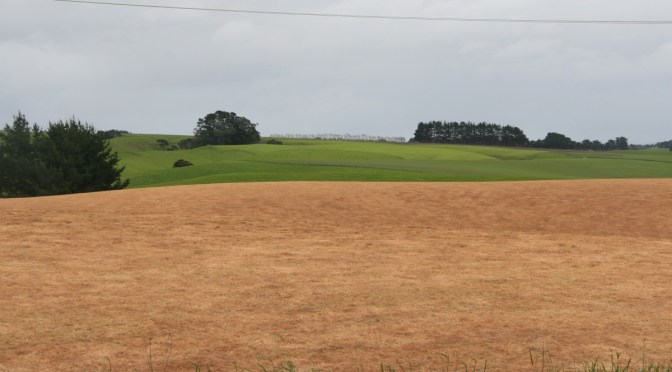


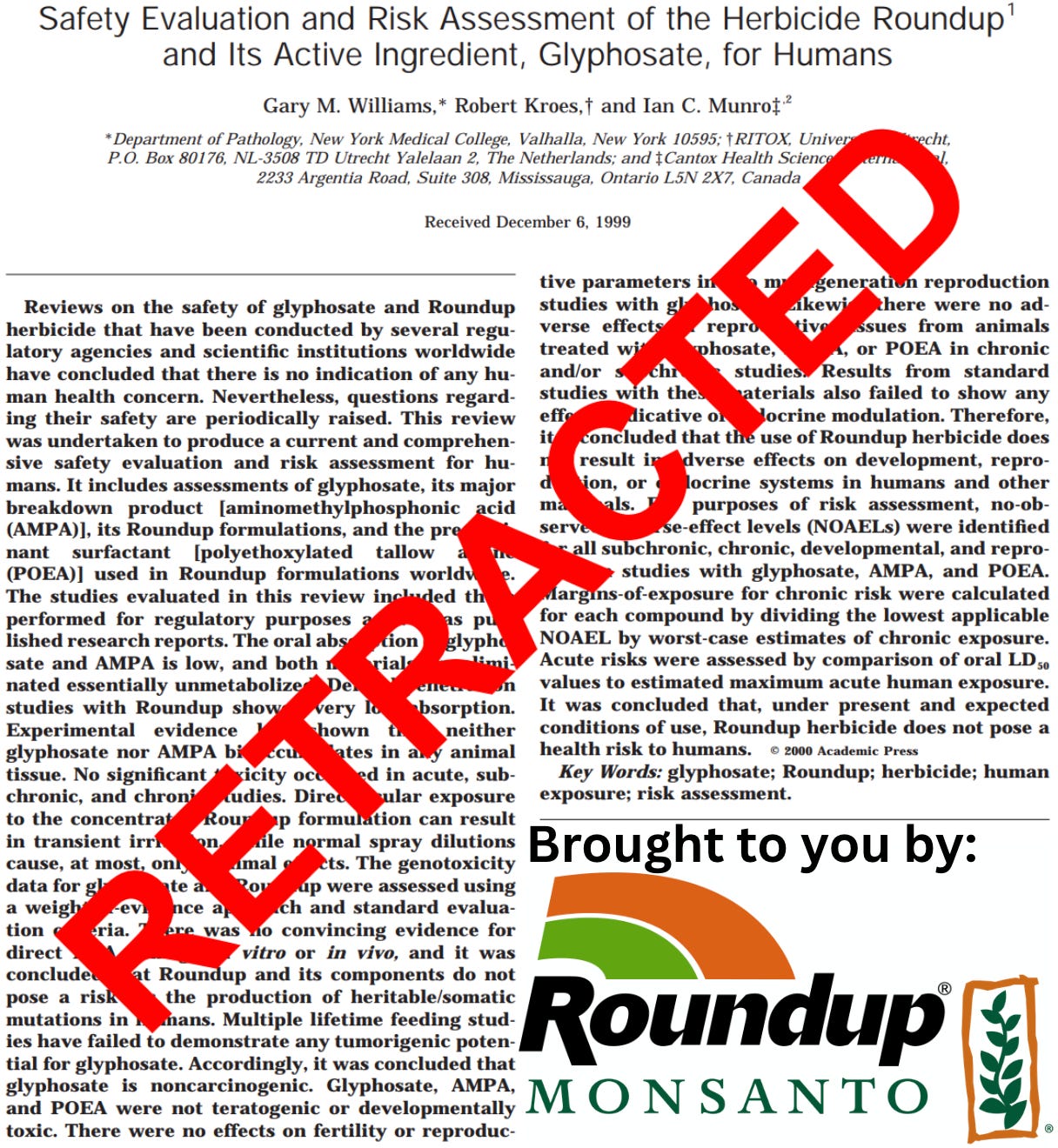

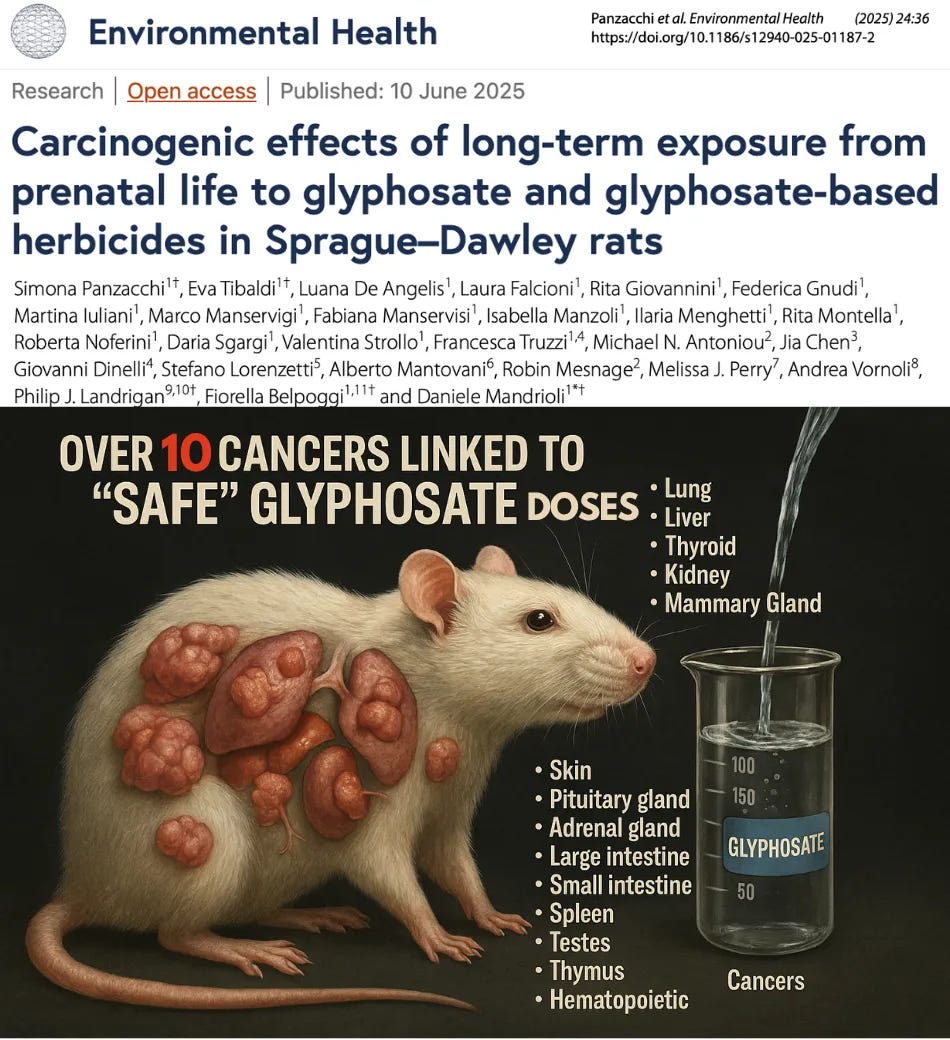
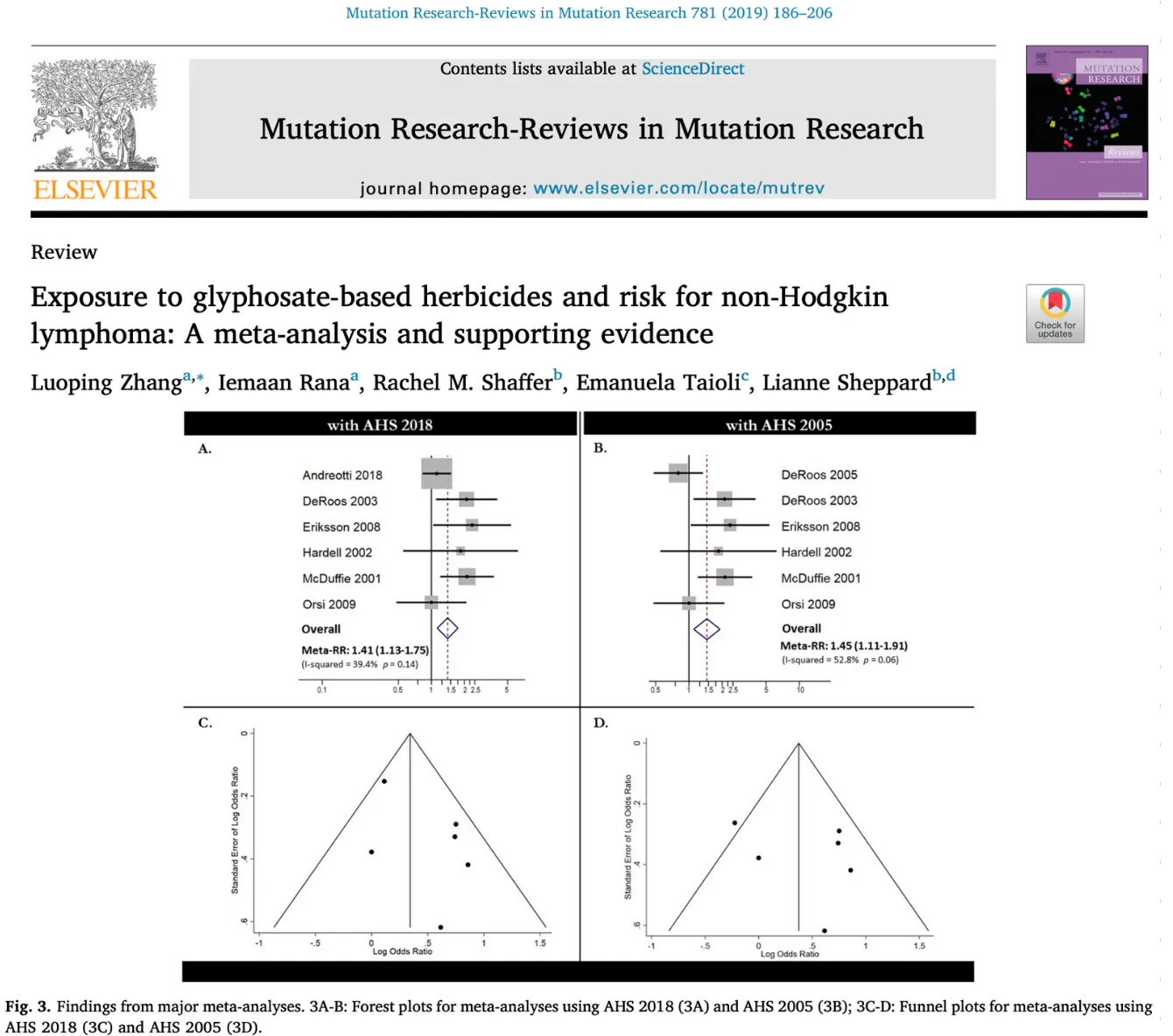
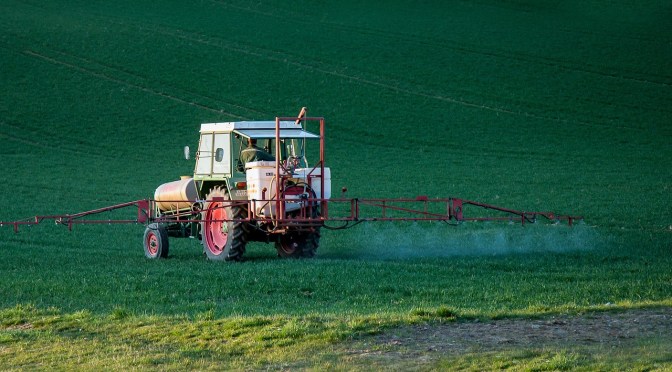
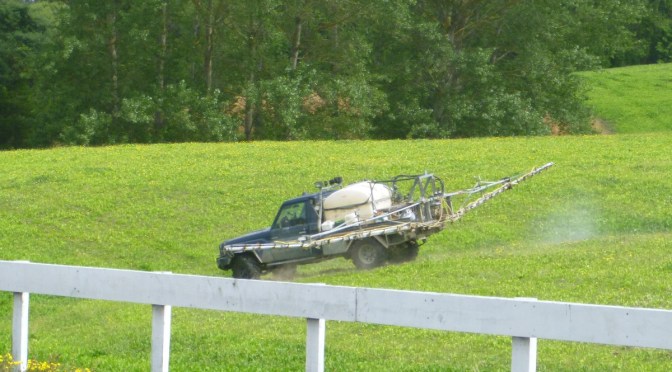
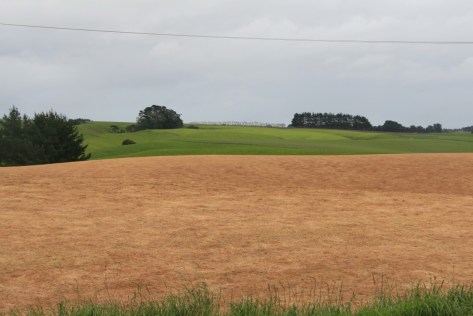
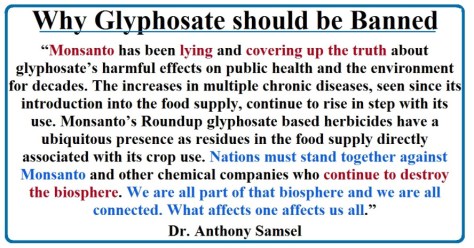
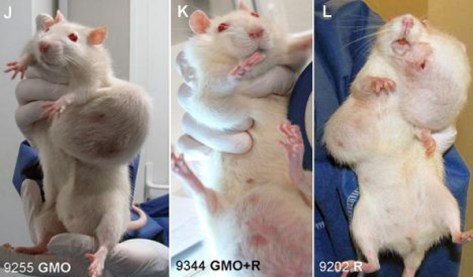
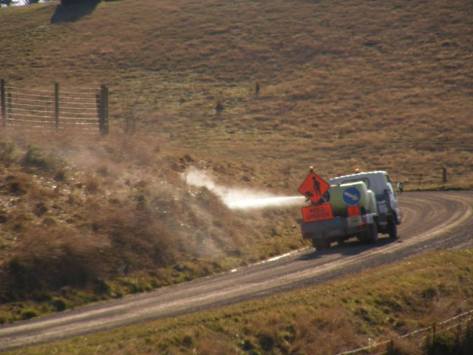



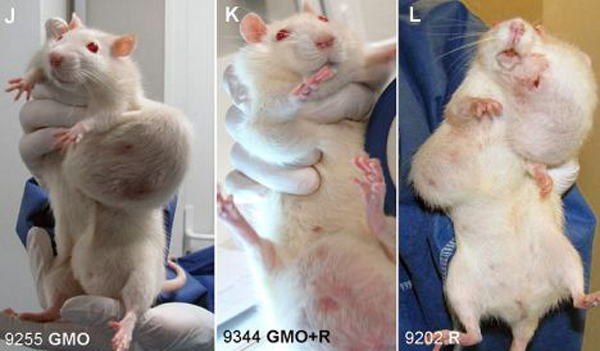


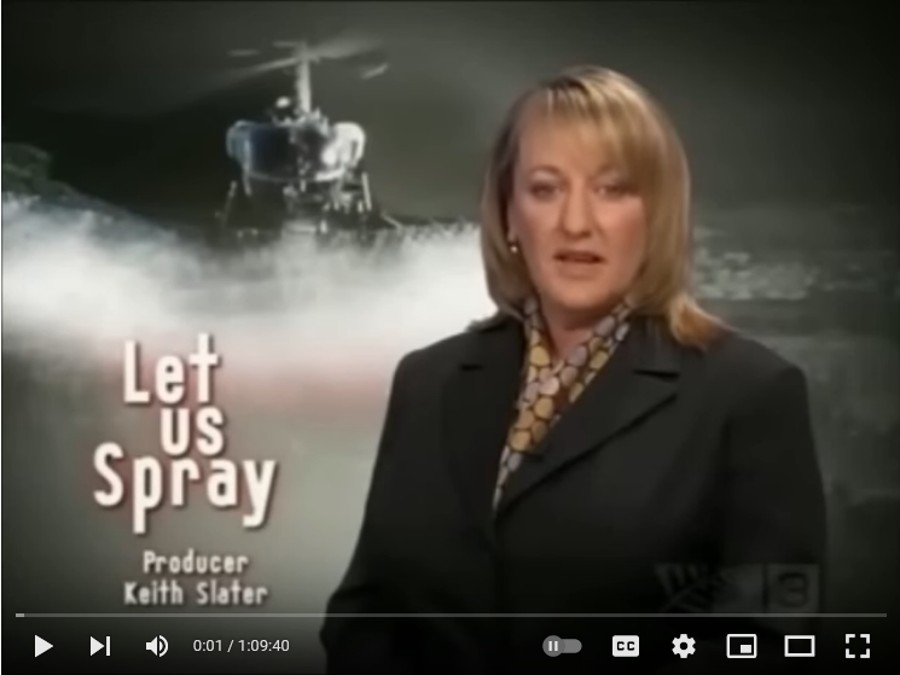
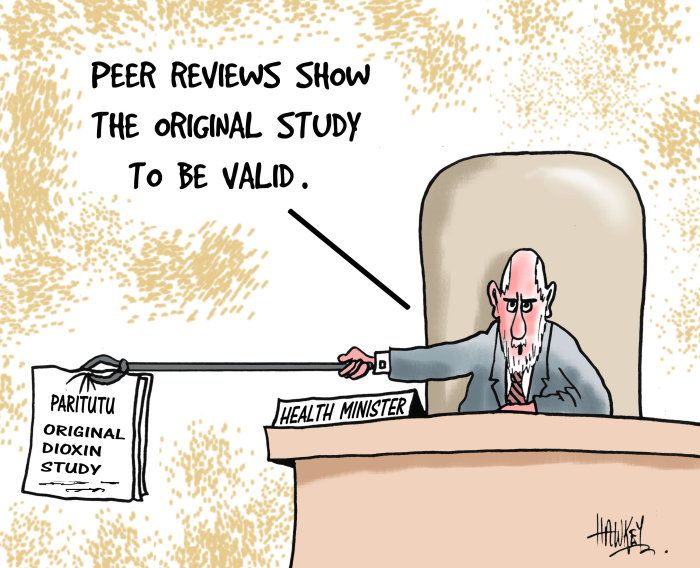
/cloudfront-ap-southeast-2.images.arcpublishing.com/nzme/FNMG5HFOSRQNF52F77VTYKWEKE.jpg)


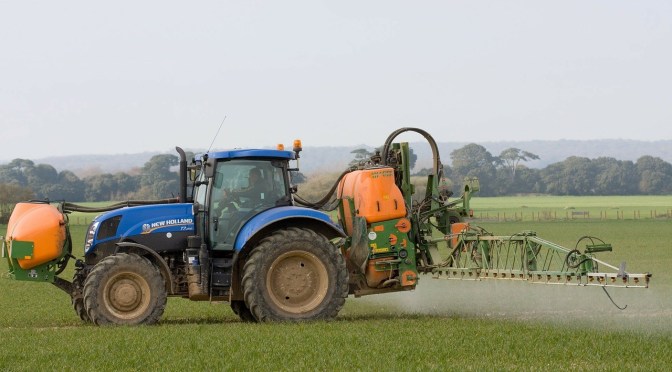

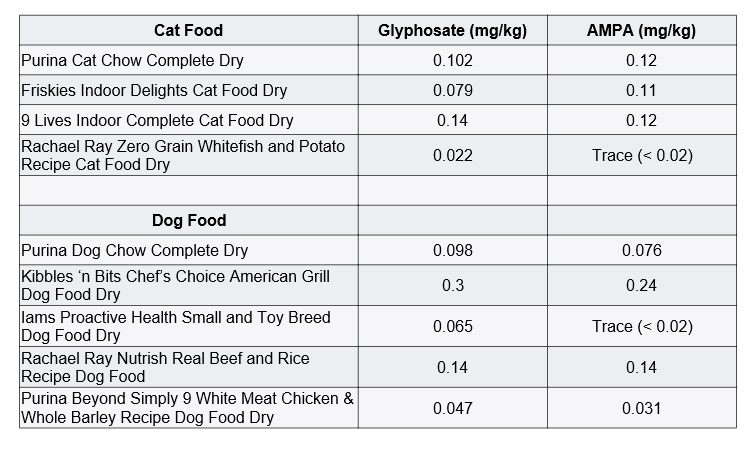


You must be logged in to post a comment.