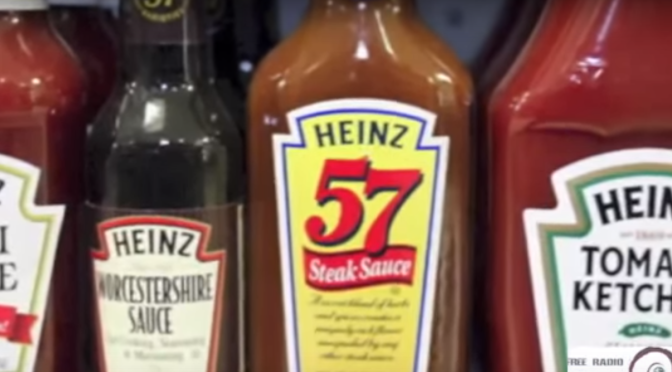
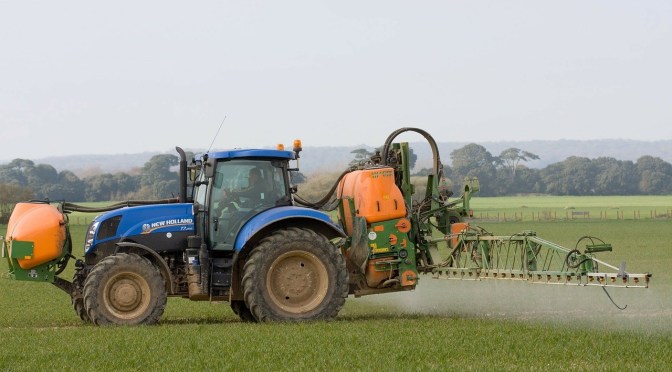
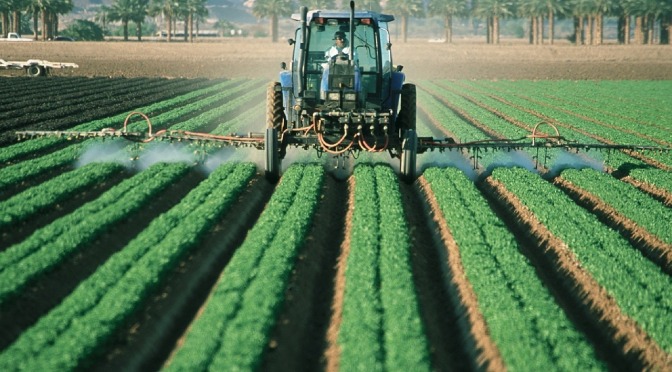
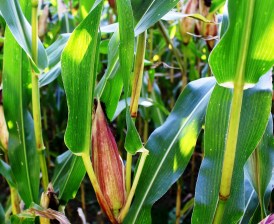
More than 90% of all soybean, cotton and corn acreage in the United States is used to grow genetically modified crops. Other popular and FDA approved genetically modified food crops include sugar beets, alfalfa, canola, papaya, summer squash, apples that don’t brown and bruise-free potatoes.
However, if you have been led to believe that genetically modified foods were one of the main reasons why the world was enjoying food with less pesticide residues, you are being misled – the fact is, GMOs replaced one class of harmful pesticides with something more poisonous – neonicotinoids, dicamba, 2,4-D, DDT, glyphosate and its family of products including Round Up – and therefore ended up doing more harm than good.
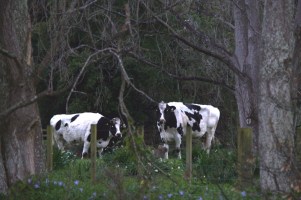
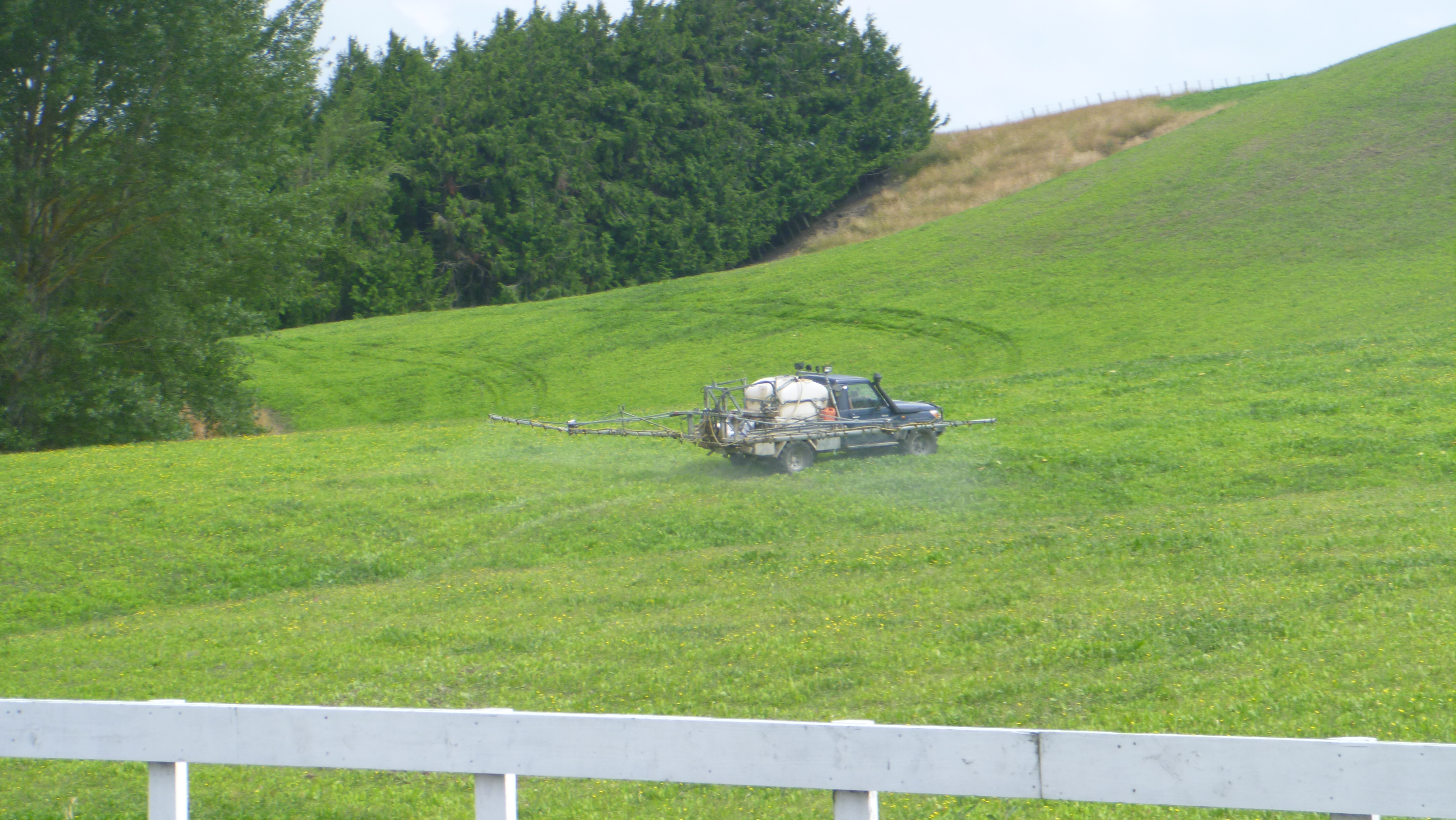
COMMENT: Lest you are thinking Kiwis, “we’re not affected by this over here”, as Kiwis who read the mainstream media often do, think again. Our stock is fed GE food (report the Greens) so it’s in our meat. Our pastures are also sprayed liberally with glyphosate (which our stock eats) and we had trial GE corn grow here in ’99 left to harvest with a raised threshold on GE’s acceptable levels, many thanks to Helen Clarke (all kept from the public at the time). It’s coming by increments. And it’s not labeled of course and since much of the corn and soy products found in so much packaged food now (that companies decline to declare the origins of) a very high percentage of that is GM. Search other GMO articles here under categories and check out the Glyphosate pages.
Monsanto and Gates Foundation Pressure Kenya to Lift Ban on GMOs
(ecowatch.com) Kenya is on the verge of reversing its ban on genetically modified organisms (GMOs). The East African country—which has banned the import and planting of GMOs since 2012 due to health concerns—may soon allow the cultivation of GMO maize and cotton after being pushed for approval by pro-GMO organizations including Monsanto, the agribusiness giant and world’s largest seed company.
(naturalsociety.com) Greenpeace said in a report released last Wednesday that farmers in northeast China are illegally growing genetically modified corn. [1]
Brazil Slaps Nestle, Pepsi, and Others for Hiding GMO Ingredients
(naturalsociety.com) Six major food manufacturers – including Nestle, PepsiCo, and Mexican baking company Grupo Bimbo – have been slapped with fines by the Brazilian Ministry of Justice, which alleges the companies failed to include labels indicating the use of genetically modified ingredients.
“GLYPHOSATE, SYNTHETIC AMINO ACID ANALOG THAT RANDOMLY WREAKS HAVOC IN BIOLOGY
+++++++++++++++++++++++++++++++++++++++++++++++++++++++++++++++++++++++++++++
Scientist Anthony Samsel speaks with Tony Mitra on the fifth paper he is writing on Glyphosate, and explains how, apart from all the other harm this chemical brings to our micro biome and health, it is also a synthetic amino acid and slips into the biology of living kingdom by mimicking glycine, one of the essential building blocks of life.
Samsel says this chemical should be banned, its production and use should be stopped and shut down lock, stock and barrel.” (Tony Mitra’s Youtube channel)
Tony Mitra
Delta, Canada
7 Dec 2015 — As if Glyphosate, the main killer chemical in Monsanto’s VisionMax and RoundUp herbicides were not bad enough already. Now we have further and far more damaging information coming from scientist Anthony Samsel of Deerfield, New Hampshire.
A renowned biochemist and research scientist that has been studying Glyphosate, and other potentially harmful chemicals for a long time, he has four peer reviewed scientific papers already published, along with Dr. Stephanie Seneff, on how Glyphosate provides a pathway to various modern diseases….
Some 21 amino acids are the basic building blocks of life on this planet as we understand it. Glycine is one of them …
Glyphosate mimics glycine. Our body may not distinguish between the two, perhaps because in our evolutionary history, our immune system never had to distinguish between glycine, which we absolutely need in every cell, every tissue, every chromosome and DNA strand, and glyphosate, which we absolutely do not need in our biology….”
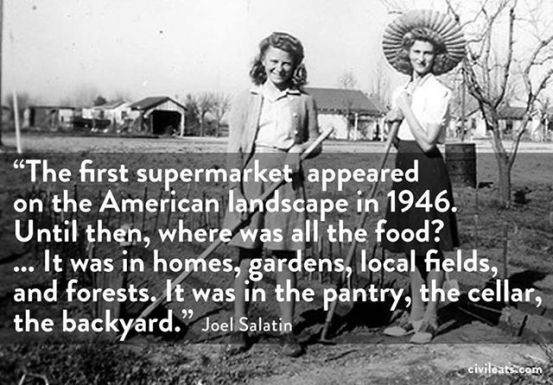
Food was something up until the 1940s folk just grew out in the back yard … supermarkets were a new invention. Still, many gardeners kept going well into the 1970s, and growing your own food is currently making a huge come back. I recall as a child, unlike in today’s supermarkets, the shop owners went out back and got all the items on your list and put them in a brown cardboard box or paper bags. We also collected raw milk in a billy from the local Dairy and drank it, and believe it or not one of us died from doing that. Neither did I ever hear one report of food poisoning from raw milk. Today our milk is so heated and treated and added to, much of the nutrients have disappeared, and sadly, some countries have banned raw altogether. Check out the health benefits of raw milk: http://www.raw-milk-facts.com/raw_milk_health_benefits.htmlhttp://www.drdeborahmd.com/health-benefits-raw-milk
I recall as a child, every morning around 5 am awakening to the sound of my father chipping away the weeds in his vegetable garden just outside my window, before breakfast and the working day. He grew everything we ate. And he didn’t spray our vegetables with anything either. He also saved the seed from one plant that he left for that purpose and of course there was an abundance for next season and the neighbours. Nature supplies abundantly although Monsanto would have us believe that GE crops can do better.
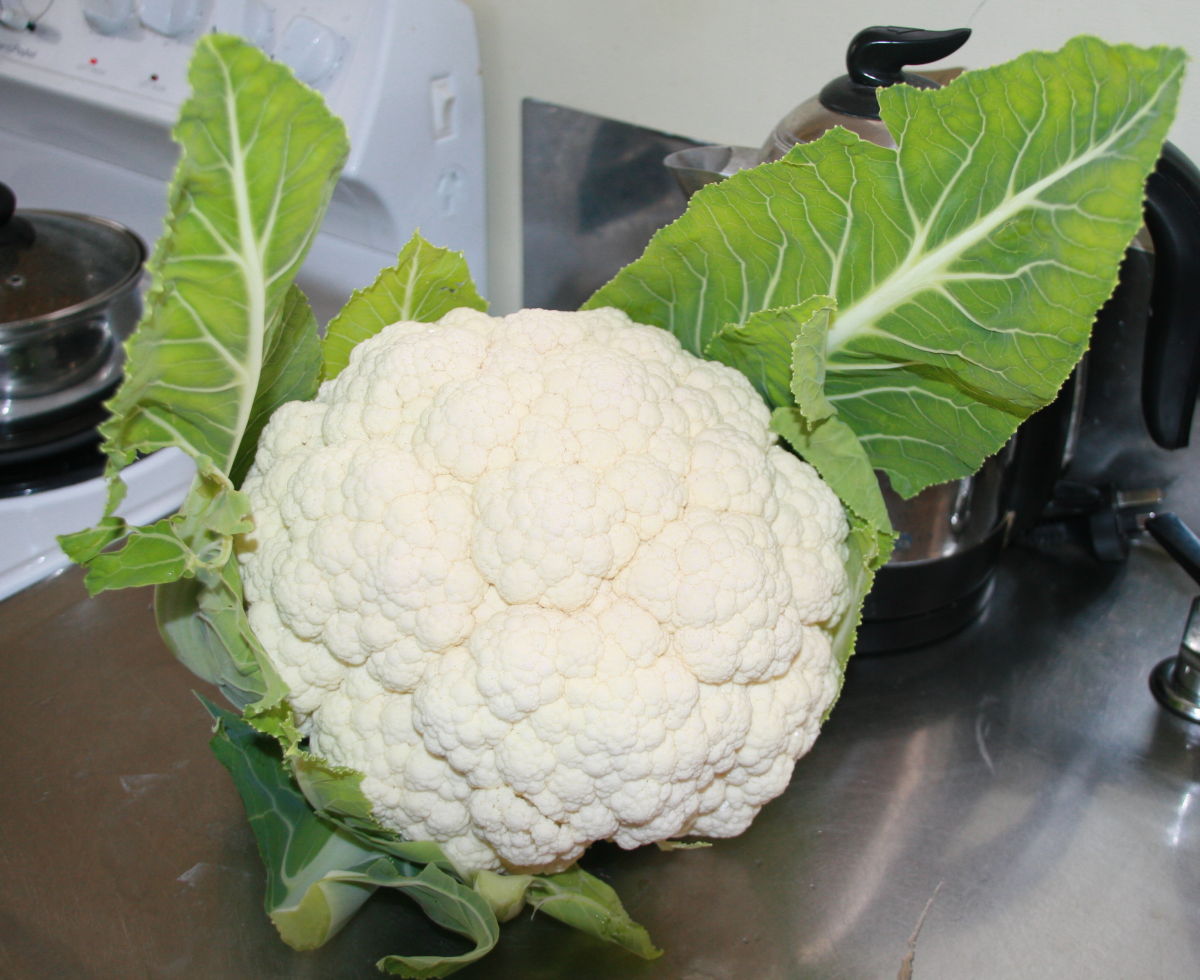
Cauli, straight from the garden
(They recently tried suing the Guatemalan people for saving their seed, something they’ve done for hundreds of years). Corporations back in the day had not gotten blatantly greedy enough yet to patent seeds. They have now of course and are busy gobbling up all the companies to tighten their hold on humanity. Then there’s the Food Bill that aims to stop all this sharing and caring by passing our veg over the back fence. What a blasphemy to humanity this is. (A note on the Guatemalan fiasco, this is due to a trade agreement a … think TPPA … the signs are on the wall).
“Lawsuits filed against agribusiness giant Monsanto are mounting, with the latest one being filed last week in Delaware.
That lawsuit is just one of a growing number of suits alleging a link between glyphosate exposure and cancer. Glyphosate is the main ingredient in Monsanto’s Roundup herbicide. Three law firms are representing the plaintiffs in the case, which claims that Monsanto “led a prolonged campaign of misinformation to convince government agencies, farmers and the general population that Roundup was safe,”according to Reuters. [1]
It could be the start of a “mass tort” against Monsanto.
In September, similar lawsuits were filed in New York and California…”
Our supposedly ‘clean green’ country (and don’t get me wrong, I love my country) is sold to the world as being GE/GMO free. I’ve been repeating this often on here that we are not. (Read a quote from the Green Party on GE animal feed). Back in 2000 Nicky Hager wrote in his book ‘Seeds of Distrust’ that GE Corn was grown here in several different locations, without the public’s knowledge and obviously without their consent. Once uncovered, the PM at the time,
PM Helen Clarke initially ordered the GE corn be pulled up … then did an about turn (‘Seeds of Distrust’ by Nicky Hager)
Helen Clarke ordered the crops be pulled up and disposed of, however after some discussion and clearly corporate persuasion, the crops were left in and went to full term and harvest. How many other organic or otherwise crops were contaminated? Who knows given the industry is inclined to secrecy and an aversion to labeling of anything containing their poisonous products? As a result of all this the bar of acceptance levels was raised a little higher, widening the previously thin end of the wedge so to speak. It’s happening by increments folks. So here now we are being told of a 15 year excursion into biological experiments on genetically modified/engineered (whatever you like to call tinkering with nature) cows … and note, with ‘disastrous results’.
EnvirowatchRangitikei
Read the article here, from Sustainable Pulse:
NZ Cows are fed GE stock feed
“GE Free NZ ‘s report on “GE Animals in New Zealand: the first fifteen years, 2000 – 2015”, documents the world’s first field trials of genetically modified cows, bred to express one of six transgenic protein traits in milk for use as bio-pharmaceutical products. Agresearch has conducted the research at their Ruakura facility in Hamilton.
Using AgResearch’s own records, the report catalogues a sad and profoundly disturbing story that has characterised the genetic engineering (GE) trials.
The surrogate and transgenic cows suffer from chronic illness, reproductive losses, sudden unexplained deaths, and severe deformities.
In the course of fifteen years of experimentation, many thousands of transgenic embryos, predominately developed offshore in private partnership laboratories, have been used…”
“Omission and selective reporting of important experimental data to the media has enabled AgResearch to avoid scrutiny into the tragic results of using animals as bioreactors.”
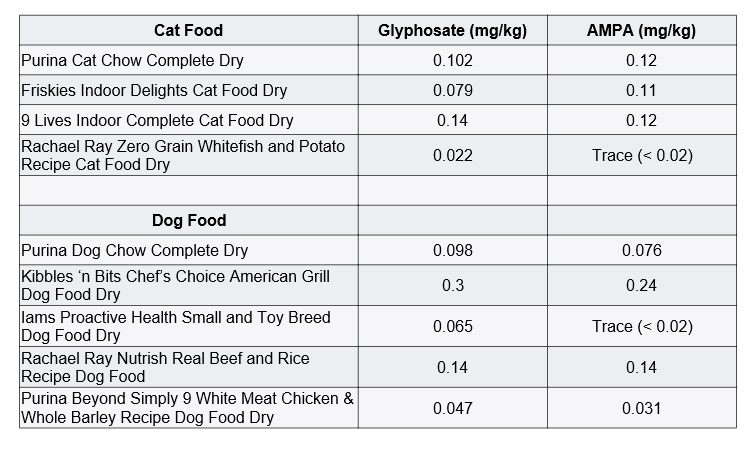
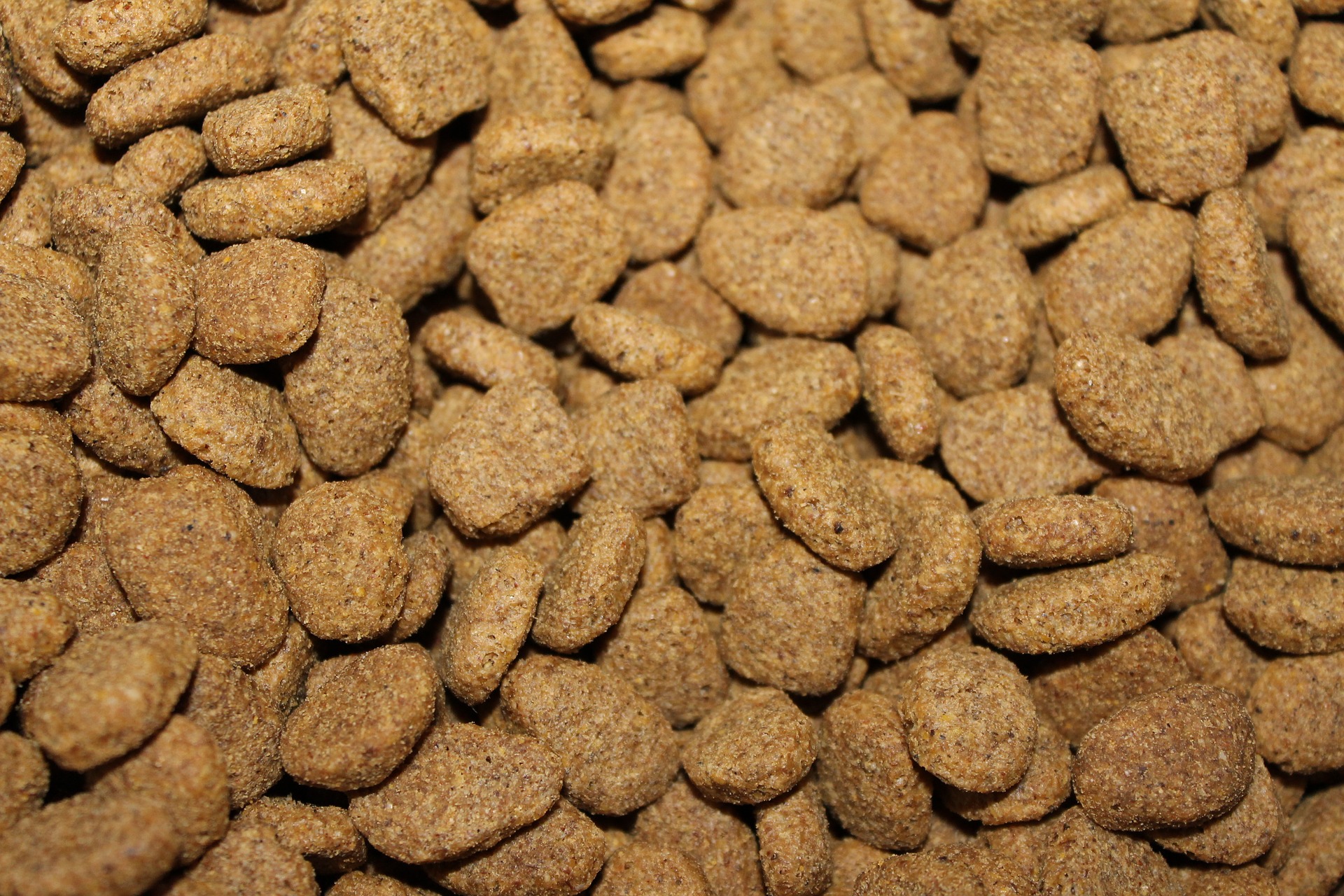
“Concerning information shared with us by Dr. Michael Fox and research scientist Dr. Anthony Samsel. Glyphosate in pet food can have deadly consequences.
Monsanto’s Roundup herbicide which contains the active ingredient glyphosate, recently designated a possible carcinogen, is actually absorbed by GM (genetically modified) crops genetically engineered to be resistant to this herbicide. Most corn, soy, sugar beet, cotton, and canola produced in the U.S. is GM, as is much imported rice. Glyphosate is also used to dessicate wheat and other crops before harvesting.”
This article is from the TruthAboutPetFood site. This is no surprize to me given so much is now GE without our knowledge or without labeling. Soy and corn are two typical examples and these are found in many products, particularly bread. They are fillers and are frequently used to add bulk to products. Glyphosate is also sprayed on crops and as I often point out, is sprayed onto fields regularly on the recommendation of our Agricultural textbooks, so on that alone is going to be present in our meat products. And all because farmers have been told for decades that it’s perfectly safe. As the article points out, it is a probable carcinogen, although it says ‘possible’. WHO has deemed it class 2A – a ‘probable’ carcinogen. To read up on glyphosate including the WHO data, visit our glyphosate page on the website.
A history of the company that makes Glyphosate (in Roundup) now classified by WHO as a probably carcinogen.
“Of all the mega-corps running amok, Monsanto has consistently outperformed its rivals, earning the crown as “most evil corporation on Earth!” Not content to simply rest upon its throne of destruction, it remains focused on newer, more scientifically innovative ways to harm the planet and its people.”
1901: The company is founded by John Francis Queeny, a member of the Knights of Malta, a thirty year pharmaceutical veteran married to Olga Mendez Monsanto, for which Monsanto Chemical Works is named. The company’s first product is chemical saccharin, sold to Coca-Cola as an artificial sweetener.
1920s: Monsanto expands into industrial chemicals and drugs, becoming the world’s largest maker of aspirin, acetylsalicyclic acid, (toxic of course). This is also the time when things began to go horribly wrong for the planet in a hurry with the introduction of their polychlorinated biphenyls (PCBs).
“PCBs were considered an industrial wonder chemical, an oil that wouldn’t burn, impervious to degradation and had almost limitless applications. Today PCBs are considered one of the gravest chemical threats on the planet..
1940s: They begin research on uranium to be used for the Manhattan Project’s first atomic bomb, which would later be dropped on Hiroshima and Nagasaki, killing hundreds of thousands of Japanese, Korean and US Military servicemen and poisoning millions more…
1990s: Monsanto spends millions defeating state and federal legislation that disallows the corporation from continuing to dump dioxins, pesticides and other cancer-causing poisons into drinking water systems. Regardless, they are sued countless times for causing disease in their plant workers, the people in surrounding areas and birth defects in babies…”
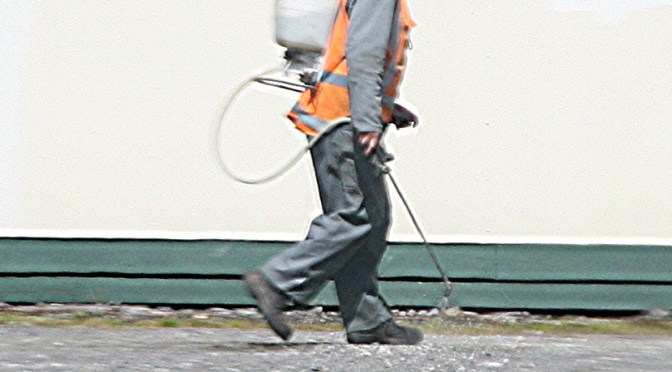
Glyphosate is sprayed where our children regularly walk
Visit our Glyphosate pageto learn more about Glyphosate. For Kiwis follow links to local information at Pananz, and for Rangitikei folks, consider signing our petition to ban Glyphosate in our towns’ public spaces. Found at the Petition page on the site.
“Birth defects are on the rise in Hawaii, leaving many to wonder if pesticides are to blame – including some pediatricians who are witnessing a spike in birth defects in babies.
In the town of Waimea, pediatrician Carla Nelson has seen at least 9 severe heart malformations in babies in the last five years, 10 times more than the national average. For the past three years, Nelson and other local doctors have found themselves at the center of a controversy over whether a cash crop of GM corn modified to withstand pesticides on four of the six main islands is the cause of an economic boom, or the source of the birth defects and illnesses. [1]…”
BRUSSELS (Reuters) – Monsanto said it would abide by Latvia’s and Greece’s requests under a new EU opt-out law to be excluded from its application to grow a genetically modified (GM) crop across the European Union, but accused them of ignoring science.
Under a law signed in March individual countries can seek exclusion from any approval request for GM cultivation across the EU. While the European Commission is responsible for approvals, requests to be excluded also have to be submitted …. read more
Any moves to tighten the controls on the liberal use of carcinogenic herbicides/pesticides, especially in public places, is a good move, and labeling products as potentially carcinogenic is definitely a move in the right direction.
“Monsanto may be in for a big surprise, courtesy of the EPA California state. The EPA’s environmental health hazard assessment office out of California has announced a move to label the primary ingredient in Monsanto’s best-selling herbicide ‘Roundup’ (and four others) as “known to cause cancer….
“The EPA’s office of environmental health hazard assessment in California wants to label four chemicals, including the most popular herbicide and key ingredient of Monsanto’s Roundrup, glyphosate, as “known to cause cancer,” following the most recent WHO cancer research division’s report.”
From the UK’s Guardian, more news on Roundup and glyphosate. Bear in mind glyphosate is in many other products as I recently confirmed. Most of the home garden sprays in our local supermarket, popular brands too, contained glyphosate. So important to read labels and fine print.
The Guardian…. “Monsanto is far from happy. The main ingredient of its highly profitable weedkiller, Roundup, often used in conjunction with GM crops, has been declared a “probable carcinogenic”.
As well as being profitable for Monsanto, glyphosate is one of the most widely adopted weedkillers in the world by gardeners and farmers alike. Use of it by UK farmers, for example, has soared by 400% in the last 20 years.
In response to the cancer warning, the US biotech company has been quick to accuse the body behind the new classification of bias. It says the International Agency for Research on Cancer (IARC), an arm of the World Health Organisation (WHO), lacks transparency and has made an irresponsible decision – one likely to cause confusion among farmers and the wider public…
Although campaigners in the UK have tried to focus attention on possible risks to human health from glyphosate residues found in bread, toxicologists suggest gardeners and farm workers are the ones most at risk.
“It is difficult to work out the magnitude of cancer risks of glyphosate, but based on the quantities people come into contact with, it can be expected that agricultural workers applying the pesticide are at much greater risk than consumers in Britain, who are exposed via residues in food…..
For those worried about their health, one organisation now allows you to pay $120 (£75) to have your urine, breast milk or tap water tested for glyphosate contamination. Far from scaremonging, toxicologist Dr Robin Mesnage from Kings College London says such testing could help…”
Are councils in bed with Agrichemical companies? Both the Auckland & Rangitikei District Council are favouring chemical weed control over non-chemical, in spite of the heightened health risks highlighted recently by WHO. They cite outdated & incorrect data to support this preference.
Some Aucklanders are currently objecting to a flip flop on their Council’s current weed management policies. A petition has been circulating (and is on FB also if you would like to sign it) calling (like the Rangitikei) for a ban on the use of glyphosate on Auckland’s streets and parks. Some parts of Auckland are chemical free in terms of weed management however not all, and council is doing a u turn on their current policy of minimal chemical use, indicating in their Ten Year Plan a preference for chemical control.
Public areas are sprayed without any warning before, during or after the fact
Auckland’s Weed Management Advisory (a Community-led organization that helped create the Council’s Weed Management Policy 2013 of minimum agrichemical use, which the Council seems intent on doing away with) are also calling for a BAN on Glyphosate and have put a leaked briefing document up on their website. You can read it here. This is the Long Term Plan featuring quotes for alternative methods of weed management as opposed to management with glyphosate, typically, Roundup. Georgina Blackmore, the petition organizer, states that the figures cited should be taken with a pinch of salt … in fact a very large amount of salt. They are using she says, old, inaccurate and misleading information. “Disingenuous” says Auckland councilor John Watson. The Weed Management Advisory has accused the Auckland Council of putting the public at risk. Read their press statement here.
This line is a very familiar tale. Our own Rangitikei District Council cited inaccurate figures when justifying their rejection of glyphosate-free weed management in our public spaces. We had tried to counter this outcome by citing Auckland contractors who are currently employing mechanical weed control methods. The latter stated emphatically that their costs were a marginal 10-15 percent more than Roundup, and expected soon to even match it. Similarly, with the current Auckland scenario cited here, other Auckland contractors are saying their costs are even less than glyphosate.
When the request for tighter parameters and controls around glyphosate spraying was originally put to the RDC, citing the extensive independent research available on the myriad health risks associated with Roundup use, an internal report was requested by RDC on alternative cost-effective weed-control methods. Councilor Lyn Sheridan asked why health effects were not investigated by RDC and the response by CEO Ross McNeill was, ‘…they weren’t asked for’. They are missing the point here.
We need to be asking, why are Councils so bent on, so adamant, about choosing chemical control, and with a chemical that has recently been re-classified by WHO as a Class 2A carcinogen? Claiming there is insufficient proof of health risks is myopic at best.
That statistic is extremely high and surely deserving of closer examination of the research into environmental causes and the elimination of the probable ones?
Walkways and adjacent herbage where both school children & general public regularly walk is sprayed heavily with Roundup/glyphosate
The thing about Roundup is (and you will hear this in the audio link below) we the public are given no warning in advance of spraying, no signs are put out when they are spraying (so people can walk on it before it’s dry without even knowing) it is sprayed on public walkways where school children walk with no prior warning and it is sometimes sprayed on windy days.
Read Georgina’s piece here on her recent findings and her interview on Radio with Auckland Councilor John Watson and Professor Ian Shaw from Canterbury University.
“In an interview I gave on bFM this week about our campaign to ban the use of Glyphosate on Auckland Roads and Parks, Councillor John Watson and expert of Toxicology Professor Ian Shaw both agreed that we need to be seriously looking at what alternatives we have to spraying Glyphosate…” Read at SOURCE: https://www.facebook.com/BanGlyphosate/posts/417049618496545
The news on Glyphosate is coming regularly since WHO classified it as a Class 2A carcinogen (it probably causes cancer). There was already enough evidence, in my opinion, to ban it anyway, however with the added weight of WHO’s conclusions (based on the previous research) surely it is only a matter of time before Glyphosate goes the same was as DDT and Agent Orange. You may not be aware but the same company responsible for the creation of Glyphosate is also responsible for the creation of those two products and Aspartame as well. Agent Orange was responsible for horrific birth defects still seen today in the Vietnamese population, a result of the US cleansing Vietnam of its defoliation during the Vietnam war. It was also responsible for a raft of health problems and birth defects experienced by our own Kiwi vets, a fact only recently acknowledged by our NZ government, to their shame I might add, given the war ended decades ago.
We in the Rangitikei are urging our council to desist from the use of Glyphosate in the public spaces of our towns. This at least will protect the public, especially our children, from unwitting exposure. These companies spray with no warning, and no signs out to say they are spraying. This is simply because Glyphosate has enjoyed a ‘harmless’ status for decades. The product data sheets however advise no contact with the sprayed foliage until dry, yet there is no way for us to know where they have sprayed. They also indicate the use of gloves and a mask (which nobody wears I note) and yet they don’t see fit to warn our children they are spraying.
This is the address of our Facebook page if you would like to keep up to speed with happenings in the Rangitikei to do with Glyphosate … or they are on the site as well:
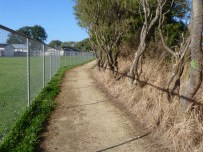
The path our Marton school children take to school
HERE ARE LINKS TO SOME OF THE LATEST NEWS ON GLYPHOSATE:
Why The Netherlands Just Banned Monsanto’s Glyphosate-Based Herbicides
From naturalhealth365 … “The Netherlands has just become the latest country, following Russia, Mexico, and many others, to say no to Monsanto. The sale and use of glyphosate-based herbicides (the most commonly used herbicides in the world) has just been banned for non-commercial…”
New Research Fuels Roundup Weedkiller Toxicity Concerns
From Dr Mercola … “Last year, groundbreaking research was published suggesting that glyphosate, the active ingredient in Monsanto’s broad-spectrum herbicide Roundup, might be “a crucially important factor in the development of multiple chronic diseases and conditions…” This article includes an interview with Dr. Stephanie Seneff and Jeffrey Smith … a must watch with some facts that will horrify you about the meat industry and GE (glyphosate laden) feed.
I’m recommending here a useful NZ book on pesticides…
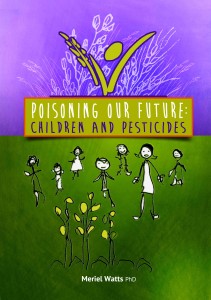
“Poisoning Our Future: Children and Pesticides” by Dr Meriel Watts PhD … “This book details the scientific evidence for the insidious effects of pesticides on children and calls on government institutions to adopt a more precautionary approach to better protect human health and the environment…”
Further info about this book can be found at the following website: http://www.pananz.net/publications-2/books/
You can also purchase a hard copy or a download at the website.
THIS BOOK IS AVAILABLE AT THE MARTON PUBLIC LIBRARY
An excellent resource to familiarize yourself with how pesticides affect our kids. The pananz website has more info on glyphosate also. Dr Watts has been a long time campaigner in reducing toxic pesticide use in NZ.
It is phasing out the use of controversial pesticide glyphosate – the active ingredient in Round Up – and introducing natural ways to control weeds, even though regulators from the State Government and CSIRO do not require them to.
Parks manager Mark Presswell says council is concerned that research has shown glyphosate is a health hazard and harmful to the environment….”
Here is excellent news from Switzerland, joining the ranks of countries that are rejecting the probable carcinogen, glyphosate. This article is from Sustainable Pulse.
“Swiss supermarket giants Coop and Migros have announced that they will no longer sell products that contain glyphosate, following the World Health Organization’s report stating that glyphosate is a probable human carcinogen. They have also announced that they will be exploring non-toxic alternative weed-killers.”
Note: if you consider ‘probably causes cancer’ is not proof enough to stop using glyphosate, consider now the statistics of cancer deaths which are at one in three. That is very high. Is it not worth erring on the side of caution to try and cut down this awful death rate? Consider reading the book by Dr Samuel Epstein called ‘The Politics of Cancer’. This is very enlightening and will get you to consider more deeply the part environment plays in our protection.
More on glyphosate … another nation bans it. Since its reclassification by WHO to a class 2A carcinogen, many countries are moving to protect the public:
“Sri Lanka’s newly elected President Maithripala Sirisena announced Friday that the import of the World’s most used herbicide glyphosate will be banned with immediate effect. The release of already imported stocks has also been stopped. Sirisena, a farmer and ex Health Minister, stated that glyphosate is responsible for the increasing number of chronic kidney disease (CKDu) patients in Sri Lanka and added that the move would protect the Sri Lankan farming community…”
From Natural Society … this article recapitulates the progress so far in terms of recent mounting evidence:
“It’s not just the WHO that has raised the alarm over Monsanto’s Roundup and its devastating effects on human and environmental health. Instead, the WHO announcement was simply the most widely reported on Roundup study that we have seen. Sadly, it’s not even the most concerning.
It was back in September of 2014 that the International Journal of Toxicology published a much more alarming piece on the dangers of Roundup entitled “Glyphosate Commercial Formulation Causes Cytotoxicity, Oxidative Effects, and Apoptosis on Human Cells: Differences With its Active Ingredient.” As you can gather from its name, the study highlighted the multitude of ways in which glyphosate is wreaking havoc on human cells…”
For Kiwis, remember, New Zealand is an avid user of Roundup and glyphosate. It is recommended in our Tertiary Agricultural textbooks, and touted as being completely harmless. Therefore it is sprayed liberally onto pastures and eaten by the stock headed for the market and our consumption. Hence it is found now in human urine, blood and breast milk. It is used by the keepers of our roads and public spaces in towns, by large contractors as well as small.
Educate yourself, read the data and spread the word. There are currently two petitions circulating in NZ, one for Auckland and one for the Rangitikei. I note that one may be coming for all of NZ, the better option really as it is at government level it needs addressing. Councils continue to repeat that glyphosate is government approved. In the meantime however, please consider signing the petitions and stop the ongoing poisoning of our future.
Germany’s state consumer protection ministers are calling for an EU-wide ban on the leading global pesticide Glyphosate, after it was categorized as carcinogenic by the WHO. However, the federal government sees no need for action. EurActiv Germany reports.
Major oat buyer says no to glyphosate: no more shipments of crops sprayed pre-harvest with deadly herbicide
(NaturalNews) One of Canada’s leading manufacturers of conventional and organic whole grain ingredients used in cereals, breads, bars and many other products served around the world has decided to stop accepting oats sprayed with Monsanto’s Roundup herbicide (glyphosate) prior to harvest, noting consumer preference as a major contributing factor to this decision.
Currently in the Rangitikei, as in many other places, Roundup is the herbicide of choice for cleaning up weeds. Recently however, the World Health Organization (WHO) has taken recognition of the decades of independent research that warns of its health risk. WHO is warning people of the fact that it probably causes cancer. Check out the Glyphosate page on this site for further information on that.
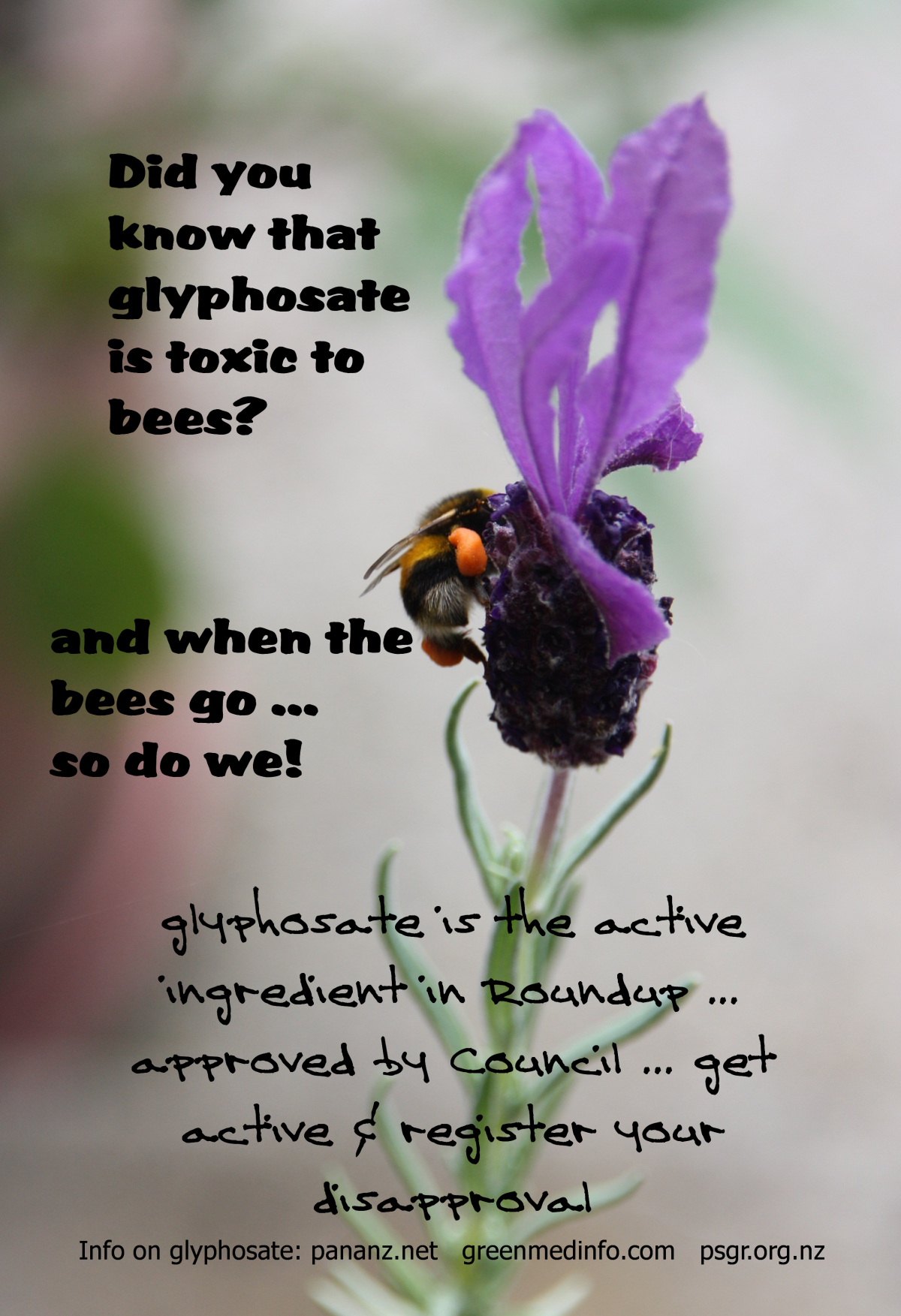
Roundup, the herbicide of choice that contains glyphosate and is toxic to our bees
Personally I approached the Rangitikei District Council (RDC) twelve months ago to warn them of these dangers and make known to them the vast amount of research that exists linking it with not only cancer but many other illnesses including birth defects. Now, add to this another damning factor … its toxicity to bees. Bees are essential for pollinating our plants. As the poster above conveys,experts confirm that if the bees die off, we humans could well follow. Our toxic environments are destroying the very organisms that ensure the continuation of life on planet earth.
That said, the RDC is not convinced by either the extensive research or any announcements by WHO. Currently in fact, going by the last time I heard them discuss this (March 2015) they are of the opinion that I am the only person in the Rangitikei who is concerned about this. We now have a petition that indicates there are in fact another 97 who are. Good news. If you are connected with the Rangitikei, spend any time visiting, live here or intend to, please consider signing the petition.
Watch for further updates and information on the role of bees in our food chain.
More news on the glyphosate front as more and more people wake up to the toxicity of glyphosate based herbicides. May the trend continue until it is hopefully banned altogether.
“Colombia will suspend aerial fumigation of illegal coca plants in light of a number of studies linking the herbicide involved to cancer, a move that marks the end of a decades-long strategy in the country’s fight against drug trafficking.
Spraying coca leaves, which are used to make cocaine, has been a key part of Colombia’s efforts to curb production of some 300 tonnes of cocaine a year that make it one of the world’s biggest producers of the drug…”
This is from the Feed the World website and via GM Watch, by Claire Robinson.
“The International Society of Doctors for the Environment (ISDE) has written to officials of the EU Parliament and Commission asking for an immediate ban on glyphosate herbicides and four insecticides judged by the World Health Organisation’s cancer agency, IARC, to be probable carcinogens.
The letter states that glyphosate herbicides are associated with health problems such as birth defects, infertility, damage to the nervous system, Parkinson’s disease and several forms of cancer.
The letter adds, “for safeguarding the health of European populations, ISDE states that the rational basis is already strong enough” to justify an immediate and permanent ban…”
From the NaturalNews website … more damning information on glyphosate. The stream of articles on this product is constant. Bear in mind, scientists have been raising this alarm for years, spending a great deal of time researching this supposedly safe herbicide ingredient, their warnings falling largely on deaf ears. WHO’s recent public recognition and acknowledgement of its toxicity is now opening a floodgate of reaction world wide.
“(NaturalNews) Key data outlining the toxicity of glyphosate (Roundup) was recently uncovered, revealing that Monsanto knew about the cancer-causing effects of its best-selling herbicide more than 35 years ago, as did the Environmental Protection Agency (EPA), and yet neither entity chose to make this information known in the interest of public health. Both Monsanto and the EPA knew full well, at least as early as 1981, that glyphosate, the active ingredient in Roundup herbicide causes cancer in mammals….”
Bermuda has joined the ranks of countries banning this ‘probable carcinogen’. WHO’s reclassification of glyphosate to Class 2A is creating a knock on effect around the world. Nations are re thinking the risk involved.
“Effective immediately, all importers of glyphosate/Roundup will be notified that the approval for all glyphosate products has been suspended, pending the continuing assessment of the emerging research.” – Jeanne Atherden, Bermuda Minister of Health
Bermuda’s farmers are also backing the Government’s decision stating it “would not have a significant effect on Bermudian agriculture as alternatives can easily be used.”
Here’s good news. With the topic now heating up since WHO’s recent announcement that glyphosate ‘probably causes cancer’, this is another good decision for the public.
If you haven’t already signed our petition to ban the use of glyphosate in the Rangitikei’s urban public places, please go to the petition page and consider signing.
” ‘As a responsible company, it is important to regularly review our entire range and seek to protect the environment and nature with alternative and more sustainable options. Toom Baumarkt is constantly and consistently developing a more sustainable portfolio of products,” explains Dominique Rotondi, General Purchasing Manager for toom Baumarkt….’
The 350 ‘toom Baumarkt DIY’ stores belonging to the REWE Group will carry no glyphosate-containing products later than September 30, 2015. From Monday such products cannot be re-ordered for the stores. By the end of 2013 toom Baumarkt had begun to switch the range and had removed about 60 percent of glyphosate-containing products from sale. Toom Baumarkt offers its customers alternative environmentally acceptable products. Thus toom Baumarkt was well ahead of the upcoming decision on the extension of the EU approval for glyphosate.”
More damning evidence about glyphosate from the Natural News site.
“A class action lawsuit, (Case No: BC 578 942) was filed in Los Angeles County California and alleges that Monsanto is guilty of using false advertisement when they say the herbicide is harmless to humans….The lawsuit points out that glyphosate targets the EPSP synthase enzyme, which is found in human and animal intestines. If this enzyme is being wiped out over time, then humans and animals lose their ability to fight off disease. If the CDC is so concerned about the herd immunity of the human race, then why aren’t they taking a stand to stop the mass application of glyphosate?…”Because it kills off our gut bacteria, glyphosate is linked to stomach and bowel problems, indigestion, ulcers, colitis, gluten intolerance, sleeplessness, lethargy, depression, Crohn’s Disease, Celiac Disease, allergies, obesity, diabetes, infertility, liver disease, renal failure, autism, Alzheimer’s, endocrine disruption, and the W.H.O. recently announced glyphosate is ‘probably carcinogenic’.”
It was announced recently, that WHO has concluded that glyphosate ‘probably causes cancer’ …. they have classed it 2A. It is surely well past the time for NZ authorities to reconsider its approval of this widely used herbicide. There comes a point we have to consider prevention and not closing the gate when the horse has already bolted. The damage is already done given this product is now found widely in blood, urine and breast milk, and cancer statistics are one in three. People need to read this research, study it carefully and take action. France’s highest court ruled around six years ago that the product is carcinogenic following the research of Professor Seralini. If you are from the Rangitikei, live in the Rangitikei or have connections with the region, please sign our petition at this link: https://www.toko.org.nz/petitions/ban-the-use-of-carcinogenic-chemical-in-rangitikei-towns-public-places-now-7
“In March, 2015, 17 experts from 11 countries met at the International Agency for Research on Cancer (IARC; Lyon, France) to assess the carcinogenicity of the organophosphate pesticides tetrachlorvinphos, parathion, malathion, diazinon, and glyphosate (table)…”
If you follow the link, to download the pdf file you’re required to register (it’s free).
Following on from the RDC meeting in late March 2015 where the topic of eliminating the spraying of glyphosate in urban Rangitikei’s public places was discussed following a report by Council into cost effective alternatives. If you missed the previous parts, follow the links to Part 1 and Part 2 before continuing here.
The Cost Effective Alternative
Returning to the Council discussion that day, Cr Ash raised the issue regarding cost effective alternatives to spraying Glyphosate. As outlined there, the alternatives were explored in the Council report however some of the detail was incorrect. It was claimed hot water treatment is fifteen times more expensive than chemical spraying. In fact, a company in Auckland, whose contact details I had supplied prior to the completion of the report, was prepared to present information to Council on their system that can operate at the small margin of 10-15% more than chemical spraying. That price, says the company director, is set to drop even further by the end of 2015 to be on a par with that of chemical spraying. This option however was never pursued and by all appearances isn’t going to be. According to the recent Rangitikei Mail article, Mayor Andy Watson, who was not available for comment, “endorsed the council’s position based on the commissioned report”. The RDC will only be establishing a no-spray register where those who wish to opt out can, and they take responsibility themselves for keeping that area weed free. A no-spray register is standard practice in many cities. If you wish to avoid any other exposure to public spraying activity, basically you can’t, and I’ve seen folk spraying in fairly high wind around here. I’ve also observed children walking on the regularly used track that they take to school … within minutes of being sprayed. The label on Roundup packaging warns about spraying on calm days and waiting for the product to dry before touching what is sprayed. My initial presentation had also included a request for warning the public of imminent spraying and/or the placing out of signs saying spraying is in progress. Nobody has been agreeable to this either. Neither the contractors nor RDC.
The Market
One of the bonuses we’ve been told about market competition is that prices will be driven down. In this respect I’ve suggested in previous discussions with those concerned here that surely the Council need only seek quotes for chemical free treatment from several competing contractors then secure the most favourable price. During my own research a contractor in one city who applies a salt solution to hardstand areas, said they were simply told to submit a quote for chemical free treatment. For some reason that remains unclear to me, the RDC prefers to lean favourably towards helping the current contractor, Fulton Hogan, to continue the status quo, and are not willing to introduce any competition. Surely this would benefit the rate payers. It is possible a local contractor may go even lower than the current one. The Auckland company is willing to look at working with and training a suitable contractor to establish its system of hot water and foam here in Marton.
In Summary
The important matter for me in all this, is health. There is a very long list of health issues with glyphosate and research clearly states it is a ‘probable carcinogen’. Class 2A. I’m left wondering, are people really interested in figuring out what causes cancer?
Bear in mind also, this product is sprayed all over pastures so it has to be in much of our food. It has been found in blood, urine and even breast milk. As I pointed out in my presentation, the cancer stats are now ONE in THREE. So one third of your friends / acquaintances / family will statistically be affected by this terrible
The Seralini Rats
plague, and plague it is. I personally can name three brushes with it in my close family. In one branch of my extended family, three deaths from it. In another, two. Among friends, two deaths. These stats are very high. Common sense should be telling us to err on the side of caution and when an organization like WHO is sounding warnings, why are we not listening? Or should I say, why are they not listening?
So, in summary, should you be interested in curbing the spraying of chemicals in your vicinity, be prepared for possible unpleasantness and vilification. Not for the faint hearted. I have received similar from the contractors themselves, one, when I asked him not to spray near my flat, walked right by me spraying within inches of my feet. The company has now agreed to a compromise and they are weed whacking again. I am spraying a non toxic spray under the trees, at their request and at my own expense.
For further information on glyphosate visit the glyphosate page on this site. You will find direct links to the extensive research near the bottom of the page. (You can view the actual research reports by the researchers themselves). There is also the very defining video by Professor Seralini illustrating his research conducted for two years on lab rats, after which France’s highest Court ruled Monsanto had deceived the public about the safety of their product.
Following on from the RDC meeting in late March 2015 where the topic of eliminating the spraying of glyphosate in urban Rangitikei’s public places was discussed following a report by Council into cost effective alternatives. If you missed part 1, read it HERE first.
The Outcome
Fast forward to the day of the meeting in March when the outcome was given. Council read out their report, embedded in the Order Paper [on page 26, Council Agenda 26 March 2015 electronic version.compressed (1)] which states, briefly, that a no spray register will be established so that those who wish to opt out can, and any areas thus opted out of will be kept weed free by that person. There was then some discussion around the issue and other possible options put forward. Cr Sheridan suggested that the no spray areas could be sprayed by the current contractor using a non chemical spray. Mayor, Andy Watson however, foresaw difficulties price-wise with that, potentially incurring more expense for ratepayers, so the idea was dropped. Cr Sheridan asked why the report had not addressed the initial health issues raised at the forum in November. CEO Ross McNeill responded that he had only been directed to research what alternative options other Councils used … not the health issues. More discussion ensued and Cr Ash tried to point out the recent findings by WHO and Canterbury University regarding health risks. She was promptly reminded that this was question time, not discussion time. Seconds later (still question time) another Cr expounded on the safety of glyphosate with nods of agreement all around.
So you will see here, the way Council operates, there is no room for discussion or dialogue, except by Council of course, amongst themselves, whilst you sit and listen only. There is no opportunity to correct any misconceptions, or to raise any other issues. Your five (rather four) minutes … is it. There ends your input.
Would it not have been pertinent to research the health issues which, after all, were the point of the whole exercise? It seems the RDC takes the three monkeys approach (if we don’t look at, hear or speak about the research then we won’t need to be concerned … even if it is by Doctors and Professors). By virtue of one very specific Mayoral direction here, the whole health issue is effectively sidelined. I feel this is a very lop sided way of interacting with the community … the very people who elect these representatives. You may or may not agree.
Two Other Questions Raised by Councillors
I should add here, in the mix of the discussion, two other questions were raised by other Crs. One was the cost of preparing the report, specifically … how many hours did it take [waste] in preparation? A very pointed question to which of course I was unable to respond in any way.
So here, a person is vilified for daring to raise health concerns for the public, health concerns the public are unaware of because, as has been established by France’s highest Court, the manufacturer has lied about its safety. Everybody believes it is safe.
It clearly isn’t.The other question was, ‘who else was concerned about this issue or was it just one person?’ [that would be me presumably].I was unable of course to respond to that either … had I been able to I could have said there were, as far as I knew, at least ten other persons anyway. Quite likely more but we shall see.
An UPDATE here: There are currently, as at 16 July 2015, 111 others who are concerned. If you happen to be concerned also, please sign the petition HERE. You could also ‘like’ our glyphosate FACEBOOK PAGE and stay informed with regular updates on this issue.
You must be logged in to post a comment.