Those of you who are wide awake will have already figured this. It’s so glaringly obvious when you know how they operate. All those years they sent our ‘sons and daughters’ as the first speaker in the clip appeals to … no you give up your sons and daughters … in your quest for a reset and depopulation! EWNZ
Global elites and those who serve them need a large-scale war to distract from the lies they’ve told, the money they’ve taken from you, and the crimes against humanity committed against you. Say no to war. Say no to digital ID.
This interview was recorded approximately a year ago, but nearly every word remains valuable. Since then, the predictions made have proven disturbingly accurate. Ozempic has been approved for expanded use and is now widely reimbursed by insurance companies.
The pharmaceutical industry has created a system where every major institution—medical schools, research organizations, professional societies, media, and even civil rights groups—profits when Americans get sick and stay sick. These companies pay doctors directly to prescribe their products, fund the research that claims their drugs work, control the medical education that teaches doctors what to prescribe, and buy off the news media that should be investigating these practices.
The result is that 80 percent of American adults are overweight or obese, rates of diabetes and prediabetes continue to climb, and the proposed solution is a drug that costs $20,000 per year, must be taken for life, causes severe gastrointestinal problems in many patients, and doesn’t address the root cause of the problem. The fact that this drug was fast-tracked for government funding while metabolic disease continues to worsen reveals the moral bankruptcy of the system.
With grateful thanks to Tucker Carlson and Mr. Means, here is their interview. It was edited for readability.
Obesity is not an Ozempic deficiency. This simple fact exposes the fundamental corruption at the heart of the pharmaceutical industry’s latest blockbuster drug. When 80 percent of American adults are overweight or obese due to environmental factors—subsidized junk food, corrupted dietary guidelines, and a food system designed to addict—the answer is not a $20,000-per-year injectable drug that must be taken for life.
Yet that is precisely the solution the pharmaceutical industry has sold to America. Through systematic manipulation of medical research, regulatory capture, and direct payments to doctors and institutions, drug manufacturers have positioned Ozempic and similar GLP-1 drugs to become the most expensive medical intervention in U.S. history. The predictions made when this strategy began have proven disturbingly accurate. The drug received expanded approval, widespread insurance reimbursement, and government funding. Lawsuits over severe side effects have materialized. The corruption has continued. And obesity rates keep climbing—because the system profits from managing disease, not curing it.
If you clean a dirty fish tank, you clean the tank—you don’t drug the fish. In America, the tank is filthy. Fifty percent of teens and 80 percent of adults are overweight. This happened in one generation. Americans didn’t systematically become lazier over the past 40 years. Something in the environment changed.
The Medical Problems
Novo Nordisk, the Danish company that makes Ozempic, surpassed LVMH to become the most valuable company in Europe. European regulators do not allow Ozempic as a first-line treatment for obesity, so almost all of its revenue comes from exploiting the broken U.S. healthcare system, as American insurance companies now widely reimburse for it.
The drug works by paralyzing the stomach, preventing proper digestion. This mechanism causes severe gastrointestinal problems in many patients. Nearly 3,000 lawsuits have been consolidated in the Pennsylvania federal court alleging gastroparesis, intestinal blockages, and ileus. The FDA has updated Ozempic’s warning label multiple times since 2023—adding warnings for ileus in September 2023, severe gastrointestinal reactions in January 2025, and pulmonary aspiration during anesthesia in November 2024.
Even patients who receive the drug for free through insurance coverage cannot tolerate it. 30% discontinue use within 3 months despite full reimbursement. The gastrointestinal side effects are that severe. Those who stop the drug regain the weight—a fact Novo Nordisk acknowledges. The company markets Ozempic as a lifetime drug precisely because patients regain weight after stopping. This creates the perfect business model: a drug that never cures the condition it treats, ensuring permanent revenue.
Vision loss is one of the most serious complications. Multiple studies published in 2024 and 2025 link semaglutide use to non-arteritic anterior ischemic optic neuropathy (NAION), a condition causing irreversible blindness. Patients with obesity taking semaglutide for weight loss face more than seven times the risk of developing high rates of NAION compared to those not using the drug. Diabetic patients on semaglutide face four times the risk. The World Health Organization issued a warning about this in June 2025. Hundreds of patients have filed lawsuits claiming permanent vision loss from these drugs.
The European Union launched an investigation into suicidal ideation caused by Ozempic. This connection is not surprising. Ninety-five percent of serotonin, which regulates mood and contentment, is made in the gut. A drug that paralyzes gut function disrupts serotonin production. When you interfere with the gut and serotonin simultaneously, mental health problems follow. Reports of increased depression, anxiety, and suicidal thoughts from Ozempic users continue to accumulate.
Research published in January 2025 revealed additional side effects beyond gastrointestinal and vision problems: kidney stones, arthritis, fainting, and drug-induced pancreatitis. Nearly 40 percent of hypoglycemia cases and 15 percent of gastrointestinal cases required hospitalization. Studies have also linked GLP-1 drugs to reduced bone density when used without exercise, raising concerns about long-term musculoskeletal damage. An aging population taking a medication that weakens bones while simultaneously causing balance problems from blood sugar fluctuations represents a fracture epidemic waiting to happen.
Patients suffer severe side effects. Many cannot continue taking the drug. Those who stop regain the weight. The drug does not address why Americans got fat in the first place. It manages a symptom at astronomical cost while the underlying dysfunction continues.
How the Corruption Works
The pharmaceutical industry has refined a systematic approach to corrupting medicine over the course of decades. This playbook operates at multiple levels, involving doctors, researchers, medical societies, civil rights groups, and media organizations. Understanding this system is essential to understanding how Ozempic became the preferred solution to obesity despite its problems.
Pharmaceutical companies pay doctors directly to prescribe their drugs. Studies show that 94 percent of physicians have some relationship with the pharmaceutical industry. These relationships include payments for continuing medical education, speaking fees, consulting arrangements, and research grants. The payments influence prescribing behavior without making doctors feel bought. The industry frames these payments as compensation for expertise, not bribes. Research demonstrates that physicians who receive industry payments are two to three times more likely to prescribe name-brand drugs than their peers who don’t receive payments.
Beyond individual doctors, companies engage in “ghost management” of medical research. In this process, company representatives design studies, collect data, analyze results, and write research papers. They then pay prominent academic physicians to add their names as authors. Industry-sponsored research masquerades as independent academic work, borrowing the (supposed) legitimacy of medical science while serving corporate interests. When studies are funded by the company that sells the drug, the outcomes are substantially more favorable for that drug than in trials run by independent researchers. This systematic bias doesn’t come from poor methodology that traditional quality measures would catch—it comes from the funding itself.
Pharmaceutical companies fund the majority of continuing medical education for doctors, which is required to maintain medical licenses. By controlling this education, companies introduce bias toward their products while maintaining the facade of objective medical instruction. Studies of company-funded educational sessions consistently show bias toward the sponsor’s products.
Professional medical societies, which have statutory authority to set standards of care, receive substantial funding from pharmaceutical companies. The organizations that determine which drugs doctors should prescribe are funded by the companies that profit from those drugs. This obvious conflict of interest goes unaddressed because the arrangement is so pervasive that it’s considered normal.
Novo Nordisk is the largest spender on foundational obesity research, the largest funder to medical groups like the American Academy of Pediatrics, and one of the largest funders of civil rights groups. The company paid the NAACP to frame opposition to Ozempic funding as a civil rights issue, and the NAACP is now a registered lobbyist for Ozempic. It argues that not supporting government funding is racist because obesity disproportionately affects specific communities. When a pharmaceutical company can pay civil rights organizations to accuse critics of racism, the corruption has reached a new state of depravity.
The American Academy of Pediatrics recommended Ozempic as a first-line treatment for obese teens based on a 68-week study. This study led the AAP to recommend that every obese or overweight teen—50 percent of American teenagers—receive weekly injections for life. The study duration was just over one year. No long-term safety data existed, yet the medical establishment recommended universal adoption.
Pharmaceutical companies are the largest spenders on television news advertising—approximately $4.8 billion per year on direct-to-consumer advertising alone. This spending does not primarily aim to convince consumers to request drugs from their doctors; it is bribery for the networks. Media outlets that depend on pharma advertising dollars do not investigate pharmaceutical industry practices or report critically on new drugs. When 50 percent of television news funding comes from pharmaceutical companies, journalists do not ask hard questions about those companies’ products.
Dr. Fatima Stanford, head of obesity research at Harvard, has received tens of thousands of dollars in direct funding from Novo Nordisk, as well as millions in research grants. She appears regularly on major media outlets—including CBS’s 60 Minutes—advocating for Ozempic without disclosing these payments to viewers. On 60 Minutes, she stated that people should “throw willpower out the window” because obesity is a brain disease, not a food problem. She told viewers to take Ozempic and not worry about what they eat.
The NIH awarded 8,000 research grants to university professors who had direct conflicts of interest with the topics and drugs they were studying. This practice isn’t discussed because it’s so universal that it’s considered normal. These grants compromise NIH’s entire research program.
The opioid crisis is the template for this corruption. In 2012, a panel of outside experts convened to recommend guidance on opioids. The head of that panel was Dr. Philip Pizzo, dean of Stanford Medical School. At the time of his appointment, Stanford received a $3 million grant from Pfizer, a major opioid maker, for pain research. Dr. Pizzo appointed 90 percent of the panel members, who also received direct research and personal consulting fees from opioid makers. They released relaxed “non addictive” opioid standards that had a major impact on the opioid epidemic. This exact pattern—conflicted panel members making recommendations that benefit the companies paying them—is now repeating with obesity drugs.
Major pharmaceutical companies have paid billions in criminal and civil settlements for fraud, bribery, and misleading research. GlaxoSmithKline and Merck, two of the largest vaccine makers, settled some of the biggest criminal penalties in American corporate history for bribing doctors and producing false research. Yet these companies continue to operate with minimal oversight and maintain market dominance. The fines they pay represent a cost of doing business, not a deterrent.
The Food Stamp Connection
The food industry operates the same corruption model as the pharmaceutical industry. It spends 11 times as much on foundational nutrition research as the NIH. By controlling the research, food companies generate studies that support their products while appearing to be independent science. This corrupted research then influences government dietary guidelines, medical education, and public perception of nutrition.
The USDA has thoroughly corrupted the guidelines that set nutrition standards. Food companies fund 95 percent of the members of the guideline committee. These corrupted guidelines state that a two-year-old can consume 10 percent of their diet from added sugar. Agriculture subsidies in America send more money to tobacco than to vegetables. Ninety percent of subsidies go to highly processed foods that cause obesity.
Nearly 15 percent of Americans—roughly 50 million people—depend on food stamps for nutrition. Ten percent of all food stamp funding goes to soda. That’s over $10 billion per year flowing from the federal treasury to soda companies. The United States is the only country in the world that allows food assistance dollars to purchase this, and sodas are the number one item purchased with food stamps in America.
Calley Means worked as a consultant for Coca-Cola early in his career. The company paid the NAACP and other civil rights groups to frame proposals to limit soda purchases with food stamps as racist. They rigged the debate through systematic payments to these trusted institutions. The government subsidizes the products that cause obesity, then proposes a lifetime pharmaceutical solution that costs $20,000 per year. This is the business model.
The Financial Projections
Wall Street openly celebrates this corruption. As Ozempic gained momentum, food stocks dropped, and pharma stocks surged. Analysts openly project that obesity rates will continue to increase. Novo Nordisk became the most valuable company in Europe based on growth projections that assume higher obesity rates over the next decade. The financial models underpinning pharma stocks assume Americans will get fatter and sicker.
Medical centers seeking financing for new obesity treatment facilities base their loan applications on projections of increasing obesity. The largest and most expensive buildings in American cities are new pediatric obesity and cardiology centers. If these medical centers projected declining obesity rates, they couldn’t secure financing. The entire healthcare industry profits from worsening disease rather than improving health.
Medicare now covers Ozempic for diabetes and kidney disease. In November 2024, the Trump administration announced an agreement with Novo Nordisk and Eli Lilly to expand Medicare and Medicaid coverage of GLP-1 drugs. The manufacturers reduced prices to $245 per month in exchange for access to millions of new patients. This government funding boost was predicted years ago and has now materialized exactly as expected.
The numbers are staggering. Medicare spent $5.7 billion on GLP-1 diabetes drugs in 2022 alone. Total U.S. spending on GLP-1 drugs in 2023 reached $71.7 billion across all payers, including private insurance, Medicare, and Medicaid. With 80 percent of American adults overweight or obese and expanded coverage being implemented, treating tens of millions of Americans at even the reduced price of $245 per month would cost over $1 trillion per year.
That $1 trillion annual cost would manage a symptom, not address the root cause. The environmental factors causing the metabolic health crisis—subsidized processed food, food stamp programs paying for soda, corrupted dietary guidelines, and a healthcare system that profits from chronic disease management—remain entirely unaddressed. Ozempic does nothing to fix the poisoned food supply. It doesn’t reform agricultural subsidies. It doesn’t stop the government from paying people to drink soda. It manages the consequences of these policies through lifetime pharmaceutical dependency.
The COVID Comparison
The scale of this financial disaster dwarfs previous pharmaceutical interventions. Total U.S. government spending on COVID vaccines from 2020 to 2023 was approximately $30 billion for development, manufacturing, and distribution. The per-dose cost to the government was $19.50 to $39 for negotiated bulk purchases. Treatment duration was 2 to 4 doses per person. The total cost per person was $40 to $160.
Ozempic is on an entirely different scale. Total U.S. spending in 2023 alone was $71.7 billion—more than twice the entire three-year COVID vaccine program. Medicare spending on GLP-1 drugs grew from $57 million in 2018 to $5.7 billion in 2022. Projections suggest spending could exceed $13 to $26 billion annually on Medicare alone if only 10 percent of eligible beneficiaries use these drugs. If usage increases beyond that modest 10 percent, costs will multiply accordingly.
Per patient annual cost runs $11,000 to $20,000 at list price, though the negotiated government rate is $245 per month, or roughly $3,000 per year. Treatment duration is lifelong, for patients regain the weight when they stop the drug. The total cost per person over 20 years ranges from $60,000 at the negotiated rate to $400,000 at the list price. The target population is 80 percent of American adults, roughly 200 million people.
If Ozempic receives full government funding for the 80 percent of Americans who are overweight or obese, even at the reduced price of $245 per month, annual costs would exceed $600 billion. At list prices, yearly costs could reach $1 to $2 trillion. This equals 20 to 60 times the entire COVID vaccine budget every single year, forever. The COVID vaccine program cost taxpayers roughly $100 per person, including the whole series. Ozempic would cost $3,000 to $20,000 per person per year for life. A person on Ozempic for 20 years would cost taxpayers 600 to 4,000 times more than their entire COVID vaccination series, depending on the price point.
These numbers do not include the downstream medical costs from Ozempic’s side effects: treating gastroparesis, managing vision loss, addressing mental health crises, dealing with kidney stones, treating fractures from reduced bone density, and managing the metabolic chaos when millions eventually go off the drug. The true cost will be substantially higher than the drug price alone.
The Long-Term Unknowns
The visible costs and side effects represent just the beginning. The gastroparesis, vision loss, mental health issues, and astronomical financial burden are what we can document in the first few years of widespread use, but terrifying unknowns remain.
What happens to gut microbiomes after decades of paralysis? The gut microbiome manages immune function, produces vital nutrients, and impacts mental health. Decades of pharmaceutical-induced stomach paralysis will disturb these systems in ways we can’t predict. The gut-brain axis links digestive health to cognitive well-being. Disrupting this connection over a lifetime may lead to mental and neurological effects that won’t become apparent for years.
What are the long-term neurological effects of disrupted serotonin production? Serotonin not only regulates mood; it also affects memory, learning, sleep, and appetite. Decades of disrupted serotonin signaling in the gut could influence brain development in adolescents and accelerate cognitive decline in older adults. No studies of this exist.
What are the combined effects on bone density and muscle mass in aging populations? Osteoporosis and sarcopenia already affect older Americans. Introducing a drug that worsens both conditions could lead to an epidemic of fractures and disability. The healthcare costs for treating these issues could surpass the drug costs themselves.
How will Ozempic interact with the many other medications people take? The average 65-year-old American takes seven prescription drugs. These medications interact in complex ways that are poorly understood, even without adding Ozempic into the equation. As more people develop multiple chronic conditions and take multiple drugs, these interactions become exponentially more complicated and unpredictable.
Yoho comment: Drugs are never studied together.
What happens when millions stop using the drug—whether because of cost, side effects, or supply issues—and quickly gain weight along with metabolic chaos? The rebound effect after stopping Ozempic is well-documented. Weight returns swiftly. However, we don’t know what occurs physiologically when someone cycles on and off these medications over decades. The metabolic stress from repeated weight cycling is likely worse than never taking the drug at all.
Making a population of 200 million Americans depend on a single drug class gives manufacturers extraordinary power. Novo Nordisk and Eli Lilly would be destroying the metabolic health of half the American population. The pharmaceutical companies would hold more sway over American health than anything else.
The ongoing pharmaceutical dependency makes it impossible to address root causes because everyone is already on medication. Once 100 million Americans depend on weekly Ozempic injections, the political will to reform the food system disappears. Why change agricultural subsidies or restrict food stamp purchases of soda when everyone is medicated? The drug becomes the accepted fix, and the real problems are never addressed.
Every major pharmaceutical disaster follows the same pattern: initial enthusiasm, widespread use, then long-term disasters. Opioids took 15 years to show their full damage. Thalidomide caused birth defects before anyone made the connection. DES led to cancer in the daughters of women who used it. Vioxx caused heart attacks after years of use. The pattern is always the same: by the time we realize the full harm, millions are already affected.
We are conducting a mass experiment on metabolic intervention with a lifetime drug that paralyzes digestive function. The five-year data is already alarming. The 20-year data does not exist. We are asking Americans to trust pharmaceutical companies that have paid billions in criminal settlements for fraud and deception. We are asking them to ignore the corrupted research, the paid doctors, the captured regulators, and the obvious conflicts of interest. We are asking them to take a drug for life based on 68-week studies.
A Different Path
The metabolic health crisis did not exist one generation ago. Environmental factors created it rapidly, which means that environmental changes can reverse it rapidly. The president could issue executive orders tomorrow that would fundamentally change the landscape without spending a dollar.
The FDA could ban pharmaceutical advertising on television news, which no other developed country allows. This advertising does not influence consumers—it is used to bribe the news media. Eliminating this spending would remove part of the financial leverage that prevents critical reporting. Journalists could investigate pharmaceutical companies without risking their employers’ revenue. The policy would cost nothing and would immediately improve the information environment.
The NIH could stop giving research grants to investigators with conflicts of interest. This seems like common sense, but it would trigger screams of being anti-science from the corrupt establishment. 8,000 NIH grants go to conflicted researchers.
Agricultural subsidies would ideally shift from processed foods to vegetables. The government spends more on tobacco subsidies now than on vegetable subsidies, and ninety percent of agricultural subsidies go to highly processed foods. Redirecting even a small share of these subsidies to fruits and vegetables could change the economics of farming and make healthy food more affordable than junk food.
The revolving door between academia and industry has turned medical schools into research-and-development labs for pharmaceutical companies. Requiring disclosure and restricting financial ties would help restore some independence to academic medicine.
Medical groups with statutory authority to set standards of care—the American Academy of Pediatrics, the American Diabetes Association, the American Heart Association—must be prohibited from taking pharmaceutical funding. These organizations determine which drugs doctors prescribe. They should not be funded by companies that profit from those prescriptions.
Americans respond to incentives. The healthcare system could reimburse doctors for prescribing exercise and nutrition interventions instead of drugs. These interventions are proven to reverse metabolic dysfunction. Changing the reimbursement policy would immediately change behavior.
A child with prediabetes often has obesity, hypertension, and heart problems. That child becomes a lifelong customer for multiple drugs, none of which cure anything. One medication leads to another as side effects cause new conditions, requiring more prescriptions. This corruption wastes human potential and strains the federal budget. Healthcare is the largest and fastest-growing industry in America. If trends continue, it will be 40 percent of the federal budget in 15 years. As costs rise, health outcomes get worse. This is unsustainable.
The Verdict
Everything predicted about Ozempic has come true. The drug received expanded approval and government funding. Lawsuits over severe gastrointestinal injuries appeared. Cases of vision loss surfaced. Mental health problems emerged. The corruption continued exactly as expected. Stocks rose on Wall Street. Obesity rates keep climbing, and the healthcare system profits from managing disease rather than creating health.
We are watching a pharmaceutical disaster unfold in real time with full knowledge of how it will end. The pattern has been repeated many times before.
Selected References
1. Calley Means’ website: calleymeans.com
2. Novo Nordisk financial reports and investor presentations documenting U.S. revenue concentration and obesity growth projections, available at novonordisk.com/investors.
3. Multiple studies linking semaglutide to non-arteritic anterior ischemic optic neuropathy (NAION), including research published in JAMA Ophthalmology and other peer-reviewed journals in 2024-2025 showing 4-7 times increased risk.
4. FDA label updates for Ozempic documenting warnings for ileus (September 2023), severe gastrointestinal reactions (January 2025), and pulmonary aspiration during anesthesia (November 2024), available at accessdata.fda.gov.
5. Consolidated multidistrict litigation in Pennsylvania federal court (MDL No. 3:24-md-03094) documenting nearly 3,000 lawsuits alleging severe gastrointestinal injuries including gastroparesis from GLP-1 drugs.
6. Sismondo, Sergio. “Epistemic Corruption, the Pharmaceutical Industry, and the Body of Medical Science.” Frontiers in Research Metrics and Analytics, 2021, documenting ghost management of research and systematic bias in industry-funded studies.
7. Medicare spending data showing GLP-1 drug expenditures growing from $57 million (2018) to $5.7 billion (2022), with total U.S. spending reaching $71.7 billion in 2023, available through CMS and industry analyst reports.
8. USDA agricultural subsidy data and food stamp spending patterns, including documentation that 10 percent of SNAP funding ($10+ billion annually) goes to soda purchases, the highest single category.
9. European Medicines Agency regulatory decisions on GLP-1 drugs for obesity treatment and European Union investigation into suicidal ideation associated with Ozempic use, launched in 2023.
10. American Academy of Pediatrics recommendation for GLP-1 drugs as first-line treatment for obese teens based on 68-week studies, along with documentation of Novo Nordisk funding to the AAP and other medical societies.
11. Historical case studies of pharmaceutical fraud settlements, including GlaxoSmithKline’s $3 billion settlement (2012) and Merck’s $950 million settlement (2011) for bribing doctors and producing misleading research, representing some of the largest criminal penalties in U.S. corporate history.
Yoho wrapup:
As of December 2025, nearly 3,000 lawsuits have been filed and consolidated into multidistrict litigation in the Pennsylvania federal court. These lawsuits allege serious gastrointestinal injuries, including gastroparesis, intestinal blockages, and ileus. The FDA has updated Ozempic’s warning label multiple times since this interview—adding warnings for ileus in September 2023, severe gastrointestinal adverse reactions in January 2025, and pulmonary aspiration during anesthesia in November 2024.
Multiple studies published in 2024 and 2025 have linked semaglutide use to irreversible blindness caused by non-arteritic anterior ischemic optic neuropathy (NAION). The World Health Organization issued a warning about this risk in June 2025. Hundreds of patients with it have filed lawsuits.
Research published in January 2025 revealed additional concerning side effects beyond what was discussed in this interview. The study found increased risks of kidney stones, arthritis, fainting, and drug-induced pancreatitis in patients using GLP-1 drugs. Nearly 40 percent of hypoglycemia cases and 15 percent of gastrointestinal cases required hospitalization. Studies have also linked GLP-1 drugs to reduced bone density when used without exercise, raising concerns about long-term musculoskeletal health.
The prediction that this would become “the highest-funded drug from the US taxpayer in history” is also coming true. We’re conducting a mass experiment on metabolic intervention with a lifetime drug that paralyzes digestive function. The 5-year data is already alarming; the 20-year data doesn’t exist.
I know; I copied the other guy’s homework. And although I shortened it, it was too long. I got so much out of this that I felt compelled to share it. I do not know how anyone still trusts the Pharma motherf*****s with another poison shot, but I guess there is a sucker born every minute.
Gavin De Becker just linked the Kissinger Report, the WHO, Bill Gates, tetanus vaccines and the global birth-rate collapse — in FIVE minutes.
What he claims is staggering:
According to De Becker, the 1975 Kissinger Report made population reduction — not “control” — official U.S. foreign policy in 12 targeted nations.
He says it pushed medicalised birth control, covert fertility-regulating injections, and even paid sterilisation programmes.
He points out that:
• The WHO spent the 1970s developing tetanus/HCG fertility-regulating vaccines
• Forced sterilisation campaigns were carried out in India and Peru
• “Wellness injections” were allegedly used to reduce pregnancy
• And the Kissinger framework openly tied population reduction to access to foreign natural resources
Then he draws a modern parallel:
• The Kissinger Report mentions injections that temporarily reduce male fertility
• Fauci admitted the COVID vaccine reduces male sperm count for 3 months
• And people were told to take it every 3 months
De Becker warns:
The same ideology that drove 1970s population-reduction policy has now merged with global health power — Gates, WHO, and the new vaccine infrastructure.
He calls it “dark as hell” — and insists almost nobody realises it’s written in official documents.
Gavin de Beckeris an American security specialist and author. He has worked for governments, large corporations, and public figures.[2] Reportedly a billionaire,[3][4][5] he runs Gavin de Becker and Associates, which he founded in 1978. The firm protects and advises many of the world’s most prominent public figures. He is the author of several books, most notably The Gift of Fear (1997)
Expose comment: The conspirators are pushing society towards the Great Reset by creating division, distrust and fear between men and women through controversies over gender, transgender politics and exaggerated campaigns against sexual abuse.
They are also creating divisions by promoting racism accusations, banning national history and culture, and implementing affirmative action and positive discrimination.
The ultimate goal of the conspirators, Dr. Vernon Coleman says, is to break up society and create a New World Order, with the Great Reset being the final objective.
EWNZ comment: the racism card is an old and favourite card used particularly by the British. Read Shashi Tharoor’s Inglorious Empire to see how they used this in India, especially the chapter titled Divide Et Impera. The sight of Hindu and Muslim soldiers united and fighting together alarmed the British says Tharoor. “… dividing the groups and pitting them against one another was the most effective way to ensure the unchallenged continuance of Empire”. And it is still happening as Dr Coleman points out. Since folk left their own shores to bring ‘civilization’ as they claim, indigenous have been second class citizens, seen as entirely disposable. Witness the Australian Aboriginal genocide. Their current favours bestowed after all these years are ploys to divide. Witness Luxon giving air time to the Treaty Principles Bill. Likewise they don’t really care what gender you choose … reproducing less (aka depopulation) is the goal so it’s by hook or by crook basically. This also feeds cleverly into the divide category. By pretending to care about gay folk, they’ve really upped that ante. So in the end the current ’empire’ that seeks to rule over you is the lockstep one that’s been hiding in plain sight all along. Don’t fall for their division ploy – just agree to disagree. What they fear most is a world united against them, they know we carry the greater numbers.
The Conspirators (and to deny they exist is like denying the existence of water) are pushing us remorselessly into the Great Reset. And one of the ways they’re doing it is by destroying a (relatively) civilised society which has taken centuries to evolve.
They have destroyed our lives with the controversies over gender (with insane gender language changes being introduced with the sole idea of creating confusion and destroying human relationships) with transgender politics (also designed to bewilder and create division) and exaggerated campaigns against sexual abuse (“He said my hair looked nice and he liked my dress and my life is now ruined.”) A wolf whistle used to be regarded by most women as a compliment, today it is a criminal offence.
The conspirators have deliberately created division, distrust and fear between the sexes, and the neoliberals who run the global economic system have consistently shown that their aim is not to create more fairness, or to advance the rights of women in those countries where unfairness is commonplace, but to create as many divisions as possible between men and women.
The aim of the neoliberals who make up the Establishment, and who are pushing us towards their beloved Great Reset, is to break up society in as many ways as possible so as to ensure that men and women are too busy fighting one another to worry about the progress towards the New World Order.
It is for this very same reason that national history and national and regional culture are being banished from every aspect of life, and why schools and colleges no longer teach students material which could be construed as patriotic or in any way likely to lead to greater pride.
Then there are the absurdly exaggerated accusations of racism, always popular with communists who see such accusations as a way to break down society, with accusations built on the flimsiest of pretexts (“He couldn’t pronounce my name properly and so he is a racist,” “He didn’t pick me for his team and so he must be a racist.”) A well-known personality had to issue a grovelling apology after people with too much time on their hands found that he had once sent a tweet commenting that he perhaps needed to learn another language when he was in London. Since most people in London aren’t native to England and don’t speak English at all or very well, his remark was well-based and logical. But it was wrongly perceived as being racist because the person who saw it as racist had been encouraged to want it to be racist.
The attempts to outlaw racism themselves produce racism, of course, with affirmative action and positive discrimination being nothing more than racism of another colour. Appointing a black woman to a company board of directors simply because she is black and female, and helps the company hit its diversity quota, is racist, and sexist and just plain wrong. The black woman should be appointed because she is the best candidate and will do the best job for employees, shareholders and customers.
Advertisers who show photos of happy couples or families frequently show a black couple or a black man and a white woman (usually a blonde). It is now uncommon to see any white men appearing in print or television advertisements. This isn’t simple political correctness but is done because it enables the advertiser to avoid any accusations that it might be racist. It is virtue signalling and, in itself, it is actually racist, of course. Some people who do not have white skin will not buy products which are exclusively advertised with the aid of white actors and models. I sympathise. This is about respect and a sense of being excluded. We are supposed to be a multi-racial society but, in their knee-bending servitude to the woke, advertisers sometimes seem to forget this. Attempts by knee-jerk politicians to dismiss concerns about this very real problem are as predictable as they are unrepresentative.
I read of the existence of an “initiative” in the UK called “Black Farmer’s New Face of Farming” with a range of food products called “The Black Farmer.” In the United States, there is an organisation called Black Farmers’ Market. And there are a number of organisations along these lines. There is, for example, a National Black Police Association and in London, there is the Metropolitan Black Police Association. There is a Black Writers Guild, a Black Writers Society and a Black Writers’ Association. And there is a Black Agents and Editors’ Group. I can’t help thinking that by defining a group according to skin colour, these no doubt well-intended people are sustaining and even creating racism. And I wonder what the reaction would be if a group of farmers founded an organisation for white farmers. Or if a group of white policemen founded an association called the White Police Association? I find it difficult to avoid the suspicion that creating racial groups in this way is part of the conspirators’ plan to create disharmony in society.
In the UK, it was revealed that the RAF [Royal Air Force] has practised discrimination against white men. “Discrimination” is, of course, just a polite word for “racism.” If a black man is unfairly treated because of his skin colour, it is racism and there is an uproar, sackings and scandal. If a white man is unfairly treated because of his skin colour, it is discrimination, and no one cares. There seems little doubt that if racism is a serious problem in the UK, it is white men and women who are most commonly the victims.
We see footballers and other sportsmen kneeling in an attempt to show their moral integrity but merely displaying just how easily they can be manipulated. They seem to me to be displaying shallow fake compassion and their own propensity for virtue signalling. When it comes to the crunch, however, the sportsmen seem sadly short of moral courage. At the World Football Cup in Qatar, for example, male footballers bravely announced that they would wear a rainbow armband during the tournament to show their support for homosexuals. For unknown reasons, homosexuals have stolen the rainbow, long a Christian symbol, as an emblem. And homosexuality is outlawed in Qatar. One might have thought that a better and more fitting way of expressing their feelings would have been to refuse to go to Qatar at all. However, when the organisers announced that footballers wearing rainbow armbands would be sanctioned, the footballers all abandoned their enthusiasm and put away their rainbow armbands
The Bank of England (which is responsible for making a mess of the English economy and failing to control inflation) has said that people of any “gender identity” (I think they mean men or women but who knows) can be treated as pregnant. And the Bank is having some gender-neutral lavatories built so that lady bankers and gentlemen bankers who aren’t sure of their gender identity can go to the loo together and share the experience in politically correct harmony. The Bank’s insane pregnancy policies mean that anyone can now be classified as a “birthing parent” and claim family leave from the bank. I bet there are some people facing 7% mortgages who wish the Bank would concentrate on inflation and worry a little more about the economy and a little less about showing how wokey it is.
There are endless attacks on masculinity and femininity with constant pressure towards unisex washrooms and a unisex world. We can only stand and watch the banishing of the family unit and the rise of the State as a central factor in our lives, the prejudice and dishonesty of the corporate media (which now seems to specialise in misinformation and disinformation and rarely, if ever, reports the news without a built-in judgemental commentary), the rise of homosexuality and the remainder of the specialities within the LGBTQIA community. (I tried to find out what the Q, the I and the A stand for but failed in this simple task. No one I spoke to knew the answer, and even the internet was unable to provide an answer.)
It used to be considered polite for a man to offer a co-worker or friend a compliment (“Your hair looks nice,” “That dress suits you” and so on) without anyone being offended. Indeed, if the compliment were a genuine one, the recipient would be pleased and flattered. Today, such remarks are considered to be signs of extreme sexist behaviour and men have been fired for saying such things and branded as sex offenders. It is even now considered sexist for a man to stand up on public transport and to offer his seat to a woman, or to allow a woman to proceed before him through a doorway. (Ironically, men may sometimes be accused of being rude for not doing these things.)
And, of course, those promoting women’s professional sport are insisting that as much attention be given to female football and cricket teams as to the more traditional male teams. Huge amounts of money are being funnelled into female sport even though the evidence clearly shows that there is very little spectator interest in matches played between women’s teams or indeed when individual women play sports (women have been playing professional tennis and golf for decades but the interest in their games has always been minute when compared with the interest in male versions of those games.) The media, as always, has been supine, and some newspapers now give more coverage to women’s sports than to men’s sports with the result that their readers find it nigh on impossible to navigate their pages. A casual reader will see a headline that screams ‘England World Cup Triumph’ and will find themselves reading about the success of a team of 14-year-old girls playing lacrosse or netball.
Once again, there is a hidden agenda.
Promoting and encouraging sexism encourages conflict and confusion – two building blocks regarded as essential for pushing us into the Great Reset. And new rules about “equality, diversity and inclusion” have replaced humanity, goodwill and kindness with statutory obligations, statutory whingeing and statutory recriminations. The rules about diversity, inclusion and equality are doing far more harm than good.
The bottom line is that you cannot regulate for kindness.
Note: The above is taken from `Their Terrifying Plan’ by Vernon Coleman. For details, please CLICK HERE.
About the Author
Vernon Coleman, MB ChB DSc, practised medicine for ten years. He has been a full-time professional author for over 30 years. He is a novelist and campaigning writer and has written many non-fiction books. He has written over 100 books, which have been translated into 22 languages. On his website, HERE, there are hundreds of articles which are free to read. Since mid-December 2024, Dr Coleman has also been publishing articles on Substack; you can subscribe to and follow him on Substack HERE.
There are no ads, no fees and no requests for donations on Dr Coleman’s website or videos. He pays for everything through book sales. If you would like to help finance his work, please consider purchasing a book – there are over 100 books by Vernon Coleman available in print on Amazon.
VAERS has not published any “new” public reports since September 5, 2025. The regular routine has been the first Friday of month, which means they just blew by the second month in a row without a VAERS update. This is unprecedented for VAERS in any year and during any past governmental shutdown. You would think pharmacovigilance would be mission critical especially during one of the worst pandemics ever experienced in modern times. However, it makes total sense if this was a choreographed plandemic with a heavy dose of pharmacofraudulance. Come on man, just take your Ozempic and shut your pie hole! No soup for you, God Bless.
I confirm it looks like reports can still be submitted to VAERS, but I can not confirm if incoming reports are being adjudicated, authenticated, or “processed/finalized” in any way? This is the last available update:
As the scale of what has been done to humanity continues to evolve, the mind may struggle. In becoming increasingly distressed, many people run and hide under a psychological rock of denial or willful deaf-, dumb- and blindness. This may be fine for them, briefly, even as their peers start to suffer ‘befuddling’ health collapse or even die suddenly or horribly around them.
But one solution for those of us trying to navigate the enormity of this crime against humanity, or even working to stop it, is to focus on understanding the various elements of the crime, one aspect at a time. Clearly, to us anyway, ‘public health’ has been taken over by very dark interests and is being used to advance biowarfare on a large segment of the global population.
Superficially, the military and medicine may seem to be the antithesis of each other. One sends people to kill and be killed, and the other uses doctors and nurses to save lives. But there are plenty of clues that they can be bedfellows.
The same labs, researchers, investors and grant money work on ‘dual purpose’ innovations, for instance the souped-up pathogen and its own vaccine. Public Health is often called the 4th Service, having legislated authority to invade people’s homes and bodily autonomy in some circumstances, defined (and ideally limited) by health orders. Its leaders have military titles like Director-General, even uniforms in some countries.
Quasi-militarisitic staff can quarantine and forcibly test and administer treatments against people carrying, or merely at risk of, some diseases – even at the point of a gun.
Largely we accept all this, for the ‘greater good’, based on historic infectious disease outbreaks, and a deep primal fear of contagion. But the covid era has seen gross abuses of state power, led by bureaucrats suffering a lethal combination of fear and power craziness, and medical ethics have gone down the toilet. Worse still, the public health system has been the vehicle of choice to administer biowarfare against the people who trusted it.
What is Biowarfare?
Biological warfare (BW) is defined as the intentional use of harmful biological organisms, such as bacteria, viruses, and fungi, or their products, to inflict damage on humans, animals, or plants during warfare. It is categorized as a form of Weapons of Mass Destruction (WMD) due to its potential to cause mass casualties.
A euphemism for biowarfare research, “gain-of-function research” is defined as scientific studies undertaken “to increase the pathogenicity and transmissibility of microbes“. Pathogenicity means the severity of disease that an organism can cause. Transmissibility means the capacity of an organism to transmit between individuals.
Alongside covid-19, we have written about biowarfare in relation to a number of other scenarios being marketed to the public recently, including Mpox, Bird Flu and Disease X.
Recent Biowarfare History
The Biological Weapons Convention was ratified by multiple nations in 1975, prohibiting the “development, production, acquisition, transfer, stockpiling and use of biological and toxin weapons“. The convention was immediately violated by many nations and lack of enforcement has allowed biowarfare research to proceed unhindered, renamed ‘gain-of-function’ to obscure the industry and its criminal activities from public attention.
As early as 2002 Dr Anthony Fauci, as Director of the US National Institute of Allergy and Infectious Diseases (NIAID), a division of the National Institutes of Health (NIH), admitted to his involvement in biowarfare research, including collaborations with Soviet Union defectors.
(Click on the image below for the video)
Biowarfare activities proved highly profitable for Dr Fauci and his partners at universities, health agencies, military agencies and research institutes worldwide. The business model is creation of engineered viruses which are then patented so that resulting countermeasures (diagnostics, vaccines, therapeutics) can generate profit to the patent owner. Learn more about the history and evolution of biological weapons from biowarfare experts Professor Francis Doyle (Part 1) and Dr Meryl Nass (Part 2).
NIH owns hundreds of vaccine patents and often profits from the sale of products it supposedly regulates. High level officials, including Dr. Fauci, receive yearly emoluments of up to $150,000 in royalty payments on products that they help develop and then usher through the approval process. ~ The Real Anthony Fauci, 2021, Robert F Kennedy Jr
A Rotten Pipeline
RFK Jr and other authors have followed the last decade’s biowarfare links between China and the US.
Although the modern use of pathogens as weapons goes back a while, spawned from cruel experiments on captives of Germany and Japan in World War 2, Dr David Martin explains here how for hundreds of years quarantine and the fear of conatgion have been used to control the masses and as an economic weapon.
The escalating emphasis on biological weapons by the world superpowers since the early Cold War was illuminated further by a large whistleblower release (into private hands) late last year. After successful decryption, this treasure trove of data, contracts and confidential reports was used to make a series of short documentary essays by our friends at Pure Media Australia.
They chart the path from an early Soviet program to attack the blood of the enemy using microbes all the way forward to designing the Wuhan bioweapon and it’s wicked icing on the cake, the covid-19 genetic injections. In particular, they lay out the sequence of the various open reading frames (sequences of DNA and RNA that encode for specific proteins) discovered, extracted or designed by the bioweapon researchers in the US, Communist China and the former USSR which all make their way, via SARS and MERS, into the world’s best known Coronavirus and its misnamed vaccines.
Of particular use to the Americans was the flood of Russian bioweapon workers who transferred their knowledge on the collapse of the Soviet Union beginning in 1989.
To further zoom in on some specifics, patents expert and bioweapons investigator Dr David Martin has reported on a 2011 collusion between Dr Fauci’s NIAID, the Wellcome Trust, the Gates Foundation, the Rockefeller Foundation and the Chinese Centers for Disease Control and Prevention. The group established a mandate that by 2020 the world would ‘accept a universal vaccine’.
Dr Martin quoted bioweapons researcher Peter Daszak who claimed at a 2016 workshop on Developing Medical Countermeasures (MCMs) for Coronaviruses, that:
“Until an infectious disease crisis is very real, present, and at an emergency threshold, it is often largely ignored. To sustain the funding base beyond the crisis, he said, we need to increase public understanding of the need for MCMs such as a pan-influenza or pan-coronavirus vaccine.
A key driver is the media, and the economics follow the hype. We need to use that hype to our advantage to get to the real issues. Investors will respond if they see profit at the end of process.“
Dr Martin alleges that as far back as 1966 the Wellcome Trust began funding research on Coronaviruses. It is no coincidence that Jeremy Farrar left the Wellcome Trust to take his position as Chief Science Officer at the World Health Organization (WHO) in 2023.
In a display of remarkable prophesy, the Global Preparedness Monitoring Board, a collaboration between WHO and the World Bank, warned in September 2019 that public money must be channeled towards preventing the threat of “a lethal respiratory pathogen (whether naturally emergent or accidentally or deliberately released)“.
Recent incidents involving smallpox, anthrax and bird flu in some of the top US laboratories remind us of the fallibility of even the most secure laboratories, reinforcing the urgent need for a thorough reassessment of biosafety.
Covid as a Biowarfare Weapon of Mass Destruction
Dr Fauci’s status gave him the means to circumvent this moratorium. NIAID and USAID collaborated with bioweapons researchers Dr Peter Daszak at EcoHealth Alliance and Dr Ralph Baric at University of North Carolina Chapel Hill, to transfer Dr Fauci’s coronavirus research to Dr Shi Zhengli at the Wuhan Institute of Virology.
As early as January 2020 the late Professor Francis Boyle, an international law professor and biowarfare expert, warned that the SARS-CoV-2 virus is a genetically modified biowarfare agent. Thankfully, despite appropriating many billions of taxpayer dollars, gain-of-function research remains extremely crude and the overall mortality rate of Covid-19 sits within the realm of influenza, mainly harming the already infirm and dying.
Not only was Covid treatable, but at least 50% of people had sufficient immunity from a previous common cold to prevent noticeable illness. It can also be said that Covid was not unusually lethal, since the mortality burden was only as bad as a normal flu season.
In an infamously fraudulent paper published in Science in March 2020 The Proximal Origin of SARS-CoV-2, scientists collaborating with Anthony Fauci tried to discredit the evidence for laboratory manipulation. Dr Fauci has since been accused of directing the deletion of official government records, apparently hoping to erase evidence of his leadership in gain-of-function research.
One of the earliest scientists to identify laboratory manipulation of the spike protein of SARS-CoV-2 was friend and colleague of NZDSOS, esteemed London oncologist/immunologist/vaccine developer Professor Angus Dalgleish. Medical journals refused to publish his findings in what was at that time, a bewildering act of censorship. We have since learned that censorship and propaganda are a necessary feature of the biowarfare program, without which the world cannot be convinced that naturally occurring viruses are an existential threat, and patented products the only solution.
Shortly before his untimely death in January 2025, Professor Boyle signed a legal affidavit asserting that “COVID-19 injections, also known as “COVID-19 nanoparticle injections” and “mRNA nanoparticle injections,” are “biological weapons and weapons of mass destruction“.
Many thousands of virologists, vaccinologists and other scientists are engaged in highly lucrative biowarfare research through programs funded via collaborations between military, pharmaceutical, non governmental and medical research agencies.
Although easy to detect by often bizarre and deceitful behaviours, few will admit to biowarfare involvement openly. No doubt buoyed by the impunity of their funders Dr Fauci, Jeremy Farrar and Bill Gates, two key players in the biowarfare industrial complex have made public admissions:
Dr Ralph Baric from University of North Carolina Chapel Hill, known as the “coronavirus hunter”, published in 2016 that his gain-of-function research on SARS-like coronavirus was “poised for human emergence“. His laboratory has been implicated in multiple laboratory acquired infections (lab-leaks).
Speaking to New York University virologist Professor Vincent Racaniello in 2020, zoologist Dr Peter Daszak of EcoHealth Alliance admitted to collecting hundreds of SARS-like viruses from bats in China, and manipulating their spike proteins to improve their ability to infect humans.
Meanwhile, evidence is now overwhelming that this narrative supports criminal activity, aimed at driving up profit and shifting power into the hands of those responsible. Population health is collateral damage at best, or deliberately harmed at worst. A September 2025 article in the Journal of American Physicians and Surgeons summarises the evidence, including:
Origins of SARS-CoV-2 and SARS-CoV-2 Modified mRNA Biologics/Vaccines
Suppression of Information and Early Vaccine Development
Defense Medical Epidemiology Database Abnormalities
Autoimmune and Immunological Dysfunction
Hypersensitivity and Cytokine Storms
Cardiovascular Adverse Events
Reproductive and Pregnancy-Related Risks
VAERS Safety Signals and Vaccine Contamination Concerns
Surge in Aggressive Cancers
Aberrant Protein Production
Biopsychosocial and Ethical Considerations
The Future of mRNA Biologics: Promise, Risks, and Ethical Imperatives
Violations
In conclusion the authors state:
“The COVID-19 pandemic response violated core principles of public health, medical freedom, and bodily autonomy, amplifying the devastating effects of SARS-CoV-2 and its modified mRNA biologics/vaccines.
The overwhelming evidence of SARS-CoV-2’s gain-of-function origins, coupled with the catastrophic health impacts of modified mRNA COVID-19 biologics/vaccines and the unchecked expansion of next-generation mRNA biologics, paints a chilling picture of deliberate design and systemic harm. Engineered viral features and vaccines that devastate immunological, cardiovascular, reproductive, and neurological systems have driven staggering morbidity and mortality, with effects unlikely to be accidental.
Coordinated efforts to obscure these truths, enabled by liability shields and legislative failures, have worsened a global health disaster. The surge in autoimmune diseases, aggressive cancers, pregnancy losses, cardiovascular fatalities, societal fragmentation, and the looming risks of advanced mRNA platforms demand an immediate halt to mRNA vaccine and biologic use, comprehensive investigations into the motives behind this unprecedented violation of public trust, and robust measures to restore safe therapeutics and ethical public health practices.
Humanity deserves accountability, transparency, and a resolute commitment to preventing such engineered calamities in the future.“
On 2 September 2025, the Florida Chapter of NZDSOS partner, the World Council for Health, declared mRNA injections to be weapons of mass destruction. They endorse the mRNA Bioweapons Prohibition Act written by Dr Joseph Sansone and introduced to the Minnesota State Legislature in April 2025 recognising that mRNA products “violate existing state bioweapons and weapons of mass destruction laws“.
As predicted by Dr Joseph Sansone, momentum is building as the public become increasingly aware that they have been terribly harmed by the criminal activities of a small cartel posing as “experts”. Evidence is also now clear, even as the Pfizer contract remains unavailable for public scrutiny, that New Zealand authorities acted unlawfully in approving, let alone mandating, the dangerous Pfizer product for use on the population.
However, much of the above focuses only on the mad scientist-modified RNA aspect of the designer bioweapons. There is the now-obvious contamination with DNA plasmids (and probably other things) in the completely different product to the one trialed briefly on humans before the worlds’ regulators approved it en masse, and the widespread embalmers white clots, of which a thorough scientific analysis is currently in peer review.
It would seem the last thing Medsafe and its overseas equivalents were interested in was ensuring any safe product, let alone turning a seeing eye to Pfizer’s obvious bait and switch of Process 2 for Process 1. So they allowed – mandated even – a completely untested product onto the world’s population. Not a single Western public health entity called this out.
As within other elements of the military and intelligence apparatus, deception is a clear technique of the biowarfare-public health complex. With more than half the planet potentially having been genetically altered, it is up to us all not to get fooled again.
An exposé of the Irish famine (book review) … further illustration of how genocide is not new, and how the victors write our histories … a must read. I encourage you to sub to Unbecoming’s excellent substack. EWNZ
By Chris Fogarty – 30 Q&As – Unbekoming Book Summary
For over 170 years, the world has been told that Ireland suffered a natural famine between 1845 and 1850 – a tragic tale of potato blight and a foolish population’s over-dependence on a single crop. This story, taught in universities, memorialized in museums, and repeated in countless history books, has one fundamental problem: it’s a deliberate lie. Christopher Fogarty’s “Ireland 1845-1850: The Perfect Holocaust and Who Kept it ‘Perfect’” demolishes this narrative with military deployment records, shipping manifests, and Ordnance Survey maps that reveal what actually happened. While only the potato crop failed, Ireland continued producing massive quantities of grain, cattle, dairy, and other foods – all of which were removed at gunpoint by 67 British Army regiments, approximately half of Britain’s entire military force, and shipped to England while the producers starved. The death toll wasn’t the officially claimed 21,770 but approximately five million people, half of Ireland’s population.
The evidence Fogarty presents reads like a prosecutor’s case file. He names every British regiment involved, tracking their movements through Ireland’s 32 counties via National Archives records. He identifies General Sir Edward Blakeney as the Commander-in-Chief who orchestrated this operation from before 1845 through after 1851 – a man Queen Victoria honored with the Order of the Bath in 1849 as he neared completion of his genocidal mission….
Pt1: How masked bandits in the US FDA, NIH & CDC used Gilead’s Remdesivir to democide ‘Covid-19 patients’
Former Māori Television news and current affairs editor, Steve Snoopman, proves that US health officials and the drug’s manufacturer, Gilead Pharmaceuticals, knew that remdesivir caused multiple organ failure, including impairing kidney function, before the U.S. Food and Drug Administration’s emergency use authorization of May 1 2020.
“The anatomy of medical democide inflicted upon an unwitting American people under the rubric of the so-called global pandemic, is shown in this heretical investigation. The mass execution of patients with courses of an alleged anti-viral drug, remdesivir — occurred under the direction of health officials.”
Pt 2: V is for Variant Voodoo. Vax trials pre-date emergence of first 4 major Corona Variants — Omicron an Ominous Orchestrated Omen?
Citing doctors, Steve ‘Snoopman’ finds that the global mass ‘vaccine’ programs were a live product demonstration to show that the mRNA technology worked. This proof of concept global experiment was predicated on the top-down universal decision to use synthesized mRNA that would instruct cells to mass manufacture spike protein in the manufacture of Covid-19 injecticides.
This heretical investigation shows the correlations between countries that hosted Covid-19 ‘vaccine’ trials prior to four of the five biggest ‘variant outbreaks’ emerging in the very same nations of interest. In the cases of the first four variants — Alpha, Beta, Delta and Gamma — the ‘variant outbreaks’ surged in the nation of interest amid mass ‘vaccine’ roll-outs.
However, in the case of the Omicron variant, a variation on the ‘variants epistemology’ occurred. The widely reported ‘emergence’ of ‘Omicron’ in Botswana and South Africa were attributed to the date of November 11th and 12th of 2021, respectively.
In this episode (video link), I speak with VAERS expert Albert Benavides about the ongoing VAERS data fraud. He shows evidence of how the system is being scrubbed to cover up true injury and mortality rates. Albert’s current shocking estimates for global mortality are at 35 million dead. This is a Genocide unfolding.
EWNZ NOTE: Remember the estimates calculated from VAERS are only less than 5% of the real total, the reason being, it’s been shown that less than 5% of populations actually report to VAERS. Dr Mihalcea mentions this in the video. Must watch. See also the cover up in Aussie. And let’s not forget how they silenced NZ’s whistleblower, smartly. Raided, arrested, charged, censored. And right now in NZ, they are continuing to coerce folk to take the ‘safe & effective’, whilst saying that during the last round ‘we chose and were not coerced’ (according to our ‘leaders’ via lamestream media). They have now ensured that next time, dissidents will meet with stronger measures to comply.
Albert Benavides is a twenty-five-year Medical Billing Revenue Cycle Management Expert, former HMO Claims Auditor and medical billing company owner. He now runs his own website, vaersaware.com visualizing VAERS using corporate style interactive dashboards. Sadly, after auditing VAERS for three years, my conclusion is CDC/FDA uses VAERS to run cover for big pharma. For more information for Dr Ana Mihalcea: Dr. Ana Maria Mihalcea, MD, PhD is a board-certified Internal Medicine Physician with a PhD in Pathology and over 20 years of clinical experience. She is the President of AM Medical LLC, an anti-aging clinic dedicated to the reversal of all diseases. She is the Award-winning Author of the book “Light Medicine – A New Paradigm – The Science of Light, Spirit and Longevity” (www.arthemasophiapublishing.com). She is also the founder of Tru Blu Medical, developer of Blue Light Wellness wraps (www.trublumedical.com ). You can reach her website for research updates and treatments at https://www.dranamihalcea.com/ Dr. Mihalcea writes Humanity United Now Substack Newsletter – discussing topics like dangers of C19 injectables, Long Covid, vax injury reversal, self-assembly nanotechnology and more https://anamihalceamdphd.substack.com/. Her research field is C19 vaccine shedding, therapeutic approaches including metal detoxification and disabling self-assembly nanotechnology. She serves on the Board of Directors for the National American Renaissance Movement https://nationalarm.org/board/. She is also an Advisor for https://www.targetedjustice.com/
SHOW NOTES AND MP3: https://www.corbettreport.com/burnbackbetter/Shelby Hosana, co-founder of Unjected.com, joins us to discuss her new book, Burn Back Better, detailing her experience on Maui during the recent Lahaina fire and what the investigation so far has uncovered about the dark agenda behind the tragic events of August 8, 2023.
From Mark Steele, the 5G & weapons expert (mirrored at FalconsCAFE Bitchute channel); watch at the link .. the info about the Medical Journal is at 7mins 27 … however the whole video is only an 11 minute watch. Crucial info going forwards, the video is titled, 5G step to genocide – Know their plan Know their weakness (Enhanced):
Note, Mark Steele has fought his local council on the installation of the weaponized street lights in his district (UK). See all his other links on topic below:
Quote: “ITS ALL ABOUT GROWING NUMBERS TO BE THE RESISTANCE AND NOW – WE DON’T HAVE ALL THE TIME IN THE WORLD AS THEY TAKE OUT OUR DEMOCRACY FREEDOM FOR THE GENOCIDE AGENDA.” – Youtube user Justinian Deception videos https://is.gd/jrp0X8
Big Pharma’s Control Over the Media – Vaccines Are Business, That’s the Bottom Line https://tinyurl.com/ycuqyqq7
Body Organs Of Over 18,000 Syrian Children Sold in Six Years https://is.gd/u4QfeK
Google { wo2020060606 cryptocurrency system using body activity data https://is.gd/7Ygknd }
Google { “has not been evaluated for the potential to cause carcinogenicity or genotoxicity” https://is.gd/5IkGrn , “has not been evaluated for carcinogenic or mutagenic potential” https://is.gd/pt2gIu }
A 2018 study of birthrates in the United States found that births were down by 600,000 in just one year — and this is with 4G, and prior to the 5G Beast roll out beginning nationally in 2019 .
Now the number of babies born in the U.S. dropped by 4% in 2020 compared with the previous year. The general fertility rate was 55.8 births per 1,000 women ages 15 to 44, reaching yet another record low.
“This is the sixth consecutive year that the number of births has declined, down an average of 2% per year, and the lowest number of births since 1979,” the National Center for Health Statistics said.
“Analysis of test sticks from surface testing in the Slovak Republic – confirmation of genocide“
EWR comment: Viewing this information is not for the faint hearted, or the skeptical. With all that is transpiring at this stage world wide one has to keep an open mind and consider all information. From my own research in recent years I know that what is contained in this article is very real. Listen to the videos by Celeste Solum on Youtube. She is ex FEMA. There are many people about who are sharing their inside knowledge of what is going down around us, info that we are not normally privy to. There is much info available and it will take much of your time to read it. Still never has there been a more crucial time in my opinion, in which we really must take that time to educate ourselves. I believe our very survival depends upon it. EWR
From nutritruth.org
Analysis of test sticks from surface testing in the Slovak Republic – confirmation of genocide.
The analysis was performed in the months November 2020 to March 2021 on test sticks in sets. SD Biosensor, Abbott and Nadal in an unnamed hospital laboratory from Bratislava, Slovakia. The test swabs were from the sets used in surface testing in Slovakia and in hospitals.
Anyone who has at least a standard school microscope and a test microscope can verify the information regarding the test swabs published here. All information about test swabs, Darpa Hydrogels, and lithium is publicly available in scientific and corporate work. Links to some are at the end of the document.
From this information it is clear that test sticks are a criminal tool of genocide in the population of Slovakia. This is a worldwide, thoughtful and carefully prepared event.
A first-hand message from India: the truth about genocide and starvation
Sources supplied at the end of the article…
From awakeningnation.com
Genocide. Starvation. Corruption. This is the truth about what’s really going on in India under the guise of the COVID19 virus and the alleged pandemic.
These are not my words. These are the words of someone living in India who reached out to me to get her message out about the genocide that is taking place, right now, all under the guise of ‘strains and variants’ of COVID19. People are dying of starvation and lack of medical care. She’s witnessing and experiencing at first-hand the horrors of what is happening.
Here’s her message:
“I am writing to you about the genocide that is taking place in India. Millions have already died of starvation during the ongoing lockdowns. The government and media are lying and making it look like the virus.
Although a national lockdown hasn’t been imposed this year, many states are in either total lockdown or under strict restrictions. Most cities, including Pune, where I live, have been under total lockdown for weeks now.
Restaurants, shops, gyms, theatres, basically everything is shut. The cities are ghost towns. Even so called ‘essential’ businesses are only open till 11 am in the morning. You basically have just an hour to buy food and then your time is up.
Inter-state travel and even inter-district travel is banned. The cops wait at all major crossroads to question why you are traveling outdoors or to fine you if you are not wearing a mask.
The medical community here is also complicit in genocide, lying about hospitals being full and turning away people with genuine illnesses, who need immediate care. They have even created a shortage of oxygen cylinders.
Hospitals are turning people with genuine conditions away, claiming that there are no empty beds. The government has created a shortage of oxygen supply. As I mentioned earlier, all patients undergoing any operation or procedure have to first undergo an RT-PCR test or they are refused treatment. I experienced this first-hand.
Since last year, there has been a government order that you cannot undergo any medical procedure, unless you get a PCR test done. Unfortunately, I had to undergo a procedure last year. I did not have time to use common law or any other tactic as I was in a lot of pain. In the end, I had no choice but to be basically skull raped.
Even in the OR, they taped the mask to my face because I kept pulling it down.
But my plight is nothing compared to that of the poor. Millions have already died of starvation. The people hit hardest are the migrant workers and those in rural areas. Most businesses employ migrant workers and with everything shut, there are no jobs, no income and no food. As result, millions are now dying of starvation or malnutrition.
Please use your platform to highlight the crimes against humanity that is taking place in this country. The world needs to be aware of the seriousness of the situation here. I have attached a few links below. Though some are from the mainstream media, you will get an idea of how dire the situation has now become.
Please do not forget your brothers and sisters here in India.
Sending love and light,
Alisha”
Please share her message and let everyone you know what is really going on in India.
Also here’s a 5 minute video from a British Human Rights Activist explaining how they are using India as a scare tactic to scare the *entire* world into submitting into another global lockdown, the *exact* same tactics and propaganda they used with Wuhan. The same playbook. The same tactics. They are trying to genocide huge chunks of the Indian population with mass starvation. Watch this at the link.
Lastly, here are links to other articles that Alisha sent to me to give you an idea about what is going on in India (yes some of them are MSM):
‘They’ have been warning us I note in more than one article I’ve seen, of impending problems (all the while assuring us it’s safe). Two that stand out in my memory are 1) may be followed by Chronic Fatigue Syndrome known as CFS (but then Dr Judy Mikovits discovered CFS in the vaccines anyway & was jailed for that remember … and the video exposing that banned) and 2) there may be injuries / reactions … and they are rolling all this out as fast as their corrupt tactics will allow. A vaccine can normally take 4 years and beyond to develop … not these people. Let’s develop a risky vaccine to cure an illness with a 99 point something survival rate. Still I note many continue to adhere to the mainstream narrative with ne’er a question. Be it on their own heads. EWR
(Natural News) You’re seeing the reports all over the news: Pfizer’s new coronavirus vaccine requires storage at -70C (-94F), which is much colder than the North Pole. If it’s not stored at this temperature, its ingredients begin to break down and it fails to work. Currently Pfizer is claiming, without evidence, that its vaccine is “90% effective.” But this claim is little more than corporate propaganda designed to drive up stock prices through false projections.
But why do these vaccines need to be kept at -70C in the first place?
The answer, it turns out, is because they contain potentially hazardous ingredients that have never been used in vaccines before.
As Children’s Health Defense explained in an August 6th article, “mRNA vaccines undergoing Covid-19 clinical trials, including the Moderna vaccine, rely on a nanoparticle-based “carrier system” containing a synthetic chemical called polyethylene glycol (PEG).”
We have been given the impression this is a simple upgrade from 3 and 4G. It is a weapons system. Dr Barrie Trower & Mark Steele have also discussed this. The former is an ex UK military physicist, the latter a weapons expert (info at last link). Dr Horton is also a physicist. If you want to hear the truth about this system you will never hear it from the mouths of those pushing it in spite of all protests from the public. EWR
(Natural News) Taken one at a time, the events unfolding across our world seem unconnected, insane or random. However, there is an overarching pattern to everything you’re witnessing and experiencing. That pattern exists because there is intention to deploy world events, cultural trends, economic control and political obedience to achieve a desired aim.
If I tell you that aim right up front, you will discard it as unbelievable. The only way to come to understand the purpose of this pattern is to arrive at the inescapable conclusion step by step. I can help you walk the path of discovery, but I cannot flip that switch in your own mind that transforms you from a “sheeple” into an aware, conscious being with a cosmic picture of what’s really happening to the human race and our planet.
If you read any of this and find it too uncomfortable, you can always tell yourself it’s nothing but science fiction. Via The Matrix:
Don’t worry about it. As soon as you step outside that door, you’ll start feeling better. You’ll remember you don’t believe in any of this fate crap. You’re in control of your own life, remember? Here, take a cookie. I promise, by the time you’re done eating it, you’ll feel right as rain.
Let’s begin by considering the global convergence of the following 12 events and trends:
1) The desperate effort by globalists to end all national sovereignty, erase all borders and flood the world’s wealthy nations with Third World migrants and violent criminals who will can’t help but vote for authoritarian tyranny. (Which, not coincidentally, is exactly what they are fleeing in their home countries.)
2) The aggressive ramping up of efforts to disarm all law-abiding citizens while granting legal immunity to violent illegals. Why would a rational society want to take guns away from those who use guns to prevent violence, all while granting legal immunity to the criminal class that uses guns to commit violence?
3) The “blowout” economics of endless money creation, now combined with the sudden squashing of debt leverage by raising interest rates among central banks. The combined effort to first create easy money, then to slam the brakes and collapse that easy money, is not an accident. It has a specific purpose.
4) The terraforming of planet Earth with “stratospheric aerosol injections” that mainstream scientists now admit is a form of geoengineering designed to alter the chemistry of the atmosphere and reduce the intensity of solar radiation reaching the surface of the Earth. Importantly, this action would also collapse global food production and sharply reduce the level of oxygen in the atmosphere, making the planet increasingly inhospitable to humans.
5) The increasing talk by cultural leaders and thought leaders about escaping Earth and colonizing Mars, presumably because they believe Earth will not survive as a habitable planet for much longer.
6) The rapid acceleration of cultural attacks on fertility, masculinity and male biology, almost as if everyone has been ordered to declare sperm to be evil and children to be toxic to the world. Canada’s government, for example, has recently declared that giving birth to a living human child is a threat to the sustainability of the planet. The LGBT agenda to erase the concept of male biology and rewrite biological science is also part of this effort.
7) The global installation of 5G celltowers that have the capability to track and irradiate specific human targets while subjecting entire cities of human populations to high-energy radiation that causes brain tumors.
8) The complete transformation of the food supply from something that once nourished humankind to a vector for the mass poisoning of humankind. Similarly, the corruption of language (words, “facts,” reason, etc.) has also transformed words from something that used to inform the mind into something that now poisons the mind.
9) The utter collapse of logic, reason and rationality, to the point where nearly half the population of America’s youth now believe that men can get pregnant and that chromosomes have nothing at all to do with gender. The very ability of mankind to reasonis under constant attack and now all but obliterated.
10) The increasing celebration of Satan and death, including Planned Parenthood abortion centers and Satan-worshiping religious movements. Even the Vatican is now lead by an agent of Satan, and numerous churches have been transformed into anti-Christian, pro-globalism obedience training centers.
11) The increasing concentration of all power and influence into the hands of the few, from search engines and online censorship to media publishers and government bureaucrats. Nearly every single thing the people of the world now see, think, believe or consume is controlled by a shockingly small number of companies and individuals who rule through deception and predatory monopolistic practices.
12) The sense of panic and urgency among globalists to defeat nationalism, free thinking and individual liberty, almost as if they are in a race to enslave the population of the planet before some ominous, looming deadline.
With the above observations in mind, what pattern explains them all?















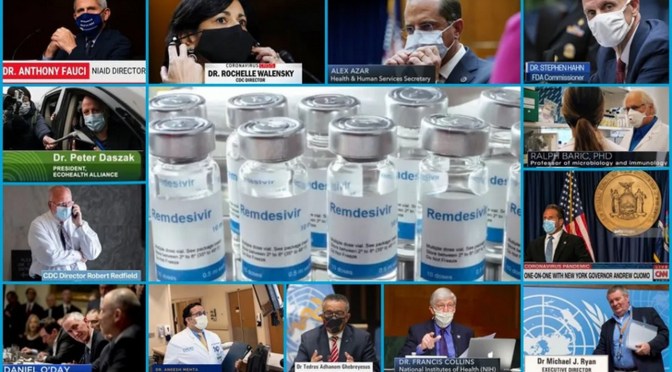
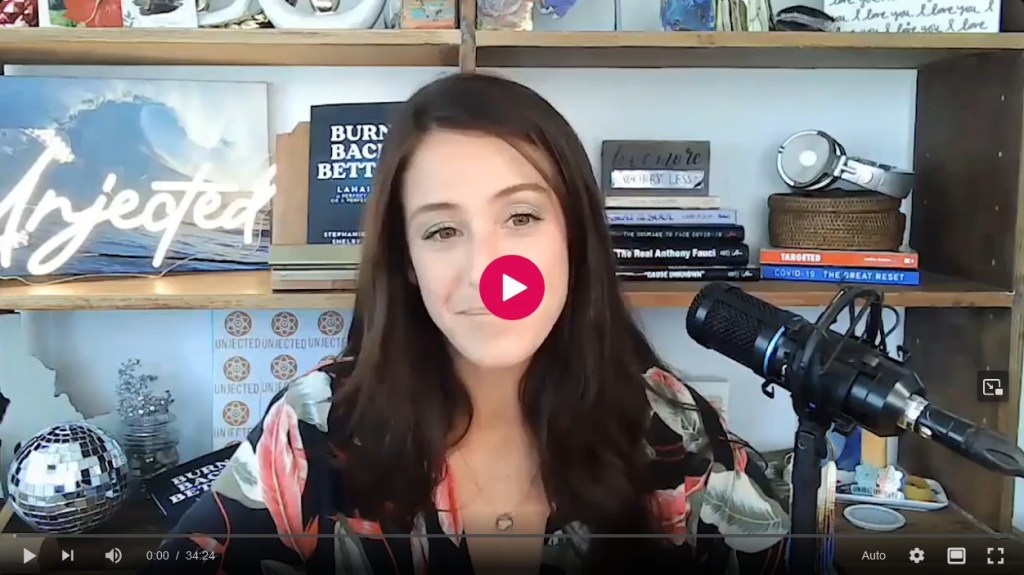







You must be logged in to post a comment.