

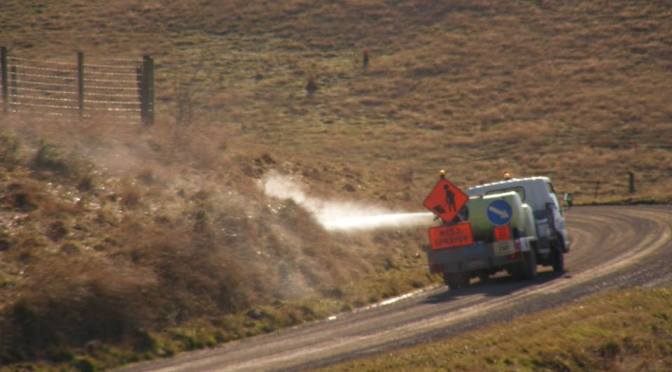
Birth defects documented by a local midwife… NZ was the last country in the world to manufacture this dangerous substance 245T…
Continue reading Censored from NZ Television – Ivon Watkins Dow’s release of deadly 245T from 1962-81 in New PlymouthTag Archives: Carcinogen

Glyphosate “Safety” Study Ghostwritten by Monsanto Retracted After 25 Years of Deception
EWNZ comment: do review our glyphosate pages at the main menu. I looked at this topic in the Rangitikei during 2013-2016, attempting to switch the council’s weed control to steam. At the end of the day, it appears that councils NZ wide prefer to use poison … surprised? Comfortably in bed with Agrichem.
“Millions of pounds of glyphosate were approved, defended, and sprayed worldwide on the basis of a paper we now know was fundamentally compromised and scientifically invalid.“
In a long-overdue move, Regulatory Toxicology and Pharmacology has formally retracted the landmark 2000 glyphosate “safety” review by Williams, Kroes, and Munro — a paper Monsanto and global regulators have relied on for decades to assert that Roundup poses no carcinogenic risk to humans.
Crucially, the Editor-in-Chief confirms that Monsanto employees likely secretly wrote substantial portions of the paper, despite never being listed as authors or acknowledged — a revelation uncovered through U.S. litigation.
The retraction states that the article’s integrity has collapsed entirely, citing undisclosed corporate authorship, omitted carcinogenicity data, financial conflicts of interest, and a complete failure by the surviving author to respond to the journal’s investigation.
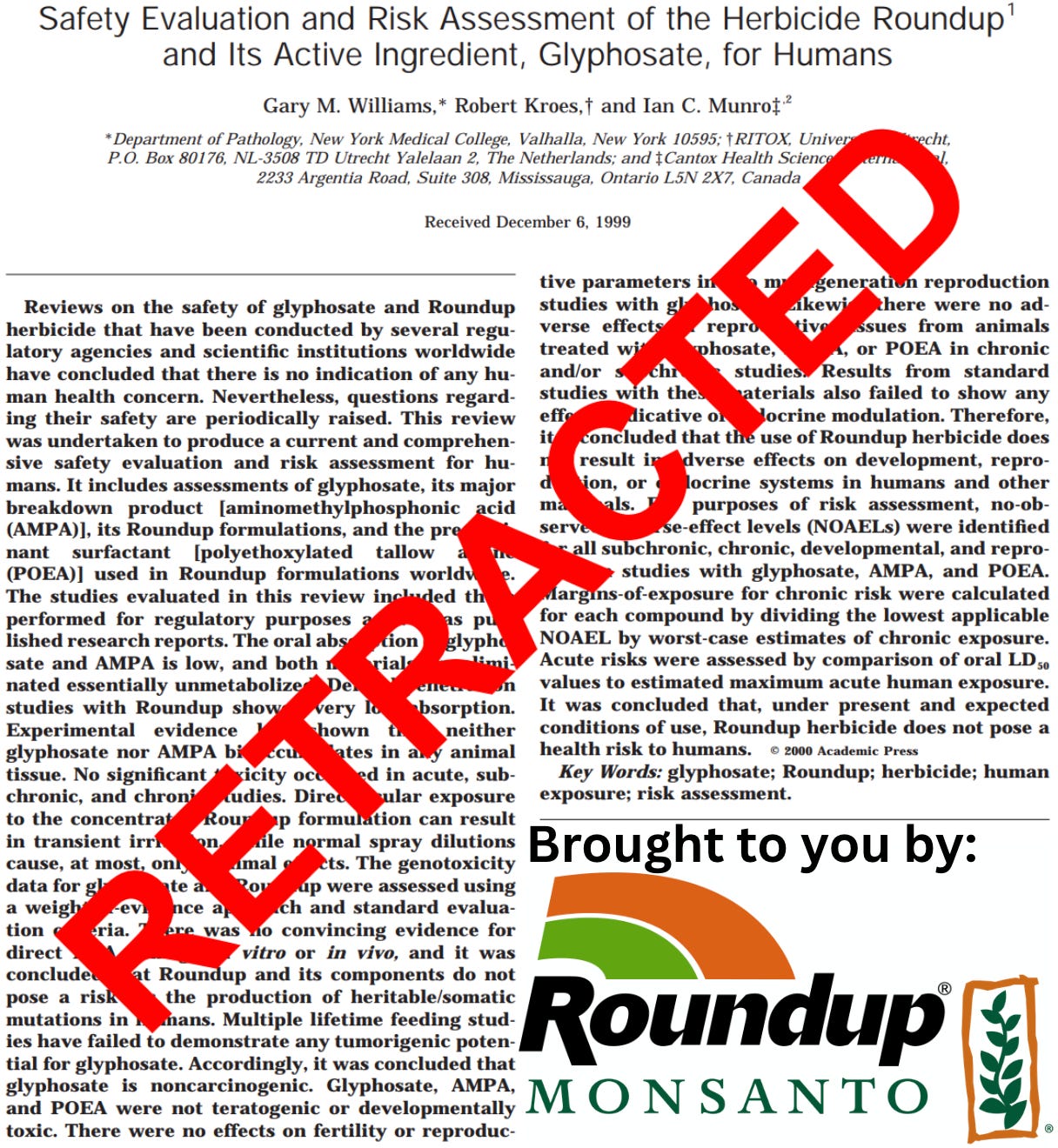
THE RETRACTION
1. Based almost entirely on Monsanto’s unpublished studies
The review’s “no cancer risk” conclusion relied solely on Monsanto-generated data. Even worse, the authors ignored multiple long-term mouse and rat carcinogenicity studies that already existed at the time — including multi-year toxicity studies showing tumor signals. None were incorporated.
2. Evidence of ghostwriting by Monsanto
Litigation records revealed that Monsanto employees secretly co-wrote portions of the paper, despite never being listed as authors or acknowledged. This alone violates the most basic principles of scientific integrity.
3. Undisclosed financial ties
The authors appear to have received direct compensation from Monsanto for producing the paper — again undisclosed, again violating journal standards.
4. Misrepresentation of authorship and contributions
By hiding Monsanto’s role, the paper created the illusion of independent scientific evaluation — even as corporate employees shaped the conclusions.
5. Regulatory capture revealed
This paper heavily influenced global risk assessments — including U.S. EPA, WHO/FAO, and Health Canada evaluations — setting the tone for “glyphosate is safe” messaging for more than two decades.
While I am strongly opposed to politically motivated retractions and scientific censorship, this retraction was unquestionably warranted. The integrity failures were not ideological — they were structural, factual, and undeniable.
And the independent evidence that has emerged since 2000 only underscores how dangerous that original “all clear” truly was.
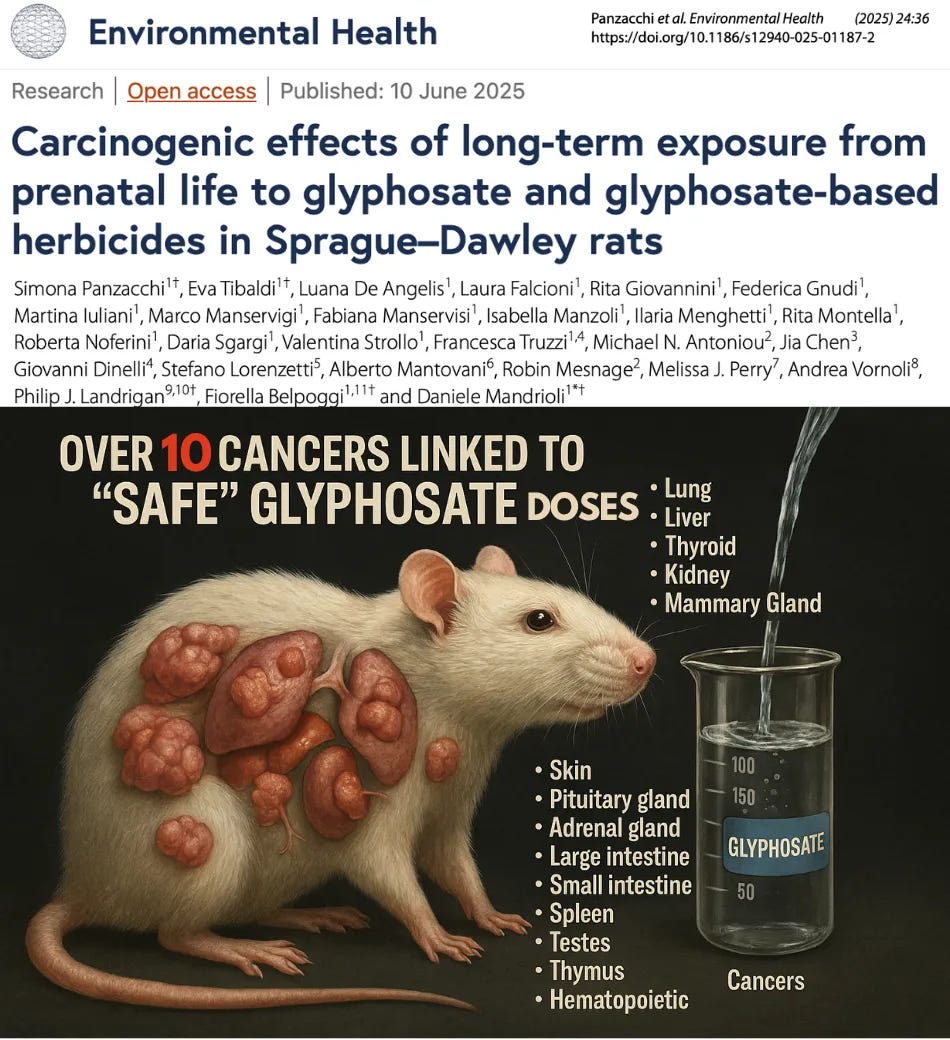
A recent controlled animal study demonstrated that glyphosate and Roundup can induce rare, aggressive, and fatal cancers across multiple organs — even at doses considered “safe” by U.S. and EU regulatory thresholds. These findings directly contradict the original review’s core conclusions.

World’s Top Herbicide Linked to Over 10 Distinct Cancers at “Safe” Doses in Landmark Study
Nicolas Hulscher, MPH
Jun 17
Zhang et al found a statistically significant association between glyphosate exposure and increased risk of non-Hodgkin lymphoma in humans. Their 2019 meta-analysis pooled data from over 65,000 participants across six studies—including more than 7,000 NHL cases—and reported a 41% increased risk of non-Hodgkin lymphoma among those with the highest glyphosate exposure:
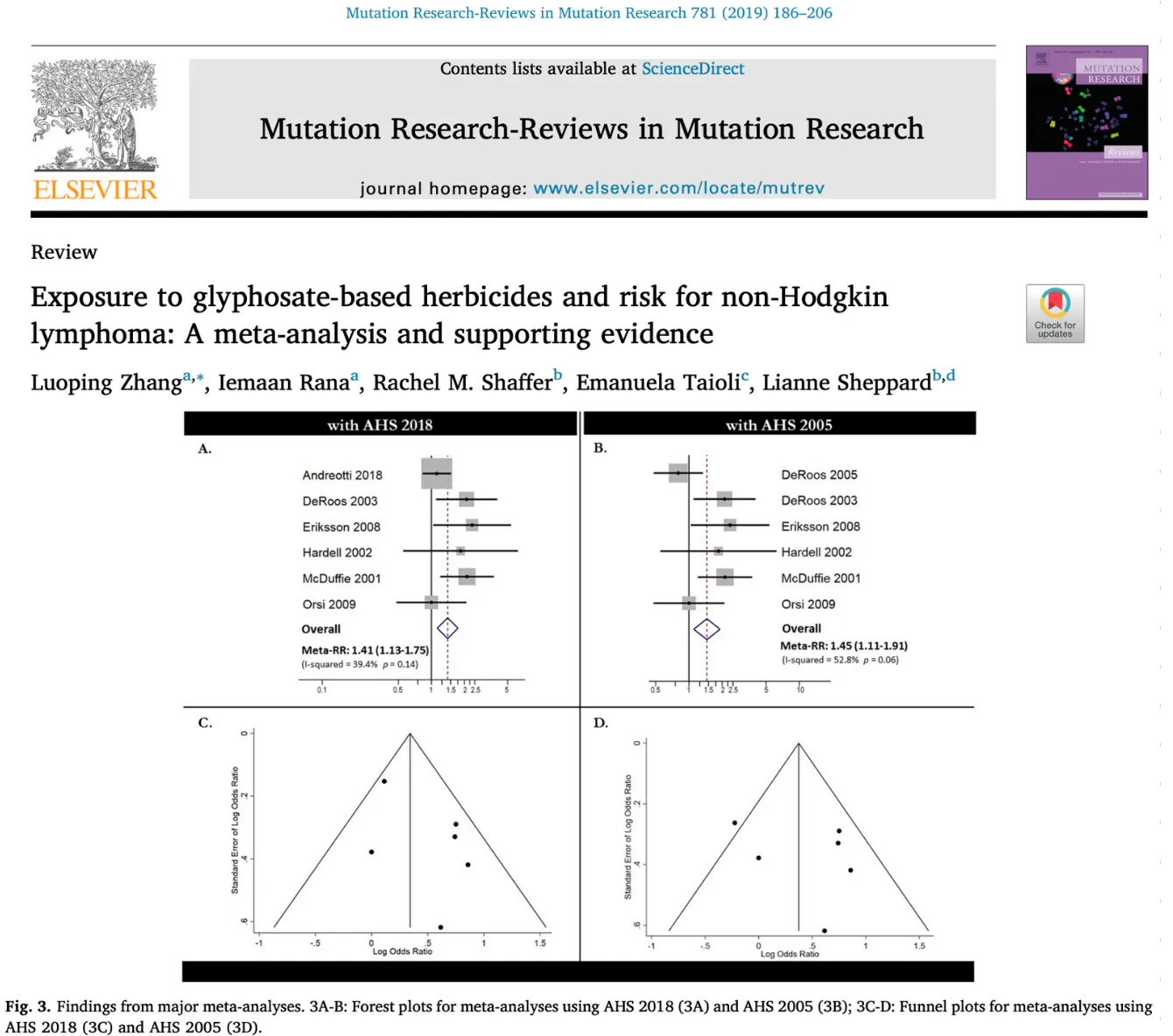
In other words, independent science was pointing to serious cancer risks while Monsanto’s fraudulent ghostwritten review was actively minimizing them.
Millions of pounds of glyphosate were approved, defended, and sprayed across the world on the basis of a review that we now know was fundamentally compromised and scientifically invalid.
The collapse of this paper is not just a correction, it is an indictment of an entire regulatory era built on deception.
Epidemiologist and Foundation Administrator, McCullough Foundation
Support our mission: mcculloughfnd.org
Please consider following both the McCullough Foundation and my personal account on X (formerly Twitter) for further content.
Consumer Reports testing finds ‘forever chemicals’ in baby formula
From ewg.org
The toxic “forever chemicals” known as PFAS contaminated “almost all” of the popular baby formula brands tested recently by Consumer Reports, it says in a new report.
These results are troubling. The study analyzed 41 popular baby formula brands, including well-known names like Enfamil and Similac, startups like Bobbie, and a range of store and imported brands, for the presence of chemicals like arsenic, lead, BPA, acrylamide and PFAS.
Because the study tested just one sample per brand, more research is needed to be certain which ones contain forever chemicals.
Even more concerning is that many of the PFAS compounds detected have not been thoroughly studied, leaving uncertainty about their potential health risks, especially for infant safety.
PFAS are everywhere, from cookware and food packaging to waterproof clothing and cosmetics. They contaminate water, food such as baby formula, soil, air and household dust, contributing to widespread exposure.
Consumer Reports’ scientists detected PFAS in most of the formula samples, with one particularly concerning compound standing out: PFOS, detected in several samples. It is one of the most notorious PFAS, formerly an ingredient in 3M’s Scotchgard. It was phased out in the U.S. under pressure from the Environmental Protection Agency after revelations of PFOS health hazards.
The EPA now regulates PFOS in drinking water with a maximum contaminant level of 4 parts per trillion, due to its classification as a carcinogen.
Because of its known toxicity and potential long-term health impacts, the presence of PFOS in any baby formula is especially alarming. PFAS don’t break down in the environment, and they build up in the human body over time. The Centers for Disease Control and Prevention has detected PFAS in the blood of 99 percent of Americans, including newborn babies.
EWG’s PFAS map shows PFOS contamination in nearly half of the nation’s drinking water. Without any information to the contrary, it’s possible to surmise that some of the PFOS Consumer Reports detected comes from contaminated water used for the formula.
This possible source of PFOS in formula raises urgent questions about manufacturing processes and the need for stronger industry oversight and stricter safety standards to protect infants from exposure to hazardous chemicals.
PFAS exposure risks for babies and children
Babies and young children, whose bodies are still developing, are particularly vulnerable to PFAS exposure, which can have lifelong consequences. Their small size, growing organs and developing immune systems make them especially susceptible to the harmful effects of these bioaccumulative chemicals, which remain in the body for years.
Even small amounts of PFAS in formula can add to cumulative exposure, putting infants’ growth and health at risk.
Research has found PFAS in umbilical cord blood and breast milk, revealing direct prenatal and early-life exposure. Babies born with PFAS in their cord blood are more likely to have elevated cholesterol and triglyceride levels – biomarkers linked to future heart disease. PFAS exposure also disrupts bile acids, which are essential for digestion and metabolism, so the risk of chronic health issues may go up as these children grow.
Even very low doses of PFAS can also weaken babies’ immune systems, making them more prone to infection and reducing vaccine effectiveness. PFAS exposure has also been linked to thyroid dysfunction, which can impair growth and brain development. In the gut, PFAS may alter the balance of microbial cells, disrupting digestion and weakening immune defenses.
As children age, the damage from early PFAS exposure continues to unfold. Research links PFAS to cognitive challenges, lung issues and metabolic disorders, including altered glucose regulation in adulthood.
The need for stronger regulation
PFAS pollution has caused a widespread public health crisis. Over 143 million Americans are exposed because of their drinking water. These forever chemicals have contaminated the water supply at 8,865 sites in all 50 states, the District of Columbia, and two U.S. territories.
Yet despite mounting evidence of harm, our government mostly fails to regulate PFAS contamination of food, including baby formula.
Following Consumer Reports’ alarming findings, the Food and Drug Administration announced plans to strengthen oversight of the baby formula industry. The agency pledged to increase testing for heavy metals and other contaminants in formula, a welcome step.
But it remains unclear whether tests for PFAS will be included or whether the FDA will establish safe limits for these toxic chemicals in infant nutrition. Without stronger regulations, children will continue to be at risk of harm from this insidious threat.
We urgently need stricter regulations and greater accountability from industries that have allowed PFAS to infiltrate everyday life.
Consumer Reports’ findings are a wake-up call for regulators and manufacturers to prioritize infant safety by eliminating PFAS from formula and strengthening oversight.
What parents need to know
No parent should have to worry whether their baby’s formula contains toxic chemicals. Parents can take practical steps to help reduce their baby’s exposure, including
- Using filtered water when preparing powdered formula. Since PFAS can contaminate tap water, a water filter can help reduce exposure. The most effective option is a reverse osmosis system installed under the sink or at the tap, but these systems can be costly. Fortunately, many countertop pitcher filters have also proven effective in lowering PFAS levels, according to EWG tests.
- Pushing for stronger regulations. Parents can make their voices heard by supporting consumer safety initiatives that demand the FDA set stricter standards for PFAS and other contaminants in baby formula. Greater oversight and enforcement are essential to protecting infant health.
No family should face the burden of toxic exposure from essential nutrition. By taking steps to reduce risk and advocating for stricter safety measures, parents can help protect their children’s health and push for long-overdue industry accountability.
Photo Credit: ewg.org

Kiwi farmers are still poisoning their fields with a Bayer/Monsanto product that has involved multi billion dollar settlements
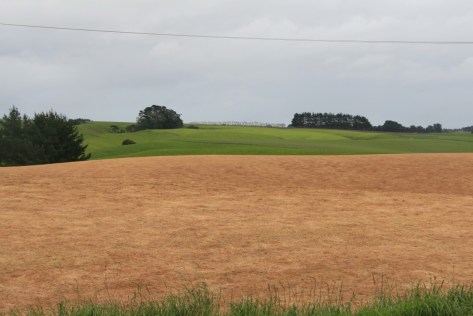
Travelling about the NZ countryside recently I noticed the familiar yellow fields I used to think were attractive. Until I discovered they’d been sprayed with Roundup, the herbicide that farmers tell me, is so harmless you could drink it.
Sounds a bit like the ‘safe and effective’ mantra. Well it turns out Roundup is far from either of those terms. Why will farmers not read the independent research? Or follow the precautionary principle. Any doubt whatsoever about safety? wait until it is proven safe.
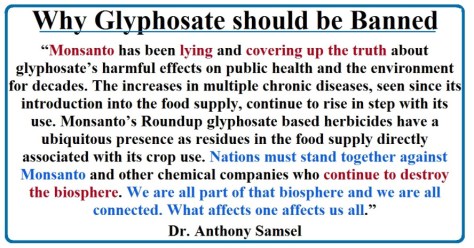
Roundup is manufactured by Bayer (formerly Monsanto… read their history … who have morphed into oblivion) and one of its ingredients so harmful to us all is glyphosate. There is a ton of independent research now (including law suits) that should make you avoid it at all costs. US Legal firm Wisner Baum helped negotiate over $11 billion in settlements against Bayer, securing multi-billion dollar jury verdicts for its clients. They state at their website:
Roundup is a widely used herbicide whose active ingredient is glyphosate. The International Agency for Research on Cancer (IARC) — part of the World Health Organization — classifies glyphosate as a probable human carcinogen. Thousands of people across the U.S. have alleged that long‑term exposure to glyphosate (in Roundup and similar products) caused them to develop non‑Hodgkin lymphoma (NHL) and other serious illnesses.
A NZ tertiary agricultural textbook has long instructed farmers to spray Roundup on their fields then plow it under. The text book is called Pasture Doctor and can be found on Amazon here. (Small wonder farmers still think it’s safe. Why would the University lie to them? ) There used to be a preview option of that book from which I screenshot the pages recommending spraying, however that option has now disappeared. (I lost the screenshots some time ago unfortunately). Of note, it was a University lecturer who told me in the 1980s that corporations would one day control governments. Predictive programming at its finest.
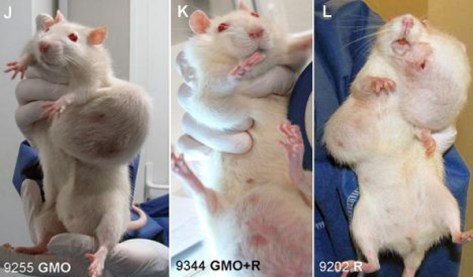
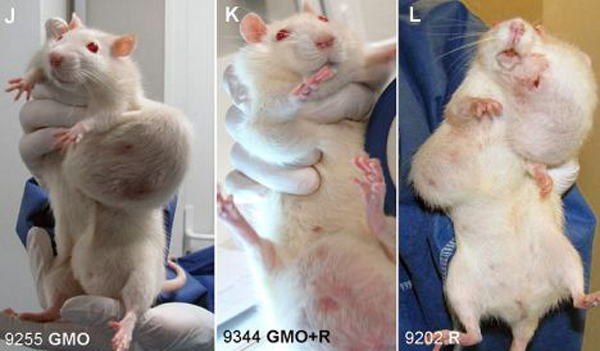
Professor Seralini (from France) conducted a two year experiment (2011) examining glyphosate and GMO food, his team fed transgenic corn to lab rats that produced in them multiple tumours. But of course Monsanto produced ‘evidence’ claiming the rats they used were the wrong kind, casting aspersions on the whole study. (Refuted here). Wiki predictably called it the Seralini ‘affair’. I would prefer to believe the Professor any day. You can watch the 12 minute Seralini video below. There is a transcript at the source on YouTube.
A French court ruled in 2009 that Monsanto has lied about the safety of Roundup (ie it is not biodegradable as claimed, a bit like the claims made about deadly 1080).
US Tertiary level lecturer of 55 years experience in agriculture, Professor Emeritus of Plant Pathology (Dr Don Hubert) calls Glyphosate one of the most toxic substances on the planet.
The Physicians & Scientists for Global Responsibility (PSGR) supply a long list of research citing concerns about glyphosate here.
Hear also, NZ’s Dr Meriel Watts speaking on glyphosate.
“We don’t want to wait until we have exposed enough people to a chemical in order to prove that it’s carcinogenic. When we hit that point, we have hit a failure in the regulatory process.” – Dr. Lynn Goldman,
National Research Council Report Review Committee Member
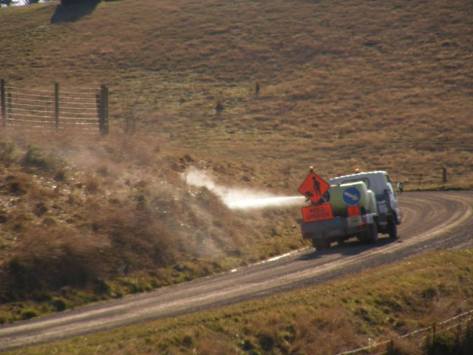
For some time I and other interested folk appealed to the local Rangitikei District Council asking them to drop the use of glyphosate/Roundup on Council lands, streets, parks and so on. There were some concessions made about signage warning the public of spraying and so on but as to ceasing altogether they declined. There was evidence cited of the use of steam in Auckland to combat weeds which was only minimally dearer than Roundup. No go. I approached a person spraying for Council one time and asked why he didn’t wear protective clothing as recommended by the manufacturer. He told me he didn’t want to scare the public.
To educate yourself on the long list of studies and the experts who have spoken out against glyphosate and Roundup check out these pages (glyphosate is in other herbicides as well, check the labels, and consider organic alternatives if you must spray) :
Glyphosate Toxicity: What You Need to Know
Links between Glyphosate and a Multitude of Cancers that are “Reaching Epidemic Proportions” from GlobalResearch.ca
Search in ‘categories’ for ‘glyphosate’ (categories is found at the top left hand side of the news page). Alternatively type glyphosate into the search box (top right hand side).

Spotlight Again on World’s Most Widely Used Weed Killer, Defended as Always by the Chemical Companies
Clean Green NZ of course loves glyphosate. A well used Ag text book called Pasture Doctor advocates spraying the fields which stock will graze on. Try and tell NZ farmers it’s a likely carcinogen (as close as the authorities will get to describing it as dangerous) … they don’t want to know. Read our Glyphosate pages and articles, particularly the work of Prof Séralini. EWNZ
From sustainablepulse.com
It’s been a little over five years since I last visited Brussels, Belgium as an invited guest of the European Parliament to testify about my 20 years of researching and reporting on the world’s most widely used herbicide – glyphosate. The chemical is best known as the active ingredient in Monsanto’s Roundup brand.

Source: UnSpun By Carey Gillam
The Parliament subsequently voted to ban glyphosate, and the European Commission only narrowly missed confirming that sentiment when Germany’s agriculture minister contradicted German leadership by casting the deciding vote that kept glyphosate on the market. (A few months later German-based Bayer bought Monsanto. Just a coincidence, right?)
But the renewal came with a caveat – the license would be reviewed again after five years, and that is where the European Union sits now, once again locked into a debate over both the safety of glyphosate and what the agricultural industry says is the necessity of glyphosate.
So here I am again – back in Brussels as a new vote looms later this year. The battle lines are drawn as they always seem to be: independent scientists, health advocates and environmentalists are advocating for a ban based on evidence the chemical can cause cancer and other health problems, while the chemical companies that profit from glyphosate sales and industry-backed farm groups are pushing for continued uninterrupted use, saying the concerns lack valid science and that glyphosate is essential to agriculture.
I was fortunate to be invited back to Brussels as part of a group associated with a new, award-winning documentary film called Into the Weeds, which presents many of the grim details laid out in my two books (Whitewash and The Monsanto Papers). The saga is one of corrupted regulators that favor corporate science over independent research; the overwhelming amount of independent scientific evidence tying glyphosate to myriad health and environmental harms; and the devastation wrought on countless human lives. (Disclosure: Filmmaker Jennifer Baichwal bought the documentary rights to the books and lists me in credits as “story consultant.”)
The film screened Wednesday evening in Brussels to a packed house; earlier our group spent time at the European Parliament, the EU’s lawmaking body.
A “crucial” time
The screening coincided with #STOPGlyphosate Week, a campaign by various environmental groups, including Pesticide Action Network Europe.
In an address opening the film, Anja Hazekamp, a Member of the European Parliament (MEP) who supports a glyphosate ban, said the next months will be “crucial.” She called on the European Commission to “finally start protecting humans, animals and the environment.”
“Despite all the evidence that glyphosate is a threat for the health of animals, humans and the environment, the European Commission keeps reauthorizing this terrible pesticide,” Hazekamp said. “At the end of this year the European Commission will finally make a long-term decision on glyphosate, and it is therefore of paramount importance that the facts presented in this documentary are finally taken on board by the European Commission and the other policy makers.”
Accompanying the film to Brussels was scientist Chris Portier, a former director of the National Center for Environmental Health at the US Centers for Disease Control and Prevention, and a former director of the Agency for Toxic Substances and Disease Registry. Prior to CDC, Portier was with the National Institute of Environmental Health Sciences where he served as director of the Environmental Toxicology Program.
Glyphosate Box
Glyphosate Residue Free Certification for Food Brands – Click Here
Test Your Food and Water at Home for Glyphosate – Click Here
Test Your Hair for Glyphosate and other Pesticides – Click Here to Find Our Your Long-Term Exposure
Portier participated as an expert during the World’s Health Organization’s cancer agency review of glyphosate in 2015 that classified glyphosate as probably carcinogenic to humans.
In Brussels he told attendees to the film screening how regulators repeatedly have bent the rules to ignore or twist scientific findings in ways that allow them to keep glyphosate on the market. He reiterated what he has said countless times – that extensive scientific evidence ties the chemical to cancer. Portier has been an expert witness for plaintiffs in multiple lawsuits against Monsanto brought by people alleging they developed cancer due to Roundup exposure.
More than a cancer concern
Also speaking in Brussels as part of the group supporting the film was scientist Daniele Mandrioli, coordinator of research on glyphosate at the Ramazzini Institute of Bologna, Italy.
Mandrioli said new research results show various harmful health effects from glyphosate exposure at levels currently considered to be safe by European standards.
Mandrioli told members of the European Parliament that the ongoing “Global Glyphosate Study” has recently confirmed in humans prior alarming findings found in animals – that glyphosate can have disruptive effects on sexual development in newborns. Among the observations were disruptions to the endocrine system, including increased testosterone levels in females exposed to glyphosate. The researchers found an “elongation of anogenital distance, which anticipates different potential problems” correlated with hormone imbalance in newborns that could impair development, Mandrioli said.
As well, glyphosate exposure at doses considered safe trigger alterations in the microbiome, impacting beneficial gut bacteria and fungi at doses considered safe.
“When disrupted, many metabolic conditions, many diseases, have been connected with these alterations,” Mandrioli said in a press conference before meetings at Parliament. The evidence is “solid,” he said.
“We are providing evidence for the all the global population,” he said.
Also in Brussels with our group was Dewayne “Lee” Johnson, the California groundskeeper who sprayed large quantities of RangerPro, a highly concentrated version of Roundup, and who became the first plaintiff to win a court case alleging the glyphosate-based products cause cancer. I chronicle Johnson’s battles – against cancer and against Monsanto – in my second book, and his story is featured in the new film.
Johnson shared his experiences with Parliament members and in a panel discussion after the film, urging action to protect people from having to endure the injustice that comes with cancers that could be prevented.
It is a miracle of modern medicine that Johnson, the father of two teenage sons, is still alive. Before the 2018 trial against Monsanto, doctors told him he would certainly be dead within 18 months. When I first met him several years ago, he was in near-constant agony as cancerous lesions covered his entire body, and even the slightest movement of clothing across his fragile skin burned like fire. He told me then that he was determined to outlive his dire diagnosis, and so far, through a combination of regular radiation and chemo treatments, Johnson has thwarted death just as he thwarted Monsanto’s efforts to beat his argument that exposure to the company’s weed killer caused his disease.
Still, he has lost too many days and nights – years – struggling through immense pain and fear, and with the knowledge that his family lives with the fact that they could lose him all too soon. His story is heart-breaking, noted by the tears shed in the audience at the screening Wednesday night.
But he is only one of too many who have suffered and continue to suffer.
In the months ahead, Europe has a chance to change that.

Glyphosate and Roundup: All Roads Lead to Cancer – New Study
From GM Watch via Sustainable Pulse
(Note: article is from Feb 2022)
New findings add to other observations linking glyphosate and Roundup to cancer. Report: Claire Robinson
Glyphosate and Roundup lead to changes in gene regulatory microRNAs (miRNAs or miRs) linked with cancer, newly published data show. The analysis, of a type known as small RNA profiling, was conducted in liver tissue from rats exposed to glyphosate and Roundup MON 52276, an EU-approved formulation, over 90 days.
In the new results, Roundup MON 52276 was found to reduce the levels of miR-22 and miR-17, whereas glyphosate decreased the level of miR-30 and increased the amount of miR-10. These changes in miRNAs are important because they are known to alter the expression of crucial cell growth regulator genes, which can lead to the development of cancer.
A gene function that is central to multiple cellular processes, p53, is a particular target of these miRNAs. The miRNA changes can lead to alterations in p53 gene expression, as has been found in multiple types of cancer in humans.
The link between the changes in miRNAs and p53 gene expression is consistent with the findings within the same study showing gene expression changes in Roundup- and glyphosate-exposed rats. The gene expression changes strongly imply a p53 pathway DNA damage response. DNA damage is a major risk factor for cancer development.
Furthermore, increases in miR-10 have been found in other studies to be associated with leukemia, a blood cancer. The increase in mir-10 caused by glyphosate exposure in the experimental animals may provide one mechanism by which users of Roundup have succumbed to another blood cancer, known as non-Hodgkin lymphoma. These results could strengthen the legal cases of the cancer sufferers in the US who are suing Bayer/Monsanto because they believe that exposure to Roundup caused their disease. Three such cases have already been decided in favour of the plaintiffs.
Study lead Dr Michael Antoniou of King’s College London said, “The new data showing changes in miRNA patterns add yet more evidence to the cancer-causing potential of glyphosate and Roundup. What is more, our results show that it is not just Roundup, which is a mixture of glyphosate with various additives, that has carcinogenic potential, but also glyphosate alone.”
Previously reported findings
The new data confirm and build on previously reported findings that were published as a pre-print in April 2021, which GMWatch reported on. The study with the additional findings has now passed peer review and is published in the prestigious journal, Toxicological Sciences.
The pre-print version of the study had reported that glyphosate and glyphosate-based herbicides such as Roundup activate mechanisms involved in cancer development, including DNA damage – and these effects occur at doses assumed by regulators to have no adverse effects. The data suggest that the DNA damage was caused by oxidative stress, a destructive imbalance in the body that can cause a long list of diseases. Oxidative stress is the likely cause of the damage seen to the liver, leading to an inflammatory (immune type) response, which in turn can cause DNA damage.
Crucially, the study found that the isolated active ingredient of Roundup – glyphosate – damaged DNA. This finding, according to the EU’s pesticide law, should result in a ban on glyphosate and all its formulations.
All these findings are carried over into the peer-reviewed version of the study.
How the study was done
The study builds on the findings of a previous one by the same authors. In the previous study, the researchers had compared the effects in rats of MON 52276 with those of its “active ingredient”, glyphosate, tested alone. The findings showed that glyphosate and Roundup herbicide, given at doses that regulators say are safe, resulted in the animals suffering gut microbiome disturbances and oxidative stress, with indications that the liver was affected and possibly damaged.
In the current followup study, the researchers analysed the liver tissue from the same rats to see if damage had indeed occurred.
The researchers carried out some of the standard tests that regulators require the pesticide industry to conduct to gain market authorisation for their products – namely blood biochemistry and kidney and liver histopathology (microscopic examination of tissue).
They also carried out in-depth tests (molecular profiling) that are not demanded by regulators or typically carried out by the industry. One type of test looked for adverse effects at a profound molecular level of biological functioning through analysis of gene expression (transcriptomics) and epigenetics (DNA methylation) in the liver and kidneys. Another type of test, using specialised genetically engineered cell lines, was intended to highlight changes in function linked with cancer formation.
In addition, the researchers carried out tests that can detect direct damage to DNA.
Roundup causes fatty liver disease – confirmed
The standard tests, histopathology and blood biochemistry analysis, found adverse effects from the Roundup treatment, namely a dose-dependent and statistically significant increase in fatty liver disease and liver cell death.
The finding of fatty liver disease from exposure to the MON 52276 formulation of Roundup confirmed the same researchers’ previous observation that an ultra-low dose of another Roundup formulation, Roundup Grand Travaux Plus, administered to the same strain of Sprague-Dawley rats over a 2-year period, caused non-alcoholic fatty liver disease.
An increase in liver and kidney lesions was also detected in animals treated with glyphosate, although this did not reach statistical significance. However, the authors commented that an experiment of longer duration using more animals may have resulted in statistical significance.
Non-standard tests most revealing
Worryingly for public health, it was the non-standard molecular profiling tests that are not required by pesticide regulators that were most revealing.
First, Roundup was found to alter the expression of 96 genes in the liver specifically linked to DNA damage and oxidative stress, as well as disruption of circadian rhythms or “body clocks”. The most affected genes in liver also had their expression similarly altered in kidneys. Crucially, a core set of genes whose expression was altered by Roundup was similarly changed in the glyphosate-treated animals. This strongly suggests that the key changes in gene function reflective of oxidative stress and DNA damage was due to glyphosate and not the additional substances (adjuvants) present in the Roundup formulation.
Second, direct DNA damage to the liver was found to increase with glyphosate exposure.
These findings potentially constitute a bombshell that could end the authorisation of glyphosate in the EU. That’s because the EU pesticide regulation (1107/2009) has what’s known as hazard-based cut-off criteria. This means that if a pesticide active ingredient is shown to cause a certain type of harm to health at whatever dose, it must be banned. One of the named types of harm is damage to DNA. The discovery that glyphosate alone damages DNA in a living animal should, if regulators follow the law, result in a ban on the chemical.
Third, both glyphosate and Roundup were found to cause epigenetic changes known as DNA methylation. Epigenetics describes layers of molecular structures associated with DNA that control the underlying function of genes. The defining feature of epigenetic changes is that they can alter how genes work but do not involve changes to the actual DNA sequence. These types of changes were found at over 5,000 genomic sites for glyphosate and over 4,000 for Roundup. This is a concern because such alterations are typically found at high frequency in cancer tissues.
All findings lead to same conclusion
The researchers performed further laboratory tests in mouse cell lines, which are designed to highlight effects that can lead to cancer formation. Glyphosate and three Roundup formulations were assessed in these tester cell lines. It was found that two formulations of Roundup herbicide, but not glyphosate, activated oxidative stress and misfolded protein responses, both clear markers of carcinogenicity.
Commenting on the totality of the data, Dr Antoniou said, “No matter what molecular measurements we undertook, they all led to the same conclusion: that is, both glyphosate and Roundup are potential carcinogens.”
Other studies, including the industry ones submitted to support regulatory approval of glyphosate, have also found that glyphosate causes cancer in experimental animals. Based on studies in animals and humans, as well as mechanistic data, in 2015 the International Agency for Research on Cancer (IARC) classified glyphosate as a probable human carcinogen.
Other implications of the new study
1. Ending animal testing is not yet feasible
Interestingly, in the new study, glyphosate was shown to damage DNA in living animals but not in the cell culture system. This shows that in vitro lab tests using isolated cells cannot fully substitute for evaluations in a living animal because certain effects will be missed. This is because animals (including humans) are whole organisms whose complexity cannot be replicated in a flask, petri dish, or test tube. While many people (GMWatch included) would like to see an end to animal testing, as long as pesticides and other chemicals are allowed to be released into the environment, such a move would put public health at risk.
2. Roundup is more toxic than glyphosate
In summary, in general Roundup was found to be more toxic than glyphosate, confirming and building on previous observations. However, taken together, the results from the various assays conducted show that both glyphosate and Roundup herbicides activate mechanisms involved in cancer development, causing gene expression changes reflecting oxidative stress and DNA damage. Also, glyphosate alone was clearly able to induce DNA damage.
These findings directly challenge the global regulatory practice of only assessing the isolated declared active ingredient (glyphosate) and not the complete commercial formulations (Roundup) as sold and used.
The study further highlights the power of in-depth molecular profiling “omics” methods to detect changes that are missed by relying solely on conventional biochemical and histopathological measurements conducted in standardised industry tests on pesticide active ingredients. The study paves the way for future investigations by identifying gene expression changes and altered DNA methylation sites, which can serve as biomarkers and potential predictors of negative health outcomes resulting from exposure to glyphosate-based herbicides.
3. Results could allow survey of human population for glyphosate herbicide exposure
Commenting on the implications of the results for human exposure monitoring, study lead Dr Michael Antoniou said, “The biomarkers we identified (such as the miRNA and gene expression changes) can be tested for in people, but we don’t know if this particular pattern of biomarkers is unique to glyphosate-based herbicide exposure. Thus the biomarkers would need to be correlated with a history of exposure to glyphosate-based herbicides and measurements of glyphosate in urine.
“If high levels of glyphosate were found in the urine, and this correlated with the biomarkers identified in the new study and the person’s history of glyphosate herbicide exposure, this would indicate that exposure to glyphosate-based herbicides might be responsible for any health effects that are both indicated by our findings and found in the person. These findings should be tested first by investigations of herbicide applicators, as their exposure can be high and details of the particular herbicides used are often recorded, which would enable clearer results to be obtained.”
4. “Safe” and “no effect” doses were shown to be harmful
In the 90-day rat feeding study, different groups of animals were fed three different doses of glyphosate and the glyphosate-equivalent dose of Roundup MON 52276. The lowest dose was the concentration that regulators assume to be safe to ingest on a daily basis over a lifetime (the EU acceptable daily intake or ADI: 0.5 mg per kg of bodyweight per day). The middle dose was the dose that EU regulators concluded had no observable adverse effect (the “no observable adverse effect” level or NOAEL) in industry-sponsored rat feeding studies (50 mg per kg of bodyweight per day). The highest dose was 175 mg, the dose that US regulators concluded had no observable adverse effect.
Adverse effects were found from Roundup exposure at all dose levels in a dose-dependent fashion. These findings show that the glyphosate ADI for the EU – and that of the USA, which is even higher – is not safe to ingest. Likewise, it shows that the EU and US regulators were only able to conclude that glyphosate had “no observable adverse effect” at the levels mentioned above because the tests that they require industry to carry out are insufficiently sensitive.
Study supports plaintiffs in Roundup-cancer litigation
Summarising the implications of the study for the Roundup-cancer litigation in the US, Dr Antoniou said, “Our results are the first to simultaneously show glyphosate and Roundup toxicity in a whole mammalian animal model system and provide a mechanism – oxidative stress – by which DNA damage has been observed in other systems, such as mammalian tissue culture cells.
“These findings show that glyphosate and Roundup score positive in various tests of carcinogenicity – transcriptome/epigenome/miRNA changes, oxidative stress, protein misfolding, and DNA damage – in a living animal (rat) that is accepted as a surrogate for human health effects. In my view, this strengthens the argument that exposure to Roundup herbicides can lead to the type of cancer suffered by the plaintiffs in many of the court cases – non-Hodgkin lymphoma.”
SOURCE
FOR FURTHER ARTICLES ON THE LINK BETWEEN GLYPHOSATE & CANCER:
https://sustainablepulse.com/?s=cancer
Photo: GM Watch

New Large Scale Biomonitoring Results Show Increasing Herbicide Exposure in Pregnant Women
From Sustainable Pulse
The average level of dicamba herbicide in the urine of pregnant women has increased more than 3-fold since 2017, the year widespread planting of dicamba-tolerant GMO crops began, Heartland Health Research Alliance (HHRA) reported on Tuesday.
Dicamba levels in urine have risen dramatically compared to levels of 2,4-D. In 2010-2014, the average level of 2,4-D in urine (0.4 ug/L) was twice the average level of dicamba (0.2 ug/L). But by 2020-2022, the average level of dicamba (0.68 ug/L) exceeded the 2,4-D average (0.575 ug/L) by 18%, despite a 45% increase in the average level of 2,4-D in urine in 2020-2022 since 2010-2014.
Both herbicides are classified as “possible” carcinogens and are known to increase the risk of reproductive problems and adverse birth outcomes.
The percent of urine samples with detectable levels of dicamba rose 50% from 2010-2014 to 2020-2022 as a result of the widespread planting of dicamba-tolerant crops.
Of the 16 pesticide analytes that HHRA testing is able to detect, 5 were in found in 99%-100% of the samples, including 2,4-D. Since 2010, most people in the Midwest have been exposed to 7 or more of these 16 pesticide analytes on a near-daily basis.
The above new evidence of rising herbicide exposures was presented on Tuesday at the annual meeting of the American Public Health Association in Boston. The “Assessing Herbicide Impacts on Reproduction, Birth Outcomes & Children’s Development” session highlighted evidence pointing to rising risk of herbicide-driven adverse birth outcomes.
HHRA now has glyphosate and glufosinate results from the analytical lab they are working with, the Centre de Toxicologie du Québec (CTQ) in Canada for around 700 hundred samples spanning 2010 through mid-2022. HHRA also has data from CTQ for another 13 pesticide analytes from about 150 samples collected from 2010 through spring 2022. These results include the levels of 2,4-D and dicamba in the urine of pregnant women.
HHRA’s new biomonitoring data point to four preliminary findings.
- The average level of dicamba in the urine of pregnant women has increased 3.4-fold just since widespread planting of dicamba-tolerant seeds began in 2017.
- Recent increases in farmer reliance on glufosinate (Liberty-brand herbicide) is now leading to possibly significant exposures to glufosinate and its primary metabolite 3-MPPA (3-MethylPhosphonicoPropionic Acid).
- Some good news — the levels of 8 out of 10 synthetic pyrethroid and organophosphate insecticide analytes have fallen over the last decade or so, including about a 50% decline in the primary metabolite of the organophosphate insecticide chlorpyrifos.
- Based on HHRA’s data spanning 17 pesticide analytes, the average person in the Midwest over the last two decades has been exposed on most days to at least 7 pesticide analytes.
HHRA is highlighting the new data on dicamba and glufosinate because, these are the first, significant datasets collected worldwide on levels of these herbicides in human urine. Such data are essential for regulators, farmers, and the pesticide industry to accurately quantify pesticide risks and when determining whether steps are warranted to reduce exposures.
SOURCE
New Large Scale Biomonitoring Results Show Increasing Herbicide Exposure in Pregnant Women
Photo: Sustainable Pulse
Glyphosate & Roundup: Poison In Our Daily Bread – Why is it Showing up in Non-GMO & Organic Foods? (Podcast)
It’s not surprising that glyphosate, the so-called active ingredient in Bayer-Monsanto’s Roundup weedkiller, is found in foods made with glyphosate-tolerant GMO crops like corn, soy and canola. But why is glyphosate herbicide showing up in non-GMO and organic foods too?
In the first episode of Fork the System, GMO/Toxin Free USA staffer Nomi Carmona hosts a conversation with Henry Rowlands, founder of The Detox Project and Sustainable Pulse, about the results of the most comprehensive glyphosate testing of food products ever conducted in the United States. The Detox Project’s most recent report, The Poison in Our Daily Bread, shines a light on the true levels of cancer-causing glyphosate contamination in essential foods, like whole grain and whole wheat breads, sold by some of the top grocery stores in the country, including Whole Foods Market, Amazon, Walmart, and Target.
What more can we do to avoid carcinogenic glyphosate in our food? As consumers and as activists, what can we do to help beat back the rising glyphosate contamination of our food supply? Listen to Fork the System episode 1 to find out…

Contamination of U.S. Food Supply Worsens as 50% of Foods Tested Contained Cancer-Causing Glyphosate Herbicide
It is sprayed world wide and they don’t it appears, intend letting up. See our Glyphosate pages (main menu) for further info on glyphosate and the Roundup and other brands (check labels) that contain it. A known ‘probable carcinogen’. EWR
The Poison in Our Daily Bread
by Brian Shilhavy
Editor, Health Impact News
The Detox Project recently published their latest results from the most comprehensive glyphosate testing of food products ever conducted in the U.S., showing that the contamination of the U.S. food supply with the cancer-causing herbicide glyphosate is becoming significantly worse since their first report published 5 years ago.
In our first report nearly five years ago, we found alarming levels of glyphosate residues in 29 bestselling foods from major food companies in the continental United States, as increases in the spraying of more toxic pesticides was skyrocketing across rural America.
In this new report, we disclose the glyphosate residue testing results of 83 foods found in major Big Box, grocery and natural food stores purchased in Des Moines, Iowa, including Walmart, Whole Foods, Target, Natural Grocers, and Hy-Vee and foods bought online through Amazon.
Incredibly, more than half the foods tested, a total of 45 foods out of 86 products, contained alarming levels of glyphosate, ranging from 12 parts per billion (ppb) in “sprouted wholegrain bread”6 from Whole Foods to as high 889 ppb in Walmart’s brand chickpeas,7 to 1,040 ppb in Whole Food’s 365 Brand Whole Wheat Sandwich Bread, to the highest level detected of 1,150 ppb in Hy-Vee’s 100% Whole Wheat Bread.
While none of these foods are genetically engineered, they still contain ingredients that are at a high risk of glyphosate contamination. There is no GMO wheat or chickpeas on the market in North America. For the past two decades, farmers in the U.S. and Canada have regularly sprayed Monsanto’s (now Bayer) Roundup on wheat, oats, barley and dry bean crops as a ‘pre-harvest drying agent’ to get the harvested crop to market faster.
READ AT THE LINK
Contamination of U.S. Food Supply Worsens as 50% of Foods Tested Contained Cancer-Causing Glyphosate Herbicide
Photo: healthimpactnews.com

The well known carcinogen chlorine found in swimming pools is also in your drinking water and some of the foods you eat
From Dr Mercola
Toxic Byproducts Created by Adding Chlorine to Water, Food
Most people know there’s chlorine in a swimming pool because you can usually smell it, but this very well-known carcinogen is also in your drinking water and some of the foods you eat.
In the U.S., chlorine is used as a method of disinfecting drinking water, but new research shows this process creates toxic byproducts, according to Futurity.
While chlorine has been used worldwide to save people’s lives from diseases such as typhoid and cholera, questions are being raised about the amount of chlorine that is being used to disinfect drinking water, according to the report.
Phenols, chemical compounds that occur naturally in the environment and are abundant in personal care products and pharmaceuticals, are commonly found in drinking water and when those phenols mix with chlorine, the process creates a large number of byproducts.
Alternative methods that can be used to disinfect drinking water include UV treatment, the use of ozone and simple filtration.
Highly toxic disinfection byproducts (DBPs) form from reactions between pool disinfectants like chlorine and organic matter, including hair, skin, sweat, dirt and … urine. Don’t wrinkle your nose in disgust too fast — 1 in 5 Americans admit they have peed in a pool and, among Olympic swimmers, one former U.S. National team member said nearly 100% of competitive swimmers pee in the pool regularly.
It’s not the urine that is the problem since urine is virtually sterile when it leaves your body, so it doesn’t pose the risk of causing illness the way fecal matter in a pool does. It’s what happens when urine mixes with pool chemicals, including chlorine, that is causing concern.
Studies show that urination in a chlorinated pool creates cyanogen chloride (CNCl), which is classified as a chemical warfare agent, and trichloramine (NCl3), which have been linked to cancer and lung damage.
Chlorine is lurking in some places you’d never suspect, including those cute little cocktail or “baby” carrots you buy at the supermarket.
READ MORE

3 Reasons Why I Refused Chemo for Cancer (And Cured Cancer Naturally)

Emails show Monsanto orchestrated GOP effort to intimidate cancer researchers
Kiwis still love this stuff (Roundup) and anyway it’s in other concoctions also on your supermarket shelves. As per usual they’re all either fast asleep, don’t care or in collusion with the govt/corporation that’s truly in bed with agrichem (IMO anyway). I had a convo recently with a worker at one of the big outlets that sell glyphosate ‘enriched’ creations for your garden edges etc who told me confidently ‘they’ (whoever they are) found it only affected those who worked with it all the time. All good for everybody else then by that calculation I expect. Councils here particularly love it. Try and take them on to dispense with it & you’ll get a glazed look whilst you reel off the independent science, then it’s – yawn – ‘next please’. (I tried it, you’re up against bought councils & the old boys’ club of farmers). The header image of the rats is a screen shot from Prof Seralini’s lab experiment … you can watch that at this link in case you still think glyphosate in Roundup is safe. And/or read further on our glyphosate pages. EWR
From theintercept.com
IN 2015, the World Health Organization’s cancer research arm, the International Agency for Research on Cancer, classified glyphosate, an active ingredient in the herbicide Roundup, as a “probable carcinogen,” setting off a global debate about the world’s most popular weedkiller.
Over the last four years, Republicans in Congress have excoriated and pushed to defund the IARC, casting their defense of the chemical as a quest on behalf of small American farmers. Rep. Frank Lucas, R-Okla., has written that his outrage over the cancer research is on behalf of the “farmers and food manufacturers who rely on traditional farming methods to produce the food that fuels America — and the world.”
But according to a recent trove of documents, the ongoing political assault on the IARC has been scripted in part by Monsanto, the St. Louis-based chemical and seed conglomerate that produces Roundup and Roundup-resistant crops.
Roundup has been cash cow for the company since the 1970s, fueling billions of dollars in annual profits. Its use has skyrocketed in recent decades since the company developed genetically modified corn and other crops that are resistant to it; it is now the world’s leading herbicide.
A growing number of individuals say that Monsanto failed to warn consumers of the dangers of using Roundup and had marketed the chemical spray as harmless to humans, while internally recommending that its own employees use gloves and protective gear. Critics say that the Roundup formula used in the U.S. also contains a surfactant that makes the herbicide far more toxic than the variation of the spray sold in the European market.
Monsanto, which merged with German multinational pharmaceutical company Bayer AG last year, is facing as many as 11,000 cases relating to glyphosate. Last year, Dewayne Johnson, a former groundskeeper now dying of cancer, was the first to win his jury trial in San Francisco state court against Monsanto, alleging that years of using Roundup contributed to his non-Hodgkin’s lymphoma. Johnson was awarded $289 million by a jury, though a judge later reduced the amount to $78 million. Another plaintiff, Edwin Hardeman, also alleged that he spent decades spraying the glyphosate-based weedkiller with little to no protective gear and developed the same blood cancer, won a similar case in federal court this year.
READ MORE
https://theintercept.com/2019/08/23/monsanto-republicans-cancer-research/
Photo: Screen shot from Prof Seralini’s video

Cell phone tower shut down at elementary school after eight kids are diagnosed with cancer in ‘mysterious’ cluster
“There is scant evidence that cell phone towers pose a real risk to humans”
“Sprint, which owns the tower, has shut it down despite insisting the radio frequency levels are 100 times below the federal limit”
SURE!
Do watch Josh del Sol’s ‘Take Back Your Power’ doco. He explains how the industry levels are set. Like the 1080 crowd in NZ these corporations know exactly how to not find things in their testing and research. Ask the many scientists (also in the doco) whose services are not required if they find the ‘wrong’ results. EWR
From dailymail.co.uk
- The affected students at Weston Elementary School in Ripon are all under the age of 10
- They each have different types of cancer: brain, kidney, liver and lymphoma
- There is scant evidence that cell phone towers pose a real risk to humans
- But even skeptics say the number of cases in this cluster is unusual
- Sprint, which owns the tower, has shut it down despite insisting the radio frequency levels are 100 times below the federal limit
- A private investigator for the patients’ moms found the levels were higher than reported
Monica Ferrulli, who son Mason was diagnosed with brain cancer in 2016, told CBS: ‘It is classified as a possible carcinogen.
‘That tells us that there is some evidence out there.
‘We’re not naive to the fact that there could be other components out there – other environmental influences… but the bottom line that we feel in regards to this tower is it doesn’t belong there… if there’s any indications that its unsafe.’
READ MORE
Photo credit: Daily Mail UK

Why is NZ’s Min of Health ‘too busy’ to meet with a visiting 5G world expert (WHO/IARC) who helped classify 5G as a Class 2B CARCINOGEN? (Sue Grey Lawyer)
Ask yourself why … and if you are able do attend and hear the info from a world expert who is conducting a lecture tour in NZ. What an indictment on our corporation (aka govt) that does not want to know. Details of the tour are listed below. EWR
From Sue Grey LLB(Hons), BSc (Biochemistry and Microbiology), RSH Dip PHI
I wonder why the Minister of Health is too busy to accept an invitation to meet with world 5G expert Professor Dariusz Leszczynski who was on the WHO/IARC advisory panel that classified RFEMR as a Class 2B carcinogen during his public lecture tour of Auckland, Wellington and Nelson New Zealand this month.
Maybe its too hard to pretend our carefully chosen NZ experts know better when you are actually face to face with a world expert.
READ MORE
http://suegrey.co.nz/index.php/2019/11/03/i-wonder/
DETAILS OF PROF DARIUSZ LESZCZYNSKI’S TOUR – 19-29 NOVEMBER
https://www.5g.org.nz/2019/11/07/prof-dariusz-leszczynski-lecture-in-nelson-friday-29-november/

Johnson & Johnson accused of hiding the asbestos in its baby powder for decades
Oh how the corporations care about you & your babies. Not! …
Johnson & Johnson has long been the undisputed leader in baby product sales and has always tried to portray itself as a gentle, caring company. But a startling new report by Reuters suggests otherwise. The report indicates that small amounts of asbestos have been lurking in some of the company’s talc — the substance that makes baby powder powdery — going back to the 1970s. The company allegedly didn’t openly communicate results, and at times purposely obfuscated them, to both consumers and the Food and Drug Administration.
The information Reuters examined came to light this past summer. Johnson & Johnson was sued by 22 women who claimed the company’s baby powder caused their ovarian cancer, resulting in a $4.7 billion verdict against the company. As a result, old company documents revealing the deception were made public. On Friday, this news tanked the company’s stock, which dropped 11 percent.
This is just the latest in a string of bad news for the company, which has already been battling lawsuits and terrible PR. In recent years, Johnson & Johnson faced some backlash after it was discovered that its iconic golden baby shampoo contained formaldehyde-releasing ingredients. The company removed those chemicals (although they’re probably safe in the amount present in personal care products) and even recently overhauled its entire baby range to compete with smaller brands that have embraced so-called “clean” ingredients.
Most recently, it’s been battling lawsuit after lawsuit alleging that talc use caused plaintiffs’ cancers. Notably, some evidence from a 2016 lawsuit suggested that in the early ’90s, the company targeted black and Hispanic women, who already used the powder in the genital area in higher numbers than white women, for “more aggressive marketing.” There are another 11,700 plaintiffs lined up for cases against J&J, all related to talc.
J&J has vehemently denied that its talc contained asbestos throughout these suits. The link between ovarian cancer and talc is not conclusive, and it’s still not clear that the tiny amounts of asbestos reported in J&J’s past testing were capable of causing the cancers in the past and current lawsuits. But what’s not in dispute is that asbestos is indeed a well-established carcinogen.
The negative publicity from the high legal payouts and Reuters’s seemingly damning evidence of sneaky behavior from the company in the past has brought the issue of hygiene product safety and consumer trust to the forefront. The FDA has very little regulatory power over hygiene products and cosmetics. But this news, which comes at a time when consumer demand is putting a lot of pressure on legislators, may finally mean that laws change.
Baby powder and asbestos
Talc is a natural mineral that is mined from the earth. It’s not totally certain that talc, and its end product talcum powder, is safe even in its purest form. In some cases, it can also be contaminated with asbestos. Asbestos — a category of fibrous minerals known to cause cancer — often shows up in the same mines where talc is, causing contamination.
Health organizations globally recognize asbestos as a carcinogen, causing cancers like mesothelioma and ovarian cancer, especially among people like miners, construction workers, and factory employees who have been exposed to it in large quantities. It gets fuzzier when trying to determine exactly how much exposure is required to actually cause cancer; no one knows how little is enough to set off the very complex chain of events that lead to the disease.
The Reuters report indicates that it’s probably “impossible” to completely purify mined talc and definitely impossible to test for asbestos thoroughly and conclusively in all commercial batches. This all adds up to a recipe for consumer concern — and lawsuits.
The Reuters article, by Lisa Girion, focuses heavily on reports and testing that J&J did in the 1970s on both its baby powder and its Shower to Shower product that was marketed to adults. It weaves a tale of how the company appears to have misled consumers and even the FDA after scientists figured out that asbestos was harmful and that it was showing up in talc samples. The FDA at one point in the ’70s was determining whether and how to regulate it. Girion writes:
J&J didn’t tell the FDA about a 1974 test by a professor at Dartmouth College in New Hampshire that turned up asbestos in talc from J&J. … Nor did the company tell the FDA about a 1975 report from its longtime lab that found particles identified as “asbestos fibers” in five of 17 samples of talc from the chief source mine for Baby Powder. “Some of them seem rather high,” the private lab wrote in its cover letter.
READ MORE
https://www.vox.com/the-goods/2018/12/14/18141265/johnson-johnson-talc-asbestos-lawsuits-cover-up-stock-price?fbclid=IwAR0VeCH8VkoURcF9KfGSs7Z4qunS63uz6PpqV74H6vd2fnq4EPyTZjFa8gE
Photo: pixabay.com
The Hidden Truth About Glyphosate Exposed, According to Undeniable Scientific Evidence
According to research scientist Stephanie Seneff, PhD, autism – which she calls “the most pressing disease in the world today” – could affect 50 percent of the children born in the United States by the year 2025. And, although many in the corporately-controlled scientific community roll their eyes at such a warning, Dr. Seneff believes that glyphosate has a lot to do with the problem.
To arrive at her chilling prediction, Dr. Seneff reports that she merely extended the exponential curve that the U.S. Centers for Disease Control and Prevention (CDC) has employed in their research on rates of autism spectrum disorder over the past three decades. In 2014, the CDC released data on the prevalence of autism in the United States, reporting that the condition affects one in 68 children.
Dr. Seneff maintains that skyrocketing autism rates are linked with glyphosate, the toxic herbicide in Monsanto’s Roundup. In addition to autism, Dr. Seneff reports that glyphosate has been linked to a plethora of diseases and conditions, including ADHD, food allergies, asthma, leaky gut, IBD, Alzheimer’s disease, dementia, heart disease and cancer. Glyphosate’s effect on human health, says Dr. Seneff, is nothing short of “devastating.”
Don’t miss the next NaturalHealth365 Talk Hour, when Jonathan Landsman and Dr. Seneff expose the ugly truth about glyphosate – like you’ve never heard before and why the chemical companies desperately want to hide this truth.
Glyphosate is a “sleeper” toxin that is much more dangerous than originally believed
Glyphosate, which has been classified as a “probable carcinogen” by the World Health Organization (WHO), was originally developed as a heavy metal chelation agent, intended to clear pipes. It was then patented as an anti-microbial agent – before eventually being employed as a weed-killer.
READ MORE
Photo Credit: Marian Sutherland, South Island
Ever used Teflon cookware? … this is a ‘must see’ doco if you are concerned at all about your health, the lies of big industry & the big ‘C’
Don’t believe the lies of big industry when they tell you something is safe. Look for the proof it’s been tested. Unfortunately these behemoths are not required to test their products thoroughly in fact you are their guinea pigs. Like Monsanto (now morphed into Bayer) telling us glyphosate / Roundup are safe as dish liquid in the ’70s & in spite of all the independent research they still drag their feet & deny. DuPont in this instance after a 7 year long challenge to their fake science they were forced to withdraw the offending chemical in Teflon ware … however … not to be defeated they’ve produced another chemical, like its predecessor not fully tested & on it goes. These giants are like slippery two headed snakes, they will get you one way or another. Profits matter, you don’t. Watch also The Corporation doco. An expose of the lies we are fed. And as to the big ‘C’, MD Samuel Epstein wrote a book in the 1970s identifying the causes of cancer (The Politics of Cancer), ignored of course by big industry, and the medical industry, they prefer to have you think it’s genetic & above all mysterious ‘but they’re still working on it’ and asking for your donations to help them. It’s been a very long time & still no answers? Meanwhile the cancer industry is big business, each year (in the US) generating over $200 billion in revenue. All around it’s a win win for them, so long as you remain in the dark. EWR

Published on Feb 10, 2019
The Monsanto Papers – an exposé of the secret tactics Monsanto used to protect its billion dollar business

Published on Oct 8, 2018
See our Glyphosate pages for more info on the product. And search ‘categories’ (left of news page) for other articles on glyphosate.

Australian Communities Are Having Victories Against 5G Deployment. Get Involved Here
via thecrowhouse.com
Our mission is to ensure the environment and communities are safe from harmful electro-magnetic radiation.
Our objectives.
To realise our mission, we seek to:
1. Educate to empower the people in all areas of EMR – health, legal and environmental.
2. Educate the population on the possible harm from EMR, to facilitate informed consent.
3. Use legal means to ensure decision makers are personally liable for harm, fear and damage caused to people and the environment. Establish legal recourse for future situations arising from EMR that are currently unknown.
4. Support the seeking of financial compensation for health and economic consequences of EMR and EMR infrastructure.
5. Ensure that a correctly structured and continuously improving Australian Standard is in place that considers all independent peer reviewed scientific research relevant to EMR research, and that governments and industry adopt world’s best practice which applies the precautionary principle.
6. Ensure the country maintains radiation free zones where the community requires it to be so, or to do otherwise might cause human and environmental harm.
7. A moratorium on 5G until the science is better understood and any risk of harm to environment and humans, be it possible/suspected or proven, be eliminated before 5G is established/rolled out.
8. Research alternate technologies.
The Story So Far
In a nut shell, a Telco wants to place a tower in Wilson’s creek, Byron Shire.
What we uncovered (after we reached out to lawyers, doctors and scientists from around the world) is that at best Electromagnetic Radiation (EMR) is a class 2B potential carcinogen (as listed by the World Health Organisation), and at worst a definite carcinogen and toxic to all life.
In fact EMR is a classified pollutant (electro-smog).
According to the Australian Bureau of Statistics;
the #1 illness that kills children is brain cancer and the #1 cancer killer of adults under 40 is brain cancer (AIHW).
Medical professionals have identified health impacts from EMR exposure as the next global pandemic.
Many Australians suffer from EMR hypersensitivity symptoms (a recognised illness with identifiable biomarkers).
Government and industry are forcing telco towers upon communities that do not want them.
Liability caused from harm by EMR to environment, health and safety (EHS) is an uninsurable risk and understood to be a contributory factor in Telcos listing harm from EMR to EHS as a material risk (the highest possible risk) in their annual reports to shareholders…and yet consumers are not made overtly aware by industry,
Regulators take no action and neither does Government. In fact they plan to blanket the planet in 5G microwave radiation (the Internet of Things).
According to the lawyers it is possible that community is being assaulted with a recognised pollutant and possible carcinogen on a 24 x 7 basis against their consent for convenience and profit.
There may be trade practices, criminal, terrorism and even constitutional (e.g. the Crown not protecting its subjects) implications.
Legal action to force change is on the horizon.
Once industry are required to overtly inform the general public of the possible harm and provide methods for the public to minimise that harm, people will have a choice – informed consent.
They will also seek refuge in many cases, so we also need to protect our black (light) spots.
We’ve seen change with Asbestos (banned) and the tobacco industry (informed consent)…change is possible when community unites.
Read further at the ‘Take Action’ page at the main menu
SOURCE:

Spark respond to 5G concerns
From thecontrail.com
Dear Andrew,
I obtained your email from the 5G Briefing put out by Spark in August this year. I was highly disappointed to see that Spark does not seem to have any concerns – or self investigation – regarding any potential health issues involved with EMF waves in general and in particular high frequency millimetre waves. Concerns over the dangers of EMF/EMR are – despite what our media, corporations and government departments will tell you – have been around for many years and there are many peer-reviewd and official studies showing the multiple dangers of this type of technology.
I could easily add many links here for you regarding these dangers and if you wish me to, I would be more than happy to provide these links. However, for now I would like to get your attention and – to be honest Andrew – see if you will give me the time of day to respond to my email, or just label me as a crank and shove me to the junk mail folder. Let me assure you, I am an intelligent and well researched person with nothing but concern for my family, my community and my country and I would like to think that Spark has similar values.
Unfortunately, it is obvious from the 5G Briefing that Spark is a nprofit-driven corporation that is rushing head-first to what will potentially be a health nightmare, does not do it’s own due-diligence and puts sales ahead of public safety. And for what reason?
Below is an email I sent to Spark regarding 5G. Continue scrolling to see their response. Discussion paper here

If you love spraying Roundup around your farm or property, you really should watch this documentary
Kiwis love this product. They spray it everywhere, on their sections, garden edges, berms, parks, schools, their gardens even ready for new planting. And farmers, it’s whole fields since the Ag text books recommend it. Even though it’s produced large tumours in lab rats (independent research). Please read our Glyphosate pages on all of the above. You will be surprised. Farmers were told it was ‘safe as houses’ virtually.

Published on Aug 2, 2015
Microscopic plastic fibers are flowing out of taps around the world with no known procedures for filtering
Scientists say these microscopic fibers might originate in the everyday abrasion of clothes, upholstery, and carpets. They could reach your household tap by contaminating local water sources, or treatment and distribution systems. But no one knows, and no specific procedures yet exist for filtering or containing them.
It is everywhere: the most enduring, insidious, and intimate product in the world.
From the soles of your shoes to the contact lenses in your eyes, the phone in your pocket to the food in your refrigerator, the evidence is unmistakable: We are living in The Plastic Age.
Plastic frees us, improving daily life in almost uncountable ways.

And plastic imprisons us in waste and microscopic pollution.
Recent studies have shown the shocking extent of plastics in the world’s oceans and lakes. Orb Media followed with a new question: If microscopic plastic is in oceans, lakes, and rivers, is it in drinking water as well?
In the first public scientific study of its kind, we found previously unknown plastic contamination in the tap water of cities around the world.
Microscopic plastic fibers are flowing out of taps from New York to New Delhi, according to exclusive research by Orb and a researcher at the University of Minnesota School of Public Health. From the halls of the U.S. Capitol to the shores of Lake Victoria in Uganda, women, children, men, and babies are consuming plastic with every glass of water.
More than 80 percent of the samples we collected on five continents tested positive for the presence of plastic fibers.
Microplastics — tiny plastic fibers and fragments — aren’t just choking the ocean; they have infested the world’s drinking water.
Why should you care? Microplastics have been shown to absorb toxic chemicals linked to cancer and other illnesses, and then release them when consumed by fish and mammals.
Scientists say these microscopic fibers might originate in the everyday abrasion of clothes, upholstery, and carpets. They could reach your household tap by contaminating local water sources, or treatment and distribution systems. But no one knows, and no specific procedures yet exist for filtering or containing them.
If plastic fibers are in your water, experts say they’re surely in your food as well — baby formula, pasta, soups, and sauces, whether from the kitchen or the grocery. Plastic fibers may leaven your pizza crust, and a forthcoming study says it’s likely in the craft beer you’ll drink to chase the pepperoni down.
READ MORE

California declares glyphosate a toxic cancer-causing chemical, effective July 7, 2017
This is very good news. Remember too if you are aware of the glyphosate in Roundup, that it’s in many other herbicides as well so check your labels. See our Glyphosate pages for more information and our presentation of the evidence against glyphosate to the Rangitikei District Council (all dismissed as mere extrapolation). Nevertheless the one thing you can do as regards council slathering it everywhere is go on the no spray register to prevent them spraying it on your property frontage. Do this at your council office. You can also enlighten folk as to its toxicity as most (like I once did) believe what the label says. Gone are the days friends. This product caused huge tumours in lab rats. Read the evidence for yourself. All on our pages.
EnvirowatchRangitikei
This is from NaturalHealth365
(NatualHealth365) In a win for consumer rights and safety, the OEHHA (California Office of Environmental Health Hazard Assessment) has declared that glyphosate weed killer is a known, cancer-causing carcinogen. It will be added to the state’s Proposition 65 warning list.
Proposition 65, also known as “The Safe Drinking Water and Toxic Enforcement Act of 1986,” was passed in order to protect California drinking water from toxic, cancer-causing substances and those known to cause birth defects.
Glyphosate designated “probably carcinogenic” by WHO in 2015
Glyphosate weed killer is sold under numerous brand names, but the most widely used is Roundup, manufactured by the Monsanto company. The state of California is using statute CAS #107-83-6 to change the designation of the weed killer, which they say has cancer as a known endpoint for some people who are exposed to it.
This designation is a blow to companies that use glyphosate in their products. Efforts to ban the substance have ramped up ever since the WHO (World Health Organization) designated it as “probably carcinogenic” in 2015.
As of July 7, California retailers must add cancer warning labels to all products containing glyphosate. However, cancer warnings will as yet not be required on foods and grocery items that have been sprayed with the cancer-causing herbicide.
READ MORE

NUTELLA Health Concerns Raised re Palm Oil Ingredient that May Cause Cancer
From The Sun
But, in May the European Food Standards Agency, warned the product generates chemicals that are thought to cause cancer.
The oil, when heated at temperatures above 200°C generates more potentially carcinogenic contaminants than other vegetable oils.
But, the EFSA did not recommend consumers stop eating it, and said more research is needed to assess the level of risk.
Now, the makers of Nutella, Italian confectionery firm Ferrero, has launched an ad campaign to assure the public about the safety of the much-loved hazelnut and chocolate spread.
It comes as other food companies in Italy, where the firm are based, have chosen to boycott the ingredient.
A sp0kesman for Ferrero said the “health and safety of consumers is an absolute and first priority” for the firm.
READ MORE
RELATED

More on What Your Electric Company Doesn’t Want You to Know – Smart Meters EXPOSED!!
Here’s a very down to earth and comprehensive discussion from a mother about Smart Meters and what they mean for the average consumer. To protect her children she has thoroughly researched the facts. From the US of A it still applies to us here in good old ‘clean green’ (not) NZ. Here is yet another pollutant to our once clean environment that makes big bucks for the Powerco but, contrary to the spin, offers little value and plenty of hidden harm to the consumer.

For further info on Smart Meters (more commonly known here as Advanced Meters) go to our Smart Meters Page on the site. There are indeed many health risks being reported here ((listen to Dr David Carpenter on those plus see the stopsmartmeters NZ site), ridiculously inflated power bills ($1K I’ve heard, read here about a Nelson woman’s experience) and fire risks. Most importantly watch an excellent expose on the whole issue – Josh del Sol’s ‘Take Back Your Power’. Very informative if you really want the facts. See what the corporations are hiding from you with their clever spin and outright lying. Josh exposes it all.
Note: the meters are not as yet compulsory. Check the fine print of your supplier. Vote with your wallet.
EnvirowatchRangitikei
Here is an excerpt from the documentary Take Back Your Power:
Here is the article:
(from wholenewmom.com) We’ve had to go against the norm many times in our quest for better health. I’ve gone sugar free,gluten free, stopped eating foods my breastfeeding son was allergic to, and have tried all kinds of natural treatments in order to avoid antibiotics and other meds when dealing with conditions such as sinus issues and ear infections.
Now I’m not getting a smart meter.
Why not?
Read more: http://wholenewmom.com/health-concerns/smart-meters-emf-smart-meter-fires-smart-meter-dangers/

Chlorine, Cancer, and Heart Disease

by Dr. Edward Group DC, NP, DACBN, DCBCN, DABFM
Adding chlorine to drinking water is a practice that began in the late 1800s, and by 1904 this was the standard in water treatment. For the most part, this process is still implemented today. Unfortunately, chlorine isn’t used because it’s the safest or most effective means of disinfection — it’s just the cheapest. In spite of all our technological advances, we essentially still pour bleach in our water before we drink it. The long-term effects of chlorinated drinking water have just recently being recognized. Past research has indicated it may be a contributor to cancer; however, there is no conclusive data to replicate these findings. [1]
History of Chlorine Danger
Dr. Joseph Price wrote a highly controversial book in the late sixties titled Coronaries/Cholesterol/Chlorine and concluded that the basic cause of atherosclerosis and resulting entities such as heart attacks and stroke, is chlorine. While the study abstract is not available online, if you read his book, Dr. Price reported using chickens as test subjects in one of his studies where two groups of several hundred birds were observed throughout their span to maturity. One group was given water with chlorine and the other without. The group raised with chlorine, when autopsied, supposedly showed some level of heart or circulatory disease in every specimen, yet the group without had no incidence of disease. The group with chlorine under winter conditions showed outward signs of poor circulation, shivering, drooped feathers, and a reduced level of activity. The group without chlorine grew faster, larger, and displayed vigorous health. It would be a common sense conclusion that if regular chlorinated tap water is not good enough for the chickens, then it probably is not good enough for us humans!
Chlorine Dangers Today
There is a lot of well-founded concern about chlorine. When chlorine is added to our water, it combines with other natural compounds to form Trihalomethanes (chlorination byproducts), or THMs. These chlorine byproducts trigger the production of free radicals in the body, causing cell damage, and are highly carcinogenic. The Environmental Defense Fund warns that, “Although concentrations of these carcinogens (THMs) are low, it is precisely these low levels that cancer scientists believe are responsible for the majority of human cancers in the United States.“
Chlorine is a pesticide and its sole purpose is to kill living organisms. When we consume water containing chlorine, it destroys cells and tissue inside our body. Dr. Robert Carlson, a highly respected University of Minnesota researcher whose work is sponsored by the Federal Environmental Protection Agency, sums it up, “the chlorine problem is similar to that of air pollution” and adds that “chlorine is the greatest crippler and killer of modern times!”
READ MORE http://www.globalhealingcenter.com/natural-health/chlorine-cancer-and-heart-disease/
RELATED:
http://www.naturalhealth365.com/pool-chemicals-chlorine-toxic-1492.html
http://www.nytimes.com/1992/07/01/us/tiny-cancer-risk-in-chlorinated-water.html
See our site for more info & links under Chemicals & Water, & search categories for further related articles (at left of any page).
Please also consider liking our FB page &/or following our blog (right of any page) and do spread the word on all the untruths we have been told! Use the share buttons! We are about exposing lies!
Thank you!
Censored from NZ Television – Ivon Watkins Dow’s release of deadly 245T from 1962-81 in New Plymouth
“Also disturbing are the birth defects documented by a local midwife, and the fact that Ivon Watkins Dow continued to manufacture 2-4-5-T in New Zealand until 1987, making us the last country in the world to manufacture the dangerous substance.”
The Green Party NZ
[Photo Credit: Creative Commons]
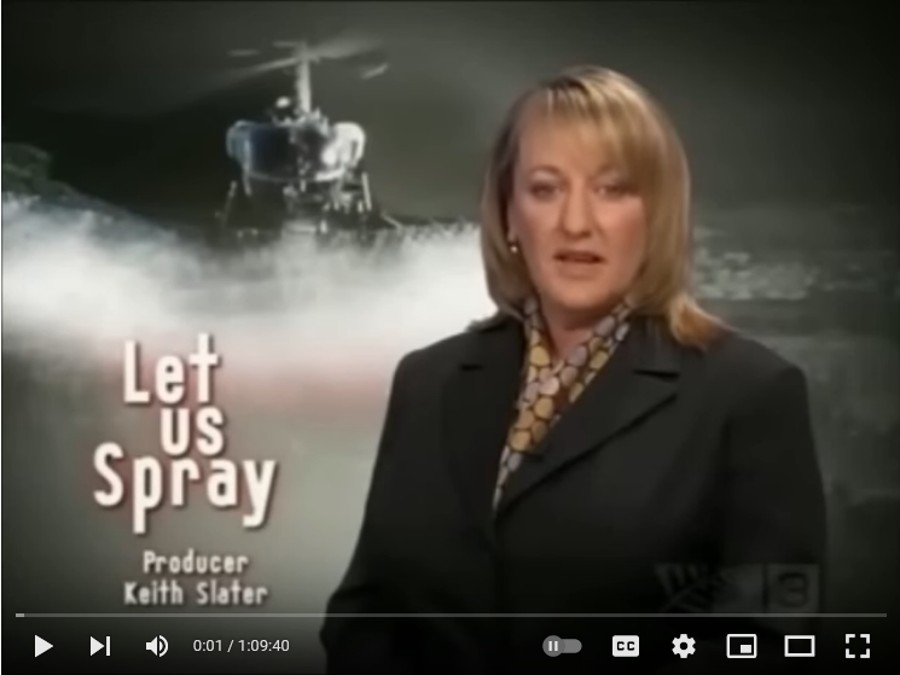
LINK TO VIDEO HERE
Archived here also: https://archive.org/details/let-us-spray_201901
Published on Apr 8, 2013
The TV 3 Exposé, initially broadcast then censored from NZ TV. A must see for any member of the public, this doco covers the exposure of the Paritutu and New Zealand community at large to the chemical 2-4-5-T, manufactured at Ivon Watkins Dow in New Plymouth between 1962-1981, and the disastrous effects it had on those exposed.
Further coverage was made by the Investigate magazine:
THE POISONING OF NEW ZEALAND
From Investigate
THE ‘ERIN BROKOVICH’-STYLE SCANDAL IN NEW ZEALAND’S BACKYARD
Outbreaks of rare diseases and tumours are appearing in clusters around New Zealand, close to chemical factories. Why doesn’t the Government want to investigate? Simon Jones discovers what the authorities don’t want you to know:
Walk down any street in New Plymouth and you will probably hear a mixture of coughing and spluttering. Look inside any school and there appears to be more special needs children than is the norm for a city the size of New Plymouth. It’s often been said that everyone knows someone with a serious disease, whether it be cancer or multiple sclerosis.
Bad luck? Possibly, but for the last 15 years a group of residents have turned scientists to uncover what they say is a national health scandal – and one which, despite the government and media’s persistent attempts to ignore, won’t go away.
They may sound like conspiracy theorists in overdrive – and there is little in the way of official evidence and health statistics to back up what they say. But here is the frightening thing: If, in this real-life game of Fact or Fiction?, only 10 percent of what the residents say is true, we have a huge health scandal on our hands – the magnitude and implications of which are unimaginable.
The story centres around one of the city’s major employers, the Ivon Watkins Dow Plant.
Since the early 1960s, and up until 1987, it manufactured the 2,4,5T herbicide – which contains the deadly dioxin also used to form Agent Orange – a weapon of huge destruction in the Vietnam War.
In New Zealand and around the world 2,4,5T is used to kill scrub, gorse and blackberry. In Vietnam, with concentrations of dioxin much higher, it had the same effect – to the extent where it devastated the country’s crops and caused major health problems amongst veterans, including cancer, multiple sclerosis, while creating learning difficulties amongst the vets’ children.
Is it just coincidence that many in New Plymouth – and in areas around New Zealand, where this herbicide was extensively sprayed, complain about the same health problems?
For years governments, both here and overseas, turned a blind eye to the damaging effects of dioxin, refusing to admit that there was any link between Agent Orange and health problems suffered by vets.
Yet recently, in a draft report leaked to the Washington Post, the US government upgraded dioxin to a ‘human carcinogen’ – in other words a substance which is a major cause of cancer, as well as birth defects and infertility.
Only a pending lawsuit by New York restaurant owners, who claim the link to cancer will scare away customers, has blocked publication of the report.
The US Environmental Protection Agency notes that emissions of dioxin have plummeted from peak levels in the 1970s, but still pose a significant threat to some who ingest it – mostly in food, especially food of animal origin.
John Moller, the president of the Vietnam Veterans Association, says it is ironic that some of the 3,800 Kiwi vets who served during the war came home to find that they were still partly exposed to chemicals associated with Agent Orange either by living in New Plymouth or areas where the herbicide was sprayed.
“The New Zealand government says that because of the few figures involved and the time span it is not worth running tests on veterans now.
“That’s rubbish because the government has given $200,000 to the nuclear test veterans association for research and legal fees. Their exposure happened before Vietnam and their figures are much smaller.
“The government has buried its head in the sand for too long,” he says. “For example, when an enquiry was finally instigated, they took samples from native forest but not the Pine forest where 2,4,5-T was heavily used.
“The problem with dioxin exposure is that there is a 30-year envelope. The historical effects are only beginning to come through now.”
The US government invented 2,4,5T in 1941 to be used as a weapon of war against Japan. Later, with concentrations lower, it is intended to control unwanted vegetation, most of which is found in Taranaki, Northland and Gisborne.
The manufacture of 2,4,5-T is said to have started in New Zealand around 1962 and by 1970 the number of birth defects in New Plymouth doubled and the number of cases nationwide started to rise.
Because of international health concerns 2,4,5-T production was halted around the world – with the exception of one factory, the Ivon Watkins Dow Plant in New Plymouth which persevered until 1987. The plant is still in operation today but only produces pesticides.
Levels of dioxin found in 2,4,5-T were reduced through the late 70s and 80s as Ivon Watkins responded to health concerns, yet residents say the effects of intense manufacture in the 1960s are etched on the faces and, more importantly, the glands and
livers of local people now.
Time for some statistics. The average level of dioxin in Agent Orange was around 198 parts per million. In New Plymouth, at the peak of production, the average level in the manufactured product was around 95 parts per million – around half that of Agent Orange. By 1987 the level of dioxin was down to 0.1 or 0.05ppm following heightened awareness about the potential health problems.
Initially residents and workers were happy with health assurances from company bosses, particularly with the way waste was disposed through burning. But only recently have secret dumps been found around the city, dumps which residents say have infected soil and water.
In 1986 the Ministry of Environment held an official inquiry into dioxin contamination after 300kg of vapour accidentally leaked from the plant. Yet, interestingly, company bosses admitted that over 250kg of vapour was normally discharged as a result of the normal process anyway.
The enquiry team concluded that there was no evidence of major contamination in New Plymouth or of any major health risk Yet residents say that part of the information used in that research was based on American studies which have since found to be fraudulent. This is where the issue becomes more complicated. In 1949 an explosion at the Monsanto chemical plant in Nitro, West Virginia, exposed many workers to effects of 2,4,5-T. Thirty years later Monsanto scientists and an independent researcher, Dr Raymond Sunkind, compared death rates amongst workers exposed to 2,4,5-T to those who hadn’t been exposed. When no differences between the two groups were found, Monsanto claimed that dioxin did not cause cancer. Evidence of inaccuracies were only exposed in the late 1980s when a group of Missouri citizens sued Monsanto for alleged injuries suffered during a chemical spill caused by a train derailment in 1979. While reviewing documents obtained from Monsanto, it was held in court that during the early studies, scientists omitted five deaths from the dioxin-exposed and put them in the unexposed group. Given that, and the leaked report to the Washington Post, it’s small wonder that the residents are now calling for a new inquiry.
It’s easy in stories like this to get bogged down with statistics and hearsay. But it’s only when confronted with the truth about health problems in New Plymouth that people start listening.
Take, for example, the case of Ross Lawrence, 43, who lived within a stone’s throw of the plant and worked there as a storeman between 1980 and 1985. He contracted non-hodgkins lymphona and Hepatitis C in 1998 – one year after his wife, Patricia, 41, was diagnosed with breast cancer. To add salt into the wounds, the 17-year-old family dog, Ena, died of cancer last year and both Ross’s children suffer from a mixture of skin complaints and bleeding noses.
It’s only when you hear stories like Lawrence’s that the word “coincidence” becomes a little bit too stretched.
“I came home from Pakistan where I was working on an oil rig in 1997 to look after my wife,” said Ross. “Shortly after I went to the doctor after complaining about flu-type symptoms only to be told that I had cancer and Hepatitis C. Isn’t it strange how three of us could get cancer in one household?”
An extensive course of chemotherapy seems to have thankfully cleared the cancer, and after having her glands removed, his wife managed to keep both breasts. But the trauma also brought its psychological toll. The stress and strain of illness coupled with the loss of his $100,000-a-year job effectively ended their marriage.
“This could have cost my life,” says Lawrence, “and it probably will in the end because Hep. C never goes away. They should be made accountable. How many other people have died of cancer without knowing the cause? How many other people are going to die?”
Ross Lawrence, like other employees, had few concerns at the time of working at the Ivon Watkins Plant. “We knew about the dangers of 2,4,5-T, but it was such a safety orientated company. They held regular safety meetings and did everything by the book.
“We were told that the waste was incinerated at temperatures which were so high that there would be no residue because everything would be dissolved. It was only when dumps containing the waste were found that I really started to worry,” he adds.
“There is still a cover-up going on. If you walk the streets of New Plymouth people wouldn’t know. Most didn’t know what the factory made. The local paper, the Daily News prints little on the subject. And the local MP doesn’t want to know.”
Now Lawrence is actively working on the local rigs but campaigns with others to lift what they say is a veil of secrecy over this health scandal.
Another leading the campaign is Andrew Gibbs, who helped set up the Dioxin Investigation Network. Recently Gibbs sent one sample of blood and a sample of breast milk to America to check for traces of dioxin, the particular type of which is called 2378 TCDD which is the most toxic type known to man. Gibbs claims previous blood tests have been worthless because 2,4,5-T passes through the system so quickly it leaves no trace. The difference here is that they would also be testing for its residual, 2378 TCCD.
When they sent the samples to the US, taken from his partner, Iris, and her sister, Lesley, they went missing for four days. Despite being clearly marked for an Atlanta laboratory, they ended up in Los Angeles. More than 160 days later, they are still waiting for the results.
“In Vietnam they have found levels of 30 to 108 parts per trillion in blood,” he said. “Levels in Maori women around the Bay of Plenty, where the herbicide was extensively sprayed, have already been found to be up around 26.7ppt. As of yet we still don’t know what the blood levels are in New Plymouth.”
Gibbs says even burning the waste didn’t destroy it. Instead waste streams left residue in the soil, on washing hanging out to dry and on barbecues. “We ate it, breathed it and wore it. When the Yanks burnt it off after Vietnam they burnt it off 80-90 miles down wind from Johnson Island.
“We burnt ours downwind on the whole town of New Plymouth. In the 1987 enquiry they said they found no evidence of dioxin in people or soil. But what they had was a 1,500 ppt safe level. The highest recorded in Vietnam was 808 ppt. In New Plymouth we’ve already levels up to 310 ppt.” His views may be ignored by health officials in New Zealand, but they have found credence in America. George Lucier, director of the National Toxicology Programme, and author of the Environmental Protection Agency report, says there is no avoiding dioxin.
“Even penguins in Antarctica have dioxin in them. No-one sets out purposely to make dioxin. It is an unwanted side-product that you get from burning. Anytime you combine heat, chlorine and organic material, there is the possibility of making dioxins.”
Lucier says scientists did not quite understand how dioxin damaged the body, but did know it acted on a universal mechanism controlling cell functions.
Dioxin attaches, or binds tightly, to the AII receptor – a kind of cellular doorway found in virtually all cells in the body. Once there, it changes the function of hundreds of genes. It will either stimulate gene expression of suppress it.
Dioxin exposure has been linked to many different tumours, especially non-Hodgkin’s lymphoma, respiratory cancers, soft tissue sarcoma and prostate cancer. One Italian study of dioxin in children found hormonal changes.
“When they have children, most or all their kids are girls, not boys,” says Lucier. “Dioxin affects pathways that are involved in normal growth and differentiation, so it can cause birth defects,” he adds. “It can effect sperm counts.”
Regional comparisons for cases of multiple sclerosis and non-hodgkins lymphoma are hard to find, if not impossible to get. The Ministry of Health says there are too few cases nationwide to offer a meaningful regional breakdown. The only figures are available are from the Cancer Mortality Atlas published as far back as 1982 which says that lymphosarcoma is ‘particularly severe’ in New Plymouth, while the number of male deaths from Hodgkin’s disease was ‘particularly high’.
Yet, there are regional disparities in other areas too. While New Plymouth is almost three times the national average for Hodgkins Disease, Waipawa is five times. While New Plymouth has three times the national average for lymphosarcoma, Strathallan in South Canterbury has seven times.
There are 14 known cases of multiple sclerosis in New Plymouth suburb of Paritutu, where the plant is based. The figure may sound small, but compare that to Australia where the rate is 40 per 100,000. That should give Paritutu just 2.4 cases.
During the 1986 governmental enquiry, Ministry of Health principal toxicologist Michael Bates defended the higher rates.
“It’s normal to get quite a variation everywhere for all cancers. One area might have a predominantly old group of people for example. But in many cases no-one is exactly sure why.” Yet since 1980 the birth defects rate in Taranaki has been about 50 per cent higher than the average for the rest of the country. While it’s fair to say regional disparities also occur in other areas for different types of diseases and abnormalities, Taranaki usually falls victim to all of them.
50-year-old Roy Drake also lives close to the plant.
In 1988 he was diagnosed with multiple sclero
sis. He now finds it almost impossible to walk
and is close to blind.
Being homebound has meant that Drake has spent a lot of his time studying the effects of Dioxin, looking at international studies from around the world.
“If you look at any major chemical plant anywhere in the world you will find massive rates of the same sorts of diseases. Here in New Plymouth, Down’s Syndrome and Spina Bifida are going through the roof.
“Our local school has 1200 kids and in 1999 they advertised for ten special needs teachers. I’ve found out in one Kindergarten alone there are four kids with cancer.
“People of New Plymouth are very illiterate to it all. That’s because there has been a huge cover up. Imagine the legal implications of this. The damages would run into billions.
“Half of my friends are dead or have brain tumours. Not many people live to a ripe old age round here. They all die five or ten years short of their time. I am very angry and cannot understand why this has been ignored for such a long time.”
Drake says even his caregivers are riddled with disease. “I’ve had one who had sugar diabetes, two with strokes. The girl currently looking after me has cervical cancer.
“For years we have been wearing clothes with dioxin on them. When we put a plate in the cupboard it is there, although you can’t see it. There’s no getting away from it around here.”
Drake thought the new Labour government, with its Green allies, would order a fresh enquiry following new American evidence on the damaging effects of dioxin. Instead, he says, they are happy to sweep the issue under the carpet. In June of this year Health Minister Annette King refused calls for a new enquiry, relying on conclusions found in 1986 – interestingly a report delivered under the previous Labour Government.
“While I appreciate the ongoing concerns about the health of people living around New Plymouth, from the advice I have received from Ministry officials, I am satisfied that the monitoring and investigation carried out around IWD previously were adequate to show that significant exposure of the local population did not occur.”
King went on to say that a study of targeted groups who believe they have been exposed would be too expensive and difficult.
“The residents present prior to that time may have moved and would need to be traced for testing to be meaningful,” she said.
“A detailed analysis of the health data relating to the Taranaki region would be needed before any conclusions relating to the relative rates of cancer, birth defects, or other diseases such as MS, could be meaningfully compared. I understand such a process could be carried out but it is difficult to see what would be gained by doing so now.”
Not surprisingly, Andrew Gibbs disagrees. He says they are looking for recognition and help. He points that areas like Gisborne, where 2,4,5T was sprayed has almost identical ratios of motor neurone disease as Vietnam – isn’t it time we were at least prepared to look at the situation again?
Yet it seems the government is blinded by issues on the grounds of cost. The residents of New Plymouth say they have already paid a high enough price for dioxin contamination, including many lives. Their search for truth and a sympathetic ear goes on – but so far, few people are willing to listen.
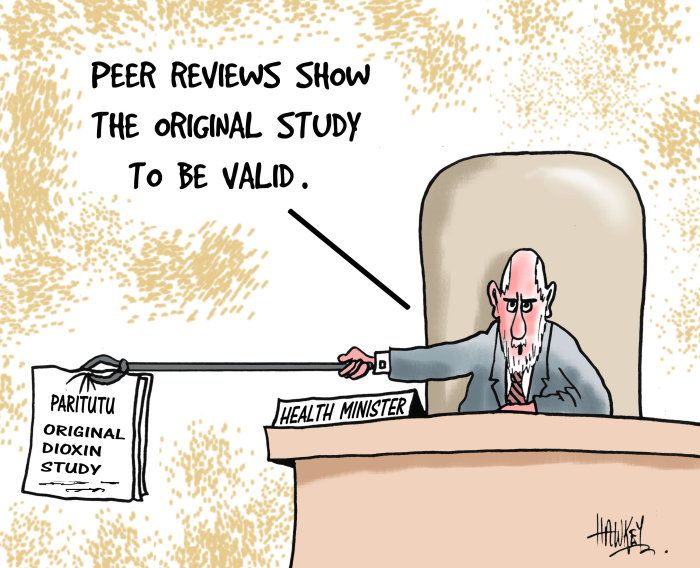
Paritutu Original Dioxin Study. Peer reviews show the original study to be valid. 26 January, 2007 [Image credit at link]
https://natlib.govt.nz/records/23164028?search%5Bpath%5D=items&search%5Btext%5D=70068
MORE ON IVON WATKINS DOW:
MP’s Agent Orange claim triggers inquiry 10/01/05
Officials will investigate a Government minister’s reported claim that Ivon Watkins Dow exported the components of the defoliant Agent Orange for use in the Vietnam War.
MP’s Agent Orange claim triggers inquiry
/cloudfront-ap-southeast-2.images.arcpublishing.com/nzme/FNMG5HFOSRQNF52F77VTYKWEKE.jpg)
John Moller
Officials will investigate a Government minister’s reported claim that Ivor Watkins Dow exported the components of the defoliant Agent Orange for use in the Vietnam War.
Transport Safety Minister and New Plymouth MP Harry Duynhoven has given the long-standing claims that New Zealand made and exported Agent Orange new weight with comments to a Sunday newspaper.
It has also raised questions about whether the Government will face lawsuits at home and overseas.
He told the Sunday News he had information the products used to make Agent Orange – 2,4,5-T and 2,4-D – were shipped from the Taranaki wharves in the 1960s to the American base at Subic Bay in the Philippines for use in the Vietnam War.
This contradicts denials by Ivon Watkins Dow – now Dow AgroSciences – that it supplied Agent Orange or its ingredients to the US military from its Paritutu, New Plymouth, plant.
The newspaper quoted Mr Duynhoven as saying the export of the products under the National Government of Sir Keith Holyoake “should be in the public arena”. The claim has come mainly from environmentalists and the Green Party.
In 1990, during the fourth Labour Government’s final days, a parliamentary committee reported that evidence for the claim was inconclusive.
Mr Duynhoven was overseas yesterday and could not be contacted.
But Government duty minister Rick Barker said officials would look afresh at the claim.
National deputy leader Gerry Brownlee asked if Mr Duynhoven had hidden his information from last year’s health select committee inquiry into the health effects of the agent on veterans and their children.
“Surely Mr Duynhoven wasn’t the only member of Cabinet to have this information?”
He said Prime Minister Helen Clark must tell what she knew, how long she knew and how long she intended sitting on the information.
But Green Party co-leader Rod Donald said Mr Brownlee should “look in the mirror”, as National was in power at the time during the war and for most of the time since.
He said Mr Duynhoven’s reported revelations were breathtaking. They vindicated his party’s view and showed the Government should take IWD to court.
“Being sprayed with New Zealand-made Agent Orange is equivalent to being bombed by New Zealand-made bombs.
“The revelation strengthens our call for the families of Kiwi soldiers in Vietnam to get the full medical treatment they deserve and the monitoring that they’ve been calling for.”
John Moller, former president of the now-defunct Vietnam Veterans Association set up in the 1980s to research the effects of Agent Orange, said he was shocked by Mr Duynhoven’s statement.
The only documents Mr Moller had seen relating to such claims were two books, one of which said ICI New Zealand had supplied Agent Orange.
“But being a member of Parliament I suppose he’s got the knowledge and evidence to back it up.”
Mr Moller said that at the parliamentary probe into the claims, an IWD official was asked if Agent Orange was made at New Plymouth.
“His reply was ‘not at that site’.”
No politicians had bothered to ask whether it was made at another site.
Mr Moller said the irony was not lost on veterans that they could have been poisoned by their own country.
He said veterans and their widows and families should be compensated. About 600 veterans, of more than 3000 who served there, were now dead.
Dow NZ general manager Peter Dryden was overseas and could not be contacted yesterday.
Greenpeace toxics campaigner Mere Takoko said up to 15 per cent of the product made in New Zealand was exported during the Vietnam War period.
She said the Government breached the Geneva Protocol prohibiting the use and supply of chemicals for waging war.
Former Taranaki port watersider Norm Quinlan said it was well-known in the 1960s that Ivor Watkins Dow exported some chemicals to the Philippines.
Now 85, Mr Quinlan said a drum containing liquid from the plant broke while loading one day and another worker got covered in the “juice”.
He was in hospital for months and a few years ago died of cancer.
“There was three in that hold that day and they all later died of cancer.”
Mr Quinlan did not know exactly what substances they were exposed to, but “it was stuff from Ivor Watkins Dow going up to the Philippines … going up that way anyway.
“The only thing I can tell you is that I worked on the ship that sent that stuff away. I’ve got an idea that it was in 66 or 67.”
He said few watersiders from that era were still alive.
Deadly mix
* Agent Orange is a mixture of the herbicides 2,4,5-T and 2,4-D, and was used as a defoliant by the US military in the Vietnam War.
* Ivon Watkins Dow made both herbicides at its Paritutu, New Plymouth, plant but denies producing Agent Orange or selling its components to the US military.
From the Green Party NZ:
Dioxin disaster
TV3’s Melanie Reid has spent the last year investigating dioxin contamination from the herbicide 2-4-5-T, especially in the New Plymouth suburb of Paritutu, where Ivon Watkins Dow manufactured the chemical for more than 20 years. The result, a 90-min documentary called Let us Spray went to air last night. If you missed it, you can watch it online here. (Video displayed above).
The documentary is extremely disturbing. Most notably, a forensic accountant hired by TV3 went through an earlier Ministry of Health report into dioxin contamination in New Plymouth and found that ill-defined parameters, muddled reporting of facts and inconsistencies in drawing conclusions masked the true extent of the dioxin contamination problem. READ MORE
NOTE: DEAD blog.greens LINK NOW
Read more on chemicals and how they poison us on our ‘chemicals’ pages.

“Wireless radiation has been demonstrated in thousands of scientific studies to gravely endanger all living things”

If you’ve ever asked yourself, why all the fuss abut wifi and other things related, you owe it to yourself and your loved ones to get to the bottom of the question. Like many environmental topics today, we often start out with some incident, article or case history that grabs our attention. I was once one of those … busy with a job and family … too busy to pay attention until I fell ill. This is how many begin investigating our environment. My first journey of discovery was down the track of GE crops … then other things. I found in fact there are many issues that are impacting on our health. And electromagnetic frequencies (EMFs) is one of them.

On the one hand however we have Pharmaceutical companies and the Medical fraternity telling us we need more time and money to research the causes of what is unarguably the biggest plague of our era … cancer … killing one in every three and in some places two on the planet. On the other hand we have independent scientists telling us we know the causes, let’s eliminate them. Quite frankly, we are in a war. A war for our minds. The thing is, right now, the information is available to us … it is out there if you care to look … with a mind that is open to truth. With increasing corporate control over that information however, our freedom to tap into it is under threat. If you care to research this topic, here is a website I discovered recently that provides an excellent overview http://www.wi-cancer.info/dead_peasants.aspx
Wi-Cancer.info

Quote: “Wireless communications technology is violent technology. It saturates the environment with extremely toxic, high-frequency RF/microwave radiation, designated by the World Health Organization as a Group 2B carcinogen…”
“Wireless radiation has been demonstrated in thousands of scientific studies to gravely endanger all living things: people, animals, plants and pollinating insects…”
“Numerous epidemiological studies reveal that people living and working within 1600 feet of RF/microwave antennas eventually suffer serious health problems…”
“…eight of the ten studies reported increased prevalence of adverse neurobehavioral symptoms or cancer in populations living at distances less than 500 meters from base stations….None of the studies reported exposures above accepted international guidelines, suggesting that current guidelines may be inadequate in protecting the health of human populations…”
“Unfortunately, everyone in the nation now lives, works and/or travels within 500 meters of Wi-antennas. In 1996, the Wi-radiation industry bought itself a federal law which prohibits US citizens from objecting, on the basis of environmental and health concerns, to the siting of RF/microwave antennas near inhabited buildings…”
” Cancer, diabetes, heart disease, chronic fatigue and dementia are epidemic across the nation. All of these conditions are documented to be induced and/or exacerbated by RF/microwave electromagnetic fields….”
(Note: links to the claims above are found within the original article)

1 to 5 million cases of pesticide poisoning occur every year
“There’s no problem with the ban of DBCP [dibromochloropropane] within the United States. In fact, it was the best thing that could have happened to us. You can’t sell it here anymore but you can still sell it anywhere else. Our big market has always been exports anyway.” (Executive, AMVAC Corporation)

We are living in a world now that is awash with chemicals, found not only in sprays and pesticides, but in our food, water and air. Their use has become largely acceptable now with scant regard often for researching into their possible harmful effects. Any alarms sounded about possible risks are greeted with cries of ‘scaremongering’ or ‘over reaction’ … and yet the independent research is usually there and often ignored. I’m constantly dismayed at this lack of regard for the evidence, especially since our recent generations consider themselves more enlightened than those of our forbears. We have

the knowledge alright, but who will listen and heed it? A video which has encouraged me to keep speaking up about these environmental risks to our health has been that produced by TED talks (they’re on Youtube also) called ‘The Dangers of Willful Blindness’ (the video is on our Home page). Gayla Benefield was just doing her job — until she uncovered an awful secret about her hometown that meant its mortality rate was 80 times higher than anywhere else in the U.S. Worse, when she tried to warn people of her discovery they didn’t want to know! How often we are faced with fact but choose not to believe. We adopt what I call the ‘three monkeys’ approach where it’s assumed, if we neither see, hear nor speak we’re safe … a lot like the ostrich really. But somewhere down the track we run the high risk of it all coming back to bite us on the proverbial rear end!
 The Environmental Justice Foundation on pesticide poisoning states that … Across all agricultural sectors, an estimated 1 to 5 million cases of pesticide poisoning occur every year, resulting in 20,000 reported deaths among agricultural workers and at least 1 million requiring hospitalisation….While developing countries account for less than 30% of global pesticide consumption, the bulk of pesticide poisonings occur in a developing world scenario, including an estimated 99% of pesticide-induced deaths…
RELATED:
Childhood Pesticide Poisoning (WHO)
Ghana’s Pesticide Crisis
Check our our Chemicals and Glyphosate pages … particularly note under Chemicals the 1080 page and how NZ is being bombarded with it. We consume the highest amount in the world, gradually ensuring there is a rapidly diminishing wild food supply. Another excellent source of information, a Kiwi site, is the Pesticide Action Network Aotearoa NZ (PANANZ).
EnvirowatchRangitikei

The Alarming Truths About Genetically Modified Foods
A short (5 minute) video clip providing you with the quintessential info on genetically modified foods that we are already eating due to the failure of the authorities to label. They consider we don’t need to know. If it is so safe please ask yourself why it is they won’t label it? Remember also, the glyphosate that they spray on your GM food has been found by independent scientists to be carcinogenic. EnvirowatchRangitikei
Published on Jul 22, 2014
http://gmo.mercola.com/?x_cid=youtube Genetically modified organisms (GMOs) are detrimental to your overall health. Discover why these genetically modified foods are NOT safe to consume.

You must be logged in to post a comment.