Category Archives: Herbicide

Studies show that paraquat is linked to Parkinson’s disease and a host of other serious side effects

From Wisner Baum

Pursuing Justice on Behalf of Our Clients for Nearly 40 Years

Founded in Los Angeles, California in 1985, the law firm of Wisner Baum has earned a reputation for breaking new legal ground, holding major corporations accountable, influencing public policy, and raising public awareness about important safety issues. Our trial experience across a broad range of practice areas includes over $4 billion in verdicts and settlements.

READ MORE

What is Paraquat?

Paraquat dichloride is a non-selective, broad-spectrum herbicide used primarily to kill weeds and grass. Austrian chemist Hugo Weidel and his student, M. Russo, discovered paraquat in the 1880s. Roughly 50 years later, scientists Michaelis and Hill discovered the chemical’s redox properties and named the compound methyl viologen. Scientists discovered the chemical’s weed-killing properties in the late 1950s.

Commercially introduced in 1962 as Gramoxone, paraquat quickly became a top-selling herbicide despite numerous studies linking the herbicide to wide-ranging health issues. The rise in paraquat use coincided with the surge in no-till farming in the U.S. and worldwide.

Common Paraquat Products

Syngenta and Chevron are two of the largest paraquat producers. Some of the most common paraquat products include:

  • Blanco
  • Bonedry
  • Cyclone SL 2.0
  • Devour
  • Firestorm
  • Gramoxone
  • Helmquat 3SL
  • Para-Shot 3.0
  • Paraquate Concentrate

Common Paraquat Side Effects

Research shows that paraquat exposure is dangerous, even at low levels. Paraquat side effects depend on the amount, route, and duration of exposure to the herbicide and the person’s overall health. The herbicide enters the body via:

  • Skin: Contact or penetration of the skin, mucous membranes, and other epithelial tissues (including the mouth, nose, trachea, and conducting airways, particularly where cuts, abrasions, rashes, sores, or other tissue damage are present).
  • Inhalation: Spray droplets enter the nose or mouth.
  • Ingestion: The liquid chemical is swallowed.

Acute Exposure – Paraquat Poisoning

According to the United States Environmental Protection Agency (EPA), “one small sip [of paraquat] can be fatal, and there is no antidote.” In general, people who accidentally or intentionally ingest paraquat may experience any of the following symptoms:

  • Acute kidney failure
  • Coma
  • Confusion
  • Heart issues
  • Liver failure
  • Lung scarring
  • Muscle weakness
  • Pulmonary edema
  • Respiratory failure possibly leads to death
  • Seizures

While these cases are rare, paraquat poisoning may also occur via skin contact or inhalation. This report out of China highlights the potential for paraquat poisoning via skin absorption, and this report highlights the potential for paraquat poisoning via inhalation.

Paraquat Parkinson’s Disease Link

The body of scientific research linking paraquat and Parkinson’s disease (often referred to simply as “PD”) has continued to grow in recent years. Several studies have concluded that exposure to paraquat increases the likelihood of developing Parkinson’s disease and that the effect is dose-dependent. The research suggests that farmworkers and pesticide applicators are more at risk of developing Parkinson’s disease. People who live near fields and other areas where paraquat is heavily used may also be more at risk for PD.

READ MORE AT THE SOURCE

Decades of Parkinson’s Data Buried, Deadly Chemical Exposed

From Dr Mercola @ mercola.com

Note: Due to heavy censorship Dr Mercola’s articles are archived to paid sub within 48 hours so the link below may no longer lead to the actual article

Story at-a-glance

  • Paraquat is an herbicide and registered desiccant that has been used on American farms since 1964. A desiccant is a chemical that speeds up the ripening of the crop and dries it out, which facilitates harvesting and allows it to be harvested sooner than were the crop left to dry naturally
  • Fifty countries have banned paraquat due to its extreme toxicity and adverse effects on health. A single sip is lethal to a human. A considerable body of evidence also links paraquat to Parkinson’s disease
  • As of mid-March 2023, 2,998 lawsuits filed by farmers with Parkinson’s disease had been consolidated in Illinois federal court. The first bellwether trial is scheduled to begin in October 2023. Class actions have also been filed with state courts in California, Florida, Pennsylvania and Washington. The first state court trial is scheduled to begin in September 2023 in California
  • The discovery process has unearthed a trove of documents showing Syngenta knew as early as the 1960s that paraquat posed neurological risks and kept the evidence from regulators
  • Research shows paraquat becomes exponentially more hazardous in combination with plant lectins, as the lectins help shuttle paraquat into your brain, where it induces the neuronal degeneration seen in Parkinson’s disease. Many of the foods treated with paraquat are high-lectin foods, such as peas, beans and potatoes, so strive to buy organic whenever possible

Paraquat is an herbicide and registered desiccant that has been used on American farms since 1964. A desiccant is a chemical that speeds up the ripening of the crop and dries it out, which facilitates harvesting and allows it to be harvested sooner than were the crop left to dry naturally.

Desiccation is also used to improve profits, as farmers are penalized when the grain contains moisture. The greater the moisture content of the grain at sale, the lower the price they get.

While 50 countries have banned paraquat due to its extreme toxicity and adverse effects on health (a single sip is lethal to a human1), the chemical remains legal in the U.S., provided farmers receive training on its application. Proper application doesn’t ensure its safety, however, as recent lawsuits by thousands of farmers make clear.

Paraquat Linked to Parkinson’s Disease

A considerable body of evidence2 links paraquat to Parkinson’s disease and, as of mid-March 2023, 2,998 lawsuits filed by farmers with Parkinson’s disease had been consolidated in Illinois federal court. The first bellwether trial is scheduled to begin in October 2023.3

The farmers are suing Syngenta, the lead manufacturer, and Chevron, a key distributor, arguing the herbicide caused their disease, and that the manufacturer was aware of this risk and concealed it from the public.

The discovery process has unearthed a trove of documents4 showing Syngenta has indeed known that paraquat poses neurological risks and feared the possibility of lawsuits for decades.

Most of the paraquat lawsuits are taking place in Illinois federal court, but class actions have also been filed with state courts in California, Florida, Pennsylvania, and Washington. The first state court trial is scheduled to begin in September 2023 in California.5 As reported by the Miller & Zois law firm, which is handling paraquat cases in all 50 U.S. states:6

“Parkinson’s disease is a progressive neurodegenerative disorder of the brain that affects primarily the motor system, the part of the central nervous system that controls movement.

The characteristic symptoms of Parkinson’s disease are its ‘primary’ motor symptoms: resting tremor; bradykinesia (slowness in voluntary movement and reflexes); rigidity; and postural instability. There is currently no cure for Parkinson’s disease.

Existing treatments do not slow or stop their progression; such treatments are capable only of temporarily and partially relieving motor symptoms. These treatments also have unwelcome side effects the longer they are used.

Paraquat is a toxic chemical that is a highly effective plant killer. Unfortunately, the same properties that make paraquat toxic to plant cells also make it highly damaging to human nerve cells and create a substantial risk to anyone who uses it.

Oxidative stress is a major factor in — if not the precipitating cause of — the degeneration and death of dopaminergic neurons which is the primary pathophysiological cause of Parkinson’s disease.

Paraquat is designed to injure and kill plants by creating oxidative stress, which causes or contributes to causing the degeneration and death of plant cells. Similarly, Paraquat injures and kills animals by creating oxidative stress, which causes the degeneration and death of animal cells.

The causal link between Paraquat and Parkinson’s disease is well established. Hundreds of animal studies involving various routes of exposure have found that paraquat creates oxidative stress that results in pathophysiology consistent with that seen in human Parkinson’s disease.

Many epidemiological studies have also found an association between Paraquat exposure and Parkinson’s disease, including multiple studies finding a two- to five-fold or greater increase in the risk of Parkinson’s disease in populations with occupational exposure to paraquat compared to populations without such exposure.”

Attorneys working on these cases have also highlighted recent research7 linking paraquat exposure to end stage renal disease,8 so it’s possible that the litigation effort against Syngenta might expand even further.

Syngenta Obfuscated the Evidence

In a June 2, 2023, article9 in The Guardian, journalist and author Carey Gillam reviews evidence from the paraquat lawsuits showing Syngenta has known about the chemical’s risk to human health for decades, and went out of its way to bury that evidence.

Some of the research10 out there suggests lifetime exposure to paraquat raises your risk of Parkinson’s by as much as 250% (odds ratio 2.5), primarily through oxidative stress. In the 2020 book, “Ending Parkinson’s Disease: A Prescription for Action,” four leading neurologists also cite paraquat as a causative factor for the condition.11

Not surprisingly, Syngenta relied on the same strategies developed and perfected by the tobacco industry in years past. While independent researchers kept linking paraquat to Parkinson’s disease, Syngenta sowed doubt by maintaining the evidence was “fragmentary” and “inconclusive,” even though it wasn’t.

Indeed, internal documents obtained during the discovery process reveals Syngenta knew that paraquat accumulated in the human brain and could permanently impair the central nervous system.12,13,14 As reported by Gillam:15

“Though it worked to publicize research that supported paraquat safety, Syngenta kept quiet about a series of in-house animal experiments that analyzed paraquat impacts in the brains of mice, according to company records and deposition testimony.

Scientists who study Parkinson’s disease have established that symptoms develop when dopamine-producing neurons in a specific area of the brain called the substantia nigra pars compacta (SNpc) are lost or otherwise degenerate. Without sufficient dopamine production, the brain is not capable of transmitting signals between cells to control movement and balance.

The Syngenta scientist Louise Marks did a series of mouse studies between 2003 and 2007 that confirmed the same type of brain impacts from paraquat exposure that outside researchers had found. She concluded that paraquat injections in the laboratory mice resulted in a ‘statistically significant’ loss of dopamine levels in the substantia nigra pars compacta.”

Download this Article Before it Disappears

Download PDF

Jeopardizing Human Health for Profit

The company withheld these and other internal research results from regulators and denounced the validity of independent science showing neurological effects.

Worse, when Syngenta met with U.S. Environmental Protection Agency (EPA) officials in 2013 to update the agency on its internal research, the company claimed studies showed paraquat, even at high doses, did NOT reduce dopamine-producing neurons, directly contradicting Marks’ findings.16

Similarly, in a follow-up presentation to the EPA in 2017,17 Syngenta claimed that paraquat had “no effect” in the brain and that a “causal relationship between paraquat and Parkinson’s was not supported.”

During a recent deposition, Dana Dixon, lead for product safety operations at Syngenta, was asked point blank if the information presented to the EPA was a lie. Dixon claimed they were “not hiding” Marks’ results, but rather chose to “focus on other studies” that refuted it.18

Syngenta ‘Swat Team’ Beat Down Negative Reports

At one point, Syngenta also worked behind the scenes to keep a highly regarded scientist involved in the study of Parkinson’s off the EPA’s advisory panel, and internal documents show company officials wanted to make sure the effort could not be traced back to them.19

As reported by Gillam, Syngenta also had a special “swat team” tasked with the immediate rebuttal of any new reports of adverse effects:20

“… files reveal an array of tactics, including enlisting a prominent UK scientist and other outside researchers who authored scientific literature that did not disclose any involvement with Syngenta …

[M]isleading regulators about the existence of unfavorable research conducted by its own scientists; and engaging lawyers to review and suggest edits for scientific reports in ways that downplayed worrisome findings.

The files also show that Syngenta created what officials called a ‘Swat team’ to be ready to respond to new independent scientific reports that could interfere with Syngenta’s ‘freedom to sell’ paraquat.

The group, also referred to as ‘Paraquat Communications Management Team,’ was to convene ‘immediately on notification’ of the publication of a new study, ‘triage the situation’ and plan a response, including commissioning a ‘scientific critique.’

A key goal was to ‘create an international scientific consensus against the hypothesis that paraquat is a risk factor for Parkinson’s disease,’ the documents state.”

In internal company documents from 2003, Syngenta officials discussed the need for a “coherent strategy across all disciplines focusing on external influencing, that proactively diffuses the potential threats that we face,” including influencing the future work by external researchers.

They also hired external scientists to write papers in support of paraquat without disclosing their relationship with the company. Ghostwriting scientific studies was also a tactic employed by Monsanto, to hide known dangers associated with its Roundup herbicide.

Lawyers Played Central Role in Obfuscation of Evidence

As detailed by Gillam, corporate defense lawyer Jeffrey Wolff also appears to have played a central role in the obfuscation of evidence. He instructed Syngenta scientists on how to take notes and manage communications to ensure the company would be able to claim attorney-client privilege in the case of litigation.

For example, action notes taken were to be labeled “Work Product Doctrine Material Confidential” and carry an attorney-client privilege statement.21 Wolff also had an active role in editing various scientific statements, reports and presentations to hide or downplay negative internal findings.

For example, a 2009 internal presentation by a company scientist on paraquat and Parkinson’s disease was reviewed by Wolff, who objected to a statement that said a majority of cases were related to environmental causes. Instead, Wolff suggested the presentation state that the “great majority of PD cases are idiopathic or of unknown cause.”

In another case, Wolff recommended removing the written admission that paraquat caused loss of neurons in the substantia nigra pars compacta from a scientific slide show, and instead only mention it verbally during the presentation. As reported by Gillam, the heavy involvement of lawyers is also straight out of the tobacco industry’s dirty playbook:22

“The involvement of lawyers with the scientists at Syngenta appears similar to highly criticized practices by the tobacco industry in the 1970s and ’80s that downplayed the dangers of smoking, said Thomas McGarity, former EPA legal adviser and co-author of the 2008 book titled ‘Bending Science: How Special Interests Corrupt Public Health Research.’

‘It looks like the paraquat maker has adopted nearly every strategy we outlined in our book about bending science,’ McGarity said. ‘Science matters. We have to be able to depend on science,’ he said.

‘When it is perverted, when it is manipulated, then we get bad results. And one result is that pesticides that cause terrible things like Parkinson’s remain on the market.’”

Lectins in Food Shuttle Paraquat Into the Brain

Disturbingly, animal research shows paraquat becomes exponentially more hazardous in combination with plant lectins. The cruel irony here is that paraquat is widely used as an herbicide and desiccant on lectin-rich crops in particular, including wheat, soybeans, potatoes, cereal grains and beans.

Plant lectins help shuttle paraquat into your brain, where it induces the neuronal degeneration seen in Parkinson’s disease.

According to the study23 in question, published in the journal NPJ Parkinson’s Disease in 2018, plant lectins help shuttle paraquat into your brain, where it does the most damage. As reported by the authors:

“Increasing evidence suggests that environmental neurotoxicants or misfolded α-synuclein generated by such neurotoxicants are transported from the gastrointestinal tract to the central nervous system via the vagus nerve, triggering degeneration of dopaminergic neurons in the substantia nigra pars compacta (SNpc) and causing Parkinson’s disease (PD).

We tested the hypothesis that gastric co-administration of subthreshold doses of lectins and paraquat can recreate the pathology and behavioral manifestations of PD in rats …

These data demonstrate that co-administration of subthreshold doses of paraquat and lectin induces progressive, L-dopa-responsive parkinsonism that is preceded by gastric dysmotility. This novel preclinical model of environmentally triggered PD provides functional support for Braak’s staging hypothesis of idiopathic PD.”

Here again, we see the central role of the substantia nigra pars compacta, the very area of the brain that Syngenta scientist Marks found to be adversely impacted by paraquat. What’s more, the combination of paraquat and lectins could well be the underlying mechanism behind “idiopathic” Parkinson’s, which Wolff wanted listed as the primary “cause.”

Paraquat in Food Supply Puts Your Health at Risk

This also means that farmers aren’t the only ones at risk. Direct exposure is only one way by which paraquat can cause harm. Ingestion through food is the other, and oftentimes, that food is also high in lectins, which multiplies the danger. Reporting on the 2018 findings, Medical News Today wrote:24

“[P]araquat, once in the stomach, causes alpha-synuclein to be misfolded and then helps it travel to the brain. Scientists believe that alpha-synuclein runs along the vagus nerve, which itself runs between the stomach and the brain.

In fact, recent studies have shown that the vagus nerve has a direct connection with the substantia nigra, making it a prime suspect in Parkinson’s disease. This direct link also helps explain why digestive problems often precede the motor symptoms of Parkinson’s by several years.

To investigate, the researchers fed rats small doses of paraquat for 7 days. They also fed them lectins … As expected, they identified Parkinson’s-related changes … As study co-author Prof. Thyagarajan Subramanian explains:

‘We were able to demonstrate that if you have oral paraquat exposure, even at very low levels, and you also consume lectins … then it could potentially trigger the formation of this protein — alpha-synuclein — in the gut. Once it’s formed, it can travel up the vagus nerve and to the part of the brain that triggers the onset of Parkinson’s disease.’

This series of experiments demonstrates how the interplay between two ingested compounds can conspire to create and then transport toxic protein structures from the gut to the brain.”

Take-Home Message

The take-home message here is that foods treated with paraquat may be just as hazardous as direct exposure on a farm. Paraquat is considered one of the “best” drying options for legumes in particular, which are also particularly high in lectins.

As a result, many foods that vegetarians and vegans rely on may pose significant health hazards — and in more ways than one, as lectins are also problematic in and of themselves. In February 2022, I posted an interview with Dr. Steven Gundry, author of “The Plant Paradox,” in which we reviewed the health hazards of lectins.

As explained by Gundry, plant lectins can wreak havoc on your health by attaching to your cell membranes, causing inflammation, damage to your nerves and cell death. Some can also interfere with gene expression and disrupt endocrine function.

So, while lectins can cause severe health problems in and of themselves, by spraying paraquat on lectin-rich crops, those crops are made exponentially more hazardous, as the lectins act as transport vehicles for the toxic herbicide.

You can reduce lectin concentration by pressure cooking, for example, but if you’re starting out with contaminated food, you’re dealing with extra-toxic kinds of lectins. To avoid or at least minimize these hazards, it’s important to buy organic beans, peas, potatoes and other high-lectin foods from a reputable source, ideally a local farmer you can trust.

The other take-home message from all this is that chemical companies are among the least trustworthy sources out there. Like Monsanto before them, Syngenta officials have spent decades hiding the dangers of paraquat, while untold numbers of people got sick, suffered and died.

As noted by Bruce Blumberg, professor of developmental and cell biology at the University of California, Irvine, in response to the revelations about Syngenta’s obfuscation of evidence:25

“It is highly unethical for a company not to reveal data they have that could indicate that their product is more toxic than had been believed. [These companies are] trying to maximize profits and they jeopardize public health, and it shouldn’t be allowed. That is the scandal.”

Sources and References

https://articles.mercola.com/sites/mercola/special-content/dynamic-ending-advertisement.aspx?cid_medium=email

Image by emersonbegnini from Pixabay

Hear Dr Meriel Watts on glyphosate

From Green Planet FM

The chemicalisation of our society and the chemicalisation of New Zealand, our food, our bodies

Meriel Watts from Waiheke Island, trained in agricultural science before becoming a natural health practitioner and treating people poisoned by roadside sprays. She also co-ordinates the New Zealand branch of Pesticide Action Network, providing technical information to international organisations such as the United Nations.

Listen to one of only two full time, totally dedicated ‘volunteer’ activists against the chemical spraying of the thousands of kilometers of Auckland’s suburban streets and footpaths with dangerous herbicides.

This is another battle for the health of Auckland’s families as well as the ecology of the beaches, harbours and marine life, where the chemicals run off after rain.

Present focus:
Stopping the reintroduction of chemical weed management on roadsides and streets throughout the greater Auckland Council area, when for the last 14 years Auckland and the North Shore had a very successful non-chemical management system, and now the focus is getting Auckland Council region back onto non-chemical roadside weed management.

To get chlorpyrifos an insecticide banned in NZ where it is still used in agriculture, horticulture, on livestock and on roses, because prenatal exposures to even low levels interferes with brain development leaving children with neurological and behavioural issues that last a lifetime – like reduced IQ, ADHD, Autism.

READ MORE & LISTEN TO THE INTERVIEW AT THE LINK:

https://www.ourplanet.org/greenplanetfm/dr-meriel-watts-on-chemical-road-sprays-in-auckland


Photo Credit: thanks to Marian Sutherland (Council spraying roadside)

“The most toxic chemical we’ve ever had in our environment” – Dr Don Huber

From greenmedinfo.com

When one of our world renowned professors uses the term “horrifying” in speaking about the widespread use of a chemical in our food supply, the prudent person would sit up and take notice.

That’s exactly the word Dr. Don Huber used. But are we listening? Calling glyphosate“the most toxic chemical we’ve ever had in our environment, he says that “future historians may well look back upon our time and write, not about how many pounds of pesticides we did or did not apply, but about how willing we were to sacrifice our children and jeopardize future generations for the massive experiment we call genetic engineering that is based on failed promises and flawed science, just to benefit the bottom line of a commercial enterprise.”

http://www.greenmedinfo.com/blog/roundup-herbicide-most-toxic-chemical-environment

Photo: EnvirowatchRangitikei ©

Could DoC’s recent poisoning of the Coromandel have anything to do with Whangamatā’s bee die off this week?

whangamata.png

If you check this map* of DoC’s recent pest treatment of the Coromandel that included 1080 drops, the Otahu block which was part of that, is right below Whangamatā. Whangamatā has this past week been stricken with 1000s of dying bees … washed ashore at Whangamatā’s popular beach, currently also inundated with holiday makers.
*(Note: you will need to scroll to the bottom of the page at the link & click on ‘I agree’ to access the map). 

NZ Herald reports 75 bee stings over the week from the dying insects. The problem began according to Radio NZ on Monday of last week (Christmas Day). Mainstream media has chosen to report it four days later on December 29th, the Friday before New Year when it will likely fly under the radar as folk head off for the long weekend. A time worn tactic with mainstream. NZ Herald reported it on the 30th (Saturday) but only as one paragraph within an article about the large beach crowd, not considered important enough to have a headline of its own. Die offs are becoming almost ho hum these days it seems. Pipi, toheroa, eels, blue bottles more recently and if you google bees this isn’t the first. I saw one item from 2014. There were more. By and large the phenomenon it appears is being downplayed.

It is unclear from DoC’s website maps and info whether 1080 was actually dropped on that block, but it is clear that it was treated with something. Whangamatā is situated on an estuary, also the subject of controversy with conservation concerns regarding a marina built there. As the map indicates waterways (particularly note the Otahu River) flow out of the poisoned zone to the sea. We are not told exactly where the bees were found, or on which beach. There are actually two there and both are safe for swimming.

Amendment 1 Jan 2018: All three pest treatments were aerial 1080 drops. 

What I found interesting researching this, was the lack of ease of locating on Doc’s site the relevant information about the poisoned areas. I note that the map indicates 1080 was applied to the Papakai block in the Coromandel, still the other two areas (marked in red) do not indicate the poison used at all. It was only when I went to the Battle for our Birds page  that I could find dates (Oct/Nov 2017) yet there was still no clear indication of what was dropped. The Hunting page gave a little more information as in where to go to find out the drop areas but one would have thought the Walking and Tramping page would contain this important information given tourists like to walk the scenic routes. There is nothing there, the site in my opinion is not tourist friendly at all.

So there has been a die off of thousands of bees. This is so tragic, given also we have only just had recent concerns raised by bee keepers about the effects of 1080 on the bee population, particularly in the Coromandel, with bees returning it to the hives.

RELATED: A warning from the Greens in 2012,   Don’t wait until the bees are all dead

Will we find out if it was 1080 (or any other poison)? I very much doubt it given the disinclination the authorities charged with protecting our wildlife have to reporting anything bad about this ‘wonderful’ insecticide that kills all oxygen breathing animals and organisms … banned by most countries and manufactured by your government here in Kiwiland.  Neither is it likely we’ll be told if it is any of the other poisons our authorities spread liberally around our environment. Our Kiwi government has a love affair with poisons and seems to be comfortably in bed with the poison industry possibly explaining the ongoing opposition we are seeing to anybody who questions the wisdom of it. Sue Kedgely summed it up quite nicely in 2012:

I am wondering how long it will be before we stop using pesticides that are poisonous to bees. I am not optimistic that it will be quickly, given our record. We were, after all, one of the last countries in the world to ban 245T. And the response of successive governments to calls to stop using lethal pesticides has been to dither and procrastinate in the face of mounting evidence, and accept industry blandishments that they are safe…. Sue Kedgely, Green Party

Let’s hope this is investigated by Whangamatā’s regional authorities. We will only be guessing unless the insects are tested and more information is given. Why do thousands of bees suddenly die off like that? We’ve been hearing for years that once the bees go (die) we humans have only a few years left. Ah but you can rest safe because the clever people running the show are busy cobbling together their new GM varieties which of course are going to save the planet.

Here are the articles from mainstream about the bee die off:

Whangamatā inundated with dying bees

One of the country’s busiest beaches has been inundated with dying bees, creating a hazard for holidaymakers.

Surf Lifesavers at Whangamatā have gone as far as issuing a warning to beachgoers to watch out for the insects.

Deputy Head Guard Max Jones said they had dealt with dozens of first aid requests for bee stings as thousands of the insects began washing up on the beach this week.

He first noticed them washing in with the tide on Monday and said it got worse as the week progressed.

He said that by Wednesday there were thousands of bees all along the high tide mark and they had to help about 20 children who had been stung.

Mr Jones said he had never seen anything like it, and while they were trying to alert people to the problem it was difficult with so many people on the beach.

He said the bees were mainly at the high-tide line, and while the numbers appeared to have decreased people still needed to be vigilant.

SOURCE: https://www.radionz.co.nz/news/national/347165/whangamata-inundated-with-dying-bees

RELATED

But the biggest cause of injury over the week had been bee stings as thousands of dead bees washed ashore. Gibson estimated the crew had tended to 75 bee stings over the week.
http://www.nzherald.co.nz/nz/news/article.cfm?c_id=1&objectid=11967770

Many oppose Doc’s 1080 drops on the Coromandel
http://www.nzherald.co.nz/nz/news/article.cfm?c_id=1&objectid=11874204

Note: most of the links refer to our own articles, however if you consider this lop sided, I should point out that those articles contain external links. This is about saving time. You can proceed to those links yourself.

For further information on the poisons used in our environment including 1080 and glyphosate, see our main menu. Search categories or use the search box for other articles on topic. EnvirowatchRangitikei

Photo of Whangamata: Wikipedia


To all the users of Roundup, beware those ‘glyphosate’s safe’ claims – EPA’s biased assessment falls short of the most basic standards of independent research

Kiwis love this product and most I’ve found won’t hear a bar of the voluminous body of independent research. You will see them walking the streets with their backpacks, no protective gear in sight, spraying often in high winds. I’ve seen them & filmed them. They can also be alarmingly aggressive if you cross them. Councils are just as bad, many of them farmers, they refuse to hear anything bad of the manufacturers. With cancer rates now at 1 in 3 surely you would think they would want to err on the safe side and desist from using it but no, we must have our yellow berms, ditches and garden edges mustn’t we? And Monsanto wouldn’t lie to us? Would they? See our glyphosate pages. EnvirowatchRangitikei

“Migratory monarch populations have declined by 80 percent in the past two decades, and their decline has been driven in large part by the surge in glyphosate use ”  Sustainable Pulse


RESIZED IMG_4127.JPG
A NZ paddock sprayed with Glyphosate .. the ground is later plowed and stock will later feed on the new grass … right into the food chain

From sustainablepulse.com

A federal advisory panel of independent scientists unanimously found earlier this year that in assessing glyphosate the pesticides office at the EPA failed to follow its own guidelines for determining whether a chemical can cause cancer. In the final draft released today, the EPA stated that the guidelines “… are intended as a guidance only …” and do not necessarily have to be followed.

The U.S. Environmental Protection Agency released Monday a controversial analyses that rely heavily on industry studies to conclude that glyphosate poses no significant risks to humans.

The EPA review, which ignored the agency’s own guidelines for assessing cancer risks, contradicts a 2015 World Health Organization analysis of published research that determined glyphosate is a probable carcinogen.

Glyphosate is the active ingredient in Monsanto’s Roundup and most widely used pesticide in the world; 300 million pounds of it are used in the U.S. each year.

“The only way the EPA could conclude that glyphosate poses no significant risks to human health was to analyze industry studies and ignore its own guidelines when estimating cancer risk,” said Nathan Donley, a senior scientist at the Center for Biological Diversity. “The EPA’s biased assessment falls short of the most basic standards of independent research and fails to give Americans an accurate picture of the risks posed by glyphosate use.”

A federal advisory panel of independent scientists unanimously found earlier this year that in assessing glyphosate the pesticides office at the EPA failed to follow its own guidelines for determining whether a chemical can cause cancer. In the final draft released today, the EPA stated that the guidelines “… are intended as a guidance only …” and do not necessarily have to be followed.

Scientists typically use previously agreed upon guidelines to prevent biases from swaying the analysis in one direction or another.

The chair of the EPA’s Cancer Assessment Review Committee, Jess Rowland, resigned in 2015 amid controversy. Emails obtained in litigation brought against Monsanto by cancer victims and their families uncovered a disturbingly cozy relationship between the EPA and Monsanto on matters involving the glyphosate risk assessment.

READ MORE

https://sustainablepulse.com/2017/12/20/epa-relies-on-industry-studies-to-give-glyphosate-new-green-light/#.WjmsXJdSCdF

The great Southland flax massacre

Photo: John Hawkins Stuff

Thanks to a reader this came to my attention. It had slipped under my radar. I’ve followed the spraying carry on that all of our councils do, fixated on tidy roadsides they spray everything to the hilt, hence the yellow ditches all along the way when you travel. I think they look untidier than long grass quite frankly but spray they must it seems. Small wonder most of our populations now test positive for glyphosate in their bloodstreams. What was sprayed in Southland here in the article was metsulfuron methyl.  Spraying everything with chemical poisonous herbicides is standard practice in NZ even though there are non toxic alternatives. You can read up on glyphosate on our Glyphosate pages. The properties of the chemical used in Southland is referred to in the article. To read more PANANZ is a good site.

Anyway it appears in Southland the roadside harakeke (flax) bushes got sprayed, now they’re a ‘nice’ yellow colour instead of green. Southlanders got up in arms and good on them. Have a read about the Southland massacre:


Southlanders protest the great flax massacre

stuff.co.nz
31 Oct 2017

It’s been described as the great flax massacre, and dozens of Southlanders have packed into the Orepuki Tavern to protest against it.

Members of the public filled the tavern for a public meeting on Tuesday, opposed to the long stretches of the Southern Scenic Route which are now lined with browning dead flax bushes.

Attendees expressed concerns about the aesthetic impact on the Southern Scenic Route and tourism, the possibility of the herbicidal spray entering the public water supply, and dangers to animal life and biodiversity.

Resident Louise O’Callaghan said she understood the need to keep drainage channels clear but was concerned about the amount of chemicals being used to kill flax, after driving past the spraying vehicle in April.

“I was flabbergasted, my friend and I stopped, did a U-turn and drove back,” she said.

“The time spent on one flax bush was just incredible, as was the volume of spray.”

She was also worried about chemicals escaping into the water supply, saying manufacturers of herbicidal treatments with metsulfuron methyl warn that it is very toxic to aquatic organisms and to soil.

READ MORE

https://www.stuff.co.nz/southland-times/news/98411648/southlanders-protest-the-great-flax-massacre


Clutha-Southland MP Hamish Walker says NZ Transport Agency to act on whacked flax


stuff.co.nz
13 Nov 2017

Southern scenic route motorists will once again be able to enjoy the green, green grass of home after the NZ Transport Agency agreed to clean up the aftermath of the great flax massacre.

Clutha-Southland MP Hamish Walker said he had received confirmation that the transport agency would be removing dead flax between Riverton and Clifden.

He was pleased with the decision, saying “It’s been an emotive issue in the community, so this is a great result”.

“I’m thrilled the NZTA has come to the party and agreed to remove the majority of dead flax in their area of responsibility.”

Walker was also pleased the agency would work with local iwi to protect flax on the Southern Scenic Route, saying “The Southern Scenic Route is our shopfront window for tourists”.

“Flax is not a weed, it’s an important part of the cultural and economic history of our country.”

Flax bushes past the Clifden suspension bridge were the responsibility of the Southland District Council.

READ MORE

https://www.stuff.co.nz/southland-times/news/98754674/cluthasouthland-mp-hamish-walker-says-nz-transport-agency-to-act-on-whacked-flax

RELATED:

Letters: After flax poisoners come the frackers


California declares glyphosate a toxic cancer-causing chemical, effective July 7, 2017

This is very good news. Remember too if you are aware of the glyphosate in Roundup, that it’s in many other herbicides as well so check your labels. See our Glyphosate pages for more information and our presentation of the evidence against glyphosate to the Rangitikei District Council (all dismissed as mere extrapolation). Nevertheless the one thing you can do as regards council slathering it everywhere is go on the no spray register to prevent them spraying it on your property frontage. Do this at your council office. You can also enlighten folk as to its toxicity as most (like I once did) believe what the label says. Gone are the days friends. This product caused huge tumours in lab rats. Read the evidence for yourself. All on our pages.
EnvirowatchRangitikei

This is from NaturalHealth365

(NatualHealth365) In a win for consumer rights and safety, the OEHHA (California Office of Environmental Health Hazard Assessment) has declared that glyphosate weed killer is a known, cancer-causing carcinogen. It will be added to the state’s Proposition 65 warning list.

Proposition 65, also known as “The Safe Drinking Water and Toxic Enforcement Act of 1986,” was passed in order to protect California drinking water from toxic, cancer-causing substances and those known to cause birth defects.

Glyphosate designated “probably carcinogenic” by WHO in 2015

Glyphosate weed killer is sold under numerous brand names, but the most widely used is Roundup, manufactured by the Monsanto company. The state of California is using statute CAS #107-83-6 to change the designation of the weed killer, which they say has cancer as a known endpoint for some people who are exposed to it.

This designation is a blow to companies that use glyphosate in their products. Efforts to ban the substance have ramped up ever since the WHO (World Health Organization) designated it as “probably carcinogenic” in 2015.

As of July 7, California retailers must add cancer warning labels to all products containing glyphosate. However, cancer warnings will as yet not be required on foods and grocery items that have been sprayed with the cancer-causing herbicide.

READ MORE

http://www.naturalhealth365.com/glyphosate-cancer-2304.html

The Poisoning of Our Children – Why You Should Buy Organic or Grow Your Own

“Children are especially vulnerable to the effects of many chemicals, but industrial chemicals are rarely tested for health and safety before sale ” ecochem.com


baby-1636317_1280.jpg


“Each day in the United States more than a million children age 5 and under who eat a normal diet ingest doses of organic phosphate pesticides that exceed the Environmental Protection Agency’s adult reference doses, according to a recent analysis of USDA and FDA data.

Twenty million American children age 5 and under eat an average of eight pesticides a day”  

apple-1248483_1280

The average apple has four pesticides on it after it has been washed and cored; some apples have as many as 10″ ecochem.com

“An increasingly vast body of evidence shows that some chronic conditions such as birth defects, cancers, and developmental disorders among children are linked to the poisons that are dumped into the food children eat, the water they drink, and the air they breathe. Children are especially vulnerable to the effects of many chemicals, but industrial chemicals are rarely tested for health and safety before sale”

Environmental Health Perspectives – a commentary on the book Poisoned Profits: The Toxic Assault on Our Children by Philip Shabecoff and Alice Shabecoff.


New Zealand’s Produce … is it Also Sprayed?

background-1239438_1280.jpg

NZ is not exempt from these chemicals. Herald has posted a ‘dirty dozen’ list of foods that have the least to the most chemicals. And organicnz‘s website features a more detailed exposé…

“Celery, a range of fruit, dairy products and bread are all ranked in the top dozen of foods available in New Zealand that are likely to contain more pesticide residues.1 Close contenders behind the ‘dirty dozen’ (see table for the list) were cucumber, nectarines, lettuce, tomatoes, wine and pears”.

bread-1510145_1280.jpg
Bread, unless organic, is ranked in the dirty dozen for pesticides … wheat crops are frequently dessicated with Roundup since the plants have been genetically altered to resist the pesticide

Table from organicnz.org 

Food  % with residues no. of pesticides sample size
Celery  98.2 21 56
Peaches, fresh/canned 96.4 15 56
Apricots, fresh/canned 96.4 14 56
Butter/cream/cheese 100 3 24
Wheat: bread, all products 79.3 23 232
Apples 80.5 20 288
Plums 91.6 8 48
Mandarins 83.3 10 36
Raspberries 85.4 7 48
Oranges 82.1 9 56
Strawberries 71.1 16 92
Grapes/raisins/sultanas 57.1 25 28

11049571_10152883937726235_125572452985920530_n.jpg

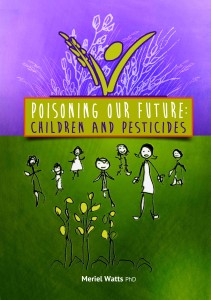
Do you really want to continue feeding your family toxic pesticides many of which are known carcinogens? I used to think peeling would take care of things until I learned recently of growers of oranges for export in the Gisborne area sprayed the ground around their orange trees with glyphosate (Roundup) in order for the tree’s roots to absorb it. This means it will be inside the oranges so can’t be removed. And glyphosate is in the middle of huge debate over its carcinogenicity. WHO deemed it a ‘probable carcinogen’ (See links to research and WHO’s report at the bottom of this page).  With a cocktail of up to ten pesticides on the average apple it really is not safe to be eating them. Remember the effect is cumulative which is why they get away with using these with impunity. By the time cancer appears and your chances of that are now one in three, there is little chance in today’s set up, to prove what caused it. It is in fact well known that exposure to environmental hazards are dangerous and predispose us to the development of cancer. Read Dr Samuel Epstein’s book ‘The Politics of Cancer’ examining this in the 1970s. Dr Meriel Watts of Pananz has also written a book about the effect of pesticides on our children: “Poisoning Our Future: Children and Pesticides”

Read OrganicNZ’s full article at this link:  https://www.organicnz.org.nz/node/120

“Poisoning Our Future: Children and Pesticides”

Front-Cover-Poisoning-Our-Future-small-211x300.jpg

According to Pesticide Action Network Aoteoroa New Zealand author, Dr Meriel Watts, “Children are not little adults. The activities they do make them more prone to accumulate pesticides in their bodies; and their developing bodies make them more prone to the negative effects of toxic chemicals such as pesticides. Yet government regulatory processes and tests do not look into these effects,” according to Dr Meriel Watts, author of the book. Tests used to approve use of pesticides do not look into endocrine disruption which can impact the physical, intellectual and behavioural development of the foetus and young child. The effects can include ADHD and autism and even conditions like obesity and breast cancer that can show up later in life in what is now referred to as the “foetal origins of adult disease”. Some childhood cancers like leukaemia have been linked to the exposure of parents to pesticides. Highly hazardous pesticides also damage the developing immune, nervous and reproductive systems.  PANANZ


See also fact sheets on the pesticides at Pananz website in the links below.


FURTHER LINKS:

PANANZ (Pesticide Action Network Aotearoa NZ)

https://www.ncbi.nlm.nih.gov/pmc/articles/PMC2569128/

http://www.nzherald.co.nz/lifestyle/news/article.cfm?c_id=6&objectid=10819935

https://www.organicnz.org.nz/node/120

http://www.pananz.net/chlorpyrifos/

http://www.ecochem.com/t_organic_fert.html

Please use the share buttons to spread this information. Check out our pages on Chemicals and particularly Glyphosate at the main menu. Glyphosate is very widely used in NZ. Be proactive and protect your family.

EnvirowatchRangitikei


1 to 5 million cases of pesticide poisoning occur every year

“There’s no problem with the ban of DBCP [dibromochloropropane] within the United States. In fact, it was the best thing that could have happened to us. You can’t sell it here anymore but you can still sell it anywhere else. Our big market has always been exports anyway.” (Executive, AMVAC Corporation)

Copy of Copy of Dec 2014 041
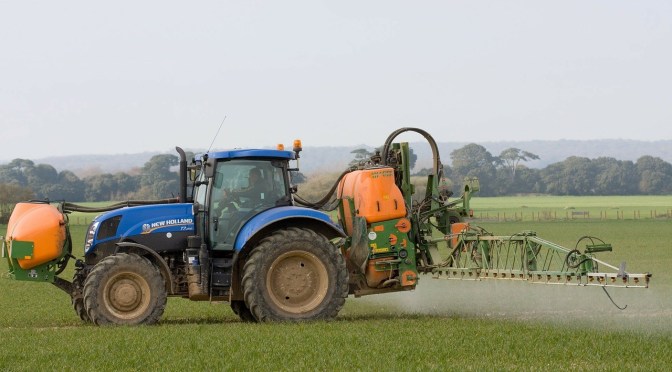
Toxic herbicides are sprayed liberally around public places with no requirement to warn the public, and often little or no protective clothing worn by the operators

We are living in a world now that is awash with chemicals, found not only in sprays and pesticides, but in our food, water and air. Their use has become largely acceptable now with scant regard often for researching into their possible harmful effects. Any alarms sounded about possible risks are greeted with cries of ‘scaremongering’ or ‘over reaction’ … and yet the  independent research is usually there and often ignored. I’m constantly dismayed at this lack of regard for the evidence, especially since our recent generations consider themselves more enlightened than those of our forbears. We have

What's in your food?
What’s in your food?

the knowledge alright, but who will listen and heed it? A video which has encouraged me to keep speaking up about these environmental risks to our health has been that produced by TED talks (they’re on Youtube also) called ‘The Dangers of Willful Blindness’ (the video is on our Home page). Gayla Benefield was just doing her job — until she uncovered an awful secret about her hometown that meant its mortality rate was 80 times higher than anywhere else in the U.S. Worse, when she tried to warn people of her discovery they didn’t want to know! How often we are faced with fact but choose not to believe. We adopt what I call the ‘three monkeys’ approach where it’s assumed, if we neither see, hear nor speak we’re safe … a lot like the ostrich really. But somewhere down the track we run the high risk of it all coming back to bite us on the proverbial rear end!

imagesThe Environmental Justice Foundation on pesticide poisoning states that … Across all agricultural sectors, an estimated 1 to 5 million cases of pesticide poisoning occur every year, resulting in 20,000 reported deaths among agricultural workers and at least 1 million requiring hospitalisation….While developing countries account for less than 30% of global pesticide consumption, the bulk of pesticide poisonings occur in a developing world scenario, including an estimated 99% of pesticide-induced deaths…

Read more


RELATED:

Childhood Pesticide Poisoning (WHO)
Ghana’s Pesticide Crisis


Check our our Chemicals and Glyphosate pages … particularly note under Chemicals the 1080 page and how NZ is being bombarded with it. We consume the highest amount in the world, gradually ensuring there is a rapidly diminishing wild food supply. Another excellent source of information, a Kiwi site, is the Pesticide Action Network Aotearoa NZ (PANANZ). 

EnvirowatchRangitikei

Forest & Bird Say 1080’s as Safe to Eat as a Packet of Crisps … and DOC says it’s Deadly to Dogs?

It just gets sillier doesn’t it? Reminds me of the pregnant woman recently who declined the TDAP vaccination … whose Doctor had never read the insert saying it had neither been tested for the unborn nor proven safe for under 10 year olds ! The astute young mother demanded to see the insert then read it out slowly to her Doc and his nursing staff. The Doc was very shocked as indeed he should be with the fees he charges and the lives he’s trusted with protecting.

untitled9
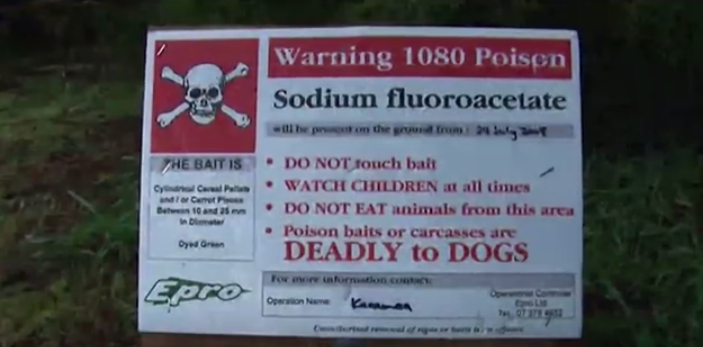
DOC warns 1080 is DEADLY to dogs

Similar scenario here. They’re recommending you can eat 1080 while the manufacturer warns quite clearly to wear goggles and a mask while handling it … ‘may cause reproductive or developmental damage’. They don’t always though (wear protective apparatus). See the workers in the video further down. And DOC (those people entrusted with protecting our wildlife among other things) write on their signs, ‘deadly to dogs’.

monsanto-hazardous-pesticide-wiki
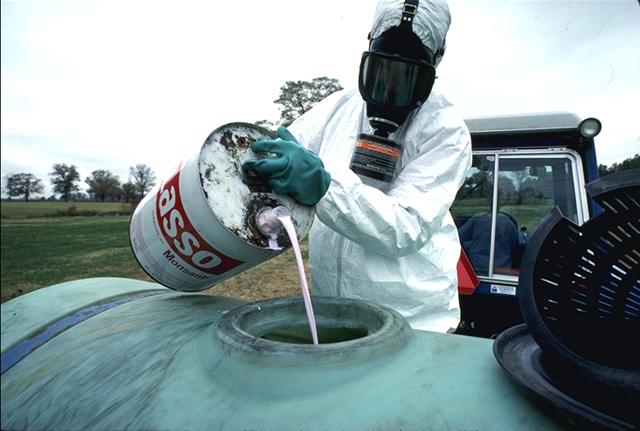
Monsanto Herbicide sprayed on food crops [Photo from USDA via Wikimedia Commons via Mintpressnews]

Hmmm. Same again as the glyphosate debacle, the product that we’re told is drinkable. Harmless as dishwash liquid farmers were told back in the 1970s when they first sold it to them. (Same people who made DDT and Agent Orange and told us it was safe). And have you seen the employees handling the product? Full overalls, gloves and masks (at least if you’re not in a Third World country … they’re poisoned there … by Western corporations,  with impunity). If you doubt this read ‘The Corporate Crime of the Century’.

220px-manual_sprayer
Third World workers are poisoned with impunity

They spray it on your food. You know, the GE variety that’s so safe there’s no need to label it? Just how gullible can people be? The World Health Organization (WHO) classifies 1080 as ‘Extremely Hazardous’, most countries ban it outright. DOC’s signs certainly don’t indicate it’s safe as crisps. ‘Do not touch’ let alone eat. WHO also labeled glyphosate as being a probable carcinogen … for a while at least … until corporate persuasion convinced them Prof Séralani’s rats would’ve probably got cancerous tumours anyway.

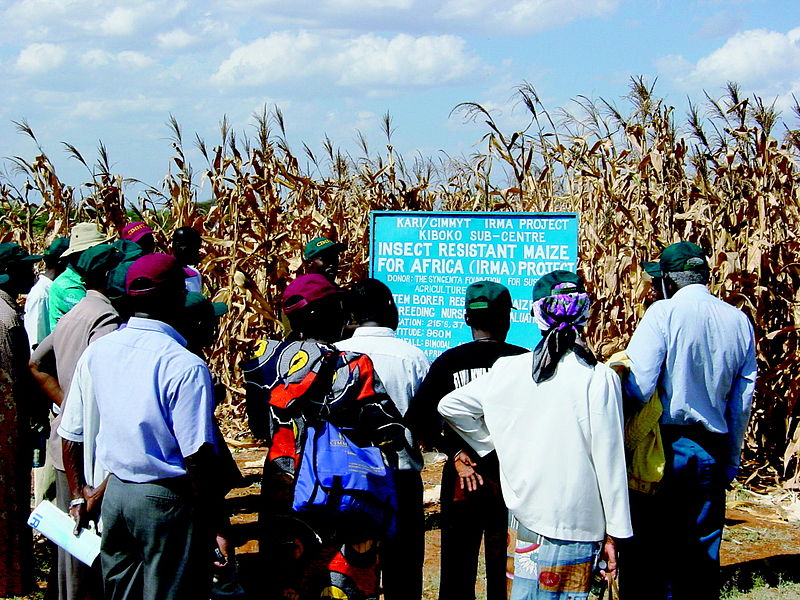
800px-Btcornafrica.jpg
Toxic Roundup (containing glyphosate) is sprayed on GE crops [Photo credit: Wikimedia]

What else would you expect? This from the same scientific/corporate club that told us smoking was good for us! Good for corporate pockets would be more to the point. If it weren’t so serious it would be laughable. Crisps with your ciggies anybody? (Do watch the video & research 1080 for yourself … check out our 1080 pages for links to what mainstream media isn’t telling you … under ‘Chemicals’ on the menu).
EnvirowatchRangitikei

smoking_01

Published on Jul 7, 2014

New Zealand Forest and Bird believe that one of the worlds worst poisons is as safe to eat as a packet of crisps.

We are allowing fools to destroy our beautiful environment. The New Zealand government dumps enough 1080 poison to kill 20 million people every year.

Help us save the environment and our native Kea Parrot.
SIGN THE PETITION TO STOP DUMPING 1080 POISON
http://www.ipetitions.com/petition/sa…


FURTHER LINKS FOR RESEARCHING 1080:

NZ WEBSITES :

http://www.stop1080poison.com/

http://1080science.co.nz/


Syngenta Terrorized & Threatened a Scientist/Researcher/Professor for 15 Years to Silence Him About the Toxicity of their Popular Herbicide Atrazine

Published on Feb 21, 2014

http://www.democracynow.org – We speak with a University of California scientist Tyrone Hayes, who discovered a widely used herbicide may have harmful effects on the endocrine system. But when he tried to publish the results, the chemical’s manufacturer launched a campaign to discredit his work. Hayes was first hired in 1997 by a company, which later became agribusiness giant Syngenta, to study their product, Atrazine, a pesticide that is applied to more than half the corn crops in the United States, and widely used on golf courses and Christmas tree farms. When Hayes found results Syngenta did not expect — that Atrazine causes sexual abnormalities in frogs, and could cause the same problems for humans — it refused to allow him to publish his findings. A new article in The New Yorker magazine uses court documents from a class-action lawsuit against Syngenta to show how it sought to smear Hayes’ reputation and prevent the U.S. Environmental Protection Agency from banning the profitable chemical, which is already banned by the European Union.

Democracy Now!, is an independent global news hour that airs weekdays on 1,200+ TV and radio stations Monday through Friday. Watch our livestream 8-9am ET at http://www.democracynow.org.

Please consider supporting independent media by making a donation to Democracy Now! today, visithttp://owl.li/ruJ5Q.


Syngenta Terrorized Scientist for 15 Years to Quell Concerns About Atrazine

By Dr. Mercola

With the advent of the “green revolution” starting in the 1930s, chemicals were widely embraced as the way to eradicate hunger and ensure abundant harvests. Pesticides and synthetic fertilizers were hailed as scientific marvels that afforded the Western world the highest standard of living the world had ever known.

In this chemistry-based model, every problem has a chemical solution: pesticides to kill pests, herbicides to address weeds, insecticides to get rid of specific insects, fungicides against mushrooms and fungi and synthetic fertilizers to promote growth.

All seemed well and good, but as the decades wore on, problems and drawbacks became apparent. Today, the hazards associated with pesticides have become quite obvious to anyone willing to look.

However, that doesn’t mean appropriate action is being taken to protect human and environmental health. On the contrary, the chemical industry has fought long and hard, often employing questionable methods, to hide the truth about many of these harmful chemicals; putting profit ahead of safety.

Atrazine — The Forgotten Toxin

Glyphosate, the active ingredient in Monsanto’s Roundup herbicide, is the most used agricultural chemical in history. It finally got some serious media attention after the International Agency for Research on Cancer (IARC) of the World Health Organization (WHO) determined it is a probable human carcinogen.

READ MORE


Search ‘categories’ (left of any page) for related articles. See also the Chemicals page and learn how the industry has covered up the truth on many chemicals for many decades, even dumping them on unwitting third world countries.

Like our FB page &/or follow our blog (right of any page) to help spread the word and expose the lies we have been told! Use the share buttons! 

Thank you!


EnvirowatchRangitikei

Glyphosate, found in most herbicides, is making us sick – from a Doctor & PhD with 3 decades of research

This herbicide is not safe, according to a large body of independent research. Concerned people nationwide are currently petitioning their respective district councils to be rid of it. Auckland has done an about face and no longer wants to use chemical free treatment of weeds in its public spaces. We have our own petition for the Rangitikei District – check out our pages for that.

Watch the video then see our Glyphosate pages for more info & links, &/or search categories for further related articles (at left of any page).

Please also consider liking our FB page &/or following our blog (right of any page) and do spread the word on all the untruths we have been told! Use the share buttons! 

Thank you!

EnvirowatchRangitikei

Published on Aug 19, 2015

Stephanie Seneff, PhD, MIT CSAIL presents “The ‘SAFE’ Herbicide that’s making us all Sick!” Seneff’s three decades of scientific rigor is added to a growing body of independent research that exposes the toxic reality of America’s favorite weed killer and biocide; Monsanto’s RoundUp.

Presented by The SHAKA Movement’s Christina Fisher & Seeds of Truth’s Melissa Yee

Special Thanks to “The Five Citizens” – Mark Sheehan, Alika Atay, Lei’ohu Ryder, Dr. Bonnie Marsh & Dr. Lorrin Pang

Contact Information:
Website/Donations: mauigmomoratoriumnews.org
Email: info@defendmauigmomiracle.org

Video: Keith Ranney Productions

Links between Glyphosate and a Multitude of Cancers that are “Reaching Epidemic Proportions” – plus other Monsanto/GMO/Glyphosate Updates

Links between Glyphosate and a Multitude of Cancers that are “Reaching Epidemic Proportions”

(globalresearch.com) The original sanctioning and testing of glyphosate for commercial use was seriously flawed: for example, see thisthisthis, and this which highlight the non-transparent, secretive and seriously compromised processes that smack of regulatory delinquency at best and outright fraud at worst in order to protect and benefit the interests of rich agribusiness.
Read more: http://www.globalresearch.ca/links-between-glyphosate-and-a-multitude-of-cancers-that-are-reaching-epidemic-proportions/5486711


Greenpeace: Chinese Farmers Are Illegally Growing GMO Corn

(ecowatch.com) A Greenpeace East Asia investigation into corn production in Liaoning Province, one of China’s major breadbaskets, has found that 93 percent of random field samples and 20 of 21 samples from grain markets and supermarkets in the area tested positive for illegal genetically engineered (GE) contamination.
Read More: http://ecowatch.com/2016/01/06/china-illegal-gmo-corn/?utm_source=EcoWatch+List&utm_campaign=9b3f65e5cf-Top_News_1_7_2016&utm_medium=email&utm_term=0_49c7d43dc9-9b3f65e5cf-86010973


Venezuela Bans GMO Crops, Passes One of World’s Most Progressive Seed Laws

(ecowatch.com) Venezuela approved a new law on Dec. 23, 2015, that imposes one of the world’s toughest regulations on genetically modified organisms (GMOs).

The anti-GMO and anti-patenting seed law was approved by the National Assembly of Venezuela in its final session. Today, the new opposition coalition—the Roundtable of Democratic Unity—will take over.
Read More: http://ecowatch.com/2016/01/05/venezuela-bans-gmos/?utm_source=EcoWatch+List&utm_campaign=102862baf1-Top_News_1_10_2016&utm_medium=email&utm_term=0_49c7d43dc9-102862baf1-86010973


Monsanto and Gates Foundation Pressure Kenya to Lift Ban on GMOs

(ecowatch.com) Kenya is on the verge of reversing its ban on genetically modified organisms (GMOs). The East African country—which has banned the import and planting of GMOs since 2012 due to health concerns—may soon allow the cultivation of GMO maize and cotton after being pushed for approval by pro-GMO organizations including Monsanto, the agribusiness giant and world’s largest seed company.

http://ecowatch.com/2016/01/07/kenya-gmo-ban/?utm_source=EcoWatch+List&utm_campaign=9b3f65e5cf-Top_News_1_7_2016&utm_medium=email&utm_term=0_49c7d43dc9-9b3f65e5cf-86010973


Monsanto Scraps $90 Million GM Corn Facility Plans Due to Declining Profits

(naturalsociety.com) After the recent press release from Monsanto announcing that the company will cut about 3600 jobs globally, more news of the biotech company’s failure rises to the surface.

Plans to construct a $90 million GM corn processing plant in Independence, Iowa have reportedly been scrapped due to a ‘struggling farm economy.’ [1]
Read more: http://naturalsociety.com/monsanto-scrap-90-million-gm-corn-production-facility-67305/#ixzz3yDWf2KmK


Greenpeace Finds Illegal GMO Corn Crops in China

(naturalsociety.com) Greenpeace said in a report released last Wednesday that farmers in northeast China are illegally growing genetically modified corn. [1]

The environmental group led an 8-month investigation last year into what it describes as large-scale production of GMO corn in the northeastern province of Liaoning, a major breadbasket region. GMO strains of corn were found in 93% of field tests and in 20 of 21 samples from grain markets and supermarkets.
Read more: http://naturalsociety.com/illegal-gmo-corn-crops-china-greenpeace-67328/#ixzz3yE3ZzcOr
Follow us: @naturalsociety on Twitter | NaturalSociety on Facebook


Taiwan Bans GMOs in Schools, Mandates Strict Label Laws

(ecowatch.com) Another country is taking action on genetically modified organisms (GMOs). Taiwan has banned schools across the nation from serving GMOs to students, citing health and safety concerns.

On Dec. 14, 2015, Taiwanese legislature passed amendments to the School Health Act to stamp out raw genetically modified ingredients as well as processed food containing GMOs.
Read More: http://ecowatch.com/2016/01/13/taiwan-ban-gmos-schools/?utm_source=EcoWatch+List&utm_campaign=c31898d992-Top_News_1_13_2016&utm_medium=email&utm_term=0_49c7d43dc9-c31898d992-86010973

Brazil Slaps Nestle, Pepsi, and Others for Hiding GMO Ingredients

(naturalsociety.com) Six major food manufacturers – including Nestle, PepsiCo, and Mexican baking company Grupo Bimbo – have been slapped with fines by the Brazilian Ministry of Justice, which alleges the companies failed to include labels indicating the use of genetically modified ingredients.

The fines range from $277,400 to just over $1 million, for an estimated total of $3 million.
Read more:http://naturalsociety.com/brazil-fine-nestle-pepsi-hiding-gmo-ingredients/#ixzz3yE4vylk9


Huge: Berkeley, CA Joins in Suing Monsanto for Toxic PCB Chemical Pollution

Through a unanimous vote by its City Council, the city of Berkeley, California has decided to hold Monsanto legally liable for polluting the land and water with PCBs (polychlorinated biphenyls). [1]The council’s 6-0 vote means that Berkeley is joining Oakland, San Jose, San Diego and Spokane, Washington, in filing suits against Monsanto, the agricultural biotech company based in St. Louis, Missouri.
Read more: http://naturalsociety.com/berkeley-ca-suing-monsanto-toxic-pcb-chemical-pollution-30/#ixzz3yE5YGlGw


EnvirowatchRangitikei


More on glyphosate: Major oat buyer says no to glyphosate; German State Ministers Call for EU-wide Ban on Glyphosate

German State Ministers Call for EU-wide Ban on Glyphosate 

by Dario Sarmadi, (EurActiv)
5/12/15

Germany’s state consumer protection ministers are calling for an EU-wide ban on the leading global pesticide Glyphosate, after it was categorized as carcinogenic by the WHO. However, the federal government sees no need for action. EurActiv Germany reports.

From gmoinside via EurActiv

http://gmoinside.org/german-state-ministers-call-for-eu-wide-ban-on-glyphosate-euractiv/

Major oat buyer says no to glyphosate: no more shipments of crops sprayed pre-harvest with deadly herbicide

(NaturalNews) One of Canada’s leading manufacturers of conventional and organic whole grain ingredients used in cereals, breads, bars and many other products served around the world has decided to stop accepting oats sprayed with Monsanto’s Roundup herbicide (glyphosate) prior to harvest, noting consumer preference as a major contributing factor to this decision.

Learn more: http://www.naturalnews.com/049763_oat_processor_glyphosate_Roundup.html#ixzz3akbbqQzI

Learn more: http://www.naturalnews.com/049763_oat_processor_glyphosate_Roundup.html#ixzz3aka0uF3o

How GMOs and Glyphosate Get Approved

Kiwis in particular readily use glyphosate, the active ingredient in the popular product called Roundup, because it is advertised as ‘safe’ and ‘biodegradable’. Glyphosate is an integral part of the GE food industry because it is sprayed on GM crops. The seeds for those crops are genetically modified to tolerate the herbicide, therefore it becomes ingested by whoever eats it. However, France’s highest Court has ruled that Monsanto lied about its safety and has deceived the public. Roundup/Glyphosate is not biodegradable. This brief video explains how the industry works  to promote the view that it is safe. The following short video (3 1/2 minutes) is from http://www.naturalhealth365.com

http://www.naturalhealth365.com offers this exclusive interview with Jeffrey Smith, a leading consumer advocate promoting the health benefits of non-GMO food choices.

Video highlights include:

How genetically engineered foods got approved. (shocking facts!)

Suspicious Food and Drug Administration behavior exposed.

The scientifically-proven health dangers associated with eating GMOs.

Revealing truths about the most dangerous (genetically modified) chemical on the planet.

Plus, much more!

In less than 4 minutes, this video is packed with lifesaving information for you and your family. Help us spread the word and share this video with everyone.

To hear the entire interview with Jonathan Landsman and Jeffrey Smith plus much more – join us inside the NaturalNews Inner Circle, a monthly subscription – by clicking the link below:
http://www.naturalnews.com/NaturalNew…

To learn more about glyphosate and its dark side, and to become active in persuading the Rangitikei District Council to restrict its use in the Rangitikei, visit the glyphosate page on this site by clicking this LINK