Category Archives: Health

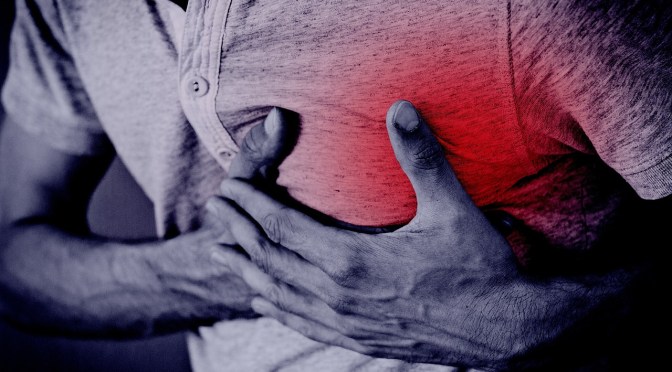
Young heart attack survivors face unexpected health crisis doctors miss – important info in light of the global uptick in heart attacks amongst the young

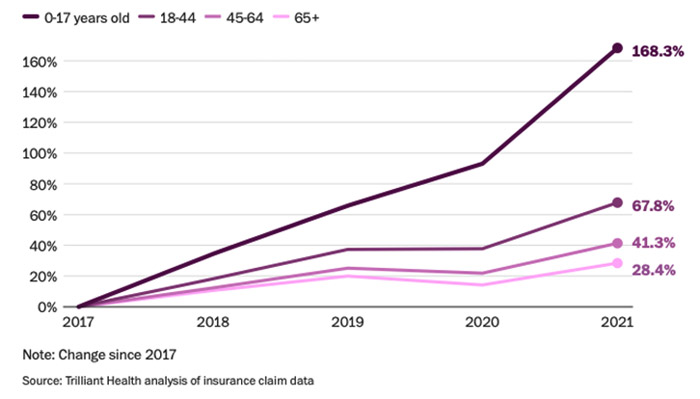
EWNZ comment: I recall a friend’s hubby having a heart attack back in the late 80s, at 43. It was noticeably rare & met with great shock and unbelief at the time. Look around now however and you will hear and read of many very young folk having heart attacks. Especially since around 2020. I wonder why that was? If you sub to Prof Mark Crispin Miller at Substack you will scroll page upon page of heart attacks in the very young. This info below is IMO important for the heart compromised in terms of surviving. I too would have thought they would have greater resilience but it appears that that is not necessarily so ….


From NaturalHealth365

When a 45-year-old survives a heart attack, doctors and family members typically assume recovery will be swift.  Youth equals resilience, right?  A new study published in the European Heart Journal has shattered that dangerous assumption, revealing that nearly 1 in 10 heart attack patients under 55 are severely frail, and their mortality risk is dramatically higher than anyone expected.

What makes this discovery particularly alarming is that these young patients face a nearly fourfold higher risk of premature death compared to older heart attack survivors with the same frailty level.  Yet conventional cardiology continues screening older patients while younger ones slip through the cracks, unidentified, untreated, and dying an average of six years earlier than expected.

Massive study exposes hidden vulnerability in young heart attack survivors

Researchers analyzed 931,133 heart attack cases across England and Wales, dividing patients into three age groups: under 55, ages 55-74, and 75 and older.  Among patients under 55, researchers classified 3,710 – roughly 2.4% – as severely frail.

Young severely frail patients showed an adjusted hazard ratio of 6.69 for all-cause mortality within one year.  Compare that to 4.33 for middle-aged patients and just 2.31 for older patients.  Young frail patients faced 3.51 times higher mortality risk than older frail patients, a complete reversal of what doctors expect based on age alone.

Years of life lost painted an even grimmer picture.  Young severely frail heart attack patients died an average of 6.1 years earlier than expected.

Young frailty looks nothing like what doctors learned in medical school

Western medicine defines frailty through geriatric symptoms: slow walking speed, weakness, falls, and cognitive decline.  This outdated framework blinds doctors to what’s actually happening in younger populations – rapid accumulation of cardiovascular and metabolic diseases, not physical deterioration.

Young, frail heart attack patients showed dramatically higher rates of diabetes, hypertension, peripheral vascular disease, and early-onset heart failure.  They had higher body mass index, were more likely to smoke, and had a family history of coronary artery disease.

The study also exposed troubling care disparities.  Severely frail patients across all age groups demonstrated lower adherence to quality care standards: delayed procedures, fewer cardiology admissions, lower medication prescription rates, and minimal cardiac rehabilitation referrals.

Natural solutions address the root causes of premature cardiovascular aging

Pharmaceutical cardiology treats symptoms while ignoring the metabolic dysfunction, chronic inflammation, and mitochondrial damage, creating premature frailty in young bodies.

Focus on metabolic optimization: Make wild-caught fatty fish a regular part of your diet for anti-inflammatory omega-3s that reduce cardiovascular inflammation.  Incorporate organic pasture-raised eggs to provide choline for methylation pathways crucial to homocysteine metabolism.  Include 100% grass-fed beef and lamb to supply L-carnitine and CoQ10 for mitochondrial energy production in stressed heart muscle.  Eliminate processed seed oils, refined carbohydrates, and sugar that drive insulin resistance, the metabolic foundation of premature cardiovascular aging.

Consider strategic supplementation: Ensure adequate magnesium glycinate to support over 300 enzymatic reactions essential to cardiovascular function.  Make CoQ10 a priority if you have heart disease or take statins, which deplete this vital nutrient.  Add taurine to support electrical stability in the heart muscle and protect against oxidative stress.  Include vitamin K2 (MK-7) to direct calcium away from arteries and into bones where it belongs.

Address lifestyle fundamentals: Recognize that chronic stress elevates cortisol and inflammatory markers, accelerating biological aging.  Make restorative sleep a non-negotiable priority – poor sleep quality independently doubles the risk of a heart attack.  Work with a qualified holistic practitioner to address hidden infections and gut dysbiosis driving systemic inflammation throughout your body.

Discover comprehensive natural strategies for cardiovascular resilience

Jonathan Landsman’s Cardiovascular Docu-Class brings together 22 leading cardiologists, researchers, and nutritional experts, revealing evidence-based approaches that address the mechanisms driving heart disease and premature aging.  Discover functional lab tests detecting cardiovascular vulnerability years before heart attacks occur, natural protocols for reversing arterial damage and metabolic dysfunction, hidden infections and toxins accelerating biological aging, and drug-induced nutritional deficiencies worsening heart failure.

Bottom line: Young heart attack survivors face a hidden frailty crisis that Western medicine fails to recognize.  Nearly 1 in 10 patients under 55 show severe vulnerability, and their mortality risk vastly exceeds older patients with identical frailty levels.  Optimal cardiovascular health requires addressing root causes – metabolic dysfunction, mitochondrial damage, chronic inflammation, and nutrient deficiencies – through targeted nutrition, strategic supplementation, and lifestyle interventions, rather than age-based assumptions and pharmaceutical protocols that ignore biological reality.

Sources for this article include:

Academic.oup.com
Medicalxpress.com

RELATED
Heart attacks have increased by 83%—The alarming implications of the leaked NZ health data

Photo Credit: pixabay.com

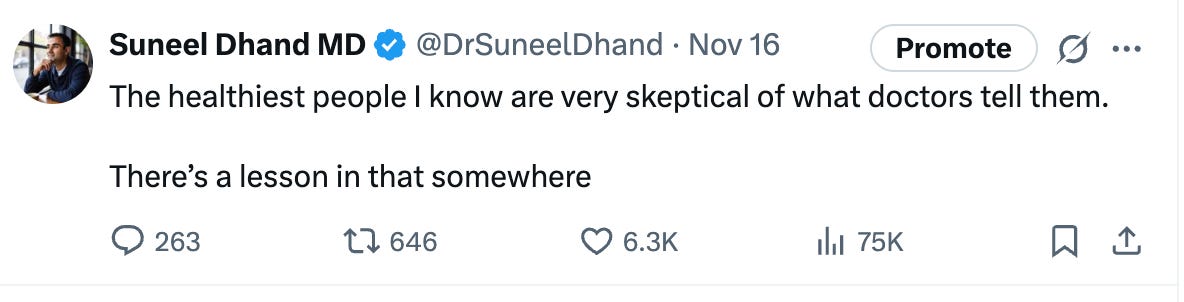
The healthiest people I know are very skeptical of what doctors tell them

EWNZ comment: I noticed quite a few years back that some Doctors don’t like you questioning their wisdom. Departing from their narrative can make them blunt and very unhelpful. They are the experts and you are not. I have also noticed they are inclined to give orders rather than discuss. We saw that with the arm dart in recent years and many prefer now to not trust them at all …. to see how the less compliant Doctors fared for the past 5-6 years check out the nzdsos.com doctors. Some were struck off for failing to follow the narrative.


A few days ago, I posted a short tweet that unexpectedly exploded online on multiple platforms.
It wasn’t complicated. It wasn’t a long thread.
Just a simple observation I’ve made over many years of practicing medicine and working closely with thousands of people striving for better health.

Here’s what I wrote:

“The healthiest people I know are very skeptical of what doctors tell them.
There’s a lesson in that somewhere.”

The reaction to it was enormous— and not just on twitter.

But this newsletter isn’t about social media.
It’s about why such a simple thought struck a chord with so many.

Today I want to unpack this idea, dive deeper into the psychology behind it, and explore what it means for your own health moving forward.

Dr. Suneel Dhand Newsletter is a reader-supported publication. To receive new posts and support my work, consider becoming a free or paid subscriber.Subscribe

This message isn’t just anti-doctor. It’s not rebellious for the sake of rebellion.
It’s something much more important:

It’s about taking ownership of your health in a world where far too many people have handed that responsibility away.


Why This Short Thought Resonated So Strongly

The tweet took off because people instinctively knew it to be true.
Over and over, I hear similar comments patients, random people, and online messages:

“I wish I had questioned things earlier.”
“I finally learned to advocate for myself.”
“I got healthier when I stopped relying on pills alone.”

At some point, people realize:

  • The healthcare system is overwhelmed.
  • Most medical visits are rushed.
  • Doctors are too often just mindlessly follow guidelines, time limits, and insurance.
  • And medications, while sometimes necessary, are too often the default answer.

What truly resonated was this silent truth:

You can absolutely respect your doctor and still rigorously question the system.
And you should.

The healthiest people already do.


Healthy Skepticism Is a Strength, Not a Rebellion

When I say “skeptical,” I don’t mean dismissive or argumentative for the sake of it.
I mean curious.
Proactive.
Awake to the ways of the world.

The healthiest individuals tend to:

  • Ask thoughtful questions
  • Research conditions themselves instead of accepting labels
  • Seek second opinions
  • Learn about nutrition and lifestyle
  • Understand their lab results
  • Notice patterns in their own bodies
  • Push back when something doesn’t make sense

This attitude leads to better outcomes because it prevents passivity.

Healthy people are active participants in their health— not passive recipients of advice.

They don’t outsource responsibility.
They partner with their physicians, but they remain in the driver’s seat.

This mindset creates a completely different life trajectory.


A Broken System Has Taught People to Think Differently

People have watched “standard medical advice” change countless times.

Decades of shifting guidance on:

  • cholesterol
  • saturated fat
  • salt
  • medication-first approaches
  • low-fat diets
  • food pyramids
  • vaccine safety and side effects
  • exercise recommendations
  • blood pressure

…have made people realize that science “evolves”, systems change, guidelines get updated— and often those guidelines were influenced by things that had nothing to do with health.

It’s not that all doctors don’t care.
It’s that the system doesn’t encourage deeper exploration, root-cause thinking, or preventative action.

And so the people who thrive are the ones who say:

“Let me look into this myself.”

They don’t settle for:
“This is just how it is when you get older.”
or
“You’ll be on this medication for life.”

They want to know why.
They want to know if there’s another way.
And more often than not…there is.


The Common Traits of People Who Stay Vibrant and Strong

Over years of working with all types of individuals, I’ve noticed clear patterns among those who maintain their health and vitality.

They ask questions.

They don’t fear sounding “difficult.” They fear being uninformed.

They focus on fundamentals, not fads.

Real food. Movement. Sleep. Stress reduction. Strength training.

They don’t wait until something is wrong.

They proactively monitor their health — labs, weight, waist circumference, blood sugar, inflammation markers.

They’re willing to change.

They don’t cling to old habits simply because they’re familiar.

They stay curious.

Curiosity keeps the brain engaged and the body improving.

They know medication is sometimes needed— but rarely the full answer.

They want to solve problems, not mask symptoms.

This all stems from one key trait:
A mindset of personal leadership.


Doctors Are Guides— But YOU Are the Decision-Maker

This is where the conversation gets interesting.

The healthiest people don’t view doctors as infallible authorities.
They view them as advisors and coaches.

A good doctor doesn’t want blind compliance.
A good doctor wants a patient who is informed, motivated, and involved.

When someone partners with their doctor— instead of deferring everything — the outcomes are dramatically better.

Think of it like this:

A doctor can recommend.
A doctor can interpret.
A doctor can support.

But only you live in your body 24 hours a day.

Only you feel the daily consequences of your choices.

Only you have the long-term incentive to make the right decisions.

This isn’t disrespect.
It’s maturity.


So What’s the Real Lesson?

The viral response wasn’t only about people challenging medicine.
It was about people awakening to something they should have been taught from childhood:

Your health is your responsibility.
Your body is your project.
Your life is your outcome.

And the healthcare system is broken.

Doctors can help— and many do incredible work.

But the direction, the mindset, the leadership?

That must come from you.

Healthy skepticism doesn’t divide you from your doctor—
it strengthens the partnership with the good doctor.

It turns you into a powerful, informed, unstoppable advocate for your own well-being.

And in today’s world, that mindset is not optional.
It’s essential.


Best Wishes,
Dr. Suneel Dhand

Personal website: www.drsuneeldhand.com

Ojais Wellness USA: www.ojaiswellness.com

Ojais Wellness UK/Europe: www.ojaiswellness.co

SOURCE

Getting your vitamin D (Mercola)

From Dr Mercola

Story at-a-glance

  • Fall’s shorter days and lower sun angle reduce ultraviolet (UV) B exposure, making it harder to produce adequate vitamin D through sunlight alone
  • Check daily UV Index and consider your skin type (Fitzpatrick
  • phototype) to determine sun exposure needs; darker skin tones require
  • more time in sunlight
  • Consume vitamin D-rich foods like wild-caught Alaskan salmon, rainbow trout, herring, and fortified dairy products to supplement reduced sun exposure during fall and winter months
  • Take vitamin D3 supplements with healthy fats, aiming for 60 to 80 ng/mL in your blood; include magnesium and vitamin K2 to optimize absorption and metabolism
  • Reduce linoleic acid (LA) intake below 2% of calories and supplement with C15:0 to purge skin toxins, enabling safer sun exposure for vitamin D production in the long run

As most of you know, I am a passionate advocate of optimizing your vitamin D levels because of its many capabilities. In previous articles, I’ve discussed in detail how it helps boost immune functionmanage blood sugar levels, and lower your risk of cancer.

The best way to produce vitamin D is through sensible sun exposure. However, with autumn now in full swing, the days are getting shorter. Thus, people who live in areas who don’t get enough sunlight won’t be able to produce the appropriate amount of vitamin D to support their health.

To spread awareness of this issue, I recently appeared on NTD News, offering viewers practical strategies to optimize their vitamin D levels during fall, as well as the upcoming winter. These points are also explored below.

Why Fall Makes Vitamin D Trickier to Optimize

Fall is a beloved season in the U.S., drawing many nature lovers to northern states and basking in the changing picturesque foliage.1 However, this presents certain health problems down the line:

•Changes in the Earth’s angle against the sun — Earth follows an elliptical orbit, which means that its distance between the sun varies throughout the year.2 Following this logic, the Earth’s axis and distance from sun during fall cause shorter days, a lower sunlight angle, and cooler temperatures. The result? Lower vitamin D levels.

•Factors affecting vitamin D production — Ultraviolet B (UVB), the type of sunlight that triggers vitamin D production on your skin, is affected by season, time of day, latitude, clouds, and your skin’s melanin concentration.

In many places during summer, incidental sun is enough to produce vitamin D, but not in late fall and winter. So, shifting your diet and taking supplements (as needed) are essential to maintaining optimal levels.3

How Much Sun Exposure Helps in Autumn?

There isn’t a one-size-fits-all approach when optimizing your vitamin D in fall. Here are some guidelines, according to the U.S. Environmental Protection Agency (EPA):4

•Check the daily UV Index (UVI) — This is a forecast provided by the National Weather Service, providing information on the current UV radiation readings throughout the day. Here’s a tip — the highest numbers occur during solar noon.5

•Consider your Fitzpatrick phototype — It’s a guide that describes how certain skin colors react when exposed to sunlight. Thus, it can be used to help you determine how much time you need to be exposed during the day. Here’s a chart from DermNet to help you:6

Skin TypeTypical FeaturesTanning Ability
IPale white skin, blue/green eyes, blonde/red hairAlways burns, does not tan
IIFair skin, blue eyesBurns easily, tans poorly
IIIDarker white skinTans after initial burn
IVLight brown skinBurns minimally, tans easily
VBrown skinRarely burns, tans darkly easily
VIDark brown or black skinNever burns, always tans darkly

Framing the information above within the context of my NTD News segment, if you live in higher latitudes and/or have deeper skin tones, you’ll generally synthesize less D from the sun, especially during fall.

What’s a good sign your body has produced enough for the day? In a previous article, I noted that the limit is when your skin begins to turn slightly pink. If that doesn’t even happen to you during fall, then you’ll need to compensate the remaining through your diet.

Save This Article for Later – Get the PDF Now

Download PDF

The Best Foods for Vitamin D in Fall

Continuing the point above, vitamin D is also found in various foods. The table below shows you well-known sources and how much you’ll get, depending on serving size:7

FoodServing SizeVitamin D Amount (IU)
Rainbow trout, freshwater3 ounces645
Salmon3 ounces383 to 570
Herring3 ounces182
Tilapia3 ounces127
Yogurt, plain8 ounces116
Kefir, plain1 cup100
Cheese, American1.5 ounces85
Mushrooms, raw1 cupBetween 0 to 1,110

Should You Take Vitamin D2 or D3, and How Much?

Aside from food, you can optimize your vitamin D levels through supplementation. However, there is some confusion between what is generally available to consumers — vitamin D2 and D3:

•Have yourself tested first — No matter which strategy you employ — sunlight exposure, food, and supplements — it’s always a good idea to have your vitamin D levels tested to know your baseline.

When visiting a lab, ask for a 25-hydroxy vitamin D test. This measures the current vitamin D levels circulating within your body. In America, most guidelines set the sufficiency cutoff at 40 nanograms per milliliter (ng/mL), or 100 nanomoles per liter (nmol/L) in Europe. However, I believe that isn’t enough — the real protective benefits of vitamin D occur when you reach a range between 60 and 80 ng/mL.

•Vitamin D2 versus D3 — As noted in my interview with NTD News, vitamin D2 comes from plants, while vitamin D3 comes from animals. If you’re going to pick one, I recommend vitamin D3, as it’s significantly more effective at raising blood vitamin D levels.

One more thing about vitamin D3 — it’s a fat-soluble nutrient. This means that in order to be fully absorbed, you need to take it with meals that include healthy fat, such as pasture-raised egg yolks, tallow, or grass fed butter.

•Supplement interactions — When taking vitamin D3 supplements, remember to increase your intake of magnesium and vitamin K2. These nutrients improve how your body processes vitamin D. For every 5,000 international units (IUs) of vitamin D you ingest, take around 180 micrograms (mcg) of vitamin K2 in MK-7 form, as well as 400 milligrams (mg) of magnesium.

•Medications affecting vitamin D function — Check with your doctor if you’re taking medications such as statins and steroids. According to the Office of Dietary Supplements, corticosteroid medications such as prednisone can impair vitamin D metabolism.8

•Rechecking interval — Have your blood tested every three to six months. This gives you enough time to see the effectiveness of your regimen at boosting vitamin D levels, and whether or not adjustments are needed.

Does Using Sunscreen in Fall Block Vitamin D Production?

Public messaging of sunlight exposure can be confusing. For example, dermatology organizations advise not seeking UV exposure for vitamin D because UV is a proven skin-cancer risk and even advise wearing sunscreen while outside.9 In short, they’re advocating that you avoid and fear sunlight.

•The link between sunlight and skin cancer — The fear of increased cancer risk perpetuated by dermatologists has some merit, but it’s important to understand the nuances. As I mentioned in the interview, making vitamin D through sunlight can increase your risk of squamous cell and basal cell carcinoma. But the good thing is that these are caught early and can be treated right away, making mortality risk very low.

Meanwhile, safe sun exposure lowers the risk of melanoma, which is the dangerous type of skin cancer you don’t want to get. Much of the reasons why melanoma risk increases is because many of us eat a diet high in linoleic acid (LA), which is perishable and becomes toxic when exposed to sunlight. It’s only that when you eliminate LA from your system that you can truly reap the benefits of sunlight safely — this process is explained below.

•Avoid excessive use of sunscreens — These products block vitamin D synthesis and even interfere with your endocrine health. In fact, a sunscreen with an SPF of just 30 blocks about 97.5% of UVB radiation, effectively shutting down your body’s ability to make vitamin D.

Rather, use sunscreen strategically, such as only applying it when you’re going to be out in the sun for prolonged periods of time. I recommend reading “Beyond Vitamin D Production — How Sensible Sun Exposure Supports Overall Health” for more information.

•Ditch vitamin D lamps — On a related note, devices that generate UV light, such as nail driers, can damage your DNA. In a previous article, I discussed published research showing how regular use of these products actually increase your risk of skin cancer.

A Simple Fall Checklist

Based on all the information I outlined above, monitoring and increasing your vitamin D levels can be burdensome. To help, here’s a handy checklist you can keep for reference. I recommend printing it out and hanging it somewhere visible:

•Daily base intake — The Office of Dietary Supplements recommends you aim for a daily intake of 600 to 800 IUs from all sources.10 However, this is a far too low a number.

As noted in my interview with NTD News, you can safely take 10,000 IUs a day without harming your health. That said, it’s important to check your levels, too. Vitamin D toxicity, while rare, is a real side effect.

•Shop smart — Keep fish such as wild-caught Alaskan salmon in your rotation. These are the safest choices as they’re generally low in mercury compared to farmed fish. Similarly, look for grass fed varieties of dairy products.

•Mind your medications — Consult with your doctor to rule out interactions on vitamin D synthesis if you’re currently taking medications for a disease.

•Develop your sun sense — Regularly review the UVI reports and be mindful of your Fitzpatrick phototype to make sure you don’t get sunburned.

•Test and retest — Take a 25-hydroxy vitamin D test and aim for a range between 60 to 80 ng/mL.

The Issue of Sunlight Exposure Without Fixing Your Diet

One important aspect I emphasized in my interview is linoleic acid (LA) becoming embedded in your skin. Purging it is crucial when it comes to optimizing vitamin D levels because sunlight exposure causes toxic metabolites to form, which will damage your cellular health. That said, it is paramount that you reduce your LA intake right away.

At the same time, I recommend increasing your intake of pentadecanoic acid, also known as C15:0. It is a rare, odd-chain saturated fat that displaces LA in your skin, allowing you to reap the benefits of regular sun exposure. For an in-depth explanation of how this process occurs, read “The Fast-Track Path to Clearing Vegetable Oils from Your Skin.” Once you’ve familiarized yourself with the benefits of C15:0, follow the protocol below:

1.Keep LA intake below 2% of your total daily calories — Remove all industrial vegetable oils from your diet, including soybean, corn, sunflower, safflower, cottonseed, canola, and grapeseed oils from your diet. LA is common in ultraprocessed foods, condiments, restaurant meals, and packaged snacks.

LA also accumulates in the fat of grain-fed livestock, especially chicken and pork, often reaching concentrations similar to those found in vegetable oils sold in groceries. To minimize exposure, choose pasture-raised or grass fed meat whenever possible.

2.Take 2 grams of C15:0 daily, split between meals — Use a high-quality pentadecanoic acid powder or a certified butter or ghee concentrate rich in C15:0. Divide the total dose across meals to promote consistent uptake into your tissues.

3.Check your progress every three months — Use a red blood cell test or dried blood spot test to confirm that your C15:0 levels are at least 0.4% and that LA remains under 5% of your total fat levels. These benchmarks indicate successful cellular remodeling.

If your results stop improving, look for unrecognized sources of LA or review your dosing for possible inconsistencies.

4.Encourage fat turnover through healthy lifestyle changes — Boost the clearance of stored LA with intermittent fasting, high-intensity training, and regular heat exposure via sauna sessions or hot baths.

Limit vigorous exercise to 75 minutes or less per week, as longer bouts can hinder recovery and longevity. When fasting, avoid chronic or extreme restriction, which can suppress thyroid function and metabolism. Sporadic, short fasts are safer and more sustainable.

5.Build up sun tolerance gradually, especially in your first two summers — While LA remains high in your body fat, the skin is more prone to UV-induced oxidative stress. During this period, avoid midday sunlight (11 a.m. to 3 p.m.) and go out during early morning or late afternoon instead.

Once LA levels decline and cell membranes stabilize, your skin’s resilience improves, allowing you to increase midday exposure slowly without burning.

Frequently Asked Questions (FAQs) About Optimizing Vitamin D Levels in Fall

Q: How much sun do I need for vitamin D in the fall?

A: There’s no one-size-fits-all answer, since your vitamin D production depends on factors like your skin tone, latitude, and the daily UV Index. As a rule of thumb, check your local UVI forecast each day.

If you have pale or fair skin, you’ll only need a short time of direct sunlight exposure. Those with deeper skin tones may need to take longer for similar vitamin D output. However, during late fall or for those living in northern regions, UVB levels often drop too low to make enough vitamin D, meaning sunlight alone may not be sufficient.

Q: What’s the best time of day to make vitamin D in autumn?

A: The best window is around solar noon — roughly between 11 a.m. and 2 p.m. — when the sun’s rays hit the Earth most directly. This is when UVB exposure is strongest, allowing your body to produce vitamin D more efficiently in less time.

In fall, the sun’s lower angle means UVB rays are weaker, so early morning or late afternoon exposure won’t trigger much vitamin D production. If you live in northern states, your skin may not generate any vitamin D during the later months of fall. In those cases, food and supplementation become helpful.

Q: Which foods are highest in vitamin D for fall meal planning?

A: When sunlight isn’t enough, you can boost your vitamin D by adding certain foods to your meals. Natural sources include fatty fish like wild-caught Alaskan salmon, rainbow trout, herring, and tilapia. Grass fed dairy products such as yogurt, kefir, and cheese also provide smaller amounts. For plant-based options, mushrooms exposed to sunlight or UV light are viable.

Q: Should I take vitamin D3 or D2 in fall?

A: If you’re planning to take a supplement, vitamin D3 (cholecalciferol) is the superior choice. D3 is the form your body naturally makes from sunlight and is far more effective than D2 (ergocalciferol), which comes from plants. Since it’s a fat-soluble vitamin, take D3 with a meal that includes healthy fats, such as grass fed butter, pasture-raised egg yolks, or tallow, so it can be absorbed properly.

For every 5,000 IUs of vitamin D3, pair it with about 180 mcg of vitamin K2 (MK-7 form) and 400 mg of magnesium to enhance absorption and balance calcium metabolism. Lastly, always test your levels before supplementing, especially if you’re taking medications.

Q: When should I test my vitamin D levels in fall?

A: It’s best to test early in the season (around late September or October) to establish your baseline and then retest every three to six months to track progress. Ask your health care provider for a 25-hydroxy vitamin D test for accurate results.

While many labs consider 40 ng/mL sufficient, optimal protection for immunity, metabolic health, and cancer prevention typically appear between 60 and 80 ng/mL. If your results are below this range, consider combining sun exposure with dietary and supplemental vitamin D3 throughout fall and winter.

– Sources and References

SOURCE

Image by Jessica Joh from Pixabay

Food is Your Best Medicine – Challenging Medical Convention

By Henry G. Bieler, M.D. – 30 Q&As – Unbekoming Book Summary

In 1966, when Dr. Henry G. Bieler published “Food Is Your Best Medicine,” he wasn’t just challenging medical convention—he was declaring war on the entire foundation of modern medicine. Here was a physician with over fifty years of practice, who had delivered thousands of babies and treated tens of thousands of patients, calmly stating that Louis Pasteur’s germ theory told only part of the story. Germs, Bieler argued, were merely scavengers feeding on toxic waste already present in the body, not invaders causing disease. The real culprit was toxemia—an accumulation of poisons from improper diet that turned the body’s internal environment into a breeding ground for illness. While his colleagues were prescribing from what he called pharmaceutical directories “rivaling the Manhattan telephone directory in size,” Bieler had abandoned drugs entirely, treating everything from childhood fevers to diabetes with carefully selected foods and therapeutic fasting. This wasn’t the ranting of a fringe theorist but the measured conclusion of a physician who had tried orthodox medicine on himself when his own health collapsed, found it wanting, and discovered through personal experimentation that dietary reform could accomplish what drugs couldn’t.

The journey that led Bieler to reject pharmaceutical medicine began with his own failing health. As an overworked young physician after World War I, he developed severe asthma, kidney problems, and ballooned to 210 pounds despite following conventional treatments. Then came the revelation: a chance meeting with a doctor versed in chemical pathology who explained that disease resulted from the body’s desperate attempts to eliminate toxic wastes through any available channel. The liver, Bieler learned, was the body’s master chemist, designed to filter and neutralize poisons—but when overwhelmed by improper foods, it failed, forcing the endocrine glands to direct toxins through emergency exits: the skin (producing rashes and boils), the mucous membranes (creating colds and catarrh), or the lungs (causing asthma and bronchitis). These weren’t diseases to be suppressed but healing crises to be supported. Within five minutes of understanding this concept, Bieler knew his path. He discarded all medicines, reformed his diet, and watched his weight normalize to 155 pounds while his ailments vanished permanently. The body, he realized, possessed three magnificent lines of defense—the intestines that screened what entered the bloodstream, the liver that filtered and neutralized toxins, and the endocrine glands that created emergency elimination routes when the first two failed. Disease symptoms were simply evidence of these emergency eliminations in action.

What made Bieler’s approach revolutionary wasn’t just his rejection of drugs but his detailed understanding of how specific foods created specific diseases. Proteins that were overheated transformed from hydrophilic (water-loving) to hydrophobic (water-repelling) colloids, becoming indigestible and putrefying in the intestines to create poisons that caused everything from arthritis to cancer. Table salt—that seemingly innocent seasoning—was actually an inorganic corrosive that stimulated the adrenals while damaging the kidneys. Ice cream, he controversially claimed, underwent molecular breakdown when frozen, and upon melting in the stomach became perfect food for putrefactive bacteria, potentially contributing to polio epidemics during summer months. But Bieler didn’t just identify problems; he offered solutions. The sodium-rich squash family could rebuild exhausted livers. Potassium-rich leafy greens supported the pancreas in diabetics. Properly conducted fasting gave organs the “chemical rest” needed to discharge accumulated toxins—the bowel clearing in 24 hours, the blood in three days, the liver in five. He treated patients not with one-size-fits-all diets but by identifying their body type (adrenal, thyroid, or pituitary), determining their specific toxemia, and prescribing exact foods as medicine. A political boss with heart failure who could only digest food between 11 AM and 2 PM. A diabetic controlled without insulin through vegetable broths. Case after case of children recovering from serious illness through fasting on diluted juices while their fever burned up toxins.

The implications of Bieler’s work extend far beyond his era, challenging not just medical practice but our entire relationship with illness and healing. If disease truly originates from internal toxemia rather than external invasion—if symptoms represent the cure rather than the problem—then suppressing them with drugs drives illness deeper while adding pharmaceutical poisons to an already toxic system. Every parent reaching for fever reducers, every doctor prescribing antibiotics for colds, every routine tonsillectomy that removes the body’s defensive organs—all become suspect. Yet Bieler’s message wasn’t one of despair but of empowerment. The body, he demonstrated through thousands of cases, possesses extraordinary self-healing capabilities when given proper materials and freed from toxic burdens. Perhaps most remarkably, his work suggests that the chronic diseases plaguing modern society—the cancers, diabetes, heart disease that have increased eightfold while infectious diseases declined—stem not from mysterious causes requiring ever-more-powerful drugs, but from the accumulation of dietary mistakes that could be corrected through food. In an age where medical costs spiral beyond reach and pharmaceutical solutions create as many problems as they solve, Bieler’s half-century-old wisdom offers something radical: the possibility that our kitchens might be more powerful than our pharmacies, that fasting might accomplish what surgery cannot, and that the body’s symptoms—those inconvenient eruptions we’re taught to suppress—might actually be nature’s magnificent attempt to heal us, if only we’d stop interfering.

With thanks to Henry Bieler.

Food Is Your Best Medicine: The Pioneering Nutrition Classic: Bieler M.D., Henry G.

Leave a comment

Share

Deep Dive Conversation Library (Bonus for Paid Subscribers Only)

This deep dive is based on the book:

Discussion No.141:

Insights and reflections from “Food is Your Best Medicine”

Thank you for your support.

Analogy

Imagine your body as a magnificent mansion with an elaborate plumbing and waste management system. Over time, the residents keep flushing harmful substances down the drains – grease, chemicals, debris. Initially, the main sewage line (your liver) filters and processes everything efficiently. But as more toxic waste accumulates, this main line becomes clogged.

The mansion’s emergency system activates – waste begins backing up through secondary outlets: bathroom vents start leaking (skin eruptions), air ducts begin emitting foul odors (respiratory problems), and moisture appears on windows (mucous discharge). The maintenance crew (endocrine glands) works overtime, frantically redirecting waste through any available opening. Eventually, they install powerful fans (fever) to burn off the toxic fumes.

Most repair services would just spray air freshener (drugs) to mask the smell or patch the visible leaks (surgery). But the wise master plumber understands that the solution isn’t treating each backup location – it’s to stop putting harmful substances down the drains and flush the system clean with pure water (fasting). Once cleared, only appropriate materials (proper food) should enter the system. The mansion’s own sophisticated filtration system can then maintain itself perfectly, as it was designed to do, without need for constant emergency repairs.

The One-Minute Elevator Explanation

Your body is brilliantly designed with three defensive barriers against disease. First, your intestines screen what enters your bloodstream. Second, your liver filters and neutralizes toxins. Third, when overwhelmed, your glands create emergency exits through skin, lungs, and mucous membranes – producing what we call “symptoms.”

But here’s the revelation: disease isn’t an attack from outside germs – it’s your body’s attempt to expel internal poisons from wrong foods. That fever? Your body burning toxins. That rash? Poisons exiting through skin. That mucous? Toxic waste taking an emergency exit.

Modern medicine suppresses these symptoms with drugs, driving toxins deeper. But suppressing a smoke alarm doesn’t put out the fire. The real solution is breathtakingly simple: stop creating the poisons through proper food choices, and let your body clean itself through occasional fasting. Your liver is a better chemist than any pharmaceutical company – it just needs the right raw materials.

[Elevator dings]

Want to explore further? Research “toxemia theory of disease,” study the differences between organic and inorganic minerals, and investigate why traditional cultures that eat unprocessed foods have virtually no chronic disease.

12-Point Summary

1. Disease originates from internal toxemia, not external germs. Disease results from accumulation of toxic wastes in the blood and tissues due to improper diet, poor digestion, and inadequate elimination. Germs are merely scavengers that feed on these toxins and damaged cells – they’re present because of disease, not the cause of it. While Pasteur’s germ theory led to control of infectious diseases, it missed the crucial role of the body’s internal chemical environment. The dramatic rise in chronic degenerative diseases despite modern antibiotics proves that killing germs doesn’t address the root cause. True healing requires eliminating the toxic soil in which germs thrive through proper diet and fasting.

2. The body possesses three magnificent lines of defense. The first line is the digestive system, particularly the small intestine’s millions of villi that selectively absorb nutrients while rejecting toxins through vomiting or diarrhea. The second line is the liver, the master chemical laboratory that filters blood, neutralizes poisons, and manufactures bile for waste elimination. The third line consists of the endocrine glands – thyroid, adrenals, and pituitary – which become hyperactive when the liver fails, directing toxins to emergency elimination routes. Each defensive line has specific capabilities and limitations; when one fails, the next activates, but at a cost of increasing tissue damage.

3. Vicarious elimination creates the symptoms we call disease. When primary elimination organs (liver and kidneys) become overloaded, the body must use substitute channels to expel toxins or die. The lungs might substitute for kidneys, causing respiratory diseases; the skin might replace the liver, producing rashes, boils, or acne; mucous membranes might become emergency exits, creating catarrhal conditions. The specific disease depends on which organs are used and what type of toxins are being eliminated. These emergency channels become damaged by the caustic poisons passing through them, creating the pathology we recognize as specific diseases.

4. Fever is nature’s incinerator, not an enemy to suppress. Fever represents the body’s attempt to literally burn up toxic waste products poisoning the system. The liver’s internal temperature can reach 110°F while oxidizing poisons, while the mouth registers 105°F. This intense heat destroys toxic materials that would otherwise damage organs. Suppressing fever with drugs prevents this natural detoxification and drives toxins deeper into tissues, often causing serious complications like meningitis or mastoiditis. Animals instinctively fast when feverish, allowing complete focus on toxin combustion – humans should follow this wisdom rather than reaching for fever reducers.

5. Proteins must be properly prepared and consumed to nourish rather than poison. Raw or lightly cooked proteins maintain their hydrophilic (water-attracting) colloidal structure, making them easily digestible and their wastes readily eliminated. Excessive heating transforms them into hydrophobic (water-repelling) colloids that putrefy in the intestines, creating toxic wastes the liver cannot neutralize. These putrefactive poisons cause conditions from arthritis to cancer depending on where they accumulate. Excess protein, contrary to previous belief, isn’t eliminated but stored in tissues, creating chronic overacidity. The “protein mania” in modern diet creates more disease than malnutrition ever did.

6. The liver functions as the body’s master chemist and guardian. Performing over 500 functions, the liver filters all blood from the intestines before it enters general circulation, neutralizes poisons, manufactures bile, stores nutrients, and produces vital proteins. When functioning properly, it keeps blood pure by oxidizing and eliminating toxins as harmless bile salts. When overwhelmed by poor diet, alcohol, drugs, or emotional stress, it cannot filter poisons from blood, leading to systemic toxemia. Most disease conditions improve dramatically when liver function is restored through fasting and proper diet, proving its central role in health.

7. Individual body types determine disease tendencies and treatment needs. The adrenal type – stocky, strong, with great physical endurance – handles heavy proteins well but develops high blood pressure and kidney problems when toxic. The thyroid type – tall, slender, nervous, and artistic – eliminates toxins through skin and mucous membranes, developing respiratory and skin conditions. The pituitary type – well-proportioned, intelligent, creative – may develop diabetes or mental disturbances under stress. Understanding your type helps predict disease patterns and customize dietary treatment, as each type has different nutritional needs and toxic elimination patterns.

8. Childhood diseases stem from inherited and acquired toxemia, not infections. The first-born child inherits the mother’s accumulated toxins through placental blood, often taking three years to eliminate these birth poisons. Subsequent children receive cleaner maternal blood, explaining why middle children in large families often show superior health. Childhood diseases – measles, mumps, whooping cough – are attempts to eliminate specific toxemias: starch toxins cause mucous diseases; protein toxins create rheumatism or tonsillitis; fat toxins produce skin conditions. The symptoms indicate which elimination route the body is using to expel inherited and dietary poisons.

9. Common foods become poisons through improper selection and preparation. Table salt is an inorganic corrosive that stimulates adrenals while damaging kidneys, not a food. Coffee and stimulants whip exhausted glands for false energy, leading to eventual breakdown. Sugar and refined starches ferment into acids, creating mucous conditions. Pasteurized milk’s heat-damaged proteins putrefy in intestines. Ice cream’s frozen then melted structure provides ideal food for putrefactive bacteria. Most processed foods contain preservatives, additives, and altered molecules the liver cannot recognize or properly process, adding to toxic burden rather than providing nutrition.

10. Vegetables serve as specific medicines for different toxic conditions. Different vegetables provide specific minerals needed by various organs – sodium-rich squash family vegetables rebuild exhausted livers; potassium-rich leafy greens support the pancreas; calcium from stalks strengthens structure. These organic minerals neutralize acid toxemia from excessive proteins, sugars, and starches. Vegetable broths provide concentrated therapeutic minerals while resting digestive organs. Raw vegetables supply enzymes and roughage; cooked vegetables break down cellulose walls for better mineral absorption. Traditional cultures unknowingly used vegetables as medicine – Italians with zucchini, various cultures with therapeutic soups – achieving healing through food.

11. Fasting provides the chemical rest necessary for healing. Fasting stops food intake, halting digestive processes and production of new metabolic wastes, allowing organs to discharge accumulated toxins. The bowel clears in 24 hours, blood in three days, liver in five days – but only without food intake. This “chemical rest” is more important than bed rest, as the liver can focus entirely on neutralizing disease toxins rather than processing food. Short repeated fasts are safer than extended ones for gradual detoxification. The type of liquid consumed during fasting – fruit juices for starch toxins, vegetable broths for protein toxins – should match the specific toxemia.

12. Drugs add insult to injury by suppressing symptoms while increasing toxic burden. Drugs suppress the body’s elimination attempts while adding their own toxic burden to an already poisoned system. Antibiotics whip exhausted adrenals for temporary improvement while weakening future defense capacity. Fever reducers prevent natural toxin burning. Pain relievers mask warning signals. Anti-inflammatory drugs stop the body’s attempt to burn out poisons through inflammation. Each drug requires liver detoxification, further overwhelming this already overtaxed organ. The temporary relief drugs provide comes at the cost of driving disease deeper and creating drug-induced illnesses – a devil’s bargain that transforms acute conditions into chronic diseases.

The Golden Nugget

The most profound idea that the fewest people would know is that the small lymphocytes act as “messenger cells” carrying thyroid hormone containing iodine to enable all cell reproduction and multiplication in the body. Without these tiny white blood cells serving as delivery vehicles for thyroid hormone, no cell in your body could divide or reproduce – not for growth, not for repair, not for daily replacement. This explains why cancer might result from oversaturation of lymphocytes with amino acids and iodine creating abnormal localized growth, why thyroid-depressing drugs like Thalidomide caused birth defects by preventing fetal cell reproduction, and why the thymus gland in children is positioned right next to the thyroid for easy iodine impregnation during rapid growth years. This single mechanism – lymphocytes as hormone carriers enabling cell division – underlies all growth, all healing, all cancer, and all developmental defects, yet remains virtually unknown despite controlling life itself at the cellular level.

30 Questions & Answers

1. What is Dr. Bieler’s fundamental theory about the true cause of disease, and how does it differ from Pasteur’s germ theory?

Dr. Bieler believes disease is caused by toxemia – a buildup of toxic wastes in the body resulting from improper diet, poor digestion, and inadequate elimination. These toxins impair cellular function and create the conditions where germs can multiply. In contrast to Pasteur’s theory that germs from outside invade and cause disease, Bieler sees germs as scavengers that feed on toxic wastes and damaged cells already present. He emphasizes that the chemical background on which germs feed is more important than the germs themselves. Disease is actually the body’s attempt to rid itself of these morbific (toxic) matters through various elimination channels.

Bieler points out that while modern medicine has successfully suppressed infectious diseases through antibiotics and immunizations, chronic disorders like cancer, heart disease, and diabetes have increased eightfold. He argues that treating symptoms with drugs only adds more toxins to an already poisoned system, whereas proper food selection and fasting can eliminate the underlying toxemia and restore health naturally.

2. What are the body’s three lines of defense against disease, and what organs are involved in each?

The first line of defense is the digestive system, primarily the small intestine with its millions of villi. These finger-like projections can accept beneficial nutrients or reject harmful substances through vomiting or diarrhea. The intestine serves as the initial barrier, preventing toxic materials from entering the bloodstream and protecting the body from harmful foods and poisons.

The second line of defense is the liver, which acts as the body’s master chemical laboratory and detoxification center. It filters the blood, neutralizes poisons, manufactures bile to eliminate wastes, and transforms nutrients into usable forms. When functioning properly, the liver keeps the general circulation pure by preventing toxins from entering the bloodstream. The third line consists of the endocrine glands – particularly the thyroid, adrenals, and pituitary – which become hyperactive when the liver fails, attempting to direct toxins to alternative elimination routes through skin, lungs, and mucous membranes.

3. What is “vicarious elimination” and why does the body resort to it?

Vicarious elimination occurs when the body’s primary elimination organs (liver through bowels, kidneys through bladder) become congested and cannot properly eliminate toxins. The body then uses substitute or “vicarious” channels to expel these poisons to prevent death from toxic overload. For example, the lungs may take over some kidney functions, resulting in bronchitis or pneumonia from the irritation. The skin might substitute for the liver, causing various skin diseases, boils, or acne.

The specific disease that develops depends on which substitute channel is used and the chemistry of the toxins being eliminated. The mucous membranes might eliminate toxins causing catarrh, the skin might produce rashes or boils, or the lungs might develop respiratory conditions. These emergency elimination routes become damaged by the caustic toxins passing through them, creating the symptoms and pathology we recognize as specific diseases. The body resorts to this desperate measure because accumulated toxins must be eliminated or the person dies.

4. How does Dr. Bieler explain the role of toxemia in creating illness?

Toxemia is the presence of toxic wastes in the blood and tissues, resulting from poor dietary choices, improper food combinations, and the use of processed foods filled with artificial additives. These toxins come from incomplete digestion of proteins (creating putrefaction), improper breakdown of sugars and starches (creating fermentation and acids like acetic acid), and the consumption of harmful substances like excess salt, sugar, and stimulants. When the liver cannot neutralize all these poisons, they accumulate in the bloodstream.

This toxic blood must discharge its poisons somewhere, leading to inflammation and damage in whatever organs are used for emergency elimination. The specific symptoms and disease names we recognize are simply descriptions of which organs are being damaged by this toxic elimination process. Bieler emphasizes that symptoms like fever, inflammation, and discharge are actually the body’s “terrific attempt” to burn up and eliminate these waste products. Rather than suppressing these symptoms with drugs, which adds more toxins, the solution is to stop creating toxemia through proper diet and to assist elimination through fasting.

5. Why does Dr. Bieler believe the liver is so critical to health, and what happens when it becomes impaired?

The liver is the body’s master chemist, performing over 500 different functions including filtering blood, producing bile, storing nutrients, manufacturing proteins, and most crucially, neutralizing toxins. Bieler calls it the second line of defense because every drop of blood from the intestines must pass through the liver before entering general circulation. A healthy liver can oxidize, neutralize, and eliminate poisons, keeping the bloodstream pure. It produces sodium cholate bile salts that help eliminate toxic waste products.

When the liver becomes congested from overwork, poor diet, or toxic overload, it cannot properly filter poisons from the blood. These toxins then circulate throughout the body, stimulating the endocrine glands to hyperactivity as they attempt emergency elimination through other organs. This leads to various diseases depending on which organs are affected. An impaired liver also cannot properly metabolize cholesterol, proteins, and fats, leading to accumulation of these substances in harmful forms throughout the body. Bieler emphasizes that most endocrine disturbances clear up when the liver is restored to normal function through proper diet.

6. What are the main endocrine glands discussed, and how do they act as the third line of defense?

The three main endocrine glands are the adrenals (controlling oxidation and life processes), the thyroid (regulating metabolism and elimination through mucous membranes), and the pituitary (the master gland coordinating the others). Though tiny – the thyroid weighs about an ounce, the adrenals are lima bean-sized, and the pituitary is half an inch long – these glands have enormous power through their hormone secretions. They act as biochemical messengers directing body processes.

When the liver fails to filter toxins, these glands become hyperactive, attempting to direct poisons into alternative elimination channels. The thyroid directs elimination through skin and mucous membranes, potentially causing conditions from colds to skin diseases. The adrenals attempt to burn up toxins through hyperoxidation, often producing fever. The pituitary coordinates this emergency response. This hyperfunction eventually exhausts the glands, leading to chronic disease states. The specific gland that responds most strongly determines the type and location of disease symptoms.

7. How does Dr. Bieler classify people into different body types based on their dominant endocrine glands?

The adrenal type has a thick, stocky build with heavy bones, wide shoulders, and a large chest. These individuals have coarse features, thick skin that tans easily, and abundant body hair. They possess great physical strength and endurance, with powerful digestive systems able to handle heavy proteins. They’re natural leaders, aggressive and pioneering, but prone to high blood pressure, arteriosclerosis, and kidney problems when toxic. Their strong adrenals make them resistant to infections but vulnerable to degenerative diseases.

The thyroid type is tall and slender with long bones, delicate features, and fine hair. They have quick movements, rapid speech, and nervous energy. These individuals are sensitive, artistic, and emotionally expressive but lack physical stamina. When toxic, they develop respiratory problems, skin conditions, and nervous disorders because their thyroid directs elimination through mucous membranes and skin. The pituitary type has refined, well-proportioned features suggesting nobility, with excellent development of sex characteristics. They’re intelligent and creative but prone to exhaustion and may develop diabetes or mental disturbances under stress.

8. What is Dr. Bieler’s explanation for why the first-born child often has more health problems?

Nature attempts to cleanse the mother’s blood by sidetracking impurities into the developing infant’s body. The first-born receives the highest concentration of the mother’s accumulated toxins through the placental blood supply. The baby is born with a body full of toxins from the mother’s blood and intestines full of meconium (oxidized black bile). This inherited toxemia is so severe that even with optimal care, it typically takes three years to eliminate these birth poisons.

These concentrated toxins in the first-born can manifest as various diseases depending on their type and concentration. Severe protein acid toxemia might result in childhood cancers, leukemia, or rheumatic conditions. Starch toxemia leads to mucous diseases and respiratory problems. With subsequent pregnancies, the mother’s blood becomes progressively cleaner, which is why middle children in large families often show unusual physical and mental vigor. However, by the tenth or twelfth child, the mother’s glandular exhaustion creates different problems. This theory explains why first-borns are often the most difficult to feed and rear.

9. How does the digestion process work, particularly the role of the villi in the small intestine?

Digestion begins with enzymes in saliva breaking down starches, continues in the stomach where proteins are initially processed, and reaches its crucial stage in the small intestine. The 26-foot-long small intestine is lined with millions of microscopic, finger-like projections called villi that are constantly in motion, swinging back and forth. These villi create a surface area equivalent to a tennis court, maximizing absorption capacity. Each villus contains blood vessels and lymph vessels surrounded by specialized cells.

The villi act as sophisticated selection mechanisms, determining what substances enter the bloodstream. They absorb amino acids from proteins, simple sugars from carbohydrates, fatty acids from fats, and various minerals and vitamins. Importantly, the villi can reject harmful substances, triggering vomiting or diarrhea as protective responses. This selective absorption makes the intestines the body’s first line of defense. The health and vitality of the villi determine how well nutrients are absorbed and toxins are rejected, making proper food selection crucial for maintaining this defensive barrier.

10. What is the difference between hydrophilic and hydrophobic colloids, and why does this matter for protein digestion?

Hydrophilic colloids are protein molecules that attract and hold water, remaining in their natural, easily digestible state. These are found in raw or lightly cooked proteins. The primitive human liver is designed to handle these water-loving colloids, easily neutralizing their waste products with sodium from the liver’s stores and eliminating them as harmless sodium cholates in the bile. The kidneys also efficiently remove nitrogen wastes from hydrophilic proteins as urea.

Hydrophobic colloids are proteins that have been altered by excessive heat, causing them to repel water and become difficult to digest. When proteins are overcooked, their molecular structure changes irreversibly. These water-repelling proteins putrefy easily in the intestines, creating toxic waste products the liver cannot properly neutralize. This leads to disease conditions in both children and adults. The more protein is heated, the more its beneficial hydrophilic form converts to the harmful hydrophobic form, explaining why rare meats and raw milk are more healthful than their thoroughly cooked counterparts.

11. Why does Dr. Bieler consider fever beneficial rather than harmful?

Fever represents the body’s attempt to burn up and oxidize toxic waste products that are poisoning the system. In strong, healthy children with properly functioning endocrine glands, toxins are often completely consumed in the liver through this burning process. The liver’s internal temperature during fever can reach 110 degrees Fahrenheit while the mouth registers 105 degrees. This intense heat literally incinerates the poisonous materials, preventing them from damaging other organs.

Rather than being something to suppress with aspirin or other fever-reducing drugs, fever is nature’s healing mechanism. Suppressing fever with drugs prevents this natural detoxification, drives toxins deeper into the body, and can lead to serious complications like middle-ear disease, mastoiditis, or meningitis. Animals instinctively fast when feverish, allowing their bodies to focus entirely on burning up toxins. Bieler recommends supporting fever through fasting on water or diluted juices, allowing it to complete its cleansing work. The fever breaks naturally once the toxins are eliminated.

12. What is Dr. Bieler’s controversial theory about the connection between ice cream and polio?

Bieler theorizes that ice cream’s freezing process causes molecular breakdown of the cream’s structure. When this frozen mixture melts in the stomach, it releases dead cell material that becomes food for putrefactive bacteria. The resulting toxic acids from this putrefaction, when not fully eliminated by the liver and kidneys, emerge through the mucous membranes of the nose and sinuses. The polio virus specifically feeds on these putrefactive excretions.

Most children experience only mild symptoms – fever, malaise, slight neck stiffness – and recover quickly. However, in extremely toxic children with weak adrenal glands, the virus can invade the sinus membranes. Since the brain membranes are adjacent to the sinuses, the virus easily spreads to the brain and spinal cord, causing paralysis. This explains why polio epidemics peak during July and August, the height of ice cream season, and why only about 3% of infected children develop paralysis – those with the highest toxemia and weakest adrenals. Dr. Sandler’s experiment in Asheville, where eliminating sweets including ice cream reduced polio cases by 90%, supports this theory.

13. How does excessive salt consumption affect the body according to Dr. Bieler?

Salt (sodium chloride) is a corrosive inorganic substance that acts as a stimulant drug rather than a food. In small doses, the body can eliminate it through sweat and urine. In larger doses, it accumulates in tissues and blood, creating hyperchloremia – an overstimulated state. When sweating suddenly lowers blood salt levels, the resulting hypochloremia causes depression and weakness. This creates addiction-like cycles where people need salt to feel “normal” again.

Bieler notes that salt was historically used for embalming and continues to “mummify the living” through salad dressings and processed foods. It stimulates the adrenal glands, creating false energy while depleting them. Excess salt hardens the liver and kidneys, contributing to sclerosis. It irritates all tissues, particularly the sensitive kidney filters, leading to inflammation and high blood pressure. The body needs organic sodium from vegetables like squash and cucumber, not inorganic table salt. Bieler observes that hay fever sufferers almost always have histories of excessive salt consumption.

14. What is Dr. Bieler’s approach to treating diabetes without insulin?

Bieler considers insulin a toxic substance that damages blood vessels, noting that patients can tolerate insulin injections for about 25 years before arterial deterioration causes death. Instead, he treats adult diabetics through diet alone, placing them on complete bed rest while consuming only cooked non-starchy vegetables liquefied as soup – particularly celery, parsley, zucchini, and string beans. These potassium-rich vegetables support the depleted pancreas, whose chief chemical element is potassium.

The patient remains on this regime until urine tests show no sugar, usually taking one to four days. Bed rest conserves energy, allowing the liver and pancreas to work without acids from exertion. Once sugar-free, the patient gradually resumes activity on a careful diet, monitored for sugar return. When sugar reappears, the vegetable broth fast is repeated, usually requiring half the time to clear. The goal is finding an individual diet that maintains the patient sugar-free while providing adequate energy. Though diabetics remain somewhat impaired, this approach controls the condition without toxic drugs.

15. Why does Dr. Bieler oppose the routine removal of tonsils and appendix?

The tonsils are lymphatic organs strategically placed where the mucous membrane of the throat is thinnest, making them ideal emergency exits for toxic waste products, particularly those from protein putrefaction. When removed, the body loses two valuable safety valves for eliminating poisons. The apparent improvement after tonsillectomy results mainly from the enforced fasting when the throat is too sore to swallow, not from the surgery itself.

After tonsil removal, the body must find other lymphatic tissue areas for vicarious elimination, including lymph nodes in the nose, throat, sinuses, stomach, bowel, and particularly the appendix. This explains why appendicitis often follows tonsillectomy – the appendix becomes overworked trying to compensate for the lost tonsils. Removing these organs doesn’t address the underlying toxemia causing the inflammation; it merely eliminates the body’s defensive mechanisms. Bieler advocates treating the cause – dietary toxemia – rather than removing the organs attempting to protect the body through emergency elimination.

16. What role do amino acids and proteins play in building and maintaining the body?

Amino acids are the fundamental building blocks of all body tissues, obtained by breaking down dietary proteins during digestion. Like the 26 letters of the alphabet forming thousands of words, approximately two dozen amino acids combine in millions of different patterns to create the body’s proteins. These form everything from calcium proteins in bones, sodium proteins in the liver, potassium proteins in the pancreas, to phosphorus proteins in brain and nerves. Even vitamins and trace elements are protein-based.

The liver assembles useful amino acids into essential body proteins and eliminates harmful ones through bile. Each person’s unique protein configuration gives them an individual scent (recognizable to dogs) and biochemistry. Cell multiplication depends on amino acids combined with thyroid hormone iodine, carried by lymphocytes to enable growth and repair. During embryonic life and tissue repair, cells reproduce rapidly; in adults, the rate slows except when healing injuries. The body cannot grow, develop, or repair damage without adequate proper proteins, though excess proteins create toxic conditions leading to disease.

17. How does Dr. Bieler explain the evolution and function of the kidney?

The kidney evolved when ancient fish developed lungs and moved from sea to land, requiring a new mechanism to maintain their bodies’ water-salt balance. Fish maintained their internal sea through their gills; land animals needed kidneys to preserve this same mildly salty internal environment. Our blood serum still contains salts identical to seawater, keeping our cells literally bathed in the ancient ocean. This explains why we never truly left our oceanic origins.

The kidney filters 150-180 quarts of blood daily, producing only 1-2 quarts of urine by reabsorbing needed substances and eliminating waste. Its remarkable structure includes an outer zone containing tiny globes that filter water, a middle zone of tubules surrounded by veins for reabsorption, and an inner pelvis that drains to the bladder. The kidney receives the body’s cleanest arterial blood, unlike the liver which processes impure venous blood. Beyond waste removal, the kidney regulates blood pressure, maintains water balance, and enables complex thought – leading one scientist to credit it with humanity’s transformation “from fish to philosopher.”

18. What is the difference between organic and inorganic minerals in terms of body absorption?

Organic minerals are those transformed by plants from inorganic soil elements through photosynthesis and the energy of sunlight. These minerals are bound in complex colloidal molecules that the liver can recognize, process, and utilize. Vegetables absorb inorganic minerals through their roots and convert them into organic compounds the human body can assimilate – sodium from squash, potassium from leafy greens, calcium from stems and stalks. These organic forms are non-toxic and essential for health.

Inorganic minerals, like table salt (sodium chloride) or mineral supplements, cannot be properly utilized by the liver. The body treats them as foreign substances, either struggling to eliminate them or suffering from their accumulation in tissues. This is why Bieler emphasizes getting minerals from whole foods rather than supplements. The liver never evolved mechanisms to handle inorganic minerals directly from the earth – it requires the plant kingdom to pre-process these elements into bioavailable forms. Even when the same chemical formula exists, the organic version from food has entirely different effects than the inorganic version from a bottle.

19. What are Dr. Bieler’s two methods for weight reduction, and when is each appropriate?

The first method is total fasting – consuming only water while allowing the body to burn stored fat for energy. This dramatic approach can result in losing 2.5 pounds daily initially, then about one pound per day. Hunger disappears after two days as the body shifts to consuming its reserves. However, this is dangerous if the obesity is toxic bloat rather than normal fat, as the liver’s massive toxic discharge during fasting can precipitate a dangerous crisis with severe vomiting, diarrhea, and dehydration.

The second method involves special diets tailored to the individual’s specific toxemia and metabolic type. This might include vegetable broths for liver congestion, specific proteins for certain deficiencies, or careful food combinations. Bieler emphasizes gradual detoxification through repeated short fasts rather than extended ones, which don’t overstrain damaged organs. The safest approach is determining whether obesity stems from toxic bloat or true fat accumulation, then selecting the appropriate method. Both require medical supervision and understanding that obesity developed over months or years cannot be safely resolved in weeks.

20. How does improper protein digestion lead to disease conditions?

When proteins aren’t properly digested, they undergo putrefaction in the intestines instead of breaking down into useful amino acids. This creates toxic waste products including phenol, indole, skatole, and other poisons that the liver cannot fully neutralize. These putrefactive acids enter the bloodstream and seek elimination through various organs. If eliminated through joints, they cause arthritis and rheumatism; through the heart valves, rheumatic heart disease; through the skin, boils and carbuncles.

Excess proteins saturate body tissues, disturbing nitrogen metabolism and creating chronic overacidity. The body stores these excess proteins rather than eliminating them as previously believed, leading to cellular congestion. Protein toxemia is particularly dangerous for children, potentially causing conditions from tonsillitis to leukemia depending on concentration. The type of protein matters too – overheated proteins forming hydrophobic colloids putrefy more readily than raw or rare proteins. Bieler notes that meat-eating children often develop rheumatism, while those consuming excessive dairy products suffer from chronic mucous conditions.

21. What is Dr. Bieler’s treatment approach for the common cold, and why does he oppose typical remedies?

Bieler treats colds as catarrhal inflammation resulting from toxic elimination through mucous membranes, not as infections to suppress. Treatment requires complete rest – both muscular and glandular – achieved through fasting on water or diluted fruit juices and vegetable broths. This removes all strain from the overworked liver, allowing it to process accumulated toxins. The specific liquid antidote depends on the toxemia’s chemistry – fruit juices for starch/sugar toxins, vegetable broths for protein toxins.

Common cold remedies are harmful because they suppress symptoms while adding more toxins to an already overloaded liver. Antibiotics violently stimulate exhausted adrenal glands, providing temporary improvement but weakening the body’s future defense capacity. Fever-reducers prevent the body’s natural toxin-burning process. Decongestants drive toxins deeper into tissues rather than allowing elimination. Bieler follows Hippocrates’ wisdom: “If you feed a cold, you will have to starve a fever,” emphasizing that continued eating during a cold prolongs illness and invites complications. The cold is actually the cure – the body’s attempt to eliminate poisons through mucous membranes.

22. How do vegetables act as therapeutic “antidotes” to various toxic conditions?

Vegetables provide alkaline minerals that neutralize acid toxemia from excessive proteins, sugars, and starches. Different vegetables supply specific minerals needed by various organs – sodium for the liver, potassium for the pancreas and salivary glands, calcium for bones and structure. When the body becomes overburdened with acid wastes from poor diet, alkaline vegetables restore chemical balance. Their organic minerals are readily absorbed and utilized, unlike inorganic supplements.

Specific vegetables treat specific conditions: the sodium-rich squash family helps rebuild exhausted livers; potassium-rich leafy greens support the pancreas in diabetes; calcium from stalks and stems strengthens structure. Vegetable broths provide concentrated minerals while giving digestive organs rest from solid food. Raw vegetables supply enzymes and roughage for intestinal health, while cooked vegetables break down cellulose walls, making minerals more available. Bieler prescribes vegetables as medicine, using precise combinations as antidotes for particular toxic states, much like Hippocrates’ therapeutic soups.

23. What is the significance of the sodium-rich squash family (zucchini, cucumber, melon) in liver health?

The squash-cucumber-melon family contains the highest concentration of organic sodium in the vegetable kingdom. This organic sodium is essential for the liver’s detoxification processes, particularly in manufacturing sodium cholate bile salts that neutralize and eliminate toxins. When the liver becomes exhausted from overwork, its sodium reserves deplete, impairing its ability to process poisons. These vegetables provide the exact form of sodium the liver needs to rebuild its reserves and restore function.

Italians traditionally used zucchini as a cure-all, unknowingly utilizing its liver-supporting properties. Bieler frequently prescribes zucchini broth for liver congestion, finding it superior to any medication for restoring hepatic function. The organic sodium from these vegetables differs completely from toxic table salt – it’s non-irritating and immediately usable by the liver. Summer squash, crookneck squash, and zucchini are particularly valuable because they can be easily digested even by severely ill patients. This vegetable family represents nature’s specific medicine for the liver, the body’s master detoxifier.

24. Why does Dr. Bieler believe milk should be consumed raw rather than pasteurized?

Raw milk contains enzymes, vitamins, and proteins in their natural hydrophilic (water-loving) colloidal state, making them easily digestible and assimilable. The gentle body temperature of the cow ensures these delicate nutrients remain intact. Raw milk from healthy cows fed proper food provides complete nutrition – proteins, fats, carbohydrates, vitamins, and minerals in perfect balance. Babies on raw breast milk have sweet breath, odorless stools, and no digestive problems.

Pasteurization heats milk to temperatures that destroy enzymes, alter proteins into hydrophobic (water-repelling) colloids, and diminish vitamin content. These denatured proteins putrefy easily in the intestines, creating toxic waste products found in the urine. Even the “mildest” pasteurized milk causes offensive odors in infant stools, urine, and breath, indicating putrefaction. The heat-altered proteins become foreign to the body’s chemistry, leading to mucous conditions, allergies, and digestive problems. Bieler notes that calves fed pasteurized milk often die, demonstrating how this processing destroys milk’s life-supporting properties.

25. How does Dr. Bieler explain cholesterol’s role in the body, contrary to popular belief?

Cholesterol is not a villain but a vital substance serving as the mother of important hormones including sex hormones and vitamin D. It helps form brain and nerve tissue, assists in fat digestion, and acts as a protective lubricant for blood vessel walls. The body manufactures cholesterol as needed, regardless of dietary intake, because it’s essential for life. The liver produces it, and every cell can synthesize it for local needs.

The real problem isn’t cholesterol itself but the body’s impaired ability to metabolize it properly when the liver is toxic or the thyroid is underactive. Cholesterol accumulates in arteries not because people eat too much of it, but because damaged liver function prevents proper processing. Toxic blood damages arterial walls, and cholesterol deposits form as attempted repairs, like patches on worn spots. Rather than avoiding dietary cholesterol, which the body needs, the solution is improving liver function through proper diet and eliminating the toxemia that impairs cholesterol metabolism.

26. What is “chemical rest” and why is it more important than physical rest during illness?

Chemical rest means stopping all food intake, thereby halting digestive processes and the production of metabolic wastes. This allows organs to discharge accumulated toxins without new poisons being added. During illness, the liver diverts all its power to neutralizing disease toxins, as evidenced by fever. Forcing it to also digest food overwhelms its capacity, prolonging illness and inviting complications. Chemical rest through fasting gives the liver, kidneys, and other organs opportunity to cleanse themselves of toxic accumulations.

Physical rest, while helpful, doesn’t address the core problem of chemical toxicity. A person can lie in bed while continuing to poison themselves with food their body cannot properly process during illness. Animals instinctively refuse food when sick, achieving chemical rest naturally. The bowel clears toxins in 24 hours of fasting, the blood in three days, the liver in five days. This internal cleansing is impossible while food continues entering the system. Hippocrates understood this, making fasting his primary treatment, recognizing that the chemistry of disease required chemical solutions.

27. How did Dr. Bieler’s own health crisis lead to his revolutionary approach to medicine?

As an overworked young physician following World War I, Bieler developed severe asthma, kidney problems, and obesity, weighing 210 pounds. He tried all orthodox medical treatments – drugs, stimulants, various therapies – but nothing helped and he grew progressively worse. This personal crisis forced him to question everything he’d been taught about disease and treatment. Meeting a doctor versed in chemical pathology opened his eyes to how nutritional problems cannot be solved with drugs.

Within five minutes of their discussion, Bieler understood he’d been suffering from overstimulation by both improper foods and harmful medicines. He discarded all drugs and dietary errors, his weight dropped to a healthy 155 pounds, and his ailments disappeared permanently. This transformation through diet alone seemed magical to an orthodox practitioner. The experience launched his fifty-year study of food as medicine, leading him to treat thousands of patients successfully without drugs, proving that proper nutrition could accomplish what pharmaceuticals couldn’t.

28. What role do stimulants like coffee play in damaging the endocrine system over time?

Coffee and other stimulants create false energy by whipping the endocrine glands, particularly the adrenals, forcing them to produce hormones beyond their normal capacity. Initially, young people with strong kidneys can eliminate coffee’s toxic acids. But as kidneys deteriorate with age, these acids accumulate drop by drop in the system. People feel fatigued and depressed from this toxic buildup, so they drink more coffee for temporary relief, creating a vicious cycle of stimulation and exhaustion.

This pattern of whipping tired glands for false energy eventually causes their breakdown. The adrenals become exhausted, unable to maintain normal oxidation and immunity. The thyroid grows erratic, alternating between hyper and hypofunction. The overtaxed pituitary loses its coordinating ability. Bieler compares it to continuously whipping tired horses – they may run briefly but eventually collapse. The sense of wellbeing from stimulants masks the truth of progressive glandular destruction. Once these glands fail, recovery is difficult if not impossible, leading to chronic fatigue, immune dysfunction, and premature aging.

29. Why does Dr. Bieler believe most childhood diseases result from dietary mistakes rather than germs?

Children’s diseases manifest through common symptoms – fever, malaise, mucous discharge, skin rashes, vomiting – all indicating the blood is charged with poison from dietary toxemia. This toxemia comes from improper digestion of proteins (causing putrefaction), starches and sugars (causing fermentation), or fats (producing toxic fatty acids). The specific disease depends on which toxins predominate and which elimination route the body uses. Starch toxemia creates mucous diseases; protein toxemia causes conditions from tonsillitis to rheumatic fever; fat toxemia produces skin conditions.

Germs are present but only as scavengers feeding on toxic wastes and damaged cells – they cannot thrive without this poisonous environment. The child who develops disease already has the toxic soil in which germs can multiply. Those eating proper foods maintain clean internal environments where pathogenic organisms cannot flourish. Bieler notes that formula-fed babies have foul-smelling stools indicating putrefaction, while breast-fed babies have sweet-smelling elimination, demonstrating how diet creates or prevents the conditions for disease. Childhood diseases are the body’s attempts to eliminate inherited and acquired toxemia through various emergency channels.

30. What is Dr. Bieler’s explanation for how the body maintains its water balance, and what is metabolic water?

The body maintains the same mildly salty water concentration that existed in the ancient seas where life began. Water enters through drinking and eating high-water-content foods, while the kidneys regulate the concentration by filtering 150-180 quarts of blood daily but producing only 1-2 quarts of urine. They reabsorb needed water and minerals while eliminating excess. This precise regulation keeps our internal sea stable despite varying intake.

Metabolic water is produced when the body oxidizes fats, sugars, and starches, creating water as an end product along with carbon dioxide. This internally-generated water can be reabsorbed and used by the body. The bull seal demonstrates this dramatically – during months at breeding grounds, he neither eats nor drinks yet continues passing urine, surviving entirely on metabolic water from oxidizing his fat stores. Desert animals like the antelope and kangaroo rat obtain all their water from plants plus metabolic water, with some passing no urine for months during dry seasons, reabsorbing it all to maintain water balance.

I appreciate you being here.

If you’ve found the content interesting, useful and maybe even helpful, please consider supporting it through a small paid subscription. While 99% of everything here is free, your paid subscription is important as it helps in covering some of the operational costs and supports the continuation of this independent research and journalism work. It also helps keep it free for those that cannot afford to pay.

Please make full use of the Free Libraries.

Unbekoming Interview Library: Great interviews across a spectrum of important topics.

Unbekoming Book Summary Library: Concise summaries of important books.

Stories

I’m always in search of good stories, people with valuable expertise and helpful books. Please don’t hesitate to get in touch at unbekoming@outlook.com

Baseline Human Health

Watch and share this profound 21-minute video to understand and appreciate what health looks like without vaccination.

SOURCE

Image by Adrian from Pixabay

LIFESAVING Advice for the hospitalized

It had been an unusually busy day in the hospital last weekend— far busier than expected for Fall. The kind of day that makes you think ahead to winter and wonder how intense it’s going to get!

There was nothing particularly special about the day itself. Just another long hospital day filled with patients, decisions, and the usual challenges of hospital medicine. But as always, one thing stood out above everything else: the powerful difference made by loved ones who stay at the bedside.

And I will never stop imparting this crucial advice for anyone dealing with a loved one in the hospital.

Being the best advocate you can be for your loved one is LIFESAVING.

And having a great advocate at your bedside is a true BLESSING.

I see this over and over again.

In some rooms, you can feel that energy immediately— a spouse, a daughter, or son, or other family member— cheering their loved one on and watching every detail. Family members asking questions and making sure everything is on track. In others, there was silence. A patient alone for hours, monitors beeping, no familiar faces around.

That contrast hits me every single time.

And so here’s my golden tip— something I cannot emphasize enough after years on the frontlines:

If you ever have a loved one in the hospital, be the best advocate you possibly can. Be there. Watch over them like a hawk. Ask questions. Never assume everything is being handled.

This isn’t being overbearing or difficult (which you must NEVER think). It’s being life-saving.


Dr. Suneel Dhand Newsletter is a reader-supported publication. To receive new posts and support my work, consider becoming a free or paid subscriber.

Why This Matters So Much

Hospitals may be full of some hard-working and dedicated professionals who work long hours. But they are also complex, high-stress, fast-moving environments. Even with the best systems in place, mistakes happen. It’s simply the nature of such a demanding environment.

Studies suggest that medical errors contribute to over 250,000 deaths every year in the United States, making them one of the leading causes of death. This may even be an underestimate! Countless more patients are harmed by preventable complications or breakdowns in communication.

Nobody sets out to make mistakes— but fatigue, time pressure, and human error are unavoidable realities. That’s why a vigilant, caring family member at the bedside can make all the difference in the world.


What Being an Advocate Really Means

Being an advocate doesn’t mean you need to know medicine or have a healthcare background. It means you are paying attention. Closely.

You’re the one who notices that a medication hasn’t arrived, a dose looks different, or a symptom is changing. You’re the one who asks when the next test is scheduled, whether results have come back, or what the plan is for the next step. The ill person lying in bed often cannot do these things.

You don’t need to worry about “bothering” anyone. This isn’t the time to be overly polite or worry about hurting feelings. If something doesn’t seem right, speak up— clearly and firmly.

This is not being pushy. It’s being responsible. It’s imperative. The reality is, when a patient has someone at the bedside keeping an eye on everything, they’re safer. Period.

I always make it a point (and it’s a delight to walk into a room and see loving family at the bedside)— to say thanks for coming in and how wonderful it is too see them! No doctor worth their salt should ever think differently.


The Emotional Impact

Aside from safety, there’s also the emotional side, and it’s enormous. The presence of loved ones can transform a hospital stay. Seeing a familiar face, hearing a reassuring voice, knowing someone truly cares— it changes everything. Patients feel calmer, more hopeful, and more determined to recover.

Of course not everyone is the same. Some people may not want relatives nearby or be happier alone. That’s fine, but most people realistically are not like that.

The human body responds to connection. Healing is faster when people feel supported. I see it every single week.

That’s why it’s heartbreaking when a patient lies alone for days on end. Sometimes it can’t be helped— families live far away, or life circumstances make it hard to visit. Not everyone is blessed to have loved ones nearby, especially at the extremes of age. But there’s no question: loneliness in hospital is one of the saddest things to witness.

If it were up to me, there would be no strict visiting hours at all— as long as sleep and privacy are respected. The benefits of human presence far outweigh any “inconvenience”.


How to Be the Best Advocate Possible

If someone you love is ever in hospital, here’s how to make a real difference:

  • Be there as much as you can. Your presence alone improves safety and morale.
  • Keep a written log. Jot down medications, test results, and what doctors say (as well as the names of doctors). You’ll be surprised how often it helps clarify things later.
  • Ask questions— lots of them! Understand the plan of care. Know what’s being done and why. Don’t let a doctor turn his or her back until you’ve got your answers.
  • Be firm if needed. Don’t shy away from speaking up. This is too important for hesitation.
  • Stay observant. Notice every change, every symptom, every delay.

One Day, It Could (And Probably Will) Be You

One day, any of us could find ourselves in that hospital bed— sick, anxious, vulnerable, or not in our full capacities. In that moment, having someone who loves you watching over things, asking questions, and refusing to let anything slip through the cracks could literally save your life.

Medicine has advanced in many ways over the last 100 years, but the most powerful force of all is still human presence. Machines can monitor your vitals, but they can’t care for your soul. Algorithms can alert staff, but they can’t notice the small things only someone who knows you can see (feel free to share your stories with us down below!)

So if a loved one ever ends up in the hospital— don’t just visit. Be there. Stay alert. Ask questions. Protect them.

Whether you are a spouse, child, parent, sibling— or even a trusted friend.

Because sometimes, that’s the difference between recovery and tragedy.

That’s one of the most lifesaving pieces of advice I could ever give you.


Best wishes and stay healthy,
Dr. Suneel Dhand

Personal website: www.drsuneeldhand.com

Ojais Wellness USA: www.ojaiswellness.com

Ojais Wellness UK/Europe: www.ojaiswellness.co

Dr. Suneel Dhand Newsletter is a reader-supported publication. To receive new posts and support my work, consider becoming a free or paid subscriber.

IT’S GOING WAY TOO FAR: Making Life Less Human

From Dr Suneel Dhand

This week I had an experience that really drove home how crazily impersonal our world is becoming. I was at the airport, ready for an international flight—excited, optimistic, the usual sense of anticipation that frequently comes with travel. But what should have been a smooth start quickly turned into a frustrating reminder of how much we’ve lost in the name of “progress.”

I don’t know about you, but I absolutely hate not being able to deal with people anymore. Give me the good old days— when you’d arrive at the airport, greeted by a warm smile at check-in. A friendly agent would hand you your boarding pass, take your bag, maybe even wish you a good trip. That small but meaningful human interaction started your journey on the right note.

Not anymore.

These days, you’re greeted by machines. Cold, unfeeling screens that demand you scan, tap, and print your way to a boarding pass. I’d had some trouble checking in online, so I went up to what looked like a help area—only to be told there was no manual check-in counter anymore. “You can use the kiosk, sir,” the agent said, “but if you have trouble, there’s a staff member nearby who can assist.”

Fair enough, I thought. It’s annoying and the “staff member nearby” seemed busy and preoccupied.

After wrestling with the machine— which, for reasons known only to it, didn’t want to check me in initially— I finally got it to print my boarding pass and bag label. Then I had to drag my suitcase to another spot and personally scan and load it onto a conveyor belt. And mind you, I’m fairly tech-savvy! It wasn’t straightforward at all. Eventually, a staff member did appear to make sure the bag went through. That was the only moment of human contact in the entire process.

Barely an interaction.

It’s clear the philosophy is: check-in, print passes, load your own large bag— click button to send to airplane.

It would have been so much easier with a real person at a check-in desk. Someone who could have sorted it out in seconds, offered a smile, and sent me on my way feeling cared for—not just processed.

But this is the way everything is going.

You’ve seen it at grocery stores too—fewer cashiers, more self-checkout machines. Some people don’t mind, but there’s no denying we’re losing something deeper here: connection, empathy, the simple feeling that another human being is there to help you.

Let’s call it what it is: this is a total loss of human interaction.

Don’t get me wrong. I’m no Luddite! You’re reading this newsletter right now— and you watch my videos— because of modern technology. Tech can be amazing when used wisely. But we’ve crossed a line. Convenience has taken priority over humanity. Efficiency has replaced empathy.

And this is what really worries me: the same thing is creeping fast into healthcare.

Healthcare, by its nature, is one of the most personal fields there is. When you’re sick, anxious, or scared, you don’t want to be “processed.” You want to be seen, heard, and understood. But look at what’s happening:

  • Online portals are replacing conversations with your doctor.
  • Chatbots answer questions once handled by nurses.
  • AI algorithms are determining which patients get appointments or tests first.
  • And some clinics even encourage patients to do self-checks of vitals and symptoms before a doctor ever lays eyes on them.

This conveyor-belt mentality might make spreadsheets look efficient— but it’s destroying the essence of medicine. Healing doesn’t come from screens or software. It comes from human beings who care enough to listen, to look you in the eye, to truly understand your story.

Machines can process data, but they can’t offer reassurance. They can’t pick up subtle cues in your voice or expression. They can’t show compassion.

And if we lose that human touch, we lose the heart of healthcare itself.

The same goes for society at large. Every time we automate away an interaction, we erode something fundamental about being human. Progress isn’t just about speed—it’s about meaning.

So here’s my plea: let’s not sleepwalk into a world that’s frictionless but soulless. Let’s hold on to what makes life feel real— the eye contact, the shared laughter, the empathy. Technology should make our lives better, not emptier.

Because at the end of the day, no app, no kiosk, no chatbot will ever replace a warm smile that says: I’m here to help you.

Best Regards,


Dr. Suneel Dhand

Personal website: www.drsuneeldhand.com

Ojais Wellness USA: www.ojaiswellness.com

Ojais Wellness UK/Europe: www.ojaiswellness.co

SOURCE

Image by Rudy and Peter Skitterians from Pixabay

The Truth About Saturated Fat (Mercola)

Heart

From Dr Joseph Mercola

Story at-a-glance

  • For several decades, saturated fat was wrongly blamed for heart disease, while vegetable oils quietly caused a surge in obesity, inflammation, and chronic metabolic disorders
  • Newly appointed FDA commissioner Dr. Marty Makary is now leading efforts to revise outdated dietary guidelines that were built on cherry-picked data from Ancel Keys’ Seven Countries Study
  • A 2016 BMJ-published reanalysis found replacing saturated fat with linoleic acid-rich vegetable oils increased cardiovascular deaths, despite lowering cholesterol
  • Investigative journalist Dr. Maryanne Demasi faced vicious backlash after exposing the flawed science behind saturated fat demonization in her documentary “Heart of the Matter”
  • Industrial seed oils like canola and soybean are now linked to mitochondrial damage, inflammation, and chronic illness — while saturated fat is finally being recognized as metabolically supportive

For decades, the dominant narrative insisted that saturated fat was deadly — even though the actual data never proved it. As a result, the health advice shifted toward seed oils and processed margarine, which quietly ushered in new health problems, from metabolic disease to obesity and inflammatory disorders — all while the original hypothesis remained unchallenged by mainstream medicine.

Now, for the first time, high-ranking officials are openly criticizing these outdated guidelines. So, if you still believe that butter, beef, and full-fat cheese clog your arteries and are damaging your health, it’s time to relearn everything you know about these fat sources.

New FDA Commissioner Aims to End the 70-Year War on Saturated Fat

On July 14, 2025, Dr. Marty Makary, the newly appointed U.S Food and Drug Administration (FDA) commissioner, along with Sec. Robert F. Kennedy, Jr. of the Department of Health and Human Services and Sec. Brooke Rollins of the Department of Agriculture, held a press conference addressing their plans to significantly overhaul the U.S. dietary guidelines.1

•One of the primary areas that they will work on is revising the guidelines on saturated fat — During the press conference, Makary highlighted how the changes to the food guidelines will be made based on scientific findings. He mentions that the demonization of saturated fat began with a flawed study — the Seven Countries Study by Ancel Keys.

•Why the Seven Countries Study was significantly flawed — The study, which started in 1958 and continued until 1983, explored the heart health of different populations in several prominent Western countries. According to Keys’ hypothesis, there is a significant link between saturated fat and heart disease. When he published his data, it showed perfect correlations between cardiovascular disease and the dietary consumption of fat.2

However, there was just one problem with the research — Keys cherry-picked the data. He selectively chose the countries that fit his hypothesis while ignoring data from 16 other countries that went against his recommendations.3 Had he chosen a different set of countries, the data would have been the opposite — that increasing the percent of calories from fat actually reduces the number of deaths from coronary heart disease.

•Despite the methodological flaws in his data, the medical community accepted Keys’ study — This led to the promulgation of “low-fat, low-cholesterol” foods as healthy. Butter, coconut oil, red meat, dairy, and eggs were all shunned, while polyunsaturated fats (PUFs) like margarine, vegetable oils, and shortening were popularized.

•The medical establishment “locked arms and walked off a cliff together” — This was how Makary described the shift from saturated fat to polyunsaturated fat — basically, the health community back then took a look and decided that Keys’s study was gospel truth — despite many experts contesting his hypothesis and many studies4,5 showing the opposite.

“The medical establishment started with a robust debate in the New England Journal of Medicine among academics of the National Academy. But that debate ended in the 1970s because there was groupthink,” Makary said.

“Well, that dogma still lives large and you see remnants of it in the food guidelines that we are now revising. So, we’re going to ensure that the new guidelines are based on science and not medical dogma.”6

To see the tide finally turning and the government health agencies taking the lead on these monumental changes is something I applaud. Over the past couple of decades, I’ve published countless articles about the flaws in Keys’ study — and why saturated fats are not to be feared, as they are actually integral to your health.

Documentary Exposed the Flaws and Received Fierce Backlash

Just like me, Maryanne Demasi, Ph.D., has been speaking out about the erroneous demonization of saturated fat for a long time. Several years ago, I wrote about a two-part documentary she produced called “Heart of the Matter,” which aired on the Australian Broadcasting Corporation’s show (ABC) Catalyst in 2014. I was extremely impressed by the film, as it did an excellent job of exposing the cholesterol/saturated fat myths and its financially links to cholesterol-lowering drugs called statins.

In her recent Substack post, Demasi detailed the severe backlash she received after she released the documentary, and her thoughts on these recent developments from the U.S. government agencies. “It was a stunning moment — not because the criticism was new, but because it was coming from someone in an official position to do something,” she said.7

•“Heart of the Matter” focused on two primary points — The first part examined the demonization of saturated fat, while the second part dwelled on the widespread use of statins.

“The medical dogma was firmly entrenched: saturated fat raised cholesterol, and cholesterol caused heart disease. But the science behind it was shaky — built on cherry-picked data and upheld more by consensus than by critical evaluation,” she said.

•The findings were supported by some of the top experts in the field of cardiovascular health — Among the interviewees featured were Dr. Michael Eades, an early advocate for low-carb, high-fat diets, cardiologists Dr. Stephen Sinatra and Dr. Ernest Curtis, nutritionist Dr. Jonny Bowden, and science journalist Gary Taubes. All of these experts voiced their concerns regarding the warnings against saturated fat. Demasi said:

“Eades, for instance, highlighted the absurdity of the prevailing narrative: ‘You very seldom see the words ‘saturated fat’ in the public press when they’re not associated with artery clogging. So it’s like it’s all one term — ‘artery clogging saturated fats.’’

And Taubes, author of Good Calories Bad Calories, known for his meticulous dismantling of diet dogma, cut to the core: ‘There’s no compelling evidence that saturated fat is involved in heart disease.’”

To present both sides equally, the documentary also featured experts who vigorously defended the warnings against saturated fat. Robert Grenfell, the director of the National Heart Foundation, and Professor David Sullivan, a cardiologist, shared their thoughts in the film.

•Still, the backlash was overwhelming — Demasi describes it as “immediate, vicious, and unrelenting.” The media not only turned against her, but they also went against the experts who challenged the saturated fat dogma. And even though no factual inaccuracies were found, ABC still pulled both episodes from its website.

Save This Article for Later – Get the PDF Now

Download PDF

Numerous Experts Have Sounded the Alarm on Keys’ Flawed Research

The fact that Ancel Keys’ hypothesis was purely observational and could not establish causation has long been raised by many health experts — even during the first years when the Seven Countries study came out. According to Demasi, John Yudkin, a British physiologist and nutritionist warned that sugar, not fat, was the real cause of heart disease. However, he was mocked and marginalized by Keys, who considered Yudkin his fiercest opponent.8

Yudkin was the first, but he wasn’t the only one — numerous researchers like Uffe Ravnskov and Malcolm Kendrick, also publicly challenged Keys’ hypothesis, co-authoring publications that exposed the flaws of this study. Many others soon followed, which Demasi outlined in her blog post.

•“Saturated fat is not the major issue” — In 2013, cardiologist Dr. Aseem Malhotra published a commentary on the BMJ, saying that the flawed advice from Keys caused people to aggressively lower cholesterol — which may have led to higher rates of heart disease.

“The mantra that saturated fat must be removed to reduce the risk of cardiovascular disease has dominated dietary advice and guidelines for almost four decades. Yet scientific evidence shows that this advice has, paradoxically, increased our cardiovascular risks,” Malhotra wrote.9

•”The Big Fat Surprise” — Nina Teicholz wrote her best-selling exposè in 2014,10 which helped bring the issue to public attention. Her deeply researched book challenged the conventional wisdom on dietary fats, especially saturated fat. “Teicholz documented how weak science, political pressure, and food industry lobbying created a false consensus that demonised fat and distorted public health policy,” Demasi remarked.11

•“Re-evaluation of the traditional diet-heart hypothesis” — In 2016, a group of researchers published a landmark re-analysis of the Minnesota Coronary Experiment in the BMJ, to evaluate the accuracy of Keys hypothesis. They found that when saturated fat was replaced with linoleic acid (LA) from vegetable oils, cholesterol levels were lowered — but paradoxically led to an increase in deaths, particularly from cardiovascular disease.

“Findings from the Minnesota Coronary Experiment add to growing evidence that incomplete publication has contributed to overestimation of the benefits of replacing saturated fat with vegetable oils rich in linoleic acid,” the researchers concluded.12

The Cholesterol Hypothesis Is a ‘Professional Litmus Test’

The plans to overhaul the U.S. dietary guidelines give hope to many researchers like Demasi, who have long raised their concerns about this flawed science — but were ostracized as a result.

“For the first time, real change may be coming — not from the margins, but from the very top of the U.S. health establishment…

It’s taken decades. The cholesterol hypothesis wasn’t just a scientific claim — it became a professional litmus test. To challenge it was to risk your funding, your career, your credibility. Many of us paid that price. Even now, entrenched interests remain,” she wrote.

•But why was the myth allowed to persist in the first place? Apparently, it’s all because of the food and drug industry. In a video podcast, Dr. Paul Saladino and Teicholz discussed how the low-fat, low-cholesterol myth rapidly led to dramatic changes in the food and drug industries — changes that have proven to be highly lucrative, financially speaking.13

•Acknowledging that saturated fat is healthy means to relinquish big industry profits — The Big Food industry is raking in millions of dollars from the low-fat and low-cholesterol (yet highly processed) foods, including industrial vegetable oils. To admit that these “healthier options” are actually decimating public health would lead to great financial losses. The healthy alternative is real food — however, there’s no big industry profits to be made from that.

•Moreover, statin sales and other Big Pharma profit areas would suffer — The whole point of prescribing statins was to lower cholesterol, but if the notion that cholesterol is bad would be overturned, then what would be the point of taking these drugs?

Personally, I believe that statins are among the most overprescribed — and unnecessary — medications on the market today. Not only do the harms far outweigh the benefits, but they’re also ineffective. In fact, in “Heart of the Matter,” the experts repeatedly say that statins only lengthen a life by a few days and, despite their hype and popularity, are shockingly ineffective for all but a few people. Learn more about these drugs in my article, “Statins Do More Harm Than Good.”

Vegetable Oils Undermine Your Health

Perhaps the worst effect of the demonization of saturated fats — including butter, tallow, lard, and coconut oil — is that it paved the way for vegetable oils like soybean, canola, and corn oil, which are loaded with linoleic acid, a polyunsaturated fat (PUF), to become a standard part of the modern diet.

Today, Americans consume LA at levels that would have been unimaginable a century ago. In the 1860s, we only consumed 2 grams of LA per day; that number has now increased to close to 30 grams per day for most people. It now makes up 15% to 25% of a typical American’s caloric intake. And the cost of this overload? Your cells become more vulnerable to oxidative stress.

•Excessive LA causes your mitochondria to break down — The mitochondria, which are the powerhouse of your cells, responsible for creating energy, are significantly damaged because of this fat. LA transforms into oxidized linoleic acid metabolites (OXLAMs), dangerous byproducts that damage DNA, disrupt energy production, and drive chronic inflammation throughout your body.

OXLAMs have been linked to not just heart disease, but nearly every chronic disease now plaguing the developed world, such as obesity, Type 2 diabetes, and even neurodegeneration.

•LA stays in your body for years — You don’t simply eliminate it; instead, it LA embeds in your body fat, where it continues to inflict damage even after you clean up your diet. I recommend reading my paper published in Nutrients to understand how this happens — and how you can reverse it. My paper also expounds on the long-term biological effects of this metabolic disruptor.

View the Full Study Here

•Unfortunately, LA is rampant in the food supply — Even if you stop using seed oils, or don’t eat fried foods and fast food, you could still end up eating large amounts of LA mainly because it’s cleverly hidden in so many packaged products where you’d least expect it.

Lowering your intake of industrial seed oils starts with knowing where they hide. I recommend downloading my Health Coach app, which will be out soon. It has a unique feature called Seed Oil Sleuth™, which will help identify every hidden source of seed oils in your meals. It also calculates your daily LA intake to the nearest tenth of a gram.

Saturated Fat Is Not the Enemy — Misinformation Is

So how do you undo the damage of 70 years of misguided health policy? The good news is there are ways to help revert the damage, and it starts by focusing on the root cause — removing industrial seed oils loaded with linoleic acid (LA). Carefully read labels, even in so-called “healthy” snacks; remember, these harmful fats are lurking everywhere.

Once you’ve cleaned up all the unhealthy fats in your diet, start rebuilding your health with saturated fats from clean animal sources, which are stable and nourishing. Choose healthy options like grass fed butter, ghee, beef tallow, and coconut oil, which support your mitochondria, don’t oxidize easily, and provide steady energy. For more healthy lifestyle strategies to eliminate LA from your diet, I recommend reading “Linoleic Acid, Mitochondria, Gut Microbiome, and Metabolic Health — A Mechanistic Review.”

These new developments in the U.S. food supply are certainly a breath of fresh air, and if Makary and others who are part of the “Make America Healthy Again” (MAHA) campaign follow through, we may finally get dietary guidelines that reflect biological truth, not industry agendas. As Demasi concludes:

“[W]e may finally be seeing the collapse of one of the most destructive public health myths in modern history … For those of us who’ve waited decades, it’s not vindication we want (although that would be nice) — it’s change.”14

Frequently Asked Questions (FAQs) About the War on Saturated Fat

Q: Why is the war on saturated fat finally ending?

A: For decades, saturated fat was wrongly blamed for heart disease due to flawed research like Ancel Keys’ Seven Countries Study. Now, top U.S. health officials, including FDA Commissioner Dr. Marty Makary, are acknowledging these mistakes and working to revise the dietary guidelines based on current science, not outdated dogma.

Q: What was wrong with the original research that demonized saturated fat?

A: Keys’ study selectively included countries that supported his hypothesis and ignored those that didn’t. This cherry-picking created a false link between fat and heart disease, leading to widespread promotion of low-fat, high-seed oil diets that have been harmful to public health.

Q: How have vegetable oils impacted health since replacing saturated fats?

A: Vegetable oils like soybean, corn, and canola are loaded with linoleic acid (LA), which damages mitochondria, promotes inflammation, and contributes to chronic diseases like obesity, diabetes, and neurodegeneration. These oils now make up 15% to 25% of caloric intake in the average American diet.

Q: What role did media and government play in spreading misinformation?

A: Mainstream media and government agencies endorsed and enforced the cholesterol hypothesis without fully examining the evidence. Whistleblowers like Maryanne Demasi, Ph.D., were attacked for speaking out, and even accurate documentaries were censored to protect the status quo.

Q: What changes are being proposed for the U.S. dietary guidelines?

A: Upcoming revisions may eliminate the cap on saturated fat and elevate full-fat foods like butter and dairy. Officials aim to base the guidelines on actual science, not outdated industry-driven dogma.

SOURCE

The Link Between Perspiration and Health

Story at-a-glance

  • When your body temperature rises, sweat glands release water at your skin’s surface, which quickly evaporates and cools your skin and the blood underneath
  • In traditional Persian medicine, sweating is used for both preventive care and disease treatment
  • Sweat glands secrete antimicrobial peptides that help restrict the growth of various microbes on the skin, potentially helping to reduce infection or atopic dermatitis
  • Concentrations of the heavy metals nickel, lead and chromium may be 10 to 30 times higher in sweat than in blood and urine, and some toxins may be preferentially excreted in sweat
  • Sweating may offer support for chronic diseases, including cardiovascular, respiratory and joint diseases

Sweating is often viewed as a nuisance — something unpleasant that humans try to avoid and cover up. Yet, this natural and important body process occurs for good reasons. In addition to regulating body temperature, sweating helps maintain homeostasis in your body, including removing waste products and toxins.1

Sweating can also be used therapeutically to support well-being and reduce chronic disease.2 If you’re unable to sweat normally, sweating either too much or too little may signify significant health concerns, another clue of its wide-reaching importance.

Why Humans Sweat

Sweating, also known as perspiration, describes the release of liquid from your sweat glands, which number anywhere from 2 million to 4 million. During puberty, your sweat glands become fully active, with glands in men tending to produce more sweat than sweat glands in women.3

As a method of thermoregulation to help keep your body cool, sweating ramps up if the weather is hot or you’re exercising. However, you may also sweat if you’re feeling angry, stressed, anxious or afraid. Medical conditions, such as cancer and low blood sugar, can also trigger sweating, as can menopause and fever.

Consuming certain medications, including thyroid hormone and morphine, may also make you sweat, as can drinking alcohol or caffeinated beverages or eating spicy foods, a condition known as gustatory sweating.4

When your body temperature rises, sweat glands release water at your skin’s surface, which quickly evaporates and cools your skin and the blood underneath. “This is the most effective means of thermoregulation in humans,” according to researchers with the University of Mississippi Medical Center.5 Beyond cooling you off, sweating also has “important homeostatic functions,” such as:6

  • Clearing excessive micronutrients from your body
  • Removing waste products produced by metabolic processes
  • Eliminating toxins
  • Support for chronic diseases, including cardiovascular, respiratory and joint diseases

Health Risks of Excessive or Inadequate Sweating

Your body depends on its ability to sweat normally, such that when this balance is thrown off disease states can result. Hyperhidrosis is the medical term for excessive sweating, believed to affect about 4.8% of U.S. adults, or 15.8 million people.7

Hyperhidrosis is known to interfere with self-esteem, social interactions, relationships and career choices, with many affected reporting problems with work, school, social functioning and emotional health. Close to half — 48% — say their quality of life is poor or very poor as a result of hyperhidrosis.

The condition can also cause dehydration and skin infections.8 A link to systemic conditions is also possible, as sweating disorders may signal dysfunction of the autonomic nervous system, particularly the sympathetic nervous system.9

Hypohidrosis, which is inadequate sweating, and pathologic anhidrosis, an inability to sweat, are also potentially damaging to your health and may lead to dry skin, heat exhaustion, heatstroke and death.10

Download this Article Before it Disappears

Download PDF

Sweating to Help Prevent and Relieve Chronic Disease

In traditional Persian medicine, sweating is used for both preventive care and disease treatment.11 According to a review published in Galen Medical Journal:12

“Reviewing historical medical manuscripts indicates that traditional Persian medicine (PM) scientists have described several methods for the treatment of diseases. Sweating is one of them which has an important role in both prevention and treatment of diseases.

PM physicians were well aware of the health benefits of sweating and believed that sweating removes waste products, maintains the body health, and balances body temperature.

Based on the principles of PM, any disturbances in the excretion of metabolic and dietary waste products can cause disease; therefore, the use of several sweating methods and even diaphoretic herbs have been considered in maintaining human health and as one of the therapeutic method since many centuries ago.”

Indeed, from Roman baths and Scandinavian saunas to Aboriginal sweat lodges, sweating for health has been embraced by cultures worldwide. Researchers writing in the Journal of Environmental and Public Health explained:13

“Sweating with heat and/or exercise has been viewed throughout the ages, by groups worldwide, as ‘cleansing’ … Sweating offers potential and deserves consideration, to assist with removal of toxic elements from the body.

… Sweating is not only observed to enhance excretion of the toxic elements of interest in this paper, but also may increase excretion of diverse toxicants, as observed in New York rescue workers, or in particular persistent flame retardants and bisphenol-A … Optimizing the potential of sweating as a therapeutic excretory mechanism merits further research.”

The researchers noted the following promising roles of sweat in detoxification:

  • Sweat may be an important route for excretion of cadmium when an individual is exposed to high levels
  • Sweat-inducing sauna use might provide a therapeutic method to increase elimination of toxic trace metals
  • Sweating should be the initial and preferred treatment of patients with elevated mercury urine levels

Sweat glands also secrete antimicrobial peptides that help restrict the growth of various microbes on the skin, potentially helping to reduce infection or atopic dermatitis. The sweat gland-derived antimicrobial peptide dermcidin is also thought to play a role in regulating the innate immune system’s response to infection and injury.14

Many Toxins May Be ‘Preferentially Excreted Through Sweat’

Because sweat is 99% water, it’s sometimes said that sweating doesn’t provide a meaningful avenue for detoxification. In the journal Temperature, it’s noted, “The role of sweating to eliminate waste products and toxicants seems to be minor compared with other avenues of excretion via the kidneys and gastrointestinal tract.”15

However, research shows that toxins are, in fact, excreted via sweat. According to research in Archives of Environmental Contamination and Toxicology:16

“Many toxic elements appeared to be preferentially excreted through sweat. Presumably stored in tissues, some toxic elements readily identified in the perspiration of some participants were not found in their serum. Induced sweating appears to be a potential method for elimination of many toxic elements from the human body.”

For instance, concentrations of the heavy metals nickel, lead and chromium may be 10 to 30 times higher in sweat than in blood and urine.17 It’s also noted in the International Journal of Environmental Research and Public Health, “Physiologists have long regarded sweating as an effective and safe means of detoxification, and heavy metals are excreted through sweat to reduce the levels of such metals in the body.”18

That study found levels of nickel, lead, copper and arsenic in sweat were higher when the sweating was induced via dynamic exercise as opposed to sauna usage, although mercury levels in sweat were the same regardless of sweating method.19

Another systematic review found that in people with higher exposure or body burden of arsenic, cadmium lead and mercury, “sweat generally exceeded plasma or urine concentrations, and dermal could match or surpass urinary daily excretion … Sweating deserves consideration for toxic element detoxification.”20

Bisphenol A is another chemical contaminant often detected in sweat, in some cases even when no BPA was found in serum or urine samples.21

Health Benefits of Sauna Usage

Inducing sweating via sauna usage has been linked to many health benefits, including for the heart, respiratory system, joints, chronic pain and brain.22 One mechanism for this effect is thought to be related to the fact that heat stresses your heart and body similar to that of exercise, thus prompting similar effects.23 However, sweating is also part of sauna bathing’s therapeutic effects.

Researchers in Finland — where sauna use is common — found that men who used a sauna four to seven times a week for an average of 15 minutes had a 66% lower risk of developing dementia, and 65% lower risk of Alzheimer’s, compared to men who used the sauna just once a week.24

Waon therapy, a form of dry sauna treatment that warms the entire body, is also linked to improved heart health, including in people with chronic heart failure.25 Separate research published in JAMA Internal Medicine revealed that men who used a Finnish-style, dry heat sauna seven times per week also cut their risk of death in half from fatal heart problems compared to those who used it only once a week.26

This held true even after confounding factors such as smoking, blood pressure and triglyceride levels were factored in. In regard to time, the greatest benefits were found among those who sweated it out for 19 minutes or more each session.

As noted by the study, “Sauna bathing leads to skin sweating — induced fluid loss and increase in heart rate, which are physiologic responses to warm temperature … Our results suggest that sauna bathing is a recommendable health habit.”27

How to Induce Sweating

Regular sauna usage is one way to induce sweating, but it’s not the only one. Virtually any type of intense exercise will lead to sweating, as will exercising in warm temperatures or in a heated room, such as in Bikram yoga. If you choose to use a sauna for sweating, there are several options, including a Finnish sauna, far-infrared saunas and near-infrared saunas.

The difference between the infrared saunas and the traditional Finnish sauna is the Finnish-style heats you from the outside in, whereas the infrared heats from the inside out. Near-infrared saunas have additional benefits as they penetrate your tissues more effectively and at wavelengths not absorbed by water.

The near-infrared range affects your health primarily through interaction with chromophores, light-absorbing molecules found in your mitochondria and water molecules. Near-infrared light also has healing and repairing properties, helping optimize other biological functions.

Remember, if you sweat heavily, you’ll also lose valuable fluids and electrolytes. So, be sure to drink plenty of pure water and replace your electrolytes. Coconut water is one option to replace electrolytes naturally. You can also mix one-quarter teaspoon of Himalayan salt with a gallon of pure filtered water for electrolyte replacement.

Sources and References

Image by Pexels from Pixabay

The gaping scientific & logical flaws in virology & germ theory (Drs Sam & Mark Bailey interview Mike Stone)

ViroLIEgy with Mike Stone

Mike Stone is the creator of viroLIEgy.com, which scrutinizes the world of virology and germ theory and exposes their gaping scientific and logical flaws. Mike is completely self-taught and woke up to the problems of virology after a particularly saddening personal experience. 

READ/LISTEN AT THE LINK

Photo: pixabay.com

Is Your Gallbladder Causing Digestive Issues?

Story at-a-glance

  • Your gallbladder is an abdominal organ that stores and concentrates bile produced by your liver. The bile helps your body break down and absorb the fat that you eat. When you eat a fatty meal, your gallbladder will contract and squeeze more concentrated bile into the small intestine to aid in the breakdown of the fat
  • Since your gallbladder is involved in the breakdown of dietary fats, digestive problems — especially when eating fatty foods — can be indicative of a problem, even if you have no other symptoms. Digestive symptoms include frequent abdominal bloating, gas, nausea and/or diarrhea shortly after eating
  • Gallstones are one of the most common types of gallbladder problems that can occur, affecting an estimated 15% of the U.S. population. Women are twice as likely as men to develop them, especially during pregnancy or if using birth control pills or hormone replacement therapy
  • One of the reasons for this gender difference is because the extra estrogen increases cholesterol while simultaneously slowing down gallbladder emptying. Obesity, diabetes, Crohn’s disease, liver cirrhosis, sickle cell disease, intravenous feeding, a family history of gallstones, use of cholesterol-lowering drugs, high-fat/low-fiber diets and fasting are also risk factors
  • While your gallbladder performs an important function, you can live without it. Your liver still produces and sends bile into your duodenum, so you can still break down fats to a certain degree. But it’s not as efficient, so people who have had their gallbladder removed are advised to limit the amount of fat in their diets and take digestive aids such as ox bile and digestive enzymes

Your gallbladder is a 3- to 4-inch long pear-shaped sack in your abdominal cavity located beneath your liver. It stores and concentrates bile produced by your liver. The bile helps your body break down and absorb the fat you eat.

When you eat fat, your liver sends bile directly into the duodenum (small intestine). Your gallbladder will also spring into action, contracting and squeezing more concentrated bile through the common bile duct into the small intestine to aid in the breakdown of the fat. Carbs and proteins are more easily digested and don’t need this extra bile.

Bile is made up of water, cholesterol, lecithin, bile salts (which break fats into smaller droplets that are easier for digestive enzymes to process) and bile pigments. The primary bile pigment is bilirubin, made from red blood cells that are broken down in the liver. This pigment is responsible for making urine yellow and stool brown.

Your pancreas also plays an important role in the digestive process. It produces and sends enzymes into the common bile duct via the pancreatic duct. Together, the digestive juices from your liver and pancreatic enzymes break down the food you eat into liquid form so that your body can absorb the nutrients from it.

Since your gallbladder is involved in the breakdown of dietary fats, digestive problems — especially when eating fatty foods — can be indicative of a problem, even if you have no other symptoms. Digestive symptoms include frequent abdominal bloating, gas, nausea and/or diarrhea shortly after eating.

Risk Factors and Symptoms of Gallstones

Gallstones are one of the most common types of gallbladder problems that can occur, affecting an estimated 15% of the U.S. population.1 Women are twice as likely as men to develop them, especially during pregnancy or if using birth control pills or hormone replacement therapy.

One of the reasons for this gender difference is because the extra estrogen increases cholesterol while simultaneously slowing down gallbladder emptying. Obesity, diabetes, Crohn’s disease, liver cirrhosis, sickle cell disease, intravenous feeding, a family history of gallstones, use of cholesterol-lowering drugs, high-fat/low-fiber diets and fasting are also risk factors.2,3

Gallstones typically consist of crystallized bile, and if large enough to block a biliary duct, can cause varying degrees of pain. Left untreated, the blockage can lead to cholecystitis, or inflammation of the gallbladder. Common symptoms of cholecystitis include:

Sudden onset of severe pain in the center or upper right quadrant of your abdomen, under your ribcage. The pain is proportional to the pressure inside the gallbladder caused by the blockage and/or swelling due to infectionPain that radiates to your right shoulder or back, between the shoulder blades
A tender abdomenFever and chills
Nausea and/or vomitingLight or chalky colored stools

A gallbladder infection needs to be treated to avoid gallbladder rupture, which can be life-threatening, gangrene, or a gallbladder abscess. Abscesses occur when a pocket of pus forms inside the gallbladder. In severe cases of cholecystitis, the gallbladder is removed, but milder cases may be treated with anti-inflammatory drugs.

This is why you want to be really careful with your gallbladder and at the first sign of symptoms treat it as if you didn’t have a gallbladder so you can reverse the process and not have it surgically removed as so many people do. Not much you can do after a surgeon removes it for you as no way are you getting a gallbladder transplant.

Other Types of Gallbladder Disease

Cholecystitis can also develop in the absence of stones, although it’s far rarer. Only 5% of acute cholecystitis cases are so-called acalculous, meaning there are no stones present.4

Acalculous gallbladder disease is thought to be caused by bile build-up due to a lack of oxygen to the gallbladder. In these cases, the gallbladder is typically removed. Other potential gallbladder problems include:5,6

Choledocholithiasis — This is when a gallstone blocks the common bile duct, causing bile to back up into the liver. In addition to pain in the upper right quadrant of your abdomen, other symptoms include jaundice (yellowing of the skin or eyes), dark urine, clay-colored stool, nausea and/or vomiting. Treatment typically involves removing the stone with an endoscope. In severe and/or recurring cases, the gallbladder may be removed.
Polyps — Gallbladder polyps are abnormal growths on the interior wall of the gallbladder. Most people have no symptoms, and the polyps are usually only discovered during routine ultrasound or CT scans. Small asymptomatic polyps are usually left alone and monitored. Large symptomatic polyps, however, may require gallbladder removal.
Gallbladder cancer — This is a rare condition and little is known about its causes.
Porcelain gallbladder — This is another rare condition in which calcium builds up on the interior wall of the gallbladder, causing symptoms similar to those of gallstones.
Biliary dyskinesia — This is a functional disorder where your gallbladder’s ability to move bile into the bile duct is impaired. As a result, bile is backed up in your gallbladder, causing chronic inflammation.
Cholangiopathy — This term covers all diseases involving the bile ducts. Chronic inflammation of the bile ducts can scar the ducts, causing them to become narrow. This in turn can cause bile to build up either in the liver, gallbladder or both.
Liver cirrhosis — The buildup of bile in your liver can also result in liver inflammation and scarring (cirrhosis).
Pancreatitis — If the gallstone makes its way into the pancreatic duct, which intersects with the common bile duct, then inflammation of the pancreas can occur.

Download this Article Before it Disappears

Download PDF

Can You Live Without a Gallbladder?

While your gallbladder performs an important function, you can live without it. In fact, many do, as gallbladder removal is one of the most commonly performed surgeries in the U.S.7

While you can live without your gallbladder, your digestion will not be as efficient, so people who have had their gallbladder removed are advised to limit the amount of fat in their diets and take digestive aids such as ox bile and digestive enzymes.

Your liver still produces and sends bile into your duodenum, so you can still break down fats to a certain degree. But it’s not as efficient, as the bile from your liver is less concentrated. This is why people who have had their gallbladder removed are advised to limit the amount of fat in their diets and take digestive aids such as ox bile and digestive enzymes.

Fat malabsorption is also common among people with functioning gallbladders. Symptoms such as sticky stools, stools that float, frequent diarrhea, digestive upset, gas and/or soft foul-smelling stools right after meals, chronic dry skin and hair loss are common symptoms suggesting you may not be digesting fats properly.8

How to Improve Digestion of Fats

Whether you’ve had your gallbladder removed or not, you can improve your digestion of fats using:

• Bitters — Bitters help stimulate the production of bile to boost the digestive process. The first signals for bile production come from your tongue, so taking a tablespoon of bitters right before eating can get the flow of bile going.

• Betaine hydrochloride (HCI) — Betaine HCI — not to be confused with betaine or trimethylglycine (TMG) — increases the concentration of stomach acid, which is required for digestion of food. It also signals your pancreas to release digestive enzymes. If your stomach acid is too low, some of the food you will remain largely undigested.

Digestive enzymes In many people, the pancreas doesn’t produce enough digestive enzymes. In this case, taking a digestive enzyme supplement with each meal can help. There are five primary digestive enzymes, each designed to help break down different types of food:

◦ Protease breaks down protein

◦ Amylase breaks down carbohydrates, sugars and starches

◦ Lipase breaks down fats. If you have IBS, cystic fibrosis, celiac disease, no gallbladder or gallbladder dysfunction, you may benefit from higher levels of lipase

◦ Lactase breaks down milk sugar (lactose) in dairy products

◦ Sucrase breaks down sucrose sugars

Taking a blend of enzymes is usually ideal, as no single enzyme can perform all the necessary functions throughout your digestive tract. That said, if you have irritable bowel syndrome (IBS), cystic fibrosis, celiac disease, no gallbladder or gallbladder dysfunction, you may benefit from higher levels of lipase in particular.

• Ox bile — Ox bile, which is most similar to that of humans, is particularly important after you’ve had your gallbladder removed. Ideally, take one tablet along with a lipase-containing digestive enzyme shortly before meals.

As noted by biohacker Dave Asprey, you can also improve your digestion of fats by eating the right fats:9

“C8 MCTs (caprylic acid) … skips a few steps in digestion. You don’t need bile for your cells to use it. Having a little bit of caprylic acid every day will help your body replenish the fats it’s been missing out while you haven’t been digesting fats.

Eating more fats will stimulate your liver to produce more bile, which will mix with stagnant bile and thin it out. Eating high quality fats like avocados, salmon and coconut oil to get things flowing.”

How to Avoid Gallstones

While it’s still unclear why gallstones form, a number of lifestyle strategies are known to lower your risk, including the following:

  • Get regular exercise
  • Clean up your diet — Avoid processed foods and grains, keep hydrated, opt for healthy high-quality fats and eat more high-fiber foods such as fruits and vegetables
  • Lose weight gradually — Rapid weight loss may raise your risk of gallstones
  • Avoid extended fasting, not only will it help your gallbladder, but it will increase your health as fasting is not as healthy as I previously believed as it increases your stress hormones and worsens mitochondrial function

Sources and References

Image by Darko Djurin from Pixabay
Steve Wozniak and C-Knight both have strokes; Brandon Cowperthwaite has brain cancer; John York’s cancer treatment; Kel Mitchell’s “medical emergency”; Wynonna Judd “hanging on for dear life”… but nothing to see here (Ongoing updates added)

More stunning silences from Lamestream and governments all … still think it’s safe & effective? …. Highly recommend you sub to MCM (link below) for regular updates on how the celebrities (many of whom helped push the experimental treatment) are faring … not too well going by reports …EWNZ

From Mark Crispin Miller @ substack

Alyssa Farah Griffin missing from “The View”; Stevante Clark has a “mild heart attack”; Cavaliers running back Perris Jones “carted off field after terrifying injury”

Apple co-founder Steve Wozniak was rushed to a hospital in Mexico City after he reported “feeling strange” during the delivery of a speech, Mexican media outlets reported.

Mr Wozniak, who exited from Apple in 1985, was hospitalised possibly due to a stroke, Mexico’s Reforma newspaper said.

https://www.independent.co.uk/tech/steve-wozniak-hospitalised-stroke-vertigo-mexico-b2444234.html

“Tiny Pretty Things” Actor Barton Cowperthwaite Diagnosed with Brain Tumor

November 11, 2023

Tiny Pretty Things star Barton Cowperthwaite has been diagnosed with stage 2 brain cancer.

The 31-year-old actor and ballet dancer revealed on Instagram that he had been diagnosed with “at least a stage 2 glioma” but noted that the “fairly decent-sized brain tumor” has not spread to anywhere else in his body.

READ AT THE LINK

RELATED:

Brooke Shields had a seizure; Mark Chesnutt, Zombies cancel shows; Bret Michaels’ “cancer scare”; Bridgette Sampras has ovarian cancer; voice actor James Cathcart’s “cancer battle”

“Top Marine general hospitalized” (why?); KC Chiefs’ Patrick Mahomes “has an illness”; VA Tech’s Gabriel Williams rushed to hospital; Alan Ruck drives into pizzeria; Clea Shearer is now “cancer-free”

UPDATES:

Pope hospitalized with lung inflammation; Stephen Colbert’s appendix bursts; Ozzy Osbourne reveals spinal tumor; Cher’s look worries fans (“She can’t even walk”); Jamie Foxx “still struggling”

Mark Sheppard has SIX “massive heart attacks”; Billy Bean “battling cancer” …..and more

Valérie Plante, (“vaccinated”) mayor of Montreal, collapses at a press conference; nurse getting trained in treating cardiac arrest goes into cardiac arrest …Two videos of our (ho-hum!)”New Normal”

Photo: pixabay.com (text added)

Anastrozole – Here we go again giving experimental drugs to perfectly healthy women

From Dr Vernon Coleman via expose-news.com

The NHS has said around 289,000 women could be offered anastrozole.  It comes after UK medicine regulators approved the drug on Monday under Britain’s Medicines Repurposing Programme, a new approvals process that repurposes old drugs for new uses – in this case, cancer prevention rather than treatment.

As with all prescription drugs there are risks and side effects.  Dr. Vernon Coleman questions why they would want to give such a powerful drug to healthy women.

By Dr. Vernon Coleman

Over a couple of decades ago there was a plan to give a drug called tamoxifen to every adult woman in Britain. The idea was that the drug would stop women developing breast cancer.

Now, tamoxifen can be a very useful drug.

If a woman has a hormone-responsive cancer, tamoxifen is a powerful treatment. (My wife has breast cancer and takes tamoxifen every day. You can rest assured that before she started taking it we weighed up the pros and cons very carefully. For the record, we decided that anastrozole was rather too risky. And Antoinette has breast cancer and would have taken the drug as a treatment.)

But, as with all prescription drugs, there are risks and tamoxifen has a number of side effects. It can actually cause other types of cancer. And when the plan to give tamoxifen to millions of women was first publicised, I fought a very successful single-handed campaign to stop the mass medication of women. (In those days I was writing five weekly columns, including one in The Sun newspaper, and regularly making TV and radio programmes.)

Here’s how I summarised my thoughts in my book ‘How to stop your doctor killing you’ (which was first published in 1996):

I was astonished and horrified when drug companies and doctors conspired to persuade completely healthy women to take a drug (tamoxifen) in order to try to prevent breast cancer despite the fact that it is known that the drug can cause cancer of the uterus.

Now, there is a plan to give a drug called anastrozole to hundreds of thousands of women “to stop them getting breast cancer”.

The mainstream media has been endlessly enthusiastic.

READ AT THE LINK

Image by Andy Choinski from Pixabay

Research has found three years of multivitamin supplementation translates to a 60% slowing of cognitive decline

From mercola.com

Story at-a-glance

  • Older adults taking a multivitamin supplementation may experience memory improvements
  • Taking a multivitamin improved performance by “the equivalent of 3.1 years of age-related memory change” compared to placebo and could not only help maintain cognitive functioning but potentially enhance it
  • Separate research found three years of multivitamin supplementation translated to a 60% slowing of cognitive decline; Improvements in global cognition, episodic memory and executive function were noted
  • Other research revealed daily multivitamins potentially reduced lung cancer by 38% and improved levels of several nutritional biomarkers
  • While whole, nutrient-dense foods are the best source of nutrition, older adults may be at risk of nutrient deficiencies and some may benefit from multivitamin supplementation

Food is your best source of nutrients, but with soil health declining and many people not eating an ideal diet, multivitamins may help address any gaps. This may be particularly true for adults age 60 and over. A large study on the effects of multivitamins and cognitive function found the supplements have the potential to improve memory.1

It’s the second study using data from the COcoa Supplement and Multivitamin Outcomes Study Web (COSMOS-Web), which was an ancillary study of COSMOS, to link a daily multivitamin to better brain function. Separate research also linked multivitamins to improved cognition.2

“When we start seeing that kind of consistency across well-designed studies, it certainly helps convince me — the ultimate skeptic — that we’re on to something real,” professor Adam Brickman of Columbia University, who worked on the first study, told Insider. “… I started taking multivitamins the day we ran the analyses and saw the results, and I take ’em every morning.”3

Daily Multivitamin Gives Memory a Boost

Scientists from Harvard Medical School and Columbia University demonstrated that older adults taking a multivitamin supplementation may experience memory improvements.4 In this group of 3,562 older adults, including men over the age of 60 and women over 65, participants received either a multivitamin supplement or a placebo.

The participants were evaluated at baseline and each year using a battery of neuropsychological tests over a period of three years. Results showed that participants taking the multivitamin supplement had better immediate recall at the first year point, which was maintained during follow-up. Effects were most pronounced in people with cardiovascular disease.

“There is evidence that people with cardiovascular disease may have lower micronutrient levels that multivitamins may correct, but we don’t really know right now why the effect is stronger in this group,” Brickman said.5

The researchers estimated that taking a multivitamin improved performance by “the equivalent of 3.1 years of age-related memory change” compared to placebo6 and could not only help maintain cognitive functioning but potentially enhance it later in life. The team concluded:7

“Vitamin supplementation is relatively inexpensive, accessible, and has a few adverse effects, and thus might be a potentially useful population health intervention … Daily multivitamin supplementation, compared with placebo, improves memory in older adults. Multivitamin supplementation holds promise as a safe and accessible approach to maintaining cognitive health in older age.”

Multivitamins Offer Cognitive Benefits

A separate study involving 2,262 participants with a mean age of 73 tested whether cocoa extract versus placebo and a multivitamin supplement versus placebo improved cognition.8 In addition to taking the supplement, the participants took tests designed to evaluate memory and other cognitive functions when the study started and annually.

Significant benefits were found from the daily multivitamin, with three years of such supplementation translating to a 60% slowing of cognitive decline, which is equivalent to about 1.8 years.9

Improvements in global cognition, episodic memory and executive function were noted, with the effects again most pronounced in people with cardiovascular disease. According to the study, which was published in the journal Alzheimer’s & Dementia:10

“COSMOS-Mind provides the first evidence from a large-scale, long-term, pragmatic RCT [randomized controlled trial] to suggest that daily use of a safe, readily accessible, and relatively low-cost MVM [multivitamin-mineral] supplement has the potential to improve or protect cognitive function for older women and men.

An additional trial is needed to confirm these findings in a more representative cohort and to explore potential mechanisms for cognitive benefit. This work may ultimately have important public health implications for standard of care to improve or protect cognitive function in older adults.”

Download this Article Before it Disappears

Download PDF

Multivitamins May Lower Cancer Risk

The larger COSMOS study evaluated whether cocoa extract supplementation with and without a standard multivitamin affected the risk of developing cardiovascular disease and cancer. The larger study enrolled 21,442 participants and found cocoa flavanol supplementation did not show a significant impact in reducing the total number of cardiovascular events.

However, when the data was evaluated further, they found daily multivitamins potentially reduced lung cancer by 38% and “did appear to improve levels of several nutritional biomarkers.”11 Previous research also found that daily multivitamin supplementation led to a statistically significant reduction in the incidence of total cancer among men aged 50 years or older.12

Other research found multivitamin use was associated with a 70% decrease in risk of non-cardia gastric cancer among Black participants in the Southern Community Cohort Study who were below the healthy eating index median, meaning they had a lower quality diet.13

B Vitamins May Also Slow Brain Aging

Many multivitamins contain B-complex vitamins, which are important for your brain. Vitamins B6, B9 (folate) and B12 support cognitive function as you age and have been shown to play a major role in the development of dementia. As noted in Nutrition Reviews:14

“Deficiencies of the vitamins folate, B12 and B6 are associated with neurological and psychological dysfunction … In the elderly, cognitive impairment and incident dementia may be related to the high prevalence of inadequate B vitamin status and to elevations of plasma homocysteine.

Plausible mechanisms include homocysteine neurotoxicity, vasotoxicity and impaired S-adenosylmethionine-dependent methylation reactions vital to central nervous system function. In light of this, it is imperative to find safe ways of improving vitamin B status in the elderly …”

Research published in PLOS One even suggests B vitamins may slow brain aging. It compared brain atrophy in participants taking folic acid (0.8 milligrams (mg) per day), vitamin B12 (0.5 mg per day) and vitamin B6 (20 mg per day) for 24 months with that in patients taking a placebo.15

Those taking B vitamins had a lower rate of brain atrophy per year — 0.76% — than those not taking them, who had an atrophy rate of 1.08%. According to the researchers, “The accelerated rate of brain atrophy in elderly with mild cognitive impairment can be slowed by treatment with homocysteine-lowering B vitamins.”16

Vitamin B3 is found in grass fed beef, mushrooms and avocados,17 while vitamin B6 is plentiful in grass fed beef, potatoes, bananas and avocados.18 You can find folate, or vitamin B9, spinach, broccoli, avocado and asparagus.19

Vitamin B12-rich foods include grass fed beef liver, wild rainbow trout and wild sockeye salmon. For more serious deficiency you may need weekly shots of vitamin B12 or daily high-dose B12 supplements.

Trace Nutrient Protects Brain Health

Another nutrient to be aware of as you age is nicotinamide riboside (NR), a precursor of nicotinamide adenine dinucleotide (NAD+) and a form of vitamin B3. Found in milk as well as in supplement form, NR may help to boost levels of NAD+, which typically declines in the brain with age, leading to metabolic and cellular dysfunction.20 By raising NAD+ levels, NR may modify neurodegenerative disease in humans, helping to protect brain health.

In a study published in the journal Aging Cell, Martens and colleagues found that NR supplementation increases NAD+ levels and lowers biomarkers of neurodegeneration in plasma extracellular vesicles enriched for neuronal origin (NEVs).21

Among the 22 older adults who took NR at a dosage of 500 mg twice a day for six weeks, NAD+ levels in NEVs increased while kinases involved in insulin resistance and neuroinflammatory pathways decreased.22 The results suggest NR, by increasing NAD+, could help ward off Alzheimer’s disease.

The NAD+ precursor niacinamide is also beneficial, but it’s not widely promoted because it costs much less than other NAD+ precursors, including NR. You can use 1 to 1/2 of 1/64th of a teaspoon of niacinamide powder three times a day (25 mg to 50 mg), but will need special measuring spoons to carefully measure it out. In this case, more is not better as too much can inhibit sirtuins, which are important longevity proteins.

Why Older Adults May Need a Nutritional Boost

Older adults may be perfect candidates for multivitamins as they may be predisposed to deficiencies and inadequacies in micronutrients. Nutrient absorption may decline with age, for instance, while gastrointestinal pH changes, existing diseases, the use of certain medications and inflammation in the gut can all contribute to nutrient deficiencies.23

In addition, older adults may use micronutrients in greater concentrations, making it difficult to maintain adequate levels.24 Changes in eating habits and poor oral health, leading to tooth loss, can further affect older adults’ ability to consume enough nutrients and in a wide enough variety.

Ideally, people of all ages should strive to get their nutrition from whole, nutrient-dense foods. “We’re not suggesting that people should get their vitamin and nutrient intake from supplements — the primary source of that should be from whole and healthy foods,” Brickman told Insider. “… I think that multivitamins, along with a lot of other things that we could potentially do as we age, might have a modest but meaningful effect on how we age, cognitively.”25

He added in a news release, “Supplementation of any kind shouldn’t take the place of more holistic ways of getting the same micronutrients.”26 In the event you feel you’re not getting the nutrients you need from diet alone, however, you might want to consider a multivitamin.

They’re among the most popular supplements in the U.S., with an estimated one-third of U.S. adults — and one-quarter of children and adolescents — using them.27 If you decide to add one to your daily routine, look for a manufacturer that has checks and balances in place to ensure a high-quality product.

Since multivitamins contain both water- and fat-soluble vitamins, it’s generally recommended you take half your daily dose in the morning, with breakfast, and the other half with your main meal.

Sources and References

SOURCE

Why ALL “Viruses” Originate In Laboratories

From Dr Sam Bailey @ substack

The COVID-19 “lab leak” narrative has been in play on mainstream platforms since early 2020. However, many in the so-called freedom community are portraying the story as a high-level cover up. They allege that the research has spun out of control with “engineered pathogens” on the loose.

However, what evidence are these claims relying on? Do they really understand the pivotal “gain of function” virology papers? In this video we will see why all “viruses” originate in laboratories but why you have nothing to worry about.

Show notes and related videos HERE.

A Silent Epidemic With Far-Reaching Health Consequences

From mercola.com

Story at-a-glance

  • NAFLD is characterized by excess fat buildup in your liver. Without proper treatment, it can lead to serious liver problems including nonalcoholic steatohepatitis (NASH), which causes inflammation and fibrosis, or scarring of the liver. NAFLD also increases the risk of other health conditions, including cardiovascular disease
  • The first documented cases of nonalcoholic fatty liver disease (NAFLD) didn’t come about until 1980. Today, NAFLD affects 32.4% of people globally, and it’s the most common cause of liver transplant in adults under the age of 50
  • NAFLD also affects up to 9.6% of American children aged 2 to 19, making it as common as asthma. In 15- to 19-year-olds, prevalence is as high as 17.3%. Prevalence among children 0 to 17 has risen 168.3% since 2017, with a particularly precipitous rise starting in 2020
  • The dramatic rise in NAFLD in early 2020 may in part be due to the COVID lockdowns, which had the effect of raising childhood obesity rates by 8.3% to 13.4%, depending on the age group
  • Maternal obesity and high consumption of diet soda and/or junk food during pregnancy have both been linked to NAFLD in offspring, and one theory is that artificial sweeteners may be programming the metabolism of the fetus to favor fat storage over energy production

Fatty liver disease used to be a disease seen almost exclusively in the elderly, primarily heavy drinkers. The first documented cases of nonalcoholic fatty liver disease (NAFLD) didn’t come until I was in medical school in 1980.1 At the time, the researchers described it as a “hitherto unnamed liver disease of unknown cause.”

In June 2023, scientists proposed rebranding NAFLD to “metabolic dysfunction-associated steatotic liver disease,” to highlight its relation to other metabolic conditions such as diabetes. What connects all metabolic conditions is that your body is not converting food to energy in an efficient manner.

In the video above, independent health researcher Jay Feldman investigates the true causes of NAFLD. This is Part 2 of an eight-part series. It’s like a master’s course on NAFLD, as he goes over virtually everything you could possibly want or need to know about it. If you or someone you know is currently struggling with NAFLD, I strongly encourage you to view all eight episodes.

In the featured episode, he explains why fructose is NOT the main culprit as commonly thought, how your liver produces fat from both fructose and dietary fats, and how impaired energy production in your mitochondria results in NAFLD.

What Is NAFLD?

NAFLD is characterized by excess fat buildup in your liver. Without proper treatment, it can lead to serious liver problems including nonalcoholic steatohepatitis (NASH), which causes inflammation and fibrosis, or scarring of the liver.

NASH may lead to cirrhosis, which increases the risk of liver cancer, and end-stage liver disease. NAFLD also increases the risk of other health conditions, including cardiovascular disease, which is the No. 1 cause of death in people with NAFLD. NAFLD often has no symptoms, although it may cause fatigue, jaundice, swelling in the legs and abdomen, mental confusion and more.

Your liver carries out more than 500 functions that are essential for health. This includes the production of bile (which breaks down dietary fats and carries away waste), converting excess glucose into glycogen, and regulating amino acids in the blood. It’s also important for detoxification, helping to clear your blood of toxins.

The good news is that your liver, more than almost any other tissue in your body, has phenomenal regeneration capabilities. Even if 90% of it has been removed, it can regrow to its normal size. NAFLD can also be successfully reversed in its early stages via lifestyle changes, like healthy eating and exercising.

NAFLD Prevalence Has Skyrocketed

Today, NAFLD affects 32.4% of people globally,2 and it’s the most common cause of liver transplant in adults under the age of 50.3 NAFLD also affects up to 9.6% of American children aged 2 to 19,4 making it as common as asthma.5 In 15- to 19-year-olds, prevalence is as high as 17.3%.6

What’s particularly strange is that the skyrocketing prevalence in children and teens is quite new. As illustrated in the graph below from Trilliant Health,7 prevalence of NAFLD has risen 168.3% since 2017, with a particularly precipitous rise starting in 2020.

nafld graph

Download this Article Before it Disappears

Download PDF

Obesity Is a Primary Risk Factor for NAFLD

As reported in a March 2021 paper on pediatric NAFLD:8

“The largest risk factor for NAFLD is obesity. Obesity and NAFLD in children are often associated; however, they are not concomitant.

In a 2019 study in 408 children with obesity using whole liver magnetic resonance imaging–proton density fat fraction, the prevalence rate of NAFLD was 26.0%, or roughly one in every four children. In the Teen LABS study of adolescents with obesity severe enough to warrant weight loss surgery, the prevalence rate of NAFLD was higher at 59%.”

The dramatic rise in NAFLD in early 2020 may in part be due to the COVID lockdowns, which had the effect of raising childhood obesity rates by 8.3% to 13.4%, depending on the age group.9

Artificial Sweeteners May Impair Metabolism

That said, NAFLD also occurs in an estimated 8% of normal weight children.10 Inherited predisposition may be part of the problem. But the environment in utero can also influence a child’s risk of NAFLD,11 and this is a far more likely explanation for the recent explosion in prevalence among children.

Maternal obesity and high consumption of diet soda and/or junk food have both been linked to NAFLD in offspring. Artificial sweeteners may be programming the metabolism of the fetus to favor fat storage over energy production.

Maternal obesity and high consumption of diet soda and/or junk food during pregnancy have both been linked to NAFLD in offspring, and one theory is that artificial sweeteners may be programming the metabolism of the fetus to favor fat storage over energy production.12

Babies are also routinely fed unnaturally high amounts of sweeteners in infant formula and baby food. In recent years, the baby formula industry has started marketing formula made with corn syrup solids instead of lactose from cow’s milk. It’s said to be better for babies with sensitivity to lactose.

However, recent research13 suggests formula made with corn syrup solids significantly increases your child’s risk of obesity by age 4, and by extension NAFLD, and those who consume the highest amounts of formula have the highest risk.

So-called “transition formula” and “toddler milk” also contain higher amounts of sugar than regular cow’s milk. Both products are pure marketing inventions that have no nutritional basis. Meanwhile, research14 has shown that consumption of unsweetened cow’s milk is associated with a lower risk of NAFLD.

The Role of Diet

Indeed, our modern diet is probably the most important driver of this condition. As reported by The Washington Post:15

“… many doctors believe that our modern lifestyle — diet, the increase in sedentary activities related to technology and environmental exposures — is to blame. One of the liver’s jobs is to filter toxins, and when something in the body is out of balance, the organ can become damaged and fail …

A little fat in the liver is normal, but when more than 5% of its cells contain fat, the organ’s ability to do its job is impeded, and pediatric specialists say some children they treat have livers with 30 to 40% or even as high as 60% fat …

Some pediatric experts theorize there’s a mismatch between our genetics and the highly processed and sugary foods that have come to dominate childhood diets.

Nutritional surveys show that meals eaten by kids changed radically in a generation, going from very little ultra-processed foods in the early 1980s … to more than 67%16 in recent years. Such diets lead to hormonal changes and other stresses on our bodies.

‘It creates a time bomb, and it is killing our kids,’ said Barry M. Popkin, a professor of nutrition at the Gillings School of Global Public Health at the University of North Carolina at Chapel Hill.”

The Washington Post goes on to cite a January 2022 systematic review17 that found “a parallel but delayed rise” in noncommunicable diseases with rising prevalence of ultraprocessed foods.

Between 1800 and 2019, processed and ultraprocessed foods rose from less than 5% to more than 60%. This radically altered the macronutrient content of our diets. Sugar and seed oil (or “vegetable oil”) consumption rose dramatically, while saturated fat from animals dropped.

Ditch the Fast Food to Protect Your Child’s Health

Of these, I believe the transition from saturated animal fats to seed oils has played the biggest role. As detailed in “Linoleic Acid — The Most Destructive Ingredient in Your Diet,” seed oil is the primary source of linoleic acid (LA), which destroys your mitochondrial function.

I’m convinced excessive LA consumption is the biggest contributor to chronic disease in the Western world, including NAFLD. To understand how LA undermines your health, and that of your children, please read through that article and watch the video included in it. Both provide a comprehensive overview of how LA drives chronic disease of all kinds.

To avoid LA, you’ll need to avoid processed foods, fast foods and most restaurant foods, and focus on real, whole, organically grown foods instead. Processed foods are also routinely contaminated with glyphosate, which can contribute to liver problems. Disturbingly, recent testing revealed 95% of school lunch items had detectable levels of glyphosate,18 so, if at all possible, provide your child with homemade lunches.

A shocking 100% of meals also contained heavy metals at levels up to 6,293 times higher than the maximum levels allowed in drinking water. Meanwhile, most of the meals were “abysmally low” in essential nutrients.

Fast food also contains extremely low amounts of essential nutrients, especially B vitamins. In fact, zero amounts of vitamin B9 or B12 were detected in the top 10 fast foods sampled.19

That’s rather remarkable, considering B12-rich foods include beef and chicken, both of which are staples in fast food, yet fast food beef and chicken provide no B12 at all! If that doesn’t convince you that fast food meat is nowhere near the same as grass fed organic meat, I don’t know what will.

Fatty liver can also be driven by excess sugar when, in addition to seed oils, you are consuming more than 35% or so of your calories as fat. This is likely why this condition is now found even in young children.

Nutrients That Help Combat NAFLD

Upping your intake of specific nutrients can also be helpful if you have NAFLD. Examples include:

Choline — Choline is important for normal liver function and liver health by moving fat out of your liver. It also helps maintain membrane integrity and manages cholesterol metabolism, including low density lipoproteins (LDL) and very low-density lipoproteins (VLDL). Choline deficiency has been shown to enhance abnormal fat deposits in your liver, causing NAFLD.20 In fact, some experts believe NAFLD is largely the result of shunning choline-rich foods like liver and egg yolks,21 which is then worsened by consuming too much LA. You can increase your intake by consuming more choline-rich foods, such as organic pastured egg yolks, grass fed beef liver, wild-caught Alaskan salmon and krill oil. Arugula is also an excellent source.
Vitamin B12 and folic acid may also be protective and have been found to decrease the progression of NASH.22
Niacinamide, also known as nicotinamide (NAM) — Niacinamide is a precursor to nicotinamide adenine dinucleotide (NAD+), a vital signaling molecule that’s believed to play an important role in longevity. Supplementation has also been found to decrease oxidative stress and prevent fatty liver.23
N-acetylcysteine (NAC) — NAC is a precursor needed for glutathione biosynthesis. It’s used as an antidote for acetaminophen toxicity, which causes liver damage by depleting glutathione. Research published in Hepatitis Monthly has shown NAC supplementation helps improve liver function in patients with NAFLD.24
Milk thistle — This herb contains silymarin and silybin, antioxidants that are known to help protect your liver from toxins and even help regenerate liver cells.25
CoQ10 — CoQ10 keeps your mitochondria healthy and plays a crucial role in the production of ATP, the cellular energy required to keep you alive. Supplementing with CoQ10, or the natural form called ubiquinol, has been shown to improve NAFLD by reducing oxidative stress and inflammation.26

Remember that supplements should always be used in combination with a healthy lifestyle, including eating right and exercising. If you’re overweight, losing 7% to 10% of your body weight can improve NAFLD, including lowering liver fat content, liver inflammation and fibrosis.27

– Sources and References

Image by Bruno from Pixabay

This Deadly Disease is Commoner than Doctors Think – and Frequently Misdiagnosed as Dementia or Alzheimer’s

From expose-news.com

Between five and ten per cent of all individuals diagnosed as suffering from Alzheimer’s Disease or dementia have been misdiagnosed and are suffering from normal pressure hydrocephalus; a disorder which can produce similar symptoms – but which can be treated.

By Dr. Vernon Coleman

Most cases of dementia cannot be treated (though there are a number of things which can be done to slow down the pace at which the disease develops) but there is one particular cause of dementia which can be treated: idiopathic normal pressure hydrocephalus.

If a friend or relative is diagnosed with dementia then you should not accept the diagnosis until doctors have confirmed that the patient is not suffering from idiopathic normal pressure hydrocephalus – a disorder which is commonly misdiagnosed as Alzheimer’s disease, dementia or Parkinson’s disease. If the treatment is started early then the outlook is good.

READ AT THE LINK

Photo: pixabay.com

10 Popular Fast Foods Tested Found Loaded With Antibiotics, Hormones, Heavy Metals & Few Nutrients

From mercola.com

VIDEO LINK

Story at-a-glance

  • Most chain restaurants rely on beef and chicken from concentrated animal feeding operations (CAFOs), where veterinary drugs are routinely used, and of 10 fast food meals sampled and tested, all but two tested positive for veterinary drugs
  • Six of the 10 fast food samples (Taco Bell, Dunkin’, Wendy’s, Domino’s, Burger King and McDonald’s) contained a veterinary antibiotic ionophore called monensin, which is not approved for human use as it can cause severe harm
  • Of 43 school lunches tested, 95% had detectable levels of glyphosate, a carcinogenic and endocrine-disrupting weed killer linked to liver inflammation, metabolic disorder, cardiovascular disease and cancer
  • 100% of the school lunches tested contained heavy metals at levels up to 6,293 times higher than the maximum levels allowed in drinking water. Cadmium and lead were found at the highest levels
  • Of 21 fast food meals tested for essential minerals, none met the recommended daily requirements of calcium, potassium, manganese, copper, zinc and iron, and none of the 10 fast food meals tested for B vitamins contained detectable levels of B9 or B12. Vitamin B3 (niacin) levels were also exceptionally low

While high amounts of linoleic acid (LA) is one of the primary reasons why processed foods and fast food are so bad for your health, contaminants like veterinary drugs, antibiotics, hormones and heavy metals — combined with inferior amounts of essential nutrients — are other highly-ranked reasons to steer clear of.

8 of 10 Fast Food Meals Contain Veterinary Drugs

In September 2023, Moms Across America (MAA) submitted food samples from 10 fast food chains to the Health Research Institute, a nonprofit laboratory that tests food for nutrient content, contaminants and toxins. Each food sample was tested for the presence of 104 of the most common veterinary drugs and hormones. You can read the certificate of analysis here.1

Fast food restaurants sampled included McDonald’s, Starbucks, Subway, Chick-fil-A, Burger King, Taco Bell, Chipotle, Dunkin’, Wendy’s and Domino’s. Of these, only Chipotle and Subway tested negative for veterinary drugs.

This isn’t all that surprising, considering most chain restaurants rely on beef and chicken from concentrated animal feeding operations (CAFOs), where veterinary drugs are routinely used. As explained by MAA:2

“Due to large, industry, confined animal feeding operation conditions, which include extremely close quarters, unsanitary spaces, and high incidence of disease, most of America’s nonorganic meat comes from livestock that is heavily treated with antibiotics, growth hormones, and an anti-parasitic which is also a known aviary contraceptive.”

6 of 10 Contain Potentially Risky Antibiotics

Six of the 10 fast food samples (Taco Bell, Dunkin’, Wendy’s, Domino’s, Burger King and McDonald’s)3 contained a veterinary antibiotic ionophore called monensin, which is not approved for human use as it can cause severe harm. The sample with the highest concentration (Taco Bell) contained 0.64 micrograms (mcg). The “acceptable” daily intake is 12.5 mcg/kg of body weight per day.

Monensin also has a number of side effects in animals, including anorexia, diarrhea, depression, ataxia, degeneration of heart and skeletal muscles, necrosis and death.

The antibiotic ionophore narasin, which has the same side effects in animals as monensin, was found in 4 of the 10 samples (Wendy’s, Dunkin’, Domino’s and Starbucks). The highest concentration, 1.53 mcg, was found in a Wendy’s cheeseburger. The three others contained only trace concentrations. The “acceptable” daily intake is 5 mcg/kg per day.

Both monensin and narasin are toxic to dogs and horses and can cause paralysis of the hind legs at extremely low levels. They can also cause acute cardiac rhabdomyocyte degeneration and necrosis in beef and dairy cattle. The reason they’re used in cattle is because they encourage weight gain. MAA commented on these findings:4

“Moms Across America is gravely concerned about our population, especially children, unknowingly eating unprescribed antibiotic ionophores livestock, even at low levels, consistently because of potential damage to the microbiome as well as the risk of antibiotic-resistant bacteria growth.

We question if the side effects of these ionophores in dogs and horses, leaving their hind legs dysfunctional, might be related to millions of Americans presenting with restless leg syndrome and neuropathy, conditions unknown to most humans just a generation or two ago … Until proven safe, we urge our regulatory agencies, such as the USDA and FDA, to disallow the use of these drugs in our livestock.”

Download this Article Before it Disappears

Download PDF

‘Fowl Contraceptive’ Detected in Chick-fil-A Sandwich

The Chick-fil-A chicken sandwich was found to contain nicarbazin,5 an antiparasitic drug and fowl contraceptive that causes infertility in certain poultry, such as pigeons and geese. In fact, it’s used to control geese and pigeon populations.

In chickens, it’s used to control certain types of infections and fatten them up. Side effects of the drug include increased sensitivity to heat stress, degenerative processes in the liver and kidneys, and death.

In 2009, the British Soil Association sought to have nicarbazin banned in the U.K., as evidence proving the drug would not cause genetic damage, mutations, birth deformities or malformations was lacking. As a result, a European review board was unable to establish a safe level of residue in chickens and eggs.6

Despite open questions, the European Commission and the UK’s Veterinary Medicines Directorate continued to allow routine use of the drug in the poultry industry by using a legal loophole. In the U.S., nicarbazin has been an approved veterinary drug for use as an anticoccidial agent in broiler chickens since 1955.7

The Chick-fil-A sandwich contained 0.36 mcg of nicarbazin and the “acceptable” level is 200 mcg/kg per day.8 The seemingly wide safety margin does not mean there’s nothing to worry about though. As noted by MAA executive director Zen Honeycutt:

“The impact of millions of Americans, especially children and young adults, consuming a known animal contraceptive daily is concerning. With infertility problems on the rise, the reproductive health of this generation is front and center for us, in light of these results.

These are veterinary drugs and hormones … so the only studies that I have found, and that you will find, will be for animals. [They’re] not authorized for humans, and yet they’re being allowed [into the food supply]. Some people are consuming this food every day, so we don’t know how much they are accumulating in their body.”

John Fagan, chief scientist at the Health Research Institute, also noted that the FDA’s acceptable levels are really only meaningful when we’re talking about acute poisoning. In the case of fast food, which some people eat three times a day, the concern is chronic poisoning from the accumulation of toxins over time.9

School Lunches Loaded With Pesticides

VIDEO LINK

In September 2022, MAA also tested 43 school lunches for the presence of not only hormones and veterinary drugs, but also pesticides, heavy metals and nutritional content.10 The results there were even more concerning.

Ninety-five percent of the school lunch items had detectable levels of glyphosate, a carcinogenic and endocrine-disrupting weed killer routinely used on GMO grains that has been linked to liver inflammation, metabolic disorder, cardiovascular disease and cancer, including liver cancer and Non-Hodgkin’s lymphoma.11,12

The highest levels of glyphosate were found in beef taco with soft wheat tortilla (286.77 nanograms per gram) and pizza (156.14 ng/g). As noted by MAA, these levels are highly concerning:13

“If consumed regularly, results with Total Effective Glyphosate above 25 ng/g could have harmful effects. These are levels that, if routinely fed to rats, cause them to show symptoms of Non-Alcoholic Fatty Liver Disease (NAFLD).

NAFLD is life-threatening and is an epidemic in the USA. These levels of glyphosate in school lunches would be expected to have similar effects on children.

Levels lower than 25 ng/g can be expected to contribute to NAFLD and other pathologies because a child will eat more than one thing during the day that contains glyphosate, and the levels of glyphosate would be cumulative.”

Other toxic pesticides found in the school meals include:

  • Thiabendazole, which has immune suppressing effects, was found in 27.9% of the samples.
  • Piperonal butoxide, present in 18 of the 43 samples (41%), is a developmental toxin that causes birth defects and neurodevelopment disruptions.
  • Pyrimethanil, detected at 595.04 ppb on an apple, has been shown to cause thyroid tumors in animals.

School Meals: Drugs, Heavy Metals, but Few Nutrients

Nine of the 43 school lunches also contained four types of veterinary drugs and hormones, and a shocking 100% of meals contained heavy metals at levels up to 6,293 times higher than the maximum levels allowed in drinking water. Levels ranged from 0.5 ppb to 94.4 mcg/kg.

The highest levels of heavy metals were cadmium and lead, found at up to 46.8 mcg/kg (cadmium) and 94.4 mcg/kg (lead). Meanwhile, most of the meals were “abysmally low” in essential nutrients. As reported by the MAA:

“An advisor has calculated the contribution that the sample food would make to a person’s nutritional requirements, assuming that they ate a 4 oz portion (standardly used in nutritional analysis) and assuming that this food contributed ¼ of their nutrition for the day.

‘The nutritional items are consistently very deficient in Copper and are also consistently deficient (but to a lesser extent) in calcium, potassium, and phosphorous. Magnesium, zinc, and manganese are deficient in many of the samples, roughly 50%. The only mineral that is consistently meeting or exceeding requirements is iron. That is good but it is not enough!’ …

Without proper nutrients, our children’s brains will not function properly, and their bodies will not be developed as needed. Often children with learning and behavioral issues are deficient in just one or two minerals or vitamins; when those nutrients are added to their diet, their mental, physical, and behavioral issues subside. Even violent behavior is discontinued. Our children must have proper nutrient-dense food.”

Fast Food Cannot Sustain You

After completing the veterinary drug analysis on 10 fast food meals, MAA went on to test 21 fast food brands for essential minerals, and the top 10 brands for B vitamins.

“The testing was conducted out of concern for America’s skyrocketing mental and physical health crisis,” Honeycutt writes in her October 18, 2023, report.14

“Eighty-five million Americans eat fast food every day. Fast food companies often supply a significant portion of the 30 million school meals served to our children each day.

The quality of the food, including the contamination of agrochemicals and lack of nutrients due to toxic chemical inputs, contributes to our mental and physical health issues. One in five Americans have a mental illness, and 54% of our children have a chronic health issue.

For many impoverished children, school meals are the only food they consume each day. Numerous studies have linked toxins in the food supply and lack of nutrition to conditions such as autism, depression, aggression, suicide, and homicides. This report will … disclose the mineral, vitamin B, and calorie levels in the top 20 fast food restaurants/ school lunch suppliers.”

Based on the micronutrient testing done on school lunches in 2022 (above), you can probably guess what this nutritional testing revealed. The mineral content of the fast food tested did not meet the recommended daily requirements of calcium, potassium, manganese, copper, zinc and iron.

For example, the recommended daily allowance (RDA) of copper is 900 mcg per day, and Chick-fil-A’s chicken nuggets contain just 1.4 mcg of copper per gram. To meet the RDA, an adult would need to consume nearly nine servings of nuggets.

Signs of copper deficiency include fatigue, poor concentration and low mood. Also, “children with autism and violent behavior often have an imbalance of copper,” Honeycutt writes.

Fast Food Nearly Devoid of B Vitamins

Even worse, zero amounts of vitamin B9 or B12 were detected in the top 10 fast food samples, and deficiencies in these B vitamins can lead to fatigue, digestive issues, heart problems, nervous system disorders and erratic behavior. Indeed, vitamin B12 (cobalamin) is known as “the energy vitamin.” Your body requires it for energy production.

It also plays an important role in neurological function, and deficiency can culminate in a range of mental health symptoms, from irritability and depression to dementia and even psychosis. You can learn more about vitamin B12’s role in mental health in this November 6, 2022 article.

Warning signs of B12 deficiency include brain fog, memory lapses, mood swings, apathy, fatigue, muscle weakness and tingling in the extremities. Unfortunately, B12 deficiency may not present itself for several years, so by the time you notice symptoms, you may be quite deficient.

The fact that NONE of the top 10 fast foods contained B12 is rather remarkable when you consider B12-rich foods include beef, seafood, chicken and eggs. Beef and chicken are staples in fast food, yet fast food beef and chicken provide no B12 at all! If that doesn’t convince you that fast food meat is nowhere near the same as grass fed organic meat, I don’t know what will.

A woman would need to consume 333 servings of Chick-fil-A chicken sandwiches and a man would need to eat 380 servings to meet the RDA for niacin.

Levels of B3 (niacin) were also abysmal. The RDA for women is 14 mg per day and for men it’s 16 mg. To meet that RDA, a woman would need to consume 333 servings of Chick-fil-A chicken sandwiches (at a serving size of 210 grams) and a man would need to eat 380 servings.

Chipotle’s carnitas bowl with everything, which had the highest amount of B3, still requires you to eat eight servings if you’re a woman and nine servings if you’re a man, to meet your RDA of niacin. As reported by MAA:15

“On average, adults would need to consume between 64-73 servings of the top 10 fast foods to get proper vitamin B3 nutrition per day. Alternatively, a portion of liver (pasture-raised, ideally) or a can of tuna (SafeCatch) would supply enough vitamin B3 or niacin for proper nutrition for a day. Clearly, cheap fast food is not as cheap as it seems when one factors in the value of the nutrients provided in the purchase.”

Sources and References

Image by Robert Owen-Wahl from Pixabay

Can You Be Obese and in Good Health?

From mercola.com

Story at-a-glance

  • An estimated 15% to 20% of obese individuals have none of the metabolic derangements associated with obesity, such as high blood sugar, high blood fats, high blood pressure and Type 2 diabetes. This has led to the idea that you can be obese yet in good health
  • According to recent research, “metabolically healthy obesity” (MHO) is a fallacy. Obese individuals, even without metabolic risk markers, are at increased risk of diabetes and heart disease
  • High body mass index (BMI) in combination with normal glucose and lipid levels, and the absence of high blood pressure, is not sufficient for MHO classification. Rather, it’s the behavior of the adipose tissue that matters. People with normally sized adipocytes (cells that store fat), have far fewer obesity complications compared to those who have enlarged and inflamed adipocytes
  • Where you store most of your fat also matters. Obese individuals with large visceral fat stores, meaning the fat is primarily stored around their internal organs, are far more likely to develop Type 2 diabetes than those whose fat stores are distributed more evenly around their body
  • Obesity is a state of energy deficiency due to inhibited mitochondrial respiration, which causes calories to be stored as fat instead of being burned for fuel. The solution is to optimize your mitochondrial function and raise your metabolic rate

Can you be fat and still be fit? An estimated 15% to 20% of obese individuals have none of the metabolic derangements associated with obesity, such as high blood sugar, high blood fats, high blood pressure, Type 2 diabetes and other risk factors for cardiovascular disease.1

This phenomenon has led to the idea that you can be obese yet in good health. But according to recent research,2,3,4 this popular belief — known as “metabolically healthy obesity” (MHO) — is a fallacy. As reported by studyfinds.org:5

“The myth of being ‘fat but fit’ is, again, being debunked by a new study. Researchers found that obese individuals, even if they appear healthy, have an increased risk of diabetes and … are still 50% more susceptible to coronary heart disease.”

No Such Thing as ‘Fat and Fit’
According to professor Matthias Blüher, who presented the findings at the 2023 Meeting of the European Association for the Study of Diabetes,6 high body mass index (BMI) in combination with normal glucose and lipid levels, and the absence of high blood pressure, is not sufficient for MHO classification. Rather, it’s the behavior of the adipose cells that matters.
People who have normally sized adipocytes (cells that store fat), have far fewer obesity complications compared to those who have enlarged and inflamed adipocytes.
Dysfunctional adipocytes can result in fibrosis and the release of harmful molecules that contribute to organ damage. Fat-secreted hormones, known as adipokines, can also directly affect cells in your vascular system, leading to atherosclerosis.

Where you store most of your fat may also be key. Obese individuals with large visceral fat stores, meaning the fat is primarily stored around their internal organs, are far more likely to develop Type 2 diabetes than those whose fat stores are distributed more evenly around their body, the study found. Other studies have also confirmed this.7
What this means in practical terms is that obese patients still need to focus on losing weight and may need other preventive treatments as well. In an October 3, 2023, press release, Blüher explained:8
“So there is still a residual increased risk for those people living with obesity, even with what we would call metabolically healthy obesity.
Even in the absence of other cardiometabolic risk factors, increased fat mass and adipose tissue dysfunction contribute to a higher risk of Type 2 diabetes and cardiovascular disease. Therefore, weight management and recommendations for weight loss are still important for people living with metabolically healthy obesity.”
Other Studies Concur
Other recent research has come to the same conclusion. A prospective cohort study of 381,363 British participants, published in 2021, found that:9
“Compared with people who were not obese at baseline, those with MHO had higher incident HF [heart failure] (HR [hazard ratio] 1.60 …) and respiratory disease (HR 1.20 …). The associations of MHO were generally weaker for fatal outcomes and only significant for all-cause (HR 1.12 …) and HF mortality rates (HR 1.44 …).
However, when compared with people who were metabolically healthy without obesity, participants with MHO had higher rates of incident diabetes (HR 4.32 …), ASCVD [atherosclerotic cardiovascular disease] (HR 1.18 …), HF (HR 1.76 …), respiratory diseases (HR 1.28 …) and all-cause mortality (HR 1.22 …) …
Conclusions/interpretation: Weight management should be recommended to all people with obesity, irrespective of their metabolic status, to lower risk of diabetes, ASCVD, HF and respiratory diseases. The term ‘MHO’ should be avoided as it is misleading and different strategies for risk stratification should be explored.”

Download this Article Before it Disappears

Download PDF

Excess Calorie Intake Is Not the Cause of Weight Gain

In the Energy Balance Podcast above, independent health researchers Jay Feldman and Mike Fave explain why eating too much and exercising too little is not the reason for weight gain. Jay is one of the best teachers of the Bioenergetic view of health. I would strongly encourage you to listen to his YouTube channel, but watch the oldest ones first so you can get grounded in the basics.

Obesity is a state of energy DEFICIENCY due to inhibited mitochondrial respiration, which causes calories to be stored as fat instead of being burned for fuel. The solution, therefore, is not to eat less and exercise more. Rather, it’s to optimize your mitochondrial function and raise your metabolic rate.

This inefficient burning of fuel (metabolizing of food) is why people who are obese typically also struggle with other health issues, such as low energy, fatigue, an inability to maintain focus, digestive problems and poor immune function.

The Bioenergetic View of Energy

As explained by Feldman, “energy,” in terms of the human body, primarily refers to your ATP level. So, ATP equals energy. The conventional view is that calories equal energy, but that’s a misconception, because calories come from three primary substrates (fat, glucose and protein), and they do not produce the same amount of ATP calorie for calorie.

Another major misconception is that when you’re gaining weight, you’re converting all your fuel (from food) into ATP and simply don’t need any more (typically because you’re not active enough), and so the excess energy is stored as body fat instead of being burned.

What actually happens is that you have a problem converting the fuel you consume into energy, so the fuel gets stored as body fat instead. In other words, you’re not producing enough energy and are in an energy-deficient state. So, it’s not excess ATP/energy that gets stored. It’s the fuel that is stored, and it’s stored because your body cannot efficiently metabolize it.

The end result is excess body fat AND insufficient energy, which in turn forces your body to downregulate other systems, such as your thyroid activity and reproductive hormones — anything that is not essential for survival.

You’re also cursed with perpetual hunger because the hunger signal is predominantly regulated by energy availability. This in turn leads to overeating, resulting in a vicious cycle of low energy and weight gain.

Decreased Energy Causes Obesity

A study10 was recently published in the International Journal of Molecular Sciences, attributing obesity to broken mitochondria. As noted by the authors:

“An important component of the pathogenesis of the metabolic syndrome is mitochondrial dysfunction, which is associated with tissue hypoxia, disruption of mitochondrial integrity, increased production of reactive oxygen species, and a decrease in ATP, leading to a chronic inflammatory state that affects tissues and organ systems.”

In the podcast, Feldman cites an earlier study, published in 2003 in the Journal of Theoretical Biology, titled “Decreased Energy Levels Can Cause and Sustain Obesity.” An excerpt from the abstract reads:11

“Current theories consider obesity a result of overeating and sedentary life style and most efforts to treat or prevent weight gain concentrate on exercise and food intake. This approach does not improve the situation as may be seen from the steep increase in the prevalence of obesity.

This encouraged us to reanalyze existing information and look for biochemical basis of obesity … We began with the contradictory information: in obesity, more calories are consumed than used up, suggesting that obese people should have excess energy.

On the other side, obese people experience fatigue and decreased physical endurance that indicates diminished energy supply in the body. The result of our work is a chain of metabolic events leading to obesity.

The crucial event is the inhibition of the TCA [tricarboxylic acid] cycle at the step of aconitase. It disturbs energy metabolism and results in ATP deficiency with simultaneous fat accumulation.

Further steps in obesity development are the consequences of diminished energy supply: inhibition of beta-oxidation, leptin resistance, increase in appetite and food intake and a decrease in physical activity.

Thus, our theory shows that obesity does not have to be caused by overeating and sedentary life-style but may be the result of the ‘obese’ change in metabolism which is forcing people to overeat and save energy to sustain metabolic functions of cells. This ‘obese’ change is caused by environmental factors that activate chronic low-grade inflammatory process in the body …”

The screenshot below can be helpful. On the left is what normal metabolism looks like. The food you eat is turned into fuel, some of which is burned for energy and some of which is stored as body fat. When needed, body fat is also burned as fuel and converted into energy.

On the right is the “obese” metabolism. The primary differences here are the dotted arrows. The food consumed is turned into fuel, but very little of that fuel is converted into energy. Most of it is instead shuttled into fat storage, and because the metabolism is so inefficient, the stored fat is not released and burned for energy.

atp energy

Many Normal Weight People Have Deranged Metabolism Too

As explained by Feldman, not only do obese individuals have this deranged metabolism, but many normal weight people do too. People who exercise a lot, or fast, or eat a low-carb diet may appear to have healthy metabolism because they’re not overweight, but the real reason they’re not overweight is because they’re forcing the conversion of fuel to energy through STRESS.

So, while they may not accumulate body fat, they still struggle with an energy deficiency, which can present as fatigue, brain fog, low mood, hormonal dysfunction and more.

As noted by Feldman, the bioenergetic solution to these problems is to improve the conversion of fuel to energy, “which means you have the energy available to properly function in terms of all your organ systems — your digestion, your reproductive systems, cognitive function, all of that.”

Endotoxin and PUFAs Decimate Mitochondrial Energy Production

One key strategy to optimize your mitochondrial energy production is to remove blocks in the electron transport chain so that electrons can move smoothly forward, without accumulating and backing up.

Endotoxin (lipopolysaccharide or LPS) and other bacterial toxins are among the biggest culprits when it comes to things that hinder mitochondrial energy production. These toxins can directly impair electron transport through the complexes of the electron transport chain. They can also impair certain enzymes in the Krebs cycle.

The primary solution for obesity and most other conditions is to raise your metabolic rate, and a key strategy for that is to remove blocks in the electron transport chain. Endotoxin and polyunsaturated fats (PUFAs) are two key culprits that need to be eliminated.

Poor digestion is frequently associated with negative gram bacteria in your gut that produce endotoxin, and this will inhibit your ability to convert food to energy, resulting in increased body fat. So, it’s important to reduce your endotoxin load. Aside from poor digestion, excess endotoxin is also a common culprit in degenerative conditions, metabolic syndrome, diabetes and fatty liver. To reduce your endotoxin load:

  • Rebalance your gut microbiome by reintroducing beneficial bacteria (probiotics and prebiotics). One of the best and least expensive ways to do this is to eat a serving of fermented vegetables each day.
  • Temporarily go on a low-fiber diet and avoid fiber supplements as it can feed undesirable bacteria. Avoid all vegetables temporarily and use fruit juice as your source of calories until your gut microbiome improves. Once it improves you can gradually add in whole fruits.

Once your microbiome is balanced and symptoms of poor gut function have resolved, you can slowly reintroduce starches like white rice and, if tolerated, progress to very well-cooked vegetables. Always cut back if you have signs of indigestion like belching, bloating or gas as this suggests you are not digesting those carbs yet.

Another effective blocker of mitochondrial energy production is polyunsaturated fat (PUFA). These are your processed seed oils, canola oil being among the worst of the worst. Seed oils are loaded with linoleic acid, an omega-6 PUFA, which appears to be one of the primary drivers of chronic diseases, in part due to its detrimental impact on your mitochondrial function and energy production.

So, you’ll want to severely limit your consumption of PUFAs. In addition to not cooking with them, this also means abstaining from processed foods, most of which are loaded with these harmful fats.

Rescue Remedies

While there are no magic pills to fix slow metabolism or low energy production, there are some that can help. I’ve previously written about the usefulness of niacinamide, for example. Another helpful one is methylene blue, which can both accept and donate electrons.

So, if you have blocks in the electron transport chain where most of the ATP is produced, say endotoxin or PUFAs, methylene blue can bypass those blocks, allowing your mitochondrial to produce energy anyway.

How to Gauge Your Metabolic Rate

According to the rate-of-living theory, the higher your metabolic rate — which means the quicker the electrons move from food toward oxygen, which is the final acceptor of electrons — the faster you’ll age because there’ll be higher oxidative stress.

However, deeper analysis reveals the exact opposite. The truth is, the higher your metabolic rate, the slower you age, because a high metabolism creates fewer reactive oxygen species (ROS) that can damage your tissues.

Your metabolism is high when electrons move rapidly and easily through the mitochondrial electron transport chain, which results in optimal energy production. When electrons are impeded from moving forward, they can back up, leak through the mitochondrial electron transport chain and start moving backward, where they combine with oxygen to create excessive ROS.

So, for optimal health, you want high energy production and that means a high metabolic rate. You can gauge your metabolic rate using your pulse, body temperature and calorie counting. These are not exact sciences, but can give you a general idea of where you’re at. Signs of low metabolism include:

  • A body temperature below 97.8 degrees Fahrenheit upon waking, and/or 98.6 degrees F in the afternoon. You can also check your temperature before and after a meal. If your temperature drops after breakfast (compared to what it was in the morning), this could be a sign of less than optical metabolism as well.
  • A resting pulse below mid-70 to low-80s, depending on your level of fitness. The greater your cardiovascular fitness, the lower your pulse rate will be, independent of your metabolic state, because your stroke volume is higher. The stroke volume is the amount of blood your heart pumps with each beat. When you’re very fit, your heart can push greater amounts of blood per beat.
  • Assess how many, or how few, calories you can consume without adding to your weight. If you should be burning 3,000 calories a day, but you’re maintaining your weight on 2,200 calories a day, then your metabolism is likely low. Conversely, if you can maintain your weight when you add more calories, your metabolic rate is likely high, and the extra food will oftentimes improve your sleep, relaxation, energy and recovery

Sources and References

Working with rats, Turkish scientists find vaping can shrink testicles, diminish sperm counts, sink sex drive

Posted at mercola.com

I expect this is why it’s now so popular. Haven’t seen a cigarette in ages. Those who would depopulate you are working hard at it … EWNZ


A new study offers more reasons why young males might want to think twice before grabbing an e-cigarette.

Working with rats, Turkish scientists found that vaping not only shrinks the size of male rats’ testicles, but slashes sperm counts and sinks the sex drive. The same thing happened with regular cigarettes, only the effects were more pronounced with regular tobacco products.

Vaping was already connected with a higher risk of infertility, lung injury and poor mental health.

SOURCE:

New York Post September 4, 2023

These Light Bulbs Can Potentially Destroy Your Eyes

https://www.bitchute.com/embed/xYDnJa8NAVB2/

Download Interview Transcript Download my FREE Podcast Video Link

Story at-a-glance

  • LEDs emit nonanalog light that typically has excessive blue frequencies. Regular exposure, especially after sunset, will contribute to worsening of sleep and an increase in disease
  • When using LEDs, you might end up with increased cellular damage and decreased repair and regeneration
  • You have cells in your retina responsible for producing melatonin, which regenerates the retina during the night. If you use LED lights after sunset, you reduce the regenerative and restoring capacities of your eyes, raising your risk for macular degeneration, a leading cause of blindness
  • LED light can exacerbate chronic disease of all kinds by promoting mitochondrial dysfunction and suppressing energy production in your cells
  • LED light, including that from electronic screens, suppresses melatonin production, thereby disrupting sleep, which also has far-reaching health consequences

Editor’s Note: This article is a reprint. It was originally published January 30, 2019.

The amount and quality of light you’re exposed to every day can have an enormous impact on your health. The healthiest light, of course, is natural sunlight, which has a number of benefits beyond the making of vitamin D in your skin. Unfortunately, most of us spend very little time outdoors during the daytime, thereby missing this important health component.

What’s worse, most have replaced their incandescent light bulbs — which most closely resemble full spectrum analog natural sunlight — with energy-saving light-emitting diode (LED) lights, which have a number of detrimental biological effects.

LEDs emit a large amount of aggressive blue light that generates high amounts of reactive oxygen species (ROS) and oxidative stress, and are devoid of near-infrared light that would help counteract some of that damage.

Here, I review some of the top dangers of LED lights, and provide guidance for how to remediate these issues to protect your health. Above, I’ve also included my October 2016 interview with Dr. Alexander Wunsch, a world class expert on photobiology, in which he reveals the hidden dangers of LED lighting that most people are completely unaware of.

The main problem with LEDs comprises two aspects: First, they emit excessive amounts of blue wavelengths, which are embedded in other wavelengths and therefore invisible to the naked eye and, second, their spectrum lacks the counterbalancing healing and regenerative near-infrared frequencies. They have very little red in them, and no infrared, which is the wavelength required for repair and regeneration.

When you are exposed to these higher amounts of blue light frequencies they catalyze excess ROS formation that contributes to biologic damage. So, when using LEDs, you end up with increased cellular damage and decreased repair and regeneration. The end result, as one would expect, is a higher risk for chronic disease and an impaired ability to heal.

Danger No. 1: LED Lighting Deteriorates Vision

As mentioned, virtually all LED lighting bulbs have no near-infrared frequencies to balance their blue light frequencies. The near-infrared frequencies are especially valuable for healing and affect your health in a number of important ways. In your eyes, near-infrared helps priming your retinal cells for repair and regeneration.

In addition, LEDs emit an excess of digital blue light, that in combination with a deficiency of the near infrared frequencies, generates ROS. Taken together, this explains why LEDs are so harmful for your eyes in particular.

You probably know that blue light in the evening reduces your melatonin production in your pineal gland. But you also have cells in your retina that are responsible for producing melatonin in order to help regenerate your retina during the night.

If you use LED lights after sunset, you reduce the regenerative and restoring capacities of your eyes. Needless to say, with less regeneration you end up with degeneration. In this case, the degeneration can lead to age-related macular degeneration, which is the primary cause of blindness among the elderly.

Lack of sunlight exposure during the day has also been implicated in the massive rise in myopia (nearsightedness).1 Sunlight releases dopamine in your retina, slowing the growth of your eye and therefore possibly slowing the elongation of the eye and changes to your sight.2

Blue light also reduces your production of melatonin which, beyond impeding sleep, also increases your risk of insulin resistance, which also raises your risk of myopia.3

Danger No. 2: LED Light Exacerbates Chronic Disease

Importantly, LED light affects your mitochondrial function and may exacerbate health problems rooted in mitochondrial dysfunction, including metabolic disorder and cancer.

Chromophores are molecules that absorb light. There’s an optical tissue window ranging from 600 to 1,400 nanometers, which means it is almost completely covered by the near-infrared part of the light spectrum. This optical tissue window allows the radiation to penetrate an inch or more into bodily tissues.

Chromophores are found in your mitochondria and in activated water molecules. In your mitochondria, there’s also a specific molecule called cytochrome c oxidase that is involved in the energy production within the mitochondria. Adenosine triphosphate (ATP) — cellular energy — is the end product.

ATP is the fuel your cells need for all of their varied functions, including ion transport, synthesizing and metabolism. Your body produces your body weight in ATP every day. And, while you can survive for several minutes without oxygen, were all ATP production to suddenly stop, you’d die within 15 seconds. This is why lighting is so important.

Light is a sorely misunderstood and overlooked part of the equation for biological energy production, specifically at the mitochondrial ATP level. Since the cytochrome c oxidase is responsible for an increased production of ATP, the cell has a better supply of energy, which allows it to perform better, and this is true no matter where the cell resides.

This means liver cells with more ATP will be able to detoxify your body more efficiently; fibroblasts in your skin will be able to synthesize more collagen fibers and so on, because ATP is crucial for all cellular functions.

The key take-home message here is that your body’s energy production involves not just food intake. You also need exposure to certain wavelengths of light in order for your metabolism to function optimally. This is yet another reason why sun exposure is so vitally important for optimal health, and why LED light bulbs are best avoided.

Download this Article Before it Disappears

Download PDF

Danger No. 3: LED Light Impedes Your Sleep

LED light, including that from electronic screens, also suppresses melatonin production, thereby disrupting sleep, and this too can have far-reaching consequences for your health. Light-sensitive cells in your eyes track blue light, which in turn triggers different processes in your suprachiasmatic nucleus, a small region in your brain’s hypothalamus.

Among them is relaying to your pineal gland the news that when there is a lot of blue light, the production of melatonin should stop to facilitate wakefulness. Under normal conditions, as the sun sets and blue light decreases, production of melatonin increases, which helps you fall asleep.

However, if you’re exposed to unopposed blue enriched LED light, especially if it is bright, in the evening this sequence is interrupted, resulting in sleep problems. Indeed, research4 confirms that “blue light from LEDs elicits a dose-dependent suppression of melatonin in humans.”

Looking at a tablet for even two hours in the evening is enough to suppress your body’s natural nighttime rise of this hormone,5 and research6,7 shows using an electronic device within one hour of bedtime can delay falling asleep for more than an hour.

Another study8 that compared melatonin profiles in individuals exposed to standard room light (<200 lux) versus dim light (<3 lux) found exposure to room light before bedtime shortened the time of elevated melatonin levels by about 90 minutes.

That means it may take you an extra hour and a half before you’re sleepy enough to fall asleep once you’re in bed. Combine room light and electronic displays right before bed and it’s easy to see how sleep may remain elusive for hours on end.

Most of us enjoy watching TV in the evening as a form of relaxation before bed. I certainly do and watch many great Netflix documentaries. The key here is most TVs can’t filter out blue light, but if you use a computer monitor as your TV screen you can use Iris; simply install the blue light filtering software on your computer. This will allow you to safely watch TV at night without suppressing your melatonin.

For Optimal Health, Address Your Daily Light Exposure

The good news is that you can remedy all of these health dangers by modifying your light environment and resynchronizing your body to the natural cycles of light and dark. Here are four key considerations:

1. Replace LEDs in key areas with incandescent light bulbs — While LEDs are indeed more energy efficient, the price you pay in terms of your health far outweigh such cost savings.

In areas where you spend most of your time during the day and evening, such as your kitchen, dining room, living room and office, swap out your LEDs for regular incandescent light bulbs, and leave the LEDs for areas such as hallways, closets, garage and porch, where your exposure to them is minimal.

The key here is KEY areas. You do NOT need to replace all the LED bulbs in your home, only the ones you use all the time. In my case that is my kitchen, bedroom and bathroom. All the other rooms have LEDs that are virtually never turned on, but when they are turned on and someone forgets to turn them off, not much electricity is wasted.

2. Get bright, natural light exposure during the day — Light intensity is important, as it synchronizes your master body clock, comprised of a group of cells in your brain called the suprachiasmatic nuclei. These nuclei synchronize to the light-dark cycle of your environment when certain wavelengths of light enter your eyes.

To get good sleep, you need properly aligned circadian rhythms, and step No. 1 is to make sure you get a sufficient dose of bright light exposure during the daytime. Your pineal gland produces melatonin roughly in approximation to the contrast of bright sun exposure in the day and complete darkness at night.

If you’re in darkness all day long, your body can’t appreciate the difference and will not optimize melatonin production. Ideally, to help your circadian system reset itself, get at least 10 to 15 minutes of light first thing in the morning. This will send a strong message to your internal clock that day has arrived, making it less likely to be confused by weaker light signals later on. Then, around solar noon, get another “dose” of 30 to 60 minutes’ worth of sunlight.

3. Avoid blue enriched light at night — Melatonin acts as a marker of your circadian phase or biological timing. Normally, your brain starts progressively increasing the hormone melatonin around 9 or 10 p.m., which makes you sleepy. Somewhere between 50 and 1,000 lux is the activation range within which light will begin to suppress melatonin production.

However, wavelength is also important. Red and amber lights will not suppress melatonin while blue, green and white lights will. So, be sure to avoid the blue light wavelength after sunset. This includes artificial light, and light emitted by electronics such as your TV, computer and other electronic screens.

There are a number of ways to avoid blue enriched light in the evening depending on your lifestyle and personal preferences, including the following suggestions. You can also learn more by reviewing my 2014 interview with researcher Dan Pardi.

• Turn off or dim all lights after sunset, and avoid watching TV or using light emitting electronics for at least one hour before bedtime (ideally two hours or more).

• After sundown, shift to a low-wattage bulb with yellow, orange or red light if you need illumination. A salt lamp illuminated by a 5-watt bulb is an ideal solution that will not interfere with your melatonin production.

• If using a computer, smartphone or tablet, install blue light-blocking software like Iris,9 or use amber colored glasses that block blue light.10 Studies11,12,13 have confirmed that when using blue-blocking glasses,14 people produce as much melatonin as they do in dim light, even if they’re in a lit room or using light emitting technology.

Other studies15 have shown that people using blue-blocking glasses had major improvements in both sleep quality and mood. Shift workers who use them before bedtime (i.e., in the morning when it’s bright out) also report improved sleep.16

4. Sleep in darkness — Once it’s time to go to sleep, make sure your bedroom is as dark as possible. Exposure to room light during sleep has been shown to suppress melatonin by more than 50%,17 but even a small amount of light can decrease your melatonin. Simply closing your eyes is not enough as light can penetrate your eyelids.

If blackout shades are too great an investment, a sleep mask can do the job for far less money. Also keep in mind that digital alarm clocks with an LED display could have a detrimental effect, so either swap out your clock, or cover the display.

Alternatives include a sun alarm clock, which wakes you up by gradually increasing the intensity of light, thereby simulating sunrise, or a talking alarm clock,18 designed for the visually impaired.

Sources and References

Photo: mercola.com screenshot

Would your government lie to you?

From Free Your Mind Channel @ Bitchute

LINK

RELATED:

“Well They Made A Choice” Chris Hipkins Doubles Down on No One Being Forced to Get the Covid Shot

Is Vaping Better Than Smoking? New Evidence May Surprise You

From Dr Mercola

VIDEO LINK

Story at-a-glance

  • Many have been misled to believe that vaping is healthier than cigarette smoking, but chemical analyses have found e-cigarette liquids, aerosols, cartridges and the heating coils within the e-cig tank can contain many toxic and carcinogenic ingredients
  • Carcinogenic compounds found in e-cigs include diethylene glycol, volatile organic compounds (VOCs), nitrosamines, polycyclic aromatic hydrocarbons and radioactive polonium-210
  • Polonium-210 is often found in traditional tobacco products because tobacco plants absorb it from soil and high-phosphate fertilizer. While cigarette smoke contains a wide variety of toxins, the presence of polonium appears to be one of the primary reasons why cigarette smoking causes lung cancer. Since polonium is also found in e-cigs, they too may cause lung cancer in long-term users
  • E-cigs also contain toxic metals and metalloids, including lead, chromium, nickel, manganese, aluminum, antimony, arsenic, cadmium, cobalt, copper, iron, selenium, tin and zinc
  • When heated, the chemicals in e-liquids also produce a variety of toxic degradation products, including aldehydes such as acrolein, formaldehyde and acetaldehyde

Many have been misled to believe that vaping is far healthier than cigarette smoking, but nothing could be further from the truth. As noted in one scientific review,1 e-cigs may be a safer option than conventional cigarettes, but they’re “not that safe.” Chemical analyses have found e-cigarette liquids, aerosols, cartridge, and the heating coils within the e-cig tank can contain many toxic ingredients, including:2,3,4

Antifreeze chemicals such as propylene glycol and diethylene glycol, the latter of which has been linked to cancer5
Volatile organic compounds (VOCs), associated with throat irritation, headaches, liver, kidney and central nervous system damage, and, potentially, cancer6
2-chlorophenol, which is classified as “harmful if inhaled”7
Nitrosamines, which have been linked to cancer, Non-Hodgkin lymphoma, Alzheimer’s and Parkinson’s disease, fatty liver disease and DNA damage8
Polycyclic aromatic hydrocarbons, which has been linked to cancer, cataracts and damage of the liver and kidneys9
Radioactive polonium-210, a recognized carcinogen

E-cigs also contain toxic metals and metalloids, including lead, chromium, nickel, manganese, aluminum, antimony, arsenic, cadmium, cobalt, copper, iron, selenium, tin and zinc.10,11

In one test,12 nearly half the vapor samples were found to have lead concentrations above the limits set by the U.S. Environmental Protection Agency. As noted by the researchers, the heating coils are made of nickel, chromium and several other metals, making this the most obvious source of contamination. However, the source of the lead remains a mystery. Arsenic was also detected in 10 of the 56 devices tested.

Toxic Degradation Products

When heated, the chemicals in e-liquids also produce a variety of toxic degradation products, including aldehydes such as:13

  • Acrolein, used as a chemical weapon during World War I and later as an herbicide
  • Formaldehyde (embalming fluid)
  • Acetaldehyde, a carcinogen. It’s thought to contribute to cancer by damaging your DNA and preventing DNA repair14

A study commissioned by Japan’s Health Ministry found both acetaldehyde and formaldehyde in the vapor produced by several types of e-cig devices,15 and at least one brand had more than 10 times the level of carcinogens found in a traditional cigarette.

The Clean Air Act of 1990 defines formaldehyde and acrolein as hazardous air pollutants subject to regulation by the Environmental Protection Agency. As noted by the EPA:16

“At concentrations exceeding usual outdoor levels, aldehyde inhalation can alter breathing patterns by narrowing airway openings (airway constriction). It can also damage cells lining the airways, prompting white blood cells to enter the lungs.”

E-cigarette aerosols also contain organic byproducts such as carbonyls, carbon monoxide and free radicals, albeit at lower concentrations than tobacco smoke.17 The U.S. Food and Drug Administration has noted that second-hand smoke or vapor from e-cigs may contain at least 10 chemicals that are on California’s proposition 65 list of reproductive toxins and carcinogens.18 So, vaping does not mean you’re not exposing others to toxic second-hand smoke.

Polonium Is the Main Reason Cigarette Smoking Causes Cancer

Polonium-210 is often found in traditional tobacco products19 because tobacco plants absorb it (as well as other radioactive materials) from the soil. High-phosphate fertilizer used on tobacco crops also contains it and adds to the plants’ uptake.

While cigarette smoke contains a wide variety of toxins, the presence of polonium appears to be one of the primary reasons why cigarette smoking causes lung cancer. The fact that polonium-210 is also found in e-cigarettes raises the very definite possibility, then, that they too may cause lung cancer.

As explained in a 2022 analysis of the polonium-210 content of conventional cigarette smoke and the IQOS Heets cigarette (an electronic smoking device that uses real tobacco rather than an e-liquid):20

“Polonium-210 (210Po) and lead-210 (210Pb) are natural radionuclides of the uranium (238U) decay series, which are present within and on the surface of tobacco leaves.

A large part of the 210Po and 210Pb activity in tobacco originates from the capture of radon-222 (222Rn) progeny aerosols by the trichomes of leaves, whilst a smaller part originates from root transfer.

Owing to the significant volatility of Po and Pb in aerosol particles, both radionuclides are present in mainstream cigarette smoke, 210Po, as an energetic α-particle emitter, has readily been recognized as a potential carcinogenic component of the tobacco smoke.

As early as 1964, Radford and Hunt hypothesized that the presence of 210Po in tobacco smoke, and its preferential localization in the bronchial epithelium, would be a cause of lung cancer … 210Po in tobacco smoke commits an effective radiation dose to the lung, which could be close to the annual dose limit of 1 mSv for heavy smokers.”

Download this Article Before it Disappears

Download PDF

Flavor Chemicals Are Largely a Mystery

As noted in an August 10, 2023, Conversation article,21 it’s extremely difficult to assess the health risks of vaping for the fact that there are so many different devices and e-liquids on the market. Chemicals can also behave differently when heated and can have synergistic effects with other chemicals.

Contamination issues also complicate matters. For example, a 2019 study22,23 found 27% of the 75 single-use and refillable vaping cartridges tested contained microbial agents and 81% contained glucan, a substance found in the cell walls of most fungi.

Exposure to these impurities has been associated with asthma, chronic obstructive lung disease, reduced lung function and inflammation of the lungs. They also found endotoxin, and concentrations were higher in fruit-flavored products, suggesting raw materials used in production may be the source of contamination.

Flavors can contain more than 35 different chemicals,24 none of which is listed on the label, and they too may have toxic interactions with each other. Many of the health hazards associated with vaping appear to be related to flavor chemicals in particular, and “fun” flavors is what’s attracting many children and teens to take up the habit. The Conversation reports:25

“One example is benzaldehyde (an almond flavoring). When this is inhaled, it impairs the immune function of lung cells. This could potentially reduce a vaper’s ability to deal with other inhaled toxins, or respiratory infections.

Benzaldehyde is one of only eight banned e-liquid ingredients in Australia. The list is so short because we don’t have enough information on the health effects if inhaled of other flavoring chemicals, and their interactions with other e-liquid ingredients.”

Illegal Vaping Products Are Flooding the Market

In January 2020, the FDA finalized its enforcement policy on unauthorized flavored cartridge-based e-cigs that appeal to children. In a press announcement,26 the agency warned that companies must immediately cease manufacture, distribution and sale of all flavored cartridge-based e-cigarettes, with the exception of tobacco flavor and menthol.

As of August 8, 2016, all cartridge-based e-cigarette products are required to apply for and receive premarket authorization from the FDA’s tobacco authority.27 Since then, the FDA has received some 26 million applications,28 a volume the agency simply hasn’t been able to handle.

As a result, illegal products have flooded the market. Many manufacturers never even bother to apply for authorization. They simply cash in for as long as they can. What’s more, since the FDA’s policy only applies to cartridge-based vaping products, sale of disposable products, which were foolishly exempted from the flavor ban, have skyrocketed by 1,500% since early 2020 alone.29

According to the FDA, it has rejected all but 23 premarket review applications received so far, and all the approved products were for traditional tobacco flavors intended for adult smokers.30

To rein in the rise of illegal vaping products, the FDA also recently ramped up its enforcement efforts, issuing warning letters to 1,500 manufacturers and 120,000 retailers for selling illegal products or selling to customers under 21.31 It also fined a dozen e-cig manufacturers around $19,000 each,32 and ordered an import ban on three disposable brands (Elf Bar, Esco Bar and Breeze).33

In October 2022, the Justice Department also launched lawsuits against half a dozen e-cig manufacturers on the FDA’s behalf.34 Still, the three import brands banned and the six manufacturers sued are but a drop in the bucket, as there are hundreds of brands selling unauthorized/illegal products.

Tobacco- and Menthol-Flavored E-cigs Aren’t Safe Either

It’s important to recognize that just because tobacco- and menthol-flavored e-cigs are excluded from the FDA’s ban, that doesn’t mean they’re “safe.” The ban on flavored e-cigs has more to do with curbing vaping among children and teens than it has with safety.

According to a 2017 study35 published in the Environmental Health journal, which assessed the contents of aerosols from tobacco- and menthol-flavored e-cigs, these flavors contained several toxic compounds, including nicotine, fine particles, nanoparticles, carbonyls, and VOCs such as benzene and toluene.

Vaping Associated With Serious Health Risks

According to a 2021 scientific review, the harmful effects of vaping include:36

• Respiratory complications resulting from:

◦ Respiratory irritation and abnormalities in respiratory function

◦ Lung edema

◦ Airway epithelial injury and lung injury

◦ Sustained tissue hypoxia

• Cardiovascular health risks, resulting from:

CytotoxicityOxidative stressIncreased inflammatory markers
Impaired endothelial functionIncreased platelet aggregationIncreased arterial stiffness

One of the largest studies conducted on the health effects of vaping, presented at the 2019 American College of Cardiology’s Annual Scientific Session,37 found that adult e-cig smokers have a significantly higher chance of heart disease and mental health problems than nonsmokers, even after controlling for known risk factors such as body mass index and high blood pressure. Compared to nonsmokers, vapers were:

  • 34% more likely to have a heart attack
  • 25% more likely to have coronary artery disease
  • 55% more likely to suffer from depression or anxiety than nonsmokers with the same risk factors

How to Make Quitting Smoking Easier

Whether you’re smoking combustible cigarettes or e-cigs, please consider quitting. I believe the “secret” to quitting smoking is to work on other aspects of your health first, which will make quitting mentally and physically easier.

Exercise, for example, is an important part of this plan. Research has shown that people who engage in regular strength training double their success rate at quitting smoking compared to those who don’t exercise.38 Healthy eating is another crucial factor to improving your health and strengthening your ability to quit. In short, if you want to quit, here are three basic tips to get started:

• Eat real food — Detailed guidance can be found in my free comprehensive nutrition plan.

• Develop a well-rounded exercise regimen — This is your ally to fighting disease and to quitting smoking. Strength training is an important part, but also remember to incorporate high-intensity interval exercises, core-strengthening exercises, stretching and regular non-exercise movement like walking, along with cutting back on sitting.

• Find a healthy emotional outlet — Many use exercise, meditation or relaxation techniques for this, and these are all great. I also recommend incorporating Emotional Freedom Techniques (EFT). This can help clear out emotional blockages from your system (some of which you might not even realize are there), thus restoring your mind and body’s balance and helping you break the addiction and avoid cravings.

Once you are regularly doing these three things, then you can begin to think about quitting smoking. At this point many are ready to try quitting “cold turkey.” And, again, if you’re a parent, talk with your children about the risks of smoking, smokeless tobacco and e-cigarettes. The easiest path to not smoking is to avoid starting in the first place.

https://articles.mercola.com/sites/mercola/special-content/dynamic-ending-ad-mood-stress-management-supplements.aspx?cid_medium=email

– Sources and References

SHOCKING: 13 percent of children have two or more allergic conditions, study reveals

(NaturalHealth365)  A new study published in Pediatrics, the journal of the American Academy of Pediatrics (AAP), reveals some interesting trends in childhood allergies and asthma, including when common childhood allergies are first diagnosed.

And while the study – which was funded by the National Institutes of Health (NIH), the Pennsylvania Allergy and Asthma Association, the Children’s Hospital of Philadelphia (CHOP), the AAP, and the U.S. Department of Health and Human Services (HHS) – conveniently (or perhaps suspiciously) overlooks the potential role of childhood immunizations in the development of allergic conditions, it does seem clear that more and more kids are suffering these days than ever before.

Around 13 percent of kids in the United States could be living with at least two or MORE allergy-related conditions, according to new study

To conduct the study, researchers from CHOP analyzed health record data from more than 200,000 pediatric patients under the age of 18 between the years 1999 through 2020.  Their goal: to describe “clinical and epidemiologic patterns of pediatric allergy.”

Here are a few key findings from the massive study:

  • Over 13 percent of children in the sample had two or more allergic conditions, with certain conditions more frequently occurring together (e.g., asthma and allergic rhinitis, aka hay fever)
  • On average, childhood eczema tends to be first diagnosed at just 4 months old
  • On average, childhood food allergies and asthma tend to be first diagnosed at 13 months old (with allergies to peanuts, eggs, and shellfish being among the most common); another rare food allergy called eosinophilic esophagitis (EoE) tends to be diagnosed at around age 35 months
  • On average, childhood allergic rhinitis tends to be first diagnosed at 26 months old

Clearly, asthma and allergies are rising among our nation’s kids.  But what could be the cause?

Hypotheses abound, including vitamin D deficiency, obesity, widespread antibiotics and acetaminophen use, and even the “hygiene hypothesis,” which says that kids living in increasingly sterilized and clean environments “aren’t being exposed to germs that train their immune systems to tell the difference between harmless and harmful irritants,” according to the American Academy of Allergy, Asthma & Immunology.

However, the potential role of aluminum and shots is less talked about.  Talk about the elephant in the room!

Indeed, Children’s Health Defense (CHD) senior director of science and research, Dr. Brian Hooker, was recently quoted by CHD in an article discussing the CHOP study, in which he said that he finds it “incredible that the authors of the Pediatrics paper overlooked vaccines as a potential cause of allergies, given that even the CDC [Centers for Disease Control and Prevention] has made the connection between aluminum in vaccines and asthma as well as eczema.”

It makes you wonder: are concerned parents seriously being gaslit into believing that the 70+ doses of vaccines recommended by the CDC for kids before their 18th birthday aren’t impacting children’s immune function?  Is the correlation between increasing chronic disease rates and the hefty childhood vax schedule, not one to be taken seriously and investigated properly?  Whose best interest is really at heart here: our children or the pharmaceutical industry?

Should you talk to your child’s doctor about allergies?  These are the signs and symptoms of childhood allergies to look out for

As a parent, your child’s health is your top priority.  So you shouldn’t hesitate to talk to a doctor if you’re worried about unusual signs and symptoms in your kids.

According to the American College of Allergy, Asthma & Immunology (ACAAI), these are some of the most common allergy symptoms in kids to be aware of:

  • Skin rashes or hives (atopic dermatitis or eczema)
  • Difficulty breathing (asthma)
  • Sneezing and coughing
  • Runny nose
  • Itchy eyes
  • Ear infections
  • Stomach upset

These symptoms are most often triggered by the following substances or allergens:

  • Tree pollen, plant pollen, insect bites or stings
  • Pet or animal hair or fur
  • Dust mites
  • Mold
  • Cigarette smoke
  • Perfume
  • Car exhaust
  • Foods, including peanuts, eggs, milk and milk products

If you notice any of the above signs or symptoms – or if you suspect any of the triggers mentioned above are irritating your child – connect with a trusted (holistic) healthcare provider near you.  These providers can help you identify the root of your child’s symptoms and teach you how to support their immune function and overall well-being.

Of course, to reduce the risk of allergic reactions, try your best to eat an organic (chemical free) diet; avoid unwanted chemicals in household or personal care products; use an air purification system to keep indoor air clean and purify your drinking water.  All of this will go a long way to improving the health of your family.

Sources for this article include:

ACAAI.org
Childrenshealthdefense.org
AAP.org
AAAI.org

Image by Joshua Choate from Pixabay

Merck Partnered with Moderna in 2019 to Vaccinate America’s Farms Using mRNA Technology

From mercola.com. As previously noted Dr Mercola’s posts have a 48 hour limit then they are archived to subbed readers. The article is reproduced here in its entirety, with no source link. If you are interested in his articles you can sub for free and each has a link halfway down the article to download in pdf form. Finally, beware they are weaponizing your food. And have been doing so for some time. EWR

Story at-a-glance

  • For the last couple of years, I’ve recommended not eating pork due to its high linoleic acid (LA) content, but there’s an even bigger reason to avoid it now. Since 2018, pork producers have been using customizable mRNA-based “vaccines” on their herds
  • The very first RNA-based livestock vaccine, a swine influenza (H3N2) RNA shot licensed in 2012, was developed by Harrisvaccines. The company followed up with an avian influenza mRNA shot in 2015. Harrisvaccines was acquired by Merck Animal Health later that year
  • CureVac developed an mRNA-based rabies shot for pigs in 2016
  • The swine vaccine platform Sequivity, introduced in 2018, was developed by Merck in partnership with Moderna. Sequivity can produce endlessly customized “vaccines,” none of which undergo safety testing
  • Americans have been eating pork treated with gene therapy for nearly five years already, and even more of our meat supply is about to get the same treatment. mRNA-lipid nanoparticle shots for avian influenza are in the works, as are mRNA shots for cows. Lobbyists for the Cattlemen’s Association recently confirmed they intend to use mRNA “vaccines” in cattle, which might affect both dairy and beef
  • Missouri House bill 1169 would require labeling of products that can alter your genes. It would also require companies to share information about the potential transmissibility of gene-altering interventions, and asserts that fully informed consent must be given for all vaccines, gene therapies and medical interventions

For the last couple of years, I’ve recommended not eating pork due to its high linoleic acid (LA) content, but there’s an even bigger reason to avoid it now. Since 2018,1 pork producers have been using customizable mRNA-based “vaccines” on their herds, and this has slipped completely under the radar. I myself just found out about it. As described on Merck’s animal health website:2

“A revolutionary swine vaccine platform, SEQUIVITY harnesses RNA particle technology to create customized prescription vaccines against strains of influenza A virus in swine, porcine circovirus (PCV), rotavirus and beyond. It’s supported by a sophisticated dashboard filled with comprehensive data and insights …

Sequivity is a custom swine vaccine platform … Sequivity only targets swine pathogen gene sequences of interest. Doesn’t replicate or cause disease, delivering pathogen information to the immune system … There’s no need to transfer or handle live material like autogenous, killed or modified live vaccines …

Targets existing and evolving swine pathogens, including diseases not covered by conventional swine vaccines. Allows for the creation of multivalent formulations by blending RNA particles to target multiple swine pathogens in one shot.”

First RNA ‘Vaccine’ for Livestock Licensed in 2012

Merck was not alone in developing veterinary mRNA shots, however. They weren’t even first on the scene, although they later acquired the company that started it all.

The very first RNA-based livestock vaccine, a swine influenza (H3N2) RNA shot, was licensed over a decade ago in 2012, and was developed by Harrisvaccines.3,4 The company followed up with an avian influenza mRNA shot in 2015.5 Harrisvaccines was acquired by Merck Animal Health later that year.6,7

CureVac developed an mRNA-based rabies shot for pigs in 2016.8 (On a side note, they began conducting human rabies shot trials in 2020 in response to the World Health Organization’s goal to achieve “zero human rabies deaths by 2030.”9)

In 2016, Bayer also partnered with BioNTech to develop mRNA “vaccines” for both livestock and pets,10,11 but it doesn’t appear they ever launched anything. So, in retrospect, it appears Americans have been eating pork treated with gene therapy for the past five years, and even more of our meat supply is about to get contaminated with the same treatment.

In addition to the avian influenza RNA shot for chickens licensed in 2015, newer mRNA-lipid nanoparticle shots for avian influenza are also in the works.12 Iowa State University is also working on an mRNA shot for cows, and lobbyists for the Cattlemen’s Association recently confirmed they intend to use mRNA “vaccines” in cattle,13,14 which might affect both dairy and beef.

Merck and Moderna: Partners in mRNA Jab Race Since 2015

The same year Merck purchased Harrisvaccines (2015), it also entered into a partnership with Moderna to develop a number of undisclosed mRNA “vaccines.” It was slated to be a three-year collaboration, with a one-year optional extension, in which Merck would perform research and development and commercialization of five potential products using Moderna’s mRNA technology. As reported by Genetic Engineering & Biotechnology News at the time:15

“Moderna has agreed to design and synthesize the mRNA product candidates directed against selected targets through its mRNA Therapeutics™ platform.

The platform builds on the discovery that modified mRNA can direct the body’s cellular machinery to produce nearly any protein of interest — ranging from native proteins to antibodies and other entirely novel protein constructs with therapeutic activity inside and outside of cells.”

Endless Customization, Zero Safety Testing
Sequivity, introduced in 2018, was one of the products that came out of that partnership. As explained by Merck (both on its website and in the video above), Sequivity is not so much a single vaccine as it is a platform that can be endlessly customized — all without additional safety analyses over and beyond the initial ridiculously inadequate testing. As noted by Zoetis, the largest producer of veterinary drugs and vaccines:16
“Sequivity has safety and efficacy studies based on the platform with a historical initial isolate, not likely the isolate that customers would be requesting in their product.”
Sequivity is customized as follows:17
Pathogen is collected and sent to a diagnostic lab.
The gene of interest is sequenced and sent electronically to Sequivity analysts.
A synthetic version of the gene of interest is synthesized and inserted into the RNA production platform.
The RNA particles released from incubated production cells are harvested and formulated into a customized “vaccine.”
Using this platform, a customized “vaccine” can be created in as little as eight weeks. Now, what could go wrong by not testing every new shot for safety?
In my view, there are any number of safety hazards, as every pathogen has distinct effects, and tricking the animal’s body to produce that pathogen (or a pathogenic portion of that pathogen, as done with SARS-CoV-2) can have wildly unexpected side effects.
We’ve clearly seen this with the SARS-CoV-2 spike protein in humans. Pfizer’s own documentation lists 158,000 recorded side effects, and many of these diseases and conditions have never before been reported in response to a vaccine.
I reviewed this evidence in “Newly Released Pfizer Documents Reveal COVID Jab Dangers” and “CDC Aware of Hundreds of Safety Signals for COVID Jab.” Yet despite the obvious risks, the U.S. Food and Drug Administration has gone ahead and authorized updated COVID shots to be released on an annual basis without additional safety testing, and apparently safety testing of mRNA shots used in animals was foregone nearly five years ago!
The risk of dangerous side effects is one of the reasons why not all conventional vaccines work out. Some simply cause too many problems. Now we’re to believe that the possibility for dangerous side effects doesn’t exist just because we’re forcing the body to produce the antigen internally? If anything, the possibility for problems is higher than ever, as exposure to the antigen is continuous for a long period of time, possibly for the life of the animal.
Even Organic Pork Producers Can Use mRNA Shots
Unfortunately, due to search engines now only providing a short list of curated and heavily censored content, it’s been impossible to determine how many pork producers in the U.S. use Sequivity.
Without that data, I recommend erring on the safe side and avoiding pork altogether, including organic pork, as organic standards do not have any rules on the use of vaccines, mRNA-based or otherwise.18
Seeing how the Sequivity platform has been around for nearly five years already, it seems reasonable to assume nearly all large-scale swine producers have made this transition.
What Do the Cells in mRNA-Treated Meat Contain?
The question now is, how do mRNA shots affect the meat? For now, this is speculative, as we do not know whether veterinary mRNA shots are substituting uridine with pseudouridine, as was done in the COVID shots. But if they do, then one of the obvious concerns would be that the mRNA might end up in the final meat product that you eat because this substitution makes it extremely difficult to destroy. As explained by Dr. Peter McCullough:19
“Natural RNA is made of two purines adenine and guanine and two pyrimidines cytosine and uracil.
The replacement of uracil with its ribose ring (uridine) with N-1-methyl-pseudouridine, a synthetic product makes the genetic code for the Wuhan Spike protein better stabilized on lipid nanoparticles, long-lasting, and very efficient in terms of evading cellular destruction and able to undergo repeat reading by ribosomes for continued protein synthesis.
Morais et al20 indicate that both Pfizer and Moderna chose development strategies replacing all uridine units with pseudouridine, making the entire strand completely ‘unnatural’ to the human body. Thus vaccine consultants, companies, and patients unfortunately gambled on how long mRNA would be active within the human body.
Fertig et al21 found lipid nanoparticles with mRNA were measurable in plasma for — 15 days. Recently, Castruita et al22 demonstrated mRNA in blood out to 28 days. Röltgen et al23 have found mRNA in lymph nodes 60 days after injection.
None of these studies demonstrated complete clearance of mRNA from a group of patients.
This is worrisome since injections are recommended in some populations just a few months apart implying there will be stacking of long-lasting mRNA in the body without adequate opportunity for clearance and elimination.
We will look back for many years and ask: how could so many people readily accept injections of heavily modified synthetic genetic code giving the body instructions to manufacture a disease promoting and lethal protein engineered in a biosecurity lab in Wuhan, China?
Repeated administrations of mRNA studded with apparently indestructible pseudouridine may have changed the course of lives forever.”
If mRNA shots can cause significant disease in humans, how has it affected our pork supply for the last five years? And how will it affect beef and chicken in the future? Can consuming genetically manipulated meat affect your health? These are questions that currently do not have answers and must be thoroughly and comprehensively investigated.
Big Ag Didn’t Tell Us What They Were Doing
One of the most frustrating aspects of this is that the industry didn’t tell us they were using novel gene therapy to spin up customized “vaccines” in weeks without any safety testing. The only reason many of us became aware of this issue in recent weeks was because attorney Tom Renz started warning about it.
Missouri House bill 1169 would require labeling of products that have the ability to alter your genetics. It would also require companies to share information about the potential transmissibility of gene altering interventions.
In an April 2, 2023, Substack article, he wrote:24
“I have been talking about gene therapy vaccines being introduced into the food supply without providing people informed consent on my Twitter account … as well as pushing Missouri HB1169 which is our best bet of stopping this happening.
This is a nightmare scenario whereby people’s genetics are potentially altered with ‘factory foods’ without them even knowing. Let me begin by putting to rest any questions as to whether this can happen. The idea of vaccines in food has been around for a long time …
Here is an article published in the NIH25 (you know — by our government) talking about foods ‘under application’ to be genetically modified to become edible vaccines — FROM 2013 … The fact that food can be altered to act as a vaccine is not disputable.
Which foods and in what ways is more of a question. It is claimed that beef, pork, etc. cannot transfer vaccination from the meat to the consumer of the meat. At initial glance that would make sense (cow DNA and people DNA is quite different and an mRNA designed for cows would probably not be able to transfer directly to people), but that is NOT the whole story.
You have to remember that the additives in the mRNA vaccines are by no means ‘proven safe’ and we don’t even actually know what all is in these shots … Ultimately the mRNA jabs still have not undergone long-term testing because long-term testing can take 10-20 years and they have not existed that long so any claims about the safety or efficacy of the stuff that’s in them are garbage at best.
What we do know about the mRNA vaccines is that they do not stop the spread of disease26 … and really do not help in any way with anything. We also do know that these jabs were demonstrated, in vitro, to alter the genetic makeup of some cells and I would say it is incredibly likely that they do the outside the Petri dish.
Given that we are now talking about a new level of genetic engineering with unknown effects and no long-term studies, do the potential genetic changes the mRNA injections facilitate pose a long-term risk to humans that ingest the altered food? Before you say no, wouldn’t you prefer it be tested rather than being the subject of the experiment?”
Support Missouri House Bill 1169
As noted by Renz, Missouri House Bill 116927 would require labeling of products that can alter your genes. It also asserts that fully informed consent must be given for all vaccines, gene therapies and medical interventions, and would require companies to share information about the potential transmissibility of gene-altering interventions.
The pushback by industry against this bill has been enormous, which should tell you something. It doesn’t ban anything; it only requires transparency. That, apparently, is a serious threat to industry, and the most obvious reason for that is because they’d have to admit that all sorts of foods can have gene altering effects.
Not only might this destroy Big Ag, but it would also decimate any surreptitious attempts by Big Pharma to use the food supply as a tool to distribute vaccines unbeknownst to consumers. As noted by Renz, “Big pharma DOES NOT WANT people to know they are going to use food to alter their genetics.” Farmers are also being set up as the fall guys, and they need to be made aware of this.
“The lobbyists opposing this bill … are pushing to shut this bill down because factory mega-farmers like Bill Gates,28 the CCP, and others want to put vaccines in your food,” Renz continues.29 “These guys are supporting the big money but this will come at the expense of the family farmers.
The problem is that the major factory-farmers like Gates have legal teams that can set up defense shields against the torts that may come if the food supply starts poisoning people … 
Meanwhile, the small farmers will be at risk of being sued if it turns out that the food they are selling is unsafe despite the fact that most of them will not necessarily know what is happening.
If the corn growers, soybean, cattle, and pork associations actually cared about the farmers they would be demanding the seed companies and vaccine manufacturers indemnify the small farmers for these products rather than opposing a bill that would force them to tell the farmers what they are doing.
The corruption regarding this bill is amazing. Ultimately the labeling requirement would likely serve to protect farmers from being sued because the makers of seed and vaccines would have to make sure the farmers knew if they were putting potential gene therapies into their products. The opposition from the ag lobby is not to help the farmers, it is to help their own pockets.”
As noted by Renz, if this bill is passed in Missouri, it could help protect the food supply of the entire United States. In the meantime, I recommend avoiding all pork products, including organic ones, as they not only have high levels of the omega-6 fat, linoleic acid, because of the grains they are fed, but virtually all have been contaminated with the mRNA vaccines for the past five years.

Think Globally, Act Locally
National vaccine policy recommendations in the U.S. are made at the federal level but vaccine laws are made at the state level. It is at the state level where your action to protect your vaccine choice rights can have the greatest impact.
It is critical for EVERYONE to get involved now in standing up for the legal right to make voluntary vaccine choices in America because those choices are being seriously threatened.
Not only are lobbyists representing drug companies, medical trade associations and public health officials trying to persuade legislators to strip all vaccine exemptions from public health laws, but global political operatives lobbying the United Nations and World Health Organization are determined to take away the human right to autonomy and protection of bodily integrity.
We must take action to defend our constitutional republic and civil liberties, including the right to autonomy, in America. That includes reforming oppressive mandatory vaccination laws and stopping the digital health ID that will make vaccine passports a reality for us, our children and grandchildren if we don’t take action today.
Signing up to use the free online Advocacy Portal sponsored by the National Vaccine Information Center at www.NVICAdvocacy.org gives you immediate, easy access to your own state and federal legislators on your smartphone or computer so you can make your voice heard.
NVIC will keep you up to date on the latest bills threatening to eliminate — or expand — your legal right to make vaccine choices and give you guidance about what you can do to support or oppose those bills. So, please, as your first step, sign up for the NVIC Advocacy Portal.
CLICK HERE TO JOIN!
Share Your Story With Your Legislators and People You Know
If you or a family member has suffered a serious vaccine reaction, injury or death, please talk about it. If we don’t share information and experiences with one another, everybody feels alone and afraid to speak up.
If you want to protect your legal right to say “no” to vaccines you do not believe are safe or effective, make an appointment to personally talk with someone you have elected to office at the local, state and federal level or write a letter in your own words stating your concerns.
Attend school board and city council and town hall meetings in your community that will impact your right to know and freedom to make decisions about how you or your children will live and stay healthy. If you have a different perspective on a story about vaccination that appears in your local newspaper, write a letter to the editor.
I must be frank with you: You have to be brave because there is a lot of censorship of conversations that challenge “official” narratives about vaccination. You likely will be strongly criticized for daring to talk about the “other side” of the vaccine story and for defending your informed consent rights. Be prepared for it and have the courage to stand your ground.
Only by sharing our perspective and what we know to be true will the public conversation about vaccination open up so people are not afraid to talk about it.
While our rights are being threatened, the vaccine injured are being swept under the carpet and treated like nothing more than statistically acceptable “collateral damage” of one-size-fits-all mandatory vaccination laws. Way too many people are being put at risk for injury and death and there is nothing scientific or moral about that. We should not be treating human beings like guinea pigs.

Internet Resources Where You Can Learn More
I encourage you to visit the four websites of the National Vaccine Information Center (NVIC), at www.NVIC.org, a nonprofit charity that has been educating the public about the need to prevent vaccine injuries and deaths since 1982. The information you get on their websites is fully referenced and will help you become an effective vaccine choice advocate in your community:
NVIC.org — This website was established in 1995 and is the oldest and largest consumer operated website publishing information on diseases and vaccines on the internet. Learn about vaccine reactions, injuries and deaths and the history and current status of vaccine science, policy, law and ethics in the U.S. on more than 2,000 web pages.
NVICAdvocacy.org — This communications and advocacy network, established in 2010, is your gateway to taking action to protect your right to make vaccine choices where you live.
TheVaccineReaction.org — This weekly journal newspaper published by NVIC since 2015 is dedicated to encouraging an “enlightened conversation about vaccination, health and autonomy.”
MedAlerts.org — This is a user-friendly search engine for the federal Vaccine Adverse Event Reporting System (VAERS) established under the 1986 National Childhood Vaccine Injury Act and sponsored by NVIC since 2006. Search for descriptions of vaccine injuries and deaths reported to VAERS on this popular website.
Find A Doctor Who Will Listen and Care
If your doctor or pediatrician refuses to provide medical care to you or your child unless you agree to get vaccines you don’t want, I strongly encourage you to have the courage to find another doctor. Harassment, coercion and refusal to provide medical care to someone declining one or more doses of government recommended vaccines is a violation of the informed consent ethic.
Unfortunately, it is becoming routine among members of the medical establishment to be reluctant to share vaccine decision-making power with patients and parents of minor children, especially during the aggressive push for all Americans to get COVID shots.
There are doctors out there who respect the precautionary and informed consent principles, so take the time to locate a doctor who treats you with compassion and is willing to listen and respect the health care choices you make for yourself or your child.

Sources and References

Photo: EWR

FOOD AND HEALTH (Wally Richards)

The father of medicine; Hippokrát s ho Kôios; (c. 460 – c. 370 BC) apparently said the historic words;

‘Let Food be Thy Medicine and Let Medicine be Thy Food’

Fairly logical and common sense; if you eat healthy you will be healthy.

But what is healthy food and where do you get it from?

Vegetables and fruit that are grown naturally in fertile soil which is teaming in soil life (Earth worms, microbes and beneficial fungi) is a healthy base to start with for grow in.

Vegetable plants that receive adequate sunlight, chemical free water and natural nutrients and are allowed to grow at their own pace will be rich in goodness and taste great.

Vegetables that are grown in a chemical environment of man made fertilisers and with chemical controls; forced to grow quickly with applications of nitrogen’ will not have the health attributes of the above instead it will be fairly tasteless.

This produce is likely contain several chemical residues from sprays that were used to kill insect pests (Chemical insecticides) and prevent plant diseases (Chemical fungicides).

Lets look at each of these aspects; plants do best when they grow at their own speed which allows them to take up minerals and elements available in the growing medium.

They have a vital relationship with the soil life that helps provide the plants with moisture and nutrients in a form that the roots can take up.

Beneficial soil fungi attach to the plants roots sending out microscopic strands which collect moisture and nutrients and pass them to the roots in exchange for some carbohydrates.

This can increase the root catchment area of the plant by up to 800%.

The bigger the root system the bigger and healthier the plant.

Microbes in the soil break down organic matter which makes it more available to the plants and their ability to take up.

Nitrogen is vital to plant growth and when it is available naturally in the soil from actions of the soil life and from nitrogen brought down from the atmosphere with rain; the plant grows strong and steadily.

As opposed to synthetic nitrogen fertiliser?

Synthetic nitrogen fertiliser is any solid or liquid substance that is more than five per cent nitrogen by dry weight and is applied to land as a source of nitrogen nutrition for plants.

Examples include manufactured urea, diammonium phosphate, Nitrophoska and sulphate of ammonia.

These compounds force plants to grow fast and unnaturally which means they have less chance of taking up beneficial elements that are available.

They are weak through forced sappy growth and thus vulnerable to attack by insects and diseases.

They are lacking in flavour and fairly tasteless.

If a plant or fruit you eat has good flavour and tastes great that means it has excellent nutritional values.

If on the other hand you have to apply garnishes or condiments to obtain a favorable taste then the health benefits are minimal.

Growing vegetables and fruit commercially is a very expensive occupation these days and one that has a myriad of problems which include weather, cost of fertilisers, chemical sprays, labor, diesel and returns to pay for all the outgoings.

Also the more crops that can be grown in a year means more produce to sell hence the faster the vegetables are grown and ready for harvest the better they are off .

The produce has to be perfect on the supermarket shelves, no holes or blemishes thus the crop needs to be sprayed regularly with chemical sprays to control pests and diseases.

The vegetable absorb these chemical poisons through their foliage and the run off into the soil is taken up by the vegetables roots.

NZ Food Safety does annual checks to find out what chemicals are in local grown foods as well as imported foods.

See https://www.mpi.govt.nz/dmsdocument/36612-FRSP-2017-2019-Plant-based-foods-survey-interim-report

Have a look and be amazed and note the glyphosate (Roundup and other trade names) is not even tested for and yet one of the most used chemicals in horticulture?

The 2015-2016 survey did however have glyphosate in relationship to wheat see:

https://www.mpi.govt.nz/dmsdocument/19922-The-20152016-Report-on-Pesticides-in-Fresh-and-Frozen-Produce-A-survey-under-the-Food-Residues-Surveillance-Programme-FRSP-

There was in the past some discussion about people intolerance to gluten which is a health concern but it was also suggested that some of this was an intolerance to glyphosate?

My point being that in commercially grown produce that is not organically certified there is likely to be a number of chemical poisons that you are taking into your elf through your food chain.

So your fresh (not so fresh actually days old from harvest) produce at supermarkets is not as healthy as it is promoted to be. Fast grown, lacks taste and goodness and may contain a number of nasty chemicals.

A reader past me an article recently from their archives written by Chris Wheeler, former head of New Zealand’s foremost organic farm lobby group, the Soil & Health Association. Written in 2000…

See here https://truthwatchnz.is/cancer-related/cancer-the-poisons-in-our-food-nz-medicine-s-apparent-unofficial-wall-of-silence-around-the-pesticide-issue

The guts of the article is how chemicals used in horticulture food crops have a strong connection to cancers and cancer rates in NZ and else where.

Abstract from above article: ‘Who can seriously say there is really any serious interest in lowering breast cancer rates, or, for that matter, ANY cancer rates in New Zealand?

Certainly not our clapped out Ministry of Health, the Cancer Society, the breast cancer surgeons and oncologists or the farcical Australia New Zealand Food Authority who ‘police’ what contaminants are allowed into our daily diet.

They recently INCREASED for goodness sake(!) the allowable levels of the now well-established carcinogenic herbicide Roundup/glyphosate in our food just to help Monsanto’s sales figures.’

Home grown vegetables and fruit grown naturally with minerals added such as those found in Wallys Unlocking your Soil and Magic Botanic Liquid (MBL) taste great and are full of health giving nutrients for you and your family.

As it is very hard to avoid chemicals in the environment and our food chain then the answer is to get them out of your body by using any of the detox methods available.

Leaving chemical residues in cells and fat tissue can certainly lead to health issues.

Do detox regularly and grow some good healthily stuff in your garden or in containers to reap the health benefits.

  • You are what you eat.

THIS WEEKS  Special is a 10kilo bag of Unlocking your Soil normal price is $50.00 plus shipping till next Sunday we will pay the shipping to your home saving $16.00 North Island and $19.00 South Island. (No PO Boxes or outer Islands)

Order on our Mail Order Web site at http://www.0800466464.co.nz/18-bulk-goods?p=3

In Remarks please state This Weeks Special..

Unlocking your Soil is mineral rich from crushed rocks and organic materials, place a little in planting hole or sprinkle a little to side dress food plants.

The 10Kilo bag will be in a carton which can fit other products from our mail order web site but not other bulk goods.

I will phone you when we receive the order and arrange the free shipping and your preferred method of payment.

Regards

Wally Richards

Phone 0800 466464
Garden Pages and News at www.gardenews.co.nz
Shar Pei pages at  www.sharpei.co.nz
Mail Order products at www.0800466464.co.nz


New Zealand Bill of Rights Act 1990. Part II of the Act covers a broad range of Civil and Political Rights. As part of the right to life and the security of the person, the Act guarantees everyone:

1The right not to be deprived of life except in accordance with fundamental justice (Section 8)

2The right not to be subjected to torture or to cruel, degrading, or disproportionately severe treatment or punishment (Section 9)

3The right not to be subjected to medical or scientific experimentation without consent (Section 10)

4The right to refuse to undergo any medical treatment (Section 11)

 Furthermore, the New Zealand Bill of Rights Act 1990 guarantees everyone: Freedom of Thought, Conscience, and Religion.
This includes the right to freedom of thought, conscience, religion, and belief,
INCLUDING THE RIGHT TO ADOPT AND HOLD OPINIONS WITHOUT INTERFERENCE (Section 1)

RELATED: See our pages here on glyphosate

Photo: pixabay.com


Two must-hear interviews at NZ’s Reality Check Radio: Lynda Wharton & Aly Cook

Lynda is founder of The Health Forum NZ. Aly Cook has begun a petition seeking a Royal Commission of Inquiry regarding the safety & efficacy of the jab. It has nearly 20K signatures so far. I listened to both of these quite long interviews … so well worth the listen. Non-Kiwis, you can listen (as we all do) online. Issues aired include those mainstream are not willing to cover (not without bias anyway). EWR

Links here:

https://realitycheck.radio/replays/real-talk-show-replays/

Blue light is slowly destroying your retina

I’m posting this for folk who are not aware of the dangers of the blue light in our screens. I’ve been aware for some time & purchased the blue blockers however I recently came across info to block this at the screen. I’ll add the post I found with many free or paid options. I’ve downloaded the one called Eye Saver. I’ll keep you posted. (Update: what I’m liking about Eye Saver is the little timers you can opt into … those ergonomic breaks for eyes, body, fresh air, exercise etc … breaks I frequently forget to time myself on). Check them out…see also Dr Mercola’s article on eye health … EWR

9 Free Blue Light Filters For Desktop Windows PC, Apple Mac And Chrome Browser

Effects of Blue Light on Eye Health

People are exposed to blue light via everyday technology, Blue light exposure has been shown to impact health. Some studies also suggest that chronic blue light exposure may represent a risk for the development of age-related macular degeneration and other pathologies. Animal studies have shown that age-related macular degeneration can be induced by blue-light exposure.

One epidemiological study has also shown a positive correlation between sunlight exposure – a natural source of blue light- and increased risk of early age-related macular changes in humans. However, this particular association of effects from blue light is difficult to assess in humans and warrants further study.

READ MORE

https://www.geckoandfly.com/21437/blue-light-filter/

RELATED:

Deep-Down Support for Healthy Eyes and Vision for All Ages

Image by Rudy and Peter Skitterians from Pixabay

What is Terrain Therapy?

From Dr Sam Bailey @ drsambailey.com

If you’ve not come across NZ MD, Dr Sam Bailey yet, check out her website & video channels (link above). In short, true health is not found in a bottle of pharmaceutical pills as most of us have been trained to believe. Featured here is Dr Bailey’s book by the above name, actually originally by Dr Urlic Williams a former Whanganui MD and Surgeon who latterly trained in Naturopathy, eventually forsaking the former for the latter. Dr Bailey has brought his valuable guide to good health to us in a slightly modernized form. A must read. EWR


Excerpt below from her description … the book titled ‘Terrain Therapy: How To Achieve Perfect Health Through Diet, Living Habits & Divine Thinking‘:

“You don’t have to do anything to get better; all you need is to stop doing what’s wrong and making yourself sick.”

If you are looking for perfect health while avoiding doctors, drugs and surgery, then this book unlocks the secrets for success. It contains the distilled health wisdom of the visionary 20th century physician, Dr. Ulric Williams. His principles of achieving good health are timeless and remarkably simple. Physical health stems from correct dietary practices as well as healthy thoughts and a spiritual connection.
The body’s symptoms should not be mistaken for disease ‘entities’ – rather they are attempts to heal itself. These healing crises provide the opportunity for complete cure through natural methods. There is no need to consult “experts” or buy expensive health products. Learn effective fasting techniques and establish your best diet with easy suggestions, including nearly 400 recipes.

“I didn’t cure you, only God can heal. Actually what I did was to teach you how to cure yourself, and that will be useful to you all your life.” – Dr. Ulric Williams

SOURCE

The trend to allow a Pharma-controlled govt to silence your doctor & dictate basic components of your medical care is happening globally

From mercola.com

NOTE: Due to censorship Dr Mercola’s articles are archived to paid sub soon after publication, in which case the source link may no longer work. The article however is republished here in its entirety. EWR

Story at-a-glance

  • The 2023 omnibus appropriations bill includes 19 lines that could give the U.S. Food and Drug Administration the power to ban off-label use of approved medications
  • If the little-noticed provision is passed, doctors’ ability to freely treat patients, and patients’ ability to use all available treatments after making an informed decision, will be lost
  • The amendment puts the FDA, and by proxy Big Pharma, at the helm of powerful health care decisions that should be made on an individual, personalized level between a patient and their health care provider
  • In California, law AB 2098, which went into effect January 1, 2023, gives the state power to take away doctors’ medical licenses if they spread “misinformation” that goes against the standard COVID-19 rhetoric
  • The trend to allow a Pharma-controlled government to silence your doctor and dictate basic components of your medical care is not confined to the U.S. — it’s happening globally

In the U.S., 1 in 5 prescriptions is written for an off-label use.1 While sometimes this allows medications to be overused or misused, it also protects doctors’ ability to freely treat patients, and patients’ ability to use all available treatments after making an informed decision.

That 20% of medications are used off-label also indicates “a degree of freedom physicians currently have that will be foreclosed,” notes English comedian and actor Russell Brand,2 if a little-noticed provision in the omnibus spending bill is passed. “Literally, this will mean that your doctor will not be able to do what’s best for you because they’ll work for Big Pharma now,” Brand says.3

19 Lines in 4,155-Page Bill Could Change Practice of Medicine

The 2023 omnibus appropriations bill — a 4,155-page tome involving $1.7 trillion in spending — includes 19 lines that could give the U.S. Food and Drug Administration the power to ban off-label use of approved medications. In a commentary for The Wall Street Journal, Dr. Joel Zinberg wrote:4

“Physicians routinely prescribe drugs and employ medical devices that are approved and labeled by the Food and Drug Administration for a particular use. Yet sometimes physicians discern other beneficial uses for these technologies, which they prescribe for their patients without specific official sanction.

The new legislation amends the Food, Drug and Cosmetic Act, or FDCA, to give the FDA the authority to ban some of these off-label uses of otherwise approved products. This unwarranted intrusion into the physician-patient relationship threatens to undermine medical innovation and patient care.”

FDA Wants Power to Regulate Practice of Medicine

“The new provision was enacted at the FDA’s urging,” Zinberg says,5 in response to a 2021 legal ruling that limited the FDA’s power to meddle with the practice of medicine. In March 2020, the FDA banned the use of electric shock devices for particular uses, namely to treat patients engaging in self-harm or aggressive behaviors that could harm others.

The devices are FDA approved, and while the FDA banned their use for certain contexts, it still allowed them to be used for smoking addiction and other purposes.6 This led to a lawsuit — Judge Rotenberg Education Center v. FDA — in which the Judge Rotenberg Education Center, a school for people with severe behavioral and intellectual conditions, sued the FDA over the ban.

The court ruled in the school’s favor, stating that the FDA’s ban violated federal law because it interfered with health care practitioners’ authority to practice medicine. As it stands, the FDA does not have the power to ban medical devices for a particular use.

The school’s attorney, Mike Flammia, who also represented students’ parents in favor of the device’s use, told CNN the decision “protects what all of us cherish, and that is the ability to go to our doctor and have our doctor decide what is the best treatment.”7

As it stands, Section 360f of the FDCA8 only gives the FDA authority to ban a medical device if it poses “an unreasonable and substantial risk of illness or injury.” It can ban the device outright, but it can’t pick and choose when it can and can’t be used.

“Barring a practitioner from prescribing or using an otherwise approved device for a specific off-label indication would violate another FDCA section, which bars the FDA from regulating the ‘practice of medicine,'” Zinberg says.9 The FDA is trying to change that.

Pharma — Not Your Doctor — Would Dictate Medical Decisions

The omnibus amendment would change Section 360f so that the FDA could ban a medical device if it poses an unreasonable risk for “one or more intended uses” while leaving it approved for others. “Since the new provision lets the FDA skirt the ban on interfering with the practice of medicine by banning devices for particular uses, the agency will likely claim this as a precedent allowing it to ban off-label uses of drugs as well,” according to Zinberg.10

This puts the FDA, and by proxy Big Pharma, at the helm of powerful health care decisions that should be made on an individual, personalized level between a patient and their health care provider.

Remember that in 1992, the Prescription Drug User Fee Act (PDUFA) was created, which allows the FDA to collect fees from the drug industry. “With the act, the FDA moved from a fully taxpayer funded entity to one supplemented by industry money,” a BMJ article written by investigative journalist Maryanne Demasi explains.11

Now, significant portions of regulatory agencies’ budgets come from the pharmaceutical industry that these agencies are supposed to regulate. In 1993, after PDUFA was passed, the FDA collected about $29 million in net PDUFA fees. This increased 30-fold — to $884 million — by 2016.12

It’s also revealing that at the FDA, 9 out of 10 of its former commissioners between 2006 and 2019 went on to work for pharmaceutical companies.13 As Brand noted:14

“What they’re looking for is a crafty, sly, insidious way to be able to intercede in your relationship with your physician. And as usual, it’s for your ‘safety’ and for your ‘benefit’ … Why would you want Big Pharma and a regulatory body that they fund interfering in your relationship with your doctor about your health?

Have they not found enough ways to extract revenue from you, to put your health second, to put your well-being way, way behind their profits and their list of priorities? Why is the bias moving even further in that direction? … This is not about medicine. This is about licensing. This is about profits, patents, the ability to extract revenue.”

Patients Suffer When Pharma’s in Control

During the pandemic, it became clear how patients suffer when health agencies are allowed to dictate what medications doctors are allowed to prescribe to their patients. Ivermectin — a generic medication that doctors had success treating COVID-19 with early on — was quickly vilified, as were the doctors who attempted to prescribe it for COVID-19 patients.

In his book, “The War on Ivermectin: The Medicine That Saved Millions and Could Have Ended the COVID Pandemic,” Dr. Pierre Kory details Big Pharma’s suppression of this drug when it was found to work against COVID-19. When he and colleagues first spoke out about the drug’s potential, however, he was naïve. He said during our 2022 interview:15

“I worked a lot and I got deeply expert on ivermectin. But what happened in the next few months is that everything started going sideways, and I could not figure it out. I saw hit pieces … The thing is, I didn’t know. I didn’t know that what I was really doing — bringing forth data supporting the efficacy of a generic drug — that is poking the bear.

And when I say poking the bear, what is anathema to the pharmaceutical industry and their whole business model is they cannot have generic off-patent drugs become standard of care. It obliterates the market for their pricing new pills.

I didn’t know I was stepping into a war. In the history of pharma, I don’t think any single medicine threatened as many [drug] markets and campaigns. The only other medicine that did that was hydroxychloroquine, but they already killed hydroxychloroquine in 2020.

I was coming out now with ivermectin, and it threatened hundreds of billions of dollars in perpetuity for these insanely lethal vaccines, monoclonal antibodies, remdesivir, paxlovid, molnupiravir — all of the markets for their novel new pills to enter. I mean, I don’t think any medicine has ever threatened that much of a market.”

‘A Problem for Many Reasons’

If the FDA is allowed to ban medications for certain uses, we’ll see more of what happened with ivermectin. It’s a “problem for many reasons,” Zinberg explains:16

“The statute gives the FDA the power, without any public input, to prevent patients’ access to off-label therapies even though their physicians and their patients have found the treatments to be beneficial or even essential.

… Allowing the FDA to ban certain off-label uses will impair clinical progress. Off-label use enables physicians to assess their patients’ unique circumstances and use their own evolving scientific knowledge in deciding to try approved products for new indications.

If the treatment proves useful, formal studies are performed and published. If enough evidence accumulates, the treatment becomes the standard of care, even if the manufacturer didn’t submit the product for a separate, lengthy and costly FDA review.

… Substituting regulators’ wisdom for the cost-benefit judgment of physicians and their patients will discourage attempts to use approved products in new and beneficial ways and deprive patients of valuable treatments. Congress should reconsider this ill-advised legislation.”

California Law Also Shackles Doctors’ Freedoms

In California, regulators are also interfering with the practice of medicine. Law AB 2098, which was signed into law September 30, 202217 and went into effect January 1, 2023,18 gives the state power to take away doctors’ medical licenses if they spread “misinformation” that goes against the standard COVID-19 rhetoric.

Specifically, those who “disseminate or promote misinformation or disinformation related to COVID-19, including false or misleading information regarding the nature and risks of the virus, its prevention and treatment; and the development, safety, and effectiveness of COVID-19 vaccines” could be “disciplined,” which includes loss of their medical license.19

It’s akin to putting shackles on their wrists, forcing them to conform to a narrative intent on pushing dangerous gene therapies and ineffective medications. It’s also a potential warning of darker things to come.

What constitutes “misinformation” or “disinformation” worthy of taking away a person’s medical license? It’s anyone’s guess, really, but doctors afraid of being punished are likely to steer clear of anything that could possibly fit under this definition — to the detriment of their patients.

Bill 2098 itself is packed with misinformation and ignores the scientific truths about COVID-19,20 such as the fact that prior infection with COVID-19 results in natural immunity — immunity that’s superior to that achieved via a COVID-19 shot.21

The bill, if it passes, will stop doctors from practicing medicine the way they deem best for the individual patient. It will also stop dissent — even when dissent is necessary and beneficial, and coming from people with expertise. And that’s precisely the point.22 In December 2022, Physicians for Informed Consent sued the state of California, arguing that AB 2098 violates the U.S. Constitution.

According to a news release, “The lawsuit argues that the State has weaponized the vague phrase ‘misinformation,’ thereby unconstitutionally targeting physicians who publicly disagree with the government’s public health edicts on COVID-19.”23

This Shift Isn’t Just for the US

It’s important to note that the trend to let a Pharma-controlled government silence your doctor and dictate basic components of your medical care is not confined to the U.S. — it’s happening globally.

Proposed amendments to the 2005 International Health Regulations (IHR), for instance, aim to erase the concepts of human dignity, human rights and fundamental freedoms from the equation.24 The first principle in Article 3 of the 2005 IHR states that health regulations shall be implemented “with full respect for the dignity, human rights and fundamental freedoms of persons.” The amendment strikes that sentence.

Instead, international health regulations will be based on “principles of equity, inclusivity and coherence” only. This means they can force you to undergo whatever medical intervention they deem to be in the best interest of the collective.

Individuals won’t matter. Human dignity will not be taken into consideration. Human rights will not be taken into consideration, and neither will the concept that human beings have fundamental freedoms that cannot be infringed. Autonomy over your body will be eliminated. You’ll have no right to make personal health decisions.

While it may start slowly, such as with Pharma’s quiet move to ban off-label usage of medications for certain uses, it will soon expand, chipping away at your sovereignty until it’s gone. This is why it’s imperative to share this knowledge and support measures that protect our human rights and individual freedoms.

SOURCE

RELATED: Rogue Medical Boards Driving a Pharmaceutical Industry Agenda: California’s Bill AB2098

Sources and References

Photo: pixabay.com

NZ data reveals 5,286 excess deaths in 2022 (2,169 in 2021 & zero for 2020 in fact 160 less deaths overall that year)

From expose-news.com

New Zealand suffered a 3,203% increase in excess deaths in 49 weeks throughout 2022 compared to 53 weeks throughout 2020.

READ AT THE LINK

RELATED: Too many people are dying