The Ex-Director of J.R. Simplot and team leader at Monsanto, Caius Rommens, has revealed the hidden dangers of the GMO potatoes he created, in a wide ranging interview for Sustainable Pulse, on the same day that his book ‘Pandora’s Potatoes: The Worst GMOs’ was released on Amazon.
A recent paper examined the history of lab leaks and accidents, including 70 documented cases of laboratory-associated leaks that led to disease outbreaks.
From historical incidents, the researchers identify the characteristics of a disease outbreak that indicate the virus was leaked from a laboratory. The researchers found that the covid-19 virus outbreak shares characteristics with earlier lab leak incidents.
Back in 2020, in a video which was censored and removed almost before it appeared I warned that the conspirators wanted to starve us and freeze us to death. The video was called `They’re going to starve us and freeze us to death’ and it was published on the 1st July 2020. (You can read the transcript in my book `Covid-19: The Greatest Hoax in History’.)
That was the plan then.
And it is still the plan. It is the reason why energy and food prices and soaring and why food supplies are becoming scarcer. Remember, nothing bad is happening by accident.
Starvation is being created quite deliberately as part of the plan to reduce the world’s population.
Encouraged by cultist-controlled politicians, vast quantities of the world’s crops of corn, soy bean and so on, are being used to make biofuels so that motorists can continue to buy cheap petrol for their motor cars. A while ago, a list of 51 things you and I can do to prevent global warming was published. Number 1 on their list was headed ‘Turn food into fuel’. This, it was claimed, would have a ‘high impact’ on the global warming problem. It was suggested that ethanol is the alternative fuel that ‘could finally wean the US from its expensive oil habit and in turn prevent the millions of tons of carbon emissions that go with it.’
This is dangerous nonsense. When more land is used to grow biofuels, so that ‘green’ motorists can drive around feeling virtuous, there is less land for growing food and an increase in the number of people starving to death.
The demand for biofuels has been soaring for years (despite the knowledge that, as a result, people are starving) and the increased use of biofuel is a major force behind the rise of food prices. If greens keep promoting biofuels then there is going to be a global shortage of food and millions more are going to die as a result.
There are other problems with our food supplies, of course.
Big American seed companies have been busy patenting the rights to many individual seeds. They have done this so that they can force farmers around the world to buy their products. One result has been that small farmers in India are no longer allowed to grow seeds from crops that their families have been planting for generations. If they do, then lawyers for American multinationals will smother them with writs and injunctions.
As a result, the incidence of suicide among small farmers in developing countries is terrifyingly high.
Finally, large modern farms are remarkably (and surprisingly) inefficient. When the fuel used to build tractors, make fertilisers and pesticides and so on is taken into account, it turns out that the energy cost of a kilogram of corn has actually risen in the last few decades. Soil erosion, the loss of pollinators (such as bees) who have been killed by chemicals, evolving chemical resistance by pests and numerous other environmental problems have also reduced farm crops.
The result of all this is that food is becoming scarce and prices are rising. This is not a cyclical change (with prices falling or rising due to changes in the weather). It is a structural change and it is, I fear, permanent.
As far as food prices are concerned, the conditions really are optimum for a ‘perfect storm’. At first glance it appears that things really couldn’t get much worse.
But, actually, they could.
Governments everywhere are preventing people growing their own food, keeping chickens or trying to look after themselves. They don’t want citizens to be independent.
Taxation systems are being used to discourage farmers and the number of farms is disappearing rapidly. In the UK, 13,000 farms have just disappeared and the average British farmer is 59 years old because young people see no future in growing food. `I don’t know what’s wrong with the Government,’ said one naïve farmer earlier this week. `It’s almost as they’re trying to get rid of farmers and close down all the farms.’
Extraordinarily, most farmers have no idea what is going on. Around the world, farmers still assume that they’re dealing with incompetence rather than a malignant conspiracy to destroy everything we hold dear. Farming, health care, energy supplies, education, transport and the economy are all being systematically and deliberately destroyed to take us through Net Zero into the terrifying Great Reset.
`You will own nothing and be happy,’ isn’t just a slogan. It’s the future they have planned for us.
Food rationing takes place more often than people realise. Supermarkets carry three to five days of stock and every slight problem leads to shortages. In 2010 there were 61 food banks in the UK – today there are 2,500 and that isn’t enough. And the UK is supposedly the sixth richest country in the world. Rickets and scurvy are coming back and there is a malnutrition crisis. Millions eat nothing but junk and there is an obesity crisis too. The National Health Service in the UK spends £6.5 billion a year on obesity. Doctors and politicians want more people to be given weight loss drugs which I consider too dangerous to be used as landfill. Naturally, no one agrees with me (though as the side effects become apparent a few people are noticing that there is a huge price to pay for a jab that helps you lose weight without the pain of dieting). Meanwhile, only the wealthiest can afford decent food.
Re-wilding schemes are used to make farming impractical or impossible. Forever chemicals are put into our food to poison us. There are hormones in beef and chlorine in chickens. Even the packaging is dangerous. Would you believe it? (You should). They’re poisoning our air, our water and our food and they’ve even poisoning the damned packaging. It would be easier for them to just shoot us all but they’d have to pay for the bullets. This way we poison ourselves.
American genetic engineers have been ‘modifying’ food for years to make it more profitable. No one knows what effect their modifications will have on the safety of food for human consumption. No one knows what other horrendous side effects there might be. The risks are unbelievably dangerous. So, for example, if every farmer in the world grows the same ‘brand’ of potato and that potato is hit by a deadly disease then there won’t be any potatoes.
For those in Europe and America all this is not yet quite critical.
But for those in many other parts of the world this is already an outright disaster. In some countries nearly half of all children are malnourished. And things are getting worse and will continue to get worse. Rising prices and falling quantities of food available for eating (as opposed to filling petrol tanks) will result in massive starvation around the world. The fake coronavirus hoax, and the consequent economic problems which will devastate economies everywhere, will exacerbate the problem. As a result, the incidence of global starvation is set to rocket.
It’s no good saying that the planet isn’t overcrowded (it isn’t) or that there is plenty of food (there is), for the inescapable fact is that as a result of policies controlled by international organisations controlled by the United States of America, at least five million infants and small children die each year – in a good year. That figure is set to rocket in India, Nigeria and the Congo and elsewhere. The number of people in extreme poverty around the world could soon double to over 200 million.
The racist and elitist policies of the climate change enthusiasts who want us to stop using oil will, if they are successful, be responsible for billions of deaths. And, of course, as I have repeatedly warned, spraying chemicals into the sky to block the sun is making things far, far worse.
The billionaires assume that they know best about everything (because they are rich) and that the end always justifies the means. Their arrogance has also helped them become ever richer. In the last two decades billions of dollars have moved from the middle classes to the billionaire classes. Real wages have been falling and the value of savings, investments and pensions has fallen steadily while the billionaires have got ever richer. It is difficult to avoid the feeling that the conspirators have for years now been on a very effective mission to destroy American and Europe from within.
The unavoidable truth is that everything needs energy and without energy everything stops. The climate change believers have pushed energy costs ever higher and if they are able to understand even the simplest scientific evidence, they must know that renewables will never replace carbon based fuels. However, it is largely thanks to the efforts of bankers and politicians that capital spending on fossil fuels has fallen dramatically and fuel production has dropped 30% since 2020.
The bottom line is that disaster is closer than most people imagine.
NOTE The above essay is based on Vernon Coleman’s book `Their Terrifying Plan’.
EWNZ comment: this should surely wake up folk who are still oblivious to what is going on these days. One has to ask, why no labeling? And what are they hiding? There is abundant documentation on the hazards of GM foods. If they are so great then there should be no problem whatsoever about labels! This all from the same nation that is genociding its own citizens.
“The process begins by creating a genetically identical copy of a “desirable” animal. That clone is then bred normally, and its offspring enter the food chain, indistinguishable from traditional meat, except consumers are never told what they’re buying.“
“Cloned meat” is about to enter Canadian grocery stores without safety testing, disclosure, or labeling of any kind, after Health Canada quietly dismantled its 22-year policy that protected the public food supply from such products.
The Canadian government’s previous policy treated cloned products as novel foods requiring pre-market review.
The decision removes all oversight and allows cloned “meat” and “milk” products, and the offspring of cloned animals, to be sold to millions of Canadians with no indication whatsoever of their lineage.
The move immediately set off alarm bells in the United States.
The U.S. Food and Drug Administration (FDA) approved cloned meat back in 2008 and allowed it to flood the food supply without labels.
Many Americans are only now discovering that they have likely been eating cloned products for years.
Online, the reaction has been explosive, with users calling the situation unacceptable and demanding transparency.
Some say they likely purchased cloned products unknowingly, blasting regulators for failing consumers and hiding the true origins of what is being sold on store shelves.
Opposition to cloned meat spans ethical, religious, and safety concerns.
Critics warn of serious animal-welfare issues, pointing to high rates of clone miscarriages, deformities, suffering, and death.
Others warn about potential contamination from antibiotics or hormones used on sick clones, animals that would never survive long enough to enter the food chain directly, but whose offspring do.
Ethical concerns also run deep, with many uncomfortable about the technology itself or warning that its normalization could open the door to attempts at human cloning.
Cloned meat is banned entirely in Europe.
In Europe, cloning farm animals and selling products from their offspring is illegal.
However, Canada is moving in the opposite direction.
Beginning next year, cloned animals and their descendants will no longer be considered novel foods, eliminating all safety assessments and all labeling requirements.
The process begins by creating a genetically identical copy of a “desirable” animal.
That clone is then bred normally, and its offspring enter the food chain, indistinguishable from traditional meat, except consumers are never told what they’re buying.
The decision has sparked strong backlash from producers like duBreton, a major Certified Humane and organic pork supplier.
The company issued a warning to Canadians:
“People have the right to choose for themselves.
“Quietly changing the definition of a novel food takes that choice away.”
Health Canada’s justification mirrors the FDA’s longstanding position that regulators claim cloned meat and milk are “not materially different” from traditional products and therefore do not require labels.
In the U.S., regulators expect that it is mostly the offspring of clones, not the clones themselves, that end up in the food supply.
But without mandatory labeling, American consumers have no reliable way to know whether their purchases come from cloned lineage.
Consumer advocates argue that the lack of transparency is unacceptable and that regulators are pushing cloned meat into stores without giving the public any meaningful way to make informed choices.
The Center for Food Safety blasted the FDA’s stance, saying:
“FDA’s decision flies in the face of massive public opposition to animal cloning, widespread scientific concerns about the risks of eating food from clones, and troubling animal cruelty and ethical concerns associated with the cloning process.
“The FDA admitted in its own risk assessment that a vast quantity of animal clones are unhealthy and would not be suitable for the food supply.”
Meanwhile, cloning technology continues to advance rapidly.
Scientists have successfully cloned rhesus monkeys, including a healthy clone named Retro born in 2020, hailed by researchers as a breakthrough that “turned impossible to possible.”
Last year, China successfully cloned Tibetan goats using the same technique used to clone Dolly the Sheep in 1996.
Now, Canada is preparing to introduce cloned meat into grocery stores without telling the public.
For millions of consumers on both sides of the border, cloned meat is here, and regulators don’t plan to warn you.
Note: some years back (at least 6) I inquired of two NZ companies that produced chickens and pork, whether they fed their produce GM feed. Both replied they couldn’t rule that out as the feed was not labeled GM. EWNZ
A scientific review in World’s Poultry Science Journal highlights the adverse health effects on avian species from exposure to the widely used weedkiller glyphosate (Roundup) throughout the process of poultry production. The herbicide enters the poultry production system through residues in genetically engineered feed, Beyond Pesticides reported.
An earlier article in Scientific Reports concludes that glyphosate’s (GLP) “widespread application on feed crops leaves residues in the feed,” while residues are “found to be common in conventional eggs acquired from grocery stores.”
In analyzing the biochemical, toxicological and ecological impacts of glyphosate on poultry, particularly chickens, the authors find a wide body of evidence linking glyphosate and its metabolite (breakdown product) aminomethylphosphonic acid (AMPA) to debilitating hazards that extend beyond mortality.
These sublethal effects include disruption of the gut microbiome and gastrointestinal disease; decreased productivity and diminished reproductive health; hepatic and kidney toxicity; growth and developmental impacts, including teratogenicity and embryotoxicity; endocrine disruption and oxidative stress; and impaired immune functions.
The effects of glyphosate, as have long been documented in the scientific literature, range from negative impacts on biodiversity and the environment to food safety risks and human health implications.
Glyphosate Box
Glyphosate Residue Free Certification for Food Brands – Click Here
Test Your Food and Water at Home for Glyphosate – Click Here
Test Your Hair for Glyphosate and other Pesticides – Click Here to Find Our Your Long-Term Exposure
Residues of both glyphosate and AMPA “have been detected in soil, crops, animal feed, poultry, and water sources, prompting scrutiny of their long-term effects,” the authors state.
They continue:
“Studies indicate that glyphosate disrupts enzymatic pathways, particularly by inhibiting the cytochrome P450 system, leading to oxidative stress, endocrine disruption, and mitochondrial dysfunction.
“It has been linked to liver and kidney toxicity, gut microbiota alterations, reproductive harm, developmental defects, and possible carcinogenicity, though regulatory agencies remain divided on its classification as a carcinogen.”
The International Agency for Research on Cancer, a part of the World Health Organization, has classified glyphosate as having cancer-causing properties, as have independent peer-reviewed scientific studies.
The ubiquitous nature of glyphosate residues throughout the environment and within organisms is a result of the widespread application of this toxic chemical in forestry, agriculture, landscaping and gardening.
Over 750 herbicides contain glyphosate as the active ingredient, and it also plays a large role in the production of genetically modified (GM) crops, “with approximately 80% of GM crops bred specifically for GLP tolerance.”
Glyphosate-based herbicide formulations contain not only glyphosate but also other inert (undisclosed) ingredients, such as adjuvants that increase toxicity.
A common adjuvant in glyphosate-based herbicide products is polyethoxylated tallow amine (POEA), which researchers have found can kill human cells, particularly embryonic, placental and umbilical cord cells.
Effects on poultry
Glyphosate residues in animal feed, as well as in water and through other exposure routes, pose risks to both animal and human health, as these residues can bioaccumulate and biomagnify throughout the food chain.
With a high reliance on corn and soybeans in the diets of poultry, GM crops are a significant source of exposure for these animals.
“The presence of GLP residues in poultry feed raises concerns about potential health effects on birds, including disruptions in gut microbiota, oxidative stress, and overall productivity,” the authors write.
They continue:
“Globally, approximately 57% of maize grain and 85% of soybean production are directed towards animal feed. Several studies have investigated the effects of feeding glyphosate-tolerant GM crops to various livestock species.
“Research has included dairy cows, cattle, and chickens, highlighting the potential impact of glyphosate residues on poultry growth performance, immune function, and reproductive health.”
Hepatic and kidney toxicity
Studies show that the kidney and liver are among the first organs to be affected by alimentary poisoning/foodborne illness. Additional research shows glyphosate residues in food can then impact various systems in animals, including the liver, intestine, kidney, and lung, as well as alter enzyme activity.
In a study of hatched chickens exposed to glyphosate alone and in Roundup shows “histopathological alterations in the kidneys and liver, along with imbalances in serum parameters and various biochemical changes in these organs, which could potentially impair their function.”
Oxidative stress
Exposure to glyphosate can induce oxidative stress and lipid, protein, and DNA damage. Previous research shows how glyphosate and AMPA are genotoxic and linked to oxidative damage.
One study shows that glyphosate increases the generation of reactive oxygen species in the liver and small intestine of chickens. Chronic exposure to products containing glyphosate in broiler breeders (stock chickens) weakens eggshells and delays embryo organ growth, with oxidative stress as the cause.
Gastrointestinal toxicity
Glyphosate diminishes the bioavailability of cytochrome (CYP) enzymes, which are crucial for metabolism, in the organs of chickens. One study shows that glyphosate specifically inhibits CYP P450 enzymes in chickens’ livers and small intestines.
Chicks exposed to glyphosate also have compromised liver function and altered lipid metabolism, further causing oxidative stress and deposits of fat in blood and liver tissues due to heightened expression of lipogenesis-related genes, as a result of its disruptive effect on cytochrome P450 enzymes.
Additional studies show disruption of the gut microbiome in livestock and poultry, where glyphosate reduces beneficial bacteria and enhances resistance in pathogenic strains.
These impacts can lead to the onset of chronic gastrointestinal diseases. In a study of the intestinal structure of chicks, glyphosate has been shown to impair the intestines, reduce antioxidant capacity, induce inflammation and cause the downregulation of genes in the small intestine.
Impact on reproduction
Previous research shows that chronic exposure to herbicides containing glyphosate can impact the survival, growth, activity and reproduction of organisms, including chickens.
A study of roosters with chronic, subtoxic exposure to glyphosate shows reduced plasma testosterone and a decline in their reproductive peak.
Another study finds “significant effect on the histopathological [diseased tissue] characteristics of the rooster testes as well as sperm motility, the key determinant of rooster sperm quality.”
Additional research shows altered sperm in roosters when fed a diet containing glyphosate that leads to “metabolic disorders in the offspring, most likely due to epigenetic effects.”
Glyphosate implications for productivity and performance
Several studies have classified glyphosate-based herbicide formulations as teratogenic, causing developmental abnormalities in a fetus or embryo, and embryotoxic, causing harm or death to embryos during development.
In a study of quails, glyphosate was found to accumulate inside the eggs, causing damage to lipids (fats) in the brains of the developing embryos. This study also reveals that residues of glyphosate in food also slow plumage development and linger in eggs, muscles and livers of the birds.
Another study of chickens shows “exposure to GLP led to a significant reduction in the expression of key productivity-related genes.”
Exposure directly in the eggs of chickens to glyphosate-based herbicides induces teratogenic effects with negative effects on embryonic growth and development, as well as embryo mortality.
Changes in blood parameters, adverse effects on digestive tract development and reduced body weight are noted in chickens exposed to glyphosate.
Reproductive and developmental impacts regarding eggshell quality and embryo development are also associated with levels of both glyphosate and AMPA within egg yolk.
Yet another study shows that a decline in hatchability is associated with higher levels of glyphosate residues in feed among broiler breeders.
Regulatory deficiencies and the organic solution
Despite mounting scientific evidence that continues to link glyphosate to adverse effects in a wide range of species, current regulations fail to protect health and the environment.
The regulatory processes, such as those utilized by the U.S. Environmental Protection Agency (EPA), also ignore factors that enhance the toxicity of these already harmful chemicals, such as synergy, mixtures and inert ingredients.
“Current safety evaluations mostly concentrate on glyphosate in isolation, overlooking the synergistic toxic effects of commercial formulations and their capacity for bioaccumulation in adipose tissues,” the authors point out.
They continue:
“Furthermore, the heightened toxicity of commercial glyphosate formulations, influenced by co-formulants such as POEA, in conjunction with glyphosate’s interference with gut microbiota, cytochrome P450 enzymes, and endocrine functions, emphasises the necessity for cumulative risk assessments and long-term studies that account for species variability, bioaccumulation, and synergistic effects.”
These inadequacies in the regulation of petrochemical pesticides and synthetic fertilizers support the urgent need for the widespread adoption of safer alternatives.
New Zealand is fast-tracking a far-reaching totalitarian regulatory framework. In this dispatch, Snoopman highlights what lies beneath the genetic engineering jugganaut train that is set to undergo a biggering in a South Pacific archipelago inhabited by endearingly naïve monkeys, who often identify as ‘Kiwis’, and are labelled as such.
In the forthcoming, “The Gene Tech Cosplay of the White Coats”, which is Part 3 of my series, “Lux Luthor’s Secret Worship of Mammon” — I examine how this biggering of the gene tech jugganaut, is but one strand of an imperialist DNA blueprint that is intended to alter the trajectory of human evolution, and that of all life with a biotech paradigm, wherein the Earth is managed by a technocratic empire.
The deadline for providing your feedback on the Gene Technology Bill currently before Parliament is 11.59pm on Monday February 17th. Click the link to feedback.
N.B. An endearing idiosyncrasy of New Zealanders is that they refer themselves as ‘Kiwis’, a flightless nocturnal fat beaky avian creature that eats roots and leaves. Ironically, New Zealand soldiers adopted the Kiwi as a monika during World War I; a conflict that resulted from a conspiracy discussed on Feb. 15 1890 at Nathaniel Rothschild's mansion — to re-invigorate the British Empire.*
New Zealand is fast-tracking a far-reaching regulatory framework to allow the release of genetically engineered organisms, and derivative products of gene editing from laboratory, manufacturing and containment settings into farmlands, market gardens foodstores and medical clinics, pharmacies, hospitals, households, and home gardens.
Whangarei, Far North, Kaipara, and Auckland communities share the concerns of many New Zealanders about the controversial Gene Technology Bill, quietly released just days before Christmas 2024.
The Bill proposes removing all ethical considerations and the Precautionary approach to outdoor GE/ GMO applications and the authors of the Bill have failed to adequately consult with the farming sector. In addition, the Bill proposes stripping local councils of their authority and jurisdiction in regard to outdoor GE experiments, field trials, and releases.
Removal of the authority of these councils would destroy what they have worked hard to achieve – much needed additional protection for the biosecurity of particular regions and the wider environment. These were put in place to address significant risks that would be faced by farmers and other ratepayers.
The Northland and Auckland Region, along with the Hastings District, are established GE Free food producing zones that provide protection from outdoor GE field trials, and releases.
“The Northland /Auckland Councils collaborated in a fiscally responsible manner to meet the needs of farmers and other ratepayers, after robust public consultation over a period of many years. “
“The councils wisely prohibit the release of any Genetically Modified Organisms (GMOs) and make any EPA approved outdoor GE experiments and field trials a Discretionary activity, subject to liability provisions including the posting of bonds,” said GE Free Northland spokesman Martin Robinson.
“We fully support council rules without which GM free primary producers, including conventional, IPM, and organic, would be at risk of serious financial consequences, if not the complete loss, of their valuable enterprises, in the case of GE contamination from EPA approved activities,” said Robinson. “We urge concerned Northlanders and Aucklanders to make a submission opposing the Gene Technology Bill by the deadline of 17 January 2025.”
The proposals in the Coalition government’s plans to remove the rights of councils to prohibit GMO activities are in clauses 248 to 253 of the Bill* (1).
“This is a political fight any government would be foolhardy to pick, given the huge backing from the Northland and Auckland communities, the significant biosecurity risks, the concerns of Kiwi farmers, and the importance of our existing valuable GE free status, says GE Free Northland spokesman Martin Robinson.
Councils’ concerns about GE relate mainly to uncertainties over the economic, environmental, biosecurity, and socio-cultural risks, including risks to farmers and other primary producers.*(2)
Without a strict liability regime, unsuspecting third parties and local authorities are at risk of GE contamination. This would result in them being unable to sell their produce on the export market. The issue of liability for any adverse effects of GMOs grown in the area needs to be resolved before any outdoor experiments are permitted in Auckland/Northland Peninsula.
Instead of there being provisions in this Bill to compensate farmers for GE contamination, the opposite is proposed. Farmers and growers whose crops or stock are adversely affected must pay the clean up costs and suffer the losses of cancelled export orders. This would mean the loss of access to key markets and the current non-GMO market premiums they earn.
There has been no economic cost-benefit analysis carried out in the Bill on the effects of GE contamination on our primary sector exports.
“Farmers cannot afford to experiment with their income and livelihood. There’s no hardcore evidence to suggest anything is practical or feasible with this technology. Co-existence between GE and other crops is impossible without significant contamination threshold levels, as documented in North America and other countries.”
“Agriculture in New Zealand is worth around $56 billion in exports. Why would anyone in their right mind want to gamble all of that on something that might not even work and is highly likely to cause irreversible harm,” said horticulturist Zelka Grammer, GE Free Northland chair.
Analysis of the Bill has been carried out by a team of researchers from the University of Canterbury headed by Professor Jack Heinemann. Their area of expertise includes the biosafety of GMOs and risk assessment protocols. *(3) This analysis indicates that a robust scientific case has not been made for the proposed reforms to gene technology law and that we would be much better off sticking with the current laws under the HSNO Act (1996).
The right of communities to decide was confirmed by a landmark Environment Court decision in 2015. This decision gave councils the power, under the RMA, to control the outdoor use of GMOs in their regions.
The National Party’s previous attempt to take away communities’ ability to ban or control GM releases in their territories was strongly opposed by farmers and all councils from South Auckland to Cape Reinga as well as Hastings District Council and its ratepayers.*(4)
GE Free Northland urges NZ First to no longer support the unscientific, unsafe, and economically risky proposals in this Bill, and to respect the right of councils to choose sustainable integrated planning. *(5)
“NZ’s reputation in the global marketplace must be protected. GE crops have failed to perform overseas, with lower yields, higher herbicide use, and the creation of herbicide resistant invasive “super weeds”.
“This combined with ongoing consumer and market aversion to GE food means that this is not the path NZ should go down. We must continue to protect our valuable “Northland, Naturally brand” and high value agricultural economy against GMO contamination,” said Grammer.
The operative Northland “Regional Policy Statement”, Regional Plan, the Auckland Unitary Plan, and the Whangarei and Far North District Plans all have strong precautionary and prohibitive GE/GMO provisions, policies, and rules in place in keeping with the wishes of local farmers and other ratepayers. *(6)
Northland Regional Council is holding a workshop today at Whangārei council chambers in response to widespread concerns about the proposed legislative changes. *(7)
The explanatory notes in the Gene Technology Bill state:
“Subpart 9—Amendments to Resource Management Act 1991 Clauses 246 to 254 amend the Resource Management Act 1991 (RMA). In particular, these clauses— • define genetically modified and Regulator (clause 247): • prohibit a regional council or territorial authority from performing its functions under sections 30 and 31 of the RMA in a manner that treats genetically modified organisms differently from other organisms, including in regional plans, district plans and regional rules (clauses 248 to 253).”
All councils from south Auckland to Cape Reinga in Far North/ Te Tai Tokerau have precautionary and prohibitive GE/GMO provisions, policies, and rules- set up in keeping with the wishes of local farmers and other ratepayers, in order to protect our regions biosecurity, wider environment, economy, and existing GM free farmers/ primary producers, including conventional, IPM, regenerative,and organic.
Hastings District Council has achieved outright prohibition of all outdoor GE/GMO experiments, field trials, and releases for the duration of the District Plan.
*(2)
Whangarei District Council “Genetic Engineering Review” webpage, detailing the good work of the Northland/ Auckland INTER COUNCIL WORKING PARTY ON GMO RISK EVALUATION & MANAGEMENT OPTIONS
“Three major reports commissioned by the working party have identified a range of risks involved with the trialing and release of GMOs. They also include approaches to managing those risks.
GMO Reports [link to documents]
Environmental risks
GMOs becoming invasive and affecting other species including native flora and fauna
the development of herbicide or pesticide resistance creating ‘super-weeds’ or ‘super-pests’
long term effects on ecosystem functioning.
Socio-cultural risks
effects on Maori cultural beliefs of whakapapa, mauri, tikanga
ethical concerns about mixing genes from different species including human genes
concerns about the long term safety of genetically engineered food.
Economic risks
loss of income through contamination (or perceived contamination) of non-GMO food products
negative effects on marketing and branding opportunities such as ‘clean and green’ or ‘naturally Northland’
costs associated with environmental damage such as clean-up costs for invasive weeds or pests.
Associated with these risks are limited liability provisions under the Hazardous Substances and New Organisms (HSNO) Act 1996. “
*(3)
A comprehensive analysis of the Bill by Professor Jack Heinemann, an international expert in the biosafety of organisms created by gene technology, and his colleagues indicates that a robust scientific case has not been made for the proposed “reforms” to gene technology law.
See
Centre for Integrated Research in Biosafety submission to the Parliament Health Select Committee on the Gene Technology Bill 2024.
Despite their reservations about a number of extreme proposals, NZ First supported the first reading of the Bill. Their support of the Bill is at odds with what they signed up to in the Coalition agreement, that is to “Liberalise genetic engineering laws, while ensuring strong protections for human health and the environment”.*
“Coalition Agreement between the National Party and the New Zealand First Party”
Primary Sector
• Liberalise genetic engineering laws while ensuring strong protections for human health and the environment
The Gene Technology Bill in its current form removes strong protections for human health and the environment, as well as undermining our biosecurity and proposing the removal of ethical considerations and the Precautionary approach. NZ First has previously had a strong precautionary GE/GMO policy.
*(6)
Northland operative Regional Plan and RPS provisions
Policy D.1.1 When an analysis of effects on tāngata whenua and their taonga is required – p 235
Policy D.5.32 Precautionary approach to assessing and managing genetically modified organisms -p 275
Policy D.5.33 Adaptive approach to the management of genetically modified organisms -p 275
Policy D.5.34 Avoiding adverse effects of genetically modified organism field trials -p 275
Policy D.5.35 Liability for adverse effects from genetically modified organism activities -p 275
Policy D.5.36 Bonds for genetically modified organism activities -p 276
Policy D.5.37 Risk management plan for genetically modified organism field trials -p 276
Objective F.1.15 Use of genetic engineering and the release of genetically modified organisms – p 294
The Northland RPS includes Precautionary policy 6.1.2 and Method 6.1.5, as well as the GE/GMO issue correctly identified as an Issue of Significance to Northland tangata whenua/ issue of concern to Northland communities…and the specific concerns of Maori regarding the risks of outdoor use of GE/GMOs to indigenous biodiversity
(as directed by Judge Newhook on 12 April 2018, the wording of Policy 6.1.2 and Method 6.1.5 has the following wording
“Policy 6.1.2 – Precautionary approach
Adopt a precautionary approach towards the effects of climate change and introducing genetically modified organisms to the environment where they are scientifically uncertain, unknown or little understood, but potentially significantly adverse.
This is confirmed by method 6.1.5 in the Northland RPS which states that:
“6.1.5 Method- Statutory Plans and Strategies
The regional and district councils should apply 6.1.2 when reviewing their plans or considering options for plan changes and assessing resource consent applications.
Policy D.1.1 of the Proposed Regional Plan includes a reference to genetic engineering. The policy requires effects on tāngata whenua to be addressed in resource consent applications where specified effects or activities are likely, including release of GMO’s to the environment.
*(7)
Northland Regional Council Workshop Wednesday, 12 February 2025 Council Chambers, Rust Avenue,
“12.45 – 1.45pm 3.0 Recent Central Government Legislative Changes
Reporting Officers: GM Environmental Services, Ruben Wylie, and Policy and Planning Manager, Tami Woods”
Further information:
According to an independent study by the New Zealand Institute of Economic Research (NZIER), New Zealand’s primary sector exports could be reduced by $10 – $20 billion annually, if GMOs were to be released into the environment. The report was commissioned by Organics Aotearoa New Zealand (OANZ) to evaluate the cost of proposed regulatory changes governing gene technology. OANZ says that the costs, as well as supposed benefits of deregulating gene technology, need to be carefully considered.
The NZIER study authors note that the proposed changes to the regulations as outlined by Wellington bureaucrats at the Ministry of Business, Innovation & Employment (MBIE), do not include a Regulatory Impact Statement, economic assessment, cost-benefit analysis or address the practicality of “co-existence” of GE and non GE crops..given the known vectors for GMO contamination (seeds, pollen, vegetative material, soils, waterways, machinery, animals, insects, extreme weather events).
The report was commissioned by Organics Aotearoa New Zealand (OANZ) to evaluate the cost of proposed regulatory changes governing gene technology. OANZ says that the costs, as well as supposed benefits of deregulating gene technology, need to be carefully considered.
26 November 2024 OANZ media release
Media Statement: “NZ exports risk multi-billion dollar hit if GMO rules deregulated”
“There is no ban on gene technology in NZ. This misleading hyperbole is used to obscure a failure to engineer products that will have a market or social value that exceeds the cost of compliance with reasonable regulations.”
– Professor Jack Heinemann, Genetics/ Molecular Biology, Canterbury University, and director- Centre for Integrated Research in Biosafety
National Party previous attempts to strip local councils of their authority and jurisdiction, falsely claiming that council plans (Northland, Auckland, Hawke’s Bay, etc) prohibited ethical and humane medical research in the laboratory
Thanks to Zara for the link. Note, many more historical articles at the source to bring you up to speed EWNZ
From Guy Hatchard
Currently, there are 19,350 doctors in New Zealand; that’s one for every 264 people. According to Hon. Judith Collins, our Minister for Business Innovation and Enterprise (MBIE), we are all going to live longer and enjoy better health as a result of the massive deregulation contained in the Gene Technology Bill.
In this article, we are going to examine this claim very carefully. If passed, the Bill will change New Zealand irrevocably, we need a deep dive and a proper debate.
This article is also available as a PDF to download, print, and share.
Gene technology in our healthcare system is going to require some extra highly skilled doctors, but how many and how much will it cost us? High profile billionaire biohacker Bryan Johnson, 47, boasts that he only ages 8 months every year. So that is something we could all aim for. Bryan spends just $2 million a year on his health, he has 30 doctors and recently increased his pill intake to 91 pills a day. So the aspirational ratio is about 30 doctors for every person. We could probably accept a few less than that, but we might not live quite as long as Bryan. Probably best to go trial and error. Start with a modest 10 doctors per person and see how long we can all live. A lot of farmers will need to retrain and we might need to import more food. Most people would be doctors.
Joking apart, gene technology is insatiable when it comes to doctors and costs. The astronomical salaries of experts, expensive equipment, CRISPR patent fees and the constant need for testing associated with personalised genetic therapies all add up. If you think that the $10,000 estimate your builder gave you for a veranda renovation is too high, you might baulk at the multi-million dollar costs for your individual gene renovation. But don’t worry, the government is determined to foot the bill on our behalf. A clause in the bill REQUIRES that New Zealand automatically adopt any old gene technology as long as any other two countries have approved it. If it all works out, it is going to be like new dance moves in the 80s, everyone will be doing it. However published science shows this might just be a ridiculous dream, it is time to wake up.
Now let’s get serious.
We need an open public debate with published evidence not just misleading PR hype of the type the government is currently pumping out without supporting evidence. For example let’s look at an article in the prestigious journal Nature entitled “Four Success Stories in Gene Therapy“. Nature is absolutely in favour of genetic experimentation, so this recent article should contain the very highest level of evidence that Collins should be presenting to the public for debate.
Collins is very excited about using CAR T cell therapy to treat cancer in New Zealand. According to Nature, CAR T cell therapy costs about NZ$820,000 per shot. 85% of patients go into initial remission but only just over half of them are still in remission at the end of the first year. CAR T cell therapy is not without risk. It can cause severe side effects, including cytokine release syndrome (CRS), a dangerous inflammatory response that ranges from mild flu-like symptoms in less severe cases to multi-organ failure and even death. The article reports that with a combination of newer powerful adjunct drug regimes and vigilance, a TEAM of attending doctors can try to work out how far to push treatment without triggering CRS.
Currently there are about 30,000 new cases of cancer diagnosed in New Zealand each year. From the glowing publicity being pushed out, I suppose Collins wants us to believe that all of them will benefit from CAR T cell therapy. In which case the cost would be $25 billion, a figure that exceeds the current total cost of all healthcare in New Zealand.
So let’s for a minute remember the goal here—HEALTH and specifically less cancer. A report published in the UK Daily Mail based on official cancer statistics is entitled “Under-50s bowel cancer epidemic exposed: Shock figures reveal the exact age group for whom rates are growing quickest“. Bowel cancer rates have been on the increase for some time, but the latest UK figures published for 2022 show that the incidence of bowel cancer among men in their early 40s increased by a staggering 57% between 2019 and 2022. Women in the same 40-44 age bracket saw an increase of 50%. According to the article doctors are completely baffled and seemingly unable to identify a cause.
I know what you are going to say, but forget it. Despite the obvious temporal coincidence between the sudden dramatic rise in cancer and the pandemic, doctors have been quick to reassure us. Professor Pat Price, oncologist and chair of Radiotherapy UK, admitted the unprecedented rapid growth in bowel cancer rates among young people presented “a serious public health challenge,” but she added: “It’s also critical to dispel misinformation. Covid vaccines aren’t causing cancer” (no evidence offered). Phew, I was worried there for a minute. Instead the article offers this theory: “Experts believe poor diets packed with more ultra-processed foods, obesity and a lack of exercise could be responsible for the alarming cancer trend.” Let’s assume this is correct.
The article also reports that New Zealand has the second fastest growth rate of bowel cancer in the world, just behind Iceland.
If that is the case, shouldn’t our government be prioritising an education programme on lifestyle, exercise, healthy diets, fresh foods, etc.? Why would we want to pass a Gene Technology Bill, which allows even more tinkering with traditional foods without any labelling, traceability, safety testing, or liability for inevitable mistakes? It’s a real puzzle.
Studies show education about lifestyle changes would be a very cost effective approach whose effect sizes simply dwarf the meager and inconsistent results of biotechnology reported so far. Multiple studies show lifestyle changes including diet and exercise have a beneficial effect of reduced cancer incidence. Cancer is the number two cause of death after heart disease. A meta-analysis of nine studies entitled Association of Vegetarian and Vegan Diets with Cardiovascular Health: An Umbrella Review of Meta-Analysis of Observational Studies and Randomized Trials found very large effect sizes including a 29% risk reduction for cardiovascular disease (CVD). It reported a 14% reduction in CVD mortality and a 32% reduction in Ischaemic heart disease (IHD) mortality. One of the studies evaluated showed a significant 39% risk reduction for stroke incidence. It doesn’t stop there, we have reported extensively on the effects of meditation not just on cancer (one insurance study showed a 55% reduction in cancer incidence among practitioners of Transcendental Meditation), but also across the board of disease categories. None of this will require more doctors and very little expense. It could put our national health back on track. It should be a no brainer, instead we have the Gene Technology Bill.
So what else is the Gene Technology Bill promising us?
The Bill commits New Zealand to use all of the gene therapies of the future. CRISPR gene editing is another of Collins’ favourites that she is promising will revolutionise public health. There are ten thousand single gene mutation heritable illnesses so far identified by science. The so-called promise of CRISPR theory is that all of these should eventually be reversible via a single gene deletion or replacement. So what does the Nature article say about the best and most exciting results from the use of CRISPR so far?
Two of these diseases are sickle cell disease and beta thalassemia. At a recent conference, Vertex Pharmaceuticals and CRISPR Therapeutics announced the results of a clinical trial of beta thalassemia and sickle cell patients treated with CTX001, a CRISPR-Cas9-based therapy. In all, 22 patients have received the treatment over a number of years at a cost of NZ$5 million per patient all of whom initially experienced increased levels of haemoglobin and reduced pain. After one year, only five of the patients had any residual beneficial effects. Vertex paid an additional NZ$85 million in patent fees for the licence to use CRISPR gene editing techniques involved in the treatments.
In summary: improvements are patchy at best, the costs are astronomical, the side effects are very serious and any benefits mostly don’t last very long.
Clearly these results are not going to bring about a revolution in New Zealand healthcare outcomes nor are they conceivably affordable for any but the mega-rich or a small number of beneficiaries of multi-million dollar New Zealand government grants presumably selected through a bruising lottery process. They are more likely to bankrupt our healthcare system and distract from viable proven paths that really could improve public health outcomes.
So what is the extent of the problems with CRISPR gene editing?
Is gene technology a healthcare revolution that has become affordable and actually works as Collins hypes? Or is it permanently just around the corner out of reach as it has been for the last 70 years? Or just perhaps, has something else gone terribly wrong as we know happened with biotech during the pandemic to everyone’s cost?
Well first of all, CRISPR gene editing is not as precise as Collins’ and MBIE PR claim. A paper in Nature published in October 2024 is entitled “Gene editing of NCF1 loci is associated with homologous recombination and chromosomal rearrangements” The paper describes attempts by scientists using CRISPR gene therapy to treat deficient chronic granulomatous disease, which is a rare inherited genetic disorder that prevents white blood cells from killing fungi and bacteria. It causes a primary immune deficiency associated with functional defects in neutrophils and macrophages. Mutations in any one of five different genes can cause this condition.
The study’s results reveal a central problem with CRISPR techniques. Most of us imagine that genes are somehow as solid and understandable as the world around us, made up of specific distinct identifiable objects which can be swapped if one becomes defective. Rather like changing a tyre when you have a puncture. Many genetic models or theories, and certainly all popular explanations pretend this is the case. In fact as you reach the very very small time and distance scales of DNA, you have reached an area completely foreign to the waking world of experience. The study revealed that many genes appear almost indistinguishable from one another or homologous. We can imagine that the situation is similar to repeated use of identical sub routines in a complex computer programme, but scaled up by a factor of one trillion. As a result, the CRISPR gene scissors begin to cut up, rearrange or delete other genetic chromosomal structures which were not the intended target, causing unintended consequences and health problems.
This is not because CRISPR has been incorrectly or inaccurately programmed or targeted, but rather the inevitable result of a fundamental property of matter at small time and distance scales—increased similarity in structure and function. The law of least action is in play. At this scale of matter, universal fields, quantum properties and unification play a greater role. Everything begins to look and behave in a confusingly similar fashion. CRISPR gene editing tools are based on the destructive properties of bacteria and when faced with an array of similar targets the derived CRISPR tools revert to type and embark on some random destructive cutting and pasting.
Because genes control all the functions of our physiology from the most fundamental level, the capacity for serious adverse effects is enhanced. This is one important reason for the mind boggling costs and high doctor to patient ratios of gene technology. A lot can go wrong and often does.
As we have reported extensively at GLOBE, in the microscopic physical world, consciousness plays a vital role. The observer enters into physical theory in multiple ways. In fact it plays an essential and leading role in triggering the outcomes of events at the atomic scale. DNA has holistic functions which are closely connected to its ability to support awareness or consciousness, including, in humans, self-reflective states of mind. No one in biotechnology understands how this delicate miracle of life happens, but like a bull in a china shop they are apparently determined to wreak havoc and see what eventuates.
The self-belief in the biotech community and the capacity for exotic experimentation are only matched by the determination to avoid any kind reasonable requirement for labelling, safety testing, containment or difficult ethical questions. Another requirement of the nascent biotech industry is freedom from any sort of liability and the permission to patent genes and genetic processes.
Judith Collins’ Gene Technology Bill concedes all of this to the bioscientists clamouring for the freedom to experiment on us.
According to Collins, New Zealand will become a world leader in biotechnology experimentation. Certainly we will end up to our detriment as guinea pigs subject to the most permissive regulatory regime in the world, where a government appointee will decide everything for us from what goes into our breakfast cereal to what goes into our pills, without any requirement to inform us on the labels, not even in the small print. Collins is repeating safe and effective and wants to push the Bill through with little or no public debate, but where is her evidence? According to current scientific assessments it is not safe or effective. Biotechnologies are dogged by poor results, serious risks and unaffordable massive costs. So is it Hey Ho and off we go with the Coalition into the brave new world of unrestrained gene editing, or do we, as we do in our personal lives, exercise some common sense. We just have one parting question for Minister Collins. Did she do her homework or did the dog eat it?
In this article we have covered just a few points. There are a lot of concerning provisions in the Bill. Find out more by viewing our YouTube video The Gene Technology Bill. What Kiwis Need To Know and then make a submission to the Health Select Committee by February 17th.
There are many reasons to reject the Gene Technology Bill. We have published suggestions for a submission template. Write to your MP. They need to be quizzed on this egregious Bill. They are trying to get this fast tracked during the holidays.
We do not live in a country where people are willing to let others take away their food choices, their rights, their beliefs and increase exposure to serious long term environmental and health risks.
Guy Hatchard PhD talks with Liz Gunn & Andrew Bridgen during the Freedom Train International Live broadcast about the Gene Technology Bill being introduced in New Zealand and the negative impacts it will have on our health, wellbeing and freedom.
EWNZ comment: Of course Monsanto & its poisons never ever went away, as per corporate MO they just morph into another in this case Bayer. They continue, with impunity, to poison us via the food chain. What’s left of it ie as they busily create a famine to expunge us completely. As the saying goes they don’t grasp that we are seeds and burying us in the ground isn’t going to work. Hopefully Mexico can maintain its stance. Not hopeful unfortunately as these corporate bullies simply sue the pants off the non compliant. They are intent on destroying everything. All purity gone. All pure food sources gone. It’s fake meat, bugs and processed everything that they intend for us. If you still think glyphosate (their infamous poison) is harmless as advertised read here.
The Biden administration and Tom “Mr. Monsanto” Vilsack have emerged victorious in their effort to use the U.S.-Mexico-Canada Agreement (USMCA) to force Mexico to accept U.S. grown genetically engineered corn.
On Friday, an international trade panel ruled in favor of the United States in their ongoing dispute with Mexico over an attempted ban on imports of American genetically modified (GM) corn.
The Mexican Department for the Economy said it disagreed with the ruling but would follow it. The Mexican government has been attempting to limit the introduction of GM corn to their country because they believe it poses an unreasonable risk to the domestic corn supply, and thus the health of the country’s numerous indigenous communities and farmers who depend on corn.
“The Mexican government does not agree with the panel’s finding, given that it considers that the measures in question are aligned with the principles of protecting public health and the rights of Indigenous communities,” Mexico’s Economy Department told the Associated Press. “Nonetheless, the Mexican government will respect the ruling.”
The U.S. government celebrated the decision. Ambassador Katherine Tai said the ruling “underscores the importance of science-based trade policies”.
The decision was the latest in an ongoing legal battle between the Mexican and American governments over Mexico’s previous calls for banning imports of U.S. GM corn for human consumption. In 2020, former Mexican President Andrés Manuel López Obrador (AMLO) announced plans to ban GE corn for human consumption. This plan was later watered down, but the country did continue their fight against cross-pollination of their world-renowned corn seeds.
In February 2023, AMLO issued a decree announcing an immediate ban on the use of GM corn for dough and tortillas. The order also called on Mexican government agencies to phase out the use of GM corn for other food uses, including animal feed, which is where a majority of Mexico’s current imports of US GM corn ends up.
Mexico is currently the leading importer of GM corn from the US. This fact alone makes Mexico’s efforts to ban or reduce the presence of GM corn a huge potential financial loss for the American industry growing and exporting GM crops.
For the Mexican farmers who have been cultivating corn for an estimated 8,000 years, GM corn represents a significant threat. GM corn can spread via the birds, bees, and wind, resulting in cross-pollination between traditional crops and GM versions.
In response to Mexico’s initiatives, the US established the dispute panel in August 2023, accusing Mexico of violating the terms of the US-Mexico-Canada Agreement launched under the first Trump administration. The US brought six legal claims against Mexico, including charges that Mexico’s process for determining that GM corn poses a risk was insufficient and not scientifically sound.
The USMCA dispute panel found in favor of the US on all legal claims, stating that, “Mexico’s measures are not based on science and undermine the market access that Mexico agreed to provide in the USMCA.”
Under the USMCA, Mexico has 45 days to comply with the Panel’s findings.
Mexico’s President Claudia Sheinbaum Responds to the Ruling
One day after the trade panel ruling, Mexico’s recently elected President Claudia Sheinbaum stated that the incoming Mexican Congress will pass a ban on the planting of GM corn.
“We must protect Mexico’s biodiversity in our country. As we say: without corn, there is no country,” Sheinbaum stated.
“Transgenic corn cannot be sown here in Mexico. There are already decrees, but now we want to take it to the Constitution,” Sheinbaum stated. “And let it be very clear that in Mexico it is forbidden to sow transgenic corn.”
Sheinbaum noted that while she was Secretary of the Environment in Mexico City there was a decree that GM corn cannot be sown in the city. She noted that the Mexico City government made efforts to save native-corn in genetic banks.
Sheinbaum also noted that because of the nature of the corn it makes the farmers less dependent on biotech corporations.
“A part of the corn is saved, that seed is saved and is resown and used in the next harvest. This is very important because it does not depend on the farmer to buy the seed from a transnational company,” she stated. “So, preserving the corn in Mexico, not transgenic, is something mandatory.”
The Mexican Government’s Arguments for Banning GM Corn
The USMCA panel’s main conclusions repeatedly attack Mexico’s ability to decide which products constitute a threat to its peoples and culture. The panel refused to accept Mexico’s national sovereignty and introduction of a “zero risk” policy as legitimate reasons for apparently violating the terms of the USMCA.
Mexico’s agencies found that consumption of GM corn in Mexico could impact human health, and GM corn poses a risk to native corn of “transgenic contamination”. The nation implemented the zero risk policy precisely because “the presence of contaminants and toxins in GM corn grain, such as transgenic proteins and glyphosate, has been well documented.”
“In addition, the adverse health effects of these contaminants and toxins have been scientifically demonstrated,” the Mexican government has previously stated. The government said that it “cannot be coerced into ignoring the independent scientific evidence that indicates the harmful effects of transgenic proteins and pesticide residues in GM corn”.
America’s southern neighbor said current international standards, recommendations, and guidelines are based on industrial agriculture in the U.S. and Canada, and do not address the risks of transgenic contamination and uncontrolled spread of GM to Mexico’s native corn.
Mexico said there was concern about GM corn and Mexico’s native non-GM corn varieties growing together in the same small fields and milpas, a traditional crop growing system which is intrinsic to indigenous ways of life in Mexico.
The Mexican government argued that it was acting in defense of their vast indigenous population for which corn is a part of diet, culture, and spiritual practices. Numerous national and international treaties, as well as national and state laws, were cited by the Mexican government in an effort to show that defending indigenous people is a tightly held legal commitment.
The US government responded by stating that Mexico’s claims of legal obligations to indigenous peoples were actually “vague, highly generalized concepts” such as “protecting the cultural heritage of Indigenous peoples and communities.” The US argued that these “vague concepts” do not constitute a concrete legal obligation.
Biden and Mr. Monsanto Win… For Now
The most strongly worded statement from the Mexican government came in response to the well-known revolving door relationship between U.S. government agencies and the industries they are supposed to regulate. In this case, the incestuous relationships between U.S. regulators and those who work for pesticide companies and producers of GM seeds.
In their rejection of the U.S. governments demands about GM corn, the Mexican government said they would not place the “economic interests of U.S. biotech corporations ahead of people’s health in Mexico”.
Indeed, the decision was praised by members of the biotech industry. John Crowley, CEO of the biotech industry trade group BIO, celebrated the ruling as a “monumental victory for the future innovation of agricultural production technologies.”
The perfect example of this relationship between regulators and lobbyists for the biotech industry is the current US Agriculture Secretary Tom Vilsack, former Governor of Iowa and former president and CEO of the US Dairy Export Council. Secretary Vilsack was appointed by the Biden administration after previously serving as Secretary of Agriculture during the Obama administration.
Vilsack cheered the decision by the dispute panel, calling it a “thorough and impartial assessment” which concluded that “Mexico’s approach to biotechnology was not based on scientific principles or international standards”. Vilsack said the ruling was a victory for “countries around the world growing and using products of agricultural biotechnology to feed their growing populations and adapt to a changing planet.”
Vilsack is notable for being given the nickname “Mr. Monsanto” in reference to his work helping the biotech giant Monsanto Inc, now owned by Bayer. In 2001 the Biotechnology Innovation Organization named Vilsack “BIO Governor of the Year” for “his support of the industry’s economic growth and agricultural biotechnology research” while serving as Iowa’s Governor.
In 2016, Politico reported on Vilsack’s role in accelerating the approval of GM crops during the Obama administration:
“Progressives say they are also disappointed that during Vilsack’s seven-and-a-half-year tenure, the Agriculture Department sped up approval of controversial GMO crops, backed trade deals they say cost Americans’ jobs and cleared changes to let poultry slaughter facilities police themselves, among a slew of initiatives favoring big producers.”
The Organic Consumer Association also reported on the various GM food products approved during Vilsack’s tenure. According to the OCA, while Vilsack was USDA Secretary from 2009 to 2017 he approved more new GM crops than any Secretary before him or since. Here are just a couple examples:
Monsanto’s Roundup Ready sugar beets: A judge ruled that inevitable contamination would cause the “potential elimination of farmer’s choice to grow non-genetically engineered crops, or a consumer’s choice to eat non-genetically engineered food.”
Monsanto’s Roundup Ready alfalfa: The first genetically modified perennial crop. By the end of the Obama administration, it had gone wild, costing American alfalfa growers and exporters millions of dollars in lost revenue. Vilsack’s long-term relationships with the biotech industry should be a warning sign for the Mexican government, and a clear sign of where his allegiances remain.
Vilsack’s habit of moving between government and industry continued during his absence from government under Donald Trump. Forbes recently reported:
“In February 2017, Vilsack joined an organization that the agriculture department helps fund, called the U.S. Dairy Export Council. As its chief executive and president, Vilsack promoted dairy products overseas. He also communicated with the Department of Agriculture, reaching out to his successor, Sonny Perdue. The work paid well, as revolving-door positions often do. During the four years Vilsack led the organization, he earned an estimated $3.6 million.”
There are questions surrounding Vilsack’s ownership of a farm and conflicts of interest with farming programs he oversees at the USDA. Forbes notes that the majority of Vilsack’s $4 million net worth comes from his farm which gives him “personal insight into the ag industry—and potential conflicts of interest as the head of the USDA.”
One clear example is the Conservation Reserve Program which pays farmers to refrain from planting and harvesting on sensitive land. In the first months back in the White House under Biden, Vilsack announced an expansion of the program and raised the rates it pays to farmers. Vilsack has reportedly collected thousands of dollars of subsidies from his farm as part of the program.
The Mexican Government Continues to Oppose GM Crops
Despite the US government’s repeated claims that Mexico’s policies on GM crops are not based in science, the Mexican government has offered numerous studies and reports outlining their view.
For example, in March 2023, Mexico’s National Council for Science and Technology (CONACYT) hosted an online webinar laying out the science behind the nation’s decision to ban imports of GM corn. The webinar itself was a response to repeated claims by the U.S. government that Mexico positions to GM corn are not based on science.
CONACYT, the Mexican government’s senior science department, organized several presentations from Mexican scientists detailing the health concerns surrounding GM food and the herbicide glyphosate which is typically sprayed on GM corn produced by Bayer, formerly Monsanto.
During his presentation, Alejandro Espinoza Calderón, director of Mexico’s biosecurity agency Intersecretarial Commission for Biosafety and Genetically Modified Organisms (Cibiogem), noted that,
“Mexico has a rich store of exceptionally healthy varieties of corn. It is alarming to find that 90 percent of tortillas were shown to have traces of both glyphosate and transgenics. The biosecurity of Mexico is of utmost importance.”
National University biologist Ana Laura Wegier Briuolo, a biologist at Mexico’s National University made it clear that “without healthy corn we cannot have healthy people.”
During the webinar Dr. Omar Arellano, from the National University’s Ecology and Natural Resources Department, shared data from Mexico, Argentina, and the United States, detailing how glyphosate impacts human health. “The science is much clearer now than it was twenty years ago,” Arellano stated.
The Last American Vagabond Substack is a reader-supported publication. To receive new posts and support my work, consider becoming a free or paid subscriber.
I spoke with “Tea Time,” a program by Children’s Health Defense, about the dangers of fake meat products to help raise awareness about this latest assault on human health
Fake food — including lab-grown meat, animal-free dairy and plant-based meat — is the globalists’ latest attempt to control the food supply
The globalists are trying to replace animal husbandry with lab-grown meat, which will allow private companies to effectively control the human population
The idea that animals must be removed from agriculture to save the planet is flawed; animals are an integral, and necessary, part of the restorative process
Fake meat is an ultraprocessed mixture of chemicals, GE ingredients, pesticides and toxic linoleic acid that will promote chronic disease
Editor’s Note: This article is a reprint. It was originally published March 12, 2023.
At face value, fake meat sounds like the perfect solution to end world hunger, protect animal welfare and save the planet from environmental destruction. Even a brief look below the surface reveals a much more nefarious reality, however.
To help raise awareness about this latest assault on human health, I recently spoke with host Polly Tommey on “Tea Time,” a program by Children’s Health Defense, about the dangers of fake meat products.1
Fake Meat Is All About Controlling the Food Supply
Fake food — including lab-grown meat, animal-free dairy and plant-based meat — is the globalists’ latest attempt to control the food supply. Former U.S. Secretary of State and national security adviser Henry Kissinger once said, “Control oil and you control nations; control food and you control people.”2 Controlling people is their whole agenda.
The globalists have long held a monopoly on the grain industry with their patented genetically modified organisms (GMOs). In the early 2010s, not many people knew about GMOs. In 2011, we started to educate the public about their dangers, as they posed a major threat to public health and the environment.
In 2012, a ballot initiative was launched in California to require mandatory labeling of genetically engineered (GE) foods and food ingredients. The initiative was narrowly defeated due to massive donations from multinational corporations, but we won in the long term because awareness of GMOs in the food supply significantly increased. Now, most health-conscious people avoid GE/GMOs.
A similar trend is now occurring with fake food. The globalists are trying to replace animal husbandry with lab-grown meat, which will allow private companies to effectively control the entire food supply.
Fake Meat Is Even Worse Than CAFOs
Many people are aware of the pitfalls of concentrated animal feeding operations (CAFOs) — unnatural diets of GMO grains, crowded conditions, inhumane treatment, excessive pollution and rampant spread of disease. CAFOs are bad — but the new fake food era is going to be even worse.
With their patented fake meat products, the globalists will have unprecedented control over people’s health.3 It sounds noble to try to provide for the entire world’s population using animal-free methods, but it’s a deception.
Will Harris is a regenerative farming pioneer who runs White Oak Pastures in Bluffton, Georgia. He produces high-quality grass fed products, including beef and other animal products, in a way that’s good for consumers, the environment and the financial health of his business. While the globalists are spinning the idea that animal foods are destroying the planet, when raised regeneratively the way Harris does, this is far from the truth.
It’s the fake foods that will ultimately jeopardize the environment. “We are sequestering 3.5 pounds of carbon dioxide equivalent for every pound of grass fed beef we sell. Ironically, the same environmental engineers did an analysis on Impossible Burgers,” Harris said on “The Joe Rogan Experience.” “They’re emitting 3.5 pounds of carbon dioxide equivalent.”4
Impossible Foods, along with Beyond Meat, is a major player in the fake meat marketplace. It claimed to have a better carbon footprint than live animal farms and hired Quantis, a group of scientists and strategists, to prove its point. According to the executive summary, its product reduced environmental impact between 87% and 96% in the categories studied, including land occupation and water consumption.5
This, however, compares fake meat to meat from CAFOs, which are notoriously destructive to the environment and nothing like Harris’ farm. Harris commissioned the same analysis by Quantis for White Oaks and published a 33-page study showing comparisons of White Oaks Pastures’ emissions against conventional beef production.6
While the manufactured fake meat reduced its carbon footprint up to 96% in some categories, White Oaks had a net total emission in the negative numbers as compared to CAFO-produced meat.
Further, grass fed beef from White Oak Pastures had a carbon footprint that was 111% lower than a typical U.S. CAFO, and its regenerative system effectively captured soil carbon, which offset the majority of emissions related to beef production.7
“The WOP [White Oak Pastures] system effectively captures soil carbon, offsetting a majority of the emissions related to beef production,” the report stated. “In the best case, the WOP beef production may have a net positive effect on climate. The results show great potential.”8
So, the idea that animals must be removed from agriculture to save the planet is entirely flawed. In fact, animals are an integral, and necessary, part of the restorative process.
What Is Fake Meat?
Fake meat is marketed as a health food, but it’s nothing more than a highly ultraprocessed mixture of chemicals. Impossible Foods, for instance, uses genetic engineering to insert the DNA from soy plants into yeast, creating GE yeast with the gene for soy leghemoglobin.9
Impossible Foods refers to this compound as “heme,” but technically plants produce non-heme iron, and this is GE yeast-derived soy leghemoglobin.10 Heme iron only occurs in meat and seafood. Impossible Foods’ GE heme is used in their fake meat burgers as a color additive that makes the product appear to “bleed” like real meat.
The health effects of GE heme are unknown, but this didn’t stop the U.S. Food and Drug Administration from approving soy leghemoglobin in 2019. The Center for Food Safety (CFS) filed a lawsuit challenging the approval, which they called “unusually rapid”11 and risky for public health.
In their lawsuit, CFS points out that soy leghemoglobin is produced using synthetic biology, or “genetic engineering on steroids,” which does not shuffle DNA pieces between species but instead constructs new biological parts, devices and systems that do not exist in the natural world.12
The reason why Impossible Foods turned to synthetic biology to produce GE soy leghemoglobin is because it couldn’t extract enough of the substance directly from soybean roots to produce its fake meat products on an industrial, mass-produced scale. The FDA GRAS for soy leghemoglobin is 526 pages long, if that gives you any idea of the industrialized complexity of this so-called GRAS “health” food.13
Beyond Meat is similarly industrially processed. Beyond Burger patties contain 22 ingredients. Among them are expeller-pressed canola oil, pea protein isolate, cellulose from bamboo, modified food starch and methylcellulose14 — hardly “health” foods. To morph these ingredients into a patty that resembles meat require further processing.
It’s revealing, too, that while truly natural foods cannot be patented, Impossible Foods holds at least 14 patents, with about 100 more pending.15
Impossible Foods’ Fake Meat Is Loaded with Glyphosate, LA
Considering that many ingredients in fake meat products are made from GE soy,16 it’s not surprising that they’re also contaminated with the herbicide glyphosate. Consumer advocacy group Moms Across America (MAA) commissioned Health Research Institute Labs (HRI Labs), an independent laboratory that tests both micronutrients and toxins found in food, to determine how much glyphosate is in the Impossible Burger and its competitor, the Beyond Burger.
The total result of glyphosate and AMPA, the main metabolite of glyphosate, in the burgers was 11.3 parts per billion (ppb) in the Impossible Burger and 1 ppb in the Beyond Burger.17
When the concerning results were revealed, Impossible Foods engaged in a smear campaign to try and discredit MAA, labeling the group of moms “an anti-GMO, anti-vaccine, anti-science, fundamentalist group that cynically peddles a toxic brew of medical misinformation and completely unregulated, untested, potentially toxic quack ‘supplements’ …”18
The glyphosate in fake meat is one issue. The excess amounts of omega-6 fat in the form of linoleic acid (LA) are another. In my opinion, this metabolic poison is the primary contributor to rising rates of chronic disease. It’s important to realize that fake meat alternatives do not contain healthy animal fats. All the fat comes from industrial seed oils like soy and canola oil, which are top sources of LA.
Eliminating ultraprocessed foods from your diet is essential to keeping your LA intake low, and this includes fake meat.
‘Precision Fermentation’ Isn’t Natural Either
Fake food companies want you to believe their products are natural because they’re made with components of plants, even though nothing like them exists in nature. Precision fermentation is another term used by the biotech industry to piggyback off the popularity of truly health-promoting natural fermentation.
Precision fermentation, however, is nothing like its natural counterpart. What is perhaps most disturbing about the use of precision fermentation is that companies are allowed to claim that it’s natural.
Metabolic engineering is a major subset of precision fermentation, which involves methods such as next-generation sequencing, high-throughput library screening, molecular cloning and multiomics “to optimize microbial strains, metabolic pathways, product yields, and bioprocess scale-up.”19 It sounds just like something down on the farm, doesn’t it?
Whether it’s called precision fermentation, gene editing, GMO or something else, don’t fall for the hype that it’s good for you or the planet.
Where Should You Get Your Meat?
If fake meat isn’t healthy, and CAFO meat isn’t a good choice either, a reasonable question is where can you find meat that’s beneficial for your health and the planet? The answer is to get to know a farmer in your area. Visit the farm and view how the animals are being raised.
Get to know the resources available to you within your local community. The community will naturally validate the vendors who are raising food the right way. If you can’t find a local farm for ruminant animals like cows, buffalo or lamb, look for certified organic options at your local grocery store. However, it’s best to stay local and find a source of real, whole food near you.
As much as you can, plant a garden for vegetables, grow fruit trees and even raise chickens if it’s allowed in your area. For the food you can’t source on your own, lean on your community to fill in the gaps.
Just as was the case with GMOs, raising awareness about the dangers of fake meat is also important, especially in this early and aggressively expanding phase. Tell your social circle that to save the planet and support your health, it’s necessary to skip all the fake meat alternatives and opt for real food instead.
When you shop for food, know your farmer and look for regenerative, biodynamic and/or grass fed farming methods, which are what we need to support a healthy, autonomous population.
This article is also available as a PDF to download, print, and share.
Alarming Developments in Australia Following Their Gene Deregulation
To win the debate about the Gene Technology Bill, we have to expose the unscientific and misleading claims being parroted by politicians to gain public acceptance of an egregious takeover of our food choices and medical rights.
To do so, we have to not only make clear submissions to the Health Select Committee. But more importantly, persuade our friends, colleagues and contacts of the potential impact and the need for action.
Our task is made clear by a comment from David Farrar, prolific National supporter and Kiwiblogger-in-chief, that needs deconstructing and examination for misinformation. He quotes Judith Collins speaking at the first reading of the Bill as follows:
“Our current regulations for genetically modified organisms are some of the most backward looking in the world. New Zealand has lagged behind other countries, such as Australia, Canada, and England, which have safely embraced these technologies for the benefit of their people and their economies.
“Despite gene technologies having been in use in New Zealand since the 1970s, the restrictive rules and time-consuming processes we have imposed on researchers have made testing and embracing innovation outside the lab all but impossible. But no more. This Government has listened to our research, primary industry, and medical communities and the frustrations that they have felt over many years. Today, New Zealand moves into the present with a safe enabling regulatory regime. The legislation will enable the sorts of innovation that will benefit New Zealand while effectively managing risks to the health and safety of people and the environment.”
Farrar then adds his 25c “After 25 years of dithering, we finally have a Government that is not letting hysteria trump science. Amazing that this legislation has been introduced in the first year of office – rather than just another working group.”
Misinformation:‘other countries have safely embraced these technologies for the benefit of their people and their economies’
The Gene Technology Bill is the New Zealand version of an international push by commercial interests to free up genetic experimentation from any last fetters of regulation. The massive profits made during the pandemic under emergency deregulation and government mandated participation have set a new benchmark for industry greed. Our Bill is far ahead of the rest of the world in terms of permissiveness. In a world of corporate giants from the food and pharmaceutical sectors seeking to push the envelope, New Zealand’s proposed out-on-a-limb laissez faire stance is a welcome development and something they have actually had a hand in creating.
We have seldom seen a more brazen claim than the use of the word ‘safely’ after 30 million excess deaths have been attributed to the pandemic during the last five years. Whether they come from a gene altered pathogen or a genetic vaccine is largely irrelevant here. As to citing England as a country accepting Gene Technology, a few days ago we pointed to the growing tide of public protest in the UK about the first use of anti-methane medicine Bovaer for cows and the sale of their milk and butter in supermarkets.
In the EU, proposed gene technology legislation has stalled due to disquiet among member states and in any case includes the precautionary principle which says that new technology must be proved safe before use, something that our Gene Technology Bill rejects. Nor does it liberalise research on microbes or animals as our Bill does.
Misinformation: ‘safe enabling regulatory regime’ that mostly classifies gene editing as safe, but supposedly can identify and mitigate any level of risk
A key plank of the government’s contention is the idea that gene editing has become more exact and therefore the need for testing, regulation, labelling, etc is reduced and in many if not most cases eliminated. This is not based on any valid scientific principle. Accuracy does not equate with safety. Just because you can achieve something more accurately does not guarantee its safety. A sniper trains every day to hit the target, but this does not make assassination a safer prospect.
As a result of serious adverse effects, the prospects for gene therapy dimmed in the 90s and early 2000s, but in 2008 new supposedly more exact gene editing techniques using CRISPR/cas gene scissors were developed. Research efforts stepped up and PR went back into overdrive—gene technology and medicine, according to this new narrative, now being promoted by our government, was going to be safe and effective. Today we know this to be false, as a paper published in November 2022 by the Karolinska Institute shows. CRISPR/cas techniques lead to unpredictable on-target genetic rearrangement which can interfere with vital cellular gene repair mechanisms.
During the pandemic, the supposed action of mRNA COVID-19 vaccines was outlined in great detail for the public and indeed, novel genetic instructions were ported into billions of an injected individual’s cells successfully by mRNA vaccines, but the outcome itself was not as predicted. The vaccines did not stop first infections, transmission or repeated infections. In theory the injected vaccine agents would be cleared up within days after having elicited the required protective immune memory. This didn’t happen.
More worrying: investigative journalist Alex Berenson formerly of the NY Times reports scientists at prestigious Yale University have announced the imminent publication of a study that has found concentrations of COVID-19 spike protein in the blood of individuals two years after mRNA vaccination, suggesting the genetic sequences in the vaccine may have integrated into the DNA of recipients to the detriment of their health.
These and many many other studies published during the last year in learned journals which we have reported reveal there are unexpected and unpredictable classes of serious risk to health with gene technology that can only be detected years after the event with careful research. Genetic material can reproduce and perpetuate itself in a way that chemicals cannot.
The misery of gene technology safety has been greatly simplified and altered for public consumption by corporations, scientists and politicians with vested interests. In reality the interior of the cell contains great complexity with trillions of elements involved. In this situation accuracy is not possible, always there are off target effects.
Moreover there are the ever present risks of lab accidents. A 2022 study of the Prevalence of Accident Occurrence Among Scientific Laboratory Workers found: “Among 220 participants recruited in the study, 99 participants (45.0%) have had accidents during their lab works. 59.6% have been exposed once, 32.3% between two and four times, only 1.0% between four and six times, and 7.1% more than six times.”
What sort of gene technology projects might be approved?
The Gene Technology Bill owes much of its content to Australian legislation so we decided to look over the ditch and see just how it all works or rather doesn’t work. The Australian Office of the Gene Technology Regulator has just issued an Invitation to comment on Clinical trials of controlled infection with seasonal influenza viruses (DIR 210). The project has been submitted for approval by the Doherty Institute, a subsidiary of the University of Melbourne. Its principal purpose is described as follows:
“The initial aim is to evaluate the safety and infectivity of recombinant seasonal human influenza viruses in healthy volunteers. These GM viruses will then be used to assess the effectiveness of therapeutic drugs or vaccine candidates to prevent and control influenza infection.”
In other words the lab is to make gene altered versions of the flu and then test out various genetic drugs and/or vaccines on human volunteers over a five year period. It does sound eerily similar to what went on at Wuhan Virology Lab for the five years prior to the COVID-19 pandemic, but then the Gene Regulator is there to put us right. They have already rated the project as posing ‘negligible to moderate risks to human health or safety’. In other words, whatever the public submits to the regulator, the project, which creates new viruses, is likely to be a shoo in for a rubber stamp. You might like to reflect that there is a big difference between the words ‘negligible’ and ‘moderate’. This points to the highly arbitrary and misleading risk classification process being used in Australia which is akin to pinning the tail on a donkey. You can dive into the details here.
The project at the Doherty Institute has at least reached the desk of the gene regulator. If you have enough money, it needn’t actually ever come near the regulator or his desk. An article in the UK Guardian on Dec 10 2024 is entitled “Moderna’s mRNA vaccines to be exempt from advisory committee scrutiny under $2bn Morrison-era deal“. It reports Australians will be offered respiratory mRNA vaccines from next year under a confidential $2bn onshore manufacturing deal struck with Moderna. The agreement exempts Moderna’s mRNA vaccines from assessment by the Pharmaceutical Benefits Advisory Committee (PBAC), a government memorandum has revealed. The contract signed with the American pharmaceutical company commits successive Australian governments to buying locally produced Moderna vaccines for at least a decade. They will be manufactured at a specially built plant at Melbourne’s Monash University. The memorandum which is raising alarmed red flags even among researchers says the Moderna vaccines “will not go through the PBAC process and therefore will not be listed as designated vaccines on the National Immunisation Program”.
Our Minister of Science, Innovation and Technology Judith Collins no doubt realises what is going on in Australia and approves. She has cited Australian legislation as the lead we are following. The Gene Technology Bill sets the stage for our newly appointed government regulator to dust off his rubber stamp in a similar fashion and expose us all to unquantifiable risk.
Protection from civil and criminal liability
Despite the bogus claims of safety, the Gene Technology Bill seems to anticipate that there might be a few problems so they have included Clause 187—Protection from civil and criminal liability to remove any responsibility as follows:
This protects most persons from civil and criminal liability for any act that the person does or omits to do in the performance of their functions or duties under this Bill. It applies to the following persons:
the Regulator
an employee or agent of the Regulator
an enforcement officer
a member of the Technical Advisory Committee or the Māori Advisory Committee
a member of any subcommittee of those committees.
The person is protected from civil and criminal liability, however it may arise, for any act that the person does or omits to do under a requirement of this Act or simply if they are believed to be acting in good faith in the course of their duties under the Act.
Short version: the government is washing its hands of any liability.
Just reflect for a moment that the Consumer Guarantees Act (CGA) in New Zealand is part of the everyday fabric of our lives. We rely upon it. The CGA guarantees that products must be:
Safe
Of acceptable quality
Fit for their intended purpose
Match the description given
Match the sample or demonstration model
In acceptable condition when received
If a product doesn’t meet these guarantees, consumers can claim a refund, repair, or replacement. The Gene Technology Bill completely bypasses these provisions. Of course those damaged by gene technology will not be able to be refunded or repaired, perhaps the government envisions they will be replaced as happened with vaccine mandates.
So will we know what we are eating or being subjected to?
The Gene Technology Bill includes clauses which repeal and replace all provisions of previous legislation relating to gene technology. A global search of the Bill reveals that the word ‘labelling’ appears zero times. Any previous legal requirement that the presence of genetically modified content be identified on food labels is thereby rescinded. We won’t know what we are eating. This bypasses the need for traceability in the food chain which has formed a protective envelope over public health for a hundred years. No more.
I am sure many of you, like all of us at the Hatchard Report, are becoming more alarmed at the content of the Gene Technology Bill, but our hope lies with the vast majority of Kiwis who care about their food choices. This Bill has been rushed into Parliament without any clear understanding of its clauses. A sober look at the Bill reveals its glaring flaws and misconceptions. Our hope is that clear simple facts will create public pressure and sink the bill. We have until midnight on February 17th to make ;submissions to the Health Select Committee. More importantly, discussing the implications with friends and lobbying MPs directly can create a stir.
This will require steady hands, clear heads and a willingness to discuss the issues with our peers. The key points needing emphasis in submissions and discussions are as follows:
Gene technology content in foods will no longer be identified in labels. We will not know what we are eating.
Without labelling and traceability through the food chain any adverse effects cannot be identified or assessed overturning the lessons of food safety learned during the last 100 years. People with allergies are especially at risk.
Gene technology is imprecise and subject to off target effects affecting health.
Gene tech manufacturing processes are plagued by rogue genetic contamination.
Genetically modified organisms can spread without limit and cannot be recalled or remediated as we found out during the pandemic.
Claims of safety and effectiveness are totally misleading, gene technology is known to produce both short and long term adverse off-target effects.
The Bill provides provision for the government to reimpose vaccine mandates whenever it decides to do so.
The Bill abandons the precautionary principle and allows for the implementation, release and consumption of experimental gene technology products before they are proven safe.
The Bill does not specify how the regulator will assess any risk. The pandemic shows how far off such assessments can be.
Claims of economic and health benefits from gene technology have been wildly exaggerated. Most projects fail. Projects will be mostly funded by the government and be a drain on the public purse. NZ’s economy will be better served by fostering our traditional strengths in farming. Overseas farmers have found patented gene technologies to be costly and no more productive than prior methods. Widespread implementation of gene technology in New Zealand is likely to face consumer backlashes and close our overseas markets.
In his comment, David Farrar believes that the existing HSNO legislation and the precautionary principle it enshrines have allowed ‘hysteria to trump science’. Nothing could be further from the truth, five COVID-19 pandemic years should have taught us the dangers of funding gene research while abandoning precaution.
Good luck with your submissions. This is winnable if we all stand together and speak out. People don’t just care about their food, they rely on it for health and well being.
More detailed information and extra scientific references are available in our articles here , here, here, here and here
Mandatory medical activity authorisations:for a human medicine that is or contains gene technology that has been approved by at least two recognised overseas gene technology regulators.
Emergency authorisations: when there is an actual or imminent threat to the health and safety of people or to the environment, for example, threat from a disease outbreak, or an industrial spillage. The Minister responsible for the Gene Technology Act (the Minister) will have the power to grant an emergency authorisation.
These clauses bypass the medical choice provisions of the NZ Bill of Rights.
They violate the conclusions of Phase 1 of the Royal Commission on the pandemic which found that vaccine mandates hurt people and the economy.
They pre-empt the findings of Phase Two of the Royal Commission which has yet to examine the safety of Covid vaccines produced via gene editing.
It empowers the Minister to make health decisions affecting all Kiwis on the say-so of foreign gene regulators of his choice.
The Bill is being passed under Fast Track legislation designed to prevent public discussion of its controversial provisions and adequate understanding of its impact by MPs. There is no time sensitive need for this.
The Bill ignores the experience and lessons of the last five years of the pandemic which has been a gene technology disaster responsible for 30 million deaths worldwide. Its logic is therefore incomprehensible even to well-informed observers, but it appears to find echoes in a dark history:
“The sun shines” wrote Christopher Isherwood in his 1930s Berlin Stories“and Hitler is the master of this city. The sun shines, and dozens of my friends are in prison, possibly dead.” As are too many of my friends recently, young and old alike.
Following the 1933 Nazi acquisition of power, Germany underwent a rapid and sweeping revolution that reached deep into the fabric of daily life. At the beginning, it occurred quietly and out of sight of most of the population. At its core was ‘enabling’ legislation that empowered the government and its appointees (read: regulators) to take far reaching decisions on behalf of the whole population. Its core aim was Gleichschaltung—coordination—designed to bring citizens, government ministries, universities, cultural and social institutions inline with Hitler’s extreme beliefs and attitudes.
Today we are facing efforts aimed at global coordination of technology, including biotechnology, food tech and information technology. The NZ government appears very willing to play a leading role in this revolution, whatever the implications. We have reported on these previously at length (here, here, here and here).
In addition to the prospect of government reimposition of medical mandates, the Bill does not require labelling of gene altered foods. As this flies in the face of all the canons of food safety and traceability established over the last 100 years, the only possible motivations are either a desire to deny consumers any right to preferences, or a wish to avoid any safety monitoring or culpability. Not only will we be unable to exercise medical autonomy, but we will no longer know what we are eating. This is an extraordinary and frightening prospect and not just for those who struggle with allergies. Food choice is not the prerogative of the government or bioscientists no matter how sure of themselves.
Something absolutely fundamental and personal is being taken away from us.
This Bill is being promoted and steered by Judith Collins, with the full support and encouragement of the Prime Minister Chris Luxon and the leader of the ACT Party David Seymour. Collins is a lawyer and long time Parliamentarian, she will fully understand the import of the Bill. As a previous leader of the National Party who lost an election, it is hard to escape the suggestion that Collins may be taking satisfaction from the imposition of her will on those who rejected her leadership. We have all heard stories of waiters who piss in the awkward customer’s beer and laugh behind their backs. I am sorry to draw such a gross comparison, but my sense of outrage demands it.
VIDEO CLIP AT ARTICLE LINK (Luxon & Collins’ celebratory speech)
The Gene Technology Bill seeks to institute a revolution, it spits in the face of the public who suffered during the pandemic and who voted in a new government with the thought that things might change. Instead we appear to have more of the same or worse. The refusal of Health NZ to publish up to date health statistics such as those for cancer incidence, speaks volumes about a government determined to avoid any accountability, even at the expense of public health. For the record, US insurance data reveals that cancer incidence has had a steady and unremitting upward trajectory since the introduction of Covid vaccines. Ignored by our government and worse: covered up.
There is a time for everything and a season for every purpose under Heaven. A time to be born and a time to die, Now is the time to lobby your MP and let them know exactly what you think. Time to make our voice heard. Please write to your MP before the summer break brings consideration to a close and put a note in your diary to follow up afterwards. This fight is winnable.
Guy Hatchard PhD was formerly a senior manager at Genetic ID a global food testing and safety company (now known as FoodChain ID). You can subscribe to his websites HatchardReport.com and GLOBE.GLOBAL for regular updates by email.
Kiwis (in case you think we’re GE free) go here for up to date info on topic for NZ … that clean green paradise (not) in the Sth Pacific … (see also here, here, here and here) … EWNZ
I found an interesting section in an FDA report, “GMO Crops, Animal Food, and Beyond.” The information is listed as current as of August 2022.
Are There GMO Animals in the Food Supply? Yes. FDA has approved an application allowing the sale of the AquAdvantage Salmon to consumers. The AquAdvantage Salmon has been genetically modified to reach an important growth point faster. FDA has also approved an alteration in the GalSafe pig for human food consumption and potential therapeutic uses. The GalSafe pig was developed to be free of detectable alpha-gal sugar on its cell surfaces. People with Alpha-gal syndrome (AGS) may have allergic reactions to alpha-gal sugar found in red meat (e.g., beef, pork, and lamb). FDA has determined that food from the AquAdvantage Salmon and the GalSafe pig are as safe and nutritious to eat as food from non-GMO salmon and pigs.
Sounds wonderful. Shall we try a bit of each? I’ve ways wanted to eat salmon that was engineered to grow faster than usual.
Perhaps we should read a piece in the Alaska Beacon first. Title: “Pushback continues against genetically modified salmon being raised at Indiana farm.” October 10, 2023.
Engineered by biotech company AquaBounty Technologies Inc., the “AquAdvantage” salmon is the first such altered animal to be cleared for human consumption in the United States.
In 2018, the federal agency greenlit AquaBounty’s sprawling Indiana facility, which as of last December was raising roughly 492 metric tons of salmon from eggs imported from Canada but is capable of raising more than twice that amount. The company is currently making improvements to its Indiana production facility. Once completed, salmon harvests are expected to increase.
During the 2023 Farm Aid concert site, organizers from Block Corporate Salmon traveled an hour north to AquaBounty’s salmon growing facility where they sought to raise awareness about the “risks and harms” of genetically engineered fish.
“AquaBounty misrepresents its system to raise salmon in tanks that they claim will be recirculating water,” said Jaydee Hanson, Policy Director of Center for Food Safety. “In fact, their operations literally mine water, foul it with salmon feces, and dump it into the nearest river. They have a serious problem of illness in their chronically inflamed fish. They are not disclosing how many antibiotics they use. Consumers don’t need sick fish like these.”
Earlier, in 2022, Block Corporate Salmon also released “AquaBounty Exposed,” a report that outlined allegedly concerning conditions at AquaBounty’s Albany facility.
Former employee Braydon Humphrey, who spoke at last month’s news conference, shared more than 60 pages of photos and videos that he claims detail how AquaBounty “regularly violated food and worker safety standards, ignored animal welfare concerns, and caused environmental damage unbeknownst to the public and its investors.”
“I was deeply disturbed by what I witnessed during my time at AquaBounty,” said Humphrey, who worked as a tech at the Indiana facility from December 2018 to January 2020. “Among other atrocities, we saw high mortalities in densely packed fish tanks—including common instances of AquAdvantage salmon dying from ruptured stomachs, caused by their artificially fast growth rate.”
—Waiter? I’ll pass on the salmon. How about the rattlesnake fang sushi instead? I think it’ll be safer.
And now, on to the GalSafe GMO pigs. Approved for people with meat allergies. Sort of.
A publication called The Counter brings up rather disturbing facts.
FDA only evaluated [the pig producer] Revivicor’s claim that GalSafe pigs are, in fact, free of alpha-gal and safe to eat. But because Revivicor did not provide data or make claims related to food allergies, FDA didn’t “evaluate food safety specific to those with [alpha-gal syndrome].” In other words, GalSafe pigs aren’t expected to trigger reactions in people with red meat allergies, but FDA has not scrutinized any allergy-related guarantees. “People with an alpha-gal allergy that would like to consume meat from these pigs but have questions should talk to their doctor,” an agency spokesperson said in an emailed statement. This caveat is worrisome for some consumer interest advocates, who believe that FDA jumped the gun with its approval.
“It shouldn’t have been approved until they had adequately addressed the allergenicity of the product,” said Jaydee Hanson, policy director for the Center for Food Safety.
Eating the GMO pigs might be a problem for people with allergies. Or it might not.
Very good. Glad we got that straight.
Another brilliant decision from the FDA.
When I eat GMO bacon or GMO salmon—I have a special microscope that allows me to make that determination—I drop the meat in a vat full of a propriety poison I manufacture in my garage. It removes any trace of GMO problems. So far, only one of my arms has fallen off from the poison.
It’s a trade-off.
Or Love your GMOs. Assume They’re good for you.
— Jon Rappoport
Episode 57 of Rappoport Podcasts—“Aaron Rodgers and the death of television! Rodgers, Jimmy Kimmel, Jeffrey Epstein, COVID, Fauci, ESPN, Disney, Taylor Swift, ‘Mr. Pfizer’—it’s one big ball of wax; Let’s melt it down and see what it looks like”—is now posted on my substack. It’s a blockbuster. To listen, go here. To learn more about this episode of Rappoport Podcasts, go here.
Wouldn’t you know Billy Boy would have his finger in this pie. And not so long ago he was dutifully warning us that breast milk wasn’t natural! Really, who ever swallows this BS? … EWNZ
Story at-a-glance
Synthetic dairy products, including milk made from genetically engineered yeast, are being touted as environmentally friendly health foods that should replace real milk from cows and other animals
Along with missing important micronutrients that are abundant in real milk, fake milk contains compounds that have never before existed in the human diet
Ninety-two mysterious, unknown compounds were detected in the fake milk that don’t exist in real milk
None of these compounds have been tested for safety by the U.S. Food and Drug Administration
Tech oligarchs and venture capitalists are funding most fake food technologies, which gives globalists unprecedented power and control over human health
Synthetic dairy products, including milk made from genetically engineered yeast, are being touted as environmentally friendly health foods that should replace real milk from cows and other animals. But this deceptive greenwashing is putting human health at risk, according to Dr. John Fagan, a molecular biologist who worked with the U.S. National Institutes of Health for 8.5 years.
Fagan is cofounder and chief scientist at the Health Research Institute (HRI). He spoke with Errol Schweizer for an episode of his podcast, “The Checkout,” detailing concerning new findings about “animal-free” dairy. Along with missing important micronutrients that are abundant in real milk, fake milk — which Fagan and others refer to as a “synbio milk-like product” — contains compounds that have never before existed in the human diet.
“It’s really strikingly different. It just shows that this is not like milk. You can’t say that this is nutritionally like milk in any way,” Fagan says.1
Full-Spectrum Analysis Reveals Unknown Compounds in Fake Milk
At Fagan’s HRI, they use “cutting-edge mass spectrometric and molecular genetic approaches to make the invisible visible.”2 This full-spectrum analysis is capable of revealing so-called “nutritional dark matter,” even in foods as mundane as wheat. The fact is, an estimated 85% of the nutritional components in common foods remain unquantified. The health implications of most compounds also remain largely unknown. New Scientist notes:3
“This is also true of individual micronutrients. ‘Consider beta-carotene,’ says [Albert-László Barabási at Harvard Medical School, who coined the term nutritional dark matter] … ‘It tends to be positively associated with heart disease, according to epidemiological studies, but studies adding beta-carotene to the diet do not show health benefits.
One potential reason is that beta-carotene never comes alone in plants; about 400 molecules are always present with it. So epidemiology may be detecting the health implications of some other molecule.’ Another probable cause is the effect of the microbiome on dark nutrients, says [FooDB founder David] Wishart. ‘Most dark nutrients are chemically transformed by your gut bacteria.
That’s probably why studies on the benefits of different foods give relatively ambiguous results. We don’t properly control for the variation in gut microflora, or our innate metabolism, which means different people get different doses of metabolites from their food.’”
We know even less about the constituents of processed foods and synthetic foods that ignorantly claim to be “equivalents” to whole foods, such as “animal-free meats” or “animal-free milk.”
At HRI, Fagan and colleagues are using their full-spectrum analysis for a new category in the food industry — synbio milk-like product. For a bit of backstory, in 1994 Fagan returned close to $614,000 in grant money — and withdrew a request for an additional $1.25 million — to protest genetic engineering and the release of GMOs into the environment.
At the time, he said, “The benefits of genetic engineering have been oversold, and the dangers have been underrepresented.”4 His efforts to advocate for food purity and safety, nutrition and food security have continued via HRI.
FDA Hasn’t Tested the 92 Unknown Compounds in Fake Milk for Safety
As Fagan explains to Schweizer, one form of synthetic biology involves bacteria, yeast or fungus cells genetically engineered to produce another compound, in this case cow milk proteins. The idea is once you have milk proteins, you can make something from that that supposedly is milk, he says. But Fagan and colleagues used a mass spectrometer to chart the differences in composition between synbio milk-like products, biodynamic milk and organic milk.
While important micronutrients exist in organic and biodynamic milk, they’re missing, or very low in, synbio milk. Further, mysterious, unknown compounds were detected in the fake milk that don’t exist in real milk. Fagan says:5
“These are small compounds, and they include things like … fungicide and other really weird compounds … These are huge amounts of these compounds that are present in synbio milk and not present in real milk. Literally, I counted and there are 92 different compounds.
Most of them are so uncommon that we don’t even have names for them. And so we can say with good confidence that these compounds have never been part of the human food supply before, and yet they are the predominant small molecules in synbio milk.”
None of these compounds have been tested for safety by the U.S. Food and Drug Administration.6 “This product has been put on the market without any safety testing, and your FDA — the FDA that you are paying taxes to watch and make sure your food is safe — looked the other way,” Fagan says.7
The proteins in synbio milk are also different from proteins in real milk. “Most of the protein that they’re putting into this synbio milk-like product is not milk proteins from cows, but it’s fungus and yeast proteins … we don’t know which, because that’s one of their trade secrets.”8
In recent years, the idea that we can replace whole foods with synthetic, genetically engineered or lab-grown alternatives that are wholly equivalent to the original food has taken root. In reality, that’s simply impossible.
How can scientists create equivalence when they don’t even know what 85% or more of the whole food they’re trying to replicate consists of? Common sense will tell you they can’t. It might look, smell and even taste similar, but the micronutrient composition will be entirely different and, as a result, the health effects will be incomparable as well.
Fake food companies want you to believe their products are natural because they’re made with components of plants, yeast or fungus, even though nothing like them exists in nature. Be on the lookout for their industry buzzwords like precision fermentation, a term the biotech industry is using to piggyback off the popularity of truly health-promoting natural fermentation.
Precision fermentation, however, is nothing like its natural counterpart. It’s a form of synthetic biology that’s been around for at least 20 years. It uses genetically engineered microorganisms, such as yeast and bacteria, that are fermented in brewery-style tanks under high-tech, pharmaceutical grade sterile conditions. This is because these cultures are highly susceptible to contamination that could ruin the entire batch.
And, contamination can happen easily, so billions of dollars have been poured into this technology, which is using biological pathways that have never before existed in nature. Biotech firms have obliterated the precautionary principle, as the long-term outcomes are completely unknown, to produce fake meats, fake fats and fake milk.
But it’s all serving the underlying agenda, which is total control and world domination. There’s no easier way to achieve this than by taking control of the food supply. These fake, ultraprocessed foods give the globalists unprecedented power and control over human health, and they’re using stealthy marketing techniques. As Schweizer wrote in Forbes:9
“The biggest set of questions here revolves around ownership, governance and social equity considerations. Just about all of this new food technology is heavily funded by tech oligarchs, venture capitalists, or the occasional celebrity. Bill Gates is just one such example. He made his fortune by enclosing, privatizing and scaling what had previously been mostly an open-sourced, common-pool resource: software.
The investor model here is very Silicon Valley: identify a particular market sector or category and its sales potential, fund the company to offset large losses as it scales, and compete aggressively with the goal of cornering this market as a monopoly or a duopoly. Think: Uber, Doordash, Instacart, Amazon. The investors throwing billions of dollars at such enterprises are not altruists …”
Bill Gates’ startup company BIOMILQ, announced in June 2020, is one such example. It’s using biotechnology to create synthetic lab-made human milk for babies. Using mammary epithelial cells placed in flasks with cell culture media, the cells grow and are placed in a bioreactor that the company says “recreates conditions similar to in the breast.”10
Aside from Gates, BIOMILQ investors include Jeff Bezos, Mark Zuckerberg, Richard Branson, Masayoshi Son, Jack Ma, Michael Bloomberg and Marc Benioff.11
Metabolic engineering is another major subset of precision fermentation, which involves methods such as next-generation sequencing, high-throughput library screening, molecular cloning and multiomics “to optimize microbial strains, metabolic pathways, product yields, and bioprocess scale-up.”12 Sounds just like something down on the farm, doesn’t it?
Whether it’s called precision fermentation, gene editing, GMO or something else, don’t fall for the hype that it’s good for you, for society or for the planet.
Is Synbio Milk Better for the Environment?
The idea that animal-free milk is “carbon neutral” and environmentally friendly is another marketing tool being used to promote this inferior product. In Forbes, Schweizer raises a host of important questions that consumers should be asking to get to the bottom of fake foods’ true environmental impacts. Among them:13
Is the nutrient bath derived from corn or soy, typically genetically modified to withstand high dosages of herbicides?
What is the caloric conversion and nutrient uptake efficiency of the microbes compared to animal livestock?
How much farmland acreage would be impacted?
How much waste material is produced by such microorganisms relative to sellable product?
What kind of testing has been done to understand the potential environmental impact for if and/or when the microbes escape the confines of a fermentation plant, particularly as the technology scales?
When these types of inputs are factored in, fake foods are far from sustainable. Fagan explains:14
“The reality is that many of the carbon footprint calculations have been done starting with the fermentation process and going forward, but where did the high fructose corn syrup come from that is the primary energy component that goes into these fermentations?
… And you look at that industrial agriculture and you add that carbon footprint on to what they have been using in their calculations and suddenly it goes way in the wrong direction. And so we can’t even use the sustainability arguments to justify what’s being done. It just doesn’t work.”
Real Food Is Best
Just as was the case with GMOs, raising awareness about the dangers of fake foods, including synbio animal-free milk, is important, especially in this early and aggressively expanding phase. Tell your social circle that to save the planet and support human health, it’s necessary to skip all the fake food alternatives and opt for real food instead.
When you shop for food, know your farmer and look for regenerative, biodynamic and/or grass fed farming methods, which are what we need to support a healthy, autonomous population. As Fagan puts it:15
“The biggest thing to keep in mind … we need to trust Mother Nature and go with what she has developed. Her R&D stretches back billions of years. So, there’s a lot of deep knowledge there that’s optimized for life. We should be putting our attention on maximizing that and creating an environment that supports that. So, purity of food and simplicity, all of these things are really important.”
“Cultured meats” are new, multi-species biosynthetic organisms that are grown in a lab and often use embryonic cells as “starter material.”
Originally posted July 17, 2023: In early June, Stew Peters and I exposed many of the lies Americans are being told about the current food supply, specifically the lack of disclosures regarding the lab-grown manufacturing of ‘meat’ using many of the same multi-species gene-editing technologies and biotechnology reagents found in the COVID-19 mRNA nanoparticles that are known toxins to humans and other biological life forms.
It’s probably of no surprise that the general takeaway from SynBio (synthetic biology) market research firms is that farmers, ranchers, and many consumer are against the use of synthetic biology in their food supply, water supply, and even in medicine.
Americans Don’t Want to Ingest Biosynthetic Multi-Species ‘Meat’
Folks don’t want to ingest or be injected with biosynthetic multi-species organisms or gene-editing nanotechnologies (that include plastics, metals and engineered nanoparticles). If people were given informed consent on the multi-species engineered nanoparticle contents of synthetic ‘meat’ and the risks to their health, they would never agree to ingest or be injected with these harmful and quite frankly, gross new organisms.
Note Kiwis: This plan to lift NZ’s ban on ‘gene editing and genetic modification to unlock enormous benefits for climate change, agriculture and health science’ they say … it indicates where we are headed. All the research demonstrating the dangers of GMOs falls on deaf ears of course. Corporations rule and they have no interest at all in what benefits you. Under Clarke’s watch 20+ years back GM corn crops were planted and allowed to mature in NZ … how many crops did they contaminate? We’ll never know. Read Nicky Hager’s ‘Seeds of Distrust’ … (and here) more lies from your esteemed leaders. EWNZ
“A National government will end New Zealand’s ban on gene editing and genetic modification to unlock enormous benefits for climate change, agriculture and health science, National’s Science, Innovation, and Technology spokesperson Judith Collins says.
“New Zealand can be a world leader in reducing agricultural emissions and benefit from other innovations in health, nutrition and the environment with gene technology rules that are fit-for-purpose,” says Ms Collins.”
Note Kiwis: The Nats plan to lift NZ’s ban on ‘gene editing and genetic modification to unlock enormous benefits for climate change, agriculture and health science’ they say … so you know where we are headed. All the research demonstrating the dangers of GMOs falls on deaf ears of course. Corporations rule and they have no interest at all in what benefits you. Under Clarke’s watch 20+ years back GM corn crops were planted and allowed to mature in NZ … how many crops did they contaminate? We’ll never know. Read Nicky Hager’s ‘Seeds of Distrust’ … more lies from your esteemed leaders. EWNZ
From globalresearch.ca
Severe health risks of Genetically Modified Organisms (GMO) are not new. Studies by scientists among others in France, Germany, Austria, since at least the 1990s, pointing to several levels of health dangers to mankind abound. A recent study released by Egyptian researchers found that rats fed a GMO diet suffer from infertility, among other health issues. In the US similar studies were muzzled by Monsanto and the Monsanto staffed FDA. In a 2011 paper the Institute for Responsible Technology – IRT refers to 19 animal studies linking GMOs to mostly liver and kidney organ disruption.
In the early 2000 the first Russian studies revealed reduction in fertility and birth defects in hamsters and rats. In a 2013 Russian study, scientist have discovered that mammals that eat GMO foodstuffs have difficulties to reproduce. The study concluded that “Campbell hamsters that have a fast reproduction rate were fed for two years with ordinary soya beans which are widely used in agriculture and those contain different percentages of GMOs. Another group of hamsters, the control group, was fed with pure soya [found in Serbia, as 95% of soya in the world is transgenic].”
According to Dr. Alexei Surov, who led the study on behalf of the National Association for Gene Security,
“We selected several groups of hamsters, kept them in pairs in cells and gave them ordinary food as always. We did not add anything for one group, but the other was fed with soya that contained no GMO components, while the third group [was fed] with some content of GMOs and the fourth one with increased amounts of GMOs….. Originally everything went smoothly. However, we noticed quite a serious effect when we selected new pairs from their cubs and continued to feed them as before. These pairs’ growth rate was slower, and [they] reached their sexual maturity slowly. When we got some of their cubs, we formed the new pairs of the third generation. We failed to get cubs from these pairs which were fed with GMO foodstuffs. It was proven that these pairs lost their ability to give birth to their cubs.”
Sterilization from GMOs is not an accident. Henry Kissinger, the protégé of the Rockefeller Foundation and one of the driving forces – still today – of the Bilderberg Society, not only is the author of the infamous proclamation in the early seventies:
‘Who controls the food supply controls the people; who controls the energy can control whole continents; and who controls money can control the world;’
he also said,
‘Depopulation should be the highest priority of foreign policy towards the Third World.’
NZ approved GM potatoes some time back. I’ve contacted two ‘healthy’ pork and chicken suppliers who said they can’t guarantee non GM because the feed is not labeled GM or not. Under Helen Clarke’s watch GM Corn was grown & harvested in NZ at around 2000/2001. We’re not GM free by any stretch of the imagination. EWNZ
GMOs, or genetically modified organisms, are an increasingly controversial topic. The food industry is all-in with GMO because it allows them to modify plants so they are resistant to pesticides, grow faster or bigger, or are disease or drought resistant.
On paper, GMO foods seem like a technological advancement. But when you take a look at the research that evaluates their safety, and the chemicals they come with, a darker side is revealed.
Why Should You Avoid GMO Food?
Despite the fact that many companies claim GMO food is perfectly safe, there’s a growing body of research that raises concerns. Animal studies have found that GMO food can cause organ damage, immune system disorders, infertility, intestinal problems, and even accelerate physical aging (1).
This is where skeptics will say, “this doesn’t mean anything because they’re not human studies.” Even so, there’s still one big glaring issue: most GMO foods are riddled with pesticides because they were specifically developed to be resistant to these toxic chemicals.
In this article, we explore the implications of the Therapeutic Products Legislation for New Zealand, from a GE and GMO perspective, and why it’s critical that NZ First is part of the next government to protect our future.
The Therapeutic Products Legislation threatens to open the floodgates for the fast-tracking of hundreds of mRNA drugs.
A new drug may take as long as 10 years of research, including safety trials, at a cost of a billion dollars, and the majority never make it to market.
The experience with the COVID mRNA is that this technology is far from healthy and definitely far from safe.
I’ll explain what you can do about this.
Introduction
In the hearts of many New Zealanders lies a shared aspiration: to see their country thrive as a global leader in organic agriculture, a GE-Free haven producing top-quality goods.
However, hidden amidst the Therapeutic Products Legislation lurks a growing fear: could this law pave the way for rapid and widespread genetic engineering, compromising our dreams? Is the true purpose of this legislation for the fast-tracking of dugs that will never survive the rigours of clinical trials?
The Trojan Horse of Genetic Engineering
The concern is palpable. The legislation seems to pave the way for wholesale genetic engineering, including mRNA treatments for plants, animals, and humans, through the backdoor. If this is true, it signals a bleak future, where New Zealand’s identity is tethered to commodity industries, forever competing on low price rather than quality.
Moreover, recent experiences with COVID mRNA vaccines underscore the potential hazards of this technology. Yet, the legislation could open the floodgates for a rush of mRNA drugs and GMOs with insufficient safety checks. Here’s why:
Lab-grown chicken can be legally sold in restaurants and stores across the US for the first time, regulators say.
The Department of Agriculture gave the green light to the sales on Wednesday after reviewing the manufacturing process and labeling for the products.
Companies behind the lab-grown meats say they have begun filling orders for high-end restaurants in San Francisco and Washington D.C., and hope to get their meats to grocery stores by 2028.
The lab-grown foods had already been given the go-ahead by the Food and Drug Administration (FDA) which found that they were manufactured in safe conditions and were suitable for human consumption.
Lab-grown meat is made by taking a small sample of cells from livestock, such as chicken or cows, and cultivating them in a lab.
They are processed inside an enormous steel vessel called a bioreactor which makes them look and taste just like a real cut of meat.
Today’s decision makes the US the second country in the world to have approved lab-grown meats for sale. The first was Singapore, which gave them the green light in 2020, although a single chicken nugget will set you back $50.
Heralding the move today, the CEO and founder of Upside Foods Uma Valeti said: ‘This approval will fundamentally change how meat makes it to our table.
‘It’s a giant step forward towards a more sustainable future — one that preserves choice and life.’
He said their first order had come from chef Dominique Crenn, who runs a restaurant called Bar Crenn in San Francisco.
Good Meat, which also manufactures lab-grown meat, said it has sold lab-grown meat to celebrity chef Jose Andres who plans to serve it at one of his restaurants in the capital Washington DC.
The companies have not said how much the lab-grown meat will cost consumers, but this is likely to be at a high-end price point.
Manufacturers hope to scale up production in order to make the meats more affordable and get them into grocery stores by 2028.
There is demand for lab-grown meats in the US, with more than two-thirds of Americans saying they were willing to try it in a survey carried out last year.
Businesses plan to pitch them as more ethical and environmentally friendly than meats from conventional livestock. They also hope to overcome any aversions to their products among shoppers.
For comparison, the meat industry has come under pressure for years over the poor quality of life and housing afforded to animals destined for dinner plates, overuse of antibiotics and for 57 percent of greenhouse gases produced by agriculture.
For example, many countries — including those in the European Union — have outlawed sow stalls, a metal cage that doesn’t allow a female pig to stand up or sit down and in which she is kept during pregnancy.
But only ten states in the US have taken a similar move, with none of these being among the top five pork producers in the US.
A big challenge for the nascent industry is growing its supply chain, with Upside saying it can currently churn out about 400,000 pounds of cultivated meat per year.
This is a drop in the ocean compared to the 106billion pounds of conventional meat and poultry produced in the US in 2021, according to lobby group the North American Meat Institute.
The companies have launched fundraising which has raised $2billion for building the supply chain. But analysts say they are going to need billions more.
Upside worked with the FDA for four years before receiving the agency’s green light in November, Valeti told Reuters.
Other companies growing meat in labs for sale include Good Meat based in California, Mosa Meat, in the Netherlands, and Believer Meats, in Israel. These are also in discussions with the FDA to get approval.
Believer Meats is currently building a new factory in North Carolina, set to begin working in early 2024, ahead of the approval.
The European Union, Israel, and other countries are working on regulatory frameworks for cultivated meat but have not yet approved a product for human consumption.
September 12, 2022, U.S. President Joe Biden signed an “Executive Order on Advancing Biotechnology and Biomanufacturing Innovation for a Sustainable, Safe and Secure American Bioeconomy.” This executive order makes biotechnology a national priority across agencies and branches of government. Similar legislation has been introduced in the U.K.
In late March 2023, Biden expanded on this premise in a “Bold Goals for U.S. Biotechnology and Biomanufacturing” report. According to this plan, the food industry is now to be led by biotech, and the “improvements” we can look forward to are more lab-grown meats and bioengineered plant foods
Rather than investing taxpayer dollars in regenerative agriculture, which is what could really solve our problems, government is instead backing a whole new industry of fake foods, from lab-grown meats to large-scale insect production
Two cell-based lab-grown meat companies have now received the green light to produce and sell fake chicken in the U.S.
Meanwhile, a Food Hazards Identification report by the British Food standards Agency and Food Standards Scotland, published in March 2023, warns there are “considerable gaps in knowledge” when it comes to cell-based meat production, and many potential hazards
September 12, 2022, U.S. President Joe Biden signed an “Executive Order on Advancing Biotechnology and Biomanufacturing Innovation for a Sustainable, Safe and Secure American Bioeconomy.”1
This executive order makes biotechnology a national priority across agencies and branches of government. As noted in this order, biotechnology will also be used to “improve” food security, sustainability, and agricultural innovation in the U.S.:
“The Secretary of Agriculture, in consultation with the heads of appropriate agencies as determined by the Secretary, shall submit a report assessing how to use biotechnology and biomanufacturing for food and agriculture innovation, including by improving sustainability and land conservation; increasing food quality and nutrition; increasing and protecting agricultural yields; protecting against plant and animal pests and diseases; and cultivating alternative food sources.”
Support of Bioengineered Fake Food Is Now White House Policy
In late March 2023, Biden expanded on this premise in a “Bold Goals for U.S. Biotechnology and Biomanufacturing” report.2 According to this plan, the food industry is now to be led by biotech, and the “improvements” we can look forward to are more lab-grown meats and bioengineered plant foods.
In the featured video above, I discuss this rapidly advancing trend, and the true geopolitical incentives behind it, because the U.S. is not alone in moving in this direction. A similar plan is detailed in the U.K.’s Genetic Technology and Precision Breeding Act of 2023.3 Specific goals highlighted in Biden’s “Bold Goals” report include:4
• Increasing agricultural productivity by 28% in the next decade
• Reducing food waste by 50% by 2030
• Reducing methane emissions from agriculture by 30% by 2030 by:
1. Capturing biogases from manure management systems
2. Reducing methane emissions from ruminant livestock
3. Reducing methane emissions from food waste in landfills
As reported by Food Dive:5
“While advocates and some companies have been working to reduce methane emissions from food, cut down on food waste, increase capacity for producing alternative proteins and use bioengineering to make healthier and hardier crops and animals, goals like these have never before come from the White House …
The federal government is providing more evidence that it intends to do more than just talk about big goals. A day before the report came out, FDA gave its second tacit approval to a company using biotechnology to grow meat from cells in bioreactors.
While neither … is creating meat for consumers yet, this action shows that the federal government is moving toward making cultivated meat a reality.”
Government Supports a Failed Strategy
Among the many problems with this plan is the fact that taxpayers will now be paying for government’s funding of private corporations involved in the fake food industry. The end result is predictable. What we’ll have is a repeat of what happened with farm subsidies.
Rather than subsidizing the most nutritious foods, government farm subsidies go almost exclusively to large monoculture farms growing genetically engineered corn, soy and other basic ingredients used in processed foods. As a result, the processed food industry has grown on our dime while public health has deteriorated.
The same thing will happen here. Instead of investing in regenerative agriculture, which is what could really solve our problems, government is backing a whole new industry of fake foods, from lab-grown meats to large-scale insect production.
Cultivated Meats Get Green-Light
At present, two cell-based lab-grown meat companies have received the green light to produce and sell fake chicken in the U.S. The first, Upside Foods (previously Memphis Meats), received FDA approval for its cell-based lab-grown chicken in November 2022.6 According to the FDA’s November 14, 2022, memo:7
“We have no questions at this time about UPSIDE’s conclusion that foods comprised of or containing cultured chicken cell material resulting from the production process … are as safe as comparable foods produced by other methods.”
Dr. Uma Valeti, CEO and founder of Upside Foods, called the approval “a watershed moment in the history of food” and a “major step toward a new era in meat production.” The company has a 53,000-square-foot facility in the San Francisco Bay Area capable of producing 400,000 pounds of fake meat per year.
In March 2023, Eat Just — which has been selling its lab-grown chicken in Singapore since 2020 — also received FDA approval. The company is currently building a commercial-scale facility in the U.S. that will house 10 250,000-liter bioreactors.8 Vítor Espírito Santo, senior director of Eat Just’s cellular agriculture division, told Food Dive:9
“The Singapore approval was a big, big deal. But it’s undeniable that the U.S., the FDA approval, is something that we were looking forward [to] for many years, and I think it’s a big game changer for the industry.
We have two countries now. Hopefully now this keeps happening in more and more jurisdictions, and cultivated meat can become a reality worldwide.”
Safety Data Is Sorely Lacking
While the U.S. government is moving full speed ahead with approvals for lab-grown meats, a Food Hazards Identification report10 by the British Food standards Agency (FSA) and Food Standards Scotland, published in March 2023, warns there are “considerable gaps in knowledge” when it comes to cell-based meat production. As reported by Food Safety News March 24, 2023:11
“The purpose of the report was to identify hazards in the cultivated meat production process to help inform the FSA risk assessment process for authorization. It was also important that products do not pose any microbiological or chemical concerns. The research was based on a review of scientific literature in 2020.
There was little or no data on the final analytical composition of products, key toxicology data, nutrition profiles, product stability, allergy risk, and any recorded adverse effects when consumed by animals or humans …
The FSA report found there are several stages of development for producing cultured meat and at each one, different chemicals, biologics, media formulations, additives, and supplements are used. The contamination risk of each input needs to be assessed, as any undesirable components that remain in the final product need to be at an acceptable exposure level or be food-grade and safe.”
Potential problem areas identified by the FSA include:12,13
Contaminated reagents, air or water baths
Poorly cleaned or maintained equipment
Failing to follow cleaning protocols when culturing cells
Failing to follow good laboratory practices (GLP) and/or good manufacturing practices (GMP)
Use of antibiotics, fungicides and/or chemicals that are toxic to humans in the production
Consumption of viruses used in the manufacturing process
Cross-contamination of one cell line into another due to concomitant use of multiple cell lines
Other cross-contamination risks, such as “poor maintenance of equipment, poor cleaning regimes, incorrect storage of cells, working with multiple cell lines in one area, using the wrong cells and incorrect labeling”
New diseases and/or allergic reactions to new proteins due to using cell lines of animals not common in the local diet
Nutritional deficiencies, “as the nutrition profile could be different from what it is replacing”
As noted in the report:14
“There are many stages of development for producing cultured meat … from taking a cell line from a small vial or biopsy and increasing the culture volume stepwise in stages (proliferation), until a commercial sized bioreactor can be seeded, to differentiating the cells to final desired cell type.
Then [they are] maturing them, usually on a scaffold, to increase the protein content, and then detaching/grinding the cells with/from their scaffold to produce a final product that can be used to make meat like cells. At each stage, different chemicals, biologics, media formulations, additives and supplements are used to ensure a successful culture.” Contamination can occur at any of these steps. Each additive also poses potential risks, both known and unknown, as various byproducts are created in the process. In the video above, I review some of the many potential dangers associated with fake meats. Considering the multistep processing cultivated meats undergo, it’s simply not possible for it to be as safe as conventional meat, where the primary contamination risks are limited to slaughter, processing, packaging, distribution and storage. With fake meats, hazardous contamination can occur at any point during manufacturing, in addition to these conventional “weak points.” Fake Meat Is Ultraprocessed Greenwashed Junk Food Synthetic meat is the epitome of ultraprocessed food,15 and it seems naïve to think it won’t have health effects similar to other ultraprocessed junk foods. Obesity,16 Type 2 diabetes, cardiovascular disease, cancer and depression are but a few examples of conditions known to be promoted and exacerbated by a processed food diet.17,18,19,20,21 Ultraprocessed foods already account for up to one-third of total diet-related greenhouse gas emissions. So, how is expanding the manufacturing and consumption of even more ultraprocessed foods going to lower greenhouse gas emissions? Synthetic foods will likely be an even bigger driver or chronic ill health and early death. Ultraprocessed foods are also completely counterproductive to environmentally “green” and sustainable goals. For example, ultraprocessed foods already account for 17% to 39% of total diet-related energy use, 36% to 45% of total diet-related biodiversity loss and up to one-third of total diet-related greenhouse gas emissions.22 So, how is expanding the manufacturing and consumption of even more ultraprocessed foods going to lower greenhouse gas emissions? As noted in a September 2022 Journal of Cleaner Production paper:23 “Ultraprocessed foods are fundamentally unsustainable products; they have been associated with poor health and social outcomes and require finite environmental resources for their production … are responsible for significant diet-related energy, [and] greenhouse gas emissions.” And, for all the lip service paid to “equity,” increasing consumption of processed foods will actually worsen economic inequalities, as it redirects money away from small farmers and independent homesteaders to transnational corporations that rely on underpaid workers.
Ultimately, the answer to food safety and food security lies not in a biotech-centered food system that is controlled from the top down, but rather in a decentralized system that connects communities with farmers who grow real food in sustainable ways and distribute that food locally.
Strategies that can get us there were covered in the Children’s Health Defense’s March 4, 2023, Attack on Food symposium (video above). Food Sovereignty was primarily covered in Session 3, which begins at three hours and 45 minutes.
For example, Dr. John Day and Beverly Johannson shared tips on how to grow your own food and preserve the food you grow. Other helpful strategies include buying food from local farmers and farmers markets, and creating independent food hubs that cut out the middlemen.
The final session of the symposium dealt with larger societal solutions to fight back against the war on food. U.S. Rep. Thomas Massie highlighted core vulnerabilities in the U.S. food supply, which fell apart during the pandemic when farmers had to euthanize animals because they couldn’t get them processed.
Four meatpackers control 85% of the meat that’s processed in the U.S. One of them is owned by China, one by Brazil and the other two are multinational corporations. Food prices are going up while farmers are going broke. In 2017, Massie introduced the Processing Revival and Intrastate Meat Exemption (PRIME) Act,24 but the bill hasn’t moved since its introduction in the House.
The PRIME Act would allow farmers to sell meat processed at smaller slaughtering facilities and allow states to set their own meat processing standards, because small slaughterhouses do not have an inspector on staff — a requirement that only large facilities can easily fulfill — they’re banned from selling their meat. The PRIME Act would lift this regulation without sacrificing safety, as random USDA inspections could still occur.
“If a farmer wants to sell pork, beef or lamb to a consumer, as long as that consumer and that farmer and that processor are all in the same state, they’re not crossing state lines, they keep the federal government out of that transaction,” he said.
Massey has also introduced legislation to protect access to raw milk (HR 4835, the Interstate Milk Freedom Act of 202125).26 The bill was introduced at the end of July 2021, as an amendment to the 2018 Farm bill. Contact your representatives and urge them to support these bills.
The European Commission is secretly considering the full deregulation of certain types of genetically modified (GM) crops – yet it has not admitted as much publicly. Under such policy scenarios, deregulation could mean scrapping safety checks, traceability, and labelling for GMOs that are claimed to be able to arise naturally – and removing GMO labelling for GM products declared “sustainable”, GMWatch reported on Thursday.
The Commission’s detailed policy plans for 2030-35 are revealed for the first time in a targeted survey, which we’ve published in the public interest after it was only sent to certain stakeholders. The survey is being run by consultants to the Commission. These plans are the basis for the impact assessment that will accompany the Commission’s proposal to change the GMO regulations, planned for spring 2023.
In response to the targeted survey, the Greens/EFA Group in the European Parliament has written a letter to the Commission complaining that its “policy scenarios have not been made public but only released to a select group of individuals” via the survey. The letter continues, “We consider that this is not the appropriate way to ensure participants to the consultation have access to all relevant information to make an informed answer and call on you to publish this survey without delay.”
What has the Commission said publicly?
The Commission has announced a new legal framework for plants obtained by “targeted mutagenesis” (by which it seems to mean gene editing of the SDN-1 and SDN-2 types) and cisgenesis (genetic engineering in which genes are artificially transferred between organisms that could otherwise be conventionally bred). The Commission has said it wants to set up a separate regulatory regime for these GM crops, excluding them from existing EU rules for GMOs. It also wants to promote supposedly “sustainable” GM crops – those that it believes can contribute to the EU’s Green Deal objectives.
So far, little has been known about this new framework. The Commission has only set out certain “policy elements” in a so-called Inception Impact Assessment, published in September 2021: * Risk assessment and approval requirements “proportionate to the risk involved” * A sustainability analysis * “Appropriate traceability and labelling provisions” * Mechanisms to be able to rapidly adjust elements of the legislation.
These “policy elements” are not further explained in the Commission’s public consultation, which closes on 22 July (GMWatch has submitted its response).
In line with earlier announcements, the consultation talks about legislation for GM “plants produced by targeted mutagenesis or cisgenesis”. It assumes, without evidence, and ignoring a large pile of evidence showing extensive DNA damage caused by gene editing, that some such GM plants “could have been produced through conventional plant breeding or classical mutagenesis” (questions 3 and 12). “Classical mutagenesis” means the decades-old techniques of radiation- or chemical-induced mutagenesis breeding. The Commission also assumes, again without evidence, that some such GM plants could have “traits contributing to sustainability” (question 7).
The Commission has always rejected the term “deregulation”. It has said it is going to introduce an “appropriate” and fit-for-purpose regulatory framework for certain GM crops derived from new GM techniques, which it calls “new genomic techniques”. It has also said it will not compromise on consumer and environmental safety.
However, the detailed policy scenarios show another picture – that full deregulation of some GM crops is a realistic option.
What are the Commission’s plans?
The Commission’s consultants targeted survey describes seven policy scenarios considered by the Commission – which are not mentioned in the public consultation. These scenarios are important because they form the basis for the upcoming regulatory impact assessment, which compares different policy scenarios with each other and against a baseline scenario (i.e. no policy action).
The seven policy scenarios, A1 to C2, reveal that the Commission is considering scrapping all GMO regulatory requirements for GM crops that “could also be obtained naturally or by conventional breeding”.
The scenarios show that: * The Commission wants to distinguish two new categories of GM plants: GM crops that “could also be obtained naturally or by conventional breeding” and GM crops that have “desirable sustainability impacts”. * For GM crops that the Commission claims could be obtained naturally or by conventional breeding, the Commission is considering scrapping all GMO regulatory requirements (scenarios A2, B3). This includes the requirements for – pre-market safety assessment – product traceability across the supply chain – GMO detection method supplied by the developer of the GMO in question – GMO labelling.
These GM crops would essentially be regulated like non-GM crops, disregarding any risks to public health and the environment, the need of non-GM producers to rule out GM contamination, and the public’s right to know what is in their food.
Commission proposes the “Bayer option”
Commission scenarios A2 and B3 are exactly what Bayer has publicly asked for. In its response to the Commission’s public consultation, Bayer said it wants a screening step in the regulation to decide whether any GMO regulatory steps at all are needed. Bayer said there should be a “first step… assessing whether the changes in the DNA… are similar to the ones that could have been obtained through conventional breeding methods or spontaneous mutation”. According to Bayer, “products with similar safety profiles” should “then be subjected to the same marketing specific regulations” – in other words, there would be no GMO regulation for GMOs that are claimed to have similar changes to what could have happened naturally.
UK Bill
Not coincidentally, this is exactly the same deregulatory scenario that is currently being pursued by the UK Conservative government, in the form of the draft “Genetic Technology (Precision Breeding) Bill” that is currently working its way through Parliament. Because the UK is no longer in the EU, the UK government can pass this England-based law unilaterally, aligning England with the USA’s weak standards on GMO regulation. The EU Commission clearly wants the EU to follow England in this “race to the bottom”.
“Sustainable” GMOs
The Commission is also considering the option to scrap the requirement for a GMO label for supposedly “sustainable” GM crops. It also considers lowering the risk assessment requirements for all GM crops engineered with “targeted mutagenesis and cisgenesis” (A1). Again, this information has not been presented publicly and is not available to anyone answering the public consultation.
All GM crops must be subject to existing GMO rules
The Greens state in their letter to the Commission, ”As Greens/EFA group, we oppose the introduction of separate legislation for products of new genetic modification (GM) techniques such as targeted mutagenesis (i.e. SDN-1, SDN-2 and ODM [oligo directed mutagenesis]) and cisgenesis. We believe that all genetically modified (GM) crops must be subject to the existing GMO legislation with its requirements for risk assessment, traceability and clear labelling.
”Indeed, the European Court of Justice clarified in 2018 that new GM techniques cannot be excluded from the scope of EU GMO legislation unless they have conventionally been used in a number of applications and have a long safety record. Since this is not the case for gene editing techniques, such as CRISPR, these techniques should be regulated under the EU GMO legislation, in order not to undermine the EU’s Precautionary Principle. As Greens/EFA, we fully support the Court’s ruling.”
The Greens make three demands for all GMOs: That they are subjected to a full and robust risk assessment; that no market access should be permitted without traceability and a detection method; and that there should be clear GMO labelling on the final product so that consumers have the choice of whether to buy it.
All these principles are in place under the current GMO legislation – which the Commission is secretly planning to dismantle.
The Greens rightly conclude: “The sustainability of our food system is not a matter of individual products. A plant trait in isolation, without considering the agricultural context in which the plant is grown, is insufficient to draw any meaningful conclusion. Until today, conventional breeding has consistently outstripped genetic engineering techniques (old and new) in producing crops tolerant to stresses such as drought, floods, pests, and diseases.* Claims that GM plants will contribute to improved EU food systems are not supported by current evidence. The European Union should not weaken its GMO regulations to accommodate empty promises of ‘sustainable’ GM plants.”
Commission proposals spell “disaster” for Non-GMO sector
Commenting on the revelations in the targeted survey, Heike Moldenhauer, Secretary General of the Non-GMO industry association ENGA, said: “The deregulation proposals put forward by the Commission aim to remove the labelling of New GMOs. Should a new legal framework abolish traceability and labelling, then New GMOs will effectively become invisible and the Non-GMO sector would run the risk of unknowingly and unintentionally selling New GMO products. In this new world of unregulated GMOs, untested and invisible GMOs will find their way on to European fields, supermarket shelves and on to the plates of consumers – irreversibly.
“Consumers’ right to know what is in their food, via clear labelling, is a key social and political achievement, guaranteed through the currently legally-binding GMO label. To abolish this or replace it with a sustainable label, and therefore making New GMOs invisible, would be an unjustifiable step backwards and would encourage distrust: Why do New GMOs have to be invisible to gain market acceptance?
“For the Non-GMO food sector this move to deregulate and abolish labelling would spell disaster! It effectively removes the sector’s selling point, meaning massive financial setbacks, if not the end of its business entirely.”
A new study reveals the harsh reality of a diet filled with genetically modified foods.
Peer-reviewed article released Tuesday in the International Journal of Human Nutrition and Functional Medicine and conducted by the Institute for Responsible Technology revealed that the health of all of the participants improved after switching to a non-GMO diet or simply reducing the amount of GMO foods they ate.
The results, from over 3,250 people, mostly in the United States, closely matched reports by physicians around the nation who have seen similar results when their patients change to largely non-GMO and organic diets.
Walmart, Costco, Albertsons, Kroger, Ahold, Aldi, Trader Joe’s, Whole Foods, H-E-B, Hy-Vee, Sprouts, Giant Eagle, Meijer and Target have affirmed their commitment to not sell genetically engineered AquAdvantage® salmon ahead of AquaBounty Technologies planned first-ever harvest and commercial sales in the U.S., planned for this fall.
The news comes following the court hearing last week, in which a federal judge in California looked poised to rule in favor of environmental groups afraid of GMO salmon’s potential to blunt wild salmon populations, thus blocking the FDA’s approval of the fish.
Friends of the Earth released an updated list Tuesday of 80 grocery retailers, seafood companies, food service companies and restaurants with more than 18,000 locations nationwide that have stated that they will not sell genetically engineered salmon, demonstrating a widespread market rejection of the first commercial offerings of the first genetically engineered animal approved for human consumption in the U.S.
Thanks to the flyingcuttlefish blog for this link … about that ‘philanthropist’ Bill doesn’t-vaccinate-his-own-kids Gates who told us vaccines would reduce the population:
“Aquaculture promotes itself as a sustainable solution to overfishing. But in reality, fish farms actually cause more problems than they solve. There’s really little difference, in terms of environmental pollution, between land-based feedlots and water-based ones.”
From Dr Mercola
Nicolas Daniel’s documentary “Fillet-Oh-Fish” takes a critical look at the fish industry, featuring exclusive footage from fish farms and factories across the globe. Many still have a rather romanticized view of fishing, but when it comes to large-scale food production, the picture is actually rather grim.
Today’s fisheries are faced with a range of severe problems, from overfishing to chemical pollution and genetic mutation from toxic exposures. As noted by the producers of the film, “through intensive farming and global pollution, the flesh of the fish we eat has turned into a deadly chemical cocktail.” [1]
Despite that, the fish business is booming, in part due to efforts to keep the dirty underbelly of modern fisheries from public sight.
Aquaculture promotes itself as a sustainable solution to overfishing. But in reality, fish farms actually cause more problems than they solve. There’s really little difference, in terms of environmental pollution, between land-based feedlots and water-based ones.
Farmed Salmon — One of the Most Toxic Foods in the World?
The film starts off in Norway, looking at the chemicals used in fish farms. Kurt Oddekalv is a respected Norwegian environmental activist, and he believes salmon farming is a disaster both for the environment and for human health.
Below the salmon farms dotted across the Norwegian fjords, there’s a layer of waste some 15 meters high, teeming with bacteria, drugs, and pesticides. In short, the entire sea floor has been destroyed, and since the farms are located in open water, the pollution from these farms is in no way contained.


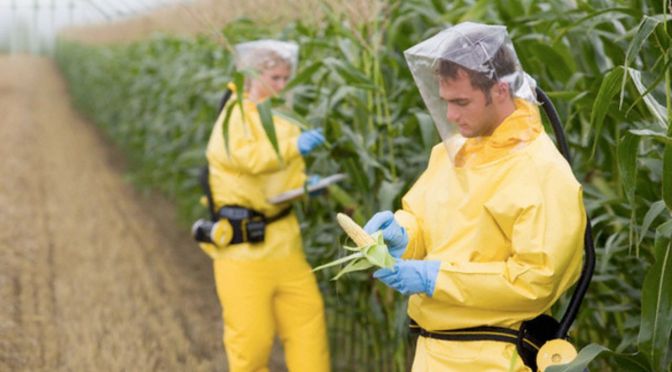



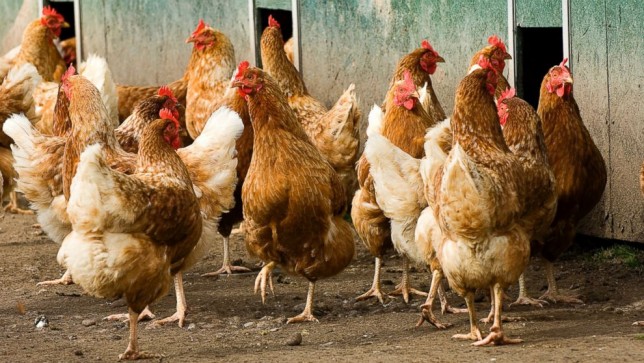
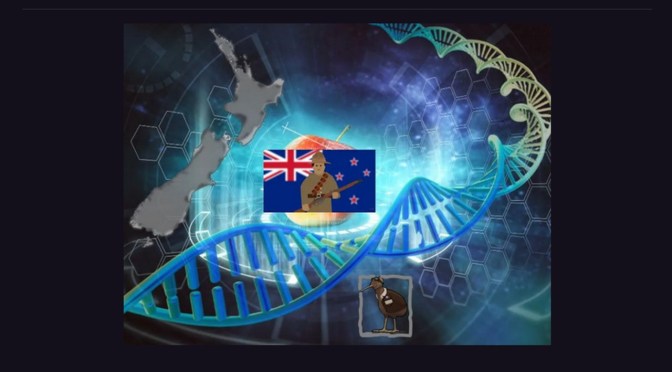




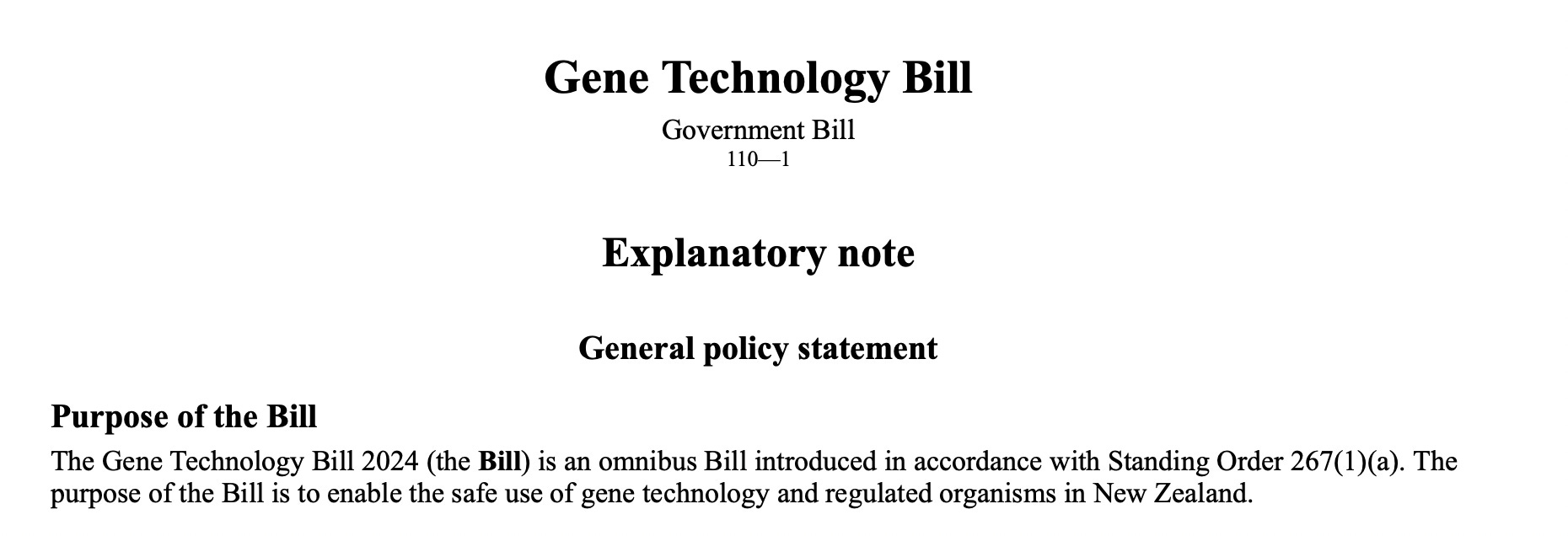
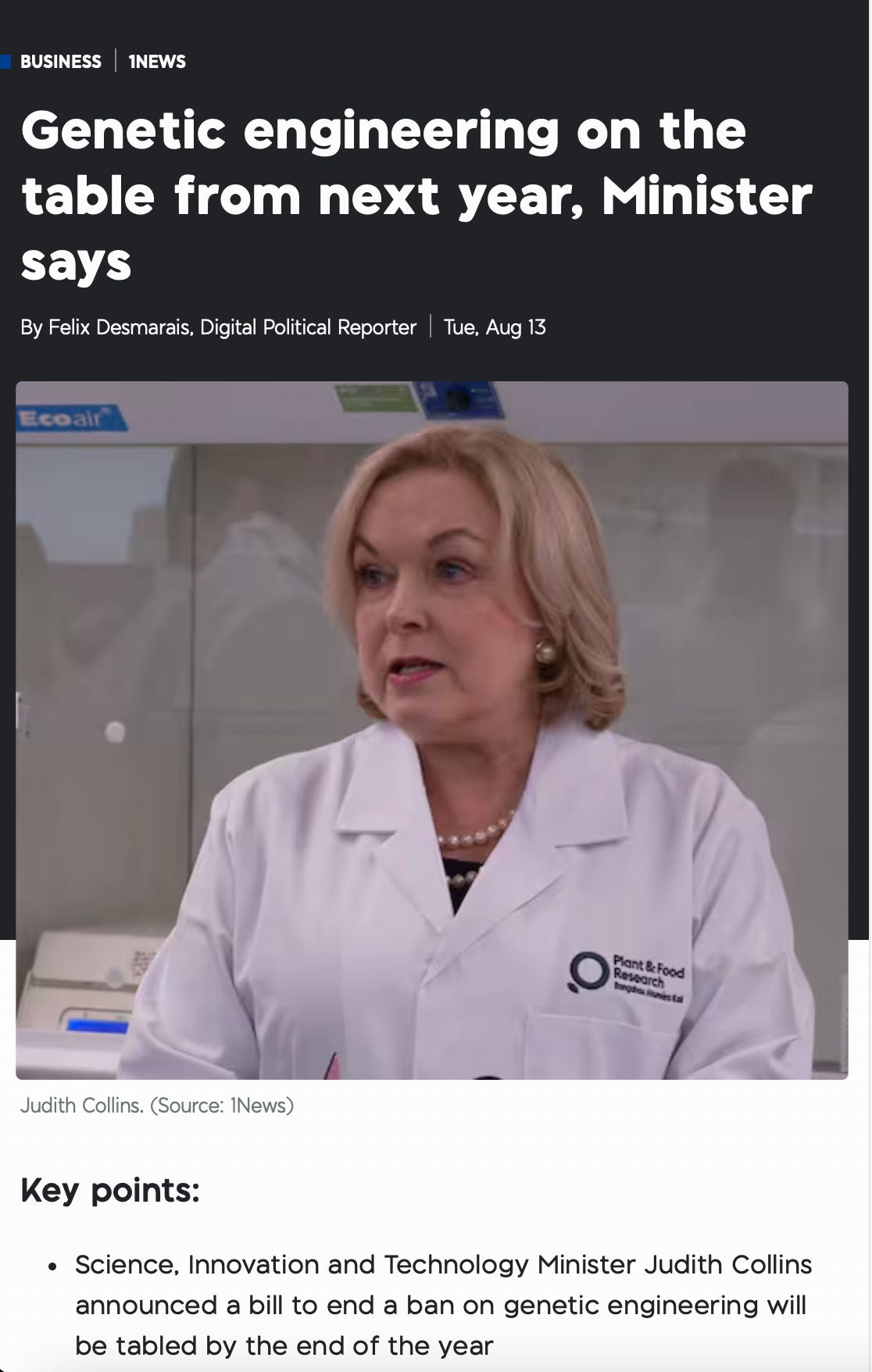









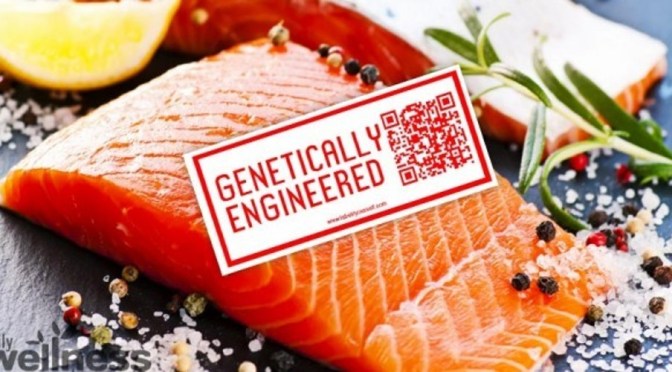


You must be logged in to post a comment.