Just like with Covid, they’re counting all deaths as bird flu, “Every time a bird dies, they say bird flu. I’m telling you, they’re bullshitting you.”
“I’m a chicken farmer and they are bullshitting you about the reasons why your eggs are so expensive.”
“They say the same shit every year. I know it ’cause I’m a chicken farmer. I see the same alerts. When you look at these large facilities, a lot of these birds aren’t dying of bird flu. They are dying of neglect.”
“They don’t give the vegan vitamins, oregano, all the supplements they are supposed to be getting in these mega facilities and these birds are dying of disease and neglect and every time and every time a bird dies, they say bird flu.
There’s absolutely nothing to fear except fear itself. Familiar ring, eh?
Do remember, a century of published clinical experimentation has failed to demonstrate that, whatever the causes of acute respiratory illnesses, they are NOT CONTAGIOUS.
In no case, when a healthy person (“recipient”) was asked to remain in close proximity for hours to a person unwell with such an objectively determined illness (“donor”), like we used to use to decide if someone is unwell, did the recipient healthy person go on to develop the same symptoms.
Just to be clear, we mean here “the recipient people didn’t develop similar symptoms to those of the donor people at a frequency greater than when two healthy people shared the same space for the same period of time”.
They sought evidence of transmission, aka contagion, and failed to find it, study after study, from 1918 to the present day.
Some investigators very recently made the same kind of attempt to see if healthy recipients would “catch covid19”, whatever it was that had caused the donors here to be unwell. In that study, too, the healthy recipients did not become unwell.
I recognize that many people will reject this evidence. They’ll cast around for reasons why the conclusions must be invalid. They do that because many people are “sure” that they’ve definitely “caught” colds or the flu from sick people or that they’ve “infected” others in the same manner.
I confess I struggled with this at first, dismissing what I was being told out of hand. I did so because i, too, “knew” that in the past, I’d “caught” colds from others.
The evidence shows that this doesn’t happen.
That then simply invites us to find other explanations for our strong sense that contagion in relation to acute respiratory illnesses does happen.
Do note I’m not commenting on contagion generally. Right now, I suggest we focus only on the type of illness being used to crush our freedoms and medical autonomy. Diversionary discussions aren’t helpful.
As a scientist, I’ve explained before that one is in no way obligated to provide a new hypothesis while invalidating a current one, now shown to be in discord with a mass of empirical evidence.
However, it might be helpful in making a mental transition to be aware of some possible alternative explanations.
1. Acute respiratory illnesses are really quite common. I experience a couple of colds annually. Flu, rarely, only 3 times in my life. Being commonplace, consider how likely it is that you might develop a cold over the next couple of weeks. It’s not that low a probability. If you do, you’ll cast your mind back. If you recall a person with similar symptoms, you may well conclude you caught it from them. How many occasions did you have such encounters, yet not go on to develop a cold? It would be fair to ask that question. I think we rarely notice when we don’t “catch a cold”. Here, the explanation proposed is coincidence of two, not uncommon things.
2. People do become unwell with acute respiratory symptoms. There’s no argument against that, only it’s cause. Whatever the cause is, imagine there’s an environmental or other shared component (like diet, or even genetics). You develop a cold and someone you live with or work with shortly afterwards also goes down with a cold. While it’s entirely understandable that you both conclude it was passed between you, here I’m proposing that you both developed the same kind of illness because of shared environmental factors.
3. We’ve this mental model of causation of acute respiratory illnesses. We’re told they’re due to submicroscopic, infectious particles called “viruses”. But if they’re not the cause, what might be? I confess I do not know. However, I laid out a decent length hypothesis a while ago on this channel. Essentially, a derangement of regulation of airway surface liquid and associated mucus and the mucocilary escalator mechanism which, among others, keeps your airways in good order.
Changes in temperature, humidity, various solutes and salts, are hypothesised to trigger an inflammatory response & it’s this that we notice as “a cold”. In this hypothetical model, if you’re run down, stressed and don’t have time to attend to your bodily clues and cues, you’re more likely to develop all sorts of syndromes.
Anyway, bottom line is, you’re being lied to about chicken influenza. Ditto cow flu. Just laugh at them and point out to others, this sounds the same sort of lying & catastrophising that we heard in early 2020.
It was mad and illogical for the events that followed to have happened. None of it happened by luck. There was an agenda to amplify whatever it was for malign motives.
The same thing appears to be happening again. Oddly enough, it’s precisely the same cast of characters as last time.
The following report was first published on September 17th, 2021, on winepressnews.com.
Scientists are actively creating new foods that are similar to the current Covid vaccines in use, as a way to replace traditional inoculation. Both Pfizer and Moderna Covid vaccines use messenger RNA (mRNA) technology that rewrites a person’s genetic code to fight disease. Moderna refers to this technology as an “app,” “software,” “operating system,” and more.
Currently, mRNA tech used in the Covid vaccines must be stored at cold temperatures to work, or they lose their stability.
However, researchers at the University of California-Riverside are testing ways for this mRNA tech to be functional under normal temperatures. In this case, if they are successful, they would then design plant-based mRNA food for public consumption.
For further development and functionality, the researchers received a $500,000 grant courtesy of the National Science Foundation.
The team seeks to accomplish three goals: first, attempt to successfully carry and transport DNA containing the same mRNA vaccine tech into plant cells, where they can replicate.
From there, the team wants to see if these newly cultured plants can replicate enough to generate sufficient mRNA to replace the traditional injection via syringe. Finally, the group of researchers will establish what the proper dosage will be for the masses to consume to effectively replace vaccinations.
Juan Pablo Giraldo, an associate professor in UCR’s Department of Botany and Plant Sciences, said in a university release:
“Ideally, a single plant would produce enough mRNA to vaccinate a single person.
“We are testing this approach with spinach and lettuceand have long-term goals of people growing it in their own gardens. Farmers could also eventually grow entire fields of it.”
In order for this to work properly, the plant’s chloroplasts are key, says Giraldo and a team of scientists from UC-San Diego and Carnegie Mellon University. Chloroplasts are tiny organs inside plant cells that aid in the conversion of sunlight into usable energy.
“They’re tiny, solar-powered factories that produce sugar and other molecules which allow the plant to grow. They’re also an untapped source for making desirable molecules,” Giraldo added.
Previous studies have been reported to have shown gene expression, which is not a natural part of the plant. This was discovered when Giraldo and his team successfully injected genetic material into the chloroplasts.
Professor Nicole Steinmetz of UC-San Diego worked with Giraldo and the team to utilize nanotechnology to help deliver even more genetic material – identical to how the Covid vaccines work, not just the Moderna or Pfizer ones either.
“Our idea is to repurpose naturally occurring nanoparticles, namely plant viruses, for gene delivery to plants. Some engineering goes into this to make the nanoparticles go to the chloroplasts and also to render them non-infectious toward the plants,” Steinmetz explained.
Giraldo added:
“One of the reasons I started working in nanotechnology was so I could apply it to plants and create new technology solutions. Not just for food, but for high-value products as well, like pharmaceuticals.”
The WinePress News is a reader-supported publication. To receive new posts and support my work, consider becoming a free or paid subscriber.
AUTHOR COMMENTARY
In light of these new ambitions to put mRNA technology into food, it gives a whole new perspective to the saying, “You are what you eat:” If you eat GMOs, you are a GMO.
As far as I am aware of, I have not heard much on this line of development, but that is not to say mRNA foods won’t become more mainstream and commercialized at some point. Whatever the case, don’t consume them, don’t get injected with this technology.
Proverbs 4:14 Enter not into the path of the wicked, and go not in the way of evil men. [15] Avoid it, pass not by it, turn from it, and pass away.
Thanks for reading The WinePress News! This post is public so feel free to share it.
“The more we trust AI, the less we think for ourselves. . . . “
The leading big tech companies are working hard to sell Artificial Intelligence (AI) as the gateway to a future of plenty for all. And to this point they have been surprisingly successful in capturing investor money and government support, making their already wealthy owners even wealthier. However, that success doesn’t change the fact that their AI systems have already largely exhausted their potential. More concerning, the uncritical and rapidly increasing adoption of these systems by schools, businesses, the media, and the military represents a serious threat to our collective well-being. We need to push back, and push back hard, against this big tech offensive.
The big con
According to tech leaders like Elon Musk, we are only years away from building sentient computers that can think, feel, and behave like humans. For example, as reported by Business Insider,
Tesla CEO Elon Musk said in a [February 2025] interview with Dubai’s World Governments Summit that the economic returns of artificial intelligence investments will be seen in humanoid robots.
Speaking to the UAE’s AI minister . . . Musk said that humanoid robots and deep intelligence will unlock the global economy’s potential by providing “quasi-infinite products and services.” . . .
“You can produce any product, provide any service,” Musk said of humanoid robots. “There’s really no limit to the economy at that point. You can make anything.” . . .
“Will money even be meaningful? I don’t know; it might not be,” he said, adding that robots could create a “universal high-income situation” because anyone will have the ability to make as many goods and services as they want.
Musk recently rebranded Tesla as an AI robotics company and, in a January earnings call, said that the company will soon be building thousands of Otimus robots which will likely earn it “north of $10 trillion in revenue.”
And Tesla is not the only company pursuing this strategy. According to a Bloomberg article, “Apple and Meta are set to go toe-to-toe” in competing to build “AI-powered humanoid robots.” The article continues:
It’s the stuff of science fiction — robots at home that can fold your laundry, bring you a glass of water, load up the dishwasher or even push the kids on the swing in the backyard. For years, that future seemed far off. But it’s getting closer, with help from some of the world’s largest technology companies.
If the stock market is to be taken seriously, a lot of investors are true believers. The so-called Magnificent Seven stocks–Apple, Microsoft, Google parent Alphabet, Amazon.com, Nvidia, Meta Platforms and Tesla—have been responsible for almost all the market’s gains over the past several years. At the beginning of 2023, the seven accounted for 20 percent of the S&P 500. A year later it was 28 percent. It is now 33 percent.
Getting real
The 2022 release of ChatGPT by OpenAI marked the start of public engagement with AI. It was free, easy to access, and required no technical knowledge to use it. And while it remains the most widely used chatbot, other companies have launched their own competing products, including Tesla, Amazon, Meta, Google, and Microsoft. But, although these chatbots can perform a variety of tasks, there is nothing “intelligent” about them. And despite heavy spending to boost their speed and computing power, they do not represent a meaningful step towards the creation of artificial general intelligence systems with the ability to think, learn, and solve problems on their own.
Existing AI systems, like ChatGPT, rely on largescale pattern recognition. They are trained on data, most of which has been scraped from the web, and use sophisticated algorithms to organize the material when needed in line with common patterns of use. When prompted with a question or request for information, chatbots identify related material in their database and then assemble a set of words or images, based on probabilities, that “best” satisfies the inquiry. In other words, chatbots do not “think” or “reason.” Since competing companies draw on different data sets and use different algorithms, their chatbots may well offer different responses to the same prompt.
At the same time, all chatbots do suffer from the same weaknesses. Their systems need extensive data and scraping the web means that they cannot help but draw on material that is highly discriminatory and biased. As a result, chatbot responses can be compromised by the worst of the web. One example: AI-powered resume screening programs have been found to disproportionately select resumes tied to White-associated names. And because of their complexity, no one has yet been able to precisely determine how a chatbot organizes its data and makes its words selection. Thus, no one has yet devised a way to stop chatbots from periodically “hallucinating” or seeing non existing patterns or relationships, which causes them to make nonsensical responses.
The BBC recently tested the ability of the leading chatbots to summarize news stories and found that the resulting answers contained significant inaccuracies and distortions. Here is what the BBC News and Current Affairs CEO Deborah Turness had to say:
The team found ‘significant issues’ with just over half of the answers generated by the assistants. The AI assistants introduced clear factual errors into around a fifth of answers they said had come from BBC material.
And where AI assistants included ‘quotations’ from BBC articles, more than one in ten had either been altered, or didn’t exist in the article.
Part of the problem appears to be that AI assistants do not discern between facts and opinion in news coverage; do not make a distinction between current and archive material; and tend to inject opinions into their answers.
The results they deliver can be a confused cocktail of all of these – a world away from the verified facts and clarity that we know consumers crave and deserve.
This is certainly not a record that inspires confidence. For its part, the BBC recommended a “pull back” on AI news summaries.
No light at the end of the tunnel
Aware of these shortcomings, tech companies argue that they can be overcome by increasing the amount of training data as well as the number of parameters chatbots use to process information. That is why they are racing to build new systems with ever more expensive chips that are powered by ever bigger data centers. However, recent studies suggest that this is not a winning strategy.
As Lexin Zhou, the co-author of a study published in the journal Nature, explains, “the newest LLMs [Large Language Models] might appear impressive and be able to solve some very sophisticated tasks, but they’re unreliable in various aspects.” Moreover, “the trend does not seem to show clear improvements, but the opposite.”
One reason for this outcome, says Zhou, is that the recent upgrades tend to reduce the likelihood that the new systems will acknowledge uncertainty or ignorance about a particular topic. In fact, it appears that the changes made were motivated by “the desire to make language models try to say something seemingly meaningful,” even when the models are in uncertain territory.
The resulting danger is obvious. In fact, according to Lucy Cheke, a professor of experimental psychology at the University of Cambridge, “Individuals are putting increasing trust in systems that mostly produce correct information, but mix in just enough plausible-but-wrong information to cause real problems. This becomes particularly problematic as people more and more rely on these systems to answer complex questions to which they would not be in a position to spot an incorrect answer.” Using these systems to provide mental health counseling or medical advice, teach our students, or control weapons systems, is a disaster waiting to happen.
Some perspective
Tech leaders confidently assert that AI will lead to revolutionary changes in our economy, boosting productivity and majority well-being. And if we want to reap the expected rewards we need to get out of their way. But what can we really expect from the massive AI related investments projected for the coming years?
One way to ground our expectations is to consider the economic consequences of the late 1990s tech-boom, which included the growing popularity and mass use of computers, the internet, and email. This pivotal period was said, at the time, to mark the beginning of the Information Age and a future of endless economic expansion. As for the economic payoff, the data on post-adoption trends in US labor productivity is not encouraging. As the International Monetary Fund reports,
Labor productivity gains slowed from the range of 3–3.5 percent a year in the 1960s and 1970s to about 2 percent in the 1980s. In the late 1990s and early 2000s, the US economy experienced a sizable but temporary productivity boom as productivity growth rebounded to 3 percent. Since about 2003, productivity gains have been lackluster, with labor productivity slowing to an average growth rate of less than 1.5 percent in the decade after the Great Recession.
Yes, these technologies and the many companies and products they spawned have changed how we work and live, but the economic consequences have been far from “revolutionary,” if by that we mean significantly improving the lives of most people. Worker earnings and economic growth have followed labor productivity in a similar downward trajectory. And given the limitations of AI systems, it is hard to imagine that their use will prove more effective in producing strong productivity gains and higher earnings for workers. Of course, that isn’t really the main point of the effort. Tech companies have made a lot of money over the years and they stand to make a lot more if they succeed in getting their various AI systems widely adopted.
The fightback
In exchange for their promised future of “quasi-infinite products and services,” tech companies are demanding that we help finance—through tax credits, zoning changes, and investment subsidies—the massive buildout of energy and water hogging data centers they need to develop and run their AI systems. There is no win in this for us—in fact, Bloomberg Newsreports that Microsoft’s own research into AI use:
shows a disturbing trend: The more we trust AI, the less we think for ourselves. . . .
The researchers found a striking pattern: The more participants trusted AI for certain tasks, the less they practiced those skills themselves, such as writing, analysis and critical evaluations. As a result, they self-reported an atrophying of skills in those areas. Several respondents said they started to doubt their abilities to perform tasks such as verifying grammar in text or composing legal letters, which led them to automatically accept whatever generative AI gave them.
And who will get blamed when the quality of work deteriorates or hallucinations cause serious mistakes? You can bet it won’t be the AI systems that cost billions of dollars.
So, what is to be done? At the risk of stating the obvious: We need to challenge the overblown claims of the leading tech companies and demand that the media stop treating their press releases as hard news. We need to resist the building of ever bigger data centers and the energy systems required to run them. We need to fight to restrict the use of AI systems in our social institutions, especially to guard against the destructive consequences of discriminatory algorithms. We need to organize in workplaces to ensure that workers have a voice in the design and use of any proposed AI system. And we must always ensure that humans have the ability to review and, when necessary, override AI decisions.
New Zealand is fast-tracking a far-reaching totalitarian regulatory framework. In this dispatch, Snoopman highlights what lies beneath the genetic engineering jugganaut train that is set to undergo a biggering in a South Pacific archipelago inhabited by endearingly naïve monkeys, who often identify as ‘Kiwis’, and are labelled as such.
In the forthcoming, “The Gene Tech Cosplay of the White Coats”, which is Part 3 of my series, “Lux Luthor’s Secret Worship of Mammon” — I examine how this biggering of the gene tech jugganaut, is but one strand of an imperialist DNA blueprint that is intended to alter the trajectory of human evolution, and that of all life with a biotech paradigm, wherein the Earth is managed by a technocratic empire.
The deadline for providing your feedback on the Gene Technology Bill currently before Parliament is 11.59pm on Monday February 17th. Click the link to feedback.
N.B. An endearing idiosyncrasy of New Zealanders is that they refer themselves as ‘Kiwis’, a flightless nocturnal fat beaky avian creature that eats roots and leaves. Ironically, New Zealand soldiers adopted the Kiwi as a monika during World War I; a conflict that resulted from a conspiracy discussed on Feb. 15 1890 at Nathaniel Rothschild's mansion — to re-invigorate the British Empire.*
New Zealand is fast-tracking a far-reaching regulatory framework to allow the release of genetically engineered organisms, and derivative products of gene editing from laboratory, manufacturing and containment settings into farmlands, market gardens foodstores and medical clinics, pharmacies, hospitals, households, and home gardens.
Whangarei, Far North, Kaipara, and Auckland communities share the concerns of many New Zealanders about the controversial Gene Technology Bill, quietly released just days before Christmas 2024.
The Bill proposes removing all ethical considerations and the Precautionary approach to outdoor GE/ GMO applications and the authors of the Bill have failed to adequately consult with the farming sector. In addition, the Bill proposes stripping local councils of their authority and jurisdiction in regard to outdoor GE experiments, field trials, and releases.
Removal of the authority of these councils would destroy what they have worked hard to achieve – much needed additional protection for the biosecurity of particular regions and the wider environment. These were put in place to address significant risks that would be faced by farmers and other ratepayers.
The Northland and Auckland Region, along with the Hastings District, are established GE Free food producing zones that provide protection from outdoor GE field trials, and releases.
“The Northland /Auckland Councils collaborated in a fiscally responsible manner to meet the needs of farmers and other ratepayers, after robust public consultation over a period of many years. “
“The councils wisely prohibit the release of any Genetically Modified Organisms (GMOs) and make any EPA approved outdoor GE experiments and field trials a Discretionary activity, subject to liability provisions including the posting of bonds,” said GE Free Northland spokesman Martin Robinson.
“We fully support council rules without which GM free primary producers, including conventional, IPM, and organic, would be at risk of serious financial consequences, if not the complete loss, of their valuable enterprises, in the case of GE contamination from EPA approved activities,” said Robinson. “We urge concerned Northlanders and Aucklanders to make a submission opposing the Gene Technology Bill by the deadline of 17 January 2025.”
The proposals in the Coalition government’s plans to remove the rights of councils to prohibit GMO activities are in clauses 248 to 253 of the Bill* (1).
“This is a political fight any government would be foolhardy to pick, given the huge backing from the Northland and Auckland communities, the significant biosecurity risks, the concerns of Kiwi farmers, and the importance of our existing valuable GE free status, says GE Free Northland spokesman Martin Robinson.
Councils’ concerns about GE relate mainly to uncertainties over the economic, environmental, biosecurity, and socio-cultural risks, including risks to farmers and other primary producers.*(2)
Without a strict liability regime, unsuspecting third parties and local authorities are at risk of GE contamination. This would result in them being unable to sell their produce on the export market. The issue of liability for any adverse effects of GMOs grown in the area needs to be resolved before any outdoor experiments are permitted in Auckland/Northland Peninsula.
Instead of there being provisions in this Bill to compensate farmers for GE contamination, the opposite is proposed. Farmers and growers whose crops or stock are adversely affected must pay the clean up costs and suffer the losses of cancelled export orders. This would mean the loss of access to key markets and the current non-GMO market premiums they earn.
There has been no economic cost-benefit analysis carried out in the Bill on the effects of GE contamination on our primary sector exports.
“Farmers cannot afford to experiment with their income and livelihood. There’s no hardcore evidence to suggest anything is practical or feasible with this technology. Co-existence between GE and other crops is impossible without significant contamination threshold levels, as documented in North America and other countries.”
“Agriculture in New Zealand is worth around $56 billion in exports. Why would anyone in their right mind want to gamble all of that on something that might not even work and is highly likely to cause irreversible harm,” said horticulturist Zelka Grammer, GE Free Northland chair.
Analysis of the Bill has been carried out by a team of researchers from the University of Canterbury headed by Professor Jack Heinemann. Their area of expertise includes the biosafety of GMOs and risk assessment protocols. *(3) This analysis indicates that a robust scientific case has not been made for the proposed reforms to gene technology law and that we would be much better off sticking with the current laws under the HSNO Act (1996).
The right of communities to decide was confirmed by a landmark Environment Court decision in 2015. This decision gave councils the power, under the RMA, to control the outdoor use of GMOs in their regions.
The National Party’s previous attempt to take away communities’ ability to ban or control GM releases in their territories was strongly opposed by farmers and all councils from South Auckland to Cape Reinga as well as Hastings District Council and its ratepayers.*(4)
GE Free Northland urges NZ First to no longer support the unscientific, unsafe, and economically risky proposals in this Bill, and to respect the right of councils to choose sustainable integrated planning. *(5)
“NZ’s reputation in the global marketplace must be protected. GE crops have failed to perform overseas, with lower yields, higher herbicide use, and the creation of herbicide resistant invasive “super weeds”.
“This combined with ongoing consumer and market aversion to GE food means that this is not the path NZ should go down. We must continue to protect our valuable “Northland, Naturally brand” and high value agricultural economy against GMO contamination,” said Grammer.
The operative Northland “Regional Policy Statement”, Regional Plan, the Auckland Unitary Plan, and the Whangarei and Far North District Plans all have strong precautionary and prohibitive GE/GMO provisions, policies, and rules in place in keeping with the wishes of local farmers and other ratepayers. *(6)
Northland Regional Council is holding a workshop today at Whangārei council chambers in response to widespread concerns about the proposed legislative changes. *(7)
The explanatory notes in the Gene Technology Bill state:
“Subpart 9—Amendments to Resource Management Act 1991 Clauses 246 to 254 amend the Resource Management Act 1991 (RMA). In particular, these clauses— • define genetically modified and Regulator (clause 247): • prohibit a regional council or territorial authority from performing its functions under sections 30 and 31 of the RMA in a manner that treats genetically modified organisms differently from other organisms, including in regional plans, district plans and regional rules (clauses 248 to 253).”
All councils from south Auckland to Cape Reinga in Far North/ Te Tai Tokerau have precautionary and prohibitive GE/GMO provisions, policies, and rules- set up in keeping with the wishes of local farmers and other ratepayers, in order to protect our regions biosecurity, wider environment, economy, and existing GM free farmers/ primary producers, including conventional, IPM, regenerative,and organic.
Hastings District Council has achieved outright prohibition of all outdoor GE/GMO experiments, field trials, and releases for the duration of the District Plan.
*(2)
Whangarei District Council “Genetic Engineering Review” webpage, detailing the good work of the Northland/ Auckland INTER COUNCIL WORKING PARTY ON GMO RISK EVALUATION & MANAGEMENT OPTIONS
“Three major reports commissioned by the working party have identified a range of risks involved with the trialing and release of GMOs. They also include approaches to managing those risks.
GMO Reports [link to documents]
Environmental risks
GMOs becoming invasive and affecting other species including native flora and fauna
the development of herbicide or pesticide resistance creating ‘super-weeds’ or ‘super-pests’
long term effects on ecosystem functioning.
Socio-cultural risks
effects on Maori cultural beliefs of whakapapa, mauri, tikanga
ethical concerns about mixing genes from different species including human genes
concerns about the long term safety of genetically engineered food.
Economic risks
loss of income through contamination (or perceived contamination) of non-GMO food products
negative effects on marketing and branding opportunities such as ‘clean and green’ or ‘naturally Northland’
costs associated with environmental damage such as clean-up costs for invasive weeds or pests.
Associated with these risks are limited liability provisions under the Hazardous Substances and New Organisms (HSNO) Act 1996. “
*(3)
A comprehensive analysis of the Bill by Professor Jack Heinemann, an international expert in the biosafety of organisms created by gene technology, and his colleagues indicates that a robust scientific case has not been made for the proposed “reforms” to gene technology law.
See
Centre for Integrated Research in Biosafety submission to the Parliament Health Select Committee on the Gene Technology Bill 2024.
Despite their reservations about a number of extreme proposals, NZ First supported the first reading of the Bill. Their support of the Bill is at odds with what they signed up to in the Coalition agreement, that is to “Liberalise genetic engineering laws, while ensuring strong protections for human health and the environment”.*
“Coalition Agreement between the National Party and the New Zealand First Party”
Primary Sector
• Liberalise genetic engineering laws while ensuring strong protections for human health and the environment
The Gene Technology Bill in its current form removes strong protections for human health and the environment, as well as undermining our biosecurity and proposing the removal of ethical considerations and the Precautionary approach. NZ First has previously had a strong precautionary GE/GMO policy.
*(6)
Northland operative Regional Plan and RPS provisions
Policy D.1.1 When an analysis of effects on tāngata whenua and their taonga is required – p 235
Policy D.5.32 Precautionary approach to assessing and managing genetically modified organisms -p 275
Policy D.5.33 Adaptive approach to the management of genetically modified organisms -p 275
Policy D.5.34 Avoiding adverse effects of genetically modified organism field trials -p 275
Policy D.5.35 Liability for adverse effects from genetically modified organism activities -p 275
Policy D.5.36 Bonds for genetically modified organism activities -p 276
Policy D.5.37 Risk management plan for genetically modified organism field trials -p 276
Objective F.1.15 Use of genetic engineering and the release of genetically modified organisms – p 294
The Northland RPS includes Precautionary policy 6.1.2 and Method 6.1.5, as well as the GE/GMO issue correctly identified as an Issue of Significance to Northland tangata whenua/ issue of concern to Northland communities…and the specific concerns of Maori regarding the risks of outdoor use of GE/GMOs to indigenous biodiversity
(as directed by Judge Newhook on 12 April 2018, the wording of Policy 6.1.2 and Method 6.1.5 has the following wording
“Policy 6.1.2 – Precautionary approach
Adopt a precautionary approach towards the effects of climate change and introducing genetically modified organisms to the environment where they are scientifically uncertain, unknown or little understood, but potentially significantly adverse.
This is confirmed by method 6.1.5 in the Northland RPS which states that:
“6.1.5 Method- Statutory Plans and Strategies
The regional and district councils should apply 6.1.2 when reviewing their plans or considering options for plan changes and assessing resource consent applications.
Policy D.1.1 of the Proposed Regional Plan includes a reference to genetic engineering. The policy requires effects on tāngata whenua to be addressed in resource consent applications where specified effects or activities are likely, including release of GMO’s to the environment.
*(7)
Northland Regional Council Workshop Wednesday, 12 February 2025 Council Chambers, Rust Avenue,
“12.45 – 1.45pm 3.0 Recent Central Government Legislative Changes
Reporting Officers: GM Environmental Services, Ruben Wylie, and Policy and Planning Manager, Tami Woods”
Further information:
According to an independent study by the New Zealand Institute of Economic Research (NZIER), New Zealand’s primary sector exports could be reduced by $10 – $20 billion annually, if GMOs were to be released into the environment. The report was commissioned by Organics Aotearoa New Zealand (OANZ) to evaluate the cost of proposed regulatory changes governing gene technology. OANZ says that the costs, as well as supposed benefits of deregulating gene technology, need to be carefully considered.
The NZIER study authors note that the proposed changes to the regulations as outlined by Wellington bureaucrats at the Ministry of Business, Innovation & Employment (MBIE), do not include a Regulatory Impact Statement, economic assessment, cost-benefit analysis or address the practicality of “co-existence” of GE and non GE crops..given the known vectors for GMO contamination (seeds, pollen, vegetative material, soils, waterways, machinery, animals, insects, extreme weather events).
The report was commissioned by Organics Aotearoa New Zealand (OANZ) to evaluate the cost of proposed regulatory changes governing gene technology. OANZ says that the costs, as well as supposed benefits of deregulating gene technology, need to be carefully considered.
26 November 2024 OANZ media release
Media Statement: “NZ exports risk multi-billion dollar hit if GMO rules deregulated”
“There is no ban on gene technology in NZ. This misleading hyperbole is used to obscure a failure to engineer products that will have a market or social value that exceeds the cost of compliance with reasonable regulations.”
– Professor Jack Heinemann, Genetics/ Molecular Biology, Canterbury University, and director- Centre for Integrated Research in Biosafety
National Party previous attempts to strip local councils of their authority and jurisdiction, falsely claiming that council plans (Northland, Auckland, Hawke’s Bay, etc) prohibited ethical and humane medical research in the laboratory
Counting, 67 in fact. Read the comments at Youtube. Another of those weird ‘anomalies’ that is mystifying the white coats. Definitely not the ‘safe & effective’.
Time for a repost of this article from 2007, as the drops continue, in spite of the clear scientific evidence it is not beneficial to our ecosystem.
“We have audited Department of Conservation scientific research and produced an 88-page monograph reviewing more than 100 scientific papers.
The results are startling and belie most of the department’s claims.
First, there is no credible scientific evidence showing that any species of native bird benefits from the dropping of tonnes of 1080 into our forest ecosystems
Second, considerable evidence exists that DoC’s aerial 1080 operations are doing serious harm“Quinn and Patricia Whiting-O’Keefe
Scientists, Quinn and Patricia Whiting-O’Keefe: “Poison facts belie the claims”
NZ drops into its forests about 4,000 KG of pure 1080 per year, enough to kill 20 million people [Photo: Clyde Graf, from a 1080 drop at Makarora]There is now a familiar litany of scientifically insupportable claims about what great things aerial 1080, a universal poison, is doing for our forest ecosystems. The people of New Zealand have a right to know the truth about what the scientific evidence shows.
We have audited Department of Conservation scientific research and produced an 88-page monograph reviewing more than 100 scientific papers.
The results are startling and belie most of the department’s claims.
The oxymoron that DOC’s signage is
First, there is no credible scientific evidence showing that any species of native bird benefits from the dropping of tonnes of 1080 into our forest ecosystems, as claimed by the department and Kevin Hackwell. There is certainly no evidence of net ecosystem benefit.
1080 is killing large numbers of native species
We have repeatedly challenged DoC and Mr Hackwell, a representative of the Forest and Bird Society, to come forward with the hard scientific evidence for their “dead forest” claims. They have not.
Second, considerable evidence exists that DoC’s aerial 1080 operations are doing serious harm, as one would expect, given that 1080 is toxic to all animals. It kills large numbers of native species of birds, invertebrates and bats.
Moreover, most native species are completely unstudied. In addition considerable evidence shows there are chronic and sublethal effects to vertebrate endocrine and reproductive systems, possibly including those of humans.
Considerable evidence demonstrates that DoC’s aerial 1080 operations are doing serious harm. Photos: Upper (Tomtit in hand) by Clyde Graf Lower (multiple dead birds) by Jim Hilton:
Dead birds found over a few acres, after 270,000 hectare aerial 1080 poison drop, Kahurangi National Park, 2014. This was the first year of DoC’s “Battle for our Birds” drops.
Third, DoC claims that one can drop food laced with 1080, a universal poison (World Health Organisation classification “1A extremely hazardous”) indiscriminately into a semi-tropical forest ecosystem and only negatively affect one or two target “pest” species. That is counterintuitive and scientifically improbable.
Fourth, as far as we can determine no other country in the world is doing (or has ever done) anything remotely similar – mass poisoning of a semi-tropical ecosystem on the scale that the department is now doing to ours.
Fifth, and perhaps most disturbing, is that what the department-sponsored research shows has been habitually misrepresented – entirely unjustifiable assertions regarding 1080’s benefits and lack of harm.
Statements like those of Mr Hackwell that the forests will be “dead” without poisoning them with 1080, and from John McLennan (Landcare Research) and Al Morrison (then Director General of DoC) that 1080 is existentially necessary to Kiwis is pure demagoguery and scientific nonsense.
What is at risk by continuation of this extraordinary practice – and it is unique in the world – is the ecological integrity of our forest ecosystems, our reputation as an environmentally sane and responsible country, and our existence as a society in which reason and rationality can triumph over bureaucratic prerogative and budgetary gain.
Since Galileo Galilee first discovered the moons of Jupiter in the 17th century, the way to resolve this kind of disagreement has been to do the experiment and examine the evidence, and that is precisely what we urge everyone to do.
Don’t believe DoC. Don’t believe Mr Hackwell. Don’t believe us – believe the evidence. To that end we will provide a copy of our report and the source scientific research papers to all who would like to read them.
* Quinn and Patricia Whiting-O’Keefe are retired scientists.
I was only talking to Ben Rubin the other day about the international successful brand awareness of Initial. We see that logo in every public loo in the world. I’m not sure when Rentokil and Initial become one and the same (?) But perhaps the covid era theatre of extreme-hygiene was made specially for/by this chemical marriage.
Pests and viruses – same thing. Both presented by the media as ugly, hated and needing to be endlessly ‘eradicated’.
Surely everyone needs Rentokil Initial’s innovative ‘virus-killing-automatic-air-sanitiser’ for example. Wow! Profits have soared. So much so, expansion to New Zealand has meant Rentokil’s acquisition of that special ‘boys-club’ that forms the 1080 aerial-poisoning NZ Government sub/contractors. But do Kiwis know about Rentokil’s dark secret in its home country of England, involving a very similar toxin from over sixty years ago?
Screenshot from Rentokil Initial’s recent Annual Report detailing their ‘new investment’ into New Zealand’s Military Industrial Conservation Complex
I’ve written before about what we can now confidently term “The Military Industrial Conservation Complex”. This War on Nature is a complex story of NZ Gov psyops and corruption, which for over 70 years has proven to be too much for many activists to bear. Academics like me who have dared questioned this type of ‘Turtles all the Way Down’ propaganda become victims of the Corporate Playbook, as I have published about on
here. Like the hideous Agent Orange, toxic 1080 (sodium monofluoroacetate) keeps raining down on us, apparently to kill the ‘pests’, in a physical and psychological attack. In a blatant contradiction to the Manufacturers Safety Data Sheet (MSDS) the colourful, glossy propaganda still (unbelievably) insists this lethal, indiscriminate poison, with no antidote, is ‘natural’, ‘biodegrades’ and of course, is totally ‘safe and effective’.
Example from the [now deregistered] Pest Control Education Trust, which distributes the propaganda that claims to be valid ‘public consultation documents’ to residents and landowners of land & water about to be aerially poisoned with 1080
In case anyone is still doubtful about the lies evident in the above example of NZ Dept of Conservation propaganda, let’s look briefly at how synthetic 1080 is manufactured, before it’s added to the green-coloured, sugar-laden, cereal food-baits and then distributed in tonnes by helicopters over our land and water. Ethyl fluoroacetate, sodium hydroxide and ethanol are mixed together. These chemicals are so lethal, with sub-lethal consequences completely untested and unknown and the process so specialized, that up until now, there appears only one company in the world using it – Tull Chemical Co, Oxford, Alabama (conveniently, it recently burned down, but more on that rabbit hole another day). By examining the Manufacturer’s Safety Data Sheet (MSDS) of ethyl fluoroacetate alone, this provides an insight into the known unknowns of the impact of being in contact with this chemical:
“Material is extremely destructive to tissue of the mucous membranes and upper respiratory tract, eyes, and skin., Cough, Shortness of breath, Headache, Nausea, To the best of our knowledge, the chemical, physical, and toxicological properties have not been thoroughly investigated.”
Here’s an extract from the toxicity section of the MSDS for the 1080 poisoned-food cereal baits, confirming the unknown risks:
There is no antidote. This poison should never be released from the sky and spread indiscriminately. The CDC webpage on 1080 poisoning symptoms seems to have been removed recently, but here is the WayBack Machine’s capture from a few months ago which clearly states the dangers from the ‘unlikely’ inhalation. Apart from it’s not ‘unlikely’ if, against the manufacturer’s instructions, it’s dropped from the sky! As Aly Cook sang a few years back (in another unsuccessful attempt to halt an operation): “Stop the drop of the poison rain; how can mankind be so insane?”:
Toxic historical context
For everyday Kiwi’s stories of the harms caused by aerial 1080 and brodifacoum operations over the 70+ years of Government-sponsored poisoning, please see the Peoples Inquiry 2020 that recorded hundreds of public submissions from personal lived experiences. Details are found in my post here:
Impacts of Toxic Chemicals & Poisons Across New Zealand are Overwhelming and Disturbing
The volunteer committee of the citizen-led New Zealand People’s Inquiry (of which I’m a member) have this week publicly released the collection of written submissions into the impacts and effects of toxic chemicals and poisons on the people, wildlife and environment of Aotearoa, New Zealand.
Read full story
Government contractors were understandably labelled ‘cowboys’ by a Chief Medical Officer of Health in a past meeting I attended. That’s because evidence from EPA annual reports and other outcomes shows these companies often have no regard for valid risk assessments, health and safety policies or public consultation processes. For a shocking example of the latter, you can see this evidence from Dr Wendy Pond during the Peoples Inquiry 2020 where a ‘sign off’ approving an aerial poisoning operation was forged, because the tribal elder named, had already passed away. Where is the accountability?
But where was the accountability for Rentokil after the Smarden Affair? Back in 1963, a poison closely related to 1080, fluoroacetamide, was deliberately dumped into a ditch serving a farming community in Kent, UK. This BBC archive summarises the tragic story (2.5 mins). Decades pass. Regardless, the propaganda of BigChem continues. That UK poisoning led to pyres that burned the contaminated herds. Sound familiar?
These memories resurfaced when in 1985 farmers at Smarden discovered the first case of bovine spongiform encephalopathy (BSE) in Kent and a number of further cases followed. Twelve years later, a perceived cluster of cases of new variant Creutzfeldt-Jakob Disease (vCJD) in the Smarden area led to speculation that this human form of BSE was caused by excessive exposure to pesticides. Reports in the press suggested that the residents of Smarden suspected the incident had been some sort of government-controlled experiment and subsequent cover-up which had produced BSE.
Wrote John Clark, Senior Lecturer in History, University of St Andrews back in 2017. [Must be a conspiracy theorist, eh?].
In this latest Annual Report, Rentokil Initial boast about the ‘respectful engagement with communities’ (communities that they are about to poison?) by ‘building strong local knowledge’ and ‘lasting relationships’. (maybe with NDAs?) The report goes on to list the four NZ contractors swallowed-up by BigChem Rentokil:
Extract from Rentokil Initial’s Annual Report
It is EcoFX listed above which repeatedly undertook the aerial poisoning of Pirongia mountain. The drinking-water catchment is located there, serving the local communities, including the schools and the in-bed-with-Government milk-processing plant, Fonterra. Evidence shows that the aerial poisoning with 1080 over Mt Pirongia (like similar operations) includes distributing the poison over the water at the same rate as the land (this saves the ‘cowboys’ money in helicopter fuel and labour hours and therefore maximises profits). Here’s an example of that crime from ten years ago (10 mins):
The latest 1080 poison operation has been announced for nearby Mt Moehau for July this year. The last operation was only three years ago (usually it is every 4-7 years). The frequency and intensity and toxicity of these 1080 aerial poisonings are increasing nationwide. On the residents’ communication for Mt Moehau, no mention of Rentokil Initial, only of EcoFX in the pseudo-consultation invitation:
On EcoFX website, they claim to be ‘part of the Rentokil Initial Group’, as if that is something to be proud of:
It’s interesting to note that EcoFX isn’t a registered NZ Company. The ceased Director is listed as Director/Shareholder of One Degree Ltd and One Foot Investments (unknown entities). Rentokil Initial NZ (strangely, 100% shareholders are Rentokil Spain, not UK) are using the old contractors as ‘trading names’. This could be confusing for anyone trying to engage with the Government or contractor about the consultation process or the inevitable lethal consequences that come with indiscriminate aerial poisoning. And believe me, they are inevitable.
“Safe and effective?” Yeah, nah.
We’ve learnt from the last five years that nothing is quite what it seems. That media mantra ‘Clean, Green, 100% Pure New Zealand’ is another myth. It’s time people woke up to the BigChem capture of our so-called Environmental Protection Authority alongside our healthcare systems. These entities only seek to perpetuate our sickness.
Thanks for reading Informed Heart! This post is public so feel free to share it.
Note: envirowatchnz has a trove of info on 1080 if you check out the main menu & subtabs. Also search 1080 in the categories drop down box. The 1080 industry is huge & rife with corruption and lies. Hopefully folk will believe that now after the ‘safe and effective’ scam fed us by Big Pharma & Co for the past 5 years.
The second video speaks of Trump’s Exec Order and the return of the incandescent. These have never been completely discontinued in NZ, however for the past 10 years I’ve noticed their price escalate and choices have diminished. Plus, frequently they blow. More hypocrisy & lies from the ‘sustainable’ hoaxters.
Last night [1 Feb] during the reading of ACTs Bill to dump the Productivity Commission, Labour mentioned the Atlas Network for the first time in Parliament…
Whose interests are ACT actually serving here by silencing the Productivity Commission?
The Atlas Network is an international far right think tank whose extreme policy platform seeks to attack public servants, push for radical privatization, dismantle regulation protecting workers and the environment and champions Landlords over renters.
That sounds remarkably similar to this Government. Who is behind the ACT Party and their policy? The Atlas Network sounds exactly like the policy platform of this new Government and the ACT Party, the Taxpayers’ Union and The NZ Initiative all have links to the Atlas Network so I ask , who is really pulling the strings here?
Look at the Atlas International play book and ask yourself if it sounds familiar…
A crash programme of massive cuts; demolishing public services; privatising public assets; centralising political power; sacking civil servants; sweeping away constraints on corporations and oligarchs; destroying regulations that protect workers, vulnerable people and the living world; supporting landlords against tenants; criminalising peaceful protest; restricting the right to strike.
…watch how each of these extremist free market agendas are being slowly and quietly implemented. The new draconian gang powers
Atlas Network also gets mentioned by the Public Health Communication Centre who note the connections between Tobacco Lobbyists and the Atlas Network…
In my interview with Dr. Patrick Gentempo, we discussed how true health care involves developing self-trust and personal judgment rather than blindly following medical authorities. Understanding your body’s natural healing abilities helps make informed decisions about treatments and interventions
While emergency medical care is vital for acute conditions, the current health care system often emphasizes crisis management and quick fixes rather than promoting everyday wellness and prevention
Fear disrupts self-trust and decision-making in health care choices. Developing a personal health philosophy helps you evaluate treatments based on evidence and individual experience rather than external pressure
Your body’s cellular energy production, particularly through mitochondrial health, plays a key role in overall wellness. Avoiding toxins and making lifestyle changes significantly improves natural healing capacity
Making health decisions should combine logical analysis of scientific evidence with intuitive understanding of your body. Small, consistent changes in daily habits often lead to significant health improvements
In my recent interview with Dr. Patrick Gentempo, a longtime friend and respected chiropractor, we discussed the importance of knowing your own health philosophy. We explored topics such as self-trust, fear and the role of curiosity in guiding you toward good decisions. Our conversation highlighted how easy it is to get swept up in a system that emphasizes quick fixes instead of true healing.
You might think a prescribed drug or an invasive procedure is the only answer because that is the message coming from some powerful voices. Yet, genuine “health care” is not just a set of steps or pills. It involves your choices, your beliefs and your willingness to understand what your body truly needs. Gentempo described his early days in chiropractic care, where he frequently encountered patients who assumed that a doctor always knew best.
Those same individuals often had no real sense of their own ability to heal. In many cases, they simply replaced their inner wisdom with a blind trust in practitioners wearing white coats. Gentempo’s point is one I have voiced time and again — each of you should take a more active role in your own health. Part of that means understanding that most so-called “health care” is actually designed to handle crises and emergencies, rather than promote day-to-day well-being.
There is certainly a place for emergency interventions. If you experience a broken bone or life-threatening infection, going to a hospital is clearly the right move. But as you will see, making wise decisions in everyday life often prevents these problems or at least lessens their severity.
Throughout my professional journey, I have found that the best outcomes happen when you trust your own judgment enough to consider alternative approaches. Gentempo agrees. He shared a story of being nearly pushed into knee surgery, only to pause and remember his core belief that the body is self-healing and self-regulating. This pause gave him room to explore a natural path — one that ultimately led to a full recovery without surgery.
Embracing Self-Trust and Personal Choice
During our conversation, we also focused on how fear disrupts your ability to trust yourself. I have often seen people become so caught up in what they are told by experts that they lose sight of their own experiences and gut feelings. Gentempo explained that, without a personal philosophy, you naturally adopt someone else’s. That point deserves your attention. It means your choices come not from a place of conviction but from pressure or habit.
When you decide to live by your own philosophy, you begin to ask questions. You might wonder: Does a proposed treatment align with how you view health, or does it only address a symptom? Have you looked for credible data and then checked how it resonates with your experiences?
This shift might involve saying “no” to a recommendation or stepping away from a risky drug. It often feels unusual, especially if you are used to following directions without challenging them. Yet, in the long run, this approach could save you from unneeded therapies and help you find better solutions.
During our discussion, Gentempo recalled times in his practice when he saw the direct power of self-healing. He watched patients who tried conservative, noninvasive options before resorting to surgery. Many of them improved. This reminded me of a key study in the New England Journal of Medicine showing that certain knee surgeries were no better than sham procedures.1
It underscores how assumptions about standard care don’t always hold up. You deserve to know such information to avoid getting swept into fear-based decisions. The moment you break free from that cycle of dread, you become much better equipped to evaluate the merits of any treatment. You move from being told what to do to deciding what to do. That is the essence of real self-trust.
Questioning the ‘Health Care’ Label
A large part of my conversation with Gentempo centered on the way our society approaches health. We both find it troubling that so much money and energy goes into a system better described as “sick care.” Despite massive health care spending, many people remain unwell or become sicker as they age.
You look around and see countless advertisements for drugs, along with stories from neighbors and friends who juggle multiple prescriptions. That seems perfectly normal in our current age, but it does not reflect what true health looks like. In a genuine health care system, the priority would be to help you stay healthy in the first place. Rather than constantly placing you in a reactive stance, it would center on prevention and healthy lifestyle habits.
Gentempo pointed out that medication-based care does not automatically become “bad.” If you encounter an acute crisis, pharmaceutical or surgical interventions are often lifesaving. The issue arises when prescriptions and procedures are used for mild or chronic conditions without considering simpler, safer solutions. This over-reliance on medicine leads to a cycle where people keep adding more drugs to handle side effects, and no one ever addresses the root cause.
I have spent many years showing readers how to handle common health concerns through smart, natural methods. Whether it is taking steps to optimize your vitamin D levels or learning how to manage stress before it spirals, you have options beyond the standard sick-care path. I urge you to remain curious and look for ways to maintain vitality. Do not wait for permission to try something as basic as healthy eating, proper sleep or a thoughtful supplement routine.
As Gentempo explains, forming a personal health philosophy means taking the time to decide what you believe about the nature of your body and how it heals. Some of you likely feel quite certain that the human body, given proper support, is incredibly resilient. You believe your energy and overall function improves with simple steps like removing toxins, eating real foods and staying active.
Others still cling to the assumption that a doctor’s prescription or a scalpel is always required to correct any health issue. Gentempo and I suggest you consider how your current beliefs were formed. Did you develop them through your own experience and valid research, or have you absorbed them from the environment around you? If you learn to “audit” your beliefs, you keep the good ones and discard those that do not serve you anymore.
In our interview, we also discussed how people feel lost when they have no guiding philosophy at all. That leaves you vulnerable to picking up any passing idea or commercial message that seems official.
When you have a clear sense of what health means to you — when you know how you think your body should be cared for — other people’s claims become easier to evaluate. You may say, “That lines up with my philosophy,” or “This goes against how I understand health,” and proceed from there.
Deciding on your own philosophy does not mean you go it alone and never accept outside help. Rather, you become the ultimate judge. You gather insights from various sources, verify the evidence, then see if it resonates with your view of reality. If it does, you might adopt it. If not, you discard it without feeling guilty. A personal philosophy is not a set of unchanging rules; it shifts as new knowledge emerges.
Old Assumptions and New Insights
We talked about how easy it is to repeat old assumptions without checking if they are still correct. Maybe you have believed something like “saturated fats are harmful” or “any government-approved drug must be 100% safe.” As Gentempo and I noted, you then look back and find that many modern ideas turned out to be mistaken. Studies challenging long-held beliefs pop up regularly, yet people keep following the same paths out of habit or fear.
An example is the use of seed oils, which contain linoleic acid. You’ve likely seen repeated claims that these are “heart-healthy” alternatives, when in reality they’re mitochondrial poisons. You might have grown up with the notion that vegetable oils in processed foods were better for you, only to learn now that butter, ghee and coconut oil are healthier options.
In my conversation with Gentempo, I pointed out that changing your perspective does not make you weak or indecisive. It means you are growing and staying open to the idea that new information should replace outdated ideas. Science itself evolves, and so do you. The important thing is to stay active in the process, so you are not letting others make choices for you while you remain on the sidelines.
Mitochondria and the Role of Energy
One of the standout parts of our interview was discussing how health is tied to energy production within your cells. I have written extensively about mitochondria, the tiny power plants that convert nutrients into usable fuel, including in my book “Your Guide to Cellular Health: Unlocking the Science of Longevity and Joy.” As Gentempo and I both noted, many everyday toxins weaken this energy process, leaving you feeling drained or vulnerable to illness.
We also discussed the importance of removing known mitochondrial toxins. It is not enough to merely add good things, such as better foods and more movement, if you are still bombarding your cells with harmful substances.
That is like trying to sail a boat with an anchor dragging along the ocean floor. By freeing yourself from that anchor — say, by cutting out seed oils and reducing your exposure to endocrine-disrupting chemicals — you allow your body to generate energy more efficiently.
Gentempo’s philosophy rests on the idea that your body has an innate capacity for self-healing. I share that view. Through the years, many of the successes I have witnessed happened when patients embraced their responsibility to nurture their body’s innate wisdom. That meant exercising, eating foods free of damaging additives and learning how to lower stress. It also meant staying curious instead of simply following the loudest or most “official” voice.
We recognize that tension often arises when you decide to break from the crowd. For example, during COVID-19 mandates, many people were torn between what made sense to them and what was required by policy. It was not our role in that discussion to dictate what is right for you. Rather, we suggest making decisions that are consistent with your core beliefs and the data you have gathered. That way, you avoid letting outside pressures force you into unwise or harmful choices.
Carrying the Lessons Forward
For me, interviewing Gentempo served as a reminder that the pursuit of health is not just about strict rules or scientific papers. It is about learning how to align what you know logically with what you feel intuitively. Studies and data hold great value, and I often cite them to support various points. Yet, you are the only one living in your body, experiencing your daily routine and coping with your unique challenges.
Gentempo explained that your mindset, emotions and choices build your energetic field. And that, in turn, influences your physical reality. I support this view, especially after working with tens of thousands of individuals over the years who drastically improved their health by shifting daily habits — often starting with small, seemingly simple changes. They began by choosing to think differently about what health really means.
Our conversation finished on a hopeful note. Both of us see a massive need for a more authentic view of health, one driven by self-trust and curiosity rather than fear. This is your opportunity to make decisions that line up with what works for your body and your circumstances. As you do, you might spark curiosity in friends, family or even strangers who see you living with more freedom and vitality.
Expanding Your Creative, Joyful Self
At the heart of everything we discussed is the idea that your life is meant to be creative, joyful and free from unnecessary fear. I shared how your energy levels affect not only your physical strength but also your spirit. When you connect to that source of energy — whether you call it your spirit, soul or simply your vital spark — you find that making the right health choices becomes easier.
Gentempo and I agree that real joy comes from living in alignment with your deepest truths. If you ever doubt whether your life can improve, I encourage you to consider the rapid transformations I have seen. Some people overcame serious health problems simply by questioning old assumptions and trusting themselves enough to try a different path. They created a ripple effect — changing not just their own health story, but also influencing others who noticed their results.
My hope is that you recognize how important it is to keep learning and growing. Stay curious about new findings in health, but always run them through your personal filter. Rely on your philosophy of wellness, continue refining your choices and remain open to future discoveries. Let that process fill you with the energy and clarity needed to embrace a life of true health and joy.
Moving Forward with Confidence and Vitality
As we wrapped up our interview, Gentempo shared the importance of embracing your own judgment and not being afraid to refine it as you learn. You are not stuck with a single belief system forever; you are free to change it when new evidence or personal experiences point you toward a better route.
You have a chance, right now, to take your health into your own hands by reflecting on the discussion I had with Gentempo. We covered everything from the power of your personal philosophy to the practical considerations of living in a system that often treats medicine as a universal cure-all. The message is not that you should reject every medical intervention, but that you need to see yourself as the central figure in your health journey.
I am thankful for the time I got to spend with Gentempo, as it reinforced the core principles I have championed for decades: Focus on prevention, respect your body’s natural intelligence and do not let fear drive you. Instead, examine studies, seek expert opinions and, if you come to a different conclusion than the mainstream, realize that might be the best choice you ever make.
Elevating Your Health with Purpose
As my conversation with Gentempo explains, your health is best served by your own wisdom, guided by solid facts and a willingness to adapt. Neither of us suggests living in a bubble or ignoring doctors. Instead, we want to encourage you to become a partner in your own care — one who weighs information carefully and doesn’t forget the power you hold over your daily habits.
Through this collaboration between your knowledge and your intuition, you tap into a higher level of healing and growth. Recognize that “health care” should not be limited to an endless series of prescriptions. Rather, it is a dynamic, ongoing practice of fueling your body well, giving it enough rest and choosing safe, evidence-based interventions when necessary.
I invite you to read more about the ideas we touched on. Explore Gentempo’s website, gentempo.com.2 Look up peer-reviewed studies on subjects that interest you. Pay attention to experts you trust, but always match their advice to your own situation. If something feels off or leads to negative outcomes for people you care about, dig deeper. Ask questions. Adjust your approach. That is how true learning happens.
I hope you use these insights to push past fear or confusion and step boldly into a life driven by your own inner compass. Like Gentempo, I believe you will find that once you tune in to your body’s capabilities — you unlock not just a healthier version of yourself but also a more joyful and meaningful life overall.
“There’s a section in the Pfizer documents where there’s an 80% miscarriage rate…”
“…Pfizer knew that babies in utero were being exposed to the vaccine. In their words the babies were dying through “transplacental exposure.”
“…They knew that they were poisoning breast milk, and that the lipid nanoparticles, the mRNA, and presumably the spike was getting onto the breast milk, and causing convulsions, and deaths.”
“ They knew that newborns would have (some of them) air sacs between their tiny lungs and their tiny chest walls. And this would cause respiratory distress. They knew it. It’s in the Pfizer documents.”
“They propose comprehensively changing the nation’s legislative and political environment by embedding rigid legal frameworks that prioritise individual and property rights, constrain regulatory powers, and reduce the government’s ability to implement environmental protections, social safeguards, and Tiriti-based initiatives.”
Note this article is from December 2024 … submissions for both Bills are now closed. It’s been said that the Principles Bill is dead in the water (so why have they allowed it in the first place? Inciting division and wasting money?) However my concern is, as highlighted in the article, that it will (among other things) affect our ability to protect the environment. The environment has been a big issue for NZ given 60+ years of poisoning with 1080, and the possible agenda behind that. All the while trumpeting to the world we are clean and green! All info to be mindful of anyway going forwards. EWNZ
New Zealand stands at a pivotal moment in its constitutional development. Not one but two key bills, both driven by the Act Party, signify a profound new direction for the country, writes Melanie Nelson.
Much has been said about the significant impacts of the Principles of the Treaty of Waitangi Bill.
Meanwhile, its long-standing companion, the Regulatory Standards Bill, is advancing quietly through government processes, with limited public awareness, minimal media coverage, and little parliamentary debate.
Consultation on the proposed Regulatory Standards Bill opened on November 19, the day the hīkoi arrived at parliament. The consultation period ends the week after submissions close on the Treaty principles bill.
Both bills, if progressed, will result in significant constitutional reforms with profound implications for New Zealand.
They propose comprehensively changing the nation’s legislative and political environment by embedding rigid legal frameworks that prioritise individual and property rights, constrain regulatory powers, and reduce the government’s ability to implement environmental protections, social safeguards, and Tiriti-based initiatives.
Restricting legislative freedom: A legal straitjacket in the making?
The focus on the Treaty principles bill has overshadowed its dull but dangerous regulatory cousin.
The Regulatory Standards Bill is the brainchild of the Business Roundtable (now the New Zealand Initiative). The Act Party has tried three times, since 2006, to introduce a version of this bill — failing each time it was put under scrutiny, as its dangerous consequences became clear.
Yet, this latest attempt seems to be sailing through with little to no scrutiny so far.
Emeritus Professor Jane Kelsey, reflecting on these previous attempts, said that “if the Business Roundtable and Act had their way, these directives and guidelines would have become a legal straitjacket.”
She described the proposals as “meta-regulation”, intended to govern how legislation is created.
The Roundtable’s 2001 report, Constraining Government Regulation, included the first draft of that meta-regulation, called the Regulatory Responsibility Bill.
Act adopted the bill, and in 2006 it was drawn from the ballot in the name of Roger Douglas. This is the same year that Act first introduced a version of its Treaty principles bill. The Regulatory Responsibility Bill was blocked by Labour, then subsequently revived in 2009 by Act’s Rodney Hide and National’s Bill English, through a Regulatory Responsibility Taskforce.
Reintroduced as the Regulatory Standards Bill in 2011, it failed to pass amid opposition from the Legislative Advisory Committee, Treasury, and others, who criticised its focus on property rights, the expansion of judicial roles, and its proposed creation of a set of constitutional rights that conflicted with the New Zealand Bill of Rights.
Then, with National’s support, David Seymour reintroduced the bill in 2021 but, again, ultimately failed. MPs condemned it as “a dangerous constitutional shift,” undermining public and collective rights and threatening parliamentary sovereignty.
They highlighted its “political choices”, which enshrined Act’s ideology in place of alternative principles such as Te Tiriti o Waitangi, international obligations, community wellbeing, or climate and environmental protection.
Nonetheless, Act is finally poised to achieve its goal. The bill is included in the Act-National coalition agreement, as a bill to be passed.
The coalition government’s bill is based, with some proposed changes, on the Regulatory Standards Bill 2021. It outlines how all new legislation and regulation — and after 10 years all existing legislation (excluding Treaty settlements) — should adhere to a specific set of libertarian principles.
These principles include selected elements of the rule of law, equality before the law, individual freedoms, property rights, restrictions on government, and constraints on taxes and charges.
Preliminary advice (available here) on the Regulatory Standards Bill has been provided by the Ministry for Regulation, David Seymour’s newly established ministry, set up this year as part of the coalition agreement. The advice notes:
“Of significance is that the proposals do not include a principle related to the Treaty/te Tiriti and its role as part of good law-making, meaning that the Bill is effectively silent about how the Crown will meet its duties under the Treaty/te Tiriti in this space.”
The regulatory bill also proposes to establish a Regulatory Standards Board. The Board would consider complaints from the public about existing regulation (including legislation) which is inconsistent with one or more of the bill’s principles.
This could include complaints about laws, or their implementation through regulatory systems. That might mean complaints about laws that recognise collective Māori rights, on the basis that they are inconsistent with individualistic rights and equality before the law. Or complaints about environmental protections, on the basis that they are inconsistent with unrestricted property rights. Or complaints about social safeguards, on the basis they are inconsistent with equality before the law and the principles on imposition of taxes and levies.
The Board could also initiate its own reviews, or at the direction of the Minister for Regulation. It would provide non-binding recommendations to Ministers who would then be required to publicly justify any departures from the principles.
Overall, the regulatory bill’s principles are very similar to the distinctive libertarian interpretations of the terms contained in the Treaty principles bill — interpretations that differ significantly from common usage.
Together, these bills propose embedding Act’s ideological worldview in the heart of New Zealand’s constitutional framework, limiting legislative flexibility, executive decision-making, and judicial interpretation.
Constitutional collisions ahead?
While distinct in focus, the two constitutional bills have the potential to significantly intersect. The Regulatory Standards Bill shapes how legislation and regulation are developed and implemented, and it determines the foundational values these are based on. It potentially also influences how laws are interpreted by the courts.
Meanwhile, the Principles of the Treaty of Waitangi Bill is concerned with how legislation is interpreted.
Individually or together, these bills would entrench libertarian preferences in New Zealand’s constitutional framework. They would also obstruct the consideration of Te Tiriti in future lawmaking, interpretation and the delivery of public services.
Should only the Regulatory Standards Bill be enacted, common law might still mandate consideration of the current Treaty principles in legislative interpretation unless explicitly excluded. This would create constitutional tensions, as the regulatory bill’s individualistic, property-focused framework conflicts with the collective rights and interests of iwi and hapū upheld by Te Tiriti and its common law principles.
It may have been this conflict that prompted efforts to redefine the Treaty principles in legislation, to make them run parallel to the libertarian rights outlined in the Regulatory Standards Bill.
As a nation, we are now being asked to submit feedback on both sets of sweeping constitutional changes without fully grasping the impact of these extensive proposals on our lives and the country.
New Zealanders must ask themselves whether they want a minor party’s libertarian ideology to shape the boundaries of legislation, government action, and judicial interpretation, even after Act is no longer in power.
The Regulatory Standards Bill and the Principles of the Treaty of Waitangi Bill, individually or together, would fundamentally reshape New Zealand’s economic, social, environmental, and political landscapes.
Melanie Nelson (Pākehā) is a consultant, educator, writerand podcaster on cross-cultural issues, and a licensed Māori language translator and interpreter. She is a graduate of Te Panekiretanga o te Reo Māori / Institute of Excellence in the Māori Language and holds a master’s degree in Māori Language Excellence — Te Tohu Paerua o te Reo Kairangi.
They propose comprehensively changing the nation’s legislative and political environment by embedding rigid legal frameworks that prioritise individual and property rights, constrain regulatory powers, and reduce the government’s ability to implement environmental protections, social safeguards, and Tiriti-based initiatives.
Some will be needed for entertainment purposes however … sounding a bit like the gladiator days isn’t it? And assuming he is planning on staying, is he admitting he isn’t human? … EWNZ
Microsoft co-founder Bill Gates has gloated that “we” will soon have little use for human beings thanks to advancements in artificial intelligence (AI) technology.
According to Gates, humans will soon not be “needed” for “most things.”
Gates made gloating remarks while grinning from ear to ear and rubbing his hands together during an interview on “The Tonight Show Starring Jimmy Fallon.”
While Gates appeared to revel in the idea of humans being replaced by machines, he admitted that people may still be required for entertainment purposes such as sports.
“We won’t wanna watch computers play baseball,” Gates noted.
Fallon had asked Gates whether AI was going to “take over” and what the downsides and benefits of it were.
Gates explained that “intelligence is rare,” but that artificial intelligence will start to replace great teachers and doctors over the course of the next decade.
He went on to suggest that many types of jobs will be replaced and that people could only end up working two or three days a week.
“This is a bit scary, it’s completely new territory,” he added.
“Will we still need humans?” asked Fallon.
“Not for most things,” responded Gates, prompting Fallon to hold his hands over his mouth in shock.
After Fallon suggested humans would still be needed for entertainment purposes, like hosting a talk show, Gates concurred.
“Well, we’ll decide. You know, like baseball.
“We won’t want to watch computers play baseball.
“So there’ll be some things that we reserve for ourselves.”
According to Gates, allowing humans to grow food and contribute to society by making things is a “problem” that needs to be “solved.”
“But in terms of making things and moving things and growing food, over time, those will be basically solved problems,” Gates asserted.
Meanwhile, Gates has been busy sounding the alarm over the “next pandemic” and calling for “preparedness.”
The billionaire said the chance of another pandemic in the next four years is a source of great concern, as Slay News reported.
Concerns about the next pandemic, and how prepared the world is for it, have been rife since COVID-19 plunged the world into economic and healthcare turmoil amid the unprecedented breakout in 2020.
Gates, who has long been vocal about the threats of outbreaks of disease, is a major player in global health policies and initiatives.
In an interview with The Wall Street Journal, Gates said he believes there is a 10-15 percent chance of a “natural pandemic” hitting in the next four years.
Gates doubled down on this warning during a Tuesday appearance on the ABC News propaganda show “The View.”
Again rubbing his hands together, Gates told the audience that “[the Covid pandemic] killed millions, it was awful, we got the vaccine.”
“The next [pandemic] could be far more severe,” he added.
“There’s even some pathogens out there that we’re watching over right now.
Elsewhere during his appearance on “The View,” Gates expressed panic over efforts by President Donald Trump’s administration to scale back the U.S. Agency for International Development (USAID).
The Trump administration has placed Secretary of State Marco Rubio in control of USAID following investigations by Elon Musk’s Department of Government Efficiency (DOGE).
DOGE uncovered alarming levels of corruption of misuse of taxpayer money at USAID, prompting Trump to order the State Department to absorb the agency.
Among other bombshells, Musk revealed that USAID used tax dollars to fund the bioweapons research that developed the COVID-19 virus in a biolab in China.
However, despite the emerging controversies and scandals related to USAID, Gates said he’s “worried” about the agency being scaled back.
Gates told “The View” that cutting back on USAID’s powers could result in “literally millions of deaths.”
He specifically took aim at Elon Musk, who is leading DOGE’s investigations into USAID.
“Well, Elon, his private sector work, you know, has been very innovative, really fantastic,” Gates said.
“A lot of private sector people, when they get into government they don’t take the time necessarily to see what the good work is or why it’s structured the way it is, so I’m a little worried, particularly with this USAID stuff.”
Gates responded to a question from co-host Sara Haines about Musk’s role in the U.S. government.
Musk had described USAID as a “viper’s nest of radical-left Marxists who hate America.”
He argues that the agency is like a “ball of worms” that needs to be “shut down.”
“My foundation partners with USAID on nutrition and getting vaccines out and, you know, there’s incredible people,” Gates said.
“You know, they’re not actually worms that work there.
“So, you know, hopefully, we’ll get some of that work back in shape.
In fact, if we don’t, you know, you could have literally millions of deaths.”
“So, with aid, people think, you know, wow, how much do we give to these countries, as you said, it’s less than a percent,” he added.
“People think it’s 5%, and it should be 2%, but it’s actually under 1%.”
If you’re not up with the rainmaking play, see our Geoengineering pages at main menu. And the subpages for NZ. There are links to the other larger sites on topic there.
Turning their backs, a clear message it’s said, to stop talking and sit down. “We’ve always heard sentiments from our elders to be mindful and to be careful of the messages our children hear. Our tamariki were there, and they were watching.”
Stuff reports that there was hui by Ngāpuhi up to even the night before Seymour’s party arrival. They resorted at the very last minute to the lesser option for the reception given. Plan one had been to march them onto the marae, then march them straight back off without letting them speak at all.
Much criticism and talk around this silencing of Seymour, however, think about your opportunities given by them for speaking at their various venues and ‘consultations’. At local council it is a mere few minutes, and time up is time up with little if any feedback as to whether your concerns are taken on board. Same when making submissions. The entire system is not geared for dialogue. Your voice is very very limited.
From Stuff, NZ’s MSM
“We were expecting fireworks around Waitangi commemorations, and indeed they came. David Seymour, the man behind the Treaty Principles Bill, made his way onto the Treaty Grounds on Wednesday, where he was heckled, had his microphone taken away and had hosts literally turn their backs on him. Senior political correspondent Jenna Lynch was there. “| Subscribe: https://bit.ly/2JPg8oB Read more: For full coverage visit http://www.Stuff.co.nz Subscribe to our channel: https://bit.ly/2JPg8oB
For the info of international readers… today is Waitangi Day in NZ, the anniversary of the signing in 1840 of the Treaty of Waitangi, now a public holiday here. There’s much controversy currently going on nation wide regarding the absence of PM Luxon at Waitangi this week (hmmm)… although denying it, it’s likely due to the Treaty Principles Bill currently before Parliament. Says he won’t approve it but allowed its introduction? And we have David Seymour present who is currently trying to change the said Treaty with his Bill, without any input from or consultation with the Crown’s signatories/partners … Māori. Smell a rat? I personally am with the deductions made by Australia’s Dr Jeremy Walker regarding Seymour’s connections to the Atlas Network.
And his proposed bill, it’s all having the desired effect, inciting racial division which, after all, has always been the ace card of empires.
He’s not being well received and IMHO rightly so. Plenty of coverage of the day on Youtube anyway if you’re curious to learn more, here’s one … and Claudia Orange here in her book excerpt explains the Treaty versions in both languages. EWNZ
Governor William Hobson was caught by surprise. Summoned ashore late in the morning of February 6, he arrived in plain clothes but having snatched up his plumed hat. Several hundred Māori were waiting for him in the marquee, and several hundred others stood around outside. Many had arrived since the meeting the previous day, including some high-ranking women. Only James Busby and about a dozen Europeans had turned up, among them the Catholic Bishop Pompallier. Hobson, nervous and uneasy, more than once expressed concern that the meeting could not be considered a “regular public meeting” since the proper notice had not been given. He would not allow discussion, but would be prepared to take signatures.
On the table lay a tidily written treaty in te reo Māori – Te Tiriti o Waitangi – copied overnight on parchment by one of the missionaries, Richard Taylor. Rangatira were invited to come forward and sign. Just as Hone Heke was about to do so, William Colenso asked Hobson if he thought that the chiefs really understood what they were signing. “If the Native chiefs do not know the contents of this treaty it is no fault of mine,” replied Hobson. “I have done all that I could . . . They have heard the treaty read by Mr. Williams.”
Colenso agreed, but pointed out that it had not been explained adequately; he was afraid that they had not been made fully aware of the situation in which they would by their so signing be placed. Later the chiefs would hold the missionaries accountable, whereas their agreement needed to be “their very own act and deed”. Impatiently, Hobson brushed the protest aside, saying, “I think that the people under your care will be peaceable enough: I’m sure you will endeavour to make them so.”
The signing went ahead, while two rangatira kept up a running challenge in the traditional manner. Busby called each rangatira by name, probably from a list of those who had signed the 1835 Declaration of Independence. When each had signed, Hobson shook his hand, saying “He iwi tahi tātou.” According to Colenso this meant “We are [now] one people”, but Felton Mathew thought it meant “We are brethren and countrymen.” The expression greatly pleased the rangatira, who also shook hands with each of the official party; it was probably either Williams or Busby who told Hobson to express himself in this way. Both men must have known that the words would have a special meaning, especially for those who were Christian: Māori and British would be linked, under the guardianship of the Queen and as followers of Christ.
That afternoon, over 40 rangatira put their names or their moko on the parchment, affirming the agreement known as the Treaty of Waitangi/Te Tiriti o Waitangi. As the signing was drawing to an end, someone gave a signal for three thundering cheers for the Governor and Queen Wikitoria (Victoria). Patuone presented Hobson with a greenstone mere “expressly” for the Queen, and the meeting closed with Hobson retiring to the Herald, taking Patuone with him to dine. Colenso was left to distribute gifts – two blankets and some tobacco – to each person who had signed.
Several hundred New Zealand Company settlers had arrived in the Cook Strait region in January and February 1840. In March they had set up a form of government at Port Nicholson (Wellington) which, they claimed, derived its legality from authority granted by the local “sovereign chiefs”. The flag of an independent New Zealand, made on the company’s ship Tory, flew above the settlement, and a provisional constitution had been drawn up.
The chiefs at the left of this lithograph from the 1840s are Mananui Te Heuheu and his brother Iwikau. Mananui objected to Iwikau’s signing the Treaty. To the right is Apihai Te Kawau, who invited Hobson to set up his capital in Auckland. The image is taken from the Illustrated History by Claudia Orange.
Hearing of these moves, Hobson reasoned that the settlers were assuming powers of government that were the prerogative of the Crown. On May 21, he proclaimed sovereignty over the whole of the country: over the North Island on the basis of cession by chiefs who had signed the Treaty of Waitangi, and over the South Island and Stewart Island on the basis that Cook had “discovered” them. At this stage, Hobson held only the copy of Te Tiriti signed in the north, and one signed at Waikato Heads and Manukau Harbour. As for the South Island, he doubted that its “uncivilised” Māori were capable of signing any treaty. He had taken measures he deemed necessary under the circumstances, using Cook’s “discovery”, which his instructions had allowed him to use, if necessary.
Unaware of Hobson’s actions, Bunbury also proclaimed sovereignty: on June 5 at Stewart Island, by right of Cook’s discovery; and on June 17 at Cloudy Bay, by right of cession of the South Island by several ‘independent’ chiefs. The Colonial Office approved Hobson’s proclamations, which were published in the London Gazette on October 2, 1840. This was the only requirement at the time to validate sovereignty being acquired. Treaty meetings had continued after the proclamations; on September 3, the last signature was put on a copy of Te Tiriti, somewhere near Kāwhia, the copy not arriving back to Hobson until April 1841. 542 rangatira, among them 12 or more women of rank, had signed at about 50 meetings.
The differences between the two texts were crucial to a full Māori understanding – or the lack of it
Hobson had kept British officials informed throughout the signing process and had sent them copies of the Treaty. In October, he dispatched a final report, together with ‘certified’ copies of Te Tiriti and one English Treaty copy which was headed ‘translation’. He said nothing about any variations between the two texts, although it had already become apparent in April that there were differences in meaning, and therefore in Māori understanding of what they had agreed to. Hobson was aware of this.
The differences that affected the meaning were important:
ARTICLE 1 By the Treaty in English, Māori leaders gave the Queen “absolutely and without reservation all the rights and powers of Sovereignty which the said Confederation or Individual Chiefs respectively exercise or possess . . . over their respective Territories as the sole sovereigns thereof.”
By Te Tiriti in te reo, they gave the Queen “te Kawanatanga katoa o ratou wenua” – the governance or government of their land.
ARTICLE 2 By the Treaty in English, Māori leaders and people, collectively and individually, were confirmed in and guaranteed “the full exclusive and undisturbed possession of their Lands and Estates, Forests, Fisheries, and other properties . . . so long as it is their wish and desire to retain the same in their possession.”
By Te Tiriti in te reo, they were confirmed and guaranteed “te tino Rangatiratanga o o ratou wenua o ratou kainga me o ratou taonga katoa” – the unqualified exercise of their chieftainship – over their lands, settlements, and all their valued possessions.
ARTICLE 3 The Treaty in English extended to Māori the Queen’s “royal protection and imparts to them all the Rights and Privileges of British Subjects.”
By Te Tiriti in te reo, in consideration of the agreement to the government of the Queen, the rights and privileges of British subjects – “nga tikanga katoa rite tahi ki ana mea ki nga tangata o Ingarani” – were extended to all the Māori of New Zealand.
The differences between the two texts were crucial to a full Māori understanding – or the lack of it. Only 39 chiefs signed a copy of the Treaty in English, which almost certainly had a copy of the printed Tiriti in te reo with it to enable the missionary at Waikato Heads to read it to Māori. Apart from that, all Māori leaders signed a copy of the Māori language Tiriti, which did not convey the full meaning of the English text, especially the extent of sovereign powers. Only some would have been able to read Te Tiriti, even if they had been given the chance. Explanations at meetings with potential signatories might have helped, given that discussion was essential to Māori in the customary building of relationships; but the records that exist show negotiators did not comment on differences in meaning. Their aim was to secure rangatira agreement. The complexities of sovereignty, as they were increasingly being recognised under international law, were not brought up.
Thus the differences between the Māori and English texts laid the basis for different British (and later colonial) and Māori understandings of the agreement, and for the debate over interpretation that was to continue.
I contest, and few awake folk will deny, that we have all been submitted to poisoning … globally … our food,air (here also), water, our entire environment in fact… for a very long time. Aside from spraying our food with pesticides, the soil’s been poisoned, consequently our food. NZ in particular has been subjected to an incredibly intense and vast 60+ years long exposure to deadly 1080 poisoning, described by our official environmental agency DoC as harmless when broken down in water. Add to that all the poisoning Austin Fitts describes. It’s everywhere… and those ‘in charge’ ensure you cannot successfully oppose it (It’s the same here). EWNZ
Catherine Austin Fitts: “America Has Been in a Process That I Call the Great Poisoning, of Which Vaccines Are a Part…it’s Intentional”
“America has been in a process that I call the Great Poisoning, of which vaccines are a part…it’s intentional [because] it’s the only way you can balance [Social Security]…people who try [to] correct it lose their jobs. They get fired…They get assassinated.”
Investment banker, former HUD official, and founder of the Solari Report Catherine Austin Fitts describes for Steve Kirsch on a recent episode of VSRF Live how America has been suffering through an intentional “Great Poisoning” being conducted by the Deep State. Fitts notes that this Great Poisoning is executed via means including “vaccines” and is being implemented in order to balance retirement savings and the actuarial books. The former Assistant Secretary of Housing and Urban Development notes that those who attempt to “course correct” the Great Poisoning get fired, shot, or assassinated.
“I started to talk about this in the late ’90s. America has been in a process that I call the Great Poisoning, of which vaccines are a part, but they’re only a part,” Fitts says. “And…the goal of poisoning the population is intentional. And one of the reasons it’s intentional is it’s the only way you can balance the retirement savings in the actuarial books that I know of.”
“I’ve spent a lot of time basically talking and educating people about the government’s refusal to obey the financial management laws and the fact that large amounts of money are disappearing from the federal government,” Fitts adds. “And I teamed up with Dr. Mark Skidmore in 2017 to help me document all the money that’s missing. And at one point, Mark kept saying, ‘How come you don’t give up on this? How come you keep bringing this up?’ And I said, ‘You don’t understand. If we don’t deal with the financial problem, the only way they can balance the books is to lower life expectancy. That’s the only thing that will balance Social Security and the different retirement systems.'”
Fitts goes on to say:
“And so, when the financial coup started, they started to bring down life expectancy. And it wasn’t just one thing. It was opioids. It was fentanyl. They approved OxyContin. After the budget deal in 1995 busted, literally the next month…they approved OxyContin and the pill mills started and the mortgage fraud and predatory lending. All of that targeting poor neighborhoods along with an increase in narcotics trafficking. And that was bringing the life expectancy down in the lower income groups.
“Now if you look at COVID, it just accelerated that dramatically in the middle-income groups. So, I’m sure the Great Poisoning is a plan. And the proof of the plan, and to me it’s proven, is the refusal to course correct. And that’s why I think [RFK Jr.] going in as head of HHS is gonna be very interesting because he’s gonna try and course correct…[and] I think you have a lot of people in the American population who don’t want to face the fact of what happened with the COVID injections.
“But the reason you haven’t course corrected the Great Poisoning for 20 years is because the people who try and course correct it lose their jobs. They get fired. They get shot. They get assassinated. One congressman just said the other day [that they could] commit suicide by shooting themselves in the back of the head 5 times. Do you know what I mean? So if you look at the evil and the covert operations and the financial carrots and sticks and the control files and dirty tricks that have been used to keep this Great Poisoning going, no, this is not well intended people just not facing facts…There is a significant amount of money and physical violence and control techniques used to keep it going. And it’s taken…a remarkable and very inspiring and beautiful effort, you know, grassroots bottom up, to force us to the point where [RFK Jr.] could have such a dramatic impact on the election and find himself nominated at HHS.
“That is a groundswell, and the system cannot afford to push that groundswell aside. Otherwise, they’re going to destroy the credibility of the whole system. And so they need to reaffirm their credibility. And you’ll see this in Washington, where the pendulum will swing back and forth, where, you know, they will have a sweeping reform and recalibrate because they can’t afford to lose credibility. I mean…if you look at who’s really suffering from that now, it’s the Big Media. They are literally losing their channel. And part of the reason is this.”
(for the video click on the link ‘Full Interview’ below)
Still, they’re baffled? Those ‘educated’ professionals who for years we’ve all been seduced into trusting implicitly? They simply can’t fathom it. Or don’t want to look would be more to the point.
Any truly educated person would reflect of course on when this spike in deaths began and what changed right then. To make such an investigation seems to be beyond their skill set. And big pharma has had no liability for damage since the law suits against them began in the ’80s.
So here, a world-renowned data expert has just issued a red alert after uncovering evidence revealing that excess deaths are continuing to skyrocket in children who received the ‘safe and effective’. (Video link at the end). Kiwis, remember (or did you know?) what happened to our government data analyst Barry Young. He also raised the alarm on the rising number of deaths of our young.
If you doubt what I am saying, sub to Prof Mark Crispin Miller’s substack. (The deaths section is free). He has been documenting the mysterious death stats since they all began. There are posts on the deaths of celebrities, both sporting and Hollywood, and of civilians. Recently each report contains long lists of infant deaths. Heartbreaking. EWNZ
Deaths Among Young Americans Skyrocket, ‘Experts’ Baffled
Deaths among young adult Americans have surged to historic highs, with so-called “experts” supposedly baffled by the root cause of skyrocketing mortality rates.
Deaths among young adult Americans have surged to historic highs, with so-called “experts” supposedly baffled by the root cause of skyrocketing mortality rates.
According to an alarming new study, deaths of Americans aged 25-44 spiked to 70 percent above the expected rate in 2023.
The researchers behind the study suggest that deaths caused by drug overdoses, suicides, and alcohol-related issues may be responsible for the rise.
However, the researchers, led by Elizabeth Wrigley-Field, associate professor of sociology and associate director at Minnesota Population Center, are apparently stumped by what other mysterious causes could be killing so many healthy young people.
The peer-reviewed study, published in JAMA Network Open, examined over 3.3 million deaths of Americans aged 25–44 between 1999 and 2023.
There were two distinct trends in rise in mortality.
Deaths increased steadily from 2011 to 2019 and then skyrocketed between 2020 and 2023.
Deaths of young adults in 2023 were 70% higher than they would have been if trends from 2011 to 2019 had continued.
Unnatural causes of death, like drug poisoning, were the leading cause of death in young adults, constituting a third of all deaths in 2023.
Drug poisoning has been the leading cause of death among young adults since 2014, with a sharp rise in 2020 and a stable excess death rate since.
The researchers did not offer an explanation of how drug poisoning contributed to these deaths.
Except for COVID-19, most of the leading causes of death in young adults were not health-related.
“One surprising thing about the increases in these causes of death is that these are causes of death that primarily kill people at much older ages,” Professor Wrigley-Field, the study author.
The contribution of cardio-metabolic conditions, including conditions related to heart and hormone function, as well as nutrition, was also substantial.
Compared to trends before 2011, deaths from most causes were significantly higher in 2023 than would be expected.
Excess mortality was 35% greater in 2019, in the years following the pandemic.
Despite the pandemic being long over, deaths have still not returned to pre-Covid levels, the researchers note.
“The fact that we saw a real growth in mortality at these relatively young ages is very worrying because it suggests that many more deaths may come in the future as these cohorts age into midlife and beyond, if these trends aren’t reversed before then,” Wrigley-Field added.
The pandemic is suggested as one reason for the spike in excess mortality.
However, longer-term causes, such as the dislocations caused by the economic crash of 2008, are also suggested.
So-called “deaths from despair”—deaths resulting, directly or indirectly, from feelings of hopelessness and despair, brought on by hardship, isolation, and lack of opportunities—are identified as a possible key factor in explaining the alarming rise in mortality among young adults.
“As a group, [young adults] have experienced expensive housing markets and a work context in which work hours have grown in many occupations, both of which can make it more difficult to lead healthy lifestyles,” Wrigley-Field said.
Because young people increasingly find themselves forced to work long hours to afford housing, they have less time, money, or resources to look after themselves.
As a result, they fall victim to physical and mental conditions that worsen their health and make it more likely they’ll die an early death.
Although the researchers note that the study does not explain the increase in excess mortality—they plan to look at explanation in detail next—the presence of so many different causes suggests the need to look at “big, systemic factors” in order to understand what’s happening.
However, the results of the study have provoked a backlash among many in the scientific community.
Some experts argue that the researchers have ignored the elephant in the room regarding excess deaths.
Dr. Pierre Kory slammed the study’s paper for not mentioning the likely impact of Covid mRNA “vaccines.”
“To read papers like this where the possible impact of the vaccines are not (and cannot) be mentioned makes it anti-science and essentially uninterpretable because one of the likely major variables can never be examined or discussed,” he said.
“To wit, in the conclusion there is no mention of the mRNA campaign’s potential influence,” he said.
All-cause mortality researcher Denis Rancourt, Ph.D. said research like this also fails to even question the fundamental causes of death.
Rancourt has extensively analyzed the links between pandemic countermeasures and all-cause mortality
Articles like these, Rancourt said, are “purposefully not saying the important things.”
“It’s horrendously dishonest that these are the kinds of articles that get published in the opinion-leading journals,” Rancourt added.
“It’s just completely dishonest that we’re going to be polite and diplomatic and just not really talk about what’s going on here.”
Kory highlights other data such as the deaths reported to the U.S. Centers for Disease Control and Prevention’s (CDC) Vaccine Adverse Event Reporting System (VAERS).
He also noted “the inexplicable and unprecedented rises in group term life insurance claims among young people 25-44, which occurred suddenly in the 3rd quarter of 2021 when mandates were all the rage.”
Kory argues that these datasets raise important questions about the temporal relationship between “vaccine” rollouts and excess mortality that weren’t addressed in the paper.
Rancourt said the paper’s methodology was deeply flawed and “the article would not have passed my peer review in its present state.”
“Their method of obtaining excess deaths by cause using trends from the baseline years 1999-2010, extrapolated to 2023, is dubious and unjustified,” he said.
“They also fail to examine and report the degree to which the age structure within their age 25-44 year cohort changes throughout the baseline (1999-2010) and extrapolation (2011-2023) periods, which is a pivotal determinant of mortality trends.”
Rancourt said the authors covered the fact that they used different methods for all causes of death other than COVID-19.
Unlike the other causes, where they extrapolated excess death from an estimated baseline, for COVID-19 they simply used the number of reported COVID-19 assigned deaths.
They are essentially “comparing apples and oranges,” he said.
Rancourt also said it was egregious that the authors didn’t investigate questions about the fundamental causes driving the excess deaths.
He added that by looking at a younger population, rather than an older population that is even more vulnerable to deaths from things like medical error and vaccine toxicity, the authors could more easily sidestep addressing those key pandemic-related issues.
Meanwhile, experts are warning that deaths are still surging among those who received the Covid mRNA injections.
In December, a world-renowned data expert has just issued a red alert after uncovering evidence that reveals excess deaths are continuing to skyrocket in children who received Covid mRNA “vaccines.”
According to an alarming warning from leading Wall Street data analyst Ed Dowd, excess child deaths are still accelerating and show no sign of slowing down.
Dowd is a former executive at the world’s largest investment firm BlackRock and is considered one of America’s leading data experts.
Through his expert analysis of insurance industry data, Dowd has become a prominent figure in investigations into the impact of the global Covid vaccination campaign.
Dowd made the discovery while analyzing the official data from the UK government’s Office for National Statistics (ONS).
“The UK has a problem,” Down warned during an interview on “The Jimmy Dore Show.”
However, while the deaths were identified in UK data, the trend is most likely reflected in other nations with a similar mass vaccination protocol, including the United States, Canada, Australia, and much of Europe.
Dowd’s data shows that excess deaths for children aged one to fourteen have surged higher each year since the Covid mRNA “vaccines” were rolled out in 2021.
According to Dowd, excess deaths for children in this age group spiked by a staggering 22% in 2023 – the last full year of data.
Dowd notes that this trend didn’t start until “the magic juice started to be issued to children later in 2021.”
The data shows that deaths were actually lower than expected in 2020 but started surging in 2021.
According to Dowd’s findings, each year’s data shows:
2020: 9 percent fewer deaths than expected
2021: 7 percent fewer deaths than expected
2022: 16 percent MORE deaths than expected
2023: 22 percent MORE deaths than expected
As Down notes, while the “vaccines” were rolled out for public use in early 2021, they were authorized for children later in the year.
Although the data for 2024 isn’t yet complete, Dowd reveals that, so far, the official figures show that the surging death trend has continued through this year.
“Figures from the Office for National Statistics show about 10% more deaths (across all age groups) than expected since April this year,” Down adds.
Yet, despite the clear correlation with the mass vaccination campaign, UK health officials insist that “circulatory diseases and diabetes are … behind the increase.”
Sounding familiar? Trump’s solving the last batch right now. If you’re feeling disinclined to read this, skip to para 5 or 6 especially. Dean’s been writing on topic for a long time sharing valuable insight on the workings of those who wish to maintain rule over us. Witness his many books listed below… EWNZ
In 1979, as Iranian revolutionaries were taking charge in Tehran, Carter National Security Adviser, Afghan Frankenstein godfather and Trilateral Commission co-founder Zbigniew Brzezinski was in Kuwait City meeting with Kuwaiti Emir Sheik Jaber Ahmed al Sabah, House of Saud envoys and Iraqi President Saddam Hussein. The group decided that Saddam’s Republican Guard would seize the oil-rich Iranian province of Khuzistan.
In 1980 Iraq invaded Iran. That same year Kuwait’s Ambassador to the United Nations shed light on the forces which had used Brzezinski to goad Hussein into his attempt to partition Iran’s oil fields. He informed the UN General Assembly of, “a cabal which controls and manipulates and exploits the rest of humanity by controlling the money and wealth of the world”.
The cabal which Kuwait’s UN Ambassador was referring to controls the JASON Society which, according to author William Cooper’s book Behold a Pale Horse, emerged from a 1952 alliance between Europe’s Black Nobility, the Illuminati and the Vatican. The JASON Society is also known as The Order of the Quest, the exact name of the Afghan Roshaniya “all-seeing ones”. The power structure for JASON is recruited from Skull & Bones, Scroll & Key, Britain’s Group of Oxford and the German Thule Society. JASON has close ties to the Trilateral Commission and the CFR. Its name comes from the story of Jason and the Golden Fleece, which denotes a search for truth.
President Eisenhower commissioned JASON to investigate the UFO question. Many of the group’s top scientists came from the Manhattan Project which developed the atomic bomb. The group was behind the advent of submarine warfare and President Reagan’s Star Wars initiative. JASON is the driving force behind secret US military technology being developed at places like Area 51 near Groom Lake, Nevada.
Cooper, a former Naval Intelligence officer, states that JASON scientists have come to the conclusion that the greenhouse effect may actually lead to a new Ice Age. The Pentagon Papers revealed that JASON was behind an electromagnetic barrier placed over the DMZ (demilitarized zone) during the Vietnam War. JASON, through the Black Nobility, serves the Bilderberger Group, whose Policy Committee, at its first known meeting in 1954, endorsed a JASON document titled, Silent Weapons for Quiet Wars. Research for the document was done at the Rockefeller Foundation’s Harvard Economic Research Project. What follows are excerpts of the document, which Cooper claims to have had in his possession:
“This publication marks the 25th anniversary of the Third World War, called the ‘Quiet War’, being conducted using subjective biological warfare…implying extensive objectives of social control and destruction of human life, i.e., slavery and genocide…dominance revolved around the subject of energy sciences…bookkeeping can be made king if the public can be kept ignorant of the methodology…it was agreed that a nation or world of people who will not use their intelligence are no better than animals…Such people are beasts of burden and steaks on the table by choice and consent…consequently …it was decided to privately wage a quiet war…shifting the natural and social energy of the undisciplined and irresponsible many into the hands of the self-disciplined, responsible and worthy few.
In order to achieve a totally predictable economy, the low-class elements of the society must be brought under total control, i.e., must be housebroken, trained and assigned a yoke…the lower class family unit must be disintegrated by the process of increasing preoccupation of the parents…The quality of education given to the lower class must be of the poorest sort…with such an initial handicap, even the bright lower class individuals have little hope of extricating themselves from their assigned lot in life. This form of slavery is essential to maintaining some measure of social order, peace and tranquility for the ruling upper class.
The public cannot comprehend this weapon, and therefore cannot believe they are being attacked and subdued. The general public…has become a herd of proliferating barbarians…a blight upon the face of the earth…it is possible to program computers…(to) bring about the complete control and subjugation of the public…the simplest form of economic amplifier is advertising. If a person is spoken to by a TV advertiser as if he were a 12-year-old, then…he will reach into his economic reservoir to buy that product…achieved by disengaging their minds…engaging their emotions…the more confusion, the more profit. Create problems, then offer solutions…keep the public entertainment below the 6th grade level…keep the public busy…back on the farm with the other animals…silent weapons technology is an outgrowth of a simple idea discovered, succinctly expressed and effectively applied by…
Mr. Mayer Amschel Rothschild…Rothschild discovered the missing passive component of economic theory known as economic inductance…That principle is ‘when you assume the appearance of power, people soon give it to you’…Rothschild discovered that currency or deposit loan accounts had the required appearance of power that could be used to induce people into surrendering their real wealth in exchange for a loan of promissory notes (paper money).
Mr. Rothschild loaned his promissory notes to individuals and governments. Then he would make money scarce, tighten control of the system, and collect collateral through the obligation of contracts (debt)…The pressures could be used to ignite war. Then he would control the availability of currency to determine who would win the war. That government which gave him control of its economic system got his support…balanced by the negation of population (genocide)…war is therefore the balancing of the system by killing the true creditors…the politicians are publicly hired hit men that justify the act (of war)…take control of the world by the use of economic silent weapons in the form of ‘quiet warfare’ and reduce economic inductance of the world to a safe level by the process of benevolent slavery and genocide…if the lower classes can be postponed long enough, the elite can achieve energy dominance… the ‘Presidential’ level of commander-in-chief is shared by the international bankers.”
Several links on the weaponization topic from Deborah Tavares and Mark Steele (weapons expert) here. Be sure to watch Deb Tavares’ one titled Mass Slaughter. Crucial info.
The medical field has historically exposed mothers to harmful treatments for infants. After efforts to stop routine fetal X-rays, prenatal ultrasound (US) was introduced as a “safe” alternative
While ultrasound is considered safe, a century of forgotten research shows it can harm tissues
Evidence shows early fetuses are especially vulnerable to ultrasound, with trials in China that gave ultrasound before abortions revealing clear damage to fetal tissues
US harms are dose-dependent. In 1992, despite safety concerns, the FDA raised permissible US levels 8-fold, which may have contributed to the rise of chronic childhood illnesses
The benefits of prenatal US are often exaggerated, leading to unnecessary treatments that harm both mothers and infants
The earlier in life an input enters a human being’s system, the more of a profound impact it has. For example, abuse, neglect, or trauma early in childhood often pattern individuals for their entire lives (and in many cases their descendants as well).1
Similarly, it’s well recognized that toxin exposure during pregnancy (especially in the first two months of life2) can create lifelong issues. Sadly, this principle is frequently neglected when convenient (e.g., by pushing the COVID-19 vaccine on pregnant mothers).
One of the core beliefs medical students are taught from the very start is that vaccines are “safe and effective.” As such, they become unable to see the obvious dangers of vaccines (e.g., the century of evidence linking vaccines to “unexplained” sudden infant deaths — which coincidentally occur at the same time the early childhood vaccines are given).
A similar situation with ultrasound exists, as all doctors are taught that, unlike other imaging modalities, ultrasound is completely harmless. Rather, ultrasound’s only downside is that the image quality is operator dependent — even though many medical devices use high-powered ultrasound to destroy human tissues.
In truth, like vaccines, initially the medical profession was quite skeptical of ultrasound (as there was a great deal of evidence suggesting harm). However, as the decades passed and its ever increasing use was normalized, those concerns were forgotten entirely. For example, in 1983, CNN aired a program on the dangers of ultrasound (where the FDA acknowledged these dangers) almost no one knows about.
In 1993 CNN warned against pregnancy ultrasound and had the FDA admit it was aware of its dangers. Remarkably, the FDA raised the maximum allowable ultrasound dose by 8 times (despite data showing the old dose was too high) and all those dangers were forgotten. Ultrasound causes… pic.twitter.com/z2gonve5Dy
Initially, doctors had no interest in childbirth. However, this changed in 1820 after a prestigious Harvard Doctor pointed out it could create lifelong customers due to the mother’s gratitude towards their doctor for helping her at her most vulnerable time.3
In turn, a variety of ploys were used to turn what had been a natural process into a medical intervention requiring a costly array of (often harmful) medical interventions.
Note: Despite those interventions making America by far the most expensive place to give birth to a child4 (besides Japan), 0.56% of American infants do not survive childbirth5 (the highest death rate amongst the affluent nations6) and the US ranks 65th in its maternal death rate.7 This indicates America’s approach to birth may be misguided.
After the idea of X-raying a fetus throughout pregnancy was proposed in 1923, it was quickly taken up by the medical profession.8 Before long, evidence accumulated that this was very dangerous, but it was not until 1975 that the obstetric field shifted away from it — a shift that largely occurred because an alternative way was found to conduct those routine exams.
Fortunately, at the time, many doctors, including one of the leading reformers of the era, Robert S. Mendelsohn, were aware of the dozens of studies showing ultrasound was not safe and recognized the same mistake was being repeated:
Fetal X-Rays began in 1923, but despite decades of evidence it severely harmed babies, it was not until 1975 that the medical field shifted away from it—largely due to ultrasound replacing it. Here, renowned Robert Mendelsohn MD explains how the x-ray mistake was being repeated. pic.twitter.com/iLcTOhZbGJ
Almost all of the ultrasound research showed its toxicity was dose-dependent. By the late 1970s, leading ultrasound researchers were explicitly warning against giving US to fetuses and that it was imperative to be very cautious of the dose.
Note: Much of this was based on the recognition that ultrasound could heat tissues (especially those close to dense bones like the brain) to levels known to be harmful to fetuses. This heating (along with the cavitation bubbles and mechanical stress ultrasound causes) is thought to be the primary mechanism of harm, although other explanations have also been proposed (e.g., ultrasound permanently muting many of the core frequencies of the body9).
Unfortunately, as the technology evolved, higher doses were needed to get the higher quality images customers wanted, so in 1992, the FDA made the controversial decision to raise the permitted ultrasound limits massively.
This limit (720 mW/cm2), however this vastly exceeded the standard accepted ultrasound dose10 which had already been demonstrated to damage tissues (and sadly, due to poor FDA oversight, many machines often use far higher intensities).
At the time, the change was justified by better training in ultrasound operators being a viable way to prevent fetal damage, but unfortunately, this never happened. Rather, ultrasound became declared “safe and effective,” the existing research was forgotten, funding for future safety research was blocked, medical guidelines gradually eliminated their cautions on ultrasound, and ultrasound operators lost almost any awareness they needed to be concerned about fetal safety.
Most importantly, this 1992 change coincided with the explosion of chronic illnesses that emerged in our children.11
While the proliferation of vaccines is the most likely explanation for this epidemic, one study found12 ultrasound increased the risk of autism in genetically susceptible children, suggesting ultrasound may have served a contributing role (which may relate13 to its ability to potentiate the cytotoxicity of antibiotics and other pharmaceutical drugs).
Likewise, many others found14 prenatal ultrasound significantly reduced fetal growth, impaired neuronal migration, and in children, increased:
Dyslexia
Delayed speech
Left-handedness
Schizophrenia
Poor academic and physical education performance
Passivity and tiredness
Note: We also periodically come across cases of parents who used home ultrasound throughout their pregnancy to observe their developing child (e.g., Tom Cruise attracted national controversy for this15) and noticed that their babies tended to be smaller and more sickly.
Fetal Reactivity
One of the first things that made me suspicious of ultrasound was noticing that once ultrasound was applied, fetuses would react to it, and often seem as though they were trying to get away from it as the probe was directed towards them — which suggested, contrary to what we were told, ultrasound was not inert. After some digging, I discovered:
Most midwives (and a few physicians) I’d spoken to had made similar observations and also hence questioned its safety.
Scientific research showed that ultrasound caused increased fetal movement.16
A hydrophone inside the uterus17 determined that ultrasound registers at 100 to 12018 decibels there (which is equivalent to a subway entering a train station19) — whereas OSHA limits workplace ultrasound exposure to between 105 to 115 decibels.20
Fetal Demise
Another pivotal moment came when I saw a despondent mother in the emergency room having a miscarriage who kept saying, “I don’t understand what happened. We saw our gynecologist earlier today, she looked at my baby, and said he was in great health.” As I looked into this, I began to find many similar reports like this one (which includes many other instances she came across):
I first suspected fetal ultrasounds were dangerous after I saw a woman in tears at the ER who was having a miscarriage even though “the ultrasound this afternoon said I had a healthy baby.” Many more (eg. readers on my Substack and this mother) have experience that same tragedy. pic.twitter.com/5vkfLZ2vxM
Over the last century, hundreds of studies have demonstrated the dangers of ultrasound, over 200 of which I summarized here. Collectively they all show dose-dependent biological damage occurs (at levels that were frequently less than 1% of the FDA’s 720 mW/cm2 limit). In cell studies, ultrasound has been repeatedly observed to:
Cause genetic damage similar to that induced by X-rays
Make susceptible cells become cancerous
Damage cellular structures (e.g., microtubules, mitochondria, the nucleus, and the endoplasmic reticulum)
Create damaging free radicals
Create abnormal cell motility
Initiate cell death
In animal studies, ultrasound has been shown to:
Cause the same damage observed in those cellular studies
Significantly impair mice and monkey behaviors (e.g., learning, memory, activity, and sociability)
Impair cardiac function
Inhibit embryonic growth or kill developing embryos
Damage nerves and create motor paralysis
Decrease white blood cell counts
Cause hemorrhages in the lungs and bones
Create a wide range of congenital malformations (e.g., in the heart, head, and spine)
Note: Many of these defects, particularly those of the heart increased in tandem with the widespread adoption of ultrasound.
For ethical reasons, similar studies cannot be conducted in humans. However, in the early 1980s, dozens of studies (e.g., I summarized 41 of them here) were conducted in China on pregnant women immediately prior to abortion, with half of them receiving abortions and the fetuses then being dissected (some of which can be found in PubMed). Collectively, they observed similar damage in each organ that was examined and that ultrasound caused:
The cell death process to initiate — something many Chinese investigators found extremely concerning given that small changes in the initial embryonic cells can be immensely consequential for the rest of life
An increase of the proteins associated with cell death
Mutagenic changes and cancerous transformations
DNA damage
Increased levels of malondialdehyde (a highly reactive molecule), TNF-α, and lipid peroxidation (a sign of oxidative damage)
Decreased activity of many antioxidant enzymes and nitric oxide
Cellular damage (e.g., swelling, degeneration, disintegration, disorganization, karyolysis, and necrosis)
Damage to many cellular structures (e.g., pyknosis, rarefaction, vacuolization, disintegration), particularly within the mitochondria
Depleted glycogen levels
Additionally, they found specific damage to the placenta, pituitary gland, eyes, immune system, kidneys, liver, ovaries, testicles (and sperm), and the brain’s neurons and glial cells.
Note: Ultrasound has been extensively explored as a male birth control method25 and has been found to induce premature ovulation.26 Additionally, a large 2012 study found that 1.25% of children who had an ultrasound as a fetus had urologic disorders (e.g., a urinary obstruction), whereas in those who did not get a prenatal ultrasound, only 0.66% did.27
A few large randomized control trials (RCTs) published in premier medical journals have also demonstrated dangers with ultrasound:
• A 1990 RCT28 gave 4691 women ultrasound. They experienced 20 miscarriages and 11 elective abortions (due to diagnosed birth defects), whereas zero of either occurred in the control group. Additionally, it was determined that of the 250 placenta previas diagnosed by ultrasound (a key reason for prenatal ultrasounds), only 4 were present at birth.
Note: Placenta previa typically resolves later in the pregnancy.
• A 1990 RCT compared 57 patients being surveilled for preterm labor who received weekly pelvic exams or cervical ultrasound. Premature labor occurred in 52% of those receiving US, and 25% of those receiving pelvic exams. Those receiving US were more likely to receive tocolytic (labor inducing) agents (55% vs. 21%) and did not see any benefits from ultrasound.29
• A 1992 RCT published gave regular Doppler examinations (a stronger form of ultrasound) to 1,246 women.30 Compared to controls, the perinatal death rate increased 2.4 times, the total pregnancy loss by 1.67 times, the emergency C-section rate by 17%, and the need for resuscitations at birth by 6% (along with a significant decrease in Apgar scores).
• A 1993 RCT gave 1,415 women regular Doppler examinations. Compared to those who only received standard ultrasound, they were 35% more likely to have an intrauterine growth restriction and 65% more likely to have a low birth weight.31
Sadly, rather than changing the standard of care, each of these were ignored.
Is Ultrasound Effective?
Numerous studies show ultrasound provides minimal overall benefit, especially if used early in pregnancy when the fetus is most vulnerable to its damaging effect. For example:
• A 2010 Cochrane review (the gold standard for evaluating medical evidence) of 11 trials comprising 37,505 women found early pregnancy ultrasound provided minimal benefit (there were no reductions in adverse outcomes for babies or in health service use by mothers and babies).32
• A 2005 RCT of 4,187 pregnant women found that umbilical Doppler monitoring led to a significant increase in the number of ultrasonographic and Doppler examinations but had no effects on the outcome of the pregnancy.33
• A 1993 meta-analysis found no improvement in birth outcomes or perinatal mortality from ultrasound, but noted it incorrectly diagnosed fetal malformations.34
• A 1993 RCT35 of 15,151 low-risk pregnancies found that routine ultrasound provided no benefit.
Note: Another use of ultrasound is to monitor a fetus’s heart rate continually through the labor process. Unfortunately, there is no evidence this practice improves neonatal outcomes. Rather it just increases the rate of C-sections (e.g., in 1970 when it began, 5.5% of deliveries were C-sections,36 while in 2023, 32.3% of them were37).
This lack of efficacy is largely because the primary “benefit” of ultrasound is that it can inform the parents if the baby has a severe defect and hence should be aborted. This is problematic as:
• Many parents would not agree to prenatal ultrasounds if they knew it would force them to make that choice.
• Ultrasounds frequently have ambiguous results which then require extensive evaluations throughout the pregnancy (or invasive tests like amniocentesis and chorionic villus sampling which carry many severe risks including birth defects, a 0.5% to 1% chance of causing miscarriages,38 and decreasing the likelihood of a successful pregnancy by 4.6%39).
Most frequently, that ambiguity creates significant anxiety, depression, and hostility for the mother40 (which is not good for the infant).
• Parents who abort “defective” children are wracked with guilt over the choice for years, whereas they quickly find peace with miscarriages (a common outcome for non-viable pregnancies) and stillbirths.
• Studies have shown a significant number of “defects” were erroneous diagnoses, and many well-publicized stories exist of completely healthy babies being born whose parents had been repeatedly pressured to abort them (likewise this happened to a few friends of mine).
Many of the other benefits of ultrasound are either unnecessary (e.g., getting a picture of their face), possible to determine with other methods (e.g., their age, if there are twins, or if they have a genetic defect), or possible to determine around the time of labor (e.g., if a C-section is necessary).
Rather, the primary benefit is to inform you if the baby has a high-risk condition that requires intrauterine surgery (which applies to roughly 1 in 2000 pregnancies)41 or requires specialized surgical care immediately following childbirth (which can typically be determined with a physical examination).
Note: A 1997 study of 36 children with congenital defects only detected 19% to 36% of them. In those whose defects were detected (and the management of their labor was thus altered), 77% survived, whereas for those whose defects were missed, 96% survived (and had better Apgar scores and birth weights and spent less time on the ventilator). Additionally, while it took 3 times as long for those who needed surgeries to get one, no difference in mortality resulted.42
As such, I believe rather than being routine, prenatal ultrasounds should only be done when there is a specific medical necessity for them (e.g., in high-risk pregnancies where the results of the scan would change its management following unexplained bleeding or to clarify uncertainties during labor), and that when done, care should be taken to minimize fetal ultrasound exposure.
Conclusion
For medical specialties to be financially viable, they need to routinely perform profitable procedures on the patients they see (which are often referred to as the specialty’s “bread and butter” and are funded as a result of aggressive lobbying by the American Medical Association).43
Unfortunately, many of these procedures provide minimal value to the patients and, in many cases, are actually harmful (e.g., pediatricians depend upon vaccine sales to keep their practices afloat). Sadder still, in many cases, the doctors don’t even understand the evidence for or against the practice (e.g., I’ve found this is the case for pediatricians who routinely perform circumcisions).
In my eyes, one of the greatest upsides to the tragedy of COVID-19 is that it’s made it possible to expose the abhorrent tactics the medical industry has used for decades to exploit us for profit. As such, the public is beginning to question many of the longstanding medical practices they’ve reflexively trusted, and similarly, leaders like RFK Jr. have begun proposing removing the AMA’s ability to set the exorbitant reimbursement rates for medical procedures.44
As children are both the most vulnerable to medical injury and cannot speak out for themselves when these injuries occur (although as any judicious observer can tell you — they do try to tell us), it is my sincere hope the new era we are walking into will at last allow us to protect them from these predatory medical practices. Our children are our future and it is vital that we protect them.
Author’s note: This is an abridged version of a longer article that goes into much greater detail on the data mention here, safe alternatives to ultrasound, effective strategies we’ve found for preventing miscarriages and having a happy, healthy and alert child, and methods to prevent common complications of pregnancy (e.g., back pain, preeclampsia, edema). That article and its additional references can be read here.
A Note from Dr. Mercola About the Author
A Midwestern Doctor (AMD) is a board-certified physician from the Midwest and a longtime reader of Mercola.com. I appreciate AMD’s exceptional insight on a wide range of topics and am grateful to share it. I also respect AMD’s desire to remain anonymous since AMD is still on the front lines treating patients. To find more of AMD’s work, be sure to check out The Forgotten Side of Medicine on Substack or follow AMD on Twitter (𝕏).



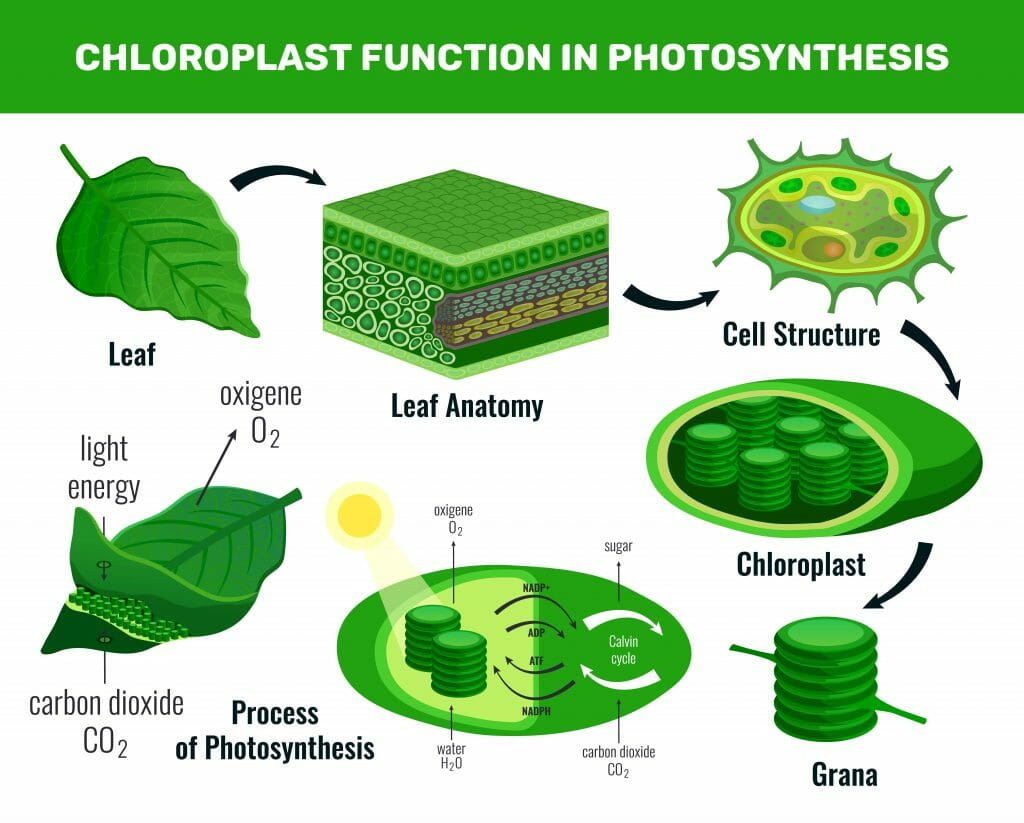

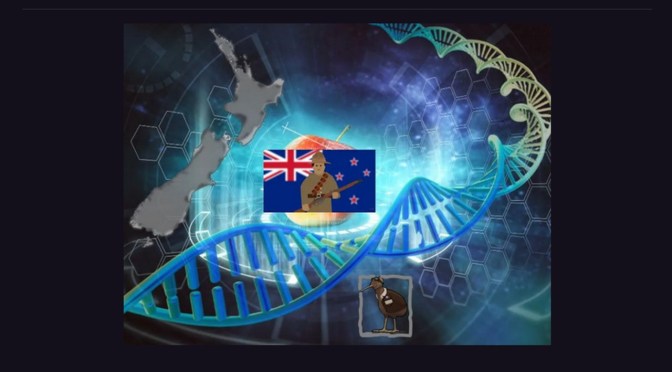




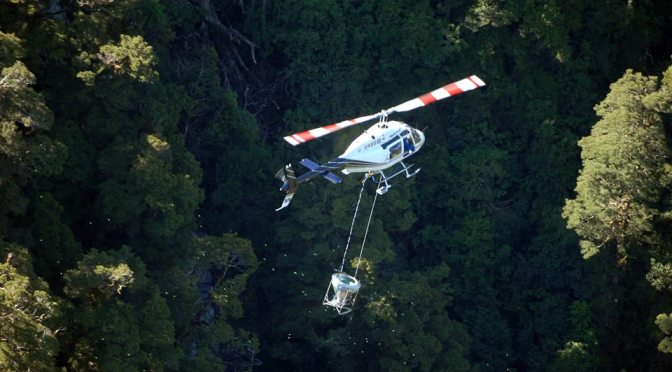




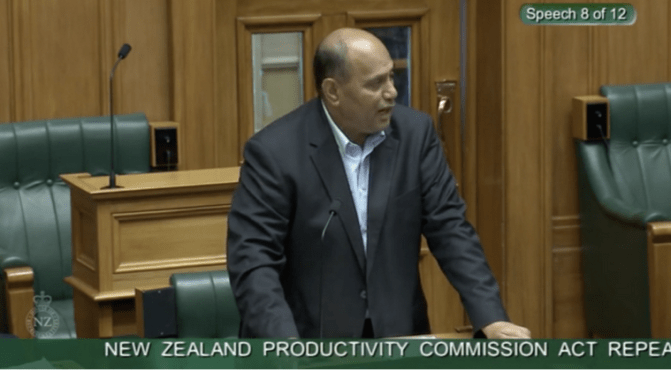










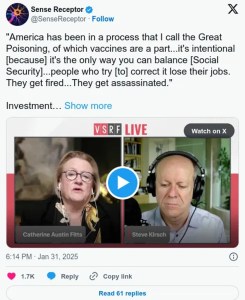



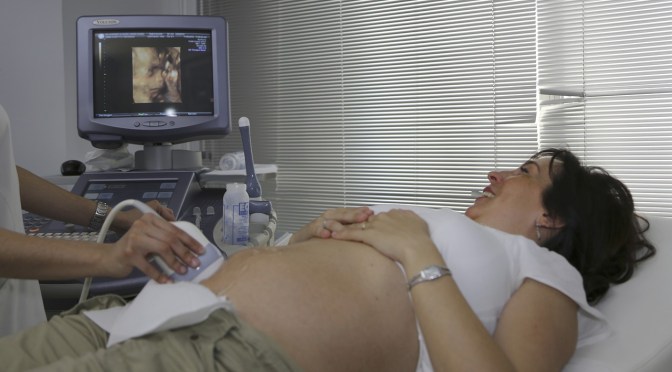


You must be logged in to post a comment.