“We have had a bit of a shock this week with a demand from the Tauranga City Council that we pay an annual fee of $314.00 for occupation of their land. We have cultivated a garden on the Hillier fenceline for 18 years, 6 years before that on Hillier Centre land, which was sold to expand their organisation. All of us are volunteers from the nearby community with the sole aim of supplying the Tauranga Food Bank each Tuesday with a variety of fresh vegetables. Last year we sent them 539 banana boxes of vegetables.
We are a not for profit and unfunded group but small donations and generous businesses keep us going.
Most of us are retired and this morning I worked out our average age at 75!
With housing so difficult for struggling local families we know we are contributing in a very practical way.
We, along with all others we have spoken to, are appalled that our council wants to charge this totally unfair fee.
We do not have the resources to meet the council’s demands.
Gardening can be such a rewarding hobby for you, your family, your neighbours and some friends as well as there is much to benefit from. Aside from being rewarding for your mind and soul, it is also physically rewarding because you actually get to harvest the “fruits of your labor.”
Being able to grow your own food means that you have COMPLETE control over what you are putting into you and your family’s bodies. You get to pick the seeds, the soil and the water that is being used to grow your fruits and veggies. That means completely organic, GMO free, fresh food could be right at your fingertips!
The majority of the produce in your local grocery store has traveled for a long time to get from where it was harvested to your grocery store and then eventually, your kitchen table. Did you know that fresh fruits and vegetables lose many of their nutrients during this traveling process? Not to mention all of the resources that it takes for this food to actually travel to you.
To be able to grow even some of your own fresh fruits and vegetables ensures that you are getting quality, wholesome, nutrient rich food, and you are doing your part for the environment as well.
Now imagine if everyone adopted some of these simple gardening practices, how amazing would that be? This not only brings us one step closer to becoming self-sufficient, but it also will majorly cut down all of the emissions from the big trucks and planes that are transporting this produce. So here are 5 simple gardening projects for people who don’t have a garden!
Food labeling debate heats up, as big NZ companies voice their opposition
A fight nearly broke out in Parliament today over mandarins.
On one side was Labour Party MP Damien O’Connor, saying that shoppers were being lied to about where their fruit came from.
On the other was powerful Food and Grocery Council head Katherine Rich, who is strongly against making it compulsory for companies to say where their food is from.
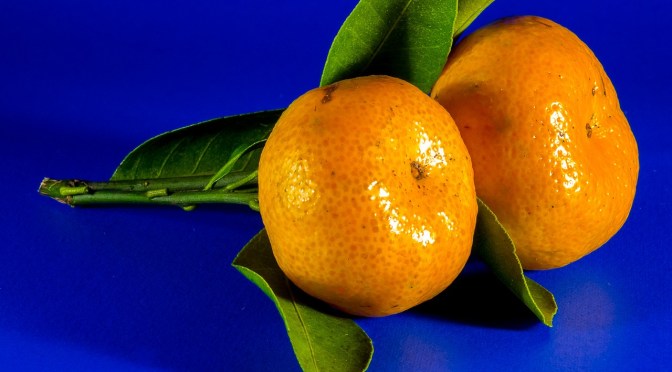
Their war of words began when a select committee was shown pictures of mandarins, capsicums, and pears on New Zealand supermarket shelves which were marketed as being from New Zealand but were actually from Chile, the United States, Italy and the Netherlands.
“How can we trust a voluntary [labelling] scheme when your members are lying?” O’Connor asked Rich.
“I think that’s very harsh and very unfair,” she shot back.
“We have got photos – that’s lying to the public,” O’Connor said.
Rich said it was probably a mistake, and that her members were not responsible for supermarket signage.
“Are we seriously thinking that the poor supermarket worker who stacked that shelf set out to mislead the consumer?”
Okay, so mis labeling of a few mandarins, OR a few pears, sure that could easily happen. But mandarins, pears AND capsicums is moving toward the ‘hard to swallow’ basket. Human error? Or deliberately misleading us (from higher up the food chain)? As always question everything & all the more reason here to buy organic. Hard to wash the pesticides off & I’ve been told the glyphosate gets sprayed INTO the ground around the orange trees here in good ole Enzed. That’s from a grower who exports. Pesticide regulation in other countries is pretty loose (read ‘Circle of Poison’) given ‘civilized’ western nations have found a handy dumping ground there for their poisons banned at home – so yes nothing’s as it seems and not a lot is 100% safe these days. We have to ask ourselves, why on earth is Katherine Rich against labeling country of origin? Simple request surely? EnvirowatchRangitikei
“Children are especially vulnerable to the effects of many chemicals, but industrial chemicals are rarely tested for health and safety before sale ” ecochem.com
“Each day in the United States more than a million children age 5 and under who eat a normal diet ingest doses of organic phosphate pesticides that exceed the Environmental Protection Agency’s adult reference doses, according to a recent analysis of USDA and FDA data.
Twenty million American children age 5 and under eat an average of eight pesticides a day”
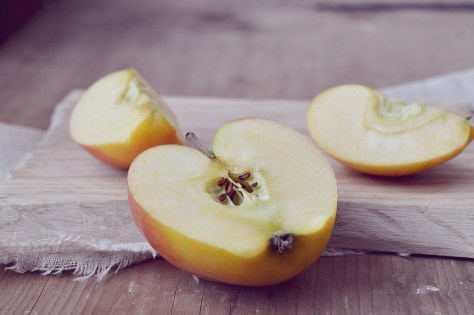
The average apple has four pesticides on it after it has been washed and cored; some apples have as many as 10″ ecochem.com “An increasingly vast body of evidence shows that some chronic conditions such as birth defects, cancers, and developmental disorders among children are linked to the poisons that are dumped into the food children eat, the water they drink, and the air they breathe. Children are especially vulnerable to the effects of many chemicals, but industrial chemicals are rarely tested for health and safety before sale”
Environmental Health Perspectives – a commentary on the book Poisoned Profits: The Toxic Assault on Our Children by Philip Shabecoff and Alice Shabecoff.
New Zealand’s Produce … is it Also Sprayed?
NZ is not exempt from these chemicals. Herald has posted a ‘dirty dozen’ list of foods that have the least to the most chemicals. And organicnz‘s website features a more detailed exposé…
“Celery, a range of fruit, dairy products and bread are all ranked in the top dozen of foods available in New Zealand that are likely to contain more pesticide residues.1 Close contenders behind the ‘dirty dozen’ (see table for the list) were cucumber, nectarines, lettuce, tomatoes, wine and pears”.
Bread, unless organic, is ranked in the dirty dozen for pesticides … wheat crops are frequently dessicated with Roundup since the plants have been genetically altered to resist the pesticide
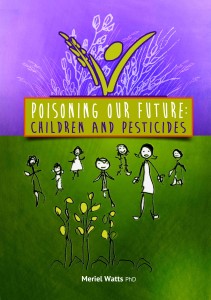
Do you really want to continue feeding your family toxic pesticides many of which are known carcinogens? I used to think peeling would take care of things until I learned recently of growers of oranges for export in the Gisborne area sprayed the ground around their orange trees with glyphosate (Roundup) in order for the tree’s roots to absorb it. This means it will be inside the oranges so can’t be removed. And glyphosate is in the middle of huge debate over its carcinogenicity. WHO deemed it a ‘probable carcinogen’ (See links to research and WHO’s report at the bottom of this page). With a cocktail of up to ten pesticides on the average apple it really is not safe to be eating them. Remember the effect is cumulative which is why they get away with using these with impunity. By the time cancer appears and your chances of that are now one in three, there is little chance in today’s set up, to prove what caused it. It is in fact well known that exposure to environmental hazards are dangerous and predispose us to the development of cancer. Read Dr Samuel Epstein’s book ‘The Politics of Cancer’examining this in the 1970s. Dr Meriel Watts of Pananz has also written a book about the effect of pesticides on our children: “Poisoning Our Future: Children and Pesticides”.
According to Pesticide Action Network Aoteoroa New Zealand author, Dr Meriel Watts, “Children are not little adults. The activities they do make them more prone to accumulate pesticides in their bodies; and their developing bodies make them more prone to the negative effects of toxic chemicals such as pesticides. Yet government regulatory processes and tests do not look into these effects,” according to Dr Meriel Watts, author of the book. Tests used to approve use of pesticides do not look into endocrine disruption which can impact the physical, intellectual and behavioural development of the foetus and young child. The effects can include ADHD and autism and even conditions like obesity and breast cancer that can show up later in life in what is now referred to as the “foetal origins of adult disease”. Some childhood cancers like leukaemia have been linked to the exposure of parents to pesticides. Highly hazardous pesticides also damage the developing immune, nervous and reproductive systems. PANANZ
See also fact sheets on the pesticides at Pananz website in the links below.
Please use the share buttons to spread this information. Check out our pages on Chemicals and particularly Glyphosate at the main menu. Glyphosate is very widely used in NZ. Be proactive and protect your family.
Matt Monarch has a live raw food show in the US that features on Youtube (his channel at the links here) … I just recently discovered him. The info looks fantastic, especially given all the amazing testimonies I see of all the illnesses cured. At his channel just click on ‘videos’ and you will see them all … MS, cancer, and many more. What also appeals is the use of cooked whole foods as well. It is all about detox he says. Note also, in the cancer testimony, there is mention of the healing power of trees! A very interesting & worthwhile watch. EnvirowatchRangitikei
http://news.therawfoodworld… If you want to know exactly how to heal yourself naturally or if you simply just want to feel healthy with more energy and a higher quality of life, I created a step-by-step video below covering exactly how to do all this. If you watch this 27 minute video, you will have all the information you require at your fingertips, so you can do this for yourself and feel 100% empowered. Don’t worry, this is not an “extreme raw food” approach. This can be achieved by anyone, no matter what you eat.
The next video is a short intro with the woman who healed from Stage 4 lung cancer using Matt’s raw food protocol.
And below is the longer interview with her describing her diagnosis and road to healing
More than 90% of all soybean, cotton and corn acreage in the United States is used to grow genetically modified crops. Other popular and FDA approved genetically modified food crops include sugar beets, alfalfa, canola, papaya, summer squash, apples that don’t brown and bruise-free potatoes.
However, if you have been led to believe that genetically modified foods were one of the main reasons why the world was enjoying food with less pesticide residues, you are being misled – the fact is, GMOs replaced one class of harmful pesticides with something more poisonous – neonicotinoids, dicamba, 2,4-D, DDT, glyphosate and its family of products including Round Up – and therefore ended up doing more harm than good.
COMMENT: Lest you are thinking Kiwis, “we’re not affected by this over here”, as Kiwis who read the mainstream media often do, think again. Our stock is fed GE food (report the Greens) so it’s in our meat. Our pastures are also sprayed liberally with glyphosate (which our stock eats) and we had trial GE corn grow here in ’99 left to harvest with a raised threshold on GE’s acceptable levels, many thanks to Helen Clarke (all kept from the public at the time). It’s coming by increments. And it’s not labeled of course and since much of the corn and soy products found in so much packaged food now (that companies decline to declare the origins of) a very high percentage of that is GM. Search other GMO articles here under categories and check out the Glyphosate pages.
Up until the 1950s folks grew their own food as a matter of course. It was what you did. Supermarkets kind of changed that but folks are catching on to the fact that processed foods are frequently devoid of nutrients and our fresh produce is sprayed liberally with toxic chemicals bringing with them a myriad of health risks. The financial squeeze is also a motivating factor and people are getting their fingers in the soil and producing their own food for cheap.
Here are some examples of that in the North Island, one is in the far North, and another in Hawkes Bay, both beautiful warm regions for growing things. A third I noticed recently on Facebook in Palmerston North, closer to home, illustrating the wonderful value of communities getting together and growing food… and sharing. That’s how our forbears used to do it.
North Hokianga Food Co-op aiming for food security
“Brother and sister Joe Thompson and Jackie Thompson are encouraging people to grow their own food and be self-sufficient.” (Photo courtesy of Stuff.co.nz)
“North Hokianga residents are on the path to making their food pantries and larders entirely self-sufficient.
The North Hokianga Co-op aims to get residents growing their own produce and wants to build a boutique abattoir to process local meat.
Co-op organiser Jackie Thompson says the area wants to make the most of their natural resources and change attitudes towards food and where it comes from.
The Co-op held a “Kai Rangatira” day on October 10 to introduce the community to gardening methods and information. More than100 people turned out to learn about grafting, worm farms, traditional Maori medicine, honey and housing projects.
“Food comes from the supermarket, from over the counter in a package. We’re eating too much sugar and too much processed food. That is basically seen as normal….”
Posted on Facebook comments explain that the garden is at “Waipatu Marae just before Whakatu in Hastings. It is a community garden that any one can get produce from. Payment is in form of a koha. Anyone is also welcome to go and help in the garden..”
Finally the Crewe Community Garden in Palmerston North have as their vision: “… to create a vibrant community hub where neighbours are collectively involved in various sustainable living initiatives that provide healthy food, encourage social connections, and reduce family food budgets. A community garden achieves many of the goals that the group have.”
They also have a blog spot with the same name here
(Palmerston North (aka Palmy) is in the lower / central North Island.)
Think that the label that says “organically grown” has anything to do with the packaging, storage, and transport of that product to stores?
What if I told you that cow, pig, and chicken collagen is now used in place of wax on your fruits and vegetables, among many other things much worse than you can probably imagine?
And what if then I told you, as with most atrocities that happen now-a-days, that this is all approved by the FDA…
Since the early 12th century, there has been a tradition of applying wax onto the skins of fruits and vegetables for longer storage life. Today, that tradition is being carried on with a whole new generation of chemicals and compounds that are genetically designed to accomplish the same goal. But in these modern times, the health and well-being of the consumer of that apple is not…
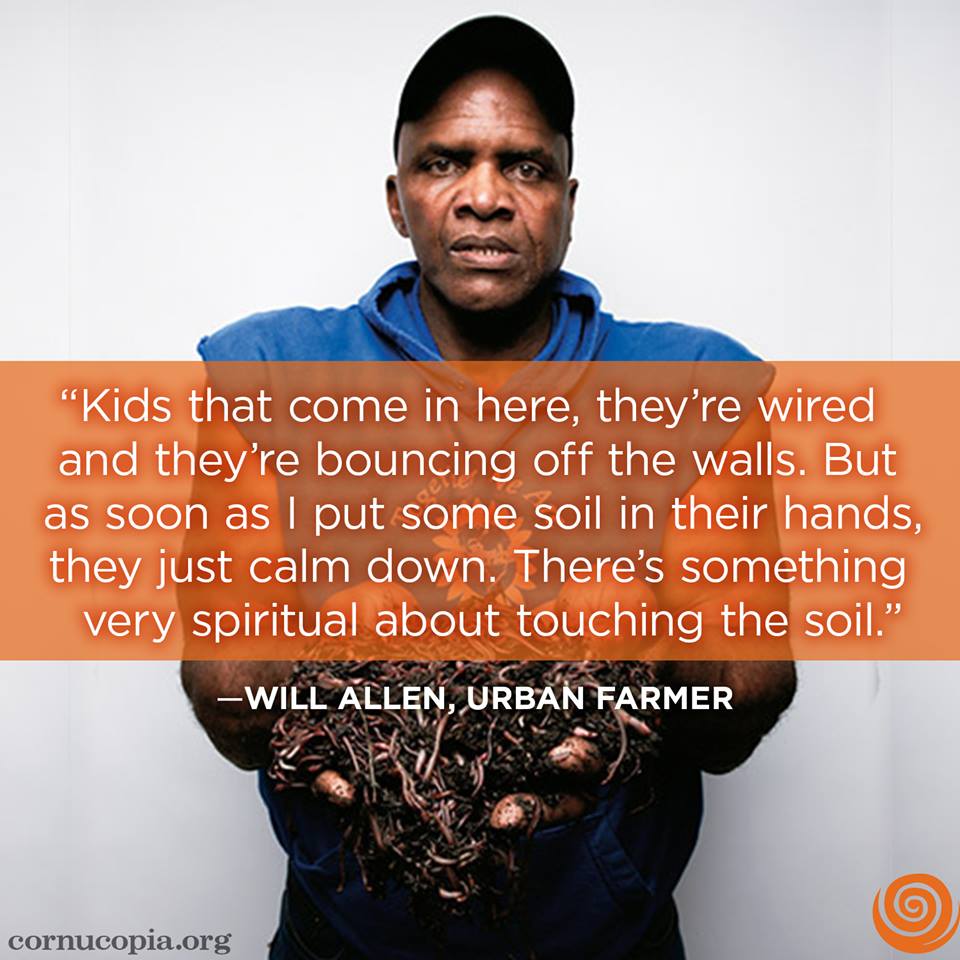
Will Allen is a former professional athlete who played basketball throughout college at the University of Miami and post-college in Belgium. Though he has also held jobs in corporate America, Allen has spent the last 21 years in a completely different profession: urban farmer. http://www.cornucopia.org/2015/05/meet-will-allen-the-urban-farmer-starting-his-own-revolution/ #farmer #food #urbanfarmer
A 3 minute clip here of Will speaking about urban gardening
Who Owns the World?
People have been separated from the land planet wide, the root of many of our ills. Less than 15 pc have ever owned the land. This is a crime/injustice that’s been covered up. Read Kevin Cahill’s ‘Who Owns the Planet’ or watch videos of his lectures. Very revealing. The Queen owns one sixth on her own. And has been well active in confiscating lands for eons. Indigenous peoples were frequently made to work for the colonizer by introducing taxes only payable in the colonizer’s currency … presto. Off the land, off traditional means of survival, growing food. Now today paupers on their previously owned lands and growing food for agribusiness. This is why the so called ‘third world’ starves. For an expose on that read Susan George’s ‘How the Other Half Dies’.
In summary, our spiritual connection with the land has been severed, along with our ability to properly nourish our bodies with fresh living food …. and the roots of this state of affairs can be found largely in capitalism and greed for profits … where earth’s land, peoples and resources have all been co-opted for that purpose.
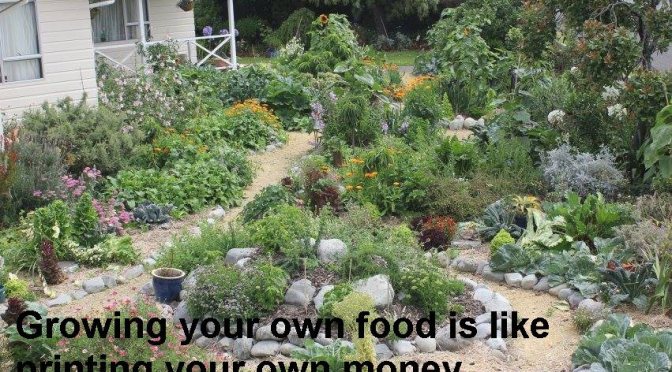
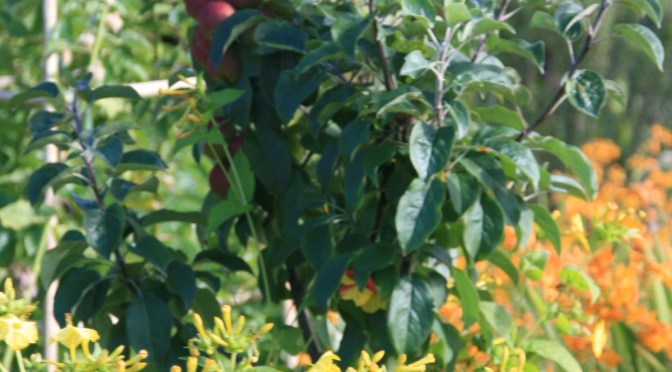
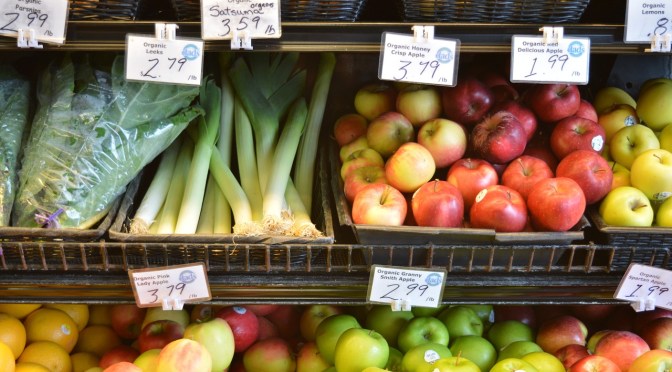
The feature image is from Taihape’s (NZ) Vanessa’s blog here. She is also on our page here along with more info on Ron Finley (also on Youtube) who is quoted as saying ” Growing your own food is like printing your own money”.
Here is more evidence that the poor don’t matter in a market driven capitalist environment. In a wealthy environment you have your food delivered or you drive to the shop. In a poor neighbourhood you either walk for miles or take a bus and can carry home only a small amount. These neighbourhoods typically have no shortage of liquor outlets or fast food stores. Ever enterprising predatory capitalists always milk the poor of the little they do have. The result of course is poor health. In this doco we see a grocery store has become a dialysis centre & no fresh food stores for three miles… “an epidemic” they say … “a global problem” …
EnvirowatchRangitikei
Published on Mar 4, 2015
VSUOfficialChannel on Youtube
“Across Virginia – from Hampton to Richmond, Petersburg to Lynchburg to Wise County and all points in between – approximately 17.8 percent of Virginia’s population live in food desert. This documentary was produced by VSU as part of a study on food insecurity in the College of Agriculture. (Produced by Jesse Vaughan & Cedric Owens – Co-Producer Dr. Jewel Hairston – Narrator Daphne Maxwell Reid)”
“Meet Dr. Sebi, a pathologist, biochemist and herbalist. He came to the U.S. from Honduras and is on a mission to heal humanity. As it happens, he has been curing some of the most deadly diseases on the planet for almost 30 years. AIDS, cancer, diabetes, lupus and epilepsy are just a few of the ailments he has completely reversed. In fact, he is so committed to his work that he took on the Attorney General of New York in a Supreme Court trial — and won….The judge presiding over the case requested that Dr. Sebi provide one witness for each disease he claimed to have cured. When he instead furnished 70 witnesses to support his argument — showing without a doubt that he did in truth heal all the diseases listed in the ad — the judge declared the doctor not guilty on all counts…”
Read about Dr Sebi’s protocols and healing diet in the full article with videos at the wake-up world website.
From an interesting UK site called ‘This is Rubbish’ (TiR) …. TiR is a voluntary group started in 2009 that:
“aims to communicate the preventable scale of food wasted in the UK, through policy research, community and arts led public events.”
They have compiled some fascinating facts and figures. Did you know for instance, that:
1. “It’s estimated that 30 – 50% of food is waste globally. 1
2. 18 – 20 million tones of food is wasted annually in the UK. 2
3. Assuming that in the UK and US 25% of food is wasted, 10% of GHG emissions from these countries come from food that is discarded. 3 ”
(Note: follow links to article for references cited).
I’ve noticed many food outlets will donate their unsold food at the end of the day to charities who quickly pass them on to those folks they know are in need. I recall during the ’90s collecting weekly a car boot load of bread from a local supermarket for that purpose. Another area I lived in (NZ’s beautiful Bay of Plenty) local growers left two large bins of ‘seconds’ from their Kiwifruit harvests free for the taking, which ended up in homes or as stock feed. Brilliant. Then there are the folks I’ve seen recently on FB who have swap stands or free stands near their gardens to dispose of surplus and feed people who are struggling financially … equally as brilliant. If you have a fruit tree that produces more than you can use, consider placing boxes of it at your front gate for passers by to take. Sharing is caring. Your generosity will return to you. I assure you.
Then closer to home, was my dear Dad who grew an enormous vegetable garden and gave most of it away … serving two purposes … he loved gardening and growing things … and also enjoyed the buzz he got from helping others. Not only did he give the produce away, he also made pickles, relishes, jams and preserves, much of which he also gave away. Having lived through a Depression and a World War he knew the art of survival and making the most what he had. Like many in his era, his shed was chock full of odds and ends to fix stuff with … that was the era that preceded our current ‘throw away’ society. Perhaps this is where the ‘throw-away-the-food’ mentality comes from? Seriously, the fix-it thing is what could drastically cut back the rubbish and recycling problem that is growing into magnanimous proportions … a topic for another post.
I confess I’m guilty of waste at times although I’ve cut that back and am more mindful of using leftovers creatively instead of biffing them. Did you know for instance, you can make apple cider vinegar or apple jelly from apple peels and cores? ? Or that you can make pickle or relish from water melon rinds?
I have a friend who said as a child they had a cook up of all the left overs one night a week. (Only what was edible of course). I guess this may (or may not?) go down well with the creative chefs however … in the bigger picture we who eat well on the planet are actually the minority. This alone causes me to be very thankful for the food I do have, and more mindful of the need to not waste it. And last but not least, to use what I save in all of this, to feed a hungry child elsewhere on the planet. We may one day need the same generosity ourselves. Our current political regime here in NZ is forgetting that fact. Something to think about.
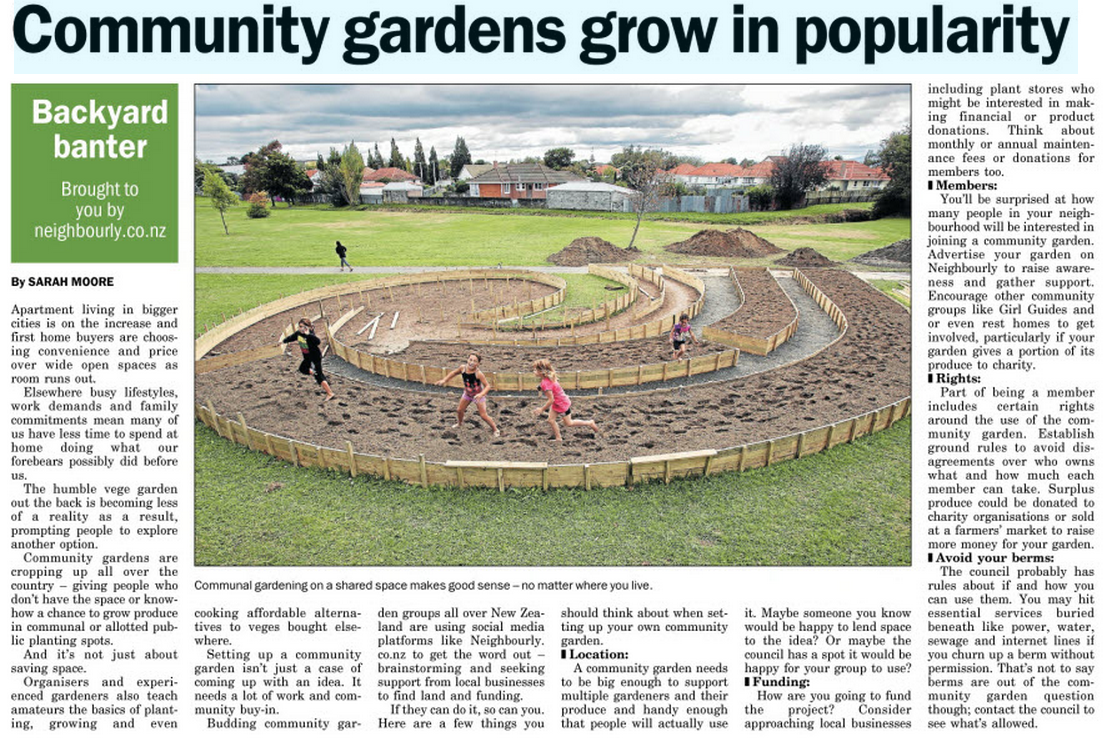
This article is from the local newspaper, the Rangitikei Mail, courtesy of neighbourly.co.nz
Community gardens are indeed catching on. If you missed it a couple of days ago I featured the Todmorden (UK) ‘experiment’ that revolutionized the town. (Pam Warhurst, How we Can Eat our Landscapes). It’s so inspiring and so worth the watch … & at the Garden page there are articles on the topic if you haven’t time to watch the TED video there (13 mins approx).
Anyway, back to this post which is an article on community gardens in NZ and how they are catching on for people wanting to grow their own food but lacking the space to do it.
“The will to live life differently can start in some of the most unusual places….”
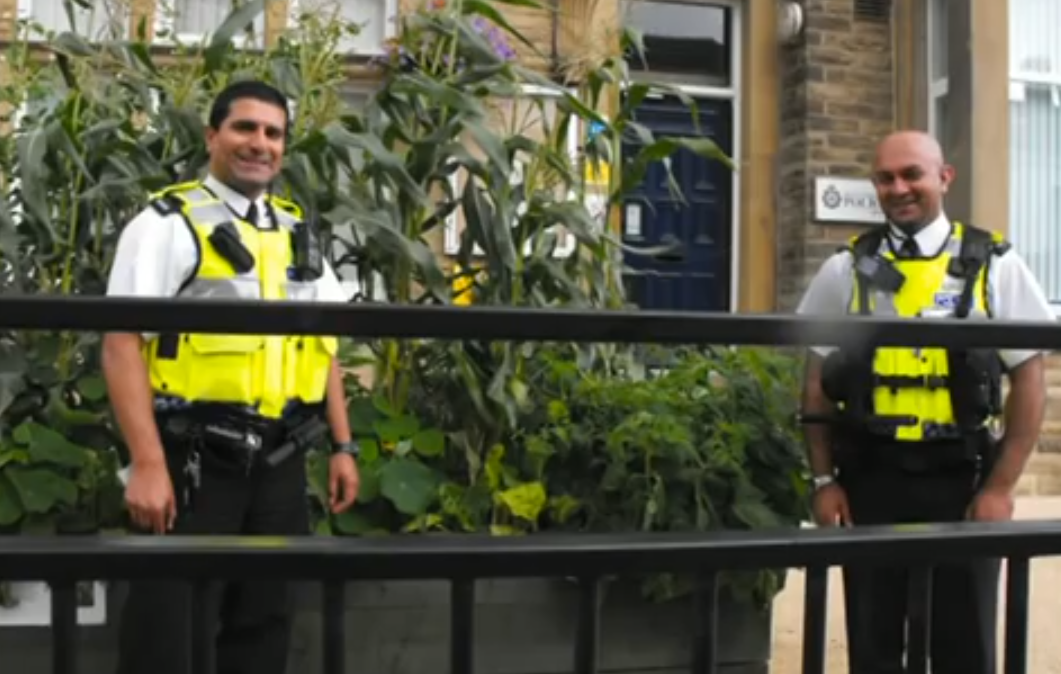
From Pam Warhust in Todmorden. Here is one of the most amazing videos (13 mins) you’ll ever see if you have a love for transformation (and gardening). Like those TV programs featuring transformation of your home, your garden … anywhere … this ‘experiment’ can revolutionize the whole way townsfolk view gardening and its purpose in their surroundings. Representatives from the Todmorden project were invited to speak in Christchurch following the big 2011 earthquake to inspire their rebuild. Their system if you like, has spread around the world in fact … the TED video featured will show you just where. She and a group of volunteers … ‘we’re only volunteers and it’s just an experiment’ … sitting around the kitchen table dreamed up this scheme to grow edibles around their town. Skipping all the usual paperwork and permission seeking they just went ahead and ‘did it’ … they grew edibles all over the place … in front of the Health Center and the Police Station to name two. Amazingly, it all turned into a whole new tourist trade, inspiring growth in local small scale industries. People come from all over the world to see the Todmorden ‘experiment’ … ‘even’, says Pam, ‘when nothing much is growing’. I’ll be surprized if you don’t just love this video … it is inspirational and magic… watch on the Gardening page where there are also links to articles you can read on Todmorden, or at its source on YouTube. (Note, on the Gardening page it is halfway down the page and entitled … ‘Pam Warhurst: how we can eat our landscapes’). Enjoy.
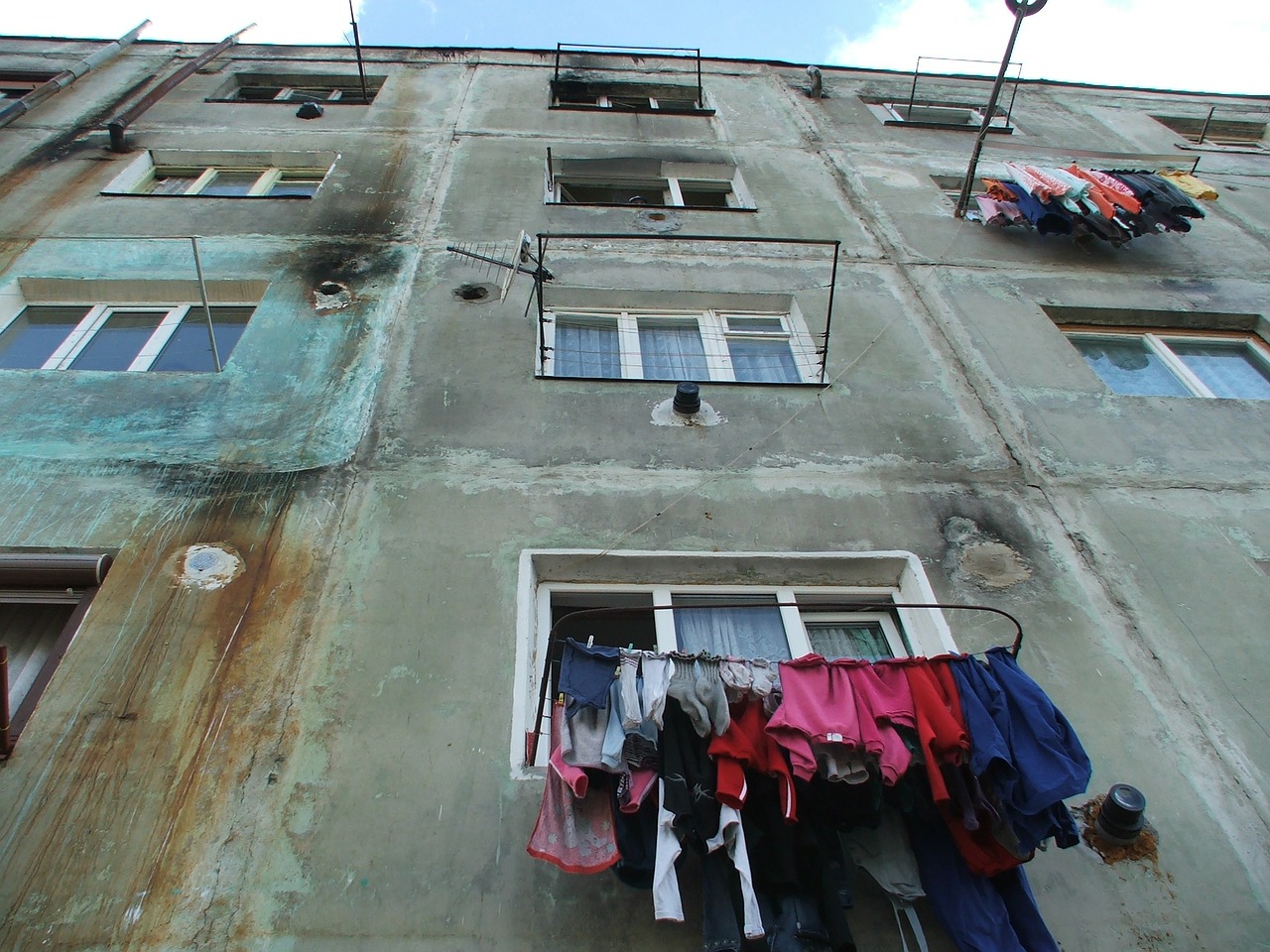
Not something ‘necessary’ at this point in NZ with its wide open spaces, however, inspiring nevertheless for those high rise city dwellers who want to get started growing their own food. It is very do able.
“We’re replacing food that was being grown in Mexico or California and shipped in,” explains Penny. “We feel like the community’s really ready for a project like this. Everybody’s so much more aware of the need to reduce transportation, and people like to know their farmer and where food’s coming from.”
“Indeed, by growing your food directly in the city you save money (and reduce pollution) on transportation; you also save a lot of time and effort too….”
This is alarming. Those who buy organic and/or grow their own food to avoid glyphosate are now encountering this. It demonstrates how widespread are the reaches of this poison called glyphosate. EnvirowatchRangitikei
“Think you can avoid glyphosate by buying organic? Think again. A new investigation by Tropical Traditions reveals that many products in the organic grain market in the U.S. contain glyphosate residue at levels almost the same as conventional grains.
Brian Shilhavy Health Impact News Editor
With over 80% of the U.S. food supply now reportedly contaminated with the herbicide glyphosate, many people are turning to USDA certified organic products to avoid this toxic chemical……”
Glyphosate is in 80% of our food supply in the U.S., and some scientists believe it may well be the most toxic chemical ever approved for commercial use. Glyphosate is now linked to kidney disease, antibiotic resistant bacteria, inflammatory bowel disease, obesity, depression, ADHD, autism, Alzheimer’s disease, Parkinson’s disease, ALS, multiple sclerosis, cancer, cachexia, infertility, and developmental malformations. It destroys the microbiome of humans and plants, which is the root cause of many modern diseases.










You must be logged in to post a comment.