Tag Archives: Parkinsons

Early onset dementia after the COVID vaccine (~25X increase)

From Steve Kirsch @ substack

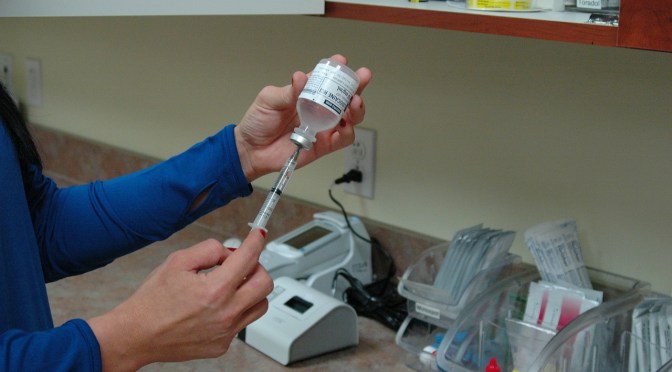
COVID vaccines are causing a very significant increase in the likelihood of people developing sudden dementia.

I just got off the phone with a charge nurse at a rehab/long term elderly care facility. She’s been a nurse for 32 years and has never seen anything like this in her history.

She told me that they would rarely see anyone suddenly exhibit dementia behaviors like sudden onset hallucinations for no reason (nothing showing in the labs); maybe around 2 a year.

Now, just in the last 12 months, she’s seen this happen nearly 50 times, which is a 25X fold increase in the dementia rate.

READ AT THE LINK

Photo: pixabay.com

Decades of Parkinson’s Data Buried, Deadly Chemical Exposed

From Dr Mercola @ mercola.com

Note: Due to heavy censorship Dr Mercola’s articles are archived to paid sub within 48 hours so the link below may no longer lead to the actual article

Story at-a-glance

  • Paraquat is an herbicide and registered desiccant that has been used on American farms since 1964. A desiccant is a chemical that speeds up the ripening of the crop and dries it out, which facilitates harvesting and allows it to be harvested sooner than were the crop left to dry naturally
  • Fifty countries have banned paraquat due to its extreme toxicity and adverse effects on health. A single sip is lethal to a human. A considerable body of evidence also links paraquat to Parkinson’s disease
  • As of mid-March 2023, 2,998 lawsuits filed by farmers with Parkinson’s disease had been consolidated in Illinois federal court. The first bellwether trial is scheduled to begin in October 2023. Class actions have also been filed with state courts in California, Florida, Pennsylvania and Washington. The first state court trial is scheduled to begin in September 2023 in California
  • The discovery process has unearthed a trove of documents showing Syngenta knew as early as the 1960s that paraquat posed neurological risks and kept the evidence from regulators
  • Research shows paraquat becomes exponentially more hazardous in combination with plant lectins, as the lectins help shuttle paraquat into your brain, where it induces the neuronal degeneration seen in Parkinson’s disease. Many of the foods treated with paraquat are high-lectin foods, such as peas, beans and potatoes, so strive to buy organic whenever possible

Paraquat is an herbicide and registered desiccant that has been used on American farms since 1964. A desiccant is a chemical that speeds up the ripening of the crop and dries it out, which facilitates harvesting and allows it to be harvested sooner than were the crop left to dry naturally.

Desiccation is also used to improve profits, as farmers are penalized when the grain contains moisture. The greater the moisture content of the grain at sale, the lower the price they get.

While 50 countries have banned paraquat due to its extreme toxicity and adverse effects on health (a single sip is lethal to a human1), the chemical remains legal in the U.S., provided farmers receive training on its application. Proper application doesn’t ensure its safety, however, as recent lawsuits by thousands of farmers make clear.

Paraquat Linked to Parkinson’s Disease

A considerable body of evidence2 links paraquat to Parkinson’s disease and, as of mid-March 2023, 2,998 lawsuits filed by farmers with Parkinson’s disease had been consolidated in Illinois federal court. The first bellwether trial is scheduled to begin in October 2023.3

The farmers are suing Syngenta, the lead manufacturer, and Chevron, a key distributor, arguing the herbicide caused their disease, and that the manufacturer was aware of this risk and concealed it from the public.

The discovery process has unearthed a trove of documents4 showing Syngenta has indeed known that paraquat poses neurological risks and feared the possibility of lawsuits for decades.

Most of the paraquat lawsuits are taking place in Illinois federal court, but class actions have also been filed with state courts in California, Florida, Pennsylvania, and Washington. The first state court trial is scheduled to begin in September 2023 in California.5 As reported by the Miller & Zois law firm, which is handling paraquat cases in all 50 U.S. states:6

“Parkinson’s disease is a progressive neurodegenerative disorder of the brain that affects primarily the motor system, the part of the central nervous system that controls movement.

The characteristic symptoms of Parkinson’s disease are its ‘primary’ motor symptoms: resting tremor; bradykinesia (slowness in voluntary movement and reflexes); rigidity; and postural instability. There is currently no cure for Parkinson’s disease.

Existing treatments do not slow or stop their progression; such treatments are capable only of temporarily and partially relieving motor symptoms. These treatments also have unwelcome side effects the longer they are used.

Paraquat is a toxic chemical that is a highly effective plant killer. Unfortunately, the same properties that make paraquat toxic to plant cells also make it highly damaging to human nerve cells and create a substantial risk to anyone who uses it.

Oxidative stress is a major factor in — if not the precipitating cause of — the degeneration and death of dopaminergic neurons which is the primary pathophysiological cause of Parkinson’s disease.

Paraquat is designed to injure and kill plants by creating oxidative stress, which causes or contributes to causing the degeneration and death of plant cells. Similarly, Paraquat injures and kills animals by creating oxidative stress, which causes the degeneration and death of animal cells.

The causal link between Paraquat and Parkinson’s disease is well established. Hundreds of animal studies involving various routes of exposure have found that paraquat creates oxidative stress that results in pathophysiology consistent with that seen in human Parkinson’s disease.

Many epidemiological studies have also found an association between Paraquat exposure and Parkinson’s disease, including multiple studies finding a two- to five-fold or greater increase in the risk of Parkinson’s disease in populations with occupational exposure to paraquat compared to populations without such exposure.”

Attorneys working on these cases have also highlighted recent research7 linking paraquat exposure to end stage renal disease,8 so it’s possible that the litigation effort against Syngenta might expand even further.

Syngenta Obfuscated the Evidence

In a June 2, 2023, article9 in The Guardian, journalist and author Carey Gillam reviews evidence from the paraquat lawsuits showing Syngenta has known about the chemical’s risk to human health for decades, and went out of its way to bury that evidence.

Some of the research10 out there suggests lifetime exposure to paraquat raises your risk of Parkinson’s by as much as 250% (odds ratio 2.5), primarily through oxidative stress. In the 2020 book, “Ending Parkinson’s Disease: A Prescription for Action,” four leading neurologists also cite paraquat as a causative factor for the condition.11

Not surprisingly, Syngenta relied on the same strategies developed and perfected by the tobacco industry in years past. While independent researchers kept linking paraquat to Parkinson’s disease, Syngenta sowed doubt by maintaining the evidence was “fragmentary” and “inconclusive,” even though it wasn’t.

Indeed, internal documents obtained during the discovery process reveals Syngenta knew that paraquat accumulated in the human brain and could permanently impair the central nervous system.12,13,14 As reported by Gillam:15

“Though it worked to publicize research that supported paraquat safety, Syngenta kept quiet about a series of in-house animal experiments that analyzed paraquat impacts in the brains of mice, according to company records and deposition testimony.

Scientists who study Parkinson’s disease have established that symptoms develop when dopamine-producing neurons in a specific area of the brain called the substantia nigra pars compacta (SNpc) are lost or otherwise degenerate. Without sufficient dopamine production, the brain is not capable of transmitting signals between cells to control movement and balance.

The Syngenta scientist Louise Marks did a series of mouse studies between 2003 and 2007 that confirmed the same type of brain impacts from paraquat exposure that outside researchers had found. She concluded that paraquat injections in the laboratory mice resulted in a ‘statistically significant’ loss of dopamine levels in the substantia nigra pars compacta.”

Download this Article Before it Disappears

Download PDF

Jeopardizing Human Health for Profit

The company withheld these and other internal research results from regulators and denounced the validity of independent science showing neurological effects.

Worse, when Syngenta met with U.S. Environmental Protection Agency (EPA) officials in 2013 to update the agency on its internal research, the company claimed studies showed paraquat, even at high doses, did NOT reduce dopamine-producing neurons, directly contradicting Marks’ findings.16

Similarly, in a follow-up presentation to the EPA in 2017,17 Syngenta claimed that paraquat had “no effect” in the brain and that a “causal relationship between paraquat and Parkinson’s was not supported.”

During a recent deposition, Dana Dixon, lead for product safety operations at Syngenta, was asked point blank if the information presented to the EPA was a lie. Dixon claimed they were “not hiding” Marks’ results, but rather chose to “focus on other studies” that refuted it.18

Syngenta ‘Swat Team’ Beat Down Negative Reports

At one point, Syngenta also worked behind the scenes to keep a highly regarded scientist involved in the study of Parkinson’s off the EPA’s advisory panel, and internal documents show company officials wanted to make sure the effort could not be traced back to them.19

As reported by Gillam, Syngenta also had a special “swat team” tasked with the immediate rebuttal of any new reports of adverse effects:20

“… files reveal an array of tactics, including enlisting a prominent UK scientist and other outside researchers who authored scientific literature that did not disclose any involvement with Syngenta …

[M]isleading regulators about the existence of unfavorable research conducted by its own scientists; and engaging lawyers to review and suggest edits for scientific reports in ways that downplayed worrisome findings.

The files also show that Syngenta created what officials called a ‘Swat team’ to be ready to respond to new independent scientific reports that could interfere with Syngenta’s ‘freedom to sell’ paraquat.

The group, also referred to as ‘Paraquat Communications Management Team,’ was to convene ‘immediately on notification’ of the publication of a new study, ‘triage the situation’ and plan a response, including commissioning a ‘scientific critique.’

A key goal was to ‘create an international scientific consensus against the hypothesis that paraquat is a risk factor for Parkinson’s disease,’ the documents state.”

In internal company documents from 2003, Syngenta officials discussed the need for a “coherent strategy across all disciplines focusing on external influencing, that proactively diffuses the potential threats that we face,” including influencing the future work by external researchers.

They also hired external scientists to write papers in support of paraquat without disclosing their relationship with the company. Ghostwriting scientific studies was also a tactic employed by Monsanto, to hide known dangers associated with its Roundup herbicide.

Lawyers Played Central Role in Obfuscation of Evidence

As detailed by Gillam, corporate defense lawyer Jeffrey Wolff also appears to have played a central role in the obfuscation of evidence. He instructed Syngenta scientists on how to take notes and manage communications to ensure the company would be able to claim attorney-client privilege in the case of litigation.

For example, action notes taken were to be labeled “Work Product Doctrine Material Confidential” and carry an attorney-client privilege statement.21 Wolff also had an active role in editing various scientific statements, reports and presentations to hide or downplay negative internal findings.

For example, a 2009 internal presentation by a company scientist on paraquat and Parkinson’s disease was reviewed by Wolff, who objected to a statement that said a majority of cases were related to environmental causes. Instead, Wolff suggested the presentation state that the “great majority of PD cases are idiopathic or of unknown cause.”

In another case, Wolff recommended removing the written admission that paraquat caused loss of neurons in the substantia nigra pars compacta from a scientific slide show, and instead only mention it verbally during the presentation. As reported by Gillam, the heavy involvement of lawyers is also straight out of the tobacco industry’s dirty playbook:22

“The involvement of lawyers with the scientists at Syngenta appears similar to highly criticized practices by the tobacco industry in the 1970s and ’80s that downplayed the dangers of smoking, said Thomas McGarity, former EPA legal adviser and co-author of the 2008 book titled ‘Bending Science: How Special Interests Corrupt Public Health Research.’

‘It looks like the paraquat maker has adopted nearly every strategy we outlined in our book about bending science,’ McGarity said. ‘Science matters. We have to be able to depend on science,’ he said.

‘When it is perverted, when it is manipulated, then we get bad results. And one result is that pesticides that cause terrible things like Parkinson’s remain on the market.’”

Lectins in Food Shuttle Paraquat Into the Brain

Disturbingly, animal research shows paraquat becomes exponentially more hazardous in combination with plant lectins. The cruel irony here is that paraquat is widely used as an herbicide and desiccant on lectin-rich crops in particular, including wheat, soybeans, potatoes, cereal grains and beans.

Plant lectins help shuttle paraquat into your brain, where it induces the neuronal degeneration seen in Parkinson’s disease.

According to the study23 in question, published in the journal NPJ Parkinson’s Disease in 2018, plant lectins help shuttle paraquat into your brain, where it does the most damage. As reported by the authors:

“Increasing evidence suggests that environmental neurotoxicants or misfolded α-synuclein generated by such neurotoxicants are transported from the gastrointestinal tract to the central nervous system via the vagus nerve, triggering degeneration of dopaminergic neurons in the substantia nigra pars compacta (SNpc) and causing Parkinson’s disease (PD).

We tested the hypothesis that gastric co-administration of subthreshold doses of lectins and paraquat can recreate the pathology and behavioral manifestations of PD in rats …

These data demonstrate that co-administration of subthreshold doses of paraquat and lectin induces progressive, L-dopa-responsive parkinsonism that is preceded by gastric dysmotility. This novel preclinical model of environmentally triggered PD provides functional support for Braak’s staging hypothesis of idiopathic PD.”

Here again, we see the central role of the substantia nigra pars compacta, the very area of the brain that Syngenta scientist Marks found to be adversely impacted by paraquat. What’s more, the combination of paraquat and lectins could well be the underlying mechanism behind “idiopathic” Parkinson’s, which Wolff wanted listed as the primary “cause.”

Paraquat in Food Supply Puts Your Health at Risk

This also means that farmers aren’t the only ones at risk. Direct exposure is only one way by which paraquat can cause harm. Ingestion through food is the other, and oftentimes, that food is also high in lectins, which multiplies the danger. Reporting on the 2018 findings, Medical News Today wrote:24

“[P]araquat, once in the stomach, causes alpha-synuclein to be misfolded and then helps it travel to the brain. Scientists believe that alpha-synuclein runs along the vagus nerve, which itself runs between the stomach and the brain.

In fact, recent studies have shown that the vagus nerve has a direct connection with the substantia nigra, making it a prime suspect in Parkinson’s disease. This direct link also helps explain why digestive problems often precede the motor symptoms of Parkinson’s by several years.

To investigate, the researchers fed rats small doses of paraquat for 7 days. They also fed them lectins … As expected, they identified Parkinson’s-related changes … As study co-author Prof. Thyagarajan Subramanian explains:

‘We were able to demonstrate that if you have oral paraquat exposure, even at very low levels, and you also consume lectins … then it could potentially trigger the formation of this protein — alpha-synuclein — in the gut. Once it’s formed, it can travel up the vagus nerve and to the part of the brain that triggers the onset of Parkinson’s disease.’

This series of experiments demonstrates how the interplay between two ingested compounds can conspire to create and then transport toxic protein structures from the gut to the brain.”

Take-Home Message

The take-home message here is that foods treated with paraquat may be just as hazardous as direct exposure on a farm. Paraquat is considered one of the “best” drying options for legumes in particular, which are also particularly high in lectins.

As a result, many foods that vegetarians and vegans rely on may pose significant health hazards — and in more ways than one, as lectins are also problematic in and of themselves. In February 2022, I posted an interview with Dr. Steven Gundry, author of “The Plant Paradox,” in which we reviewed the health hazards of lectins.

As explained by Gundry, plant lectins can wreak havoc on your health by attaching to your cell membranes, causing inflammation, damage to your nerves and cell death. Some can also interfere with gene expression and disrupt endocrine function.

So, while lectins can cause severe health problems in and of themselves, by spraying paraquat on lectin-rich crops, those crops are made exponentially more hazardous, as the lectins act as transport vehicles for the toxic herbicide.

You can reduce lectin concentration by pressure cooking, for example, but if you’re starting out with contaminated food, you’re dealing with extra-toxic kinds of lectins. To avoid or at least minimize these hazards, it’s important to buy organic beans, peas, potatoes and other high-lectin foods from a reputable source, ideally a local farmer you can trust.

The other take-home message from all this is that chemical companies are among the least trustworthy sources out there. Like Monsanto before them, Syngenta officials have spent decades hiding the dangers of paraquat, while untold numbers of people got sick, suffered and died.

As noted by Bruce Blumberg, professor of developmental and cell biology at the University of California, Irvine, in response to the revelations about Syngenta’s obfuscation of evidence:25

“It is highly unethical for a company not to reveal data they have that could indicate that their product is more toxic than had been believed. [These companies are] trying to maximize profits and they jeopardize public health, and it shouldn’t be allowed. That is the scandal.”

Sources and References

https://articles.mercola.com/sites/mercola/special-content/dynamic-ending-advertisement.aspx?cid_medium=email

Image by emersonbegnini from Pixabay

Secret “Paraquat Papers” Reveal Corporate Tactics to Protect Weed Killer Linked to Parkinson’s Disease

The poisoners are still at it … corporations rule … EWR


From The New Lede
Posted at Sustainable Pulse

For decades, Swiss chemical giant Syngenta has manufactured and marketed a widely used weed killing chemical called paraquat, and for much of that time the company has been dealing with external concerns that long-term exposure to the chemical may cause the dreaded, incurable brain ailment known as Parkinson’s disease.

Syngenta has repeatedly told customers and regulators that scientific research does not prove a connection between its weed killer and the disease, insisting that the chemical does not readily cross the blood-brain barrier, and does not affect brain cells in ways that cause Parkinson’s.

But a cache of internal corporate documents dating back to the 1950s obtained by The New Lede in a reporting collaboration with the Guardian suggests that the public narrative put forward by Syngenta and the corporate entities that preceded it has at times contradicted the company’s own research and knowledge.

And though the documents reviewed do not show that Syngenta’s scientists and executives believed that paraquat can cause Parkinson’s, they do show a corporate focus on strategies to protect product sales, refute external scientific research and influence regulators.

In one defensive tactic, the documents lay out how the company worked behind the scenes to try to keep a highly regarded scientist from sitting on an advisory panel for the US Environmental Protection Agency (EPA). The agency is the chief US regulator for paraquat and other pesticides. Company officials wanted to make sure the efforts could not be traced back to Syngenta, the documents show.

And the documents show that insiders feared they could face legal liability for long-term, chronic effects of paraquat as long ago as 1975. One company scientist called the situation “a quite terrible problem,” for which “some plan could be made….”

That prediction of legal consequences has come to pass. Thousands of people who allege they developed Parkinson’s because of long-term chronic effects of paraquat exposure are now suing Syngenta. Along with Syngenta, they are also suing Chevron USA, the successor to a company that distributed paraquat in the US  from 1966 to 1986. Both companies deny any liability and continue to maintain that scientific evidence does not support a causal link between paraquat and Parkinson’s disease.

“Recent thorough reviews performed by the most advanced and science-based regulatory authorities, including the United States and Australia, continue to support the view that paraquat is safe,” Syngenta said in a statement.

Chevron issued a statement saying that the company and predecessors had no role in causing the plaintiffs’ illnesses, and it “will vigorously defend against the allegations in the lawsuits.”

As part of a court-ordered disclosure in the litigation, the companies provided plaintiffs’ lawyers with decades of internal records, including hand-written and typed memos, internal presentations, and emails to and from scientists, lawyers and company officials around the world. And though the files have not yet been made public through the court system, The New Lede and the Guardian reviewed hundreds of pages of these documents.

Among the revelations from the documents: Scientists with Syngenta predecessor Imperial Chemical Industries Ltd. (ICI) and Chevron Chemical were aware in the 1960s and 70s of mounting evidence showing paraquat could accumulate in the human brain.

Read More Here

Photo: sustainablepulse.com

7 proven ways to keep your brain young

From greenmedinfo.health

Over 5 million Americans have been diagnosed with Alzheimer’s. Another 10,000,000 suffer with severe dementia and Parkinson’s. Even more struggle with age-related mild cognitive impairment. Here are 7 natural ways to defend your brain.

Alzheimer’s disease affects about 5.3 million Americans. It’s the leading cause of dementia and the 6th leading cause of death in the U.S.  And it’s growing at an alarming rate.  Already 13% of people over 65 have been diagnosed with the disease.  An astounding 43% of those over the age of 85 are victims.[i]

Alzheimer’s has been called the defining disease of the boomer generation.  Its victims are expected to triple by the year 2050.

In addition, it’s estimated that 10,000,000 others suffer with severe dementia and Parkinson’s disease.

But even if you escape these debilitating and life-threatening diseases, you may be among millions more who suffer from mild cognitive impairment (MCI or what is frequently called “age-related cognitive dysfunction”) and normal “age–associated memory impairment.” These conditions are what many of us have experienced as “senior moments.”  The symptoms include memory loss, as well as a decline in the ability to think and reason.

Some of these problems are a result of the natural aging of our brains.  But others arise from poor nutrition and exposure to environmental toxins.

Drugs have shown little promise and serious side effects.  But here are seven proven methods to keep your brain young and sharp.

1. Bacopa Boosts Cognition

Bacopa monnieri (L.) is a traditional herb used for centuries in Ayurvedic medicine.  It is prescribed as a memory and learning enhancer, a sedative, and anti-epileptic.  In Australia, it is a popular memory aid for people over 60 years old.

Bacopa grows in the wet tropics and is also commonly known by its English name, water hyssop.

In a rigorous study published in the Journal of Complementary and Alternative Medicine, researchers found that Bacopa has positive effects on several measures of cognitive performance.  In a randomized, double-blind, placebo-controlled clinical trial, they gave participants either 300 mg of Bacopa daily or a placebo pill.  The subjects were 54 volunteers, 65 or older, without clinical signs of dementia. [ii]

After 12 weeks, those taking Bacopa improved their delayed recall memory, their reaction times and their ability to ignore irrelevant information.  Placebo recipients saw no change.

In addition Bacopa recipients showed a decrease in heart rate, depression and anxiety while placebo recipients saw increases.

Three other double-blind, randomized, placebo-controlled studies support Bacopa’s benefits in verbal learning abilities, delayed recall of word pairs, and age-associated memory impairment.[iii][iv][v]

Bacopa’s memory-enhancing effects have been attributed in part to saponins.   Other ways Bacopa may work include its antioxidant effects, protein synthesis in the brain, and modulation of brain stress hormones.

Other studies show Bacopa extracts also ameliorate neurotoxic effects of nicotine and aluminum, and reduce β-amyloid plaque levels in animals.

2. Ginkgo Biloba Improves Memory

For years gingko biloba has been linked to memory improvement.  It acts as a free radical scavenger, protecting neurons from oxidation.  It also improves microcirculation in the brain and reduces platelet aggregation.

Human studies show taking gingko biloba regularly can improve mental health, cognition, motor skills and quality of life.[vi]  It’s particularly helpful for memory loss, attention, alertness, vigilance, arousal and mental fluidity.[vii]

In 2005 researchers put gingko biloba up against Pfizer’s $4 billion a year prescription drug donepezil (trade name Aricept) in a 24-week randomized, double-blind study. [viii]  An extract of gingko biloba (160 mg per day) was found to be just as effective as the drug for mild-to-moderate Alzheimer’s disease.  The researchers concluded there were no relevant differences in the efficacy of gingko biloba and donepezil, and use of both substances can be justified.

In a more recent double-blind trial gingko biloba was found to be significantly better than placebo in improving cognitive function and behavioral symptoms in 400 patients with Alzheimer’s disease or vascular dementia.[ix]

3. Tea, Wine and Chocolate Improve Thinking Skills

As we get older, a diet high in some flavonoid-rich foods may help with better thinking skills.

Researchers examined the relation between 3 common foods that contain flavonoids (chocolate, wine, and tea) and cognitive performance. They followed 2,031 participants aged 70 to 74 years from the Hordaland Health Study in Norway.[x]

People who consumed chocolate, wine, or tea had significantly better scores on cognitive tests and lower rates of poor cognitive performance.

Those who ate all three foods had the best test scores and the lowest risks for poor test performance.

The good results were dose dependent.  The best performance maxed out at 10 grams per day of chocolate and 75-100 ml per day of wine.  The effect was most pronounced for wine and modestly weaker for chocolate.

Other research shows that resveratrol, found in wine and chocolate, has the ability to neutralize the toxic effects of proteins linked to Alzheimer’s disease.

In a study published in the Journal of Biological Chemistry researchers showed that resveratrol selectively targets and neutralizes clumps of peptides or proteins that are bad and have been linked to Alzheimer’s, but leaves alone those that are benign.[xi]

Resveratrol is a chemical compound in plants that acts as an antibiotic to fight off both bacteria and fungus.  Besides grapes and cacao, it is found in raspberries, mulberries, blueberries, and cranberries. It’s also in peanuts, pine trees and Japanese knotweed, the source of most resveratrol supplements.

4.  Antioxidants Decelerate Brain-Aging

It’s clear that people eating a diet high in fruits and vegetables have fewer age-related diseases like Alzheimer’s. Eating more high-antioxidant foods such as berries, Concord grapes, and walnuts may enhance cognitive and motor function in older people.[xii]

Studies show supplementing with fruit or vegetable extracts high in antioxidants (e.g. blueberries, strawberries, walnuts, and Concord grape juice) helps decrease the vulnerability to oxidative stress that occurs in aging.  That can lead to improvements in behavior.

Fruits and vegetables can also enhance communication between neurons and decrease stress signals induced by oxidation and inflammation.

Other studies indicate that blueberry or Concord grape juice supplementation in humans with mild cognitive impairment increases verbal memory performance.

5.  Intermittent Fasting Regenerates Brain

Overeating is a risk factor for many age-related diseases including cognitive impairment.

Experimental models of Alzheimer’s disease, Parkinson’s disease, Huntington’s disease and stroke show that dietary restriction (reduced calorie intake) can beef up the resistance of neurons in the brain to dysfunction and death.

How?  Dietary restriction stimulates the expression of ‘stress proteins’ and neurotrophic factors. Neurotrophic factors may protect neurons by increasing production of proteins that suppress oxidation and free radicals.

In addition, dietary restriction increases the number of newly-generated neural cells in the adult brain.  In other words, it may increase the brain’s capacity for plasticity and self-repair.

Researchers suggest that limiting calories may reduce both the incidence and severity of neurodegenerative disorders in humans.[xiii]

Intermittent fasting is not as difficult as it sounds.  It doesn’t involve just drinking water.  Most intermittent fasting plans cut calories to 25% of normal amounts.  That’s about 600 calories for men and 500 calories for women on one or two days of the week.

6.  Sleep Cleans Out Brain Toxins

A University of Oregon study shows middle-aged or older people who get six to nine hours of sleep a night think better than those sleeping either fewer or more hours.[xiv]

Researchers used data involving more than 30,000 subjects in six countries. They found that individuals sleeping less than six hours and more than nine hours had significantly lower cognitive scores compared to those in the intermediate group.

The researchers used five standard cognitive tests involving immediate recall of a list of words, delayed recall of those words later, forward and backward recall of long lists of numbers, and a verbal fluency test in which they listed as many animals as possible without repetition, the use of proper nouns or descriptors.

One reason a good night’s sleep works is the brain’s trash removal system.  During sleep the brain works 10 times as hard to remove toxic proteins like the ones responsible for Alzheimer’s damage.[xv]  If you’re not asleep, the brain can’t get rid of plaques so easily.

7.  Curcumin Clears Alzheimer’s Plaques

The incidence of Alzheimer’s among adults in India is about 4.4 times less than that of Americans.[xvi]

Researchers in Singapore suggest the reason might be curry and the spice turmeric.  They looked at curry consumption and brain performance in 1,010 Asians between 60 and 93 years of age. Those who ate curry occasionally (less than once a month) and often (more than once a month) performed better than those who rarely or never ate curry.[xvii]

Over 30 studies in the GreenMedInfo data base deal with the promise of curcumin, the active compound in turmeric, in the treatment and prevention of Alzheimer’s disease.  According to one study, turmeric showed remarkable results in Alzheimer patients in just three months.

A 2006 UCLA study found curcumin may help clear the amyloid plaques found in Alzheimer’s disease. One way it works is by boosting the work of macrophages.  These cells in the immune system help the body fight foreign proteins.

Researchers took macrophages from the blood of Alzheimer’s patients and healthy controls. They treated some of the macrophages with curcumin.  The treated macrophages showed improved ingestion of the beta-amyloid proteins. The researchers concluded that curcumin may support the immune system to clear amyloid plaques.[xviii]

And in animal studies low doses of curcumin led to 40% less beta-amyloid than in those not given the spice.[xix]

Studies indicate low doses of turmeric over a long period of time are most effective.  That’s a good reason to add turmeric to your daily diet.  It’s great in curry sauces, scrambled eggs, deviled eggs, mustard sauces or salad dressings.

There are many other natural ways to keep your brain young including coconut oilginger, B-vitamins[xx], and saffron.

For much more information on healthy brain aging visit GreenMedInfo page on the aging brain.

References


[i] Alzheimer’s Association. 2012 Alzheimer’s disease facts and figures. Alzheimer’s and DementiaThe Journal of the Alzheimer’s Association. March 2012; 8:131–168

[ii] Carlo Calabrese et al, “Effects of a standardized Bacopa monnieri extract on cognitive performance, anxiety, and depression in the elderly: a randomized, double-blind, placebo-controlled trial.” J Altern Complement Med. 2008 Jul;14(6):707-13.  GreenMed Link

[iii] Stough C. Lloyd J. Clarke J, et al. The chronic effects of an extract of Bacopa monniera (Brahmi) on cognitive function in healthy human subjects. Psychopharmacology. 2001;156:481–484. [PubMed]

[iv] Rey A. The Clinical Examination in Psychology [in French] Paris: Presses Universitaires de France; 1964.

[v] Roodenrys S. Booth D. Bulzomi S, et al. “Chronic effects of Brahmi (Bacopa monniera) on human memory.” Neuropsychopharmacology. 2002;27:279–281. [PubMed]

[vi] Cieza A, Maier P, Poppel E. “Effects of Ginkgo biloba on mental functioning in healthy volunteers.” Arch Med Res. 2003 Sep-Oct;34(5):373-81. GreenMed Link

[vii] Clostre F. “Ginkgo biloba extract (EGb 761). State of knowledge in the dawn of the year 2000.”  Ann Pharm Fr. 1999 Jul;57 Suppl1 :lS8-88.

[viii] Mazza, M., Capuano, A. Bria, P., Mazza, S., Eur J Neurol. 2006 Sep;13(9):981-5.

[ix] Oleksandr Napryeyenko, Irina Borzenko, “Ginkgo biloba special extract in dementia with neuropsychiatric features. A randomised, placebo-controlled, double-blind clinical trial.” Arzneimittelforschung. 2007;57(1):4-11. GreenMed Link

[x] Eha Nurk et al, “Intake of flavonoid-rich wine, tea, and chocolate by elderly men and women is associated with better cognitive test performance.” J Nutr. 2009 Jan;139(1):120-7. Epub 2008 Dec 3. GreenMed Link

[xi] Ali Reza A. Ladiwala et al, “Resveratrol selectively remodels soluble oligomers and fibrils of amyloid aβ into off-pathway conformers.” J. Biol. Chem. jbc.M110.133108. May 28, 2010, doi:10.1074/jbc.M110.133108

[xii] James A Joseph, Barbara Shukitt-Hale, Lauren M Willis, “Grape juice, berries, and walnuts affect brain aging and behavior.” J Ethnopharmacol. 2008 Aug 13;118(3):396-404. Epub 2008 May 20. GreenMed Link

[xiii] M P Mattson, “Neuroprotective signaling and the aging brain: take away my food and let me run.” Brain Res. 2000 Dec 15;886(1-2):47-53.  GreenMed Link

[xiv] Theresa E. Gildner, Melissa A. Liebert, Paul Kowal, Somnath Chatterji, J. Josh Snodgrass. “Associations between Sleep Duration, Sleep Quality, and Cognitive Test Performance among Older Adults from Six Middle Income Countries: Results from the Study on Global Ageing and Adult Health (SAGE).” Journal of Clinical Sleep Medicine, 2014 DOI: 10.5664/jcsm.3782

[xv]Lulu Xie et al, “Sleep Drives Metabolite Clearance from the Adult Brain.” Science 18 October 2013: Vol. 342 no. 6156 pp. 373-377 DOI: 10.1126/science.1241224

[xvi] Pandav R, Belle SH, DeKosky ST. “Apolipoprotein E polymorphism and Alzheimer’s disease: The Indo-US cross-national dementia study.” Arch Neurol. 2000;57:824–30. [PubMed]

[xvii] Ng TP, Chiam PC, Lee T, Chua HC, Lim L, Kua EH. “Curry consumption and cognitive function in the elderly.” Am J Epidemiol. 2006;164:898–906. [PubMed]

[xviii] Zhang L, Fiala M, Cashman J, Sayre J, Espinosa A, Mahanian M, et al. “Curcuminoids enhance amyloid -beta uptake by macrophages of Alzheimer’s disease patients.” J Alzheimer’s Dis. 2006;10:1–7. [PubMed]

[xix] Yang F, Lim GP, Begum AN, Ubeda OJ, Simmons MR, Ambegaokar SS, et al. “Curcumin inhibits formation of amyloid beta oligomers and fibrils, binds plaques, and reduces amyloid in vivo.” J Biol Chem. 2005;280:5892–901. [PubMed]

[xx] De Jager CA et al, “Cognitive and clinical outcomes of homocysteine-lowering B-vitamin treatment in mild cognitive impairment: a randomized controlled trial.” Int J Geriatr Psychiatry. 2012 Jun;27(6):592-600.

Disclaimer: This article is not intended to provide medical advice, diagnosis or treatment. Views expressed here do not necessarily reflect those of GreenMedInfo or its staff.
© [Article Date] GreenMedInfo LLC. This work is reproduced and distributed with the permission of GreenMedInfo LLC. Want to learn more from GreenMedInfo? Sign up for the newsletter here //www.greenmedinfo.com/greenmed/newsletter.”

https://www.greenmedinfo.health/blog/7-proven-ways-keep-your-brain-young

Photo Credit: Image by Gerd Altmann from Pixabay

From a Neurosurgeon: What chemtrails are doing to your brain (no it isn’t conspiracy) (VIDEO)

If you study the skies at all, you will see these trails regularly now. They are all over NZ. All over the planet. We are living on a microwaved planet with ionized skies. This is not “mother nature” or “CO2 -induced climate change” … these are orchestrated geoengineering / weather modification-weaponization programs which are operating globally.
# Clifford Carnicom, brilliant (uncorrupted) scientist has done years of research which can be studied at https://carnicominstitute.org/wp/research-library-listing/
eg.https://carnicominstitute.org/…/brazen-propaganda-from-nasa/
See Clare Swinney’s site for a local NZ perspective:
https://chemtrailsnorthnz.wordpress.com/ and  thecontrail.com for a NZ perspective.

See also Elana Freeland’s extensive research, her videos also on Youtube.

EWR


https://www.youtube.com/watch?v=X3lW-TGGlk0

39.7K subscribers

Linderman Unleashed Radio Show March 28th 2013 Broadcast. Curt Linderman speaks with Dr. Blaylock about the devastating health effects of the chemtrails and geoengineering programs which have been implemented in secret without public consent. Chemtrails, Nanoaluminum and Neurodegenerative and Neurodevelopmental Effects By Russell L. Blaylock, M.D. The Internet is littered with stories of “chemtrails” and geoengineering to combat “global warming” and until recently I took these stories with a grain of salt. One of the main reasons for my skepticism was that I rarely saw what they were describing in the skies. But over the past several years I have notice a great number of these trails and I have to admit they are not like the contrails I grew up seeing in the skies. They are extensive, quite broad, are laid in a definite pattern and slowly evolve into artificial clouds. Of particular concern is that there are now so many ­dozens every day are littering the skies. My major concern is that there is evidence that they are spraying tons of nanosized aluminum compounds. It has been demonstrated in the scientific and medical literature that nanosized particles are infinitely more reactive and induce intense inflammation in a number of tissues. Of special concern is the effect of these nanoparticles on the brain and spinal cord, as a growing list of neurodegenerative diseases, including Alzheimer’s dementia, Parkinson’s disease and Lou Gehrig’s disease (ALS) are strongly related to exposure to environmental aluminum. Nanoparticles of aluminum are not only infinitely more inflammatory, they also easily penetrate the brain by a number of routes, including the blood and olfactory nerves (the smell nerves in the nose). Studies have shown that these particles pass along the olfactory neural tracts, which connect directly to the area of the brain that is not only most effected by Alzheimer’s disease, but also the earliest affected in the course of the disease. It also has the highest level of brain aluminum in Alzheimer’s cases. The intranasal route of exposure makes spraying of massive amounts of nanoaluminum into the skies especially hazardous, as it will be inhaled by people of all ages, including babies and small children for many hours. We know that older people have the greatest reaction to this airborne aluminum. Because of the nanosizing of the aluminum particles being used, home filtering system will not remove the aluminum, thus prolonging exposure, even indoors. In addition to inhaling nanoaluminum, such spraying will saturate the ground, water and vegetation with high levels of aluminum. Normally, aluminum is poorly absorbed from the GI tract, but nanoaluminum is absorbed in much higher amounts. This absorbed aluminum has been shown to be distributed to a number of organs and tissues including the brain and spinal cord. Inhaling this environmentally suspended nanoaluminum will also produce tremendous inflammatory reaction within the lungs, which will pose a significant hazard to children and adults with asthma and pulmonary diseases. I pray that the pilots who are spraying this dangerous substance fully understand that they are destroying the life and health of their families as well. This is also true of our political officials. Once the soil, plants and water sources are heavily contaminated there will be no way to reverse the damage that has been done. Steps need to be taken now to prevent an impending health disaster of enormous proportions if this project is not stopped immediately. Otherwise we will see an explosive increase in neurodegenerative diseases occurring in adults and the elderly in unprecedented rates as well as neurodevelopmental disorders in our children. We are already seeing a dramatic increase in these neurological disorders and it is occurring in younger people than ever before.

Header Photo Credit: Image by Gerd Altmann from Pixabay

For further articles on geoengineering/chemtrails go to ‘categories’ (left of page) plus the geoengineering page at the main menu. See also the sub tabs there.

7 Proven Ways to Keep Your Brain Young

From GreenMedInfo.com
Posted on:

Sunday, February 3rd 2019 at 9:00 am

Written By:

GMI Reporter

Over 5 million Americans have been diagnosed with Alzheimer’s. Another 10,000,000 suffer with severe dementia and Parkinson’s. Even more struggle with age-related mild cognitive impairment. Here are 7 natural ways to defend your brain.

Alzheimer’s disease affects about 5.3 million Americans. It’s the leading cause of dementia and the 6th leading cause of death in the U.S.  And it’s growing at an alarming rate.  Already 13% of people over 65 have been diagnosed with the disease.  An astounding 43% of those over the age of 85 are victims.[i]

Alzheimer’s has been called the defining disease of the boomer generation.  Its victims are expected to triple by the year 2050.

In addition, it’s estimated that 10,000,000 others suffer with severe dementia and Parkinson’s disease.

But even if you escape these debilitating and life-threatening diseases, you may be among millions more who suffer from mild cognitive impairment (MCI or what is frequently called “age-related cognitive dysfunction”) and normal “age–associated memory impairment.” These conditions are what many of us have experienced as “senior moments.”  The symptoms include memory loss, as well as a decline in the ability to think and reason.

Some of these problems are a result of the natural aging of our brains.  But others arise from poor nutrition and exposure to environmental toxins.

Drugs have shown little promise and serious side effects.  But here are seven proven methods to keep your brain young and sharp.

1. Bacopa Boosts Cognition

Bacopa monnieri (L.) is a traditional herb used for centuries in Ayurvedic medicine.  It is prescribed as a memory and learning enhancer, a sedative, and anti-epileptic.  In Australia, it is a popular memory aid for people over 60 years old.

Bacopa grows in the wet tropics and is also commonly known by its English name, water hyssop.

In a rigorous study published in the Journal of Complementary and Alternative Medicine, researchers found that Bacopa has positive effects on several measures of cognitive performance.  In a randomized, double-blind, placebo-controlled clinical trial, they gave participants either 300 mg of Bacopa daily or a placebo pill.  The subjects were 54 volunteers, 65 or older, without clinical signs of dementia. [ii]

After 12 weeks, those taking Bacopa improved their delayed recall memory, their reaction times and their ability to ignore irrelevant information.  Placebo recipients saw no change.

In addition Bacopa recipients showed a decrease in heart rate, depression and anxiety while placebo recipients saw increases.

Three other double-blind, randomized, placebo-controlled studies support Bacopa’s benefits in verbal learning abilities, delayed recall of word pairs, and age-associated memory impairment.[iii][iv][v]

Bacopa’s memory-enhancing effects have been attributed in part to saponins.   Other ways Bacopa may work include its antioxidant effects, protein synthesis in the brain, and modulation of brain stress hormones.

Other studies show Bacopa extracts also ameliorate neurotoxic effects of nicotineand aluminum, and reduce β-amyloid plaque levels in animals.

2. Ginkgo Biloba Improves Memory

For years gingko biloba has been linked to memory improvement.  It acts as a free radical scavenger, protecting neurons from oxidation.  It also improves microcirculation in the brain and reduces platelet aggregation.

Human studies show taking gingko biloba regularly can improve mental health, cognition, motor skills and quality of life.[vi]  It’s particularly helpful for memory loss, attention, alertness, vigilance, arousal and mental fluidity.[vii]

In 2005 researchers put gingko biloba up against Pfizer’s $4 billion a year prescription drug donepezil (trade name Aricept) in a 24-week randomized, double-blind study. [viii]  An extract of gingko biloba (160 mg per day) was found to be just as effective as the drug for mild-to-moderate Alzheimer’s disease.  The researchers concluded there were no relevant differences in the efficacy of gingko biloba and donepezil, and use of both substances can be justified.

In a more recent double-blind trial gingko biloba was found to be significantly better than placebo in improving cognitive function and behavioral symptoms in 400 patients with Alzheimer’s disease or vascular dementia.[ix]

3. Tea, Wine and Chocolate Improve Thinking Skills

As we get older, a diet high in some flavonoid-rich foods may help with better thinking skills.

Researchers examined the relation between 3 common foods that contain flavonoids (chocolate, wine, and tea) and cognitive performance. They followed 2,031 participants aged 70 to 74 years from the Hordaland Health Study in Norway.[x]

People who consumed chocolate, wine, or tea had significantly better scores on cognitive tests and lower rates of poor cognitive performance.

Those who ate all three foods had the best test scores and the lowest risks for poor test performance.

The good results were dose dependent.  The best performance maxed out at 10 grams per day of chocolate and 75-100 ml per day of wine.  The effect was most pronounced for wine and modestly weaker for chocolate.

Other research shows that resveratrol, found in wine and chocolate, has the ability to neutralize the toxic effects of proteins linked to Alzheimer’s disease.

In a study published in the Journal of Biological Chemistry researchers showed that resveratrol selectively targets and neutralizes clumps of peptides or proteins that are bad and have been linked to Alzheimer’s, but leaves alone those that are benign.[xi]

Resveratrol is a chemical compound in plants that acts as an antibiotic to fight off both bacteria and fungus.  Besides grapes and cacao, it is found in raspberries, mulberries, blueberries, and cranberries. It’s also in peanuts, pine trees and Japanese knotweed, the source of most resveratrol supplements.

4.  Antioxidants Decelerate Brain-Aging

It’s clear that people eating a diet high in fruits and vegetables have fewer age-related diseases like Alzheimer’s. Eating more high-antioxidant foods such as berries, Concord grapes, and walnuts may enhance cognitive and motor function in older people.[xii]

Studies show supplementing with fruit or vegetable extracts high in antioxidants (e.g. blueberries, strawberries, walnuts, and Concord grape juice) helps decrease the vulnerability to oxidative stress that occurs in aging.  That can lead to improvements in behavior.

Fruits and vegetables can also enhance communication between neurons and decrease stress signals induced by oxidation and inflammation.

Other studies indicate that blueberry or Concord grape juice supplementation in humans with mild cognitive impairment increases verbal memory performance.

5.  Intermittent Fasting Regenerates Brain

Overeating is a risk factor for many age-related diseases including cognitive impairment.

Experimental models of Alzheimer’s disease, Parkinson’s disease, Huntington’s disease and stroke show that dietary restriction (reduced calorie intake) can beef up the resistance of neurons in the brain to dysfunction and death.

How?  Dietary restriction stimulates the expression of ‘stress proteins’ and neurotrophic factors. Neurotrophic factors may protect neurons by increasing production of proteins that suppress oxidation and free radicals.

In addition, dietary restriction increases the number of newly-generated neural cells in the adult brain.  In other words, it may increase the brain’s capacity for plasticity and self-repair.

Researchers suggest that limiting calories may reduce both the incidence and severity of neurodegenerative disorders in humans.[xiii]

Intermittent fasting is not as difficult as it sounds.  It doesn’t involve just drinking water.  Most intermittent fasting plans cut calories to 25% of normal amounts.  That’s about 600 calories for men and 500 calories for women on one or two days of the week.

6.  Sleep Cleans Out Brain Toxins

A University of Oregon study shows middle-aged or older people who get six to nine hours of sleep a night think better than those sleeping either fewer or more hours.[xiv]

Researchers used data involving more than 30,000 subjects in six countries. They found that individuals sleeping less than six hours and more than nine hours had significantly lower cognitive scores compared to those in the intermediate group.

The researchers used five standard cognitive tests involving immediate recall of a list of words, delayed recall of those words later, forward and backward recall of long lists of numbers, and a verbal fluency test in which they listed as many animals as possible without repetition, the use of proper nouns or descriptors.

One reason a good night’s sleep works is the brain’s trash removal system.  During sleep the brain works 10 times as hard to remove toxic proteins like the ones responsible for Alzheimer’s damage.[xv]  If you’re not asleep, the brain can’t get rid of plaques so easily.

7.  Curcumin Clears Alzheimer’s Plaques

The incidence of Alzheimer’s among adults in India is about 4.4 times less than that of Americans.[xvi]

Researchers in Singapore suggest the reason might be curry and the spice turmeric.  They looked at curry consumption and brain performance in 1,010 Asians between 60 and 93 years of age. Those who ate curry occasionally (less than once a month) and often (more than once a month) performed better than those who rarely or never ate curry.[xvii]

Over 30 studies in the GreenMedInfo data base deal with the promise of curcumin, the active compound in turmeric, in the treatment and prevention of Alzheimer’s disease.  According to one study, turmeric showed remarkable results in Alzheimer patients in just three months.

A 2006 UCLA study found curcumin may help clear the amyloid plaques found in Alzheimer’s disease. One way it works is by boosting the work of macrophages.  These cells in the immune system help the body fight foreign proteins.

Researchers took macrophages from the blood of Alzheimer’s patients and healthy controls. They treated some of the macrophages with curcumin.  The treated macrophages showed improved ingestion of the beta-amyloid proteins. The researchers concluded that curcumin may support the immune system to clear amyloid plaques.[xviii]

And in animal studies low doses of curcumin led to 40% less beta-amyloid than in those not given the spice.[xix]

Studies indicate low doses of turmeric over a long period of time are most effective.  That’s a good reason to add turmeric to your daily diet.  It’s great in curry sauces, scrambled eggs, deviled eggs, mustard sauces or salad dressings.

There are many other natural ways to keep your brain young including coconut oilginger, B-vitamins[xx], and saffron.

For much more information on healthy brain aging visit GreenMedInfo page on the aging brain.

References


[i] Alzheimer’s Association. 2012 Alzheimer’s disease facts and figures. Alzheimer’s and DementiaThe Journal of the Alzheimer’s Association. March 2012; 8:131–168

[ii] Carlo Calabrese et al, “Effects of a standardized Bacopa monnieri extract on cognitive performance, anxiety, and depression in the elderly: a randomized, double-blind, placebo-controlled trial.” J Altern Complement Med. 2008 Jul;14(6):707-13. GreenMed Link

[iii] Stough C. Lloyd J. Clarke J, et al. The chronic effects of an extract of Bacopa monniera (Brahmi) on cognitive function in healthy human subjects. Psychopharmacology. 2001;156:481–484. [PubMed]

[iv] Rey A. The Clinical Examination in Psychology [in French] Paris: Presses Universitaires de France; 1964.

[v] Roodenrys S. Booth D. Bulzomi S, et al. “Chronic effects of Brahmi (Bacopa monniera) on human memory.” Neuropsychopharmacology. 2002;27:279–281. [PubMed]

[vi] Cieza A, Maier P, Poppel E. “Effects of Ginkgo biloba on mental functioning in healthy volunteers.” Arch Med Res. 2003 Sep-Oct;34(5):373-81. GreenMed Link

[vii] Clostre F. “Ginkgo biloba extract (EGb 761). State of knowledge in the dawn of the year 2000.”  Ann Pharm Fr. 1999 Jul;57 Suppl1 :lS8-88.

[viii] Mazza, M., Capuano, A. Bria, P., Mazza, S., Eur J Neurol. 2006 Sep;13(9):981-5.

[ix] Oleksandr Napryeyenko, Irina Borzenko, “Ginkgo biloba special extract in dementia with neuropsychiatric features. A randomised, placebo-controlled, double-blind clinical trial.” Arzneimittelforschung. 2007;57(1):4-11. GreenMed Link

[x] Eha Nurk et al, “Intake of flavonoid-rich wine, tea, and chocolate by elderly men and women is associated with better cognitive test performance.” J Nutr. 2009 Jan;139(1):120-7. Epub 2008 Dec 3. GreenMed Link

[xi] Ali Reza A. Ladiwala et al, “Resveratrol selectively remodels soluble oligomers and fibrils of amyloid aβ into off-pathway conformers.” J. Biol. Chem. jbc.M110.133108. May 28, 2010, doi:10.1074/jbc.M110.133108

[xii] James A Joseph, Barbara Shukitt-Hale, Lauren M Willis, “Grape juice, berries, and walnuts affect brain aging and behavior.” J Ethnopharmacol. 2008 Aug 13;118(3):396-404. Epub 2008 May 20. GreenMed Link

[xiii] M P Mattson, “Neuroprotective signaling and the aging brain: take away my food and let me run.” Brain Res. 2000 Dec 15;886(1-2):47-53.  GreenMed Link

[xiv] Theresa E. Gildner, Melissa A. Liebert, Paul Kowal, Somnath Chatterji, J. Josh Snodgrass. “Associations between Sleep Duration, Sleep Quality, and Cognitive Test Performance among Older Adults from Six Middle Income Countries: Results from the Study on Global Ageing and Adult Health (SAGE).” Journal of Clinical Sleep Medicine, 2014 DOI: 10.5664/jcsm.3782

[xv]Lulu Xie et al, “Sleep Drives Metabolite Clearance from the Adult Brain.” Science 18 October 2013: Vol. 342 no. 6156 pp. 373-377 DOI: 10.1126/science.1241224

[xvi] Pandav R, Belle SH, DeKosky ST. “Apolipoprotein E polymorphism and Alzheimer’s disease: The Indo-US cross-national dementia study.” Arch Neurol. 2000;57:824–30. [PubMed]

[xvii] Ng TP, Chiam PC, Lee T, Chua HC, Lim L, Kua EH. “Curry consumption and cognitive function in the elderly.” Am J Epidemiol. 2006;164:898–906. [PubMed]

[xviii] Zhang L, Fiala M, Cashman J, Sayre J, Espinosa A, Mahanian M, et al. “Curcuminoids enhance amyloid -beta uptake by macrophages of Alzheimer’s disease patients.” J Alzheimer’s Dis. 2006;10:1–7. [PubMed]

[xix] Yang F, Lim GP, Begum AN, Ubeda OJ, Simmons MR, Ambegaokar SS, et al. “Curcumin inhibits formation of amyloid beta oligomers and fibrils, binds plaques, and reduces amyloid in vivo.” J Biol Chem. 2005;280:5892–901. [PubMed]

[xx] De Jager CA et al, “Cognitive and clinical outcomes of homocysteine-lowering B-vitamin treatment in mild cognitive impairment: a randomized controlled trial.” Int J Geriatr Psychiatry. 2012 Jun;27(6):592-600.

Disclaimer: This article is not intended to provide medical advice, diagnosis or treatment. Views expressed here do not necessarily reflect those of GreenMedInfo or its staff.
© [Article Date] GreenMedInfo LLC. This work is reproduced and distributed with the permission of GreenMedInfo LLC. Want to learn more from GreenMedInfo? Sign up for the newsletter here http://www.greenmedinfo.com/greenmed/newsletter.”

Developments in Chemical Biotechnology Continue to Threaten Environmental and Human Health

Following our recent approval in clean green, GE free Enzed of GM potato crops this is a bit of a farce given Helen Clarke (Labour note for those who are rejoicing at the other wing of the same bird that’s currently now in) approved the growing to harvest of GM corn in 2000 or thereabouts. It was uncovered, having already been planted, then ordered to be pulled up by Clarke who then flip flopped after a bit of corporate persuasion. So here it is again, some 17 odd years later … yes it is farcical. They’ve been tampering with the genes of all sorts including animals, all along. This kind of food has already been independently researched & found seriously wanting. Eat it at your own risk I would say. EnvirowatchRangitikei

Story at-a-glance

  • Corporate GMO propaganda is hitting the big screen. Forty-five scientists, academics and writers have signed a statement calling the food industry-funded film, “Food Evolution,” a piece of corporate propaganda that misrepresents the GMO issue
  • EPA has approved RNAi corn for human consumption, which is based on “gene silencing” technology. Research suggests RNA may have the ability to silence genes inside your body as well
  • A new generation of GMO crops resistant to dicamba is wreaking havoc across the U.S., as neighbors to farms growing dicamba-resistant crops report massive crop destruction from dicamba drift

By Dr. Mercola

Pesticides are taking a major toll on health across the globe. According to a recent United Nations (UN) report,1 pesticides are responsible for 200,000 acute poisoning deaths each year, and chronic exposure has been linked to cancer, Alzheimer’s, Parkinson’s disease, hormone disruption, developmental disorders and sterility.2

In 2015, the International Agency for Research on Cancer (IARC), a research arm of the World Health Organization and the “gold standard” in carcinogenicity research, found glyphosate — the active ingredient in Roundup, the most widely used herbicide in the world — is a probable human carcinogen.3,4 As of July 2017, glyphosate is listed as a known carcinogen under California’s Proposition 65,5 which means products containing glyphosate must carry a cancer warning label.

Pesticides like Roundup also threaten the health of the soil, thereby threatening the very future of agriculture itself, as healthy soils are key for growing food.6 So grave are the concerns over the health and environmental effects of pesticides, the UN’s report proposes a global treaty to phase them out and transition to a more sustainable agricultural system.

All of this is terrible news for the chemical industry in general, and Monsanto in particular. Last year, Monsanto accepted a $66 billion takeover bid from Bayer AG,7,8,9 which would make the new entity the largest seed and pesticide company in the world. The merger is expected to be finalized by the end of 2017. However, as noted in the Bloomberg video report above, suspicions of carcinogenicity now pose a serious threat to this deal.

Court Will Determine Roundup’s Role in Cancer

Plaintiffs10 in a class-action lawsuit against Monsanto claim Roundup caused or contributed to their non-Hodgkin lymphoma.11,12 The outcome of this lawsuit may influence Bayer’s decision to acquire Monsanto or back out of the deal. The U.S. Environmental Protection Agency’s (EPA) reevaluation of glyphosate’s toxicity may also have a bearing on the planned merger, although it will not influence the litigation against Monsanto.

U.S. District Court Judge Vince Chhabria, who presides over multi-district litigation currently involving 310 cancer victims’ lawsuits against Monsanto, has stated that the scientific evidence presented at trial is what will settle the question of whether glyphosate can cause cancer — not the determination by the IARC or the EPA. According to Bloomberg:13

“Chhabria has allowed the plaintiffs wide latitude to collect evidence on Monsanto’s health-effects research over the years, which the plaintiffs hope will show the company manipulated the data.

In March he unsealed dozens of Monsanto’s confidential documents for the public to see. The records show internal deliberations on how to present the science on glyphosate’s health impacts and manage a global public-relations campaign to assure consumers and regulators that Roundup is safe.”

EPA Has a History of Protecting Chemical Industry

The litigation has brought to light evidence showing how the EPA has colluded with Monsanto to protect the company’s interests. For example, email correspondence reveals Jess Rowland — who was the associate director of the EPA’s Office of Pesticide Programs and a key author of the EPA’s controversial glyphosate report — helped stop a glyphosate investigation by the Agency for Toxic Substances and Disease Registry (part of the U.S. Department of Health and Human Services) on Monsanto’s behalf.14,15

READ MORE


https://articles.mercola.com/sites/articles/archive/2017/08/01/chemical-biotechnology-threatens-environmental-human-health.aspx


Potentially Toxic Magnetic Nanoparticulate Pollution Found in Human Brains & Causing Memory Loss

https://www.youtube.com/watch?v=i1rgCvV3H4w

RichiefromBoston YT  Channel

As the author of this video points out, there is no mention of geoengineering aka chemtrails as being a potential source of these nano particulates. Weather modification is covert of course and denied by the respective governments. Not entirely though as they are well documented for those who seek truth. Research it…. EnvirowatchRangitikei


“Researchers have discovered significant quantities of potentially toxic magnetic nanoparticles in human brains, sparking fears they could lead to brain diseases.

The particles, made of a form of iron called magnetite, are produced during combustion and can reach high levels in polluted areas. A study published Sep. 5 in the journal Proceedings of the National Academy of Sciences suggests these pollutants can make their way into the brain when inhaled, either through the lungs or more likely directly through the olfactory bulb, where smell is processed.”

Source: http://www.newsweek.com/potentially-toxic-magnetic-nanoparticle-pollution-human-brains-495950


RELATED

Fructose causes genetic changes in the brain that increases risk of disease

(NaturalHealth365) It is no secret that sugary drinks, sweets, and other processed foods containing high fructose corn syrup are detrimental to your health. The pervasiveness of high fructose corn syrup in the Americans diet has even been blamed for the epidemic of obesity, type 2 diabetesand related diseases. But now, scientists at the University of California, Los Angeles, have started to uncover the exact reasons why fructose is linked to so many ills.

The U.S. food manufacturing industry has found high fructose corn syrup to be one of the cheapest sweeteners available. Because of this, it is found in a vast array of foods, including not only soda and candy bars, but also baby food, breakfast cereal, yogurt, salad dressing, baked goods and even so-called nutrition bars.

Researchers there have discovered that fructose actually alters hundreds of genes in the brain. Those changes are linked to development of many diseases, including diabetes, cardiovascular disease, Alzheimer’s disease, Parkinson’s disease, depression, bipolar disorder and attention deficit hyperactivity disorder, among others. But the scientists also discovered a nutrition-based, natural solution: the omega-3 fatty acid known as DHA can reverse these harmful effects.

Read Morehttp://www.naturalhealth365.com/fructose-brain-cells-1862.html

Cancer industry profits ‘locked in’ by nagalase molecule injected into humans via vaccines… spurs tumor growth… explains aggressive vaccine push

chemotherapy-448578_1280
Chemotherapy works just 3% of the time

More proof here from NaturalNews of the scam behind the very, very lucrative cancer industry. Why they do not want you to know of the alternative cures. Why holistic practitioners have been disappearing/dying/suiciding/falling victim to murder in growing numbers (covered in this article also). Why there is no media excitement over the miraculous recoveries by treatments other than chemo, radiation and surgery (which only works 3% of the time). Join the dots people … like all the other death industries … RF radiation , chemicals, GMOs, geoengineering, fracking to name a few … the fine print if there’s any, is just that, very fine print and they depend on your not bothering to read it. Educate yourself, read the data and make informed decisions to protect your families … this is not scaremongering, it is fact … and the article featured here reveals even more of the low depths greed will go to deceive you to make a buck.

EnvirowatchRangitikei


“(NaturalNews) One of the world’s most lucrative industries, spending on cancer drugs reached an all-time high last year, as it was valued at more than $100 billion. Spending on cancer drugs increased 6.5 percent annually over the past five years and is expected to continue growing at a rate of 8 percent each year through 2018, according to figures provided by the IMS Institute for Healthcare Informatics.

….billions and billions of dollars are secured by Americans being diagnosed with cancer.

That’s one profitable industry; however, it could all be completely dismantled by one thing: a cure.

As Mike Adams recently reported, “A universal cancer cure would destroy the profitability of the highly lucrative cancer industry and collapse the American Cancer Society, hospitals, oncology clinics and pharmaceutical companies that depend on chemotherapy revenues to stay profitable.”

Learn more: http://www.naturalnews.com/050582_nagalase_GcMAF_cancer_industry_profits.html#ixzz3uyeLk7X5


International Doctors Demand Immediate Ban on Glyphosate Herbicides … from GM Watch

This is from the Feed the World website and via GM Watch, by Claire Robinson.

“The International Society of Doctors for the Environment (ISDE) has written to officials of the EU Parliament and Commission asking for an immediate ban on glyphosate herbicides and four insecticides judged by the World Health Organisation’s cancer agency, IARC, to be probable carcinogens.

The letter states that glyphosate herbicides are associated with health problems such as birth defects, infertility, damage to the nervous system, Parkinson’s disease and several forms of cancer.

The letter adds, “for safeguarding the health of European populations, ISDE states that the rational basis is already strong enough” to justify an immediate and permanent ban…”

Read the article, contains links to the open letter from ISDE: http://feedtheworld.info/doctors-demand-immediate-ban-on-glyphosate-herbicides/