As we close the door on the year 2023 and look to a new year in front of us and interesting times that lay ahead.
Let us hope that people are not so naive as they now know better; the world is not like we thought it was; from our comfort zone and it has been a bit of a rude awaking for many.
Readers that have followed my gardening articles for sometime will have seen how I encourage people to grow as much of their food, vegetables and fruit as able and to do so naturally with all the minerals and elements available and without harmful chemicals. Why? Good for your health and pocket.
By growing as much of your own healthy food as possible you are upsetting the pharmaceutical companies as well as the companies that make harmful chemicals and fertilisers.
I have also suggested that fertiliser companies, chemical companies and pharmaceutical companies appear to work hand in hand.
A food chain that has little goodness but ample chemical poisons is a money earner for the health sector and the pharmaceutical companies.
A book has recently been released which goes into detail about how this is done. Title is:
Sickening Profits: The Global Food System’s Poisoned Food and Toxic Wealth by Colin Todhunter.
This new e-book begins by examining how the modern food system is being shaped by the capitalist imperative for profit, with specific focus on the situation in Ukraine, and discusses the role of the world’s most powerful investment management firm, BlackRock.
It then goes on to describe how people (not least children) are being sickened by corporations and a system that thrives on the promotion of ‘junk’ (ultra-processed) food laced with harmful chemicals and the use of toxic agrochemicals.
It’s a highly profitable situation for investment firms like BlackRock, Vanguard, State Street, Fidelity and Capital Group and the food conglomerates they invest in.
But BlackRock and others are not just heavily invested in the food industry. They also profit from illnesses and diseases resulting from the food system by having stakes in the pharmaceuticals sector as well. A win-win situation.
The book goes on to describe how lobbying by agri-food corporations and their well-placed, well-funded front groups ensures this situation prevails.
They continue to capture policy-making and regulatory space at international and national levels and promote the notion that without their products the world would starve.
Moreover, they are now pushing a fake-green, ecomodernist narrative in an attempt to roll out their new proprietary technologies in order to further entrench their grip on a global food system that produces poor food, illness, environmental degradation, the eradication of smallholder farming, the undermining of rural communities, dependency and dispossession.
The final chapter looks at the broader geopolitical aspects of food and agriculture in a post-COVID world characterised by food inflation, hardship and multi-trillion-dollar global debt. End.
My comment is ‘Forewarned is Forearmed’
Radiation the effects on all life forms which is another worry in regards to bees and other insects pollinating our plants and food crops… Here is an interesting study….
On December 19, 2023, in the journal New Phytologist, French researchers published a study on yet another aspect of the decline of life on Earth. The study link is:
The populations of bees and other pollinators have declined so much that flowering plants that required insects in order to reproduce efficiently have evolved in less than 25 years to become better self-pollinators and to not need insects to reproduce.
Field pansies from seeds collected in the late 1990s and early 2000s were grown next to pansies from seeds collected in 2021.
Self-pollination rates were 27% higher in the plants grown from the newer seeds. The flowers were smaller.
The petals were shorter. The labella — the landing platforms that attract insects — were smaller. The flowering time was shorter. Fewer flowers opened per day.
The nectar spurs were shorter, there were fewer nectar guides, and the flowers produced less nectar.
More bumblebees visited the flowers that grew from the old seeds than from the new seeds.
The authors warned of cascading effects on insect populations:
“These decreases in nectar production may then reinforce pollinator declines if nectar levels fall below those necessary to sustain wild bee populations. Environmental changes may thus present a double jeopardy to pollinator populations, as they become victims of both the changes themselves and of plant trait evolution.”
The authors listed only pollution, habitat destruction, and alien species as causes of pollinator collapse.
I (Arthur Firstenberg) have sent the authors a letter, with links to literature reviews, informing them that RF radiation is the biggest cause of insect decline.
I have invited them to join the coalition of scientists, organizations and individuals that we are forming to address the global radiation emergency.
New Zealand Bill of Rights Act 1990. Part II of the Act covers a broad range of Civil and Political Rights. As part of the right to life and the security of the person, the Act guarantees everyone:
1The right not to be deprived of life except in accordance with fundamental justice (Section 8)
2The right not to be subjected to torture or to cruel, degrading, or disproportionately severe treatment or punishment (Section 9)
3The right not to be subjected to medical or scientific experimentation without consent (Section 10)
4The right to refuse to undergo any medical treatment (Section 11)
Furthermore, the New Zealand Bill of Rights Act 1990 guarantees everyone: Freedom of Thought, Conscience, and Religion. This includes the right to freedom of thought, conscience, religion, and belief, INCLUDING THE RIGHT TO ADOPT AND HOLD OPINIONS WITHOUT INTERFERENCE (Section 1)
I am very conscious of people that have only small sections or live in flats, retirement villages and apartments which means they have either no land or very little land to grow food in.
For people in those places they need to make the most economical use of their land available and also to grow the most highly nutritious food possible.
This is particularly so now as a draconian Government has passed the therapeutic bill which means they control what natural remedies, vitamins, minerals and supplements that you are allowed to purchase and use for your well being and health.
Traditional remedies that their parents and grandparents used to keep them healthy is now only available at the whim of some bureaucrat whom likely has a big Tax Paid salary and less knowledge about health than most of us gardeners.
So far they have yet to try and stop us from growing our own healthy food and high health products.
Recently I wrote about growing sprouts on a window sill and using Magic Botanic Liquid (MBL) in the water that you are sprouting the seed with.
Spouts are very nutritious and when you sprout the seeds with MBL they become super nutritious.
Now let me tell you a little story about what I discovered over 20 years ago that made a big difference to my health and well being.
I had learnt about MSM (Organic Sulphur) which is a white crystal powder from pine trees that you dissolve in a vitamin C fruit juice and take morning and night.
Your body needs a regular amount of sulphur daily and back 40 plus years ago you would have got your daily sulphur dose from your purchased (once upon a time) very healthy food chain.
(Not any more unless you are growing your own vegetables naturally and putting sulphur into the growing soil in the form of gypsum).
MSM I learnt about from an authority on the subject who is living in America and was sent 500 grams to try it.
I did and the first thing I noticed was that my memory improved significantly to the point that I could go into any room and know why I was there.
Reason being is sulphur helps carry oxygen to the cells and they function better.
Great relief for sore joints, arthritis and many other health issues.
Sulphur is also nature’s beauty element and often women that take MSM notice an improvement of hair, nails and complexion. It is also anti-aging. (I think mainly because of the continual detox MSM does when taking regularly).
I also learnt about that same time, after reading about Sea 90, that wheat grass and barley grass are two plants that will take up all the 114 known minerals and elements if they are present in the growing medium.
(Tomatoes want 56 different minerals and elements which they take up)
I was well aware of the fad referred to as drinking wheat grass juice for health and had even tried some once from a juice bar and found it bitter and not nice to drink.
But if the wheat grass takes up all the minerals and elements given to it when it grows then there is some great benefit in growing it and juicing.
There are four sources of mineral rich products, Ocean Solids being the minerals from the ocean along with the sodium chloride (salt which is about 95%) and the other 5% is the other 113 minerals and elements.
Minerals from powdered rocks which is called Wallys Unlocking your Soil and the MBL which contains the minerals from prehistoric times when the young planet was mineral rich.
BioPhos for the phosphate which we use as a building block for several important substances including those used for cell energy, cell membranes and DNA.
I then started growing wheat grass with all the above minerals and even if you do not have much land to grow stuff you can do this also.
I obtained some polystyrene boxes from a fish wholesaler (Also some supermarkets give them away)
I filled the boxes which are about 400mm by 28 mm wide and about 200 mm deep with Daltons Value Compost to about two thirds full; after putting some drainage holes in the sides of the box
(just up from the base. Reason being is some water will be under the mix as a reservoir to help keep mix moist.)
Over the compost I sprinkled Ocean Solids, BioPhos and Unlocking your Soil; then just covered that with a little more compost.
On top of that I spread the wheat seeds very thickly like many were touching each other then I sprayed them with the MBL mix.
I watered down with non chlorinated water and placed a sheet of glass over the box to keep mice and birds from getting in and eating the seeds. Keep the mix moist with regular watering.
When the box had a good show of germination of the grass I then did the same process to a second box to enable more grasses to be cut and used continuously.
When the grasses were well established I then removed the glass cover and once they reached a height of about 150mm it was time to harvest and juice. You can spray the grass with MBL for added benefit.
Now this is very important you need to use a manual type juicer which you turn the handle to squeeze the juice out of the grass.
Electric ones will destroy some of the goodness and antioxidants as they heat up while juicing and are hard to cleans because the green juice really stains.
With a pair of scissors you a couple of handfuls of grass off just above soil level and run them through the juicer. The liquid will be sweet as it has a high brix level which also indicates its full of goodness.
I started juicing once a day and it made a big difference to my well being.
Back then I was still a smoker and would over indulge in my favorite spirit at times.
I used to suffer from chronic indigestion if I ate ice cream in the evening and pastry foods before bed, waking up later, in a bad way.
The wheat grass fixed that completely which I figure was caused by an unbalance in my body and I have hardly ever had indigestion since.
Some people prefer barley grass to wheat grass and there is no reason not to grow both together for added benefits of the barley. You will find barley juice is a little bitter when compared to the wheat juice.
I wrote about juicing many years ago after having found great health benefits from it.
One chap told me that he took the wheat grass juice 3 times a day while under going chemo and he did not lose his hair and sailed through the treatment with little side effects.
Many people have improved their health from this easy to grow grass.
An alternative to juicing is to put the grass into a high speed blender with other things to make a super healthy smoothie.
If you prefer; you can grow in a raised garden or open garden simply follow the instructions for growing it in the boxes.
I have on our mail order web site at www.0800466464.co.nz made a new category link called Wheat and Barley Grass products.
In there you will find a kit with the wheat, barley and minerals all in a polystyrene box which you can use to grow the grass in.
I have also ordered from overseas some manual wheat grass juicers which should arrive later in August.
Beat the Government’s therapeutic bill and grow your own healthy Vitamins and Minerals.
Phone 0800 466464 Garden Pages and News at www.gardenews.co.nz Shar Pei pages at www.sharpei.co.nz Mail Order products at www.0800466464.co.nz New Zealand Bill of Rights Act 1990. Part II of the Act covers a broad range of Civil and Political Rights. As part of the right to life and the security of the person, the Act guarantees everyone:
1The right not to be deprived of life except in accordance with fundamental justice (Section 8)
2The right not to be subjected to torture or to cruel, degrading, or disproportionately severe treatment or punishment (Section 9)
3The right not to be subjected to medical or scientific experimentation without consent (Section 10)
4The right to refuse to undergo any medical treatment (Section 11)
Furthermore, the New Zealand Bill of Rights Act 1990 guarantees everyone: Freedom of Thought, Conscience, and Religion. This includes the right to freedom of thought, conscience, religion, and belief, INCLUDING THE RIGHT TO ADOPT AND HOLD OPINIONS WITHOUT INTERFERENCE (Section 1)
Organic fruits and vegetables cost more than conventional ones — sometimes a lot more. But if you want to avoid pesticide exposure, is it always necessary to choose organic? Or are some conventional fruits and veggies less contaminated? In this article, we go in depth into the Environmental Working Group’s US-based report on the 12 dirtiest and 15 “cleanest” items of produce, to help you make smart decisions to protect yourself and your loved ones from harmful pesticides.
The agricultural industry is addicted to pesticides, and the entire world is paying the price. The US Environmental Protection Agency (EPA) reports that global pesticide use in 2012 amounted to approximately six billion pounds. Unfortunately, they haven’t published a report since then, but the number likely hasn’t improved and may have gotten worse.
While the term “pesticide” implies that these chemicals target and kill “pests,” a better name would be “biocides” (destroyers of life) because they do a lot more than poison pests.
Pesticides poison insects and pollinators; contaminate soil, water, and air; and can cause harm to farmworkers, agricultural communities, and people who eat produce sprayed with pesticides.
How common is it for US produce to have pesticide contamination? “Nearly 75% of nonorganic fresh produce sold in the US contains residues of potentially harmful pesticides,” according to the Environmental Working Group (EWG).
In this article, we’re going to review the most and least pesticide-contaminated produce, so you can make more informed fruit and vegetable purchases.
As food has become increasingly adulterated, contaminated and genetically engineered, the need for laboratory testing has grown
HRI Labs is often hired to test foods claiming to be non-GMO, “all natural” and/or organic. Testing often reveals such claims to be untrue. Several Ben & Jerry’s ice cream flavors were recently found to contain glyphosate
Grains, legumes and beans typically have the highest levels of glyphosate contamination due to the routine practice of desiccation, where glyphosate is sprayed on the crop shortly before harvest to improve yield
HRI Labs has created two glyphosate tests for the public — a water test and an environmental exposure test. The latter will tell you how much glyphosate you have in your system, giving you an indication of the purity of your diet
Seventy-six percent of people tested have glyphosate in their system. People who regularly eat nonorganic oats have double the glyphosate of those who don’t. People who regularly eat organic food have glyphosate levels 80% lower than those who rarely eat organic
Editor’s Note: This article is a reprint. It was originally published October 29, 2017.
As food has become increasingly adulterated, contaminated and genetically engineered, the need for laboratory testing has exponentially grown. John Fagan, president of Health Research Institute Labs (HRI Labs), is an expert in this area. As explained by Fagan, HRI Labs “makes the invisible, visible, giving you the ability to see what is in your food and your environment.”
Fagan studied biochemistry and molecular biology at Cornell University, where he also got his Ph.D. After doing research for eight years at the National Institutes of Health, he went into academia and conducted cancer research using genetic engineering as a research tool. This experience is ultimately what raised his concerns about genetic engineering, especially as it pertains to food.
As a result, he created the first lab for GMO testing in the U.S., followed by labs in Europe and Japan. He’s also trained laboratories in 17 other countries in GMO testing. “What this did was make GMOs visible. Before that testing was there, nobody could tell whether those soybeans, or that corn was genetically engineered or not,” Fagan says. “After GMO testing was available, people had a choice.”
HRI Labs tests both micronutrients and toxins — the good and the bad. “We feel that the kind of testing we’re doing can open a window for you in each of those areas, so you can make better choices about the food you eat, and that you share with your family,” he says.
Testing Techniques and Equipment
There are several types of tests that can be done on a GMO food. Antigens are one type of test. DNA testing is another. Since DNA is far more stable than proteins, genetically engineered foods, even when highly processed, can be easily identified with DNA testing.
A test commonly used to check DNA is the polymerase chain reaction or PCR test. Because it amplifies the DNA signal, it can detect even a single genetically engineered corn kernel in a bag containing 10,000 or more corn kernels.
The chromatograph linked to a mass spectrometer is another central piece of equipment that HRI uses. It allows you to test for a wide variety of things at very high sensitivity. Unfortunately, the cost and complexity involved prevents many labs from having this tool.
“Liquid chromatography is capable of taking a sample of food … or whatever you’re interested in, and fractionating it into hundreds of compounds, separating them out. That is then fed into a mass spectrometer; a machine that measures, ultimately, molecular weight of whatever it’s looking at.
With that you can detect — at extremely low levels and identify very specifically — almost any natural or unnatural compound … down to the parts per trillion in many cases. To give you a sense of what that means, 40 parts per trillion, which is [the limit of] detection that we have for some materials, is like if you were to take a single drop of that chemical and dilute it into 20 Olympic swimming pools full of water.
That’s the extent of dilution required to achieve 40 parts per trillion. This is extreme sensitivity. These [instruments] are like the Teslas of analytical chemistry.
[Liquid chromatography linked to a mass spectrometer] is what we use for measuring glyphosate. Because these machines are very expensive, many of the analytical labs out there don’t have access to them. Also, because it is very specialized equipment, you need somebody with a Ph.D. in analytical chemistry, or equivalent, to do this kind of testing. What we’re doing is … unique in that way.”
The Politics of Food Testing
One of the reasons we decided to collaborate with HRI Labs in testing our own supplements is because many commercial laboratories used to confirm the purity of raw materials tend to provide distorted or prejudicial information. One of the great benefits of HRI Labs, in my view, is its objectivity and ability to provide accurate data, thanks to the sensitivity of their equipment. While many labs will claim to be independent, their primary customers are big food companies.
“They don’t want to embarrass [their customers]. They don’t want to bring anything to the surface on that level, so they tend to give very superficial numbers,” Fagan says. “Typically, they work to thresholds that are established based on politics and convenience, not science and safety.
For instance, you can go to the U.S. Food and Drug Administration’s (FDA) website, or the U.S. Department of Agriculture’s website and they will say, ‘Wheat should have less than such and such amount of glyphosate in it.’
Glyphosate is … the most commonly used agrochemical, and it’s now been demonstrated to cause cancer, liver and kidney damage and birth defects. You’ll find there a number for it, but if you go to the scientific literature you discover that levels [of glyphosate] hundred or a thousand times lower … are in fact toxic to the system. For that reason, those government established thresholds are not very meaningful.”
This is a point worthy of reiteration: The use of politically-influenced safety thresholds to “prove” a food is safe is pervasive in the food industry. The only thing such safety levels accomplish is generating a false sense of security, which benefits food companies financially. HRI Labs, on the other hand, looks at the available research when establishing their threshold levels.
Glyphosate Testing
One of the toxins HRI Labs is currently focusing on is glyphosate, and the public testing being offered (see below) allows them to compile data on the pervasiveness of this chemical in the food supply.
When I participated in the environmental exposure test a while back, glyphosate was undetectable, which means levels in my system were below 40 parts per trillion, likely because I eat primarily organic and homegrown foods, and expel toxins I might come in contact with through exercise and regular sauna use.
“What we’re finding is there’s quite a range of levels of exposure, but that people who are eating organic generally have much lower levels. Women tend to have, on average, slightly lower levels than men. There are certain behaviors that tend to lead one to have higher levels.
For instance, it isn’t a super strong correlation, but it appears that if you are a golfer, you’re more likely to get exposed, because they use [glyphosate and other pesticides] on golf courses …
The reassuring thing is that if you … change your diet … and go to a diet that avoids things that might contain these chemicals, then within a week or two your levels of glyphosate will drop significantly. Glyphosate levels are a good indicator for guiding your dietary choices … Often people come back to us saying, ‘This changed my way of thinking about my diet.’ This is a good thing.”
Glyphosate Found in Popular Ice Cream Brand
HRI Labs is often hired to test foods claiming to be non-GMO, “all natural” and/or organic. Unfortunately, many times testing reveals such claims to be untrue. A recent case in point is that of Ben & Jerry’s ice cream. HRI Labs’ testing revealed their ice cream contains glyphosate. Fagan tells the story:
“Organic Consumers Association and … Regeneration Vermont were concerned about what was happening with Ben & Jerry’s. They were concerned … that the dairy producers … were not even able to get a price for their product that would cover their costs for producing the milk. There was also a concern from people in the state that the dairies were polluting the lakes, and creating problems for the Vermont tourist industry …
They wanted to look into what was going on with the quality of the milk. They sent us samples and we did some really in-depth testing using the very best methods out there.
We used triple quadrupole mass spectrometry linked to high pressure liquid chromatography to actually look at the quality of the ingredients in a product. What we found with Ben & Jerry’s ice cream was a bit shocking in that it contained substantial levels of glyphosate …
Ten of the 11 flavors we looked at contained measurable amounts of glyphosate, and at least one of them contained levels that, according to most recent research, raised questions about safety. In particular, it had been found that glyphosate at quite low levels — levels considered safe by the Environmental Protection Agency and FDA — … could actually cause problems like fatty liver disease.
As you may know, there’s an epidemic of fatty liver disease in America today, and it’s linked with things like metabolic syndrome … Organic Consumers Association has been discussing those results around the country, and discussing with Ben & Jerry’s if they could do something about that.
The obvious and most logical thing for them to do is to begin to use ingredients that are organic instead of just conventional ingredients, because organic bans the use of things like glyphosate in the production of crops …”
Substantial Amounts of Glyphosate Found in Many Foods
HRI Labs has investigated a number of other foods as well, including grains, legumes and beans. Most if not all of these types of crops need to dry in the field before being harvested, and to speed that process, the fields are doused with glyphosate a couple weeks before harvest. As a result of this practice, called desiccation, grain-based products, legumes and beans contain rather substantial amounts of glyphosate.
Quaker Oats,1 for example, were found to contain very high levels of glyphosate. People who regularly eat nonorganic oats also have elevated levels of the chemical in their urine. “These are the kinds of problems that are coming up out there,” Fagan says. “All that’s needed is for the grain producers to change their practices, so that they’re not spraying the fields with this weed killer immediately before they harvest it, and it will solve those problems.”
Wines also contain surprising amounts of glyphosate. As it turns out, weeds in vineyards are managed by spraying glyphosate, which ends up in the grapes as the roots of the grape vines pick it up through the soil.
“This testing … is making something that’s been invisible in our food system, visible to us,” Fagan says. “[A] vegetable like spinach that you buy in an American grocery store is going to contain, on average, eight different pesticides. That’s eight different pesticides, and you’re taking it home to feed your family without knowing that’s the case …
The reason you aren’t able to know that is because the chemical companies have done a really good job lobbying our government so that nobody in the supply chain has to talk about these … agrochemicals. The farmer doesn’t have to talk about them.
The brands that are selling products made from those [raw ingredients] don’t have to talk about them. The grocery stores don’t have to. They’ve been made invisible in our food system, and that’s a big concern.
We’re doing testing using rigorous methods, the very best methods out there, the most sensitive methods out there, to make these invisible things visible, so that you know more about what’s in your food system, and in the foods you’re giving to your family. This is so important, because this allows each of us to make better choices about the food they provide to their children.”
Water and Environmental Exposure Tests Now Available
HRI Labs is unique in that they’ve created two glyphosate tests for the public — a water testing kit and an environmental exposure test kit. The environmental exposure test is a urine test that will tell you how much glyphosate you have in your system. As mentioned earlier, this will give you a good idea of the purity of your diet. If your glyphosate level is high, chances are you’ve been exposed to many other agrochemicals as well.
So far, HRI Labs has analyzed more than 1,200 urine samples. The testing is being done as part of a research project, which will provide valuable information about the presence of glyphosate in the diet. It will also help answer questions about how lifestyle and location affects people’s exposure to agrochemicals. Here are some of their findings to date:
76% of people tested have some level of glyphosate in their system
Men typically have higher levels than women
People who eat oats on a regular basis have twice as much glyphosate in their system as people who don’t (likely because oats are desiccated with glyphosate before harvest)
People who eat organic food on a regular basis have an 80% lower level of glyphosate than those who rarely eat organic. This indicates organic products are a safer choice
People who eat five or more servings of vegetables per day have glyphosate levels that are 50% lower than those who don’t eat fewer vegetables
According to Fagan:
“So far, we haven’t seen any connection with rural versus city dwellers, or with seasonal changes. This indicates that most of the glyphosate is coming into our [bodies] through the food we eat and not through the environment around us.
Though, we have seen some interesting things. For instance, in the Midwest, we’re seeing that rain water has quite substantial levels of glyphosate … Rain water, although you might think of that as being a healthy source of water, is a little risky that way.”
GMOs Linked to Dramatic Rise in Glyphosate Contamination
HRI Labs is also collaborating with a research group at the University of California in San Diego that has access to urine samples from epidemiological studies in which populations were tracked over 15 and 20 years. By comparing urine samples from people going back into the 1970s, up until the present, they’ve been able to show that once GMOs appeared in the marketplace, glyphosate levels rose dramatically.
“[I]t shows there’s a correlation between the use of [glyphosate] in agriculture and the level of exposure of the population,” Fagan says. “Remember, there’s growing evidence that low levels of [chemicals] interact with each other, so that you have a little glyphosate here, and maybe some atrazine from another place, and those together might have a nasty impact …
That’s where we are with things today. We’re working in a focused way to look at other aspects of our food system, and looking not just for the pesticides and the negative things, but we want to look and understand what the connections between the way food is produced … and its nutritional value are.
What we’re seeing is that healthy soil makes healthy food, makes healthy people. We’re going to go into that using these very sophisticated techniques, like high pressure liquid chromatography linked to mass spectrometry, to look at all of the nutrients at once.
With these machines, from a single sample of broccoli we can look at 500 to 1,000 different metabolites, different nutrients, and in one fell swoop get a sense of … how does regeneratively produced broccoli compare with broccoli that’s produced using chemicals, or how does a chicken produced in a confined animal feeding operation compare in nutritional value to a chicken produced in a regenerative pasture-based production system?
We don’t have the answers to that yet, but I’ll bet we’re going to find big differences in the nutrition.
The protein value may be the same, and the fats and the carbohydrates, but [in] the micronutrients we’re going to see big differences, and it’s those micronutrients that make the difference in terms of the health of your physiology, the strength of bones, and the balance in your physiology. We hope to be able to bring some really powerful new information to you in this way …”
Food Testing Is Here to Stay The advent of GMOs drastically altered our food system in several respects, and not a single change has been beneficial. Today, factory farms have become one of the largest sources of toxic pollution that destroys soil, water and air quality, and threatens human health in more ways than one. Nutritional quality of food has declined while contamination with toxic chemicals and drug-resistant pathogens has increased. Nutritional and chemical testing is an invaluable tool to get an understanding of the full extent of the problem. It is our hope that, with enough evidence, change will eventually be brought about, if not from a government level, then from the ground up, driven by informed consumers demanding purer food. As mentioned by Fagan, my product development team is now using HRI Labs to evaluate the purity and quality of our own product line as well — an extra double-check, if you will, to ensure our products are maximally pure and safe, and of the highest quality and nutritional value possible. This is being added as another layer of quality control on top of our standard quality protocols. Again, if you want to test your drinking water or environmental exposure levels for glyphosate, those tests are now available to the public. You can find both of them in my online store. They’re provided as a service to my readers at the same price you’d pay if you were to order it right from HRI Labs.
Modern industrial farming has created a food production model that is not only unhealthy, but unsustainable as well. The reliance on GMO-derived products and the toxic chemicals used alongside them are destroying the environment and the public’s health.
To combat the encroaching influence of big GMO companies, I encourage you to support farmers and businesses that practice organic, biodynamic and regenerative farming. This food production model benefits both humans and the environment because it:
Rebuilds topsoil by sequestering atmospheric carbon above ground and below ground
Protects water sources, runoff, and reduces water demand by increasing moisture in the soil
Promotes nutrition and health through nutrient-dense, organic food
Minimizes the risk of foodborne illnesses and drug-resistant disease by avoiding the use of industrial chemicals
Restores damaged ecosystems through regenerative methods
Helps local farmers by giving them larger profits compared to industrial counterparts
How can you play your part? The solution is actually quite simple — buy healthy, organic food. One of the best things you can do is to purchase your food from small-business farmers. To help you in your search, I recommend visiting these websites that point you to non-GMO food producers in your area:
I also urge you to support and donate to organizations like the Organic Consumers Association (OCA), as they are leading the way to promoting regenerative agriculture and sustainable farming practices. By advocating the innovative campaigns of these organizations, you are contributing to the future of regenerative agriculture.
The father of medicine; Hippokrát s ho Kôios; (c. 460 – c. 370 BC) apparently said the historic words;
‘Let Food be Thy Medicine and Let Medicine be Thy Food’
Fairly logical and common sense; if you eat healthy you will be healthy.
But what is healthy food and where do you get it from?
Vegetables and fruit that are grown naturally in fertile soil which is teaming in soil life (Earth worms, microbes and beneficial fungi) is a healthy base to start with for grow in.
Vegetable plants that receive adequate sunlight, chemical free water and natural nutrients and are allowed to grow at their own pace will be rich in goodness and taste great.
Vegetables that are grown in a chemical environment of man made fertilisers and with chemical controls; forced to grow quickly with applications of nitrogen’ will not have the health attributes of the above instead it will be fairly tasteless.
This produce is likely contain several chemical residues from sprays that were used to kill insect pests (Chemical insecticides) and prevent plant diseases (Chemical fungicides).
Lets look at each of these aspects; plants do best when they grow at their own speed which allows them to take up minerals and elements available in the growing medium.
They have a vital relationship with the soil life that helps provide the plants with moisture and nutrients in a form that the roots can take up.
Beneficial soil fungi attach to the plants roots sending out microscopic strands which collect moisture and nutrients and pass them to the roots in exchange for some carbohydrates.
This can increase the root catchment area of the plant by up to 800%.
The bigger the root system the bigger and healthier the plant.
Microbes in the soil break down organic matter which makes it more available to the plants and their ability to take up.
Nitrogen is vital to plant growth and when it is available naturally in the soil from actions of the soil life and from nitrogen brought down from the atmosphere with rain; the plant grows strong and steadily.
As opposed to synthetic nitrogen fertiliser?
Synthetic nitrogen fertiliser is any solid or liquid substance that is more than five per cent nitrogen by dry weight and is applied to land as a source of nitrogen nutrition for plants.
Examples include manufactured urea, diammonium phosphate, Nitrophoska and sulphate of ammonia.
These compounds force plants to grow fast and unnaturally which means they have less chance of taking up beneficial elements that are available.
They are weak through forced sappy growth and thus vulnerable to attack by insects and diseases.
They are lacking in flavour and fairly tasteless.
If a plant or fruit you eat has good flavour and tastes great that means it has excellent nutritional values.
If on the other hand you have to apply garnishes or condiments to obtain a favorable taste then the health benefits are minimal.
Growing vegetables and fruit commercially is a very expensive occupation these days and one that has a myriad of problems which include weather, cost of fertilisers, chemical sprays, labor, diesel and returns to pay for all the outgoings.
Also the more crops that can be grown in a year means more produce to sell hence the faster the vegetables are grown and ready for harvest the better they are off .
The produce has to be perfect on the supermarket shelves, no holes or blemishes thus the crop needs to be sprayed regularly with chemical sprays to control pests and diseases.
The vegetable absorb these chemical poisons through their foliage and the run off into the soil is taken up by the vegetables roots.
NZ Food Safety does annual checks to find out what chemicals are in local grown foods as well as imported foods.
Have a look and be amazed and note the glyphosate (Roundup and other trade names) is not even tested for and yet one of the most used chemicals in horticulture?
The 2015-2016 survey did however have glyphosate in relationship to wheat see:
There was in the past some discussion about people intolerance to gluten which is a health concern but it was also suggested that some of this was an intolerance to glyphosate?
My point being that in commercially grown produce that is not organically certified there is likely to be a number of chemical poisons that you are taking into your elf through your food chain.
So your fresh (not so fresh actually days old from harvest) produce at supermarkets is not as healthy as it is promoted to be. Fast grown, lacks taste and goodness and may contain a number of nasty chemicals.
A reader past me an article recently from their archives written by Chris Wheeler, former head of New Zealand’s foremost organic farm lobby group, the Soil & Health Association. Written in 2000…
The guts of the article is how chemicals used in horticulture food crops have a strong connection to cancers and cancer rates in NZ and else where.
Abstract from above article: ‘Who can seriously say there is really any serious interest in lowering breast cancer rates, or, for that matter, ANY cancer rates in New Zealand?
Certainly not our clapped out Ministry of Health, the Cancer Society, the breast cancer surgeons and oncologists or the farcical Australia New Zealand Food Authority who ‘police’ what contaminants are allowed into our daily diet.
They recently INCREASED for goodness sake(!) the allowable levels of the now well-established carcinogenic herbicide Roundup/glyphosate in our food just to help Monsanto’s sales figures.’
Home grown vegetables and fruit grown naturally with minerals added such as those found in Wallys Unlocking your Soil and Magic Botanic Liquid (MBL) taste great and are full of health giving nutrients for you and your family.
As it is very hard to avoid chemicals in the environment and our food chain then the answer is to get them out of your body by using any of the detox methods available.
Leaving chemical residues in cells and fat tissue can certainly lead to health issues.
Do detox regularly and grow some good healthily stuff in your garden or in containers to reap the health benefits.
You are what you eat.
THIS WEEKS Special is a 10kilo bag of Unlocking your Soil normal price is $50.00 plus shipping till next Sunday we will pay the shipping to your home saving $16.00 North Island and $19.00 South Island. (No PO Boxes or outer Islands)
Unlocking your Soil is mineral rich from crushed rocks and organic materials, place a little in planting hole or sprinkle a little to side dress food plants.
The 10Kilo bag will be in a carton which can fit other products from our mail order web site but not other bulk goods.
I will phone you when we receive the order and arrange the free shipping and your preferred method of payment.
New Zealand Bill of Rights Act 1990. Part II of the Act covers a broad range of Civil and Political Rights. As part of the right to life and the security of the person, the Act guarantees everyone:
1The right not to be deprived of life except in accordance with fundamental justice (Section 8)
2The right not to be subjected to torture or to cruel, degrading, or disproportionately severe treatment or punishment (Section 9)
3The right not to be subjected to medical or scientific experimentation without consent (Section 10)
4The right to refuse to undergo any medical treatment (Section 11)
Furthermore, the New Zealand Bill of Rights Act 1990 guarantees everyone: Freedom of Thought, Conscience, and Religion. This includes the right to freedom of thought, conscience, religion, and belief, INCLUDING THE RIGHT TO ADOPT AND HOLD OPINIONS WITHOUT INTERFERENCE (Section 1)
Readers that have followed my weekly columns and books will be well aware of how I have combined gardening with health.
I know that naturally grown vegetables and fruit will be very beneficial to your health and well being and when you add all the 114 known minerals to the growing media then the same food plants will be super healthy and taste so good.
The minerals can be obtained from using Wallys Unlocking your soil (minerals from rocks) Wallys Ocean Solids (Minerals from the blue waters of the ocean) and Magic Botanic Liquid (MBL which is minerals from prehistoric times).
The most benefit from your produce is obtained by eating raw or only lightly cooked.
The fast way to obtain maximum goodness is by converting healthy foliage into a drink we call ‘smoothies’
This is achieved with a very high speed blender which smashes the molecules of the plant material used allowing for easy assimilation into your body when you drink the green liquid.
Take the leaves of edible plants such as lettuce, carrot tops, celery, wheat or barley grass, silverbeet etc.
There are also a number of weeds that are edible such as Puha or Rauriki, dandelion and Stinging nettles.
Every plant has some beneficial properties even ones that are not normally eaten.
For instance there are about 3 or 4 different coloured carrots you can grow and each one has their own health benefits.
I always add a banana to my smoothies as it gives a nice palatable flavour.
We know that for thousands of years people in different areas of the planet learnt about plants growing in their area which they could use for their health and medical purposes.
I read one time that there is a plant or plants some where on the planet that will cure any ills of humans; in some cases we just have not found that plant yet or have the knowledge of how to use it.
Much of the pharmaceutical medicines was originally found through the old remedies of various plants people had used for generations.
The original chemists had jars of all sorts of dried plants and minerals which they would use to make up the concoctions that added recovery from sickness.
We hear about Chinese medicines, Indian medicines and even Maori medicines most of which were derived from locally grown plants and herbs.
A problem arises as Big Pharma cannot make money out of natural remedies as they cannot be patient. So if you know your herbs and herbal lore the poor pharmaceutical companies are not able to take your money with their concoctions.
Recently we saw during the holiday break our beloved Govt once again trying to implement a bill to ban the traditional use of herbs and plants for your well being. This is their third attempt at doing so and again removing another of your rights to be able to treat yourself and look after your own heath.
The Therapeutic Products Bill replaces the Medicines Act 1981 and Dietary Supplements Regulations 1985 with a comprehensive regulatory regime that is (said to be) fit for the future.
Labour having failed twice in the past to pass legislation because of public outcry are using a different tact to make it happen..’The Bill establishes a new regulator within Manat Hauora – Ministry of Health, headed by an independent statutory officer,
with a wider remit than the medicines regulator Medsafe.’
This person can deem any plant, herb, fruit and vegetable as beneficial to your health and thus ban the use of it, the growing of it and the import of it.
The only benefit of this has to be for the pharmaceutical companies and removes our freedom of choice to take what is traditionally safe natural remedies to what are often not safe pharmaceutical medicines.
In 2017 Labour opted for a prohibited list of 300 common herbal ingredients.
More well know on these included Aloe Vera, Comfrey, Belladonna, Hibiscus, Jasmine, Snowdrop, Juniper, Mustard, Worm wood, Cinnamon, Almond, Grapeseed, Ipomoea, Neem, Eggplant, senna and Valerian.
Many of these plants, herbs and spices like Cinnamon, Mustard are currently sold in shops. So how on earth did they get onto a prohibited list?
The answer lies in attempts to gain control of our food supply.
Natural products that are beneficial to health cannot be patented, but synthetic copies can be.
To make this work, the products that grow in gardens need to be banned.
Already I see Senna which is a natural aid for constipation is not easily obtainable in NZ.
Labour and the Ministry of Health did not make this list up, the list was supplied by the International Coalition of Medicines Regulatory Authorities (ICMRA) of which Medsafe is a member.
ICMRA is largely funded by the pharmaceutical industry whose interests they serve.
If we wish to be able to continue to freely chose herbal medicines and supplements without government interference, we will need to speak up.
Write to your MP and complain that the appointment of a regulator amounts to an open ended blank cheque to control the use of products used by more than 50% of our population without fully specifying the principles he should use.
Many of us do not realise what uses there are for many plants we grow in our gardens and while researching for this article I discovered https://medicinalseedkit.com/kit/
Have a look, I was amazed the wealth of information that is there.
For instance Chicory : This is the wild plant that Native Americans used to look for more than any other.
They’d harvest and use chicory to make a natural painkilling extract for a wide range of physical discomforts, especially stiff and achy joints. And so can you!
The root is rich in chicoric acid (CA), a plant compound with potent anti-inflammatory and analgesic properties but no risk of addiction.
If our pharmacies ever run dry, having even a small patch of chicory growing in your own backyard will provide relief. There are many more such as:
Chamomile – The Natural Antibiotic
Evening Primrose – A Natural Remedy for Skin and Nerves
California Poppy – Better Than Sleeping Pills
Feverfew– Nature’s Aspirin for Fevers and Migraines
Knowledge is power over your destiny and well being and it should never be taken away from you by Government regulations not in our interest.
I have on both counts and if you would like a copy of the email I sent to most of the Labour MP’s just ask and I will send you the copy.
You can alter it to suit and use it in your words to the MP’s.
If enough people complain then you maybe we will be still able to still grow your lemon tree (good for colds).
No more broccoli (Some kids will be happy) as it is a great source of antioxidants and may enhance your health by reducing inflammation, improving blood sugar control, boosting immunity, and promoting heart health.
Why Is Broccoli a Superfood? fiber, vitamin C, vitamin K, iron, and potassium.
The list goes on.
Phone 0800 466464 Garden Pages and News at www.gardenews.co.nz Shar Pei pages at www.sharpei.co.nz Mail Order products at www.0800466464.co.nz New Zealand Bill of Rights Act 1990. Part II of the Act covers a broad range of Civil and Political Rights. As part of the right to life and the security of the person, the Act guarantees everyone:
1The right not to be deprived of life except in accordance with fundamental justice (Section 8)
2The right not to be subjected to torture or to cruel, degrading, or disproportionately severe treatment or punishment (Section 9)
3The right not to be subjected to medical or scientific experimentation without consent (Section 10)
4The right to refuse to undergo any medical treatment (Section 11)
Furthermore, the New Zealand Bill of Rights Act 1990 guarantees everyone: Freedom of Thought, Conscience, and Religion. This includes the right to freedom of thought, conscience, religion, and belief, INCLUDING THE RIGHT TO ADOPT AND HOLD OPINIONS WITHOUT INTERFERENCE (Section 1)
A timely and amazing doco that is well worth the watch if you are wanting to grow your own food. A necessity with the current, increasing (& planned) shortages. Little weeding or watering. It will revolutionize your gardening! EWR
Back to Eden Gardening Documentary Film – Learn how to grow a regenerative organic vegetable garden the best and easiest way! Grow fruits and veggies with less labor, less watering, fewer weeds, and an extremely abundant harvest! Paul Gautschi, featured in the documentary Back to Eden, has popularized the use of free wood chip mulch from tree trimmings in vegetable gardens and orchards. Discover the regenerative organic gardening movement that has made millions of people worldwide love growing their own food by watching the film, streaming online for free!
FOLLOW ON INSTAGRAM: https://www.instagram.com/backtoedeng… FOLLOW ON FACEBOOK: https://www.facebook.com/BackToEdenGa… Back to Eden shares the story of Paul Gautschi and his lifelong journey walking with God and learning how to get back to the simple, productive organic gardening methods of sustainable provision that were given to man in the garden of Eden. The food growing system that has resulted from Paul Gautschi’s incredible experiences has garnered the interest of visitors from around the world. Never, until now, have Paul’s organic gardening methods been documented and shared like this! You will walk away from Back to Eden Film with the knowledge of how to plant an organic garden and how to grow your own food. Back to Eden gardening is the best gardening technique!
(NaturalHealth365) Have you ever noticed that you have more energy when you eat nutrient-rich, organic food and have a better overall feeling of wellness than when you eat fast food? There’s a reason for that, and researchers are linking an organic diet to improved cognition and higher academic performance in children.
The study, published in Environmental Pollution, was conducted by researchers at the Barcelona Institute for Global Health. It took an in-depth look at environmental hazards that children come into contact with regularly. Without examining unique lifestyle factors individually, the researchers concluded that “healthy diets, including eating organic diets, are richer than fast food diets in nutrients necessary for the brain…” According to the study, antioxidants, vitamins, and fatty acids found in a balanced, healthy diet are credited with enhancing cognitive function in children.
A large-scale study of 1,300 participants examines the connection between children’s diet and cognitive development
The researchers chose nearly 1,300 mother-child pairs from those enrolled in the pan-European study, Human Early Life Exposome (HELIX) Project. HELIX has a number of various projects spanning several European countries
The children participating in the study ranged in age from 6 to 11 years old, all in good health. In addition, because the participants were already a part of HELIX, researchers already had data on the mothers’ pregnancies and birth experiences as well as urine samples for all participants.
They used each participant’s home addresses to evaluate the area for environmental exposures, such as level of pollution and how close they were to parks and natural areas. The researchers administered tests to both child and mother to determine specific lifestyle factors, alcohol use and smoking by either or both parents, the child’s diet, their environment indoors, level of physical activity, and other habits.
The President of Madagascar, Andry Rajoelina has called on all African Nations to quit the World Health Organization (WHO) because of the bad faith of Europe towards Africa.
The Malagasy president says,
Europe created organizations with the desire for Africans to remain dependent on them. Africa has found a medicine against Coronavirus but Europe thinks they have a monopoly of intelligence as such they are refusing to acknowledge it. It is against this backdrop that I invite all African Nations to quit the international organizations in order for us to build ours.
President of Madagascar, Andry Rajoelina
Rajoelina has put his reputation and credibility on the line touting the medicine as a cure. He said it cures COVID-19 in 10 days.
“No one will stop us from moving forward – not a country, not an organisation,” Rajoelina said in response to the WHO’s concerns.
He said the proof of the tonic’s efficacy was in the “healing” of “our patients”.
He called the medicine a “preventive and curative remedy”.
Rajoelina said Madagascar till date, has reported 212 coronavirus infections and 107 recoveries.
The country has one critical case, but no death.
“The patients who have healed have taken no other product than Covid-Organics,” the president said, adding that his country has a history of traditional medicine.
“What if this remedy had been discovered by a European country, instead of Madagascar?”, Rajoelina queried WHO and other skeptics.
“Would people doubt it so much? I don’t think so,” Rajoelina told FRANCE 24 and RFI .
The drink is derived from artemisia – a plant with proven anti-malarial properties – and other indigenous herbs.
There are 6 crops that Deep South must grow each year. Danny shows you what they are and tells a little about how to grow them. Onions, Garlic, potatoes, winter squash or pumpkins, sweet potatoes, and sugar cane. #survivalgardeningcrops#globalfoodshortages#cropsyoumustgrow▶ ▬ EMAIL ▬ To contact me via email, go to: deepsouthhomestead@gmail.com ▶▬ MAILING ADDRESS▬ Deep South Homestead P.O. Box 462 Wiggins, MS. 39577 ▶▬ PAYPAL account:▬ paypal.me/deepsouthhomestead (If you wish to support projects on our homestead, use this account) ▶ VISIT Deep South Homestead’s WEBSITE Visit http://www.deepsouthhomestead.com/▶https://www.etsy.com/shop/deepsouthho… We offer seeds, plants and 2 books written by Danny: Sweet Potato Manual and English Pea Manual. These books show how to plant, grow, harvest, cook and preserve these vegetables. The books include pictures that show step by step. ▶To Order Deep South Homestead TSHIRTS : https://www.bonfire.com/store/deep-so… PORCH TIME tshirts and CRAZY DAZES Tshirts are available too. ▶▬ Patreon: All proceeds here goes to our building project — CANDY CORN CABIN — Our Off Grid Cabin https://www.patreon.com/deepsouthhome…▶▬ CABIN Wish List: https://www.amazon.com/hz/wishlist/ls… ▬ Some of my links below are affiliate links, which means if you make a purchase, I make a small commission at no extra cost to you. 🙂 Thanks for helping our homestead. ▶▬ Deep South Homestead’s AMAZON LINK: ▬ https://amzn.to/2XMw40m (affiliate link*). ▶▬ Growerssolution.com promo code: DeepSouth This is a 10% discount, valid on everything except shade cloth and EvyAnn. It is unlimited use (overall) but 1 use per customer. ▶▬ LOOKING for a Water Filtration System : Alexa Pure and MY Patriot Supply http://www.waterwithdeepsouth.com/ Stainless Spigot: https://amzn.to/2RKLfmJ▶▬ Herbal Coffee http://www.teeccino.com/healthyheart/189/ At the checkout use the codeword deepsouthhomestead10 ▶Visit HOSS TOOL (affiliate link): For ALL your Garden Tools and SEEDS http://www.shareasale.com/r.cfm?B=862…▶ Visit GreenStalk Vertical Planters __ You get $10 off you order using our link. code word Deepsouth http://lddy.no/7pg9▶My Patriot Supply : http://www.WaterWithDeepSouth.com Survival Meals and Gear ▶▬ Gurney’s : http://bit.ly/2Sg3fo6 Fruit Trees and Seeds Promo Code 25DeepSouth ▶ DoTerra Essential Oils: We use these oils for health, cooking, and garden pests control. Check out my link: https://www.doterra.com/US/en/site/de…▶CLICK THE SUBSCRIBE BUTTON ABOVE…AND TAP THE BELL TOO…SO YOU WILL BE NOTIFIED EACH TIME WE UPLOAD A NEW VIDEO! THANKS! https://www.youtube.com/c/deepsouthho…▶Any Questions contact me at deepsouthhomestead@gmail.com ▶ ▬ SOCIALIZE WITH US▬ ▶ FACEBOOK Page: Deep South Homestead https://www.facebook.com/deepsouthhom…▶ FACEBOOK Private Group: Deep South Homestead GATHERING PLACE https://www.facebook.com/groups/13623…▶ INSTAGRAM: https://www.instagram.com/deepsouthho…▶ PATREON: All proceeds here goes to our building project — CANDY CORN CABIN — Our Off Grid Cabin https://www.patreon.com/deepsouthhome…▶ Brighteon.com https://www.real.video/5820368049001▶ Wanda’s channel CRAZY DAZES: https://www.youtube.com/channel/UCEdG… a ▶ Danny’s BIBLE channel — ALL GOD’S CHILDREN https://www.youtube.com/channel/UCv6K…▶ ▬ COMMENTS▬ If you have any questions or comments, please post them in the comments below. I’m happy to answer questions, and I look forward to hearing from you! THANKS FOR WATCHING!
Whilst the world in various parts is in lockdown why not ponder on the value of growing your own food? This was the norm in my childhood, in fact you were the exception if you didn’t have a veggie garden and fruit trees. Thing too is, you won’t be dependent on corporations to eat. Now that’s a good thing. And you can grow veggies in tubs, indoors (google that) or on your section. Last note, NZ (for Kiwis) has its own gardening guru Wally Richards. He has a website called Garden News & believe it or not, an 0800number so you can phone him for advice. I did that just recently after moving house to learn how to treat the previously sprayed garden plot (yes Roundup!!… highly toxic … yes they lied) before planting any food there. (Links to Wally’s two websites below the article) Note also, there is a garden page here at the main menu, I just have not updated it for a while but worth a visit .. EWR
From the ‘Vegan Sustainability’ magazine:
There is a huge growing trend in people wanting to become more self-sufficient, where living off your own garden can provide enormous health and environmental benefits.
The following is a beginner’s guide, with information on how to get started, and a few tips and tricks to make growing your own food easy!
Deciding Where to Grow
Vegetables grow best where it is sunny, so choose carefully when you are deciding where to plant. You can always add shade for more delicate crops such as salad and fruit bushes.
The majority of soil found in gardens will suit vegetable growing. However, if your soil is shallow, full of stones or clay rich, which will be cold and wet in winter, build raised beds or plant in large pots.
Dealing with Pests
One advantage of growing your own produce is the avoidance of pesticides and therefore you will want to deal with slugs and snails naturally.
Keep the plot clear of weeds and leaves and put a paved or soil path between beds, so you or the birds can spot pests easily. Check out this link for tips on non-violent pest control in the garden.
Preparing the Soil
Before you start planting you should turn the soil over and remove weeds, roots and stones. This helps to prevent weeds returning and improves drainage. Some gardens will suffer the blight of perennial weeds and in this case cover the soil with newspaper and add a layer of compost about 5cm in depth.
Here’s a great post I found today in mainstream, Stuff to be exact. It features a short video & many images. I’d had a quick search for easy ideas on composting/disposal etc of kitchen waste & found some fantastic info on growing your own food etc which I used to do but not so much now for many reasons. For people struggling to buy food you can grow it, even in small apartments or with very little or no ground. Search on YT you’ll find heaps of ideas. Anyway it may interest you this one, about a gardener in New Plymouth. I’ll post the composting one shortly. EWR
Meet the gardener living her self-sufficient dream in central New Plymouth
The first time Dee Turner visited the central New Plymouth property on which she now lives, it was very nearly the end of an open home.
With no time to spare, she ran past the real estate agent standing at the door with a clipboard and headed straight into the garden. After a quick turn around the one-acre space out back – which included plenty of flat areas, a few gentle slopes, a small stream and even a remnant of native forest – Dee was convinced it was the right property for her.
“So I rang the real estate agent I’d been working with and said I’d found the place I wanted to buy,” says Dee, who had been looking for the right property for more than a year by then. “And she said, ‘What do you think of the house?’ and I said, ‘Oh I haven’t been inside yet’.”
While made up of 90 to 95 percent water, cucumbers still provide a host of valuable nutrients, including vitamins A, B5, C and K, manganese, potassium, magnesium, molybdenum, copper, silica and fiber
Technically, cucumbers are a fruit. Three main categories of cucumbers are: slicing cucumbers, pickling cucumbers and English or gourmet cucumber, a thinner version with very small seeds
Most grow on trailing vines, although you can also find bush varieties suitable for container gardens, such as Hybrid, Salad, Picklebush and Arkansas Little Leaf, the latter of which will produce fruit without pollination
Cucumbers are one of my most highly recommended vegetables, and if you have a garden, you can easily grow them at home.1,2,3 Aside from being able to control pesticide and fertilizer use, you’ll also avoid the wax applied to many commercially sold cucumbers. There are dozens of varieties that thrive in both cool and warm climates, although they can be a challenge to grow if temperatures are consistently in the mid-90s.
While made up of 90 to 95 percent water, cucumbers still manage to provide a host of valuable nutrients, including vitamins A, B5, C and K, along with manganese, potassium, magnesium, molybdenum, copper, silica and fiber. Cucumbers also contain lignans that bind with estrogen-related bacteria in the digestive tract, contributing to a reduced risk of several cancers, including breast, uterus, ovarian and prostate cancer.4
Other phytonutrients called cucurbitacins — part of a larger group known as triterpenes, and the part of the cucumber that gives it a bitter taste — also inhibit cancer cell development. Preliminary findings also suggest cucumbers have antioxidant and anti-inflammatory properties.5
In traditional medicine, cucumbers are used to treat headaches. The seeds are diuretic, and the juice — thanks to caffeic acid and vitamin C — can be used as an acne treatment and a soothing remedy for tired, puffy eyes.
Cucumber varieties
Technically, cucumbers are a fruit, related to both the melon and squash families. The three main categories of cucumbers you can choose from are:
•Slicing cucumbers: thick-skinned and generally larger, growing to be 6 to 8 inches long
•Pickling cucumbers: thin-skinned and smaller, reaching 3 to 4 inches in length
•English or gourmet cucumber, also known as “burpless:” a longer, thinner version with very small seeds
Some varieties of cucumbers will be more bitter than others. Beit Alpha, Lemon Cuke, Tendergreen burpless and White Wonder are among the sweetest. You can find a listing of other popular varieties on Rodale Organic Life’s website.6 As a general rule, cucumbers need quite a bit of garden space, as they grow on trailing vines. However, there are also bushy varieties that only need minor staking, making them suitable for container gardens.
Popular bush varieties include Hybrid, Salad, Picklebush and Arkansas Little Leaf, the latter of which will produce fruit without pollination, making it an ideal choice for apartment dwellers and small container gardens. To optimize your container-grown cucumber, plant it in equal parts of potting soil, compost, perlite and peat moss, and use a container that is at least 12 inches in diameter and 8 inches deep.
The plants also need five to nine hours of full sun. The greater the sun exposure, the more productive the plant will be. An east-west directed trellis will optimize light exposure. That said, if temperatures are consistently in the mid-90s, provide the plants with filtered afternoon shade to avoid overheating.
Planting and growing cucumbers
Depending on the variety, your cucumbers will be ready for harvest in 50 to 105 days. For earlier harvest, start the plants indoors, using a grow light, approximately four weeks before your last spring frost date. They’re fast growers, though, so most gardeners will simply plant from seed directly in the garden.
For a late summer/early fall harvest, sow a second batch four to five weeks after the first. Cucumber plants are highly vulnerable to frost, so avoid planting seeds or seedlings in your garden until all danger of frost have passed, and the average soil temperature is at least 50 degrees F.
Directions
1.Plant seeds7 in rows, about one-half inch to 1 inch deep, anywhere from 1 to 6 inches apart. The plant will grow best in loose, well-draining soil. Mix in ample amounts of compost to encourage growth. Ideal pH is between 6 and 7.
2.Ideally, water heavily in the morning and allow it to lightly dry out to a depth of about 3 inches before soaking it again. This will help prevent stem rot and powdery mildew, as the plant has a shallow root system.
Allowing the plant to dry out too much can make the fruit bitter, however. A layer of mulch will help maintain the moisture balance. Adequate moisture is particularly important during flowering and fruiting. Sandier soils will require more frequent watering.
3.Once the plants are about 4 inches tall, thin the rows so the plants are spaced about 12 to 24 inches apart, depending on the variety.
4.Four weeks after planting, side-dress with compost, aged manure or 1 tablespoon of 10-7-7 organic fertilizer. A 7-5-5 or 6-3-3 balance can also be used, just make sure it has a slightly higher nitrogen ratio to stimulate leaf growth and fruiting.
That said, excessive nitrogen (and/or low boron or inadequate pollination) will result in cucumbers with hollow centers — a sign of excessively rapid growth, preventing the fruit from forming properly.
5.As the plant grows, train it upward on your trellis. Alternatively, grow them in a large pot, whiskey barrel or raised bed, where it can sprawl over the sides. Growing them vertically will produce straighter fruit, however, and protect the fruit from pests and rot.
If you read a lot of survival articles online, you’ve probably wondered, “what is survival gardening and how is it different from regular gardening?”
Survival gardening is a skill that allows you to grow your own food in the event of a short-term or long-term catastrophe.
It’s gardening, but gardening focused on growing plants without modern infrastructure. You have to realize, your neighbor that grows a garden probably uses modern methods and they probably grow plants that aren’t intended to fuel their survival.
A survival garden focuses on caloric density, nutrition, and seasonal implications.
(Natural News) If you’ve ever doubted whether organic food is worth the higher price tag, a study that was recently published in JAMA Internal Medicine should put your concerns to rest. In the study, French researchers showed that people who consume organic food have a 25% lower risk of cancer.
The study, which was carried out under the guidance of epidemiologist Julia Baudry, looked at the diets of nearly 70,000 French adults with an average age in their mid-40s. The volunteers were divided into four categories according to how often they ate 16 organic products that included vegetables, fruit, fish, meat, prepared meals, condiments, dietary supplements, vegetable oils and other products.
After an average follow-up time of 4 ½ years, the researchers looked at how many of the participants had developed some type of cancer. After comparing the volunteers’ organic food scores with the cancer cases, they were able to determine that those who ate the most organic food were 25 percent less likely to develop cancer than those who did not eat organic food. When it came to specific types of cancer, the group who ate organic was 73 percent less likely to go on to develop non-Hodgkin’s lymphoma and 21 percent less likely to go on to develop postmenopausal breast cancer.
It might be tempting to assume that the group who ate organic food would be more health-conscious overall and likely had a healthier diet in general, and that may be responsible for the lower cancer risk. However, the researchers say that simply is not true; even those who ate a low- to medium-quality diet yet opted for organic enjoyed the reduced cancer risk.
(Natural News) You might be aware that organic food is better for you than GMO options, but sometimes the price difference can be prohibitive. If you’ve ever stood in the produce section of the supermarket and asked yourself if the higher price tag on organic offerings is worth it, the results of a peer-reviewed study published recently in the International Journal of Human Nutrition and Functional Medicine will probably help make that decision a lot easier.
The survey of 3,256 people found that 28 conditions could be reversed by switching to a mostly non-GMO and organic diet. This research is consistent with physician reports that show the power of making this type of dietary improvement.
The respondents were asked, among other questions, what conditions or symptoms they have seen improve since making the switch to a GMO-free diet. For each of the 28 symptoms listed, they chose between “some mild improvement,” “moderate improvement,” “significant improvement,” “nearly gone,” “complete recovery” and “not applicable,” which was the default.
Some of the most common conditions to note improvements from making the switch to non-GMO were digestive problems like fatigue and leaky gut, along with obesity.
In total, 85.2 percent of respondents with digestive problems noted they were severely reduced or reversed by switching to non-GMO food. More than 60 percent with fatigue and low energy reported improvements, while 54.6 percent said it turned around weight problems such as being obese or overweight. This is not surprising when you consider that a GMO diet has been linked to excessive cell growth in the lining of the stomach and intestines along with other physiological issues.
More than half of people said a non-GMO diet eliminated that feeling of “brain fog” that is familiar to many people, while a similar amount noted that the change helped them avoid food allergies and sensitivities.
Mood problems also benefited from the switch, with 51.1 percent saying it helped with anxiety and depression, and 48.1 percent noting improvements in memory and concentration.
Before the article, some brief stats regarding diabetes in NZ:
Prevalence of diabetes in NZ
At the end of December 2013, there were 243,125 individuals enrolled with a primary health organisation with either type 1 or 2 diabetes in New Zealand. [11] Using district health board population estimates as at 30 June 2013, this represents approximately 5.4% of the estimated resident population. [12]
The Ministry of Health has estimated that there are approximately 100,000 people who have diabetes in New Zealand but have not yet been diagnosed. [13] Parliament.nz
The prevalence of diabetes in New Zealand is increasing. The high frequency of prediabetes suggests diabetes is likely to become more common, particularly in high risk groups. Implementation of effective evidence-based diabetes prevention strategies are required to reduce the increasing health and economic costs of the diabetes epidemic. NZ Medical Journal
What disease affects EVERY other American and one in four kids? Type 2 diabetes or pre-diabetes. Type 2 diabetes in America has tripled since the 1980s, and researchers estimate one in three Americans will have diabetes by mid-century. More than one-third of American adults are obese. [1]
And one in three Medicare dollars is spent on diabetes making it the biggest driver of our federal debt. Sadly, these numbers continue to increase. Overall, it’s not a pretty picture, and experts predict things will only become worse.
I use the term “diabesity” to describe the continuum of health problems ranging from mild insulin resistance and overweight to obesity and diabetes. Diabesity is the underlying cause of most heart disease, cancer, and premature death in the world.
I purchased pork chops recently, and specifically chose the brand that advertises itself as being humane to its animals. Nice grassed grazing (for their chooks and pigs), outdoor huts with lots of hay. Definitely free range which is refreshing in a world where we’re seeing the steady growth of factory farming. The pigs and chooks looked happy indeed.
Not having done too much homework of late on this front, as in I buy organic when I can but mostly restrict my meat intake … I thought I’d better contact the manager and just check, do they feed their animals non GE food?
Well, the reply confirmed my suspicions and of course confirmed for me, no more pork, or any other meat, that’s not organic. Occasionally I obtain produce … vegetables, fruit and eggs, from growers who don’t use sprays of any kind which is next best to organic and less costly. In the instance of the pork, the manager told me he couldn’t rule out that the pigs weren’t eating GE feed as some of their soya feed is sourced from the US which he acknowledged meant it could quite well be GE. So … they are working on getting alternative feed but as yet … no … no guarantees. To recap here, it is definitely great to see farmers treating their animals well, housing them properly with room to roam and forage … definitely a huge improvement on the crates and tightly enclosed concrete and steel pens that occasionally feature on the news when animal activists expose them. So kudos to this farmer on that aspect. However, the GE food is definitely of concern, and especially if the animal is destined for your plate.
A couple of years ago I read a local book called ‘Seeds of Distrust’ by respected local investigative journalist, Nicky Hager. Our country, good old New Zealand, is touted world wide as being amongst other things ‘clean and green’, ‘pristine’, ‘unspoilt’ (the Rangitikei’s official logo), ‘GE free’ and even ‘nuclear free’ (it helps attract business). Interestingly, as an aside on nuclear free, radiation levels have been recorded at danger levels in the South Island. Fukushima possibly? That is definitely worse than what we’re told and definitely not all sorted by any stretch of the imagination.
Anyway, Hager’s book details the events surrounding the planting of GE sweet corn in several locations here in 2000. When this came to light the current Prime Minister at the time, Helen Clarke, ordered these be pulled up. As is the usual with such events, some discussion went on for a time and eventually it turns out, the corn was not pulled up, but was left to come to full harvest. And our threshold of acceptability for GE content was raised as well. Problem solved as it were. Thanks to big-business lobbying (corporate persuasion) and to Helen Clarke, the GE sweet corn plants were allowed to spread their pollen and were harvested for sale in NZ and overseas. The rest of the contaminated seed batch was also approved for planting and the public not told. Do you still believe everything the Government tells you?
This has been a good reminder for me, don’t buy supermarket meat, or any meat that isn’t organic. Unless you know who bred and killed it. Otherwise you may likely be ingesting GE food.
I’ve replied again to the company that ‘can’t guarantee’ the pigs don’t eat GE feed, with a link to one of Jeffrey Smith’s videos (included below) about what the GE food does to animals’ livers. The animals are reported to smell highly putrid when slaughtered and their livers are obviously diseased. Which does remind me of the recent furore in the South Island when around 200 cows died after eating swedes that are herbicide tolerant. Predictably the link between swedes and these deaths has been all but wiped off the radar but that’s a topic for another post. Herbicide tolerant by the way, means that the crop can be sprayed with herbicide (as is the case with GE crops that are sprayed with glyphosate) killing the weeds but not the crop. The crop retains residues of the herbicide and of course whoever/whatever eats the crop ingests the herbicide as well. This is why glyphosate is being found in human blood, urine and breast milk, even in people who don’t use glyphosate. It is in our environment.
You can learn more about the glyphosate link to GE food on the Glyphosate page here on this site. I plan to include organic and GE sections to the Food page shortly. Another excellent resource, the one that educated me as to what Genetic Engineering of our food is all about, is the book ‘Hard to Swallow’ by Jeffrey Smith (who is featured on the video here).
(NaturalNews) Do you think gluten-free foods are always healthy and wholesome? Think again: many of them are highly processed junk foods loaded with GMOs and MSG.
I’ve just posted a new video exposing the gluten-free fraud by reviewing a few off-the-shelf gluten-free products. As the video reveals, some of the products are made with hidden forms of MSG and genetically modified ingredients. But others are truly wholesome or even labeled Non-GMO Project Verified.
The lesson here is simple: Just because some food product claims to be “gluten-free” doesn’t mean it’s good for you. In fact, many gluten-free products are no healthier than processed junk foods. You’d be far better off eating organic wheat products with gluten than consuming processed gluten-free junk food loaded with GMOs, glyphosate, pesticides and MSG.
Gluten may not even be your problem in the first place… it’s probably glyphosate
On the topic of glyphosate, by the way, it is my belief that many people who mistakenly think they’re allergic to gluten are actually being poisoned by the glyphosate pesticide that’s commonly sprayed on wheat harvests as a drying agent.
Non-organic wheat is almost universally contaminated with glyphosate, a cancer-causing weed killer chemical that permeates the wheat berries and persists in wheat flour. If you are eating non-organic breads, pastries, sandwich buns or even bagels, you’re eating glyphosate.
See our Food Additives (under Chemicals) and Glyphosate pages for more info & links, &/or search categories for further related articles (at left of any page).
Please like our FB page &/or follow our blog, and do spread the word on all the untruths we have been told!
Further to the recent article in a pediatrics journal coercing us not to call breastfeeding ‘natural’, Mike Adams weighs in on their preferred alternative – formula with GMOs and corn syrup… satirizing and exposing the whole debacle for the idiocy that it is.
Wow, CNN is so totally brain dead that it’s now warning against calling breastfeeding “natural.”
What’s the problem with that? They claim if we call it “natural,” then we might be encouraging moms to pursue other “natural” things like nutrition or organic food (or avoid vaccines).
And that’s BAD, according to CNN.
Yep, the Communist News Network has gone full retard…
Up until the 1950s folks grew their own food as a matter of course. It was what you did. Supermarkets kind of changed that but folks are catching on to the fact that processed foods are frequently devoid of nutrients and our fresh produce is sprayed liberally with toxic chemicals bringing with them a myriad of health risks. The financial squeeze is also a motivating factor and people are getting their fingers in the soil and producing their own food for cheap.
Here are some examples of that in the North Island, one is in the far North, and another in Hawkes Bay, both beautiful warm regions for growing things. A third I noticed recently on Facebook in Palmerston North, closer to home, illustrating the wonderful value of communities getting together and growing food… and sharing. That’s how our forbears used to do it.
North Hokianga Food Co-op aiming for food security
“Brother and sister Joe Thompson and Jackie Thompson are encouraging people to grow their own food and be self-sufficient.” (Photo courtesy of Stuff.co.nz)
“North Hokianga residents are on the path to making their food pantries and larders entirely self-sufficient.
The North Hokianga Co-op aims to get residents growing their own produce and wants to build a boutique abattoir to process local meat.
Co-op organiser Jackie Thompson says the area wants to make the most of their natural resources and change attitudes towards food and where it comes from.
The Co-op held a “Kai Rangatira” day on October 10 to introduce the community to gardening methods and information. More than100 people turned out to learn about grafting, worm farms, traditional Maori medicine, honey and housing projects.
“Food comes from the supermarket, from over the counter in a package. We’re eating too much sugar and too much processed food. That is basically seen as normal….”
Posted on Facebook comments explain that the garden is at “Waipatu Marae just before Whakatu in Hastings. It is a community garden that any one can get produce from. Payment is in form of a koha. Anyone is also welcome to go and help in the garden..”
Finally the Crewe Community Garden in Palmerston North have as their vision: “… to create a vibrant community hub where neighbours are collectively involved in various sustainable living initiatives that provide healthy food, encourage social connections, and reduce family food budgets. A community garden achieves many of the goals that the group have.”
They also have a blog spot with the same name here
(Palmerston North (aka Palmy) is in the lower / central North Island.)
Think that the label that says “organically grown” has anything to do with the packaging, storage, and transport of that product to stores?
What if I told you that cow, pig, and chicken collagen is now used in place of wax on your fruits and vegetables, among many other things much worse than you can probably imagine?
And what if then I told you, as with most atrocities that happen now-a-days, that this is all approved by the FDA…
Since the early 12th century, there has been a tradition of applying wax onto the skins of fruits and vegetables for longer storage life. Today, that tradition is being carried on with a whole new generation of chemicals and compounds that are genetically designed to accomplish the same goal. But in these modern times, the health and well-being of the consumer of that apple is not…
“Eight months ago, Shaylin Downs struggled to make it to school. Her chronic eczema saw her spend days in a wheelchair, travelling to Taranaki Base Hospital three times a week for treatment, unable to enjoy many of the opportunities her school friends did…”
This little girl spent some days wheelchair bound & up to three days a week getting hospital treatment for her eczema. Any parent knows the agony such a child goes through … the itching … unable to scratch and sleepless nights. Yet after a recommendation to try drinking raw milk she is now able to enjoy a normal life. What a wonderful story.
And there are other stories out there like this one. I know personally of kids who suffer eczema if drinking treated milk, but don’t with raw.
Raw milk can still be obtained in NZ, although in some countries it is banned because of health scares. The need to be super sterilized went to the other end of the spectrum and much of the goodness contained in raw is destroyed. Modern equipment and the production of organic raw however means the product’s quality is stringently controlled. Like any food item, you treat it with respect and heed all the requirements regarding cleanliness and refrigeration. I personally buy organic raw, have done for nearly ten years and I seldom ever drink the treated product now.
Read the Taranaki article from the Stratford Press below:
Hello Dolly, Farewell Eczema
Stratford Press
By Ilona Hanne
Eight months ago, Shaylin Downs struggled to make it to school. Her chronic eczema saw her spend days in a wheelchair, travelling to Taranaki Base Hospital three times a week for treatment, unable to enjoy many of the opportunities her school friends did.
With her sheets and pyjamas needing soaking off her in the morning, Shaylin’s life was dominated by her illness.
This summer however, Shaylin is looking forward to being able to join in with her friends, and even going to the beach, something that used to be impossible for her with the salt and sand aggravating her skin.
The difference, says Shaylin’s mum Nikki Hall, is down to a change in diet. “Since Shaylin has been drinking Dolly’s Milk every day we have seen such an amazing difference in her skin and it has impacted her whole life.”
Dolly’s Milk is a raw milk business run by Peter and Margaret Dalziel in Stratford, and they say they aren’t surprised by Shaylin’s story.
“We have heard from lots of people that raw milk can make a real difference in conditions such as asthma and eczema, as well as a range of other ailments which is why we suggested Shaylin try introducing it to her diet.”
With the dramatic improvements in Shaylin’s health, she and her family were able to enjoy a family holiday to Auckland for Shaylin’s 11th birthday. The trip was funded by members of the community who worked hard to raise $2085.17 through various events and auctions.
“I just can’t thank people enough, Shaylin’s life has been completely changed over the past year, and it has been really amazing having the community be so supportive of her.” Nikki adds that her church have also been “amazing, they have supported me emotionally throughout this, as it has been so draining, trying to manage Shaylin’s eczema and keep going every day”.
Nikki says that while Shaylin’s eczema still needs careful management, “and we certainly don’t go anywhere without making sure we have plenty of Dolly’s Milk with us”, their entire family life has changed. “I can now look for more regular work. Before I was limited because I was often at home with Shaylin when she was too unwell to go to school.”
Moana Hancock, one of the fundraising co-ordinators, says that they are “so very grateful” to all the businesses who helped by donating goods and services. These include: Nix Dungeon, Romayse Tutus, Eternal Essence, Dolly’s Milk, Verdigris, Studio 88, Institches, Lara Fay Hairdressing, Egmont Beauty, Ink Pot Cafe, Dane Carr Personal Trainer, Bite Me Cakes, Suede Hair by Design, Ann Coles Photography, Ashleigh Tippet Make Up Artistry, TET Stadium Restaurant and Bar, Robertson Eczema Relief and the Stratford Press.
Shaylin herself thanks everyone in the community who have helped her, adding a special thank you to all her friends, “who have stuck by me even when I was in a wheelchair”.
Do your own research and make an informed decision. If you opt for raw, you can buy it from the farm gate in many districts throughout NZ. You will need to ask around your area locally. There is now a world wide trend to shut such sources down in favour of processed milk which again, contains little nutrients compared to the raw counterpart. Even organic supermarket milk is heated according to standards so again, the nutrients are diminished. Very sad all around. Our forbears drank milk straight from the cow as did I as a child before it suddenly became a health risk. Interestingly nobody I knew of back then ever got sick or died from drinking raw milk. It was delivered daily, free, to children at school to drink during break, and we purchased it raw from the dairy, baled by the dairy owner into our own billy (or small milk can). That was in the era before we needed recycling. The bottles were washed & refilled. Who had the healthier, more cost effective and (that Agenda 21 word) sustainable system?
Doctors even prescribed it for health. Gone are the days. EWR
RELATED:
Dr Sam Bailey has posted an article and subsequent video on topic:
This is alarming. Those who buy organic and/or grow their own food to avoid glyphosate are now encountering this. It demonstrates how widespread are the reaches of this poison called glyphosate. EnvirowatchRangitikei
“Think you can avoid glyphosate by buying organic? Think again. A new investigation by Tropical Traditions reveals that many products in the organic grain market in the U.S. contain glyphosate residue at levels almost the same as conventional grains.
Brian Shilhavy Health Impact News Editor
With over 80% of the U.S. food supply now reportedly contaminated with the herbicide glyphosate, many people are turning to USDA certified organic products to avoid this toxic chemical……”
Glyphosate is in 80% of our food supply in the U.S., and some scientists believe it may well be the most toxic chemical ever approved for commercial use. Glyphosate is now linked to kidney disease, antibiotic resistant bacteria, inflammatory bowel disease, obesity, depression, ADHD, autism, Alzheimer’s disease, Parkinson’s disease, ALS, multiple sclerosis, cancer, cachexia, infertility, and developmental malformations. It destroys the microbiome of humans and plants, which is the root cause of many modern diseases.





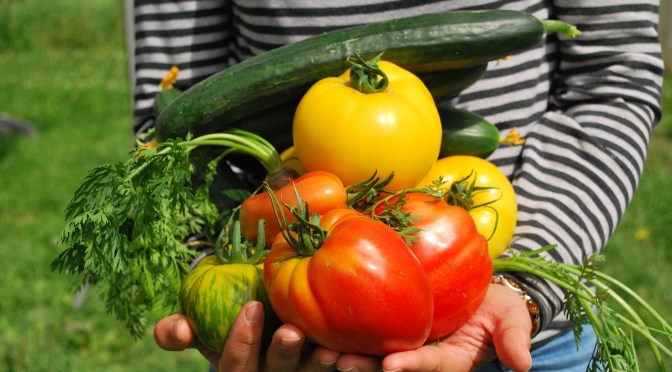

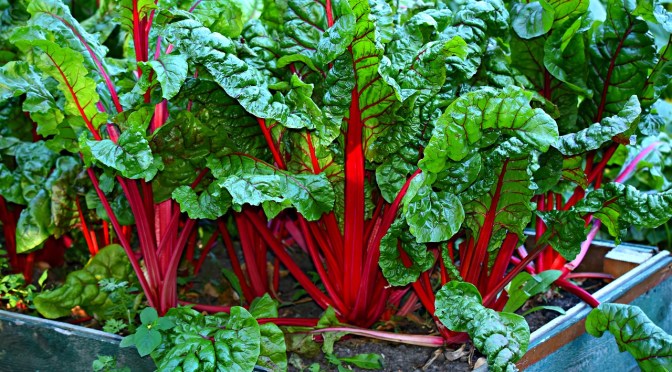
 Dana & Sarah Films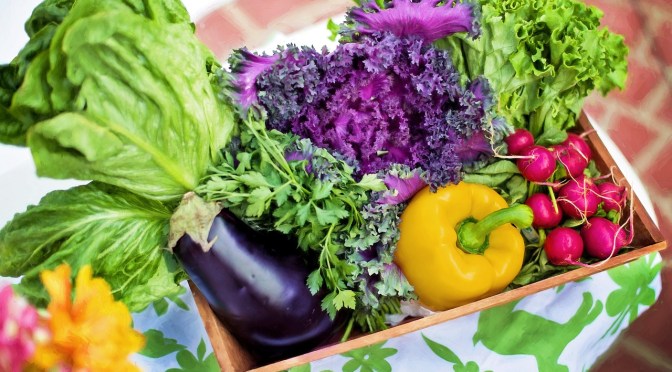

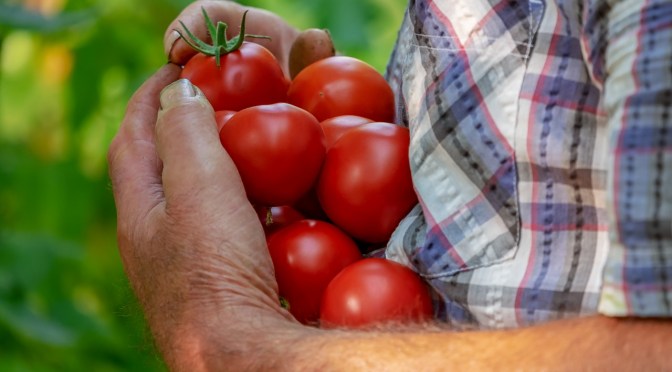

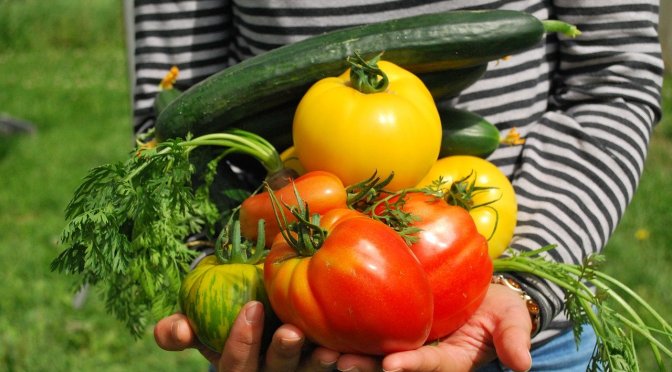

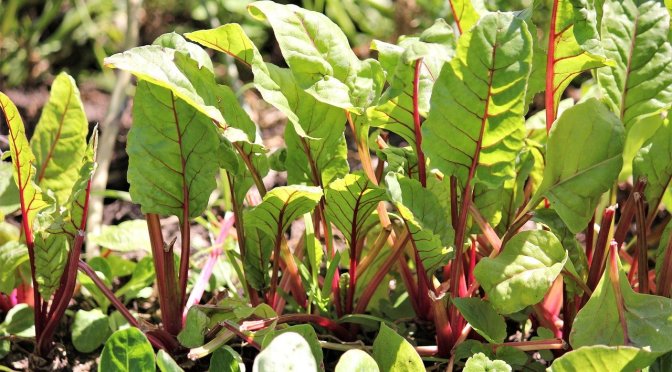
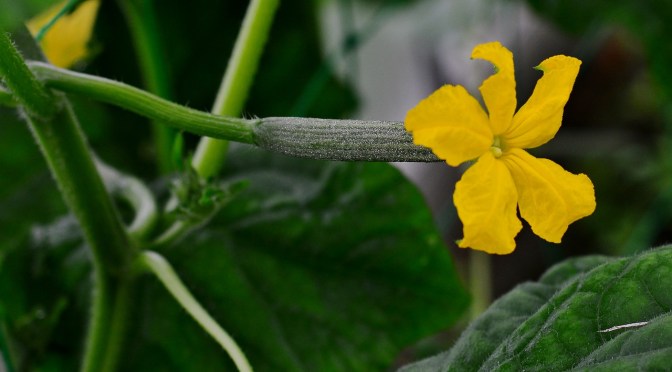
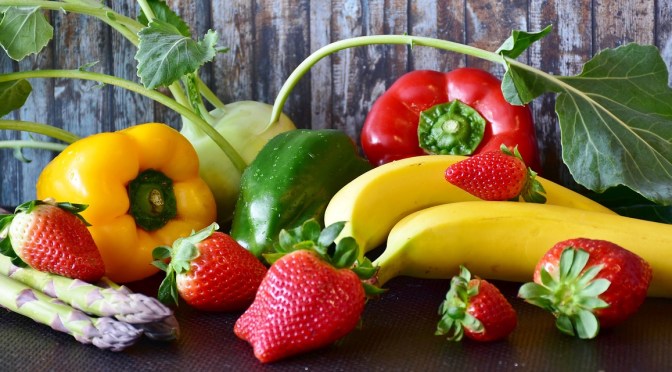


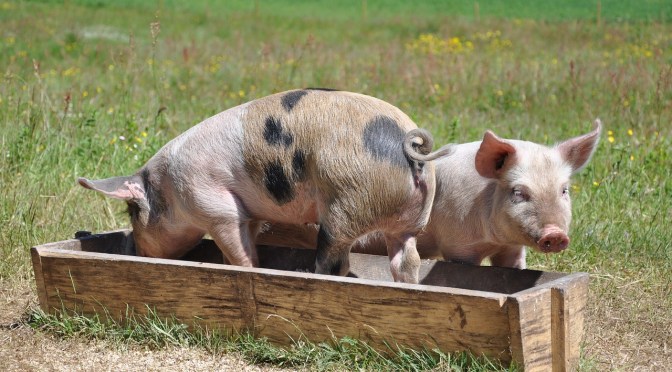



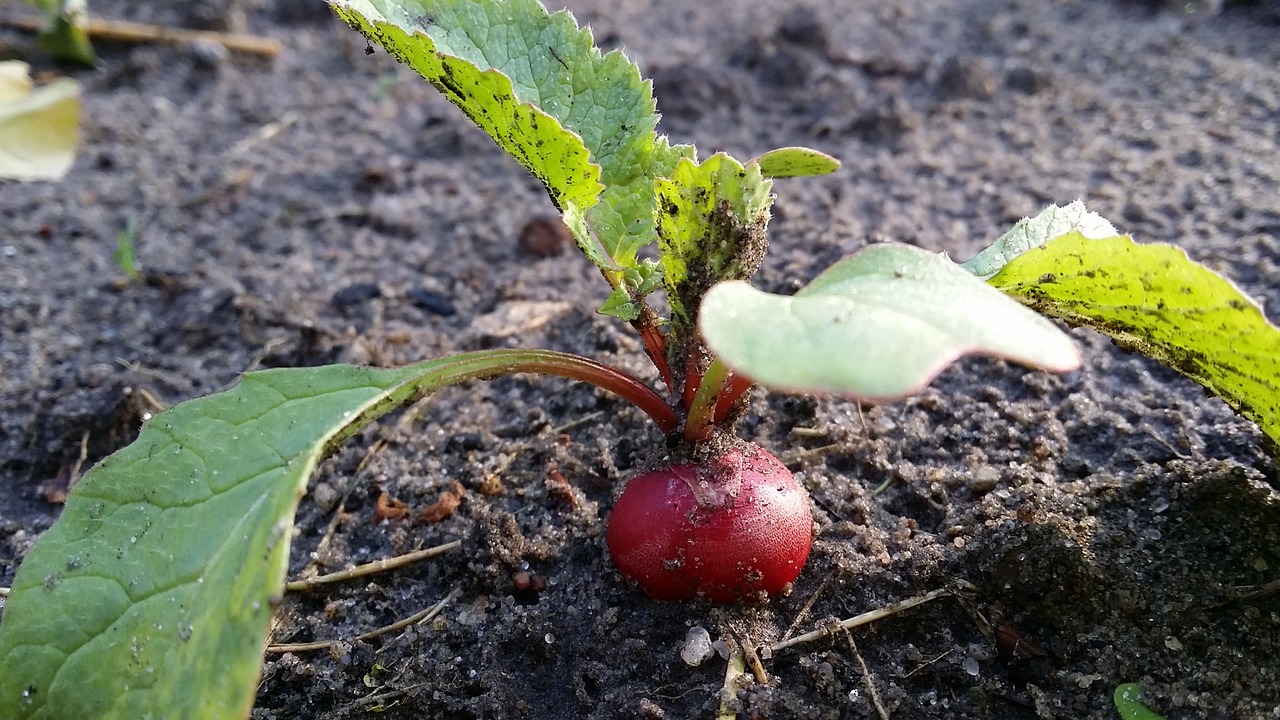

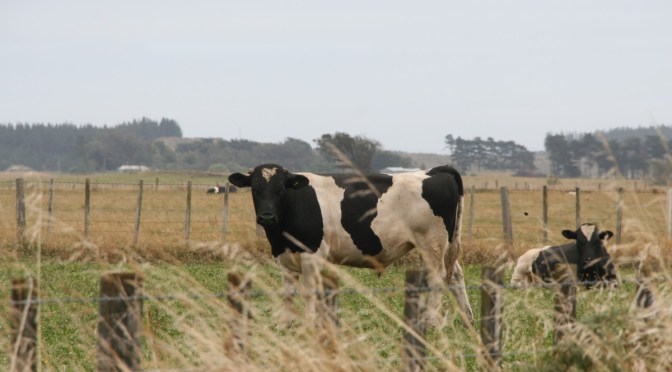

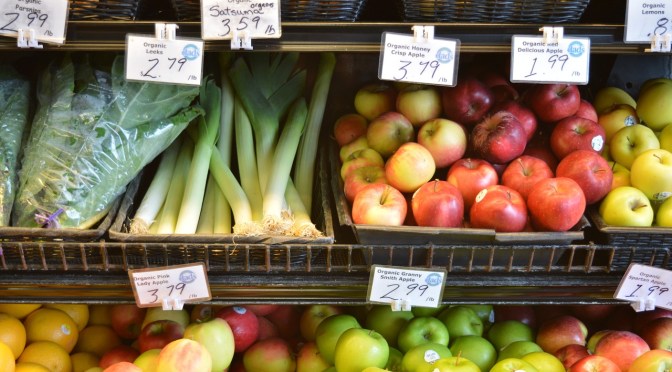

You must be logged in to post a comment.