
Note the info piece by YT about contrails. EWNZ
Tag Archives: Food

A Silent Epidemic With Far-Reaching Health Consequences
From mercola.com
Story at-a-glance
- NAFLD is characterized by excess fat buildup in your liver. Without proper treatment, it can lead to serious liver problems including nonalcoholic steatohepatitis (NASH), which causes inflammation and fibrosis, or scarring of the liver. NAFLD also increases the risk of other health conditions, including cardiovascular disease
- The first documented cases of nonalcoholic fatty liver disease (NAFLD) didn’t come about until 1980. Today, NAFLD affects 32.4% of people globally, and it’s the most common cause of liver transplant in adults under the age of 50
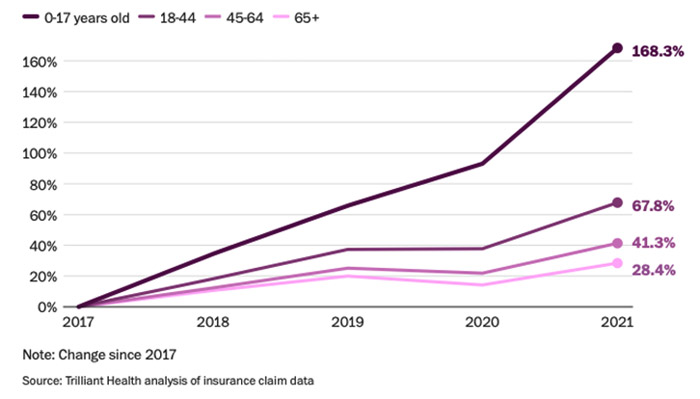
- NAFLD also affects up to 9.6% of American children aged 2 to 19, making it as common as asthma. In 15- to 19-year-olds, prevalence is as high as 17.3%. Prevalence among children 0 to 17 has risen 168.3% since 2017, with a particularly precipitous rise starting in 2020
- The dramatic rise in NAFLD in early 2020 may in part be due to the COVID lockdowns, which had the effect of raising childhood obesity rates by 8.3% to 13.4%, depending on the age group
- Maternal obesity and high consumption of diet soda and/or junk food during pregnancy have both been linked to NAFLD in offspring, and one theory is that artificial sweeteners may be programming the metabolism of the fetus to favor fat storage over energy production
Fatty liver disease used to be a disease seen almost exclusively in the elderly, primarily heavy drinkers. The first documented cases of nonalcoholic fatty liver disease (NAFLD) didn’t come until I was in medical school in 1980.1 At the time, the researchers described it as a “hitherto unnamed liver disease of unknown cause.”
In June 2023, scientists proposed rebranding NAFLD to “metabolic dysfunction-associated steatotic liver disease,” to highlight its relation to other metabolic conditions such as diabetes. What connects all metabolic conditions is that your body is not converting food to energy in an efficient manner.
In the video above, independent health researcher Jay Feldman investigates the true causes of NAFLD. This is Part 2 of an eight-part series. It’s like a master’s course on NAFLD, as he goes over virtually everything you could possibly want or need to know about it. If you or someone you know is currently struggling with NAFLD, I strongly encourage you to view all eight episodes.
In the featured episode, he explains why fructose is NOT the main culprit as commonly thought, how your liver produces fat from both fructose and dietary fats, and how impaired energy production in your mitochondria results in NAFLD.
What Is NAFLD?
NAFLD is characterized by excess fat buildup in your liver. Without proper treatment, it can lead to serious liver problems including nonalcoholic steatohepatitis (NASH), which causes inflammation and fibrosis, or scarring of the liver.
NASH may lead to cirrhosis, which increases the risk of liver cancer, and end-stage liver disease. NAFLD also increases the risk of other health conditions, including cardiovascular disease, which is the No. 1 cause of death in people with NAFLD. NAFLD often has no symptoms, although it may cause fatigue, jaundice, swelling in the legs and abdomen, mental confusion and more.
Your liver carries out more than 500 functions that are essential for health. This includes the production of bile (which breaks down dietary fats and carries away waste), converting excess glucose into glycogen, and regulating amino acids in the blood. It’s also important for detoxification, helping to clear your blood of toxins.
The good news is that your liver, more than almost any other tissue in your body, has phenomenal regeneration capabilities. Even if 90% of it has been removed, it can regrow to its normal size. NAFLD can also be successfully reversed in its early stages via lifestyle changes, like healthy eating and exercising.
NAFLD Prevalence Has Skyrocketed
Today, NAFLD affects 32.4% of people globally,2 and it’s the most common cause of liver transplant in adults under the age of 50.3 NAFLD also affects up to 9.6% of American children aged 2 to 19,4 making it as common as asthma.5 In 15- to 19-year-olds, prevalence is as high as 17.3%.6
What’s particularly strange is that the skyrocketing prevalence in children and teens is quite new. As illustrated in the graph below from Trilliant Health,7 prevalence of NAFLD has risen 168.3% since 2017, with a particularly precipitous rise starting in 2020.

Download this Article Before it Disappears
Obesity Is a Primary Risk Factor for NAFLD
As reported in a March 2021 paper on pediatric NAFLD:8
“The largest risk factor for NAFLD is obesity. Obesity and NAFLD in children are often associated; however, they are not concomitant.
In a 2019 study in 408 children with obesity using whole liver magnetic resonance imaging–proton density fat fraction, the prevalence rate of NAFLD was 26.0%, or roughly one in every four children. In the Teen LABS study of adolescents with obesity severe enough to warrant weight loss surgery, the prevalence rate of NAFLD was higher at 59%.”
The dramatic rise in NAFLD in early 2020 may in part be due to the COVID lockdowns, which had the effect of raising childhood obesity rates by 8.3% to 13.4%, depending on the age group.9
Artificial Sweeteners May Impair Metabolism
That said, NAFLD also occurs in an estimated 8% of normal weight children.10 Inherited predisposition may be part of the problem. But the environment in utero can also influence a child’s risk of NAFLD,11 and this is a far more likely explanation for the recent explosion in prevalence among children.
Maternal obesity and high consumption of diet soda and/or junk food have both been linked to NAFLD in offspring. Artificial sweeteners may be programming the metabolism of the fetus to favor fat storage over energy production.
Maternal obesity and high consumption of diet soda and/or junk food during pregnancy have both been linked to NAFLD in offspring, and one theory is that artificial sweeteners may be programming the metabolism of the fetus to favor fat storage over energy production.12
Babies are also routinely fed unnaturally high amounts of sweeteners in infant formula and baby food. In recent years, the baby formula industry has started marketing formula made with corn syrup solids instead of lactose from cow’s milk. It’s said to be better for babies with sensitivity to lactose.
However, recent research13 suggests formula made with corn syrup solids significantly increases your child’s risk of obesity by age 4, and by extension NAFLD, and those who consume the highest amounts of formula have the highest risk.
So-called “transition formula” and “toddler milk” also contain higher amounts of sugar than regular cow’s milk. Both products are pure marketing inventions that have no nutritional basis. Meanwhile, research14 has shown that consumption of unsweetened cow’s milk is associated with a lower risk of NAFLD.
The Role of Diet
Indeed, our modern diet is probably the most important driver of this condition. As reported by The Washington Post:15
“… many doctors believe that our modern lifestyle — diet, the increase in sedentary activities related to technology and environmental exposures — is to blame. One of the liver’s jobs is to filter toxins, and when something in the body is out of balance, the organ can become damaged and fail …
A little fat in the liver is normal, but when more than 5% of its cells contain fat, the organ’s ability to do its job is impeded, and pediatric specialists say some children they treat have livers with 30 to 40% or even as high as 60% fat …
Some pediatric experts theorize there’s a mismatch between our genetics and the highly processed and sugary foods that have come to dominate childhood diets.
Nutritional surveys show that meals eaten by kids changed radically in a generation, going from very little ultra-processed foods in the early 1980s … to more than 67%16 in recent years. Such diets lead to hormonal changes and other stresses on our bodies.
‘It creates a time bomb, and it is killing our kids,’ said Barry M. Popkin, a professor of nutrition at the Gillings School of Global Public Health at the University of North Carolina at Chapel Hill.”
The Washington Post goes on to cite a January 2022 systematic review17 that found “a parallel but delayed rise” in noncommunicable diseases with rising prevalence of ultraprocessed foods.
Between 1800 and 2019, processed and ultraprocessed foods rose from less than 5% to more than 60%. This radically altered the macronutrient content of our diets. Sugar and seed oil (or “vegetable oil”) consumption rose dramatically, while saturated fat from animals dropped.
Ditch the Fast Food to Protect Your Child’s Health
Of these, I believe the transition from saturated animal fats to seed oils has played the biggest role. As detailed in “Linoleic Acid — The Most Destructive Ingredient in Your Diet,” seed oil is the primary source of linoleic acid (LA), which destroys your mitochondrial function.
I’m convinced excessive LA consumption is the biggest contributor to chronic disease in the Western world, including NAFLD. To understand how LA undermines your health, and that of your children, please read through that article and watch the video included in it. Both provide a comprehensive overview of how LA drives chronic disease of all kinds.
To avoid LA, you’ll need to avoid processed foods, fast foods and most restaurant foods, and focus on real, whole, organically grown foods instead. Processed foods are also routinely contaminated with glyphosate, which can contribute to liver problems. Disturbingly, recent testing revealed 95% of school lunch items had detectable levels of glyphosate,18 so, if at all possible, provide your child with homemade lunches.
A shocking 100% of meals also contained heavy metals at levels up to 6,293 times higher than the maximum levels allowed in drinking water. Meanwhile, most of the meals were “abysmally low” in essential nutrients.
Fast food also contains extremely low amounts of essential nutrients, especially B vitamins. In fact, zero amounts of vitamin B9 or B12 were detected in the top 10 fast foods sampled.19
That’s rather remarkable, considering B12-rich foods include beef and chicken, both of which are staples in fast food, yet fast food beef and chicken provide no B12 at all! If that doesn’t convince you that fast food meat is nowhere near the same as grass fed organic meat, I don’t know what will.
Fatty liver can also be driven by excess sugar when, in addition to seed oils, you are consuming more than 35% or so of your calories as fat. This is likely why this condition is now found even in young children.
Nutrients That Help Combat NAFLD
Upping your intake of specific nutrients can also be helpful if you have NAFLD. Examples include:
| Choline — Choline is important for normal liver function and liver health by moving fat out of your liver. It also helps maintain membrane integrity and manages cholesterol metabolism, including low density lipoproteins (LDL) and very low-density lipoproteins (VLDL). Choline deficiency has been shown to enhance abnormal fat deposits in your liver, causing NAFLD.20 In fact, some experts believe NAFLD is largely the result of shunning choline-rich foods like liver and egg yolks,21 which is then worsened by consuming too much LA. You can increase your intake by consuming more choline-rich foods, such as organic pastured egg yolks, grass fed beef liver, wild-caught Alaskan salmon and krill oil. Arugula is also an excellent source. |
| Vitamin B12 and folic acid may also be protective and have been found to decrease the progression of NASH.22 |
| Niacinamide, also known as nicotinamide (NAM) — Niacinamide is a precursor to nicotinamide adenine dinucleotide (NAD+), a vital signaling molecule that’s believed to play an important role in longevity. Supplementation has also been found to decrease oxidative stress and prevent fatty liver.23 |
| N-acetylcysteine (NAC) — NAC is a precursor needed for glutathione biosynthesis. It’s used as an antidote for acetaminophen toxicity, which causes liver damage by depleting glutathione. Research published in Hepatitis Monthly has shown NAC supplementation helps improve liver function in patients with NAFLD.24 |
| Milk thistle — This herb contains silymarin and silybin, antioxidants that are known to help protect your liver from toxins and even help regenerate liver cells.25 |
| CoQ10 — CoQ10 keeps your mitochondria healthy and plays a crucial role in the production of ATP, the cellular energy required to keep you alive. Supplementing with CoQ10, or the natural form called ubiquinol, has been shown to improve NAFLD by reducing oxidative stress and inflammation.26 |
Remember that supplements should always be used in combination with a healthy lifestyle, including eating right and exercising. If you’re overweight, losing 7% to 10% of your body weight can improve NAFLD, including lowering liver fat content, liver inflammation and fibrosis.27
– Sources and References
- 1, 5, 7, 12, 15 Washington Post October 3, 2023 (Archived)
- 2 The Lancet Gastroenterology & Hepatology September 2022; 7(9): 851-861
- 3, 4, 6, 8, 10, 11 Clinical Liver Disease March 2021; 17(3): 196–199
- 9 JAMA 2021;326(14):1434-1436
- 13 American Journal of Clinical Nutrition October 2022; 116(4): 1002–1009
- 14 Frontiers in Nutrition 2023; 10: 1119118
- 16 JAMA 2021;326(6):519-530
- 17 Frontiers of Nutrition January 13, 2022
- 18 Moms Across America September 28, 2022
- 19 Moms Across America October 18, 2023
- 20 Oregon State University Linus Pauling Institute
- 21 chrismasterjohnphd.com November 23, 2010
- 22 Journal of Hepatology, 2022; doi: 10.1016/j.hep.2022.06.033
- 23 The Journal of Nutritional Biochemistry May 21, 2022
- 24 Hepatitis Monthly, 2010; 10(1):12
- 25 Indian J Biochem Biophys. 2006 Oct;43(5):306-11
- 26 Journal of Prescribing Practice. 2020;2(4)
- 27 Curr Obes Rep. 2019 Sep; 8(3): 220–228

DEALING WITH CODLIN, GUAVA MOTHS and ARMY WORM IN YOUR GARDEN (Wally Richards)
It is that time when fruit is setting and soon to be attacked from the grubs of moths; Codlin and Guava.
Guava moth is mostly in the upper north island but there has been a few cases in other areas likely as a result of fruit been brought south from infected areas.
So share with family and friends as there is nothing worse than losing your crop to these two pests.
There are two moths in New Zealand that attack fruit namely, Codlin Moth which have apples, pears and walnuts as their host fruit. Guava Moth which has ALL fruit and nuts as their host.
The Codlin Moth is seasonal active while there is fruit on their host plants but the Guava Moth is all year around going from one host tree to another including citrus.
Both are relatively easy to control so that you can obtain a reasonable amount of your crop as long as you follow my proven advice. Firstly let us understand how these two pests operate.
Being moths they only fly at night and they find their host tree by the smell of the forming and ripening fruit. So if they cannot smell your tree/fruit they will fly on by to a tree they can smell.
This is the first step in reducing the damage to your fruit by disguising the smell of the tree/fruit.
To do this you need an overriding smell that negates the smell of the tree’s fruit.
Wallys Neem Tree Granules scattered on the ground underneath the tree from the trunk to the drip line.
Then by making some little bags out of curtain netting we hang more of Wallys Neem Tree Granules in the tree on the lower branches about head high at the four cardinal points.
So we use the Wallys Neem Tree Granules as described after flowering and when the fruit has formed to a reasonable size. One application then is all that is needed for each crop to disguise the fruit as the granules last over 2 months, slowly breaking down..
The next step in control is to prevent any grubs that hatch out near your fruit from eating their way into the fruit. Once a grub enters the fruit you have lost the battle cause even if you use a poisonous systemic insecticide to kill it?
What is the point as its going to die inside the fruit and be useless.
No you need a non toxic substance on the outside of the fruit that is going to prevent the grub from eating its way in.
Wallys Super Neem Tree oil with Raingard is the perfect answer.
You spray the fruit, not the tree so there is a coating of Wallys Neem Tree Oil on the skin of the fruit protected from washing off in rain with Wallys Raingard (lasts for 14 days before reapplying.)
The Neem Oil is an anti-feedent which means when the young grub takes its first bite it will get some Neem Oil in its gut and will never eat again starving to death fairly quickly been so young.
On your mature fruit you will have a little pin pricked scar that where it took its one and only bite.
So all you do is just spray the maturing fruit every 14 days that are relatively easy to reach and spray.
Fruit that are more difficult to spray will likely be eaten by birds later on anyway and as long as you are getting a nice amount of fruit to harvest that is all that really matters.
Then there is also another way to control moth problem by which you set up a moth lure to attract them and kill them.
Take one litre of hot water add a100 grams of sugar, one teaspoon of marmite, half a tablespoon of Cloudy Ammonia and half a tablespoon of Vanilla:
Mix well and divide the mix between two plastic milk or soft drink bottles.
Punch some holes in the side of the bottles just above the level of the mix.
Place on a stand about a couple of metres away from the tree.
At about waist height like on a small folding table.
When a number of moths are caught dispose of them and make up a new solution.
Cloudy Ammonia used to be common once upon a time from a grocery store if not so easy to find try hardware stores, there are two chains in NZ and they may have it.
If you do all three procedures for control or at least the first two then you should be able to once again enjoy your own fruit.
The Codlin Moth traps are useful as if you monitor them they trap the male codlin moths which tells you it is the time to start using the Wally Super Neem Tree Oil spray on your apples etc.
If after a month you find no new male moths in the trap you can stop spraying as it is all over for the season. (That is unless you have Guava moths in your region).
Guava moth pheromone traps are a waste of time because they are all year round so there is no time to start or stop control sprays as with the Codlin Moth………..
Army worms are the caterpillars of the Fall Army worm Moth and these hungry little pests can devastate crops of vegetables and lawns.
Some of the methods mentioned above such as disguising the smell of your vegetable by using Wally Neem Tree Granules would likely help.
The liquid trap may also help catch a few of the moths.
My thoughts are to set up a Insect Killer trap safely outside (it is powered by 230 volts) so must be sheltered from rain.
The UV light shining out over your back yard will attract night flying insects and they will be electrocuted on the high voltage static electricity on the grid.
Same thing that used to be in old butcher shops for flies, nowadays there are smaller modern ones.
Also called a Bug Zapper.
Regular sprays of your lawn and plants that the army worm is devouring using Wallys Super Neem Tree Oil with Raingard added should also help control them.
Phone 0800 466464
Garden Pages and News at www.gardenews.co.nz
Shar Pei pages at www.sharpei.co.nz
Mail Order products at www.0800466464.co.nz
New Zealand Bill of Rights Act 1990. Part II of the Act covers a broad range of Civil and Political Rights. As part of the right to life and the security of the person, the Act guarantees everyone:
1The right not to be deprived of life except in accordance with fundamental justice (Section 8)
2The right not to be subjected to torture or to cruel, degrading, or disproportionately severe treatment or punishment (Section 9)
3The right not to be subjected to medical or scientific experimentation without consent (Section 10)
4The right to refuse to undergo any medical treatment (Section 11)
Furthermore, the New Zealand Bill of Rights Act 1990 guarantees everyone: Freedom of Thought, Conscience, and Religion.
This includes the right to freedom of thought, conscience, religion, and belief,
INCLUDING THE RIGHT TO ADOPT AND HOLD OPINIONS WITHOUT INTERFERENCE (Section 1)

The Nats will end NZ’s ban on gene editing and genetic modification
Note Kiwis: This plan to lift NZ’s ban on ‘gene editing and genetic modification to unlock enormous benefits for climate change, agriculture and health science’ they say … it indicates where we are headed. All the research demonstrating the dangers of GMOs falls on deaf ears of course. Corporations rule and they have no interest at all in what benefits you. Under Clarke’s watch 20+ years back GM corn crops were planted and allowed to mature in NZ … how many crops did they contaminate? We’ll never know. Read Nicky Hager’s ‘Seeds of Distrust’ … (and here) more lies from your esteemed leaders. EWNZ
“A National government will end New Zealand’s ban on gene editing and genetic modification to unlock enormous benefits for climate change, agriculture and health science, National’s Science, Innovation, and Technology spokesperson Judith Collins says.
“New Zealand can be a world leader in reducing agricultural emissions and benefit from other innovations in health, nutrition and the environment with gene technology rules that are fit-for-purpose,” says Ms Collins.”
READ AT THE LINK
https://www.national.org.nz/national_will_end_ban_on_ge_and_gm_to_benefit_nz
Photo: pixabay.com

From Shutting Down Farms to Global Control
No Farmers no Food: Watch the full documentary here
Story at-a-glance
- A war against farmers has emerged, threatening to push them off the land they’ve farmed for generations
- As small and mid-sized farms close their doors, governments and corporate entities can scoop up the land
- Those in control of the land control the food supply and, along with it, the people
- Much of this threat is cloaked under Agenda 2030, which includes 17 sustainable development goals with 169 specific targets to be imposed across the globe, in every country, by 2030
- The push to eat insects is part of this plan; in 2021, the European Commission authorized mealworms as food, releasing a news release touting “the growing role that insects will play as part of a healthier, more sustainable diet”
Are green policies around the world, targeting everything from too much nitrogen to protection of endangered species, all part of a plan to get small farmers off the land, paving the way for totalitarian control of the food supply — and insects as part of your daily diet?
These and other tough questions are posed by Roman Balmakov, Epoch Times reporter and host of Facts Matter, in “No Farmers, No Food: Will You Eat the Bugs?”1 Balmakov says:2
“The people in charge of some of the most powerful organizations on the planet have determined that agriculture, specifically animal agriculture is to blame for global warming, and global warming is to blame for the high prices of food as well as food shortages.
And so by switching our diets from beef, chicken and pork, to crickets and mealworms, we’ll be able to stop temperatures from rising, lower the price of food and possibly to even save the planet.”
But in interviews with farmers around the world, including in Holland and Sri Lanka, a very different story is told, one that began with a decades-old environmental policy.
Agenda 2030 Threatens Farmers
In 1972, a United Nations meeting about climate change was held to come up with a plan to manage the planet in a sustainable manner. This led to the creation of Agenda 21 (Agenda for the 21st Century)3 — the inventory and control plan for all land, water, minerals, plants, animals, construction, means of production, food, energy, information, education and all human beings in the world.
Agenda 21 is now more commonly referred to as Agenda 2030, the year the plan’s goals are slated to be met. In 2019, the World Economic Forum (WEF) entered into a strategic alliance with the United Nations, which called for the U.N. to “use public-private partnerships as the model for nearly all policies that it implements, most specifically the implementation of the 17 sustainable development goals.”4
Agenda 2030 is composed of these 17 sustainable development goals with 169 specific targets, including ending poverty and achieving gender equality, to be imposed across the globe, in every country, by 2030.
“Very comprehensive document if you read it,” says international journalist Alex Newman. “We’re talking hundreds of pages governing really every facet of life, everything from education to land use policy to economics to law. Every area of life was found there.” But hidden underneath these green-sounding initiatives, Newman says, may be a more sinister motive:5
“There is absolutely no way for the sustainable development goals to be implemented, to be tracked, to be monitored, without the total obliteration of individual freedom. Some of the goals sound nice — ending hunger, who could possibly be against ending hunger? The problem is, when you set a nebulous goal like that, it requires total power from the state to be able to accomplish that.
And of course, they will never accomplish that, right? There is no way to literally eradicate all poverty from the face of the Earth, but it gives government and global institutions, like the U.N., an easy excuse to basically do whatever they want under the guise of meeting these goals.”
Is the Nitrogen Crisis Real?
Dutch farmers are in crisis as their government has stepped up plans to move them off the land. You can hear about this in-depth via Dutch investigative journalist Elze van Hamelen’s report and podcast for The Solari Report — Dutch Farmers and Fishermen: The People Who Feed Us.6
“In 2021, the European Union’s Natura 2000 network released a map of areas in the Netherlands that are now protected against nitrogen emissions. Any Dutch farmer who operates their farm within 5 kilometers of a Natura 2000 protected area would now need to severely curtail their nitrogen output, which in turn would limit their production,” Balmakov explains.7
Dutch dairy farmer Nynke Koopmans with the Forum for Democracy believes the nitrogen problem is made up. “It’s one big lie,” she says. “The nitrogen has nothing to do with environmental. It’s just getting rid of farmers.” Another farmer said if new nitrogen rules go into effect, he’d have to reduce his herd of 58 milking cows down to six.
Nitrogen scientist Jaap C. Hanekamp was working for a government committee to study nitrogen, tasked with analyzing the government’s nitrogen model. He told Balmakov:8
“The whole policy is based on the deposition model about how to deal with nitrogen emissions on nature areas. And I looked at the validation studies and show that the model is actually crap. It doesn’t work. And doesn’t matter. They still continue using it, which is, in a sense, unsettling. I mean, really, can we do such a thing in terms of policy? Use a model which doesn’t work? It’s never about innovation, it’s always about getting rid of farmers.”
Download this Article Before it Disappears
The Ultimate Agenda: No Land Ownership for the People
As farmers shut down, the government can swoop in and take the land, which may be what the agenda is really about. According to Eva Vlaardingerbroek, former member of Forum for Democracy and a political commentator:9
“I’ve always said that the nitrogen crisis is, first of all, a made-up crisis. It’s manufactured, and the only solution that has ever been proposed is forced expropriation. So, it is the government that will take hold of their land … We have a housing crisis in the Netherlands, as you know, this is a very tiny country. We have a lot of people, and we have a growing population because of immigration. And we need places to house those immigrants.
And I think that that’s partly why the government wants that land. They need houses, and they need to build houses, which is funny, because apparently building houses is also what emits nitrogen. But that’s not the people they’re coming after. They’re coming, specifically, after the farmers because they want the land. So that is the ultimate goal.”
But it’s not only farmers in the Netherlands who are being affected. In 2020, California became the first U.S. state to commit to a 30 by 30 goal, pledging to put 30% of its land and water under government control by 2030. But as Margaret Byfield, executive director of American Stewards of Liberty, says, this paves the way for private land ownership to disappear:10
“The concept in America is self-rule. We the People will rule our government and our Founding Fathers understood that the small landholder is the most important part of the state. The idea was that the land would be distributed among the people so they could always control their government. California has developed a 30 by 30 plan. They’re pushing 30 by 30 in the state …
The ultimate agenda is that there is no ownership of land so that we don’t own anything. We either own property, or we are property. That’s really what we’re fighting from the global governance perspective. They have to eliminate our ability to control our government, which means they have to take our land.”
Other seemingly sustainable government regulations may also be wrapped up in this plan. Rep. Doug LaMalfa, farmer and California representative, explains:11
“A lot of this came about in the early ‘70s Clean Water Act, Clean Air Act, which were good things, you know, the Endangered Species Act, but it’s been abused from what the original intent was. Congress did not intend for it to be abused the way it is and manipulated. The way it is these days, when they wrote those bills, they would have never passed them.”
The Globalists Have It All Planned Out
Much of the new world order’s plans are based on crisis management, and the idea that a great crisis will occur that will lead to the great transition, where globalists will swoop in to save the day, transforming society into the promised paradise. “At some point down the line, the narrative changed to be around climate,” Balmakov says.
Prior to this, it was the Cold War, but this changed after a 1991 Club of Rome meeting. Both the Rockefellers and early WEF affiliations can be tied back to the Club of Rome, a think tank that aligned with neo-Malthusianism — the idea that an overly large population would decimate resources — and was intending to implement a global depopulation agenda.
“They came up with this incredible document where they actually said, We need a new justification for this all-powerful state,” Newman says. “So, the new excuse is going to be because the environment is going to be harmed and because climate is going to hurt us.”12 Balmakov continues:
“I could not believe what I just heard, that world leaders really laid out this globalist plan in plain English in a physical book, way back in 1991.
I went on Amazon. And there it was. ‘The First Global Revolution,’ which states, and I quote, ‘In searching for a common enemy to unite us, we came up with the idea that pollution, the threat of global warming, water shortages, famine, and the like, would fit the bill. And therefore, the real enemy is humanity itself.’”
Reading between the lines, the key players in this globalist agenda become clear. Newman says:13
“The World Economic Forum was actually a critical part of implementing this U.N. agenda. Some years ago, they became a strategic partner of the U.N. in the implementation of agenda 2030. And then you start looking at the connections between the World Economic Forum and China. Klaus Schwab and Xi Jinping, they’re like old buddies.
They put out press releases about how much they love each other. So, you’ve got the super capitalists, represented by the World Economic Forum, and then on the government side, you have communists. after Agenda 2030 was adopted, become the Party of China, put out through all their propaganda organs.
… you had Javier Solana, the head of NATO, saying this was going to be the next great leap forward, right? The last great leap forward in China killed millions of people. Why would we want another one of those? That’s crazy. So, you have communists and super capitalists all coming together and working on this one, sustainable development agenda. And that should make us all pause and say, ‘Wait a minute, that doesn’t make sense on the surface. What’s going on here?’” Globalists suggest eating bugs will protect the planet by eliminating the need for livestock, cutting down on agricultural land use and protecting the environment.14 The U.N.’s Food and Agriculture Organization also encourages the consumption of insects and insect-based foods.15 In June 2021, WEF also published an article, categorized under “food security,” in which they promote the use of insects, writing we “need to give insects the role they deserve in our food systems.”16 They justify this proposal by saying it will address an impending food crisis. In 2021, the European Commission authorized mealworms as food, releasing a news release touting “the growing role that insects will play as part of a healthier, more sustainable diet, as well as the benefits for the environment for years to come.”17 Victor Davis Hanson, a military historian and almond farmer, notes:18 “There’s this top-down globalist idea that certain Western countries have diets that they do not approve of. In other words, they’re more meat-based. And they feel that humans don’t need meat-based protein. And they want to either force people to follow their paradigms, or they want to buy or accumulate farmland. And that’s how they’re going to farm it. It’s sort of like the Soviet Union or Mao’s Cultural Revolution. It’s top down. And it results in disasters.” If government and corporate entities are able to take control of the land, they can control the food supply and, with it, the people. “Everywhere you look small and medium sized farms being gobbled up by these corporate mega farms, because they can’t keep up anymore. They can’t comply with these endless streams of regulations that are coming down,” Newman says. “We’re seeing that in China now where these giant mechanized corporate, big government-controlled mega farms are displacing all these little small family farms that families have been farming for hundreds of years — in some cases longer.”19 Without land, people lose their autonomy, freedom and independence. Hanson says:20 “When the American nation was founded, 95% of the people were homestead citizens. They had their own land, and they were completely independent, autonomous. They raised their own food. They were outspoken, they were economically viable. Farming serves two purposes. It doesn’t just produce food, but it produces citizens.” Ultimately, the war against farmers is a war on the whole of humanity, one that threatens what it means to be free. “We are headed into, I think, a time of very significant food shortages. Can we expect to see massive increases in food prices next year? Oh, no question about it,” Newman says, adding:21Bring On the Bugs
Without Farmers, There’s No Food
“I think the end goal of the war on farmers that we’re seeing, which is guided at every step by the sustainable development goals and Agenda 2030, is going to be a total consolidation of agriculture, a total consolidation of the food supply. And as every communist tyrant of the last 100 years understood, if you control the food, you control the people. That’s ultimately the end goal.”
Sources and References
- 1 The Epoch Times, No Farmers, No Food
- 2, 10 The Epoch Times, No Farmers, No Food, 1:19
- 3 YouTube, Ivor Cummins, The Greatest History Never Told June 24, 2023, 57:31
- 4 YouTube, MintPress News, Whitney Webb, What Is the World Economic Forum? February 8, 2023, 4:30
- 5 The Epoch Times, No Farmers, No Food, 1:05
- 6 The Solari Report August 17, 2023
- 7 The Epoch Times, No Farmers, No Food, 1:09
- 8 The Epoch Times, No Farmers, No Food, 1:16
- 9 The Epoch Times, No Farmers, No Food, 1:17
- 11 The Epoch Times, No Farmers, No Food, 1:21
- 12 The Epoch Times, No Farmers, No Food, 1:40
- 13 The Epoch Times, No Farmers, No Food, 1:43
- 14, 16 World Economic Forum, June 12, 2021
- 15 BI.edu January 4, 2022
- 17 European Commission June 2, 2021
- 18 The Epoch Times, No Farmers, No Food, 1:50
- 19 The Epoch Times, No Farmers, No Food, 1:54
- 20 The Epoch Times, No Farmers, No Food, 1:56
- 21 The Epoch Times, No Farmers, No Food, 1:58
Image by René Schindler from Pixabay

13 Common GMO Foods to Avoid
NZ approved GM potatoes some time back. I’ve contacted two ‘healthy’ pork and chicken suppliers who said they can’t guarantee non GM because the feed is not labeled GM or not. Under Helen Clarke’s watch GM Corn was grown & harvested in NZ at around 2000/2001. We’re not GM free by any stretch of the imagination. EWNZ
From goodinside.com
GMOs, or genetically modified organisms, are an increasingly controversial topic. The food industry is all-in with GMO because it allows them to modify plants so they are resistant to pesticides, grow faster or bigger, or are disease or drought resistant.
On paper, GMO foods seem like a technological advancement. But when you take a look at the research that evaluates their safety, and the chemicals they come with, a darker side is revealed.
Why Should You Avoid GMO Food?
Despite the fact that many companies claim GMO food is perfectly safe, there’s a growing body of research that raises concerns. Animal studies have found that GMO food can cause organ damage, immune system disorders, infertility, intestinal problems, and even accelerate physical aging (1).
This is where skeptics will say, “this doesn’t mean anything because they’re not human studies.” Even so, there’s still one big glaring issue: most GMO foods are riddled with pesticides because they were specifically developed to be resistant to these toxic chemicals.
READ MORE AT THE LINK
READ OTHER ARTICLES ON GM FOOD HERE
Photo: pixabay.com

THE PERFECT RAISED GARDEN (Wally Richards)
Several years ago in the place where I was living; I had given over the back yard to a flock of chickens which made it awkward to grow vegetables in that area.
Being a back section down a long driveway I decided to construct a raised garden in the end of the turning bay. A good spot facing North-West, so sunny much of the day and also near the house with a wooden fence a metre away making it nice and sheltered.
I had a cocktail kiwi fruit vine growing on the fence and did not realise that would be a problem down the track.
I wanted a raise garden that would be about waist high so easy to work without bending.
Besides a high garden was less likely to have weed seeds blown into it.
I also did not want to spend a lot of money so I decided to build it out of corrugated, galvanised roofing steel.
I purchased 3 new lengths of roofing steel 1.8 metres long and 845mm wide for about $109 at today’s prices.
I also purchased two 100×75 x1800 fence posts ($30.00) that I cut both in half making them 900mm long.
As the posts are tanalised I did not want the chemicals leaching out into the garden and poisoning the vegetables so after cutting them I gave them two coats of acrylic paint all over to seal in the chemicals.
This done and dry I laid one sheet of galvanised steel onto the painted posts at each end of the steel.
The steel was flush with the bottom of the posts and thus drilled and then screwed on using roofing screws.
I also did the same with another sheet of steel and the other two cut posts.
I now had two long sides of my new raised garden.
The third sheet of steel I cut in half so that would be the two ends of the raised garden.
Making it 900mm wide a nice width to work on from one side and easy when access to both sides.
Simply drilled and screwed the two ends in place and sat the structure on the ground which was a gravel/stone area.
Now became the task of filling the raised garden up and I did this as I would a compost heap.
Pruning bits and and cut branches at the bottom onto the shingle then lawn clippings, spent potting mix, kitchen scraps, screwed up newspaper,
saw dust untreated, weeds not in seed, compost out of compost bin in fact anything organic.
Once the level got up to about 600mm or about two thirds of the way to the top I then placed some sheets of cardboard over the fill and on top of the cardboard placed a layer of chicken manure (could be any animal manure that is available) sheep manure pellets, then a sprinkling of Wallys Ocean Solids, Wallys BioPhos and Wallys Calcium & Health.
Thats the food done for the plants and over this I placed a layer (about 8 cm deep) of my favorite purchased compost, Value Compost which is available from Bunnings and some switched on garden shops.
This left a distance from the top of the growing medium to the top of the sides of the steel of about 20 odd cm.
Now with one long side facing the sunny north and though the steel nicely warming up the growing medium and the gap of 20 cm above the growing medium which means the wind passes over and we have created a micro climate.
This was so good that seedlings of silverbeet I planted took only about 3 to 4 weeks before I had good size leaves to harvest.
In fact every thing grew so quickly and healthy.
The four posts protruding a bit above the roofing steel were great to put a nail partly into each and then place netting over the garden which kept butterflies and birds/cats out of the garden.
My first season was great but the following season when I planted up nothing grew, plants sat there like they were sulking.
It took me a while to sort out the problem which I found that when I dug down into the growing medium I came across the most dense mat of fibrous roots that I had ever seen.
The cocktail Kiwi vine had become massive, spreading out all over the place to the point the neighbor complained about all this vegetation in his area.
The vine had found that there was a massive amount of food nearby and sent its roots across and then upwards to collect all this wonderful food I had placed there.
It completely ruined my raised garden but as every thing was screwed together It was simple to unscrew and remove the posts and roofing steel which I moved to my next place of residence and assembled again but this time on concrete.
A good lesson learnt if you are going to have a raised garden of any type you must place it on concrete or a solid concrete pad.
It only needs to be 40-50mm thick to prevent invading roots from any plants/shrubs/trees within many metres of the raised garden.
There is no safe distance that I am aware of other than about 10 metres from plants and likely 50 metres or more from established trees.
So put your concrete pad down on the ground and then place the raised garden on top of that.
Maybe a double layer of Black Polythene film which is what I call builders plastic that comes in packs 2mX5m and 200um thickness might work as long as it covers the area and has no holes in it to let any roots in.
I prefer the concrete pad. At my current place I have the same original raised garden posts and roofing steel now over 15 years old and placed on an asphalt area.
There is another advantage with this construction which is you can (where there is room) take one end off and with another two new sheets of roofing steel and another post cut in half and painted extend the size on the raised garden to double.
If doing this I would place a brace across between the now two central posts to stop any bowing effect from the fill.
People that do not have the room to construct the perfect raised garden can purchase lower type steel or wooden ones from the likes of Mitre 10, Bunnings or Trade Tested (on line).
There are nice small ones 60cmx 60cm and 41cm tall for about $50.00 and larger ones about 12cmx 120cm and 41cm tall for about $90.00.
I have several of those and they work a treat for growing any vegetable plants in just be sure they are placed onto concrete to prevent root invasion.
After a crop is harvested you can put over the medium a layer of cardboard smoothing any weeds and then animal manure and other goodies covered with Value Compost ready to replant a new crop of seed or seedlings.
Phone 0800 466464
Garden Pages and News at www.gardenews.co.nz
Shar Pei pages at www.sharpei.co.nz
Mail Order products at www.0800466464.co.nz
New Zealand Bill of Rights Act 1990. Part II of the Act covers a broad range of Civil and Political Rights. As part of the right to life and the security of the person, the Act guarantees everyone:
1The right not to be deprived of life except in accordance with fundamental justice (Section 8)
2The right not to be subjected to torture or to cruel, degrading, or disproportionately severe treatment or punishment (Section 9)
3The right not to be subjected to medical or scientific experimentation without consent (Section 10)
4The right to refuse to undergo any medical treatment (Section 11)
Furthermore, the New Zealand Bill of Rights Act 1990 guarantees everyone: Freedom of Thought, Conscience, and Religion.
This includes the right to freedom of thought, conscience, religion, and belief,
INCLUDING THE RIGHT TO ADOPT AND HOLD OPINIONS WITHOUT INTERFERENCE (Section 1)
Photo: pixabay.com
More tomato growing tips (Wally Richards)
I wrote a bit about tomato growing recently and since then I have realized there are more things worth knowing to be successful and have a great crop.
There hundreds of different tomato types available world wide, red fruit, black fruit, even green fruit that are green when fully ripe.
Sizes vary from the size of a marble up to fruit weighing over one kilo.
All tomatoes can be brought down to two growth types, Indeterminate which are a vine and they continue to grow and produce tomatoes till winter ends their lives.
Grown in a glasshouse hydroponically I have seen a plant about 10 meters long with the last meter or so flowering and fruiting.
Indeterminate tomatoes need support of stakes or wires to keep them upright otherwise they tend to end up growing along the ground.
Examples would be Early Girl, Big Beef, Grosse Lisse and Money Maker.
Determinate tomato varieties grow to a predetermined height which is about a meter tall.
They need less support and are often referred to as ‘Bush Tomatoes’ as they form a bush about a meter tall and wide.
Laterals can be removed or left. They are not as long lived as the Indeterminate in most types.
Examples would be Russian Red and Scoresby Dwarf.
If you do not have a glasshouse then choose a spot where it is very sunny most of the day and sheltered from wind.
Against a wall facing north is ideal.
If you only have less favorable spots then grow Russian Red or Scoresby Dwarf.
I some times hear people say that you should not grow tomatoes in the same spot every year in case of disease build up in the soil.
Yes and no; as I know of gardeners growing their tomato plants in the same spot for over 25 years and outside of seasonal conditions no problems.
I think a problem can occur when chemicals are used along with chlorinated water to water the plants which kills the soil life and leads to the build up of pathogens in the soil.
The normal problems that occur are the following:
Collar rot which is when a rot sets in some where on the trunk of the plant cutting off the roots from the foliage which progressively wilts as the disease takes hold.
Caused by removing laterals, leaves and even fruit when the air is humid.
The moisture in the air carries the disease to the wound, where it enters the plants and sets up shop somewhere on the trunk.
More likely to happen in a glasshouse where the air is moist for a while after watering.
Only remove laterals etc when its sunny and the air is drier. It is also good practice to have some copper spray made up in a trigger sprayer and spray the wound as soon as it is created.
Blossom end Rot is another problem that often occurs to tomatoes that are grown in containers.
It is seen as the fruit heads to maturity as a black patch on the base of the fruit.
It is caused by lack of moisture at the time the fruit are setting.
Sometimes it can also be a lack of calcium so if you give the plants a little Dolomite that will ensure the calcium is present.
Then its a matter of ensuring the growing medium has sufficient moisture.
That may mean in container plants watering three times on a hot sunny day.
In a glasshouse when the temperatures are high you can see that the top foliage of the tomatoes are drooping.
This can happen even when the growing medium has sufficient moisture.
The plants are perspiring more moisture out through the foliage than the roots can take up fast enough to make up the loss of moisture.
The foliage like us perspire to help cool us down in hot conditions.
You can spray the foliage over and under with Wallys Vaporgard to reduce moisture loss by about 30-40%.
In the area of the tomato where the foliage is drooping can be also where there are flowers wanting to set their fruit which also leads to Blossom End Rot.
Setting of fruit is not done by bees although Bumble Bees flying near tomato flowers on a sunny day can set fruit caused by the vibration of their wings.
If you had a tuning fork you could make it vibrate and hold it near the flowers on a sunny day to set the fruit.
Normally out doors there is a bit of air movement on a sunny day which allows the pollination to take place.
In a glasshouse there may not be the same air movement so best on a sunny day when the flowers are open you tap the plant or the stake to make the plant vibrate and thus set all the fruit.
Split fruit on plants is caused by uneven watering.
Papery brown patches on the fruit is caused by strong sun effectively cooking the fruit. Thus you need to provide some shade cloth if that is happening.
Blotchy ripening and also lack of flavour is caused by insufficient potash which means you have not applied Wallys Secret Tomato Food with Neem to the plants.
This brand of food has a good amount of potash and gardeners that use it remark on how great their tomatoes are.
White fly are a big problem with tomato plants both in a glasshouse and outside.
Using Wallys Secret Tomato food with Neem Granules mix will help not only good growth but the Neem smell helps to disguise the smell of the tomato plants.
Wallys Neem Granules also on the soil, adds to that smell disguise aspect.
This season in my glasshouse as well as having Neem Granules on top of the growing medium I am going to hang some little bags of naphthalene crystals (From Wallys Cat Repellent) in the glasshouse to create an even greater smell.
Wallys Yellow Sticky White Fly traps are also another means of catching the adult white fly that may approach the tomatoes to lay their eggs.
Hanging off the stake above the plant is ideal and lifted higher as the tomato plants grow upwards.
In a glasshouse some hanging near door and vents can catch a lot of pest insects.
The tomato psyllid we have written about in the past can be easily controlled by using Wallys Cell Strengthening products. For more information on that just email me..
Phone 0800 466464
Garden Pages and News at www.gardenews.co.nz
Shar Pei pages at www.sharpei.co.nz
Mail Order products at www.0800466464.co.nz
New Zealand Bill of Rights Act 1990. Part II of the Act covers a broad range of Civil and Political Rights. As part of the right to life and the security of the person, the Act guarantees everyone:
1The right not to be deprived of life except in accordance with fundamental justice (Section 8)
2The right not to be subjected to torture or to cruel, degrading, or disproportionately severe treatment or punishment (Section 9)
3The right not to be subjected to medical or scientific experimentation without consent (Section 10)
4The right to refuse to undergo any medical treatment (Section 11)
Furthermore, the New Zealand Bill of Rights Act 1990 guarantees everyone: Freedom of Thought, Conscience, and Religion.
This includes the right to freedom of thought, conscience, religion, and belief,
INCLUDING THE RIGHT TO ADOPT AND HOLD OPINIONS WITHOUT INTERFERENCE (Section 1)
Photo: pixabay.com

Bringing the ocean to your garden (Wally Richards)
The first thing too realize is that plants will take up any minerals or elements that are in the growing medium along with any chemicals.
For instance you avoid growing vegetables next to an older house as there is a likelihood of lead in the soil from lead paints used in the past on the house.
This is even more so for any root crops such as potatoes or carrots because roots store more of the lead than the foliage.
I read also that in old gold fields that planting of big rooting plants such as hemp can be used to take up the minuet gold particles and then later extracted from the mature plant.
This morning I read the latest newsletter from Guy Hatchet in which he says:
As you know, public health is my major concern. Little is possible without robust health.
So the most important question is what alternatives are available to solve the public health crisis?
Our political leaders and the nation’s medical administrators have fallen short of explaining to the public what has gone down,
not so much during the pandemic but post pandemic what is happening now.
The long wait lists for surgery and the appalling response times for emergency treatment are not so much a reflection of a health service in disarray,
but primarily the result of a massive increase in illness among the general population.
Heart disease, cancers, strokes, reproductive health issues, neurological illness, mental health episodes,
immunological deficiencies, disability, and excess mortality have been increasing at rates never seen
before. We have repeatedly reported on these. For example the rate of hospitalization for heart disease has increased by 83% and strokes by 40%.
None of these frightening developments have been mentioned during the election campaign.
Guy goes on to suggest: According to scientific studies, what really can improve health outcomes?
Food
Improving diet is a powerful approach.
Many studies show that the benefits of fresh fruit and vegetables for health are not only significant but they are very large studies.
Research published in 2015, with 150,000 participants over 32 years found that vegetarians live longer. Even a tiny 3 per cent increase in protein from plants led to a huge 12 per cent drop in risk of death from cardiovascular-related disease.
A study published by the BMJ found:
“Participants with Covid-19 who reported following ‘plant-based diets’ and ‘plant-based diets with pescatarian elements’ had 73% and 59% lower odds of moderate-to-severe COVID-19 severity, respectively, compared with participants who did not follow these diets.”
I replied back to Guy with the following: Hi Guy
Yes you are right about diet being the key to better health outcomes but produce commercially grown found in supermarkets is not healthy food with good nutritional values; it is unhealthy, force grown and containing numerous chemicals from sprays and fertilizers.
For instance NZFSA in one of their past analysis of food found 23 different chemicals in cucumbers tested; these were from sprays used to protect from diseases and insect pests.
That was one of the worst cases but most others also had too many chemical poisons in the produce.
Commercially grown produce is also relatively tasteless when compared to naturally home grown vegetables, which are delicious to eat and brimming full of minerals and nutrients.
Organic grown is half the answer as it removes the chemical poisons but it does not necessary increase the nutritional values and taste.
The simple test is if the produce tastes really good then it has great health values and you do not need to eat much to feel satisfied.
Regards Wally Richards
I believe that most readers of my columns already know these aspects and hence do grow as much of their own food chain as possible and have better health outcomes as a result, for them and their families.
Putting the goodness into the soil so the plants take it up will not only increase the goodness of the food but the taste will be that much better as well.
We have two products which are from the ocean one of which is Wallys Ocean Solids containing all the known minerals and elements of which there are 114 there of.
Lightly applied to the soil or occasionally diluted and sprayed over the foliage of your plants it will increase the health and goodness of your vegetables.
Then there is our special fertilizer made from the fish of the sea: Bio Marinus™ which is manufactured by the enzymatic hydrolysis of fish offal, blended with humate, seaweed and biology including Bacillus subtilis, Trichoderma, mycorrhizae fungi etc, together with gibberellic acid which promotes growth.
Designed to provide a high quality, cost effective fertilizer.
Use at 30ml per litre of non chlorinated water for soil drench and feeding plants.
15ml per litre of non chlorinated water for foliage spray.
Biologically active soils have the ability to retain moisture and release nutrients ensuring greater production, faster rotation and more rapid recovery from stress.
To build a healthy biological soil we need products that can feed living organisms.
Soil health and soil fertility requires much more than NPK fertilizer.
Without the right biology, plants and animals cannot reach their full potential.
Biology is essential for the recycling of nutrients and the fixing of atmospheric nitrogen.
Bio Marinus™ is produced in Christchurch made with fish from our Southern Oceans and available in one litre containers for the home gardeners.
These we have had the privilege to promote for a few years.
The company has focused its products to the commercial growers and have given me the rights to decant and relabel the product.
Which soon will be labeled as Wallys Fish Fertiliser.
The cost savings of us doing the product has reduced the retail price down by $2.00 to $16.00 a litre.
We also can now supply garden shops with a wholesale price so they can offer their customers the best fish fertilizer in NZ brimming full of goodness and microbes for your gardens.
The product is suitable to add Magic Botanic Liquid (MBL) to the spray but as there is life microbes in the fish fertilizer you need to use it soon after adding or otherwise do not seal the cap as the microbes can grow their populations and balloon the plastic container.
You can use this to advantage by placing the fish fertilizer into a bucket of non chlorinated water and then add some molasses to the brew and grow over night your own billions of beneficial microbes to add to the soils of your garden.
Phone 0800 466464
Garden Pages and News at www.gardenews.co.nz
Shar Pei pages at www.sharpei.co.nz
Mail Order products at www.0800466464.co.nz
New Zealand Bill of Rights Act 1990. Part II of the Act covers a broad range of Civil and Political Rights. As part of the right to life and the security of the person, the Act guarantees everyone:
1The right not to be deprived of life except in accordance with fundamental justice (Section 8)
2The right not to be subjected to torture or to cruel, degrading, or disproportionately severe treatment or punishment (Section 9)
3The right not to be subjected to medical or scientific experimentation without consent (Section 10)
4The right to refuse to undergo any medical treatment (Section 11)
Furthermore, the New Zealand Bill of Rights Act 1990 guarantees everyone: Freedom of Thought, Conscience, and Religion.
This includes the right to freedom of thought, conscience, religion, and belief,
INCLUDING THE RIGHT TO ADOPT AND HOLD OPINIONS WITHOUT INTERFERENCE (Section 1)

GROWING POTATOES AND THE POTATO PSYLLID (Wally Richards)
Many gardeners will know the trick of planting a tomato plant deep into the soil right up to if not beyond the first set of leaves.
The reason is that the plant will create roots all the way up the trunk which is buried, making for a bigger root system and a better plant.
In fact later on the trunk that is above the soil level will likely produce bumps which are the beginnings of aerial roots
and like potatoes you could mound up around the base of the tomato to have those bumps become more roots.
Now with a seed potato planted it will send up a shoot or shoots; which if they are stretch, then new tubers will be produced
all the way up making for a much bigger harvest of new potatoes.
To achieve this you dig a trench about one to two spade depths putting the dug out soil next to the trench which we will use later on.
The seed potato should have produced small shoots from the eyes and if they have not done so just put them some where in the kitchen and they will soon sprout,
just like the ones you buy to eat. (Temperature change to warm initiates shoots.)
Once they have some sprouts you put them outside in a sheltered sunny spot to ‘green up’ the sprouts which hardens them up.
Done correctly the sprouts will be green and about 1 to 2 cm long.
Then the seed potatoes are placed at the bottom of the trench about 20 to 25cm apart.
Under each seed potato place a few sheep manure pellets, a level teaspoon of BioPhos, a table spoon of gypsum and
level table spoon of Wallys Neem Tree Powder. (The Neem powder helps prevent damage from soil insects like wire worm)
As many of the green shoots should be pointing upwards and then you just cover so the shoots are hidden using the soil at the side of the trench.
Check every day and as soon as you see the green leaves of the shoots poking above the soil once again with a little soil just cover them.
You keep repeating this until you get level with the surrounding soil and then you likewise keep covering forming a mound.
Continue mounding, keeping the foliage covered as they poke through till the mound is about 20 to 25 cm tall above the level of the surrounding soil.
You have then stretched the shoots so they are about 40 to 50 cm long and all the way up that distance should be your new potatoes to harvest.
If you dont cover soon enough and the foliage gets between 4 to 6 cm out of the ground then you have lost the plot and you will only get the potatoes below that;
so waste of time continuing to cover any more.
You let the foliage grow and ideally spray it with Magic Botanic Liquid once a week till harvest.
Now if you grew potatoes last season and found that when you harvested you only had potatoes about the size of marbles which were re-shooting or if you had
reasonable size tubers to harvest but they had dark rings inside when you cut them in half, then it means you have psyllid problems in your back yard.
The cell strengthening products we talked about last week for tomatoes will solve the problem for you.
What you do is this: when you do the second covering of the sprouts in the trench you give each plant a drink of the Wallys Silicon and Boron Soil Drench about 200mils per plant.
Apply again the same amount when you do the 4th covering of the sprouts and that is it for that product.
Once you have finished mounding and you are going to let the tops grow free; then you spray weekly over the foliage with Wallys Silicon Cell Strengthening spray
with Wallys Silicon Super Spreader added (which drives the former into the plant)
If you have it, add also Magic Botanic Liquid to the spray.
The spray made up keeps well so use a trigger spray bottle and after wetting the foliage with the spray just leave it handy to use next time till all is gone,
then make up a fresh batch.
Later on when the crop is mature and you harvest one or two plants and find they are good you can harvest the whole crop if you want the ground for other vegetables
or if not you can leave the crop in the ground to harvest as required but if you do this then cut the tops off and cover the stubble so nothing is exposed
to any psyllid attack.
If you do not have garden space to grow a few potatoes then you can always grow some in buckets or plastic bags (PB24 or bigger is ideal)
To do it you place a layer of Daltons ‘Value Compost’ at the bottom of the container and then the products as mentioned above.
Once again you keep covering as the foliage comes though with more compost and treat the container and coverings just as explained above in the trench method.
The best potato variety to grow in the containers is Swift.
Once you have reached the top of the container and allow the foliage to grow you may need to support the container with bricks or similar so it does not get
blown over with the wind.
Watering is important in containers or open ground as potatoes need to be kept moist while growing but not happy if too wet.
There are some novel ways potatoes can be grow and one that comes to mind is in a barrel with some compost and goodies at the bottom of the barrel and only
covered with more compost once after the sprouts come though.
After that you use polystyrene balls (like used in Bean Bags) to keep covering the foliage till its near the top of barrel.
At that time you need to put a cover over the barrel made out of plywood with a hole for the foliage to grow through.
The cover will lift as the new potatoes displace the polystyrene balls but you should if successful end up with perfect clean potatoes and a barrel full.
Obviously if this is the case you will need to remove surplus polystyrene balls on a calm day.
Phone 0800 466464
Garden Pages and News at www.gardenews.co.nz
Shar Pei pages at www.sharpei.co.nz
Mail Order products at www.0800466464.co.nz
New Zealand Bill of Rights Act 1990. Part II of the Act covers a broad range of Civil and Political Rights. As part of the right to life and the security of the person, the Act guarantees everyone:
1The right not to be deprived of life except in accordance with fundamental justice (Section 8)
2The right not to be subjected to torture or to cruel, degrading, or disproportionately severe treatment or punishment (Section 9)
3The right not to be subjected to medical or scientific experimentation without consent (Section 10)
4The right to refuse to undergo any medical treatment (Section 11)
Furthermore, the New Zealand Bill of Rights Act 1990 guarantees everyone: Freedom of Thought, Conscience, and Religion.
This includes the right to freedom of thought, conscience, religion, and belief,
INCLUDING THE RIGHT TO ADOPT AND HOLD OPINIONS WITHOUT INTERFERENCE (Section 1)
If you enjoy our posts, check out our sister site truthwatchnz.is
Seed Germination time (Wally Richards)
SPRING SALE (See below the article) and SEED GERMINATION TIME article
There are two basic places to germinate seeds, one is where they will ultimately grow and mature the other is in suitable containers to germinate and then to transplant out into open ground or larger containers latter on.
Firstly it is always best to plant any seed in the spot where it will grow and mature.
The reason for this is because when a seed germinates it will send down a tap root and if in open ground in a friable soil that root can be very long.
If on the other hand we germinate in a container or seedling tray that root will be limited in the depth of the tray and growing medium.
It is not practical to grow every thing at the maturity site, especially when we are getting an early start or growing out of season.
There are some seed types which should only be grown in their maturity site and only planted when conditions are favorable.
I often see seedlings for sale in punnets of plants which should never be offered this way because novice gardeners, that know no better, may purchase and have poor results..
The worst example of this is root crops such as carrots and parsnips which should only be direct sown as in any other form they will not produce a normal root. An exception to this is a newer carrot that is round in shape and does not produce a long edible root.
Beetroot and onions are seedlings that will transplant but are better to direct sow. (Direct sow means planting seed where they will mature) Spring onion is an exception.
Corn, beans and peas should all be direct sown and you will get far better crops if you do so.
Larger seeds are easy to handle and can be placed where you want them to grow without having to thin out later on. Silverbeet is another one that would be best direct sown.
If you want to start off seeds early in open ground try this method.
Make a trench about 100mm deep and the same wide, mow your lawn and collect the clippings which you then pack fresh into the bottom of your trench.
(Note if the grasses are in seed in the lawn it maybe best not to use the clippings to prevent moving grass weeds to your garden)
Pack firmly to about 80mm then sprinkle a little compost over the clippings to cover.
Next sprinkle Wallys Calcium & Health and Unlocking your Soil along the trench along with foods such as chook manure, sheep manure pellets, blood & bone, Bio Boost and Neem Tree Granules.
Once again cover lightly with weed free compost (Purchased)
Next sow your seeds such as peas, beans, sweet corn etc.
Once the seeds are spaced out along the row then spray them with Magic Botanic Liquid (MBL) at 20 mls per litre. This really speeds up germination. Then cover the seeds with more compost and water down using a fine rose watering can with MBL added.
For those that have problems with either cats, birds or late frosts then make some hoops out of No8 wire and place them along the row with a clearance of about 200mm in the middle of the row.
Place crop cover over the hoops and on one side cover with soil and on the other side with lengths of old timber or similar.
That allows you to easily take off to tend to the plants as needed.
The heat from the grass clippings will warm the soil which greatly helps germination.
Once well developed then you can remove the hoops and cover and store for future use.
Now lets look at doing similar but in seedling trays or by using cell packs or punnets.
If you keep the punnets and cell packs that you have purchased in the past then these are good value to use.
Wash them out in hot water so they are nice and clean.
To fill I use only purchased compost of high quality such as from Daltons or Oderings.
I have found that seed raising mixes are a gimmick and most of the ones I have looked at are too expensive and do not work as well as a good quality compost for most seed germination projects.
Think about this; outside in Nature we find all sorts of soils types even straight gravel or sand where seeds do not appear to have much trouble germinating, without any special mixes from mankind.
One important aspect to consider when germinating in seedling trays is to have heat from a heat pad.
Some garden shops, pet supplies and brew shops have heat pads which can be used for germination.
I place a sheet of polystyrene block on a bench to direct the heat upwards then sit the seed trays on the heat pad.
If you go to wholesale fish outlets or fish departments of supermarkets you will likely find used polystyrene trays free or for a few dollars.
You can sit your heat pad in the tray and being white it will provide lots of good reflected light.
If the pad you buy is a higher temperature than you require then cover the pad with sand and keep the sand moist. Sit your seedling trays on the sand.
Fill your seedling tray or cell packs to about two thirds full with purchased compost as above.
Carefully sprinkle a few seeds over the compost keeping them apart so they each have their own space.
Spray then seeds with MBL and Mycorrcin mixed together in a trigger sprayer with non chlorinated water. Once the compost and seeds are wet then cover seeds with more compost (You can sieve it if you like) and wet down with your spray.
Now you spray the tray at least twice a day to keep the compost moist using the same trigger mix.
Once a few seeds have germinated and before they start stretching for light get them out into natural light from overhead such as on a bench in a glasshouse.
If you do not have a suitable place then place your polystyrene box outside with a sheet of glass over it.
The seedlings will need spraying still but off the heat pad a lot less. Make sure the seedlings are in good
light but not strong sun light to burn them.
If you are worried about them at night you can bring the polystyrene box inside or onto a porch.
When the seedlings are big enough to handle prick them out and pot them into small pots once again using the compost.
WELCOME TO SPRING PROMOTION
As many of you are aware this time of the year we try to offer some specials for you to use during the coming growing season.
The following specials will start today 13th August and finish on Thursday 31st August at Midnight.
Any orders must be placed on our mail order web site at www.0800466464.co.nz
ALSO MOST IMPORTANT…PLACE THE WORD SPRING in the CUSTOMER MESSAGE BOX
This allows me to sort out the various discounts and add any shipping before I phone you to organise mode of payment for the order. (Credit/Debit Card payment over phone which is the best and fastest way alternatively I email you the details for a bank transfer)
While on the phone I can also answer any questions you may have. (Its called service which is not common these days)
Here are the offerings:
25% off Neem Oil, Neem Granules and Neem Powder
20% off all other items except for BULK items
Of the above: North Island if your order comes to $100 or more after discount then free shipping. (Not including Bulk items)
South Island in your order comes to $150 or more after discount then free shipping. (Not including Bulk items)
10% off Bulk Items such as 10kilo bags BioPhos, Ocean Solids and Unlocking Your Soil. These bulk products will incur shipping at cost.
These are 10kg North Island $16.00 South Island $19.00
Up to 25 kg North Island $19.00 South Island $25.00
We do not send to PO Boxes or outer Islands such as Waiheke or Stewart Islands But will send to the Ferry depot servicing those Islands
Phone 0800 466464
Garden Pages and News at www.gardenews.co.nz
Shar Pei pages at www.sharpei.co.nz
Mail Order products at www.0800466464.co.nz
New Zealand Bill of Rights Act 1990. Part II of the Act covers a broad range of Civil and Political Rights. As part of the right to life and the security of the person, the Act guarantees everyone:
1The right not to be deprived of life except in accordance with fundamental justice (Section 8)
2The right not to be subjected to torture or to cruel, degrading, or disproportionately severe treatment or punishment (Section 9)
3The right not to be subjected to medical or scientific experimentation without consent (Section 10)
4The right to refuse to undergo any medical treatment (Section 11)
Furthermore, the New Zealand Bill of Rights Act 1990 guarantees everyone: Freedom of Thought, Conscience, and Religion.
This includes the right to freedom of thought, conscience, religion, and belief,
INCLUDING THE RIGHT TO ADOPT AND HOLD OPINIONS WITHOUT INTERFERENCE (Section 1)
Image by onehundredseventyfive from Pixabay
TOMATO STARTING TIME (Wally Richards)
August for my money is the start of a new growing season, the day light hours are increasing every day plus dormant plants and trees are waking up.
Time waits for no man and so the quicker we get started the better; the sooner we will be rewarded with the fruits of our endeavors.
Already garden shops have tomato seedlings in cell packs and individual pots ready for you to grow on.
Likely you can find some Sweet One Hundred tomato plants which a plant is a good choice as it produces early a lot of bite size ripe tomatoes which are ideal in your summer salads.
Early Girl is another one you are likely to find as it is a medium size early maturing tomato suitable for the home garden.
Now if you have a glasshouse or the equivalent then you off growing with a smile on your face.
A glasshouse protects from the elements but it does not protect from what you do.
If your glasshouse is an open soil to grow in or even a raised garden you have constructed to grow in then do not be in a hurry to plant your new tomatoes in the cold soil.
If you have a thermometer put it into the soil and see what temperature is at 5 centimeters deep.
Until you have a consistent soil temperature of 10 degrees C (Which is the temperature many seeds will germinate at) there is no point of planting the tomatoes into the cold soil.
This is particularly so if the soil is wet. Dry soil will give a higher temperature reading.
But you are impatient, you want to be the first in your circle of friends to have a ripe, new season, home grown tomato.
Ok dig a hole a couple of spade depths and get the motor mower out with a catcher on and mow the grass (hopefully the grass is not too wet to mow.)
Now stuff the grass clippings into the hole and pack down firmly till it is within about 100mm of the soil level.
Sprinkle about 10mm of soil on top of the grass and then sprinkle Wallys Secret Tomato Food with Neem onto the soil then another 10mm layer of soil over that.
Thats about a 80mm hole which you can sit your tomato plant in the middle of and back fill the hole so the trunk of the tomato plant will be buried up to or just beyond the first set of leaves.
The reason to bury the plant deep is because tomatoes will produce more roots up the trunk when buried.
A bigger root system will ensure a bigger healthier plant.
Now sprinkle some of Wallys Secret Tomato Food with Neem onto the soil around the plant but not touching the trunk.
This food will be watered down over time and the Neem Powder will create a smell disguising the tomato plant smell making it more difficult for insect pests to find where to lay their eggs.
In fact you could also Spread some of Wallys Neem Tree Granules around over the soil areas to make even a bigger smell barrier.
The heat from the composting grass will warm the soil and speed the growth of your tomatoes.
Also place a stake into the soil near the plant for support later on and on the stake hang one of Wallys Sticky white Fly traps with only one side’s cover peeled off to expose the sticky yellow surface.
The still covered other side will rest against the stake.
As you plant grows taller lift the yellow sticky pad higher so it is always just above the top of the plant.
Hang a White fly sticky trap near each vent and door to catch any incoming.
Do all this and with any luck you will have a season without a lot of whitefly problems.
Now if you do not want to make a hole and fill with grass clippings then repot your tomato plants into pots a bit bigger than what they were purchased in, use black pots as they are best for trapping heat.
The reason being is that you dont want to go into too bigger pot too soon and have the danger of over watering and maybe killing the tomato plants.
You can keep re-potting into larger size pots as the plants fill the pot with their root system.
Apply the Wallys Secret Tomato with Neem at each stage, in the pot and on top of the mix.
The plants will need watering and a little often, during the day is the rule rather than a drench to make the soil colder at night.
If you do not have a glasshouse you can use a sunny porch, conservatory, car port or under the eaves on the north side of the house.
The potting up progressively to bigger size containers is the answer for best results.
Later on when the season progresses you can plant your potted tomatoes out into a sunny sheltered area of the garden.
Likely they will then be about a metre tall and in a large bucket size container.
Using Wallys Neem Tree Granules and Yellow sticky white fly traps out doors will also help reduce insect pest problems.
If you do not have any place to plant your tomato plant then get a plastic container or plastic rubbish bin than is between 50 litres to 100 litres.
A 200 litre plastic drum cut in half is ideal. But make sure its sitting where the plant will spend all summer and autumn as it will be very heavy to move around.
Use Daltons Value Compost as the growing medium.
Apply Wallys secret Tomato Food With Neem to the soil surface every so often or every 4-6 weeks
It has a good amount of potash which will ensure you have great juicy tasting fruit.
If you had problems with the tomato psyllid last season then you need to invest in Wallys Cell Strengthening products to eradicate the pests from your back yard.
Spray your tomato plants with Wally Magic Botanic Liquid (MBL) every week as they are growing to ensure healthy good producing plants.
I mix up the MBL in a one litre trigger spray bottle and leave it sitting near the tomato plants so I can spray them when ever passing if required.
If any insect pests start to get established such as white fly then spay just before sun set with Wallys Super Neem Tree Oil and Super Pyrethrum combined, under and over foliage.
Repeat every 7 days as required.
If you have a worry about blight on your tomatoes then Spray them with Wallys Super Copper Nutrient at 5 mil rate and a month later again.
If blight does attack spray the Plants with Perkfection at 7mil rate.
When removing laterals only do so on a sunny day when the air is dry.
To set fruit on a sunny day tap plants to make them vibrate which sets the fruit.
Ensure that later on when in flower that the medium is kept moist so you do not get blossom end rot.
Phone 0800 466464
Garden Pages and News at www.gardenews.co.nz
Shar Pei pages at www.sharpei.co.nz
Mail Order products at www.0800466464.co.nz
New Zealand Bill of Rights Act 1990. Part II of the Act covers a broad range of Civil and Political Rights. As part of the right to life and the security of the person, the Act guarantees everyone:
1The right not to be deprived of life except in accordance with fundamental justice (Section 8)
2The right not to be subjected to torture or to cruel, degrading, or disproportionately severe treatment or punishment (Section 9)
3The right not to be subjected to medical or scientific experimentation without consent (Section 10)
4The right to refuse to undergo any medical treatment (Section 11)
Furthermore, the New Zealand Bill of Rights Act 1990 guarantees everyone: Freedom of Thought, Conscience, and Religion.
This includes the right to freedom of thought, conscience, religion, and belief,
INCLUDING THE RIGHT TO ADOPT AND HOLD OPINIONS WITHOUT INTERFERENCE (Section 1)

SHOCKING: 13 percent of children have two or more allergic conditions, study reveals
(NaturalHealth365) A new study published in Pediatrics, the journal of the American Academy of Pediatrics (AAP), reveals some interesting trends in childhood allergies and asthma, including when common childhood allergies are first diagnosed.
And while the study – which was funded by the National Institutes of Health (NIH), the Pennsylvania Allergy and Asthma Association, the Children’s Hospital of Philadelphia (CHOP), the AAP, and the U.S. Department of Health and Human Services (HHS) – conveniently (or perhaps suspiciously) overlooks the potential role of childhood immunizations in the development of allergic conditions, it does seem clear that more and more kids are suffering these days than ever before.
Around 13 percent of kids in the United States could be living with at least two or MORE allergy-related conditions, according to new study
To conduct the study, researchers from CHOP analyzed health record data from more than 200,000 pediatric patients under the age of 18 between the years 1999 through 2020. Their goal: to describe “clinical and epidemiologic patterns of pediatric allergy.”
Here are a few key findings from the massive study:
- Over 13 percent of children in the sample had two or more allergic conditions, with certain conditions more frequently occurring together (e.g., asthma and allergic rhinitis, aka hay fever)
- On average, childhood eczema tends to be first diagnosed at just 4 months old
- On average, childhood food allergies and asthma tend to be first diagnosed at 13 months old (with allergies to peanuts, eggs, and shellfish being among the most common); another rare food allergy called eosinophilic esophagitis (EoE) tends to be diagnosed at around age 35 months
- On average, childhood allergic rhinitis tends to be first diagnosed at 26 months old
Clearly, asthma and allergies are rising among our nation’s kids. But what could be the cause?
Hypotheses abound, including vitamin D deficiency, obesity, widespread antibiotics and acetaminophen use, and even the “hygiene hypothesis,” which says that kids living in increasingly sterilized and clean environments “aren’t being exposed to germs that train their immune systems to tell the difference between harmless and harmful irritants,” according to the American Academy of Allergy, Asthma & Immunology.
However, the potential role of aluminum and shots is less talked about. Talk about the elephant in the room!
Indeed, Children’s Health Defense (CHD) senior director of science and research, Dr. Brian Hooker, was recently quoted by CHD in an article discussing the CHOP study, in which he said that he finds it “incredible that the authors of the Pediatrics paper overlooked vaccines as a potential cause of allergies, given that even the CDC [Centers for Disease Control and Prevention] has made the connection between aluminum in vaccines and asthma as well as eczema.”
It makes you wonder: are concerned parents seriously being gaslit into believing that the 70+ doses of vaccines recommended by the CDC for kids before their 18th birthday aren’t impacting children’s immune function? Is the correlation between increasing chronic disease rates and the hefty childhood vax schedule, not one to be taken seriously and investigated properly? Whose best interest is really at heart here: our children or the pharmaceutical industry?
Should you talk to your child’s doctor about allergies? These are the signs and symptoms of childhood allergies to look out for
As a parent, your child’s health is your top priority. So you shouldn’t hesitate to talk to a doctor if you’re worried about unusual signs and symptoms in your kids.
According to the American College of Allergy, Asthma & Immunology (ACAAI), these are some of the most common allergy symptoms in kids to be aware of:
- Skin rashes or hives (atopic dermatitis or eczema)
- Difficulty breathing (asthma)
- Sneezing and coughing
- Runny nose
- Itchy eyes
- Ear infections
- Stomach upset
These symptoms are most often triggered by the following substances or allergens:
- Tree pollen, plant pollen, insect bites or stings
- Pet or animal hair or fur
- Dust mites
- Mold
- Cigarette smoke
- Perfume
- Car exhaust
- Foods, including peanuts, eggs, milk and milk products
If you notice any of the above signs or symptoms – or if you suspect any of the triggers mentioned above are irritating your child – connect with a trusted (holistic) healthcare provider near you. These providers can help you identify the root of your child’s symptoms and teach you how to support their immune function and overall well-being.
Of course, to reduce the risk of allergic reactions, try your best to eat an organic (chemical free) diet; avoid unwanted chemicals in household or personal care products; use an air purification system to keep indoor air clean and purify your drinking water. All of this will go a long way to improving the health of your family.
Sources for this article include:
ACAAI.org
Childrenshealthdefense.org
AAP.org
AAAI.org
Image by Joshua Choate from Pixabay

It’s time to plant garlic (Wally Richards)
The traditional time of the year in NZ to plant garlic is on the shortest day and then harvest will be about on the longest day. (Can pay to leave till later in January as it may increase size of the bulbs.)
The reason for this is that after the shortest day of sun light hours, then each day there after, will have a little more sunlight every day until the 21st of December.
Or maybe its because it is something to do in the middle of winter along with planting of roses and deciduous fruit trees.
Shallots are also planted at this time.
Garlic has a number of health benefits along with it being a great condiment with food such as steak (garlic butter) and of course my favorite Garlic Bread.
I remember some years ago reading about soaking peeled garlic cloves in raw liquid honey.
What you did was place a small amount of runny honey into a small jar and then pack peeled cloves into the jar before topping up with honey as you filled.
Storing the jar in a warm place like a hot water cupboard (so the honey would stay liquid and not crystallize.
I think after been in store about 3 months you would eat one clove first thing in the morning for health and weight control.
Mr Google confirms this with : While we all use it as a food ingredient, it is also an effective medicine that helps in burning belly fat and detoxification. Research suggests that garlic can be effective in weight loss and is an inevitable part of a balanced diet.
Also the following:
Eating 4-5 garlic cloves in the morning can help to boost your immunity, which is essential now when we have entered the winter season.
It contains compounds that help the immune system fight free radicals and disease-causing foreign pathogens.
How long do you need to take garlic extract to start experiencing its benefits? Since some of the beneficial compounds in garlic extract are fat-soluble, it may take 1-2 weeks for this substance to deliver noticeable effects.
Garlic has been shown to reduce fat accumulation and fat weight in the liver, restore antioxidant activity in the liver, and reduce MDA levels in the liver.
Garlic has a good sulphur content so hence the reason for it helping to detox your body similar to taking MSM organic sulphur crystals on a twice daily bases.
There are eight forms of garlic which are as follows: purple stripe, glazed purple stripe, marbled purple stripe, porcelain, Rocambole, Asiatic, and Creole (although recently it’s been determined that Creole garlic may be in a class by itself).
Creole garlic is considered to be the most expensive and rarest of the all the garlic varieties. Although they were formerly thought to be a sub-group of silverskin garlic, modern DNA studies show them in a separate class by themselves.
Turban is the earliest maturing garlic and popular for this reason. It is a good choice for those who want to spread out their harvest and enjoy some fresh garlic before the rest of the varieties are ready.
It is a weakly bolting garlic. Its name comes from the shape of the umbel (the flower/seed pod on the scape).
Artichoke: The most commonly grown commercial garlic. It has a couple of concentric rows of cloves and tends to be very difficult to peel. But it produces and stores well and this is what you probably buy at the grocers.
You may have seen preperations of what is named Black Garlic which is quite expensive.
Mr Google tells me that it is; Black garlic is essentially regular garlic that’s been aged in a warm environment. Yep, that’s it. It’s not some rare garlic species that’s impossible to find.
Beware: Garlic might be good for people, but dogs metabolize certain foods differently than we do.
According to the Merck Veterinary Manual, garlic and other members of the allium family, including onions, contain thiosulfate, which is toxic to dogs but not to humans.
Growing garlic tips: Best performance comes from improved soil – blend through some well-composted manure or quality compost before planting.
It will not tolerate heavy, clay soil or wet soil. Garlic will grow very well in pots. Use a premium-quality organic potting mix, or one that’s blended for edibles.
Chicken manure is a good option as a fertilizer for garlic as it is a great source of nitrogen and also contains phosphorus, potassium, plus other nutrients needed for strong and healthy plants.
Springle BioPhos over the bed and lightly work into the soil for phosphorus if you do not have chicken manure.
Soak the cloves in Magic Botanic Liquid (MBL) at 20mils per litre of water for at least eight hours or as long as 24 – but 12 to 16 hours is ideal.
Your bulbs will start to produce roots as they soak, and longer soaks increase the risk that you’ll break the roots when you plant them. That inhibits growth and reduces yields.
Garlic grows well in a warm, sunny spot in the garden or in large pots. Begin with breaking up the bulbs into small cloves with your hands.
Place the cloves into the soil with the pointed end facing upwards. Note the biggest cloves will produce the best results plant only them and use the smaller cloves in cooking etc.
Break the garlic bulbs into individual cloves and plant them in rows spaced about 8cm apart.
Planting depth is 20-25mm. You can plant them any time from mid June to mid July.
The problem in recent years is garlic rust which attacks the foliage in later spring or summer and prevents the bulbs from growing much because of the lack of energy from the sunlight, caused by the rust on the leaves.
I have not found any normal sprays such as sulphur, copper, potassium permanganate to be of much use to prevent or control the disease.
So on advise I used the cell strengthening products which we recommend for psyllid control on tomatoes, potatoes and tamarillos.
That meant a soil drench with the Silicon and Boron soil drench after the cloves have sprouted and again 2 weeks later.
Also when the foliage was up a weekly spray with the Silicon cell Strengthening spray with the Silicon Super Spreader and MBL added. For two season now I have had no rust on my garlic where the previous season I had bad rust and poor bulbs.
If you had garlic rust problems in previous seasons you may like to try those products and help to have a good crop. If you are growing garlic and not had a rust problem yet then suggest you do a weekly spray with MBL which also has a nice amount of silicon in it.
If you dont want to use the drench and just the spray then we have a 500mil concentrate of the cell strengthening liquid with the spreader added. You would also add MBL to this spray.
This would be sprayed weekly till harvest, made up in a trigger spray bottle it keeps and keep using till all gone.
Later in season if you are unfortunate to get the dreaded rust you can regularly spray the foliage with Liquid Sun shine (Table spoon of molasses to litre of hot water dissolved and sprayed when cool)
Happy Garlic Growing; I am now off to plant mine…..
Phone 0800 466464
Garden Pages and News at www.gardenews.co.nz
Shar Pei pages at www.sharpei.co.nz
Mail Order products at www.0800466464.co.nz
New Zealand Bill of Rights Act 1990. Part II of the Act covers a broad range of Civil and Political Rights. As part of the right to life and the security of the person, the Act guarantees everyone:
1The right not to be deprived of life except in accordance with fundamental justice (Section 8)
2The right not to be subjected to torture or to cruel, degrading, or disproportionately severe treatment or punishment (Section 9)
3The right not to be subjected to medical or scientific experimentation without consent (Section 10)
4The right to refuse to undergo any medical treatment (Section 11)
Furthermore, the New Zealand Bill of Rights Act 1990 guarantees everyone: Freedom of Thought, Conscience, and Religion.
This includes the right to freedom of thought, conscience, religion, and belief,
INCLUDING THE RIGHT TO ADOPT AND HOLD OPINIONS WITHOUT INTERFERENCE (Section 1)
Photo by team voyas on Unsplash
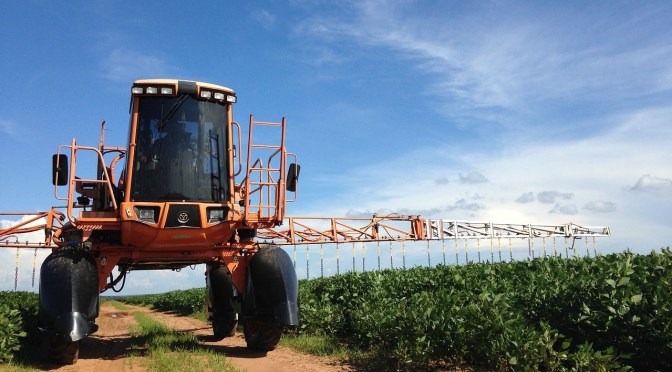
Decades of Parkinson’s Data Buried, Deadly Chemical Exposed
From Dr Mercola @ mercola.com
Note: Due to heavy censorship Dr Mercola’s articles are archived to paid sub within 48 hours so the link below may no longer lead to the actual article
Story at-a-glance
- Paraquat is an herbicide and registered desiccant that has been used on American farms since 1964. A desiccant is a chemical that speeds up the ripening of the crop and dries it out, which facilitates harvesting and allows it to be harvested sooner than were the crop left to dry naturally
- Fifty countries have banned paraquat due to its extreme toxicity and adverse effects on health. A single sip is lethal to a human. A considerable body of evidence also links paraquat to Parkinson’s disease
- As of mid-March 2023, 2,998 lawsuits filed by farmers with Parkinson’s disease had been consolidated in Illinois federal court. The first bellwether trial is scheduled to begin in October 2023. Class actions have also been filed with state courts in California, Florida, Pennsylvania and Washington. The first state court trial is scheduled to begin in September 2023 in California
- The discovery process has unearthed a trove of documents showing Syngenta knew as early as the 1960s that paraquat posed neurological risks and kept the evidence from regulators
- Research shows paraquat becomes exponentially more hazardous in combination with plant lectins, as the lectins help shuttle paraquat into your brain, where it induces the neuronal degeneration seen in Parkinson’s disease. Many of the foods treated with paraquat are high-lectin foods, such as peas, beans and potatoes, so strive to buy organic whenever possible
Paraquat is an herbicide and registered desiccant that has been used on American farms since 1964. A desiccant is a chemical that speeds up the ripening of the crop and dries it out, which facilitates harvesting and allows it to be harvested sooner than were the crop left to dry naturally.
Desiccation is also used to improve profits, as farmers are penalized when the grain contains moisture. The greater the moisture content of the grain at sale, the lower the price they get.
While 50 countries have banned paraquat due to its extreme toxicity and adverse effects on health (a single sip is lethal to a human1), the chemical remains legal in the U.S., provided farmers receive training on its application. Proper application doesn’t ensure its safety, however, as recent lawsuits by thousands of farmers make clear.
Paraquat Linked to Parkinson’s Disease
A considerable body of evidence2 links paraquat to Parkinson’s disease and, as of mid-March 2023, 2,998 lawsuits filed by farmers with Parkinson’s disease had been consolidated in Illinois federal court. The first bellwether trial is scheduled to begin in October 2023.3
The farmers are suing Syngenta, the lead manufacturer, and Chevron, a key distributor, arguing the herbicide caused their disease, and that the manufacturer was aware of this risk and concealed it from the public.
The discovery process has unearthed a trove of documents4 showing Syngenta has indeed known that paraquat poses neurological risks and feared the possibility of lawsuits for decades.
Most of the paraquat lawsuits are taking place in Illinois federal court, but class actions have also been filed with state courts in California, Florida, Pennsylvania, and Washington. The first state court trial is scheduled to begin in September 2023 in California.5 As reported by the Miller & Zois law firm, which is handling paraquat cases in all 50 U.S. states:6
“Parkinson’s disease is a progressive neurodegenerative disorder of the brain that affects primarily the motor system, the part of the central nervous system that controls movement.
The characteristic symptoms of Parkinson’s disease are its ‘primary’ motor symptoms: resting tremor; bradykinesia (slowness in voluntary movement and reflexes); rigidity; and postural instability. There is currently no cure for Parkinson’s disease.
Existing treatments do not slow or stop their progression; such treatments are capable only of temporarily and partially relieving motor symptoms. These treatments also have unwelcome side effects the longer they are used.
Paraquat is a toxic chemical that is a highly effective plant killer. Unfortunately, the same properties that make paraquat toxic to plant cells also make it highly damaging to human nerve cells and create a substantial risk to anyone who uses it.
Oxidative stress is a major factor in — if not the precipitating cause of — the degeneration and death of dopaminergic neurons which is the primary pathophysiological cause of Parkinson’s disease.
Paraquat is designed to injure and kill plants by creating oxidative stress, which causes or contributes to causing the degeneration and death of plant cells. Similarly, Paraquat injures and kills animals by creating oxidative stress, which causes the degeneration and death of animal cells.
The causal link between Paraquat and Parkinson’s disease is well established. Hundreds of animal studies involving various routes of exposure have found that paraquat creates oxidative stress that results in pathophysiology consistent with that seen in human Parkinson’s disease.
Many epidemiological studies have also found an association between Paraquat exposure and Parkinson’s disease, including multiple studies finding a two- to five-fold or greater increase in the risk of Parkinson’s disease in populations with occupational exposure to paraquat compared to populations without such exposure.”
Attorneys working on these cases have also highlighted recent research7 linking paraquat exposure to end stage renal disease,8 so it’s possible that the litigation effort against Syngenta might expand even further.
Syngenta Obfuscated the Evidence
In a June 2, 2023, article9 in The Guardian, journalist and author Carey Gillam reviews evidence from the paraquat lawsuits showing Syngenta has known about the chemical’s risk to human health for decades, and went out of its way to bury that evidence.
Some of the research10 out there suggests lifetime exposure to paraquat raises your risk of Parkinson’s by as much as 250% (odds ratio 2.5), primarily through oxidative stress. In the 2020 book, “Ending Parkinson’s Disease: A Prescription for Action,” four leading neurologists also cite paraquat as a causative factor for the condition.11
Not surprisingly, Syngenta relied on the same strategies developed and perfected by the tobacco industry in years past. While independent researchers kept linking paraquat to Parkinson’s disease, Syngenta sowed doubt by maintaining the evidence was “fragmentary” and “inconclusive,” even though it wasn’t.
Indeed, internal documents obtained during the discovery process reveals Syngenta knew that paraquat accumulated in the human brain and could permanently impair the central nervous system.12,13,14 As reported by Gillam:15
“Though it worked to publicize research that supported paraquat safety, Syngenta kept quiet about a series of in-house animal experiments that analyzed paraquat impacts in the brains of mice, according to company records and deposition testimony.
Scientists who study Parkinson’s disease have established that symptoms develop when dopamine-producing neurons in a specific area of the brain called the substantia nigra pars compacta (SNpc) are lost or otherwise degenerate. Without sufficient dopamine production, the brain is not capable of transmitting signals between cells to control movement and balance.
The Syngenta scientist Louise Marks did a series of mouse studies between 2003 and 2007 that confirmed the same type of brain impacts from paraquat exposure that outside researchers had found. She concluded that paraquat injections in the laboratory mice resulted in a ‘statistically significant’ loss of dopamine levels in the substantia nigra pars compacta.”
Download this Article Before it Disappears
Jeopardizing Human Health for Profit
The company withheld these and other internal research results from regulators and denounced the validity of independent science showing neurological effects.
Worse, when Syngenta met with U.S. Environmental Protection Agency (EPA) officials in 2013 to update the agency on its internal research, the company claimed studies showed paraquat, even at high doses, did NOT reduce dopamine-producing neurons, directly contradicting Marks’ findings.16
Similarly, in a follow-up presentation to the EPA in 2017,17 Syngenta claimed that paraquat had “no effect” in the brain and that a “causal relationship between paraquat and Parkinson’s was not supported.”
During a recent deposition, Dana Dixon, lead for product safety operations at Syngenta, was asked point blank if the information presented to the EPA was a lie. Dixon claimed they were “not hiding” Marks’ results, but rather chose to “focus on other studies” that refuted it.18
Syngenta ‘Swat Team’ Beat Down Negative Reports
At one point, Syngenta also worked behind the scenes to keep a highly regarded scientist involved in the study of Parkinson’s off the EPA’s advisory panel, and internal documents show company officials wanted to make sure the effort could not be traced back to them.19
As reported by Gillam, Syngenta also had a special “swat team” tasked with the immediate rebuttal of any new reports of adverse effects:20
“… files reveal an array of tactics, including enlisting a prominent UK scientist and other outside researchers who authored scientific literature that did not disclose any involvement with Syngenta …
[M]isleading regulators about the existence of unfavorable research conducted by its own scientists; and engaging lawyers to review and suggest edits for scientific reports in ways that downplayed worrisome findings.
The files also show that Syngenta created what officials called a ‘Swat team’ to be ready to respond to new independent scientific reports that could interfere with Syngenta’s ‘freedom to sell’ paraquat.
The group, also referred to as ‘Paraquat Communications Management Team,’ was to convene ‘immediately on notification’ of the publication of a new study, ‘triage the situation’ and plan a response, including commissioning a ‘scientific critique.’
A key goal was to ‘create an international scientific consensus against the hypothesis that paraquat is a risk factor for Parkinson’s disease,’ the documents state.”
In internal company documents from 2003, Syngenta officials discussed the need for a “coherent strategy across all disciplines focusing on external influencing, that proactively diffuses the potential threats that we face,” including influencing the future work by external researchers.
They also hired external scientists to write papers in support of paraquat without disclosing their relationship with the company. Ghostwriting scientific studies was also a tactic employed by Monsanto, to hide known dangers associated with its Roundup herbicide.
Lawyers Played Central Role in Obfuscation of Evidence
As detailed by Gillam, corporate defense lawyer Jeffrey Wolff also appears to have played a central role in the obfuscation of evidence. He instructed Syngenta scientists on how to take notes and manage communications to ensure the company would be able to claim attorney-client privilege in the case of litigation.
For example, action notes taken were to be labeled “Work Product Doctrine Material Confidential” and carry an attorney-client privilege statement.21 Wolff also had an active role in editing various scientific statements, reports and presentations to hide or downplay negative internal findings.
For example, a 2009 internal presentation by a company scientist on paraquat and Parkinson’s disease was reviewed by Wolff, who objected to a statement that said a majority of cases were related to environmental causes. Instead, Wolff suggested the presentation state that the “great majority of PD cases are idiopathic or of unknown cause.”
In another case, Wolff recommended removing the written admission that paraquat caused loss of neurons in the substantia nigra pars compacta from a scientific slide show, and instead only mention it verbally during the presentation. As reported by Gillam, the heavy involvement of lawyers is also straight out of the tobacco industry’s dirty playbook:22
“The involvement of lawyers with the scientists at Syngenta appears similar to highly criticized practices by the tobacco industry in the 1970s and ’80s that downplayed the dangers of smoking, said Thomas McGarity, former EPA legal adviser and co-author of the 2008 book titled ‘Bending Science: How Special Interests Corrupt Public Health Research.’
‘It looks like the paraquat maker has adopted nearly every strategy we outlined in our book about bending science,’ McGarity said. ‘Science matters. We have to be able to depend on science,’ he said.
‘When it is perverted, when it is manipulated, then we get bad results. And one result is that pesticides that cause terrible things like Parkinson’s remain on the market.’”
Lectins in Food Shuttle Paraquat Into the Brain
Disturbingly, animal research shows paraquat becomes exponentially more hazardous in combination with plant lectins. The cruel irony here is that paraquat is widely used as an herbicide and desiccant on lectin-rich crops in particular, including wheat, soybeans, potatoes, cereal grains and beans.
“Plant lectins help shuttle paraquat into your brain, where it induces the neuronal degeneration seen in Parkinson’s disease.“
According to the study23 in question, published in the journal NPJ Parkinson’s Disease in 2018, plant lectins help shuttle paraquat into your brain, where it does the most damage. As reported by the authors:
“Increasing evidence suggests that environmental neurotoxicants or misfolded α-synuclein generated by such neurotoxicants are transported from the gastrointestinal tract to the central nervous system via the vagus nerve, triggering degeneration of dopaminergic neurons in the substantia nigra pars compacta (SNpc) and causing Parkinson’s disease (PD).
We tested the hypothesis that gastric co-administration of subthreshold doses of lectins and paraquat can recreate the pathology and behavioral manifestations of PD in rats …
These data demonstrate that co-administration of subthreshold doses of paraquat and lectin induces progressive, L-dopa-responsive parkinsonism that is preceded by gastric dysmotility. This novel preclinical model of environmentally triggered PD provides functional support for Braak’s staging hypothesis of idiopathic PD.”
Here again, we see the central role of the substantia nigra pars compacta, the very area of the brain that Syngenta scientist Marks found to be adversely impacted by paraquat. What’s more, the combination of paraquat and lectins could well be the underlying mechanism behind “idiopathic” Parkinson’s, which Wolff wanted listed as the primary “cause.”
Paraquat in Food Supply Puts Your Health at Risk
This also means that farmers aren’t the only ones at risk. Direct exposure is only one way by which paraquat can cause harm. Ingestion through food is the other, and oftentimes, that food is also high in lectins, which multiplies the danger. Reporting on the 2018 findings, Medical News Today wrote:24
“[P]araquat, once in the stomach, causes alpha-synuclein to be misfolded and then helps it travel to the brain. Scientists believe that alpha-synuclein runs along the vagus nerve, which itself runs between the stomach and the brain.
In fact, recent studies have shown that the vagus nerve has a direct connection with the substantia nigra, making it a prime suspect in Parkinson’s disease. This direct link also helps explain why digestive problems often precede the motor symptoms of Parkinson’s by several years.
To investigate, the researchers fed rats small doses of paraquat for 7 days. They also fed them lectins … As expected, they identified Parkinson’s-related changes … As study co-author Prof. Thyagarajan Subramanian explains:
‘We were able to demonstrate that if you have oral paraquat exposure, even at very low levels, and you also consume lectins … then it could potentially trigger the formation of this protein — alpha-synuclein — in the gut. Once it’s formed, it can travel up the vagus nerve and to the part of the brain that triggers the onset of Parkinson’s disease.’
This series of experiments demonstrates how the interplay between two ingested compounds can conspire to create and then transport toxic protein structures from the gut to the brain.”
Take-Home Message
The take-home message here is that foods treated with paraquat may be just as hazardous as direct exposure on a farm. Paraquat is considered one of the “best” drying options for legumes in particular, which are also particularly high in lectins.
As a result, many foods that vegetarians and vegans rely on may pose significant health hazards — and in more ways than one, as lectins are also problematic in and of themselves. In February 2022, I posted an interview with Dr. Steven Gundry, author of “The Plant Paradox,” in which we reviewed the health hazards of lectins.
As explained by Gundry, plant lectins can wreak havoc on your health by attaching to your cell membranes, causing inflammation, damage to your nerves and cell death. Some can also interfere with gene expression and disrupt endocrine function.
So, while lectins can cause severe health problems in and of themselves, by spraying paraquat on lectin-rich crops, those crops are made exponentially more hazardous, as the lectins act as transport vehicles for the toxic herbicide.
You can reduce lectin concentration by pressure cooking, for example, but if you’re starting out with contaminated food, you’re dealing with extra-toxic kinds of lectins. To avoid or at least minimize these hazards, it’s important to buy organic beans, peas, potatoes and other high-lectin foods from a reputable source, ideally a local farmer you can trust.
The other take-home message from all this is that chemical companies are among the least trustworthy sources out there. Like Monsanto before them, Syngenta officials have spent decades hiding the dangers of paraquat, while untold numbers of people got sick, suffered and died.
As noted by Bruce Blumberg, professor of developmental and cell biology at the University of California, Irvine, in response to the revelations about Syngenta’s obfuscation of evidence:25
“It is highly unethical for a company not to reveal data they have that could indicate that their product is more toxic than had been believed. [These companies are] trying to maximize profits and they jeopardize public health, and it shouldn’t be allowed. That is the scandal.”
Sources and References
- 1 EPA Paraquat Risk Message
- 2 NIH February 11, 2011
- 3, 5 Drug Watch April 18, 2023
- 4, 13 The New Lede Paraquat Papers Media Library
- 6, 8 Lawsuit Information Center Paraquat Lawsuit June 1, 2023
- 7 Environmental Health December 12, 2022; 21 Article number 127
- 9, 11, 12, 15, 16, 18, 20, 21, 22 The Guardian June 2, 2023
- 10 Environmental Health Perspectives June 2011; 119(6): 866-872
- 14 The New Lede Paraquat Papers October 20, 2022
- 17 Paraquat Research Program Update February 6, 2017
- 19, 25 The Guardian October 20, 2022
- 23 NPJ Parkinsons Disease 2018; 4: 30
- 24 Medical News Today December 10, 2018
Image by emersonbegnini from Pixabay

Time to plant new season’s strawberries (Wally Richards)
New seasons strawberry plants are now available in garden centres. The nurseries that grow the plants lift them after the autumn rains have moistened the soil sufficiently, then they are distributed to garden centres.
I find that the sooner you can get your new strawberry plants into their new beds the better results you have in the first season.
Like all things planted it is root establishment that is so important.
When planting place about a teaspoon of Unlocking Your Soil in the planting hole with a pinch of BioPhos for each strawberry plant.
Gardeners with existing beds of strawberries will likely have a number of runners that have rooted in nicely, these can be used for new season plants..
If the existing strawberry bed is not congested with old and new plants and there is ample room still for all the plants to grow and produce, then you can get away with not lifting the runners or only lifting those that are too close to existing plants.
Strawberries are easy to grow and can be grown in open ground or containers.
In open ground the most practical way is to make a bed with wood surrounds 16 to 20 cm tall and have a hinged frame over the bed that has either plastic bird netting or wire netting over the lid.
The whole frame needs to only sit on the soil so it can be moved if required.
If using tanalised timber for the surround then after cutting to size; paint all the wood with a couple of coats of acrylic paint to prevent chemicals leeching into the soil.
Strawberries can be grown in troughs about 16 to 20 cm wide and similar depth then as long as required. I like to hang these off the top rail of a fence.
Special strawberry planters made from clay or plastic are not very good and your results are likely to be poor. (Thats the types where plants are placed in holes around the container as well as on top.)
Polystyrene boxes with holes in the bottom are also ideal containers for good crops if they have a rooting depth of 15cm or more.
The growing medium should be a good compost such as Daltons or Oderings to which you can add untreated sawdust and a little clean top soil or vermicast. (Worm casts from a worm farm)
A mix of about 75% compost, 20% sawdust and 5% vermicast is good value.
Mix the above in a wheelbarrow then place a layer of the mix 5 cm deep in the base of the trough or container.
Now sprinkle a layer of chicken manure, some potash, BioPhos, Unlocking Your Soil and Ocean Solids. Horse manure is also very good.
If you do not have chicken manure available use sheep manure pellets and blood & bone.
Cover with more compost mix to a depth suitable for planting your new strawberry plants.
A similar process can be applied to a open bed with a frame, though the frame height may need to be taller than previously suggested.
Ensure that the soil at the base of the frame is free of most weeds and then place a layer or two of cardboard over the soil. This will help prevent weeds from coming up in the bed, then fill as suggested.
There are a number of different varieties of strawberry plants available to the home gardener, sometimes the older varieties such as Tioga and Redgaunlet (both are hard to come by now replaced with the newer varieties such as Chandler, Pajaro and Seascape.
Different varieties will do better or worse in different climates so choose the ones most suited to your area of the country.
Strawberry types include:
Strawberry Baby Pink ™ Producing stunning beautiful pink flowers followed by small to medium red fruit with sweet traditional flavour. Large bunches of berries ripening over a long period.
Habit – Compact strong growing strawberry. Size – Give these small to medium plants close spacing.
Pollination – Self-fertile. Unknown if short day, neutral or long day type.
Strawberry Camarosa; Large to very large medium dark red fruit. Firm medium red flesh with excellent flavour. Conical shape.
High resistance to wet weather. Habit – Suitable for Northern and Central districts. Vigorous growth habit.Size – Give these vigorous plants wide spacing.
Pollination – Self-fertile. Short day type – flowers are initiated by short day lengths.
Harvest – Fruit ripen 20-35 days from flowering depending on climate, with light crops in early summer, followed by a main crop in December – January. Yield is very good.
Strawberry Chandler; Small to very large medium red fruit. Firm light red flesh with very good flavour. Conical shape. High resistance to wet weather.
Habit – Suitable for Northern and Central districts. Multi-crowned growth habit.
Size – Give these multi crowned plants medium spacing. Pollination – Self-fertile. Short day type – flowers are initiated by short day lengths.
Harvest – Fruit ripen 20-35 days from flowering depending on climate, with light crops in early summer followed by a main crop in December – January. Yield is very good.
Strawberry Sundae ™ Large red fruit with excellent flavour. Firm red flesh in an oval shape.
Habit – Suitable for Northern and Central districts. Vigorous growth habit. Size – Give these vigorous plants wide spacing.Pollination – Self-fertile. Short day type – flowers are initiated by short day lengths.
Harvest – Fruit ripen 20-35 days from flowering depending on climate, with light crops in early summer followed by a main crop in December – January. Yield is average.
Strawberry Supreme ™ Very large bright red fruit. Very firm red flesh with excellent flavour. Conical shape. Good resistance to wet weather. Habit – Suitable for Northern and Central districts.
Moderately strong growth habit. Size – Give these small to medium sized plants close spacing.
Pollination – Self-fertile. Short day type – flowers are initiated by short day lengths.
Harvest – Fruit ripen 20-35 days from flowering depending on climate, with light crops in early summer followed by a main crop in December – January. Yield is very good.
Strawberry Temptation™ Medium bright red shiny fruit with excellent flavour. Pale firm flesh.
Habit – Compact strong growing strawberry. Tough and resilient in relation to pest and diseases.
Size – Give these medium plants close spacing.
Pollination – Self-fertile. Only NZ bred Day Neutral strawberry which means they will set fruit regardless of how long or short the days are making this an ideal fruiter national wide.
Will extend the North Island season. Harvest – Consistent high yields of berries ripening over a long period from October to March.
To enhance your strawberries and increase the crop yields by 200 to 400% drench the bed with Mycorrcin after planting and repeat again in a couple of months time.
Spray the plants with Mycorrcin every two weeks till end of season. Make up in a trigger sprayer it keeps so leave by strawberry bed and spray as required. MBL can be added to the spray.
For bigger berries you may like to try Wallys Secret Strawberry Food.
Special this week till next Sunday
one 250ml Mycorrcin $19.00 and one 1kg Wallys Secret Strawberry Food $18.00 Total $37.00 with free shipping on this to your home saving you $8.50 shipping fee
Both products can be used on other flowering and fruiting plants.
Order at www.0800466464.co.nz put on WEEKLY SPECIAL in remarks box and I will phone you in regards to payment method.
Phone 0800 466464
Garden Pages and News at www.gardenews.co.nz
Shar Pei pages at www.sharpei.co.nz
Mail Order products at www.0800466464.co.nz
New Zealand Bill of Rights Act 1990. Part II of the Act covers a broad range of Civil and Political Rights. As part of the right to life and the security of the person, the Act guarantees everyone:
1The right not to be deprived of life except in accordance with fundamental justice (Section 8)
2The right not to be subjected to torture or to cruel, degrading, or disproportionately severe treatment or punishment (Section 9)
3The right not to be subjected to medical or scientific experimentation without consent (Section 10)
4The right to refuse to undergo any medical treatment (Section 11)
Furthermore, the New Zealand Bill of Rights Act 1990 guarantees everyone: Freedom of Thought, Conscience, and Religion.
This includes the right to freedom of thought, conscience, religion, and belief,
INCLUDING THE RIGHT TO ADOPT AND HOLD OPINIONS WITHOUT INTERFERENCE (Section 1)
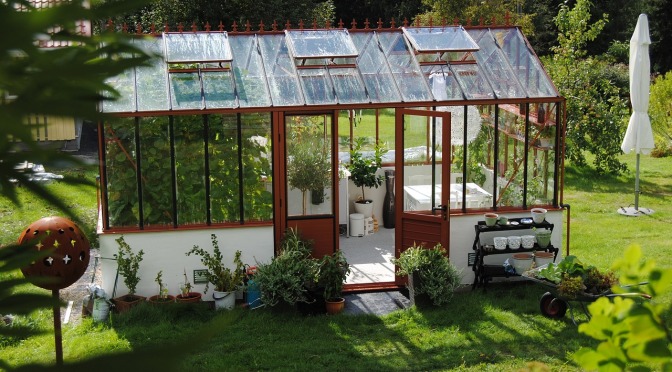
Only a few weeks until the shortest day – prepare for the new season in the garden (Wally Richards)
The year is slipping away and now there are only a few weeks till the shortest day which heralds in a new season for gardening.
While its quiet gardening wise you have ample time on those nice days to prepare for the coming season of gardening.
Lets start off by those that are fortunate to have a glasshouse or tunnel house and to get it ship shape and ready for growing in soon.
Likely there has been insect problems over the past season and that is very normal as a glass house provides ideal conditions for pests to breed.
You may have some plants still in there growing either coming to the end of their days or not too bad.
What I am going to suggest is a simple way of fumigating your glasshouse but in doing so the plants in there may or may not survive.
It is better to leave any plants that are coming to the end of their days inside to be fumigated and kill the pests on them rather than take them outside and then the pests can colonise your outside plants.
If you have the odd plant in a container that you do not want to lose then best take them out while you are fumigating the house.
Any plants taken out should be placed in a good light but sheltered place and spray them all over; later in the day near dusk, with Wallys Super Neem Tree Oil with Wallys Super Pyrethrum added.
Also in case of root mealy bugs in the mix sprinkle some of Wallys Neem Tree Powder onto the top of the growing medium.
This, with later watering, will fix any pests in the mix feeding on the plants roots.
Place 2-3 tablespoons of Wallys Sulphur Powder onto a heath shovel or spade sitting in the middle of the glass house on the ground. In a larger tunnel house or glasshouse you would need to have more than one sulhpur burning to give a good coverage from the fumes.
A metal plate could be used instead if preferred as long as it is metal and cant catch on fire.
Close all vents leaving the door open for you to leave once lite.
The sulphur powder is not easy to light and you need a very strong flame such as used for killing weeds.
Otherwise dampen a little of the pile of sulphur with some Methylated Spirits and light that.
A fire Starter may also be used. Once the sulphur gets burning it is very difficult to put out.
Once alight it is time for you to get out as the fumes will make it difficult to breathe and you dont want to die with the pests.
Close the door behind you and leave closed up for about 24 hours.
Then open door and vents and any plants you left in the house give them a light sprinkling with water from the hose. It may help save some on them.
After a few hours close down the vents and door as you dont want any stray pests finding their way back in.
Its a good ideal to build up a smell in the house to deter pests from entering by sprinkling Wallys Neem Tree Granules over the floor or soil.
Hang some fresh yellow sticky white fly traps in the house to catch any flying pests.
If you grow in soil in the glasshouse and have any concerns about diseases in the soil then apply Terracin to the soil as a drench and a couple of weeks later a drench with Mycorrcin.
Your glasshouse is now ready for the coming season and you can start germinating or planting seedlings after the 21st of June.
In the gardens outside keep the weeds down while they are slow to grow.
I prefer to use a sharp carving knife and slice below the crown of larger weeds in under the soil.
This leaves the rest of the roots to decompose in the soil and feed the soil life and plants.
Smaller weeds just scrape the blade of the knife over the soil and wipe them out.
Whitefly and pests on citrus trees are easy to control by placing Wallys Neem Tree Granules under the tree from trunk to drip line and in about 6-8 weeks all the pests feeding on the tree or on the roots will be gone.
There will be a lot of pests from last season harboring over in your gardens so later in the afternoon when the sun is off the plants spray Wallys Neem Super Tree oil with Wally Super Pyrethrum added over and under the leaves of plants where there was infestations earlier.
Good idea to add some Raingard and MBL to the spray as well.
If you have not done so yet spray all cold sensitive plants with Vaporgard, spray on frost protection.
Vacant vegetable gardens can be planted into a green crop.
Ones that can be used for different advantages are:
Blue Lupin – a quick growing, nitrogen fixing crop suited to cooler climates.
Barley – adds protein, nitrogen and organic matter to strengthen the soil structure.
Oats – used to combat soil erosion and to help break up hard clay soils.
Mixed grain – adds nitrogen and organic matter to the soil as well as helping to prevent wire worm.
Mustard – cleans up harmful soil fungi and provides good control of wireworm and nematodes, which often ruin root crops such as potatoes and carrots.
Mustard is a good weed suppressant suited to cooler climates but do not use this crop if you are planting cauliflower, broccoli and other brassica in the same area the next season.
It is not a good time of the year to re-pot house plants as going into a larger container may cause over watering and damage.
This time of the year small drinks of water just to moisten up the mix of potted plants indoors.
Warm water is nice for them also.
Keep warm and dry..
This week special is 3kilo bag Wallys Neem Tree Granules 25% off or $7.00 off the price of the bag
and 25% off Wallys Sulphur powder 500 grams or $4.50 off the normal price.
Order on line at www.0800466464.co.nz and dont forget to put in remarks THIS WEEKS SPECIAL
offer end next Sunday.
I will phone you after receiving the order in regards to method of payment and shipping
Phone 0800 466464
Garden Pages and News at www.gardenews.co.nz
Shar Pei pages at www.sharpei.co.nz
Mail Order products at www.0800466464.co.nz
New Zealand Bill of Rights Act 1990. Part II of the Act covers a broad range of Civil and Political Rights. As part of the right to life and the security of the person, the Act guarantees everyone:
1The right not to be deprived of life except in accordance with fundamental justice (Section 8)
2The right not to be subjected to torture or to cruel, degrading, or disproportionately severe treatment or punishment (Section 9)
3The right not to be subjected to medical or scientific experimentation without consent (Section 10)
4The right to refuse to undergo any medical treatment (Section 11)
Furthermore, the New Zealand Bill of Rights Act 1990 guarantees everyone: Freedom of Thought, Conscience, and Religion.
This includes the right to freedom of thought, conscience, religion, and belief,
INCLUDING THE RIGHT TO ADOPT AND HOLD OPINIONS WITHOUT INTERFERENCE (Section 1)

Learn just which of your food items contain glyphosate & how much (Free Report from Institute for Responsible Technology)
With glyphosate featuring again lately, this will be a useful tool in helping determine which are the safer products to purchase. The report is free, however you will need to register an email to enable you to download. Go to ‘Glyphosate Report’ in the main menu, top of page. EWNZ
From responsibletechnology.org
ROUNDUP®(OR OTHER GLYPHOSATE BASED HERBICIDES) ARE SPRAYED ONTO NON-GMO CROPS AS A DRYING AGENT, JUST BEFORE HARVEST…LEARN MORE FROM OUR DATABASE AND CHOOSE ORGANIC TO AVOID HIGH LEVELS OF GLYPHOSATE (AND OTHER SYNTHETIC PESTICIDES) IN YOUR FOOD.
Glyphosate is the main ingredient in Roundup®, the most popular herbicide in the world. This defoliant destroys vegetation. Do you know how much glyphosate is in the foods you and your family consume?Crops such as corn, soybeans, and cotton have been genetically engineered to resist Roundup. Why is there so much glyphosate in oats and other food grains? How much is safe? Who decides food safety, and how are the tests conducted? Does glyphosate cause cancer?
SOURCE

Testing Shows Substantial Glyphosate in Populations, Even Some Foods Labeled Organic
Download Interview Transcript | Download my FREE Podcast | Video Link
Story at-a-glance
- As food has become increasingly adulterated, contaminated and genetically engineered, the need for laboratory testing has grown
- HRI Labs is often hired to test foods claiming to be non-GMO, “all natural” and/or organic. Testing often reveals such claims to be untrue. Several Ben & Jerry’s ice cream flavors were recently found to contain glyphosate
- Grains, legumes and beans typically have the highest levels of glyphosate contamination due to the routine practice of desiccation, where glyphosate is sprayed on the crop shortly before harvest to improve yield
- HRI Labs has created two glyphosate tests for the public — a water test and an environmental exposure test. The latter will tell you how much glyphosate you have in your system, giving you an indication of the purity of your diet
- Seventy-six percent of people tested have glyphosate in their system. People who regularly eat nonorganic oats have double the glyphosate of those who don’t. People who regularly eat organic food have glyphosate levels 80% lower than those who rarely eat organic
Editor’s Note: This article is a reprint. It was originally published October 29, 2017.
As food has become increasingly adulterated, contaminated and genetically engineered, the need for laboratory testing has exponentially grown. John Fagan, president of Health Research Institute Labs (HRI Labs), is an expert in this area. As explained by Fagan, HRI Labs “makes the invisible, visible, giving you the ability to see what is in your food and your environment.”
Fagan studied biochemistry and molecular biology at Cornell University, where he also got his Ph.D. After doing research for eight years at the National Institutes of Health, he went into academia and conducted cancer research using genetic engineering as a research tool. This experience is ultimately what raised his concerns about genetic engineering, especially as it pertains to food.
As a result, he created the first lab for GMO testing in the U.S., followed by labs in Europe and Japan. He’s also trained laboratories in 17 other countries in GMO testing. “What this did was make GMOs visible. Before that testing was there, nobody could tell whether those soybeans, or that corn was genetically engineered or not,” Fagan says. “After GMO testing was available, people had a choice.”
HRI Labs tests both micronutrients and toxins — the good and the bad. “We feel that the kind of testing we’re doing can open a window for you in each of those areas, so you can make better choices about the food you eat, and that you share with your family,” he says.
Testing Techniques and Equipment
There are several types of tests that can be done on a GMO food. Antigens are one type of test. DNA testing is another. Since DNA is far more stable than proteins, genetically engineered foods, even when highly processed, can be easily identified with DNA testing.
A test commonly used to check DNA is the polymerase chain reaction or PCR test. Because it amplifies the DNA signal, it can detect even a single genetically engineered corn kernel in a bag containing 10,000 or more corn kernels.
The chromatograph linked to a mass spectrometer is another central piece of equipment that HRI uses. It allows you to test for a wide variety of things at very high sensitivity. Unfortunately, the cost and complexity involved prevents many labs from having this tool.
“Liquid chromatography is capable of taking a sample of food … or whatever you’re interested in, and fractionating it into hundreds of compounds, separating them out. That is then fed into a mass spectrometer; a machine that measures, ultimately, molecular weight of whatever it’s looking at.
With that you can detect — at extremely low levels and identify very specifically — almost any natural or unnatural compound … down to the parts per trillion in many cases. To give you a sense of what that means, 40 parts per trillion, which is [the limit of] detection that we have for some materials, is like if you were to take a single drop of that chemical and dilute it into 20 Olympic swimming pools full of water.
That’s the extent of dilution required to achieve 40 parts per trillion. This is extreme sensitivity. These [instruments] are like the Teslas of analytical chemistry.
[Liquid chromatography linked to a mass spectrometer] is what we use for measuring glyphosate. Because these machines are very expensive, many of the analytical labs out there don’t have access to them. Also, because it is very specialized equipment, you need somebody with a Ph.D. in analytical chemistry, or equivalent, to do this kind of testing. What we’re doing is … unique in that way.”
The Politics of Food Testing
One of the reasons we decided to collaborate with HRI Labs in testing our own supplements is because many commercial laboratories used to confirm the purity of raw materials tend to provide distorted or prejudicial information. One of the great benefits of HRI Labs, in my view, is its objectivity and ability to provide accurate data, thanks to the sensitivity of their equipment. While many labs will claim to be independent, their primary customers are big food companies.
“They don’t want to embarrass [their customers]. They don’t want to bring anything to the surface on that level, so they tend to give very superficial numbers,” Fagan says. “Typically, they work to thresholds that are established based on politics and convenience, not science and safety.
For instance, you can go to the U.S. Food and Drug Administration’s (FDA) website, or the U.S. Department of Agriculture’s website and they will say, ‘Wheat should have less than such and such amount of glyphosate in it.’
Glyphosate is … the most commonly used agrochemical, and it’s now been demonstrated to cause cancer, liver and kidney damage and birth defects. You’ll find there a number for it, but if you go to the scientific literature you discover that levels [of glyphosate] hundred or a thousand times lower … are in fact toxic to the system. For that reason, those government established thresholds are not very meaningful.”
This is a point worthy of reiteration: The use of politically-influenced safety thresholds to “prove” a food is safe is pervasive in the food industry. The only thing such safety levels accomplish is generating a false sense of security, which benefits food companies financially. HRI Labs, on the other hand, looks at the available research when establishing their threshold levels.
Glyphosate Testing
One of the toxins HRI Labs is currently focusing on is glyphosate, and the public testing being offered (see below) allows them to compile data on the pervasiveness of this chemical in the food supply.
When I participated in the environmental exposure test a while back, glyphosate was undetectable, which means levels in my system were below 40 parts per trillion, likely because I eat primarily organic and homegrown foods, and expel toxins I might come in contact with through exercise and regular sauna use.
“What we’re finding is there’s quite a range of levels of exposure, but that people who are eating organic generally have much lower levels. Women tend to have, on average, slightly lower levels than men. There are certain behaviors that tend to lead one to have higher levels.
For instance, it isn’t a super strong correlation, but it appears that if you are a golfer, you’re more likely to get exposed, because they use [glyphosate and other pesticides] on golf courses …
The reassuring thing is that if you … change your diet … and go to a diet that avoids things that might contain these chemicals, then within a week or two your levels of glyphosate will drop significantly. Glyphosate levels are a good indicator for guiding your dietary choices … Often people come back to us saying, ‘This changed my way of thinking about my diet.’ This is a good thing.”
Glyphosate Found in Popular Ice Cream Brand
HRI Labs is often hired to test foods claiming to be non-GMO, “all natural” and/or organic. Unfortunately, many times testing reveals such claims to be untrue. A recent case in point is that of Ben & Jerry’s ice cream. HRI Labs’ testing revealed their ice cream contains glyphosate. Fagan tells the story:
“Organic Consumers Association and … Regeneration Vermont were concerned about what was happening with Ben & Jerry’s. They were concerned … that the dairy producers … were not even able to get a price for their product that would cover their costs for producing the milk. There was also a concern from people in the state that the dairies were polluting the lakes, and creating problems for the Vermont tourist industry …
They wanted to look into what was going on with the quality of the milk. They sent us samples and we did some really in-depth testing using the very best methods out there.
We used triple quadrupole mass spectrometry linked to high pressure liquid chromatography to actually look at the quality of the ingredients in a product. What we found with Ben & Jerry’s ice cream was a bit shocking in that it contained substantial levels of glyphosate …
Ten of the 11 flavors we looked at contained measurable amounts of glyphosate, and at least one of them contained levels that, according to most recent research, raised questions about safety. In particular, it had been found that glyphosate at quite low levels — levels considered safe by the Environmental Protection Agency and FDA — … could actually cause problems like fatty liver disease.
As you may know, there’s an epidemic of fatty liver disease in America today, and it’s linked with things like metabolic syndrome … Organic Consumers Association has been discussing those results around the country, and discussing with Ben & Jerry’s if they could do something about that.
The obvious and most logical thing for them to do is to begin to use ingredients that are organic instead of just conventional ingredients, because organic bans the use of things like glyphosate in the production of crops …”
Substantial Amounts of Glyphosate Found in Many Foods
HRI Labs has investigated a number of other foods as well, including grains, legumes and beans. Most if not all of these types of crops need to dry in the field before being harvested, and to speed that process, the fields are doused with glyphosate a couple weeks before harvest. As a result of this practice, called desiccation, grain-based products, legumes and beans contain rather substantial amounts of glyphosate.
Quaker Oats,1 for example, were found to contain very high levels of glyphosate. People who regularly eat nonorganic oats also have elevated levels of the chemical in their urine. “These are the kinds of problems that are coming up out there,” Fagan says. “All that’s needed is for the grain producers to change their practices, so that they’re not spraying the fields with this weed killer immediately before they harvest it, and it will solve those problems.”
Wines also contain surprising amounts of glyphosate. As it turns out, weeds in vineyards are managed by spraying glyphosate, which ends up in the grapes as the roots of the grape vines pick it up through the soil.
“This testing … is making something that’s been invisible in our food system, visible to us,” Fagan says. “[A] vegetable like spinach that you buy in an American grocery store is going to contain, on average, eight different pesticides. That’s eight different pesticides, and you’re taking it home to feed your family without knowing that’s the case …
The reason you aren’t able to know that is because the chemical companies have done a really good job lobbying our government so that nobody in the supply chain has to talk about these … agrochemicals. The farmer doesn’t have to talk about them.
The brands that are selling products made from those [raw ingredients] don’t have to talk about them. The grocery stores don’t have to. They’ve been made invisible in our food system, and that’s a big concern.
We’re doing testing using rigorous methods, the very best methods out there, the most sensitive methods out there, to make these invisible things visible, so that you know more about what’s in your food system, and in the foods you’re giving to your family. This is so important, because this allows each of us to make better choices about the food they provide to their children.”
Water and Environmental Exposure Tests Now Available
HRI Labs is unique in that they’ve created two glyphosate tests for the public — a water testing kit and an environmental exposure test kit. The environmental exposure test is a urine test that will tell you how much glyphosate you have in your system. As mentioned earlier, this will give you a good idea of the purity of your diet. If your glyphosate level is high, chances are you’ve been exposed to many other agrochemicals as well.
So far, HRI Labs has analyzed more than 1,200 urine samples. The testing is being done as part of a research project, which will provide valuable information about the presence of glyphosate in the diet. It will also help answer questions about how lifestyle and location affects people’s exposure to agrochemicals. Here are some of their findings to date:
- 76% of people tested have some level of glyphosate in their system
- Men typically have higher levels than women
- People who eat oats on a regular basis have twice as much glyphosate in their system as people who don’t (likely because oats are desiccated with glyphosate before harvest)
- People who eat organic food on a regular basis have an 80% lower level of glyphosate than those who rarely eat organic. This indicates organic products are a safer choice
- People who eat five or more servings of vegetables per day have glyphosate levels that are 50% lower than those who don’t eat fewer vegetables
According to Fagan:
“So far, we haven’t seen any connection with rural versus city dwellers, or with seasonal changes. This indicates that most of the glyphosate is coming into our [bodies] through the food we eat and not through the environment around us.
Though, we have seen some interesting things. For instance, in the Midwest, we’re seeing that rain water has quite substantial levels of glyphosate … Rain water, although you might think of that as being a healthy source of water, is a little risky that way.”
GMOs Linked to Dramatic Rise in Glyphosate Contamination
HRI Labs is also collaborating with a research group at the University of California in San Diego that has access to urine samples from epidemiological studies in which populations were tracked over 15 and 20 years. By comparing urine samples from people going back into the 1970s, up until the present, they’ve been able to show that once GMOs appeared in the marketplace, glyphosate levels rose dramatically.
“[I]t shows there’s a correlation between the use of [glyphosate] in agriculture and the level of exposure of the population,” Fagan says. “Remember, there’s growing evidence that low levels of [chemicals] interact with each other, so that you have a little glyphosate here, and maybe some atrazine from another place, and those together might have a nasty impact …
That’s where we are with things today. We’re working in a focused way to look at other aspects of our food system, and looking not just for the pesticides and the negative things, but we want to look and understand what the connections between the way food is produced … and its nutritional value are.
What we’re seeing is that healthy soil makes healthy food, makes healthy people. We’re going to go into that using these very sophisticated techniques, like high pressure liquid chromatography linked to mass spectrometry, to look at all of the nutrients at once.
With these machines, from a single sample of broccoli we can look at 500 to 1,000 different metabolites, different nutrients, and in one fell swoop get a sense of … how does regeneratively produced broccoli compare with broccoli that’s produced using chemicals, or how does a chicken produced in a confined animal feeding operation compare in nutritional value to a chicken produced in a regenerative pasture-based production system?
We don’t have the answers to that yet, but I’ll bet we’re going to find big differences in the nutrition.
The protein value may be the same, and the fats and the carbohydrates, but [in] the micronutrients we’re going to see big differences, and it’s those micronutrients that make the difference in terms of the health of your physiology, the strength of bones, and the balance in your physiology. We hope to be able to bring some really powerful new information to you in this way …”
Food Testing Is Here to Stay
The advent of GMOs drastically altered our food system in several respects, and not a single change has been beneficial. Today, factory farms have become one of the largest sources of toxic pollution that destroys soil, water and air quality, and threatens human health in more ways than one. Nutritional quality of food has declined while contamination with toxic chemicals and drug-resistant pathogens has increased.
Nutritional and chemical testing is an invaluable tool to get an understanding of the full extent of the problem. It is our hope that, with enough evidence, change will eventually be brought about, if not from a government level, then from the ground up, driven by informed consumers demanding purer food.
As mentioned by Fagan, my product development team is now using HRI Labs to evaluate the purity and quality of our own product line as well — an extra double-check, if you will, to ensure our products are maximally pure and safe, and of the highest quality and nutritional value possible. This is being added as another layer of quality control on top of our standard quality protocols.
Again, if you want to test your drinking water or environmental exposure levels for glyphosate, those tests are now available to the public. You can find both of them in my online store. They’re provided as a service to my readers at the same price you’d pay if you were to order it right from HRI Labs.
Modern industrial farming has created a food production model that is not only unhealthy, but unsustainable as well. The reliance on GMO-derived products and the toxic chemicals used alongside them are destroying the environment and the public’s health.
To combat the encroaching influence of big GMO companies, I encourage you to support farmers and businesses that practice organic, biodynamic and regenerative farming. This food production model benefits both humans and the environment because it:
| Rebuilds topsoil by sequestering atmospheric carbon above ground and below ground | Protects water sources, runoff, and reduces water demand by increasing moisture in the soil |
| Promotes nutrition and health through nutrient-dense, organic food | Minimizes the risk of foodborne illnesses and drug-resistant disease by avoiding the use of industrial chemicals |
| Restores damaged ecosystems through regenerative methods | Helps local farmers by giving them larger profits compared to industrial counterparts |
How can you play your part? The solution is actually quite simple — buy healthy, organic food. One of the best things you can do is to purchase your food from small-business farmers. To help you in your search, I recommend visiting these websites that point you to non-GMO food producers in your area:
I also urge you to support and donate to organizations like the Organic Consumers Association (OCA), as they are leading the way to promoting regenerative agriculture and sustainable farming practices. By advocating the innovative campaigns of these organizations, you are contributing to the future of regenerative agriculture.
Sources and References
Image by bdyczewski from Pixabay

WET FEET IN THE GARDEN (Wally Richards)
With some areas experiencing a lot of rain lately it is a good time to look at how to prevent damage and losses in your gardens.
There is a range of plants we call bog plants and they just love living in wet soil and even in water which makes many of them suitable to use in aquariums for your fish to enjoy.
But even in an aquarium oxygen is needed so we place an air stone connected to an air pump to bubble away under water and aerate the water.
If we did not do this the oxygen in the water would be used up and then the fish would suffocate and likely even the plants would die as the water became stagnant.
By the way if you want to remove the chlorine from a bucket of chlorinated water simply put an air stone connected to an air pump and let it bubble away and within about 12 hours or less the water will be free of the poisonous chlorine.
Very wet soil loses the oxygen and that becomes deadly for the roots of plants.
Some plants are fairly hardy against wet feet where others soon have root rot happen and when enough roots are damaged the plant dies.
It does not matter if some of the roots are in very wet soil or water as long as there are more roots that are above the wet area.
I can give a good example of this as one place I lived in years ago would be a lake of water in the back section during wet winters.
Many attempts of growing ornamentals were hopeless so I planted a twisted willow in the corner which was the wettest area and it very quickly grew.
Then I also planted a couple of cabbage trees both of which took off and as these and the willow grew they helped greatly in taking up the surface water.
After a season I was able to plant a few other native plants that were able to survive as the area was less wet.
My citrus were a problem so I cut some 200 litre drums in half, drilled some large 4-5cm holes in the sides about 10cm above the base.
This meant in dry times there would be a nice reservoir of water to keep the citrus happy.
I then dug a hole so the bottom third of the drum would be buried in the surrounding soil.
This made them stable in windy times when the citrus gained some height.
It also allowed the roots later on to venture out of the drum and into the surrounding soil.
The result of this was that in the middle of winter when the back yard was a a lake of water the citrus were happy as Larry.
When I came to move to another place I lifted the drums (with a lot of effort) and was surprised at the large roots that had grown out of the holes on the sides.
As a good part of the root system was above water the citrus was not affected by wet feet.
The alternative to this would have been to make mounds about half a metre tall and plant citrus trees in these.
Years later after another move to where we are now in Marton the same citrus trees are happily living in the same drums sitting either on soil in the lawn or on concrete.
Of course every few years I need to take them out of the containers and root prune them.
That would not be needed if you had the roots venturing out into surrounding soil.
The very worst thing that you can have in wet winters is any type of mulch around any plants that don’t like wet feet.
Mulches are great in dry summers to conserve soil moisture but deadly in winter as the soil can not breathe and too much wetness is retained.
I remember a few years ago having a phone call from a lady who wanted to know why her very expensive ornamental trees were dying.
She planted then in the spring and in summer she had a pile of old carpet after re-carpeting the home.
So she put that on the soil under her precious ornamentals to suppress weeds and retain moisture.
Worked a treat till the wet times came and the soil became saturated and the expensive plants started to die.
I told her that she had to quickly do two things which was firstly remove the carpets and then spray the foliage with Wallys PerKfection at the high rate 9 mils per litre of water and then at 4mils per litre a month later and repeat once a month till into spring making a total of 6, once a month sprays.
Perkfection assists in recovery from/or prevention of, the following problems, Black spot, Downy Mildew, Phytophthora Root rot, Canker, heart rot, damping off, crown rot, leaf blight, silver leaf, late blight, collar rot, pink rot, brown rot, Armillaria, and gummy stem rot.
It is magic on Buxus for the dreaded Buxus disease that kills the plants.
It has brought back Buxus from near dead to their formal glory and after which I would suggest a maintenance spray bi-monthly at 5 mils per litre of water.
Perkfection is systemic so you dont need full coverage of foliage just a good amount of it.
Another way of improving drainage is like we used to do in days gone by when gardeners would in winter dig their vegetable garden over, mounding up the clods as they went leaving a ditch around the garden about one and a half spade deep.
They would then sprinkle garden lime over the clods for the frosts to take in and break the clods down.
In spring when it was time to plant, the clods would break up into a fine tilth with little effort using a rake.
Now days we dont dig but the idea of a trench around the garden or around a citrus tree just about 12 cm out from the drip line is very practical.
This allows excess water to drain into the ditch were sunlight and wind will evaporate it quickly.
An interesting thing happens sometimes where a water sensitive plant like a citrus, years old suddenly one season shows signs of wet feet.
The reason is often a result of a change of direction with surface water flows which maybe caused by some construction or even a new concrete path or driveway.
The previous flow place is changed to where the citrus is growing and the soil is much wetter than previously.
Remember to frost protect sensitive plants with spray on frost protection, Vaporgard.
I read an interesting article on the Net which you may also find interesting; whether its true or not is up to you to determine.
This weeks special is Perkfection 250ml bottle $18.00 or a 1litre container $38.00 free shipping on either size, no discount on either size. Shipping to your home no PO Boxes or outer Islands like Stewart or Waiheke
Offer ends next Sunday.
Problems ring me at 0800 466464
Email wallyjr@gardenews.co.nz
Web site www.gardenews.co.nz
Phone 0800 466464
Garden Pages and News at www.gardenews.co.nz
Shar Pei pages at www.sharpei.co.nz
Mail Order products at www.0800466464.co.nz
New Zealand Bill of Rights Act 1990. Part II of the Act covers a broad range of Civil and Political Rights. As part of the right to life and the security of the person, the Act guarantees everyone:
1The right not to be deprived of life except in accordance with fundamental justice (Section 8)
2The right not to be subjected to torture or to cruel, degrading, or disproportionately severe treatment or punishment (Section 9)
3The right not to be subjected to medical or scientific experimentation without consent (Section 10)
4The right to refuse to undergo any medical treatment (Section 11)
Furthermore, the New Zealand Bill of Rights Act 1990 guarantees everyone: Freedom of Thought, Conscience, and Religion.
This includes the right to freedom of thought, conscience, religion, and belief,
INCLUDING THE RIGHT TO ADOPT AND HOLD OPINIONS WITHOUT INTERFERENCE (Section 1)
Biowarfare Through the Food Supply
Story at-a-glance
- Dr. Peter Lurie, president of the Center for Science in the Public Interest (CSPI), and Beth Ellikidis, vice president of agriculture and environment at the Biotechnology Innovation Organization (BIO), argue for the genetic engineering of food. Both are connected to Bill Gates and other Great Resetters that are pushing to replace all natural foods with patentable, genetically modified foods
- BIO, the world’s largest GMO trade organization, represents more than 1,000 pesticide, pharmaceutical and biotech companies in more than 30 countries. BIO claims genetic engineering is the solution to heal, fuel and feed the world, and to that end, it lobbies 15 different policy areas, including food, agriculture, and health care policy
- In 2004, BIO launched BIO Ventures for Global Health (BVGH), a nonprofit organization that “develops and manages programs across the for-profit and non-profit sectors to accelerate research and development for poverty-related diseases.” BVGH was launched with a $1 million start-up grant from the Bill & Melinda Gates Foundation
- In 2018, the Bill & Melinda Gates Foundation spun off a nonprofit subsidiary to the foundation called the Bill & Melinda Gates Medical Research Institute (Gates MRI), which develops biotechnologies to address health problems in poor countries
- BIO is partnered with the U.S. Department of Defense (DOD), and the DOD specifically funds and provides technology transfers for the diseases that Gates MRI and BVGH are focused on: malaria, tuberculosis and Ebola
In an April 17, 2023, opinion piece in STAT News,1 Dr. Peter Lurie and Beth Ellikidis argue for the genetic engineering of food, claiming “newer technologies can make highly targeted changes at the base-pair level — one specific rung on the DNA ladder — enhancing precision and reducing the likelihood of ‘off-target effects’ in which the base pairs are unintentionally added to or deleted from the genome.”
While targeted genetic engineering is indeed possible, and modern technology lowers the likelihood of unintentional additions or deletions, this precision does not guarantee there won’t be adverse effects. One of the reasons for this is because many genes are multifunctional and can have multiple downstream effects.2,3
By altering a single gene, you can inadvertently affect the expression of hundreds of others. What’s more, the multifunctionality of genes is rarely intuitive. So, while it may seem convenient to genetically engineer cows without horns to prevent injury to other cows and farmhands, as suggested by Lurie and Ellikidis, there’s no telling what that tweak might do to internal organs or biological pathways.
In turn, there’s no guarantee that cascading effects will not alter the nutrition of the meat or dairy that comes from that cow. Maybe it’ll be fine, maybe it won’t. The problem is that, oftentimes with genetically engineered foods, safety testing is minimal or absent.
Who Do Lurie and Ellikidis Answer To?
When assessing the trustworthiness of people, it can be worthwhile to look at their funding and various partnerships. In the case of Lurie and Ellikidis, both are in league with Bill Gates and other Great Resetters that are pushing to replace all natural foods with patentable, genetically modified foods.
Lurie — a former FDA associate commissioner — is the president of the Center for Science in the Public Interest (CSPI). In the summer of 2020, Lurie launched a comprehensive campaign to put Mercola.com out of business by sending the U.S. Food and Drug Administration and the Federal Trade Commission after us based on bogus charges.
CSPI is funded by the Rockefeller Foundation, the Rockefeller Family Fund, Bloomberg Philanthropies and other billionaire-owned foundations. It’s also partnered with the Cornell Alliance for Science, a “global communications initiative” whose primary funding comes from the Bill & Melinda Gates Foundation. Greg Jaffe, who heads up CSPI’s Biotechnology Project, is also the associate director of legal affairs at Alliance for Science.
Considering those ties, the CSPI’s long history of promoting industry science and propaganda is not surprising in the least. They supported artificial sweeteners, trans fats, GMOs, fake meat and the low-fat myth. They’ve also actively undermined transparency in labeling efforts.
Ellikidis, meanwhile, is the vice president of agriculture and environment at the Biotechnology Innovation Organization (BIO). She’s leading the “policy and market access strategies for BIO’s Agriculture and Environment section, which includes member companies developing and producing breakthrough technologies in food and agriculture.”4
BIO, the world’s largest GMO trade organization,5,6 represents more than 1,000 pesticide, pharmaceutical and biotech companies in more than 30 countries, as well as industry groups, academic institutions, state biotechnology centers and other related organizations.
According to BIO, genetic engineering is the solution to heal, fuel and feed the world, and to that end, it has lobbying committees dedicated to influencing 15 different policy areas, including food, agriculture, health care policy, technology transfer and finance.
According to Open Secrets,7 BIO spent $13,250,000 on “pharmaceutical and health products” lobbying in 2022. For reference, only Pfizer and the lobbying group Pharmaceutical Research and Manufacturers of America spent more.8
How Gates Sets Himself Up for Success
In 2004, BIO launched BIO Ventures for Global Health (BVGH),9 a nonprofit organization that “strategically develops and manages programs across the for-profit and non-profit sectors to accelerate research and development (R&D) for poverty-related diseases.”
BVGH was launched with a $1 million start-up grant from the Bill & Melinda Gates Foundation.10 In 2005, the BVGH received another $5.4 million to expand the biotech industry’s role in the fight against neglected diseases.11 The Rockefeller Foundation is also funding the group.
Fast-forward to 2018, and the Bill & Melinda Gates Foundation spun off a nonprofit subsidiary to the foundation called the Bill & Melinda Gates Medical Research Institute (Gates MRI).12 Gates MRI, funded with a $273 million, four-year grant from the Gates Foundation, is focused on developing biotechnologies to address health problems in poor countries.13
It’s a convenient setup to say the least. On the one hand, Gates is funding the R&D of biotech products through Gates MRI, and on the other, he’s funding the acceleration, coordination and management of private-public biotech programs through BVGH.
One key area where the BVGH is being inserted to manage private-public programs is the “Cancer Moonshot” program, launched in 2016 by then-Vice President Joe Biden. Biden “reignited” and highlighted the program in 2022.14 As reported in a White House fact sheet:15
“Working with African Access Initiative (AAI) partners, BIO Ventures for Global Health (BVGH) will implement cancer research projects that are determined and led by African oncologists and conducted in collaboration with U.S. cancer experts.
Through its African Consortium for Cancer Clinical Trials (AC3T) program, BVGH will facilitate five research projects, build capacity to conduct rigorous clinical research at 50 African sites, promote African primary investigator’s research interests on the AC3T platform, and coordinate the implementation of observational clinical studies.
In addition to building AC3T sites’ research capacity, BVGH will map the regulatory pathway in five AAI countries. All clinical studies involving cancer drugs will include development of market access pathways by BVGH.”
Gates MRI, in turn, intends to “apply new understanding of the human immune system learned from cancer research to prevent infectious disease.”16 Conveniently, he’s got the inside track to all of that through the BVGH.
As it so happens, BIO is also partnered with the U.S. Department of Defense (DOD),17 and the DOD specifically funds and provides technology transfers for the diseases that Gates MRI and BVGH are focused on: malaria, tuberculosis and Ebola.18,19,20,21
Not surprisingly, the DOD is also seeking to develop and adopt more mRNA-based therapeutics against other emerging biological threats22 — products that can be manufactured and deployed quickly.
One of the obvious hazards of public-private partnerships becoming more and more intertwined, as we see now, is that the government becomes less and less inclined to ensure the safety of these co-developed, co-owned products.
In a June 2022 BIO webinar, Ian Watson, deputy assistant secretary of defense for chemical and biological defense, specified that the agency will “safeguard” its industrial partners from various threats, including “foreign economic aggression and inherent marketplace vulnerability that are specific to biotechnology and biopharmaceuticals.”23
Does “market vulnerability” also include legal action by people injured by biopharmaceuticals that have been brought to market at warp speed? Judging by what we’ve seen during the COVID pandemic, it sure seems the U.S. government is doing everything it can to hide and suppress evidence of harm, so why would we expect any different in the future?
Are Foods Being Turned Into Bioweapons?
Getting back to the issue of food, just as medicine is being hijacked by the biotech industry, so is our food supply. Indeed, President Biden recently signed an executive order that makes biotechnology a key focus of every federal agency, including the U.S. Department of Agriculture.24
The transhumanist agenda is clear for everyone to see, and it’s being pushed on us from every angle, through food, medicine and national security. It recently came to light that the swine industry in the U.S. and Canada has been using customizable mRNA “vaccines” on herds since 2018,25 and to this day, there’s no research to prove the meat is safe for consumption in the long term and won’t affect the genetics of those who eat it.
Based on our experiences with the mRNA COVID shots, which more and more experts are starting to refer to as bioweapons, it’s not farfetched to wonder whether the use of mRNA in livestock might be a form of biowarfare against the public as well, this time through the food supply.
As reported by Dr. Peter McCullough,26 Chinese researchers have demonstrated that food can indeed be turned into a vaccine (or a bioweapon, depending on the antigen):27
“The nation’s food supply can be manipulated by public health agencies to influence population outcomes … Now an oral route of administration is being considered specifically for COVID-19 vaccination using mRNA in cow’s milk.
Zhang and colleagues have demonstrated that a shortened mRNA code of 675 base pairs could be loaded into phospholipid packets called exosomes derived from milk and then using that same milk, be fed to mice.
The mice gastrointestinal tract absorbed the exosomes and the mRNA must have made it into the blood stream and lymphatic tissue because antibodies were produced in fed mice against SARS-CoV-2 Spike protein (receptor binding domain) …
[G]iven the damage mRNA vaccines have generated in terms of injuries, disabilities, and deaths, these data raise considerable ethical issues. The COVID States project has shown that 25% of Americans were successful in remaining unvaccinated. This group would have strong objections to mRNA in the food supply, particularly if it was done surreptitiously or with minimal labelling/warnings …
These observations lead me to conclude that mRNA technology has just entered a whole new, much darker phase of development. Expect more research on and resistance to mRNA in our food supply. The Chinese have just taken the first of what will probably be many more dangerous steps for the world.”
Say No to mRNA in Your Food
Moving forward, it’s going to be extremely important to stay on top of what’s happening to our food supply. Many of us were surprised to realize mRNA shots have been used in swine for several years already. Soon, cattle may get these customizable mRNA shots as well, which could affect both beef and dairy products.
For now, I strongly recommend avoiding pork products. In addition to the uncertainty surrounding these untested mRNA “vaccines,” pork is also very high in linoleic acid, a harmful omega-6 fat that drives chronic disease. Hopefully, cattle ranchers will realize the danger this mRNA platform poses to their bottom-line and reject it. If they don’t, finding beef and dairy that has not been “gene therapied” could become quite the challenge.
Ultimately, if we want to be free, and if we want food safety and food security, we must focus our efforts on building a decentralized system that connects communities with farmers who grow real food in sustainable ways and distribute that food locally.
Legislative efforts are also needed. Bills that would be helpful in steering us in the right direction include the following:
• The Processing Revival and Intrastate Meat Exemption (PRIME) Act28 — This bill was introduced in 2017 and hasn’t moved since its introduction in the House. The PRIME Act would allow farmers to sell meat processed at smaller slaughtering facilities and allow states to set their own meat processing standards.
Because small slaughterhouses do not have an inspector on staff — a requirement that only large facilities can easily fulfill — they’re banned from selling their meat. The PRIME Act would lift this regulation without sacrificing safety, as random USDA inspections could still occur.
• The Interstate Milk Freedom Act of 202129 — This bill was introduced at the end of July 2021 as an amendment to the 2018 Farm bill.
• Missouri House Bill 1169,30 which would require labeling of products, including food, that might “impact, alter or introduce genetic material or a genetic change” into the consumer.
Modern industrial farming has created a food production model that is not only unhealthy, but unsustainable as well. The reliance on GMO-derived products and the toxic chemicals used alongside them are destroying the environment and the public’s health.
To combat the encroaching influence of big GMO companies, I encourage you to support farmers and businesses that practice organic, biodynamic and regenerative farming. This food production model benefits both humans and the environment because it:
| Rebuilds topsoil by sequestering atmospheric carbon above ground and below ground | Protects water sources, runoff, and reduces water demand by increasing moisture in the soil |
| Promotes nutrition and health through nutrient-dense, organic food | Minimizes the risk of foodborne illnesses and drug-resistant disease by avoiding the use of industrial chemicals |
| Restores damaged ecosystems through regenerative methods | Helps local farmers by giving them larger profits compared to industrial counterparts |
How can you play your part? The solution is actually quite simple — buy healthy, organic food. One of the best things you can do is to purchase your food from small-business farmers. To help you in your search, I recommend visiting these websites that point you to non-GMO food producers in your area:
I also urge you to support and donate to organizations like the Organic Consumers Association (OCA), as they are leading the way to promoting regenerative agriculture and sustainable farming practices. By advocating the innovative campaigns of these organizations, you are contributing to the future of regenerative agriculture.
Sources and References
- 1 STAT April 17, 2023
- 2 Globe and Mail January 15, 2005
- 3 Scitable, Pleiotropy
- 4 BIO.org November 14, 2022
- 5 USRTK BIO Key Facts
- 6 Pharma-IQ Top Pharma Industry Associations August 2, 2018
- 7 Open Secrets BIO 2022 Lobbying Expenditures
- 8 Open Secrets, Industry Profile: Pharmaceuticals/Health Products, Client Totals List
- 9 BVGH.org
- 10 Gates Foundation, BIO Launches BIO Ventures
- 11 Gates Foundation BIO Ventures Announces Grant to Expand Biotech Industry’s Role
- 12, 20 JAMA 2018;320(6):539
- 13 Bill & Melinda Gates Medical Research Institute
- 14 White House February 2, 2022
- 15 White House December 14, 2022
- 16 Nature Biotechnology July 6, 2018; 36:563
- 17 BIO.org Partnering with DOD to Protect the Warfighter
- 18 Return on Innovation Report, Registered Products Table
- 19 BVGH.org, BVGH FundFinder Featured Funding Announcement 2017
- 21 BVGH The State of Drugs, Diagnostics, and Vaccines for Neglected Diseases
- 22 BIO.org Partnering with DOD to Protect the Warfighter Video 1, 2:55 minutes
- 23 BIO.org Partnering with DOD to Protect the Warfighter Video 1, 6:35 minutes
- 24 White House Executive Order on Advancing Biotechnology September 12, 2022
- 25 YouTube Global Ag Media 2018
- 26 Peter McCullough Substack April 7, 2023
- 27 bioRxiv December 20, 2022
- 28 HR 2657 PRIME Act
- 29 HR4835 Interstate Milk Freedom Act 2021
- 30 Missouri House bill 1169

VISITING LIFE UNDER GROUND (Wally Richards)
There is a saying which reads as… As Above So Below and with plants and trees what is above the soil level is replicated to what is below the soil level.
With a tree it is the trunk and branches we see and mirrored under the soil is the tap root and the root system about a similar size as above.
It is the root system and the medium that the roots are in that is the focus of this article.
We often refer to ‘The Soil Life’ which is a teeming mass of microbes, fungi, and soil insects including earth worms that we find in a healthy soil or the growing medium.
Virgin soil with its canopy of plants, living naturally for hundreds of years has a wealth of soil life and to have a soil like that is the goal of every keen gardener as it will, with very little effort, produce great healthy plants.
A vital part of the soil life are the fungi family called Mycorrhizae.
From the internet we see: A mycorrhizal network (also known as a common mycorrhizal network or CMN) is an underground network found in forests and other plant communities, created by the hyphae of mycorrhizalfungi joining with plant roots.
This network connects individual plants together and transfers water, carbon, nitrogen, and other nutrients and minerals between participants.
Several studies have demonstrated that mycorrhizal networks can transport carbon, phosphorus, nitrogen, water, defense compounds, and allelochemicals from plant to plant.
The flux of nutrients and water through hyphal networks has been proposed to be driven by a source-sink model where plants growing under conditions of relatively high resource availability (
such as high-light or high-nitrogen environments) transfer carbon or nutrients to plants located in less favorable conditions. (Helping their mates)
A common example is the transfer of carbon from plants with leaves located in high-light conditions in the forest canopy, to plants located in the shaded understory where light availability limits photosynthesis.
In natural ecosystems, plants may be dependent on fungal symbionts for 90% of their phosphorus requirements and 80% of their nitrogen requirements.
Mycorrhizal relationships are most commonly mutualistic, with both partners benefiting, but can be commensal or parasitic, and a single partnership may change between any of the three types of symbiosis at different times.
These networks have existed for over 400 million years, with up to 90% of all land plants participating.
The formation and nature of these networks, is context-dependent, and can be influenced by factors such as soil fertility, resource availability, host or mycosymbiont genotype, disturbance and seasonal variation.
Some plant species, such as buckhorn plantain, a common lawn and agricultural weed, benefit from mycorrhizal relationships in conditions of low soil fertility, but are harmed in higher soil fertility.
Both plants and fungi associate with multiple symbiotic partners at once, and both plants and fungi are capable of preferentially allocating resources to one partner over another. End.
Back to me: You can see from the above what a incredible resource Mycorrhizal fungi is to the well being of your plants and garden and why you should encourage it and not damage it.
The No-Dig garden that we have often talked about over the years is ideal for building and maintaining these beneficial fungi.(Instead of digging your garden you simply put fresh compost over the soil with other natural manures and plant into this new layer.
This is repeated for every crop)
Mycorrhizal fungi can increase a plant’s roots catchment area by up to 800%.
The bigger the root zone the bigger and better the plants.
We can encourage Mycorrhizal fungi to grow by drenching the soil with Wallys Mycorrcin every so often like once a month around preferred plants and crops.
What we should not do is to use chemicals that will kill the Mycorrhizal fungi and beneficial microbes in the soil. Chemical sprays and man-made chemical fertilisers that leach into the soil and the worst one is your chlorinated tap water you use to water the garden with.
A housing and filter that is 10 micron carbon bonded can be snapped onto your hose tap to remove the chlorine. See http://www.0800466464.co.nz/37-water-filters-remove-fluoride-and-chlorine-
Gardeners that have filtered the chlorine out of their garden watering remark on what a difference it makes to the health of their gardens and plants.
The chlorine is added to water to kill bacteria and it is caustic in nature which is not good for soil life.
We see that Mycorrhizal fungi connects plants underground through their roots and by that means can send messages to each other.
An example of this is a forest stand where the outer trees are attacked by a disease or insect pests and the trees send out a message to the fellow trees about what is happening which then allows the other trees to start building their defense systems against possible attack.
Some plants are very hard to establish and the answer to this I learnt many years ago is that you find a mature specimen of the plant you wish to cultivate and you take some of the soil from the mature specimen root zone and you place that in the planting hole of your specimen.
Plant up and then drench the soil with Wallys Mycorrcin to aid growth and that impossible plant to grow is away laughing.
Introduction of beneficial microbes to the soil is another way of improving your gardens and plants health.
Biologically active soils have the ability to retain moisture and release nutrients ensuring greater production, faster rotation and more rapid recovery from stress.
To build a healthy biological soil we need products that can feed living organisms.
Increasing public awareness of the environmental impact of using chemical-based fertiliser has created a demand for a safe, natural and environmentally friendly fertiliser.
Biological fertilisers increase nutrient availability and feed important soil organisms, such as earthworms and microorganisms (fungi and bacteria) – all essential for plant and soil health.
The product we have called Bio Marinus not only does the above but also introduces new beneficial microbes to your gardens.
Readers may recall the British comedian Kenneth Horne’s radio show “Beyond Our Ken” featured a gardener called Arthur Fallowfield, played by Kenneth Williams.
He often said “The Answer Lays in the Soil”.
THIS WEEKS Special is Mycorrcin is either 250mils, 500 mils or 1litre and till next Sunday we will pay the shipping to your home (No PO Boxes or outer Islands)
No discounts on the product sizes so 250mils is $18.00; 500 mils $30.00 and 1 litre is $50 free shipping on one or more of the same product.
Order on our Mail Order Web site at http://www.0800466464.co.nz/15-plant-nutrition?p=2
In Remarks please state This Weeks Special..
After receiving your order I will phone you to sort out payment either by credit card over the phone or a bank transfer..
Phone 0800 466464
Garden Pages and News at www.gardenews.co.nz
Shar Pei pages at www.sharpei.co.nz
Mail Order products at www.0800466464.co.nz
New Zealand Bill of Rights Act 1990. Part II of the Act covers a broad range of Civil and Political Rights. As part of the right to life and the security of the person, the Act guarantees everyone:
1The right not to be deprived of life except in accordance with fundamental justice (Section 8)
2The right not to be subjected to torture or to cruel, degrading, or disproportionately severe treatment or punishment (Section 9)
3The right not to be subjected to medical or scientific experimentation without consent (Section 10)
4The right to refuse to undergo any medical treatment (Section 11)
Furthermore, the New Zealand Bill of Rights Act 1990 guarantees everyone: Freedom of Thought, Conscience, and Religion.
This includes the right to freedom of thought, conscience, religion, and belief,
INCLUDING THE RIGHT TO ADOPT AND HOLD OPINIONS WITHOUT INTERFERENCE (Section 1)
The Aussie govt is killing millions of healthy bees under guise of controlling Varroa Mite
This week we are joined by James Evans to discuss how the government is currently on a killing spree of bees under the guise of controlling Varroa Mite, destroying millions of healthy bees who do not have the mite which will cause devastating losses to Australia’s food supply.
Former Senator Rodney Culleton also joins us to discuss his newest campaign – a tour to organise the Australian people in a way that he believes will secure our freedom.
ZEROTIME was born out of a desperate need for the truth in Aussie news. For too long, the mainstream media has been lying to the Australian people. Zeee Media commits to bringing you the truth every Wednesday night at 8PM, highlighting key issues the world is facing, how it affects our country and the dangers to our democracy.
If you would like to support Zeee Media to continue getting the truth out, you can donate here.
WATCH AT THE LINK BELOW:
For more articles & with a health focus go here

The importance of phosphate in your garden (Wally Richards)
Phosphorus stimulates budding and blooming. Plants need phosphorus to produce fruits, flowers, and seeds. It also helps make your plants more resistant to disease.
Phosphorus helps plants gain more energy from sunlight and with cloudy, hazy skies we are seeing too often; plants need all the advantages possible to gain energy from sunlight.
Phosphorus doesn’t dissolve like nitrogen. The soil will hang onto phosphorus, not releasing it into water.
Phosphate is needed by all life forms but if taken in too greater quantities it becomes harmful.
In the distant past phosphorus was obtain from manures especially bird or bat droppings called guano.
Phosphorus is also obtained from Reactive Rock Phosphate which is a hard phosphatic rock. In most soils it dissolves very slowly.
To make the rock phosphate more readily available to plants man discovered a process of using sulfuric acid early in the 1900’s, and a new agricultural fertiliser was created called Super or Super Phosphate.
It became a boon to agriculture and farming with tons of Super been spread to cause fast growth in fields and crops.
Unfortunately like a number of discoveries such as DDT and Asbestos, there was a hidden price to pay. Super phosphate kills soil life because its acidic and with their demise leads to unhealthy plants.
Not only that, it was also found that Super laden plants and grasses caused health problems in stock including cancers.
I read a very interesting book years ago called ‘Cancer, Cause and Cure’ written by an Australian farmer, Percy Weston.
Percy observed the results of the introduction of Super on his farm and the Malays that occurred.
For many years now I have not used any chemical fertilisers or chemical sprays including any herbicides anywhere on my property.
For a while I noticed, that even though I obtained good healthy crops and plants, there was some factor that appeared to be missing and the crops are not as lush as I felt they could be.
I often thought that I am not getting sufficient phosphorus in my composts and mulches.
This caused me to do a bit of research on the Internet and found to my delight a company in New Zealand called Sieber Technologies Ltd who make a product called BioPhos.
They take the reactive rock phosphate and break it down naturally with micro organisms making it as readily available to plants as Super is.
The company sent me a email booklet and it showed trials that proved that not only did BioPhos work as well as Super, but actually better as it did not have a ‘peak’ growth on application
and gave a much longer sustained release of phosphorus to plants.
Instead of killing soil life it actually supplies new micro organisms to the soil which carry on breaking the natural phosphorus down, meaning that only one application is needed per year unless you are cropping during the winter as well.
Some rose growers and rose societies recommend using BioPhos for better, healthier roses.
BioPhos contains phosphate, potassium, sulphur and calcium at the rates of P10:K8:S7:Ca28.
BioPhos is Bio Certified for organic growing.
It is pH neutral and used at the following rates; New beds work in 100 grams per square metre, the same with lawns but water in to settle.
Side dressing plants; seedlings 8 grams (a teaspoon ) around base of the plant or in the planting hole. Same for potatoes (which do well with phosphorus) Sowing beans peas etc sprinkle down row with seeds.
Roses and similar sized plants 18 grams or a tablespoon full around plant or in planting hole.
Established fruit trees etc, spread at the rate of 100 grams per square metre around drip line or where feeder roots are. Apply to vegetable gardens in spring and a further application in autumn if growing winter crops.
Can be applied to container plants also.
Apply to tomatoes when planting or side dress existing plants.
A number of gardeners over the years have obtained BioPhos and applied it around their gardens; then a few weeks later many have phoned me to say what a big difference the product has made to their gardens.
I presume one of two things has happened or maybe both of the following:
The gardens and plants were lacking in phosphate and the introduction of it gave a noticeable difference to the plants.
Or the plants were able to obtain more energy from the sun and hence creating a growth spurt.
BioPhos is a must for root and bulb crops such as potatoes, carrots and garlic.
I have now completed a third session of gardening with Rodney Hide which likely aired this coming week then available after that on replay at…..
https://realitycheck.radio/replays/real-talk-show-replays/
THIS WEEKS SPECIAL: BIOPHOS two 1.3kilo pouches for $30.00 free shipping (No PO Boxes or outer Islands) Saving you $8.00 shipping costs Normal one 1.3 pouch is $15.00 plus $8.00 shipping total $23.00
or out big 10kilo bag for $38.00 and free shipping saving you $16.00 shipping North Island or $19.00 shipping South Island (No PO Boxes or outer Islands)
That is into a carton for shipping and you could add a few more non bulk items into the same carton.
Order on our Mail Order Web site at http://www.0800466464.co.nz/
In Plant Nutrition area..
In Remarks please state This Weeks Special..
Phone 0800 466464
Garden Pages and News at www.gardenews.co.nz
Shar Pei pages at www.sharpei.co.nz
Mail Order products at www.0800466464.co.nz
New Zealand Bill of Rights Act 1990. Part II of the Act covers a broad range of Civil and Political Rights. As part of the right to life and the security of the person, the Act guarantees everyone:
1The right not to be deprived of life except in accordance with fundamental justice (Section 8)
2The right not to be subjected to torture or to cruel, degrading, or disproportionately severe treatment or punishment (Section 9)
3The right not to be subjected to medical or scientific experimentation without consent (Section 10)
4The right to refuse to undergo any medical treatment (Section 11)
Furthermore, the New Zealand Bill of Rights Act 1990 guarantees everyone: Freedom of Thought, Conscience, and Religion.
This includes the right to freedom of thought, conscience, religion, and belief,
INCLUDING THE RIGHT TO ADOPT AND HOLD OPINIONS WITHOUT INTERFERENCE (Section 1)
For more articles & with a health focus go here
Image by Annette Meyer from Pixabay
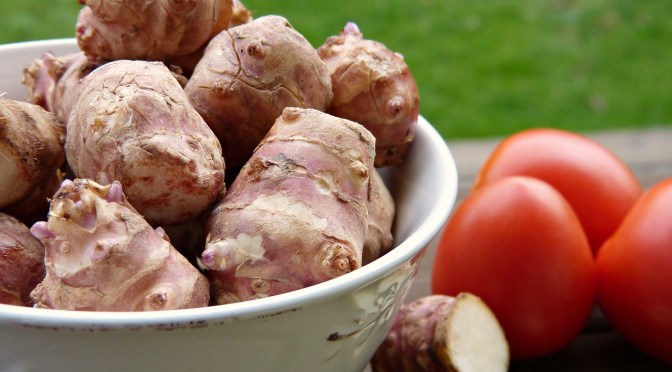
GROWING HIGH HEALTH VEGETABLES (Wally Richards)
I have always enjoyed growing different plants that are not commonly available.
This is one of the aspects that makes gardening more enjoyable and exciting when you have successes.
Three vegetables that I have grown in the past and am writing about are not rare but not common for many gardeners.
The first of these is called Chayote or more commonly known as Choko.
Originating from Mexico where the vines grow prolifically they have little financial value there likely because they are so prolific.
Specialist fruit and vegetable shops or flea markets are likely to have chokos for sale at this time of the year for about a dollar each.
Most people likely do not know the fruit and by pass them where people from Asia are likely to be the main buyers.
Choko are a member of the gourd family; Cucurbitaceae, along with melons, cucumbers and squash.
In Asia they are commonly diced up and used in stir fries and soups.
The fruit does not need to be peeled to be cooked or fried in slices. Most people regard it as having a very mild flavor by itself.
It is commonly served raw with seasonings (e.g. salt, butter and pepper) or in a dish with other salad vegetables and/or flavorings. It can also be boiled, stuffed, mashed, baked, fried, or pickled in escabeche sauce.
Both fruit and seed are rich in amino acids and vitamin C.
The fresh green fruit are firm and without brown spots or signs of sprouting. Smaller ones are more tender. I actually I like the fruit raw eaten like an apple they are crisp and refreshing.
The tuberous part of the root is starchy and eaten like a yam (can be fried).
The leaves and fruit have diuretic, cardiovascular and anti-inflammatory properties, and a tea made from the leaves has been used in the treatment of arteriosclerosis, hypertension, and to dissolve kidney stones. So a very versatile, interesting plant.
They are easy to grow and the older fruit will start shooting from the base then all you need to do is place the fruit sideways, half buried in compost with the shoot upwards.
Start off in a container where it will root up and then protect in a glasshouse or similar (even a window sill) till spring when it can be planted out.
It must be planted in a free draining situation, sunny and a degree of protection from frosts.
Spray the vine with Vaporgard for frost protection in winter and cover with frost cloth when there is two or more frosts in a row.
The first season from experience I found no fruit but a lot of growth and some winter damage.
The next season I once again thought all it wanted to do was grow but as the day light hours shortened small flowers and fruit started forming. The fruit grow rapidly and within a week or so a baby fruit becomes bigger than your fist.
For the health and mineral benefits we have; Nutritional value per 100 g (3.5 oz)
Energy 80 kJ (19 kcal): Carbohydrates 4.51 g : Sugars 1.66 g : Dietary fiber 1.7 g : Fat 0.13 g : Protein 0.82 g.
Vitamins are Thiamine (B1) (2%) 0.025 mg: Riboflavin (B2) (2%) 0.029 mg: Niacin (B3) (3%) 0.47 mg: Pantothenic acid (B5)(5%) 0.249 mg: Vitamin B6 (6%) 0.076 mg: Folate (B9) (23%) 93 g.
That is an impressive range of B vitamins making 43% of total them there is Vitamin C (9%) 7.7 mg: Vitamin E (1%) 0.12 mg: Vitamin K (4%) 4.1 g
The Trace metals are Calcium (2%) 17 mg: Iron (3%) 0.34 mg: Magnesium (3%) 12 mg: Phosphorus (3%)18 mg: Potassium (3%) 125 mg: Zinc (8%) 0.74 mg
Health wise how good is that? So easy to grow and eat raw to obtain full benefits of the vitamins and minerals.
Next we have a less common one called Jerusalem Artichokes which is a root vegetable from the Helianthus tuberosus family, also called sunroot, sunchoke, earth apple or topinambour, it is a species of sunflower native to eastern North America.
Grown from tubers it can be successfully grown any where that has reasonable drainage and sun light.
Grown in a container, waste area, vegetable garden or flower garden it will thrive.
In a container it grows about a metre or so tall in open ground from a couple of metres to 3 or 4 metres tall dependent on soil and growing conditions.
In autumn it produces smaller sunflower blooms and dies back about this time of the year when you can start harvesting the tubers.
The nobbly tubers contain about 10% protein, no oil, and a surprising lack of starch. However, it is rich in the carbohydrate inulin (76%), which is a polymer of the monosaccharide fructose.
Tubers stored for any length of time will convert their inulin into its component fructose.
Jerusalem artichokes have an underlying sweet taste because of the fructose, which is about one and a half times sweeter than sucrose.
Jerusalem artichokes have also been promoted as a healthy choice for type 2 diabetics, because fructose is better tolerated by people who are type 2 diabetic.
It has also been reported as a folk remedy for diabetes.
Temperature variances have been shown to affect the amount of inulin the Jerusalem artichoke can produce. When not in tropical regions, it has been shown to make less inulin than when it is in a warmer region.
You can find recipes for the tubers on the Internet, steamed or baked and excellent for soups. They have a nutty, earthly taste a bit like Gin seng.
Nutritional value per 100 g (3.5 oz) is Energy 304 kJ (73 kcal): Carbohydrates 17.44 g: Sugars 9.6 g: Dietary fiber 1.6 g : Fat 0.01 g: Protein 2 g.
Vitamins; Thiamine (B1) (17%) 0.2 mg: Riboflavin (B2) (5%) 0.06 mg: Niacin (B3) (9%) 1.3 mg: Pantothenic acid (B5) (8%) 0.397 mg: Vitamin B6 (6%) 0.077 mg: Folate (B9) (3%) 13 g: Vitamin C (5%) 4 mg: Trace metals Calcium (1%)14 mg: Iron (26%) 3.4 mg:
Magnesium (5%)17 mg Phosphorus (11%) 78 mg: Potassium (9%) 429 mg
Last and the most uncommon of all is yacon (Smallanthus sonchifolius, syn.: Polymnia edulis, P. sonchifolia) a species of perennial daisy traditionally grown in the northern and central Andes from Colombia to northern Argentina for its crisp, sweet-tasting, tuberous roots.
The peeled roots are lovely to eat raw, sweet to the taste without the side effects of sugar..
The tubers contain fructooligosaccharide, an indigestible polysaccharide made up of fructose.
Fructooligosaccharides taste sweet, but pass through the human digestive tract unmetabolised, hence have very little caloric value.
Moreover, fructooligosaccharides have a prebiotic effect, meaning they are used by beneficial bacteria that enhance colon health and aid digestion.
Easy to grow, plants grow about 1.5 metres tall large leaves with a texture like Borage harvest, roots in autumn.
If you can obtain a starter tuber of yacon its well worth growing.End….
Here is a link that I received recently that you maybe interested in especially in regards to the current select committee on the Therapeutic Products Bill.
This bill which has in the past been defeated twice before could mean that you are not allowed to grow healthy vegetables by some Govt committee if the bill is passed.
Also concerning article from the same writer:
https://hatchardreport.com/are-we-going-backwards-or-rushing-ahead/
We will carry on last week’s special on BioPhos for another week as proving very popular.
Phone 0800 466464
Garden Pages and News at www.gardenews.co.nz
Shar Pei pages at www.sharpei.co.nz
Mail Order products at www.0800466464.co.nz
New Zealand Bill of Rights Act 1990. Part II of the Act covers a broad range of Civil and Political Rights. As part of the right to life and the security of the person, the Act guarantees everyone:
1The right not to be deprived of life except in accordance with fundamental justice (Section 8)
2The right not to be subjected to torture or to cruel, degrading, or disproportionately severe treatment or punishment (Section 9)
3The right not to be subjected to medical or scientific experimentation without consent (Section 10)
4The right to refuse to undergo any medical treatment (Section 11)
Furthermore, the New Zealand Bill of Rights Act 1990 guarantees everyone: Freedom of Thought, Conscience, and Religion.
This includes the right to freedom of thought, conscience, religion, and belief,
INCLUDING THE RIGHT TO ADOPT AND HOLD OPINIONS WITHOUT INTERFERENCE (Section 1)
Image by Silvia from Pixabay
Merck Partnered with Moderna in 2019 to Vaccinate America’s Farms Using mRNA Technology
From mercola.com. As previously noted Dr Mercola’s posts have a 48 hour limit then they are archived to subbed readers. The article is reproduced here in its entirety, with no source link. If you are interested in his articles you can sub for free and each has a link halfway down the article to download in pdf form. Finally, beware they are weaponizing your food. And have been doing so for some time. EWR
Story at-a-glance
- For the last couple of years, I’ve recommended not eating pork due to its high linoleic acid (LA) content, but there’s an even bigger reason to avoid it now. Since 2018, pork producers have been using customizable mRNA-based “vaccines” on their herds
- The very first RNA-based livestock vaccine, a swine influenza (H3N2) RNA shot licensed in 2012, was developed by Harrisvaccines. The company followed up with an avian influenza mRNA shot in 2015. Harrisvaccines was acquired by Merck Animal Health later that year
- CureVac developed an mRNA-based rabies shot for pigs in 2016
- The swine vaccine platform Sequivity, introduced in 2018, was developed by Merck in partnership with Moderna. Sequivity can produce endlessly customized “vaccines,” none of which undergo safety testing
- Americans have been eating pork treated with gene therapy for nearly five years already, and even more of our meat supply is about to get the same treatment. mRNA-lipid nanoparticle shots for avian influenza are in the works, as are mRNA shots for cows. Lobbyists for the Cattlemen’s Association recently confirmed they intend to use mRNA “vaccines” in cattle, which might affect both dairy and beef
- Missouri House bill 1169 would require labeling of products that can alter your genes. It would also require companies to share information about the potential transmissibility of gene-altering interventions, and asserts that fully informed consent must be given for all vaccines, gene therapies and medical interventions
For the last couple of years, I’ve recommended not eating pork due to its high linoleic acid (LA) content, but there’s an even bigger reason to avoid it now. Since 2018,1 pork producers have been using customizable mRNA-based “vaccines” on their herds, and this has slipped completely under the radar. I myself just found out about it. As described on Merck’s animal health website:2
“A revolutionary swine vaccine platform, SEQUIVITY harnesses RNA particle technology to create customized prescription vaccines against strains of influenza A virus in swine, porcine circovirus (PCV), rotavirus and beyond. It’s supported by a sophisticated dashboard filled with comprehensive data and insights …
Sequivity is a custom swine vaccine platform … Sequivity only targets swine pathogen gene sequences of interest. Doesn’t replicate or cause disease, delivering pathogen information to the immune system … There’s no need to transfer or handle live material like autogenous, killed or modified live vaccines …
Targets existing and evolving swine pathogens, including diseases not covered by conventional swine vaccines. Allows for the creation of multivalent formulations by blending RNA particles to target multiple swine pathogens in one shot.”
First RNA ‘Vaccine’ for Livestock Licensed in 2012
Merck was not alone in developing veterinary mRNA shots, however. They weren’t even first on the scene, although they later acquired the company that started it all.
The very first RNA-based livestock vaccine, a swine influenza (H3N2) RNA shot, was licensed over a decade ago in 2012, and was developed by Harrisvaccines.3,4 The company followed up with an avian influenza mRNA shot in 2015.5 Harrisvaccines was acquired by Merck Animal Health later that year.6,7
CureVac developed an mRNA-based rabies shot for pigs in 2016.8 (On a side note, they began conducting human rabies shot trials in 2020 in response to the World Health Organization’s goal to achieve “zero human rabies deaths by 2030.”9)
In 2016, Bayer also partnered with BioNTech to develop mRNA “vaccines” for both livestock and pets,10,11 but it doesn’t appear they ever launched anything. So, in retrospect, it appears Americans have been eating pork treated with gene therapy for the past five years, and even more of our meat supply is about to get contaminated with the same treatment.
In addition to the avian influenza RNA shot for chickens licensed in 2015, newer mRNA-lipid nanoparticle shots for avian influenza are also in the works.12 Iowa State University is also working on an mRNA shot for cows, and lobbyists for the Cattlemen’s Association recently confirmed they intend to use mRNA “vaccines” in cattle,13,14 which might affect both dairy and beef.
Merck and Moderna: Partners in mRNA Jab Race Since 2015
The same year Merck purchased Harrisvaccines (2015), it also entered into a partnership with Moderna to develop a number of undisclosed mRNA “vaccines.” It was slated to be a three-year collaboration, with a one-year optional extension, in which Merck would perform research and development and commercialization of five potential products using Moderna’s mRNA technology. As reported by Genetic Engineering & Biotechnology News at the time:15
“Moderna has agreed to design and synthesize the mRNA product candidates directed against selected targets through its mRNA Therapeutics™ platform.
The platform builds on the discovery that modified mRNA can direct the body’s cellular machinery to produce nearly any protein of interest — ranging from native proteins to antibodies and other entirely novel protein constructs with therapeutic activity inside and outside of cells.”
Endless Customization, Zero Safety Testing
Sequivity, introduced in 2018, was one of the products that came out of that partnership. As explained by Merck (both on its website and in the video above), Sequivity is not so much a single vaccine as it is a platform that can be endlessly customized — all without additional safety analyses over and beyond the initial ridiculously inadequate testing. As noted by Zoetis, the largest producer of veterinary drugs and vaccines:16
“Sequivity has safety and efficacy studies based on the platform with a historical initial isolate, not likely the isolate that customers would be requesting in their product.”
Sequivity is customized as follows:17
Pathogen is collected and sent to a diagnostic lab.
The gene of interest is sequenced and sent electronically to Sequivity analysts.
A synthetic version of the gene of interest is synthesized and inserted into the RNA production platform.
The RNA particles released from incubated production cells are harvested and formulated into a customized “vaccine.”
Using this platform, a customized “vaccine” can be created in as little as eight weeks. Now, what could go wrong by not testing every new shot for safety?
In my view, there are any number of safety hazards, as every pathogen has distinct effects, and tricking the animal’s body to produce that pathogen (or a pathogenic portion of that pathogen, as done with SARS-CoV-2) can have wildly unexpected side effects.
We’ve clearly seen this with the SARS-CoV-2 spike protein in humans. Pfizer’s own documentation lists 158,000 recorded side effects, and many of these diseases and conditions have never before been reported in response to a vaccine.
I reviewed this evidence in “Newly Released Pfizer Documents Reveal COVID Jab Dangers” and “CDC Aware of Hundreds of Safety Signals for COVID Jab.” Yet despite the obvious risks, the U.S. Food and Drug Administration has gone ahead and authorized updated COVID shots to be released on an annual basis without additional safety testing, and apparently safety testing of mRNA shots used in animals was foregone nearly five years ago!
The risk of dangerous side effects is one of the reasons why not all conventional vaccines work out. Some simply cause too many problems. Now we’re to believe that the possibility for dangerous side effects doesn’t exist just because we’re forcing the body to produce the antigen internally? If anything, the possibility for problems is higher than ever, as exposure to the antigen is continuous for a long period of time, possibly for the life of the animal.
Even Organic Pork Producers Can Use mRNA Shots
Unfortunately, due to search engines now only providing a short list of curated and heavily censored content, it’s been impossible to determine how many pork producers in the U.S. use Sequivity.
Without that data, I recommend erring on the safe side and avoiding pork altogether, including organic pork, as organic standards do not have any rules on the use of vaccines, mRNA-based or otherwise.18
Seeing how the Sequivity platform has been around for nearly five years already, it seems reasonable to assume nearly all large-scale swine producers have made this transition.
What Do the Cells in mRNA-Treated Meat Contain?
The question now is, how do mRNA shots affect the meat? For now, this is speculative, as we do not know whether veterinary mRNA shots are substituting uridine with pseudouridine, as was done in the COVID shots. But if they do, then one of the obvious concerns would be that the mRNA might end up in the final meat product that you eat because this substitution makes it extremely difficult to destroy. As explained by Dr. Peter McCullough:19
“Natural RNA is made of two purines adenine and guanine and two pyrimidines cytosine and uracil.
The replacement of uracil with its ribose ring (uridine) with N-1-methyl-pseudouridine, a synthetic product makes the genetic code for the Wuhan Spike protein better stabilized on lipid nanoparticles, long-lasting, and very efficient in terms of evading cellular destruction and able to undergo repeat reading by ribosomes for continued protein synthesis.
Morais et al20 indicate that both Pfizer and Moderna chose development strategies replacing all uridine units with pseudouridine, making the entire strand completely ‘unnatural’ to the human body. Thus vaccine consultants, companies, and patients unfortunately gambled on how long mRNA would be active within the human body.
Fertig et al21 found lipid nanoparticles with mRNA were measurable in plasma for — 15 days. Recently, Castruita et al22 demonstrated mRNA in blood out to 28 days. Röltgen et al23 have found mRNA in lymph nodes 60 days after injection.
None of these studies demonstrated complete clearance of mRNA from a group of patients.
This is worrisome since injections are recommended in some populations just a few months apart implying there will be stacking of long-lasting mRNA in the body without adequate opportunity for clearance and elimination.
We will look back for many years and ask: how could so many people readily accept injections of heavily modified synthetic genetic code giving the body instructions to manufacture a disease promoting and lethal protein engineered in a biosecurity lab in Wuhan, China?
Repeated administrations of mRNA studded with apparently indestructible pseudouridine may have changed the course of lives forever.”
If mRNA shots can cause significant disease in humans, how has it affected our pork supply for the last five years? And how will it affect beef and chicken in the future? Can consuming genetically manipulated meat affect your health? These are questions that currently do not have answers and must be thoroughly and comprehensively investigated.
Big Ag Didn’t Tell Us What They Were Doing
One of the most frustrating aspects of this is that the industry didn’t tell us they were using novel gene therapy to spin up customized “vaccines” in weeks without any safety testing. The only reason many of us became aware of this issue in recent weeks was because attorney Tom Renz started warning about it.
Missouri House bill 1169 would require labeling of products that have the ability to alter your genetics. It would also require companies to share information about the potential transmissibility of gene altering interventions.
In an April 2, 2023, Substack article, he wrote:24
“I have been talking about gene therapy vaccines being introduced into the food supply without providing people informed consent on my Twitter account … as well as pushing Missouri HB1169 which is our best bet of stopping this happening.
This is a nightmare scenario whereby people’s genetics are potentially altered with ‘factory foods’ without them even knowing. Let me begin by putting to rest any questions as to whether this can happen. The idea of vaccines in food has been around for a long time …
Here is an article published in the NIH25 (you know — by our government) talking about foods ‘under application’ to be genetically modified to become edible vaccines — FROM 2013 … The fact that food can be altered to act as a vaccine is not disputable.
Which foods and in what ways is more of a question. It is claimed that beef, pork, etc. cannot transfer vaccination from the meat to the consumer of the meat. At initial glance that would make sense (cow DNA and people DNA is quite different and an mRNA designed for cows would probably not be able to transfer directly to people), but that is NOT the whole story.
You have to remember that the additives in the mRNA vaccines are by no means ‘proven safe’ and we don’t even actually know what all is in these shots … Ultimately the mRNA jabs still have not undergone long-term testing because long-term testing can take 10-20 years and they have not existed that long so any claims about the safety or efficacy of the stuff that’s in them are garbage at best.
What we do know about the mRNA vaccines is that they do not stop the spread of disease26 … and really do not help in any way with anything. We also do know that these jabs were demonstrated, in vitro, to alter the genetic makeup of some cells and I would say it is incredibly likely that they do the outside the Petri dish.
Given that we are now talking about a new level of genetic engineering with unknown effects and no long-term studies, do the potential genetic changes the mRNA injections facilitate pose a long-term risk to humans that ingest the altered food? Before you say no, wouldn’t you prefer it be tested rather than being the subject of the experiment?”
Support Missouri House Bill 1169
As noted by Renz, Missouri House Bill 116927 would require labeling of products that can alter your genes. It also asserts that fully informed consent must be given for all vaccines, gene therapies and medical interventions, and would require companies to share information about the potential transmissibility of gene-altering interventions.
The pushback by industry against this bill has been enormous, which should tell you something. It doesn’t ban anything; it only requires transparency. That, apparently, is a serious threat to industry, and the most obvious reason for that is because they’d have to admit that all sorts of foods can have gene altering effects.
Not only might this destroy Big Ag, but it would also decimate any surreptitious attempts by Big Pharma to use the food supply as a tool to distribute vaccines unbeknownst to consumers. As noted by Renz, “Big pharma DOES NOT WANT people to know they are going to use food to alter their genetics.” Farmers are also being set up as the fall guys, and they need to be made aware of this.
“The lobbyists opposing this bill … are pushing to shut this bill down because factory mega-farmers like Bill Gates,28 the CCP, and others want to put vaccines in your food,” Renz continues.29 “These guys are supporting the big money but this will come at the expense of the family farmers.
The problem is that the major factory-farmers like Gates have legal teams that can set up defense shields against the torts that may come if the food supply starts poisoning people …
Meanwhile, the small farmers will be at risk of being sued if it turns out that the food they are selling is unsafe despite the fact that most of them will not necessarily know what is happening.
If the corn growers, soybean, cattle, and pork associations actually cared about the farmers they would be demanding the seed companies and vaccine manufacturers indemnify the small farmers for these products rather than opposing a bill that would force them to tell the farmers what they are doing.
The corruption regarding this bill is amazing. Ultimately the labeling requirement would likely serve to protect farmers from being sued because the makers of seed and vaccines would have to make sure the farmers knew if they were putting potential gene therapies into their products. The opposition from the ag lobby is not to help the farmers, it is to help their own pockets.”
As noted by Renz, if this bill is passed in Missouri, it could help protect the food supply of the entire United States. In the meantime, I recommend avoiding all pork products, including organic ones, as they not only have high levels of the omega-6 fat, linoleic acid, because of the grains they are fed, but virtually all have been contaminated with the mRNA vaccines for the past five years.
Think Globally, Act Locally
National vaccine policy recommendations in the U.S. are made at the federal level but vaccine laws are made at the state level. It is at the state level where your action to protect your vaccine choice rights can have the greatest impact.
It is critical for EVERYONE to get involved now in standing up for the legal right to make voluntary vaccine choices in America because those choices are being seriously threatened.
Not only are lobbyists representing drug companies, medical trade associations and public health officials trying to persuade legislators to strip all vaccine exemptions from public health laws, but global political operatives lobbying the United Nations and World Health Organization are determined to take away the human right to autonomy and protection of bodily integrity.
We must take action to defend our constitutional republic and civil liberties, including the right to autonomy, in America. That includes reforming oppressive mandatory vaccination laws and stopping the digital health ID that will make vaccine passports a reality for us, our children and grandchildren if we don’t take action today.
Signing up to use the free online Advocacy Portal sponsored by the National Vaccine Information Center at www.NVICAdvocacy.org gives you immediate, easy access to your own state and federal legislators on your smartphone or computer so you can make your voice heard.
NVIC will keep you up to date on the latest bills threatening to eliminate — or expand — your legal right to make vaccine choices and give you guidance about what you can do to support or oppose those bills. So, please, as your first step, sign up for the NVIC Advocacy Portal.
CLICK HERE TO JOIN!
Share Your Story With Your Legislators and People You Know
If you or a family member has suffered a serious vaccine reaction, injury or death, please talk about it. If we don’t share information and experiences with one another, everybody feels alone and afraid to speak up.
If you want to protect your legal right to say “no” to vaccines you do not believe are safe or effective, make an appointment to personally talk with someone you have elected to office at the local, state and federal level or write a letter in your own words stating your concerns.
Attend school board and city council and town hall meetings in your community that will impact your right to know and freedom to make decisions about how you or your children will live and stay healthy. If you have a different perspective on a story about vaccination that appears in your local newspaper, write a letter to the editor.
I must be frank with you: You have to be brave because there is a lot of censorship of conversations that challenge “official” narratives about vaccination. You likely will be strongly criticized for daring to talk about the “other side” of the vaccine story and for defending your informed consent rights. Be prepared for it and have the courage to stand your ground.
Only by sharing our perspective and what we know to be true will the public conversation about vaccination open up so people are not afraid to talk about it.
While our rights are being threatened, the vaccine injured are being swept under the carpet and treated like nothing more than statistically acceptable “collateral damage” of one-size-fits-all mandatory vaccination laws. Way too many people are being put at risk for injury and death and there is nothing scientific or moral about that. We should not be treating human beings like guinea pigs.
Internet Resources Where You Can Learn More
I encourage you to visit the four websites of the National Vaccine Information Center (NVIC), at www.NVIC.org, a nonprofit charity that has been educating the public about the need to prevent vaccine injuries and deaths since 1982. The information you get on their websites is fully referenced and will help you become an effective vaccine choice advocate in your community:
NVIC.org — This website was established in 1995 and is the oldest and largest consumer operated website publishing information on diseases and vaccines on the internet. Learn about vaccine reactions, injuries and deaths and the history and current status of vaccine science, policy, law and ethics in the U.S. on more than 2,000 web pages.
NVICAdvocacy.org — This communications and advocacy network, established in 2010, is your gateway to taking action to protect your right to make vaccine choices where you live.
TheVaccineReaction.org — This weekly journal newspaper published by NVIC since 2015 is dedicated to encouraging an “enlightened conversation about vaccination, health and autonomy.”
MedAlerts.org — This is a user-friendly search engine for the federal Vaccine Adverse Event Reporting System (VAERS) established under the 1986 National Childhood Vaccine Injury Act and sponsored by NVIC since 2006. Search for descriptions of vaccine injuries and deaths reported to VAERS on this popular website.
Find A Doctor Who Will Listen and Care
If your doctor or pediatrician refuses to provide medical care to you or your child unless you agree to get vaccines you don’t want, I strongly encourage you to have the courage to find another doctor. Harassment, coercion and refusal to provide medical care to someone declining one or more doses of government recommended vaccines is a violation of the informed consent ethic.
Unfortunately, it is becoming routine among members of the medical establishment to be reluctant to share vaccine decision-making power with patients and parents of minor children, especially during the aggressive push for all Americans to get COVID shots.
There are doctors out there who respect the precautionary and informed consent principles, so take the time to locate a doctor who treats you with compassion and is willing to listen and respect the health care choices you make for yourself or your child.
– Sources and References
- 1 YouTube Global Ag Media 2018
- 2, 17 Merck Animal Health, Sequivity
- 3 Watt Poultry October 2, 2012
- 4 Drugs.com RNA Swine Influenza Vaccine
- 5 Merck Animal Health September 21, 2015
- 6 Merck November 12, 2015
- 7 Merck March 15, 2016
- 8 PLOS Neglected Tropical Diseases June 2016; 10(6): e0004746
- 9 Curevac January 7, 2020
- 10 Fulcrum 7 January 20, 2023
- 11 Genengnews.com May 10, 2016
- 12 Vaccine Epub March 31, 2023
- 13 Twitter Tom Renz April 1, 2023
- 14 Agri-pulse June 22, 2022
- 15 Genengnews.com January 13, 2015
- 16 ZoetisUS.com Product Comparison Chart
- 18 USDA Organic 101: Allowed and Prohibited Substances October 27, 2020
- 19 Peter McCullough Substack March 17, 2023
- 20 Frontiers in Cell and Developmental Biology November 4, 2021; 9
- 21 Biomedicines July 2022; 10(7): 1538
- 22 APMIS January 17, 2023; 131(3): 128-132
- 23 Cell March 17, 2022; 185(6): 1025-1040.e14
- 24, 29 Tom Renz Substack April 2, 2023
- 25 Advances in Biotechnology October 22, 2013; 207-226
- 26 Cap Con October 14, 2022
- 27 Missouri House bill 1169
- 28 Missouri Farmers Union March 29, 2021
Photo: EWR

Wally Richards & Rodney Hide on Reality Check Radio with Gardening Basics – (must hear)
If you’re new to growing your own food (and even if you’re not) this info is gold. Wally shares from 50 odd years of down to earth gardening experience – easy to follow, from ‘go’ to ‘woah’ … basic and practical. You can also phone Wally on his 0800 number for practical advice.
Listen at the link below:

THE IMPORTANCE OF POTASSIUM AND MAGNESIUM IN YOUR GARDEN (Fruit + Flower Power – Wally Richards)
Potassium often referred to as Potash because the ash from wood burn containers a good amount of potassium and magnesium sulphate is often referred to as Epsom Salts are two important elements in gardening.
A long time ago I realised the importance of these two and so I created a product which combined them, in a prill form, 55% potassium and 45% magnesium and called it Wallys Fruit and Flower Power which is one of the many uses of these two elements.
Plants like us, if they do not get sufficient minerals in their diet, they will be adversely affected and do poorly.
Potassium deficiency will show as soft limp plant growth, poor flowering, taste decline in fruit, and general loss of vigor.
I am often asked what is wrong with plants which, don’t seem as good as they could be, even though they are fed well and watered right.
Often the reason is insufficient Potassium.
Then there is fruit, especially citrus which are lacking in juice and flavor.
Tomatoes and cucumbers that don’t have that home grown flavor that one would hope to have.
Plants that have poor flowering or don’t flower at all. Once again the problem can be insufficient Potassium.
Magnesium is involved in chlorophyll production, which converts sunlight into sugars and is involved in activating enzymes.
Because of its role in chlorophyll, the first symptoms of magnesium deficiency show up as yellowing, usually between the veins of the older leaves. In severe deficiencies, the entire leaf will turn yellow or red and then brown, with symptoms progressing up the plant.
There are numerous plants that show this tendency, citrus, Daphne, rhododendrons, tomatoes, passion fruit and roses to name a few.
Once the yellowing starts to appear then already the plant is having problems and even when magnesium is supplied, it takes several weeks before the lovely dark green colour is restored.
During this time the plant is weakened, as the chlorophyll is not working to its full potential which makes the plant more susceptible to diseases and pests.
The amount of energy created from sun light is affected and plant growth is reduced.
During drought conditions, plants suffer and one important aspect to assist in this is Potassium.
It regulates water absorption and retention, influences the uptake of some nutrients and helps to increase disease resistance.
As the weather cools and winter approaches, plants feel the chill like we do, but plants cant put on a jersey like we can.
The plant’s protection from chills and frosts comes from having adequate Potassium in their diet.
Thus us gardening commentators always suggest to gardeners to supply potash to their plants as winter starts to approach and to avoid using nitrogen fertilisers which only increases sappy growth.
Commercial growers of plants and orchardists use the two elements to ensure their plants have sufficient Potassium and magnesium in their diet.
These two vital elements are blended together in the right balance as required for plants.
For the home gardener we supply Fruit and Flower Power in three pack sizes. 1.25 Kilos, and 2.5 kilos
and a bulk bag which is 12.5 kilos making it the best purchase if you have storage room.
The 1.25 kilos comes nicely packaged in a stand up pouch with a 50 gram (50ml) scoop.
It is used at the rate initial rate of 50 grams (one scoop, just below level full) per square metre around the base of the plant or around the drip line.
Use for any plant that is flowering, fruiting, showing lack of vigor or yellowing in foliage.
Now this next bit might surprise many; but the monthly requirement is 25 grams (half scoop) per square metre.
This should be applied while plants are flowering, fruiting, during dry times and going into winter. Outside of these times a 2-3 monthly dose should be fine.
For fruiting a dose at 50 grams should be applied prior to flowering followed by the 25 grams till harvest. For the likes of tomatoes and cucumbers, apply over fruiting period for best flavor.
I get a lot of complaints that citrus fruit are dry and lack flavor so this will fix the problem.
A number of fertilisers mixes do not contain sufficient potassium, likely because it is a more expensive element which is a pity as it should be at least ample for general gardening use.
Now is a good time to apply Fruit and Flower power around your gardens and repeat each month with a small sprinkling.
It will help to keep your leaves green and the plants will gain more energy from the sun even considering its shorter day lights hours as we head into winter.
It will firm up sappy growth from summer feeding of fertilisers and plant foods.
Also other precautions you should take going into winter include:
Protecting your vulnerable plants from frost by using the Spray on Frost Protection; Vaporgard.
Mulches used to overcome dry conditions in summer should be removed from under plants to allow the soil to breath and dry out quicker during wet periods.
This helps prevent root rots and loss of valuable plants.
A spray of Perkfection over plants that could be affected with wet soil is a good help to prevent root damage through wet feet.
Spray vegetables and preferred plants with Magic Botanic Liquid (MBL) each week. (It helps them grow healthier and faster.
Side dress vegetable plants with a sprinkling of BioPhos.
Brassicas (Cabbage etc) that have caterpillars should be sprayed with Wallys Super Neem Tree Oil with Raingard added to prevent the oil washing off with watering or rain.
Reduce the amount of water you are giving container plants indoors and tender plants in glasshouses.
They do not need so much water now and wet feet intensifies the cold and can be fatal.
Any Questions any time just phone me or email me with your contact phone number.
THIS WEEKS Special is a 12.5 kilo bag of FRUIT and FLOWER POWER normal price is $60.00 plus shipping but till next Sunday we will pay the shipping to your home saving $16.00 North Island and $19.00 South Island. (No PO Boxes or outer Islands)
Order on our Mail Order Web site at http://www.0800466464.co.nz/18-bulk-goods?p=3
In Remarks please state This Weeks Special..
The 12.5 Kilo bag will be in a carton which can fit other products from our mail order web site but not other bulk goods.
You will have 10% off any other products you purchase (Not other bulk products)
I will phone you when we receive the order and arrange the free shipping and your preferred method of payment.
Regards
Wally Richards
Phone 0800 466464
Garden Pages and News at www.gardenews.co.nz
Shar Pei pages at www.sharpei.co.nz
Mail Order products at www.0800466464.co.nz
New Zealand Bill of Rights Act 1990. Part II of the Act covers a broad range of Civil and Political Rights. As part of the right to life and the security of the person, the Act guarantees everyone:
1The right not to be deprived of life except in accordance with fundamental justice (Section 8)
2The right not to be subjected to torture or to cruel, degrading, or disproportionately severe treatment or punishment (Section 9)
3The right not to be subjected to medical or scientific experimentation without consent (Section 10)
4The right to refuse to undergo any medical treatment (Section 11)
Furthermore, the New Zealand Bill of Rights Act 1990 guarantees everyone: Freedom of Thought, Conscience, and Religion.
This includes the right to freedom of thought, conscience, religion, and belief,
INCLUDING THE RIGHT TO ADOPT AND HOLD OPINIONS WITHOUT INTERFERENCE (Section 1)

Food – The Ultimate Weapon Of The Ruling (not) Elite
The original link to this article at Info Clearing House is now gone. It’s from 2008 and an interesting to read in light of the current regime. I can find nothing (quick search) about William online, let me know if you can. I expect his enlightening info would’ve been hoovered carefully from the internet by now, classed as disinfo. Some time ago I did see his Robert McNamara depop quote but could not find a reference to that anywhere either. EWR
By William Bowles
19/04/08 “Creative-i ” — –Using food as a weapon is as old as the siege but today’s barbarians have upped the anté by several orders of magnitude.
“…There are only two possible ways in which a world of 10 billion people can be averted. Either the current birth rates must come down more quickly. Or the current death rates must go up. There is no other way. There are, of course, many ways in which the death rates can go up. In a thermonuclear age, war can accomplish it very quickly and decisively. Famine and disease are nature’s ancient checks on population growth, and neither one has disappeared from the scene … To put it simply: Excessive population growth is the greatest single obstacle to the economic and social advancement of most of the societies in the developing world.” — Speech to the Club of Rome by Robert McNamara, Oct. 2, 1979
“Overpopulation and rapid demographic growth of Mexico is already today one of the major threats to the national security of the United States. Unless the U.S.-Mexico border is sealed, we will be up to our necks in Mexicans for whom we cannot find jobs.” —Robert McNamara, then World Bank president, March 19, 1982
McNamara’s thinly veiled genocidal utterances took place over thirty years ago, echoing the wealthy and the privileged’s fear of the ’great unwashed’ when ‘over-population’ was the buzzword. So not much has changed has it, we’re hearing the same, tired old messages being rolled out once again by the ruling elites and their spin doctors. McNamara’s cries of fear about being up to his neck in Mexicans is exactly same as the current bogey doing the rounds in Europe, only now they’re Africans.
Thus the current explosions in Haiti, Eygpt, Ivory Coast, Ethiopia, the Philippines, Indonesia and elsewhere over the rocketing price of basic foodstuffs such as cooking oil and rice prompted the BBC to describe them as first and foremost “a potential threat to Western security” (BBC News 24, 13 April, 2008), never mind the threat to human life, but then it reveals exactly where the BBC’s head is at, protecting the status quo.
To add insult to injury, the crétin Gordon Brown has the damn nerve to say,
“Rising food prices threaten to roll back progress we have made in recent years on development. For the first time in decades, the number of people facing hunger is growing.”
Progress? What planet does our glorious leader live on? Standards of living have been falling for everybody (except the rich who, as a consequence, have just gotten even richer by stealing even more from the poor), since the 1970s when the ‘neo-liberal’ agenda was initiated and not only have the poorest been the hardest hit but we’ve seen millions of the formerly ‘middle classes’ dumped unceremoniously back where they ‘belong’, with the poor. Social status doesn’t put food on the table. So much for the capitalist ‘good life’.
These are the facts: real wages in the US have fallen since the 1970s. It’s reckoned that around 40 million Americans now live under the ‘official’ poverty level, but at least they can still eat something, not so the millions of people in the so-called developing world who already immiserated by so-called free trade, have been hit with a double whammy, nay, a quintuple whammy.
Whammy #1: ‘Free Trade’
The poor countries of the world have been ‘persuaded’ that growing food for export so as to earn foreign currency which they then have to use to buy imported food (guess where from?), is better than growing food in their back yard. And to make sure they live up to their end of the ‘bargain’, under WTO ‘rules’ they get punished if they try to control imports.
Countries grew their own food which not only fed them but also created employment, now grow food and things like flowers, for export in order to ‘earn’ the precious dollar which obviously they have to spend on importing the food they once grew. Worse, the subsidized food imports wipe out what remains of indigenous agriculture, it simply can’t compete. What an insane setup! It only makes sense when you realize that the managers who setup this ‘deal’ work for BIg Business, they call the shots. If it were a ‘Mafia’ deal it would be called criminal extortion.
Of course, we in the West with our wealth subsidize the production of food, so the poor of the planet get hit with a whammy within a whammy. Not having the resources to subsidize their own food production, as the cost of importing food rises but not the price they get for exporting food to us, they are truly caught between a rock and a barren place.
And it’s the same IMF and World Bank policies which created the latest crisis to hit the poor of our planet, that are responsible for creating such an unequal relationship in the first place.
Whammy #2: Energy
And of course to grow all these crops for export needs lots of energy and lots of water, and lots of fertilizer, and lots of pesticides, all of which must be bought with precious foreign currency (and until recently, only dollars would be accepted). With oil now selling at over $113 a barrel, the cost of producing anything has shot through the roof. The winners: The Big Oil Cartels. No need to tell you who the losers are.
But the actual cost of producing the oil hasn’t risen much at all, the entire responsibility for these increases has to be placed where it belongs, on the commodities speculators and the Big Five oilcos. In other words, on all those grimy gamblers in investment corps and pension fund managers. It’s the system.
Whammy #3: ‘Bio-fuels’
The latest addition to the armoury of food used as a weapon and perhaps the most obvious example to date, is converting production from food staples to so-called bio-fuels.
For rather than us just using less energy, we buy it from the poor of the planet in the form of ‘bio-fuels’. Brilliant isn’t it. What poor country needs to produce ethanol? It has no possible use except perhaps to make moonshine.
But we knew that this would happen and everybody told our cretinous, criminal leaders what would happen. They’re too busy producing wheat for export to feed all those damn cows, cows that we turn into hamburgers for our consumption, but now, instead of producing wheat for export to make burgers, we’re producing ethanol to put in our automobiles. Either way it’s madness!
And in any case, as a leaked EU report shows, bio-fuels do nothing to halt the production of greenhouse gases (they may even increase it), the entire ‘bio-fuels’ thing is one gigantic scam, largely to do with what is the most profitable crop to grow (see ‘Industry asks for biofuels policy U-turn).
Whammy #4: Water
Fact: It takes 1,000-2,000 litres of water to produce 1 kilo of wheat
Fact: It takes 10,000-13,000 litres of water to produce 1 kilo of meat (Source: FAO)
And guess what gets produced the most, largely for Western consumption—burgers. And not surprisingly, the ‘neo-liberal’ agenda has seen the enforced privatization of water across the planet along with other key resources formerly held in communal ownership.
Whammy #5: Climate Change
Predictably, climate change impacts on those least able to deal with it, the poor. And lest we forget, the majority of the planet’s population are poor. The connectedness between everything must surely be apparent to you, the reader, the fact that messing up the biosphere the way we have been doing for the past two hundred years reverberates throughout the planet. And our political elites call themselves civilized!
Meanwhile, back in the land of the powerful, we’re busy planning for endless war in order to preserve our privilege, so even as our glorious leaders pontificate on about this or that crisis facing us, they’re spending billions on developing robots to shit bombs on the planet’s poor from a comfortable armchair some distance from the scene of the ‘action’.
“UAV Market to Top $13 Billion by 2014
Washington, D.C. (PRWEB) April 14, 2008 — The global war on terrorism has prompted the United States to pump significant amounts of money into its Unmanned Aerial Vehicle (UAV) programs, asserts Forecast International analyst Larry Dickerson.” — www.aviationtoday.com/webinars/2008_0417.html
How can anybody in his or her right mind not view these people and the entire class in whose interests they work so tirelessly, not see them not only as war criminals but as destroyers of life! These are truly barbarians in every sense of the word, for they destroy everything of beauty and value including entire countries in order to preserve their piece of the action.
No wonder the Hollywood obsession with ‘saving the planet’ but when will we see a movie about saving ourselves and our home from these predatory mass murderers?
So why is it that we turn away from the carnage ostensibly wrought in our name? After all, people give generously to so-called charities, so it’s not that people don’t care about the plight of others.
Again, I come back to the corporate/state media for surely without their active complicity in covering up the endless atrocities being committed would we stand for it? I think not, but then I’m an eternal optimist about the real nature of the human spirit once we stop fearing and start thinking and feeling.
The major reason is the media’s (never mind the politicians) failure to connect events with the underlying economics that drives them to act the way they do. Thus the ‘credit-crunch’ is so misnamed in order to hide the fact that it’s the economic and political policies of our governments in cahoots with Big Business that created the crisis in the first place (as it has all previous crises).
The ‘credit-crunch’ is merely symptomatic of a sick system that needs to be replaced poste haste.
The issue is really quite simple, as long as we have ruling elites joined at the hip to Big Capital, running the show, they will never, not in a million years entertain the idea of doing away with the present economic system—which is the cause of all our miseries—and replacing it with a saner and more modest way of earning a buck, there’s too much at stake and for so few, dammit! Only we, the so-called people can do that, they won’t even begin to change things unless we either force them to or failing that, get rid of them.
The consequences of those many poisons in our food
This article is by Chris Wheeler, former head of New Zealand’s foremost organic farm lobby group, the Soil & Health Association. From 2000, the article was in my own archives. I could find little to anything of this author’s material now although I note he did co author a book.
READ MORE AT THE LINK
Image by jacqueline macou from Pixabay

You must be logged in to post a comment.