Tag Archives: eggs

Glyphosate Found in Eggs, Chicken Sold in Grocery Stores Traced to GMO Poultry Feed

Note: some years back (at least 6) I inquired of two NZ companies that produced chickens and pork, whether they fed their produce GM feed. Both replied they couldn’t rule that out as the feed was not labeled GM. EWNZ

Posted on Sep 10 2025 – by Sustainable Pulse

A scientific review in World’s Poultry Science Journal highlights the adverse health effects on avian species from exposure to the widely used weedkiller glyphosate (Roundup) throughout the process of poultry production. The herbicide enters the poultry production system through residues in genetically engineered feed, Beyond Pesticides reported.
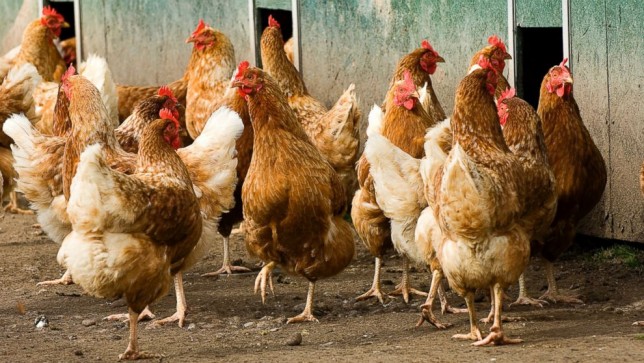
An earlier article in Scientific Reports concludes that glyphosate’s (GLP) “widespread application on feed crops leaves residues in the feed,” while residues are “found to be common in conventional eggs acquired from grocery stores.”

In analyzing the biochemical, toxicological and ecological impacts of glyphosate on poultry, particularly chickens, the authors find a wide body of evidence linking glyphosate and its metabolite (breakdown product) aminomethylphosphonic acid (AMPA) to debilitating hazards that extend beyond mortality.

These sublethal effects include disruption of the gut microbiome and gastrointestinal disease; decreased productivity and diminished reproductive health; hepatic and kidney toxicity; growth and developmental impacts, including teratogenicity and embryotoxicity; endocrine disruption and oxidative stress; and impaired immune functions.

The effects of glyphosate, as have long been documented in the scientific literature, range from negative impacts on biodiversity and the environment to food safety risks and human health implications.

Glyphosate Box

Glyphosate Residue Free Certification for Food Brands – Click Here

Test Your Food and Water at Home for Glyphosate – Click Here

Test Your Hair for Glyphosate and other Pesticides – Click Here to Find Our Your Long-Term Exposure

Residues of both glyphosate and AMPA “have been detected in soil, crops, animal feed, poultry, and water sources, prompting scrutiny of their long-term effects,” the authors state.

They continue:

“Studies indicate that glyphosate disrupts enzymatic pathways, particularly by inhibiting the cytochrome P450 system, leading to oxidative stress, endocrine disruption, and mitochondrial dysfunction.

“It has been linked to liver and kidney toxicity, gut microbiota alterations, reproductive harm, developmental defects, and possible carcinogenicity, though regulatory agencies remain divided on its classification as a carcinogen.”

The International Agency for Research on Cancer, a part of the World Health Organization, has classified glyphosate as having cancer-causing properties, as have independent peer-reviewed scientific studies.

The ubiquitous nature of glyphosate residues throughout the environment and within organisms is a result of the widespread application of this toxic chemical in forestry, agriculture, landscaping and gardening.

Over 750 herbicides contain glyphosate as the active ingredient, and it also plays a large role in the production of genetically modified (GM) crops, “with approximately 80% of GM crops bred specifically for GLP tolerance.”

Glyphosate-based herbicide formulations contain not only glyphosate but also other inert (undisclosed) ingredients, such as adjuvants that increase toxicity.

A common adjuvant in glyphosate-based herbicide products is polyethoxylated tallow amine (POEA), which researchers have found can kill human cells, particularly embryonic, placental and umbilical cord cells.

Effects on poultry

Glyphosate residues in animal feed, as well as in water and through other exposure routes, pose risks to both animal and human health, as these residues can bioaccumulate and biomagnify throughout the food chain.

With a high reliance on corn and soybeans in the diets of poultry, GM crops are a significant source of exposure for these animals.

“The presence of GLP residues in poultry feed raises concerns about potential health effects on birds, including disruptions in gut microbiota, oxidative stress, and overall productivity,” the authors write.

They continue:

“Globally, approximately 57% of maize grain and 85% of soybean production are directed towards animal feed. Several studies have investigated the effects of feeding glyphosate-tolerant GM crops to various livestock species.

“Research has included dairy cows, cattle, and chickens, highlighting the potential impact of glyphosate residues on poultry growth performance, immune function, and reproductive health.”

Hepatic and kidney toxicity

Studies show that the kidney and liver are among the first organs to be affected by alimentary poisoning/foodborne illness. Additional research shows glyphosate residues in food can then impact various systems in animals, including the liver, intestine, kidney, and lung, as well as alter enzyme activity.

In a study of hatched chickens exposed to glyphosate alone and in Roundup shows “histopathological alterations in the kidneys and liver, along with imbalances in serum parameters and various biochemical changes in these organs, which could potentially impair their function.”

Oxidative stress

Exposure to glyphosate can induce oxidative stress and lipid, protein, and DNA damage. Previous research shows how glyphosate and AMPA are genotoxic and linked to oxidative damage.

One study shows that glyphosate increases the generation of reactive oxygen species in the liver and small intestine of chickens. Chronic exposure to products containing glyphosate in broiler breeders (stock chickens) weakens eggshells and delays embryo organ growth, with oxidative stress as the cause.

Gastrointestinal toxicity

Glyphosate diminishes the bioavailability of cytochrome (CYP) enzymes, which are crucial for metabolism, in the organs of chickens. One study shows that glyphosate specifically inhibits CYP P450 enzymes in chickens’ livers and small intestines.

Chicks exposed to glyphosate also have compromised liver function and altered lipid metabolism, further causing oxidative stress and deposits of fat in blood and liver tissues due to heightened expression of lipogenesis-related genes, as a result of its disruptive effect on cytochrome P450 enzymes.

Additional studies show disruption of the gut microbiome in livestock and poultry, where glyphosate reduces beneficial bacteria and enhances resistance in pathogenic strains.

These impacts can lead to the onset of chronic gastrointestinal diseases. In a study of the intestinal structure of chicks, glyphosate has been shown to impair the intestines, reduce antioxidant capacity, induce inflammation and cause the downregulation of genes in the small intestine.

Impact on reproduction

Previous research shows that chronic exposure to herbicides containing glyphosate can impact the survival, growth, activity and reproduction of organisms, including chickens.

study of roosters with chronic, subtoxic exposure to glyphosate shows reduced plasma testosterone and a decline in their reproductive peak.

Another study finds “significant effect on the histopathological [diseased tissue] characteristics of the rooster testes as well as sperm motility, the key determinant of rooster sperm quality.”

Additional research shows altered sperm in roosters when fed a diet containing glyphosate that leads to “metabolic disorders in the offspring, most likely due to epigenetic effects.”

Glyphosate implications for productivity and performance

Several studies have classified glyphosate-based herbicide formulations as teratogenic, causing developmental abnormalities in a fetus or embryo, and embryotoxic, causing harm or death to embryos during development.

In a study of quails, glyphosate was found to accumulate inside the eggs, causing damage to lipids (fats) in the brains of the developing embryos. This study also reveals that residues of glyphosate in food also slow plumage development and linger in eggs, muscles and livers of the birds.

Another study of chickens shows “exposure to GLP led to a significant reduction in the expression of key productivity-related genes.”

Exposure directly in the eggs of chickens to glyphosate-based herbicides induces teratogenic effects with negative effects on embryonic growth and development, as well as embryo mortality.

Changes in blood parameters, adverse effects on digestive tract development and reduced body weight are noted in chickens exposed to glyphosate.

Reproductive and developmental impacts regarding eggshell quality and embryo development are also associated with levels of both glyphosate and AMPA within egg yolk.

Yet another study shows that a decline in hatchability is associated with higher levels of glyphosate residues in feed among broiler breeders.

Regulatory deficiencies and the organic solution

Despite mounting scientific evidence that continues to link glyphosate to adverse effects in a wide range of species, current regulations fail to protect health and the environment.

The regulatory processes, such as those utilized by the U.S. Environmental Protection Agency (EPA), also ignore factors that enhance the toxicity of these already harmful chemicals, such as synergy, mixtures and inert ingredients.

“Current safety evaluations mostly concentrate on glyphosate in isolation, overlooking the synergistic toxic effects of commercial formulations and their capacity for bioaccumulation in adipose tissues,” the authors point out.

They continue:

“Furthermore, the heightened toxicity of commercial glyphosate formulations, influenced by co-formulants such as POEA, in conjunction with glyphosate’s interference with gut microbiota, cytochrome P450 enzymes, and endocrine functions, emphasises the necessity for cumulative risk assessments and long-term studies that account for species variability, bioaccumulation, and synergistic effects.”

These inadequacies in the regulation of petrochemical pesticides and synthetic fertilizers support the urgent need for the widespread adoption of safer alternatives.

SOURCE

Image by Franz W. from Pixabay

“Bird flu is a complete rerun of the COVID script,” only now it’s your food supply, not your freedom, under siege

From mercola.com

Story at-a-glance

  • Public health officials are responding to bird flu (H5N1) using strategies similar to COVID-19, including extensive PCR testing and fearmongering, leading to significant food supply disruptions and price increases
  • Since 2022, over 150 million birds have been killed due to H5N1, with 41.4 million culled between December 2024 and January 2025 alone, resulting in soaring egg prices
  • The USDA has spent $1.25 billion on compensation to affected farmers, while granting Zoetis a conditional license for a bird flu vaccine for chickens despite CDC stating H5N1 is low risk to humans
  • Studies show chickens can develop natural immunity to H5N1, suggesting mass culling is unnecessary, while evidence indicates that depopulation efforts actually increase the risk of chicken-to-human transmission
  • Health authorities are pursuing mRNA vaccine development, with HHS giving Moderna $590 million for human H5N1 shots, despite concerns about vaccine effectiveness and safety, and the risk of creating vaccine-resistant strains

You’ve noticed the news about a bird flu health crisis — sick birds, egg shortages, price hikes. The empty shelves, constant updates and confusing directives likely stir up memories of COVID. But there’s a reason why bird flu, or H5N1, feels like a repeat performance. For starters, officials have been warning about a coming bird flu pandemic for years, but every instance of fearmongering about a lethal bird flu has turned out to be false.

That’s why I wrote “The Great Bird Flu Hoax” in 2009. Now, bird flu is making headlines again as outbreaks occur in birds, other animals and even humans across the U.S. If it seems like déjà vu, you’re not imagining it; it’s deliberate. Dr. Clayton Baker, an internal medicine physician and author with the Brownstone Institute, cuts through the noise: “Bird flu is a complete rerun of the COVID script,” only now it’s your food supply, not your freedom, under siege.1

Consider bird flu a set of calculated steps — pages from a playbook you’ve seen before. Those tasked with solving these crises — public health officials — often fuel them, a tactic rooted in years of “pandemic preparedness” groundwork. But this time, your groceries are the new battlefield. Clayton explains:2

“Last time, with COVID, the pandemic-planning bioterrorists directly blackmailed us by taking away our civil rights, in order to coerce us to accept their unsafe and ineffective vaccines. This time, with bird flu, the pandemic planning bioterrorists are indirectly blackmailing us by targeting our food, in order to coerce us to accept more of their unsafe and ineffective vaccines into our food supply and those who supply it.”

Understanding Bird Flu Basics

What exactly is bird flu? H5N1 is a virus that typically affects birds such as chickens and ducks. The World Health Organization explains it’s been present in wild bird populations for decades, sometimes crossing over to farm animals or, in rare cases, humans.3 The U.S. Department of Agriculture (USDA) reports that since 2022, more than 150 million birds have been killed due to H5N1, with 41.4 million culled between December 2024 and January 2025 alone.4,5

Authorities are testing flocks extensively, eliminating entire groups if even one bird tests positive. The ramifications extend far beyond the barnyard to your everyday routine. With tens of millions of chickens lost, eggs and poultry have become scarcer and costlier. Egg prices are expected to increase 20.3% in 20256 and reached a 45-year peak in January.7

Further, vaccines are likely to be introduced into your food supply, altering what you consume without your consent. For instance, the USDA granted a conditional license to pharmaceutical company Zoetis for its bird flu vaccine, labelled for use in chickens.8 According to Baker, the CEO of Zoetis, formerly a subsidiary of Pfizer, has “close ties to Pfizer, BlackRock, and the Gates Foundation, all well-established bad actors during the COVID era.”

Further, many aren’t aware that in 2012, scientists genetically modified the wild H5N1 virus in a lab to create a pandemic strain that could spread through the air, raising concerns about unintended releases and lab leaks, a risk that feels all too familiar in the post-COVID era.9

The COVID Playbook — Same Game, Different Field

Recall the COVID pandemic for a moment. You likely remember scientists altering a virus in a lab, its subsequent escape and the sudden restrictions that kept you on lockdown awaiting a shot. As Baker notes, COVID’s SARS-CoV-2 emerged from lab manipulation under the guise of pandemic preparedness, leaking in 2019, and bird flu is tracing a parallel path.

A 2012 report in The Guardian details similar experiments with H5N1, including how scientists manipulated the virus to become airborne and able to spread via droplets from coughs or sneezes.10 Bird flu shifts the focus from lockdowns to your food supply. Baker explains that instead of confining you, authorities are culling flocks to create food shortages that pressure you into accepting vaccines.

The approach remains consistent — craft a virus, develop an injection, then instill fear to ensure compliance. During COVID, PCR testing was rampant, even though PCR tests detect minute, non-threatening traces of the virus, leading to false positives and raising alarm unnecessarily.

Today, they’re applying the same tactic to poultry, relying on misleading PCR tests as they ramp up testing for bird flu. They’re testing not only birds but also milk and farmers relentlessly, stacking up misleading positive results to sustain the tension. Baker explains that this isn’t conspiracy theory — it’s pattern recognition:11

“To perpetuate the mass slaughter and worsen food shortages, ‘public health’ authorities are performing indiscriminate PCR testing for the virus among the animal population and farmers, knowing full well this will generate countless false positives …

Authorities are using this excessive testing along with media-generated fear-mongering and governmental abuse of power, to prolong the mass slaughter of farm animals and the food shortages. The mass slaughter of farm animals and resulting food shortages are being used to blackmail the population into mass acceptance of the vaccines in their food supply, in exchange for a return to normal life.”

Save This Article for Later – Get the PDF Now

Download PDF

Why This Hurts You and Your Food

Eliminating over 150 million birds doesn’t halt the H5N1 virus — it reduces your food availability. Yet, the USDA has invested $1.25 billion in indemnity and compensation payments to farmers affected by bird flu since 2022.12 This means your tax dollars are directly funding a strategy that isn’t working.

In fact, it’s making things worse. As Nicolas Hulscher, an epidemiologist with the University of Michigan School of Public Health, points out, this massive expenditure not only incentivizes farmers to comply with the mass killing of their animals but also represents a serious misuse of taxpayer money, triggering a cascade of severe downstream consequences.13

One of the most immediate consequences you’re experiencing is the skyrocketing price of eggs. This makes a basic food staple less affordable for everyone. Further, Hulscher highlights a disturbing connection between mass culling and chicken-to-human transmission of H5N1. A study published in The New England Journal of Medicine found that 100% of poultry-linked human H5N1 cases were traced back to these depopulation efforts.14

So, the very actions intended to “protect” public health are increasing the risk of human infection. Perhaps most concerning is the fact that mass culling isn’t even necessary. Hulscher cites three separate studies demonstrating that chickens can survive H5N1 infection and develop natural immunity. This natural immunity then helps to limit future spread of the virus. This evidence suggests a far more effective and less costly approach than the current mass slaughter.

Hulscher argues that the USDA’s current biosecurity strategies are clearly failing, especially given the continuous reinfection of farms by wild mallard ducks. He calls for the USDA to be transparent about their testing methods to end the unnecessary culling of healthy birds, and to allow natural immunity to develop as a more sustainable solution.

Bird Flu Shots on the Horizon

Bird flu shots are now front and center. In addition to the USDA’s conditional license for Zoetis’ bird flu vaccine for chickens, the U.S. Department of Health and Human Services agreed to give Moderna $590 million to develop an mRNA vaccine for H5N1 in humans — even though the U.S. Centers for Disease Control and Prevention said bird flu is a low risk to people.15

Dr. Robert Malone draws parallels to the COVID-19 pandemic response, particularly regarding the use of mRNA technology:16

“No evidence exists that any influenza vaccine will provide anything even close to sterilizing immunity (complete protection from infection, replication, and spread). In other words, what we can reliably predict is that the Moderna product that you are paying for will provide yet another leaky influenza vaccine with the added risks associated with current mRNA vaccine technology.”

Why, Malone asks, aren’t they exploring other options, like breeding poultry that are naturally resistant to H5N1? It’s a valid point, especially considering H5N1’s prevalence in wild birds — it’s not going away. He echoes Hulscher’s criticisms of mass culling, pointing out its failures: the virus continues to spread, egg prices are through the roof and there’s even an increased risk of the virus jumping from chickens to the people handling them.

And remember, all this is costing you — $1.25 billion of your tax money has been spent on this ineffective strategy. Malone warns that the USDA’s current policies, including mass culling and the upcoming use of these leaky mRNA vaccines, could make things worse.

They could lead to the evolution of vaccine-resistant strains of H5N1, which could then spread back into wild birds and even infect humans. There’s also the fact that influenza viruses, like H5N1, mutate rapidly. So, even if an mRNA shot is developed for one strain, it won’t work against the next. This would lead to the promotion of ongoing booster shots, another page from the COVID playbook.

What You Can Do to Stop the Playbook

The first step to break free from this destructive cycle is understanding that it exists. From there, urge officials to stop mass flock culls. “It traumatizes farmers, wastes resources, creates food shortages, is inhumane in the extreme to animals, and does nothing to stop the virus. Let the flocks develop natural immunity,” Baker says.17

He also advises ending the use of PCR testing for bird flu in animals and humans, noting, “Willy-nilly PCR testing creates innumerable false positives, which fuels the … hysteria, paralyzes decision-makers, and promotes population-wide blackmail.” Baker recommends an overhaul on leadership as well, including removing USDA and CDC heads stuck on this flawed approach and disbanding the Office of Pandemic Preparedness and Response Policy.

While cleaning house, Baker calls for investigations into the USDA Southeast Poultry Research Lab in Athens, Georgia, and the Kawaoka Bird Flu Lab at the University of Wisconsin, which are involved in gain-of-function research on H5N1. Multiple accidents involving H5N1 have been reported at the University of Wisconsin lab over the years.18 Meanwhile, oppose hasty shot rollouts while supporting natural immunity and breeding H5N1-resistant flocks instead.

The unfolding bird flu narrative serves as a chilling echo of the COVID-19 pandemic, starkly illustrating a playbook dusted off and redeployed. From the familiar refrains of fearmongering and questionable testing to the push for pharmaceutical interventions and the disregard for natural solutions, the patterns are undeniable.

This time, the battlefield has shifted from our civil liberties to our dinner tables, with food security now under siege through policies that are less about genuine public health and more about control and corporate gain.

To break free from this déjà vu, you must recognize this pattern for what it is: a calculated strategy playing out once more. The lesson from COVID is clear: unquestioning compliance with top-down directives leads to predictable and detrimental outcomes. It’s time to demand transparency, challenge the prevailing narrative, advocate for evidence-based solutions like natural immunity and, ultimately, refuse to let history, or rather, the playbook, repeat itself.

Sources and References

SOURCE

RELATED: Bird Flu Pandemic of 2025
Brought to You by The New World Order

Image by Nicky ❤️🌿🐞🌿❤️ from Pixabay

The removal of poultry and eggs from your food supply (as NZ authorities poise to cull 80K chickens)

‘Since early October, the WHO and U.S. health authorities, including the FDA, NIH, CDC, and BARDA, have been actively discussing the pandemic potential of H5N1, a highly pathogenic avian influenza virus’. (Brett Hawes, ONWARD @ substack).

I expect we’ll be needing a ‘safe & effective’ for that?

READ AT THE LINK

Image by pixabay.com

5 peer-reviewed studies show “immunized” chicken egg yolks stop viral infections, as another large chicken farm in Connecticut burns to the ground

Did you hear about a NZ chicken farm burning recently? These people mean business … well documented now that our food supplies are being deliberately destroyed. Okay the NZ one may have been accidental but quite a coincidence when you see how many food production sources have been burned. Watch the Ice Age Farmer at his site of the same name. Farmers paid to plow under their crops. Still think it is conspiracy? EWR


From thecovidblog.com

Either this blogger has Nostradamus-like premonition, or the powers-that-be (“TPTB”) are so hubristically arrogant that their agendas are obvious to any critical thinker.

We wrote the following last week:

Eggs, particularly chicken eggs, may be some sort of superfood that TPTB do not want humans eating because it keeps them healthy. Food for thought (pun intended).

There now appears to be some truth to the foregoing premise – truth that goes a lot deeper than just eating omelettes and Eggs Benedict for good health.

National wholesale egg prices dropped $0.58, to $3.29 per dozen, at the end of January, according to The United States Department of Agriculture (USDA). But that’s still way higher than $1.79 per dozen in December 2021.

We reported last week how numerous farmers are blaming commercial chicken feed for their hens suddenly not laying eggs. The brands Dumors, Producers Pride, and Purina, sold via retail chain Tractor Supply Company, are reportedly the culprits causing the problem. Mike Adams at Natural News, announced that he will be testing those brands for heavy metals and other toxins that may be causing the hens to cease egg production.

RELATED: The Netherlands is now ground zero for global famine agenda as government, Bill Gates create phony nitrogen crisis to destroy the country’s agricultural sector (August 3, 2022)

TPTB want all of humanity eating bugs on a regular basis by the year 2030. The strategy entails both classical conditioning and vilifying real food in favor of bugs and “frankenfoods.”

All of the coincidences with food processing plants and farm animals being destroyed since 2020 are dismissed as “conspiracy theory” by mainstream and social media. But whenever the tentacles of Bill Gates touch anything, it means sinister, evil motives.

READ MORE AT THE LINK BELOW

https://thecovidblog.com/2023/02/08/5-peer-reviewed-studies-show-immunized-chicken-egg-yolks-stop-viral-infections-as-another-large-chicken-farm-in-connecticut

Image by Peggychoucair from Pixabay

The truth about egg shortages

From mercola.com

NOTE: Due to censorship Dr Mercola’s articles are archived to paid sub soon after publication, in which case the source link may no longer work. The article however is republished here in its entirety. EWR

Story at-a-glance

  • Egg prices have more than doubled compared to what they were a year ago, with a median cost of $4.25 for a dozen
  • As of January 2023, more than 58 million birds in 47 states have been killed due to avian flu outbreaks
  • The egg shortage began amidst a series of mysterious fires and other disasters at U.S. food processors
  • Some farmers have stated chicken feed made by Purina may have been altered to contain lower amounts of protein and minerals, leaving chickens unable to lay eggs
  • A report from the Rockefeller Foundation, released in July 2020 and predicting a coming food crisis, calls for the creation of a centralized “nutrition security system”

If the price of eggs has you seriously considering starting your own backyard flock, you’re not alone. Egg prices have more than doubled compared to what they were a year ago, with a median cost of $4.25 for a dozen.1

Many assume rising inflation is to blame, but the official narrative states avian flu, affecting up to 58 million birds, is the more likely cause.2 Another theory has surfaced from chicken farmers who have linked problems with egg laying to a certain brand of chicken feed.3 It’s also curious timing, as the egg shortage began amidst a series of mysterious fires and other disasters at U.S. food processors.

US Pledged to ‘Increase and Disseminate Food Shortages’

It’s relevant to note that in March 2022, President Biden openly stated food shortages are “going to be real.”4 He also said he spoke with European allies about “how we could increase, and disseminate more rapidly, food shortages.”5 Although it’s now been largely scrubbed from the internet, the statement wasn’t corrected by the White House. It circulated on social media, prompting Facebook to immediately flag it as fake news.

Whether the statement was the result of jumbling words or the revelation of something much more sinister is up for debate — as is the series of strange accidents at U.S. food processors that occurred in its wake. Here’s just a sampling:

March 13, 2022 — A Hot Pockets plant in Jonesboro, Arkansas, was shut down after a fire started inside a production line cooler.6
March 16, 2022 — A massive fire at a Walmart fulfillment center in Plainfield, Indiana, caused the closure of the facility. In April, the company announced it would not be reopening the facility, affecting the jobs of 1,132 employees.7
March 28, 2022 — A fire at Maricopa Food Pantry in Maricopa, Arizona, led to the destruction of more than 50,000 pounds of food.8
March 31, 2022 — Rio Fresh, an onion warehouse facility in south Texas, was damaged by a structure fire.9
April 11, 2022 — A fire broke out at East Conway Beef & Pork in Conway, New Hampshire, destroying the building and killing two cows.10
April 13, 2022 — A plane crashed into the Gem State processing facility in Heyburn, Idaho.11
April 13, 2022 — A four-alarm fire occurred at Taylor Farms in Salinas, California, drawing nearly 100 firefighters from 22 fire units. The facility was in the process of restarting operations after being closed for the winter.12
April 18, 2022 — The headquarters of Azure Standard in Dufur, Oregon, was destroyed in a fire. Azure Standard the largest independent distributor of organic and health foods in the U.S.13
February 4, 2023 — A fire at Hillandale Farms in Connecticut, which is owned by one of the largest egg producers in the U.S., killed an estimated 100,000 hens.14

Official Narrative Blames ‘Record’ Levels of Avian Flu

If you’re curious about why egg prices are rising — and egg shortages are occurring in some areas — you need look no further than the record number of chickens killed due to avian flu, according to the U.S. Centers for Disease Control and Prevention.15

Previously, the largest avian flu outbreak recorded occurred in 2015, when 50.5 million birds in 21 states were affected. However, 2022 marked a new record for dead birds in one year, when the number hit 52.7 million.16 By January 2023, more than 58 million birds in 47 states had been impacted in this outbreak.17

“I’m hopeful that this is not the new normal for us,” Richard Webby, director of the World Health Organization’s Collaborating Center for Studies on the Ecology of Influenza in Animals, told NPR.18

While some of the chickens died from the disease, most were culled to prevent further spread of the virus. Webby blamed the outbreak on wild birds, not those raised on concentrated animal feeding operations (CAFOs):19

“We don’t know exactly what it is about it, but it does seem just to be able to grow and transmit better in wild birds. Wild birds are the perfect mechanism to spread a virus because they, of course, fly everywhere.”

It does seem strange to describe wild birds as the “perfect mechanism to spread a virus,” without also pointing out that quick viral spread is virtually guaranteed on every CAFO, where birds are literally on top of each other. Still, it’s plausible that widespread avian flu could have led to chicken shortages and, therefore, egg shortages, which led to increased prices.

Anecdotal reports vary, however, about how severe egg shortages are in different areas. While some have experienced eggs disappearing from grocery store shelves, others haven’t noticed a decrease in supply at their local stores. The U.S. Department of Agriculture states that culling of chickens due to avian flu has led to a 7.5% drop in domestic egg supply each month since the outbreak began in 2022.20

Is Altered Chicken Feed to Blame?

Another theory is also circulating online — and it’s quickly been “fact-checked” and dubbed a conspiracy by the powers that be.21 It comes straight from the farmers’ mouths, however, with many noticing their hens producing significantly fewer eggs than normal.

It was suggested that chicken feed made by Purina may have been altered to contain lower amounts of protein and minerals, leaving chickens unable to lay eggs. Some farmers even stated that their hens began laying again after they switched from commercial feed to locally produced feed.

A spokesperson for Land O’Lakes, parent company of Purina Animal Nutrition, stated there have been no formulation changes to Purina chicken feed products,22 while others have called for an investigation into what could represent a potential public health and national security crisis.

Rockefeller Foundation Predicted Food Crisis

If you gain control of the food supply, you gain control of the people. This is why any threat to food freedom and security should prompt immediate alarm and calls for the protection of localized, regenerative agriculture.

It’s curious that a report from the Rockefeller Foundation, released in July 2020 and predicting a coming food crisis, hasn’t received more attention, however — especially since its solution centered on the creation of a centralized “nutrition security system.”23

A centralized food system benefits no one but those who control it, and puts consumers at risk. Will Harris, a regenerative farming pioneer who runs White Oak Pastures in Bluffton, Georgia, explained:24

“The centralization of food production impoverishes our rural communities as it creates an oligopoly. This centralization of food production is also bad for consumers. This system lacks resilience.

When mega-production facilities that are focused on efficiency break down, consumers’ access to food can become limited, which causes panic. This state of panic allows multinational companies to increase their profits exponentially. When the driving goal of our food production system is efficiency, as opposed to resiliency, consumers suffer.”

Their report, “Reset the Table,”25 was published just one month after the World Economic Forum (WEF) officially announced its plans for a “Great Reset,” and many of the contributors to the Foundation’s paper are WEF members.26 They intend for the current food system to fall apart, so they can then “solve” the problem by introducing a new system based on patented lab-grown synthetic and genetically engineered foods, along with massive insect farms.

‘Resetting the Table’ Puts Food Security at Risk

The Rockefeller Foundation states, “America faces a hunger and nutrition crisis unlike any this country has seen in generations.”27 The Foundation’s “Reset the Table” report calls for “meeting the moment to transform the U.S. food system”28 in order to solve the food crisis. But as The Corbett Report put it:29

“And their proposed solution to this crisis? Subsidies for small farmers? Development of community gardens? A new food sovereignty campaign encouraging people to get their hands dirty and start growing more food themselves?

Of course not. On the contrary, the Rockefeller Foundation wants a further centralization of control over the food supply, including ‘a new, integrated nutrition security system.’ Yes, you read that right, folks: feeding the hungry is now a ‘nutrition security’ problem that can only be solved by massive federal intervention in the food sector.”

If the Rockefeller Foundation having its hands in your ability to purchase the food you need to feed your family doesn’t sit well with you, you’re in good company. A look back at the Rockefeller Foundation’s forays into agriculture reveal why we don’t want history to repeat itself. As Corbett reported:30

“They created the Mexican Agricultural Program, which was criticized from its very inception for trying to standardize and commercialize traditional Mexican farming practices in order to benefit of the Rockefellers and their corporate cronies.

They created the International Basic Economy Corporation in Brazil to industrialize that nation’s agricultural sector, with the explicit aim of hooking its farmers on expensive machinery and Rockefeller petroleum products and finding a sustainable business model in the process.

It was John D. Rockefeller III who, when sitting on the Board of Trustees of the Ford Foundation, convinced his fellow oligarchs to join the ‘Green Revolution’ by founding the Intensive Agriculture District Programme in India, which exacerbated the disparity between rich feudal landowners and poor farming peasants.

And then of course there’s the Rockefeller’s work in Africa, which today takes the form of the Alliance for a Green Revolution in Africa. AGRA’s stated goal is to “elevate the single African voice” on the world stage.

It all sounds nice and fuzzy until you learn that 200 organizations have come together to denounce the alliance and its activities. They claim that the group has not only ‘unequivocally failed in its mission’ but has actually ‘harmed broader efforts to support African farmers.'”

Who and What Else Are Angling to Control Food?

Egg prices reaching unprecedented highs presents a hardship for many working households — but is irrelevant to the likes of Bill Gates — another major player in the quest to control the food supply.

Gates owns more farmland than anyone else in the U.S.31 and was an early backer of fake foods like the Impossible Burger and Beyond Meat.32 The acreage seems earmarked for GE corn and soy crops — the base foods for what will become an increasingly synthetic, ultraprocessed food supply make up of imitation meat and dairy.

The strong recommendation to replace beef with fake meat is also made in Gates’ book,33 a recommendation that stems from an overreaching theme of arrogance and the desire for recolonization and a global empire.

The EAT Forum, co-founded by the Wellcome Trust, also developed a Planetary Health Diet that’s designed to be applied to the global population and entails cutting meat and dairy intake by up to 90%, replacing it largely with foods made in laboratories, along with cereals and plant oils.34

In the U.S., the Board for International Food and Agricultural Development (BIFAD), an advisory board to USAID, is also on board, calling for a global transformation of agriculture and the food supply to include, among other things, “the promotion of insects as sustainable sources of proteins.” Referring to a BIFAD working paper, Corbett explains:35

“USAID’s ‘leverage’ over developing countries — specifically referenced no less than 125 times — gives an insight into the Kissingerian food-as-a-weapon mentality that is the very basis of USAID and its mission. The entire enterprise reeks of a neocolonial landgrab masquerading as ‘philanthropy’ — the kind of territorial taking that people in Africa and elsewhere have been warning about for decades.”

Get Prepared for Survival

At some point in time, the globalist cabal will start using food to control people’s behavior. So, it’s always best to have the resources on hand to survive, including becoming more self-sufficient in the short-term. By creating alternative parallel food systems locally, outside of the globalists’ control, it builds long-term independence. Basic suggestions to build your own food security safety net include:

Secure a potable water source and the means to purify less-than-ideal water sources
Buy shelf-stable and nonperishable foods in bulk
Buy energy backups, such as gas-powered generators and/or solar generator kits like Jackery or Inergy
Get cooking backups such as solar cookers, small rocket stoves, propane-powered camping stoves and 12-volt pots and pans that you can plug into a backup battery
Start a garden and learn some basic food production skills; in terms of fighting back against high egg prices and egg shortages, raising your own flock is by far your best option
Even better, consider joining a community of like-minded individuals who share your concerns about food security and have already developed the skills of growing food. You can contribute your skills to make the community even stronger

RELATED: 5 peer-reviewed studies show “immunized” chicken egg yolks stop viral infections, as another large chicken farm in Connecticut burns to the ground

– Sources and References

Image by Marcin Wąż from Pixabay

They do mean to deprive you of poultry and eggs

From Dr Sam Bailey

Taking Away Your Chickens

While everyone has been distracted by the CV-fraud, many other aspects of the globalists’ agenda have been cooking in the background. One of them is the removal of poultry and eggs from the food supply. 

The so-called Avian Flu is being used as the excuse to cull hundreds of millions of birds. It may be a surprise to some people that this is essentially a reboot of a narrative that was first tested two decades ago. 

In 2005, a publication blew apart the fraudulent science used to invent a non-existent pandemic. Let’s have a look at the paper they don’t want you to know about as they attempt to take away your chickens.

Click on SOURCE below for the video

SOURCE

Note: meanwhile the ‘weather’ has just destroyed NZ’s fruitbowl/s. Same agenda … EWR

RELATED: 5 peer-reviewed studies show “immunized” chicken egg yolks stop viral infections, as another large chicken farm in Connecticut burns to the ground

Chickens to be Registered in the UK

Even more curious developments on those ‘dangerous’ eggs as WEF promises to ban them following scientific discovery that eating them cures covid naturally

Hammering the eggs again. I heard the other day also that tying your shoelaces can have a detrimental effect on your heart. Seriously. It was in mainstream news. Here is one article, if you search for yourself plenty more can be found. I’m wondering why they didn’t warn us of this long ago? Mysterious isn’t it? Anyway, according to the davos boys eggs (& keeping chickens particularly roosters) should be off the menu. EWR

READ AT THE LINK

Image by wilma polinder from Pixabay

Eggs Cause BLOOD CLOTS?

More porkies from the D*a*v*o*s gang? (Just in case you were thinking of getting chickens to combat the current egg shortage) …..

From OFF GRID with DOUG & STACY

An UPDATE @ 1 Feb 2022 (important info)

LISTEN AT THE LINK

Image by Petra from Pixabay

RELATED:

BIRD FLU: the Next Pandemic? (Ice Age Farmer)

Amish WARNING about Chickens and Eggs!

WARNING to BACK YARD Chicken people!!

Increased blot clotting, heart disease risk…and eggs?

OTHER RELATED VIDEOS (Ice Age Farmer)

Psyllids in your garden and how to deal with them (Wally Richards)

Psyllidae, called the jumping plant lice or psyllids. (Note much of the following is from Internet research)

They are a family of small plant-feeding insects that tend to be very host-specific, each plant-louse species only feeds on one plant species or feeds on a few closely related plants.

Of current concern to tomato, potato, tamarillo, capsicum and chili gardeners is the new psyllid commonly known as the tomato/potato psyllid.

This psyllid comes from Central and North America where it breeds primarily on potatoes, tomatoes and other plants in the potato family, Solanaceace.

It also breeds on kumara, which is in the bindweed family, Convolvulaceae.

It was first found in New Zealand in 2006 and has spread throughout New Zealand.

This psyllid may transmit a bacterium, Candidatus Liberibacter solanacearum that causes a disease in its host plants.

The tomato potato psyllid occurs on its host plants in gardens, and crops in greenhouses and on farms.

The tomato potato psyllid breeds all year, though the time from egg to adult (generation time) is longer in the winter when it is cold, than in the summer or in a heated greenhouse.

Adult tomato potato psyllids are small insects similar in size to aphids. They have wings and look like small cicadas with a distinctive white band on the abdomen. The two pairs of transparent wings are held over their abdomen.

Tomato potato psyllid eggs are yellow and attached to leaves by a thin short stalk. The eggs may be laid on all parts of the leaf and plant stem, but are often found on the leaf edge where they are most easily seen.

Nymphs hatch from the eggs. They are flat and scale like, and have three pairs of legs and sucking mouthparts.

They settle on young leaves, mainly on the underside. Although they can walk, they spend much of their time motionless with their stylets inserted into the plant feeding on the plant sap.

There are five nymphal stages, each is called an instar. buds. Adults emerge from fifth instar nymphs.

The length of time needed for nymphal development depends on the temperature and is shorter when it is hotter.

The tomato potato psyllid inserts its maxillary stylets into the phloem, (the plant vessels for transmitting sap from the leaves to other parts of the plant.)

The sap has a high volume of water and sugars, more than the insect needs.

It excretes the excess water and sugar, which is called honeydew. The tomato potato psyllid coats the droplet of honeydew with white wax before ejecting it.

Leaves can become covered with these white wax coated droplets that are called psyllid sugars.

Like some other Hemiptera (sucking bugs), the tomato potato psyllid can transmit plant pathogens to plants.

Tomato potato psyllid is the primary vector (transmitter) of a bacterium, Candidatus Liberibacter solanacearum, which causes a disease that may weaken plants and reduce yields and quality of crops.

Plants infested with the psyllid may exhibit symptoms of a disease, psyllid yellows.

The disease symptoms initially appear in response to psyllid feeding and is presumably a physiological reaction to feeding and saliva secretions by the tomato potato psyllid.

On tomatoes, the disease symptoms are the yellowing and stunting of the growing tip and a cupping or curling of the leaves.

Many flowers may fall off the trusses of infected plants and fruit that develop may be small and misshapen.

On potatoes, the foliar symptoms are a stunting and yellowing of the growing tip and the edges of the curled leaves often have a pink blush or purple colour.

After a while infected potatoes develop a scorched appearance and plants may collapse prematurely.

Potato plants that are infected at an early stage, develop numerous small tubers. Tuber quality is also affected when the plants are infected at a later stage.

The disease is referred to as zebra chip because when the affected potatoes are fried they exhibit dark stripes where the areas high in sugar burn.

In New Zealand, the bacterial disease is usually less of a problem on outdoor capsicums, chilli and egg-plant.

Tomato potato psyllid breeds all year, especially in the warmer parts of the country and in greenhouses. In these situations, all life stages may be found all year round. In other areas, non-breeding adults may be found on plants.

Adults feed on leaves and can mate more than once. A female can lay up to 500 eggs over a 21-day period, but in the field it is more likely to be around 200 eggs.

The number of eggs laid also depends upon the host plant. The rate of development of nymphs is dependent on temperature.

The psyllid develops between 15°C and 32°C with optimum development at 27°C.

In a greenhouse with an average temperature of 18°C psyllids takes 33 days to complete their life cycle.

In New Zealand there are to 7-8 generations per year in the Auckland region.

In New Zealand’s winter, the numbers of psyllids are low and development is very slow.

Adults and nymphs can survive short periods of sub-zero temperatures. In New Zealand’s spring numbers on infested plants will begin to build up and reach a peak in late summer/early autumn.

Adult psyllids have wings and in North America can spread long distance by air. In New Zealand, dispersal tends to be more limited, 100 m or more in three days. They will invade new areas and plants, especially in summer.

From my experience its a temperature to numbers game, when given the ideal temperatures.

One adult laying 500 eggs can mean in about a month you have a population of 250,000 adults

Initially sprays will help control but as numbers rapidly increase you would need to spray every day and still lose the battle.

That was the point I reached about 3 years ago and watched my tomato plants and tamarillos die in front of my eyes.

The following season I treated my tomatoes and other host plants with silicon drench and sprays and in one season completely wiped out the psyllids from my glasshouse and gardens.

The silicon treatment which I call the ‘Cell Strengthening Kit’ makes the plant’s cells too tough for the psyllid nymphs to piece and feed and they soon starve to death after hatching.

This breaks the life cycle and there are no new adults to replace the old ones when they die.

Information on the kit is available on our mail order web site at www.0800466464.co.nz

More info on the pest at http://www.gardenews.co.nz/product.html#The%20Potato%20and%20Tomato%20Psyllid%20control%20with%20Cell%20Strengthen%20sprays%20and%20drench

With our Silcon products you can once again grow tomatoes, potatoes and other affected plants.

or phone me for more information.

Phone 0800 466464
Garden Pages and News at www.gardenews.co.nz
Shar Pei pages at  www.sharpei.co.nz
Mail Order products at www.0800466464.co.nz


New Zealand Bill of Rights Act 1990. Part II of the Act covers a broad range of Civil and Political Rights. As part of the right to life and the security of the person, the Act guarantees everyone:

1The right not to be deprived of life except in accordance with fundamental justice (Section 8)

2The right not to be subjected to torture or to cruel, degrading, or disproportionately severe treatment or punishment (Section 9)

3The right not to be subjected to medical or scientific experimentation without consent (Section 10)

4The right to refuse to undergo any medical treatment (Section 11)

 Furthermore, the New Zealand Bill of Rights Act 1990 guarantees everyone: Freedom of Thought, Conscience, and Religion.
This includes the right to freedom of thought, conscience, religion, and belief,
INCLUDING THE RIGHT TO ADOPT AND HOLD OPINIONS WITHOUT INTERFERENCE (Section 1)

Photo: pixabay.com