NZ’s PM Ardern’s government announced on 5 November 2021, major funding of millions of dollars to iwi for the involvement of the military in the rollout of the experimental mRNA injection to (reluctant) Whanganui Māori.
The involvement of military that I have seen thus far in various countries assisting with the rollout, has been the accompanying of vax teams, standing by in military uniform.
Learn how the American Banking Cartel has you & your respective (once sovereign) nations by the short and curlies. Observations here in these videos by Joe Imbriano from Fullerton California who is warning folk of imminent martial law & police state enforced restriction of your freedoms. There has been a blending world wide of the military & law enforcement & we have seen troops from world wide locations training together including in NZ, some resulting in violence. We’ve seen these exercises regularly now. We’ve also seen thuggery with DoC & their contracted security guards.
Police raids on the Tuhoe people NZ
Remember the Tuhoe raids people? This is all a show of force as these videos below highlight. Over kill of law enforcement designed to intimidate you. With the Tuhoe raids a children’s school bus was boarded by police dressed in black gear with guns, terrifying little children. They…
As far back as 2015 the NZDF has run exercises based on quelling ‘civil unrest’. They practiced with troops from the US, UK, Canada, Australia, the Pacific and elsewhere. Bit familiar isn’t it? The practice runs, like Event 201. The appearance of the military in the streets of NZ has been going on more in very recent years, frequently joined by international troops. The new ‘global’ policing army as it were. Which of course we are seeing right now in plain sight. This article we posted in 2017 covers a then current exercise called Operation Katipo, and a previous similar one from 2015 that some locals found disturbing.
QUOTE: “The ‘protest’ turned ugly, however, with several civilians being thrown to the ground, handcuffed and dragged away, with several sustaining injuries. One young woman reported on Facebook that she had been pulled into a tank and that she had been…
Let’s remember that the first concentration / death camps were built by the Empire of the City of London in the Boer War for the Boer women and children.
And who one might ask owns The City of London Corporation? Who owns the consols of the Bank of England from the time they bankrolled the English Civil War 1642? (It is officially a secret of the UK state as Stephen Mitford Goodson informs us Inside the South African Reserve Bank) Who owns the entire organisation of the Communist Revolution? Who owns the central banking cartel – with its foundation upon the Bank of England and its Apex in the Bank of International Settlements.
The Owners ultimately set up the Nazis in Germany for the invasion of Poland since Poland was the only nation that prevented the Red Army from invading Europe in force? German nation destruction…
Most of the medical profession are accomplices to one of the greatest crimes in history. From Thomas Harrington at brownstone.org:
In 1927, the French intellectual Julien Benda published La Trahison des Clercs which has been translated to English as The Betrayal (and sometimes the Treason) of the Intellectuals. The book is a searing indictment of the role played by intellectuals from both sides of the First World War in fanning the flames of that devastating conflict which raised the threshold of man’s capacity for murder and destruction to theretofore unimaginable levels.
For Benda, the great and unpardonable sin of the intellectuals in both Germany and France was to abandon the imperative to generate “disinterested” knowledge, and to instead lend their talents and prestige to tasks of promoting home-borne chauvinism on one hand, and the systematic denigration of the enemy’s culture and citizens on the other.
The Plummery is a suburban home where a tiny urban permaculture garden measuring only 100sq/m (1076 sq feet) produces over 400kg/900 pounds of food year-round. Kat Lavers describes her approach to gardening, including vertical and biointensive growing, and how important it is – and possible! – for city dwellers to be food resilient in the face of natural, financial and social crises. We were very inspired by how little day-to-day effort goes into creating such an abundance of food! ** More about Kat Lavers and The Plummery ** Website: https://www.katlavers.com Instagram: https://www.instagram.com/kat.lavers
NZ’s lamestream media reports on a press conference in Northland where the folk are not too sucked in by the pressure to be injected with the untested, still trialing, mRNA experimental jab.
With typical lamestream bias anybody asking pertinent questions of the (not) esteemed PM Ardern is dubbed a ‘heckler’ as was the man with a question about Israel, and the woman speaking up loudly about sovereignty is predictably assigned to the ‘anti-vax’ basket. The conference moved inside, to exclude the ‘hecklers’.
5.85M subscribers ADD YOUR SUCCESS STORY HERE: https://www.drberg.com/add-client-suc… FREE COURSE➜ ➜ http://bit.ly/BulletproofImmuneSystem… Talk to a Dr. Berg Keto Consultant today and get the help you need on your journey. Call 1-540-299-1556 with your questions about Keto, Intermittent Fasting or the use of Dr. Berg products. Consultants are available Monday through Friday from 8 am to 10 pm EST. Saturday & Sunday from 9 am to 6 pm EST. USA Only. DATA: https://journals.lww.com/nutritiontod… Check out the interesting benefits of rosemary! Timestamps 0:00 Introduction: What is rosemary used for? 0:30 Rosemary benefits 1:25 Rosemary for insulin resistance 1:40 Share your success story! In this short video, I want to cover the wonderful benefits of rosemary. Rosemary is an amazing herb that people use for all different kinds of things. People use rosemary as tea. They also use it in their food, marinades, stews, soups, and food preservatives. Rosemary is even used in certain cosmetics. Rosemary has some very interesting properties, mainly from rosmarinic acid. Rosmarinic acid is the main phytonutrient in rosemary, and it has some really cool effects. Rosemary can help stimulate hair growth when used as an oil and applied to the scalp. One study showed a significant change when using rosemary to help inhibit cognitive decline. Another study showed that rosemary can increase insulin sensitivity and help with weight loss. Rosemary is also neuroprotective. There are potential benefits when using rosemary for: • Epilepsy • Pain relief • Infertility • Anxiety • Constipation • Muscle pain • Diabetes • Inflammation If you have insulin resistance, which is very common, rosemary is a very good herb to use in your food on a regular basis. Dr. Eric Berg DC Bio: Dr. Berg, age 56, is a chiropractor who specializes in Healthy Ketosis & Intermittent Fasting. He is the author of the best-selling book The Healthy Keto Plan, and is the Director of Dr. Berg Nutritionals. He no longer practices, but focuses on health education through social media. DR. BERG’S SHOP: http://shop.drberg.com/ Follow us on FACEBOOK: https://fb.me/DrEricBerg Send a Message to his team: https://m.me/DrEricBerg ABOUT DR. BERG: https://www.drberg.com/dr-eric-berg/bio
(NaturalHealth365) Approximately 5.4 million Americans are currently diagnosed with Alzheimer’s disease, and this number is expected to triple by 2050. In addition, the rate of children with autism is said to be 1 in 50 throughout the United States. What is happening to our collective brain health?
Think about the importance of our memories – which are a crucial part of our social lives. Interacting, carrying a conversation, and participating in everyday tasks require a good functional memory. This is why conditions such as autism and Alzheimer’s cause such concern for caregivers as they worry that their loved ones will forget to turn off a stove or other life-threatening mishaps.
An old Chinese proverb states, “Eating pungent radish and drinking hot tea lets the starved doctors beg on their knees.”1 There’s probably some truth to this saying, as radishes are among the most nutritionally loaded low-calorie vegetables you can enjoy today.2
Most radishes in the U.S. are known for their red skin and round shape, but have you ever tried the long and white Asian variety called daikon?3 Discover the various benefits and culinary uses of daikon, and why it’s worthwhile to add to your diet.
What Is Daikon?
You may know it as an Oriental radish, but daikon (Raphanus sativus var. longipinnatus)4 actually goes by many names, including mooli, Satsuma radish,5 Chinese radish and most notably, Japanese radish.6 In fact, daikon is Japanese for “big root.”7
Daikon is believed to have originated in the Mediterranean regions8 and eventually spread to Asian countries like Japan, China and Korea, where it is utilized in various dishes.9 It is easily distinguished from other radishes by its large, vibrant green leaves and a long white root, resembling a pale carrot. Daikon can grow up to 18 inches long, and weigh 1 to 4 pounds.10
Daikon’s flavor is considered milder and less peppery than other radishes. Served raw, it is subtle and tangy with a crisp and juicy texture. When cooked, it tastes similar to cooked turnips.11
Although the root is the most utilized part of daikon, it is technically a cruciferous vegetable.12 In Asian countries, the root is commonly pickled and eaten as a side dish, or grated, cubed, or thinly sliced for addition to main dishes. Nevertheless, the leaves should not be thrown away, as they offer their own plethora of health benefits.13
You can enjoy daikon sprouts (called “kaiware” by the Japanese), which have a pungent and peppery flavor that adds a kick to sandwiches and salads.14 They are best consumed raw or used as garnish.15
5 Daikon Health Benefits
You can’t go wrong with adding daikon to your favorite meals, as it offers a multitude of nutrients that can be advantageous to your health.
Daikon is known to help boost a weak digestive system.16 A 2017 study also learned that isothiocyanates, which give daikon its peppery and pungent qualities,17 were found to help reduce the risk of breast cancer.18
Daikon also contains considerable amounts of potassium, vitamin C and phosphorus19 — nutrients essential for good health.
While you may think that daikon’s benefits are only available through the root, you’ll be surprised to learn that its leaves have impressive nutritional value, too.20 They’re actually loaded with vitamin A, which is essential for eye health, and vitamin C, iron and calcium.21
Daikon may help optimize your well-being by:
Boosting digestive health — Daikon may help facilitate better digestion of proteins and fats,22 which in turn helps inhibit constipation.23 Its antioxidants were also found to help trigger bile flow,24 which is essential in breaking down and absorbing fats.25
Assisting in detoxification — As a diuretic, daikon may help stimulate urination, which is necessary for keeping the kidneys clean.26
Bolstering your immunity — Daikon’s antibacterial and antifungal properties may help reduce the risk of bone or joint infections, gastroenteritis, meningitis and pneumonia.27
Promoting bone and skin health — Its high calcium content28 may help alleviate osteoporosis.29 The liquid from boiled daikon leaves is also known to help reduce excess skin oils and odors.30
Helping with weight management — Daikon is a low-calorie and low-cholesterol vegetable, but it is high in fiber and many other nutrients1 — qualities that are ideal for people who want to maintain a healthy weight.32
Remember, if you want to reap all of daikon’s health benefits, it’s best to use the entire vegetable.
How to Cook Daikon: Tips to Keep in Mind
As with other radishes, the potential of culinary uses for daikon is endless. It can be cooked multiple ways, as a wonderful addition to your favorite soups, stews or meat dishes. You can roast, slow cook, boil, bake, steam or eat it raw, just as you would with a carrot.33 Daikon also works well as a substitute for recipes that call for other vegetables or other types of radishes, as it’s extremely versatile.34
As mentioned above, daikon leaves should not be thrown away, as they are just as nutritious and flexible as the root. However, they’re best when eaten fresh, ideally on the day they are purchased. Remember to rinse them before adding to your meals.35 If this is not possible, then you can preserve them: Place the leaves in a wire basket and blanch in boiling water, and then freeze.36
Here is a recipe from Cook for Good37 that uses both daikon leaves and root — nothing goes to waste!
I wrote this article a few months ago but as several gardeners recently have been asking how to protect their fruit crops from both Codlin Moth and Guava Moth
I think it is well worth repeating this information. Guava moth is mostly in the upper north island but there has been a few cases in other areas likely as a result of fruit been brought south from infected areas.
So share with family and friends as there is nothing worse than losing your crop to these two pests.
There are two moths in New Zealand that attack fruit namely, Codlin Moth which have apples, pears and walnuts as their host fruit. Guava Moth which has all fruit and nuts as their host.
The Codlin Moth is seasonal active while there is fruit on their host plants but the Guava Moth is all year around going from one host tree to another.
Both are relatively easy to control so that you can obtain a reasonable amount of your crop as long as you follow my proven advise. Firstly let us understand how these two pests operate.
Being moths they only fly at night and they find their host tree by the smell of the forming and ripening fruit. So if they cannot smell your tree/fruit they will fly on by to a tree they can smell.
This is the first step in reducing the damage to your fruit by disguising the smell of the tree/fruit.
To do this you need an overriding smell that negates the smell of the tree.
Wallys Neem Tree Powder scattered on the ground underneath the tree from the trunk to the drip line.
Then by making some little bags out of curtain netting we hang more of Wallys Neem Tree Powder in the tree on the lower branches about head high at the four cardinal points.
So we use the Wallys Neem Tree Powder as described after flowering and when the fruit has formed to a reasonable size.
One application then is all that is needed for each crop to disguise the fruit as the powder last over 2 months slowly breaking down..
The next step in control is to prevent any grubs that hatch out near your fruit from eating their way into the fruit.
Once a grub enters the fruit you have lost the battle cause even if you use a poisonous systemic insecticide to kill it? Whats the point its going to die inside the fruit and be useless.
No you need a non toxic substance on the outside of the fruit that is going to prevent the grub from eating its way in.
Wallys Super Neem Tree oil with Raingard is the perfect answer.
You spray the fruit, not the tree so there is a coating of Wallys Neem Tree Oil on the skin of the fruit
protected from washing off in rain with Wallys Raingard (lasts for 14 days before reapplying.)
The Neem Oil is an anti-feedent which means when the young grub takes its first bite it will get some Neem Oil in its gut and will never eat again starving to death fairly quickly been so young.
On your mature fruit you will have a little pin pricked scar that where it took its one and only bite.
So all you do is just spray the maturing fruit every 14 days that are relatively easy to reach and spray.
Fruit that are more difficult to spray will likely be eaten by birds later on anyway and as long as you are getting a nice amount of fruit to harvest that is all that really matters.
Then there is also another way to control moth problem by which you set up a moth lure to attract them and kill them.
Take one litre of hot water add a100 grams of sugar, one teaspoon of marmite, half a tablespoon of Cloudy Ammonia and half a tablespoon of Vanilla:
Mix well and divide the mix between two plastic milk or soft drink bottles.
Punch some holes in the side of the bottles just above the level of the mix.
Place on a stand about a couple of metres away from the tree.
At about waist height like on a small folding table.
When a number of moths are caught dispose of them and make up a new solution.
Cloudy Ammonia used to be common once upon a time from a grocery store if not so easy to find try hardware stores, there are two chains in NZ and they may have.
If you do all three procedures for control or at least the first two then you should be able to once again en joy your own fruit.
The Codlin Moth traps are useful as if you monitor them they trap the male codlin moths which tells you it is the time to start using the Wally Super Neem Tree Oil spray on your apples etc.
If after a month you find no new male moths in the trap you can stop spraying as it is all over for the season. (That is unless you have Guava moths in your region).
Guava moth pheromone traps are a waste of time because they are all year round so there is no time to start or stop control sprays as with the Codlin Moth………..
Curly Leaf and Garlic Rust are also two concerns of many readers.
If you have either of these conditions currently my suggestion is to take a tablespoon of molasses dissolve in a litre of hot water and place in a trigger sprayer with 20 mils of Magic Botanic Liquid MBL (per litre) and spray the foliage of either plants. Repeat weekly.
The molasses can help save your crop by supplying energy that the leaves cannot create from sunlight because of the damage they suffer from the two diseases.
Collection of rain water at your hobby farm can be done in many ways. Most setups collect water from the roof of a house, garage or small building using the rain gutter diverting the water into holding tanks. Once the water is collected in a storage container the water can be used to water plants or gardens with the aid of a water hose outlet.
Not new news but some folk may not have seen it. Worth a listen .. EWR
Finally, a military pilot steps forward and completely blows the lid off the unlawful and exceedingly destructive Global Chemtrail Program. What follows is a video which puts forth a true story about a courageous pilot who has broken ranks with his chemtrailing peers. In so doing he has risked his life and the life of his family. As you listen to this presentation, or read the text provided below, bear in mind that chemtrails are being sprayed 24/7 around the globe with terrible consequences.
(NaturalHealth365) Every day millions of dollars are spent by people trying to be more attractive, look younger, or resolve a skin problem like acne, eczema, or psoriasis. Every day, many of those people are sorely disappointed. There are many commercial products out there that are loaded with chemicals and synthetic ingredients that can do more harm than good.
By contrast, nature has again and again provided superior remedies for so many of these skin concerns. One of the shining stars among them is Nigella sativa – black seed oil.
The coronavirus pandemic has inspired a lot of people to explore self-sufficiency in the form of scratch cooking and growing their own food. But for many first time gardeners, growing your own food is an intimidating task that brings up lots of questions: what to grow, where to grow it and, well, how not to screw it up? Is it as simple as throwing some seeds in some dirt, watering them and giving them sun? We asked an elementary school garden teacher for her tips: we figured, if she can teach young kids to grow their own food, she can teach you, too.
Sanaya Irani is a FoodCorps service member with Detroit Public Schools. She teaches kindergarteners through 6th graders how to turn nothing into something — how to feed themselves. She has found that “the detail-oriented aspects of gardening are especially challenging for students,” which is probably true for a lot of first time gardening adults as well. Here we dig into some of those details.
You’ve got to hand it to the globalists: they know how to take advantage of our better instincts. They have designed an entire international institutional infrastructure around the issues that the average non-psychopath cares about (or at least pretends to): helping the poor and the downtrodden, caring for children, ending inequities, taking care of the planet, etc.
This is why Antonio Guterres, the Secretary-General of the United Nations, just released his report on “Our Common Agenda,” which purports to provide a road map for “rebuilding our world and mending the trust in one another we need so desperately at this moment in history.” Not because he actually cares about saving the world, of course, but because he knows that we do and that many people can be persuaded to “make sacrifices”—up to and including relinquishing their personal sovereignty, as this report ultimately calls for—for the “greater good.”
Often mentioned in the Bible as a sign of peace and prosperity,1 the fig tree is so ancient, remnants of the fruit have been discovered in Neolithic excavations sites circa 5000 B.C.2 Thought to be native to Western Asia or Egypt, figs were cultivated very early throughout the Middle East and Europe and finally reached England and China by the mid-1600s. Spanish missionaries planted orchards in California in 1769, where they still thrive today.3
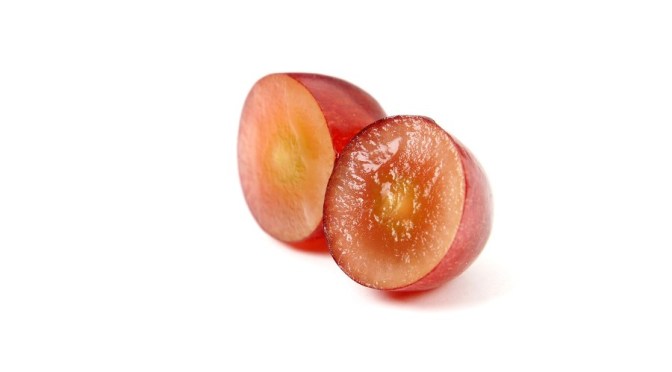
Belonging to the mulberry family, there is a plethora of fig tree varieties.4 Most of them are small at 10 to 30 feet and thrive in warm, dry climates. Pollinated by a tiny wasp, fig trees never blossom because the flowers are on the inside, producing dozens and sometimes hundreds of miniscule seeds that give figs their unique, crunchy texture.5
Considered exotic in some areas of the world, figs are sweet and juicy when ripe. They can be red, yellow, purple-skinned or green-striped,6 each with their own unique flavor. But before they reach optimal ripeness, figs are gummy with “latex,” which contains serious skin irritants, so protective measures for workers are sometimes mandated for fig production operations.7
Dried figs are sometimes roasted and ground as a coffee substitute or converted into alcohol as a liqueur or tobacco flavoring.8
Figs are quite perishable and should be refrigerated if not eaten within a few days. They should be placed in the coldest part of your fridge, and will stay fresh for several days.9 Like apples, figs are a great snack by themselves, but can also be added (peeled or unpeeled) to many recipes. It’s interesting that the seeds only add to the satisfying, tasty chewiness. Best at the firm-to-tender stage, the riper they are, the more antioxidants they provide.10
Health Benefits of Figs
Figs are high in fiber and are a good source of several essential minerals, including magnesium, manganese, calcium (which promotes bone density) and potassium (which helps lower blood pressure), as well as vitamins, principally K and A, as well as folate and choline.11
The nutritional value of figs by weight increases when they’re dried, and they also keep for a longer period of time. A 100-gram serving of fresh figs, for instance, provides 35 milligrams (mg) of calcium, but the same amount of dried figs has 162 mg of calcium.12
Keep in mind, though, at the same time, 100 grams of dried figs contain nearly 48 grams of total sugars — 10 more grams than the maximum amount of added sugars recommended for adult males for a whole day — while raw figs contain just a little over 16 grams. Therefore, it’s important to monitor how many figs you eat if you consume them dried.
Whether fresh or dried, figs contain powerful antioxidants that neutralize free radicals in your body and help fight disease.13 Figs also supply healthy amounts of dietary fiber, which keeps your digestive system regulated and may have a positive effect on weight management. According to one study, the fruits with the most fiber content include apples, dates, figs, pears and prunes, and there was a 34 percent reduction in breast cancer risk among women who consumed the most fruit fiber, compared to those who ate the least.14,15
Traditional medicine around the world has made use of figs as poultices on tumors, warts16 and wounds. The fruit and leaves have been pulverized and added to gargles to relieve sore throats.17
In some cultures, fig leaves are nearly as important as the fruit itself because of the unique health-related benefits they offer. This includes their ability to regulate blood sugar levels, since research has shown they contain properties that can actually reduce the amount of insulin needed by diabetics.18
As mentioned, despite their benefits, you should consume figs in moderation because they contain fructose (sugars), which may be harmful to your health in excessive amounts.
Amt. Per Serving
% Daily Value*
Calories
74
Total Fat
0.3 g
Saturated Fat
0.06 g
Trans Fat
Cholesterol
0 mg
Sodium
1 mg
Total Carbohydrates
19.18 g
Dietary Fiber
2.9 g
Sugar
16.26 g
Protein
0.75 g
Vitamin A 7 µg
Vitamin C
2 mg
Calcium 35 mg
Iron
0.37 mg
Studies Done on Figs
Natural phytochemicals with potent cytotoxic properties isolated from the ficus carica, as well as soybeans, were identified in one study as having inhibitory effects on the proliferation of various cancer cell lines.20
In another study, the fig variety Dottato was examined to assess its unique antioxidant, cancer-fighting, and phototoxic activity on melanoma cells. Data obtained indicated that this fig cultivar may be an excellent source of bioactive compounds such as phenolics, coumarins and fatty acids. This study offered a new perspective in developing other fig-containing formulations potentially useful in treating nonmelanoma skin cancers.21
Compared to other foods, figs were found to be one of the densest in phenolic antioxidants and nutrients, mostly fiber, in a study on the amount and quality of phenol antioxidants in dried and fresh fruits. Figs and dried plums had the highest nutrient score among dried fruits in trials of several individuals consuming them with carbonated beverages.
Scientists reported that fig antioxidants can enrich lipoproteins in plasma, protect them from subsequent oxidation, produce a significant increase in plasma antioxidant capacity for four hours after consumption and overcome the oxidative stress of consuming high-fructose corn syrup in a carbonated soft drink. The study conclusion was that:22
Figs are dense in phenol antioxidants and nutrients, especially fiber
They’re potent antioxidants (when they’re eaten)
Dried fruit makes up less than 1 percent of the fruits consumed by most Americans
Dried fruits should be eaten more often because of these findings
Scientists studying the effect of fresh fig “latex” on a stomach cancer cell line found that the latex acted as an anticancer substance without any toxic effect on normal cells. In another trial, dried figs were weighted down into 1 ml of distilled water for three months. After the water was drained, it was found that fig tree latex powder still retained its anticancer properties. Results showed that figs, dried or fresh, are possible subjects for helping treat stomach cancer.23
Ready to make your own yogurt in your home or hobby farm. Here are some of the most watch videos on easy to follow steps on how to make your own fresh yogurt at home. Now you can enjoy homemade yogurt with no added chemicals or artificial flavors.
Growing your own is not only for survivalists, it’s for anyone that wants to save some money at the grocery store! There are also other benefits to growing your own food such as knowing what going into the soil, you get more food for your money, and you can feel good about yourself because you helped something grow. Even if you don’t know the first thing about growing your own food, we have a basic list below to help you get started.
Decide what to grow
The first step in this process is to decide what you want to grow. You may love to get lettuce from the grocery, but it may be worth considering trying to grow your own instead.
With Chronic Kidney Disease (CKD) on the rise, and its clear relationship to unmanaged blood sugar and blood pressure unquestioned, virgin coconut oil is proving a valuable addition to the fight with ameliorate kidney function parameters in suffers of CKD and can even be protective for those at risk for the disease.
Lowering your risk for kidney dysfunction rests largely on lifestyle changes, but for change to occur in something so entrenched as an individual’s lifestyle, there is a need for impetus, and despite the fact that over 37 million people in the US alone are estimated to have CKD, many of those are completely unaware of the slippery slope they are currently on or headed towards.
For many people with damaged kidney function, the first they’ll hear of it is during a doctor’s visit, after damage has already begun and is revealed through blood and urine tests.
This ignorance of their condition stems from the lack of concerning symptoms, which would normally alert an individual to the presence of illness or disease and signify a need for change.
A new study reveals the harsh reality of a diet filled with genetically modified foods.
Peer-reviewed article released Tuesday in the International Journal of Human Nutrition and Functional Medicine and conducted by the Institute for Responsible Technology revealed that the health of all of the participants improved after switching to a non-GMO diet or simply reducing the amount of GMO foods they ate.
The results, from over 3,250 people, mostly in the United States, closely matched reports by physicians around the nation who have seen similar results when their patients change to largely non-GMO and organic diets.
We are all struggling to avoid the wide variety of toxins in our modern world that gradually accumulate in our bodies and degrade our natural health. Test results prove very high concentrations of metal nano-particles are in the air, water and soil. Many sinus and respiratory issues are blamed on other afflictions; when actually, all of this is physical proof that geo-engineering is contaminating your life and health.
You must realize that any particles of metal in your blood stream, affects your mind and its ability to focus, remember and consider. We may not be able to stop this global assault on all life. But you can protect yourself and loved ones by removing these metals from your bodies.
(NaturalHealth365) Research confirms what natural health experts have insisted for years: that the gut microbiome – the community of bacteria in the intestinal tract – plays a vital role in health. Researchers say imbalances in this microbial community – alternatively known as dysbiosis – can trigger a laundry list of unwanted health conditions, including increased risk of obesity, autism, “leaky gut,” and inflammatory conditions such as arthritis.
Now, a new Stanford School of Medicine study suggests that one simple dietary “tweak” – enriching the diet with fermented foods such as yogurt, fresh sauerkraut, and kimchi – can improve the health and diversity of the microbes (or microbiota) while reducing levels of inflammatory enzymes in the body. So let’s look at how fermented foods contribute to better health and disease prevention.
You must be logged in to post a comment.