
Very interesting info here from two MDs. Doesn’t surprise me. The Novid fiasco has brought many of them to light. May there be many more who see through Big Pharma … EWNZ
Continue reading Doctors Are QUITTINGCategory Archives: Medical Industry

An interview with Two NZ MDs: Drs Sam and Mark Bailey (Eric Meder)
Today I had the pleasure of interviewing two very courageous truth-seekers and freedom fighters. On this episode, I spoke with Dr. Mark and Dr. Sam Bailey. They are doctors from New Zealand who are actively speaking out against the medical system… Eric Meder
Continue reading An interview with Two NZ MDs: Drs Sam and Mark Bailey (Eric Meder)
The Misidentification of Common Adverse Effects of Medication
By Guy Hatchard
A paper published in the Journal of the American Geriatric Society entitled “Identifying and quantifying potentially problematic prescribing cascades in clinical practice: A mixed-methods study” throws a sharp light on mistakes that were made by physicians, GPs, hospital staff and epidemiologists during the pandemic.
Continue reading The Misidentification of Common Adverse Effects of Medication10 Truths About Health We Were Never Taught
Dr. Sam Bailey
What if the problem isn’t disease — but how we’ve been taught to understand it? This video shares 10 insights that change the way health, healing, and illness are viewed — without hype, fear, or false promises. Just ideas that quietly reframe everything.

The healthiest people I know are very skeptical of what doctors tell them
EWNZ comment: I noticed quite a few years back that some Doctors don’t like you questioning their wisdom. Departing from their narrative can make them blunt and very unhelpful. They are the experts and you are not. I have also noticed they are inclined to give orders rather than discuss. We saw that with the arm dart in recent years and many prefer now to not trust them at all …. to see how the less compliant Doctors fared for the past 5-6 years check out the nzdsos.com doctors. Some were struck off for failing to follow the narrative.
A few days ago, I posted a short tweet that unexpectedly exploded online on multiple platforms.
It wasn’t complicated. It wasn’t a long thread.
Just a simple observation I’ve made over many years of practicing medicine and working closely with thousands of people striving for better health.
Here’s what I wrote:
“The healthiest people I know are very skeptical of what doctors tell them.
There’s a lesson in that somewhere.”
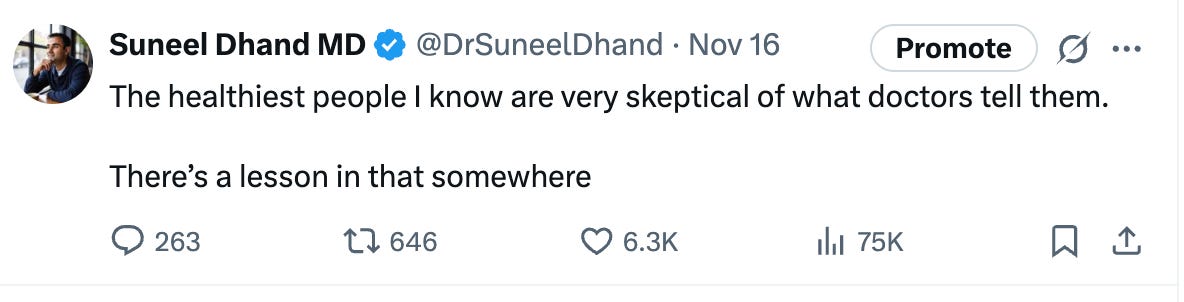
The reaction to it was enormous— and not just on twitter.
But this newsletter isn’t about social media.
It’s about why such a simple thought struck a chord with so many.
Today I want to unpack this idea, dive deeper into the psychology behind it, and explore what it means for your own health moving forward.
Dr. Suneel Dhand Newsletter is a reader-supported publication. To receive new posts and support my work, consider becoming a free or paid subscriber.Subscribe
This message isn’t just anti-doctor. It’s not rebellious for the sake of rebellion.
It’s something much more important:
It’s about taking ownership of your health in a world where far too many people have handed that responsibility away.
Why This Short Thought Resonated So Strongly
The tweet took off because people instinctively knew it to be true.
Over and over, I hear similar comments patients, random people, and online messages:
“I wish I had questioned things earlier.”
“I finally learned to advocate for myself.”
“I got healthier when I stopped relying on pills alone.”
At some point, people realize:
- The healthcare system is overwhelmed.
- Most medical visits are rushed.
- Doctors are too often just mindlessly follow guidelines, time limits, and insurance.
- And medications, while sometimes necessary, are too often the default answer.
What truly resonated was this silent truth:
You can absolutely respect your doctor and still rigorously question the system.
And you should.
The healthiest people already do.
Healthy Skepticism Is a Strength, Not a Rebellion
When I say “skeptical,” I don’t mean dismissive or argumentative for the sake of it.
I mean curious.
Proactive.
Awake to the ways of the world.
The healthiest individuals tend to:
- Ask thoughtful questions
- Research conditions themselves instead of accepting labels
- Seek second opinions
- Learn about nutrition and lifestyle
- Understand their lab results
- Notice patterns in their own bodies
- Push back when something doesn’t make sense
This attitude leads to better outcomes because it prevents passivity.
Healthy people are active participants in their health— not passive recipients of advice.
They don’t outsource responsibility.
They partner with their physicians, but they remain in the driver’s seat.
This mindset creates a completely different life trajectory.
A Broken System Has Taught People to Think Differently
People have watched “standard medical advice” change countless times.
Decades of shifting guidance on:
- cholesterol
- saturated fat
- salt
- medication-first approaches
- low-fat diets
- food pyramids
- vaccine safety and side effects
- exercise recommendations
- blood pressure
…have made people realize that science “evolves”, systems change, guidelines get updated— and often those guidelines were influenced by things that had nothing to do with health.
It’s not that all doctors don’t care.
It’s that the system doesn’t encourage deeper exploration, root-cause thinking, or preventative action.
And so the people who thrive are the ones who say:
“Let me look into this myself.”
They don’t settle for:
“This is just how it is when you get older.”
or
“You’ll be on this medication for life.”
They want to know why.
They want to know if there’s another way.
And more often than not…there is.
The Common Traits of People Who Stay Vibrant and Strong
Over years of working with all types of individuals, I’ve noticed clear patterns among those who maintain their health and vitality.
They ask questions.
They don’t fear sounding “difficult.” They fear being uninformed.
They focus on fundamentals, not fads.
Real food. Movement. Sleep. Stress reduction. Strength training.
They don’t wait until something is wrong.
They proactively monitor their health — labs, weight, waist circumference, blood sugar, inflammation markers.
They’re willing to change.
They don’t cling to old habits simply because they’re familiar.
They stay curious.
Curiosity keeps the brain engaged and the body improving.
They know medication is sometimes needed— but rarely the full answer.
They want to solve problems, not mask symptoms.
This all stems from one key trait:
A mindset of personal leadership.
Doctors Are Guides— But YOU Are the Decision-Maker
This is where the conversation gets interesting.
The healthiest people don’t view doctors as infallible authorities.
They view them as advisors and coaches.
A good doctor doesn’t want blind compliance.
A good doctor wants a patient who is informed, motivated, and involved.
When someone partners with their doctor— instead of deferring everything — the outcomes are dramatically better.
Think of it like this:
A doctor can recommend.
A doctor can interpret.
A doctor can support.
But only you live in your body 24 hours a day.
Only you feel the daily consequences of your choices.
Only you have the long-term incentive to make the right decisions.
This isn’t disrespect.
It’s maturity.
So What’s the Real Lesson?
The viral response wasn’t only about people challenging medicine.
It was about people awakening to something they should have been taught from childhood:
Your health is your responsibility.
Your body is your project.
Your life is your outcome.
And the healthcare system is broken.
Doctors can help— and many do incredible work.
But the direction, the mindset, the leadership?
That must come from you.
Healthy skepticism doesn’t divide you from your doctor—
it strengthens the partnership with the good doctor.
It turns you into a powerful, informed, unstoppable advocate for your own well-being.
And in today’s world, that mindset is not optional.
It’s essential.
Best Wishes,
Dr. Suneel Dhand
Personal website: www.drsuneeldhand.com
Ojais Wellness USA: www.ojaiswellness.com
Ojais Wellness UK/Europe: www.ojaiswellness.co

Food is Your Best Medicine – Challenging Medical Convention
By Henry G. Bieler, M.D. – 30 Q&As – Unbekoming Book Summary
In 1966, when Dr. Henry G. Bieler published “Food Is Your Best Medicine,” he wasn’t just challenging medical convention—he was declaring war on the entire foundation of modern medicine. Here was a physician with over fifty years of practice, who had delivered thousands of babies and treated tens of thousands of patients, calmly stating that Louis Pasteur’s germ theory told only part of the story. Germs, Bieler argued, were merely scavengers feeding on toxic waste already present in the body, not invaders causing disease. The real culprit was toxemia—an accumulation of poisons from improper diet that turned the body’s internal environment into a breeding ground for illness. While his colleagues were prescribing from what he called pharmaceutical directories “rivaling the Manhattan telephone directory in size,” Bieler had abandoned drugs entirely, treating everything from childhood fevers to diabetes with carefully selected foods and therapeutic fasting. This wasn’t the ranting of a fringe theorist but the measured conclusion of a physician who had tried orthodox medicine on himself when his own health collapsed, found it wanting, and discovered through personal experimentation that dietary reform could accomplish what drugs couldn’t.
The journey that led Bieler to reject pharmaceutical medicine began with his own failing health. As an overworked young physician after World War I, he developed severe asthma, kidney problems, and ballooned to 210 pounds despite following conventional treatments. Then came the revelation: a chance meeting with a doctor versed in chemical pathology who explained that disease resulted from the body’s desperate attempts to eliminate toxic wastes through any available channel. The liver, Bieler learned, was the body’s master chemist, designed to filter and neutralize poisons—but when overwhelmed by improper foods, it failed, forcing the endocrine glands to direct toxins through emergency exits: the skin (producing rashes and boils), the mucous membranes (creating colds and catarrh), or the lungs (causing asthma and bronchitis). These weren’t diseases to be suppressed but healing crises to be supported. Within five minutes of understanding this concept, Bieler knew his path. He discarded all medicines, reformed his diet, and watched his weight normalize to 155 pounds while his ailments vanished permanently. The body, he realized, possessed three magnificent lines of defense—the intestines that screened what entered the bloodstream, the liver that filtered and neutralized toxins, and the endocrine glands that created emergency elimination routes when the first two failed. Disease symptoms were simply evidence of these emergency eliminations in action.
What made Bieler’s approach revolutionary wasn’t just his rejection of drugs but his detailed understanding of how specific foods created specific diseases. Proteins that were overheated transformed from hydrophilic (water-loving) to hydrophobic (water-repelling) colloids, becoming indigestible and putrefying in the intestines to create poisons that caused everything from arthritis to cancer. Table salt—that seemingly innocent seasoning—was actually an inorganic corrosive that stimulated the adrenals while damaging the kidneys. Ice cream, he controversially claimed, underwent molecular breakdown when frozen, and upon melting in the stomach became perfect food for putrefactive bacteria, potentially contributing to polio epidemics during summer months. But Bieler didn’t just identify problems; he offered solutions. The sodium-rich squash family could rebuild exhausted livers. Potassium-rich leafy greens supported the pancreas in diabetics. Properly conducted fasting gave organs the “chemical rest” needed to discharge accumulated toxins—the bowel clearing in 24 hours, the blood in three days, the liver in five. He treated patients not with one-size-fits-all diets but by identifying their body type (adrenal, thyroid, or pituitary), determining their specific toxemia, and prescribing exact foods as medicine. A political boss with heart failure who could only digest food between 11 AM and 2 PM. A diabetic controlled without insulin through vegetable broths. Case after case of children recovering from serious illness through fasting on diluted juices while their fever burned up toxins.
The implications of Bieler’s work extend far beyond his era, challenging not just medical practice but our entire relationship with illness and healing. If disease truly originates from internal toxemia rather than external invasion—if symptoms represent the cure rather than the problem—then suppressing them with drugs drives illness deeper while adding pharmaceutical poisons to an already toxic system. Every parent reaching for fever reducers, every doctor prescribing antibiotics for colds, every routine tonsillectomy that removes the body’s defensive organs—all become suspect. Yet Bieler’s message wasn’t one of despair but of empowerment. The body, he demonstrated through thousands of cases, possesses extraordinary self-healing capabilities when given proper materials and freed from toxic burdens. Perhaps most remarkably, his work suggests that the chronic diseases plaguing modern society—the cancers, diabetes, heart disease that have increased eightfold while infectious diseases declined—stem not from mysterious causes requiring ever-more-powerful drugs, but from the accumulation of dietary mistakes that could be corrected through food. In an age where medical costs spiral beyond reach and pharmaceutical solutions create as many problems as they solve, Bieler’s half-century-old wisdom offers something radical: the possibility that our kitchens might be more powerful than our pharmacies, that fasting might accomplish what surgery cannot, and that the body’s symptoms—those inconvenient eruptions we’re taught to suppress—might actually be nature’s magnificent attempt to heal us, if only we’d stop interfering.
With thanks to Henry Bieler.
Food Is Your Best Medicine: The Pioneering Nutrition Classic: Bieler M.D., Henry G.
Deep Dive Conversation Library (Bonus for Paid Subscribers Only)
This deep dive is based on the book:
Discussion No.141:
Insights and reflections from “Food is Your Best Medicine”
Thank you for your support.
Analogy
Imagine your body as a magnificent mansion with an elaborate plumbing and waste management system. Over time, the residents keep flushing harmful substances down the drains – grease, chemicals, debris. Initially, the main sewage line (your liver) filters and processes everything efficiently. But as more toxic waste accumulates, this main line becomes clogged.
The mansion’s emergency system activates – waste begins backing up through secondary outlets: bathroom vents start leaking (skin eruptions), air ducts begin emitting foul odors (respiratory problems), and moisture appears on windows (mucous discharge). The maintenance crew (endocrine glands) works overtime, frantically redirecting waste through any available opening. Eventually, they install powerful fans (fever) to burn off the toxic fumes.
Most repair services would just spray air freshener (drugs) to mask the smell or patch the visible leaks (surgery). But the wise master plumber understands that the solution isn’t treating each backup location – it’s to stop putting harmful substances down the drains and flush the system clean with pure water (fasting). Once cleared, only appropriate materials (proper food) should enter the system. The mansion’s own sophisticated filtration system can then maintain itself perfectly, as it was designed to do, without need for constant emergency repairs.
The One-Minute Elevator Explanation
Your body is brilliantly designed with three defensive barriers against disease. First, your intestines screen what enters your bloodstream. Second, your liver filters and neutralizes toxins. Third, when overwhelmed, your glands create emergency exits through skin, lungs, and mucous membranes – producing what we call “symptoms.”
But here’s the revelation: disease isn’t an attack from outside germs – it’s your body’s attempt to expel internal poisons from wrong foods. That fever? Your body burning toxins. That rash? Poisons exiting through skin. That mucous? Toxic waste taking an emergency exit.
Modern medicine suppresses these symptoms with drugs, driving toxins deeper. But suppressing a smoke alarm doesn’t put out the fire. The real solution is breathtakingly simple: stop creating the poisons through proper food choices, and let your body clean itself through occasional fasting. Your liver is a better chemist than any pharmaceutical company – it just needs the right raw materials.
[Elevator dings]
Want to explore further? Research “toxemia theory of disease,” study the differences between organic and inorganic minerals, and investigate why traditional cultures that eat unprocessed foods have virtually no chronic disease.
12-Point Summary
1. Disease originates from internal toxemia, not external germs. Disease results from accumulation of toxic wastes in the blood and tissues due to improper diet, poor digestion, and inadequate elimination. Germs are merely scavengers that feed on these toxins and damaged cells – they’re present because of disease, not the cause of it. While Pasteur’s germ theory led to control of infectious diseases, it missed the crucial role of the body’s internal chemical environment. The dramatic rise in chronic degenerative diseases despite modern antibiotics proves that killing germs doesn’t address the root cause. True healing requires eliminating the toxic soil in which germs thrive through proper diet and fasting.
2. The body possesses three magnificent lines of defense. The first line is the digestive system, particularly the small intestine’s millions of villi that selectively absorb nutrients while rejecting toxins through vomiting or diarrhea. The second line is the liver, the master chemical laboratory that filters blood, neutralizes poisons, and manufactures bile for waste elimination. The third line consists of the endocrine glands – thyroid, adrenals, and pituitary – which become hyperactive when the liver fails, directing toxins to emergency elimination routes. Each defensive line has specific capabilities and limitations; when one fails, the next activates, but at a cost of increasing tissue damage.
3. Vicarious elimination creates the symptoms we call disease. When primary elimination organs (liver and kidneys) become overloaded, the body must use substitute channels to expel toxins or die. The lungs might substitute for kidneys, causing respiratory diseases; the skin might replace the liver, producing rashes, boils, or acne; mucous membranes might become emergency exits, creating catarrhal conditions. The specific disease depends on which organs are used and what type of toxins are being eliminated. These emergency channels become damaged by the caustic poisons passing through them, creating the pathology we recognize as specific diseases.
4. Fever is nature’s incinerator, not an enemy to suppress. Fever represents the body’s attempt to literally burn up toxic waste products poisoning the system. The liver’s internal temperature can reach 110°F while oxidizing poisons, while the mouth registers 105°F. This intense heat destroys toxic materials that would otherwise damage organs. Suppressing fever with drugs prevents this natural detoxification and drives toxins deeper into tissues, often causing serious complications like meningitis or mastoiditis. Animals instinctively fast when feverish, allowing complete focus on toxin combustion – humans should follow this wisdom rather than reaching for fever reducers.
5. Proteins must be properly prepared and consumed to nourish rather than poison. Raw or lightly cooked proteins maintain their hydrophilic (water-attracting) colloidal structure, making them easily digestible and their wastes readily eliminated. Excessive heating transforms them into hydrophobic (water-repelling) colloids that putrefy in the intestines, creating toxic wastes the liver cannot neutralize. These putrefactive poisons cause conditions from arthritis to cancer depending on where they accumulate. Excess protein, contrary to previous belief, isn’t eliminated but stored in tissues, creating chronic overacidity. The “protein mania” in modern diet creates more disease than malnutrition ever did.
6. The liver functions as the body’s master chemist and guardian. Performing over 500 functions, the liver filters all blood from the intestines before it enters general circulation, neutralizes poisons, manufactures bile, stores nutrients, and produces vital proteins. When functioning properly, it keeps blood pure by oxidizing and eliminating toxins as harmless bile salts. When overwhelmed by poor diet, alcohol, drugs, or emotional stress, it cannot filter poisons from blood, leading to systemic toxemia. Most disease conditions improve dramatically when liver function is restored through fasting and proper diet, proving its central role in health.
7. Individual body types determine disease tendencies and treatment needs. The adrenal type – stocky, strong, with great physical endurance – handles heavy proteins well but develops high blood pressure and kidney problems when toxic. The thyroid type – tall, slender, nervous, and artistic – eliminates toxins through skin and mucous membranes, developing respiratory and skin conditions. The pituitary type – well-proportioned, intelligent, creative – may develop diabetes or mental disturbances under stress. Understanding your type helps predict disease patterns and customize dietary treatment, as each type has different nutritional needs and toxic elimination patterns.
8. Childhood diseases stem from inherited and acquired toxemia, not infections. The first-born child inherits the mother’s accumulated toxins through placental blood, often taking three years to eliminate these birth poisons. Subsequent children receive cleaner maternal blood, explaining why middle children in large families often show superior health. Childhood diseases – measles, mumps, whooping cough – are attempts to eliminate specific toxemias: starch toxins cause mucous diseases; protein toxins create rheumatism or tonsillitis; fat toxins produce skin conditions. The symptoms indicate which elimination route the body is using to expel inherited and dietary poisons.
9. Common foods become poisons through improper selection and preparation. Table salt is an inorganic corrosive that stimulates adrenals while damaging kidneys, not a food. Coffee and stimulants whip exhausted glands for false energy, leading to eventual breakdown. Sugar and refined starches ferment into acids, creating mucous conditions. Pasteurized milk’s heat-damaged proteins putrefy in intestines. Ice cream’s frozen then melted structure provides ideal food for putrefactive bacteria. Most processed foods contain preservatives, additives, and altered molecules the liver cannot recognize or properly process, adding to toxic burden rather than providing nutrition.
10. Vegetables serve as specific medicines for different toxic conditions. Different vegetables provide specific minerals needed by various organs – sodium-rich squash family vegetables rebuild exhausted livers; potassium-rich leafy greens support the pancreas; calcium from stalks strengthens structure. These organic minerals neutralize acid toxemia from excessive proteins, sugars, and starches. Vegetable broths provide concentrated therapeutic minerals while resting digestive organs. Raw vegetables supply enzymes and roughage; cooked vegetables break down cellulose walls for better mineral absorption. Traditional cultures unknowingly used vegetables as medicine – Italians with zucchini, various cultures with therapeutic soups – achieving healing through food.
11. Fasting provides the chemical rest necessary for healing. Fasting stops food intake, halting digestive processes and production of new metabolic wastes, allowing organs to discharge accumulated toxins. The bowel clears in 24 hours, blood in three days, liver in five days – but only without food intake. This “chemical rest” is more important than bed rest, as the liver can focus entirely on neutralizing disease toxins rather than processing food. Short repeated fasts are safer than extended ones for gradual detoxification. The type of liquid consumed during fasting – fruit juices for starch toxins, vegetable broths for protein toxins – should match the specific toxemia.
12. Drugs add insult to injury by suppressing symptoms while increasing toxic burden. Drugs suppress the body’s elimination attempts while adding their own toxic burden to an already poisoned system. Antibiotics whip exhausted adrenals for temporary improvement while weakening future defense capacity. Fever reducers prevent natural toxin burning. Pain relievers mask warning signals. Anti-inflammatory drugs stop the body’s attempt to burn out poisons through inflammation. Each drug requires liver detoxification, further overwhelming this already overtaxed organ. The temporary relief drugs provide comes at the cost of driving disease deeper and creating drug-induced illnesses – a devil’s bargain that transforms acute conditions into chronic diseases.
The Golden Nugget
The most profound idea that the fewest people would know is that the small lymphocytes act as “messenger cells” carrying thyroid hormone containing iodine to enable all cell reproduction and multiplication in the body. Without these tiny white blood cells serving as delivery vehicles for thyroid hormone, no cell in your body could divide or reproduce – not for growth, not for repair, not for daily replacement. This explains why cancer might result from oversaturation of lymphocytes with amino acids and iodine creating abnormal localized growth, why thyroid-depressing drugs like Thalidomide caused birth defects by preventing fetal cell reproduction, and why the thymus gland in children is positioned right next to the thyroid for easy iodine impregnation during rapid growth years. This single mechanism – lymphocytes as hormone carriers enabling cell division – underlies all growth, all healing, all cancer, and all developmental defects, yet remains virtually unknown despite controlling life itself at the cellular level.
30 Questions & Answers
1. What is Dr. Bieler’s fundamental theory about the true cause of disease, and how does it differ from Pasteur’s germ theory?
Dr. Bieler believes disease is caused by toxemia – a buildup of toxic wastes in the body resulting from improper diet, poor digestion, and inadequate elimination. These toxins impair cellular function and create the conditions where germs can multiply. In contrast to Pasteur’s theory that germs from outside invade and cause disease, Bieler sees germs as scavengers that feed on toxic wastes and damaged cells already present. He emphasizes that the chemical background on which germs feed is more important than the germs themselves. Disease is actually the body’s attempt to rid itself of these morbific (toxic) matters through various elimination channels.
Bieler points out that while modern medicine has successfully suppressed infectious diseases through antibiotics and immunizations, chronic disorders like cancer, heart disease, and diabetes have increased eightfold. He argues that treating symptoms with drugs only adds more toxins to an already poisoned system, whereas proper food selection and fasting can eliminate the underlying toxemia and restore health naturally.
2. What are the body’s three lines of defense against disease, and what organs are involved in each?
The first line of defense is the digestive system, primarily the small intestine with its millions of villi. These finger-like projections can accept beneficial nutrients or reject harmful substances through vomiting or diarrhea. The intestine serves as the initial barrier, preventing toxic materials from entering the bloodstream and protecting the body from harmful foods and poisons.
The second line of defense is the liver, which acts as the body’s master chemical laboratory and detoxification center. It filters the blood, neutralizes poisons, manufactures bile to eliminate wastes, and transforms nutrients into usable forms. When functioning properly, the liver keeps the general circulation pure by preventing toxins from entering the bloodstream. The third line consists of the endocrine glands – particularly the thyroid, adrenals, and pituitary – which become hyperactive when the liver fails, attempting to direct toxins to alternative elimination routes through skin, lungs, and mucous membranes.
3. What is “vicarious elimination” and why does the body resort to it?
Vicarious elimination occurs when the body’s primary elimination organs (liver through bowels, kidneys through bladder) become congested and cannot properly eliminate toxins. The body then uses substitute or “vicarious” channels to expel these poisons to prevent death from toxic overload. For example, the lungs may take over some kidney functions, resulting in bronchitis or pneumonia from the irritation. The skin might substitute for the liver, causing various skin diseases, boils, or acne.
The specific disease that develops depends on which substitute channel is used and the chemistry of the toxins being eliminated. The mucous membranes might eliminate toxins causing catarrh, the skin might produce rashes or boils, or the lungs might develop respiratory conditions. These emergency elimination routes become damaged by the caustic toxins passing through them, creating the symptoms and pathology we recognize as specific diseases. The body resorts to this desperate measure because accumulated toxins must be eliminated or the person dies.
4. How does Dr. Bieler explain the role of toxemia in creating illness?
Toxemia is the presence of toxic wastes in the blood and tissues, resulting from poor dietary choices, improper food combinations, and the use of processed foods filled with artificial additives. These toxins come from incomplete digestion of proteins (creating putrefaction), improper breakdown of sugars and starches (creating fermentation and acids like acetic acid), and the consumption of harmful substances like excess salt, sugar, and stimulants. When the liver cannot neutralize all these poisons, they accumulate in the bloodstream.
This toxic blood must discharge its poisons somewhere, leading to inflammation and damage in whatever organs are used for emergency elimination. The specific symptoms and disease names we recognize are simply descriptions of which organs are being damaged by this toxic elimination process. Bieler emphasizes that symptoms like fever, inflammation, and discharge are actually the body’s “terrific attempt” to burn up and eliminate these waste products. Rather than suppressing these symptoms with drugs, which adds more toxins, the solution is to stop creating toxemia through proper diet and to assist elimination through fasting.
5. Why does Dr. Bieler believe the liver is so critical to health, and what happens when it becomes impaired?
The liver is the body’s master chemist, performing over 500 different functions including filtering blood, producing bile, storing nutrients, manufacturing proteins, and most crucially, neutralizing toxins. Bieler calls it the second line of defense because every drop of blood from the intestines must pass through the liver before entering general circulation. A healthy liver can oxidize, neutralize, and eliminate poisons, keeping the bloodstream pure. It produces sodium cholate bile salts that help eliminate toxic waste products.
When the liver becomes congested from overwork, poor diet, or toxic overload, it cannot properly filter poisons from the blood. These toxins then circulate throughout the body, stimulating the endocrine glands to hyperactivity as they attempt emergency elimination through other organs. This leads to various diseases depending on which organs are affected. An impaired liver also cannot properly metabolize cholesterol, proteins, and fats, leading to accumulation of these substances in harmful forms throughout the body. Bieler emphasizes that most endocrine disturbances clear up when the liver is restored to normal function through proper diet.
6. What are the main endocrine glands discussed, and how do they act as the third line of defense?
The three main endocrine glands are the adrenals (controlling oxidation and life processes), the thyroid (regulating metabolism and elimination through mucous membranes), and the pituitary (the master gland coordinating the others). Though tiny – the thyroid weighs about an ounce, the adrenals are lima bean-sized, and the pituitary is half an inch long – these glands have enormous power through their hormone secretions. They act as biochemical messengers directing body processes.
When the liver fails to filter toxins, these glands become hyperactive, attempting to direct poisons into alternative elimination channels. The thyroid directs elimination through skin and mucous membranes, potentially causing conditions from colds to skin diseases. The adrenals attempt to burn up toxins through hyperoxidation, often producing fever. The pituitary coordinates this emergency response. This hyperfunction eventually exhausts the glands, leading to chronic disease states. The specific gland that responds most strongly determines the type and location of disease symptoms.
7. How does Dr. Bieler classify people into different body types based on their dominant endocrine glands?
The adrenal type has a thick, stocky build with heavy bones, wide shoulders, and a large chest. These individuals have coarse features, thick skin that tans easily, and abundant body hair. They possess great physical strength and endurance, with powerful digestive systems able to handle heavy proteins. They’re natural leaders, aggressive and pioneering, but prone to high blood pressure, arteriosclerosis, and kidney problems when toxic. Their strong adrenals make them resistant to infections but vulnerable to degenerative diseases.
The thyroid type is tall and slender with long bones, delicate features, and fine hair. They have quick movements, rapid speech, and nervous energy. These individuals are sensitive, artistic, and emotionally expressive but lack physical stamina. When toxic, they develop respiratory problems, skin conditions, and nervous disorders because their thyroid directs elimination through mucous membranes and skin. The pituitary type has refined, well-proportioned features suggesting nobility, with excellent development of sex characteristics. They’re intelligent and creative but prone to exhaustion and may develop diabetes or mental disturbances under stress.
8. What is Dr. Bieler’s explanation for why the first-born child often has more health problems?
Nature attempts to cleanse the mother’s blood by sidetracking impurities into the developing infant’s body. The first-born receives the highest concentration of the mother’s accumulated toxins through the placental blood supply. The baby is born with a body full of toxins from the mother’s blood and intestines full of meconium (oxidized black bile). This inherited toxemia is so severe that even with optimal care, it typically takes three years to eliminate these birth poisons.
These concentrated toxins in the first-born can manifest as various diseases depending on their type and concentration. Severe protein acid toxemia might result in childhood cancers, leukemia, or rheumatic conditions. Starch toxemia leads to mucous diseases and respiratory problems. With subsequent pregnancies, the mother’s blood becomes progressively cleaner, which is why middle children in large families often show unusual physical and mental vigor. However, by the tenth or twelfth child, the mother’s glandular exhaustion creates different problems. This theory explains why first-borns are often the most difficult to feed and rear.
9. How does the digestion process work, particularly the role of the villi in the small intestine?
Digestion begins with enzymes in saliva breaking down starches, continues in the stomach where proteins are initially processed, and reaches its crucial stage in the small intestine. The 26-foot-long small intestine is lined with millions of microscopic, finger-like projections called villi that are constantly in motion, swinging back and forth. These villi create a surface area equivalent to a tennis court, maximizing absorption capacity. Each villus contains blood vessels and lymph vessels surrounded by specialized cells.
The villi act as sophisticated selection mechanisms, determining what substances enter the bloodstream. They absorb amino acids from proteins, simple sugars from carbohydrates, fatty acids from fats, and various minerals and vitamins. Importantly, the villi can reject harmful substances, triggering vomiting or diarrhea as protective responses. This selective absorption makes the intestines the body’s first line of defense. The health and vitality of the villi determine how well nutrients are absorbed and toxins are rejected, making proper food selection crucial for maintaining this defensive barrier.
10. What is the difference between hydrophilic and hydrophobic colloids, and why does this matter for protein digestion?
Hydrophilic colloids are protein molecules that attract and hold water, remaining in their natural, easily digestible state. These are found in raw or lightly cooked proteins. The primitive human liver is designed to handle these water-loving colloids, easily neutralizing their waste products with sodium from the liver’s stores and eliminating them as harmless sodium cholates in the bile. The kidneys also efficiently remove nitrogen wastes from hydrophilic proteins as urea.
Hydrophobic colloids are proteins that have been altered by excessive heat, causing them to repel water and become difficult to digest. When proteins are overcooked, their molecular structure changes irreversibly. These water-repelling proteins putrefy easily in the intestines, creating toxic waste products the liver cannot properly neutralize. This leads to disease conditions in both children and adults. The more protein is heated, the more its beneficial hydrophilic form converts to the harmful hydrophobic form, explaining why rare meats and raw milk are more healthful than their thoroughly cooked counterparts.
11. Why does Dr. Bieler consider fever beneficial rather than harmful?
Fever represents the body’s attempt to burn up and oxidize toxic waste products that are poisoning the system. In strong, healthy children with properly functioning endocrine glands, toxins are often completely consumed in the liver through this burning process. The liver’s internal temperature during fever can reach 110 degrees Fahrenheit while the mouth registers 105 degrees. This intense heat literally incinerates the poisonous materials, preventing them from damaging other organs.
Rather than being something to suppress with aspirin or other fever-reducing drugs, fever is nature’s healing mechanism. Suppressing fever with drugs prevents this natural detoxification, drives toxins deeper into the body, and can lead to serious complications like middle-ear disease, mastoiditis, or meningitis. Animals instinctively fast when feverish, allowing their bodies to focus entirely on burning up toxins. Bieler recommends supporting fever through fasting on water or diluted juices, allowing it to complete its cleansing work. The fever breaks naturally once the toxins are eliminated.
12. What is Dr. Bieler’s controversial theory about the connection between ice cream and polio?
Bieler theorizes that ice cream’s freezing process causes molecular breakdown of the cream’s structure. When this frozen mixture melts in the stomach, it releases dead cell material that becomes food for putrefactive bacteria. The resulting toxic acids from this putrefaction, when not fully eliminated by the liver and kidneys, emerge through the mucous membranes of the nose and sinuses. The polio virus specifically feeds on these putrefactive excretions.
Most children experience only mild symptoms – fever, malaise, slight neck stiffness – and recover quickly. However, in extremely toxic children with weak adrenal glands, the virus can invade the sinus membranes. Since the brain membranes are adjacent to the sinuses, the virus easily spreads to the brain and spinal cord, causing paralysis. This explains why polio epidemics peak during July and August, the height of ice cream season, and why only about 3% of infected children develop paralysis – those with the highest toxemia and weakest adrenals. Dr. Sandler’s experiment in Asheville, where eliminating sweets including ice cream reduced polio cases by 90%, supports this theory.
13. How does excessive salt consumption affect the body according to Dr. Bieler?
Salt (sodium chloride) is a corrosive inorganic substance that acts as a stimulant drug rather than a food. In small doses, the body can eliminate it through sweat and urine. In larger doses, it accumulates in tissues and blood, creating hyperchloremia – an overstimulated state. When sweating suddenly lowers blood salt levels, the resulting hypochloremia causes depression and weakness. This creates addiction-like cycles where people need salt to feel “normal” again.
Bieler notes that salt was historically used for embalming and continues to “mummify the living” through salad dressings and processed foods. It stimulates the adrenal glands, creating false energy while depleting them. Excess salt hardens the liver and kidneys, contributing to sclerosis. It irritates all tissues, particularly the sensitive kidney filters, leading to inflammation and high blood pressure. The body needs organic sodium from vegetables like squash and cucumber, not inorganic table salt. Bieler observes that hay fever sufferers almost always have histories of excessive salt consumption.
14. What is Dr. Bieler’s approach to treating diabetes without insulin?
Bieler considers insulin a toxic substance that damages blood vessels, noting that patients can tolerate insulin injections for about 25 years before arterial deterioration causes death. Instead, he treats adult diabetics through diet alone, placing them on complete bed rest while consuming only cooked non-starchy vegetables liquefied as soup – particularly celery, parsley, zucchini, and string beans. These potassium-rich vegetables support the depleted pancreas, whose chief chemical element is potassium.
The patient remains on this regime until urine tests show no sugar, usually taking one to four days. Bed rest conserves energy, allowing the liver and pancreas to work without acids from exertion. Once sugar-free, the patient gradually resumes activity on a careful diet, monitored for sugar return. When sugar reappears, the vegetable broth fast is repeated, usually requiring half the time to clear. The goal is finding an individual diet that maintains the patient sugar-free while providing adequate energy. Though diabetics remain somewhat impaired, this approach controls the condition without toxic drugs.
15. Why does Dr. Bieler oppose the routine removal of tonsils and appendix?
The tonsils are lymphatic organs strategically placed where the mucous membrane of the throat is thinnest, making them ideal emergency exits for toxic waste products, particularly those from protein putrefaction. When removed, the body loses two valuable safety valves for eliminating poisons. The apparent improvement after tonsillectomy results mainly from the enforced fasting when the throat is too sore to swallow, not from the surgery itself.
After tonsil removal, the body must find other lymphatic tissue areas for vicarious elimination, including lymph nodes in the nose, throat, sinuses, stomach, bowel, and particularly the appendix. This explains why appendicitis often follows tonsillectomy – the appendix becomes overworked trying to compensate for the lost tonsils. Removing these organs doesn’t address the underlying toxemia causing the inflammation; it merely eliminates the body’s defensive mechanisms. Bieler advocates treating the cause – dietary toxemia – rather than removing the organs attempting to protect the body through emergency elimination.
16. What role do amino acids and proteins play in building and maintaining the body?
Amino acids are the fundamental building blocks of all body tissues, obtained by breaking down dietary proteins during digestion. Like the 26 letters of the alphabet forming thousands of words, approximately two dozen amino acids combine in millions of different patterns to create the body’s proteins. These form everything from calcium proteins in bones, sodium proteins in the liver, potassium proteins in the pancreas, to phosphorus proteins in brain and nerves. Even vitamins and trace elements are protein-based.
The liver assembles useful amino acids into essential body proteins and eliminates harmful ones through bile. Each person’s unique protein configuration gives them an individual scent (recognizable to dogs) and biochemistry. Cell multiplication depends on amino acids combined with thyroid hormone iodine, carried by lymphocytes to enable growth and repair. During embryonic life and tissue repair, cells reproduce rapidly; in adults, the rate slows except when healing injuries. The body cannot grow, develop, or repair damage without adequate proper proteins, though excess proteins create toxic conditions leading to disease.
17. How does Dr. Bieler explain the evolution and function of the kidney?
The kidney evolved when ancient fish developed lungs and moved from sea to land, requiring a new mechanism to maintain their bodies’ water-salt balance. Fish maintained their internal sea through their gills; land animals needed kidneys to preserve this same mildly salty internal environment. Our blood serum still contains salts identical to seawater, keeping our cells literally bathed in the ancient ocean. This explains why we never truly left our oceanic origins.
The kidney filters 150-180 quarts of blood daily, producing only 1-2 quarts of urine by reabsorbing needed substances and eliminating waste. Its remarkable structure includes an outer zone containing tiny globes that filter water, a middle zone of tubules surrounded by veins for reabsorption, and an inner pelvis that drains to the bladder. The kidney receives the body’s cleanest arterial blood, unlike the liver which processes impure venous blood. Beyond waste removal, the kidney regulates blood pressure, maintains water balance, and enables complex thought – leading one scientist to credit it with humanity’s transformation “from fish to philosopher.”
18. What is the difference between organic and inorganic minerals in terms of body absorption?
Organic minerals are those transformed by plants from inorganic soil elements through photosynthesis and the energy of sunlight. These minerals are bound in complex colloidal molecules that the liver can recognize, process, and utilize. Vegetables absorb inorganic minerals through their roots and convert them into organic compounds the human body can assimilate – sodium from squash, potassium from leafy greens, calcium from stems and stalks. These organic forms are non-toxic and essential for health.
Inorganic minerals, like table salt (sodium chloride) or mineral supplements, cannot be properly utilized by the liver. The body treats them as foreign substances, either struggling to eliminate them or suffering from their accumulation in tissues. This is why Bieler emphasizes getting minerals from whole foods rather than supplements. The liver never evolved mechanisms to handle inorganic minerals directly from the earth – it requires the plant kingdom to pre-process these elements into bioavailable forms. Even when the same chemical formula exists, the organic version from food has entirely different effects than the inorganic version from a bottle.
19. What are Dr. Bieler’s two methods for weight reduction, and when is each appropriate?
The first method is total fasting – consuming only water while allowing the body to burn stored fat for energy. This dramatic approach can result in losing 2.5 pounds daily initially, then about one pound per day. Hunger disappears after two days as the body shifts to consuming its reserves. However, this is dangerous if the obesity is toxic bloat rather than normal fat, as the liver’s massive toxic discharge during fasting can precipitate a dangerous crisis with severe vomiting, diarrhea, and dehydration.
The second method involves special diets tailored to the individual’s specific toxemia and metabolic type. This might include vegetable broths for liver congestion, specific proteins for certain deficiencies, or careful food combinations. Bieler emphasizes gradual detoxification through repeated short fasts rather than extended ones, which don’t overstrain damaged organs. The safest approach is determining whether obesity stems from toxic bloat or true fat accumulation, then selecting the appropriate method. Both require medical supervision and understanding that obesity developed over months or years cannot be safely resolved in weeks.
20. How does improper protein digestion lead to disease conditions?
When proteins aren’t properly digested, they undergo putrefaction in the intestines instead of breaking down into useful amino acids. This creates toxic waste products including phenol, indole, skatole, and other poisons that the liver cannot fully neutralize. These putrefactive acids enter the bloodstream and seek elimination through various organs. If eliminated through joints, they cause arthritis and rheumatism; through the heart valves, rheumatic heart disease; through the skin, boils and carbuncles.
Excess proteins saturate body tissues, disturbing nitrogen metabolism and creating chronic overacidity. The body stores these excess proteins rather than eliminating them as previously believed, leading to cellular congestion. Protein toxemia is particularly dangerous for children, potentially causing conditions from tonsillitis to leukemia depending on concentration. The type of protein matters too – overheated proteins forming hydrophobic colloids putrefy more readily than raw or rare proteins. Bieler notes that meat-eating children often develop rheumatism, while those consuming excessive dairy products suffer from chronic mucous conditions.
21. What is Dr. Bieler’s treatment approach for the common cold, and why does he oppose typical remedies?
Bieler treats colds as catarrhal inflammation resulting from toxic elimination through mucous membranes, not as infections to suppress. Treatment requires complete rest – both muscular and glandular – achieved through fasting on water or diluted fruit juices and vegetable broths. This removes all strain from the overworked liver, allowing it to process accumulated toxins. The specific liquid antidote depends on the toxemia’s chemistry – fruit juices for starch/sugar toxins, vegetable broths for protein toxins.
Common cold remedies are harmful because they suppress symptoms while adding more toxins to an already overloaded liver. Antibiotics violently stimulate exhausted adrenal glands, providing temporary improvement but weakening the body’s future defense capacity. Fever-reducers prevent the body’s natural toxin-burning process. Decongestants drive toxins deeper into tissues rather than allowing elimination. Bieler follows Hippocrates’ wisdom: “If you feed a cold, you will have to starve a fever,” emphasizing that continued eating during a cold prolongs illness and invites complications. The cold is actually the cure – the body’s attempt to eliminate poisons through mucous membranes.
22. How do vegetables act as therapeutic “antidotes” to various toxic conditions?
Vegetables provide alkaline minerals that neutralize acid toxemia from excessive proteins, sugars, and starches. Different vegetables supply specific minerals needed by various organs – sodium for the liver, potassium for the pancreas and salivary glands, calcium for bones and structure. When the body becomes overburdened with acid wastes from poor diet, alkaline vegetables restore chemical balance. Their organic minerals are readily absorbed and utilized, unlike inorganic supplements.
Specific vegetables treat specific conditions: the sodium-rich squash family helps rebuild exhausted livers; potassium-rich leafy greens support the pancreas in diabetes; calcium from stalks and stems strengthens structure. Vegetable broths provide concentrated minerals while giving digestive organs rest from solid food. Raw vegetables supply enzymes and roughage for intestinal health, while cooked vegetables break down cellulose walls, making minerals more available. Bieler prescribes vegetables as medicine, using precise combinations as antidotes for particular toxic states, much like Hippocrates’ therapeutic soups.
23. What is the significance of the sodium-rich squash family (zucchini, cucumber, melon) in liver health?
The squash-cucumber-melon family contains the highest concentration of organic sodium in the vegetable kingdom. This organic sodium is essential for the liver’s detoxification processes, particularly in manufacturing sodium cholate bile salts that neutralize and eliminate toxins. When the liver becomes exhausted from overwork, its sodium reserves deplete, impairing its ability to process poisons. These vegetables provide the exact form of sodium the liver needs to rebuild its reserves and restore function.
Italians traditionally used zucchini as a cure-all, unknowingly utilizing its liver-supporting properties. Bieler frequently prescribes zucchini broth for liver congestion, finding it superior to any medication for restoring hepatic function. The organic sodium from these vegetables differs completely from toxic table salt – it’s non-irritating and immediately usable by the liver. Summer squash, crookneck squash, and zucchini are particularly valuable because they can be easily digested even by severely ill patients. This vegetable family represents nature’s specific medicine for the liver, the body’s master detoxifier.
24. Why does Dr. Bieler believe milk should be consumed raw rather than pasteurized?
Raw milk contains enzymes, vitamins, and proteins in their natural hydrophilic (water-loving) colloidal state, making them easily digestible and assimilable. The gentle body temperature of the cow ensures these delicate nutrients remain intact. Raw milk from healthy cows fed proper food provides complete nutrition – proteins, fats, carbohydrates, vitamins, and minerals in perfect balance. Babies on raw breast milk have sweet breath, odorless stools, and no digestive problems.
Pasteurization heats milk to temperatures that destroy enzymes, alter proteins into hydrophobic (water-repelling) colloids, and diminish vitamin content. These denatured proteins putrefy easily in the intestines, creating toxic waste products found in the urine. Even the “mildest” pasteurized milk causes offensive odors in infant stools, urine, and breath, indicating putrefaction. The heat-altered proteins become foreign to the body’s chemistry, leading to mucous conditions, allergies, and digestive problems. Bieler notes that calves fed pasteurized milk often die, demonstrating how this processing destroys milk’s life-supporting properties.
25. How does Dr. Bieler explain cholesterol’s role in the body, contrary to popular belief?
Cholesterol is not a villain but a vital substance serving as the mother of important hormones including sex hormones and vitamin D. It helps form brain and nerve tissue, assists in fat digestion, and acts as a protective lubricant for blood vessel walls. The body manufactures cholesterol as needed, regardless of dietary intake, because it’s essential for life. The liver produces it, and every cell can synthesize it for local needs.
The real problem isn’t cholesterol itself but the body’s impaired ability to metabolize it properly when the liver is toxic or the thyroid is underactive. Cholesterol accumulates in arteries not because people eat too much of it, but because damaged liver function prevents proper processing. Toxic blood damages arterial walls, and cholesterol deposits form as attempted repairs, like patches on worn spots. Rather than avoiding dietary cholesterol, which the body needs, the solution is improving liver function through proper diet and eliminating the toxemia that impairs cholesterol metabolism.
26. What is “chemical rest” and why is it more important than physical rest during illness?
Chemical rest means stopping all food intake, thereby halting digestive processes and the production of metabolic wastes. This allows organs to discharge accumulated toxins without new poisons being added. During illness, the liver diverts all its power to neutralizing disease toxins, as evidenced by fever. Forcing it to also digest food overwhelms its capacity, prolonging illness and inviting complications. Chemical rest through fasting gives the liver, kidneys, and other organs opportunity to cleanse themselves of toxic accumulations.
Physical rest, while helpful, doesn’t address the core problem of chemical toxicity. A person can lie in bed while continuing to poison themselves with food their body cannot properly process during illness. Animals instinctively refuse food when sick, achieving chemical rest naturally. The bowel clears toxins in 24 hours of fasting, the blood in three days, the liver in five days. This internal cleansing is impossible while food continues entering the system. Hippocrates understood this, making fasting his primary treatment, recognizing that the chemistry of disease required chemical solutions.
27. How did Dr. Bieler’s own health crisis lead to his revolutionary approach to medicine?
As an overworked young physician following World War I, Bieler developed severe asthma, kidney problems, and obesity, weighing 210 pounds. He tried all orthodox medical treatments – drugs, stimulants, various therapies – but nothing helped and he grew progressively worse. This personal crisis forced him to question everything he’d been taught about disease and treatment. Meeting a doctor versed in chemical pathology opened his eyes to how nutritional problems cannot be solved with drugs.
Within five minutes of their discussion, Bieler understood he’d been suffering from overstimulation by both improper foods and harmful medicines. He discarded all drugs and dietary errors, his weight dropped to a healthy 155 pounds, and his ailments disappeared permanently. This transformation through diet alone seemed magical to an orthodox practitioner. The experience launched his fifty-year study of food as medicine, leading him to treat thousands of patients successfully without drugs, proving that proper nutrition could accomplish what pharmaceuticals couldn’t.
28. What role do stimulants like coffee play in damaging the endocrine system over time?
Coffee and other stimulants create false energy by whipping the endocrine glands, particularly the adrenals, forcing them to produce hormones beyond their normal capacity. Initially, young people with strong kidneys can eliminate coffee’s toxic acids. But as kidneys deteriorate with age, these acids accumulate drop by drop in the system. People feel fatigued and depressed from this toxic buildup, so they drink more coffee for temporary relief, creating a vicious cycle of stimulation and exhaustion.
This pattern of whipping tired glands for false energy eventually causes their breakdown. The adrenals become exhausted, unable to maintain normal oxidation and immunity. The thyroid grows erratic, alternating between hyper and hypofunction. The overtaxed pituitary loses its coordinating ability. Bieler compares it to continuously whipping tired horses – they may run briefly but eventually collapse. The sense of wellbeing from stimulants masks the truth of progressive glandular destruction. Once these glands fail, recovery is difficult if not impossible, leading to chronic fatigue, immune dysfunction, and premature aging.
29. Why does Dr. Bieler believe most childhood diseases result from dietary mistakes rather than germs?
Children’s diseases manifest through common symptoms – fever, malaise, mucous discharge, skin rashes, vomiting – all indicating the blood is charged with poison from dietary toxemia. This toxemia comes from improper digestion of proteins (causing putrefaction), starches and sugars (causing fermentation), or fats (producing toxic fatty acids). The specific disease depends on which toxins predominate and which elimination route the body uses. Starch toxemia creates mucous diseases; protein toxemia causes conditions from tonsillitis to rheumatic fever; fat toxemia produces skin conditions.
Germs are present but only as scavengers feeding on toxic wastes and damaged cells – they cannot thrive without this poisonous environment. The child who develops disease already has the toxic soil in which germs can multiply. Those eating proper foods maintain clean internal environments where pathogenic organisms cannot flourish. Bieler notes that formula-fed babies have foul-smelling stools indicating putrefaction, while breast-fed babies have sweet-smelling elimination, demonstrating how diet creates or prevents the conditions for disease. Childhood diseases are the body’s attempts to eliminate inherited and acquired toxemia through various emergency channels.
30. What is Dr. Bieler’s explanation for how the body maintains its water balance, and what is metabolic water?
The body maintains the same mildly salty water concentration that existed in the ancient seas where life began. Water enters through drinking and eating high-water-content foods, while the kidneys regulate the concentration by filtering 150-180 quarts of blood daily but producing only 1-2 quarts of urine. They reabsorb needed water and minerals while eliminating excess. This precise regulation keeps our internal sea stable despite varying intake.
Metabolic water is produced when the body oxidizes fats, sugars, and starches, creating water as an end product along with carbon dioxide. This internally-generated water can be reabsorbed and used by the body. The bull seal demonstrates this dramatically – during months at breeding grounds, he neither eats nor drinks yet continues passing urine, surviving entirely on metabolic water from oxidizing his fat stores. Desert animals like the antelope and kangaroo rat obtain all their water from plants plus metabolic water, with some passing no urine for months during dry seasons, reabsorbing it all to maintain water balance.
I appreciate you being here.
If you’ve found the content interesting, useful and maybe even helpful, please consider supporting it through a small paid subscription. While 99% of everything here is free, your paid subscription is important as it helps in covering some of the operational costs and supports the continuation of this independent research and journalism work. It also helps keep it free for those that cannot afford to pay.
Please make full use of the Free Libraries.
Unbekoming Interview Library: Great interviews across a spectrum of important topics.
Unbekoming Book Summary Library: Concise summaries of important books.
Stories
I’m always in search of good stories, people with valuable expertise and helpful books. Please don’t hesitate to get in touch at unbekoming@outlook.com
Baseline Human Health
Watch and share this profound 21-minute video to understand and appreciate what health looks like without vaccination.
What if your body knows how to heal, but the system doesn’t want you to trust it? (The White Coat deception)
From Dr Mercola
Story at-a-glance
- In my interview with Dr. Patrick Gentempo, we discussed how true health care involves developing self-trust and personal judgment rather than blindly following medical authorities. Understanding your body’s natural healing abilities helps make informed decisions about treatments and interventions
- While emergency medical care is vital for acute conditions, the current health care system often emphasizes crisis management and quick fixes rather than promoting everyday wellness and prevention
- Fear disrupts self-trust and decision-making in health care choices. Developing a personal health philosophy helps you evaluate treatments based on evidence and individual experience rather than external pressure
- Your body’s cellular energy production, particularly through mitochondrial health, plays a key role in overall wellness. Avoiding toxins and making lifestyle changes significantly improves natural healing capacity
- Making health decisions should combine logical analysis of scientific evidence with intuitive understanding of your body. Small, consistent changes in daily habits often lead to significant health improvements
Download interview transcript | Download my FREE podcast
In my recent interview with Dr. Patrick Gentempo, a longtime friend and respected chiropractor, we discussed the importance of knowing your own health philosophy. We explored topics such as self-trust, fear and the role of curiosity in guiding you toward good decisions. Our conversation highlighted how easy it is to get swept up in a system that emphasizes quick fixes instead of true healing.
You might think a prescribed drug or an invasive procedure is the only answer because that is the message coming from some powerful voices. Yet, genuine “health care” is not just a set of steps or pills. It involves your choices, your beliefs and your willingness to understand what your body truly needs. Gentempo described his early days in chiropractic care, where he frequently encountered patients who assumed that a doctor always knew best.
Those same individuals often had no real sense of their own ability to heal. In many cases, they simply replaced their inner wisdom with a blind trust in practitioners wearing white coats. Gentempo’s point is one I have voiced time and again — each of you should take a more active role in your own health. Part of that means understanding that most so-called “health care” is actually designed to handle crises and emergencies, rather than promote day-to-day well-being.
There is certainly a place for emergency interventions. If you experience a broken bone or life-threatening infection, going to a hospital is clearly the right move. But as you will see, making wise decisions in everyday life often prevents these problems or at least lessens their severity.
Throughout my professional journey, I have found that the best outcomes happen when you trust your own judgment enough to consider alternative approaches. Gentempo agrees. He shared a story of being nearly pushed into knee surgery, only to pause and remember his core belief that the body is self-healing and self-regulating. This pause gave him room to explore a natural path — one that ultimately led to a full recovery without surgery.
Embracing Self-Trust and Personal Choice
During our conversation, we also focused on how fear disrupts your ability to trust yourself. I have often seen people become so caught up in what they are told by experts that they lose sight of their own experiences and gut feelings. Gentempo explained that, without a personal philosophy, you naturally adopt someone else’s. That point deserves your attention. It means your choices come not from a place of conviction but from pressure or habit.
When you decide to live by your own philosophy, you begin to ask questions. You might wonder: Does a proposed treatment align with how you view health, or does it only address a symptom? Have you looked for credible data and then checked how it resonates with your experiences?
This shift might involve saying “no” to a recommendation or stepping away from a risky drug. It often feels unusual, especially if you are used to following directions without challenging them. Yet, in the long run, this approach could save you from unneeded therapies and help you find better solutions.
During our discussion, Gentempo recalled times in his practice when he saw the direct power of self-healing. He watched patients who tried conservative, noninvasive options before resorting to surgery. Many of them improved. This reminded me of a key study in the New England Journal of Medicine showing that certain knee surgeries were no better than sham procedures.1
It underscores how assumptions about standard care don’t always hold up. You deserve to know such information to avoid getting swept into fear-based decisions. The moment you break free from that cycle of dread, you become much better equipped to evaluate the merits of any treatment. You move from being told what to do to deciding what to do. That is the essence of real self-trust.
Questioning the ‘Health Care’ Label
A large part of my conversation with Gentempo centered on the way our society approaches health. We both find it troubling that so much money and energy goes into a system better described as “sick care.” Despite massive health care spending, many people remain unwell or become sicker as they age.
You look around and see countless advertisements for drugs, along with stories from neighbors and friends who juggle multiple prescriptions. That seems perfectly normal in our current age, but it does not reflect what true health looks like. In a genuine health care system, the priority would be to help you stay healthy in the first place. Rather than constantly placing you in a reactive stance, it would center on prevention and healthy lifestyle habits.
Gentempo pointed out that medication-based care does not automatically become “bad.” If you encounter an acute crisis, pharmaceutical or surgical interventions are often lifesaving. The issue arises when prescriptions and procedures are used for mild or chronic conditions without considering simpler, safer solutions. This over-reliance on medicine leads to a cycle where people keep adding more drugs to handle side effects, and no one ever addresses the root cause.
I have spent many years showing readers how to handle common health concerns through smart, natural methods. Whether it is taking steps to optimize your vitamin D levels or learning how to manage stress before it spirals, you have options beyond the standard sick-care path. I urge you to remain curious and look for ways to maintain vitality. Do not wait for permission to try something as basic as healthy eating, proper sleep or a thoughtful supplement routine.

Save This Article for Later – Get the PDF Now
Download PDFCrafting a Health Philosophy That Fits You
As Gentempo explains, forming a personal health philosophy means taking the time to decide what you believe about the nature of your body and how it heals. Some of you likely feel quite certain that the human body, given proper support, is incredibly resilient. You believe your energy and overall function improves with simple steps like removing toxins, eating real foods and staying active.
Others still cling to the assumption that a doctor’s prescription or a scalpel is always required to correct any health issue. Gentempo and I suggest you consider how your current beliefs were formed. Did you develop them through your own experience and valid research, or have you absorbed them from the environment around you? If you learn to “audit” your beliefs, you keep the good ones and discard those that do not serve you anymore.
In our interview, we also discussed how people feel lost when they have no guiding philosophy at all. That leaves you vulnerable to picking up any passing idea or commercial message that seems official.
When you have a clear sense of what health means to you — when you know how you think your body should be cared for — other people’s claims become easier to evaluate. You may say, “That lines up with my philosophy,” or “This goes against how I understand health,” and proceed from there.
Deciding on your own philosophy does not mean you go it alone and never accept outside help. Rather, you become the ultimate judge. You gather insights from various sources, verify the evidence, then see if it resonates with your view of reality. If it does, you might adopt it. If not, you discard it without feeling guilty. A personal philosophy is not a set of unchanging rules; it shifts as new knowledge emerges.
Old Assumptions and New Insights
We talked about how easy it is to repeat old assumptions without checking if they are still correct. Maybe you have believed something like “saturated fats are harmful” or “any government-approved drug must be 100% safe.” As Gentempo and I noted, you then look back and find that many modern ideas turned out to be mistaken. Studies challenging long-held beliefs pop up regularly, yet people keep following the same paths out of habit or fear.
An example is the use of seed oils, which contain linoleic acid. You’ve likely seen repeated claims that these are “heart-healthy” alternatives, when in reality they’re mitochondrial poisons. You might have grown up with the notion that vegetable oils in processed foods were better for you, only to learn now that butter, ghee and coconut oil are healthier options.
In my conversation with Gentempo, I pointed out that changing your perspective does not make you weak or indecisive. It means you are growing and staying open to the idea that new information should replace outdated ideas. Science itself evolves, and so do you. The important thing is to stay active in the process, so you are not letting others make choices for you while you remain on the sidelines.
Mitochondria and the Role of Energy
One of the standout parts of our interview was discussing how health is tied to energy production within your cells. I have written extensively about mitochondria, the tiny power plants that convert nutrients into usable fuel, including in my book “Your Guide to Cellular Health: Unlocking the Science of Longevity and Joy.” As Gentempo and I both noted, many everyday toxins weaken this energy process, leaving you feeling drained or vulnerable to illness.
We also discussed the importance of removing known mitochondrial toxins. It is not enough to merely add good things, such as better foods and more movement, if you are still bombarding your cells with harmful substances.
That is like trying to sail a boat with an anchor dragging along the ocean floor. By freeing yourself from that anchor — say, by cutting out seed oils and reducing your exposure to endocrine-disrupting chemicals — you allow your body to generate energy more efficiently.
Gentempo’s philosophy rests on the idea that your body has an innate capacity for self-healing. I share that view. Through the years, many of the successes I have witnessed happened when patients embraced their responsibility to nurture their body’s innate wisdom. That meant exercising, eating foods free of damaging additives and learning how to lower stress. It also meant staying curious instead of simply following the loudest or most “official” voice.
We recognize that tension often arises when you decide to break from the crowd. For example, during COVID-19 mandates, many people were torn between what made sense to them and what was required by policy. It was not our role in that discussion to dictate what is right for you. Rather, we suggest making decisions that are consistent with your core beliefs and the data you have gathered. That way, you avoid letting outside pressures force you into unwise or harmful choices.
Carrying the Lessons Forward
For me, interviewing Gentempo served as a reminder that the pursuit of health is not just about strict rules or scientific papers. It is about learning how to align what you know logically with what you feel intuitively. Studies and data hold great value, and I often cite them to support various points. Yet, you are the only one living in your body, experiencing your daily routine and coping with your unique challenges.
Gentempo explained that your mindset, emotions and choices build your energetic field. And that, in turn, influences your physical reality. I support this view, especially after working with tens of thousands of individuals over the years who drastically improved their health by shifting daily habits — often starting with small, seemingly simple changes. They began by choosing to think differently about what health really means.
Our conversation finished on a hopeful note. Both of us see a massive need for a more authentic view of health, one driven by self-trust and curiosity rather than fear. This is your opportunity to make decisions that line up with what works for your body and your circumstances. As you do, you might spark curiosity in friends, family or even strangers who see you living with more freedom and vitality.
Expanding Your Creative, Joyful Self
At the heart of everything we discussed is the idea that your life is meant to be creative, joyful and free from unnecessary fear. I shared how your energy levels affect not only your physical strength but also your spirit. When you connect to that source of energy — whether you call it your spirit, soul or simply your vital spark — you find that making the right health choices becomes easier.
Gentempo and I agree that real joy comes from living in alignment with your deepest truths. If you ever doubt whether your life can improve, I encourage you to consider the rapid transformations I have seen. Some people overcame serious health problems simply by questioning old assumptions and trusting themselves enough to try a different path. They created a ripple effect — changing not just their own health story, but also influencing others who noticed their results.
My hope is that you recognize how important it is to keep learning and growing. Stay curious about new findings in health, but always run them through your personal filter. Rely on your philosophy of wellness, continue refining your choices and remain open to future discoveries. Let that process fill you with the energy and clarity needed to embrace a life of true health and joy.
Moving Forward with Confidence and Vitality
As we wrapped up our interview, Gentempo shared the importance of embracing your own judgment and not being afraid to refine it as you learn. You are not stuck with a single belief system forever; you are free to change it when new evidence or personal experiences point you toward a better route.
You have a chance, right now, to take your health into your own hands by reflecting on the discussion I had with Gentempo. We covered everything from the power of your personal philosophy to the practical considerations of living in a system that often treats medicine as a universal cure-all. The message is not that you should reject every medical intervention, but that you need to see yourself as the central figure in your health journey.
I am thankful for the time I got to spend with Gentempo, as it reinforced the core principles I have championed for decades: Focus on prevention, respect your body’s natural intelligence and do not let fear drive you. Instead, examine studies, seek expert opinions and, if you come to a different conclusion than the mainstream, realize that might be the best choice you ever make.
Elevating Your Health with Purpose
As my conversation with Gentempo explains, your health is best served by your own wisdom, guided by solid facts and a willingness to adapt. Neither of us suggests living in a bubble or ignoring doctors. Instead, we want to encourage you to become a partner in your own care — one who weighs information carefully and doesn’t forget the power you hold over your daily habits.
Through this collaboration between your knowledge and your intuition, you tap into a higher level of healing and growth. Recognize that “health care” should not be limited to an endless series of prescriptions. Rather, it is a dynamic, ongoing practice of fueling your body well, giving it enough rest and choosing safe, evidence-based interventions when necessary.
I invite you to read more about the ideas we touched on. Explore Gentempo’s website, gentempo.com.2 Look up peer-reviewed studies on subjects that interest you. Pay attention to experts you trust, but always match their advice to your own situation. If something feels off or leads to negative outcomes for people you care about, dig deeper. Ask questions. Adjust your approach. That is how true learning happens.
I hope you use these insights to push past fear or confusion and step boldly into a life driven by your own inner compass. Like Gentempo, I believe you will find that once you tune in to your body’s capabilities — you unlock not just a healthier version of yourself but also a more joyful and meaningful life overall.
– Sources and References
ULTRASOUND: A century of forgotten research shows clear damage to fetal tissues
Analysis by A Midwestern Doctor
Via Dr Mercola
Story at-a-glance
- The medical field has historically exposed mothers to harmful treatments for infants. After efforts to stop routine fetal X-rays, prenatal ultrasound (US) was introduced as a “safe” alternative
- While ultrasound is considered safe, a century of forgotten research shows it can harm tissues
- Evidence shows early fetuses are especially vulnerable to ultrasound, with trials in China that gave ultrasound before abortions revealing clear damage to fetal tissues
- US harms are dose-dependent. In 1992, despite safety concerns, the FDA raised permissible US levels 8-fold, which may have contributed to the rise of chronic childhood illnesses
- The benefits of prenatal US are often exaggerated, leading to unnecessary treatments that harm both mothers and infants
The earlier in life an input enters a human being’s system, the more of a profound impact it has. For example, abuse, neglect, or trauma early in childhood often pattern individuals for their entire lives (and in many cases their descendants as well).1
Similarly, it’s well recognized that toxin exposure during pregnancy (especially in the first two months of life2) can create lifelong issues. Sadly, this principle is frequently neglected when convenient (e.g., by pushing the COVID-19 vaccine on pregnant mothers).
‘Safe and Effective’
One of the core beliefs medical students are taught from the very start is that vaccines are “safe and effective.” As such, they become unable to see the obvious dangers of vaccines (e.g., the century of evidence linking vaccines to “unexplained” sudden infant deaths — which coincidentally occur at the same time the early childhood vaccines are given).
A similar situation with ultrasound exists, as all doctors are taught that, unlike other imaging modalities, ultrasound is completely harmless. Rather, ultrasound’s only downside is that the image quality is operator dependent — even though many medical devices use high-powered ultrasound to destroy human tissues.
In truth, like vaccines, initially the medical profession was quite skeptical of ultrasound (as there was a great deal of evidence suggesting harm). However, as the decades passed and its ever increasing use was normalized, those concerns were forgotten entirely. For example, in 1983, CNN aired a program on the dangers of ultrasound (where the FDA acknowledged these dangers) almost no one knows about.
In 1993 CNN warned against pregnancy ultrasound and had the FDA admit it was aware of its dangers. Remarkably, the FDA raised the maximum allowable ultrasound dose by 8 times (despite data showing the old dose was too high) and all those dangers were forgotten. Ultrasound causes… pic.twitter.com/z2gonve5Dy
— A Midwestern Doctor (@MidwesternDoc) December 23, 2024
The Medicalization of Childbirth
Initially, doctors had no interest in childbirth. However, this changed in 1820 after a prestigious Harvard Doctor pointed out it could create lifelong customers due to the mother’s gratitude towards their doctor for helping her at her most vulnerable time.3
In turn, a variety of ploys were used to turn what had been a natural process into a medical intervention requiring a costly array of (often harmful) medical interventions.
Note: Despite those interventions making America by far the most expensive place to give birth to a child4 (besides Japan), 0.56% of American infants do not survive childbirth5 (the highest death rate amongst the affluent nations6) and the US ranks 65th in its maternal death rate.7 This indicates America’s approach to birth may be misguided.
After the idea of X-raying a fetus throughout pregnancy was proposed in 1923, it was quickly taken up by the medical profession.8 Before long, evidence accumulated that this was very dangerous, but it was not until 1975 that the obstetric field shifted away from it — a shift that largely occurred because an alternative way was found to conduct those routine exams.
Fortunately, at the time, many doctors, including one of the leading reformers of the era, Robert S. Mendelsohn, were aware of the dozens of studies showing ultrasound was not safe and recognized the same mistake was being repeated:
Fetal X-Rays began in 1923, but despite decades of evidence it severely harmed babies, it was not until 1975 that the medical field shifted away from it—largely due to ultrasound replacing it. Here, renowned Robert Mendelsohn MD explains how the x-ray mistake was being repeated. pic.twitter.com/iLcTOhZbGJ
— A Midwestern Doctor (@MidwesternDoc) December 23, 2024
Note: The developing fetus is very sensitive to external energy inputs (e.g., studies have linked prenatal EMF exposure to obesity, neurological impairment and autism).
Save This Article for Later – Get the PDF Now
Download PDF‘Safe’ Levels of Ultrasound
Almost all of the ultrasound research showed its toxicity was dose-dependent. By the late 1970s, leading ultrasound researchers were explicitly warning against giving US to fetuses and that it was imperative to be very cautious of the dose.
Note: Much of this was based on the recognition that ultrasound could heat tissues (especially those close to dense bones like the brain) to levels known to be harmful to fetuses. This heating (along with the cavitation bubbles and mechanical stress ultrasound causes) is thought to be the primary mechanism of harm, although other explanations have also been proposed (e.g., ultrasound permanently muting many of the core frequencies of the body9).
Unfortunately, as the technology evolved, higher doses were needed to get the higher quality images customers wanted, so in 1992, the FDA made the controversial decision to raise the permitted ultrasound limits massively.

This limit (720 mW/cm2), however this vastly exceeded the standard accepted ultrasound dose10 which had already been demonstrated to damage tissues (and sadly, due to poor FDA oversight, many machines often use far higher intensities).

At the time, the change was justified by better training in ultrasound operators being a viable way to prevent fetal damage, but unfortunately, this never happened. Rather, ultrasound became declared “safe and effective,” the existing research was forgotten, funding for future safety research was blocked, medical guidelines gradually eliminated their cautions on ultrasound, and ultrasound operators lost almost any awareness they needed to be concerned about fetal safety.
Most importantly, this 1992 change coincided with the explosion of chronic illnesses that emerged in our children.11

While the proliferation of vaccines is the most likely explanation for this epidemic, one study found12 ultrasound increased the risk of autism in genetically susceptible children, suggesting ultrasound may have served a contributing role (which may relate13 to its ability to potentiate the cytotoxicity of antibiotics and other pharmaceutical drugs).
Likewise, many others found14 prenatal ultrasound significantly reduced fetal growth, impaired neuronal migration, and in children, increased:
|
Dyslexia |
Delayed speech |
Left-handedness |
|
Schizophrenia |
Poor academic and physical education performance |
Passivity and tiredness |
Note: We also periodically come across cases of parents who used home ultrasound throughout their pregnancy to observe their developing child (e.g., Tom Cruise attracted national controversy for this15) and noticed that their babies tended to be smaller and more sickly.
Fetal Reactivity
One of the first things that made me suspicious of ultrasound was noticing that once ultrasound was applied, fetuses would react to it, and often seem as though they were trying to get away from it as the probe was directed towards them — which suggested, contrary to what we were told, ultrasound was not inert. After some digging, I discovered:
- Most midwives (and a few physicians) I’d spoken to had made similar observations and also hence questioned its safety.
- Scientific research showed that ultrasound caused increased fetal movement.16
- A hydrophone inside the uterus17 determined that ultrasound registers at 100 to 12018 decibels there (which is equivalent to a subway entering a train station19) — whereas OSHA limits workplace ultrasound exposure to between 105 to 115 decibels.20
Fetal Demise
Another pivotal moment came when I saw a despondent mother in the emergency room having a miscarriage who kept saying, “I don’t understand what happened. We saw our gynecologist earlier today, she looked at my baby, and said he was in great health.” As I looked into this, I began to find many similar reports like this one (which includes many other instances she came across):
I first suspected fetal ultrasounds were dangerous after I saw a woman in tears at the ER who was having a miscarriage even though “the ultrasound this afternoon said I had a healthy baby.” Many more (eg. readers on my Substack and this mother) have experience that same tragedy. pic.twitter.com/5vkfLZ2vxM
— A Midwestern Doctor (@MidwesternDoc) December 23, 2024
Likewise, numerous large studies have shown ultrasound can cause miscarriages or premature labor,21,22,23,24 and since I began this series, many readers have shared similar tragic experiences.
Evidence of Harm
Over the last century, hundreds of studies have demonstrated the dangers of ultrasound, over 200 of which I summarized here. Collectively they all show dose-dependent biological damage occurs (at levels that were frequently less than 1% of the FDA’s 720 mW/cm2 limit). In cell studies, ultrasound has been repeatedly observed to:
|
Cause genetic damage similar to that induced by X-rays |
Make susceptible cells become cancerous |
|
Damage cellular structures (e.g., microtubules, mitochondria, the nucleus, and the endoplasmic reticulum) |
Create damaging free radicals |
|
Create abnormal cell motility |
Initiate cell death |
In animal studies, ultrasound has been shown to:
|
Cause the same damage observed in those cellular studies |
Significantly impair mice and monkey behaviors (e.g., learning, memory, activity, and sociability) |
|
Impair cardiac function |
Inhibit embryonic growth or kill developing embryos |
|
Damage nerves and create motor paralysis |
Decrease white blood cell counts |
|
Cause hemorrhages in the lungs and bones |
Create a wide range of congenital malformations (e.g., in the heart, head, and spine) |
Note: Many of these defects, particularly those of the heart increased in tandem with the widespread adoption of ultrasound.

For ethical reasons, similar studies cannot be conducted in humans. However, in the early 1980s, dozens of studies (e.g., I summarized 41 of them here) were conducted in China on pregnant women immediately prior to abortion, with half of them receiving abortions and the fetuses then being dissected (some of which can be found in PubMed). Collectively, they observed similar damage in each organ that was examined and that ultrasound caused:
|
The cell death process to initiate — something many Chinese investigators found extremely concerning given that small changes in the initial embryonic cells can be immensely consequential for the rest of life |
|
An increase of the proteins associated with cell death |
|
Mutagenic changes and cancerous transformations |
|
DNA damage |
|
Increased levels of malondialdehyde (a highly reactive molecule), TNF-α, and lipid peroxidation (a sign of oxidative damage) |
|
Decreased activity of many antioxidant enzymes and nitric oxide |
|
Cellular damage (e.g., swelling, degeneration, disintegration, disorganization, karyolysis, and necrosis) |
|
Damage to many cellular structures (e.g., pyknosis, rarefaction, vacuolization, disintegration), particularly within the mitochondria |
|
Depleted glycogen levels |
Additionally, they found specific damage to the placenta, pituitary gland, eyes, immune system, kidneys, liver, ovaries, testicles (and sperm), and the brain’s neurons and glial cells.
Note: Ultrasound has been extensively explored as a male birth control method25 and has been found to induce premature ovulation.26 Additionally, a large 2012 study found that 1.25% of children who had an ultrasound as a fetus had urologic disorders (e.g., a urinary obstruction), whereas in those who did not get a prenatal ultrasound, only 0.66% did.27
A few large randomized control trials (RCTs) published in premier medical journals have also demonstrated dangers with ultrasound:
• A 1990 RCT28 gave 4691 women ultrasound. They experienced 20 miscarriages and 11 elective abortions (due to diagnosed birth defects), whereas zero of either occurred in the control group. Additionally, it was determined that of the 250 placenta previas diagnosed by ultrasound (a key reason for prenatal ultrasounds), only 4 were present at birth.
Note: Placenta previa typically resolves later in the pregnancy.
• A 1990 RCT compared 57 patients being surveilled for preterm labor who received weekly pelvic exams or cervical ultrasound. Premature labor occurred in 52% of those receiving US, and 25% of those receiving pelvic exams. Those receiving US were more likely to receive tocolytic (labor inducing) agents (55% vs. 21%) and did not see any benefits from ultrasound.29
• A 1992 RCT published gave regular Doppler examinations (a stronger form of ultrasound) to 1,246 women.30 Compared to controls, the perinatal death rate increased 2.4 times, the total pregnancy loss by 1.67 times, the emergency C-section rate by 17%, and the need for resuscitations at birth by 6% (along with a significant decrease in Apgar scores).
• A 1993 RCT gave 1,415 women regular Doppler examinations. Compared to those who only received standard ultrasound, they were 35% more likely to have an intrauterine growth restriction and 65% more likely to have a low birth weight.31
Sadly, rather than changing the standard of care, each of these were ignored.
Is Ultrasound Effective?
Numerous studies show ultrasound provides minimal overall benefit, especially if used early in pregnancy when the fetus is most vulnerable to its damaging effect. For example:
• A 2010 Cochrane review (the gold standard for evaluating medical evidence) of 11 trials comprising 37,505 women found early pregnancy ultrasound provided minimal benefit (there were no reductions in adverse outcomes for babies or in health service use by mothers and babies).32
• A 2005 RCT of 4,187 pregnant women found that umbilical Doppler monitoring led to a significant increase in the number of ultrasonographic and Doppler examinations but had no effects on the outcome of the pregnancy.33
• A 1993 meta-analysis found no improvement in birth outcomes or perinatal mortality from ultrasound, but noted it incorrectly diagnosed fetal malformations.34
• A 1993 RCT35 of 15,151 low-risk pregnancies found that routine ultrasound provided no benefit.
Note: Another use of ultrasound is to monitor a fetus’s heart rate continually through the labor process. Unfortunately, there is no evidence this practice improves neonatal outcomes. Rather it just increases the rate of C-sections (e.g., in 1970 when it began, 5.5% of deliveries were C-sections,36 while in 2023, 32.3% of them were37).
This lack of efficacy is largely because the primary “benefit” of ultrasound is that it can inform the parents if the baby has a severe defect and hence should be aborted. This is problematic as:
• Many parents would not agree to prenatal ultrasounds if they knew it would force them to make that choice.
• Ultrasounds frequently have ambiguous results which then require extensive evaluations throughout the pregnancy (or invasive tests like amniocentesis and chorionic villus sampling which carry many severe risks including birth defects, a 0.5% to 1% chance of causing miscarriages,38 and decreasing the likelihood of a successful pregnancy by 4.6%39).
Most frequently, that ambiguity creates significant anxiety, depression, and hostility for the mother40 (which is not good for the infant).
• Parents who abort “defective” children are wracked with guilt over the choice for years, whereas they quickly find peace with miscarriages (a common outcome for non-viable pregnancies) and stillbirths.
• Studies have shown a significant number of “defects” were erroneous diagnoses, and many well-publicized stories exist of completely healthy babies being born whose parents had been repeatedly pressured to abort them (likewise this happened to a few friends of mine).
Many of the other benefits of ultrasound are either unnecessary (e.g., getting a picture of their face), possible to determine with other methods (e.g., their age, if there are twins, or if they have a genetic defect), or possible to determine around the time of labor (e.g., if a C-section is necessary).
Rather, the primary benefit is to inform you if the baby has a high-risk condition that requires intrauterine surgery (which applies to roughly 1 in 2000 pregnancies)41 or requires specialized surgical care immediately following childbirth (which can typically be determined with a physical examination).
Note: A 1997 study of 36 children with congenital defects only detected 19% to 36% of them. In those whose defects were detected (and the management of their labor was thus altered), 77% survived, whereas for those whose defects were missed, 96% survived (and had better Apgar scores and birth weights and spent less time on the ventilator). Additionally, while it took 3 times as long for those who needed surgeries to get one, no difference in mortality resulted.42
As such, I believe rather than being routine, prenatal ultrasounds should only be done when there is a specific medical necessity for them (e.g., in high-risk pregnancies where the results of the scan would change its management following unexplained bleeding or to clarify uncertainties during labor), and that when done, care should be taken to minimize fetal ultrasound exposure.
Conclusion
For medical specialties to be financially viable, they need to routinely perform profitable procedures on the patients they see (which are often referred to as the specialty’s “bread and butter” and are funded as a result of aggressive lobbying by the American Medical Association).43
Unfortunately, many of these procedures provide minimal value to the patients and, in many cases, are actually harmful (e.g., pediatricians depend upon vaccine sales to keep their practices afloat). Sadder still, in many cases, the doctors don’t even understand the evidence for or against the practice (e.g., I’ve found this is the case for pediatricians who routinely perform circumcisions).
In my eyes, one of the greatest upsides to the tragedy of COVID-19 is that it’s made it possible to expose the abhorrent tactics the medical industry has used for decades to exploit us for profit. As such, the public is beginning to question many of the longstanding medical practices they’ve reflexively trusted, and similarly, leaders like RFK Jr. have begun proposing removing the AMA’s ability to set the exorbitant reimbursement rates for medical procedures.44
As children are both the most vulnerable to medical injury and cannot speak out for themselves when these injuries occur (although as any judicious observer can tell you — they do try to tell us), it is my sincere hope the new era we are walking into will at last allow us to protect them from these predatory medical practices. Our children are our future and it is vital that we protect them.
Author’s note: This is an abridged version of a longer article that goes into much greater detail on the data mention here, safe alternatives to ultrasound, effective strategies we’ve found for preventing miscarriages and having a happy, healthy and alert child, and methods to prevent common complications of pregnancy (e.g., back pain, preeclampsia, edema). That article and its additional references can be read here.
A Note from Dr. Mercola About the Author
A Midwestern Doctor (AMD) is a board-certified physician from the Midwest and a longtime reader of Mercola.com. I appreciate AMD’s exceptional insight on a wide range of topics and am grateful to share it. I also respect AMD’s desire to remain anonymous since AMD is still on the front lines treating patients. To find more of AMD’s work, be sure to check out The Forgotten Side of Medicine on Substack or follow AMD on Twitter (𝕏).

Major Alert: New Zealand Government is Enshrining ‘Medical Mandates’ in Law
From Hatchard Report
There is a revolution in progress, and it is not a bloodless revolution.
The Gene Technology Bill introduced to Parliament this week includes the following provisions:—
- Mandatory medical activity authorisations: for a human medicine that is or contains gene technology that has been approved by at least two recognised overseas gene technology regulators.
- Emergency authorisations: when there is an actual or imminent threat to the health and safety of people or to the environment, for example, threat from a disease outbreak, or an industrial spillage. The Minister responsible for the Gene Technology Act (the Minister) will have the power to grant an emergency authorisation.
This article is also available as a PDF to download, print, and share and as an audio version.
These clauses bypass the medical choice provisions of the New Zealand Bill of Rights.
They violate the conclusions of Phase 1 of the Royal Commission on the pandemic which found that vaccine mandates hurt people and the economy.
They pre-empt the findings of Phase Two of the Royal Commission which has yet to examine the safety of COVID-19 vaccines produced via gene editing.
It empowers the Minister to make health decisions affecting all Kiwis on the say-so of foreign gene regulators of his choice.
The Bill is being passed under Fast Track legislation designed to prevent public discussion of its controversial provisions and adequate understanding of its impact by MPs. There is no time sensitive need for this.
The Bill ignores the experience and lessons of the last five years of the pandemic which has been a gene technology disaster responsible for 30 million deaths worldwide. Its logic is therefore incomprehensible even to well-informed observers, but it appears to find echoes in a dark history:
“The sun shines” wrote Christopher Isherwood in his 1930s Berlin Stories “and Hitler is the master of this city. The sun shines, and dozens of my friends are in prison, possibly dead.” As are too many of my friends recently, young and old alike.
Following the 1933 Nazi acquisition of power, Germany underwent a rapid and sweeping revolution that reached deep into the fabric of daily life. At the beginning, it occurred quietly and out of sight of most of the population. At its core was ‘enabling’ legislation that empowered the government and its appointees (read: regulators) to take far reaching decisions on behalf of the whole population. Its core aim was Gleichschaltung—coordination—designed to bring citizens, government ministries, universities, cultural and social institutions inline with Hitler’s extreme beliefs and attitudes.
Today we are facing efforts aimed at global coordination of technology, including biotechnology, food tech and information technology. The New Zealand government appears very willing to play a leading role in this revolution, whatever the implications. We have reported on these previously at length (here, here, here and here).
In addition to the prospect of government reimposition of medical mandates, the Bill does not require labelling of gene altered foods. As this flies in the face of all the canons of food safety and traceability established over the last 100 years, the only possible motivations are either a desire to deny consumers any right to preferences, or a wish to avoid any safety monitoring or culpability. Not only will we be unable to exercise medical autonomy, but we will no longer know what we are eating. This is an extraordinary and frightening prospect and not just for those who struggle with allergies. Food choice is not the prerogative of the government or bioscientists no matter how sure of themselves.
Something absolutely fundamental and personal is being taken away from us
This Bill is being promoted and steered by Judith Collins, with the full support and encouragement of the Prime Minister Chris Luxon and the leader of the ACT Party David Seymour. Collins is a lawyer and long time Parliamentarian, she will fully understand the import of the Bill. As a previous leader of the National Party who lost an election, it is hard to escape the suggestion that Collins may be taking satisfaction from the imposition of her will on those who rejected her leadership. We have all heard stories of waiters who piss in the awkward customer’s beer and laugh behind their backs. I am sorry to draw such a gross comparison, but my sense of outrage demands it.
The Gene Technology Bill seeks to institute a revolution, it spits in the face of the public who suffered during the pandemic and who voted in a new government with the thought that things might change. Instead we appear to have more of the same or worse. The refusal of Health New Zealand to publish up to date health statistics such as those for cancer incidence, speaks volumes about a government determined to avoid any accountability, even at the expense of public health. For the record, US insurance data reveals that cancer incidence has had a steady and unremitting upward trajectory since the introduction of COVID-19 vaccines. Ignored by our government and worse: covered up.
There is a time for everything and a season for every purpose under Heaven. A time to be born and a time to die, Now is the time to lobby your MP and let them know exactly what you think. Time to make our voice heard.
Please write to your MP before the summer break brings consideration to a close and put a note in your diary to follow up afterwards. This fight is winnable.
Photo Credit: pixabay.com
As the very foundations of healthcare crumble – Doctors are being trained as climate change specialists
From Dr. Suneel Dhand @ substack
“Clown world” doesn’t even begin to describe the absurdity gripping certain corners of the medical establishment. It’s hard to fathom, but one of the newest and most heavily promoted initiatives for healthcare professionals is to get involved in combating climate change. Yes, climate change. At a time when the very foundations of healthcare are crumbling—longer wait times, skyrocketing costs, and millions struggling to see a doctor and get good care—this has somehow become a top priority for some medical leaders.
Go ahead and Google “doctors and climate change.” You’ll find an avalanche of articles from supposedly respected organizations promoting this agenda. Medical journals are also full of articles on “climate and healthcare.” Many are suggesting that doctors should shift their focus from immediate patient care to becoming warriors in the battle against a phenomenon as complex as Earth’s climate.
Let’s be clear: the climate has been evolving for billions of years. To suggest that human beings can wield complete control over such vast systems is, frankly, ludicrous. Of course, we should care for our environment responsibly and strive to make it as clean and non-polluting as possible—but making climate change a healthcare priority? That’s insane.
Misaligned Priorities
The state of healthcare today is nothing short of a disaster in many Western countries. Patients face unprecedented barriers to accessing basic care. Chronic conditions—largely preventable through proper lifestyle interventions—are skyrocketing. Yet, rather than addressing these glaring issues, medical schools and healthcare organizations are diverting attention to training “climate-savvy” doctors.
A piece from CNN highlights this perfectly. Published just a few months ago, it encapsulates this new movement.
The article discusses a new program designed to “mint certified experts in climate medicine.” This program claims to prepare doctors to combat “climate-driven health effects”. Medical schools are also rushing to include climate change in their curriculums— all while basic courses on nutrition and metabolic health remain glaringly absent from medical education.
One anecdote in the piece described a doctor motivated by a serious summer heatwave. Another highlighted an oncologist inspired by a patient who passed away during a winter storm. Tragic weather events, sure—but natural disasters have occurred since the dawn of time. Meanwhile, real medical emergencies—including our failing healthcare system and metabolic health catastrophe (patients battling obesity, diabetes, heart disease, and other lifestyle-related inflammatory diseases)—are being sidelined.
Who Suffers?
Ultimately, it’s the patients who pay the price for these misplaced priorities as doctors’ attention shifts away from where it should be. Instead of focusing on what truly matters—helping individuals improve their health through real evidence-based interventions, giving our patients better access to care, adequately staffing healthcare facilities, encouraging lifestyle changes, and campaigning against the corporate-driven establishment that creates a toxic food environment and pharma-happy culture—leaders are chasing an agenda far removed from patient needs and would truly benefit the general public.
This is why so many people have dismal experiences with healthcare, and suffering continues to escalate. The system is failing because those at the top prioritize flashy, ideological campaigns over fixing what’s broken.
Stay Grounded
I urge you to stay grounded. I know you are sensible—after all, that’s why you’re here. While the above may seem somewhat amusing, it’s actually a travesty for healthcare. Let’s focus on what truly matters: improving the system, empowering our patients, and addressing the root causes of our health crises.
Keep calling out their nonsense. Don’t let them fool you or divert your attention.
Best regards,
Dr. Suneel Dhand
www.drsuneeldhand.com
Do share my newsletter with anyone else who may enjoy reading!
RELATED:
Life-Saving Advice if Hospitalized, Especially for Those Over-65: Seven Things to Remember
10 Things You MUST KNOW Before Your Next Hospital Visit (and other related info)
What Makes Hospitals So Deadly and How Can We Fix It?

The persecution of long time whistle blower Dr Vernon Coleman: the dirty tricks used to make life miserable & difficult for him & his wife

What is Polio and was it Really Eradicated?
From expose-news.com
The symptoms of what was labelled “Polio” exist today under various other names, the only difference is the assumed cause. What is clear, however, is that an “infectious” cause has not ever been proven, there is no scientific evidence to support the mainstream narrative that Polio is contagious. This idea that Polio is highly infectious is a myth used to push a toxic vaccine campaign and to cover up the crimes of agrochemical poisoning, according to biomedical scientist Simon Lee.
READ AT THE LINK
Photo: pixabay.com
Check out our sister site truthwatchnz.is for other news

The destruction of informed consent in NZ (The work of evil is often piecemeal, steady, methodical)
From NewZealandDoc @ Substack
A Quiet Evil: The Destruction of Informed Consent
It is tempting to think of evil in apocalyptic imagery: vast and sudden demolition, a searing propulsive darkness or a blinding conflagration, the work of engineered catastrophic mayhem, in whose wake is utter smouldering demise. Yet the work of evil is often piecemeal, steady, methodical, and the accomplishment of a great wrong may well be the result of the gradual accumulative weight of small decisions, whose progress is all the surer for its studied implacability. I think of a large battalion of infantry moving painstakingly across a terrain and claiming it inch by inch until they have vanquished all. Yet, in truth, evil is varied, its manifestations as many as there are living human entities who, faced with seemingly slight or casual choices, often land on the side of self-interest, self-aggrandizement and deception. And evil, however disguised, appears in language.
NewZealandDoc’s Newsletter is a reader-supported publication. To receive new posts and support my work, consider becoming a free or paid subscriber.
You will forgive me this preface as I alight on a matter that demonstrates with simple clarity a facet of the evil that has been visited upon us during the Corona War by an institution purporting to have as its charge the protection of the public weal in its regulation of medical practitioners: the infamous Medical Council of New Zealand.
On 5 December 2019, while in the employ as a psychiatrist of one of New Zealand’s District Health Boards (since amalgamated into an overarching bureaucratic entity now known as Te Whatu Ora), I received an email communication about informed consent. The document can be perused in its entirety here:

Mcnz Informed Consent
61.4KB ∙ PDF file
The “Updated statement on informed consent,” signed by Chief Executive Officer Joan Simeon –now, coincidentally enough, the Chair of the Federation of State Medical Board’s international arm, the International Association of Medical Regulatory Agencies – states the following:
“The key points about informed consent are:
•Every time treatment is provided, a doctor must have permission to provide that treatment. The process of obtaining that permission is called ‘informed consent’. Without informed consent, the treatment may be unlawful. To help the patient decide whether they want a treatment, they first need to be given information, such as the risks and benefits of their treatment options.
•Obtaining consent is a process of shared decision-making where a doctor helps the patient understand their medical condition and the options for treating (or not treating) that condition. It is more than signing forms and completing paperwork. As a doctor, you need to take the time to ask questions so that you understand what matters to your patient, and what their concerns, wishes, goals and values are.”
Bear in mind that this statement, meant to be a standard of good medical practice and to be used as a measure of professional conduct, appeared just as covid had been unleashed upon the world.
Then, on 28 April 2021, this very same Medical Council, in conjunction with the Dental Council, issued a guidance statement on professional responsibility and the Covid-19 vaccine (so-called), which can be found here. It was withdrawn without fanfare on 13 September 2023. It is a masterpiece of obfuscation and an inversion of true informed consent. As such, it represents one of those unheralded but highly effective acts of evil.
Guidance Statement Covid 19 Vaccine And Your Professional Responsibility
142KB ∙ PDF file
Not only are health practitioners themselves expected to get the jab, but the regulators write that “it is our view that there is no place for anti-vaccination messages in professional health practice, nor any promotion of antivaccination claims including on social media and advertising by health practitioners,” while simultaneously advising that “As a health practitioner, you have a role in providing evidence-based advice and information about the COVID-19 vaccination to others. You should be prepared to discuss evidence-based information about vaccination and its benefits to assist informed decision making.”
Yet when one of my colleagues undertook to provide advice to a pregnant woman about medical issues connected with the use of the Pfizer inoculation, his licence was suspended. Furthermore, given the provisional approval of the inoculation at the time and the absence of long-term safety data, the much-vaunted informed consent process and the collaborative partnership with patients implied necessitated a frank discussion of serious risk – risk that has, sadly enough, been borne out not only in New Zealand but world-wide, with an extraordinary panoply of adverse events, including death, amounting to a genocide.
With every day each of us is confronted by choice, on matters small or large. However mauled we may or may not be by spike proteins, jabs, hippocampal lesions, or the weight of the massive psychological operation played against us with covid, we retain the freedom to choose. During the Holocaust perpetrated by Nazi Germany – in an era far before viral or vaccine-mediated bioweapons were in play – ordinary people made choices, bureaucrats made choices, neighbors made choices, and a tremendous evil was allowed to grow to a horrific immensity.
Undermining a real, a true, a genuine foundational principle of Medicine – informed consent – in the service of … of following an agenda that has oppressed and is still oppressing us and destroying viable and decent Medicine in the process, is but another one of those examples of how evil wins its way in our world. The Medical Council of New Zealand, ostensible protector of public health, has in its serpentine and devious manner, shown us that it is as destructive as it is hypocritical, and as corrupt as it is authoritarian.
And those many doctors out there who knew then and now know even better about their profession need to come out of hiding, no matter how uneasy or fearful of the “authorities” they may feel.
Unless they do so a medical profession worth keeping won’t be left.
Emanuel E. Garcia, M.D.
January 2025
SOURCE
Check out our sister site truthwatchnz.is for other news
The gaping scientific & logical flaws in virology & germ theory (Drs Sam & Mark Bailey interview Mike Stone)
ViroLIEgy with Mike Stone
Mike Stone is the creator of viroLIEgy.com, which scrutinizes the world of virology and germ theory and exposes their gaping scientific and logical flaws. Mike is completely self-taught and woke up to the problems of virology after a particularly saddening personal experience.
READ/LISTEN AT THE LINK
Photo: pixabay.com
A Farewell To Virology – Part Two (Dr Mark Bailey and Steve Falconer)
This is Part 2 of the film version of Dr Mark Bailey’s essay A Farewell to Virology (Expert Edition), produced by Steve Falconer. Part 1 of the film can be found here, and Part 3 is currently in the early stages of production. The essay can be downloaded from here. (French, German, and Spanish versions are also available.)
While many will be aware of A Farewell to Virology, the history of its development is known to only a few. In 2021, Heterodoxies Society led by Dr John Bevan-Smith prepared an extraordinary legal take down of the perpetrators of the COVID-19 fraud. The plan was to not only expose the meaningless case definition and manufactured numbers through the misapplication of the PCR but to demonstrate the foundational fraud of SARS-CoV-2 existence. John had done a brilliant job in his critiques of virology but he was advised to get Mark involved to ensure that the scientific case was watertight. Shortly after this PCR expert and microscopist Dr Robin Wakeling was also welcomed into the team. The Statement of Claim weighed in at over 200 pages with around 500 references and Mark described it as like nothing the world had ever seen.
READ AT THE LINK

Anastrozole – Here we go again giving experimental drugs to perfectly healthy women
From Dr Vernon Coleman via expose-news.com
The NHS has said around 289,000 women could be offered anastrozole. It comes after UK medicine regulators approved the drug on Monday under Britain’s Medicines Repurposing Programme, a new approvals process that repurposes old drugs for new uses – in this case, cancer prevention rather than treatment.
As with all prescription drugs there are risks and side effects. Dr. Vernon Coleman questions why they would want to give such a powerful drug to healthy women.
Over a couple of decades ago there was a plan to give a drug called tamoxifen to every adult woman in Britain. The idea was that the drug would stop women developing breast cancer.
Now, tamoxifen can be a very useful drug.
If a woman has a hormone-responsive cancer, tamoxifen is a powerful treatment. (My wife has breast cancer and takes tamoxifen every day. You can rest assured that before she started taking it we weighed up the pros and cons very carefully. For the record, we decided that anastrozole was rather too risky. And Antoinette has breast cancer and would have taken the drug as a treatment.)
But, as with all prescription drugs, there are risks and tamoxifen has a number of side effects. It can actually cause other types of cancer. And when the plan to give tamoxifen to millions of women was first publicised, I fought a very successful single-handed campaign to stop the mass medication of women. (In those days I was writing five weekly columns, including one in The Sun newspaper, and regularly making TV and radio programmes.)
Here’s how I summarised my thoughts in my book ‘How to stop your doctor killing you’ (which was first published in 1996):
I was astonished and horrified when drug companies and doctors conspired to persuade completely healthy women to take a drug (tamoxifen) in order to try to prevent breast cancer despite the fact that it is known that the drug can cause cancer of the uterus.
Now, there is a plan to give a drug called anastrozole to hundreds of thousands of women “to stop them getting breast cancer”.
The mainstream media has been endlessly enthusiastic.
READ AT THE LINK
Image by Andy Choinski from Pixabay

A Short History of Virology
From Branton Kenton-Dau
branton@troublesaway.net
Continue reading or watch the video here:
https://www.troublesaway.net/a-short-history-of-virology-article.html
Virology is the study of viruses. Virologists define viruses as
replication-competent intracellular parasites capable of causing disease in a host such as a human.1
In other words a virus has the ability to reproduce itself, operates as a parasite on a host and in doing so causes disease.
The central problem for virology is that there is no scientific evidence that any particle that meets such a definition exists.2 In the words of Dr Thomas Cowan et al.:
Perhaps the primary evidence that the pathogenic viral theory is problematic is that no published scientific paper has ever shown that particles fulfilling the definition of viruses have been directly isolated and purified from any tissues or bodily fluids of any sick human or animal. Using the commonly accepted definition of “isolation”, which is the separation of one thing from all other things, there is general agreement that this has never been done in the history of virology.3
How did this state of affairs arise?
If you are a scientist and you want to confirm that you have a particle that creates a disease you would follow the scientific method by:
- Purifying the particle in question. In other words, separate this particle from everything else;
- Run an experiment where you add this particle to a host and see if it creates a disease;
- As a fundamental component of your experiment have a control that is the exact same as the experiment with the particle in every way but without the particle.
If you found that the host in the experiment that contained the particle became diseased while the host in the control experiment did not you would confirm your hypothesis that this particle is the cause of disease in the host.
As we are about to discover in this short history no such experiment has ever taken place in the entire history of virology. Critically:
- no particle with the characteristics of a virus has ever been purified;
- no experiment has ever been performed with a valid control (i.e. the same experiment without the purified virus).
You can see why there have never been any experiments with valid controls – in order to have a scientifically valid control you first have to purify the particle. If you can’t purify the particle you can’t create a control that is exactly the same as the experiment except without this particle.
The purification of the particle proves you have something that exists.
The ability of your purified particle to cause disease while a control without the particle does not supports the hypothesis your particle is the cause of that disease.
Coping Strategies
In order to function in a profession where there is no scientific proof a particle with the characteristics of a virus exists, virologists employ two main coping strategies.
Change Language
Virologists change the meaning of words so that it appears they are dealing with a proven particle with the characteristics of a virus. For example, the common use of the word isolate means to separate something from everything else. But because virologists have not done this with any alleged virus, in the language of virology an isolate now means any sample that is assumed to contain a virus.
Far Far Away…
Each new paper claiming to have isolated a virus references previous papers that also claim to have isolated viruses. This continues right back to the first papers. As we shall see below, the pushing of the evidence that a virus has been purified gives the appearance of credibility but when investigated, provides no substance.
The Far Far Away approach is given greater credibility with the use of genome databases like GenBank4 where hypothetical DNA and RNA sequences of alleged virus are stored. All of these sequences are in silico, that is, computer generated models. None have ever been purified from a diseased organism. None have been demonstrated through experiments with proper controls to cause a disease. However, the ability to reference back to a database gives credibility to virologists who want to claim they have discovered a new virus based on a previously uploaded, purely hypothetical, genome sequence.
For example Dr Mark Bailey describes:
a branch of one of the imaginary coronavirus template trails leads back to one of the original claims made regarding the SARS-CoV genome, alleged to be the cause of the first SARS “outbreak.”
In April 2003, Yijun Ruan et al. submitted to GenBank their, “SARS coronavirus Sin2500, complete genome,” which became accession number AY283794.1.
However, this genome was invented not by directly sequencing alleged viral particles of course but by sequencing the RNA in a Vero cell culture experiment through, “both shot-gun and specific priming approaches,” with alignment to, “the mouse hepatitis virus genome sequence (NC_001846) as a backbone.”111
The NC_001846.1 genome was invented in turn in 1997 and was claimed to be derived from a virus that was, “obtained originally from Dr. Lawrence Sturman,” and sequenced, “using as templates, cytoplasmic RNA extracted from L2 cell monolayers infected with wild type MHV-A59, C12, C3, C5, C8, B11, or B12.”112
The assertion that they started with a virus appears to be based on Dr Sturman’s assurance that the sample he provided contained such a thing.5
In other words virologists cope with the lack of evidence that any particle with the characteristics they define as a virus by pushing the alleged proof of such a particle into the distant past.
Early Discoveries
In 1884, the French microbiologist Charles Chamberland invented the Chamberland filter (or Pasteur-Chamberland filter) with pores small enough to remove all bacteria from a solution passed through it.6 Virologists claim the discovery of a virus when early experiments using the filter showed that a fluid remained infectious when it was passed through the filter. In other words, because bacteria had been filtered out of the fluid it was assumed that some other agent, small enough to pass through the filter was the cause of the disease.
For example Dmitri Ivanovsky described this process in his 1903 treatise 1903 Über die Mosaikkrankheit der Tabakspflanze (About the Mosaic Disease of the Tobacco Plant)7 However as outlined above the filter process does not purify any particle alleged to be a virus.
Because no virus was purified Ivanovsky was not able to have a proper control of just the filtered fluid without the virus. However this does not stop virologists claiming Ivanovsky discovered the Tobacco Mosaic Virus.
In 1911 Peyton Rous at the Rockefeller Institute in New York published a paper called A Sarcoma of the Fowl using the same filtration method. In this case Rous ground up chicken tumours, filtered them and injected the material into other chickens. When some of the injected chickens also grew tumours Rous postulated the presence of a causative ultramicroscopic organism. In 1966 Rous was rewarded with a noble prize for his discovery of tumour-inducing viruses.8
From a scientific point of view all that Rous was able to show was that if you inject fluid from chicken tumours into other chickens these other chickens can also develop tumours. No particle with the characteristics of a virus was ever purified. Rous had a control which consisted of the unfiltered tumour material but as you can see this is no control at all. A valid control would be the exact same fluid but without the virus.
In 1954 John Enders and Thomas Peebles added throat washings and blood to cell cultures. As they saw the cells dying and breaking down they claimed this group of agents is composed of representatives of the viral species responsible for measles.9
I hope you are getting the idea. As before no viral particles are ever purified. Because they have no viral particles Enders and Peebles could not run a proper control for their experiment by watching what happened to their cell cultures when the same throat washings and blood without the alleged virus were added to cell cultures.
Try for Yourself
Now that you understand the fiction virology represents you may like to have a go revealing it for yourself from the following examples:
1. French-Canadian microbiologist Félix d’Herelle described viruses that, when added to bacteria on an agar plate, would produce areas of dead bacteria.10
2. Another breakthrough came in 1931 when the American pathologist Ernest William Goodpasture and Alice Miles Woodruff grew influenza and several other viruses in fertilised chicken eggs.11
3.In 1983 Luc Montagnier’s team at the Pasteur Institute in France, first isolated the retrovirus now called HIV.12
A. F. Chalmers in his book What is this thing called Science?, says one of the pivotal issues with virology was that it invented itself as afield before establishing if viruses actually existed:
In this instance, a virus particle was not observed first and subsequently viral theory and pathology developed. Scientists of the mid and late nineteenth century were preoccupied with the identification of imagined contagious pathogenic entities. The observations of the naïve inductionist did not identify a virus a priori, and then set about studying its properties and characteristics. The extant presupposition of the time was that a very small germ particle existed that may explain contagion. What came thereafter arose to fulfil the pre-suppositional premise.
Dr. Mark Bailey comments:
Because a scientific theory demands evidence that has repeatedly been tested and corroborated in accordance with the scientific method, it is clear that “viruses” never even reached the stage of a theory. According to the science, they remain mere speculation.13
1 Dr Mark Bailey A farewell to Virology p.4 https://drsambailey.com/a-farewell-to-virology-expert-edition/
2 https://drsambailey.substack.com/p/reiner-fuellmichs-coronaviruses 0:50 seconds.
3 Thomas Cowan, et al., “The ‘Segling the Virus Debate’ Statement”, 14 Jul 2022: https://drsambailey.com/resources/segling-the-virusdebate/
4 https://www.ncbi.nlm.nih.gov/genbank/ For flu sequencing see: https://gisaid.org/
5 Dr Mark Bailey A farewell to Virology p.36 https://drsambailey.com/a-farewell-to-virology-expert-edition/
6 https://en.wikipedia.org/wiki/Virology
7 Dr Mark Bailey A farewell to Virology p.15 https://drsambailey.com/a-farewell-to-virology-expert-edition/
8 Dr Mark Bailey A farewell to Virology p.15 https://drsambailey.com/a-farewell-to-virology-expert-edition/ quoting: “The Nobel Prize in Physiology or Medicine 1966”: https://www.nobelprize.org/prizes/medicine/1966/summary/
9 Ibid page 17.
10 https://en.wikipedia.org/wiki/Virology
11 Ibid.
12 Ibid.
13 Dr Mark Bailey A farewell to Virology p.20 https://drsambailey.com/a-farewell-to-virology-expert-edition/
Photo: pixabay.com

Pediatricians in US Can Earn Over $300 Thousand by Vaccinating Children – Virtual Reality Now Used to Increase Vaccine Uptake in Victims
Comments by Brian Shilhavy
Editor, Health Impact News
Greg Reese has just published a report showing how pediatricians earn $400 for every vaccine injected into children under the age of 2, where the average pediatrician in the United States can earn over $300 thousand per year, which is usually more than their salary.
Insurance companies are paying doctors to fully vaccinate your children.
This incentive program for vaccinating babies can be found in the Blue Cross Blue Shield doctor incentives booklet. And specifies that every patient under the age of two that receives the currently prescribed twenty-four inoculations is worth a four-hundred dollar payout to that doctor.
For further motivation, they get paid by the hundred and they have to vaccinate a certain percentage of their total patients or they don’t get anything. Blue Cross Blue Shield rules say that a doctor needs to vaccinate sixty-three percent of their patients in order to qualify.
The average American pediatrician has about fifteen hundred patients and would have to have nine hundred and forty-five of them fully vaccinated in order to get paid. At forty-thousand for every hundred this works out to three-hundred and sixty thousand dollars.
This is why most pediatricians won’t provide care for families who don’t completely submit to the latest childhood vaccine schedule protocol. We are talking over a quarter million dollars which is more than the average pediatrician’s yearly salary. (Source.)
Not only is this incentive for pediatricians to kick families out their practice who do not agree to the full CDC childhood vaccination schedule, it is a major incentive to inject babies and toddlers with as many vaccines as possible during an office visit, which greatly increases their risk of death and injuries.
READ AT THE LINK
Photo: pixabay.com

Big Pharma’s Move to Medicate Kids Without Parental Consent
Photo: pixabay.com
What your doctor may not tell you about oral contraceptives and depression
(From NaturalHealth365)
In a world where contraception is often viewed as a fundamental aspect of women’s reproductive health, examining the impact of various birth control methods on physical and mental well-being is crucial. For example, startling statistics released by the Centers for Disease Control and Prevention (CDC) shed light on the widespread use of oral contraceptives and other implantable devices among women.
In fact, recent research has brought to the forefront a concerning revelation – a potential connection between oral contraceptives and the onset of depression. Delving into the details of this study, we uncover the important implications it holds for women’s mental health and contraceptive choices.
Could ‘the pill’ be contributing to depression?
If you’ve been experiencing persistent sadness and restlessness, it might be worth examining an unexpected culprit: your birth control pill. Depression, a prevalent mental health condition affecting countless individuals, can manifest with debilitating symptoms that may be influenced, in part, by oral contraceptives.
Recent research involving a substantial cohort of over a quarter-million women in the United Kingdom has shed light on a potential association between oral contraceptive use and an increased risk of depression, particularly during the first few years of usage. Published in the Epidemiology and Psychiatric Sciences journal, this study reveals a startling finding: women who take oral contraceptives face over a 120% higher risk of developing depression.
Why do oral contraceptives affect mood?
The study above focused on unraveling the impact of oral contraceptives on mood alterations. Birth control pills inherently carry risks as they manipulate hormonal levels, and hormones have long been recognized as influential factors in determining one’s vulnerability to depression. The study findings revealed a notable association between the initial few years of birth control pill usage and a higher incidence of depression versus non-users.
Interestingly, even women who discontinued the use of oral contraceptives after using them during their adolescence remained at a heightened risk of depression. Notably, among adult women, the researchers did not identify an increased risk of depression a couple of years after discontinuing birth control pill use.
Delving deeper into the study’s data uncovers intriguing insights, particularly in relation to sibling pairs. Sisters who used birth control pills exhibited a higher likelihood of experiencing depression, suggesting a genuine causal relationship between birth control usage and depressive symptoms.
These findings emphasize the significance of understanding the potential impact of birth control pills on women’s mental well-being, urging further exploration and consideration of individual differences and susceptibility to depression.
Consider natural family planning methods
For women who are currently taking the birth control pill and experiencing feelings of depression, it is important to be aware of how this medication can impact hormonal levels and potentially contribute to mood changes. If you have not yet started using birth control and are in your teenage years or early 20s, it is worth noting that beginning hormonal contraception at a young age may increase the risk of depression. On the other hand, adult women who have been using birth control for more than two years may be less likely to experience depression as they have surpassed the critical two-year mark of usage.
If you are seeking alternatives to the pill, there are various options. Switching to barrier methods, such as condoms, can provide contraception without the hormonal effects that may contribute to mood changes. Additionally, exploring natural family planning methods can be an option for those who prefer hormone-free contraception.
Natural family planning methods involve tracking and monitoring your menstrual cycle to identify fertile and non-fertile days. This can be done through methods such as tracking basal body temperature, cervical mucus observation, and calendar-based tracking. While natural family planning requires commitment, consistency, and education, it can be an effective method when followed correctly.
As always, consulting with a healthcare professional or a certified natural family planning instructor is highly recommended when considering natural family planning methods. They can provide guidance and support and help you determine the most suitable contraceptive option based on your individual needs, preferences, and circumstances.
Ultimately, the safest way to avoid an unwanted pregnancy would be to abstain from having sexual intercourse, until you are ready to start a family. No doubt, starting a family is a big decision and should not be taken lightly.
Sources for this article include:
Cambridge.org
Medicalnewstoday.com
SOURCE
Photo by Reproductive Health Supplies Coalition on Unsplash
US Physician Societies are completely CORRUPTED: Why I refuse to join any of them


Have millions been taking antidepressants with harmful side-effects for decades – with no scientific evidence they do what they claim? Some experts have suspected it for years…patients left reeling by groundbreaking study
(Thanks to flying cuttlefish picayune for the link)
- New research shows the theory justifying antidepressants is just a myth
- The research confirms what some medical professionals have suspected
- Depression being a chemical imbalance has been proven to be unfounded
Like millions of patients who seek help from their GPs for depression, Emma Ward was repeatedly told she was suffering from ‘an imbalance of chemicals in the brain’.
If Emma wanted to get better, her doctors said the 26-year-old should keep taking the antidepressants she had been prescribed since she was 15 — even though the drugs did not seem to improve her mood, and left her feeling perpetually numb emotionally.
Now, shocking new research published yesterday shows that the theory justifying the millions of prescriptions for antidepressants handed out every month to patients such as Emma, is simply not true.
READ AT THE LINK
RELATED:
How Modern Medicine Became a Monopoly
Toxicology vs Virology: The Rockefeller Institute and the Criminal Polio Fraud
Photo: pixabay.com
I’m a doctor, but COVID’s broken my faith in medical research
From virutron.com
Those of us who put forward an alternative view to the prevailing orthodoxy on the virus or on vaccinations are being vilified, threatened and cancelled. This is not how science, or a functioning democracy, works.
I haven’t written for a while, sorry. Instead, I have been sorting out two complaints about my writing made to the General Medical Council (GMC). Also, a complaint from NHS England, and two irate phone calls from other doctors, informing me I shouldn’t make any negative comments about vaccines.
For those in other countries, or who don’t know about such things, doctors in the UK are ruled by many different organisations, all of whom feel able to make judgement and hand down various sanctions. The deadliest of them, the Spanish Inquisition if you like, is the GMC, who can strike you off the medical register and stop you working as a doctor. They have great power, with no oversight.
Prior to this, I had been phoned by, and attacked by, two journalists and a couple of fact-checking organisations that have sprung up which can decide your guilt or innocence with regard to any information about Covid-19. Of course, no one can check the fact-checkers. They are the self-appointed guardians of ‘truth’. Quis custodiet ipsos custodes – indeed. Who does guard the guardians?
https://virutron.com/im-a-doctor-but-covids-broken-my-faith-in-medical-research/

How Modern Medicine Became a Monopoly
Today I give you the true story about how modern medicine became the only show in town. This is an important lesson to know, because it will help you to understand the business of medicine better, and the unsavory and corrupt beginnings of our current system of medicine.
When you are sick and go to the doctor, you take it for granted that you are going to the person who knows what to do to help you get better. When the doctor diagnoses what your problem is, and then pulls out his or her prescription pad and writes you a prescription for a drug that will take care of the problem, you then feel relieved.
But how would you feel if the doctor’s prescription was for an herbal or homeopathic remedy, or instead of a prescription the doctor gave you nutritional advice, and/or performed acupuncture on you?
These days, you might like this second scenario better. With the growing popularity of integrative medicine, more and more people are embracing a holistic model of medicine. But not too long ago, there were no choices, and any health provider who didn’t practice the modern medicine approach was labeled a quack and run out of town as soon as possible.
Modern medicine often calls itself “Traditional Medicine,” and other systems of medicine “Alternative.” But modern medicine has been around a little over 100 years, while traditional medical systems such as Chinese and Ayurvedic Medicine have been around a few thousand years. Even more recent medical systems have been around as long or longer than modern medicine—Homeopathy has been around over 200 years; and Chiropractic and Naturopathic medicine have been around over 100 years. And of course, people have been using herbs and dietary remedies since the beginning of recorded history.
So how did it come to be that modern medicine grabbed such a stronghold on the field of healing, essentially becoming a monopoly called Health, Incorporated?
Let’s take a look.
READ MORE
Image by Steve Buissinne from Pixabay
Doctors for COVID Ethics: COVID-19 Vaccines are Unnecessary, Ineffective and Unsafe
Note the full version of this at the source has been pulled. Censorship is tightening more and more. EWR
COVID Vaccines: Necessity, Efficacy and Safety
Abstract: COVID-19 vaccine manufacturers have been exempted from legal liability for vaccine-induced harm. It is therefore in the interests of all those authorising, enforcing and administering COVID-19 vaccinations to understand the evidence regarding the risks and benefits of these vaccines, since liability for harm will fall on them.
In short, the available evidence and science indicate that COVID-19 vaccines are unnecessary, ineffective and unsafe.
- Necessity: Immunocompetent individuals are protected against SARS-CoV-2 by cellular immunity. Vaccinating low-risk groups is therefore unnecessary. For immunocompromised individuals who do fall ill with COVID-19 there is a range of medical treatments that have been proven safe and effective. Vaccinating the vulnerable is therefore equally unnecessary. Both immunocompetent and vulnerable groups are better protected against variants of SARS-CoV-2 by naturally acquired immunity and by medication than by vaccination.
- Efficacy: Covid-19 vaccines lack a viable mechanism of action against SARS-CoV-2 infection of the airways. Induction of antibodies cannot prevent infection by an agent such as SARS-CoV-2 that invades through the respiratory tract. Moreover, none of the vaccine trials have provided any evidence that vaccination prevents transmission of the infection by vaccinated individuals; urging vaccination to “protect others” therefore has no basis in fact.
- Safety: The vaccines are dangerous to both healthy individuals and those with pre-existing chronic disease, for reasons such as the following: risk of lethal and non-lethal disruptions of blood clotting including bleeding disorders, thrombosis in the brain, stroke and heart attack; autoimmune and allergic reactions; antibody-dependent enhancement of disease; and vaccine impurities due to rushed manufacturing and unregulated production standards.
READ MORE

Important info from a Cardiologist: “Academic medicine is committing a fraud” with the Big Lie about HCQ (MUST-WATCH/SHARE 2-minute video)
 wolfgang wind
“There were fraudulent papers, published by individuals interested in doing evil to the world with respect to HCQ.”

It can take a generation for the medical establishment to concede to new proven data – as demonstrated with handwashing & the lowering of newborn death rate
Thanks to the flyingcuttlefish blog for this link. The clip is taken from the Joe Rogan Experience with Dr. Mark Gordon & Andrew Marr. A short watch, basically we have evidence from an MD about how difficult it is – in spite of real data /evidence provided – to convince the medical establishment of the effectiveness of certain protocols hitherto used. They cling to them in spite of proof they are problematic, because to abandon them would be admitting they were wrong. And so the MD cites the well known example of handwashing where the person who lowered the death rate of newborns astronomically by introducing handwashing in the 1700s to Doctors who went from carving up cadavers to examining pregnant women. It can take a generation he says for them to admit they were wrong. These people we trust with our lives. Of course there is now the added dissuasion from Big Pharma, the Rockefellers and the like to dampen the changes even further. Worth a listen. EWR

This clip is taken from the Joe Rogan Experience #1589 with Dr. Mark Gordon & Andrew Marr. https://open.spotify.com/episode/63rr…
Los Angeles ambulance crews told not to transport patients with little chance of survival
The Los Angeles Times reports that health officials say they need to “focus on patients with a greater chance of surviving” as COVID-19 cases are expected to grow in the coming weeks following the Christmas holiday.
READ MORE
Image by Gerd Altmann from Pixabay
Dr. Paul Thomas targeted By Medical Board & media: his license suspended after landmark study on vaccinated vs unvaccinated — (interview)
“Shortly after the vaccinated versus unvaccinated study was published, five days in fact, the Oregon State Medical Board held an emergency meeting declaring that Dr. Paul was an immediate threat to his patients and the public and suspended his medical license.” activistpost.com
Now would you not think they would be pleased to see the results to this study? EWR
Image by Jossué Trejo from Pixabay
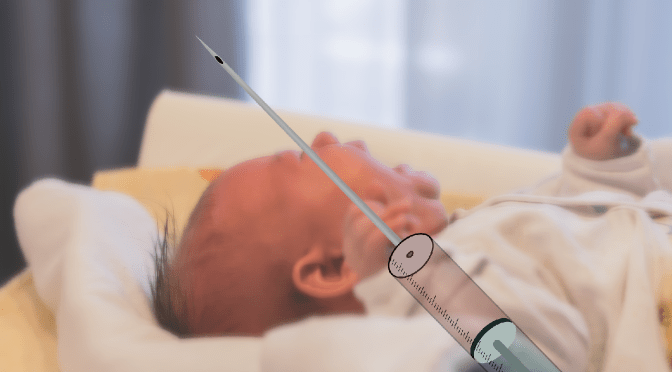
FDA Lets Pfizer Test Experimental COVID-19 Vaccine on U.S. Children
Americans have been following COVID-19 vaccine trial developments for weeks, watching companies jockey for frontrunner status like contestants in a reality TV show. And though participants in some of the studies (by Moderna, Oxford, Johnson & Johnson and Pfizer) have surfaced with reactions serious enough to pause several of the trials, market analysts remain “bullish” about the near-term prospects for approval of these liability-free products by the U.S. Food and Drug Administration (FDA).
READ MORE
https://davidicke.com/2020/10/23/fda-lets-pfizer-test-experimental-covid-19-vaccine-on-u-s-children/
Image by StockSnap from Pixabay
Image by Clker-Free-Vector-Images from Pixabay

You must be logged in to post a comment.