Shaped like a boomerang and coming in at a mere three pounds, your liver works hard for you every day, possibly more than you could imagine. It’s the second-largest organ in your body and yet, probably not one you give much thought to until something goes wrong. Your liver keeps things going, and is often referred to as the gatekeeper of your body. Like a silent housekeeper, it’s always working around the clock, cleaning up whatever goes in, and assisting with what goes out. Just like you mop up a mess on your kitchen floor, your liver does somewhat of the same thing with all the toxins from our food supply and the environment. It also performs everyday functions that you might not be aware of, and protects you from a number of nasty health conditions when you care for it properly.
A recent Reuters’ article opened with the following stunning sentence:
“Long-term high-dose use of painkillers such as ibuprofen or diclofenac is ‘equally hazardous’ in terms of heart attack risk as use of the drug Vioxx, which was withdrawn due to its potential dangers, researchers said.”
The 2004 Vioxx recall, as you may remember, was spurred by the nearly 30,000 excess cases of heart attacks and sudden cardiac deaths caused by the drug between 1999-2003. Despite the fact that scientific research had accumulated as early as 2000 linking Vioxx to increased heart attacks and strokes, the drug’s manufacturer Merck, and the FDA, remained silent as the death toll steadily increased.
The Reuters report focused on new research published in Lancet indicating the risk of heart attack increases as much as a third and the risk of heart failure doubles among heavier users of NSAID drugs.
Age-related macular degeneration is on the rise. This ancient spice may save your sight.
As Baby Boomers mature en masse, age-related macular degeneration (AMD) is on the rise.
AMD is the leading cause of vision loss among people 50 and older. It affects more than 1.75 million people in the U.S. and is expected to strike as many as 3 million in the next five years. Fortunately, an ancient spice may provide just the protection you need.
Looking for a non-toxic laundry alternative? Learn how to make homemade laundry detergent with just two ingredients!
Who doesn’t love the clean and fresh smell of just laundered clothes? There is just something so simple and pure about clean clothes. However, if you wash your clothes with conventional commercial laundry detergent, chances are they are not simply pure.
Fluoride is found everywhere today, from antibiotics to drinking water, no stick pans to toothpaste, making exposure inevitable. All the more reason why research proving this common spice can prevent fluoride damage is so promising…
Fluoride’s neurotoxicity has been the subject of academic debate for decades, and now a matter of increasingly impassioned controversy among the general public, as well. From ‘conspiracy theories’ about it being first used in drinking water in Russian and Nazi concentration camps to chemically lobotomize captives, to its now well-known IQ lowering properties, to its ability to enhance the calcification of the pineal gland — the traditional ‘seat of the soul’ — many around the world, and increasingly in the heavily fluoridated regions of the United States, are starting to organize at the local and statewide level to oust this ubiquitous toxicant from municipal drinking water.
What does the 4 billion a year, blockbuster Alzheimer’s drug donepezil (trade name Aricept) have in common with insecticides, chemical weapons and venom? Quite a lot more than consumers taking them have been lead to believe.
How Poisoning Has Become The New Standard of Care
What does the 4 billion dollar a year blockbuster Alzheimer’s drug donepezil (trade name Aricept) have in common with insecticides, chemical weapons and venom? Quite a lot more than consumers taking them have been lead to believe.
As a member of the chemical class known as acetylcholinesterase inhibitors donepezil interferes with the cholinesterase enzyme, preventing the neurotransmitter acetylcholine from breaking down, resulting in an increase in both its levels and duration of action.
While this can result in a temporary increase in memory, there is currently no definitive proof that use of donepezil or other similar agents slow the progression of Alzheimer’s disease. Moreover, 21% of patients on this medication discontinue within 12 months due to serious adverse side effects.
For decades, the insect repellent DEET has been the “gold standard” when it comes to deterring mosquitoes. Parents slather themselves and their children alike with unknown chemical compounds that soak into the skin and cause potentially irreversible health complications such as seizures, disorientation, and skin conditions. But if that’s the only option it’s surely better than contracting the West Nile, or Zika virus carried by mosquitoes, right? Well, recent research suggests there may be a more effective natural alternative available in the form of coconut oil.
The young NZ man who passed away following that controversial medical treatment claimed to be ‘safe and effective’ … his fiancée Ashleigh has courageously shared the details….
Why is cupric sulfate — a known herbicide, fungicide and pesticide — being used in infant formula? And why is it displayed proudly on product labels as a presumably nutritious ingredient?
Used to kill fungus, aquatic plants and roots of plants, parasitic infections in aquarium fish and snails, as well as algae and bacteria such as Escherichia coli, cupric sulfate hardly sounds fit for human consumption, much less for infants.
For decades now western culture has taken great pride over “western medicine” as a product of modern times and the “age of science.”
The belief that modern medicine has achieved great success in overcoming historical diseases that prior to the advent of modern medicine plagued and killed humanity is drilled into anyone who grew up in a western country with a western education.
Older traditional systems of dealing with health and sickness are thought to be antiquated and inferior, which includes bodies of health information that have been around for many thousands of years in non-western countries, such as “Traditional Chinese Medicine” (TCM) or “Ayurveda” practices in South Asia, mainly in India.
Notice, for example, how the Big Pharma-controlled Wikipedia describes Ayurveda:
Ayurveda is an alternative medicine system with historical roots in the Indian subcontinent. The theory and practice of Ayurveda is pseudoscientific. The Indian Medical Association describes Ayurvedic practitioners who claim to practice medicine as quacks. Ayurveda is heavily practiced in India and Nepal, where around 80% of the population report using it.
So a country like India where 80% of the population uses a system of healing that is over 2000 years old is considered “pseudoscientific” and the western pharmaceutical-based medical association in that country, the “Indian Medical Association,” calls them “quacks” which of course should surprise nobody, since pharmaceutical based medicine today, no matter what country you live in, cannot tolerate any competition.
A condition plaguing over 80 million men and women in the United States alone, hair loss a condition that not only indicates possible health issues but can also profoundly diminish quality of life. Here we provide in-depth, actionable information that can provide hair loss sufferers with tools they need to reverse hair loss
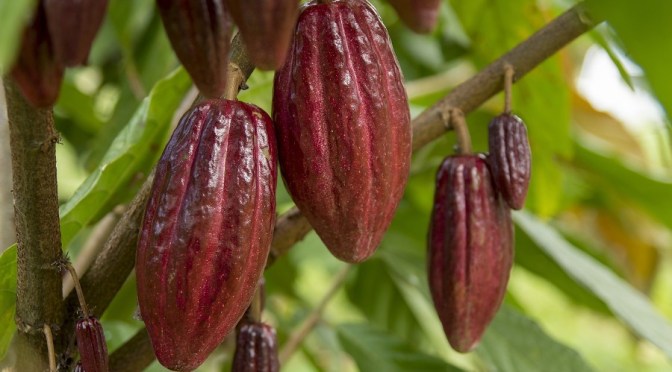
One of the most popular trees on the planet is cacao, the plant species from which cocoa is derived. While some might think cacao and cocoa are one and the same, they’re not. Cacao is the tree, while cocoa is the dry, powdered product made from it. Cocoa is best known as the main ingredient for an all-time favorite confection worldwide — chocolate.1
A cacao pod is a dark brown ovoid fruit containing about 60 seeds, better known as cacao beans.2 The flavor is dependent on the fermentation of the cacao beans. During this process, compounds found in the beans react with each other, producing the well-loved flavor of chocolate.3
Aside from their flavor, cacao beans were prized for their medicinal and aphrodisiacal properties, and they were traded like currency by South American civilizations. For the Aztecs and Mayans, cacao beans were so important in feasts and celebrations that they were usually put at the center.4
Today, in the dawn of superfoods, cacao has earned its title as a “superfruit” due to the surplus of flavonoids and polyphenols it contains.
Health Benefits of Cacao
There’s been plenty of discussion about free radicals and antioxidants, but some are unsure of what these terms mean regarding our health. Exposure to radiation, cigarette smoke, pollution and certain medications may all release free radical activity in the body; however, they also can be produced by factors like mental stress, infections, cancer and aging.5
Antioxidants in the foods you eat may help reverse this process by zapping harmful free radicals, helping fight off disease.6 This is where cacao comes in. Compared to other foods, it is well-equipped with phenolic antioxidants, be it catechins, epicatechins or procyanidins.7 Its beans are also rich in magnesium, copper, potassium and calcium, which are known to help lower the risk of hypertension and heart disease.8
Aside from these benefits, cocoa may help alleviate the symptoms of depression, attention deficit hyperactivity disorder (ADHD) and schizophrenia through its beta-phenylethylamine (PEA) content. PEA works as a neurotransmitter and may improve serotonin concentrations in the brain by interacting with trace amine-associated receptor (TAAR).9
For those who think chocolate must be bad for you (it has to be if it tastes so good, right?), rest assured that there’s roughly 1 gram of sugar in a half-cup serving of raw cacao. However, this doesn’t apply to some store-bought chocolate because of all the flavor additives that mask the powder’s bitterness.10
Learn more about B vitamins and other vitamins and minerals that are essential for optimal health at NaturalNews.com
Every dollar you spend at the Health Ranger Store goes toward helping us achieve important science and content goals for humanity: https://www.brighteonstore.com/
We are up against all kinds of viruses on this planet. No matter what virus you want protection from, or which virus might be the hot topic in the media at any given time, all of the Medical Medium healing information can help protect you and your loved ones.
Crunchy, healthy and satisfying — almonds are bite-sized treats that are beneficial for health, which is why they’ve been popular for centuries in different parts of the world.
In fact, according to the United States Department of Agriculture (USDA), the annual demand for almonds in America has increased by a whopping 400 percent since 1980.1
Almonds are quite versatile too, since they can be eaten in a variety of ways — from raw or roasted to sweetened or salted. But which variety of almond is actually the healthiest to munch on? Before you indulge on a handful of this crunchy snack, there are several little-known facts that you should know about almonds first.
(NaturalHealth365) According to a recent report published in Alzheimer’s and Dementia Journal, Alzheimer’s disease – the sixth leading cause of death in the United States – claimed over 121,000 lives in 2019 alone, before the pandemic had swept the nation. Meanwhile, the Alzheimer’s Association has released a sobering new statistic – deaths from Alzheimer’s disease and other forms of dementia have increased by a significant 16 percent since the onset of COVID-19. However, a natural intervention for the condition is casting a ray of hope.
In a recent review article in the peer-reviewed journal Revue Neurologique, researchers report that the natural hormone melatonin shows exciting potential to prevent and even alleviate neurodegenerative diseases, such as Alzheimer’s and Parkinson’s disease. In fact, the impressed scientists even concluded that “melatonin may be the solution we have been looking for.”
Why are they so hopeful about the neuroprotective effects of melatonin? Let’s find out.
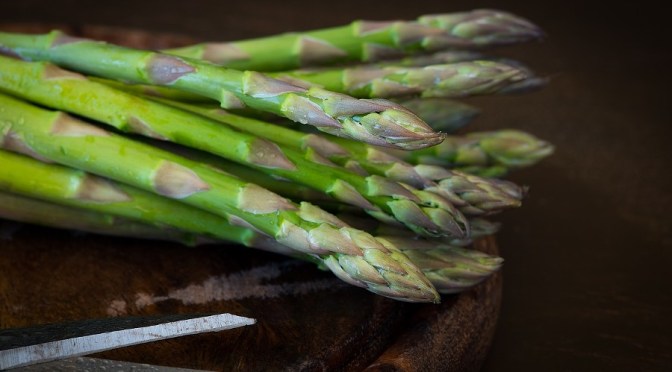
Asparagus officinalis belongs to a large genus of plants grown for ornamental purposes, though it’s is one of the few members of this family that’s cultivated for food.1 Since its domestication, asparagus has become a favorite for its sweet flavor and tender quality, which allows it to be prepared in various ways.2 You can steam, poach, roast or add a handful of its stalks to soups and frittatas for added texture.3
Health Benefits of Asparagus
Aside from its delectable taste, asparagus offers numerous vitamins and minerals, including calcium, folate, iron, magnesium, phosphorus, potassium and vitamins A, K and C. It also contains trace amounts of niacin and vitamin E.4 It’s obvious that asparagus leads the pack in both the range and amount of nutrients it supplies. Because of these nutrients, adding asparagus to your diet may offer the following benefits:
Supporting cardiovascular health — In a 2017 study from Nutrients, it was stated that numerous vegetables (including asparagus) may protect and support heart health. This may be due to the high amounts of dietary fiber and vitamins in this vegetable.5
Aiding in fetal development — As one of the best plant-based sources of folate, asparagus may help lower the risk of miscarriage and neural tube defects in unborn children.6
Lowering osteoporosis risk — Asparagus contains considerable amounts of both vitamin K and calcium, nutrients essential in maintaining bone health. Adequate levels of vitamin K in the body ensures effective absorption of calcium, lowering the risk for bone fractures.7
It’s too bad Americans aren’t more familiar with persimmons, since its botanical name means “food of the gods.”1 Highly adaptable to various climate conditions,2 those found in larger grocery stores are most likely Japanese persimmons. Persimmon is Japan’s national fruit,3 although it’s said to be native to China4 (American persimmons are mostly ornamental).
Persimmon seeds first came to the United States when commodore Matthew Perry sent them from Japan in 1856. Today, persimmons are grown in a plethora of varieties in China, Burma, Northern India and Australia. In the U.S., it grows in Southern and Southwestern states, predominantly California.5
Persimmons are red-brown or orange fruits that grow on trees like plums and look like a small, rather flat tomato capped by a calyx.6 The two varieties are astringent and nonastringent, the latter being pleasingly sweet. To avoid bitterness, the paler varieties should be eaten only when very ripe, usually peeled.7
(NaturalHealth365) Ayurveda is a traditional system of medicine that originated in India and is more than 3,000 years old. It is an all-natural modality, using herbs and spices to prevent diseases and health conditions from developing in the first place. By taking a whole-person approach, it focuses on balancing mind, body, and spirit for better health.
In fact, many Ayurvedic herbs have been studied extensively and now have solid scientific backing as effective remedies for many health conditions.
Ayurvedic herbs can improve your health in multiple ways
Ashwagandha
Several studies have shown that ashwagandha promotes healthy cortisol levels and normal inflammatory processes that occur in response to stress. Cortisol is called the “stress hormone.” By supporting a healthy stress response, ashwagandha can help lower levels of anxiety and improve sleep quality for people who suffer from anxiety and stress.
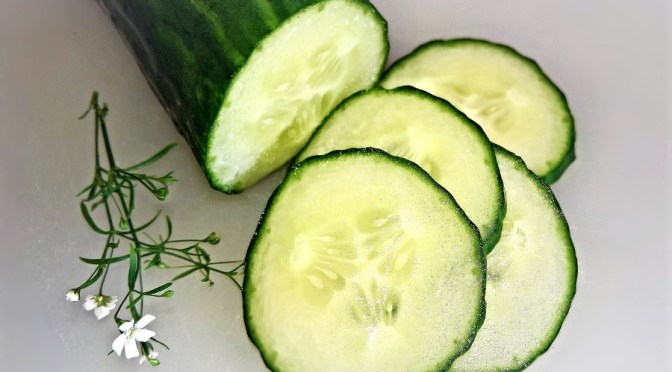
Cucumber is the fourth most widely cultivated “vegetable” in the world,1 related to both the melon and squash families,2 technically making it a fruit because it contains seeds.3 With its mild, refreshing flavor that mixes well with other garden offerings, cucumbers are 96% water,4 but still manage to provide many valuable health benefits.
Like many other plant-based foods, cucumbers originated in India,5 and were brought to the Americas by European explorers in the mid-16th century.6 There are dozens of varieties available, and they thrive best when they have plenty of sunshine and adequate moisture.7
While commercial cucumber-growing operations in Florida keep most of the country stocked with the fresh variety, Michigan is the biggest state producing cucumbers specifically for pickling, while Mexico is the largest provider for the U.S.A. through the deepest winter months. China, however, is by far the most prolific supplier, with the next two being India and Russia.8
Cucumbers grow on a long, trailing vine,9 and come in two main varieties: slicing cucumbers, which are generally larger and thick-skinned; and pickling cucumbers, which are smaller and thinner-skinned.10 Pickling usually involves slicing and soaking in brine (highly salted water) or vinegar to preserve and ferment the fruit.11For tips on growing cucumbers, read this guide.
An alternative is the longer, thinner English or gourmet cucumber, also known as “burpless” cucumbers. As the name implies, this variety is specifically bred to minimize burping because of its reduced cucurbitacin content.12 Seedless cucumber varieties are attained through a natural parthenogenesis process, which allows them to produce without pollinization.13
In the kitchen, you have several ways to prepare fresh cucumbers. They’re delicious when sliced and eaten with salt. Combined with chopped sweet onions in apple cider vinegar, salt and pepper, they provide a savory, summery side dish.
Health Benefits of Cucumbers
Grown wild throughout India,14 cucumbers are used as a traditional medicine to manage fever.15 They also have diuretic properties,16 and the juice is used as an acne cream and a soothing remedy for tired, puffy eyes.17 These uses led scientists to investigate cucumber fruit, seeds and extracts as an effective treatment in other areas of medicine.
Cucumbers are known to be an excellent source of vitamins, including anti-inflammatory vitamin K, infection-fighting vitamin C and phosphorus. Body-beneficial minerals include bone-building manganese, as well as calcium and magnesium.18
Lignans, unique polyphenols in crucifers and alliums such as cabbage and onions, are known for containing health benefits, such as possibly lowering the risk of heart disease.19 Moreover, one study showed that cucumbers contain powerful lignans that bind with estrogen-related bacteria in the digestive tract, contributing to a reduced risk of cancer,20 particularly breast cancer.21 The cucurbitacins — compounds that belong to the cucurbitaceae family — have anticancer potential as well.22
In one study, cucumber extracts were screened for signs of free radical-scavenging and analgesic activities, following the lead of traditional folk uses. Not only were the extracts found to provide phytonutrients with these activities, numerous other valuable compounds were found, including glycosides, steroids, flavonoids, carbohydrates, terpenoids and tannins.23
Cucurbitacins in plants have already been identified as having pharmacological and biological benefits, including anticancer activities. But another study related more recent discoveries showing that cucurbitacin has a strong inhibiting effect on cancer-signaling pathways, which cancer cells require to survive and proliferate. The conclusion discussed the likelihood that cucurbitacin could be used as a future anticancer drug in clinical settings.24
Cucumbers Fun Facts
For those who have noticed that their cucumbers seem to deteriorate soon after refrigerating them, U.C. Davis has reported that cucumbers maintain freshness longer when stored at room temperature.26 Cucumbers are also highly sensitive to ethylene, a natural plant hormone responsible for initiating the ripening process in several fruits and vegetables. Be sure to separate cucumbers from bananas, apples, peaches, peppers and tomatoes because of the natural ethylene they generate.27
Cucumbers are also highly sensitive to ethylene, a natural plant hormone responsible for initiating the ripening process in several fruits and vegetables, so another recommendation is to store cucumbers away from bananas, melons, and tomatoes because of the natural ethylene they generate.
Warning: Heavy metals wreak havoc inside the human body
In this video, you’ll quickly understand the “3 keys” to properly detoxify heavy metals from the body. But, I strongly suggest you watch this video 2 or 3 times (I’m not kidding) to get the most out of it. There is a very clear way to properly remove heavy metals from the body. But, most people don’t take the time to learn – so, be patient with yourself as you get through this information.
Today, I feature Dr. Chris Shade, an expert in detoxification. In this video, Dr. Shade explains his “push – catch” method for eliminating toxic metals from the body.
(NaturalHealth365) A recent study shows strong evidence of a link between lack of vitamin D and poor cardiovascular health. The study results show that low vitamin D levels have been linked with a higher risk of having a heart attack, stroke, or heart failure, among other health issues.
The results come from an innovative study conducted by the Intermountain Medical Center Heart Institute of Salt Lake City. The authors presented the study findings at the American College of Cardiology Scientific Sessions in Chicago.
(NaturalHealth365) For many, working from home is now the “new normal.” And, for millions of Americans, this means long hours seated at a desk. Believe it or not, while excessive sitting hardly seems like a dangerous activity, it actually presents a serious risk to health. In fact, the threat is so severe that health experts are now characterizing prolonged sitting as “the new smoking.”
Sitting for long periods of time – whether at a desk, in a car, or on a plane – raises the risk of deep vein thrombosis, which occurs when a blood clot forms in a vein deep within the body (usually, in the leg). In a life-threatening complication, the clot can break loose and head for the lung, where it can cause a potentially fatal pulmonary embolism.
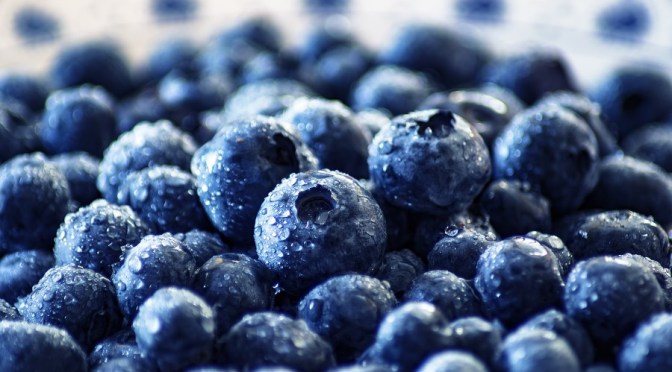
(NaturalHealth365) With their lustrous indigo color and sweet-but-tart taste, ripe blueberries are perfect little globes of flavor and juiciness. Not only are blueberries delicious, but they are generally acknowledged as a true “superfood” by nutritionists, natural health experts, and physicians alike. But can the health benefits of blueberries really be confirmed? A steadily accumulating body of scientific evidence says, “yes!”
In a March 2020 review published in Advances in Nutrition, the authors credited regular blueberry consumption with reducing the risk of a host of serious diseases – including heart disease, diabetes, obesity, and Alzheimer’s disease. Let’s take a look at some of the ways in which these succulent berries lower the odds of developing life-threatening conditions.
Blueberries “rule the roost” in anthocyanin content
Anthocyanins – natural plant pigments responsible for the deep purples, blues, and reds in fresh fruits and vegetables – are the primary active constituent of blueberries. These disease-fighting plant compounds have potent antioxidant and anti-inflammatory effects – and may even have anticancer and anti-aging properties as well.
“Meet Dr. Sebi, a pathologist, biochemist and herbalist. He came to the U.S. from Honduras and is on a mission to heal humanity. As it happens, he has been curing some of the most deadly diseases on the planet for almost 30 years. AIDS, cancer, diabetes, lupus and epilepsy are just a few of the ailments he has completely reversed. In fact, he is so committed to his work that he took on the Attorney General of New York in a Supreme Court trial — and won….The judge presiding over the case requested that Dr. Sebi provide one witness for each disease he claimed to have cured. When he instead furnished 70 witnesses to support his argument — showing without a doubt that he did in truth heal all the diseases listed in the ad — the judge declared the doctor not guilty on all counts…”
(NaturalHealth365) Let’s face it, sugar is extremely prevalent in today’s society. Many of the prepared and processed foods in grocery stores contain an alarming amount of sugar. This is why it’s well worth taking the extra minute or so to read the nutrition label before buying any packaged food item.
We already know the typical dangers of sugar consumption such as obesity, tooth decay, and low energy, but there are many other conditions out there that you may not be aware of.
Excessive sugar intake damages your health in MULTIPLE ways, studies show
Here are seven surprising ways that sugar harms your health.
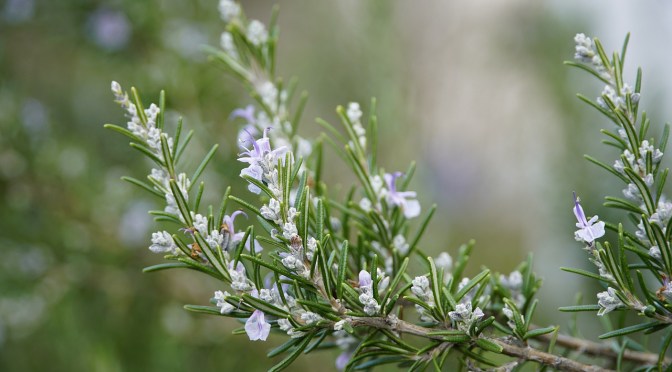
5.85M subscribers ADD YOUR SUCCESS STORY HERE: https://www.drberg.com/add-client-suc… FREE COURSE➜ ➜ http://bit.ly/BulletproofImmuneSystem… Talk to a Dr. Berg Keto Consultant today and get the help you need on your journey. Call 1-540-299-1556 with your questions about Keto, Intermittent Fasting or the use of Dr. Berg products. Consultants are available Monday through Friday from 8 am to 10 pm EST. Saturday & Sunday from 9 am to 6 pm EST. USA Only. DATA: https://journals.lww.com/nutritiontod… Check out the interesting benefits of rosemary! Timestamps 0:00 Introduction: What is rosemary used for? 0:30 Rosemary benefits 1:25 Rosemary for insulin resistance 1:40 Share your success story! In this short video, I want to cover the wonderful benefits of rosemary. Rosemary is an amazing herb that people use for all different kinds of things. People use rosemary as tea. They also use it in their food, marinades, stews, soups, and food preservatives. Rosemary is even used in certain cosmetics. Rosemary has some very interesting properties, mainly from rosmarinic acid. Rosmarinic acid is the main phytonutrient in rosemary, and it has some really cool effects. Rosemary can help stimulate hair growth when used as an oil and applied to the scalp. One study showed a significant change when using rosemary to help inhibit cognitive decline. Another study showed that rosemary can increase insulin sensitivity and help with weight loss. Rosemary is also neuroprotective. There are potential benefits when using rosemary for: • Epilepsy • Pain relief • Infertility • Anxiety • Constipation • Muscle pain • Diabetes • Inflammation If you have insulin resistance, which is very common, rosemary is a very good herb to use in your food on a regular basis. Dr. Eric Berg DC Bio: Dr. Berg, age 56, is a chiropractor who specializes in Healthy Ketosis & Intermittent Fasting. He is the author of the best-selling book The Healthy Keto Plan, and is the Director of Dr. Berg Nutritionals. He no longer practices, but focuses on health education through social media. DR. BERG’S SHOP: http://shop.drberg.com/ Follow us on FACEBOOK: https://fb.me/DrEricBerg Send a Message to his team: https://m.me/DrEricBerg ABOUT DR. BERG: https://www.drberg.com/dr-eric-berg/bio
(NaturalHealth365) Approximately 5.4 million Americans are currently diagnosed with Alzheimer’s disease, and this number is expected to triple by 2050. In addition, the rate of children with autism is said to be 1 in 50 throughout the United States. What is happening to our collective brain health?
Think about the importance of our memories – which are a crucial part of our social lives. Interacting, carrying a conversation, and participating in everyday tasks require a good functional memory. This is why conditions such as autism and Alzheimer’s cause such concern for caregivers as they worry that their loved ones will forget to turn off a stove or other life-threatening mishaps.
















 Dr. Eric Berg DC

You must be logged in to post a comment.