Category Archives: Health

Combat Arthritis Pain With These Foods

From mercola.com

NOTE: Due to censorship Dr Mercola’s articles are archived to paid sub soon after publication, in which case the source link may no longer work. The article however is republished here in its entirety.

Story at-a-glance

  • Arthritis is a general term that refers to more than 100 different types of arthritis and related conditions; the four most common categories are osteoarthritis, autoimmune inflammatory arthritis, infectious arthritis and gout
  • Small food choices can significantly impact pain from arthritis. For example, choosing cruciferous vegetables that are high in sulforaphane, an organic sulfur that supports cell function, helps block the enzymes linked to joint destruction and lowers inflammation that drives pain
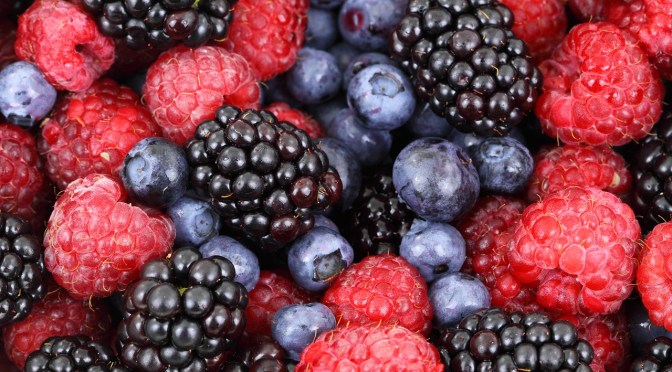
  • Anthocyanins found in purple and red-colored berries lower oxidative stress and inflammation and support gastrointestinal health, which is crucial to lowering inflammation and improving pain control
  • Marine-based fatty fish are rich in long-chained omega-3 fats that are highly bioavailable and essential to lower the inflammatory response driven by an imbalance between omega-3 and omega-6 fats

When used correctly, food is medicine. Put another way, you are what you eat. You can’t get away from the fact that your body requires nutrients to function optimally, and those nutrients come from the food you consume.

The small choices you make each day, such as a donut as a midday snack or a bowl of ice cream each night after dinner, have a way of catching up with you. One of the ways where food packs a powerful punch is in arthritis pain control.

Food impacts several pathways that make a difference in your pain level and even in the progression of the disease. Food manufacturers want you to believe that a calorie is a calorie — and that calories are all your body needs to survive. But if there is one thing the past years have taught us, it’s that food makes a significant difference to your health.

Before discovering some of the foods that can lower pain, let’s take a minute to explore the term “arthritis.”

Arthritis Is Not a Single Painful Disease

It is crucial to understand several facts about arthritis. For example, the word arthritis is a general term that refers to more than 100 different types of arthritis and related conditions. Arthritis can permanently damage your joints and the symptoms of common arthritis include pain, stiffness and swelling.

People may experience mild to severe forms of the disease and the symptoms can come and go. For some, the symptoms remain the same for years, but for others, the disease progresses and gets worse over time. There are four major categories of common types of arthritis.1

1. Osteoarthritis — This is the most common type and can be found in nearly any joint of the body. More frequently, it appears in the knees, hips, spine and hands. It used to be known as a wear-and-tear disease, but current evidence shows that it affects the whole joint and not just the cartilage, including making the bone weaker and deteriorating the connective tissue.

2. Autoimmune inflammatory arthritis — This is a global term that includes rheumatoid arthritis, psoriatic arthritis, juvenile arthritis and axial spondyloarthritis. Although an exact cause has not been identified, your gut microbiome plays a critical role.

3. Infectious arthritis — This painful condition is triggered by an infection that usually begins in another part of the body and travels to a joint. The symptoms can appear suddenly and cause intense swelling, pain and fever. Treatment usually resolves the condition.

4. Gout (metabolic arthritis) — This is the result of a buildup of uric acid crystals in the joints, more commonly the big toe. Uric acid crystals are a byproduct of the breakdown of purines, which are substances found in organ meat, red meat, some seafood and alcohol. There is some evidence to suggest that osteoarthritis or gut dysbiosis can also contribute to gout.

Sulforaphane Has Healing Properties

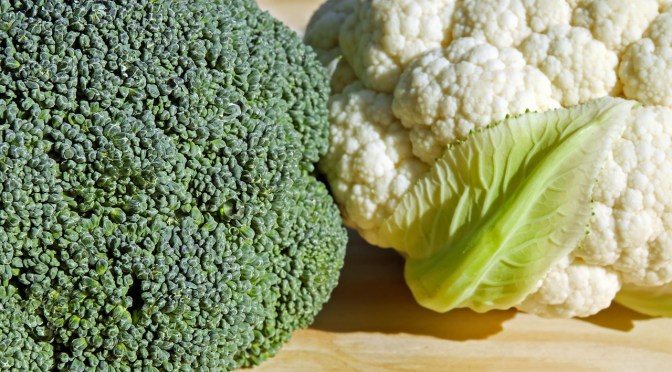
Cruciferous vegetables like broccoli, Brussels sprouts, cauliflower and cabbage contain a compound called sulforaphane. This is an organic sulfur that has been shown to support cell function and division while at the same time causing apoptosis programmed cell death in certain cancers.2,3,4

When sulforaphane was tested in mice and human cell cultures,5 it was shown to target and kill breast cancer stem cells, which prevents the formation and spread of tumors. But the benefits of sulforaphane don’t stop there. It has been shown to reduce inflammation by reducing reactive oxygen species by as much as 73%,6 which in turn reduces cell damage.

Sulforaphane can also help reduce the risk of osteoarthritis,7 in part by blocking enzymes that are linked to joint destruction.8 A team of researchers from the University of East Anglia published a study9 in the journal Arthritis and Rheumatism that showed substances in cruciferous vegetables could slow the progression of osteoarthritis, or possibly prevent it.

Sulforaphane did this by inhibiting metalloproteinases that have been implicated in the development and progression of osteoarthritis. The researchers found it also blocked inflammation to protect against cartilage destruction both in the lab and animal models.

Anthocyanins Play an Anti-Inflammatory Role

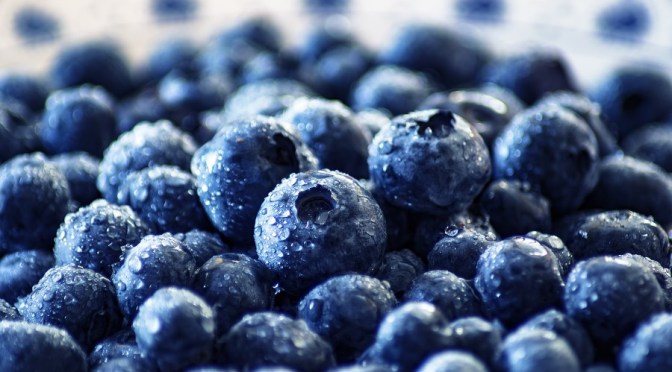
Research has demonstrated that there is power in the color purple.10 Purple and red-colored berries are high in anthocyanins, which are secondary metabolites plants produce to defend against predators. Anthocyanins work through a variety of pathways to exert beneficial effects on human health.

They’re primarily known to address oxidative stress and reduce inflammation, which in turn helps pain control in patients with an inflammatory-driven condition, such as arthritis. The science also demonstrates the power of anthocyanins in lowering the progression of cognitive decline and protecting the heart, kidneys, and gastrointestinal tract.

Researchers have demonstrated that anthocyanins, found in cherries and other berries, help regulate lipid and glucose metabolism. Elderberries are high in anthocyanin, vitamin C and zinc. These berries have anti-inflammatory modulating activity11 that may support pain control in patients with arthritis. They also became known for their ability to boost immune function and inhibit colds and flu long before the COVID-19 pandemic.

One 2004 study12 found 15 milliliters (just under 1 tablespoon) of Elderberry syrup, four times a day for five days, eased the symptoms of influenza four days faster than a placebo. In 2019, research13 detailed the mechanism through which Elderberry protects against viral attacks. As reported by Science Daily:14

“… the study showed that compounds from elderberries can directly inhibit the virus’s entry and replication in human cells and can help strengthen a person’s immune response to the virus.”

Let’s Spice Up Your Food

Bland food is never fun to eat. But did you know that by adding a few spices you may reduce your pain level? Researchers have discovered that garlic, ginger, cinnamon and turmeric are compounds that may improve pain control in people with arthritis.

One 2018 study15 found that cinnamon supplementation was a safe adjunctive treatment in women who had rheumatoid arthritis. The randomized double-blind clinical trial included a small group of 36 women who were divided into two groups: those receiving cinnamon and those receiving a placebo for eight weeks.

While the study was small and only included women, the results showed that it had a significant impact on tender and swollen joints with no changes in liver enzymes, lipid profile, fasting blood sugar or erythrocyte sedimentation rate (ESR).

Ginger is another spice that has been under investigation for the effect it has on reducing the symptoms of osteoarthritis. A 2001 study16 found using a highly purified and standardized extract could significantly reduce those symptoms and had a good safety profile.

More recently, a 2020 paper17 confirmed the use of ginger as a safe and promising strategy to lower pain. The researchers reviewed eligible random control trials where ginger was used to relieve pain, including from osteoarthritis. They concluded that ginger was safe and promising, but more studies were needed to analyze the amount required for useful long-term therapy.

Garlic is a staple ingredient in cuisines found in many countries, including Italy, China and Mexico. But it’s much more than a common spice. Data from a 2020 study18 of 62 women with rheumatoid arthritis suggested that garlic supplementation over eight weeks improved oxidative stress and health assessment questionnaires.

Turmeric is well known for its anti-inflammatory properties. A 2016 analysis of randomized clinical trials19 evaluated the use of turmeric extract and curcumin in the treatment of arthritis symptoms. While the results were positive, the researchers found the total number of trials and the total sample size were not sufficient to draw a definitive conclusion.

Another review of the literature published in 202120 compared turmeric against placebos and found a benefit on osteoarthritis pain and function in the knee. Based on the small number of studies, they believed the effects were similar to those that analyzed nonsteroidal anti-inflammatory drugs (NSAIDs).

A 2021 randomized trial21 compared turmeric against paracetamol, a painkiller also known as acetaminophen. The results from this study demonstrated that bioavailable turmeric extract was as effective as paracetamol against osteoarthritis pain and symptoms in the knee and was safe and more effective in reducing tumor necrosis factor alpha (TNF alpha) and C-reactive protein (CRP).

Balance Your Omega-3 and Omega-6 Fat

Historically, the human diet had an omega-6 to omega-3 ratio of close to 1-to-1. Yet, the current Western diet is closer to a ratio of 20-to-1,22 which increases the inflammatory response and therefore has an impact on pain.

Most processed foods and seed oils are high in omega-6 fatty acid. While there are omega-3 fats found in some plants, only marine-based fatty fish have long-chained omega-3 fats eicosatetraenoic acid (EPA) and docosahexaenoic acid (DHA) that are highly bioavailable and essential to good health.

When your omega-6 to omega-3 ratio is out of balance, it increases your risk of obesity23 and the inflammatory response, both of which affect pain control in arthritis. The only way to know if you have enough omega-3 is to take a simple blood test — an omega-3 index.24 This measures EPA and DHA on red blood cell membranes and provides feedback about your dietary choices.

Food Addresses Gut Health and Lowers Arthritis Pain

Finally, while no single food completely addresses gut health, most of your food choices will either support good gut health or harm it. For example, a diet high in ultraprocessed foods is known to change your gut microbiome, which promotes the development of inflammatory diseases.25

The Arthritis Foundation recognizes that your gastrointestinal tract plays a crucial role in some of the most common types of inflammatory arthritis.26 Researchers have discovered that people with rheumatoid arthritis have different levels of bacteria in their gut and babies who are breastfed have a lower likelihood of developing ankylosing spondylitis as breastfeeding is known to positively affect the gut microbiome.27

A 2021 paper28 analyzed the association between the gut microbiome and symptoms of osteoarthritis. They summarized the evidence that supports a gut-joint axis and the interactions between the gut microbiome and factors that affect osteoarthritis, including gender, age, metabolism and joint injury.

Interestingly, data showed that an individual’s gut microbiota can potentially predict the progression of osteoarthritis, indicating that monitoring the gut microbiome may also help monitor the efficiency of therapeutic intervention. Broccoli is one food that helps support good gut health and may impact the pain of arthritis as it is also a source of glucosinolate, a precursor to indole-3 carbinol (I3C).29

In the stomach, I3C generates 3,3′-diindolylmethane (DIM). I3C is a powerful antioxidant and in an animal model, those fed cruciferous vegetables with I3C had healthier guts and were less likely to have inflammation.30 I3C also works by activating a protein called aryl hydrocarbon receptor (AhR), which communicates with immune and epithelial cells in your gut lining, thereby helping to reduce inflammation caused by pathogenic bacteria.

AhR also helps stem cells convert into mucus-producing cells in your gut lining. These cells also help extract nutrients from the foods you eat, all of which translate into improved gut function and health.

As you’ll note, there are several groups of foods that support pain control by lowering the inflammatory response and improving your gut health. Arthritis can be a difficult and life-changing condition that affects your daily activities. Consider taking these small steps to help improve your pain control without medication and take greater control of your life.

SOURCE

Photo: pixabay.com

Home Made: the best sports drink in the world!

From garymoller.com

Sujon blackcurrant, or any NZ blackcurrant, has been shown in several studies to improve performance and recovery. I have even met Professor Mark Willems from the UK, who did the original research. It may have something to do with how the berry adapts to the berry to high UV in NZ. Here’s a quick summary: https://www.sujon.co.nz/post/which-fruits-are-higher-in-antioxidants

So, I use it daily in my sports drinks when training and in recovery. Everyone will benefit but best when combined as follows:

  1. https://www.garymoller.com/product-page/sujon-blackcurrant-powder-500-grams
  2. https://www.garymoller.com/product-page/bioceuticals-ultra-muscleze-energy-advanced-magnesium-blend
  3. https://www.garymoller.com/product-page/orthoplex-nac-natural-berry-flavour-150-grams

READ MORE AT THE LINK

Image by Ratna Fitry from Pixabay

3 Top Micronutrients for Cardiovascular Health

Story at-a-glance

  • Brown University researchers conducted a study to determine which micronutrients are best for your heart
  • They unveiled an up-to-date evidence-based map that quantifies the impact of micronutrients on cardiovascular outcomes
  • Out of 27 micronutrients, three — omega-3 fats, folate and coenzyme Q10 (CoQ10) — came out on top
  • Omega-3 fats decreased mortality from cardiovascular disease, while also reducing heart attacks and coronary heart disease events
  • Folic acid, the synthetic version of folate, or vitamin B9, reduced stroke risk, while CoQ10 decreased all-cause mortality events
  • Most, but not all, of the micronutrients studied showed “moderate- to high-quality evidence” of reducing risk factors for cardiovascular disease

Heart disease is the No. 1 cause of death in the U.S., killing one person every 34 seconds.1 Your diet plays a prominent role in your heart health, but the role of individual micronutrients continues to be debated. Brown University researchers conducted a study to determine which micronutrients are best for your heart.2

They unveiled an up-to-date evidence-based map that quantifies the impact of micronutrients on cardiovascular outcomes. Out of 27 micronutrients, three — omega-3 fats, folate and coenzyme Q10 (CoQ10) — came out on top.

Micronutrients Benefit Cardiometabolic Health

Micronutrients are vitamins and minerals that your body needs to function optimally. Deficiencies in micronutrients can lead to a range of acute and chronic conditions. In terms of heart health, Brown University researchers conducted a systematic review and meta-analysis involving 884 trials. The study, published in the Journal of the American College of Cardiology, evaluated 27 types of micronutrients used by 883,627 participants.3

“For the first time, we developed a comprehensive, evidence-based integrative map to characterize and quantify micronutrient supplements’ potential effects on cardiometabolic outcomes,” study author Dr. Simin Liu, professor of epidemiology and medicine at Brown University, said in a news release. “Our study highlights the importance of micronutrient diversity and the balance of health benefits and risks.”4

Most, but not all, of the micronutrients showed “moderate- to high-quality evidence” of reducing risk factors for cardiovascular disease. Those that were beneficial included:5

Folic acid (folate)Vitamin DMagnesiumZinc
Alpha-lipoic acidCoenzyme Q10MelatoninCatechin
CurcuminFlavanolGenisteinQuercetin

The study was unique in that it took a comprehensive look at micronutrient supplementation, including phytochemicals and antioxidants. Liu explained:6

“Research on micronutrient supplementation has mainly focused on the health effects of a single or a few vitamins and minerals. We decided to take a comprehensive and systematic approach to evaluate all the publicly available and accessible studies reporting all micronutrients, including phytochemicals and antioxidant supplements and their effects on cardiovascular risk factors as well as multiple cardiovascular diseases.”

3 Micronutrients to Support Heart Health

While beta carotene supplementation increased all-cause mortality, omega-3 fats, folate and CoQ10 were highly protective. Here are more details about how these important micronutrients affect your heart health.

1. Omega-3s — The study found omega-3 fats decreased mortality from cardiovascular disease, while also reducing heart attacks and coronary heart disease events.7 This mirrors previous studies, which have also found beneficial effects of omega-3s on heart health. Omega-3 fats derived from krill oil, for instance, have been found to reduce triglyceride levels and help reduce cardiovascular risk.8

Further, people with Type 2 diabetes who used omega-3 supplements had a lower incidence of hospitalization with heart failure — a form of heart disease in which the heart experiences ventricular dysfunction — in another study.9

An omega-3 index test is one of the most important annual health screens that everyone needs, and it’s a more important predictor of your heart disease risk than your cholesterol levels. Even research supported by the National Institutes of Health suggests an omega-3 test is a good predictor of overall health and all-cause mortality.10,11

That study measured the omega-3 index in 2,500 participants and found those with the highest omega-3 index had lower risks of heart problems and lower total mortality. The omega-3 index measures of the amount of eicosapentaenoic acid (EPA) and docosahexaenoic acid (DHA) in the membranes of your red blood cells (RBC). Your index is expressed as a percent of your total RBC fatty acids.

The omega-3 index has been validated as a stable, long-term marker of your omega-3 status, and it reflects your tissue levels of EPA and DHA. An omega-3 index over 8% is associated with the lowest risk of death from heart disease, while an index below 4% places you at the highest risk of heart disease-related mortality.

The ideal sources for EPA and DHA include cold-water fatty fish, like wild-caught Alaskan salmon, sardines, herring and anchovies. If you do not eat these fish on a regular basis, consider taking a krill oil supplement.

In addition, be aware that your omega-6 to omega-3 ratio should be about 1-to-1 or possibly up to 4-to-1, but most Americans consume far too many omega-6 fats and not enough omega-3. For optimal heart health, in addition to increasing your omega-3, it’s important to cut down on industrially processed seeds oils, often referred to as “vegetable oils,” found in most processed foods.

2. Folate — The Journal of the American College of Cardiology study revealed that folic acid reduced stroke risk.12 Folic acid is the synthetic version of folate, or vitamin B9, and it’s the most important dietary determinant of homocysteine. Elevated levels of homocysteine (Hcy) are a risk factor for coronary artery disease and are found in most patients with vascular disease.13 According to a literature review published in Advances in Therapy:14

“Several mechanisms have been proposed for Hcy’s pathogenesis related to vascular disease. Hcy can cause endothelial injury, dysfunction of DNA, proliferation of smooth muscle cells, oxidative stress, decreased function of glutathione peroxidase, impaired nitric oxide synthase, and inflammation.”

Evidence suggests that daily folic acid supplementation lowers homocysteine levels. “In fact, it has been shown that folic acid supplementation of 0.5 to 5.0 mg can lower Hcy levels by 25% and, thus, may decrease the risk of cardiovascular disease … Given that folic acid is cheap and effective, this should be a viable option for patients with high-risk for cardiovascular adverse events,” the researchers explained.15

In an animal study, folic acid was also found to prevent age-related structure changes and dysfunction of the heart that may lead to heart failure.16 It reduced cellular senescence, a hallmark of aging. The best way to increase your levels of this important micronutrient is to eat foods rich in natural folate, such as asparagus, avocados, Brussels sprouts, broccoli and spinach.

3. CoQ10 — CoQ10 decreased all-cause mortality events, according to the Journal of the American College of Cardiology study.17 Ubiquinol — the reduced, electron-rich form of CoQ10 that your body produces naturally — plays an important role in the electron transport chain of your mitochondria, where it facilitates the conversion of energy substrates and oxygen into the biological energy (adenosine triphosphate, or ATP) needed by your cells for life, repair and regeneration.

It’s a fat-soluble antioxidant, meaning it works in the fat portions of your body, such as your cell membranes, where it mops up potentially harmful byproducts of metabolism known as reactive oxygen species (ROS). As such, ubiquinol and CoQ10 supplements help protect your mitochondrial membranes from oxidative damage.

Many conditions, including heart disease, appear to be rooted in mitochondrial dysfunction.18 CoQ10 is used by every cell in your body, but especially your heart cells. Cardiac muscle cells have about 5,000 mitochondria per cell.19 For further comparison, mitochondria make up about 35% of the volume of cardiac tissue and only 3% to 8% of the volume of skeletal muscle tissue.20

In other research, CoQ10 has been found to help improve atrial fibrillation (AFib).21 AFib is an abnormal, often rapid, heart rhythm that occurs when the atria, your heart’s upper chambers, beat out of sync with the ventricles, the heart’s lower chambers. It’s a common symptom in those with heart failure or heart disease. In addition, CoQ10 influences several other aspects of heart health, including:

  • High blood pressure — CoQ10 acts directly on your endothelium, dilating your blood vessels and lowering blood pressure.22,23 CoQ10 also decreases aldosterone, a hormone that makes you retain salt and water.24,25 When aldosterone goes down, excess salt and water are excreted through your kidneys, often causing your blood pressure to go down.
  • Systemic inflammation — Supplementing with 60 milligrams (mg) to 500 mg of CoQ10 for eight to 12 weeks can significantly reduce tumor necrosis factor alpha (TNF-α), IL-6 and C-reactive protein (CRP);26,27 three measures of widespread inflammation.
  • Stroke — Systemic inflammation, oxidative stress and nerve cell damage play a role in the development of stroke. Research suggests supplementing with CoQ10 can reduce ischemic lesions and improve outcomes in patients who have been treated with a statin drug after having a stroke (statins reduce CoQ10 levels in your body).28

Your body can naturally make CoQ10, but genetic alterations in metabolism, poor diet, oxidative stress, chronic conditions and aging can all interfere with CoQ10 production and lead to CoQ10 deficiency. Statin drugs can also deplete CoQ10.

Ubiquinol production ramps up from early childhood until your mid- to late 20s. By the time you hit 30, it begins to decline.29 Young people are able to use CoQ10 supplements quite well, but older people do better with ubiquinol, as it’s more readily absorbed.

A Personalized Approach Is Best

There’s no one-size-fits-all approach when it comes to supporting your heart health. Indeed, the featured study researchers noted that “an optimal nutritional strategy to promote cardiometabolic health will likely involve personalized combinations of these nutrients.”30

However, healthy diet, exercise, stress reduction and heart-based connections — i.e., strong and positive relationships — are key to heart and overall health. As mentioned, I also believe an omega-3 index test is one of the most important annual health screenings you can receive.

GrassrootsHealth makes testing easy through its D*Action+Omega-3 consumer-sponsored research project.31 You can find the GrassrootsHealth omega-3 index test kit on the GrassrootsHealth website.32

SOURCE

This Type of Therapy Can Save Your Eyes

Note: Due to censorship of Dr Mercola’s articles he archives them to paid sub soon after publishing. I’ve therefore published this in its entirety however you may find the source link will no longer work. EWR


Story at-a-glance

  • Blue light damages retinal cells responsible for vision color and clarity, but red and near infrared light help recharge retinal mitochondria and improve sight
  • The retina has the highest energy demand of any part of the body. A lack of red and near infrared light from the sun and overexposure to blue light from LED and digital devices can speed retinal aging
  • Artificial light at the wrong time of the day also impacts sleep quality, which is associated with obesity, heart attack, high blood pressure and depression
  • You can lower your exposure to blue light at home by replacing LED with incandescent bulbs and turning down the blue light in your digital devices at 7 p.m. when the sun naturally sets

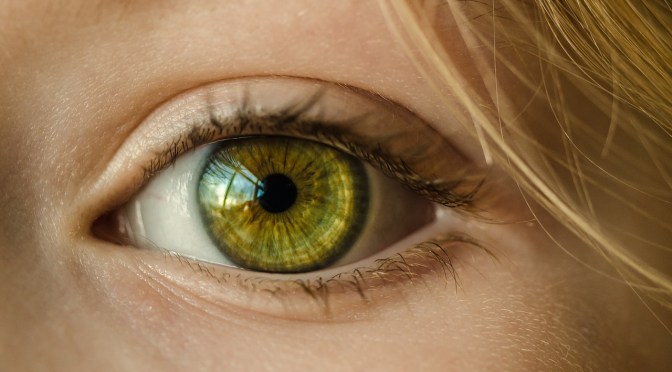
Vision is one of your five senses and protecting it has an impact on your overall physical and mental health. Your eye is a complex organ that takes in light bouncing off objects in the environment. Structures in the eye bend and change shape so your brain can interpret your surroundings.

Light first enters through the cornea, which is a clear covering over the eye.1 This functions to protect the eye and to bend the light so it can pass through the dark pupil at the center of your iris, the colored part of the eye. The iris gets larger or smaller, which makes the pupil look smaller or larger, to regulate the amount of light.

Light passes through the lens, which also bends the rays to focus them on the retina at the back of the eye. This structure has tiny light-sensitive nerve cells called cones and rods. The cones are sensitive to color and are in the center of the retina, near the macula.

The rods are sensitive to light intensity and don’t register color.2 They are located outside the macula, extending to the edge of the retina. The cones and rods convert the light into electrical impulses and send them to the brain where your brain perceives an image.

What Causes Visual Loss?

Visual loss or impairment has an impact on a person’s mental and physical well-being. The American Academy of Ophthalmology writes that those with a visual impairment experience a higher risk of some conditions such as depression, social withdrawal and accidents.3

People with vision loss may also experience a higher risk of chronic health conditions such as high blood pressure, heart disease, kidney failure, hearing loss and arthritis.4 As the population ages, the number who have visual impairment or blindness also rises.

The primary causes of visual impairment appear to increase with age. These include cataracts, age-related macular degeneration, glaucoma and diabetic retinopathy.5 Loss of vision at night may not get as much attention as other eye conditions, but it is commonly found in those who are older.

In some, difficulty seeing at night starts around age 40 and may be associated with older individuals who are involved in car crashes.6 There are several reasons people may have impaired night vision, including age-related changes and eye disease:7,8

Smaller pupils — With aging the muscles that control the pupil, the area that allows light into the eye, do not react as quickly or may not be as strong. If the pupil doesn’t dilate enough, you don’t have enough light to see. This makes adapting to seeing out the windshield and back to a brightly-lit car dashboard difficult.
Eye lens — With age, the lens of the eye stiffens and may get less transparent. This doesn’t let enough light pass through, which you experience especially at night.
Rods — The rods in the retina are necessary for sight but may be lost with aging.
Nearsightedness — This may make it hard to see down the road at night while driving.
Medications — Some can slow your pupil’s ability to adapt to changing light conditions.
Nutritional deficiency — A vitamin A deficiency can impair your night vision.
Retinitis pigmentosa — This is a hereditary disease that causes permanent impairment of night vision and peripheral vision. Eventually it can cause significant visual loss in normal light conditions.

Recharge Your Eyes With Long Wavelength Light

In the first-of-its-kind research in humans, a team from University College London led by Glen Jeffery was able to improve declining eyesight using simple light therapy.9 In this short video he describes the interaction between red light and mitochondria, which is the basis for sight improvement.

The researchers were aiming at improving the vision of the large number of seniors who suffer from physical decline and impaired eyesight. In 2020, the team wrote there were 12 million people in the U.K. over age 65, which is expected to increase by another 8 million by 2050.

They estimate all will experience some degree of impairment from aging of the cones and rods in the retina. In the video, Jeffery explains the retina of the eye has a greater energy demand and more mitochondria than other tissues in the body, including the heart. As reported in a press release, he said:10

“As you age your visual system declines significantly, particularly once over 40. Your retinal sensitivity and your colour vision are both gradually undermined, and with an ageing population, this is an increasingly important issue. To try to stem or reverse this decline, we sought to reboot the retina’s ageing cells with short bursts of longwave light.”

The team recruited 24 people ages 28 to 72 years. Each of them was given a device that emitted a red light at 670 nanometers. As Jeffery commented, the mitochondria have the ability to absorb light in longer wavelengths, from 650 nm to 1,000 nm to raise energy production.

However, when the wavelength is above 670 the light is difficult for the human eye to see, which could potentially impact compliance. As a result of the high energy demands, the mitochondria in the retina age faster than other areas of the body. This causes a significant reduction in function.11 The participants took a device home, which they used for three minutes each day for two weeks.

Their rod and cone sensitivity were tested before and after the intervention. They found participants younger than 40 exhibited no difference in sensitivity. However, those older than 40 showed some significant improvement in color contrast and the ability to see in low light. Jeffery concluded:12

“Our study shows that it is possible to significantly improve vision that has declined in aged individuals using simple brief exposures to light wavelengths that recharge the energy system that has declined in the retina cells, rather like re-charging a battery.

The technology is simple and very safe, using a deep red light of a specific wavelength, that is absorbed by mitochondria in the retina that supply energy for cellular function. Our devices cost about £12 to make, so the technology is highly accessible to members of the public.”

Indoor Living Raises Risk of Light Pollution

It’s important to remember that not all light is the same. In fact, artificial light at the wrong time of the day can significantly impact sleep quality. It’s called light pollution and it can result in sleep deprivation that ultimately affects your immune system. There is a steep cost to sleep deprivation, including obesity, high blood pressure, diabetes, heart attack and depression.13

One of the side effects of spending hours indoors is a lack of exposure to the sun. The bright light emitted by LED lights and streetlamps is not full-spectrum: Full-spectrum light comes from the sun.14

Hormones and bodily functions operate on a circadian rhythm, which is attached to a 24-hour day-night cycle and light. Your hormones that regulate digestion, metabolism and sleep are affected by your circadian rhythm.15 Ultimately, your circadian rhythm is affected by exposure to sunlight.

For example, the hormone melatonin should rise at night to encourage quality sleep.16 Exposure to bright sunlight in the morning helps regulate the release of melatonin and affects your sleep cycle. In a recent preprint paper, researchers suggest that lockdowns instigated by COVID-19 have mitigated the protective role of ultraviolet light from the sun by up to 95%.17

There is a link between blue light and circadian rhythms.18 The sun provides a full spectrum of light, and thus includes blue light. A reduction in the intensity of sunlight during the winter months may suppress melatonin and result in feelings of listlessness, sleepiness and in some, depression.

As well as reducing your exposure to full spectrum light, including infrared light from 650 nm to 1000 nm, spending hours indoors increases your exposure to blue light. Although blue light in the early hours of the day helps shut off melatonin production, continued exposure after sunset has deleterious effects on health.

Red Light, Blue Light

With the production and distribution of energy-efficient LED lights, many are exposed for longer hours to blue light without a balance of red or near-infrared light. For this reason, incandescent lights are safer as they emit the longer wavelength red and near-infrared light and only emit a bit of blue.19

The damage blue light does to the retina has been known for years. In one study published in 1995, researchers wrote, “Exposure of the eye to intense light, particularly blue light, can cause irreversible, oxygen dependent damage to the retina.”20

More recently, data from a study involving animals has suggested that blue light increases retinal damage and apoptotic cell death. In this study, the damage induced greater cone cell death than rod cell death.21 The blue light emitted by LED lights is the main component scientists are concerned with regarding vision and the health of the retina.

Experts find that the blue light component in energy-efficient LED lights is “the major cause of retinal damage,” inducing “oxidative stress and retinal injury” as well as “photoreceptor death by necrosis and apoptosis.”22

How to Use Light at Home

Researchers from Oregon State University in collaboration with The Ohio State University found prolonged exposure to blue light may also affect your brain, even when blue light is not shining through your eyes.23

There are some important steps you can take to protect your eyesight and overall health. While it’s important to get blue light first thing in the morning to shut off melatonin production, it’s just as important to reduce exposure after 7 p.m. when the sun naturally begins to set.

There are several ways to accomplish this, depending on your personal preferences. Many digital devices have software that can reduce the blue light emitted by the screen. When you do this on all electronic devices and you replace all LED lights with incandescent bulbs, you won’t need blue blocking sunglasses indoors.

However, if you don’t have control over lighting, then it’s important to strongly consider using blue-blocking glasses after 7 p.m. This will help regulate your internal clock and reduce damage to your eyes.

Outdoor street lighting and alarm clocks are other ways you’re exposed to light after dark. The quality of sleep you get is linked to resting in total darkness. Consider removing all light-emitting devices and using a sleep mask and room-darkening blinds.

On the other hand, during the daylight hours, it’s important to get sensible sun exposure for eye health and to help raise your vitamin D production. If you find it difficult to fall asleep and stay asleep, you may need to make a few more changes using strategies I suggest in “Top 33 Tips to Optimize Your Sleep Routine.”

SOURCE

Photo: pixabay.com

Obesity and corporate greed | DW Documentary

Not to spoil your holiday season, but a good reminder of how the system actually works against you. Being corporately controlled of course it’s inevitable. So is emphasized the need to be proactive. It was by falling ill that I suddenly had time to explore the vagaries and dishonesty of the corporation that is in reality, psychopathic by nature. Don’t believe me? Watch The Corporation movie. That was my biggest eye opener. They even target your babies. A familiar theme currently. As a social sciences student in the ’80s, the University I attended told us that ‘in the future’ corporations would control governments. Predictive programming at its finest! See how well Unis are funded by the corporates. Search ‘Otago University, Bill Gates’ and see for yourself … EWR

DW Documentary

Doctors predict that by 2030, half of the world’s population will be overweight or obese. An epidemic of obesity is causing a rapid rise in diabetes, cardiovascular disease, and cancer. It’s becoming the biggest health challenge worldwide. Why has no country managed to stop this epidemic? The food industry and government authorities say it’s due to a lack of individual self-discipline. Is this true? Or is it the result of collective failure — a symptom of a liberal society that abhors obesity, yet produces people who are overweight. Is society itself to blame for this situation? Around the world, politicians, priests, doctors, and average people are standing up to multinational food corporations. They want to take back control of their nutrition and their bodies — and they’re using the law, scientific evidence, and political activism to correct the claim that people who are obese have only themselves to blame. These critics focus on sugary drinks that can be as addictive as some hard drugs; misleading advertising directed at children and low-income people; governments that turn a blind eye to junk-food companies; and lobbying that pushes the limits of legality. These people say that a “hostile takeover” of our food has been underway for four decades, and they’re demanding new legislation to put a stop to it. This documentary investigates how Chile is leading the way in this struggle. Which country will be the next to confront the big food corporations in the name of public health?

Why you should EAT MORE BLUEBERRIES

Dr. Suneel Dhand

Below is an article also on topic. If you go to this link also you will see multiple other articles to read, each digging deeper into specific health benefits … heart, memory, longevity and more. EWR

13 health benefits of blueberries that can’t be ignored

The Hepatitis-C contaminated blood scandal that affected citizens in Australia and New Zealand over 20 years ago and is still yet to be investigated

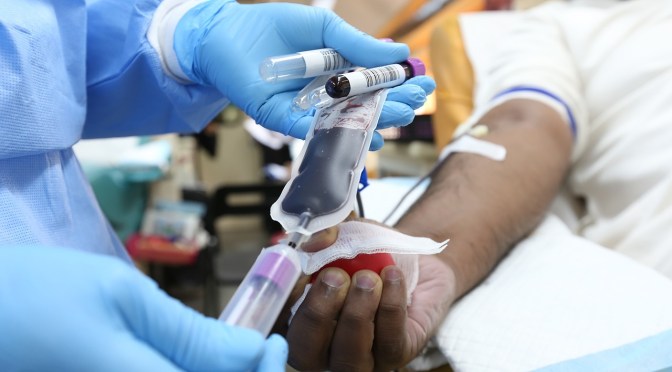
Liz Gunn of FreeNZ Media speaks with Charles MacKenzie, President of “Infected Blood Australia”, about the Hepatitis-C contaminated blood scandal that affected citizens in Australia and New Zealand over 20 years ago and is still yet to be investigated.

Infected Blood Australia supports Baby Will and the Savage-Reeves family’s right to choose un-jabbed direct donor blood.

For more information – https://www.infectedbloodaustralia.com

Image by Ahmad Ardity from Pixabay

10 Incredible Benefits of Quinoa

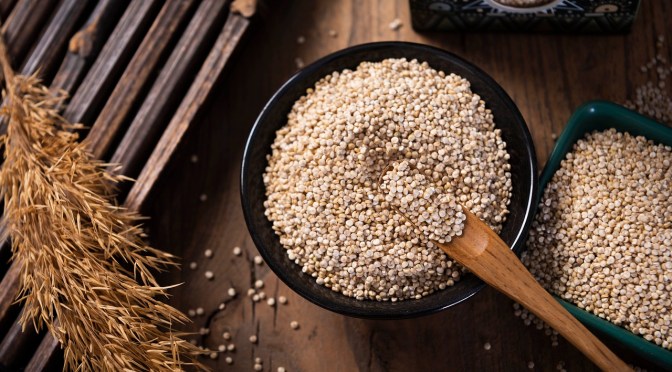
Quinoa is a highly valuable nutrient-rich food that is gluten-free and a rich source of protein. Its benefits include weight loss, improved heart health, detoxification of the body, and improved digestive health. It also helps in regulating diabetes and reducing gallstones.

It can be used like many common grains or ground into a powder or flour. It has a very low content of fat and can be added to diets around the world as a healthy alternative to many other similar foods.

Quinoa is an interesting form of pseudocereal that is not technically a grain or a traditional cereal. It is a crop that has been grown for thousands of years and is grown mainly for its edible seeds. Related to spinach and beetroots, it is becoming a major food in America, Europe, China, and Canada, despite the fact that it has to be imported in these parts.

It is an ancient cereal that was cultivated in the Andes for the last 7,000 years. The scientific name is Chenopodium quinoa, and it is a species of goosefoot. It generally grows to a height between 1m to 3m in length, producing grains every year that can grow in various colors such as white, yellow, pink, orange, red, brown, and black. The grains can be consumed whole as well as in the form of flour. It is primarily grown in South America, in the Andean region, including countries like Ecuador, Peru, Colombia, and Bolivia. [1]

READ AT THE LINK

Image by we-o_rd35ghczdq1090c5m from Pixabay

Heart attacks, Heart disease SOARING…Medical Establishment has an “answer”

Dr. Suneel Dhand

Read info at Youtube

Load up on THESE plant foods to boost your iron intake

From naturalhealth365.com

We’ve all heard about the importance of including iron in our diets.  However, it can be hard to know how to up your iron intake without eating tons of meat.

Dialing back your meat intake, even if you don’t completely cut it out, has been shown to reduce your risk of cancer and other chronic diseases.  But lowering your meat intake doesn’t mean sacrificing iron.  Several powerful plant foods rich in iron can help ensure you’re giving your body what it needs.

Iron maintains optimum health in MULTIPLE ways

Iron is a vital mineral that plays a role in good health.  One significant function of iron is that it helps your body make hemoglobin.  Hemoglobin is pivotal for transporting oxygen throughout your bloodstream.

But that’s not all.  Iron is vital for the immune system and cell function.  Without iron, you could be at risk of anemia, a condition where you don’t have enough red blood cells or hemoglobin to transport oxygen to your cells very well.

Pregnant women are especially at risk for anemia.  While the required iron intake varies from person to person, typically, men need about 8 milligrams a day, women 18 milligrams, and growing infants need 11 milligrams.

Eat these plant foods to boost your iron intake

So the question is, how can you maximize your dietary intake of iron?  Several animal foods are rich in iron, such as meat, wild game, poultry, and seafood.  There are two types of iron – heme and non-heme.  The difference between them is that it’s easier for your body to absorb heme iron.  So if you’re not getting dietary iron from meat, it’s a good idea to get plenty of  vitamin C, which helps you absorb non-heme iron.

Minimizing your toxic (factory produced) meat intake can benefit your overall health and lower your risk of certain chronic diseases.  Luckily, several tasty plant-based foods provide essential iron.

Nuts and legumes are good sources of iron for plant-eaters.

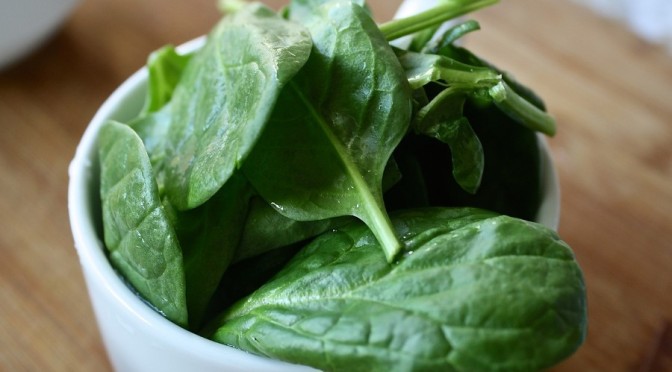
Green leafy vegetables are also ideal sources of the mineral.  For example, spinach contains 4 milligrams of iron in just one cup.  It can be used in soups, salads, and more.  You might even make it in a smoothie or use it as a pizza topping.  What’s even better is that it also contains many other beneficial nutrients.

READ MORE AT THE LINK

https://www.naturalhealth365.com/load-up-on-these-plant-foods-to-boost-your-iron-intake.html

Photo: pixabay.com

400 Doctors around the world have come together to sign a Declaration of an Intl Medical Crisis due to diseases & deaths

DECLARATION:

We, the medical doctors and scientists from all over the world, declare that there is an international medical crisis

READ AT THE LINK

https://tinyurl.com/zmutwupb

7 plant based foods for healthy eyes

From thegoodinside.com

Our eyes are one of those things we all take for granted. They allow us to see the beauty in the world, read books, and carry out everyday tasks. So it’s important to step back and make an effort to take care of our precious eyes now and for the future.

Especially because vision loss is becoming an increasingly common problem. Rates of blindness and low vision in America are estimated to double, affecting more than 8 million people by 2050.

This trend is thought to be caused by the rising rates of chronic disease and an aging population. But there’s also another reason: very few of us give our eyes the nutrients they need.

In fact, the Centers for Disease Control and Prevention (CDC) reports that 87% of people don’t get the recommended amount of vegetables in their diet and 76% of people don’t meet the minimum fruit recommendations.

That’s an issue because fruits and veggies contain nutrients essential for healthy eyes. Check out these eye-healthy foods and see how you can nourish your vision.

1. Orange Veggies

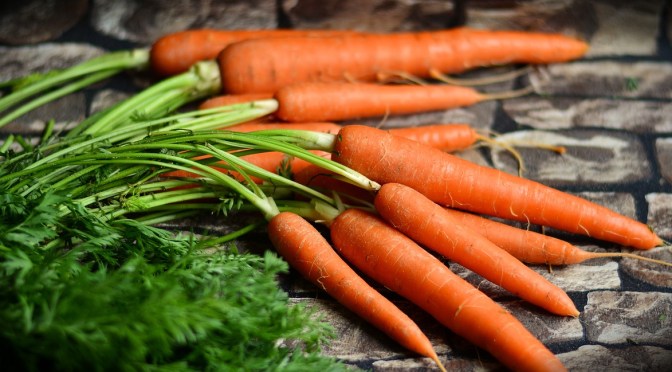
While carrots are, by far, the most well-known food that can boost your eye health, several orange veggies support vision. That includes sweet potatoes, pumpkin, and orange peppers.

These foods are abundant in carotenoids, the compounds that give the veggies their orange hue. One of the most recognized is beta carotene. It’s a precursor of vitamin A which means your body converts it into vitamin A on an as-needed basis.

Vitamin A is essential for good vision. Among many other things, it helps protect the surface of the eye (cornea).

Studies have shown that beta carotene, in combination with other antioxidants, can also decrease the risk of vision loss from macular degeneration or age-related vision loss.

Most importantly, seek out beta carotene from food sources. That’s because synthetic beta carotene is linked to a higher risk of some types of cancer.

READ MORE AT THE LINK

https://tinyurl.com/2cpzp8db

Photo: pixabay.com
The Importance of Music as Medicine in our World

From greenmedinfo.com

Written By: John Stuart Reid

Music as Medicine is becoming a hot topic, even in some major hospitals, and is ever more important in a world in which the harmful effects of toxic drugs are more prevalent than ever before. The Interdisciplinary Society for Quantitative Research in Music and Medicine (ISQRMM) is an organisation with a mission to provide researchers, practitioners, medical professionals and musicians with a forum in which to critically engage on the effects of music on the human mind, body and soul. 

READ AT THE LINK

https://greenmedinfo.com/blog/importance-music-medicine-our-world

Image by Juraj Varga from Pixabay

Age-defying compound protects brain health, study suggests

(NaturalHealth365)  A recent study shows resveratrol improves cognitive performance.  Though resveratrol does not receive considerable attention from the mainstream media, it is becoming increasingly clear that it provides several benefits for human health.

What’s behind resveratrol’s brain-protective effects?

Study shows resveratrol has anti-aging and anti-inflammatory properties

Though resveratrol is a relatively unknown compound, it is quite beneficial.  Resveratrol can significantly affect several responses, both inflammatory and non-inflammatory, safeguarding the body’s tissues and organs.  Resveratrol’s protective qualities result from its interactions with immune cells and activity on the protein called Sirtuin 1 or SIRT1 for short.  SIRT1 is an important protein linked to metabolic and inflammatory stressors.

In terms of resveratrol’s anti-aging impact, the compound has been shown to mitigate the aging process.  The mediation of anti-aging effects occurs with pathway alterations.  Resveratrol binds to molecules that signal to cells, trigger transcription factors, deter protein kinases and modulate certain regulatory genes.  In other words, resveratrol is essential in the quest for slowing the aging process, especially in preventing the development of diseases.

READ AT THE LINK

https://www.naturalhealth365.com/age-defying-compound-protects-brain-health.html

Image by PublicDomainPictures from Pixabay

The collapse of the New Zealand health system

Or is it being collapsed?

Seemorerocks

Dedicated to the dedicated nurses, midwives and ambulance staff and to mandated practitioners.

We have been told that the Pfizer mRNA “vaccine” is “safe and effective” and would protect against covid-19; that it would protect against serious symptoms and keep people out of hospital.

Now we have a crisis in our hospitals “because of COVID”.

The truth is that in this country at least 80% of people in hospital because of COVID have been vaccinated. 

The data from Australia is even more stark; I came across the following just this morning…

READ AT THE LINK

https://seemorerocks.is/the-collapse-of-the-new-zealand-health-system/

Photo: seemorerocks.is

Cranberries offer STUNNING neuroprotective benefits, new study suggests

(NaturalHealth365)  Doing things for our bodies that offer long-term benefits is something every one of us should entertain.  One of those things is to eat fruits and vegetables that can ward off cellular damage and nervous system failure.  Thanks to a study done by a prominent university in the United Kingdom, a tiny berry is making big waves in the health community.  That berry is the humble cranberry.

Cranberries are not just for Thanksgiving anymore … a new study shows that cranberries offer incredible neuroprotective benefits.  Researchers at the University of East Anglia have just discovered that eating cranberries may slow cognitive decline and improve memory function while also improving cholesterol levels.

READ AT THE LINK

https://www.naturalhealth365.com/cranberries-offer-stunning-neuroprotective-benefits-new-study-suggests.html

Photo: Konevi @ pixabay.com

Scientists confirm the root canal-cancer connection

by: Dr. Veronique Desaulniers

(NaturalHealth365)  I’ll begin this article by stating the obvious: I am not a dentist, and I don’t pretend to be.  However, I talk with women all over the globe every week about breast cancer – as I coach them on my program, which involves the ‘7 essentials’ of breast cancer prevention and treatment.  One of the fundamental questions I ask them is: “Do you have root canals?”

I ask them this because I am passionate about helping others create vibrant health and educating them on how to get there.  And when it comes to root canals, there is mounting evidence to suggest a strong correlation: root canals – which fill your mouth with toxic chemicals – can increase your risk of certain types of cancer.

READ AT THE LINK

https://www.naturalhealth365.com/scientists-confirm-the-root-canal-cancer-connection.html

RELATED:

Watch the documentary Root Cause at the link below

https://www.bitchute.com/video/ssRgmTnKi8Hp/

Photo: pixabay.com

Top 7 Benefits of Magnesium

From thealternativedaily.com

Magnesium is intimately involved in over 600 reactions in the body including the metabolism of food, the transmission of nerve impulses, the synthesis of fatty acids and proteins, muscle movements, gene maintenance and protein formation.

Unfortunately, studies note that about 50 percent of the people in the United States and Europe get far less than the recommended amount of magnesium. It is important to know that magnesium levels in soil are lower than they used to be. Plus, the use of chemicals such as fluoride and chlorine in water make magnesium less available. In addition, daily use of sugar and caffeine also deplete magnesium supplies within the body. In addition, if you live a high-stress life, it is likely that you are magnesium deficient.

READ AT THE LINK

Top 7 Benefits of Magnesium

Photo: thealternativedaily.com

UK Gov. publishes data confirming the Fully Vaccinated accounted for 92% of all Covid-19 Deaths in March

But, but … I thought the VX would save us from the grave? ……EWR


Official data published by the UK Health Security Agency confirms the fully vaccinated population accounted for a shocking 92% of all Covid-19 deaths across England throughout March,but what’s even more shocking is that 82% of those deaths were among the triple vaccinated population.

READ AT THE LINK

https://dailyexpose.uk/2022/04/12/distracted-boris-kyiv-fully-vaccinated-92-percent-covid-deaths/

Photo: pixabay.com
See what is happening in China – hunger, lockdown & mass suicides

To say this is horrific is an understatement. Try to watch the evidence, sickening and all as it is. Folk are jumping to their deaths from high rise apartments. Others hanging themselves. This is absolute tragedy. Those who are wide awake to the agenda behind this will be aware that China is the template if you like for further global developments. The new w0rld re set. Note in the first video, truckies were attempting to deliver food which went to waste because no one would receive the cargo. And people unable to leave their apartments. I will add to this article as links appear over the coming days. EWR


Link to Youtube footage:

https://www.youtube.com/watch?v=6t0Vymq8AH4

https://unherd.com/thepost/inside-shanghais-zero-covid-camp/

Article from strangesounds.org

Another from healthimpactnews.com

How Herbal Tea Changed My Life

From greenmedinfo.com

Doug Wolkon, owner of Kauai Farmacy shares his personal healing journey drinking fresh Kauai-grown herbal tea

Ten years ago my wife Genna and I moved into a rental house in Kilauea, Kauai with our three-year old son. He was running circles around me during the day; and at night, I would fall asleep to his bedtime story. As a competitive high school athlete, I never imagined losing my youthful movements by age 35. I’d spent the last 15 years hecticly traversing the country while working nonstop hours on the phone and computer. Nightly I would “unwind” to steak and wine dinners. The compounded effects were beginning to show. My neck and waist were both inflamed and numb. I desperately needed an interceptor.

READ MORE

https://www.greenmedinfo.com/blog/how-herbal-tea-changed-my-life222

Photo: scym @ pixabay.com

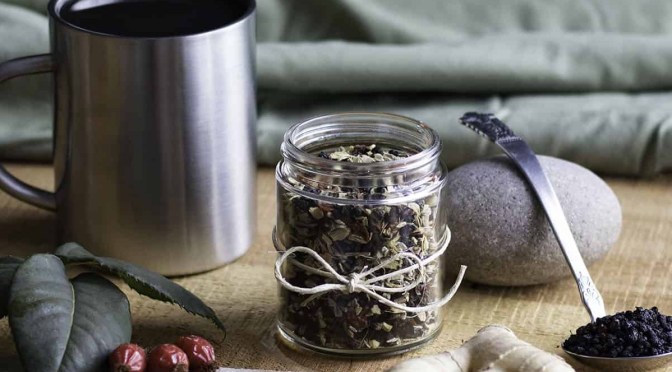
Immune Boosting Herbal Tea Blend

From growforagecookferment.com

Fall and winter is often the time for getting sick, although it can happen at any time of year. Luckily there are some great herbal allies that can help us get through the worst of it.

When you feel a sickness coming on, sometimes a hot cup of tea is the only thing that sounds good. Choose this immune boosting tea to help fight off the bug as well as protecting you from future ones!

This immune boosting herbal tea recipe is adapted from my book Healing Herbal Infusions. It’s a great book to have on hand for all kinds of herbal remedies!

READ MORE

https://www.growforagecookferment.com/immune-boosting-herbal-tea-blend/

Photo: growforagecookferment.com

Top Three Reasons to Try Holy Basil

From fighting bad breath or gum disease without the use of chemical mouthwash to pushing glucose levels down, holy basil — also known as tulsi — can be your powerful tool for great health

Holy basil, also known as tulsi, is an aromatic herb that is widely celebrated in India within Ayurvedic medicine. According to the ancient wellness system, it’s an “elixir of life” for its many flexible health uses and benefits. In the modern world, holy basil is an “herb for all reasons” for its ability to address physical, chemical, metabolic and psychological stress via a range of pharmacological actions.[i]

Part of the Lamiaceae family, Ocimum sanctum is believed to originate in north central India and today grows in the eastern tropics. It is a known potent adaptogen, believed to help with adaptation to stress and promote homeostasis in the body. Here are three powerful reasons to try holy basil and make it part of your wellness arsenal.

READ MORE

https://www.greenmedinfo.com/blog/top-three-reasons-try-holy-basil

Everything about the plantain herb (7+ ways to use it)

From diyeverywhere.com

Plantago major, commonly known as plantain, faces an uphill battle in terms of respectability. Some people think it’s a backyard or roadside weed, when in reality, it’s an incredibly useful herb (not to be confused with the banana-like plantain fruit). This perennial plant grows in full- to part-sun locations in a wide range of soils. Oval or lancet-shaped leaves have five to seven prominent parallel veins resembling the veins in celery. In the late spring or summer, plantain plants produce one or more tall, slender flower shoots.

Herbalists believe it to be one of the best, most readily available herbs for a variety of first aid applications and chronic health problems.

READ MORE

https://diyeverywhere.com/2019/06/26/everything-about-plantain-herb-7-items-on-how-to-use-it/

Photo: cornelinux@ pixabay.com

Essential Oils for Immunity & Healthy Immune Boost Recipe

From naturallivingfamily.com

These essential oils for immunity combine to create a healthy immune boost recipe is doctor-formulated and kid-approved. The entire family loves it because it tastes like candy, and makes us feel great! If you need a little immune boost, support to fight off an infection, or simply want to stay healthy during the cold season, this recipe may just do the trick!

Note About Immune Boosting: While we usually refer to this action as “immune-boosting” in our everyday language, the reason these essential oils work to combat disease is that they have strong antimicrobial properties.  The antibacterial and antifungal essential oils that are part of this recipe have also been shown to kill viruses in pre-clinical studies and are helpful to combat disease when you’ve been exposed to whatever is going around town. Be sure to consult with your physician if you’re currently under treatment, or if you’re on medication before taking this essential oils for immunity “shot.”

READ MORE

https://naturallivingfamily.com/essential-oils-for-immunity/

20 Foods To Naturally Increase Your Brain Power

From mindbodygreen.com

We are all at risk for brain degeneration once we reach a certain age, but luckily there are plenty of ways to strengthen brain health earlier in life and protect ourselves down the line. Food choices may be the most influential variable we can control when it comes to the vitality and functionality of the brain. Here are 20 nutrient-rich foods that are as healthy for the body as they are for the mind:

READ MORE

https://www.mindbodygreen.com/0-21756/20-foods-to-naturally-increase-your-brain-power.html?inf_contact_key=36300e0b0877e84dc7578ac65a755d70850050e7915f41da51043c293c2d487f

Photo: pixabay.com
10 Plant-Based Foods to Cleanse and Care For Your Liver

From onegreenplanet.org

Shaped like a boomerang and coming in at a mere three pounds, your liver works hard for you every day, possibly more than you could imagine. It’s the second-largest organ in your body and yet, probably not one you give much thought to until something goes wrong. Your liver keeps things going, and is often referred to as the gatekeeper of your body. Like a silent housekeeper, it’s always working around the clock, cleaning up whatever goes in, and assisting with what goes out. Just like you mop up a mess on your kitchen floor, your liver does somewhat of the same thing with all the toxins from our food supply and the environment. It also performs everyday functions that you might not be aware of, and protects you from a number of nasty health conditions when you care for it properly.

READ MORE

https://www.onegreenplanet.org/natural-health/foods-to-cleanse-and-care-for-your-liver/

Other news

A US Nurse shares what she is seeing

An Israeli Doctor speaks

Info from the US DoD

The stats in Alberta Canada

A young NZ man’s harrowing experience

An interview with two NZ Medical Doctors

What happened to that UK funeral director?

Those emerging heart issues

That experimental treatment

A NZ father who decided against the experimental treatment

Ibuprofen Kills Thousands Each Year, So What Is The Alternative?

Written By: Sayer Ji, Founder

A recent Reuters’ article opened with the following stunning sentence:

“Long-term high-dose use of painkillers such as ibuprofen or diclofenac is ‘equally hazardous’ in terms of heart attack risk as use of the drug Vioxx, which was withdrawn due to its potential dangers, researchers said.”  

The 2004 Vioxx recall, as you may remember, was spurred by the nearly 30,000 excess cases of heart attacks and sudden cardiac deaths caused by the drug between 1999-2003. Despite the fact that scientific research had accumulated as early as 2000 linking Vioxx to increased heart attacks and strokes, the drug’s manufacturer Merck, and the FDA, remained silent as the death toll steadily increased.

The Reuters report focused on new research published in Lancet indicating the risk of heart attack increases as much as a third and the risk of heart failure doubles among heavier users of NSAID drugs.

READ MORE

https://www.greenmedinfo.com/blog/ibuprofen-kills-more-pain-so-what-alternatives

Photo: jarmoluk @ pixabay.com

Saffron Protects Against Macular Degeneration

From greenmedinfo.com

Age-related macular degeneration is on the rise. This ancient spice may save your sight.

As Baby Boomers mature en masse, age-related macular degeneration (AMD) is on the rise. 

AMD is the leading cause of vision loss among people 50 and older.  It affects more than 1.75 million people in the U.S. and is expected to strike as many as 3 million in the next five years. Fortunately, an ancient spice may provide just the protection you need. 

READ MORE

https://www.greenmedinfo.com/blog/saffron-protects-against-macular-degeneration-1

Photo: Xtendo @ pixabay.com