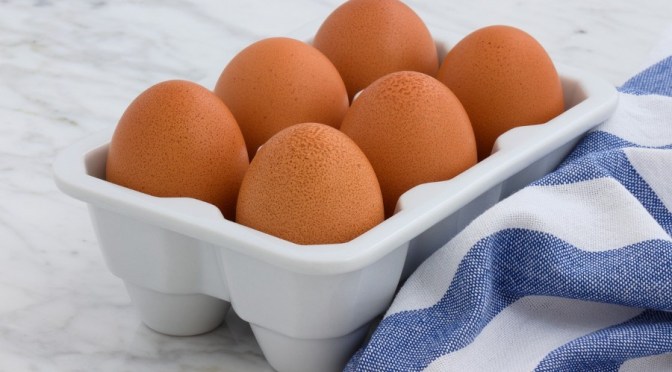
Eggs being one of them… the surprise for me was … eel! Highest single source apparently …EWR
Get familiar with this list of foods highest in Vitamin D so you know what your best options are for supplementing your diet. Vitamin D is an important vitamin to stay topped up on, and getting enough sunshine gets you started, but you’ll still want to make sure you’re rounding that off with a balanced diet rich in Vitamin D foods.
So you are out in the wild and you are out of food….or are you? Look around and you’ll find edible wild plants everywhere! Some can be found right in your backyard. The hard part is figuring out what you can eat and what will kill you.
First, to find the right food you have to know where to look. If you are in a tropical or warm and humid climate, the food will be basking in the sun, normally in a clearing or on the edge of a forest. In a dry climate, most of the food will be near whatever water source you can find. So what if you cannot find water? No problem; you should be able to find cactus, and yes, many are edible.
Potassium is an essential nutrient that is, thankfully, naturally present in many foods. It is also readily available as a dietary supplement to boost your potassium intake. Potassium is required for normal cell function because of its role in maintaining intracellular fluid volume and transmembrane electrochemical gradients. (1)
According to multiple scientific studies, the regular adult is recommended to have over 3.5 grams of Potassium a day. Most of these will come from a proper healthy diet along with fibre, protein, and other essential vitamins and minerals. Unfortunately, over 98% of all US adults are not getting their recommended daily intake. (2)
An essential mineral and electrolyte, Potassium can be found in a lot of whole foods such as leafy vegetables, legumes, and fish. Potassium plays a very vital role in your body, such as regulating muscle contractions, heart function, and managing the water balance. (3)
When considering to go on a diet, it is crucial to be aware of the amount of Potassium that you are consuming to successfully determine the health impact of your food on your body. In fact, it is recommended by specialists that we must consume 4,700 mg of Potassium to have a balance of acids and bases in the body that has not yet dissolved in water. (4)
I used to make this years ago. In NZ we’d call it ‘ginger beer’ rather than ‘soda’. Easy to make & a winner for hot summer days. EWR
From growforagecookferment.com
Learn how to make a homemade ginger bug using a wild ferment. It’s a very easy beginner fermentation recipe, can be a base for all kinds of naturally fermented soda drinks, including traditional ginger beer. Here is everything you need to know about this traditionally fermented ginger starter for homemade natural sodas!
Fermenting Ginger as a Starter for Sodas
The coolest thing to me about fermenting is that it is one of the oldest methods of food preservation, along with salting and drying.
I love the thought of humans discovering the fermentation process many hundreds of years ago, and love the revival it has been experiencing in recent times.
Kefir is a fermented milk beverage that has mythical origins deep in the Caucasus Mountains in Russia.1 The name itself is Russian in origin, and means “pleasure drink.” To create the drink, kefir grains, a live culture composed of healthy bacteria and yeasts, are mixed with milk, causing it to ferment. Today, it is enjoyed by millions of people worldwide, and can be easily prepared in the comfort of your own home.
What Is Kefir?
Kefir is the name of the fermented milk beverage made from “kefir grains.” What’s unique about it is that no other cultured milk product uses these grains, which is a special mixture of beneficial bacteria and yeasts that provide various health benefits. These grains appear like small cauliflower florets. Note that the word “grains” should not be taken literally. It is basically the name for the live cultures of beneficial yeasts and bacteria.2
The origin of these special kefir grains has been lost and forgotten. Legends say that kefir was originally a gift by Mohammed to the Muslim people who lived in the Caucasus Mountains, and if they were to give away the recipe, the drink would lose its power. As time went on, families passed down the grains and eventually made their way down the mountains to be used by the Russians.3
In 1909, Russians started making kefir by mixing milk and kefir grains inside animal skin bags that were hung over the front door of their houses. Throughout the day, family members were required to shake the bag whenever they would pass by it to help improve the fermentation quality. Eventually, kefir was mass-produced and has been a staple of the Russian diet ever since.4
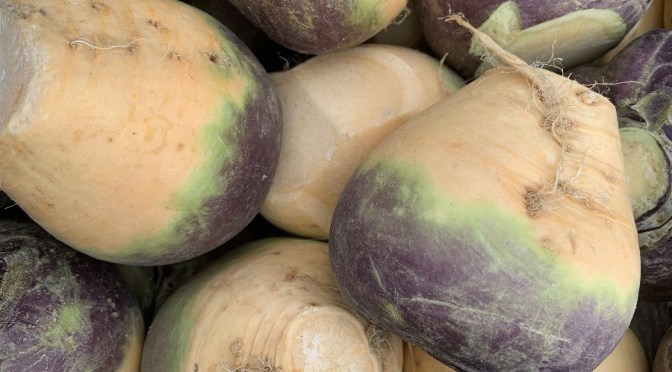
Rutabagas are only called rutabagas in the U.S. Throughout the rest of the world, they’re known as swedes, neeps, Russian turnips or Swedish turnips.1 This ordinary root crop is thought to have originated in Bohemia in the 17th century as a hybrid between turnip and wild cabbage.2
Based on studies, crucifers, including rutabaga, were found to contain anticancer10 and antioxidant properties. Its most significant nutrient, vitamin C, provides oxidant-fighting and immune system-supporting functions that can help protect cells from free radical damage.11 Vitamin C also helps enhance iron absorption and collagen formation that may protect against cellular damage, encourage wounds to heal, fight infections and promote healthy bones, teeth, gums and blood vessels. Furthermore, rutabaga contains iron needed to produce healthy blood on a daily basis.12
Beta-carotene-rich rutabaga is also an excellent source of manganese (for energy)13 and potassium, and is rich in fiber, thiamin, vitamin B6 (helps support the nervous system), calcium (for strong bones), magnesium (helps absorb calcium and combat stress) and phosphorus (helps metabolize proteins and sugars). Below is a list of nutrients found in rutabaga with corresponding amounts:14
Tahini is an oily Middle Eastern paste made from ground sesame seeds. You can get light or dark tahini – the light one is made out of white sesame seeds, creating a light golden paste and the dark one is made from black sesame seeds and has a much more intense flavor. Both are extremely nutritious. Sesame seeds are an excellent source of essential vitamins and minerals, and are packed full of amino acids, which are important in the development of protein. On top of that, this rich, nutty caramel-flavored paste provides the body with dietary fiber, phytonutrients and essential fats, including omega 3 and 6. Tahini is incredibly versatile as a cooking and baking ingredient, and can be used in both sweet and savory dishes.
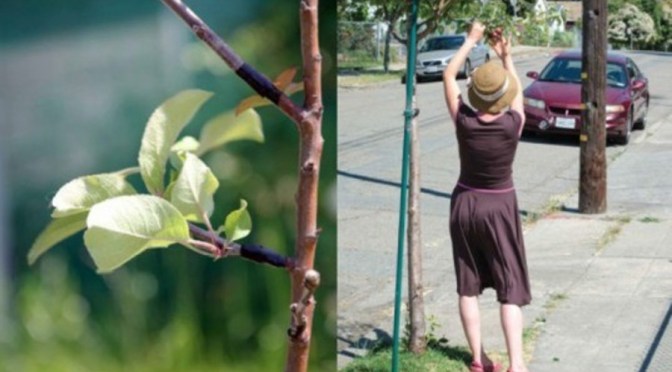
A group of food freedom fighters are sneaking out in the middle of the night (and sometimes in broad daylight) grafting fruit-producing limbs onto sterile urban trees, specifically bred not to bear fruit.
Known as the “Guerilla Grafters,” their mission is to provide free, healthy food where it’s needed most – urban food deserts.
Ever wonder why none of the trees in big cities produce anything useful, like nuts or fruit? According to the Guerilla Grafters, it’s because they are intentionally bred not to.
City planners specifically select sterile varieties of many common fruit trees (apples, pears, plums, cherries) because of their beauty to decorate their streets.
(NaturalHealth365) If you love fast food like nearly 37% of the United States population who eat it a day, you may be consuming industrial chemicals. That is exactly what a study published by George Washington University recently found.
The study examined the top fast food chains in the country by purchasing 64 fast food items from establishments in the San Antonio, Texas area, including Chipotle, McDonald’s, Domino’s, Burger King, Taco Bell, and Pizza Hut.
Upon testing their samples, the researchers found small amounts of harmful chemicals called phthalates in most food samples.
We’re a week behind with Wally’s newsletter. This is from last week, so this week’s will follow shortly. EWR
Nearly all plants start with seeds and the main functions of any plant is to reproduce itself by all means possible, which with many plants means flowering and seeding.
Think about that for a moment; the only purpose of a plant is to reproduce, it does not grow for show, to be eaten, to bathe in sun light, to convert carbon dioxide into oxygen, to provide health benefits.
They do all those things but as far as the plant is concerned it just wants to produce more of its own species and with each generation in a natural setting to become a stronger better specimen. If all conditions to grow in are good then a plant will germinate from seed slowly move to maturity and then flower to produce seeds and die if an annual, or have a rest if a perennial, to repeat again flowering in its next cycle.
A few such as bananas, no longer produce seeds in its fruit though you can see where the seeds used to be in the cross section of some bananas. By the way there are over a thousand different types of bananas in 50 sub groups. Bananas sucker or produce off sets which over time would form a clump. Gardeners break up clumps and plant separately each sucker. Bananas flower and as the flower emerges it produces ‘hands’ which are the banana fruit-to-be.
As gardeners your most important job is to either encourage seeds from the plants that you want and prevent seeds on any plants you do not want. When a plant’s life is threatened it will immediately go to seed even if it is still a baby plant. We see that in summer in waste areas such as gravel driveways where weed seeds germinate and grow and if there is not going to be any rain for some time (plants know this) they will quickly go to seed while there is still enough moisture to do so before they dehydrate and die. They are only a small replica of what they would be in better conditions. The seeds will remain in the dust and dirt waiting for rains to come and then germinate. In gardens where you are watering regularly the same weeds (they realise this) will grow to normal maturity before flowering and seeding. The old proverb applies ‘One year seeding is seven years weeding’.
There are major changes happening in the human world the beginnings of which are now seen, broken supply chains, manufacture closures and hyper inflation. Not good outlooks but you can prepare yourself to have the basics of life, Food, Water and Shelter.
More people are gardening and I am sure more will join us as the cost of food sources rise.
Which brings us back to the topic, Seeds.
The knowledge here is not new but was learned thousands of years ago and is even mentioned in the Bible. You grow a crop shall we say of lettuce, a quick and easy crop to grow all year round, fast to grow in summer with long daylight hours, but slow to grow in winter when we are down to about only 8 hours of sunlight a day. You plant ten lettuces, if you have chicken manure available you put a nice blob of it into the planting hole, put a little soil over it and in with your seedling. I have never seen lettuce grow so fast (in the summer time) with a half a cup of chicken manure in the root zone. Spray the crop every week or two with Magic Botanic Liquid (MBL) it will about double the size of the harvest.
Then you watch the crop’s progress as they head to maturity and you select one which you think is the best of the crop. You do not harvest that lettuce instead you let it stay on long after its fellows have been eaten so it goes to flower and then seeds. You will harvest more seeds than you are likely able to use in a life time if you harvest all.
When the seeds are dry you place them in a plastic bag with their type and date on the bag and you put that bag into a glass jar sealed with lid and into the fridge. You may have a dozen or more varieties of seeds in your jar, each named in their own plastic bags. Keep a few out to sow directly back into your garden or germinate to transplant. (Always best to direct sow)
Now you are going to do the same again; pick the best plant and let it go to seed, collect the seed and plant some for the third crop. Now that you have a new fresh supply of seeds you can give away to family and friends most of the seeds collected from the first crop. It pays to keep a small amount with the date. You are going to repeat the above and likely dependent on conditions where you are, you may have four or more crops a year.
Now an amazing thing happens; you will find that after a few crop cycles using the new seed from the latest crop that you have created a new strain of that plant which has adapted to your growing conditions and will be very superior to the initial plants.
If you are a miser and you only let the worst plant go to seed and you repeat that process crop after crop you will end up with some poor specimens. Vegetable crops that take longer to mature and seed will mean likely only two crops in a year and thus it will be much longer to get to your own superior strain.
Microgreens are all the rage right now, and for good reason. These edible seedlings are excellent sources of fiber and essential micronutrients, as well as powerful plant compounds.
Usually, microgreens are enjoyed as part of salads because of their fresh flavor and crisp texture. However, they can also be added to soups, pasta, sandwiches, meat mains and even smoothies.
Microgreens are available in most supermarkets and farmer’s markets. But they’re pretty easy to grow, even for beginner gardeners. The best part is, you can grow them indoors.
Microgreens are often confused with sprouts, but they’re not exactly the same. Microgreens are often harvested one or two weeks after germination when the plant is one to three inches tall and its first “true leaves” have emerged. When ready to harvest, the plant is snipped off just above the root.
(NaturalHealth365) Did you know that there are organic spices for diabetics that can help manage your blood sugar better? It is easy to add to any recipe and gives plenty of nutrients and specific health benefits. Many studies suggest that merely half a teaspoon of cinnamon a day can significantly reduce excess blood sugar levels.
But before you run to the health food store to buy cinnamon, don’t forget to add fenugreek, coriander, and clove seeds. These spices give you that extra kick of flavor while, at the same time, helping to stabilize your energy level.
The Plummery is a suburban home where a tiny urban permaculture garden measuring only 100sq/m (1076 sq feet) produces over 400kg/900 pounds of food year-round. Kat Lavers describes her approach to gardening, including vertical and biointensive growing, and how important it is – and possible! – for city dwellers to be food resilient in the face of natural, financial and social crises. We were very inspired by how little day-to-day effort goes into creating such an abundance of food! ** More about Kat Lavers and The Plummery ** Website: https://www.katlavers.com Instagram: https://www.instagram.com/kat.lavers
An old Chinese proverb states, “Eating pungent radish and drinking hot tea lets the starved doctors beg on their knees.”1 There’s probably some truth to this saying, as radishes are among the most nutritionally loaded low-calorie vegetables you can enjoy today.2
Most radishes in the U.S. are known for their red skin and round shape, but have you ever tried the long and white Asian variety called daikon?3 Discover the various benefits and culinary uses of daikon, and why it’s worthwhile to add to your diet.
What Is Daikon?
You may know it as an Oriental radish, but daikon (Raphanus sativus var. longipinnatus)4 actually goes by many names, including mooli, Satsuma radish,5 Chinese radish and most notably, Japanese radish.6 In fact, daikon is Japanese for “big root.”7
Daikon is believed to have originated in the Mediterranean regions8 and eventually spread to Asian countries like Japan, China and Korea, where it is utilized in various dishes.9 It is easily distinguished from other radishes by its large, vibrant green leaves and a long white root, resembling a pale carrot. Daikon can grow up to 18 inches long, and weigh 1 to 4 pounds.10
Daikon’s flavor is considered milder and less peppery than other radishes. Served raw, it is subtle and tangy with a crisp and juicy texture. When cooked, it tastes similar to cooked turnips.11
Although the root is the most utilized part of daikon, it is technically a cruciferous vegetable.12 In Asian countries, the root is commonly pickled and eaten as a side dish, or grated, cubed, or thinly sliced for addition to main dishes. Nevertheless, the leaves should not be thrown away, as they offer their own plethora of health benefits.13
You can enjoy daikon sprouts (called “kaiware” by the Japanese), which have a pungent and peppery flavor that adds a kick to sandwiches and salads.14 They are best consumed raw or used as garnish.15
5 Daikon Health Benefits
You can’t go wrong with adding daikon to your favorite meals, as it offers a multitude of nutrients that can be advantageous to your health.
Daikon is known to help boost a weak digestive system.16 A 2017 study also learned that isothiocyanates, which give daikon its peppery and pungent qualities,17 were found to help reduce the risk of breast cancer.18
Daikon also contains considerable amounts of potassium, vitamin C and phosphorus19 — nutrients essential for good health.
While you may think that daikon’s benefits are only available through the root, you’ll be surprised to learn that its leaves have impressive nutritional value, too.20 They’re actually loaded with vitamin A, which is essential for eye health, and vitamin C, iron and calcium.21
Daikon may help optimize your well-being by:
Boosting digestive health — Daikon may help facilitate better digestion of proteins and fats,22 which in turn helps inhibit constipation.23 Its antioxidants were also found to help trigger bile flow,24 which is essential in breaking down and absorbing fats.25
Assisting in detoxification — As a diuretic, daikon may help stimulate urination, which is necessary for keeping the kidneys clean.26
Bolstering your immunity — Daikon’s antibacterial and antifungal properties may help reduce the risk of bone or joint infections, gastroenteritis, meningitis and pneumonia.27
Promoting bone and skin health — Its high calcium content28 may help alleviate osteoporosis.29 The liquid from boiled daikon leaves is also known to help reduce excess skin oils and odors.30
Helping with weight management — Daikon is a low-calorie and low-cholesterol vegetable, but it is high in fiber and many other nutrients1 — qualities that are ideal for people who want to maintain a healthy weight.32
Remember, if you want to reap all of daikon’s health benefits, it’s best to use the entire vegetable.
How to Cook Daikon: Tips to Keep in Mind
As with other radishes, the potential of culinary uses for daikon is endless. It can be cooked multiple ways, as a wonderful addition to your favorite soups, stews or meat dishes. You can roast, slow cook, boil, bake, steam or eat it raw, just as you would with a carrot.33 Daikon also works well as a substitute for recipes that call for other vegetables or other types of radishes, as it’s extremely versatile.34
As mentioned above, daikon leaves should not be thrown away, as they are just as nutritious and flexible as the root. However, they’re best when eaten fresh, ideally on the day they are purchased. Remember to rinse them before adding to your meals.35 If this is not possible, then you can preserve them: Place the leaves in a wire basket and blanch in boiling water, and then freeze.36
Here is a recipe from Cook for Good37 that uses both daikon leaves and root — nothing goes to waste!
The coronavirus pandemic has inspired a lot of people to explore self-sufficiency in the form of scratch cooking and growing their own food. But for many first time gardeners, growing your own food is an intimidating task that brings up lots of questions: what to grow, where to grow it and, well, how not to screw it up? Is it as simple as throwing some seeds in some dirt, watering them and giving them sun? We asked an elementary school garden teacher for her tips: we figured, if she can teach young kids to grow their own food, she can teach you, too.
Sanaya Irani is a FoodCorps service member with Detroit Public Schools. She teaches kindergarteners through 6th graders how to turn nothing into something — how to feed themselves. She has found that “the detail-oriented aspects of gardening are especially challenging for students,” which is probably true for a lot of first time gardening adults as well. Here we dig into some of those details.
Often mentioned in the Bible as a sign of peace and prosperity,1 the fig tree is so ancient, remnants of the fruit have been discovered in Neolithic excavations sites circa 5000 B.C.2 Thought to be native to Western Asia or Egypt, figs were cultivated very early throughout the Middle East and Europe and finally reached England and China by the mid-1600s. Spanish missionaries planted orchards in California in 1769, where they still thrive today.3
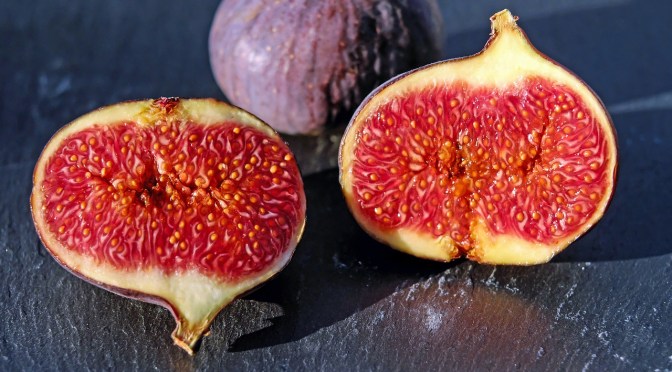
Belonging to the mulberry family, there is a plethora of fig tree varieties.4 Most of them are small at 10 to 30 feet and thrive in warm, dry climates. Pollinated by a tiny wasp, fig trees never blossom because the flowers are on the inside, producing dozens and sometimes hundreds of miniscule seeds that give figs their unique, crunchy texture.5
Considered exotic in some areas of the world, figs are sweet and juicy when ripe. They can be red, yellow, purple-skinned or green-striped,6 each with their own unique flavor. But before they reach optimal ripeness, figs are gummy with “latex,” which contains serious skin irritants, so protective measures for workers are sometimes mandated for fig production operations.7
Dried figs are sometimes roasted and ground as a coffee substitute or converted into alcohol as a liqueur or tobacco flavoring.8
Figs are quite perishable and should be refrigerated if not eaten within a few days. They should be placed in the coldest part of your fridge, and will stay fresh for several days.9 Like apples, figs are a great snack by themselves, but can also be added (peeled or unpeeled) to many recipes. It’s interesting that the seeds only add to the satisfying, tasty chewiness. Best at the firm-to-tender stage, the riper they are, the more antioxidants they provide.10
Health Benefits of Figs
Figs are high in fiber and are a good source of several essential minerals, including magnesium, manganese, calcium (which promotes bone density) and potassium (which helps lower blood pressure), as well as vitamins, principally K and A, as well as folate and choline.11
The nutritional value of figs by weight increases when they’re dried, and they also keep for a longer period of time. A 100-gram serving of fresh figs, for instance, provides 35 milligrams (mg) of calcium, but the same amount of dried figs has 162 mg of calcium.12
Keep in mind, though, at the same time, 100 grams of dried figs contain nearly 48 grams of total sugars — 10 more grams than the maximum amount of added sugars recommended for adult males for a whole day — while raw figs contain just a little over 16 grams. Therefore, it’s important to monitor how many figs you eat if you consume them dried.
Whether fresh or dried, figs contain powerful antioxidants that neutralize free radicals in your body and help fight disease.13 Figs also supply healthy amounts of dietary fiber, which keeps your digestive system regulated and may have a positive effect on weight management. According to one study, the fruits with the most fiber content include apples, dates, figs, pears and prunes, and there was a 34 percent reduction in breast cancer risk among women who consumed the most fruit fiber, compared to those who ate the least.14,15
Traditional medicine around the world has made use of figs as poultices on tumors, warts16 and wounds. The fruit and leaves have been pulverized and added to gargles to relieve sore throats.17
In some cultures, fig leaves are nearly as important as the fruit itself because of the unique health-related benefits they offer. This includes their ability to regulate blood sugar levels, since research has shown they contain properties that can actually reduce the amount of insulin needed by diabetics.18
As mentioned, despite their benefits, you should consume figs in moderation because they contain fructose (sugars), which may be harmful to your health in excessive amounts.
Amt. Per Serving
% Daily Value*
Calories
74
Total Fat
0.3 g
Saturated Fat
0.06 g
Trans Fat
Cholesterol
0 mg
Sodium
1 mg
Total Carbohydrates
19.18 g
Dietary Fiber
2.9 g
Sugar
16.26 g
Protein
0.75 g
Vitamin A 7 µg
Vitamin C
2 mg
Calcium 35 mg
Iron
0.37 mg
Studies Done on Figs
Natural phytochemicals with potent cytotoxic properties isolated from the ficus carica, as well as soybeans, were identified in one study as having inhibitory effects on the proliferation of various cancer cell lines.20
In another study, the fig variety Dottato was examined to assess its unique antioxidant, cancer-fighting, and phototoxic activity on melanoma cells. Data obtained indicated that this fig cultivar may be an excellent source of bioactive compounds such as phenolics, coumarins and fatty acids. This study offered a new perspective in developing other fig-containing formulations potentially useful in treating nonmelanoma skin cancers.21
Compared to other foods, figs were found to be one of the densest in phenolic antioxidants and nutrients, mostly fiber, in a study on the amount and quality of phenol antioxidants in dried and fresh fruits. Figs and dried plums had the highest nutrient score among dried fruits in trials of several individuals consuming them with carbonated beverages.
Scientists reported that fig antioxidants can enrich lipoproteins in plasma, protect them from subsequent oxidation, produce a significant increase in plasma antioxidant capacity for four hours after consumption and overcome the oxidative stress of consuming high-fructose corn syrup in a carbonated soft drink. The study conclusion was that:22
Figs are dense in phenol antioxidants and nutrients, especially fiber
They’re potent antioxidants (when they’re eaten)
Dried fruit makes up less than 1 percent of the fruits consumed by most Americans
Dried fruits should be eaten more often because of these findings
Scientists studying the effect of fresh fig “latex” on a stomach cancer cell line found that the latex acted as an anticancer substance without any toxic effect on normal cells. In another trial, dried figs were weighted down into 1 ml of distilled water for three months. After the water was drained, it was found that fig tree latex powder still retained its anticancer properties. Results showed that figs, dried or fresh, are possible subjects for helping treat stomach cancer.23
Ready to make your own yogurt in your home or hobby farm. Here are some of the most watch videos on easy to follow steps on how to make your own fresh yogurt at home. Now you can enjoy homemade yogurt with no added chemicals or artificial flavors.
Growing your own is not only for survivalists, it’s for anyone that wants to save some money at the grocery store! There are also other benefits to growing your own food such as knowing what going into the soil, you get more food for your money, and you can feel good about yourself because you helped something grow. Even if you don’t know the first thing about growing your own food, we have a basic list below to help you get started.
Decide what to grow
The first step in this process is to decide what you want to grow. You may love to get lettuce from the grocery, but it may be worth considering trying to grow your own instead.
Now that we are halfway through Spring and quickly heading towards the first month of Summer (December) there is a fair bit to do in our gardens so lets run a check list in case some things are missed. It will depend on what you have in your gardens as to whether any or all things concern you.
Roses: generally at this time we have new foliage, buds and some flowering taking place. If there is any sign of black spot or rust, spray the roses and soil underneath with a solution of potassium permanganate mixed at ¼ a teaspoon to a litre of non chlorinated water and spray. (It may stain walls etc temporarily). Repeat weekly till new foliage is clean.
Food for Roses ; ideal is horse manure, blood & bone otherwise sheep manure pellets with the blood & bone. These should be covered with some purchased compost. Add to this a sprinkling of Fruit & Flower Power once a month. If you want good roses avoid soil damaging fertilisers such as rose fertiliser and nitrophoska. Bio Boost is also a good natural slow release one and very well priced.
If you have roses that need recovery from past chemical sprays such as Shield (now banned) the chemicals will have broken down the natural immunity of your roses. You may like to start a recovery spray program which I wrote about originally just on 10 years ago.
On the first of the month mix the following at their label rates per a litre of water, PerKfection Supa for Roses, Magic Botanic Liquid, Mycorrcin & Wallys Neem Tree Oil. Spray late in the day just before sunset. Then on the 15th of the month repeat spray all the above except for PerKfection Supa. Only water with non chlorinated water so you don’t harm the beneficial soil life including the gardeners best friend, earthworms.
In some cases the health improvement of your roses will be quickly noticed; although some may have the additional problem of inherently poor breeding and always be a sickly specimen (even if they have brilliant flowers).
Lawns; I have had a number of inquiries about lawn problems starting with moss in lawns. Dont waste your money on sulphate of iron as it only burns the top of the moss which then it quickly comes back. Instead, jet spray the moss with Wallys Moss & Liverwort Control. It kills the moss completely without damaging the grasses. If there is a spongy feeling when walking on the lawn that indicates a thatch problem. Simply spray the lawn with Thatch Busta to clean up the thatch. (Do the moss killing first, wait about 2 weeks then the Thatch Busta.)
Bare patches in the lawn indicate the root damage caused by grass grubs in the autumn/winter period and these same grubs are now down deep, pupating to emerge shortly as beetles. They are too deep to do anything about them at this time so don’t waste your money on treating. The horse has gone so no need to close the gate.
Another bare patch problem with holes in the lawn indicate that porina caterpillars are at work eating at the base of the grass in the evening (while they are safe from birds) to return to their tunnels before dawn. A simple spray over the lawn with Wallys Neem Tree Oil will stop the damage and cause them to starve to death. In areas where porina are a problem treat the lawn this way every 3 months.
When the grass grub beetles emerge they are going to eat the foliage of several plants so after you have noticed holes in the leaves go out after dark with a torch and have a look. If you have beetles then spray then with a mix of Wallys Super Pyrethrum and Wallys Neem Tree Oil. Repeat nightly.
Also a bright light in a window facing the lawn with a trough two thirds full of water with a film of kerosene floating on the top; placed directly under the window pane, will trap lots of beetles (maybe a few Codlin Moths too) They fly at the bright light hit the pane and fall into the water where the kerosene stops them from escaping.
Feed the beetles to the chickens next morning or flush down the toilet.
Weeds; they certainly grow at this time of the year and as long as you deal to them before they set seed they are not too much of a problem.
In fact weeds are a excellent asset to your garden soils as they have taken up goodness which can be returned to great advantage. You could pull the weeds out, shake the soil off them and lay them back down on the soil. That is good but even better; with a sharp knife slice through the weeds just below soil surface. This leaves the roots in the soil to rot and provide food for the soil life and it does not disrupt the beneficial fungi in the soil. The foliage can be laid on the soil surface where it will be quickly devoured by the soil life and worms. Your soil will build up humus quickly if you spray the dying weeds with Mycorrcin.
Doing these things (sure it takes a bit of time but it is so therapeutic and anti-stressful) will over time make for dream gardens and plants.
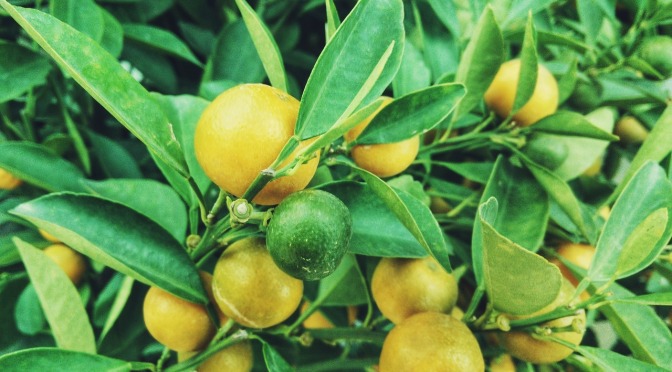
Citrus; its a good time to sprinkle Wallys Neem tree Powder underneath the citrus trees from the trunk to the drip line. This will help prevent insect damage. If you have chook manure give a good sprinkling of that otherwise any animal manure or sheep manure pellets along with blood & bone. Cover with compost. Sprinkle Fruit and Flower Power once a month. A spray of Wallys Liquid Copper with Raingard added in the spring and autumn will help with any citrus diseases. If the trees are looking a bit sad add Perkfection Supa to the copper spray.
In cases where wet feet have rotted roots treat the area with Terracin to suppress the pathogens and help save the tree. Three weeks later drench the soil with Mycorrcin.
Note always use non-chlorinated water which is easily achieved with a special carbon bonded filter on your outside tap. (Cost $140)
Pear Slugs; In warmer areas and later in cooler areas the pear slugs will attack pear and plum trees, they eat small holes in the foliage and look like a black slug. Simply spray the tree with Wallys Liquid Copper to control. Remember be nice to your gardens by being natural.
For something different
I wonder why over 50 NZ Doctors and medical professionals would put their careers and incomes in jeopardy by making a stand?
You may not have heard of this group they call themselves NZ Doctors Speaking out With Science and they have some interesting things to say.
New Zealand Bill of Rights Act 1990. Part II of the Act covers a broad range of Civil and Political Rights. As part of the right to life and the security of the person, the Act guarantees everyone:
1The right not to be deprived of life except in accordance with fundamental justice (Section 8)
2The right not to be subjected to torture or to cruel, degrading, or disproportionately severe treatment or punishment (Section 9)
3The right not to be subjected to medical or scientific experimentation without consent (Section 10)
4The right to refuse to undergo any medical treatment (Section 11)
Furthermore, the New Zealand Bill of Rights Act 1990 guarantees everyone: Freedom of Thought, Conscience, and Religion. This includes the right to freedom of thought, conscience, religion, and belief, INCLUDING THE RIGHT TO ADOPT AND HOLD OPINIONS WITHOUT INTERFERENCE (Section 1)
Let food be thy medicine and medicine be thy food.
QUESTION MORE
If you do not want to receive the weekly articles anymore (or other emails from us) then click the unsubscribe link below. Regards Wally Richards
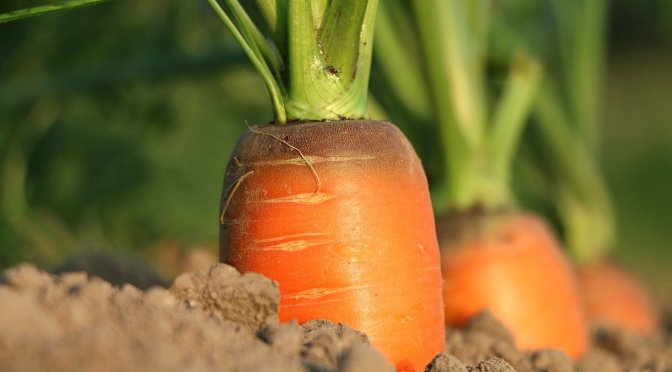
(NaturalHealth365) Carrots have a well-deserved reputation as a healthy food that can benefit eyesight. These sweet, crunchy root vegetables are extraordinarily high in beta-carotene, the plant pigment responsible for their brilliant orange color. The body converts beta-carotene to vitamin A, which is essential for vision. And lutein – another plant pigment in carrots – actually reduces the risk of age-related macular degeneration, the leading cause of blindness in older Americans.
While carrots’ most obvious health benefits center on protecting and enhancing vision, they do confer additional gifts – some of which may surprise you!
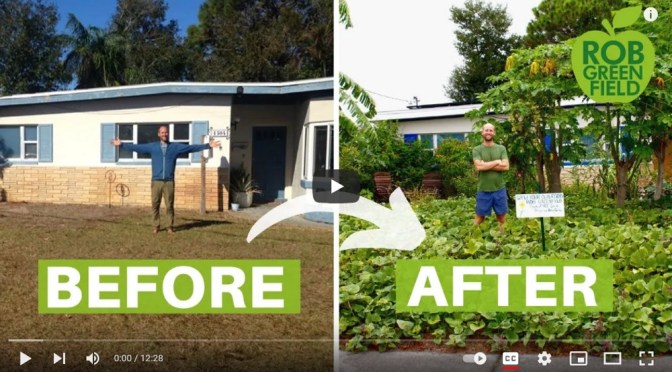
Rob Greenfield 366K subscribers Today I’m walking you through some simple tips on how to turn your lawn or backyard into a productive vegetable garden to grow your own food! Gardening Guide for Beginners: http://robgreenfield.org/freeseedproj… Rob Greenfield’s Guide to Gardening for Beginners in Orlando, Florida: http://robgreenfield.org/grow/ Thank you to Live Like Ally Foundation for their partnership in making this video. To learn more about Like Like Ally Foundation visit: https://www.llafoundation.com/ “Like” Live Like Ally on Facebook: https://www.facebook.com/livelikeally… Follow @live_like_ally on Instagram: https://www.instagram.com/live_like_ally Meet Ally: http://www.youtube.com/watch?v=RhJoyz… Filmed and edited by John VonMutius http://johnvonmutius.com Rob Greenfield’s work is Creative Commons and this content is free to be republished and redistributed, following the terms of the creative commons Attribution-NonCommercial 4.0 license. Learn about Creative Commons and see the guidelines here: http://www.creativecommons.org/licens… — Rob Greenfield is an activist and humanitarian dedicated to leading the way to a more sustainable and just world. He embarks on extreme projects to bring attention to important global issues and inspire positive change. 100% of his media income is donated to grassroots nonprofits. His YouTube channel is a source to educate, inspire and help others to live more sustainable, equal and just lives. Videos frequently cover sustainable living, simple living, growing your own food, gardening, self-sufficiency, minimalism, off the grid living, zero waste, living in a tiny house and permaculture. Find Rob Greenfield on: Website: https://www.RobGreenfield.org Instagram: https://www.instagram.com/RobJGreenfield @RobJGreenfield Facebook: https://www.facebook.com/RobGreenfield YouTube: https://www.youtube.com/RobGreenfield Twitter: https://twitter.com/RobJGreenfield @RobJGreenfield — Help us caption & translate this video! https://amara.org/v/C0JNV/
Self Sufficient Me 1.39M subscribers In this video, I give you 5 ways to QUICKLY become more self-sufficient! Support me on Patreon: https://www.patreon.com/selfsufficientme (the top tier $25 AU enables mentoring from yours truly via an exclusive VIP email where I will answer your questions etc ASAP). Using the links below also helps support my channel: Help support the Channel and buy a T-shirt/Merchandise from our Spreadshirt shop: https://goo.gl/ygrXwU or Teespring (below the video). Go here to get Birdies Raised Garden bed in the USA: https://shop.epicgardening.com/ and use SSME2020 for a 5% discount. Check out http://www.gardentoolsnow.com/ for tools I recommend to use. Shop on Amazon for plants or garden equip: https://bit.ly/2yRFNGQ Shop for plants or garden equip on eBay Australia: https://bit.ly/2BPCykb Blog: http://www.selfsufficientme.com/ (use the search bar on my website to find info on certain subjects or gardening ideas) Forum: http://www.selfsufficientculture.com Facebook: https://www.facebook.com/SelfSufficie… Twitter: https://twitter.com/SufficientMe Subscribe to my channel: http://goo.gl/cpbojR Self Sufficient Me is based on our small 3-acre property/homestead in SE Queensland Australia about 45kms north of Brisbane – the climate is subtropical (similar to Florida). I started Self Sufficient Me in 2011 as a blog website project where I document and write about backyard food growing, self-sufficiency, and urban farming in general. I love sharing my foodie and DIY adventures online so come along with me and let’s get into it! Cheers, Mark 🙂
(NaturalHealth365) The foods that you eat not only impact your waistline and your physical health, but they also affect the way you think and feel. You’ve probably always heard that you are what you eat – and it’s true, what you put in your body matters.
But, according to a review published in the March 2021 issue of Frontiers of Nutrition, it’s what you feed your brain that really counts.
Your “second brain” is smarter than you think
Your gastrointestinal system plays an integral role in not only your physical health but in your mood and mental health as well. This is because scientists have found that neural tissue doesn’t only exist in our brains. It lines our gut as well.
Rob Greenfield 366K subscribers Want to see what my life was like 3 years ago when I still lived in a “normal apartment?” I think many of you may find this more relatable and achievable than living in a tiny house or with just 111 possessions so I’m really excited to share this with you! This video was filmed May 2014 and the filmmaker never followed through to produce anything. It’s 3 years later and I finally had someone put the footage together. I hope it provides you some inspiration for simple and sustainable living in home in your apartment or house! For more tips on sustainable living at home check out these resources: My House Guide to Sustainable, Simple, and Healthy Living: https://www.RobGreenfield.org/Sustain… My Sustainable Living Series from my bike ride across the USA: https://www.RobGreenfield.org/Sustain… Thank you to F1LM (www.F1LM.org) for editing this video! — Rob Greenfield is an activist and humanitarian dedicated to leading the way to a more sustainable and just world. He embarks on extreme projects to bring attention to important global issues and inspire positive change. 100% of his media income is donated to grassroots nonprofits. His YouTube channel is a source to educate, inspire and help others to live more sustainable, equal and just lives. Videos frequently cover sustainable living, simple living, growing your own food, gardening, self-sufficiency, minimalism, off the grid living, zero waste, living in a tiny house and permaculture. Find Rob Greenfield on: Website: https://www.RobGreenfield.org Instagram: https://www.instagram.com/RobJGreenfield @RobJGreenfield Facebook: https://www.facebook.com/RobGreenfield YouTube: https://www.youtube.com/RobGreenfield Twitter: https://twitter.com/RobJGreenfield @RobJGreenfield — Help us caption & translate this video! http://amara.org/v/5lvl/
(NaturalHealth365) Heart disease is responsible for 655,000 deaths a year, making it the leading cause of mortality in the United States. (And, close to 50 percent of all American adults suffer from some form of heart disease.) But, that’s not the only disturbing statistic. With a shocking 40 percent of the adults in the United States classified as medically obese, and almost half of all American adults affected by diabetes or prediabetes, the overall picture is a population plagued by ill health and chronic disease.
And, while many factors contribute to this grim reality, experts agree on a primary culprit – the excessive consumption of processed, sugary foods and drinks. Now, new research published in Circulation, the journal of the American Heart Association, reveals just how many lives could be saved by reducing added sugars in packaged foods and beverages. (Fasten your seat belt – this figure may astonish you).
Plants have one objective in life and that is to reproduce.
Reproduction is mostly done by seeding (spore in ferns) but can be also achieved through division, suckering, cloning, producing bulblets or pups. The desire to reproduce is their strongest attribute which is one that can make gardening very difficult at times. (weeds, suckers, oxalis).
There are two basic forms of plants, one is called annuals because they germinate, grow, flower, seed and then die. The other type are perennials which live for a number of seasons or in the case of some trees thousands of years. There are inbetweens such as bi-annuals which for our purpose here we will not worry about them.
Perennials are fairly straight forward, they live, they flower, they produce seeds, they may produce off sets, suckers (new plants from their root system) all while they live for more than one season. They can have their foliage removed and survive to generate more foliage unlike an annual plant which if their foliage is removed the root system dies.
It is the annuals that we are going to talk about because as far as I am aware they only reproduce naturally by seeding.
(They can in some cases be grown from cuttings which in Nature if a bit of their foliage falls onto a suitable bit of dirt they could produce roots and become a clone of their parent plant.) Annual plants are very aware of the current growing conditions and as far as I can figure they have a reasonable insight on what the conditions are likely to be in days to come. Seeds will not germinate in Nature till the conditions are right which means temperatures in both soil and air along with adequate moisture. If the temperatures are right in summer but its too dry to germinate nothing happens till the soil moistens up sufficiently.
A day of rain changes the moisture level and the seeds laying dormant germinate (which includes weeds).
Two possible events may occur then; one is that further rain or your watering follows and the plants/weeds grow up tall and strong and when maturity is reached they produce flowers and seeds. The other possibility is there is no more rain and the soil dries, the plant/weed has only grown a few inches and it will realize that it is becoming too dry and immediately mature, flower and set seed before it dies. This is where you will see lots of baby weeds in dry areas flowering their hearts out to seed before they wither in the dry conditions. Their seed falls on to the dry dusty soil to wait for the next moist time to germinate and start the cycle all over again. From this we learn that annual plants or ones we call weeds when they encounter stress or checks in their growing they will feel that their lives are threatened and go to seed. We call this ‘Bolting’ and you will see the term bolt resistant which means the particular species will tolerate a bit of stress before going to seed.
When it comes to non fruiting vegetable plants we want them to reach maturity without going to seed prematurely. So our cabbages, lettuce, silverbeet, celery etc will produce good plants to harvest and eat. If left after maturity they will eventually go to seed. What we don’t want is the same plants to go to seed before they reach maturity. Some vegetables are very prone to bolting unless the growing conditions are perfect from the time they germinate to the point of maturity. One such plant is Pak Choy which I have found easily bolts at the merest check of growth.
Thus we have the gardening problem of bolting. If we are growing our own seedlings for planting out and we nurture the plants from germination to planting out by giving them adequate direct sun light, sufficient moisture for sustained growth (not drowning them) and we prick them out without damaging the roots after ‘hardening off’ and provide the young plants with good growing conditions we have great success.
If we fall down and the plants get into stress then later on they will likely go to seed. We call this a ‘check’ in their growth it could have been caused by becoming too dry, too hot, too cold, too soft and insufficient direct sun light.
When we buy vegetable seedlings we don’t know if they have suffered stress or not during their short lives to date. The nursery that grew them doesn’t usually make mistakes as its their income that suffers if they do so. Instead they give the plants optimum growing conditions and then harden them off before transporting to a retailer.
Hardening off is very important; when grown in a glasshouse where every thing is controlled the foliage of the seedlings is soft and if shoved straight out into the real world they are likely to die or suffer stress. To overcome this the seedlings are transferred to special houses where they are protected but gradually exposed to the elements.
An alternative is to spray them with Vaporgard to protect the soft foliage and they can then be hardened up quickly. When the seedlings reach a retail outlet they are often placed under cover where they can become soft again. Watering is a problem if they don’t receive sufficient for their needs. As the seedlings are bigger now and they have large root zones filling the cell pack or punnet they can dry out very quickly and may require watering more than once in a day.
The chances of being stressed before they are planted out in your garden have increased. If the plants are indoors out of natural light or in bundles they are soft and stressed. You plant them out and they lay down on the soil like left over road kill and they struggle to stay alive and grow. Then you wonder a few weeks later why they have gone to seed before they were ready to harvest. Vegetable plants that produce fruit such as tomatoes and capsicums there are no problems as you want them to seed/fruit and as long as they have not got too old in the pots they will likely be fine.
With flower plants the bigger the better and no worries about whether they have been stressed or not. When purchasing foliage type vegetables try to buy nice small young plants in cell packs (least root disturbance) so you can take them home and grow them on to plant out later.
A day before planting out spray the seedlings with Vaporgard over and under foliage this acts as a stress guard and reduces transplant shock, protects the plants from the elements and reduces moisture loss through foliage. Instead of laying down you plants will sit up and start growing much quicker in their new situation.
If you place Crop Cover over them with hoops you will protect the plants from birds, cats, insects and the elements. They will grow just about twice as fast which means you will be enjoying your own home grown vegetables much sooner. This allows you to re-plant and have more harvests during the growing season.
Let food be thy medicine and medicine be thy food!
Note: you can peruse Wally’s pages/sites here below. Further, if you want to ask him a question about your garden (or any glitches you may encounter) by phoning him at the 0800 number. For Kiwis, he’s local. That’s a real bonus. EWR
Self Sufficient Me 1.39M subscribers In this video , I give you my 5 top fruit trees that are too easy to grow in the home garden! Support me on Patreon: https://www.patreon.com/selfsufficientme Help support the Channel and buy a T-shirt/Merchandise from our Spreadshirt shop: https://goo.gl/ygrXwU or Teespring (below the video). Shop on Amazon for plants: https://bit.ly/2yRFNGQ Shop for plants on eBay Australia: https://bit.ly/2BPCykb Blog: http://www.selfsufficientme.com/ (use the search bar on my website to find info on certain subjects or gardening ideas) Forum: http://www.selfsufficientculture.com Facebook: https://www.facebook.com/SelfSufficie… Twitter: https://twitter.com/SufficientMe Subscribe to my channel: http://goo.gl/cpbojR Self Sufficient Me is based on our small 3-acre property/homestead in SE Queensland Australia about 45kms north of Brisbane – the climate is subtropical (similar to Florida). I started Self Sufficient Me in 2011 as a blog website project where I document and write about backyard food growing, self-sufficiency, and urban farming in general. I love sharing my foodie and DIY adventures online so come along with me and let’s get into it! Cheers, Mark 🙂
In this video, I show you what happens when you regrow vegetables from kitchen scraps in the garden. I plant out scrap onion, lettuce, potato, celery, cabbage, tomato, and carrots and we see how they grow over 3 months. Support me on Patreon: https://www.patreon.com/selfsufficientme (the top tier $25 AU enables mentoring from yours truly via an exclusive VIP email where I will answer your questions etc ASAP). My second channel: https://bit.ly/331edDu Using the links below also helps support my channel: Help support the Channel and buy a T-shirt/Merchandise from our Spreadshirt shop: https://bit.ly/3lmqMkr or Teespring https://bit.ly/3neEYO8 Go here to get Birdies Raised Garden bed in the USA: https://shop.epicgardening.com/ and use SSME2020 for a 5% discount. In Australia & New Zealand go to https://birdiesgardenproducts.com.au/ or https://birdiesgardenproducts.co.nz/ and use Code SSMEbird for a 5% discount. Check out http://www.gardentoolsnow.com/ for tools such as the Prong I recommend to use. Shop for plants or garden equip on eBay Australia: https://bit.ly/2BPCykb Blog: http://www.selfsufficientme.com/ (use the search bar on my website to find info on certain subjects or gardening ideas) Forum: http://www.selfsufficientculture.com Instagram: https://www.instagram.com/self_suffic… Facebook: https://bit.ly/2Zi5kDv Twitter: https://twitter.com/SufficientMe Subscribe to my channel: http://goo.gl/cpbojR Self Sufficient Me is based on our small 3-acre property/homestead in SE Queensland Australia about 45kms north of Brisbane – the climate is subtropical (similar to Florida). I started Self Sufficient Me in 2011 as a blog website project where I document and write about backyard food growing, self-sufficiency, and urban farming in general. I love sharing my foodie and DIY adventures online so come along with me and let’s get into it! Cheers, Mark 🙂






 Happen Films

 Rob Greenfield



You must be logged in to post a comment.