What’s behind “The Alarming Rise of Turbo Cancers”? This panel from the 2025 Moment of Truth conference, hosted by Children’s Health Defense, might just have the answer. Hear from Brian Hooker, Ph.D. along with Kevin McKernan, Derek Guillory, M.D. and Karl Jablonowski, Ph.D. as they expose the disturbing truth about the rise in these fast-acting tumors.
The constant exposure creates oxidative stress, which is a known precursor to chronic diseases like cancer, neurological disorders, and heart conditions.
Beyond the physical, 5G interferes with the body’s natural energy field and disrupts brainwave patterns, leading to anxiety, insomnia, and cognitive decline. In essence, 5G doesn’t just connect devices – it disconnects us from health, harmony, and higher consciousness. —-
Nothing to do with the S&E of course… nothing at all…note they include autism & infertility as possible outcomes … folk have been raising alarms on this for years while now it’s a handy go to for letting the aforesaid ‘treatment’ off the hook…
Startling new report finds hormone-warping chemicals in 99 PERCENT of food sold in American stores – which may raise risk of cancer, autism and infertility
Forever chemicals’ linked to cancer are found in virtually every food product sold in American stores, a shocking report suggests.
It comes amid growing fears about the massive amounts of chemicals being ingested by Americans every year – and whether it is related to a mystery spike in cancers among young people.
“PFAS is found in water, soil, air and food. It’s in your home, including in household products like stain- and water-repellant fabrics, cleaning products, nonstick cookware and paint — and likely in your drinking water…fast food containers and wrappers, microwave popcorn bags, pizza boxes and candy wrappers are common culprits. “
Story at-a-glance
Per- and polyfluoroalkyl chemicals (PFAS) may promote cancer metastasis, according to a study by researchers at the Yale School of Public Health
Researchers immersed two types of colorectal cancer cells in a PFAS solution for up to seven days; metabolic changes signaling cancer metastasis were observed, along with increased cell motility
Not only was the cells’ migration ability boosted, but they had a tendency to spread and penetrate membranes
PFAS may lead to altered gene expression and epigenetic changes that in turn cause inflammation, endocrine disruption and changes in metabolism and cell signaling that promote carcinogenesis
Other research shows exposure to PFAS may worsen the prognosis of patients with colorectal cancer
Per- and polyfluoroalkyl chemicals (PFAS) may accelerate the progression of colorectal cancer, according to a study by researchers at the Yale School of Public Health.1 The finding could even explain why firefighters, who regularly come into contact with PFAS in firefighting foam, are also more likely to develop and die from cancer, including colorectal cancer.2
PFAS are known as “forever chemicals” because of their persistence in the environment and ability to bioaccumulate in people and wildlife. In the human body, PFAS have half-lives of two to five years.3 Due to their ability to repel oil, dirt and water, they’re widely used in consumer products including nonstick cookware, stain-resistant fabric and firefighting foams.
As endocrine-disrupting chemicals, PFAS are known to affect hormones and metabolism, interfering with fertility, growth and development.4 However, PFAS may also contribute to cancer, including promoting its spread.5
PFAS Could Promote Cancer Metastasis
Perfluorooctanoic acid (PFOA), one type of PFAS, is categorized as carcinogenic to humans by the International Agency for Research on Cancer, while perfluorooctanesulfonic acid (PFOS) is considered possibly carcinogenic to humans.6
Due to chemical exposures on the job, firefighters have higher levels of PFAS in their bodies than the general population, and they’re also more likely to develop colorectal cancer. About 80% of these cancer cases are believed to be due to environmental exposures.7
“We look at patterns that occur within an exposed group of people or a diseased group of people, then try to generate a hypothesis as to why somebody may develop a disease or have progression of disease,” study author Caroline Johnson, Ph.D., associate professor of epidemiology, said.8
For the study, researchers immersed two types of colorectal cancer cells in a PFAS solution for up to seven days. Metabolic changes signaling cancer metastasis were observed, along with increased cell motility. “It doesn’t prove it’s metastasis, but they have increased motility, which is a feature of metastasis,” Johnson said.9
Not only was the cells’ migration ability boosted, but they had a tendency to spread and penetrate membranes. According to a news release from Yale School of Public Health:10
“In another experiment, researchers grew the cells as a flat, two-dimensional layer, then drew a scratch down the middle, separating half of the cells from the other half. When they added PFAS, the cell lines grew and migrated back together again … Metabolomic analysis revealed the spheroids were producing a variety of fatty acids, amino acids, and signaling proteins in patterns previously linked to metastasis.
Small-chain fatty acids, which can protect against tumors and inflammation, were downregulated.”
The study used PFAS exposure levels similar to those in firefighters and others who have increased exposure, such as people living near military bases, landfills, airports and wastewater treatment plants. The researchers intend to conduct additional studies to see if lower levels of PFAS exposure, such as what an average person might be exposed to on a daily basis, have similar effects.
PFAS Exposure May Worsen Colorectal Cancer Prognosis
Other research shows exposure to PFAS may worsen the prognosis of patients with colorectal cancer.11 Every quantile increase in PFAS mixtures was associated with a 4.67% increase in the numbers of metastatic lymph nodes in colorectal cancer patients.
Further, the number of metastatic lymph nodes in patients with serum PFOA concentrations in the 95th percentile was 27% higher than in those with concentrations at the threshold level.12 Some evidence also suggests that PFOS exposure leads to gastrointestinal inflammation that contributes to ulcerative colitis, a precursor to colorectal cancer.13
PFAS may lead to altered gene expression and epigenetic changes that in turn cause inflammation, endocrine disruption and changes in metabolism and cell signaling that promote carcinogenesis.14 Writing in Frontiers in Toxicology, researchers explained, “Current literature suggests a link between long-term PFOS exposure, lipid metabolism dysregulation, inflammation, microbiome dysfunction and the etiology of colorectal cancer.”15
Exposure to PFAS has previously been linked to thyroid cancer. Researchers looked into associations between plasma PFAS levels and thyroid cancer diagnosis. Using data from 88 patients with thyroid cancer and 88 matched controls without thyroid cancer, the team measured levels of eight PFAS, finding a significant association.
“There was a 56% increased rate of thyroid cancer diagnosis per doubling of linear perfluorooctanesulfonic acid (n-PFOS) intensity,” according to the study.16 Another analysis was conducted on a subgroup of 31 patients who were diagnosed with thyroid cancer a year or more after enrolling in the study.
This analysis also found an association between exposure to PFOS and thyroid cancer risk, as well as exposure to several other PFAS, including branched perfluorooctanesulfonic acid, perfluorononanoic acid, perfluorooctylphosphonic acid and linear perfluorohexanesulfonic acid.17
PFAS may contribute to cancer via multiple mechanisms, incuding causing changes in epigenetics, immunosuppression, oxidative stress and inflammation or via hormone and metabolomic pathways. An accumulation of epigenetic events induced by PFAS exposure can “synergistically amplify tumorigenicity and cancer progression,” the team explained, adding that immune system suppression and chronic inflammation also likely play a role:18
“PFOS and PFOA have been found to be immunotoxic in epidemiological and animal studies. Suppression of the immune system can affect the body’s response to foreign antigens, including those on tumor cells.
PFOS exposures are inversely associated with decreased anti-mumps and anti-rubella antibodies and reduced antibody response to tetanus and diphtheria among children, demonstrating the ability of PFOS to cause systemic immunosuppression.
Chronic inflammation, which can drive cancer development, has been linked with PFOS exposures … Finally, PFOS activates peroxisome proliferator-activated receptors, which contributed to development and regulation of thyroid cancers.”
Additional Health Risks of PFAS Exposure
Exposure to high levels of PFAS is known to cause significant health problems, including damage to the immune system, and evidence from both human and animal studies shows that such exposure may reduce your resistance to infectious disease.19 It may also harm vision health — a concerning finding since PFAS are often found in contact lenses.20
A large population-based study conducted in China found exposure to PFAS increased the risk of visual impairment,21 possibly by inducing oxidative stress. “PFASs are proven pro-oxidants and exposure to these emerging pollutants elicits DNA damage, lipid peroxidation, generation of reactive of species (ROS), and inhibition of anti-oxidant enzymes, as well as triggers signaling cascades like apoptosis,” they explained.22
Military members who were exposed to PFAS on military bases have also suffered from a number of eye conditions, including myopia, hyperopia, astigmatism and presbyopia.23 The U.S. Environmental Protection Agency also acknowledges that PFAS exposure is harmful and states that peer-reviewed scientific studies have shown exposure to PFAS may cause:24
Reproductive effects such as decreased fertility or increased high blood pressure in pregnant women
Developmental effects or delays in children, including low birth weight, accelerated puberty, bone variations or behavioral changes
Increased risk of some cancers, including prostate, kidney and testicular cancers
Reduced ability of the body’s immune system to fight infections, including reduced vaccine response
Interference with the body’s natural hormones
Increased cholesterol levels and/or risk of obesity
PFAS are also known to accelerate metabolic changes that lead to fatty liver. “This bioaccumulation,” researchers wrote in Environmental Health Perspectives, “coupled with the long half-lives of many PFAS, leads to concern about the potential for PFAS to disrupt liver homeostasis should they continue to accumulate in human tissue even if industrial use is abated.”25
Further, PFAS exposure may be causing inflammation and oxidative stress in youth, thus contributing to a variety of diseases such as obesity, insulin resistance, increased risk for fatty liver disease and potentially cancer.26,27
Where Are PFAS Found?
The ubiquitous nature of PFAS is part of what makes them so toxic. There are more than 9,000 PFAS,28 and exposure is so widespread that PFAS have been found in 97% of Americans.29 PFAS is found in water, soil, air and food. It’s in your home, including in household products like stain- and water-repellant fabrics, cleaning products, nonstick cookware and paint — and likely in your drinking water.30
Fast food containers and wrappers, microwave popcorn bags, pizza boxes and candy wrappers31 are common culprits. They’re also found in pasta and tomato sauces, sports bras, tampons and dental floss,32 as well as Thinx period underwear.33
PFAS on farmland is another major issue — one that’s been called a “slow-motion disaster”34 — due to the use of toxic human waste sludge as fertilizer. An estimated 20 million acres of U.S. farmland may be contaminated with PFAS as a result.35
While foods grown with PFAS-contaminated sewage sludge are not labeled as such, your best bet for avoiding them is to support sustainable agriculture movements in your area. Make it a point to only buy food from a source you know and trust, one using safe, nontoxic organic or biodynamic farming methods. Eating mostly fresh, whole foods will also help you cut down on exposure to these chemicals in food packaging.
Filtering your drinking water is also important to remove PFAS. The New Jersey Drinking Water Quality Institute recommends using granulated activated carbon “or an equally efficient technology” to remove chemicals such as PFOA and PFOS from your drinking water. Activated carbon has been shown to remove about 90% of these chemicals.36
Reverse osmosis can also remove some — but not all — PFAS.37 You can find additional helpful tips to reduce your exposure to forever chemicals in EWG’s “Guide to Avoiding PFAS.”38
Pretreated or stain-repellent treatments — Opt out of these treatments on clothing, furniture and carpeting. Clothing advertised as “breathable” is typically treated with polytetrafluoroethylene, a synthetic fluoropolymer.
Products treated with flame retardant chemicals — This includes furniture, carpet, mattresses and baby items. Instead, opt for naturally less flammable materials such as leather, wool and cotton.
Fast food and carry-out foods — The containers are typically treated.
Microwave popcorn — PFAS may be present in the inner coating of the bag and may migrate to the oil from the packaging during heating. Instead, use “old-fashioned” stovetop non-GMO popcorn.
Nonstick cookware and other treated kitchen utensils — Healthier options include ceramic and enameled cast iron cookware, both of which are durable, easy to clean and completely inert, which means they won’t release any harmful chemicals into your home.
Personal care products containing PTFE, “fluoro” or “perfluoro” ingredients such as Oral B Glide floss — The EWG Skin Deep database is an excellent source to search for healthier personal care options.39
Polyphenols are natural plant chemicals with powerful antioxidant properties that help combat inflammation, cardiovascular disease, cancer, dementia, osteoporosis, insulin resistance and more
Polyphenols help protect your heart health by enhancing bioactivity of flavonoids in the lining of your blood vessels; reducing clumping of platelets in your blood; scavenging free radicals and lowering inflammation
Animal research found purple potatoes lowered proinflammatory interleukin-6 — a protein known to promote colon cancer — nearly sixfold compared to the control diet in pigs
A drawback of potatoes is they’re high in starch. By cooling cooked potatoes in the refrigerator, a significant portion of the starch will transform into gut-healthy digestive resistant starch
Other research shows polyphenols help inhibit proliferation of colon cancer cells and induce cancer cell apoptosis (programmed cell death) through oxidant-mediated mechanisms
Editor’s Note: This article is a reprint. It was originally published October 9, 2017.
Polyphenols1,2 (also known as phenolics) are phytochemicals, natural plant chemicals with powerful antioxidant properties. There are over 8,000 identified polyphenols found in foods such as tea, wine, chocolates, fruits and vegetables. Antioxidants — which in addition to polyphenols include carotenoids and allyl sulfides — help protect your cells from free radical damage, thereby controlling general aging and disease potential.
If your body does not get adequate protection, free radicals can cause cellular damage and dysfunction, raising your risk for chronic diseases such as heart disease, cancer and Alzheimer’s disease, just to name a few.
Polyphenols can be broken down into four general categories — flavonoids, stilbenes, lignans and phenolic acids — with additional subgroupings3 based on the number of phenol rings they contain, and on the basis of structural elements that bind these rings to one another.
As a general rule, foods contain complex mixtures of polyphenols, with higher levels found in the outer layers of the plants, such as the skin.4 Polyphenols give fruits, berries and vegetables their vibrant colors and contribute to the bitterness, astringency, flavor, aroma and oxidative stability of the food.
The Role of Polyphenols in Human Health
In the human body, polyphenols have diverse biological functions and properties, including:5,6
Fighting cancer cells7,8,9,10 and inhibiting angiogenesis11 (the growth of blood vessels that feed a tumor)
Protecting your skin against ultraviolet radiation
Fighting free radicals and reducing inflammation
Promoting brain health12
Reducing the appearance of aging
Protecting against dementia and Alzheimer’s disease13,14
Modulating your gut microbiome. Polyphenols have a prebiotic effect, nourishing beneficial bacteria15,16,17,18
Improving bone metabolism, reducing your risk for osteoporosis19,20
Promoting normal blood pressure and protecting your cardiovascular system, thereby lowering your risk for cardiovascular disease.21,22 Flavonoid polyphenols help to reduce the clumping of platelets in your blood and improve the function of your cells that line your arteries and veins23
Supporting normal blood sugar levels,24 stabilizing fat metabolism and reducing insulin resistance, thereby lowering your risk for Type 2 diabetes
As noted in a 2010 scientific review in the journal Nutrients:25
“Research in recent years strongly supports a role for polyphenols in the prevention of degenerative diseases, particularly cancers, cardiovascular diseases and neurodegenerative diseases … Recent studies have revealed that many of these diseases are related to oxidative stress from reactive oxygen and nitrogen species.
Phytochemicals, especially polyphenols, are the predominant contributor to the total antioxidant activities of fruits, rather than vitamin C.
Polyphenols have been found to be strong antioxidants that can neutralize free radicals by donating an electron or hydrogen atom … Polyphenols … complement and add to the functions of antioxidant vitamins and enzymes as a defense against oxidative stress caused by excess reactive oxygen species (ROS).
Although most of the evidence of the antioxidant activity of polyphenols is based on in vitro studies, increasing evidence indicates they may act in ways beyond the antioxidant functions in vivo. Modulation of cell signaling pathways by polyphenols may help significantly to explain the mechanisms of the actions of polyphenol-rich diets.”
How Polyphenols Protect Your Heart Health
The research supporting polyphenols in the prevention and treatment of cardiovascular disease is particularly well-documented.26 For example, higher intakes of fruit-based flavonoids (specifically anthocyanin-rich foods — fruits and berries with a blue, red or dark purple hue — and those high in flavanones, particularly citrus fruits like grapefruit, lemons and oranges) has been found to lower the risk of nonfatal myocardial infarction and ischemic stroke in men.27
Keep in mind that to reap these benefits, you need to eat the whole fruit, not fruit juice, which is simply too high in fructose for optimal health. Excessive fructose is associated with insulin resistance and associated health problems, including diabetes and heart disease. Here’s a sampling of other studies showing how polyphenols helps protect your heart health:
A systematic review of 14 studies found intake of six classes of flavonoids: flavonols, anthocyanidins, proanthocyanidins, flavones, flavanones and flavan-3-ols, can significantly decrease your risk of heart disease28
Researchers have long puzzled over how flavonoids help prevent heart disease, but a study29 published last year suggests it has to do with the fact that metabolism of flavonoids enhances their bioactivity in endothelial cells, which form the lining of your blood vessels
Flavonoids also help to reduce the clumping of platelets in your blood.30 Platelet clumping is one potential precursor in heart attacks and angina
As antioxidants, polyphenols scavenge free radicals and reduce inflammation in your body
Polyphenols also inhibit vascular endothelial growth factor (VEGF), which causes complications with atherosclerotic plaques in the arteries, a factor in cardiovascular disease31
How a plant is grown can influence its healing potential by altering the concentration of plant chemicals in it, including its antioxidant content. As noted in a 2004 paper,32 agricultural practices and industrial processes can reduce the health effects of the polyphenols in the food.
Previous research33 shows organically and sustainably grown foods contain statistically higher levels of polyphenols compared to conventionally grown varieties, so whenever you can, try to stick to organic.
Herbs and spices are another great source of polyphenols, so you can’t really go wrong by adding them liberally to your cooking. Berries of all sorts are also an excellent source. Foods that are naturally blue or purple in color are a tipoff that they contain higher amounts of polyphenols. Examples include blueberries, mulberries and purple potatoes, the latter of which were investigated for their ability to lower your risk of cancer and other chronic diseases.
Purple Potatoes May Lower Risk for Colon Cancer
The study34,35 in question investigated the effects of purple potatoes in pigs fed a high-calorie diet, which has been linked to an increased risk of colon cancer. Pigs were fed one of three diets for 13 weeks:
High-calorie diet
High-calorie diet supplemented with raw or baked purple potatoes, rich in phenolic acids and anthocyanins — antioxidant compounds shown to have anticancer properties36
Standard control diet
Compared to the control diet, the high-calorie diet was (as expected) found to increase the level of interleukin-6 (IL-6), a proinflammatory protein known to promote cancer in the colon. The potato-supplemented diet, on the other hand, lowered IL-6 nearly sixfold compared to the control group. According to the authors:
“Anti-IL-6 therapeutics are available for treating colon cancer; however, they are expensive and induce negative side effects. Thus, whole foods could be a better way to combat low-grade chronic colonic inflammation and colon cancer. Whole plant foods have been shown to decrease chronic diseases due to the potential of anti-inflammatory dietary compounds acting synergistically.
We observed that supplementation of HCD [high-calorie diet] with anthocyanin-containing purple-fleshed potatoes, even after baking, suppressed HCD-induced IL-6 expression and … IL-6-related proteins … Our results highlight the importance of IL-6 signaling in diet-linked induction/prevention of colonic inflammation/cancer and demonstrate the potential of a food-based approach to target IL-6 signaling.”
Other research confirms the anticancer benefits of polyphenols, especially for colon cancer. A study37 published last year found polyphenols helped inhibit the proliferation of colon cancer cells and induce cancer cell apoptosis (programmed cell death) through oxidant-mediated mechanisms.
How to Boost Health Effects of Potatoes
A drawback of potatoes is they’re high in starch. By raising your blood sugar, starchy foods contribute to insulin resistance and, ultimately, Type 2 diabetes. Interestingly, by cooking a normally digestible starch such as potato and then cooling it in the refrigerator will alter its chemistry through a process called retrogradation, transforming much of the starch into digestive-resistant type starch.38
As its name implies, digestive-resistant starch refers to low-viscous dietary fibers that resist digestion in the small intestine and slowly ferment in your large intestine. In one study, refrigerating cooked potatoes for 24 hours increased resistant starch by 57%.39
Digestive-resistant starches act as prebiotics, feeding healthy bacteria and improving fat oxidation. In one study, replacing 5% of daily carbohydrates with digestive-resistant starch from whole foods like cooked and chilled potato or underripe banana raised post-meal fat burning by as much as 30%.40
Resistant starch also adds significant bulk to your stools and help you maintain regular bowel movements. And, since they’re indigestible, resistant starches do not result in blood sugar spikes. In fact, research suggests resistant starches actually help improve insulin regulation, thereby reducing your risk of insulin resistance.41,42,43,44
Health Benefits of Mulberry
Mulberries are also rich in polyphenols and other antioxidants. As far back as the Roman Empire, mulberries were used to treat diseases of the mouth, throat and lungs. Native Americans discovered them to have a laxative effect and used them to treat dysentery.45 I planted two twigs a few years back and now I have a mini forest of mulberry shrubs and harvest about 10 gallons of mulberries a year.
Nutritionally, mulberries contain an assortment of high-powered nutrients, such as vitamins A, B complex, C, E and K, each bringing their own constituents for health. They also contain iron, potassium and magnesium. One of the most beneficial resources in mulberries is resveratrol, said to “promote heart health and overall vitality.” According to the Institute for Traditional Medicine:46
“Traditionally, mulberry fruit has been used as a medicinal agent to nourish the yin and blood, benefit the kidneys and treat weakness, fatigue, anemia and premature graying of hair. It is also used to treat urinary incontinence, tinnitus, dizziness and constipation in the elderly and the anemic.”
In addition to historical uses, modern research has found mulberries can help improve your:
Digestive health — Mulberry contains 25% soluble fiber and 75% insoluble fiber. Both of these dietary fibers can help improve overall digestive health by promoting regular bowel movement and lowering your risk of stomach diseases47
Blood vessel health — Mulberry can help keep your blood vessels healthy thanks to its resveratrol content. This antioxidant helps increase the production of nitric oxide, which allows your vessels to relax48
Blood sugar control — Mulberry contains a special antioxidant called DNJ (1-deoxynojirimycin) that inhibits an enzyme in your gut that breaks down carbohydrates into sugar. Since it lowers the amount of sugar going into your system, it is considered beneficial for diabetics who want to control their condition49
Liver health — According to one study, mulberry can help prevent the buildup of fatty deposits around your liver, which can lower your risk of various hepatic diseases50
Make Polyphenol-Rich Foods Part of Your Daily Diet
It is generally recognized that polyphenols are powerful nutrients that protect your health by fighting against free radicals and preventing damage from oxidation. Free radicals are highly reactive molecules that steal electrons from important tissues like your DNA, proteins and cell membranes.
The loss of an electron, in turn, oxidizes these cells, which makes them unstable and easily breakable. As this free radical damage continues, cells can no longer perform properly; tissues begin to degrade and disease sets in.
That said, free radicals are not all bad, and you don’t want to eliminate all of them. They actually serve as important signaling molecules and play a role in your immune system, attacking foreign invaders and pathogenic bacteria. Eliminating most of them, or aiming for complete eradication, can lead to the opposite problem of actually creating more damage.
Free radicals are a natural byproduct of breathing; antioxidants mop up the excess and leave the rest to fulfill their other functions. This fine balancing act can be easily tipped to the point of either too much or too little. A diet rich in organic fruits, vegetables and nuts will typically supply you with the antioxidants needed to walk this fine line.
One reason why a varied diet of real food works better than simply taking antioxidant supplements is the fact that the isolated antioxidant may not be the exact one your body needs at that moment.
Fruits and veggies, on the other hand, contain a wide array of plant compounds, not just antioxidants such as polyphenols, creating a synergistic effect where the total benefit is far greater than the sum of its parts. Simple ways to increase the intake of antioxidants in your diet include:
Juicing a wide variety of vegetables
Eating fresh berries and nuts
Liberally adding fresh herbs and spices to your cooking
Jesse Montana, friend of reality TV star Ariana Madix, has a brain tumor; “Former Fox 5 reporter [San Diego] battles rare cancer”
Pope Francis announced at a seminar this week that he was diagnosed with “very acute infectious bronchitis.”
The pontiff made the announcement at the Vatican’s “Ethics in Health Management” seminar on Thursday, joking to the audience, “As you can see, I am alive.”
“Thank God it wasn’t pneumonia. It is a very acute, infectious bronchitis. I do not have a fever anymore, but am still on antibiotics and such,” Pope Francis told the health care professionals in attendance.
For those at high risk, colonoscopies may be useful, but it’s important to weigh the potential benefits against the potential harms
In one study, those who were invited to get colonoscopies had an 18% lower risk of colorectal cancer than the unscreened group, but there was no statistically significant reduction in the risk of death from colorectal cancer
One analysis found a death rate of 3 per 100,000 colonoscopies, along with serious adverse events in 44 per 10,000, “with a number needed to harm of 225”
Other risks include bleeding after removal of a precancerous polyp, perforation and anesthesia complications
To avoid contaminated equipment, contact the clinic or hospital ahead of time to find out about sterilization procedures; you’re looking for a hospital that uses peracetic acid — not glutaraldehyde (Cidex) — to sterilize its flexible endoscopes
I’m 69 and I’ve never had a colonoscopy. I also have no plans to get one. While I believe they can be valuable in some circumstances, I feel confident that with my rigid avoidance of omega-6 linoleic acid (LA) and lifestyle it’s highly unlikely I will develop any cancer, let alone colon cancer.
For those at high risk, colonoscopies may be useful, but it’s important to weigh the potential benefits against the potential harms. Though they’re touted as the gold-standard recommendation for colorectal screening, colonoscopies are not risk-free, nor are they guaranteed to reduce your risk of colorectal cancer death.1
The U.S. Preventive Services Task Force recommends adults between the ages of 45 and 75 be screened for colorectal cancer every 10 years.2 As a result, about 15 million colonoscopies are performed every year in the U.S.3 Before scheduling your colonoscopy appointment, here’s what you should know to make an informed decision about whether or not this screening tool is right for you.
What Is a Colonoscopy?
During a colonoscopy, a doctor uses a thin, flexible, lighted tube with a camera on the end to view the inside of the rectum and the entire colon. Visual inspection is a reliable way to check for colon cancer, and if polyps, some of which may turn into cancer over time, are found in their early stages, your doctor can snip them off then and there.
So, a colonoscopy is not only a diagnostic tool; it can also serve as a surgical intervention. During the procedure, the doctor will take a picture of the polyp, clip it, capture it and send it for a biopsy. So, depending on your risk factors, it’s something to consider.
However, colonoscopy is not the only screening option for colorectal cancer. There are also less invasive stool tests, including the guaiac-based fecal occult blood test (gFOBT) and fecal immunochemical test (FIT), which check for the presence of blood or antibodies in your stool. There’s also a FIT-DNA test, sometimes called the stool DNA test, which combines FIT with a test to look for altered DNA in your stool.4
Flexible sigmoidoscopy and computed tomography (CT) colonography, also called virtual colonoscopy, are additional options. Flexible sigmoidoscopy is similar to a colonoscopy but uses a shorter and smaller scope, so it cannot see as far up into your colon.
Many doctors fail to review the benefits and risks of each screening option with their patients, however, and instead only recommend colonoscopy.5 But there are significant drawbacks worth noting.
Colonoscopies Reduce Cancer Diagnoses — But Not Cancer Deaths
A 2022 study published in The New England Journal of Medicine found the benefits of colonoscopies are not as great as they’re made out to be.6
The Northern-European Initiative on Colon Cancer (NordICC) study — a randomized trial involving 84,585 adults between 55 and 64 years of age — assigned participants in a 1-to-2 ratio to receive an invitation to undergo a colonoscopy or to receive no invitation or screening. None of the participants had gotten a colonoscopy previously.
After 10 years, those who were invited to get colonoscopies had an 18% lower risk of colorectal cancer than the unscreened group.7 However, there was no statistically significant reduction in the risk of death from colorectal cancer in the group invited to screening. The researchers intend to follow the participants for another five years to see if anything changes, but according to the study:8
“The risk of death from colorectal cancer was 0.28% in the invited group and 0.31% in the usual-care group … The number needed to invite to undergo screening to prevent one case of colorectal cancer was 455 … The risk of death from any cause was 11.03% in the invited group and 11.04% in the usual-care group.”
There were some limitations to the study, including a low uptake rate for those invited to get a colonoscopy. Only 42% of those invited to do the procedure actually did so. When the researchers analyzed the results based only on those who received colonoscopies, the procedure reduced the risk of colorectal cancer by 31% and reduced the risk of dying from colorectal cancer by 50%.9
Still, speaking with STAT News, Dr. Samir Gupta, a gastroenterologist who was not involved with the study, noted, “This is a landmark study. It’s the first randomized trial showing outcomes of exposing people to colonoscopy screening versus no colonoscopy. And I think we were all expecting colonoscopy to do better. Maybe colonoscopy isn’t as good as we always thought it is.”10 Even study author Dr. Michael Bretthauer said:
“It’s not the magic bullet we thought it was. I think we may have oversold colonoscopy. If you look at what the gastroenterology societies say, and I’m one myself so these are my people, we talked about 70, 80, or even 90% reduction in colon cancer if everyone went for colonoscopy. That’s not what these data show.”
Bretthauer suggested colonoscopy may, in practice, reduce colorectal cancer risk by 20% or 30%, which is close to reductions offered by other less expensive, and less invasive, screenings, including fecal testing.
Colonoscopy is a medical procedure with significant risks, including a risk of death. The risk of death from a colonoscopy from one source was 1 in 16,318 procedures evaluated.11 In the same analysis, the researchers also found 82 suffered serious complications. Another analysis found a death rate of 3 per 100,000 colonoscopies, along with serious adverse events in 44 per 10,000, “with a number needed to harm of 225.”12
Other risks include bleeding after removal of a precancerous polyp and perforation. A systematic review and meta-analysis found the risk of perforation after colonoscopy was about 6 per 10,000 while the risk of bleeding was about 24 per 10,000 procedures.13 However, the risks can vary significantly depending on where the procedure is performed and depend on the skill level of the physician doing the procedure.
The risk of perforation at Baylor University Medical Center, according to one study, was 0.57 per 1,000 procedures or 1 in 1,750 colonoscopies.14 Other complications related to anesthesia can also occur, including aspiration pneumonia, along with intraperitoneal hemorrhage.15
Across the U.S. 34.4% of those undergoing a colonoscopy used anesthesia,16 which increases the overall risk of complications. In the Northeast, use of anesthesia was associated with a 12% increased risk of complications, but this rose to 60% among colonoscopies performed in the West.17
Generally speaking, you should opt for the lightest level of sedation possible, or none at all, to reduce anesthesia-related risks. Those who have sleep apnea, obesity, high blood pressure or diabetes are at increased risk of anesthesia complications.18
Dysbiosis and other gut imbalances, caused by the process of flushing out your intestinal tract with harsh laxatives before the procedure, are another concern.19 Meanwhile, research suggests up to 25.7% of all colonoscopies are unnecessary,20 so you must carefully consider whether the risks outweigh the benefits for your individual scenario.
How well the colonoscopy equipment is sterilized between patients also affects the riskiness of the procedure, as David Lewis, Ph.D., and I discuss in the short video above. One common issue is that endoscopes have expensive, sensitive equipment attached that cannot be heat sterilized. And, unfortunately, manufacturers have not been made to produce a scope that can be sterilized in this way.
As Lewis points out, “We can put a Rover on Mars, surely we can build a flexible endoscope that we can put in an autoclave.” So, during the examination, the physician may be unable to see through the scope because it’s clogged with human tissue from a past exam. In this case, the scope must be retracted and another one used in its place.
Lewis reports that up to 80% of hospitals sterilize flexible endoscopes with glutaraldehyde (Cidex), which does not dissolve tissue in the endoscope but, rather, preserves it. Then, when sharp biopsy tools are run through the tube, patient material from past testing is scraped off and potentially carried into your body.
This is why it’s important to find a clinic or hospital that uses peracetic acid, which is similar to vinegar, to thoroughly sterilize the equipment by dissolving proteins found in the flexible endoscopes. Before scheduling any endoscopic examination call to ask how the equipment is sterilized between patients. Specifically, you can ask:
How is the endoscope cleaned between patients?
Which cleaning agent is used?
How many of your colonoscopy patients have had to be hospitalized due to infections?
Diet Is a Leading Cause of Colorectal Cancer
While screening for early cancer detection can be valuable in some cases, it’s wise to take steps to proactively reduce your risk of cancer development. For colorectal cancer, this means targeting your diet.
Aside from skin cancer, colorectal cancer is the third most common type of cancer in the U.S., as well as the third leading cause of cancer-related deaths.21 Lifestyle factors, including dietary choices, play a significant role in the occurrence and progression of colorectal cancer,22 with only an estimated 20% of cases caused by genetic factors and the remainder due to environmental reasons.
Up to 70% of colorectal cancer (CRC) cases are believed to be related to diet, according to researchers with the University of South Carolina School of Medicine.23 So, one powerful strategy is to focus your diet on whole foods, avoiding ultraprocessed foods as much as possible.
Processed convenience foods are linked to an increased risk of developing and dying from cancer,24 and they’re high in the omega-6 fat linoleic acid, which is found in many seed oils like soybean, cottonseed, sunflower, rapeseed (canola), corn and safflower.25 Higher intake of ultraprocessed foods (UPFs) is also linked to an increased risk of colorectal cancer (CRC) precursors, leading researchers to suggest, “UPFs might be a modifiable target for early prevention of CRC.”26
Colonoscopies Are Not One-Size-Fits-All
While colonoscopies are often described as a universal solution for colon cancer screening, several factors — including your age and risk of colorectal cancer — influence whether or not you should get one. Be sure you understand the risks and potential benefits before making a decision.
And, remember to contact the clinic or hospital ahead of time to find out about sterilization procedures. You’re looking for a hospital that uses peracetic acid — not glutaraldehyde (Cidex) — to sterilize its flexible endoscopes.
Oncologists are reporting an alarming rise in post-jab “turbo cancers,” a term coined to describe incredibly rapid-growing cancers in people who have received one or more COVID jabs
Turbo cancers are showing up in young people, many under the age of 30, with no family history of cancer. They’re also showing up in pregnant women and young children
Most turbo cancers are Stage 3 or 4 by the time they’re diagnosed, yet symptoms only arose days or weeks ago. They grow and spread so rapidly, many patients die before treatment can even begin. Most turbo cancers are also resistant to conventional treatment
There are several possible mechanisms of the COVID shots that can lead to cancer in susceptible individuals. The primary one is the modification of the mRNA used. Pseudouridine was inserted to stabilize the RNA. The resulting protein can easily get misfolded, and protein misfolding is a hallmark of Alzheimer’s, Parkinson’s and heart failure
The pseudouridine insertion can also suppress your innate immune surveillance by dampening the activity of toll-like receptors, and reduced cancer surveillance is a downstream effect of that
In a September 22, 2023, Highwire interview (video above), Canadian oncologist and cancer researcher Dr. William Makis discussed the alarming rise in post-jab “turbo cancers,” a term coined to describe incredibly rapid-growing cancers in people who have received one or more COVID jabs.
One example of this is detailed in a September 2023 case report1 co-written by Dr. Peter McCullough. It describes the rapid deterioration of a 56-year-old man who within days of his COVID shot developed Bell’s palsy, which progressed into an aggressive tumor on his ear and face. As noted in the abstract:2
“The malignancy was of cutaneous origin and the case showed symptoms consistent with Bell’s palsy and trigeminal neuralgia beginning four days post-vaccination … In this study we describe all aspects of this case and discuss possible causal links between the rapid emergence of this metastatic cancer and mRNA vaccination.
We place this within the context of multiple immune impairments potentially related to the mRNA injections that would be expected to potentiate more aggressive presentation and progression of cancer.
The type of malignancy we describe suggests a population risk for occurrence of a large variety of relatively common basaloid phenotype cancer cells, which may have the potential for metastatic disease. This can be avoidable with early diagnosis and adequate treatment.
Since facial paralysis/pain is one of the more common adverse neurological events following mRNA injection, careful inspection of cutaneous/soft tissue should be conducted to rule out malignancy.
An extensive literature review is carried out, in order to elucidate the toxicity of mRNA vaccination that may have led to the death of this patient. Preventive and precise routine clinical investigations can potentially avoid future mortalities.”
Another case report,3 published in November 2021, described the remarkably rapid progression of angioimmunoblastic T cell lymphoma in a 66-year-old man, mere days after he got his third Pfizer shot.
Ironically, he got the shot to protect him during chemotherapy, and in eight days, the cancer just exploded and spread like wildfire. According to Makis, that kind of progression would normally take a couple of years, or at most a few months.
Turbo Cancers — A New COVID Era Phenomenon
As noted by Makis, we’re now seeing the emergence of rapid-growing cancers of the breast, colon, esophagus, kidney, liver, pancreas, bile duct, brain, lung and blood — including exceedingly rare types of cancer.
But that’s not all. These cancers are showing up in young people, many under the age of 30, with no family history of cancer. They’re showing up in pregnant women and young children. Equally odd is the fact that most are Stage 3 or 4 by the time they’re diagnosed, yet symptoms only arose days or weeks ago.
The cancers grow and spread so rapidly, many of these patients die before treatment can even begin. Most of them are also resistant to conventional treatment and don’t respond. “I’ve never seen cancer behave like this,” Makis says, and he should know, having diagnosed 20,000 cancer patients in his career so far.
Makis first caught wind of this phenomenon when he started tracking the sudden deaths of Canadian doctors, who had to take the full battery of COVID shots to keep their jobs. Within months, there was a rash of sudden deaths among them, many due to heart attacks and dying in their sleep. But there was also a large group of doctors who developed aggressive cancers.
Makis points out that when you look at Go Fund Me pages asking for donations for cancer treatment, a large portion of these people are in professions that were mandated to take the shots, such as medical professionals and school teachers, police officers, fire fighters, military personnel and airline crews.
Potential Mechanisms of Action
When asked how the COVID shots might be causing these turbo cancers, Makis describes several possible mechanisms that can lead to cancer in susceptible individuals. The primary one is the modification of the mRNA used.
The COVID shots do not contain the identical mRNA found in the SARS-CoV-2 virus. The mRNA has been genetically manipulated in a process called “codon optimization,” where pseudouridine is inserted to stabilize the RNA and prevent rapid breakdown.4
The reason codon optimization was used is because it’s difficult to get your body to produce a given protein by injecting mRNA. Not only is it rapidly destroyed, but for the injection to work, they also need higher levels of protein expression than is naturally possible.
They bypassed this problem by making substitutions in the genetic instructions. You can swap out certain nucleotides (three nucleotides make up a codon) and still end up with the same protein in the end, but the increased efficiency comes at a terrible cost.
When substituting parts of the code in this way, the resulting protein can easily get misfolded, and this has been linked to a variety of chronic diseases,5 including Alzheimer’s, Parkinson’s disease and heart failure.6
As explained by Makis, the pseudouridine insertion can also suppress your innate immune surveillance by dampening the activity of toll-like receptors, and one downstream effect of that is reduced cancer surveillance.
The more mRNA shots you take, the greater the immune system damage, the greater your risk of impaired cancer surveillance and hence, the greater your risk of turbo cancer.
Other possible mechanisms include:
• Genomic integration of the modified mRNA through reverse transcription, which might disrupt tumor suppressor genes.
• Tumors may so be promoted by the presence of an SV40 promoter in the DNA contaminants.
• The liposomal nanoparticles (LNPs) spread the mRNA systemically, to all tissues, with severe impacts on your immune function. We now know that some individuals continue to produce spike protein for at least six months, and when your body is repeatedly (let alone continuously) exposed to the same antigen, it creates tolerance.
As a result, you become more prone to infection because your immune system no longer puts up a fight against the antigen. However, the same antibodies that target infections also target cancer cells, so your cancer risk goes up as well.
• Plasmid DNA can also be taken up by gut bacteria, causing them to become a source of constant antigen (spike protein) production.
Within the first year of the rollout of the COVID shots, all-cause mortality started rising in countries around the world, and again, it’s younger, working-age people who are dying at unprecedented rates.
The good news is that booster uptake has cratered in the last six months. In Canada, only 5% to 6% have gotten boosted. The bad news is that the avalanche of cancers is likely to continue long term.
Cancer deaths are also likely to continue going up, because if we don’t know the exact mechanism behind them, we cannot treat them, Makis notes, and both chemo and radiation are proving useless. They don’t work against these rapid-onset cancers.
A key take-home here is that the more mRNA shots you take, the greater the immune system damage, the greater your risk of impaired cancer surveillance and hence, the greater your risk of turbo cancer.
Cancer isn’t the only hazard the jabbed face. In the video above, John Campbell, a retired nurse educator, reviews the case report7 of a 76-year-old man with Parkinson’s disease who died three weeks after receiving his third COVID-19 shot. The autopsy revealed massive heart and brain damage.
The first jab he got was AstraZeneca’s adenoviral vector shot. The subsequent two were by Pfizer. As noted by Campbell, while some argue that heart and brain damage is a risk of COVID infection but not the shots, this case report conclusively demonstrated that this damage was caused by the shots, and not natural infection. As reported in the abstract:8
“… histopathological analyses of the brain uncovered previously unsuspected findings, including acute vasculitis … as well as multifocal necrotizing encephalitis of unknown etiology with pronounced inflammation including glial and lymphocytic reaction.
In the heart, signs of chronic cardiomyopathy as well as mild acute lympho-histiocytic myocarditis and vasculitis were present. Although there was no history of COVID-19 for this patient, immunohistochemistry for SARS-CoV-2 antigens (spike and nucleocapsid proteins) was performed.
Surprisingly, only spike protein but no nucleocapsid protein could be detected within the foci of inflammation in both the brain and the heart, particularly in the endothelial cells of small blood vessels.
Since no nucleocapsid protein could be detected, the presence of spike protein must be ascribed to vaccination rather than to viral infection. The findings corroborate previous reports of encephalitis and myocarditis caused by gene-based COVID-19 vaccines.”
Is Fertility Being Affected as Well?
Recent research also confirms earlier reports9 of menstrual breakthrough bleeding among pre-, peri- and postmenopausal women, the implications of which are still unknown. As reported by Medical Xpress, October 2, 2023:10
“Research by the Norwegian Institute of Public Health, Norway, suggests that COVID-19 vaccines or the body’s response to them can lead to unexpected vaginal bleeding in women. This phenomenon was observed in women across different reproductive stages.
In a paper,11 ‘Unexpected vaginal bleeding and COVID-19 vaccination in nonmenstruating women,’ published in Science Advances, the team of public health researchers detail their findings that raise the possibility that the spike protein of the SARS-CoV-2 virus, which is targeted by the vaccines, might be involved in this phenomenon …
The study included approximately 22,000 participants, aged 32 to 64, from the Norwegian Mother, Father and Child Cohort Study (MoBa) and the Senior cohort, ages 65 to 80.
Unexpected vaginal bleeding was reported in 3.3% of postmenopausal women, 14.1% of perimenopausal women, and 13.1% of premenopausal women, more than three times the expected rates. Around half of the women who reported unexpected vaginal bleeding experienced it within 28 days after a COVID-19 vaccination.”
Importantly, the study found that only 31% of women who reported abnormal bleeding patterns sought medical care for it, and even fewer sought medical help when the bleeding occurred after their COVID shot. As a result, this side effect is not being captured by health care-related databases.
Got the Jab? Take Action to Safeguard Your Health
If you already got one or more jabs and now have concerns about your health, what can you do? Well, first and foremost, never take another COVID booster, another mRNA gene therapy shot or regular vaccine. You need to end the assault on your system.
If you developed symptoms you didn’t have before your shot, I would encourage you to seek out expert help. In light of the frequency of turbo cancers, postmenopausal women with breakthrough bleeding after their COVID jab would probably be wise to get evaluated to rule out endometrial cancer.
At present, the Front Line COVID-19 Critical Care Alliance (FLCCC) seems to have one of the best treatment protocols for post-jab injuries. It’s called I-RECOVER and can be downloaded from covid19criticalcare.com.12
Dr. Pierre Kory, who cofounded the FLCCC, has transitioned to treating the vaccine injured more or less exclusively. For more information, see DrPierreKory.com. Dr. Peter McCullough is also investigating post-jab treatments, which you can find on PeterMcCulloughMD.com.
The World Health Council has also published lists of remedies that can help inhibit, neutralize and eliminate spike protein, which most experts agree is the primary culprit. I covered these in my 2021 article, “World Council for Health Reveals Spike Protein Detox.”
This release reports increased trends of cancer incidence that suddenly accelerated after the vaccine rollout began. First, we consider what the media are currently reporting about rising cancer incidence and then what they could have investigated but haven’t.
Many of us know this … in the face of continuous denial by the industry … folk need to wake up …. childhood cancers have spiked … A good expose is Josh del Sol’s ‘Take Back Your Power’ doco … EWNZ
(NaturalHealth365) In a new paper, an international team of experts – including a former director of the United States National Toxicology Program (NTP) – outline why they believe there is “substantial scientific evidence” that radiofrequency (RF) radiation has the potential to cause a wide range of harmful effects in humans.
From cancer to neurological effects and more, there are several potential health concerns you should be aware of – as well as several ways to protect your family.
“Substantial” evidence that exposure to RF radiation can lead to cancer, leading experts warn
According to the National Cancer Institute, radiofrequency (RF) radiation – described as a “type of non-ionizing electromagnetic radiation” – is a form of “low-energy” radiation emitted from things like wireless and cellular telephones, radios, televisions, radar, satellites, microwave ovens, smart meters, wireless headphones and other wearable devices, computers, and wireless networks (WiFi).
“Although there have been health concerns,” the National Cancer Institute continues on a webpage defining the term, “most types of radiofrequency radiation have not been found to cause harmful health effects, including cancer.” However, a recent paper published online in Environmental Research calls these claims into question.
The paper was co-authored by four subject matter experts, including two toxicologists, a physicist, and a double-board certified physician (Obstetrics and Gynecology and Reproductive Endocrinology) and professor at the Yale School of Medicine. In it, the authors begin by pointing out that the International Agency for Research on Cancer (IARC) concluded over a decade ago that RF radiation from cell phones is a “possible human carcinogen.” They add that senior advisors from the World Health Organization (WHO) recently surmised that “if [radiofrequency radiation] were evaluated based on more current studies, it would be upgraded to a probable if not confirmed human carcinogen.”
In addition, 2018 animal research conducted by the U.S. NTP “provided clear evidence that mobile phone radiation caused cancer in male rats, along with cardiac and other systemic damage, as well as DNA damage in multiple organs in both rats and mice.”
Despite these and other findings showing neurological, endocrinological, and other systemic harms caused by RF radiation, the authors warn that “industry-affiliated scientists” routinely dismiss the growing body of evidence revealing harm from these ubiquitous radiation-emitting devices.
Moreover, the authors accuse the U.S. Federal Communications Commission (FCC) of not appropriately utilizing the so-called “Precautionary Principle,” which, while imperfect, is the current standard by which governing agencies “[establish] public policy to guard the safety of the general public from potentially harmful materials, practices or technologies.”
For example, the authors note that the current exposure standards set by the FCC “consider only thermal effects” for their potential harm, despite “mounting evidence of non-thermal effects of exposure to electromagnetic radiation in biological systems and human populations.”
“We conclude that there is substantial scientific evidence that [RF radiation] causes cancer, endocrinological, neurological and other adverse health effects,” the authors say before mincing absolutely no words in their indictment of the FCC and other agencies tasked with protecting public health: “In light of this evidence, the primary mission of public bodies, such as the FCC, to protect public health has not been fulfilled. Rather, we find that industry convenience is being prioritized and thereby subjecting the public to avoidable risks” (emphasis ours).
Quoted in a March 3, 2023 article published by Children’s Health Defense, Co-author Devra Davis, PhD, MPH, “We know enough now to take steps to reduce exposure to this … It’s time.”
5 simple ways to reduce your exposure to radiofrequency radiation
Out of an abundance of caution, we encourage readers to reduce their families’ exposure to radiofrequency radiation.
Ever wondered how? Here are some suggestions from sources, including the U.S. Food and Drug Administration (FDA):
Spend less time on your cell phone and minimize or eliminate your use of wireless headphones, wireless speakers, and other technology devices that rely on Bluetooth or WiFi
Especially avoid using your phone when your cell signal is weak, “as this causes cell phones to boost RF transmission power,” according to the FDA
Avoid using your phone while traveling at high speeds (e.g., in a bus, car, or train), as this can also increase RF transmission power as your phone tries to connect to multiple different cell phone tower signals)
When not using your phone, put it on airplane mode
Turn off your home’s Wi-Fi routers at night
Hard wire as many devices as you can … don’t use wireless technology
Welcome to New World Next Week – the video series from Corbett Report and Media Monarchy that covers some of the most important developments in open source intelligence news. This week:
Story #1: W.H.O. Says Aspartame Might Be Linked to Cancer, Officials Say It’s Safe
Science and opinion have become increasingly conflated, in large part because of corporate influence. As we explain in “Science for Sale,” an investigative series by the Center for Public Integrity and co-published with Vice.com, industry-backed research has exploded — often with the aim of obscuring the truth — as government-funded science dwindles. Read more.
The lawyer, Darrell Grams, explained that Ford had been losing lawsuits filed by former auto mechanics alleging asbestos in brakes had given them mesothelioma, an aggressive cancer virtually always tied to asbestos exposure. Grams asked Paustenbach, then a vice president with the consulting firm Exponent, if he had any interest in studying the disease’s possible association with brake work. A meeting cemented the deal.
Paustenbach, a prolific author of scientific papers who’d worked with Grams on Dow Corning’s defense against silicone breast-implant illness claims, had barely looked at asbestos to that point. “I really started to get serious about studying asbestos after I met Mr. Grams, that’s for sure,” Paustenbach testified in a sworn deposition in June 2015. Before that, he said, the topic “wasn’t that interesting to me.”
Thus began a relationship that, according to recent depositions, has enriched Exponent by $18.2 million and brought another $21 million to Cardno ChemRisk, a similar firm Paustenbach founded in 1985, left and restarted in 2003. All told, testimony shows, Ford has spent nearly $40 million funding journal articles and expert testimony concluding there is no evidence brake mechanics are at increased risk of developing mesothelioma. This finding, repeated countless times in courtrooms and law offices over the past 15 years, is an attempt at scientific misdirection aimed at extricating Ford from lawsuits, critics say.
“They’ve published a lot, but they’ve really produced no new science,” said John Dement, a professor in Duke University’s Division of Occupational and Environmental Medicine and an asbestos researcher for more than four decades. “Fifteen years ago, I thought the issue of asbestos risk assessment was pretty much defined. All they’ve accomplished is to try to generate doubt where, really, little doubt existed.”
The glut of corporate-financed science has yielded mixed results. Exponent had a role in jury trials won by Ford in St. Louis and Pittsburgh last year, for example, and in a trial Ford lost in Tennessee. Judges have noted the infusion of controversy into a subject that for many years was not controversial in the least. A veteran asbestos judge in Wayne County, Michigan, wrote in an opinion that he’d never encountered the argument that “the science was not there” on mesothelioma and brakes until he heard a case involving an Exponent witness.
The discord over brakes bankrolled by Ford “has, in certain cases, tipped the scales for the defendants with juries,” said plaintiffs’ lawyer Jon Ruckdeschel. “More frequently, it has been used by industry lawyers to increase the costs and burdens on the courts and sick mechanics by creating a tidal wave of pre-trial litigation regarding the ‘science.’ ”
A troubling history
Over the past decade 109 physicians, scientists and academics from 17 countries have signed legal briefs affirming that asbestos in brakes can cause mesothelioma. The World Health Organization and other research and regulatory bodies maintain that there is no safe exposure level for asbestos and that all forms of the mineral — including the most common one, chrysotile, found in brakes — can produce mesothelioma.
Worries about brakes as a source of disease go back decades. A 1971 Ford memo shows that while the company didn’t believe brake dust unleashed by mechanics contained significant amounts of asbestos, it already was exploring alternatives to asbestos brake linings. One of them, made of metal and carbon, performed well, the memo says, “but the cost penalty is severe ($1.25/car just for front-end brakes).”
A Ford spokeswoman declined to comment for this article. In its 2014 annual report, the company said, “Most of the asbestos litigation we face involves individuals who claim to have worked on the brakes of our vehicles over the years. We are prepared to defend these cases, and believe that the scientific evidence confirms our long-standing position that there is no increased risk of asbestos-related disease as a result of exposure to the type of asbestos formerly used in the brakes on our vehicles.” Ford announced recently that it earned a record pretax profit of $10.5 billion in 2015.
Dennis Paustenbach (ICIJ.org)
A written statement to the Center for Public Integrity delivered on behalf of Paustenbach by a public-relations firm says, “Dennis was viewed as one of the leading risk assessment experts in the country, and was contacted by Ford because of his experience and expertise in this field. … As Dennis and others learned more about brake dust, it was clear that while there was considerable data on the subject, the scientific information had never been synthesized and analyzed.”
His conclusion after reviewing the scientific literature, according to the statement: “There is no credible study that has shown an increased risk of disease in auto mechanics.”
An Exponent vice president declined to comment. On its website, the 49-year-old firm, originally known as Failure Analysis Associates, says, “We evaluate complex human health and environmental issues to find cost-effective solutions. … By introducing a new way of thinking about an existing situation, we assist clients to overcome seemingly insurmountable obstacles.”
A Center review of abstracts on the National Institutes of Health’s PubMed website turned up 10 articles on asbestos brakes co-authored by scientists affiliated with Exponent or Cardno ChemRisk since 2003. (The latter was known simply as ChemRisk until it was acquired by Brisbane, Australia-based Cardno in 2012). None of the articles reported an elevated risk of mesothelioma among vehicle mechanics.
Many physicians and scientists say, however, that these papers muddy the waters by drawing overly broad conclusions from earlier studies of workers who might have had no contact with asbestos brakes. “In the asbestos area the whole literature has been so warped by publications just supporting litigation,” said Dement, of Duke. “It has a real negative impact on pushing the science forward.” Dement said he has, on rare occasions, consulted for plaintiffs in the past 10 or 15 years, earmarking nearly all fees for the university.
In a 2007 article, two researchers at George Washington University — one of whom, David Michaels, now heads the U.S. Occupational Safety and Health Administration — reported finding six “litigation-generated” papers on asbestos and auto mechanics published from 1997 through 2001. In the ensuing five years, 20 such papers were published. All told, 18 of the 26 papers published from 1997 through 2006 were “written by experts primarily associated with defendants, while eight were written by experts who work primarily for plaintiffs … Sponsorship by parties involved in litigation leads to an imbalance in the literature … whoever is willing to fund more studies will have more studies published.”
Craig Biegel, a retired corporate defense lawyer in Oregon who represented plaintiffs later in his career, did an update of the Michaels paper as part of his doctoral dissertation. Biegel searched the National Library of Medicine’s PubMed website using the words “asbestos” and “brake.” He found 27 articles written from 1998 to 2015 by experts known to work for industry; all, he said, showed either no elevated risk of mesothelioma among mechanics or minimal asbestos exposures.
He found 10 articles written by plaintiffs’ experts; all showed an association between the disease and brake work. And he found 11 articles written by foreign scientists, who, as far as he knew, were not involved in litigation. All but one showed an association or documented high asbestos exposures.
“As far as I’m concerned, both sides in a lawsuit do the same thing: They both fund research to obtain evidence for trial, not to advance science,” said Biegel, who once defended asbestos property-damage claims for a Fortune 500 company he declined to identify. “The only difference is that defense counsel have almost unlimited industry money and plaintiffs’ counsel do not want to spend their own money.”
Ford’s knowledge of asbestos
There are several ways microscopic asbestos fibers can be sent airborne and enter the human body during brake work. Over time, friction wears down brake linings and pads — many of which contained asbestos prior to the mid-1990s and some of which still do — and they need to be replaced. A mechanic who opened a brake drum would find it filled with fine dust from the decayed lining. The easiest and most common way to clean it out was to use compressed air, a technique that generates grayish, fiber-bearing clouds that can trigger disease years later if the worker is not properly protected. Many weren’t.
Other opportunities for exposure: filing, grinding or sanding brakes, or cleaning up work areas.
Ford wasn’t the only U.S. automaker to use asbestos brakes. General Motors and Chrysler did as well and found themselves in court as a result. Of the so-called Big Three, however, only Ford continues to get hit with mesothelioma lawsuits; GM and Chrysler are immune by virtue of their 2009 bankruptcies. “The extent of our financial exposure to asbestos litigation remains very difficult to estimate,” Ford said in its 2014 annual report. “Annual payout and defense costs may become significant in the future.”
Documents show Ford was mindful of concerns about asbestos brakes by the late 1960s. An unpublished report by an industrial hygienist with Ford of Britain in 1968 said that while brake linings at the time contained between 40 and 60 percent asbestos, field tests indicated dust that collected in brake drums had a low asbestos content because much of the material decomposed after repeated braking. Consequently, he wrote, there was no evidence that blowing out the drums presented a “significant hazard to health.”
The hygienist added, “It would be helpful, however, for clinical examinations to be made of some repair mechanics with long experience of brake cleaning to confirm this view. It would also be desirable to include in Service manuals a general instruction that inhalation of dust during brake cleaning should be minimised.”
A 1970 Ford memo titled “Asbestos Emissions from Brake Lining Wear” included a bibliography of 40 articles on the cancer-causing effects of asbestos, dating to 1954. And the same 1971 memo bemoaning the $1.25 cost of asbestos-free brakes noted that the state of Illinois was considering banning the use of asbestos in brake linings, beginning with the 1975 model year.
Labor Secretary Elizabeth Dole holds up a photo during a news conference in Washington, Thursday, July 27, 1989, showing alleged asbestos violations at the Friction Division Products Inc. plant in Trenton, New Jersey. The Occupational Safety and Health Administration had proposed fining the brake-shoe manufacturing company $2.7 million for exposing workers to potentially deadly levels of asbestos. Bob Daugherty/AP
In 1973, Ford began telling its own employees to use “an industrial type vacuum cleaner” to remove dust from brake drums. “Under no circumstances shall compressed air blowoff be used to clean brakes and brake drums,” the company said. It first told its dealers about what it called “a potential health hazard” in 1975.
In a court filing, Ford said it began putting “caution” labels on packages of asbestos-containing brakes and clutches in 1980; many mesothelioma victims who have sued the company say they never saw such labels. In the same document Ford said it began a “complete phase-out of asbestos-containing brake products” in the 1983 model year, starting with its Ranger pickup truck. A decade later, only Ford Mustangs and certain limousines were equipped with asbestos brakes; some asbestos-containing parts for older model-year vehicles were available until 2001through dealerships and authorized distributors.
That was the year lawyer Grams reached out to toxicologist Paustenbach to gauge his interest in studying mesothelioma in ex-mechanics. “I contacted Dr. Paustenbach because he is one of the leading professional experts in the world,” Grams, who no longer represents Ford, said in a brief phone interview. Grams said he had read none of the recent deposition testimony about the relationship between Ford and its two brake consultants, Cardno ChemRisk and Exponent.
In his curriculum vitae, Paustenbach, president of Cardno ChemRisk, says he is “a board-certified toxicologist and industrial hygienist with nearly 30 years of experience in risk assessment, environmental engineering, ecotoxicology and occupational health.” The 181-page CV shows he has worked on topics ranging from arsenic in wine to heavy metals in hip implants; authored or co-authored 271 peer-reviewed articles; and given 440 presentations at conferences. He is regularly retained as a defense expert in asbestos litigation and other toxic-tort cases.
Paustenbach offered a window into his thinking in a 2009 article written by a University of Virginia business professor.
“Without a doubt, a large percentage of environmental and occupational claims are simply bogus, intended only to extract money from those who society believes can afford to ‘share the wealth,’” Paustenbach told his interviewer. He said, “The vast majority of cases that I’ve seen were fraudulent with respect to the scientific merit and billions upon billions of dollars are redistributed annually inappropriately — at least from a scientific standpoint.
“… Nonetheless,” Paustenbach said, “I am a firm believer in the wisdom of juries and support giving generous awards to those that have been truly harmed by bad corporate behavior.”
In a 2010 letter to Dolores Nuñez Studier, a lawyer in the Ford general counsel’s office, Paustenbach claimed his firm’s papers had “changed the scientific playing field in the courtroom. You know this better than anyone as you have seen the number of plaintiff verdicts [in asbestos cases] decrease and the cost of settlement go down over time.”
In the letter, which surfaced in the discovery phase of a lawsuit, Paustenbach complained that the fee structure in place between Ford and Chemrisk was “out of date” and too low.
“Dolores, currently, you are among our largest clients,” he wrote. “And, Ford has certainly been a loyal supporter. The Big 3 [automakers] were the foundation of the firm during our formative years, and for this reason, I have tried to go the extra mile to satisfy your needs.”
Asked to explain the letter during a 2014 deposition, Paustenbach said he was merely emphasizing to Studier that “we invested in scientific research to answer questions that remained unanswered in the courtroom for many, many years …. And I was pretty proud of that.” He said he didn’t feel it was fair for his firm to lose money “when, in fact, I was so committed to getting the science straight.”
Creating doubt
The World Health Organization estimates that 107,000 people die each year from asbestos-related diseases. “Exposure to asbestos, including chrysotile, causes cancer of the lung, larynx and ovaries, and also mesothelioma (a cancer of the pleural and peritoneal linings) [and] asbestosis (fibrosis of the lungs),” the WHO says. “No threshold has been identified for the carcinogenic risk of asbestos, including chrysotile.”
OSHA says, “There is no ‘safe’ level of asbestos exposure for any type of asbestos fiber. Asbestos exposures as short in duration as a few days have caused mesothelioma in humans.”
Taking the WHO and OSHA statements at face value, the case against asbestos would seem to be closed: Even someone with very low exposure to the mineral should worry.
In papers published over the past 15 years, however, scientists with Exponent, Cardno ChemRisk and other consulting firms have questioned whether brake mechanics truly are at heightened risk of developing mesothelioma, the disease that has fueled litigation against Ford and others.
A 2004 Exponent paper funded by Ford, GM and Chrysler, for example, concluded that “employment as a motor vehicle mechanic does not increase the risk of developing mesothelioma.” An update of that paper in 2015 found the same result. Each paper was a meta-analysis — an agglomeration of the results of multiple studies that, taken individually, may be too weak to indicate an effect.
In a deposition last October, Exponent’s Mary Jane Teta, a co-author of both meta-analyses, defended her firm’s findings. “I disagree when they say there is no safe level [of asbestos],” she testified. “I know the level of chrysotile … experienced by vehicle mechanics is safe.”
In his statement to the Center, Paustenbach wrote, “It is implausible that nearly 20 epidemiology studies” – on which he bases his legal opinions – “would conclude that there is no increased risk of mesothelioma for the time period during which brakes contained chrysotile asbestos if that were not the appropriate conclusion.”
The studies Paustenbach cites, however, are fraught with limitations, such as small sample sizes, vague job classifications and lack of exposure data. And not all of them found, as he put it, “no increased risk of mesothelioma” among mechanics. In a 1989 paper, for example, a Danish researcher who studied causes of death among auto mechanics reported finding a single case of mesothelioma among her subjects, where none would have been expected in the general population. As with other cancers, she wrote, this number was “too small to state or rule out a potentially increased risk.”
A co-author of another paper, Kay Teschke of the University of British Columbia, testified in a 2012 deposition that her research was being mischaracterized.
“Vehicle mechanics do many different things in their day; some might work on engines, some might only work on wheel alignment,” Teschke testified. “And when you dilute the [asbestos] exposure in that way, you can’t find the relationship with the job … It doesn’t mean that people in that job are somehow immune to the effects of the exposure … “
Christian Hartley, a lawyer in Mount Pleasant, South Carolina, who has represented about 100 mesothelioma victims in brake cases, said the papers used in the defense of such lawsuits “push all this data together that’s totally incomparable. That’s what gets reported in the literature and is used to persuade judges and some experts. It’s very misleading to think we have any kind of real handle on what a typical mechanic has for exposure.”
Dr. David Egilman, a clinical professor of family medicine at Brown University and editor of the International Journal of Occupational and Environmental Health, argues that the papers are deceptive by design. Many reanalyze previously published studies of workers described as mechanics who may have had no contact with asbestos brakes, he said. The effect, Egilman said, is to dilute the cancer data so the overall risk appears low.
Egilman, who consults for asbestos plaintiffs, spends much of his time rebutting Paustenbach and other industry-funded researchers. “They can throw a lot of things at the wall and hope something sticks with the jury,” he said. “It forces people like me or other scientists to try to clean up each thing that was thrown at the wall, one at a time. And by the end of the day, that could be confusing to a jury or judge.”
Egilman said the body of work underwritten by Ford and other asbestos defendants is being used to try to deprive sick workers, or their families, of compensation. “Some courts have adopted it as a standard,” he said.
More broadly, the industry-funded papers can confuse the public – and even government experts.
In 2009, the National Cancer Institute published a fact sheet on its website stating there was no evidence brake work was associated with an increased risk of mesothelioma or lung cancer. The 2004 meta-analysis funded by the automakers was cited as a reference.
Dr. Arthur Frank, chair of the Department of Environmental and Occupational Health at Drexel University, was incredulous.
“What is truly ironic about such a statement is that it is incontrovertible that asbestos, including chrysotile, the type of asbestos found in brakes, does, in fact, cause lung cancer and mesothelioma,” Frank wrote in a letter to the institute’s director obtained by the Center for Public Integrity through a Freedom of Information Act request. “Since we have not banned asbestos in this country, those who might read this statement could well think asbestos brakes are safe, putting at risk both professional and ‘shade tree’ mechanics, and their family members.”
Frank said the meta-analysis cited by the institute was “unreliable and should not serve as the basis for any statement by the NCI.”
Then-NCI Director Dr. John Neiderhuber replied that he had discussed Frank’s critique with an in-house expert who agreed that the language on the website should be amended. The new statement, posted less than two weeks after Frank sent his letter, read that while studies of cancer risks among auto mechanics were limited, “the overall evidence suggests that there is no safe level for asbestos exposure.” The citation of the 2004 paper was deleted.
The brake studies have had global reach. The “chrysotile-is-safe” argument has been used to stave off asbestos bans and preserve markets in developing nations such as India and China, where building materials and other products containing asbestos are widely used.
“The real nefarious part of this research … is that a lot of people who live in those countries are continuing to be exposed under uncontrolled conditions to asbestos,” Egilman said. “That’s the real horror story here.”
Ronnie Stockton’s auto repair shop in Jackson, Tenn. (Courtesy of the Stockton family)
Ronnie and Joyce Stockton. Courtesy of the Stockton family
A Ford loss in Tennessee
While the brake papers and the experts who write them have contributed to defense verdicts in mesothelioma cases, things occasionally go the other way.
Ronnie Stockton operated an auto repair shop 100 feet from his home in Jackson, Tennessee, for 30 years and specialized in brake jobs, often on Ford vehicles. He’d attended training classes in which instructors recommended that paper masks be worn around brake dust but never heard a “full description of what asbestos did,” he said in a recent interview. “We wasn’t warned it could kill you when you swept it up and didn’t wear the mask.”
As it turned out, Stockton’s wife, Joyce, was the one who got sick. She used to help her husband sweep out the shop. She kept the books and washed Ronnie’s dusty clothes. One night in December 2010 she lay down in bed and felt her chest tighten. “I thought I was having a heart attack,” she said. A biopsy confirmed that she had mesothelioma, to that point merely a strange word she’d heard in lawyers’ TV commercials. “I would sit in front of the television trying to learn how to pronounce it, not ever knowing I had the disease,” she said.
The Stocktons sued Ford and went to trial in August. Two Exponent scientists were among the defense experts.
In his closing argument after nearly two weeks of testimony, Ruckdeschel, the Stocktons’ lawyer, said Ford’s experts had “spun the literature” on asbestos. “They’re not taking what the studies say; they’re putting a spin on it.”
If independent research had shown no connection between brake work and mesothelioma, Ruckdeschel said, “they wouldn’t have had to go and pay Exponent to write all the papers to say, ‘Well, we’ve reanalyzed the data, and there really isn’t any evidence.’ ”
Defense lawyer Samuel Tarry urged jurors not to be swayed by the millions of dollars Ford had invested in the papers. It “shouldn’t come as any surprise that over time it costs a lot of money to defend these cases and to publish research where it can be critiqued and criticized and start discussions,” he said. Tarry recounted the testimony of Exponent’s Mark Roberts, who “told you that the majority of mesotheliomas in women are unrelated to asbestos. … He explained that all of us have a background risk, not just for mesothelioma but for any type of cancer …. They can happen naturally. They can happen with an environmental insult.”
After deliberating about two days, the jury returned a $4.65 million verdict in the Stocktons’ favor. It assigned 71 percent of the liability to Ford and 29 percent to brake manufacturer Honeywell, which had been brought into the case on Ford’s motion. Ford has asked for a new trial.
Latisha Strickland was the jury foreman. She’d wanted to assign 100 percent of the blame to Ford but agreed to the 71-29 split to avoid a hung jury.
“I felt ashamed — I had compromised what I thought it should be,” Strickland, a home-school teacher, said in a telephone interview. “You couldn’t give me the Powerball lottery to go through the amount of surgeries this woman [Joyce Stockton] has gone through.”
Strickland said she was especially put off by the 1971 memo showing Ford decided not to spend $1.25 per vehicle to replace front-end asbestos brakes.
New findings add to other observations linking glyphosate and Roundup to cancer. Report: Claire Robinson
Glyphosate and Roundup lead to changes in gene regulatory microRNAs (miRNAs or miRs) linked with cancer, newly published data show. The analysis, of a type known as small RNA profiling, was conducted in liver tissue from rats exposed to glyphosate and Roundup MON 52276, an EU-approved formulation, over 90 days.
In the new results, Roundup MON 52276 was found to reduce the levels of miR-22 and miR-17, whereas glyphosate decreased the level of miR-30 and increased the amount of miR-10. These changes in miRNAs are important because they are known to alter the expression of crucial cell growth regulator genes, which can lead to the development of cancer.
A gene function that is central to multiple cellular processes, p53, is a particular target of these miRNAs. The miRNA changes can lead to alterations in p53 gene expression, as has been found in multiple types of cancer in humans.
The link between the changes in miRNAs and p53 gene expression is consistent with the findings within the same study showing gene expression changes in Roundup- and glyphosate-exposed rats. The gene expression changes strongly imply a p53 pathway DNA damage response. DNA damage is a major risk factor for cancer development.
Furthermore, increases in miR-10 have been found in other studies to be associated with leukemia, a blood cancer. The increase in mir-10 caused by glyphosate exposure in the experimental animals may provide one mechanism by which users of Roundup have succumbed to another blood cancer, known as non-Hodgkin lymphoma. These results could strengthen the legal cases of the cancer sufferers in the US who are suing Bayer/Monsanto because they believe that exposure to Roundup caused their disease. Three such cases have already been decided in favour of the plaintiffs.
Study lead Dr Michael Antoniou of King’s College London said, “The new data showing changes in miRNA patterns add yet more evidence to the cancer-causing potential of glyphosate and Roundup. What is more, our results show that it is not just Roundup, which is a mixture of glyphosate with various additives, that has carcinogenic potential, but also glyphosate alone.”
Previously reported findings
The new data confirm and build on previously reported findings that were published as a pre-print in April 2021, which GMWatch reported on. The study with the additional findings has now passed peer review and is published in the prestigious journal, Toxicological Sciences.
The pre-print version of the study had reported that glyphosate and glyphosate-based herbicides such as Roundup activate mechanisms involved in cancer development, including DNA damage – and these effects occur at doses assumed by regulators to have no adverse effects. The data suggest that the DNA damage was caused by oxidative stress, a destructive imbalance in the body that can cause a long list of diseases. Oxidative stress is the likely cause of the damage seen to the liver, leading to an inflammatory (immune type) response, which in turn can cause DNA damage.
Crucially, the study found that the isolated active ingredient of Roundup – glyphosate – damaged DNA. This finding, according to the EU’s pesticide law, should result in a ban on glyphosate and all its formulations.
All these findings are carried over into the peer-reviewed version of the study.
How the study was done
The study builds on the findings of a previous one by the same authors. In the previous study, the researchers had compared the effects in rats of MON 52276 with those of its “active ingredient”, glyphosate, tested alone. The findings showed that glyphosate and Roundup herbicide, given at doses that regulators say are safe, resulted in the animals suffering gut microbiome disturbances and oxidative stress, with indications that the liver was affected and possibly damaged.
In the current followup study, the researchers analysed the liver tissue from the same rats to see if damage had indeed occurred.
The researchers carried out some of the standard tests that regulators require the pesticide industry to conduct to gain market authorisation for their products – namely blood biochemistry and kidney and liver histopathology (microscopic examination of tissue).
They also carried out in-depth tests (molecular profiling) that are not demanded by regulators or typically carried out by the industry. One type of test looked for adverse effects at a profound molecular level of biological functioning through analysis of gene expression (transcriptomics) and epigenetics (DNA methylation) in the liver and kidneys. Another type of test, using specialised genetically engineered cell lines, was intended to highlight changes in function linked with cancer formation.
In addition, the researchers carried out tests that can detect direct damage to DNA.
Roundup causes fatty liver disease – confirmed
The standard tests, histopathology and blood biochemistry analysis, found adverse effects from the Roundup treatment, namely a dose-dependent and statistically significant increase in fatty liver disease and liver cell death.
The finding of fatty liver disease from exposure to the MON 52276 formulation of Roundup confirmed the same researchers’ previous observation that an ultra-low dose of another Roundup formulation, Roundup Grand Travaux Plus, administered to the same strain of Sprague-Dawley rats over a 2-year period, caused non-alcoholic fatty liver disease.
An increase in liver and kidney lesions was also detected in animals treated with glyphosate, although this did not reach statistical significance. However, the authors commented that an experiment of longer duration using more animals may have resulted in statistical significance.
Non-standard tests most revealing
Worryingly for public health, it was the non-standard molecular profiling tests that are not required by pesticide regulators that were most revealing.
First, Roundup was found to alter the expression of 96 genes in the liver specifically linked to DNA damage and oxidative stress, as well as disruption of circadian rhythms or “body clocks”. The most affected genes in liver also had their expression similarly altered in kidneys. Crucially, a core set of genes whose expression was altered by Roundup was similarly changed in the glyphosate-treated animals. This strongly suggests that the key changes in gene function reflective of oxidative stress and DNA damage was due to glyphosate and not the additional substances (adjuvants) present in the Roundup formulation.
Second, direct DNA damage to the liver was found to increase with glyphosate exposure.
These findings potentially constitute a bombshell that could end the authorisation of glyphosate in the EU. That’s because the EU pesticide regulation (1107/2009) has what’s known as hazard-based cut-off criteria. This means that if a pesticide active ingredient is shown to cause a certain type of harm to health at whatever dose, it must be banned. One of the named types of harm is damage to DNA. The discovery that glyphosate alone damages DNA in a living animal should, if regulators follow the law, result in a ban on the chemical.
Third, both glyphosate and Roundup were found to cause epigenetic changes known as DNA methylation. Epigenetics describes layers of molecular structures associated with DNA that control the underlying function of genes. The defining feature of epigenetic changes is that they can alter how genes work but do not involve changes to the actual DNA sequence. These types of changes were found at over 5,000 genomic sites for glyphosate and over 4,000 for Roundup. This is a concern because such alterations are typically found at high frequency in cancer tissues.
All findings lead to same conclusion
The researchers performed further laboratory tests in mouse cell lines, which are designed to highlight effects that can lead to cancer formation. Glyphosate and three Roundup formulations were assessed in these tester cell lines. It was found that two formulations of Roundup herbicide, but not glyphosate, activated oxidative stress and misfolded protein responses, both clear markers of carcinogenicity.
Commenting on the totality of the data, Dr Antoniou said, “No matter what molecular measurements we undertook, they all led to the same conclusion: that is, both glyphosate and Roundup are potential carcinogens.”
Other studies, including the industry ones submitted to support regulatory approval of glyphosate, have also found that glyphosate causes cancer in experimental animals. Based on studies in animals and humans, as well as mechanistic data, in 2015 the International Agency for Research on Cancer (IARC) classified glyphosate as a probable human carcinogen.
Other implications of the new study
1. Ending animal testing is not yet feasible
Interestingly, in the new study, glyphosate was shown to damage DNA in living animals but not in the cell culture system. This shows that in vitro lab tests using isolated cells cannot fully substitute for evaluations in a living animal because certain effects will be missed. This is because animals (including humans) are whole organisms whose complexity cannot be replicated in a flask, petri dish, or test tube. While many people (GMWatch included) would like to see an end to animal testing, as long as pesticides and other chemicals are allowed to be released into the environment, such a move would put public health at risk.
2. Roundup is more toxic than glyphosate
In summary, in general Roundup was found to be more toxic than glyphosate, confirming and building on previous observations. However, taken together, the results from the various assays conducted show that both glyphosate and Roundup herbicides activate mechanisms involved in cancer development, causing gene expression changes reflecting oxidative stress and DNA damage. Also, glyphosate alone was clearly able to induce DNA damage.
These findings directly challenge the global regulatory practice of only assessing the isolated declared active ingredient (glyphosate) and not the complete commercial formulations (Roundup) as sold and used.
The study further highlights the power of in-depth molecular profiling “omics” methods to detect changes that are missed by relying solely on conventional biochemical and histopathological measurements conducted in standardised industry tests on pesticide active ingredients. The study paves the way for future investigations by identifying gene expression changes and altered DNA methylation sites, which can serve as biomarkers and potential predictors of negative health outcomes resulting from exposure to glyphosate-based herbicides.
3. Results could allow survey of human population for glyphosate herbicide exposure
Commenting on the implications of the results for human exposure monitoring, study lead Dr Michael Antoniou said, “The biomarkers we identified (such as the miRNA and gene expression changes) can be tested for in people, but we don’t know if this particular pattern of biomarkers is unique to glyphosate-based herbicide exposure. Thus the biomarkers would need to be correlated with a history of exposure to glyphosate-based herbicides and measurements of glyphosate in urine.
“If high levels of glyphosate were found in the urine, and this correlated with the biomarkers identified in the new study and the person’s history of glyphosate herbicide exposure, this would indicate that exposure to glyphosate-based herbicides might be responsible for any health effects that are both indicated by our findings and found in the person. These findings should be tested first by investigations of herbicide applicators, as their exposure can be high and details of the particular herbicides used are often recorded, which would enable clearer results to be obtained.”
4. “Safe” and “no effect” doses were shown to be harmful
In the 90-day rat feeding study, different groups of animals were fed three different doses of glyphosate and the glyphosate-equivalent dose of Roundup MON 52276. The lowest dose was the concentration that regulators assume to be safe to ingest on a daily basis over a lifetime (the EU acceptable daily intake or ADI: 0.5 mg per kg of bodyweight per day). The middle dose was the dose that EU regulators concluded had no observable adverse effect (the “no observable adverse effect” level or NOAEL) in industry-sponsored rat feeding studies (50 mg per kg of bodyweight per day). The highest dose was 175 mg, the dose that US regulators concluded had no observable adverse effect.
Adverse effects were found from Roundup exposure at all dose levels in a dose-dependent fashion. These findings show that the glyphosate ADI for the EU – and that of the USA, which is even higher – is not safe to ingest. Likewise, it shows that the EU and US regulators were only able to conclude that glyphosate had “no observable adverse effect” at the levels mentioned above because the tests that they require industry to carry out are insufficiently sensitive.
Study supports plaintiffs in Roundup-cancer litigation
Summarising the implications of the study for the Roundup-cancer litigation in the US, Dr Antoniou said, “Our results are the first to simultaneously show glyphosate and Roundup toxicity in a whole mammalian animal model system and provide a mechanism – oxidative stress – by which DNA damage has been observed in other systems, such as mammalian tissue culture cells.
“These findings show that glyphosate and Roundup score positive in various tests of carcinogenicity – transcriptome/epigenome/miRNA changes, oxidative stress, protein misfolding, and DNA damage – in a living animal (rat) that is accepted as a surrogate for human health effects. In my view, this strengthens the argument that exposure to Roundup herbicides can lead to the type of cancer suffered by the plaintiffs in many of the court cases – non-Hodgkin lymphoma.”
(NaturalHealth365) There are multiple risk factors for developing colon cancer. So what causes it? Over half of colorectal cancer cases are related to lifestyle factors, such as age, smoking, diet, and alcohol use.
Now, a recent study suggests a strong link between antibiotic use and colon cancer. Why is this the case, and what does it mean for your health? Most importantly, how can you reduce your risk of colon cancer?
Alarming study finds link between antibiotic use and colon cancer risk
A recent study from Sweden reveals a correlation between oral antibiotic use and the risk of colorectal cancer. The study, published in the Journal of the National Cancer Institute, found that people who took antibiotic courses had up to a 17% higher risk of colon cancer than those who did not.
People who took antibiotics for six months or longer had the highest chance of developing cancer. Still, even short antibiotic courses appeared to increase the chances of colon cancer. Disease risk was also location-specific.
Researchers found a higher cancer risk in the ascending colon, also known as the proximal colon, which resides on the right side of the abdomen. The ascending colon is the beginning of the entire colon. This means it’s the most exposed to everything that comes through the small intestine, including oral antibiotics.
Why do antibiotics increase colon cancer risk?
Since antibiotic use is so widespread, these findings are alarming. But the question is, what about antibiotics could be intensifying cancer risk?
The answer lies in the microbiology of the gut. To maintain a healthy balance, an entire microbiome of good bacteria lives in your digestive tract. And since antibiotics are made to kill bacteria, they can throw the gut microbiome out of whack. Good microbes usually keep harmful bacteria in check. But antibiotic use could contribute to the disruption of this natural order.
In turn, this could lead to detrimental inflammation in the digestive tract. For instance, when harmful bacteria can gain prominence, it can result in biofilm formation. Biofilms are structures formed when harmful bacteria join together within the colon wall. Ultimately, oral antibiotics can knock out the good bacteria in your gut. So although there’s no evidence that antibiotics directly cause cancer, there is a correlation caused by how these drugs affect your gut microbiota.
“I was diagnosed with stage IIIc colon cancer in 2003. After surgery I opted-out of chemo and used nutrition and natural therapies to heal. Today I’m healthy, strong, and cancer-free! If you’d like to learn how to help yourself heal or prevent cancer, you’ve come to the right place!” Chris Wark
(NaturalHealth365) Within the past few years, scientists at the forefront of cancer research have increasingly given voice to a once radical-sounding concept: cancer – second only to heart disease as a cause of death for Americans – is largely preventable, with diet playing an important role.
In a prominent article published in 2008 in the peer-reviewed scientific publication Pharmaceutical Research, the authors – researchers in the Department of Experimental Therapeutics at the University of Texas M.D. Anderson Cancer Center – boldly state that cancer is, for the most part, a preventable disease that can be avoided with proper lifestyle choices.
An article published the following year in the Journal of Clinical Oncology echoes and confirms this finding and goes on to assert that dietary modification alone – namely, increasing intake of fruits, vegetables, and spices – could prevent 20 percent or more of all cases of cancer, saving close to a quarter of a million lives a year. In a more recent study published in the International Journal of Environmental Research and Public Health authors concluded that indeed, nutrition is one of the most modifiable aspects of people’s lifestyles and dietary choices that can affect cancer risk. Furthermore, with the maintenance of optimum body weight and regular physical activity added to dietary modification, the authors estimate that up to 40 percent of all cancer cases would simply never occur.
Stunning fact: Nearly 50% of all cancer cases can be eliminated with natural compounds
Imagine the headlines, the fanfare, and the triumphant advertising campaign Big Pharma would unleash if a drug manufacturer were to develop a medication with the same rate of success at warding off cancer. Yet, the “medication” already exists. We already have access to safe, natural, and relatively affordable cancer-preventing substances: the phytochemicals contained in luscious fruits, tasty vegetables, and zesty spices.
Although a myriad of fresh fruits and vegetables – broccoli, blueberries, garlic, grapes, tomatoes, and dozens more – can help prevent cancer, two spices, in particular, have been impressing researchers with their ability to inhibit and even destroy cancer cells.
Cancer rates already 1 in 3. I read not so long ago mainstream NZ predicting a rise to 1 in 2, no reason given why. The elusive cure (given theysuppress the ones we already have called ‘alternative’ that were once mainstream, pre-Rockefeller intervention ie). EWR
Clean Green NZ (not) … the only green thing about NZ these days is the 1080 pellets DoC is ‘conserving’ our environment with. We’ve had chlorine in our water for years, a known carcinogen. No noises made about that one. Now they are planning on mandatory Fluoride. No choice. … EWR
From rnz.co.nz
Between 300,000 and 800,000 New Zealanders may be exposed to potentially harmful levels of nitrates in their drinking water, which may increase their chances of developing bowel cancer.
The study, overseen by Victoria and Otago universities, used overseas research including a major Danish study that found a link with bowel cancer when levels were as low as 0.87mg/L of water.
The current safe level in New Zealand, as mandated by the World Health Organisation was 11mg/L of water.
Victoria University ecologist Mike Joy said it was a wake up call for councils which had been far too permissive in allowing high stocking rates on dairy farms.
(Natural News) There’s a secret layer of information in your cells called messenger RNA, that’s located between DNA and proteins, that serves as a critical link. Now, in a medical shocker to the whole world of vaccine philosophy, scientists at Sloan Kettering found that mRNA itself carries cancer CAUSING changes – changes that genetic tests don’t even analyze, flying completely under the radar of oncologists across the globe.
So now, it’s time for independent laboratories that are not vaccine manufacturers (or hired by them) to run diagnostic testing on the Covid vaccine series and find out if these are cancer-driving inoculations that, once the series is complete, will cause cancer tumors in the vaccinated masses who have all rushed out to get the jab out of fear and propaganda influence. Welcome to the world of experimental and dirty vaccines known as mRNA “technology.”
This is from 2019. They had been fighting 2 years to get the tower out! Still denying it causes harm. Whatever happened to the precautionary principle? Not in the big corporation’s interests to consider that. Any slight hint of risk, (and independent evidence says there is, watch Josh del Sol’s Take Back Your Power doco) …and these should not be anywhere near a school. And yet I see them all the time near & even in schools. This is a total crime. (See our EMF & Smart Meter pages, main menu). EWR
The affected students at Weston Elementary School in Ripon are all under the age of 10
They each have different types of cancer: brain, kidney, liver and lymphoma
There is scant evidence that cell phone towers pose a real risk to humans
But even skeptics say the number of cases in this cluster is unusual
Sprint, which owns the tower, has shut it down despite insisting the radio frequency levels are 100 times below the federal limit
A private investigator for the patients’ moms found the levels were higher than reported
Smartphones emit several types of electromagnetic fields that can harm our health. In addition to harmful radio-frequency radiation, they also emit blue light. While humans have always been exposed to natural blue light frequencies in nature, our use of smartphones and screens has resulted in unprecedented exponentially increased exposures at all hours of the day and night.
A 2020 study on colorectal cancre and blue light at night with over 2000 subjects found outdoor blue light at night is linked to colon cancer. Watch a video from the scientist at the link…
Solution Turn off your wi fi and connect hard wired Ethernet more secure and faster than 5G. Environmental Health Trust Published on Feb 6, 2019 NIH scientist Dr. Ronald Melnick (now retired) speaks on the cell phone radiation cancer study he led the design for at the Michigan Wireless Forum.
Buy a headset … and no point checking with the respective industries on this, like Monsanto & Roundup they’ll invariably continue to deny this damning evidence & much of the gullible public will swallow the lies. And your government of course will just turn a blind eye. Yawn. Good luck with that. EWR
From phonegatealert.org
The Court of Appeal of Turin confirms in a full judgment published on 13 January 2020 (904/2019 of 3.12.2019 , Romeo v. INAIL) the decision of the Tribunal of Ivrea of 2017. Judge Fadda considers that the worker’s acoustic neuroma (benign tumour of the head) was indeed caused by the use of the mobile phone.
According to the Court:
“there is protective scientific jurisprudence that supports the assertion of causation based on criteria of “more likely than not”. P.33.”
And to add:
“Epidemiological data, the results of experiments on animals (not contradicted, at present, by other experiments of the same type), the duration and intensity of exposure … which are particularly important in view of the dose-response relationship established – at the scientific level – between exposure to mobile phone radiofrequencies and the risk of acoustic neuroma, as well as the absence of any other factor which could have caused the disease”.
The scientific analysis by independent experts appointed by the Court confirms the causal link
All the scientific elements of the case were re-examined and re-analysed by two new experts appointed by the Court of Turin (Carolina Marino, Angelo D’Errico). The Court of Appeal fully accepted their conclusions and rejected INAIL’s* appeal, stating that CTU had provided:
“strong evidence to assert a causal role between the complainant’s occupational exposure, his exposure to radiation from mobile phones and the disease that occurred”.
This is the second Italian appeal judgment in favour of a worker after the Brescia judgment in 2010, which concluded with the confirmation of the Supreme Court in 2012, case of Marcolini v. INAIL. In this case, the Court of Bergamo had rejected the application in first instance.
A landmark judgment that will have international repercussions
The Romeo v. INAIL case is therefore historic. It is the first in world judicial history to have had two consecutive judgments in favour of the plaintiff. It is also historic because of the principles underlying this decision and particularly because it is written about the conflicts of interest of certain experts close to the mobile phone industry.
Chris of the Chris Beat Cancer website is offering his fantastic videos for free over the month of May. This is an offer you won’t want to miss. It’s always best to be prepared in advance and also to be proactive and in the case of our health nothing could apply more. Chris beat cancer literally, in a unique way which he shares.
Get the Roadmap to Radically Transform Your Approach to Health, and Give Your Body the Nutritional Support it Needs for a Cancer Free Life
Click on the link below for more info and to register:
(NaturalHealth365) Skeptics question, “is kale really that good for you?” With a resounding “yes,” the health benefits of kale would surprise most people.
In fact, if you did a search at the American Cancer Society, Susan G. Komen or any other conventional resource (online) – you’ll find nothing much about the real value of kale. Doesn’t that make you wonder, why?
You see, cruciferous vegetables such as broccoli and Brussels sprouts have long been studied for their anticancer compounds. And, kale – which is a cruciferous vegetable – offers many health benefits, putting it at the top of the list as a potent anticancer food.
Clinically proven to offer widespread immunoregulartory effects, kale contains a myriad of compounds that have been shown to help stop the conversion of certain lesions to cancerous cells. As a result of these combined compounds, kale has been shown to prevent and fight against cancers such as breast, prostate, oral, colorectal, kidney and esophageal.
Get the Roadmap to Radically Transform Your Approach to Health, and Give Your Body the Nutritional Support it Needs for a Cancer Free Life
TESTIMONIALS (many more at the link):
“I was diagnosed with Hodgkins Lymphoma in February. I followed Square One and am now cancer free without chemo and radiation!! I am so very thankful!!”
“Nothing could prepare me for that phone call last December when I received a breast cancer diagnosis. After a day of shock I went searching for answers and found Square One. The more I read and listened the more empowered I became to take control of my health. Square One has given me all the tools and support I need to make a radical lifestyle change and it’s working! I haven’t felt this healthy, whole and complete ever before in my life!”
Stage 3 colon cancer survivor story: Why I refused chemo for cancer and cured cancer naturally. I decided to treat cancer without chemotherapy and cured my stage 3 colon cancer through cancer fighting foods and an anti-cancer diet For the chemo study mentioned in this video go to http://www.chrisbeatcancer.com/why-i-… 1. Chemo is a toxic chemical drug. It is poison. 2. Chemo causes secondary cancers. It is carcinogenic. 3. Chemo destroys your immune system. ============== Subscribe to my youtube channel here: http://www.chrisbeatcancer.com/subscr… If you or someone you care about has cancer, make sure you download my powerful free guide: 20 Questions For Your Oncologist Learn the best questions to ask before starting treatment: http://www.chrisbeatcancer.com/20qyt Watch this video! What every cancer patient needs to know: http://www.chrisbeatcancer.com/every-… I created a coaching program for cancer patients called SQUARE ONE (Get Module 1 for free through the link below) http://www.chrisbeatcancer.com/health… Subscribe to Chris Beat Cancer on YouTube: http://www.chrisbeatcancer.com/subscr… ============== The information in this video is not intended as medical advice. In addition to searching the Internet for information related cancer and health, please consider consulting with a qualified medical healthcare professional.
Kiwis still love this stuff (Roundup) and anyway it’s in other concoctions also on your supermarket shelves. As per usual they’re all either fast asleep, don’t care or in collusion with the govt/corporation that’s truly in bed with agrichem (IMO anyway). I had a convo recently with a worker at one of the big outlets that sell glyphosate ‘enriched’ creations for your garden edges etc who told me confidently ‘they’ (whoever they are) found it only affected those who worked with it all the time. All good for everybody else then by that calculation I expect. Councils here particularly love it. Try and take them on to dispense with it & you’ll get a glazed look whilst you reel off the independent science, then it’s – yawn – ‘next please’. (I tried it, you’re up against bought councils & the old boys’ club of farmers). The header image of the rats is a screen shot from Prof Seralini’s lab experiment … you can watch that at this link in case you still think glyphosate in Roundup is safe. And/or read further on our glyphosate pages. EWR
From theintercept.com
IN 2015, the World Health Organization’s cancer research arm, the International Agency for Research on Cancer, classified glyphosate, an active ingredient in the herbicide Roundup, as a “probable carcinogen,” setting off a global debate about the world’s most popular weedkiller.
Over the last four years, Republicans in Congress have excoriated and pushed to defund the IARC, casting their defense of the chemical as a quest on behalf of small American farmers. Rep. Frank Lucas, R-Okla., has written that his outrage over the cancer research is on behalf of the “farmers and food manufacturers who rely on traditional farming methods to produce the food that fuels America — and the world.”
But according to a recent trove of documents, the ongoing political assault on the IARC has been scripted in part by Monsanto, the St. Louis-based chemical and seed conglomerate that produces Roundup and Roundup-resistant crops.
Roundup has been cash cow for the company since the 1970s, fueling billions of dollars in annual profits. Its use has skyrocketed in recent decades since the company developed genetically modified corn and other crops that are resistant to it; it is now the world’s leading herbicide.
A growing number of individuals say that Monsanto failed to warn consumers of the dangers of using Roundup and had marketed the chemical spray as harmless to humans, while internally recommending that its own employees use gloves and protective gear. Critics say that the Roundup formula used in the U.S. also contains a surfactant that makes the herbicide far more toxic than the variation of the spray sold in the European market.
Monsanto, which merged with German multinational pharmaceutical company Bayer AG last year, is facing as many as 11,000 cases relating to glyphosate. Last year, Dewayne Johnson, a former groundskeeper now dying of cancer, was the first to win his jury trial in San Francisco state court against Monsanto, alleging that years of using Roundup contributed to his non-Hodgkin’s lymphoma. Johnson was awarded $289 million by a jury, though a judge later reduced the amount to $78 million. Another plaintiff, Edwin Hardeman, also alleged that he spent decades spraying the glyphosate-based weedkiller with little to no protective gear and developed the same blood cancer, won a similar case in federal court this year.



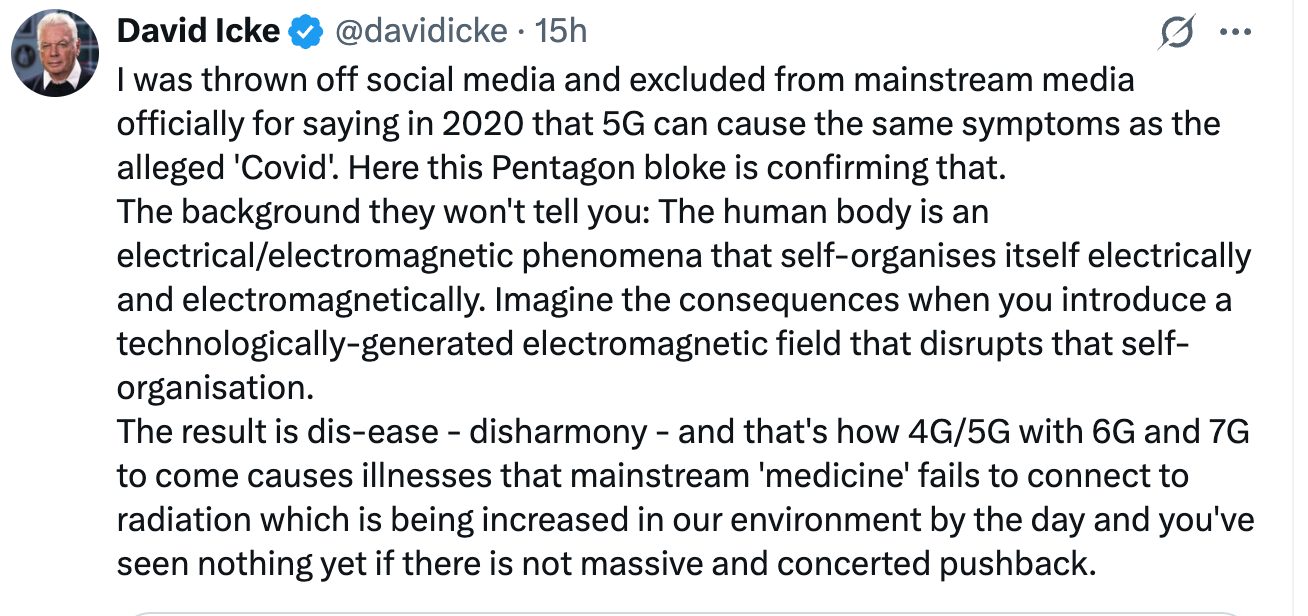


















 nunzio castiglione youtube





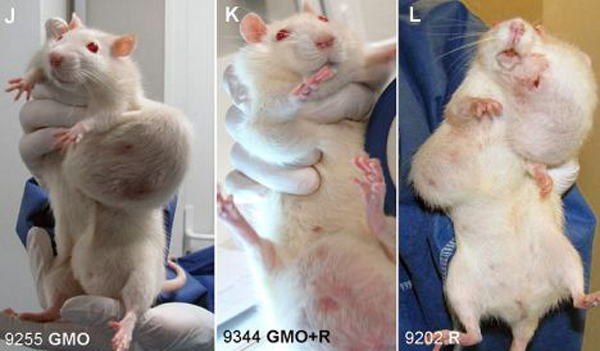

You must be logged in to post a comment.