Tag Archives: Vitamins

Unlock the Power of 10 Key Nutrients for Optimal Health

Check out our sister site truthwatchnz.is for other news

From mercola.com

Story at-a-glance

  • While I do not recommend relying on supplements for your daily nutrition, depending on your state of health, there may be instances where you need one or more supplements to address a nutritional deficiency or ailment
  • Ten of the most popular nutritional supplements include ashwagandha, berberine, B vitamins, including B12, collagen, creatine, omega-3, magnesium, vitamin D and NAD+ precursors such as niacinamide
  • Some nutritional deficiencies are so widespread, thanks to soil depletion and reliance on processed foods, that just about everyone can benefit from supplementation. This is the case for magnesium and B vitamins in particular

While I do not recommend relying on supplements for your daily nutrition, depending on your state of health, there may be instances where you need one or more supplements to address a nutritional deficiency or ailment.

Some nutritional deficiencies are so widespread, thanks to soil depletion and reliance on processed foods, that just about everyone can benefit from supplementation. In this article, I will review 10 of the most popular nutritional supplements that may be helpful for many.

Ashwagandha

Ashwagandha is an adaptogenic herb, meaning it helps your body adapt to stress by balancing your immune system, metabolism and hormonal systems. The root contains the highest concentration of active ingredients that modulate hormones, including thyroid hormone, estrogen, progesterone and testosterone.

Naturally occurring steroids called withanolides in ashwagandha also suppress pathways responsible for several inflammation-based illnesses such as arthritis, asthma, hypertension, osteoporosis and cancer.

Ashwagandha also supports sexual and reproductive health in both men and women. In men, it helps boost testosterone levels, and has been shown to improve semen quality in infertile men.

In women, ashwagandha’s ability to rebalance hormones (including thyroid hormone, estrogen and progesterone) has been shown to improve polycystic ovary syndrome and relieve menopausal symptoms.

Ashwagandha also has natural pain reliever (analgesic) and rejuvenating properties, and can promote general health when used regularly. While some adaptogens are stimulants in disguise, this is not the case with ashwagandha. It can give your morning exercise routine a boost, and when taken prior to bed it can help you get a good night’s sleep as well.

Berberine

Berberine — a yellow-colored alkaloid compound found in several different plants, including European barberry, goldenseal, goldthread, Oregon grape and tree turmeric — has antibacterial, anti-inflammatory, antiproliferative, antidiarrheal, antineoplastic, antidiabetic and immune-enhancing1 properties.

It has a long history of use in traditional medicine, including traditional Chinese medicine, and many integrative health practitioners swear by berberine as a general health supplement due to its ability to address such a wide variety of maladies.2

For example, it’s effective against a wide range of bacteria, protozoa and fungi, and is commonly used to treat gastrointestinal issues, including traveler’s diarrhea and that from food poisoning. Having similar mechanisms of action as the drug metformin, berberine can also be used as an oral hypoglycemic for Type 2 diabetics.3 Other ailments berberine has been shown to protect against and/or treat include:4

High blood pressureFatty liver disease
ObesityDigestive issues
Neurological diseases such as Alzheimer’s and Parkinson’sCancer
Anxiety, depression and post-traumatic stress disorder (PTSD)

Many of berberine’s health benefits5 have been linked to its ability to activate adenosine monophosphate-activated protein kinase (AMPK).6 AMPK is an enzyme inside your body’s cells. It’s sometimes referred to as a “metabolic master switch” because it plays an important role in regulating metabolism.7

Low AMPK has been linked to insulin resistance, mitochondrial dysfunction, obesity, neurodegeneration and chronic inflammation — all of which lay the groundwork for a wide variety of serious chronic diseases.

According to many studies, berberine is well-tolerated.8 However, it can interfere with some medications, including oral chemotherapy, high blood pressure medications, blood thinners, cholesterol medications, immunosuppressive drugs, and pharmaceutical diabetes treatments.

Women who are pregnant or breastfeeding should avoid berberine. Other side effects can include constipation, diarrhea, low blood sugar, nausea and vomiting.

Download this Article Before it Disappears

Download PDF

Vitamin B12

Vitamin B12 (cobalamin) is known as “the energy vitamin.” Your body requires it for a variety of functions, including energy production, blood formation, DNA synthesis and myelin formation.

It also plays an important role in neurological function, and deficiency can culminate in a range of mental health symptoms, from irritability and depression to dementia and even psychosis. For more details, see “Vitamin B12 to Help Combat Mental Illness.”

Low B12 also increases inflammation and oxidative stress by raising homocysteine. High homocysteine, in turn, is associated with cardiovascular disease and decreased immune response. Vitamins B6, B9 (folate) and B12 break down homocysteine.9

Recent research10 suggests B12 may also be a key player in cellular regeneration, speeding up tissue repair. More specifically, the study found that vitamin B12 is a limiting factor for tissue repair. In other words, to optimize tissue regeneration, you need sufficient amounts of B12 in your system.

The two ways you become deficient are through a lack of vitamin B12 in your diet, or through your inability to absorb it from the food you eat. Vitamin B12 is present in natural form only in animal sources of food, which is one of the reasons I advise against a no-animal-food, vegan diet.

B12-rich foods include beef and beef liver (grass-fed beef is highly preferable to the grain-fed variety), lamb, snapper, venison, salmon, shrimp, scallops, organic pastured poultry and eggs.

Warning signs of B12 deficiency include brain fog, memory lapses, mood swings, apathy, fatigue, muscle weakness and tingling in the extremities. Unfortunately, B12 deficiency may not present itself for several years, so by the time you notice symptoms, you may be quite deficient.

When it comes to supplementation, your best alternatives include injectable B12 and sublingual drops or spray. Most oral supplements tend to be ineffective, as vitamin B12 is poorly absorbed.

You also want to make sure you’re taking methylcobalamin, not cyanocobalamin (which is the most commonly found B12). When taken sublingually (either by tablet or spray), it goes straight into your bloodstream.

If you take it as an oral supplement, you have to rely on a glycoprotein produced in your stomach called intrinsic factor, which binds to the B12 and shuttles it into the intestine to the end of the small intestine where it’s absorbed. As you get older, you lose the ability to produce intrinsic factor, making you more likely to suffer from B12 deficiency.

Other B Vitamins

The other B vitamins are also important, and if you eat a lot of processed food, you’re virtually guaranteed to be deficient in several of them. Case in point: in mid-October 2023, Moms Across America (MAA) tested 10 fast food brands for B vitamins,11 and none of them contained either B9 or B12. Levels of B3 (niacin) were also abysmal.

The recommended daily allowance (RDA) of niacin is 14 mg per day for women and 16 mg for men. To meet that RDA, a woman would need to consume 333 servings of Chick-fil-A chicken sandwiches (at a serving size of 210 grams) and a man would need to eat 380 servings.

Chipotle’s carnitas bowl with everything, which had the highest amount of B3, still requires you to eat eight servings if you’re a woman and nine servings if you’re a man, to meet your RDA of niacin. Personally, I believe a B complex is a good option for most people, as you really need all the B vitamins, not just one or two.

Niacinamide

I also recommend taking 50 mg of niacinamide (aka nicotinamide, a form of niacin or vitamin B3) two to three times a day, as it plays a vital role in producing energy in your mitochondria.

Without it, your mitochondria simply cannot make energy efficiently. Niacinamide is also a precursor to NAD+, which is also tightly correlated with total ATP production. NAD+ also acts as fuel for longevity proteins called sirtuins.

Because of its effects on energy production and NAD+, niacinamide can be useful in the prevention and/or treatment of a long list of chronic conditions, including obesity,12,13 insulin resistance and diabetes,14 neurodegeneration15 and neurological conditions such as Alzheimer’s and ischemic stroke,16,17 heart failure,18,19 leaky gut,20,21 glaucoma,22,23 declining testosterone levels,24,25 cancer,26,27 kidney disease,28 alcoholic- and nonalcoholic liver disease,29,30 and even COVID-19.31

Your NAD levels dramatically decline with age. It’s also used up by DNA repair enzymes and enzymes involved in inflammation and immunity, such that chronic inflammation, or acute illness in old age, can rapidly result in depletion. For more details, see “The Crucial Role of NAD+ in Optimal Health.”

Collagen

Collagen is the most common and abundant of your body’s proteins. One of its primary purposes is to provide structural scaffolding for your various tissues to allow them to stretch while still maintaining tissue integrity.

As a compound of essential amino acids, there’s only one way to get collagen. Your body can’t produce it, so you must obtain it through your diet. Historically, traditional diets provided ample collagen in the form of broth made from boiled chicken feet or beef bones. These are by far your best alternatives.

If you decide to use a collagen supplement, make sure your collagen supplement is certified “100% Organic” by the U.S. Department of Agriculture (USDA) to minimize the risk of contaminants associated with concentrated animal feeding operations (CAFOs).

Moreover, collagen supplements can be either unhydrolyzed (undenatured) or hydrolyzed (denatured). The processing that most collagen supplements undergo to become hydrolyzed can also result in questionable byproducts that are best avoided.

My personal preference is to use a less denatured (unhydrolyzed) organic collagen supplement, as it has a more balanced amino acid profile. That said, I still believe the natural approach is best. Making homemade bone broth using bones and connective tissue from grass fed, organically raised animals isn’t very complicated and will produce the best results. Another alternative is to take glycine, as nearly one-third of the amino acids in collagen is glycine.

Glycine helps reduce inflammation and oxidative damage, as it inhibits the consumption of nicotinamide adenine dinucleotide phosphate (NADPH). NADPH is used as a reductive reservoir of electrons to recharge antioxidants once they become oxidized.

Glycine also has cell-protective, and antistress effects,32 and has been shown to extend lifespan in animal studies and mitigate chronic disease and disability, thereby increasing healthspan. You need at least 12 grams of glycine daily for optimal collagen turnover, plus another 3 grams per day to form glutathione. So, a therapeutic dose of glycine would be around 15 grams, unless you’re also getting collagen from food or a supplement.

Creatine

Creatine is commonly used by athletes to improve performance, as it’s immediately used by your body to convert ADP to ATP and supply energy muscles need for contraction.

Creatine also helps provide energy to your brain and may improve cognitive performance. It also appears to have protective effects in cases of mild traumatic brain injury. Of the roughly 20 different formulations of creatine on the market, creatine monohydrate is the one that has been studied most frequently and therefore has the strongest evidence of health benefits.

Creatine appears to work by increasing proteins that create muscle fibers33 and raising insulin-like growth factor,34 a hormone that increases muscle mass. Data also suggest that creatine may help lower blood sugar levels.

It is important to choose creatine from a reputable manufacturer. Clinical trials that have lasted up to five years have reported no adverse effects in healthy individuals.35 However, it is important to stay within the recommended dose.

Some people find that creatine makes them feel bloated.36 Some people are sensitive to using creatine and feel bloated if they don’t drink enough water with the supplement. However, most of the time it goes away in just a few hours. Factors that affect bloating include how much water you drink, the intensity of your workout and your diet.

Keep in mind that it’s not guaranteed that you will build muscle from using creatine. Consider creating specific goals for using the supplement so you are not disappointed. If you’re a vegan or a vegetarian, you might consider using creatine to help protect brain health.

Omega-3

Omega-3 fats are essential for healthy cell membrane function, and higher omega-3 levels have been consistently linked to better health and longer life spans. The omega-3 fats EPA and DHA protect health and promotes longevity by:

Thinning your blood, which discourages inappropriate clotting that can lead to a stroke or heart attack
Lowering serum triglyceride levels
Helping to lower blood pressure, in part by improving the health of the lining of your blood vessels so that they can relax better
Anti-inflammatory effects — For example, provided you have enough EPA and DHA in your membranes, when an inflammatory insult occurs, metabolites of the EPA and DHA — resolvins and protectins — will be synthesized. As their names imply, these metabolites help protect against and resolve inflammation. If you do not have sufficient omega-3, the inflammatory response persists longer and can become chronic
Helping the mitochondrial membrane process energy — Improving the fluidity and flexibility of the mitochondrial membrane allows enzymes and the other proteins embedded in the membrane to operate more smoothly
Adding structural stability to mitochondrial membranes — When loaded with omega-3, the membrane allows these agents to move freely, allowing everything to work as it should

While most use fish oil to increase their omega-3 level, this isn’t the best choice, as most are synthetic ethyl esters, which are very different from the triglyceride and phospholipid forms of omega-3 found in sea food.

Ideally, you’d want to get most of your omega-3 from cold-water fatty fish like wild-caught Alaskan salmon, sardines, herring and mackerel, for example. If you opt for a supplement, krill oil, which delivers omega-3 primarily in the phospholipid form, makes it a superior choice to fish oil.

As for dosing, research37 has shown that an omega-3 index greater than 8% is associated with the lowest risk of death from heart disease while an index below 4% places you at the highest risk of heart disease-related mortality.

I recommend taking a maximum of 1 gram of omega-3 per day. Higher amounts could be risky, in my view, because EPA and DHA are both polyunsaturated fats (PUFAs) and, like linoleic acid (LA), are susceptible to oxidation and the production of dangerous aldehyde metabolites.

Magnesium

Magnesium is the fourth most abundant element in your body38 and one of the seven essential minerals we cannot live without.39 It’s involved in hundreds of biochemical reactions in the body,40 and deficiency can contribute to significant health problems.41

It is necessary for the healthy functioning of most cells, and especially your heart and muscles.42 Low levels can impede both cellular metabolic function and mitochondrial function.

According to one scientific review43,44 that included studies dating as far back as 1937, low magnesium may actually be the greatest predictor of heart disease. Research published in 201745 shows even subclinical magnesium deficiency can compromise cardiovascular health. My favorite form of magnesium is L-threonate, as it appears to make its way into your brain the best.

Vitamin D

Last but not least, vitamin D. Ideally, you would get most of your vitamin D from sensible sun exposure. Depending on where you live, this may not be possible however, so oral supplementation may be necessary for at least part of the year.

The ideal dose for most adults of normal weight is 6,000 IUs a day; 7,000 IUs if you’re overweight; and 8,000 IUs a day if you’re obese. At those dosages, most people can reach a minimum blood level of 40 ng/mL (100 nmol/L),46 which is the lower cutoff for sufficiency. Other research suggests you may need as much as 9,122 IUs per day to reach 40 ng/mL.47

Most definitely, the conventional claim that you only need a few hundred IUs per day — which is still touted by medical professionals in media48 — is completely inaccurate and is based on a statistical error49 that for some reason has never been officially corrected.

Your best bet is to get your vitamin D level tested twice a year. Based on the evaluation of healthy populations that get plenty of natural sun exposure, the optimal range for general health appears to be somewhere between 60 and 80 ng/mL (150 to 200 nmol/L).

Taking oral vitamin D together with vitamin K2 and magnesium is also recommended, as you need 244% more oral vitamin D if you’re not also taking magnesium and vitamin K2.50 In other words, if you take all three in combination, you need far less oral vitamin D in order to achieve a healthy vitamin D level.

– Sources and References

SOURCE

Image by 5033181 from Pixabay

Save the earth and better yourself: 8 reasons why growing your own food is the best decision you will ever make (Wally Richards)

Hello Readers

It has been a very busy week with the pre-sales of my new book ‘Gardening with Wally Richards’ and to date over 200 copies have been spoken for which is wonderful.

The books purchased will start being sent out on the 11th December.

Below is an article I wrote sometime ago and the information is very important for you and your family.

Save the earth and better yourself: 8 reasons why growing your own food is the best decision you will ever make.

I received an email article from Natural News.com which echoes much of what I have been encouraging people to do for many years.

The following is what they have to say:

(Natural News) Have you ever thought of growing your own fruits and vegetables? If not, now is the time to start considering it.

It may seem tedious and overwhelming, but in reality it is actually easy and simple. You can start by growing them in your backyard, or if you do not have any yard, consider container gardening in your balcony, patio, or on a windowsill.

Still not convinced? Here are eight reasons on why you should start growing your own food.

1/ Have a healthier family – Nothing can beat the freshness of fruits and vegetables that are homegrown.

Serving your family fresh fruits and vegetables is one of the most valuable things you and your family can do to be healthy.

Fruits and vegetables grown in your backyard are the best because you harvest them straight from your garden and eat them fresh.

Another proven health benefit of homegrown produce was shown in a study published in the Journal of the American Dietetic Association.

Results of the study showed that preschool children who almost always ate homegrown produce were more than two times likely to eat five servings of fruits and vegetables per day than those kids who rarely or never ate homegrown produce.

2/ Spend less on groceries – Growing your own food will help you save money and ensure you food security as you will not have to buy fruits and vegetables from the supermarket.

Most fruits and vegetables from the supermarket have already lost their nutritional value as they have been stored for a long time.

With less than a dollar, you can buy a packet of seeds and start planting your own produce.

3/ Help the environment – By growing your own produce, you are already helping the environment in different ways.

One way is growing your food without using pesticides and herbicides.

This lessens air and water pollution. You will also help reduce the use of fossil fuels.

Moreover, pollution from the transportation of fresh produce from around the world to the supermarket will also be lessened.

4/ Increase your physical activity – Since you will be doing all the planting, weeding, watering, and harvesting, you are also exercising at the same time.

Remember to warm up and stretch your muscles before and after gardening though!

Exercising also helps you relax, de-stress, refresh your mind, inhale fresh air, and get vitamin D.

5/ Indulge in more tasty food – Nothing beats the freshness of picked out fruits and vegetables straight from the backyard.

A study found that homegrown tomatoes are sweeter and richer in nutrients than those sold in the supermarket.

6/ Have a sense of accomplishment – Witnessing the seed you planted grow and become the food that you and your family can enjoy is satisfying.

Home gardening helps you thrive, nourish your family, and improve health.

There is a sense of accomplishment and self-satisfaction in growing your own food.

7/ No more worries on food safety – Because you know how your plants are grown, you don’t have to worry about food safety.

With backyard gardening, you have control over the chemicals and products used during the growing process.

8/ Reduce food waste – You are less likely to throw away food. You’ll only pick what you need.

And, you wouldn’t want your time, effort, and hard work go to waste, right? End.

During the week a lady gardener rang with a couple of questions and during the conversation she told me that a friend had given her a freshly cut broccoli out of their garden. That night she cooked the broccoli and added it to the evening meal.

Her husband wanted to know what the name of the delicious vegetable that looked like a broccoli was.

He could not remember ever eating any vegetable that tasted so good.

He was told it was their friend’s Home Grown Broccoli. He wished that they were able to buy vegetables that tasted that good.

Goodness equals Taste, you grow a few vegetables without chemicals in your garden using only natural plant foods and minerals and picked fresh the taste is amazing.

Not only is the taste amazing your body is getting the minerals and nutritional goodness that you need to be healthy.

Your savings are immense, no need to purchase sauces and condiments that you need to put into your meals to make the bland food appear tasty (they are just chemical sugars, salts and fats anyway and bad for your health).

You save on health related costs, doctors, pharmacy products, time off work or school and possible hospital costs.

Often children with behavior aspects will improve.

Besides you cannot put a cost on poor health which is the ultimate cost of eating a food chain that lacks in fundamental goodness replaced by a list of chemical poisons likely as long as your arm.

Our conventional food chain is Insidious.

If you are not familiar with the meaning of the word it is: proceeding in a gradual, subtle way, but with very harmful effects.

Conventionally grown produce not only lacks in taste and goodness it goes off far quicker than natural home grown produce.

The reason is that it is already going off before it was even harvested.

They are weak plants having grown and sustained by chemical poisons.

Example strawberries conventionally grown look great, big berries but bland to the taste so we have to slice them and sprinkle icing sugar over them to make them taste good.

Home grown and they are sweet as; picked ripe off the plant. Plus they are full of minerals and antioxidants to make your immune system strong and you healthy.

Tomatoes conventionally grown lacking in flavour and bland need salt to make them appealing.

Home grown wow taste the difference.. Now thats a real tomato.

Another important aspect is that home grown produce is very filling and you dont need to eat much before you feel satisfied.

The reason is because your body has received its requirements and is happily utilizing the bounty of nutrients to fortify your organs and immune system.

Conventional food chain you eat a big meal and afterwards you still feel hungry.

Its not long before you are munching on some chippies or something to try and satisfy your hunger feelings.

Reason is your body has not received its list of needs for being healthy and is calling out for them so you stuff some more rubbish in and the best you achieve is being over weight and sickly.

You would excise to get rid of the fat but you dont have the energy (except for the sugars you consume) and besides you feel lethargic with the poisons your body is trying to cope with.

Not feeling so good best see the doctor who can prescribe some pharmaceutical chemicals to your Pandora’s box of chemicals.

Once upon a time the medical person would have inquired on your diet and likely suggested more fruit and vegetables but that was 50 odd years ago when the commercially grown produce had a lot more goodness than today.

Wallys formula: The more goodness (nutritional values) equals greater taste.

Home grown using natural elements means very healthy you and family.

You can be healthy and happy.

Phone 0800 466464
Garden Pages and News at www.gardenews.co.nz
Shar Pei pages at  www.sharpei.co.nz
Mail Order products at www.0800466464.co.nz


New Zealand Bill of Rights Act 1990. Part II of the Act covers a broad range of Civil and Political Rights. As part of the right to life and the security of the person, the Act guarantees everyone:

1The right not to be deprived of life except in accordance with fundamental justice (Section 8)

2The right not to be subjected to torture or to cruel, degrading, or disproportionately severe treatment or punishment (Section 9)

3The right not to be subjected to medical or scientific experimentation without consent (Section 10)

4The right to refuse to undergo any medical treatment (Section 11)

 Furthermore, the New Zealand Bill of Rights Act 1990 guarantees everyone: Freedom of Thought, Conscience, and Religion.
This includes the right to freedom of thought, conscience, religion, and belief,
INCLUDING THE RIGHT TO ADOPT AND HOLD OPINIONS WITHOUT INTERFERENCE (Section 1)

Image by Alexander Fox | PlaNet Fox from Pixabay


GROWING HIGH HEALTH VEGETABLES (Wally Richards)

I have always enjoyed growing different plants that are not commonly available.

This is one of the aspects that makes gardening more enjoyable and exciting when you have successes.

Three vegetables that I have grown in the past and am writing about are not rare but not common for many gardeners.

The first of these is called Chayote or more commonly known as Choko.

Originating from Mexico where the vines grow prolifically they have little financial value there likely because they are so prolific.

Specialist fruit and vegetable shops or flea markets are likely to have chokos for sale at this time of the year for about a dollar each.

Most people likely do not know the fruit and by pass them where people from Asia are likely to be the main buyers.

Choko are a member of the gourd family; Cucurbitaceae, along with melons, cucumbers and squash.

In Asia they are commonly diced up and used in stir fries and soups.

The fruit does not need to be peeled to be cooked or fried in slices. Most people regard it as having a very mild flavor by itself.

It is commonly served raw with seasonings (e.g. salt, butter and pepper) or in a dish with other salad vegetables and/or flavorings. It can also be boiled, stuffed, mashed, baked, fried, or pickled in escabeche sauce.

Both fruit and seed are rich in amino acids and vitamin C.

The fresh green fruit are firm and without brown spots or signs of sprouting. Smaller ones are more tender. I actually I like the fruit raw eaten like an apple they are crisp and refreshing.

The tuberous part of the root is starchy and eaten like a yam (can be fried).

The leaves and fruit have diuretic, cardiovascular and anti-inflammatory properties, and a tea made from the leaves has been used in the treatment of arteriosclerosis, hypertension, and to dissolve kidney stones. So a very versatile, interesting plant.

They are easy to grow and the older fruit will start shooting from the base then all you need to do is place the fruit sideways, half buried in compost with the shoot upwards.

Start off in a container where it will root up and then protect in a glasshouse or similar (even a window sill) till spring when it can be planted out.

It must be planted in a free draining situation, sunny and a degree of protection from frosts.

Spray the vine with Vaporgard for frost protection in winter and cover with frost cloth when there is two or more frosts in a row.

The first season from experience I found no fruit but a lot of growth and some winter damage.

The next season I once again thought all it wanted to do was grow but as the day light hours shortened small flowers and fruit started forming. The fruit grow rapidly and within a week or so a baby fruit becomes bigger than your fist.

For the health and mineral benefits we have; Nutritional value per 100 g (3.5 oz)

Energy 80 kJ (19 kcal): Carbohydrates 4.51 g : Sugars 1.66 g : Dietary fiber 1.7 g : Fat 0.13 g : Protein 0.82 g.

Vitamins are Thiamine (B1) (2%) 0.025 mg: Riboflavin (B2) (2%) 0.029 mg: Niacin (B3) (3%) 0.47 mg: Pantothenic acid (B5)(5%) 0.249 mg: Vitamin B6 (6%) 0.076 mg: Folate (B9) (23%) 93 g.

That is an impressive range of B vitamins making 43% of total them there is Vitamin C (9%) 7.7 mg: Vitamin E (1%) 0.12 mg: Vitamin K (4%) 4.1 g

The Trace metals are Calcium (2%) 17 mg: Iron (3%) 0.34 mg: Magnesium (3%) 12 mg: Phosphorus (3%)18 mg: Potassium (3%) 125 mg: Zinc (8%) 0.74 mg

Health wise how good is that? So easy to grow and eat raw to obtain full benefits of the vitamins and minerals.

Next we have a less common one called Jerusalem Artichokes which is a root vegetable from the Helianthus tuberosus family, also called sunroot, sunchoke, earth apple or topinambour, it is a species of sunflower native to eastern North America.

Grown from tubers it can be successfully grown any where that has reasonable drainage and sun light.

Grown in a container, waste area, vegetable garden or flower garden it will thrive.

In a container it grows about a metre or so tall in open ground from a couple of metres to 3 or 4 metres tall dependent on soil and growing conditions.

 In autumn it produces smaller sunflower blooms and dies back about this time of the year when you can start harvesting the tubers.

The nobbly tubers contain about 10% protein, no oil, and a surprising lack of starch. However, it is rich in the carbohydrate inulin (76%), which is a polymer of the monosaccharide fructose.

Tubers stored for any length of time will convert their inulin into its component fructose.

Jerusalem artichokes have an underlying sweet taste because of the fructose, which is about one and a half times sweeter than sucrose.

Jerusalem artichokes have also been promoted as a healthy choice for type 2 diabetics, because fructose is better tolerated by people who are type 2 diabetic.

It has also been reported as a folk remedy for diabetes.

Temperature variances have been shown to affect the amount of inulin the Jerusalem artichoke can produce. When not in tropical regions, it has been shown to make less inulin than when it is in a warmer region.

You can find recipes for the tubers on the Internet, steamed or baked and excellent for soups. They have a nutty, earthly taste a bit like Gin seng.

Nutritional value per 100 g (3.5 oz) is Energy 304 kJ (73 kcal): Carbohydrates 17.44 g: Sugars 9.6 g: Dietary fiber 1.6 g : Fat 0.01 g: Protein 2 g.

Vitamins; Thiamine (B1) (17%) 0.2 mg: Riboflavin (B2) (5%) 0.06 mg: Niacin (B3) (9%) 1.3 mg: Pantothenic acid (B5) (8%) 0.397 mg: Vitamin B6 (6%) 0.077 mg: Folate (B9) (3%) 13 g: Vitamin C (5%) 4 mg: Trace metals Calcium (1%)14 mg: Iron (26%) 3.4 mg:

Magnesium (5%)17 mg Phosphorus (11%) 78 mg: Potassium (9%) 429 mg

Last and the most uncommon of all is yacon (Smallanthus sonchifolius, syn.: Polymnia edulis, P. sonchifolia) a species of perennial daisy traditionally grown in the northern and central Andes from Colombia to northern Argentina for its crisp, sweet-tasting, tuberous roots.

The peeled roots are lovely to eat raw, sweet to the taste without the side effects of sugar..

The tubers contain fructooligosaccharide, an indigestible polysaccharide made up of fructose.

Fructooligosaccharides taste sweet, but pass through the human digestive tract unmetabolised, hence have very little caloric value.

Moreover, fructooligosaccharides have a prebiotic effect, meaning they are used by beneficial bacteria that enhance colon health and aid digestion.

Easy to grow, plants grow about 1.5 metres tall large leaves with a texture like Borage harvest, roots in autumn.

If you can obtain a starter tuber of yacon its well worth growing.End….

Here is a link that I received recently that you maybe interested in especially in regards to the current select committee on the Therapeutic Products Bill.

This bill which has in the past been defeated twice before could mean that you are not allowed to grow healthy vegetables by some Govt committee if the bill is passed.

Also concerning article from the same writer:

https://hatchardreport.com/are-we-going-backwards-or-rushing-ahead/

We will carry on last week’s special on BioPhos for another week  as proving very popular.


Phone 0800 466464
Garden Pages and News at www.gardenews.co.nz
Shar Pei pages at  www.sharpei.co.nz
Mail Order products at www.0800466464.co.nz


New Zealand Bill of Rights Act 1990. Part II of the Act covers a broad range of Civil and Political Rights. As part of the right to life and the security of the person, the Act guarantees everyone:

1The right not to be deprived of life except in accordance with fundamental justice (Section 8)

2The right not to be subjected to torture or to cruel, degrading, or disproportionately severe treatment or punishment (Section 9)

3The right not to be subjected to medical or scientific experimentation without consent (Section 10)

4The right to refuse to undergo any medical treatment (Section 11)

 Furthermore, the New Zealand Bill of Rights Act 1990 guarantees everyone: Freedom of Thought, Conscience, and Religion.
This includes the right to freedom of thought, conscience, religion, and belief,
INCLUDING THE RIGHT TO ADOPT AND HOLD OPINIONS WITHOUT INTERFERENCE (Section 1)


Image by Silvia from Pixabay

9 Powerful Health Benefits of Cinnamon: The World’s Most Popular Spice (that your Govt wants to regulate)

Remember to make a submission … sure they don’t listen anyway, however, why roll over & give them free reign? Big Pharma is coming for all that is useful, healthful and free in your life. EWR


From theartofantiaging.com
By Brian Vaszily

The sweet and spicy aroma of cinnamon makes it one of the world’s top spices. It’s been valued for its flavor and powerful health properties since at least 2800 BC.

Modern research has confirmed many important health benefits of cinnamon. Studies show that it contains powerful plant compounds that have an anti-inflammatory and antidiabetic effect. Consuming cinnamon regularly can also help your heart and brain health.

Here’s more about what makes this everyday spice so powerful and the proven benefits for your health.

The Fascinating History of Cinnamon

Cinnamon comes from the bark of Cinnamomum trees. These trees are native to regions of Southeast Asia, South America, and the Caribbean. China, Sri Lanka, Indonesia, and Vietnam are the four top exporters of cinnamon today.

To make the rolled up cinnamon quills you buy in the store, the outer bark of the trees has to be stripped to reveal the inner bark. The inner bark is then shaved and allowed to dry. As it dries, it rolls up into the familiar shape of cinnamon sticks.

To say that cinnamon has been valued since ancient times would be an understatement. It’s mentioned several times in the Bible as part of a sacred anointing oil and was used in ancient Egypt for embalming.

Cinnamon also used to be extremely expensive, even to the point of being an acceptable gift to give royalty. Celyon, the island “homeland” of the most valuable type of cinnamon, passed through many different hands as several countries fought to control the trade for this in-demand spice.

READ AT THE LINK

Image by Дарья Яковлева from Pixabay

PLANTS AND YOUR HEALTH (Wally Richards)

Readers that have followed my weekly columns and books will be well aware of how I have combined gardening with health.

I know that naturally grown vegetables and fruit will be very beneficial to your health and well being and when you add all the 114 known minerals to the growing media then the same food plants will be super healthy and taste so good.

The minerals can be obtained from using Wallys Unlocking your soil (minerals from rocks) Wallys Ocean Solids (Minerals from the blue waters of the ocean) and Magic Botanic Liquid (MBL which is minerals from prehistoric times).

The most benefit from your produce is obtained by eating raw or only lightly cooked.

The fast way to obtain maximum goodness is by converting healthy foliage into a drink we call ‘smoothies’

This is achieved with a very high speed blender which smashes the molecules of the plant material used allowing for easy assimilation into your body when you drink the green liquid.

Take the leaves of edible plants such as lettuce, carrot tops, celery, wheat or barley grass, silverbeet etc.

There are also a number of weeds that are edible such as Puha or Rauriki, dandelion and Stinging nettles.

Every plant has some beneficial properties even ones that are not normally eaten.

For instance there are about 3 or 4 different coloured carrots you can grow and each one has their own health benefits.

I always add a banana to my smoothies as it gives a nice palatable flavour.

We know that for thousands of years people in different areas of the planet learnt about plants growing in their area which they could use for their health and medical purposes.

I read one time that there is a plant or plants some where on the planet that will cure any ills of humans; in some cases we just have not found that plant yet or have the knowledge of how to use it.

Much of the pharmaceutical medicines was originally found through the old remedies of various plants people had used for generations.

The original chemists had jars of all sorts of dried plants and minerals which they would use to make up the concoctions that added recovery from sickness.

We hear about Chinese medicines, Indian medicines and even Maori medicines most of which were derived from locally grown plants and herbs.

A problem arises as Big Pharma cannot make money out of natural remedies as they cannot be patient. So if you know your herbs and herbal lore the poor pharmaceutical companies are not able to take your money with their concoctions.

Recently we saw during the holiday break our beloved Govt once again trying to implement a bill to ban the traditional use of herbs and plants for your well being. This is their third attempt at doing so and again removing another of your rights to be able to treat yourself and look after your own heath.

Andrew Little (Little brains I think) introduced the Therapeutic products bill see… https://www.beehive.govt.nz/release/therapeutic-products-bill-introduced

The Therapeutic Products Bill replaces the Medicines Act 1981 and Dietary Supplements Regulations 1985 with a comprehensive regulatory regime that is (said to be) fit for the future.

Labour having failed twice in the past to pass legislation because of public outcry are using a different tact to make it happen..’The Bill establishes a new regulator within Manat Hauora – Ministry of Health, headed by an independent statutory officer,

with a wider remit than the medicines regulator Medsafe.’

This person can deem any plant, herb, fruit and vegetable as beneficial to your health and thus ban the use of it, the growing of it and the import of it.

The only benefit of this has to be for the pharmaceutical companies and removes our freedom of choice to take what is traditionally safe natural remedies to what are often not safe pharmaceutical medicines.

In 2017 Labour opted for a prohibited list of 300 common herbal ingredients.

More well know on these included Aloe Vera, Comfrey, Belladonna, Hibiscus, Jasmine, Snowdrop, Juniper, Mustard, Worm wood, Cinnamon, Almond, Grapeseed, Ipomoea, Neem, Eggplant, senna and Valerian.

Many of these plants, herbs and spices like Cinnamon, Mustard are currently sold in shops. So how on earth did they get onto a prohibited list?

The answer lies in attempts to gain control of our food supply.

Natural products that are beneficial to health cannot be patented, but synthetic copies can be.

To make this work, the products that grow in gardens need to be banned.

Already I see Senna which is a natural aid for constipation is not easily obtainable in NZ.

Labour and the Ministry of Health did not make this list up, the list was supplied by the International Coalition of Medicines Regulatory Authorities (ICMRA) of which Medsafe is a member.

ICMRA is largely funded by the pharmaceutical industry whose interests they serve.

If we wish to be able to continue to freely chose herbal medicines and supplements without government interference, we will need to speak up.

Go to this Link https://www.parliament.nz/en/pb/sc/make-a-submission/document/53SCHE_SCF_BILL_130084/therapeutic-products-bill before February 15th.

Write to your MP and complain that the appointment of a regulator amounts to an open ended blank cheque to control the use of products used by more than 50% of our population without fully specifying the principles he should use.

Many of us do not realise what uses there are for many plants we grow in our gardens and while researching for this article I discovered https://medicinalseedkit.com/kit/

Have a look, I was amazed the wealth of information that is there.

For instance Chicory : This is the wild plant that Native Americans used to look for more than any other.

They’d harvest and use chicory to make a natural painkilling extract for a wide range of physical discomforts, especially stiff and achy joints. And so can you!

The root is rich in chicoric acid (CA), a plant compound with potent anti-inflammatory and analgesic properties but no risk of addiction.

If our pharmacies ever run dry, having even a small patch of chicory growing in your own backyard will provide relief. There are many more such as:

Chamomile – The Natural Antibiotic

Evening Primrose – A Natural Remedy for Skin and Nerves

California Poppy – Better Than Sleeping Pills

Feverfew – Nature’s Aspirin for Fevers and Migraines

Knowledge is power over your destiny and well being and it should never be taken away from you by Government regulations not in our interest.

An over reach of power by the Government.

If you want more information try https://hatchardreport.com/category/natural-health/

Make a submission, write to your local MP.

I have on both counts and if you would like a copy of the email I sent to most of the Labour MP’s just ask and I will send you the copy.

You can alter it to suit and use it in your words to the MP’s.

If enough people complain then you maybe we will be still able to still grow your lemon tree (good for colds).

No more broccoli (Some kids will be happy) as it is a great source of antioxidants and may enhance your health by reducing inflammation, improving blood sugar control, boosting immunity, and promoting heart health.

Why Is Broccoli a Superfood? fiber, vitamin C, vitamin K, iron, and potassium.

The list goes on.


Phone 0800 466464
Garden Pages and News at www.gardenews.co.nz
Shar Pei pages at  www.sharpei.co.nz
Mail Order products at www.0800466464.co.nz

New Zealand Bill of Rights Act 1990. Part II of the Act covers a broad range of Civil and Political Rights. As part of the right to life and the security of the person, the Act guarantees everyone:

1The right not to be deprived of life except in accordance with fundamental justice (Section 8)

2The right not to be subjected to torture or to cruel, degrading, or disproportionately severe treatment or punishment (Section 9)

3The right not to be subjected to medical or scientific experimentation without consent (Section 10)

4The right to refuse to undergo any medical treatment (Section 11)

 Furthermore, the New Zealand Bill of Rights Act 1990 guarantees everyone: Freedom of Thought, Conscience, and Religion.
This includes the right to freedom of thought, conscience, religion, and belief,
INCLUDING THE RIGHT TO ADOPT AND HOLD OPINIONS WITHOUT INTERFERENCE (Section 1)

Image by Gerhard from Pixabay


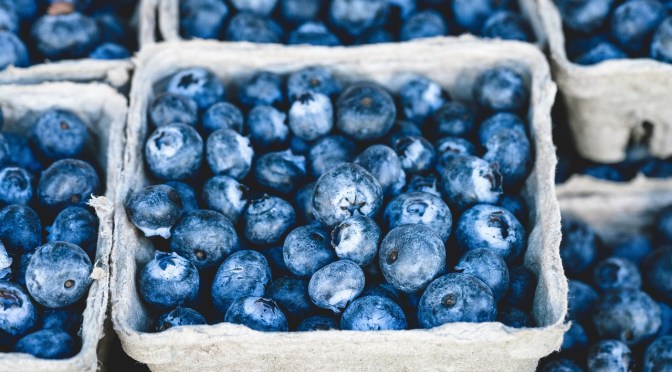
Why you should EAT MORE BLUEBERRIES

Dr. Suneel Dhand

Below is an article also on topic. If you go to this link also you will see multiple other articles to read, each digging deeper into specific health benefits … heart, memory, longevity and more. EWR

13 health benefits of blueberries that can’t be ignored

7 plant based foods for healthy eyes

From thegoodinside.com

Our eyes are one of those things we all take for granted. They allow us to see the beauty in the world, read books, and carry out everyday tasks. So it’s important to step back and make an effort to take care of our precious eyes now and for the future.

Especially because vision loss is becoming an increasingly common problem. Rates of blindness and low vision in America are estimated to double, affecting more than 8 million people by 2050.

This trend is thought to be caused by the rising rates of chronic disease and an aging population. But there’s also another reason: very few of us give our eyes the nutrients they need.

In fact, the Centers for Disease Control and Prevention (CDC) reports that 87% of people don’t get the recommended amount of vegetables in their diet and 76% of people don’t meet the minimum fruit recommendations.

That’s an issue because fruits and veggies contain nutrients essential for healthy eyes. Check out these eye-healthy foods and see how you can nourish your vision.

1. Orange Veggies

While carrots are, by far, the most well-known food that can boost your eye health, several orange veggies support vision. That includes sweet potatoes, pumpkin, and orange peppers.

These foods are abundant in carotenoids, the compounds that give the veggies their orange hue. One of the most recognized is beta carotene. It’s a precursor of vitamin A which means your body converts it into vitamin A on an as-needed basis.

Vitamin A is essential for good vision. Among many other things, it helps protect the surface of the eye (cornea).

Studies have shown that beta carotene, in combination with other antioxidants, can also decrease the risk of vision loss from macular degeneration or age-related vision loss.

Most importantly, seek out beta carotene from food sources. That’s because synthetic beta carotene is linked to a higher risk of some types of cancer.

READ MORE AT THE LINK

https://tinyurl.com/2cpzp8db

Photo: pixabay.com

The health benefits of cacao

One of the most popular trees on the planet is cacao, the plant species from which cocoa is derived. While some might think cacao and cocoa are one and the same, they’re not. Cacao is the tree, while cocoa is the dry, powdered product made from it. Cocoa is best known as the main ingredient for an all-time favorite confection worldwide — chocolate.1

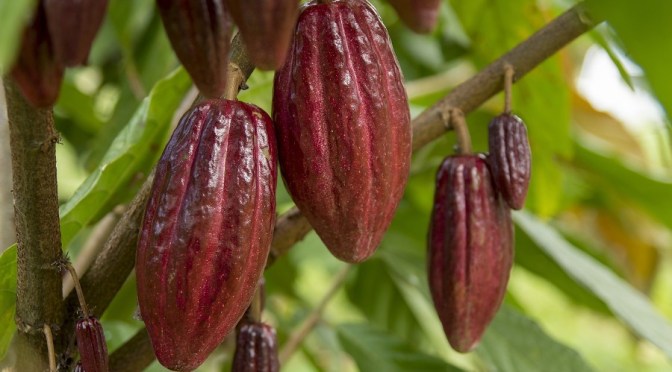
A cacao pod is a dark brown ovoid fruit containing about 60 seeds, better known as cacao beans.2 The flavor is dependent on the fermentation of the cacao beans. During this process, compounds found in the beans react with each other, producing the well-loved flavor of chocolate.3

Aside from their flavor, cacao beans were prized for their medicinal and aphrodisiacal properties, and they were traded like currency by South American civilizations. For the Aztecs and Mayans, cacao beans were so important in feasts and celebrations that they were usually put at the center.4

Today, in the dawn of superfoods, cacao has earned its title as a “superfruit” due to the surplus of flavonoids and polyphenols it contains.

Health Benefits of Cacao

There’s been plenty of discussion about free radicals and antioxidants, but some are unsure of what these terms mean regarding our health. Exposure to radiation, cigarette smoke, pollution and certain medications may all release free radical activity in the body; however, they also can be produced by factors like mental stress, infections, cancer and aging.5

Antioxidants in the foods you eat may help reverse this process by zapping harmful free radicals, helping fight off disease.6 This is where cacao comes in. Compared to other foods, it is well-equipped with phenolic antioxidants, be it catechins, epicatechins or procyanidins.7 Its beans are also rich in magnesium, copper, potassium and calcium, which are known to help lower the risk of hypertension and heart disease.8

Aside from these benefits, cocoa may help alleviate the symptoms of depression, attention deficit hyperactivity disorder (ADHD) and schizophrenia through its beta-phenylethylamine (PEA) content. PEA works as a neurotransmitter and may improve serotonin concentrations in the brain by interacting with trace amine-associated receptor (TAAR).9

For those who think chocolate must be bad for you (it has to be if it tastes so good, right?), rest assured that there’s roughly 1 gram of sugar in a half-cup serving of raw cacao. However, this doesn’t apply to some store-bought chocolate because of all the flavor additives that mask the powder’s bitterness.10  

READ MORE

https://foodfacts.mercola.com/cacao.html

Photo: pixabay.com

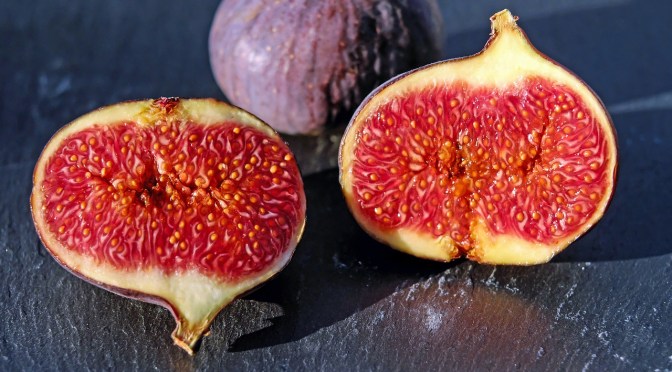
What Are Figs Good For?

Often mentioned in the Bible as a sign of peace and prosperity,1 the fig tree is so ancient, remnants of the fruit have been discovered in Neolithic excavations sites circa 5000 B.C.2 Thought to be native to Western Asia or Egypt, figs were cultivated very early throughout the Middle East and Europe and finally reached England and China by the mid-1600s. Spanish missionaries planted orchards in California in 1769, where they still thrive today.3

Belonging to the mulberry family, there is a plethora of fig tree varieties.4 Most of them are small at 10 to 30 feet and thrive in warm, dry climates. Pollinated by a tiny wasp, fig trees never blossom because the flowers are on the inside, producing dozens and sometimes hundreds of miniscule seeds that give figs their unique, crunchy texture.5

Considered exotic in some areas of the world, figs are sweet and juicy when ripe. They can be red, yellow, purple-skinned or green-striped,6 each with their own unique flavor. But before they reach optimal ripeness, figs are gummy with “latex,” which contains serious skin irritants, so protective measures for workers are sometimes mandated for fig production operations.7

Dried figs are sometimes roasted and ground as a coffee substitute or converted into alcohol as a liqueur or tobacco flavoring.8

Figs are quite perishable and should be refrigerated if not eaten within a few days. They should be placed in the coldest part of your fridge, and will stay fresh for several days.9 Like apples, figs are a great snack by themselves, but can also be added (peeled or unpeeled) to many recipes. It’s interesting that the seeds only add to the satisfying, tasty chewiness. Best at the firm-to-tender stage, the riper they are, the more antioxidants they provide.10

Health Benefits of Figs

Figs are high in fiber and are a good source of several essential minerals, including magnesium, manganese, calcium (which promotes bone density) and potassium (which helps lower blood pressure), as well as vitamins, principally K and A, as well as folate and choline.11

The nutritional value of figs by weight increases when they’re dried, and they also keep for a longer period of time. A 100-gram serving of fresh figs, for instance, provides 35 milligrams (mg) of calcium, but the same amount of dried figs has 162 mg of calcium.12

Keep in mind, though, at the same time, 100 grams of dried figs contain nearly 48 grams of total sugars — 10 more grams than the maximum amount of added sugars recommended for adult males for a whole day — while raw figs contain just a little over 16 grams. Therefore, it’s important to monitor how many figs you eat if you consume them dried.

Whether fresh or dried, figs contain powerful antioxidants that neutralize free radicals in your body and help fight disease.13 Figs also supply healthy amounts of dietary fiber, which keeps your digestive system regulated and may have a positive effect on weight management. According to one study, the fruits with the most fiber content include apples, dates, figs, pears and prunes, and there was a 34 percent reduction in breast cancer risk among women who consumed the most fruit fiber, compared to those who ate the least.14,15

Traditional medicine around the world has made use of figs as poultices on tumors, warts16 and wounds. The fruit and leaves have been pulverized and added to gargles to relieve sore throats.17

In some cultures, fig leaves are nearly as important as the fruit itself because of the unique health-related benefits they offer. This includes their ability to regulate blood sugar levels, since research has shown they contain properties that can actually reduce the amount of insulin needed by diabetics.18

As mentioned, despite their benefits, you should consume figs in moderation because they contain fructose (sugars), which may be harmful to your health in excessive amounts.

 Amt. Per
Serving
% Daily
Value*
Calories74 
Total Fat0.3 g 
Saturated Fat0.06 g 
Trans Fat  
Cholesterol0 mg 
Sodium1 mg 
Total Carbohydrates19.18 g 
Dietary Fiber2.9 g 
Sugar16.26 g 
Protein0.75 g 
Vitamin A 7 µgVitamin C2 mg
Calcium 35 mgIron0.37 mg

Studies Done on Figs

Natural phytochemicals with potent cytotoxic properties isolated from the ficus carica, as well as soybeans, were identified in one study as having inhibitory effects on the proliferation of various cancer cell lines.20

In another study, the fig variety Dottato was examined to assess its unique antioxidant, cancer-fighting, and phototoxic activity on melanoma cells. Data obtained indicated that this fig cultivar may be an excellent source of bioactive compounds such as phenolics, coumarins and fatty acids. This study offered a new perspective in developing other fig-containing formulations potentially useful in treating nonmelanoma skin cancers.21

Compared to other foods, figs were found to be one of the densest in phenolic antioxidants and nutrients, mostly fiber, in a study on the amount and quality of phenol antioxidants in dried and fresh fruits. Figs and dried plums had the highest nutrient score among dried fruits in trials of several individuals consuming them with carbonated beverages.

Scientists reported that fig antioxidants can enrich lipoproteins in plasma, protect them from subsequent oxidation, produce a significant increase in plasma antioxidant capacity for four hours after consumption and overcome the oxidative stress of consuming high-fructose corn syrup in a carbonated soft drink. The study conclusion was that:22

  • Figs are dense in phenol antioxidants and nutrients, especially fiber
  • They’re potent antioxidants (when they’re eaten)
  • Dried fruit makes up less than 1 percent of the fruits consumed by most Americans
  • Dried fruits should be eaten more often because of these findings

Scientists studying the effect of fresh fig “latex” on a stomach cancer cell line found that the latex acted as an anticancer substance without any toxic effect on normal cells. In another trial, dried figs were weighted down into 1 ml of distilled water for three months. After the water was drained, it was found that fig tree latex powder still retained its anticancer properties. Results showed that figs, dried or fresh, are possible subjects for helping treat stomach cancer.23

READ MORE

https://foodfacts.mercola.com/figs.html

Image by Couleur from Pixabay

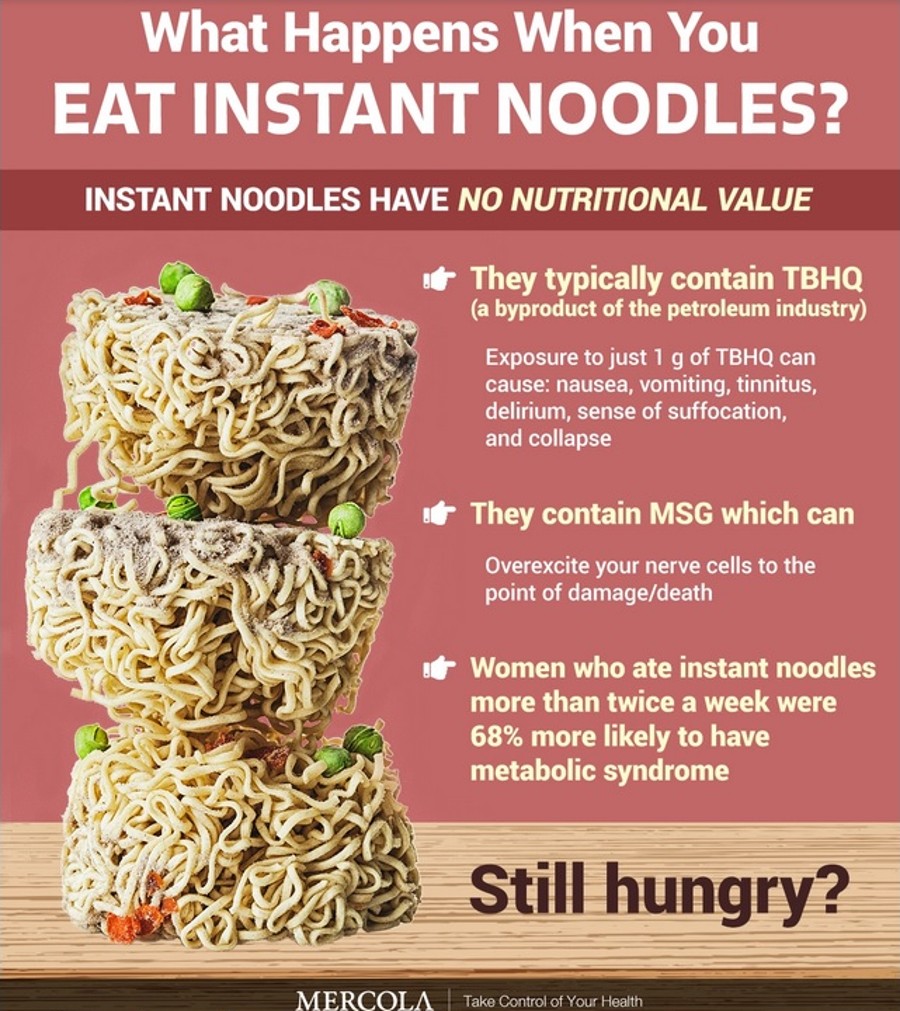
What Happens When You Eat Instant Noodles?

https://www.mercola.com/infographics/what-happens-when-you-eat-instant-noodles.htm

More headlines

How to Properly Detoxify Heavy Metals

When to Take Amino Acids and Why They’re Important

An injured 26 YO NZ man says he is being ‘swept under the carpet’

MUST SEE – The contents of the Jabs, Dr Robert O. Young

Quarantine Camps For “Ongoing Operations”

Going Beyond Organic Food with Joel Salatin

Image by icsilviu from Pixabay

Tools For Building & Sustaining The Immune System

Info that won’t go amiss right now, from Medical Medium at Rumble.

Rumble — Tools For Building & Sustaining The Immune System

Subscribe to Medical Medium on Rumble:
rumble.com/medicalmedium

SUPPLEMENTS I MENTIONED :
https://vimergy.com

MEDICAL MEDIUM DIRECTORY:
https://www.medicalmedium.com/preferred/supplements

Cleanse To Heal
51% OFF $16.99 on Amazon

53% OFF The New Revised & Updated Medical Medium Book 1 only $17.39 on AmazonBlood Draw Podcast Episode : https://www.medicalmedium.com/blog/blood-draw-bloodletting-vampirism

***********

LEARN MORE from Medical Medium Anthony William, #1 NY Times Bestselling Author and Originator of the Celery Juice Movement, in his Bestselling Books:

Cleanse To Heal : https://amzn.to/38mezp6
Medical Medium: https://amzn.to/39pDOdA
Life-Changing Foods: http://amzn.to/1T5KZu7
Thyroid Healing: http://amzn.to/2mfPiJ0
Liver Rescue: http://amzn.to/2DjQjE9
Celery Juice https://amzn.to/2Xz811P
International Editions can be found here: https://bit.ly/3iwv2gb

LISTEN NOW to the Medical Medium Podcast:

https://www.medicalmedium.com/medical-medium-podcast.htm
Medical Medium Podcast on iTunes: https://apple.co/34bQH96
Medical Medium Podcast Information: https://bit.ly/2Rq7Gwv

DISCOVER MORE Medical Medium information online:

Medical Medium Website: https://www.medicalmedium.com
Free Course: https://www.medicalmedium.com/healingpath
About Anthony William, Medical Medium: https://bit.ly/3iAem7e
International Celery Juice Movement: https://bit.ly/3ivAuzG
FREE Healing Path Program: https://bit.ly/35Gg8QH
FREE Resources, Recipes & Downloads: http://bit.ly/2GEYy2Z
Medical Medium Blog: https://bit.ly/3hxr5pS
Medical Medium Recipes: https://bit.ly/3hwH2xv

FOLLOW Medical Medium today:

Medical Medium on Telegram: https://bit.ly/2VqJqQJ
Medical Medium on MeWe: https://bit.ly/3yUiFBQ
Medical Medium on Facebook: https://bit.ly/2ZGwF3s
Medical Medium Podcast on iTunes: https://apple.co/34bQH96
Medical Medium on Instagram: https://bit.ly/32xRwb4
Medical Medium on Twitter: https://bit.ly/3huHJGP
Medical Medium on Pinterest: https://bit.ly/2FEwDBK
Medical Medium on Amazon.com: https://amzn.to/35E3vWu
TikTok: https://www.tiktok.com/@medicalmedium?
Youtube : http://bit.ly/1rDfhbW

SUPPLEMENT DIRECTORY : https://www.medicalmedium.com/preferred/supplements

LIKE & SUBSCRIBE to the Medical Medium Rumble Channel for Livestreams, cooking recipes and information on how to heal your body, mind and soul: https://rumble.com/MedicalMedium

DISCLAIMER: https://www.medicalmedium.com/medical-medium-disclaimer

“As a concerned Kiwi and as a member of the not so silent majority, I wish to add a few thoughts to the COVID-19 debate …”

Dear Parliamentarians & others,

As a concerned Kiwi and as a member of the not so silent majority, I wish to add a few thoughts to the COVID-19 debate, in particular to see what further practical measures could be taken to hasten the return to normality.

At this stage it is clear that the original WHO projections for mortality were grossly overstated and which have led to global panic and house arrest. The evidence is also compelling that the virus is a highly engineered, weaponized pathogen with Gain of Function insertions designed to enhance its transmission and lethality. As discussed by many authorities and summarized by Dr Mercola in his interview with Francis Boyle who drafted the Biological weapons Anti-Terrorism Act of 1989, COVID-19 is a weaponized pathogen that;

  • appears to be a benign bat coronavirus modified to integrate spike proteins that allows the virus to enter human cells by attaching to ACE-2 receptors.
  • appears to have been modified to integrate an envelope protein from HIV called GP141, which tends to impair the immune system.
  • .appears to involve nanotechnology, which allows the virus to remain airborne longer. MIT found that it travelled 27feet (8m) through the air which is why it is so infectious.

https://everlast.mercola.com/r/?id=h3332f8d4,20a0dac7,20b67118&…

The illegal bioweapons program that produced CV-19 (COVID-19) is the work of USA, Chinese and other scientists. Needless to say, a global response to this criminality must remain at the forefront until the guilty are brought to justice and all such weapons laboratories are permanently shut down and their materiel destroyed.

The purpose of this note is not to discuss these aspects, but to query the apparent lack of use of some simple remedial measures, given the better understanding that we now have of the true nature of the virus.

The virus has a long asymptotic latency period (~20 days) during which it is infectious. Only the immuno-compromised succumb to it, principally the elderly and those with other underlying health conditions. According to its inventor, the PCR test is a lab research tool and is not suitable for diagnostic purposes. This has resulted in high false-positive reporting which in a low infection level community produces wildly inaccurate calculated mortality rates. GIGO. With that limitation, something is better than nothing. The same could also be said for wearing face masks, but not for social distancing, given the 8m aerosol spread of the virus. Fortunately, Sterilray 222nm UV light is the answer to this problem. Deployment of this technology in all public spaces including transportation and as PPE could remove the fear of infection and allow normal social interaction to resume. This may well be the single most effective tool that we have in the fight against this and other similar pathogens.

222nm Sterilray

In the second line of defense there are many simple, low cost natural remedies that have been proven effective against COVID-19 including; Vitamin C (intravenous and oral), Vitamins A & D, Zinc, Selenium Iodine, Hydroxychloroquine and Azithromycin. To this could be added the anthelmintic drug Ivermectin which has been found to completely eliminate the virus within 48 hours. Since parasites concentrate heavy metals at ~100 times that of somatic cells, it makes sense to take this every month or two for detox.

https://www.webmd.com/drugs/2/drug-1122/ivermectin-oral/details

Compare this to the current practice of transferring critical patients to ICU for intubation with a 20% survival rate over 3-weeks. What an appalling waste of medical resources compared to outpatient treatment with IVC and which is 100% effective within 7 days. IVC was found to be highly effective by the Chinese. Treatment levels ranged from 1-100g/day with 10g/day appearing to be adequate. There are three types of Vitamin C; regular C which is water based with limited bowel tolerance, oil based which lasts longer so less is required, and Liposomal C. Liposomal C is 10-20 times more effective than regular oral C so a 1g sachet is similar to 10g of IVC. This can and should be taken at home every day by everyone, silly not to. Why leave home without it? Vitamin C disrupts viral attack at a very early stage and cannot be beaten or mutated against. Unfortunately, vitamin C and all other natural non-profit remedies are maligned by the globalist controlled medical system. And Western governments have caved in to this malicious, profit-driven BigPharma paradigm to the considerable detriment of public health. We can no longer afford this malignant stupidity. 250 years ago Captain Cook discovered the effectiveness of Vitamin C in treating scurvy for his sailors. Scurvy is sepsis, one of the primary causes of death in the elderly – and we refuse to prescribe vitamin C for them – how woeful. And how about just 1 drop/day of Lugol’s solution (Iodine) for additional protection. These are ridiculously low cost remedies that would probably save at least 100 times their cost in drugs not required – a taxpayer’s double delight and a Globalist’s delirium. Bring it on!

https://gnosis474.blogspot.com/2009/09/iv-vitamin-c-used-to-recover…

The Fauci-Gates-Globalist wet dream is for a compulsory CV-19 vaccine for the entire world population, with multiple boosters required for the many subsequent mutations. Great work if you can get it! The problem is that vaccines seldom work. Given that there are ~380 Trillion viruses in the environment it is not hard to see why that should be. And never mind the history of adverse vaccine cases, as partly compiled in the USA VAERS database. $4 Billion has already been paid out therefrom by the American taxpayer following granting of legal immunity to the vaccine manufacturers who have never provided safety tests for their products. This is medical tyranny and grand larceny. Until such time as vaccine manufacturers provide independent safety studies for their products together with full disclosure and are held responsible for adverse vaccine events, I for one will not be taking any vaccines. As found with the SARS epidemic, modified/ attenuated live viruses are extremely dangerous and encourage mutation of the target virus, (out of the pan into the fire). However, there is a vastly superior technology available which eliminates the virus completely from the ‘vaccine’. This technology proved its worth during the Spanish Flu epidemic where it greatly out-performed the success rate achieved by conventional medicine. At that time British hospitals were either conventional or homeopathic. The superior success of the homeopathic hospitals is a matter of public record. Homeopathy, together with the cancer cure invented by the American scientist, Dr Raymond Rife in the 1930s were removed from mainstream medicine by the criminal BigPharma cabal. Homeopathy has been marginalized by igorance (ignorance + arrogance). Its ‘modus operandi’ was not understood until at least a century after its discovery, with the understanding provided by Quantum Mechanics. Homeopathy is energetic, not chemical. The simple preparation method removes the pathogen, but amplifies its energetic signature to which the immune system responds. It doesn’t get any better than that. Current science says that a virus is identical to an Exosome which is the ‘rubbish bag’ full of waste discharged by cells during normal housekeeping duty. When the Enviro-waste truck collects the rubbish bag, it is referred to as a virus, (a rose by any other name still smells as sweet). So vaccines, either chemical or energetic seek to provide a warning to living cells that a pathogenic threat is present, hopefully inducing an immune response. Apart from the low cost, simplicity and nil toxicity of Homeopathy, it can be prepared very quickly, as and when the need arises. Wasted squillions are not mandated.

The cellular waste removed via exosomes has many causes; chemical, biological and electromagnetic. The introduction of non-native EMF (Electro-Magnetic Fields) starting in the late 19th Century with electrification and radio waves WW1, radar WW2 and now with 1-5G WiFi WW3, EMF pollution has now reached crisis proportions. Despite the shut eyes of the industry and captive governments, the evidence is overwhelming of the damage being caused to the biosphere and humanity. Of particular interest here is the introduction globally of radio in WW1. It was rapidly followed by the Spanish Flu that killed ~50 million. Although circumstance is not evidence, other evidence that explains circumstance is. In keeping with proper scientific procedure (Koch’s postulates), the suspicion of pathogenic causation for SF was investigated. Three separate trials were conducted whereby 100 diseased persons tried to infect 100 healthy persons. Increasingly severe ways of infection were tried, but in every case no infection occurred, not 1 in 300. Given our current penchant for social distancing I wonder if the inverse square law might have applied, inversely (not). It wasn’t until the 1930s that SF was finally attributed to a viral cause, falsely so.

https://www.youtube.com/watch?v=DvQMIzV-07U

5G is a military technology re-purposed for IOT. Apart from the severe increase in microwave radiation that it brings, with its pulsed microwaves which are much more damaging than steady waves, there are several natural frequencies of living systems that are at grave risk from WiFi, notably the fundamental resonant frequencies of the water and Oxygen molecules, at 2.45GHz and 60GHz respectively. 5G 60GHz radiation prevents uptake of Oxygen by hemoglobin resulting in asphyxiation, the symptoms of which are identical to CV-19 deaths. Wuhan was the first city to rollout 5G and not long before the CV-19 outbreak. New York is also 5G live. In tacit admission of the dangers of WiFi, no Telco has ever provided independent research to vouchsafe this technology as safe. Similarly, no insurance company will insure against it. The reason is clear. This is dangerous technology! I for one hate it and in 2014 built a house using industrial hemp and incorporating EMF protection technology – the first in NZ to do so.

Results of EMF radiation shielding of new built hemp home – YouTube

The exceptionally insidious aspect of 5G is its infinite capacity for control, down to the atomic level. There is no privacy and no sovereignty in a 5G world. The genocidal NWO WHO Agenda-30 program for 90% depopulation, as carved in stone on the Georgia Guide-stones, can then be effected at the flip of a 5G kill-switch, credits to Musk, SpaceX et al. The second wave of the virus has been mooted for September, no doubt in sync with 5G activation and with ~60M deaths postulated. Curiously, 5G deployment has continued during the lockdown in many places. The surreptitious 5G rollout is proof of malice aforethought for which the precautionary principle has been treated with total contempt. This applies equally to the toxic, unacknowledged Chemtrail program which no doubt contains Lithium for dumbing down of the masses. And the forthcoming CV-19 compulsory vaccine is expected to be microchipped and nano-botted, fit for purpose. I do not consent to 5G-Chemtrails-Geoengineering and Globalist tyranny and I deny that silence is informed consent. Lawful consent is only ever given by wet ink signature!!!

https://rense.com/general16/georgiaguidestones.htm

We have been dumbed down and pork-barreled into servitude.

There is a problem to solve, and it is bigger than a virus.

https://www.youtube.com/watch?v=JXm5hklbBsA&feature=youtu.be

To do list (for immediate action):

  1. Implement 222nm Sterilray technology everywhere – open slather.
  2. Promote the use of daily 1g Liposomal Vitamin C sachets to the public and in hospitals and FOC to the ‘at risk’ segment of society.
  3. Promote the use of high-dose IVC in clinics and hospitals.
  4. Promote good nutrition to build immunity including supplementation with Magnesium, Zinc, Iodine, Selenium, vitamins A&D.
  5. Promote sensible sun exposure.
  6. Evaluate disinfectants such as Hydroxychloroquine, Azithromycin and Ivermectin and make available for general use, as appropriate.
  7. Conduct Homeopathic trials for building herd immunity.
  8. Acknowledge that elimination of the virus is an impossibility which leaves the population at risk and seek to build herd immunity asap.
  9. Halt all 5G deployment until the pandemic is over and herd immunity is established.
  10. Recommence 5G deployment only after the Precautionary Principle has been satisfied according to independent experts. Avoid all biologically sensitive frequencies. Preferably, hold a referendum for 5G deployment.
  11. Legislate for a suitable emergency committee to exclude a repeat of the current example of anti-democratic authoritarian rule.
  12. Adopt a front-foot approach, armed with knowledge and effective survival tools and avoid panic attacks. Go back to work.
  13. Vigorously pursue the course of international justice for bringing the culprits for this plandemic to account.

WITHOUT PREJUDICE (UCC 1-308)

and without recourse

Robert Eady

April 28, 2020

“Condemnation without investigation is proof of indoctrination”.  Hedges

Conspiracy Theory” is a moniker coined by the criminal CIA.

https://forbiddenknowledgetv.net/the-calm-before-the-storm-praying-…


Thanks to thecontrail.com for this link


Image from Pixabay

The depop lobby has cut off your last defense, vitamins and minerals

The supplements market has been taken over by a Dutch corporation that is fast becoming the new Monsanto


SOURCE

Header Photo credit: Image by moakets from Pixabay

Growing cucumbers in your garden or container

STORY AT-A-GLANCE

  • While made up of 90 to 95 percent water, cucumbers still provide a host of valuable nutrients, including vitamins A, B5, C and K, manganese, potassium, magnesium, molybdenum, copper, silica and fiber
  • Technically, cucumbers are a fruit. Three main categories of cucumbers are: slicing cucumbers, pickling cucumbers and English or gourmet cucumber, a thinner version with very small seeds
  • Most grow on trailing vines, although you can also find bush varieties suitable for container gardens, such as Hybrid, Salad, Picklebush and Arkansas Little Leaf, the latter of which will produce fruit without pollination

Cucumbers are one of my most highly recommended vegetables, and if you have a garden, you can easily grow them at home.1,2,3 Aside from being able to control pesticide and fertilizer use, you’ll also avoid the wax applied to many commercially sold cucumbers. There are dozens of varieties that thrive in both cool and warm climates, although they can be a challenge to grow if temperatures are consistently in the mid-90s.

While made up of 90 to 95 percent water, cucumbers still manage to provide a host of valuable nutrients, including vitamins A, B5, C and K, along with manganese, potassium, magnesium, molybdenum, copper, silica and fiber. Cucumbers also contain lignans that bind with estrogen-related bacteria in the digestive tract, contributing to a reduced risk of several cancers, including breast, uterus, ovarian and prostate cancer.4

Other phytonutrients called cucurbitacins — part of a larger group known as triterpenes, and the part of the cucumber that gives it a bitter taste — also inhibit cancer cell development. Preliminary findings also suggest cucumbers have antioxidant and anti-inflammatory properties.5

In traditional medicine, cucumbers are used to treat headaches. The seeds are diuretic, and the juice — thanks to caffeic acid and vitamin C — can be used as an acne treatment and a soothing remedy for tired, puffy eyes.

Cucumber varieties

Technically, cucumbers are a fruit, related to both the melon and squash families. The three main categories of cucumbers you can choose from are:

Slicing cucumbers: thick-skinned and generally larger, growing to be 6 to 8 inches long

Pickling cucumbers: thin-skinned and smaller, reaching 3 to 4 inches in length

English or gourmet cucumber, also known as “burpless:” a longer, thinner version with very small seeds

Some varieties of cucumbers will be more bitter than others. Beit Alpha, Lemon Cuke, Tendergreen burpless and White Wonder are among the sweetest. You can find a listing of other popular varieties on Rodale Organic Life’s website.6 As a general rule, cucumbers need quite a bit of garden space, as they grow on trailing vines. However, there are also bushy varieties that only need minor staking, making them suitable for container gardens.

Popular bush varieties include Hybrid, Salad, Picklebush and Arkansas Little Leaf, the latter of which will produce fruit without pollination, making it an ideal choice for apartment dwellers and small container gardens. To optimize your container-grown cucumber, plant it in equal parts of potting soil, compost, perlite and peat moss, and use a container that is at least 12 inches in diameter and 8 inches deep.

The plants also need five to nine hours of full sun. The greater the sun exposure, the more productive the plant will be. An east-west directed trellis will optimize light exposure. That said, if temperatures are consistently in the mid-90s, provide the plants with filtered afternoon shade to avoid overheating.

Planting and growing cucumbers

Depending on the variety, your cucumbers will be ready for harvest in 50 to 105 days. For earlier harvest, start the plants indoors, using a grow light, approximately four weeks before your last spring frost date. They’re fast growers, though, so most gardeners will simply plant from seed directly in the garden.

For a late summer/early fall harvest, sow a second batch four to five weeks after the first. Cucumber plants are highly vulnerable to frost, so avoid planting seeds or seedlings in your garden until all danger of frost have passed, and the average soil temperature is at least 50 degrees F.

Directions

1.Plant seeds7 in rows, about one-half inch to 1 inch deep, anywhere from 1 to 6 inches apart. The plant will grow best in loose, well-draining soil. Mix in ample amounts of compost to encourage growth. Ideal pH is between 6 and 7.

2.Ideally, water heavily in the morning and allow it to lightly dry out to a depth of about 3 inches before soaking it again. This will help prevent stem rot and powdery mildew, as the plant has a shallow root system.

Allowing the plant to dry out too much can make the fruit bitter, however. A layer of mulch will help maintain the moisture balance. Adequate moisture is particularly important during flowering and fruiting. Sandier soils will require more frequent watering.

3.Once the plants are about 4 inches tall, thin the rows so the plants are spaced about 12 to 24 inches apart, depending on the variety.

4.Four weeks after planting, side-dress with compost, aged manure or 1 tablespoon of 10-7-7 organic fertilizer. A 7-5-5 or 6-3-3 balance can also be used, just make sure it has a slightly higher nitrogen ratio to stimulate leaf growth and fruiting.

That said, excessive nitrogen (and/or low boron or inadequate pollination) will result in cucumbers with hollow centers — a sign of excessively rapid growth, preventing the fruit from forming properly.

5.As the plant grows, train it upward on your trellis. Alternatively, grow them in a large pot, whiskey barrel or raised bed, where it can sprawl over the sides. Growing them vertically will produce straighter fruit, however, and protect the fruit from pests and rot.

READ MORE:

https://articles.mercola.com/gardening/how-to-grow-cucumbers.aspx

Blueberries are a miraculous natural medicine

(Natural News) Blueberries are miraculous natural medicine. If they were prescription medications, they would be called a “miracle” health breakthrough and an unprecedented milestone in medical science. Yet you can get them without a prescription, without a visit to the doctor and without “permission” from your health insurance provider.

And unlike toxic prescription medications, blueberries are incredibly delicious. Just be sure to buy organic, since you don’t want to poison your body with toxic pesticides used on non-organic blueberries. (Read Blueberries.news for more coverage of the health benefits of this amazing superfruit…)

As I explain in the studio video below, blueberries provide astonishing health benefits that no drug can match. These benefits include:

  • Provides nutrients such as 36% of the daily recommended intake of Vitamin K, 25% of manganese and 24% of vitamin C
  • They’re low in cholesterol, low in sodium and low in saturated fat
  • They reduce your risk of heart attacks by 32%
  • They’re great for your brain; just 30 ml of juice has been found to improve cognitive function and prevent memory loss
  • Consuming just two servings per week was found to restore brain functionequivalent to being 2 1/2 years younger
  • They support friendly bacteria in your gut
  • They’re also a great source of fiber, which improves digestive health

Watch my full news video for more details:

https://vimeo.com/235197978

SOURCE:

https://www.naturalnews.com/2017-09-23-if-blueberries-were-pharmaceuticals-they-would-hailed-the-greatest-miracle-health-breakthrough.html

The calcium lie – from an MD

First, a very short three minute clip with the essence of the message, a longer lecture in the second if you want more information. There is also a book from the speaker, Dr Robert Thomson. You will find it on the book sites. Info is within the video. Thanks to Marian Sutherland for this information. EnvirowatchRangitikei

Published on Aug 20, 2008

http://www.calciumlie.com/ – If you believe that bones are made of calcium, you have subscribed to The Calcium Lie. You’re not alone. Most consumers and, surprisingly, most doctors, believe that bones are made of calcium. Yet any basic biochemistry textbook will tell you the truth: Bones are made of at least a dozen minerals and we need all of them in perfect proportions in order to have healthy bones and healthy bodies. If you get too much calcium, through food sources or by taking supplements, you set yourself up for an array of negative health consequences, including obesity, Type 2 diabetes, Type 2 hypothyroidism, hypertension, depression, problem pregnancies and more. For more information, please visit the Calcium Lie website at: http://www.calciumlie.com/


One of the world’s most powerful “Superherbs”

From thetruthaboutcancer.com

For many thousands of years, people across the globe have enjoyed the fresh, citrusy flavor and bright, zesty aroma of one of the world’s oldest and most beloved herbs, cilantro. Also known as Coriandrum sativum, cilantro is a favorite of many in the culinary world, boasting a rich history of food pairing that’s almost as old as time itself. But did you know that cilantro is well-documented in the scientific literature as having medicinal properties as well?

Hailing from the Apiaceae family of herbs, which includes well-known vegetables and spices like parsley, carrots, and celery, as well as some 3,700 other plant species, cilantro is abundant in therapeutic elements that science suggests may help keep the body robustly nourished and free of toxins.Because it’s loaded with vitamins, minerals, and antioxidants, cilantro is a top pick when it comes to perking up foods with a little extra nutrition.

Also called coriander or Chinese parsley, cilantro is both delicious and nutritious, which is why cultural foods from all around the world incorporate its use. There’s never a dull moment in terms of flavor when cilantro is present. And thanks to the fact that cilantro is widely available at most grocery stores very inexpensively, you can take home a bundle of cilantro and get a lot out of it by making freshly-prepared guacamole, for instance, which is one great way to incorporate more of it into a healthy diet.

But what about the alleged health benefits of cilantro?

Cilantro: One of the World’s Most Powerful “Superherbs”

Often referred to as a “superherb,” cilantro packs a pretty big punch considering its size. Cilantro contains vitamins A and K, as well as high levels of vitamin C and the trace mineral manganese. Cilantro also contains an impressive lineup of other vitamins and trace minerals such as B vitamins, calcium, iron, zinc, phosphorus, potassium, and magnesium.1

In the antioxidant department, cilantro holds its weight with the best of them. Cilantro is such a powerful antioxidant, in fact, that it’s often used as a natural preservative, its oil helping to inhibits oxidation and prevent spoilage in food.2 There are also antibacterial elements within cilantro that studies have shown can help prevent bacterial infections like Salmonella.

READ MORE

https://thetruthaboutcancer.com/cilantro-health-benefits/?utm_campaign=cilantro-health-benefits&utm_medium=email&utm_source=maropost&utm_content=2017-04-27&utm_term=

Aspartame is converted by the body into formaldehyde, a cancer-causing chemical

(NaturalNews) The controversy surrounding one of the world’s most popular artificial sweeteners, aspartame (NutraSweet, Equal), continues some 30 years after the chemical was rammed through the regulatory process by pharmaceutical interests, despite its well-documented dangers. And yet to this very day, many people are still unaware of the chemical sweetener’s sordid history, not to mention what aspartame is actually made from and how it affects the body and brain.

Here are a few pertinent facts to get your interest:

  • Aspartame is converted by the body into formaldehyde, a cancer-causing chemical.
  • Aspartame causes obesity and metabolic syndrome.
  • Reagan-appointed FDA commissioner helped get aspartame approved despite evidence showing its toxicity.
  • Aspartame is made from the feces of genetically-modified (GM) E. coli bacteria.
  • Aspartame crosses the blood-brain barrier, potentially causing permanent brain damage.


Learn more: http://www.naturalnews.com/045692_aspartame_chemical_sweetener_surprising_facts.html#ixzz3yWHmJXzo


COMMENT:


soda-686984_1280


Here are other products that contain aspartame

  • Sugar-free ice cream
  • Iced tea
  • Jams and jellies
  • Ice cream toppings
  • Fruit spreads
  • Sugar-free ketchup
  • Sugar-free cookies
  • Pudding
  • Nutritional bars
  • Non-carbonated diet soft drinks
  • No sugar added pies
  • Flavored water products
  • Chewing gum
  • Vitamins
  • Diet soda
  • Hard candies
  • Instant cocoa mix
  • Flavored syrups
  • Coffee
  • Cereals
  • Breath mints
  • Carbonated soft drinks
  • Meal replacements
  • Powdered soft drinks
  • Protein drinks
  • Tabletop sweeteners
  • Vegetable drinks
  • Drinkable yogurt
  • Fat-free yogurt
  • Sugar-free chocolate syrup
  • Sugar-free yogurt

SOURCE

Related Links:

Why you shouldn’t have it or anything containing aspartame

“Several weeks ago the Wrigley’s Corporation mailed me a sample of their latest product, X.Cite – “40 sugarfree crunch pearls in a resealable package”. Its on TV ads and supermarket checkout counters with Airwaves and Extra gum. The artificial sweetener, they all contain, aspartame, has been described as “a Pandora’s box of chameleon-like toxins and tumour agents that have 92 FDA (the US food regulatory body) acknowledged ways to ruin your life, death being one of them”.”
Read More: http://www.safefood.org.nz/diefordrink.php

A List of Foods Containing Aspartame

From diet drinks to sweet treats, aspartame is one of the most popular low-calorie sweeteners. Despite its presence in diet foods, aspartame is not calorie-free, it contains 4 calories per gram. Since aspartame is two hundred times sweeter than sugar, you only need a very small quantity of aspartame to create a sweet-tasting product
Read More: http://www.livestrong.com/article/389334-a-list-of-foods-containing-aspartame/

EnvirowatchRangitikei


Which Milk Beats All Other Milks?

From Natural Society website, by Barbara Minton:

It can take some effort to find a ‘healthy’ commercially-prepared substitute for cow’s milk. One will go through a number of different milk products before even finding which is best; but know this, there is an alternative to conventional cow’s milk that stands out above the rest.