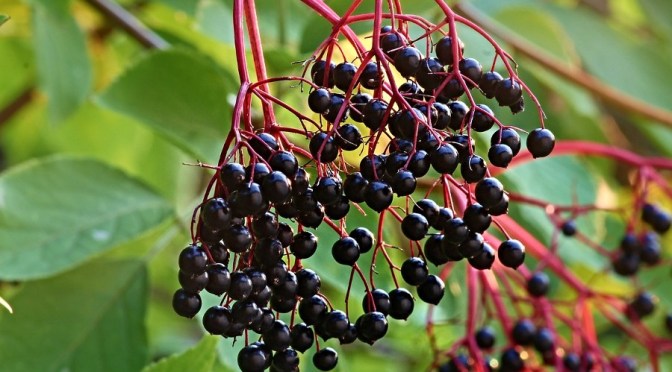
Learn how to grow elderberries for food and medicine, right in your own backyard! Elderberries can be grown from cuttings, starts, or seeds. Growing elderberries is easy!
Why Grow Your Own Elderberry Shrubs?
Elderberries have become extremely popular in recent years due to their powerful immune boosting properties. Because of this popularity herbal shops and online retailers will often be sold out by the time fall gets underway!
This is frustrating for those of us who want to make our own elderberry syrup or elderberry tincture for cold and flu season. The good news is that growing elderberries in your backyard is really easy!
Since acquiring dried elderberries can sometimes be very difficult, especially during cold and flu season, I prefer to either forage or grow my own whenever possible.
(NaturalHealth365) The steadily worsening problem of antibiotic-resistant pathogens – cause for grave concern in the medical community – has researchers working overtime to discover solutions. But several studies raise hope that Manuka honey may hold the key to combating MRSA and other drug-resistant strains.
In one study conducted at Cardiff Metropolitan University and published in 2012 in Microbiology, researchers moved closer to understanding the mechanisms by which honey inhibits the formation of biofilms – difficult-to-treat communities of bacteria – and helps to clear chronic wounds.
Researchers found that Manuka honey produced in New Zealand and Australia has the ability to attack a common bacteria, Streptococcus pyogenes, often responsible for chronic infections, as well as the destruction of skin grafts. In fact, it took only modest concentrations of honey to kill 85 percent of the biofilms in a Petri dish – within two hours.
And, S. pyogenes isn’t the only pathogen susceptible to honey – numerous studies demonstrate that Manuka honey is antiviral, antifungal, and active against 80 different species of bacteria, including E. coli, P. aeruginosa, and methicillin-resistant staphylococcus aureus, or MRSA. The team noted that there are no instances of any type of honey-resistant bacteria on record.
Remarking that honey was both cheaper and safer than conventional drugs, they called for its use as a complementary therapy in conjunction with antibiotics.
We are up against all kinds of viruses on this planet. No matter what virus you want protection from, or which virus might be the hot topic in the media at any given time, all of the Medical Medium healing information can help protect you and your loved ones.
(NaturalHealth365) Have you ever noticed that you have more energy when you eat nutrient-rich, organic food and have a better overall feeling of wellness than when you eat fast food? There’s a reason for that, and researchers are linking an organic diet to improved cognition and higher academic performance in children.
The study, published in Environmental Pollution, was conducted by researchers at the Barcelona Institute for Global Health. It took an in-depth look at environmental hazards that children come into contact with regularly. Without examining unique lifestyle factors individually, the researchers concluded that “healthy diets, including eating organic diets, are richer than fast food diets in nutrients necessary for the brain…” According to the study, antioxidants, vitamins, and fatty acids found in a balanced, healthy diet are credited with enhancing cognitive function in children.
A large-scale study of 1,300 participants examines the connection between children’s diet and cognitive development
The researchers chose nearly 1,300 mother-child pairs from those enrolled in the pan-European study, Human Early Life Exposome (HELIX) Project. HELIX has a number of various projects spanning several European countries
The children participating in the study ranged in age from 6 to 11 years old, all in good health. In addition, because the participants were already a part of HELIX, researchers already had data on the mothers’ pregnancies and birth experiences as well as urine samples for all participants.
They used each participant’s home addresses to evaluate the area for environmental exposures, such as level of pollution and how close they were to parks and natural areas. The researchers administered tests to both child and mother to determine specific lifestyle factors, alcohol use and smoking by either or both parents, the child’s diet, their environment indoors, level of physical activity, and other habits.
(NaturalHealth365) Within the past few years, scientists at the forefront of cancer research have increasingly given voice to a once radical-sounding concept: cancer – second only to heart disease as a cause of death for Americans – is largely preventable, with diet playing an important role.
In a prominent article published in 2008 in the peer-reviewed scientific publication Pharmaceutical Research, the authors – researchers in the Department of Experimental Therapeutics at the University of Texas M.D. Anderson Cancer Center – boldly state that cancer is, for the most part, a preventable disease that can be avoided with proper lifestyle choices.
An article published the following year in the Journal of Clinical Oncology echoes and confirms this finding and goes on to assert that dietary modification alone – namely, increasing intake of fruits, vegetables, and spices – could prevent 20 percent or more of all cases of cancer, saving close to a quarter of a million lives a year. In a more recent study published in the International Journal of Environmental Research and Public Health authors concluded that indeed, nutrition is one of the most modifiable aspects of people’s lifestyles and dietary choices that can affect cancer risk. Furthermore, with the maintenance of optimum body weight and regular physical activity added to dietary modification, the authors estimate that up to 40 percent of all cancer cases would simply never occur.
Stunning fact: Nearly 50% of all cancer cases can be eliminated with natural compounds
Imagine the headlines, the fanfare, and the triumphant advertising campaign Big Pharma would unleash if a drug manufacturer were to develop a medication with the same rate of success at warding off cancer. Yet, the “medication” already exists. We already have access to safe, natural, and relatively affordable cancer-preventing substances: the phytochemicals contained in luscious fruits, tasty vegetables, and zesty spices.
Although a myriad of fresh fruits and vegetables – broccoli, blueberries, garlic, grapes, tomatoes, and dozens more – can help prevent cancer, two spices, in particular, have been impressing researchers with their ability to inhibit and even destroy cancer cells.
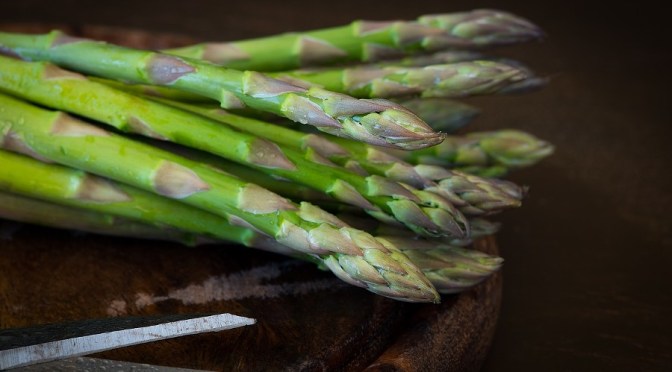
Asparagus officinalis belongs to a large genus of plants grown for ornamental purposes, though it’s is one of the few members of this family that’s cultivated for food.1 Since its domestication, asparagus has become a favorite for its sweet flavor and tender quality, which allows it to be prepared in various ways.2 You can steam, poach, roast or add a handful of its stalks to soups and frittatas for added texture.3
Health Benefits of Asparagus
Aside from its delectable taste, asparagus offers numerous vitamins and minerals, including calcium, folate, iron, magnesium, phosphorus, potassium and vitamins A, K and C. It also contains trace amounts of niacin and vitamin E.4 It’s obvious that asparagus leads the pack in both the range and amount of nutrients it supplies. Because of these nutrients, adding asparagus to your diet may offer the following benefits:
Supporting cardiovascular health — In a 2017 study from Nutrients, it was stated that numerous vegetables (including asparagus) may protect and support heart health. This may be due to the high amounts of dietary fiber and vitamins in this vegetable.5
Aiding in fetal development — As one of the best plant-based sources of folate, asparagus may help lower the risk of miscarriage and neural tube defects in unborn children.6
Lowering osteoporosis risk — Asparagus contains considerable amounts of both vitamin K and calcium, nutrients essential in maintaining bone health. Adequate levels of vitamin K in the body ensures effective absorption of calcium, lowering the risk for bone fractures.7
It’s too bad Americans aren’t more familiar with persimmons, since its botanical name means “food of the gods.”1 Highly adaptable to various climate conditions,2 those found in larger grocery stores are most likely Japanese persimmons. Persimmon is Japan’s national fruit,3 although it’s said to be native to China4 (American persimmons are mostly ornamental).
Persimmon seeds first came to the United States when commodore Matthew Perry sent them from Japan in 1856. Today, persimmons are grown in a plethora of varieties in China, Burma, Northern India and Australia. In the U.S., it grows in Southern and Southwestern states, predominantly California.5
Persimmons are red-brown or orange fruits that grow on trees like plums and look like a small, rather flat tomato capped by a calyx.6 The two varieties are astringent and nonastringent, the latter being pleasingly sweet. To avoid bitterness, the paler varieties should be eaten only when very ripe, usually peeled.7
(NaturalHealth365) Every day millions of dollars are spent by people trying to be more attractive, look younger, or resolve a skin problem like acne, eczema, or psoriasis. Every day, many of those people are sorely disappointed. There are many commercial products out there that are loaded with chemicals and synthetic ingredients that can do more harm than good.
By contrast, nature has again and again provided superior remedies for so many of these skin concerns. One of the shining stars among them is Nigella sativa – black seed oil.
“Meet Dr. Sebi, a pathologist, biochemist and herbalist. He came to the U.S. from Honduras and is on a mission to heal humanity. As it happens, he has been curing some of the most deadly diseases on the planet for almost 30 years. AIDS, cancer, diabetes, lupus and epilepsy are just a few of the ailments he has completely reversed. In fact, he is so committed to his work that he took on the Attorney General of New York in a Supreme Court trial — and won….The judge presiding over the case requested that Dr. Sebi provide one witness for each disease he claimed to have cured. When he instead furnished 70 witnesses to support his argument — showing without a doubt that he did in truth heal all the diseases listed in the ad — the judge declared the doctor not guilty on all counts…”
Microgreens are all the rage right now, and for good reason. These edible seedlings are excellent sources of fiber and essential micronutrients, as well as powerful plant compounds.
Usually, microgreens are enjoyed as part of salads because of their fresh flavor and crisp texture. However, they can also be added to soups, pasta, sandwiches, meat mains and even smoothies.
Microgreens are available in most supermarkets and farmer’s markets. But they’re pretty easy to grow, even for beginner gardeners. The best part is, you can grow them indoors.
Microgreens are often confused with sprouts, but they’re not exactly the same. Microgreens are often harvested one or two weeks after germination when the plant is one to three inches tall and its first “true leaves” have emerged. When ready to harvest, the plant is snipped off just above the root.
(NaturalHealth365) Alzheimer’s disease, a neurodegenerative condition that impairs memory and cognitive abilities, currently affects over 6 million Americans – and causes the death of 83,000 people every year. Unfortunately, rates of the disease are soaring, with the Alzheimer’s Association predicting that this number will climb to 13 million by the year 2050.
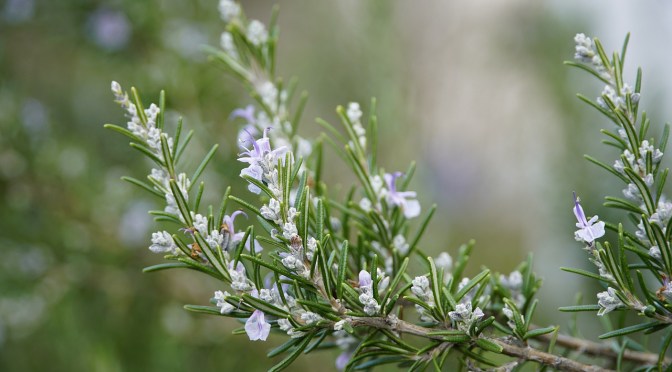
5.85M subscribers ADD YOUR SUCCESS STORY HERE: https://www.drberg.com/add-client-suc… FREE COURSE➜ ➜ http://bit.ly/BulletproofImmuneSystem… Talk to a Dr. Berg Keto Consultant today and get the help you need on your journey. Call 1-540-299-1556 with your questions about Keto, Intermittent Fasting or the use of Dr. Berg products. Consultants are available Monday through Friday from 8 am to 10 pm EST. Saturday & Sunday from 9 am to 6 pm EST. USA Only. DATA: https://journals.lww.com/nutritiontod… Check out the interesting benefits of rosemary! Timestamps 0:00 Introduction: What is rosemary used for? 0:30 Rosemary benefits 1:25 Rosemary for insulin resistance 1:40 Share your success story! In this short video, I want to cover the wonderful benefits of rosemary. Rosemary is an amazing herb that people use for all different kinds of things. People use rosemary as tea. They also use it in their food, marinades, stews, soups, and food preservatives. Rosemary is even used in certain cosmetics. Rosemary has some very interesting properties, mainly from rosmarinic acid. Rosmarinic acid is the main phytonutrient in rosemary, and it has some really cool effects. Rosemary can help stimulate hair growth when used as an oil and applied to the scalp. One study showed a significant change when using rosemary to help inhibit cognitive decline. Another study showed that rosemary can increase insulin sensitivity and help with weight loss. Rosemary is also neuroprotective. There are potential benefits when using rosemary for: • Epilepsy • Pain relief • Infertility • Anxiety • Constipation • Muscle pain • Diabetes • Inflammation If you have insulin resistance, which is very common, rosemary is a very good herb to use in your food on a regular basis. Dr. Eric Berg DC Bio: Dr. Berg, age 56, is a chiropractor who specializes in Healthy Ketosis & Intermittent Fasting. He is the author of the best-selling book The Healthy Keto Plan, and is the Director of Dr. Berg Nutritionals. He no longer practices, but focuses on health education through social media. DR. BERG’S SHOP: http://shop.drberg.com/ Follow us on FACEBOOK: https://fb.me/DrEricBerg Send a Message to his team: https://m.me/DrEricBerg ABOUT DR. BERG: https://www.drberg.com/dr-eric-berg/bio
An old Chinese proverb states, “Eating pungent radish and drinking hot tea lets the starved doctors beg on their knees.”1 There’s probably some truth to this saying, as radishes are among the most nutritionally loaded low-calorie vegetables you can enjoy today.2
Most radishes in the U.S. are known for their red skin and round shape, but have you ever tried the long and white Asian variety called daikon?3 Discover the various benefits and culinary uses of daikon, and why it’s worthwhile to add to your diet.
What Is Daikon?
You may know it as an Oriental radish, but daikon (Raphanus sativus var. longipinnatus)4 actually goes by many names, including mooli, Satsuma radish,5 Chinese radish and most notably, Japanese radish.6 In fact, daikon is Japanese for “big root.”7
Daikon is believed to have originated in the Mediterranean regions8 and eventually spread to Asian countries like Japan, China and Korea, where it is utilized in various dishes.9 It is easily distinguished from other radishes by its large, vibrant green leaves and a long white root, resembling a pale carrot. Daikon can grow up to 18 inches long, and weigh 1 to 4 pounds.10
Daikon’s flavor is considered milder and less peppery than other radishes. Served raw, it is subtle and tangy with a crisp and juicy texture. When cooked, it tastes similar to cooked turnips.11
Although the root is the most utilized part of daikon, it is technically a cruciferous vegetable.12 In Asian countries, the root is commonly pickled and eaten as a side dish, or grated, cubed, or thinly sliced for addition to main dishes. Nevertheless, the leaves should not be thrown away, as they offer their own plethora of health benefits.13
You can enjoy daikon sprouts (called “kaiware” by the Japanese), which have a pungent and peppery flavor that adds a kick to sandwiches and salads.14 They are best consumed raw or used as garnish.15
5 Daikon Health Benefits
You can’t go wrong with adding daikon to your favorite meals, as it offers a multitude of nutrients that can be advantageous to your health.
Daikon is known to help boost a weak digestive system.16 A 2017 study also learned that isothiocyanates, which give daikon its peppery and pungent qualities,17 were found to help reduce the risk of breast cancer.18
Daikon also contains considerable amounts of potassium, vitamin C and phosphorus19 — nutrients essential for good health.
While you may think that daikon’s benefits are only available through the root, you’ll be surprised to learn that its leaves have impressive nutritional value, too.20 They’re actually loaded with vitamin A, which is essential for eye health, and vitamin C, iron and calcium.21
Daikon may help optimize your well-being by:
Boosting digestive health — Daikon may help facilitate better digestion of proteins and fats,22 which in turn helps inhibit constipation.23 Its antioxidants were also found to help trigger bile flow,24 which is essential in breaking down and absorbing fats.25
Assisting in detoxification — As a diuretic, daikon may help stimulate urination, which is necessary for keeping the kidneys clean.26
Bolstering your immunity — Daikon’s antibacterial and antifungal properties may help reduce the risk of bone or joint infections, gastroenteritis, meningitis and pneumonia.27
Promoting bone and skin health — Its high calcium content28 may help alleviate osteoporosis.29 The liquid from boiled daikon leaves is also known to help reduce excess skin oils and odors.30
Helping with weight management — Daikon is a low-calorie and low-cholesterol vegetable, but it is high in fiber and many other nutrients1 — qualities that are ideal for people who want to maintain a healthy weight.32
Remember, if you want to reap all of daikon’s health benefits, it’s best to use the entire vegetable.
How to Cook Daikon: Tips to Keep in Mind
As with other radishes, the potential of culinary uses for daikon is endless. It can be cooked multiple ways, as a wonderful addition to your favorite soups, stews or meat dishes. You can roast, slow cook, boil, bake, steam or eat it raw, just as you would with a carrot.33 Daikon also works well as a substitute for recipes that call for other vegetables or other types of radishes, as it’s extremely versatile.34
As mentioned above, daikon leaves should not be thrown away, as they are just as nutritious and flexible as the root. However, they’re best when eaten fresh, ideally on the day they are purchased. Remember to rinse them before adding to your meals.35 If this is not possible, then you can preserve them: Place the leaves in a wire basket and blanch in boiling water, and then freeze.36
Here is a recipe from Cook for Good37 that uses both daikon leaves and root — nothing goes to waste!
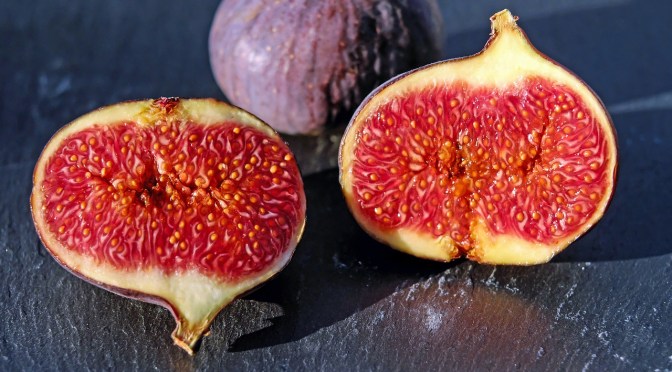
Often mentioned in the Bible as a sign of peace and prosperity,1 the fig tree is so ancient, remnants of the fruit have been discovered in Neolithic excavations sites circa 5000 B.C.2 Thought to be native to Western Asia or Egypt, figs were cultivated very early throughout the Middle East and Europe and finally reached England and China by the mid-1600s. Spanish missionaries planted orchards in California in 1769, where they still thrive today.3
Belonging to the mulberry family, there is a plethora of fig tree varieties.4 Most of them are small at 10 to 30 feet and thrive in warm, dry climates. Pollinated by a tiny wasp, fig trees never blossom because the flowers are on the inside, producing dozens and sometimes hundreds of miniscule seeds that give figs their unique, crunchy texture.5
Considered exotic in some areas of the world, figs are sweet and juicy when ripe. They can be red, yellow, purple-skinned or green-striped,6 each with their own unique flavor. But before they reach optimal ripeness, figs are gummy with “latex,” which contains serious skin irritants, so protective measures for workers are sometimes mandated for fig production operations.7
Dried figs are sometimes roasted and ground as a coffee substitute or converted into alcohol as a liqueur or tobacco flavoring.8
Figs are quite perishable and should be refrigerated if not eaten within a few days. They should be placed in the coldest part of your fridge, and will stay fresh for several days.9 Like apples, figs are a great snack by themselves, but can also be added (peeled or unpeeled) to many recipes. It’s interesting that the seeds only add to the satisfying, tasty chewiness. Best at the firm-to-tender stage, the riper they are, the more antioxidants they provide.10
Health Benefits of Figs
Figs are high in fiber and are a good source of several essential minerals, including magnesium, manganese, calcium (which promotes bone density) and potassium (which helps lower blood pressure), as well as vitamins, principally K and A, as well as folate and choline.11
The nutritional value of figs by weight increases when they’re dried, and they also keep for a longer period of time. A 100-gram serving of fresh figs, for instance, provides 35 milligrams (mg) of calcium, but the same amount of dried figs has 162 mg of calcium.12
Keep in mind, though, at the same time, 100 grams of dried figs contain nearly 48 grams of total sugars — 10 more grams than the maximum amount of added sugars recommended for adult males for a whole day — while raw figs contain just a little over 16 grams. Therefore, it’s important to monitor how many figs you eat if you consume them dried.
Whether fresh or dried, figs contain powerful antioxidants that neutralize free radicals in your body and help fight disease.13 Figs also supply healthy amounts of dietary fiber, which keeps your digestive system regulated and may have a positive effect on weight management. According to one study, the fruits with the most fiber content include apples, dates, figs, pears and prunes, and there was a 34 percent reduction in breast cancer risk among women who consumed the most fruit fiber, compared to those who ate the least.14,15
Traditional medicine around the world has made use of figs as poultices on tumors, warts16 and wounds. The fruit and leaves have been pulverized and added to gargles to relieve sore throats.17
In some cultures, fig leaves are nearly as important as the fruit itself because of the unique health-related benefits they offer. This includes their ability to regulate blood sugar levels, since research has shown they contain properties that can actually reduce the amount of insulin needed by diabetics.18
As mentioned, despite their benefits, you should consume figs in moderation because they contain fructose (sugars), which may be harmful to your health in excessive amounts.
Amt. Per Serving
% Daily Value*
Calories
74
Total Fat
0.3 g
Saturated Fat
0.06 g
Trans Fat
Cholesterol
0 mg
Sodium
1 mg
Total Carbohydrates
19.18 g
Dietary Fiber
2.9 g
Sugar
16.26 g
Protein
0.75 g
Vitamin A 7 µg
Vitamin C
2 mg
Calcium 35 mg
Iron
0.37 mg
Studies Done on Figs
Natural phytochemicals with potent cytotoxic properties isolated from the ficus carica, as well as soybeans, were identified in one study as having inhibitory effects on the proliferation of various cancer cell lines.20
In another study, the fig variety Dottato was examined to assess its unique antioxidant, cancer-fighting, and phototoxic activity on melanoma cells. Data obtained indicated that this fig cultivar may be an excellent source of bioactive compounds such as phenolics, coumarins and fatty acids. This study offered a new perspective in developing other fig-containing formulations potentially useful in treating nonmelanoma skin cancers.21
Compared to other foods, figs were found to be one of the densest in phenolic antioxidants and nutrients, mostly fiber, in a study on the amount and quality of phenol antioxidants in dried and fresh fruits. Figs and dried plums had the highest nutrient score among dried fruits in trials of several individuals consuming them with carbonated beverages.
Scientists reported that fig antioxidants can enrich lipoproteins in plasma, protect them from subsequent oxidation, produce a significant increase in plasma antioxidant capacity for four hours after consumption and overcome the oxidative stress of consuming high-fructose corn syrup in a carbonated soft drink. The study conclusion was that:22
Figs are dense in phenol antioxidants and nutrients, especially fiber
They’re potent antioxidants (when they’re eaten)
Dried fruit makes up less than 1 percent of the fruits consumed by most Americans
Dried fruits should be eaten more often because of these findings
Scientists studying the effect of fresh fig “latex” on a stomach cancer cell line found that the latex acted as an anticancer substance without any toxic effect on normal cells. In another trial, dried figs were weighted down into 1 ml of distilled water for three months. After the water was drained, it was found that fig tree latex powder still retained its anticancer properties. Results showed that figs, dried or fresh, are possible subjects for helping treat stomach cancer.23
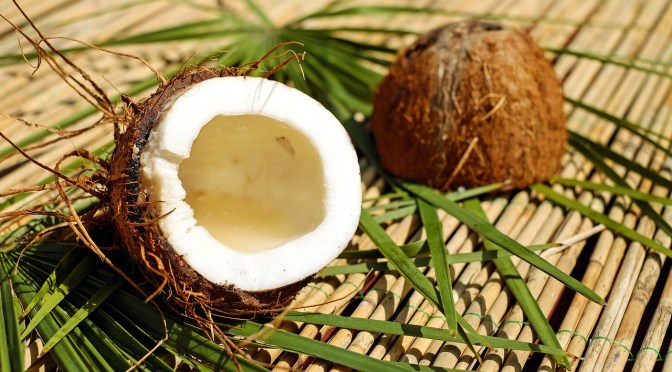
With Chronic Kidney Disease (CKD) on the rise, and its clear relationship to unmanaged blood sugar and blood pressure unquestioned, virgin coconut oil is proving a valuable addition to the fight with ameliorate kidney function parameters in suffers of CKD and can even be protective for those at risk for the disease.
Lowering your risk for kidney dysfunction rests largely on lifestyle changes, but for change to occur in something so entrenched as an individual’s lifestyle, there is a need for impetus, and despite the fact that over 37 million people in the US alone are estimated to have CKD, many of those are completely unaware of the slippery slope they are currently on or headed towards.
For many people with damaged kidney function, the first they’ll hear of it is during a doctor’s visit, after damage has already begun and is revealed through blood and urine tests.
This ignorance of their condition stems from the lack of concerning symptoms, which would normally alert an individual to the presence of illness or disease and signify a need for change.
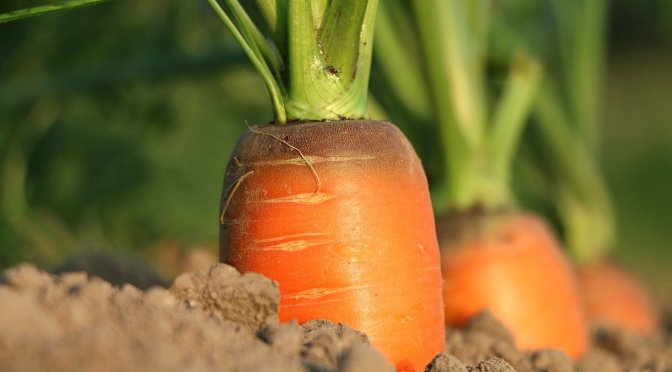
(NaturalHealth365) Carrots have a well-deserved reputation as a healthy food that can benefit eyesight. These sweet, crunchy root vegetables are extraordinarily high in beta-carotene, the plant pigment responsible for their brilliant orange color. The body converts beta-carotene to vitamin A, which is essential for vision. And lutein – another plant pigment in carrots – actually reduces the risk of age-related macular degeneration, the leading cause of blindness in older Americans.
While carrots’ most obvious health benefits center on protecting and enhancing vision, they do confer additional gifts – some of which may surprise you!
Rob Greenfield 366K subscribers Want to see what my life was like 3 years ago when I still lived in a “normal apartment?” I think many of you may find this more relatable and achievable than living in a tiny house or with just 111 possessions so I’m really excited to share this with you! This video was filmed May 2014 and the filmmaker never followed through to produce anything. It’s 3 years later and I finally had someone put the footage together. I hope it provides you some inspiration for simple and sustainable living in home in your apartment or house! For more tips on sustainable living at home check out these resources: My House Guide to Sustainable, Simple, and Healthy Living: https://www.RobGreenfield.org/Sustain… My Sustainable Living Series from my bike ride across the USA: https://www.RobGreenfield.org/Sustain… Thank you to F1LM (www.F1LM.org) for editing this video! — Rob Greenfield is an activist and humanitarian dedicated to leading the way to a more sustainable and just world. He embarks on extreme projects to bring attention to important global issues and inspire positive change. 100% of his media income is donated to grassroots nonprofits. His YouTube channel is a source to educate, inspire and help others to live more sustainable, equal and just lives. Videos frequently cover sustainable living, simple living, growing your own food, gardening, self-sufficiency, minimalism, off the grid living, zero waste, living in a tiny house and permaculture. Find Rob Greenfield on: Website: https://www.RobGreenfield.org Instagram: https://www.instagram.com/RobJGreenfield @RobJGreenfield Facebook: https://www.facebook.com/RobGreenfield YouTube: https://www.youtube.com/RobGreenfield Twitter: https://twitter.com/RobJGreenfield @RobJGreenfield — Help us caption & translate this video! http://amara.org/v/5lvl/
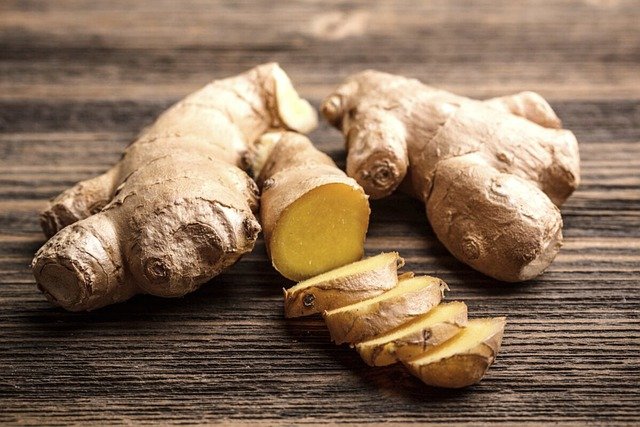
“Ginger water is helpful in aiding in digestion and assimilation and is widely regarded to help prevent colds, flu, motion sickness, and vertigo. Ginger water can also help to alleviate menstrual cramps, nausea, heart burn, migraines, sore throats, exhaustion, fatigue, and constipation and it is great in providing relief from the stomach flu and food poisoning.”
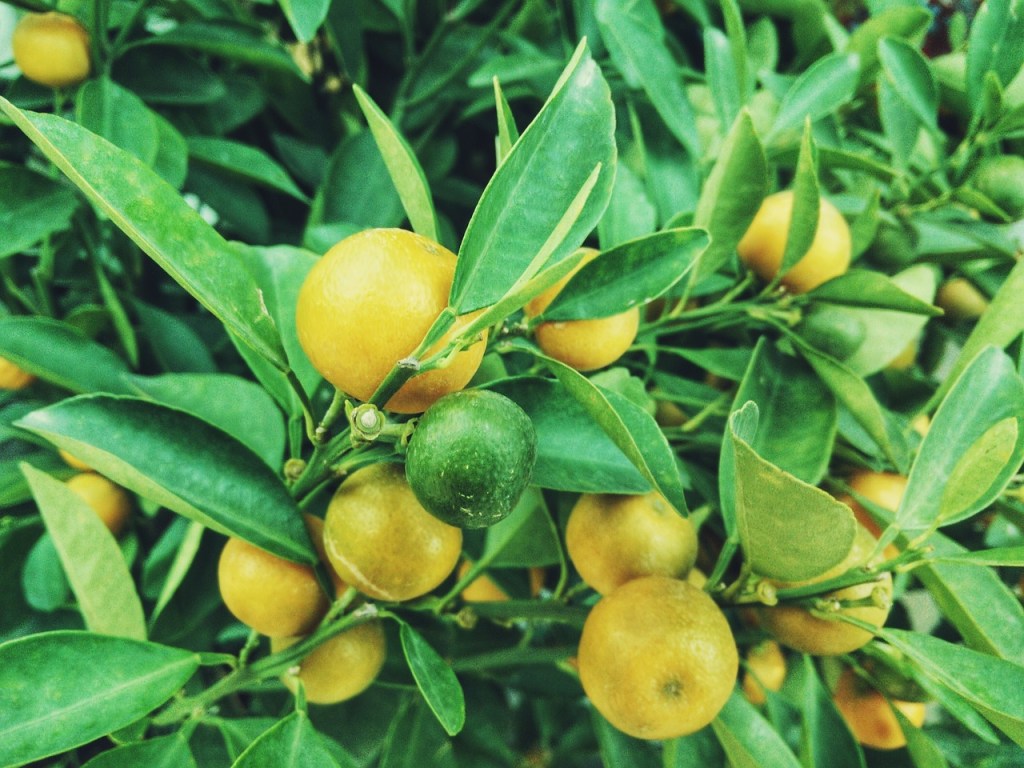
“Lemon water is the perfect way to hydrate, purify, and revitalize your body each morning. Water coming straight from the tap or a bottle has lost its vitality and its innate living structure. By adding fresh squeezed lemon juice, you “wake up” the water and bring it back to life…”
I reject this Amendment Bill as well as the original Health Response Bill No.1. In particular I reject all aspects of it related to the COVID-19 vaccine. Any continued roll out of the current mass vaccine programme, especially the continuation and increasing powers of vaccine mandates through Vaccine certificates and ‘no jab, no job’ is by law a crime against humanity according to the 1947 Nuremberg Code (see Appendix for reference) as well as the NZ Bill of Rights. Even ‘coercion’ for the COVID-19 vaccine is classified as a crime against humanity according to the Nuremberg Code…
United for Freedom and Counterspin Media are joining to bring you this educational event.
Information empowers you to make informed decisions and here is an opportunity to obtain pertinent information direct from qualified Medical Doctors. (Apologies, it seems questions have already been asked prior to my posting this. Listen in anyway as likely as not any questions you have in mind will have been asked).
Counterspin have a fantastic lineup!
Hosted by Kelvyn Alp & NZDSOS Pharmacist Shane Chafin.
Four doctors from NZDSOS will be answering your questions.
We also be joined by a naturopath, dentist & pharmacist, offering their insights.
The PCR test & masks will also be discussed along with a few other surprises.
3:00 PM Introduction by Counterspin Media 3:05 PM PCR and Masks videos 3:15 PM Read out Lynda Wharton statement about People Register 3:30 PM LIVE Doctors Questions – Dr. Matt Sheldon, Dr. Simon Thornly, Dr.Cindy de Villiers, Dr. Alison Goodwin 5:30 PM Dr. Tihomir Djordjic – Gynecologist 5:45 PM Dr. Michael Paul Girouard – Complications 6:10 PM David – Dentist 6:30 PM William Bissset – Functional Medicine 7:00 PM Ross Hebblethwaite – Parents 7:15 PM David Holden – Natropath 8:00 PM Shane Chafin – Pharmacist 8:30PM Round Up
Please consider supporting United for Freedom by purchasing a t-shirt from their website www.unitedforfreedom.co.nz
Share our message
Please consider sharing this with a friend.
Your friend can Sign Up, if they wish to receive important Updates/Information to their inbox.
(An unsubscribe link is also included in the footer of every email we send out)
In this video, I show you what happens when you regrow vegetables from kitchen scraps in the garden. I plant out scrap onion, lettuce, potato, celery, cabbage, tomato, and carrots and we see how they grow over 3 months. Support me on Patreon: https://www.patreon.com/selfsufficientme (the top tier $25 AU enables mentoring from yours truly via an exclusive VIP email where I will answer your questions etc ASAP). My second channel: https://bit.ly/331edDu Using the links below also helps support my channel: Help support the Channel and buy a T-shirt/Merchandise from our Spreadshirt shop: https://bit.ly/3lmqMkr or Teespring https://bit.ly/3neEYO8 Go here to get Birdies Raised Garden bed in the USA: https://shop.epicgardening.com/ and use SSME2020 for a 5% discount. In Australia & New Zealand go to https://birdiesgardenproducts.com.au/ or https://birdiesgardenproducts.co.nz/ and use Code SSMEbird for a 5% discount. Check out http://www.gardentoolsnow.com/ for tools such as the Prong I recommend to use. Shop for plants or garden equip on eBay Australia: https://bit.ly/2BPCykb Blog: http://www.selfsufficientme.com/ (use the search bar on my website to find info on certain subjects or gardening ideas) Forum: http://www.selfsufficientculture.com Instagram: https://www.instagram.com/self_suffic… Facebook: https://bit.ly/2Zi5kDv Twitter: https://twitter.com/SufficientMe Subscribe to my channel: http://goo.gl/cpbojR Self Sufficient Me is based on our small 3-acre property/homestead in SE Queensland Australia about 45kms north of Brisbane – the climate is subtropical (similar to Florida). I started Self Sufficient Me in 2011 as a blog website project where I document and write about backyard food growing, self-sufficiency, and urban farming in general. I love sharing my foodie and DIY adventures online so come along with me and let’s get into it! Cheers, Mark 🙂











 Dr. Eric Berg DC











 Self Sufficient Me
You must be logged in to post a comment.