Tag Archives: Gardening

Sustainable practices?

I was sitting outside in NZ’s Northland sunshine, December 2024. All year round, it’s the warmest district in the country and has a wealth of orange orchards. The temperature was 24 deg and set to get warmer. I was eating an orange however, that had traveled all the way to NZ from 7798 miles away. Grown in the US of A. I don’t generally buy imported oranges on principle, however someone else had brought me these. Similarly, I also had in my fridge, some Australian oranges. Those had traveled 2583 miles to get here. How big were those carbon footprints? Good luck with those calculations. Generally speaking, it would appear, according to the Davos boys, we shouldn’t be traveling too far or buying stuff that traveled a long way?

Now Northland is known for its orange orchards. It is one of the two leaders in our citrus industry. The other district is Gisborne. Twenty years ago I lived in the Eastern Bay of Plenty, which is near there, during which time we had free access to a local orchard to pick all the oranges we wanted. Why? Because the owner told us the supermarkets weren’t interested in buying them and to pick and sell them themselves was not cost effective at all. Meanwhile, just down the road the local supermarket sold fruit from, you guessed it, Australia and the US. So we would drive to town to shop, passing multiple orange orchards with beautiful ripe oranges falling on the ground and frequently going to waste.

Check out Davos and their ‘sustainable menu’. No mention of where they sourced their fruit from.

Can you see the hypocrisy? And the scam that it is?

Image by Hans from Pixabay

Save the earth and better yourself: 8 reasons why growing your own food is the best decision you will ever make (Wally Richards)

Hello Readers

It has been a very busy week with the pre-sales of my new book ‘Gardening with Wally Richards’ and to date over 200 copies have been spoken for which is wonderful.

The books purchased will start being sent out on the 11th December.

Below is an article I wrote sometime ago and the information is very important for you and your family.

Save the earth and better yourself: 8 reasons why growing your own food is the best decision you will ever make.

I received an email article from Natural News.com which echoes much of what I have been encouraging people to do for many years.

The following is what they have to say:

(Natural News) Have you ever thought of growing your own fruits and vegetables? If not, now is the time to start considering it.

It may seem tedious and overwhelming, but in reality it is actually easy and simple. You can start by growing them in your backyard, or if you do not have any yard, consider container gardening in your balcony, patio, or on a windowsill.

Still not convinced? Here are eight reasons on why you should start growing your own food.

1/ Have a healthier family – Nothing can beat the freshness of fruits and vegetables that are homegrown.

Serving your family fresh fruits and vegetables is one of the most valuable things you and your family can do to be healthy.

Fruits and vegetables grown in your backyard are the best because you harvest them straight from your garden and eat them fresh.

Another proven health benefit of homegrown produce was shown in a study published in the Journal of the American Dietetic Association.

Results of the study showed that preschool children who almost always ate homegrown produce were more than two times likely to eat five servings of fruits and vegetables per day than those kids who rarely or never ate homegrown produce.

2/ Spend less on groceries – Growing your own food will help you save money and ensure you food security as you will not have to buy fruits and vegetables from the supermarket.

Most fruits and vegetables from the supermarket have already lost their nutritional value as they have been stored for a long time.

With less than a dollar, you can buy a packet of seeds and start planting your own produce.

3/ Help the environment – By growing your own produce, you are already helping the environment in different ways.

One way is growing your food without using pesticides and herbicides.

This lessens air and water pollution. You will also help reduce the use of fossil fuels.

Moreover, pollution from the transportation of fresh produce from around the world to the supermarket will also be lessened.

4/ Increase your physical activity – Since you will be doing all the planting, weeding, watering, and harvesting, you are also exercising at the same time.

Remember to warm up and stretch your muscles before and after gardening though!

Exercising also helps you relax, de-stress, refresh your mind, inhale fresh air, and get vitamin D.

5/ Indulge in more tasty food – Nothing beats the freshness of picked out fruits and vegetables straight from the backyard.

A study found that homegrown tomatoes are sweeter and richer in nutrients than those sold in the supermarket.

6/ Have a sense of accomplishment – Witnessing the seed you planted grow and become the food that you and your family can enjoy is satisfying.

Home gardening helps you thrive, nourish your family, and improve health.

There is a sense of accomplishment and self-satisfaction in growing your own food.

7/ No more worries on food safety – Because you know how your plants are grown, you don’t have to worry about food safety.

With backyard gardening, you have control over the chemicals and products used during the growing process.

8/ Reduce food waste – You are less likely to throw away food. You’ll only pick what you need.

And, you wouldn’t want your time, effort, and hard work go to waste, right? End.

During the week a lady gardener rang with a couple of questions and during the conversation she told me that a friend had given her a freshly cut broccoli out of their garden. That night she cooked the broccoli and added it to the evening meal.

Her husband wanted to know what the name of the delicious vegetable that looked like a broccoli was.

He could not remember ever eating any vegetable that tasted so good.

He was told it was their friend’s Home Grown Broccoli. He wished that they were able to buy vegetables that tasted that good.

Goodness equals Taste, you grow a few vegetables without chemicals in your garden using only natural plant foods and minerals and picked fresh the taste is amazing.

Not only is the taste amazing your body is getting the minerals and nutritional goodness that you need to be healthy.

Your savings are immense, no need to purchase sauces and condiments that you need to put into your meals to make the bland food appear tasty (they are just chemical sugars, salts and fats anyway and bad for your health).

You save on health related costs, doctors, pharmacy products, time off work or school and possible hospital costs.

Often children with behavior aspects will improve.

Besides you cannot put a cost on poor health which is the ultimate cost of eating a food chain that lacks in fundamental goodness replaced by a list of chemical poisons likely as long as your arm.

Our conventional food chain is Insidious.

If you are not familiar with the meaning of the word it is: proceeding in a gradual, subtle way, but with very harmful effects.

Conventionally grown produce not only lacks in taste and goodness it goes off far quicker than natural home grown produce.

The reason is that it is already going off before it was even harvested.

They are weak plants having grown and sustained by chemical poisons.

Example strawberries conventionally grown look great, big berries but bland to the taste so we have to slice them and sprinkle icing sugar over them to make them taste good.

Home grown and they are sweet as; picked ripe off the plant. Plus they are full of minerals and antioxidants to make your immune system strong and you healthy.

Tomatoes conventionally grown lacking in flavour and bland need salt to make them appealing.

Home grown wow taste the difference.. Now thats a real tomato.

Another important aspect is that home grown produce is very filling and you dont need to eat much before you feel satisfied.

The reason is because your body has received its requirements and is happily utilizing the bounty of nutrients to fortify your organs and immune system.

Conventional food chain you eat a big meal and afterwards you still feel hungry.

Its not long before you are munching on some chippies or something to try and satisfy your hunger feelings.

Reason is your body has not received its list of needs for being healthy and is calling out for them so you stuff some more rubbish in and the best you achieve is being over weight and sickly.

You would excise to get rid of the fat but you dont have the energy (except for the sugars you consume) and besides you feel lethargic with the poisons your body is trying to cope with.

Not feeling so good best see the doctor who can prescribe some pharmaceutical chemicals to your Pandora’s box of chemicals.

Once upon a time the medical person would have inquired on your diet and likely suggested more fruit and vegetables but that was 50 odd years ago when the commercially grown produce had a lot more goodness than today.

Wallys formula: The more goodness (nutritional values) equals greater taste.

Home grown using natural elements means very healthy you and family.

You can be healthy and happy.

Phone 0800 466464
Garden Pages and News at www.gardenews.co.nz
Shar Pei pages at  www.sharpei.co.nz
Mail Order products at www.0800466464.co.nz


New Zealand Bill of Rights Act 1990. Part II of the Act covers a broad range of Civil and Political Rights. As part of the right to life and the security of the person, the Act guarantees everyone:

1The right not to be deprived of life except in accordance with fundamental justice (Section 8)

2The right not to be subjected to torture or to cruel, degrading, or disproportionately severe treatment or punishment (Section 9)

3The right not to be subjected to medical or scientific experimentation without consent (Section 10)

4The right to refuse to undergo any medical treatment (Section 11)

 Furthermore, the New Zealand Bill of Rights Act 1990 guarantees everyone: Freedom of Thought, Conscience, and Religion.
This includes the right to freedom of thought, conscience, religion, and belief,
INCLUDING THE RIGHT TO ADOPT AND HOLD OPINIONS WITHOUT INTERFERENCE (Section 1)

Image by Alexander Fox | PlaNet Fox from Pixabay


‘GARDENING WITH WALLY RICHARDS’ (Wally’s new book, release – 8 Dec 2023)

It’s been a busy spring with lots of new and not so new gardeners returning to grow some vegetables and flowers for pleasure.

Doing the gardening show with Rodney Hide on Radio Reality Check has increased the phone calls to my 0800 number with a number of people saying that they have listened to the pod recordings and have been encouraged to get back into Nature and the garden.

A few have told me the likes of ‘I have been gardening for 50 years but have learnt so much from listening to you’.

That has amazed me and made me think that the information about gardening that I write about and talk about is in some cases, news to some experienced gardeners several years older than my self.

Maybe I just have learnt a few methods along the way that others have not thought of or used to make gardening easier and more enjoyable.

Which brings me to a valid point, Gardening should be a pleasure, not a chore.

Even mowing the lawn gives a certain amount of pleasure; as well as a but of exercise.

The pleasure comes when you finish mowing and you look at the lawns and they look so much better from your efforts, which is your reward.

Years ago when I used to be invited to judge gardens for various areas and awards, I often saw beautiful gardens spoilt by a shabby lawn which marked them down.

Where a great looking lawn increased the value of average gardens.

The lawn is to a garden what the frame is to a picture.

Well as I am getting older by the day, like everyone else, I felt maybe its time I wrote another gardening book.

So over the last few months I have been working on this new book which I have called ‘Gardening with Wally Richards’.

I have endeavored to write about various problems and methods that have happened since I wrote my original book, ‘Wallys Down to Earth Gardening Guide’ in 2006

and then the revised edition in 2011 the later is now out of print and the original is nearly out of print.

The new book is based on some of the articles that I have written over the last 20 odd years and more so on recent publications.

I know that a number of gardeners keep my weekly articles for future reference and the new book puts the ones I consider the most important ones into a neat 200 page book.

Talking to the printers about having the book printed by early December as some may like to have it for Christmas and it would be a suitable gift for friends and family.

They said printing is no problem but getting the binders to bind the book this time of the year is more of a problem cause they will be busy doing new school books for next year.

So I opted to just have 500 books printed as my printer said they will be ready on 8th December to pick up.

Here is what you will find in my book:

FOREWORD page 9

MY JOURNEY Page 10

CHAPTER One Page 15 Gardening from past to present.

CHAPTER Two Page 29 The Tomato/Potato Psyllid

CHAPTER Three Page 39 Potato growing and Potato psyllid

CHAPTER Four Page 44 Garlic Rust

CHAPTER Five Page 50 Moths, Codlin, Guava and Army Worm

CHAPTER Six Page 57 Curly Leaf Disease in Stone Fruit

CHAPTER Seven Page 61 Raised Gardens

CHAPTER Eight Page 68 Pollination

CHAPTER Nine Page 74 Gardening with Cardboard

CHAPTER Ten Page 78 Magic in The Garden

CHAPTER Eleven Page 85 Germinating Seeds

CHAPTER Twelve Page 90 HEALTHY VEGETABLES

CHAPTER Thirteen Page 95 IRON VIS COPPER

CHAPTER Fourteen Page 100 Growing food in Containers

CHAPTER Fifteen Page 103 Your Food and Your Health go Hand in Hand

CHAPTER Sixteen Page 109 Weeds

CHAPTER Seventeen Page 117 Getting a better garden

CHAPTER Eighteen Page 120 Companion Planting

CHAPTER Nineteen Page 126 CO2 Carbon Dioxide

CHAPTER Twenty Page 131 Sunlight

CHAPTER Twenty One Page 135 Apple cider vinegar

CHAPTER Twenty Two Page 138 Citrus trees

CHAPTER Twenty Three Page 147 Germinating Seeds

CHAPTER Twenty four Page 152 Vital Calcium

CHAPTER Twenty five Page 158 Composting

CHAPTER Twenty six Page 162 Strawberries

CHAPTER Twenty Seven Page 166 Buxus Disease

CHAPTER Twenty Eight Page 171 Spraying

CHAPTER Twenty Nine Page 175 Health and Gardening

CHAPTER Thirty Page 179 Potassium Permanganate

CHAPTER Thirty One Page 184 House Plants

CHAPTER Thirty two Page 189 Perkfection

CHAPTER Thirty Three Page 193 Some Bits and Tips

As with all my books I autograph and put in a message and the name of the person the book is for.

If giving to another person a very short message of your choice along with their name/s which I am happy to cater for.

Or for yourself a message such as Happy Gardening….your name and my signature.

You place an order on our mail order web site at www.0800466464.co.nz

You cannot pay for it on the web site as I prefer to talk to my customers and I phone you and sort out all the details including payment method.

With only 500 copies printed I expect them to be snapped up quickly and orders after 500 will be catered for with another printing in the new year.

r.r.p as we publishers say is just $25.00 a copy

Phone 0800 466464
Garden Pages and News at www.gardenews.co.nz
Shar Pei pages at  www.sharpei.co.nz
Mail Order products at www.0800466464.co.nz


New Zealand Bill of Rights Act 1990. Part II of the Act covers a broad range of Civil and Political Rights. As part of the right to life and the security of the person, the Act guarantees everyone:

1The right not to be deprived of life except in accordance with fundamental justice (Section 8)

2The right not to be subjected to torture or to cruel, degrading, or disproportionately severe treatment or punishment (Section 9)

3The right not to be subjected to medical or scientific experimentation without consent (Section 10)

4The right to refuse to undergo any medical treatment (Section 11)

 Furthermore, the New Zealand Bill of Rights Act 1990 guarantees everyone: Freedom of Thought, Conscience, and Religion.
This includes the right to freedom of thought, conscience, religion, and belief,
INCLUDING THE RIGHT TO ADOPT AND HOLD OPINIONS WITHOUT INTERFERENCE (Section 1)

Image by Ekaterina Ershova from Pixabay


A gardening checklist, heading into Summer (Wally Richards)

Now that we are halfway through Spring and quickly heading to Summer (December) there is a fair bit to do in our gardens so lets run a check list in case some things are missed.

It will depend on what you have in your gardens as to whether any or all things aspects concern you.

Roses: generally at this time we have new foliage, buds and some flowering taking place.

If there is any sign of black spot or rust, spray the roses and soil underneath with a solution of potassium permanganate mixed at ¼ a teaspoon to a litre of non chlorinated water and spray. (It may stain walls etc temporarily).

Food for Roses ; ideal is horse manure, blood & bone otherwise sheep manure pellets with the blood & bone.

These should be applied to the soil and covered with some purchased compost.

Add to this a sprinkling of Wallys Unlocking your Soil and once a month a small sprinkling of Fruit & Flower Power.

If you want good roses avoid soil damaging fertilisers such as rose fertiliser and nitrophoska.

Bio Boost is also a good natural slow release one and very well priced. (Available from PGG Wrightson or Fruit Fed)

If you have roses that need recovery from past chemical sprays such as Shield (now banned) the chemicals will have broken down the natural immunity of your roses.

You may like to start a recovery spray program which I wrote about originally just on 10 years ago.

On the first of the month mix the following at their label rates per a litre of water, PerKfection for Roses, Magic Botanic Liquid, Mycorrcin & Wallys Neem Tree Oil.

Spray late in the day just before sunset. Then on the 15th of the month repeat spray all the above except for PerKfection.

Only water with non chlorinated water so you don’t harm the beneficial soil life including the gardeners best friend, earthworms.

In some cases the health improvement of your roses will be quickly noticed; although some may have the additional problem of inherently poor breeding and always be a sickly specimen (even if they have brilliant flowers).

Lawns; I have had a number of inquiries about lawn problems starting with moss in lawns.

Don’t waste your money on sulphate of iron as it only burns the top of the moss which then it quickly comes back.

Instead, jet spray the moss with Wallys Moss & Liverwort Control. It kills the moss completely without damaging the grasses.

If there is a spongy feeling when walking on the lawn that indicates a thatch problem.

Simply spray the lawn with Thatch Busta to clean up the thatch. (Do the moss killing first, wait about 2 weeks then the Thatch Busta.)

Bare patches in the lawn indicate the root damage caused by grass grubs in the autumn/winter period and these same grubs are now down deep, pupating to emerge shortly as beetles.

They are too deep to do anything about them at this time so don’t waste your money on treating. The horse has gone so no need to close the gate.

Another bare patch problem with holes in the lawn indicate that porina caterpillars are at work eating at the base of the grass in the evening (when they are safe from birds) to return to their tunnels before dawn.

A simple spray over the lawn with Wallys Neem Tree Oil will stop the damage and cause them to starve to death.

In areas where porina are a problem treat the lawn this way every 3 months.

Best do this late in the day on a recently mowed lawn.

When the grass grub beetles emerge they are going to eat the foliage of several plants so after you have noticed holes in the leaves go out after dark with a torch and have a look.

If you have beetles then spray them directly with a mix of Wallys Super Pyrethrum and Wallys Neem Tree Oil. Repeat nightly.

Also a bright light in a window facing the lawn with a trough two thirds full of water with a film of kerosene floating on the top; placed directly under the window pane, will trap lots of beetles (maybe a few Codlin Moths too)

They fly at the bright light hit the pane and fall into the water where the kerosene stops them from escaping.

Feed the beetles to the chickens next morning or flush down the toilet.

By the way if you do not have two or three chickens and you have room for a small hen house and run it is a great investment.

They will convert kitchen scraps and weeds into the best manure around and as a bonus supply you with a few eggs that you will find really tasty and magic for baking.

Not only that you are a bit more self-sufficient.

Check all grafted fruit tree and ornamentals for any sign of foliage appearing on the root stock below the graft union.

Any found should be rubbed or cut off otherwise they will grow and the preferred plant will die.

Rust on garlic and curly leaf on stone fruit; this season because of a lot of rain and too many cloudy skies meaning not much direct sunlight has placed plants into stress which makes them more prone to catching diseases.

To help rescue the crop mix a table spoon of molasses to a litre of hot water to dissolve and then when cool spray over the foliage.

Repeat regularly till harvest. Also you can water the same into the root zone occasionally.

Weeds; they certainly grow at this time of the year and as long as you deal to them before they set seed they are not too much of a problem.

In fact weeds are a excellent asset to your garden soils as they have taken up goodness which can be returned to great advantage.

You could pull the weeds out, shake the soil off them and lay them back down on the soil.

That is good but even better; with a sharp knife slice through the weeds just below soil surface.

This leaves the roots in the soil to rot and provide food for the soil life and it does not disrupt the beneficial fungi in the soil.

The foliage can be laid on the soil surface where it will be quickly devoured by the soil life and worms.

Your soil will build up humus quickly if you spray the dying weeds with Mycorrcin.

Doing these things (sure it takes a bit of time but it is so therapeutic and anti-stressful) will overtime make for dream gardens and plants.

Citrus; its a good time to sprinkle Wallys Neem tree Granules underneath the citrus trees from the trunk to the drip line. This will help prevent insect damage.

If you have chook manure give a good sprinkling of that otherwise any animal manure or sheep manure pellets along with blood & bone. Cover with compost.

Sprinkle Fruit and Flower Power once a month.

A spray of Wallys Liquid Copper with Raingard added in the spring and autumn will help with any citrus diseases.

If the trees are looking a bit sad add Perkfection to the copper spray.

In cases where wet feet have rotted roots treat the area with Terracin to suppress the pathogens and help save the tree.

Three weeks later spray the soil with Mycorrcin.

Note always use non-chlorinated water which is easily achieved with a special carbon bonded filter on your outside tap (available from our mail order web site).

Pear Slugs; In warmer areas and later in cooler areas the pear slugs will attack pear and plum trees, they eat small holes in the foliage and look like a black slug.

Simply spray the tree with Wallys Liquid Copper to control.

Remember be nice to your gardens by being natural.

Phone 0800 466464
Garden Pages and News at www.gardenews.co.nz
Shar Pei pages at  www.sharpei.co.nz
Mail Order products at www.0800466464.co.nz


New Zealand Bill of Rights Act 1990. Part II of the Act covers a broad range of Civil and Political Rights. As part of the right to life and the security of the person, the Act guarantees everyone:

1The right not to be deprived of life except in accordance with fundamental justice (Section 8)

2The right not to be subjected to torture or to cruel, degrading, or disproportionately severe treatment or punishment (Section 9)

3The right not to be subjected to medical or scientific experimentation without consent (Section 10)

4The right to refuse to undergo any medical treatment (Section 11)

 Furthermore, the New Zealand Bill of Rights Act 1990 guarantees everyone: Freedom of Thought, Conscience, and Religion.
This includes the right to freedom of thought, conscience, religion, and belief,
INCLUDING THE RIGHT TO ADOPT AND HOLD OPINIONS WITHOUT INTERFERENCE (Section 1)

Image by kalhh from Pixabay

GROWING POTATOES AND THE POTATO PSYLLID (Wally Richards)

Many gardeners will know the trick of planting a tomato plant deep into the soil right up to if not beyond the first set of leaves.

The reason is that the plant will create roots all the way up the trunk which is buried, making for a bigger root system and a better plant.

In fact later on the trunk that is above the soil level will likely produce bumps which are the beginnings of aerial roots

and like potatoes you could mound up around the base of the tomato to have those bumps become more roots.

Now with a seed potato planted it will send up a shoot or shoots; which if they are stretch, then new tubers will be produced

all the way up making for a much bigger harvest of new potatoes.

To achieve this you dig a trench about one to two spade depths putting the dug out soil next to the trench which we will use later on.

The seed potato should have produced small shoots from the eyes and if they have not done so just put them some where in the kitchen and they will soon sprout,

just like the ones you buy to eat. (Temperature change to warm initiates shoots.)

Once they have some sprouts you put them outside in a sheltered sunny spot to ‘green up’ the sprouts which hardens them up.

Done correctly the sprouts will be green and about 1 to 2 cm long.

Then the seed potatoes are placed at the bottom of the trench about 20 to 25cm apart.

Under each seed potato place a few sheep manure pellets, a level teaspoon of BioPhos, a table spoon of gypsum and

level table spoon of Wallys Neem Tree Powder. (The Neem powder helps prevent damage from soil insects like wire worm)

As many of the green shoots should be pointing upwards and then you just cover so the shoots are hidden using the soil at the side of the trench.

Check every day and as soon as you see the green leaves of the shoots poking above the soil once again with a little soil just cover them.

You keep repeating this until you get level with the surrounding soil and then you likewise keep covering forming a mound.

Continue mounding, keeping the foliage covered as they poke through till the mound is about 20 to 25 cm tall above the level of the surrounding soil.

You have then stretched the shoots so they are about 40 to 50 cm long and all the way up that distance should be your new potatoes to harvest.

If you dont cover soon enough and the foliage gets between 4 to 6 cm out of the ground then you have lost the plot and you will only get the potatoes below that;

so waste of time continuing to cover any more.

You let the foliage grow and ideally spray it with Magic Botanic Liquid once a week till harvest.

Now if you grew potatoes last season and found that when you harvested you only had potatoes about the size of marbles which were re-shooting or if you had

reasonable size tubers to harvest but they had dark rings inside when you cut them in half, then it means you have psyllid problems in your back yard.

The cell strengthening products we talked about last week for tomatoes will solve the problem for you.

What you do is this: when you do the second covering of the sprouts in the trench you give each plant a drink of the Wallys Silicon and Boron Soil Drench about 200mils per plant.

Apply again the same amount when you do the 4th covering of the sprouts and that is it for that product.

Once you have finished mounding and you are going to let the tops grow free; then you spray weekly over the foliage with Wallys Silicon Cell Strengthening spray

with Wallys Silicon Super Spreader added (which drives the former into the plant)

If you have it, add also Magic Botanic Liquid to the spray.

The spray made up keeps well so use a trigger spray bottle and after wetting the foliage with the spray just leave it handy to use next time till all is gone,

then make up a fresh batch.

Later on when the crop is mature and you harvest one or two plants and find they are good you can harvest the whole crop if you want the ground for other vegetables

or if not you can leave the crop in the ground to harvest as required but if you do this then cut the tops off and cover the stubble so nothing is exposed

to any psyllid attack.

If you do not have garden space to grow a few potatoes then you can always grow some in buckets or plastic bags (PB24 or bigger is ideal)

To do it you place a layer of Daltons ‘Value Compost’ at the bottom of the container and then the products as mentioned above.

Once again you keep covering as the foliage comes though with more compost and treat the container and coverings just as explained above in the trench method.

The best potato variety to grow in the containers is Swift.

Once you have reached the top of the container and allow the foliage to grow you may need to support the container with bricks or similar so it does not get

blown over with the wind.

Watering is important in containers or open ground as potatoes need to be kept moist while growing but not happy if too wet.

There are some novel ways potatoes can be grow and one that comes to mind is in a barrel with some compost and goodies at the bottom of the barrel and only

covered with more compost once after the sprouts come though.

After that you use polystyrene balls (like used in Bean Bags) to keep covering the foliage till its near the top of barrel.

At that time you need to put a cover over the barrel made out of plywood with a hole for the foliage to grow through.

The cover will lift as the new potatoes displace the polystyrene balls but you should if successful end up with perfect clean potatoes and a barrel full.

Obviously if this is the case you will need to remove surplus polystyrene balls on a calm day.

Phone 0800 466464
Garden Pages and News at www.gardenews.co.nz
Shar Pei pages at  www.sharpei.co.nz
Mail Order products at www.0800466464.co.nz


New Zealand Bill of Rights Act 1990. Part II of the Act covers a broad range of Civil and Political Rights. As part of the right to life and the security of the person, the Act guarantees everyone:

1The right not to be deprived of life except in accordance with fundamental justice (Section 8)

2The right not to be subjected to torture or to cruel, degrading, or disproportionately severe treatment or punishment (Section 9)

3The right not to be subjected to medical or scientific experimentation without consent (Section 10)

4The right to refuse to undergo any medical treatment (Section 11)

 Furthermore, the New Zealand Bill of Rights Act 1990 guarantees everyone: Freedom of Thought, Conscience, and Religion.
This includes the right to freedom of thought, conscience, religion, and belief,
INCLUDING THE RIGHT TO ADOPT AND HOLD OPINIONS WITHOUT INTERFERENCE (Section 1)

If you enjoy our posts, check out our sister site truthwatchnz.is

WEEDS – A NEW WAY TO DEAL TO THEM (Wally Richards)

This week I received a book from an old friend of mine, Julia Sich which she has written and called ‘Julia’s Guide to Edible weeds and Wild Green Smoothies’.

Many of you will know the ‘Weed Lady’ through her previous book and workshops.

In your gardens you will likely have a number of plants we call ‘weeds’ which are of benefit to your diet and health.

The definition of a ‘weed’ is simply ‘a plant that is growing where we do not want it to grow’.

Many of the plants we grow for food or for their flowers; when allowed to self seed they become weeds.

I recommend that you obtain a copy of Julia’s book and learn to your benefit, many of the plants you pull out, kill and compost which could be better off been cultivated and consumed.

The book is available in two formats as a down load E Book or as a printed publication.

The web site is https://www.juliasedibleweeds.com/

and the book is available for NZ$19.95 for the Ebook OR $34.95 plus postage for the printed version.

The book gives you both the common names and the Botanical names as well as coloured pictures to assist in identification.

Each weed has a written description along with its nutritional values and how to use them for your benefit.

Mind you if the Government had its way it would ban the use of these natural plants and their ancient uses if favour of Big Pharma’s bottom line. (Therapeutic Products Bill)

Pharmaceutical companies hate natural remedies even though many of their concoctions were originally derived from plant’s properties.

If you have the knowledge such as given in Julia’s book then you can look after your own well being as our fore fathers did from all races on the planet. (And at no expense if out of the weeds in your gardens)

We have to read and learn about the advantages of these plants but in Nature animals know what is best for them as far as their well being is concerned.

For instance if you place cattle into a paddock that has a wide range of plants including weeds, the cattle will consume the ones that they need for better health beside eating a lot of grass.

Which is an interesting point in so much as grass is also very good for your health and in particular, wheat grass and barley grass.

That is if you apply all the known minerals and element to the growing medium.

Reason is that grasses will take up all the minerals available where other plants such as tomatoes only require 56 of the known 114 mineral and elements.

That is why some farmers will apply what we sell as Ocean Solids to their paddocks to the great benefit of their stock’s health.

I remember a farmer telling me one time about his practice of spraying diluted sea water over his paddocks which was much to the annoyance of his farming neighbour,

because a certain amount of the sea spray would fall onto the neighbors side of the fence and when the neighbour let his stock into that paddock they would rush over to the  area by the fence line and demolish the mineral rich grasses growing there.

Julia mentions ‘your’s truly’ in her book and in particular in regards to ‘Smoothies’

I presume many of you have or still do on occasions, if not regularly, go out and pick a range of greens and put them into a high speed blender with a banana and wizz up a very beneficial brew.

The banana addition takes away some of the unpleasant taste of some plants and makes your drink very palatable.

Julia tells the story of how smoothies solved health issues that she once had as I found the same many years ago when I first started making smoothies from as many different plants as I could get my hands on.

Some plants are nice to eat raw and have flavors that make them appealing such as salad crops.

The rest including grasses are better taken raw in a smoothie.

Besides being of great benefit to your health another very good reason to find out what weeds you can eat is the unusual weather that has affected New Zealand recently.

Here is a update from a Food Producer in the Hawke’s Bay: ‘Hi everyone, food producer here. Just wanted to write an easily digestible post so people can understand how severe the destruction in H.B is for the whole of N.Z

The media aren’t really discussing it fully and people I speak to can’t seem to wrap their heads around how serious this is for us as a country.

What’s been lost: It’s called the fruit bowl for a reason, not just grapes and apples but also pears, onions, corn, carrots, blueberries, strawberries, honey, dairy, beef, sheep products including wool and also apiaries, nurseries and seed banks.

Wineries and orchards have had heritage trees and vines utterly wiped out. We’re talking 30-40-year-old plants gone. Countless bee hives and fields of crops buried under a metre of silt.

These aren’t just for fresh produce but also wine, vinegar, honey, bread and processed fruit and vegetables for things from muesli bars to ice cream and condiments.

The layer of silt now covering the once fertile land has been completely smothered. There’s so much cleaning up to be done before people can replant and fertilize it will take years to get back even close to normal.

In that time we’ll see massive shortages of all the above, affecting almost all food items you can think of.

A very apt warning and not only in NZ but also in many major food producing areas of the world, either through Floods or Droughts millions of acres of crops have been lost..

Think about that. You might want to start cultivating a few weeds for a ‘Rainy Day’.

Of course as we have seen this spring and summer a lack of blue skies with nice fluffy white clouds which has also greatly affected us home gardens as well as commercial growers.

Direct sun shine is what all plants use to create carbohydrates which is the energy that makes them grow, flower and produce seeds.

Hazy skies and cloud cover that prevents direct sunlight being available for plants and solar panels is a very big concern.

In 2006 this matter was brought up at the United Nations and the speech about it can be heard here

VIDEO LINK

Well worth 18 minuets of your time to be better informed. (Now days they talk about ‘Planet Shading’ which would be a bit like a ‘Nuclear Winter’ no sun plants don’t grow.

Playing with weather or the ability to produce or prevent weather patterns is a fact and now days it is harder to determine what is natural and what is man made.

If severe weather events we have experienced are not natural then a lot of people that have been badly affected would not be very happy for sure.

Phone 0800 466464
Garden Pages and News at www.gardenews.co.nz
Shar Pei pages at  www.sharpei.co.nz
Mail Order products at www.0800466464.co.nz


New Zealand Bill of Rights Act 1990. Part II of the Act covers a broad range of Civil and Political Rights. As part of the right to life and the security of the person, the Act guarantees everyone:

1The right not to be deprived of life except in accordance with fundamental justice (Section 8)

2The right not to be subjected to torture or to cruel, degrading, or disproportionately severe treatment or punishment (Section 9)

3The right not to be subjected to medical or scientific experimentation without consent (Section 10)

4The right to refuse to undergo any medical treatment (Section 11)

 Furthermore, the New Zealand Bill of Rights Act 1990 guarantees everyone: Freedom of Thought, Conscience, and Religion.
This includes the right to freedom of thought, conscience, religion, and belief,
INCLUDING THE RIGHT TO ADOPT AND HOLD OPINIONS WITHOUT INTERFERENCE (Section 1)

The NZ Govt is coming for your natural health products next – Cinnamon, Neem, Aloe Vera & more! (right when you were distracted with holidays)

You have just over a month to make a submission folks. This is a time worn tactic… timing is everything. The ridiculous thing too is, some of these items are common cooking ingredients! And comfrey, well I’ve just recently been wondering why am I not seeing that useful plant as much as I used to. Do you really still trust your leaders? How does this move promote the health & well being of NZ citizens? It doesn’t. It promotes the interests of those folk who meet at Davos, currently seeking to force more of their ‘safe and effectives’ upon you. EWR

From hatchardreport.com

Natural Products Regulation—An Overreach of Government Control

Civilisations come and go through the ages. When governments empower people, they harness the intelligence and creativity of their citizens for the good of all; when they seek to control their populations, they fall into decline.

Following three years of pandemic control, governments are not stopping there. Here in New Zealand, the government has introduced the “Therapeutic Products Bill,” which will control how products which appear to benefit health are manufactured, prescribed, imported, advertised, supplied and exported. According to Health Minister Andrew Little:

“It will enable New Zealand to take advantage of advances in medicine, such as cell and tissue therapies, emerging gene therapies, and the use of artificial intelligence and machine learning software. Having risk-proportionate approval systems will improve access to necessary and life-saving medicines, such as vaccines in a pandemic.”

An important part of the bill aims to regulate the natural health products used by more than 50% of our population. This is the third attempt of the Labour Party to introduce extreme regulation of the public’s options to choose their medical care, supplements and diet. Their earlier two attempts failed because of vocal public opposition. In 2017 Labour opted for a prohibited list of 300 common herbal ingredients ( for some of these see photo):


Control of Our Food Supply

It won’t have escaped your notice that many of these like Cinnamon and Mustard are currently sold in shops. So how on earth did they get onto a prohibited list? The answer lies in attempts to gain control of our food supply.

Natural products that are beneficial to health cannot be patented, but synthetic copies can be. To make this work, the products that grow in gardens need to be banned.

Labour and the Ministry of Health did not make this list up, the list was supplied by the International Coalition of Medicines Regulatory Authorities (ICMRA) of which Medsafe is a member. ICMRA is largely funded by the pharmaceutical industry whose interests they serve. You can read all about it in my book Your DNA Diet, available as a Kindle from Amazon or a hard copy from the Hatchard Report.

Labour says it has learned from prior public opposition. This time the Bill will not name any prohibited ingredients. Instead is an enabling bill, the type of legislation made famous by Adolf Hitler. The Bill establishes a new regulator headed by an independent statutory officer with a wide remit:

The new regulator will be responsible for ensuring the safety, quality, and efficacy of natural products. It will design and implement proportionate, risk-based market authorisation pathways. Its functions will include, in addition to market authorisation, licensing controlled activities, post-market surveillance, and compliance.

These services will be funded through levies on the industry which are liable to be costly. Government regulatory schemes mooted in the last two attempts were likely to push small players out of the market due to the cost of compliance, as happened as a result of the Food Bill.

Crucially the Bill also includes a range of modern enforcement tools allowing for a graduated and proportionate response to breaches, including tiered criminal offences, strict liability offences, improved infringement notices and a civil pecuniary penalty regime.

In other words, the Bill appoints a new, as yet, unnamed regulator who is being empowered to do whatever he thinks fit to control the manufacture and availability of supplements. He could and is, in fact, very likely to publish a list of banned herbal ingredients soon after his appointment. The list is ready to go from the ICMRA database connected to Medsafe, courtesy of the pharmaceutical industry.

If we wish to be able to continue to freely chose herbal medicines and supplements without government interference, we will need to speak up. Go to this link to make a submission before February 15th. Write to your MP and complain that the appointment of a regulator amounts to an open ended blank cheque to control the use of products used by more than 50% of our population without fully specifying the principles he should use.

Press release Therapeutic Products Bill introduced.
The Therapeutic Products Bill
Related Documents and Downloads

SOURCE

Natural Products Regulation—An Overreach of Government Control

RELATED

The New Zealand Government Reaches for Total Medical Control

Natural Health Products – More Government Overreach!

How will the 2023 Therapeutic Products Bill affect the Availability of Natural Health Products?

12 Perfect Vegetables To Grow in a Shady Garden Space

When we think of vegetable gardening, we’re often convinced that FULL SUN is the only way we’ll be successful. This couldn’t be more wrong! There are plenty of shade friendly plants that will thrive in 2-5 hours of sun. On top of that, there are some plants that won’t LOVE being in shade, but will TOLERATE it, which allows you to squeeze out even more harvests from spaces you might typically ignore in your garden.

WATCH AT THE LINK

Photo: pixabay.com

What to do with those fallen leaves (Wally Richards)

A reader from Southland emailed me this week and asked if I could write an article about what to do with autumn leaves.

For some home owners, autumn leaf fall is a curse, just another chore to rake them up and clear the gutters.

For gardeners, leaf fall is a blessing and they gladly collect the leaves to make leaf mould.Leaf mould is excellent for improving soil, also as a lawn conditioner and mulch over gardens.

It can be used in seed raising mixes and potting mixes.Leaf mould is easy to make, its free with a little effort on your part and its a good substitute for peat moss in your gardens.

If you live in an area where there are hedgehogs and you would like to help them through the winter then leave any leaf fall thats under hedges and other out of the way areas.

The hedgehogs may use the places as hibernating sites over winter.

Also if you have bare vegetable or flower gardens either leave the leaves as a cover over the area or place a good layer over the gardens yourself.

Sprinkle garden Lime over the leaves then spray them with Thatch Busta which will help break down the mat of leaves, getting the gardens ready for spring.

This cover of the leaves will prevent a lot of weeds from growing in the bare gardens.

Now to make your own leaf mould with what is left or what you can collect from else where.

There are two ways to do this and one is much faster than the other.

The fast way is to lay some leaves over a flat area of lawn an inch or two thick and the with your rotary mower adjusted to the lowest setting run over the leaves with your catcher on.

Repeat this with another layer of leaves and so on.

When your catcher is ready to empty, open a black plastic rubbish bag and put a few handfuls of leaves and any grass clippings into the bottom of the bag.

Sprinkle over the leaves a handful of garden lime and then spray with Thatch Busta at 10 ml per litre. (If you don’t have Thatch Busta but have Mycorrcin, then use it at 15mls per litre.)

Now add a few more handfuls of mashed up leaves and repeat the lime and spraying.

Press down when bag is full to compress the material and then you can add a lot more.

Finally when the bag is full enough to still be able to tie off, tie the top then with a small nail or thin blade screw driver punch lots of small holes all over the bag.

Toss the bag into a sunny out of the way area and leave for a month or so.

After a few weeks pick up the bag, give it a shake and put it back with a different side facing upwards.

Repeat this about every month or so.The bag will appear to have more space in it as the material coverts to leaf mould.

Within about 6 months you should have a lovely crumbly product that smells good.

The sprinkling of lime is important as the leaves that fall are acidic and you want them sweet so the bacteria will work breaking them down to mould.

The Thatch Busta or Mycorrcin is also very important as they supply the food that increases the microbe populations which speeds up the process.

The alternative method is to place the leaves into a rubbish bag without using a rotary mower to break them up.

Otherwise the lime and spray are used between layers and tied off as above.

This way will take at least twice as long to get your leaves into good leaf mould (say about a year)

Without the lime and Thatch Busta/Mycorrcin then about two years.

If you are not able to clear the leaves and are going to leave them where they fall, then the best thing to do after they have finish falling is to sprinkle some garden lime over them

and spray with Thatch Busta.

Repeat the Thatch Busta spray every month or so to speed up break down.

If you haven’t planted your spring bulbs yet then you should get cracking now.

If you are planting a bed of bulbs then sprinkle the area with Wallys Unlocking the Soil, blood & bone and Wallys BioPhos.

Rake the  products into the bed then plant your bulbs.Remember to place the tallest growing spring flowers at the back or if a bed in the open place tall growing ones in the centre.

The shortest growing will be in the front.Rather than having a bare bed for a while till the spring bulbs emerge, plant some alyssum and lobelia seedlings.

They will make a nice ground cover over the winter and a lovely back drop for your flowering bulbs.Don’t forget to protect tender plants from frost.

Spray with Vaporgard and if there happens to be two or more frosts in a row, night after night then cover plants with frost cloth or sack/newspaper)

Winter time plants hate wet feet but they may still need an occasional drink during periods of no rain.

Container plants not in the open will occasionally need a drink also; best to wait till they start to droop from lack of moisture then give them a small drink.

Plants like citrus trees in open ground that detest wet feet should be sprayed with Wallys Perfection to prevent root rots in winter.

Remove all mulches as they prevent drying of wet soil which causes root rots and diseases during winter.

Leaving mulches on the soil often leads to loses of plants that cant handle wet feet.

If you are one that likes a bit of news on other matters then email me.

Problems ring me at
Phone 0800 466464
Garden Pages and News at www.gardenews.co.nz
Shar Pei pages at  www.sharpei.co.nz
Mail Order products at www.0800466464.co.nz

Photo: ichimi @ pixabay.com

Grow Potatoes in a Cardboard Box

Going to try this … EWR

Self Sufficient Me 1.59M subscribers

In this video, I show you how to grow potatoes in a cardboard box container as a great gardening hack to recycle, reuse, and be more sustainable.

https://www.youtube.com/watch?v=qUGXSetN5wc

Photo: pixabay.com

Growing Edible Flowers in Your Garden

From almanac.com

So many flowers are not only beautiful but also completely edible, adding color and flavor to salads, soups, pastas, drinks, and desserts. In fact, in ancient times, flowers were grown more for scent and flavor than looks alone. Here are 15 edible flowers that are also easy to grow.

For centuries, humans have foraged or cultivated flowers and flower buds for food, drink, and medicine. Think of squash blossoms in Italian food, chamomile or jasmine tea, and rose petals in Indian food. Some are spicy, and some herb-y, some are fragrant. All are colorful.

Flowers You Can Eat

We’re seeing a renewed interest in edible flowers. There are hundreds of common wild and cultivated plants with petals and buds which are edible. Not only are these flowers pretty in the garden, but they will add color, diversity, and new flavor to your meals.

READ MORE

https://www.almanac.com/growing-edible-flowers-your-garden

Photo: Couleur @ pixabay.com

Grow a Superfood in Your Own Backyard: Turmeric

From gardenerspath.com

Curcuma longa

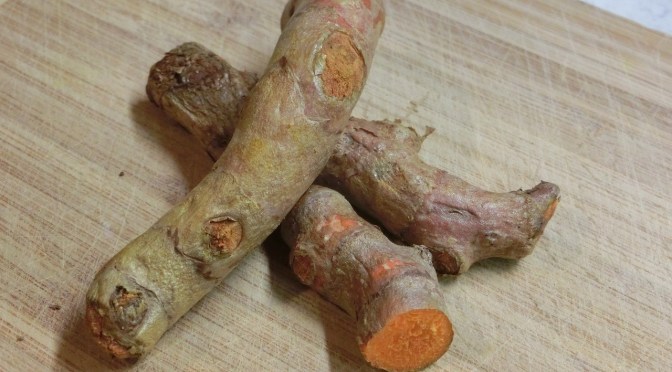
If you’ve ever feasted on Indian food, you’ve undoubtedly enjoyed the pungent flavor and golden color of turmeric, Curcuma longa, aka Indian saffron, an herbaceous perennial in the Zingiberaceae family of plants that is related to ginger and cardamom.

A chemical compound called curcumin found in the fleshy rhizomes of this plant is responsible for the bright hue, as well as numerous potential health benefits.

READ AT THE LINK

https://gardenerspath.com/plants/herbs/growing-turmeric/

Photo: pixabay.com

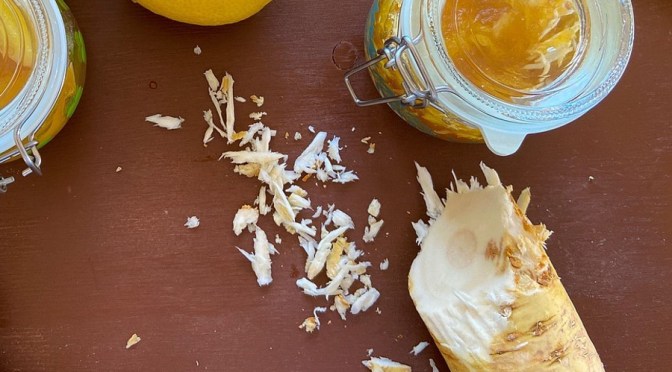
Horseradish: a vegetable that packs a nutritional wallop & has more vitamin C than most common fruit

Info on how to grow this root vegetable at the link below …
from almanac.com

Horseradish Benefits

Horseradish roots pack a nutritional wallop that few cultivated plants, and certainly no other root crop, can match. The freshly grated root contains more vitamin C than most common fruit, including oranges. The root is rich in calcium, iron, thiamine, potassium, magnesium, trace minerals, and proteins, yet desirably low in phosphorus and sodium. Horseradish is 20 times richer in calcium than the potato (with skin) and contains nearly four times the vitamin C and three times the iron.

READ MORE

https://www.almanac.com/plant/horseradish

Photo: Schnu1 @ pixabay.com

GROWING YOUR OWN FOOD (Wally Richards)

You may ask why is it important to grow your own food?

First and most importantly it is your Food Security. Not nice to be hungry 24/7.

Second is that the food you grow yourself; if grown naturally without man made chemicals, will be healthier compared that which is grown with chemical fertilisers and sprays.

Thirdly it will have great flavour unlike the bland produce that you buy from commercial growers/supermarkets.

Naturally grown produce; when natural minerals are used, such as Wallys Ocean Solids, Wallys Unlocking your soil rock dust and Magic Botanic Liquid (MBL)… then the plants take up all these wonderful minerals and elements and the result is great flavour and so very tasty.

There is a simple formula ‘Great Flavour/taste = Great nutitional value/health’

My Friend Jack sent me an email this week which promted me to write this current column.

Here is what Jack wrote…

This morning I was waiting to have a haircut here in Tauranga, New Zealand.

The customer in front of me getting his haircut was the owner of a big transport company in the area and was talking to the barber. This is how the conversation went:

“Barber; How are things with you young man?

Answer; Not bad, but I have a lot of drivers off with Omicron at present which is not the best.

However, my biggest concern at present is that AdBlue, an essential additive now used in most modern diesel trucks and cars worldwide, is rapidly running out AND MAY CLOSE DOWN THE ENTIRE GLOBAL DIESEL TRUCK FREIGHT INDUSTRY within a month or two creating global chaos in supply chains.

Barber; Awe, that sounds a bit extreme doesn’t it? Are you pulling my leg?

Answer; No I am deadly serious.

Barber; Well why is it getting in short supply?

Answer; AdBlue is manufactured from Synthesized Urea and is used also for fertilizer and manufacturing conventional explosives.

RUSSIA is by far the biggest manufacturer and exporter in the world with China not far behind.

As a result of the Ukraine crisis, and the sanctions against Russia, Russia in turn, in collusion with China, is turning off the global supply lines.

It actually started last year. Here in NZ and Australia, unless this supply shortage is urgently rectified.

In my own case within a month I will have to park up all my trucks and stand down all my drivers!

That is how serious it may be.”

So everyone. I have no idea if this situation will be resolved quickly or not.

However, in a very short space of time it potentially could turn very nasty!

After all, every can of baked beans doesn’t walk into the supermarket on its own – it comes in by diesel trucks! Do I have to say any more?

Jack

Ok if there are little to no trucks to move stuff the empty Super Market shelves will be more apparent than currently also mail order stuff will not only have long delays as currently with drivers isolating but maybe reduce to a trickle?

So you should stock up now with essential items as well as plant up your gardens with vegetables as the day light hours are getting shorter and growth is slowing.

There is one fresh food you can do without a garden or day light hours to worry about and that is healthy seed sprouts.

Grow your own, fresh, nutritious, tasty sprouts. Mr Fothergills Kitchen Seed Sprouter makes it simple and affordable.

You will find these multi-compartment sprouters at Egmont Seeds in their mail order on line.

https://www.egmontseeds.co.nz/accessories-c-27/seed-sprouter-mr-fothergills

From their web site they have:

Sprouts are often referred to as Natures Super Foods, and rightly so, they are packed with powerful vitamins and minerals.

A study that involved scientific analysis of the vitamin and phytochemical content of 25 types of micro-greens, found that there were higher concentrations of vitamins and carotenoids (precursors to vitamin A) than the full-grown versions of the plants!

Now you can use the sprouter and make the seeds even more nitrous by adding a very small amount of MBL and Wallys Ocean Solids dissolved in the water you sprout the seeds in.

If possible avoid using chlorinated tap water for sprouting as you dont need the sprouts to take up the chlorine poison.

To overcome this problem place a bucket of chlorinated tap water outside in a sunny spot.

Take a cup of this water lift up and pour back into the bucket when the sun is shining.

This quickly removes the chlorine from the water and after a couple of days it should be free of the poison.

Also a couple of buckets outside to collect rainwater is also great value.

You change the water in the sprouter as to the instructions and ideally the sprouter should be on a window sill where it gets some natural light to green up the sprouts as they germinate.

Kings Seeds NZ is another good source of seeds to sprout with most of them being organic see

Gifts

Then you can always pick up seeds from places like Bin Inn such as mung beans etc.

Once you obtain a collection of seeds to sprout you then need to store them inside their packets, open or unopened and placed inside a glass jar with a lid and put inside your fridge.

That will keep them fresh for years and ready for you when you need or want to sprout.

With both Russia, Ukraine and China not supplying the West with fertilisers means that a lot of commercial growers are going to come unstuck and what vegetables that are available will be too expensive for many people.

Happy Growing…….

Photo: pixabay.com

“Who controls the food supply controls the people …” (Wally Richards)

A renowned or maybe infamous states man, Henry Kissinger is known for, amongst many other things, his quotes one of which is:

‘”Who controls the food supply controls the people; who controls the energy can control whole continents; who controls money can control the world.”

If you have been keeping up with what has been happening we see on main stream media a energy crisis in Europe with rising costs of fuel,

we hear of the implementation of proposed Cash Less Society and food is not as abundant as previously due to shipping and supply chains.

An example: I have for several months now being trying to ship a container of Neem Granules and Powder from India. My Shipping agents, Toll Global could not find a ship to transport it.

I was able to get my supplier in India to find a German shipping line that would take a container which after all this time will hopefully land in NZ in March.

I was told that most shipping lines do not want to come to Australia or NZ because they are made to sit off shore for a long periods of time waiting for permission to come in and disembark their cargo.

In the meantime using up fuel and paying their sailors wages for doing nothing.

Now we see fertilisers including urea are either not been exported by China, Russia or from some other suppliers and what is being imported now takes months instead of weeks to get here.

On TV news we see that this is causing a problem for our truckers.

(An automotive grade of urea will be injected into the vehicles’ exhaust stream to “scrub” nitrogen oxide (NOx) from the diesel exhaust. NOx, a major air pollutant, contributes to smog,

which causes asthma and respiratory and heart diseases.)

Now here is the countries food problem in a nut shell.

Commercial NZ growers of our vegetables have been using chemical fertilisers for many years and in doing so have killed the soil life in their soils.

This makes the soil void of microbes, beneficial fungi and no earth worms.

To grow crops in dead soil is a bit like hydroponics, you keep feeding the plants chemical nutrients to make them grow (NPK fertilisers)

The plants are not only forced to grow but to also grow quickly which means they do not obtain the nutritional quality plants obtain when grown naturally without being forced..

The vegetables thus grown are stressed and weak which makes them targets for every pest and disease under the sun.

To ensure that the vegetables look perfect on the supermarket shelves they need constant spraying of poisonous chemicals to prevent damage from diseases and pests.

This not only ensures that the soil life is continuously suppressed but also means you are eating produce that is chemically saturated and has little nutritional value or taste.

Food growers in NZ have a problem then, if they cant get loads of chemical fertilisers to grow their produce you will not see much fresh vegetables on the shelves.

What fertiliser is obtained will be up to 300% more expensive and that has to be paid for by you the consumer along with all the other costs involved in living, taking great price hikes.

Any imported food stuffs will also greatly increase in price due to shipping costs as well as manufacturing cost increases.

Here is your problem in regards to food security, we are now in the middle of February only 4 months till the shortest day.

Every day now till then, there is shorter day light hours.

Plants need sun light to grow, the less hours of sun light the less growth.

Ideally hardy crops such as cabbages need to be planted in summer to mature in winter.

That means the best time to plant your winter crops was in December and January.

It is not too late to plant seedlings in February and even into March but that is it as any planted after that will only slowly grow in less day light hours and later in spring when the hours of light increase they will go to seed.

Give you an example I can plant Drunken Woman lettuce (My favorite) now as purchased seedlings and they will be ready to harvest outer leaves in about a month to 6 weeks.

But if I plant the same in say May they will hardly grow and in August go to seed.

A waste of time other than used for the chickens to eat or dug under as a green crop to enhance the soil life.

So you need to plant seedlings now for your winter use.

They will grow during the diminishing light hours and reach near maturity going into winter when the growth is very slow but the cold temperatures

keeps the crop in Natures Refrigerator till you want to harvest for use.

Produce that you have ready now you need to harvest, freeze, pickle, dehydrate, bottle and store for the coming months.

Our grandparents knew this and they had larders full of preserved food and gardens full of mature greens to harvest fresh.

My mum used to say, ‘Better Safe than Sorry’

If you have been using a lot of chemical fertilisers and watering your vegetable garden with chlorinated tap water then you really need to restore the soil life.

Here is a remedy plan I saw on the Internet:

From Dead Dirt to Healthy Soil in 7 Simple Steps

  1. Stop using NPK fertilizers. Nitrogen, phosphorus, potassium (NPK) fertilizers are commonly used for trees, shrubs, and grass. …
  2. Stop using herbicides and chlorinated tap water.
  3. Leave the leaves. …
  4. Be mindful of disturbing the soil. …
  5. Use wood chips. …
  6. Use compost. …
  7. Use animal manures.

Happy Gardening..

Vermicomposting – Learn How To Make A Worm Tube

From gardeningknowhow.com

Exactly what are worm tubes and what good are they? In short, worm tubes, sometimes known as worm towers, are creative alternatives to traditional compost bins or piles. Making a worm tube couldn’t be easier, and most supplies are inexpensive – or maybe even free. A worm tube provides a perfect solution if you have a small garden, if you just don’t want to bother with a compost bin, or if bins are frowned upon by your homeowner’s association. Let’s learn how to make a worm tube! Worm Tube Information Worm tubes consist of 6-inch (15 cm.) pipes or tubes inserted into the soil. Believe it or not, that’s really all there is to making a worm tube! Once the tube is installed in your garden bed, you can drop fruit and vegetable scraps directly into the tube.

Read more at Gardening Know How: Worm Tube Information – Learn How To Make A Worm Tube https://www.gardeningknowhow.com/composting/vermicomposting/making-worm-tubes-for-garden.htm

Learn more about vermicomposting here:

https://www.gardeningknowhow.com/composting/vermicomposting

Photo:PortalJardin @ pixabay.com

Those plant gifts that keep on giving (Wally Richards)

Christmas is getting very near with only about 6 weeks till Xmas week.

Many of you will have already started putting a lot of thought into what gifts they would like to give and some will have completed most of their Christmas shopping already.

Others like myself are still thinking what to give to someone that is so hard to buy for.

A gift that is perfect is one that brings pleasure to the receiver as well as the giver. This means giving a gift that has really been thought about and often will have some personal input from the giver. For example young children making something, or drawing a picture, to give to their grand parents are treasures to be carefully stored and enjoyed for years.

Perennial plants are like that, they keep giving for years making them excellent gift choices for loved ones and friends. I know this because people will phone me asking about a plant that they were given in the past that is not faring so well and they need to revive it because it was a special gift.

Think about this; a young couple with a family are given an apple tree to plant on their section for Xmas. Within a few years that tree is producing a great harvest of fresh, healthy apples for the family to enjoy. As long as that tree is providing an annual harvest the giver will be remembered, even from beyond the grave.

I know of roses that were gifts 30 to 40 years ago still producing an abundance of blooms each year given by a mother or grandparents, long passed but cherished in memory through the annual flowering. Fruit trees, roses or a specimen plant gift can make the giver, in a sense, immortal for a long time.

This Christmas think gardening and the pleasure plus health benefits it can have for the receiver. Besides you can contribute not only with your money but also with your labour in making the gift more personal.

Here are a few ideas starting with a glasshouse either A-frame or lean-to; they come as kits and you can help put it together for the receiver. I recommend a glass, glasshouse as they will last for a life time and only need panes replaced if broken. A glasshouse for a person or family that loves to garden creates a new dimension to their gardening. It allows growing out of season tomatoes and capsicum, perfect for germinating seeds and striking cuttings, ideal for growing those more tropical plants that wont do well outdoors in your climate.

There is nothing better on a miserable winters day than to be pottering around in your nice warm glasshouse. More information about glasshouses can be found in my book Wallys Glasshouse Growing for New Zealand.

How about a raised garden for a elderly parent or a young family to grow vegetables in? You can construct an ideal one on site using roofing iron and 100 x 100mm posts (painted to keep the chemicals sealed). The structure just sits on the ground (best on concrete) it makes an excellent place to grow vegetables, once it has been filled to two thirds with organic waste and compost.

(My book Gardening & Health explains the process.)

Next to consider is a compost maker and by far the best are the tumbler ones as they will convert organic waste to compost in the quickest time. A worm farm is also another excellent gardening gift producing worm casts and worm pee to the benefit of your gardens as well as recycling all kitchen green wastes.

A rose in a container makes a lovely gift and now is the time to purchase and pot up. You need, one bush or standard rose, one container that is about 20 litres or more, a bag of compost, a punnet of trailing lobelia or alyssum. Make sure the container selected is either straight up and down or that the top is wider than the base with no middle bit wider than the top. (The rose has to be removed and root pruned every 2-3 years and if the top is more narrow than any other part you have to smash the container to remove.)

Fill the container with purchased compost to about half full and place some Sheep Manure pellets, blood & bone and Neem Granules before adding the rose removed from its bag or pot. The final height should be about 2-3cm from the rim to allow for food and watering. Plant the lobelia or alyssum around the edge so they will trail over. Not only does it make it more decorative but the foliage helps reduce moisture loss from mix and they certainly let you know when the mix is drying out. Place the rose in a good light shelter spot outside till you are ready to wrap and give. A final touch can be spaying the leaves with Vaporgard to make them really green and shiny.

Similar can be done with a fruit tree but then the container wants to be about 50 litres or more and instead of planting flowers around the rim go for either a herb such as parsley, thyme or basil. The fruit tree can be any variety you would like to give from citrus, feijoa, to pip or stone fruit. Dwarf types are good but not necessary as they all need root pruning in the future.

Annual flowers or herbs can be potted into nice containers using compost as the growing medium. Pot up now with colour spots or herb plants then they should be putting on a really good show about Xmas time. Children can help potting up for grandparents and then can proudly say they did it. Inexpensive and very much appreciated.

Garden shops these days have lots of interesting nick knacks and gift ideas besides their normal lines of plants and things. Soaps, cosmetics, bird feeders, crockery, fountains, statues and in some cases even water beads & artificial snow for decoration.

It is surprising the variety of products and ideas one can find in your local garden centre that you will not find in main stream retail. Makes Christmas shopping easy.

Phone 0800 466464
Garden Pages and News at www.gardenews.co.nz
Shar Pei pages at  www.sharpei.co.nz
Mail Order products at www.0800466464.co.nz

NOTE: many of our posts are now over at https://truthwatchnz.is/
Check us out there for other daily news. EWR

Grow Your Own Food with Tips from A School Garden Teacher

The coronavirus pandemic has inspired a lot of people to explore self-sufficiency in the form of scratch cooking and growing their own food. But for many first time gardeners, growing your own food is an intimidating task that brings up lots of questions: what to grow, where to grow it and, well, how not to screw it up? Is it as simple as throwing some seeds in some dirt, watering them and giving them sun? We asked an elementary school garden teacher for her tips: we figured, if she can teach young kids to grow their own food, she can teach you, too.

Sanaya Irani is a FoodCorps service member with Detroit Public Schools. She teaches kindergarteners through 6th graders how to turn nothing into something — how to feed themselves. She has found that “the detail-oriented aspects of gardening are especially challenging for students,” which is probably true for a lot of first time gardening adults as well. Here we dig into some of those details.

READ MORE

https://foodprint.org/blog/grow-your-own-food/

Image from Pixabay

How to Grow Your Own Food

Growing your own is not only for survivalists, it’s for anyone that wants to save some money at the grocery store! There are also other benefits to growing your own food such as knowing what going into the soil, you get more food for your money, and you can feel good about yourself because you helped something grow. Even if you don’t know the first thing about growing your own food, we have a basic list below to help you get started.

Decide what to grow

The first step in this process is to decide what you want to grow. You may love to get lettuce from the grocery, but it may be worth considering trying to grow your own instead.

READ MORE

https://survivallife.com/how-to-grow-your-own-food/

Image by congerdesign from Pixabay

Things to do in the garden right now (Wally Richards)

GARDENING TASKS

Now that we are halfway through Spring and quickly heading towards the first month of Summer (December) there is a fair bit to do in our gardens so lets run a check list in case some things are missed. It will depend on what you have in your gardens as to whether any or all things concern you.

Roses: generally at this time we have new foliage, buds and some flowering taking place. If there is any sign of black spot or rust, spray the roses and soil underneath with a solution of potassium permanganate mixed at ¼ a teaspoon to a litre of non chlorinated water and spray. (It may stain walls etc temporarily). Repeat weekly till new foliage is clean.

Food for Roses ; ideal is horse manure, blood & bone otherwise sheep manure pellets with the blood & bone. These should be covered with some purchased compost. Add to this a sprinkling of Fruit & Flower Power once a month. If you want good roses avoid soil damaging fertilisers such as rose fertiliser and nitrophoska. Bio Boost is also a good natural slow release one and very well priced.

If you have roses that need recovery from past chemical sprays such as Shield (now banned) the chemicals will have broken down the natural immunity of your roses. You may like to start a recovery spray program which I wrote about originally just on 10 years ago.

On the first of the month mix the following at their label rates per a litre of water, PerKfection Supa for Roses, Magic Botanic Liquid, Mycorrcin & Wallys Neem Tree Oil. Spray late in the day just before sunset. Then on the 15th of the month repeat spray all the above except for PerKfection Supa. Only water with non chlorinated water so you don’t harm the beneficial soil life including the gardeners best friend, earthworms.

In some cases the health improvement of your roses will be quickly noticed; although some may have the additional problem of inherently poor breeding and always be a sickly specimen (even if they have brilliant flowers).

Lawns; I have had a number of inquiries about lawn problems starting with moss in lawns. Dont waste your money on sulphate of iron as it only burns the top of the moss which then it quickly comes back. Instead, jet spray the moss with Wallys Moss & Liverwort Control. It kills the moss completely without damaging the grasses. If there is a spongy feeling when walking on the lawn that indicates a thatch problem. Simply spray the lawn with Thatch Busta to clean up the thatch. (Do the moss killing first, wait about 2 weeks then the Thatch Busta.)

Bare patches in the lawn indicate the root damage caused by grass grubs in the autumn/winter period and these same grubs are now down deep, pupating to emerge shortly as beetles. They are too deep to do anything about them at this time so don’t waste your money on treating. The horse has gone so no need to close the gate.

Another bare patch problem with holes in the lawn indicate that porina caterpillars are at work eating at the base of the grass in the evening (while they are safe from birds) to return to their tunnels before dawn. A simple spray over the lawn with Wallys Neem Tree Oil will stop the damage and cause them to starve to death. In areas where porina are a problem treat the lawn this way every 3 months.

When the grass grub beetles emerge they are going to eat the foliage of several plants so after you have noticed holes in the leaves go out after dark with a torch and have a look. If you have beetles then spray then with a mix of Wallys Super Pyrethrum and Wallys Neem Tree Oil. Repeat nightly.

Also a bright light in a window facing the lawn with a trough two thirds full of water with a film of kerosene floating on the top; placed directly under the window pane, will trap lots of beetles (maybe a few Codlin Moths too) They fly at the bright light hit the pane and fall into the water where the kerosene stops them from escaping.

Feed the beetles to the chickens next morning or flush down the toilet.

Weeds; they certainly grow at this time of the year and as long as you deal to them before they set seed they are not too much of a problem.

In fact weeds are a excellent asset to your garden soils as they have taken up goodness which can be returned to great advantage. You could pull the weeds out, shake the soil off them and lay them back down on the soil. That is good but even better; with a sharp knife slice through the weeds just below soil surface. This leaves the roots in the soil to rot and provide food for the soil life and it does not disrupt the beneficial fungi in the soil. The foliage can be laid on the soil surface where it will be quickly devoured by the soil life and worms. Your soil will build up humus quickly if you spray the dying weeds with Mycorrcin.

Doing these things (sure it takes a bit of time but it is so therapeutic and anti-stressful) will over time make for dream gardens and plants.

Citrus; its a good time to sprinkle Wallys Neem tree Powder underneath the citrus trees from the trunk to the drip line. This will help prevent insect damage. If you have chook manure give a good sprinkling of that otherwise any animal manure or sheep manure pellets along with blood & bone. Cover with compost. Sprinkle Fruit and Flower Power once a month. A spray of Wallys Liquid Copper with Raingard added in the spring and autumn will help with any citrus diseases. If the trees are looking a bit sad add Perkfection Supa to the copper spray.

In cases where wet feet have rotted roots treat the area with Terracin to suppress the pathogens and help save the tree. Three weeks later drench the soil with Mycorrcin.

Note always use non-chlorinated water which is easily achieved with a special carbon bonded filter on your outside tap. (Cost $140)

Pear Slugs; In warmer areas and later in cooler areas the pear slugs will attack pear and plum trees, they eat small holes in the foliage and look like a black slug. Simply spray the tree with Wallys Liquid Copper to control. Remember be nice to your gardens by being natural.

For something different

I wonder why over 50 NZ Doctors and medical professionals would put their careers and incomes in jeopardy by making a stand?

You may not have heard of this group they call themselves NZ Doctors  Speaking  out With Science and they have some interesting things to say.

https://nzdsos.com/2021/10/08/the-rise-of-totalitarianism/?fbclid=IwAR1xBsoLwdGK5PGR86jXeovLleI3Tef3F5SO23riJyvahjW1aZ3hLCyEZu0

Phone 0800 466464
Garden Pages and News at www.gardenews.co.nz
Shar Pei pages at  www.sharpei.co.nz
Mail Order products at www.0800466464.co.nz

New Zealand Bill of Rights Act 1990. Part II of the Act covers a broad range of Civil and Political Rights. As part of the right to life and the security of the person, the Act guarantees everyone:

1The right not to be deprived of life except in accordance with fundamental justice (Section 8)

2The right not to be subjected to torture or to cruel, degrading, or disproportionately severe treatment or punishment (Section 9)

3The right not to be subjected to medical or scientific experimentation without consent (Section 10)

4The right to refuse to undergo any medical treatment (Section 11)

 Furthermore, the New Zealand Bill of Rights Act 1990 guarantees everyone: Freedom of Thought, Conscience, and Religion.
This includes the right to freedom of thought, conscience, religion, and belief,
INCLUDING THE RIGHT TO ADOPT AND HOLD OPINIONS WITHOUT INTERFERENCE (Section 1)

Let food be thy medicine and medicine be thy food.

QUESTION MORE

If you do not want to receive the weekly articles anymore (or other emails from us) then click the unsubscribe link below.
Regards Wally Richards

Image by summa from Pixabay

‘Going to Seed’ – When your plants bolt and what to do about it (Wally Richards)

Plants have one objective in life and that is to reproduce.

Reproduction is mostly done by seeding (spore in ferns) but can be also achieved through division, suckering, cloning, producing bulblets or pups. The desire to reproduce is their strongest attribute which is one that can make gardening very difficult at times. (weeds, suckers, oxalis).

There are two basic forms of plants, one is called annuals because they germinate, grow, flower, seed and then die. The other type are perennials which live for a number of seasons or in the case of some trees thousands of years. There are inbetweens such as bi-annuals which for our purpose here we will not worry about them.

Perennials are fairly straight forward, they live, they flower, they produce seeds, they may produce off sets, suckers (new plants from their root system) all while they live for more than one season. They can have their foliage removed and survive to generate more foliage unlike an annual plant which if their foliage is removed the root system dies.

It is the annuals that we are going to talk about because as far as I am aware they only reproduce naturally by seeding.

(They can in some cases be grown from cuttings which in Nature if a bit of their foliage falls onto a suitable bit of dirt they could produce roots and become a clone of their parent plant.) Annual plants are very aware of the current growing conditions and as far as I can figure they have a reasonable insight on what the conditions are likely to be in days to come. Seeds will not germinate in Nature till the conditions are right which means temperatures in both soil and air along with adequate moisture. If the temperatures are right in summer but its too dry to germinate nothing happens till the soil moistens up sufficiently.

A day of rain changes the moisture level and the seeds laying dormant germinate (which includes weeds).

Two possible events may occur then; one is that further rain or your watering follows and the plants/weeds grow up tall and strong and when maturity is reached they produce flowers and seeds. The other possibility is there is no more rain and the soil dries, the plant/weed has only grown a few inches and it will realize that it is becoming too dry and immediately mature, flower and set seed before it dies. This is where you will see lots of baby weeds in dry areas flowering their hearts out to seed before they wither in the dry conditions. Their seed falls on to the dry dusty soil to wait for the next moist time to germinate and start the cycle all over again. From this we learn that annual plants or ones we call weeds when they encounter stress or checks in their growing they will feel that their lives are threatened and go to seed. We call this ‘Bolting’ and you will see the term bolt resistant which means the particular species will tolerate a bit of stress before going to seed.

When it comes to non fruiting vegetable plants we want them to reach maturity without going to seed prematurely. So our cabbages, lettuce, silverbeet, celery etc will produce good plants to harvest and eat. If left after maturity they will eventually go to seed. What we don’t want is the same plants to go to seed before they reach maturity. Some vegetables are very prone to bolting unless the growing conditions are perfect from the time they germinate to the point of maturity. One such plant is Pak Choy which I have found easily bolts at the merest check of growth.

Thus we have the gardening problem of bolting. If we are growing our own seedlings for planting out and we nurture the plants from germination to planting out by giving them adequate direct sun light, sufficient moisture for sustained growth (not drowning them) and we prick them out without damaging the roots after ‘hardening off’ and provide the young plants with good growing conditions we have great success.

If we fall down and the plants get into stress then later on they will likely go to seed. We call this a ‘check’ in their growth it could have been caused by becoming too dry, too hot, too cold, too soft and insufficient direct sun light.

When we buy vegetable seedlings we don’t know if they have suffered stress or not during their short lives to date. The nursery that grew them doesn’t usually make mistakes as its their income that suffers if they do so. Instead they give the plants optimum growing conditions and then harden them off before transporting to a retailer.

Hardening off is very important; when grown in a glasshouse where every thing is controlled the foliage of the seedlings is soft and if shoved straight out into the real world they are likely to die or suffer stress. To overcome this the seedlings are transferred to special houses where they are protected but gradually exposed to the elements.

An alternative is to spray them with Vaporgard to protect the soft foliage and they can then be hardened up quickly. When the seedlings reach a retail outlet they are often placed under cover where they can become soft again. Watering is a problem if they don’t receive sufficient for their needs. As the seedlings are bigger now and they have large root zones filling the cell pack or punnet they can dry out very quickly and may require watering more than once in a day.

The chances of being stressed before they are planted out in your garden have increased. If the plants are indoors out of natural light or in bundles they are soft and stressed. You plant them out and they lay down on the soil like left over road kill and they struggle to stay alive and grow. Then you wonder a few weeks later why they have gone to seed before they were ready to harvest. Vegetable plants that produce fruit such as tomatoes and capsicums there are no problems as you want them to seed/fruit and as long as they have not got too old in the pots they will likely be fine.

With flower plants the bigger the better and no worries about whether they have been stressed or not. When purchasing foliage type vegetables try to buy nice small young plants in cell packs (least root disturbance) so you can take them home and grow them on to plant out later.

A day before planting out spray the seedlings with Vaporgard over and under foliage this acts as a stress guard and reduces transplant shock, protects the plants from the elements and reduces moisture loss through foliage. Instead of laying down you plants will sit up and start growing much quicker in their new situation.

If you place Crop Cover over them with hoops you will protect the plants from birds, cats, insects and the elements. They will grow just about twice as fast which means you will be enjoying your own home grown vegetables much sooner. This allows you to re-plant and have more harvests during the growing season.

Let food be thy medicine and medicine be thy food!

Note: you can peruse Wally’s pages/sites here below. Further, if you want to ask him a question about your garden (or any glitches you may encounter) by phoning him at the 0800 number. For Kiwis, he’s local. That’s a real bonus. EWR

Phone 0800 466464
Garden Pages and News at www.gardenews.co.nz
Shar Pei pages at  www.sharpei.co.nz
Mail Order products at www.0800466464.co.nz

Image by 👀 Mabel Amber, who will one day from Pixabay

Regrowing vegetables from your kitchen scraps

Watch at the link: https://www.youtube.com/watch?v=qnBV6X1_Ph0

Self Sufficient Me 1.39M subscribers

In this video, I show you what happens when you regrow vegetables from kitchen scraps in the garden. I plant out scrap onion, lettuce, potato, celery, cabbage, tomato, and carrots and we see how they grow over 3 months. Support me on Patreon: https://www.patreon.com/selfsufficientme (the top tier $25 AU enables mentoring from yours truly via an exclusive VIP email where I will answer your questions etc ASAP). My second channel: https://bit.ly/331edDu Using the links below also helps support my channel: Help support the Channel and buy a T-shirt/Merchandise from our Spreadshirt shop: https://bit.ly/3lmqMkr or Teespring https://bit.ly/3neEYO8 Go here to get Birdies Raised Garden bed in the USA: https://shop.epicgardening.com/ and use SSME2020 for a 5% discount. In Australia & New Zealand go to https://birdiesgardenproducts.com.au/ or https://birdiesgardenproducts.co.nz/ and use Code SSMEbird for a 5% discount. Check out http://www.gardentoolsnow.com/ for tools such as the Prong I recommend to use. Shop for plants or garden equip on eBay Australia: https://bit.ly/2BPCykb Blog: http://www.selfsufficientme.com/ (use the search bar on my website to find info on certain subjects or gardening ideas) Forum: http://www.selfsufficientculture.com Instagram: https://www.instagram.com/self_suffic… Facebook: https://bit.ly/2Zi5kDv Twitter: https://twitter.com/SufficientMe Subscribe to my channel: http://goo.gl/cpbojR Self Sufficient Me is based on our small 3-acre property/homestead in SE Queensland Australia about 45kms north of Brisbane – the climate is subtropical (similar to Florida). I started Self Sufficient Me in 2011 as a blog website project where I document and write about backyard food growing, self-sufficiency, and urban farming in general. I love sharing my foodie and DIY adventures online so come along with me and let’s get into it! Cheers, Mark 🙂

Gardening & Plant Immunity (Wally Richards)

Wally Richards is a longtime Kiwi gardening guru. I used to post his useful and excellent material earlier in the piece … I’ve neglected the food growing aspect for some time now though aside from the odd article. It seems an appropriate time now to return to it with the much announced coming food shortages. My and my parents’ generations and beyond always grew their own anyway … until supermarkets took over. We knew then what exactly was in our food.

Wally is local to NZ so Kiwis can benefit from his wide knowledge of local conditions. You’ll find further info at his links at the end. You can sign up and receive his regular newsletters. EWR


Gardening Articles for week ending 2nd October 2021

Plants, just like ourselves, have built in protection against diseases though their immunity systems.

We build up our immunity naturally over the years by surviving disease attacks and by having a healthy nutritionally rich diet.

That is not to say that we are immune to disease attacks but under normal situations we can fend off most health problems if we have very good health.

We, like plants, have pathogens and viruses in our bodies all the time but these are kept in check by our immune system and glands.

If we get into stress then our metabolism does not have the same stamina and we catch a cold or worse.

It is said the leading cause of heart disease and cancer is stress.

I think its the stress that is the straw that breaks the camels back, after unhealthy living, insufficient nutrient rich food and a build up over time of toxins in our cells and body fat due to not detoxing..

The same applies to plants, place them into stress and they will more likely catch a disease.

I have written a lot in the past on how to build the health of plants by building the health of the soil; having soil that is rich in humus, minerals, earth worms and soil life.

Even when we have the best soil on earth, plants can still catch a cold when they are placed into stress.

We can however increase the immune systems of plants by monthly sprays of Perkfection Supa for roses and other plants.

The active ingredient of Perkfection is ‘Phosphite ion’ or Phosphonic Acid. (Potassium ions are also present).

Perkfection is very safe to handle and spray and when used on food crops there is no withholding period other than your normal washing of produce before eating.

Perkfection is used extensively by commercial growers of vegetables and fruit as its safe, effective, in prevention and control while not restrictive on exports of produce.

We have suggested Perkfection Supa for Roses and Other Plants as an alternative to more toxic sprays, for the assistance in recovery from/or prevention of, the following problems, Black spot, Downy Mildew, Phytophthora Root rot, botrytis, Canker, heart rot, damping off, crown rot, leaf blight, silver leaf, late blight, collar rot, pink rot, brown rot, Armillaria, and gummy stem rot.

Now that’s a big list of common plant diseases which means that many of your disease related problems can be overcome with applications of this product.

Besides using Perkfection over your roses for the likes of Black spot and Downy mildew you can also use it as a spray over all your fruiting plants and trees including your strawberries.

It can be used also over your potatoes, tomatoes, lettuce, beans, cubits (cucumbers etc) lawns, onions, passion fruit, Cauliflowers, cybidium orchids and ornamental plants and vines.. In fact there is no where you cannot use Perkfection to advantage.

Being ‘Synthetic Organic Phosphates’ what you are doing, is placing this valuable material, onto the foliage of your plants, where it is very readily absorbed and transferred through the whole of the plant.

This fortifies the plant’s cells, increases the plant’s immune system and makes your plants less susceptible to invading pathogens.

There is however a down side, as with any good thing, you can use too much and the recommendation is to use Perkfection at 4 ml per litre of spray once a month for about 6 times in a season.

(Note a season is the normal period of time for that crop or plant. Roses are from Spring till Autumn. Most annuals 5-6 months.)

The reason is that, you can over load your plant with organic phosphates causing a clogging of the cells and halting growth until the system clears.

If a plant has a problem spray the first month with Perkfection at 7 mls per litre.

For plants you wish to fortify use at 4ml per litre for 2 to 3 months.

Prevention is better than cure and by spraying your plants in the spring you give the greatest protection to leaves and fruit, autumn spray will give greatest protection to roots and tubers.

I have suggested that on the 1st of the month to spray your roses and other preferred plants with Perkfection, MBL (Magic Botanic Liquid) and Mycorrcin. Then 14 days later (15th) spray with Mycorrcin and MBL.

What we are doing is boosting the plant’s immune system, supplying a large range of minerals and elements, feeding the beneficial microbes to increase their populations which also work to eliminate diseases.

If insects problems occur then include Wallys Super Neem Tree Oil with Wallys Super Pyrethrum added.. All these sprays are compatible.

Here are a few examples of situations where Perkfection Supa has made a big difference;

Buxus, from early damage to nearly dead plants, sprayed monthly the plants recovered their foliage and are now thriving after 6 months.

Silverleaf on roses and fruit trees caught in the earlier stages, remove damaged branches and spray with Perkfection.

Dry Berry on berry fruit including strawberries (other name is downy mildew) a couple of sprays usually does the trick.

Grapes spray once there is a good show of leaves then repeat monthly for about 3 times to assist in prevention of botrytis.

I have a guava tree which after several years of excellent fruiting it suddenly developed a disease that badly effected the fruit.

A few other gardeners also reported the same problem so I contacted the nursery that propagate the trees and asked the head nurseryman about it. He named the disease (which I forget what it was) and told me that they treat the problem with a chemical spray.

Knowing me fairly well he said that he did not know what I could use as I was against harmful chemicals.

So that season when the guava was starting to produce new growths in the spring I sprayed it with Perkfection and again every month while the fruit were growing.

The result was a tree full of fruit and no sign of the previous problem.

Wet weather diseases on citrus and plants that do not like wet feet can be helped to recover with the use of Perkfection.

It will help stimulate new root development.

It would also be a good idea to clean up the rot in the roots with a soil drench of Terracin followed by a drench of Mycorrcin 3 weeks later.

Terracin is a natural product that suppresses pathogens in the soil allowing the beneficial microbes to increase which means there is a fight for food resources and the now large numbers of beneficial microbes win.

Isn’t life simple when you work with Nature instead of destroying it with man made chemicals.


Phone 0800 466464
Garden Pages and News at www.gardenews.co.nz
Shar Pei pages at  www.sharpei.co.nz
Mail Order products at www.0800466464.co.nz

Image by staszwizg from Pixabay

Building a Potato Tower with Aly’s Self Sufficient

Watch at THE LINK

Grow your own veg. I’ve just discovered this NZ channel by Aly Cook… read below & sub for good ideas to be self sufficient.

Aly is also a musician, she released a song recently called ‘Hello Hello, Welcome to the New Revolution’ … featured at EWR, you can listen to it here, and hear her story AT THIS LINK.

Description

“Kia Ora my name is Aly Cook I live in Aotearoa (New Zealand) it is one of the more isolated countries on this beautiful planet , something that makes me thankful everyday as I feel it is a privilege to be born and raised in such an amazing place. I love to Garden and do things in an upcycle way, use the things that could go into landfill in a positive way, grow spray and free chemical free veges in containers, cook yummy vegan food, preserve fruit and live in a sustainable way as much as I can. So I hope you enjoy this journey with me . Please subscribe so you can see when my new videos appear.”

Image by Orhan Can from Pixabay

“Growing your own food is like printing your own money”

Growing your own food is like printing your own money”…Ron Finley

I touched on this topic recently. We’ve been hearing about shortages for ages now (check out the Ice Age Farmer at the link) & remember Bill Gates & Co want you eating their GM fake excuse for food so they can control your supply. Just do what we used to do before the supermarkets showed up. We purchased a few items from the local store & the rest we grew. We all had veggie gardens & fruit trees. Then there were the chooks and their eggs. It’s all very achievable. Our forbears did it. So can we. Check out our gardening page with many videos there for ideas. Search Youtube … it’s a veritable treasure trove of good ideas from growing in your apartment to tubs to back yards if you have one. Food didn’t always come from a grocery store. If you are a Kiwi (or even not) sign up to Wally Richards’ site & get his monthly newsletter. He’s a mine of Kiwi do-it-yourself experience & you can even phone him with your questions.

Phone 0800 466464
Garden Pages and News at www.gardenews.co.nz
Shar Pei pages at  www.sharpei.co.nz
Mail Order products at www.0800466464.co.nz

EWR

Our page, ‘Grow Your Own’:

https://envirowatchrangitikei.wordpress.com/grow-your-own/

Image by EM80 from Pixabay

With a world-wide controlled demolition of the global food supply going on – consider growing your own!

Note: grow your own food. It can be done even with little space. Search the net for ideas. People grow food in small apartments and on city rooftops. The sky’s the limit. EWR

Remember this?

and this?

A few links to get you started: My apartment garden tour; Apartment Balcony Edible Garden; Grow a lot of Food in Small Spaces with Container Gardening …. also check out our gardening pages (not featured greatly in recent years but very relevant now!)

_________________________________________________________________________

From markrispinmiller.com

“Better stock up, as something’s happening to the supply chain for our food. (This no doubt relates to Gates’ investment in lab-grown meat.)

In light of all those other “accidents,” that NZ cattle ship capsizing near Japan demands a closer look than the New York Times would ever give it”: https://www.nytimes.com/2020/09/04/world/asia/cattle-ship-capsized.html

Article link: https://www.sott.net/article/440719-Ice-Age-Farmer-Report-Food-supply-spontaneously-combusting-Controlled-demolition-of-supply-chain

SOURCE

http://markcrispinmiller.com/

Image by Pexels from Pixabay

A NZ gardener living her self-sufficient dream in central New Plymouth

Here’s a great post I found today in mainstream, Stuff to be exact. It features a short video & many images. I’d had a quick search for easy ideas on composting/disposal etc of kitchen waste &  found some fantastic info on growing your own food etc which I used to do but not so much now for many reasons. For people struggling to buy food you can grow it, even in small apartments or with very little or no ground. Search on YT you’ll find heaps of ideas. Anyway it may interest you this one, about a gardener in New Plymouth. I’ll post the composting one shortly. EWR


Meet the gardener living her self-sufficient dream in central New Plymouth

The first time Dee Turner visited the central New Plymouth property on which she now lives, it was very nearly the end of an open home.

With no time to spare, she ran past the real estate agent standing at the door with a clipboard and headed straight into the garden. After a quick turn around the one-acre space out back – which included plenty of flat areas, a few gentle slopes, a small stream and even a remnant of native forest – Dee was convinced it was the right property for her.

“So I rang the real estate agent I’d been working with and said I’d found the place I wanted to buy,” says Dee, who had been looking for the right property for more than a year by then. “And she said, ‘What do you think of the house?’ and I said, ‘Oh I haven’t been inside yet’.”

READ MORE

https://www.stuff.co.nz/life-style/homed/garden/110958186/meet-the-gardener-living-her-selfsufficient-dream-in-central-new-plymouth?rm=a

How a Harvard Doctor caused the death rate & medication costs to plummet in a nursing home for the elderly

In my opinion this has always been a no brainer. How are our elderly who have often lived active and happy lives, supposed to ‘rejoice’ when they are suddenly plucked from all things familiar & forced (yes frequently against their will without consultation as to their wishes) to live in a ‘dorm’ of sorts with complete strangers? All activities they enjoyed gone. It is surely a no brainer that they need something to do, not just be expected to sit and stare at the walls? Well this wonderful Doctor had the residents dressing themselves and taking an interest in life. To wake in the morning & wonder if the lettuces you just planted are growing, or if the cats have been and dug them up are all about purpose and a reason to get up. How many folk have I seen after admission to these mausoleums suddenly decline and pass on. Hope is a powerful motivation. Well here we have a working example of the success of providing just that. EnvirowatchRangitikei


from econewsmedia.org

Based on a hunch, he persuaded his staff to stock the facility with two dogs, four cats, several hens and rabbits, and 100 parakeets, along with hundreds of plants, a vegetable and flower garden, and a day-care site for staffers’ kids.

Dr. Bill Thomas, a Harvard trained physician, wants you to know one very important thing about life and aging: “growing older is a good thing.”

He’s been in the news quite a bit regarding his somewhat radical, yet very positive, first-hand perspective of aging. A Washington Post article featured this one man crusade to change negative attitudes about aging and help people to think of “post-adulthood” as a time of enrichment:

“Thomas believes that Americans have bought so willingly into the idea of aging as something to be feared that it has become a self-fulfilling prophecy leading to isolation, loneliness and lack of autonomy,” the article stated. In 1991, Thomas became the medical director of a nursing home in upstate New York. He found the place, as the Post put it, “depressing, a repository for old people whose minds and bodies seemed dull and dispirited.”

In 1991, Dr. Thomas found himself the medical director of a nursing home in upstate New York and in the words of the Washington Post article, he felt the place a: “depressing, a repository for old people whose minds and bodies seemed dull and dispirited.”

So, what did Thomas do to change the resident’s lives forever and spark a movement in aging? The Washington Post explains“[Dr. Thomas] decided to transform the nursing home. Based on a hunch, he persuaded his staff to stock the facility with two dogs, four cats, several hens and rabbits, and 100 parakeets, along with hundreds of plants, a vegetable and flower garden, and a day-care site for staffers’ kids.

READ MORE

http://econewsmedia.org/2017/12/05/harvard-doctor-changing-nursing-homes-forever/

We Can Go Back to Eden & See How Nature Provides Generously

fruits-386758_1280.jpg

From myeclinik.com

If you were born and raised in urban centers and find gardening a herculean task, understand that you don’t need to break your back at all, if you know what nature wants, and how it works for you. Understanding how Nature works will definitely reduce the effort of producing good food for one’s table.

When watching the documentary below, just replace “god” with Nature, and you’ll be okay. Just focus on the method and principles that you need to know.

The featured documentary, “Back to Eden,” reveals a simple organic gardening method that not only can transform your personal garden, but may even be part of the food solution needed on a global scale.

It is estimated that even if only 10% of the global population will do natural methods of gardening, the combined yield would be enough to feed those who have no direct access to farms. Not to mention the effect on the prices of organic foods when there’s abundance of them in the market.

Source: We Can Go Back to Eden & See How Nature Provides Generously

Wally Richards’ Weekly Column: This Week, WHO’s latest announcement on Glyphosate

Here is Palmerston North’s gardening guru Wally Richards’ weekly garden news & commentary. Wally gives us his thoughts on the latest findings from WHO … “Glyphosate probably causes cancer”. This latest revelation from WHO along with Canterbury University’s findings were presented to the RDC last Thursday, however they remain unconvinced and the status quo remains regarding the liberal use of Roundup (active ingredient is Glyphosate) in Rangitikei’s public spaces. (Remember, this is also sprayed on pastures so glyphosate has to be in our meat and milk!). Read Wally’s articles and further research on the topic. You can sign up for his weekly article, and phone him on the toll free number provided if you have any gardening queries. You can also email him with queries (details at the end of the article). His website is a mine of useful information.

Gardening Articles for week ending 4th APRIL 2015
Written by Wally Richards.

GARDENING CHEMICALS RAISING HEALTH CONCERNS

The news this week coming from the World Health Organisation (WHO) stated that glyphosate the active ingredient in Roundup (and found in other weed killers), ‘probably’ causes cancer.

There has been mounting evidence of this from various science reports and findings over the last few years.

All of which Monsanto denies as they did in the past with Agent Orange as being safe.

The health problems came to light in Vietnam when Agent Orange (and similar) herbicides were used to defoliate jungles causing servicemen and local populations major health issues..

On the 21st March 2015 (The Guardian article said) – Roundup, the world’s most widely used weedkiller, “probably” causes cancer, the World Health Organisation (WHO) has said.

The International Agency for Research on Cancer (IARC) – WHO’s cancer agency – said that glyphosate, the active ingredient in the herbicide made by agriculture company Monsanto, was “classified as probably carcinogenic to humans”.

It also said there was “limited evidence” that glyphosate was carcinogenic in humans for non-Hodgkin’s lymphoma.

Monsanto, the world’s largest seed company, said scientific data did not support the conclusions and called on WHO to hold an urgent meeting to explain the findings. “We don’t know how IARC could reach a conclusion that is such a dramatic departure from the conclusion reached by all regulatory agencies around the globe,” said Philip Miller, Monsanto’s vice-president of global regulatory affairs.

Concerns about glyphosate on food have been widely debated in the US recently, and contributed to the passage in Vermont last year of the country’s first mandatory labeling law for genetically modified food.

The US government considers the herbicide to be safe. In 2013, (Based on information supplied by Monsanto’s scientists) Monsanto requested and received approval from the US Environmental Protection Agency for increased tolerance levels for glyphosate.

Monsanto will fight this tooth and nail because of the many millions of dollars the company makes every year from selling this herbicide.

In March, 2015, 17 experts from 11 countries met at the International Agency for Research on Cancer (IARC; Lyon, France) to assess the carcinogenicity of the organophosphate pesticides tetrachlorvinphos, parathion, malathion, diazinon, and glyphosate (table). These assessments will be published as volume 112 of the IARC Monographs.1

In NZ already we see that some of the above chemicals have already been removed or restricted by EPA and ERMA. Which is very good but there appears to be no controls or restrictions on glyphosate.

We do not even test for the chemical in our food chain and I am sure that if we did the results would be alarming.

Glyphosate does not disappear when it hits the soil (Which was another lie Monsanto told when Roundup was first introduced) Instead it has a soil life of months or years dependent apon what research

you read or on what soil type.

One thing would appear certain is that if land is cleared using glyphosate at the recommended rates and a food crop is planted then that produce will have glyphosate traces in the foliage and even larger concentrations in root crops.

Farming practices that Monsanto recommends make matters even worse; this includes killing pasture grass with glyphosate and immediately putting stock into graze. (Likely spraying while stock is there)

In dairy this means that glyphosate would be in milk, cheese and all by products.

Does Fontera test for glyphosate? I dont think so but it is an interesting question. It could likely mean that traces of glyphosate would be in baby formula?

Then its also in your meat from farm produced stock. The health of the stock is very likely affected also.

As I wrote back in February, Monsanto also encourage farmers to use Roundup as a desiccant, to dry out all of their crops so they could harvest them faster. So Roundup is now routinely sprayed directly on a host of non-GMO crops, including wheat, barley, oats, canola, flax, peas, lentils, soybeans, dry beans, carrots, parsnips, onions, potatoes and sugar cane.

To sum up there is very likely a lot of glyphosate in your food chain coming in small amounts from all those foods we normally eat and no one tests for the chemical!

A few parts per million in your potatoes, onions, meat, breakfast cereals, milk, cooking oils, bread, carrots, sugar etc. Add it up for one day’s meals and maybe thats a lot of parts per million? We do not know because glyphosate is assumed safe according to our Govt departments who presumably only relate to what Monsanto says to the FDA. The fox is guarding the chickens.

Here are some facts:

Glyphosate is a broad-spectrum herbicide, currently with the highest production volumes of all herbicides. It is used in more than 750 different products for agriculture, forestry, urban, and home applications. Its use has increased sharply with the development of genetically modified glyphosate-resistant

crop varieties. Glyphosate has been detected in air during spraying, in water, and in food. There was limited evidence in humans for the carcinogenicity of glyphosate.

Case-control studies of occupational exposure in the USA, 14 Canada,6 and Sweden 7 reported increased risks for non-Hodgkin lymphoma that persisted after adjustment for other pesticides.

The AHS cohort did not show a significantly increased risk of non-Hodgkin lymphoma.

In male CD-1 mice, glyphosate induced a positive trend in the incidence of a rare tumor, renal tubule carcinoma. A second study reported a positive trend for haemangiosarcoma in male mice.

Glyphosate increased pancreatic islet-cell adenoma in male rats in two studies. A glyphosate formulation promoted skin tumors in an initiation-promotion study in mice.

Glyphosate has been detected in the blood and urine of agricultural workers, indicating absorption.

Soil microbes degrade glyphosate to aminomethylphosphoric acid (AMPA).

Blood AMPA detection after poisonings suggests intestinal microbial metabolism in humans. Glyphosate and glyphosate formulations induced DNA and chromosomal damage in mammals, and in human and animal cells in vitro.

One study reported increases in blood markers of chromosomal damage (micronuclei) in residents of several communities after spraying of glyphosate formulations.

Bacterial mutagenesis tests were negative. Glyphosate, glyphosate formulations, and AMPA induced oxidative stress in rodents and in vitro. The Working Group classified glyphosate as “probably carcinogenic to humans”

One of my pet thoughts is the great number of people that have allergies these days compared to say 50 years ago before glyphosate. The chemical in the food chain could well be the cause of a number of these health conditions.

Here is an interesting thought, where trade agreements that allow companies to sue countries if legislation used to protect the populations reduces the profits the company had being making!

Why not have the reverse where a company that supplies a product/chemical that is found to be harmful later on, then that company is totally liable for all the costs involved to that country.

That might have a few chemical companies and pharmaceutical companies change their ways.

Latest news; glyphosate also causes antibiotic resistance in harmful bacteria like Escherichia coli and Salmonella enterica serovar Typhimurium.

My personal opinion, its the worst gardening chemical currently for gardeners health.

Problems ring me at 0800 466464 (Palmerston North 3570606)
Email wallyjr@gardenews.co.nz
Web site www.gardenews.co.nz