

DISCUSSION: Planet Mind Control with Jason Christoff and Cal Washington: Find out how they are hacking your brain and behaviour
Continue reading How They Control Your MindTag Archives: eyes

Get Rid Of Your LEDs
Two videos on light bulbs. The LEDs as some will know are seriously bad for the eyes. Info in the first video.
Also read The Light Bulb Mafia, and the update here.
The second video speaks of Trump’s Exec Order and the return of the incandescent. These have never been completely discontinued in NZ, however for the past 10 years I’ve noticed their price escalate and choices have diminished. Plus, frequently they blow. More hypocrisy & lies from the ‘sustainable’ hoaxters.
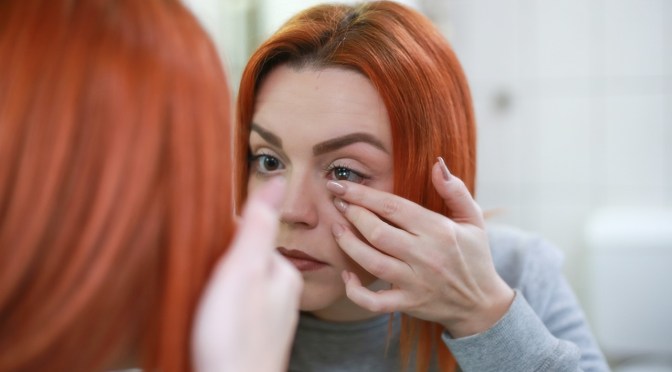
How Many Forever Chemicals Are in Your Contact Lenses?
Story at-a-glance
- Mamavation, in partnership with Environmental Health News, had 18 different brands of contact lenses tested for organic fluorine, a marker for PFAS
- All the contact lenses tested positive for fluorine, at levels ranging from 105 to 20,700 parts per million (ppm)
- While 44% of the contact lenses tested contained fluorine at a level over 4,000 ppm, 22% contained more than 18,000 ppm
- A large population-based study conducted in China found exposure to PFAS increased the risk of visual impairment
- PFAS is likely used in contact lenses to make them soft and allow oxygen to flow through, but the chemicals are linked to reproductive and developmental problems, cancer, liver disease and more
Toxic polyfluoroalkyl or perfluoroalkyl chemicals, collectively known as PFAS, may be lurking in your contact lenses. The compounds, which have been dubbed “forever chemicals” because they break down so slowly, have been linked to reproductive and developmental problems,1 cancer, obesity,2 nonalcoholic fatty liver disease (NAFLD)3 and more.
PFAS is known for making surfaces slippery, hence their widespread use in nonstick cookware. They’re also found in many other consumer products, however, including food takeout containers, food packaging, stain- and grease-resistant products, furniture and personal care products. Many people are unaware these chemicals are in products they use daily, including contact lenses, which may spend up to 16 hours next to your eye each day.
Contact Lenses ‘Almost Pure PFAS’
Mamavation, in partnership with Environmental Health News, has been investigating PFAS in everyday products such as clothes, food and makeup.4 Many social media users had asked the wellness blog if soft contact lenses contain PFAS, so they sent 18 different brands to a laboratory certified by the U.S. Environmental Protection Agency to test for organic fluorine, a marker for PFAS.
All the contact lenses tested positive for fluorine, at levels ranging from 105 to 20,700 parts per million (ppm). While 44% of the contact lenses tested contained fluorine at a level over 4,000 ppm, 22% contained more than 18,000 ppm.5 The contact lenses with the highest organic fluorine levels were:6
- Alcon Air Optix Colors with Smartshield Technology (20,700 ppm)
- Alcon Total30 Contact Lenses for Daily Wear (20,400 ppm)
- Alcon Air Optix (No Hydraglide) for Astigmatism (20,000 ppm)
What does this mean in terms of your health? Pete Myers, chief scientist for Environmental Health Sciences, said:7
“The presumption that these organic fluorine levels measured in contact lenses are safe is laughable. Last summer the EPA issued health advisories in drinking for four common PFAS, ranging from 0.004 parts per trillion (ppt) to 2000 ppt. EPA considers exposure beneath these thresholds to be safe for drinking water.
While comparing drinking levels in water to concentrations in contact lenses is like comparing apples to oranges, it’s worth noting that all of the contact lenses tested exceeded 100 ppm, which is equivalent to 100,000,000 ppt, or 50,000 times higher than the highest level deemed safe in drinking water by the EPA.”
Manufacturers don’t have to disclose when PFAS are used in their products. It’s legal to claim the contents are a “trade secret.”8 But according to Scott Belcher, a North Carolina State University researcher and scientific adviser on the testing, fluoropolymers are likely.
He told The Guardian fluoropolymer PFAS “have the properties that your eyes want … It wants to get oxygen and doesn’t want bacteria to grow like crazy, and it wants lenses to be smooth and comfortable.”9 Fluoropolymers likely make contact lenses soft and allow oxygen to flow through them,10 but the convenience of having smooth contact lenses comes at a price.
A 2020 review into the chemicals found “their production and uses should be curtailed except in cases of essential uses,” given their extreme persistence in the environment, toxic emissions associated with their production and use, and a high likelihood that they contribute to human exposure to PFAS.11
PFAS Exposure May Harm Your Vision
Little is known about how the eyes may absorb PFAS, but the chemicals are known to be absorbed via the skin, leading to immunotoxicity.12 Further, The Guardian reported, “PFAS also break down into different types of PFAS once in the environment, so it is possible that the polymers turn into dangerous forms of the chemicals once in the eye or contact packaging, but no studies have been done.”13
Linda Birnbaum, scientist emeritus and former director of the National Institute of Environmental Health Sciences and National Toxicology Program, further told Mamavation:14
“Your eyes are one of the most sensitive parts of your body. Therefore, it’s concerning to see the presence of organic fluorine, which is likely a type of PFAS, found in all soft contact lens products tested. What about the idea of doing no harm? Do we have proof these products are safe? A lack of safety studies does not qualify as ‘safety,’ which is what is happening here.”
Research that has been done on PFAS and vision is cause for concern. A large population-based study conducted in China found exposure to PFAS increased the risk of visual impairment.15 The researchers suggested PFAS may induce oxidative stress, with a detrimental effect on the eyes.
“PFASs are proven pro-oxidants and exposure to these emerging pollutants elicits DNA damage, lipid peroxidation, generation of reactive of species (ROS), and inhibition of anti-oxidant enzymes, as well as triggers signaling cascades like apoptosis,” they explained.16 Military members who were exposed to PFAS on military bases have also suffered from a number of eye conditions, including myopia, hyperopia, astigmatism and presbyopia.17

Download this Article Before it Disappears
Using PFAS Contacts May Leave You ‘Permanently Contaminated’
More than 98% of Americans have PFAS in their blood.18 But using contacts made from the material daily could leave you permanently contaminated. According to Terrence Collins, director of the Institute for Green Sciences at Carnegie Mellon University:19
“Fluoropolymers improve the technical performance of contact lenses at attractive price performances and customers are naturally attracted. But the other key performances for safe and sustainable chemical products, the health, environmental and fairness performances, are not given adequate attention by manufacturers, legislators, or regulators.
If you use fluoropolymer-containing contact lenses, you are likely to become permanently contaminated. No one today can tell you that fluoropolymer exposures are safe because no jurisdiction has been demanding the development and scrutiny of appropriate safety testing.
Your body cannot process fluoropolymers to safe products to protect you and nature is just as helpless when you throw the lenses away. But we know enough about PFAS chemicals to guess and fear that fluoropolymers in human cells or in the environment are anything but a pretty safety picture. I advise that such contact lenses be rigorously avoided.”
The environmental ramifications are also cause for alarm, considering more than 45 million Americans wear contact lenses — and up to 46% of them wear disposable varieties that are trashed daily. Every year, 2.5 billion contact lenses — about 44,000 pounds’ worth — are thrown away or end up in wastewater treatment plants after they’re flushed down a toilet or sink.20
In the environment, PFAS have devastating effects, to the extent that consuming a single serving of freshwater fish annually equates to a month of drinking water contaminated with PFOS — one type of PFAS — at a concentration of 48 parts per trillion.21
PFAS does not break down in water or soil and can be carried over great distances by wind or rain, according to the U.S. Department of Health and Human Services’ Agency for Toxic Substances and Disease Registry (ATSDR).22
PFAS Exposure Linked to Significant Health Risks
If your contact lenses contain PFAS, you may want to reconsider using them. Exposure to high levels of PFAS is also known to affect the immune system, and evidence from both human and animal studies shows that such exposure may reduce your resistance to infectious disease.23 The EPA also acknowledges that PFAS exposure is harmful and states that peer-reviewed scientific studies have shown exposure to PFAS may cause:24
| Reproductive effects such as decreased fertility or increased high blood pressure in pregnant women | Developmental effects or delays in children, including low birth weight, accelerated puberty, bone variations or behavioral changes |
| Increased risk of some cancers, including prostate, kidney and testicular cancers | Reduced ability of the body’s immune system to fight infections, including reduced vaccine response |
| Interference with the body’s natural hormones | Increased cholesterol levels and/or risk of obesity |
Liver disease is another known risk. PFAS are endocrine-disrupting chemicals that accumulate in body tissues, such as the liver, and are known to accelerate metabolic changes that lead to fatty liver.
“This bioaccumulation,” researchers wrote in Environmental Health Perspectives, “coupled with the long half-lives of many PFAS, leads to concern about the potential for PFAS to disrupt liver homeostasis should they continue to accumulate in human tissue even if industrial use is abated.”25
How Else Can You Be Exposed to PFAS?
In addition to contact lenses, PFAS can be found in water, soil, air and food. It’s in your home, including in household products like stain- and water-repellant fabrics, cleaning products, nonstick cookware and paint — and likely in your drinking water.26
Fast food containers and wrappers, microwave popcorn bags, pizza boxes and candy wrappers27 are also common PFAS sources. One study released by consumer watchdog groups Safer Chemicals, Healthy Families and Toxic-Free Future even revealed high levels of fluorine in five of 17 paper products that come in contact with food at Whole Foods Market — four of which were containers in the salad and hot food bar.28
Testing by Mamavation has also found evidence of PFAS in pasta and tomato sauces, sports bras, tampons and dental floss.29 Since the chemicals migrate into food and contaminate compost piles and landfills after disposal, the use of PFAS leads to unnecessary long-term exposure to harmful chemicals for humans, wildlife and the environment, especially since PFAS-free packaging options are widely available.
Tips for Avoiding PFAS
PFAS has no taste or smell but is widespread in the environment and in consumer products. You’ll want to filter your drinking water to avoid this common route of exposure. Also avoid products that are stain-resistant, waterproof or nonstick, as most contain PFAS.
Regarding contact lenses, you can avoid PFAS exposure by using glasses instead. To further reduce your exposure, the Environmental Working Group recommends avoiding:30
| Items that have been pretreated with stain repellants and opt out of such treatments when buying new furniture and carpets. |
| Water- and/or stain-repellant clothing. One tipoff is when an item made with artificial fibers is described as “breathable.” These are typically treated with PTFE. |
| Items treated with flame retardant chemicals, which includes a wide variety of baby items, padded furniture, mattresses and pillows. Instead, opt for naturally less flammable materials such as leather, wool and cotton. |
| Fast food and carry out foods, as the wrappers are typically treated with PFAS. |
| Microwave popcorn. PFAS may not only be present in the inner coating of the bag, it also may migrate to the oil from the packaging during heating. Instead, use “old-fashioned” stovetop popcorn. |
| Nonstick cookware and other treated kitchen utensils. Healthier options include ceramic and enameled cast iron cookware, both of which are durable, easy to clean and completely inert, which means they won’t release any harmful chemicals into your home. A newer type of nonstick cookware called Duralon uses a nonfluoridated nylon polymer for its nonstick coating. While this appears to be safe, your safest bet is still ceramic and enameled cast iron. |
| Oral-B Glide floss and any other personal care products containing PTFE or “fluoro” or “perfluoro” ingredients. |
Sources and References
- 1, 21 EWG January 17, 2023
- 2 Environ Health Perspect 123:A107–A111, Madrid Statement
- 3 Environmental Health Perspectives April 27, 2022
- 4 Environmental Health Perspectives February 14, 2022
- 5, 7, 17, 19, 20 Mamavation, Indications of PFAS ‘Forever Chemicals’ in Contact Lenses — Report, April 18, 2023
- 6, 8, 9, 13 The Guardian May 9, 2023
- 10, 14, 29 Environmental Health Perspectives April 26, 2023
- 11 Environ. Sci. Technol. 2020, 54, 20, 12820–12828
- 12 Food and Chemical Toxicology February 2020, Volume 136
- 15, 16 Environment International April 2020, Volume 137
- 18 Environ Health Perspect. 2007 Nov; 115(11): 1596–1602
- 22 Politico May 14, 2018
- 23 ATSDR, What are the health effects of PFAS?
- 24, 27 U.S. EPA, Our Current Understanding of the Human health and Environmental Risks of PFAS
- 25 Environmental Health Perspectives April 27, 2022, Intro
- 26 Environmental Science and Technology Letters August 9, 2016
- 28 Eater December 11, 2018
- 30 EWG’s Guide to Avoiding PFCS (PDF)
Image by Martin Slavoljubovski from Pixabay
Blue light is slowly destroying your retina
I’m posting this for folk who are not aware of the dangers of the blue light in our screens. I’ve been aware for some time & purchased the blue blockers however I recently came across info to block this at the screen. I’ll add the post I found with many free or paid options. I’ve downloaded the one called Eye Saver. I’ll keep you posted. (Update: what I’m liking about Eye Saver is the little timers you can opt into … those ergonomic breaks for eyes, body, fresh air, exercise etc … breaks I frequently forget to time myself on). Check them out…see also Dr Mercola’s article on eye health … EWR
9 Free Blue Light Filters For Desktop Windows PC, Apple Mac And Chrome Browser
Effects of Blue Light on Eye Health
People are exposed to blue light via everyday technology, Blue light exposure has been shown to impact health. Some studies also suggest that chronic blue light exposure may represent a risk for the development of age-related macular degeneration and other pathologies. Animal studies have shown that age-related macular degeneration can be induced by blue-light exposure.
One epidemiological study has also shown a positive correlation between sunlight exposure – a natural source of blue light- and increased risk of early age-related macular changes in humans. However, this particular association of effects from blue light is difficult to assess in humans and warrants further study.
READ MORE
https://www.geckoandfly.com/21437/blue-light-filter/
RELATED:
Deep-Down Support for Healthy Eyes and Vision for All Ages
Image by Rudy and Peter Skitterians from Pixabay

7 plant based foods for healthy eyes
From thegoodinside.com
Our eyes are one of those things we all take for granted. They allow us to see the beauty in the world, read books, and carry out everyday tasks. So it’s important to step back and make an effort to take care of our precious eyes now and for the future.
Especially because vision loss is becoming an increasingly common problem. Rates of blindness and low vision in America are estimated to double, affecting more than 8 million people by 2050.
This trend is thought to be caused by the rising rates of chronic disease and an aging population. But there’s also another reason: very few of us give our eyes the nutrients they need.
In fact, the Centers for Disease Control and Prevention (CDC) reports that 87% of people don’t get the recommended amount of vegetables in their diet and 76% of people don’t meet the minimum fruit recommendations.
That’s an issue because fruits and veggies contain nutrients essential for healthy eyes. Check out these eye-healthy foods and see how you can nourish your vision.
1. Orange Veggies
While carrots are, by far, the most well-known food that can boost your eye health, several orange veggies support vision. That includes sweet potatoes, pumpkin, and orange peppers.
These foods are abundant in carotenoids, the compounds that give the veggies their orange hue. One of the most recognized is beta carotene. It’s a precursor of vitamin A which means your body converts it into vitamin A on an as-needed basis.
Vitamin A is essential for good vision. Among many other things, it helps protect the surface of the eye (cornea).
Studies have shown that beta carotene, in combination with other antioxidants, can also decrease the risk of vision loss from macular degeneration or age-related vision loss.
Most importantly, seek out beta carotene from food sources. That’s because synthetic beta carotene is linked to a higher risk of some types of cancer.
READ MORE AT THE LINK
Photo: pixabay.com

Saffron Protects Against Macular Degeneration
From greenmedinfo.com
Age-related macular degeneration is on the rise. This ancient spice may save your sight.
As Baby Boomers mature en masse, age-related macular degeneration (AMD) is on the rise.
AMD is the leading cause of vision loss among people 50 and older. It affects more than 1.75 million people in the U.S. and is expected to strike as many as 3 million in the next five years. Fortunately, an ancient spice may provide just the protection you need.
READ MORE
https://www.greenmedinfo.com/blog/saffron-protects-against-macular-degeneration-1
Photo: Xtendo @ pixabay.com

How do cucumbers benefit your health?
Cucumber is the fourth most widely cultivated “vegetable” in the world,1 related to both the melon and squash families,2 technically making it a fruit because it contains seeds.3 With its mild, refreshing flavor that mixes well with other garden offerings, cucumbers are 96% water,4 but still manage to provide many valuable health benefits.
Like many other plant-based foods, cucumbers originated in India,5 and were brought to the Americas by European explorers in the mid-16th century.6 There are dozens of varieties available, and they thrive best when they have plenty of sunshine and adequate moisture.7
While commercial cucumber-growing operations in Florida keep most of the country stocked with the fresh variety, Michigan is the biggest state producing cucumbers specifically for pickling, while Mexico is the largest provider for the U.S.A. through the deepest winter months. China, however, is by far the most prolific supplier, with the next two being India and Russia.8
Cucumbers grow on a long, trailing vine,9 and come in two main varieties: slicing cucumbers, which are generally larger and thick-skinned; and pickling cucumbers, which are smaller and thinner-skinned.10 Pickling usually involves slicing and soaking in brine (highly salted water) or vinegar to preserve and ferment the fruit.11 For tips on growing cucumbers, read this guide.
An alternative is the longer, thinner English or gourmet cucumber, also known as “burpless” cucumbers. As the name implies, this variety is specifically bred to minimize burping because of its reduced cucurbitacin content.12 Seedless cucumber varieties are attained through a natural parthenogenesis process, which allows them to produce without pollinization.13
In the kitchen, you have several ways to prepare fresh cucumbers. They’re delicious when sliced and eaten with salt. Combined with chopped sweet onions in apple cider vinegar, salt and pepper, they provide a savory, summery side dish.
Health Benefits of Cucumbers
Grown wild throughout India,14 cucumbers are used as a traditional medicine to manage fever.15 They also have diuretic properties,16 and the juice is used as an acne cream and a soothing remedy for tired, puffy eyes.17 These uses led scientists to investigate cucumber fruit, seeds and extracts as an effective treatment in other areas of medicine.
Cucumbers are known to be an excellent source of vitamins, including anti-inflammatory vitamin K, infection-fighting vitamin C and phosphorus. Body-beneficial minerals include bone-building manganese, as well as calcium and magnesium.18
Lignans, unique polyphenols in crucifers and alliums such as cabbage and onions, are known for containing health benefits, such as possibly lowering the risk of heart disease.19 Moreover, one study showed that cucumbers contain powerful lignans that bind with estrogen-related bacteria in the digestive tract, contributing to a reduced risk of cancer,20 particularly breast cancer.21 The cucurbitacins — compounds that belong to the cucurbitaceae family — have anticancer potential as well.22
CUCUMBER NUTRITION FACTS
Serving Size: 3.5 ounces (100 grams), raw, with peel
| Amt. Per Serving | ||
|---|---|---|
| Calories | 15 | |
| Calories from Fat | 0 | |
| Total Fat | 0.11 g | |
| Saturated Fat | 0 g | |
| Trans Fat | ||
| Cholesterol | 0 mg | |
| Sodium | 2 mg | |
| Total Carbohydrates | 3.63 g | |
| Dietary Fiber | 0.5 g | |
| Sugar | 1.67 g | |
| Protein | 0.65 g | |
| Vitamin A 105 IU | Vitamin C | 2.8 mg |
| Calcium 16 mg | Iron | 0.28 mg |
Studies Done on Cucumbers
In one study, cucumber extracts were screened for signs of free radical-scavenging and analgesic activities, following the lead of traditional folk uses. Not only were the extracts found to provide phytonutrients with these activities, numerous other valuable compounds were found, including glycosides, steroids, flavonoids, carbohydrates, terpenoids and tannins.23
Cucurbitacins in plants have already been identified as having pharmacological and biological benefits, including anticancer activities. But another study related more recent discoveries showing that cucurbitacin has a strong inhibiting effect on cancer-signaling pathways, which cancer cells require to survive and proliferate. The conclusion discussed the likelihood that cucurbitacin could be used as a future anticancer drug in clinical settings.24
Cucumbers Fun Facts
For those who have noticed that their cucumbers seem to deteriorate soon after refrigerating them, U.C. Davis has reported that cucumbers maintain freshness longer when stored at room temperature.26
Cucumbers are also highly sensitive to ethylene, a natural plant hormone responsible for initiating the ripening process in several fruits and vegetables. Be sure to separate cucumbers from bananas, apples, peaches, peppers and tomatoes because of the natural ethylene they generate.27
Cucumbers are also highly sensitive to ethylene, a natural plant hormone responsible for initiating the ripening process in several fruits and vegetables, so another recommendation is to store cucumbers away from bananas, melons, and tomatoes because of the natural ethylene they generate.
READ MORE & SEE RECIPES AT THE LINK

4 UNEXPECTED benefits of eating carrots
(NaturalHealth365) Carrots have a well-deserved reputation as a healthy food that can benefit eyesight. These sweet, crunchy root vegetables are extraordinarily high in beta-carotene, the plant pigment responsible for their brilliant orange color. The body converts beta-carotene to vitamin A, which is essential for vision. And lutein – another plant pigment in carrots – actually reduces the risk of age-related macular degeneration, the leading cause of blindness in older Americans.
While carrots’ most obvious health benefits center on protecting and enhancing vision, they do confer additional gifts – some of which may surprise you!
READ MORE
https://www.naturalhealth365.com/benefits-of-carrots-3964.html
In just a few months, the World Health Organization received approximately 20,000 reports of new eye disorders that occurred post covid-19 vaccination (303 concerned blindness!)
From pharmaceuticalfraud.com
In just a few months, the World Health Organization received approximately 20,000 reports of new eye disorders that occurred post covid-19 vaccination. These reports include 303 cases of blindness and 1,625 cases of visual impairment! The European drug monitoring agency had never recorded such a severe spike in eye injuries until after the experimental vaccines were launched. These reports were collected by VigiBase and analyzed by the Uppsala Monitoring Centre in Uppsalla, Sweden.
About half of the new eye disorders were additionally reported to the U.K.’s Yellow Card adverse event reporting system, which was set up to monitor the influx of adverse events that were anticipated during this live, experimental vaccine study. Back in 2020, the vaccine makers had already entered into liability-free contracts with governments around the world. This has enabled mass vaccine injury with no recourse or accountability and set up the framework for a historic, worldwide holocaust.
Image by Free-Photos from Pixabay

UK Government Shocking Report: Experimental MRNA Injections Caused 1716 Cases Of Eye Disorders And Left 22 People Blind
From Peace MakerOrwell 1984 is REAL
The government of the United Kingdom has been collecting critical safety data on the Pfizer/ BioNTech and Oxford/ AstraZeneca “vaccines,” and the latest report doesn’t paint a pretty picture.
Image source: REUTERS/Amanda Perobelli
The first dose of the experimental Pfizer/ BioNTech “vaccine” has been introduced into the arms of 5.4 million citizens, with 500,000 of these people receiving a second dose.
Up until January 24, there have been nearly 50,000 reports of vaccine injury for this specific vaccine, including the sudden death of seven UK citizens:

A Minimum Of 1 In 333 People Suffer From Serious Vaccine Adverse Events In The UK
Another 1.5 million doses of the Oxford University/ AstraZeneca “vaccine” have been received in the arms of UK citizens, yielding another 21,032 adverse events. These adverse events were recorded up until January 24, 2021, in the Medicines and Health Products Regulatory Agency‘s Yellow Card Scheme, and does not include all relevant, up-to-date injuries.
The current rate of vaccine injury (being reported) is 1 in 333 people. This rate of vaccine injury is likely much greater because people are often hesitant and/or ashamed to report vaccine injury; many people see vaccination as 100 percent safe and effective solution and don’t dare to question it. Many doctors refuse to accept that vaccine injury is real.
CDC Withholding Information: 1,170 DEAD Following COVID Injections – Almost Twice As Many Deaths As Found In VAERS
The adverse events are not minor issues that resolve in a day, either. These adverse events can be life-altering, causing stroke, inflammation of the heart, muscle paralysis, blindness, and anaphylaxis shock.

Before experimental mRNA vaccines were unleashed, drug companies signed contracts with every major government in the world, to subvert the rule of law and indemnify their company from taking responsibility for all the inevitable vaccine injuries they knew would occur.
The most shocking reports are eye disorders [numbers updated]:
- 978 people were diagnosed with eye disorders after Pfizer-BioNTech injections
- 738 people were diagnosed with eye disorders after AstraZeneca injections (1716 combined)
- a combined number of 22 people who went BLIND

Source: Assets.publishing.service.gov.uk
Source: Assets.publishing.service.gov.uk
Source: Assets.publishing.service.gov.uk
The Pfizer/ BioNTech has caused sixty-nine incidents of Bell’s Palsy, a condition that paralyzes muscles on one side of the face.
Government Continues To Downplay Rampant Vaccine Injury And Death, Perpetrating Genocide
The experimental vaccines have a tendency to incite autoimmune attacks in the cardiovascular system, too. Twenty-one people experienced cerebrovascular accidents (strokes) after taking the vaccine.
There were other serious cardiovascular events, including brain stem infarction, cerebellar infarction, cerebellar stroke, cerebral artery occlusion, cerebral hemorrhage, cerebral infarction, intracranial hemorrhage, ischemic stroke, and subarachnoid hemorrhage.
According to regulators, pregnant woman are not supposed to be vaccinated with these experimental jabs. According to the manufacturers, there is limited amount of data on the use of COVID-19 mRNA Vaccine BNT162b2 on pregnant women.
Animal reproductive toxicity studies have not been completed and therefore the vaccine is not recommended during pregnancy.
However, the Yellow Card reporting system reveals that some pregnant women bypassed this screening process and four pregnant women suffered from spontaneous abortion after the Pfizer vaccination and two suffered the same fate after the AstraZeneca vaccination.
Instead of halting this mass vaccine experiment, regulators continue to downplay these injuries and blame them on a patient’s “older age” or “underlying conditions.” The UK government, defending the vaccine companies:
“A high proportion of people vaccinated in the vaccination campaign so far are very elderly, many of whom will also have pre-existing medical conditions. Older age and chronic underlying illnesses make it more likely that coincidental adverse events will occur, especially given the millions of people vaccinated. It is therefore important that we carefully review these reports to distinguish possible side effects from illness that would have occurred irrespective of vaccination.”
Ironically, months ago, when older people with underlying conditions passed away in hospitals, their cause of death was automatically coded as “COVID-19.” This sociopathic medical fraud has never been more appalling, ghastly, and genocidal.
References: DailyExpose.co.uk; Gov.uk; Vaccine Analysis Profile – Pfizer/BioNTech (back-up here); Vaccine Analysis Profile – Oxford University/AstraZeneca (back-up here);
Image by Anemone123 from Pixabay

Smartphone Blue Light is Linked to Colon Cancer and Depression
Smartphones emit several types of electromagnetic fields that can harm our health. In addition to harmful radio-frequency radiation, they also emit blue light. While humans have always been exposed to natural blue light frequencies in nature, our use of smartphones and screens has resulted in unprecedented exponentially increased exposures at all hours of the day and night.
A 2020 study on colorectal cancre and blue light at night with over 2000 subjects found outdoor blue light at night is linked to colon cancer. Watch a video from the scientist at the link…
Image by Dariusz Sankowski from Pixabay

A world class expert on photobiology, shares the hidden dangers of LED lighting to our health that most people are unaware of
“I call these LEDs Trojan horses because they appear so practical to us. They appear to have so many advantages. They save energy; are solid state and very robust,. So we invited them into our homes. But we are not aware that they have many stealth health-robbing properties, which are harmful to your biology, harmful to your mental health, harmful to your retinal health, and also harmful to your hormonal or endocrine health,”
From Dr Mercola
STORY AT-A-GLANCE
- Near-infrared is important as it primes the cells in your retina for repair and regeneration, which explains why LEDs — which is devoid of infrared — are so harmful for your eyes and health
- One-third of the energy your body consumes comes from the food you eat. The vast majority of the energy your body needs to maintain the systemic equilibrium comes from environmental infrared light exposure
- LEDs sabotage health and promote blindness. Limit your exposure to blue light during the daytime and at night. Swap out LEDs for incandescents or low-voltage incandescent halogen lights
Can light affect your health? In this interview, Dr. Alexander Wunsch, a world class expert on photobiology, shares the hidden dangers of light-emitting diode (LED) lighting that most people are completely unaware of.
In fact, this could potentially be one of the most important video interviews I’ve done, as it has enormous impacts — not only on preventing blindness as you age but it is also a pervasive hidden risk factor for sabotaging your health.
Largely as a result of energy efficiency, there’s been a major transition to using LED as a primary indoor light source. In this regard, it worked like a charm, reducing energy requirements by as much as 95 percent compared to incandescent thermal analog sources of lighting.
However, the heat generated by incandescent light bulbs, which is infrared radiation, is actually beneficial to your health, and hence worth the extra cost.
There are major downsides to LEDs that are not fully appreciated. LED lighting may actually be one of the most important, non-native EMF radiation exposures you’re exposed to on a daily basis.
If you chose to ignore these new insights, it can have very serious long-term ramifications. It could lead to age-related macular degeneration (AMD), which is the leading cause of blindness in the United States and elsewhere.
Other health problems rooted in mitochondrial dysfunction may also be exacerbated, and these run the gamut from metabolic disorder to cancer.
READ MORE & WATCH THE INTERVIEW
https://articles.mercola.com/sites/articles/archive/2016/10/23/near-infrared-led-lighting.aspx
Photo credit: darf_nicht_mehr_hochladen at Pixabay.com

The Deadly & Horrific Trade of Child Organ Trafficking – millions of women & children have been kidnapped & murdered for their body parts
This was written in 2007, the topic is making headlines now. This also featured recently with the hospital in the UK that saw the end of little Alfie Evans’ life, they had allegedly been involved in the collection of organs. Our world and humankind just get uglier.
The Deadly Trade of Child Organ Trafficking
Saturday 20 January 2007
By Prakriiti Gupta Srinagar, Asharq Al-Awsat-
The horrific killings of 19 children and women in the Indian slum of Nithari, close to the affluent area of Noida on the outskirts of India’s capital, Delhi, has brought into focus the horrific trade of human organ trafficking that is claiming the lives of thousands of children worldwide. There is huge demand and a market for body parts especially eyes, hearts and kidneys belonging to children. Estimates indicate that at least one million children have been kidnapped and killed in the past 20 years for organs. A kidney or eyes can fetch up to US $10,000 and a heart could cost US $50,000 or more. Estimates
further indicate that money laundering in this deadly trade accounts for up to 10% of
the world’s GDP, or as much US $5 trillion. As a result, the black market for children’s organs is expanding and more and more children are kidnapped and killed.
READ MORE

You must be logged in to post a comment.