Tag Archives: Cholesterol

A Game-Changing Vaccine that Could Lower ‘Bad’ Cholesterol by 30% ? (No thanks)

Check out our sister site truthwatchnz.is for other news

They’ve got to be kidding! In light of the past 4 years … from more ‘scientists’ we’re to blindly trust. No thanks! Big Pharma & the Medical Industry included prefer you to pop a pill or take a ‘wonder’ shot but seldom mention your own immune system or any natural health recommendations like exercise and good organic food … EWNZ

From Science Alert

READ AT THE LINK

Image by 11082974 from Pixabay

Is Your Gallbladder Causing Digestive Issues?

Story at-a-glance

  • Your gallbladder is an abdominal organ that stores and concentrates bile produced by your liver. The bile helps your body break down and absorb the fat that you eat. When you eat a fatty meal, your gallbladder will contract and squeeze more concentrated bile into the small intestine to aid in the breakdown of the fat
  • Since your gallbladder is involved in the breakdown of dietary fats, digestive problems — especially when eating fatty foods — can be indicative of a problem, even if you have no other symptoms. Digestive symptoms include frequent abdominal bloating, gas, nausea and/or diarrhea shortly after eating
  • Gallstones are one of the most common types of gallbladder problems that can occur, affecting an estimated 15% of the U.S. population. Women are twice as likely as men to develop them, especially during pregnancy or if using birth control pills or hormone replacement therapy
  • One of the reasons for this gender difference is because the extra estrogen increases cholesterol while simultaneously slowing down gallbladder emptying. Obesity, diabetes, Crohn’s disease, liver cirrhosis, sickle cell disease, intravenous feeding, a family history of gallstones, use of cholesterol-lowering drugs, high-fat/low-fiber diets and fasting are also risk factors
  • While your gallbladder performs an important function, you can live without it. Your liver still produces and sends bile into your duodenum, so you can still break down fats to a certain degree. But it’s not as efficient, so people who have had their gallbladder removed are advised to limit the amount of fat in their diets and take digestive aids such as ox bile and digestive enzymes

Your gallbladder is a 3- to 4-inch long pear-shaped sack in your abdominal cavity located beneath your liver. It stores and concentrates bile produced by your liver. The bile helps your body break down and absorb the fat you eat.

When you eat fat, your liver sends bile directly into the duodenum (small intestine). Your gallbladder will also spring into action, contracting and squeezing more concentrated bile through the common bile duct into the small intestine to aid in the breakdown of the fat. Carbs and proteins are more easily digested and don’t need this extra bile.

Bile is made up of water, cholesterol, lecithin, bile salts (which break fats into smaller droplets that are easier for digestive enzymes to process) and bile pigments. The primary bile pigment is bilirubin, made from red blood cells that are broken down in the liver. This pigment is responsible for making urine yellow and stool brown.

Your pancreas also plays an important role in the digestive process. It produces and sends enzymes into the common bile duct via the pancreatic duct. Together, the digestive juices from your liver and pancreatic enzymes break down the food you eat into liquid form so that your body can absorb the nutrients from it.

Since your gallbladder is involved in the breakdown of dietary fats, digestive problems — especially when eating fatty foods — can be indicative of a problem, even if you have no other symptoms. Digestive symptoms include frequent abdominal bloating, gas, nausea and/or diarrhea shortly after eating.

Risk Factors and Symptoms of Gallstones

Gallstones are one of the most common types of gallbladder problems that can occur, affecting an estimated 15% of the U.S. population.1 Women are twice as likely as men to develop them, especially during pregnancy or if using birth control pills or hormone replacement therapy.

One of the reasons for this gender difference is because the extra estrogen increases cholesterol while simultaneously slowing down gallbladder emptying. Obesity, diabetes, Crohn’s disease, liver cirrhosis, sickle cell disease, intravenous feeding, a family history of gallstones, use of cholesterol-lowering drugs, high-fat/low-fiber diets and fasting are also risk factors.2,3

Gallstones typically consist of crystallized bile, and if large enough to block a biliary duct, can cause varying degrees of pain. Left untreated, the blockage can lead to cholecystitis, or inflammation of the gallbladder. Common symptoms of cholecystitis include:

Sudden onset of severe pain in the center or upper right quadrant of your abdomen, under your ribcage. The pain is proportional to the pressure inside the gallbladder caused by the blockage and/or swelling due to infectionPain that radiates to your right shoulder or back, between the shoulder blades
A tender abdomenFever and chills
Nausea and/or vomitingLight or chalky colored stools

A gallbladder infection needs to be treated to avoid gallbladder rupture, which can be life-threatening, gangrene, or a gallbladder abscess. Abscesses occur when a pocket of pus forms inside the gallbladder. In severe cases of cholecystitis, the gallbladder is removed, but milder cases may be treated with anti-inflammatory drugs.

This is why you want to be really careful with your gallbladder and at the first sign of symptoms treat it as if you didn’t have a gallbladder so you can reverse the process and not have it surgically removed as so many people do. Not much you can do after a surgeon removes it for you as no way are you getting a gallbladder transplant.

Other Types of Gallbladder Disease

Cholecystitis can also develop in the absence of stones, although it’s far rarer. Only 5% of acute cholecystitis cases are so-called acalculous, meaning there are no stones present.4

Acalculous gallbladder disease is thought to be caused by bile build-up due to a lack of oxygen to the gallbladder. In these cases, the gallbladder is typically removed. Other potential gallbladder problems include:5,6

Choledocholithiasis — This is when a gallstone blocks the common bile duct, causing bile to back up into the liver. In addition to pain in the upper right quadrant of your abdomen, other symptoms include jaundice (yellowing of the skin or eyes), dark urine, clay-colored stool, nausea and/or vomiting. Treatment typically involves removing the stone with an endoscope. In severe and/or recurring cases, the gallbladder may be removed.
Polyps — Gallbladder polyps are abnormal growths on the interior wall of the gallbladder. Most people have no symptoms, and the polyps are usually only discovered during routine ultrasound or CT scans. Small asymptomatic polyps are usually left alone and monitored. Large symptomatic polyps, however, may require gallbladder removal.
Gallbladder cancer — This is a rare condition and little is known about its causes.
Porcelain gallbladder — This is another rare condition in which calcium builds up on the interior wall of the gallbladder, causing symptoms similar to those of gallstones.
Biliary dyskinesia — This is a functional disorder where your gallbladder’s ability to move bile into the bile duct is impaired. As a result, bile is backed up in your gallbladder, causing chronic inflammation.
Cholangiopathy — This term covers all diseases involving the bile ducts. Chronic inflammation of the bile ducts can scar the ducts, causing them to become narrow. This in turn can cause bile to build up either in the liver, gallbladder or both.
Liver cirrhosis — The buildup of bile in your liver can also result in liver inflammation and scarring (cirrhosis).
Pancreatitis — If the gallstone makes its way into the pancreatic duct, which intersects with the common bile duct, then inflammation of the pancreas can occur.

Download this Article Before it Disappears

Download PDF

Can You Live Without a Gallbladder?

While your gallbladder performs an important function, you can live without it. In fact, many do, as gallbladder removal is one of the most commonly performed surgeries in the U.S.7

While you can live without your gallbladder, your digestion will not be as efficient, so people who have had their gallbladder removed are advised to limit the amount of fat in their diets and take digestive aids such as ox bile and digestive enzymes.

Your liver still produces and sends bile into your duodenum, so you can still break down fats to a certain degree. But it’s not as efficient, as the bile from your liver is less concentrated. This is why people who have had their gallbladder removed are advised to limit the amount of fat in their diets and take digestive aids such as ox bile and digestive enzymes.

Fat malabsorption is also common among people with functioning gallbladders. Symptoms such as sticky stools, stools that float, frequent diarrhea, digestive upset, gas and/or soft foul-smelling stools right after meals, chronic dry skin and hair loss are common symptoms suggesting you may not be digesting fats properly.8

How to Improve Digestion of Fats

Whether you’ve had your gallbladder removed or not, you can improve your digestion of fats using:

• Bitters — Bitters help stimulate the production of bile to boost the digestive process. The first signals for bile production come from your tongue, so taking a tablespoon of bitters right before eating can get the flow of bile going.

• Betaine hydrochloride (HCI) — Betaine HCI — not to be confused with betaine or trimethylglycine (TMG) — increases the concentration of stomach acid, which is required for digestion of food. It also signals your pancreas to release digestive enzymes. If your stomach acid is too low, some of the food you will remain largely undigested.

Digestive enzymes In many people, the pancreas doesn’t produce enough digestive enzymes. In this case, taking a digestive enzyme supplement with each meal can help. There are five primary digestive enzymes, each designed to help break down different types of food:

◦ Protease breaks down protein

◦ Amylase breaks down carbohydrates, sugars and starches

◦ Lipase breaks down fats. If you have IBS, cystic fibrosis, celiac disease, no gallbladder or gallbladder dysfunction, you may benefit from higher levels of lipase

◦ Lactase breaks down milk sugar (lactose) in dairy products

◦ Sucrase breaks down sucrose sugars

Taking a blend of enzymes is usually ideal, as no single enzyme can perform all the necessary functions throughout your digestive tract. That said, if you have irritable bowel syndrome (IBS), cystic fibrosis, celiac disease, no gallbladder or gallbladder dysfunction, you may benefit from higher levels of lipase in particular.

• Ox bile — Ox bile, which is most similar to that of humans, is particularly important after you’ve had your gallbladder removed. Ideally, take one tablet along with a lipase-containing digestive enzyme shortly before meals.

As noted by biohacker Dave Asprey, you can also improve your digestion of fats by eating the right fats:9

“C8 MCTs (caprylic acid) … skips a few steps in digestion. You don’t need bile for your cells to use it. Having a little bit of caprylic acid every day will help your body replenish the fats it’s been missing out while you haven’t been digesting fats.

Eating more fats will stimulate your liver to produce more bile, which will mix with stagnant bile and thin it out. Eating high quality fats like avocados, salmon and coconut oil to get things flowing.”

How to Avoid Gallstones

While it’s still unclear why gallstones form, a number of lifestyle strategies are known to lower your risk, including the following:

  • Get regular exercise
  • Clean up your diet — Avoid processed foods and grains, keep hydrated, opt for healthy high-quality fats and eat more high-fiber foods such as fruits and vegetables
  • Lose weight gradually — Rapid weight loss may raise your risk of gallstones
  • Avoid extended fasting, not only will it help your gallbladder, but it will increase your health as fasting is not as healthy as I previously believed as it increases your stress hormones and worsens mitochondrial function

Sources and References

Image by Darko Djurin from Pixabay

9 Powerful Health Benefits of Cinnamon: The World’s Most Popular Spice (that your Govt wants to regulate)

Remember to make a submission … sure they don’t listen anyway, however, why roll over & give them free reign? Big Pharma is coming for all that is useful, healthful and free in your life. EWR


From theartofantiaging.com
By Brian Vaszily

The sweet and spicy aroma of cinnamon makes it one of the world’s top spices. It’s been valued for its flavor and powerful health properties since at least 2800 BC.

Modern research has confirmed many important health benefits of cinnamon. Studies show that it contains powerful plant compounds that have an anti-inflammatory and antidiabetic effect. Consuming cinnamon regularly can also help your heart and brain health.

Here’s more about what makes this everyday spice so powerful and the proven benefits for your health.

The Fascinating History of Cinnamon

Cinnamon comes from the bark of Cinnamomum trees. These trees are native to regions of Southeast Asia, South America, and the Caribbean. China, Sri Lanka, Indonesia, and Vietnam are the four top exporters of cinnamon today.

To make the rolled up cinnamon quills you buy in the store, the outer bark of the trees has to be stripped to reveal the inner bark. The inner bark is then shaved and allowed to dry. As it dries, it rolls up into the familiar shape of cinnamon sticks.

To say that cinnamon has been valued since ancient times would be an understatement. It’s mentioned several times in the Bible as part of a sacred anointing oil and was used in ancient Egypt for embalming.

Cinnamon also used to be extremely expensive, even to the point of being an acceptable gift to give royalty. Celyon, the island “homeland” of the most valuable type of cinnamon, passed through many different hands as several countries fought to control the trade for this in-demand spice.

READ AT THE LINK

Image by Дарья Яковлева from Pixabay

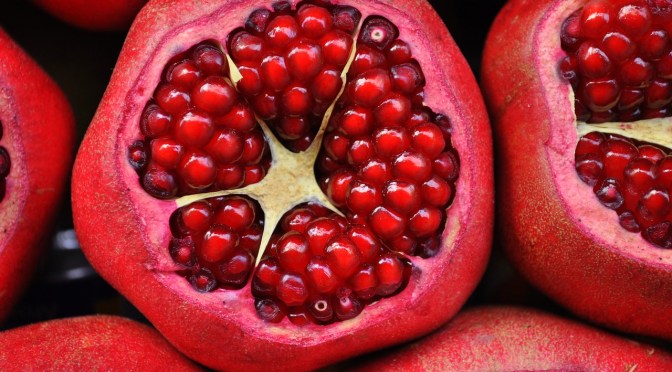
How to Clean Your Arteries With One Simple Fruit

Written By: 

Sayer Ji, Founder

The future of cardiovascular disease prevention and treatment will not be found in your medicine cabinet, rather in your kitchen cupboard or in your back yard growing on a tree

Pomegranate Found To Prevent Coronary Artery Disease Progression

A study published in the journal Atherosclerosis confirms that pomegranate extract may prevent and/or reverse the primary pathology associated with cardiac mortality: the progressive thickening of the coronary arteries caused by the accumulation of fatty materials known as atherosclerosis.[i]

Mice with a genetic susceptibility towards spontaneous coronary artery blockages were given pomegranate extract via their drinking water for two weeks, beginning at three weeks of age. Despite the fact that pomegranate treatment actually increased cholesterol levels associated with very low density lipoprotein-sized particles, the treatment both reduced the size of the atherosclerotic plaques in the aortic sinus (the dilated opening above the aortic valve) and reduced the proportion of coronary arteries with occlusive atherosclerotic plaques.

Remarkably, the researchers also found that pomegranate extract treatment resulted in the following 7 beneficial effects:

  1. Reduced levels of oxidative stress
  2. Reduced monocytie chemotactic protein-1, a chemical messenger (chemokine) associated with inflammatory processes within the arteries.
  3. Reduced lipid accumulation in the heart muscle
  4. Reduced macrophage infiltration in the heart muscle
  5. Reduced levels of monocyte chemotactic protein-1 and fibrosis in the myocardium
  6. Reduced cardiac enlargement
  7. Reduced ECG abnormalities

How can something as benign and commonplace as a fruit extract reverse so many aspects of coronary artery disease, simultaneously, as evidenced by the study above? The answer may lie in the fact that our ancestors co-evolved with certain foods (fruits in particular) for so long that a lack of adequate quantities of these foods may directly result in deteriorating organ function. Indeed, two-time Nobel Prize winner Linus Pauling argued that vitamin C deficiency is a fundamental cause of cardiovascular disease, owing to the fact that our hominid primate ancestors once had year-round access to fruits, and as a result lost the ability to synthesize it.

Pomegranate Found To Prevent Coronary Artery Disease Progression

There’s another obvious clue as to how pomegranate may work its artery opening magic. Anyone who has ever tasted pomegranate, or consumed the juice, knows it has a remarkable astringency, giving your mouth and gums that dry, puckering mouth feel. This cleansing sensation is technically caused, as with all astringents, by shrinking and disinfecting your mucous membranes.

Anyone who drinks pomegranate juice, or is lucky enough to eat one fresh, can understand why it is so effective at cleansing the circulatory system. Nature certainly planted enough poetic visual clues there for us: its juice looks like blood, and it does resemble a multi-chambered heart, at least when you consider its appearance in comparison to most other fruits.

Indeed, your mouth and your arteries are lined with the same cell type: epithelial cells. Together, they make up the epithelium, one of four basic tissue types within animals, along with connective tissue, muscle tissue and nervous tissue, and which comprises the interior walls of the entire circulatory system. So, when you feel that amazing cleansing effect in your mouth, this is in fact akin to what your circulatory system — and the epithelium/endothelium lining the inside of your veins and arteries — “feels” as well.

The Pomegranate “Artery Cleaning” Clinical Trial

Published in Clinical Nutrition in 2004 and titled, “Pomegranate juice consumption for 3 years by patients with carotid artery stenosis reduces common carotid intima-media thickness, blood pressure and LDL oxidation,” Israeli researchers discovered pomegranate, administered in juice form over the course of a year, reversed plaque accumulation in the carotid arteries of patients with severe, though symptomless, carotid artery stenosis (defined as 70–90% blockage in the internal carotid arteries).

The study consisted of nineteen patients, 5 women and 14 men, aged 65-75, non-smokers. They were randomized to receive either pomegranate juice or placebo. Ten patients were in the pomegranate juice treatment group and 9 patients that did not consume pomegranate juice were in the control group. Both groups were matched with similar blood lipid and glucose concentrations, blood pressure, and with similar medication regimens which consisted of blood-pressure lowering (e.g. ACE inhibitors, β-blockers, or calcium channel blockers) and lipid lowering drugs (e.g. statins).

The ten patients in the treatment group group received 8.11 ounces (240 ml) of pomegranate juice per day, for a period of 1 year, and five out of them agreed to continue for up to 3 years.

The remarkable results were reported as follows:

The mean intima media thickness the left and right common carotid arteries in severe carotid artery stenosis patients that consumed pomegranate juice for up to 1 year was reduced after 3, 6, 9 and 12 months of pomegranate juice consumption by 13%, 22%, 26% and 35%, respectively, in comparison to baseline values.”

You can only imagine what would happen if a pharmaceutical drug was shown to reverse plaque build up in the carotid arteries by 13% in just 3 months! This drug would be lauded the life-saving miracle drug, and not only would be promoted and sold successfully as a multi-billion dollar blockbuster, but discussion would inevitably follow as to why it should be mandated.

While these results are impressive, if not altogether groundbreaking for the field of cardiology, they may be even better than revealed in the stated therapeutic outcomes above. When one factors in that the carotid artery stenosis increased 9% within 1 year in the control group, the pomegranate intervention group may have seen even better results than indicated by the measured regression in intima media thickness alone. That is, if we assume that the pomegranate group had received no treatment, the thickening of their carotid arteries would have continued to progress like the control group at a rate of 9% a year, i.e. 18% within 2 years, 27% within 3 years. This could be interpreted to mean that after 3 years of pomegranate treatment, for instance, the thickening of the arteries would have been reduced over 60% beyond what would have occurred had the natural progression of the disease been allowed to continue unabated.

3 Ways How Pomegranate Heals The Cardiovascular System

The researchers identified three likely mechanisms of action behind pomegranate’s observed anti-atherosclerotic activity:

  • Antioxidant properties: Subjects receiving pomegranate saw significant reductions in oxidative stress, including decreases in autoantibodies formed against ox-LDL, a form of oxidized low density lipoprotein associated with the pathological process of atherosclerosis. Decreases in oxidative stress were measurable by an increase in the blood serum enzyme paraoxonase 1 (PON1) of up to 91% after 3 years; PON1 is an enzyme whose heightened activity is associated with lower oxidative stress. All of this is highly relevant to the question of pomegranate’s anti-atherosclerotic activity because of something called the lipid peroxidation hypothesis of atherosclerosis, which assumes that it is the quality of the blood lipids (i.e. whether they are oxidized/damaged or not), and not their quantity alone that determine their cardiotoxicity/atherogenicity. Essentially, pomegranate prevents the heart disease promoting effects of oxidative stress.
  • Blood Pressure Lowering Properties: The intervention resulted in significant improvement in blood pressure: the patient’s systolic blood pressure was reduced 7%, 11% ,10%, 10% and 12% after 1, 3, 6, 9, and 12 months of pomegranate consumption, respectively, compared to values obtained before treatment. Pomegranate’s ability to reduce systolic blood pressure indicates it has a healing effect on the endothelium, or the inner lining of the artery which fails to relax fully in heart disease; a condition known as endothelial dysfunction.
  • Plaque Lesion Stabilization: Because two of the ten patients on PJ (after 3 and 12 months) experienced clinical deterioration, carotid surgery was performed and the lesions were analyzed to determine the difference in their composition to those who did not receive pomegranate. The researchers noticed four distinct positive differences in the composition of the pomegranate-treated lesions: 1. Reduced Cholesterol Content: “The cholesterol content in carotid lesions from the two patients that consumed PJ was lower by 58% and 20%, respectively, in comparison to lesions obtained from CAS patients that did not consume PJ (Fig. 3A).” 2. Reduced Lipid Peroxides: “[T]he lipid peroxides content in lesions obtained from the patients after PJ consumption for 3 or 12 months was significantly reduced by 61% or 44%, respectively, as compared to lesions from patients that did not consume PJ (Fig. 3B). 3. Increased Reduced Glutathione Content: “A substantial increase in the lesion reduced glutathione (GSH) content, (GSH is a major cellular antioxidant) by 2.5-fold, was observed after PJ consumption for 3 or 12 months, (Fig. 3C). 4. Reduced LDL Oxidation: “LDL oxidation by lesions derived from the patients after PJ consumption for 3 or 12 months, was significantly (Po0.01) decreased by 43% or 32%, respectively, in comparison to LDL oxidation rates obtained by lesions from CAS patients that did not consume PJ (Fig. 3D).”

Essentially these results reveal that not only does pomegranate reduce the lesion size in the carotid arteries, but “the lesion itself may be considered less atherogenic after PJ consumption, as its cholesterol and oxidized lipid content decreased, and since its ability to oxidize LDL was significantly reduced.”

This finding is quite revolutionary, as presently, the dangers of carotid artery stenosis are understood primarily through the lesion size and not by assessing for the quality of that lesion. This dovetails with the concept that the sheer quantity of lipoproteins (i.e. “cholesterol”) in the blood can not accurately reveal whether those lipoproteins are actually harmful (atherogenic); rather, if lipoproteins are oxidized (e.g. ox-LDL) they can be harmful (or representative of a more systemic bodily imbalance), whereas non-oxidized low density lipoprotein may be considered entirely benign, if not indispensable for cardiovascular and body wide health. Indeed, in this study the researchers found the pomegranate group had increased levels of triglycerides and very low density lipoprotein, again, underscoring that the anti-atherosclerotic properties likely have more to do with the improved quality of the physiological milieu within which all our lipoproteins operate than the number of them, in and of itself.

Finally, it should be pointed out that all the patients in this study were undergoing conventional, drug-based care for cardiovascular disease, e.g. cholesterol- and blood pressure-lowering agents. Not only did the pomegranate treatment not appear to interfere with their drugs, making it a suitable complementary/adjunct therapy for those on pharmaceuticals, but it should be pointed out that the control group’s condition got progressively worse (e.g. the mean IMT increased 9% within 1 year), speaking to just how ineffective drugs are, or how they may even contribute to the acceleration of the disease process itself.

Further Validation of Pomegranate’s Artery-Clearing Properties

Pomegranate’s value in cardiovascular health may be quiet broad, as evidenced by the following experimentally confirmed properties:

  • Anti-inflammatory: Like many chronic degenerative diseases, inflammation plays a significant role in cardiovascular disease pathogenesis. There are five studies on GreenMedInfo.com indicating pomegranate’s anti-inflammatory properties.[iii]
  • Blood-Pressure Lowering: Pomegranate juice has natural angiotensin converting enzyme inhibiting properties, [iv] and is a nitric oxide enhancer, two well-known pathways for reducing blood pressure. [v] Finally, pomegranate extract rich in punicalagin has been found reduce the adverse effects of perturbed stress on arterial segments exposed to disturbed flow.[vi]
  • Anti-Infective: Plaque buildup in the arteries often involves secondary viral and bacterial infection, including hepatitis C and Chlamydia pneumoniae.[vii] Pomegranate has a broad range of anti-bacterial and anti-viral properties.
  • Antioxidant: One of the ways in which blood lipids become heart disease-promoting (atherogenic) is through oxidation. LDL, for instance, may be technically ‘elevated’ but harmless as long as it does not readily oxidize. Pomegranate has been found to reduce the oxidative stress in the blood, as measured by serum paraoxonase levels. One study in mice found this decrease in oxidative stress was associated with 44% reduction in the size of atherosclerotic lesions. [viii]
  • Ant-Infective: While it is commonly overlooked, cardiovascular disease, and more particularly atherosclerosis, is connected to infection. Dentists know this, which is why they often prescribe antibiotics following dental work which releases bacteria into systemic circulation. Plaque in the arteries can also harbor viral pathogens. Pomegranate happens to have potent antiviral and antibacterial properties relevant to cardiovascular disease initiation and progression. It has been studied to combat the following infectious organisms:
    1. Avian Influenza
    2. Candida
    3. Escherichia Coli
    4. Hepatitis B
    5. HIV
    6. Influenza A
    7. Poxviruses
    8. Salmonella
    9. SARS
    10. Staphylococcus auerus
    11. Vaccinia virus
    12. Vibrio (Cholera) virus

For additional research on pomegranate’s heart friendly properties read our article: Research: Pomegranate May Reverse Blocked Arteries, and to learn more about it’s broadly therapeutic properties read: 100+ Health Properties of Pomegranate Now Includes Helping Diabetics.

Also, view our dedicated research section on reversing arterial plaque: Clogged Arteries


References

[i] Aishah Al-Jarallah, Fatima Igdoura, Yi Zhang, Christine B Tenedero, Elizabeth J White, Melissa E Macdonald, Suleiman A Igdoura, Bernardo L Trigatti. The effect of pomegranate extract on coronary artery atherosclerosis in SR-BI/APOE double knockout mice. Atherosclerosis. 2013 May ;228(1):80-9. Epub 2013 Mar 7. PMID: 23528829

[ii] Michael Aviram, Mira Rosenblat, Diana Gaitini, Samy Nitecki, Aaron Hoffman, Leslie Dornfeld, Nina Volkova, Dita Presser, Judith Attias, Harley Liker, Tony Hayek. Pomegranate juice consumption for 3 years by patients with carotid artery stenosis reduces common carotid intima-media thickness, blood pressure and LDL oxidation. Clin Nutr. 2004 Jun;23(3):423-33. PMID: 15158307

[iii] GreenMedInfo.com, Pomegranate’s Anti-Inflammatory Properties

[iv] Mahalaxmi Mohan, Harshal Waghulde, Sanjay Kasture. Effect of pomegranate juice on Angiotensin II-induced hypertension in diabetic Wistar rats. Phytother Res. 2009 Dec 17. PMID: 20020514

[v] Filomena de Nigris, Maria Luisa Balestrieri, Sharon Williams-Ignarro, Francesco P D’Armiento, Carmela Fiorito, Louis J Ignarro, Claudio Napoli. The influence of pomegranate fruit extract in comparison to regular pomegranate juice and seed oil on nitric oxide and arterial function in obese Zucker rats. Nitric Oxide. 2007 Aug ;17(1):50-4. Epub 2007 May 5. PMID: 17553710

[vi] Filomena de Nigris, Sharon Williams-Ignarro, Vincenzo Sica, Lilach O Lerman, Francesco P D’Armiento, Russell E Byrns, Amelia Casamassimi, Daniela Carpentiero, Concetta Schiano, Daigo Sumi, Carmela Fiorito, Louis J Ignarro, Claudio Napoli. Effects of a pomegranate fruit extract rich in punicalagin on oxidation-sensitive genes and eNOS activity at sites of perturbed shear stress and atherogenesis. Cardiovasc Res. 2007 Jan 15;73(2):414-23. Epub 2006 Sep 1. PMID: 17014835

[vii] Yasunori Sawayama, Kyoko Okada, Shinji Maeda, Hachiro Ohnishi, Norihiro Furusyo, Jun Hayashi. Both hepatitis C virus and Chlamydia pneumoniae infection are related to the progression of carotid atherosclerosis in patients undergoing lipid lowering therapy. Fukuoka Igaku Zasshi. 2006 Aug;97(8):245-55. PMID: 17087362

[viii] M Aviram, L Dornfeld, M Rosenblat, N Volkova, M Kaplan, R Coleman, T Hayek, D Presser, B Fuhrman. Pomegranate juice consumption reduces oxidative stress, atherogenic modifications to LDL, and platelet aggregation: studies in humans and in atherosclerotic apolipoprotein E-deficient mice. Am J Clin Nutr. 2000 May ;71(5):1062-76. PMID: 10799367

https://www.greenmedinfo.com/blog/how-clean-your-arteries-one-simple-fruit?fbclid=IwAR2cxJmV2Bu_Zwd-cURtJD8y0T0gmxbchn-xg2vbw51UpHhTlDanw5lKCXk

Disclaimer: This article is not intended to provide medical advice, diagnosis or treatment. Views expressed here do not necessarily reflect those of GreenMedInfo or its staff.

© [Feb 10, 2018] GreenMedInfo LLC. This work is reproduced and distributed with the permission of GreenMedInfo LLC. Want to learn more from GreenMedInfo? Sign up for the newsletter here //www.greenmedinfo.com/greenmed/newsletter.”

Statin Drugs: What you need to know

https://www.youtube.com/watch?v=FulwC5yvgvc

Published on Jul 12, 2010

http://articles.mercola.com/sites/art… Leading natural health expert Dr. Joseph Mercola talks about the dangers and side effects of taking statin drugs and how to optimize your cholesterol levels naturally

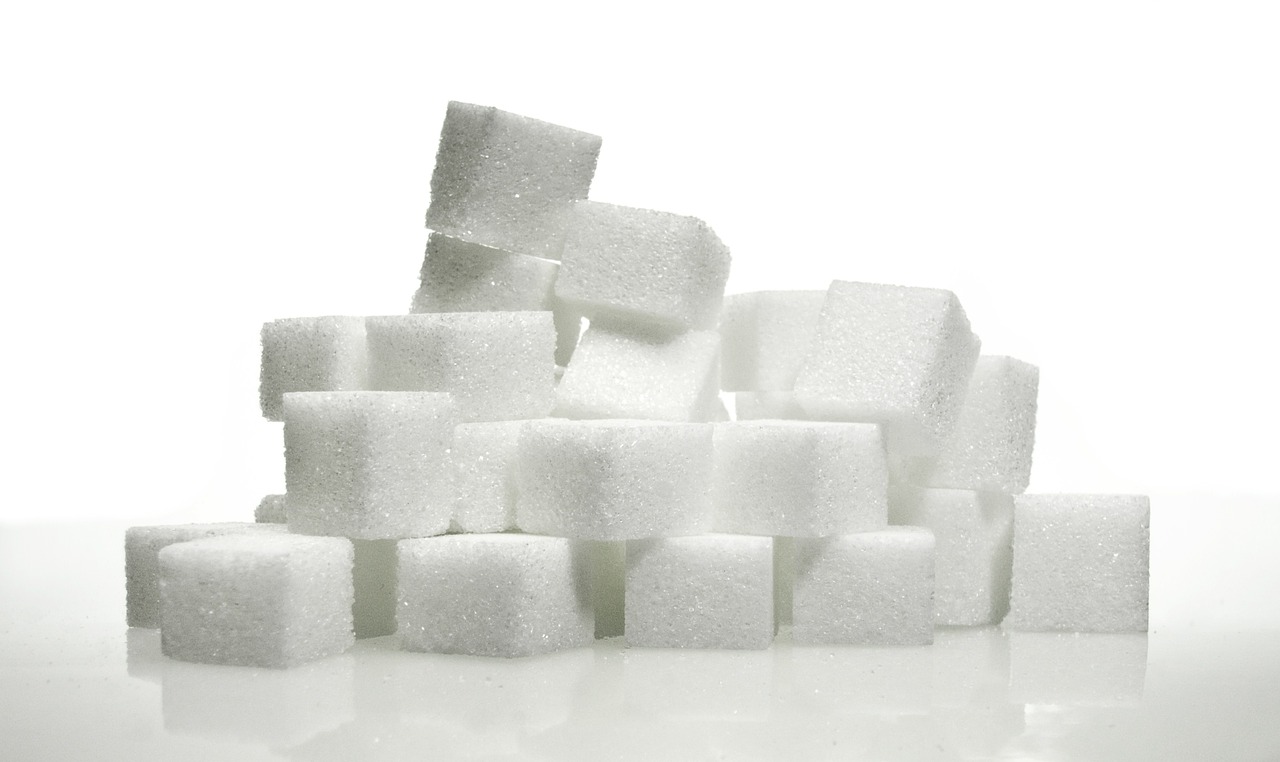
DOCUMENTS REVEAL SUGAR INDUSTRY PAID OFF SCIENTISTS, SHAPING MASS PERCEPTION OF NUTRITION FOR MONEY

The deviousness of corporate greed knows no end. Check out what the sugar industry has been up to, leading us all down the garden path with our health. As always follow the money. Sugar is evil at best in my opinion. It has been traced to many a health problem particularly cancer. Educate yourself and protect your immune system naturally. I should mention, don’t rely on mainstream media to give you the data on independent research. Go to the research of those who had nothing to gain from their results in terms of money. There you will be more likely to find truth. EnvirowatchRangitikei

lump-sugar-548647_1280

ALANNA KETLER
Collective Evolution

According to newly uncovered documents, in the 1960s the sugar industry began funding research to cast doubt on sugar’s role in heart disease, mainly by pointing the finger at fat instead.

A recently published analysis based on correspondence between a sugar trade group and researchers from Harvard University clearly demonstrates how food and beverage makers actively shape the public’s understanding of nutrition for their own financial gain.

The Evidence

In 1964 a group known as The Sugar Association went over a campaign to address any “negative attitudes toward sugar” after studies linking sugar with heart disease began to emerge, according to documents that were dug up from the now public archives. The following year the group approved a project called “Project 226,” which involved paying researchers from Harvard the equivalent of todays $48,900 USD for an article reviewing scientific literature, supplying the materials they wanted reviewed and reviewing drafts of the article prior to publication.

The result was an article, published in 1967, which concluded there was “no doubt” that reducing cholesterol and saturated fat was the only dietary guideline necessary to prevent heart disease effectively. The consistency of the literature on fat and cholesterol were overstated by researchers, and studies on sugar were severely downplayed, according to the analysis.

://www.collective-evolution.com/2016/09/15/documents-reveal-sugar-industry-paid-off-scientists-shaping-mass-perception-of-nutrition-for-money/

The Top 15 Lies You’re Being Told About Health and Mainstream Medicine

By Marco Torres

Guest Writer for Wake Up World

Do you ever question what doctors, nutritionists, institutions and even science tells you about your health, food, environment and lifestyle? You should, because we live in an era of deception and duplicity where the most trusted and valued sources of information are hijacked by much bigger interests than you can imagine.

health-846863_1280.jpg

The reason they’re failing us is because corrupt governments, corporations and the media are constantly feeding us lies on a daily basis, which through repetition, the public eventually accepts as truth. The internet is one of the last frontiers for truth, informing and educating billions on why our systems of health, agriculture, medicine and many other areas we depend on are failing us….

LIE #1. Genetically Modified Organisms (GMOs) Can Feed the World
LIE # 2. Electromagnetic Fields and Wireless Radiation are Not Harmful to Humans
LIE # 3. Medical Screening and Treatment Prevent Death

Read the remaining 12 LIES HERE


A heart surgeon for 25 years – speaks out on what really causes heart disease – you’ll be surprized

Reading this article from preventdisease.com, a heart surgeon with 25 years experience – has to cause you surely to ask the question – ‘what is wrong here?’ As the saying goes, something is not right in the state of Denmark. Pays to research and ask questions. We have a similar scenario going on with cancer treatment. We have professionals who also know something is wrong, who many times stand to lose their certification for going against the flow. The fact is, the medical profession changed its focus from natural healing to pharmaceuticals back in the 1920s and 30s courtesy of the Rockefeller fraternity. As a consequence instead of treating the root cause of our illnesses, we are treating the symptoms … with a pill … at great profit to the pharmaceutical industry. If you don’t believe this watch thetruthaboutcancer website’s documentaries where  all of this is confirmed in interviews by medical professionals. Be wise people and read … read the facts, seek out the answers.

EnvirowatchRangitikei


Here is the article:

surgery-688380_1280“We physicians with all our training, knowledge and authority often acquire a rather large ego that tends to make it difficult to admit we are wrong. So, here it is. I freely admit to being wrong.. As a heart surgeon with 25 years experience, having performed over 5,000 open-heart surgeries, today is my day to right the wrong with medical and scientific fact … The only accepted therapy was prescribing medications to lower cholesterol and a diet that severely restricted fat intake. The latter of course we insisted would lower cholesterol and heart disease. Deviations from these recommendations were considered heresy and could quite possibly result in malpractice…The long-established dietary recommendations have created epidemics of obesity and diabetes, the consequences of which dwarf any historical plague in terms of mortality, human suffering and dire economic consequences…
The cholesterol theory led to the no-fat, low-fat recommendations that in turn created the very foods now causing an epidemic of inflammation. Mainstream medicine made a terrible mistake when it advised people to avoid saturated fat in favor of foods high in omega-6 fats. We now have an epidemic of arterial inflammation leading to heart disease and other silent killers….

Despite the fact that 25% of the population takes expensive statin medications and despite the fact we have reduced the fat content of our diets, more Americans will die this year of heart disease than ever before …”

Read the article: http://preventdisease.com/news/12/030112_World-Renown-Heart-Surgeon-Speaks-Out-On-What-Really-Causes-Heart-Disease.shtml