
Tag Archives: bnz

Boiling Frogs in NZ Banks
We all know businesses or entities that do not accept cash. Regardless of any customer pushback, for numerous reasons a cashless approach is gaining ground and speed. But what about the banks’ use of cash? There’s lots of boiling frogs here, and no-one is paying attention yet.
Continue reading Boiling Frogs in NZ Banks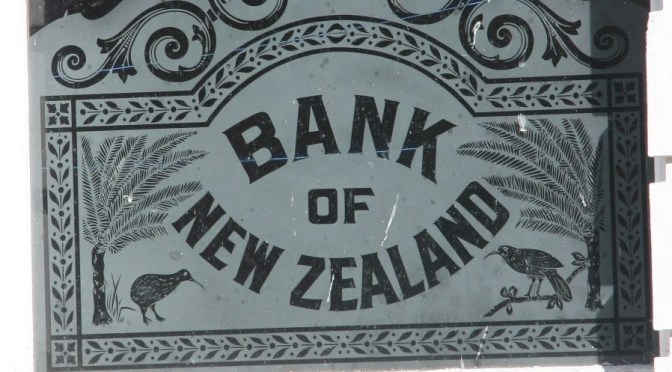
Deep History of Ihumātao: The Colonial BNZ Connection
Histories that of course we were not privy to when we were growing up in NZ or anywhere else. And we were told they were the ‘Maori Wars’ (like the Indian Wars etc etc etc)… strategically named by the star fomenters of wars… who were after LAND & RESOURCES.” And so down through the years the mythical versions of history persisted & continue today to create strife because folk think they are the truth. It’s long past time we heard what really happened. EWR
From snoopman.net.nz
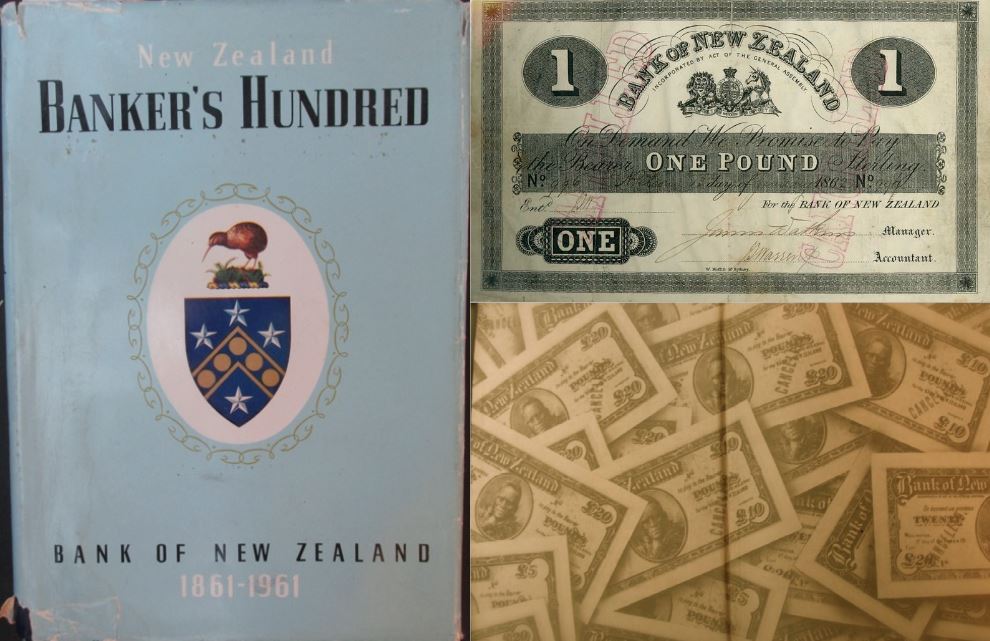
The Bank of New Zealand brokered finance of £3 million from the Imperial Government to escalate the New Zealand Wars. With a chronic case of ‘terrible twos’, the BNZ also bankrolled the Colonial Government’s overdraft while war was waged on Māori in the Waikato, the Bay of Plenty, Taranaki and Whanganui.
Dispatch from Ihumātao #003
By Snoopman
Finance to Escalate the ‘Maori Wars’
Three weeks after militarist Freemason Bro. George Grey’s ‘homecoming’ for a second term as governor, an ambitious new bank, with initial capital of £500,000 in £10 pound shares, cashed in on colonial parochialism by calling itself the Bank of New Zealand.1
The Bank of New Zealand – which was established by Royal Charter and Colonial Government legislation in 1861 – brokered finance of £3 million from the Imperial Government to escalate the New Zealand Wars.2
The First Taranaki War of 1860-1861, which had ended inconclusively, was bruising for the egos of the Taranaki settlers and the Colonial Government, whom had expected to inflict a short, sharp shock to defeat ‘the rebellious natives’ with the help of the British Royal Navy and British Army.3 The Taranaki settlers, the Colonial Government and New Zealand Freemasonry had conspired to make the coastal village of Waitara a flashpoint to trigger the Taranaki War – as The Snoopman showed in his exposé essay, “The Masonic New Zealand Wars: Freemasonry as a Secret Mechanism of Imperial Conquest During the ‘Native Troubles’”.4 The settlement of New Plymouth lacked a natural harbour, while 10 miles north, the village at Waitara had a river suitable for a port and fertile fields and gardens belonging to Te Āti Awa iwi – whom were callously targetted with what The Snoopman has termed a wedge of war strategy.
To continue to wage the escalation of the ‘Maori Wars’, the New Zealand Colonial Government needed money. The Bank of New Zealand quickly became the colonial government’s banker.
READ MORE
https://snoopman.net.nz/2019/08/02/deep-history-of-ihumatao-the-colonial-bnz-connection/
ESSENTIAL READING ALSO ON TOPIC:
https://snoopman.net.nz/2017/04/25/the-masonic-new-zealand-wars/
Header image: envirowatchrangitikei

KiwiSavers invest in cluster bomb, land mine manufacturers
The subject of Kiwisaver has certainly raised a lot of questions lately with regard to the investment of funds by our corporation. Likewise have been the questions around our PM’s ongoing alliance with the US war machine. Check this one out!
Hundreds of thousands of KiwiSaver members in government-appointed default schemes may be unknowingly investing in companies making cluster bombs and anti-personnel mines.

Photo: radionz.com
At least five of the nine default KiwiSaver providers invested in these types of companies, despite them being banned by government agencies such as the New Zealand Superannuation Fund and ACC.
The Green Party and Amnesty International say the government must review default providers that have investments in these weapons.
People who sign up to KiwiSaver but do not pick a scheme to enrol in are automatically allocated to one of nine providers hand-picked by the government.
These default providers are ANZ, Westpac, ASB, BNZ, Kiwibank, AMP, Mercer, Grosvenor and Fisher Funds.
More than 500,000 people are enrolled in default schemes, according to figures supplied by Inland Revenue.
An investigation by RNZ has found the default funds run by ANZ, Westpac, ASB, AMP and Grosvenor invested in the anti-personnel mine manufacturer Northrop Grumman and nuclear weapon or base operators Fluor Corp, Honeywell International and Lockheed Martin.
Westpac, ASB, BNZ, Grosvenor and AMP also invested in cluster bomb manufacturers General Dynamics and Textron.
The New Zealand Superannuation Fund and ACC are not allowed to invest in any of these companies because of the government’s obligations under international conventions banning the use of these weapons and investment in the companies that make them.

You must be logged in to post a comment.