Virgin Coconut Oil Supplementation Improves Diabetic Related Kidney Dysfunction

by Crystal Lauer
Health Impact News

With Chronic Kidney Disease (CKD) on the rise, and its clear relationship to unmanaged blood sugar and blood pressure unquestioned, virgin coconut oil is proving a valuable addition to the fight with ameliorate kidney function parameters in suffers of CKD and can even be protective for those at risk for the disease.

Lowering your risk for kidney dysfunction rests largely on lifestyle changes, but for change to occur in something so entrenched as an individual’s lifestyle, there is a need for impetus, and despite the fact that over 37 million people in the US alone are estimated to have CKD, many of those are completely unaware of the slippery slope they are currently on or headed towards.

For many people with damaged kidney function, the first they’ll hear of it is during a doctor’s visit, after damage has already begun and is revealed through blood and urine tests.

This ignorance of their condition stems from the lack of concerning symptoms, which would normally alert an individual to the presence of illness or disease and signify a need for change. 

READ MORE

https://healthimpactnews.com/2019/virgin-coconut-oil-supplementation-improves-diabetic-related-kidney-dysfunction/

Photo: pixabay.com

NZ rising up

A freedom rally in Wellington Thursday 16th Dec, 2021. A great success by reports I’ve seen and heard. Of most note is whore media’s ongoing lying. They reported there were just a few thousand there … yet people on the ground estimated a whopping 20 to 30K. People have had enough … enough of all the inconsistencies, the lies, the silence on the independent data ….

READ AT THE LINK

https://truthwatchnz.is/?view=article&id=401:nz-rising-up&catid=2

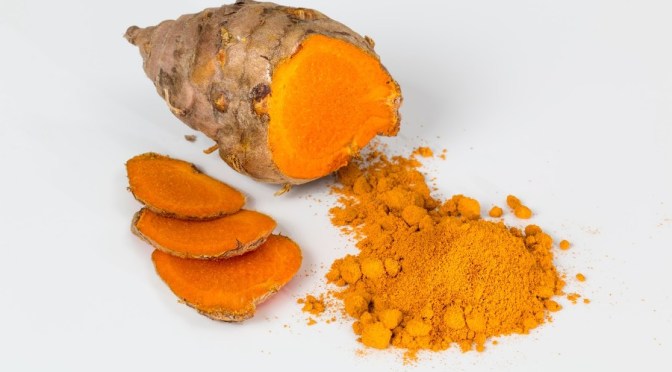
Science Confirms Turmeric As Effective As 14 Drugs

From greenmedinfo.com

Posted on: Sunday, March 21st 2021 at 7:00 am Written By: Sayer Ji, Founder

If ever there were an herb that puts existential fear into the bottom line of pharmaceutical companies, its turmeric. Here are a few thousand reasons why…

Turmeric is one the most thoroughly researched plants in existence today. Its medicinal properties and components (primarily curcumin) have been the subject of over 12,000 peer-reviewed and published biomedical studies. In fact, our five-year long research project on this sacred plant has revealed over 800 potential preventive and therapeutic applications, as well as 250 distinct beneficial physiological effects.

READ MORE

https://www.greenmedinfo.com/blog/science-confirms-turmeric-effective-14-drugs

Photo: pixabay.com
6 Ways to Reverse Hair Loss

From greenmedinfo.com

Posted on: Monday, December 13th 2021 at 7:45 am Written By: Ali Le Vere, B.S., B.S. – Senior Researcher-Gre… and Sophia Ruiz

A condition plaguing over 80 million men and women in the United States alone, hair loss a condition that not only indicates possible health issues but can also profoundly diminish quality of life. Here we provide in-depth, actionable information that can provide hair loss sufferers with tools they need to reverse hair loss

READ AT THE LINK

https://www.greenmedinfo.com/blog/6-ways-reverse-hair-loss

Photo: pixabay.com

10 Reasons to Grow Oregano: a Highly Beneficial Herb

Oregano is an amazing herb, and definitely one that everyone should have growing in their backyard herb garden. Not only does it add great flavor to your favorite dishes, it’s also a powerful medicinal herb. Many of the common culinary herbs like rosemary, thyme, and sage also have healing benefits, and do double duty in the garden. The medicinal benefits of oregano are no exception, and it might even be one of the herbs that you turn to first.

READ MORE

10 Reasons to Grow Oregano: a Highly Beneficial Herb

Learn how to grow elderberries for food and medicine

Learn how to grow elderberries for food and medicine, right in your own backyard! Elderberries can be grown from cuttings, starts, or seeds. Growing elderberries is easy!

Why Grow Your Own Elderberry Shrubs?

Elderberries have become extremely popular in recent years due to their powerful immune boosting properties. Because of this popularity herbal shops and online retailers will often be sold out by the time fall gets underway!

This is frustrating for those of us who want to make our own elderberry syrup or elderberry tincture for cold and flu season. The good news is that growing elderberries in your backyard is really easy!

Since acquiring dried elderberries can sometimes be very difficult, especially during cold and flu season, I prefer to either forage or grow my own whenever possible.

READ MORE (PLUS VIDEO)

How to Grow Elderberries in Your Backyard

20 Diuretic Foods to Lower Blood Pressure and Lose Weight

Have you ever woken up to swollen fingers or ankles? What about the feeling of a tire around your waist? When your body holds onto excess fluid, things can get really uncomfortable. And we’re not just talking about the feeling of bloatedness. Thankfully, there are a few ways you can beat fluid retention.

Along with cutting back on the iodized salt intake and working out more, your diet plays a large role in beating fluid retention and losing weight. Below are 20 diuretic foods from vegetables, herbs, drinks and fruits that work to stimulate the kidneys to produce more urine and relieve you of uncomfortable bloat. Along with helping you to de-puff, these foods will help you drop a few pounds and lower high blood pressure.

READ MORE

20 Diuretic Foods to Lower Blood Pressure and Lose Weight

Manuka honey fights antibiotic-resistant bacteria plus so much more

(NaturalHealth365)  The steadily worsening problem of antibiotic-resistant pathogens – cause for grave concern in the medical community – has researchers working overtime to discover solutions.  But several studies raise hope that Manuka honey may hold the key to combating MRSA and other drug-resistant strains.

In one study conducted at Cardiff Metropolitan University and published in 2012 in Microbiology, researchers moved closer to understanding the mechanisms by which honey inhibits the formation of biofilms – difficult-to-treat communities of bacteria – and helps to clear chronic wounds.

Manuka honey quickly incapacitates infection-causing bacteria

Researchers found that Manuka honey produced in New Zealand and Australia has the ability to attack a common bacteria, Streptococcus pyogenes, often responsible for chronic infections, as well as the destruction of skin grafts.  In fact, it took only modest concentrations of honey to kill 85 percent of the biofilms in a Petri dish – within two hours.

And, S. pyogenes isn’t the only pathogen susceptible to honey – numerous studies demonstrate that Manuka honey is antiviral, antifungal, and active against 80 different species of bacteria, including E. coli, P. aeruginosa, and methicillin-resistant staphylococcus aureus, or MRSA.  The team noted that there are no instances of any type of honey-resistant bacteria on record.

Remarking that honey was both cheaper and safer than conventional drugs, they called for its use as a complementary therapy in conjunction with antibiotics.

READ MORE

https://www.naturalhealth365.com/manuka-honey-fights-bacteria-3456.html

Amazing! New research links chili peppers to a LOWER risk of disease

(NaturalHealth365) With coverage of the COVID-19 pandemic dominating the media for close to two years, news of developments in scientific research appears to have been somewhat eclipsed.  For example, a report from the Journal of Clinical Pharmacy and Therapeutics contained exciting findings about the ability of capsaicin in chili peppers to fight deadly diseases and reduce the odds of premature death.  One would think that the reveal of a potentially lifesaving dietary intervention would have made more of a “splash” in the mainstream scientific community … but, unfortunately, the pharmaceutical industry controls the media.

According to the U.S. Centers for Disease Control and Prevention, cancer – second only to heart disease as a cause of death – claimed close to 600,000 lives in 2019 alone, leading researchers to search for new and effective treatments.  Recent studies have raised hopes that capsaicin could be among them.

Let’s see what the research reveals.

Capsaicin in chili peppers linked to lower risk of heart disease, cancer, and death from all causes

The scientific review, which involved 570,000 people in four different countries and three different continents, was conducted by researchers at the renowned Cleveland Clinic.  The team found that people who regularly ate capsaicin-rich chili peppers enjoyed a significant 23 percent lower risk of dying from cancer.

READ MORE

https://www.naturalhealth365.com/capsaicin-in-chili-peppers-3473.html

Photo: pixabay.com

Which vegetables to plant right now (Wally Richards)

That is, in the Southern Hemisphere, this being a NZ blog.

I was asked the question this week about what we should be planting vegetable wise at this time of the year.

A lot depends on how much room you have and how keen you are on growing your own vegetables. If you are fortunate and have a good size section such as quarter an acre then you can be fairly self sufficient in fresh produce. If you have only little land around your home then you have to be innovative with your limitations.

There are some nice planters you can purchase such as on Trade Tested 150 litre and 112 litre made from durable plastic at reasonable prices. These can be sat on concrete or at the edge of the lawn or where a garden used to be.

Place weedmat under them where ever you choose to put them.

I have several of these which arrived in a Flat Pack and were easy to assemble. Filled two thirds full with compost (I prefer Daltons Compost) and then I spread the likes of chicken manure (or any animal manures), Blood & Bone along with Wallys Calcium & Health, Wallys BioPhos, Wallys Unlocking your Soil and Wallys Ocean Solids.

This means your vegetables will have all the nutrients, minerals and trace element that they would like which means the produce will be super healthy, have marvelous flavor and so good for your immune system. Over the top of the goodies you put a further layer of compost about 4 cm thick. It is into this layer that you can plant seeds or seedlings.

With the longest day of the year next week we have optimum hours of daylight for growing stuff. You should have salad crops currently growing and harvesting as they mature such as lettuce, radish, spinach, silverbeet, spring onions etc.

The key here is to have small plantings every 2-3 weeks so you will have succession crops for harvesting. For instance you might plant 4-6 lettuce plants now and in about 3-4 weeks another 4-6. When the first lot are being harvested you plant the third lot and that will take you well into winter before you find that the low day light hours take much longer to mature the plants. Thus you can harvest the larger outside leaves and let the plant grow more leaves. Silver beet is a great one for this type of harvesting.

Now here is a little secret that you can use when you buy a punnet or cell pack that has many seedlings much more than you want to plant at one time. Before you try to separate them put the punnet into a bucket of water and after it has finished bubbling remove all the seedlings from the plastic. Now working underwater you can separate off the number of plants you wish to plant. Only take the bigger more developed plants and plant them. You are left with one or more clumps of seedlings so rather than throw them away plant into the soil as a clump. Because they are over crowded they will hold and not grow much.

In two weeks time you can lift the clump and under water separate those you wish to plant. This can be repeated a few times before the seedlings become too stressed and not worth planting.

December is also the first month to plant your winter crops of brassicas. The 6 packs that have two cabbage, two cauliflowers and two broccoli are ideal for succession planting so about every two weeks you plant another lot. The last month for planting these winter crops would be end of March.

If you have ample land and grow potatoes for Christmas or storage then likely the early crops will have been harvested or ready to harvest soon. It pays to either bandy-coot a few potatoes out from under the plants to determine size and health. If you don’t feel any good size tubers under the plants then lift one or two and if only small marble size potatoes are found and they are re-shooting then you have had attacks from the potato psyllids. If the tubers are of good size then cut one in half to inspect the inside for dark rings if found then the crop is ruined from psyllid attacks. If neither of these problems exist then harvest your crop as soon as possible so you do not lose good potatoes to late attacks.

Last year about this time some gardens lifted a plant or two to find good tubers but left the rest of the crop in. Later when they lifted the remained of the crop had been attacked and was ruined. If you do not want to lift then cut the tops off and cover the stubble so the Psyllids have nothing to destroy.

My thoughts are lift crop and use that ground after applying more goodies for planting up winter crops. Root crops such as carrots, parsnips, onions and beetroot can be planted by sowing seeds into loose fertile soil. Sprinkle the seeds into a furrow or broadcast over say a square metre, spray the seeds with Magic Botanic Liquid before covering to speed up germination.

Keep moist by regular waterings. Later on when you have a good strike you can thin out the planting to give the bigger better plants more room to develop. Root crops are always best grown from seeds especially carrots and parsnips as they do not transplant well and you only get short stubby carrots to harvest.

You can buy coloured carrot seed from some seed suppliers for a bit of novelty and each has different health benefits also but all taste like carrots even the black and white ones.

It is also a good idea to start off a couple of tomato plants now which if you can’t purchase then grow from the laterals you are removing from your exist plants.

Now is about the last chance to grow heat loving plants such as capsicum, chili, egg plants, cucumbers, pumpkins. All of which are gross feeders so you could not only use Wallys Secret Tomato Food but also a drink every week of Wallys Liquid Plant food.

For the Cucumbers and pumpkin a weekly kick along using our Cucumber Booster that has two powerful nitrogen components.

That’s the gardening bit done and for those that like to know what they do not want you to know have a wee look at this link.

https://www.globalresearch.ca/vaccine-acquired-immune-deficiency-syndrome-vaids-we-should-anticipate-seeing-immune-erosion-more-widely/5764177

Phone 0800 466464
Garden Pages and News at www.gardenews.co.nz
Shar Pei pages at  www.sharpei.co.nz
Mail Order products at www.0800466464.co.nz

Photo: pixabay.com
The health benefits of cacao

One of the most popular trees on the planet is cacao, the plant species from which cocoa is derived. While some might think cacao and cocoa are one and the same, they’re not. Cacao is the tree, while cocoa is the dry, powdered product made from it. Cocoa is best known as the main ingredient for an all-time favorite confection worldwide — chocolate.1

A cacao pod is a dark brown ovoid fruit containing about 60 seeds, better known as cacao beans.2 The flavor is dependent on the fermentation of the cacao beans. During this process, compounds found in the beans react with each other, producing the well-loved flavor of chocolate.3

Aside from their flavor, cacao beans were prized for their medicinal and aphrodisiacal properties, and they were traded like currency by South American civilizations. For the Aztecs and Mayans, cacao beans were so important in feasts and celebrations that they were usually put at the center.4

Today, in the dawn of superfoods, cacao has earned its title as a “superfruit” due to the surplus of flavonoids and polyphenols it contains.

Health Benefits of Cacao

There’s been plenty of discussion about free radicals and antioxidants, but some are unsure of what these terms mean regarding our health. Exposure to radiation, cigarette smoke, pollution and certain medications may all release free radical activity in the body; however, they also can be produced by factors like mental stress, infections, cancer and aging.5

Antioxidants in the foods you eat may help reverse this process by zapping harmful free radicals, helping fight off disease.6 This is where cacao comes in. Compared to other foods, it is well-equipped with phenolic antioxidants, be it catechins, epicatechins or procyanidins.7 Its beans are also rich in magnesium, copper, potassium and calcium, which are known to help lower the risk of hypertension and heart disease.8

Aside from these benefits, cocoa may help alleviate the symptoms of depression, attention deficit hyperactivity disorder (ADHD) and schizophrenia through its beta-phenylethylamine (PEA) content. PEA works as a neurotransmitter and may improve serotonin concentrations in the brain by interacting with trace amine-associated receptor (TAAR).9

For those who think chocolate must be bad for you (it has to be if it tastes so good, right?), rest assured that there’s roughly 1 gram of sugar in a half-cup serving of raw cacao. However, this doesn’t apply to some store-bought chocolate because of all the flavor additives that mask the powder’s bitterness.10  

READ MORE

https://foodfacts.mercola.com/cacao.html

Photo: pixabay.com

Improve your overall health with B vitamins

Learn more about B vitamins and other vitamins and minerals that are essential for optimal health at NaturalNews.com

Every dollar you spend at the Health Ranger Store goes toward helping us achieve
important science and content goals for humanity: https://www.brighteonstore.com/

For more updates, visit: https://www.brighteon.com/channel/naturalnews

https://www.brighteon.com/d9bc619e-c6f2-4174-baca-e06b736d8551

PHOTO: Screenshot

Virus Protection (free resource from the Medical Medium)

We are up against all kinds of viruses on this planet. No matter what virus you want protection from, or which virus might be the hot topic in the media at any given time, all of the Medical Medium healing information can help protect you and your loved ones.

DOWNLOAD HERE

Eating organic helps kids score higher on cognitive tests, according to study

(NaturalHealth365) Have you ever noticed that you have more energy when you eat nutrient-rich, organic food and have a better overall feeling of wellness than when you eat fast food?  There’s a reason for that, and researchers are linking an organic diet to improved cognition and higher academic performance in children.

The study, published in Environmental Pollution, was conducted by researchers at the Barcelona Institute for Global Health.  It took an in-depth look at environmental hazards that children come into contact with regularly.  Without examining unique lifestyle factors individually, the researchers concluded that “healthy diets, including eating organic diets, are richer than fast food diets in nutrients necessary for the brain…”  According to the study, antioxidants, vitamins, and fatty acids found in a balanced, healthy diet are credited with enhancing cognitive function in children.

A large-scale study of 1,300 participants examines the connection between children’s diet and cognitive development

The researchers chose nearly 1,300 mother-child pairs from those enrolled in the pan-European study, Human Early Life Exposome (HELIX) Project.  HELIX has a number of various projects spanning several European countries

The children participating in the study ranged in age from 6 to 11 years old, all in good health.  In addition, because the participants were already a part of HELIX, researchers already had data on the mothers’ pregnancies and birth experiences as well as urine samples for all participants.

They used each participant’s home addresses to evaluate the area for environmental exposures, such as level of pollution and how close they were to parks and natural areas.  The researchers administered tests to both child and mother to determine specific lifestyle factors, alcohol use and smoking by either or both parents, the child’s diet, their environment indoors, level of physical activity, and other habits.

READ MORE

https://www.naturalhealth365.com/eating-organic-3916.html

Slash your cancer risk with two POTENT spices

(NaturalHealth365)  Within the past few years, scientists at the forefront of cancer research have increasingly given voice to a once radical-sounding concept:  cancer – second only to heart disease as a cause of death for Americans – is largely preventable, with diet playing an important role.

In a prominent article published in 2008 in the peer-reviewed scientific publication Pharmaceutical Research, the authors – researchers in the Department of Experimental Therapeutics at the University of Texas M.D. Anderson Cancer Center – boldly state that cancer is, for the most part, a preventable disease that can be avoided with proper lifestyle choices.

An article published the following year in the Journal of Clinical Oncology echoes and confirms this finding and goes on to assert that dietary modification alone – namely, increasing intake of fruits, vegetables, and spices – could prevent 20 percent or more of all cases of cancer, saving close to a quarter of a million lives a year.  In a more recent study published in the International Journal of Environmental Research and Public Health authors concluded that indeed, nutrition is one of the most modifiable aspects of people’s lifestyles and dietary choices that can affect cancer risk. Furthermore, with the maintenance of optimum body weight and regular physical activity added to dietary modification, the authors estimate that up to 40 percent of all cancer cases would simply never occur.

Stunning fact: Nearly 50% of all cancer cases can be eliminated with natural compounds

Imagine the headlines, the fanfare, and the triumphant advertising campaign Big Pharma would unleash if a drug manufacturer were to develop a medication with the same rate of success at warding off cancer.  Yet, the “medication” already exists.  We already have access to safe, natural, and relatively affordable cancer-preventing substances: the phytochemicals contained in luscious fruits, tasty vegetables, and zesty spices.

Although a myriad of fresh fruits and vegetables – broccoli, blueberries, garlic, grapes, tomatoes, and dozens more – can help prevent cancer, two spices, in particular, have been impressing researchers with their ability to inhibit and even destroy cancer cells.

READ MORE

https://www.naturalhealth365.com/cancer-risk-reduced-3455.html

Photo: pixabay.com
The health benefits of almonds

Crunchy, healthy and satisfying — almonds are bite-sized treats that are beneficial for health, which is why they’ve been popular for centuries in different parts of the world.

In fact, according to the United States Department of Agriculture (USDA), the annual demand for almonds in America has increased by a whopping 400 percent since 1980.1

Almonds are quite versatile too, since they can be eaten in a variety of ways — from raw or roasted to sweetened or salted. But which variety of almond is actually the healthiest to munch on? Before you indulge on a handful of this crunchy snack, there are several little-known facts that you should know about almonds first.

READ MORE

https://foodfacts.mercola.com/almonds.html

Exciting potential: How to IMPROVE your brain function with melatonin … especially valuable for older people

(NaturalHealth365) According to a recent report published in Alzheimer’s and Dementia Journal, Alzheimer’s disease – the sixth leading cause of death in the United States – claimed over 121,000 lives in 2019 alone, before the pandemic had swept the nation.  Meanwhile, the Alzheimer’s Association has released a sobering new statistic – deaths from Alzheimer’s disease and other forms of dementia have increased by a significant 16 percent since the onset of COVID-19.  However, a natural intervention for the condition is casting a ray of hope.

In a recent review article in the peer-reviewed journal Revue Neurologique, researchers report that the natural hormone melatonin shows exciting potential to prevent and even alleviate neurodegenerative diseases, such as Alzheimer’s and Parkinson’s disease.  In fact, the impressed scientists even concluded that “melatonin may be the solution we have been looking for.”

Why are they so hopeful about the neuroprotective effects of melatonin?  Let’s find out.

READ MORE

https://www.naturalhealth365.com/neuroprotective-effects-of-melatonin-3465.html

Asparagus and how they can benefit your health

Asparagus officinalis belongs to a large genus of plants grown for ornamental purposes, though it’s is one of the few members of this family that’s cultivated for food.1 Since its domestication, asparagus has become a favorite for its sweet flavor and tender quality, which allows it to be prepared in various ways.2 You can steam, poach, roast or add a handful of its stalks to soups and frittatas for added texture.3

Health Benefits of Asparagus

Aside from its delectable taste, asparagus offers numerous vitamins and minerals, including calcium, folate, iron, magnesium, phosphorus, potassium and vitamins A, K and C. It also contains trace amounts of niacin and vitamin E.4 It’s obvious that asparagus leads the pack in both the range and amount of nutrients it supplies. Because of these nutrients, adding asparagus to your diet may offer the following benefits:

  • Supporting cardiovascular health — In a 2017 study from Nutrients, it was stated that numerous vegetables (including asparagus) may protect and support heart health. This may be due to the high amounts of dietary fiber and vitamins in this vegetable.5
  • Aiding in fetal development — As one of the best plant-based sources of folate, asparagus may help lower the risk of miscarriage and neural tube defects in unborn children.6
  • Lowering osteoporosis risk — Asparagus contains considerable amounts of both vitamin K and calcium, nutrients essential in maintaining bone health. Adequate levels of vitamin K in the body ensures effective absorption of calcium, lowering the risk for bone fractures.7

READ AT THE LINK

https://foodfacts.mercola.com/asparagus.html

NZ’s Traffic Light System Easily Explained

By Wally Richards

The Traffic Light System Explained Easily..

Mandated sectors workers are safe to work with one vaccine but their customers must have two…. (read at the link below)

SOURCE

Dealing with bugs and pests in the garden

This is the time of the year some of a gardener’s bug enemies get out and cause damage. I have had my first phone call this week in regards to grass grub beetles eating the foliage of plants. The beetles are nocturnal, they will come out at dusk to mate and feed, lay eggs during their short life span. One beetle might consume a few leaves but hundreds and even thousands start to become a biblical plague.

I remember a few years ago about this time a lady phoned me with a sad story. She had purchased a horticultural block of land with hundreds of blueberry plants which she had figured out; that the income from the harvest would cover her mortgage repayments. What she had not calculated on was the block being surrounded by paddocks which were full of grass grubs. The beetles were out in their thousands feeding on the blueberry foliage and shredding the plants.

What to do?

When this happens in towns; plants get eaten at night and there is no sign of any culprits in daylight hours then it is beetles that are doing the damage. Take a torch after dusk and go check the plants that are being eaten for the beetles. When you see them then spray them directly with Wallys Super Pyrethrum at commercial strength. That is 2.5 mils per litre of water. It is a strong knock down affecting the pest’s nervous system and killing them.

You need to go out each night to check and spray till after a few nights there are no more beetles. If you are not able to go out then just before dusk, spray any target plants with Wallys Super Neem Tree Oil with the Super Pyrethrum added. When the beetles arrive later on they will get a dose of Neem when they feed and also have contact with the pyrethrum so a double whammy.

There is another way to control the beetles because they are attracted to light. This is an old method where you set up a strong light inside a window facing out to the area you want to control. Under the window you place a wall paper trough or similar against the bottom of the window pane. The trough is half filled with water and a little kerosene added to float on top of the water. The beetles fly at the light hit their heads on the window pane and they drop down into the trough below. The kerosene prevents them from climbing out and next day you can either feed the beetles to the chickens or flush them down the toilet. Have your light trap working every night until there is no more activity.

A more modern way is what butchers in days gone by used to have to zap flies; but a modern compact version of those zappers. I purchased one recently to use indoors for flies. It is a Sansai Insect Killer SK-120C. Put that into Google and you will find a number of suppliers in NZ around the $50 price. Plug into the power and the UV tubes light up which are the light that attracts flies etc and the grid is electrified static electricity. Any pest coming towards the grid gets executed.

Now this could be used outside in a weather proof situation as you do not want to mix electricity with water/rain. Also ideal to use for mosquitoes and sand flies if outside having a BBQ. It will also incinerate untold moths and any other flying night insects. Likely it will be zapping away most of the night so next day you can unplug and clean up the burnt bodies.

Another pest that will appear about now is the pear-slug or cherry slug. It is a black slimy looking slug that feeds on the foliage of cherry and pear trees and is the larva of the sawfly. The first infestation is often not noticed because the numbers are often few but the second infestation later in January/February period is large and damage to the foliage is certainly seen. Being a slug like pest they are controlled by sprays of Wallys Liquid Copper with Raingard added

So check your trees for them and if seen spray. If you can eradicate the first wave of them then there will be few to cause damage later on.

For other pest insects now is the time to get on top of them before they can breed masses of their offspring. Whitefly, leaf hoppers, scale, thrips, mites, caterpillars, etc. Fill up your sprayer with Wallys Super Neem Tree Oil combined with Wallys Super Pyrethrum to spray any and all target plants just before dusk. You can add to this spray Magic Botanic Liquid if you want to also promote healthier plants.

If you do this say every two weeks before problems start to arise or if already a problem them once a week till you have control. Settled weather means population explosions.

Happy Gardening.

Phone 0800 466464
Garden Pages and News at www.gardenews.co.nz
Shar Pei pages at  www.sharpei.co.nz
Mail Order products at www.0800466464.co.nz

Photo: pixabay.com

PB Tech will become a Vaccinated Business from Monday 6th December (NZ)

Where to spend your dollars? This is from the Health Forum NZ. PB Tech announces in-store sales are for the vaxxed only. Not a legal requirement, however this store has opted to exclude the unvaxxed who are only able, if they wish to shop there, to purchase via click and collect. No thanks PB Tech.

READ AT THE LINK

https://truthwatchnz.is/cv-injection-nz/pb-tech-will-become-a-vaccinated-business-from-monday-6th-december

Persimmons and what they are good for

It’s too bad Americans aren’t more familiar with persimmons, since its botanical name means “food of the gods.”1 Highly adaptable to various climate conditions,2 those found in larger grocery stores are most likely Japanese persimmons. Persimmon is Japan’s national fruit,3 although it’s said to be native to China4 (American persimmons are mostly ornamental).

Persimmon seeds first came to the United States when commodore Matthew Perry sent them from Japan in 1856. Today, persimmons are grown in a plethora of varieties in China, Burma, Northern India and Australia. In the U.S., it grows in Southern and Southwestern states, predominantly California.5

Persimmons are red-brown or orange fruits that grow on trees like plums and look like a small, rather flat tomato capped by a calyx.6 The two varieties are astringent and nonastringent, the latter being pleasingly sweet. To avoid bitterness, the paler varieties should be eaten only when very ripe, usually peeled.7

READ MORE

https://foodfacts.mercola.com/persimmon.html

Photo: pixabay.com

Kiwi Church Leaders Defy Ardern’s Threats to Vaccinate or Face a $15K Fine

by Tony Mobilifonitis, Cairns News
December 2, 2021

A feisty Kiwi pastor has told Jacinda Ardern and her Labor Party vaccination cabal to shove their shots and get their noses out of church business. Ardern is threatening to fine church leaders $15,000 if they are not vaccinated by December 3.

Pastor Carl Bromley of the Life Connection Missionary Baptist Fellowship in Christchurch says Ardern has crossed the line of respect between church and state. Ardern’s socialist-fascist regime is also trying to silence another high-profile and outspoken pastor, Brian Tamaki, who has been loaded with onerous bail conditions on charges of breaching so-called health orders by running a protest rally.

Ardern’s corrupt Covid cabal primarily includes her “nice guy” chief health bureaucrat Ashley Bloomfield, Covid 19 Response Minister Chris Hipkins, and Health Minister Andrew Little. Just like the Australian state premiers and their Covid cabals, these sad specimens of Kiwi political corruption follow orders from above e.g. the WHO, the global banks, big pharma and the Fauci-Gates-Rockefeller operation.

READ AT THE LINK

Kiwi Church Leaders Defy Ardern’s Threats to Vaccinate or Face a $15K Fine

U.N. Taking Down Private Websites – Domain Level Censorship

We knew this was coming. If the ‘powers that be’  have their way there will be no return to normal. EWR

The U.N. Counter Terrorism Executive Directorate (CTED) is now responsible for taking entire privately hosted websites offline, as they seek to take total control of the flow of information and establish their “Great Narrative.” CTED notifies domain registrars of “extremist” sites — i.e., those that promote narratives they don’t approve of — and the sites can no longer be found.

READ AT THE LINK

https://truthcomestolight.com/u-n-taking-down-private-websites-domain-level-censorship/

EVERY PARENT IN NEW ZEALAND NEEDS TO KNOW THIS TO MAKE AN INFORMED CHOICE FOR THEIR 5 TO 11 YEAR OLD

From the Health Forum NZ at MeWe. Examining the strange case of how vaccinations came to be scheduled for children and youth.

Yesterday the government announced that they would begin vaccinating 5 to 11 year olds before the end of January 2022. WHY? We examine the strange case of how vaccinations came to be scheduled for children and youth.

Harm from covid for children and young adults is incredibly rare

A study published in Nature drawing upon multiple studies finds the death among children under 18 years from covid is ‘incredibly rare’. The recorded rate of death is just 2 in each million cases. Half of these are clearly linked to comorbidities. This is very very very low. To put this in perspective the all cause death rate among the 15-19 age group in NZ is of the order of 500 per million per year which utterly dwarfs possible covid deaths. So there is nothing significant to fear. Virtually all children and young adults catching covid will experience very mild symptoms and develop long lasting natural immunity, rather than the rapidly waning partial immunity conferred by vaccination, which will necessitate regular jabs in future.

READ AT THE LINK

https://truthwatchnz.is/cv-injection-nz/every-parent-in-new-zealand-needs-to-know-this-to-make-an-informed-choice-for-their-5-to-11-year-old

The importance of Phosphorous to the soil in your garden (Wally Richards)

Phosphorus stimulates budding and blooming.

Plants need phosphorus to produce fruits, flowers, and seeds. It also helps make your plants more resistant to disease. Phosphorus doesn’t dissolve like nitrogen.

The soil will hang onto phosphorus, not releasing it into water.

Phosphate is needed by all life forms but if taken in too greater quantities it becomes harmful.

In the distant past phosphorus was obtain from manures especially bird or bat droppings called guano.

Phosphorus was also obtained from Reactive Rock Phosphate which is a hard phosphatic rock. In most soils it dissolves very slowly.

To make the rock phosphate more readily available to plants man discovered a process of using sulfuric acid, early in the 1900’s and a new agricultural fertilizer was created called Super or Super Phosphate.

It became a boon to agriculture and farming with tons of Super been spread to cause fast growth in fields and crops.

Unfortunately like a number of discoveries such as DDT and Asbestos, there was a hidden price to pay.

Super phosphate kills soil life and with their demise leads to unhealthy plants.

Not only that, it was also found that Super laden plants and grasses caused health problems in stock including cancers.

I read a very interesting book a long time ago called ‘Cancer, Cause and Cure’ written by an Australian farmer, Percy Weston.

Percy observed the results of the introduction of Super on his farm and the problems that occurred.

The book made me reconsider the use of Super in garden fertilizers.

Now days I would never use a chemical fertiliser or chemical sprays including any herbicides anywhere on my property.

But I have noticed that even though I obtained good healthy crops and plants, there is some factor that appears to be missing and the crops are not as lush as I feel they could be.

I have often thought that I am not getting sufficient phosphorus in my composts and mulches.

This caused me to do a bit of research on the Internet and found to my delight a company in New Zealand who make a product called BioPhos.

They take the rock phosphate and break it down naturally with micro organisms making it as readily available to plants as Super is.

The company sent me an email booklet and it showed trials that proved that not only did BioPhos work as well as Super, but actually better as it did not have a ‘peak’ growth on application and gave a much longer sustained release of phosphorus to plants.

Instead of killing soil life it actually supplies new micro organisms to the soil which carry on breaking the natural phosphorus down, meaning that only one application is needed per year unless you are cropping during the winter as well.

Some rose growers and rose societies recommend using BioPhos for better, healthier roses.

BioPhos contains phosphate, potassium, sulphur and calcium at the rates of P10:K8:S7:Ca28. BioPhos is Bio Certified for organic growing.

It is pH neutral and used at the following rates; new beds work in 100 grams per square metre, the same with lawns but water in to settle.

Side dressing plants; seedlings 8 grams (a teaspoon full) around base of the plant or in the planting hole. Same for potatoes (which do well with phosphorus)

Sowing beans peas etc sprinkle down row with seeds. Roses and similar sized plants 18 grams or a tablespoon full around plant or in planting hole.

Established fruit trees etc, spread at the rate of 100 grams per square metre around drip line or where feeder roots are.

Apply to vegetable gardens in spring and a further application in autumn if growing winter crops.

Can be applied to container plants also. Apply to tomatoes when planting or side dress existing plants.

When you obtain your BioPhos you will notice it consists of fine powder to granules with pellets of sulphur and odd splinters of wood.

These including the wood are all part of the product not messy packaging.

The lumps of granules actually contain 4,888,000 fungal colonies to aid the breakdown and enhance your garden soils.

If you have concerns about your health, the health of your family and you want to avoid illnesses such as cancer if possible, then grow as much fruit and vegetables as you can without chemicals.

BioPhos is biologically manufactured using an internationally patented thermophillic composting technology.

Natural products: whole filleted fish nutrient, microbes, inoculum, phosphorous rock and limestone are used to create highly available soil and plant food.

• Plant available phosphate

• Biologically activated lime

• Essential minerals and trace elements

BioPhos contains phosphate, potassium, sulphur and calcium at the rates of P10:K8:S7:Ca28.

BioPhos is Bio Certified for organic growing.

It is pH neutral and used at the following rates; new beds work in 100 grams per square metre, the same with lawns but water in to settle.

Side dressing plants; seedlings 8 grams (a teaspoon full) around base of the plant or in the planting hole. Same for potatoes (which do well with phosphorus).

 Sowing beans peas etc sprinkle down row with seeds. Roses and similar sized plants 18 grams or a tablespoon full around plant or in planting hole.

Established fruit trees etc, spread at the rate of 100 grams per square metre around drip line or where feeder roots are.

Apply to vegetable gardens in spring and a further application in autumn if growing winter crops.

Can be applied to container plants also. Apply to tomatoes when planting or side dress existing plants.

Photo: pixabay.com

12 science-backed Ayurvedic herbs and spices with POWERFUL health benefits

(NaturalHealth365) Ayurveda is a traditional system of medicine that originated in India and is more than 3,000 years old.  It is an all-natural modality, using herbs and spices to prevent diseases and health conditions from developing in the first place.  By taking a whole-person approach, it focuses on balancing mind, body, and spirit for better health.

In fact, many Ayurvedic herbs have been studied extensively and now have solid scientific backing as effective remedies for many health conditions.

Ayurvedic herbs can improve your health in multiple ways

Ashwagandha

Several studies have shown that ashwagandha promotes healthy cortisol levels and normal inflammatory processes that occur in response to stress.  Cortisol is called the “stress hormone.”  By supporting a healthy stress response, ashwagandha can help lower levels of anxiety and improve sleep quality for people who suffer from anxiety and stress.

READ MORE

https://www.naturalhealth365.com/ayurvedic-herbs-offer-powerful-health-benefits-3458.html

How do cucumbers benefit your health?

Cucumber is the fourth most widely cultivated “vegetable” in the world,1 related to both the melon and squash families,2 technically making it a fruit because it contains seeds.3 With its mild, refreshing flavor that mixes well with other garden offerings, cucumbers are 96% water,4 but still manage to provide many valuable health benefits.

Like many other plant-based foods, cucumbers originated in India,5 and were brought to the Americas by European explorers in the mid-16th century.6 There are dozens of varieties available, and they thrive best when they have plenty of sunshine and adequate moisture.7

While commercial cucumber-growing operations in Florida keep most of the country stocked with the fresh variety, Michigan is the biggest state producing cucumbers specifically for pickling, while Mexico is the largest  provider for the U.S.A. through the deepest winter months. China, however, is by far the most prolific supplier, with the next two being India and Russia.8

Cucumbers grow on a long, trailing vine,9 and come in two main varieties: slicing cucumbers, which are generally larger and thick-skinned; and pickling cucumbers, which are smaller and thinner-skinned.10 Pickling usually involves slicing and soaking in brine (highly salted water) or vinegar to preserve and ferment the fruit.11 For tips on growing cucumbers, read this guide.

An alternative is the longer, thinner English or gourmet cucumber, also known as “burpless” cucumbers. As the name implies, this variety is specifically bred to minimize burping because of its reduced cucurbitacin content.12 Seedless cucumber varieties are attained through a natural parthenogenesis process, which allows them to produce without pollinization.13

In the kitchen, you have several ways to prepare fresh cucumbers. They’re delicious when sliced and eaten with salt. Combined with chopped sweet onions in apple cider vinegar, salt and pepper, they provide a savory, summery side dish.

Health Benefits of Cucumbers

Grown wild throughout India,14 cucumbers are used as a traditional medicine to manage fever.15 They also have diuretic properties,16 and the juice is used as an acne cream and a soothing remedy for tired, puffy eyes.17 These uses led scientists to investigate cucumber fruit, seeds and extracts as an effective treatment in other areas of medicine.

Cucumbers are known to be an excellent source of vitamins, including anti-inflammatory vitamin K, infection-fighting vitamin C and phosphorus. Body-beneficial minerals include bone-building manganese, as well as calcium and magnesium.18

Lignans, unique polyphenols in crucifers and alliums such as cabbage and onions, are known for containing health benefits, such as possibly lowering the risk of heart disease.19 Moreover, one study showed that cucumbers contain powerful lignans that bind with estrogen-related bacteria in the digestive tract, contributing to a reduced risk of cancer,20 particularly breast cancer.21 The cucurbitacins — compounds that belong to the cucurbitaceae family — have anticancer potential as well.22

CUCUMBER NUTRITION FACTS
Serving Size: 3.5 ounces (100 grams), raw, with peel

 Amt. Per
Serving
 
Calories15 
Calories from Fat0 
Total Fat0.11 g 
Saturated Fat0 g 
Trans Fat  
Cholesterol0 mg 
Sodium2 mg 
Total Carbohydrates3.63 g 
Dietary Fiber0.5 g 
Sugar1.67 g 
Protein0.65 g 
Vitamin A 105 IUVitamin C2.8 mg
Calcium 16 mgIron0.28 mg

Studies Done on Cucumbers

In one study, cucumber extracts were screened for signs of free radical-scavenging and analgesic activities, following the lead of traditional folk uses. Not only were the extracts found to provide phytonutrients with these activities, numerous other valuable compounds were found, including glycosides, steroids, flavonoids, carbohydrates, terpenoids and tannins.23

Cucurbitacins in plants have already been identified as having pharmacological and biological benefits, including anticancer activities. But another study related more recent discoveries showing that cucurbitacin has a strong inhibiting effect on cancer-signaling pathways, which cancer cells require to survive and proliferate. The conclusion discussed the likelihood that cucurbitacin could be used as a future anticancer drug in clinical settings.24

Cucumbers Fun Facts

For those who have noticed that their cucumbers seem to deteriorate soon after refrigerating them, U.C. Davis has reported that cucumbers maintain freshness longer when stored at room temperature.26
Cucumbers are also highly sensitive to ethylene, a natural plant hormone responsible for initiating the ripening process in several fruits and vegetables. Be sure to separate cucumbers from bananas, apples, peaches, peppers and tomatoes because of the natural ethylene they generate.27

Cucumbers are also highly sensitive to ethylene, a natural plant hormone responsible for initiating the ripening process in several fruits and vegetables, so another recommendation is to store cucumbers away from bananas, melons, and tomatoes because of the natural ethylene they generate.

READ MORE & SEE RECIPES AT THE LINK

https://foodfacts.mercola.com/cucumber.html

How to Properly Detoxify Heavy Metals (Chris Shade PhD)

Warning: Heavy metals wreak havoc inside the human body

In this video, you’ll quickly understand the “3 keys” to properly detoxify heavy metals from the body.  But, I strongly suggest you watch this video 2 or 3 times (I’m not kidding) to get the most out of it.  There is a very clear way to properly remove heavy metals from the body.  But, most people don’t take the time to learn – so, be patient with yourself as you get through this information.

Today, I feature Dr. Chris Shade, an expert in detoxification.  In this video, Dr. Shade explains his “push – catch” method for eliminating toxic metals from the body.

READ AT THE LINK

https://www.naturalhealth365.com/videos/heavy-metals-detoxify

Austria plans mandatory jabbing by February

Neil Oliver discusses Austria’s decision to go into another lockdown.

READ AT THE LINK

https://truthwatchnz.is/covid-19-experimental-injection/austria-plans-mandatory-jabbing-by-february

Watching our environment … our health … and corporations … exposing lies and corruption