In this article, we explore the implications of the Therapeutic Products Legislation for New Zealand, from a GE and GMO perspective, and why it’s critical that NZ First is part of the next government to protect our future.
The Therapeutic Products Legislation threatens to open the floodgates for the fast-tracking of hundreds of mRNA drugs.
A new drug may take as long as 10 years of research, including safety trials, at a cost of a billion dollars, and the majority never make it to market.
The experience with the COVID mRNA is that this technology is far from healthy and definitely far from safe.
I’ll explain what you can do about this.
Introduction
In the hearts of many New Zealanders lies a shared aspiration: to see their country thrive as a global leader in organic agriculture, a GE-Free haven producing top-quality goods.
However, hidden amidst the Therapeutic Products Legislation lurks a growing fear: could this law pave the way for rapid and widespread genetic engineering, compromising our dreams? Is the true purpose of this legislation for the fast-tracking of dugs that will never survive the rigours of clinical trials?
The Trojan Horse of Genetic Engineering
The concern is palpable. The legislation seems to pave the way for wholesale genetic engineering, including mRNA treatments for plants, animals, and humans, through the backdoor. If this is true, it signals a bleak future, where New Zealand’s identity is tethered to commodity industries, forever competing on low price rather than quality.
Moreover, recent experiences with COVID mRNA vaccines underscore the potential hazards of this technology. Yet, the legislation could open the floodgates for a rush of mRNA drugs and GMOs with insufficient safety checks. Here’s why:
On Tuesday, 2nd May, the Natural Health Alliance hosted a public meeting to discuss and inform the public about the Therapeutic Products Bill and what it means for consumers, health professionals, importers, and manufacturers of natural health products.
Our access to knowledge about traditional remedies and food as medicine and having health choices, including control over what we put in our bodies, are fundamental human rights. This Bill threatens rights that most people agree are fundamental freedoms, yet for some incomprehensible reason, mainstream media is trying to make people like me sound like anti-vaxxer kooks.
his issue has nothing to do with being anti or pro-vaccine: it is about being pro-health and pro-choice – nothing more and nothing less.
Let’s tell Chris Hipkins that we are not standing for the Therapeutic Products Bill. It is easier than you may think to make a submission and very easy to sign a petition. What would happen if we could get a million people to say:
No, we don’t want Natural Health Products regulated.
We urge Kiwis to join together, putting aside our differences, which in the whole scheme of things is tiny. We all want health and happiness for ourselves and future generations.
For more information on how the government wants to restrict your access to common foods, plants and supplements see:
There are two easy ways you can add your name to the increasing number of people who are saying no without leaving the couch!
1. Make a submission
This might sound scary, but we can tell you it is not. We’ll talk you through it.
Go to this webpage and start filling out your details. For those fired up you can request to make a submission in person but this is not compulsory.
Add your submission. This can be uploaded as a document or typed directly on the webpage.
Then simply click/press done!
Here are some hints about making a submission.
MPs are people too and they don’t like to read through screeds of evidence or hear your life story. They also won’t react well to you denigrating them either.
Keep it short Make it personal but not long-winded
State what you want. You do not need to justify yourself. MPs work for us.
Useful comments you can add.
We don’t want natural health products regulated Natural health products are much safer than many over-the-counter medications We trust our own bodies and know what they need Access to natural health supplements takes the pressure off the New Zealand health system by helping people to stay well At least 50% of New Zealanders use supplements As Maori, we have a right to easily access Rongoa, our traditional medicine
New Zealand boasts many people from diverse backgrounds. We all demand access to traditional medicine that has been used for centuries, whether it be Traditional Chinese Medicine or Traditional Western Herbal Medicine and everything in between.
Here is an example letter which you can use to help structure your opposition to the Therapeutics Bill. This example is long but gives you an idea of how to begin your objection.
2. Sign The Petition
When you sign this petition by lawyer and freedom fighter, Sue Grey, the government gets a message. Let’s get this to 1 million messages!
Lawyer Sue Grey’s message on the petitionThe proposal to regulate foods and herbs and traditional medicines is unlawful, irrational, unreasonable and unnecessary and is contrary to the interests of New Zealanders.
I am opposed to this bill because:
Foods, herbs and traditional medicines belong to the people, not the government.
It is contrary to the interests of New Zealanders to restrict affordable access to our foods, herbs and traditional medicines.
The Bill is too complex and impossible to understand.
The Bill is a poorly disguised attempt to privatise and block access to natural remedies with layers of costly red tape.
The Bill fails to recognise the considerable difference in risk between artificial and novel pharmaceutical drugs and natural products and that Pharmaceutical drugs are a significant cause of harm and death, whereas food and herbs are not.
New Zealanders need access to natural health practitioners. It is wrong to threaten them with civil and criminal penalties.
The NZ Government has NO mandate to reduce or remove our access to cheap, effective herbs, spices and nutritional supplements. This bill stinks of excessive influence of foreign corporations, and weak government that puts their profit ahead of our health.
Please take our foods, herbs and other safe, effective, traditional natural health products out of the Therapeutic Products Bill!
The New Zealand government is introducing the Therapeutic Products Bill, which is an omnibus piece of legislation controlling, among many other things, the availability of Natural Health Products and the introduction of biotech medical interventions. Given our experience of the last three pandemic years, we should be doubting the capacity of governments to protect our interests. Let’s look at what is already happening:
Do we really need legislation facilitating the further implementation of biotechnology in medicine, or do we rather need legislation outlawing its use?
An article in Mother Jones is raising the alarm. Mother Jones is actually a very pro-vaccine publication, so why is it alarmed? A clue is in the title “The DNA of Deadly Pathogens Is Easy to Obtain”. A virologist David Evans has created a close relative of smallpox, a devastating disease that was thankfully eradicated 36 years ago. He was able to do so because he was simply able to order long stretches of the virus’s DNA in the mail from GeneArt, a subsidiary of Thermo Fisher Scientific. Mother Jones summarises:
“Today there are dozens, perhaps hundreds, of companies selling genes, offering DNA at increasingly low prices. (If DNA resembles a long piece of text, rates today are often lower than 10 cents per letter; at this rate, the genetic material necessary to begin constructing an influenza virus would cost less than $1,500.) And new benchtop technologies—essentially, portable gene printers—promise to make synthetic DNA even more widely available.”
An Unregulated Multinational Biotech Industry
The dangers of the wide availability of deadly pathogens is not too hard to figure out for the average citizen, but it is apparently very hard for governments. The United States imposes few security regulations on synthetic DNA providers. In the USA it is perfectly legal to make a batch of genes from Ebola or smallpox and ship it to a US address, no questions asked. A number of nonprofits pushing for regulation are finding it hard to gain traction in the spiralling multinational biotech industry.
The most prominent scientist sounding warnings about the danger of unchecked DNA synthesis is Kevin Esvelt, a biotechnologist at MIT. He explains the problem is that even a recent graduate level biotechnologist would have no problem assembling a bioweapon from readily available synthetic gene sequences. A bioterror attack is only a short time away, according to Esvelt.
Others disagree. Milton Leitenberg, a biosecurity expert at the Center for International and Security Studies at the University of Maryland, concedes that making a virus might be easy, but carrying out a bioattack would be difficult(???). Now correct me if I am wrong, but aren’t we in the middle of a global pandemic which was likely started very simply by a lab in China which says it wasn’t even trying to start a bioattack? It seemed to manage it quite simply by accident (???).
Governments Are Covering Up or Ignoring Safety Signals
The main problem is that nobody appears concerned about biosecurity. Most governments, including ours, have been ignoring pandemic safety signals and even covering them up. This article points out that the regulation of gain of function research is vague, secretive, opaque, lacks accountability, and captures very little that’s risky in the life sciences. You could be forgiven for thinking the US government wants to encourage it.
Surely not? In any case, it wouldn’t happen here. We have an honest government, right? It seems not. Dr. Vinay Prasad is an American hematologist-oncologist and health researcher. He is a professor of Epidemiology and Biostatistics at the University of California, San Francisco (UCSF). He is the author of the books Ending Medical Reversal (2015) and Malignant (2020).
He is a highly published author known for examining drug trial reliability. Vinay rates a preprint paper authored by our Ministry of Health (MoH) claiming satisfactory Covid mRNA vaccine health outcomes as “really bad” followed by a LOL emoji (that is about as low as you can go), because it uses misleading statistical methods in order to downgrade the safety signal for myocarditis.
Prominent Drug Safety Expert Criticises the Ministry of Health Methodology – Not!
I can see the headline in our papers “Prominent drug safety expert criticises the Ministry of Health methodology”, no wait a minute I can’t see that headline anywhere in New Zealand. I wonder why not?
It is papers like these put out by our Ministry of Health that are enabling Albert Boula, CEO of Pfizer, to falsely claim he hasn’t seen a single safety signal. He might try a new eyeglass prescription and look at this recent paper analysing the results of 29 studies of post-vaccine myocarditis indicating a significant safety signal.
Moderna has a similar disregard for safety issues, see here, and a close relationship with US government regulators. Unbelievably Moderna was busy developing a Covid vaccine even before the pandemic (!!!) based on information it received from the government (yes, they knew what was coming, but no one told us). You can’t read about this in MSM either.
Was this an isolated connection between biotech vaccine researchers and the US government? Apparently not. There is a history of US involvement with Ebola that is very worrying indeed.
Natural is Undoubtedly a Misused Term
So OK, it seems that governments can’t be trusted to regulate biotechnology, but will they be able to regulate Natural Health Products as they intend to do post pandemic here in New Zealand and elsewhere? ‘Natural’ is undoubtedly a misused term around the world. The EU has agreed to allow ‘acheta domesticus’ aka natural common house crickets to be added to:
“multigrain bread and rolls, crackers and breadsticks, cereal bars, dry pre-mixes for baked products, biscuits, dry stuffed and non-stuffed pasta-based products, sauces, processed potato products, legume- and vegetable- based dishes, pizza, pasta-based products, whey powder, meat analogues, soups and soup concentrates or powders, maize flour-based snacks, beer-like beverages, chocolate confectionary, nuts and oilseeds, snacks other than chips, and meat preparations, intended for the general population.”
Only the “defatted powder of house crickets” will be used. Whew!
Just in case you are worried that an ugly inch long bug will crawl out of your loaf or be found floating in your beer, be assured that only “defatted powder of house cricket” will be used. If you want to know how to turn house crickets into defatted powder, forget it. This is protected proprietary information, nor are details of its digestibility to be released. You may have to find out for yourself by eating it.
It is not all bad news though. Insect protein from house crickets is, in fact, already known to be allergenic, so you won’t be in for too much of a shock when you turn purple and swell up unexpectedly. The EU is a bit worried about that, but never mind; the regulator is planning to design some allergenic tests for some unspecified time in the future.
Insect Powder is the Way Ahead to Combat Climate Change
In the meantime, the EU has ruled that no advice on the label will have to warn unsuspecting recipients of defatted house cricket powder. In other words, the EU has looked into their crystal balls, realised that insect powder is the way ahead to combat climate change, and passed the paste. Regulators are wonderful, aren’t they, and they even get paid.
It makes you wonder what the independent (???) New Zealand regulator will do when they are appointed as the high wizard of New Zealand breakfast, lunch, and dinner with the ability to do whatever they like as long as they check with, yes you guessed it, our dear Ministry of Health.
Here’s a clue from the UK Express. Apparently, people in the UK have inexplicably been suffering from blood clots, strokes, heart attacks, and circulatory problems. No one can figure out why (???) The Express has figured it out with the help of the Cleveland Clinic and reports, “Blood clots: Compound found in eggs linked to an enhanced risk of blood clotting…which can lead to death. No worries for us then. There aren’t any eggs on our supermarket shelves. Let’s hope the regulator keeps it that way, and it is a big break for chickens. Funny though, we have been eating eggs for millennia and suddenly they are a big problem in 2023. Must be climate change again, something to do with gestation egg temperatures no doubt.
The Therapeutic Products Bill: Version 3
Joking apart, the New Zealand government has drafted an omnibus Therapeutic Products Bill, and it has passed its first reading in Parliament with the support of all parties (except the Maori Party, which might just be concerned about its effect on their traditional medicine). This Bill enables the government to facilitate biotechnology and gives a blank cheque to a regulator to tell us what herbs and supplements we can use and in what quantity. They are also allowed to tell us what herbs we can’t use.
This is the third attempt over recent years to pass a Bill like this. The last two failed because of public opposition. No one is being harmed by Natural Products, so why is our government doing this? You tell me because I can’t see any reason for this at all. It is good news for wannabe well paid government employees and multinational pharma-owned supplement suppliers. It is bad news for kiwi businesses.
Be Silent No More!
Ask your MP to reject the regulation of Natural Products and the facilitation of biotech medicine proposed by this Bill.
Write to Chris Hipkins (contact details) and let him know what you think.
Go to this link to make a submission before February 15th.
At first glance, it may not seem to affect you personally, because not much is actually specified in the Bill, just a little clause allowing one government employee to decide what we can consume.
If you want more details, this short video on YouTube explains what is likely to happen to the availability of our favourite Natural Health Products. It’s not pretty. If you want more information on the risks of biotechnology visit GLOBE.GLOBAL.
The Therapeutics Product bill will limit access to supplements, herbs, spices & everyday foods.
What will you do to save your health & that of your children?
What will you do for happiness, wealth & a life well lived?
Without our health, these precious aspects of our lives are either not obtainable or meaningless.
Ardern may be gone, but the Therapeutics Product bill is not. There is a long way to go to reunite New Zealanders but a good place to start is in everyone’s interest – our health.
Vitamin C, aloe vera (even in your garden), cinnamon, fish oil, n-acetyl cysteine, Vitamin B12, magnesium, kawa-kawa, zinc, selenium, astragalus, niacin, calcium, bilberry, Vitamin A, iodine, crampbark, thiamine, iron, lavender, riboflavin, thyme, oats, valerian, chromium, ginger, coenzyme Q10, glutamine, chaste tree, echinacea, pantothenic acid, St John’s wort, slippery elm, tumeric, soy, probioitics, folate, licorice, garlic, flaxeed oil, cocoa, cranberry, pyridoxine, cloves, celery, carnitine, evening primrose oil, Vitamin D, New Zealand green lip mussel, psyllium, Vitamin E, tea, quercetin, rosemary……..
These compounds and many more are now under threat of being restricted to big companies and only available on a doctor’s prescription. The doctor in turn will likely not know anything about the health benefits of quercetin.
Think about how the “no” vote affected access to medicinal CBD. It is now on prescription only and costs around ten times the amount it did before. Do you want to pay ten times the price for Vitamin C or valerian?
And this for supplements that are estimated to be 45 000 times safer than pharmaceuticals and for food that we eat or drink daily.
Dr Guy Hatchard explains in more detail in this post.
What You Can Do
Stand up and speak out!
We did it before and it worked
Talk to everyone and anyone you can
Form a group
Hold a placard
Make a submission – Submissions close on 15th February
Start a petition
Visit your local MP – frequently.
The government needs to know how many people oppose this bill.
Let’s Speak Out Together for Our Health – and Our Lives
NZDSOS is preparing a submission, but it is going to take all of us to let the government and whoever the prime minister is, know that the people of New Zealand oppose this bill and if it is passed it will hurt them in this election year.
While you’re with your MP, why not mention the WHO’s plan to impose health controls on us via the IHR, and that many of us are dying and injured from the jabs, especially the young. They need to know that we know.
Readers that have followed my weekly columns and books will be well aware of how I have combined gardening with health.
I know that naturally grown vegetables and fruit will be very beneficial to your health and well being and when you add all the 114 known minerals to the growing media then the same food plants will be super healthy and taste so good.
The minerals can be obtained from using Wallys Unlocking your soil (minerals from rocks) Wallys Ocean Solids (Minerals from the blue waters of the ocean) and Magic Botanic Liquid (MBL which is minerals from prehistoric times).
The most benefit from your produce is obtained by eating raw or only lightly cooked.
The fast way to obtain maximum goodness is by converting healthy foliage into a drink we call ‘smoothies’
This is achieved with a very high speed blender which smashes the molecules of the plant material used allowing for easy assimilation into your body when you drink the green liquid.
Take the leaves of edible plants such as lettuce, carrot tops, celery, wheat or barley grass, silverbeet etc.
There are also a number of weeds that are edible such as Puha or Rauriki, dandelion and Stinging nettles.
Every plant has some beneficial properties even ones that are not normally eaten.
For instance there are about 3 or 4 different coloured carrots you can grow and each one has their own health benefits.
I always add a banana to my smoothies as it gives a nice palatable flavour.
We know that for thousands of years people in different areas of the planet learnt about plants growing in their area which they could use for their health and medical purposes.
I read one time that there is a plant or plants some where on the planet that will cure any ills of humans; in some cases we just have not found that plant yet or have the knowledge of how to use it.
Much of the pharmaceutical medicines was originally found through the old remedies of various plants people had used for generations.
The original chemists had jars of all sorts of dried plants and minerals which they would use to make up the concoctions that added recovery from sickness.
We hear about Chinese medicines, Indian medicines and even Maori medicines most of which were derived from locally grown plants and herbs.
A problem arises as Big Pharma cannot make money out of natural remedies as they cannot be patient. So if you know your herbs and herbal lore the poor pharmaceutical companies are not able to take your money with their concoctions.
Recently we saw during the holiday break our beloved Govt once again trying to implement a bill to ban the traditional use of herbs and plants for your well being. This is their third attempt at doing so and again removing another of your rights to be able to treat yourself and look after your own heath.
The Therapeutic Products Bill replaces the Medicines Act 1981 and Dietary Supplements Regulations 1985 with a comprehensive regulatory regime that is (said to be) fit for the future.
Labour having failed twice in the past to pass legislation because of public outcry are using a different tact to make it happen..’The Bill establishes a new regulator within Manat Hauora – Ministry of Health, headed by an independent statutory officer,
with a wider remit than the medicines regulator Medsafe.’
This person can deem any plant, herb, fruit and vegetable as beneficial to your health and thus ban the use of it, the growing of it and the import of it.
The only benefit of this has to be for the pharmaceutical companies and removes our freedom of choice to take what is traditionally safe natural remedies to what are often not safe pharmaceutical medicines.
In 2017 Labour opted for a prohibited list of 300 common herbal ingredients.
More well know on these included Aloe Vera, Comfrey, Belladonna, Hibiscus, Jasmine, Snowdrop, Juniper, Mustard, Worm wood, Cinnamon, Almond, Grapeseed, Ipomoea, Neem, Eggplant, senna and Valerian.
Many of these plants, herbs and spices like Cinnamon, Mustard are currently sold in shops. So how on earth did they get onto a prohibited list?
The answer lies in attempts to gain control of our food supply.
Natural products that are beneficial to health cannot be patented, but synthetic copies can be.
To make this work, the products that grow in gardens need to be banned.
Already I see Senna which is a natural aid for constipation is not easily obtainable in NZ.
Labour and the Ministry of Health did not make this list up, the list was supplied by the International Coalition of Medicines Regulatory Authorities (ICMRA) of which Medsafe is a member.
ICMRA is largely funded by the pharmaceutical industry whose interests they serve.
If we wish to be able to continue to freely chose herbal medicines and supplements without government interference, we will need to speak up.
Write to your MP and complain that the appointment of a regulator amounts to an open ended blank cheque to control the use of products used by more than 50% of our population without fully specifying the principles he should use.
Many of us do not realise what uses there are for many plants we grow in our gardens and while researching for this article I discovered https://medicinalseedkit.com/kit/
Have a look, I was amazed the wealth of information that is there.
For instance Chicory : This is the wild plant that Native Americans used to look for more than any other.
They’d harvest and use chicory to make a natural painkilling extract for a wide range of physical discomforts, especially stiff and achy joints. And so can you!
The root is rich in chicoric acid (CA), a plant compound with potent anti-inflammatory and analgesic properties but no risk of addiction.
If our pharmacies ever run dry, having even a small patch of chicory growing in your own backyard will provide relief. There are many more such as:
Chamomile – The Natural Antibiotic
Evening Primrose – A Natural Remedy for Skin and Nerves
California Poppy – Better Than Sleeping Pills
Feverfew– Nature’s Aspirin for Fevers and Migraines
Knowledge is power over your destiny and well being and it should never be taken away from you by Government regulations not in our interest.
I have on both counts and if you would like a copy of the email I sent to most of the Labour MP’s just ask and I will send you the copy.
You can alter it to suit and use it in your words to the MP’s.
If enough people complain then you maybe we will be still able to still grow your lemon tree (good for colds).
No more broccoli (Some kids will be happy) as it is a great source of antioxidants and may enhance your health by reducing inflammation, improving blood sugar control, boosting immunity, and promoting heart health.
Why Is Broccoli a Superfood? fiber, vitamin C, vitamin K, iron, and potassium.
The list goes on.
Phone 0800 466464 Garden Pages and News at www.gardenews.co.nz Shar Pei pages at www.sharpei.co.nz Mail Order products at www.0800466464.co.nz New Zealand Bill of Rights Act 1990. Part II of the Act covers a broad range of Civil and Political Rights. As part of the right to life and the security of the person, the Act guarantees everyone:
1The right not to be deprived of life except in accordance with fundamental justice (Section 8)
2The right not to be subjected to torture or to cruel, degrading, or disproportionately severe treatment or punishment (Section 9)
3The right not to be subjected to medical or scientific experimentation without consent (Section 10)
4The right to refuse to undergo any medical treatment (Section 11)
Furthermore, the New Zealand Bill of Rights Act 1990 guarantees everyone: Freedom of Thought, Conscience, and Religion. This includes the right to freedom of thought, conscience, religion, and belief, INCLUDING THE RIGHT TO ADOPT AND HOLD OPINIONS WITHOUT INTERFERENCE (Section 1)
For millions of years, humans and animals have maintained their health by eating the fruits of the earth.
The necessity and benefits of a broad natural diet are evident from Egyptian skeletal remains from 6000 years ago, which suggest scurvy—a disease resulting from a lack of vitamin C. In 1753 a Scottish surgeon, James Lind demonstrated that scurvy could be treated with citrus fruit. The New Zealand government seems intent on changing history.
Just before Christmas, our Government introduced the Therapeutic Products Bill for its first reading. Public consultation is being rushed through the summer holidays here in the southern hemisphere and closes on February 15th. The Bill contains 423 pages of dense provisions with countless cross references. I am not sure whether any MPs actually read it before voting for its acceptance or whether the public could stand to do so. You can view my video summary of its draconian provisions here.
You might be interested in the kind of nation we will end up inhabiting:
Reverse Patenting
If a Natural Health Product is found to benefit a serious illness (such as lemons which benefit scurvy), according to the Bill it should be classed as a medicine. Consequently, according to the letter of the new law, only doctors will be allowed to prescribe lemons. Joking apart, most foods benefit serious illness. You might think there is no need to pass a law classifying them as medicines, but according to the government you would be wrong.
80% of drugs are in fact derived from the properties of plants. For years pharmaceutical companies have been trying to patent medicinal plants and secure a monopoly of their supply and use. But this effort largely failed in the patent courts. The remedy for pharmaceutical companies is contained in the Bill being introduced by our Labour government. If a plant is used to make a medicine or the molecular structure of any of its compounds is mimicked by a medicine, then the use of the actual plant should be restricted.
For this reason, in 2016, a bevy of well-paid Ministry of Health experts (???) produced an idiotic list of common plants that they envisioned should be restricted. Natural products in this list included cinnamon, eggplant, almond, mustard, tea (yes you did read that correctly), coconut, and many many others. The present Bill (the third attempt over the years to get this past Parliament) sets up the same conditions that prompted the 2016 list of restricted plants. A sort of frenzied desire to control the minutia of individual life driven by a mad instinct that the government always knows best.
More than 50% of NZ citizens use natural products, so you might think their availability should not be controlled by the government. Wrong again. The Bill requires the appointment of a regulator who will decide for us what among what we have eaten for millennia can be sold openly and what should be restricted. The idea that one person can decide for all of us what plants that grow in the earth, can be sold, eaten, or used puts New Zealand in a unique class among tin pot kingdoms. We can imagine as we gather around the family breakfast table a swarm of well-paid government experts with pens and questionnaires hovering close by for a final check.
The situation at the border is very similar. If a herb benefits health, it will be a medicine and therefore cannot be imported except with a permit. Border officials will be very busy examining packages and if they find anything healthy, tossing it in the bin. Am I exaggerating? No. Rauwolfia Serpentina is an Indian herb that reduces blood pressure. Studies such this one published in 2015 show it is a safe and effective treatment for high blood pressure, but it is banned here in New Zealand because some hypertension drugs contain synthetic copies of one of the many alkaloids found in the whole plant—reverse patenting at its best.
Why is the Government Intending to Regulate Natural Health Products?
A rational answer to this question is hard to find. A recent EU study found that natural health products are 45,000 times safer than pharmaceutical drugs. The government, however, apparently believes they are unsafe, but where is the evidence? It doesn’t exist. An imaginary NZ doctor explains to their teenage patient:
“Years ago, before you were born, dearly beloved, a person whose name is lost in the mists of time might have felt a little off colour after taking a vitamin tablet and then recovered quickly. Ever since then, the New Zealand government has quite rightly been very suspicious of vitamins and plants grown in soil. So they are introducing a new and very honest law for us all.” or words to that effect.
There are many continuous traditions of natural approaches to health that have been followed by cultures on every continent for thousands of years and still are. There are more modern ones too that have attracted followers guided by trained practitioners. These include Indian Ayurveda, Chinese medicine, Chiropractic, Homeopathy, etc. The idea that a regulator who is unfamiliar with these traditions should control their practice and availability is inherently flawed.
This Bill represents an attempt to impose a modern medical/pharmaceutical straight jacket on the process of medical choice. A straight jacket that will no doubt be administered by people who are unfamiliar with and even opposed to natural medicine. The apparent intention is to drive people towards pharmaceutical-based medicine. It is worth noting that modern medical misadventure and misprescription is the third leading cause of death—hardly a direction that deserves a monopoly.
The logic of insisting on total government control of medical choice escapes me. It fits with a perspective that has been steadily growing throughout the pandemic: the government is seeking to control every aspect of life and impose a kind of uniformity on the nation. This originates from a distorted one size fits all view of reality. Diversity is actually a great source of progress and happiness, not something to be stamped out—a discredited communistic perspective.
It is rather curious that for two years the government has been denying there is any connection between serious illness and mRNA vaccination despite tens of thousands of instances of illness proximate to inoculation and studies showing a statistical connection, as well as plausible biomolecular mechanisms. In contrast, on account of a very, very small handful of unproven historical complaints about natural health products, despite widespread safe use, they wish to control what we eat and what health choices we can make.
Whichever side of the vaccine debate you are on, it should be clear that the government cannot have it both ways. They can’t apply different and incompatible logic as it suits their agenda. All the more curious when many vaccine injured and long Covid sufferers are relying on natural health products to help get them through conditions which many of our medical professionals deny exist.
Last night I spoke to a medical doctor who described how his comments on the benefits of Vitamin C and D have been censored by his colleagues and officials. No surprise really, doctors only spend an hour or two learning about the principles of nutrition during the entire course of their long training. One of his colleagues told him the only benefit of vitamins is to change the colour of urine. That just about says it all. James Lind, who found that lemons cure scurvy, must be turning in his grave.
There is in fact no reasonable rationale for introducing restrictions on Natural Health Products, they are not harming anyone and studies show that many of them have significant benefits for health. The introduction of the new law will cost a lot and it will be paid for by financial levies on manufacturers, importers, suppliers, practitioners, and retailers. A single company selling 300 products, each making two health claims, will be liable for as much as $3 million in government charges. Ultimately these costs will be passed onto the public making natural health products unaffordable.
What the Bill Doesn’t Do
Gradually over the last few years, synthetic flavours and additives have been turning up in processed supermarket items. If you are buying vanilla ice cream, it is now usually labelled as containing natural vanilla flavour. This is not in fact made from natural vanilla beans, it is a synthetic flavour. The use of the term “natural” is intended to disguise this fact. In 2016 our Ministry of Health approved over 3,000 synthetic ingredients, many of them without safety testing. The Therapeutic Products Bill will do nothing to correct the sleight of hand that is describing synthetic additives with an unknown safety profile as ‘natural’. I discuss many of the ways synthetic additives are affecting health in my book Your DNA Diet.
Nor will the Bill encourage the distribution of information about natural approaches to health that studies show are very beneficial in controlling common serious health conditions. Advice for example about diet, exercise, and the curbing of unhealthy habits such as smoking, excessive drinking, or ultra processed foods. Changes in lifestyle can be very influential in reducing cardiac problems as this BBC interview reports. Many other serious health condition outcomes could be improved in this way including cancer, obesity, diabetes, blood pressure, etc.
If the government wishes to encourage improvements in health and longevity, it would do well to launch a public education programme about natural health products and approaches rather than seek to limit their use.
What You Can Do
If we wish to be able to continue to freely choose natural health options, herbal medicines and supplements without government interference, we will need to speak up. Go to this link to make a submission before February 15th. Write to your MP and complain that the appointment of a regulator amounts to an open ended blank cheque to control the sale and use of products used by more than 50% of our population without fully specifying the principles he should use. Moreover, it will put many NZ businesses out of action. I could say a lot more but now is the time for all of us to have a go and hold up our hands. If we don’t, we will only have ourselves to blame. Given the short submission time available, we have to take a scattershot approach, contact as many people as you can and explain how this is going to seriously affect their health options now and down the line.
VIDEO AT THE LINK (Transcript below, note the transcript refers to some products that are not named but are pictured in the video)
What does the public want?
The public are aware that research findings on diet, nutrition, and lifestyle indicate that there are proven health benefits.
Over 50% of the public use natural health products and alternative approaches to health care.
The public realise there are many traditional sources of information about what products can be used safely.
If an individual suffers from a chronic or serious illness, or simply wants to maintain health, they need to retain their options to research and choose the most effective treatment for them.
The new bill will regulate all natural health products that claim to benefit health.
This is an enabling bill. As a result, the government will appoint a regulator who will then decide for you what products can be sold and what health claims can be made.
Well, what will the regulator decide?
In 2016, the Ministry of Health published a draft list of 5500 approved and all restricted ingredients. Most likely, the decisions of the new regulator, when appointed, will be based on this list.
Let’s answer the public’s first question.
Are all these ingredients safe?
The 2016 Ministry of Health permitted list included 3000 synthetic and chemical additives.
A closer look shows that the permitted list includes many additives which are suspected of causing illness and cancer. Including:
FD&C red No. 2
Amaranth, No. 3
Erythrosine No. 4
Ponceau
All are banned in the USA by the FDA.
A 2007 study in the UK found a possible link between six food dyes, a preservative and hyperactivity in children. All these compounds are likely to be permitted by the bill.
Thousands of artificial fragrances and flavours have been approved, even though they have not been tested properly.
Here’s an example of a pre-approved synthetic product. This cheap popular drink is available in New Zealand supermarkets. All of its ingredients have already been approved by the Ministry of Health.
These include:
Sugar: which predisposes to obesity and aggravates diabetes
E330 Synthetic citric acid
Synthetic raspberry flavour, effects unknown.
E211 sodium benzoate: implicated as a possible cause of hyperactivity when used with E122
Colour E122 Carmoisine: banned in the United States, Sweden, Norway and Austria
Artificial sweetener E961 Neotame: similar to aspartame and banned in organic products. US FDA application noted adverse reactions. Dr. Mercola recommends this be avoided at all costs.
This bill will allow this synthetic product to be marketed as a natural health product.
We’re talking about serious health issues here. During the last 20 to 30 years, there’s been a huge expansion in chronic diseases, including cancers, diabetes, heart disease, anxiety, depression, and other mental and physical illnesses.
No one knows the exact causes but poor nutrition food, food additives and environmental pollution are all suspected.
Over 2000 new chemicals are registered each year. There’s been a rapid expansion in the use of chemicals in food and synthetic chemicals. Many of these have been approved without sufficient scrutiny.
Using discredited principles such as substantial equivalence additives that are similar to but slightly different from natural compounds have been approved in though is well known that very small differences in chemical structure can cause serious side effects.
The bill requires the regulation of entirely natural ingredients already known to be safe, in other words, foods.
Under the bill, all ingredients have to be pre-approved. We estimate a supplier will pay $200 annually for each ingredient.
The probable minimal cost of making a health claim on the label will be $5,000 to the regulator for each application. And for each mild condition, your product claims to benefit.
But you will not be allowed to claim that a natural health product can benefit a serious health condition.
If it is considered that your product has therapeutic value, you will pay around $100,000 to register it as a medicine. And only a medical doctor will be allowed to prescribe it.
An EU report found that natural health products are 45,000 times safer than pharmaceutical drugs; Despite this, suppliers will have to comply with pharmaceutical style regulations and undertake frequent costly testing of ingredients and products.
Say you’re selling 300 product products to the public, and each one benefits two mild conditions; the application fees alone will be $3 million before you’ve even begun to prepare your evidence.
The experience in Australia has been that the preparation of a single application can cost in excess of $100,000.
These restrictions are so costly that most suppliers will simply refrain from making health claims, so you’ll have less information. Many will go out of business.
The net effect of these regulations will be that consumers will have less information than they did before.
Restrictions on scientific information regarding serious illness
Did you know that the simple kitchen spice turmeric is effective in preventing bowel cancer?
There are a lot of studies.
New Zealand has one of the highest death rates from bowel cancer in the developed world.
Studies show that garlic, ginger, turmeric, thyme, rosemary, sage, spearmint, and peppermint all inhibit the growth of colon cancer cells.
A study found that 1/3 of patients with end stage bowel cancer for whom no other treatment options existed, improved after treatment with turmeric extract.
If the bill is passed, I would not be allowed to tell you this and could be liable for a substantial fine.
So there are restrictions on free speech
It has been proven for years that garlic benefits healthy heart conditions. No one selling garlic will be allowed to communicate this factual scientific information. Thereby the bill will restrict free speech and suppress matters of fact.
There’ll be restrictions on health claims
A consignment of this product, Vicks vapour rub, was seized by Medsafe. Officials in May 2016 and destroyed because the Label made this unapproved health claim:
Apply to the chest, throat, and back for 3-way relief from blocked nose, cough, and body ache.
Thousands of products could be snagged by this rule.
Restrictions on dose
In 2016 the Ministry of Health believed that the maximum daily dose of vitamin B 12 should be 50 micrograms. This product, vitamin B 12, is commonly used by people who are deficient. It has hit each dose 20 times the maximum daily dose specified by the Ministry of Health. So it could be banned.
A typical Indian or Thai meal may contain 50 grams of tamarind. The maximum daily dose of tamarind that has been permitted by the bill is 500 milligrams, that is 100 times smaller than the amount you might consume in a meal.
Civil servants have been employed to make up this ridiculous rule and hundreds more like it.
Banned ingredients
Even though this traditional coffee substitute contains only natural plants, it will be banned by the bill because it contains an ingredient that is listed under the medicines act.
A sort of reverse patenting that bans herbs if they are used to make medicines.
Hundreds of traditional remedies will disappear.
Neem is one of the world’s most revered traditional healing plants with many medical uses. Among its many uses, it reduces inflammation associated with internal ulcers. It’s so effective that pharmaceutical companies have tried to patent this plant.
The regulator is likely to classify this herb as suitable for external use only. Effectively banning its traditional use for no reason.
This popular form of vitamin C could be banned because it contains a derivative of lecithin (commonly used in chocolate and other supermarket products), which in 2016, was classified by the Ministry of Health as for “external use only“.
Restrictions on traditional Indian and Chinese medicine
The bill will empower the regulator to restrict the traditional practices of ethnic communities, and it will violate the Bill of Rights.
More than 150 commonly used Indian herbs and a similar number of Chinese herbs were wrongly placed on a not permitted list by the Ministry of Health in 2016.
To a large extent, this is because many traditional herbs have been found to be so healthy, that they have been used to develop medicines and therefore these ingredients will be restricted in natural health products.
There are more than 10,000 traditional healing herbs. It will cost more than $100 million to register their healing properties, so in effect, their use will likely cease in New Zealand.
Just look at this list. This is just a short extract from 300 herbs that the Ministry of Health sought to restrict in 2016. The last time they tried to introduce a bill of this type.
These are foods that we consume many of us regularly, why should they be restricted it doesn’t make any sense.
What will it cost you
And these restrictions are going to cost a lot. Last week a 50 gram packet of Rubia Cordifolia, a herb used to make healthy tea cost $12.
After the bill is passed, the same packet may cost 60 to $80, just due to the compliance clock costs.
There are over 100,000 eligible plants. It will take an army of civil servants years to classify even a small proportion of them.
Assessment costs will be paid by the manufacturing industry so the cost of natural health products will obviously rise dramatically.
What will escape regulation
Well, many unhealthy products will be allowed to be sold without regulation.
Sugary Drinks, hard fat, synthetic flavours, and alcohol will continue to be sold unimpeded….
while the government pours millions of dollars and years of fruitless effort into controlling products that are already known to be safe and healthy foods.
This would be ridiculous if it wasn’t immoral and criminal.
There is absolutely no need for the government to regulate natural foods that are based on DNA that are used in natural health products.
Natural foods and herbs should be automatically excluded from regulation. There is no need to do this.
Meanwhile, there is a crisis in healthcare
Medical misadventure, experimentation and interventions have just become the number one cause of death in the world.
Healthcare costs are spiralling out of control.
Mental illness has quadrupled.
Cancers, chronic diseases, heart disease, and many other conditions are increasing to epidemic proportions, all cause mortality is rising.
Clearly something has gone horribly wrong. But no one knows quite why.
There is no doubt that food additives and the drugs we take play a pivotal role in the development of disease.
There have been multiple failures in the regulatory processes which approve agricultural practices food and medicine.
How has this happened?
The process of regulation has moved away from science and becomes a cosy relationship between industry and regulators permitting unsafe and inappropriate products onto the market.
The bill, the proposed, bill represents a new phase of this cosy relationship. Regulators worldwide are cooperating to place restrictions on natural health products. And this will only benefit multinational companies.
What can we do to reverse this trend?
There is a scientific standard scientific approach to identify cause
Eliminate suspected causal factors and reintroduce them one by one.
Dr. Dee Mangin at Otago Medical School, has found that if you stop all non-essential medication for the elderly, their health improves.
Dr. Julia Rutledge at Canterbury University has found that greatly improved nutrition benefits children with ADHD.
Dr. Kulreet Chaudhary, a renowned San Diego neurologist, has found that her patients, including MS sufferers, improved dramatically when placed on a traditional herbal diet.
These are just pointers to the many scientific preventive approaches to health care, which are springing up everywhere based on natural foods.
So why is our parliament planning to restrict natural health products?
We need to remind ourselves there is no evidence that natural health products are unsafe.
In fact, there’s a great deal of evidence that they benefit health and prevent illness.
Natural health products are traditionally made from plants and animal products which are based on DNA and natural minerals.
Our digestive system has developed to easily metabolise food based on DNA without side effects.
Many people rely on natural health products to maintain their health. It will be criminally negligent to restrict their options.
True natural health products are in fact foods.
There is nothing risky about their use.
Taking natural health products is no different from the need to have a balanced meal.
Food is life. It is our first medicine.
The healing properties of plants are proven to benefit public health. Our right to use them should not be taken away by law and transferred to pharmaceutical interests.
We are a people here who believe in fairness.
This is not the time for New Zealand to become involved in an international effort to subvert regulatory safeguards.
This is not the time to restrict access to preventive health care.
This is not the time to allow suspected unhealthy synthetic ingredients to be included in natural health products.
This is not the time to restrict access to herbs and impose huge unjustified costs on traditional medicine.
This is a time for New Zealand to lead the world in the development of application of preventive approaches to health care.
The therapeutic products bill is currently up for public submissions up until February 15, 2023. Make a submission here.
Ask your MP to review this presentation, which shows that the bill relies upon outdated and discredited ideas.
Or you can contact me directly at my email ghatchard@gmail.com or go to my website for more information. Thank you
Guy Hatchard, Ph.D., was formerly a senior manager at Genetic ID, a food testing and certification company (now known as FoodChain ID).
You have just over a month to make a submission folks. This is a time worn tactic… timing is everything. The ridiculous thing too is, some of these items are common cooking ingredients! And comfrey, well I’ve just recently been wondering why am I not seeing that useful plant as much as I used to. Do you really still trust your leaders? How does this move promote the health & well being of NZ citizens? It doesn’t. It promotes the interests of those folk who meet at Davos, currently seeking to force more of their ‘safe and effectives’ upon you. EWR
From hatchardreport.com
Natural Products Regulation—An Overreach of Government Control
Civilisations come and go through the ages. When governments empower people, they harness the intelligence and creativity of their citizens for the good of all; when they seek to control their populations, they fall into decline.
Following three years of pandemic control, governments are not stopping there. Here in New Zealand, the government has introduced the “Therapeutic Products Bill,” which will control how products which appear to benefit health are manufactured, prescribed, imported, advertised, supplied and exported. According to Health Minister Andrew Little:
“It will enable New Zealand to take advantage of advances in medicine, such as cell and tissue therapies, emerging gene therapies, and the use of artificial intelligence and machine learning software. Having risk-proportionate approval systems will improve access to necessary and life-saving medicines, such as vaccines in a pandemic.”
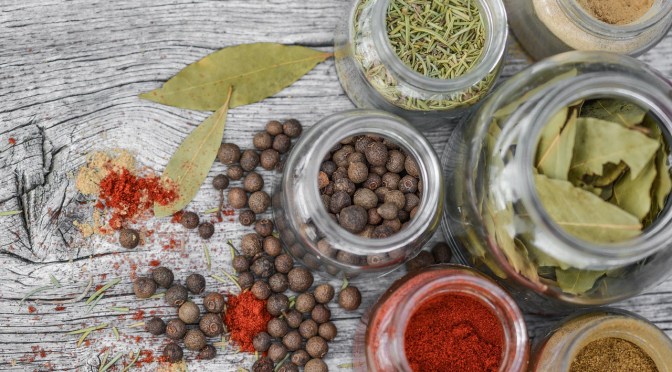
An important part of the bill aims to regulate the natural health products used by more than 50% of our population. This is the third attempt of the Labour Party to introduce extreme regulation of the public’s options to choose their medical care, supplements and diet. Their earlier two attempts failed because of vocal public opposition. In 2017 Labour opted for a prohibited list of 300 common herbal ingredients ( for some of these see photo):
Control of Our Food Supply
It won’t have escaped your notice that many of these like Cinnamon and Mustard are currently sold in shops. So how on earth did they get onto a prohibited list? The answer lies in attempts to gain control of our food supply.
Natural products that are beneficial to health cannot be patented, but synthetic copies can be. To make this work, the products that grow in gardens need to be banned.
Labour and the Ministry of Health did not make this list up, the list was supplied by the International Coalition of Medicines Regulatory Authorities (ICMRA) of which Medsafe is a member. ICMRA is largely funded by the pharmaceutical industry whose interests they serve. You can read all about it in my book Your DNA Diet, available as a Kindle from Amazon or a hard copy from the Hatchard Report.
Labour says it has learned from prior public opposition. This time the Bill will not name any prohibited ingredients. Instead is an enabling bill, the type of legislation made famous by Adolf Hitler. The Bill establishes a new regulator headed by an independent statutory officer with a wide remit:
The new regulator will be responsible for ensuring the safety, quality, and efficacy of natural products. It will design and implement proportionate, risk-based market authorisation pathways. Its functions will include, in addition to market authorisation, licensing controlled activities, post-market surveillance, and compliance.
These services will be funded through levies on the industry which are liable to be costly. Government regulatory schemes mooted in the last two attempts were likely to push small players out of the market due to the cost of compliance, as happened as a result of the Food Bill.
Crucially the Bill also includes a range of modern enforcement tools allowing for a graduated and proportionate response to breaches, including tiered criminal offences, strict liability offences, improved infringement notices and a civil pecuniary penalty regime.
In other words, the Bill appoints a new, as yet, unnamed regulator who is being empowered to do whatever he thinks fit to control the manufacture and availability of supplements. He could and is, in fact, very likely to publish a list of banned herbal ingredients soon after his appointment. The list is ready to go from the ICMRA database connected to Medsafe, courtesy of the pharmaceutical industry.
If we wish to be able to continue to freely chose herbal medicines and supplements without government interference, we will need to speak up. Go to this link to make a submission before February 15th. Write to your MP and complain that the appointment of a regulator amounts to an open ended blank cheque to control the use of products used by more than 50% of our population without fully specifying the principles he should use.







You must be logged in to post a comment.