This is an excerpt from a recent article from coranz.org.nz which deserves its own highlighting I felt. Bribery & targeting of the one or two owners is a time worn tactic of the authorities. EWR
“Private lands, which often have numerous owners, are being targeted for 1080 drops by Ospri, DOC and regional councils. A local area, Mahakirau, with 20 partners, “agreed” to poisoning on the strength of a single signature and a bribe of $10,000. At Kennedy’s Bay a group of land parcels with hundreds of different Maori owners, is to receive a 1080 drop on the say-so of just two members of the community. The lack of consultation in both operations has caused enormous friction in the particular communities. In the case of Tataraakina only one trustee gave consent for their lands to be poisoned. How much longer will these authorities be allowed to get away with this behaviour?”
“The Department of Conservation has been giving Pirongia landowners a flier that says “1080 does not kill or harm fish.” This is completely misleading and dangerous for those who eat fish, eels, shellfish and koura. See for yourself what scientists have said in an independent summary of research into 1080 and fish. Quotes: “There are indications of sub-lethal effects on fish among the very limited studies that have been done:“significantly greater weight loss occurred in eels exposed to 1080 compared to those that were not”…”the sub-lethal concentrations of 1080 in the water may have been sufficient to inhibit eel metabolism”…”sub-lethal 1080 exposure presented to eels through ingestion of contaminated possum may have been sufficient to temporarily inhibit eel metabolism” (Lyver et al., 2005) “96-hour [exposure of Rainbow trout, half of individuals dead at] 54 mg/l, sub-lethal effects on survivors – not specified” (ERMA Agency, Appendix C)”Fish & Game ranger Lawson Davey said the national safety limit of 1080 in any food was 0.001 milligrams per kilogram, but the Cawthron Institute’s October toxicology results of 22 trout fed the poison showed muscle tissue with 1080 levels up to 4.7mg per kg. https://i.stuff.co.nz/national/64310400/1080-drop-raises-trout-risk-fears Preliminary results of a DoC-commissioned study by the Cawthron Research Institute has shown the flesh of trout that ate mice containing the toxin would have levels of 1080 that exceeded New Zealand Food Safety Authority limits. https://www.nzherald.co.nz/nz/news/article.cfm?c_id=1&objectid=11332357 The maximum concentrations measured in trout tissue (up to 4.7 mg/kg) were observed at 24 h and 48 h after ingestion. The concentration decreased to close to 2 mg/kg after 84 h. An increase in 1080 concentration in the flesh was observed after 120 h, but the number of replicates at this interval was low (n = 2). Cawthron Institute: 1080 UPTAKE AND ELIMINATION IN RAINBOW TROUT For more information, click on the link below. https://1080science.co.nz/is-1080-harmless-to-fish/
1080science.co.nz Is 1080 Harmless to Fish? | 1080 Science The Parliamentary Commissioner for the Environment’s report on 1080 poison (Wright, 2011) claimed that effects of 1080 on populations of eels, koura and bullies had been studied (by Suren & Lambert, 2006) and that no effect on any of the fish was found.
Ex Horowhenua Mayor Michael Feyen speaks about the alternatives proposed by the Advance NZ party that will create job opportunities for the people. (Currently the associated dollars funnel into the 1080 poison state owned gravy train). Michael has always been supportive of alternatives to 1080, during his time as both councilor and mayor with the Horowhenua District Council. Unfortunately it was not a vision shared by enough of his colleagues to have gained any traction. Time for change. EWR
WET JACKET PENINSULAS, FIORDLAND, AERIAL 1080 POISON DROP STARTS – WEEP FOR THE KEA!
By Carol Sawyer
“So, here they are again and this time DoC have done a wee conjuring trick and say it is for stoats (there being no rats). Stoats don’t eat 1080 baits.”
“We have an estimated 1,000 Kea left in the wild in New Zealand….. in the whole world in fact, as they are endemic – i.e.they exist only here! The latest 1080 poison drop in the Matukituki Valley, Mt Aspiring National Park, February 2020, killed 50% of the Kea. More than that will die in the Wet Jacket Peninsulas drop because it is midwinter and the Kea are very hungry.”
Do you know what happens to 1080-poisoned Kea? They stagger around taking hours and hours to die. They bury their heads in the snow to try and get relief from the pain. Dr.Jo Pollard says “The keas’ deaths will be horrific, with extreme muscular spasms going on for many hours.” David Attenborough called them the most intelligent bird in the world. They are the world’s only alpine parrot.
Three BK-117 helicopters – ZK-IME (a.k.a Big Red the Rescue Helicopter), ZK-HJK,(white), and ZK-HEM, (red and white), and a Longranger, all belonging to HeliOtago Ltd, left Dunedin at 6.30 pm this evening heading west to be in place for starting their evil work tomorrow morning. Seven choppers arrived at Monowai tonight… yet to find out if they are all HeliOtago Ltd or if three are from another company. I have been told HeliOtago Ltd flew the prefeed baits from a private farm property at Monowai, last weekend.
This area has never before been poisoned. The drop was planned for last October but there were NO rats so it was postponed and, I am told, the poison that had been brought south for the drop was instead used in the Kepler Mountains drop last March, which was squeezed in just before lockdown…. I’m informed they added on the Princess Mountains to use all the extra poison up. No monitoring done there apparently.
So, here they are again and this time DoC have done a wee conjuring trick and say it is for stoats (there being no rats). Stoats don’t eat 1080 baits.
I can tell you what it WILL kill in large numbers… Kea. As the area has never before been poisoned there are many Kea reported to be in the area. (A while back a pilot sent me a photo of seven Kea that landed beside him when he touched down there.)
We have an estimated 1,000 Kea left in the wild in New Zealand….. in the whole world in fact, as they are endemic – i.e.they exist only here! The latest 1080 poison drop in the Matukituki Valley, Mt Aspiring National Park, February 2020, killed 50% of the Kea. More than that will die in the Wet Jacket Peninsulas drop because it is midwinter and the Kea are very hungry.
The Empire of the Dept of Conservation, greedy helicopter companies, and all their parasitic acolytes WILL fall… but it will be too late for the Kea.
Any of you gutless DoC employees reading this who put your personal livelihoods before your knowledge of this travesty and the horror it entails, and keep your mouths shut pleading “I can’t afford to lose my job”… hang your heads in shame why don’t you! You know who you are!
Ditto the local media who know about this drop and are too scared to touch it and tell the truth. You know who you are too.
Peter Shadie Director, IUCN World Heritage Programme IUCN World Headquarters Rue Mauverney 28 1196 Gland Switzerland email: peter.shadie@iucn.org
11 June 2020
Dear Mr Shadie
Re: Government poisoning of World Heritage sites in New Zealand – Open letter
I am writing to bring your attention to the serious issue of the New Zealand Government’s aerial poisoning of a World Heritage site and hope that you will urgently contact the World Heritage Committee so they may act on this matter. The 40,000 ha Wet Jacket area is to be aerially poisoned this month under contract to the government’s Department of Conservation (DoC). This poisoning is not justified as the appropriate scientific or technical measure necessary for the conservation of this site, and would breach New Zealand’s obligations under the World Heritage Convention.
The contractor’s application to DoC (attached) to poison the Wet Jacket area describes a hotspot of biodiversity, home to at least 17 species of endangered birds as well as 25 other species of birds. Six species of lizard have been recorded including the rare Fiordland skink. The invertebrate fauna is described as “not fully explored” and “distinctive and important” (Contract Wild Animal Control, 2019).
The 1080 poison to be used is broad spectrum, affecting organisms that breathe oxygen (ERMA, 2007). It is added to cereal food baits and distributed from hoppers carried beneath helicopters. The distribution process creates fragments (Morgan et al. 2015) and dust (Wright et al., 2002). Native lizards, birds and invertebrates are all known to feed on the cereal bait (ERMA 2007). The poison is highly toxic, readily contaminates despite stringent precautions, travels rapidly in water and up food chains, causes reproductive defects across a vast range of species and has highly variable effects which remain poorly understood, with studies being sparse and of poor quality (ERMA, 2007).
Due to poor monitoring, effects of 1080 poisoning on populations of most NZ native animals are unknown (ERMA, 2007; Whiting-O’Keefe & Whiting-O’Keefe, 2007). Only six species of birds were reported as reliably monitored through 1080 drops. Of those, fernbirds suffered most with an estimated 9% loss of the local population per poisoning (Fairweather et al., 2015). Kea have also been intensively monitored, with the finding that on average 12% of birds are killed per operation (DoC, 2016).
The Application to poison the Wet Jacket area shows significant shortcomings, as follow.
Benefits
The reason given for poisoning the Wet Jacket area is to “protect the health and integrity of the flora and fauna susceptible to predation by rats, stoats and possums.” It lists animal species it considers particularly in need of protection: bats, kiwi, parakeets, kea and fiordland crested penguins.
These claims of susceptibility are not referenced or supported by scientific observations. In fact, it was concluded twice that predation was not a problem to kea (Jackson, 1969; Elliot & Kemp, 1999). Short-tailed bats were considered relatively safe from predators, being fast and agile, fiercely mobbing intruders and choosing winter roosts that were inaccessible (Lloyd et al., 2005). “Evidence” of predation of long tailed bats was just an observed association between low bat survival and high rat numbers (Pryde et al 2005; O’Donnell et al., 2011). Doc has attributed failures of some of its invasively monitored bird nests to predators, however they are not representative of undisturbed nests (Ellenberg et al., 2015).
Costs
Known costs left out of the Application include negative ecological effects from aerial poisoning. In many cases, rat numbers rebound to vast new heights within months (Innes et al., 1995; 2010; Powlesland et al., 1999; Ruscoe et al. 2008; Sweetapple et al., 2006). This effect can decimate prey such as invertebrates (Sweetapple & Nugent, 2007). Re-poisoning of rats is likely to become less and less effective due to the rats learning and developing physical tolerance (Byrom et al., 2013; Mitel, 2016; Pollard, 2016). Thus the Eglinton Valley (also in World Heritage site Fiordland National Park) has just received its fourth aerial poisoning in five years (2014, 2016, 2019, 2020). Despite increasing the intensity of the poisoning for rats in September 2019 (DoC, 2019a) another poisoning was carried out this May.
Mouse numbers usually increase soon after aerial poisoning (Innes et al., 1995; Sweetapple & Nugent, 2007, Ruscoe et al., 2008). The increases in rodents during the months after poisoning create ideal conditions to for stoats to flourish (Byrom et al., 2013). In addition, stoats that survived aerial poisoning were found to switch from eating rats to eating native birds (Murphy et al., 1988).
The Application contains no discussion of the conservation importance of the loss of kea, with previous studies indicating a 12% loss of local birds is expected. DoC claims that kea in remote areas are unlikely to get poisoned, however 9% of marked birds were killed by 1080 in an area chosen by DoC to represent remoteness (Kemp et al., 2016 unpublished). The total number of wild kea left is unknown and possibly less than 1000 ((Bond & Diamond, 1992; Harper, 2012; Roy, 2016).
Issues not addressed
Important issues left out of the Application include how much bait will enter the marine area; what effects there will be of baits, fragments and dust in the littoral zone (e.g. on penguins) and in the productive areas of shallow, still water; what will the effects be of the predicted “zero grazing ungulates” (being the last large grazing animals left); what are the chances of cold weather killing off rats in winter if they are left unpoisoned; should a highly diverse, unexplored ecological community be poisoned to try to make it better; what will be done if pest animal numbers are low, without poisoning.
DoC has a strong track record in misleading, pro-poisoning behaviour. It intrudes on nesting birds, attaches equipment to them and their nests, blames predators for nesting failures, then uses the poor nesting results to justify predator control (e.g. for kea (Kemp et al., 2014, unpublished), mohua (Elliott 1996), kiwi (Waterworth, 2019) and kaka (Moorhouse et al., 2003)). It quotes increased “nesting success” as an indication of a bird population’s positive response to poisoning, but nesting success is likely to increase if a population is culled (Nilsson 1984; Arcese & Smith 1988). “Five minute bird counts” are used by DoC to assess bird numbers. This method is notoriously unreliable (Westbrooke & Powlesland 2005; ERMA 2007; Green & Pryde 2012; Hartley 2012), due to major problems such as bird calls increasing after poisoning as birds try to find their dead partners and family, or search for new company.
DoC’s pro-poisoning bias and lack of scientific honesty are also apparent in its publications. For example a stoat plague that followed DoC’s aerial poisoning at Okarito (Kemp et al., 2015, unpublished) was truncated from the published graph (Kemp et al., 2017), despite this being an important outcome. In another example, in a study on bats after a 1080 operation, the contents of one bat roost tree had spilled onto open ground. Inspection revealed a baby bat with placenta attached, which tested positive for 1080. Other roosts in the study were inspected for dead and dying bats by roost camera “where practical” (Edmonds & Pryde, 2015). The published paper has a re-worded section of the original report that now insinuates all roosts were searched equally for dead babies (Edmonds et al., 2017).
The claim that some Eglinton Valley birds are prospering due to DoC’s 1080 poisoning (Minister of Conservation’s media release 11/4/20) is impossible to make: poison in bait stations and trapping are used to try to control mammals in the Eglinton Valley and any separate effects of 1080 cannot be assessed. Mohua (including some from the Wet Jacket area) were restocked there in 2010, 2015 and 2017.
Due to low rodent densities the Wet Jacket area poisoning was postponed in October 2019 (DoC, 2019c). The poisoning has since been promoted in the media as being needed to kill stoats, on the unscientific basis that local, heavily monitored kiwi chicks haven’t been surviving (Waterworth, 2020). These locally monitored kiwi weren’t even mentioned in the Application. There may be a very low stoat kill rate if there is a lack of poisoned rats for them to eat. If the poisoning proceeds regardless of low pest numbers, this will not be unusual. Makarora was poisoned in 2017 for rats despite low numbers (data accessed 22/3/17 via Official Information Act request); poisoning of Arthurs Pass in 2019 went ahead with no rats (data accessed 8/10/19) (mice were present but 1080 pellets are not usually eaten by mice (Fisher & Airey, 2009).
A fraction of the resources being used to poison the Wet Jacket area could support careful, scientific studies of the biodiversity and ecology of the area before a management plan is decided upon. Where populations of rare organisms are considered in immediate danger, localised, benign management can be applied, such as tree banding and caging, and protecting nesting kiwi and kea from DoC staff.
I trust you will act to prevent the unfounded wholesale poisoning of this precious site.
Yours sincerely
Dr Joanna Pollard (BSc (Hons), PhD)
See the IUCN reply to Dr Pollard below references.
References
Arcese, P., Smith, J.M., 1988. Effects of population density and supplemental food on reproduction in song sparrows. Journal of Animal Ecology 57: 119-136.
Bond, A., Diamond, J., 1992. Population estimates of Kea in Arthur’s Pass National Park. Notornis 39: 151-160.
Byrom, A., Banks, P., Dickman, C. & Pech, R., 2013. Will reinvasion stymie large-scale eradication of invasive mammals in New Zealand? Kararehe Kino 21: 6-7.
Contract Wild Animal Control, 2019b. Completed DoC Application form for predator control in the Wet Jacket Area. 34 pp.
DoC, 2016. Aerial 1080 in kea habitat. Code of Practice. NZ Department of Conservation Unclassified document. 24 pp.
DoC, 2019a. Application for DoC permission to use vertebrate VTAs assessment report: Clinton and Eglinton catchments. 11 pp.
Edmonds, H., Pryde, M., 2015. Eglinton Valley lesser short-tailed bat monitoring programme 2014/2015. DOCDM 1568082 15 pp.
Edmonds, H., Pryde, M., O’Donnell, C., 2017. Survival of PIT-tagged lesser short-tailed bats (Mystacina tuberculata) through an aerial 1080 pest control. New Zealand Journal of Ecology 17: 186-192.
Ellenberg, U., Edwards, E., Mattern, T., Hiscock, J.A., Wilson, R. & Edmonds, H., 2015. Assessing the impact of nest searches on breeding birds – a case study on Fiordland crested penguins (Eudyptes pachyrhynchus). New Zealand Journal of Ecology 39: 231-244.
Elliott, G., Kemp, J., 1999. Conservation ecology of kea (Nestor notabilis). WWF-NZ Final Report 1 August 1999, 64 pp.
Fairweather, A, Broome, K., Fisher, P., 2015. Sodium fluoroacetate pesticide information review. Department of Conservation Report Docdm-25427. 103 pp.
Fisher, P., Airey, A.T., 2009. Factors affecting 1080 pellet bait acceptance by house mice (Mus musculus). Department of Conservation DOC Research & Development Series Feb-Mar 305-308
Greene, T.C., Pryde, M.A., 2012. Three population estimation methods compared for a known South Island robin population in Fiordland, New Zealand. New Zealand Journal of Ecology 36: 340-252.
Hartley, LJ 2012. Five-minute bird counts in New Zealand. New Zealand Journal of Ecology 36: 268-278.
Innes, J., Kelly, D., Overton, J., Gilles, C. 2010. Predation and other factors currently limiting New Zealand forest birds. New Zealand Journal of Ecology 34: 86-114.
Innes, J., Warburton, B., Williams, D., Speed, H., Bradfield, P. 1995. Large-scale poisoning of ship rats (Rattus rattus) in indigenous forests of the North Island, New Zealand. New Zealand Journal of Ecology 19: 5-17.
Jackson, J.R., 1969. What do keas die of? Notornis 16: 33-44.
Kemp, J., Orr-Walker, T., Elliott, G., Adams, N., Fraser, J., Roberts, L., Mosen, C., Amey, J., Barrett, B., Makan, T., 2014, unpublished. Benefits to kea (Nestor notabilis) populations from invasive mammal control via aerial 1080 baiting. Department of Conservation. 29 pp.
Kemp, J., Cunninghame, F., Barrett, B., Makan, T., Fraser, J., Mosen, C., 2015, unpublished. Effect of an aerial 1080 operation on the productivity of the kea (Nestor notabilis) in a West Coast rimu forest. Department of Conservation report. 15 pp.
Kemp, J., Hunter, C., Mosen, C., Elliott, G., 2016, unpublished. Draft: Kea population responses to aerial 1080 treatment in South Island landscapes. Department of Conservation, 14 pp.
Kemp, J., Mosen, C., Elliott, G., Hunter, C., 2018. Effects of the aerial application of 1080 to control pest mammals on kea reproductive success, New Zealand Journal of Ecology 42: 158-168.
King, 1984. Immigrant Killers. Introduced Predators and the conservation of birds in New Zealand. Oxford University Press.
Moorhouse, R., Greene, T., Dilks, P., Powlesland, R., Moran, L., Taylor, G., Jones, A., Knegtmans, J., Wills, D., Pryde, M., Fraser, I., August, A., August, C. 2003: Control of introduced mammalian predators improves kaka Nestor meridionalis breeding success: reversing the decline of a threatened New Zealand parrot. Biological Conservation 110: 33–44.
Morgan, D., Hickling, G. 2000. Techniques Used for Poisoning Possums, in TL Montague (ed. The brushtail possum: biology, impact and management, Manaaki Whenua Press, Lincoln, pp. 143-153.
Murphy, E., Clapperton, B., Bradfield, P., Speed, H. 1998. Effects of rat-poisoning on abundance and diet of mustelids in New Zealand podocarp forests. NZ J Zoology 25: 315-328.
Nilsson, S.G., 1984. The evolution of nest-site selection among hole-nesting birds: The importance of nest predation and competition. Ornis Scandinavica 15: 167-175.
Pollard. J.C., 2016. Aerial 1080 poisoning in New Zealand: Reasons for concern.
Powlesland, R., Knegtmans, J., Marshall, I. 1999. Costs and benefits of aerial 1080 possum control operations using carrot baits to North Island Robins (Petroica australis longipes), Pureora Forest Park. NZ J Ecology 23: 149-159.
Roy, E.A., 2016. New Zealand kea, the world’s only alpine parrot, faces extinction
Ruscoe, W., Sweetapple, P., Yockney, I., Pech, R., Barron, M., Cave, S., Ramsey, D. 2008. Interactions of mammalian pest populations following control. Kararehe Kino Vertebrate Pest Research 13: 4-6.
Sweetapple, P., Nugent, G., Poutu, N., Horton, P. 2006. Effect of reduced possum density on rodent and stoat abundance in podocarp-hardwood forests. Science for Conservation 231. 25 pp.
Sweetapple, P & Nugent, G 2007 Secondary Effects of Possum Control. Kararehe Kino 11: 9-10.
Westbrooke, I.M., Powlesland, R.G., 2005. Comparison of impact between carrot and cereal 1080 baits on tomtits (Petroica macrocephala). New Zealand Journal of Ecology 29: 143-147.
Whiting O’Keefe, P., Whiting-O’Keefe, Q., Aerial monofluoroactate in New Zealand’s forests. An appraisal of the scientific evidence. 89 pp.
Wright, G., Booth, L., Morriss, G., Potts, M., Brown, L., Eason, C. 2002. Assessing potential environmental contamination from compound 1080 (sodium monofluoroacetate) in bait dust during possum control operations. New Zealand Journal of Agricultural Science 45: 57-65.
JACINDA’S MAGIC MONEY TREE – LIST OF 1080 OPERATIONS BELOW
By Carol Sawyer
Never have I seen so many winter aerial 1080 operations as now!
They barely gave themselves a breathing space.
The Dept of Conservation aerially 1080-poisoned 61,000 hectares of the Waitutu Forest and the Princess Mountains, Fiordland, March 11-12, 2020, two weeks before lockdown.
Then, as soon as we went into Level 2, they poisoned the Eglinton Valley, Fiordland. (Started on 19 May; completed on May 25, 2020).
1) Eglinton Valley, Fiordland, 7,842 hectares (last poisoned September, 2019; poisoned again May, 2020)
2) Waikaia Forest, Northern Southland, 7,000 hectares (fourth poisoning in 5.5 years, scheduled June, 2020)
4) Nelson Lakes National Park, Lake Rotoiti, Mt Robert and the headwaters of Lake Rotoroa, 34,000 hectares (notified by VCS Marlborough, July 1 to August 31, but not yet poisoned)
5) Mt Te Kinga forests, Lake Brunner, West Coast, 3,700 hectares, (notified, RNZ news item 29 May, but not yet poisoned)
6) Punakaiki, West Coast, 43,000 hectares (notified by VCS Greymouth, but not yet poisoned)
7) Buller South, West Coast ( Paparoa Range as well as foothills and Pakihi terraces between the Buller River and Four Mile Road south of Charleston), 18,500 hectares (notified, OSPRI, July 2020)
8) Radiant Range and Mokihinui, West Coast, 72,460 hectares ( notified, OSPRI, July 2020)
TOTAL HECTARES (including Waitutu) = 390,000 hectares and 780 tonnes of 1080 poison baits.
How could I have been so wrong?! I seriously thought a pandemic and its ensuing economic chaos would put an end to aerial 1080 poison. I thought the government might have a last blast but this is something else. Jacinda’s Labour Government has turned 1080 poisoning and trapping into a make-work scheme. The only income this scheme makes is from the TAXPAYER!!!
I think the only thing that will end aerial 1080 poison and this mad desire to kill everything introduced into our forests will be nuclear war.
Photo – Lake Brunner, West Coast, South Island from ‘100% Pure New Zealand’, 🤣,Tourism NZ
Thanks to the GrafBoys once again for their brilliant research & tireless work in exposing the dangers of 1080 poison. Visit their TV Wild website for more of their work. Particularly, a must watch is their award winning doco called Poisoning Paradise.
Canterbury University toxicologist, Professor Ian Shaw, discusses the toxicity of 1080 poison, and also the mysterious mis-diagnosis of the three family members from Putaruru who were reportedly poisoned by botulism …
I was sent recently a NZ Herald article about NZ’s Dept of Conservation (DoC) teaming up with Ngāti Porou to protect the Raukumara Forest Park:
“Iwi including Ngāti Porou, Te Whānau-ā-Apanui, Te Ehutu, Ngāi Tai, Whakatōhea and Te Aitanga-ā-Mahaki, and affiliated hapū, have occupied and continued to maintain mana whenua on all flanks of the ranges.
DoC, which administers the park, was working on a co-ordinated approach regarding its management.
The last large-scale possum control operation was 20 years ago involving aerial application of 1080 pesticide. The region was free of tuberculosis (TB), which was partly why there had been little 1080 focus. There had also been strong local opposition.”
On reading the article I was reminded of Reihana Robinson’s well researched book on 1080 use in NZ called ‘The Killing Nation’. In brief she describes what she terms DoC’s ‘take a Māori into the bush’ strategy outlined in a Landcare Research paper by Chrys Horn & Margaret Kilvington titled ‘Maori and 1080’. The paper investigates how to gain iwi ‘agreement’ to use 1080. It’s about ‘building trust’ they write as ‘research is, by itself, not sufficient to allay community & iwi concerns.’
They are clearly aware and acknowledge that ‘Iwi concerns are substantial’ citing ‘loss of native birds, poisoning of deer and dogs, the potential effect on water supplies and human health, and how poison disturbs spiritual principles.’
The authors, says Robinson, “focus on mind control. They don’t call it mind control. They use the term ‘perceived control’ and it is this underlying psychological construct that must be communicated to ‘help’ Maori communities adapt to change and adversity”. How to get agreement on the use of 1080? … don’t focus on the merits of 1080, convince them of the “merits of pest control or eradicating Tb”.
Robinson describes Horn & Kilvington’s ‘paternalistic clanger’ … “that ‘it is the element of choice that is important rather than the quality of the options’.” They proceed to cite examples where local iwi agreed to 1080 without public outcry … ie ‘how to sell poison to Maori communities’.
Horn & Kilvington then stoop to the ultimate tactic of LYING by claiming there IS an antidote to 1080 poisoning. Patently untrue says Robinson.
Yes we environmentalists know that there is no antidote to 1080. That’s not rocket science at all.
See page 10 of this government document from the MOH (2015) stating there is no antidote to 1080.
“At a time when communities are increasingly negative about the use of 1080, time and resources must be allowed for consultation processes” say Horn & Kilvington. They are concerned that DoC staff do not “recognise the difference between information and consultation”.
(Note, environmentalists who have attended these consultation meetings will concur that the people with genuine concerns are not heard and the meetings are steered by the person at the front to effectively exclude them & to achieve a predetermined desired outcome. This manipulative method is called the Delphi technique, a method used also by councils when they ‘consult’ with you, see below the article).*
Proceeding to the main point here … Robinson describes “the critical role of Urewera Maori within DoC disclosed in the Landcare paper”… “DoC tried to give ‘all the community groups involved a high level of perceived control over the possibility of aerial drops in the area’.
So DoC transported Maori into the Uruwera bush to show “damage caused by possums” and their effect on “birdlife”. DoC’s ‘take a Maori into the bush’ strategy did not work on Moehau in 2013.’ The lunches and the helicopter tours failed as described …
…then DoC went ahead & dropped the poison anyway.
Are you getting the gist now of DoC’s ‘consultation’ and what it really means?
I am going to add a pdf file here of this particular chapter of Robinson’s book so you can read it for yourself. (She did give me permission to quote and to reproduce the chapter for your perusal). Perhaps you may be interested to purchase her book to read the entire scope of concern environmentalists both Maori & Pakeha alike have about the use of this Class 1A Ecotoxin in NZ’s environment. And about how DoC ‘get around’ Māori opposition and the need to consult.
Here is a link to the pdf of the chapter by Reihana Robinson:
LG’s definition of consultation
“Consultation is a formal statutory process that occurs in response to a decision that has been taken (even if that decision is a draft decision).”
HUMAN BEINGS FALL BETWEEN THE CRACKS WHEN IT COMES TO 1080 POISON
by Carol Sawyer
I did a post earlier today about the Ministry of Primary Industries’ Official Information Act response to an OIA request. Their response (see below) quoted the Animal Welfare Act. The AWA said “If a non-target animal is killed despite using 1080 in accordance with the approved controls, then there is no offence committed under the AWA (section 30A (5))”.
With regard to the AWA comment Peter Marshall pointed out, on ‘Upper Clutha Community Notices’ Facebook page, that “… that includes humans then.”
I thought Peter was onto something, (well, wouldn’t you ?) and I wrote a Facebook post about it. However later, when looking at the section regarding “interpretations” in the AWA I found that, for the purposes of the Animal Welfare Act, humans are not classed as animals.
So I deleted my post. Apologies to those who had shared it.
But that is pretty interesting really, isn’t it? The Animal Welfare Act says we are not animals. What are we then?
Also, if as a human being you suspect you have suffered 1080 poisoning you can’t get tested either, despite many ‘Dept of Conservation’ signs at 1080 poison drops saying that if you suspect poisoning you should contact the National Poisons Centre.
See my conversation with the National Poisons Centre here:
The said kea will be undergoing post mortems. We wait with baited breath for the outcome, and can likely be sure that they, like the Sth Is North Beach rats, weren’t poisoned by 1080 it being mere coincidence their demise (like the North Beach rats & other various items of marine life) just happened to follow an aerial drop of the deadly Class 1A Ecotoxin. After all 1080 is ‘not very harmful to humans’ even NZ children are taught at school, and let’s remember it only targets pests like stoats, rats and possums. Well, so we are told. And in this case well they say it could be the public’s fault for feeding them in the first place. Doesn’t make sense that does it? If only pests are targeted, then it’s not working. They can’t have it both ways. EWR
Kea part of Conservation Trust study group found dead near Wānaka
‘Six kea have died following an aerial 1080 predator control operation in Otago.
The Department of Conservation (DOC) is awaiting autopsy results to determine the cause of the deaths in the Matukituki Valley near Wānaka.
The birds were among 12 kea being monitored by the Kea Conservation Trust for a study on the impact of predators.
The remaining six birds have been confirmed alive since the DOC operation on February 11.
Trust chairwoman Tamsin Orr-Walker said the team was devastated.
There was always a risk during a 1080 drop that birds would pick up the bait, but she was not aware of any previous incidents where such a large number were affected.
DOC threats director Amber Bill said there was a concern the tracked kea may have been exposed to human food around the tramping huts in the valley, potentially making them more vulnerable to picking up 1080 cereal baits.
“While we are confident that predator control operations benefit kea populations at large, it’s upsetting to lose six birds.”
The 1080 drop followed the biggest forest mast in 40 years, which fuelled rodent plagues and created a spike in stoat numbers that posed a serious threat to ground-nesting kea and other native wildlife, she said.
Previous research found kea had increased survival and nesting success when 1080 was used to control rats and stoats.
While the risk of 1080 to kea in remote areas was low, it increased with birds that had leaned to scavenge for human food.
“Our work to mitigate the risk to kea from 1080 is based on extensive research and the results of 222 monitored kea through 19 aerial 1080 operations at 12 South Island sites,” Bill said.
DOC was looking to launch a campaign discouraging people from feeding kea and interaction that could lead to scrounging behaviour.
Results of the autopsy and toxicology testing on the dead birds are expected later this week.
Orr-Walker asked that people in the area report any kea sightings over the next few months on the kea database website, especially kea that have leg bands.
This would enable the trust to confirm status of their project birds.
MORE THAN 250 DOGS KILLED BY 1080 POISON IN ONE HIT !
( Chatto Creek, Central Otago, NZ – ca. 1957 )
Story by Murray Ellis, via Karen Hore, posted by Carol Sawyer
Murray writes :
“Back in Chatto Creek in about 1957 the local Rabbit Board were dropping carrot slices laced with ‘1080’ poison out of Tiger Moths (aeroplanes) somewhere around Clyde. Stan Lewis was the boss and somehow his daughters gave their pet horse some of these left over carrots. The horse died. Stan, still not knowing what killed the horse, cut it up. He was in control of Rabbiters who had about 300 rabbiting dogs. He dropped some fresh meat off to each Rabbiter over a 50 km radius.
We knew Dan Engstrom and he had about 60 dogs at Chatto Creek. We got back from rabbiting and saw a large slab of fresh meat outside the front door. The dogs had not had fresh meat in a while, so Dan let 60 dogs attack the meat. Some just sniffed and walked away. Over 48 hours most of those dogs went crazy, frothing at the mouth, some strangled themselves on their chains.
We were 10-12 year old kids at the time ,and it left a horrible memory to see those dogs suffer. Only about 8 of those dogs survived . Other Rabbiters lost most of their dogs as well. So a simple accident can kill a horse, and the poison in the horse meat kill over 250 dogs. Even in the 1950’s they didn’t know what they where dealing with, and even now they probably still don’t know what they are playing with.”
On 11th and 12th February, 2020, 1080 poison was dropped by helicopter in the Matukituki Valley, Mt Aspiring National Park. The loading zone was on Mt Aspiring Station, in a paddock beside a public road. Three helicopters belonging to Way to Go Heliservices Ltd, and two JJ Nolan Transport Ltd trucks were there, as well as support staff and security.
1) Spillage…..in photos here you can see baits have been dropped on the grass (grass later to be eaten by stock, no doubt) and two workers are picking them up and tossing them into an already overloaded hopper.
2) Crazy behaviour by helicopter company…..the helicopter pilot in ZK-HKW has bare legs and face and hands!!! What part of ‘deadly Class 1A ecotoxin’ do these guys not understand? Do they think skull-and-crossbones signs are just for pirate ships?
3) The food chain….. a mob of sheep are driven past the drop as it is happening, along the road beside the loading zone, film crew in attendance. I wonder if they filmed the poison operation!
4) “Baits might sting when they hit you” ….tourists and trampers who had called into the DoC office prior to coming up the valley were surprised to see a 1080 operation underway. They reported that DoC Wanaka had not informed them that would be happening. I was told that, when asked about this, a DoC staffer at the drop said it was OK to be inside a 1080 drop but the baits might hurt a bit if they hit them.
This has been the standard DoC Wanaka stance since the 2014 operation it seems. Tourists visiting the DoC Wanaka office on the day before the December 2, 2014 aerial 1080 drop on the Matukituki catchment reported to me that they were told they could go into the drop zone on the day of the 1080 drop but that “the baits weigh as much as a $2 coin” and might sting if they hit them. DoC Wanaka even stated this in an article in the Otago Daily Times in 2014! https://www.odt.co.nz/…/1080-poison-drop-matukituki-valleys…
5) No proper signage….there were NO poison warning signs up on the day of the drop… only the map of the drop zone and a sign explaining DoC’s ‘Battle for Our Birds’ programme.
6) Hiding ID…..At least one of the security guards present had covered his ID number with tape so it couldn’t be seen…. more on that later in a separate post.
PS: Please note this is not the area where female tramper, Stephanie Simpson, sadly lost her life recently… as some are speculating. My thoughts are with her UK family. It has been so sad to think of their receiving that first phone call that their daughter was missing, and now the worst news of all.
DoC WANAKA STILL HAVE SAME CARELESS ATTITUDE TO 1080 POISON THAT THEY DID IN 2014!! MATUKITUKI VALLEY, MT ASPIRING NATIONAL PARK
“While the toxic pellets are targeting rats, stoats and possums, they each weigh the same as a $2 coin and a department spokeswoman advised park concessionaires yesterday they presented a danger to people on the ground.
”Therefore, for safety reasons, it is strongly recommended that people avoid entering the pest control area while the helicopter operation is taking place,” she said.” Otago Daily Times, 24 November, 2014
The baits might hurt if they hit you ?! Note the ODT article doesn’t say who “SHE” is, but one can presume it is DoC Wanaka spokesperson at the time, Annette Grieve.
This article was indeed verified when tourists reported to me, in the days prior to the aerial 1080 toxic bait drop on December 2, 2014, that they had called into the local DoC office and were told they could go into the drop zone on the day of the 1080 drop but that “the baits weigh as much as a $2 coin and might hurt if they hit you”.
******************************************
MATUKITUKI VALLEY AERIAL 1080 DROP, (11th and 12th February, 2020)
The story is still the same. Again, in last week’s 1080 drop of 11th and 12th February, 2020, tourists reported that they had called into the DoC Wanaka office before coming into the Matukituki Valley and were not told a 1080 poison drop was happening. Joel Lund asked a DoC staffer at the loading zone about it, and he repeated DoC Wanaka’s party line…. that the baits might sting if they hit you.
No poison warning signage was in place. Is this a policy of the Wanaka area ? The same thing happened at last year’s OSPRI 1080 poison drop at Luggate… no 1080 poison warning signage!
Photo: Alpine Helicopters Ltd of Wanaka at aerial 1080 poison operation, Matukituki Valley, Mt Aspiring National Park, 2014
Thanks to the Graf brothers for this video. It is fact not fiction note. For all those who deny the by kill and particularly the endangered birds. Go figure. Scatter a Class 1A Ecotoxin around like lollies and what do you expect? It kills everything that breathes & cannot target specific pests as we’re told. See Dr Meriel Watts‘ info on that. EWR
An article here from psychologytoday.com, Mark Bekoff PhD, on the use of 1080 in NZ. Use would be a polite word given NZ has been literally slathered with this deadly poison for over 50 years. It’s killing everything and not just pests. EWR
“New Zealand’s former Commissioner of the Environment—1080 is moderately humane.”
“It is my view based on careful analysis of the evidence that not only should the use of 1080 continue (including in aerial operations) to protect our forests, but that we should use more of it.” —Jan Wright, New Zealand’s Parliamentary Commissioner for the Environment (2007-2017)
New Zealand continues to have major animal welfare issues. A growing number of people are extremely concerned with their war on wildlife, the goal of which is to kill all invasive “pests,” including rats, possums, stoats, and other invasive animals by 2050, using the horrific poison 1080 (sodium fluoroacetate)—which also kills numerous non-target nonhuman animals (animals) including cows and native kea—along with other brutal methods including trapping, snaring, shooting, and possum stomping.Michael Morris rightly notes that in this war “there are issues with the recruitment of children for killing, humiliation of combatants, questionable economic motives for the ‘war,’ deception by government agencies, lack of consultation, a lack of consideration of alternatives, the use of excessive suffering, and unrealistic expectations.”
I’ve listed a number of essays in the reference section that deal with what’s happening in a place that many people call “a country of peaceful people.” A native New Zealander told me, “Millions of nonhumans numerous humans would surely disagree with this picture of the country I deeply love. The government is recklessly destroying countless lives and gorgeous landscapes.”
New Zealand’s continuing war on wildlife is one of the most inhumane assaults on nonhuman animals and a wide variety of pristine landscapes, air, and water. It’s clear that public safety has been put at risk by the use of 1080, including reprehensible aerial poisoning operations. I continually receive emails from people who are appalled at the barbaric way in which millions of animals are killed, and beautiful environments are destroyed by environmental poisons, including some messages from people who are all for getting rid of non-native species, but who are deeply concerned and put off by the brutal and inhumane slaughter of these sentient beings.
I recently learned of a report by Dr. Jan Wright written when she was Parliamentary Commissioner for the Environment, called “Evaluating the use of 1080: Predators, poisons and silent forests,” that sets the current stage for the use of 1080 and other brutal environmental poisons. She continues to work to make parts of New Zealand pest and predator-free. I’ve also learned that many New Zealanders don’t know about this one-sided and misleading essay about this highly condemned poison that causes deep and enduring pain before the animals finally die. Dr. Wright’s report is accessible for free online.
On page 52 of this biased and uninformed report, we read,
“A recent report commissioned by the National Animal Welfare Advisory Committee (NAWAC) rated the relative humaneness of 1080 and other pest control techniques used in New Zealand.159 The results of the NAWAC report form the basis of the humaneness assessments in this report. The NAWAC report rated 1080 as moderately humane.” 1
In a review of the toxicology and ecotoxicology of 1080, Dr. Charles Eason and his colleagues note that compared to the negative ecological impacts of 1080, “the animal welfare implications have received comparatively less attention.” They also write, “In carnivores, and notably in dogs, central nervous system disturbances are marked, and poisoned dogs run uncontrollably, retch and vomit, and appear distressed and agitated with prolonged involuntary muscle contractions exacerbated by convulsions and seizures prior to death from respiratory failure.” Reading the above once made me ill, so I caution you that what happens to animals who ingest 1080 isn’t “pretty,” as a number of people, including a middle-schooler, told me.
“Killing with kindness,” a phrase put forth by Nicola Toki, the Threatened Species Ambassador of New Zealand’s Department of Conservation (DoC), is a misleading and troublesome oxymoron that covers up the hate and violence with which possums and other animals are vilified as “the enemy.” It’s a perversion of the word “kindness.”
It’s clear that the phrase “moderately humane” basically means it’s OK to allow other animals to endure human-caused, horrific pain and suffering before they die. In many instances, it’s what the complacent science of animal welfare is all about—we do the best we can to reduce suffering, but in the end, it’s perfectly OK to cause pain, allowing them to suffer and die intentionally. Welfarism patronizes millions upon millions of animals and doesn’t really protect them, and whenever you see the word “welfare” in the literature, you can be pretty sure something unpleasant is being done to animals.2
The bottom line for welfarists is that they’re trying to make life marginally better for animals in the arenas in which animals are exploited, leaving unquestioned the human practices that cause tremendous animal suffering. Welfarism is a salve for our conscience.
This is the basic reason why Jessica Pierce and I wrote The Animals’ Agenda: Freedom, Compassion, and Coexistence in the Human Agein which we put forth the science of animal well-being in which the life of every single individual matters. This isn’t an animal rights position. Rather, it’s a matter of decency to treat other animals with respect, dignity, and compassion. And this is precisely what the rapidly growing interdisciplinary field of compassionate conservation is all about.
So, this means that even if there are millions of so-called pests, it’s not OK to kill them, because each of their individual lives matters because they are alive. They’re not unfeeling objects with whom we can do whatever we like. Each and every individual cares about how they’re treated. Nonetheless, Dr. Wright and others clearly think it’s just fine to intentionally do things that they know will cause deep pain and suffering.
Calling 1080 “moderately humane” is humane-washing taken to the extreme.
Would 1080 supporters give 1080 to dogs?
It’s also useful to ask those who favor using 1080 if they would give it to dogs and other companion animals. I know some would, however reprehensible this might be. Dogs and cats can harm other animals—they can be “pests” according to some people—and cause environmental damage, so it’s a fair question.
If some people wouldn’t expose these animals to 1080 and other environmental poisons, then why would they allow other sentient beings to experience 1080-induced pain and death? While there are no systematic accounts of dog poisoning due to 1080, around 254 dogs were reported to have been killed by 1080 between 1960 and 1976. Dogs are extremely susceptible to being poisoned.
Along these lines, Dr. Wright writes, “It must be extremely upsetting to lose a cherished dog to 1080, but only eight dogs have died this way in the last four years. The sad reality is that many many more will die on roads each year, and no one is proposing a moratorium on traffic. It is important to keep risks in perspective.”
This is easy for her to say, but people who lose dogs or other animals to 1080 don’t like it one bit, and they’re deeply affected by their losses. Eight dogs are eight too many. For an update on the number of dogs who are actually harmed or killed by 1080 please see note 3. They aren’t spared from the horrific effects of 1080, but some people like to downplay the real numbers.
“New Zealand stands alone in the world for its widespread and growing use of the super toxin ‘1080’, spread by helicopter over hundreds of thousands of hectares of conservation land, rolling hills, and even into waterways and drinking water catchments.” —Reihana Robinson, The Killing Nation: New Zealand’s State-Sponsored Addiction to Poison 1080
I hope that as more and more people become aware of the wide-ranging effects not only on targeted individuals but also on other animals and their homes, they will work hard to stop its use once and for all. Jane Goodall is right on the mark when she notes, “There are more humane ways of dealing with ‘invasive species’ than 1080.” And, going a step further, there are many who favor using more humane non-lethal alternatives, because, in reality, the violent, lethal methods that are used to get rid of non-natives other than 1080 also are brutally inhumane, and they don’t really work. They’re not close to being expressions of compassion and empathy, the animals surely aren’t being killed “softly,” and they don’t help to develop a culture of coexistence between humans and nonhumans.
New Zealand can easily become a global model for banning the use of 1080 and other horrific environmental poisons and adopting nonlethal methods for dealing with the problems at hand. And, educators should stop teaching children that it’s OK to harm and to kill other animals because this also doesn’t work and establishes a horrific model for future generations. It’s good that not all youngsters want to partake in killing for fun and games.
I look forward to New Zealand and other countries replacing violent and ineffective wars on other animals with respect and compassion for who these nonhuman beings truly are. It’s the decent thing to do. Clearly, declaring other animals to be sentient beings means absolutely nothing to those people who continue to brutalize millions of animals in what some ironically call “a country of peaceful people.”
References
Notes
1) Jan Wright also writes, “The symptoms poisoned animals display also differ. Possums stop eating within an hour of consuming 1080, become lethargic and die between 5 and 40 hours later, depending on the dose consumed.160 Rats can show pain-related behaviours such as increased grooming and stomach scratching, altered breathing, un-coordination and convulsions…Herbivores usually die of heart failure, whereas carnivores are more likely to suffer convulsions and respiratory failure, for possums it lasts between five and forty hours to die.” Wright also acknowledges that 1080 may kill other animals than introduced predators, such as deer and dogs (who may ‘go through states of fitting and uncoordinated movement to difficulty in breathing, lethargy, and paralysis. Vomiting can also occur.”162 (The numbers refers to references in this report.)
2) In practice, animal welfare isn’t much concerned with the plight of individual animals, and “good animal welfare” isn’t really good enough for the billions of non-human animals who are used in a wide variety of human-controlled venues, ranging from so-called factory farms, to laboratories, zoos and circuses, to pets, to wild animals and conservation efforts both in captivity and in more natural settings.
3) “A lethal dose of 1080 for a dog is extremely small compared to other mammals and birds, as seen from LD50 doses (Table 2), and survival of invertebrates exposed to, or dosed with, 1080 (Eason et al. 1993a, b; Booth & Wickstrom 1999). Dog deaths from 1080 poisoning creates enormous negative publicity around the use of 1080 in New Zealand. A comprehensive record of dog poisoning incidents throughout all of the years that 1080 has been used in New Zealand has not been kept. However, 254 dogs were reported killed by 1080 during the period 1960–1976 (Rammell & Fleming 1978), thus reinforcing the knowledge that dogs are very susceptible to secondary poisoning by 1080 (e.g. Eason et al. 2011; Goh et al. 2005). Working farm dogs and hunting dogs are especially susceptible, often because they are in or near operational areas.” Link to paper here: https://www.tandfonline.com/doi/full/10.1080/03014223.2012.740488
The ‘official’ figure of 8 dogs is an insult. One small vet survey alone found 64 dogs presented at vets with 1080 poisoning. As above, 256 reported killed during 1960-1976. Vet toxicology reporting puts the figure in the thousands. If you think about how many unreported dogs are killed out in the bush or on farms where the owners never get to the vet on time or can’t afford to pay a vet to investigate the death, the true figure of pet and working dogs killed by 1080 poison in New Zealand alone would be staggering. Many people talk about the dogs that they lost to 1080 on social media and these were never reported. It’s a tragedy in this country that those who think the poison makes more birds will say to these people they should control their dogs better and it is their fault alone. The truth is that 1080 has fins, wings, legs, and it does not stay in designated ‘drop zones’. See the story of Lulu below.
I doubt the historical data on dog deaths from 1080 is very accurate as there is no obligation to report them.
As I may have mentioned previously the New Zealand Veterinary Association conducted a survey on treatment outcomes for 1080 poisoned dogs at the request of MPI. MPI anticipated the survey would show 1080 poisoned dogs can be treated successfully. The limited and (selected?) results revealed a very poor prognosis from a surprisingly low number reported cases over the 10 year period of the survey.
My experience on the Coast was that dogs died before they could be brought into the vet clinic. My only successful cases (2) involved secondary poisoning from possum carcasses washed onto farmland long after the aerial application. Never from primary ingestion of a bait.
These video clips document, and present evidence from aerial 1080 poison operations undertaken around New Zealand
Some essays with numerous references about New Zealand’s war on wildlife.
WHY DID THE WEST COAST REGIONAL COUNCIL ACT AS BRIDGING FINANCE FOR THE 51% SHAREHOLDER OF THE ROLLESTON 1080 FACTORY? – Making a loss in the process it seems. What was wrong with using the bank?
By Carol Sawyer
The West Coast Regional Council made its initial investment in the Rolleston 1080 bait factory, Pest Control Research Ltd, in May, 2013, but did not disclose it until it was exposed by the Greymouth Star 17 months later.
This investment was made despite a 2010 – 2011 survey of homes in Ross, Hokitika, Hari Hari and Whataroa finding 92.5% were against their council being involved with 1080 in any manner. (Greymouth Star, 14 November, 2017)
By 2 September, 2016, the West Coast Regional Council had sunk $2,105,000 into the Rolleston factory! It was still only making prefeed baits and Pindone at this stage, and did not get consent to make 1080 baits until May, 2018.
The West Coast Regional Council has had a 49% share in the business since 2013 with, until 6 July, 2018, the 51% share being held by Malcolm Thomas, who had previously worked for the NZ government entity Landcare Research NZ Ltd.
(Pest Control Research Ltd at present has three directors – Michael Meehan, who is also CEO of the West Coast Regional Council, Matthew O’Brien, and John Wilson of Wanaka.) See: https://opencorporates.com/companies/nz/4460339
On 29 June, 2018, the West Coast Regional Council bought the 51% share in the factory from Malcolm Thomas, meaning they now owned the factory OUTRIGHT.
As you can see from the above excerpt from the 2018 annual report, the stated intention was to dispose of the newly acquired 51% share at year end ( i.e. a day later, on 30 June, 2018 ?!). However this did not happen and the WCRC sold it on 6 July, 2018, one week later, to Matthew O’Brien of Kiwicare Corporation Ltd.
Why did Council buy it from Malcolm Thomas to sell to Matthew O’Brien, instead of letting the two sort it out themselves? I was told by someone in Council that it was to help out with bridging finance. Surely it isn’t the Regional Council’s job to squander the ratepayers’ money to facilitate some private individual’s business interests? PLUS… the annual report for the year ended 2018 states “Impairment on transfer held for sale – $272,549”. I am not an accountant but it would appear that the ratepayers took a loss of $272,549 over that transaction, for holding the business in its entirety for a week.
Normally if a businessman required bridging finance they would go to the bank. Was this too risky, and if so why were the ratepayers obliged to take the risk and bear the loss?
As regional councils go, $272,549 would generally not be a large amount of money, but one must remember that the West Coast Regional Council has the smallest ratepayer base in the country, with a total West Coast population of 32,000, and only approximately 10,000 ratepayers.
******************************************
The “pest control” business has been a disaster financially for the West Coast Regional Council. In the 2018 annual report, the Council’s ‘Vector Control Services’ were $766,046 “over budget”. Add in the seeming $272,549 loss on the PCR Ltd transfer and that comes to $1,038,595! (To put that in perspective that is, in effect, a loss of an average $104 per ratepayer.)
In that year the WCRC declared a deficit of $859,635, instead of a budgeted surplus of $561,171.
Pest Control Research Ltd made a loss for the West Coast Regional Council in this last financial year too, and the investment amount would appear to have taken a bit of a dive (?):
“1080 FACTORY LOSS FLAGGED WITH AUDIT NZ”
by Laura Mills – Greymouth Star, Nov 1st, 2019
Audit New Zealand has flagged the West Coast Regional Council’s loss related to its investment in a 1080 factory at Rolleston. The annual independent auditor’s report has just been released. Auditors said the council had included in its financial statements unaudited information relating to an investment in Pest Control Research Limited Partnership — the 1080 plant. The auditor’s report said the council’s financial statements included the share of Pest Control’s loss of $45,574, and its investment of $943,174. “The associate (Pest Control) is not a public entity and, as such, the AuditorGeneral is not its auditor. At the date of our audit report, the audit of the associate was not completed,” Chantelle Gernetzky said. “There were no satisfactory audit procedures that we could adopt to obtain sufficient evidence to confirm the financial information relating to the associate is fairly reflected.”
In relation to this, I was told the following by someone in the poison business:
“Adequately trained, experienced staff working under properly documented processes and wearing the correct PPE don’t poison themselves or others. I thought long ago that there would be serious consequences if a minimalist, solely profit focused company with no experience, training, procedural documentation or proper handling equipment got into the manufacture of 1080 products.”
We still don’t know the full outcome of this accident:
3) Add in the fact that another 1080 factory appears to be in the pipeline, further reducing PCR Ltd’s share of the poison cake – Connovation Ltd received consent to manufacture 1080 baits in March, 2019:
All in all, the pot of gold some misguided West Coast Regional Councillors envisaged from the 1080 factory, Pest Control Research Ltd, has become a bucket of slime. Best get rid of it fast, I’d say!
Here are the annual reports:
West Coast Regional Council Annual Report, July 1, 2017 to June 30, 2018
Great ethics there Lincoln Uni. Why are you even in existence one has to wonder? I think most Unis are bought & paid for these days going by the info on 1080 and funding. It’s the way of corporations. EWR
“An experiment approved by the Lincoln University animal ethics committee saw the collection of 10 dogs from a Christchurch animal shelter that were then fed concentrated doses of poison before being euthanized.”
From tvnz.co.nz
An application from an external organisation was approved for the experiment by Lincoln University in 2010, for “trials assessing the effects of sodium nitrate during its development as a humane alternative to 1080”.
Bait containing sodium nitrate was later registered to kill possums and feral pigs in 2013.
In a statement provided by the university, no further trials approved by the animal ethics committee involved dogs.
The university says it was the responsibility of the applicant to ensure “the procurement, production, maintenance of animals as well as for the work undertaken” complied with the Animal Welfare Act and the university’s code of conduct for use of animals.
The applicant, according to the report, collected 10 dogs from a Christchurch pound to evaluate the risks of dogs eating carcasses as well as specific organs from possums that had ingested the poison.
Dogs were separated into groups, with one group being fed minced possum organs and another group fed entire carcasses.
The dogs were then monitored after the meal to see if they would present signs of sodium nitrate poisoning.
According to the report, these can include “vomiting, excessive thirst, diarrhorrea, heavy panting, the loss of coordination and methaemoglobinaemia (such as shortness of breath, cyanosis, lethargy, loss of consciousness, and bluish colouring of lips, gums, paws and nose)”.
The dogs were later euthanaised by a veterinarian at the end of the seven-day trial.
New Zealand Anti-Vivisection Society spokesperson Tara Jackson says the experiment highlights how little impact ethics committees have as “even projects with this callous approach to life can be approved”.
“These experiments happen behind closed doors, and it is no surprise the public is horrified when we expose this kind of cruelty. These poor creatures were taken from a pound, fed poison, and then killed.”
Ms Jackson says her organisation has a waiting list of people willing to re-home dogs used in experiments like this.
If this IS the case there were TWO people poisoned by 1080 on May 28, 2019, at the Kiwicare Ltd warehouse in Bromley, Christchurch, where, according to news reports, chemicals were being processed for delivery to the main 1080-bait factory, Pest Control Research Ltd, in Rolleston.
On 9 January, 2020, James Harold sent an OIA request to Worksafe ( see below).
On 14 January, 2020, he rang Worksafe to see if they had received it. They confirmed they had and they sent him the email below, (with his OIA request at the end, which I have not included here as it contains his personal details).
James Harold is adamant that at no time did he mention 1080 poison or the Christchurch (Bromley) poisoning to them.
As James’ OIA request asked about a fatality on the Worksafe fatalities register, and the Worksafe response was to ask James if the Bromley incident was the one he meant (which he has since confirmed to them in a reply email), doesn’t a simple deduction mean it would appear the Kiwicare Ltd worker died? ( Not that anything is ever simple with these government departments!)
(See record of fatality below, from the Worksafe Fatalities register – a screenshot with the register headings is attached too, for clarity. Enlarged clips supplied at the end of the article for readability)
*********************************************
However we also know that a manager was poisoned and survived – see screenshot below of comment made by Sara Leadbetter recently on ‘Ban 1080 – South Island’ Facebook group.
I have since spoken to Sara Leadbetter and she has confirmed her statement. The person still alive is a contractor, not an employee, and is in management at Kiwicare Corporation Ltd (1). I was told he breathed something in and that was the last thing he remembered. He was in a coma, had organ failure, and nearly died. He is now back at work and is still working for Kiwicare in Christchurch.
WE CALLED IT ‘RATGATE’ – DoC CALLED IT ‘OPERATION TIDY RAT’
By Carol Sawyer
In case anyone missed this timeline originally, here it is again, updated, with some important new edits and additions. These include DoC’s reaction on 9 November, (now known via OIA request), and also information on the independent testing laboratory that was employed by Clean Green NZ Trust to test carcasses from the North Beach, Westport area.
I regard this incident and its aftermath as one of the more important stories of 2019. We won’t be forgetting this one, much as the Dept of Conservation would like us to.
TIMELINE :
1 – 3 November, 2019 – The Dept of Conservation aerially drops 104 tonnes of 1080 poison baits into the Maruia River catchment, South Island, to kill rats. This catchment feeds into the Buller River which eventually flows out to sea at Westport, 140 kms downstream.
********************************
8 November — A Westport local spots numerous dead creatures (rats, birds, marine life and a goat) on North Beach, Westport, at the mouth of the Buller River, after heavy rain.
********************************
9 November – Locals collect a trailer-load of 680 dead rats, a goat, octopods, skates, sole, starfish, crabs, barracuda, monkfish, crayfish ( all bottom feeders which could have eaten 1080 baits washed to sea) and dead seabirds from North Beach and local Trevor Reid goes to the DoC office at 1.30 pm to ask for assistance.
Trevor is then made to wait for an hour in the carpark while, as we later find out via OIA request, DoC’s West Coast Operations Director, Mark Davies, frantically downloads photos of the dead creatures from anti-1080 Facebook pages and starts a flurry of emails to DoC’s Deputy Director General, Mike Slater, Director of National Ops, Hilary Aikman, and the CEO’s of Buller and West Coast Regional Councils, Sharon Mason and Michael Meehan, among others. By 2.50pm Mark Davies has already drafted a media release ! DoC names this cover-up operation “Operation Tidy Rat”.
Two DoC workers eventually come down to North Beach with a digger and dig a two metre deep hole in the sand and bury the potentially toxic load on the beach. Freedom campers move elsewhere.
Buller District Council, on behalf of DoC, announces that the aerial 1080 drop at Springs Junction the previous week (Maruia catchment) “may have contributed to the problem”, and advises caution. As these carcasses could have been victims of both primary and secondary 1080 poisoning, selected carcasses are sent for testing – both by DoC and by an independent group.
*******************************
11 November – DoC, now moving into damage control, changes its story. On Prime TV News, West Coast Operations Director Mark Davies says ‘Doc thinks it’s unlikely the rats were poisoned by 1080 in a recent drop, then washed out of the hills by heavy rain. “I just can’t imagine that the two are connected”, he said.’
To Newshub, Davies said “… reports of dead fish and birds – along with the rats – are not consistent with the way 1080 is understood to work.” ( This statement is illogical considering 1080 poison is indiscriminate.)
However ‘One News’ hadn’t quite caught up with the new fairy story and said “The Department of Conservation (DOC) said they may be victims of a recent 1080 drop 140 kilometres away in the Lewis Pass National Reserve.”
Also on 11 November, more dead rats and dead muttonbirds are discovered on a beach 8 kms north of Westport, seagulls are seen picking dead rats out of the sea at Waimangaroa Beach 17 kms north of Westport, and further reports come in of dead creatures found at Punakaiki and elsewhere..
*******************************
12 November – “DOC’s West Coast regional director of operations Mark Davies said the 1080 theory was however just that – a theory – and highly unlikely.” TVNZ News
*******************************
13 November – DoC’s Buller Operations Manager, Bob Dickson, clutching at straws now, announces a brand new DoC theory – The rats were committing suicide. They had run out of food and were all jumping into the rivers and rafting, dead, down to the beaches.
*******************************
15 November – Announcement by two non-profit environmental groups, Flora and Fauna Aotearoa and Clean Green New Zealand that the first independent laboratory test results have been returned. Laboratory scientists tested samples taken from 5 rats, 1 Weka, 2 Sooty shearwaters, 1 starfish and 6 mussels. The samples from 4 of the 5 rats tested positive for three chemical markers of 1080 poison, including the toxic chemical, fluorocitrate. This was also the case for the birds. The starfish and weka also tested positive for fluorocitrate. There were no traces of 1080 detected in the mussels.
Very significantly, three of the rats and the two Sooty shearwaters also tested positive for the presence of green dye acid 9, which is only used in the bait pellets and is not a naturally occurring substance at detectable limits.
There were physical signs of poisoning in some of the animals as well.
The laboratory scientists’ professional conclusion is that the deaths of the beach animals tested were almost certainly caused by 1080 poison.
***********************************
20 November – The Dept of Conservation finally announced the results of ITS testing of samples taken from North Beach, Westport. They said that Landcare Research had tested eight dead rats and one Weka, none of which had any residue of 1080 toxin. Landcare did not test for anything other than fluoroacetate. They said “We were not asked ( by DoC) to test for other chemicals.” Fluoroacetate metabolises into fluorocitrate after being ingested. Landcare should have tested for this substance. In view of this fact, Prof. Ian Shaw, expert toxicologist at the University of Canterbury, said he found this “confusing”. Landcare told a journalist “Fluorocitrate remains in complex with the aconitase enzyme. It is therefore difficult to test for.” Yet the independent laboratory was able to test for fluorocitrate and found it in all animals tested except the mussels.
DoC once more declared that the influx of dead rats on North Beach was a result of their being starving (despite a megamast in the beech forest, and a hundred tonnes of 1080 cereal baits landing on them) and swimming across rivers in desperation in search of food, thereby drowning, and that the dead marine creatures were a result of stormy weather.
************************************
19 December – ‘Independent testing’ scientist named as Dr. Nick Wall and the testing laboratory named as his Ideas Lab, Timaru. Dr. Wall is a highly-qualified UK scientist (BSc Hons, MSc, two PhD’s in surface chemistry, and an MBA). His laboratories worldwide are contracted by many of the world’s largest organisations to solve thorny problems for them, and have a strong and long list of successes. His laboratory budget globally is greater than Landcare’s and DoC’s combined, and he employs more independent scientists than either of them.
*************************************************
FOOTNOTE:
The Dept of Conservation, hoping that time will erase this business from people’s memories and that ‘Operation Tidy Rat’, as they called it, will have tidied itself away to nothing, have conveniently forgotten that nearly 1,000 highly toxic carcasses are buried a few feet down in an unmarked grave in the sand on North Beach, Westport. We have not!
With regard to Ratgate, these are some of the questions that remain:
Why is Landcare using a testing method more than 30 years old?
Why was a crayfish collected and not analysed?
How long did Massey University hold onto the samples for autopsies (which were inconclusive) before sending the remains to Landcare?
Is there a chain of custody for what was tested?
Which parts were sent from Massey to Landcare, and which parts did Landcare analyse?
Were the samples homogenized to release any bound fluoroacetate?
Why did Landcare not release all the results?
MOST IMPORTANTLY, as at 29 December, Dr. Wall has eight highly regarded teams getting up to speed on this topic internationally, as there are still many questions remaining to be answered, and these teams intend to provide answers to a global audience.
Note re burial of carcasses: ” The disposal pit must be clear of waterways (permanent or ephemeral) so as to not cause pollution of water in accordance with Part 5.3 of the Protection of the Environment Operations Act 1997.”
Watch people on this one. The lamestream media is already onto this as was to be expected, with innuendos about the credibility of the scientist. Whore media. Little wonder he originally declined to be named. These people pull out all stops to defend their poisoning program. You need to ask yourself, what would this man have to gain, or the two environmental groups have to gain, concocting false evidence about why the wildlife was poisoned? Nobody makes any money in fact it costs them. DoC have unlimited resources. And the whole industry is a gravy train. I will be writing more on that soon. Tight for time at the moment. EWR
RATGATE – INDEPENDENT TESTING LAB NAMED
“Dr Wall also has serious concerns about the inadequate testing for pesticide residues in NZ Government-funded laboratories and is consulting with international colleagues on the issue“
Attached is a press release from non-profit trusts Flora and Fauna, Aotearoa and Clean Green NZ.
“Dr Wall of Ideas Lab, a highly-qualified UK scientist of complex chemical analysis, who conducted the independent tests, runs successful international businesses that draw on high quality skills and cutting edge technologies. He initially wanted to remain anonymous due to receiving threats in the past; however his identity has since been made public. Dr Wall also has serious concerns about the inadequate testing for pesticide residues in NZ Government-funded laboratories and is consulting with international colleagues on the issue.”
See the original press release and test results below:
TODAY I HAD A CONVERSATION WITH THE ‘NATIONAL POISONS CENTRE ….
The signs at 1080 poison aerial drops tell you to contact the National Poisons Centre if you suspect poisoning, and they give you an 0800 number to ring. Just so you are clear about this… however, contacting the National Poisons Centre will get you absolutely nowhere!!
Joel Lund of Wanaka asked a GP the other day what he would do if someone presented with poisoning symptoms after an aerial 1080 poison drop. The doctor replied he would contact the National Poisons Centre. This sounds like a sensible response, one would have thought. Think again!!!
I had a number of questions for the National Poisons Centre about 1080 poisoning, given that so many of us live around 1080 drop zones and are potentially exposed to the substance many times over
I asked the person who answered the phone at the National Poisons Centre if she was the correct person to be talking to. She said she was.
I explained that we are about to experience another 1080 poison drop in our area (Wanaka) and asked if there were testing kits available here.
She replied “I don’t know, and I don’t know if I could find the answer”.
I asked how many methods there are for testing for 1080 poisoning.
She replied “I’m not too sure”.
I asked “How quickly can they test for 1080 and get a result?”
She replied, “They wouldn’t test the person. They would probably get some history. They probably wouldn’t do a blood test. I don’t know if there is a blood test.” She said they can’t test for every poison.
I asked how accurate the testing was. At this point she seemed to realize she was out of her depth and said she would talk to the resident toxicologist.
She came back on the line and said that there is a test available but it is not widely available. It is a urine test and is only any use within the first 24 hours after poisoning. She said it is “affiliated to a woman at Lincoln University” but wouldn’t/couldn’t tell me who that is. She said it is mostly used for testing workers’ urine levels when they have been working with 1080 poison.
She said that the toxicologist said “1080 doesn’t stay in your body very long”. We then had a discussion about whether it can be found in skin and bone and hair, as in animals including mammals, but she seemed stuck on the fact they only tested humans and seemed rather unreceptive to the idea humans are also mammals.
***********
(Ross & McCoskery (2012) found residues of 1080 in the bones of poisoned deer carcasses 213 days after death…the study ended then so no one knows how long 1080 stays in bone.
Ross, J, McCoskery, H 2012. Deer carcass breakdown monitoring. Report prepared for the Animal Health Board. Wellington, New Zealand. 7 pp.)
***********
She said if you get poisoned they will just treat the symptoms. They won’t be bothered with what kind of poison it is. She was a bit incoherent and I had to keep asking her to slow down.
Is that a worry or what?!!!
I asked for the name of the ‘resident toxicologist’.
“Michael” she said.
“Michael who? ” I said
“We’re not allowed to give out surnames”, she said.
I asked if I could speak to him please.
She said “No you can’t”
*****************************************
So there we have it. If you get poisoned by 1080 do not expect the authorities to confirm it is 1080. Just hope you survive. If the Kochummen family who ate wild pork are anything to go by you will probably be treated for botulism.
*******************************************
Sodium monofluoroacetate (1080) is a poison which is dropped indiscriminately from the air in New Zealand at the rate of approximately 4 tonnes of pure poison annually. (The baits contain 0.15% pure poison). It kills human beings at the rate of 0.5 to 2 mgs per kg bodyweight (LD50 – Negherbon).
THIS YEAR ALONE WE ARE THROWING ENOUGH 1080 POISON ON NZ TO KILL 85 MILLION PEOPLE – AND WE DON’T EVEN TEST OUR FOOD FOR 1080 RESIDUES!
NOR DO WE HAVE A READILY AVAILABLE TEST FOR 1080 POISON IN THE HUMAN BODY!!!
Photo: HeliOtago Rescue Helicopter, ZK-IME, loading 1080 from a Cromwell Transport truck in Westland
An investigation in an aerial drop of 1080 that killed eight cattle in the King Country in September 2018 has found that the Department of Conservation breached one of its operating procedures.
The DOC pest control operation was conducted over the 1400ha Mapara Wildlife Reserve, 35km southeast of Te Kuiti.
The livestock got into the area via an insecure fence – something the farm owners dispute – and ate the poison.
The inquiry by the Environmental Protection Authority found that DOC did not advise the cattle’s owners, Mark and Paula Stone, of a decision to exclude a pocket of bush that they had given consent to include in the operation.
The EPA said however that the breach wasn’t a factor in the cattle deaths.
The Stones’ property borders onto the DOC land.
The EPA is recommending a better consultation process for 1080 drops, including providing more clarity for operators and landowners and better mapping.
It wants DOC to provide better information about how 1080 behaves once spread in terms of bioaccumulation and biodegradation.
The EPA also wants improvements to information, particularly for farmers, regarding withholding-periods, caution periods, before cattle are allowed back.
In September 2019, the Stones were critical of the delay the investigation was taking and said they were thinking about taking legal action.
In the months before the 1080 operation, DOC gained permission from the Stones to extend its operation onto 65ha if bush on their land.
Two months after the incident, the EPA decided it was appropriate to independently investigate.
Dead rats found on beaches near the mouth of the Buller River near Westport were almost certainly 1080 killed rodents, despite Department of Conservation denials says a trout fishing advocacy the NZ Federation of Freshwater Anglers (NZFFA)
NZFFA president Dr Peter Trolove, a retired veterinarian, said the rats most probably came from a 1080 drop in the Maruia valley, a tributary of the Buller. On November 2 and 3, 2019 the Department of Conservation aerially sowed approximately 140 tons of 1080 baits over nearly 70,000 ha of the upper Maruia and Grey catchments he said.
On 9 and10 November, after a heavy rainfall, over 700 dead rats, a weka, a goat, and a number of black petrels and bottom feeding marine fish washed up on a Westport beach 140 km from the start of the Maruia valley operation. Because of 1080’s secondary poisoning characteristic, every carcass may remain toxic, a danger to wildlife, people and their dogs.
“The operation covered the section of the Maruia River from the Lewis Pass to below the Maruia settlement. The Maruia River joins the Buller River below Murchison which in turn flows into the sea at Westport,’ said Dr Trolove.
Claims that 1080 poison operations are needed – are NOT based on any evidence
On August 2019, Dr Pollard sent an open letter to Mike Slater, Deputy-Director General of Operations for the New Zealand Dept of Conservation.
This letter summarised the oft-repeated unscientific claims made by DoC as they present a ‘case’ to try to justify their inhumane aerial 1080 poison operations – in this case, Arthur’s Pass, South Island.
Some parts of this public land had never been poisoned before, so like Makarora in 2017, it would have been an excellent research ‘control area’ to compare the potential benefits to our ecosystems of NOT using this indiscriminate, inhumane toxin. But now that opportunity is lost, on November 25th 2019, 23,000 ha of Arthur’s Pass were aerially poisoned with 1080, as were some surrounding areas. Further aerial 1080 poisoning operations in the surrounding areas are also imminent (see yellow areas on pesticide summary map below).
In this scientific evidence-based letter, Dr Pollard clearly points out that:
1) DoC’s own so-called ‘pest’ control monitoring shows that there is no evidence of any pest ‘problem’.
2) There is also no evidence of the claimed ‘benefits’ of aerial poisoning operations such as this.
3) Furthermore, the risks are not fully acknowledged in any assessment. These risks include: contamination of our food chain, including drinking water; death of native species, secondary and by-kill of other species.
This is NOT an isolated case for Arthur’s Pass – Official Information Act responses from many other poison operations – including the one proposed for Mount Pirongia, central North Island – also have presented facts that prove DoC have NO evidence to support their claims that aerial poison operations are a necessity.
But sadly that does not currently stop the Government from over-ruling any public or professional objectives in order to carry out those poisonings.
1080 poison is an endocrine disruptor and in even minute traces can potentially cause miscarriage, infertility, heart conditions and harm to the unborn child. There have been NO public health studies into the potential long-term impact from a sub lethal dose of 1080 poison – for humans or any other species.
Dr Pollard’s Open Letter to Mr Slater is available here:
Police tested for about six poisons, none of them 1080, and then “had the effrontery” to tell him this was not a death by 1080 poison.
[Remember this is the 2006 story concerning the loss by a NZ laboratory of the heart of a young woman who was a suspected victim of 1080 poisoning while tramping in the South Island. His statement also explains the reticence of any laboratory that does test for 1080 in disclosing their identity. EWR.
By Carol Sawyer
Last year I met with retired Dunedin GP, Kevin Shannon, still fit and tall and travelling the world at the age of 87. Kevin (who gave a submission at the ERMA Review 2007, on the case of the death of a female tramper in the link below), is of the opinion that:
…some New Zealanders, no-one knows how many, will have died of heart attacks due to undetected Compound 1080 (sodium monofluoroacetate).
Kevin added that in this instance the Police tested for about six poisons, none of them 1080, and then “had the effrontery” to tell him this was not a death by 1080 poison.
He told me that no dead body will ever be tested for 1080 in NZ because any pathologist who did so would not have a job for long.
“In case you have any doubt, the MOH and their clerical employees have a great deal of control over our medical professions and they do not take kindly to anyone expressing an opinion that they disagree with. Working Doctors with current practicing certificates have to tread lightly where the MOH and their agendas are concerned.” Dr Charles Baycroft
NB: Exercise the precautionary principle and take extreme care whilst tramping in NZ’s wild places. The Class 1A Ecotoxin 1080 is spread liberally and aerially around NZ’s environment and we are told it is not very harmful to humans. See our page on suspected 1080 poisoning cases.
Note: 1. “The full results of these independent tests are on Flora and Fauna of Aotearoa’s website and copies will be sent to relevant government agencies and MPs.”
2. The link to the results has disappeared once already (showing an error sign). Please alert me in the comments or the contact page if this happens again.
Independent Testing Shows Wildlife Poisoned by 1080 (Sodium Monofluoroacetate)
Two non-profit environmental groups in New Zealand have today published independent test results indicating that 1080 poison was the likely cause of death at an environmental catastrophe in Westport, New Zealand. On November 9th, 2019, one week after a Department of Conservation (DoC) aerial 1080 poison operation 140 kms upstream, dead wildlife washed down the flooded Buller River. Hundreds of potentially toxic carcasses of rats, a goat, birds and numerous aquatic species were strewn across the public beach at Westport.
The full results of tests undertaken by an independent laboratory, using the latest methodology (see note below) and equipment, include samples taken from 5 rats, 1 weka, 2 shearwaters, 1 starfish and 6 mussels. The samples from 4 of the 5 rats tested positive for three chemical markers of 1080 poison, including the toxic chemical, fluorocitrate. This was also the case for both the shearwater birds. The starfish and weka also tested positive for fluorocitrate. There were no traces of 1080 detected in the mussels. The tests included stomach and intestines of samples extracted from carcasses collected from the beach and Buller River by volunteers. For the security and safety of the independent chemists involved, the identity of the laboratory has been withheld.
These findings contradict claims by DoC on Wednesday, which stated 1080 was not found in any of the wildlife tested. This raises serious questions about the methodology employed by the laboratories commissioned to undertake DoC’s testing. It appears from their lab reports (published on DoC’s website) that the samples were only tested for the presence of the active ingredient, fluoroacetate. But as Prof Shaw, toxicologist from the University of Canterbury pointed out, because of the delay in testing this would have already been broken down into other substances, for example, fluorocitrate. Scientifically valid toxicological testing requires the most up-to-date, and accurate methods to be used, and in the case of testing for 1080, that means analysis of the metabolic chemical markers of the poison from a variety of sources within the carcass. There are other serious discrepancies in DoC’s claims and associated toxicology reports. The number of rats tested is inconsistent, and in the pathology report of the weka it was noted “both lungs exuding frothy pink fluid”, a common symptom in animals that have been victims of 1080 poisoning.
The full results of these independent tests will be made publicly available on Flora and Fauna of Aotearoa’s website and copies sent to relevant government agencies and MPs. Flora and Fauna of Aotearoa and Clean Green NZ Trust, along with their volunteer supporters and many thousands of concerned New Zealand citizens, are calling on the government to act now to protect public health by initiating an immediate independent investigation into this tragic incident and stopping all aerial 1080 poison operations before more wildlife are harmed.
Note to Journalists: Sodium Monofluoroacetate (Compound 1080) is a highly toxic, inhumane, synthetic metabolic poison. It has no antidote. It is banned in many countries. The sublethal effects of the poison on humans are unknown, however it’s a proven endocrine disruptor and impacts upon the body’s major organs. It is manufactured in the USA by Tull Chemicals and transported to New Zealand’s two Government-funded poison bait factories, where it is mixed with cereal or other substances perceived to be attractive to ‘pest’ species (e.g. rats and possums). Tonnes of poison baits are regularly and systematically distributed via helicopters over thousands of hectares of New Zealand’s land and waterways – including drinking water catchments. For over 65 years of this practice New Zealanders have voiced their increasing concern about the negative impact of this indiscriminate poisoning, not only on wildlife, but on public health too, from contamination of the food chain. To date, there has been no independent studies of the claimed ‘effectiveness’ of this policy and no epidemiological research has been undertaken
NB Lab is accredited with ISO9001; 17025; 27000 QMS
Methodology is based upon the Pitt protocol (2015): biological material was removed from the frozen carcass, then an accurately weighed portion was homogenized using a polytron 3000 into extraction solvent. This solvent liquor was then cleaned-up and the cleaned pregnant solvent analyzed using HPLC with both Time of Flight, linear ion trap mass spectroscopy and fluorescence to check against standards containing fluoroacetate and fluorocitrate. The method was checked for repeatability and linearity. FT-IR and Raman were used to check for the presence of green dye acid 9, as that is only used in the bait pellets and is not a naturally occurring substance at detectable limits. Complete and robust Chain of Custody with SoPs available upon request.
Video from the GrafBoys YT channel. It questions the independence of the investigation following the poisoning of 8 cows during a 1080 drop in 2018. Intriguing information you likely weren’t aware of about the various players involved.
Animals poisoned with 1080 die a days long agonizing death because DoC are exempted from the Animal Welfare Act with respect to 1080 use. In this case, when the mothers are poisoned their fawns die of starvation. EWR
“We hoped these organisations had learned their lesson from the public backlash over the 2017 mass poisoning of deer in Molesworth but it appears that despite their promises to prevent such indiscriminate killing happening again, they are continuing their unacceptable policies.” NZDA
“AN ANIMAL WELFARE DISASTER” DEERSTALKERS DEMAND ANSWERS OVER 1080 DROPS DURING FAWN SEASON 20 NOVEMBER 2019
From the NZ Deer Stalkers Assn
The New Zealand Deerstalkers Association is demanding answers over the scheduling of 1080 poisoning operations during the current breeding season, saying new born fawns are threatened with starvation if the poison drops go ahead. The NZDA, which is the country’s leading hunting organisation, says it has become aware of a number of applications from both OSPRI and the Department of Conservation to start poisoning large areas during the run-up to Christmas.
A 1080 drop is scheduled to begin tomorrow in the Kahurangi area in the north west South Island, while it is understood another operation is due to begin soon in the Landsborough area on the West Coast.
The NZDA is condemning the planned poisoning.
The NZDA’s national president Trevor Chappell says the timing is unacceptable.
“These drops coincide with late spring when deer are giving birth to their fawns and that means not only are the mothers at risk of dying a painful death if they eat the 1080, the orphaned fawns will be left to starve to death,” says Mr Chappell.
“This is just not on. This is a major animal welfare issue for deer and if these government organisations want to be seen as humane, they should not be conducting mass poisoning campaigns at this time of year.”
The Deerstalkers Association is asking DoC and OSPRI to explain their thinking.
“In previous years, mass poisoning operations have finished by this time. Even the tahr cull was halted from November to prevent orphaned kids starving to death in the mountains,” Trevor Chappell says.
“We hoped these organisations had learned their lesson from the public backlash over the 2017 mass poisoning of deer in Molesworth but it appears that despite their promises to prevent such indiscriminate killing happening again, they are continuing their unacceptable policies.”
“So, Massey, couldn’t work out that “FROTHY PINK FLUID” is consistent with 1080 poisoning?”
From Clyde Graf:
So, as expected, the Department of Conservation has come out with porkies, again, trying to divert attention from its recent aerial operation and the hundreds of poisoned rats, and other animals that washed up on West Coast beaches. Drowning they say. Ha! Is DOC not aware that rats are great swimmers? They even have the tag name Water Rats. They don’t drown by accident or by Pied Piper fantasy stories, made up by desperate DOC staff.
The pathology report for the weka that was found dead, released this week from Massey (known for its creative alternatives to poisoning incidents – like the sea slugs that poisoned many dogs at Auckland’s Takapuna Beach after the aerial poisoning operation across Rangitoto Island, near Auckland) shows that the endemic bird died with “BOTH LUNGS EXUDING FROTHY PINK FLUID”!!!!
The weka’s Pathology report from Massey is included, below.
The finding is typical of animals that die of 1080 poisoning. But no, in this case, and as expected, the findings were “unknown cause of death”.
So, Massey, couldn’t work out that “FROTHY PINK FLUID” is consistent with 1080 poisoning???
For Heavens sake, when will these govt organisations actually show some independence? Oh, that’s right, they can’t! There is NO independence when it comes to 1080 poisoning incidences in New Zealand.


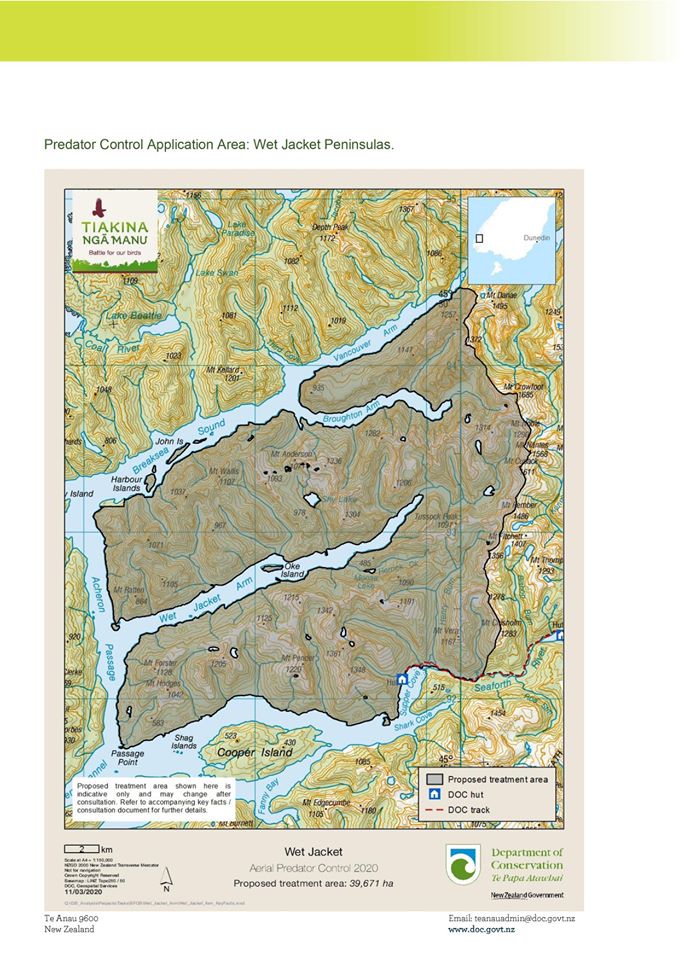
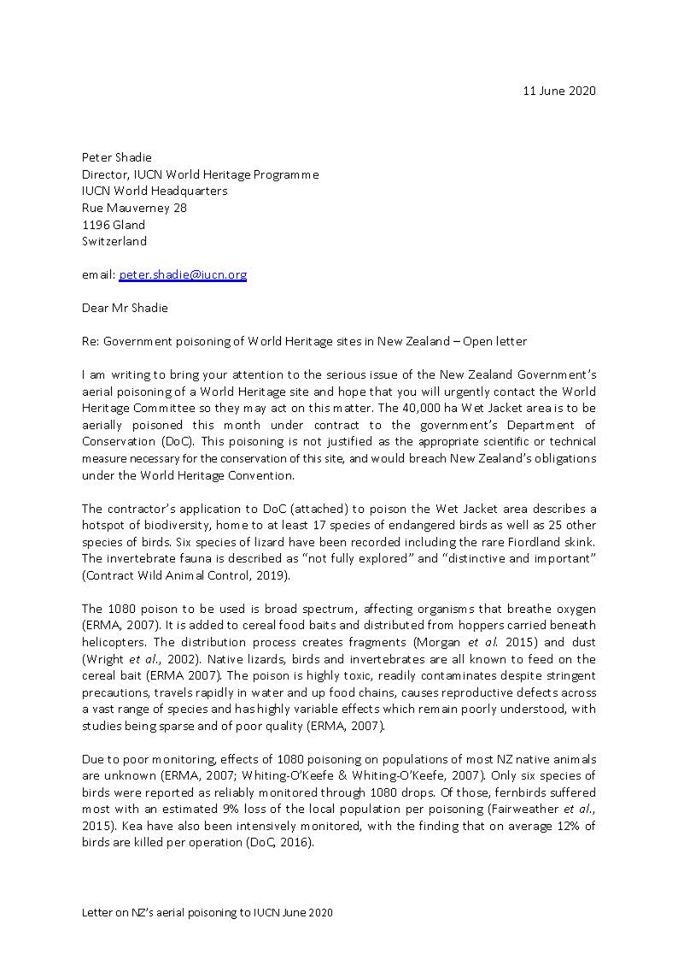






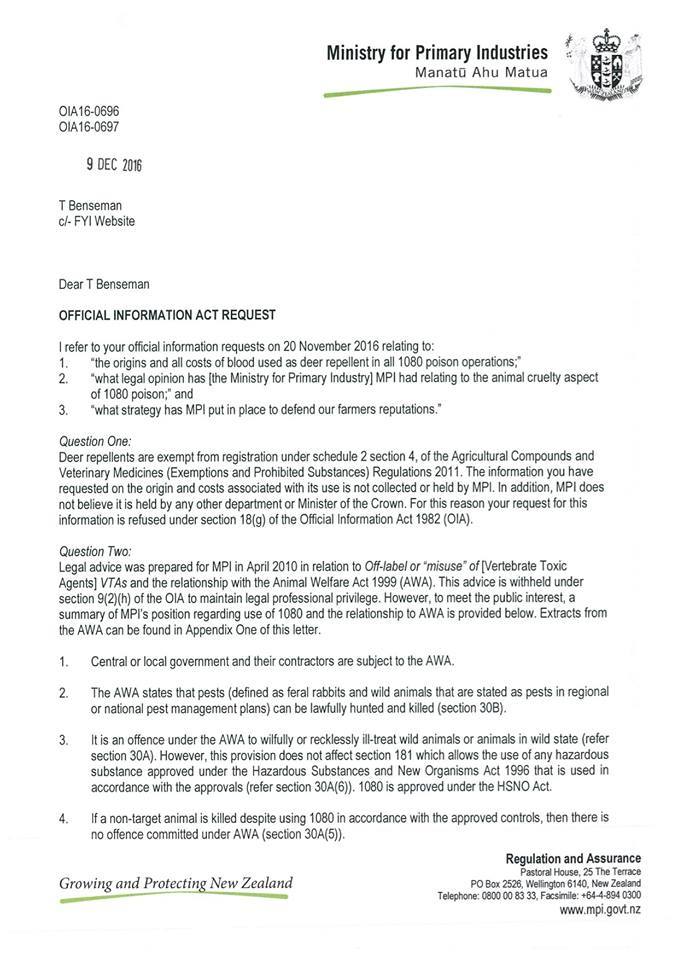
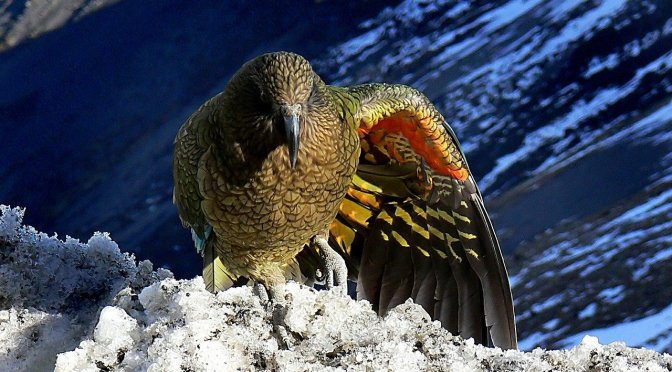


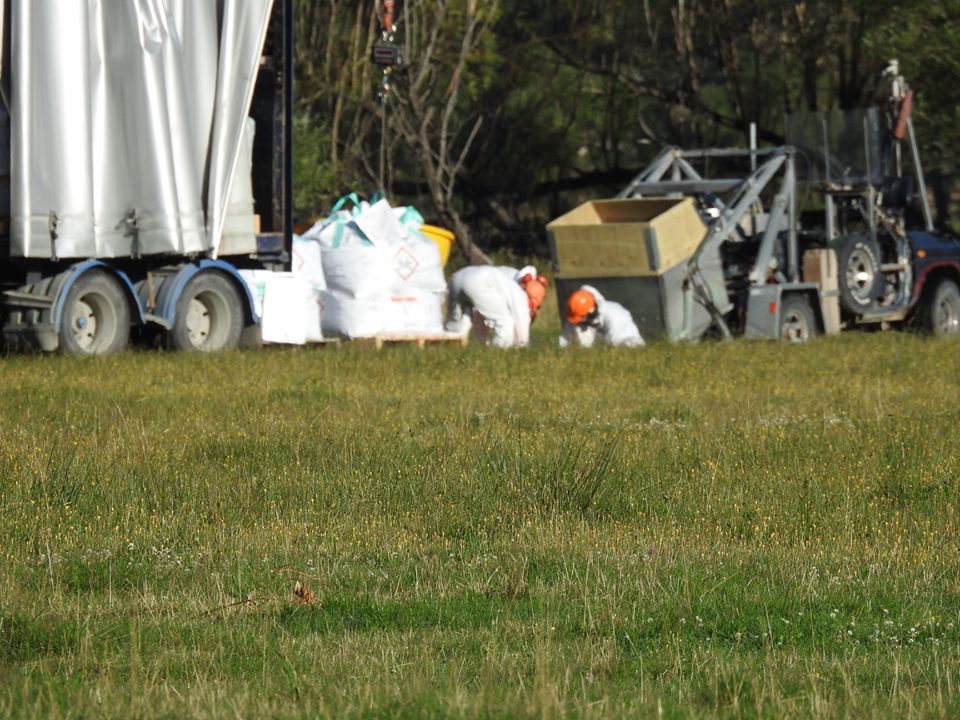
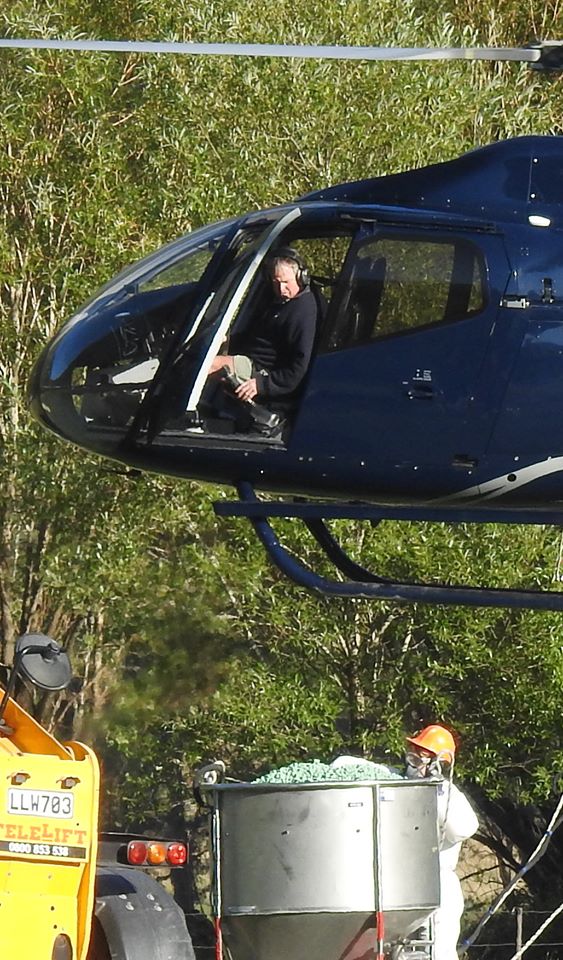
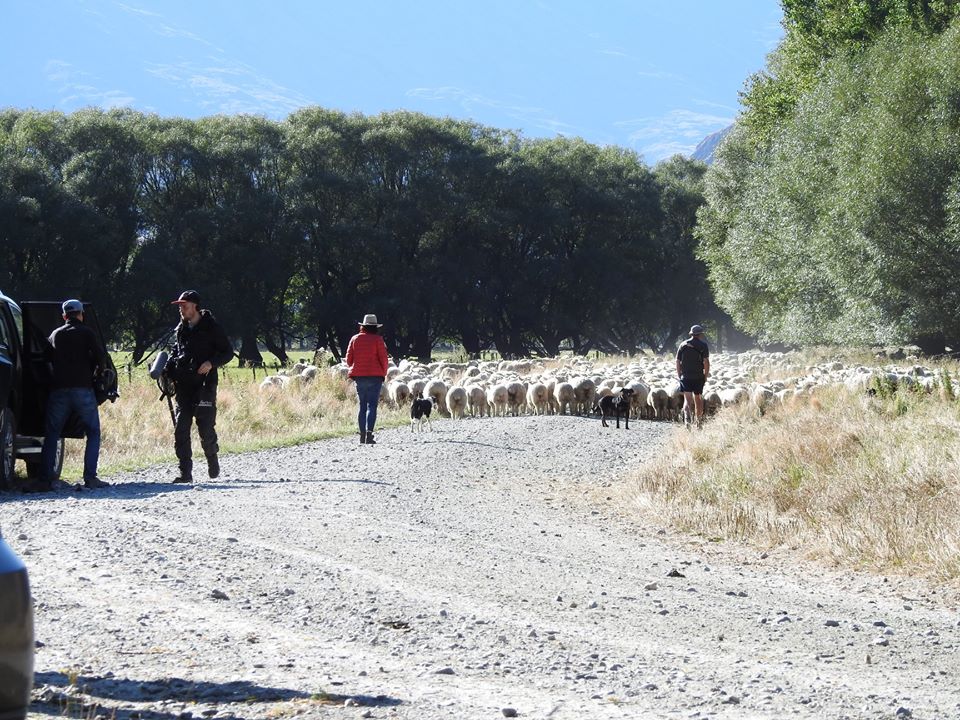
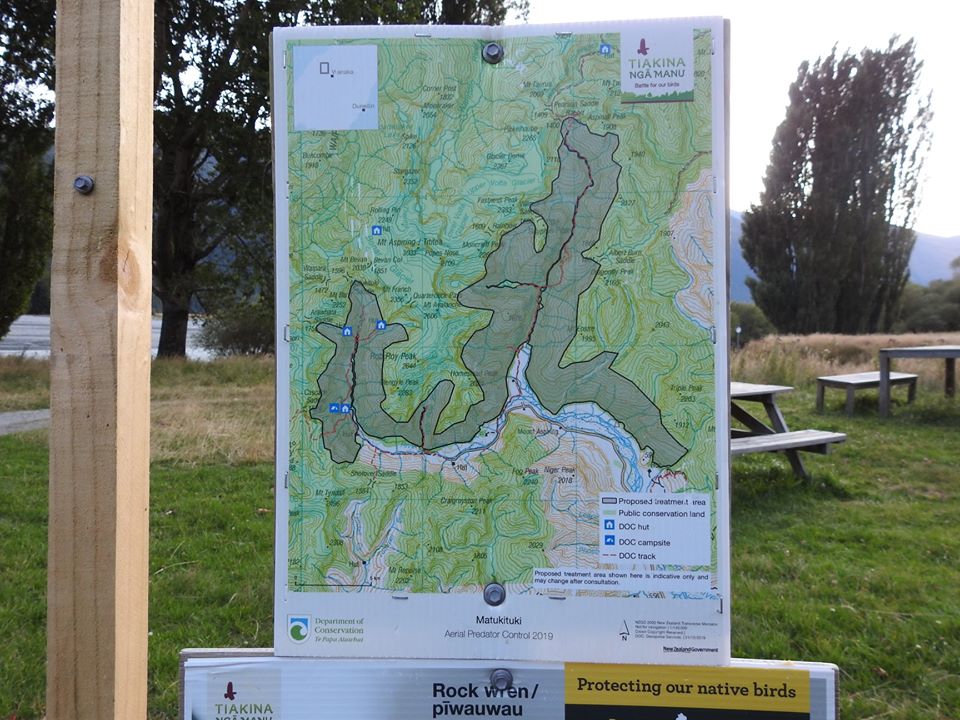
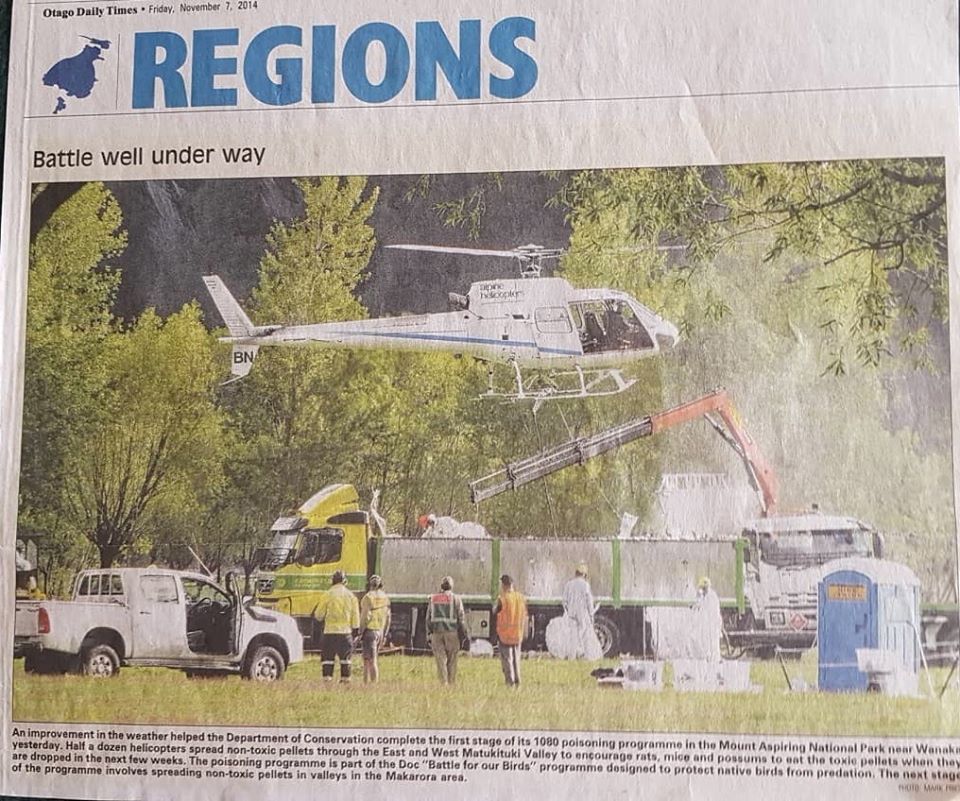
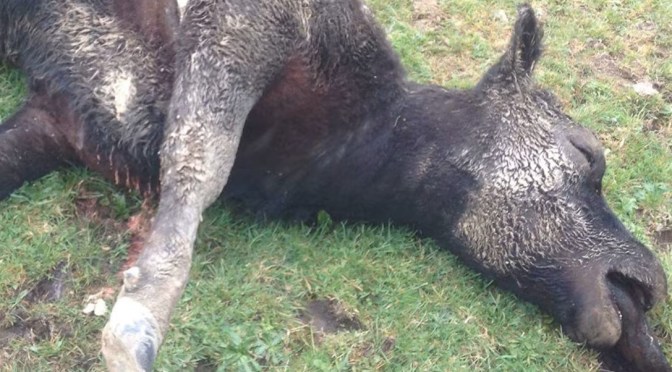


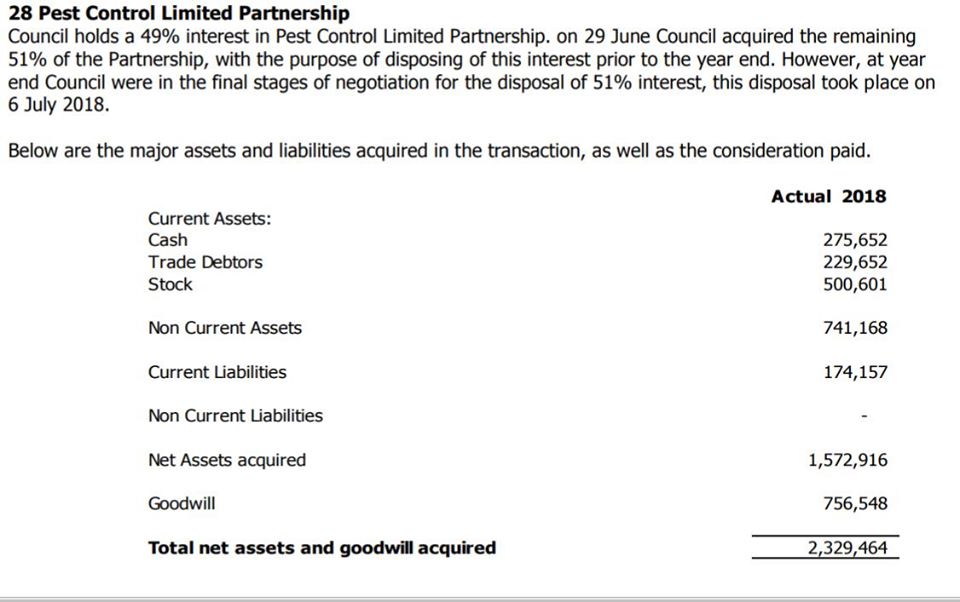





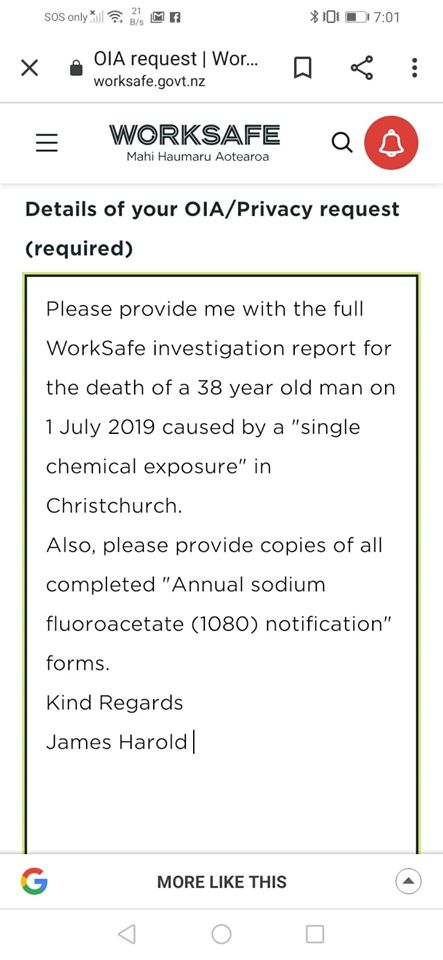
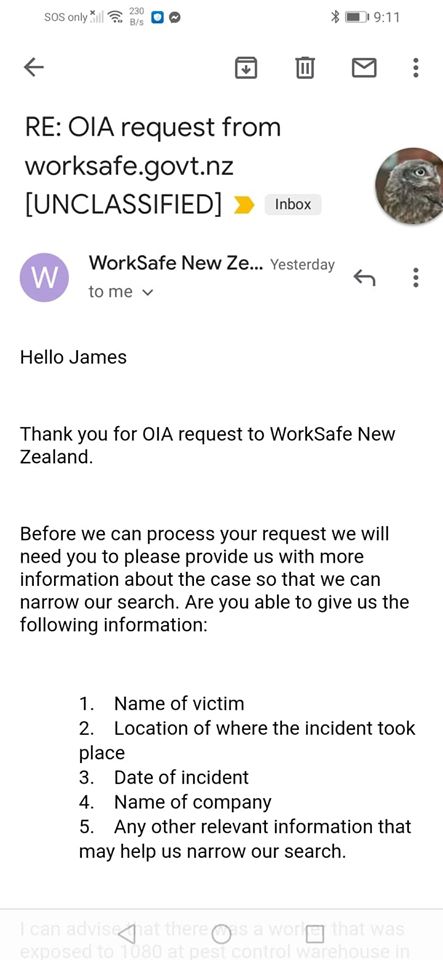
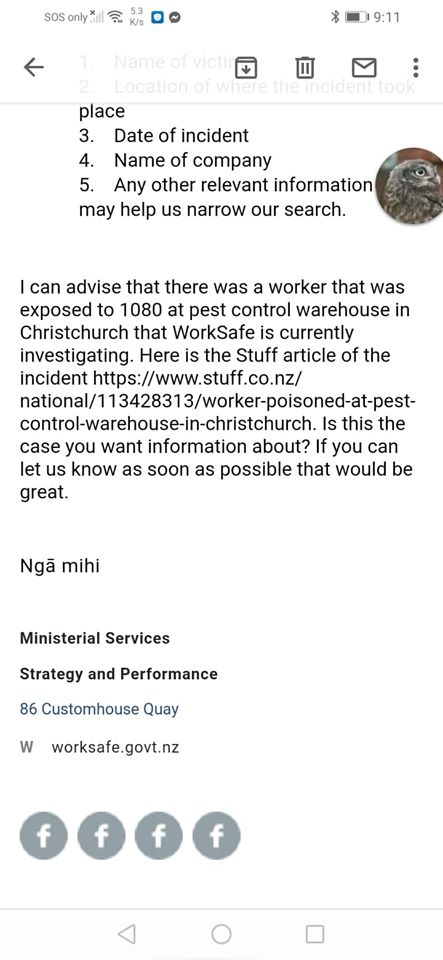


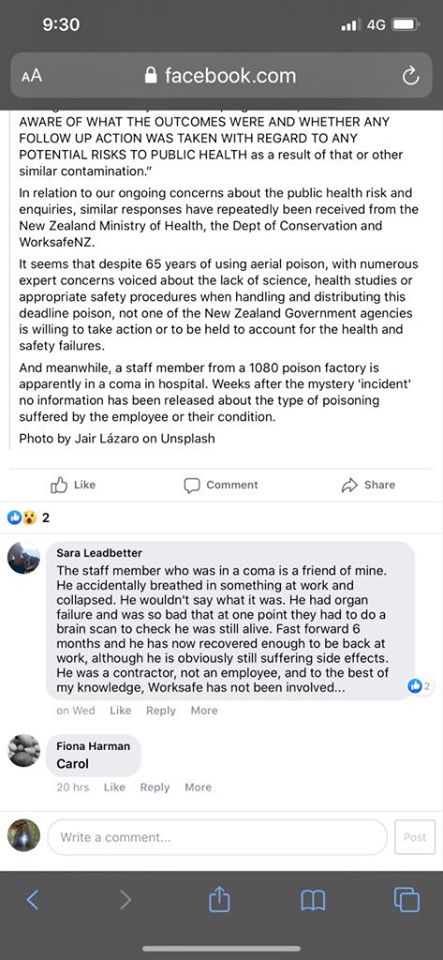


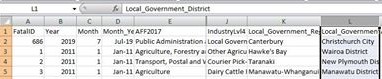
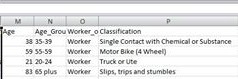
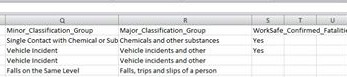

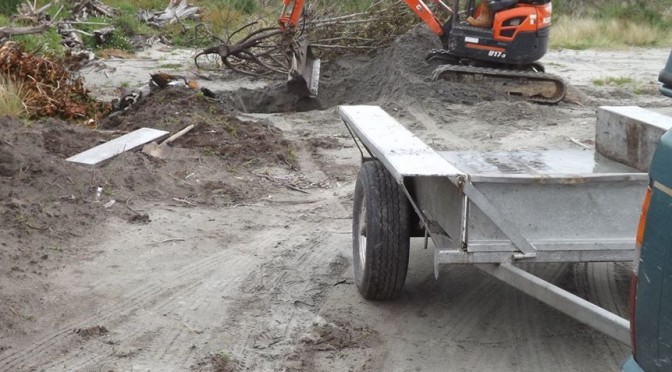


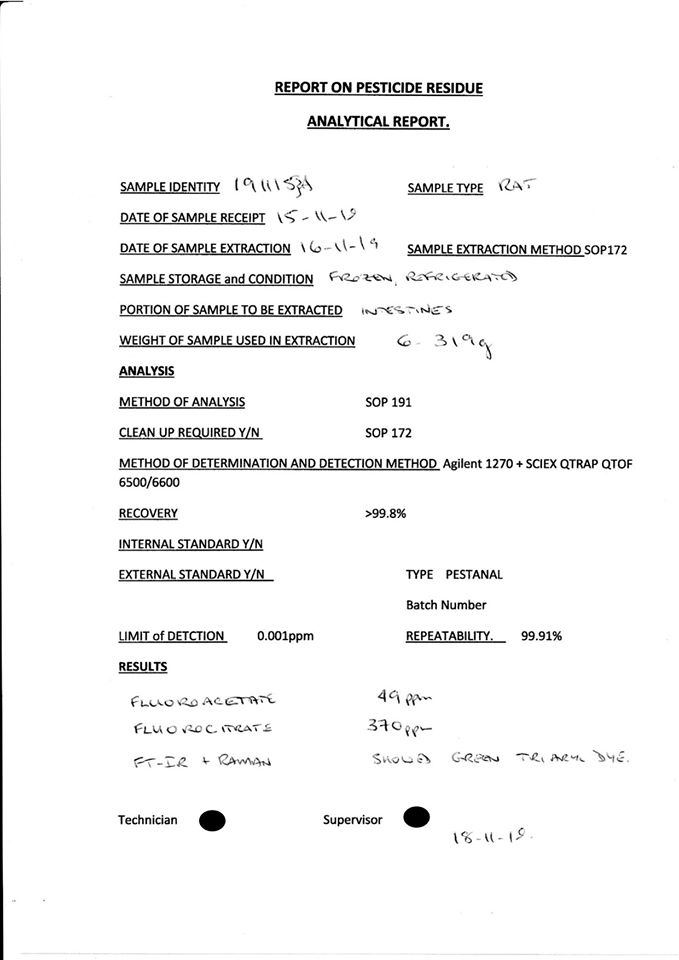

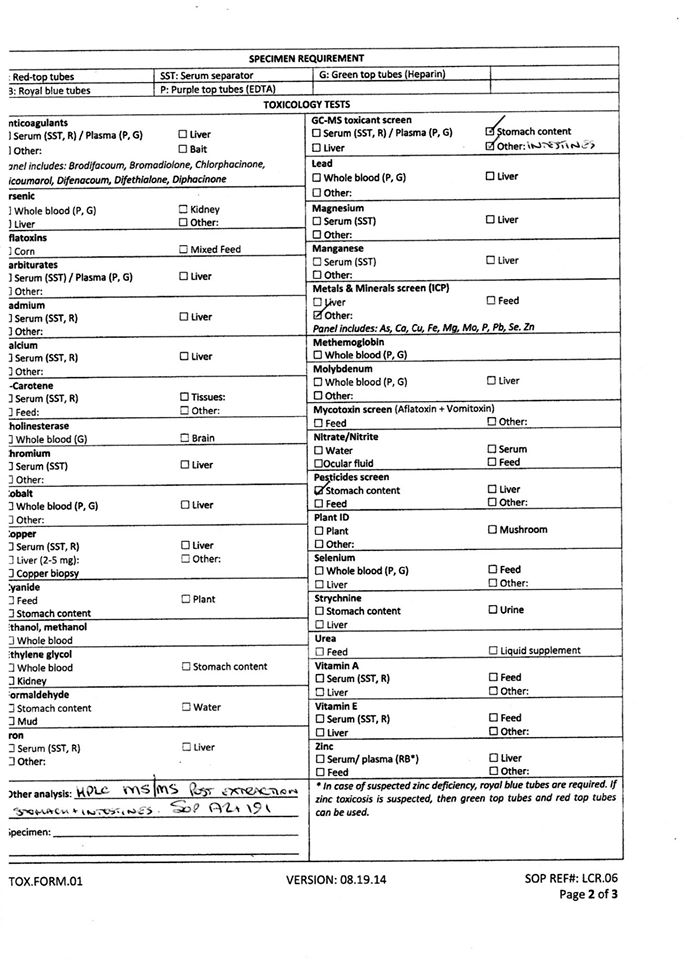


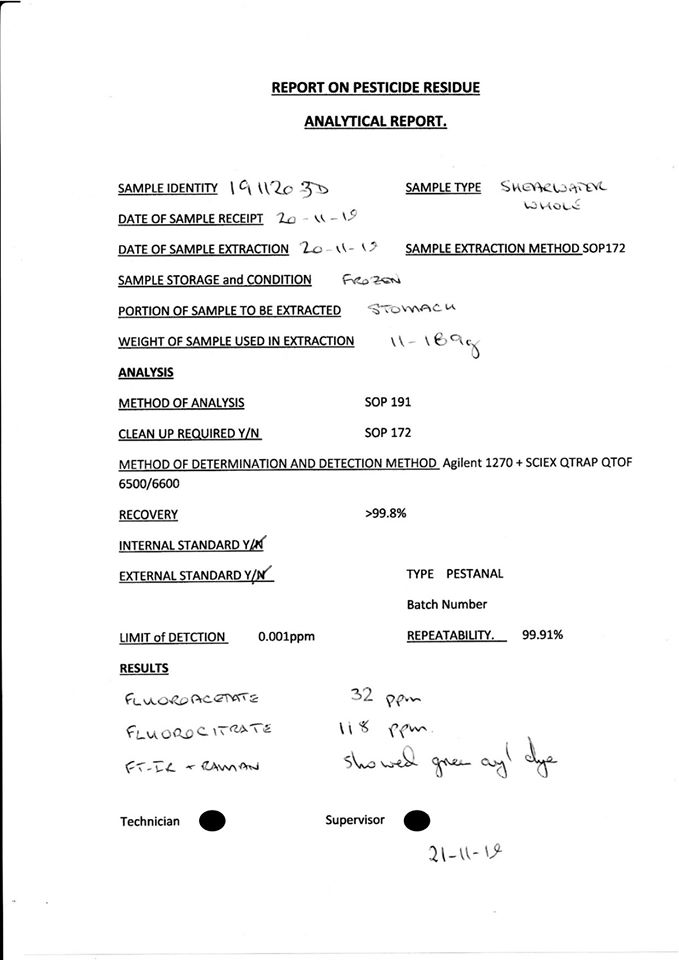
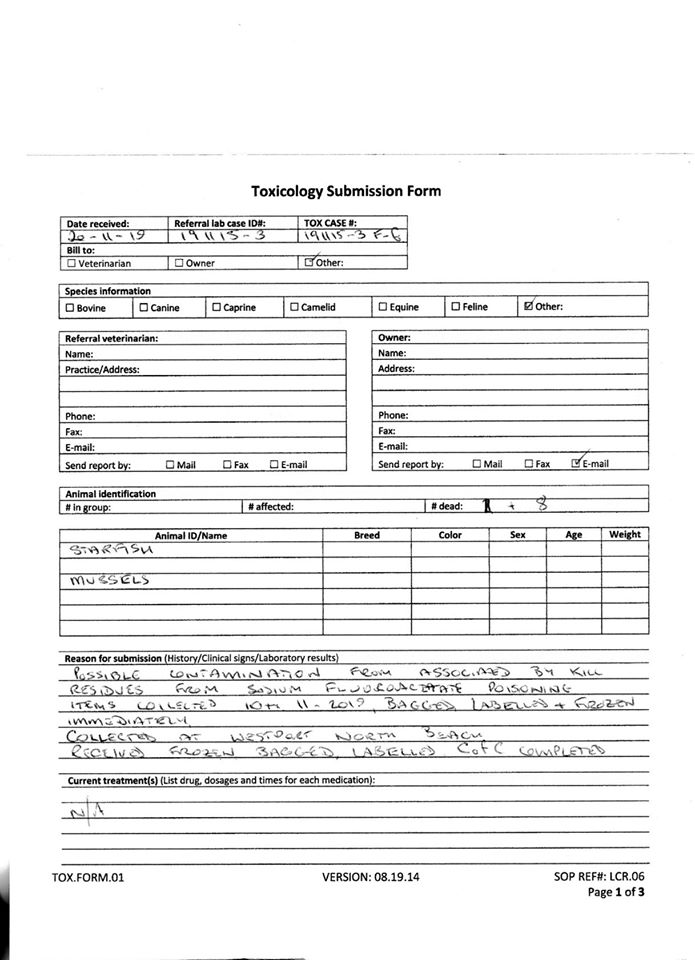
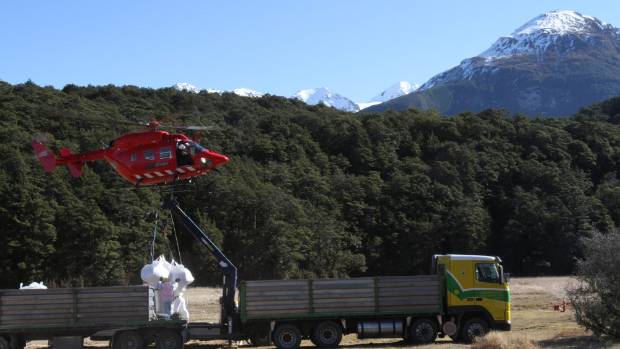


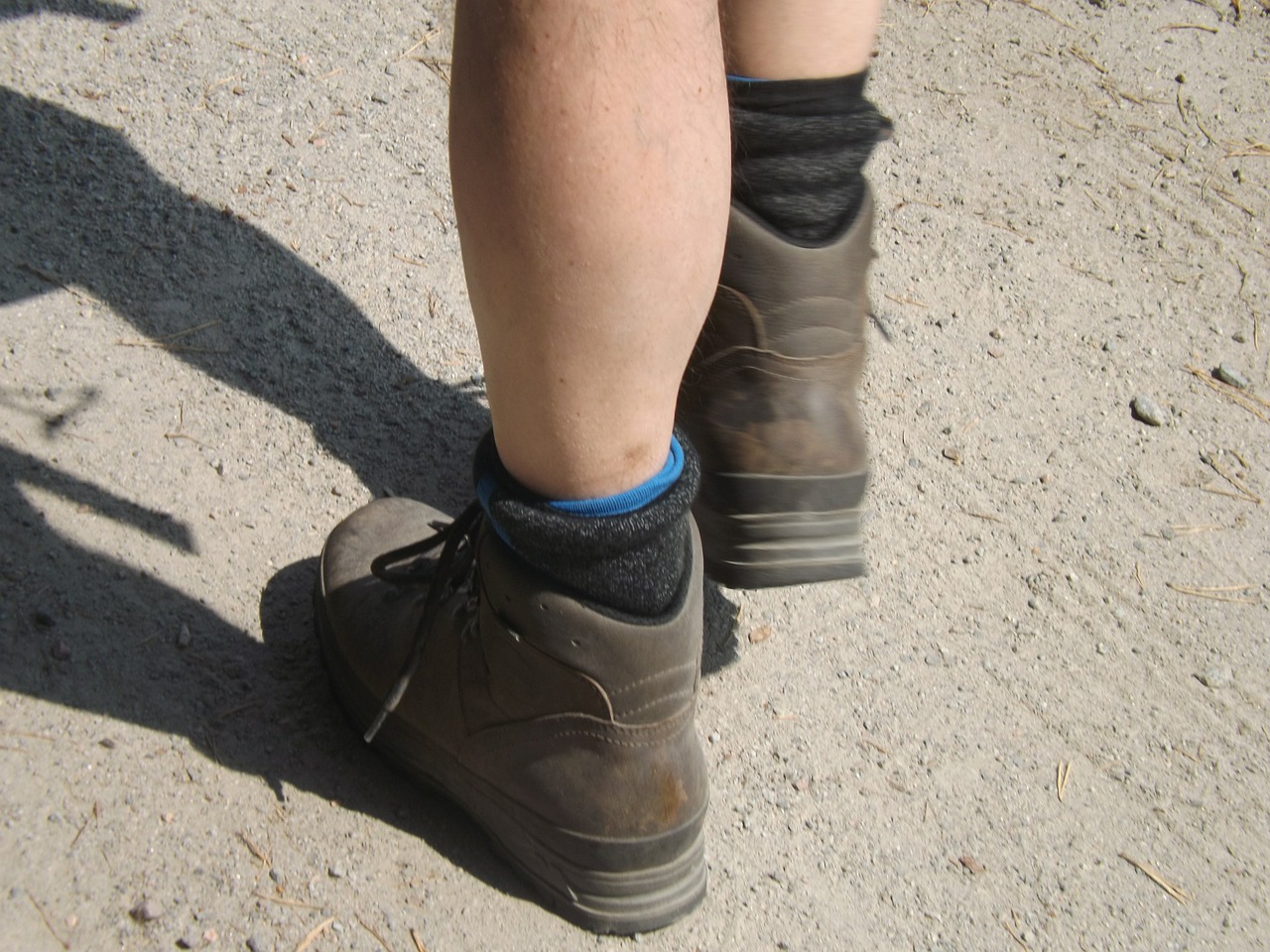

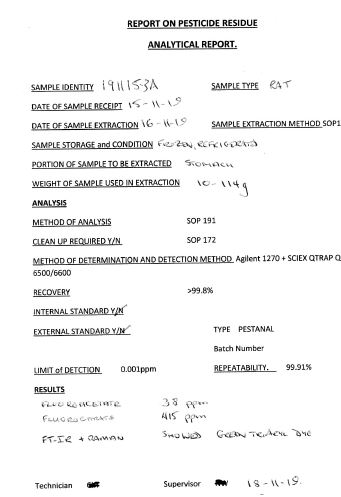


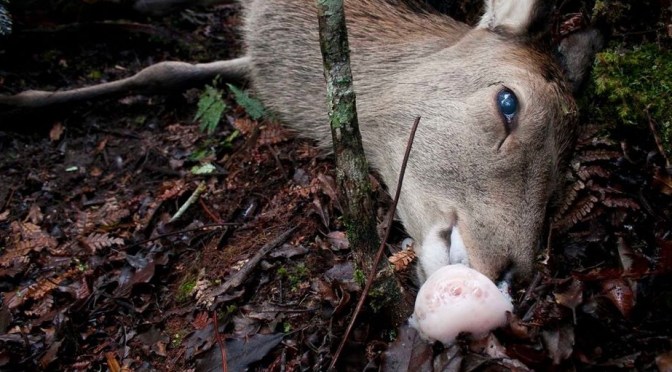
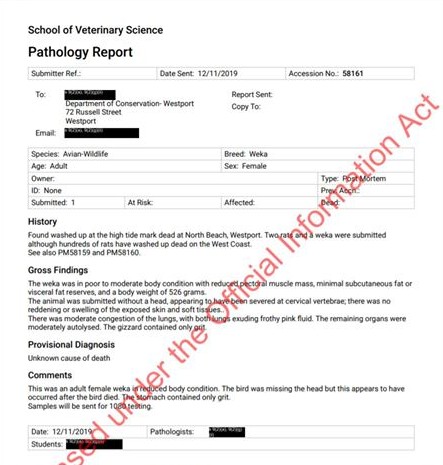

You must be logged in to post a comment.