Category Archives: Gardening

Encourage your children to garden (Wally Richards)

We need to encourage our children and grandchildren to appreciate Nature by including them in some gardening activities.

I believe that young children have a natural affinity with plants and insects when they are allowed to explore our gardens.

Children learn many things by mimicking their parents and are often keen at a young age to assist in various gardening activities.

I remember as a toddler spending many hours in the garden collecting caterpillars off the cabbages and feeding them to our chickens.

I was given my own little spade and wheelbarrow when I was about three and had a lot of fun moving the weeds my mum cleared from gardens to the compost bin or to feed them to the chickens.

I can still remember how good it felt to be part of Nature back then and the same feeling pertains today when I work or wander around gardens.

It was about that time, when I was given my own little plot of ground to grow plants in.

Seeds would be planted and I would be taught which seedlings were weeds and which were plants.

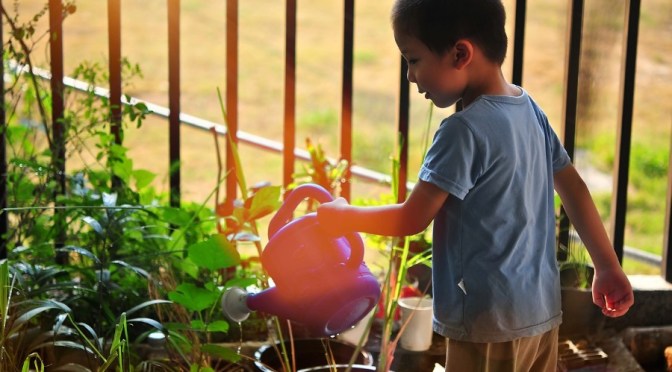
My own little watering can would nurture the baby plants till maturity. A great ado would be made when one of my cabbages, silverbeet or lettuces was harvested for the evening meal.

Even though I hated eating silverbeet back then, I had to enjoy my own grown silverbeet, because I grew it!

It was the fuss that the adults made, that gave me a feeling of importance and likely kept me gardening for the rest of my life.

Plants that move have a fascination for children and a great one for this is Mimosa pudica, the Sensitive Plant, which folds up its leaves when touched. They are easy to grow from seed, as a pot plant for a windowsill.

Nice pink flowers also. As the plant matures it has thorns on the branches which incidentally are another attraction for children.

Cacti with their prickles often appeal to young boys and I had a small collection when young and still keep a few.

Two awesome plants for children to grow are the super giant sunflowers and pumpkins.

Called ‘My Giant Sunflower’ these extra tall sunflowers will grow up to 5 metres tall.(17 odd feet) Grown in full sun in soil that has excellent drainage and lots of manure.

The giant pumpkin is called ‘My Giant Pumpkin’ and these monsters can weigh over 1000 pounds at maturity. (Half a ton)

Another interesting aspect is to encourage the children to give their giant plant a personal name after it is established.

Naming the plant makes the giant more personal and helps the children to have respect for plants and nature.

If I was going to grow either of these giants, here is what I would do: In an all-day-sunny area, I would dig a hole about a spade depth and width,

chop up the bottom of the hole, so the soil is loose, then fill the hole with chook manure to about two thirds full.

(Other manure could be used if chook manure is not obtainable, but chook is best).

Fill the rest of the hole with a good compost and soil mix, 50/50 making a small mound about 12cm tall above the filled in hole.

Place one seed in the middle of the mound and wet it down with Magic Botanic Liquid (MBL), (20 ml of MBL to 1 litre of water.)

Water the mount to keep moist with plain water and then every 2 weeks with the MBL.

Overseas the biggest record vegetables have been achieved with products very similar or the same as MBL. Spraying the foliage of your Giants every 2 weeks with MBL

(10 ml to a litre) will also assist in a bigger healthier plant.

After your pumpkins are established and growing well, give them a drink using Cucumber Booster, once a week.

This is a high nitrogen product that is a combination of sulphate of ammonia and potassium nitrate, which you diluted in water.

Cucumber Booster is excellent for any plants that enjoys a boost of nitrogen after establishment. It is used for growing cucumbers, pumpkins, zucchini and gourds.

The MBL and Cucumber Booster can be combined for watering into the soil near the base of the plant.

Because of the weather patterns we are experiencing, after you plant your seed, cut off the base of a 2 to3 litre plastic fruit juice bottle and place this over the mound,

with the cap removed. This will give your seed and seedling its own little glasshouse.

This is removed once the seedling starts to fill the bottle and needs more room. With the Giant Sunflower a tall strong stake should be put in the ground at seed planting time on the edge of the mound.

This will be needed later to give extra support to the plant.

Another interesting thing to do is once the sunflower gets up about a metre tall, plant 3 or 4 climbing bean seeds at the base of the plant.

These will grow up the sunflower and also provide extra nitrogen for the sunflower.

It is a lot of fun plus a great way to get the children way from the TV and video games, showing them there is more to life than a screen.

Some garden centres run competitions for the tallest sunflower and the biggest pumpkin with various prizes for the winners.

AROUND THE GARDEN

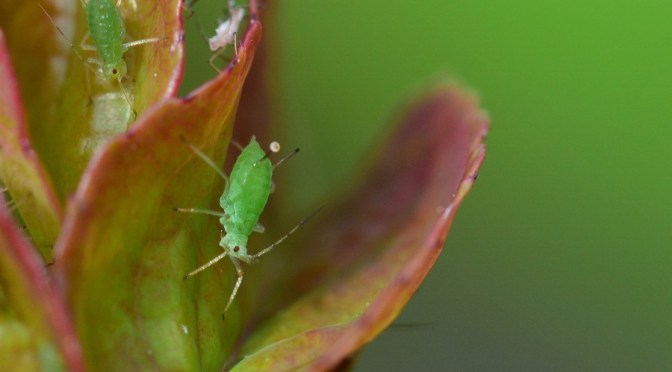
Aphids are likely to be found on your roses at this time and they can easily be controlled with a safe spray of Super Pyrethrum and Wallys Neem Tree Oil combined.

Spray very late in the day just before dusk to obtain the best results.

Stone fruit trees that had the curly leaf disease will now be producing new leaves free of the problem.

The damaged leaves will fall off over time. You can if you like, spray the newer leaves weekly with molasses at rate of a tablespoon per litre of water with

Magic Botanic Liquid Added.

This can help save some or all of the crop.

Codlin Moths will start to be on the wing about now so obtain a pheromone trap from your garden centre so you can monitor the best time to spray.

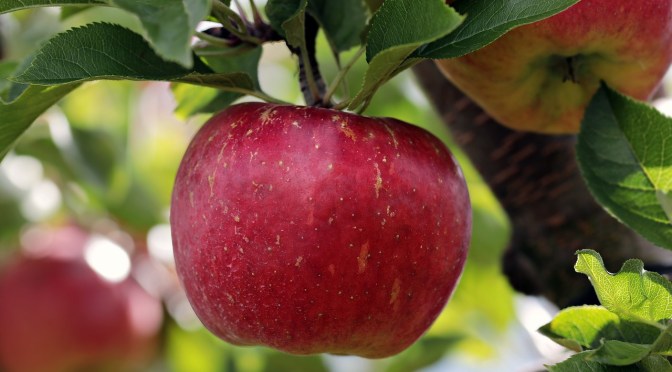
A number of gardeners have found that a spray of Neem Tree Oil with Raingard added over the young apples, applied about 5-7 days after an influx of moths into the traps,

has resulted in only a very small scar on the mature apple, where the grub took its first and only bite. The same can be used on all fruit that guava moths attack.

Tomatoes should be doing well if in a sunny, sheltered spot. Only remove laterals on a sunny day when it is not humid or moist.

Spray the wound immediately with Liquid Copper to prevent disease entering the wound resulting in the possible loss of the plant.

Ensure that the tomato plants are well supported on stakes during windy times.

If you are concerned about blights spray the plants with Perkfection as a preventative, once a month. The same applies for your potatoes.

For general health of any plants, especially roses and food crops, a two weekly spray of MBL and Mycorrcin works wonders. Spray both the soil and the foliage.

Avoiding the use of chemical sprays and fertilisers is a must for healthy plants.

I have a saying that if you work with Nature, you will have great gardens, if you try to work against nature, you have chemical warfare.

Happy, Healthy Gardening.

Photo: pixabay.com

Those plant gifts that keep on giving (Wally Richards)

Christmas is getting very near with only about 6 weeks till Xmas week.

Many of you will have already started putting a lot of thought into what gifts they would like to give and some will have completed most of their Christmas shopping already.

Others like myself are still thinking what to give to someone that is so hard to buy for.

A gift that is perfect is one that brings pleasure to the receiver as well as the giver. This means giving a gift that has really been thought about and often will have some personal input from the giver. For example young children making something, or drawing a picture, to give to their grand parents are treasures to be carefully stored and enjoyed for years.

Perennial plants are like that, they keep giving for years making them excellent gift choices for loved ones and friends. I know this because people will phone me asking about a plant that they were given in the past that is not faring so well and they need to revive it because it was a special gift.

Think about this; a young couple with a family are given an apple tree to plant on their section for Xmas. Within a few years that tree is producing a great harvest of fresh, healthy apples for the family to enjoy. As long as that tree is providing an annual harvest the giver will be remembered, even from beyond the grave.

I know of roses that were gifts 30 to 40 years ago still producing an abundance of blooms each year given by a mother or grandparents, long passed but cherished in memory through the annual flowering. Fruit trees, roses or a specimen plant gift can make the giver, in a sense, immortal for a long time.

This Christmas think gardening and the pleasure plus health benefits it can have for the receiver. Besides you can contribute not only with your money but also with your labour in making the gift more personal.

Here are a few ideas starting with a glasshouse either A-frame or lean-to; they come as kits and you can help put it together for the receiver. I recommend a glass, glasshouse as they will last for a life time and only need panes replaced if broken. A glasshouse for a person or family that loves to garden creates a new dimension to their gardening. It allows growing out of season tomatoes and capsicum, perfect for germinating seeds and striking cuttings, ideal for growing those more tropical plants that wont do well outdoors in your climate.

There is nothing better on a miserable winters day than to be pottering around in your nice warm glasshouse. More information about glasshouses can be found in my book Wallys Glasshouse Growing for New Zealand.

How about a raised garden for a elderly parent or a young family to grow vegetables in? You can construct an ideal one on site using roofing iron and 100 x 100mm posts (painted to keep the chemicals sealed). The structure just sits on the ground (best on concrete) it makes an excellent place to grow vegetables, once it has been filled to two thirds with organic waste and compost.

(My book Gardening & Health explains the process.)

Next to consider is a compost maker and by far the best are the tumbler ones as they will convert organic waste to compost in the quickest time. A worm farm is also another excellent gardening gift producing worm casts and worm pee to the benefit of your gardens as well as recycling all kitchen green wastes.

A rose in a container makes a lovely gift and now is the time to purchase and pot up. You need, one bush or standard rose, one container that is about 20 litres or more, a bag of compost, a punnet of trailing lobelia or alyssum. Make sure the container selected is either straight up and down or that the top is wider than the base with no middle bit wider than the top. (The rose has to be removed and root pruned every 2-3 years and if the top is more narrow than any other part you have to smash the container to remove.)

Fill the container with purchased compost to about half full and place some Sheep Manure pellets, blood & bone and Neem Granules before adding the rose removed from its bag or pot. The final height should be about 2-3cm from the rim to allow for food and watering. Plant the lobelia or alyssum around the edge so they will trail over. Not only does it make it more decorative but the foliage helps reduce moisture loss from mix and they certainly let you know when the mix is drying out. Place the rose in a good light shelter spot outside till you are ready to wrap and give. A final touch can be spaying the leaves with Vaporgard to make them really green and shiny.

Similar can be done with a fruit tree but then the container wants to be about 50 litres or more and instead of planting flowers around the rim go for either a herb such as parsley, thyme or basil. The fruit tree can be any variety you would like to give from citrus, feijoa, to pip or stone fruit. Dwarf types are good but not necessary as they all need root pruning in the future.

Annual flowers or herbs can be potted into nice containers using compost as the growing medium. Pot up now with colour spots or herb plants then they should be putting on a really good show about Xmas time. Children can help potting up for grandparents and then can proudly say they did it. Inexpensive and very much appreciated.

Garden shops these days have lots of interesting nick knacks and gift ideas besides their normal lines of plants and things. Soaps, cosmetics, bird feeders, crockery, fountains, statues and in some cases even water beads & artificial snow for decoration.

It is surprising the variety of products and ideas one can find in your local garden centre that you will not find in main stream retail. Makes Christmas shopping easy.

Phone 0800 466464
Garden Pages and News at www.gardenews.co.nz
Shar Pei pages at  www.sharpei.co.nz
Mail Order products at www.0800466464.co.nz

NOTE: many of our posts are now over at https://truthwatchnz.is/
Check us out there for other daily news. EWR

Protecting your fruit crops from Codlin & Guava Moth (Wally Richards)

I wrote this article a few months ago but as several gardeners recently have been asking how to protect their fruit crops from both Codlin Moth and Guava Moth

I think it is well worth repeating this information. Guava moth is mostly in the upper north island but there has been a few cases in other areas likely as a result of fruit been brought south from infected areas.

So share with family and friends as there is nothing worse than losing your crop to these two pests.

There are two moths in New Zealand that attack fruit namely, Codlin Moth which have apples, pears and walnuts as their host fruit. Guava Moth which has all fruit and nuts as their host.

The Codlin Moth is seasonal active while there is fruit on their host plants but the Guava Moth is all year around going from one host tree to another.

Both are relatively easy to control so that you can obtain a reasonable amount of your crop as long as you follow my proven advise. Firstly let us understand how these two pests operate.

Being moths they only fly at night and they find their host tree by the smell of the forming and ripening fruit. So if they cannot smell your tree/fruit they will fly on by to a tree they can smell.

This is the first step in reducing the damage to your fruit by disguising the smell of the tree/fruit.

To do this you need an overriding smell that negates the smell of the tree.

Wallys Neem Tree Powder scattered on the ground underneath the tree from the trunk to the drip line.

Then by making some little bags out of curtain netting we hang more of Wallys Neem Tree Powder in the tree on the lower branches about head high at the four cardinal points.

So we use the Wallys Neem Tree Powder as described after flowering and when the fruit has formed to a reasonable size.

One application then is all that is needed for each crop to disguise the fruit as the powder last over 2 months slowly breaking down..

The next step in control is to prevent any grubs that hatch out near your fruit from eating their way into the fruit.

Once a grub enters the fruit you have lost the battle cause even if you use a poisonous systemic insecticide to kill it? Whats the point its going to die inside the fruit and be useless.

No you need a non toxic substance on the outside of the fruit that is going to prevent the grub from eating its way in.

Wallys Super Neem Tree oil with Raingard is the perfect answer.

You spray the fruit, not the tree so there is a coating of Wallys Neem Tree Oil on the skin of the fruit

protected from washing off in rain with Wallys Raingard (lasts for 14 days before reapplying.)

The Neem Oil is an anti-feedent which means when the young grub takes its first bite it will get some Neem Oil in its gut and will never eat again starving to death fairly quickly been so young.

On your mature fruit you will have a little pin pricked scar that where it took its one and only bite.

So all you do is just spray the maturing fruit every 14 days that are relatively easy to reach and spray.

Fruit that are more difficult to spray will likely be eaten by birds later on anyway and as long as you are getting a nice amount of fruit to harvest that is all that really matters.

Then there is also another way to control moth problem by which you set up a moth lure to attract them and kill them.

Take one litre of hot water add a100 grams of sugar, one teaspoon of marmite, half a tablespoon of Cloudy Ammonia and half a tablespoon of Vanilla:

Mix well and divide the mix between two plastic milk or soft drink bottles.

Punch some holes in the side of the bottles just above the level of the mix.

Place on a stand about a couple of metres away from the tree.

At about waist height like on a small folding table.

When a number of moths are caught dispose of them and make up a new solution.

Cloudy Ammonia used to be common once upon a time from a grocery store if not so easy to find try hardware stores, there are two chains in NZ and they may have.

If you do all three procedures for control or at least the first two then you should be able to once again en joy your own fruit.

The Codlin Moth traps are useful as if you monitor them they trap the male codlin moths which tells you it is the time to start using the Wally Super Neem Tree Oil spray on your apples etc.

If after a month you find no new male moths in the trap you can stop spraying as it is all over for the season. (That is unless you have Guava moths in your region).

Guava moth pheromone traps are a waste of time because they are all year round so there is no time to start or stop control sprays as with the Codlin Moth………..

Curly Leaf and Garlic Rust are also two concerns of many readers.

If you have either of these conditions currently my suggestion is to take a tablespoon of molasses dissolve in a litre of hot water and place in a trigger sprayer with 20 mils of Magic Botanic Liquid MBL (per litre) and spray the foliage of either plants. Repeat weekly.

The molasses can help save your crop by supplying energy that the leaves cannot create from sunlight because of the damage they suffer from the two diseases.

Phone 0800 466464
Garden Pages and News at www.gardenews.co.nz
Shar Pei pages at  www.sharpei.co.nz
Mail Order products at www.0800466464.co.nz

Image by S. Hermann & F. Richter from Pixabay

Survival gardening : growing your own nutrient dense food

From prepforthat.com

If you read a lot of survival articles online, you’ve probably wondered, “what is  survival gardening and how is it different from regular gardening?”

Survival gardening is a skill that allows you to grow your own food in the event of a short-term or long-term catastrophe.

It’s gardening, but gardening focused on growing plants without modern infrastructure. You have to realize, your neighbor that grows a garden probably uses modern methods and they probably grow plants that aren’t intended to fuel their survival.

A survival garden focuses on caloric density, nutrition, and seasonal implications.

READ MORE:

https://prepforthat.com/survival-gardening-an-ultimate-guide-to-growing-survival-garden-plants/

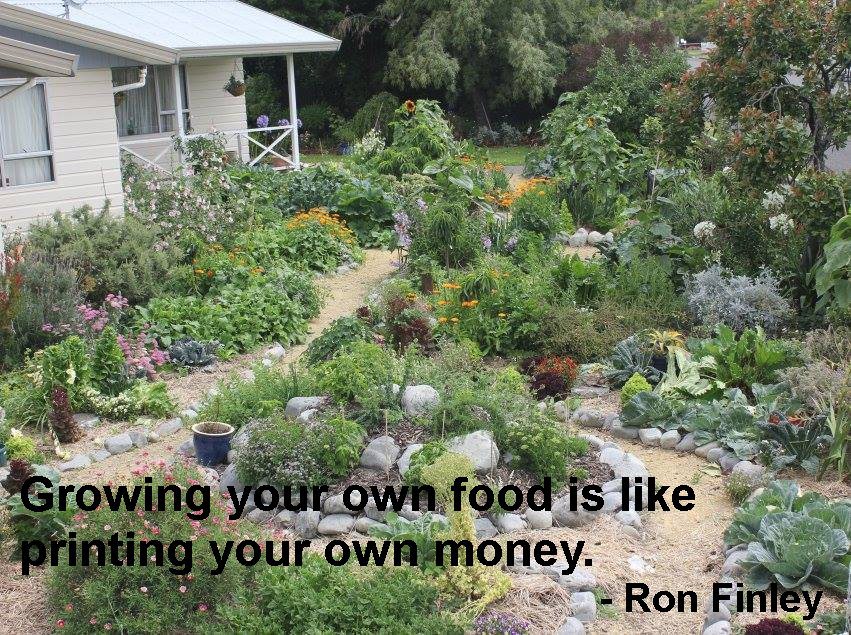
“Growing Your Own Food Is Like Printing Your Own Money” – Avoid GMOs & Do It

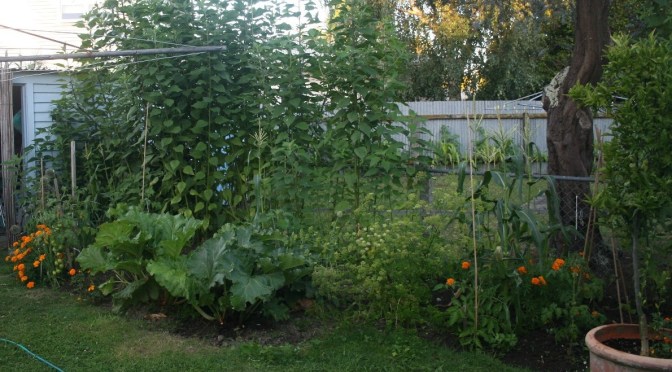
And yes, that garden on the header image is my old garden … I don’t garden as much these days (other priorities) but I buy organic or from local gardeners… EnvirowatchRangitikei

growingfoodronfinley1

Vanessa, a blogger from Taihape turned her parents front garden into a food space, pictured above, especially to show folks where food comes from … not necessarily the supermarket. Check out her blog HERE.


It’s well documented how harmful GM food is for your health (see our GMO pages) and it’s being foisted upon us whether we like it or not. Whether we protest, make submissions, voice our opinions etc etc or not, our voices are virtually ignored these days. Our current govt/corporations are determined to have us eat their products & in many cases we already are because they are not required to label their wares. However you slice & dice this it is downright fascist. We are forced to drink fluoride, chlorine and other unknown substances in our water (or spend a fortune filtering or distilling ourselves), to eat our mainstream veg and fruit that are sprayed to the hilt with a raft of chemicals and poisons (unknown to most purchasers because again no requirement to label them as sprayed or with what) … and unless we buy organic at often treble the price. Our meat is not exempt, just observe all the nice yellowy fields around the countryside, these are sprayed with Roundup that contains Glyphosate & is recommended by at least one I know of, agricultural text books, being as they say quite harmless. As harmless as dish liquid farmers tell me with a smile and as if I have two heads for even questioning their wisdom (which they acquired from Monsanto, no questions asked). These farmers spray it over everything. They love it. One proudly told me when the soil’s plowed under it’s perfectly safe for the stock to eat the grass that grows there. They think because you don’t drop dead on the spot it really IS harmless. Nobody bothers to look at the independent research or consider the LONG TERM effects. Anyway there is plenty of info on all of that, including the independent research, on our Glyphosate pages.

The point of this post before I get too carried away was to highlight the fact you can grow your own uncontaminated food, even in small spaces. Google that and there are many articles on gardens in small high rise apartments even. Nothing’s impossible. There are some other ideas on our Food pages also.

wallyjr_opt
Wally Richards: see the relevant links below

For Kiwis (and anybody else) we have our own Kiwi gardening guru Wally Richards. Wally also features in a gardening group at thecontrail.com. His website even provides a telephone number you can ring for advice if you’re stuck &/or you can sign up and receive regular updates and news about gardening.


Here’s Wally’s site:

GARDENING PAGES

ESPECIALLY for N.Z.Established June 1996(Orginally the web site was http://www.manawatu.gen.nz/garden

(Updated Monday 16th October 2017)
Note these pages WILL be updated weekly.Over 21 Years of bringing these gardening pages to the Internet(from June 1996 to present. Making this site one of the oldest web sites in New Zealand)Orginally the web address was http://www.manawatu.gen.nz/gardening


Changing The World
Garden by Garden!

“Surely by now there can be few here who still believe the purpose of government is to protect us from the destructive activities of corporations.
At last most of us must understand that the opposite is true:
that the primary purpose of government is to protect the destroyers of our Earth, our Home from the outrage of injured citizens.

If we do not resist using whatever means necessary, we condemn ourselves, our children and future generations to trying to exist on a lifeless planet.

Make no mistake, we are in a fight for our very survival.”

QUESTION MORE“If people let government decide what foods they eat and what medicines they take,
their bodies will soon be in as sorry a state as are the souls of those who live under tyranny.”

Thomas Jefferson

LATEST GARDENING WEEKLY NEWS


READ MORE

http://www.gardenews.co.nz/


Here is a link to the gardening group at thecontrail (you will need to sign up):

http://thecontrail.com/group/grow-your-own-food-gardening

NOTE: YOU CAN SEARCH FOR ARTICLES ON ANY OF THE TOPICS LISTED HERE, BY GOING TO ‘CATEGORIES’ (LEFT OF PAGES), THE TAG CLOUD, OR USE THE SEARCH BOX.


This Tiny Farm Pumps Out 6,000 Pounds Of Food Per Year. But Where It’s Located? Shocking

This Tiny Farm Pumps Out 6,000 Pounds Of Food Per Year. But Where It’s Located? Shocking.

How to build a no-dig garden … no kidding!

I personally don’t garden any more … well not at the moment anyway … I miss it too. Getting your hands in the soil and growing your own food is so rewarding. I learned that fact many years ago. Gardening is also therapeutic. A nurse once told me research corroborates that it is healing (although I’ve not yet researched it myself). It does make sense and years ago I watched a family member recover from her grief at losing a child by losing herself in a flower garden … which turned out to be a very beautiful garden. There’s an analogy there about burying seeds under the earth only to see them, once watered & subjected to the sun’s warmth, sprout and bring forth new life. This is the miracle of gardening, it is so multi-faceted and the rewards so numerous. To even further support the whole idea, (and I did research this one), there are organisms in the soil that are necessary to our gut. An elderly lady told me not that long ago that we are too ‘clean’ … we need to get dirt under our fingernails. Where once we did just that gardening, these microbes would be easily ingested. Now they’re clean washed away. Check out Dr Mercola’s article on this one:

3 “Dirty” Ways to Recharge Your Gut Health  

Jordan Rubin (N.M.D., Ph.D.) is another who can testify to this. As a very young man in 1996 he was suffering from Chrohns disease. He had wasted away to a skeleton and almost died. Eventually, after a long road of trial and error and a lot of expense, Jordan regained his health by supplementing the small amount that he could eat with homeostatic soil organisms. His story is miraculous. He has written best-selling books, one of which is called ‘The Maker’s Diet’. 

So, having established hopefully by now, at least some of the benefits of gardening, I’ll return to the original point of this post … I know there are folks who are unable to physically dig the soil but here is the beauty of the little known ‘no-dig’ method. I’ve only seen one person in my circle who has tried this method and did have a go a few years back with some success. Anyway, here is a great site with the ‘how tos’ of the no-dig method if you would like to give it a try.

 http://www.no-dig-vegetablegarden.com/build-a-garden.html

Check out this site also: http://www.worldorganicnews.com  there’s an ebook there on no-dig gardening and it’s not expensive! The World Organic News No Dig Gardening Book

Wally Richards’ Weekly Column: This Week, WHO’s latest announcement on Glyphosate

Here is Palmerston North’s gardening guru Wally Richards’ weekly garden news & commentary. Wally gives us his thoughts on the latest findings from WHO … “Glyphosate probably causes cancer”. This latest revelation from WHO along with Canterbury University’s findings were presented to the RDC last Thursday, however they remain unconvinced and the status quo remains regarding the liberal use of Roundup (active ingredient is Glyphosate) in Rangitikei’s public spaces. (Remember, this is also sprayed on pastures so glyphosate has to be in our meat and milk!). Read Wally’s articles and further research on the topic. You can sign up for his weekly article, and phone him on the toll free number provided if you have any gardening queries. You can also email him with queries (details at the end of the article). His website is a mine of useful information.

Gardening Articles for week ending 4th APRIL 2015
Written by Wally Richards.

GARDENING CHEMICALS RAISING HEALTH CONCERNS

The news this week coming from the World Health Organisation (WHO) stated that glyphosate the active ingredient in Roundup (and found in other weed killers), ‘probably’ causes cancer.

There has been mounting evidence of this from various science reports and findings over the last few years.

All of which Monsanto denies as they did in the past with Agent Orange as being safe.

The health problems came to light in Vietnam when Agent Orange (and similar) herbicides were used to defoliate jungles causing servicemen and local populations major health issues..

On the 21st March 2015 (The Guardian article said) – Roundup, the world’s most widely used weedkiller, “probably” causes cancer, the World Health Organisation (WHO) has said.

The International Agency for Research on Cancer (IARC) – WHO’s cancer agency – said that glyphosate, the active ingredient in the herbicide made by agriculture company Monsanto, was “classified as probably carcinogenic to humans”.

It also said there was “limited evidence” that glyphosate was carcinogenic in humans for non-Hodgkin’s lymphoma.

Monsanto, the world’s largest seed company, said scientific data did not support the conclusions and called on WHO to hold an urgent meeting to explain the findings. “We don’t know how IARC could reach a conclusion that is such a dramatic departure from the conclusion reached by all regulatory agencies around the globe,” said Philip Miller, Monsanto’s vice-president of global regulatory affairs.

Concerns about glyphosate on food have been widely debated in the US recently, and contributed to the passage in Vermont last year of the country’s first mandatory labeling law for genetically modified food.

The US government considers the herbicide to be safe. In 2013, (Based on information supplied by Monsanto’s scientists) Monsanto requested and received approval from the US Environmental Protection Agency for increased tolerance levels for glyphosate.

Monsanto will fight this tooth and nail because of the many millions of dollars the company makes every year from selling this herbicide.

In March, 2015, 17 experts from 11 countries met at the International Agency for Research on Cancer (IARC; Lyon, France) to assess the carcinogenicity of the organophosphate pesticides tetrachlorvinphos, parathion, malathion, diazinon, and glyphosate (table). These assessments will be published as volume 112 of the IARC Monographs.1

In NZ already we see that some of the above chemicals have already been removed or restricted by EPA and ERMA. Which is very good but there appears to be no controls or restrictions on glyphosate.

We do not even test for the chemical in our food chain and I am sure that if we did the results would be alarming.

Glyphosate does not disappear when it hits the soil (Which was another lie Monsanto told when Roundup was first introduced) Instead it has a soil life of months or years dependent apon what research

you read or on what soil type.

One thing would appear certain is that if land is cleared using glyphosate at the recommended rates and a food crop is planted then that produce will have glyphosate traces in the foliage and even larger concentrations in root crops.

Farming practices that Monsanto recommends make matters even worse; this includes killing pasture grass with glyphosate and immediately putting stock into graze. (Likely spraying while stock is there)

In dairy this means that glyphosate would be in milk, cheese and all by products.

Does Fontera test for glyphosate? I dont think so but it is an interesting question. It could likely mean that traces of glyphosate would be in baby formula?

Then its also in your meat from farm produced stock. The health of the stock is very likely affected also.

As I wrote back in February, Monsanto also encourage farmers to use Roundup as a desiccant, to dry out all of their crops so they could harvest them faster. So Roundup is now routinely sprayed directly on a host of non-GMO crops, including wheat, barley, oats, canola, flax, peas, lentils, soybeans, dry beans, carrots, parsnips, onions, potatoes and sugar cane.

To sum up there is very likely a lot of glyphosate in your food chain coming in small amounts from all those foods we normally eat and no one tests for the chemical!

A few parts per million in your potatoes, onions, meat, breakfast cereals, milk, cooking oils, bread, carrots, sugar etc. Add it up for one day’s meals and maybe thats a lot of parts per million? We do not know because glyphosate is assumed safe according to our Govt departments who presumably only relate to what Monsanto says to the FDA. The fox is guarding the chickens.

Here are some facts:

Glyphosate is a broad-spectrum herbicide, currently with the highest production volumes of all herbicides. It is used in more than 750 different products for agriculture, forestry, urban, and home applications. Its use has increased sharply with the development of genetically modified glyphosate-resistant

crop varieties. Glyphosate has been detected in air during spraying, in water, and in food. There was limited evidence in humans for the carcinogenicity of glyphosate.

Case-control studies of occupational exposure in the USA, 14 Canada,6 and Sweden 7 reported increased risks for non-Hodgkin lymphoma that persisted after adjustment for other pesticides.

The AHS cohort did not show a significantly increased risk of non-Hodgkin lymphoma.

In male CD-1 mice, glyphosate induced a positive trend in the incidence of a rare tumor, renal tubule carcinoma. A second study reported a positive trend for haemangiosarcoma in male mice.

Glyphosate increased pancreatic islet-cell adenoma in male rats in two studies. A glyphosate formulation promoted skin tumors in an initiation-promotion study in mice.

Glyphosate has been detected in the blood and urine of agricultural workers, indicating absorption.

Soil microbes degrade glyphosate to aminomethylphosphoric acid (AMPA).

Blood AMPA detection after poisonings suggests intestinal microbial metabolism in humans. Glyphosate and glyphosate formulations induced DNA and chromosomal damage in mammals, and in human and animal cells in vitro.

One study reported increases in blood markers of chromosomal damage (micronuclei) in residents of several communities after spraying of glyphosate formulations.

Bacterial mutagenesis tests were negative. Glyphosate, glyphosate formulations, and AMPA induced oxidative stress in rodents and in vitro. The Working Group classified glyphosate as “probably carcinogenic to humans”

One of my pet thoughts is the great number of people that have allergies these days compared to say 50 years ago before glyphosate. The chemical in the food chain could well be the cause of a number of these health conditions.

Here is an interesting thought, where trade agreements that allow companies to sue countries if legislation used to protect the populations reduces the profits the company had being making!

Why not have the reverse where a company that supplies a product/chemical that is found to be harmful later on, then that company is totally liable for all the costs involved to that country.

That might have a few chemical companies and pharmaceutical companies change their ways.

Latest news; glyphosate also causes antibiotic resistance in harmful bacteria like Escherichia coli and Salmonella enterica serovar Typhimurium.

My personal opinion, its the worst gardening chemical currently for gardeners health.

Problems ring me at 0800 466464 (Palmerston North 3570606)
Email wallyjr@gardenews.co.nz
Web site www.gardenews.co.nz