
WATCH AND LISTEN AT THE LINK ABOVE

WATCH AND LISTEN AT THE LINK ABOVE
Time flies that’s for sure we are now only about 2 months away from the shortest day and after that has passed we are into a new season of gardening.
Now during this quieter time we can do some tidy ups in preparation for the new season ahead.
Starting for those that have glasshouses or tunnel houses if your summer plants are about finished and ready to remove then it is time to fumigate the house and kill off all the pests that maybe on the old plants and in the nooks and crannies.
The cheapest way to do this is to burn yellow sulphur powder inside the house.
Leave any plants still in the house that are finished as why take them out with likely pests to later infect your outdoor gardens?
The sulphur fumes will likely damage most plants in the house so any that you want to save you should remove their containers or dig them out of the soil and put them in pots.
Move these preferred potted plants to a protected place such as under a carport or on a veranda where they have some protection against the winter chills.
You could spray them with Vaporgard before or after moving them to reduce their shock of being out in the real world.
Close down all your vents leaving the door open for your escape route.
Place about three tablespoons of sulphur powder onto a steel plant such as a spade or hearth shovel.
To light it you need a very strong flame such as one used for burning weeds.
If you do not have then wet a little of the powder with some mentholated spirits and light that.
Once the Sulphur powder starts burning it is hard to put out and all should burn creating sulphur fumes which choke and kill the pests that are inside the house.
Once it starts to burn quickly exit the house and close the door.
Leave the house sealed for a day or two before entering the house which should be safe with only a lingering smell of sulphur.
As it is winter there is no need to open vents or leave the door open to let any pests from outside enter the house.
If you grow in soil or in raised beds in the house you may like to wipe out any possible soil diseases from last growing season.
Some gardeners like to change the soil in the house each winter with the idea that it will remove any soil born diseases.
Outside of a lot of work to do so the only likely advantage is the psychological aspect you gain.
Soil born diseases are very difficult to remove as only a small amount left behind can re-infect the new soil brought in.
Also the new soil brought in may also have diseases in it and so then a waste of time.
In the past injecting steam into the soil was used by commercial growers later to be replaced by chemical sterilization.
For the home gardener this was to use a now banned product called Basamid.
Basamid killed soil diseases, pests and weed seeds and from what I saw in the spring seemed to give the soil a new lease of life as plants seem to take off.
Jeyes Fluid was also another popular disinfectant used to kill bacteria in the soil.
The product is not easily available in NZ anymore but maybe available by mail order.
The problem with Jeyes fluid is that it not only kills the pathogens in the soil but also harms the beneficial microbes which you want for a good healthy soil.
A new natural product is available called Wallys Terracin.
Terracin contains a bacteria that produces antimicrobial compounds which, when introduced to the soil,
resets the existing soil biology.
It contains powerful beneficial microbes that beat up on the pathogens.
As it contains microbes you should only dilute it to the instructions using non chlorinated water as you do not want to kill what you paid for.
Used as a soil drench on lightly moist soil to give the soil a nice soaking as to the instructions on the label.
Two weeks after applying Terracin I suggest that you mix Bio Marinus™ ( manufactured by the enzymatic hydrolysis of fish offal, blended with humate, seaweed and biology including Bacillus subtilis, Trichoderma and other beneficial microbes) with Wallys
Mycorrcin in a watering can using non chlorinated water to dilute.
Once mixed apply to the moist soil immediately as the food content in the Mycorrcin will start the microbes breeding and it would, if left in the watering can, overflow the liquid.
Also if you were to put the two products together into a plastic bottle and seal the bottle will expand like a balloon before it explodes.
Powerful microbes for sure.
Also you may like to apply the same treatments to your vegetable garden or other preferred gardens to increase the microbial soil activity making for significantly healthier plants this coming season.
Remember that once used you do not want to destroy what you have created later on by watering the areas with chlorinated tap water.
See www.0800466464.co.nz for a housing and filter system you can easily connect to an out door tap.
Filtered tap water will make am amazing difference to your gardens and plants.
It means healthier plants with less problems as the soil life is not harmed by chlorine poison.
Also if you do not have a filter in the kitchen for drinking and cooking water then you can easily fill flagons or bottles from the filter outside which is much better for your health and the health of your pets.
With this crazy world currently you want to have the best soil possible so you can feed your family with
highly nutritious foods, home grown.
As always for those that are interested send me an email for other non gardening bits.
Phone 0800 466464
Garden Pages and News at www.gardenews.co.nz
Shar Pei pages at www.sharpei.co.nz
Mail Order products at www.0800466464.co.nz
A reader from Southland emailed me this week and asked if I could write an article about what to do with autumn leaves.
For some home owners, autumn leaf fall is a curse, just another chore to rake them up and clear the gutters.
For gardeners, leaf fall is a blessing and they gladly collect the leaves to make leaf mould.Leaf mould is excellent for improving soil, also as a lawn conditioner and mulch over gardens.
It can be used in seed raising mixes and potting mixes.Leaf mould is easy to make, its free with a little effort on your part and its a good substitute for peat moss in your gardens.
If you live in an area where there are hedgehogs and you would like to help them through the winter then leave any leaf fall thats under hedges and other out of the way areas.
The hedgehogs may use the places as hibernating sites over winter.
Also if you have bare vegetable or flower gardens either leave the leaves as a cover over the area or place a good layer over the gardens yourself.
Sprinkle garden Lime over the leaves then spray them with Thatch Busta which will help break down the mat of leaves, getting the gardens ready for spring.
This cover of the leaves will prevent a lot of weeds from growing in the bare gardens.
Now to make your own leaf mould with what is left or what you can collect from else where.
There are two ways to do this and one is much faster than the other.
The fast way is to lay some leaves over a flat area of lawn an inch or two thick and the with your rotary mower adjusted to the lowest setting run over the leaves with your catcher on.
Repeat this with another layer of leaves and so on.
When your catcher is ready to empty, open a black plastic rubbish bag and put a few handfuls of leaves and any grass clippings into the bottom of the bag.
Sprinkle over the leaves a handful of garden lime and then spray with Thatch Busta at 10 ml per litre. (If you don’t have Thatch Busta but have Mycorrcin, then use it at 15mls per litre.)
Now add a few more handfuls of mashed up leaves and repeat the lime and spraying.
Press down when bag is full to compress the material and then you can add a lot more.
Finally when the bag is full enough to still be able to tie off, tie the top then with a small nail or thin blade screw driver punch lots of small holes all over the bag.
Toss the bag into a sunny out of the way area and leave for a month or so.
After a few weeks pick up the bag, give it a shake and put it back with a different side facing upwards.
Repeat this about every month or so.The bag will appear to have more space in it as the material coverts to leaf mould.
Within about 6 months you should have a lovely crumbly product that smells good.
The sprinkling of lime is important as the leaves that fall are acidic and you want them sweet so the bacteria will work breaking them down to mould.
The Thatch Busta or Mycorrcin is also very important as they supply the food that increases the microbe populations which speeds up the process.
The alternative method is to place the leaves into a rubbish bag without using a rotary mower to break them up.
Otherwise the lime and spray are used between layers and tied off as above.
This way will take at least twice as long to get your leaves into good leaf mould (say about a year)
Without the lime and Thatch Busta/Mycorrcin then about two years.
If you are not able to clear the leaves and are going to leave them where they fall, then the best thing to do after they have finish falling is to sprinkle some garden lime over them
and spray with Thatch Busta.
Repeat the Thatch Busta spray every month or so to speed up break down.
If you haven’t planted your spring bulbs yet then you should get cracking now.
If you are planting a bed of bulbs then sprinkle the area with Wallys Unlocking the Soil, blood & bone and Wallys BioPhos.
Rake the products into the bed then plant your bulbs.Remember to place the tallest growing spring flowers at the back or if a bed in the open place tall growing ones in the centre.
The shortest growing will be in the front.Rather than having a bare bed for a while till the spring bulbs emerge, plant some alyssum and lobelia seedlings.
They will make a nice ground cover over the winter and a lovely back drop for your flowering bulbs.Don’t forget to protect tender plants from frost.
Spray with Vaporgard and if there happens to be two or more frosts in a row, night after night then cover plants with frost cloth or sack/newspaper)
Winter time plants hate wet feet but they may still need an occasional drink during periods of no rain.
Container plants not in the open will occasionally need a drink also; best to wait till they start to droop from lack of moisture then give them a small drink.
Plants like citrus trees in open ground that detest wet feet should be sprayed with Wallys Perfection to prevent root rots in winter.
Remove all mulches as they prevent drying of wet soil which causes root rots and diseases during winter.
Leaving mulches on the soil often leads to loses of plants that cant handle wet feet.
If you are one that likes a bit of news on other matters then email me.
Problems ring me at
Phone 0800 466464
Garden Pages and News at www.gardenews.co.nz
Shar Pei pages at www.sharpei.co.nz
Mail Order products at www.0800466464.co.nz
Photo: ichimi @ pixabay.com
(VIDEO BELOW IN THE ARTICLE)
epicgardening.com
Ginger is a powerful, anti-inflammatory herb that has been used in the culinary world since centuries. The ginger plant forms from a rhizome that grows into a dainty, little flowering perennial. If you want to add flavor and beauty to your food garden, growing ginger is an absolute must.
Ginger has numerous health benefits and has been used as a medicinal herb since the 16th century. The plant offers quick relief from indigestion, nausea, and can ease common cold and flu symptoms. Truly, ginger is an all-purpose, versatile herb that deserves a place in your garden.
Read on for our in-depth guide on how to care for and maintain ginger plants!
READ MORE
Ginger Plant: Adding Spice To Your Garden
https://www.youtube.com/watch?v=-mUeNy0rweM
RELATED
GROWING GINGER in a cold climate
Photo: pixabay.com
Going to try this … EWR
Self Sufficient Me 1.59M subscribers
In this video, I show you how to grow potatoes in a cardboard box container as a great gardening hack to recycle, reuse, and be more sustainable.
https://www.youtube.com/watch?v=qUGXSetN5wc
Photo: pixabay.com
I receive lots of phone calls and emails from gardeners asking for help with their gardening endeavors.
About 10% of these will be a very familiar problem which is; ‘plants do not grow’.
A few questions often reveals the reasons; such as the over use of man made fertilisers such as general garden fertiliser or even worse, nitrophoska blue.
Often these fertilisers are used to excess (or for too many years) and not only do they damage the soil life but they can also ‘lock up’ in the soil, stunting growth.
The pH of the soil is changed because of the acidic nature of manmade fertilisers.
A little sprinkling of manmade fertilisers, used occasionally to give plants a boost along, is fine as long as the acid aspect is neutralised with a good application of soft garden lime.
Small applications are not going to make fertiliser companies rich compared to handfuls on a regular frequency.
What I am told often by gardeners is; I plant seedlings they slowly grow and seem to sit still for a long time before they either mature or go to seed.
I usually ask the gardener when was the last time you limed (Calcium) the soil.
More often than not it is some time ago or not for a very long time.
A lot of New Zealand soils are a little acidic and become more so over time with our rainfall.
I read one time that calcium is the fuel that feeds the micro life in the soil and without it (soil food web) your plants do not do so well.
Most vegetable plants love a sweet soil which is the term used for an alkaline reading on a pH metre.
The exception to this is potatoes and tomatoes. The vegetables that really love lime are brassicas, peas and beans.
The old gardening way; was to apply garden lime to the garden once a year in the middle of winter.
There are two sources of lime one from lime stone and the other from crushed shells.
Lime stone lime is gritty and slow to breakdown and thus plants may wait some years before they obtain the benefits. Where soft lime breaks down quickly.
Soft lime can be tested by wetting your forefinger and thumb and placing a little of the lime in between.
If it feels soft and makes a slurry then its good value. Lime stone lime is likely to feel course like sand unless it has been powdered down very finely.
After an application of lime the plants start to respond and grow better.
When minerals become locked up because of the over use of fertilisers I also suggest drenches of Magic Botanic Liquid. (MBL)
This excellent product is good for unlocking and along with a dose of calcium, plants respond very quickly and really grow.
Sometimes I have gardeners call me back to say that within a week of doing the above the plants have shown new amazing growth.
There are areas in your garden where you do not want to apply garden lime at all or only a little.
In the annual/perennial flower garden a little occasionally is good.
For acid loving plants use gypsum or dolomite or even better a combination of both.
These contain not only calcium but also Sulphur (gypsum) and magnesium (dolomite)
Which means they can also be used to advantage where you use garden lime on flower beds and vegetable gardens.
Rather than a dose once a year in winter you are far better of to give a sprinkling every 3 months.
The beginning of each season is a good time as it is easier to remember.
So at the beginning of spring and again at the beginning of summer, autumn and winter.
If you have not been in the practice of doing this you will likely notice an improvement in your gardens because you are nurturing the essential soil life.
(Do not use chlorinated water on your gardens either, filter it out with a 5-10 micron carbon bonded filter)
Here is another interesting mineral that can be deficient in gardens and when applied they come to life and take off.
That is phosphate and the product that makes the difference is called Wallys BioPhos which is reactive rock phosphate broken down naturally using microbes rather than acid.
This is how rock phosphate is converted to superphoshate: Acid is applied to reactive rock phosphate.
Superphoshate damages the soil life and causes inert soil through continued use and likely is the reason why many gardeners will not use it.
Conventional agriculture and farming using super and nitrates killing off the soil life in their paddocks.
This means the first essential part of the food chain is destroyed, effecting the healthiness of plants/grass, animals and ourselves.
This is so simply logical, that you wonder why it is allowed to continue?
Mind you it does not make any money for fertiliser, chemical and pharmaceutical companies so we must respect their bottom lines even if we and our environment are not healthy.
Even worse; in the process of converting rock phosphate to superphoshate a pollutant is produced on the ‘scrubbers’ called, fluoride acid (hydrofluorosilicic acid);
a classified hazardous waste, but it is barreled up and sold, unrefined, to communities across America and the world including New Zealand.
Communities to add hydrofluorosilicic acid to their water supplies as the primary fluoride chemical for water fluoridation.
This has to be one of the biggest scams in recent history, a waste product that would cost millions to clean up and disposed of,
is sold at a profit on the pretense it will substantially help fight tooth decay?
BioPhos not only provides plants with the phosphate they require it also introduces beneficial microbes into your soil. BioPhos does the following for plants;
Increases Photosynthesis and storage of sunlight energy
Formulation of simple sugars
Use of sugars and starches for growth
Transfer of energy during plant chemical reactions
Maintenance and transfer of plant’s genetic code
Development of new plant cells
Germination, size, number and viability of seed
That is why some gardeners really notice a big difference when they apply the natural product to their gardens and plants.
Wally Richards
Phone 0800 466464
Garden Pages and News at www.gardenews.co.nz
Shar Pei pages at www.sharpei.co.nz
Mail Order products at www.0800466464.co.nz
I wrote this article 8 years ago and to this day I have found it to be
the best and less expensive way to make and grow in a raised garden.
Extract from the original article:
I wanted a raised garden that could be worked without bending down and the cheapest way for that would be to use roofing iron. Three new sheets of galvanized iron 1.8 metres long and two 100 x 100 fence posts were also purchased the length of which was half the width of the of the sheets of iron. When you cut the fence post in half and no wastage.
The fence posts are treated with chemicals so to overcome that problem
a couple of coats of acrylic paint was applied all over the wood surface after cutting them in half. The posts are not going to be dug into the ground and the whole raised bed will sit in the ground on concrete.
(Now this is very important that you have a concrete pad to sit the
raised garden on. If not robber roots from plants, shrubs and trees will find your garden and fill it nearly to the top of the soil with feeder roots.
After one season the raised garden will be useless and will grow
nothing.)
Construction was simple; lay the two painted fence posts on the ground
and place one sheet of iron over the posts to completely cover the two
posts. Check to make sure its square fitting and then drill holes of suitable diameter to take the roofing screws. On a roof you would fasten the ridge part of the iron sheet so water would flow down the gully part.
For your raised garden the reverse applies. Screw in the roofing
screws at both ends of the sheet. The reason for using screws as apposed to roofing nails is they are easy to unscrew if you want to move the raised garden or extend it. The same is done on the other long length of iron. You now have two sides so next the ends.
The final sheet of iron is cut in half making it 90cm long, a nice
width to work on from one side or both. The posts are going to be
inside the bed. The two ends are screwed to the fence posts. It is best to assemble where its going to sit which ideally one long side should be facing in a northerly direction..
One very important aspect about where you are going to place the
garden and that is as far away from trees, shrubs or other plants as
possible. (Unless its is on a concrete pad).
If anywhere near say a tree or too close to a drip line, the tree will
send out feeder roots to your raised garden and then upwards to take
all the goodness out. The garden becomes a dense mesh of feeder roots over a couple of seasons and nothing will grow in it. I found this out the hard way as my first raised garden was about a metre away from a fence that had a cocktail kiwi fruit growing on it. Within two seasons it had become a mass of fibrous roots and resulting in a very big vine on the fence. If your raised garden is sitting on concrete no problems.
Now you have the raised garden ready to fill.
Any trimmings of trees and shrubs goes in onto the pad along with any
organic material which can be grass clippings (not sprayed with herbicide for over 18 months) sawdust, newspaper, old spent compost, old potting mixes and even some top soil (which is likely to have weed seeds in it)
filling the raised garden to about half the depth. You can even trample it down and add more to about half full. Over this you put several layers of newspaper. Cover this with purchased compost that is NOT made from green waste.
Daltons & Oderings Composts are two safe ones along with straight
mushroom compost.
The fill will take it to about 35cm from the top of the raised garden. Now you spread some goodies such as Blood & Bone, sheep manure pellets, Neem Tree Granules, Wallys Unlocking your soil, Ocean Solids, chicken manure and cover these with another layer of purchased compost about 5cm deep. This should then be about 20 to 30 cm from the top of the raised garden and ready for you to sow seeds or plant seedlings. After planting you can stretch some netting or crop cover across the bed and hold secure with a nail in each corner post. This will stop birds and cats from getting in and destroying your plantings and if crop cover is used it will stop most insect pests as well including butterflies. Having one long side facing north will heat up the contents through the iron; warming nicely the mix.
The gap between the mix and the top creates a wind break and so you
have your own special micro-climate and plants will grow twice as fast
compared to if they were in open ground. When a crop is harvested just place more goodies into the bed and cover with more compost. You will get years of pleasure and nutrition dense vegetables for your health.
You can easily extend the raised garden with two more 1.8 sheets and
one more post cut in half. Unscrew one end that you want to extend, removing the end section. Unscrew the sides at that end so your new sheets will overlap onto the existing and be screwed on together.
Posts at other end will take the end half sheet and now you have 3.6
metres of raised garden. Fill this as previously. You may need to place a brace across the middle to posts to prevent it bowing outwards.
Happy Raised Gardening.
Mentioned previously in several articles about a pending food shortage
I see this week that The UN has announced a catastrophic world wide
food shortage pending.
I also see that; “Farmers in England have been given taxpayers’ cash to rewild their land, under plans for large-scale nature recovery projects announced by the government. These will lead to vast tracts of land being newly managed to conserve species, provide habitats for wildlife and restore health to rivers
and streams.6/01/2022 The ambition at Rewilding Britain is to see nature recovering across 30% of Britain’s land area by 2030. That’s equivalent to approximately 7 million hectares.”
In NZ we also see Government encouraging tree planting and conservation programs to reduce the land that is farmed. There are moves to apparently introduce Frankenfood: (Perjorative term
for genetically modified food whether it be derived from genetically
engineered plants or animals.)
All sounds like conspiracy stuff but if the arable food growing land
is reduced and major food suppliers like Russia and Ukraine no longer
exporting food stuffs from crops there is a problem. Best you grow as much as you can and also stock up with essentials like flour, rice, pasta and tins of food.
Remember money is only as good as what it can buy and if there is
nothing available to purchase money is useless. Food then becomes very valuable along with fuels.
Also other bits if you email me.
Phone 0800 466464
Garden Pages and News at www.gardenews.co.nz
Shar Pei pages at www.sharpei.co.nz
Mail Order products at www.0800466464.co.nz
The Nazi doctor, Josef Mengele, known as the Angel of Death, said:
“The more we do to you, the less you seem to believe we are doing
it.”
_NEW ZEALAND BILL OF RIGHTS ACT 1990_. Part II of the Act covers a
broad range of Civil and Political Rights. As part of the right to
life and the security of the person, the Act guarantees everyone:
1The right not to be deprived of life except in accordance with
fundamental justice (Section 8)
2The right not to be subjected to torture or to cruel, degrading, or
disproportionately severe treatment or punishment (Section 9)
3The right not to be subjected to medical or scientific
experimentation without consent (Section 10)
4The right to refuse to undergo any medical treatment (Section 11)
Furthermore, the _New Zealand Bill of Rights Act 1990_ guarantees
everyone: Freedom of Thought, Conscience, and Religion.
This includes the right to freedom of thought, conscience, religion,
and belief,
INCLUDING THE RIGHT TO ADOPT AND HOLD OPINIONS WITHOUT INTERFERENCE
(Section 1)
Regards Wally Richards
From foodrevolution.org
Before it was a culinary staple, celery was used almost exclusively for medicinal purposes from 850 BC through the 17th century. A 2017 phytopharmacological review (study of medicine from plant sources) on celery confirms “…the Apium has emerged as a good source of medicine in treating various diseases.” From weight gain and skin conditions to rheumatic tendencies and chronic pulmonary catarrh (or “fibroid lung”), celery has proven to be a powerful plant for health. If you want to learn more about the health benefits of celery, click here.
Aside from all its health benefits, celery is a relatively easy plant to grow in many different climates. And it makes a great addition to a food garden, requiring very little space. If you’re interested in trying to grow celery, read on to discover the best reasons to grow it and the top tips for a successful growing season.
https://foodrevolution.org/blog/how-to-grow-celery/
Photo: pixabay.com
Someone shared it with him and so now I will share it will all my readers.
“Hi Everyone.
I use Apple Cider Vinegar to keep fungal diseases away, including brown rot, curly leaf, black spot, powdery mildew, bladder plum, sooty mould, scab, allium rust (for garlic, onions, shallots), etc..
For fruit trees, vines, and plants..Vegetables and herbs, including garlic..Also for roses and other ornamentals
I’ve been doing this since 2009 for my stone and pip fruit trees, berry and grape vines, citrus, garlic, shallot and vegetable plants throughout my large Garden.. and including for roses..
Vinegar kills mould – which fungal species are.
It also prevents mould growing back in places that are prone to having fungal problems, so helps avoid ongoing fungal problems.
I use 250mil Apple Cider Vinegar (ACV) mixed with 5 litres water in a 5 litre sprayer I keep just for ACV..
I spray the mix when fruit tree buds are only just beginning to show in Spring as small bumps.
I don’t spray when blossoms are showing, leaving them to bees, bumblebees and other little critters for pollination..
Once blossoms have finished, I spray fortnightly on the fruit trees and plants which are prone to fungal problems.. ie, brown rot on stone fruit, sooty mould on citrus,
black spot on roses, rust on aliums, etc.
I stop once all the fruit on each tree are harvested, ie: Billington Plums finish in early January here in the Eastern Bay of Plenty, so I stop then..
Boysenberries finish late January here, stopping then.. Niagara Grapes, finish mid February here, stopping then..
Omega Plums finish late February here, stopping then.
Spray the mix in the evening when the sun has just gone off your trees or plants, so the sun isn’t heating/burning leaves through the liquid spray droplets on them, and there’s time for the spray to dry before nightfall..
Spray the whole tree, vine or plant.. under and over leaves, the trunk, branches, twigs, fruit everything..
This will also feed the tree through the leaves (when they are there for deciduous trees) as a foliage food.
I do this for all my fruit trees, vines and plants.. stone and pip fruit, citrus, grapes, berries, including strawberries, plus for garlic, shallots, onions, courgettes, cucumbers, pumpkins, tomatoes, roses, etc..
No need for gloves or coverings as it’s good for us too..
I keep a 5 litre sprayer filled with the ACV and water mix, so I can pick it up, pump it to build pressure, and I’m ready to spray this mixture that is good for my Garden..
(Thats a good tip as you can leave in the sprayer what is not used for next time and if you are going to follow this advise, using apple cider vinegar a separate sprayer for this purpose is a good investment)
The ACV mix works as a foliage food through the leaves.. with that feeding them, plus fungal problems not being an issue, the trees, vines and plants grow strongly..
a healthy, strong tree or plant will repel disease.. maybe repel insects like whitefly and vine hoppers, etc, etc, too..
It’s interesting.. I’m continuing to observe.. This is why I use ACV throughout my Garden, and have continued since trialing with it in 2009..
Decided to try ACV due to the goodness of the apples that it’s made with, had excellent results and have continued since for brown rot,
black spot, curly leaf, allium rust, sooty mould, powdery mildew, etc… all the fungal problems that occur often in our NZ gardens..
When my trees were producing well, I contacted the head tutor of the horticulture course at the local polytech, asking if I could swap a box of freshly picked Golden Queen Peaches in exchange for him showing me how to Summer prune. He also has a 6 acre home orchard.
I showed him around my garden.. he kept saying, how have you got your trees so healthy.
I told him about using the ACV mix and why.
As he left, he picked a Golden Queen Peach out of the box, bit into it, said, now that’s how a Golden Queen should taste and I’m off home to start using Apple Cider Vinegar throughout my garden.
Also – ACV for cats: I add 1/4 teaspoon of ACV to our cats food each morning – have done this since March 2019 – no fleas, and they have shiny soft fur..
None of the awful monthly flea treatment that distressed them every time and sent them running from the house to try to get away from it. ” END
Sometimes it is the simple things that we forget about or more likely do not know about and can be very surprised when found to work.
I have now added a 2 litre Apple Cider Vinegar to our mail order web site in the Disease control section so that when you are ordering your other garden bits you can add in this well priced product.
(No point in paying for the expensive stuff as this will do the job.)
Happy Gardening…..
Not wanting to be a Doom sayer but warnings and preparations can save a lot of grief in time to come.
A link that maybe of interest.. https://usawatchdog.com/going-to-get-bad-really-bad-david-morgan/
Phone 0800 466464
Garden Pages and News at www.gardenews.co.nz
Shar Pei pages at www.sharpei.co.nz
Mail Order products at www.0800466464.co.nz
Raising plants from seeds is a great sense of achievement for most gardeners and when the seeds are the ones you collected for free it is even better.
All plants that you have growing in your gardens seed at sometime, with some plants that maybe years away but with annual plants it is at maturity each year.
Annual plants that are left to seed and die back will have produced fertile seeds if pollination has occurred successfully.
If these seeds are left to fall naturally to the soil then at some ideal time for them, they will germinate and produce seedlings.
Two things prevent this happening the first being; you removing the dying plants before they can distribute seed or in the case of many vegetables you have harvested before the crop goes to seed and removed flowering vegetables before they set seed.
When you have left something to flower and drop fertile seeds; then later on if you don’t recognize those seedlings as preferred plants, you may kill them thinking they are weeds.
It is a learning curve to know what is a wanted plant and an unwanted plant but with a little close observation you can score a lot of free plants by allowing mature plants to seed.
When plants produce seed pods that are drying out, then more than likely there are fertilised seeds in the pods which you can harvest for sowing sometime.
This applies to a wide range of plants from roses with rose hips, natives, ornamentals, flowers, vegetables and fruit.
How many of us have eaten a ripe plum off their tree and spat out the stone?
Months or maybe even years later up pops a plum seedling which will eventually grow into another plum tree, similar or even different from your named plum tree.
There are a number of fruits that we buy that have seeds, which we can collect at no extra cost.
This includes tomatoes, capsicums, beans, peas, pumpkin, passion fruit, melons, apples, citrus, stone fruit, figs, even strawberries (which are not a fruit as their seeds are on the outside.)
I have at some time grown all in the list from purchase fruit (Fruit, the definition is one that has seeds inside, which includes beans, capsicum etc).
If you come across a special fruit or one that is more difficult to get the seed of from seed packets then you should certainly save the seed and plant them some time.
Whether it is successful or not it really does not matter as its free and a bit of a challenge.
Recently we found two Asian foods one type of snake bean and two types of bitter melon.
I collected a few seeds from them and with the snake bean just sat the whole bean on a late afternoon windowsill to dry out and mature the seeds inside.
They are now all growing happily in one of my glasshouses and later we shall find out if they have come true to form.
Sometime ago I found Dragon Fruit for sale and now have a big specimen which should be approaching flowering time soon and also a number of baby ones.
Collecting some seed from fruit you have grown or purchased is just the matter of removing them from the fruit, laying on a bit of paper towel to allow to dry. Once they are dry you can either plant them or store them.
The best way to store is to write on the paper towel what they are then place inside a sealed glass jar and then into the fridge where they can wait till you are ready to plant.
Several types of seeds can be stored in the same jar. The fridge storage means they will keep very well for a long period of time.
I have tomato seed over 30 years old that will still give me about 20 to 50% strike rate.
The fridge also gives the seeds a false winter so when they come out they will think its spring and germinate better as a result.
Spring is normally the best time to bring out seeds you wish to sprout as the day light hours are extending and many seeds relate to that.
Self sown seeds lay dormant until the conditions are ideal for them to sprout, that means light hours, temperature and moisture levels.
When they germinate they send down (in most cases) a long tap root just as the trunk sprouts upwards.
This long tap root has secondary roots formed off it making the plant sturdy and deep rooting.
This enables the plant to gather food & moisture better than transplants.
So where possible sow your seeds where the plant is going to grow to maturity.
Seeds germinated in cell packs don’t have the advantage of deep rooting but they do have the advantage of less root disturbance when transplanting.
Punnet grown seedlings will suffer the most root damage when you separate the seedlings, but another aspect comes into play, the damaged roots will be quicker to produce side roots and also generate a bigger root system.
Normally this time of the year germinating seeds is not a problem as the soil temperatures are supposed to be over 10 degrees.
In a glasshouse where the air temperature is warm seeds in containers will germinate better as long as adequate moisture is applied to the medium.
Before you cover your seeds spray them with a solution of Magic Botanic Liquid (MBL) at 20 ml per litre of water. This natural product stimulates the germination to kick in.
When germinating in trays or cell packs use a good compost such as Daltons or Oderings as the base then with a sieve you sieve some of the same mix to make a nice layer of friable smaller particles.
It’s onto this you spread your seeds, spray with MBL and cover by sieving more compost.
In the garden sieve the soil for a seed raising bed. Forget the seed raising mixes they are a waste of time as well as being too expensive when compared to the herbicide free two brands I have mentioned.
Keeping seeds of your favorite vegetables is very important because seed strains disappear overnight as seed companies replace varieties.
Also certain companies want to control all the food seeds in the world and they buy up smaller seed companies then provide only the seeds they have sole rights to.
One of these companies has in certain countries persuaded the Governments to pass laws making the collection of one’s own seeds illegal.
This has made life for the native farmers intolerable and to compound matters often the seeds that are then sold to them are not suitable for their growing conditions and result in either poor or no crops.
Can’t happen in NZ you say? Us older gardeners know that plenty excellent named varieties of vegetables have disappeared and the newer varieties are not half as good.
Happy Gardening.
I’ve posted many articles over the years on growing your own food. It is like printing your own money one person has quipped. We also post here NZ Gardening Guru Wally Richards’ info. Wally’s been in action for many years, a fantastic go to for advice. (Search his name in the search box).
Right now folk are talking about the food price hikes. $7.50 for a pound of butter! Same price I also heard (and dearer) for one cauli. What better time then to get gardening if you’ve been putting it off. Not only that your own home grown will be far healthier. More goodness when harvested right before eating … not weeks in transit and storage before getting to your table. Remember too you can grown veg in pots, hanging containers, small spaces in your yard, just about anywhere. There is plenty of info on Youtube on topic. See this article for inspiration. Better still watch their video.
Anyway having resolved it’s time to grow more myself I returned to my previous source of heirloom seeds so am adding a link for Kiwis. The author of the site, Carol Rathael, is currently offering a course that teaches you to save your own seed. Remember, those controlling the seed supply long ago began tampering with seed so it does not reproduce. Thereby they ensured the unaware would need to return to the store to buy more of their seed. Do you still think it’s all about your health and well being? Their specialty is to patent everything … control, control, control. They have thereby destroyed many farmers in poorer countries who swallowed their lies of greater productivity. Listen to Dr Vandana Shiva on that topic.
FYI, check out Carol’s site for her beautiful, reasonably priced, heirloom seeds. Most are organic. Here is a link:
https://www.carolraethel.com/catalog-carols-heirloom-garden
RELATED: Keep your heirloom seeds … they’re gold … Monsanto is buying up the heirloom companies
This is the time of the year that the disease called Powdery Mildew will attack a number of plants in your garden.
Powdery mildew is a common fungus that affects a wide variety of plants. It is easily identified and appears as light grey or white powdery spots usually found on infected leaves, but can also be found underneath, or on stems, flowers, fruit or vegetables.
Powdery mildew, mainly caused by the fungus Podosphaera xanthii, infects all cucurbits, including zucchini, squash, cucumbers, gourds, watermelons and pumpkins.
Powdery mildew infections favor humid conditions with temperatures around 20-27° C so recent rains and warm temperatures have been the cause of what we now see in our gardens.
A little early this season as it more often appears with the autumn rains in March and April. Being early means a problem in obtaining the maturity of some crops such as pumpkins.
Unlike some other diseases, powdery mildew spores do not live in the soil, but rather are transferred from plant to plant by the wind …
If possible, plant cultivars that are resistant to powdery mildew and be sure to rotate crops in your vegetable garden.
I always describe diseases and insect pests as the cleaners of Nature, helping to take out the weak plants and contributing to their demise at the end of the season.
But when a disease such as powdery mildew strikes before the end of the season it means you may not get the best out of infected plants before they fail completely.
Pumpkins and zucchini will stop growing as they cannot gather energy from the sun when their leaves are covered with the powder.
That means their fruit may not mature and thus be wasted.
My easy solution is to spray the affected foliage with Wallys Super Neem Tree Oil; it instantly turns the leaf back to green and allows the plants to carry on for a while longer.
Only spray at the end of the day when the sun is off the plants as oil and sun/UV become a weed killer and you would burn the leaves.
One reader this week from up Auckland way asked about when he could spray his peaches for brown rot as he has been spraying the fruit every week with Wallys Super Neem Oil and Raingard for preventing the guava moth maggots from entering the fruit. An interesting dilemma as the oil will have an adverse reaction with the sprays needed to control brown rot in stone fruit.
My recipe for brown rot is a combination of Wallys Liquid Copper, potassium permanganate, spray-able sulphur with Raingard added.
If you have brown rot problems then that spray program should be started after the fruit have formed and reached about half their full size.
No need to spray the tree just the fruit to protect them as they head to maturity. Spray two-weekly till harvest.
One gardener that reported back to me about 2 years ago said that he was able to obtain about 90% of his crop from using the program.
He also thought that because he missed one 2 weekly spray in the middle because he had to go away, it may otherwise have been 100% successful.
The previous season all his fruit was lost which is a good indication how successful the combined sprays are.
Another disease that could be appearing on the trunks of your tomato plants at this time is a fungus growth, grayish in colour, that is going to kill your plants.
The cause of the disease is the insect pest, tomato/potato psyllid.
The nymphs when feeding on the foliage inject a toxin into the plant which will cause the fruit to be smaller, the leaves to turn yellow and drop and the death of the plants.
There is only one solution that is 100% effective for all plants which are hosts to the psyllid and that is Wallys Cell Strengthening spray/drench program.
Three components ; Wallys Silicon and Boron soil drench which is applied prior to or at planting time and again two weeks later.
By the way some gardeners have told me that they have use the drench on other plants which has resulted in very healthy strong plants.
This is likely due to the boron aspect as well as the silicon and boron deficient soils will prevent some plants from preforming as well as they could. Avocados and cauliflowers are two that come to mind.
There is on our mail order website a natural slow release boron you can use in your gardens every couple of years or so. The Cell Strengthening spray with the Super Spreader that drives the former into the plant should be applied weekly while the plants are growing.
If your tomatoes are failing and you can get some Russian Red seedlings plant them out with the strengthening products as it is not too late to get them going for some late cropping.
Feed them with Wallys Secret Tomato food with Neem granules and add the Magic Botanic Liquid to the Cell Strengthening sprays.
Happy Gardening.
Photo: Sweetaholic @ pixabay.com
From kailashherbs.co.nz
Did you know that Kumara leaves (as they are known in NZ) are edible and they are actually very good for us?!
Often we only focus on the root and the rest is thrown away, even if it does go back into the compost. But ALL of the kumara plant is edible, although the most nutritious are the leaves.
Treat kumara leaves as you would spinach in your meals!
READ MORE
Photo: manseok_Kim @ pixabay.com
Having a neat summer for a change has brought a problem for many gardeners and that is the number of insect pests such as leaf hoppers, whitefly and vegetable beetles that are ravaging our gardens. When one finds hundreds of these types of pests attaching our plants; the plants will be suffering and in some cases will succumb and die. A common problem is that we may repeat spray our plants for control but never seem to get on top of the problem. I had an example of this recently with leaf hoppers and discovered why when I decided to pull out an area of bracken ferns nearby. The ferns were covered in leaf hoppers, young fluffy bums and adults. By getting rid of this source or breeding plant I then was able to get control over my preferred plants. If the breeding ground happens to be over the fence you either need to get permission to control there or just hang in with lots of repeat sprays till winter knocks them back..
I had a lady call me the other day to say that everything was ok in her garden till the owner of the section next door decided to clear the vegetation to build. Within days all those pests that were living on the weeds and plants next door, invaded her gardens.
The safe way to maintain some sort of control is to place Neem Tree Powder on the soil in the root zone of plants and then to do repeat sprays, late in the day using Wallys Super Neem Tree Oil and Wallys Super Pyrethrum. Only spray just before dusk when the pests are settled for the night and the sun is down so foliage is not damaged by the oil.
Repeat sprays would be between every 3 to 7 days till the situation is under control or till the weather turns cold and nature knocks back the breeding cycles.
Just one of the things we gardeners have to face on a good summer.
GLYPHOSATE AND KIDNEY FAILURE
Using the herbicides containing glyphosate such as Zero, Roundup etc are a cheap convenient way of killing weeds and unwanted plants but there can be a price to pay that you are not aware of.
Generally speaking if you wear protective clothing, rubber gum boots, a chemical protection mask and eye shield, rubber or vinyl gloves; you are reasonably protected. If you are using a back pack sprayer you should have on a raincoat so any leakage does not run out and down your back/spinal cord. The eye shield is important as minute droplets can enter through your eyes.
Do you remember this statement by our esteemed Prof Michael Baker (whom appears on TV frequently) on the 29th February 2020? He said “The virus can also infect you via your eyes. It basically likes to land on mucus membranes, and then, from your eyes, go down to your nose anyway. So I think people should not bother with face masks.”
Thank you professor and also harmful chemicals can enter through both exposed skin and eyes. Best to have a shower straight after using any chemicals to reduce and dilute. Clothing worn should be washed separately and not with other clothes.
Then the main problem is the amount of glyphosate in our food chain and from overseas studies there is a lot in cereal crops, plant based oils such as soya. Glyphosate from Roundup Ready GE crops (not grown in NZ but in processed food stuffs imported.
Hence why I am publishing this article I received this week..
Ways to Remove Glyphosates from the Gut
While watching a mitochondrial summit video, Don Huber PhD, who has been studying glyphosates and their effects on the human body and the earth for many years, said that there are some ways to remove Glyphosate from the body, and especially the gut.
The bacteria that are in raw apple cider vinegar, sauerkraut and other ferments will degrade Glyphosate in the gut all the way down to carbon dioxide, water and phosphorus.
And for those that don’t consume much ferments, he said that humic fulvic acids are good too, and move glyphosate through the feces rather than the kidneys which is really good. He said in Brazil 1/4 of the people working in the sugar cane field die of glyphosate toxicity, which some would call end stage kidney failure. Other crops were mentioned like rice and wheat, and not just in South America. When glyphosate chelate with the minerals in crops like these it is too big for the kidneys to filter, so it plugs them up.
There are many other problems with Glyphosate that he discusses too. He explains and shows how many diseases have increased since glyphosate has been used. I would suspect it’s not just the glyphosate.
You cannot escape glyphosate completely, even if you eat all organic. It really is important to learn safe ways to detox in today’s world. One simple way is to eat sauerkraut and other ferments with each meal, and drink ACV (Apple Cider Vinegar) with water before meals, and even after meals. Make sure it’s raw, organic apple cider vinegar with the mother. I think Bragg’s is the best brand. (UPDATE: I now prefer Fillsingers, tastes more like apples).
It will also increase your stomach acid therefore help in digestion. ACV is likely the best thing for acid re-flux as well. While Fulvic humic acid may be a great thing, it is not cheap. (MBL is ).
It is far more affordable to learn to make things like sauerkraut and other ferments if you don’t already. It is not very hard to put water, salt and cabbage in a jar!
Problems ring me at 0800 466464
Email wallyjr@gardenews.co.nz
Web site www.gardenews.co.nz
Photo: Erik_Karits @ pixabay.com
From diyeverywhere.com
Poor soil? No soil? Do you have a hard time bending down or over to garden? If any of these affect you, then straw bale gardening is a fantastic gardening alternative! Straw bale gardening uses decomposing straw bales instead of soil to grow vegetables. It’s similar in concept to raised bed gardening, but with a much cheaper price tag.These tips will help you set up and garden successfully using straw bales!1. Use straw balesBales come in two varieties: straw and hay. Straw is the byproduct of the grain industry and contains only the hollowed out stem of plants such as wheat, barley and oats. Hay bales often contain a variety of dried grasses and many seeds; they are usually cheaper but will become weedy and break down too quickly. Bales can be purchased at some garden centers or sourced directly from farmers.
READ MORE
Photo: pixabay.com
From gardeningknowhow.com
Why You Should Be Growing Dandelion Greens While dandelions can be a nuisance in the lawn, they are also a surprising source of nutrients. Dandelion greens contain vitamin C, potassium, calcium, iron, magnesium, phosphorus, thiamin, riboflavin, beta carotene, and fiber. They are actually more nutritious than most of the fruits and vegetables you can buy in the grocery store. It is also touted as being beneficial to your liver, kidneys, blood, and digestion. Not to mention that it supposedly helps with acne, weight-loss, blood pressure, and cholesterol levels. It is nearly a perfect food.
Read more at Gardening Know How: Dandelion Growing Info: How To Grow And Harvest Dandelions https://www.gardeningknowhow.com/edible/herbs/dandelion/growing-dandelion.htm
There are two problems that I was asked about this week and they may be ones that also affect your gardening endeavors.
The first is brown patches in lawn which often people mistakenly think of grass grubs as the cause. This is not to say that grass grubs don’t cause problems eating the roots of grasses but they are in the main seasonal. At any time of the year you may find a few white grass grubs in your gardens or lawn but the main populations start of from eggs laid deep in the lawn some time about November December when the beetles are active .
During their short period of life they are mating, laying eggs and eating holes in your plants at night. The grubs will hatch out and start feeding on the plants roots. If the soil becomes very dry as in a drought they will stop eating and lay dormant in the soil till the autumn rains moisten up the earth. Then they will continue eating roots towards the surface.
If in autumn you lift a square of lawn you may find a number of the grubs in the top 50mm of soil. If there is several in a square foot of area then it is worth while treating for control.
Control methods are either Wallys Neem Tree Powder or Wallys 3 in 1 for Lawns. Brown patches of grass at this time of the year is unlikely to be grass grub damage. It could be porina caterpillars which come out of their earth tunnels at night time to feed at the base of the grasses. This will cause bald patches. In gardens they may chew through the trunk of young seedlings and next day you will see the top of the seedling laying on the soil shriveling up in the sun.
Control treatment for lawn and seedlings is simply spraying the grass with Wallys Super Neem Tree Oil late in the day onto the recently mowed lawn. Like wise spray the seedlings for total coverage including the trunk near soil level. The porina when they come up to feed at night will get a dose of Neem and stop eating to starve to death.
The next possible reason for dry brown grass is a Thatch Problem. Thatch in lawns is the debris that builds up on top of the soil making a layer of organic rubbish. Over time unless treated the layer becomes dense and several mils tall. You will notice that when walking on the lawn a spongy feeling like walking on a thick carpet.
Thats the thatch.
When it rains or you water the thatch collects and hold the water in it layer which makes the grasses feeder roots grow up into the thatch for moisture. That not only makes the grasses weaker but also go brown when the thatch dries out. Sun and wind will dry thatch leaving the grasses without moisture so they will go brown.
The easy way to solve the problem is to use Wallys Thatch Busta on your lawn.
You dilute the product and spray it over a freshly mowed lawn or even better apply with a Lawn Boy if available. Thatch Busta is a high food which feeds the microorganisms to increase their populations and they will break down the thatch converting it to food for your lawn. The area needs to be kept lightly moist while this is happening and if no rain give a light watering once or twice a day to ensure the thatch is kept moist.
Warmth is the other requirement for success and at this time of the year there is ample warmth. Thatch Busta is best used in spring and autumn when there is adequate warmth and moisture from rain or dew.
Now the real problem of brown patches in the lawn if none of the above is what we call Dry Spot. Dry spot is when the soil surface tension caused but a period of dryness is such that water will not penetrate into the soil and instead sheds off into the surrounding area where it will sink in. The result is a brown area of grass with lush green grass around the perimeter. The easy way to solve dry spot is to fill the watering can with warm water, give a good squirt of dish washing liquid into the water and lather up with your hand. Water the soapy water over the brown grass and it will break surface tension so when you water or it rains the water will penetrate and the brown grass will green up again.
You will have likely seen in dry times playing fields that have gone brown looking like all the grasses have died. Not so once the rains come they will bounce back green, they were only laying dormant though lack of moisture. It takes a real dry drought for the sun to bake the grasses roots in the dry soil to kill the grasses. Dry spot or dry areas can also occur in your gardens and the soapy water will also fix the problem. Dry surface tension over larger areas are a cause of concern when it rains for the first time as the water cant sink in and flooding occurs. I always water regularly and in particular before rain to prevent that happening.
Now the next problem is container plants in big containers such as half wine barrels. Perennial plants such as shrubs and trees in those containers need root pruning every two to three years. That means lifting the plant out, cutting off bottom third of roots, putting fresh compost into the container (to height of removed roots part) and popping the tree/shrub back in. Not easy to do but if not done the plant becomes root bound and eventually dies.
Now some containers have either a bulge in the middle as in some types of urns or the top is more narrow than the container below. Containers like that should never be used for planting perennials in, only annuals. Always make sure the top of a container is the widest part and no pregnant like bulges. But not all is lost if you have the wrong type of container with a shrub or tree growing in it. After say 3 years in the container with a sharp long knife cut four wedges out of the root mass at the four cardinal points. Cut as deep as you can and remove the roots and soil. Then sprinkle some Blood and Bone and Sheep Manure pellets down the wedge holes and then fill with fresh compost. You may need to repeat this operation every two years and cut your wedges in a different area from last done.
Another way is if you have a drill bit that is about half a metre long and about 4cm wide you could drill some holes down into the container to cut roots and then fill holes as above.
If you require any products this week is the last week at the current prices. Order on www.0800466464.co.nz
Happy Gardening
Photo: pixabay.com
If this is your first time gardening, what to plant and how to start are undoubtedly making you anxious. And while Gardening Know How has plenty of beginner gardening tips and answers to many of your gardening questions, where to begin searching is yet another intimidating roadblock. For this reason, we have compiled “A Beginner’s Guide to Gardening,” with a list of popular articles for starting a garden at home. Don’t be intimidated by the thought of gardening – get excited about it instead. Big space, small space or not much at all, we’re here to help. Let’s dig in and get started!
Read more at Gardening Know How: A Beginner’s Guide To Gardening: How To Get Started With Gardening https://www.gardeningknowhow.com/garden-how-to/info/beginners-guide-to-gardening.htm
From gardeningknowhow.com
Exactly what are worm tubes and what good are they? In short, worm tubes, sometimes known as worm towers, are creative alternatives to traditional compost bins or piles. Making a worm tube couldn’t be easier, and most supplies are inexpensive – or maybe even free. A worm tube provides a perfect solution if you have a small garden, if you just don’t want to bother with a compost bin, or if bins are frowned upon by your homeowner’s association. Let’s learn how to make a worm tube! Worm Tube Information Worm tubes consist of 6-inch (15 cm.) pipes or tubes inserted into the soil. Believe it or not, that’s really all there is to making a worm tube! Once the tube is installed in your garden bed, you can drop fruit and vegetable scraps directly into the tube.
Read more at Gardening Know How: Worm Tube Information – Learn How To Make A Worm Tube https://www.gardeningknowhow.com/composting/vermicomposting/making-worm-tubes-for-garden.htm
Learn more about vermicomposting here:
https://www.gardeningknowhow.com/composting/vermicomposting
Photo:PortalJardin @ pixabay.com
Image from SACREDECOLOGY with thanks … very pertinent right now

First column for 2022
Happy New Year (at least hopefully happier than 2021)
The first subject is an important one and one I published 2016 (remember 2016? it was a far better country then and if you had been told back then that you had to wear a muzzle and have a special permit to do many of the things you had freedom to do back then.. You would have laughed yourself silly).
Amazing what humans will do and allow to happen when they have fear shoved down their throats day and night.
Anyway the above comments are another reason for the sensitive readers to unsubscribe.
Maybe those that have unsubscribed in the past year will wake up one day shame faced that they had been fooled without realizing it.
Well on with the year and this article:
HEALTHY CROPS, HEALTHY YOU
I often compare the health of our plants to our own health.
The reason for this is that all life forms have similar requirements to be able to be healthy and are effected by adverse conditions causing stress which leads to health issues.
It is also important to realize that for us humans to be in peak health we need to consume very healthy vegetables and fruit.
With our plants we need to make available to them a very healthy soil (Soil Food Web) full of organic materials along with all the minerals and elements possible.
Add to this sufficient sunlight and water for the optimum growth of the plants. Also protection from elements and a suitable pH and even with all these in place a plant can get into stress through temperature fluctuations, chlorinated water and other chemicals.
We can know, generally speaking, that a healthy plant is less prone to diseases and insect attack (both are Natures Cleaners) but if the plant gets into stress then the chances are it will have pests and diseases attacking with more vigor. If we then treat it with a chemical control the plant may overcome that particular problem but its immune system is further weakened making it more vulnerable to problems.
We are very similar; if we have a home grown diet of vegetables and fruit that are teeming with nutrition we are going to have healthy bodies. Even so if we get into stress for what ever reason then our immune system is compromised and we catch a cold. If our food chain is not really healthy and we are eating chemically laden produce that is low in goodness then our health is in trouble.
Our body is storing up poisons that it can’t clear out which leads to the major health issues we see today, cancers, heart and mental function problems. One simple health example of this is sulphur, our bodies need a daily amount of sulphur to preform several functions because our body does not store sulphur.
It uses what’s available at that time and expels any surplus.
You can ensure your home grown vegetables contain sulphur by spreading Gypsum around about every 3 months. Also my Calcium and Health product contains Sulphur and other important elements such as selenium.
If you take sulphur food supplement which is called MSM for a few weeks you will find out if you are lacking in this mineral or not. Your first signs are usually a detox.
More info if you are interested at http://www.gardenews.co.nz/msm.html
A problem arises for some people in so much as they can’t grow big gardens of vegetables and have a good selection of fruiting plants.
Lack of room can be a problem yet with the smallest amount of space you can grow some really great health beneficial plants.
Wheat Grass is about the healthiest plant you can grow because it will take up all the 114 minerals and elements if they are provided in the growing medium.
That is the minerals from the Ocean (Ocean Solids) the minerals from rocks (Wallys Unlocking Soil) and the minerals from prehistoric times, Magic Botanic Liquid (MBL).
These are used in the growing of your wheat grass so that when you cut and either juice it or use in Green Smoothies then your body is maxing out in goodness.
Just 30 mils a day of the pure juice can make the world of difference to your well being.
A question that I have been asked is the wheat juice gluten free? Yes because it is the wheat seed or more importantly the contents of the seed (Flour) is the gluten bit.
An interesting article I read this week about the gluten condition and it reinforces my thoughts that not all people who appear to suffer from gluten; are actually suffering from the chemical poisons in wheat.
Here is what was said:
Do you consider yourself to be sensitive to gluten? Your problem with wheat, it turns out, may not be a problem with gluten at all. It may, in fact, be a problem with GLYPHOSATE.
Most people don’t realize it, but even though wheat is not yet commercially grown as a genetically engineered crop, farmers saturate wheat crops with very high doses of glyphosate right before harvest, speeding the drying of the wheat stalks and accelerating harvest duration. The result is that toxic, cancer-causing glyphosate herbicide is now found in many wheat products, including pasta, wheat bread, wheat flake breakfast cereals, donuts, bagels, cake mixes, snack crackers and much more.
Glyphosate is known to be toxic at parts per billion concentrations, meaning it only takes a very tiny amount to potentially impact your digestion and metabolism in a dangerous way.
What’s the solution to glyphosate in wheat products? Buy ORGANIC wheat, which isn’t legally allowed to be sprayed with glyphosate.
Once you switch to organic wheat, you may discover your “gluten” problems simply disappear… and that’s because it wasn’t a gluten problem to begin with. It was glyphosate poisoning!
That is likely to be the reason that prior to the 1980’s before glyphosate was discovered, very few people actually had a gluten problem.
It is now just the beginning of January and only 5 months to the shortest day. Planting of vegetables for winter cropping is a do ‘right now’ so you catch the most daylight hours possible before the days start to really close in.
Use Neem Tree Powder with your plantings of vegetables and with your cabbages, cauliflowers etc use hoops and crop cover (bug mesh) over the plants to stop white butterflies from laying their eggs on the leaves.
Leeks, silverbeet, carrots, parsnips should be planted now the later two from seed direct sown where they are going to grow.
Keep planting salad crops so you have ample lettuce, spring onion and radishes.
Winter flowering plants are also coming available and the sooner you get them in the sooner they will establish and start flowering.
Problems ring me at 0800 466464
Email wallyjr@gardenews.co.nz
Web site www.gardenews.co.nz
Phone 0800 466464
Garden Pages and News at www.gardenews.co.nz
Shar Pei pages at www.sharpei.co.nz
Mail Order products at www.0800466464.co.nz
December, the first month of Summer and at this time our thoughts are more on Christmas rather than the garden. If we neglect the garden completely this month then much of our previous efforts will have been wasted.
Spend a few hours making the garden Xmas ready, so you can relax over the festive season.
Check for plants and shrubs that might need stakes and supply them with soft ties. Ensure climbing beans and peas support frames are sturdy and reinforce if needed. Staking and support is most important as heavy fruit will break branches with resulting losses. If you are, by chance, growing the extra large tomatoes that can weigh about a kilo each fruit then see if you can find some old bras to support them.
Thin crops of apples and other fruit if the wind and the trees have not done this for you. You may like to do summer pruning of your fruit trees which means snipping off the new growth that is happening just beyond a bunch of fruit. This puts growth into the fruit rather than new foliage growth. The spring growth may have caused some shrubs or trees to over shadow their neighboring plants, cut back so all share the sunlight.
Hand pollinate pumpkins, squash and courgettes to ensure fruit set.
This means checking your plants first thing in the morning for new female flowers (they are the ones with the embryo fruit behind the petals.) When you find any then look for a male flower that has a stamen covered in pollen. I like to pick the male and remove its petals so I can touch the centre of the female flowers with the male pollen. That ensures fruit set and overcomes the young fruit from rotting on the vine later on due to lack of pollination.
Dead head roses (and other flowering plants) to create another blooming on those that are capable of doing so. Cut back the young stems to a point before a leaf to encourage new growths and more flowers. Check for aphids and other pests at the same time and if found spray with Wallys Super Neem Tree Oil with Super Pyrethrum added just before dusk. If you find spider mites with their little cobwebs then treat them with Sulphur powder. Place the yellow sulphur powder into a nylon stocking and form it into a ball shape inside the stocking. Lightly mist the affected plant with water and then with a flat stick, hit the ball of sulphur to create a cloud of dust to settle on the plant and kill the mites. If you have Liquid Sulphur spray with that instead.
Remove larger weeds and hoe up the small ones to let them die in the sun. If you have Oxalis then treat with Wallys Super Compost Accelerator (600 gram jar) – place content into a watering can with 3 litres of water. Stir to dissolve all the crystals and then water that over the foliage of the Oxalis and down into the soil to compost the bulbs in the soil. This is best done in full sunlight when the soil is on the dry side but not bone dry as you want the mix to penetrate down to the bulbs.
Repeat as need be till no more oxalis in that area. This product is also available in a 2kg jar. Do not disturb the soil as there maybe a few bulblets still dormant; instead cover soil with weed free compost so you can plant into it. Do not pour over preferred plants as it will damage them.
Water soils well and then apply a mulch to conserve the moisture and suppress new weeds. Lawns that have not been de-thatched should now be done using Thatch Busta. This will reduce the early brown patches seen, as the soil dries.
Potatoes sown for Xmas dinner should be kept watered and maybe lift a plant to see how they are progressing. (No point of lifting on Xmas morning and finding they are not ready and you have no spuds.)
Pick peas as the pods fill so you have nice young peas and this will encourage more flowers. You can blanch the peas and freeze them for Xmas day. A two weekly spray of Wallys Super Neem Tree oil with Raingard added will prevent powdery mildew taking hold.
Saucers can now be placed under container plants outdoors to provide the extra water they may need to get through each day. (These must be removed before winter). Shade glasshouses if they are becoming too hot during the day. If the temperature in the glasshouse gets up over 30 degrees than plants stop growing till it cools down. During the heat plants are expiring moisture through the edges of their leaves trying like we do when we sweat to cool down. Even when soil is moist there may be situations where the plant can’t take up enough water to transpire through foliage and we see wilting of the top foliage occurring. To cool down the glasshouse and increase the humidity sprinkle water on the concrete floor (if not concrete then on the gravel stone walkway.)
The water evaporates and cools the house and reduces stress on the plants from the high humidity.
Inside your glasshouse and even out side, pests such as whitefly breed very quickly so you need to take early control programs. The sticky yellow whitefly strips are ideal for catching hundreds of whitefly adults along with other pests. Regular spray programs under and over the foliage just before dusk combining Wallys Super Neem Oil and Wallys Super Pyrethrum will help prevent population explosions. (If you start early enough).
If you have psyllid problems on tomatoes, capsicums, chili, okra and egg plants you may reduce the problem by using the Cell Strengthening spray already combined with the Super Spreader spraying the foliage every week. The silicon toughens up the cells making it hard to impossible for the young nymphs to feed thus breaking the life cycle.
I have used this spray on my garlic this year and now have great plants with bulbs filling out nicely and NO RUST; first rust free crop for about 3 seasons now.
Place Bird Repellent Ribbon over strawberry beds and around tomatoes to reduce the birds damage to the crops. For a final treat to the garden mix up MBL (Magic Botanic Liquid) and Mycorrcin together and spray the foliage of plants this increases their health and stops many of the normal diseases from happening.
Work in the above order and then put your feet up and enjoy your efforts.
Problems ring me at 0800 466464
Email wallyjr@gardenews.co.nz
Phone 0800 466464
Garden Pages and News at www.gardenews.co.nz
Shar Pei pages at www.sharpei.co.nz
Mail Order products at www.0800466464.co.nz
That is, in the Southern Hemisphere, this being a NZ blog.
I was asked the question this week about what we should be planting vegetable wise at this time of the year.
A lot depends on how much room you have and how keen you are on growing your own vegetables. If you are fortunate and have a good size section such as quarter an acre then you can be fairly self sufficient in fresh produce. If you have only little land around your home then you have to be innovative with your limitations.
There are some nice planters you can purchase such as on Trade Tested 150 litre and 112 litre made from durable plastic at reasonable prices. These can be sat on concrete or at the edge of the lawn or where a garden used to be.
Place weedmat under them where ever you choose to put them.
I have several of these which arrived in a Flat Pack and were easy to assemble. Filled two thirds full with compost (I prefer Daltons Compost) and then I spread the likes of chicken manure (or any animal manures), Blood & Bone along with Wallys Calcium & Health, Wallys BioPhos, Wallys Unlocking your Soil and Wallys Ocean Solids.
This means your vegetables will have all the nutrients, minerals and trace element that they would like which means the produce will be super healthy, have marvelous flavor and so good for your immune system. Over the top of the goodies you put a further layer of compost about 4 cm thick. It is into this layer that you can plant seeds or seedlings.
With the longest day of the year next week we have optimum hours of daylight for growing stuff. You should have salad crops currently growing and harvesting as they mature such as lettuce, radish, spinach, silverbeet, spring onions etc.
The key here is to have small plantings every 2-3 weeks so you will have succession crops for harvesting. For instance you might plant 4-6 lettuce plants now and in about 3-4 weeks another 4-6. When the first lot are being harvested you plant the third lot and that will take you well into winter before you find that the low day light hours take much longer to mature the plants. Thus you can harvest the larger outside leaves and let the plant grow more leaves. Silver beet is a great one for this type of harvesting.
Now here is a little secret that you can use when you buy a punnet or cell pack that has many seedlings much more than you want to plant at one time. Before you try to separate them put the punnet into a bucket of water and after it has finished bubbling remove all the seedlings from the plastic. Now working underwater you can separate off the number of plants you wish to plant. Only take the bigger more developed plants and plant them. You are left with one or more clumps of seedlings so rather than throw them away plant into the soil as a clump. Because they are over crowded they will hold and not grow much.
In two weeks time you can lift the clump and under water separate those you wish to plant. This can be repeated a few times before the seedlings become too stressed and not worth planting.
December is also the first month to plant your winter crops of brassicas. The 6 packs that have two cabbage, two cauliflowers and two broccoli are ideal for succession planting so about every two weeks you plant another lot. The last month for planting these winter crops would be end of March.
If you have ample land and grow potatoes for Christmas or storage then likely the early crops will have been harvested or ready to harvest soon. It pays to either bandy-coot a few potatoes out from under the plants to determine size and health. If you don’t feel any good size tubers under the plants then lift one or two and if only small marble size potatoes are found and they are re-shooting then you have had attacks from the potato psyllids. If the tubers are of good size then cut one in half to inspect the inside for dark rings if found then the crop is ruined from psyllid attacks. If neither of these problems exist then harvest your crop as soon as possible so you do not lose good potatoes to late attacks.
Last year about this time some gardens lifted a plant or two to find good tubers but left the rest of the crop in. Later when they lifted the remained of the crop had been attacked and was ruined. If you do not want to lift then cut the tops off and cover the stubble so the Psyllids have nothing to destroy.
My thoughts are lift crop and use that ground after applying more goodies for planting up winter crops. Root crops such as carrots, parsnips, onions and beetroot can be planted by sowing seeds into loose fertile soil. Sprinkle the seeds into a furrow or broadcast over say a square metre, spray the seeds with Magic Botanic Liquid before covering to speed up germination.
Keep moist by regular waterings. Later on when you have a good strike you can thin out the planting to give the bigger better plants more room to develop. Root crops are always best grown from seeds especially carrots and parsnips as they do not transplant well and you only get short stubby carrots to harvest.
You can buy coloured carrot seed from some seed suppliers for a bit of novelty and each has different health benefits also but all taste like carrots even the black and white ones.
It is also a good idea to start off a couple of tomato plants now which if you can’t purchase then grow from the laterals you are removing from your exist plants.
Now is about the last chance to grow heat loving plants such as capsicum, chili, egg plants, cucumbers, pumpkins. All of which are gross feeders so you could not only use Wallys Secret Tomato Food but also a drink every week of Wallys Liquid Plant food.
For the Cucumbers and pumpkin a weekly kick along using our Cucumber Booster that has two powerful nitrogen components.
That’s the gardening bit done and for those that like to know what they do not want you to know have a wee look at this link.
Phone 0800 466464
Garden Pages and News at www.gardenews.co.nz
Shar Pei pages at www.sharpei.co.nz
Mail Order products at www.0800466464.co.nz
Photo: pixabay.com
This is the time of the year some of a gardener’s bug enemies get out and cause damage. I have had my first phone call this week in regards to grass grub beetles eating the foliage of plants. The beetles are nocturnal, they will come out at dusk to mate and feed, lay eggs during their short life span. One beetle might consume a few leaves but hundreds and even thousands start to become a biblical plague.
I remember a few years ago about this time a lady phoned me with a sad story. She had purchased a horticultural block of land with hundreds of blueberry plants which she had figured out; that the income from the harvest would cover her mortgage repayments. What she had not calculated on was the block being surrounded by paddocks which were full of grass grubs. The beetles were out in their thousands feeding on the blueberry foliage and shredding the plants.
What to do?
When this happens in towns; plants get eaten at night and there is no sign of any culprits in daylight hours then it is beetles that are doing the damage. Take a torch after dusk and go check the plants that are being eaten for the beetles. When you see them then spray them directly with Wallys Super Pyrethrum at commercial strength. That is 2.5 mils per litre of water. It is a strong knock down affecting the pest’s nervous system and killing them.
You need to go out each night to check and spray till after a few nights there are no more beetles. If you are not able to go out then just before dusk, spray any target plants with Wallys Super Neem Tree Oil with the Super Pyrethrum added. When the beetles arrive later on they will get a dose of Neem when they feed and also have contact with the pyrethrum so a double whammy.
There is another way to control the beetles because they are attracted to light. This is an old method where you set up a strong light inside a window facing out to the area you want to control. Under the window you place a wall paper trough or similar against the bottom of the window pane. The trough is half filled with water and a little kerosene added to float on top of the water. The beetles fly at the light hit their heads on the window pane and they drop down into the trough below. The kerosene prevents them from climbing out and next day you can either feed the beetles to the chickens or flush them down the toilet. Have your light trap working every night until there is no more activity.
A more modern way is what butchers in days gone by used to have to zap flies; but a modern compact version of those zappers. I purchased one recently to use indoors for flies. It is a Sansai Insect Killer SK-120C. Put that into Google and you will find a number of suppliers in NZ around the $50 price. Plug into the power and the UV tubes light up which are the light that attracts flies etc and the grid is electrified static electricity. Any pest coming towards the grid gets executed.
Now this could be used outside in a weather proof situation as you do not want to mix electricity with water/rain. Also ideal to use for mosquitoes and sand flies if outside having a BBQ. It will also incinerate untold moths and any other flying night insects. Likely it will be zapping away most of the night so next day you can unplug and clean up the burnt bodies.
Another pest that will appear about now is the pear-slug or cherry slug. It is a black slimy looking slug that feeds on the foliage of cherry and pear trees and is the larva of the sawfly. The first infestation is often not noticed because the numbers are often few but the second infestation later in January/February period is large and damage to the foliage is certainly seen. Being a slug like pest they are controlled by sprays of Wallys Liquid Copper with Raingard added
So check your trees for them and if seen spray. If you can eradicate the first wave of them then there will be few to cause damage later on.
For other pest insects now is the time to get on top of them before they can breed masses of their offspring. Whitefly, leaf hoppers, scale, thrips, mites, caterpillars, etc. Fill up your sprayer with Wallys Super Neem Tree Oil combined with Wallys Super Pyrethrum to spray any and all target plants just before dusk. You can add to this spray Magic Botanic Liquid if you want to also promote healthier plants.
If you do this say every two weeks before problems start to arise or if already a problem them once a week till you have control. Settled weather means population explosions.
Happy Gardening.
Phone 0800 466464
Garden Pages and News at www.gardenews.co.nz
Shar Pei pages at www.sharpei.co.nz
Mail Order products at www.0800466464.co.nz
Photo: pixabay.com
Phosphorus stimulates budding and blooming.
Plants need phosphorus to produce fruits, flowers, and seeds. It also helps make your plants more resistant to disease. Phosphorus doesn’t dissolve like nitrogen.
The soil will hang onto phosphorus, not releasing it into water.
Phosphate is needed by all life forms but if taken in too greater quantities it becomes harmful.
In the distant past phosphorus was obtain from manures especially bird or bat droppings called guano.
Phosphorus was also obtained from Reactive Rock Phosphate which is a hard phosphatic rock. In most soils it dissolves very slowly.
To make the rock phosphate more readily available to plants man discovered a process of using sulfuric acid, early in the 1900’s and a new agricultural fertilizer was created called Super or Super Phosphate.
It became a boon to agriculture and farming with tons of Super been spread to cause fast growth in fields and crops.
Unfortunately like a number of discoveries such as DDT and Asbestos, there was a hidden price to pay.
Super phosphate kills soil life and with their demise leads to unhealthy plants.
Not only that, it was also found that Super laden plants and grasses caused health problems in stock including cancers.
I read a very interesting book a long time ago called ‘Cancer, Cause and Cure’ written by an Australian farmer, Percy Weston.
Percy observed the results of the introduction of Super on his farm and the problems that occurred.
The book made me reconsider the use of Super in garden fertilizers.
Now days I would never use a chemical fertiliser or chemical sprays including any herbicides anywhere on my property.
But I have noticed that even though I obtained good healthy crops and plants, there is some factor that appears to be missing and the crops are not as lush as I feel they could be.
I have often thought that I am not getting sufficient phosphorus in my composts and mulches.
This caused me to do a bit of research on the Internet and found to my delight a company in New Zealand who make a product called BioPhos.
They take the rock phosphate and break it down naturally with micro organisms making it as readily available to plants as Super is.
The company sent me an email booklet and it showed trials that proved that not only did BioPhos work as well as Super, but actually better as it did not have a ‘peak’ growth on application and gave a much longer sustained release of phosphorus to plants.
Instead of killing soil life it actually supplies new micro organisms to the soil which carry on breaking the natural phosphorus down, meaning that only one application is needed per year unless you are cropping during the winter as well.
Some rose growers and rose societies recommend using BioPhos for better, healthier roses.
BioPhos contains phosphate, potassium, sulphur and calcium at the rates of P10:K8:S7:Ca28. BioPhos is Bio Certified for organic growing.
It is pH neutral and used at the following rates; new beds work in 100 grams per square metre, the same with lawns but water in to settle.
Side dressing plants; seedlings 8 grams (a teaspoon full) around base of the plant or in the planting hole. Same for potatoes (which do well with phosphorus)
Sowing beans peas etc sprinkle down row with seeds. Roses and similar sized plants 18 grams or a tablespoon full around plant or in planting hole.
Established fruit trees etc, spread at the rate of 100 grams per square metre around drip line or where feeder roots are.
Apply to vegetable gardens in spring and a further application in autumn if growing winter crops.
Can be applied to container plants also. Apply to tomatoes when planting or side dress existing plants.
When you obtain your BioPhos you will notice it consists of fine powder to granules with pellets of sulphur and odd splinters of wood.
These including the wood are all part of the product not messy packaging.
The lumps of granules actually contain 4,888,000 fungal colonies to aid the breakdown and enhance your garden soils.
If you have concerns about your health, the health of your family and you want to avoid illnesses such as cancer if possible, then grow as much fruit and vegetables as you can without chemicals.
BioPhos is biologically manufactured using an internationally patented thermophillic composting technology.
Natural products: whole filleted fish nutrient, microbes, inoculum, phosphorous rock and limestone are used to create highly available soil and plant food.
• Plant available phosphate
• Biologically activated lime
• Essential minerals and trace elements
BioPhos contains phosphate, potassium, sulphur and calcium at the rates of P10:K8:S7:Ca28.
BioPhos is Bio Certified for organic growing.
It is pH neutral and used at the following rates; new beds work in 100 grams per square metre, the same with lawns but water in to settle.
Side dressing plants; seedlings 8 grams (a teaspoon full) around base of the plant or in the planting hole. Same for potatoes (which do well with phosphorus).
Sowing beans peas etc sprinkle down row with seeds. Roses and similar sized plants 18 grams or a tablespoon full around plant or in planting hole.
Established fruit trees etc, spread at the rate of 100 grams per square metre around drip line or where feeder roots are.
Apply to vegetable gardens in spring and a further application in autumn if growing winter crops.
Can be applied to container plants also. Apply to tomatoes when planting or side dress existing plants.
Photo: pixabay.com
We need to encourage our children and grandchildren to appreciate Nature by including them in some gardening activities.
I believe that young children have a natural affinity with plants and insects when they are allowed to explore our gardens.
Children learn many things by mimicking their parents and are often keen at a young age to assist in various gardening activities.
I remember as a toddler spending many hours in the garden collecting caterpillars off the cabbages and feeding them to our chickens.
I was given my own little spade and wheelbarrow when I was about three and had a lot of fun moving the weeds my mum cleared from gardens to the compost bin or to feed them to the chickens.
I can still remember how good it felt to be part of Nature back then and the same feeling pertains today when I work or wander around gardens.
It was about that time, when I was given my own little plot of ground to grow plants in.
Seeds would be planted and I would be taught which seedlings were weeds and which were plants.
My own little watering can would nurture the baby plants till maturity. A great ado would be made when one of my cabbages, silverbeet or lettuces was harvested for the evening meal.
Even though I hated eating silverbeet back then, I had to enjoy my own grown silverbeet, because I grew it!
It was the fuss that the adults made, that gave me a feeling of importance and likely kept me gardening for the rest of my life.
Plants that move have a fascination for children and a great one for this is Mimosa pudica, the Sensitive Plant, which folds up its leaves when touched. They are easy to grow from seed, as a pot plant for a windowsill.
Nice pink flowers also. As the plant matures it has thorns on the branches which incidentally are another attraction for children.
Cacti with their prickles often appeal to young boys and I had a small collection when young and still keep a few.
Two awesome plants for children to grow are the super giant sunflowers and pumpkins.
Called ‘My Giant Sunflower’ these extra tall sunflowers will grow up to 5 metres tall.(17 odd feet) Grown in full sun in soil that has excellent drainage and lots of manure.
The giant pumpkin is called ‘My Giant Pumpkin’ and these monsters can weigh over 1000 pounds at maturity. (Half a ton)
Another interesting aspect is to encourage the children to give their giant plant a personal name after it is established.
Naming the plant makes the giant more personal and helps the children to have respect for plants and nature.
If I was going to grow either of these giants, here is what I would do: In an all-day-sunny area, I would dig a hole about a spade depth and width,
chop up the bottom of the hole, so the soil is loose, then fill the hole with chook manure to about two thirds full.
(Other manure could be used if chook manure is not obtainable, but chook is best).
Fill the rest of the hole with a good compost and soil mix, 50/50 making a small mound about 12cm tall above the filled in hole.
Place one seed in the middle of the mound and wet it down with Magic Botanic Liquid (MBL), (20 ml of MBL to 1 litre of water.)
Water the mount to keep moist with plain water and then every 2 weeks with the MBL.
Overseas the biggest record vegetables have been achieved with products very similar or the same as MBL. Spraying the foliage of your Giants every 2 weeks with MBL
(10 ml to a litre) will also assist in a bigger healthier plant.
After your pumpkins are established and growing well, give them a drink using Cucumber Booster, once a week.
This is a high nitrogen product that is a combination of sulphate of ammonia and potassium nitrate, which you diluted in water.
Cucumber Booster is excellent for any plants that enjoys a boost of nitrogen after establishment. It is used for growing cucumbers, pumpkins, zucchini and gourds.
The MBL and Cucumber Booster can be combined for watering into the soil near the base of the plant.
Because of the weather patterns we are experiencing, after you plant your seed, cut off the base of a 2 to3 litre plastic fruit juice bottle and place this over the mound,
with the cap removed. This will give your seed and seedling its own little glasshouse.
This is removed once the seedling starts to fill the bottle and needs more room. With the Giant Sunflower a tall strong stake should be put in the ground at seed planting time on the edge of the mound.
This will be needed later to give extra support to the plant.
Another interesting thing to do is once the sunflower gets up about a metre tall, plant 3 or 4 climbing bean seeds at the base of the plant.
These will grow up the sunflower and also provide extra nitrogen for the sunflower.
It is a lot of fun plus a great way to get the children way from the TV and video games, showing them there is more to life than a screen.
Some garden centres run competitions for the tallest sunflower and the biggest pumpkin with various prizes for the winners.
AROUND THE GARDEN
Aphids are likely to be found on your roses at this time and they can easily be controlled with a safe spray of Super Pyrethrum and Wallys Neem Tree Oil combined.
Spray very late in the day just before dusk to obtain the best results.
Stone fruit trees that had the curly leaf disease will now be producing new leaves free of the problem.
The damaged leaves will fall off over time. You can if you like, spray the newer leaves weekly with molasses at rate of a tablespoon per litre of water with
Magic Botanic Liquid Added.
This can help save some or all of the crop.
Codlin Moths will start to be on the wing about now so obtain a pheromone trap from your garden centre so you can monitor the best time to spray.
A number of gardeners have found that a spray of Neem Tree Oil with Raingard added over the young apples, applied about 5-7 days after an influx of moths into the traps,
has resulted in only a very small scar on the mature apple, where the grub took its first and only bite. The same can be used on all fruit that guava moths attack.
Tomatoes should be doing well if in a sunny, sheltered spot. Only remove laterals on a sunny day when it is not humid or moist.
Spray the wound immediately with Liquid Copper to prevent disease entering the wound resulting in the possible loss of the plant.
Ensure that the tomato plants are well supported on stakes during windy times.
If you are concerned about blights spray the plants with Perkfection as a preventative, once a month. The same applies for your potatoes.
For general health of any plants, especially roses and food crops, a two weekly spray of MBL and Mycorrcin works wonders. Spray both the soil and the foliage.
Avoiding the use of chemical sprays and fertilisers is a must for healthy plants.
I have a saying that if you work with Nature, you will have great gardens, if you try to work against nature, you have chemical warfare.
Happy, Healthy Gardening.
Photo: pixabay.com
Christmas is getting very near with only about 6 weeks till Xmas week.
Many of you will have already started putting a lot of thought into what gifts they would like to give and some will have completed most of their Christmas shopping already.
Others like myself are still thinking what to give to someone that is so hard to buy for.
A gift that is perfect is one that brings pleasure to the receiver as well as the giver. This means giving a gift that has really been thought about and often will have some personal input from the giver. For example young children making something, or drawing a picture, to give to their grand parents are treasures to be carefully stored and enjoyed for years.
Perennial plants are like that, they keep giving for years making them excellent gift choices for loved ones and friends. I know this because people will phone me asking about a plant that they were given in the past that is not faring so well and they need to revive it because it was a special gift.
Think about this; a young couple with a family are given an apple tree to plant on their section for Xmas. Within a few years that tree is producing a great harvest of fresh, healthy apples for the family to enjoy. As long as that tree is providing an annual harvest the giver will be remembered, even from beyond the grave.
I know of roses that were gifts 30 to 40 years ago still producing an abundance of blooms each year given by a mother or grandparents, long passed but cherished in memory through the annual flowering. Fruit trees, roses or a specimen plant gift can make the giver, in a sense, immortal for a long time.
This Christmas think gardening and the pleasure plus health benefits it can have for the receiver. Besides you can contribute not only with your money but also with your labour in making the gift more personal.
Here are a few ideas starting with a glasshouse either A-frame or lean-to; they come as kits and you can help put it together for the receiver. I recommend a glass, glasshouse as they will last for a life time and only need panes replaced if broken. A glasshouse for a person or family that loves to garden creates a new dimension to their gardening. It allows growing out of season tomatoes and capsicum, perfect for germinating seeds and striking cuttings, ideal for growing those more tropical plants that wont do well outdoors in your climate.
There is nothing better on a miserable winters day than to be pottering around in your nice warm glasshouse. More information about glasshouses can be found in my book Wallys Glasshouse Growing for New Zealand.
How about a raised garden for a elderly parent or a young family to grow vegetables in? You can construct an ideal one on site using roofing iron and 100 x 100mm posts (painted to keep the chemicals sealed). The structure just sits on the ground (best on concrete) it makes an excellent place to grow vegetables, once it has been filled to two thirds with organic waste and compost.
(My book Gardening & Health explains the process.)
Next to consider is a compost maker and by far the best are the tumbler ones as they will convert organic waste to compost in the quickest time. A worm farm is also another excellent gardening gift producing worm casts and worm pee to the benefit of your gardens as well as recycling all kitchen green wastes.
A rose in a container makes a lovely gift and now is the time to purchase and pot up. You need, one bush or standard rose, one container that is about 20 litres or more, a bag of compost, a punnet of trailing lobelia or alyssum. Make sure the container selected is either straight up and down or that the top is wider than the base with no middle bit wider than the top. (The rose has to be removed and root pruned every 2-3 years and if the top is more narrow than any other part you have to smash the container to remove.)
Fill the container with purchased compost to about half full and place some Sheep Manure pellets, blood & bone and Neem Granules before adding the rose removed from its bag or pot. The final height should be about 2-3cm from the rim to allow for food and watering. Plant the lobelia or alyssum around the edge so they will trail over. Not only does it make it more decorative but the foliage helps reduce moisture loss from mix and they certainly let you know when the mix is drying out. Place the rose in a good light shelter spot outside till you are ready to wrap and give. A final touch can be spaying the leaves with Vaporgard to make them really green and shiny.
Similar can be done with a fruit tree but then the container wants to be about 50 litres or more and instead of planting flowers around the rim go for either a herb such as parsley, thyme or basil. The fruit tree can be any variety you would like to give from citrus, feijoa, to pip or stone fruit. Dwarf types are good but not necessary as they all need root pruning in the future.
Annual flowers or herbs can be potted into nice containers using compost as the growing medium. Pot up now with colour spots or herb plants then they should be putting on a really good show about Xmas time. Children can help potting up for grandparents and then can proudly say they did it. Inexpensive and very much appreciated.
Garden shops these days have lots of interesting nick knacks and gift ideas besides their normal lines of plants and things. Soaps, cosmetics, bird feeders, crockery, fountains, statues and in some cases even water beads & artificial snow for decoration.
It is surprising the variety of products and ideas one can find in your local garden centre that you will not find in main stream retail. Makes Christmas shopping easy.
Phone 0800 466464
Garden Pages and News at www.gardenews.co.nz
Shar Pei pages at www.sharpei.co.nz
Mail Order products at www.0800466464.co.nz
NOTE: many of our posts are now over at https://truthwatchnz.is/
Check us out there for other daily news. EWR
I wrote this article a few months ago but as several gardeners recently have been asking how to protect their fruit crops from both Codlin Moth and Guava Moth
I think it is well worth repeating this information. Guava moth is mostly in the upper north island but there has been a few cases in other areas likely as a result of fruit been brought south from infected areas.
So share with family and friends as there is nothing worse than losing your crop to these two pests.
There are two moths in New Zealand that attack fruit namely, Codlin Moth which have apples, pears and walnuts as their host fruit. Guava Moth which has all fruit and nuts as their host.
The Codlin Moth is seasonal active while there is fruit on their host plants but the Guava Moth is all year around going from one host tree to another.
Both are relatively easy to control so that you can obtain a reasonable amount of your crop as long as you follow my proven advise. Firstly let us understand how these two pests operate.
Being moths they only fly at night and they find their host tree by the smell of the forming and ripening fruit. So if they cannot smell your tree/fruit they will fly on by to a tree they can smell.
This is the first step in reducing the damage to your fruit by disguising the smell of the tree/fruit.
To do this you need an overriding smell that negates the smell of the tree.
Wallys Neem Tree Powder scattered on the ground underneath the tree from the trunk to the drip line.
Then by making some little bags out of curtain netting we hang more of Wallys Neem Tree Powder in the tree on the lower branches about head high at the four cardinal points.
So we use the Wallys Neem Tree Powder as described after flowering and when the fruit has formed to a reasonable size.
One application then is all that is needed for each crop to disguise the fruit as the powder last over 2 months slowly breaking down..
The next step in control is to prevent any grubs that hatch out near your fruit from eating their way into the fruit.
Once a grub enters the fruit you have lost the battle cause even if you use a poisonous systemic insecticide to kill it? Whats the point its going to die inside the fruit and be useless.
No you need a non toxic substance on the outside of the fruit that is going to prevent the grub from eating its way in.
Wallys Super Neem Tree oil with Raingard is the perfect answer.
You spray the fruit, not the tree so there is a coating of Wallys Neem Tree Oil on the skin of the fruit
protected from washing off in rain with Wallys Raingard (lasts for 14 days before reapplying.)
The Neem Oil is an anti-feedent which means when the young grub takes its first bite it will get some Neem Oil in its gut and will never eat again starving to death fairly quickly been so young.
On your mature fruit you will have a little pin pricked scar that where it took its one and only bite.
So all you do is just spray the maturing fruit every 14 days that are relatively easy to reach and spray.
Fruit that are more difficult to spray will likely be eaten by birds later on anyway and as long as you are getting a nice amount of fruit to harvest that is all that really matters.
Then there is also another way to control moth problem by which you set up a moth lure to attract them and kill them.
Take one litre of hot water add a100 grams of sugar, one teaspoon of marmite, half a tablespoon of Cloudy Ammonia and half a tablespoon of Vanilla:
Mix well and divide the mix between two plastic milk or soft drink bottles.
Punch some holes in the side of the bottles just above the level of the mix.
Place on a stand about a couple of metres away from the tree.
At about waist height like on a small folding table.
When a number of moths are caught dispose of them and make up a new solution.
Cloudy Ammonia used to be common once upon a time from a grocery store if not so easy to find try hardware stores, there are two chains in NZ and they may have.
If you do all three procedures for control or at least the first two then you should be able to once again en joy your own fruit.
The Codlin Moth traps are useful as if you monitor them they trap the male codlin moths which tells you it is the time to start using the Wally Super Neem Tree Oil spray on your apples etc.
If after a month you find no new male moths in the trap you can stop spraying as it is all over for the season. (That is unless you have Guava moths in your region).
Guava moth pheromone traps are a waste of time because they are all year round so there is no time to start or stop control sprays as with the Codlin Moth………..
Curly Leaf and Garlic Rust are also two concerns of many readers.
If you have either of these conditions currently my suggestion is to take a tablespoon of molasses dissolve in a litre of hot water and place in a trigger sprayer with 20 mils of Magic Botanic Liquid MBL (per litre) and spray the foliage of either plants. Repeat weekly.
The molasses can help save your crop by supplying energy that the leaves cannot create from sunlight because of the damage they suffer from the two diseases.
Phone 0800 466464
Garden Pages and News at www.gardenews.co.nz
Shar Pei pages at www.sharpei.co.nz
Mail Order products at www.0800466464.co.nz
Image by S. Hermann & F. Richter from Pixabay
From prepforthat.com
If you read a lot of survival articles online, you’ve probably wondered, “what is survival gardening and how is it different from regular gardening?”
Survival gardening is a skill that allows you to grow your own food in the event of a short-term or long-term catastrophe.
It’s gardening, but gardening focused on growing plants without modern infrastructure. You have to realize, your neighbor that grows a garden probably uses modern methods and they probably grow plants that aren’t intended to fuel their survival.
A survival garden focuses on caloric density, nutrition, and seasonal implications.
READ MORE:
https://prepforthat.com/survival-gardening-an-ultimate-guide-to-growing-survival-garden-plants/
And yes, that garden on the header image is my old garden … I don’t garden as much these days (other priorities) but I buy organic or from local gardeners… EnvirowatchRangitikei
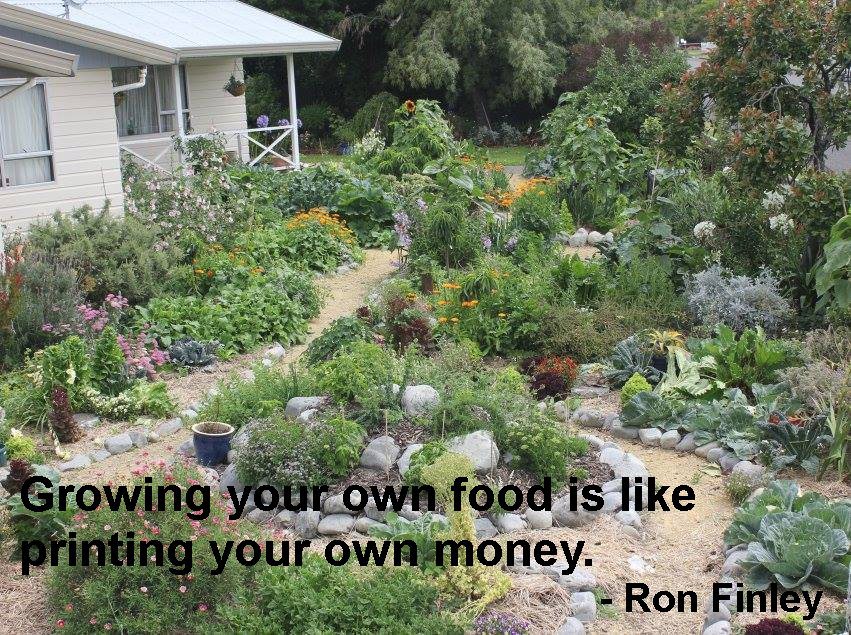
Vanessa, a blogger from Taihape turned her parents front garden into a food space, pictured above, especially to show folks where food comes from … not necessarily the supermarket. Check out her blog HERE.
It’s well documented how harmful GM food is for your health (see our GMO pages) and it’s being foisted upon us whether we like it or not. Whether we protest, make submissions, voice our opinions etc etc or not, our voices are virtually ignored these days. Our current govt/corporations are determined to have us eat their products & in many cases we already are because they are not required to label their wares. However you slice & dice this it is downright fascist. We are forced to drink fluoride, chlorine and other unknown substances in our water (or spend a fortune filtering or distilling ourselves), to eat our mainstream veg and fruit that are sprayed to the hilt with a raft of chemicals and poisons (unknown to most purchasers because again no requirement to label them as sprayed or with what) … and unless we buy organic at often treble the price. Our meat is not exempt, just observe all the nice yellowy fields around the countryside, these are sprayed with Roundup that contains Glyphosate & is recommended by at least one I know of, agricultural text books, being as they say quite harmless. As harmless as dish liquid farmers tell me with a smile and as if I have two heads for even questioning their wisdom (which they acquired from Monsanto, no questions asked). These farmers spray it over everything. They love it. One proudly told me when the soil’s plowed under it’s perfectly safe for the stock to eat the grass that grows there. They think because you don’t drop dead on the spot it really IS harmless. Nobody bothers to look at the independent research or consider the LONG TERM effects. Anyway there is plenty of info on all of that, including the independent research, on our Glyphosate pages.
The point of this post before I get too carried away was to highlight the fact you can grow your own uncontaminated food, even in small spaces. Google that and there are many articles on gardens in small high rise apartments even. Nothing’s impossible. There are some other ideas on our Food pages also.

For Kiwis (and anybody else) we have our own Kiwi gardening guru Wally Richards. Wally also features in a gardening group at thecontrail.com. His website even provides a telephone number you can ring for advice if you’re stuck &/or you can sign up and receive regular updates and news about gardening.

GARDENING PAGES
ESPECIALLY for N.Z.Established June 1996(Orginally the web site was http://www.manawatu.gen.nz/garden
(Updated Monday 16th October 2017)
Note these pages WILL be updated weekly.Over 21 Years of bringing these gardening pages to the Internet(from June 1996 to present. Making this site one of the oldest web sites in New Zealand)Orginally the web address was http://www.manawatu.gen.nz/gardening
Changing The World
Garden by Garden!
“Surely by now there can be few here who still believe the purpose of government is to protect us from the destructive activities of corporations.
At last most of us must understand that the opposite is true:that the primary purpose of government is to protect the destroyers of our Earth, our Home from the outrage of injured citizens.
If we do not resist using whatever means necessary, we condemn ourselves, our children and future generations to trying to exist on a lifeless planet.
Make no mistake, we are in a fight for our very survival.”
QUESTION MORE“If people let government decide what foods they eat and what medicines they take,
their bodies will soon be in as sorry a state as are the souls of those who live under tyranny.”
Thomas Jefferson
READ MORE
http://thecontrail.com/group/grow-your-own-food-gardening
NOTE: YOU CAN SEARCH FOR ARTICLES ON ANY OF THE TOPICS LISTED HERE, BY GOING TO ‘CATEGORIES’ (LEFT OF PAGES), THE TAG CLOUD, OR USE THE SEARCH BOX.




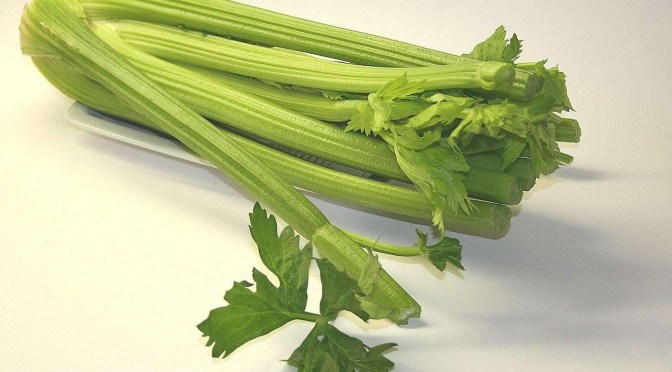
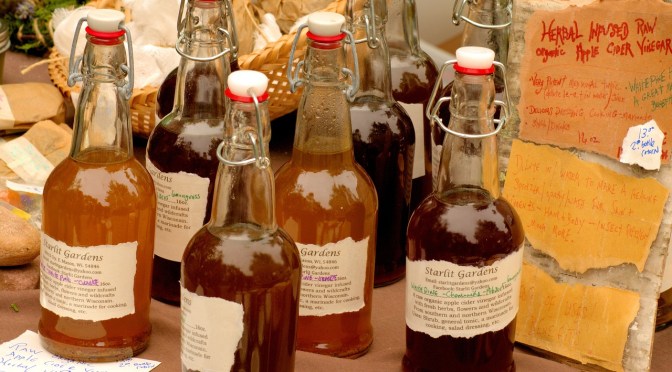

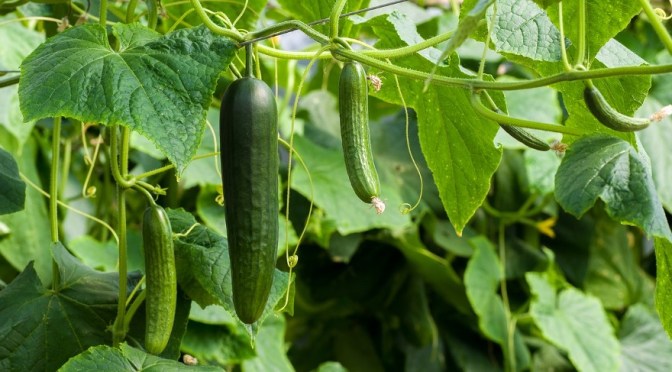
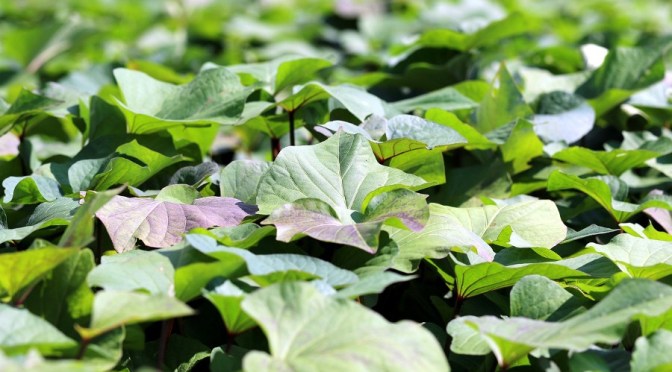
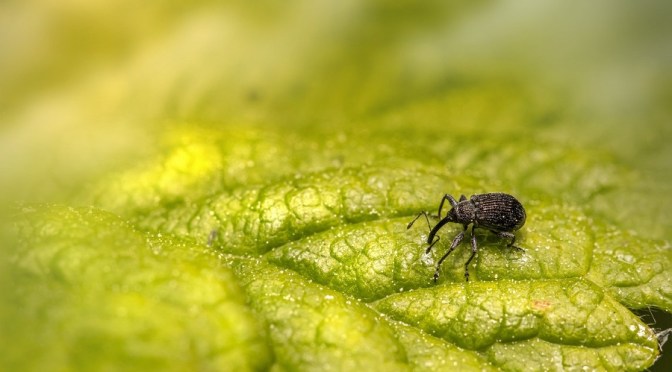


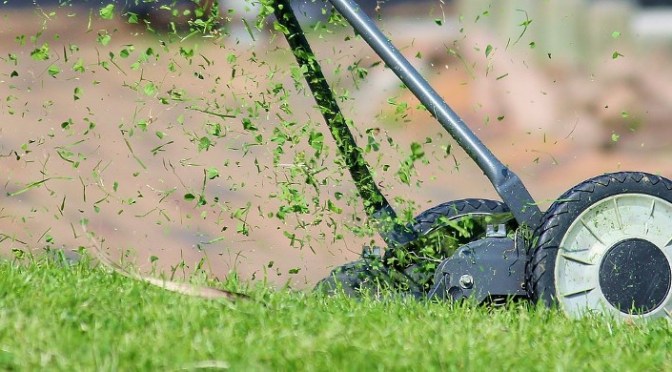
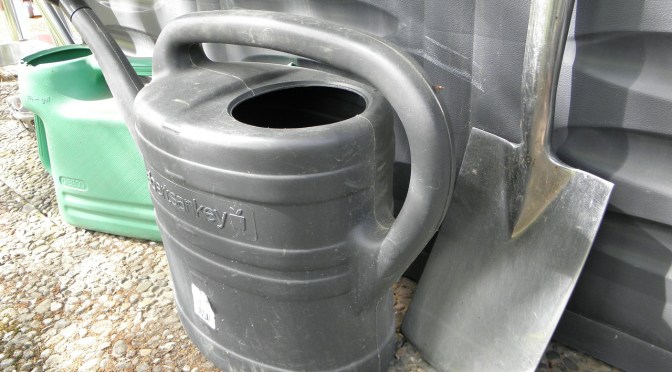
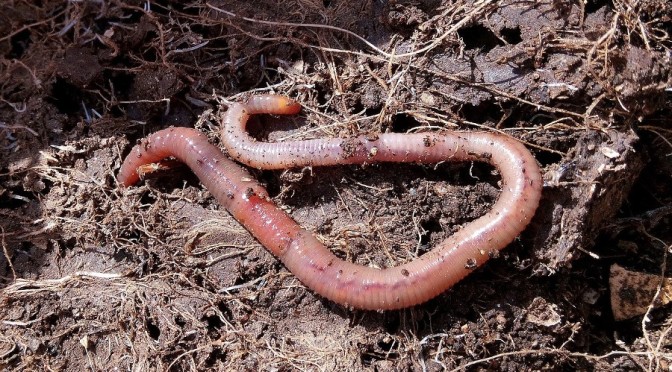

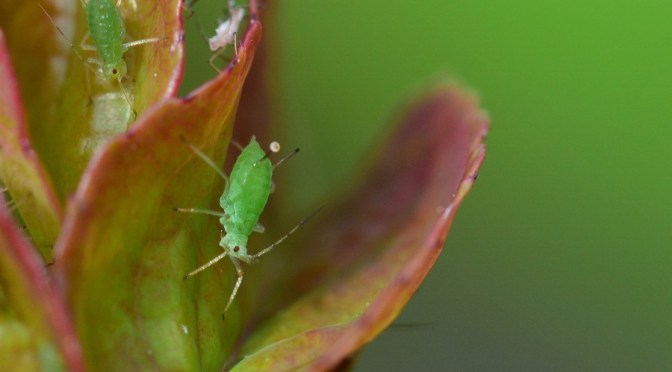


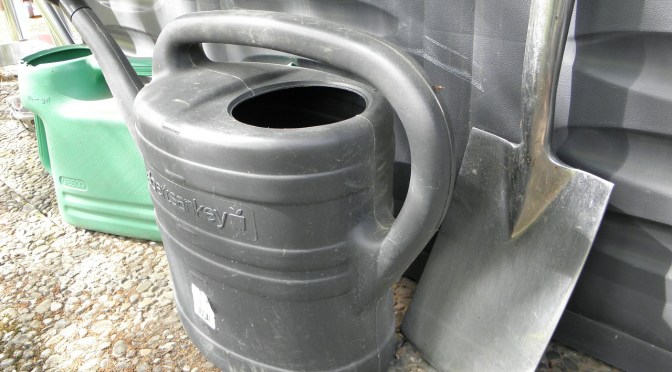
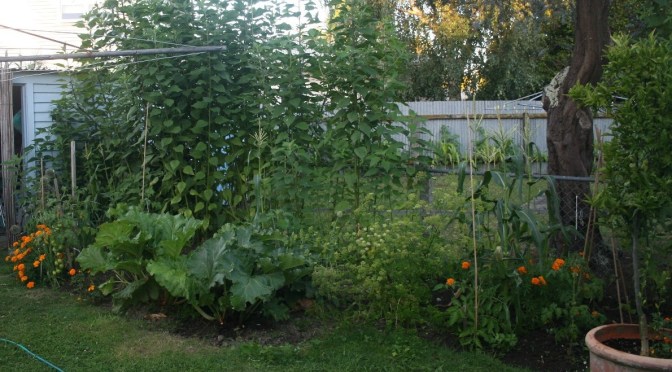

You must be logged in to post a comment.