Category Archives: Food

Food Supply Shutdown: Deer, fish, pigs euthanized; crops not planted (Ice Age Farmer)

Ice Age Farmer 323K subscribers

An observing alien species would ask itself, “Why is humanity destroying ALL of their food sources?” In this special Ice Age Farmer broadcast, Christian has a candid conversation about the overwhelming number of attacks on our food supply. With crops unplanted and with more food facilities burning down, the media runs stories about “food fire conspiracy theories.” And it’s not just chickens — the state is also killing deer and fish in the name of stopping diseases. Start growing food now. FULL SHOW NOTES: https://www.iceagefarmer.com/2022/05/…

READ MORE & WATCH AT THE LINK

Photo: GoranH @ pixabay.com

USING NEEM TREE GRANULES AND POWDER IN THE GARDEN (Wally Richards)

In India the kernels of the Neem Tree are collected and cold pressed to extract the Neem oil which is used to control insect pests in agriculture and our home gardens.

The Neem Oil is not a poison so unlike chemical insecticides it does not poison the pests, the environment or the user.

Instead it acts as a deterrent and has the ability to prevent insect pests from feeding making it an anti-feedent and when a small amount is consumed by pest insects feeding on the plants sprayed with the oil they stop eating and starve to death..

Recently EPA came across an overseas study that suggested that the active ingredient in Neem Oil could be harmful to aquatic life.

Apparently there are other studies that show it is not but EPA has taken the precaution of having all brands of Neem Oil to be re-registered and while the applications are being scrutinised the Neem Oil brands cannot be marketed in NZ.

That is the reason the Wallys Super Neem Tree oil is currently removed from sale while our application is being approved.

Neem Granules and powder which in India are called Neem Cake does not have that problem and is used as a soil conditioner, fertiliser and pest deterrent.

The only difference between Wallys Neem Tree Granules and Wallys Neem Tree Powder is the particle sizes.

The powder is uniform size particles about 1-3mm where the granules is a mix of powder up to lumps about 30mm in size but mostly about 10-15mm.

The powder is ideal for using in the planting hole for seedlings, on the lawn and on smaller containers.

To deter carrot fly you sprinkle the power with the seeds when sowing and later when the tops are up about 4 to 5 cm you side dress the row with Wallys Neem Tree Powder.

It is fast acting, breaking down and needs to be reapplied about every 2-3 months.

The larger particles of Wallys Neem Tree Granules are slower to break down giving a much longer protection period of about 3 to 5 months.

This makes them ideal for placing in the root zone of larger plants, roses, shrubs and trees.

I have been pleased with the effects that have happened when used on the soil surface in the root zone of citrus trees.

An application sprinkled from the trunk to the drip line cleans the tree of all insect pests within a few weeks of application.

I had a Lime growing in a container that was attacked by scale insects with a lot of ants over the plant collecting the honeydew the scale was peeing out.

A handful of Wallys Neem Tree Granules onto the growing medium and within a month no ants and no scale.

A couple of months ago a lady gardener from India living now in NZ told me how she has beautiful roses free of pests and most diseases and looking very healthy.

The secret she told me was to put about a handful of Neem Granules into a bucket of water.

Stir occasionally and then take the water and pour over your roses.

A natural food and deterrent bit like the article I wrote a few weeks back about mixing Apple Cider Vinegar with water and spraying over fruit trees.

If you are going to try the Neem Granules into a bucket of water I would also suggest you make it even better by adding a little Magic Botanic Liquid (MBL).

It has taken us 6 months to get a container load of Wallys Neem Powder/Granules from India to New Zealand because of all the upsets in the supply chains and lock downs.

Normally it would have only taken 6 to 8 weeks.

I asked my India supplier because the delays are so long now to arrange a second container.

I asked for that 3 months ago and they are still trying to find a shipping line to bring it to NZ.

Why is this the case?

Which apparently applies to both New Zealand and Australia, as our Governments make them stand off shore for long periods of time before they can dock into our ports.

While waiting to dock they use up fuel and have to pay their sailors wages for doing nothing.

A few gardeners have told me that using Neem Powder or Granules in their vegetable gardens has deterred cats from fouling the gardens.

Apparently the cats do not like the smell of the Neem.

This may work for some cats and be a deterrent but I have not had sufficient feed back to say it is greatly successful on most cats.

If you find by using it in gardens that cats stop fouling please let me know.

The product Wallys Cat Repellent which is naphthalene flakes works on about 95% of cats.

We are trying to bring a shipment from India but so far not having any success so out of stock.

None of the shipping lines want to handle it so trying to air freight it here if they can find a plane to bring it to NZ.

My advice to all you readers currently is to plant up food crops into any available ground and stock up on essentials as a world wide famine has started and things are not looking good.

Have an ample stock of vegetable seed varieties that you like to grow and store the packets opened or unopened in a glass jar sealed with a lid in your fridge.

Also seeds for growing sprouts which can be grown all year round for good nutrition as not subjected to day light hours like our vegetable crops for growth.

Have on hand a supply of MBL and Ocean Solids which a small amount of both can be added to the water that you use to do your sprouts to increase their mineral content.

There is an old saying ‘Prepare for the Worst and Hope for the Best.’

If you want a ‘Bit more’ information on current happenings email me.

Phone 0800 466464
Garden Pages and News at www.gardenews.co.nz
Shar Pei pages at  www.sharpei.co.nz
Mail Order products at www.0800466464.co.nz

Photo: pixabay.com

Back To Eden Gardening Documentary Film – How to Grow a Regenerative Organic Garden (MUST WATCH!)

A timely and amazing doco that is well worth the watch if you are wanting to grow your own food. A necessity with the current, increasing (& planned) shortages. Little weeding or watering. It will revolutionize your gardening! EWR


Dana & Sarah Films 34.8K subscribers

Back to Eden Gardening Documentary Film – Learn how to grow a regenerative organic vegetable garden the best and easiest way! Grow fruits and veggies with less labor, less watering, fewer weeds, and an extremely abundant harvest! Paul Gautschi, featured in the documentary Back to Eden, has popularized the use of free wood chip mulch from tree trimmings in vegetable gardens and orchards. Discover the regenerative organic gardening movement that has made millions of people worldwide love growing their own food by watching the film, streaming online for free!

OFFICIAL WEBSITE: https://www.backtoedenfilm.com BACK TO EDEN DVD: http://www.backtoedenfilm.com/buyback…

SUBSCRIBE: https://www.youtube.com/user/danasara…

FOLLOW ON INSTAGRAM: https://www.instagram.com/backtoedeng… FOLLOW ON FACEBOOK: https://www.facebook.com/BackToEdenGa… Back to Eden shares the story of Paul Gautschi and his lifelong journey walking with God and learning how to get back to the simple, productive organic gardening methods of sustainable provision that were given to man in the garden of Eden. The food growing system that has resulted from Paul Gautschi’s incredible experiences has garnered the interest of visitors from around the world. Never, until now, have Paul’s organic gardening methods been documented and shared like this! You will walk away from Back to Eden Film with the knowledge of how to plant an organic garden and how to grow your own food. Back to Eden gardening is the best gardening technique!

much more info at the link:

WATCH AT THE LINK

It’s beginning to look a lot like famine But don’t tell “our free press,” whose job is to deny it, while doing everything they can to bring it on

Mark Crispin Miller

READ AT THE LINK

https://truthwatchnz.is/all-categories/general/it-s-beginning-to-look-a-lot-like-famine-but-don-t-tell-our-free-press-whose-job-is-to-deny-it-while-doing-everything-they-can-to-bring-it-on

RELATED:

BlackRock and Vanguard are taking over centralized food production technologies and will have near-total control over the future food supply in America

https://www.naturalnews.com/2022-05-01-blackrock-vanguard-controlling-america-centralized-food-production.html

Photo: AbsolutVision @ pixabay.com

More on the Food Bill

“The Food Bill” resurfaces again (also here) … some things are introduced ‘gradually’ a hallmark of Fabian Socialism… gradualism. So the Bill looked fairly benign to the folk who 100% trust & don’t bother to look deeper. However you need to examine it within the context of our diminishing rights and freedoms that began around the end of last century with those several notorious plane crashes into buildings. More links to info (historically) in this article … https://envirowatchrangitikei.wordpress.com/food-bill-nz/


Important to know about Codex Alimentarius. Codex Alimentarius is United Nations (UN), WHO (World Health Organization) and FAO (Food and Agriculture Organisation) way of making sure the industry get more protected and that you the consumer get food with more toxins and less nutrients. It has everything to do with international trade and nothing to do with food safety.

– Codex Alimentarius is not about consumer protection.
– Codex is designed to protect the industry (read: Pharmaceutical, Chemotherapy, Biotech, Agrobusiness, etc.) by eliminating natural health products and treatments, and by allowing insanely high residuelevels of toxins.
– Codex is unscientific because it classifies nutrients as toxins.

VIDEOS AT THE LINK

http://www.monsanto.no/index.php/en/environment/gmo/gmo-videos/159-codex-alimentarius?fbclid=IwAR1i9_VoiKb3vtuMg2LBGQVBD27jPp4kKrsOgf5Zgaq-Dowozw2OpMn-cK4

Photo: pixabay.com

NEW Controlled Food System Is Now In Place And They Will Stop At Nothing To Accelerate Their Control

From Mark Crispin Miller

“Who controls the food supply controls the people; who controls the energy can control whole continents; who controls money can control the world.” This famous quote by Henry Kissinger is ringing more and more true by the week. The globalists already control the majority of the money, are moving ever so swiftly to convert the energy system over into systems they are all invested in, and have been taking drastic measures to control the food industry while running much of it under the radar. If they control the seeds they control the food, and if they control the food they can use the digital ID to control consumer access to the food. While a rash of fires suddenly destroy food processing, meat, and fertilizer plants, during a time where farmers are hurting and supply chain issues are kicking in, an entire traceable food infrastructure system has already been built in multiple cities and is making its way across the globe.

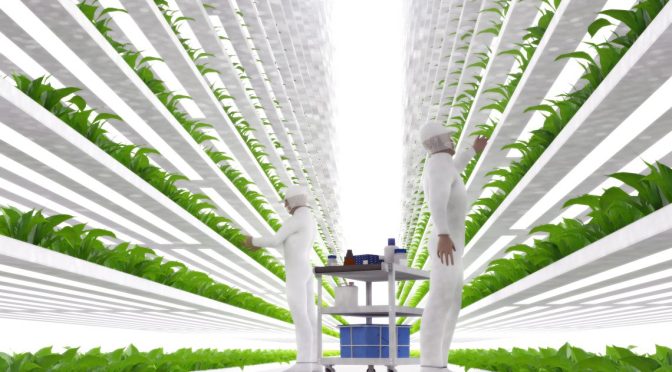
Imagine a day where farmers markets no longer exist, you can’t drive over to your local farmer to buy produce or cuts of meat, and the only food growing outside of the globalists secured indoor vertical farming and lab grown meat facilities, is in your windowsill, garden, or greenhouse.

• The indoor vertical farming industry was valued at $5.5 billion in 2020 and is projected to reach $19.86 billion by 2026. Urban indoor farming controlled by the globalists is the future of food they have reimagined, and it’s already in thousands of grocery stores without people realizing it. Whereas the U.S. is leading in this industry, this is a global agenda with vertical farms popping up across the globe.

• For perspective, Bowery Farming’s new facility in Arlington, TX will be able to serve 16 million people in a 200-mile radius. This is only one of dozens of vertical farming companies with massive facilities across the country, backed by big investors.

• AeroFarms, who has the largest indoor vertical farming facility in the world, co-developed the first CRISPR-Cas9 gene-edited produce product, now hundreds are following, while National Geographic believes that gene editing is the next food revolution. AeroFarms also worked on an NIH sponsored trial to produce proteins for the Covid jabs.

• The University of California is developing a plant-based mRNA vaccine in the hopes that farms can grow edible vaccine heads of lettuce.

• Monsanto/Bayer is creating gene edited seeds for vertical farm companies, while Bill Gates, the Rockefeller and Ford Foundations, and the World Bank control 10% of the world’s germplasms and hold some of the world’s largest seed banks. Bayer and BASF, two of the world’s largest suppliers of seed, are both involved with the vertical farm industry.

• The USDA and FDA have already approved lab grown meat, genetically modified cattle, and are funding the globalists to research and develop cellular agriculture as well as indoor growers and genetics companies, while they slack on regulations for gene-edited produce.

• Well over a dozen major food processing and meat plants have coincidentally gone up in flames in the past several months.

• Union Pacific is mandating railroad shipping reductions by 20%, impacting CF Industries Holdings, the world’s largest fertilizer company. Vanguard, BlackRock, and State Street happen to be the top shareholders of Union Pacific, and BlackRock and Vanguard are in the top 3 shareholders of CF Industries Holdings.

• By mapping some of the biggest vertical farms (below in this report), it reveals the crops, grocery stores involved, locations, and billions pouring in by globalist investors and shareholders. It quickly becomes evident that this is the global plan to control all produce – ingredients that go into all food products.

READ AT THE LINK

https://www.coreysdigs.com/global/new-controlled-food-system-is-now-in-place-and-they-will-stop-at-nothing-to-accelerate-their-control/

Photo: coreysdigs.com

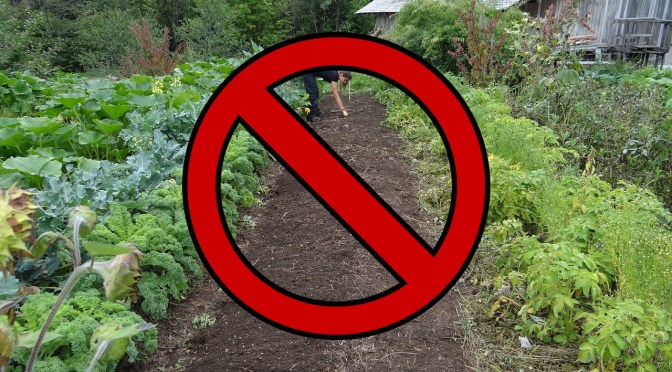
In New Zealand in some regions it is illegal to plant new ground in vegetables

Thanks to seemorerocks.is for this important info. Here is why NZ’s food shortages. It’s not ‘the war’. The grower in the interview tells us that this has been brewing for 5 years! Your ‘kind’ govt requires from them a resource consent to grow, a consent to water and a consent to wash the veg. And predictably the supermarkets pay them insufficient to meet growers’ requirements. We’re ‘all in this together’ peeps, team of 5mill. I wonder what the esteemed polis are dining on these days? Meanwhile our power has just done a hike also by doing away with low user benefits. EWR


seemorerocks.is

This is an interview on NZ television with an award-winning vegetable grower on the problems growers are facing, in terms of both cost and regulation in growing food and getting it to the market.

He says it is a problem that has been brewing for the last 5 years or so.

There were warnings back then that the changes made by government would bring the very food prices we are seeing.

He points out:

  • The cost of production has been increasing for growers to the extent that the price offered by the retailers (read the supermarkets) is BELOW THEIR COST OF PRODUCTION so it is no longer worthwhile sending produce to market.
  • He also points out that: in some regions of NZ it is ILLEGAL to plant new ground in vegetables;
  • the government requires a resource consent to grow vegetables, to irrigate and wash them; the grower, who has won environmental awards cannot get consent to plant new areas.

VIDEO LINK: In New Zealand it is illegal to plant new ground in vegetables

Finding any background on this or anything relating to the most important part of human existence in this country is like looking for a needle in the haystack.

It does not appear to be there

Fruit and vegetables drive up annual food prices

Annual food prices rose 6.8 percent in February 2022 compared with February 2021, Stats NZ said today.

This was the largest annual increase since July 2011 when prices increased 7.9 percent.

In February 2022 compared with February 2021:

  • fruit and vegetable prices increased by 17 percent
  • grocery food prices increased by 5.4 percent
  • restaurant meals and ready-to-eat food prices increased by 5.2 percent
  • meat, poultry, and fish prices increased by 7.1 percent
  • non-alcoholic beverage prices increased by 2.3 percent.

“Fruit and vegetables were the largest contributor to the annual movement, mainly influenced by tomatoes, broccoli, and iceberg lettuce,” food prices lead analyst Angus Crowe said.

Food price inflation soars again – fruit and vegetables up 18pc

Food prices were 7.6 per cent higher in March 2022 compared with March 2021, Stats NZ said today.

New Zealand’s Surging Food Prices May Fan Inflation Expectations

Zealand food prices rose the most in more than 10 years in 2021, adding to risks that the central bank will need to do more to contain inflation expectations.

All I could find on this was that people growing and selling food have to adhere to the NZ Food Act 1914

The Food Act 2014 takes a common-sense approach to food safety. If you make or sell food, your business may need to be registered. Find out more about the Food Act and what it means for you

https://www.mpi.govt.nz/food-business/food-act-2014/

SOURCE

https://seemorerocks.is/in-new-zealand-in-some-regions-it-is-illegal-to-plant-new-ground-in-vegetables/?fbclid=IwAR00Pt4ogeftwhN6vZHlyiVX_6QuGtPr2APM6balakVk635HmMiMZe20fdM

Photo: pixabay.com

How to Grow Ginger in Containers And Get a Huge Harvest

(VIDEO BELOW IN THE ARTICLE)

epicgardening.com
Ginger is a powerful, anti-inflammatory herb that has been used in the culinary world since centuries. The ginger plant forms from a rhizome that grows into a dainty, little flowering perennial. If you want to add flavor and beauty to your food garden, growing ginger is an absolute must. 

Ginger has numerous health benefits and has been used as a medicinal herb since the 16th century. The plant offers quick relief from indigestion, nausea, and can ease common cold and flu symptoms. Truly, ginger is an all-purpose, versatile herb that deserves a place in your garden. 

Read on for our in-depth guide on how to care for and maintain ginger plants!

READ MORE

Ginger Plant: Adding Spice To Your Garden

https://www.youtube.com/watch?v=-mUeNy0rweM

RELATED

GROWING GINGER in a cold climate

Photo: pixabay.com

Top 11 Leafy Greens (& Their Benefits)

From draxe.com

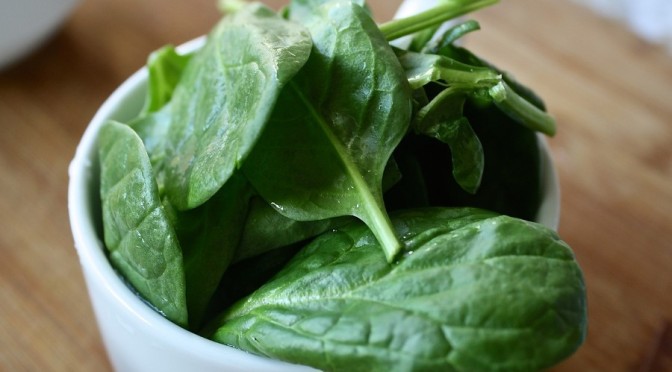
Diets rich in antioxidants — which help to fight against free radical damage that contributes to aging and disease — are recommended for people of all ages. One group of foods that provides some of the highest contents of antioxidants, in addition to many other essential vitamins and minerals, is leafy greens, such as popular types like kale and spinach.

Researchers have found that a diet inclusive of dark leafy greens can defend the body against experiencing cellular damage, which is associated with health problems, such as:

  • neurodegenerative diseases
  • heart disease
  • diabetes
  • certain types of cancers
  • earlier mortality

Top 11 Leafy Greens

Which are green leafy vegetables?

Leafy greens are considered to be any type of plants with leaves and/or stems that are eaten as vegetables. This category includes various types of salad greens, pot herbs, vegetable greens and microgreens.

Which are the best leafy green vegetables?

“Dark leafy greens” are among the healthiest because a rich/deep green color indicates a high level of antioxidants. While there isn’t necessarily just one type of green veggie that is the best, some of the richest in nutrients include:

  1. Watercress
  2. Kale
  3. Swiss chard
  4. Microgreens (like broccoli, kale and cabbage sprouts)

READ AT THE LINK

https://draxe.com/nutrition/leafy-greens/

How to forage, store and cook acorns

Further to a previous article on acorns, a superfood. Here is some info on how to use them. No doubt you will find further recipes by searching the net yourself. EWR

Insteading

21.5K subscribers Acorns are a super sustainable source of sustenance that you can forage from the forest to your front yard! In this video, Wren discusses the different types of acorns, how to identify a good nut, foraging tips, processing acorn meat, and how to use your acorns to make DELICIOUS food. Let us know if you have any acorn recipes below! NOTE: The labels on the oak leaves at 3:57 are swapped- the left leaf is a white oak and the right leaf is a red oak. Read more in Wren’s Insteading Article https://insteading.com/blog/how-to-ea…

0:00 Intro 0:55 Acorns as a food source 2:55 Foraging Acorns 4:15 Good and Bad Nuts 6:15 White Acorns and Red Acorns 7:00 Acorn Weevil Larvae 7:27 Cracking Nuts 8:04 Sorting and Prepping 9:20 Leaching 10:20 Acorn Flour 11:15 Acorn Recipes 13:55 Additional Resources 14:54 Conclusion

RELATED: How to make acorn coffee

Photo: pixabay.com

Growing Edible Flowers in Your Garden

From almanac.com

So many flowers are not only beautiful but also completely edible, adding color and flavor to salads, soups, pastas, drinks, and desserts. In fact, in ancient times, flowers were grown more for scent and flavor than looks alone. Here are 15 edible flowers that are also easy to grow.

For centuries, humans have foraged or cultivated flowers and flower buds for food, drink, and medicine. Think of squash blossoms in Italian food, chamomile or jasmine tea, and rose petals in Indian food. Some are spicy, and some herb-y, some are fragrant. All are colorful.

Flowers You Can Eat

We’re seeing a renewed interest in edible flowers. There are hundreds of common wild and cultivated plants with petals and buds which are edible. Not only are these flowers pretty in the garden, but they will add color, diversity, and new flavor to your meals.

READ MORE

https://www.almanac.com/growing-edible-flowers-your-garden

Photo: Couleur @ pixabay.com

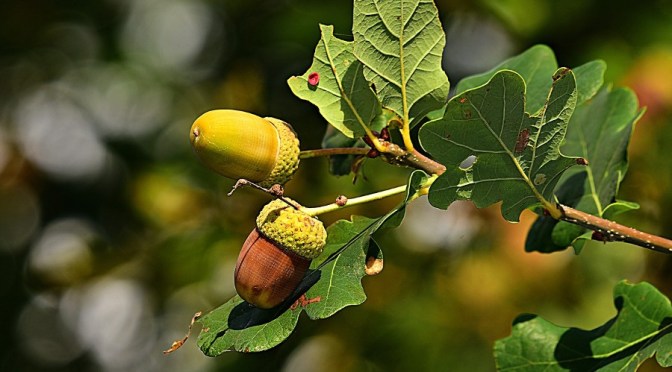
Acorns: A forgotten superfood

Wouldn’t you know it? I always did wonder about acorns … then found this link a few months back, and saved it intending to post here. Food shortages (albeit man made shortages or should that read cabal made?) part of the new world order plan to shrink our self sufficiency. No way will I ever be eating the coming frankenfood. Watch as trees get removed to improve the five G reception. That’s the plan. I’ve already seen young oaks being chopped locally. Anyway … FYI, the little known usefulness of the humble acorn. Tomorrow I’ll post some acorn recipes. EWR


LISTEN AT THE LINK:

https://www.youtube.com/watch?v=3vi-1s1Bjs4

Marcie Mayer has devoted her work to harvesting, processing and researching acorns. As a superfood, acorns meet many of our food challenges in the 21st century. However, even though oak trees are abundant in so many countries, acorns have been forgotten and have even been mislabelled toxic. In her talk, Marcie Mayer demystifies the role of acorns by highlighting their nutritional, dietary and health value in our lives. She believes that harvesting acorns benefits our environment, our economy and our health.

Photo: MabelAmber @ pixabay.com

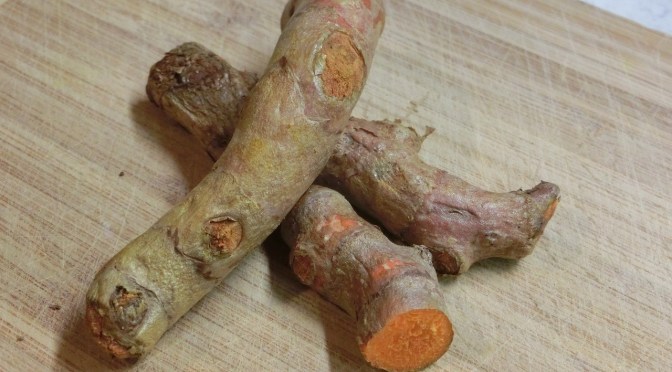
Grow a Superfood in Your Own Backyard: Turmeric

From gardenerspath.com

Curcuma longa

If you’ve ever feasted on Indian food, you’ve undoubtedly enjoyed the pungent flavor and golden color of turmeric, Curcuma longa, aka Indian saffron, an herbaceous perennial in the Zingiberaceae family of plants that is related to ginger and cardamom.

A chemical compound called curcumin found in the fleshy rhizomes of this plant is responsible for the bright hue, as well as numerous potential health benefits.

READ AT THE LINK

https://gardenerspath.com/plants/herbs/growing-turmeric/

Photo: pixabay.com

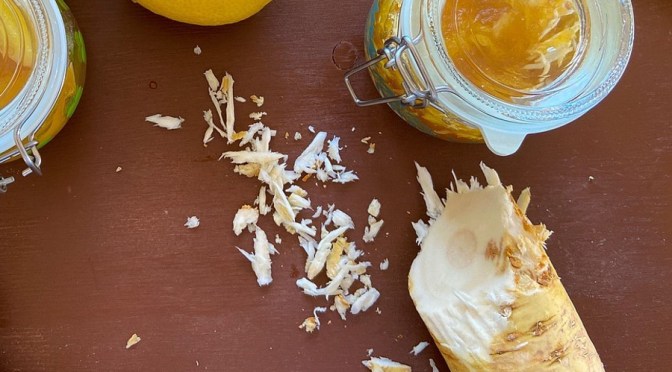
Horseradish: a vegetable that packs a nutritional wallop & has more vitamin C than most common fruit

Info on how to grow this root vegetable at the link below …
from almanac.com

Horseradish Benefits

Horseradish roots pack a nutritional wallop that few cultivated plants, and certainly no other root crop, can match. The freshly grated root contains more vitamin C than most common fruit, including oranges. The root is rich in calcium, iron, thiamine, potassium, magnesium, trace minerals, and proteins, yet desirably low in phosphorus and sodium. Horseradish is 20 times richer in calcium than the potato (with skin) and contains nearly four times the vitamin C and three times the iron.

READ MORE

https://www.almanac.com/plant/horseradish

Photo: Schnu1 @ pixabay.com

Hemp Milk: A Nutrient-Rich Dairy-Free Alternative

I’m personally not averse to dairy … organic, raw is what I buy when I do, from the farm gate. An option that narrows with the govt raids picking on small producers of healthy food. However, I do try these various options including homemade almond, flaxseed & other milks. Going to try this one. EWR


From Dr Axe @ draxe.com

More and more people are reaching for dairy-free milk options when browsing through the grocery store. Some of the best options, like almond milk and coconut milk, provide important nutrients — including essential fatty acids and calcium. Hemp milk is no different. In fact, it serves as a nutrient-rich plant-based milk with a creamy texture and nutty flavor.

With the current prevalence of cow milk allergy and lactose intolerance, plant-based milk options are becoming more popular. Although milk from hemp seeds is fairly new to the market, it may be an even more nutrient-rich option than other dairy-free options.

READ AT THE LINK

Photo: draxe.com

GROWING YOUR OWN FOOD (Wally Richards)

You may ask why is it important to grow your own food?

First and most importantly it is your Food Security. Not nice to be hungry 24/7.

Second is that the food you grow yourself; if grown naturally without man made chemicals, will be healthier compared that which is grown with chemical fertilisers and sprays.

Thirdly it will have great flavour unlike the bland produce that you buy from commercial growers/supermarkets.

Naturally grown produce; when natural minerals are used, such as Wallys Ocean Solids, Wallys Unlocking your soil rock dust and Magic Botanic Liquid (MBL)… then the plants take up all these wonderful minerals and elements and the result is great flavour and so very tasty.

There is a simple formula ‘Great Flavour/taste = Great nutitional value/health’

My Friend Jack sent me an email this week which promted me to write this current column.

Here is what Jack wrote…

This morning I was waiting to have a haircut here in Tauranga, New Zealand.

The customer in front of me getting his haircut was the owner of a big transport company in the area and was talking to the barber. This is how the conversation went:

“Barber; How are things with you young man?

Answer; Not bad, but I have a lot of drivers off with Omicron at present which is not the best.

However, my biggest concern at present is that AdBlue, an essential additive now used in most modern diesel trucks and cars worldwide, is rapidly running out AND MAY CLOSE DOWN THE ENTIRE GLOBAL DIESEL TRUCK FREIGHT INDUSTRY within a month or two creating global chaos in supply chains.

Barber; Awe, that sounds a bit extreme doesn’t it? Are you pulling my leg?

Answer; No I am deadly serious.

Barber; Well why is it getting in short supply?

Answer; AdBlue is manufactured from Synthesized Urea and is used also for fertilizer and manufacturing conventional explosives.

RUSSIA is by far the biggest manufacturer and exporter in the world with China not far behind.

As a result of the Ukraine crisis, and the sanctions against Russia, Russia in turn, in collusion with China, is turning off the global supply lines.

It actually started last year. Here in NZ and Australia, unless this supply shortage is urgently rectified.

In my own case within a month I will have to park up all my trucks and stand down all my drivers!

That is how serious it may be.”

So everyone. I have no idea if this situation will be resolved quickly or not.

However, in a very short space of time it potentially could turn very nasty!

After all, every can of baked beans doesn’t walk into the supermarket on its own – it comes in by diesel trucks! Do I have to say any more?

Jack

Ok if there are little to no trucks to move stuff the empty Super Market shelves will be more apparent than currently also mail order stuff will not only have long delays as currently with drivers isolating but maybe reduce to a trickle?

So you should stock up now with essential items as well as plant up your gardens with vegetables as the day light hours are getting shorter and growth is slowing.

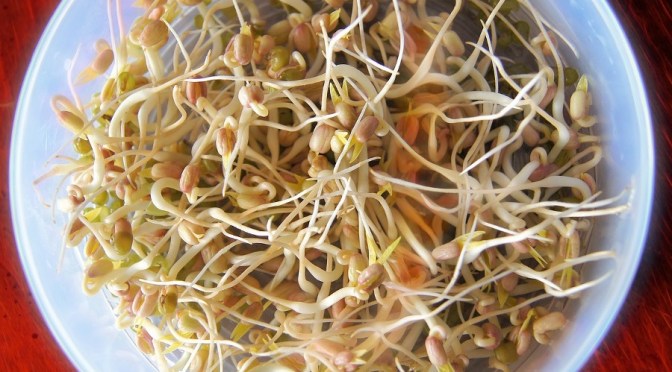
There is one fresh food you can do without a garden or day light hours to worry about and that is healthy seed sprouts.

Grow your own, fresh, nutritious, tasty sprouts. Mr Fothergills Kitchen Seed Sprouter makes it simple and affordable.

You will find these multi-compartment sprouters at Egmont Seeds in their mail order on line.

https://www.egmontseeds.co.nz/accessories-c-27/seed-sprouter-mr-fothergills

From their web site they have:

Sprouts are often referred to as Natures Super Foods, and rightly so, they are packed with powerful vitamins and minerals.

A study that involved scientific analysis of the vitamin and phytochemical content of 25 types of micro-greens, found that there were higher concentrations of vitamins and carotenoids (precursors to vitamin A) than the full-grown versions of the plants!

Now you can use the sprouter and make the seeds even more nitrous by adding a very small amount of MBL and Wallys Ocean Solids dissolved in the water you sprout the seeds in.

If possible avoid using chlorinated tap water for sprouting as you dont need the sprouts to take up the chlorine poison.

To overcome this problem place a bucket of chlorinated tap water outside in a sunny spot.

Take a cup of this water lift up and pour back into the bucket when the sun is shining.

This quickly removes the chlorine from the water and after a couple of days it should be free of the poison.

Also a couple of buckets outside to collect rainwater is also great value.

You change the water in the sprouter as to the instructions and ideally the sprouter should be on a window sill where it gets some natural light to green up the sprouts as they germinate.

Kings Seeds NZ is another good source of seeds to sprout with most of them being organic see

Gifts

Then you can always pick up seeds from places like Bin Inn such as mung beans etc.

Once you obtain a collection of seeds to sprout you then need to store them inside their packets, open or unopened and placed inside a glass jar with a lid and put inside your fridge.

That will keep them fresh for years and ready for you when you need or want to sprout.

With both Russia, Ukraine and China not supplying the West with fertilisers means that a lot of commercial growers are going to come unstuck and what vegetables that are available will be too expensive for many people.

Happy Growing…….

Photo: pixabay.com

How to Wash Vegetables and Fruits to Remove Pesticides

From foodrevolution.org

Get proven tips on how to wash vegetables and how to wash fruits so you can protect your health and your family.

Almost everyone should be eating more fruits and vegetables. You know that. But do you know why it’s important to wash your produce before eating it?

In our modern world, almost no food is 100% free of pesticides. Surprisingly, even organic produce may contain some pesticide residues.

Washing produce is important to prevent foodborne illness and substantially reduce your exposure to pesticides.

To reduce your pesticide exposure, the conventional advice is to choose organic food when you can, especially for the foods most likely to be contaminated with pesticides. And then, to wash your fruits and veggies before eating or cooking with them.

But, what foods are the most important to buy organic? And what is the best way to wash your produce to remove pesticides?

Science has given us answers. And we’ll share them with you. We want to help you make the best use of your time and money and to ensure the food you eat and serve is as safe as possible.

https://foodrevolution.org/blog/how-to-wash-vegetables-fruits/#wash

Photo: pixabay.com

The Truth About Nitrates and Nitrites in Your Food & Water

From foodrevolution.org

Nitrates and nitrites are in some of the healthiest and unhealthiest foods around. So what’s the deal? Are nitrates bad? Should we avoid nitrates and nitrites whenever possible? Does the source matter? This article summarizes what you need to know to get the good out of these compounds while avoiding the bad.

READ MORE

https://foodrevolution.org/blog/what-are-nitrates-nitrites/

Photo: pixabay.com

Beat the food price hikes & grow your own food

I’ve posted many articles over the years on growing your own food. It is like printing your own money one person has quipped. We also post here NZ Gardening Guru Wally Richards’ info. Wally’s been in action for many years, a fantastic go to for advice. (Search his name in the search box).

Right now folk are talking about the food price hikes. $7.50 for a pound of butter! Same price I also heard (and dearer) for one cauli. What better time then to get gardening if you’ve been putting it off. Not only that your own home grown will be far healthier. More goodness when harvested right before eating … not weeks in transit and storage before getting to your table. Remember too you can grown veg in pots, hanging containers, small spaces in your yard, just about anywhere. There is plenty of info on Youtube on topic. See this article for inspiration. Better still watch their video.

Anyway having resolved it’s time to grow more myself I returned to my previous source of heirloom seeds so am adding a link for Kiwis. The author of the site, Carol Rathael, is currently offering a course that teaches you to save your own seed. Remember, those controlling the seed supply long ago began tampering with seed so it does not reproduce. Thereby they ensured the unaware would need to return to the store to buy more of their seed. Do you still think it’s all about your health and well being? Their specialty is to patent everything … control, control, control. They have thereby destroyed many farmers in poorer countries who swallowed their lies of greater productivity. Listen to Dr Vandana Shiva on that topic.

FYI, check out Carol’s site for her beautiful, reasonably priced, heirloom seeds. Most are organic. Here is a link:

https://www.carolraethel.com/catalog-carols-heirloom-garden

RELATED: Keep your heirloom seeds … they’re gold … Monsanto is buying up the heirloom companies

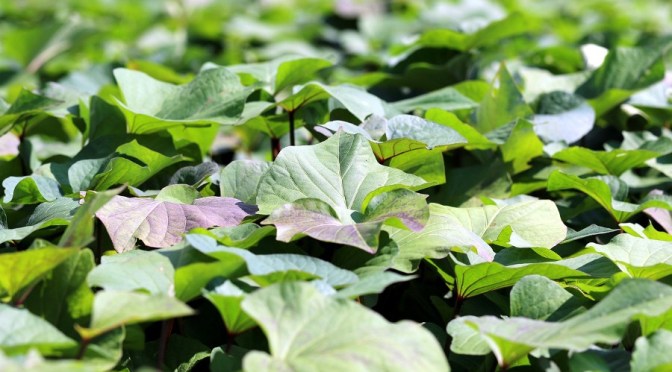
Benefits of Edible Kumara (Sweet Potato) Leaves

From kailashherbs.co.nz

Did you know that Kumara leaves (as they are known in NZ) are edible and they are actually very good for us?!

Often we only focus on the root and the rest is thrown away, even if it does go back into the compost. But ALL of the kumara plant is edible, although the most nutritious are the leaves.

Treat kumara leaves as you would spinach in your meals!

  • Raw: just like any dark leafy green you can add them to your salads 
  • Sauteed: roughly chop them up and sauté them with some butter and garlic
  • Boiled: boiling sweet potato vine leaves will help remove their bitterness. 
  • Juiced: add them into your daily juice for a vitamin kick. 

Kumara leaf vitamins and minerals:

  • Vitamins: A, C, K, B1, B2, B3, B9
  • Vitamin K (which kumara vines are high in) helps reduce the risk of osteoporosis and hip fractures
  • Minerals: calcium, iron, magnesium, phosphorus, potassium
  • Also contains zinc, manganese, copper

READ MORE

https://www.kailashherbs.co.nz/blog/edible-kumara-leaves?fbclid=IwAR35zBK17Mh7GgO0QUYBtmmcnLgMeMWeNIAcGSOau7F6rVsoOfvJeN3cGCA

Photo: manseok_Kim @ pixabay.com

“Who controls the food supply controls the people …” (Wally Richards)

A renowned or maybe infamous states man, Henry Kissinger is known for, amongst many other things, his quotes one of which is:

‘”Who controls the food supply controls the people; who controls the energy can control whole continents; who controls money can control the world.”

If you have been keeping up with what has been happening we see on main stream media a energy crisis in Europe with rising costs of fuel,

we hear of the implementation of proposed Cash Less Society and food is not as abundant as previously due to shipping and supply chains.

An example: I have for several months now being trying to ship a container of Neem Granules and Powder from India. My Shipping agents, Toll Global could not find a ship to transport it.

I was able to get my supplier in India to find a German shipping line that would take a container which after all this time will hopefully land in NZ in March.

I was told that most shipping lines do not want to come to Australia or NZ because they are made to sit off shore for a long periods of time waiting for permission to come in and disembark their cargo.

In the meantime using up fuel and paying their sailors wages for doing nothing.

Now we see fertilisers including urea are either not been exported by China, Russia or from some other suppliers and what is being imported now takes months instead of weeks to get here.

On TV news we see that this is causing a problem for our truckers.

(An automotive grade of urea will be injected into the vehicles’ exhaust stream to “scrub” nitrogen oxide (NOx) from the diesel exhaust. NOx, a major air pollutant, contributes to smog,

which causes asthma and respiratory and heart diseases.)

Now here is the countries food problem in a nut shell.

Commercial NZ growers of our vegetables have been using chemical fertilisers for many years and in doing so have killed the soil life in their soils.

This makes the soil void of microbes, beneficial fungi and no earth worms.

To grow crops in dead soil is a bit like hydroponics, you keep feeding the plants chemical nutrients to make them grow (NPK fertilisers)

The plants are not only forced to grow but to also grow quickly which means they do not obtain the nutritional quality plants obtain when grown naturally without being forced..

The vegetables thus grown are stressed and weak which makes them targets for every pest and disease under the sun.

To ensure that the vegetables look perfect on the supermarket shelves they need constant spraying of poisonous chemicals to prevent damage from diseases and pests.

This not only ensures that the soil life is continuously suppressed but also means you are eating produce that is chemically saturated and has little nutritional value or taste.

Food growers in NZ have a problem then, if they cant get loads of chemical fertilisers to grow their produce you will not see much fresh vegetables on the shelves.

What fertiliser is obtained will be up to 300% more expensive and that has to be paid for by you the consumer along with all the other costs involved in living, taking great price hikes.

Any imported food stuffs will also greatly increase in price due to shipping costs as well as manufacturing cost increases.

Here is your problem in regards to food security, we are now in the middle of February only 4 months till the shortest day.

Every day now till then, there is shorter day light hours.

Plants need sun light to grow, the less hours of sun light the less growth.

Ideally hardy crops such as cabbages need to be planted in summer to mature in winter.

That means the best time to plant your winter crops was in December and January.

It is not too late to plant seedlings in February and even into March but that is it as any planted after that will only slowly grow in less day light hours and later in spring when the hours of light increase they will go to seed.

Give you an example I can plant Drunken Woman lettuce (My favorite) now as purchased seedlings and they will be ready to harvest outer leaves in about a month to 6 weeks.

But if I plant the same in say May they will hardly grow and in August go to seed.

A waste of time other than used for the chickens to eat or dug under as a green crop to enhance the soil life.

So you need to plant seedlings now for your winter use.

They will grow during the diminishing light hours and reach near maturity going into winter when the growth is very slow but the cold temperatures

keeps the crop in Natures Refrigerator till you want to harvest for use.

Produce that you have ready now you need to harvest, freeze, pickle, dehydrate, bottle and store for the coming months.

Our grandparents knew this and they had larders full of preserved food and gardens full of mature greens to harvest fresh.

My mum used to say, ‘Better Safe than Sorry’

If you have been using a lot of chemical fertilisers and watering your vegetable garden with chlorinated tap water then you really need to restore the soil life.

Here is a remedy plan I saw on the Internet:

From Dead Dirt to Healthy Soil in 7 Simple Steps

  1. Stop using NPK fertilizers. Nitrogen, phosphorus, potassium (NPK) fertilizers are commonly used for trees, shrubs, and grass. …
  2. Stop using herbicides and chlorinated tap water.
  3. Leave the leaves. …
  4. Be mindful of disturbing the soil. …
  5. Use wood chips. …
  6. Use compost. …
  7. Use animal manures.

Happy Gardening..

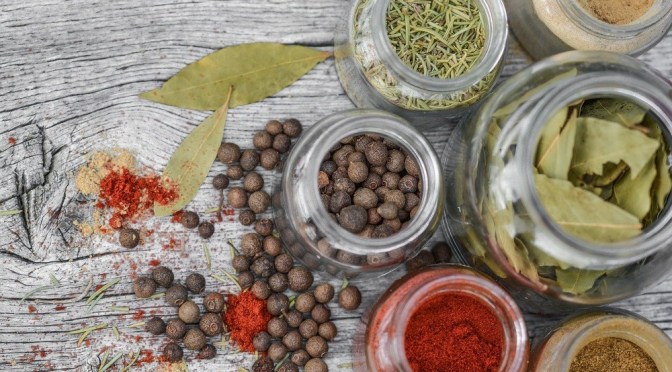
Fresh vs Dried: A Guide to Herbs and Spices

from foodrevolution.org

Summary

Cooking with the right herbs and spices can turn ordinary meals into culinary superstars. And not only are many herbs and spices delicious and aromatic, but they’re among the healthiest foods science has ever encountered. You can buy many dried herbs and spices pretty much anywhere, but have you ever tried growing your own, or getting fresh ones and drying them yourself?

One of the most challenging things about eating health-promoting food is that unhealthy processed food is engineered to be especially flavorful. Packed with excess salt, sugar, artificial additives, and unhealthy and often unnatural fats, these hyper-palatable, manufactured food products can overwhelm our taste buds and make fresh, healthy meals seem pallid by comparison.

Fortunately, we don’t have to choose between tasty and healthy. As long-time Food Revolution Network readers know, food can be both nutritious and delicious. We also have a powerful ally in our efforts to pump up the yumminess, mouthwatering aroma, and visual appeal of our meals — herbs and spices.

This isn’t exactly news — every culture around the world has its own unique spice blends, mixes, or associated culinary herbs. Think Herbs de Provence in France, or the staggering variety of Indian masalas and curries, or Ethiopian berbere (which means “hot” in Amharic). Pick a country or region, and you’ll find a distinctive flavor profile that comes from local herbs and spices.

READ MORE

https://foodrevolution.org/blog/cooking-with-herbs-and-spices-fresh-vs-dried/

Photo: monicore @ pixabay.com

Black Currant Leaf Uses: What Are Black Currant Leaves For

From gardeningknowhow.com

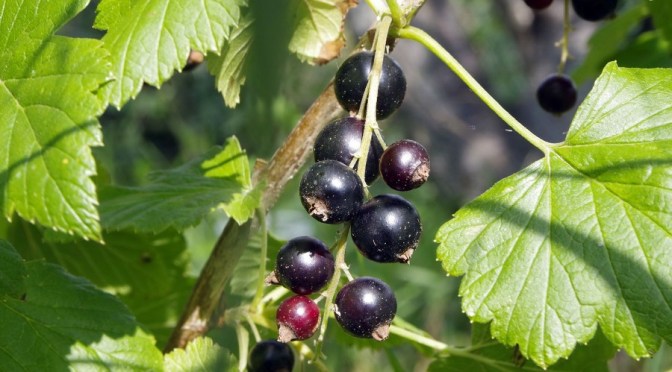
Black currant (Ribes nigrum), sometimes known as blackcurrant, is a woody shrub native to Europe and Asia. Although this currant plant is grown for its small black berries, it is also highly valued for the leaves, which are said to have great value as a medicinal herb. What are black currant leaves for? Read on and learn about the many black currant leaf uses.

Proponents of the plant claim that herbal black currant leaf may:

  • Boost the immune system
  • Reduce joint or muscle pain and inflammation
  • Decrease the buildup of plaque in the heart
  • Increase blood flow throughout the body
  • Improve eye function, including night vision

Read more at Gardening Know How:

Black Currant Leaf Uses: What Are Black Currant Leaves For https://www.gardeningknowhow.com/edible/fruits/currants/black-currant-leaf-uses.htm

Photo: Arcaion @ pixabay.com

Eating trash … the NWO folk really care about you & your health

Thanks SeaShell for the links:

By Ice Age Farmer

DARPA is funding the creation of 3D-printed food from “mixed waste,” to be served “when traditional food is unavailable.”

#BareShelvesBiden is trending as empty shelves are found across the USA, and the LA Times promises the situation is only going to get worse.

The food supply chain is buckling under the pressure of mandates and quarantines.

What is the agenda behind this engineered shortage? Find out in this Ice Age Farmer broadcast.

READ MORE

https://www.activistpost.com/2022/01/darpa-funds-soylent-green-as-empty-shelves-in-usa-bareshelvesbiden-trends.html

Photo: Ice Age Farmer screenshot

How to Grow Sprouts: The Ultimate, Home-Grown, Nutrient-Packed Food

From foodrevolution.org

Summary

When it comes to growing your own food, it’s hard to find anything easier, quicker, or more nutritious than sprouts. If you’re thinking about how to optimize your immune system, balance your blood sugar levels, improve your digestion, support your heart and liver health and function, or enhance your family’s food security, then sprouts could be just the thing you’re looking for. Here’s what you need to know about the different kinds of sprouts, how to put them to use for more nutrition in your home, and how to avoid bacterial contamination.

READ MORE

https://foodrevolution.org/blog/how-to-grow-sprouts-the-ultimate-home-grown-nutrient-packed-food/

26 Foods High in Zinc for Overall Good Health

Zinc is an important mineral for the body, and a deficiency can result in hair loss and diarrhea. The National Institute of Health says that the average adult male should be getting 11 milligrams of zinc each day, and adult females need 8 milligrams daily. It’s important to keep in mind that this is cumulative throughout the day, so you shouldn’t try to meet that requirement in one sitting, or with one food. The list of foods below will help give you an idea of how you can incorporate different foods into your diet that will help you meet your zinc needs.
 

Why do we need zinc in the body?

Although minerals are not needed in amounts that are as high as vitamins, they still play an important role in keeping you healthy. Zinc is a mineral that is needed in every cell in your body. It’s especially helpful for keeping your immune system healthy and properly functioning by fighting off bacteria and viruses that make you sick. Zinc is also needed for the production of DNA and protein. It plays an important role in the proper development and growth of infants. Lastly, zinc is needed to help heal wounds and keep your sense of taste and smell working at their best.
Research shows that zinc may be able to help you get through the common cold. According to one study, taking at least 75 mg of zinc within 24 hours of the onset of a cold reduces the symptoms of the cold in healthy people. Another study found that taking zinc lozenges reduced the duration of the common cold by 33 percent. One study even found that supplementing with zinc can help increase free testosterone in the body, which plays an important role in men’s health. Even women need to make sure they maintain their testosterone levels to keep their strength up.

READ MORE

https://healthwholeness.com/nutrition/foods-high-in-zinc/

15 Foods High in Vitamin D for Immunity & Wellness

Eggs being one of them… the surprise for me was … eel! Highest single source apparently …EWR

Get familiar with this list of foods highest in Vitamin D so you know what your best options are for supplementing your diet. Vitamin D is an important vitamin to stay topped up on, and getting enough sunshine gets you started, but you’ll still want to make sure you’re rounding that off with a balanced diet rich in Vitamin D foods.

READ MORE

https://healthwholeness.com/vitamin-d/vitamin-d-foods/

13 Weeds, Plants & Cacti You Can Actually Survive On

So you are out in the wild and you are out of food….or are you? Look around and you’ll find edible wild plants everywhere! Some can be found right in your backyard. The hard part is figuring out what you can eat and what will kill you.

First, to find the right food you have to know where to look. If you are in a tropical or warm and humid climate, the food will be basking in the sun, normally in a clearing or on the edge of a forest. In a dry climate, most of the food will be near whatever water source you can find. So what if you cannot find water? No problem; you should be able to find cactus, and yes, many are edible.

READ MORE

https://offgridworld.com/13-weeds-plants-cacti-you-can-actually-survive-on/

Photo: pixabay.com

17 Potassium Rich Foods That Pack More Than a Banana

Asparagus being just one of them!…

From healtwholeness.com

Potassium is an essential nutrient that is, thankfully, naturally present in many foods. It is also readily available as a dietary supplement to boost your potassium intake. Potassium is required for normal cell function because of its role in maintaining intracellular fluid volume and transmembrane electrochemical gradients. (1)

According to multiple scientific studies, the regular adult is recommended to have over 3.5 grams of Potassium a day. Most of these will come from a proper healthy diet along with fibre, protein, and other essential vitamins and minerals. Unfortunately, over 98% of all US adults are not getting their recommended daily intake. (2)

An essential mineral and electrolyte, Potassium can be found in a lot of whole foods such as leafy vegetables, legumes, and fish. Potassium plays a very vital role in your body, such as regulating muscle contractions, heart function, and managing the water balance. (3)

 When considering to go on a diet, it is crucial to be aware of the amount of Potassium that you are consuming to successfully determine the health impact of your food on your body.  In fact, it is recommended by specialists that we must consume 4,700 mg of Potassium to have a balance of acids and bases in the body that has not yet dissolved in water. (4) 

READ MORE

https://healthwholeness.com/nutrition/foods-loaded-with-potassium/

How to Make a Ginger Bug for Wild Fermented Sodas

I used to make this years ago. In NZ we’d call it ‘ginger beer’ rather than ‘soda’. Easy to make & a winner for hot summer days. EWR

From growforagecookferment.com

Learn how to make a homemade ginger bug using a wild ferment. It’s a very easy beginner fermentation recipe, can be a base for all kinds of naturally fermented soda drinks, including traditional ginger beer. Here is everything you need to know about this traditionally fermented ginger starter for homemade natural sodas!

Fermenting Ginger as a Starter for Sodas

The coolest thing to me about fermenting is that it is one of the oldest methods of food preservation, along with salting and drying.

I love the thought of humans discovering the fermentation process many hundreds of years ago, and love the revival it has been experiencing in recent times.

READ MORE

https://www.growforagecookferment.com/how-to-make-a-ginger-bug/