Category Archives: 1080

Jane Goodall Says Don’t Use 1080, Jan Wright Says Use More

An article here from psychologytoday.com, Mark Bekoff PhD, on the use of 1080 in NZ. Use would be a polite word given NZ has been literally slathered with this deadly poison for over 50 years. It’s killing everything and not just pests. EWR

“New Zealand’s former Commissioner of the Environment—1080 is moderately humane.”

There are more humane ways of dealing with ‘invasive species’ than 1080, world-renowned conservationist Dr. Jane Goodall says.” 

I abhor the use of the word pest.” —Jane Goodall

“It is my view based on careful analysis of the evidence that not only should the use of 1080 continue (including in aerial operations) to protect our forests, but that we should use more of it.” Jan Wright, New Zealand’s Parliamentary Commissioner for the Environment (2007-2017)

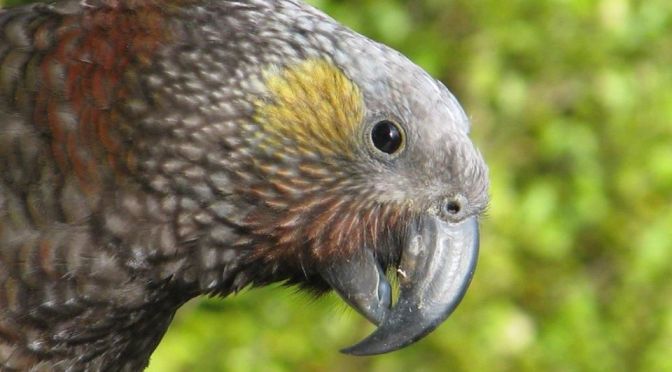
New Zealand continues to have major animal welfare issues. A growing number of people are extremely concerned with their war on wildlife, the goal of which is to kill all invasive “pests,” including rats, possums, stoats, and other invasive animals by 2050, using the horrific poison 1080 (sodium fluoroacetate)—which also kills numerous non-target nonhuman animals (animals) including cows and native kea—along with other brutal methods including trapping, snaring, shooting, and possum stomping. Michael Morris rightly notes that in this war “there are issues with the recruitment of children for killing, humiliation of combatants, questionable economic motives for the ‘war,’ deception by government agencies, lack of consultation, a lack of consideration of alternatives, the use of excessive suffering, and unrealistic expectations.”

In addition to adults taking part in this widespread massacre, youngsters also are being trained to harm and to kill non-native animals in school-sanctioned programs. The Jane Goodall Institute New Zealand has called for a ban on school possum hunts. It also should be noted that as of May 2015, New Zealand declared all animals to be sentient beings and continues to rank among countries with the highest levels of domestic violence.

I’ve listed a number of essays in the reference section that deal with what’s happening in a place that many people call “a country of peaceful people.” A native New Zealander told me, “Millions of nonhumans numerous humans would surely disagree with this picture of the country I deeply love. The government is recklessly destroying countless lives and gorgeous landscapes.”

New Zealand’s continuing war on wildlife is one of the most inhumane assaults on nonhuman animals and a wide variety of pristine landscapes, air, and water. It’s clear that public safety has been put at risk by the use of 1080, including reprehensible aerial poisoning operations. I continually receive emails from people who are appalled at the barbaric way in which millions of animals are killed, and beautiful environments are destroyed by environmental poisons, including some messages from people who are all for getting rid of non-native species, but who are deeply concerned and put off by the brutal and inhumane slaughter of these sentient beings.

I recently learned of a report by Dr. Jan Wright written when she was Parliamentary Commissioner for the Environment, called “Evaluating the use of 1080: Predators, poisons and silent forests,” that sets the current stage for the use of 1080 and other brutal environmental poisons. She continues to work to make parts of New Zealand pest and predator-free. I’ve also learned that many New Zealanders don’t know about this one-sided and misleading essay about this highly condemned poison that causes deep and enduring pain before the animals finally die. Dr. Wright’s report is accessible for free online.

On page 52 of this biased and uninformed report, we read,

“A recent report commissioned by the National Animal Welfare Advisory Committee (NAWAC) rated the relative humaneness of 1080 and other pest control techniques used in New Zealand.159 The results of the NAWAC report form the basis of the humaneness assessments in this report. The NAWAC report rated 1080 as moderately humane.” 

In a review of the toxicology and ecotoxicology of 1080, Dr. Charles Eason and his colleagues note that compared to the negative ecological impacts of 1080, “the animal welfare implications have received comparatively less attention.” They also write, “In carnivores, and notably in dogs, central nervous system disturbances are marked, and poisoned dogs run uncontrollably, retch and vomit, and appear distressed and agitated with prolonged involuntary muscle contractions exacerbated by convulsions and seizures prior to death from respiratory failure.” Reading the above once made me ill, so I caution you that what happens to animals who ingest 1080 isn’t “pretty,” as a number of people, including a middle-schooler, told me.

What does “moderately humane” really mean?

Being poisoned with 1080 clearly makes for a horrific way to die. It’s “colorless, odorless, and tasteless and is therefore easily ingested by companion animals as well as native species. Its victims—intended or otherwise—experience a slow, agonizing death.” So, it’s time to stop the meaningless talk about 1080 being “moderately humane” or that it amounts to “killing with kindness.”

Killing with kindness,” a phrase put forth by Nicola Toki, the Threatened Species Ambassador of New Zealand’s Department of Conservation (DoC), is a misleading and troublesome oxymoron that covers up the hate and violence with which possums and other animals are vilified as “the enemy.” It’s a perversion of the word “kindness.”

It’s clear that the phrase “moderately humane” basically means it’s OK to allow other animals to endure human-caused, horrific pain and suffering before they die. In many instances, it’s what the complacent science of animal welfare is all about—we do the best we can to reduce suffering, but in the end, it’s perfectly OK to cause pain, allowing them to suffer and die intentionally. Welfarism patronizes millions upon millions of animals and doesn’t really protect them, and whenever you see the word “welfare” in the literature, you can be pretty sure something unpleasant is being done to animals.

The bottom line for welfarists is that they’re trying to make life marginally better for animals in the arenas in which animals are exploited, leaving unquestioned the human practices that cause tremendous animal suffering. Welfarism is a salve for our conscience.

This is the basic reason why Jessica Pierce and I wrote The Animals’ Agenda: Freedom, Compassion, and Coexistence in the Human Age in which we put forth the science of animal well-being in which the life of every single individual matters. This isn’t an animal rights position. Rather, it’s a matter of decency to treat other animals with respect, dignity, and compassion. And this is precisely what the rapidly growing interdisciplinary field of compassionate conservation is all about.

So, this means that even if there are millions of so-called pests, it’s not OK to kill them, because each of their individual lives matters because they are alive. They’re not unfeeling objects with whom we can do whatever we like. Each and every individual cares about how they’re treated. Nonetheless, Dr. Wright and others clearly think it’s just fine to intentionally do things that they know will cause deep pain and suffering.

Calling 1080 “moderately humane” is humane-washing taken to the extreme.

Would 1080 supporters give 1080 to dogs?

It’s also useful to ask those who favor using 1080 if they would give it to dogs and other companion animals. I know some would, however reprehensible this might be. Dogs and cats can harm other animals—they can be “pests” according to some people—and cause environmental damage, so it’s a fair question.

If some people wouldn’t expose these animals to 1080 and other environmental poisons, then why would they allow other sentient beings to experience 1080-induced pain and death? While there are no systematic accounts of dog poisoning due to 1080, around 254 dogs were reported to have been killed by 1080 between 1960 and 1976. Dogs are extremely susceptible to being poisoned.

Along these lines, Dr. Wright writes, “It must be extremely upsetting to lose a cherished dog to 1080, but only eight dogs have died this way in the last four years. The sad reality is that many many more will die on roads each year, and no one is proposing a moratorium on traffic. It is important to keep risks in perspective.”

This is easy for her to say, but people who lose dogs or other animals to 1080 don’t like it one bit, and they’re deeply affected by their losses. Eight dogs are eight too many. For an update on the number of dogs who are actually harmed or killed by 1080 please see note 3. They aren’t spared from the horrific effects of 1080, but some people like to downplay the real numbers.

It’s high time to stop using 1080 and other environmental poisons once and for all: “Cruelty can’t stand the spotlight,”

“In New Zealand, flawed policies to exterminate entire species from our nation are revealing just how important it is that psychology, sociology, history, and ethics, as a few examples, take a greater role in environmental debate and policy.”

New Zealand stands alone in the world for its widespread and growing use of the super toxin ‘1080’, spread by helicopter over hundreds of thousands of hectares of conservation land, rolling hills, and even into waterways and drinking water catchments.” —Reihana Robinson, The Killing Nation: New Zealand’s State-Sponsored Addiction to Poison 1080

I hope that as more and more people become aware of the wide-ranging effects not only on targeted individuals but also on other animals and their homes, they will work hard to stop its use once and for all. Jane Goodall is right on the mark when she notes, “There are more humane ways of dealing with ‘invasive species’ than 1080.” And, going a step further, there are many who favor using more humane non-lethal alternatives, because, in reality, the violent, lethal methods that are used to get rid of non-natives other than 1080 also are brutally inhumane, and they don’t really work. They’re not close to being expressions of compassion and empathy, the animals surely aren’t being killed “softly,” and they don’t help to develop a culture of coexistence between humans and nonhumans.

It’s also hypocritical to declare nonhumans to be sentient beings and then sanction war on them using violent methods that knowingly cause intense and prolonged suffering and death. And using violence against other animals can become addictive and have long-term effects.

New Zealand can easily become a global model for banning the use of 1080 and other horrific environmental poisons and adopting nonlethal methods for dealing with the problems at hand. And, educators should stop teaching children that it’s OK to harm and to kill other animals because this also doesn’t work and establishes a horrific model for future generations. It’s good that not all youngsters want to partake in killing for fun and games.

I look forward to New Zealand and other countries replacing violent and ineffective wars on other animals with respect and compassion for who these nonhuman beings truly are. It’s the decent thing to do. Clearly, declaring other animals to be sentient beings means absolutely nothing to those people who continue to brutalize millions of animals in what some ironically call “a country of peaceful people.”

References

Notes

1) Jan Wright also writes, “The symptoms poisoned animals display also differ. Possums stop eating within an hour of consuming 1080, become lethargic and die between 5 and 40 hours later, depending on the dose consumed.160 Rats can show pain-related behaviours such as increased grooming and stomach scratching, altered breathing, un-coordination and convulsions…Herbivores usually die of heart failure, whereas carnivores are more likely to suffer convulsions and respiratory failure, for possums it lasts between five and forty hours to die.” Wright also acknowledges that 1080 may kill other animals than introduced predators, such as deer and dogs (who may ‘go through states of fitting and uncoordinated movement to difficulty in breathing, lethargy, and paralysis. Vomiting can also occur.”162 (The numbers refers to references in this report.)
2) In practice, animal welfare isn’t much concerned with the plight of individual animals, and “good animal welfare” isn’t really good enough for the billions of non-human animals who are used in a wide variety of human-controlled venues, ranging from so-called factory farms, to laboratories, zoos and circuses, to pets, to wild animals and conservation efforts both in captivity and in more natural settings.

3) “A lethal dose of 1080 for a dog is extremely small compared to other mammals and birds, as seen from LD50 doses (Table 2), and survival of invertebrates exposed to, or dosed with, 1080 (Eason et al. 1993a, b; Booth & Wickstrom 1999). Dog deaths from 1080 poisoning creates enormous negative publicity around the use of 1080 in New Zealand. A comprehensive record of dog poisoning incidents throughout all of the years that 1080 has been used in New Zealand has not been kept. However, 254 dogs were reported killed by 1080 during the period 1960–1976 (Rammell & Fleming 1978), thus reinforcing the knowledge that dogs are very susceptible to secondary poisoning by 1080 (e.g. Eason et al. 2011; Goh et al. 2005). Working farm dogs and hunting dogs are especially susceptible, often because they are in or near operational areas.”  Link to paper here: https://www.tandfonline.com/doi/full/10.1080/03014223.2012.740488
The ‘official’ figure of 8 dogs is an insult. One small vet survey alone found 64 dogs presented at vets with 1080 poisoning. As above, 256 reported killed during 1960-1976. Vet toxicology reporting puts the figure in the thousands. If you think about how many unreported dogs are killed out in the bush or on farms where the owners never get to the vet on time or can’t afford to pay a vet to investigate the death, the true figure of pet and working dogs killed by 1080 poison in New Zealand alone would be staggering. Many people talk about the dogs that they lost to 1080 on social media and these were never reported. It’s a tragedy in this country that those who think the poison makes more birds will say to these people they should control their dogs better and it is their fault alone. The truth is that 1080 has fins, wings, legs, and it does not stay in designated ‘drop zones’. See the story of Lulu below.

https://www.scoop.co.nz/stories/SC1111/S00030/at-least-65-dogs-in-a-year-poisoned-by-1080-in-new-zealand.htm

Lulu’s story https://www.stuff.co.nz/auckland/72573428/dog-dies-after-swallowing-1080-vet

Dogs

And from a retired veterinarian:

I doubt the historical data on dog deaths from 1080 is very accurate as there is no obligation to report them.

As I may have mentioned previously the New Zealand Veterinary Association conducted a survey on treatment outcomes for 1080 poisoned dogs at the request of MPI. MPI anticipated the survey would show 1080 poisoned dogs can be treated successfully. The limited and (selected?) results revealed a very poor prognosis from a surprisingly low number reported cases over the 10 year period of the survey.

My experience on the Coast was that dogs died before they could be brought into the vet clinic. My only successful cases (2) involved secondary poisoning from possum carcasses washed onto farmland long after the aerial application. Never from primary ingestion of a bait.

These video clips document, and present evidence from aerial 1080 poison operations undertaken around New Zealand

Some essays with numerous references about New Zealand’s war on wildlife.

New Zealand Continues to Have Major Animal Welfare Issues.

Accusations of “Invasive Species Denialism” Are Flawed.

“Why Is It Wrong to Not Want to Kill Animals?”

What if New Zealand’s War on Wildlife Included Primates?

The “It’s OK to Kill Animals Humanely” Apology Doesn’t Work.

New Zealand Kids Get Into Killing Animals and Love Doing It.

Killing Animals Is “Weirdly Addictive” Says New Zealander.

It’s a Ghastly Time to Be a Bunny in New Zealand.

Teaching New Zealand Kids to Kill Animals Is Very Worrisome.

Youngsters Encouraged to Kill Possum Joeys in New Zealand.

New Zealand Kids Kill Possums for Fun and Games.

Long-Term Effects of Violence Toward Animals by Youngsters.

Violence Toward Animals: “Can You Please Help My Daughter?”

New Zealand’s “Possum Stomp” vs. Compassionate Conservation, Individual Well-Being, and Ethics

Does Everybody Really Hate Possums? The Bandwagon Effect.

Rather Than Kill Animals “Softly,” Don’t Kill Them at All.

Compassionate Conservation Isn’t Seriously or Fatally Flawed. (Contains numerous references about compassionate conservation.)

The Clean Pet Food Revolution Will Change the World. (An interview with the authors of a riveting new book about pet food consumption and its effect on nonhumans and the planet as a whole.)

The Animals’ Agenda: An interview About Animal Well-Being.

Animals Need More Freedom, Not Bigger Cages.

Compassionate Conservation Isn’t Veiled Animal Liberation.

Anthropomorphism Favors Coexistence, Not Deadly Domination. (Contains many references about compassionate conservation.)

Eason, C., A. Miller, S. Ogilvie & A. Fairweather. An updated review of the toxicology and ecotoxicology of sodium fluoroacetate (in New ZealandJournal of Ecology, 35, No. 1, pp. 1-20, 2011.

Flora and Fauna of Aotearoa. New Zealand Government 1080 Poison Tests Flawed. Scoop, 2019.

Morris, Michael C. Predator Free New Zealand and the ‘War’ on Pests: Is it a just War? Journal of Agricultural and Environmental Ethics, 2019.

O’Callaghan, Jody. Conservationist Jane Goodall says ‘more humane ways’ than 1080 to deal with invasive species. Stuff, May 28, 2019.

Palmer, Scott. What is 1080, and why do people oppose it? Newshub, 2018.

Robinson,  Reihana. The Killing Nation: New Zealand’s State-Sponsored Addiction to Poison 1080. Off the Common Books, 2017.

TheGrafBoys. Cows & Endangered Birds Poisoned in Taranaki Aerial Drop. (New Zealand)

Wallach, Arian, et al. Summoning compassion to address the challenges of conservationConservation Biology, 2018.

Wallingford, Golde. New Zealand, The Poisoned Nation.

https://www.psychologytoday.com/nz/blog/animal-emotions/202001/jane-goodall-says-dont-use-1080-jan-wright-says-use-more?fbclid=IwAR1avSBQYxWP8G4NP_Xj3iL-E5QcKVk0fDBDTPp5VC_F1lhtPfK4zp0AMWg


SOURCE

https://www.psychologytoday.com/nz/blog/animal-emotions/202001/jane-goodall-says-dont-use-1080-jan-wright-says-use-more?fbclid=IwAR1avSBQYxWP8G4NP_Xj3iL-E5QcKVk0fDBDTPp5VC_F1lhtPfK4zp0AMWg

ROLLESTON 1080 FACTORY: Has NZ’s West Coast RC been squandering ratepayer money to facilitate a private individual’s business interests?

WHY DID THE WEST COAST REGIONAL COUNCIL ACT AS BRIDGING FINANCE FOR THE 51% SHAREHOLDER OF THE ROLLESTON 1080 FACTORY? – Making a loss in the process it seems. What was wrong with using the bank?

By Carol Sawyer

The West Coast Regional Council made its initial investment in the Rolleston 1080 bait factory, Pest Control Research Ltd, in May, 2013, but did not disclose it until it was exposed by the Greymouth Star 17 months later.

See: https://www.nzherald.co.nz/nz/news/article.cfm…

This investment was made despite a 2010 – 2011 survey of homes in Ross, Hokitika, Hari Hari and Whataroa finding 92.5% were against their council being involved with 1080 in any manner. (Greymouth Star, 14 November, 2017)

By 2 September, 2016, the West Coast Regional Council had sunk $2,105,000 into the Rolleston factory! It was still only making prefeed baits and Pindone at this stage, and did not get consent to make 1080 baits until May, 2018.

See: https://www.nzherald.co.nz/nz/news/article.cfm…

The West Coast Regional Council has had a 49% share in the business since 2013 with, until 6 July, 2018, the 51% share being held by Malcolm Thomas, who had previously worked for the NZ government entity Landcare Research NZ Ltd.

See: https://www.stuff.co.nz/…/1080-factory-given-west-coast-reg…

(Pest Control Research Ltd at present has three directors – Michael Meehan, who is also CEO of the West Coast Regional Council, Matthew O’Brien, and John Wilson of Wanaka.) See: https://opencorporates.com/companies/nz/4460339

On 29 June, 2018, the West Coast Regional Council bought the 51% share in the factory from Malcolm Thomas, meaning they now owned the factory OUTRIGHT.

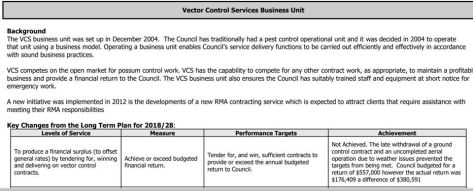
1. pest control partnership from WCRC report 1.7.17 to 30.6.18

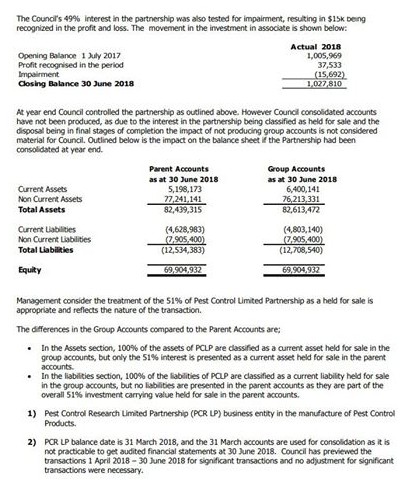
As you can see from the above excerpt from the 2018 annual report, the stated intention was to dispose of the newly acquired 51% share at year end ( i.e. a day later, on 30 June, 2018 ?!). However this did not happen and the WCRC sold it on 6 July, 2018, one week later, to Matthew O’Brien of Kiwicare Corporation Ltd.

Why did Council buy it from Malcolm Thomas to sell to Matthew O’Brien, instead of letting the two sort it out themselves? I was told by someone in Council that it was to help out with bridging finance. Surely it isn’t the Regional Council’s job to squander the ratepayers’ money to facilitate some private individual’s business interests? PLUS… the annual report for the year ended 2018 states “Impairment on transfer held for sale – $272,549”. I am not an accountant but it would appear that the ratepayers took a loss of $272,549 over that transaction, for holding the business in its entirety for a week.

Normally if a businessman required bridging finance they would go to the bank. Was this too risky, and if so why were the ratepayers obliged to take the risk and bear the loss?

As regional councils go, $272,549 would generally not be a large amount of money, but one must remember that the West Coast Regional Council has the smallest ratepayer base in the country, with a total West Coast population of 32,000, and only approximately 10,000 ratepayers.

******************************************

The “pest control” business has been a disaster financially for the West Coast Regional Council. In the 2018 annual report, the Council’s ‘Vector Control Services’ were $766,046 “over budget”. Add in the seeming $272,549 loss on the PCR Ltd transfer and that comes to $1,038,595! (To put that in perspective that is, in effect, a loss of an average $104 per ratepayer.)

In that year the WCRC declared a deficit of $859,635, instead of a budgeted surplus of $561,171.

Pest Control Research Ltd made a loss for the West Coast Regional Council in this last financial year too, and the investment amount would appear to have taken a bit of a dive (?):

“1080 FACTORY LOSS FLAGGED WITH AUDIT NZ”
by Laura Mills – Greymouth Star, Nov 1st, 2019

Audit New Zealand has flagged the West Coast Regional Council’s loss related to its investment in a 1080 factory at Rolleston. The annual independent auditor’s report has just been released. Auditors said the council had included in its financial statements unaudited information relating to an investment in Pest Control Research Limited Partnership — the 1080 plant. The auditor’s report said the council’s financial statements included the share of Pest Control’s loss of $45,574, and its investment of $943,174. “The associate (Pest Control) is not a public entity and, as such, the AuditorGeneral is not its auditor. At the date of our audit report, the audit of the associate was not completed,” Chantelle Gernetzky said. “There were no satisfactory audit procedures that we could adopt to obtain sufficient evidence to confirm the financial information relating to the associate is fairly reflected.”

********************************************************

1) Add in the seemingly poor business practices that led to the chemical accident on May 28 last year.

Story here: https://www.facebook.com/carol.sawyer.3511/posts/2376578832622429

In relation to this, I was told the following by someone in the poison business:

“Adequately trained, experienced staff working under properly documented processes and wearing the correct PPE don’t poison themselves or others. I thought long ago that there would be serious consequences if a minimalist, solely profit focused company with no experience, training, procedural documentation or proper handling equipment got into the manufacture of 1080 products.”

We still don’t know the full outcome of this accident:

Story here:
https://www.facebook.com/carol.sawyer.3511/posts/2553849544895356

*******************************************************

2) Add in seemingly poor quality products – baits past their use-by date, baits too soggy to use, and therefore condemned (and presumably buried!)

Copy of Copy of 26994348_2051229438490705_794147738856288614_n


Story here:
https://www.facebook.com/carol.sawyer.3511/posts/2484237481856563

*******************************************************

3) Add in the fact that another 1080 factory appears to be in the pipeline, further reducing PCR Ltd’s share of the poison cake – Connovation Ltd received consent to manufacture 1080 baits in March, 2019:

Story here:
https://www.facebook.com/carol.sawyer.3511/posts/2398825227064456

********************************************************

All in all, the pot of gold some misguided West Coast Regional Councillors envisaged from the 1080 factory, Pest Control Research Ltd, has become a bucket of slime. Best get rid of it fast, I’d say!

Here are the annual reports:

West Coast Regional Council Annual Report, July 1, 2017 to June 30, 2018

https://www.wcrc.govt.nz/…/Annua…/Annual%20Report%202019.pdf

West Coast Regional Council Annual Report, July 1 2018 to June 30, 2019

https://www.wcrc.govt.nz/…/Annua…/Annual%20Report%202019.pdf


RELATED DOCUMENTS BELOW:

2. vector control biz unit from WCRC ann rept 1.7.18 to 30.6.19

3. qualified opinion from WCRC Ann rept 1.7.18 to 30.6.19

4a. pest control from WCRC rept 1.7.17 to 30.6.18

4b. pest control from WCRC rept 1.7.17 to 30.6.18


An experiment approved by the Lincoln University animal ethics committee saw 10 dogs from a pound fed poison then euthanized

Great ethics there Lincoln Uni. Why are you even in existence one has to wonder? I think most Unis are bought & paid for these days going by the info on 1080 and funding. It’s the way of corporations. EWR

“An experiment approved by the Lincoln University animal ethics committee saw the collection of 10 dogs from a Christchurch animal shelter that were then fed concentrated doses of poison before being euthanized.”

From tvnz.co.nz

An application from an external organisation was approved for the experiment by Lincoln University in 2010, for “trials assessing the effects of sodium nitrate during its development as a humane alternative to 1080”.

Bait containing sodium nitrate was later registered to kill possums and feral pigs in 2013.

In a statement provided by the university, no further trials approved by the animal ethics committee involved dogs.

The university says it was the responsibility of the applicant to ensure “the procurement, production, maintenance of animals as well as for the work undertaken” complied with the Animal Welfare Act and the university’s code of conduct for use of animals.

The applicant, according to the report, collected 10 dogs from a Christchurch pound to evaluate the risks of dogs eating carcasses as well as specific organs from possums that had ingested the poison.

Dogs were separated into groups, with one group being fed minced possum organs and another group fed entire carcasses.

The dogs were then monitored after the meal to see if they would present signs of sodium nitrate poisoning.

According to the report, these can include “vomiting, excessive thirst, diarrhorrea, heavy panting, the loss of coordination and methaemoglobinaemia (such as shortness of breath, cyanosis, lethargy, loss of consciousness, and bluish colouring of lips, gums, paws and nose)”.

The dogs were later euthanaised by a veterinarian at the end of the seven-day trial.

New Zealand Anti-Vivisection Society spokesperson Tara Jackson says the experiment highlights how little impact ethics committees have as “even projects with this callous approach to life can be approved”.

“These experiments happen behind closed doors, and it is no surprise the public is horrified when we expose this kind of cruelty. These poor creatures were taken from a pound, fed poison, and then killed.”

Ms Jackson says her organisation has a waiting list of people willing to re-home dogs used in experiments like this.

SOURCE

https://www.tvnz.co.nz/one-news/new-zealand/christchurch-pound-pups-intentionally-poisoned-in-1080-alternative-experiment?fbclid=IwAR3el3wbpGH_NVnPIDamqPGatJg-XIWJQgGV5r1G80wwbG1bB6dmtcoZQpo


Image by Viktar Masalovich from Pixabay

Following a 7 month silence, NZ Worksafe confirms 2019 Christchurch poisoning was 1080, & also appear to confirm a fatality

By Carol Sawyer

If this IS the case there were TWO people poisoned by 1080 on May 28, 2019, at the Kiwicare Ltd warehouse in Bromley, Christchurch, where, according to news reports, chemicals were being processed for delivery to the main 1080-bait factory, Pest Control Research Ltd, in Rolleston.

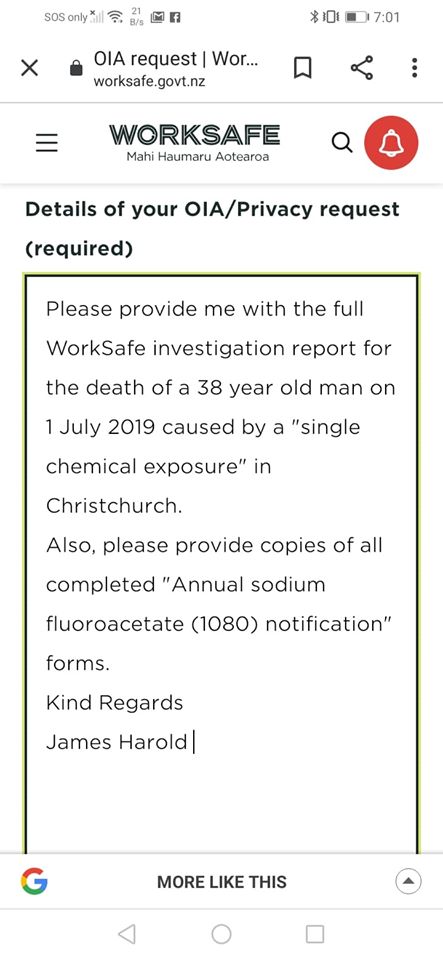
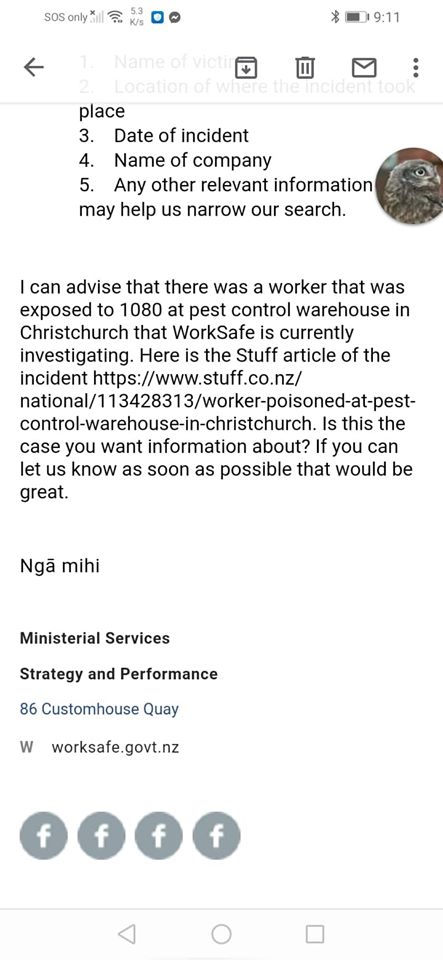
On 9 January, 2020, James Harold sent an OIA request to Worksafe ( see below).

82913229_2559826197631024_3792307001103482880_o

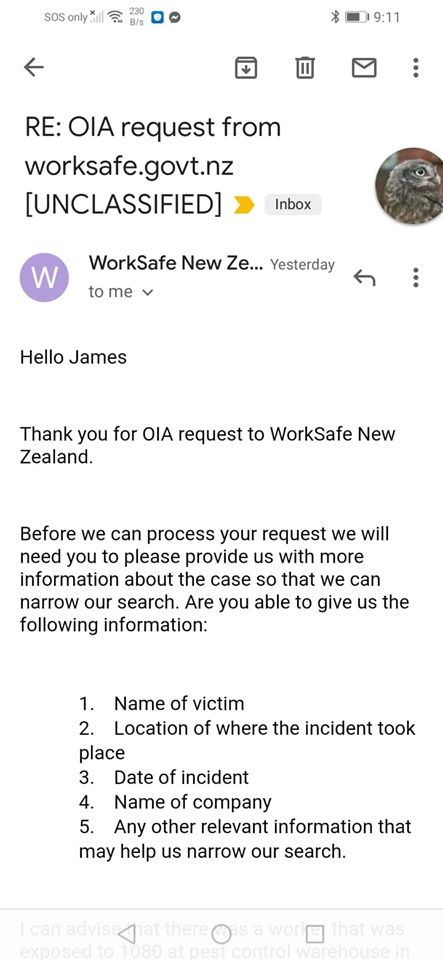
On 14 January, 2020, he rang Worksafe to see if they had received it. They confirmed they had and they sent him the email below, (with his OIA request at the end, which I have not included here as it contains his personal details).

83051189_2559826754297635_7810979390254219264_o

82765094_2559826587630985_7537555931035336704_o


James Harold is adamant that at no time did he mention 1080 poison or the Christchurch (Bromley) poisoning to them.

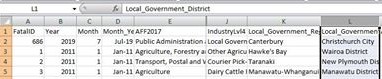
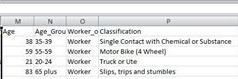
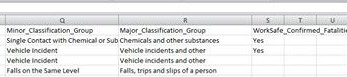
As James’ OIA request asked about a fatality on the Worksafe fatalities register, and the Worksafe response was to ask James if the Bromley incident was the one he meant (which he has since confirmed to them in a reply email), doesn’t a simple deduction mean it would appear the Kiwicare Ltd worker died? ( Not that anything is ever simple with these government departments!)

(See record of fatality below, from the Worksafe Fatalities register – a screenshot with the register headings is attached too, for clarity. Enlarged clips supplied at the end of the article for readability)

82032333_2559852174295093_6746616649547251712_o

82307859_2559852184295092_5664439063101308928_o

*********************************************

However we also know that a manager was poisoned and survived – see screenshot below of comment made by Sara Leadbetter recently on ‘Ban 1080 – South Island’ Facebook group.

82284932_2559852517628392_4965463737319292928_n

I have since spoken to Sara Leadbetter and she has confirmed her statement. The person still alive is a contractor, not an employee, and is in management at Kiwicare Corporation Ltd (1). I was told he breathed something in and that was the last thing he remembered. He was in a coma, had organ failure, and nearly died. He is now back at work and is still working for Kiwicare in Christchurch.

******************************************

See original news report here :

https://www.stuff.co.nz/…/worker-poisoned-at-pest-control-w…

and see post I wrote on this incident on January 10, 2020, here:

https://www.facebook.com/carol.sawyer.3511/posts/2553849544895356

*****************************************************

(1) Kiwicare Ltd’s owner, Matthew O’Brien, is the 51% shareholder of PCR Ltd, the Rolleston factory that makes 1080 baits.

******************************************************

ENLARGED CLIPS:

  1. clips 1 & 2 are two halves of the first image
no 1
Clip no 1


no 2
Clip no 2

2) Clips 3-5 are thirds of the second image

no 3
Clip no 3
no 4
Clip no 4
no 5
Clip no 5

RELATED:

AN OIA RESPONSE FROM ENVIRONMENT CANTERBURY RC RAISES SERIOUS DOUBTS ABOUT THE SAFETY OF 1080 FACTORY PEST CONTROL RESEARCH LTD

A WORKER IS SAID TO BE IN A HOPEFUL CONDITION IN HOSPITAL, AFTER A WORKPLACE INCIDENT INVOLVING CHEMICALS IN CHRISTCHURCH


The contractor who dumped 75 kg of deadly 1080 baits on Stewart Island is still employed by DoC (reviewing this story)

RATGATE & what DoC hopes you’ve forgotten: Nearly 1,000 highly toxic carcasses are still buried, unmarked, a few feet down on a Westport beach

WE CALLED IT ‘RATGATE’ – DoC CALLED IT ‘OPERATION TIDY RAT’

By Carol Sawyer

In case anyone missed this timeline originally, here it is again, updated, with some important new edits and additions. These include DoC’s reaction on 9 November, (now known via OIA request), and also information on the independent testing laboratory that was employed by Clean Green NZ Trust to test carcasses from the North Beach, Westport area.

I regard this incident and its aftermath as one of the more important stories of 2019. We won’t be forgetting this one, much as the Dept of Conservation would like us to.

TIMELINE :

1 – 3 November, 2019 – The Dept of Conservation aerially drops 104 tonnes of 1080 poison baits into the Maruia River catchment, South Island, to kill rats. This catchment feeds into the Buller River which eventually flows out to sea at Westport, 140 kms downstream.

********************************

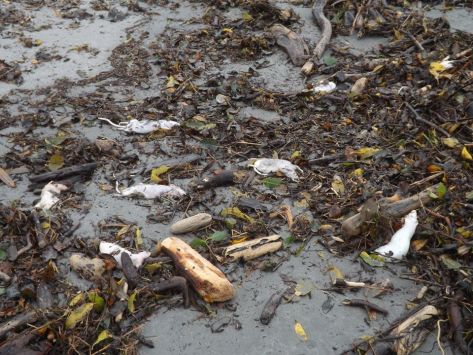
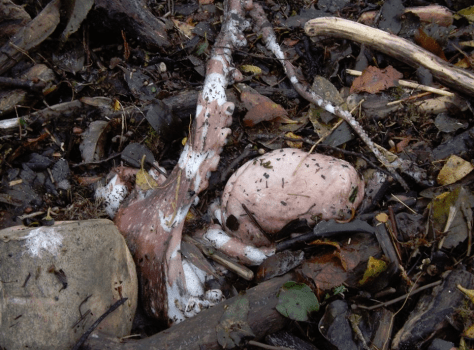
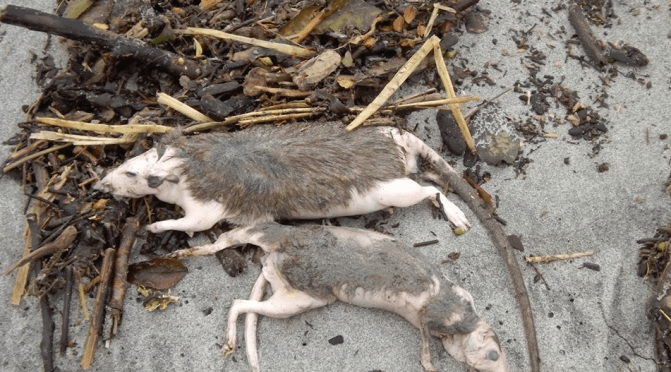
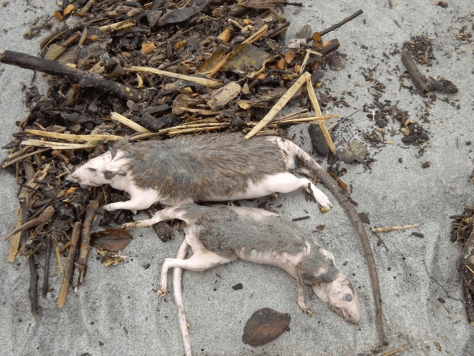
8 November — A Westport local spots numerous dead creatures (rats, birds, marine life and a goat) on North Beach, Westport, at the mouth of the Buller River, after heavy rain.

********************************

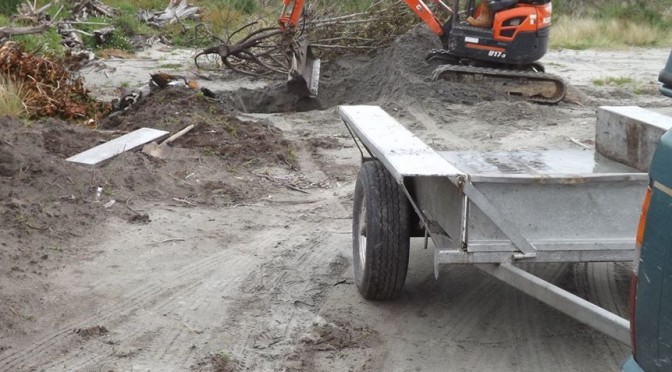
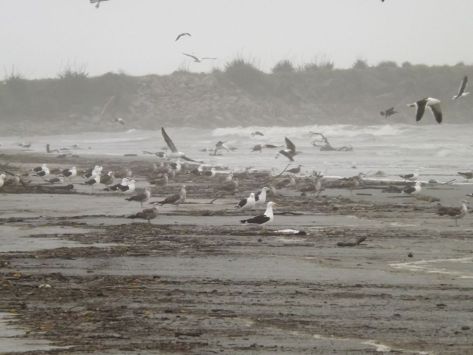
9 November – Locals collect a trailer-load of 680 dead rats, a goat, octopods, skates, sole, starfish, crabs, barracuda, monkfish, crayfish ( all bottom feeders which could have eaten 1080 baits washed to sea) and dead seabirds from North Beach and local Trevor Reid goes to the DoC office at 1.30 pm to ask for assistance.

Trevor is then made to wait for an hour in the carpark while, as we later find out via OIA request, DoC’s West Coast Operations Director, Mark Davies, frantically downloads photos of the dead creatures from anti-1080 Facebook pages and starts a flurry of emails to DoC’s Deputy Director General, Mike Slater, Director of National Ops, Hilary Aikman, and the CEO’s of Buller and West Coast Regional Councils, Sharon Mason and Michael Meehan, among others. By 2.50pm Mark Davies has already drafted a media release ! DoC names this cover-up operation “Operation Tidy Rat”.

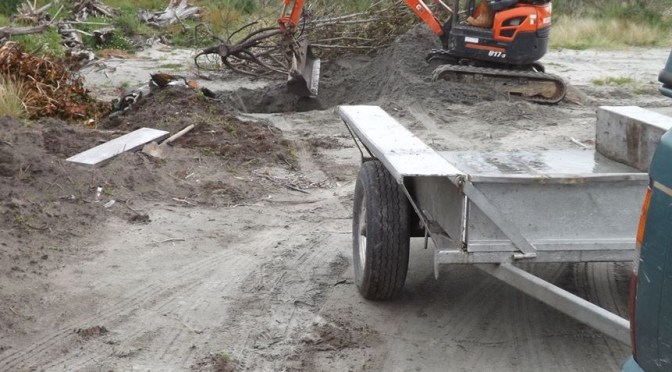
Two DoC workers eventually come down to North Beach with a digger and dig a two metre deep hole in the sand and bury the potentially toxic load on the beach. Freedom campers move elsewhere.

Buller District Council, on behalf of DoC, announces that the aerial 1080 drop at Springs Junction the previous week (Maruia catchment) “may have contributed to the problem”, and advises caution. As these carcasses could have been victims of both primary and secondary 1080 poisoning, selected carcasses are sent for testing – both by DoC and by an independent group.

*******************************

11 November – DoC, now moving into damage control, changes its story. On Prime TV News, West Coast Operations Director Mark Davies says ‘Doc thinks it’s unlikely the rats were poisoned by 1080 in a recent drop, then washed out of the hills by heavy rain. “I just can’t imagine that the two are connected”, he said.’

To Newshub, Davies said “… reports of dead fish and birds – along with the rats – are not consistent with the way 1080 is understood to work.” ( This statement is illogical considering 1080 poison is indiscriminate.)

However ‘One News’ hadn’t quite caught up with the new fairy story and said “The Department of Conservation (DOC) said they may be victims of a recent 1080 drop 140 kilometres away in the Lewis Pass National Reserve.”

Also on 11 November, more dead rats and dead muttonbirds are discovered on a beach 8 kms north of Westport, seagulls are seen picking dead rats out of the sea at Waimangaroa Beach 17 kms north of Westport, and further reports come in of dead creatures found at Punakaiki and elsewhere..

*******************************

12 November – “DOC’s West Coast regional director of operations Mark Davies said the 1080 theory was however just that – a theory – and highly unlikely.” TVNZ News

*******************************

13 November – DoC’s Buller Operations Manager, Bob Dickson, clutching at straws now, announces a brand new DoC theory – The rats were committing suicide. They had run out of food and were all jumping into the rivers and rafting, dead, down to the beaches.

*******************************

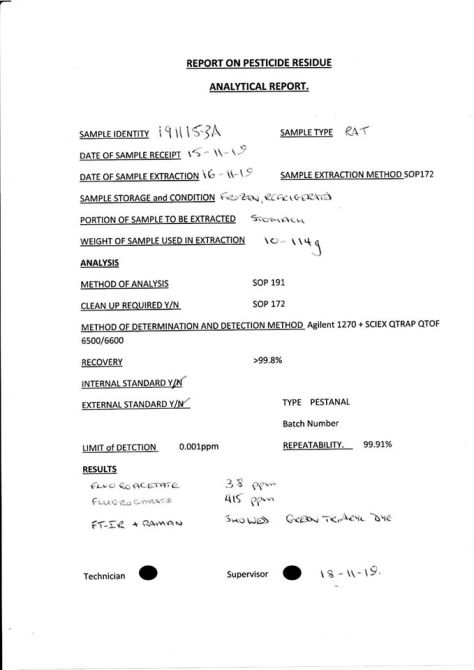
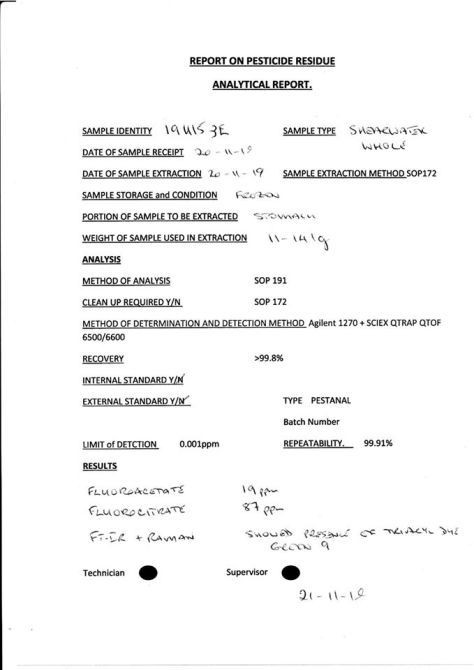
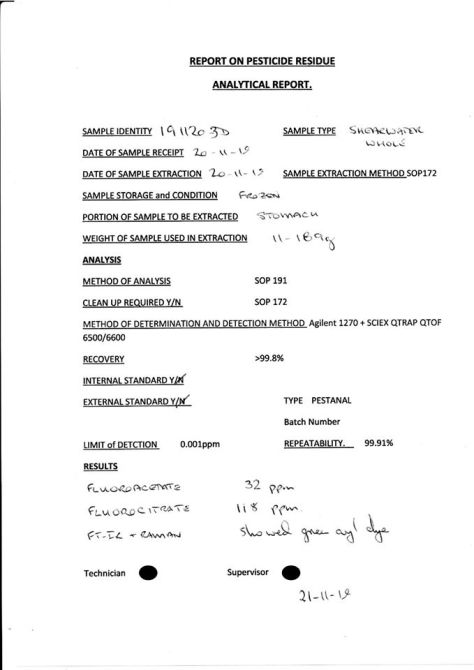
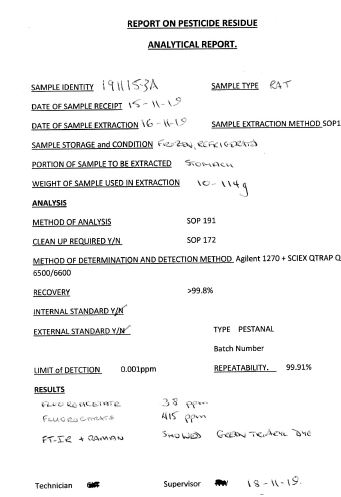
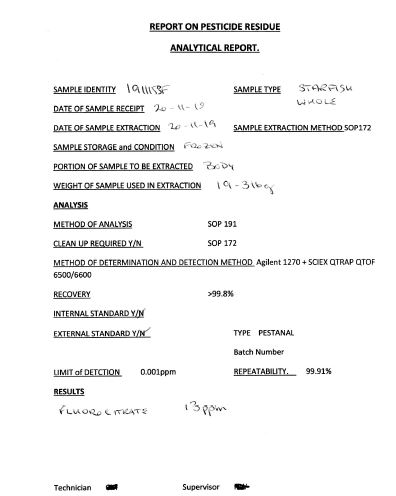
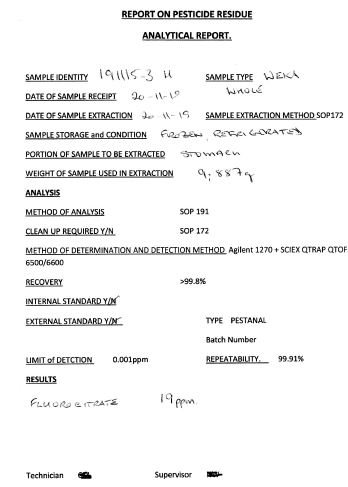
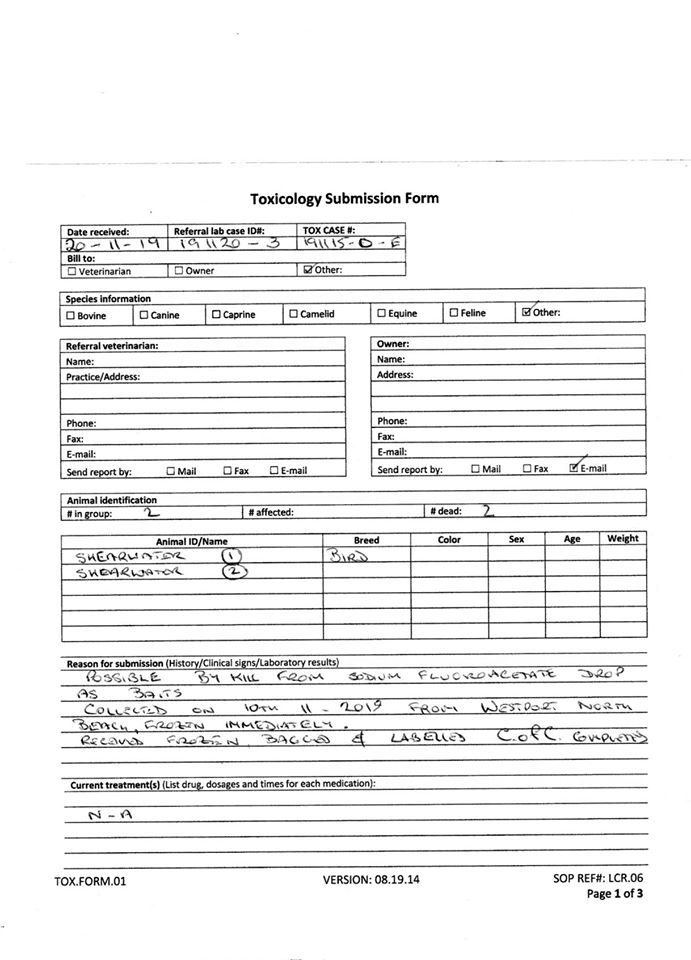
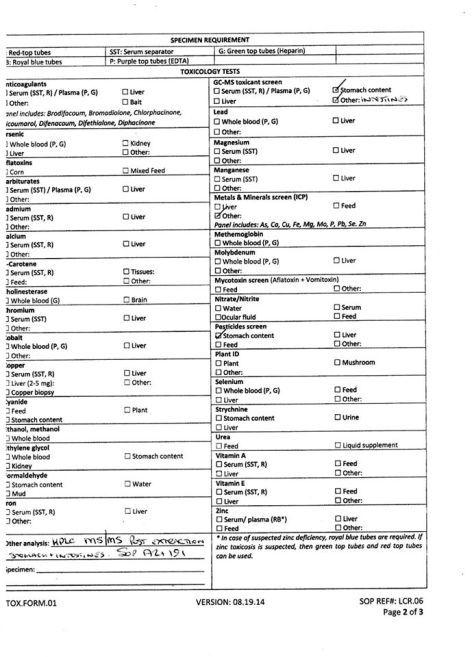
15 November – Announcement by two non-profit environmental groups, Flora and Fauna Aotearoa and Clean Green New Zealand that the first independent laboratory test results have been returned. Laboratory scientists tested samples taken from 5 rats, 1 Weka, 2 Sooty shearwaters, 1 starfish and 6 mussels. The samples from 4 of the 5 rats tested positive for three chemical markers of 1080 poison, including the toxic chemical, fluorocitrate. This was also the case for the birds. The starfish and weka also tested positive for fluorocitrate. There were no traces of 1080 detected in the mussels.

Very significantly, three of the rats and the two Sooty shearwaters also tested positive for the presence of green dye acid 9, which is only used in the bait pellets and is not a naturally occurring substance at detectable limits.
There were physical signs of poisoning in some of the animals as well.
The laboratory scientists’ professional conclusion is that the deaths of the beach animals tested were almost certainly caused by 1080 poison.
***********************************
20 November – The Dept of Conservation finally announced the results of ITS testing of samples taken from North Beach, Westport. They said that Landcare Research had tested eight dead rats and one Weka, none of which had any residue of 1080 toxin. Landcare did not test for anything other than fluoroacetate. They said “We were not asked ( by DoC) to test for other chemicals.” Fluoroacetate metabolises into fluorocitrate after being ingested. Landcare should have tested for this substance. In view of this fact, Prof. Ian Shaw, expert toxicologist at the University of Canterbury, said he found this “confusing”. Landcare told a journalist “Fluorocitrate remains in complex with the aconitase enzyme. It is therefore difficult to test for.” Yet the independent laboratory was able to test for fluorocitrate and found it in all animals tested except the mussels.
DoC once more declared that the influx of dead rats on North Beach was a result of their being starving (despite a megamast in the beech forest, and a hundred tonnes of 1080 cereal baits landing on them) and swimming across rivers in desperation in search of food, thereby drowning, and that the dead marine creatures were a result of stormy weather.
************************************
19 December – ‘Independent testing’ scientist named as Dr. Nick Wall and the testing laboratory named as his Ideas Lab, Timaru. Dr. Wall is a highly-qualified UK scientist (BSc Hons, MSc, two PhD’s in surface chemistry, and an MBA). His laboratories worldwide are contracted by many of the world’s largest organisations to solve thorny problems for them, and have a strong and long list of successes. His laboratory budget globally is greater than Landcare’s and DoC’s combined, and he employs more independent scientists than either of them.
*************************************************

FOOTNOTE:

The Dept of Conservation, hoping that time will erase this business from people’s memories and that ‘Operation Tidy Rat’, as they called it, will have tidied itself away to nothing, have conveniently forgotten that nearly 1,000 highly toxic carcasses are buried a few feet down in an unmarked grave in the sand on North Beach, Westport. We have not!

With regard to Ratgate, these are some of the questions that remain:

  • Why is Landcare using a testing method more than 30 years old?
  • Why was a crayfish collected and not analysed?
  • How long did Massey University hold onto the samples for autopsies (which were inconclusive) before sending the remains to Landcare?
  • Is there a chain of custody for what was tested?
  • Which parts were sent from Massey to Landcare, and which parts did Landcare analyse?
  • Were the samples homogenized to release any bound fluoroacetate?
  • Why did Landcare not release all the results?
MOST IMPORTANTLY, as at 29 December, Dr. Wall has eight highly regarded teams getting up to speed on this topic internationally, as there are still many questions remaining to be answered, and these teams intend to provide answers to a global audience.


Note re burial of carcasses: ” The disposal pit must be clear of waterways (permanent or ephemeral) so as to not cause pollution of water in accordance with Part 5.3 of the Protection of the Environment Operations Act 1997.”

The independent testing lab named … UK scientist has concerns about inadequate testing for pesticide residues in NZ laboratories

Watch people on this one. The lamestream media is already onto this as was to be expected, with innuendos about the credibility of the scientist. Whore media. Little wonder he originally declined to be named. These people pull out all stops to defend their poisoning program. You need to ask yourself, what would this man have to gain, or the two environmental groups have to gain, concocting false evidence about why the wildlife was poisoned? Nobody makes any money in fact it costs them. DoC have unlimited resources. And the whole industry is a gravy train. I will be writing more on that soon. Tight for time at the moment. EWR

RATGATE – INDEPENDENT TESTING LAB NAMED

“Dr Wall also has serious concerns about the inadequate testing for pesticide residues in NZ Government-funded laboratories and is consulting with international colleagues on the issue

Attached is a press release from non-profit trusts Flora and Fauna, Aotearoa and Clean Green NZ.

“Dr Wall of Ideas Lab, a highly-qualified UK scientist of complex chemical analysis, who conducted the independent tests, runs successful international businesses that draw on high quality skills and cutting edge technologies. He initially wanted to remain anonymous due to receiving threats in the past; however his identity has since been made public. Dr Wall also has serious concerns about the inadequate testing for pesticide residues in NZ Government-funded laboratories and is consulting with international colleagues on the issue.”

See the original press release and test results below:

1 independent testing

2 independent testing (2)

3 independent testing

4 independent testing

5 independent testing

6 independent testing

7 independent testing

8 independent testing

9 independent testing

9.1 independent testing

According to NZ’s National Poisons Centre there is no readily available test for 1080 poison in the human body

By Carol Sawyer

TODAY I HAD A CONVERSATION WITH THE ‘NATIONAL POISONS CENTRE ….

The signs at 1080 poison aerial drops tell you to contact the National Poisons Centre if you suspect poisoning, and they give you an 0800 number to ring. Just so you are clear about this… however, contacting the National Poisons Centre will get you absolutely nowhere!!

Joel Lund of Wanaka asked a GP the other day what he would do if someone presented with poisoning symptoms after an aerial 1080 poison drop. The doctor replied he would contact the National Poisons Centre. This sounds like a sensible response, one would have thought. Think again!!!

I had a number of questions for the National Poisons Centre about 1080 poisoning, given that so many of us live around 1080 drop zones and are potentially exposed to the substance many times over

I asked the person who answered the phone at the National Poisons Centre if she was the correct person to be talking to. She said she was.

I explained that we are about to experience another 1080 poison drop in our area (Wanaka) and asked if there were testing kits available here.

She replied “I don’t know, and I don’t know if I could find the answer”.

I asked how many methods there are for testing for 1080 poisoning.

She replied “I’m not too sure”.

I asked “How quickly can they test for 1080 and get a result?”

She replied, “They wouldn’t test the person. They would probably get some history. They probably wouldn’t do a blood test. I don’t know if there is a blood test.” She said they can’t test for every poison.

I asked how accurate the testing was. At this point she seemed to realize she was out of her depth and said she would talk to the resident toxicologist.

She came back on the line and said that there is a test available but it is not widely available. It is a urine test and is only any use within the first 24 hours after poisoning. She said it is “affiliated to a woman at Lincoln University” but wouldn’t/couldn’t tell me who that is. She said it is mostly used for testing workers’ urine levels when they have been working with 1080 poison.

She said that the toxicologist said “1080 doesn’t stay in your body very long”. We then had a discussion about whether it can be found in skin and bone and hair, as in animals including mammals, but she seemed stuck on the fact they only tested humans and seemed rather unreceptive to the idea humans are also mammals.

***********

(Ross & McCoskery (2012) found residues of 1080 in the bones of poisoned deer carcasses 213 days after death…the study ended then so no one knows how long 1080 stays in bone.

Ross, J, McCoskery, H 2012. Deer carcass breakdown monitoring. Report prepared for the Animal Health Board. Wellington, New Zealand. 7 pp.)

***********

She said if you get poisoned they will just treat the symptoms. They won’t be bothered with what kind of poison it is. She was a bit incoherent and I had to keep asking her to slow down.

Is that a worry or what?!!!

I asked for the name of the ‘resident toxicologist’.
“Michael” she said.
“Michael who? ” I said
“We’re not allowed to give out surnames”, she said.

I asked if I could speak to him please.

She said “No you can’t”

*****************************************

So there we have it. If you get poisoned by 1080 do not expect the authorities to confirm it is 1080. Just hope you survive. If the Kochummen family who ate wild pork are anything to go by you will probably be treated for botulism.

*******************************************
Sodium monofluoroacetate (1080) is a poison which is dropped indiscriminately from the air in New Zealand at the rate of approximately 4 tonnes of pure poison annually. (The baits contain 0.15% pure poison). It kills human beings at the rate of 0.5 to 2 mgs per kg bodyweight (LD50 – Negherbon).

THIS YEAR ALONE WE ARE THROWING ENOUGH 1080 POISON ON NZ TO KILL 85 MILLION PEOPLE – AND WE DON’T EVEN TEST OUR FOOD FOR 1080 RESIDUES!

NOR DO WE HAVE A READILY AVAILABLE TEST FOR 1080 POISON IN THE HUMAN BODY!!!

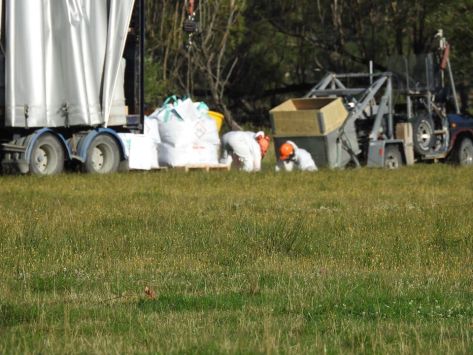
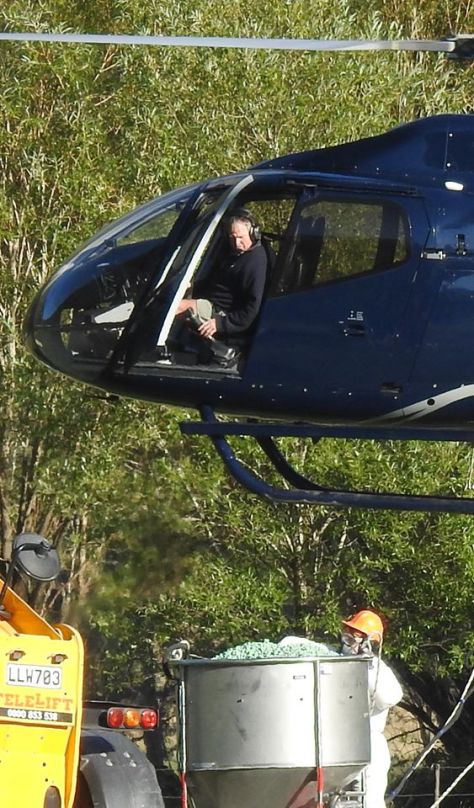
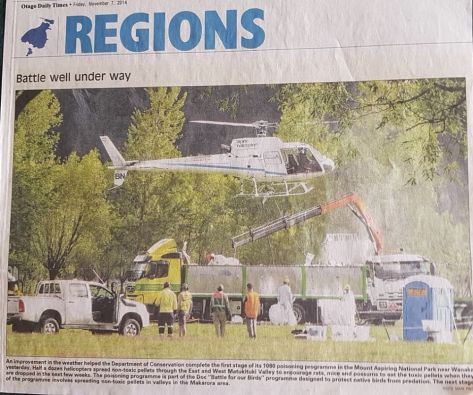
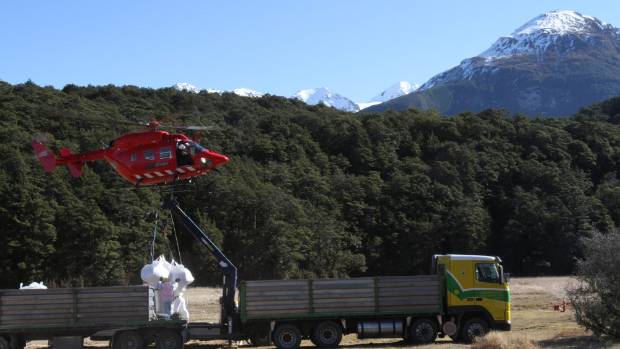
Photo: HeliOtago Rescue Helicopter, ZK-IME, loading 1080 from a Cromwell Transport truck in Westland

America’s new animal cruelty law that ignores 99% of animal cruelty is not unlike NZ’s that sanctions a long cruel death by 1080

This post on changed laws in the US reminds me of NZ’s situation with 1080 that allows the long slow cruel death a vet has described as 2+ days of slow electrocution. The NZ authorities tweaked the Animal Welfare act to exempt the spreaders of aerially dropped 1080 poison from prosecution for cruelty. Same thing really isn’t it? Cruel but it’s deemed ‘okay’ because they are killing off everything non native for the biodiversity program we were signed up to under Agenda 21 now Agenda 2030. A truly ‘sustainable’ (not) practice. Unless of course it’s your pet dog, cat or other animal. EWR

From veganista.co  via exposingthebiggame.wordpress.com

“According to The Washington Post, the PACT Act “outlines exemptions for humane euthanasia; slaughter for food; recreational activities such as hunting, trapping and fishing; medical and scientific research; ‘normal veterinary, agricultural husbandry, or other animal management practice’; and actions that are necessary ‘to protect the life or property of a person.’”

Of course animal cruelty to dogs and cats by private citizens should be dealt with severely. But what about the billions of animals tortured each year on America’s factory farms? Or how about the tens of thousands of animals, including dogs and cats, who are tested on and mistreated in laboratories?

Can we actually say we’re cracking down on animal cruelty when we still allow SeaWorld to keep cetaceans captive and force them to perform? Or permit insanely cruel practices like fur trapping and bow hunting?”

READ MORE

https://veganista.co/2019/11/26/americas-new-animal-cruelty-law-ignores-99-of-animal-cruelty/


Probe into eight 1080 Waikato cattle deaths in 2018 points to DOC breach

From rnz.co.nz

An investigation in an aerial drop of 1080 that killed eight cattle in the King Country in September 2018 has found that the Department of Conservation breached one of its operating procedures.

The DOC pest control operation was conducted over the 1400ha Mapara Wildlife Reserve, 35km southeast of Te Kuiti.

The livestock got into the area via an insecure fence – something the farm owners dispute – and ate the poison.

The inquiry by the Environmental Protection Authority found that DOC did not advise the cattle’s owners, Mark and Paula Stone, of a decision to exclude a pocket of bush that they had given consent to include in the operation.

The EPA said however that the breach wasn’t a factor in the cattle deaths.

The Stones’ property borders onto the DOC land.

The EPA is recommending a better consultation process for 1080 drops, including providing more clarity for operators and landowners and better mapping.

It wants DOC to provide better information about how 1080 behaves once spread in terms of bioaccumulation and biodegradation.

The EPA also wants improvements to information, particularly for farmers, regarding withholding-periods, caution periods, before cattle are allowed back.

In September 2019, the Stones were critical of the delay the investigation was taking and said they were thinking about taking legal action.

In the months before the 1080 operation, DOC gained permission from the Stones to extend its operation onto 65ha if bush on their land.

Two months after the incident, the EPA decided it was appropriate to independently investigate.

SOURCE

https://www.rnz.co.nz/news/national/405009/probe-in-1080-cattle-deaths-points-to-doc-breach?fbclid=IwAR1XvdSSTwU1P-6xOg-HEOMCX83oL0TX2ZkGL4G8WlMkcsNIvhkpz-mZq2g

“DOC’s underwhelming response and fanciful explanations” for the West Coast wildlife deaths are “simply not good enough” says a Veterinarian (Dr Trolove, Pres. NZFFA)

From coranz.org.nz

West Coast Beach Dead Rats Killed by 1080?

Dead rats found on beaches near the mouth of the Buller River near Westport were almost certainly 1080 killed rodents, despite Department of Conservation denials says a trout fishing advocacy the NZ Federation of Freshwater Anglers (NZFFA)

NZFFA president Dr Peter Trolove, a retired veterinarian, said the rats most probably came from a 1080 drop in the Maruia valley, a tributary of the Buller. On November 2 and 3, 2019 the Department of Conservation aerially sowed approximately 140 tons of 1080 baits over nearly 70,000 ha of the upper Maruia and Grey catchments he said.
On 9 and10 November, after a heavy rainfall, over 700 dead rats, a weka, a goat, and a number of black petrels and bottom feeding marine fish washed up on a Westport beach 140 km from the start of the Maruia valley operation.  Because of 1080’s secondary poisoning characteristic, every carcass may remain toxic, a danger to wildlife, people and their dogs.
“The operation covered the section of the Maruia River from the Lewis Pass to below the Maruia settlement. The Maruia River joins the Buller River below Murchison which in turn flows into the sea at Westport,’ said Dr Trolove.

READ MORE
Contact: Dr Peter Trolove  03 3242779
029 779 0295

Claims that 1080 poison operations were needed at Arthur’s Pass National Park were NOT based on any scientific evidence … Dr Jo Pollard’s open letter to DoC

From the ‘NO to 1080 use in NZ’ Facebook page

Claims that 1080 poison operations are needed – are NOT based on any evidence

On August 2019, Dr Pollard sent an open letter to Mike Slater, Deputy-Director General of Operations for the New Zealand Dept of Conservation.

This letter summarised the oft-repeated unscientific claims made by DoC as they present a ‘case’ to try to justify their inhumane aerial 1080 poison operations – in this case, Arthur’s Pass, South Island.

Some parts of this public land had never been poisoned before, so like Makarora in 2017, it would have been an excellent research ‘control area’ to compare the potential benefits to our ecosystems of NOT using this indiscriminate, inhumane toxin. But now that opportunity is lost, on November 25th 2019, 23,000 ha of Arthur’s Pass were aerially poisoned with 1080, as were some surrounding areas. Further aerial 1080 poisoning operations in the surrounding areas are also imminent (see yellow areas on pesticide summary map below).

In this scientific evidence-based letter, Dr Pollard clearly points out that:

1) DoC’s own so-called ‘pest’ control monitoring shows that there is no evidence of any pest ‘problem’.

2) There is also no evidence of the claimed ‘benefits’ of aerial poisoning operations such as this.

3) Furthermore, the risks are not fully acknowledged in any assessment. These risks include: contamination of our food chain, including drinking water; death of native species, secondary and by-kill of other species.

This is NOT an isolated case for Arthur’s Pass – Official Information Act responses from many other poison operations – including the one proposed for Mount Pirongia, central North Island – also have presented facts that prove DoC have NO evidence to support their claims that aerial poison operations are a necessity.

But sadly that does not currently stop the Government from over-ruling any public or professional objectives in order to carry out those poisonings.

1080 poison is an endocrine disruptor and in even minute traces can potentially cause miscarriage, infertility, heart conditions and harm to the unborn child. There have been NO public health studies into the potential long-term impact from a sub lethal dose of 1080 poison – for humans or any other species.

Dr Pollard’s Open Letter to Mr Slater is available here:

https://1080science.co.nz/letter-to-mike-slater-doc-re-ae…/…

“No dead body will ever be tested for 1080 in NZ because any pathologist who did so would not have a job for long”… NZ MD speaks out

Police tested for about six poisons, none of them 1080, and then “had the effrontery” to tell him this was not a death by 1080 poison.


[Remember this is the 2006 story concerning the loss by a NZ laboratory of the heart of a young woman who was a suspected victim of 1080 poisoning while tramping in the South Island. His statement also explains the reticence of any laboratory that does test for 1080 in disclosing their identity. EWR.

hiking-358555_1280.jpg


By Carol Sawyer

Last year I met with retired Dunedin GP, Kevin Shannon, still fit and tall and travelling the world at the age of 87. Kevin (who gave a submission at the ERMA Review 2007, on the case of the death of a female tramper in the link below), is of the opinion that:

…some New Zealanders, no-one knows how many, will have died of heart attacks due to undetected Compound 1080 (sodium monofluoroacetate).


Kevin added that in this instance the Police tested for about six poisons, none of them 1080, and then “had the effrontery” to tell him this was not a death by 1080 poison.

He told me that no dead body will ever be tested for 1080 in NZ because any pathologist who did so would not have a job for long.

See article here :

https://envirowatchrangitikei.wordpress.com/…/could-this-h…/


RELATED:
THE CATCH 22 OF 1080 POISONING IN NZ – AN MD SAYS THERE IS ‘NO EVIDENCE’ OF IT BECAUSE IT IS NOT ALLOWED TO BE LOOKED FOR

NO ONE IS ALLOWED TO DO AN EPIDEMIOLOGICAL STUDY IN NZ TO SEE HOW 1080 POISON MAY BEHAVE IN OUR POPULATIONS LIVING WITHIN THE POISON AND DUST ZONES

“IF YOU DIE FROM 1080 POISONING NOBODY WILL KNOW” … BULLIED DOCTORS ARE NOT DOING THE TESTS … Dr Charles Baycroft

“In case you have any doubt, the MOH and their clerical employees have a great deal of control over our medical professions and they do not take kindly to anyone expressing an opinion that they disagree with. Working Doctors with current practicing certificates have to tread lightly where the MOH and their agendas are concerned.” Dr Charles Baycroft

NB: Exercise the precautionary principle and take extreme care whilst tramping in NZ’s wild places. The Class 1A Ecotoxin 1080 is spread liberally and aerially around NZ’s environment and we are told it is not very harmful to humans. See our page on suspected 1080 poisoning cases.


PRESS RELEASE: Independent Testing Shows North Beach Wildlife Poisoned by 1080 (Sodium Monofluoroacetate)

Note: 1. “The full results of these independent tests are on Flora and Fauna of Aotearoa’s website and copies will be sent to relevant government agencies and MPs.”

2. The link to the results has disappeared once already (showing an error sign). Please alert me in the comments or the contact page if this happens again.


Press Release on behalf of:

Flora & Fauna of Aotearoa, Incorporated Society 2735472
www.floraandfaunaaotearoa.co.nz
Clean Green New Zealand Trust Registered Charity CC54185. https://cleangreennz.wordpress.com/

Independent Testing Shows Wildlife Poisoned by 1080 (Sodium Monofluoroacetate)

Two non-profit environmental groups in New Zealand have today published independent test results indicating that 1080 poison was the likely cause of death at an environmental catastrophe in Westport, New Zealand. On November 9th, 2019, one week after a Department of Conservation (DoC) aerial 1080 poison operation 140 kms upstream, dead wildlife washed down the flooded Buller River. Hundreds of potentially toxic carcasses of rats, a goat, birds and numerous aquatic species were strewn across the public beach at Westport.

The full results of tests undertaken by an independent laboratory, using the latest methodology (see note below) and equipment, include samples taken from 5 rats, 1 weka, 2 shearwaters, 1 starfish and 6 mussels. The samples from 4 of the 5 rats tested positive for three chemical markers of 1080 poison, including the toxic chemical, fluorocitrate. This was also the case for both the shearwater birds. The starfish and weka also tested positive for fluorocitrate. There were no traces of 1080 detected in the mussels. The tests included stomach and intestines of samples extracted from carcasses collected from the beach and Buller River by volunteers. For the security and safety of the independent chemists involved, the identity of the laboratory has been withheld.

These findings contradict claims by DoC on Wednesday, which stated 1080 was not found in any of the wildlife tested. This raises serious questions about the methodology employed by the laboratories commissioned to undertake DoC’s testing. It appears from their lab reports (published on DoC’s website) that the samples were only tested for the presence of the active ingredient, fluoroacetate. But as Prof Shaw, toxicologist from the University of Canterbury pointed out, because of the delay in testing this would have already been broken down into other substances, for example, fluorocitrate. Scientifically valid toxicological testing requires the most up-to-date, and accurate methods to be used, and in the case of testing for 1080, that means analysis of the metabolic chemical markers of the poison from a variety of sources within the carcass. There are other serious discrepancies in DoC’s claims and associated toxicology reports. The number of rats tested is inconsistent, and in the pathology report of the weka it was noted “both lungs exuding frothy pink fluid”, a common symptom in animals that have been victims of 1080 poisoning.

The full results of these independent tests will be made publicly available on Flora and Fauna of Aotearoa’s website and copies sent to relevant government agencies and MPs. Flora and Fauna of Aotearoa and Clean Green NZ Trust, along with their volunteer supporters and many thousands of concerned New Zealand citizens, are calling on the government to act now to protect public health by initiating an immediate independent investigation into this tragic incident and stopping all aerial 1080 poison operations before more wildlife are harmed.

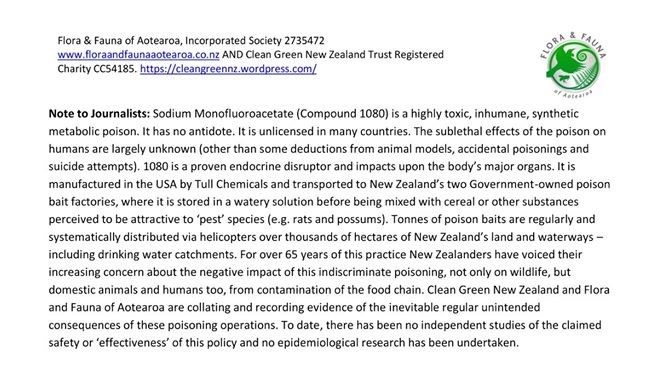
Note to Journalists: Sodium Monofluoroacetate (Compound 1080) is a highly toxic, inhumane, synthetic metabolic poison. It has no antidote. It is banned in many countries. The sublethal effects of the poison on humans are unknown, however it’s a proven endocrine disruptor and impacts upon the body’s major organs. It is manufactured in the USA by Tull Chemicals and transported to New Zealand’s two Government-funded poison bait factories, where it is mixed with cereal or other substances perceived to be attractive to ‘pest’ species (e.g. rats and possums). Tonnes of poison baits are regularly and systematically distributed via helicopters over thousands of hectares of New Zealand’s land and waterways – including drinking water catchments. For over 65 years of this practice New Zealanders have voiced their increasing concern about the negative impact of this indiscriminate poisoning, not only on wildlife, but on public health too, from contamination of the food chain. To date, there has been no independent studies of the claimed ‘effectiveness’ of this policy and no epidemiological research has been undertaken

NB Lab is accredited with ISO9001; 17025; 27000 QMS
Methodology is based upon the Pitt protocol (2015): biological material was removed from the frozen carcass, then an accurately weighed portion was homogenized using a polytron 3000 into extraction solvent. This solvent liquor was then cleaned-up and the cleaned pregnant solvent analyzed using HPLC with both Time of Flight, linear ion trap mass spectroscopy and fluorescence to check against standards containing fluoroacetate and fluorocitrate. The method was checked for repeatability and linearity. FT-IR and Raman were used to check for the presence of green dye acid 9, as that is only used in the bait pellets and is not a naturally occurring substance at detectable limits. Complete and robust Chain of Custody with SoPs available upon request.

LINK TO FULL RESULTS OF THE TESTS: http://floraandfaunaaotearoa.co.nz/wp-content/uploads/Lab-ReportWestport.pdf

Images below: extracts of the some of the rat, weka and starfish toxicology reports:

RAT


STARFISH


WEKA

Poisoned cow investigation a whitewash says lawyer

Video from the GrafBoys YT channel. It questions the independence of the investigation following the poisoning of 8 cows during a 1080 drop in 2018. Intriguing information you likely weren’t aware of about the various players involved.

20.6K subscribers

8 cows were poisoned, and an independent investigation was initiated. But can there be independence with 1080 poison investigations in New Zealand?

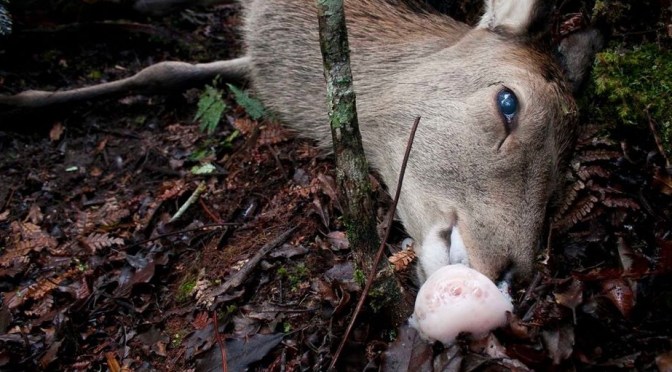
The NZ Deerstalkers Assn is demanding answers over scheduling of 1080 poisoning operations during current breeding season, saying new born fawns will starve if poison drops go ahead

Animals poisoned with 1080 die a days long agonizing death because DoC are exempted from the Animal Welfare Act with respect to 1080 use. In this case, when the mothers are poisoned their fawns die of starvation. EWR

“We hoped these organisations had learned their lesson from the public backlash over the 2017 mass poisoning of deer in Molesworth but it appears that despite their promises to prevent such indiscriminate killing happening again, they are continuing their unacceptable policies.” NZDA

“AN ANIMAL WELFARE DISASTER” DEERSTALKERS DEMAND ANSWERS OVER 1080 DROPS DURING FAWN SEASON
20 NOVEMBER 2019
From the NZ Deer Stalkers Assn

The New Zealand Deerstalkers Association is demanding answers over the scheduling of 1080 poisoning operations during the current breeding season, saying new born fawns are threatened with starvation if the poison drops go ahead.
The NZDA, which is the country’s leading hunting organisation, says it has become aware of a number of applications from both OSPRI and the Department of Conservation to start poisoning large areas during the run-up to Christmas.
A 1080 drop is scheduled to begin tomorrow in the Kahurangi area in the north west South Island, while it is understood another operation is due to begin soon in the Landsborough area on the West Coast.
The NZDA is condemning the planned poisoning.
The NZDA’s national president Trevor Chappell says the timing is unacceptable.
“These drops coincide with late spring when deer are giving birth to their fawns and that means not only are the mothers at risk of dying a painful death if they eat the 1080, the orphaned fawns will be left to starve to death,” says Mr Chappell.
“This is just not on. This is a major animal welfare issue for deer and if these government organisations want to be seen as humane, they should not be conducting mass poisoning campaigns at this time of year.”
The Deerstalkers Association is asking DoC and OSPRI to explain their thinking.
“In previous years, mass poisoning operations have finished by this time. Even the tahr cull was halted from November to prevent orphaned kids starving to death in the mountains,” Trevor Chappell says.
“We hoped these organisations had learned their lesson from the public backlash over the 2017 mass poisoning of deer in Molesworth but it appears that despite their promises to prevent such indiscriminate killing happening again, they are continuing their unacceptable policies.”

Photo Credit: Clyde Graf

The North Beach weka that died of “unknown causes” had “both lungs exuding FROTHY PINK FLUID” consistent with 1080 poisoning

“So, Massey, couldn’t work out that “FROTHY PINK FLUID” is consistent with 1080 poisoning?”

From Clyde Graf:

So, as expected, the Department of Conservation has come out with porkies, again, trying to divert attention from its recent aerial operation and the hundreds of poisoned rats, and other animals that washed up on West Coast beaches. Drowning they say. Ha! Is DOC not aware that rats are great swimmers? They even have the tag name Water Rats. They don’t drown by accident or by Pied Piper fantasy stories, made up by desperate DOC staff.

The pathology report for the weka that was found dead, released this week from Massey (known for its creative alternatives to poisoning incidents – like the sea slugs that poisoned many dogs at Auckland’s Takapuna Beach after the aerial poisoning operation across Rangitoto Island, near Auckland) shows that the endemic bird died with “BOTH LUNGS EXUDING FROTHY PINK FLUID”!!!!

The weka’s Pathology report from Massey is included, below.

The finding is typical of animals that die of 1080 poisoning. But no, in this case, and as expected, the findings were “unknown cause of death”.

So, Massey, couldn’t work out that “FROTHY PINK FLUID” is consistent with 1080 poisoning???

For Heavens sake, when will these govt organisations actually show some independence? Oh, that’s right, they can’t! There is NO independence when it comes to 1080 poisoning incidences in New Zealand.

RELATED: Over 5 years NZ$3 million has been approved by DoC alone to the eight main NZ universities – so how independent is their research?

Copy of 77137871_2807092646002721_3590316501648801792_o.jpg

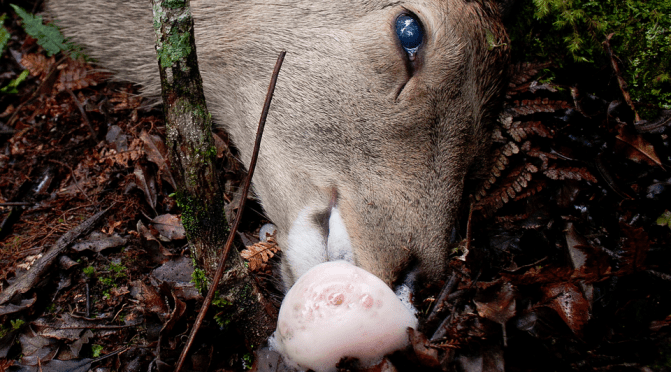
Just to remind DOC and Massey, here’s some photos of animals “EXUDING FROTHY PINK FLUID” after being poisoned with 1080 …


This slideshow requires JavaScript.


WHERE ARE THE MISSING REPORTS DOC? Some pertinent questions about the NORTH BEACH, WESTPORT, INCIDENT (9 Nov, 2019)

By Carol Sawyer

Questions for DoC – read on!

In this post are pictured all the reports the Dept of Conservation have provided in the following link:

https://www.doc.govt.nz/…/2…/testing-shows-no-1080-in-rats/…

They say in this report :

“Manaaki Whenua Landcare Research tested eight dead rats and one weka. None of these animals had any residue of 1080 toxin. Two other rats were too decomposed to test.

Massey University School of Veterinary Science undertook post-mortem examinations of five of the dead rats but could not determine their cause of death. The weka was also examined with cause of death unknown.”

The reports produced are for 4 dead rats and one weka and one rat too decomposed to test.

Well my arithmetic says that 8 dead rats (plus 2 decomposed ones) comes to 10.

Some questions need to be answered:

1) Where are the reports on the other 4 rats that were NOT too decomposed to test?

2) Why was only fluoroacetate (1080) tested for? As the carcasses were already at least 16 days old at time of testing, they needed to test for a range of chemical markers – metabolic products of 1080 poisoning, such as fluorocitrate. Biosynthesis had taken place. (See the attached paragraph from Spurr and Powlesland -“Dead Birds”)

3) Why did the testing take so long? Were they waiting for more degradation to take place? (Remember the poisoned Indian family… no urine tests for 1080 poison were done for 18 days, despite that being recommended by a doctor at the time!!!)

4) Why did the scientists use gas chromatography? Another scientist has said : ‘Gas chromatography won’t find 1080. They should have used 19F NMR and looked for metabolic products. They have deliberately used the wrong tests.’

4) Where did the Weka’s head disappear to?

5) Why didn’t the labs test any bone marrow? Spinal is the best source apparently. (Even if the Weka’s head fell off and got lost en route, they could have tested its spine.)

6) What happened to the crayfish DoC took away for testing?!!!!

These are just a few of the questions that need to be asked. There will be more!


THE MISSING CRAYFISH AND THE HEADLESS CHOOK (WEKA)

I have just been speaking to Trevor Reid again. He was one of the small group of Westport people who cleared all the dead creatures off North Beach, Westport, on 9 November 2019, and then asked the local DoC office for assistance…… two DoC rangers brought a digger to the beach and buried everything these conscientious people had piled on their trailer, except for the samples DoC took for testing.

One of these samples was the crayfish, seen clearly here on the back of the trailer. It was the only sea creature DoC took for testing. So.. why has it disappeared? DoC’s test results, out today, make no mention of it. (It pays to remember that 1080-poisoned sea life would have been a nightmare for the Dept of Conservation to deal with. The South Island’s West Coast is renowned for its sea fishing industry.)

In the top photo the Weka is hard to make out. It is the grey creature just above the centre of the photo, between two rats. It’s leg is white after the time spent in water. It’s beak is partially hidden under a bit of driftwood. However it HAS a head. It was the only Weka on the beach. The Weka that DoC tested was supposedly headless! Did they lose the head? DoC are good at losing heads and hearts… in more ways than one !

I do think we should all keep in mind that the Dept of Conservation simply can not afford to admit to killing any of the animals on North Beach, Westport, with 1080 poison. Their poisoning method does not now avoid any waterways, and if it could be shown that animals can travel as much as 140 kms in a flood to the river mouths, the hue and cry would be enormous.

Sadly we know this to be the case. Even more sadly we are not dealing it appears with honest people, nor are we dealing with a news media keen to get to the truth.


In spite of independent testing revealing 1080 poisoning in the North Beach rats, DoC’s testing reveals none

Remember folk, this is from the same establishment that in 2006 lost a young deceased woman’s heart on its way for 1080 testing. The same establishment that failed to test the poisoned Waikato family for 1080 in the required time frame as an initially responding MD recommended. The same establishment that is still getting around to providing answers to the two South Island picnicking women who fell ill after being showered with 1080 pellets in 2014. The same establishment that is okay with there having been no studies done regarding the health risks of 1080 on the human foetus. The same establishment that retired MD Charles Baycroft says does not allow MDs to look for evidence of poisoning. 

RELATED: TWO NZ ENVIRONMENTAL GROUPS REVEAL WESTPORT BEACH RAT CARCASSES TESTED POSITIVE FOR 1080 POISON … THEY BELIEVE A PRECAUTIONARY APPROACH SHOULD HAVE BEEN USED BY THE AUTHORITIES

Note also: they did not test the marine life. Octopus, squid, crabs, crayfish? The actual food people who fish will be eating. 

Do you really believe the authenticity of their test results folks?

The thing is as the aforementioned MD has warned us, there is never any evidence of 1080 poisoning because the MOH does not allow the evidence to be looked for. Period. No one will ever know he says, if you die of 1080 poisoning.

So, do bear in mind the following when going about your daily lives or enjoying a holiday in NZ:

The NZ authorities do not practice the precautionary principle with the spreading of 1080 poison. In fact they are now legally allowed to drop it into your waterways without the previously required consents, even though the manufacturer’s warning says take care not to drop it into the waterways. Whilst they continue to claim it is harmless, there is much independent research that says otherwise. (See 1080science for further independent info). In light of that, in my opinion it is safer to follow the precautionary principle, that is, proceed as if there were a possible risk to your health rather than assume there is none. Since 1080 is a known teratogen I believe it is particularly important for pregnant mothers or even those who think they may be or who could be pregnant, to distance themselves from an area where 1080 is being distributed, particularly aerially because of the drift of the dust over long distances. Stay safe people by taking your own precautions. EWR


You can read about DoC’s testing in the article below by Radio NZ. And do search for other 1080 articles in ‘categories’ (left of page) … you’ll be surprised at what you’ll read that mainstream media isn’t talking about.

https://www.rnz.co.nz/news/national/403712/no-1080-in-rats-found-dead-on-north-beach-toxicology?fbclid=IwAR2F4USyBLocIjYMj7NUke1nLpCbeG8jD9o8M83eIwbRFoXv8Cqi_fFGHXw

1080 POISON HELICOPTER COMPANIES BAILING OUT

By Carol Sawyer

Mt Hutt Helicopters Ltd, Methven (CEO Josh Kershaw) one of the six main 1080-poisoning helicopter companies in the South Island for many years, is reportedly out of action, flight wise. I’m told they no longer have an Air Operator’s Certificate (AOC) or Ag rating apparently, and are doing maintenance only. It is rumoured in the helicopter world that they were “struggling to get pilots”.

The last 1080 they dropped, as far as I know, was the Inangahua, Buller district, aerial 1080 drop in mid-2019.

I’m told they own an AS350 and a Notar. (Presumably they leased in other choppers for 1080 poison operations.)

I have also been told the Notar is in the process of being ‘parted out’ (dismantled and sold off in parts). Not sure about the AS350. Many of the parts will be embedded with 1080. Helicopter pilots tell me 1080 dust will be inside fins and the tail boom, and fine dust will be all through the working parts.

As well as this, Way to Go Heliservices Ltd, Rangiora, (CEO Rob Kittow), another major poisoner, particularly this Spring, has been for sale for at least a year I’m told… on Trademe and in aviation mags. Maybe people don’t want to buy 1080-riddled helicopters?

*****************************************************

The other four main South Island 1080-poisoning helicopter companies are Marlborough Helicopters Ltd, Blenheim ( CEO Owen Dodson), Anderson Helicopters Ltd, Hokitika ( CEO Kevin Anderson), Central South Island Helicopters, Oamaru (CEO Gary Oakes), and Helicopters Otago Ltd ( CEO Graeme Gale).

Beck Helicopters Ltd, Eltham Taranaki, ( CEO Alan Beck) often come to the South Island to drop 1080 poison too.

*****************************************************

‘Way to Go Heliservices’ at Makarora, Mt Aspiring National Park, 1080 poison operation, October, 2019 – Photo Carol Sawyer

Note: I report what I am told in good faith, when it is from people inside the industry whom I consider reliable, (in this case from two separate sources) and I endeavour to get my facts correct, but please bear in mind that some of this information is anecdotal.

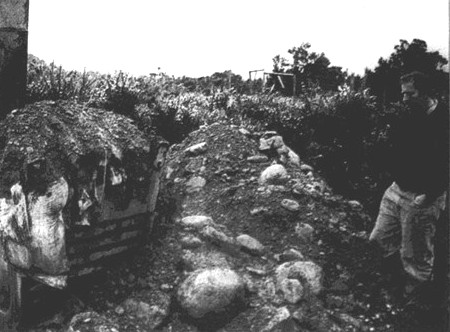
All 1080-poisoned carcasses should be buried at least a metre deep, at least half a mile from human habitation & at least half a mile from any waterway – are NZ authorities exempt?

“A hole hastily dug in sand on a tourist beach by the Dept of Conservation last weekend doesn’t cut it! A hole containing 700 dead rats, a goat, seabirds and marine life… a toxic time bomb !”

It’s been pointed out in the article here below the 1080 manufacturer’s instructions regarding the disposal of 1080-poisoned carcasses. What we have seen over the past weeks regarding the environmental disaster that’s been dubbed ‘ratgate’ has been apparent failure to adhere to any kind of precautionary principle. as has been recommended by the two NZ environmental groups Flora and Fauna Aotearoa and Clean Green New Zealand Trust who have produced independent testing on the rats. NZ’s DoC have also tested however they have not yet released the results. Regarding handling of carcasses however this is how DoC rolls it seems*. Poisoned carcasses left to rot in waterways have been observed & reported by environmentalists for a very long time. DoC has been saying it’s unlikely the wildlife washed up at North Beach were the result of 1080 poisoning so we’ve seen them dig a hasty hole in the sand of a tourist beach to bury it all… near human habitation, and no warnings early in the piece. And so now we know the poisoning of the rats was almost certainly due to 1080 there is more independent testing of the other wildlife to come. Watch this space. EWR

RELATED: THE NZ GOVT IS TEACHING YOUR CHILD THAT CLASS 1A ECOTOXIN 1080, BANNED BY MOST COUNTRIES, IS ‘NOT VERY DANGEROUS TO HUMANS’

75464131_2495484744065170_8026262109115383808_o
Cartoon by D.T. Healy

IT’S CONFIRMED! 1080 POISON IS “ALMOST CERTAINLY” THE CAUSE, SAY LAB SCIENTISTS …  

by Carol Sawyer

“Independent tests of samples collected by volunteers from the area confirm the presence of substances that indicate the deaths were almost certainly caused by 1080 poison”.

Laboratory scientists’ professional conclusion is that the deaths were almost certainly caused by 1080 poison. Meanwhile, what about the toxic dump on North Beach, Westport? 1080 manufacturer’s instructions are that all carcasses should be buried at least a metre deep, at least half a mile from human habitation and at least half a mile from any waterway. A hole hastily dug in sand on a tourist beach by the Dept of Conservation last weekend doesn’t cut it! A hole containing 700 dead rats, a goat, seabirds and marine life… a toxic time bomb !

Re independent testing, Asha Jade, of Flora and Fauna, says ” Hope to have full results to share next week. More species are currently being tested as well. Hope to share with redacted details to protect the lab, which is of the utmost importance at this stage. We needed to get it out to the public given the health & safety risk, and that DoC is withholding results.”


RELATED:

(Information from  the GrafBoys).  Regarding a drop at Mt Pirongia in 2014, fight charts released by the Department of Conservation reveal that 1080 poison was dropped directly into most streams and catchments, including to eight of the nine known water abstraction points. Poisoned carcasses have been left to rot in the streams, and animal welfare concerns have been raised. The Department of Conservation Mt Pirongia aerial drop, breached or ignored all of these warnings …

*The New Zealand manufacturer’s (owned by NZ Govt) 1080 poison label includes the following warnings –

  • “Ecotoxic”,
  • “Toxic to terrestrial vertebrates.”
  • “Take measures to reduce of non-target animals being exposed to the toxin either through eating the baits or by scavenging the carcasses of poisoned animals.”
  • “Harmful to aquatic organisms.”
  • “Take all practicable steps to manage any harmful effects of a spillage including preventing baits from accidentally entering streams or waterways.”
  • “This product is toxic to wildlife. Birds and mammals feeding on carcasses of contaminated animals may be fatally poisoned.”
  • “Where practicable, the exposed bodies of all poisoned animals should be collected and destroyed by complete burning or deep burial in a landfill approved for hazardous substances. Dehydrated carcasses may remain dangerous to dogs or cats for an indefinite period. A single mouse poisoned by 1080 may contain enough poison to kill an adult dog.”
  • “Take measures to minimise the chance of baits accidentally entering any body of water.”

And … “Apply the product only as specified by label directions.” …

RELATED: ANIMAL CARCASSES AND 1080 POISON BAITS CONTAMINATE WATERWAYS – DISTRICT HEALTH BOARD RESPONDS CLYDE GRAF

75375587_1269009789950313_4408714200549949440_n
Seagulls seen flocking for the 1080-poisoned rat carcasses at North Beach, Westport NZ (Nov 2019)
72172916_1269009889950303_8676481245326082048_n
1080- poisoned rat carcasses observed at North Beach, Westport NZ (Nov 2019)

Note: the danger of this scenario is secondary poisoning of the birds.


Although DoC said it’s ‘UNLIKELY’ the deaths of 600+ rats found at a Westport beach were caused by 1080, independent lab testing confirms they “ALMOST CERTAINLY” were (See timeline)

TIMELINE : DoC’s ‘RATGATE’ AT NORTH BEACH, WESTPORT – INDEPENDENT LAB TEST RESULTS TODAY CONFIRM DEATHS “ALMOST CERTAINLY” 1080 POISON

by Carol Sawyer

1 – 3 November, 2019 – The Dept of Conservation aerially drops 104 tonnes of 1080 poison baits into the Maruia River catchment, to kill rats. This catchment feeds into the Buller River and out to sea at Westport.

********************************

8 November — A Westport local spots numerous dead creatures (rats, birds, marine life) on North Beach, Westport, at the mouth of the Buller River, after heavy rain.

octopus found at north beach.png
A dead octopus, just one of many varieties of wild and marine life found recently on North Beach, Westport

********************************

9 November – Locals collect a trailer-load of 680 dead rats, a goat, octopods, skates, sole, starfish, crabs, barracuda, monkfish, crayfish ( all bottom feeders which could have eaten 1080 baits washed to sea) and seabirds from North Beach and ask DoC for assistance.

doc buring the by kill.png
DoC dig a hole on the beach and bury the by dead wild and marine life washed up at North Beach, Westport

Doc dig hole in the sand and bury potentially toxic load on the beach. Freedom campers move elsewhere.

Freedom campers north beach
Freedom Campers at North Beach move on after discovery of the source of the dead wildlife washed up at North Beach Westport

Buller District Council announces, on behalf of DoC, that the aerial 1080 drop at Springs Junction the previous week (Maruia catchment) “may have contributed to the problem”, and advises caution.

*******************************

11 November – DoC, now moving into damage control, changes its story. On Prime TV News, West Coast Operations Director Mark Davies says ‘Doc thinks it’s unlikely the rats were poisoned by 1080 in a recent drop, then washed out of the hills by heavy rain. “I just can’t imagine that the two are connected”, he said.’

To Newshub, Davies said “… reports of dead fish and birds – along with the rats – are not consistent with the way 1080 is understood to work.”

However ‘One News’ hadn’t quite caught up with the new fairy story and said “”The Department of Conservation (DOC) said they may be victims of a recent 1080 drop 140 kilometres away in the Lewis Pass National Reserve.”

Also on 11 November, more dead rats and dead muttonbirds are discovered on a beach 8 kms north of Westport, seagulls are seen picking dead rats out of the sea at Waimangaroa Beach 17 kms north of Westport, and further reports come in of dead creatures found at Punakaiki and elsewhere..

*******************************

12 November – “DOC’s West Coast regional director of operations Mark Davies said the 1080 theory was however just that – a theory – and highly unlikely.” TVNZ News

*******************************

13 November – DoC’s Buller Operations Manager, Bob Dickson, clutching at straws now, announces a brand new DoC theory – The rats were committing suicide. They had run out of food and were all jumping into the rivers and rafting, dead, down to the beaches.

*******************************

15 November – First independent laboratory test results returned. Laboratory scientists’ professional conclusion is that the deaths of the beach animals tested were almost certainly caused by 1080 poison.


Autopsies suggest two native NZ kākā deaths at the Ōrokonui Ecosanctuary are due to poison from OSPRI bait stations

Tell me again, is DoC really saving our birds? EWR

From Carol Sawyer

This is on the Dunedin Ecosanctuary’s Facebook page today :

“LOCAL RESIDENTS: PLEASE REPORT SIGHTINGS OF SICK KĀKĀ

We are sad to report that two of our Ōrokonui kākā have died over the last week. Initial indications from autopsies suggest that ingestion of an anticoagulant toxin was the cause.

It is possible that the kākā may have accessed bait from stations used for eradicating possums outside the sanctuary. Ōrokonui staff have contacted Ospri, which is managing a large TB control programme in the Dunedin area. This has resulted in a rapid response with contractors removing bait from stations across the entire operation area of the programme as a cautionary measure.

We are asking local residents in the communities surrounding the ecosanctuary to keep an eye out for our kākā and to immediately report any sightings of unwell (or dead) birds. Both of our kākā showed similar symptoms before they died: unusual swaying behavior, looking lethargic and ill. Please contact the DoC Hotline 03 477 0677 from 8:30 to 5pm weekdays, or after hours on 0800 362 468 if you see a kākā behaving in this way. Dunedin’s Wildlife Hospital is on standby to treat any sick birds.

We take this opportunity to remind our wider communities to please not feed kākā as we do not want to encourage them to interact with human-made structures, particularly those that contain food, outside of the safety of the ecosanctuary.”

Photo of Kaka – Birding NZ

Greymouth Star reports a 1080 fish warning – “EXTREME CAUTION” urged

“1080 FISH WARNING – “EXTREME CAUTION” URGED”

Greymouth Star, 12 November, 2019. By Laura MillsAn angling group today warned people not to eat any trout caught downstream of the Maruia 1080 poison drop, after 680 rat carcases were washed up on North Beach at Westport at the weekend. The Department of Conservation is currently awaiting the results of toxicology tests on the rats, and some birds and fish also found dead on the beach.

The rats are believed to have been swept down the Buller River after the aerial poison drop a week ago was followed by torrential rain in the headwaters.

Health authorities say that because the rivers are still in flood, no one will be catching sports fish. However, NZ Federation of Freshwater Anglers president, veterinarian Dr Peter Trolove, said people should not eat trout downstream of Maruia for some time.

He called for more research on the effects of 1080 on fish. “Early studies were not conducted for long enough,” Dr Trolove said.

Trout could consume a reasonable dose and not show clinical signs of the toxin, he said.

“I would urge extreme caution,” he said to anglers.

Dr Trolove said the Government advice to wait a week after a 1080 drop was based on Cawthron Institute tests, which had fed the trout under half a pellet to replicate bykill.

However, he had seen trout taking full pellets. He personally had caught a trout in South Westland more than three months after a winter 1080 drop, and the fish was “blue in its gut” from the poison.

West Coast medical officer of health Dr Cheryl Brunton, who signs off on all 1080 operations, said today the rivers were in flood and no one would be catching fish anyway.

She noted it was not yet known what had killed the rats. “It will be interesting to see what the results are.”

DOC South Island operations director Mark Davies said trout were known to eat mice, but not rats, which were typically much bigger than mice.

If people had concerns, they should follow Ministry for Primary Industries advice to anglers to avoid eating trout from water ways in a 1080 operation area for seven days after the operation. The aerial poison operation in the Maruia valley was completed on November 3. “People need to take a precautionary approach with dogs, which are susceptible to poisoning from 1080. With their propensity to scavenge, people do need to be careful and keep their dogs super vised on leads or keep dogs away from affected beaches until the results of the toxicology tests come back,” Mr Davies said. People should also be cautious when handling dead rats. “If they do contain toxin, naturally occurring bacteria will break this down over time as the carcases disintegrate — there is no threat to human health.” In 2014, DOC issued warnings after the independent Cawthron research found the food safety risk from fish was higher than expected. Two years later, MPI advised a seven-day stand-down. Alan Simmons from the NZ Outdoors Party said today thousands of “poison laden time bombs” had been swept 140km downstream in Buller. “There are likely to be rotting and poisoned animal bodies all the way down the Buller River, ready to kill family pets, moreporks, trout, seagulls and any other creature that eats the carcases,” Mr Simmons said. In 2017 deer carcases were found on a beach in Southland, poisoned possums washed up on Dunedin beaches, and warning signs were recently put on Taranaki beaches after poisoned carcases were found scattered along the coastline, he said.

Posted at FB by Carol Sawyer 
76188564_2495815107365467_869854276145381376_o.jpg

Two NZ environmental groups reveal Westport Beach Rat Carcasses Tested Positive for 1080 Poison … they believe a precautionary approach should have been used by the authorities

Westport Beach Carcasses Tested Positive for 1080 Poison

(Posted at the Ban 1080 South Island Facebook group)

“Flora and Fauna Aotearoa and Clean Green New Zealand Trust believe a precautionary approach should have been adopted whilst testing was underway. The beach should immediately have been closed to the public as there is – and continues to be – a high risk of contamination, which is not only a risk to dogs but also a serious risk to public health. Fishing vessels in the area should be notified and additional tests to food and water supplies should be undertaken.”

Facts 4 Friday: Westport Beach Carcasses Tested Positive for 1080 Poison

Press Release – Flora and Fauna of Aoteaora and Clean Green New Zealand Trust.

Call for an Independent Investigation into the New Zealand Environmental Catastrophe.

Flora and Fauna of Aotearoa and Clean Green New Zealand Trust are calling for an immediate halt to all aerial 1080 poison operations and an independent investigation into the environmental catastrophe that has led to hundreds of dead wildlife washing-up on a Westport beach, South Island, New Zealand. Independent tests of samples collected by volunteers from the area confirm the presence of substances that indicate the deaths were almost certainly caused by 1080 poison. The incident comes a week after an aerial 1080 poison operation almost 140kms away in the Buller/Maruia catchment by the Department of Conservation (DoC). Numerous other poison pest control operations in the surrounding area have been completed, and even more are planned.

On Saturday November 9, after torrential rain, photographic evidence confirmed how hundreds of dead rats, many marine species, birds and other animals were washed down the flooded Buller River, onto the beach and into the ocean. Tourists camped on the beach were shocked to see the apocalyptic scene. According to locals, “they gathered up a trailer load of over 600 rats, plus dead crabs, crayfish, monkfish, barracuda, skates, sole, starfish, seabirds, octopuses, a goat, and more.” At that time, it was unclear what had caused the deaths and no action was taken other than DoC erected a sign that warned dog-owners of the risks. The contaminated carcasses were buried in a shallow hole on the beach. These will now need to be re-located to an appropriate hazardous waste facility, in line with the poison manufacturer’s instructions.

Flora and Fauna Aotearoa and Clean Green New Zealand Trust believe a precautionary approach should have been adopted whilst testing was underway. The beach should immediately have been closed to the public as there is – and continues to be – a high risk of contamination, which is not only a risk to dogs but also a serious risk to public health. Fishing vessels in the area should be notified and additional tests to food and water supplies should be undertaken.
The Department of Conservation West Coast operations manager Mark Davies has suggested that “it is unlikely the rats were poisoned by 1080 in a recent drop, then washed out of the hills by heavy rain. I just can’t imagine that the two are connected,” he said. However, this kind of event has been documented before, both in the Coromandel and near Dunedin, South Island. Newshub also reported, “Davies doesn’t think 1080, a controversial poison used in pest control, is the cause, because reports of dead fish and birds – along with the rats – are not consistent with the way 1080 is understood to work.”

However, Davies’ statement and similar frequently touted claims that 1080 poison is biodegradable and doesn’t affect aquatic life or birds is inconsistent with the scientific data, the manufacturer’s safety data and with hundreds of eyewitness accounts. In Russell State Forest last year, two days after a highly controversial aerial 1080 poison operation, dead eels, fish and birds were found floating in the river by local residents. There were also reports of eels dying in last year’s Hunua Ranges aerial poison drop, which included the poisoning of waterways feeding Auckland’s drinking-water supply. Reports in the Greymouth Star warn the public not to eat trout from the Buller River.

1080 poison is well-known for causing a cruel and prolonged death through direct and secondary poisoning. 1080 is not species-specific and can harm all lifeforms that require oxygen to live. Professor of toxicology at the University of Canterbury, Ian Shaw, has this to say about the toxicological effects of 1080 poison. “1080 could spell death to any cell it enters. It does not discriminate between cells or target animal. Providing the cell has the citric acid cycle it is doomed. The only way to target the effect is to use baits that a particular pest prefers (e.g. carrots for possums), but even then if another animal eats the 1080-laced bait it will die, as might animals that eat poisoned carcasses.” Many bird and aquatic species were scavenging poisoned carcasses from the Westport beach area. The fate of that wildlife is unknown. Secondary poisoning presents a very serious problem and will result in more collateral damage down through the food-web. Flora and Fauna of Aotearoa co-ordinator Asha Andersen says, “It’s likely we will see further deaths as the carcasses and bones of the poisoned animals remain toxic for years. Seabirds, other wildlife and aquatic life have already been seen feeding off the carcasses and carrying them away, some likely to nests where they have young. Because 1080 poison is a hormone-disruptor, those creatures that don’t die could suffer from reproductive harm or DNA damage. There is also very real danger to humans who come in contact with the toxic carcasses or fish that have had sublethal exposure.”

It is high time all those in authority listen to concerned New Zealanders, who, for decades, have been publicly questioning the extremely harmful policies that promote the repeated indiscriminate poisoning of our natural spaces and wildlife, often with no rationale. We need to be vigorously questioning the integrity of the Environmental Protection Agency when they allow the use of such toxic chemicals in our environment with such dire consequences. Asha says, “When those charged with protecting our natural spaces are the ones wilfully destroying them and then covering it up or justifying the harm – there is something seriously wrong – and that needs to change now.”

To the people of New Zealand and our trading partners, we are in an environmental crisis. Our voices matter. There is a serious lack of confidence in the Department of Conservation, Environmental Protection Agency, Ministry of Primary Industries, and Ministry of Health for this negligence of their duty of care. Due to the unintended consequences of aerial poisoning we are calling on our Government to immediately halt all aerial poison operations and to establish an independent investigation into this harmful practice, including initiating public health studies.

Flora & Fauna of Aotearoa, Incorporated Society 2735472
website: www.floraandfaunaaotearoa.co.nz
Clean Green New Zealand Trust Registered Charity CC54185
website: https://cleangreennz.wordpress.com/
Tel +64 (0) 27 268 1947

More than 600 rats, birds, a goat & several varieties of marine life, possibly 1080-poisoned, washed up recently on Westport’s North Beach NZ

If you read the mainstream news you will no doubt be aware of the recent news from the South that’s gaining more momentum by the day … the 600 (possibly 1080-poisoned) rats washed up on South Island Westport beach. I’ve not reported on any of it yet so am featuring more than one of the initial articles. (The header image features a trailer load of dead rats shoveled up off the beach). Not too much mention has been made of the myriad of other marine species washed up at the same time as the rats, and the birds of course. We know those are disappearing fast thanks to 1080 given LandCare Research has admitted to 10K in one Sth Island drop. (See this post). Mainstream news however is focusing on the rats rather than the many other species. EWR

rat 3

newstalkzb.co.nz reported (includes video):

Hundreds of dead rats wash up on Westport beach

and TVNZ:

Dog owners warned after hundreds of potentially poisoned rats wash up on beaches

rat carcase

Below, Carol Sawyer has reproduced the Greymouth Star’s article on it:

RATS DUMP POINTS TO 1080 POISON – 680 CARCASES ON WESTPORT BEACH

Greymouth Star, 11 November 2019, By Laura Mills

Department of Conservation staff were today patrolling Buller beaches after at least 680 rat carcases were washed up on Saturday at Westport. There were also unconfirmed reports this morning of more washing up on Waimangaroa beach, and even some further south at Punakaiki. It comes after a DOC 1080 drop inland at Maruia, where the amount of 1080 used had been increased. It is thought the poisoned rats were flushed into the river by torrential rain in the area, and eventually washed 140km down the Maruia and Buller rivers to the sea. Last week, the Greymouth Star reported a plague of rats in the Maruia Valley, with reports they were chewing wiring in tractors and people who camped at Lake Daniells were disturbed by rats running over their tent all night. The population explosion was caused by a beech mast fruiting. The discovery of stinking, rotting piles of rats on Westport North beach even made British tabloid The Mirror yesterday, complete with graphic pictures.

Photos on social media showed dead birds, a starfish, skate and octopus. Seagulls could be seen eating the carcases.

Westport rocketed up the list of the satirical website ‘Sh.t Towns of NZ ’ as the news broke, to reach No 1, with the heading ‘tides of dead rats washes up on beach in sign of impending apocalypse’. DOC Buller district operations manager Robert Dickson said this morning 680 rats had been collected so far.

Some dead fish were also found and would be autopsied, but as fish were not susceptible to 1080 poison, DOC did not expect this to be the cause of their deaths, he said. “ We have asked for urgent tests, results should be back by the end of the week. ” “ Beaches were checked yesterday and no sign of any rats, there will be a further check after high tide today.” He warned that 1080 was very toxic for dogs, so until the all-clear was given, a great deal of care should be taken to keep dogs away from carcases found on the beaches. Mr Dickson said the 1080 sowing rate at Maruia was 0.15% baits 2kg per hectare. That was increased from 1.5kg earlier this year after more rats than expected sur vived earlier drops. Westport local Daniel Case said he heard about the dead rats on Friday and on Saturday morning he went for a look at North Beach, near the Buller River mouth.

“Off the top there’s just hundreds of fish, rats, octopus, starfish … everything. ” He said the carcases spanned as far as the eye could see. “ I only went for probably a kilometre walk but when they were cleaning it up, the locals cleaning it up, they said it went the whole way down — 3-4km. The people that picked them all up and were doing the clean up, they said a couple of DOC officers helped out and disposed of them for them.” He expected more carcases to wash up for the next couple of high tides. “ We all know the 1080 is getting dropped but when you see it come on to your back doorstep it’s pretty out of control and you got to think about what ’s up in the bush and up the riverbanks and everything that ’s still to come out,” Mr Case said.“ We couldn’t have got all of it in one hit, there’s got to be a lot more coming . . . it ’s got to be disastrous up there, that ’s for sure. ” DOC Western South Island operations director Mark Davies, of Hokitika, said in a statement it was “not inconceivable” the rats could have been washed out of the hills by heavy rain that followed an aerial 1080 operation at Maruia. “ Until we know other wise, we have to presume the rats have been poisoned by 1080 and take a cautionary approach,” Mr Davies said. In the meantime, signs had been posted at Westport and the carcases buried.

Watch this space for further updates.

Photos by Trevor Reid & an anonymous photographer. Supplied by Carol Sawyer.


Has even one MP asked why DoC staff feel so threatened they need $11 million of public money to protect them against the NZ public? (Sue Grey, Lawyer)

From Sue Grey, LLB(Hons), BSc (Biochemistry and Microbiology), RSH Dip PHI

A few questions we need to be asking …

“I wonder if even one MP asked why DoC staff feel so threatened that they need $11 million of public money to protect their staff against the NZ public they are supposed to represent when New Zealanders generally love the Outdoors?

https://www.rnz.co.nz/news/national/391220/department-of-conservation-gets-11m-to-protect-staff-from-anti-1080-protesters

I wonder why they went ahead anyway and gave them more of our money to build more barriers between us, and more money to spread yet more poison – despite all the evidence of cruelty, breaches of the Wildlife and Animal Welfare Act and that it is not achieving their stated objective? If poison is the answer, surely we are asking the wrong question. .


http://suegrey.co.nz/index.php/2019/11/03/i-wonder/

The dishonesty of the DoC corporation: in 2000 they failed in a land deal to disclose the burial of a cache of 1080 pellets just 6 foot down

There is much more in terms of outcome to this item posted at the Save Raukumara from 1080 FB page which you can read if you are a member of FB. I will endeavor to post the remainder later but for now, what struck me most about this news item from 2000, was that DoC handed this land over knowing full well they had buried a Class 1A Ecotoxin in the form of 1080 pellets only 6 feet down and refrained from informing the new owner.

Let that sink in for a bit & perhaps ponder on the dishonesty of this corporation that has the mandate for CONSERVING your environment. This is an oxmoron.

This of course is the way of corporations. Profits first & people & environments not even second if you watch ‘The Corporation’ doco (on YT) that is well illustrated … and let’s not forget our former govt depts are corporations now. Many have missed that important feature of our recent history.

And you have to wonder how many more lots of 1080 are buried all over NZ including landfills, considering it is the world’s largest consumer of this deadly product that was once added to water to kill ship rats and is extremely difficult to detect if you are poisoned by it. In fact your government doesn’t want you to detect it according to recent information by a retired MD.

EWR.

Greymouth Evening Star 28 July 2000 (posted at the Save Raukumara from 1080 FB page).

Copy of dumping 1080 newsclip claire

Copy 2of dumping 1080 newsclip claire

Workers report that nothing is alive now … no birds, no insects, nothing! … at recently 1080’d Wilkin River Vlly, Mt Aspiring Ntl Park

This is truly disturbing, especially on the heels of a recent post on topic and the revelations from the Taupo area where a hunter reports the same after SIXTY PLUS YEARS of 1080 treatment. The poison simply is not working, and worse it is decimating our native birds. Kea are nearing extinction (here also) and remember this post also about the 10K birds killed in one drop? When is this madness going to be looked at with independent eyes, independent research and an eye for alternatives. They are aerially treating areas that could be easily trapped while saying they only aerially treat inaccessible places.

Note: this post since published has had 40K shares on FB (14K initially in one week … at which point the pro poisoners were responding with comments it is not true. The person who provided the info is 100% bonafide & reliable I can assure you). The truth is coming out. I encourage you, if you have similar ‘silent’ stories do contact me using the contact form…. the accumulation of other sightings provides more evidence that 1080 is not conserving our natives & is also killing our non natives. This is by design of course although DoC is not outright telling us that. The plan is to totally eliminate all non natives, part of the UN biodiversity goals.

RELATED: NZ’s Silent Forests – Where have the Birds Gone? 
also: https://envirowatchrangitikei.wordpress.com/?s=birds+1080


MAKARORA – THE AFTERMATH

By Carol Sawyer

The Makarora area of Mt Aspiring National Park was aerially 1080-poisoned on 15 October, 2019 – the Wilkin, Fish, Blue, Cameron, Makarora and Young Valleys.

Yesterday I was told that the old six-bunk forestry hut at Top Forks, Wilkin River Valley, is being restored, and the workers restoring it are living there while it is restored. They say there is absolutely nothing left alive up there. It is as silent as the grave…. no birds, no insects, NOTHING !

Extraordinarily, even though the area was poisoned only two weeks ago there are NO warning signs on any of the DoC online track information on the Young Valley Track, Cameron Valley Track, Blue-Young Valley Track, etc! There will be dead carcasses and baits in the streams and rivers. Innocent tourist trampers from overseas will drink from the streams.

https://www.doc.govt.nz/…/thin…/tracks/wilkin-valley-tracks/

https://www.doc.govt.nz/…/thi…/tracks/blue-young-link-track/

https://www.doc.govt.nz/…/thin…/tracks/cameron-valley-track/

*******************************************

‘Way-to-Go” helicopter crossing Makarora River during 1080 poison operation – Photo Carol Sawyer

Find further posts on 1080 by using ‘categories’, the drop down box to the left of the page.

The water source for Milford Sound drinking water aerial poisoned to 100 metres above the intake

Do exercise the precautionary principle folks, even if your authorities are not. And warn any tourists personally that you know. Generally they follow what the glossy clean and green brochures say, or omit to say would be more to the point. See further info on the precautionary principle below. EWR


MILFORD SOUND – A REPORT

by Carol Sawyer

Note: for recent related articles on Milford Sound go to this link.

Milford Sound was aerially 1080 poisoned on 15 October, 2019. A tourist operator tells me that the helicopters were even pouring 1080 poison on the vertical faces of Sheardown Peak (top photo) These are vertical faces, with the odd patch of bush hanging off them, where nothing will be living.

The water source for all Milford Sound drinking water, the Bowen River, was also aerially poisoned right up to 100 metres above the water intake, and just 200 metres from the Bowen Falls. Dead carcasses will also be in that waterway.

Last time part of this area was poisoned Shane Wilson drove all the way from Otautau, Perrin Brown came from Te Anau, and Margaret Dynes travelled all the way from Winton…. to record the event. Shane filmed tourists filling their water bottles at Monkey Creek while the choppers dropped poison overhead.

Header image: Sheardown Peak, Milford Sound

BOWEN FALLS MILF SOUND CAROLS
Bowen Falls, Milford Sound
SHOWS WATER INTAKE FOR ALL MIL SND DRNK WATER BLUE CIRCLE. RED LINE PIPE LINE TO HYDRO SCHEME
Map showing water intake for all Milford Sound drinking water (blue circle). The red line is the pipe line to a hydro scheme
DOC MAP OF MILF EDGE OF AERIAL 1080 DRP GREEN AREA POISONED
DoC map of Milford edge of aerial 1080 drop… the green area was poisoned.

The NZ authorities do not practice the precautionary principle with the spreading of 1080 poison. In fact they are now legally allowed to drop it into your waterways without the previously required consents, even though the manufacturer’s warning says take care not to drop it into the waterways. Whilst they continue to claim it is harmless, there is much independent research that says otherwise. (See 1080science for further independent info). In light of that, in my opinion it is safer to follow the precautionary principle, that is, proceed as if there were a possible risk to your health rather than assume there is none. Since 1080 is a known teratogen I believe it is particularly important for pregnant mothers or even those who think they may be or who could be pregnant, to distance themselves from an area where 1080 is being distributed, particularly aerially because of the drift of the dust over long distances.  I believe these are the concerns being raised here, and particularly also with regard to warning tourists of the risks of drinking the water, who may not be able to read the signs (if there indeed are any). Finally, of particular concern is the topography of Milford Sound. When it rains as per the above image, “all of the steep landscape can be considered a streambed”.  EWR.